Introduction
On 12 April 1983 Andy Warhol walked up the steps of the American Museum of Natural History in New York with gallerist Ronald Feldman for the opening night of his latest exhibition: ‘Warhol’s Animals: Species at Risk’.
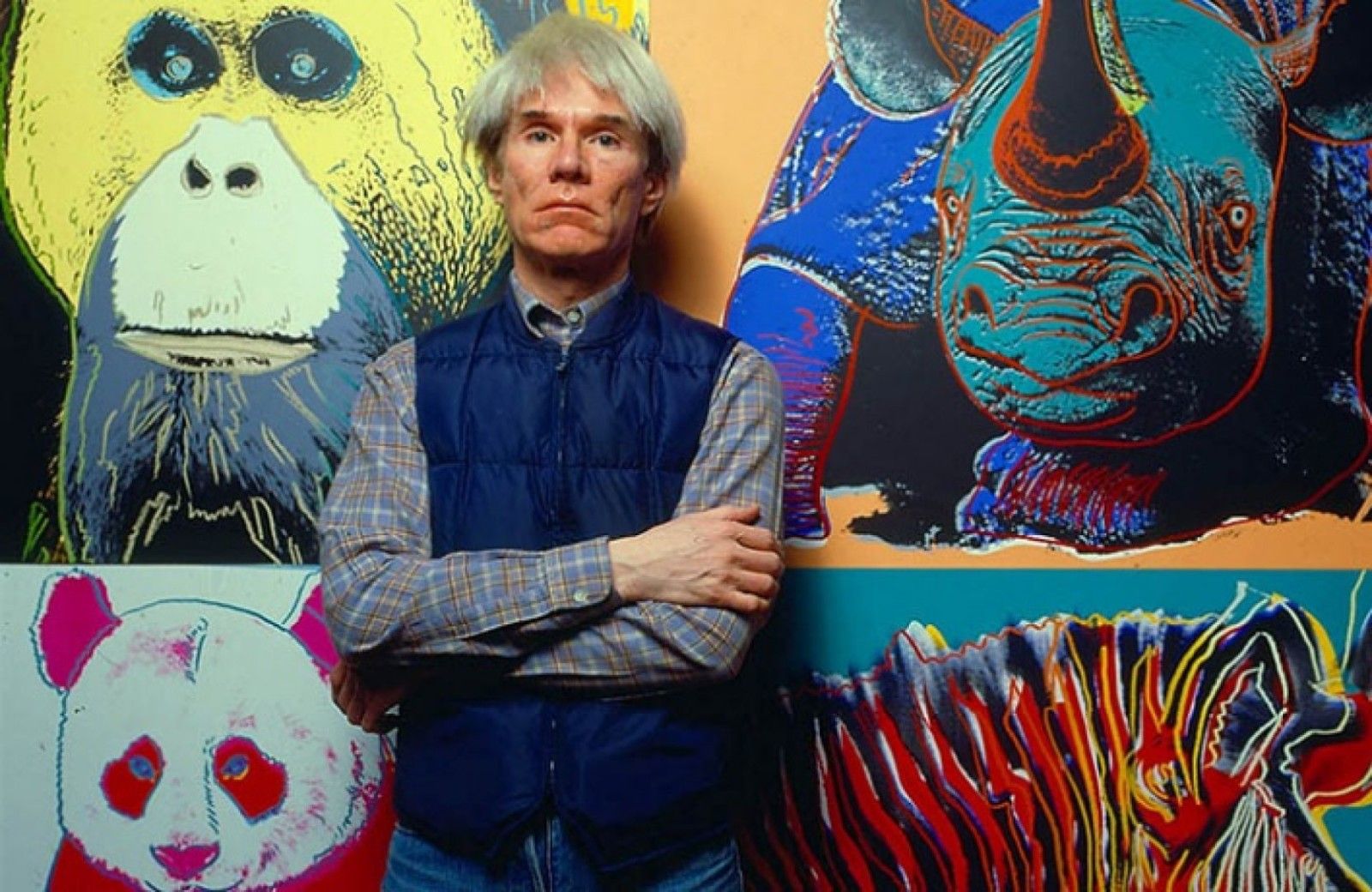
The idea for this body of work was born a year earlier when Warhol had a discussion with Feldman and his wife Frayda, art dealers and long-time political and environmental activists, about various ecological issues. Inspired by their talk and Warhol’s passion for such issues, the Feldmans, whose gallery Ronald Feldman Fine Art, New York was known for supporting innovative art projects and installations, commissioned Warhol to create a portfolio of ten silkscreen works titled ‘Endangered Species’. Warhol, who had an affinity and interest in animals, embraced the idea and selected an array of magnificently diverse animals from across the globe: Siberian Tiger, Bald Eagle, Orangutan, Grevy’s Zebra, Black Rhinoceros, Bighorn Ram, African Elephant, Pine Barrens Tree Frog, Giant Panda and the San Francisco Silverspot.
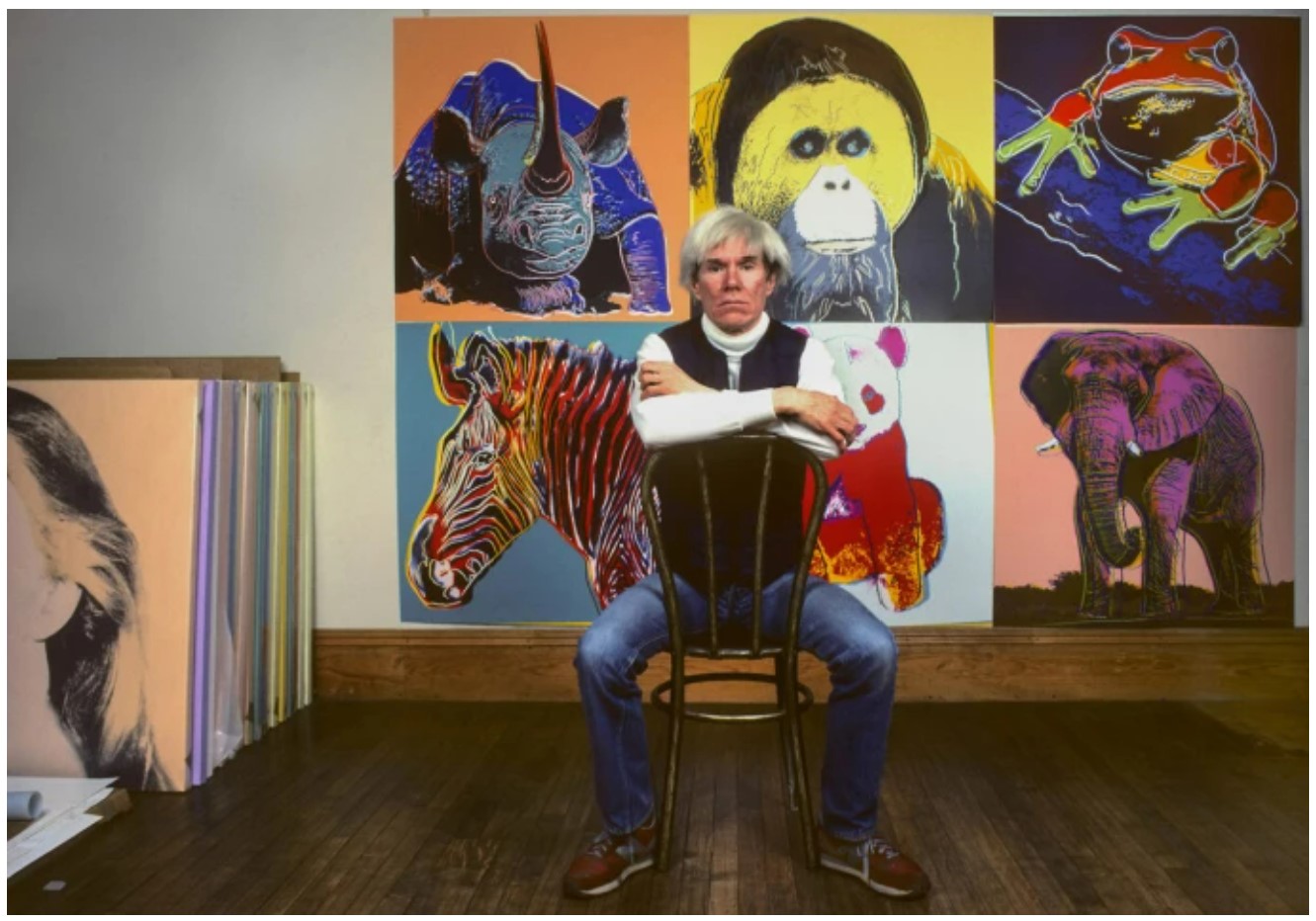
ANDY WARHOL IN HIS STUDIO, THE FACTORY, IN FRONT OF SOME OF HIS PAINTINGS FROM HIS ENDANGERED SPECIES SERIES, APRIL 1983 © 2022 ANDY WARHOL FOUNDATION FOR THE VISUAL ARTS / ARTISTS RIGHTS SOCIETY (ARS), NEW YORK
As a portfolio of prints, alongside individual works on canvas, many examples from the series were given to charities and sold at fundraising events concerned with the preservation of the natural world. Described by Warhol as ‘animals in makeup’, the endangered species were treated in the same typically, and by this time iconic, Warholian manner as his pantheon of stage and screen icons.
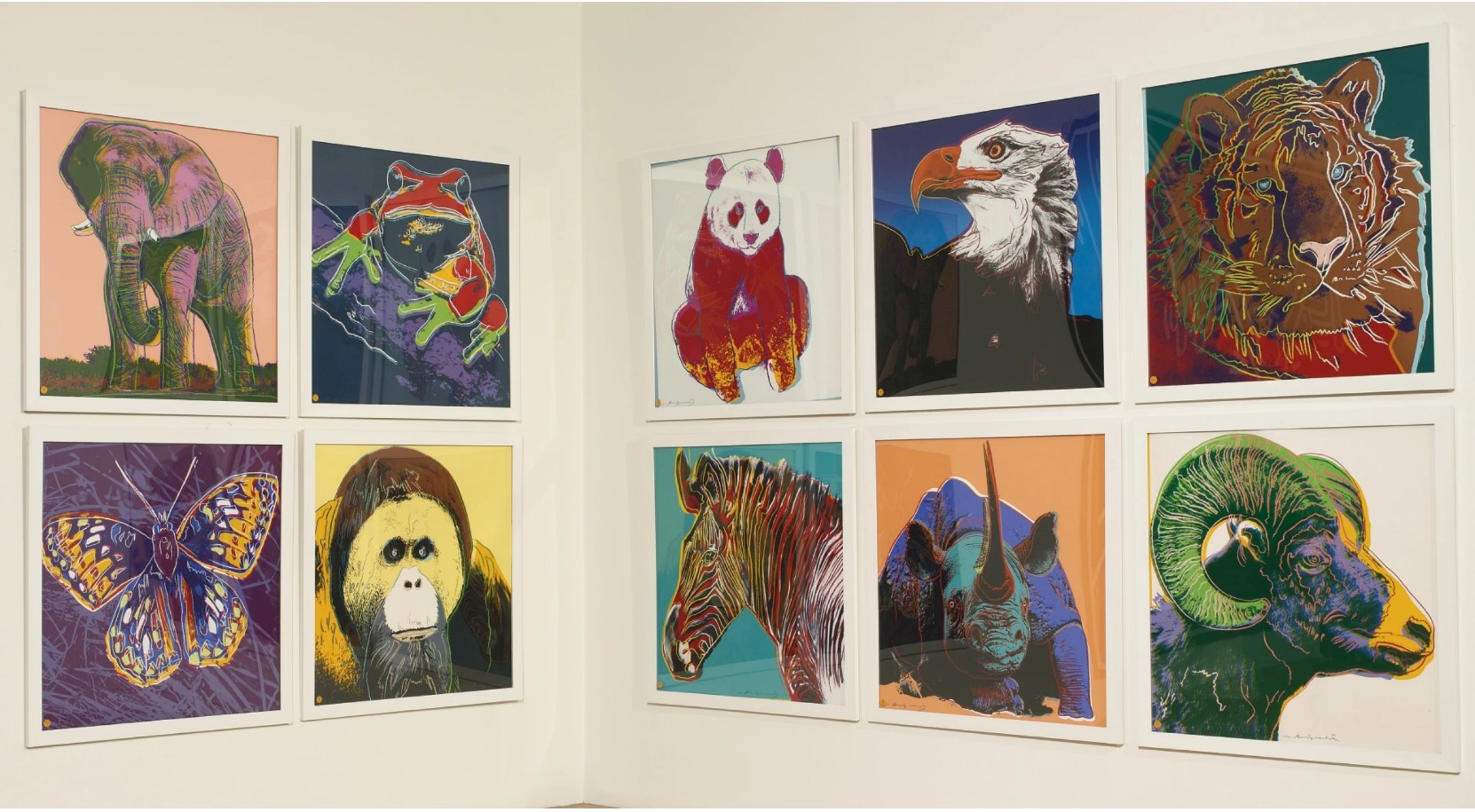
Ostensibly distinct from the long-established subjects of consumerism, commercialism and mass production in his oeuvre, Warhol’s Endangered Species series channels the familiar stylistic and thematic foundations of his preceding works. Acutely aware of the power of celebrity, Warhol elevated each animal to the stature of stardom, in the same manner as he approached his pantheon of icons of the stage and society, in order to bring attention to their potentially imminent extinction. Each is iconic in its own right, serving as the fateful face of its entire species. Referring to the works as “animals in makeup,” Warhol glamorized the exotic creatures through psychedelic colors, neon outlines, and a monumental scale. Thematically, the series presents a mediation on glamor, the passage of time, and mortality, central tenets that underpin works throughout his career.
Siberian Tiger
Sotheby’s New-York: 17 November 2022
Estimated: USD 2,000,000 – 3,000,000
USD 2.591,000
Siberian Tiger | Contemporary Day Auction | 2022 | Sotheby’s (sothebys.com)
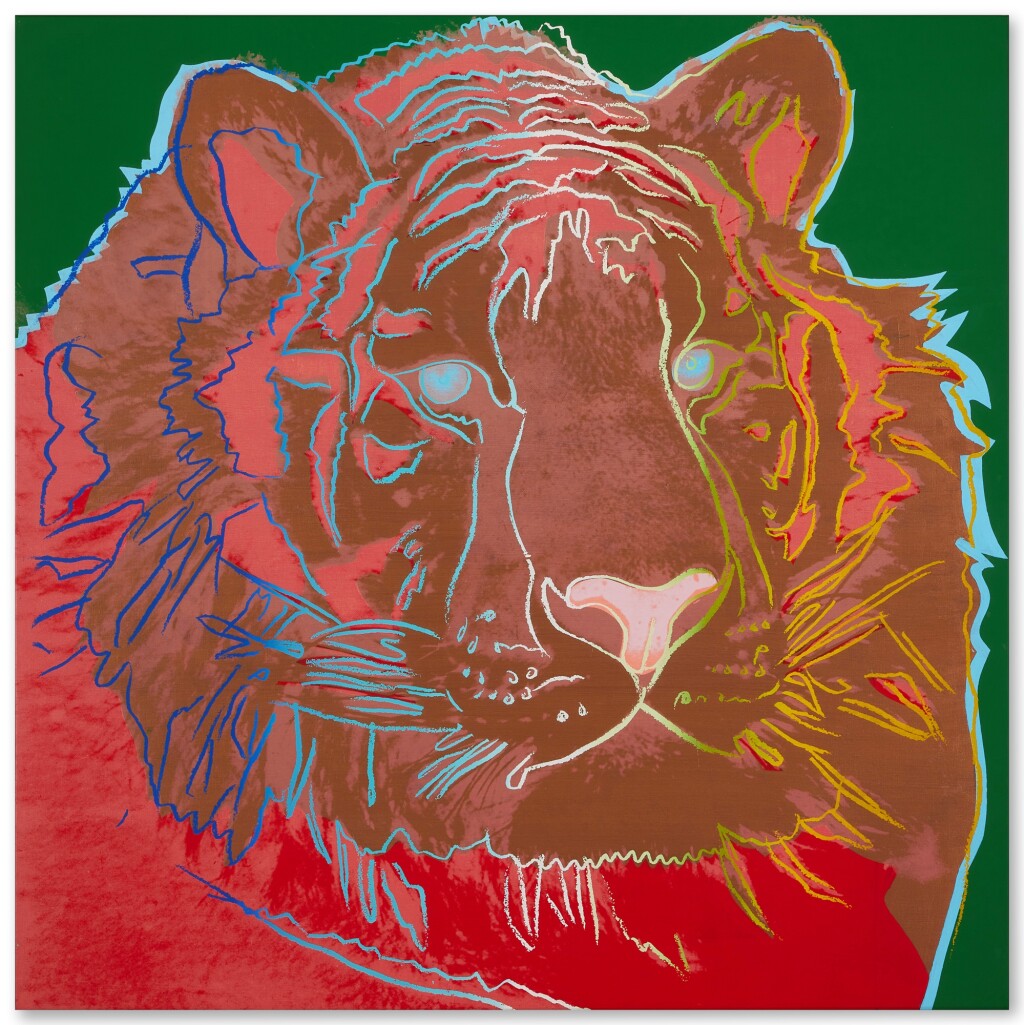
ANDY WARHOL (1928-1987)
Siberian Tiger, 1983
Acrylic and silkscreen ink on canvas
60×60 inches (152.4 x 152.4 cm)
Signed Andy Warhol and dated 83 (on the overlap)
Optically mesmerizing and meticulously composed, Andy Warhol’s 1983 Siberian Tiger is a resplendent example from one of the artist’s most beloved series: Endangered Species. Executed just four years before his untimely death in 1987 during a period of renewed and intense commitment to painting, the series exemplifies the artist’s iconic Pop sensibility, yet stands out within the artist’s oeuvre with its meaningful and personal subject-matter. With its piercing gaze, Warhol’s Siberian Tiger commands the viewer’s full attention with a bravura that rivals that of his supreme Pop images of Elizabeth Taylor and Campbell’s Soup Cans.
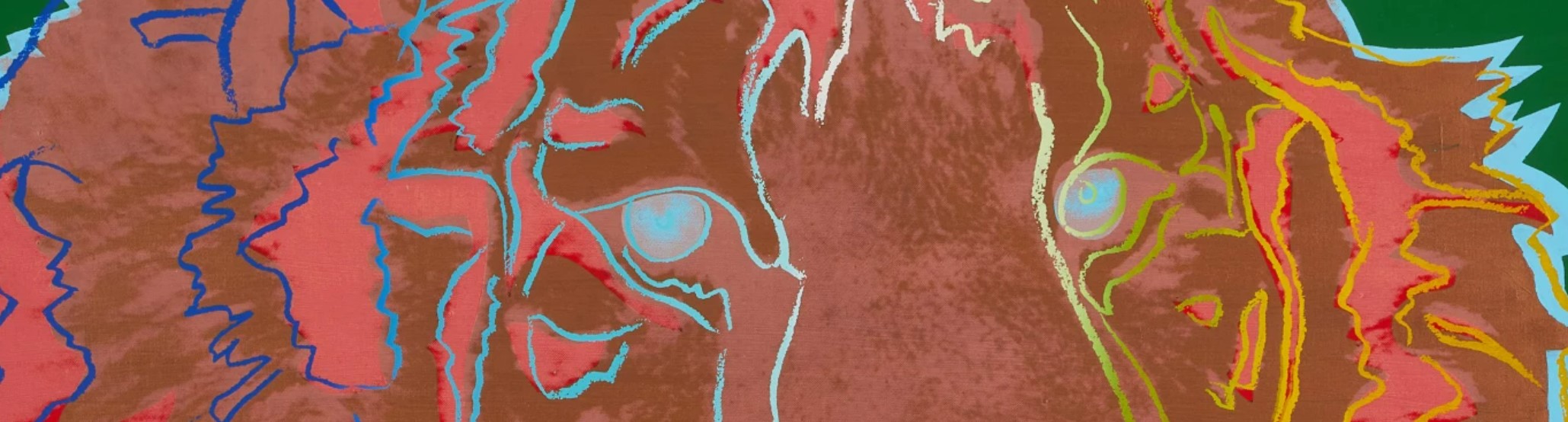
Perhaps the most adventurous of the series in terms of color, Siberian Tiger pulsates with its chromatic brilliance and psychedelic outlines. Set against a lurid green background on a monumental canvas, the tiger is composed of a washed-out orange base and layered with vibrant streaks of yellow, blue, green, and red. Its iridescent blue eyes, carved from the thickly applied silkscreen, breathes life into the stoic animal, mesmerizing onlookers. Created using Warhol’s signature silkscreen process coupled with fluid strokes of synthetic paint, the work may seemingly convey the deadpan detachment of his earlier Pop creations: Campbell’s soup cans, advertisements, or money signs. On the contrary, sustained looking affords viewers with a sense of intimacy with the creature that feels simultaneously alluring and unsettling. Despite the eccentric and boldly contrasting colors, the tiger’s expression evinces an aura of somberness, which reinforces the species’ fate. Beneath the garish makeup, a dark undercurrent revealed through the tiger’s gaze confronts viewers with the realities of the animal’s plight, should the culture of overindulgence and materialism continue at the same unrelenting pace as the excess of the 80s.
Bald Eagle
Christie’s New-York: 1 December 2020
Estimated: USD 4,000,000 – 6,000,000
USD 4,350,000
Andy Warhol (1928-1987) (christies.com)
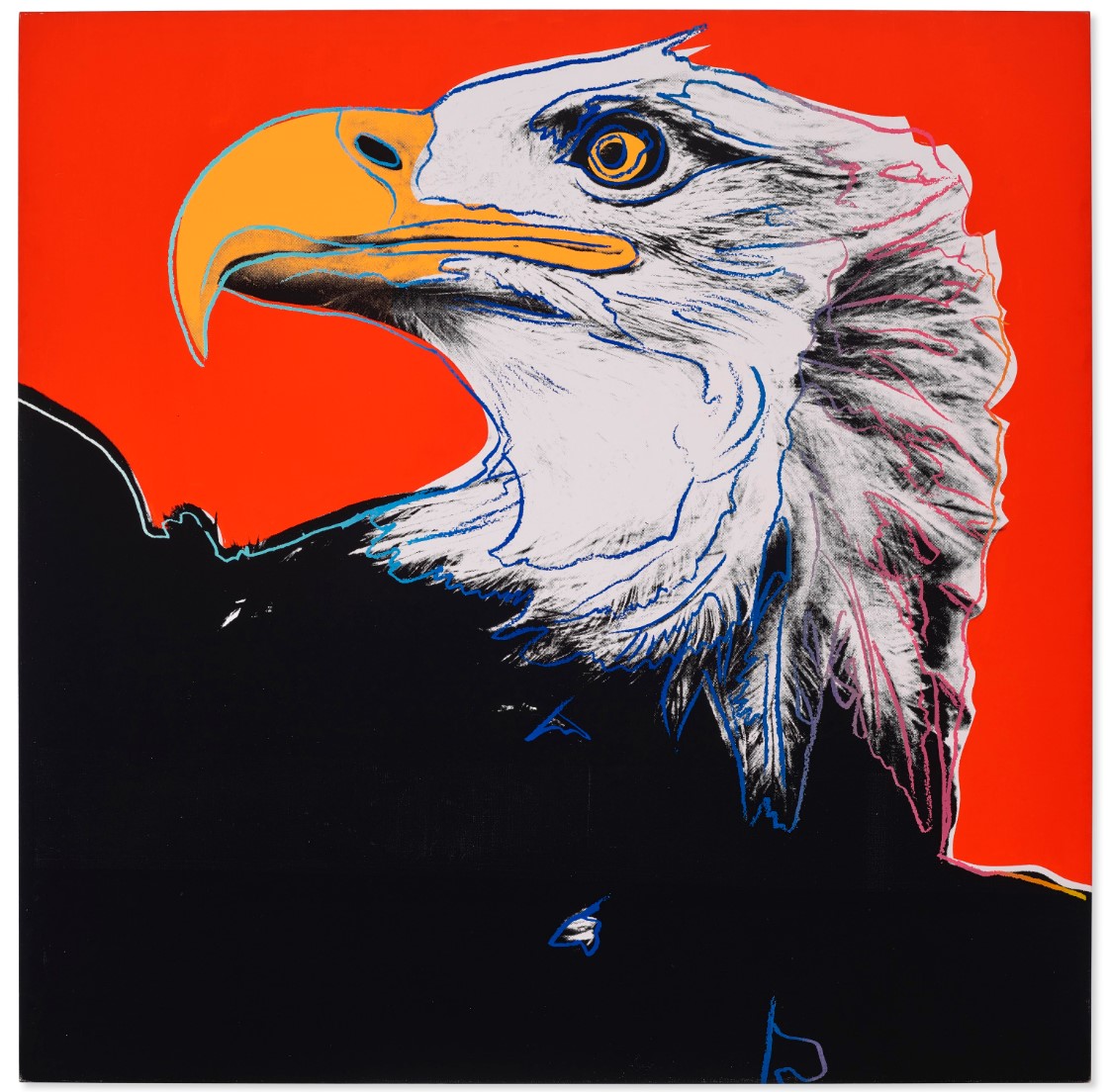
ANDY WARHOL
Bald Eagle, 1983
Acrylic and silkscreen ink on canvas
60×60 inches (152.4 x 152.4 cm)
Signed, titled and dated ‘eagel [sic] Andy Warhol 83’ (on the overlap)
A national symbol of strength, courage, freedom, and immortality the bald eagle is proudly stamped across the coinage and official seals of the American government. While the national bird of the United States was largely thought to be chosen due to the founding fathers’ fondness for comparing their new republic to the Roman Republic in which eagle imagery was prominent, the bald eagle has long been central to the sacred religious and spiritual practices of many Native American cultures. Set against a boldly patriotic red, at first glance Andy Warhol’s Bald Eagle is a stately expression national pride. However, not dissimilar to his earlier depictions of the Statue of Liberty and the former First Lady, Jacqueline Kennedy, Bald Eagle is anything but pomp and circumstance.
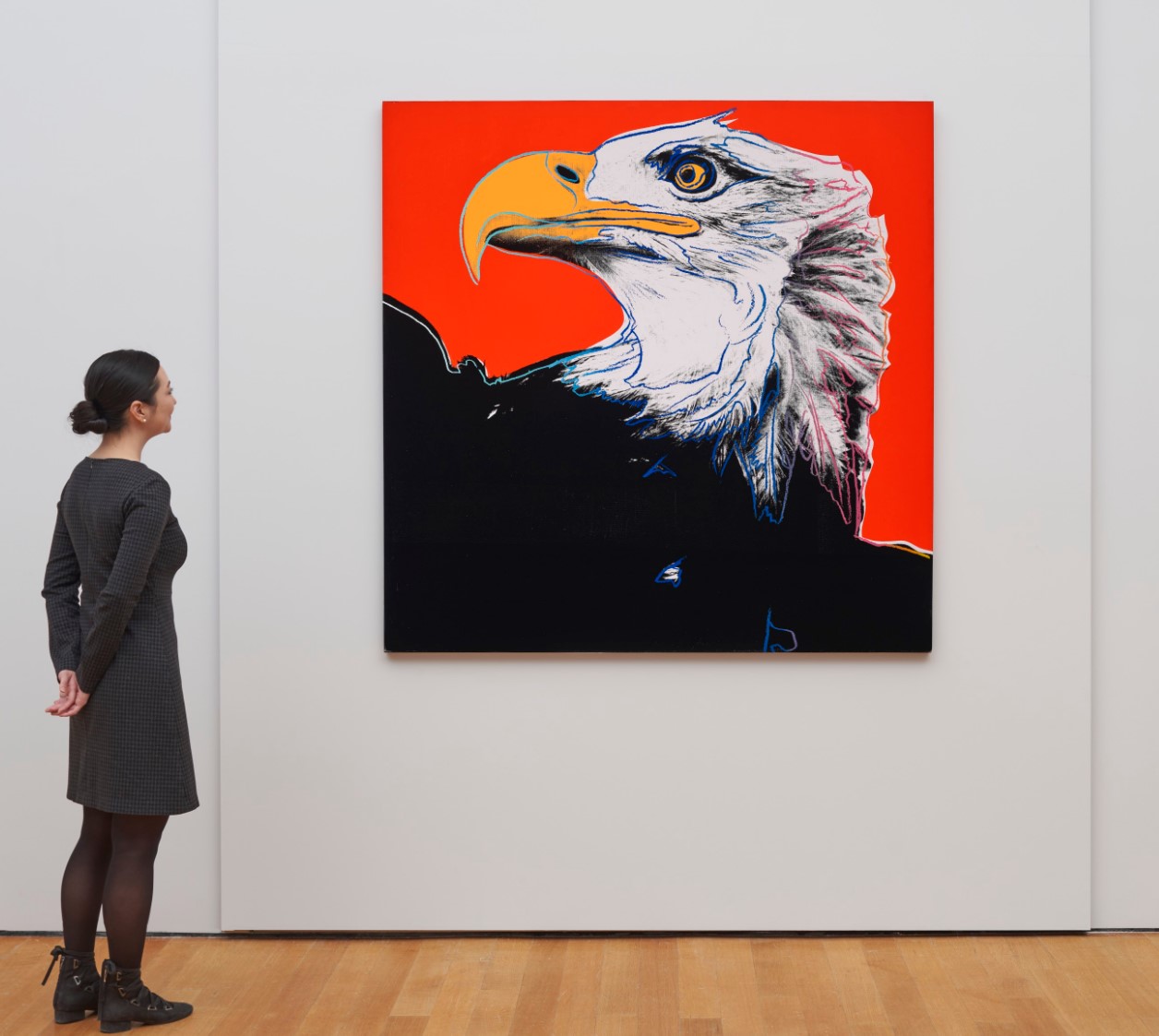
A brilliant predator of the skies, the bald eagle exhibits the same bad boy persona as Warhol’s iconic depictions of Marlon Brando and Elvis Presley. And yet, perhaps more so than any other animal in the Endangered Species series, the bald eagle transforms into a later, but no less poignant, example of Warhol’s Death and Disaster paintings of the 1960s. A confronting headshot of the national bird, Bald Eagle is placed front and center against a flat red background on Warhol’s standard 40×40 inch canvas, a haunting reminder of the iconic 1964 Red Jackie. Like the beloved President Kennedy assassinated in his motorcade, the bald eagle, conceivably the most revered animal and beloved symbol of the American people, had been pushed to the brink of total extinction. Bald Eagle stands as proudly and as confidently as Liz, Marilyn, and Jackie before him, yet like the tragic stars the underlying tone is anything but glamorous.
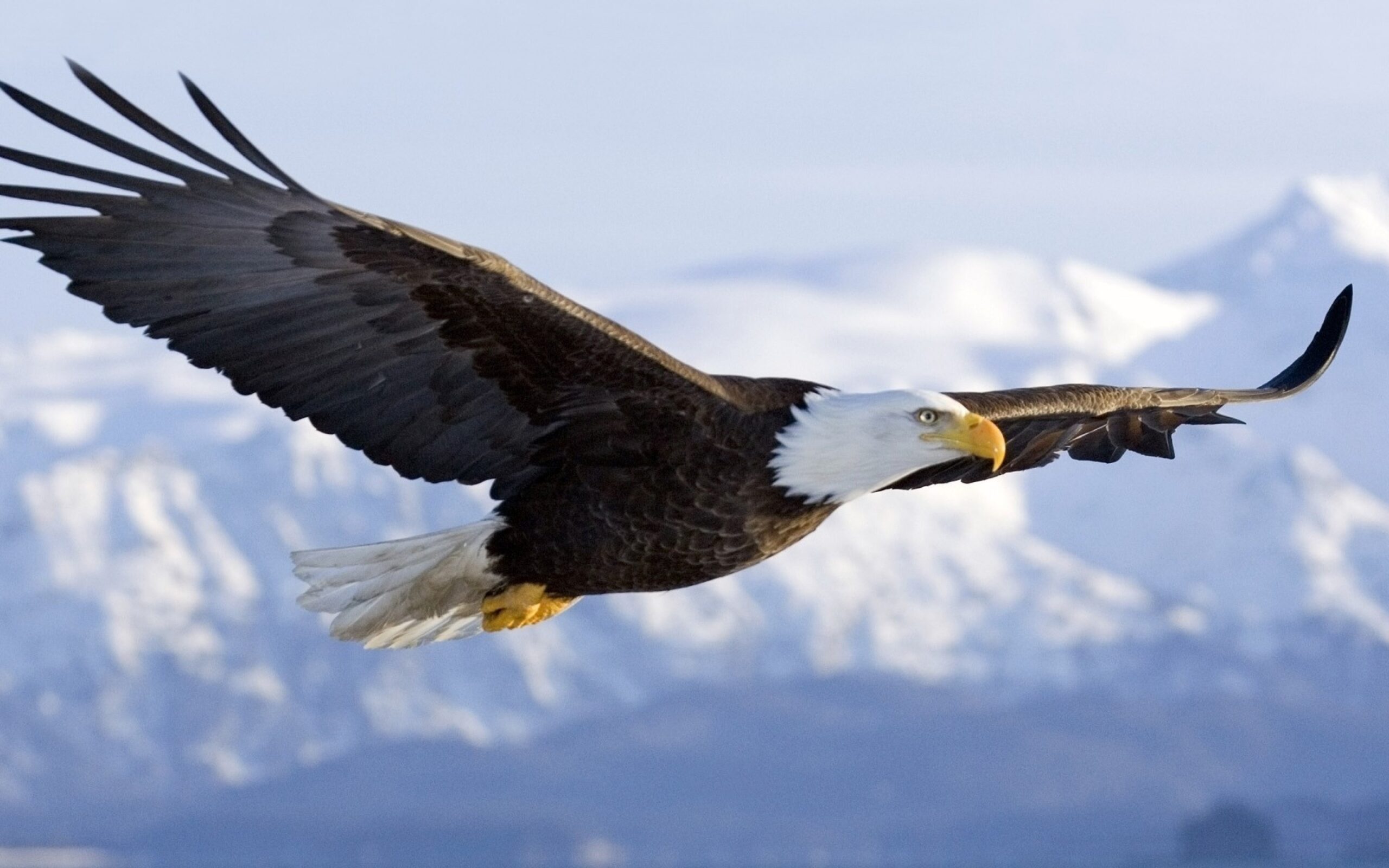
While it was once predicted that nearly 500,000 bald eagles graced the skies above North America, the eagles’ population began to significantly decline in the mid-twentieth century. Though the birds had been protected since the 1918 Migratory Bird Treaty between the United States and Canada, the growing use of pesticides in the twentieth century lead to a rapid decline. By the 1950s, it was believed that only 412 pairs of nesting bald eagles resided in the contiguous United States. Resultantly, in 1967 the United States declared their own national symbol an endangered species. Fortunately, due to a series of laws passed in the 1970s and 80s—chief among them the 1972 ban of the DDT pesticide which was responsible for the dramatic decrease in the fertility of many birds—the bald eagle population slowly began to recover. In 1995, the U.S. Fish and Wildlife service reclassified the status of the bald eagle from endangered to threatened, and in 2007 the eagle was delisted from the List of Endangered and Threatened Wildlife and currently holds the status of least concern. However, due to the national importance of the bird, it remains heavily protected.
African Elephant
African Elephant, 1983
Sotheby’s London: 7 March 2018
Estimated: GBP 1,400,000 – 1,800,000
GBP 1,569,000
(#50) ANDY WARHOL | African Elephant (sothebys.com)
ANDY WARHOL
African Elephant, 1983
Acrylic and silkscreen ink on canvas
60×60 inches (152.4 x 152.4 cm)
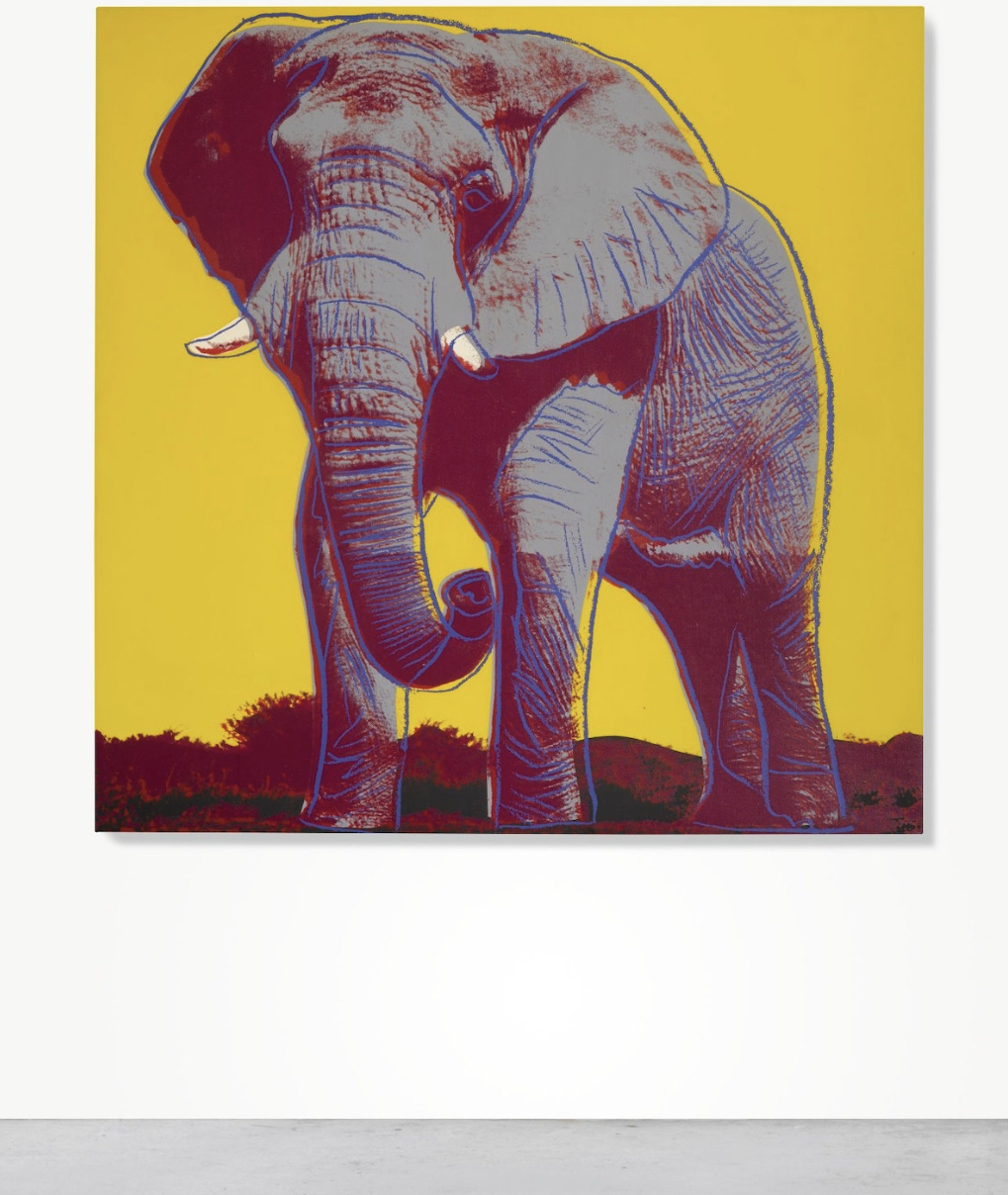
Set against a bold yellow backdrop, Warhol’s African Elephant is here articulated in screens of complimentary red-purple and grey that are overlaid with blue linear marks. The present work thus contains the uncanny amalgamation of Pop culture signifiers and the macabre that constitute Warhol’s distinctive idiom. Vivid and exuberant, the colors of the Endangered Species stand in tragic opposition to the existential plight that drove the series’ execution. This duality is prevalent throughout Warhol’s career, most memorably in the canvases of Marilyn Monroe. Just as the erasures and imperfections of Warhol’s mechanical silkscreens compounded Monroe’s human fragility and iconic media fame, African Elephant bears blurring, distortion, and shadow that formally mirror the precariousness of its existence. Analogous to Monroe perhaps, the African Elephant has been hunted for its trophy-like beauty and status to the point of utter annihilation. The present work remains typically complex and equivocal. Indeed, the emotional drive behind the series is counterbalanced by a typical playfulness expressed in the artist’s choice of color. Famously suspicious of mythology and romance, Warhol used iteration as a tool by which to strip emotion-laden (and hence volatile) objects of their emotional significance.
San Francisco Silverspot
San Francisco Silverspot, 1983
Sotheby’s London: 8 March 2017
Estimated: GBP 1,400,000 – 1,800,000
GBP 1,688,750
(#38) Andy Warhol (sothebys.com)
 ANDY WARHOL
San Francisco Silverspot, 1983
Acrylic and silkscreen ink on canvas
60×60 inches (152.4 x 152.4 cm)
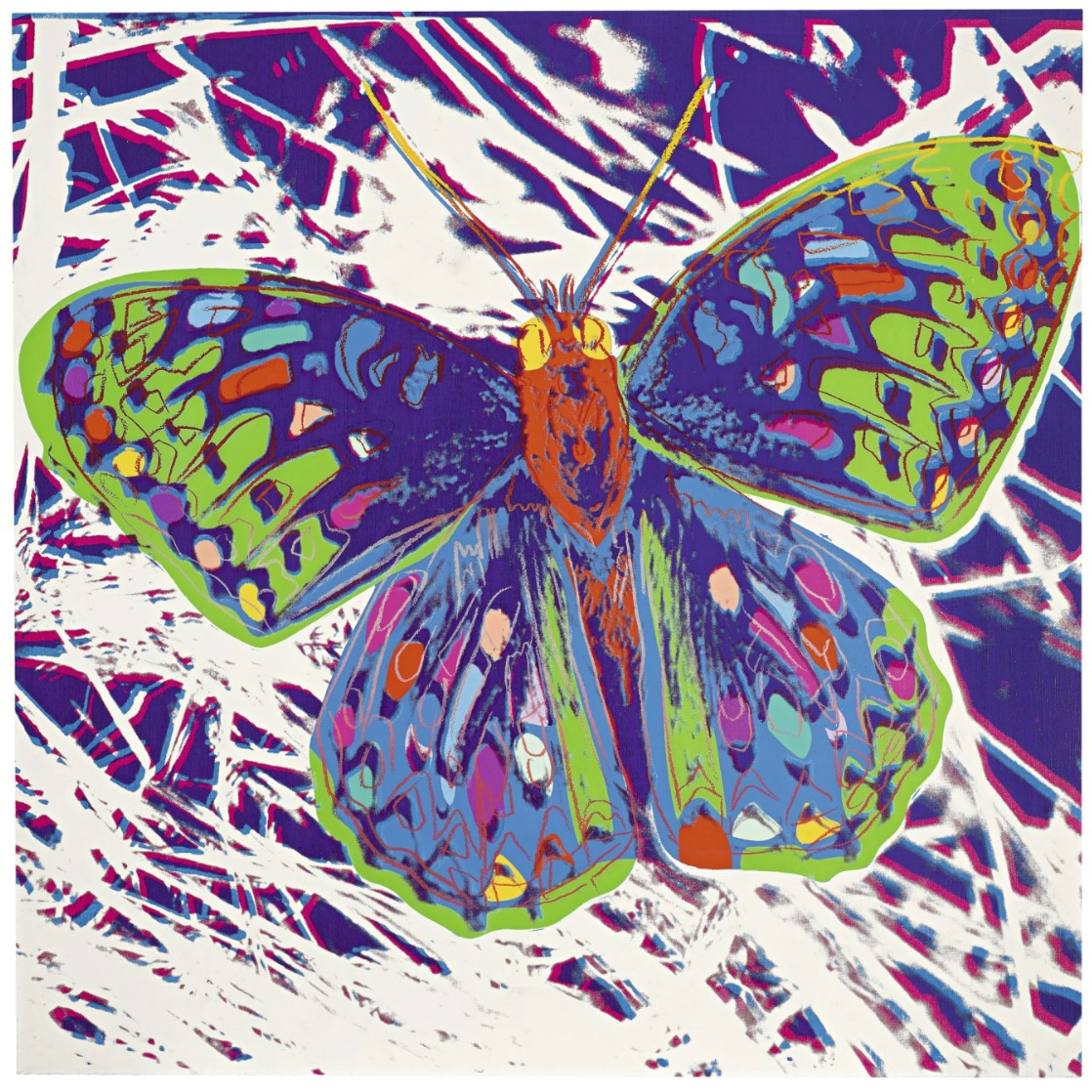
The Silverspot is a species of butterfly whose wings are eye-catching with a brown, tan, and black scalloped pattern on their surfaces and orange-brown with characteristic silver spots on the undersides. Here the flawlessly slick print shows Warhol as absolute technical master of the technique that he pioneered. He re-imagines the endangered butterfly, implementing a palette of Day-Glo colors, characteristic of his distinct Pop aesthetic. As it flutters gracefully among the sea of radiating white blades of grass, the butterfly of Endangered Species: San Francisco Silverspot is bejewelled with brilliant reds, greens, blues, and yellows. While painterly in essence, the graphic quality is very much palpable through the vivid and expressive movement of line. It is archetypal of the chromatic brilliance and cartoon-like aesthetic that defines the series.
San Francisco Silverspot, circa 1983
Christie’s New-York: 11 November 2012
Estimated: USD 1,000,000 – 1,500,000
USD 1,258,500
Andy Warhol (1928-1987) (christies.com)
ANDY WARHOL
Endangered Species: San Francisco Silverspot, circa 1983
Synthetic polymer and silkscreen inks on canvas
60×60 inches (152.4 x 152.4 cm)
Stamped with the Estate of Andy Warhol and the Andy Warhol Foundation for the Visual Arts, Inc. stamps and numbered ‘PA29.007’ (on the overlap) and numbered again ‘PA29.007’ (on the stretcher)
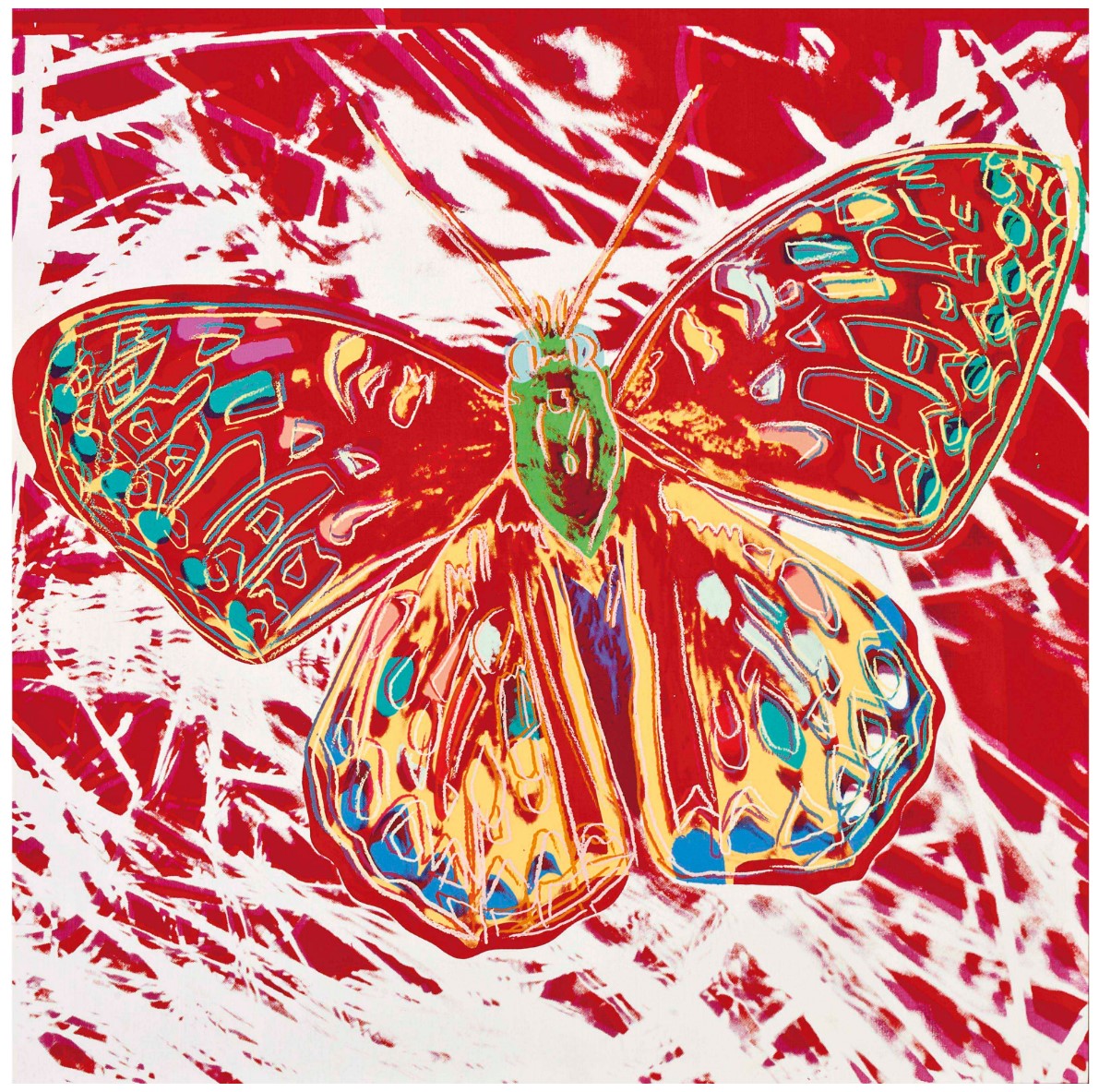
Gracefully floating among a sea of radiating scarlets and stark white blades of grass, the nearly camouflaged butterfly of ‘Endangered Species: San Francisco Silverspot’ is highlighted by strokes of peach and flecks of blue. Now, closer to extinction than when Warhol originally conceived this painting, only two known colonies still exist. More commonly referred to as the Callioppe silverspot, the name refers to the silvery patches of scales on the underside of the wings. Historically, this butterfly inhabited grasslands ranging over much of the northern San Francisco Bay region. The cause of the Callioppe silverspots decline is fairly clear. The vast majority of potential butterfly habitat lies under the cities of San Francisco, Oakland, and Berkeley. What open areas remain are dominated by recently introduced plant species, and many are grazed by cattle, mined, or subject to heavy recreational use. The two remaining colonies are now located on private lands that are largely protected from development. Although these numbers now appear to be stable, the species was listed as a federal endangered species in 1997. However, California does not list insects as state endangered species.
Bighorn Ram
Bighorn Ram, circa 1983
Christie’s New-York: 11 November 2012
Estimated: USD 700,000 – 1,000,000
USD 842,500
Andy Warhol (1928-1987) (christies.com)
ANDY WARHOL
Endangered Species: Bighorn Ram, circa 1983
Synthetic polymer and silkscreen inks on canvas
60×60 inches (152.4 x 152.4 cm)
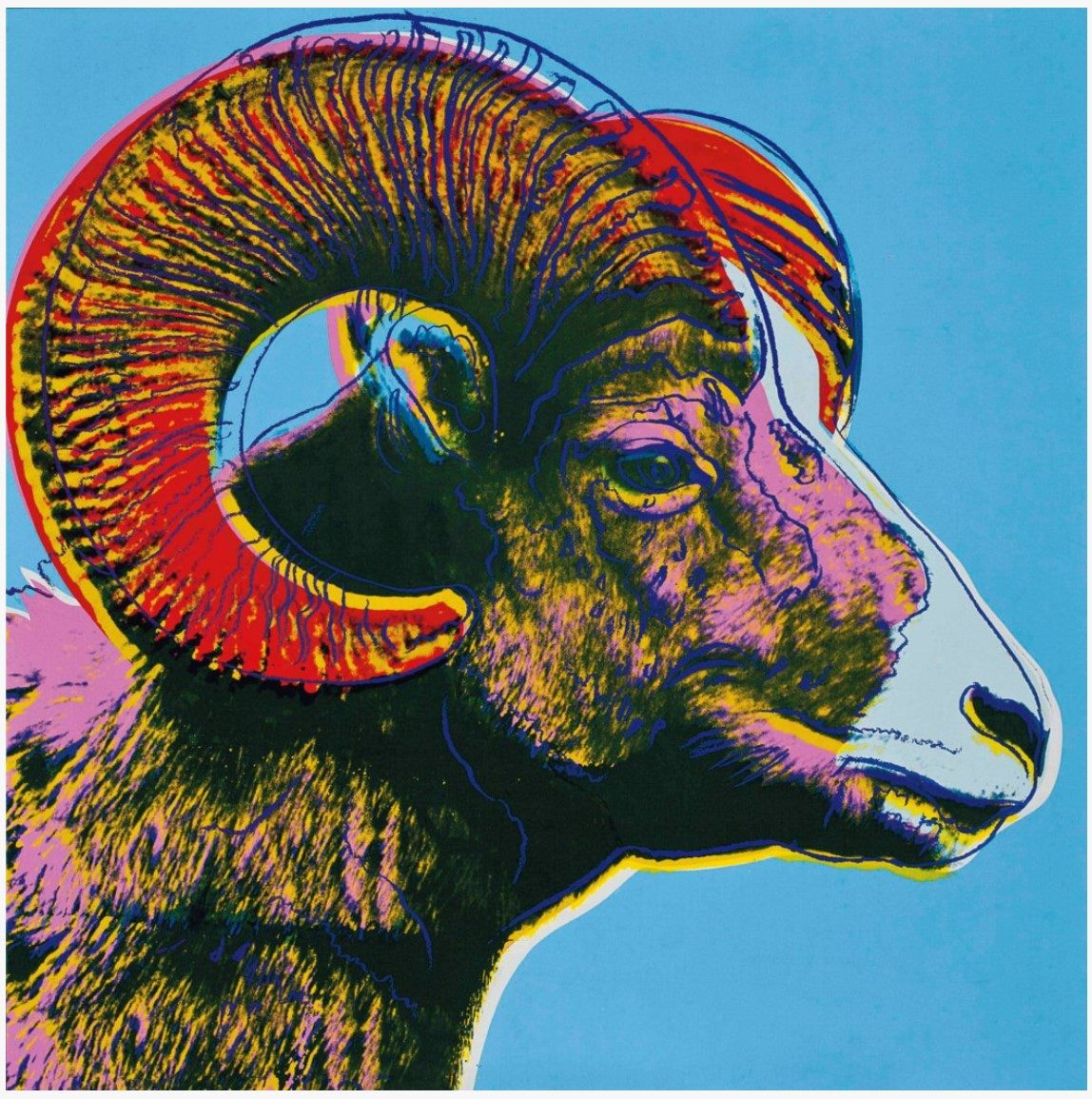
A powerful image, mounted against a solid blue background, ‘Endangered Species: Bighorn Ram,’ boasts one of the most admired animals among the Apsaalooka, or Crow people, central to the Apsaslooka tribal lands, the sheep are the name sake for what is today called the Bighorn Mountain Range in northern Wyoming. The Bighorn sheep originally crossed into North America over the Bering Land Bridge from Siberia, sparking the population in North America to peak in the millions, and thus the Bighorn sheep entered into the mythology of Native Americas. However, by 1900 the population had crashed to several thousand. Efforts established in 1930 by the Boy Scouts of America created two Bighorn game ranges in Arizona. Through an increased program of reintroductions, national parks, and reduced hunting, together with a decrease in domesticated sheep near the end of World War II, allowed the Bighorn sheep to make a further comeback. Though it is currently unknown if the population of Bighorn sheep has risen since Warhol’s creation, the animal continues to be an iconic image for many Native populations and is know the official mascot for the Arizona Boy Scouts.
Endangered Species Prints
READ ABOUT ENDANGERED SPECIES
FIND ALL HISTORICAL AUCTION RESULTS