Debbie Harry, 1980
Sotheby’s London: 1 March 2023
Estimated: GBP 4,000,000 – 6,000,000
GBP 6,599,300 / USD 7,942,085
Debbie Harry | Modern & Contemporary Evening Auction | | Sotheby’s (sothebys.com)
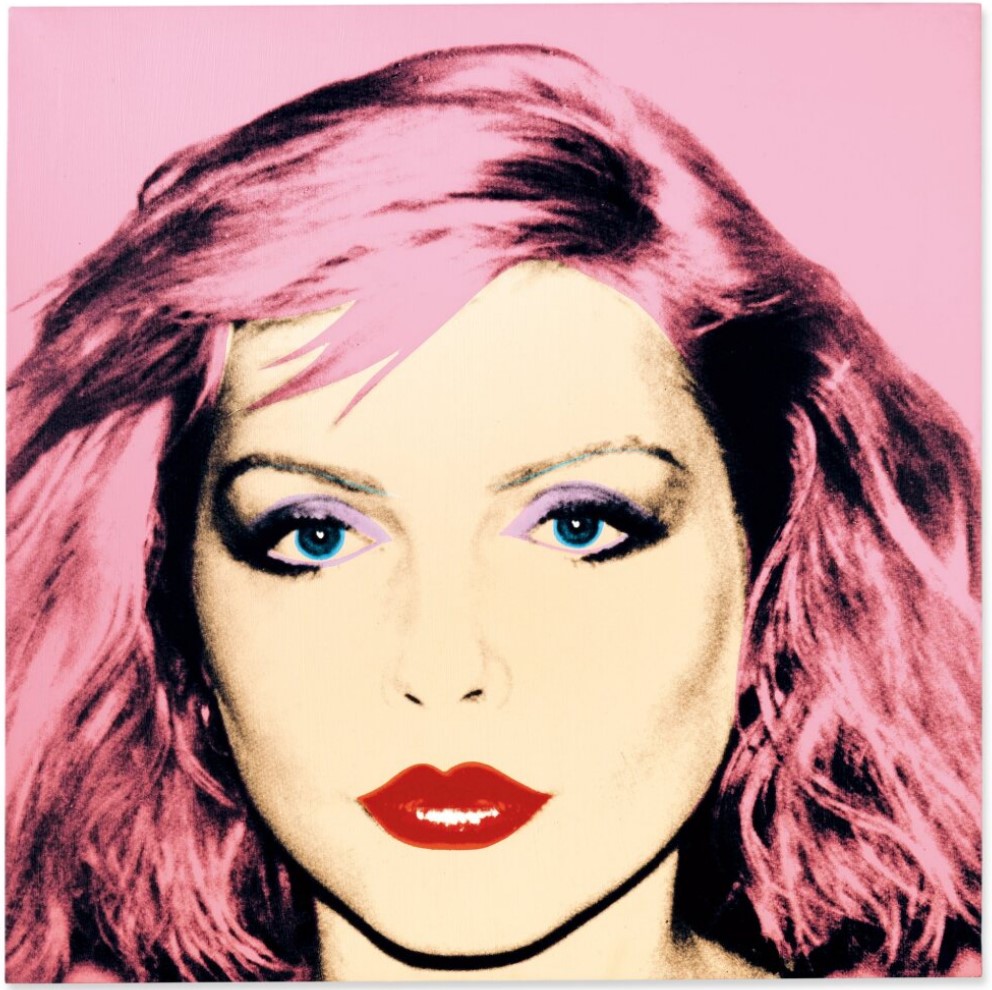
ANDY WARHOL (1928 – 1987)
Debbie Harry, 1980
Acrylic and silkscreen ink on canvas
42×42 inches (106.7 x 106.7 cm)
Stamped by the Estate of Andy Warhol and the Andy Warhol Foundation for the Visual Arts
Numbered PO50-172 (on the overlap)
Featured on the cover of Phaidon’s major volume on Warhol’s portraiture published in 2005, Debbie Harry, from 1980, is one of Warhol’s most striking and accomplished portraits of celebrity. One of only four portraits of the Blondie star in this rare 42 inch format, two of which are in the Andy Warhol Museum in Pittsburgh, this pink version has become one of the best recognized images in Warhol’s oeuvre and is a definitive portrait of the 1980s style icon. Built up of no fewer than five silk-screened layers of ink over a bubblegum pink acrylic ground, this portrait stands head and shoulders above its peers as a masterclass in the genre. Painted at a late high point in Warhol’s career, on the eve of the decade which saw a renewed creative enterprise in his art, Debbie Harry sits squarely in the lineage of great portraiture that began with Liz Taylor, Marilyn Monroe and Jackie Kennedy in the 1960s through to the final fright-wig self-portraits painted only months before Warhol’s death. Like the early portraits of female stage stars, Debbie Harry reveals Warhol’s lifelong fascination with celebrity and beauty; like his final self-portraits, it exhibits the sheer perfection of Warhol’s flawless silkscreen technique, honed and refined over two decades.
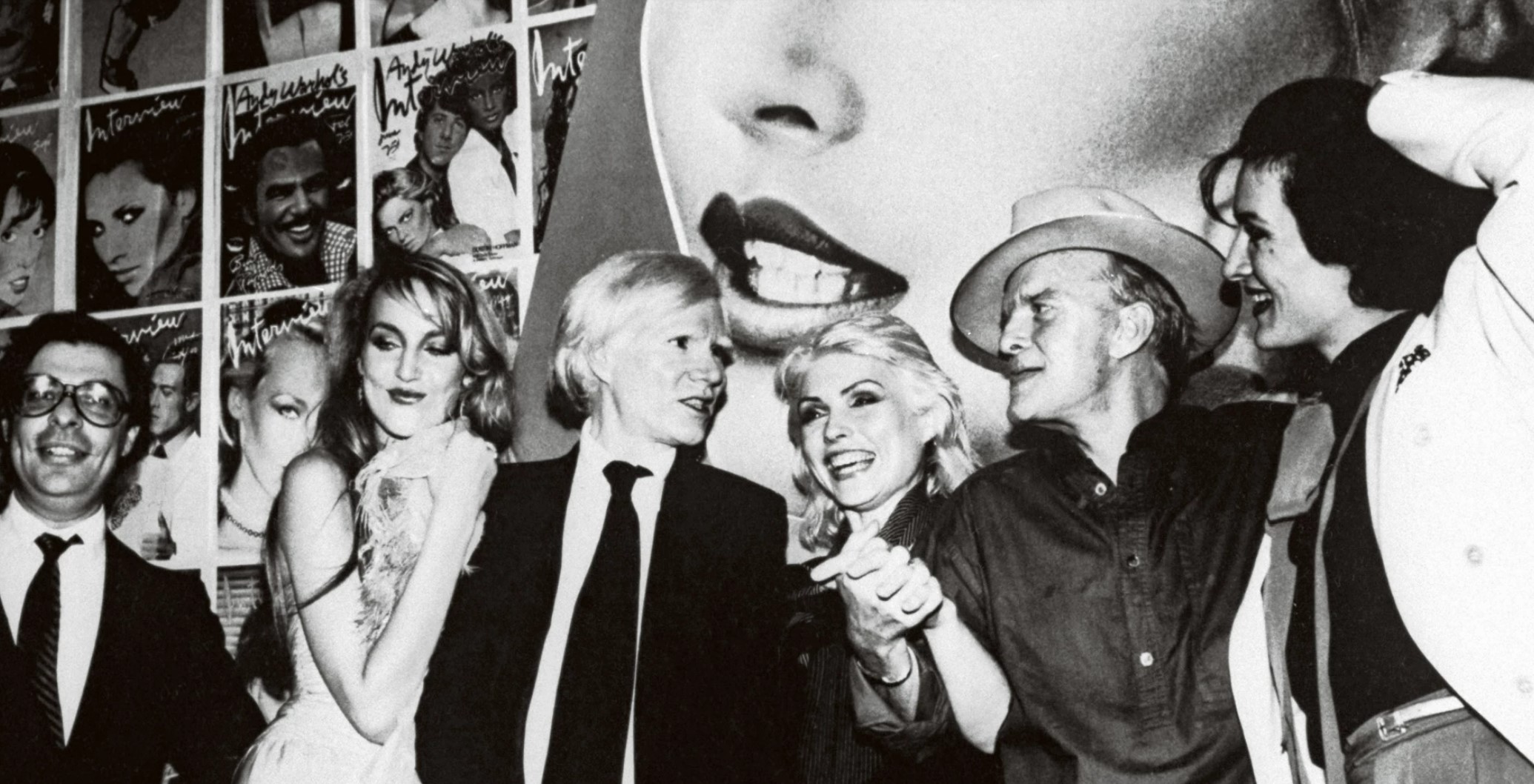
Warhol continued to be inspired and fascinated by beautiful female celebrities throughout his career. Harry, a striking bottle-blonde haired New Jersey native with an equally effervescent personality, had moved to New York City to launch her music career. She was a waitress at Max’s Kansas City, a meeting place for artists and musicians and a favourite hangout for Warhol and his entourage. Warhol and Harry became friends just as her band – Blondie – was becoming successful. She was quickly a staple on the New York social scene and a regular at Studio 54. Blondie, a punk band so named after its diva lead singer, was an immediate huge success. The group launched their debut album in 1976, had their first European tour in 1977 and by 1978 Harry and the band were global superstars. She epitomized the rocket launch rise to fame that infatuated Warhol and in 1979 she graced the cover of his celebrity centered magazine Interview. Her fame, her beauty, and their friendship made her an instant muse for the artist.
Debbie Harry, 1980
Sotheby’s New-York: 12 November 2014
Estimated: USD 2,500,000 – 3,500,000
USD 3,077,000
(#231) Andy Warhol (sothebys.com)
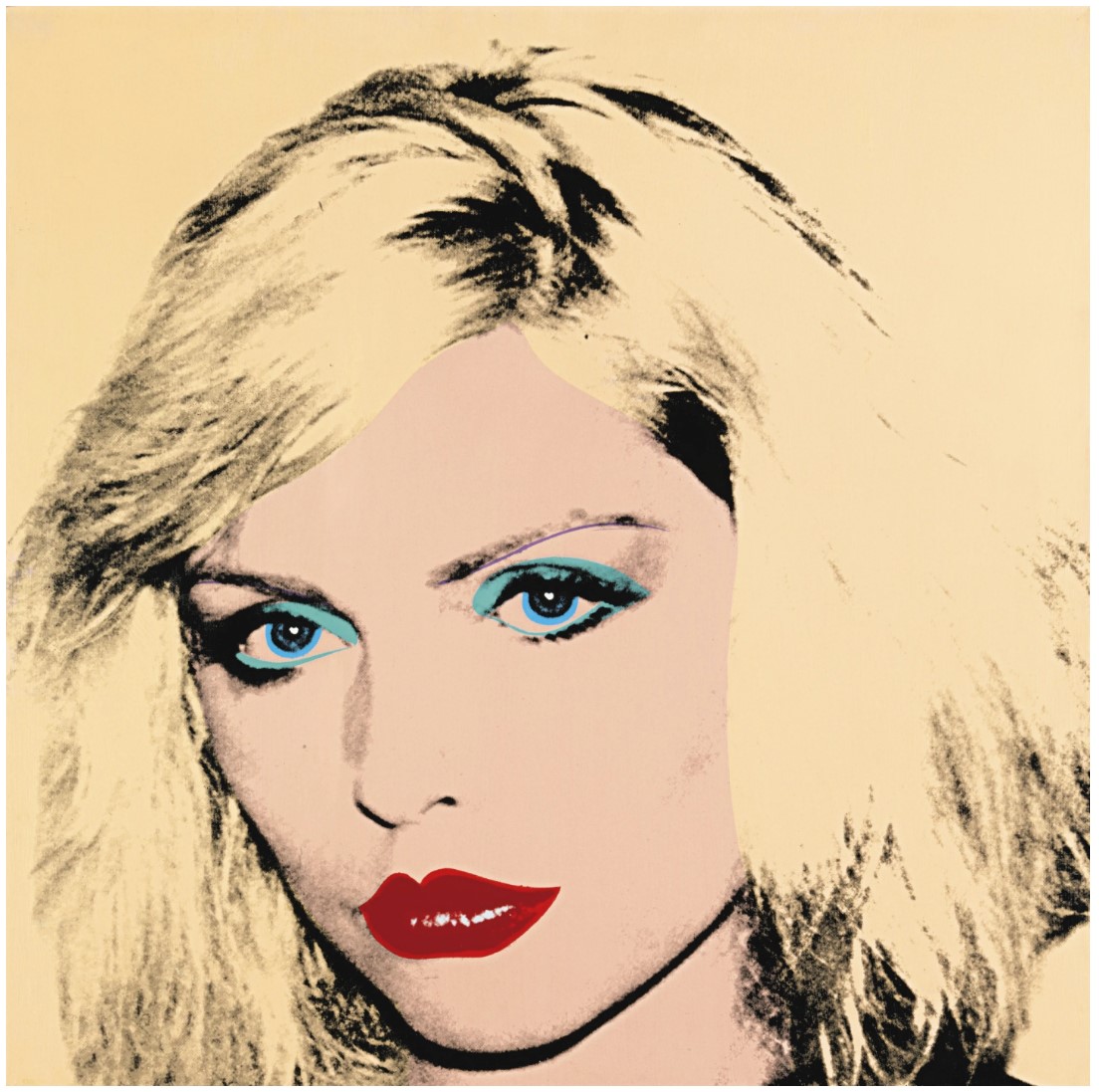
ANDY WARHOL
Debbie Harry, 1980
Acrylic and silkscreen ink on canvas
42×42 inches (106.7 x 106.7 cm)
Signed on the overlap
Inscribed by Debbie Harry XX Love Debbie Harry 1987 on the overlap.
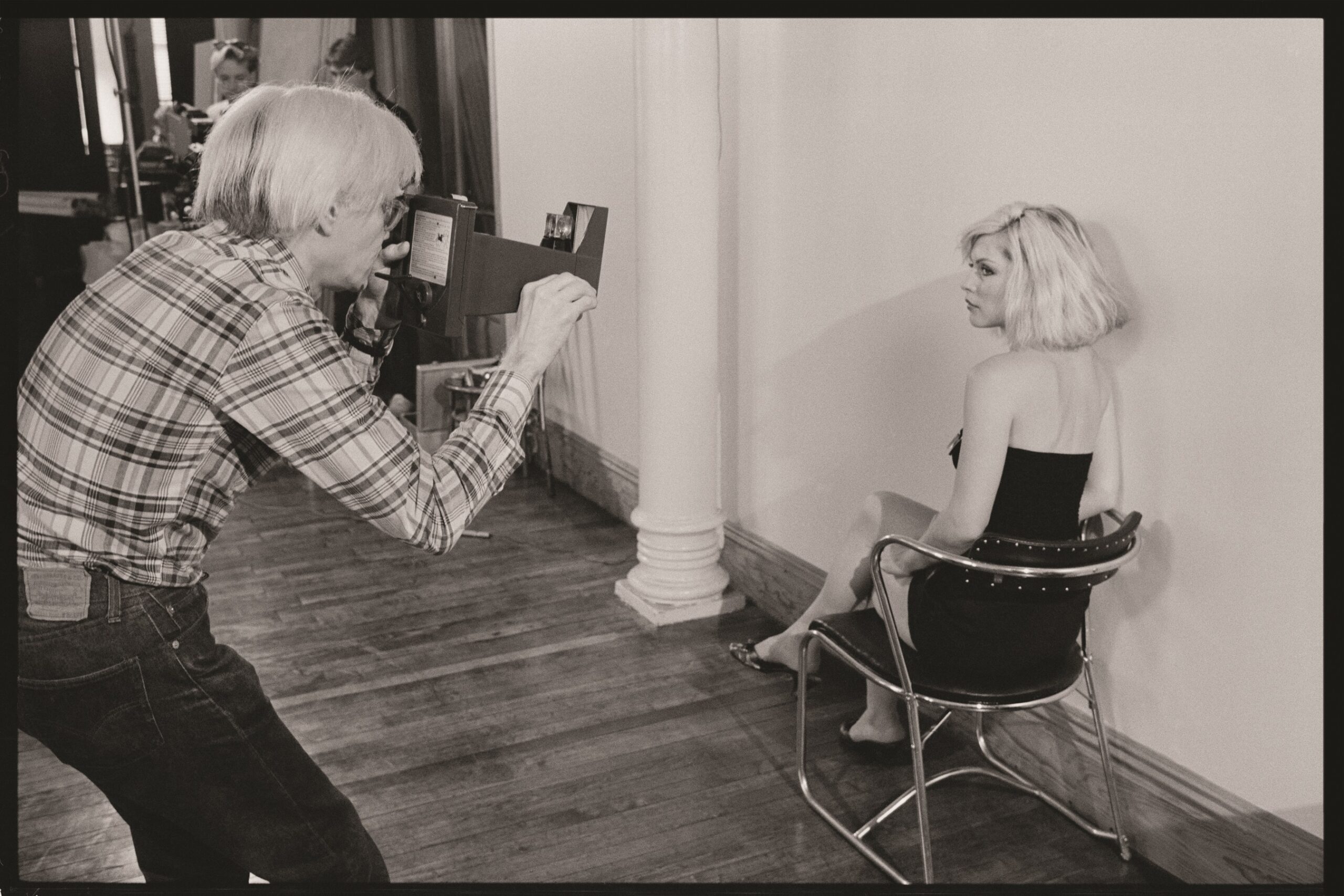
Warhol continued to be inspired and fascinated by beautiful female celebrities throughout his career. Harry, a striking bottle-blonde haired New Jersey native with an effervescent personality, had moved to New York City to launch her music career. She was a waitress at Max’s Kansas City, a meeting place for artists and musicians and a favorite hangout for Warhol and his entourage. Blondie, a punk band named for the diva lead singer’s nickname, was immediately a huge success. The group launched their debut album in 1976, had their first European tour in 1977 and by 1978 Harry and the band were global superstars. She epitomized the overnight celebrity fame that infatuated Warhol, and in 1979, she graced the cover of his celebrity centered magazine Interview. Her fame, her beauty, and their friendship made the rockstar an instant muse for the artist. Debbie Harry frequently appeared on Warhol’s TV show, once wearing a day-glo camouflage head to toe outfit, which she insisted he sign while on her body, inspired by the artist’s camouflage paintings.
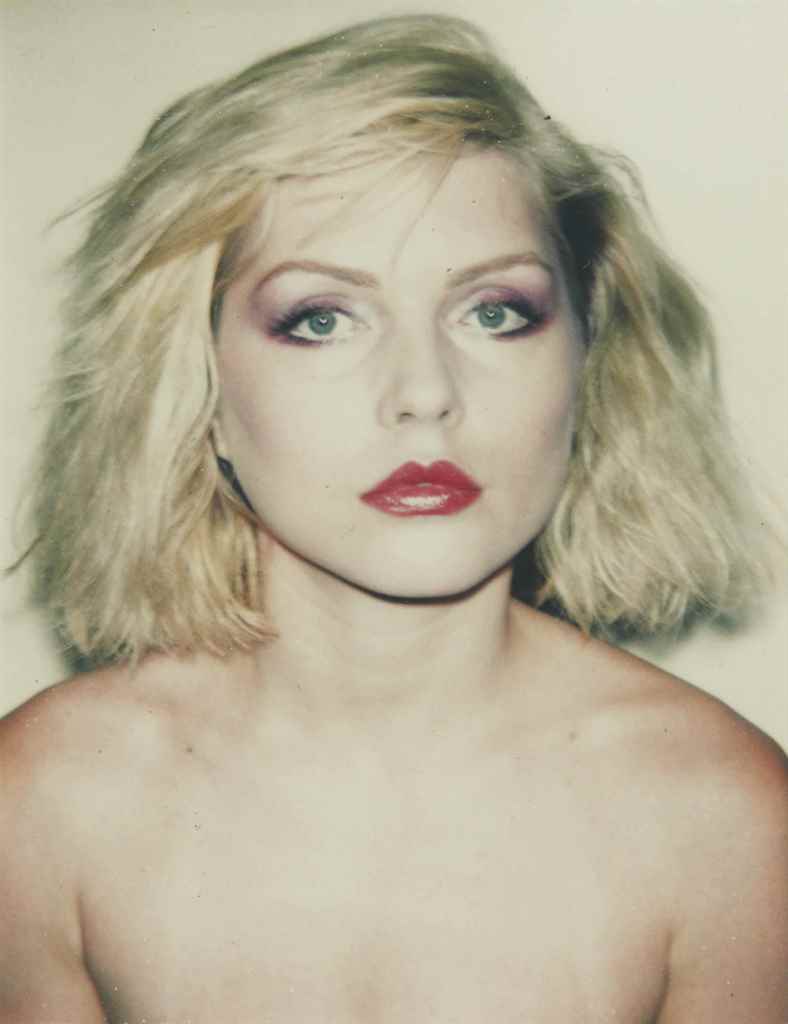
ANDY WARHOL
Debbie Harry, 1980
Unique Polacolor print
3.7 x 2.9 inches (9.6 x 7.4 cm)
Debbie Harry sits squarely in the lineage of great portraiture that links the artist’s images of the stellar trinity of Liz Taylor, Marilyn Monroe and Jackie Kennedy in the 1960s with his final fright-wig self portraits in the 1980s. The world-renowned earlier portraits of his iconic women anticipated the greatest portraits of the 1980s, from Debbie Harry to the remarkable late self-portraits, consistently maintaining an uninterrupted engagement with the viewer and bold use of color. Like the early portraits of female stage stars, Debbie Harry reveals Warhol’s lifelong fascination with celebrity and beauty; like his final self portraits, it exhibits the sheer perfection of Warhol’s flawless silkscreen technique, honed and refined over two decades.
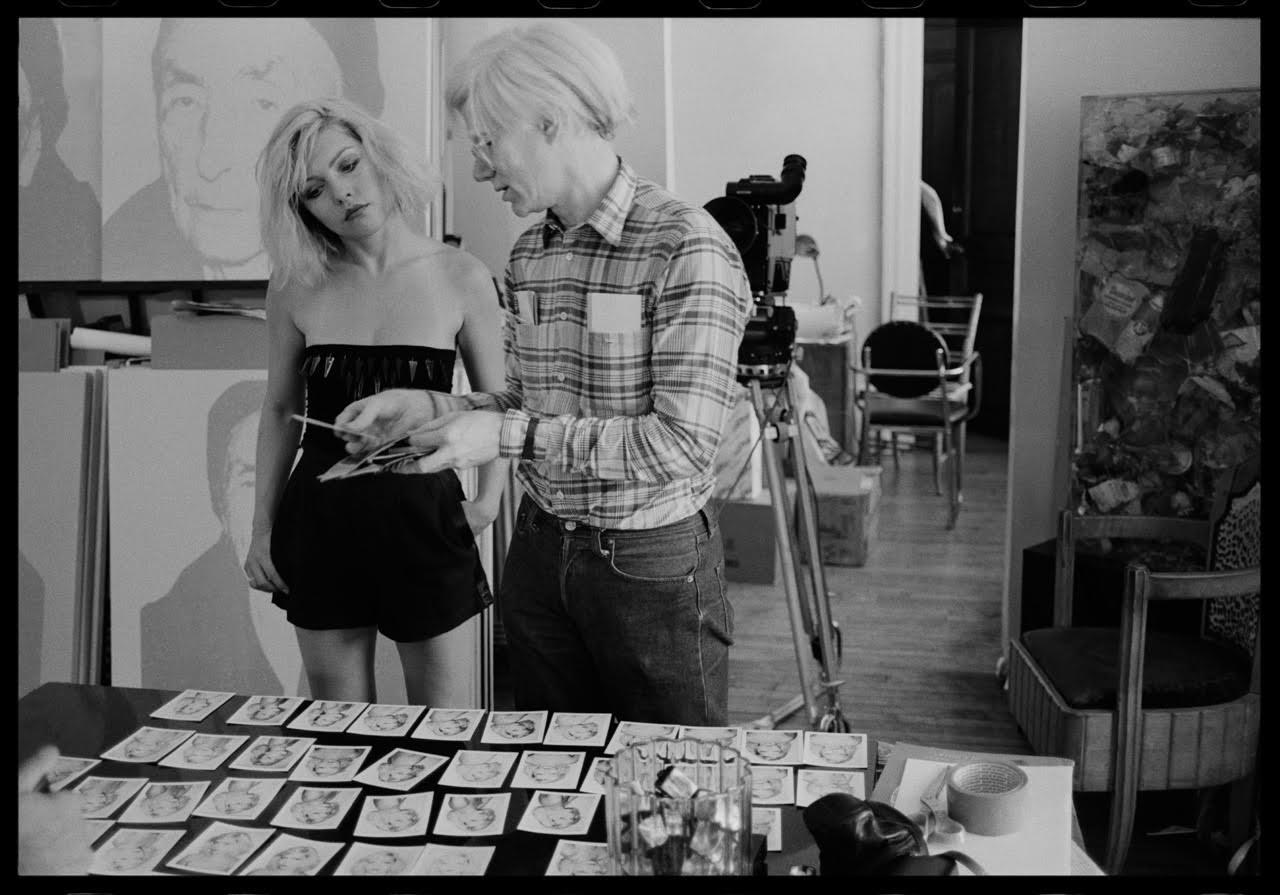
By 1980, Warhol had mastered his silkscreen technique, and the present work demonstrates a wonderful balance between the crisp record of the overall form, together with softer, more subtle areas of screen that shape the shadows around her eyes, cheek and neck. Warhol’s technical perfection allows him to explore the various nuances available to him within the silkscreen medium in this particular work. Harry’s striking features almost leap from the canvas, unimpeded by brushwork or experimental techniques. In this process, once Warhol had chosen a photograph that would become the basis of the portrait, the image was sent off to a fine art printer, usually Chromacomp Inc., to be turned into a silkscreen, which Warhol would transfer to canvas. By using high contrast Polaroids, Warhol was able to play with the strong areas of black in the features and the bold pockets of color in the blown out areas. The heightened photographic detail of Debbie Harry links her to Warhol’s Marilyn paintings where this method was first explored. The final stage of his process was the most crucial; Warhol would unleash the extraordinary combinations of acids and pastels for which he was renowned to enhance the subject’s natural features. Debbie Harry is unusually technically complex, featuring many different layers of color; a level of care and detail that Warhol only paid to the subjects he considered to be the most fascinating and worthy of his attention. Lips and eyes were always a particular area of focus within the portraits, and in this work, Warhol juxtaposes Harry’s blue eye shadow, dark mascara, red lips, and distinctly strong bone structure against golden hair and like-colored background. Harry’s eyes gaze directly into those of the onlooker, a distinctively Warholian tease, whilst her glossy, voluptuous lips purse in a seductive pout.