WORK IN PROGRESS
Agenda

20th / 21st Century Evening Sale
27 March 2026
20th/21st Century Evening Sale
20th Century Day Sale
28 March 2026
21st Century Day Sale
28 March 2026

Modern & Contemporary Evening Auction
29 March 2026
Modern & Contemporary Evening Auction | 2026 | Sotheby’s
Modern Day Auction
30 March 2026
Modern Day Auction | 2026 | Sotheby’s
Contemporary Day Auction
30 March 2026
Contemporary Day Auction | Contemporary Art | Sotheby’s

Modern & Contemporary Art Evening Sale
29 March 2026
Modern & Contemporary Art Evening Sale Sunday, March 29, 2026
Modern & Contemporary Art
29 March 2026
Modern & Contemporary Art Sunday, March 29, 2026

20th / 21st Century Evening Sale
27 March 2026
20th/21st Century Evening Sale
Total:
HKD 655,761,600 / USD 83,749,885
# Lots: 37 Lots
# Lots sold: 37 Lots
Sell-Through: 100%
White Glove Sale
XXXXXXXXXX
#1. Abstraktes Bild, 1991
Christie’s Hong-Kong: 27 March 2026
Estimated: HKD 78,000,000 – 98,000,000
HKD 92,100,000 / USD 11,762,450
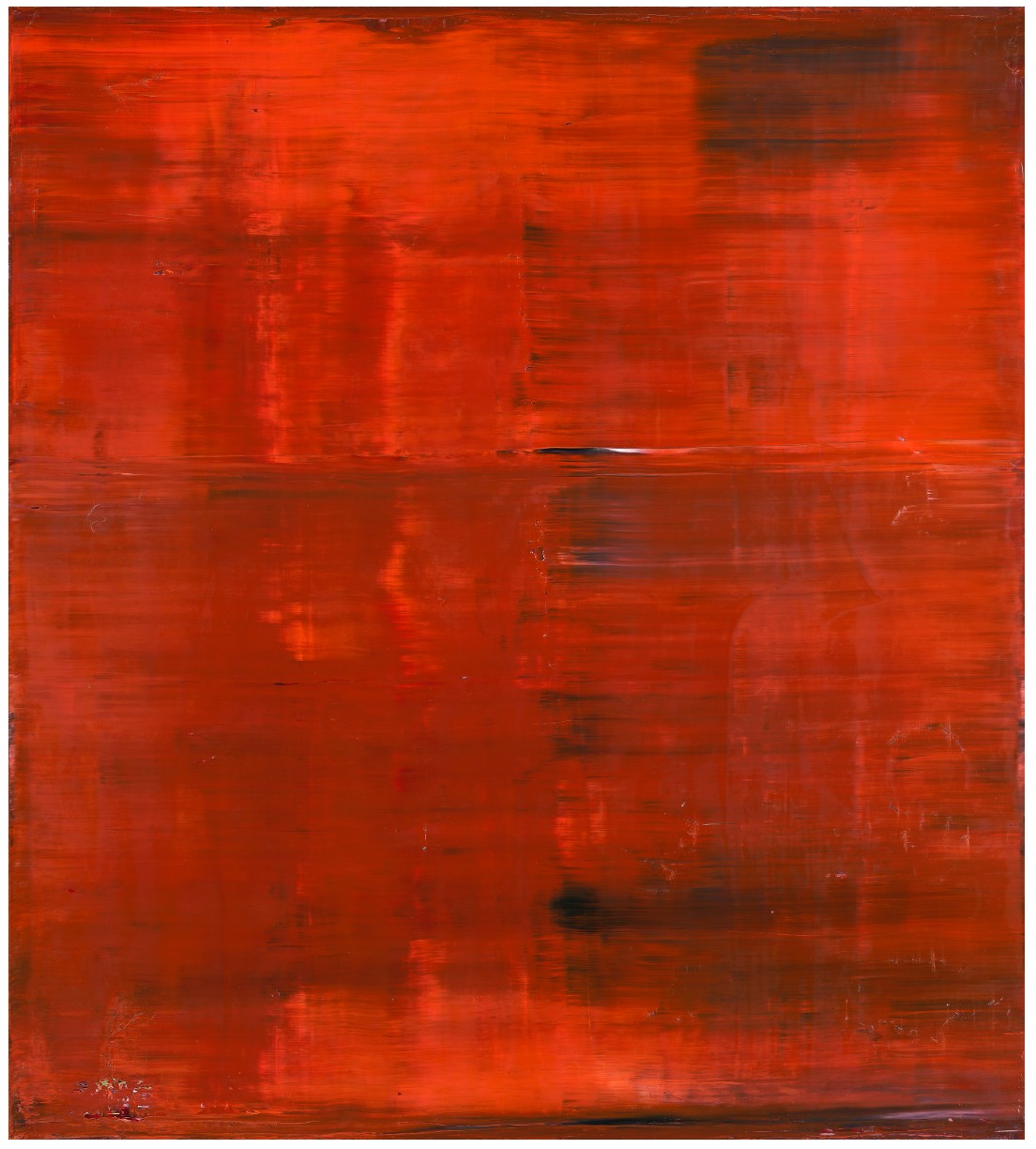
GERHARD RICHTER (B. 1932)
Abstraktes Bild, 1991
Oil on canvas
200×180 cm (78-3/4 x 70-7/8 inches)
Signed, inscribed, and dated ‘745-1 Richter 1991’ (on the reverse)
USD 10 million
#2. Cheval agenouillé sur un tapis, 1950s-1960s
Christie’s Hong-Kong: 27 March 2026
Estimated: HKD 28,000,000 – 48,000,000
HKD 63,940,000 / USD 8,166,030
Cheval agenouillé sur un tapis (Kneeling Horse on Carpet)
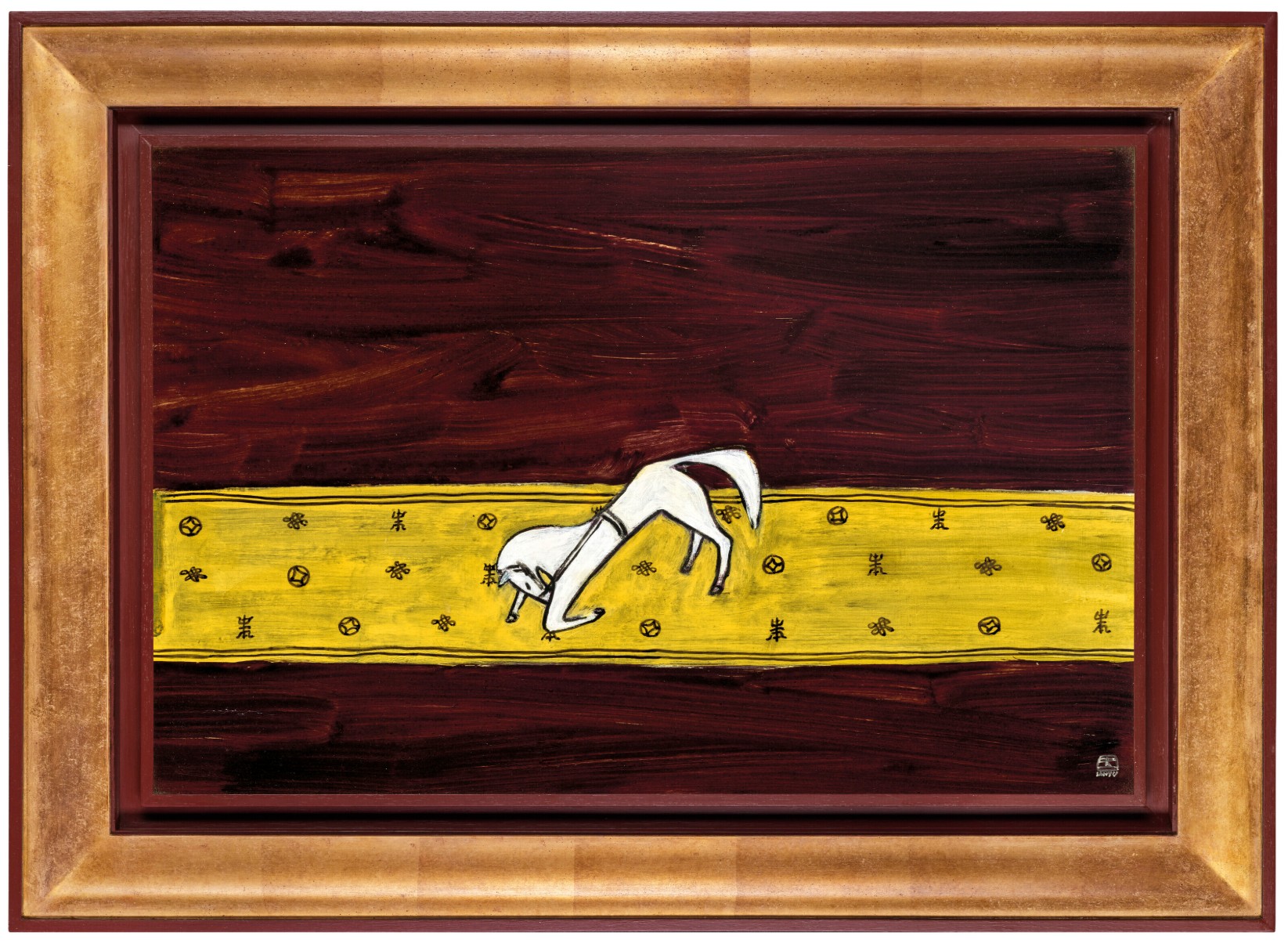
SANYU (CHANG YU, 1895-1966)
Cheval agenouillé sur un tapis (Kneeling Horse on Carpet), 1950s-1960s
Oil on masonite
Image: 49 x 74.2 cm (19-1/4 x 29-1/4 inches)
Overall: 53.5 x 78 cm (21-1/8 x 30-3/4 inches)
Signed in Chinese and signed ‘SANYU’ (lower right)
#3. Blick von der höhe (A view from the heights), 1934
Christie’s Hong-Kong: 27 March 2026
Estimated: HKD 48,000,000 – 68,000,000
HKD 59,060,000 / USD 7,542,785
Blick von der höhe (A view from the heights)
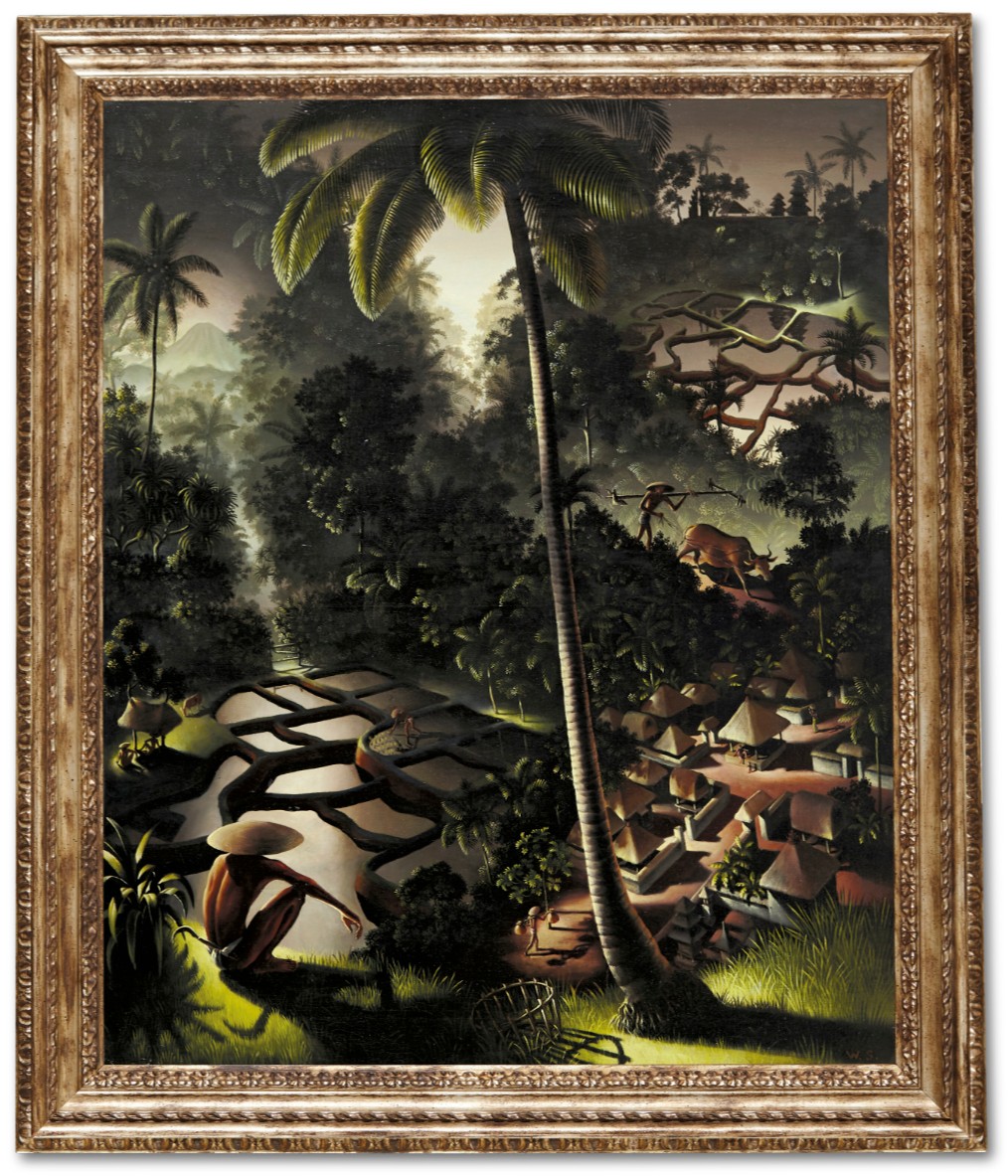
WALTER SPIES (1895-1942)
Blick von der höhe (A view from the heights), 1934
Oil on canvas
100.5 x 82.5 cm (39-1/2 x 32-1/2 inches)
Signed with initials ‘W.S.’ (lower right)
Signed again, dated and inscribed ‘W. Spies, 1934, Bali’ (on the reverse)
#4. Pumpkin, 1993
Christie’s Hong-Kong: 27 March 2026
Estimated: HKD 32,000,000 – 40,000,000
HKD 39,540,000 / USD 5,049,810
YAYOI KUSAMA (B. 1929), Pumpkin | Christie’s
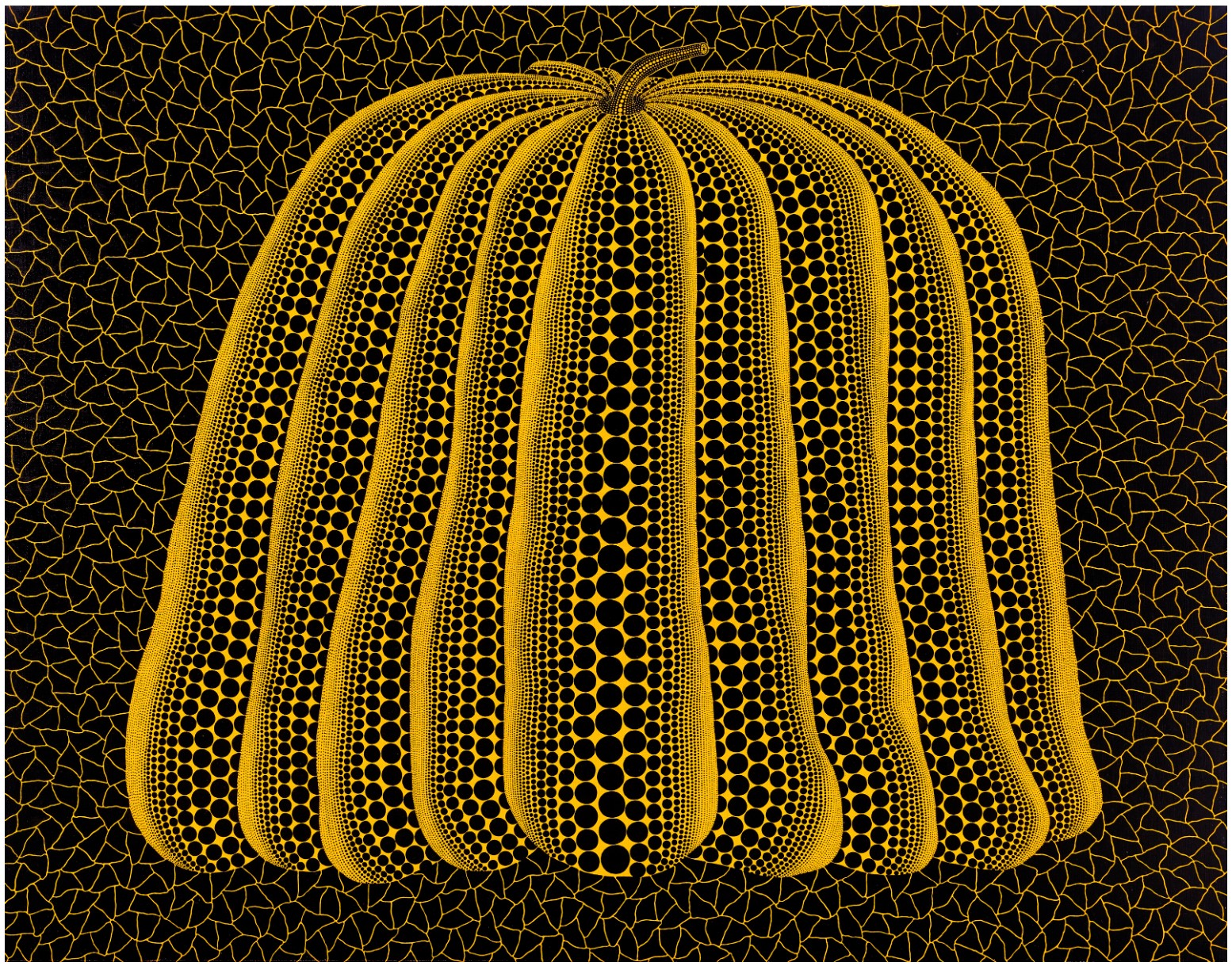
YAYOI KUSAMA (B. 1929)
Pumpkin, 1993
Acrylic on canvas
91 x 116.8 cm (35-7/8 x 46 inches)
Signed, titled in Japanese and dated ‘Yayoi Kusama 1993’ (on the reverse)
USD 5 million
#5. The Chair, 1985
Christie’s Hong-Kong: 27 March 2026
Estimated: HKD 32,000,000 – 48,000,000
HKD 38,930,000 / USD 4,971,905
DAVID HOCKNEY (B. 1937), The Chair | Christie’s
REPEAT SALE
Sotheby’s London: 29 June 2021
Estimated: GBP 2,000,000 – 3,000,000
GBP 2,435,000 / USD 3,371,175
David Hockney | The Chair | British Art Evening Sale:
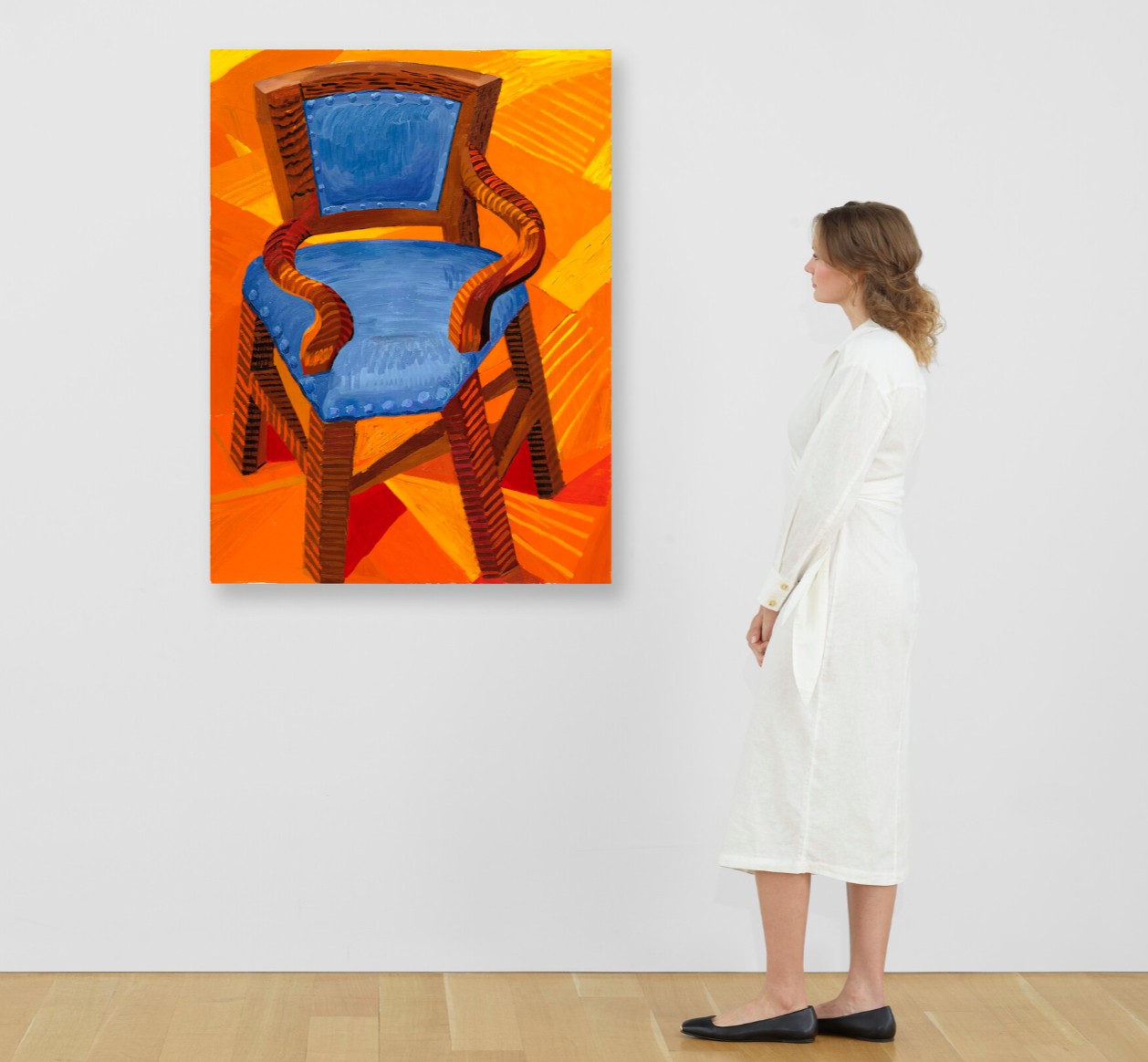
DAVID HOCKNEY (B. 1937)
The Chair, 1985
Oil on canvas
48 x 36 inches (121.9 x 91.4 cm)
Signed, titled and dated ‘The Chair 1985 David Hockney’ (on the reverse)
#6. Cathédrale et ses environs – 07.08.51-08.09.51, 1951
Christie’s Hong-Kong: 27 March 2026
Estimated: HKD 28,000,000 – 38,000,000
HKD 34,660,000 / USD 4,426,565
Cathédrale et ses environs – 07.08.51-08.09.51 (Cathedral and Its Surroundings – 07.08.51-08.09.51)
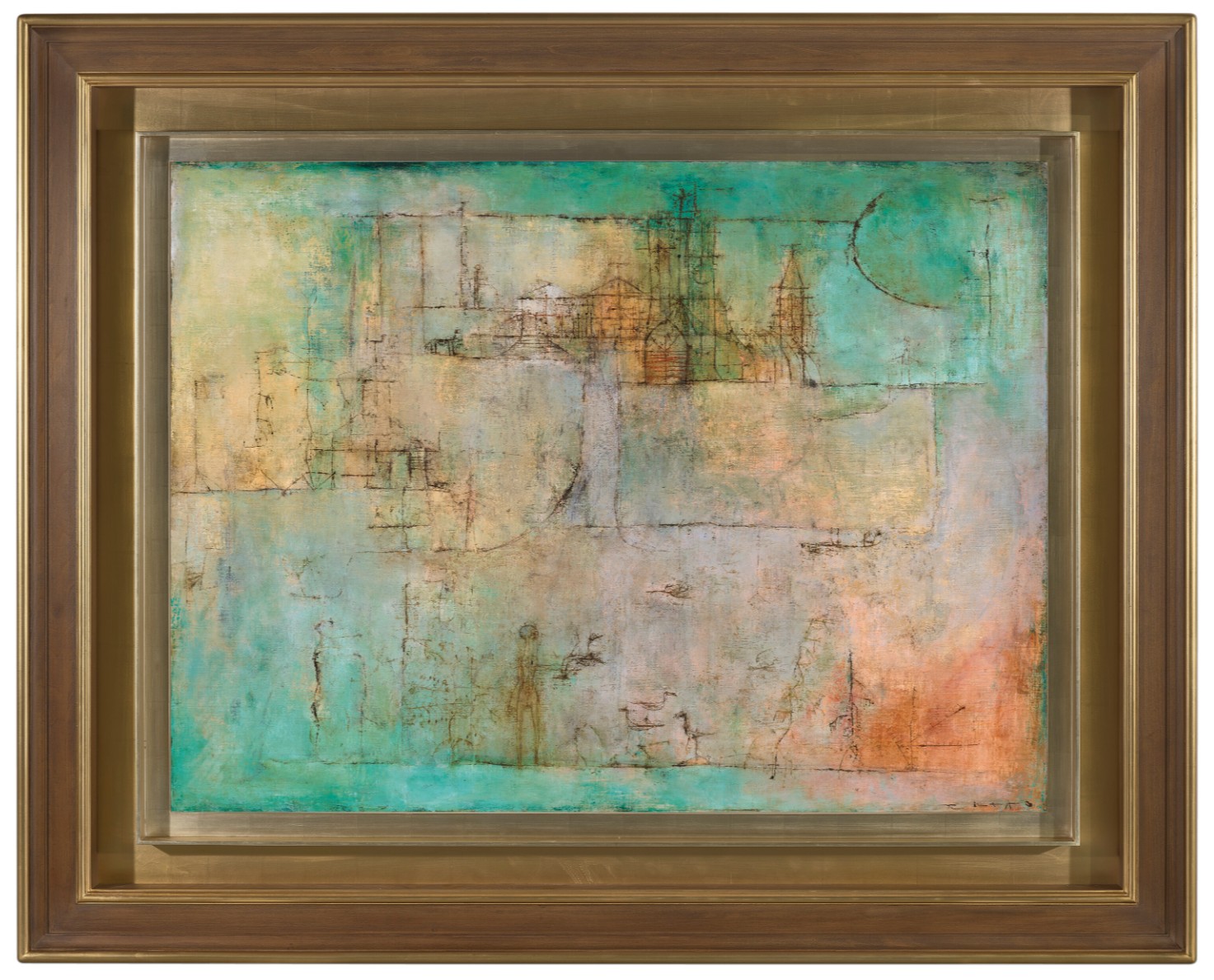
ZAO WOU-KI (ZHAO WUJI, 1920-2013)
Cathédrale et ses environs – 07.08.51-08.09.51, 1951
(Cathedral and Its Surroundings – 07.08.51-08.09.51)
Oil on canvas
97×130 cm (38-1/8 x 51-1/8 inches)
Signed in Chinese and signed ‘ZAO’ (lower right)
Signed, titled, and dated twice ‘Zao Wou-ki “Cathédrale” 7-8,1951 ZAO WOU-KI “Cathédrale et ses environs” 8-9.1951 7.8.51’ (on the reverse)
#7. Meisje in het bosch (A Girl in a Wood), 1883
Christie’s Hong-Kong: 27 March 2026
Estimated: HKD 10,000,000 – 20,000,000
HKD 33,440,000 / USD 4,270,755
Meisje in het bosch (A Girl in a Wood)
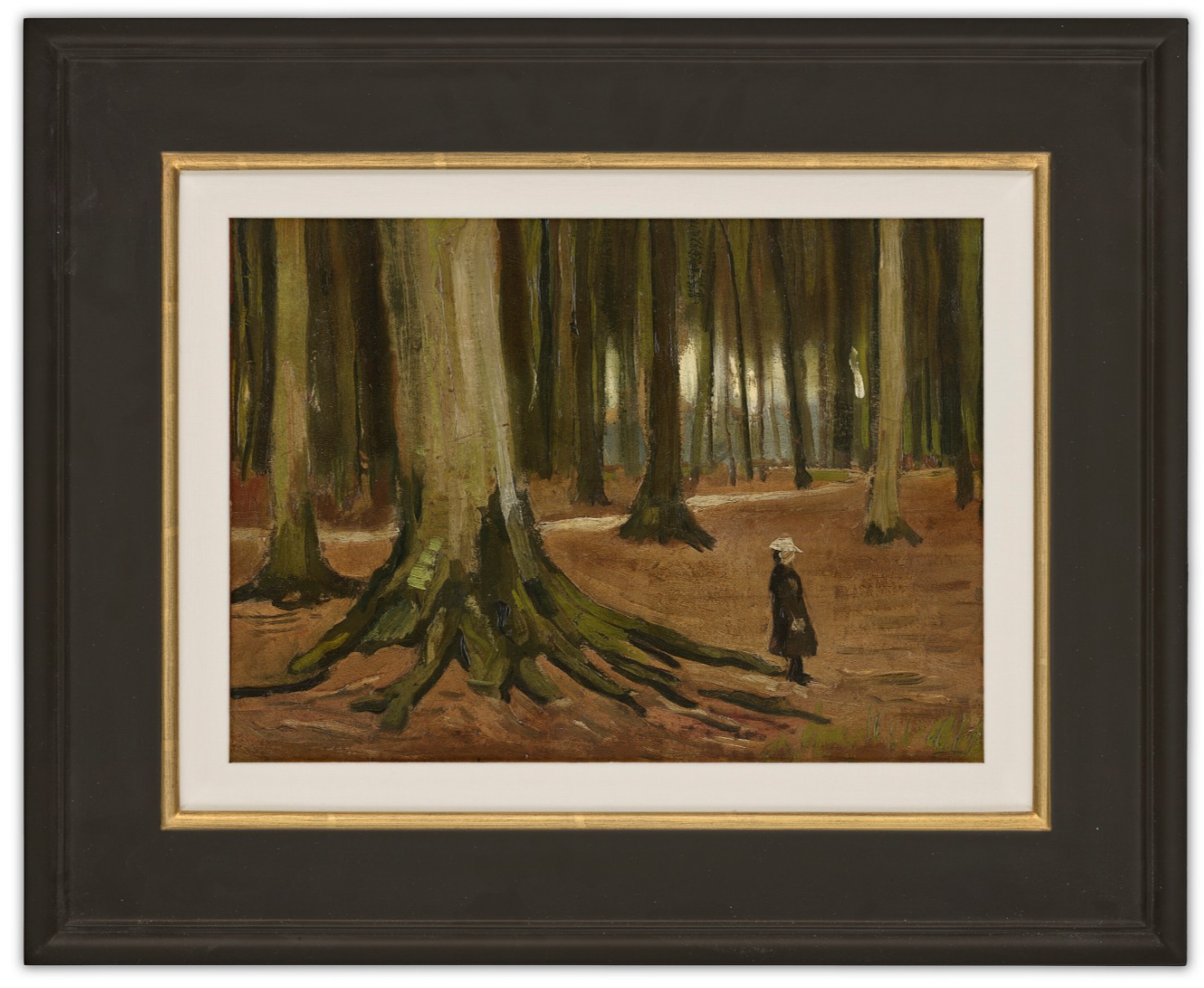
VINCENT VAN GOGH (1853-1890)
Meisje in het bosch (A Girl in a Wood), 1883
Oil on canvas laid down on cradled panel
34.7 x 47.3 cm (13-5/8 x 18-5/8 inches)
Painted in The Hague, August 1883
XXXXXXXXX
#11. La maison à travers les roses, 1925-1926
Christie’s Hong-Kong: 27 March 2026
Estimated: HKD 16,000,000 – 26,000,000
HKD 23,070,000 / USD 2,946,360
REPEAT SALE
Sotheby’s New-York: 13 November 2018
Estimated: USD 800,000 – 1,200,000
USD 1,035,000
(#425) CLAUDE MONET | La Maison à travers les roses
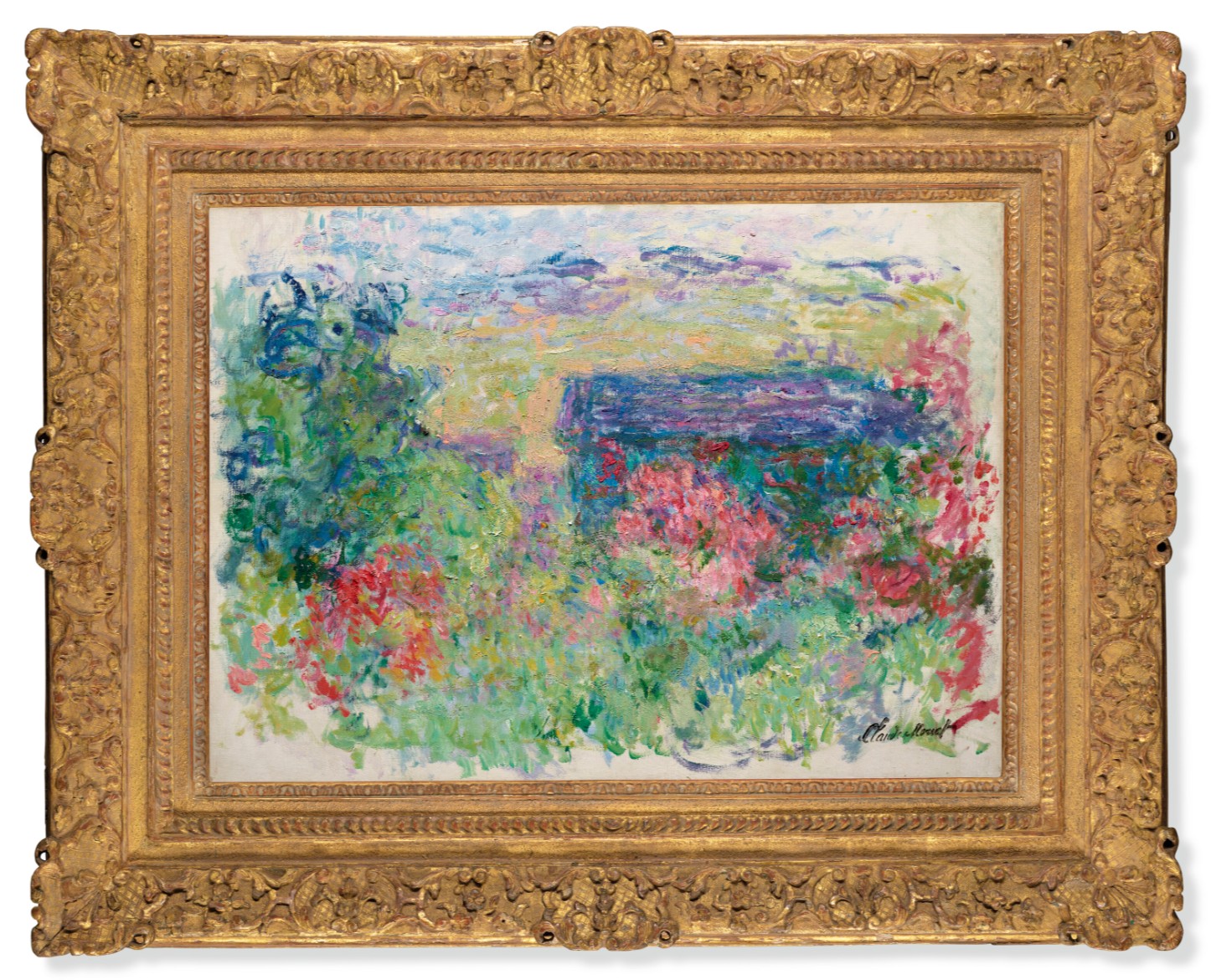
CLAUDE MONET (1840 – 1926)
La maison à travers les roses, 1925-1926
Oil on canvas
62.2 x 81.6 cm (24-1/2 x 32-1/8 inches)
Stamped ‘Claude Monet’ (Lugt 1819b; lower right)
Painted in Giverny in 1925-1926
#12. Untitled, 1981
PROPERTY FROM A DISTINGUISHED PRIVATE COLLECTION
Christie’s Hong-Kong: 27 March 2026
Estimated: HKD 18,000,000 – 28,000,000
HKD 22,216,000 / USD 2,837,290
JEAN-MICHEL BASQUIAT (1960-1988), Untitled | Christie’s
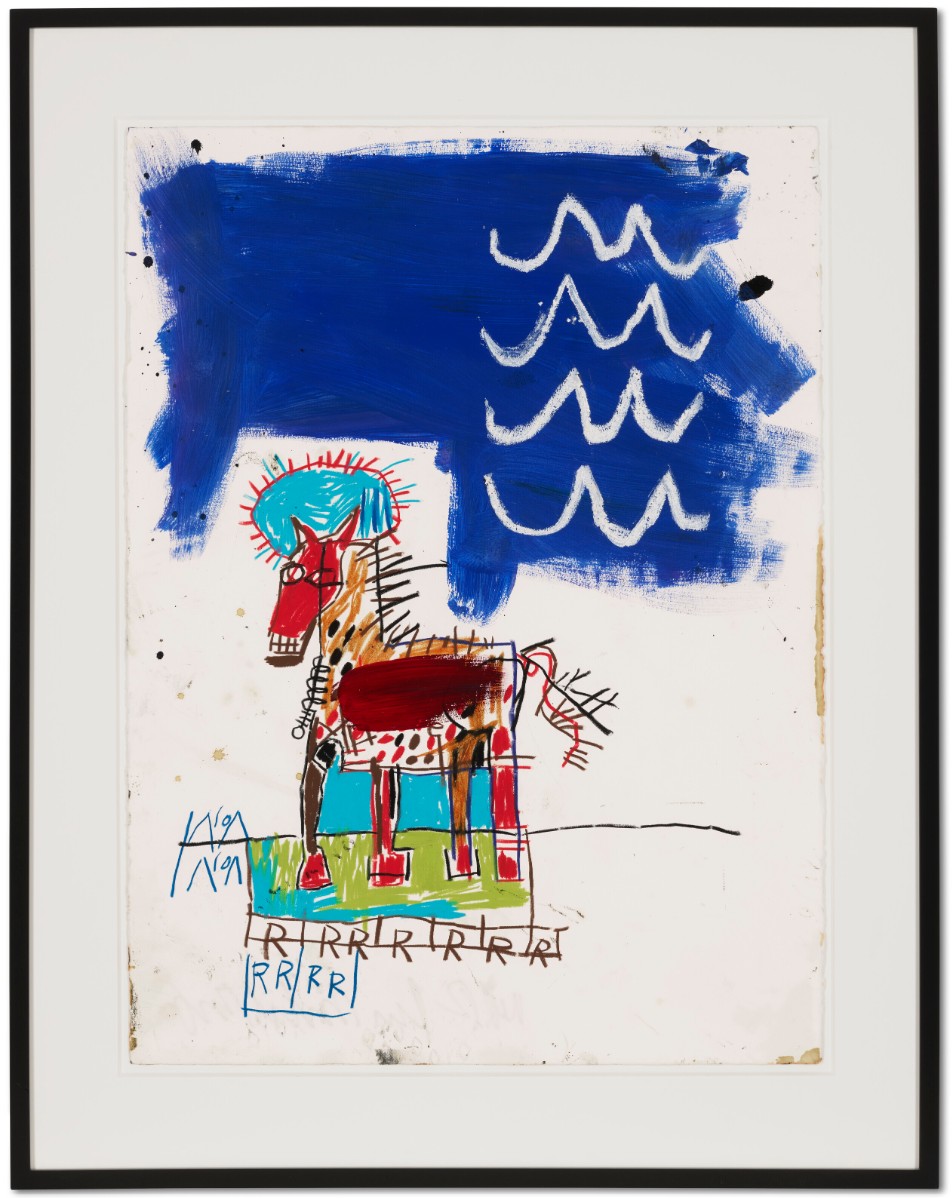
JEAN-MICHEL BASQUIAT (1960-1988)
Untitled, 1981
Oilstick and acrylic on paper
30 x 22-1/8 inches (76.2 x 56.1 cm)
Signed ‘Jean-Michel Basquiat’ (on the reverse)
XXXXXXXXX
#14. Nu couché et musicien, 1967
Christie’s Hong-Kong: 27 March 2026
Estimated: HKD 12,000,000 – 20,000,000
HKD 15,750,000 / USD 2,011,495
REPEAT SALE
Phillips Hong-Kong: 8 June 2021
Estimated: HKD 9,000,000 – 14,000,000
HKD 11,745,000 / USD 1,500,750
Pablo Picasso 20th Century & Contemporary Art Evening Sale in Association with Poly Auction
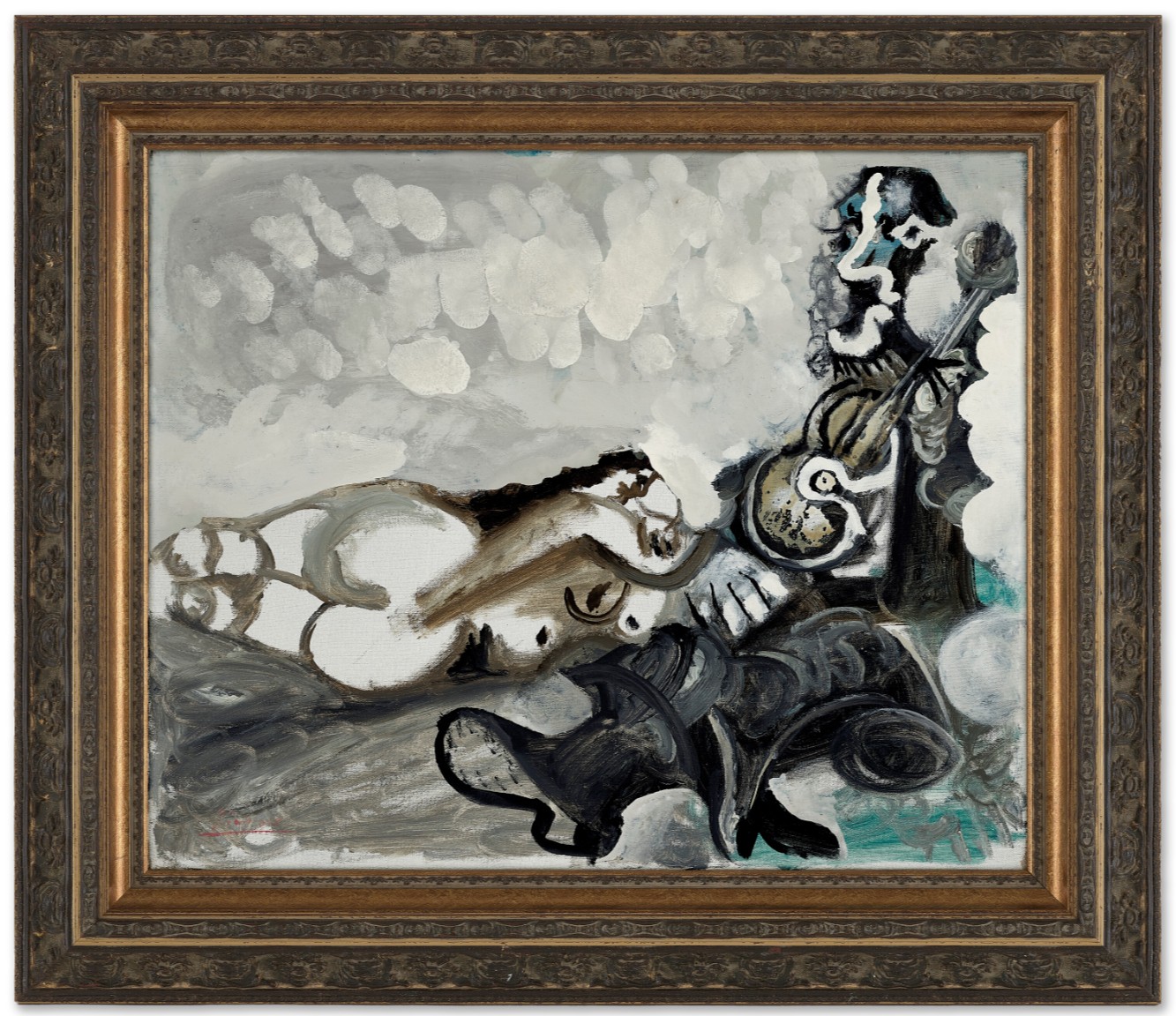
PABLO PICASSO (1881-1973)
Nu couché et musicien, 1967
Oil and Ripolin on canvas
50 x 61.1 cm (19-5/8 x 24-1/8 inches)
Signed ‘Picasso’ (lower left)
Dated and numbered ‘24.3.67. I’ (on the reverse)
Dated again ‘24.3.67.’ (on the stretcher)
XXXXXXXXXX
#24. A Sketch of Anywhere Door (Dokodemo Door), 2019
Christie’s Hong-Kong: 27 March 2026
Estimated: HKD 4,000,000 – 6,000,000
HKD 5,715,000 / USD 729,885
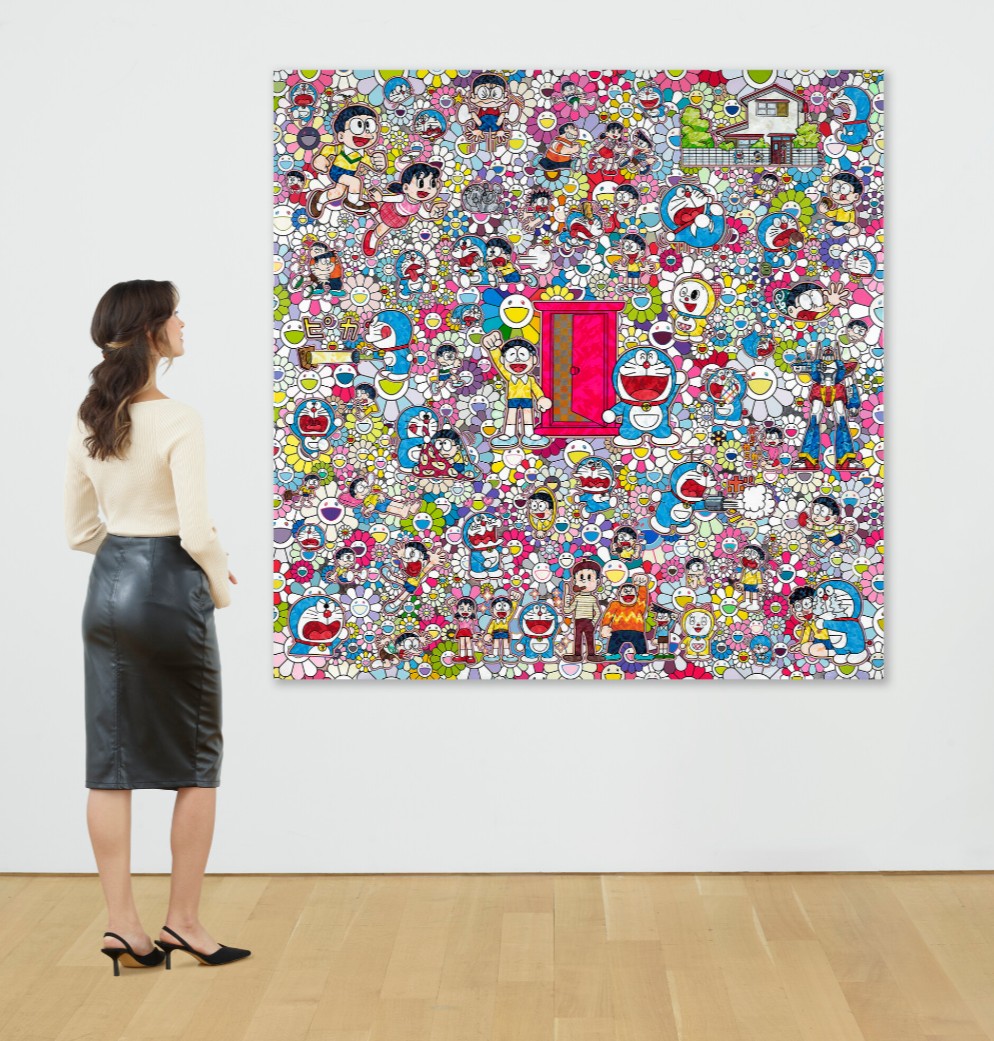
TAKASHI MURAKAMI (B. 1962)
A Sketch of Anywhere Door (Dokodemo Door) and an Excellent Day, 2019
Acrylic, platinum leaf and gold leaf on canvas mounted on aluminum frame
180×180 cm (70-7/8 x 70-7/8 inches)
Signed and dated ‘TAKASHI 2019’ (on the overlap)
©︎2019 Takashi Murakami/Kaikai Kiki Co., Ltd. All Rights Reserved
#25. Inside/Outside, 2020
Christie’s Hong-Kong: 27 March 2026
Estimated: HKD 3,000,000 – 5,000,000
HKD 5,715,000 / USD 729,885
HILARY PECIS (B. 1979), Inside/Outside | Christie’s
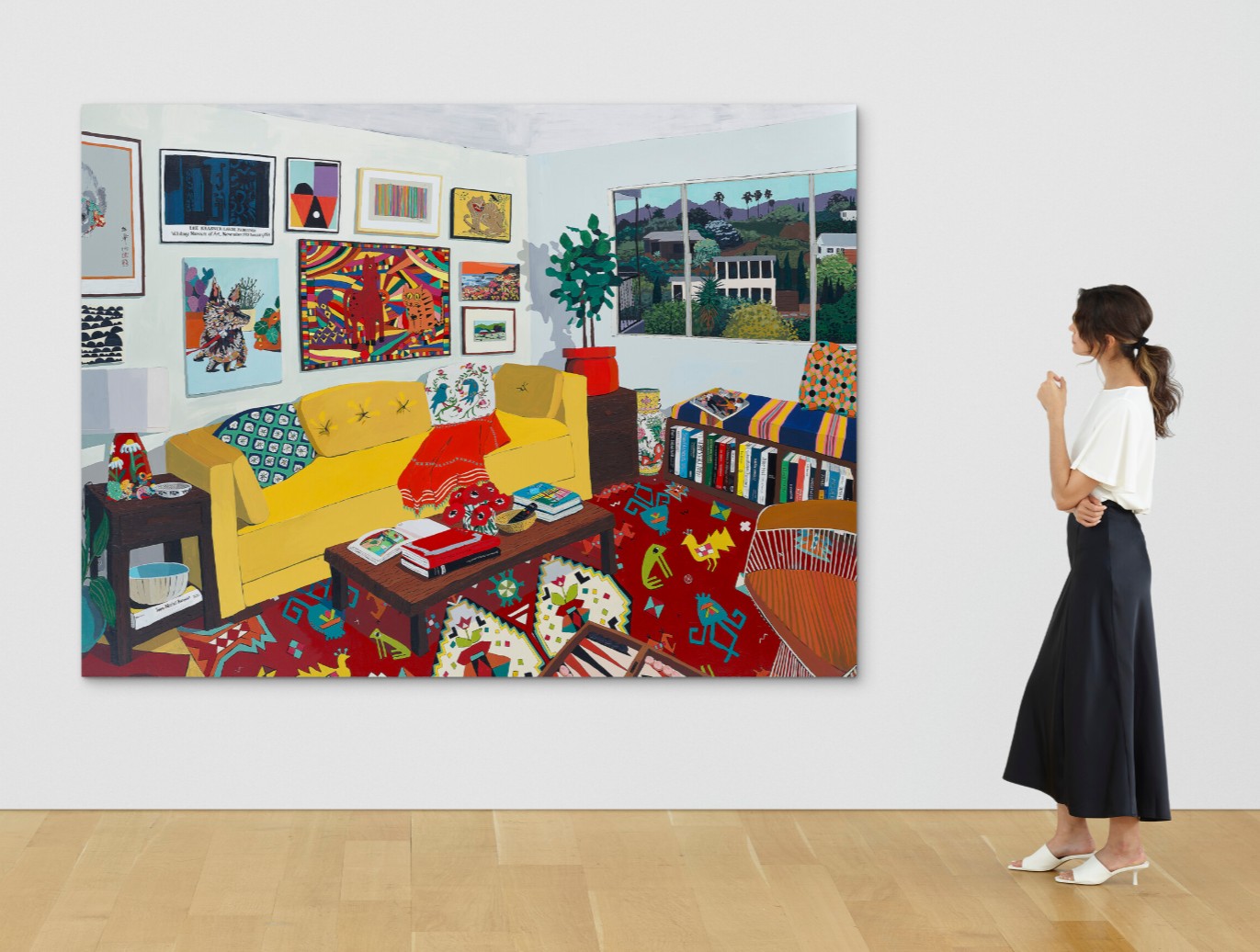
HILARY PECIS (B. 1979)
Inside/Outside, 2020
Acrylic on canvas
74×100 inches (188×254 cm)
Signed ‘Hilary Pecis’ (on the overlap)
Signed, titled and dated ‘Hilary Pecis “Inside/Outside” 2020’ (on the reverse)
#26. La fine del giorno (The End of the Day), 2014
Christie’s Hong-Kong: 27 March 2026
Estimated: HKD 1,400,000 – 1,800,000
HKD 4,826,000 / USD 616,345
SALVO (1947-2015), La fine del giorno (The End of the Day) | Christie’s
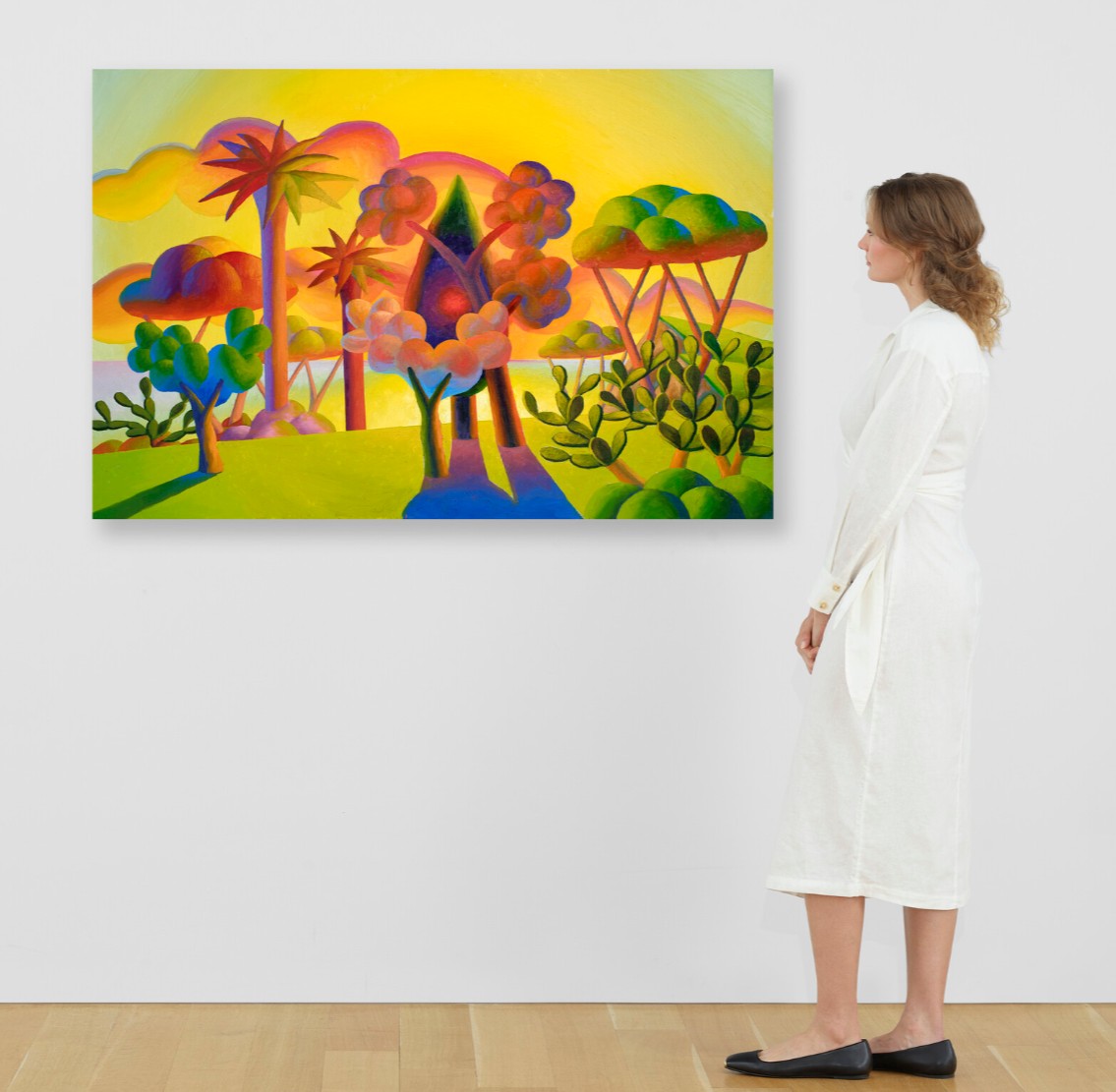
SALVO (1947-2015)
La fine del giorno (The End of the Day), 2014
Oil on canvas
100×150 cm (39-3/8 x 59 inches)
Signed and titled ‘Salvo la “fine del giorno”’ (on the reverse)
Dated ‘2014’ (on the overlap)
21st Century Day Sale
28 March 2026
Total:
HKD 105,533,450 / USD 13,478,090
# Lots: 59 Lots
# Lots sold: 54 Lots
# Lots unsold: 5 Lots
Sell-Through: 91.5%
XXXXXXXXXX
#1. …to See the White Land, 2012
Christie’s Hong-Kong: 28 March 2026
Estimated: HKD 8,000,000 – 12,000,000
HKD 16,970,000 / USD 2,167,305
CHRISTINE AY TJOE (B. 1973), …to See the White Land | Christie’s
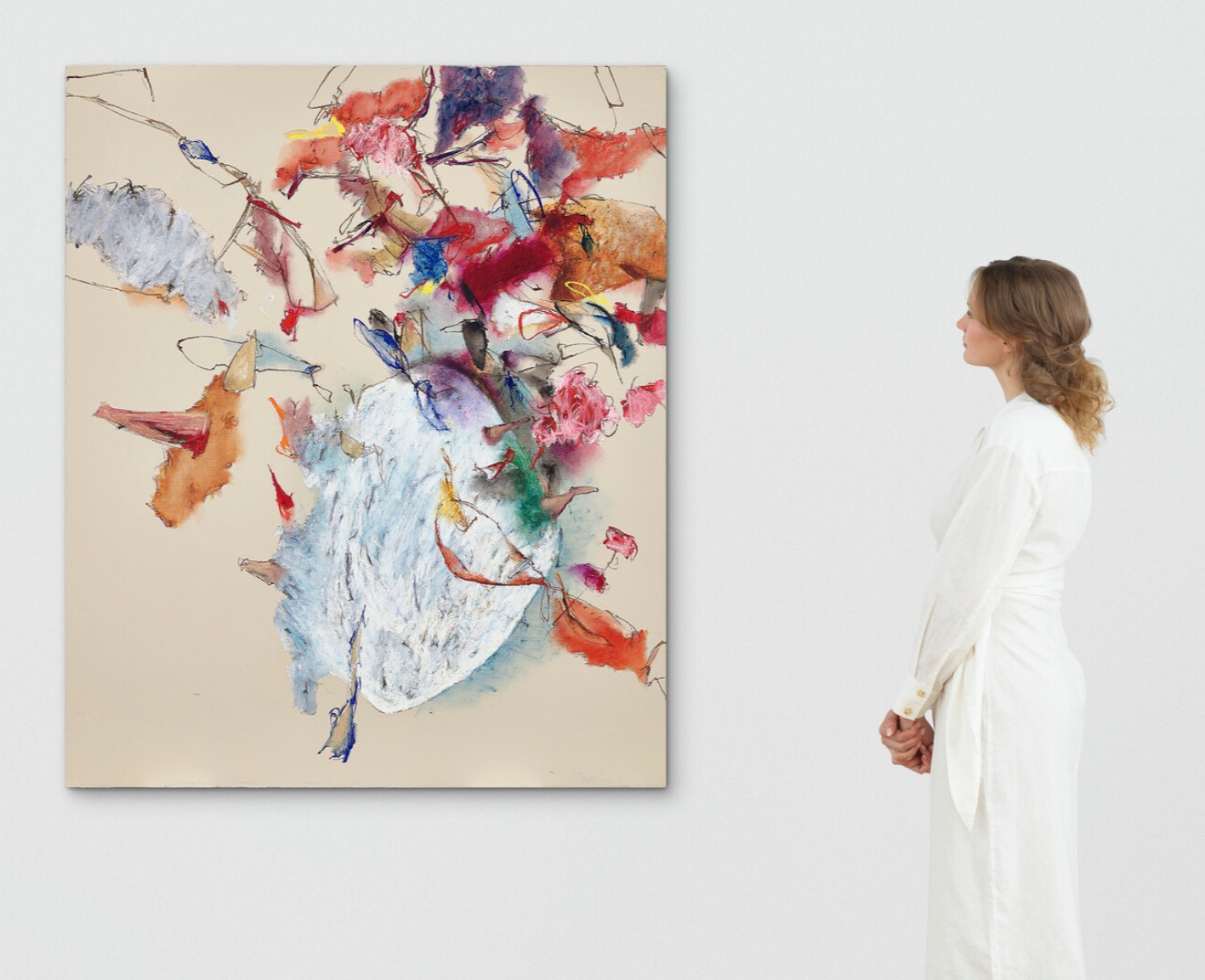
CHRISTINE AY TJOE (B. 1973)
…to See the White Land, 2012
Oil on canvas
149.8 x 124.9 cm. (59 x 49-1/8 inches)
Signed and dated ‘Christine 12’ (lower right)
Signed, dated, and inscribed ‘ay tjoe Christine 150 x 125 CM oil on canvas 2012’ (on the reverse)
#2. Still Life, 2015
Christie’s Hong-Kong: 28 March 2026
Estimated: HKD 7,000,000 – 12,000,000
HKD 12,573,000 / USD 1,605,745
NICOLAS PARTY (B. 1980), Still Life | Christie’s
REPEAT SALE
Christie’s Hong-Kong: 2 December 2021
Estimated: HKD 7,000,000 – 12,000,000
HKD 22,450,000 / USD 2,880,640
NICOLAS PARTY (B. 1980), Still Life | Christie’s
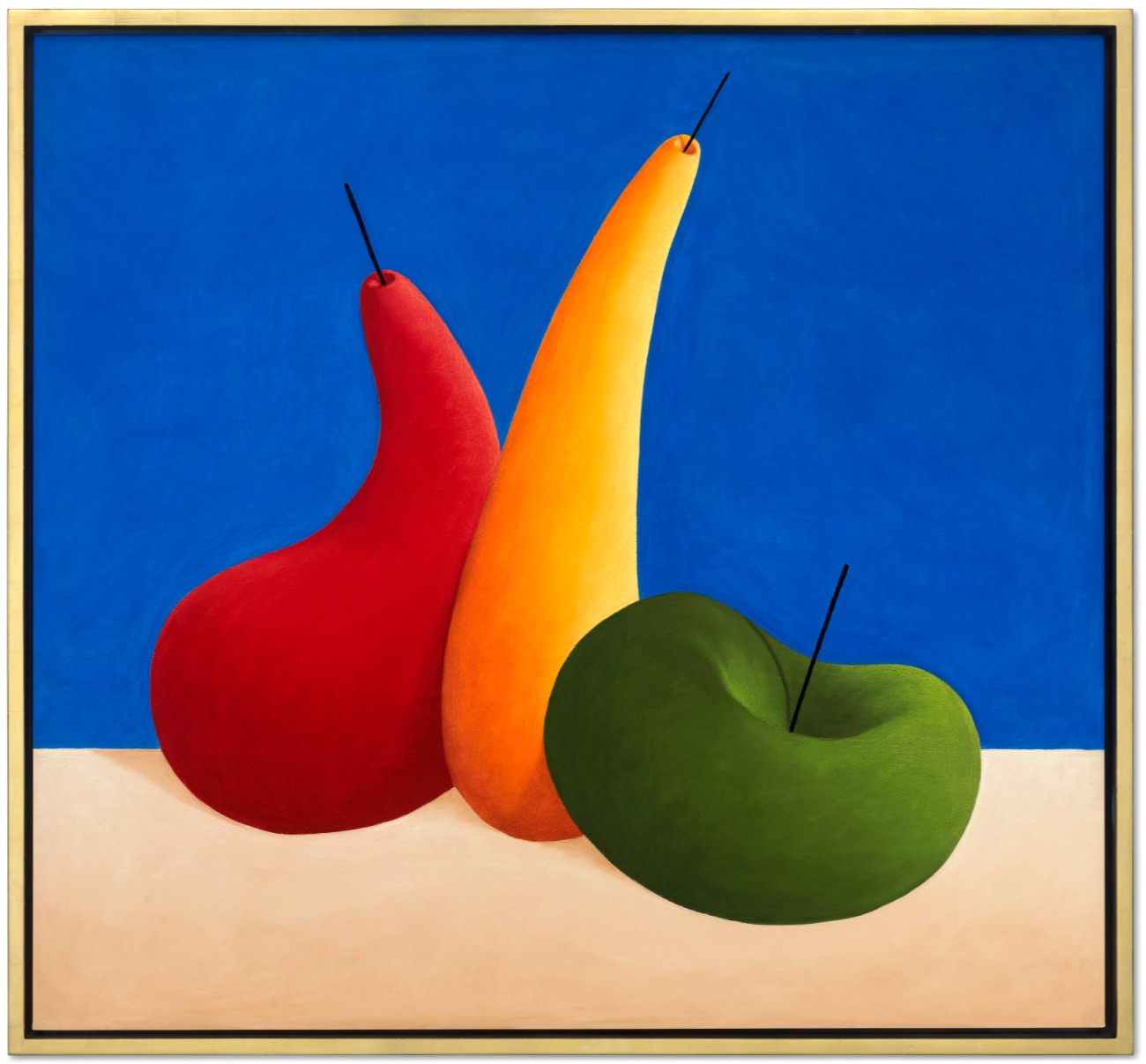
NICOLAS PARTY (B. 1980)
Still Life, 2015
Soft pastel on linen
129.5 x 139.7 cm (51×55 inches)
#3. Abstrakte Skizze (664-3), 1988
Christie’s Hong-Kong: 28 March 2026
Estimated: HKD 6,500,000 – 10,000,000
HKD 8,128,000 / USD 1,038,060
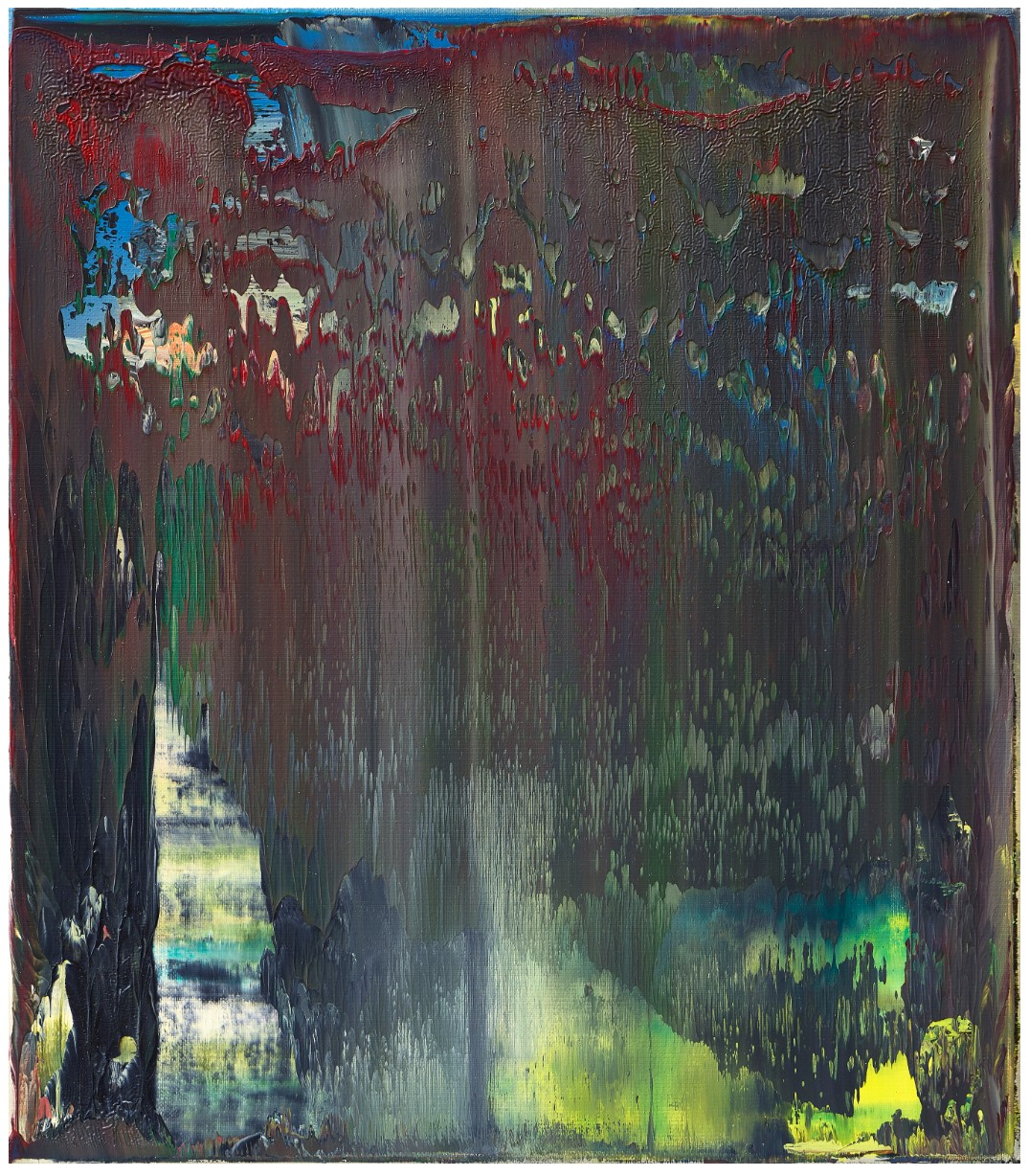
GERHARD RICHTER (B. 1932)
Abstrakte Skizze (664-3), 1988
Oil on canvas
40×35 cm (15-3/4 x 13-3/4 inches)
Signed, titled, and dated ‘664-3 Richter 1988’ (on the reverse)
#4. The Southern Country, 1978
Christie’s Hong-Kong: 28 March 2026
Estimated: HKD 4,500,000 – 7,500,000
HKD 5,461,000 / USD 697,445
YAYOI KUSAMA (B. 1929), The Southern Country | Christie’s
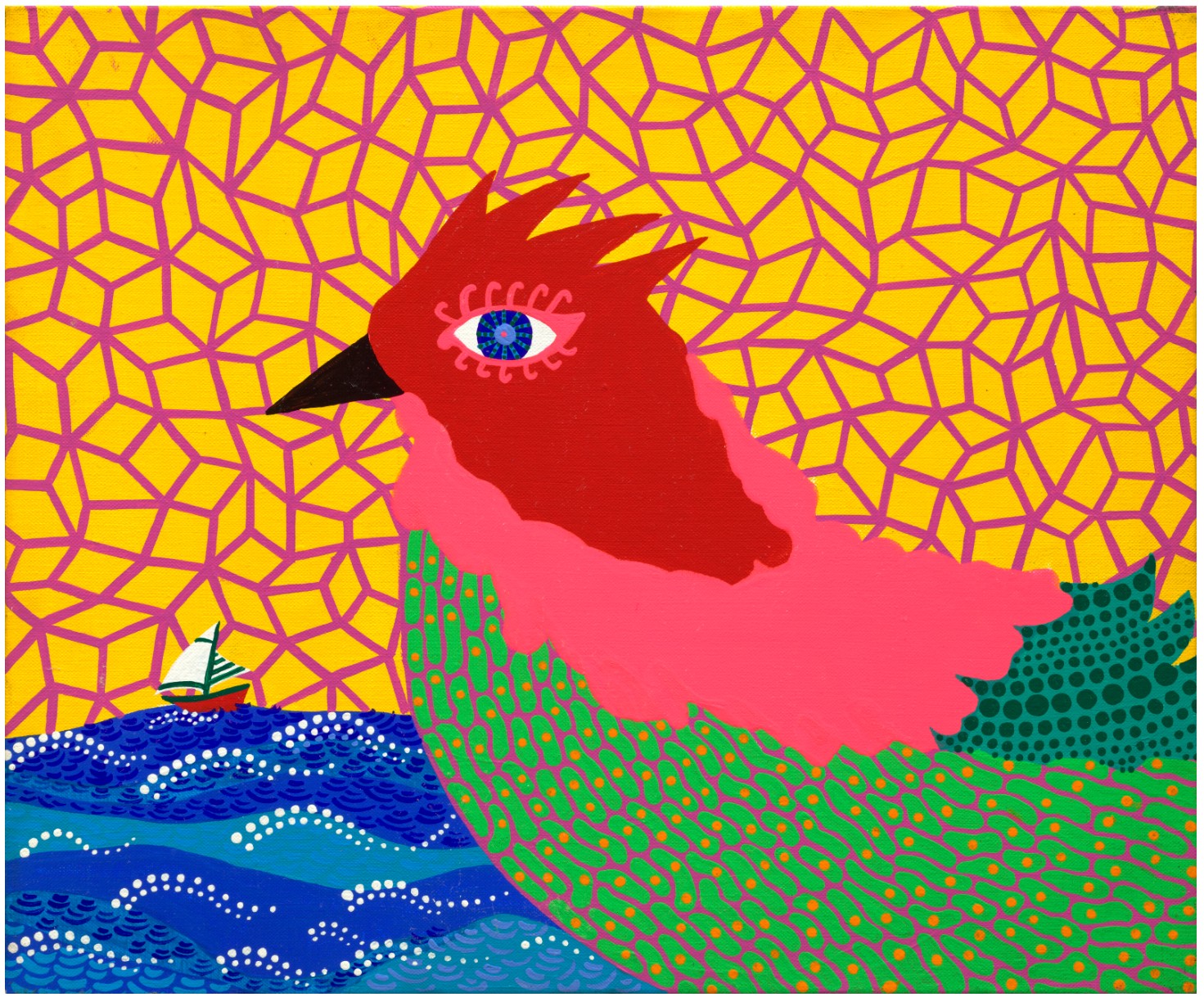
YAYOI KUSAMA (B. 1929)
The Southern Country, 1978
Acrylic on canvas
38 x 45.5 cm (15 x 17-7/8 inches)
Signed and dated ‘Yayoi Kusama 1978’
Titled in Japanese (on the reverse)
#5. The New Spirit (Donald Duck), 1985
Christie’s Hong-Kong: 28 March 2026
Estimated: HKD 2,800,000 – 4,800,000
HKD 5,334,000 / USD 681,225
ANDY WARHOL (1928-1987), The New Spirit (Donald Duck) | Christie’s
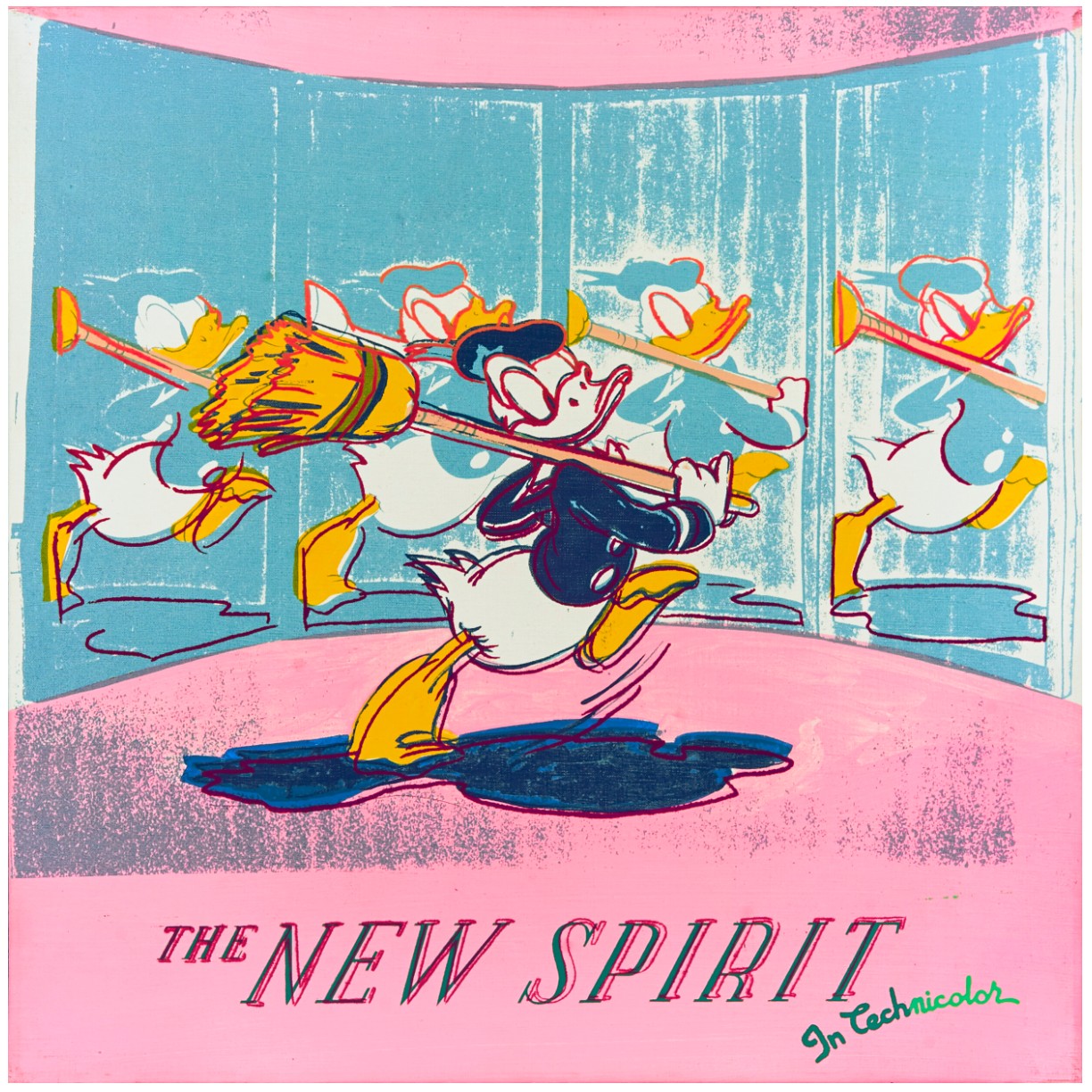
ANDY WARHOL (1928-1987)
The New Spirit (Donald Duck), 1985
Acrylic and silkscreen enamel on canvas
22×22 inches (56×56 cm)
Signed and dated ‘Andy Warhol 85’ (on the overlap)
#7. Pumpkin, 1990
Christie’s Hong-Kong: 28 March 2026
Estimated: HKD 1,500,000 – 2,500,000
HKD 3,937,000 / USD 502,810
YAYOI KUSAMA (B. 1929), Pumpkin | Christie’s
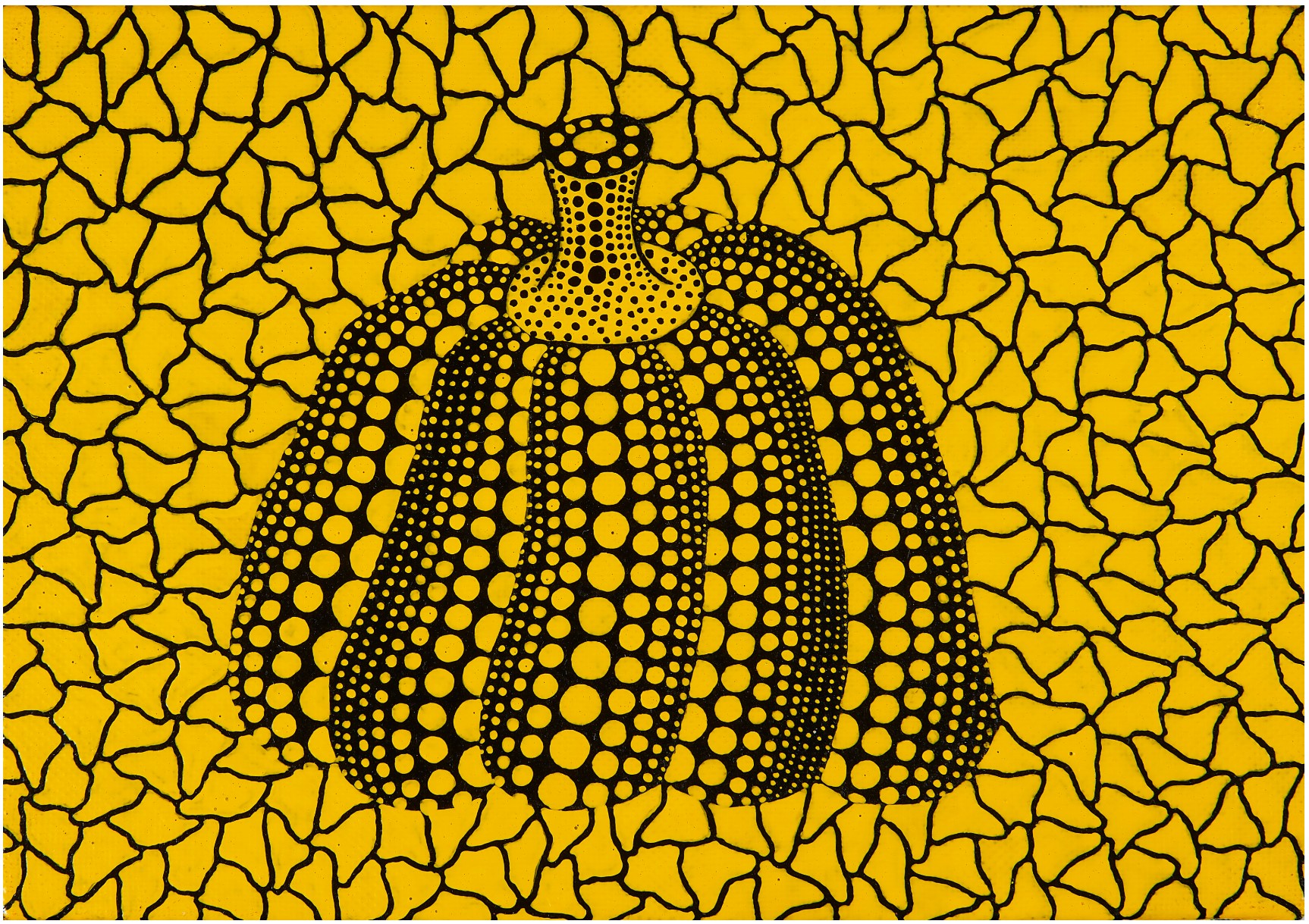
YAYOI KUSAMA (B. 1929)
Pumpkin, 1990
Acrylic on canvas
15.8 x 22.7 cm (6-1/4 x 22-2/3 inches)
Signed and dated ‘Yayoi Kusama 1990’
Titled in Japanese (on the reverse)
#8. 4 Guests, 2019
Christie’s Hong-Kong: 28 March 2026
Estimated: HKD 800,000 – 1,500,000
HKD 3,556,000 / USD 454,150
SALMAN TOOR (B. 1983), 4 Guests | Christie’s
REPEAT SALE
Christie’s New-York: 17 November 2022
Estimated: USD 120,000 – 180,000
USD 856,800
SALMAN TOOR (B. 1983), 4 Guests | Christie’s
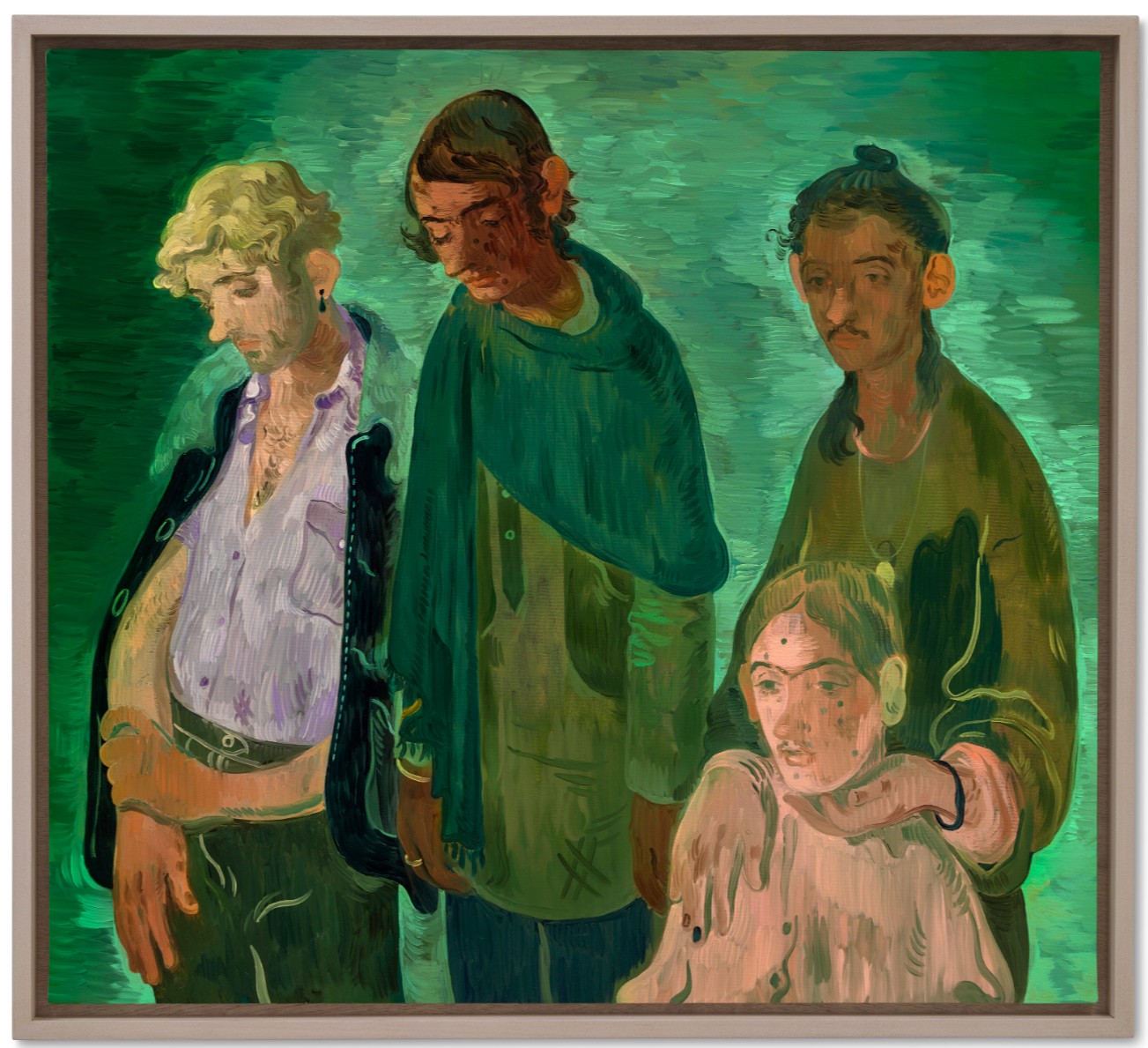
SALMAN TOOR (B. 1983)
4 Guests, 2019
Oil on canvas
99.4 x 109.5 cm (39-1/8 x 43-1/8 inches)
Signed and dated ‘Salman Toor 2019’ (on the overlap)
XXXXXXXXXX
#11. Untitled, 2019
Christie’s Hong-Kong: 28 March 2026
Estimated: HKD 1,800,000 – 2,800,000
HKD 2,286,000 / USD 291,955
LUCY BULL (B. 1990), Untitled | Christie’s
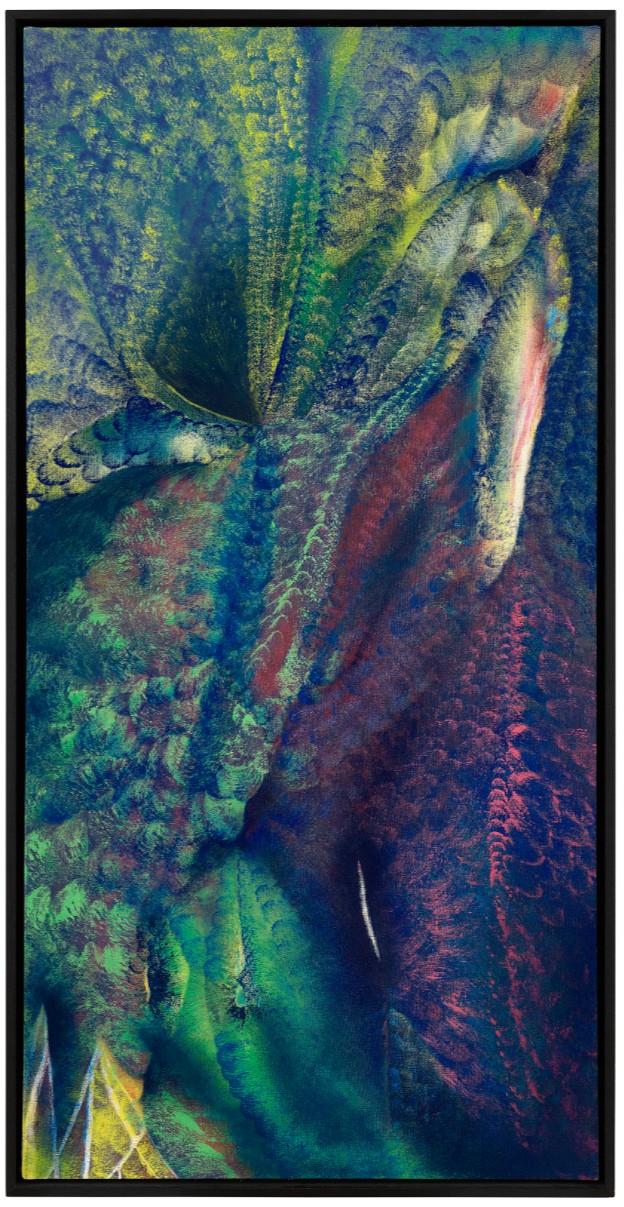
LUCY BULL (B. 1990)
Untitled, 2019
Oil on linen
48×24 inches (121.9 x 61 cm)
#12. Untitled, 1997
Christie’s Hong-Kong: 28 March 2026
Estimated: HKD 800,000 – 1,200,000
HKD 2,286,000 / USD 291,955
WORK ON PAPER
YOSHITOMO NARA (B. 1959), Untitled | Christie’s
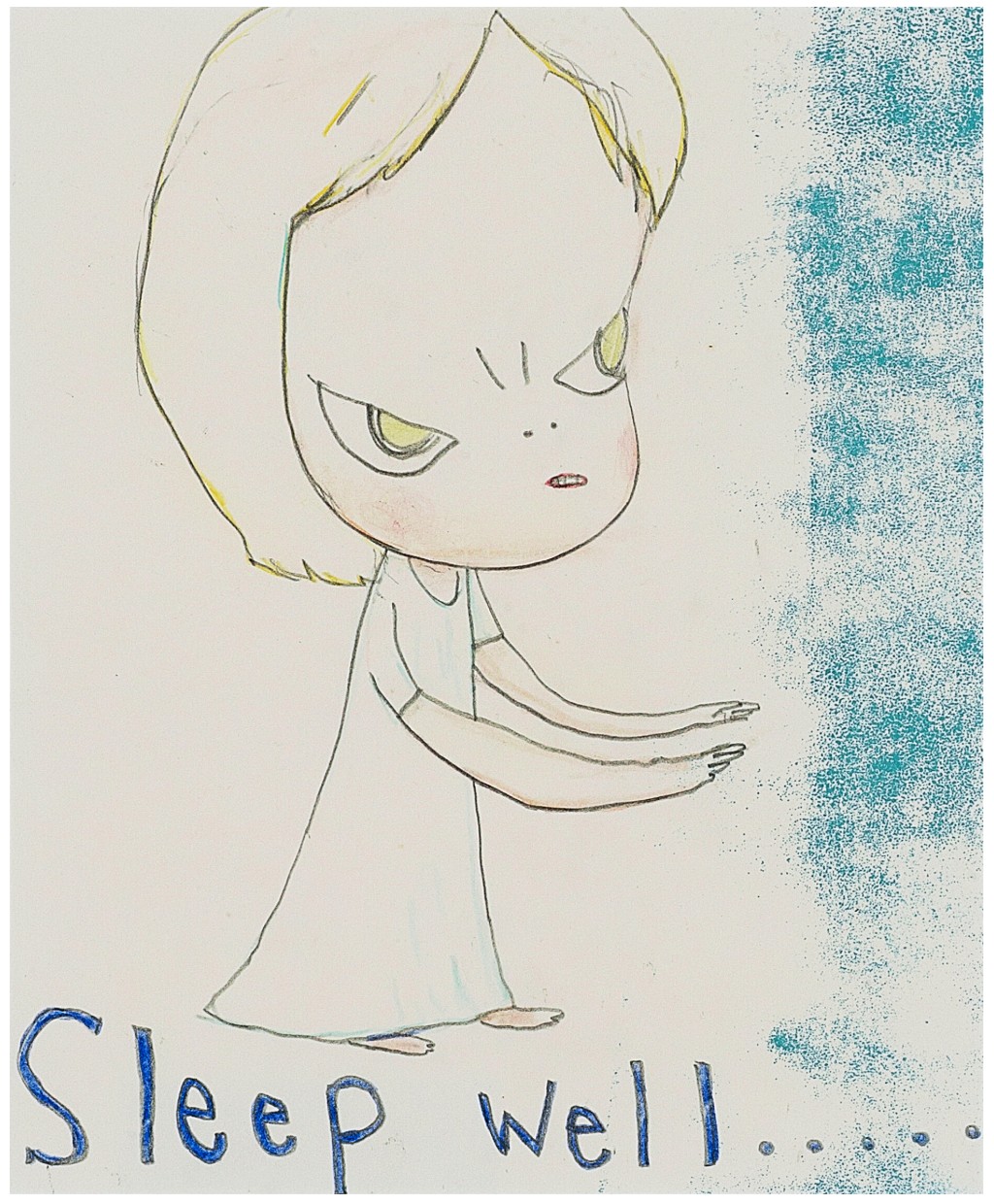
YOSHITOMO NARA (B. 1959)
Untitled, 1997
Colored pencil and acrylic on paper
22.9 x 18.9 cm (9 x 7-1/2 inches)
Signed with the artist’s signature and dated ’97’ (on the reverse)
XXXXXXXXXX
#14. Bone China, 2017
Christie’s Hong-Kong: 28 March 2026
Estimated: HKD 1,200,000 – 2,200,000
HKD 2,159,000 / USD 275,735
HERNAN BAS (B. 1978), Bone China | Christie’s
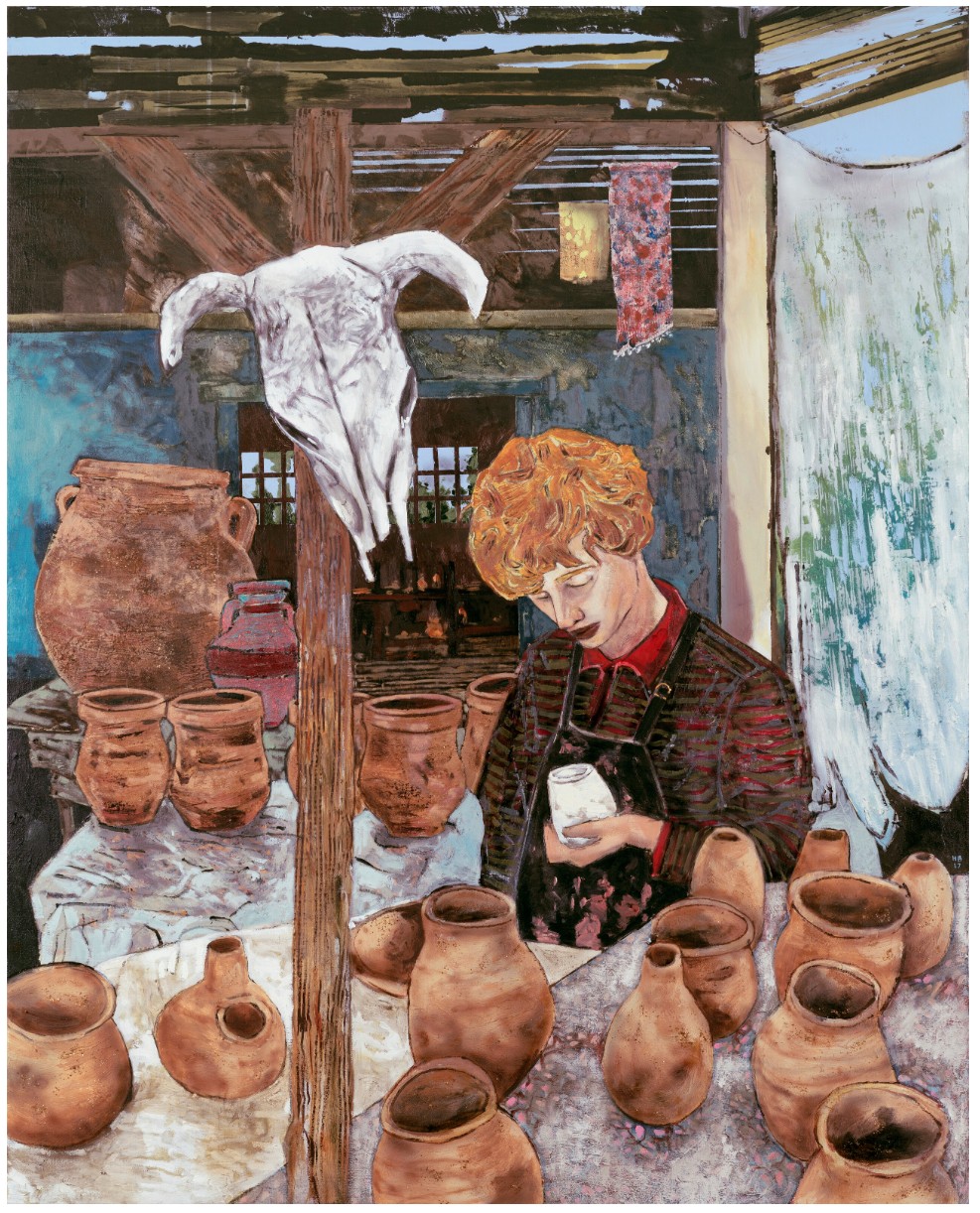
HERNAN BAS (B. 1978)
Bone China, 2017
Acrylic on canvas
60-1/8 x 48-1/8 inches (152.6 x 122.2 cm)
Signed with the artist’s initials and dated ‘HB 17’ (center right)
Signed with the artist’s initials, titled, and dated ‘HB 2017 “Bone China”‘ (on the reverse)
#15. Fish and Bird, 2019
Christie’s Hong-Kong: 28 March 2026
Estimated: HKD 1,000,000 – 2,000,000
HKD 2,032,000 / USD 259,515
HILARY PECIS (B. 1979), Fish and Bird | Christie’s
REPEAT SALE
Sotheby’s London: 2 March 2022
Estimated: GBP 100,000 – 150,000
GBP 942,500
Hilary Pecis | Fish and Bird | The Now Evening Auction | 2022 |
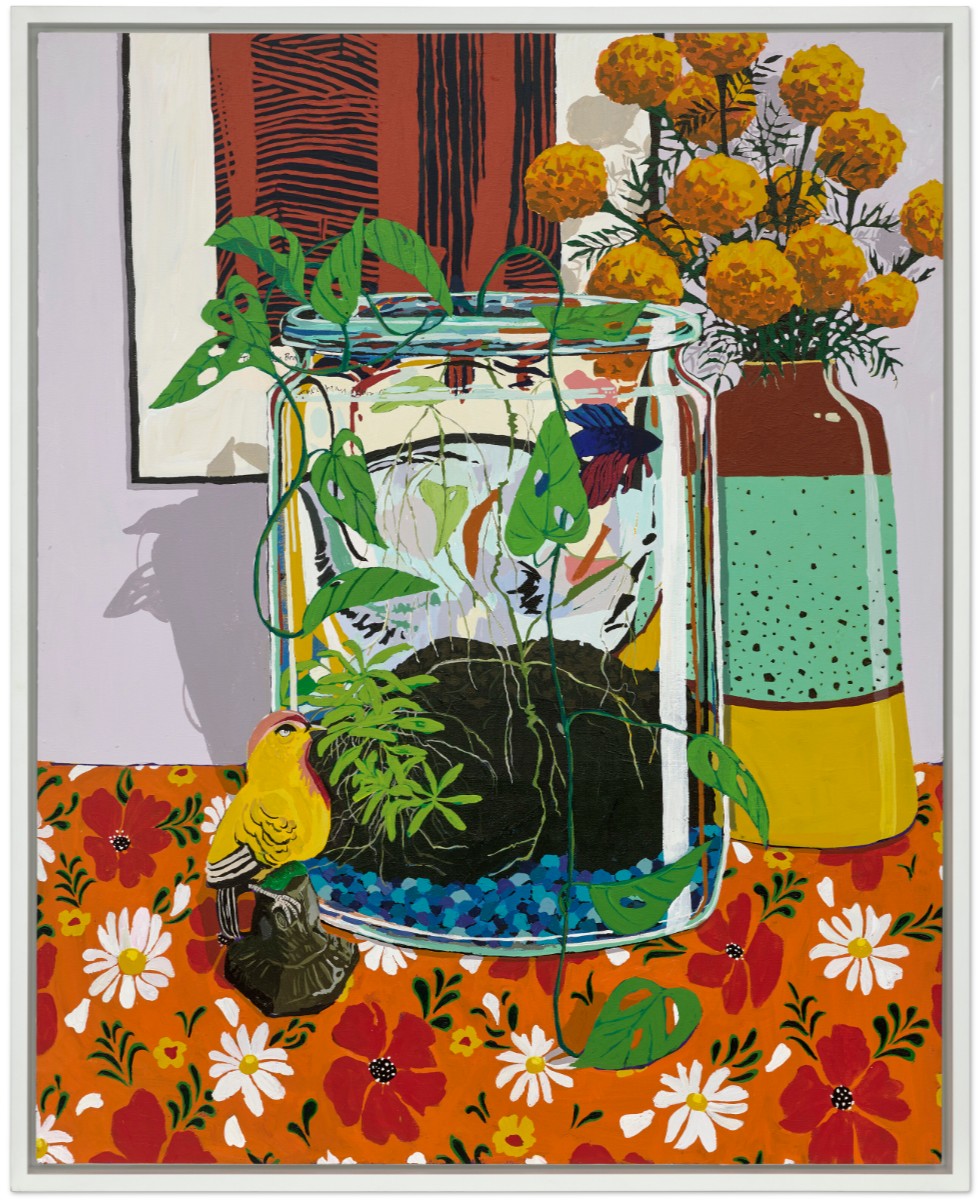
HILARY PECIS (B. 1979)
Fish and Bird, 2019
Acrylic on canvas
49-1/2 x 39-3/4 inches (127 x 101.6 cm)
Signed, titled, and dated ‘Hilary Pecis Fish and Bird 2019’ (on the reverse)
#16. And Then x 6 (Platinum & White: The Superflat Method), 2012
Christie’s Hong-Kong: 28 March 2026
Estimated: HKD 1,200,000 – 2,200,000
HKD 1,905,000 / USD 243,295
TAKASHI MURAKAMI (B. 1962), And Then x 6 (Platinum & White: The Superflat Method) | Christie’s
REPEAT SALE
Phillips Hong-Kong: 24 November 2019
Estimated: HKD 3,800,000 – 5,000,000
HKD 4,950,000 / USD 634,590
Takashi Murakami 20th Century & Contemporary Art Evening Sale
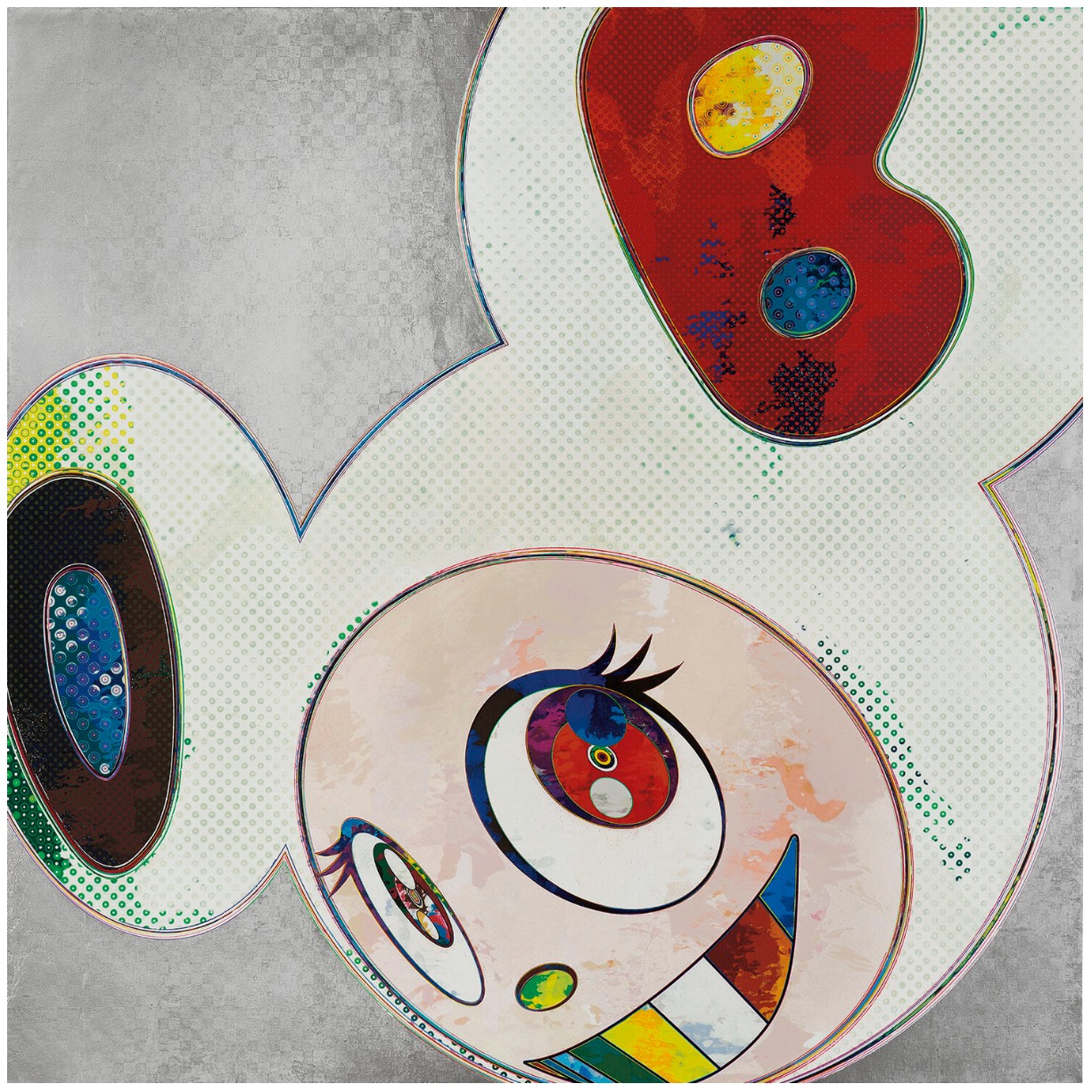
TAKASHI MURAKAMI (B. 1962)
And Then x 6 (Platinum & White: The Superflat Method), 2012
Acrylic and platinum leaf on canvas mounted on board
100.5 x 100 cm (39-5/8 x 39-3/8 inches)
Signed and dated ‘TAKASHI 2012’ (on the overlap)
XXXXXXXXXX
#19. NO PROBLEM, 2021
Christie’s Hong-Kong: 28 March 2026
Estimated: HKD 800,000 – 1,500,000
HKD 1,524,000 / USD 194,635
JAVIER CALLEJA (B.1971), NO PROBLEM | Christie’s
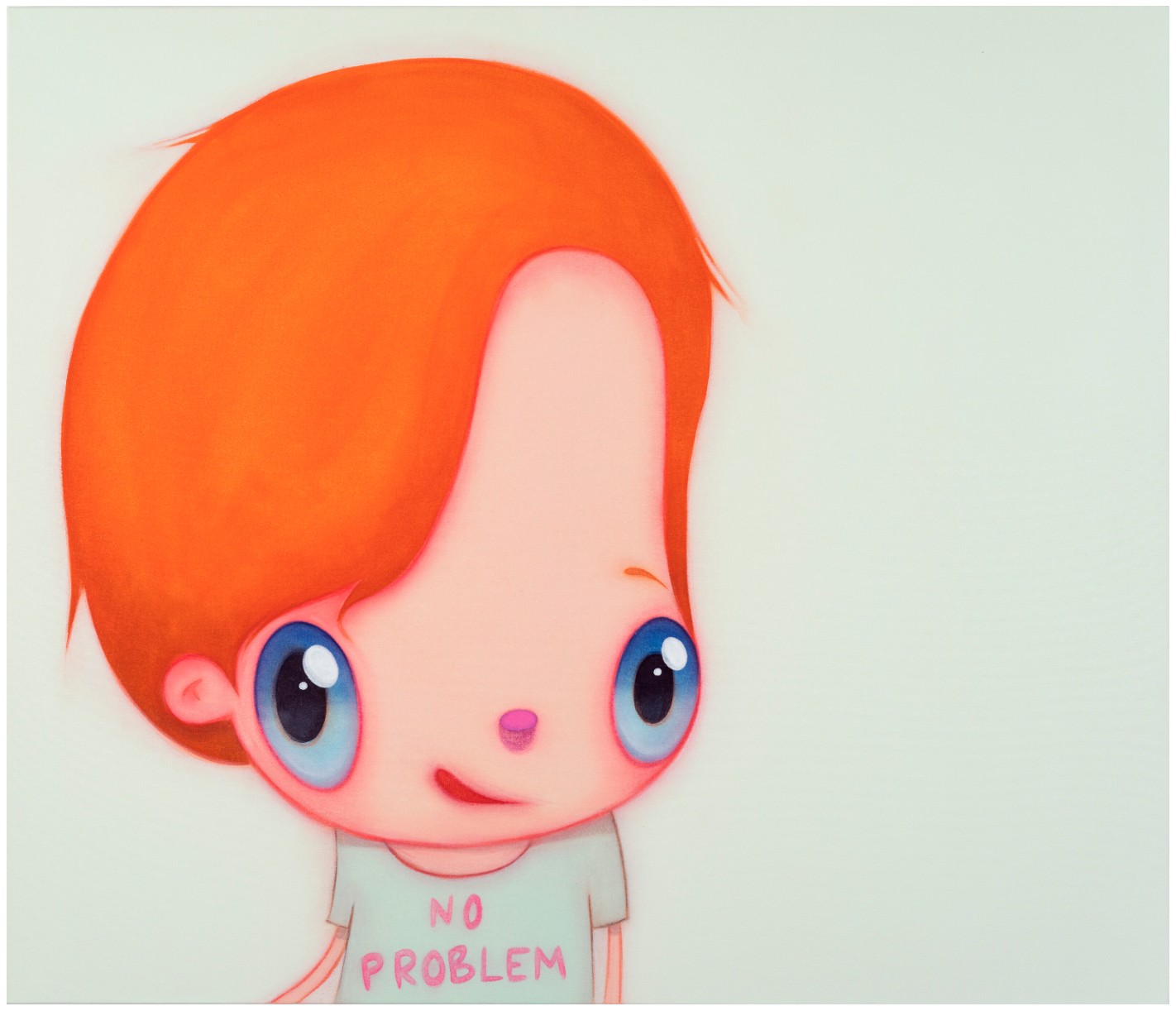 JAVIER CALLEJA (B.1971)
NO PROBLEM, 2021
Acrylic on canvas
100.3 x 116.4 cm (39-1/2 x 45-7/8 inches)
Titled ‘NO PROBLEM’ (on the reverse)
#20. Kitchen Chair, 2000
Christie’s Hong-Kong: 28 March 2026
Estimated: HKD 400,000 – 600,000
HKD 1,270,000 / USD 162,195
SCOTT KAHN (B. 1946), Kitchen Chair | Christie’s
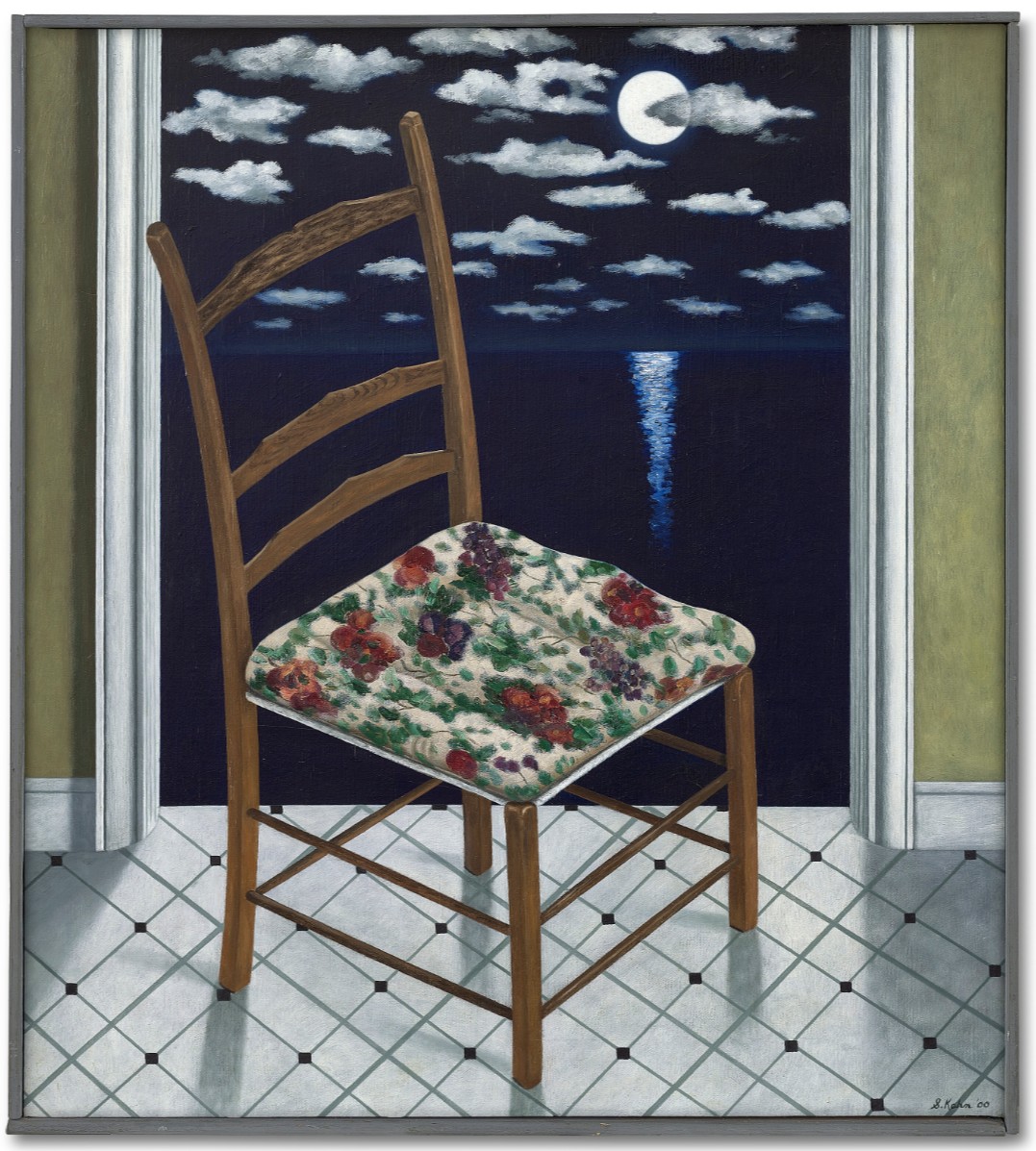
SCOTT KAHN (B. 1946)
Kitchen Chair, 2000
Oil on linen
20×18 inches (50.8 x 45.7 cm)
Signed and dated ‘S. Kahn ’00’ (lower right)
Signed, titled, inscribed, and dated ‘KITCHEN CHAIR KAHN 2000 © 2000 by Scot Kahn all rights reserved’
(on the overlap)

Modern & Contemporary Evening Auction
29 March 2026
Modern & Contemporary Evening Auction | 2026 | Sotheby’s
Total:
HKD 540,171,200 / USD 68,987,380
# Lots: 59 Lots
# Lots withdrawn: 5 Lots
# Lots sold: 54 Lots
Sell-Through: 100%
White Glove Sale
XXXXXXXXXX
#1. La Grande Vallée VII, 1983
Sotheby’s Hong-Kong: 29 March 2026
Estimated: HKD 110,000,000 – 300,000,000
HKD 129,100,000 / USD 16,487,865
Joan Mitchell 瓊・米切爾 | La Grande Vallée VII 大峽谷(第七號) | Modern &
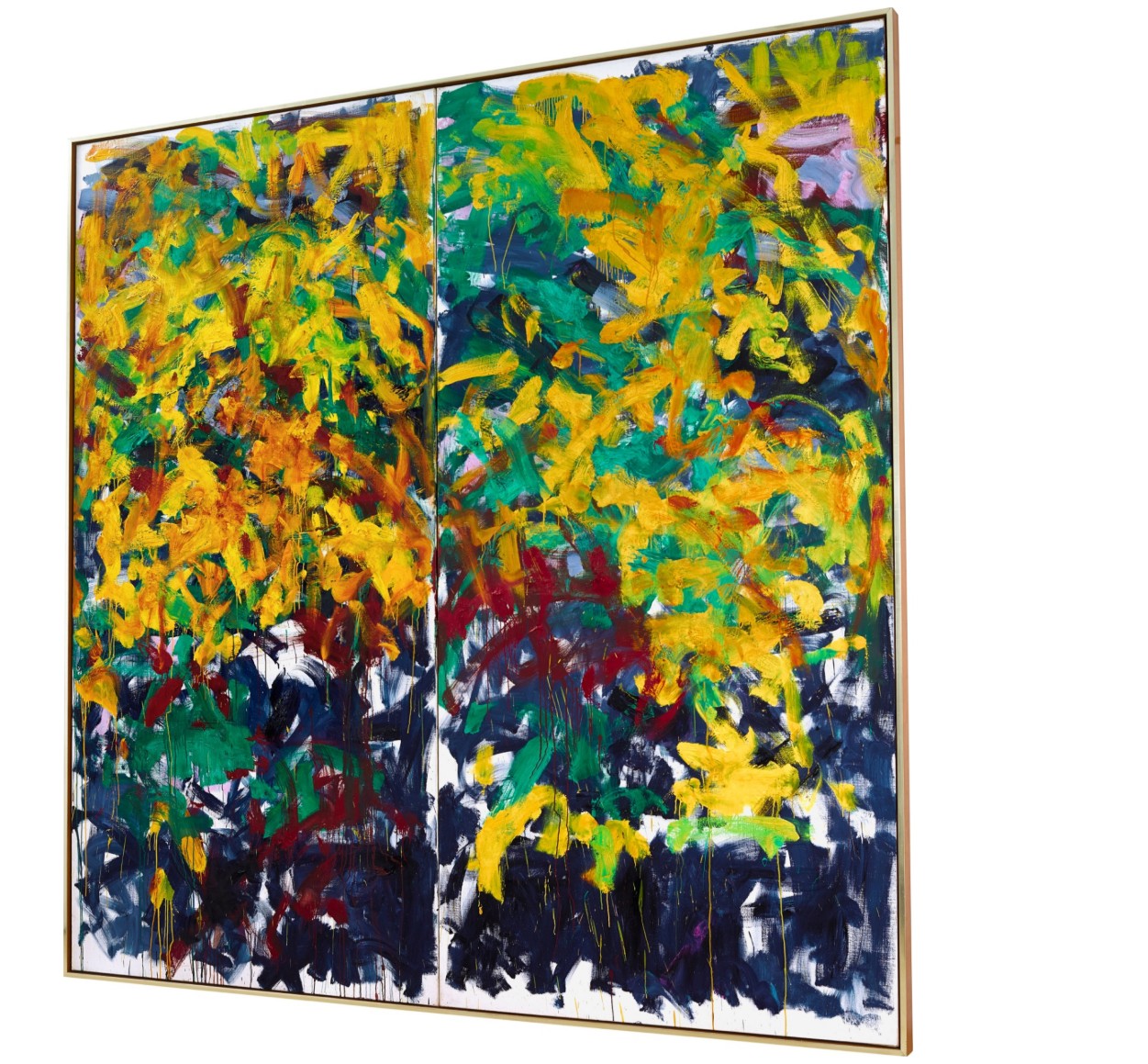
JOAN MITCHELL (1925-1992)
La Grande Vallée VII, 1983
Oil on canvas, in two parts
Overall: 102-3/8 x 102-5/8 inches (260.3 x 260.7 cm)
#2. No. 10, 1949
Sotheby’s Hong-Kong: 29 March 2026
Estimated: HKD 28,000,000 – 40,000,000
HKD 66,780,000 / USD 8,528,735
Mark Rothko 馬克 · 羅斯科 | No. 10 10號 | Modern & Contemporary Evening
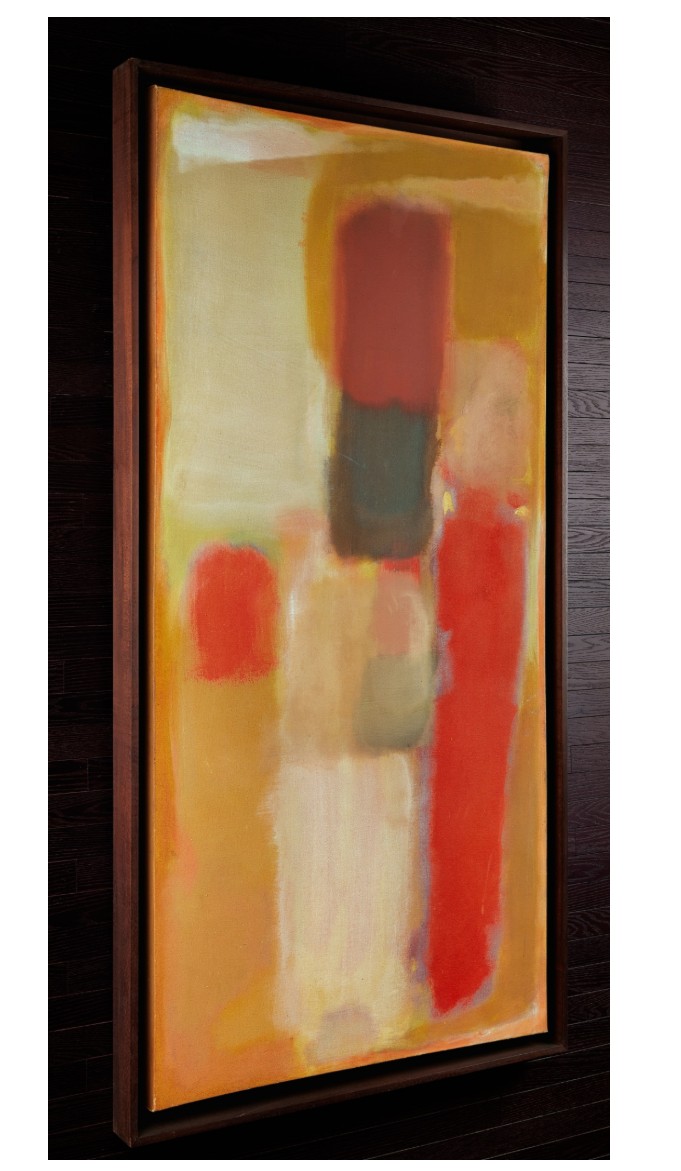
MARK ROTHKO (1903-1970)
No. 10, 1949
Oil on canvas
60-7/8 x 29-1/2 inches (154.5 x 75 cm)
Signed and dated 1949 (on the reverse)
#3. Pumpkin, 2015
Sotheby’s Hong-Kong: 29 March 2026
Estimated: HKD 40,000,000 – 60,000,000
HKD 49,700,000 / USD 6,347,380
Yayoi Kusama 草間彌生 | Pumpkin 南瓜 | Modern & Contemporary Evening
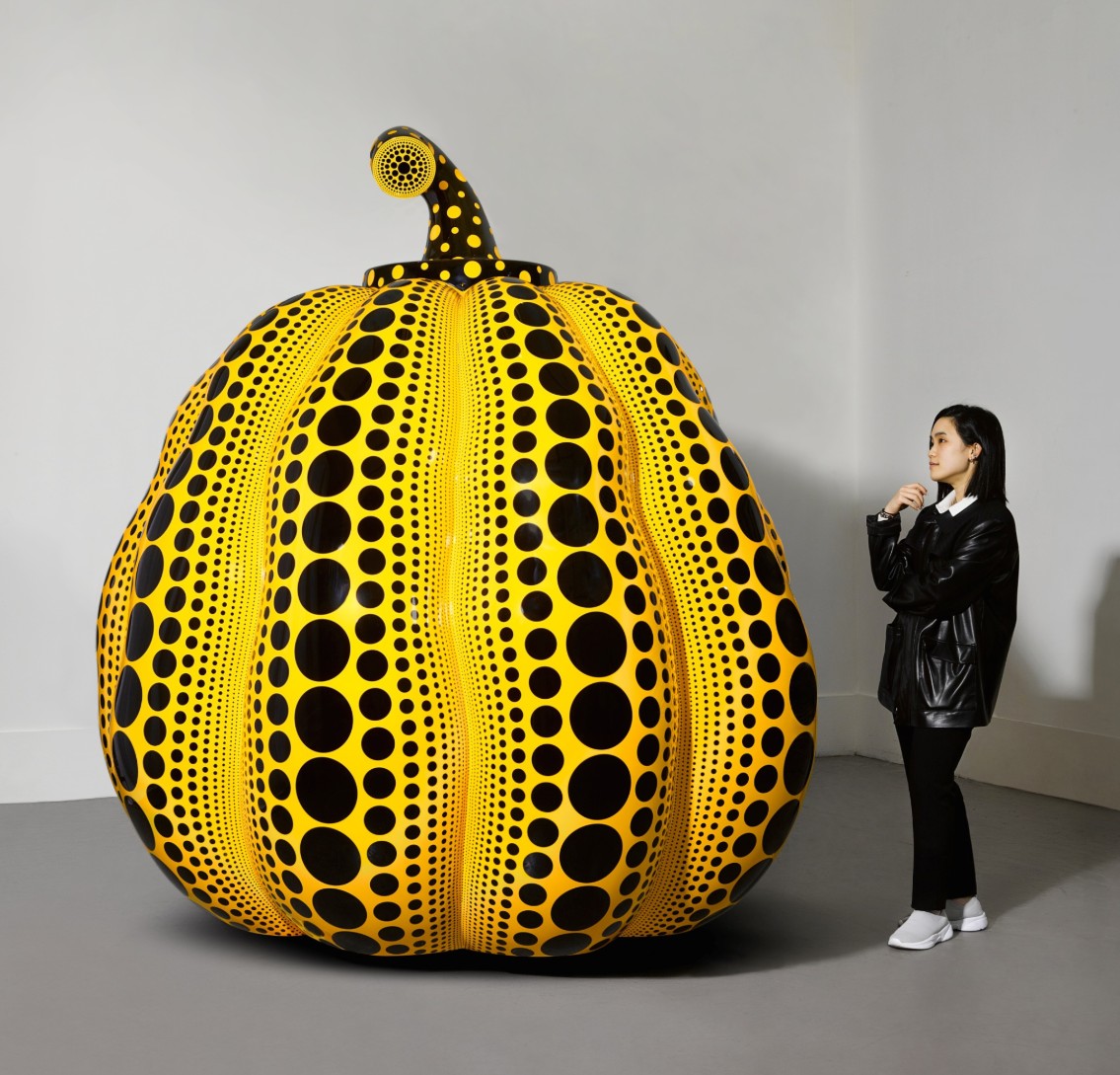
YAYOI KUSAMA (b. 1929)
Pumpkin, 2015
Urethane paint on fiberglass reinforced plastic
210x196x196 cm (82-5/8 x 77-1/8 x 77-1/8 inches
Signed and dated 2015
#4. Beijing Circus
Sotheby’s Hong-Kong: 29 March 2026
Estimated: HKD 28,000,000 – 40,000,000
HKD 47,260,000 / USD 6,035,760
Sanyu 常玉 | Beijing Circus 北京馬戲 | Modern & Contemporary Evening
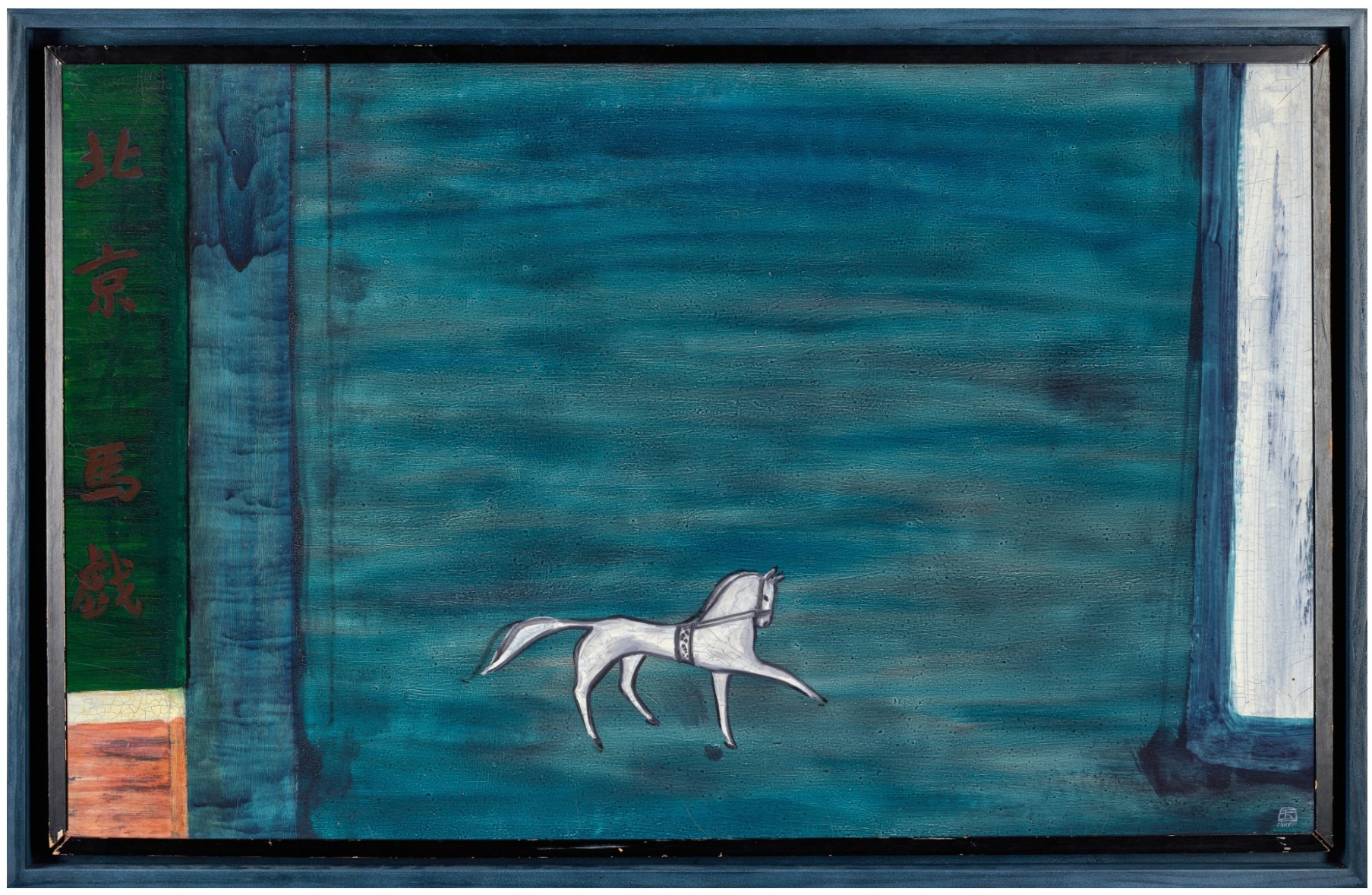
SANYU (1895 – 1966)
Beijing Circus
Oil on Masonite
80.3 x 129.5 cm (31-5/8 x 51 inches)
Signed 玉 SANYU (lower right)
Registered as LCF325 in the Li Ching Foundation’s catalogue raisonné of oil paintings
XXXXXXXXXX
#8. Untitled, 1982
Sotheby’s Hong-Kong: 29 March 2026
Estimated: HKD 14,000,000 – 20,000,000
HKD 14,080,000 / USD 1,798,210
Keith Haring 凱斯 · 哈林 | Untitled 無題 | Modern & Contemporary Evening
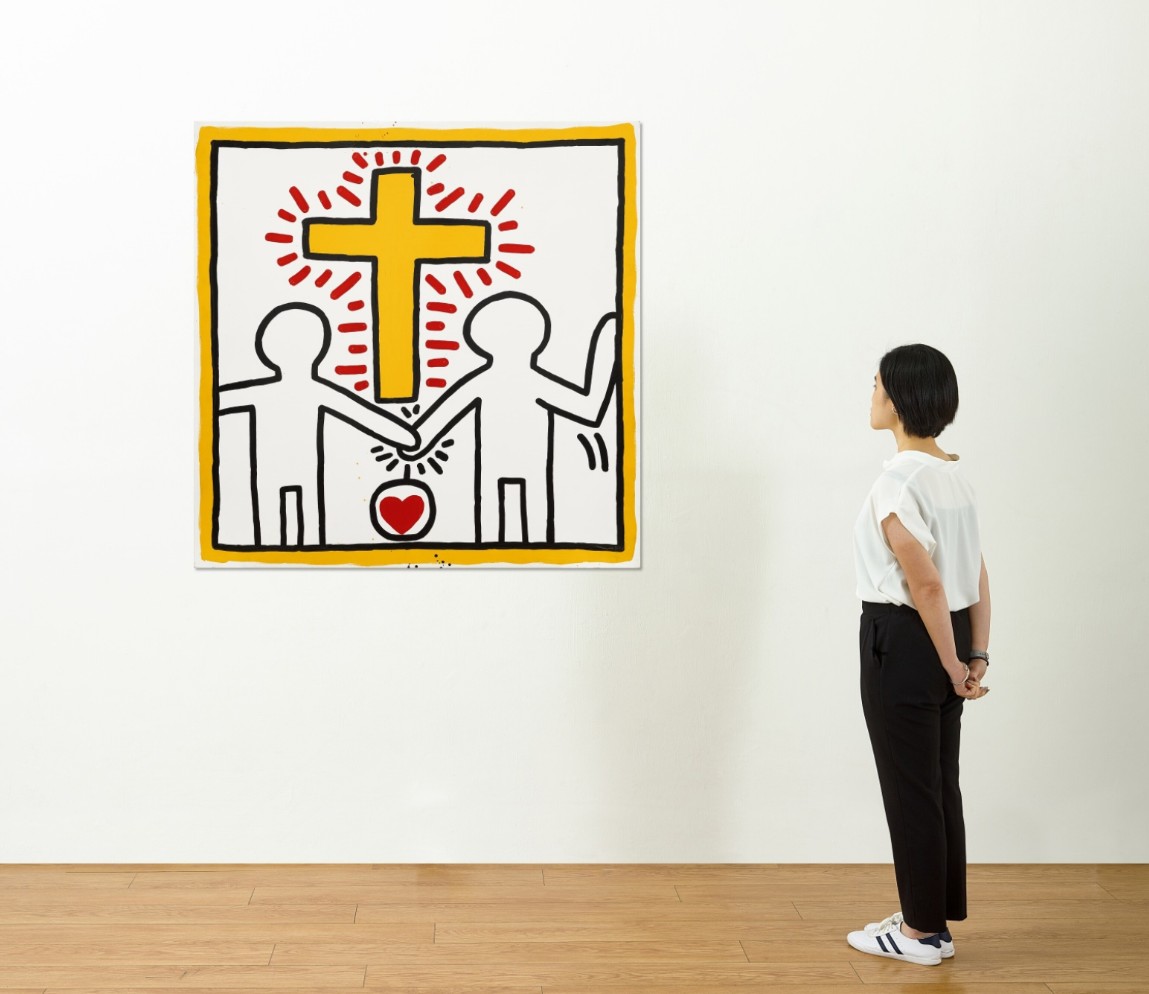
KEITH HARING (1958 – 1990)
Untitled, 1982
Baked enamel on metal
43×43 inches (109.3 x 109.3 cm)
Signed and dated SEPT. 26-27 1982 (on the reverse)
#9. 22:14, 2022
Sotheby’s Hong-Kong: 29 March 2026
Estimated: HKD 3,500,000 – 5,500,000
HKD 12,160,000 / USD 1,553,000
Lucy Bull 露西 · 布爾 | 22:14 | Modern & Contemporary Evening Auction |
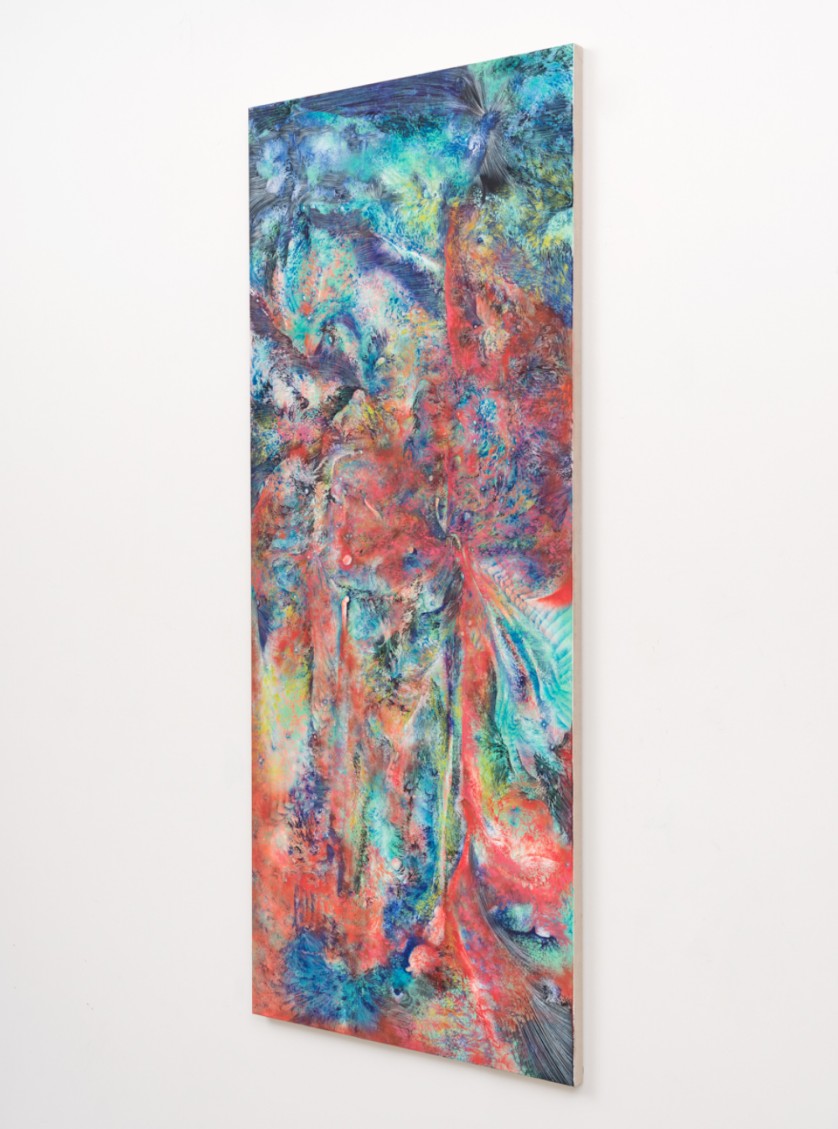
LUCY BULL (b. 1990)
22:14, 2022
Oil on linen
92-1/8 x 38-1/8 inches (234.1 x 96.8 cm)
Signed and dated 2022 (on the reverse)
XXXXXXXXXX
#18. Untitled, 2019
Sotheby’s Hong-Kong: 29 March 2026
Estimated: HKD 4,500,000 – 6,500,000
HKD 5,120,000 / USD 653,895
Matthew Wong 王俊傑 | Untitled 無題 | Modern & Contemporary Evening
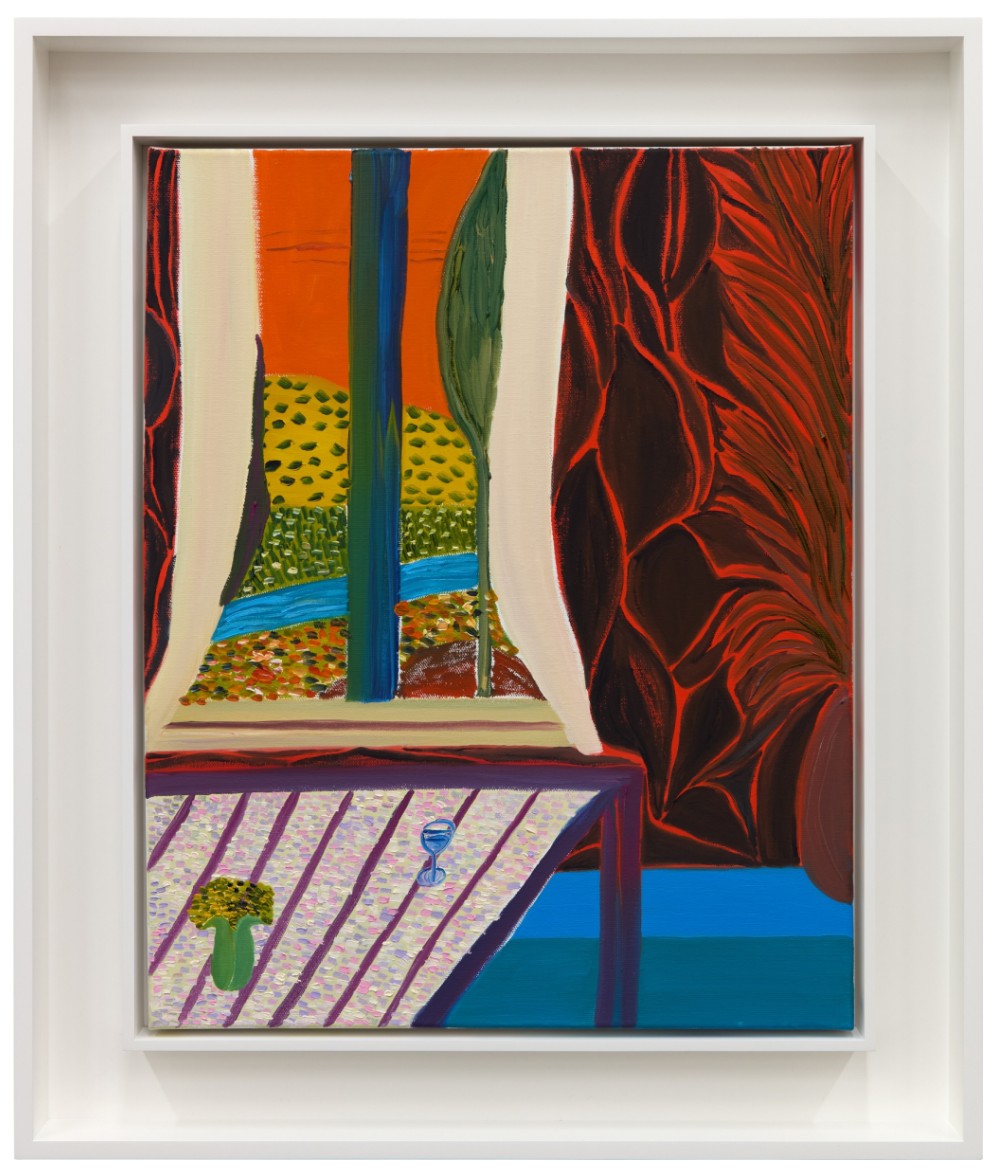
MATTHEW WONG (1984 – 2019)
Untitled, 2019
Oil on canvas
20×16 inches (51×41 cm)
#19. The Island, 2017
Sotheby’s Hong-Kong: 29 March 2026
Estimated: HKD 3,200,000 – 5,000,000
HKD 3,840,000 / USD 490,420
Matthew Wong 王俊傑 | The Island 島嶼 | Modern & Contemporary Evening
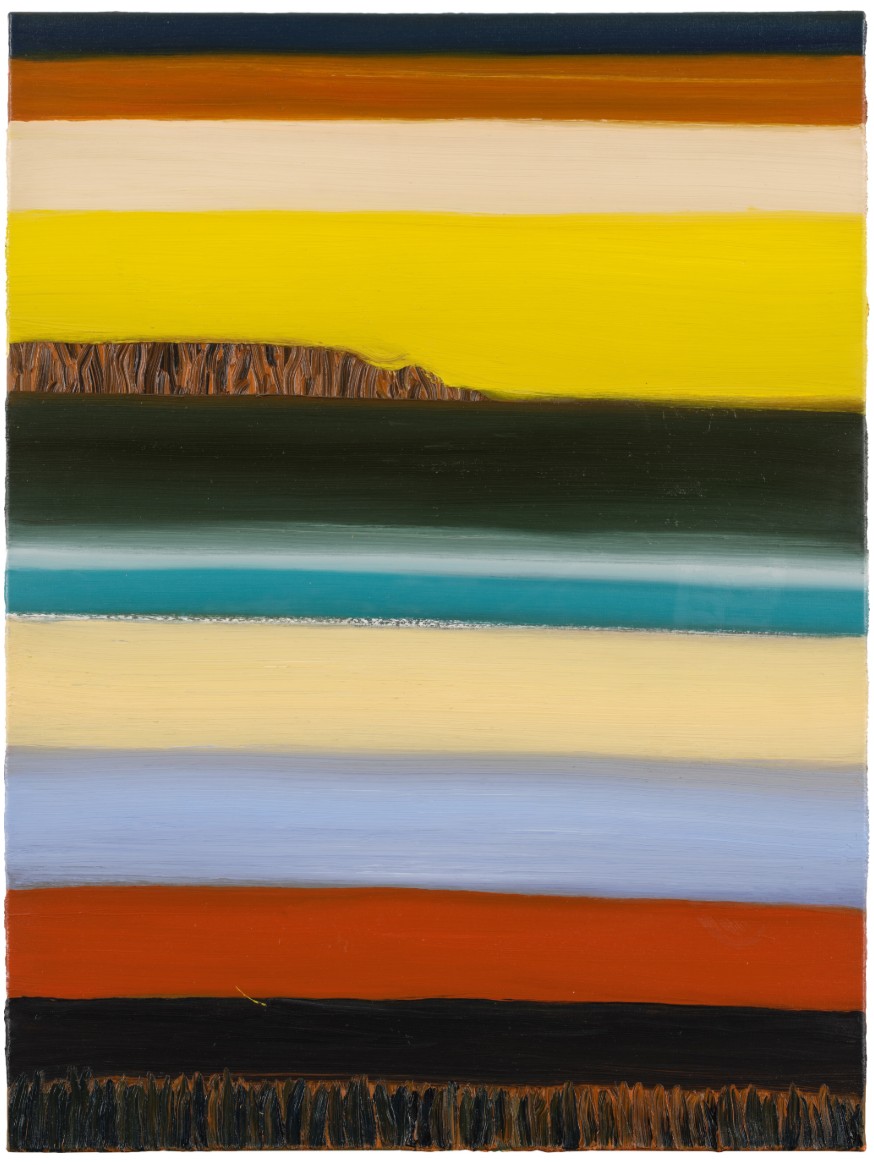
MATTHEW WONG (1984-2019)
The Island, 2017
Oil on canvas
40 x 29-7/8 inches (101.5 x 76 cm)
Signed in Chinese, titled in English and dated 2017 in Chinese (on the reverse)
XXXXXXXXXX
Pumpkin, 1998
Sotheby’s Hong-Kong: 29 March 2026
Estimated: HKD 22,000,000 – 40,000,000
WITHDRAWN
Yayoi Kusama 草間彌生 | Pumpkin 捲蒂南瓜 | Modern & Contemporary Evening
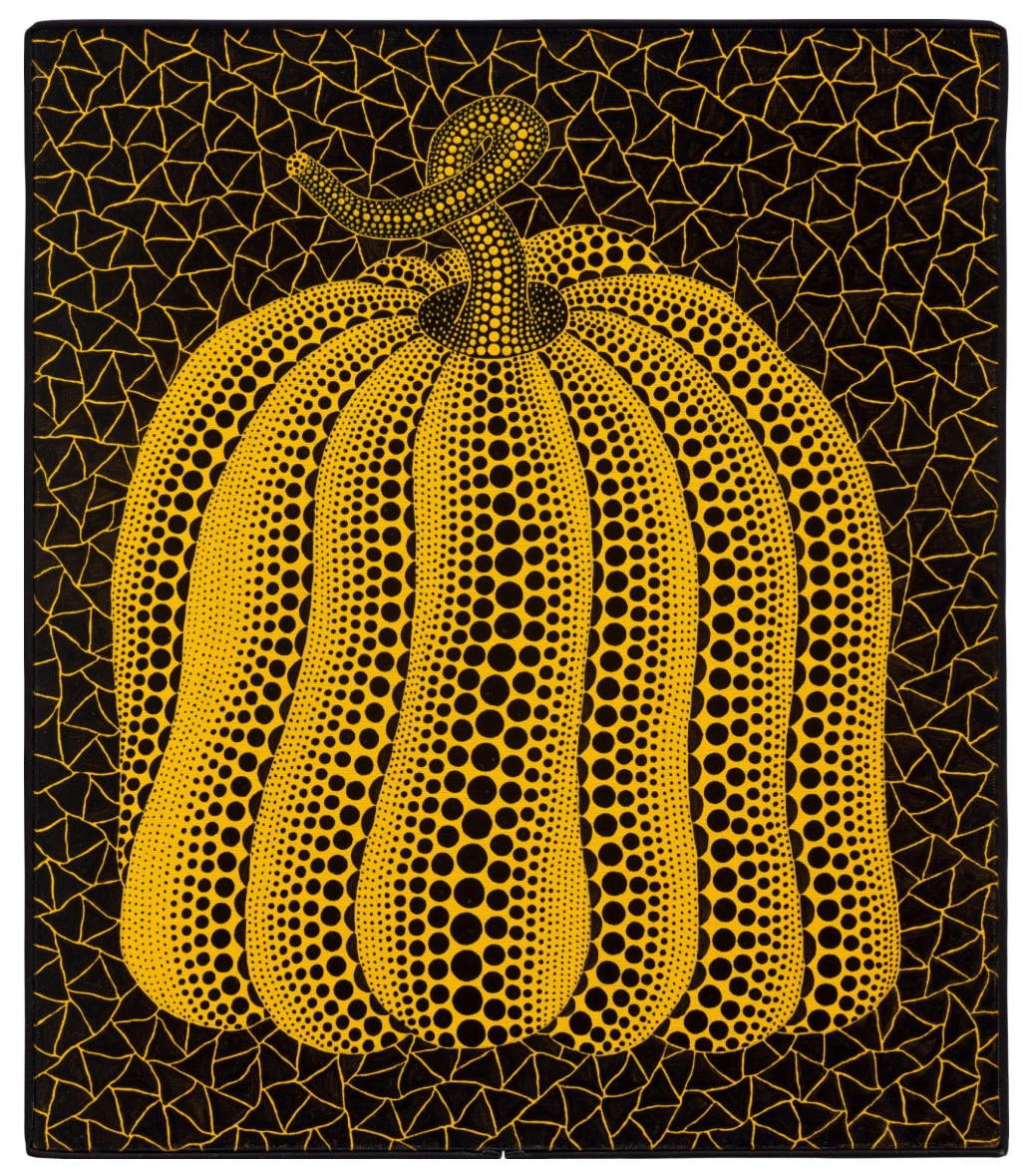
YAYOI KUSAMA (b. 1929)
Pumpkin, 1998
Acrylic on canvas
53 x 45.5 cm (20-7/8 x 18 inches)
Signed, titled, and dated 1998 (on the reverse)
Contemporary Day Auction
30 March 2026
Contemporary Day Auction | Contemporary Art | Sotheby’s
#1. Pumpkin (8), 1997
Sotheby’s Hong-Kong: 30 March 2026
Estimated: HKD 5,200,000 – 7,000,000
HKD 7,040,000 / USD 899,105
Yayoi Kusama 草間彌生 | Pumpkin (8) 南瓜(8) | Contemporary Day Auction |
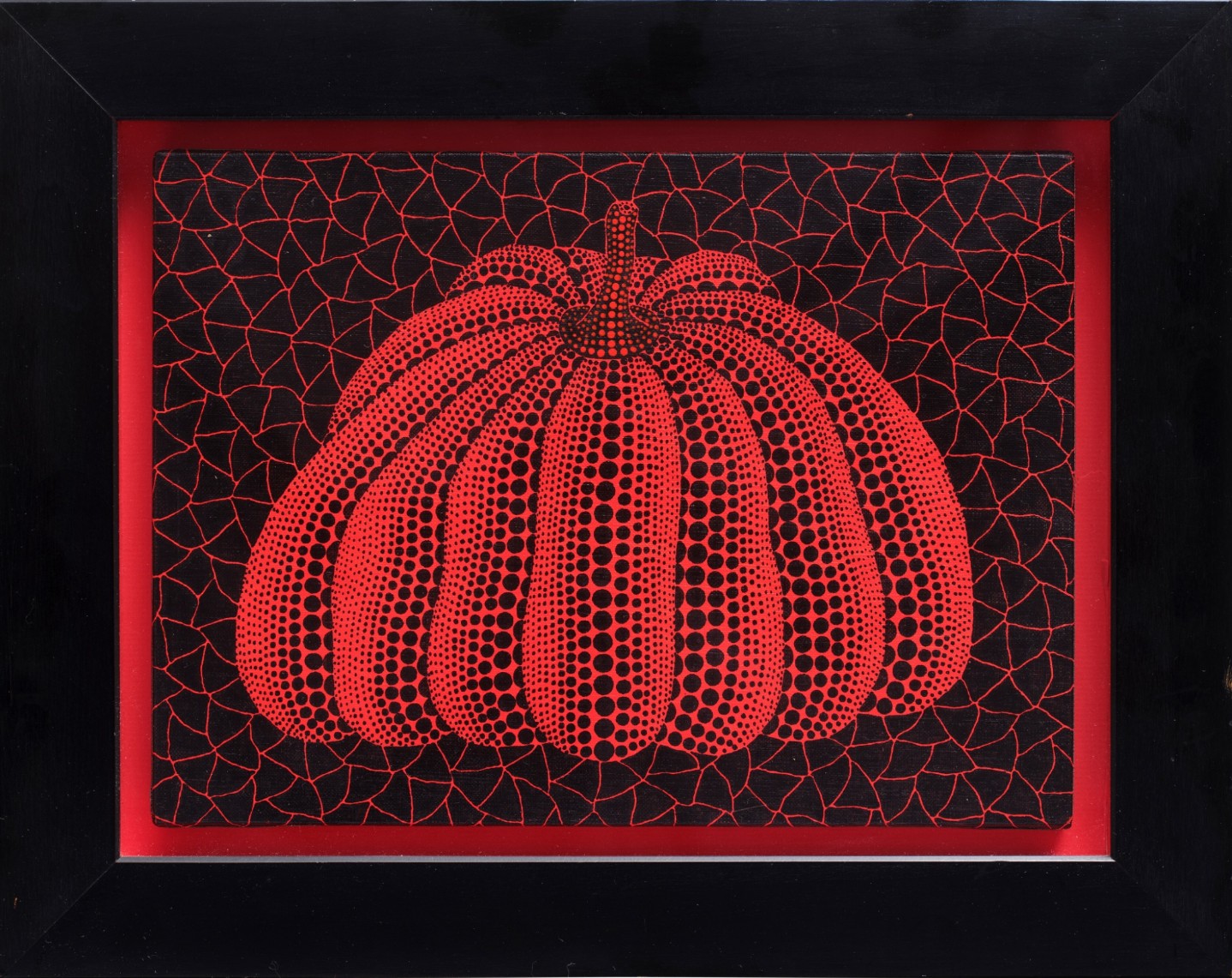
YAYOI KUSAMA (b. 1929)
Pumpkin (8), 1997
Acrylic on canvas
24.2 x 33.3 cm (9-1/2 x 13-1/8 inches)
Signed, titled in Japanese and dated 1997 (on the reverse)
#2. It’s a Cold Day, 2000
Sotheby’s Hong-Kong: 30 March 2026
Estimated: HKD 2,000,000 – 3,000,000
HKD 4,800,000 / USD 613,025
Yoshitomo Nara 奈良美智 | It’s a Cold Day 寒冷的一天 | Contemporary Day
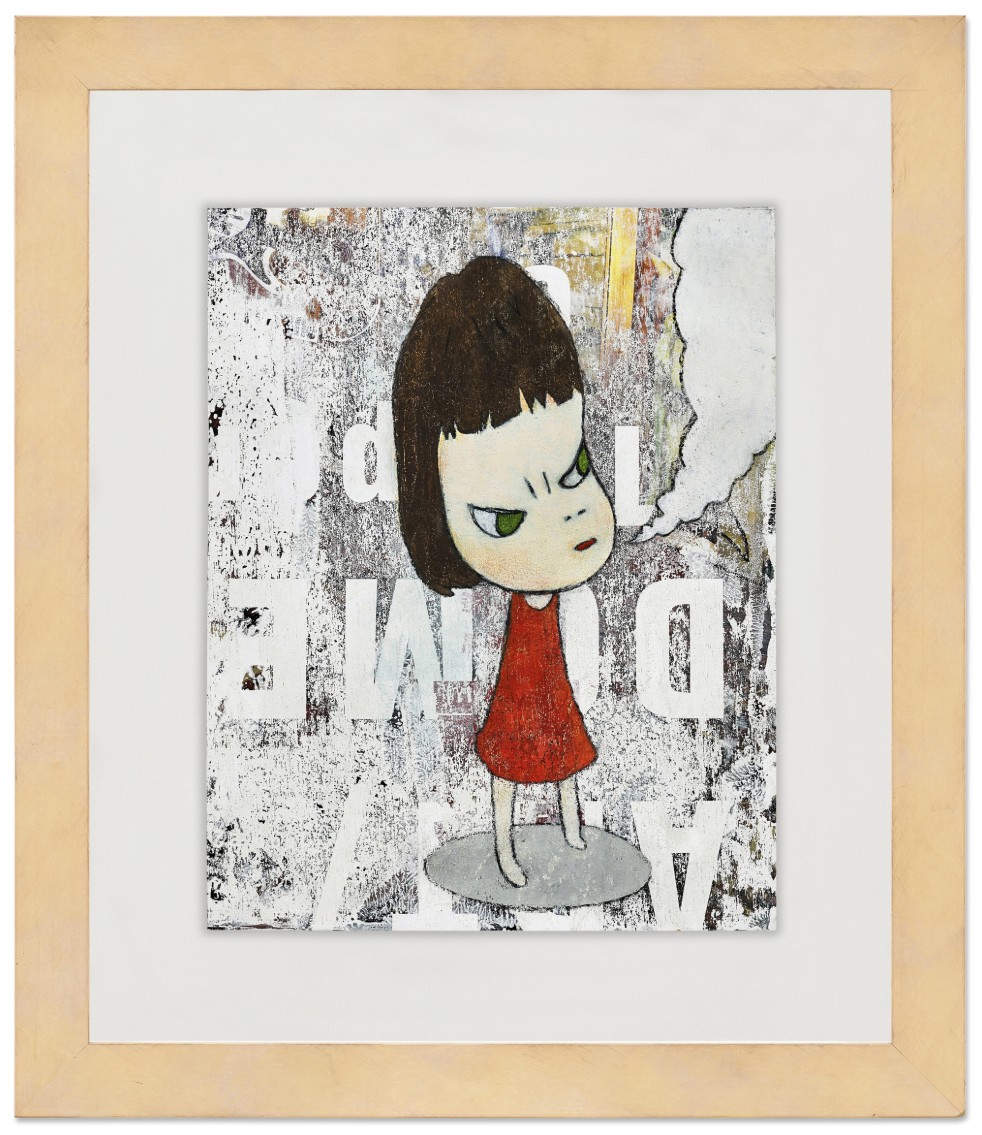
YOSHITOMO NARA (b. 1959)
It’s a Cold Day, 2000
Acrylic and colored pencil on paper
38.7 x 30 cm (15-1/4 x 11-7/8 inches)
Signed and dated 2000 (on the reverse)
XXXXXXXXXX
#4. Corn, 1989
Sotheby’s Hong-Kong: 30 March 2026
Estimated: HKD 3,000,000 – 5,000,000
HKD 3,072,000 / USD 392,335
Yayoi Kusama 草間彌生 | Corn 玉米 | Contemporary Day Auction | Contemporary
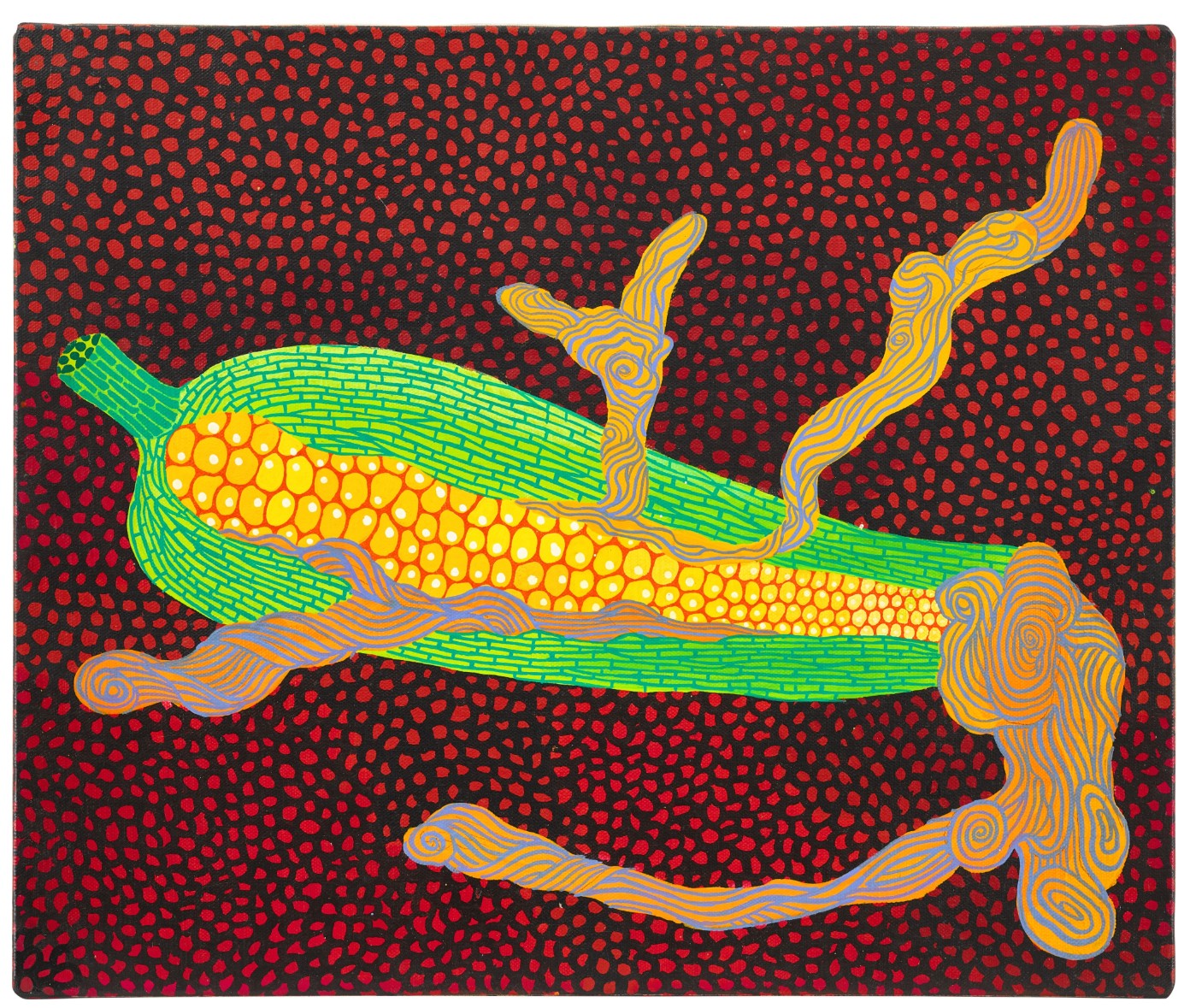
YAYOI KUSAMA (b. 1929)
Corn, 1989
Acrylic on canvas
38 x 45.6 cm (15×18 inches)
Signed in English, titled in Japanese and dated 1989 (on the reverse)
#5. Infinity Nets, 1989
Sotheby’s Hong-Kong: 30 March 2026
Estimated: HKD 2,400,000 – 3,500,000
HKD 2,816,000 / USD 359,640
Yayoi Kusama 草間彌生 | Infinity Nets 無限網 | Contemporary Day Auction |
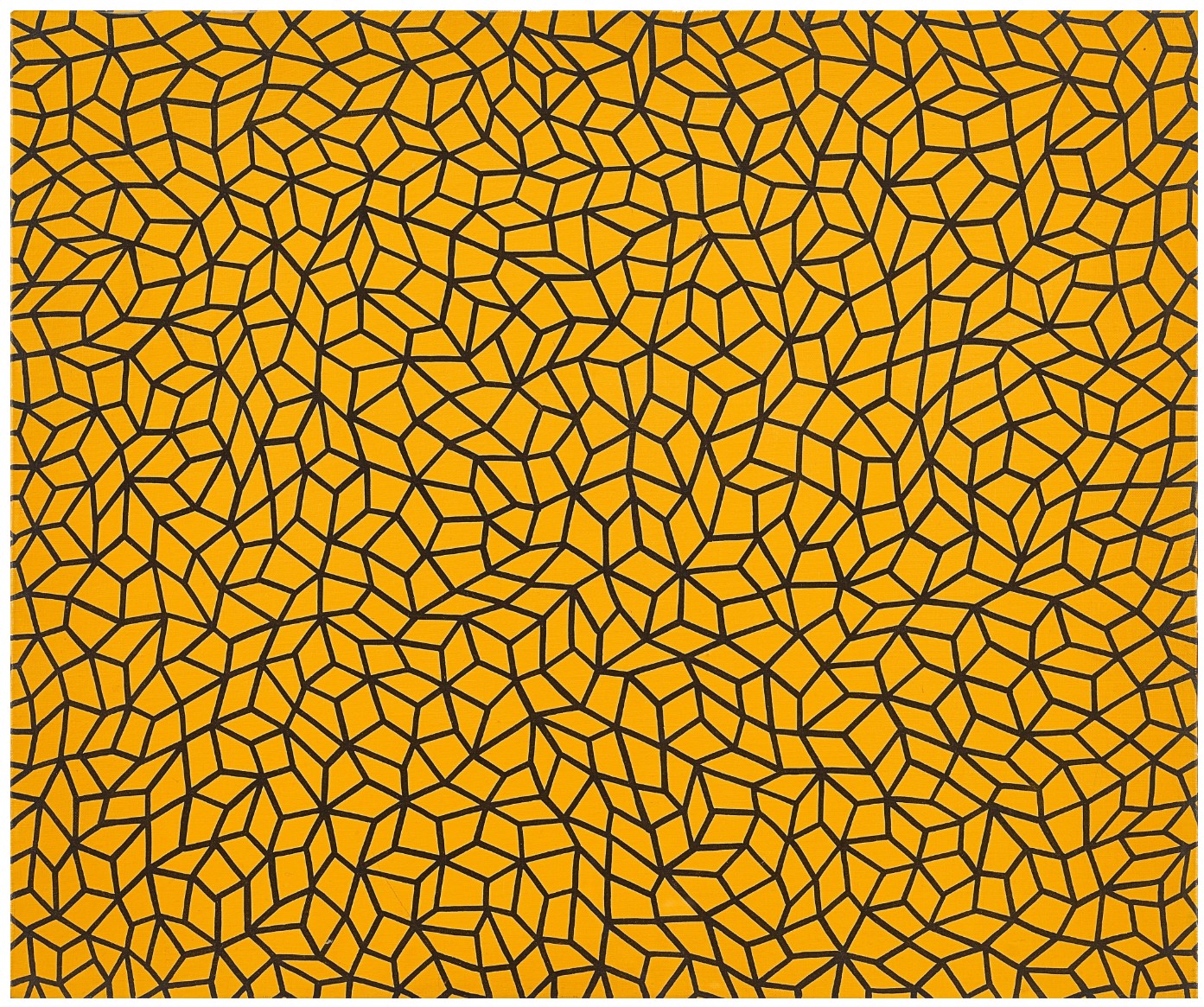
YAYOI KUSAMA (b. 1929)
Infinity Nets, 1989
Acrylic on canvas
60.6 x 72.7 cm (23-3/4 x 28-5/8 inches)
Signed, titled and dated 1989 (on the reverse)
#6. Mt. Fuji in Seven Colors (set of 7 works), 2015
Sotheby’s Hong-Kong: 30 March 2026
Estimated: HKD 1,800,000 – 2,800,000
HKD 2,816,000 / USD 359,640
Yayoi Kusama 草間彌生 | Mt. Fuji in Seven Colours (set of 7 works)
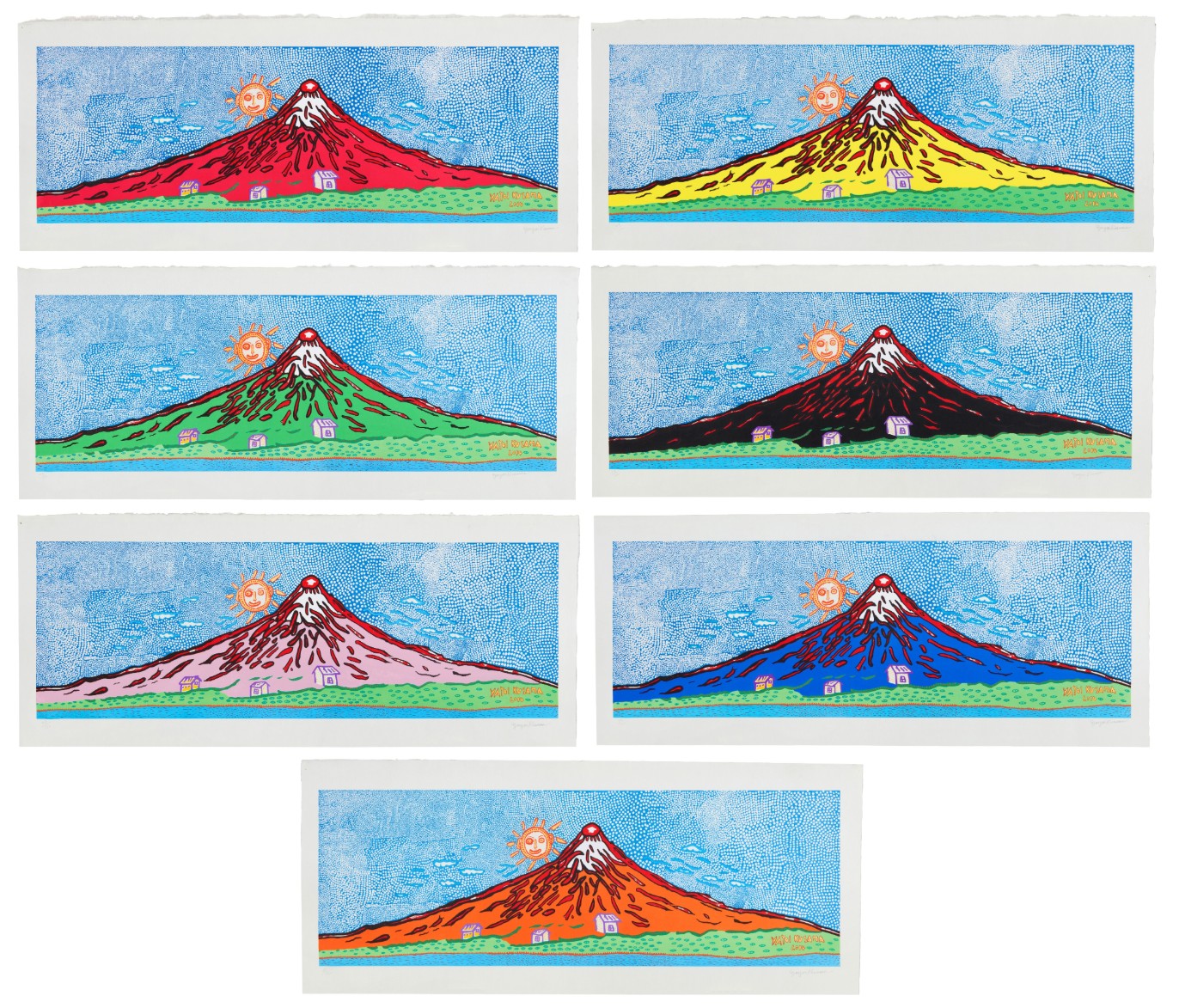
YAYOI KUSAMA (b. 1929)
Mt. Fuji in Seven Colors (set of 7 works), 2015
i. Red Fuji: Mt. Fuji, I love
ii. Yellow Fuji: My life shining forever, this human love shall not perish even after billions of light years
iii. Green Fuji: All about Mt. Fuji that I have loved my whole life
iv. Black Fuji: Where our soul sets in, this dark mountain embraces all with love
v. Pink Fuji: All things full of kindness touched my heart
vi. Blue Fuji: Where the universe and human life are
vii. Orange Fuji: When life boundlessly flares up to the universe
i-vi. each numbered 29/120 (lower left); each signed in English (lower right);
vii. numbered 85/120 (lower left); each signed in English (lower right)
Woodcut
Each image: 30.3 x 90 cm (11-7/8 x 35-3/8 inches)
Each sheet: 40×96 cm (15-3/4 x 37-3/4 inches)
XXXXXXXXXX
#9. Clockwork Panda Drummer, 1983
Sotheby’s Hong-Kong: 30 March 2026
Estimated: HKD 1,500,000 – 3,000,000
HKD 1,536,000 / USD 196,170
Andy Warhol 安迪 · 沃荷 | Clockwork Panda Drummer 發條熊貓鼓手 | Contemporary
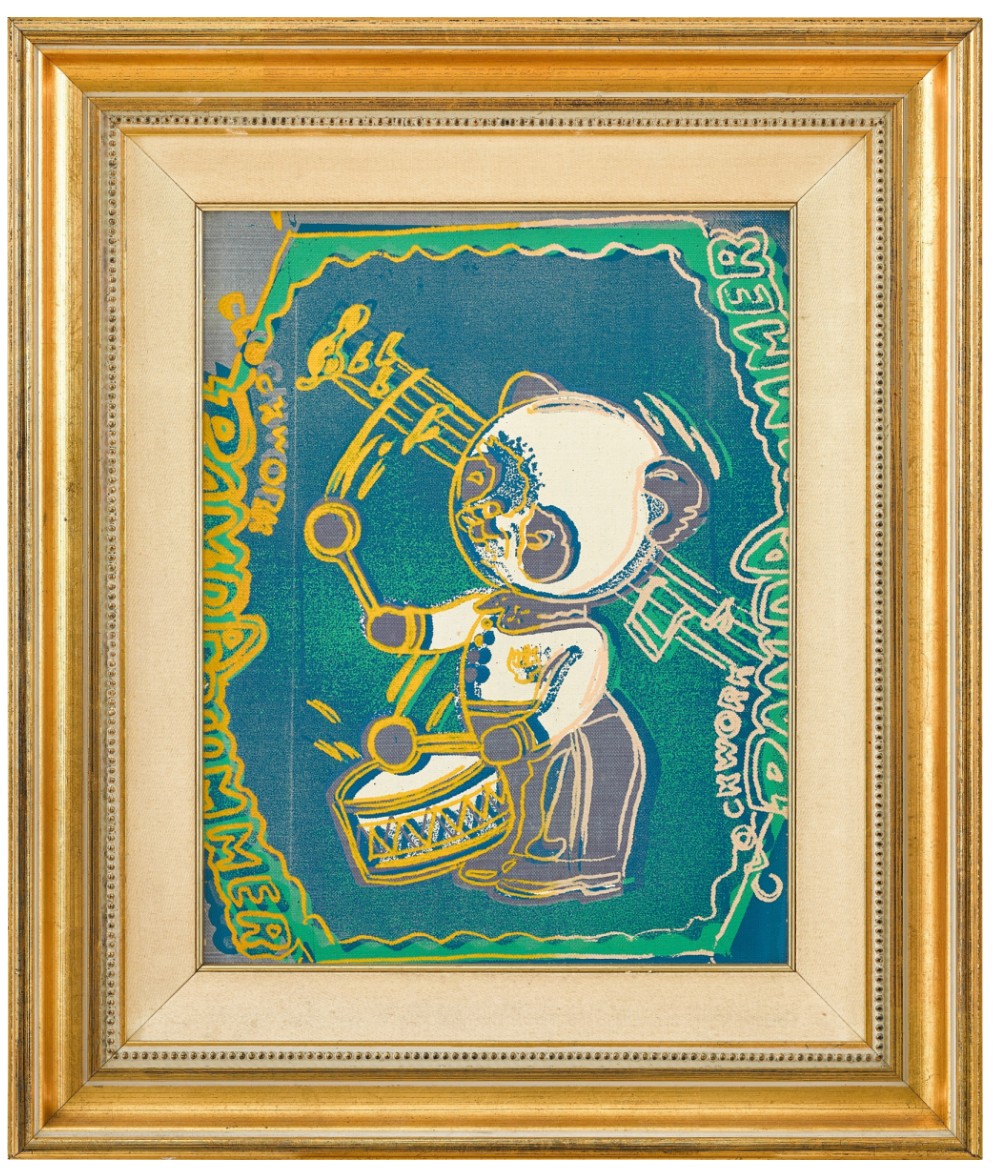
ANDY WARHOL (1928 – 1987)
Clockwork Panda Drummer, 1983
Acrylic and silkscreen ink on canvas
14-1/8 x 11 inches (35.7 x 28 cm)
Signed and dated 83 (on the overlap)
#10. Deine Reute (Your Route), 2016
Sotheby’s Hong-Kong: 30 March 2026
Estimated: HKD 900,000 – 1,500,000
HKD 1,408,000 / USD 179,820
Yoshitomo Nara 奈良美智 | Deine Reute (Your Route) 你的路途 | Contemporary
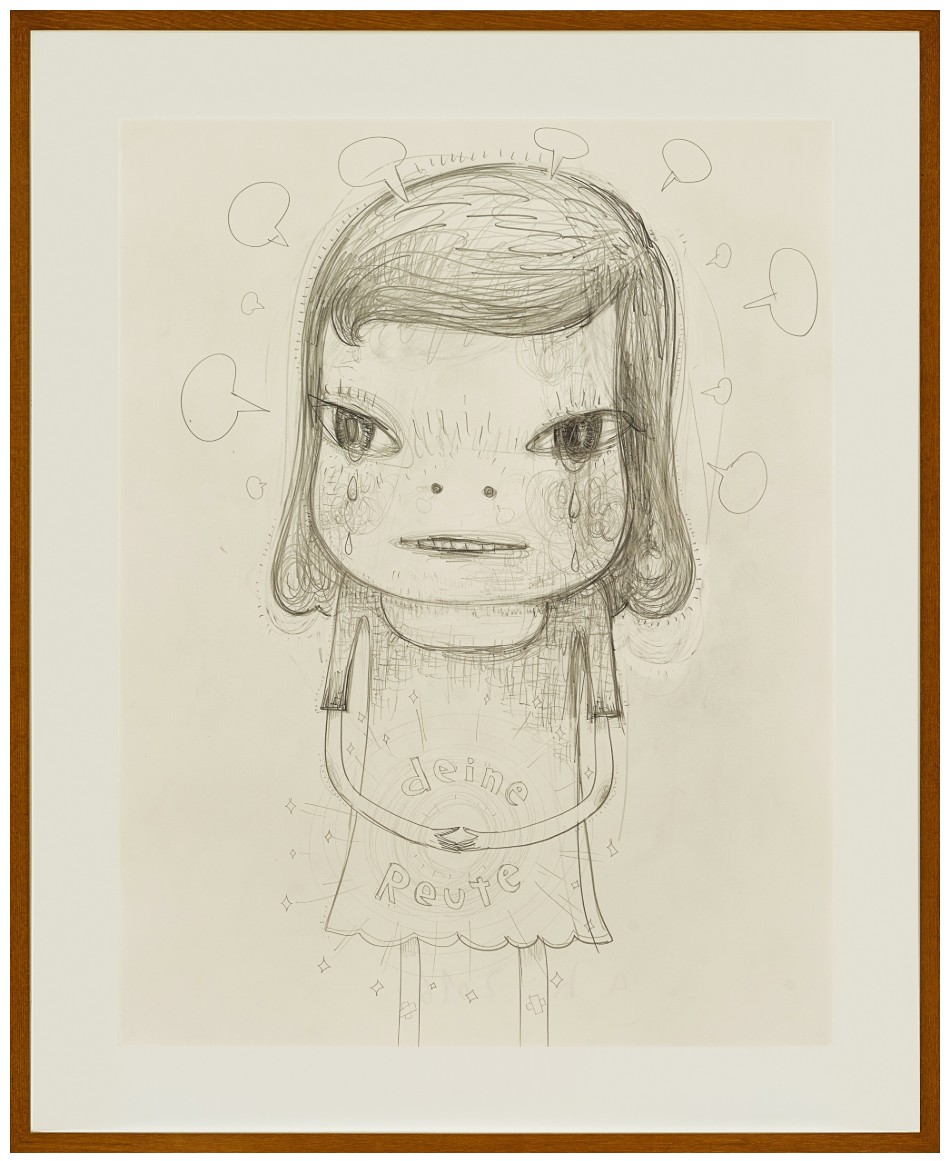
YOSHITOMO NARA (b. 1959)
Deine Reute (Your Route), 2016
Pencil on paper
65×50 cm (25-5-8 x 19-5/8 inches)
Signed and dated 2016 (on the reverse)
XXXXXXXXXX
#12. Amy, 2020
Sotheby’s Hong-Kong: 30 March 2026
Estimated: HKD 850,000 – 1,500,000
HKD 896,000 / USD 114,430
Mr. | Amy 艾美 | Contemporary Day Auction | Contemporary Art | Sotheby’s
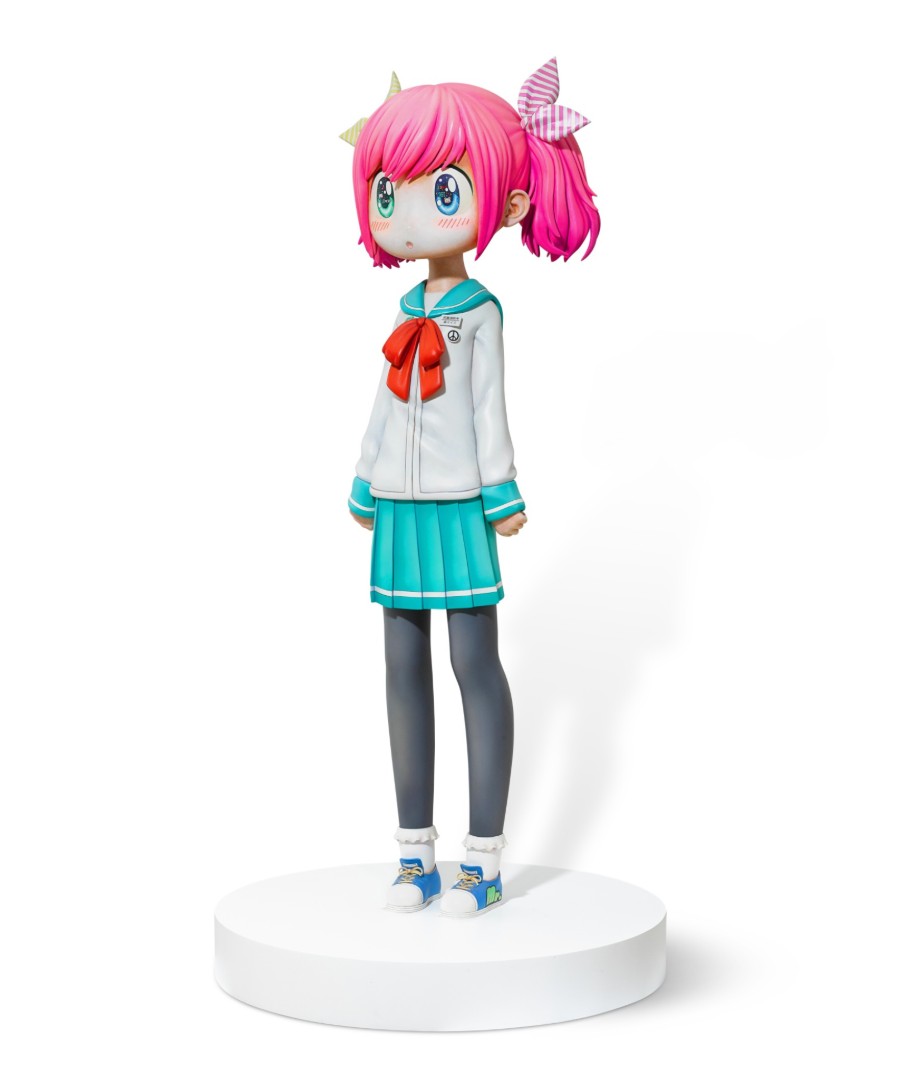
MR. (b. 1969)
Amy, 2020
Iron, FRP, urethane paint, acrylic paint, and plywood base with MDF surface finish
Overall: 141.5 x 70 x 70 cm (55-3/4 x 27-5/8 x 27 5/8 inches)
Signed and dated 2020 (on left shoe)
This work is number 9 from an edition of 10 with 3 artist’s proof and 1 special edition
© 2020 Mr./Kaikai Kiki Co., Ltd. All Rights Reserved
XXXXXXXXXX
Untitled (Mr. Dob – Magenta), 2020-2021
Sotheby’s Hong-Kong: 30 March 2026
Estimated: HKD 300,000 – 500,000
HKD 332,800 / USD 42,505
Takashi Murakami 村上隆 | Untitled (Mr. Dob – Magenta) 無題(Mr. Dob – 桃紅色)
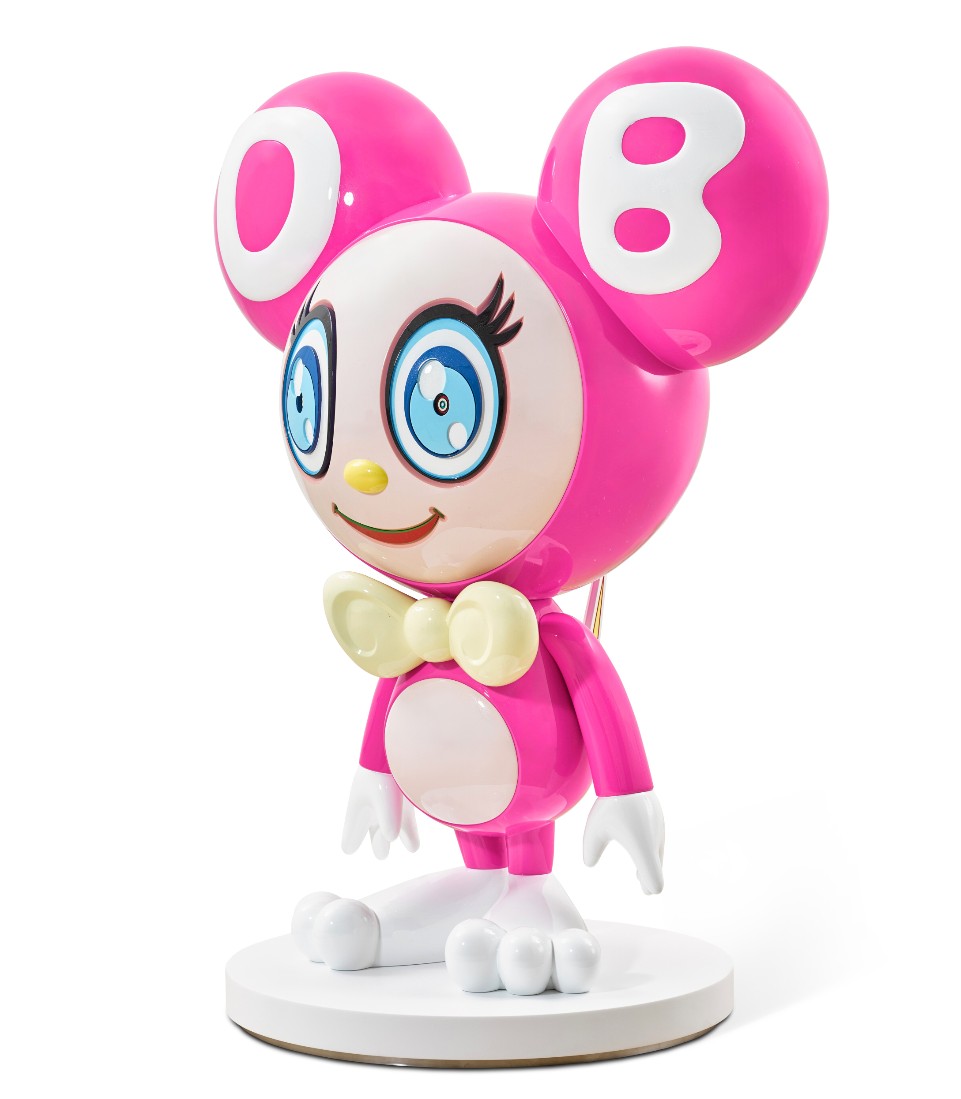
TAKASHI MURAKAMI (b. 1962)
Untitled (Mr. Dob – Magenta), 2020-2021
FRP, urethane paint, stainless steel and wood
Overall: 89x67x37 cm (35 x 26-3/8 x 14-5/8 inches)
Signed, numbered 2/20 and dated 2020 – 2021 (on the underside)
This work is number 2 from an edition of 20
© 2020-2021 Takashi Murakami./Kaikai Kiki Co., Ltd. All Rights Reserved
Untitled (Mr. Dob – Multicolor), 2020
Sotheby’s Hong-Kong: 30 March 2026
Estimated: HKD 300,000 – 500,000
HKD 332,800 / USD 42,505
Takashi Murakami 村上隆 | Untitled (Mr. Dob – Multicolour) 無題(Mr. Dob –
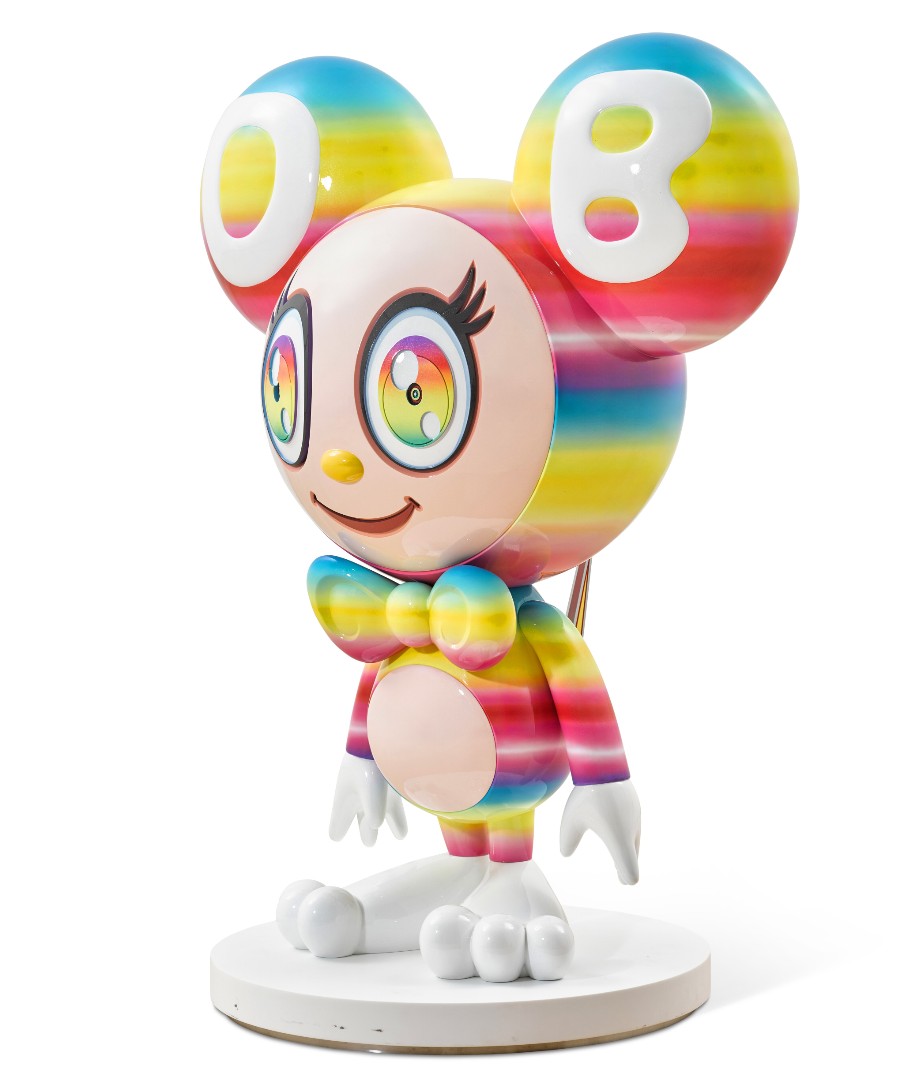
TAKASHI MURAKAMI (b. 1962)
Untitled (Mr. Dob – Multicolor), 2020
FRP, urethane paint, stainless steel and wood
Overall: 89x67x37 cm (35 x 26-3/8 x 14-5/8 inches)
Signed, numbered 2/20 and dated 2020 – 2021 (on the underside)
This work is number 4 from an edition of 20
© 2020-2021 Takashi Murakami./Kaikai Kiki Co., Ltd. All Rights Reserved
XXXXXXXXXX
Untitled, 2023
Sotheby’s Hong-Kong: 30 March 2026
Estimated: HKD 800,000 – 1,500,000
PASSED
Mr. | Untitled 無題 | Contemporary Day Auction | Contemporary Art |

MR. (b. 1969)
Untitled, 2023
Acrylic on canvas laid on board
121×125 cm (47-5/8 x 49-1/4 inches)
Signed and dated 2023 (on the overlap)
© 2023 Mr./Kaikai Kiki Co., Ltd. All Rights Reserved
XXXXXXXXXX
Wish a Little Star, 2014
Sotheby’s Hong-Kong: 30 March 2026
Estimated: HKD 2,500,000 – 3,500,000
WITHDRAWN
Yoshitomo Nara 奈良美智 | Wish a Little Star 許下小星願 | Contemporary Day
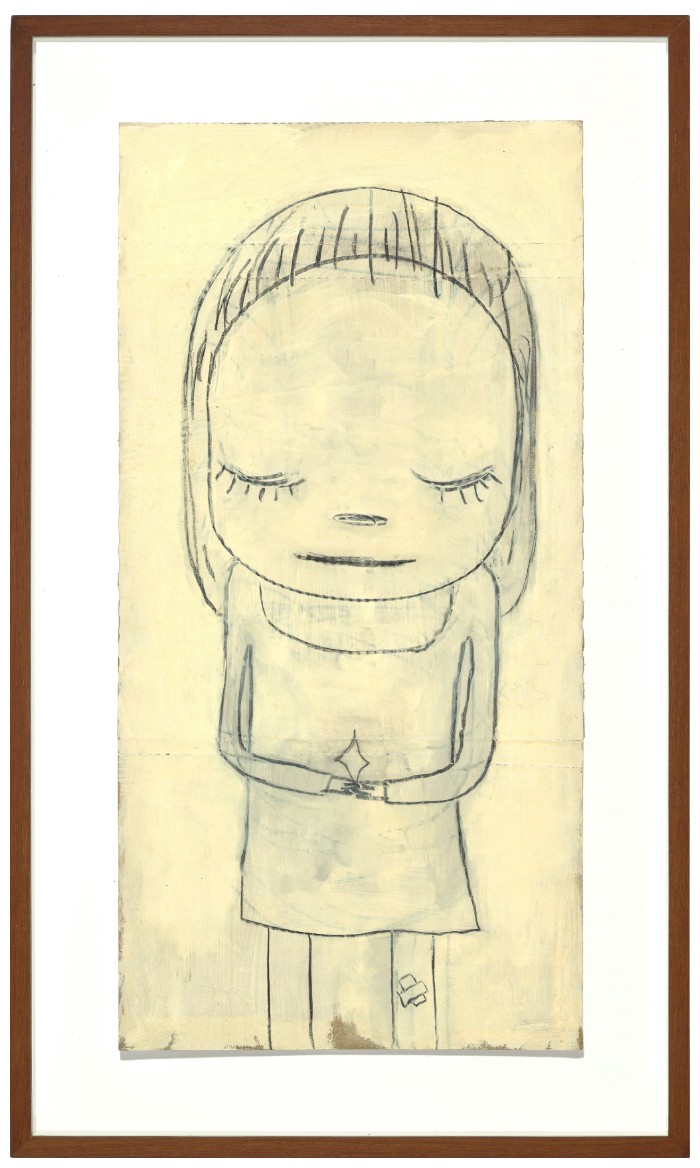
YOSHITOMO NARA (b. 1959)
Wish a Little Star, 2014
Acrylic and colored pencil on corrugated board
66×33 cm (26×13 inches)

Modern & Contemporary Art Evening Sale
29 March 2026
Modern & Contemporary Art Evening Sale Sunday, March 29, 2026
Total:
HKD 49,482,600 / USD 6,319,615
# Lots: 16 Lots
# Lots withdrawn: 1 Lot
# Lots unsold: 1 Lot
# Lots sold: 14 Lots
Sell-Through: 93.3%
XXXXXXXXXX
#3. Sunset Afterglow inside My Heart, 2020
Phillips Hong-Kong: 29 March 2026
Estimated: HKD 5,000,000 – 7,000,000
HKD 6,450,000 / USD 823,755
Yayoi Kusama Modern & Contemporary Art Evening Sale
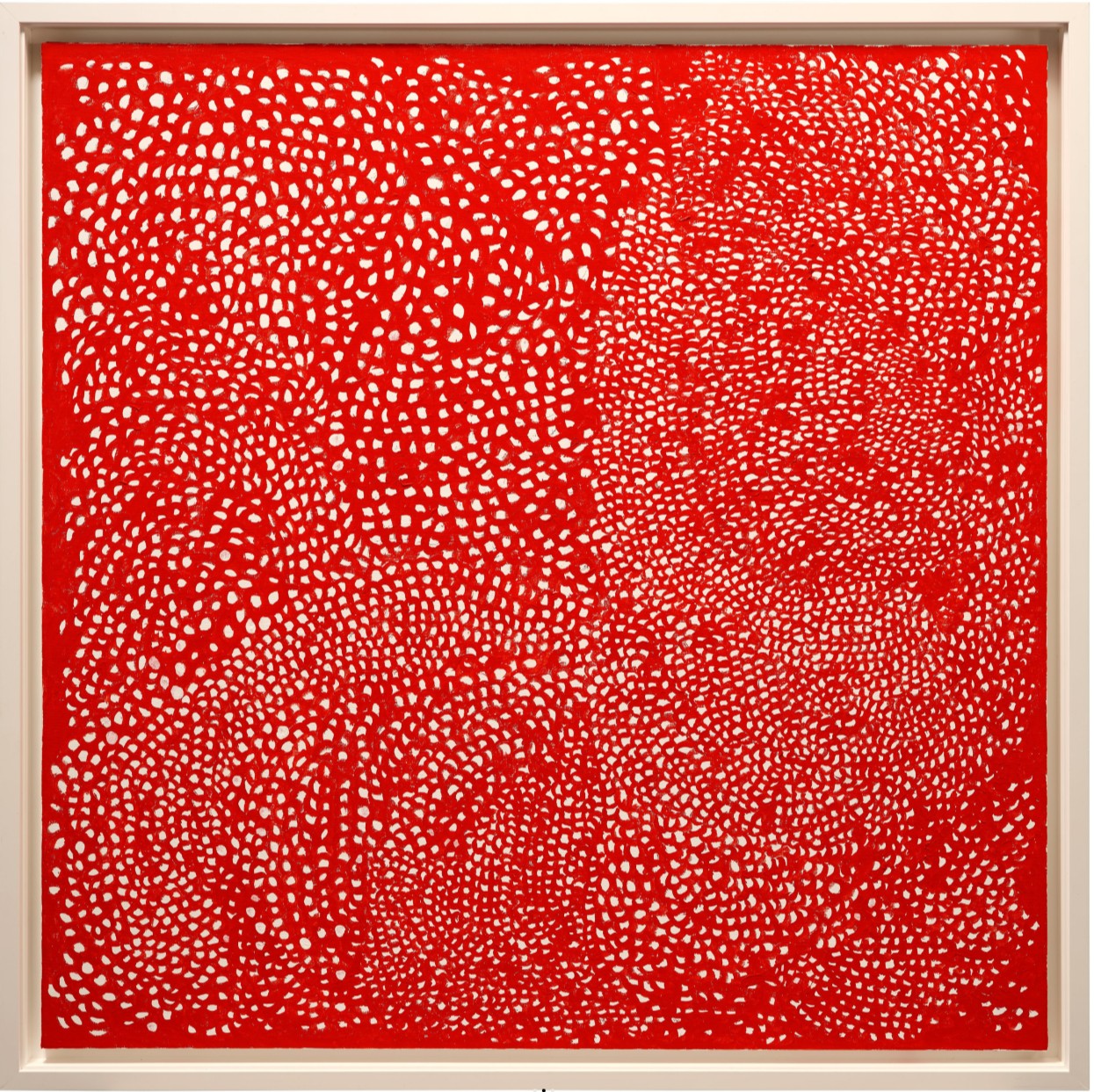
Acrylic on canvas
100×100 cm (39 3/8 x 39 3/8 inches)
Signed and dated ‘YAYOI-KUSAMA 2020 7/6’ on the reverse
#7. Two Portraits, 2016
Property of an Important Private Collector
Phillips Hong-Kong: 29 March 2026
Estimated: HKD 2,500,000 – 3,500,000
HKD 4,128,000 / USD 527,205
Nicolas Party Modern & Contemporary Art Evening Sale
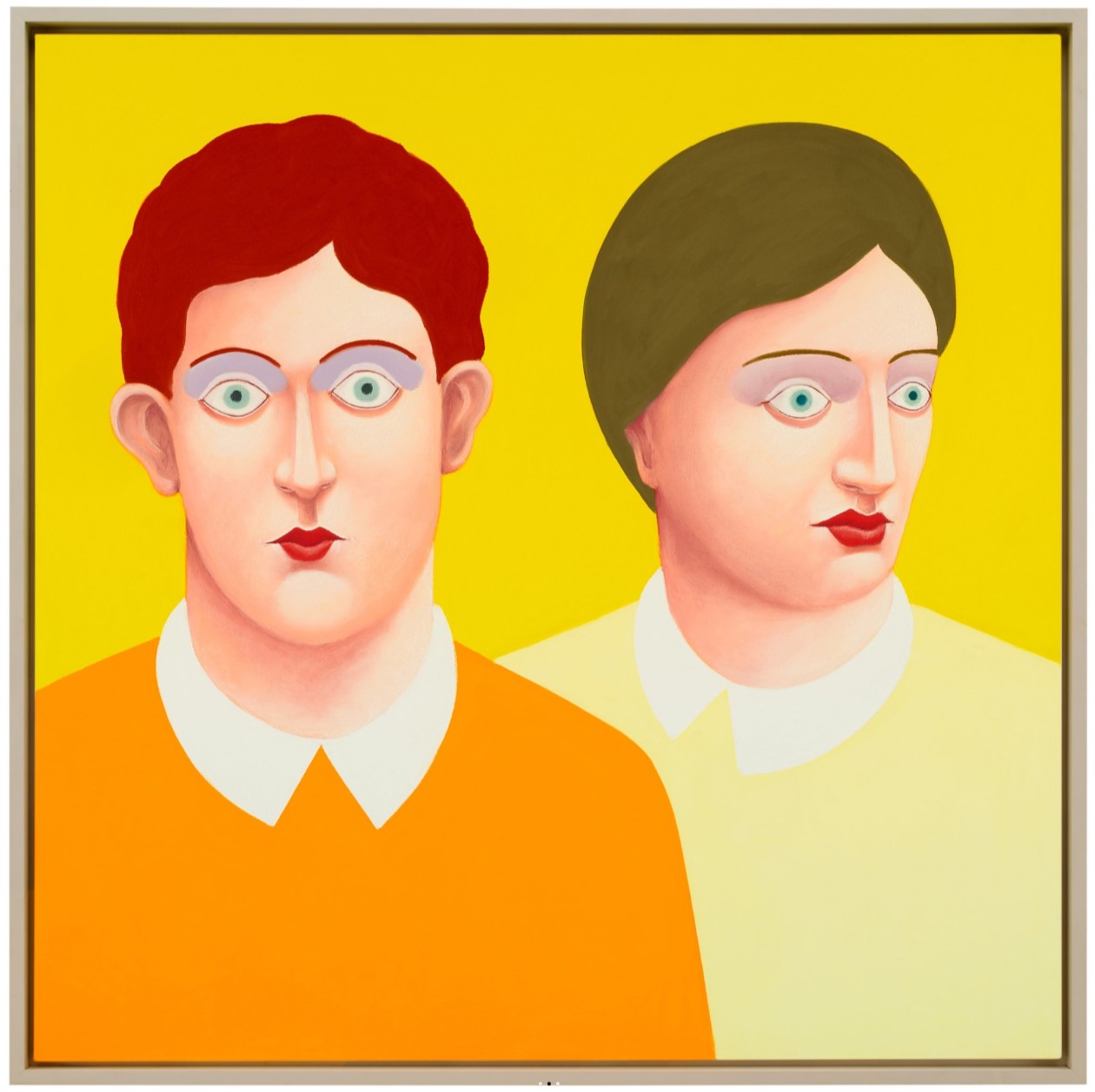
Pastel on linen
140 x 140.3 cm (55-1/8 x 55-1/4 inches)
Signed and dated ‘Nicolas Party 2016’ on the reverse
Untitled, 2019
Phillips Hong-Kong: 29 March 2026
Estimated: HKD 2,200,000 – 3,500,000
WITHDRAWN
Takashi Murakami Modern & Contemporary Art Evening Sale
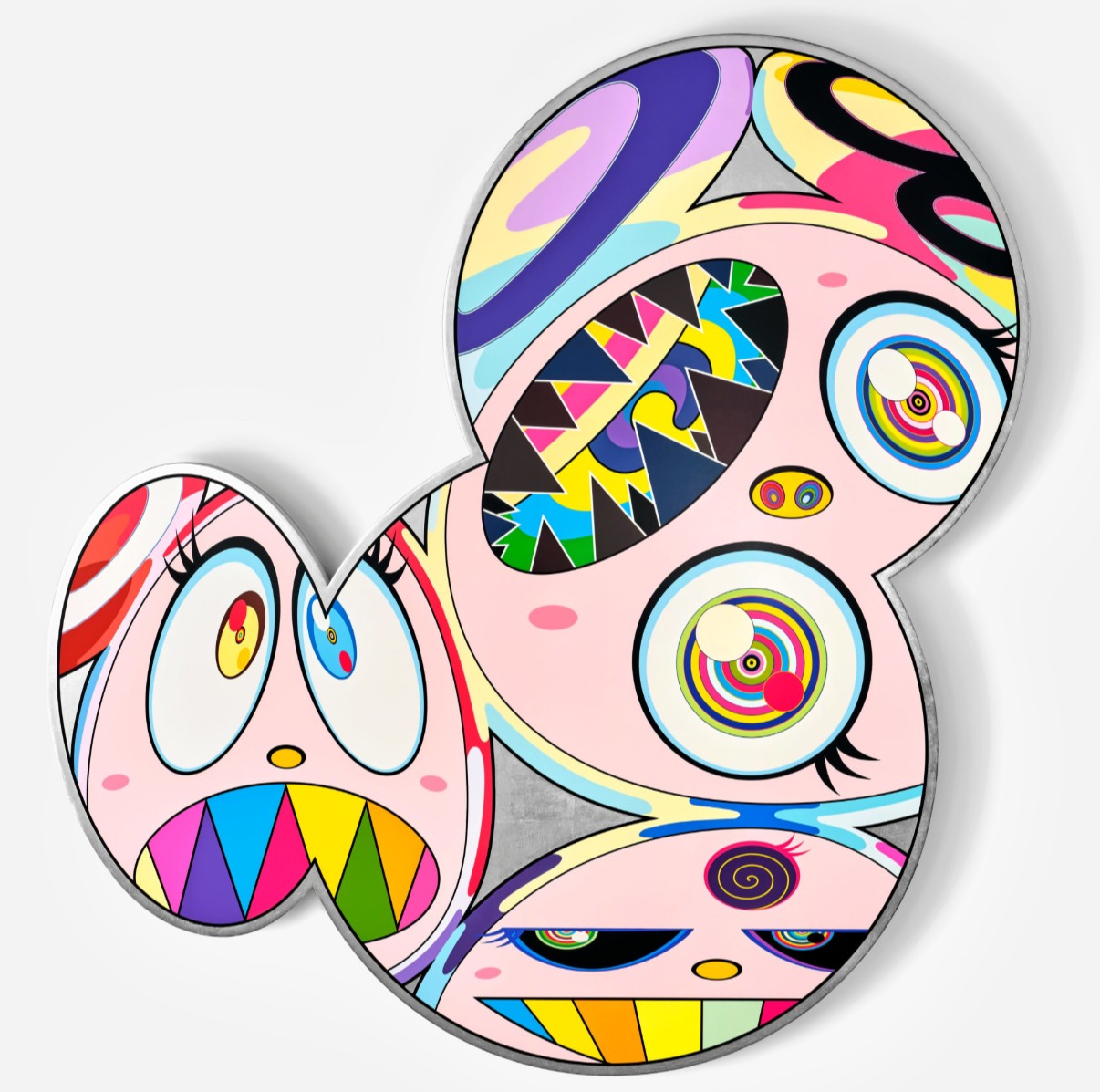
TAKASHI MURAKAMI
Untitled, 2019
Acrylic and platinum leaf on canvas mounted on wood panel
150×140 cm. (59 x 55 1/8 inches)
Signed and dated ‘Takashi 2019’ on the reverse
Modern & Contemporary Art
29 March 2026
Modern & Contemporary Art Sunday, March 29, 2026
#1. River, 1994
Phillips Hong-Kong: 29 March 2026
Estimated: HKD 1,400,000 – 2,500,000
HKD 2,193,000 / USD 280,075
Yayoi Kusama Modern & Contemporary Art
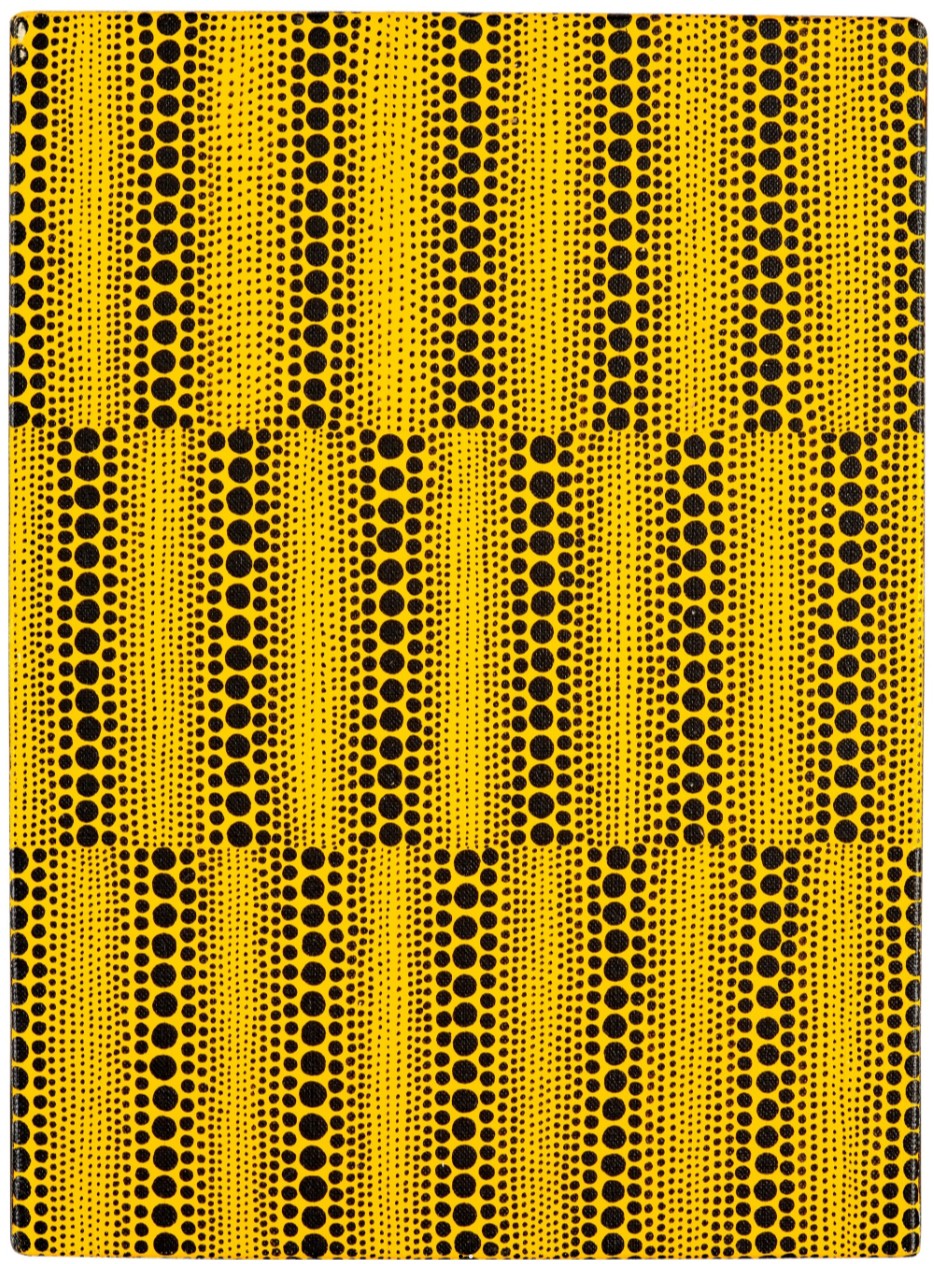
YAYOI KUSAMA
River, 1994
Acrylic on canvas
33.3 x 24.2 cm (13-1/8 x 9-1/2 inches)
Signed, titled and dated ‘yayoi kusama 1994 “River” [in Japanese]’ on the reverse
#2. Infinity Dots, 1992
Phillips Hong-Kong: 29 March 2026
Estimated: HKD 1,000,000 – 2,000,000
HKD 1,290,000 / USD 164,750
Yayoi Kusama Modern & Contemporary Art
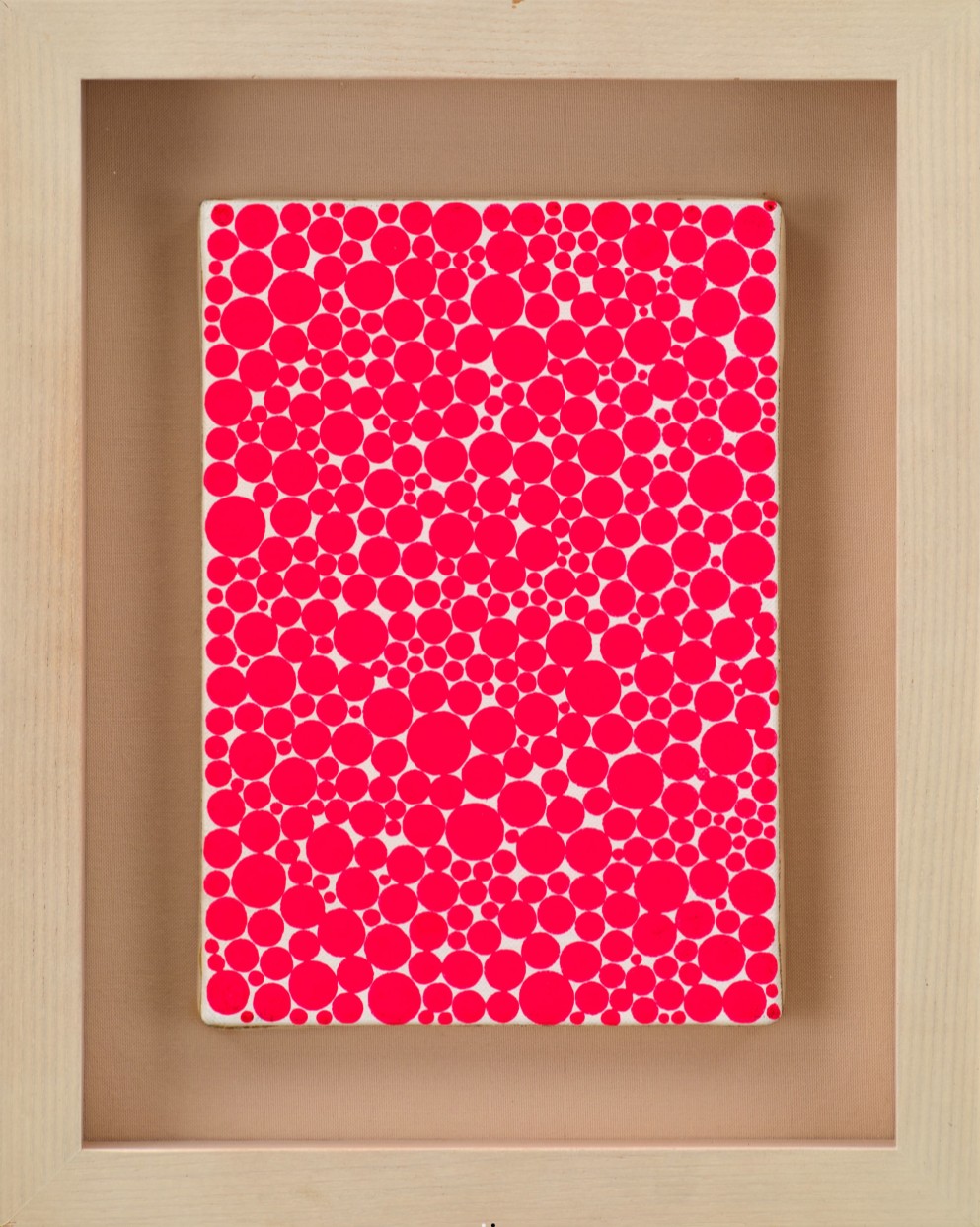
Acrylic on canvas
22.7 x 15.8 cm (8-7/8 x 6-1/4 inches)
Signed, titled and dated ‘KUSAMA 1992 “Infinity Dots” [in Japanese]’ on the reverse
Macaroni Dress, 1963
Phillips Hong-Kong: 29 March 2026
Estimated: HKD 800,000 – 1,200,000
HKD 774,000 / USD 98,850
Yayoi Kusama Modern & Contemporary Art
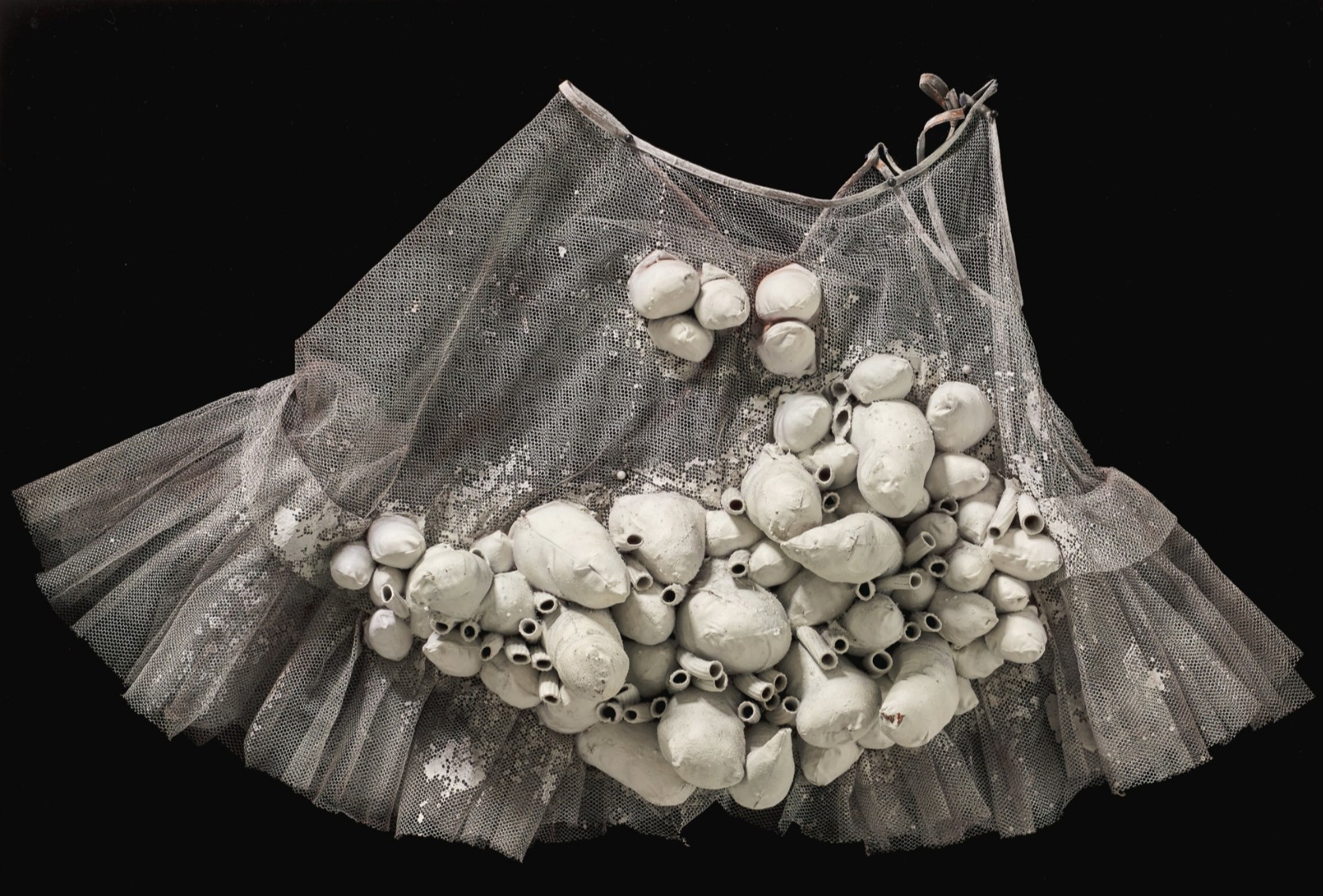
YAYOI KUSAMA
Macaroni Dress, 1963
Acrylic, copper spray enamel, stuffed fabric and dried pasta on tutu
50x91x17 cm (19-5/8 x 35-7/8 x 6-3/4 inches)
Nicolas Party
Still Life, 2015
Christie’s Hong-Kong: 28 March 2026
Estimated: HKD 7,000,000 – 12,000,000
HKD 12,573,000 / USD 1,605,745
NICOLAS PARTY (B. 1980), Still Life | Christie’s
REPEAT SALE
Christie’s Hong-Kong: 2 December 2021
Estimated: HKD 7,000,000 – 12,000,000
HKD 22,450,000 / USD 2,880,640
NICOLAS PARTY (B. 1980), Still Life | Christie’s
NICOLAS PARTY (B. 1980)
Still Life, 2015
Soft pastel on linen
129.5 x 139.7 cm (51×55 inches)
Two Portraits, 2016
Property of an Important Private Collector
Phillips Hong-Kong: 29 March 2026
Estimated: HKD 2,500,000 – 3,500,000
HKD 4,128,000 / USD 527,205
Nicolas Party Modern & Contemporary Art Evening Sale
Pastel on linen
140 x 140.3 cm (55-1/8 x 55-1/4 inches)
Signed and dated ‘Nicolas Party 2016’ on the reverse
Within contemporary figurative painting, Nicolas Party, born in Switzerland, stands unquestionably as one of the most recognizable and formally rigorous artists of his generation. Departing from the digital sensibility prevalent in 21st-century painting, Party has chosen a profoundly sensory path: a return to traditional artistic genres such as portraiture, still life, and landscape painting. Yet his work is far from mere imitation or collage; it constitutes a vivid and singular synthesis of art history. Drawing upon elements from masters across eras—Rosa-Carella’s 18th-century Rococo pastels, Henri Matisse’s intense color palette, Pablo Picasso’s formal distortions, and René Magritte’s metaphysical and surrealist qualities—Party absorbs and reshapes these influences, developing his own highly saturated, intensely personal visual vocabulary.
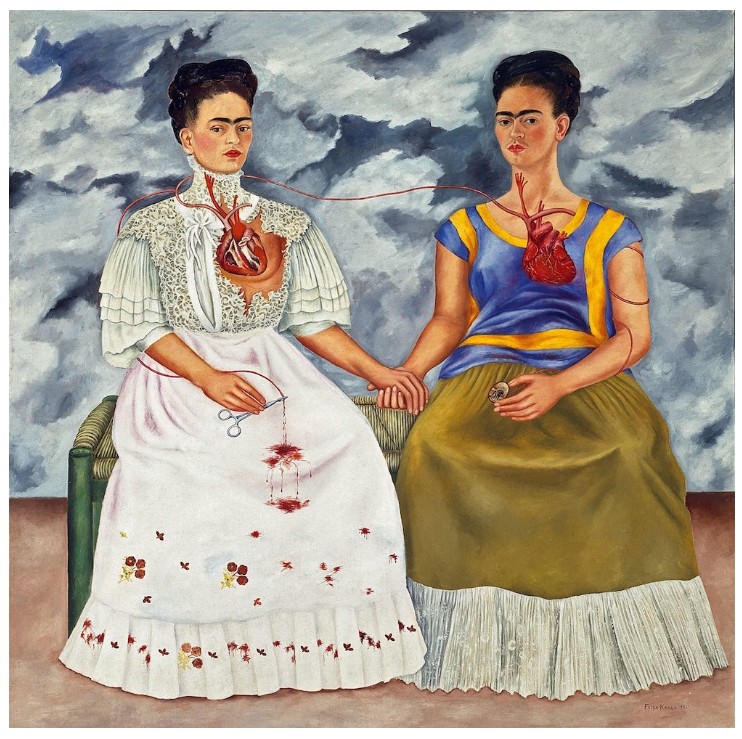
Frida Kahlo, The Two Fridas, 1939 / Collection of the Museum of Modern Art, Mexico
Image: Heritage Image Partnership Ltd / Alamy Stock Photo
At the core of Party’s creative practice lies his absolute dedication to and revival of the historically marginalized, exquisite medium of “soft pastels”. Extremely fragile powders can scatter at the slightest breath; they are essentially pure pigment bound by minimal resin. Party’s choice to paint with this “colored dust” highlights the fragility of painting and the immediacy of tactile experience. His works radiate velvety, matte sheen of captivating allure, a texture exceedingly difficult to fully capture through photography, compelling viewers to experience them in person. Through this, Party crafts a series of timeless, biomimetic worlds that oscillate between seduction and the grotesque, cementing his status as a contemporary master of color and a virtuoso in dialogue with the specters of art history.
Created in 2016, Two Portrait stands as a classic and captivating exploration of the human form by Party. Dominated by varying shades of orange interwoven with mauve and red, this dual portrait adheres to Party’s aesthetic signature: the subjects are stripped of any extraneous narrative context or identifying markers, existing in a state of suspended stillness.
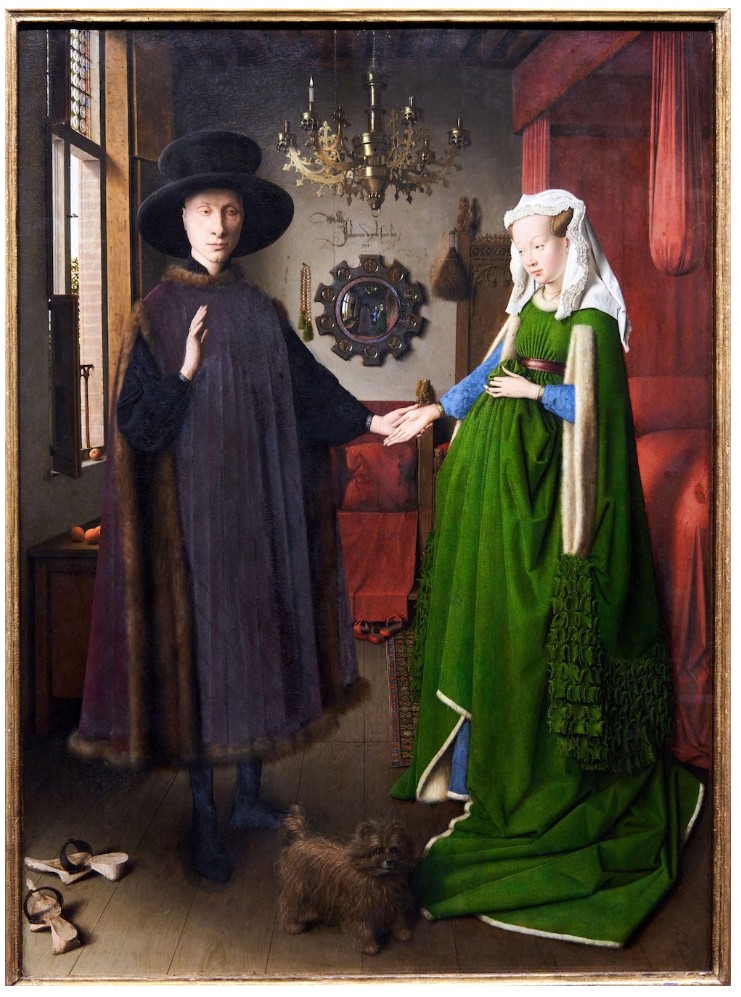
Jan van Eyck, The Arnolfini Portrait, 1434 / National Gallery, London
Image: Artelan / Alamy Stock Photo
Their potent presence is amplified infinitely by Party’s masterful command of pastel. He repeatedly layers pure pigment powder onto the linen surface until the canvas achieves a flawless, velvety sheen. This rich coloration creates a compelling paradox: a visually monumental portrait, seemingly solid and enduring, is rendered in a medium so fragile it could be scattered by the slightest breeze.
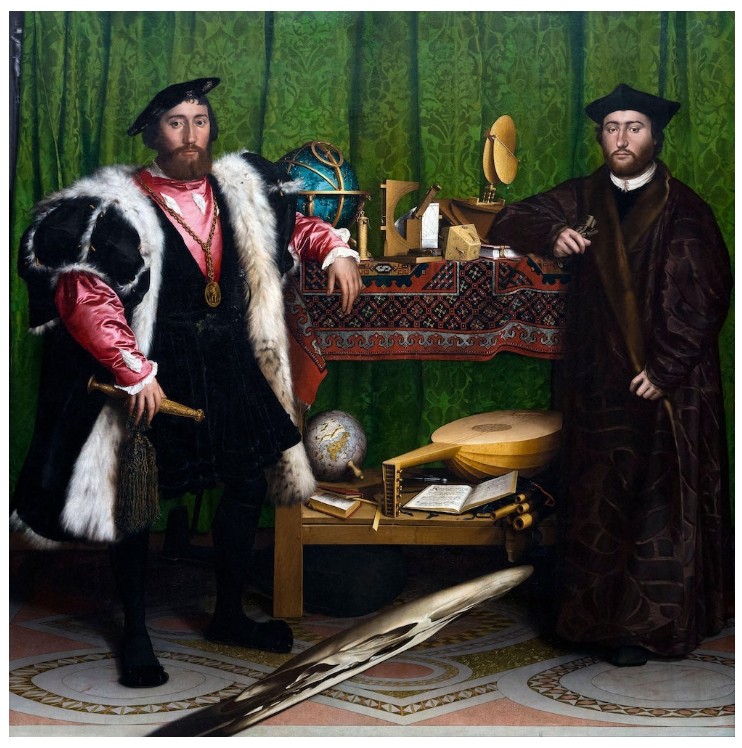
Hans Holbein the Younger, The Ambassadors, 1533 / National Gallery, London
Image: SuperStock / Alamy Stock Photo
Conceptually, the work draws its tension from duality and contradiction. The figure is androgynous, its gender deliberately obscured by cosmetics—crimson lips, mauve eyeshadow, and finely drawn brows that seem meticulously sketched in pencil.
“It felt very natural to depict those faces with make-up,
making them look androgynous, I didn’t know it at the time,
but pastels have a distinctive relationship to make-up.”
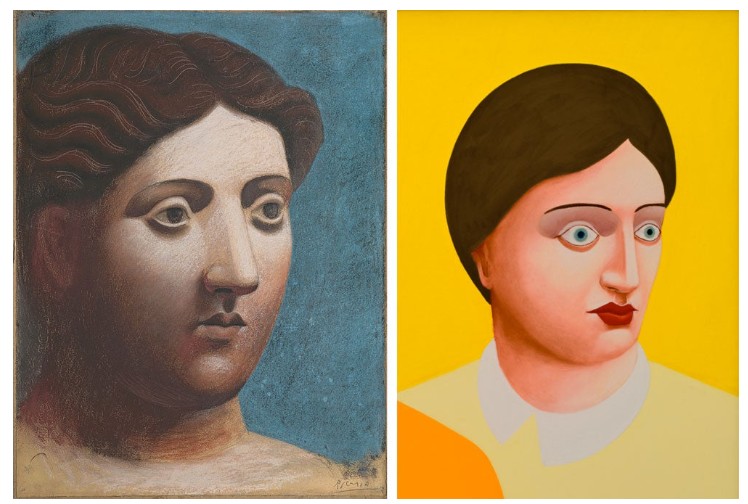
[Left] Pablo Picasso, Tête de femme, 1921 / Artwork: © 2026 Estate of Pablo Picasso / Artists Rights Society (ARS), New York
[Right] Detail of the present lot
Gazing upon the Two Portrait feels like witnessing an impassioned dialogue with the titans of modernism. Party’s adoption of pastel began precisely with the profound impact of encountering Picasso’s 1921 pastel work Tête de femme in 2013. The figure on the right in this lot is an unmistakable homage to Picasso’s original work—from the facial structure, the wide almond-shaped eyes, the crisp contour lines, to the faint highlight at the jawline, the resemblance is uncanny. Party absorbed Picasso’s enigmatic technique of constructing facial geometry, filtering and transforming it through his own contemporary lens of ultra-saturated color.
Takashi Murakami
Untitled, 2019
Phillips Hong-Kong: 29 March 2026
Estimated: HKD 2,200,000 – 3,500,000
Takashi Murakami Modern & Contemporary Art Evening Sale
TAKASHI MURAKAMI
Untitled, 2019
Acrylic and platinum leaf on canvas mounted on wood panel
150×140 cm. (59 x 55 1/8 inches)
Signed and dated ‘Takashi 2019’ on the reverse
Superflat leader and popular culture phenom Takashi Murakami has long explored and embodied contradictions. From his fusion of Nihonga painting and otaku culture to his merging of high art and mass culture through cartoon-like figures, Murakami flirts with the tension between artistic expression and consumerism. His work reflects an ongoing conversation with the contemporary art market itself, simultaneously participating in its commodification while dissecting the subcultures and visual language that defines it.
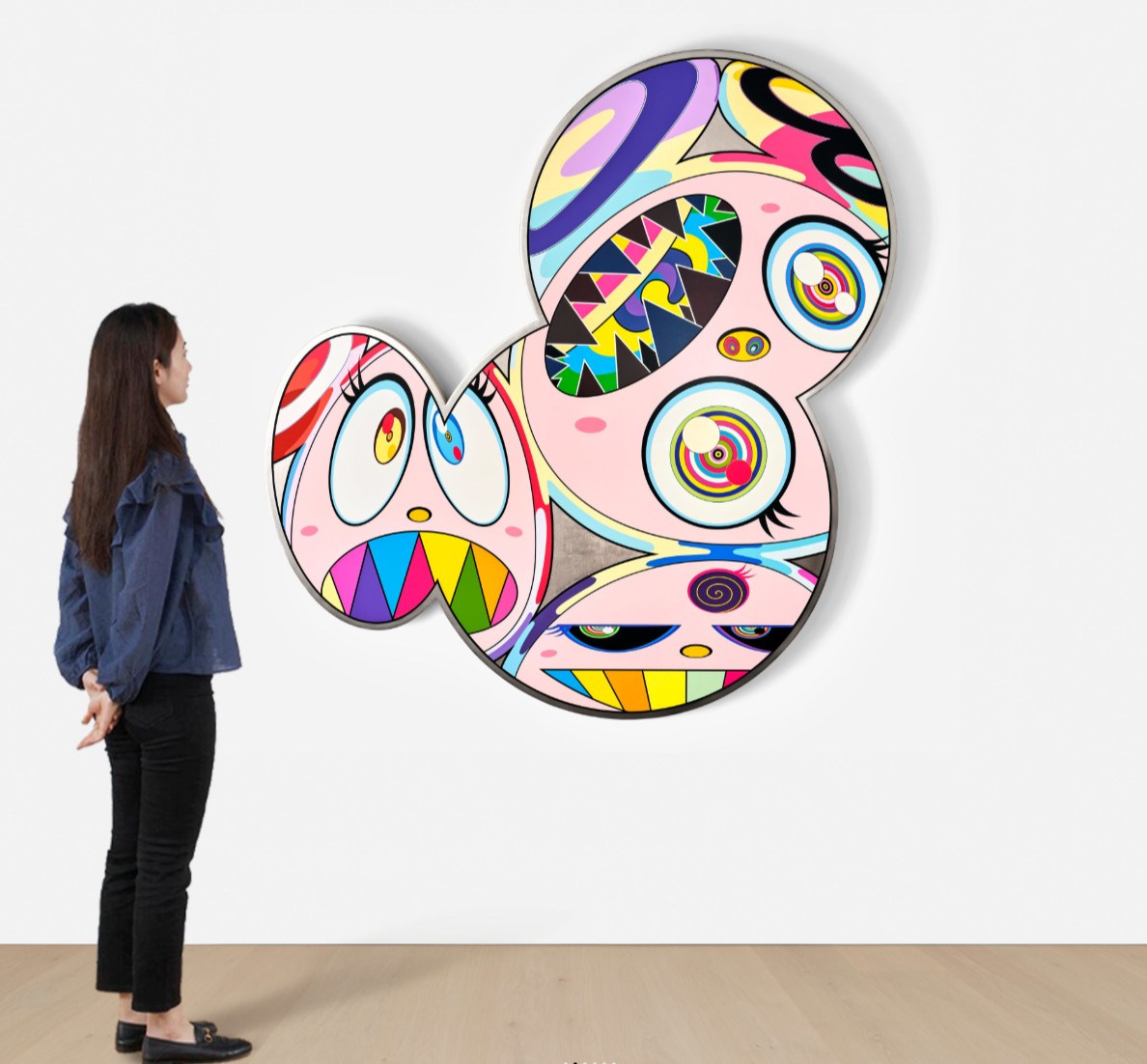
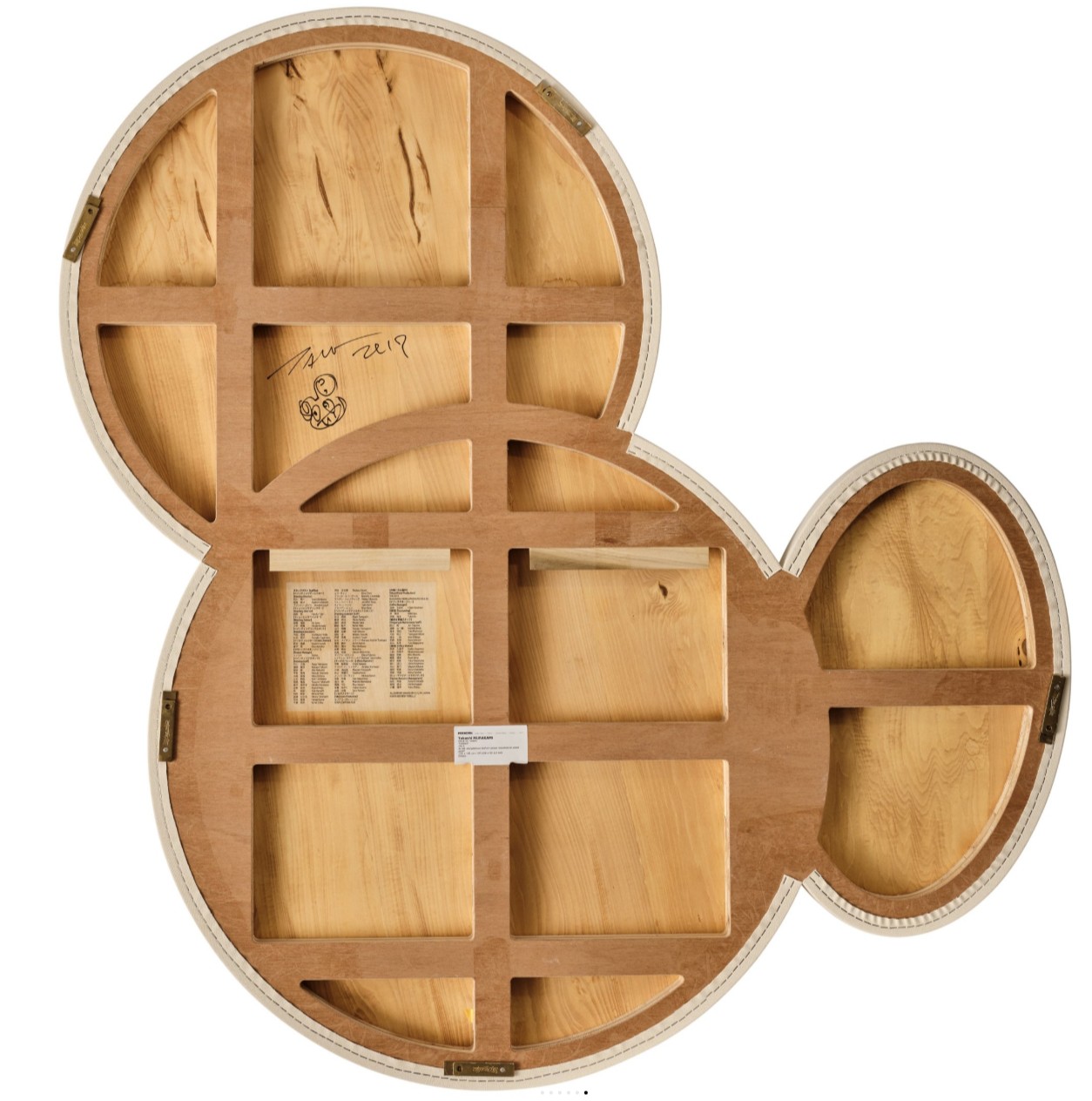
Executed in 2019 and ecxhibited the same year in Baka at Paris’ Galerie Perrotin, Untitled was part of a landmark presentation held in the gallery’s historic Salle de Bal. Hosted within the illustrious 17th-century ballroom, the exhibition placed Murakami’s Superflat aesthetic in direct dialogue with classical French architecture. The present lot is part of a group of six new portraits reimagining Mr. DOB, Murakami’s iconic alter ego introduced in 1993. One of the artist’s earliest and most important motifs, the character became central to the cultural hybridity that defines Superflat. As an important new variant, Untitled probes into the character’s evolving forms and psychological depth as Murakami’s persistent critical inquiry into cultural hierarchy, asking how its highly commercialized appearance, slyly appropriating imagery from Japanese anime and American Mickey Mouse, exists within the traditionally distinguished fine art world.
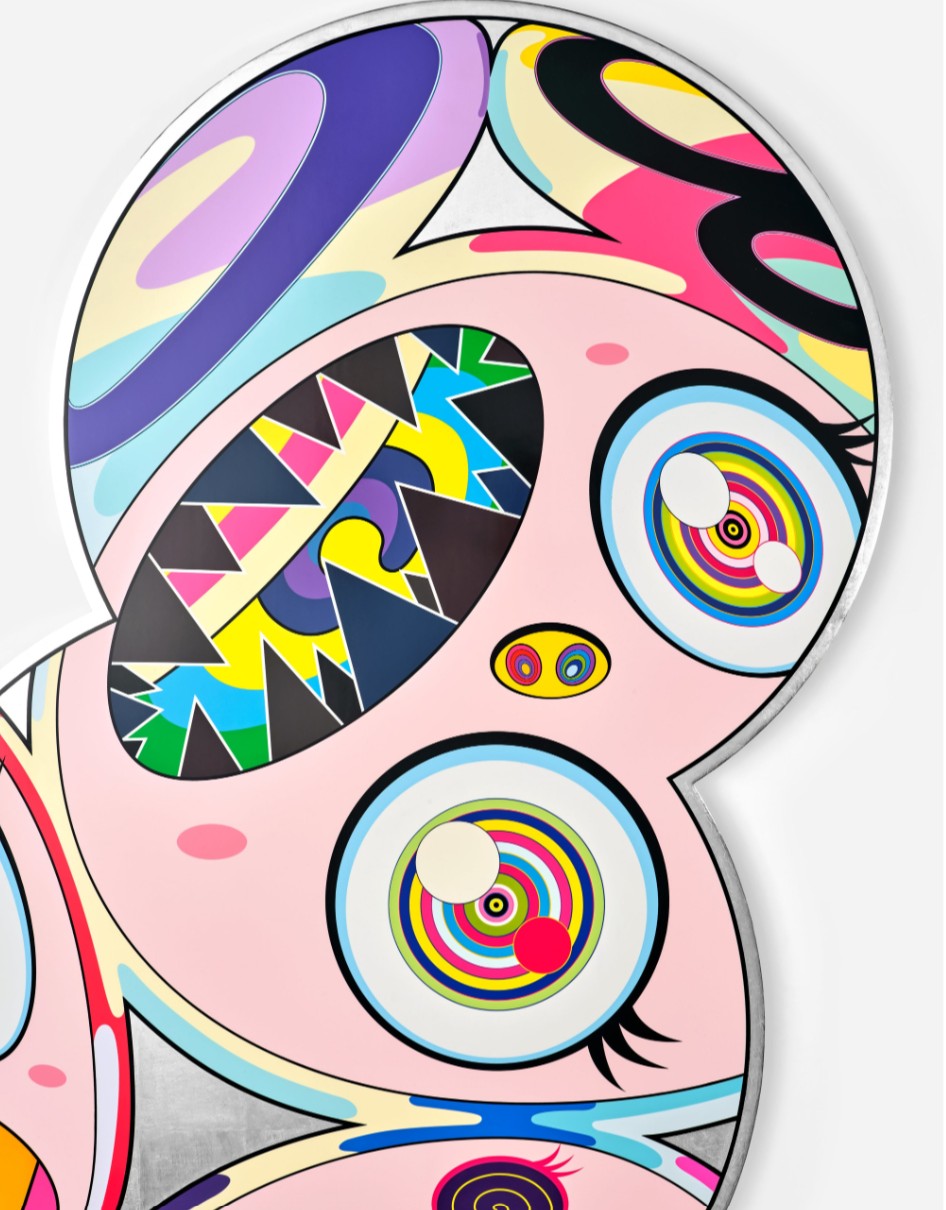
On the surface, the current lot depicts playful imagery through cartoonish and vibrant iconography frequently visited by Murakami. Its large canvas tightly confines three different faces of Mr. DOB with their kaleidoscopic Jellyfish eyes, making it one of the densest compositions from the series. Further intensifying the composition, three faces appear visibly compressed within the canvas, as if the characters are being squeezed into the frame. The compression heightens a sense of unease and discomfort under the work’s cheerful palette, reinforcing the unseen tension behind its whimsicality. These distortions transform its surface-level innocence into something more psychologically ambiguous, encapsulating Murakami’s ability to create a conflicting visual world that invites cultural critique and deeper introspection.
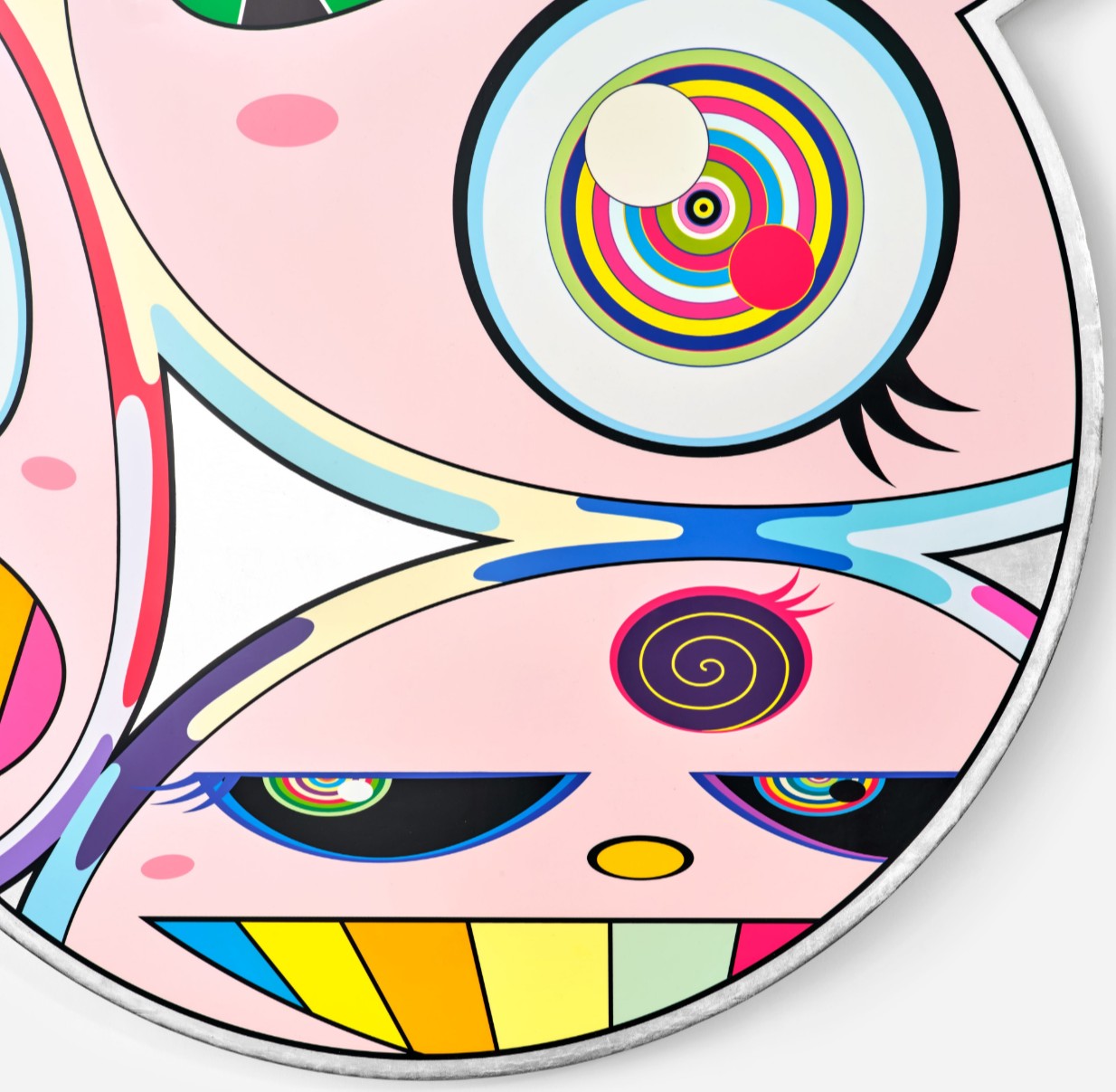
The visual contradiction is further highlighted by Murakami’s use of platinum leaf. A material traditionally associated with Japanese decorative arts and religious painting; it is applied in a mechanically equalized and almost industrial way. Its blinking shimmer strikes a sharp contrast with the flattened, mat surface of dancingly colorful acrylic. Refashioning the traditional materiality to address a contemporary industrial visuality, Murakami not only emphasizes a historic clash, but also a profound cultural irony, which precisely points to the critical core of Superflat.
The varying tension presented in Untitled is a testament to the ever-enduring appeal of Mr. DOB. Since its introduction in the early 1990s, it has now transcended its original conceptual beginnings and morphed into one of Murakami’s most celebrated and historically significant characters. As demonstrated by recent exhibitions including Takashi Murakami Mononoke Kyoto at the Kyoto City KYOCERA Museum of Art in 2024, as well as Gagosian’s Japanese Art History à la Takashi Murakami in London and Seoul, Kawaii Summer Vacation in 2025, Mr. DOB remains central to Murakami’s evolving practice. Through its various incarnations across media, the current lot exemplifies the character as both an instantly recognizable pop image and a lasting conceptual cornerstone of the artist’s work.
Jean-Michel Basquiat
Untitled, 1981
PROPERTY FROM A DISTINGUISHED PRIVATE COLLECTION
Christie’s Hong-Kong: 27 March 2026
Estimated: HKD 18,000,000 – 28,000,000
HKD 22,216,000 / USD 2,837,290
THIRD-PARTY GUARANTEE
JEAN-MICHEL BASQUIAT (1960-1988), Untitled | Christie’s
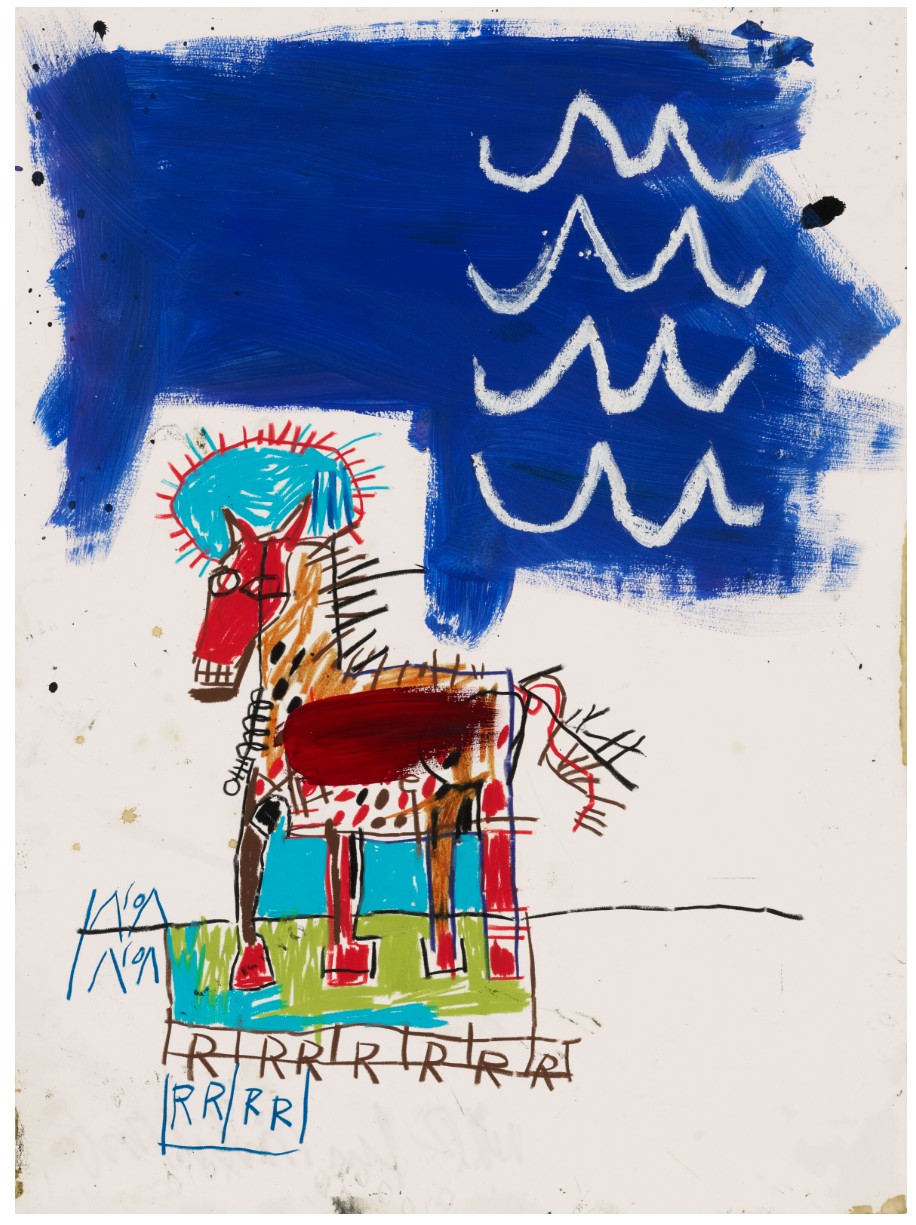
JEAN-MICHEL BASQUIAT (1960-1988)
Untitled, 1981
Oilstick and acrylic on paper
30 x 22-1/8 inches (76.2 x 56.1 cm)
Signed ‘Jean-Michel Basquiat’ (on the reverse)
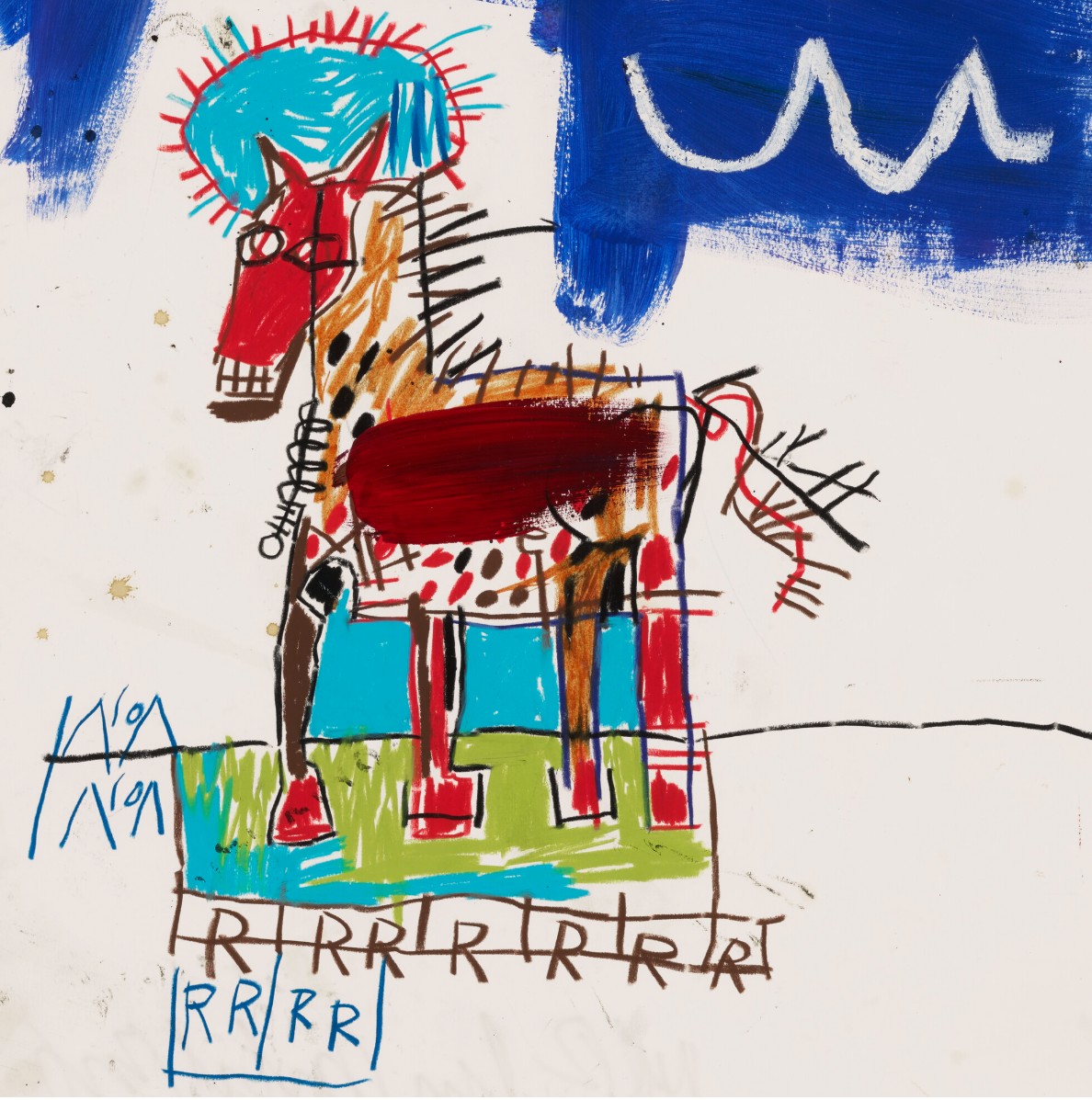
With its vivid depiction of a horse, adorned with the artist’s signature ‘crown of thorns’, Jean-Michel Basquiat’s Untitled captures the explosion of his artistic language in 1981: a crucial year in his career. This was the moment Basquiat’s rise to fame accelerated, as critical buzz, key gallery support, and a rapidly expanding audience pushed him into the global spotlight. Rendered in explosive strokes of oilstick and acrylic, the work marks his monumental leap from street art practices to a distinctive, electrifying studio language. With its untamed, triumphant energy, it featured in the major survey exhibition Jean-Michel Basquiat: Now’s the Time at the Guggenheim Museum Bilbao in 2015.
Evoking power, heroism, and the relentless progression of human civilization, the horse is a dynamic, historically-charged subject. Across cultures and eras, it has been a faithful companion in battle, exploration, labor, and innovation. In Chinese culture, the horse is a powerful symbol of energy, speed, and success. As a fire sign in Chinese astrology, it signifies dynamism and passionate energy. Basquiat spent long hours in New York’s museums, and was attuned to the histories of art and mythology. He frequently referenced stories from Greek mythology, including the legendary Trojan Horse — an icon of meticulous military strategy that enabled the Greeks to infiltrate Troy marked pivotal moment that transformed the course of the Trojan War.
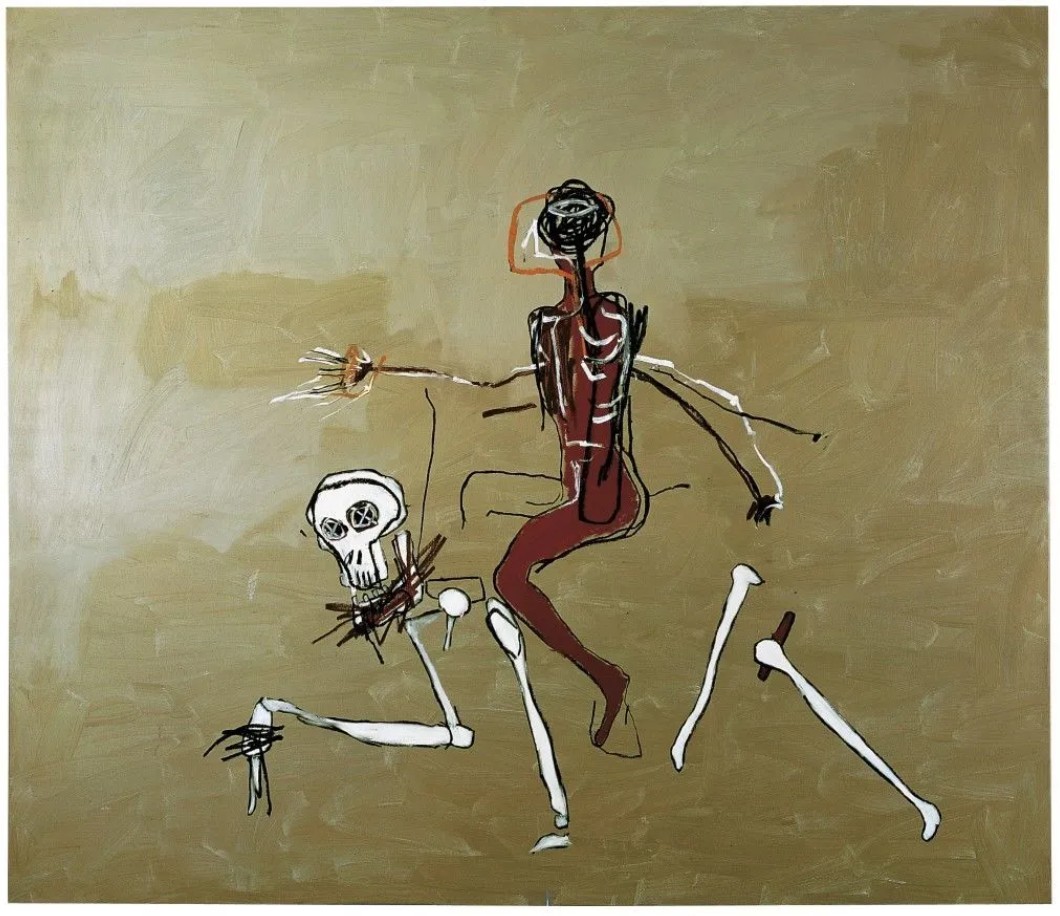
Jean-Michel Basquiat, Riding with Death, 1988
Horses were also used for royal processions, symbolizing prestige, authority, and elevated status. Basquiat would revisit the subject, subverted in haunting skeletal form, in his poignant masterwork Riding with Death (1988), executed in the final year of his life. In the present work, Basquiat embellishes the horse with one of his most important motifs. Evocative of religious iconography, yet simultaneously evoking a buzzing electric circuit, the halo-like crown of thorns became a symbol of bravado, martyrdom and creative energy. It crowned many figures across his practice: from fellow artists such as Keith Haring, to the celebrated Black musicians and athletes he admired, to his own self-image. Here, he pays tribute to an animal that has carried people through centuries of upheaval and transformation. At once celebratory and solemn, noble and burdened, the crown of thorns captures the complicated, often contradictory nature of heroism itself: the glory it bestows and the cost it demands.
“[I was] inspired by John Cage at the time – music that isn’t really music. We were trying to be incomplete, abrasive, oddly beautiful.”
During the early 1980s, Basquiat transformed visual mark-making into a rhythmic, almost musical force. Here, in dialogue with the horse motif, the repeated letters become a driving auditory pulse that animates the entire composition. The pictorial space crackles with repeated letters “RRR,” aggressive lines, and layered textures. This raw visual intensity is inseparable from his musical background. Basquiat spent his formative years in the band Gray, and even after leaving the group in 1981, the improvisational, percussive spirit remained deeply embedded in his artistic approach. His paintings feel alive, almost audible and buzzing with the restless pulse of music. Basquiat was also heavily inspired by cartoons and worked in his studio to a steady thrum of televisual noise. In this work, the insistent “RRR” seems to become a visual onomatopoeia, echoing the rumble of hooves and the breath of an animal in motion.
1981 stands as a watershed year in Basquiat’s career — the moment he transitioned from an emerging downtown talent to a formidable force in the international art world. During this pivotal period, he vaulted from the margins into widespread recognition: first catapulted into fame with his inclusion in Diego Cortez’s New York/New Wave exhibition. That show assembled artists such as Keith Haring and Andy Warhol, blending creative worlds in a way that echoed Basquiat’s own multifaceted sensibility. He subsequently held his first solo exhibition at the Galleria d’Arte Emilio Mazzoli in Modena, Italy, and secured a studio beneath his primary art dealer Annina Nosei’s Prince Street gallery, gaining rapid gallery and national visibility. By the end of the year, René Ricard crowned him ‘The Radiant Child,’ a title that would ignite his ascent to legend. Works from this period reveal a confident, ambitious young artist discovering the full potential of his visual language.
With its rich, neo-expressionist textures, the present work on paper belongs to a vital body of Basquiat’s output from 1981–83. The bold, vibrant acrylic paint and frenetic, quasi-spontaneous oilstick lines capture the immediacy, spontaneity, and gritty atmosphere of early 1980s New York. During these years, Basquiat’s works on paper were not secondary gestures but bold experiments where he forged a new syntax of mark-making. Many of these drawings remained unexhibited during his lifetime, underscoring their personal resonance: his oilstick heads from this period are currently the subject of a major exhibition at the Louisiana Museum of Modern Art in Denmark. The present work offers an intimate glimpse of Basquiat’s burgeoning language—direct, unfiltered, and alive with the creative urgency that would define his artistic approach.
Yayoi Kusama
Pumpkin, 2015
Sotheby’s Hong-Kong: 29 March 2026
Estimated: HKD 40,000,000 – 60,000,000
HKD 49,700,000 / USD 6,347,380
Yayoi Kusama 草間彌生 | Pumpkin 南瓜 | Modern & Contemporary Evening
YAYOI KUSAMA (b. 1929)
Pumpkin, 2015
Urethane paint on fiberglass reinforced plastic
210x196x196 cm (82-5/8 x 77-1/8 x 77-1/8 inches
Signed and dated 2015
Pumpkin, 1993
Christie’s Hong-Kong: 27 March 2026
Estimated: HKD 32,000,000 – 40,000,000
HKD 39,540,000 / USD 5,049,810
YAYOI KUSAMA (B. 1929), Pumpkin | Christie’s
YAYOI KUSAMA (B. 1929)
Pumpkin, 1993
Acrylic on canvas
91 x 116.8 cm (35-7/8 x 46 inches)
Signed, titled in Japanese and dated ‘Yayoi Kusama 1993’ (on the reverse)
Pumpkin, 1998
Sotheby’s Hong-Kong: 29 March 2026
Estimated: HKD 22,000,000 – 40,000,000
WITHDRAWN
Yayoi Kusama 草間彌生 | Pumpkin 捲蒂南瓜 | Modern & Contemporary Evening
YAYOI KUSAMA (b. 1929)
Pumpkin, 1998
Acrylic on canvas
53 x 45.5 cm (20-7/8 x 18 inches)
Signed, titled, and dated 1998 (on the reverse)
Executed in 1998, Pumpkin is a spellbinding, flawlessly executed archetype from Yayoi Kusama’s oeuvre – a testament to her astonishing dedication to creation, technique, and a singular artistic vision. Plump and full, the pumpkin of the present work is an exceptionally rare example of her most favored motif with a coiling vine. It is the only canvas to have ever appeared at auction to date with this distinct characteristic; straight or gently tilted vines are most often seen. In Japan, Kabocha are severed from their vines before attaining full maturity and left to ripen off the vine. This physical untethering of the fruit from the earth informs the sense of overpowering, endless expansion conveyed by Pumpkin’s vine.
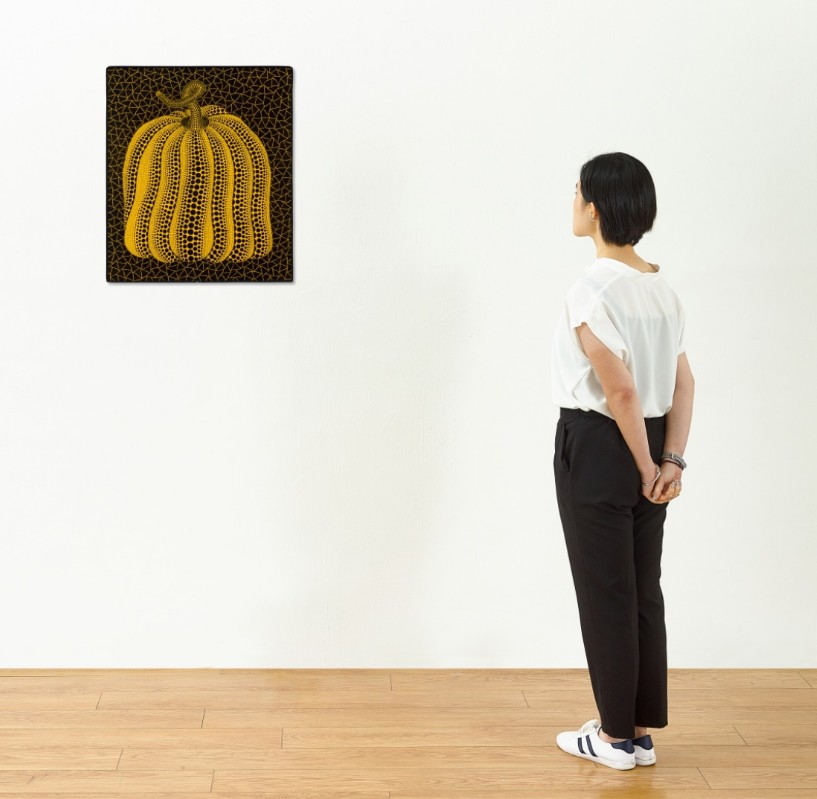
Executed in 1998, Pumpkin was made during a pivotal year of the artist’s career. In Kusama’s career, 1998-1999 could be considered one of the peaks of her institutional and commercial exposure; half of the 46 shows held over the two years were solo exhibitions. While Kusama checked herself into a psychiatric hospital the year before, she remained extremely active in artistic output. The same year she painted the present work, Love Forever: Yayoi Kusama, 1958-1968 opened and travelled from LACMA to MoMA in New York, the Walker Art Centre in Minneapolis, and the Museum of Contemporary Art in Tokyo. It was regarded at the time as the most significant retrospective since Alexandra Munroe curated Yayoi Kusama: A Retrospective at the Centre for International Contemporary Arts in New York in 1989.
“Just as Bodhidharma spent ten years facing a stone wall, I spent as much as a month facing a single pumpkin. I regretted even having to take time to sleep.”
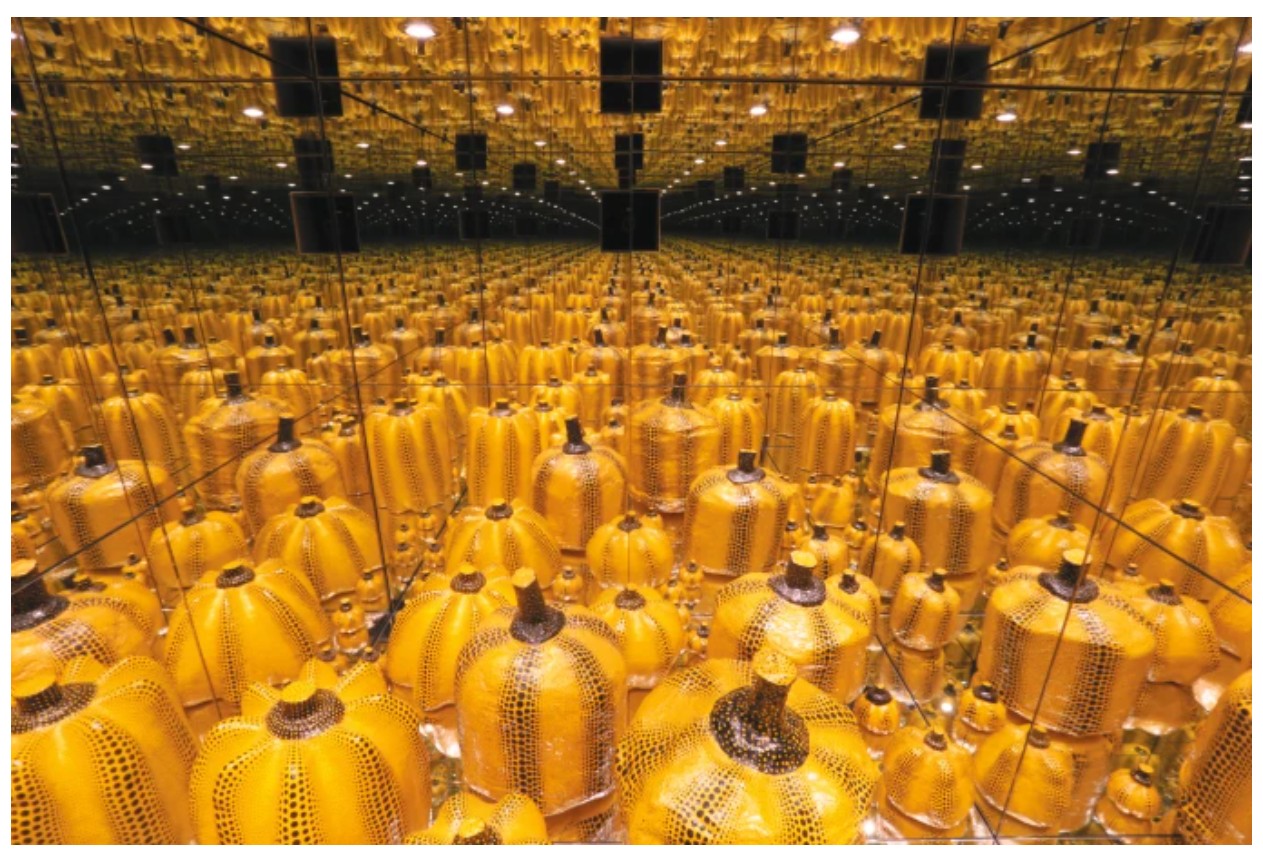
YAYOI KUSAMA, MIRROR ROOM (PUMPKIN), 1991, (Details) COLLECTION OF HARA MUSEUM CONTEMPORARY ART, JAPAN
© YAYOI KUSAMA
One of the most recognizable icons in contemporary art, Kusama’s pumpkin is deeply central to the artist’s psyche, and its origins in her art can be traced back to her earliest years. In 1948, three years after the war ended, a 19-year-old Kusama enrolled in a fourth-year course at Kyoto City Senior High School of Art. “During my time in Kyoto I diligently painted pumpkins”, wrote the artist, “which in later years would become an important theme in my art” (Kusama Yayoi, Infinity Net: The Autobiography of Yayoi Kusama, trans. Ralph McCarthy, Tate Publishing, 2011, p. 75). Kusama recalls having consumed the vegetable endlessly to the point of nausea in her childhood years during and after the war; in spite of this, she retains a fond attachment to its organic bulbous form, describing it as embodying a “generous unpretentiousness” and “solid spiritual balance” (Ibid., p. 76). Already experiencing hallucinations at the time, involving pumpkins that spoke to her in a most animated manner, Kusama found the gourd a benign and nurturing subject – as opposed to the more traumatic and menacing feelings she associates with flowers, plants and objects that plagued her throughout her life.
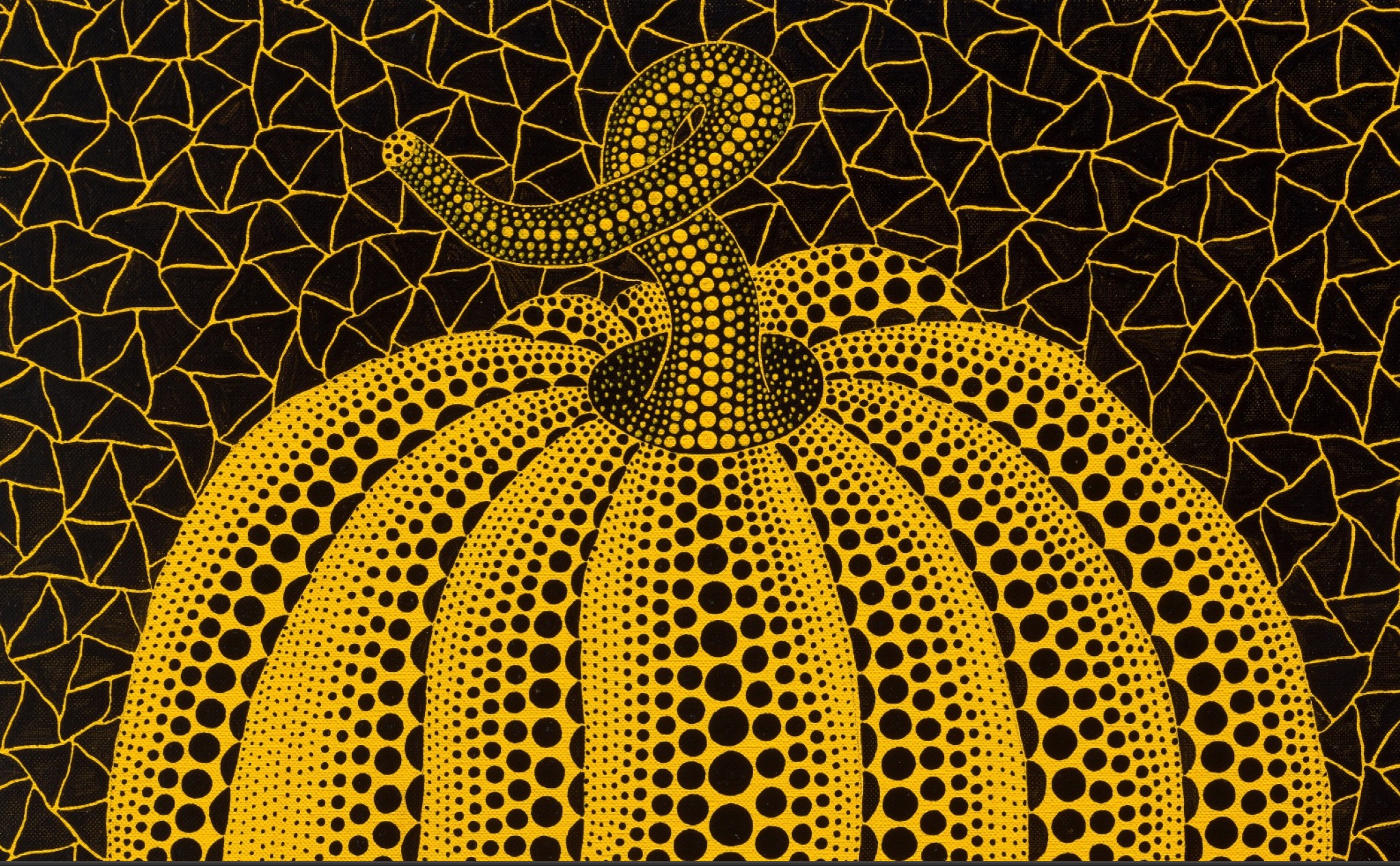
Kusama’s early pumpkins were painted with traditional Nihonga materials, which she left behind after her move from Matsumoto to New York in 1958. Within only eighteen months of her arrival, Kusama stunned the New York art scene with her radical Infinity Nets in 1959, executed in the Western medium of oil, which were followed by her Accumulation soft sculptures in 1961. In 1965 Kusama infused explosions of color into her sculptures through the use of dotted and striped fabrics; by this time, the sheer breadth, scale and ambition of her diverse cross-media oeuvre had taken over the city like an epidemic. Her ubiquitous polka-dot and net motifs, manifested in mesmeric paintings, immersive rooms, hypnotic installations, body art and participatory performances, forged a wholly unique aesthetic that articulated a rigorous, overwhelming language of obsession and obliteration – a language that enabled the artist to combat her hallucinatory mental illness.
“I use my complexes and fears as subjects. I make them and make them and then keep on making them, until I bury myself in the process. I call this ‘obliteration’”
After an explosive rise to fame in New York in the 1960s, Kusama returned to Japan in 1973, withdrawing into a period of semi-obscurity whilst quietly amassing a prolific body of work. It was during this time that Kusama revisited her earlier pumpkin motif, combining her signature all-over Nets and obliterating polka-dot aesthetic with the theme of her favorite gourd. During the 1980s, Kusama explored colorful variations of her pumpkin-pattern in two-dimensional paintings, drawings and prints; over the years, her rendering of pumpkin ‘skin’ grew ever more deft and accomplished, with the flowing lines of dots advancing and receding rhythmically in a fastidiously precise yet dynamically organic manner. Even the seemingly blank or ‘undotted’ segments are overlaid with miniscule specks, contributing to a complex, intensely laborious configuration that pulsates and disorients with an energy akin to that of Op art paintings.
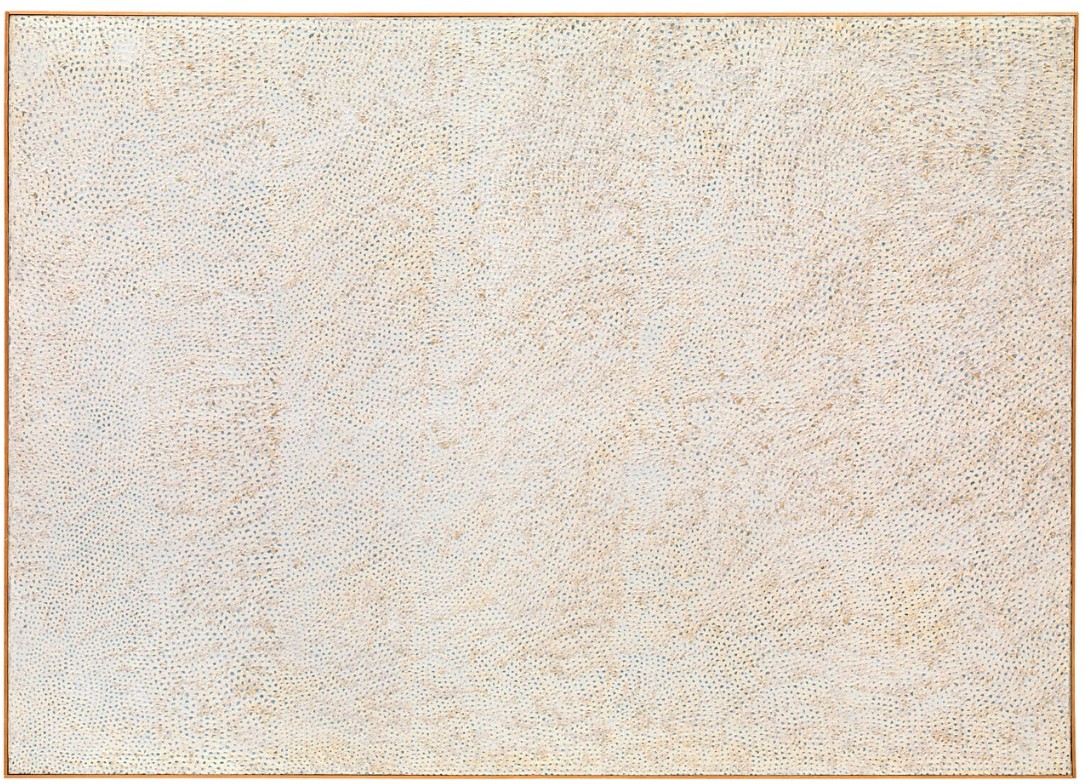
Pumpkin (1990) was painted by Kusama and sold through Gallery Te, Tokyo, which was one of the very first galleries to sell Kusama’s artworks in the 1980s, along with Fuji Television Gallery. Painted in 1990, it coincided with a very public resurgence for the artist: her first New York retrospective in 1989 at the Centre for International Contemporary Arts, which signified a major revival of American and European interest in Kusama’s work, and became the first Japanese artist to grace the cover of Art in America that very same year. Paralleling this revival was a reevaluation of her work in Japan: just a year after Pumpkin (1990) was created, Kusama’s landmark exhibition Mirror Room (Pumpkin) was shown at the Fuji Television Gallery and the Hara Museum in Tokyo, which went on to be exhibited at the 45th Venice Biennale in 1993. Kusama was the first Japanese woman artist in the history of the Biennale to be granted a solo exhibition at the prestigious event. The pumpkin stands as a symbol of triumph for the artist’s personal and artistic rebirth, representing a mediation of her psychiatric illness that went hand in hand with the ever-increasing sophistication, dexterity, and creativity of her creations.
Pumpkin (8), 1997
Sotheby’s Hong-Kong: 30 March 2026
Estimated: HKD 5,200,000 – 7,000,000
HKD 7,040,000 / USD 899,105
Yayoi Kusama 草間彌生 | Pumpkin (8) 南瓜(8) | Contemporary Day Auction |
YAYOI KUSAMA (b. 1929)
Pumpkin (8), 1997
Acrylic on canvas
24.2 x 33.3 cm (9-1/2 x 13-1/8 inches)
Signed, titled in Japanese and dated 1997 (on the reverse)
Executed in 1997, Pumpkin (8) is a hypnotic, consummately realized exemplar of Yayoi Kusama’s practice, distilling her exacting technique and singular visual logic into a single, unforgettable image. Centred, full-bodied, and emphatically symmetrical, the pumpkin asserts itself directly at the center of the canvas in a brilliant red hue. Behind it, the meticulously woven, all-over tessellations of Kusama’s infinity nets create an undulating surface that hums with relentless, rhythmic insistence. Against this charged backdrop, the red pumpkin appears buoyant and monumental, anthropomorphic and optically alive. Each polished dot catches the eye like a pulse, while each striated band of marks flexes with the swelling contours so that the pattern appears to ripple, tighten, and release as it moves across the form.
Kusama’s pumpkin is one of the most iconic and immediately recognizable motifs in contemporary art. Born in 1929, Kusama is among the most influential Asian Contemporary artists in history, and the pumpkin is inarguably her most captivating, personal form. It is a symbol of triumph within her artistic iconography and her life. The motif is rooted in her childhood memories. Growing up in central Japan in a family of affluent farm merchants who owned a seed farm, Kusama developed an early fascination with the forms and textures of the agricultural world around her. Pumpkins, in particular, offered a powerful visual and emotional anchor, an organic presence that she began to weave into her dotted works as early as the 1940s. Over time, this humble fruit evolved into a source of spiritual solace, eventually achieving an almost mythical status as an alter ego. It’s become, a benign, consistent shape that allows the artist to express her anxieties and obsessive patterns.
“Pumpkins are lovable and their wonderfully wild and humorous atmosphere never ceases to capture the hearts of people. I adore pumpkins as my spiritual home since childhood and with their infinite spirituality they contribute to the peace of mankind across the world and to the celebration of humanity and by doing so they make me feel at peace. Pumpkins talk to me. Pumpkins, pumpkins, pumpkins. Giving off an aura of my sacred mental state. They embody a base for the joy of living, a living shared by all humankind on the earth. It is for the pumpkins that I keep going.”
In Pumpkin (8), Kusama deploys an amalgamation of her most paradigmatic and desirable creative elements. The work’s visual intensity is driven by line and contrast. The pumpkin’s curved body becomes a stage upon which rows of dots advance and recede, creating wave-like movements that articulate volume, growth, and an animated sense of depth. The effect is at once hypnotic and emphatic—a surface alive with rhythm, where repetition becomes vibration and decoration becomes an optical event.
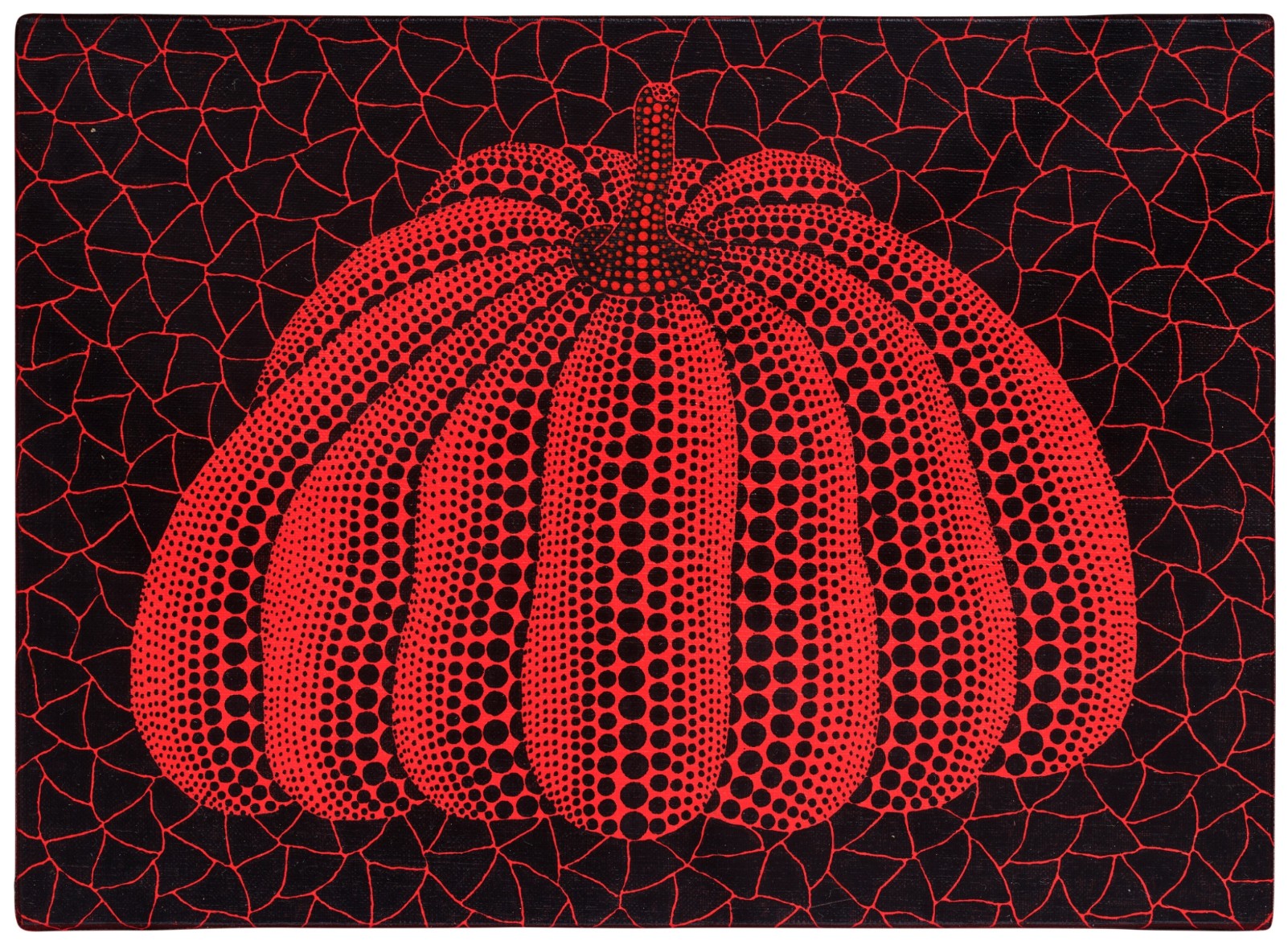
The palette heightens this impact. Red, with its connotations of energy, passion, and strength, creates a bold visual statement that commands attention and lends the composition a heightened sense of urgency and presence. The title’s auspicious “8” further highlights the work’s symbolic resonance. Widely regarded as a number of prosperity, success, and good fortune, eight also carries a formal suggestion of continuity: its balanced looping structure evokes harmony and infinity, ideas that align seamlessly with Kusama’s lifelong pursuit of endlessness through repetition
Held in the same private collection for over a decade, Pumpkin (8) represents a rare and compelling manifestation of Yayoi Kusama’s most coveted subject. Among Kusama’s pumpkin paintings, yellow and red compositions have long been the most sought-after, yet red examples remain markedly scarcer in the marketplace. Within a market that has increasingly distinguished between abundance and true rarity, Pumpkin (8) occupies a privileged position as both an emblematic image and a unique chromatic variation. More than an exemplary painting within an internationally celebrated series, it is a rare red painting of this size held off the market for over ten years. The present lot encapsulates why Kusama’s pumpkins continue not only to define her legacy, but to captivate the market and the imagination with undiminished force.
Sunset Afterglow inside My Heart, 2020
Phillips Hong-Kong: 29 March 2026
Estimated: HKD 5,000,000 – 7,000,000
HKD 6,450,000 / USD 823,755
Yayoi Kusama Modern & Contemporary Art Evening Sale
Acrylic on canvas
100×100 cm (39 3/8 x 39 3/8 inches)
Signed and dated ‘YAYOI-KUSAMA 2020 7/6’ on the reverse
Yayoi Kusama, No. 2. J.B., 1960 / Solomon R. Guggenheim Museum, New York
Artwork: © YAYOI KUSAMA
Within the vast oeuvre of Yayoi Kusama, Sunset Glow in My Heart occupies an exceptionally rare and distinctive position. At first glance, the work appears to be a classic ‘Infinity Nets,’ continuing the rigorous aesthetic she established in 1959. Upon closer inspection, however, it reveals itself to be a complex synthesis of her historic technique and her later emotional expression. It is a confluence of artistic currents, bridging the visual severity of her New York period with the poetic narrative of contemporary life.
“My room, my body, the entire universe was filled with [patterns]… myself was eliminated, and I had returned and been reduced to the infinity of eternal time and the absolute of space. This was not an illusion but reality.”
A defining feature of this work is its title. The majority of Kusama’s ‘Infinity Nets’ series are given cool, alphanumeric designations, such as Infinity Nets (ABCD). These codes reflect the mechanistic and depersonalized quality of the nets as a veil of nothingness. Sunset Afterglow in My Heart, however, radically breaks from this convention. It bears a deeply emotive, almost diaristic title—a form of naming typically reserved for her figurative series My Eternal Soul, which began in 2009. By bestowing such a romantically charged and melancholic title upon a “Net” painting, Kusama transforms the canvas from a pure pattern into a landscape of memory. The title becomes the key to interpreting the work, inviting the viewer to perceive the field of red not merely as an abstract symbol, but as a meteorological system of the artist’s inner world—a captured “afterglow” within her psyche. On the verso of this deeply personal work, a label bears the artist’s own emotive poetry.
Summoning you
To show me my message for God
As always, sunset afterglow
Inside my heart
Residing there
Forever
For the sake of living
LOVE
For everything that is Yayoi, and for all-encompassing Death.
Visually, this work employs Kusama’s most iconic color combination: red and white. If her initial breakthrough in the 1960s was defined by the silence of white nets on white grounds—her so-called “negative space” paintings—then the introduction of high-contrast red marked a decisive turn towards vitality. In Kusama’s lexicon, red is the color of the sun, the color of blood, and the color of biological obsession. It evokes the primal energy of her early “Accumulation” soft sculptures, imbuing the canvas with a pulsating, organic life force.
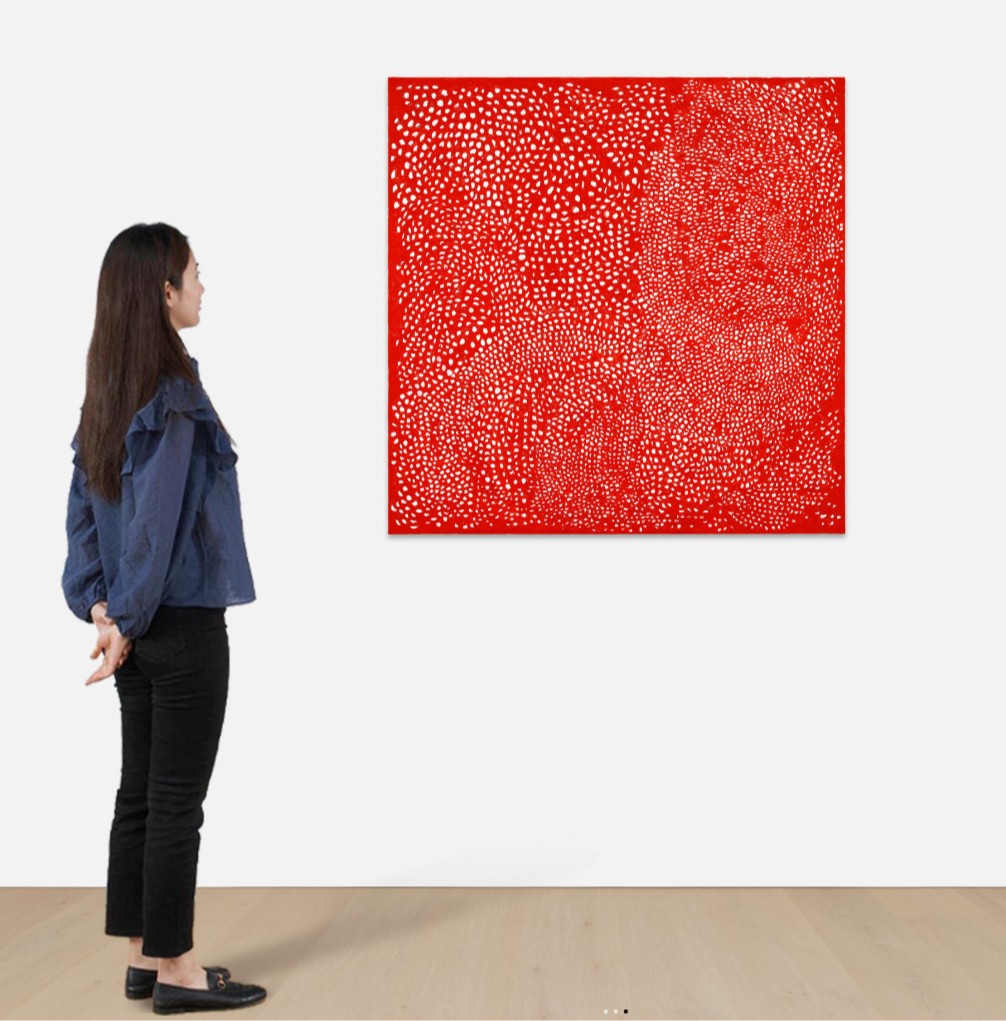
On the picture plane, while this is a flat painting, it is imbued with a sculptural quality. The very accumulation of pigment creates undulating layers and a sense of handcrafted texture. Simple circles transform into a repeated, combined motif. Here, Kusama explores form in a manner entirely her own.
This work stands as a quintessential example of Kusama’s late style. Created when the artist was 91 years old, this 2020 piece differs markedly from the tense, anxious brushwork of her youth. Instead, it exhibits a confident, rhythmic breathing. The paint is applied with a fluid ease; this sense of relaxation suggests a master who has come to terms with her own obsessions. The circles are no longer a confining cage but rather an undulating wave, creating a visual field that feels less like imprisonment and more like meditation.
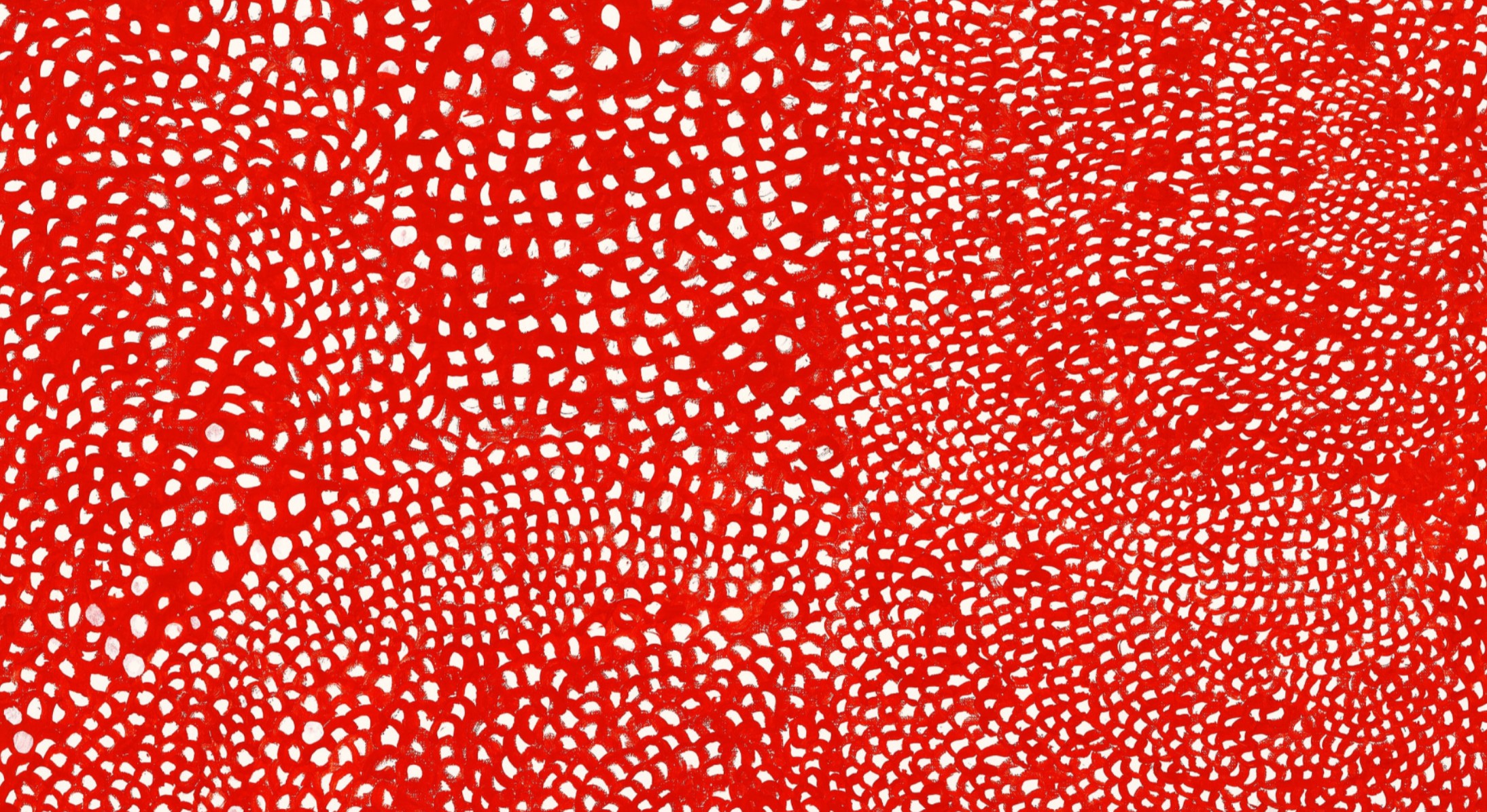
The historical backdrop against which this painting was created cannot be overlooked. The year 2020 was when the world ground to a halt due to the COVID-19 pandemic. In April 2020, she issued a rare public statement, declaring that “the entire world is fighting.” Created during this specific window of global anxiety, Sunset Afterglow inside My Heart can be interpreted as a profound declaration of resilience. For Kusama, painting the nets is an apotropaic ritual, a way of imposing order upon chaos. By choosing to title a work from this year, she focuses on the light that persists after the day’s end—a message of hope and endurance from an artist who has spent her life seeking survival through art.
The Southern Country, 1978
Christie’s Hong-Kong: 28 March 2026
Estimated: HKD 4,500,000 – 7,500,000
HKD 5,461,000 / USD 697,445
YAYOI KUSAMA (B. 1929), The Southern Country | Christie’s
YAYOI KUSAMA (B. 1929)
The Southern Country, 1978
Acrylic on canvas
38 x 45.5 cm (15 x 17-7/8 inches)
Signed and dated ‘Yayoi Kusama 1978’
Titled in Japanese (on the reverse)
Painted in 1978, five years after Yayoi Kusama returned to Japan after living and working in New York for almost 16 years, The Southern Country signifies a shift in the artist’s oeuvre as she began a new journey in her home country. The work unites the rare bird motif with refined still-life sensibilities, all enlivened by a palette of radiant yellows, gentle blues, and lively pinks that radiate an atmosphere of dreamlike warmth. Among the nine known bird themed paintings that have appeared on the market, this work serves as both the earliest and the only example executed in the 1970s, underscoring its singular importance during a decade marked by profound shifts in Kusama’s personal life and creative direction.
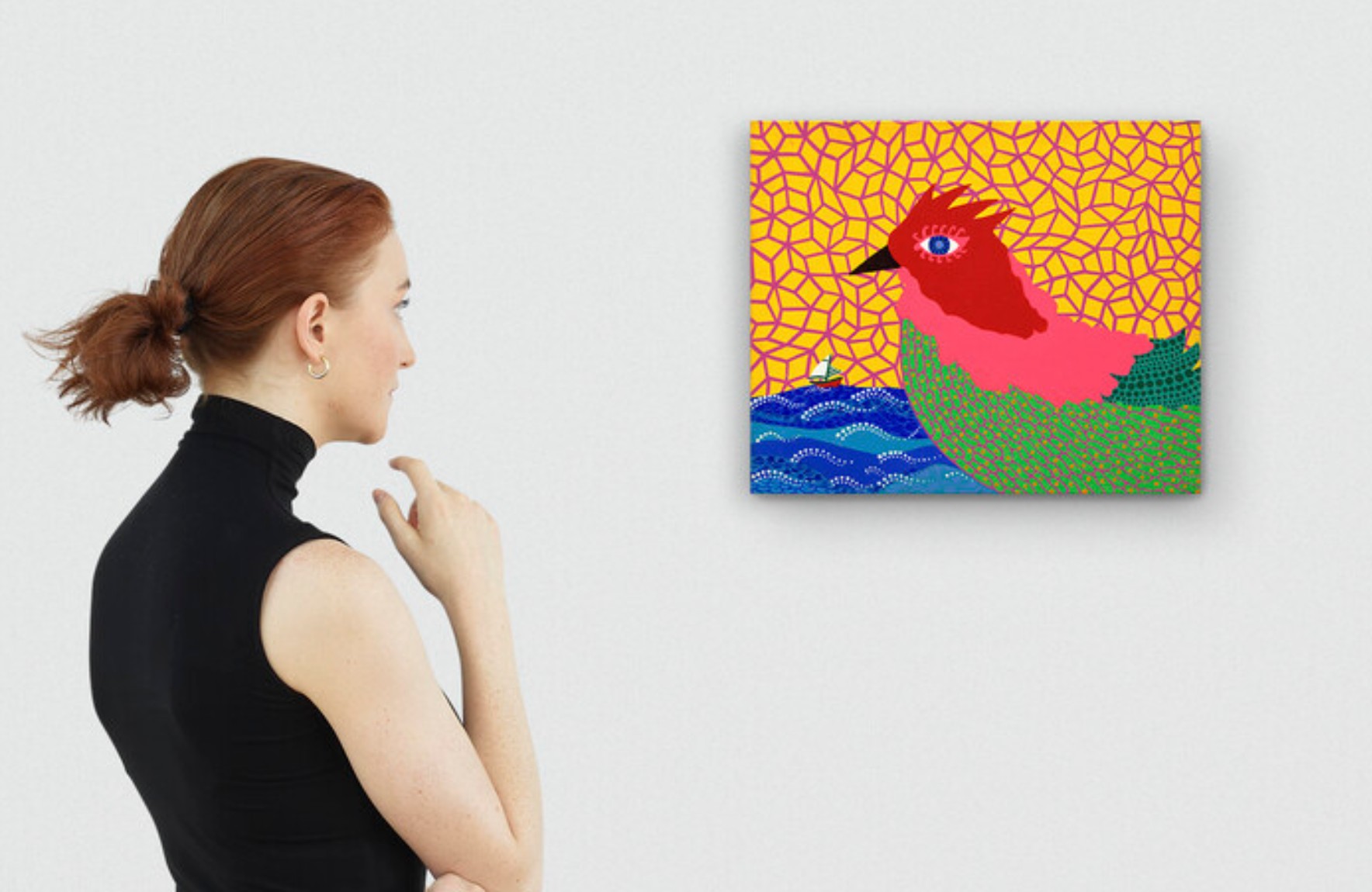
The 1970s represent a pivotal and deeply transformative chapter for Kusama. The deaths of two central figures—her close friend and artistic confidant Joseph Cornell in 1972, and her father in 1974—precipitated a period of emotional instability and introspection. These personal losses contributed to her permanent return to Japan from New York in 1973, marking the departure of her explosive large-scale happenings and installations that had shaped her prominence in the New York avantgarde scene. Back in Japan, confronted with new psychological and practical circumstances, Kusama recalibrated her artistic approach by gravitating toward more intimate, figurative, and introspective modes across painting, collage, screenprint, and writing. Works from the 1970s reflect emotional concentration, inward reflection, and a renewed focus on smaller formats and deeply personal symbols. The Southern Country embodies Kusama’s introspective sensibility: The stylized ocean wave and small sailboat evoke her own transoceanic journey—the adventurous creative expedition across the Pacific and the complex psychological terrain that accompanied it. The lone boat, with its delicate white sail, appears as a poignant metaphor for the artist herself: navigating the vast expanse between the place where she blossomed artistically and the homeland to which she returned—carrying both fond nostalgia and the weight of grievous loss.
What makes The Southern Country further compelling is its sophisticated synthesis of the artist’s most recognizable visual languages. Against the solitary figure of the bird, Kusama’s infinity-nets and infinity-dots drift and weave like breaths of light, forming a vision where freedom brushes against fragility, and transcendence shimmers at the edge of captivity and escape. Her lifelong obsessions—boundlessness, repetition, immersion—pulse through the scene, turning it into a quiet storm of yearning and infinite flight. Together, these themes align profoundly with Kusama’s introspective tendencies during this decade, as she negotiated personal difficulty and sought spiritual and emotional equilibrium. The Southern Country emerges as a superlative work—one that not only encapsulates the essence of Kusama’s iconic visual language but also illuminates a deeply human chapter of her artistic evolution, holding both significant historical and emotional weight within her oeuvre.
Corn, 1989
Sotheby’s Hong-Kong: 30 March 2026
Estimated: HKD 3,000,000 – 5,000,000
HKD 3,072,000 / USD 392,335
Yayoi Kusama 草間彌生 | Corn 玉米 | Contemporary Day Auction | Contemporary
YAYOI KUSAMA (b. 1929)
Corn, 1989
Acrylic on canvas
38 x 45.6 cm (15×18 inches)
Signed in English, titled in Japanese and dated 1989 (on the reverse)
Infinity Nets, 1989
Sotheby’s Hong-Kong: 30 March 2026
Estimated: HKD 2,400,000 – 3,500,000
HKD 2,816,000 / USD 359,640
Yayoi Kusama 草間彌生 | Infinity Nets 無限網 | Contemporary Day Auction |
YAYOI KUSAMA (b. 1929)
Infinity Nets, 1989
Acrylic on canvas
60.6 x 72.7 cm (23-3/4 x 28-5/8 inches)
Signed, titled and dated 1989 (on the reverse)
“I guess I came under a spell… the spell of repetition and aggregation. My nets grew beyond myself and beyond the canvases I was covering with them. They began to cover the walls, the ceiling, and finally the whole universe.”
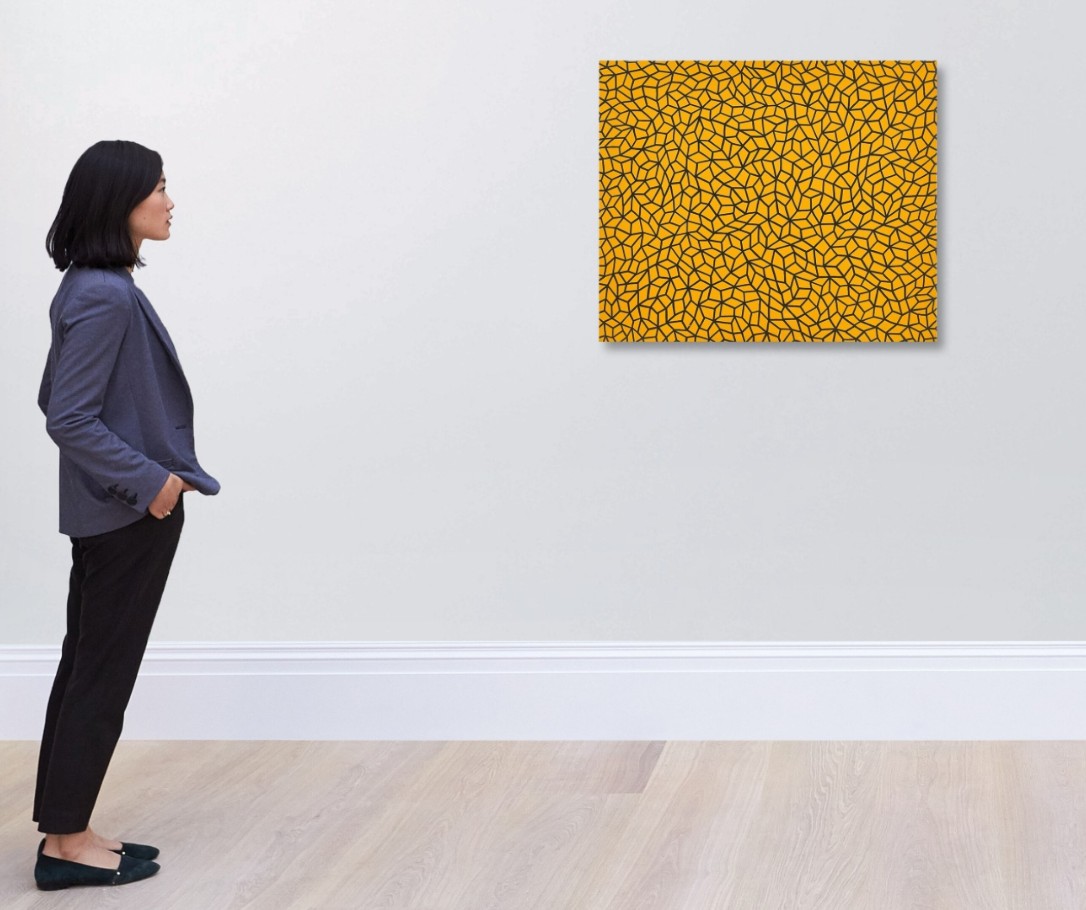
Pumpkin, 1990
Christie’s Hong-Kong: 28 March 2026
Estimated: HKD 1,500,000 – 2,500,000
HKD 3,937,000 / USD 502,810
YAYOI KUSAMA (B. 1929), Pumpkin | Christie’s
YAYOI KUSAMA (B. 1929)
Pumpkin, 1990
Acrylic on canvas
15.8 x 22.7 cm (6-1/4 x 22-2/3 inches)
Signed and dated ‘Yayoi Kusama 1990’
Titled in Japanese (on the reverse)
River, 1994
Phillips Hong-Kong: 29 March 2026
Estimated: HKD 1,400,000 – 2,500,000
HKD 2,193,000 / USD 280,075
Yayoi Kusama Modern & Contemporary Art
YAYOI KUSAMA
River, 1994
Acrylic on canvas
33.3 x 24.2 cm (13-1/8 x 9-1/2 inches)
Signed, titled and dated ‘yayoi kusama 1994 “River” [in Japanese]’ on the reverse
Infinity Dots, 1992
Phillips Hong-Kong: 29 March 2026
Estimated: HKD 1,000,000 – 2,000,000
HKD 1,290,000 / USD 164,750
Yayoi Kusama Modern & Contemporary Art
Acrylic on canvas
22.7 x 15.8 cm (8-7/8 x 6-1/4 inches)
Signed, titled and dated ‘KUSAMA 1992 “Infinity Dots” [in Japanese]’ on the reverse
Macaroni Dress, 1963
Phillips Hong-Kong: 29 March 2026
Estimated: HKD 800,000 – 1,200,000
HKD 774,000 / USD 98,850
Yayoi Kusama Modern & Contemporary Art
YAYOI KUSAMA
Macaroni Dress, 1963
Acrylic, copper spray enamel, stuffed fabric and dried pasta on tutu
50x91x17 cm (19-5/8 x 35-7/8 x 6-3/4 inches)
Gerhard Richter
Abstraktes Bild, 1991
Christie’s Hong-Kong: 27 March 2026
Estimated: HKD 78,000,000 – 98,000,000
HKD 92,100,000 / USD 11,762,450
GERHARD RICHTER (B. 1932)
Abstraktes Bild, 1991
Oil on canvas
200×180 cm (78-3/4 x 70-7/8 inches)
Signed, inscribed, and dated ‘745-1 Richter 1991’ (on the reverse)
Engulfed in sweeping incandescent red, Gerhard Richter’s Abstraktes Bild transforms the canvas into a vast, luminescent field of sensation and restless energy. It is a sumptuous red canvas encapsulating the artist’s lifelong interrogation of the painterly process, which has been held in the same private collection for over a decade. The subject of a recent major retrospective at the Fondation Louis Vuitton in Paris, Richter was described by one reviewer as an ‘electrifying genius’ whose paintings attempt to tackle the impossibility of living (A. Searle, ‘“Made my hair fly up”: the electrifying genius of Paris’s Gerhard Richter extravaganza – review,’ The Guardian, October 21, 2026, online [accessed: 2/24/2026]). Here, in the present work, the artist employs vibrant colour and the physical disruption of the painted surface to produce a searing painting that challenges accepted notions of contemporary art. Throughout his long career, Richter has pursued a diverse and influential practice that have probed the possibilities of paint, and the present work is a rare example in which the artist pursues his signature technique to its ultimate conclusion.
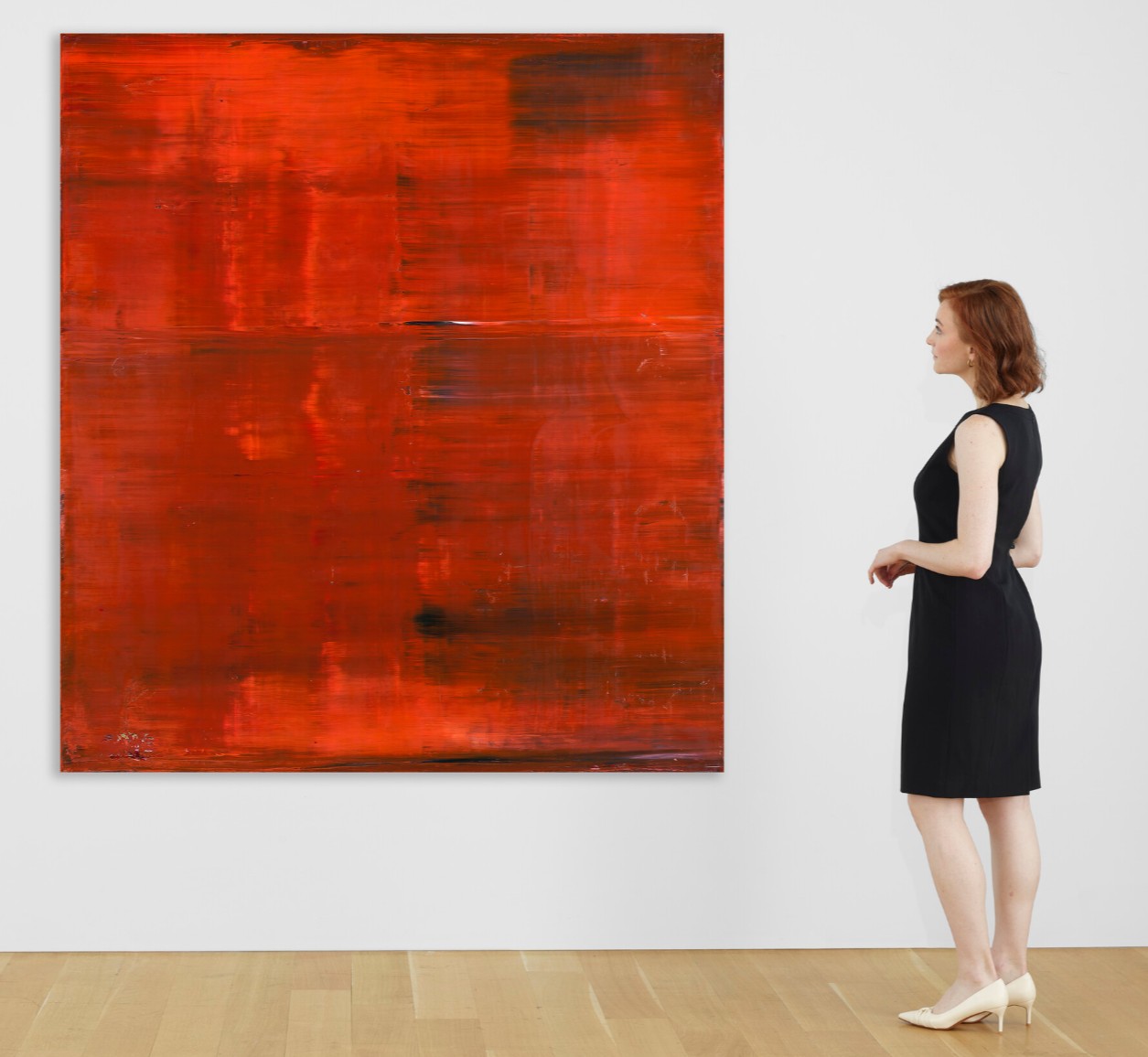
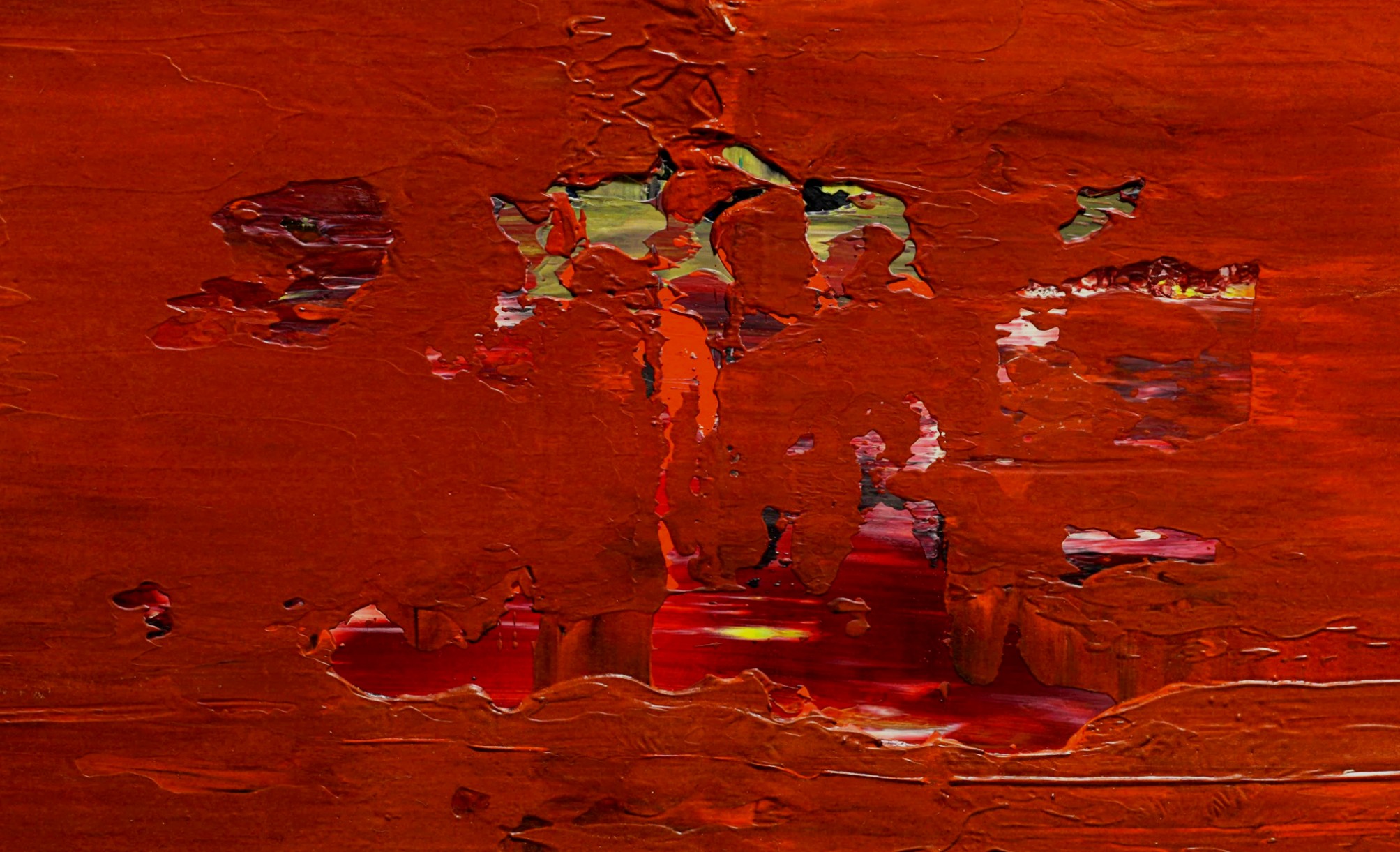
This majestic canvas is almost entirely enveloped in warm, rich tones of red; while the work’s complexity lies the multi-colored strata buried beneath. Richter’s signature ‘squeegee’ technique — in which the artist drags a large, flat edged implement across the surface of the paint as it dries—effectively peels back this crimson veil, resulting in a myriad of subtle shifts in this striking color, which ranges from intense crimson, through bright vermilion to a deep Venetian red, revealing the hidden depth of the underlying colored layers. Richter’s technique results in small separations in the paint surface, allowing the viewer to see the intricacies of Richter’s process at first hand. In Abstraktes Bild, these result in a tantalizing flash of white pigment centrally in the upper third of the composition. Evoking the sun peaking over the horizon at daybreak, it nonetheless grounds the viewer directly in the heart of the canvas.
Richter first began his ‘abstract’ paintings in 1976 — initially as a counterpoint to his early photo-realist paintings — but it wasn’t until 1991 that he began working on the small group of abstract paintings predominantly featuring the color red that would prove to be the apotheosis of his paintings of this type. The present work is one of 27 existing paintings, of which three are in institutional collections. This followed a period of intense exploration of color, including a commission for the Hypo-Bank in Dusseldorf which featured color mirrors. By this time his use of the squeegee had increased, and throughout the early 1990s his paintings were increasingly created using this careful process of disruption.
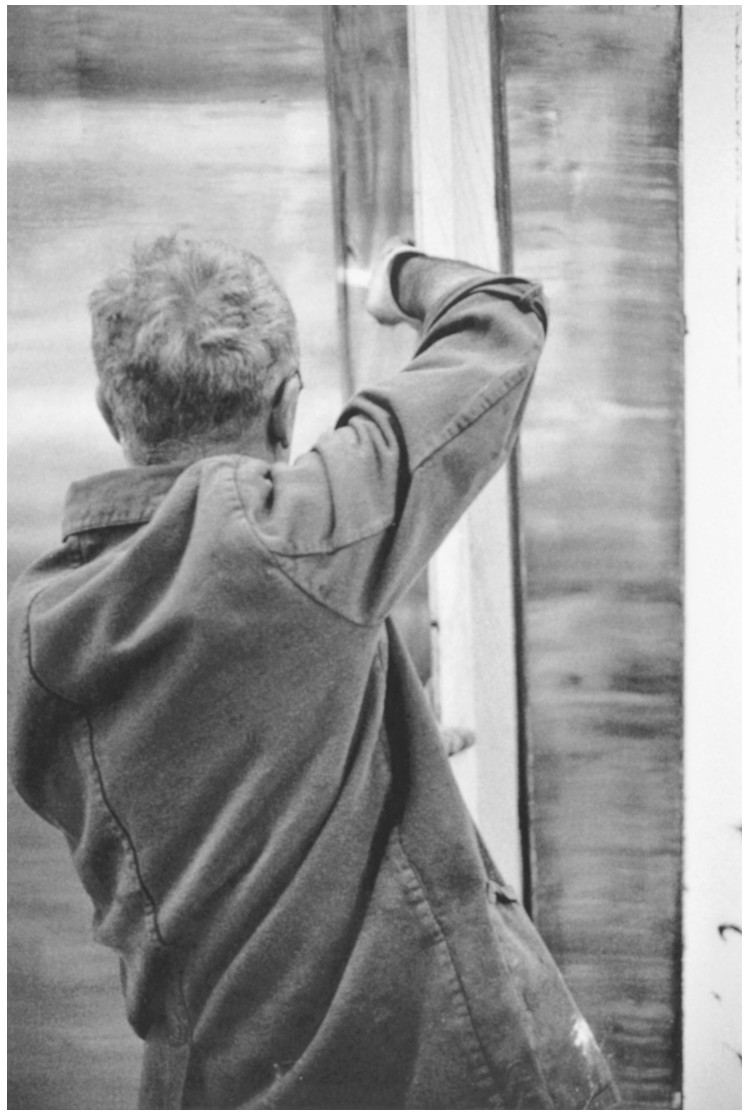
Gerhard Richter in his studio, 1994. Photo: Benjamin Katz. © 2014 Artists Rights Society (ARS), New York/ VG Bild-kunst, Bonn. Artwork: © 2026 Artists Rights Society (ARS), New York/ VG Bild-kunst, Bonn © Gerhard Richter 2026 (04032026)
‘For about a year now, I have not been able to anything in my painting but scrape off, pile on and then removed again,’ the artist has said in 1992 a few months after the present work was completed. ‘In this process I don’t actually reveal what was beneath. If I wanted to do that, I would have to think what to reveal (figurative pictures or signs or patterns); that is pictures that might as well be produced directly. It would also be something of a symbolic trick: bringing to light the lost, buried pictures, or something to that effect. The process of applying, destroying, and layering serves only to achieve a more technical repertoire in picture-making’ (G. Richter, quoted in D. Elger, Gerhard Richter: A Life in Painting, Chicago, 2009, p. 267).
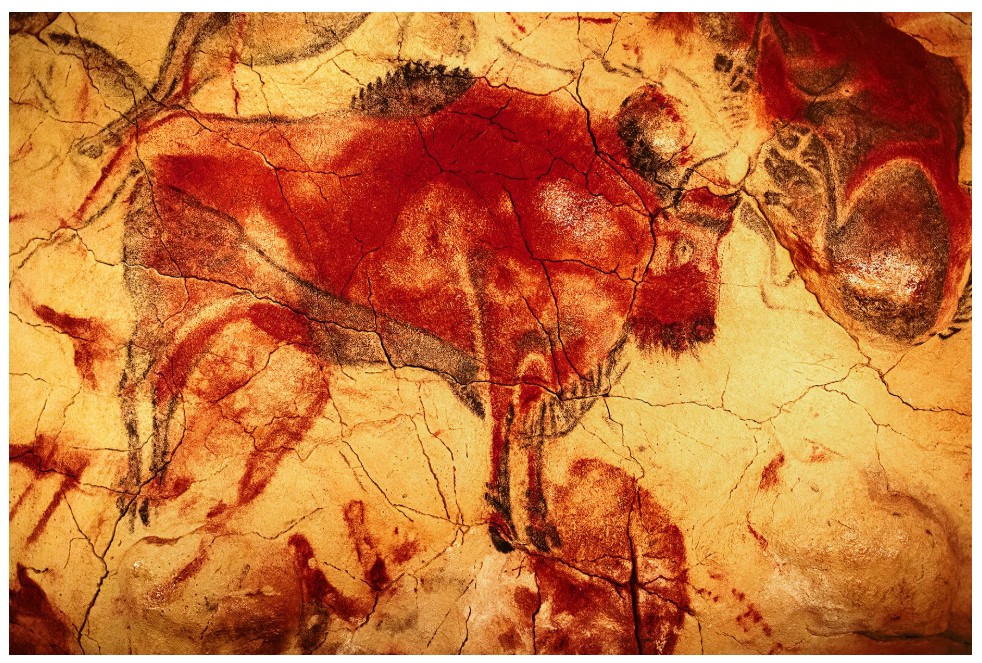
Paleolithic rock painting of several red and black bisonsin the Altamira cave dated 14,500 years ago, Santillana del Mar, Cantabria, Spain. Photo: © Angelines Concepción / Alamy
Richter’s generous application of paint in the present work is evidence of the sheer joy he found in the purity of this painterly process. Unfettered by any requirement for representation, the process is, for Richter, almost akin to a religious experience. As he once said, ‘Art is the pure realization of religious feeling, capacity for faith, longing for God. All other realizations of these, outstanding human qualities, abuse those qualities by exploiting them; that is, by serving an ideology. Even art becomes “applied art” just as it gives up its freedom from function and sets out to convey a message. Art is only human in the absolute refusal to make a statement. The ability to believe is our outstanding quality, and only art adequately translates it into reality.’ (G. Richter, quoted in H.-U. Obrist (ed.), Gerhard Richter. The Daily Practice of Painting, London, 1995, p. 170).
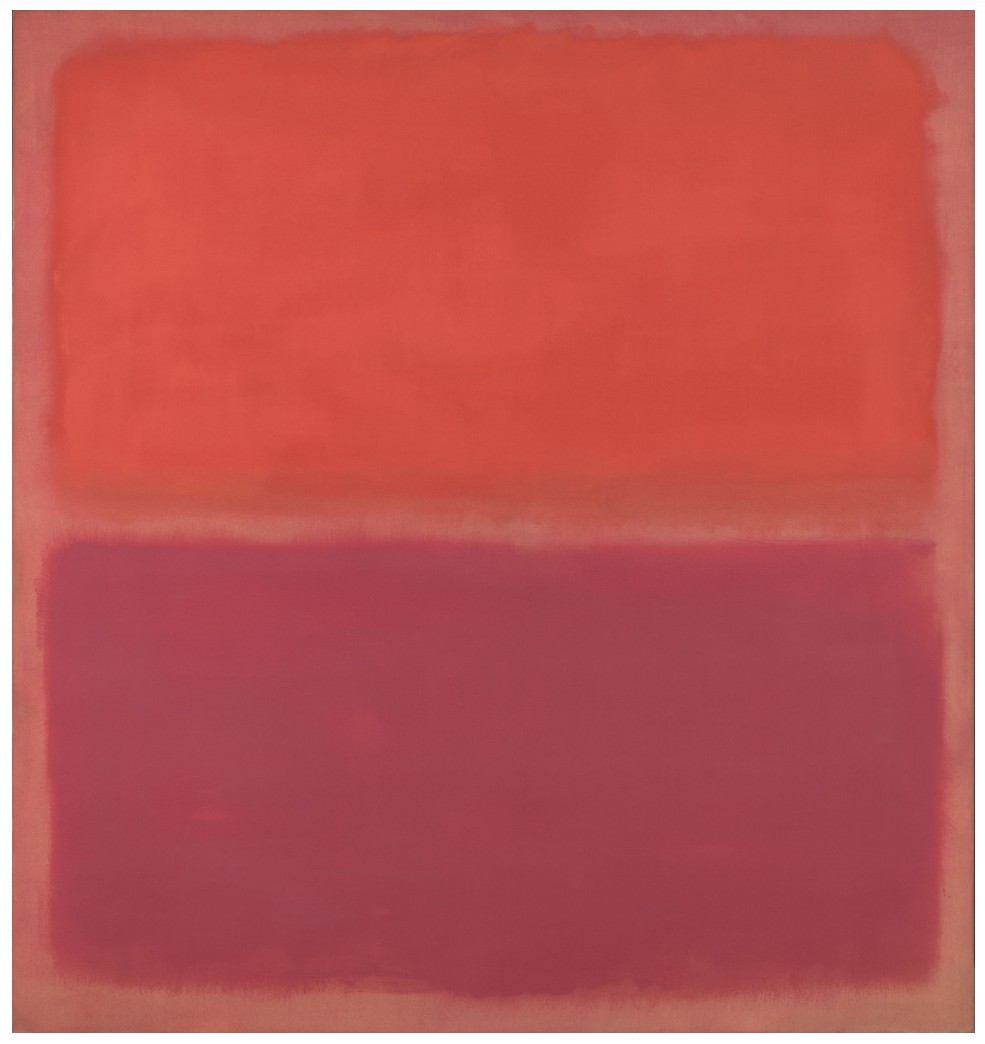
Mark Rothko, No. 3, 1967. Yale University Art Gallery.
Artwork: © 1998 Kate Rothko Prizel & Christopher Rothko / Artists Rights Society (ARS), New York
This example is notable for its generous use of red, one of the most auspicious pigments used in art. In Western art it is one of the oldest pigments in use, with evidence that Stone Age hunters and gatherers used red clay to make body paint. Later, it came to represent power, love, and life-giving blood. It was also used to convey emotion and psychological intensity. In Asian cultures, red is the color of vitality, passion, and good fortune and celebration. The Chinese have long celebrated the color for its associations with fire, the sun, the heart, and the southern direction—all positive forces of energy. A triumphal celebration of painterly expression, standing before Abstraktes Bild can be as evocative an experience as standing before the masterworks of Mark Rothko. Rothko once said that ‘…he wanted a presence, so when you turned your back to the painting, you would feel the presence the way you feel the sun on your back’ (M. Israel, quoted by J. Breslin, Mark Rothko: A Biography, Chicago, 1993, p. 275). Just as Rothko believed his work evoked an ‘otherworldliness,’ Richter’s abstract paintings are the physical and painterly manifestation of the artist’s belief in art as mankind’s highest form of hope.
Abstrakte Skizze (664-3), 1988
Christie’s Hong-Kong: 28 March 2026
Estimated: HKD 6,500,000 – 10,000,000
HKD 8,128,000 / USD 1,038,060
GERHARD RICHTER (B. 1932)
Abstrakte Skizze (664-3), 1988
Oil on canvas
40×35 cm (15-3/4 x 13-3/4 inches)
Signed, titled, and dated ‘664-3 Richter 1988’ (on the reverse)
Created in 1988 at the very pinnacle of Gerhard Richter’s career, Abstrakte Skizze 644‑3 is one of the 32 works in the distinguished series of Abstrakte Skizzen (Abstract Sketches). This work reflects a pivotal moment in Richter’s artistic evolution, when he was refining the dual strands that came to define his oeuvre: the celebrated photorealist paintings — exemplified that same year by the iconic and enigmatic Betty — and the increasingly ambitious abstractions that secured his international reputation. Among the 9 Abstrakte Skizze paintings created in 1988, the present work is surged with the powerful visuals influenced by a period of profound cultural and political transition. It was created just one year before the fall of the Berlin Wall and in the same year as Richter’s first major North American retrospective, which toured leading institutions including the Museum of Contemporary Art, Chicago, the Hirshhorn Museum and Sculpture Garden, Washington and the San Francisco Museum of Modern Art, elevating his global stature to unprecedented heights.
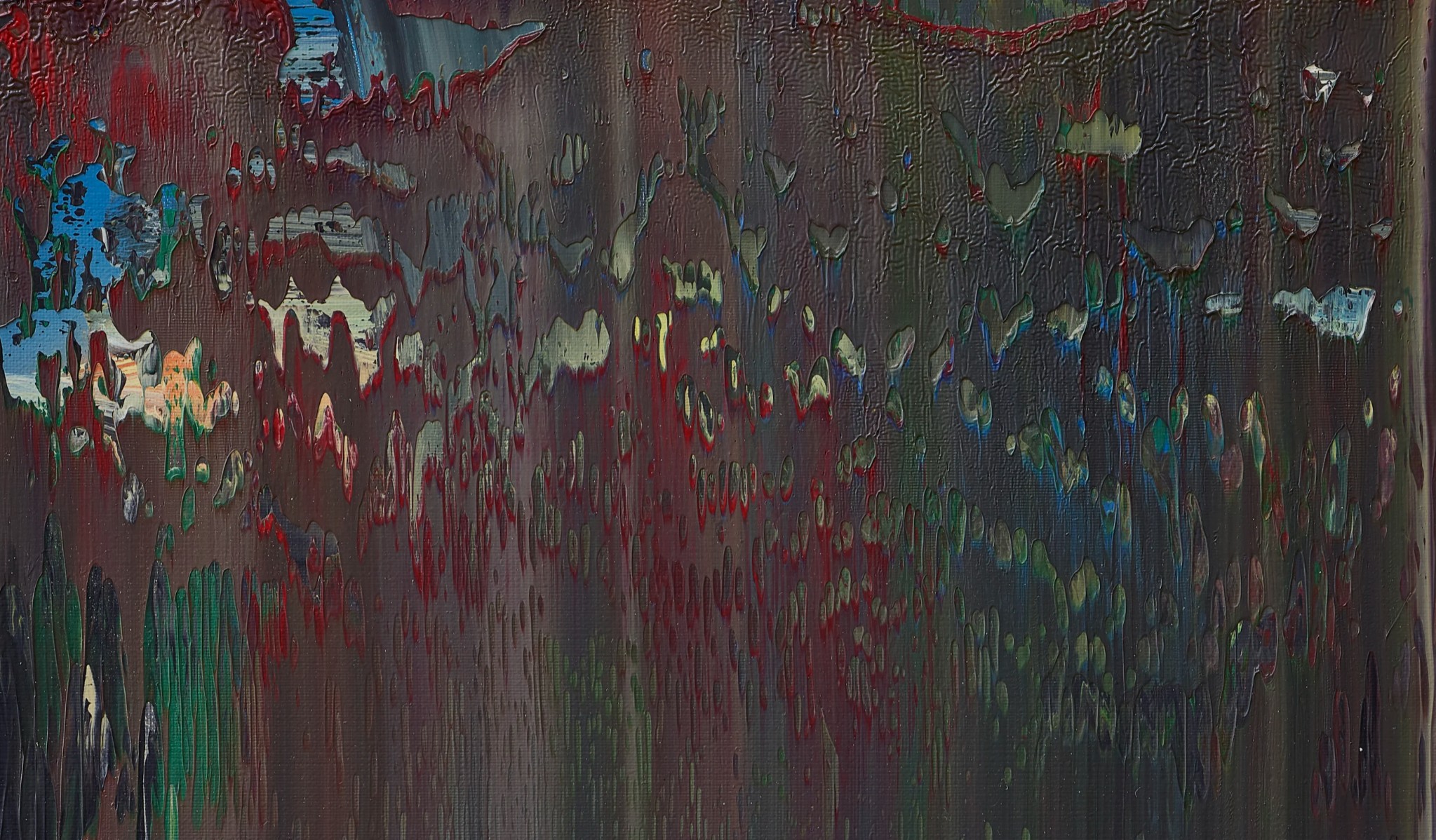
Richter began the Abstrakte Skizze series around 1988, continuing into the early 1990s, as part of a broader trajectory of abstract investigations. Replacing traditional paint brush, his distinctive use of the squeegee — drags layers of paint across the canvas — produced textured, layered kaleidoscope that blur the boundaries between representation and abstraction. This innovative technique is evident in Abstrakte Skizze 644‑3, a rare example within the Abstrakte Skizze series that fully incorporates this signature squeegee approach. Further developed in parallel with the Abstraktes Bild series, the Abstrakte Skizze series reveals an intimate and exploratory dimension of Richter’s creative practice. These compact, visually intricate paintings function as experimental arenas in which he deployed gestures, chromatic tensions, and material effects that simultaneously informed his monumental canvases.
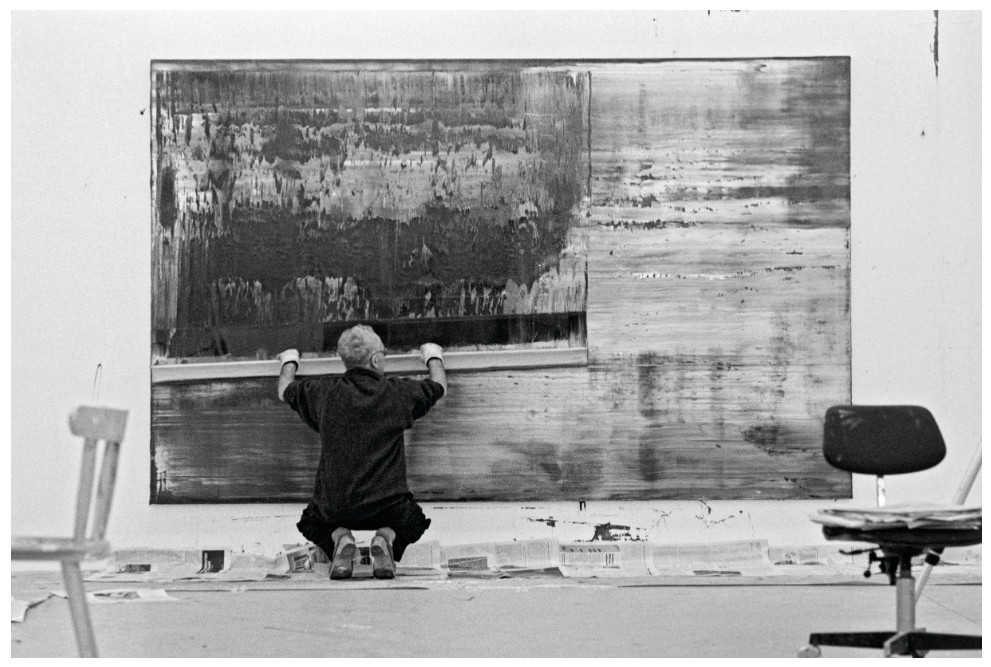
The artist using squeegee in the studio, 1994. Photograph by Benjamin Katz.
Photo: © 2026 Artists Rights Society (ARS), New York/ VG Bild-kunst, Bonn © Gerhard Richter 2026 (09032026)
In the present work, the artist’s gestures appear direct and unfiltered, alive with the energy of experimentation. The work captures the curiosity and restless inquiry that characterized Richter during this period, when he was actively engaging with — yet maintaining his own distance from — the legacies of Abstract Expressionism, Minimalism, and Conceptualism. In this spirit, his abstract paintings expose the very act of image-making, confronting the question of what an “image” becomes when it no longer relies on recognizable subjects. Among the Abstrakte Skizze series, the present work is distinguished by its strikingly vivid chromatic intensity. Dominated by an expressive field of crimson red, the surface unfolds across a spectrum of tonalities — from cherry and rose to burgundy and carmine — each variation shaped by layered acts of application and removal. Through slender ruptures in the surface, flashes of blue and neon orange pierce the surface, like light breaking through the veil. These colors do not sit as static fields but interact dynamically, generating depth and motion that far exceed the work’s modest physical scale.
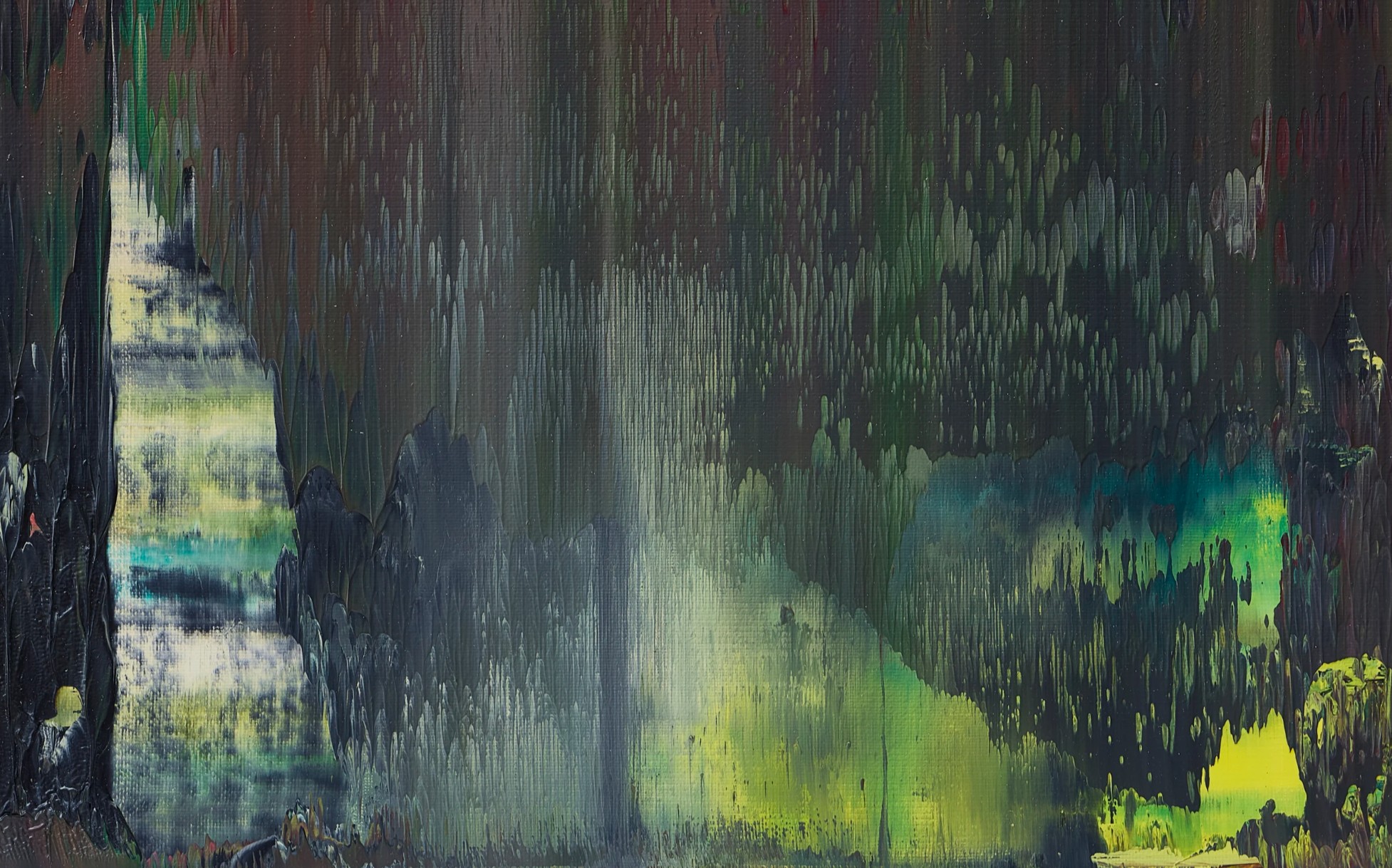
Through its visual and conceptual intricacy and delicacy, Abstrakte Skizze 644‑3 encapsulates the artist’s heightened power, holding a distinguished place within the Abstrakte Skizze series and marks an important moment of one of the most influential painters of the twentieth century.
Mark Rothko
No. 10, 1949
Sotheby’s Hong-Kong: 29 March 2026
Estimated: HKD 28,000,000 – 40,000,000
HKD 66,780,000 / USD 8,528,735
Mark Rothko 馬克 · 羅斯科 | No. 10 10號 | Modern & Contemporary Evening
REPEAT SALE
Sotheby’s London: 30 June 2014
Estimated: GBP 600,000 – 800,000
GBP 2,546,500 / USD 4,355,225
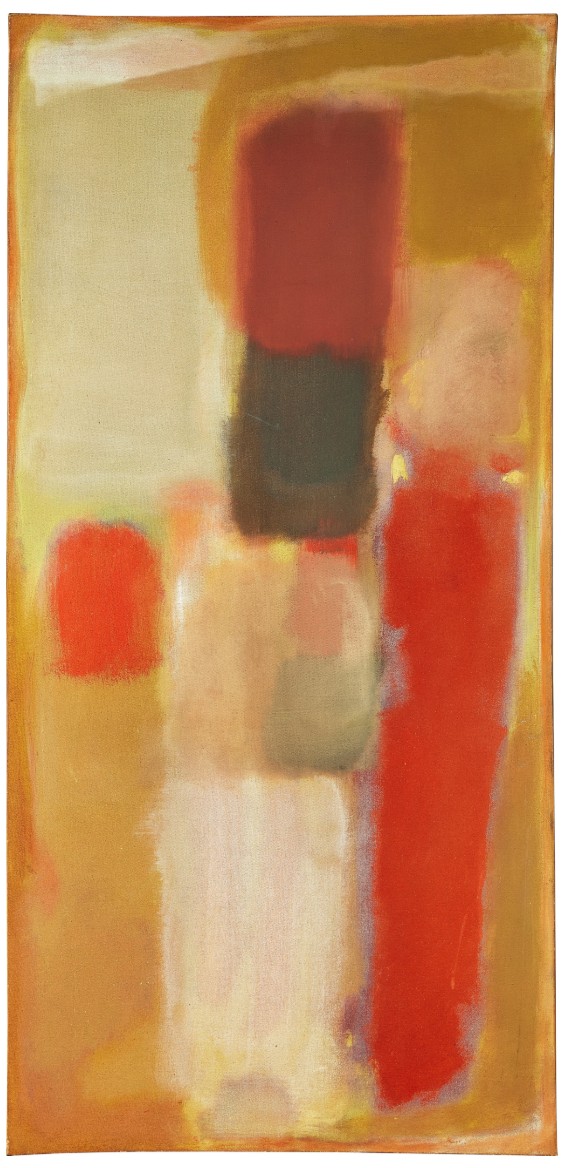
MARK ROTHKO (1903-1970)
No. 10, 1949
Oil on canvas
60-7/8 x 29-1/2 inches (154.5 x 75 cm)
Signed and dated 1949 (on the reverse)
Mark Rothko’s No. 10 of 1949 is an incandescent testament to the artist’s arrival at his inimitable and innovative union of colour and form that established his place within the canon of American Abstraction of the mid-Twentieth Century. Figuration, born of Symbolist and Surrealist influences, was a touchstone for Rothko in his early years. Still, he burned to create his own style – his personal declaration of art’s primal and inspirational role in the turbulent modernist world. Throughout the late 1940s, Rothko’s anthropomorphic images gradually dematerialize, becoming ever more ephemeral and weightless, appearing to float in a misty coalescence with the softly diffused ground. Rothko’s mother’s death in 1948 had an impact and perhaps propelled Rothko into dematerializing forms into incandescent colours of pure immersive visual experiences.
By 1949, Rothko achieved an integration of light and color within his compositions, and the soft red, yellow, orange and green of the present work announce his triumphant success in merging shape with color, in the absence of the painterly traditions of line, narrative and spatial perspective. The series of paintings to which No. 10 belongs was named Multiforms by Rothko, and this title heralds the primacy of untethered hues and soft amorphous shapes in his aesthetic genius. When No. 10 was exhibited at the artist’s January 1950 show at the Betty Parsons Gallery, Rothko had already begun painting the canvases that would be his first in the mature style we know today as his classic masterpieces. In its reductive and expansive color forms, No. 10 presages the grand canvases of the early 1950s.
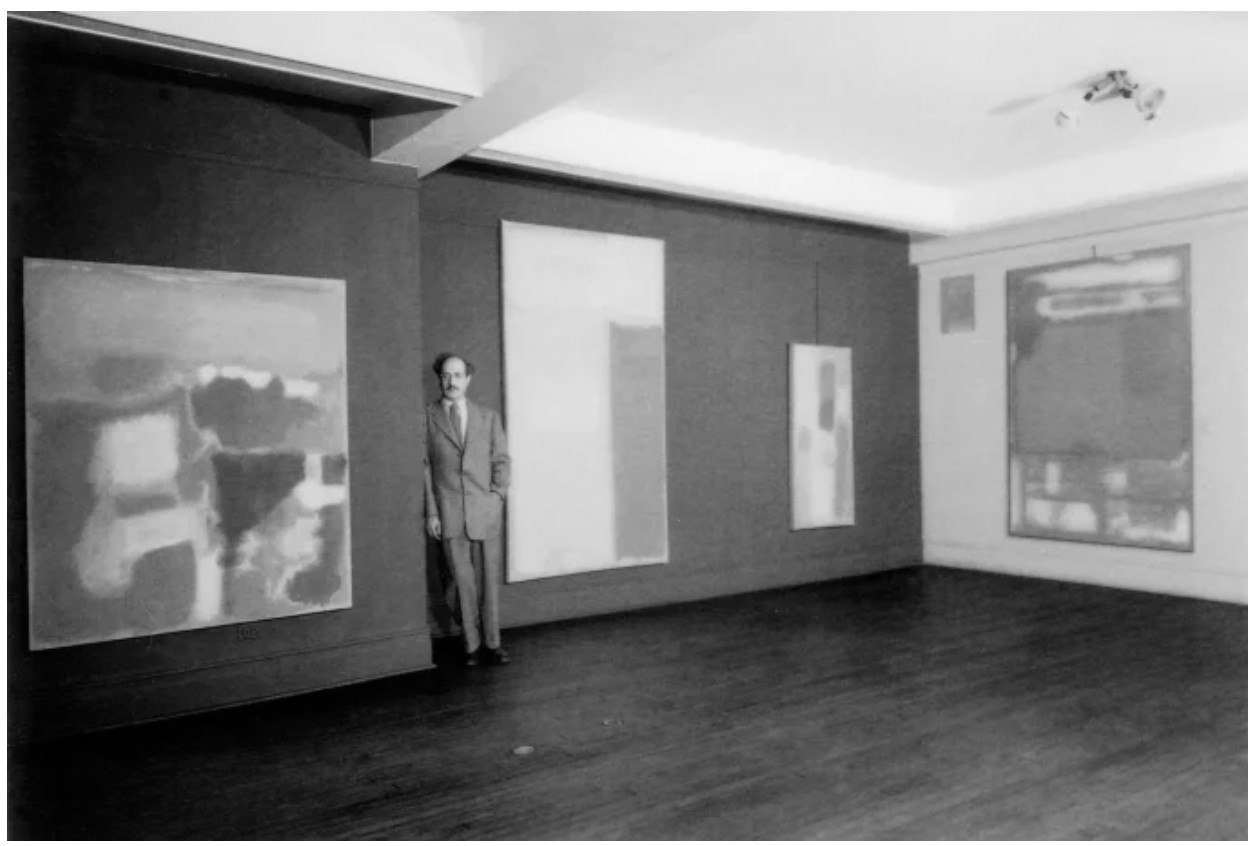
Mark Rothko standing in his exhibition at the Betty Parsons Gallery New York, 1949
Photo: Aaron Siskind © 1998 Kate Rothko Prizel & Christopher Rothko ARS, NY and DACS, London
Including No. 10, only nine works from the pivotal years of 1948-49 have been offered at auction to date. Of the 12 paintings featured in the 1950 Betty Parsons show, No. 10 is one of the three that remain in private hands. The other nine are now held in major American museums, including: The Museum of Contemporary Art, Los Angeles, The Museum of Modern Art, New York, Los Angeles County Museum of Art, Walker Art Centre, Minneapolis, National Gallery of Art, Washington, Hirshhorn Museum and Sculpture Garden, Washington, and Frances Lehman Loeb Art Centre, New York. A major Mark Rothko exhibition, Rothko in Florence, curated by Rothko’s son, Christopher Rothko, and Elena Geuna, is taking place at Palazzo Strozzi in Florence, Italy, from March 14 to August 23, 2026. Three of the twelve works from the January 1950 Betty Parsons exhibition are also included in the show.
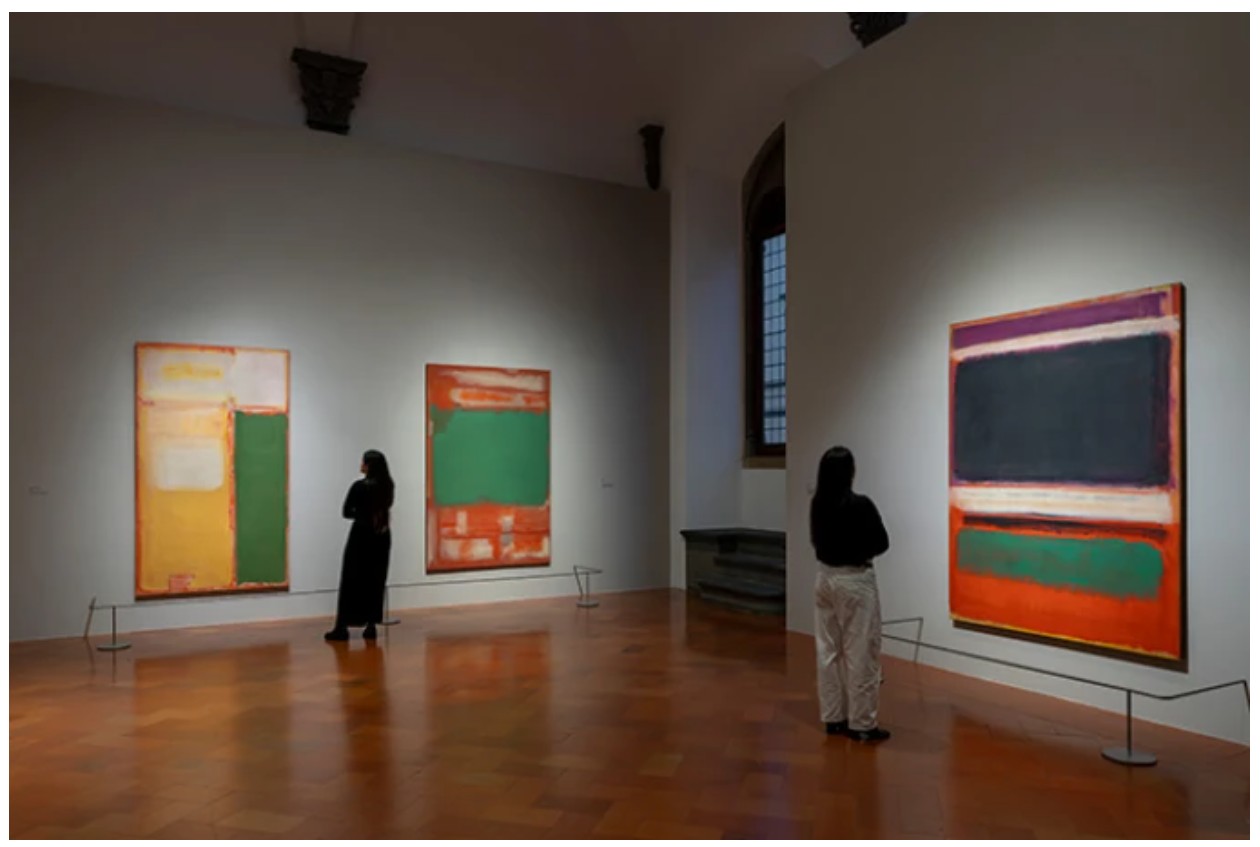
Three of the paintings from the Betty Parsons exhibition (1950) are currently on view at the much-acclaimed Rothko exhibition in Florence.
No. 10 once belonged to the collection of Mr Joseph Manfred Bransten, a well-known patron of the arts in San Francisco, who served on the Board of Directors of the Legion of Honor from 1961 to 1972, when the merger with the de Young Museum occurred that created the Fine Arts Museums of San Francisco. He continued to serve on the Board and was active on its Acquisitions Committee from 1972 until his death. The de Young Museum also possesses an early Rothko similar to No. 10, though painted a year earlier.
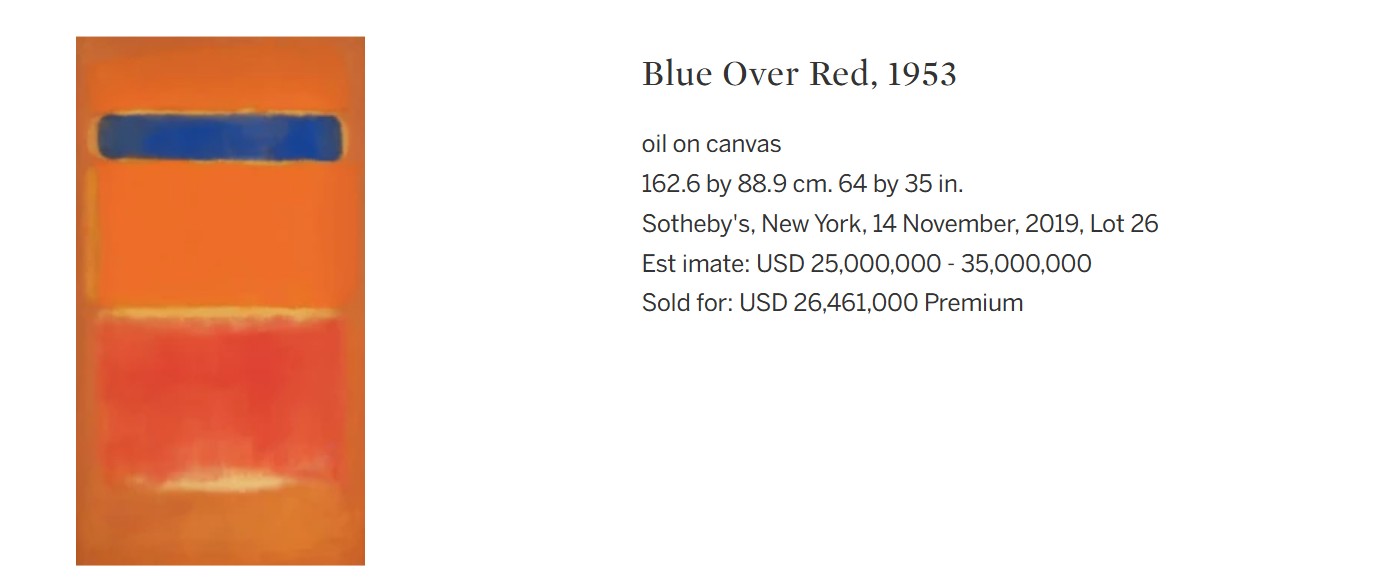
Just five years earlier, Rothko began a period of growth and creativity with his first show at Peggy Guggenheim’s Art of This Century in January 1945, followed in 1946 by his inclusion in the Whitney Museum of American Art’s Annual and a one-person show at the San Francisco Museum of Modern Art. Throughout the late 1940s, Rothko shared the friendship and aspirations of artists William Baziotes, Robert Motherwell, Barnett Newman and most importantly, Clyfford Still, from whom he adopted the practice of using numbers for titles beginning with the Multiforms such as No. 10. The Twelve works from Betty Parsons show were numbered from 1 to 12 in the sequence chosen by the artist for the hanging that ran anticlockwise round the gallery’s main room. Later, Rothko will number his works similarly, starting with No. 1 for the first painting of each year.
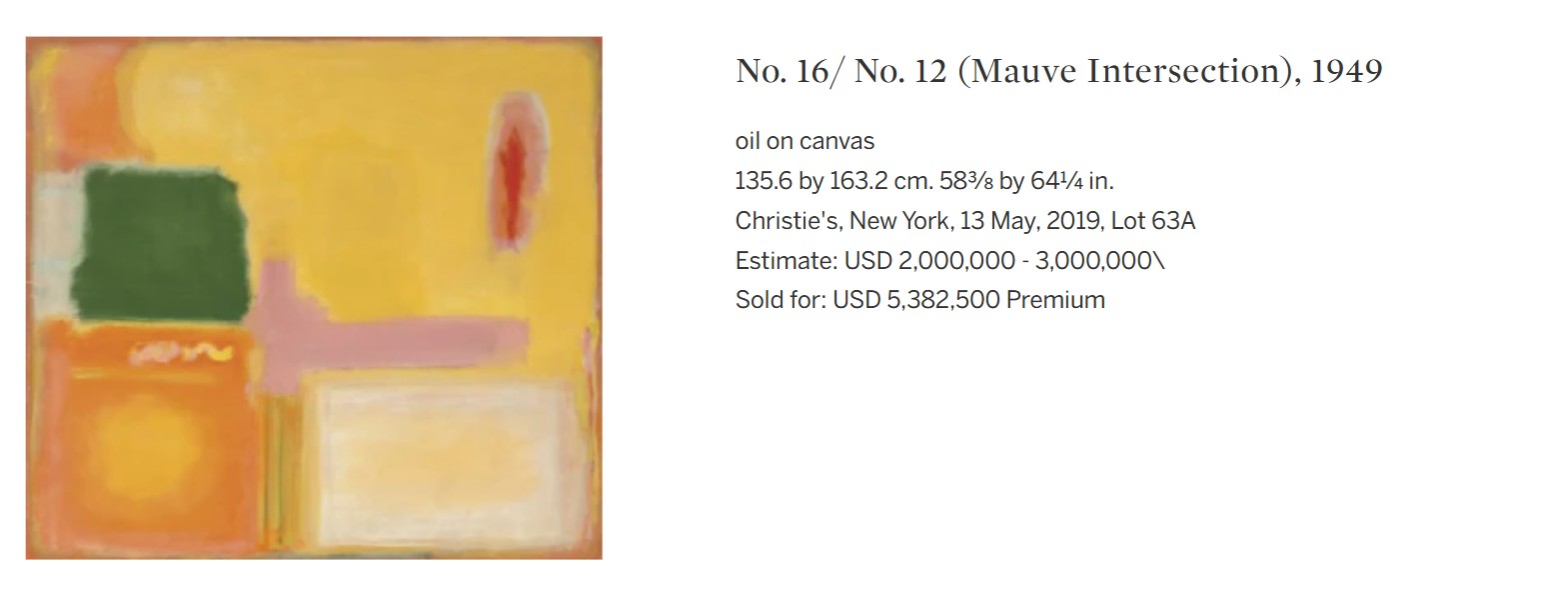
The abandonment of realist titles was just one element of the rejection of sign as the central motif in painting, a rejection Rothko, Still, and Newman shared as they sought to purify their art by reducing aesthetic elements to their most basic essence. As Rothko noted in his ‘Statement on His Attitude in Painting’ printed in 1949, “the progression of a painter’s work, as it travels in time from point to point, will be toward clarity; toward the elimination of all obstacles between the painter and the idea” (Mark Rothko, ‘Statement on His Attitude in Painting’, The Tiger’s Eye, No. 9, October 1949, p. 114).
Rothko first achieved the artistic fusion of colour and light with a series of watercolors created in the mid-1940s. In her essay for the artist’s 1978 retrospective, Diane Waldman addressed the affinity between these works on paper and the Multiforms when she noted that the “luminosity, flatness, frontality and close-value colours ascribed to this period of Rothko’s great breakthrough in 1949-50 are already characteristic of these watercolors and pastels…” (Diane Waldman in: Exhibition Catalogue, New York, Solomon R. Guggenheim Museum, Mark Rothko, 1903-1970: a Retrospective, 1978, p. 48). In No. 10, Rothko seeps the oil pigment into the canvas threads as directly as watercolor binds with paper. Several complementary colours are harmoniously balanced within the composition, revealing “one of the supreme features of his genius – his ability to hold on a single plane colours that advance and retreat… Rothko had by now enlarged and neutralized his forms, allowing color to breathe” (ibid., p. 57). The luscious, warm tones in No. 10 – particularly the red and yellow which are so potent in his later paintings – are almost contradictory to the visual dematerialization of form and the delicacy of paint application achieved in the Multiforms. Yet, the jewel tones of No. 10 beautifully convey the synthesis Rothko brilliantly achieved in his pure, reductive and transcendent paintings.