WORK IN PROGRESS
Timeline
Christie’s
MICA: THE COLLECTION OF MICA ERTEGUN PART I
19 November 2024
MICA: THE COLLECTION OF MICA ERTEGUN Part I
20th Century Evening Sale
19 November 2024
20th Century Evening Sale
MICA: THE COLLECTION OF MICA ERTEGUN PART II
20 November 2024
MICA: THE COLLECTION OF MICA ERTEGUN Part II
Impressionist and Modern Works on Paper
20 November 2024
Impressionist and Modern Works on Paper
Impressionist and Modern Art Day Sale
20 November 2024
Impressionist and Modern Art Day Sale
21st Century Evening Sale
21 November 2024
21st Century Evening Sale
Post-War and Contemporary Art Day Sale
22 November 2024
Post-War and Contemporary Art Day Sale
Sotheby’s
A Legacy of Beauty: The Collection of Sydell Miller Evening Auction
18 November 2024
A Legacy of Beauty: The Collection of Sydell Miller Evening Auction | 2024 | Sotheby’s
Modern Evening Auction
18 November 2024
Modern Evening Auction | 2024 | Sotheby’s
Legacy of Beauty: The Collection of Sydell Miller Day Auction
19 November 2024
A Legacy of Beauty: The Collection of Sydell Miller Day Auction | 2024 | Sotheby’s
Modern Day Auction
19 November 2024
Modern Day Auction | 2024 | Sotheby’s
The Now and Contemporary Evening Auction
20 November 2024
The Now and Contemporary Evening Auction | 2024 | Sotheby’s
Contemporary Day Auction
21 November 2024
Contemporary Day Auction | 2024 | Sotheby’s
Phillips
Modern & Contemporary Art Evening Sale
19 November 2024
Modern & Contemporary Art Evening Sale: New York Auction November 2024
Modern & Contemporary Art Day Sale – Morning Session
20 November 2024
Modern & Contemporary Art Day Sale, Morning… New York November 2024
Modern & Contemporary Art Day Sale – Afternoon Session
20 November 2024
Modern & Contemporary Art Day Sale, Afterno… New York November 2024
Auction Statistics
Total: USD 1,288,212,426
1,234 Lots Sold
Sell-Through Rate: 82.2%
This week generated a total of USD 1,288,212,426 through the sale of 1,234 lots. This compares to a total of USD 1,388,814,873 generated in May 2024 through the sale of 1,396 lots.
Price Segmentation
Market Shares
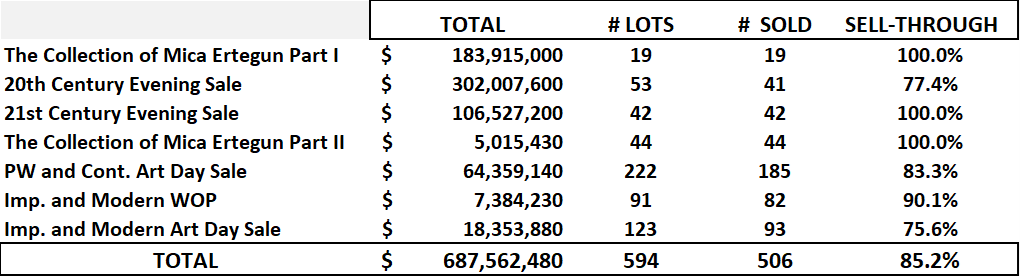
#1. Christie’s
Christie’s generated USD 687,353,480 through the sale of 506 lots, with a 85.2% sell-through rate. This represents 53.4% of the total for the week. The Collection of Mica Ertegun contributed USD 188,930,430 (27.5% of the total).
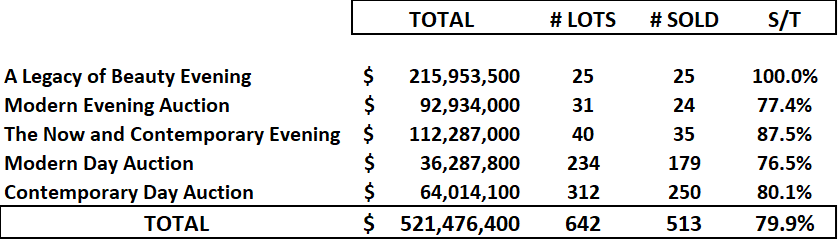
#2. Sotheby’s
Top 10 Lots
#1. RENE MAGRITTE
L’empire des lumières, 1954
Christie’s New-York: 19 November 2024
Estimate on Request
USD 121,160,000
NEW WORLD AUCTION RECORD FOR THE ARTIST
RENE MAGRITTE (1898-1967), L’empire des lumières | Christie’s
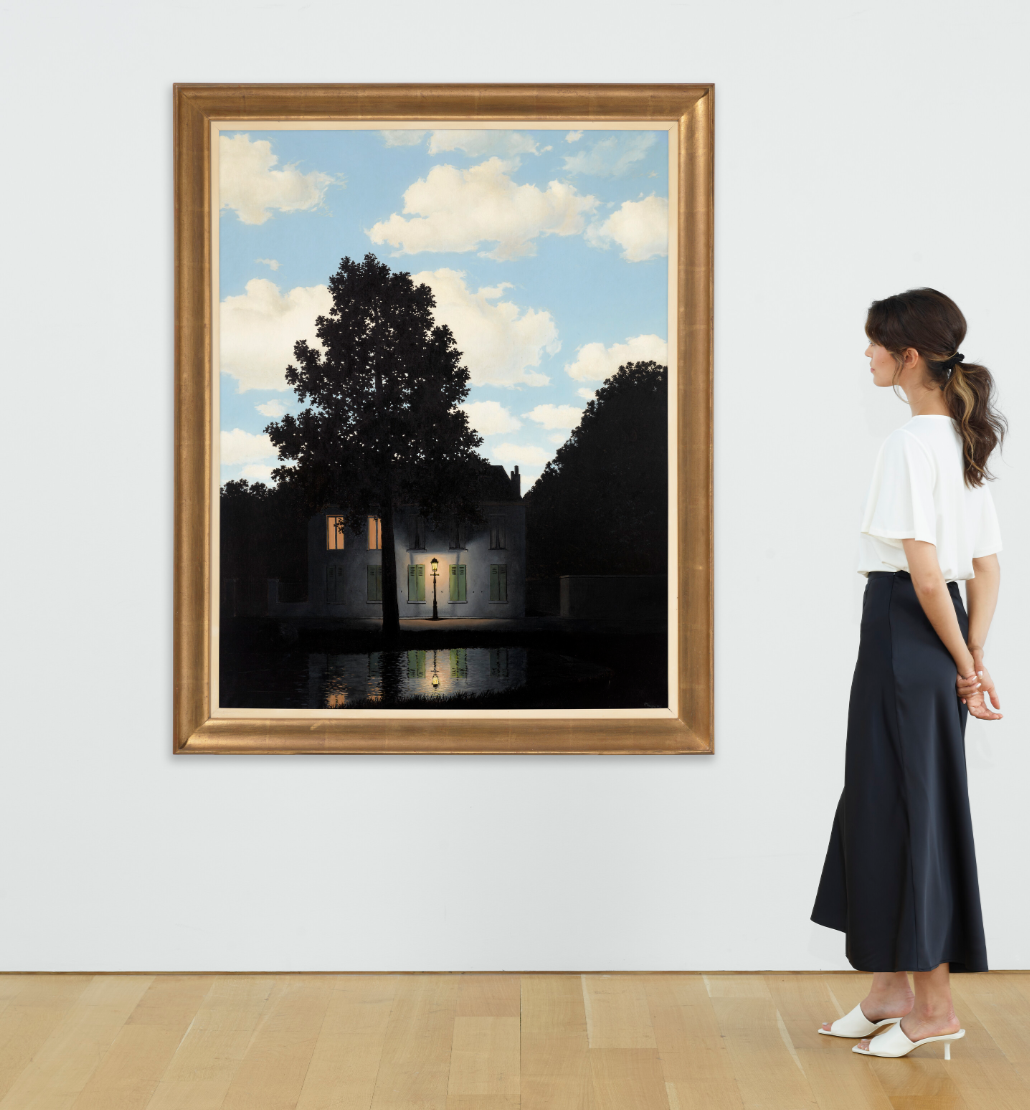
RENE MAGRITTE (1898-1967)
L’empire des lumières, 1954
Oil on canvas
146×114 cm (57 1/2 x 44 7/8 inches)
Signed ‘Magritte’ (lower right)
Signed again, dated and titled ‘”L’Empire des Lumières” Magritte 1954’ (on the reverse)
#2. ED RUSCHA
Standard Station, Ten-Cent Western Being Torn in Half, 1964
Christie’s New-York: 19 November 2024
Estimate on Request
USD 68,260,000
ED RUSCHA (B. 1937), Standard Station, Ten-Cent Western Being Torn in Half | Christie’s
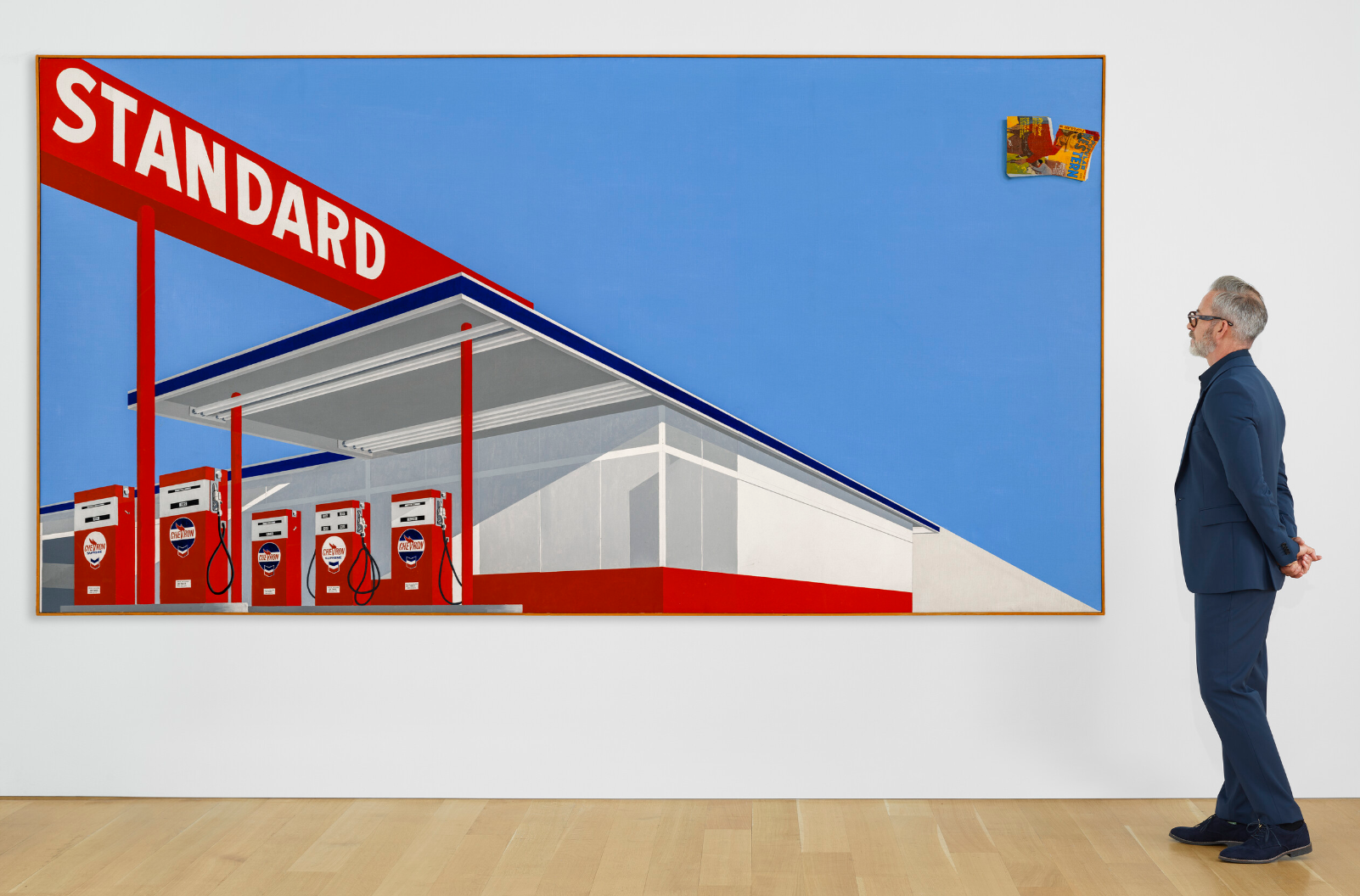
ED RUSCHA (B. 1937)
Standard Station, Ten-Cent Western Being Torn in Half, 1964
Oil on canvas
65 x 121 1/2 inches (165.1 x 308.6 cm)
Signed, titled and dated ‘”STANDARD STATION, 10¢ WESTERN BEING TORN IN HALF” 1964 Edward J. Ruscha’ (on the stretcher)
#3. CLAUDE MONET
Nymphéas, circa 1914-17
A Legacy of Beauty: The Collection of Sydell Miller
Sotheby’s New-York: 18 November 2024
Estimate on Request
USD 65,500,000
Nymphéas | A Legacy of Beauty: The Collection of Sydell Miller Evening Auction | 2024 | Sotheby’s
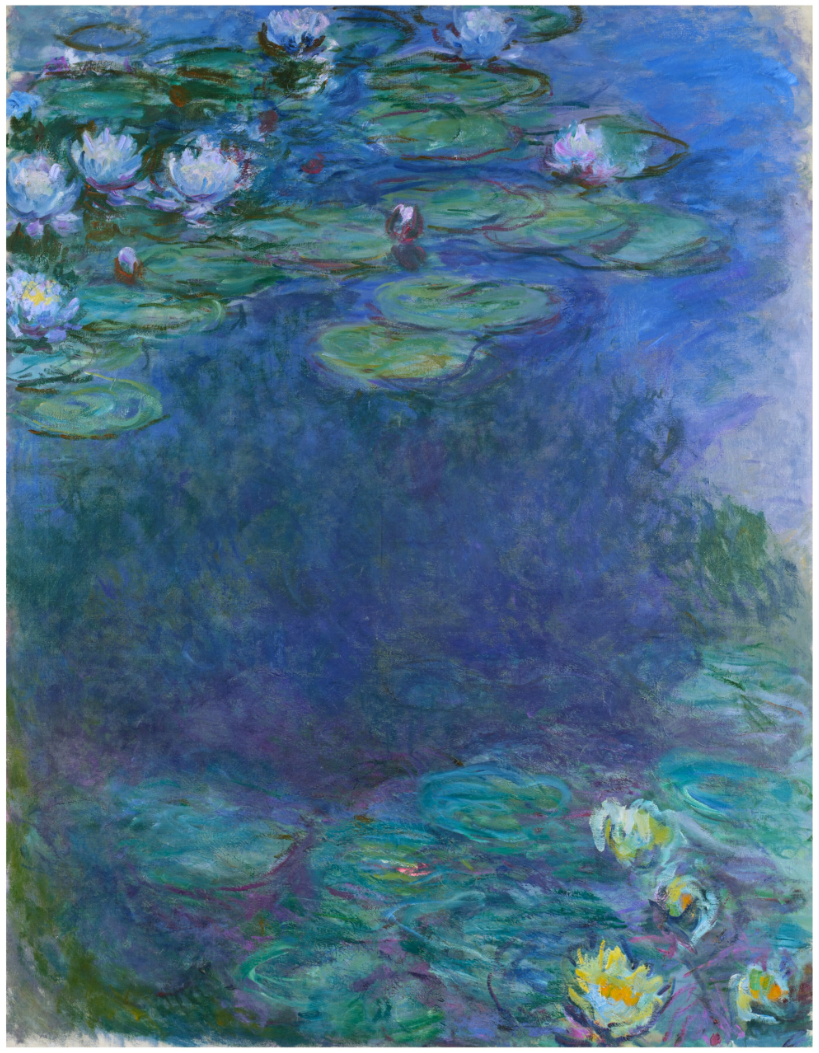
CLAUDE MONET (1840 – 1926)
Nymphéas, circa 1914-17
Oil on canvas
175 x 135.4 cm (68 7/8 x 53 3/8 inches)
Stamped with the signature Claude Monet (on the reverse)
Stamped again (on the stretcher)
#4. ALBERTO GIACOMETTI
Femme qui marche (II), 1932-1936
Christie’s New-York: 19 November 2024
Estimated: USD 20,000,000 – 30,000,000
THIRD PARTY GUARANTEE
USD 26,630,000
ALBERTO GIACOMETTI (1901-1966), Femme qui marche (II) | Christie’s
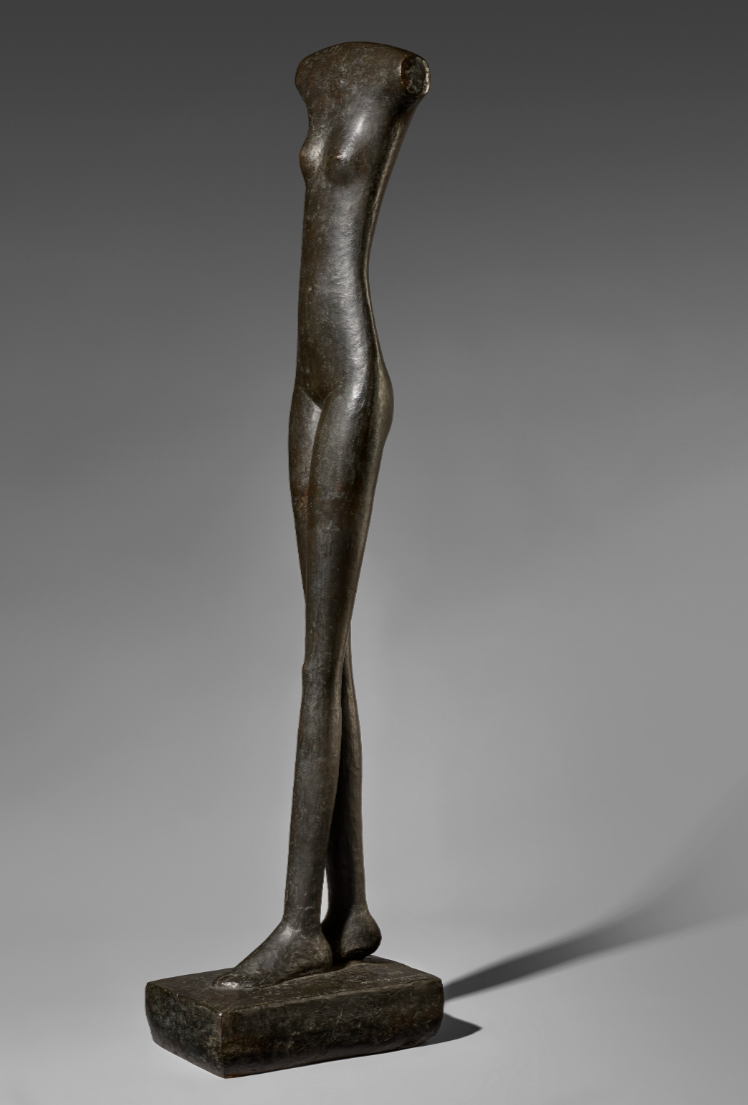
ALBERTO GIACOMETTI (1901-1966)
Femme qui marche (II), 1932-1936
Bronze with dark brown patina
Height: 146.2 cm (57 1/2 inches)
Signed, dated and numbered ‘0 Alberto Giacometti 1932-36’ (on top of the base)
Conceived in 1932-1936; this bronze version cast in 1961
#5. PABLO PICASSO
La Statuaire, 1925
A Legacy of Beauty: The Collection of Sydell Miller
Sotheby’s New-York: 18 November 2024
Estimate on Request
USD 24,800,000
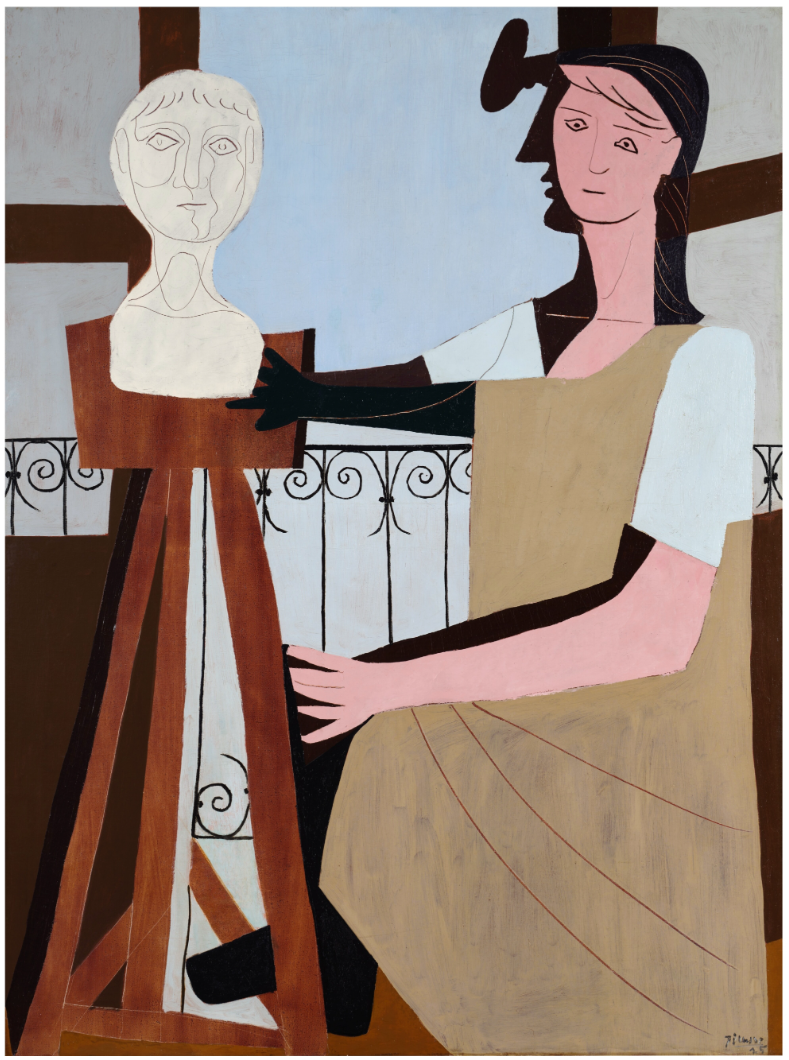
PABLO PICASSO (1881 – 1973)
La Statuaire, 1925
Oil on canvas
131 x 97.8 cm (51 5/8 x 38 1/2 inches)
Signed Picasso and dated 25 (lower right)
Dated XXV-II-XXV (on the stretcher)
#6. JEAN-MICHEL BASQUIAT
Untitled, 1982
Christie’s New-York: 21 November 2024
Estimated: USD 20,000,000 – 30,000,000
USD 22,950,000
JEAN-MICHEL BASQUIAT (1960-1988), Untitled | Christie’s
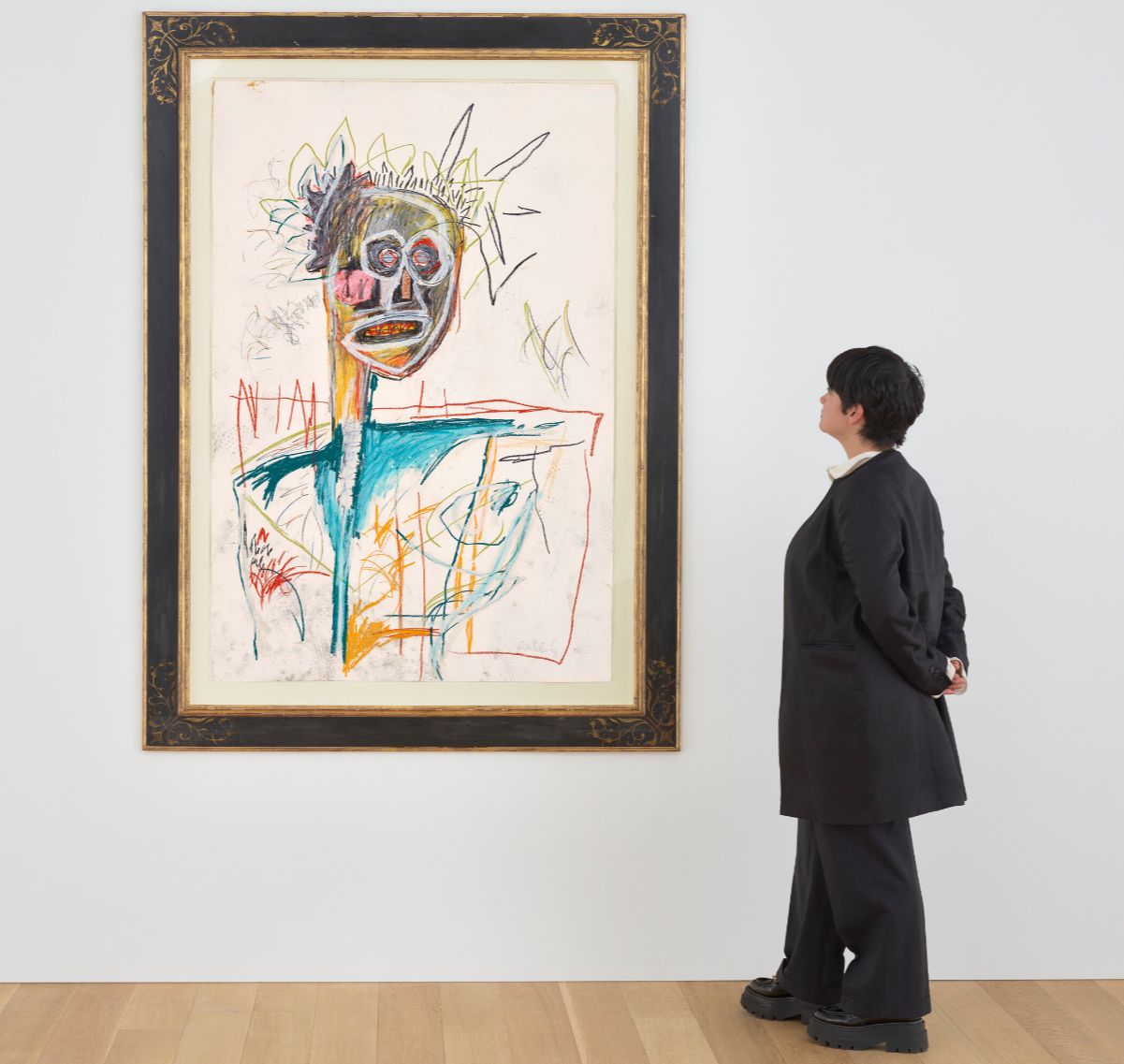
JEAN-MICHEL BASQUIAT (1960-1988)
Untitled, 1982
Oilstick on paper
63 1/2 x 44 inches (161.3 x 111.8 cm)
Signed and dated ‘Jean-Michel Basquiat 1982’ (lower right)
Top 10 Artists
CHRISTIE’S
Christie’s: The Collection of Mica Ertegun Part I
19 November 2024
MICA: THE COLLECTION OF MICA ERTEGUN Part I
Total: USD 183,915,000
# Lots: 19
# Lots sold: 19
Sell-Through Rate: 100%
#1. RENE MAGRITTE
L’empire des lumières, 1954
Christie’s New-York: 19 November 2024
Estimate on Request
USD 121,160,000
NEW WORLD AUCTION RECORD FOR THE ARTIST
RENE MAGRITTE (1898-1967), L’empire des lumières | Christie’s
RENE MAGRITTE (1898-1967)
L’empire des lumières, 1954
Oil on canvas
146×114 cm (57 1/2 x 44 7/8 inches)
Signed ‘Magritte’ (lower right)
Signed again, dated and titled ‘”L’Empire des Lumières” Magritte 1954’ (on the reverse)
#2. DAVID HOCKNEY
Still Life on a Glass Table, 1971
Christie’s New-York: 19 November 2024
Estimated: USD 15,000,000 – 20,000,000
USD 19,040,000
DAVID HOCKNEY (B. 1937), Still Life on a Glass Table | Christie’s
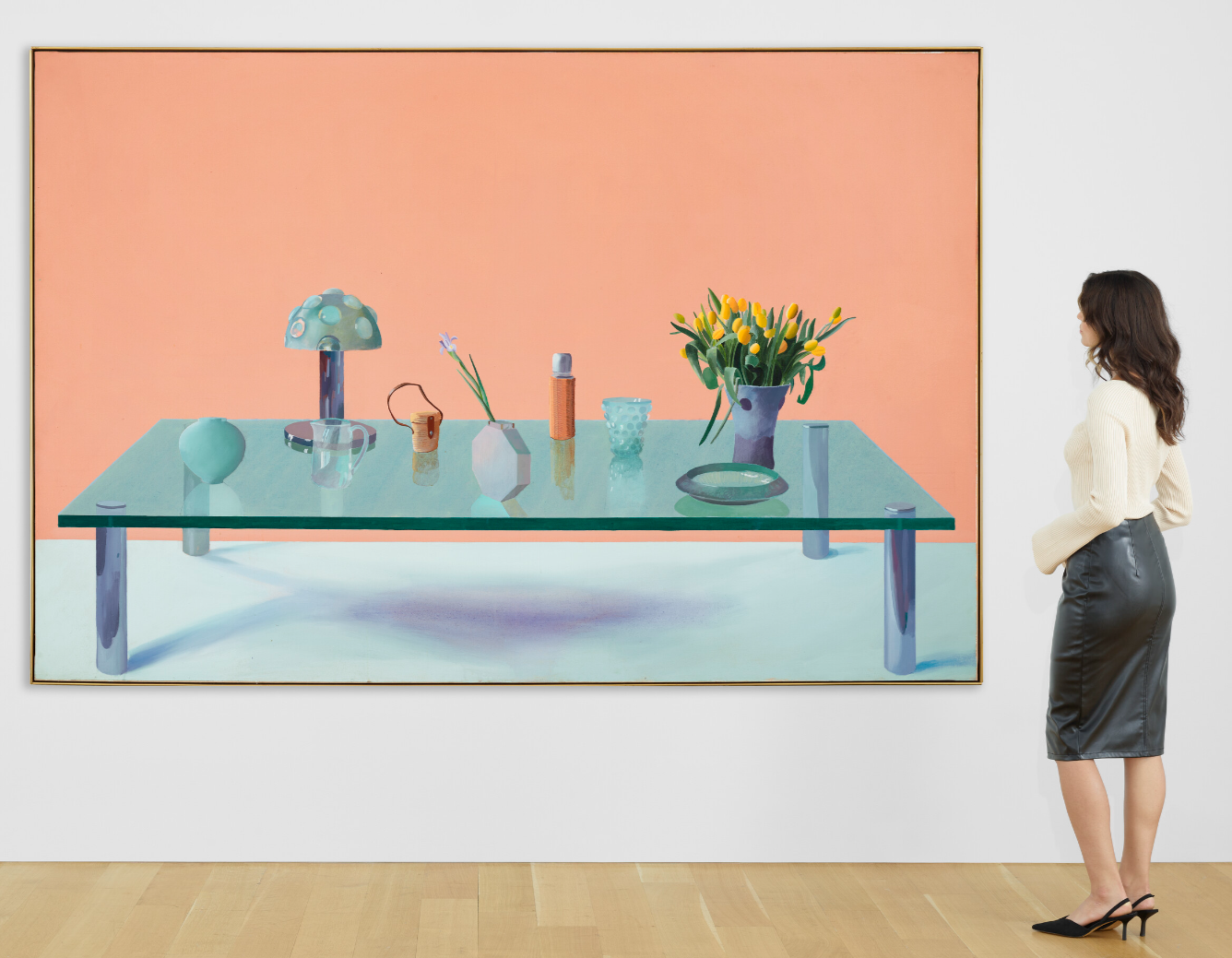
DAVID HOCKNEY (B. 1937)
Still Life on a Glass Table, 1971
Acrylic on canvas
72×108 inches (182.9 x 274.3 cm)
#3. RENE MAGRITTE
La cour d’amour, 1960
Christie’s New-York: 19 November 2024
Estimated: USD 9,000,000 – 12,000,000
USD 10,530,000
RENE MAGRITTE (1898-1967), La cour d’amour | Christie’s
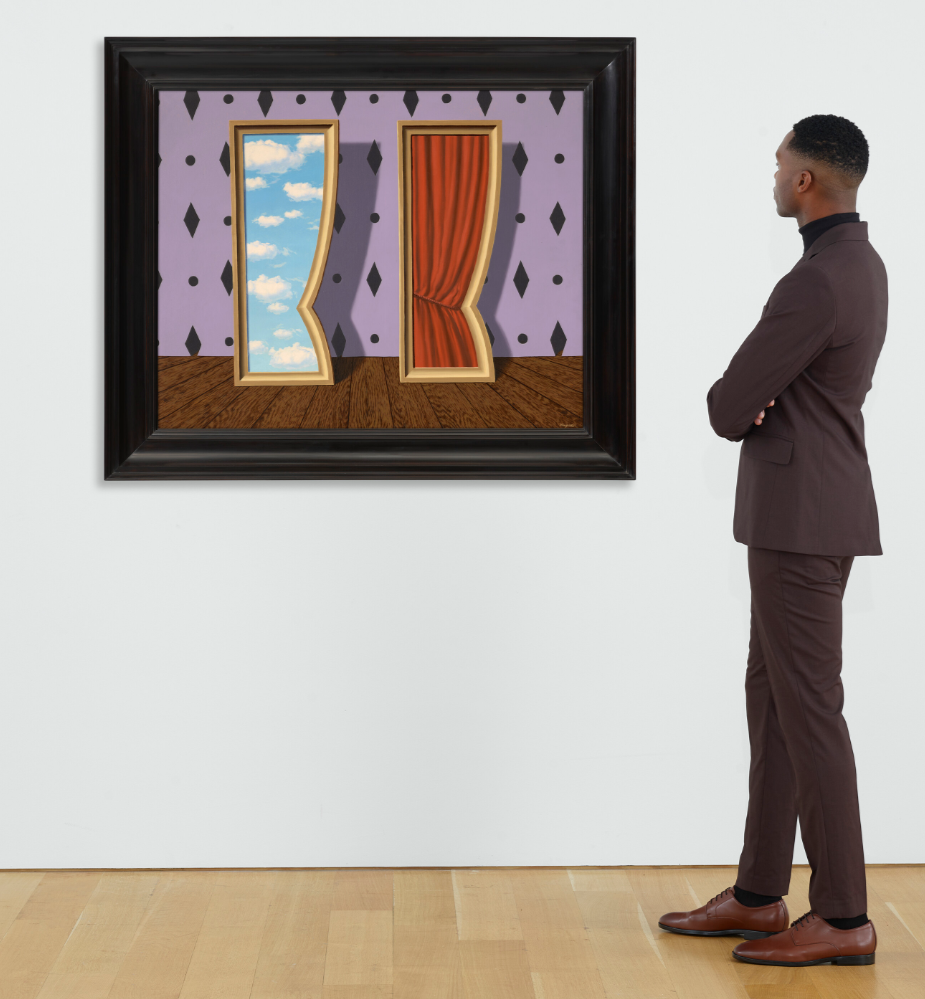
RENE MAGRITTE (1898-1967)
La cour d’amour, 1960
Oil on canvas
79.9 x 100 cm (31 1/2 x 39 3/8 inches)
Signed ‘Magritte’ (lower right)
Sated and titled ‘”LA COUR D’AMOUR” 1960’ (on the reverse)
#4. DAVID HOCKNEY
Three Chairs with a Section of a Picasso Mural, 1970
The Collection of Mica Ertegun
Christie’s New-York: 19 November 2024
Estimated: USD 4,000,000 – 6,000,000
USD 9,035,000
DAVID HOCKNEY (B. 1937), Three Chairs with a Section of a Picasso Mural | Christie’s
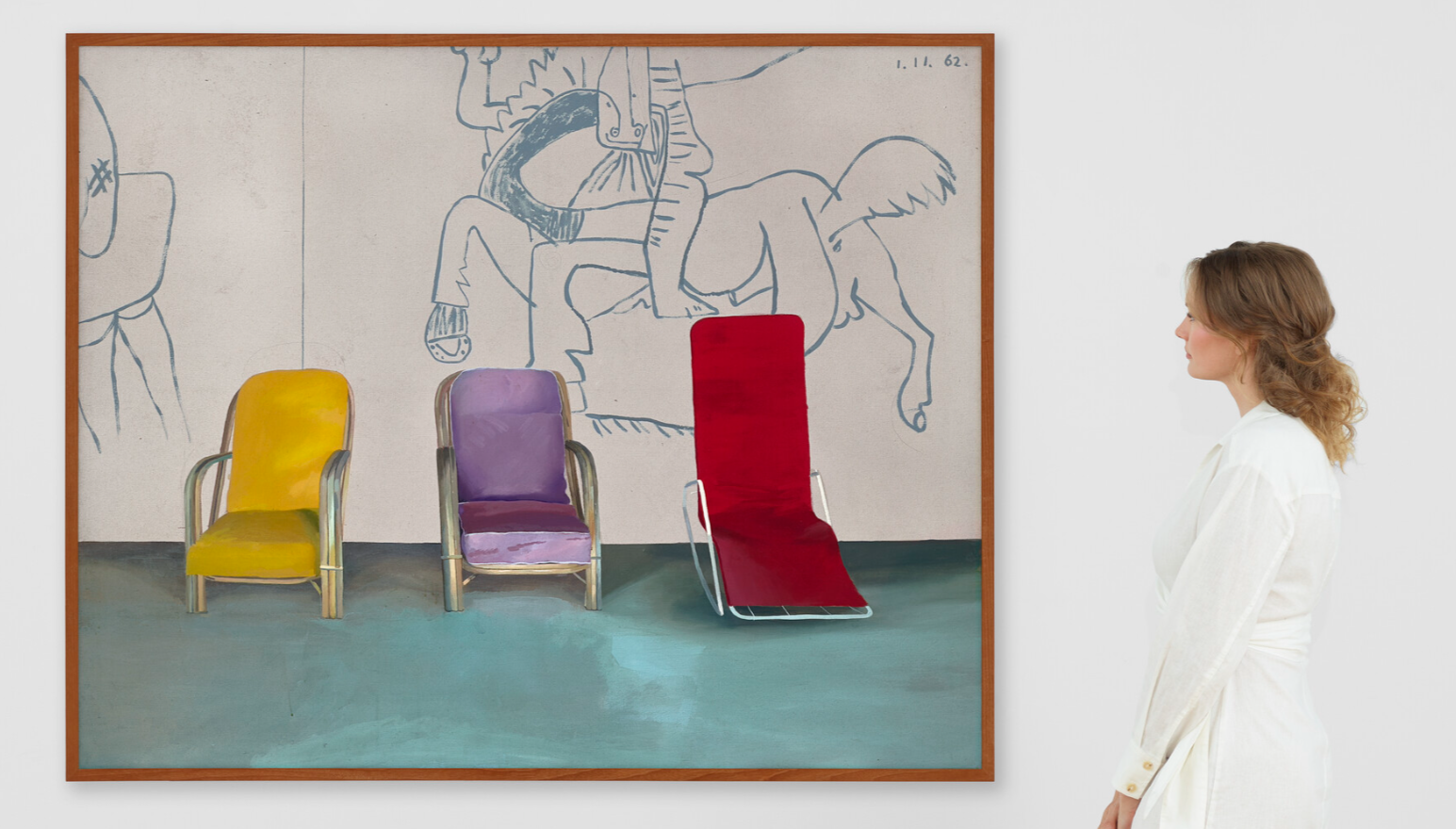
DAVID HOCKNEY (B. 1937)
Three Chairs with a Section of a Picasso Mural, 1970
Acrylic on canvas
48×60 inches (121.9 x 152.4 cm)
Signed, dated and titled ‘Three chairs with a section of a Picasso mural David Hockney 1970’ (on the reverse)
#7. ED RUSCHA
Marble Shatters Drinking Glass, 1968
Christie’s New-York: 19 November 2024
Estimated: USD 1,200,000 – 1,800,000
USD 2,712,000
ED RUSCHA (B. 1937), Marble Shatters Drinking Glass | Christie’s
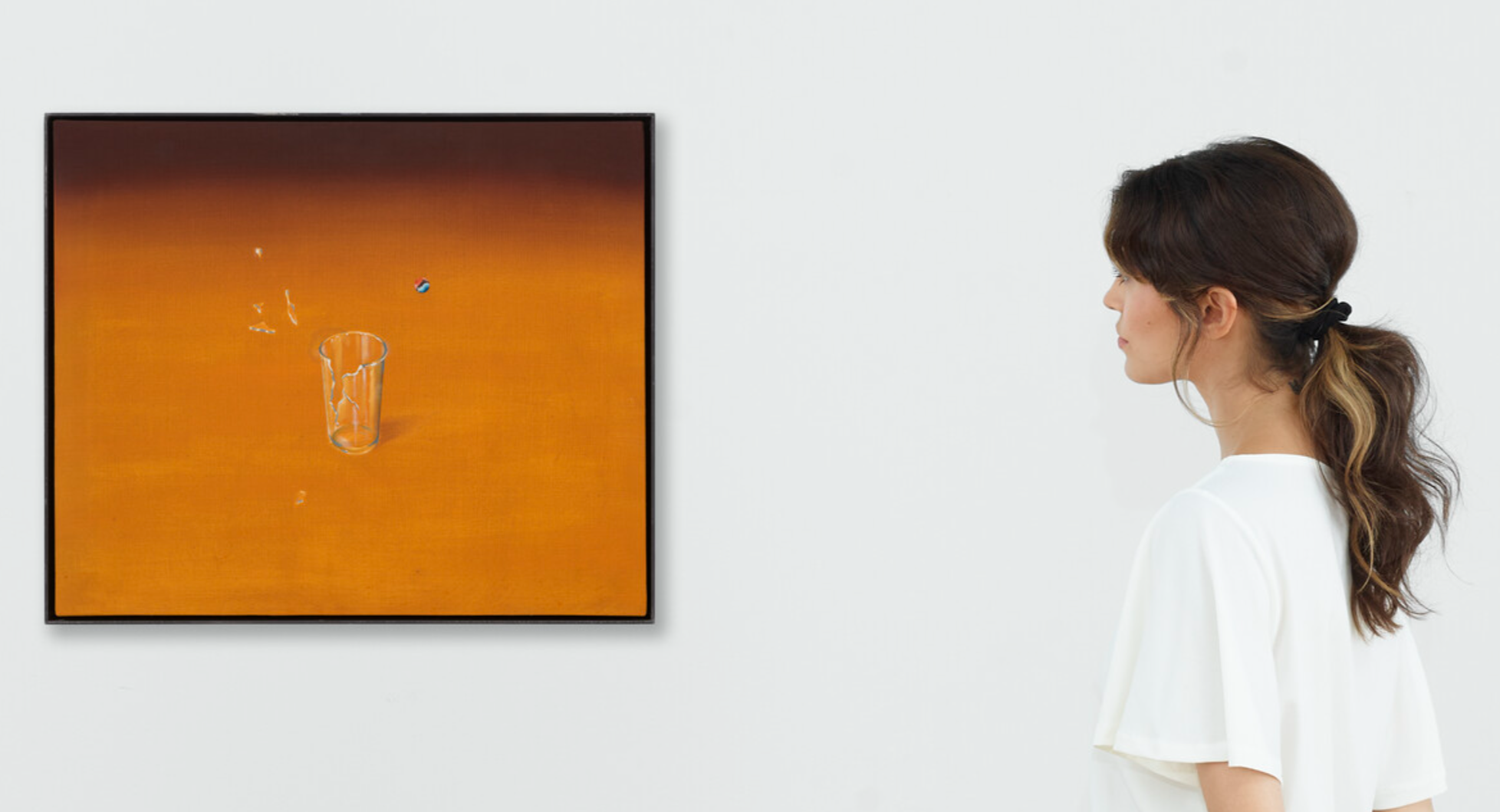
ED RUSCHA (B. 1937)
Marble Shatters Drinking Glass, 1968
Oil on canvas
20×24 inches (50.8 x 61 cm)
Signed and dated twice and titled ‘”MARBLE SHATTERS DRINKING GLASS” 1968 Ed Ruscha Ed Ruscha 1968’
(on the stretcher)
Christie’s: 20th Century Evening Sale
19 November 2024
Total: USD 302,007,600
# Lots: 56
# Lots withdrawn: 3
# Lots sold: 41
Sell-Through Rate: 77.4%
#1. ED RUSCHA
Standard Station, Ten-Cent Western Being Torn in Half, 1964
Christie’s New-York: 19 November 2024
Estimate on Request
USD 68,260,000
ED RUSCHA (B. 1937), Standard Station, Ten-Cent Western Being Torn in Half | Christie’s
ED RUSCHA (B. 1937)
Standard Station, Ten-Cent Western Being Torn in Half, 1964
Oil on canvas
65 x 121 1/2 inches (165.1 x 308.6 cm)
Signed, titled and dated ‘”STANDARD STATION, 10¢ WESTERN BEING TORN IN HALF” 1964 Edward J. Ruscha’ (on the stretcher)
#2. ALBERTO GIACOMETTI
Femme qui marche (II), 1932-1936
Christie’s New-York: 19 November 2024
Estimated: USD 20,000,000 – 30,000,000
THIRD PARTY GUARANTEE
USD 26,630,000
ALBERTO GIACOMETTI (1901-1966), Femme qui marche (II) | Christie’s
ALBERTO GIACOMETTI (1901-1966)
Femme qui marche (II), 1932-1936
Bronze with dark brown patina
Height: 146.2 cm (57 1/2 inches)
Signed, dated and numbered ‘0 Alberto Giacometti 1932-36’ (on top of the base)
Conceived in 1932-1936; this bronze version cast in 1961
#3.RENE MAGRITTE
L’empire des lumières, 1956
Christie’s New-York: 19 November 2024
Estimated: USD 6,000,000 – 8,000,000
USD 18,810,000
RENE MAGRITTE (1898-1967), L’empire des lumières | Christie’s
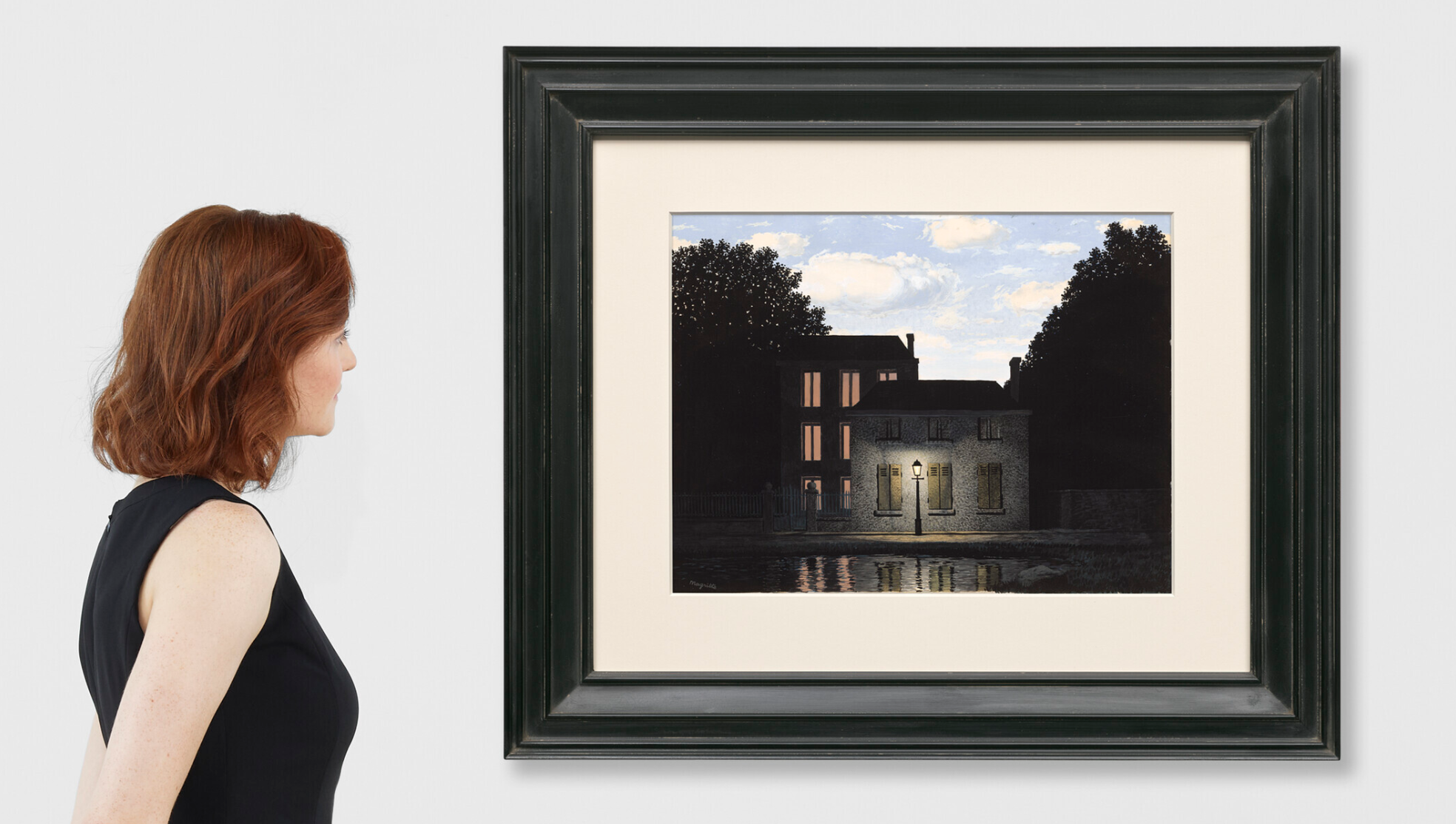
RENE MAGRITTE (1898-1967)
L’empire des lumières, 1956
Gouache on paper
36.3 x 46.8 cm (14 3/8 x 18 1/2 inches)
Signed ‘Magritte’ (lower left)
#4. JOAN MITCHELL
City Landscape, 1955
Christie’s New-York: 19 November 2024
Estimated: USD 15,000,000 – 20,000,000
MINIMUM PRICE GUARANTEE
USD 17,085,000
JOAN MITCHELL (1925-1992), City Landscape | Christie’s
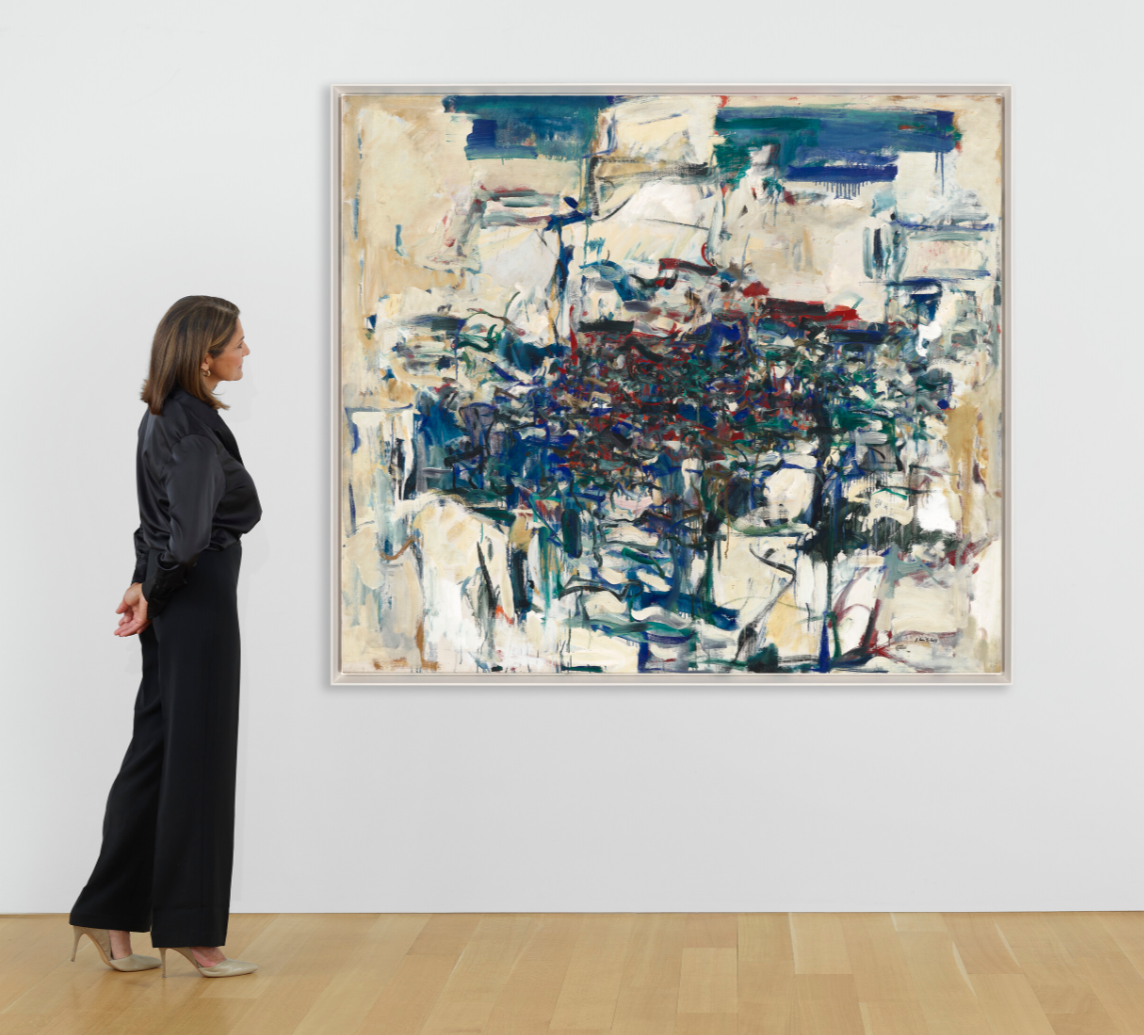
JOAN MITCHELL (1925-1992)
City Landscape, 1955
Oil on canvas
64 1/2 x 73 1/2 inches (163.8 x 186.7 cm)
Signed ‘J. Mitchell’ (lower right)
#5. WILLEM DE KOONING
Untitled, 1982
Christie’s New-York: 19 November 2024
Estimated: USD 8,000,000 – 12,000,000
USD 13,290,000
WILLEM DE KOONING (1904-1997), Untitled | Christie’s
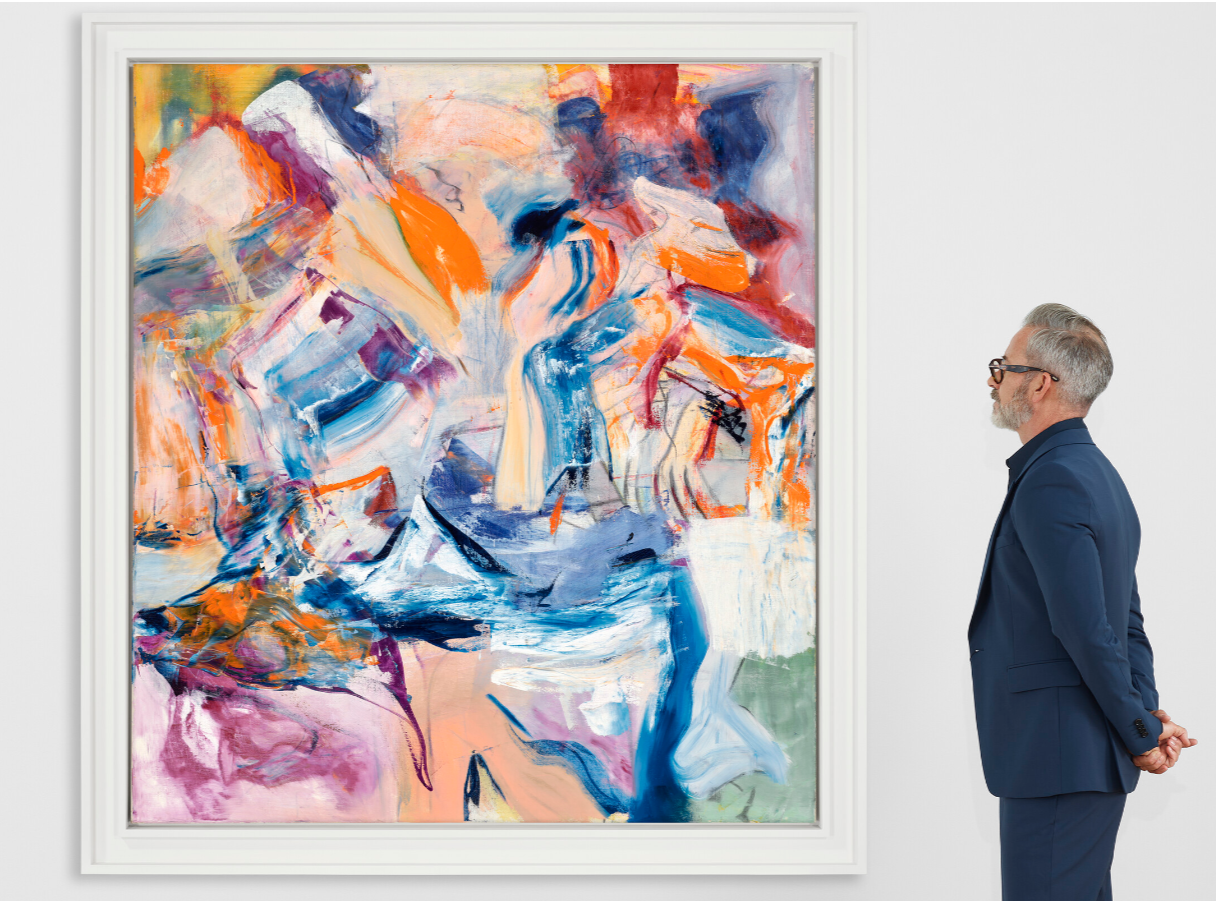
WILLEM DE KOONING (1904-1997)
Untitled, 1982
Oil on canvas
60×54 inches (152.4 x 137.2 cm)
#6. RENE MAGRITTE
Les chasseurs au bord de la nuit, 1928
Christie’s New-York: 19 November 2024
Estimated: USD 8,000,000 – 12,000,000
USD 9,610,000
RENE MAGRITTE (1898-1967), Les chasseurs au bord de la nuit | Christie’s
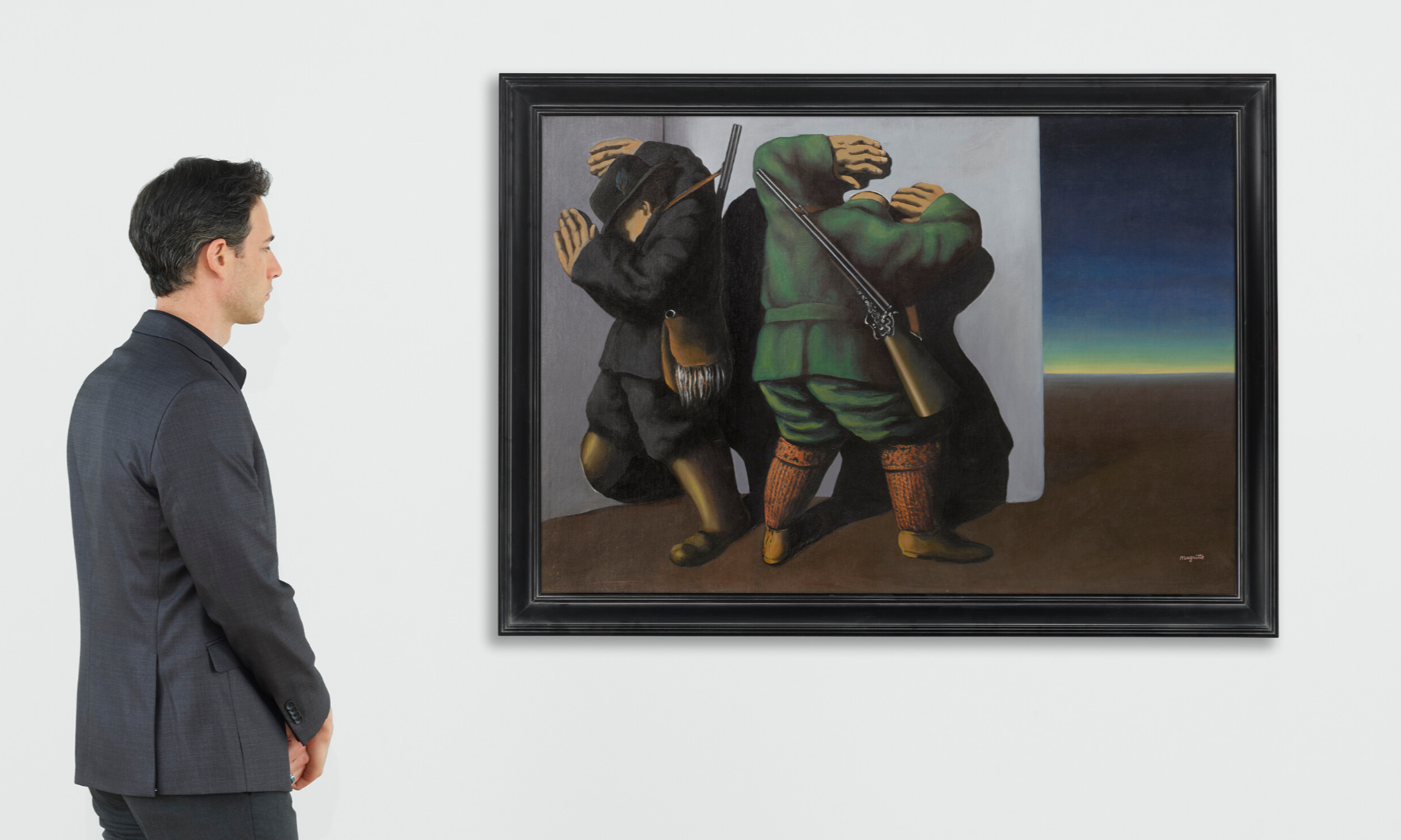
RENE MAGRITTE (1898-1967)
Les chasseurs au bord de la nuit, 1928
Oil on canvas
80.7 x 116 cm (31 7/8 x 45 5/8 inches)
Signed ‘Magritte’ (lower right)
#7. JOAN MITCHELL
Untitled, 1955
Christie’s New-York: 19 November 2024
Estimated: USD 9,000,000 – 12,000,000
MINIMUM PRICE GUARANTEE
USD 9,380,000
JOAN MITCHELL (1925-1992), Untitled | Christie’s
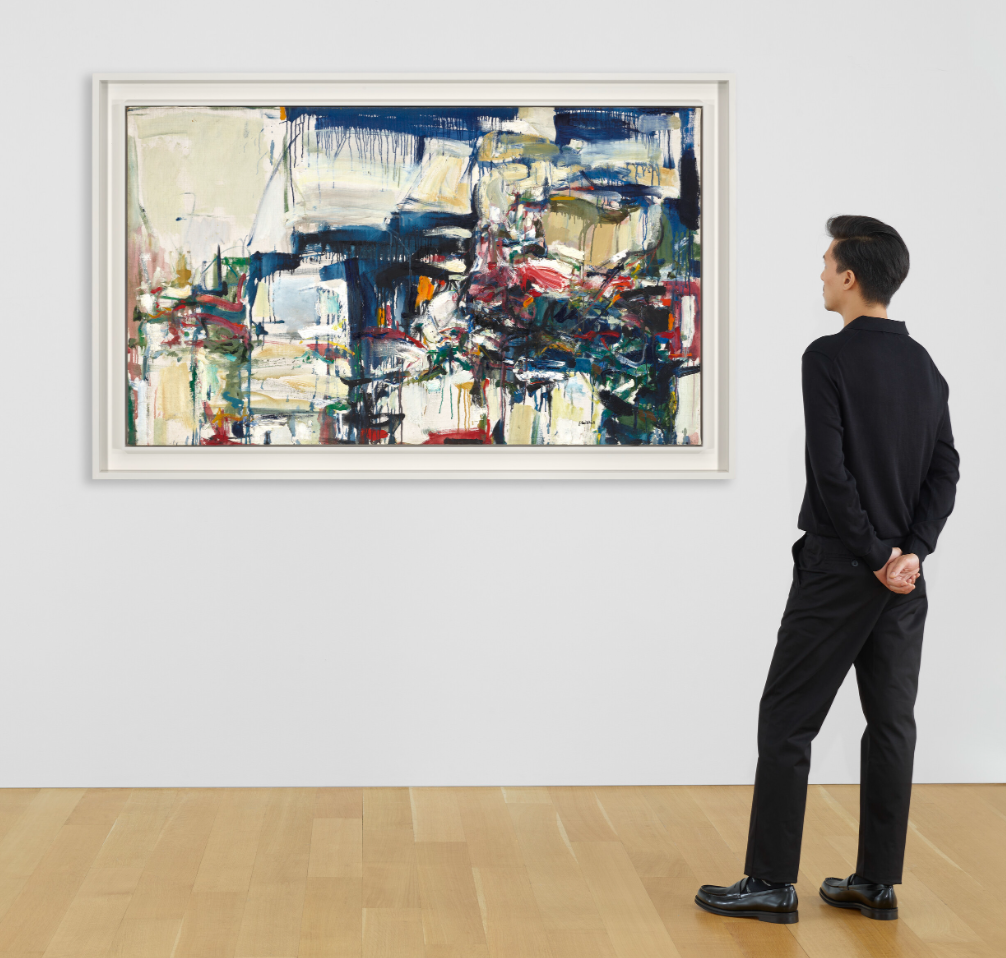
JOAN MITCHELL (1925-1992)
Untitled, 1955
Oil on canvas
37×63 inches (94×160 cm)
Signed ‘J. Mitchell’ (lower right)
#8. CLAUDE MONET
Route près de Giverny, 1885
Christie’s New-York: 19 November 2024
Estimated: USD 7,000,000 – 10,000,000
USD 9,035,000
CLAUDE MONET (1840-1926), Route près de Giverny | Christie’s
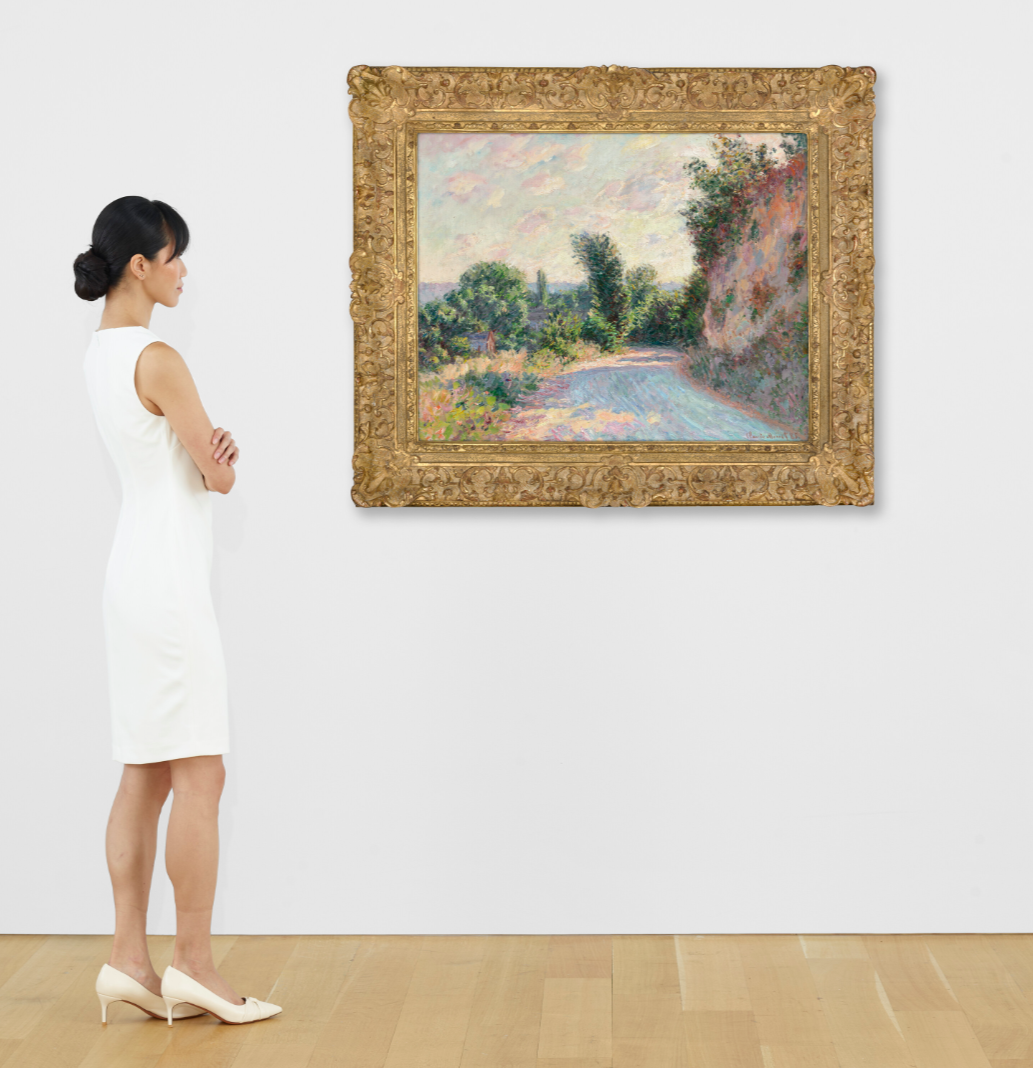
CLAUDE MONET (1840-1926)
Route près de Giverny, 1885
Oil on canvas
65.5 x 81.2 cm (25 3/4 x 32 inches)
Signed and dated ‘Claude Monet 85’ (lower right)
#9. CLAUDE MONET
Pommiers en fleurs, 1872
Christie’s New-York: 19 November 2024
Estimated: USD 7,000,000 – 10,000,000
USD 9,035,000
CLAUDE MONET (1840-1926), Pommiers en fleurs | Christie’s
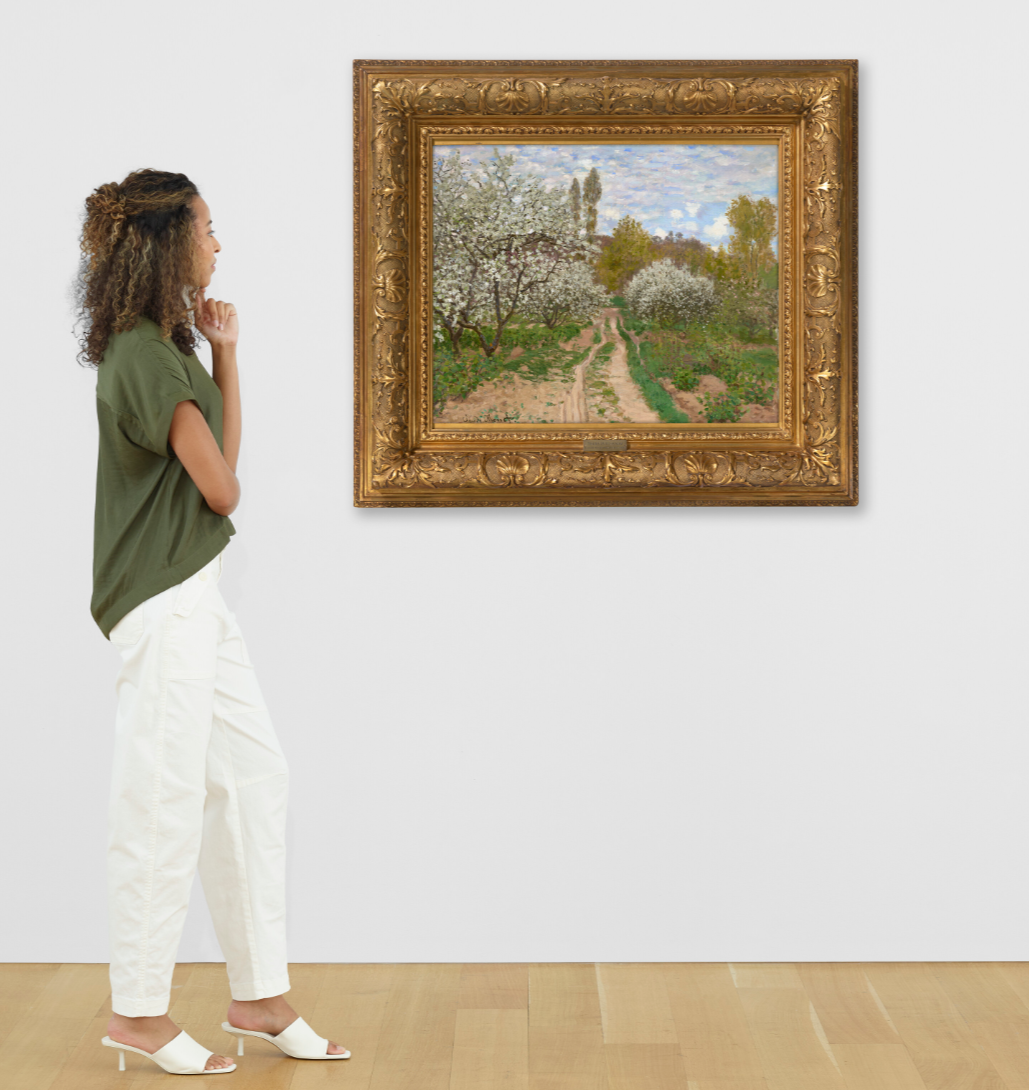
CLAUDE MONET (1840-1926)
Pommiers en fleurs, 1872
Oil on canvas
59.3 x 73.7 cm (23 3/8 x 29 inches)
Signed ‘Claude Monet.’ (lower left)
Painted in Argenteuil in 1872
#11. RENE MAGRITTE
La recherche de l’absolu, circa 1963
Estimated: USD 3,000,000 – 5,000,000
USD 8,460,000
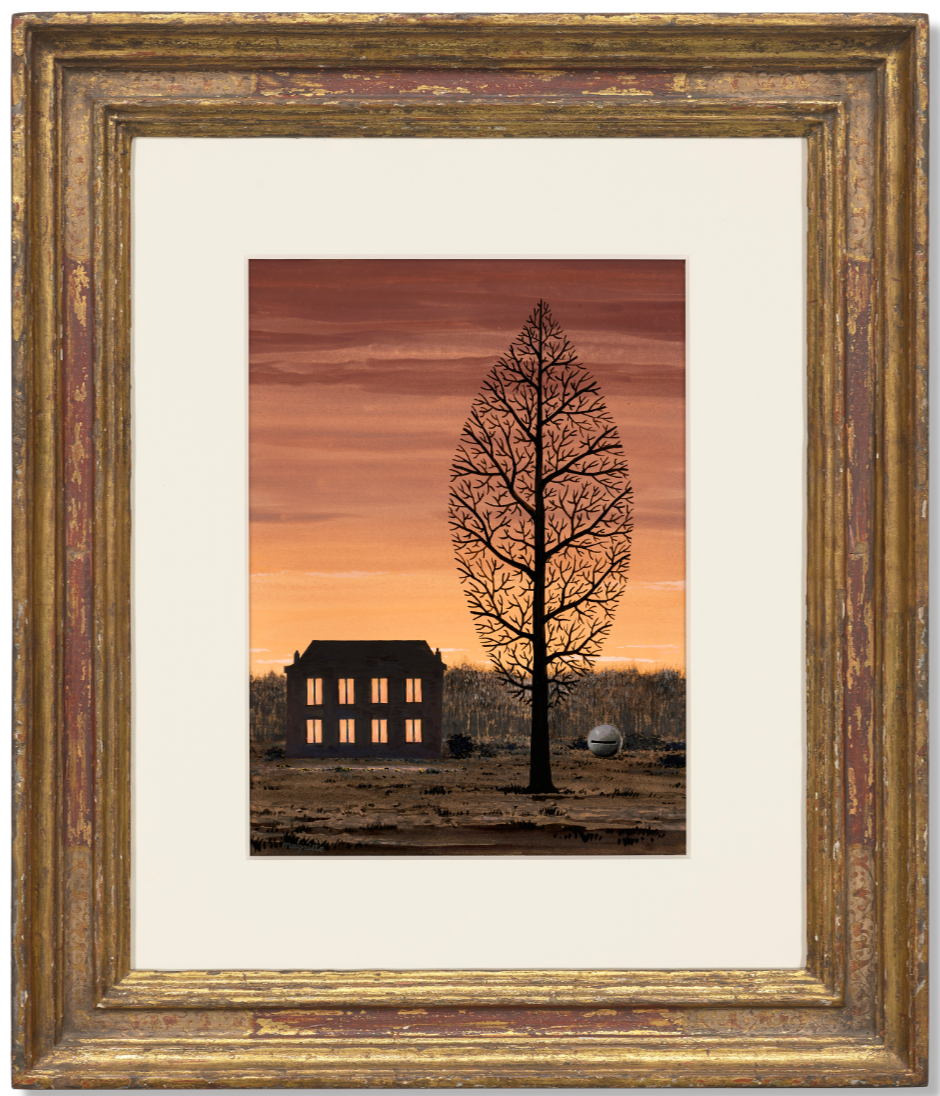
La recherche de l’absolu, circa 1963
Gouache on paper
36.3 x 27.3 cm (14 1/4 x 10 3/4 inches)
Signed ‘Magritte’ (lower left)
Titled ‘”La Recherche de l’Absolu”‘ (on the reverse)
#14. ROY LICHTENSTEIN
George Washington, 1962
Christie’s New-York: 19 November 2024
Estimated: USD 7,000,000 – 10,000,000
USD 7,068,000
ROY LICHTENSTEIN (1923-1997), George Washington | Christie’s
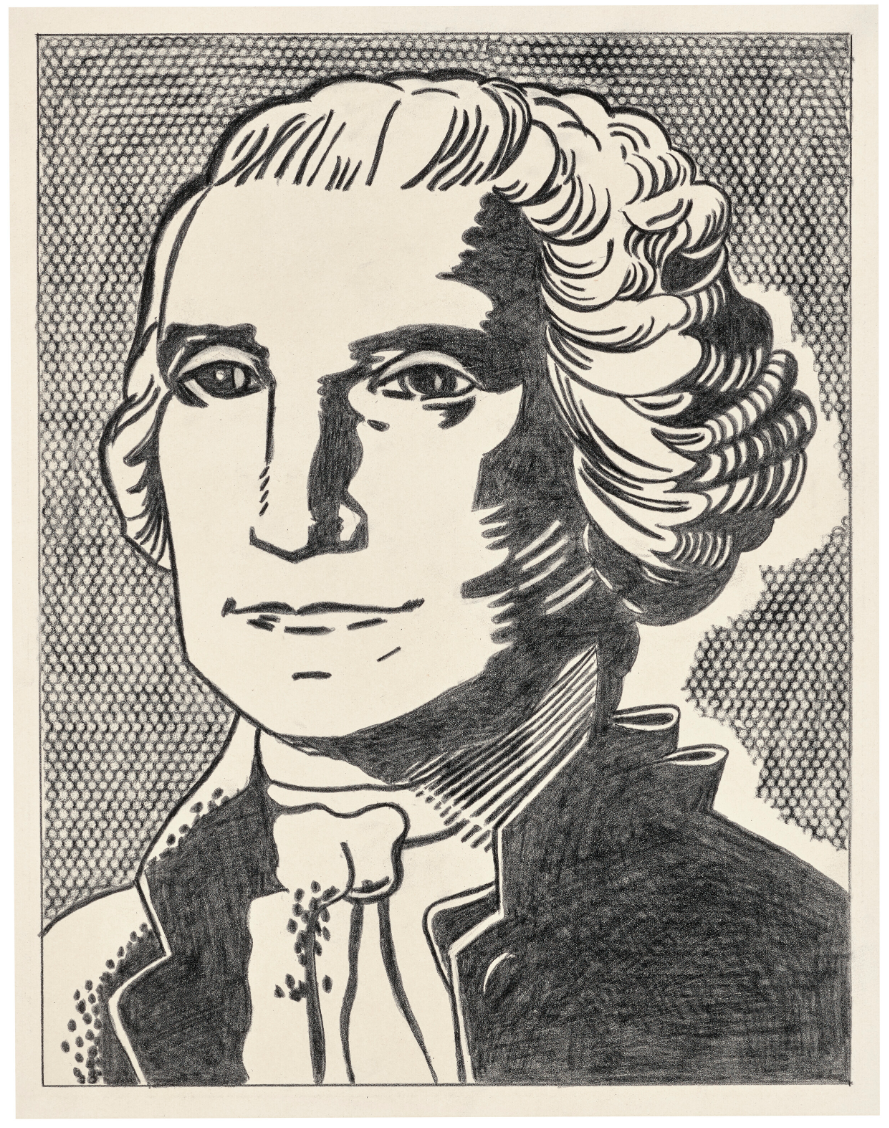
ROY LICHTENSTEIN (1923-1997)
George Washington, 1962
Graphite and graphite rubbing on paper
Image: 14 1/2 x 11 1/4 inches (36.8 x 28.6 cm)
Sheet: 18 2/4 x 14 1/2 inches (47.6 x 36.8 cm)
Signed and dated ‘rf Lichtenstein ‘62’ (on the reverse)
#19. ROY LICHTENSTEIN
Purist Painting with Pitcher, Glass and Classical Column, 1975
Christie’s New-York: 19 November 2024
Estimated: USD 4,000,000 – 6,000,000
USD 4,648,000
ROY LICHTENSTEIN (1923-1997), Purist Painting with Pitcher, Glass and Classical Column | Christie’s
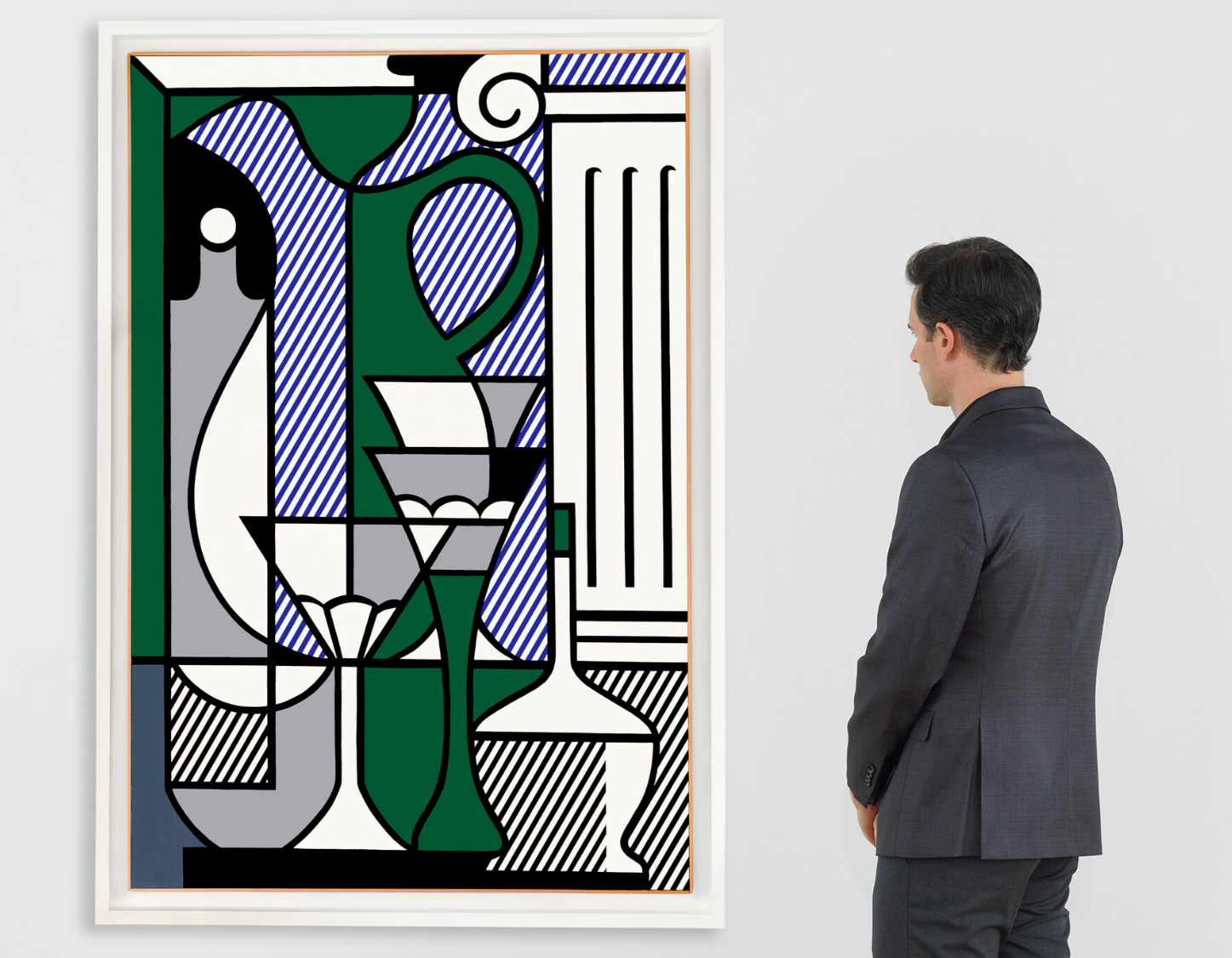
ROY LICHTENSTEIN (1923-1997)
Purist Painting with Pitcher, Glass and Classical Column, 1975
Acrylic, oil and graphite on canvas
60×40 inches (152.4 x 101.6 cm)
Signed and dated ‘rf Lichtenstein ’75’ (on the reverse)
#25. FERNANDO BOTERO
The Playroom, 1970
Christie’s New-York: 19 November 2024
Estimated: USD 3,000,000 – 5,000,000
USD 3,680,000
FERNANDO BOTERO (1932-2023), The Playroom | Christie’s
FERNANDO BOTERO (1932-2023)
The Playroom, 1970
Oil on canvas
206.4 x 191.5 cm (81 1/4 x 75 3/8 inches)
Signed and dated ‘Botero 70’ (lower right)
Signed and dated again and titled ‘BOTERO 70 THE PLAYROOM’ (on the reverse)
#30. PABLO PICASSO
Femme et jeune garçon nus, 1969
Christie’s New-York: 19 November 2024
Estimated: USD 1,000,000 – 1,500,000
USD 2,712,000
PABLO PICASSO (1881-1973), Femme et jeune garçon nus | Christie’s
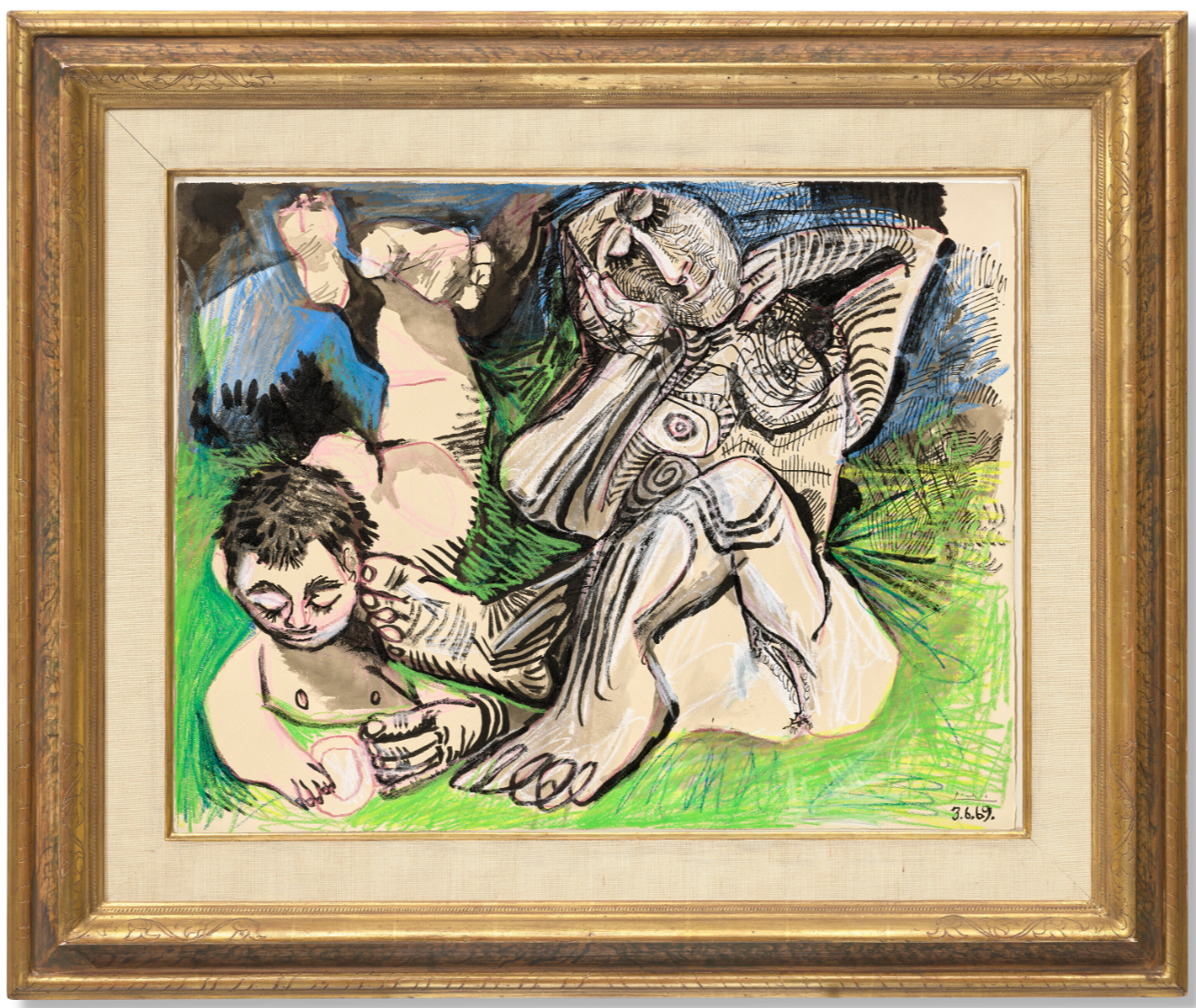
PABLO PICASSO (1881-1973)
Femme et jeune garçon nus, 1969
Oil sticks and brush and pen and India ink and wash on paper
49.2 x 65.4 cm (19 3/8 x 25 3/4 inches)
Signed and dated ‘Picasso 3.6.69.’ (lower right)
Dated ‘Mardi 3.6.69.-8.6.69.’ (on the reverse)
#32. ED RUSCHA
Tril Bil Mil, 2016
Christie’s New-York: 19 November 2024
Estimated: USD 2,000,000 – 3,000,000
THIRD PARTY GUARANTEE
USD 2,470,000
ED RUSCHA (B. 1937), Tril Bil Mil | Christie’s
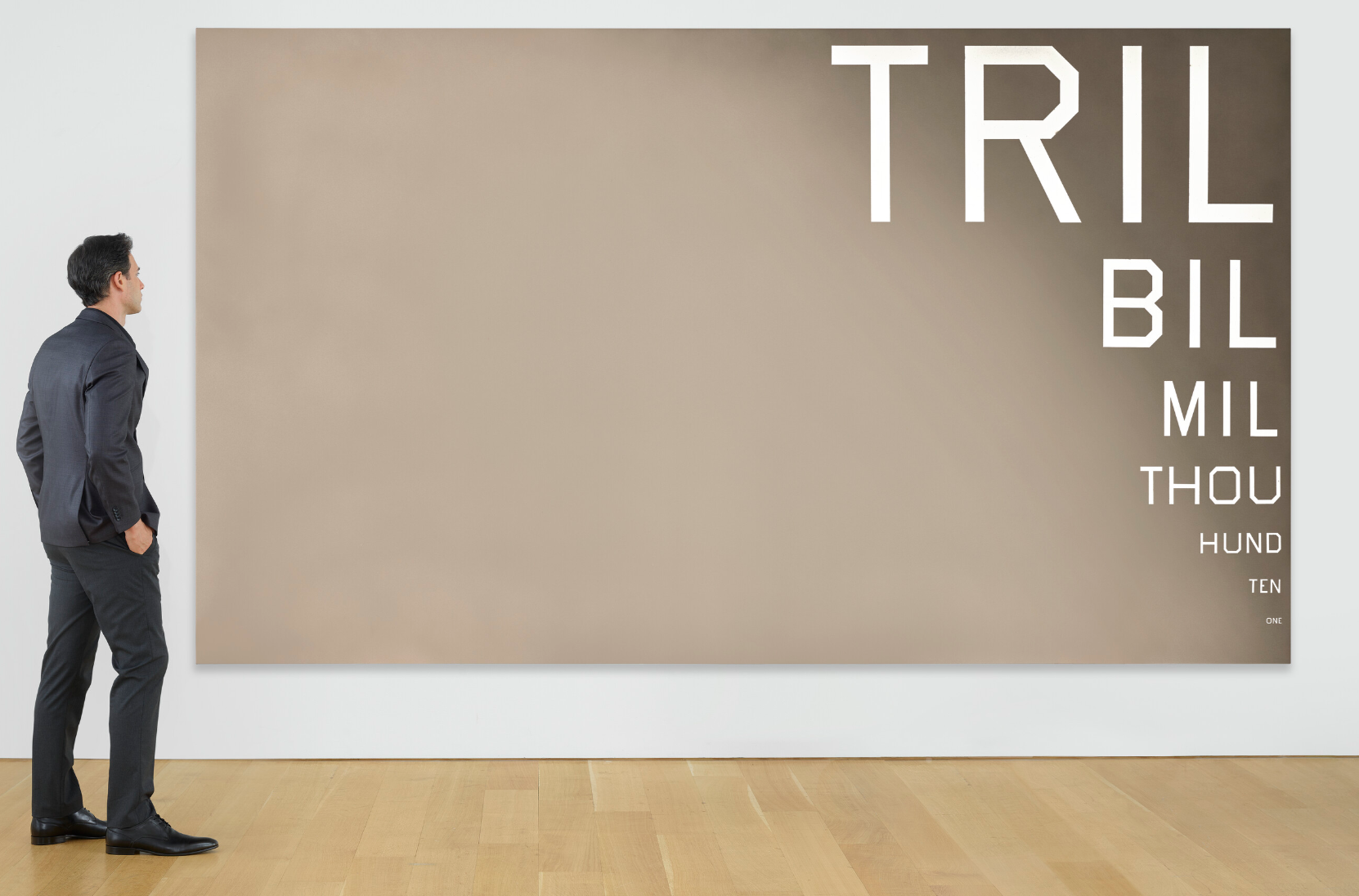
ED RUSCHA (B. 1937)
Tril Bil Mil, 2016
Acrylic on canvas
72×124 inches (182.9 x 315 cm)
Signed and dated ‘Ed Ruscha 2016’ (on the reverse)
Withdrawn and Passed Lots
ROY LICHTENSTEIN
Figure with Banner, 1978
Christie’s New-York: 19 November 2024
Estimated: USD 3,000,000 – 5,000,000
WITHDRAWN
ROY LICHTENSTEIN (1923-1997), Figure with Banner | Christie’s
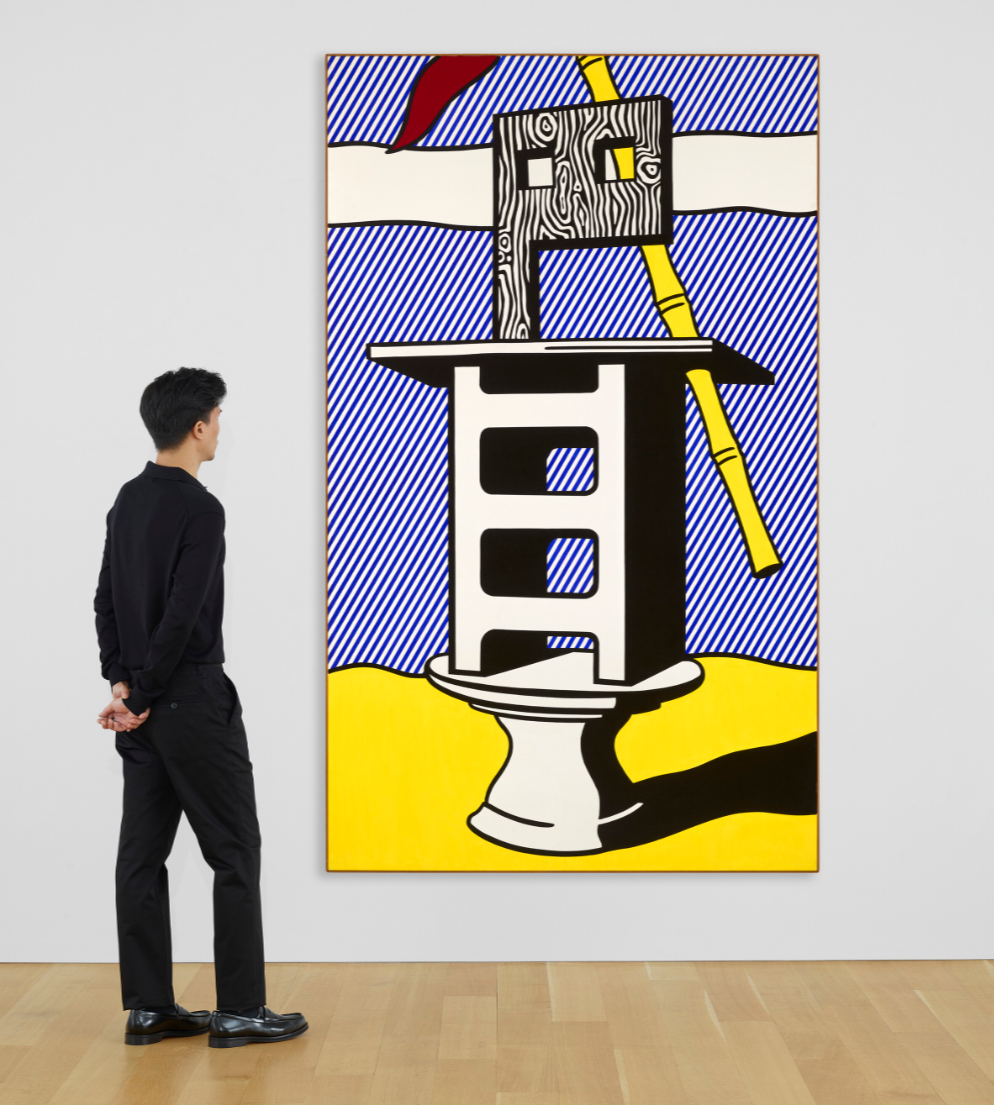
ROY LICHTENSTEIN (1923-1997)
Figure with Banner, 1978
Acrylic, oil and graphite on canvas
100×60 inches (254 x 152.4 cm)
Signed and dated ‘© rf Lichtenstein ‘78’ (on the reverse)
HENRI ‘LE DOUANIER’ ROUSSEAU
Femme en rouge dans la fôret, circa 1905
Christie’s New-York: 19 November 2024
Estimated: USD 10,000,000 – 20,000,000
PASSED
HENRI ‘LE DOUANIER’ ROUSSEAU (1844-1910), Femme en rouge dans la fôret | Christie’s
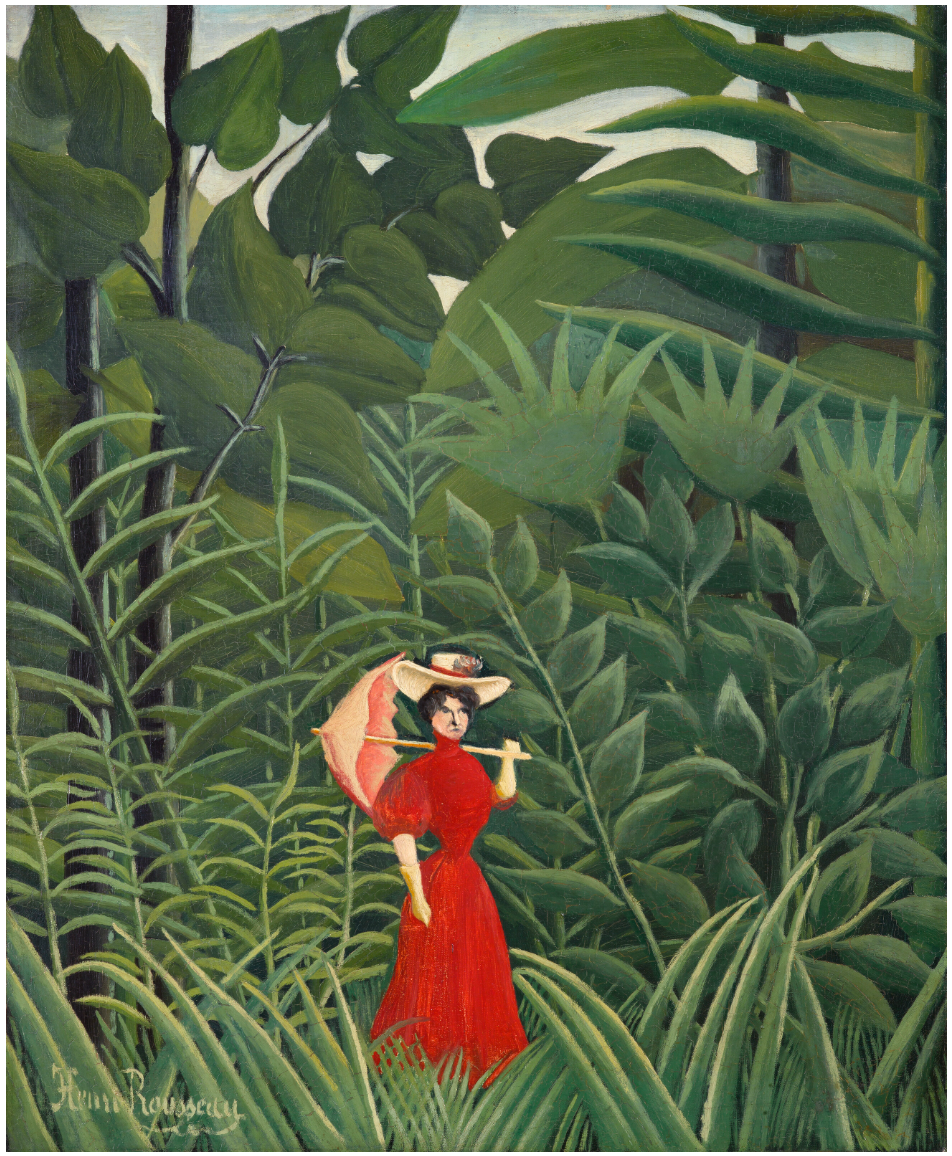
HENRI ‘LE DOUANIER’ ROUSSEAU (1844-1910)
Femme en rouge dans la fôret, circa 1905
Oil on canvas
73 x 59.7 cm (28 3/4 x 23 5/8 inches)
Signed ‘Henri Rousseau’ (lower left)
PABLO PICASSO
Mousquetaire et petit personnage, 1967
Christie’s New-York: 19 November 2024
Estimated: USD 8,000,000 – 12,000,000
PASSED
PABLO PICASSO (1881-1973), Mousquetaire et petit personnage | Christie’s
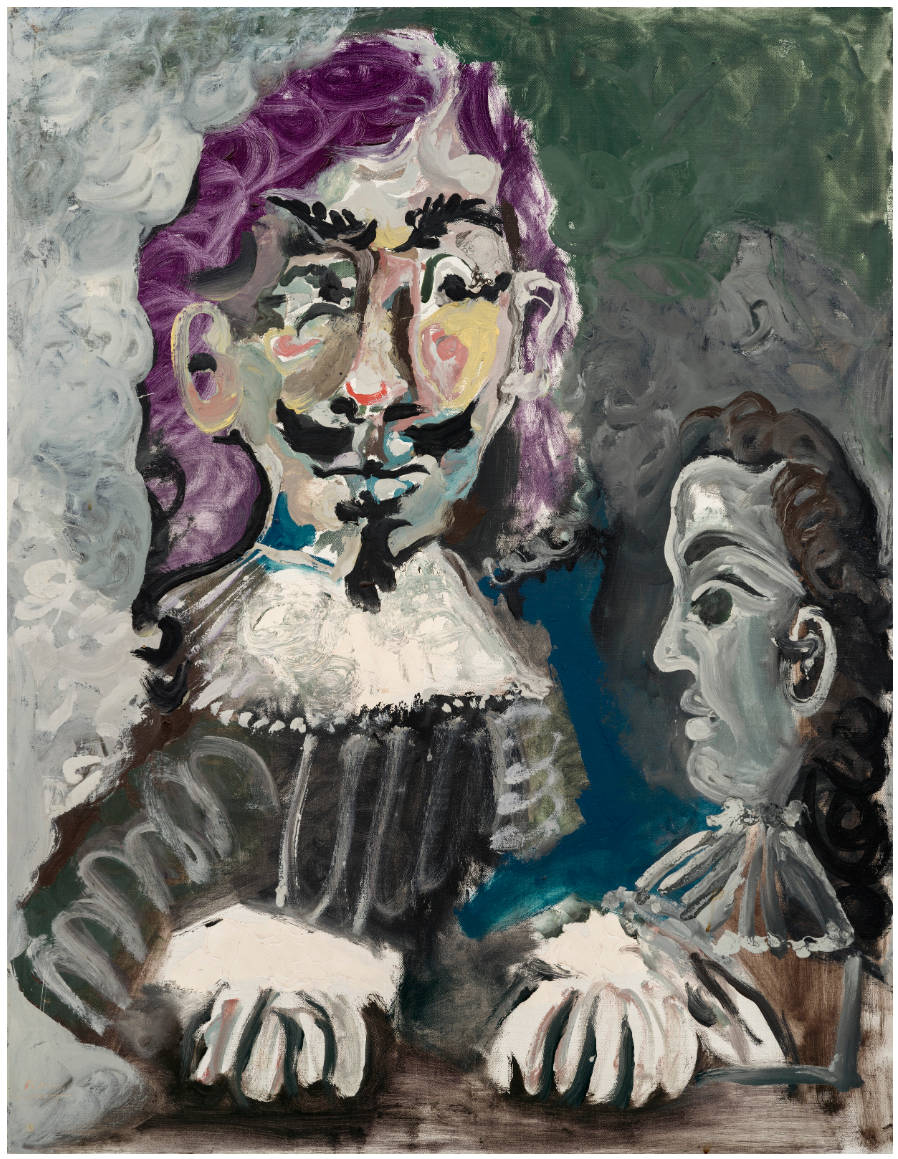
PABLO PICASSO (1881-1973)
Mousquetaire et petit personnage, 1967
Oil and Ripolin on canvas
115×89 cm (45 3/4 x 35 1/4 inches)
Signed ‘Picasso’ (lower left) and dated ‘16.5.67.’ (on the reverse)
Painted on 16 May 1967
WILLEM DE KOONING
Abstraction, 1948
Christie’s New-York: 19 November 2024
Estimated: USD 3,000,000 – 5,000,000
PASSED
WILLEM DE KOONING (1904-1997), Abstraction | Christie’s
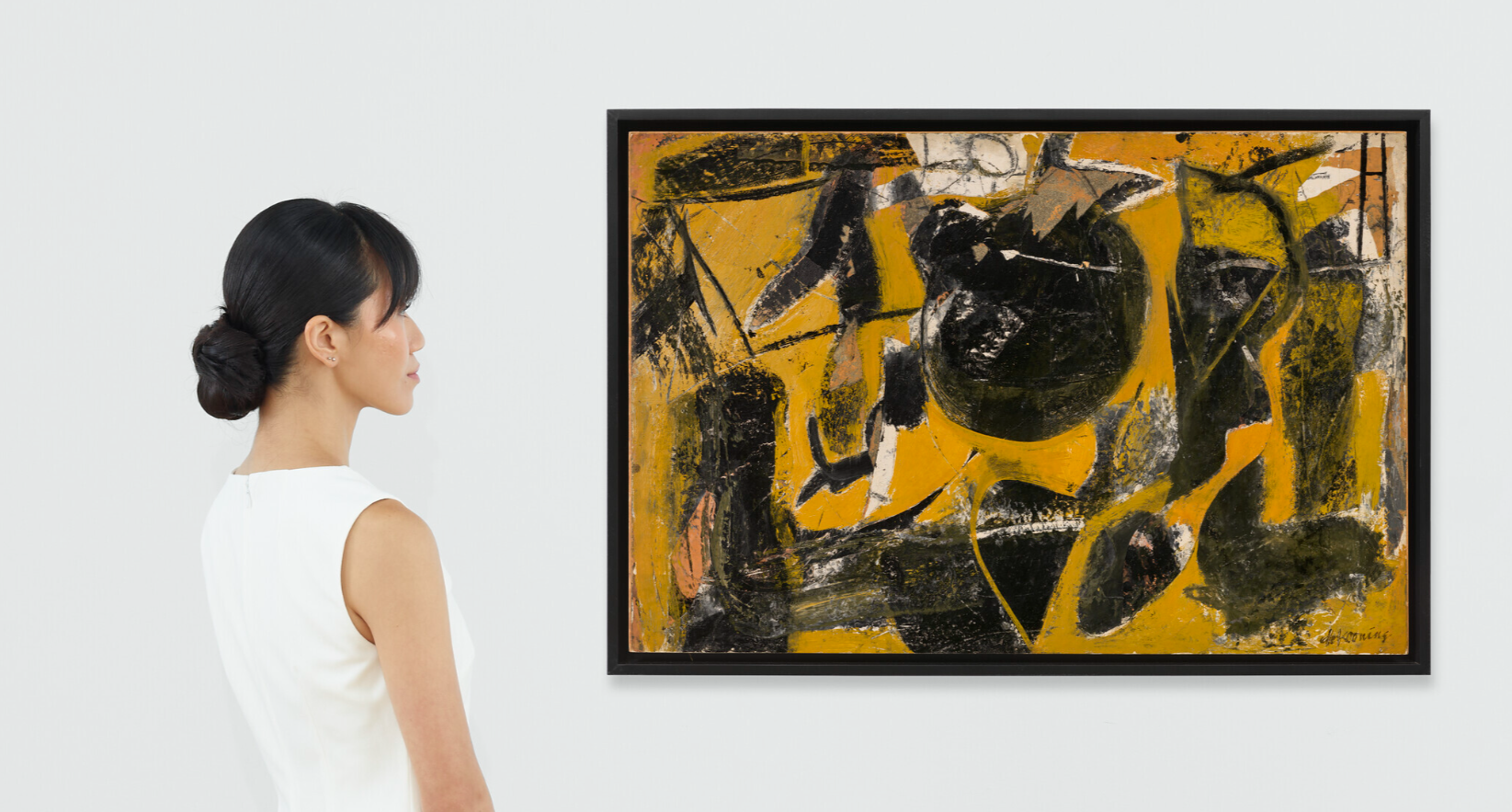
WILLEM DE KOONING (1904-1997)
Abstraction, 1948
Oil, enamel, charcoal and paper collage on paper mounted on board
24 1/4 x 36 1/8 inches (61.6 x 91.8 cm)
Signed ‘de Kooning’ (lower right)
ANDY WARHOL
Fragile—Handle with Care, 1962
Christie’s New-York: 19 November 2024
Estimated: USD 1,500,000 – 2,000,000
PASSED
ANDY WARHOL (1928-1987), Fragile—Handle with Care | Christie’s
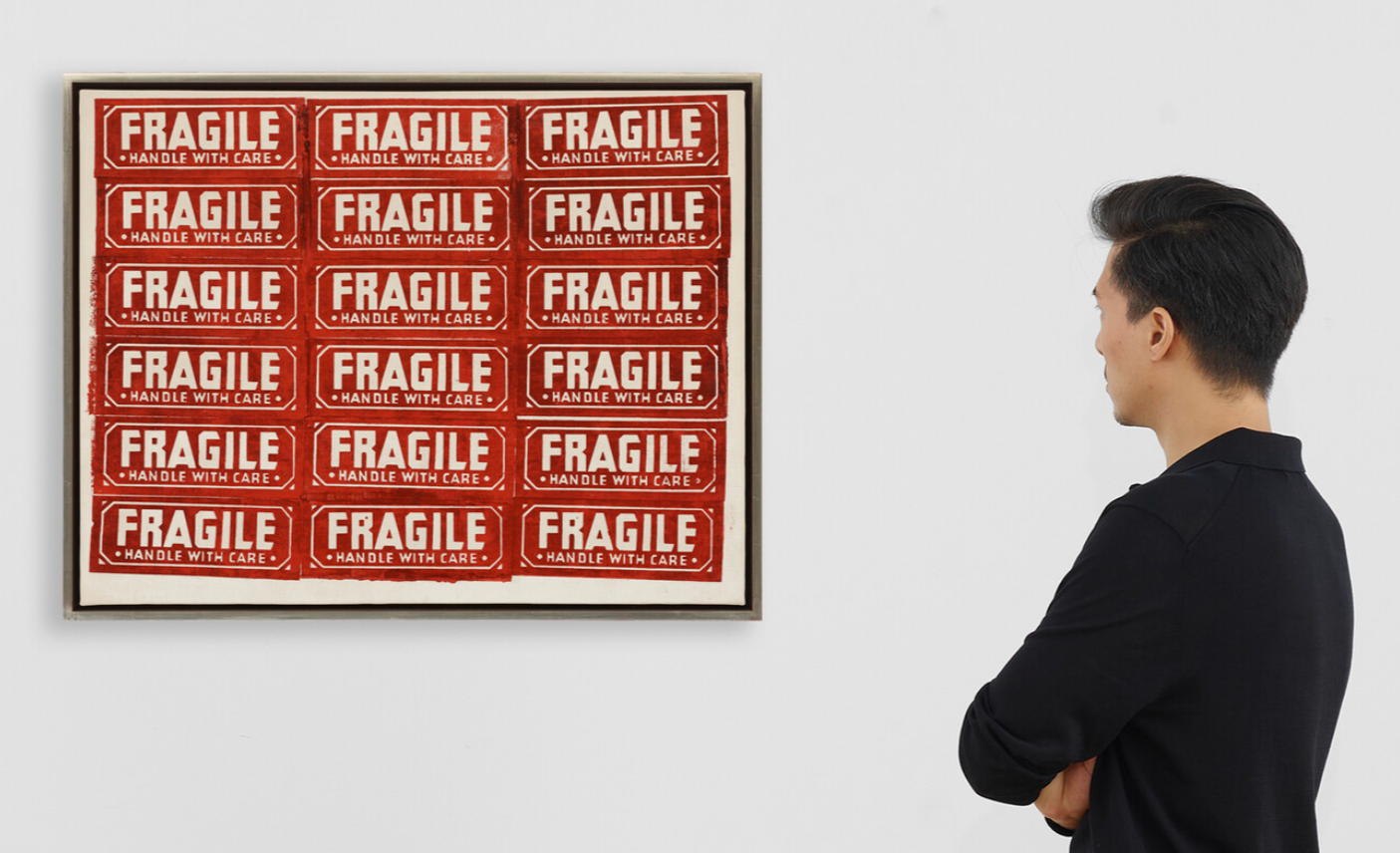
ANDY WARHOL (1928-1987)
Fragile—Handle with Care, 1962
Silkscreen ink on linen
24×31 inches (61 x 78.7 cm)
Signed six times and dated twice ‘Andy Warhol 62’ (on the overlap)
Signed again twice ‘Andy Warhol Andy Warhol’ (on the left side edge)
Christie’s: 21st Century Evening Sale
21 November 2024
Total: USD 106,527,200
# Lots: 44
# Lots withdrawn: 2
# Lots Lots sold: 42
Sell-Through Rate: 100%
#1. JEAN-MICHEL BASQUIAT
Untitled, 1982
Christie’s New-York: 21 November 2024
Estimated: USD 20,000,000 – 30,000,000
USD 22,950,000
JEAN-MICHEL BASQUIAT (1960-1988), Untitled | Christie’s
JEAN-MICHEL BASQUIAT (1960-1988)
Untitled, 1982
Oilstick on paper
63 1/2 x 44 inches (161.3 x 111.8 cm)
Signed and dated ‘Jean-Michel Basquiat 1982’ (lower right)
#2. DAVID HOCKNEY
Four Empty Vases, 1996
Christie’s New-York: 21 November 2024
Estimated: USD 3,500,000 – 5,500,000
USD 8,575,000
DAVID HOCKNEY (B. 1937), Four Empty Vases | Christie’s
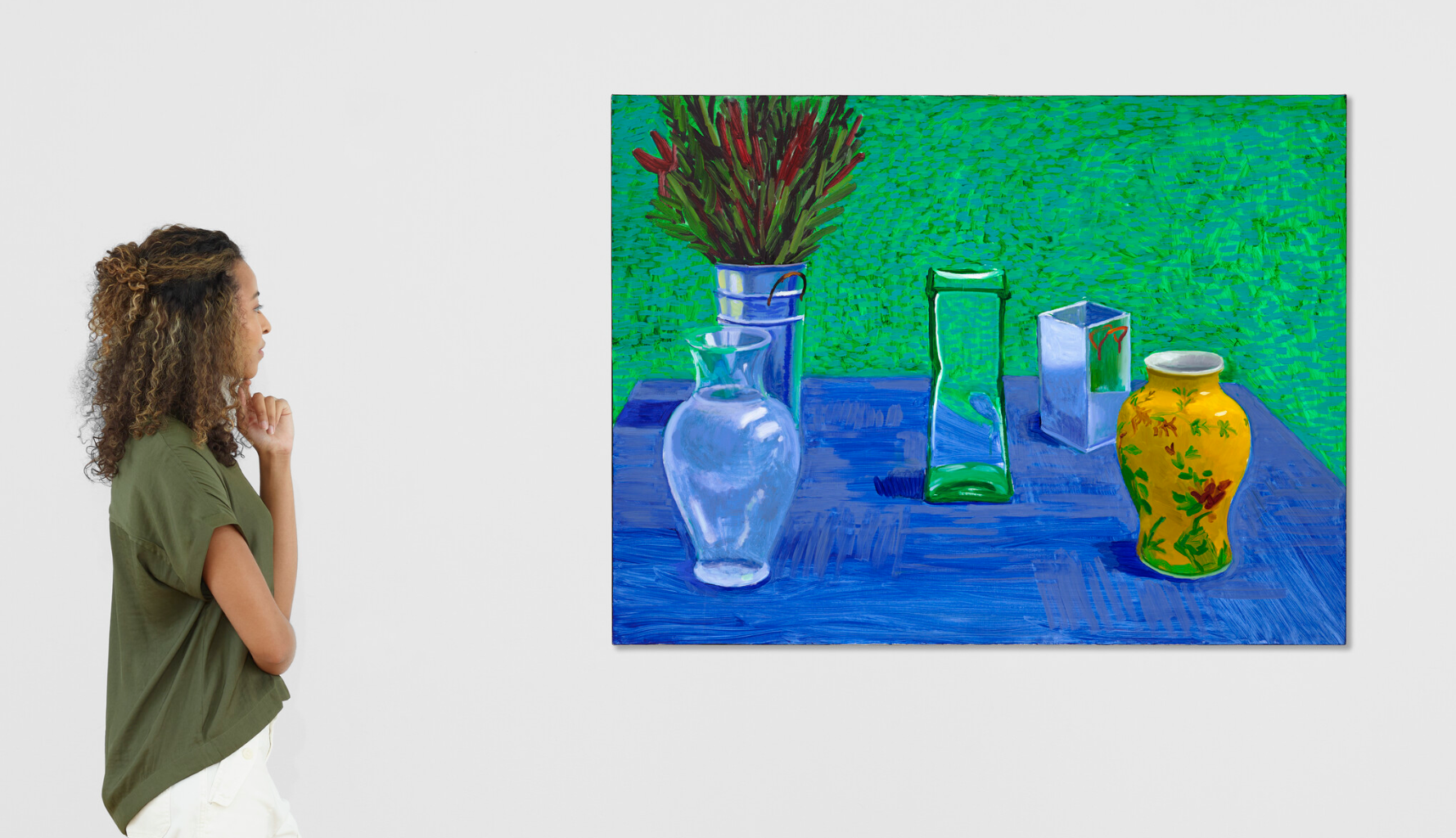
DAVID HOCKNEY (B. 1937)
Four Empty Vases, 1996
Oil on canvas
35 3/4 x 47 3/4 inches (90.8 x 121.3 cm)
Signed, titled and dated ‘four empty vases 1996 David Hockney’ (on the reverse)
#3. JEFF KOONS
Large Vase of Flowers, 1991
Christie’s New-York: 21 November 2024
Estimated: USD 6,000,000 – 8,000,000
USD 8,230,000
JEFF KOONS (B. 1955), Large Vase of Flowers | Christie’s
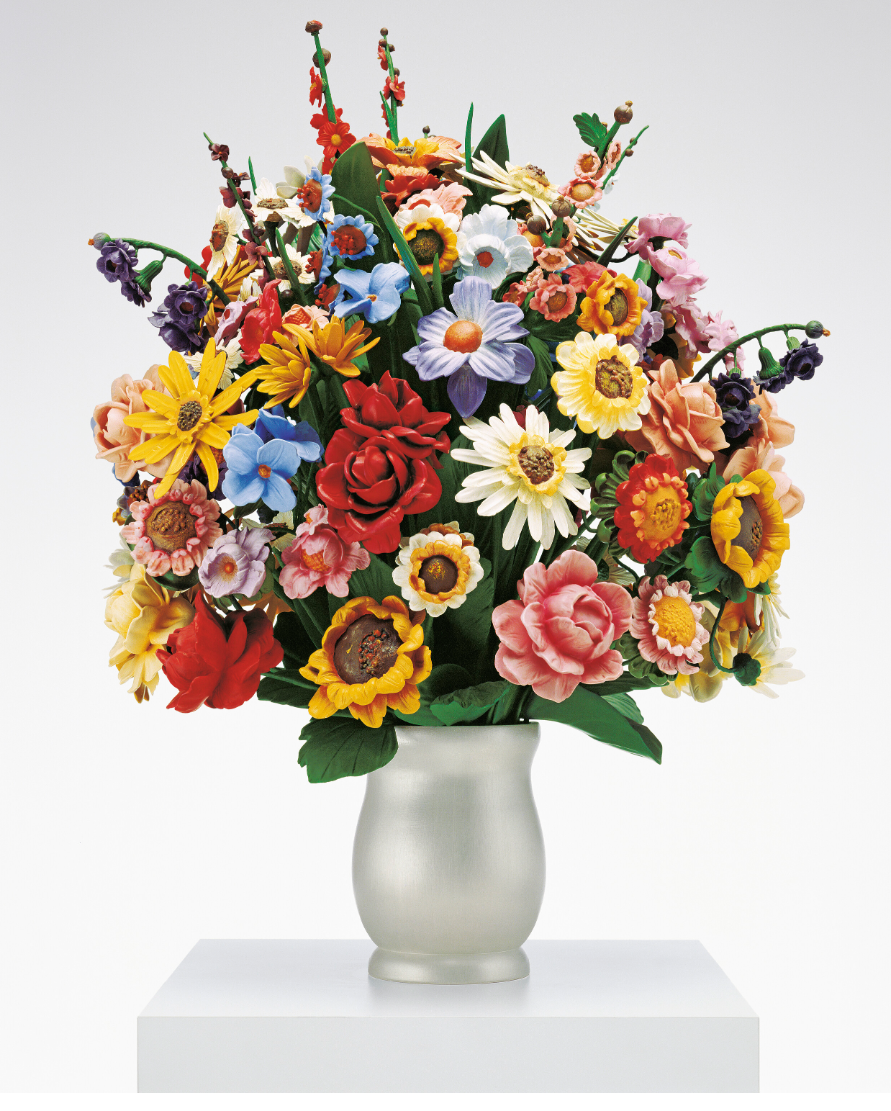
JEFF KOONS (B. 1955)
Large Vase of Flowers, 1991
Polychromed wood
52x43x43 inches (132.1 x 109.2 x 109.2 cm)
This work is the artist’s proof from an edition of three plus one artist’s proof
#4. YAYOI KUSAMA
Pumpkin, 2022
Christie’s New-York: 21 November 2024
Estimated: USD 6,000,000 – 8,000,000
USD 6,826,000
YAYOI KUSAMA (B. 1929), Pumpkin | Christie’s
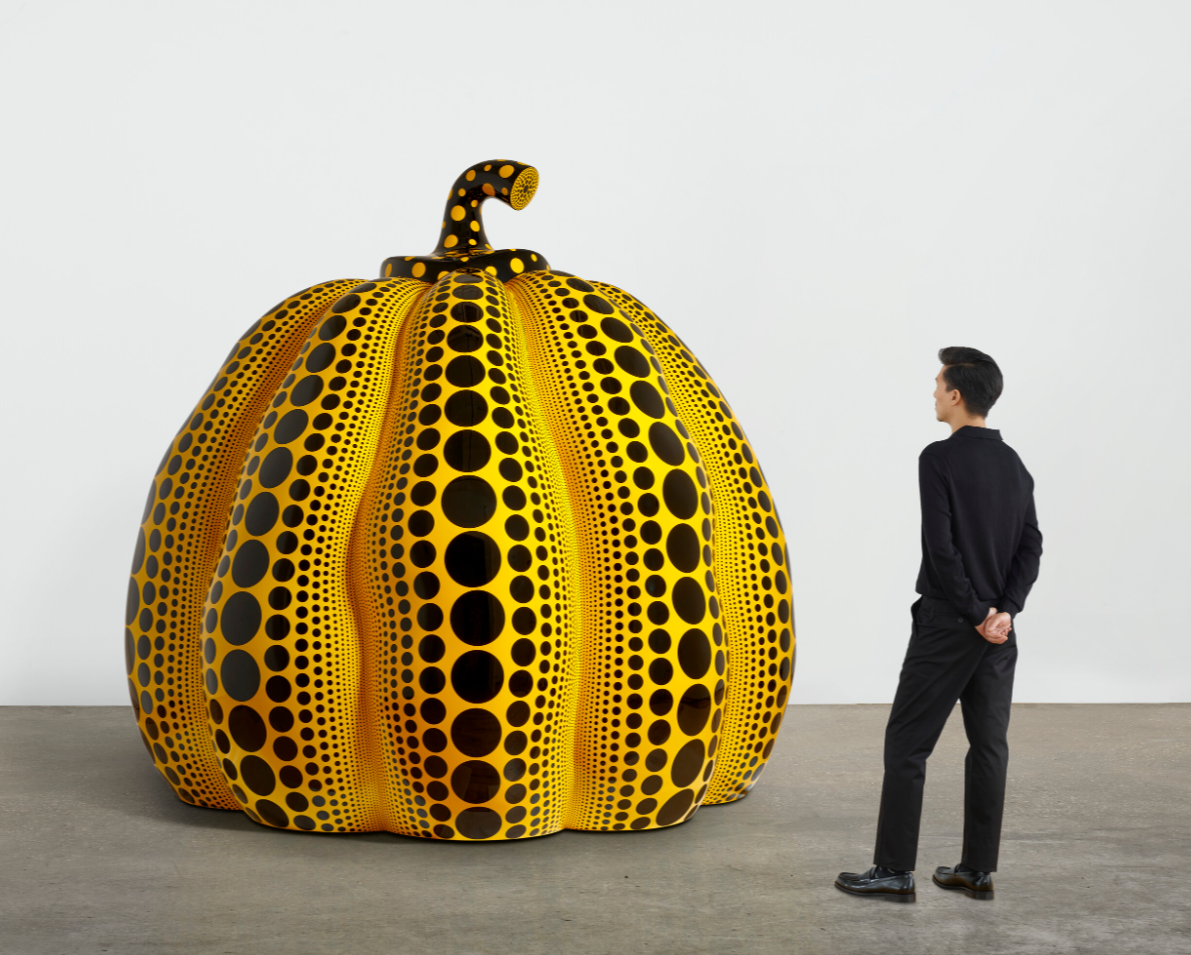
YAYOI KUSAMA (B. 1929)
Pumpkin, 2022
Fiberglass reinforced plastic and urethane paint, in three parts
245x260x260 cm (96 1/2 x 102 x 102 inches)
Signed and dated ‘Yayoi Kusama 2022’ (on the side)
#5. CECILY BROWN
The Butcher and the Policeman, 2013
Christie’s New-York: 21 November 2024
Estimated: USD 4,000,000 – 6,000,000
USD 5,979,000
CECILY BROWN (B. 1969), The Butcher and the Policeman | Christie’s
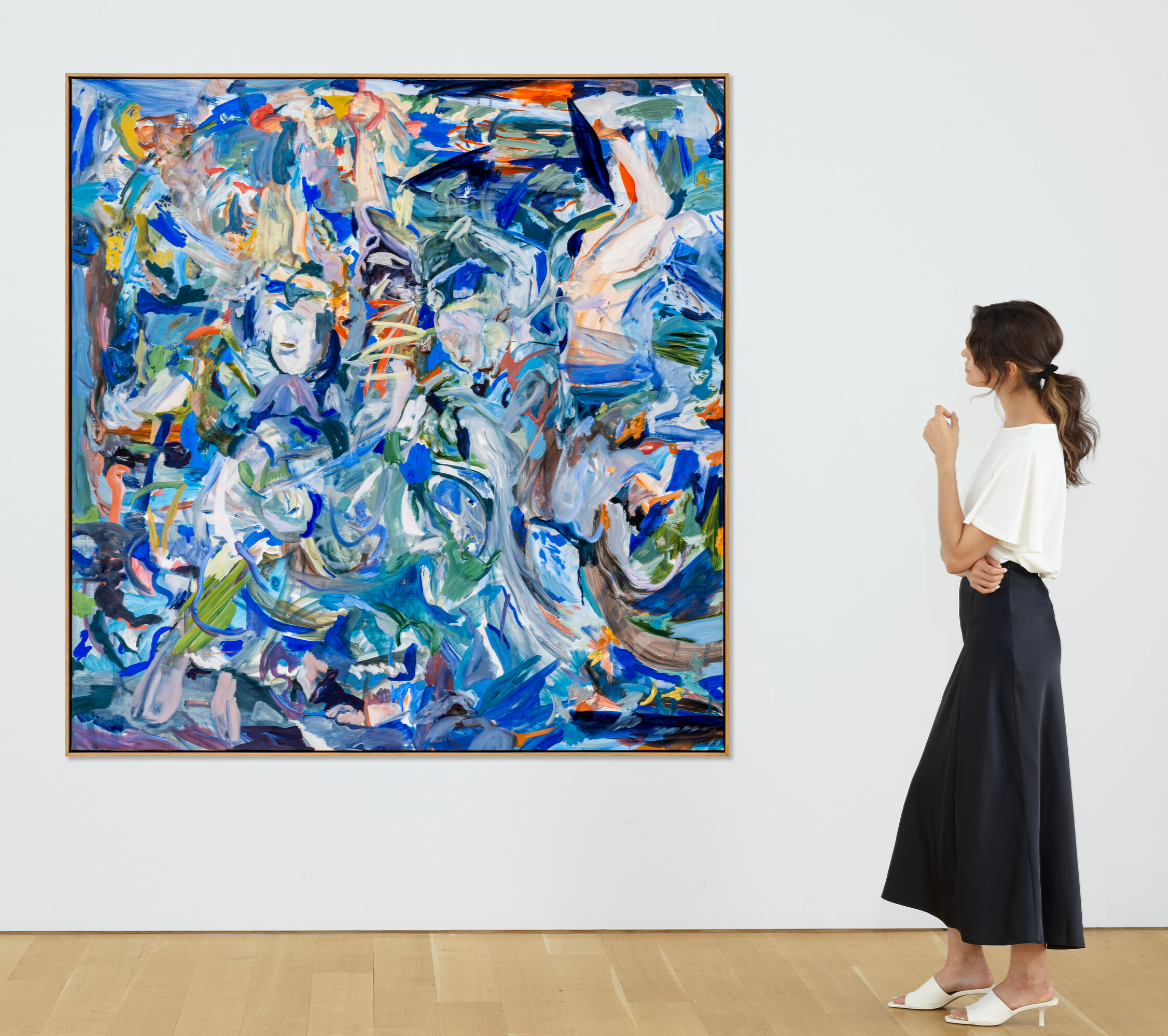
CECILY BROWN (B. 1969)
The Butcher and the Policeman, 2013
Oil on linen
67×65 inches (170.1 x 165.1 cm)
Signed and dated ‘Cecily Brown 2013’ (on the reverse)
#6. JEFF KOONS
New Hoover Celebrity IV, New Hoover Convertible, New Shelton 5 Gallon Wet/Dry, New Shelton 10 Gallon Wet/Dry Doubledecker, 1981-1986
Christie’s New-York: 21 November 2024
Estimated: USD 3,500,000 – 5,500,000
USD 5,132,000
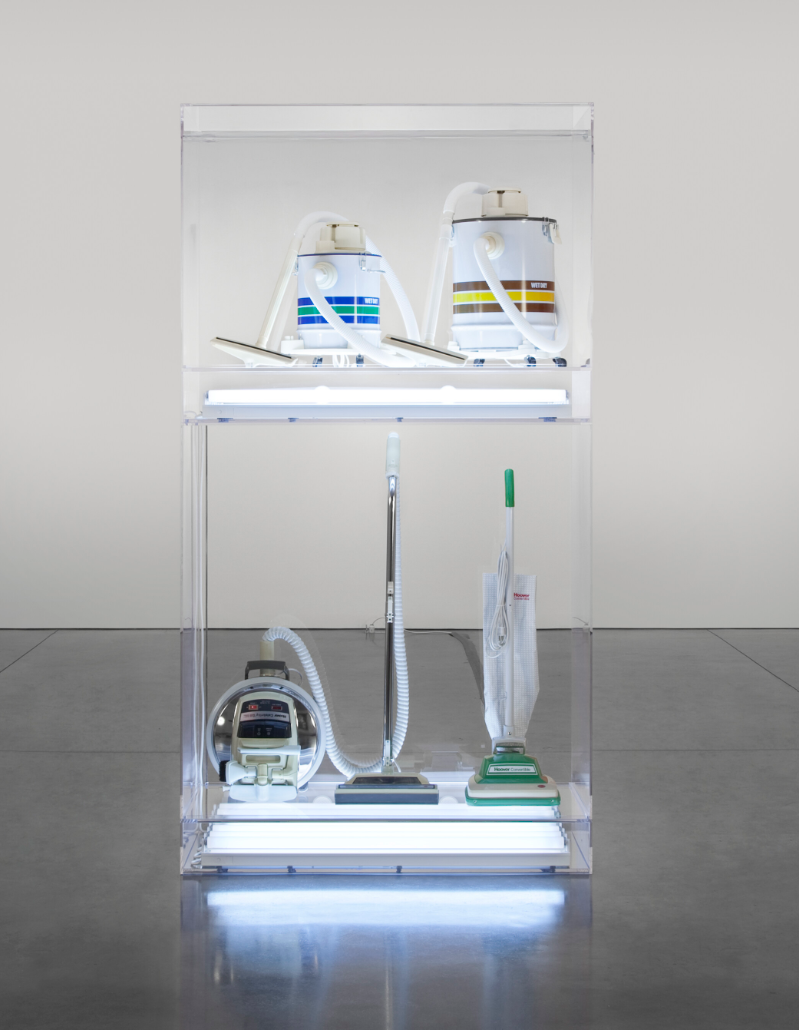
JEFF KOONS (B. 1955)
New Hoover Celebrity IV, New Hoover Convertible, New Shelton 5 Gallon Wet/Dry, New Shelton 10 Gallon Wet/Dry Doubledecker, 1981-1986
Four vacuum cleaners, acrylic and fluorescent lights
99 x 53 1/2 x 28 inches (251.5 x 135.9 x 71.1 cm)
#8. GEORGE CONDO
The Executives and Their Wives, 2011
Christie’s New-York: 21 November 2024
Estimated: USD 2,500,000 – 3,500,000
USD 3,922,000
GEORGE CONDO (B. 1957), The Executives and Their Wives | Christie’s
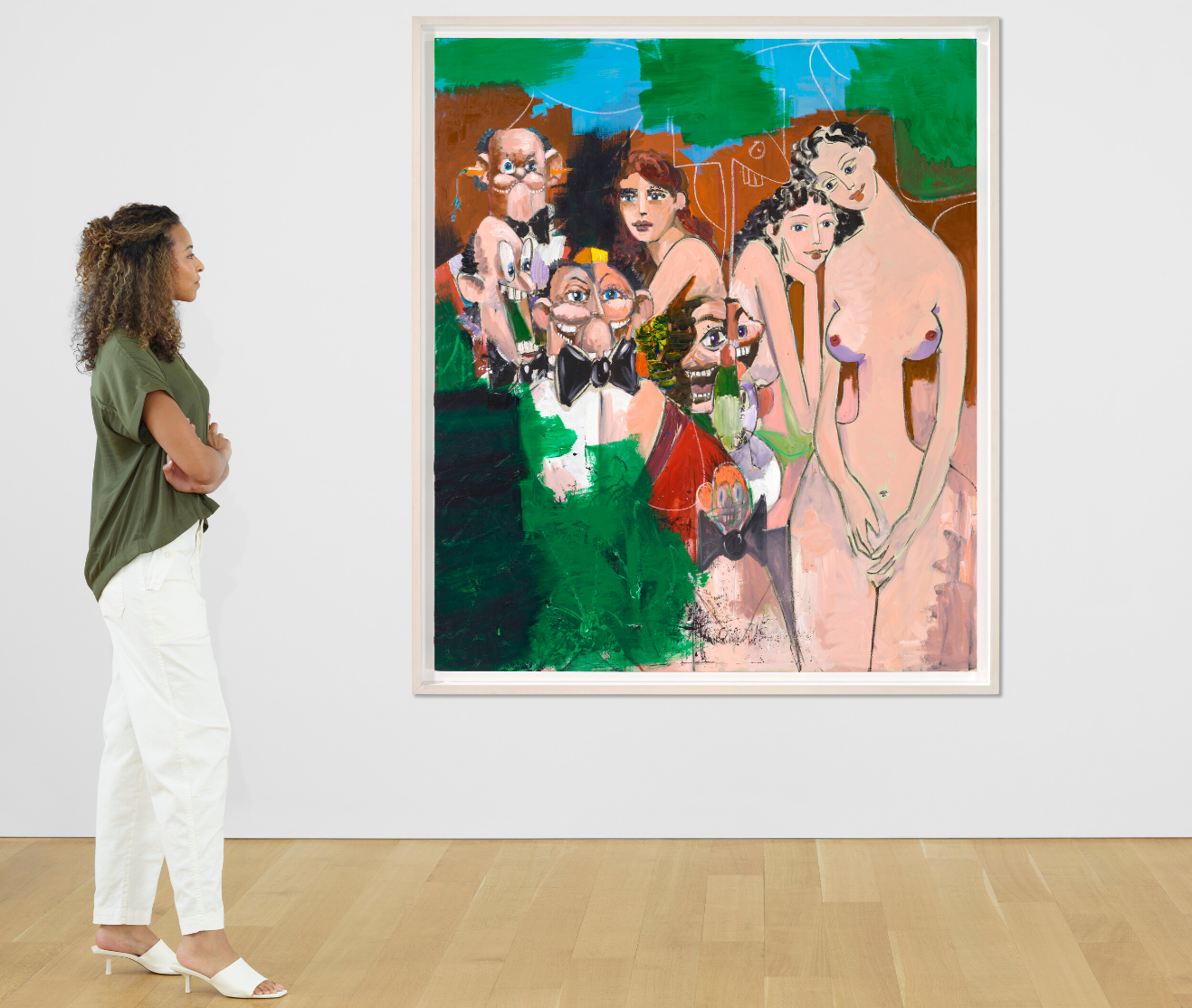
GEORGE CONDO (B. 1957)
The Executives and Their Wives, 2011
Oil, acrylic, charcoal and pastel on linen
70×60 inches (177.8 x 152.4 cm)
#9. KEITH HARING
Untitled (Hollywood African Mask), 1987
Christie’s New-York: 21 November 2024
Estimated: USD 1,500,000 – 2,000,000
THIRD PARTY GUARANTEE
USD 3,196,000
KEITH HARING (1958-1990), Untitled (Hollywood African Mask) | Christie’s
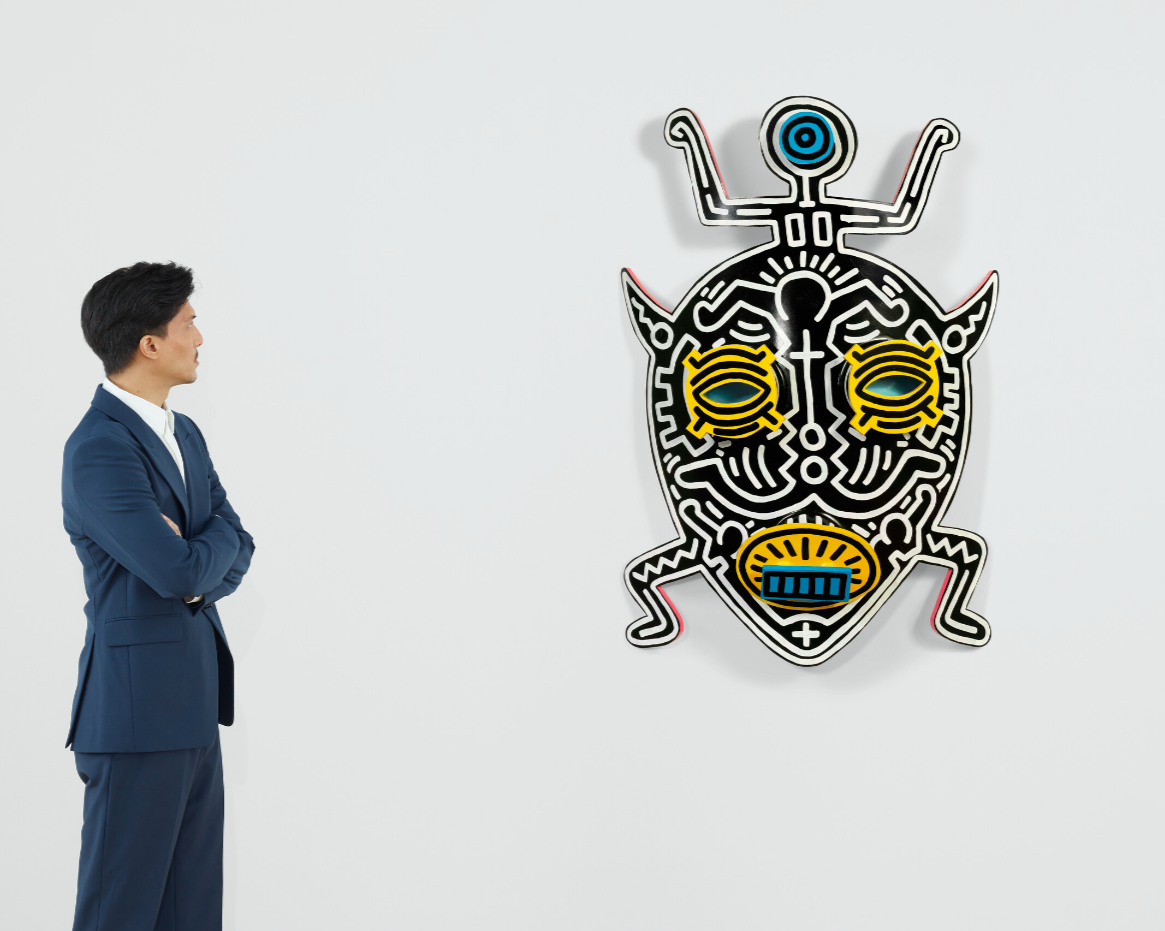
KEITH HARING (1958-1990)
Untitled (Hollywood African Mask), 1987
Enamel on aluminum
48x36x10 inches (121.9 x 91.4 x 25.4 cm)
Signed and dated ‘© K. Haring 1987 ⨁’ on the reverse
#10. RASHID JOHNSON
Triptych “Box of Rain”, 2020-2022
Christie’s New-York: 21 November 2024
Estimated: USD 1,500,000 – 2,000,000
USD 2,712,000
RASHID JOHNSON (B. 1977), Triptych “Box of Rain” | Christie’s
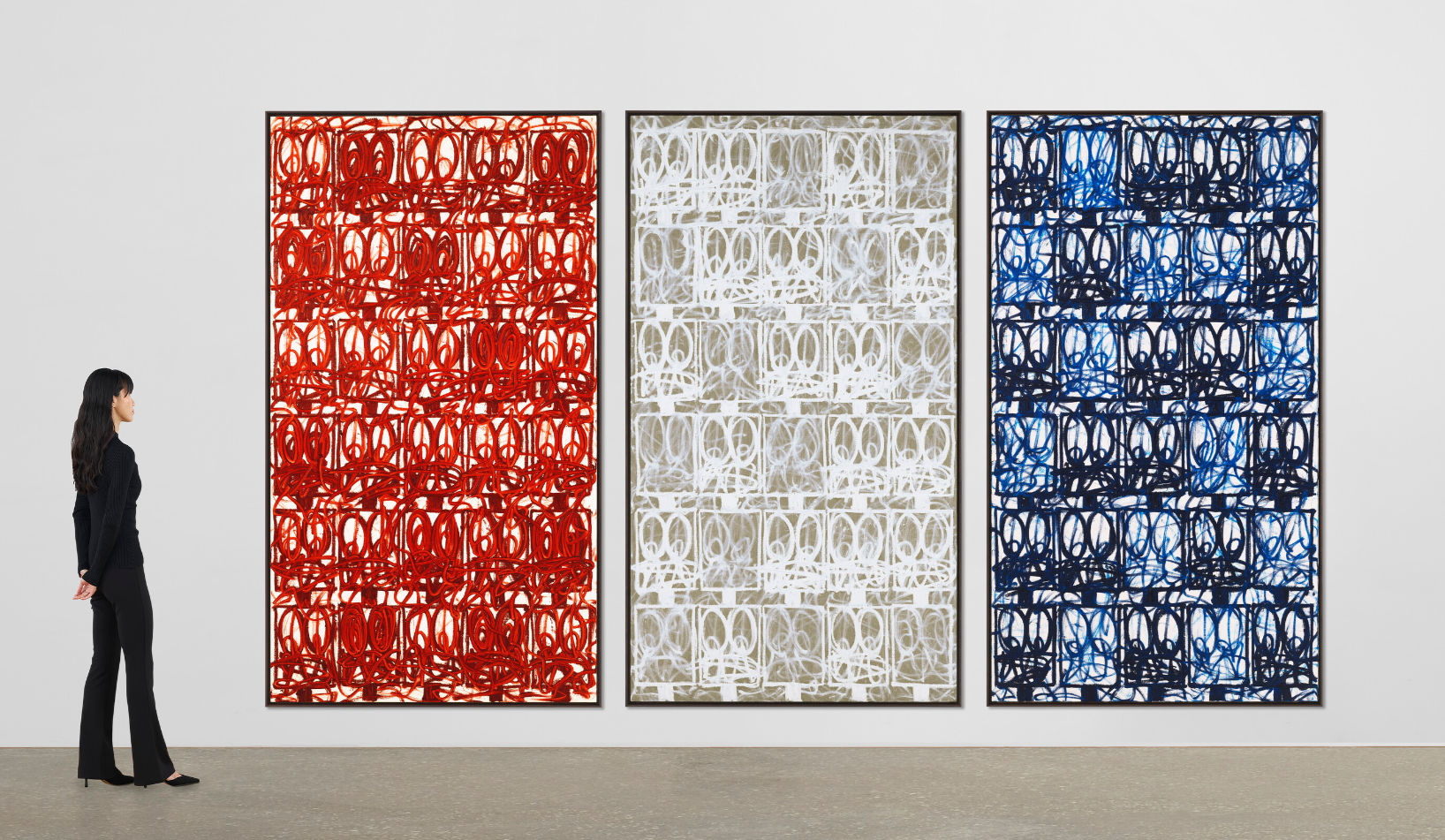
RASHID JOHNSON (B. 1977)
Triptych “Box of Rain”, 2020-2022
Oil on linen, in three parts
Each: 108×60 inches (274.3 x 152.4 cm)
Signed ‘Rashid Johnson’ (on the reverse of the blue canvas)
#14. YAYOI KUSAMA
Infinity-Nets (RDUEL), 2018
Christie’s New-York: 21 November 2024
Estimated: USD 2,000,000 – 3,000,000
USD 2,107,000
YAYOI KUSAMA (B. 1929), Infinity-Nets (RDUEL) | Christie’s
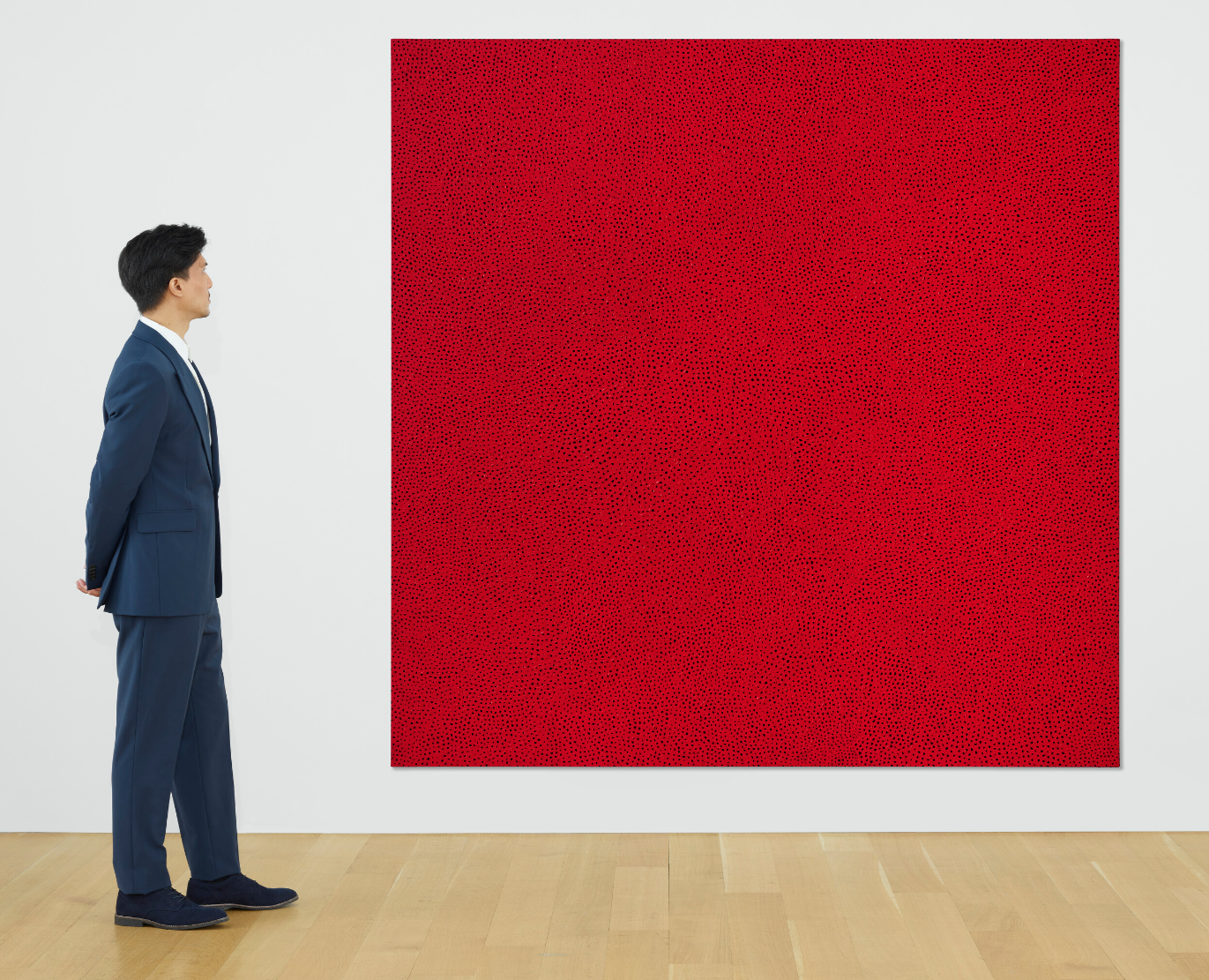
YAYOI KUSAMA (B. 1929)
Infinity-Nets (RDUEL), 2018
Acrylic on canvas
194×194 cm (76 3/8 x 76 3/8 inches)
Signed, titled and dated ‘YAYOI KUSAMA 2018 INFINITY-NETS RDUEL’ (on the reverse)
#15. RICHARD PRINCE
Untitled (Cowboy), 1999
Christie’s New-York: 21 November 2024
Estimated: USD 1,000,000 – 1,500,000
USD 1,865,000
RICHARD PRINCE (B. 1949), Untitled (Cowboy) | Christie’s
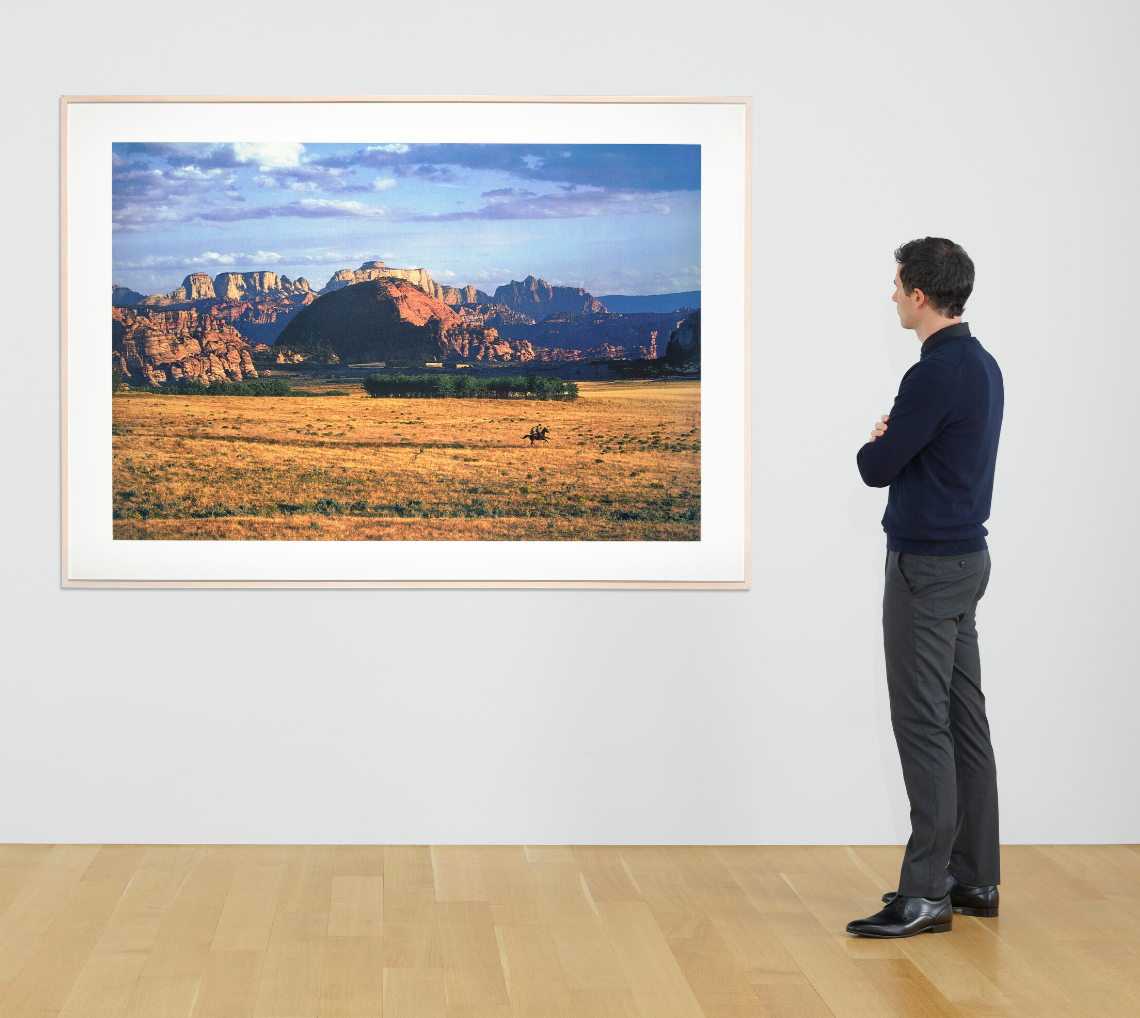
RICHARD PRINCE (B. 1949)
Untitled (Cowboy), 1999
Ektacolour photograph
49×73 inches (123.5 x 185.5 cm)
Signed, numbered and dated ‘R Prince 1999 1⁄2’ (on the reverse)
This work is number one from an edition of two plus one artist’s proof
#16. JONAS WOOD
Still Life with Cat and Fruit, 2020
Christie’s New-York: 21 November 2024
Estimated: USD 700,000 – 1,000,000
USD 1,865,000
JONAS WOOD (B. 1977), Still Life with Cat and Fruit | Christie’s
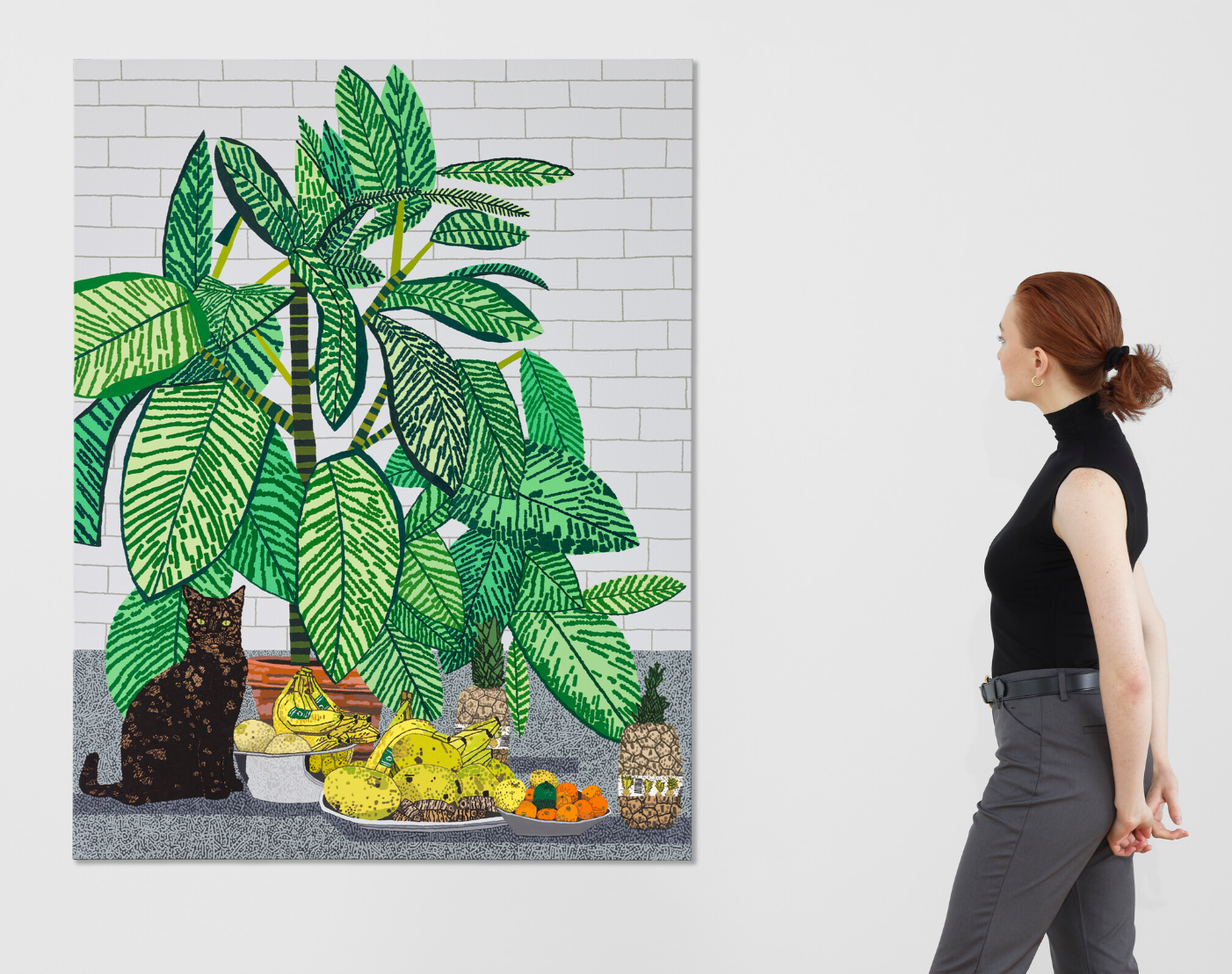
JONAS WOOD (B. 1977)
Still Life with Cat and Fruit, 2020
Oil and acrylic on canvas
58×45 inches (147.3 x 114.3 cm)
Signed, titled and dated ‘STILL LIFE WITH CAT AND FRUIT Jonas Wood 2020’ (on the reverse)
#18. CHRISTOPHER WOOL
Untitled, 1992
Christie’s New-York: 21 November 2024
Estimated: USD 1,500,000 – 2,500,000
USD 1,502,000
CHRISTOPHER WOOL (B. 1955), Untitled | Christie’s
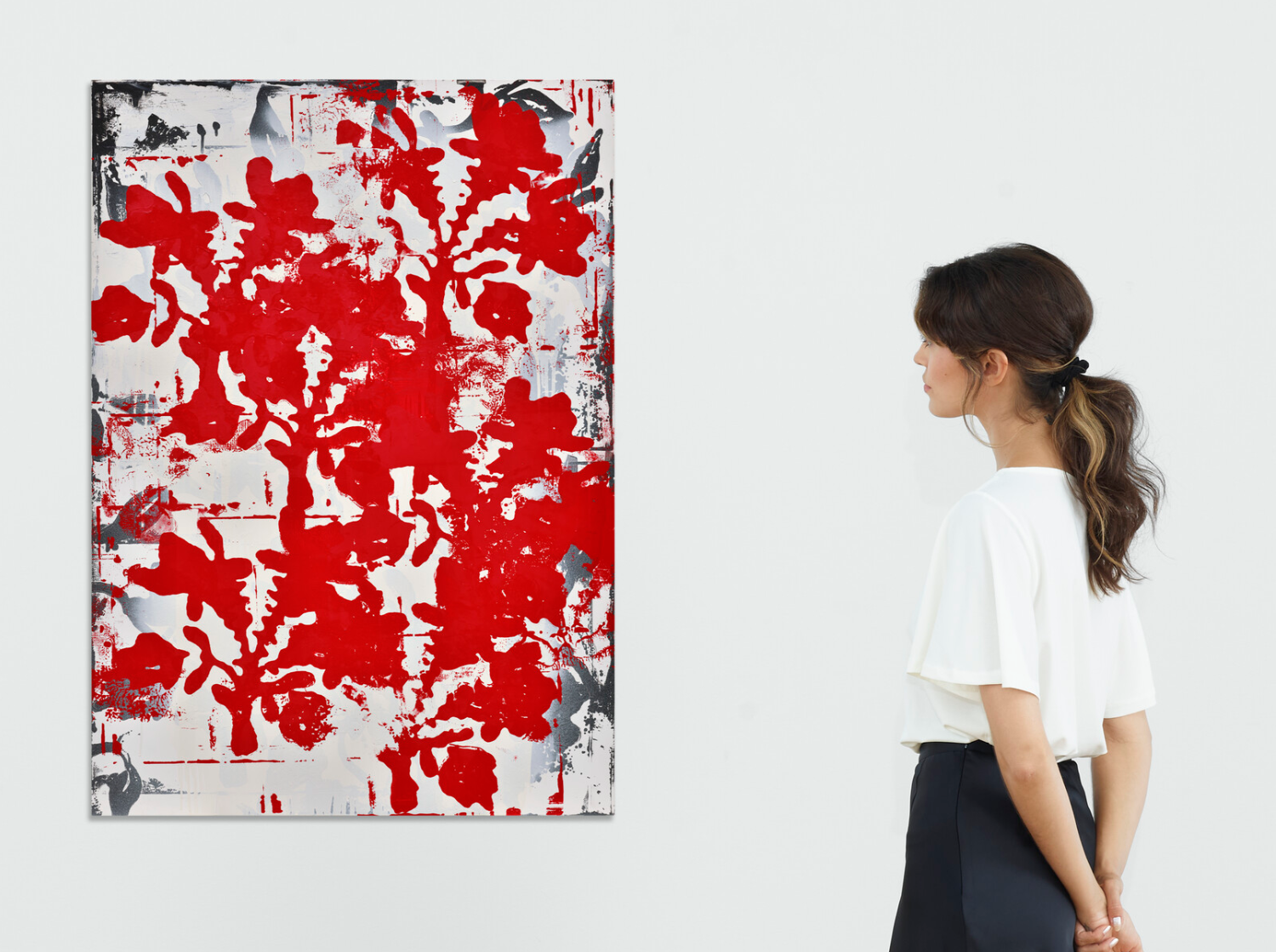
CHRISTOPHER WOOL (B. 1955)
Untitled, 1992
Enamel on aluminum
43×30 inches (109.2 x 75.9 cm)
Signed, inscribed and dated ‘WOOL 1993 (S116)’ (on the reverse)
#19. NICOLAS PARTY
Still Life, 2020
Christie’s New-York: 21 November 2024
Estimated: USD 1,000,000 – 1,500,000
THIRD PARTY GUARANTEE
USD 1,502,000
NICOLAS PARTY (B. 1980), Still Life | Christie’s
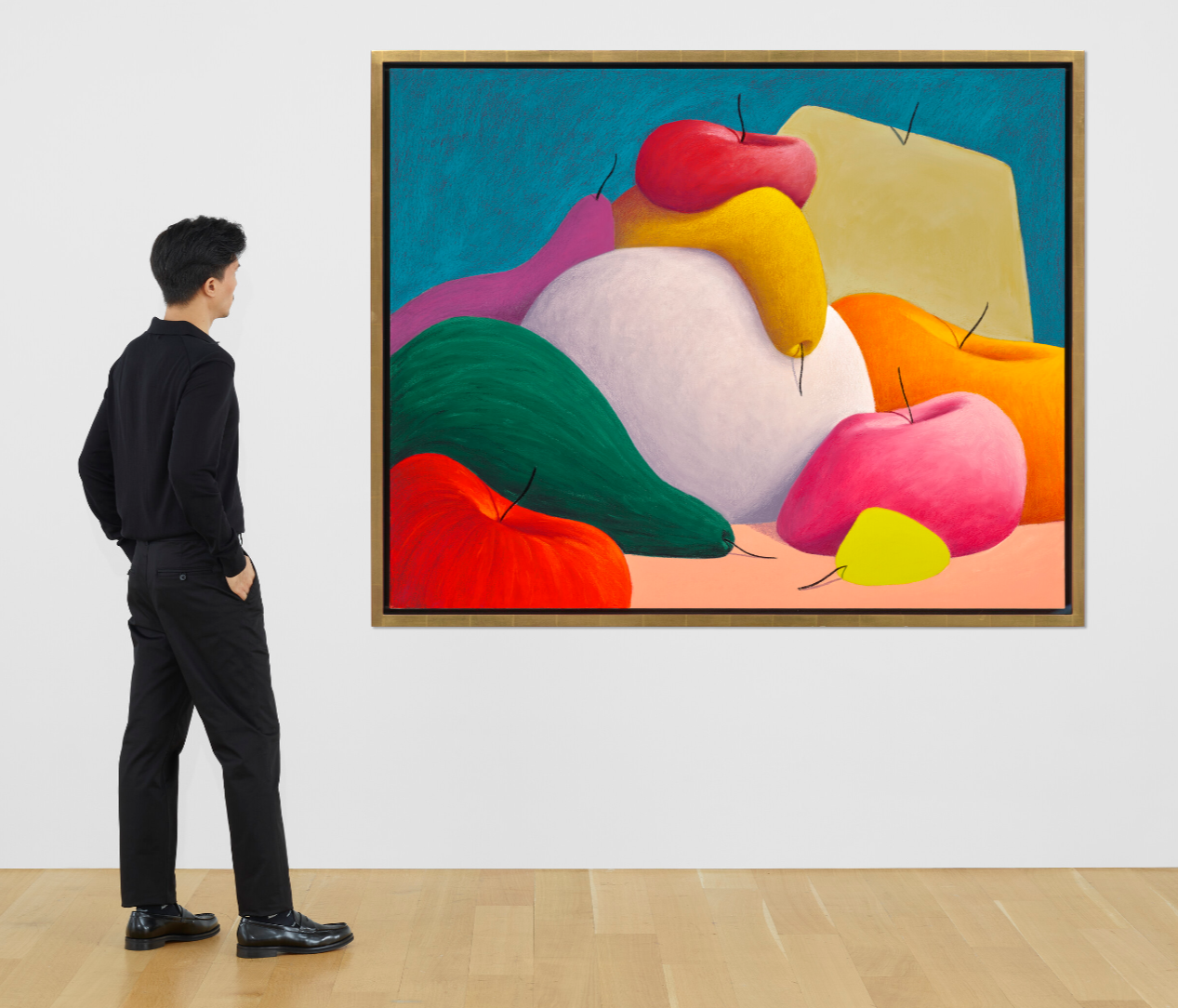
NICOLAS PARTY (B. 1980)
Still Life, 2020
Soft pastel on linen
40×50 inches (101.6 x 127 cm)
Signed and dated ‘Nicolas Party 2020’ (on the reverse)
#22. HILARY PECIS
Wine at J’s, 2020
Christie’s New-York: 21 November 2024
Estimated: USD 400,000 – 600,000
USD 1,260,000
HILARY PECIS (B. 1979), Wine at J’s | Christie’s
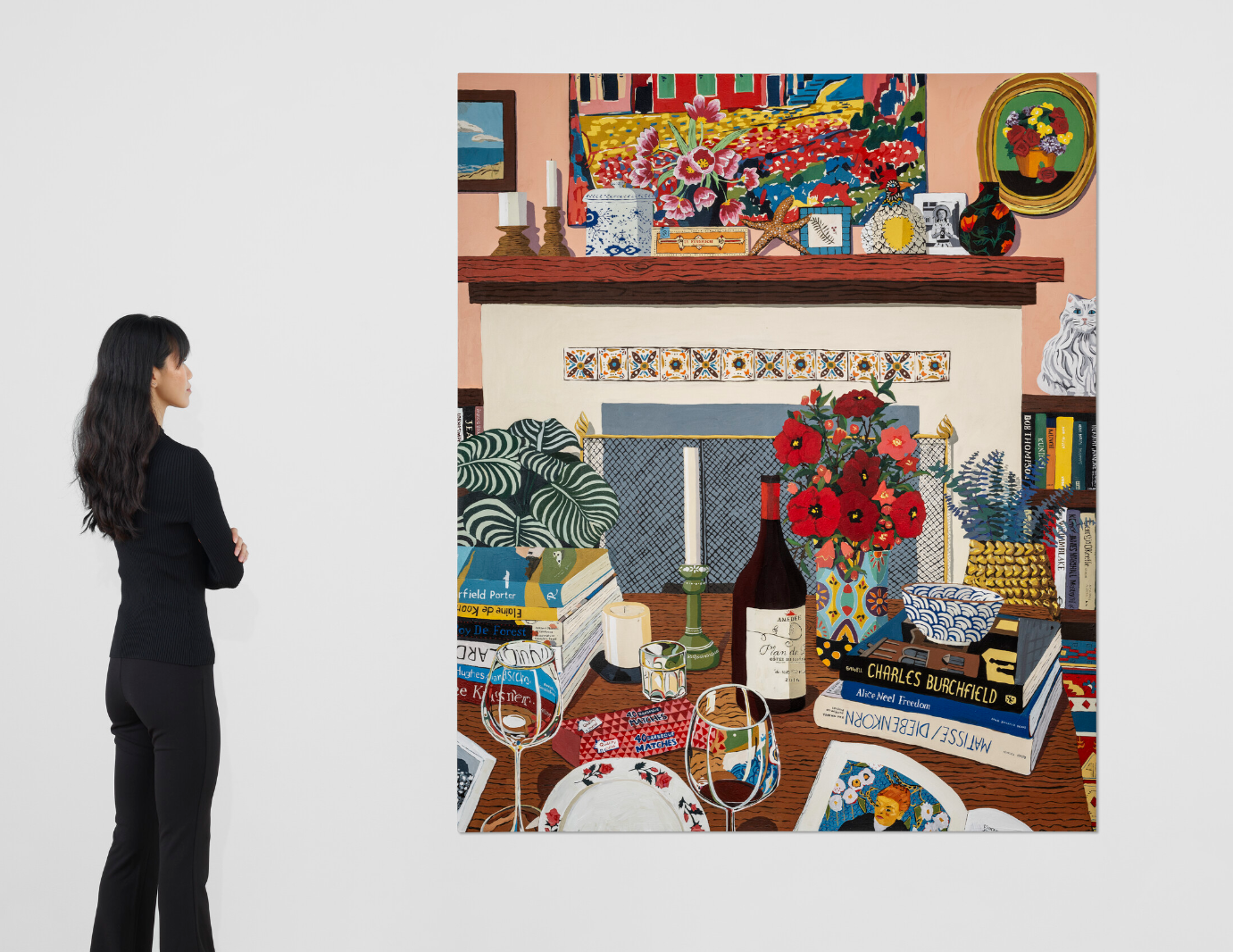
HILARY PECIS (B. 1979)
Wine at J’s, 2020
Acrylic on canvas
76×64 inches (193 x 162.6 cm)
Signed, titled and dated twice ‘”Wine at J’s” 2020 Hilary Pecis 2020’ (on the reverse)
#23. LUCY BULL
A New Dew, 2019
Christie’s New-York: 21 November 2024
Estimated: USD 600,000 – 800,000
USD 1,197,000
LUCY BULL (B. 1990), A New Dew | Christie’s
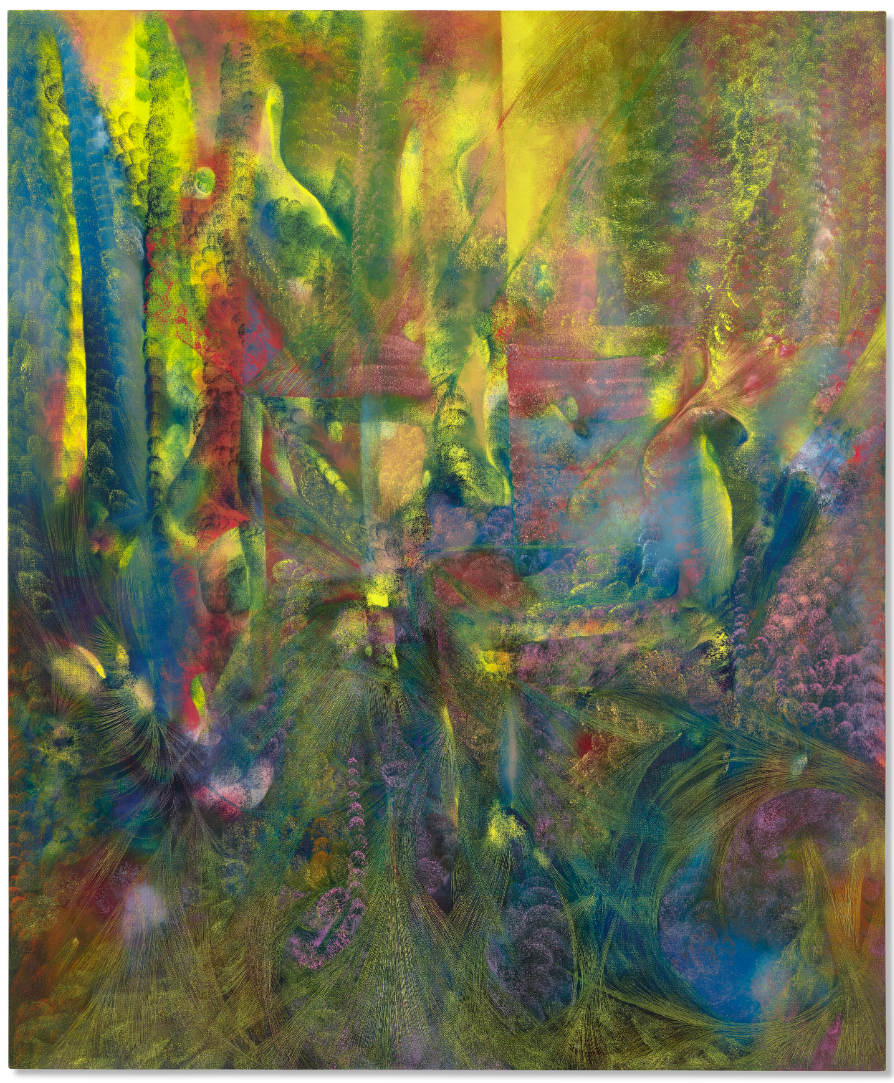
LUCY BULL (B. 1990)
A New Dew, 2019
Oil on linen
60×50 inches (152.4 x 127 cm)
Signed with the artist’s initials, titled and dated ‘LB “A New Dew” 2019’ (on the reverse)
#26. CHRISTOPHER WOOL
Untitled, 1997
Christie’s New-York: 22 November 2024
Estimated: USD 1,200,000 – 1,800,000
USD 945,000
CHRISTOPHER WOOL (B. 1955), Untitled | Christie’s
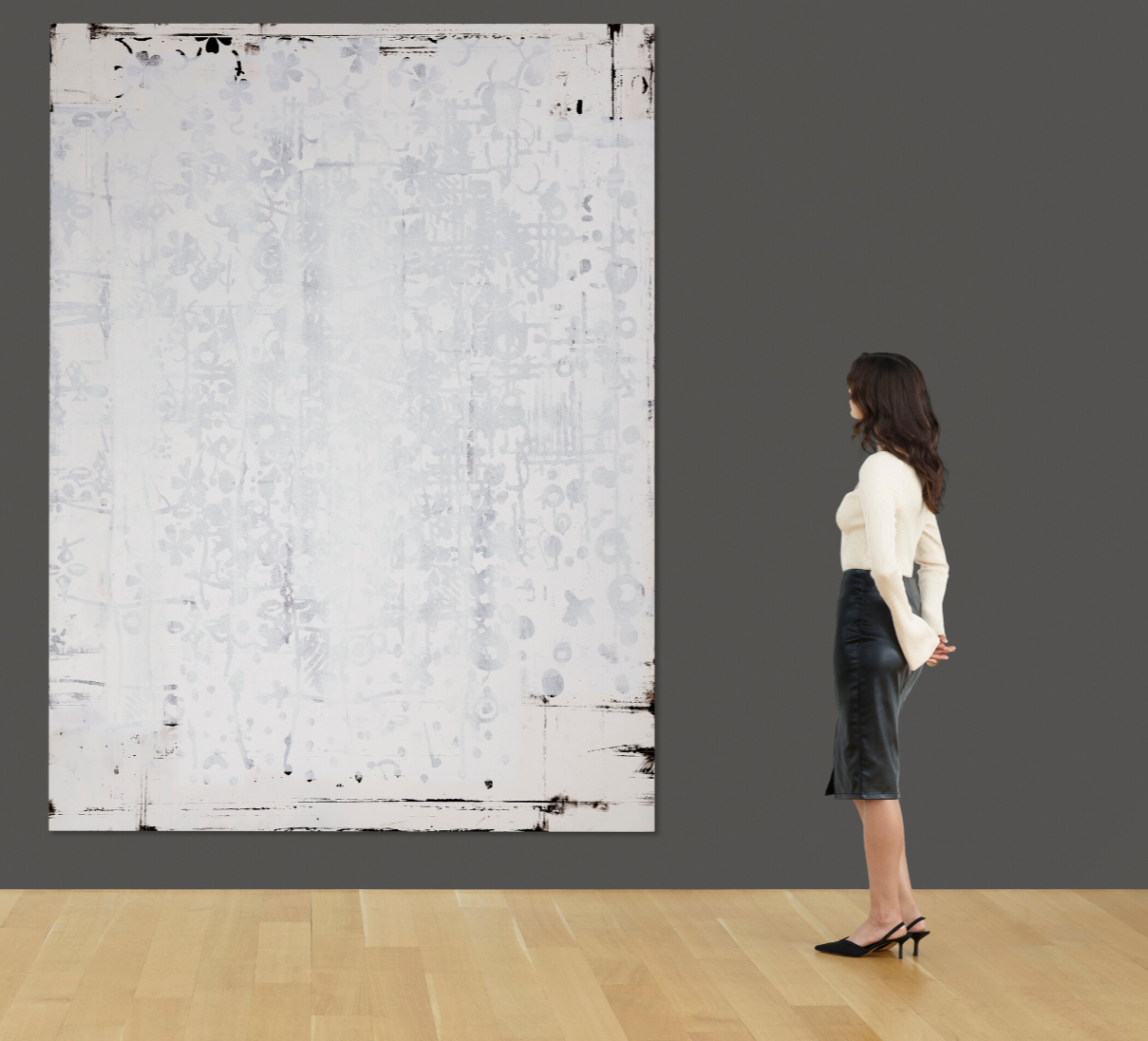
CHRISTOPHER WOOL (B. 1955)
Untitled, 1997
Enamel on aluminum
96×72 inches (243.8 x 182.8 cm)
Signed, inscribed and dated ‘WOOL 1997 (P272)’ (on the reverse)
#31. LYNETTE YIADOM-BOAKYE
Christie’s New-York: 21 November 2024
Estimated: USD 800,000 – 1,200,000
USD 756,000
LYNETTE YIADOM-BOAKYE (b. 1977), Painkiller | Christie’s
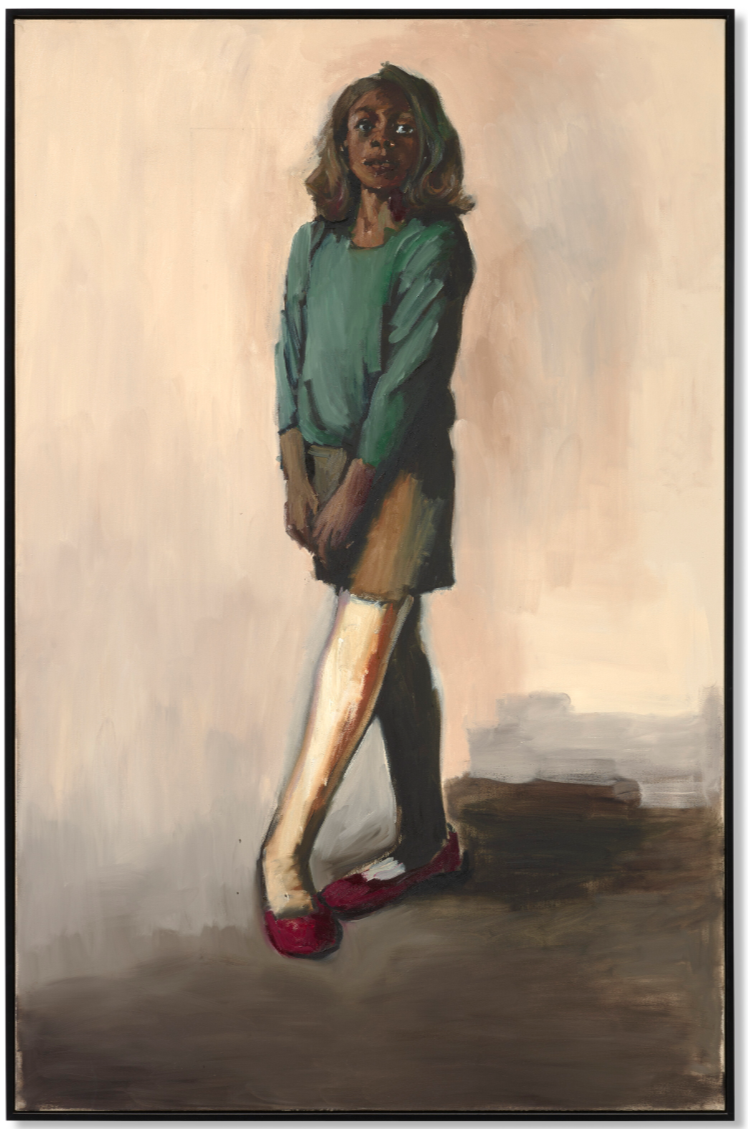
LYNETTE YIADOM-BOAKYE (b. 1977)
Painkiller, 2011
Oil on canvas
200×130 cm (78 3/4 x 51 1/4 inches)
#32. HERNAN BAS
Tartini’s Dream (The Devil’s Trill), 2012
Christie’s New-York: 21 November 2024
Estimated: USD 600,000 – 800,000
USD 693,000
HERNAN BAS (B. 1978), Tartini’s Dream (The Devil’s Trill) | Christie’s
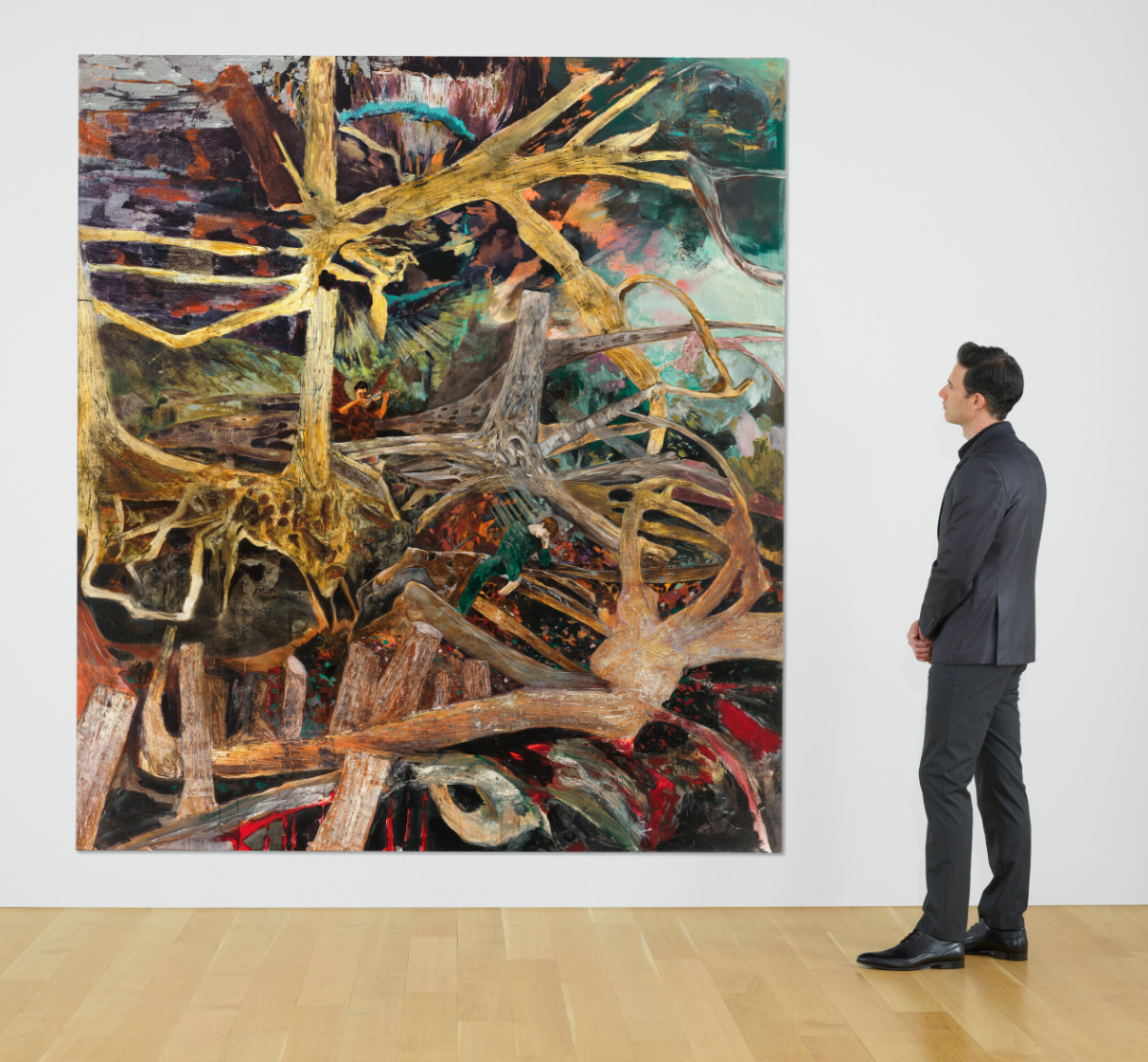
HERNAN BAS (B. 1978)
Tartini’s Dream (The Devil’s Trill), 2012
Acrylic, airbrush and block print on linen
108×96 inches (274.3 x 243.8 cm)
Signed with the artist’s initials and dated ‘HB12’ (lower right)
Signed again with the artist’s initials, titled, and dated again ‘Tartini’s Dream (the devils trill) HB 2012’ (on the reverse)
Christie’s: Post-War and Contemporary Art Day Sale
22 November 2024
Post-War and Contemporary Art Day Sale
Total: USD 64,359,140
#1. ANDY WARHOL
Flowers, 1964
Christie’s New-York: 22 November 2024
Estimated: USD 1,200,000 – 1,800,000
USD 2,470,000
ANDY WARHOL (1928-1987), Flowers | Christie’s
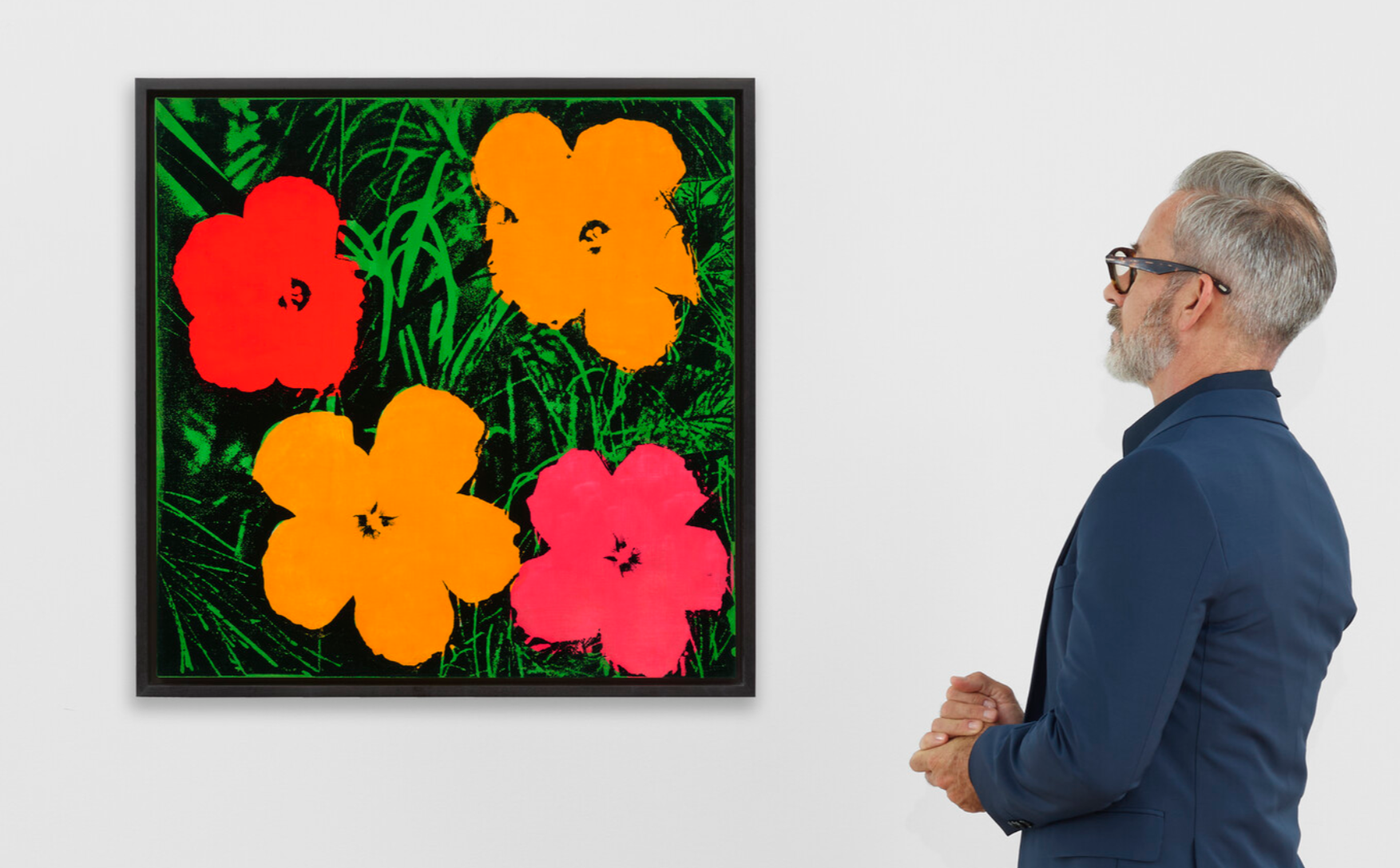
ANDY WARHOL (1928-1987)
Flowers, 1964
Acrylic and silkscreen ink on canvas
24×24 inches (61×61 cm)
Signed twice and dated ‘ANDY WARHOL 64 Andy Warhol’ (on the overlap)
#3. DAVID HOCKNEY
Green Pool with Diving Board and Shadow (Paper Pool 3), 1978
Christie’s New-York: 22 November 2024
Estimated: USD 1,800,000 – 2,500,000
USD 2,228,000
DAVID HOCKNEY (B. 1937), Green Pool with Diving Board and Shadow (Paper Pool 3) | Christie’s
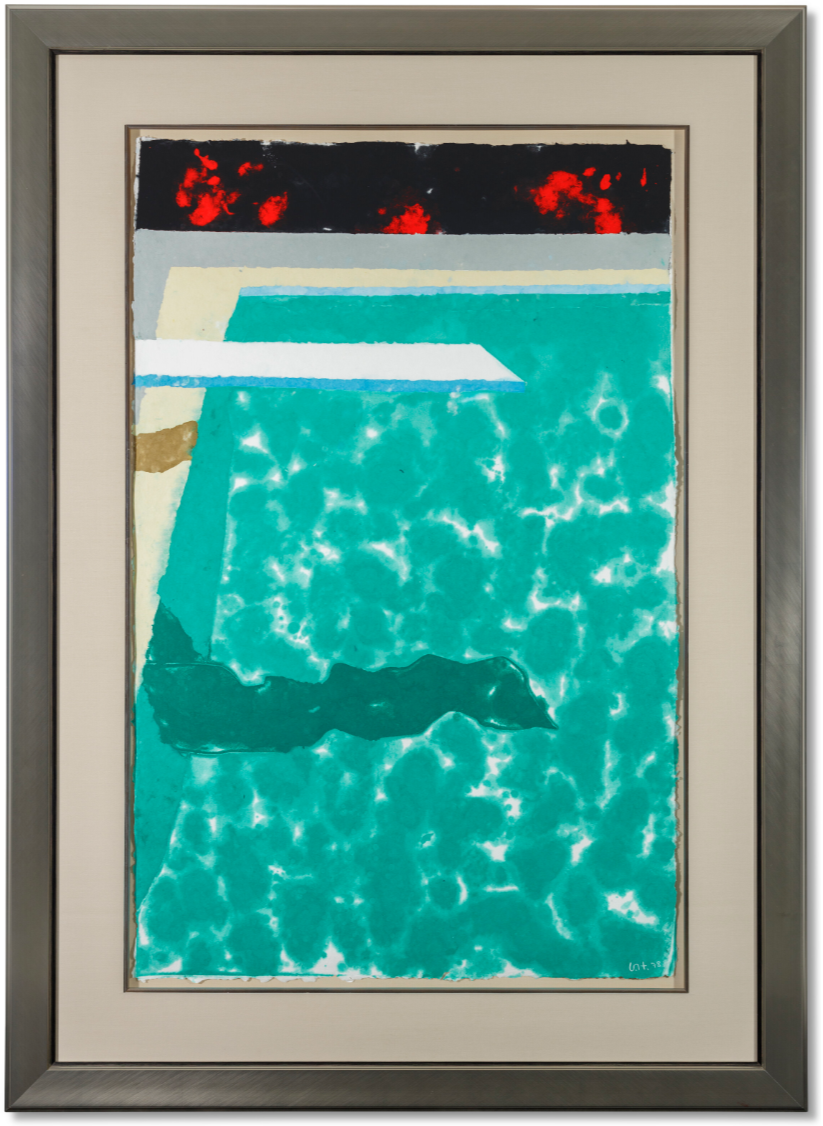
DAVID HOCKNEY (B. 1937)
Green Pool with Diving Board and Shadow (Paper Pool 3), 1978
Colored, pressed paper pulp
50 x 32 1/4 inches (127 x 81.8 cm)
Signed with the artist’s initials and dated ‘D.H. 78’ (lower right)
Signed and numbered ‘3-F David Hockney (on the reverse)
This work is one of fifteen unique variants
#4. YAYOI KUSAMA
INFINITY-NETS (OTWTTS), 2007
Christie’s New-York: 22 November 2024
Estimated: USD 1,800,000 – 2,500,000
USD 2,107,000
YAYOI KUSAMA (B. 1929), INFINITY-NETS (OTWTTS) | Christie’s
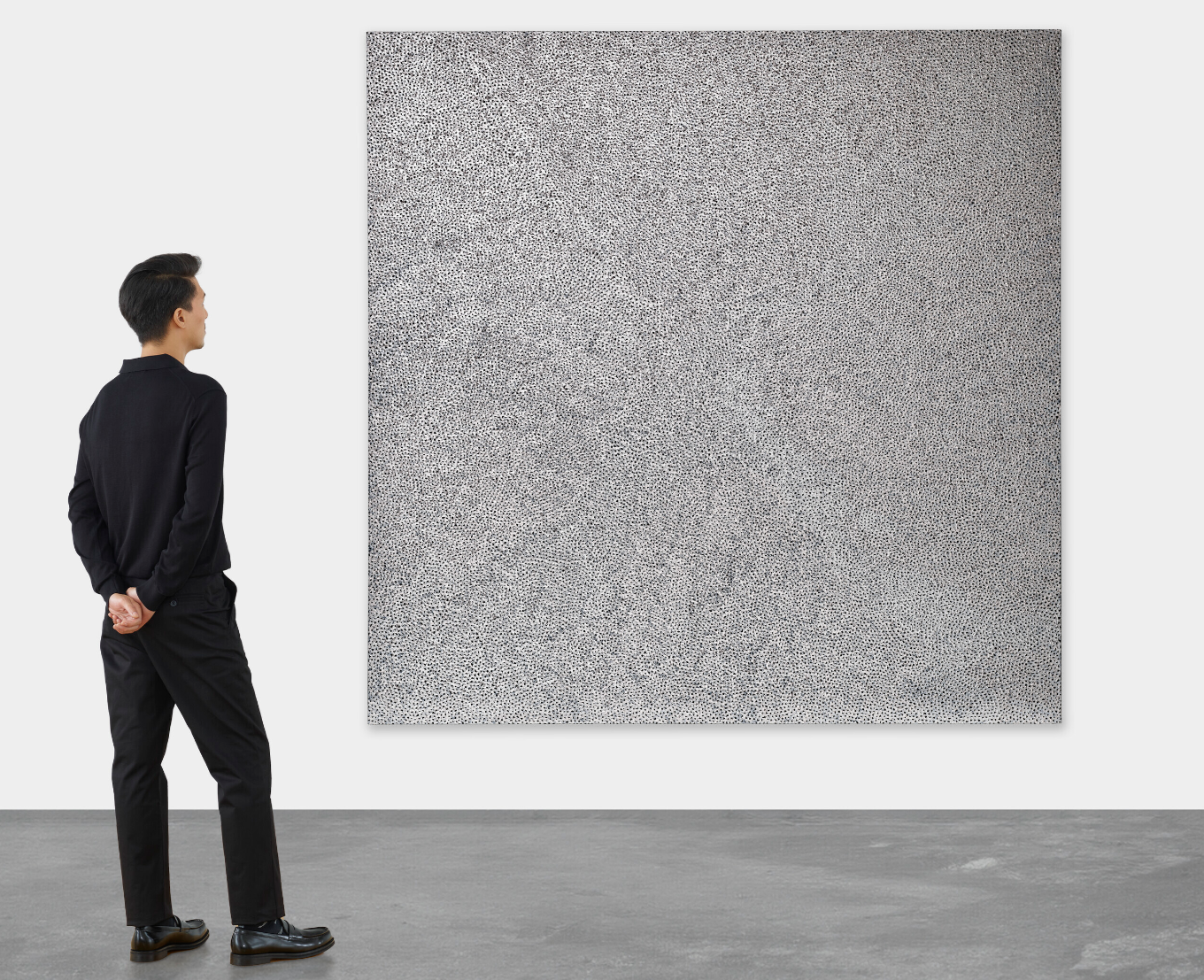
YAYOI KUSAMA (B. 1929)
INFINITY-NETS (OTWTTS), 2007
Acrylic on canvas
194×194 cm (76 3/8 x 76 3/8 inches)
Signed twice, titled and dated ‘OTWTTS INIFINTY-NETS Yayoi Kusama 2007 YAYOI KUSAMA’ (on the reverse)
RICHARD PRINCE
Silhouette Cowboy, 1998-1999
Christie’s New-York: 22 November 2024
Estimated: USD 600,000 – 800,000
USD 1,744,000
RICHARD PRINCE (B. 1949), Silhouette Cowboy | Christie’s
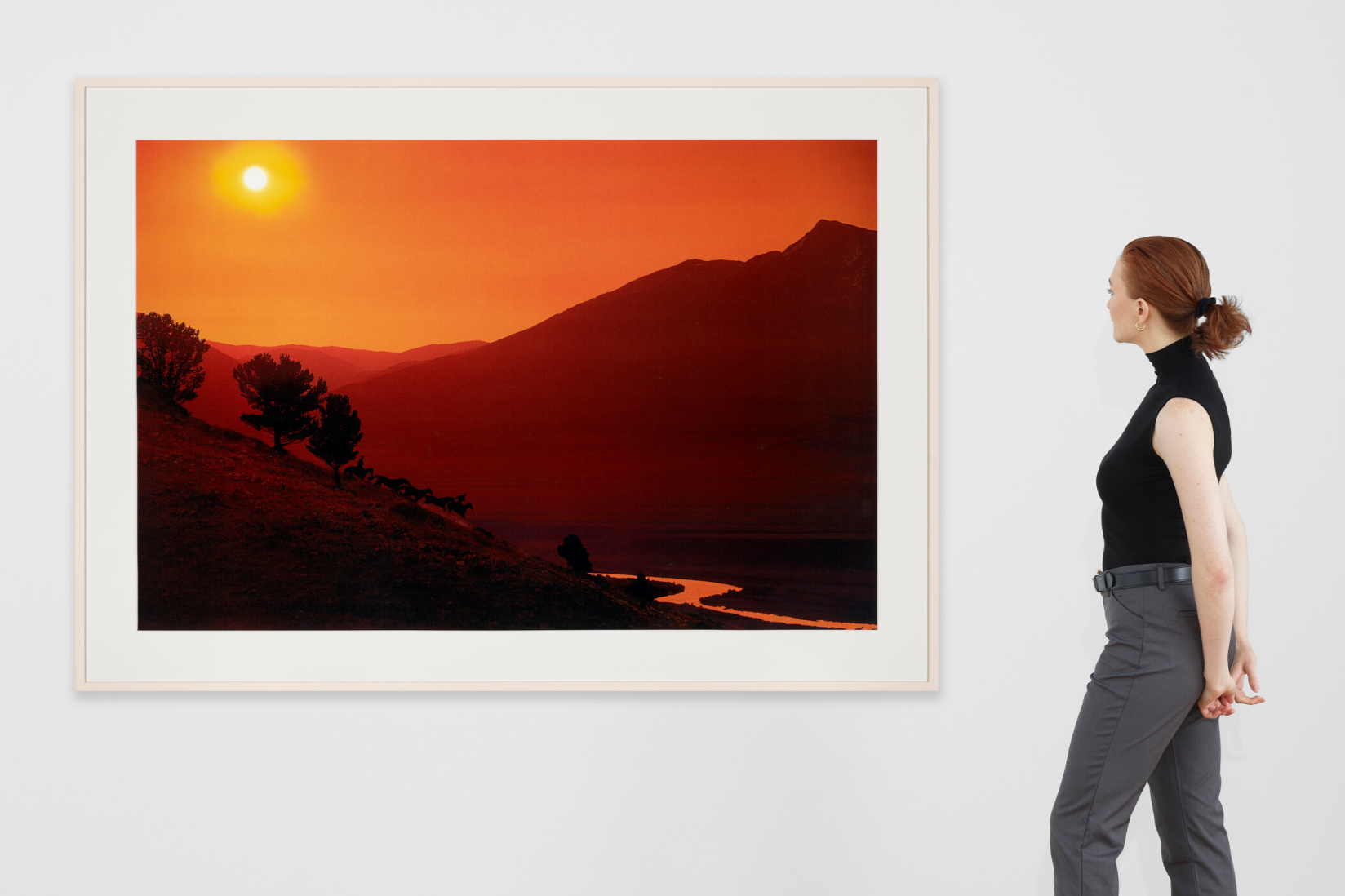
RICHARD PRINCE (B. 1949)
Silhouette Cowboy, 1998-1999
Ektacolor print
47 7/8 x 72 inches (121.6 x 182.8 cm)
Signed, inscribed, numbered and dated ‘Richard Prince 1998-99 Four Silouette [sic] Cowboys 1⁄2’
(on the backing board);
Signed again ‘Richard Prince’ (on a paper label affixed to the reverse)
This work is number one from an edition of two plus one artist’s proof
ROY LICHTENSTEIN
Flowers, 1981
Christie’s New-York: 22 November 2024
Estimated: USD 1,000,000 – 1,500,000
USD 1,134,000
ROY LICHTENSTEIN (1923-1997), Flowers | Christie’s
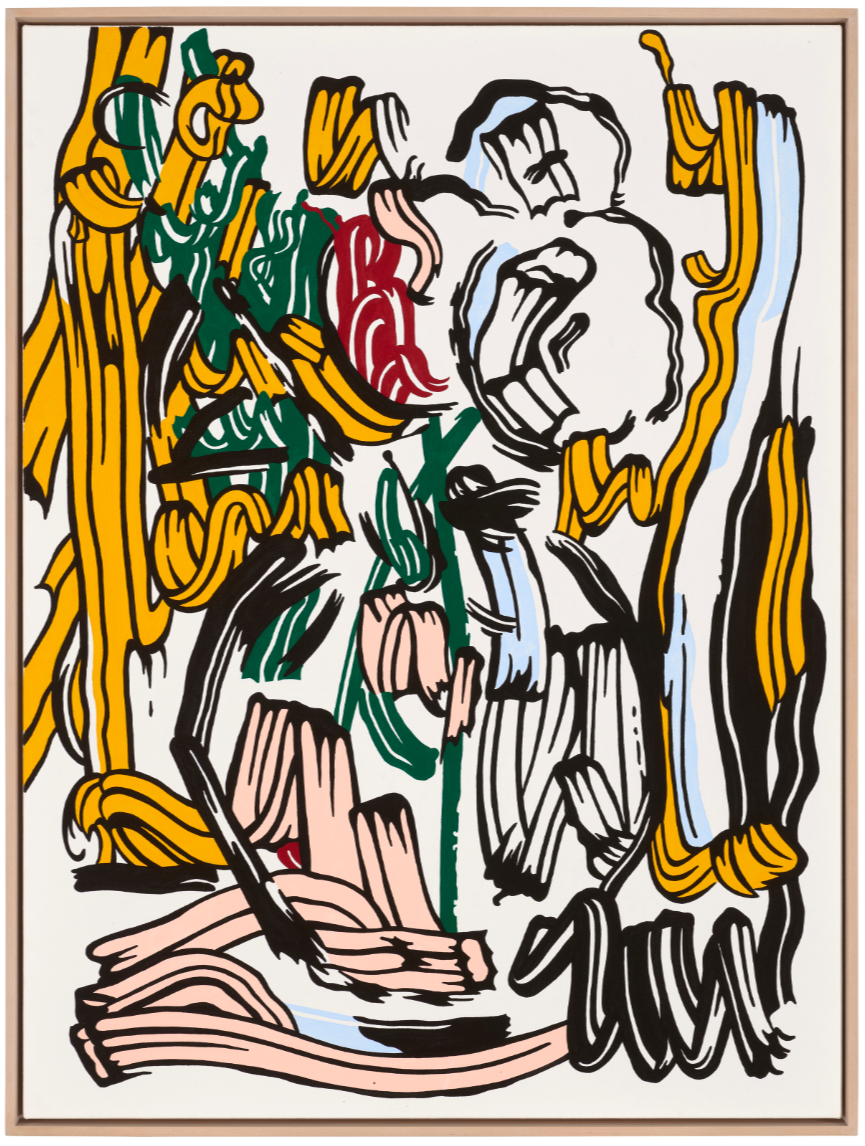
ROY LICHTENSTEIN (1923-1997)
Flowers, 1981
Acrylic and graphite on canvas
48 1/8 x 36 inches (122.3 x 91.4 cm)
Signed and dated ‘rf Lichtenstein ’81’ (on the reverse)
YAYOI KUSAMA
INFINITY-DOTS (ENNZ), 2016
Christie’s New-York: 22 November 2024
Estimated: USD 1,000,000 – 1,500,000
USD 1,008,000
YAYOI KUSAMA (B. 1929), INFINITY-DOTS (ENNZ) | Christie’s
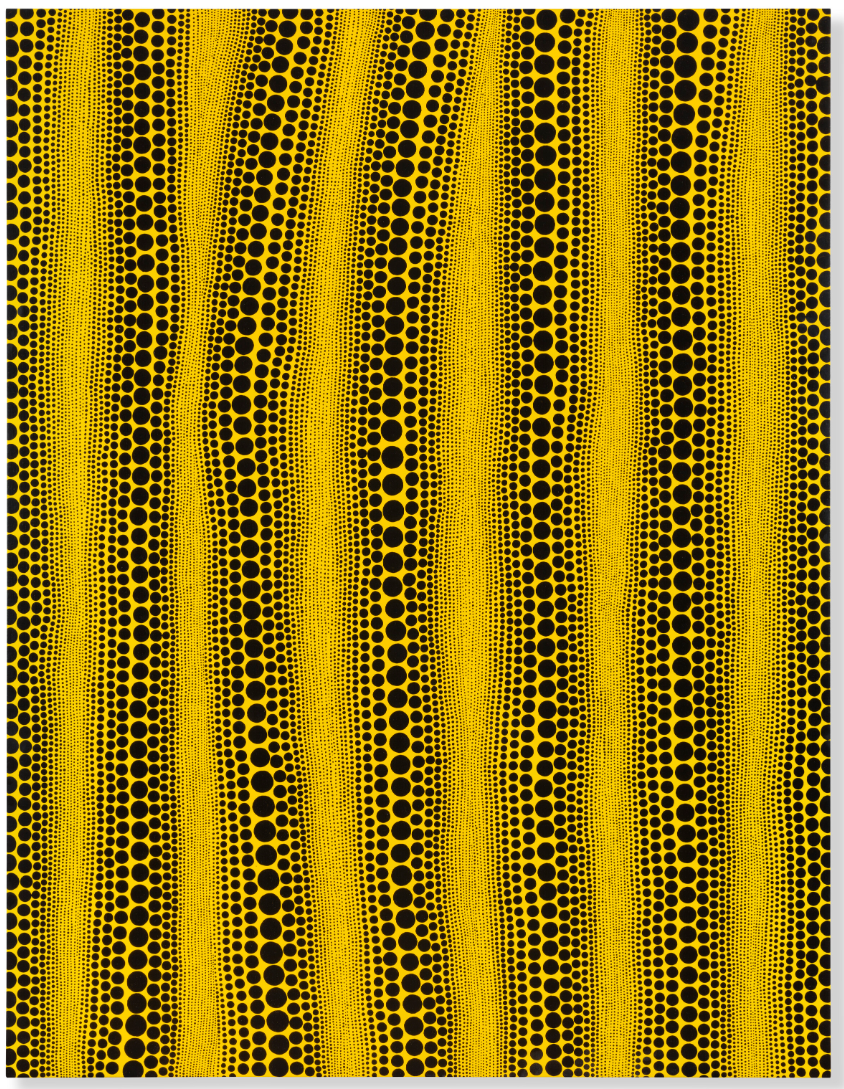
YAYOI KUSAMA (B. 1929)
INFINITY-DOTS (ENNZ), 2016
Acrylic on canvas
145.4 x 112.1 cm (57 1/4 x 44 1/8 inches)
Signed, titled and dated ‘YAYOI KUSAMA 2016 INFINITY-DOTS ENNZ’ (on the reverse)
ED RUSCHA
Big Dipper, 1980
Christie’s New-York: 22 November 2024
Estimated: USD 800,000 – 1,200,000
USD 1,008,000
ED RUSCHA (B. 1937), Big Dipper | Christie’s
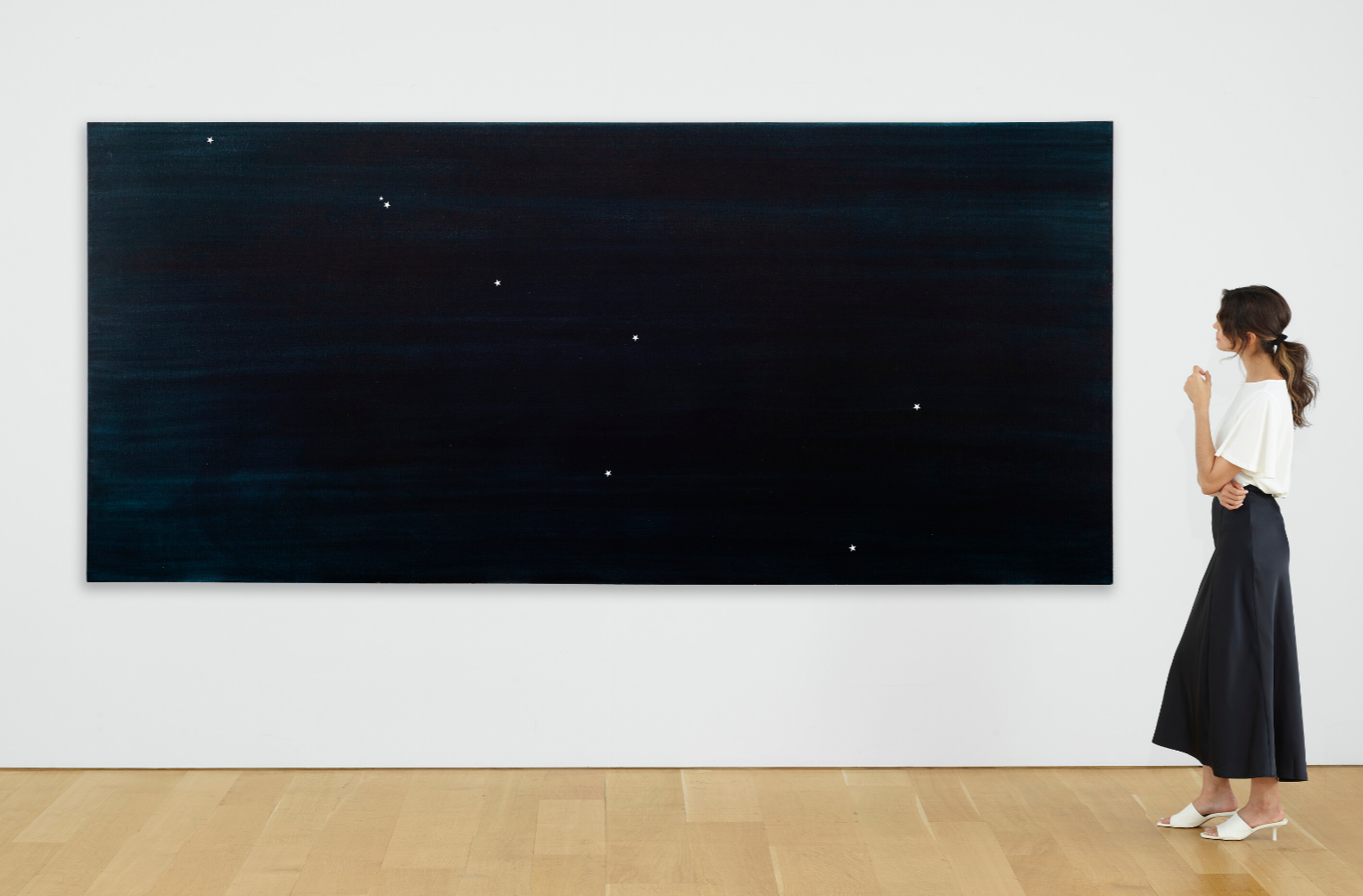
ED RUSCHA (B. 1937)
Big Dipper, 1980
Oil on canvas
54×120 inches (137.2 x 304.8 cm)
Signed and dated ‘Edward Ruscha 1980’ (on the reverse)
CHRISTOPHER WOOL
Untitled, 2002
Christie’s New-York: 22 November 2024
Estimated: USD 700,000 – 1,000,000
USD 819,000
CHRISTOPHER WOOL (B. 1955), Untitled | Christie’s
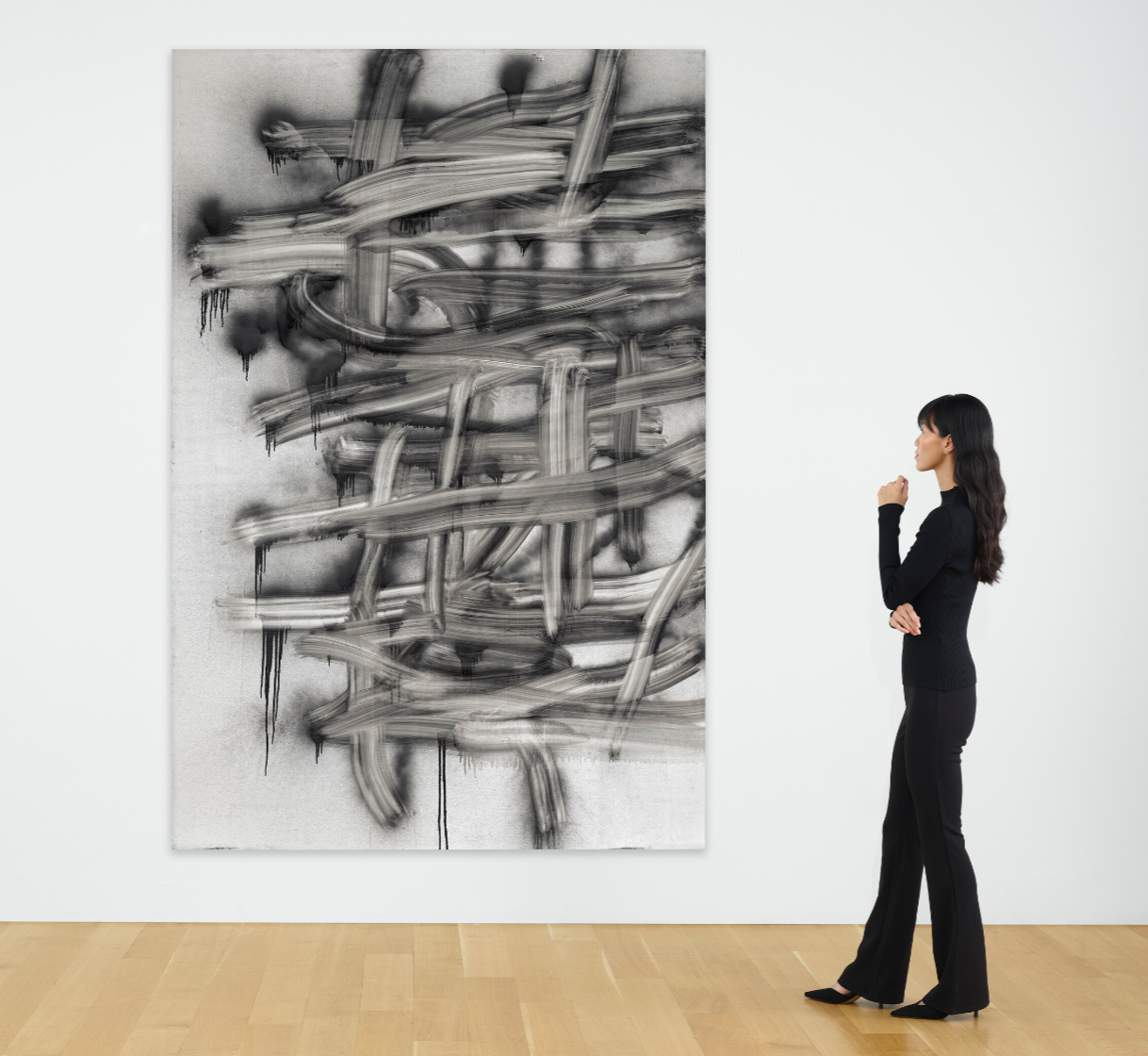
CHRISTOPHER WOOL (B. 1955)
Untitled, 2002
Enamel on linen
108×72 inches (274.3 x 182.8 cm)
Signed, inscribed, titled and dated ‘Wool Untitled (P378) 2002’ (on the reverse)
FERNANDO BOTERO
La Chambre, 1998
Christie’s New-York: 22 November 2024
Estimated: USD 400,000 – 600,000
USD 806,400
FERNANDO BOTERO (1932-2023), La Chambre | Christie’s
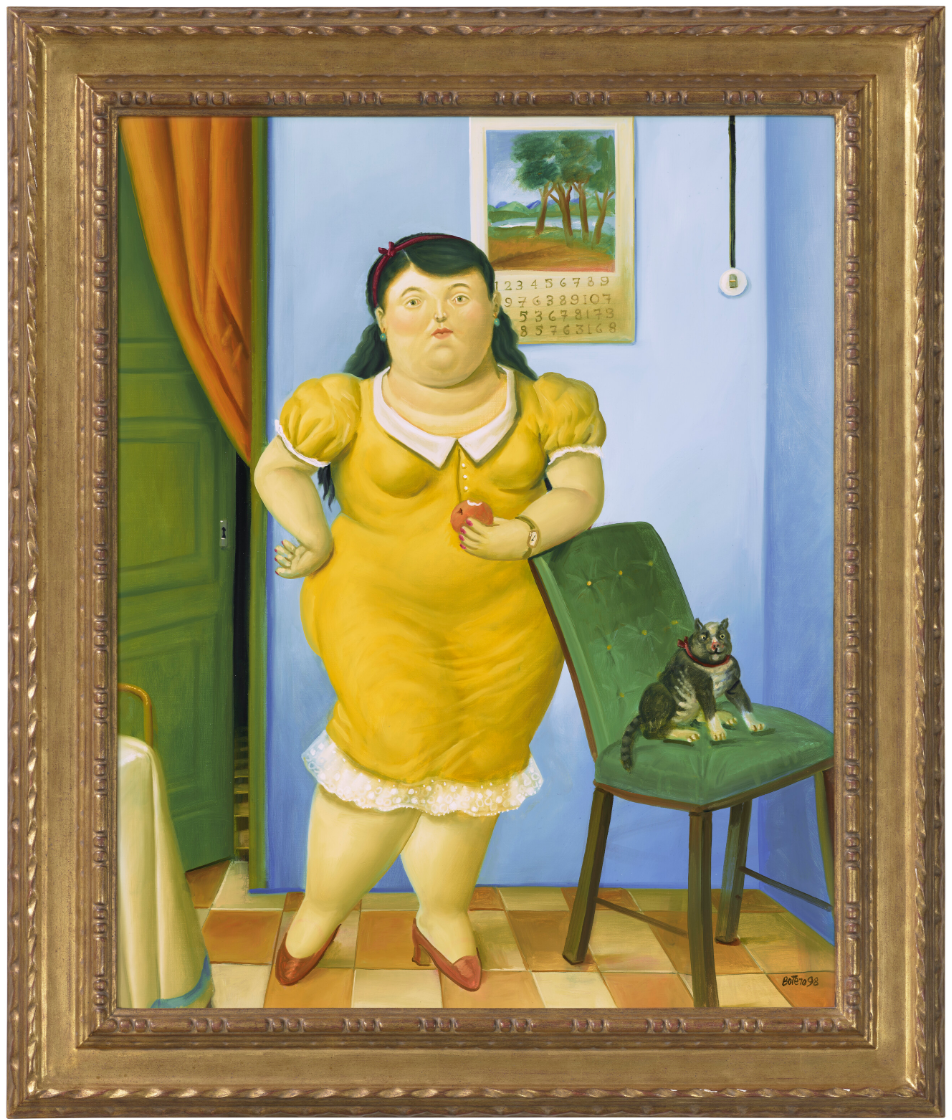
FERNANDO BOTERO (1932-2023)
La Chambre, 1998
Oil on canvas
100×80 cm (39 x 31 5/8 inches)
Signed and dated ‘Botero 98’ (lower right)
ROY LICHTENSTEIN
Still Life – Red Apples, 1993
Christie’s New-York: 22 November 2024
Estimated: USD 500,000 – 700,000
USD 793,800
ROY LICHTENSTEIN (1923-1997), Still Life – Red Apples | Christie’s
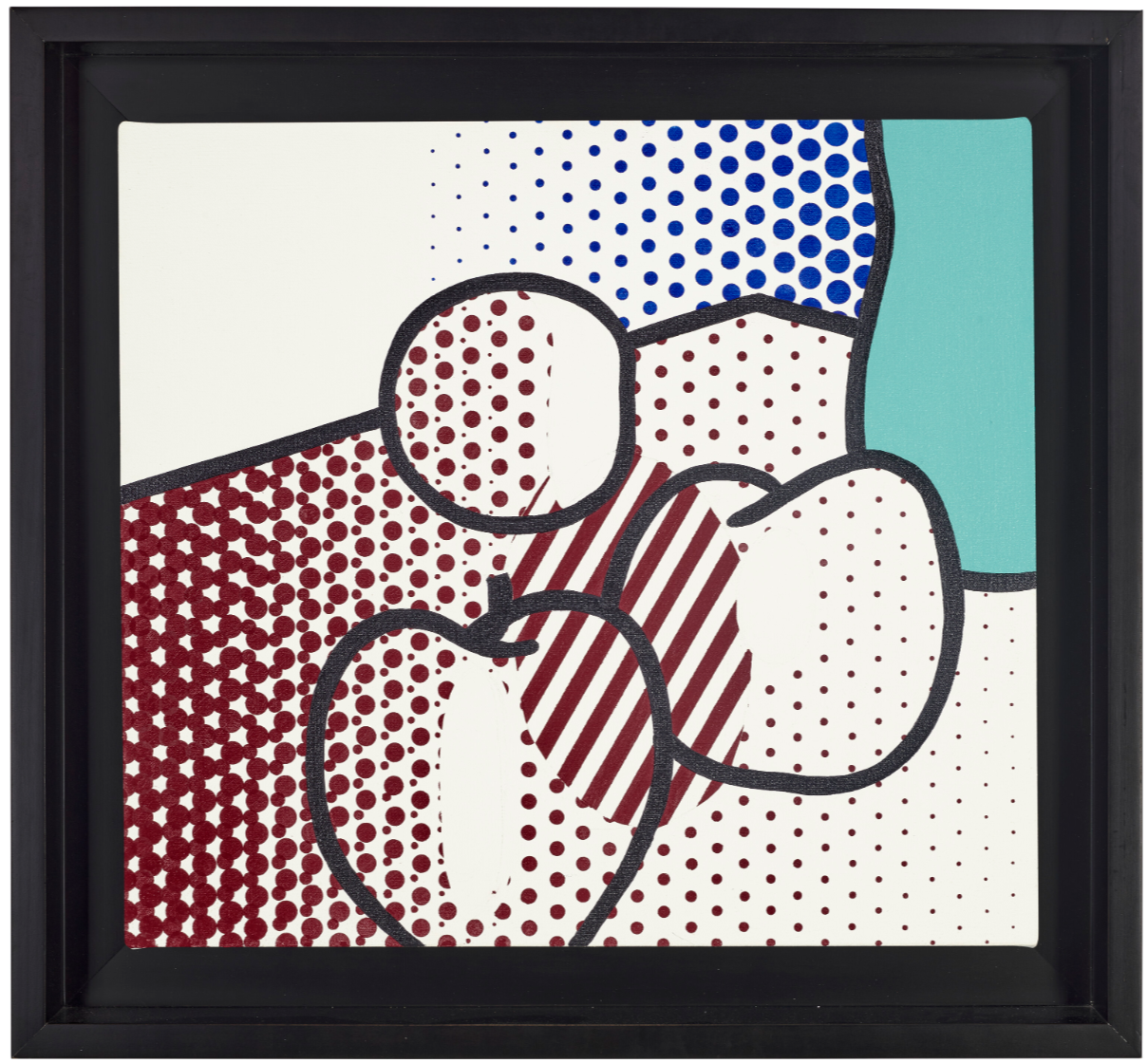
ROY LICHTENSTEIN (1923-1997)
Still Life – Red Apples, 1993
Acrylic, oil and graphite on canvas
18×20 inches (45.7 x 50.8 cm)
Signed and dated ‘rf Lichtenstein ’93’ (on the reverse)
ANDY WARHOL
Camouflage, 1986
Christie’s New-York: 22 November 2024
Estimated: USD 600,000 – 800,000
USD 730,800
ANDY WARHOL (1928-1987), Camouflage | Christie’s
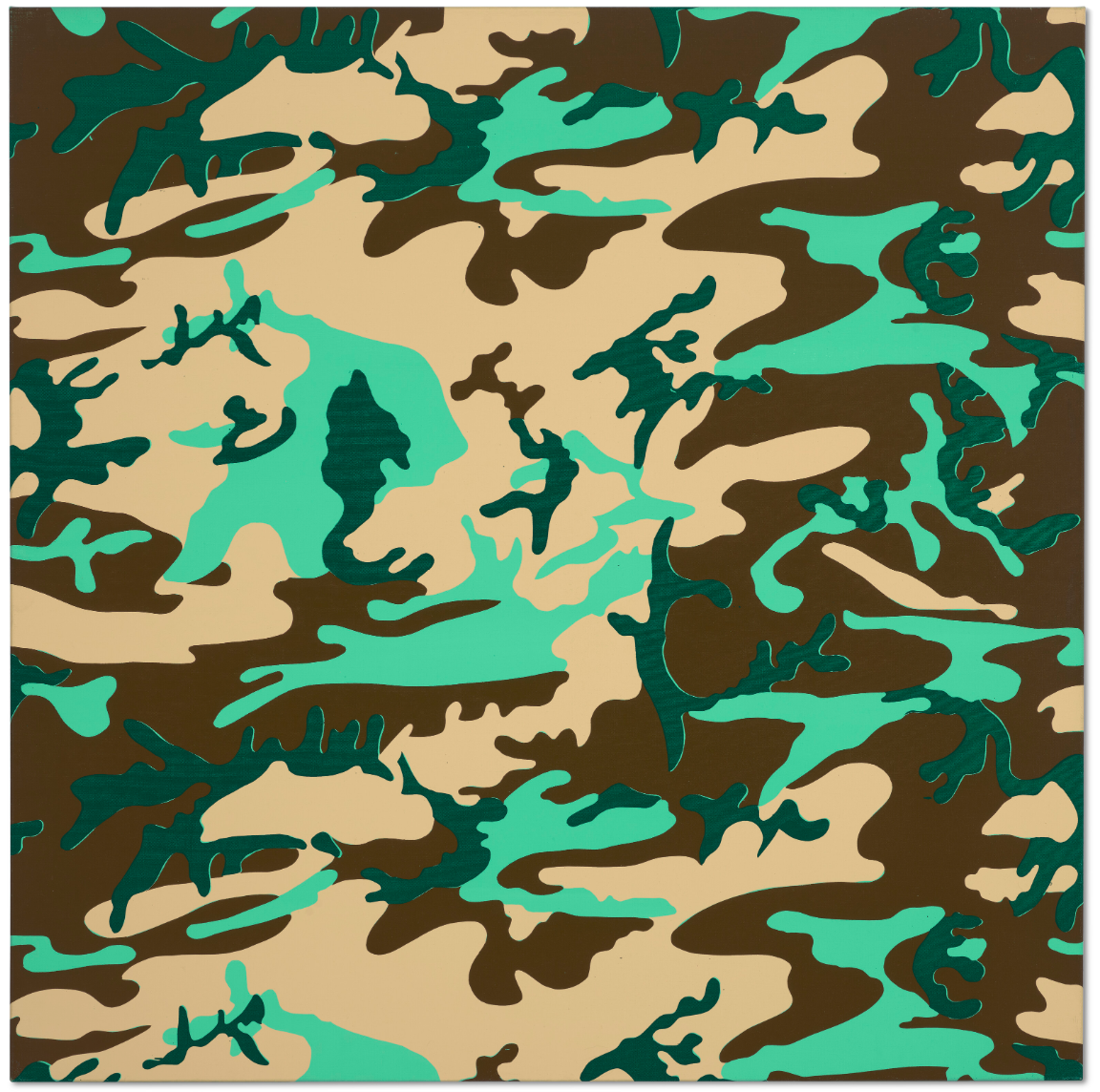
ANDY WARHOL (1928-1987)
Camouflage, 1986
Acrylic and silkscreen ink on canvas
40×40 inches (101.6 x 101.6 cm)
Stamped twice with the Andy Warhol Foundation for the Visual Arts, Inc. and the Estate of Andy Warhol stamps and numbered ‘VF PA85.006′ (on the overlap)
Numbered again ‘PA85.006’ (on the stretcher)
ANDY WARHOL
Flash (Robert Kennedy), 1968
Christie’s New-York: 22 November 2024
Estimated: USD 500,000 – 700,000
USD 541,800
ANDY WARHOL (1928-1987), Flash (Robert Kennedy) | Christie’s
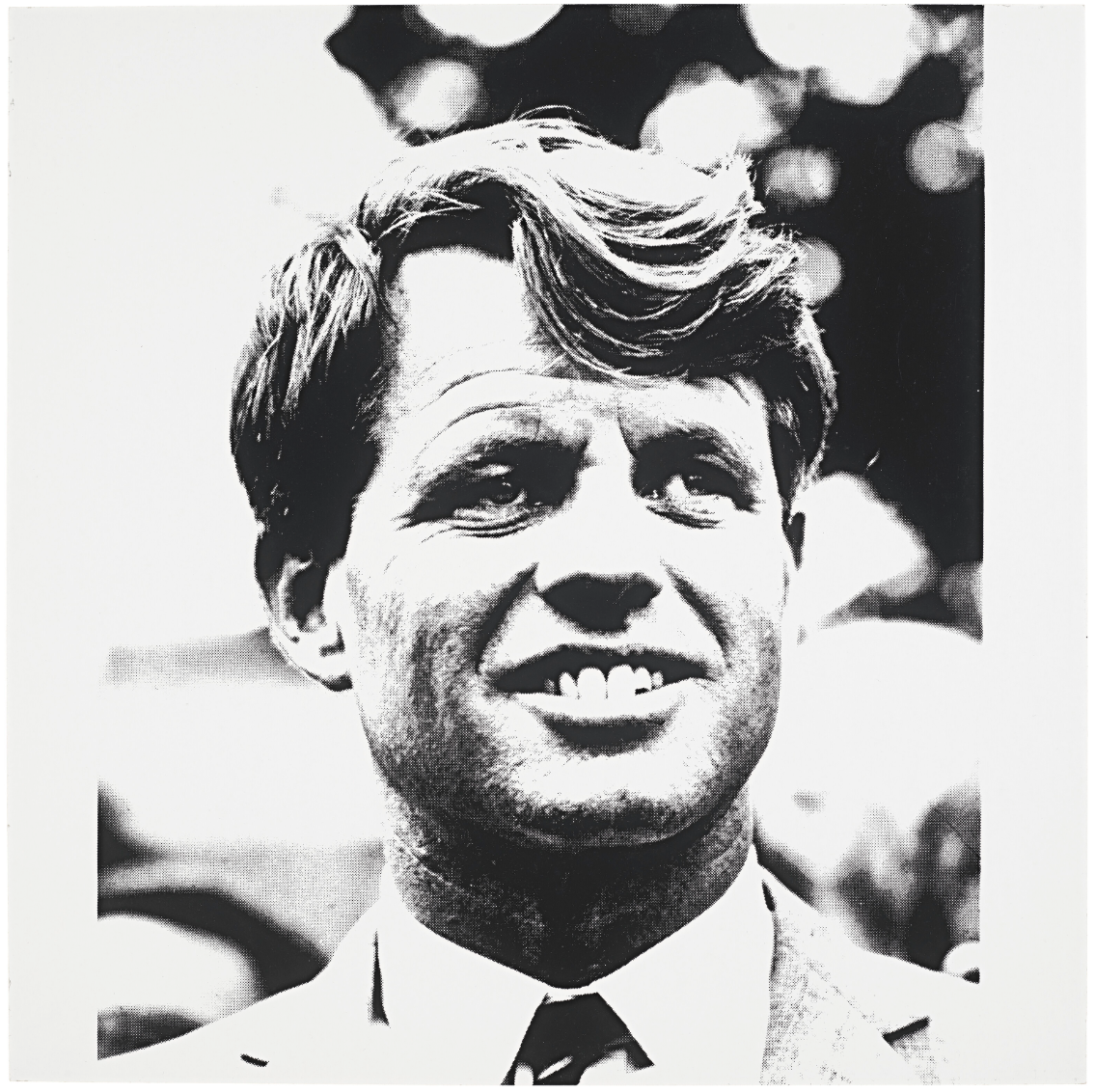
ANDY WARHOL (1928-1987)
Flash (Robert Kennedy), 1968
Screenprint on paperboard
21×21 inches (53.3 x 53.3 cm)
Stamped with the Estate of Andy Warhol and the Andy Warhol Foundation for the Visual Arts, Inc. stamps
Numbered ‘T.J.H 033+UT.001’ (on the reverse)
ROY LICHTENSTEIN
Brushstroke Still Life with Lamp, 1997
Christie’s New-York: 22 November 2024
Estimated: USD 250,000 – 350,000
USD 453,600
ROY LICHTENSTEIN (1923-1997), Brushstroke Still Life with Lamp | Christie’s
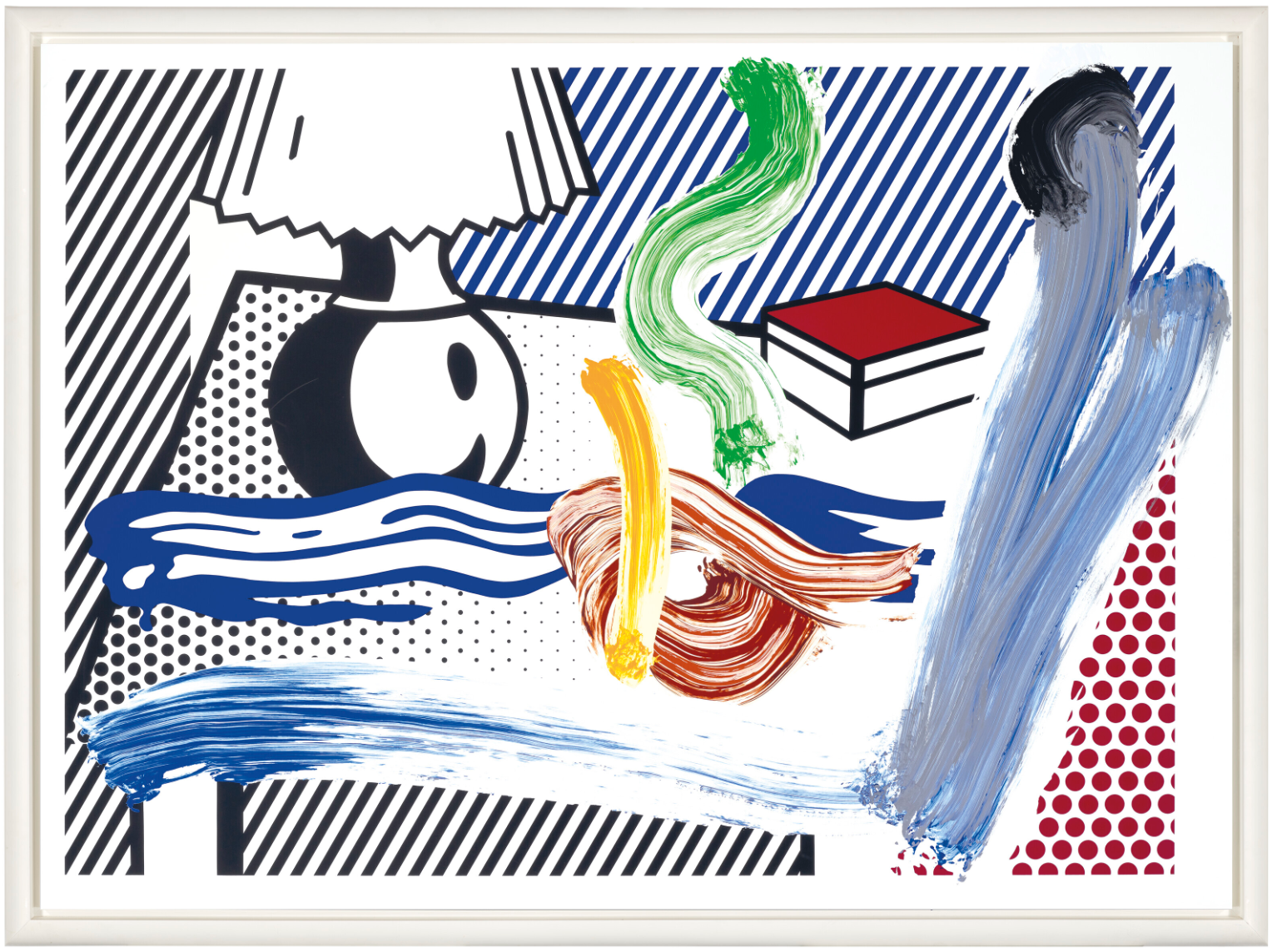
ROY LICHTENSTEIN (1923-1997)
Brushstroke Still Life with Lamp, 1997
Screenprint with hand-painted Magna on honeycomb-core aluminum panel, in artist’s frame
Aluminum panel: 49 1/2 x 68 inches (124.7 x 172.7 cm)
Overall: 54 x 72 1/2 inches (137.2 x 184.2 cm)
Signed, numbered and dated ’23⁄24 rf Lichtenstein ’97’ (on the right edge)
This work is number twenty-three from an edition of twenty-four plus eight artist’s proofs
GEORGE CONDO
Uncle Dick, 1999
Christie’s New-York: 22 November 2024
Estimated: USD 350,000 – 450,000
USD 441,000
GEORGE CONDO (B. 1957), Uncle Dick | Christie’s
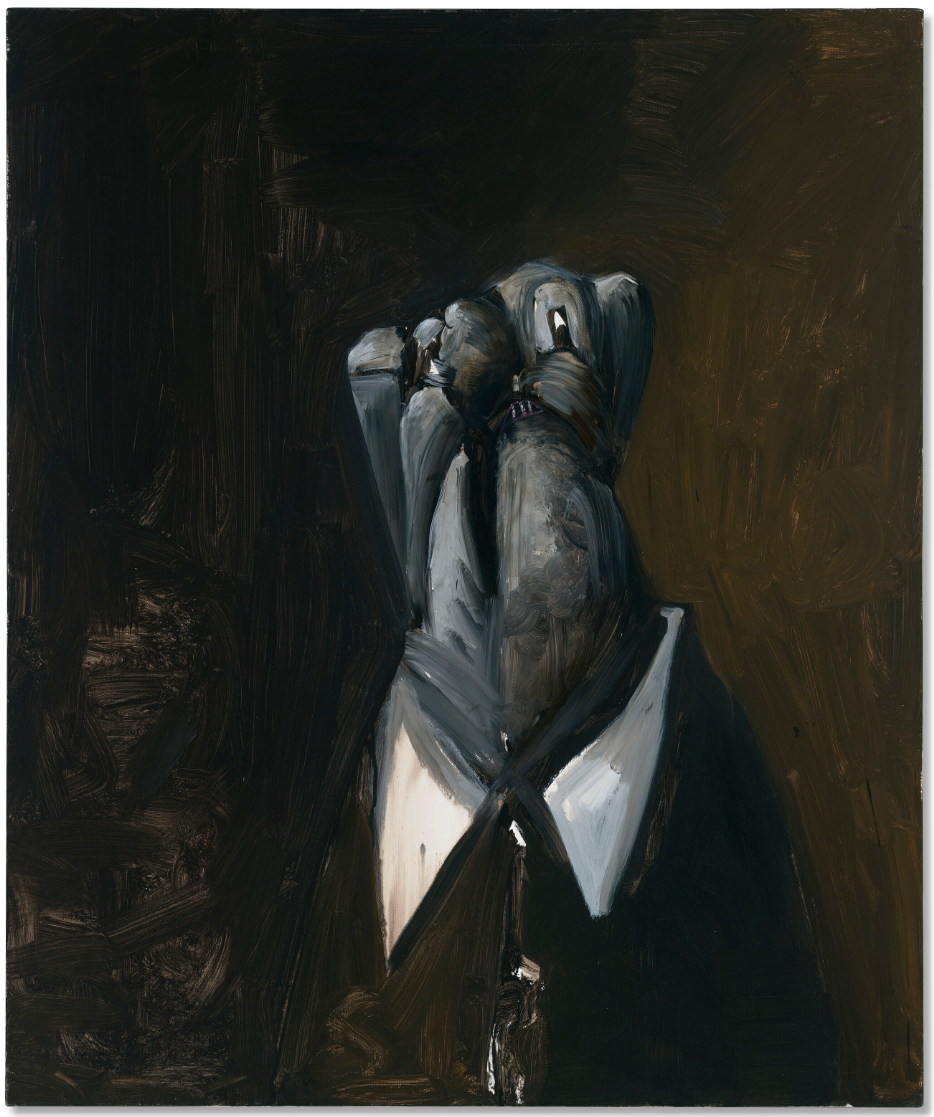
GEORGE CONDO (B. 1957)
Uncle Dick, 1999
Oil on canvas
60×50 inches (152.4 x 127 cm)
GEORGE CONDO
The Hamptonites, 2004
Christie’s New-York: 22 November 2024
Estimated: USD 400,000 – 600,000
USD 315,000
GEORGE CONDO (B. 1957), The Hamptonites | Christie’s
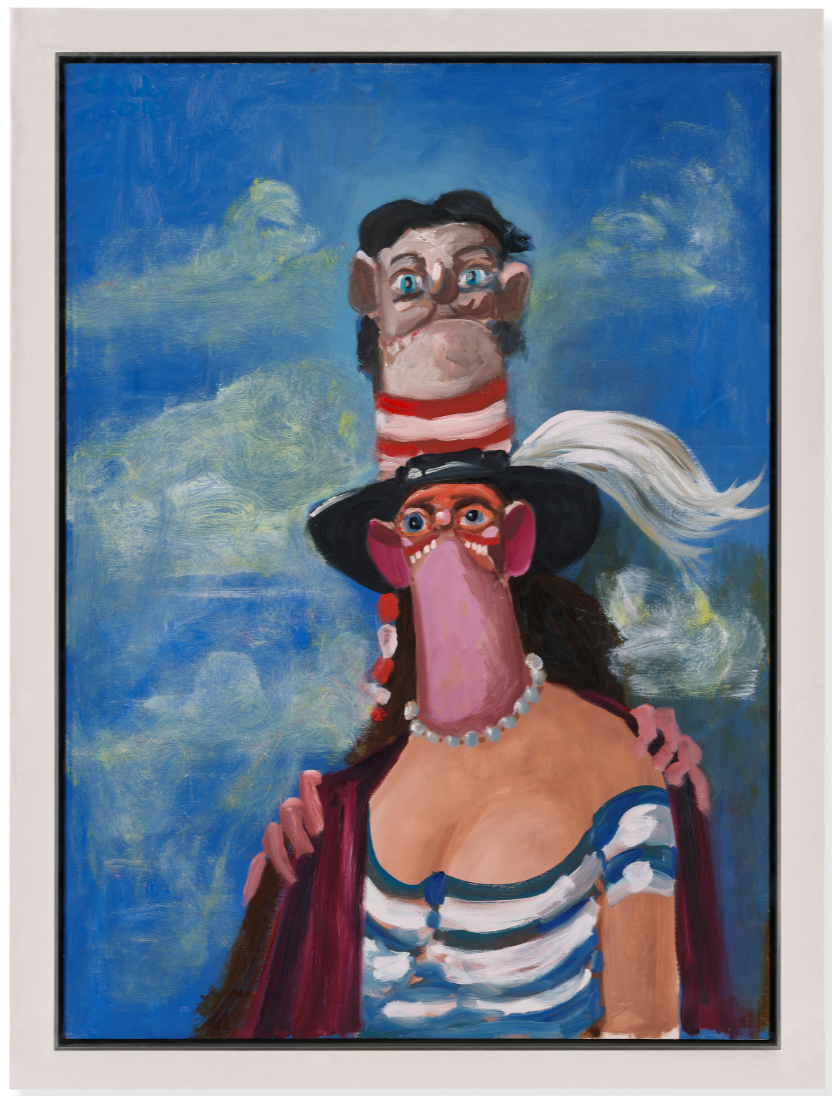
GEORGE CONDO (B. 1957)
The Hamptonites, 2004
Oil on canvas
39 7/8 x 28 7/8 inches (101.4 x 73.4 cm)
Signed and dated ‘Condo 04’ (upper left)
Signed again, titled and dated again ‘Condo 04 THE HAMPTONITES’ (on the reverse)
Passed Lots
ANDY WARHOL
Jackie, 1964
Christie’s New-York: 22 November 2024
Estimated: USD 1,000,000 – 1,500,000
PASSED
ANDY WARHOL (1928-1987), Jackie | Christie’s
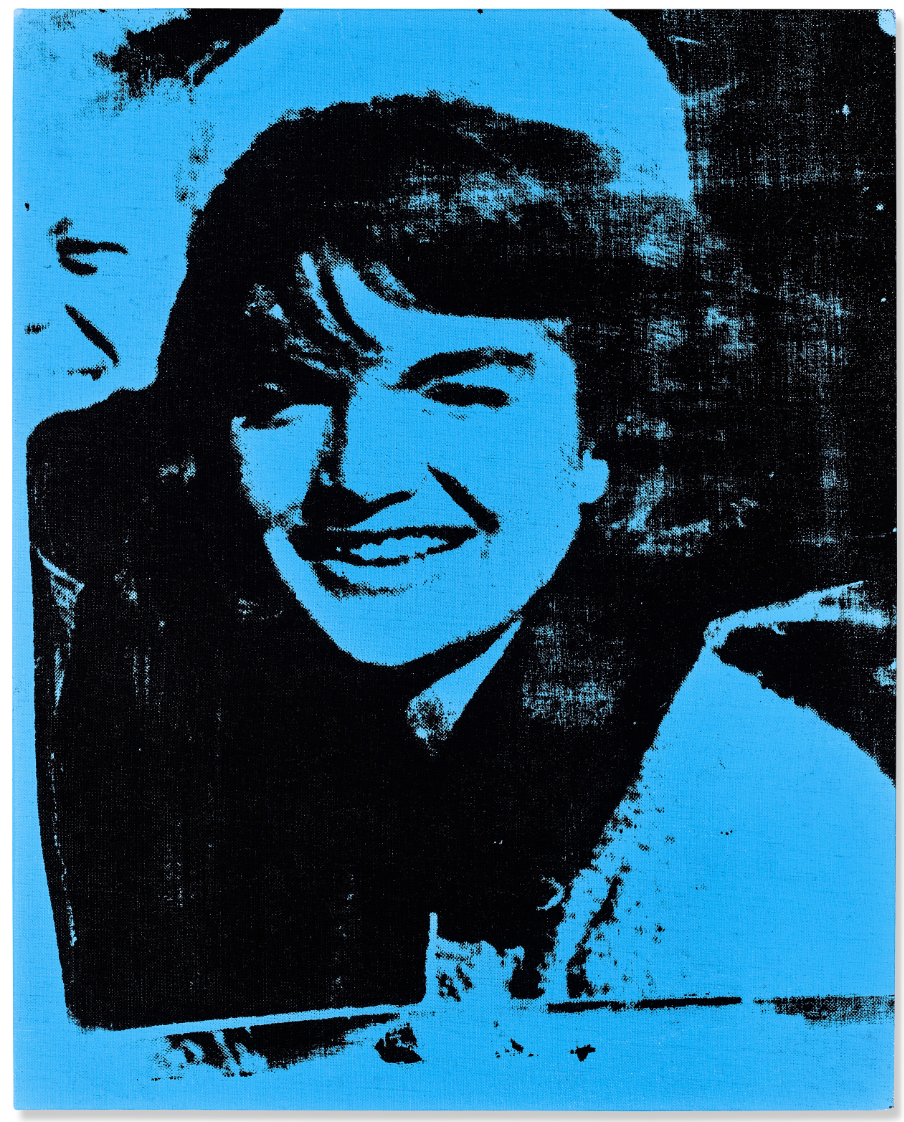
ANDY WARHOL (1928-1987)
Jackie, 1964
Acrylic and silkscreen ink on canvas
20×16 inches (50.8 x 40.6 cm)
Stamped twice with the Estate of Andy Warhol and three times with the Andy Warhol Foundation for the Visual Arts, Inc. stamps and numbered ‘VF VF PA56.061’ (on the overlap)
Numbered again ‘PA56.061’ (on the backing board)
GERHARD RICHTER
Abstraktes Bild, 1995
Christie’s New-York: 22 November 2024
Estimated: USD 1,000,000 – 1,500,000
PASSED
GERHARD RICHTER (B. 1932), Abstraktes Bild | Christie’s
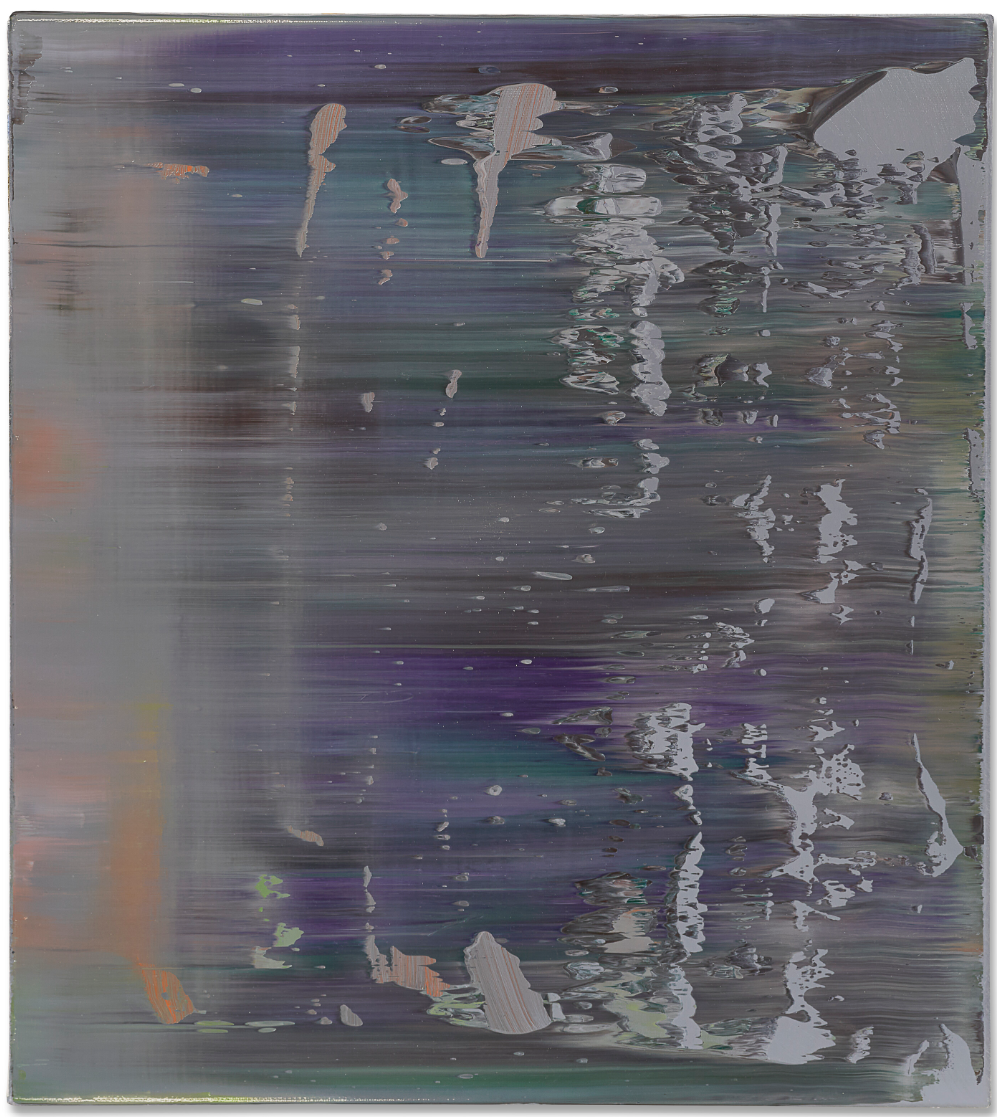
GERHARD RICHTER (B. 1932)
Abstraktes Bild, 1995
Oil on canvas
46.1 x 41.3 cm (18 1/8 x 16 1/4 inches)
signed, inscribed and dated ‘834-3 Richter X.95’ (on the reverse)
JADÉ FADOJUTIMI
The Recurrence, 2021
Christie’s New-York: 22 November 2024
Estimated: USD 350,000 – 450,000
PASSED
JADÉ FADOJUTIMI (B. 1993), The Recurrence | Christie’s
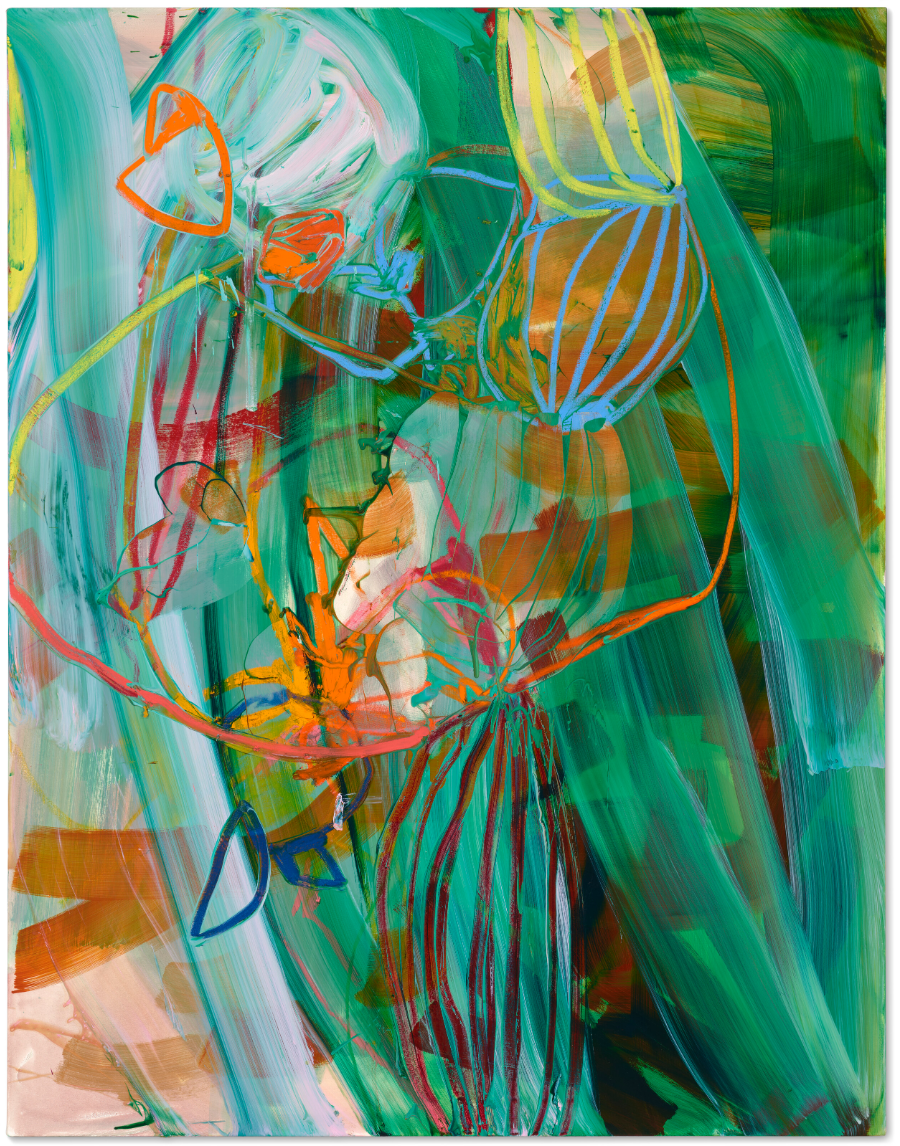
JADÉ FADOJUTIMI (B. 1993)
The Recurrence, 2021
Oil and acrylic on canvas
70 3/4 x 55 1/4 inches (179.7 x 140.3 cm)
Signed twice and dated ‘May ’21 Jadé Fadojutimi Jadé Fadojutimi’ (on the reverse)
ANDY WARHOL
Knives, 1981-1982
Christie’s New-York: 22 November 2024
Estimated: USD 300,000 – 500,000
PASSED
ANDY WARHOL (1928-1987), Knives | Christie’s
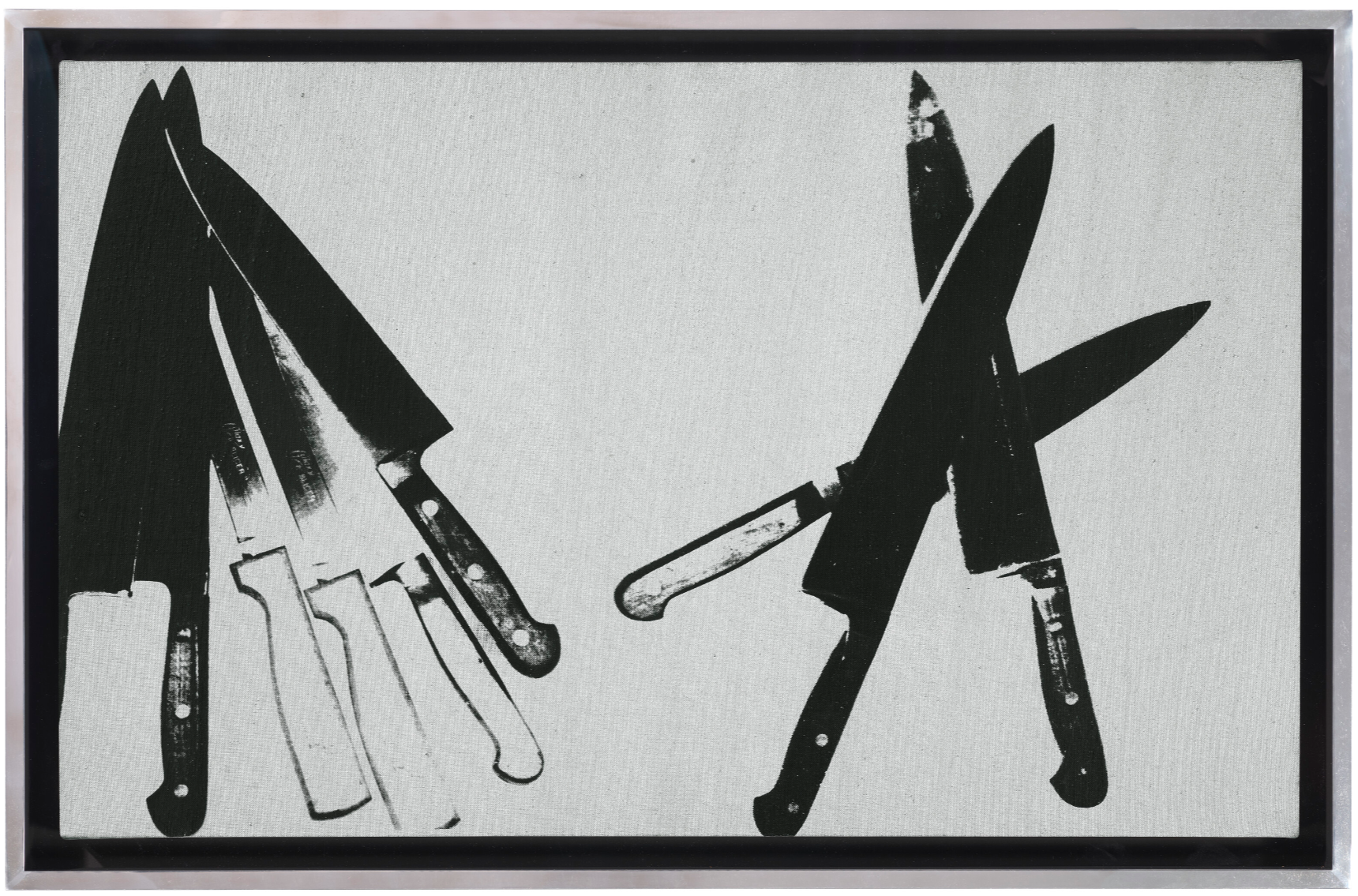
ANDY WARHOL (1928-1987)
Knives, 1981-1982
Acrylic and silkscreen ink on canvas
20×32 inches (50.80 x 81.28 cm)
Stamped twice with the Estate of Andy Warhol and the Andy Warhol Foundation for the Visual Arts, Inc. stamps and numbered twice ‘VF PA95.040 PA95.040′ (on the overlap)
Stamped again with the Andy Warhol Foundation for the Visual Arts, Inc. stamp (on the reverse)
Numbered again ‘PA 95.040’ (on the stretcher)
SOTHEBY’S
Sotheby’s:
The Collection of Sydell Miller Evening Auction
18 November 2024
A Legacy of Beauty: The Collection of Sydell Miller Evening Auction | 2024 | Sotheby’s
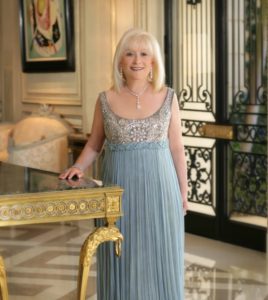
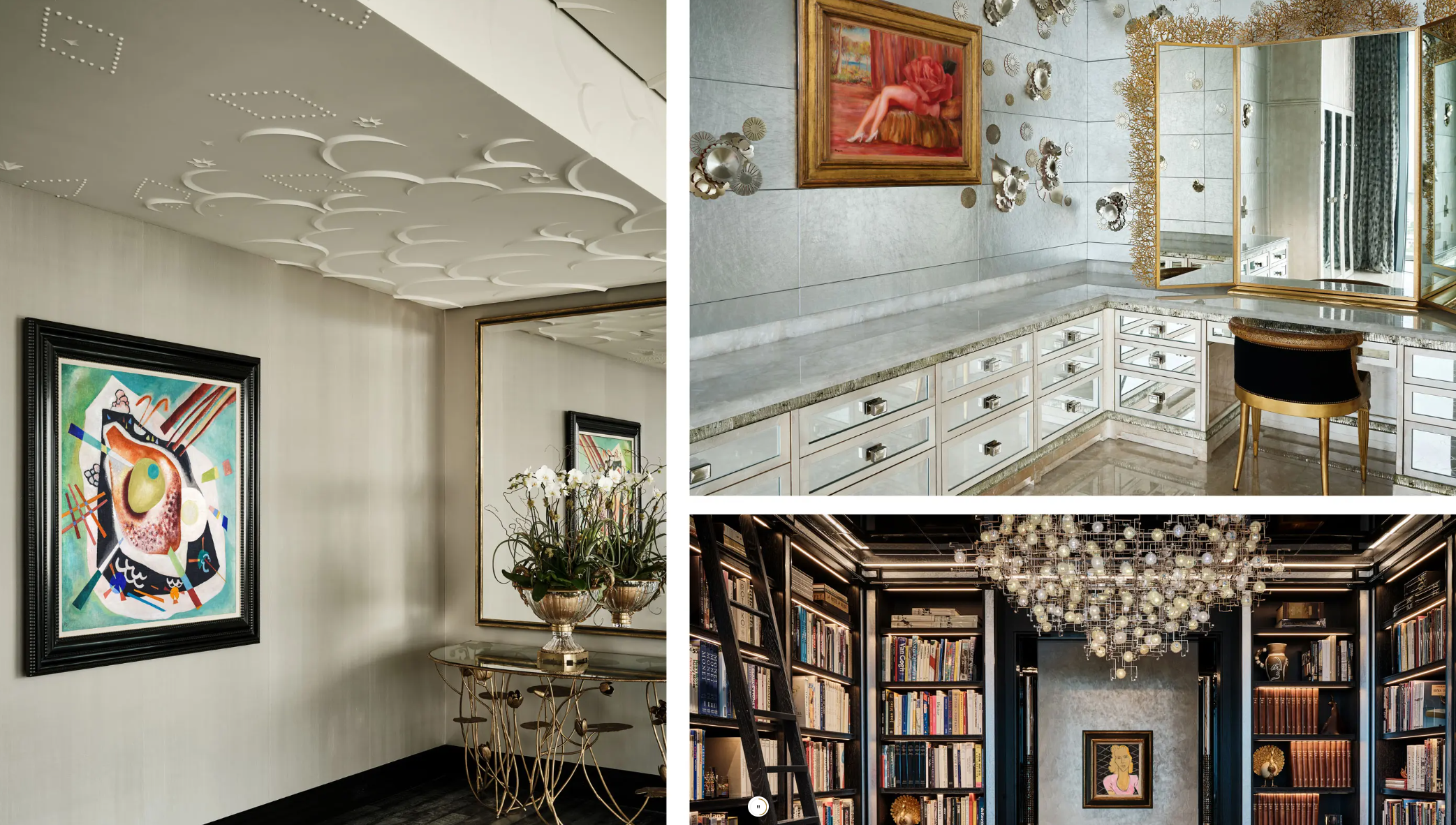
The product of a lifetime devoted to beauty in all its forms, The Sydell Miller Collection Evening Auction brings together some of the finest examples of artistic innovation in the twentieth century. From the monumental and forward-looking Nymphéas by Claude Monet, to the stately Neo-Classical depiction of a female artist by Pablo Picasso, and a pivotal, pre-Bauhaus exploration of color and rhythm by Wassily Kandinsky, this collection embodies Miller’s unerring eye and keen aestheticism. Joined by a stunning example of Yves Klein’s sponge reliefs, a monumental reclining figure by Henry Moore and a gilded elephant table by François-Xavier Lalanne, among other masterpieces of painting, sculpture and design, A Legacy of Beauty: The Sydell Miller Collection Evening Auction presents an ode to timeless beauty and creative feat.
A Legacy of Beauty: The Collection of Sydell Miller Evening Auction | Sotheby’s
Total: USD 215,953,500
# Lots: 25
# Lots sold: 25
Sell-Through Rate: 100%
#1. CLAUDE MONET
Nymphéas, circa 1914-17
A Legacy of Beauty: The Collection of Sydell Miller
Sotheby’s New-York: 18 November 2024
Estimate on Request
USD 65,500,000
Nymphéas | A Legacy of Beauty: The Collection of Sydell Miller Evening Auction | 2024 | Sotheby’s
CLAUDE MONET (1840 – 1926)
Nymphéas, circa 1914-17
Oil on canvas
175 x 135.4 cm (68 7/8 x 53 3/8 inches)
Stamped with the signature Claude Monet (on the reverse)
Stamped again (on the stretcher)
#2. PABLO PICASSO
La Statuaire, 1925
A Legacy of Beauty: The Collection of Sydell Miller
Sotheby’s New-York: 18 November 2024
Estimate on Request
USD 24,800,000
PABLO PICASSO (1881 – 1973)
La Statuaire, 1925
Oil on canvas
131 x 97.8 cm (51 5/8 x 38 1/2 inches)
Signed Picasso and dated 25 (lower right)
Dated XXV-II-XXV (on the stretcher)
#3. WASSILY KANDINSKY
Weisses Oval (White Oval), 1921
A Legacy of Beauty: The Collection of Sydell Miller
Sotheby’s New-York: 18 November 2024
Estimated: USD 15,000,000 – 20,000,000
USD 21,610,000
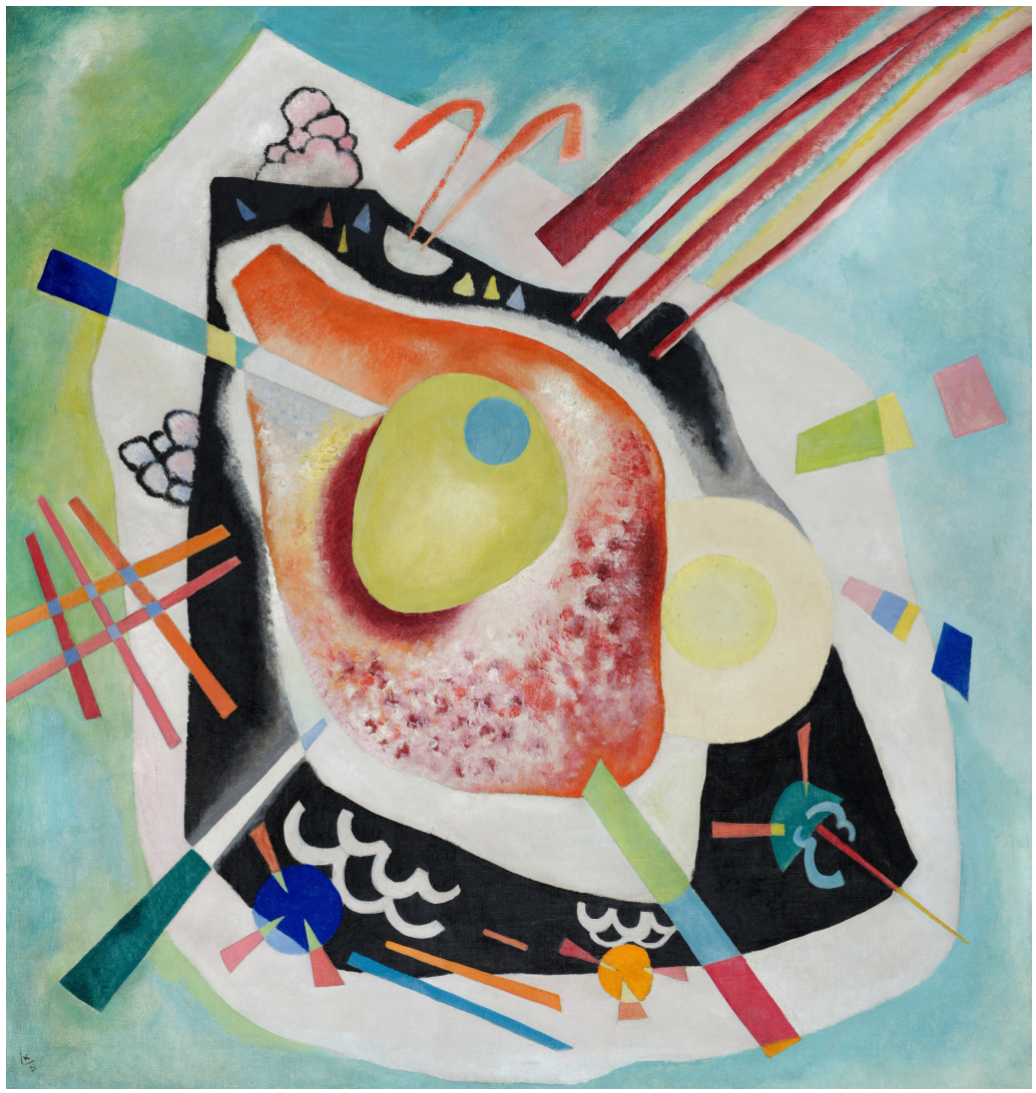
WASSILY KANDINSKY (1866 – 1944)
Weisses Oval (White Oval), 1921
Oil on canvas
105.7 x 100.6 cm (41 5/8 x 39 5/8 inches)
Signed with the monogram and dated 21 (lower left)
Signed again with the monogram, dated 1921. and inscribed No. 239. (on the reverse)
#4. YVES KLEIN
Relief Éponge bleu sans titre, (RE 28), 1961
A Legacy of Beauty: The Collection of Sydell Miller
Sotheby’s New-York: 18 November 2024
Estimated: USD 8,000,000 – 12,000,000
USD 14,227,500
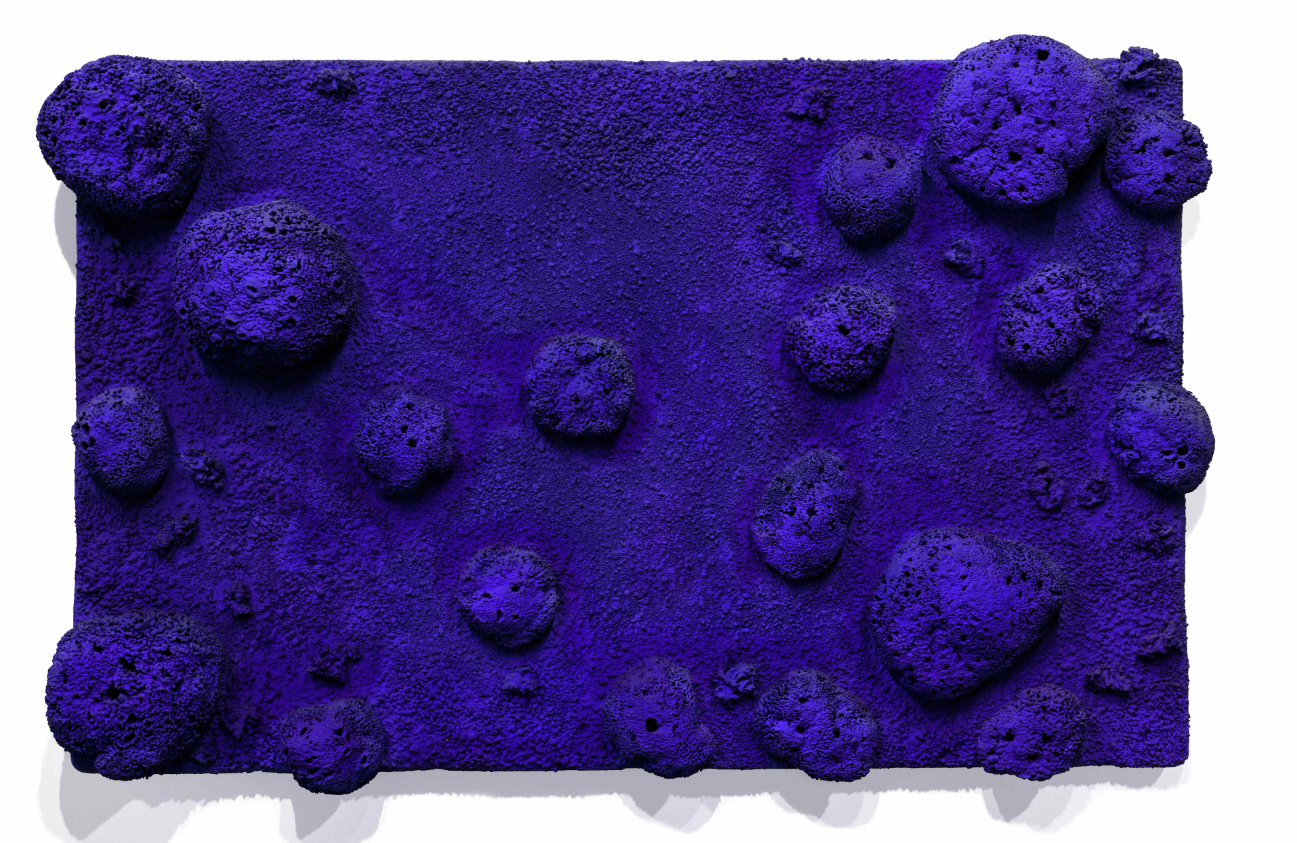
YVES KLEIN (1928 – 1962)
Relief Éponge bleu sans titre, (RE 28), 1961
Dry pigment and synthetic resin, natural sponges and pebbles on panel
78.7 x 128 cm (31 x 50 3/8 inches)
Signed with the artist’s initials YK (on the reverse)
Sotheby’s: Modern Evening Auction
18 November 2024
Modern Evening Auction | 2024 | Sotheby’s
Total: USD 92,934,000
# Lots: 33
# Lots withdrawn: 2
# Lots sold: 24
Sell-Through Rate: 72.7%
#1. ALBERTO GIACOMETTI
Buste (Tête tranchante) (Diego), circa 1953
Sotheby’s New-York: 18 November 2024
Estimated: USD 10,000,000 – 15,000,000
USD 13,250,000
Buste (Tête tranchante) (Diego) | Modern Evening Auction | 2024 | Sotheby’s
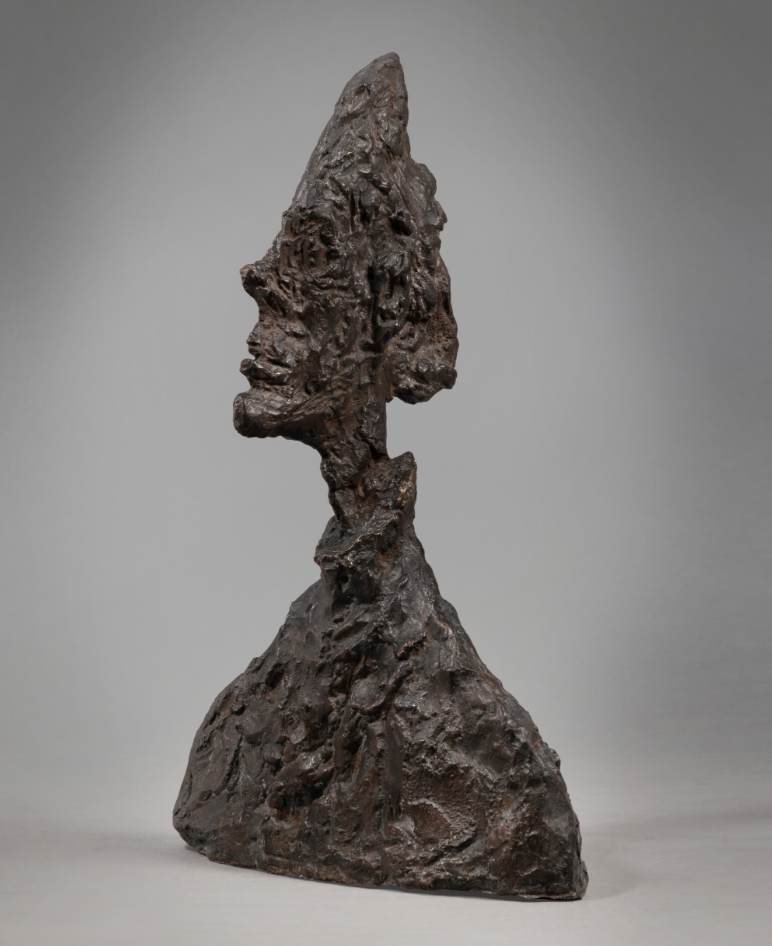
ALBERTO GIACOMETTI (1901-1966)
Buste (Tête tranchante) (Diego), circa 1953
Bronze
Height: 33.5 cm (13 1/8 inches)
Inscribed Alberto Giacometti, numbered 1/6, dated 1953 and inscribed with the foundry mark Susse Fond. Paris
Conceived circa 1953 and cast in 1954
PABLO PICASSO
Buste de femme, 1949
Sotheby’s New-York: 18 November 2024
Estimated: USD 9,000,000 – 12,000,000
USD 9,950,000
Buste de femme | Modern Evening Auction | 2024 | Sotheby’s
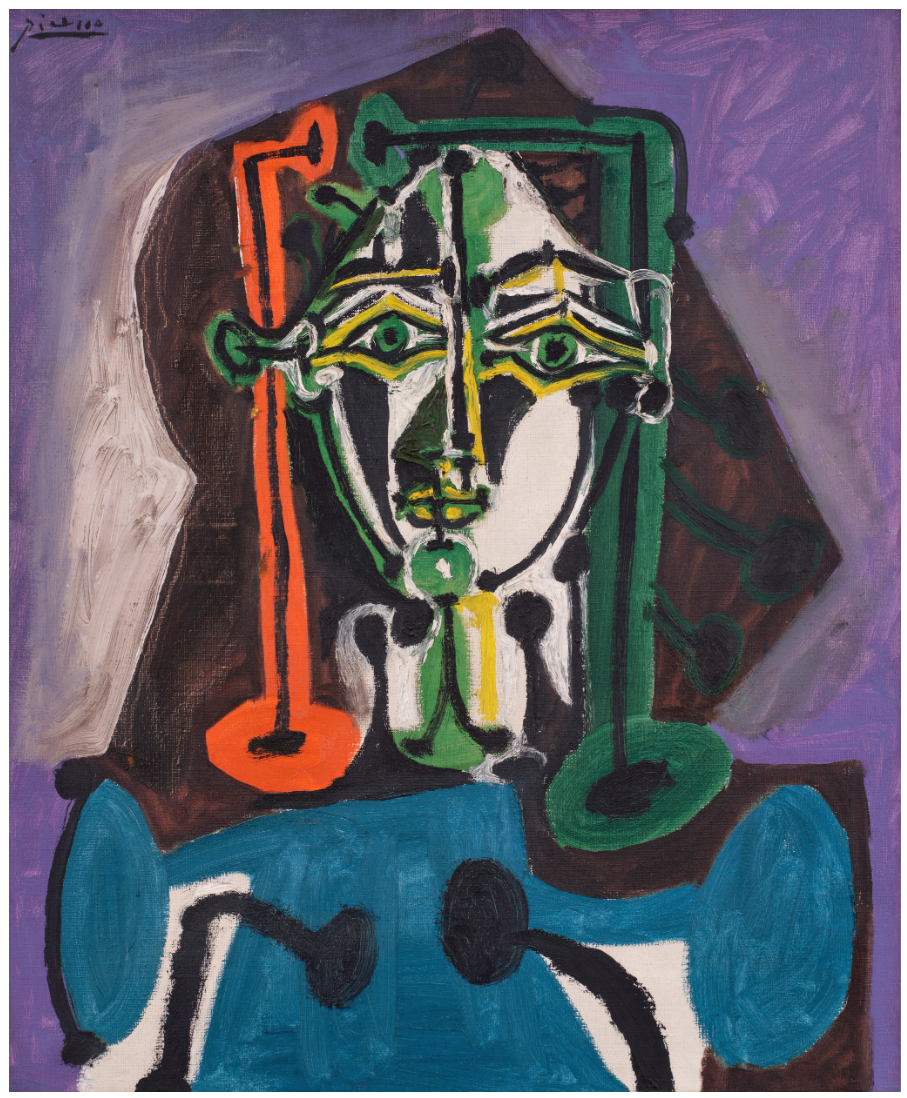
PABLO PICASSO (1881 – 1973)
Buste de femme, 1949
Oil on canvas
61×50 cm (24 x 19 5/8 inches)
Signed Picasso (upper left)
Dated 24.3.49. (on the reverse)
FRANZ MARC
Das Lange Gelbe Pferd (The Long Yellow Horse), 1913
Sotheby’s New-York: 18 November 2024
Estimated: USD 8,000,000 – 12,000,000
Das Lange Gelbe Pferd (The Long Yellow Horse) | Modern Evening Auction | 2024 | Sotheby’s
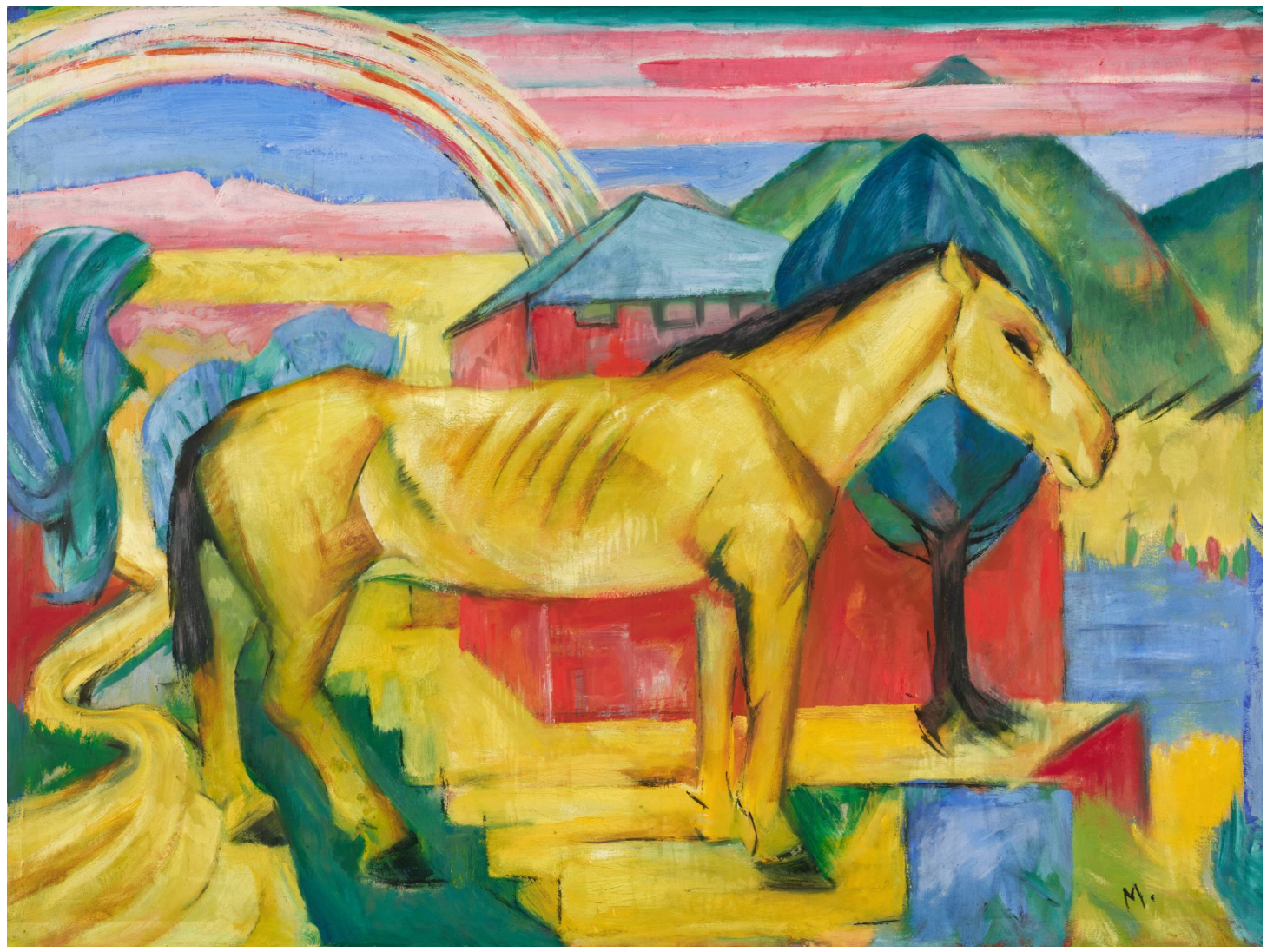
FRANZ MARC (1880 – 1916)
Das Lange Gelbe Pferd (The Long Yellow Horse), 1913
Oil and tempera on paper mounted on board
61.3 x 81.4 cm (24 1/2 x 32 1/8 inches)
Signed with the initial M. (lower right)
Signed Fz. Marc, dated 1913 and titled (on the reverse)
PABLO PICASSO
Femme au chat assise, 1964
Sotheby’s New-York: 18 November 2024
Estimated: USD 7,000,000 – 10,000,000
Femme au chat assise | Modern Evening Auction | 2024 | Sotheby’s
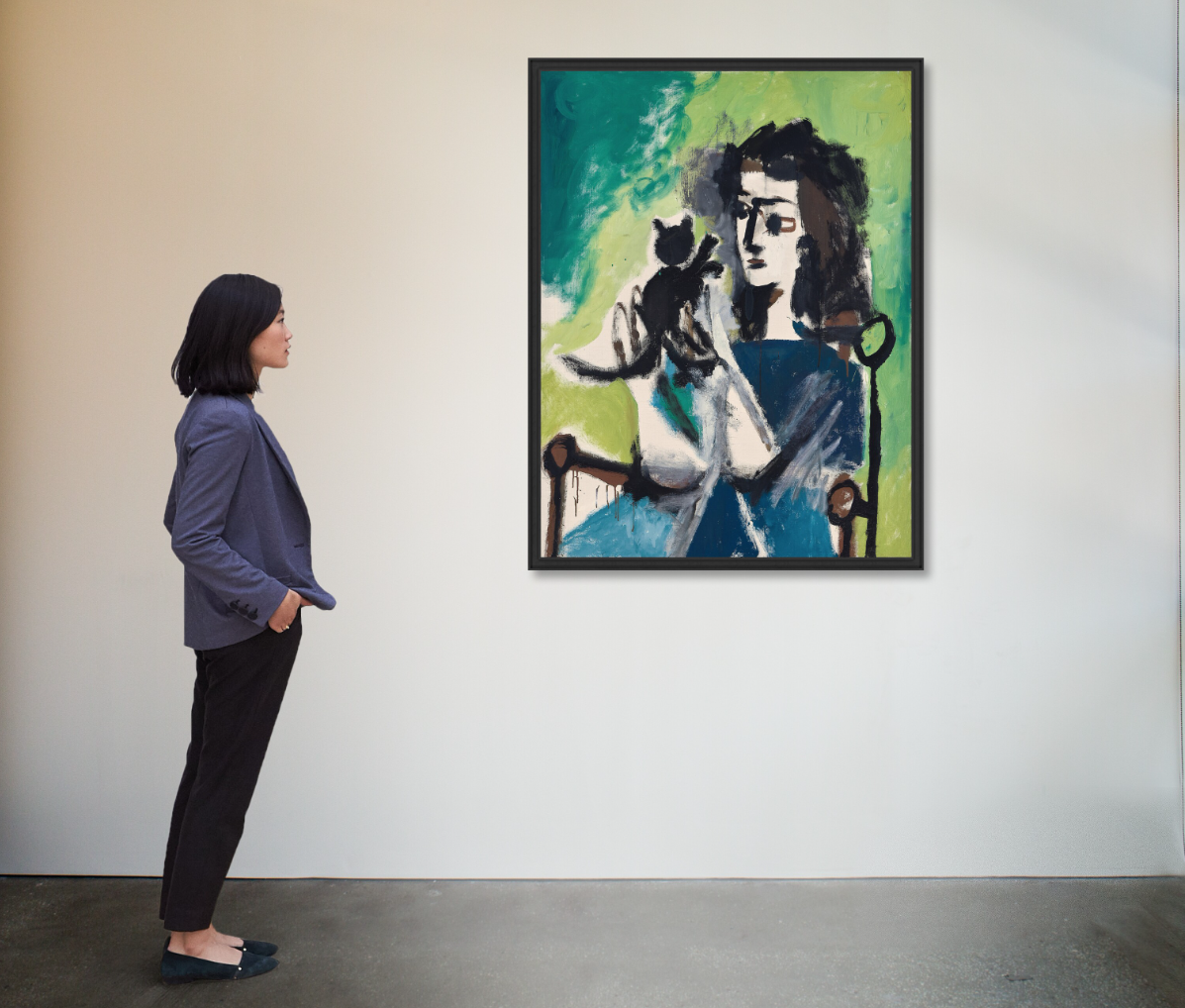
PABLO PICASSO (1881 – 1973)
Femme au chat assise, 1964
Oil and Ripolin on canvas
116×89 cm (45 5/8 x 35 inches)
Dated 2. and 8.5.64. and numbered III (on the reverse)
Executed on 2 and 8 May 1964
HENRI MATISSE
Torse de jeune fille, 1921-22
Sotheby’s New-York: 18 November 2024
Estimated: USD 12,000,000 – 18,000,000
THIRD PARTY GUARANTEE
Torse de jeune fille | Modern Evening Auction | 2024 | Sotheby’s
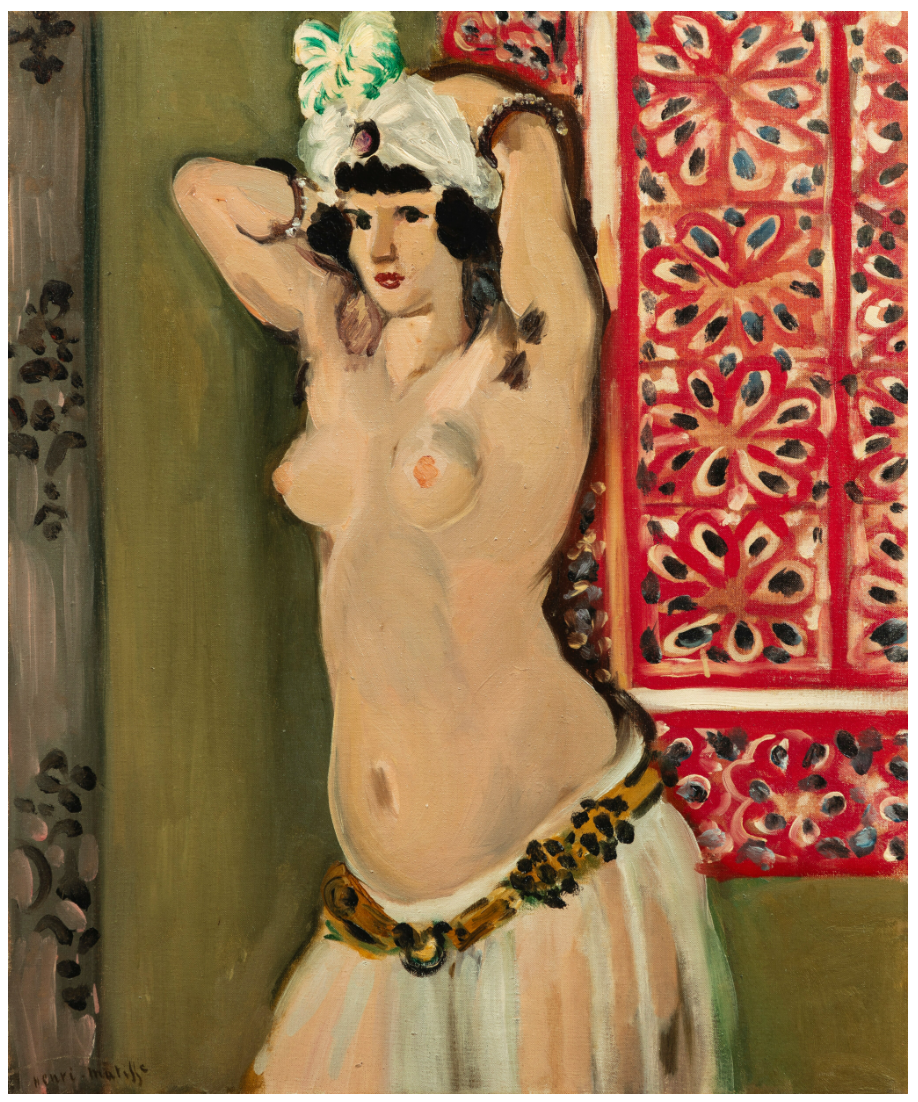
HENRI MATISSE (1869 – 1954)
Torse de jeune fille, 1921-22
Oil on canvas
60.5 x 50.5 cm (23 7/8 x 19 7/8 inches)
Signed Henri. Matisse (lower left)
Sotheby’s: The Now and Contemporary Evening Auction
20 November 2024
The Now and Contemporary Evening Auction | 2024 | Sotheby’s
Total: USD 112,287,000
Total: 43 Lots
Withdrawn: 3 Lots
Sold: 35 Lots
Sell-Through Rate: 87.5%
#1. ED RUSCHA
Georges’ Flag, 1999
Sotheby’s New-York: 18 November 2024
Estimated: USD 8,000,000 – 12,000,000
USD 13,650,000
Georges’ Flag | The Now and Contemporary Evening Auction | 2024 | Sotheby’s
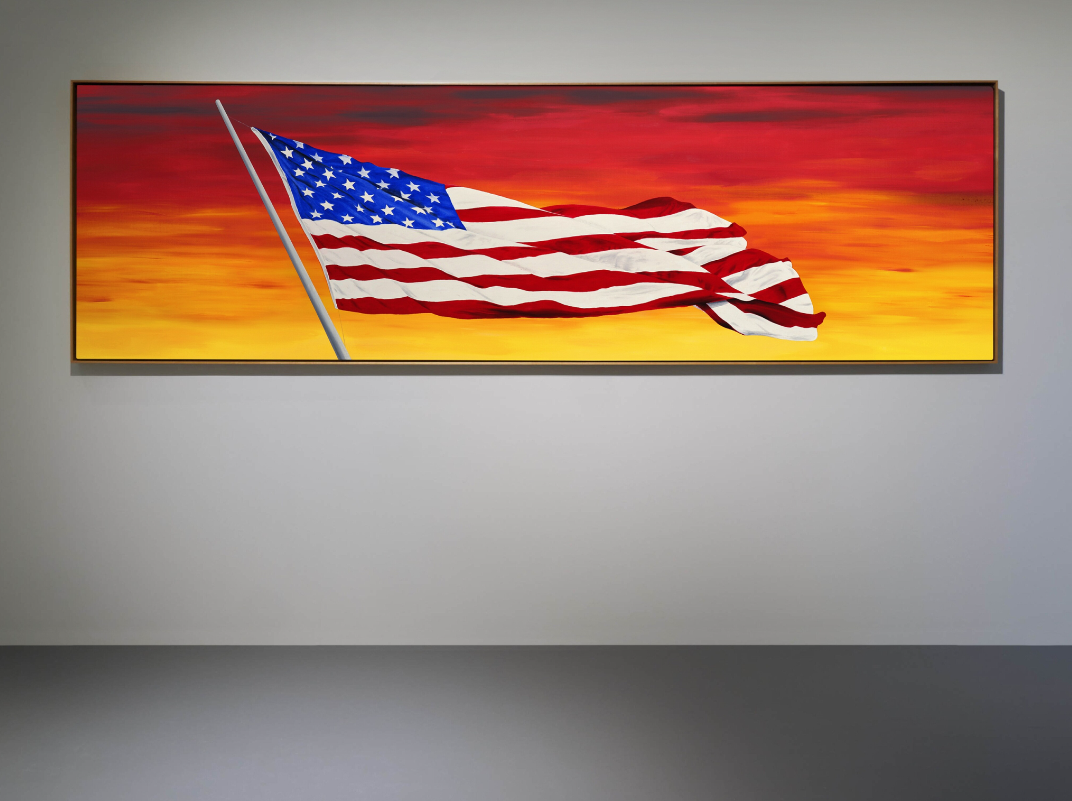
ED RUSCHA (b. 1937)
Georges’ Flag, 1999
Oil on canvas
38 x 129 1/8 inches (96.5 x 328 cm)
Signed and dated 1999 (on the reverse)
Signed, titled and dated 1999 (on the stretcher)
#3. WILLEM DE KOONING
Untitled XXV, 1982
Sotheby’s New-York: 20 November 2024
Estimated: USD 9,000,000 – 12,000,000
THIRD PARTY GUARANTEE
USD 19,940,000
Untitled XXV | The Now and Contemporary Evening Auction | 2024 | Sotheby’s
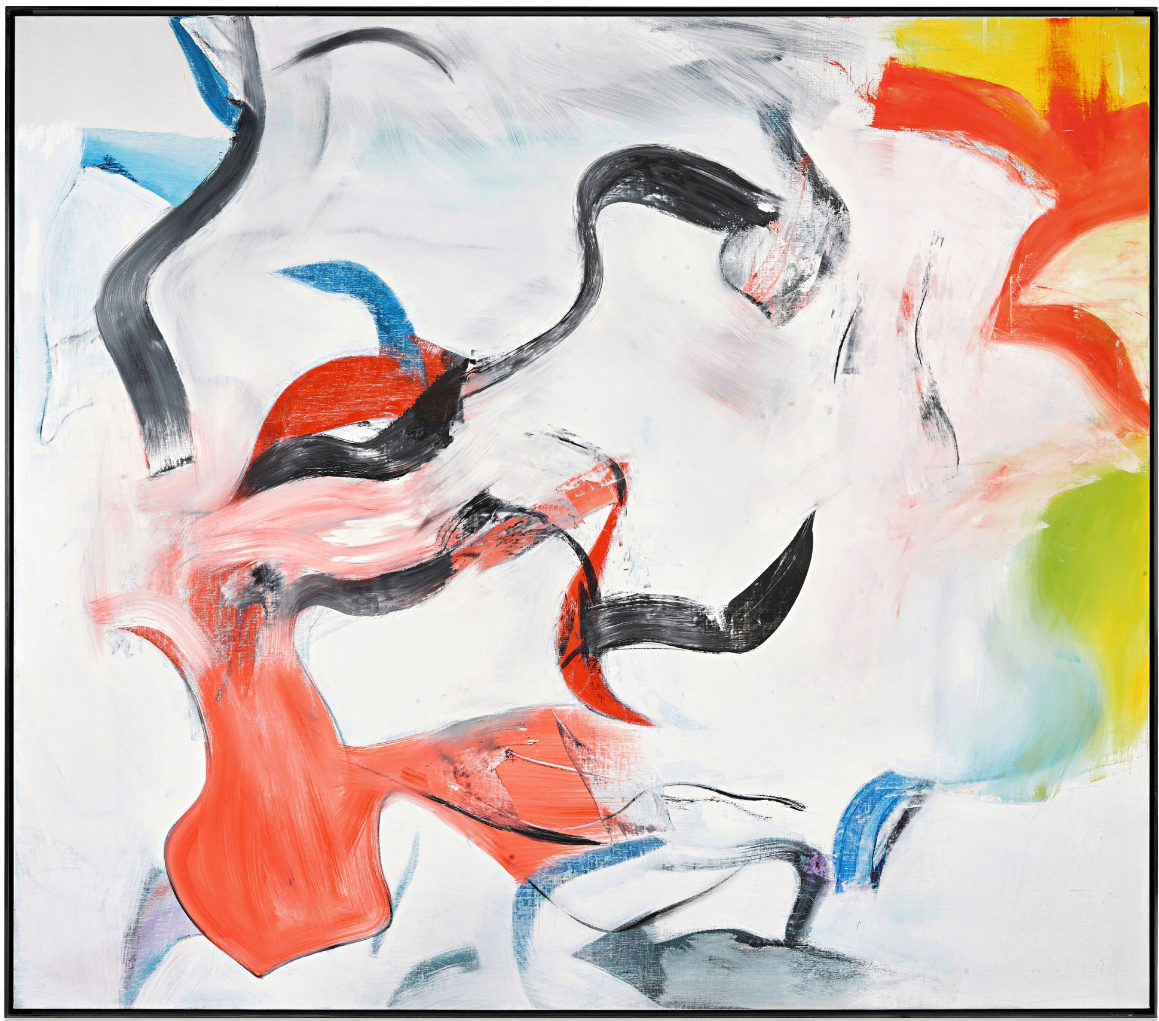
WILLEM DE KOONING (1904 – 1997)
Untitled XXV, 1982
Oil on canvas
70×80 inches (177.8 x 203.2 cm)
#4. JEAN-MICHEL BASQUIAT
Red Kings, 1981
Sotheby’s New-York: 20 November 2024
Estimated: USD 6,000,000 – 8,000,000
USD 7,200,000
Red Kings | The Now and Contemporary Evening Auction | 2024 | Sotheby’s
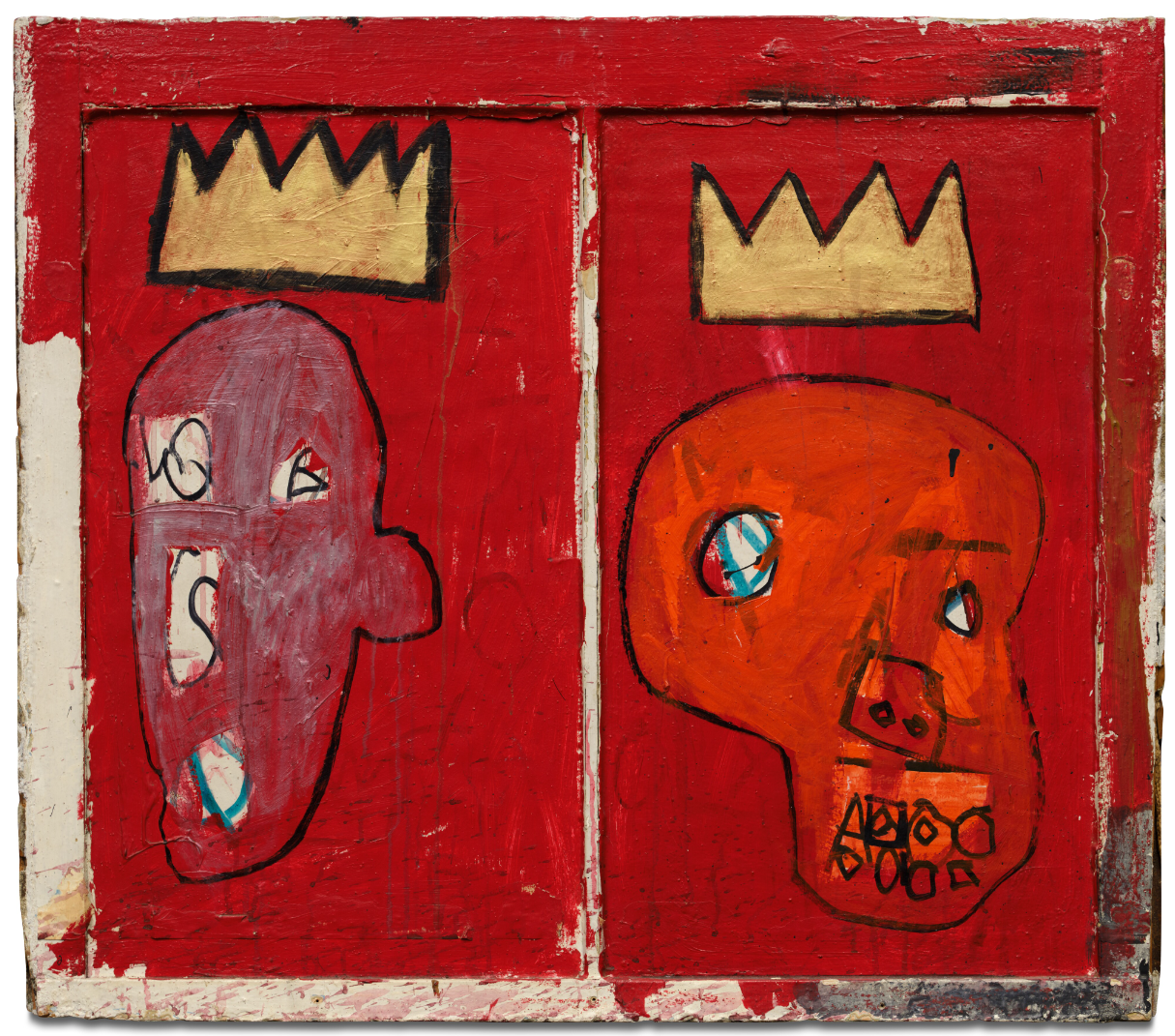
JEAN-MICHEL BASQUIAT (1960 – 1988)
Red Kings, 1981
Acrylic on wood and glass
32×37 inches (81.3 x 94 cm)
Signed, dated 1981 and inscribed NYC (on the reverse)
#5. RICHARD PRINCE
Nurse on Trial, 2005
Sotheby’s New-York: 20 November 2024
Estimated: USD 5,000,000 – 7,000,000
USD 6,700,000
Nurse on Trial | The Now and Contemporary Evening Auction | 2024 | Sotheby’s
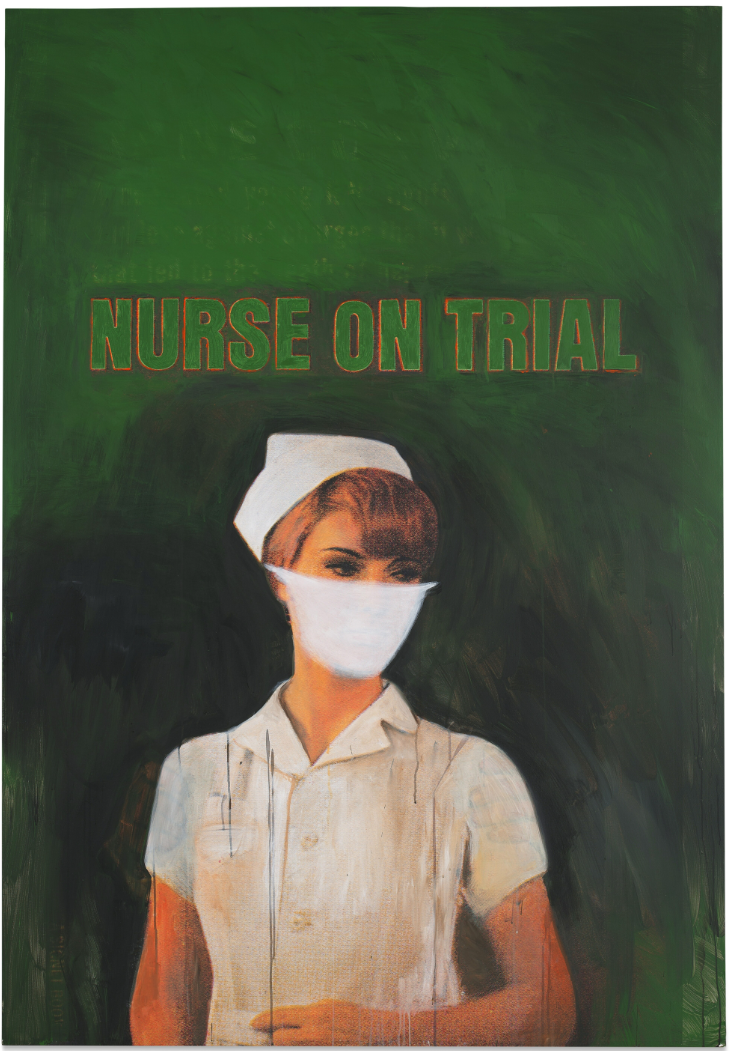
RICHARD PRINCE (b. 1949)
Nurse on Trial, 2005
Acrylic and inkjet on canvas
75×52 inches (190.5 x 132.1 cm)
Signed, titled and dated 2005 (on the overlap)
#6. MAURIZIO CATTELAN
Comedian, 2019
Sotheby’s New-York: 20 November 2024
Estimated: USD 1,000,000 – 1,500,000
USD 6,240,000
Comedian | The Now and Contemporary Evening Auction | 2024 | Sotheby’s
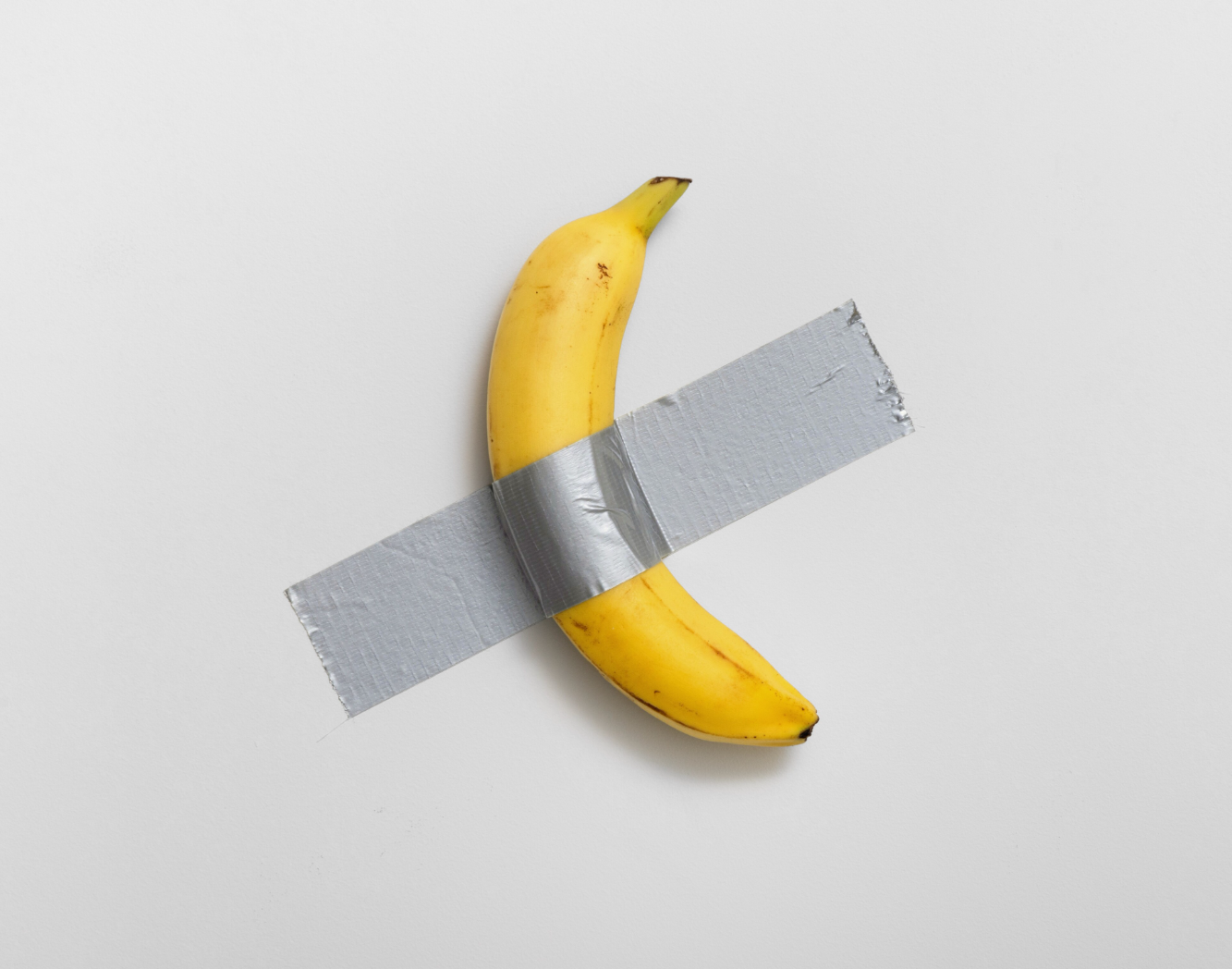
MAURIZIO CATTELAN (b. 1960)
Comedian, 2019
Banana and duct tape
8x8x2 inches (20x20x5 cm)
(installation dimensions variable)
This work is number 2 from an edition of 3 plus 2 artist’s proofs
#7. FERNANDO BOTERO
Horse, 1992
Sotheby’s New-York: 20 November 2024
Estimated: USD 3,000,000 – 5,000,000
USD 4,920,000
Horse | The Now and Contemporary Evening Auction | 2024 | Sotheby’s
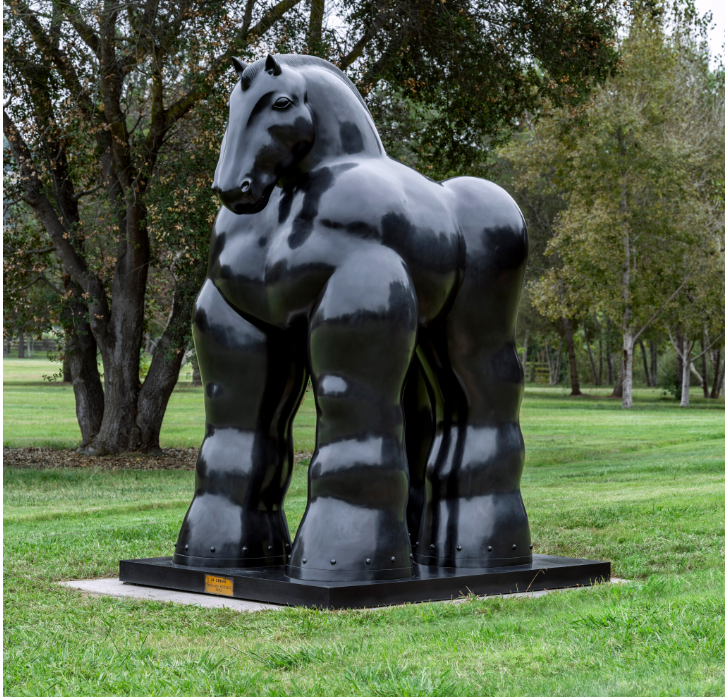
FERNANDO BOTERO (1932 – 2023)
Horse, 1992
Bronze
304.8 x 174.6 x 229.9 cm (120 x 68 3/4 x 90 1/2 inches)
Incised with the artist’s signature, numbered E.A. 1/2 and stamped with the foundry mark (on the base)
This work is artist’s proof 1 from an edition of 3 plus 2 artist’s proofs
#8. ROY LICHTENSTEIN
Nude with Bust (Study), 1995
Works from the Collection of Dorothy and Roy Lichtenstein
Sotheby’s New-York: 20 November 2024
Estimated: USD 3,000,000 – 5,000,000
USD 4,560,000
Nude with Bust (Study) | The Now and Contemporary Evening Auction | 2024 | Sotheby’s
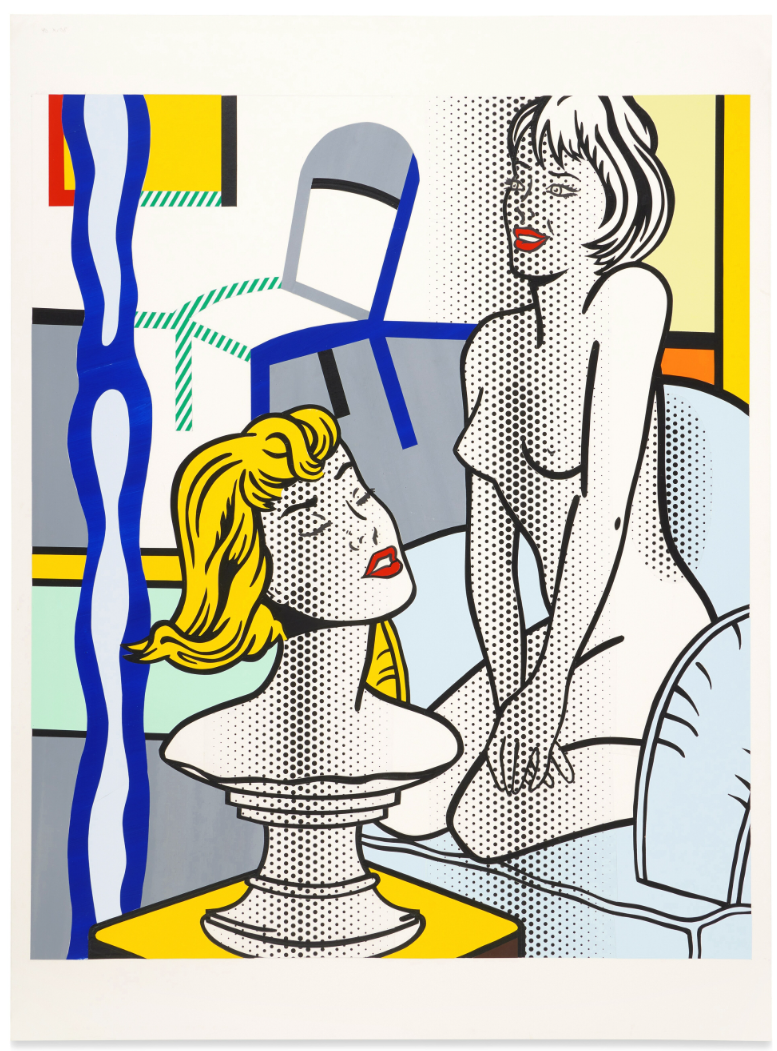
ROY LICHTENSTEIN (1923 – 1997)
Nude with Bust (Study), 1995
Tape, cut painted paper, cut printed paper, marker and graphite on board
Image: 53 7/8 x 45 inches (136.8 x 114.3 cm)
Board: 63 7/8 x 47 1/2 inches (162.2 x 120.7 cm)
#9. ROY LICHTENSTEIN
Sleeping Muse, 1983
Works from the Collection of Dorothy and Roy Lichtenstein
Sotheby’s New-York: 20 November 2024
Estimated: USD 2,000,000 – 3,000,000
USD 4,440,000
Sleeping Muse | The Now and Contemporary Evening Auction | 2024 | Sotheby’s
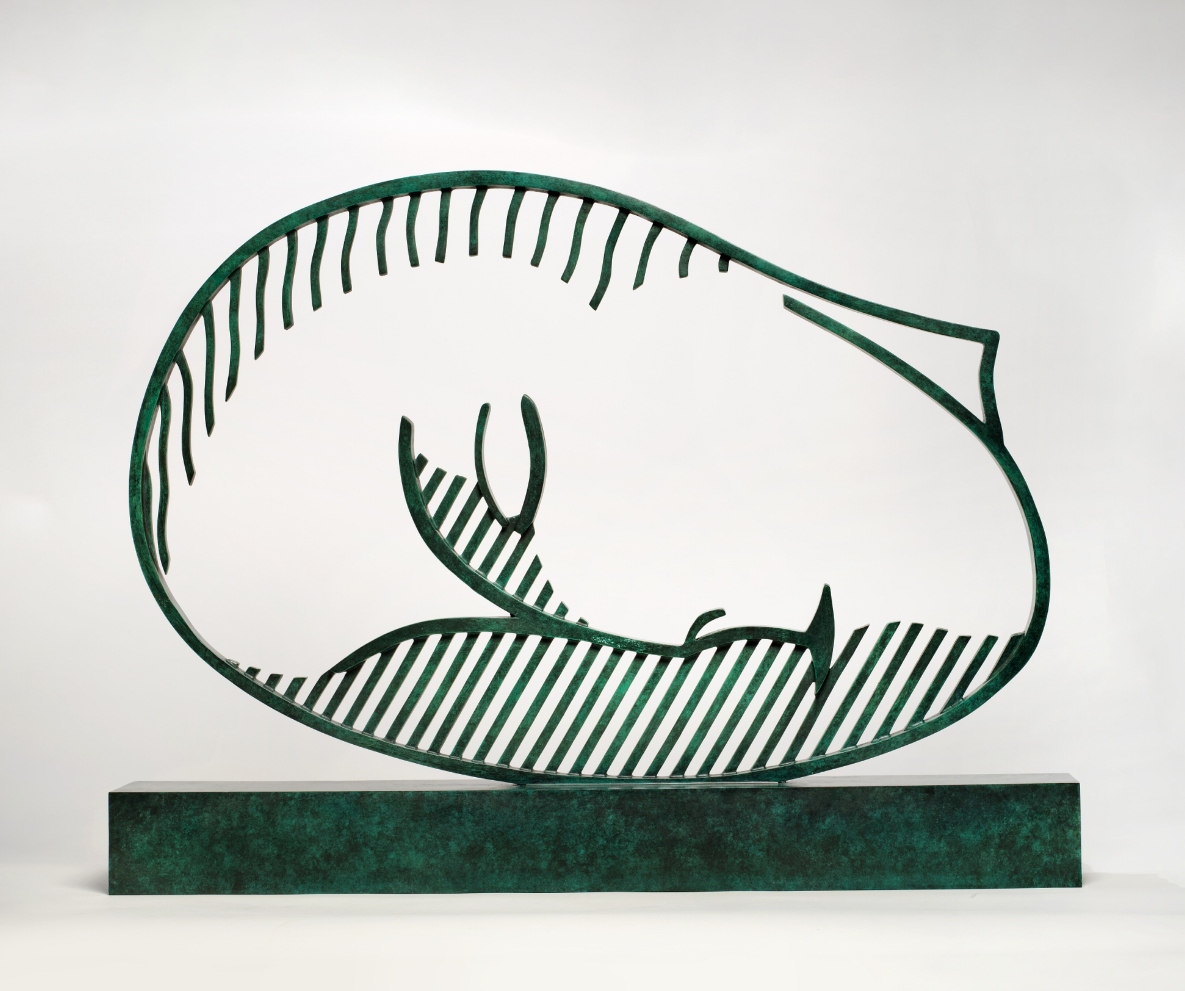
ROY LICHTENSTEIN (1923 – 1997)
Sleeping Muse, 1983
Patinated bronze
25 3/4 x 34 1/4 x 4 inches (65.4 x 87 x 10.2 cm)
Incised with the artist’s signature, numbered 1/6, dated ’83 and stamped with the foundry mark (lower edge)
This work is number 1 from an edition of 6 plus 1 posthumous cast
#10. ROY LICHTENSTEIN
Oval Office (Study), 1992
Works from the Collection of Dorothy and Roy Lichtenstein
Sotheby’s New-York: 20 November 2024
Estimated: USD 1,000,000 – 1,500,000
USD 4,200,000
Oval Office (Study) | The Now and Contemporary Evening Auction | 2024 | Sotheby’s
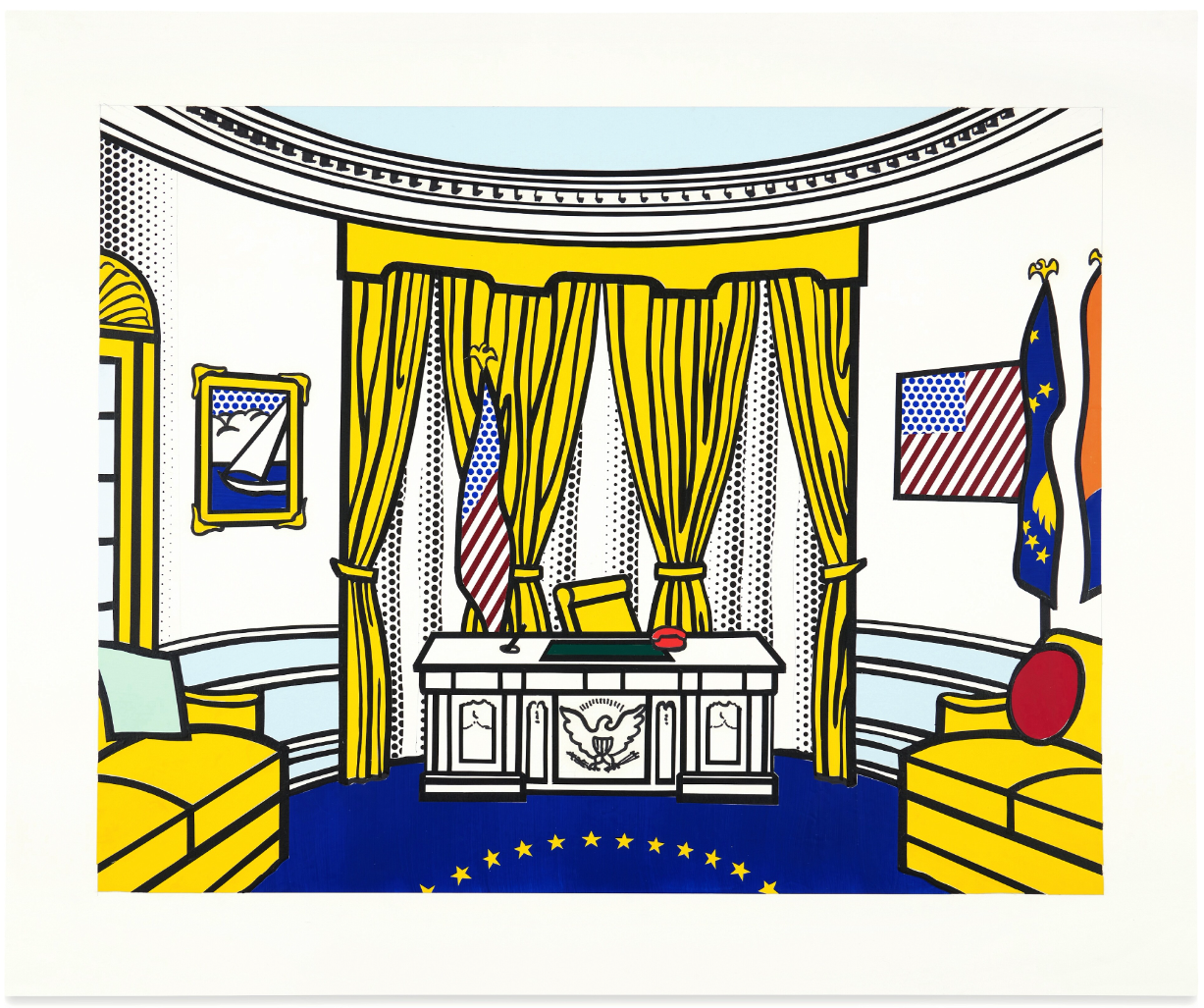
ROY LICHTENSTEIN (1923 – 1997)
Oval Office (Study), 1992
Tape, cut painted paper, cut printed paper, marker and graphite on board
Image: 29 1/4 x 37 3/8 inches (74.3 x 94.9 cm)
Board: 36 3/4 x 44 1/4 inches (93.3 x 112.4 cm)
Signed and dated ‘92 (on the reverse)
#12. YAYOI KUSAMA
Mushroom, 1980
Sotheby’s New-York: 20 November 2024
Estimated: USD 4,000,000 – 6,000,000
USD 3,360,000
Mushroom | The Now and Contemporary Evening Auction | 2024 | Sotheby’s
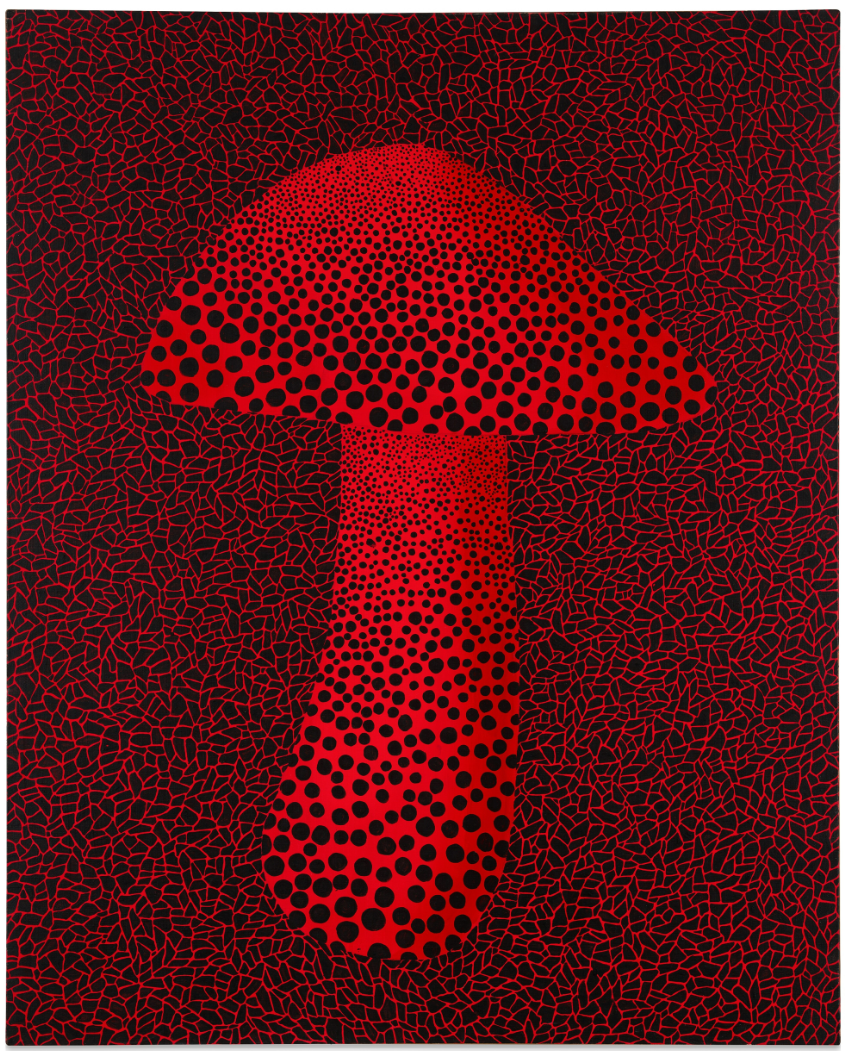
YAYOI KUSAMA (b. 1929)
Mushroom, 1980
Acrylic on canvas
162 x 130.5 cm (63 3/4 x 51 3/8 inches)
Signed, titled in Japanese and dated 1980 (on the stretcher)
#14. ED RUSCHA
The Wrap-Up, 1993
Sotheby’s New-York: 20 November 2024
Estimated: USD 4,000,000 – 6,000,000
USD 3,000,000
The Wrap-up | The Now and Contemporary Evening Auction | 2024 | Sotheby’s
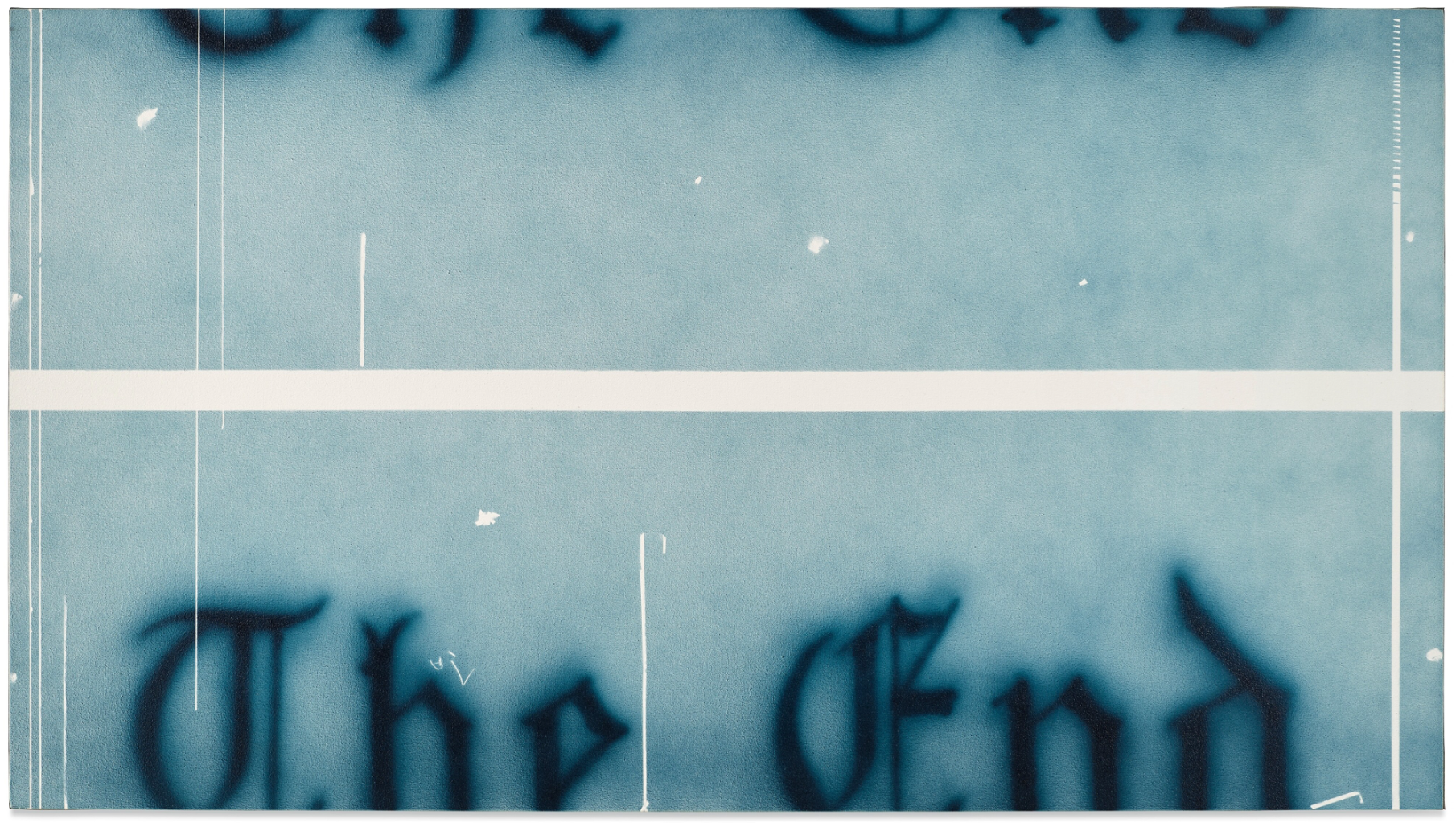
ED RUSCHA (b. 1937)
The Wrap-Up, 1993
Acrylic on canvas
40×72 inches (101.6 x 182.9 cm)
#15. CHRISTOPHER WOOL
Untitled, 1992
Sotheby’s New-York: 20 November 2024
Estimated: USD 2,000,000 – 3,000,000
USD 2,420,000
Untitled | The Now and Contemporary Evening Auction | 2024 | Sotheby’s
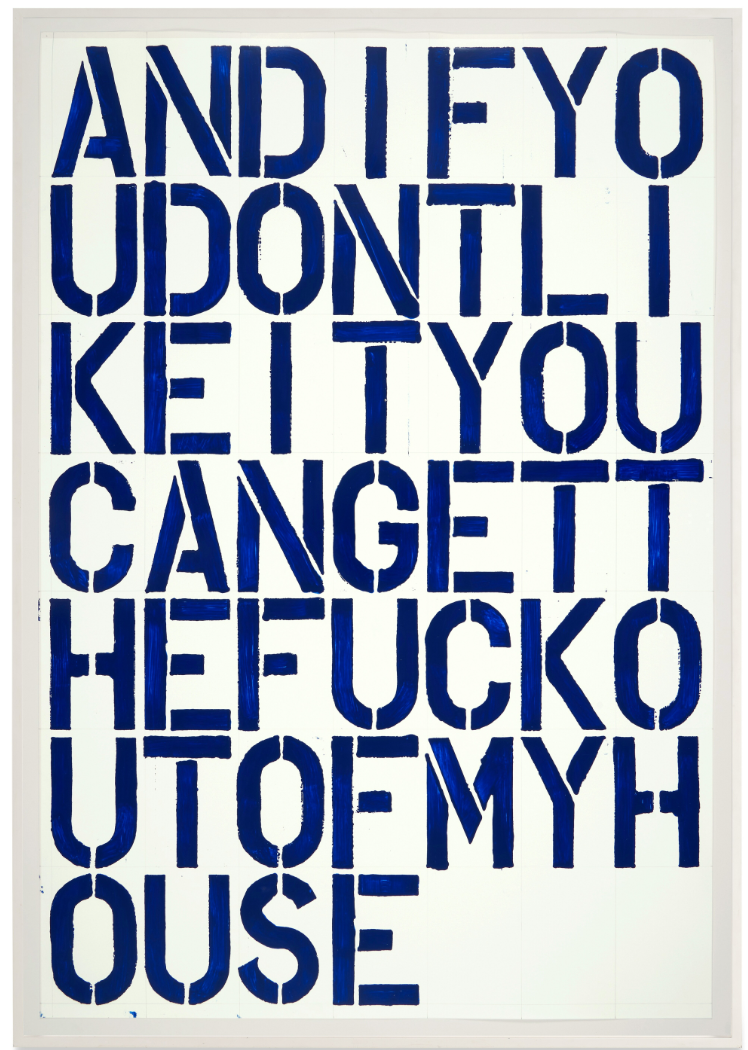
CHRISTOPHER WOOL (b. 1955)
Untitled, 1992
Enamel on paper
38×26 inches (96.5 x 66 cm)
Signed, dated 1992 and numbered F43 (on the reverse)
#16. ROY LICHTENSTEIN
Still Life with Picasso (Study), 1973
Works from the Collection of Dorothy and Roy Lichtenstein
Sotheby’s New-York: 20 November 2024
Estimated: USD 800,000 – 1,200,000
USD 2,400,000
Still Life with Picasso (Study) | The Now and Contemporary Evening Auction | 2024 | Sotheby’s
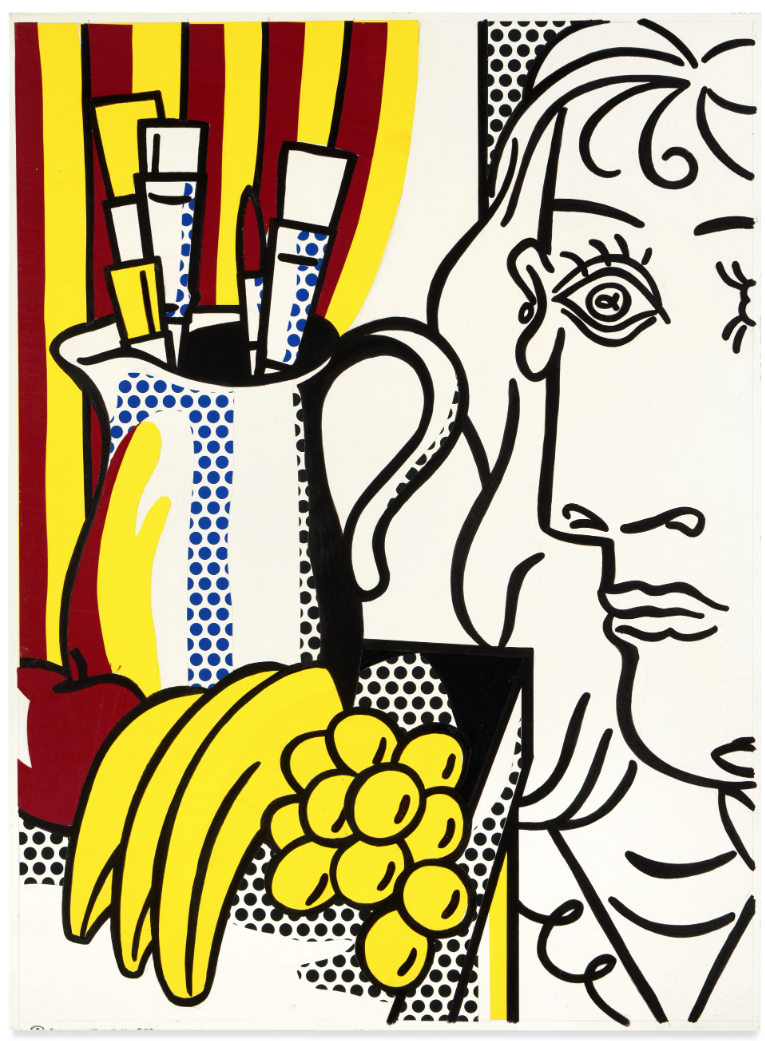
ROY LICHTENSTEIN (1923 – 1997)
Still Life with Picasso (Study), 1973
Tape, cut painted paper, cut printed paper, marker and graphite on board
Image: 28 1/2 x 21 inches (68.5 x 53.3 cm)
Board: 29 x 21 1/2 inches (73.7 x 54.6 cm)
Signed and dated ‘73 (on the reverse)
#17. YAYOI KUSAMA
Starry Pumpkin, 2016
Sotheby’s New-York: 20 November 2024
Estimated: USD 2,000,000 – 3,000,000
USD 2,340,000
Starry Pumpkin | The Now and Contemporary Evening Auction | 2024 | Sotheby’s
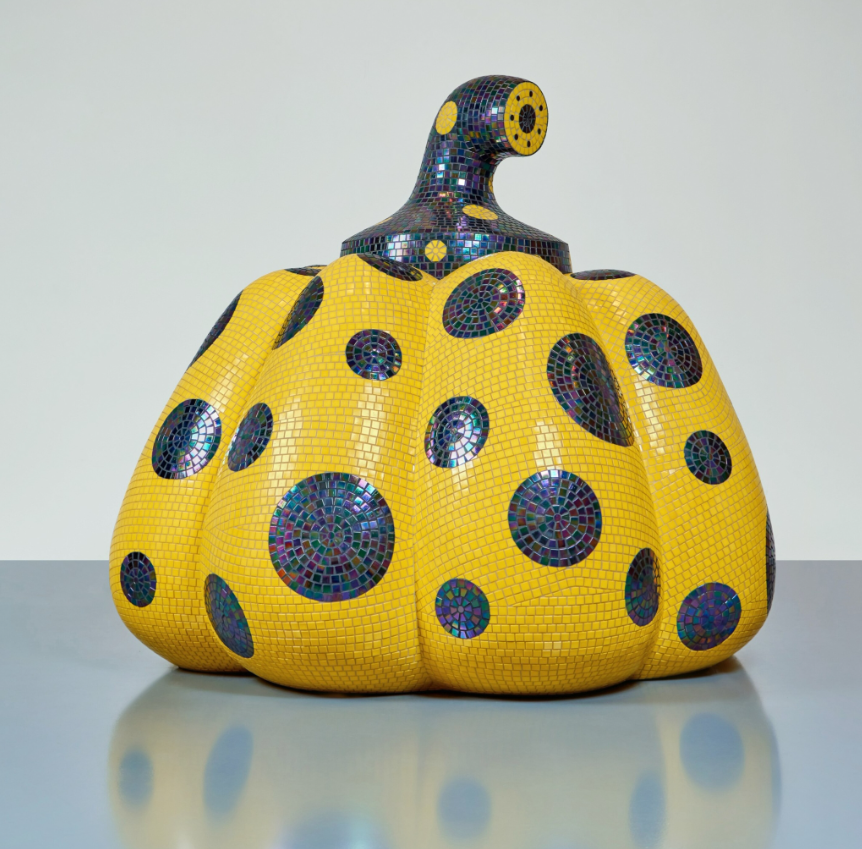
YAYOI KUSAMA (b. 1929)
Starry Pumpkin, 2016
Fiberglass reinforced plastic and tile
146.1 x 142.2 x 134.6 cm (57 1/2 x 56 x 53 inches)
Signed, titled and dated 2016 (on a label affixed to the interior)
#18. JEAN-MICHEL BASQUIAT
Untitled, 1981
Sotheby’s New-York: 20 November 2024
Estimated: USD 1,800,000 – 2,500,000
USD 2,100,000
Untitled | The Now and Contemporary Evening Auction | 2024 | Sotheby’s
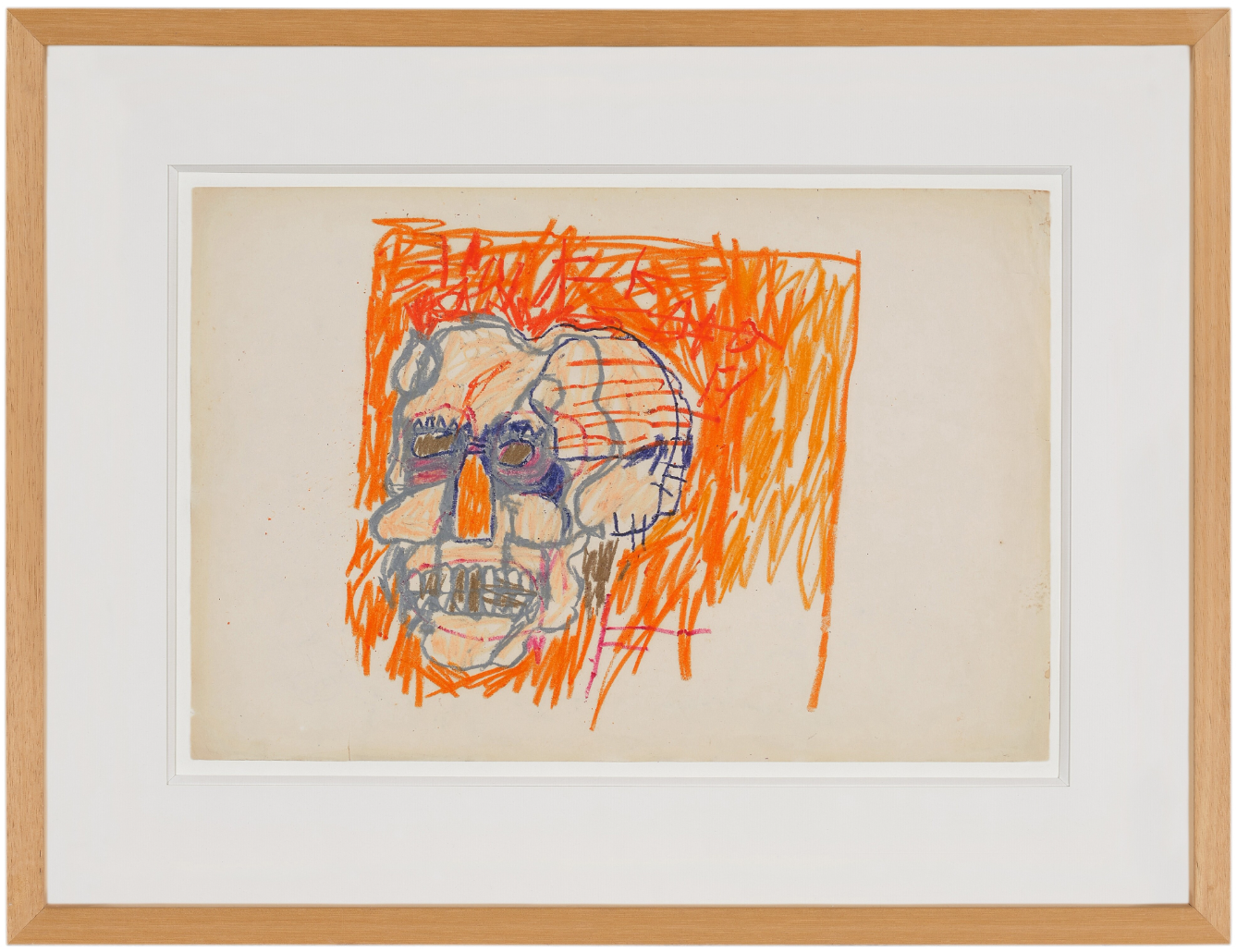
JEAN-MICHEL BASQUIAT (1960 – 1988)
Untitled, 1981
Oilstick on paper
11 7/8 x 17 7/8 inches (30.2 x 43.2 cm)
#19. ROY LICHTENSTEIN
Nude with Pyramid (Study), 1994
Works from the Collection of Dorothy and Roy Lichtenstein
Sotheby’s New-York: 20 November 2024
Estimated: USD 1,000,000 – 1,500,000
USD 2,040,000
Nude with Pyramid (Study) | The Now and Contemporary Evening Auction | 2024 | Sotheby’s
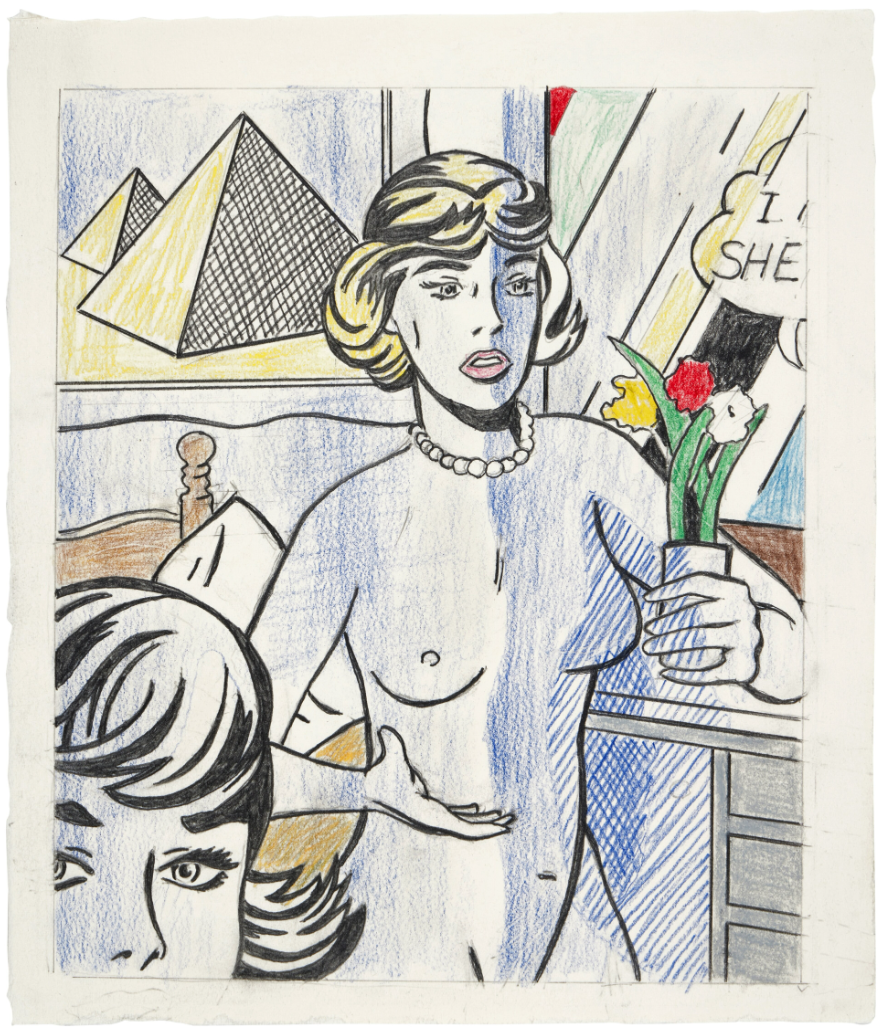
ROY LICHTENSTEIN (1923 – 1997)|
Nude with Pyramid (Study), 1994
Colored pencil and graphite on paper
Image: 11 3/8 x 9 1/2 inches (28.9 x 24.1 cm)
Sheet: 13 1/8 x 11 1/8 inches (33.3 x 28.3 cm)
Signed and dated ‘94 (on the reverse)
#20. RICHARD PRINCE
Slingerlands, 2004
Sotheby’s New-York: 20 November 2024
Estimated: USD 1,000,000 – 1,500,000
USD 1,440,000
Slingerlands | The Now and Contemporary Evening Auction | 2024 | Sotheby’s
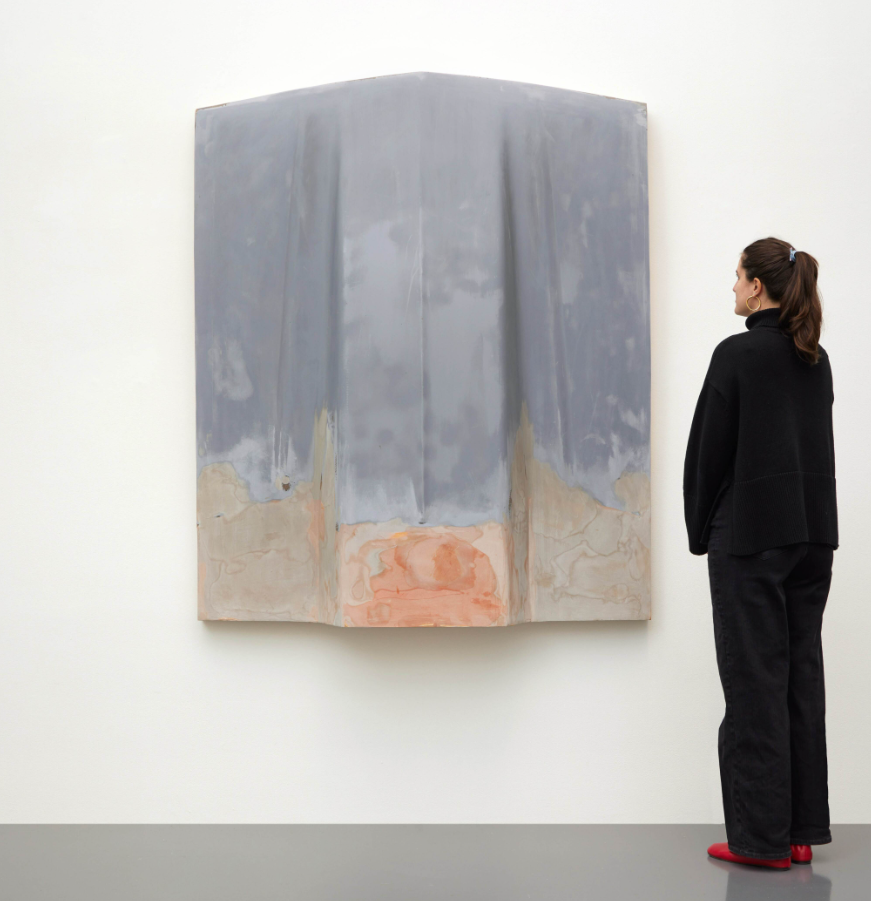
RICHARD PRINCE (b. 1949)
Slingerlands, 2004
Fiberglass, polyester resin, acrylic and wood
71 3/4 x 59 3/4 x 12 3/4 inches (182.2 x 151.8 x 32.4 cm)
#26. ROY LICHTENSTEIN
Nude with Blue Hair, 1994
Works from the Collection of Dorothy and Roy Lichtenstein
Sotheby’s New-York: 20 November 2024
Estimated: USD 350,000 – 450,000
USD 960,000
Nude with Blue Hair | The Now and Contemporary Evening Auction | 2024 | Sotheby’s
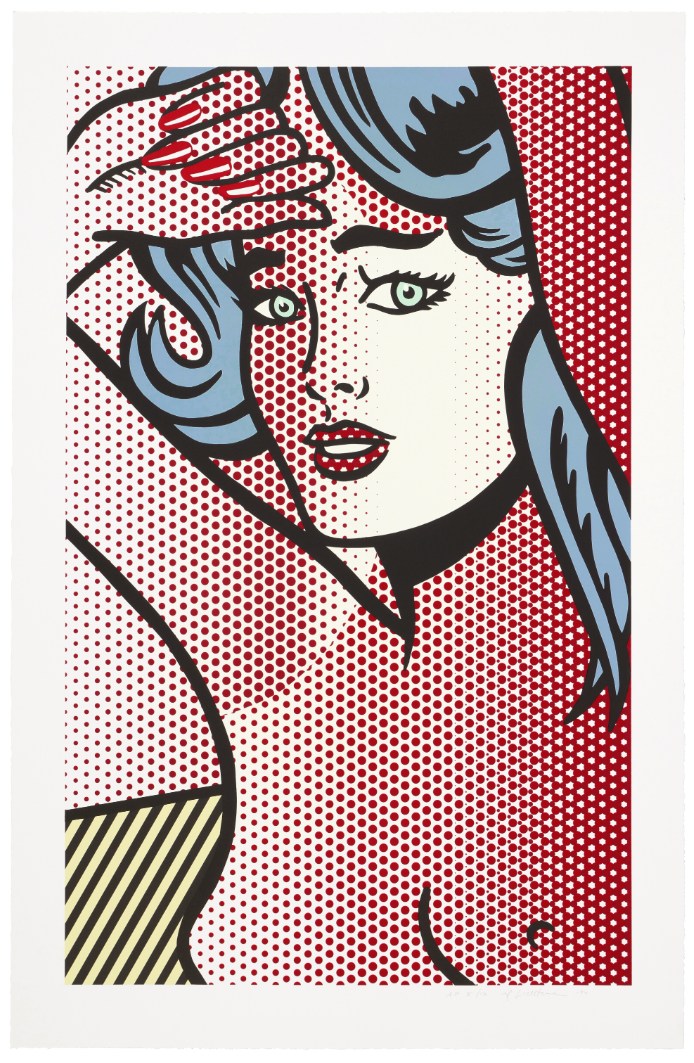
ROY LICHTENSTEIN (1923 – 1997)
Nude with Blue Hair, 1994
Relief print in colors on Rives BFK mold-made paper
Image: 51 1/2 x 31 3/4 inches (130 x 80.2 cm)
Sheet: 57 7/8 x 37 5/8 inches (146.7 x 95.3 cm)
Signed, dated ’94 and inscribed AP 5/12 (lower right)
This impression is one of 12 artist’s proofs aside from the numbered edition of 40
#28. JADE FADOJUTIMI
Taught Thought, 2021
Sotheby’s New-York: 20 November 2024
Estimated: USD 500,000 – 700,000
USD 780,000
Taught Thought | The Now and Contemporary Evening Auction | 2024 | Sotheby’s
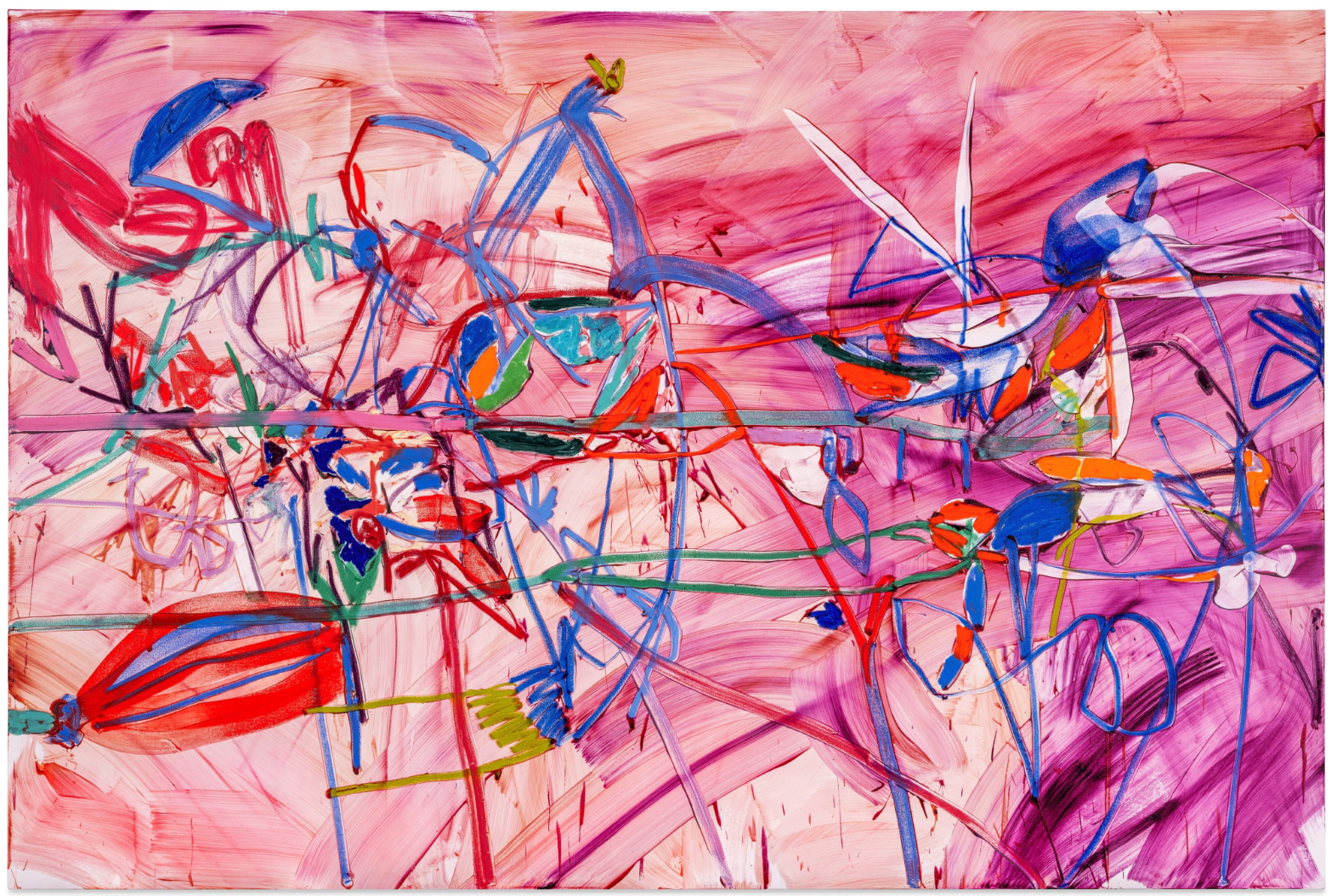
JADE FADOJUTIMI (b. 1993)
Taught Thought, 2021
Acrylic, oil and oilstick on canvas
200×300 cm (78 3/4 x 118 1/8 inches)
Signed, dated June ’21 and variously inscribed (on the reverse)
#30. HILARY PECIS
Clementine’s Bookshelf, 2021
Sotheby’s New-York: 20 November 2024
Estimated: USD 300,000 – 500,000
USD 504,000
Clementine’s Bookshelf | The Now and Contemporary Evening Auction | 2024 | Sotheby’s
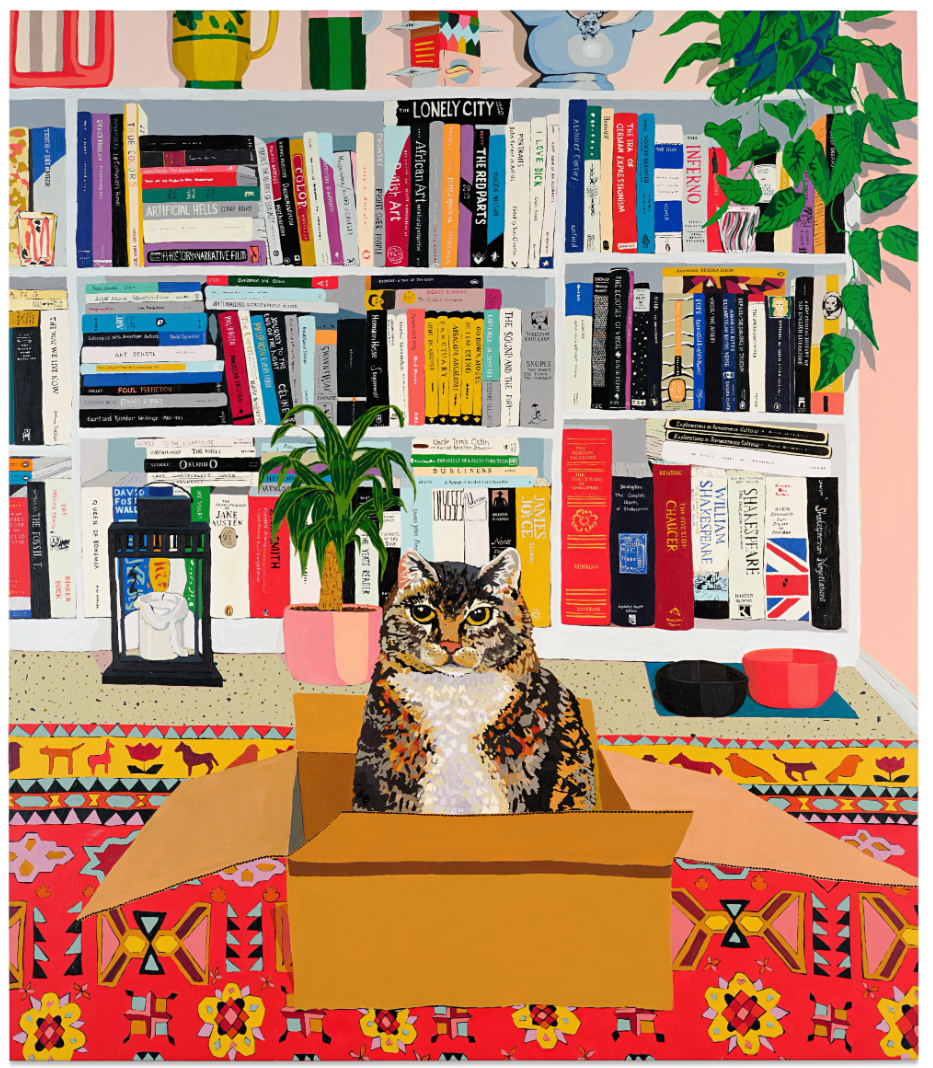
HILARY PECIS (b. 1979)
Clementine’s Bookshelf, 2021
Acrylic on linen
74×64 inches (188 x 162.6 cm)
Signed, titled and dated 2021 (on the reverse)
Passed Lots
JEFF KOONS
Woman in Tub, 1988
Sotheby’s New-York: 20 November 2024
Estimated: USD 10,000.000 – 15,000,000
PASSED
Woman in Tub | The Now and Contemporary Evening Auction | 2024 | Sotheby’s
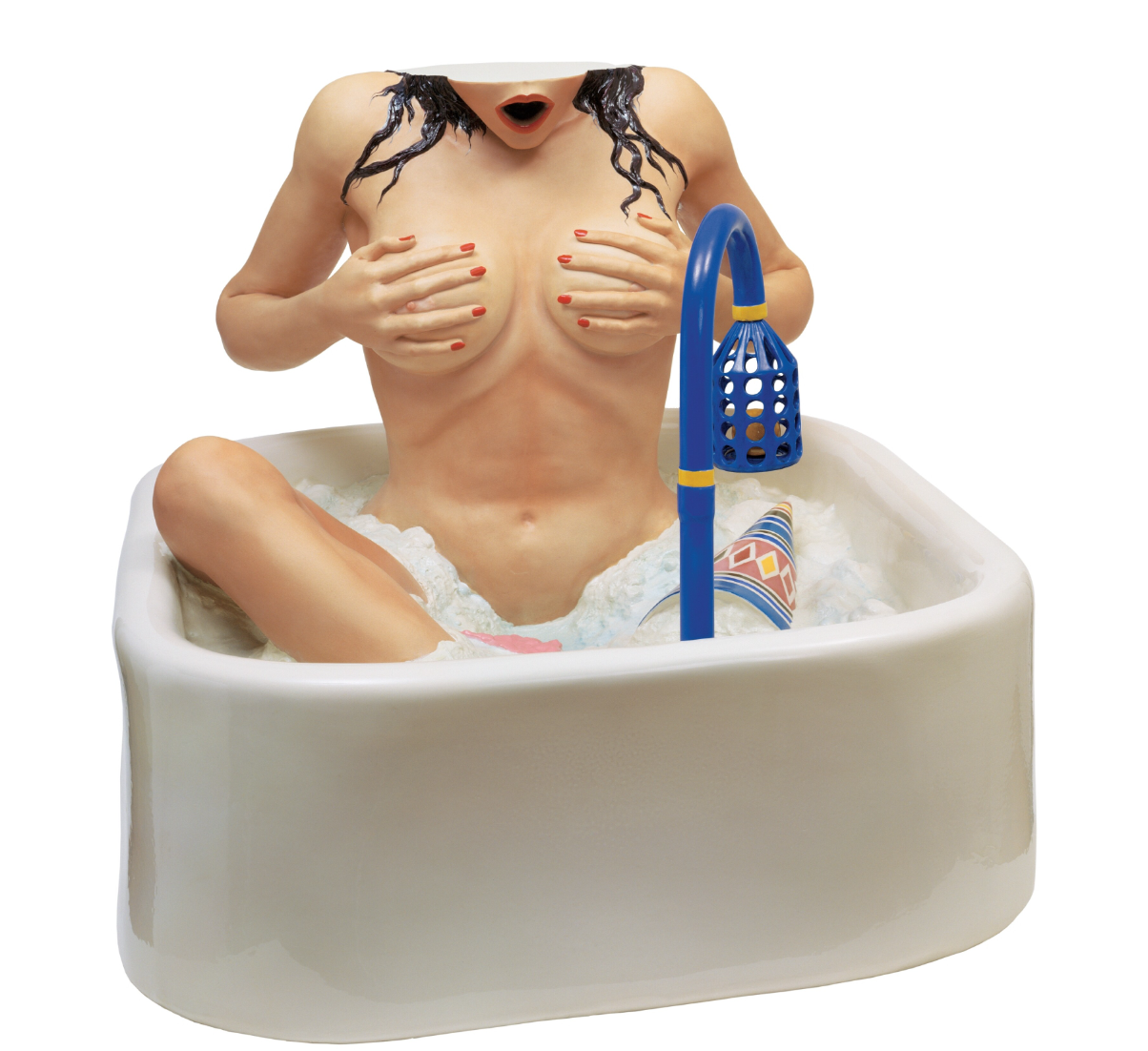
JEFF KOONS (b. 1955)
Woman in Tub, 1988
Porcelain
23 3/4 x 36 x 27 inches (60.3 x 91.4 x 68.6 cm)
Incised with the artist’s initials, dated ’88 and numbered 3/3 (on the underside)
Incised A. Maggioni (lower edge)
This work is number 3 of an edition of 3 plus 1 artist’s proof
GERHARD RICHTER
Berg, 1981
Sotheby’s New-York: 20 November 2024
Estimated: USD 4,000,000 – 6,000,000
PASSED
Berg | The Now and Contemporary Evening Auction | 2024 | Sotheby’s
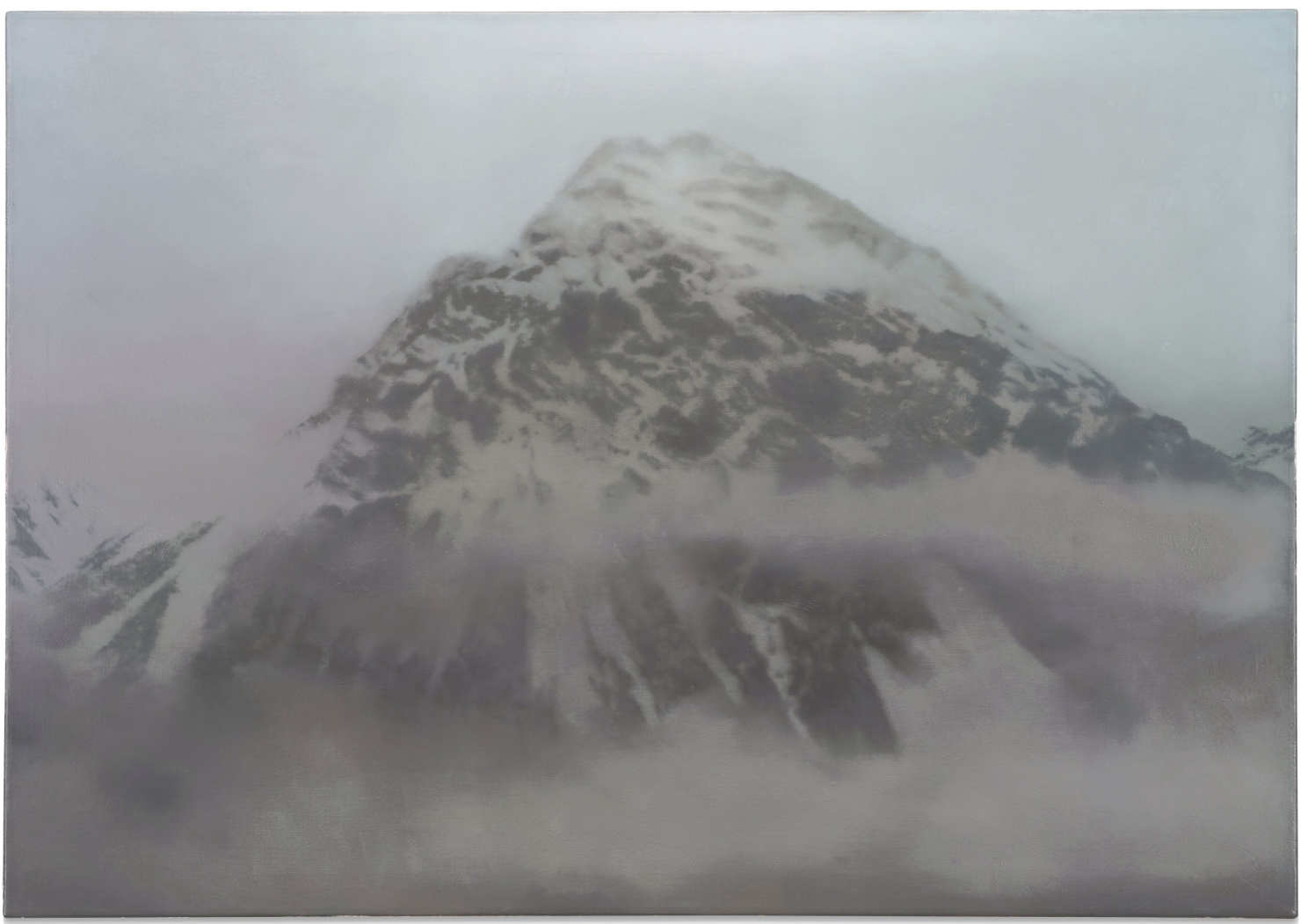
GERHARD RICHTER (b. 1932)
Berg, 1981
Oil on canvas
70×100 cm (27 1/4 x 39 1/4 inches)
Signed, dated 1981 and numbered 469-2 (on the reverse)
Titled (on the stretcher)
Sotheby’s: Contemporary Day Auction
21 November 2024
Contemporary Day Auction | 2024 | Sotheby’s
Total: USD 64,014,100
#1. ANDY WARHOL
Endangered Species, 1983
Sotheby’s New-York: 21 November 2024
Estimated: USD 2,000,000 – 4,000,000
USD 4,320,000
Endangered Species | Contemporary Day Auction | 2024 | Sotheby’s
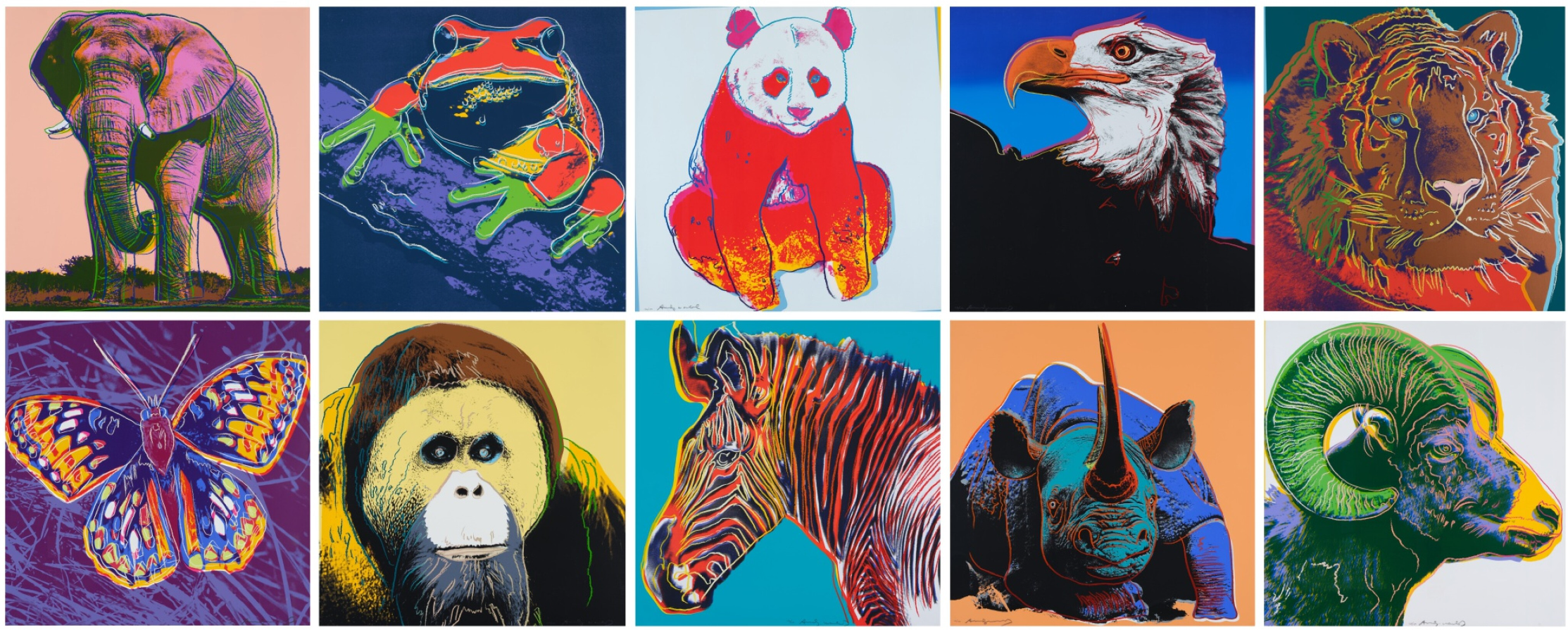
ANDY WARHOL (1928 – 1987)
Endangered Species, 1983
The complete set of 10 screenprints in colors on Lenox Museum Board
All sheets: 38×38 inches (96.5 x 96.5 cm)
Each signed and numbered 126/150 (lower left or right)
This set is number 126 from the edition of 150 plus 30 artist’s proofs
#2. ED RUSCHA
99% Angel, 1% Devil, 1983
Sotheby’s New-York: 21 November 2024
Estimated: USD 1,500,000 – 2,000,000
USD 3,263,000
99% Angel, 1% Devil | Contemporary Day Auction | 2024 | Sotheby’s
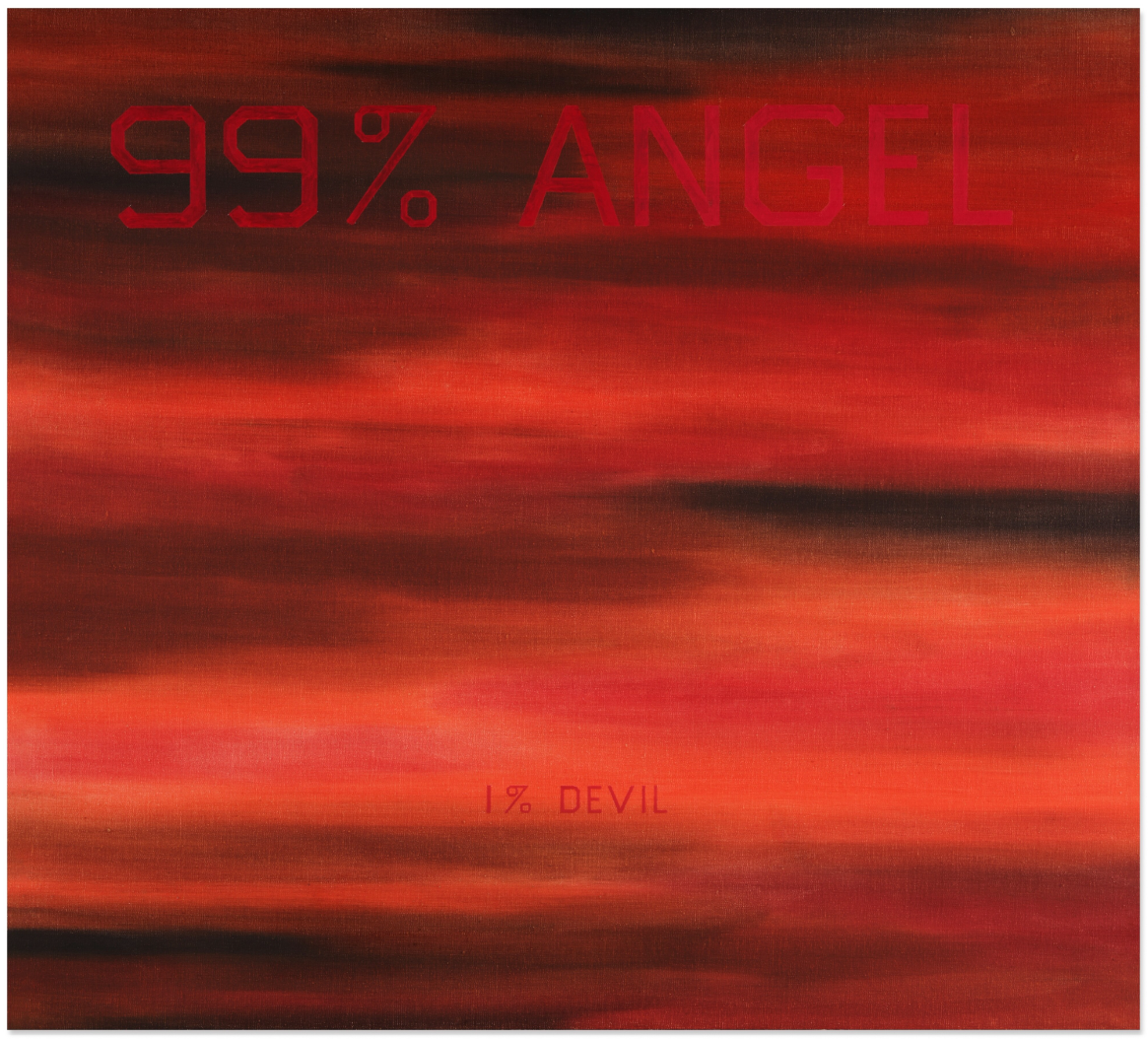
ED RUSCHA (b. 1937)
99% Angel, 1% Devil, 1983
Acrylic on canvas
36×40 inches (91.4 x 101.6 cm)
Signed and dated 1983 (on the reverse)
Signed, titled and dated twice 1983 and APR 7 ’83 (on the overlap)
#4. LYNN DREXLER
Airlee, 1960-62
Sotheby’s New-York: 21 November 2024
Estimated: USD 800,000 – 1,200,000
USD 1,560,000
Airlee | Contemporary Day Auction | 2024 | Sotheby’s
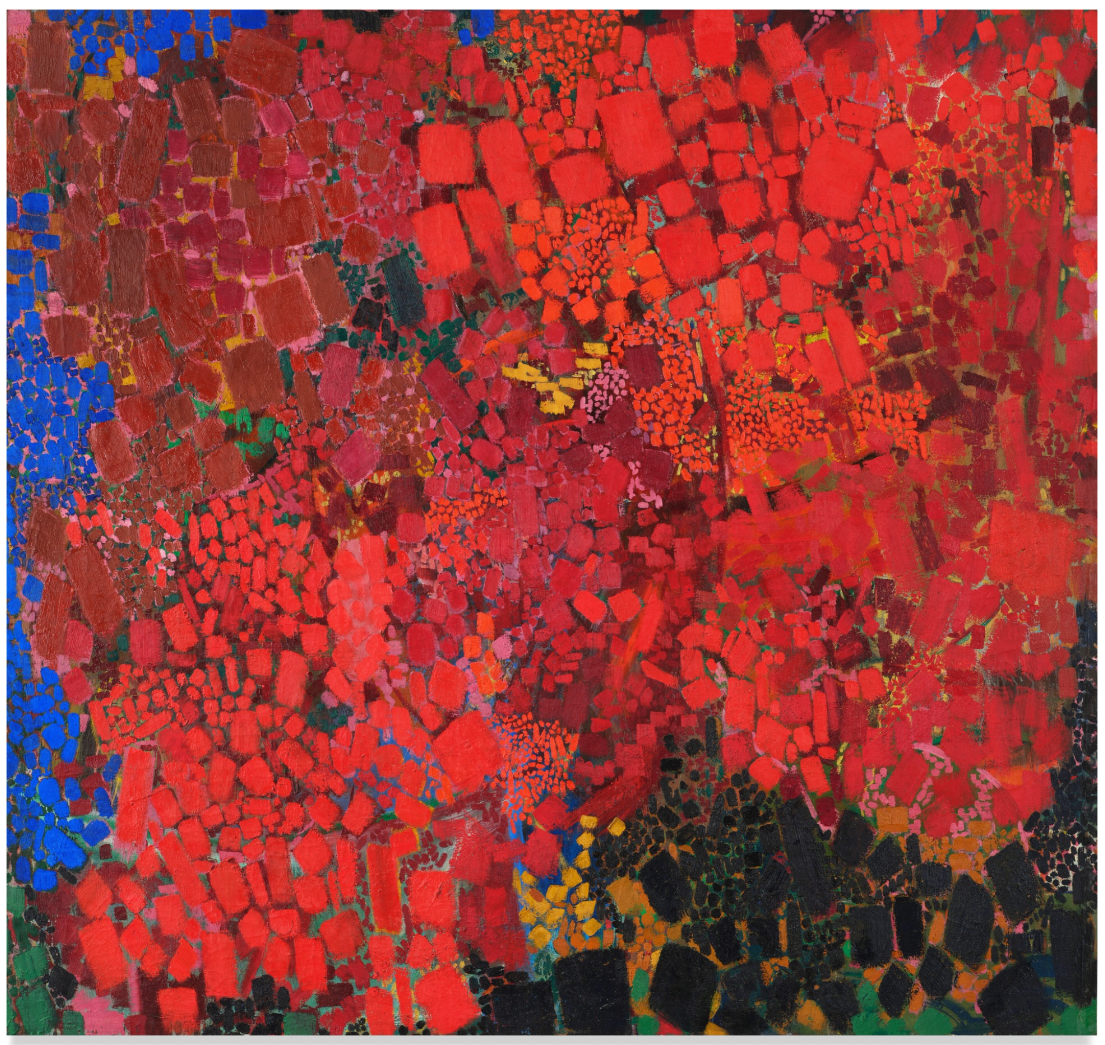
LYNN DREXLER (1928 – 1999)
Airlee, 1960-62
Oil on canvas
58×61 inches (147.3 x 154.9 cm)
Signed twice, titled and dated 1960-62 (on the reverse)
#5. ROY LICHTENSTEIN
Water Lily Pond with Reflections, 1992
Works from the Collection of Dorothy and Roy Lichtenstein
Sotheby’s New-York: 21 November 2024
Estimated: USD 400,000 – 600,000
USD 1,440,000
Water Lily Pond with Reflections | Contemporary Day Auction | 2024 | Sotheby’s
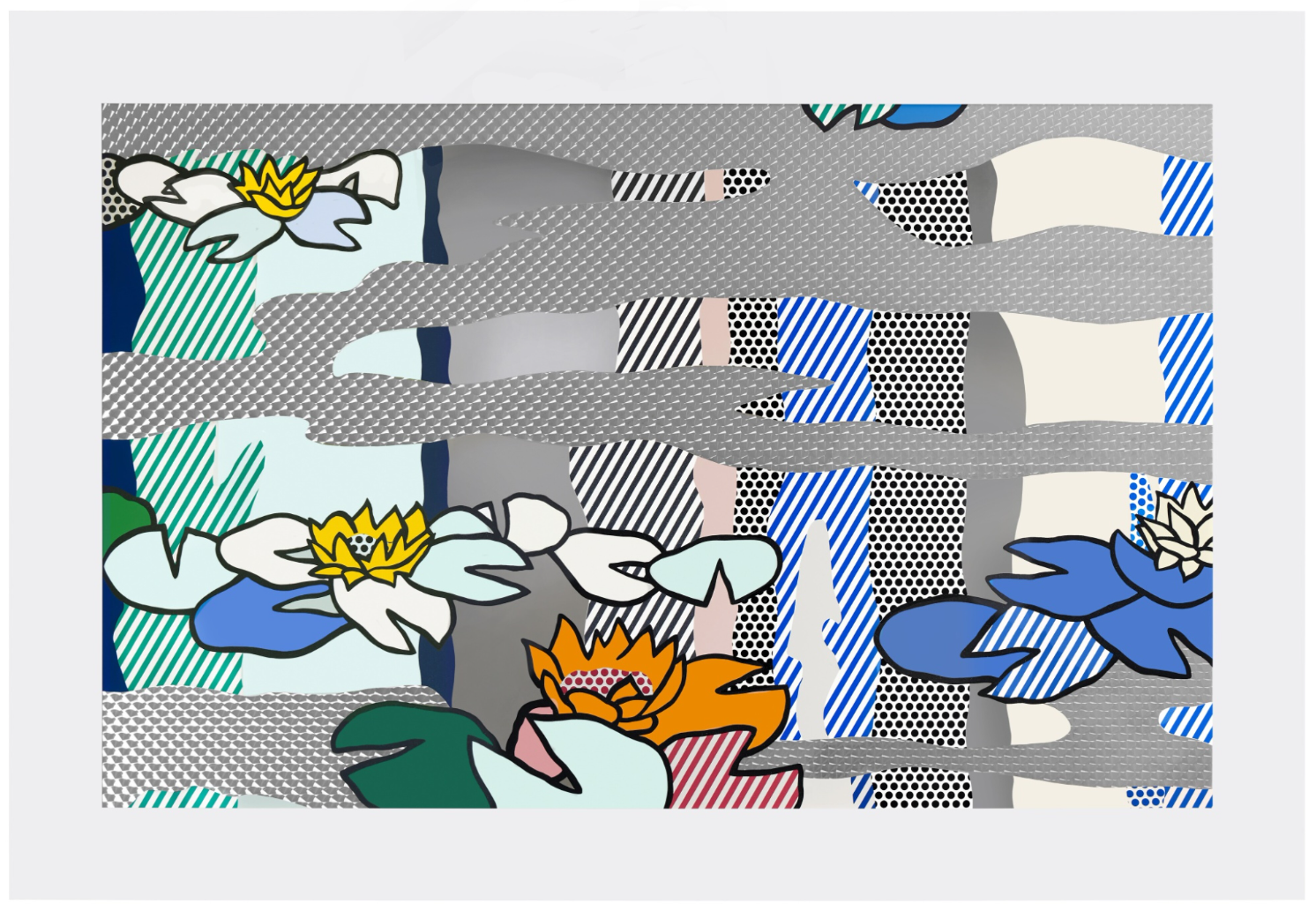
ROY LICHTENSTEIN (1923 – 1997)
Water Lily Pond with Reflections, 1992
Screenprinted enamel in colors on processed and swirled stainless steel, with painted wood frame
Overall: 58 x 84 1/2 inches (147.3 x 214.6 cm)
Signed in felt-tip pen, dated ’92 and inscribed AP 2/7 (on the verso)
This work is one of 7 artist’s proofs aside from the numbered edition of 23, published by Saff Tech Arts
#6. GEORGE CONDO
The Alpine Waitress, 2006
Sotheby’s New-York: 21 November 2024
Estimated: USD 1,000,000 – 1,500,000
USD 1,320,000
The Alpine Waitress | Contemporary Day Auction | 2024 | Sotheby’s
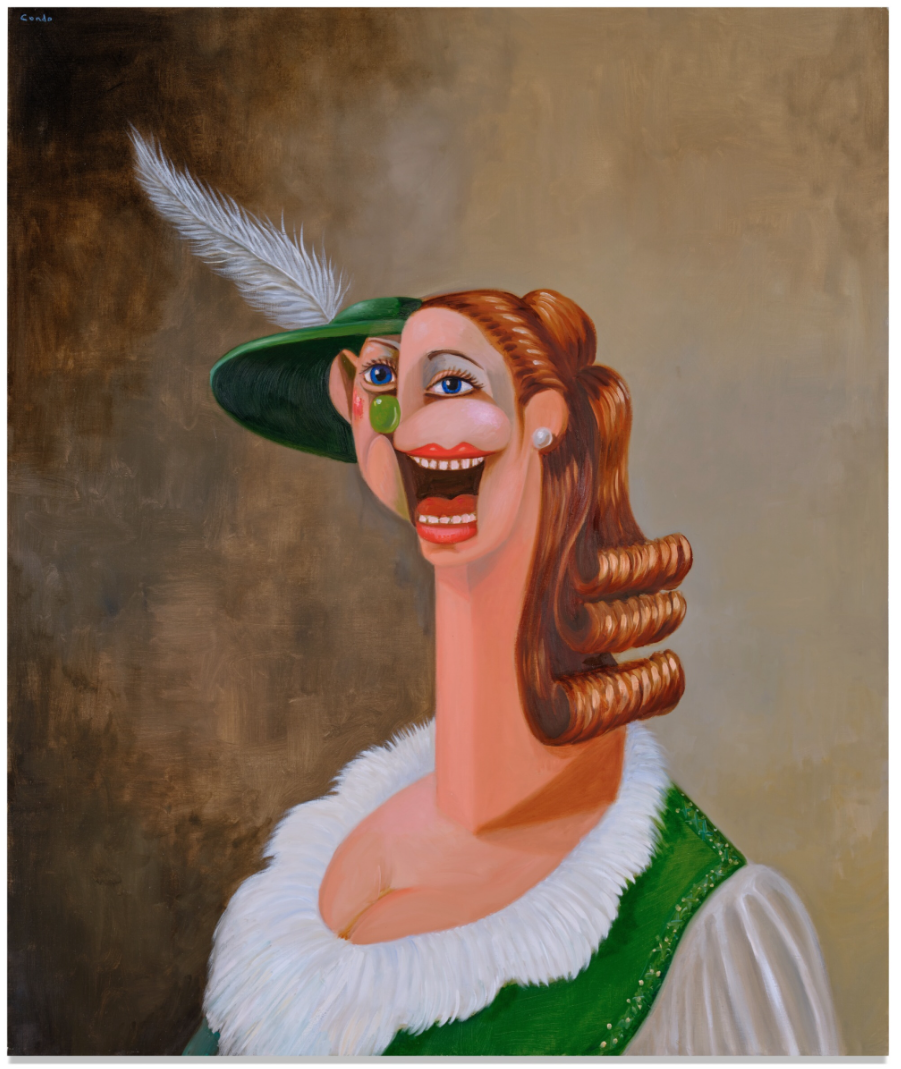
GEORGE CONDO (b. 1957)
The Alpine Waitress, 2006
Oil on canvas
50×42 inches (127 x 106.7 cm)
Signed (upper left)
#7. ROY LICHTENSTEIN
Roommates, 1994
Works from the Collection of Dorothy and Roy Lichtenstein
Sotheby’s New-York: 21 November 2024
Estimated: USD 250,000 – 350,000
USD 1,200,000
Roommates | Contemporary Day Auction | 2024 | Sotheby’s
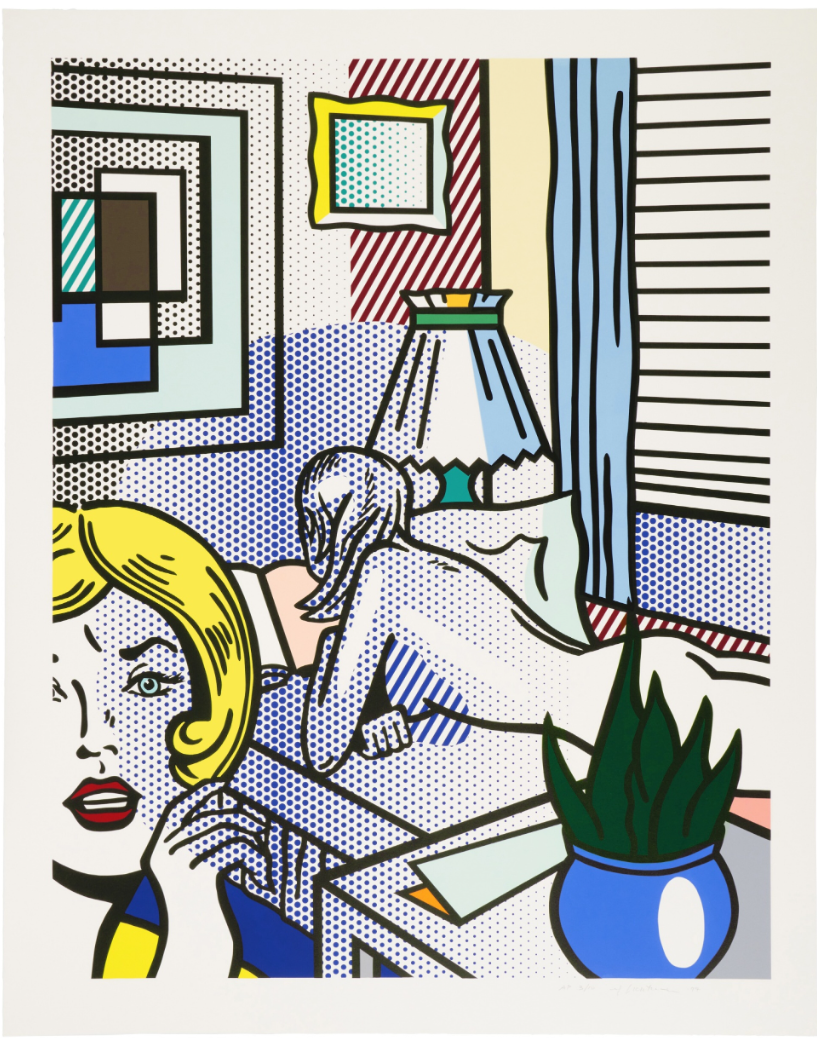
ROY LICHTENSTEIN (1923 – 1997)
Roommates, 1994
Relief print in colors on Rives BFK mold-made paper
Image: 57 1/2 x 45 inches (146.1 x 114.5 cm)
Sheet: 64 1/4 x 51 1/8 inches (163.1 x 129.7 cm)
Signed in pencil, dated ’94 and inscribed AP 3/10 (lower right)
This impression is one of ten artist’s proofs aside from the numbered edition of 40
#8. ROY LICHTENSTEIN
Nude with Yellow Pillow, 1994
Works from the Collection of Dorothy and Roy Lichtenstein
Sotheby’s New-York: 21 November 2024
Estimated: USD 250,000 – 350,000
USD 1,200,000
Nude with Yellow Pillow | Contemporary Day Auction | 2024 | Sotheby’s
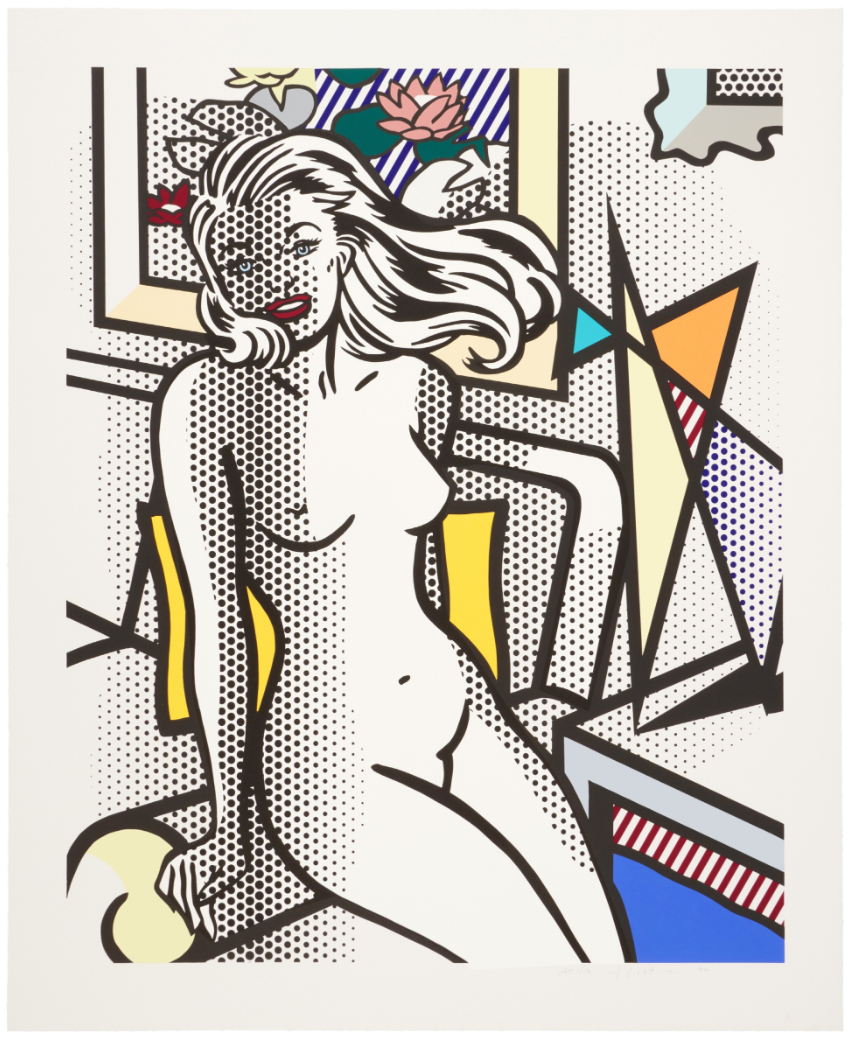
ROY LICHTENSTEIN (1923 – 1997)
Nude with Yellow Pillow, 1994
Relief print in colors on Rives BFK mold-made paper
Image: 46×37 inches (117×94 cm)
Sheet: 52 5/8 x 43 1/8 inches (113.3 x 109.4 cm)
Signed in pencil, dated ’94 and inscribed AP 1/12 (lower right)
This impression is one of 12 artist’s proofs aside from the numbered edition of 60
#10. ROY LICHTENSTEIN
Small House, 1996
Works from the Collection of Dorothy and Roy Lichtenstein
Sotheby’s New-York: 21 November 2024
Estimated: USD 600,000 – 800,000
USD 1,140,000
Small House | Contemporary Day Auction | 2024 | Sotheby’s

ROY LICHTENSTEIN (1923 – 1997)
Small House, 1996
painted and cast aluminum
17 7/8 x 26 1/2 x 8 1/2 inches (45.4 x 67.2 x 21.6 cm)
Incised with the artist’s signature and date ’97 (on the reverse)
This work is the artist’s cast from an edition of 8 plus 1 artist’s cast
FERNANDO BOTERO
Aurora, 1993
Sotheby’s New-York: 21 November 2024
Estimated: USD 700,000 – 1,000,000
USD 960,000
Aurora | Contemporary Day Auction | 2024 | Sotheby’s
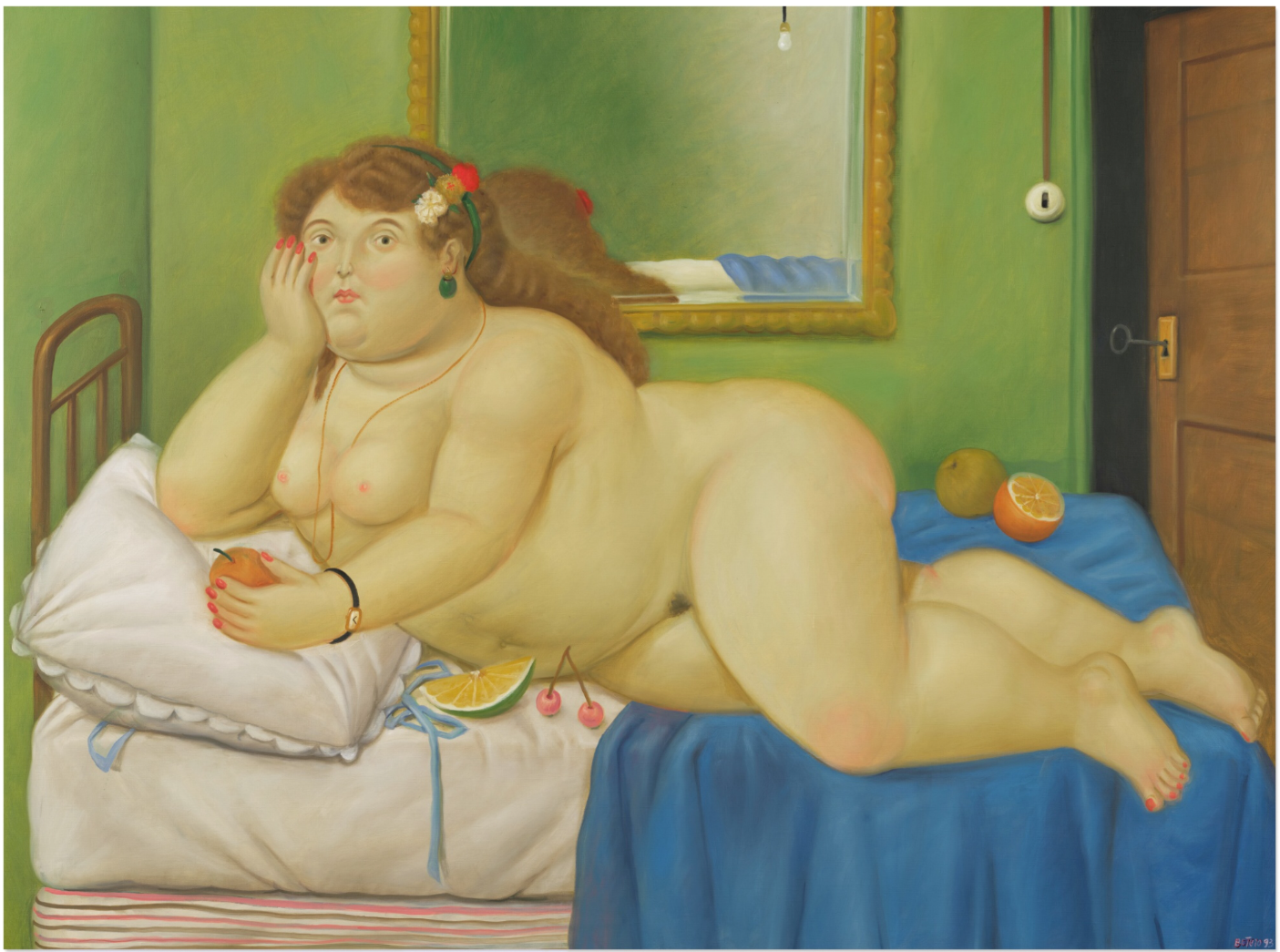
FERNANDO BOTERO (1932 – 2023)
Aurora, 1993
Oil on canvas
142.2 x 192.4 cm (56 x 75 3/4 inches)
Signed and dated 93 (lower right)
DAVID HOCKNEY
A Painted Landscape (or Red and Blue Landscape), 1965
Sotheby’s New-York: 21 November 2024
Estimated: USD 1,200,000 – 2,000,000
USD 828,000
A Painted Landscape (or Red and Blue Landscape) | Contemporary Day Auction | 2024 | Sotheby’s
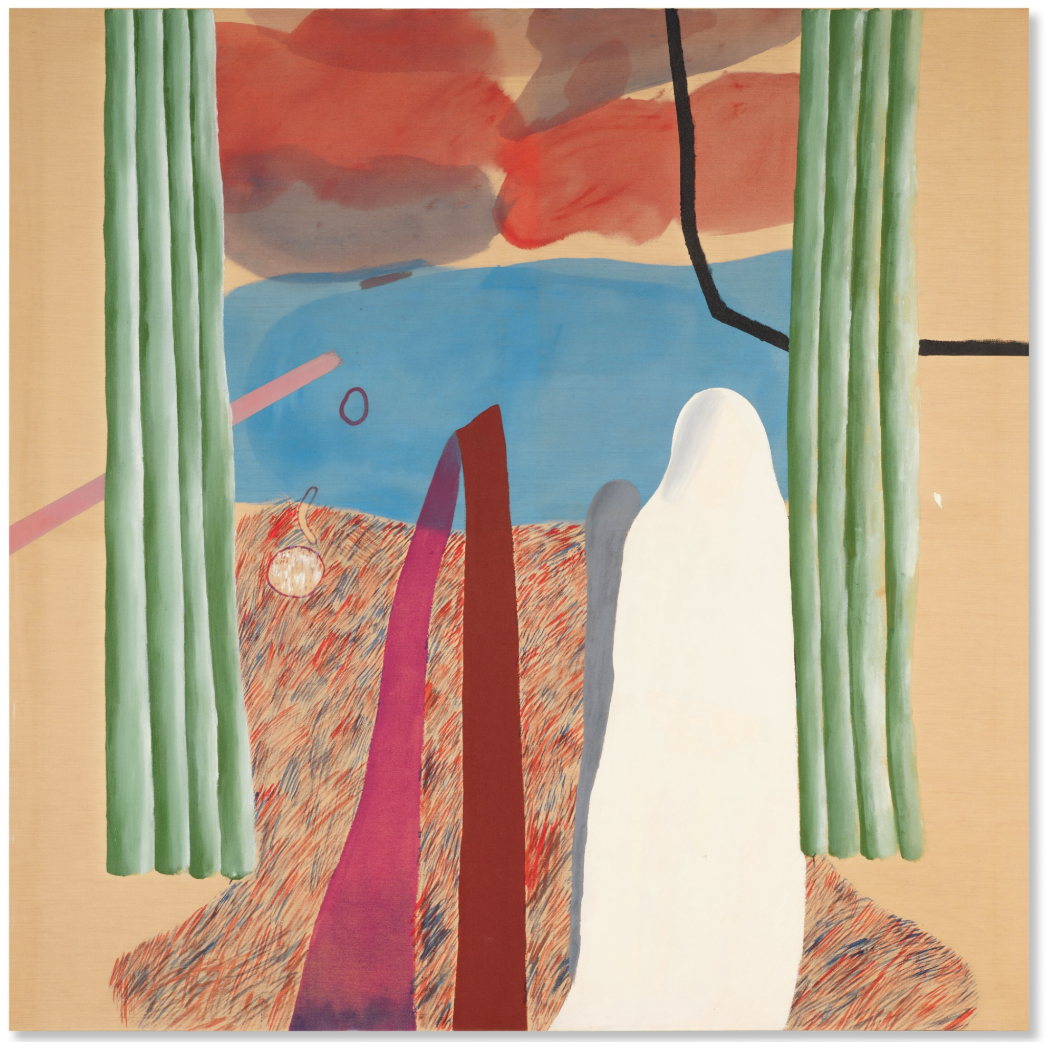
DAVID HOCKNEY (b. 1937)
A Painted Landscape (or Red and Blue Landscape), 1965
Acrylic on canvas
59 7/8 x 59 3/8 inches (152.1 x 150.8 cm)
FERNANDO BOTERO
Carnaval, 2012-13
Sotheby’s New-York: 21 November 2024
Estimated: USD 700,000 – 900,000
Carnaval | Contemporary Day Auction | 2024 | Sotheby’s
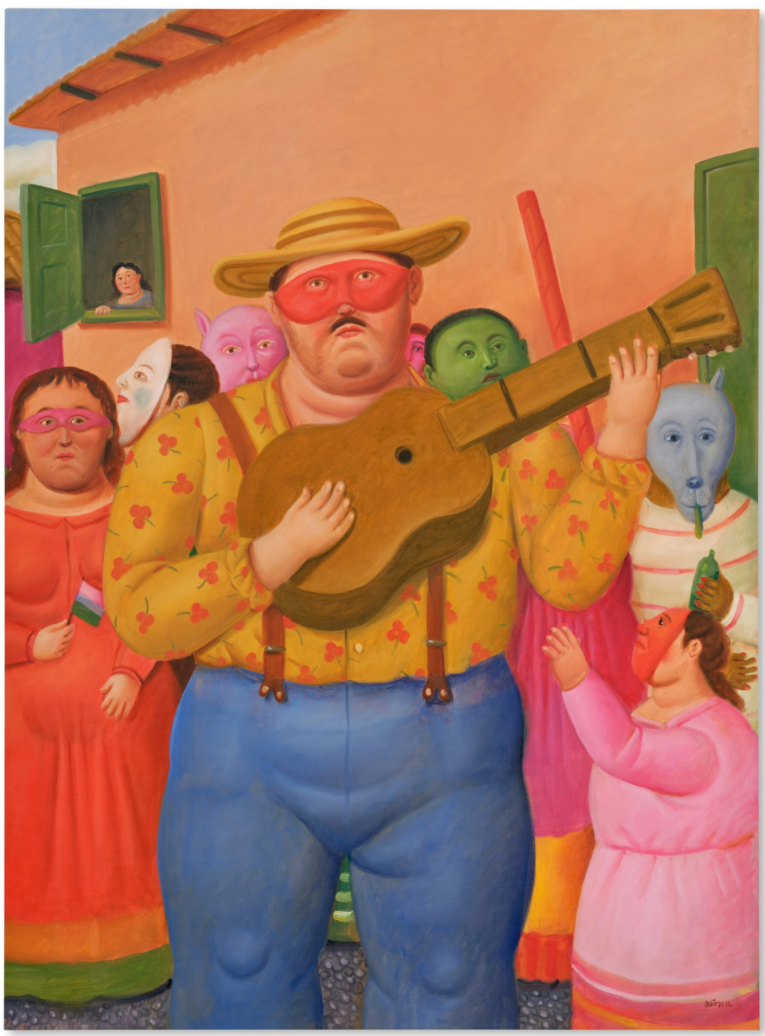
FERNANDO BOTERO (1932 – 2023)
Carnaval, 2012-13
Oil on canvas
150×111 cm (59 x 43 3/4 inches)
Signed and dated 12 (lower right)
LUCY BULL
Weatherman, 2019
Sotheby’s New-York: 21 November 2024
Estimated: USD 400,ooo – 600,000
Weatherman | Contemporary Day Auction | 2024 | Sotheby’s
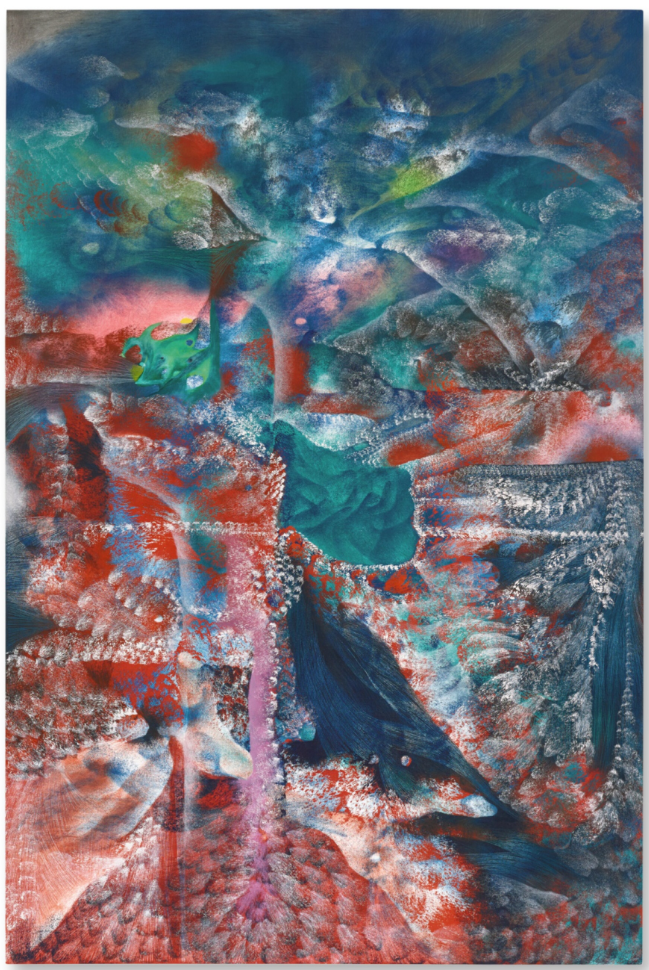
LUCY BULL (b. 1990)
Weatherman, 2019
Oil on linen
50×33 inches (127 x 83.8 cm)
FERNANDO BOTERO
Naturaleza muerta, 2000
Sotheby’s New-York: 21 November 2024
Estimated: USD 350,000 – 450,000
Naturaleza muerta | Contemporary Day Auction | 2024 | Sotheby’s
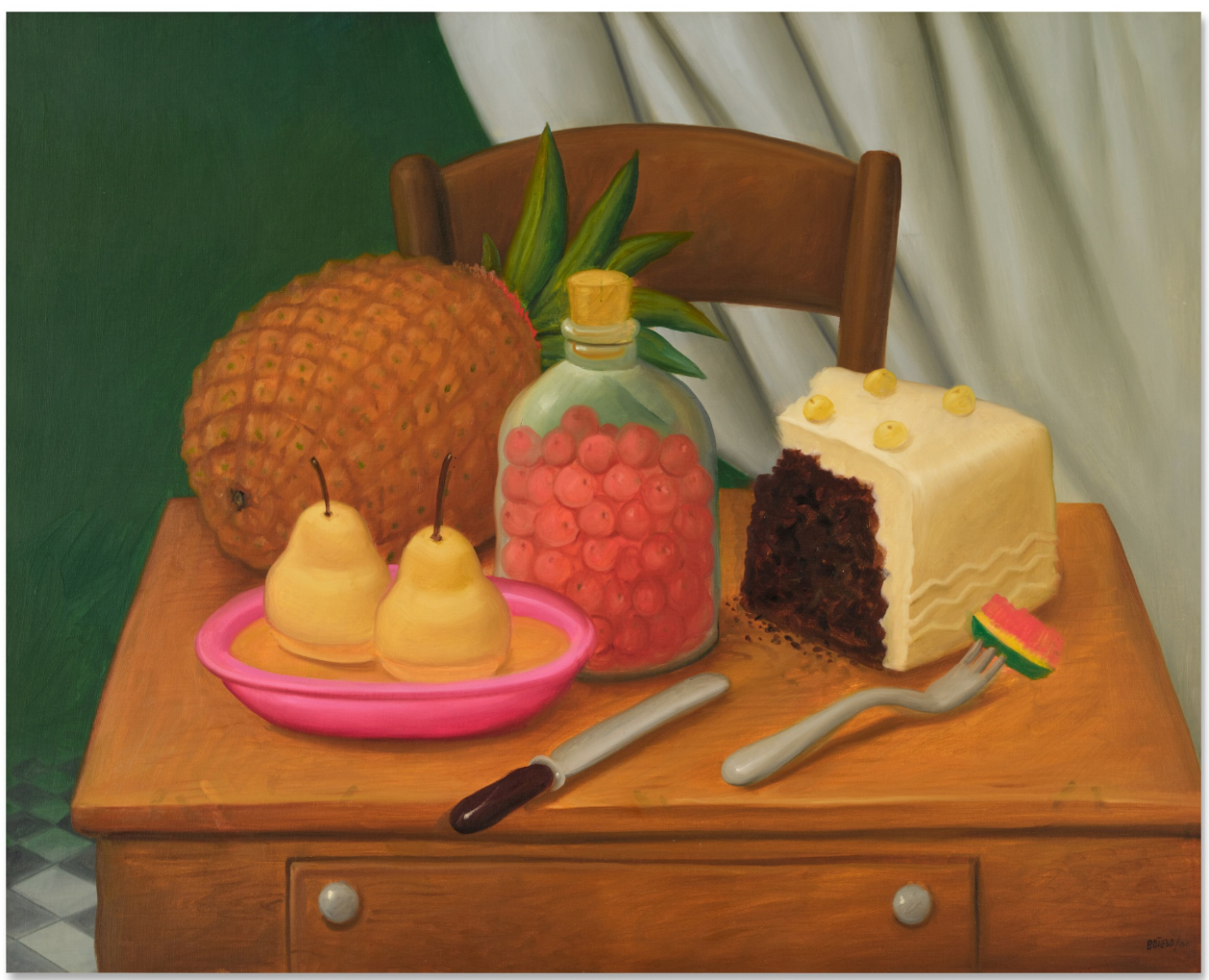
FERNANDO BOTERO (1932 – 2023)
Naturaleza muerta, 2000
Oil on canvas
96×119 cm (37 7/8 x 46 3/4 inches)
Signed and dated /00 (lower right)
GERHARD RICHTER
Abstraktes Bild, 1980
Sotheby’s New-York: 21 November 2024
Estimated: USD 300,000 – 400,000
Abstraktes Bild | Contemporary Day Auction | 2024 | Sotheby’s
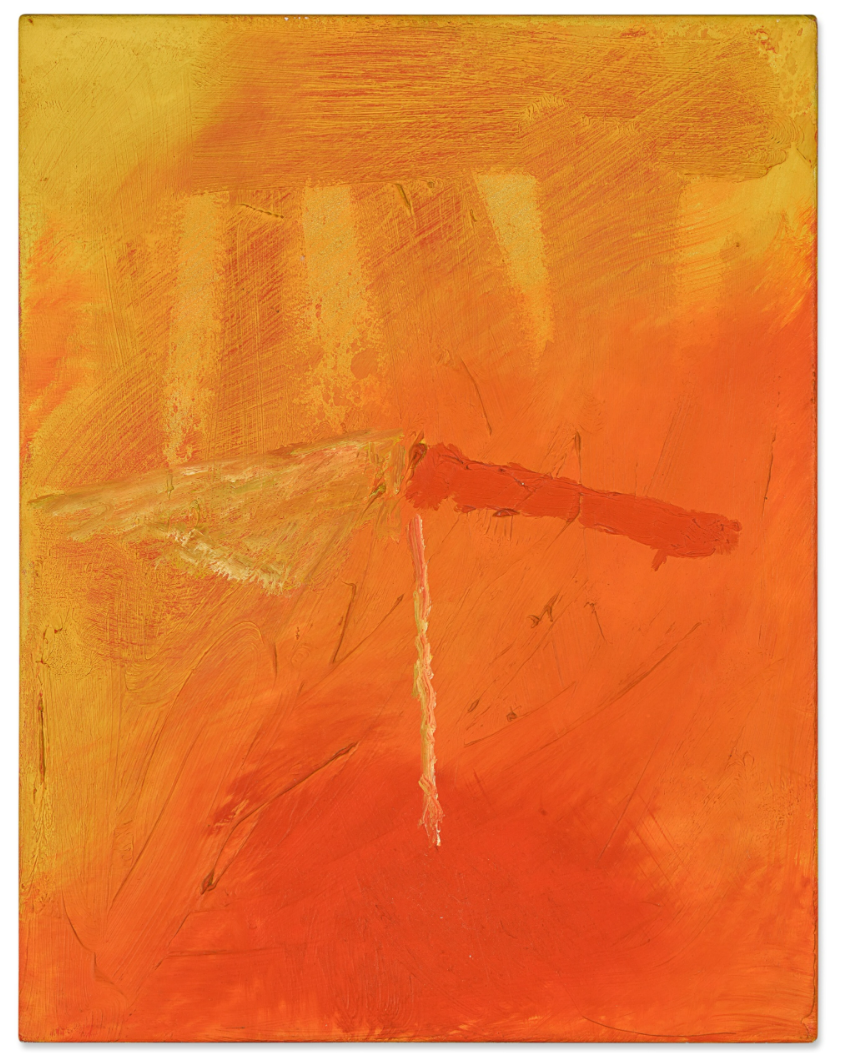
GERHARD RICHTER (b. 1932)
Abstraktes Bild, 1980
Oil on canvas
45.1 x 35.5 cm (17 3/4 x 14 inches)
Signed, dated 80 and numbered 454/4 (on the reverse)
KEITH HARING
Untitled (Two Pregnant Figures and Radiant Baby), circa 1980-83
Art in Transit: 31 Subway Drawings by Keith Haring, From the Collection of Larry Warsh
Sotheby’s New-York: 21 November 2024
Estimated: USD 200,000 – 300,000
GUARANTED PROPERTY
Untitled (Two Pregnant Figures and Radiant Baby) | Contemporary Day Auction | 2024 | Sotheby’s
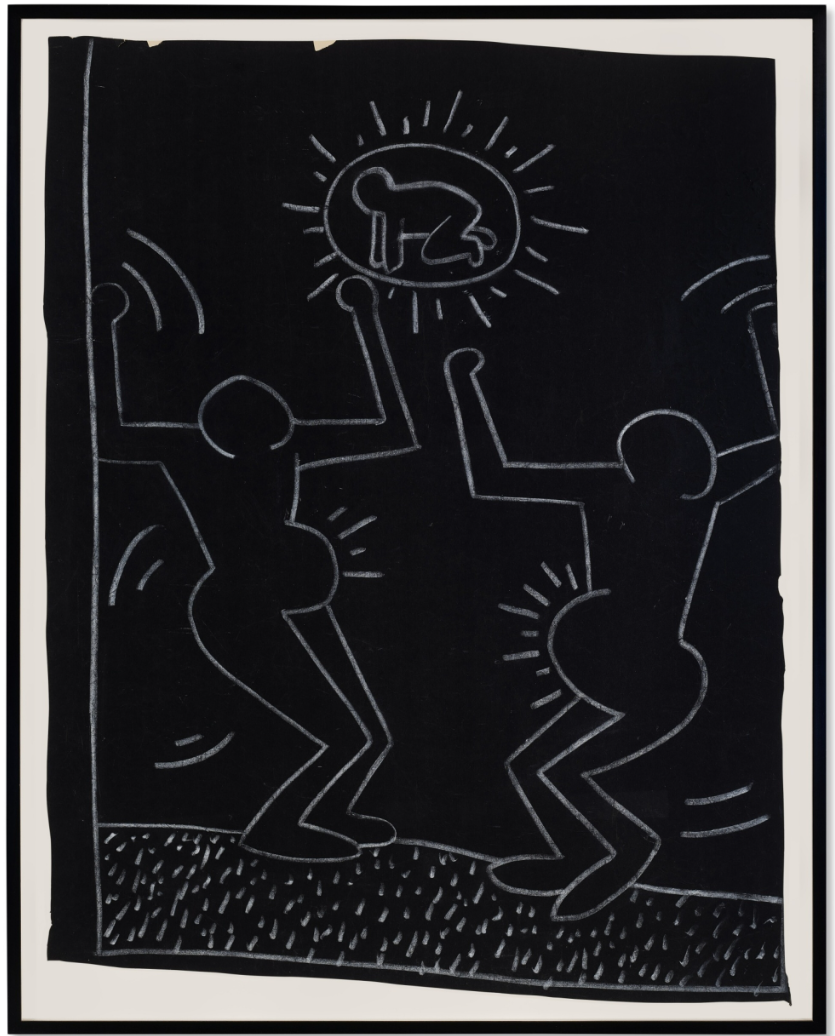
KEITH HARING (1958 – 1990)
Untitled (Two Pregnant Figures and Radiant Baby), circa 1980-83
Chalk on black paper laid on foam board
53 3/4 x 41 inches (136.5 x 104.1 cm)
KEITH HARING
Untitled (Two Figures Tied Together), circa 1980-83
Art in Transit: 31 Subway Drawings by Keith Haring, From the Collection of Larry Warsh
Sotheby’s New-York: 21 November 2024
Estimated: USD 100,000 – 150,000
GUARANTEED PROPERTY
Untitled (Two Figures Tied Together) | Contemporary Day Auction | 2024 | Sotheby’s
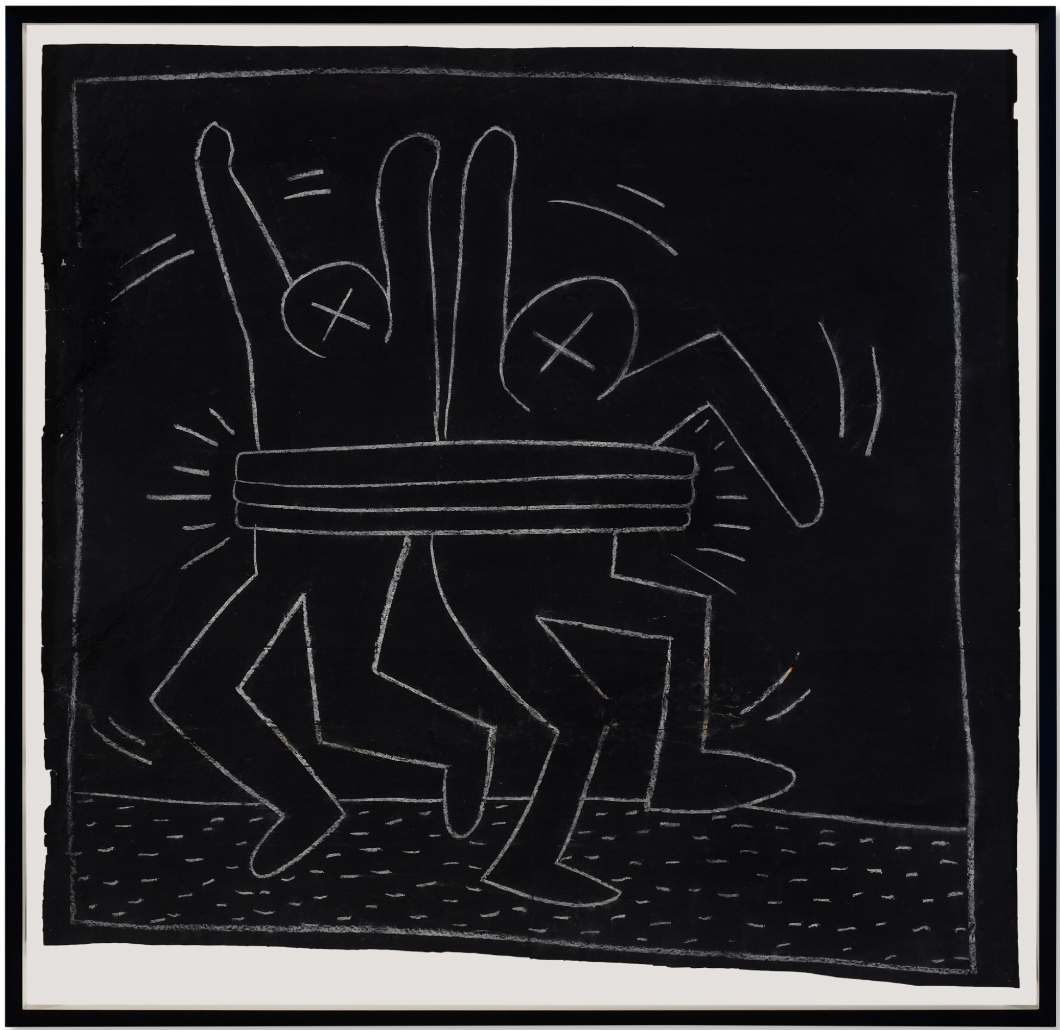
KEITH HARING (1958 – 1990)
Untitled (Two Figures Tied Together), circa 1980-83
Chalk on 2 joined sheets of black paper
40 1/2 x 42 inches (102.9 x 106.7 cm)
KEITH HARING
Untitled (Still Alive in ’85), 1985
Art in Transit: 31 Subway Drawings by Keith Haring, From the Collection of Larry Warsh
Sotheby’s New-York: 21 November 2024
Estimated: USD 500,000 – 700,000
GUARANTEED PROPERTY
Untitled (Still Alive in ’85) | Contemporary Day Auction | 2024 | Sotheby’s
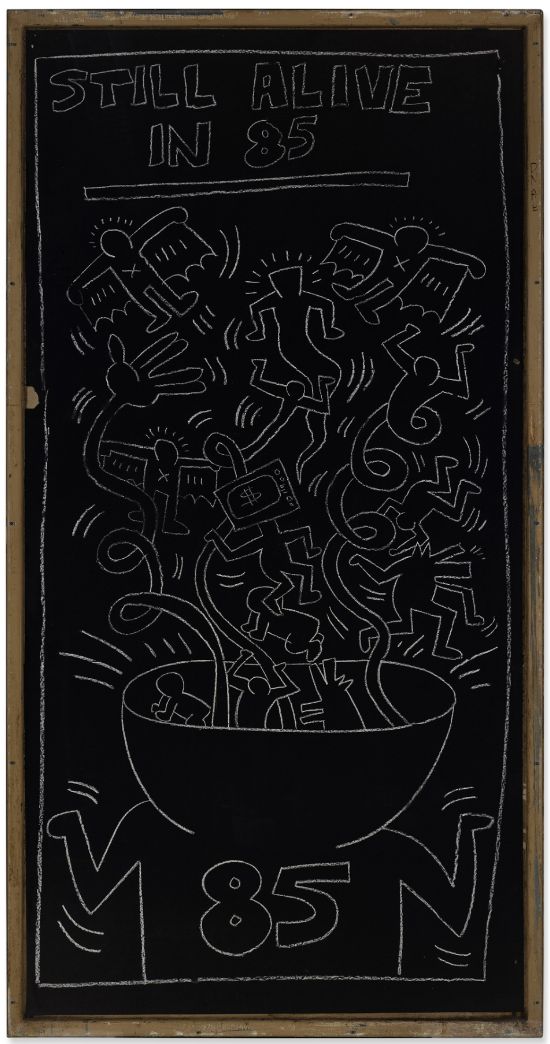
KEITH HARING (1958 – 1990)
Untitled (Still Alive in ’85), 1985
Chalk on 3 joined sheets of black paper on original MTA mount
Sheet: 85 x 41 3/4 inches (215.9 x 106 cm)
Mount: 87×45 inches (221.6 x 114.6 cm)
Withdrawn and Passed Lots
YAYOI KUSAMA
Abode of Love, 2015
Sotheby’s New-York: 21 November 2024
Estimated: USD 1,500,000 – 2,500,000
PASSED
Abode of Love | Contemporary Day Auction | 2024 | Sotheby’s
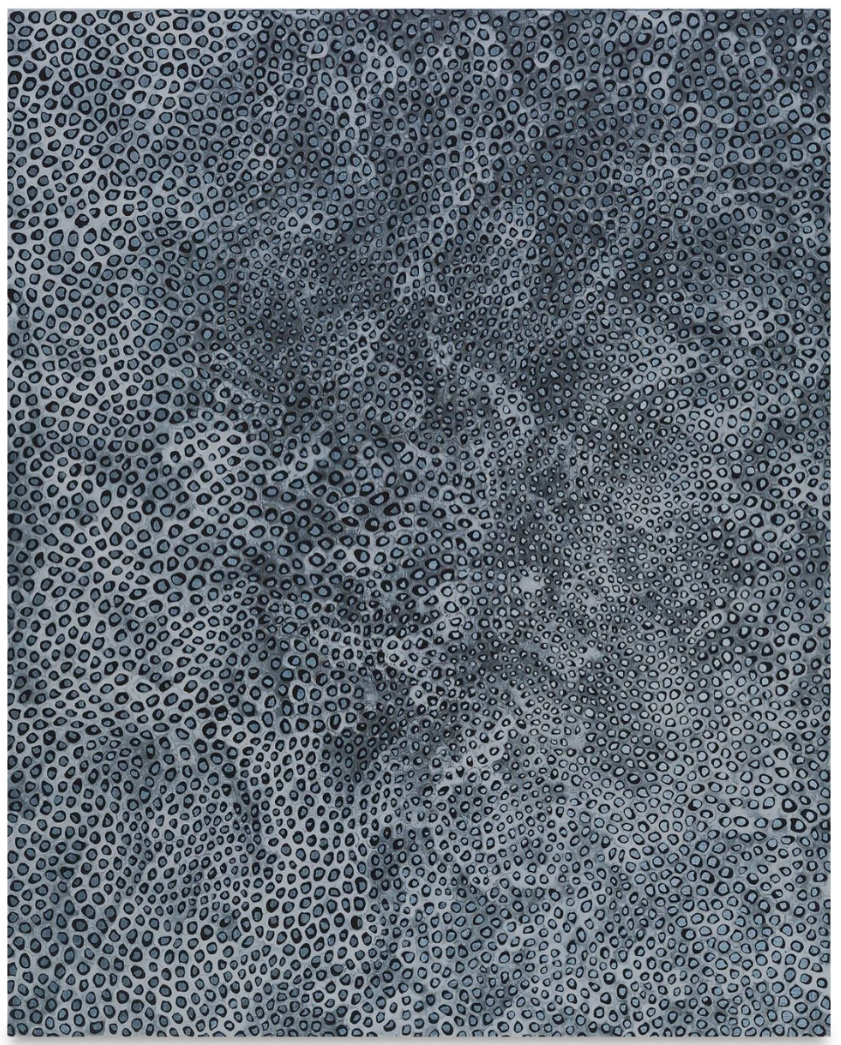
YAYOI KUSAMA (b. 1929)
Abode of Love, 2015
Acrylic on canvas
161.9 x 129.9 cm (63 3/4 x 51 1/8 inches)
Signed, titled and dated 2015 (on the reverse)
FERNANDO BOTERO
Picnic, 2009
Sotheby’s New-York: 21 November 2024
Estimated: USD 800,000 – 1,200,000
PASSED
Picnic | Contemporary Day Auction | 2024 | Sotheby’s
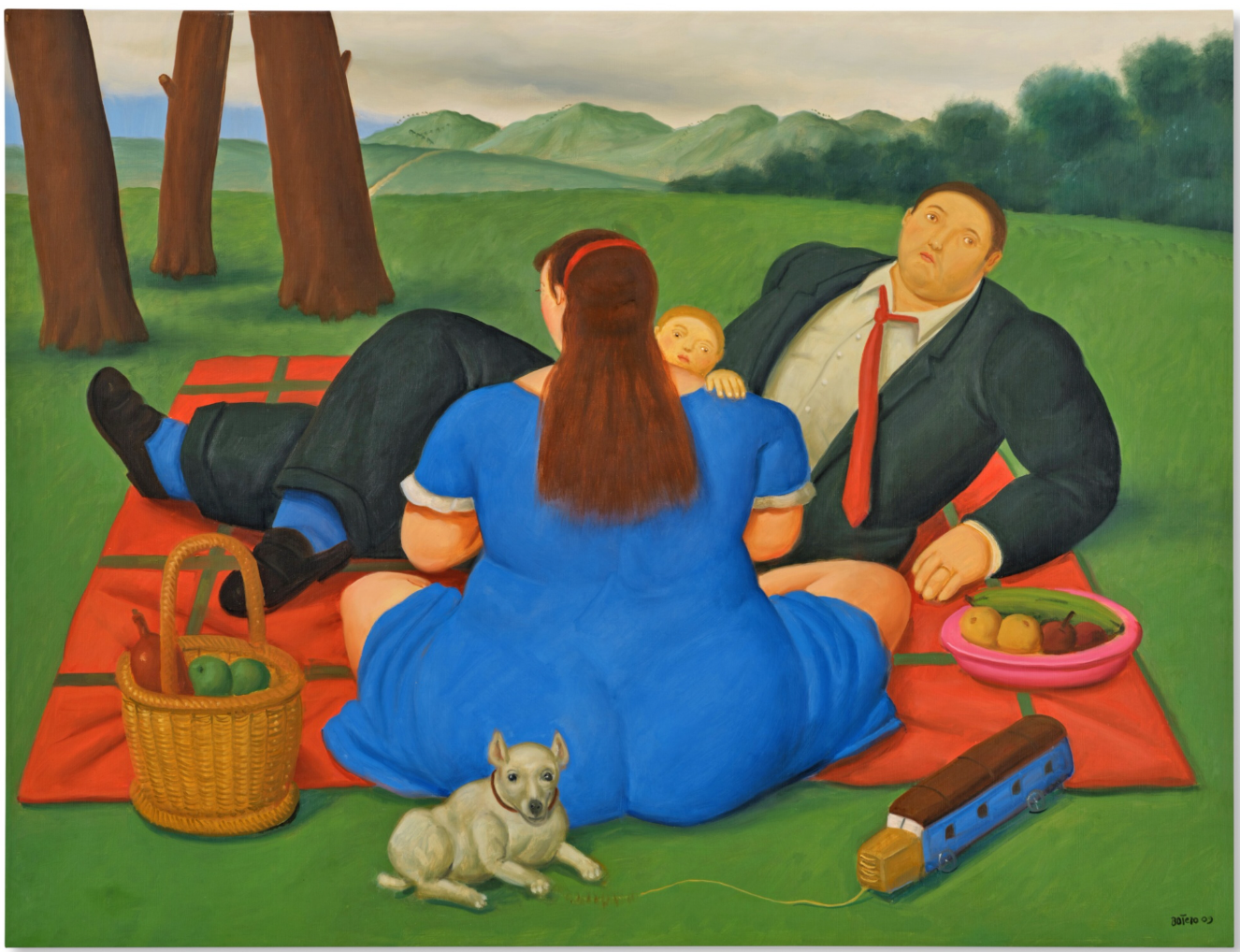
FERNANDO BOTERO (1932 – 2023)
Picnic, 2009
Oil on canvas
98.4 x 129.2 cm (38 3/4 x 50 7/8 inches)
Signed and dated 09 (lower right)
PHILLIPS
Phillips: Modern & Contemporary Art Evening Sale
19 November 2024
Modern & Contemporary Art Evening Sale: New York Auction November 2024
Total: USD 54,144,400
# Lots: 33
# Lots withdrawn: 3
# Lots sold: 25
Sell-Through Rate: 83.3%
#1. JACKSON POLLOCK
Untitled, circa 1948
Phillips New-York: 19 November 2024
Estimate on Request
USD 15,335,000
Jackson Pollock – Modern & Contempor… Lot 9 November 2024 | Phillips
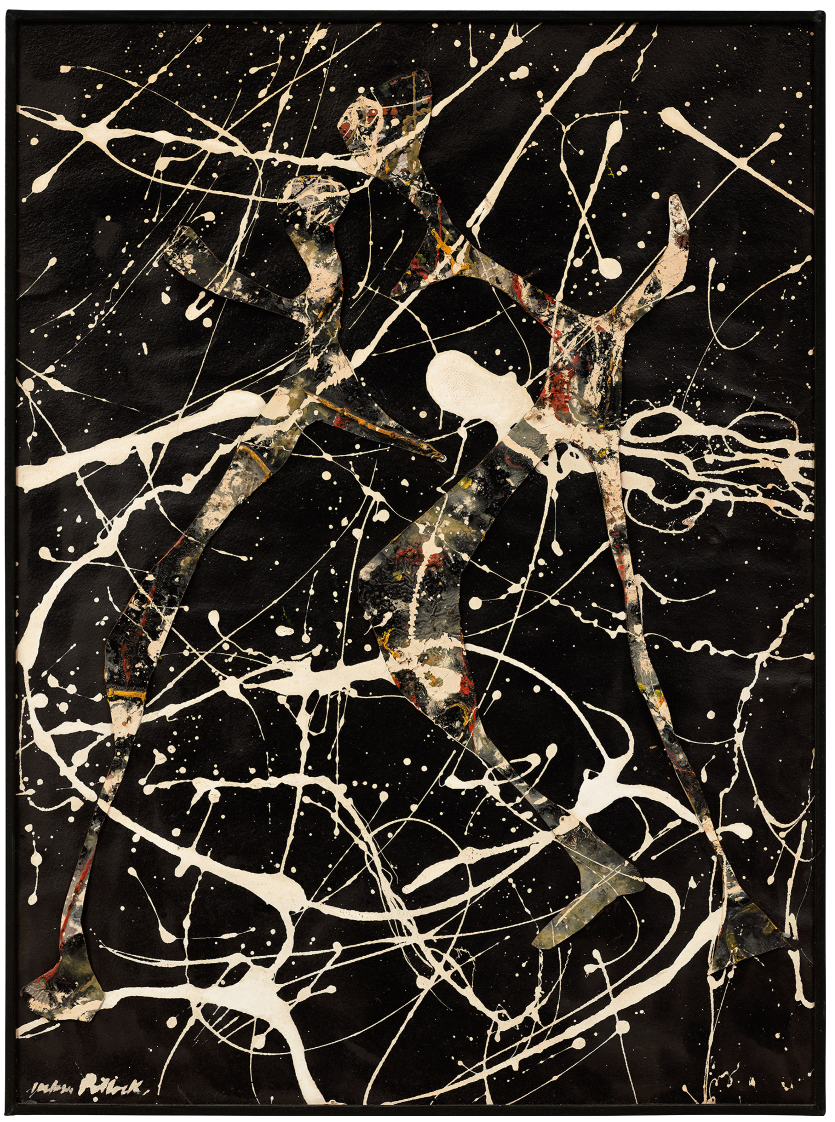
JACKSON POLLOCK
Untitled, circa 1948
Oil, enamel, pebbles and cut-outs on paper mounted on Masonite
31×23 inches (78.7 x 58.4 cm)
Signed “Jackson Pollock” lower left
#3. JEFF KOONS
Two Ball Total Equilibrium Tank (Spalding Dr. J Silver Series), 1985
Phillips New-York: 19 November 2024
Estimated: USD 4,000,000 – 6,000,000
USD 3,569,000
Jeff Koons – Modern & Contemporary … Lot 14 November 2024 | Phillips
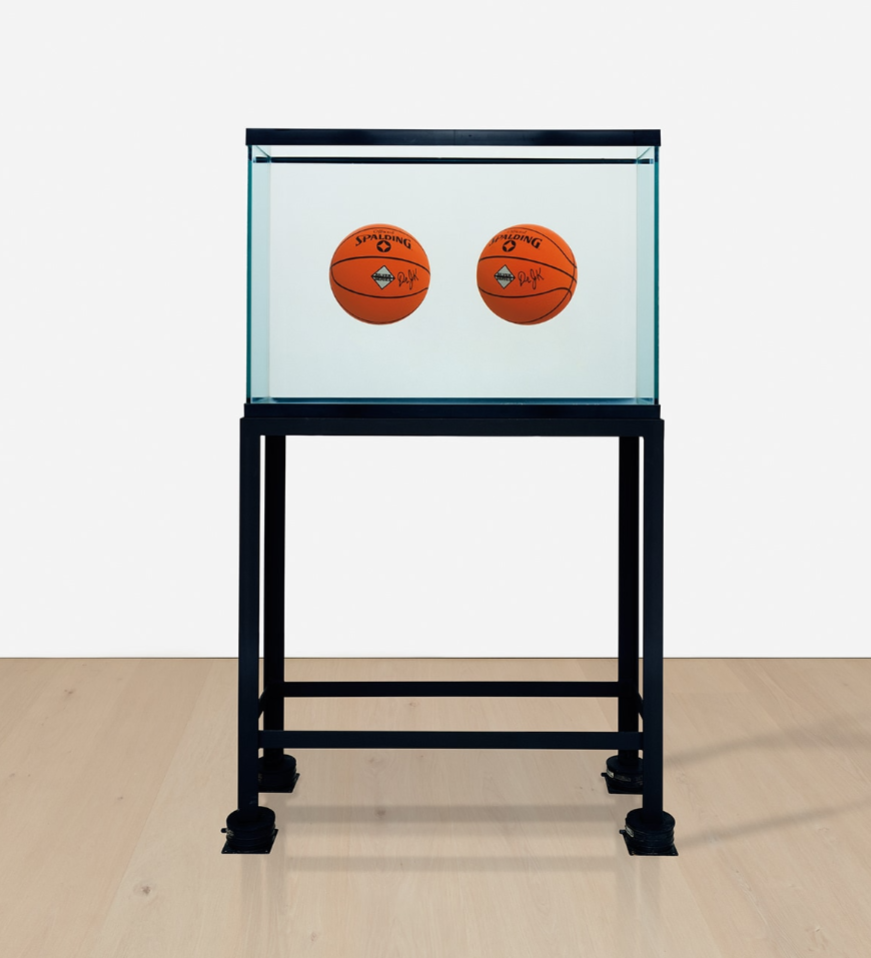
JEFF KOONS
Two Ball Total Equilibrium Tank (Spalding Dr. J Silver Series), 1985
Glass, steel, sodium chloride reagent, distilled water and two basketballs
62 3/4 x 36 3/4 x 13 1/4 inches (159.4 x 93.3 x 33.7 cm)
This work is number 1 from an edition of 2
#4. ANDY WARHOL
Self-Portrait, 1981
Phillips New-York: 19 November 2024
Estimated: USD 4,000,000 – 6,000,000
USD 3,448,000
Andy Warhol – Modern & Contemporary… Lot 15 November 2024 | Phillips
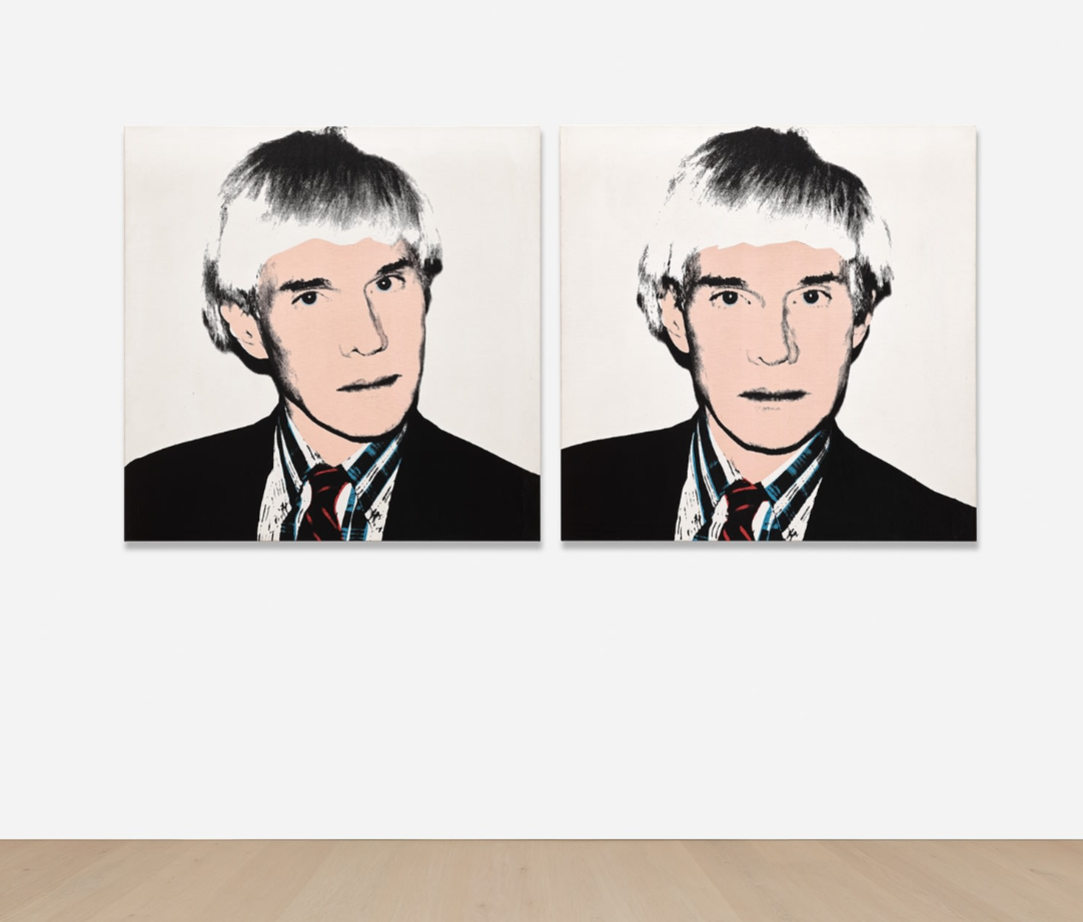
ANDY WARHOL
Self-Portrait, 1981
Synthetic polymer paint and silkscreen ink on canvas, diptych
Each: 40×40 inches (101.6 x 101.6 cm)
Each signed and dated “Andy Warhol 81” on the overlap
#7. ELIZABETH PEYTON
Kurt (sunglasses), 1995
Phillips New-York: 19 November 2024
Estimated: USD 600,000 – 800,000
USD 2,359,000
Elizabeth Peyton – Modern & Contempo… Lot 3 November 2024 | Phillips
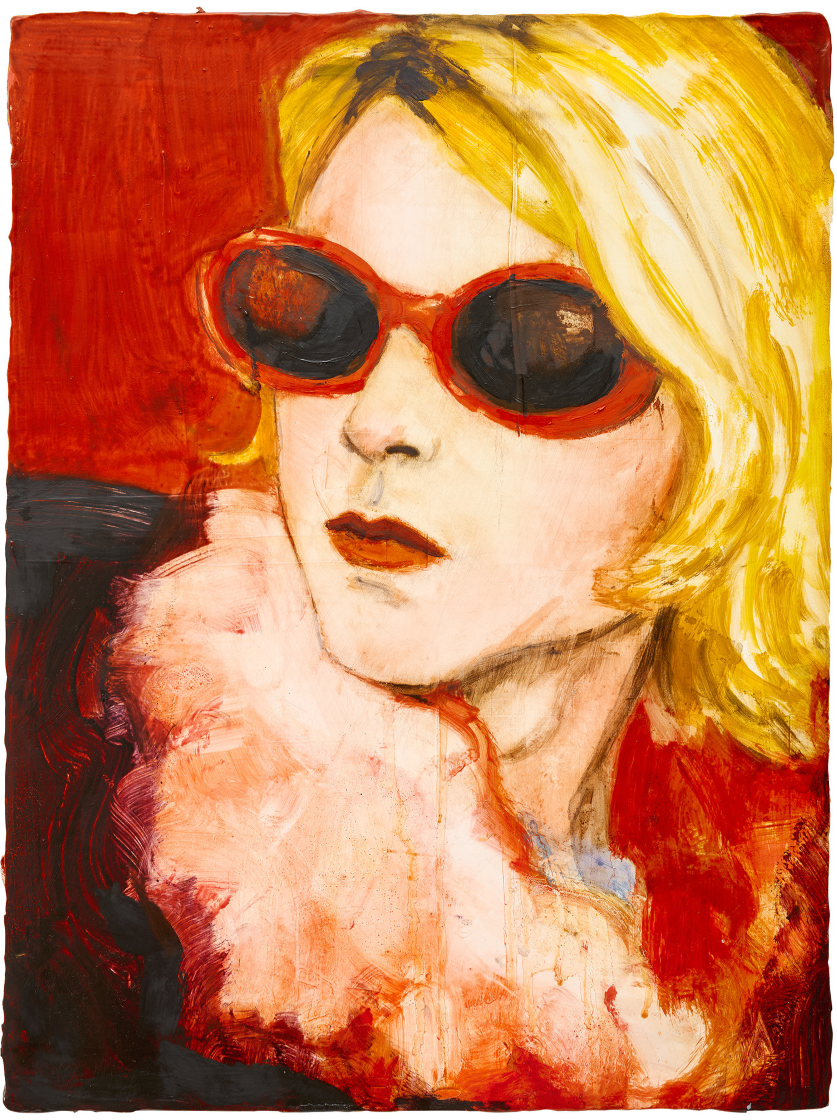
ELIZABETH PEYTON
Kurt (sunglasses), 1995
Oil on canvas
16×12 inches (40.5 x 30.5 cm)
Signed, titled and dated “Kurt (sunglasses) Elizabeth Peyton 1995” on the overlap
#8. KEITH HARING
Untitled, 1982
Phillips New-York: 19 November 2024
Estimated: USD 1,500,000 – 2,000,000
USD 2,238,000
Keith Haring – Modern & Contemporar… Lot 10 November 2024 | Phillips
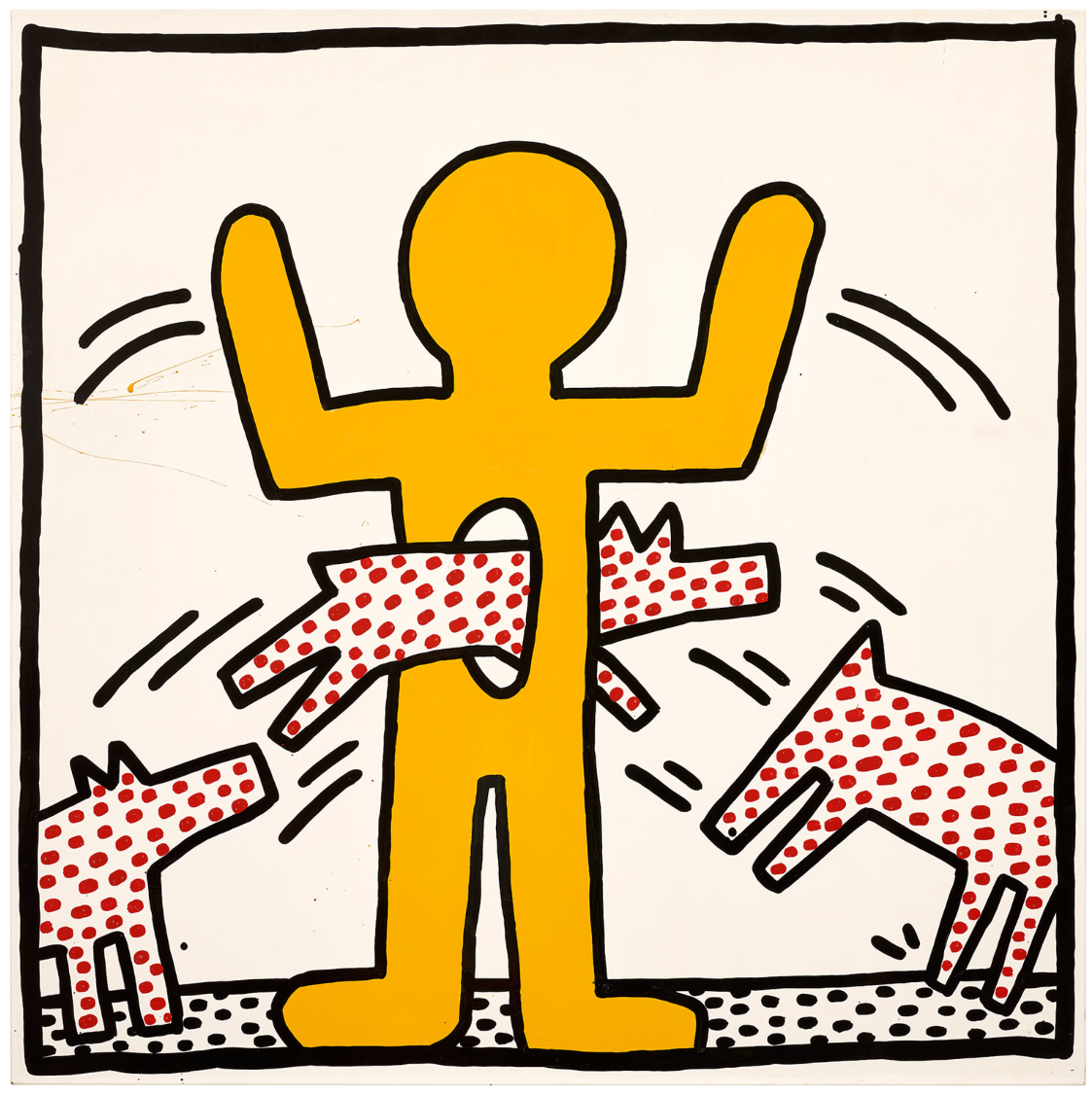
KEITH HARING
Untitled, 1982
Baked enamel on metal
43×43 inches (109.2 x 109.2 cm)
Signed, inscribed and dated “K. Haring SEPT. 26-27 1982 ⨁” on the reverse
#9. ANDY WARHOL
Shadow, 1978
Phillips New-York: 19 November 2024
Estimated: USD 1,500,000 – 2,000,000
USD 2,238,000
Andy Warhol – Modern & Contemporary… Lot 29 November 2024 | Phillips
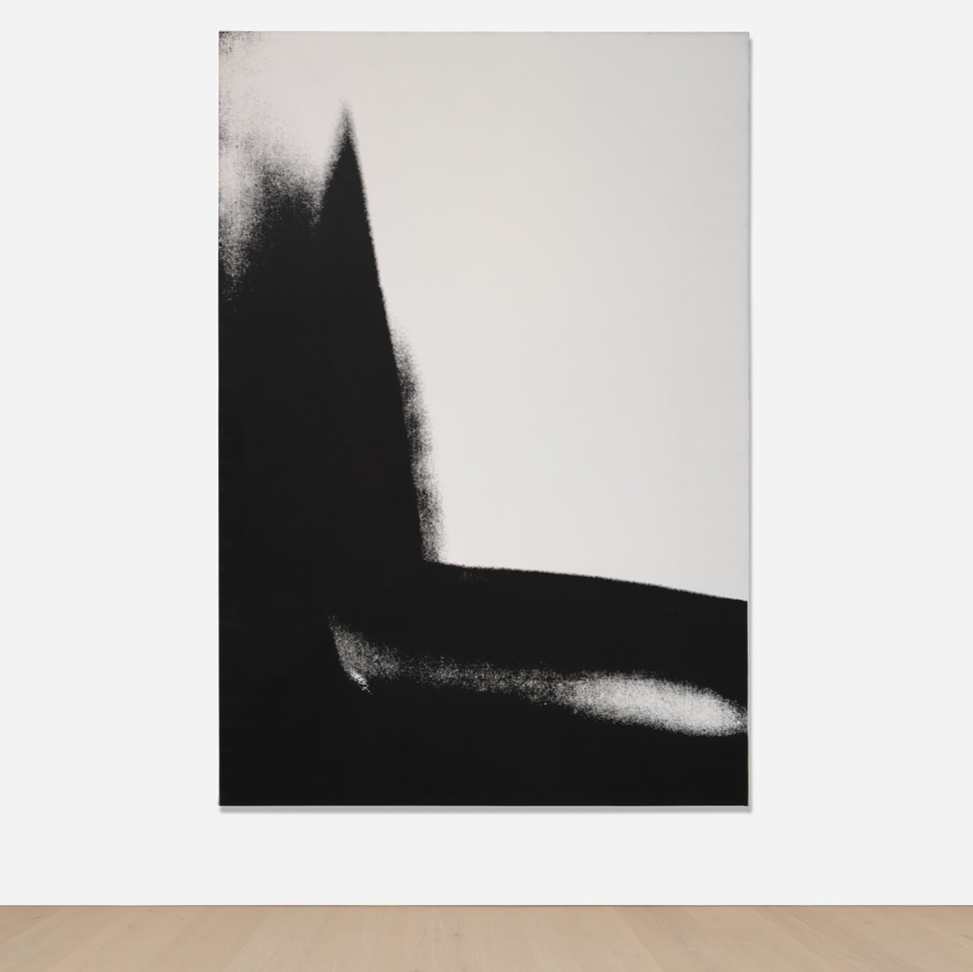
ANDY WARHOL
Shadow, 1978
Silkscreen ink on linen
76×52 inches (193 x 132.1 cm)
Signed and dated “Andy Warhol 1978 Andy Warhol 1978” on the overlap
#10. MATTHEW WONG
Untitled, 2017
Phillips New-York: 19 November 2024
Estimated: USD 1,o00,000 – 1,500,000
USD 1,754,000
Matthew Wong – Modern & Contemporary… Lot 2 November 2024 | Phillips
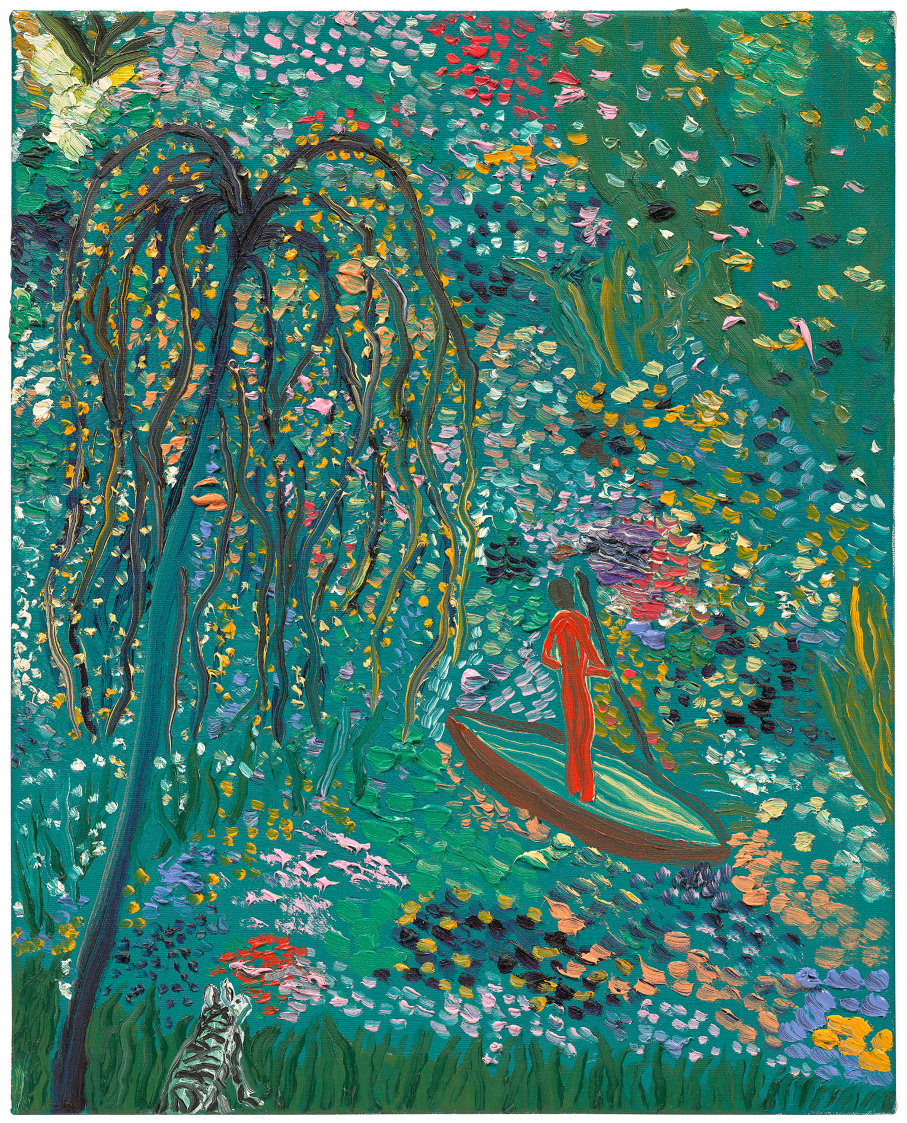
MATTHEW WONG
Untitled, 2017
Oil on canvas
20×16 inches (50.8 x 40.6 cm)
Signed, titled and dated “UNTITLED Wong 2017 [in Chinese]” on the reverse
#11. LYNETTE YIADOM-BOAKYE
Watcher, 2011
Phillips New-York: 19 November 2024
Estimated: USD 1,000,000 – 1,500,000
USD 1,754,000
Lynette Yiadom-Boakye – Modern & Con… Lot 4 November 2024 | Phillips
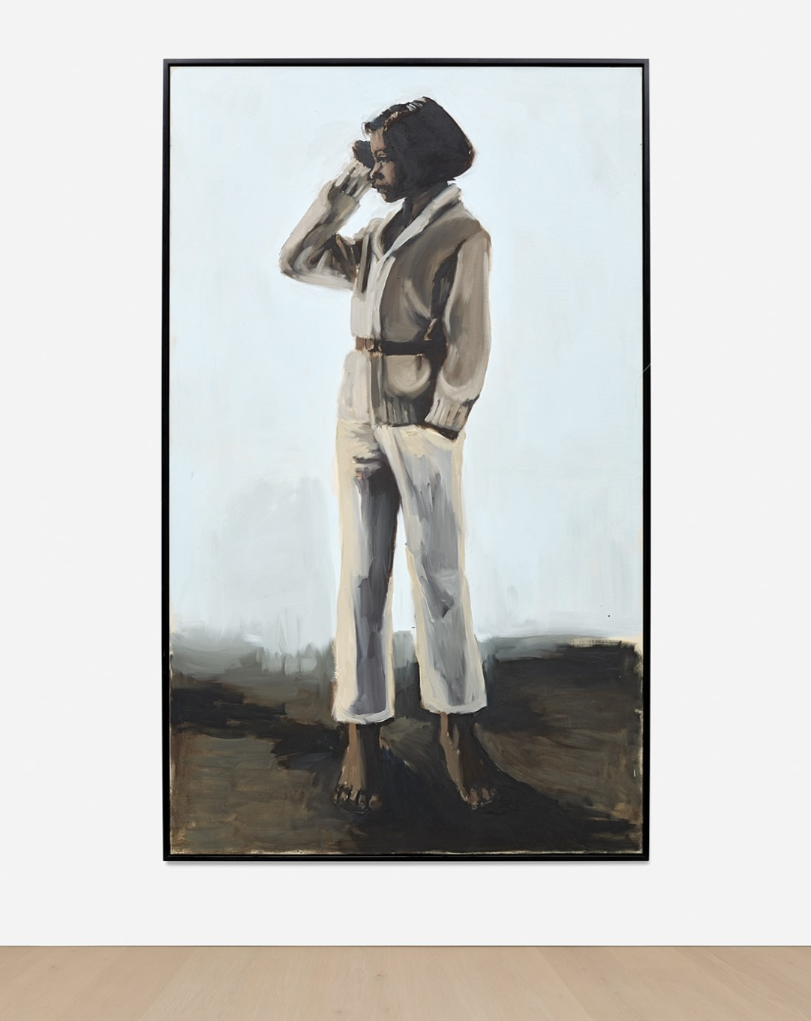
LYNETTE YIADOM-BOAKYE
Watcher, 2011
Oil on canvas
200×120 cm (78 7/8 x 47 1/4 inches)
Signed with the artist’s initials, titled and dated “LYB 2011 Watcher” on the reverse
#12. JEAN-MICHEL BASQUIAT
Untitled, 1981-1982
Phillips New-York: 19 November 2024
Estimated: USD 1,000,000 – 1,500,000
USD 1,270,000
Jean-Michel Basquiat – Modern & Cont… Lot 6 November 2024 | Phillips
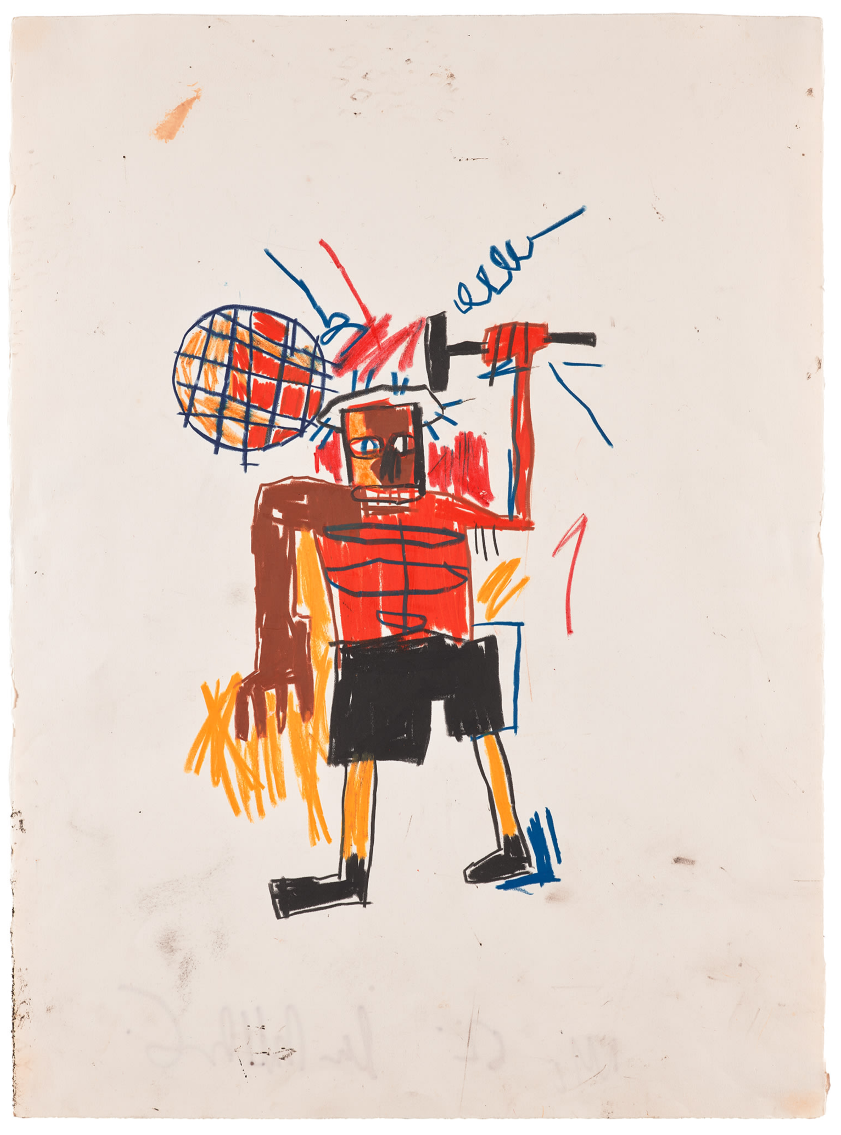
JEAN-MICHEL BASQUIAT
Untitled, 1981-1982
Oilstick on paper
30×22 inches (76.2 x 55.9 cm)
Signed, inscribed and dated “NY 82 Jean Michel Basquiat” on the reverse
#15. ANDY WARHOL
New York Skyscrapers, 1981
Phillips New-York: 19 November 2024
Estimated: USD 500,000 – 700,000
USD 952,500
Andy Warhol – Modern & Contemporary… Lot 33 November 2024 | Phillips
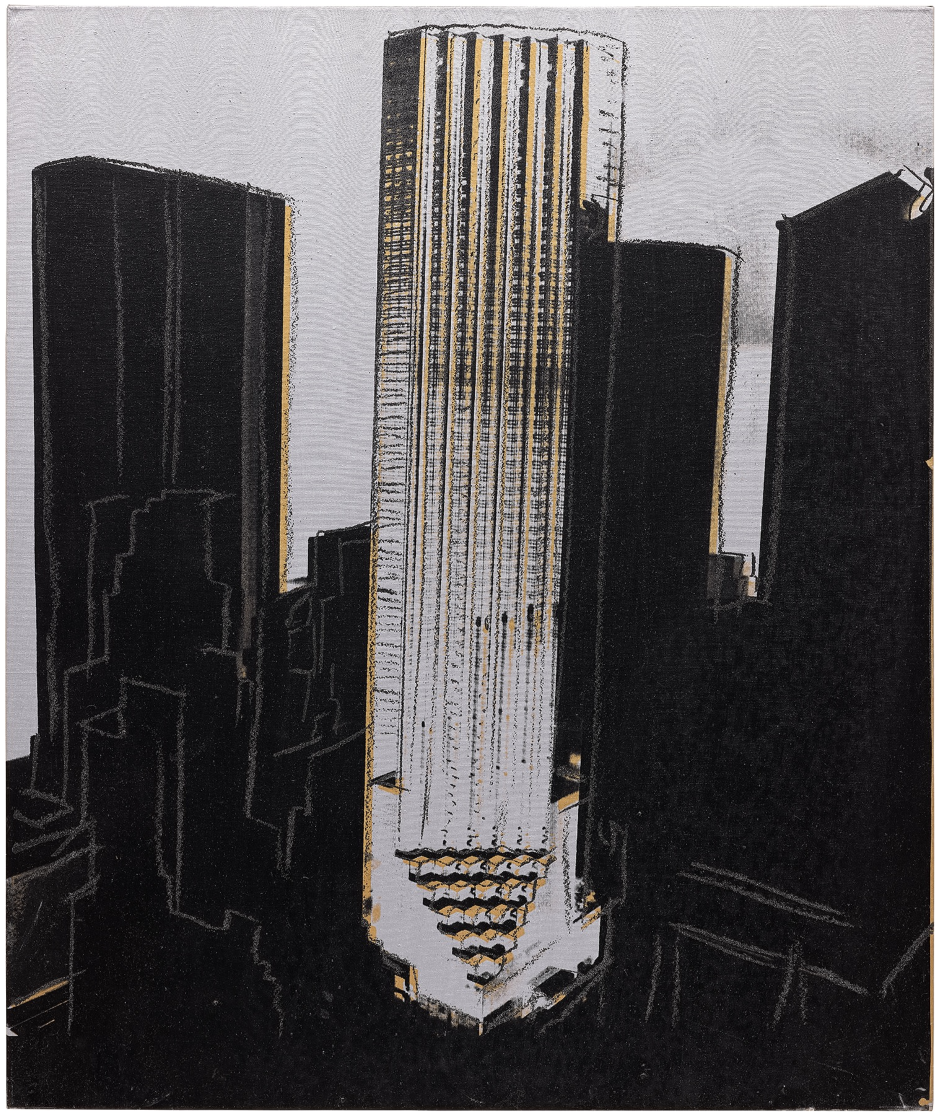
ANDY WARHOL
New York Skyscrapers, 1981
Synthetic polymer paint, diamond dust and silkscreen ink on canvas
50 1/4 x 42 1/8 inches (127.6 x 107 cm)
Stamped by the Andy Warhol Art Authentication Board, Inc. and the Estate of Andy Warhol
Numbered and inscribed “PA 67.007” on the overlap
#19. JADE FADOJUTIMI
Even an awkward smile can sprout beyond the sun, 2021
Phillips New-York: 19 November 2024
Estimated: USD 500,000 – 700,000
USD 571,500
Jadé Fadojutimi – Modern & Contempor… Lot 8 November 2024 | Phillips
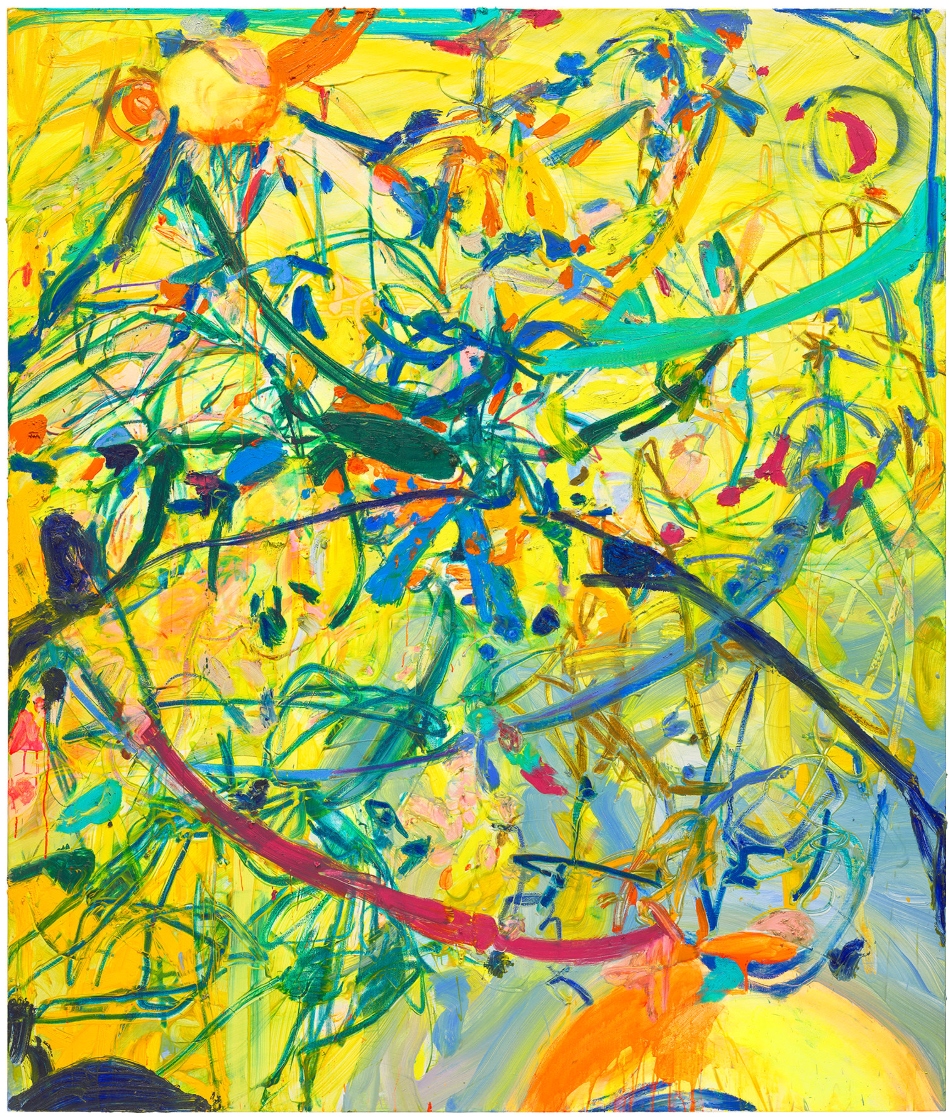
JADE FADOJUTIMI
Even an awkward smile can sprout beyond the sun, 2021
Oil, oil bar and acrylic on canvas
200×170 cm (78 3/4 x 66 7/8 inches)
Signed twice, titled and dated “Jadé Fadojutimi ‘Even an awkward smile can sprout beyond the sun’ Feb ’21” on the reverse
Withdrawn & Passed Lots
ED RUSCHA
Isle of Fear, 1987-1988
Phillips New-York: 19 November 2024
Estimated: USD 1,500,000 – 2,000,000
WITHDRAWN
Ed Ruscha – Modern & Contemporary A… Lot 25 November 2024 | Phillips
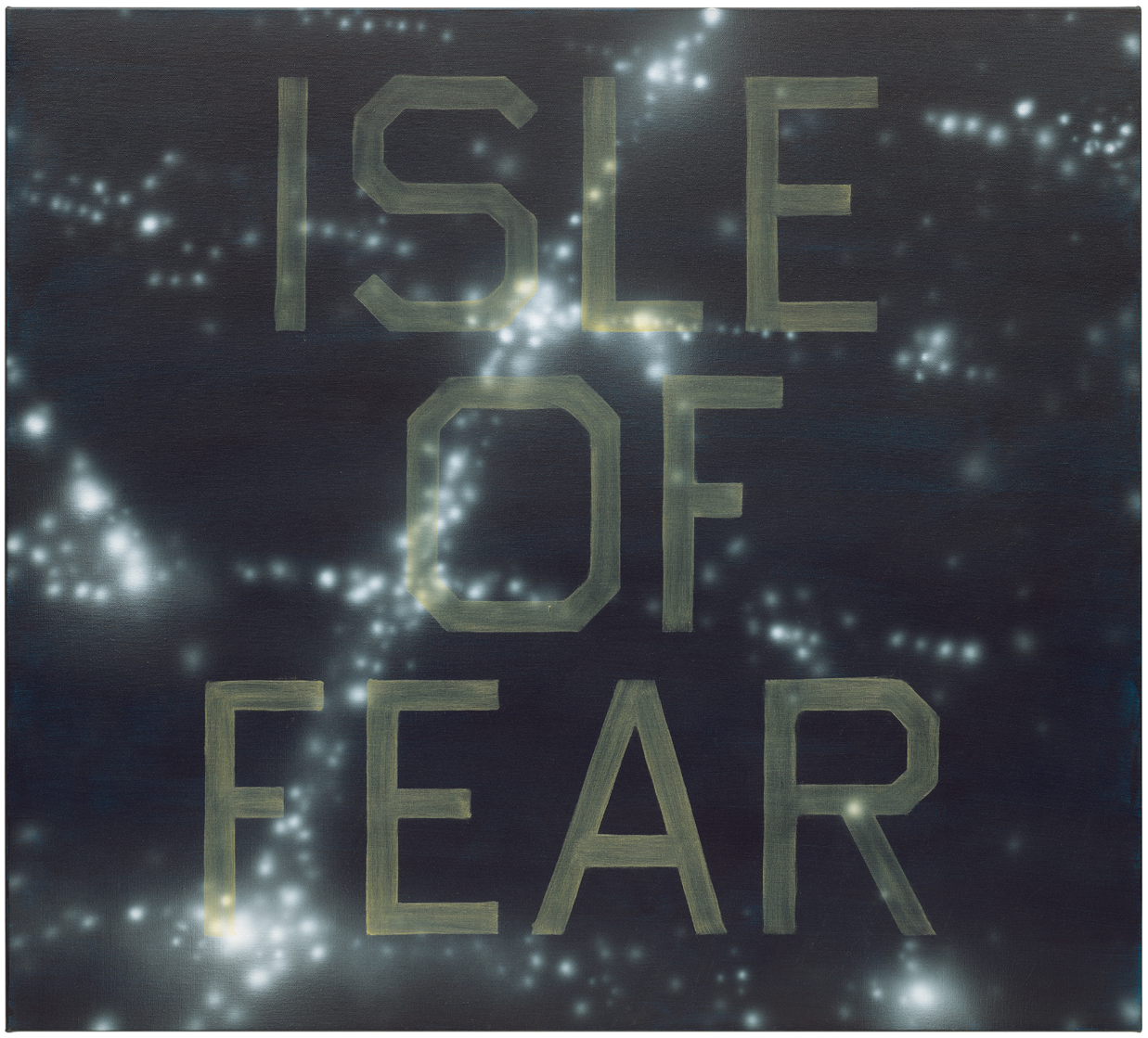
ED RUSCHA
Isle of Fear, 1987-1988
Oil and acrylic on canvas
36 1/2 x 40 inches (92.7 x 101.6 cm)
Signed and dated “Ed Ruscha 1987-88″ on the reverse
JEAN-MICHEL BASQUIAT
Self-Portrait, 1983
Phillips New-York: 19 November 2024
Estimated: USD 10,000,000 – 15,000,000
PASSED
Jean-Michel Basquiat – Modern & Con… Lot 13 November 2024 | Phillips
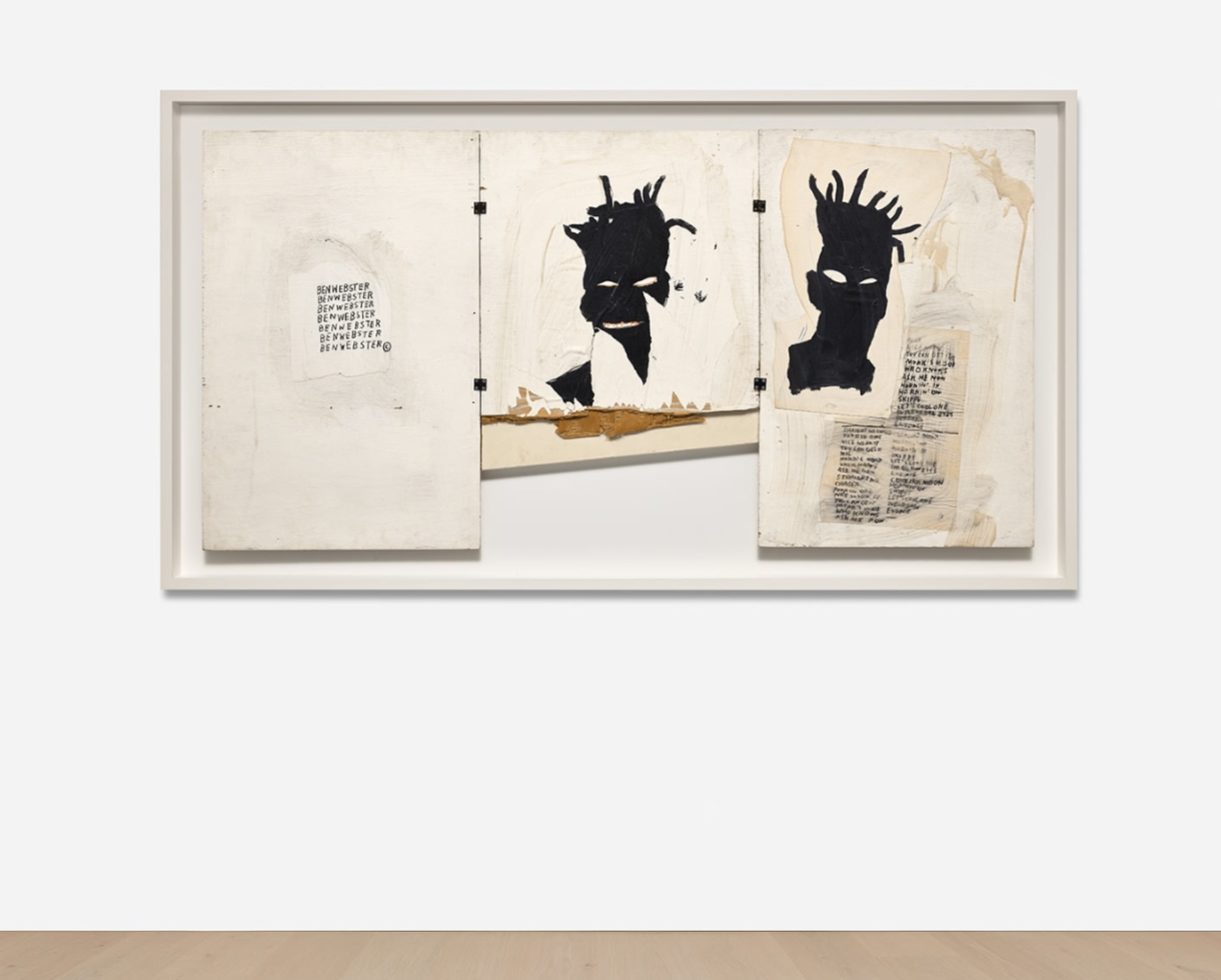
JEAN-MICHEL BASQUIAT
Self-Portrait, 1983
Acrylic, oil, oilstick and paper collage on wood, triptych
36 x 71 5/8 inches (91.4 x 181.9 cm)
ANDY WARHOL
Gun, circa 1981-1982
Phillips New-York: 19 November 2024
Estimated: USD 4,000,000 – 6,000,000
PASSED
Andy Warhol – Modern & Contemporary… Lot 11 November 2024 | Phillips
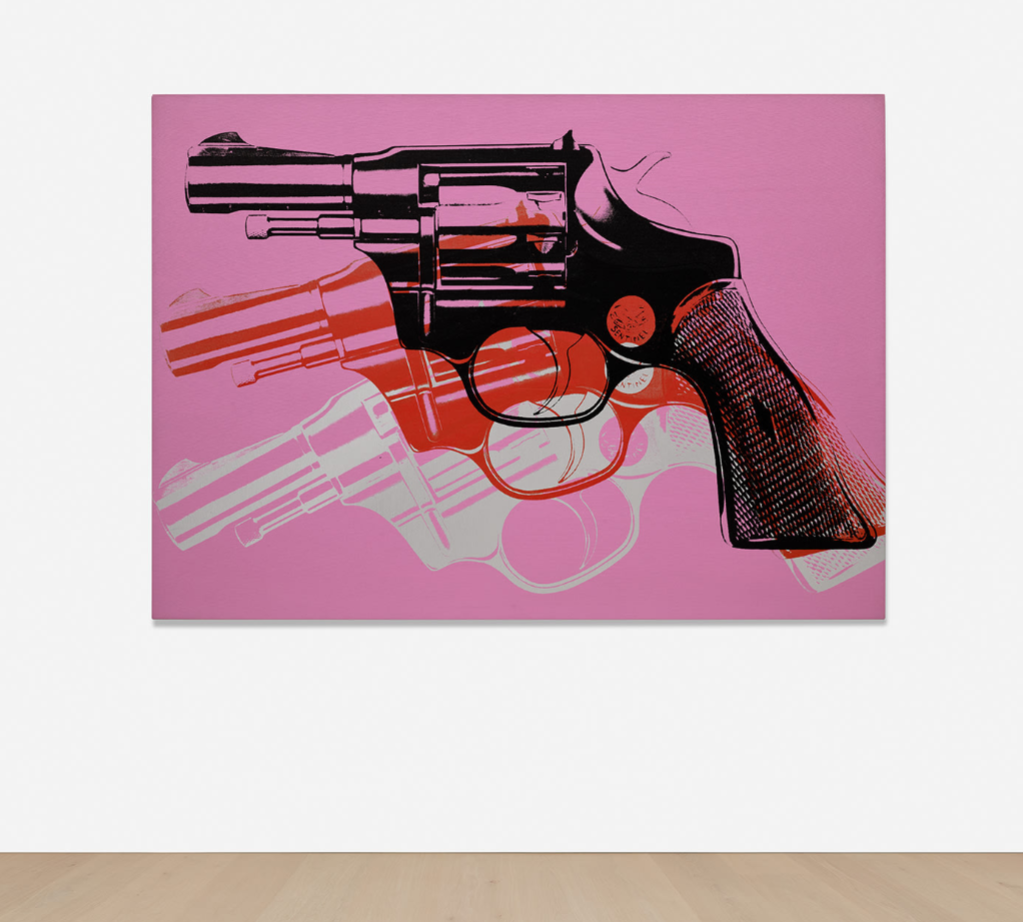
ANDY WARHOL
Gun, circa 1981-1982
Synthetic polymer paint and silkscreen ink on canvas
50 1/4 x 70 1/8 inches (127.6 x 178.1 cm)
Stamped twice by the Andy Warhol Art Authentication Board, Inc. and the Estate of Andy Warhol on the overlap
Numbered and inscribed “PA 15.064” on canvas affixed to the stretcher
Phillips: Modern & Contemporary Art Day Sale
20 November 2024
Morning Session
Modern & Contemporary Art Day Sale, Morning… New York November 2024
Afternoon Session
Modern & Contemporary Art Day Sale, Afterno… New York November 2024
JEAN-MICHEL BASQUIAT
Arteries of the Left Arm, 1983
Phillips New-York: 20 November 2024
Estimated: USD 800,000 – 1,200,000
Jean-Michel Basquiat – Modern & Co… Lot 143 November 2024 | Phillips
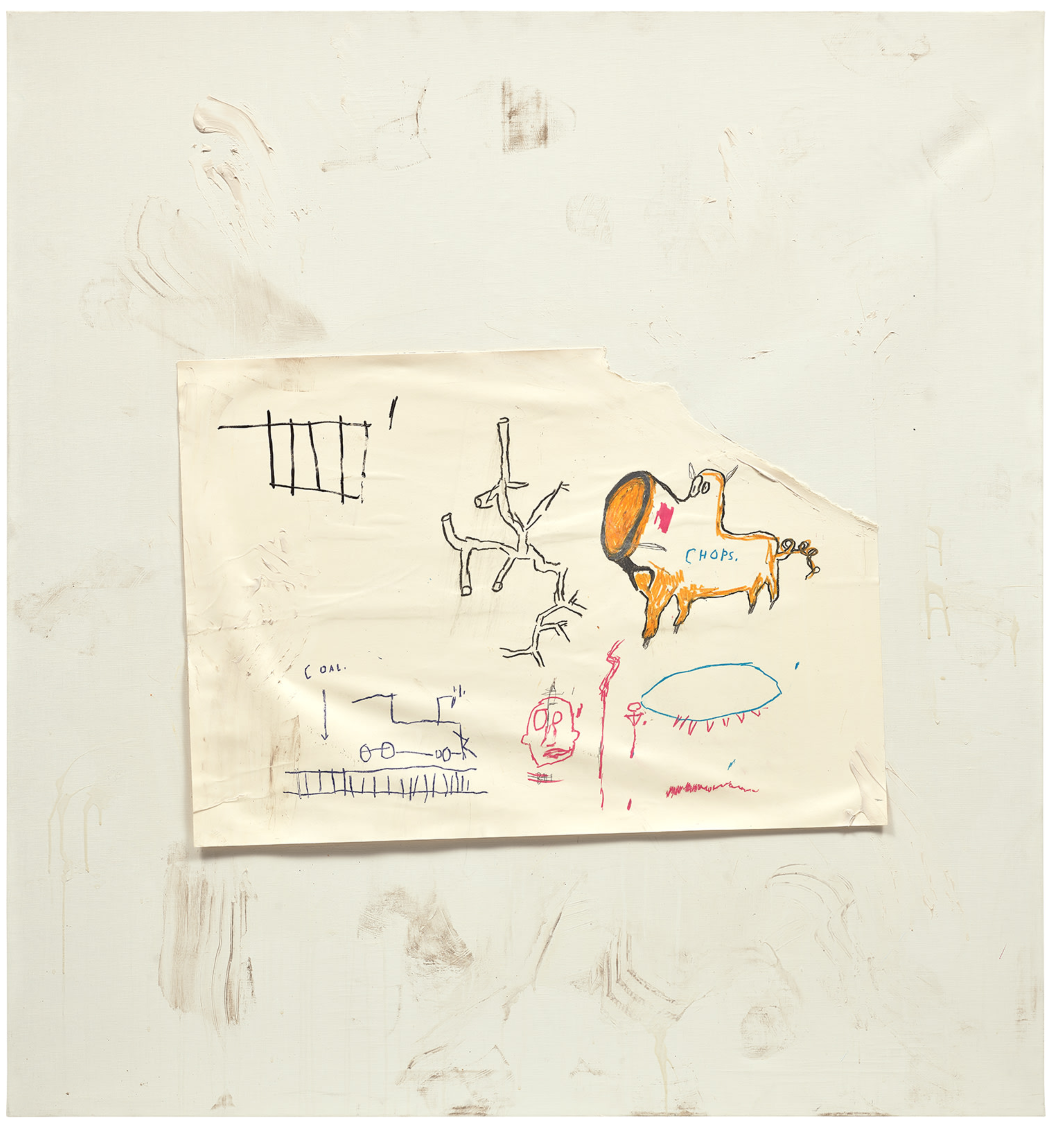
JEAN-MICHEL BASQUIAT
Arteries of the Left Arm, 1983
Acrylic, oilstick and paper collage on canvas
63×59 inches (160 x 149.9 cm)
Signed, titled, inscribed and dated “”ARTERIES OF THE LEFT ARM” Jean-Michel Basquiat FEB 1983. ST. MORITZ.” on the reverse
KAWS
BETTER KNOWING, 2003
Phillips New-York: 20 November 2024
Estimated: USD 500,000 – 700,000
KAWS – Modern & Contemporary Art D… Lot 324 November 2024 | Phillips
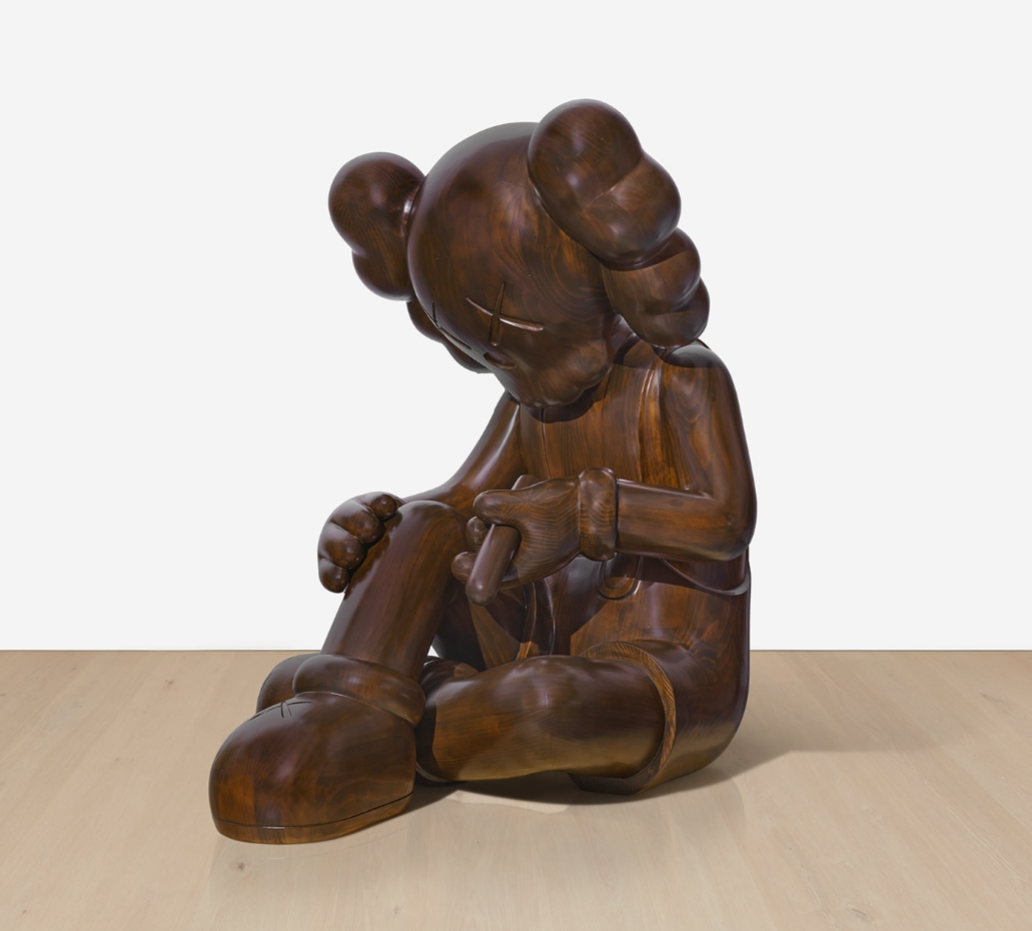
KAWS
BETTER KNOWING, 2003
Wood
71 x 49 1/2 x 66 1/2 inches (180.3 x 125.7 x 168.9 cm)
This work is number 1 from an edition of 3 plus 2 artist’s proofs
CHRISTOPHER WOOL
Untitled, 1990
Phillips New-York: 20 November 2024
Estimated: USD 400,000 – 600,000
Christopher Wool – Modern & Contem… Lot 328 November 2024 | Phillips
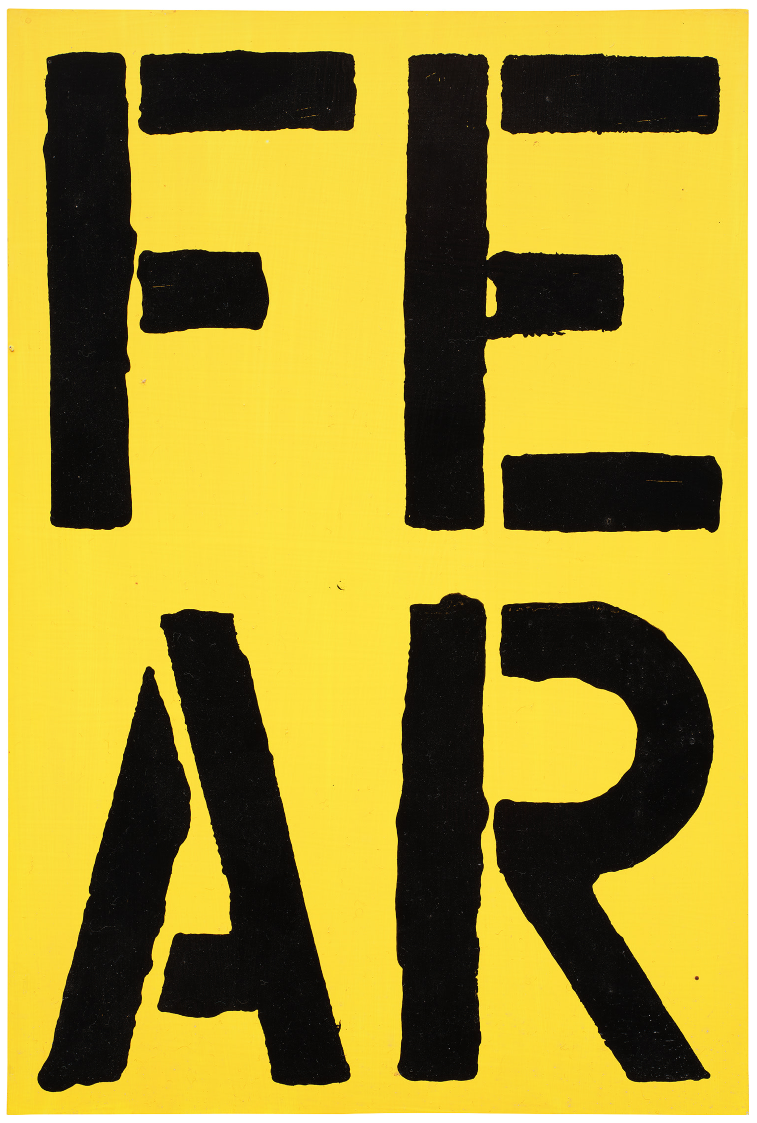
CHRISTOPHER WOOL
Untitled, 1990
Enamel on aluminum
11 7/8 x 8 inches (30.2 x 20.3 cm)
Signed and dated “WOOL 1990” on the reverse
YAYOI KUSAMA
Original Infinity Nets, 2000
Phillips New-York: 20 November 2024
Estimated: USD 300,000 – 500,000
Yayoi Kusama – Modern & Contempora… Lot 137 November 2024 | Phillips
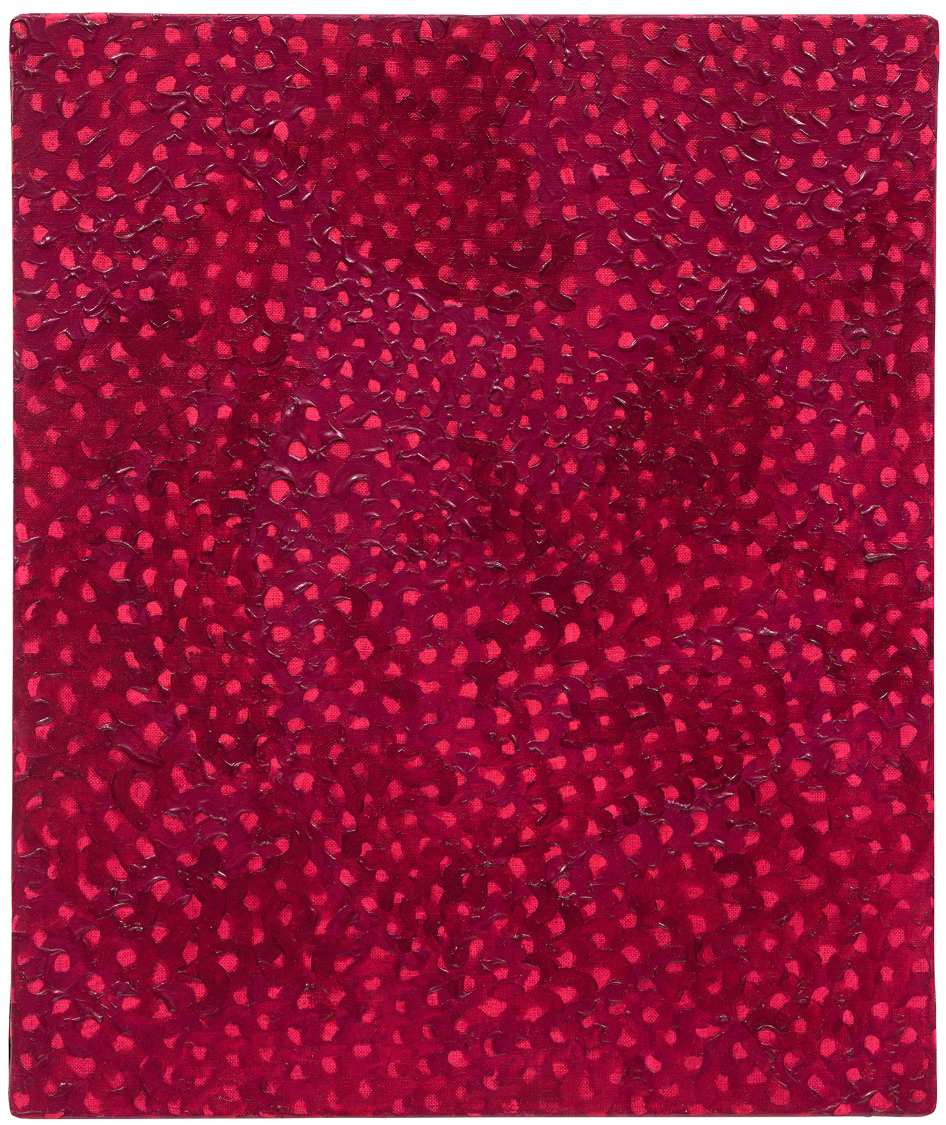
YAYOI KUSAMA
Original Infinity Nets, 2000
Acrylic on canvas
45.7 x 38.4 cm (18 x 15 1/8 inches)
Signed, titled and dated “YAYOI KUSAMA ORIGINAL INFINITY NETS 2000” on the reverse
GEORGE CONDO
The Sculptor, 2003
Phillips New-York: 20 November 2024
Estimated: USD 320,000 – 500,000
George Condo – Modern & Contempora… Lot 326 November 2024 | Phillips
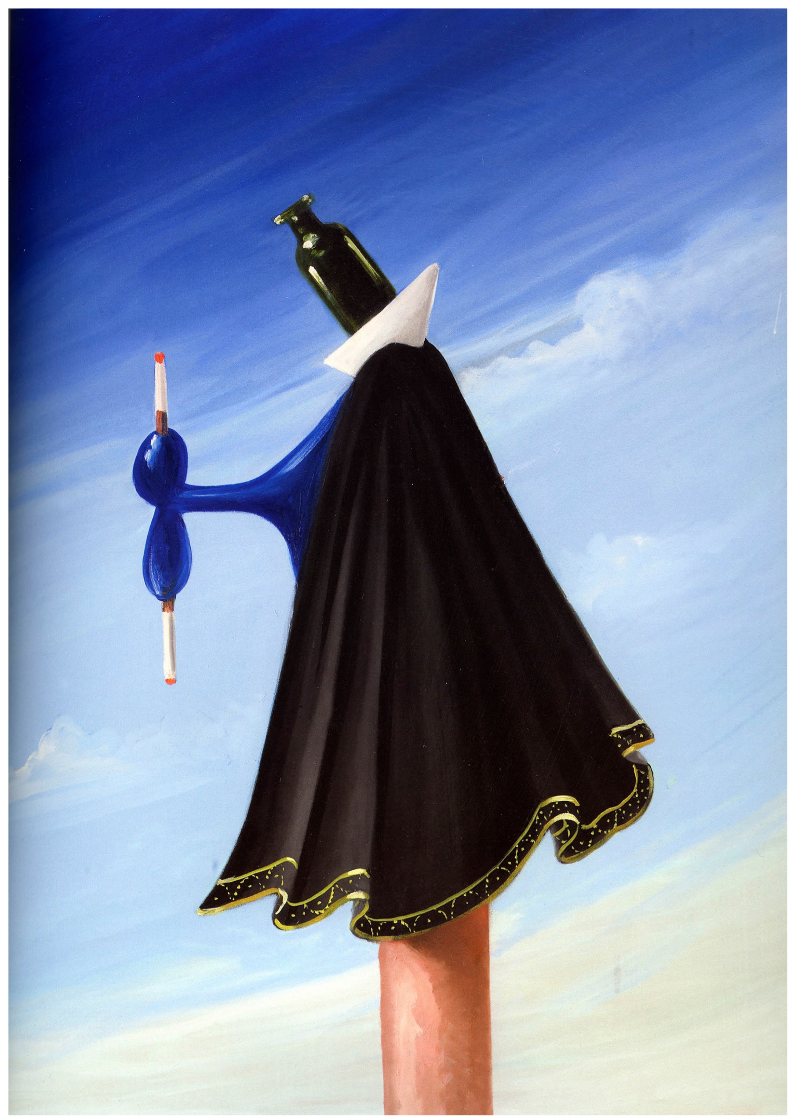
GEORGE CONDO
The Sculptor, 2003
Oil on canvas
48×36 inches (121.9 x 91.4 cm)
ELIZABETH PEYTON
Alex (Alex Katz) Winter 2012, 2012
Phillips New-York: 20 November 2024
Estimated: USD 300,000 – 400,000
Elizabeth Peyton – Modern & Contem… Lot 318 November 2024 | Phillips
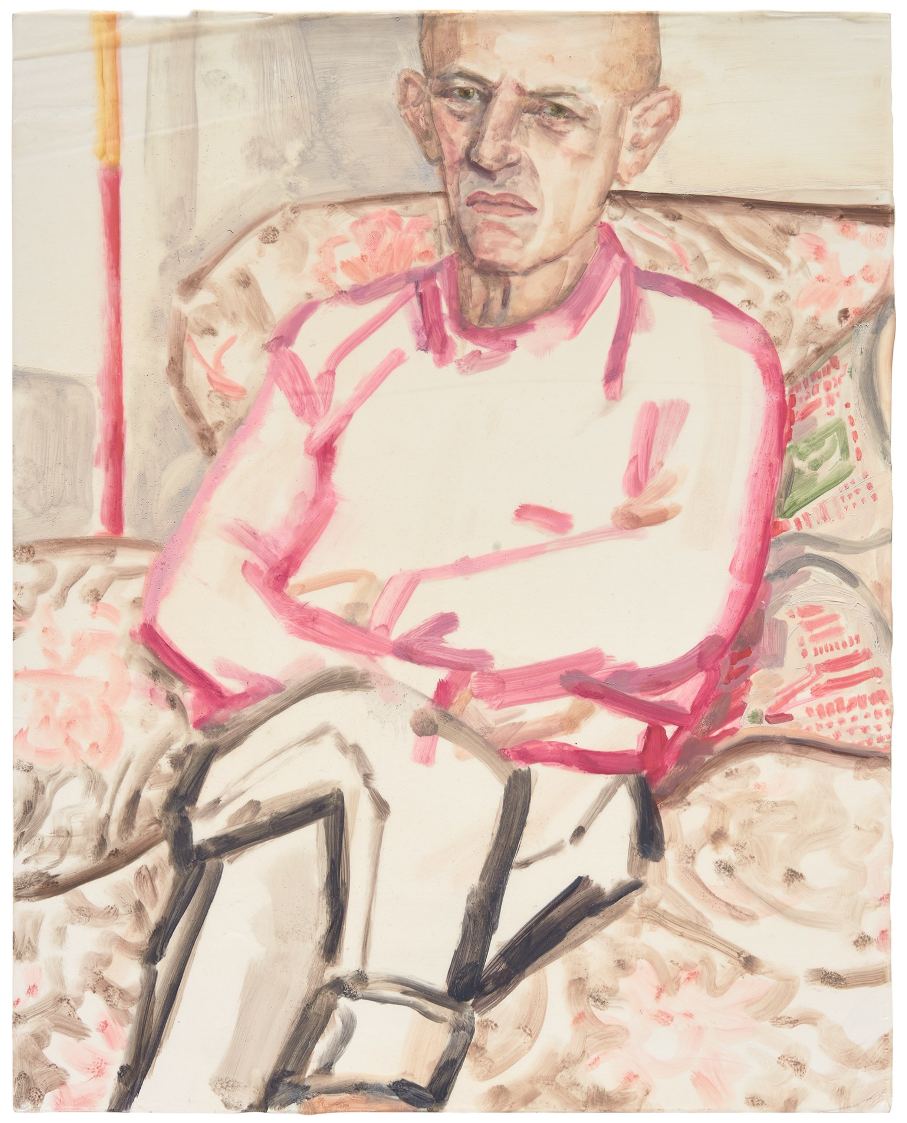
ELIZABETH PEYTON
Alex (Alex Katz) Winter 2012, 2012
Oil on aluminum veneered panel
15×12 inches (38.1 x 30.5 cm)
Signed, titled and dated “Alex, (Alex Katz) WINTER 2012 Elizabeth Peyton 2012” on the reverse
RICHARD PRINCE
Are You Kidding?, 1988
Phillips New-York: 20 November 2024
Estimated: USD 250,000 – 350,000
Richard Prince – Modern & Contempo… Lot 331 November 2024 | Phillips
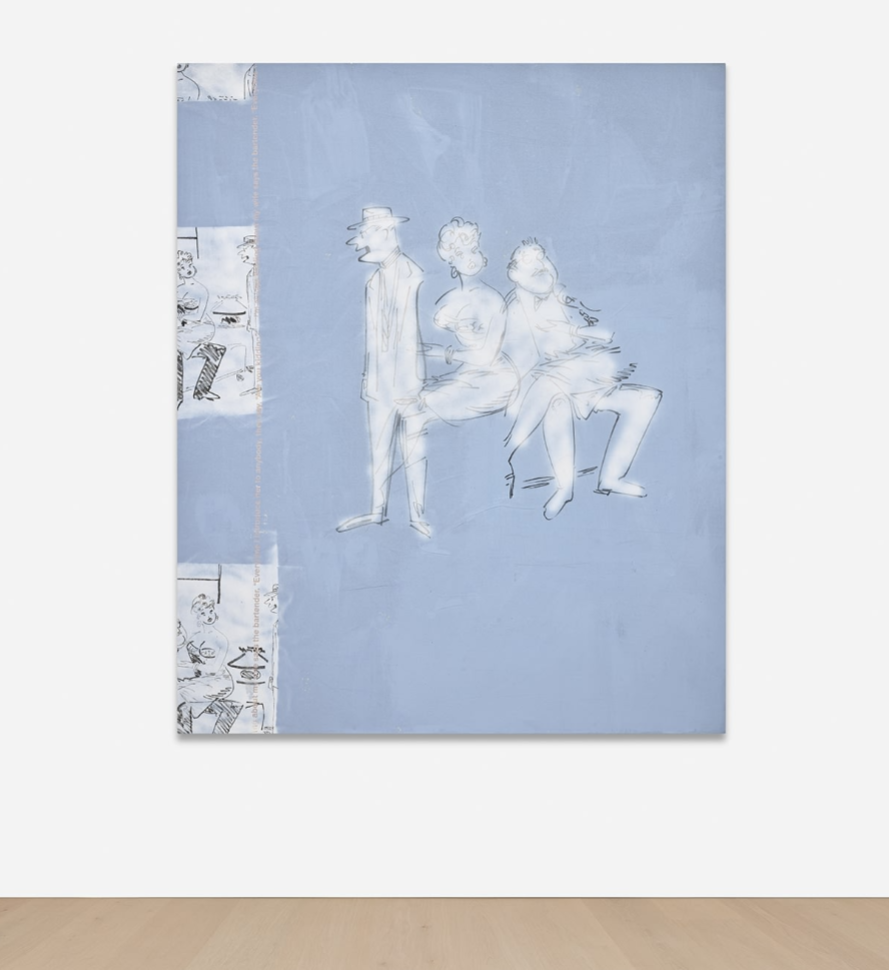
RICHARD PRINCE
Are You Kidding?, 1988
Acrylic and silkscreen ink on canvas
66×54 inches (167.6 x 137.2 cm)
Signed, titled and dated “R Prince 1988 “ARE YOU KIDDING”” on the overlap
YAYOI KUSAMA
New York, 1982
Phillips New-York: 20 November 2024
Estimated: USD 200,000 – 300,000
Yayoi Kusama – Modern & Contempora… Lot 103 November 2024 | Phillips
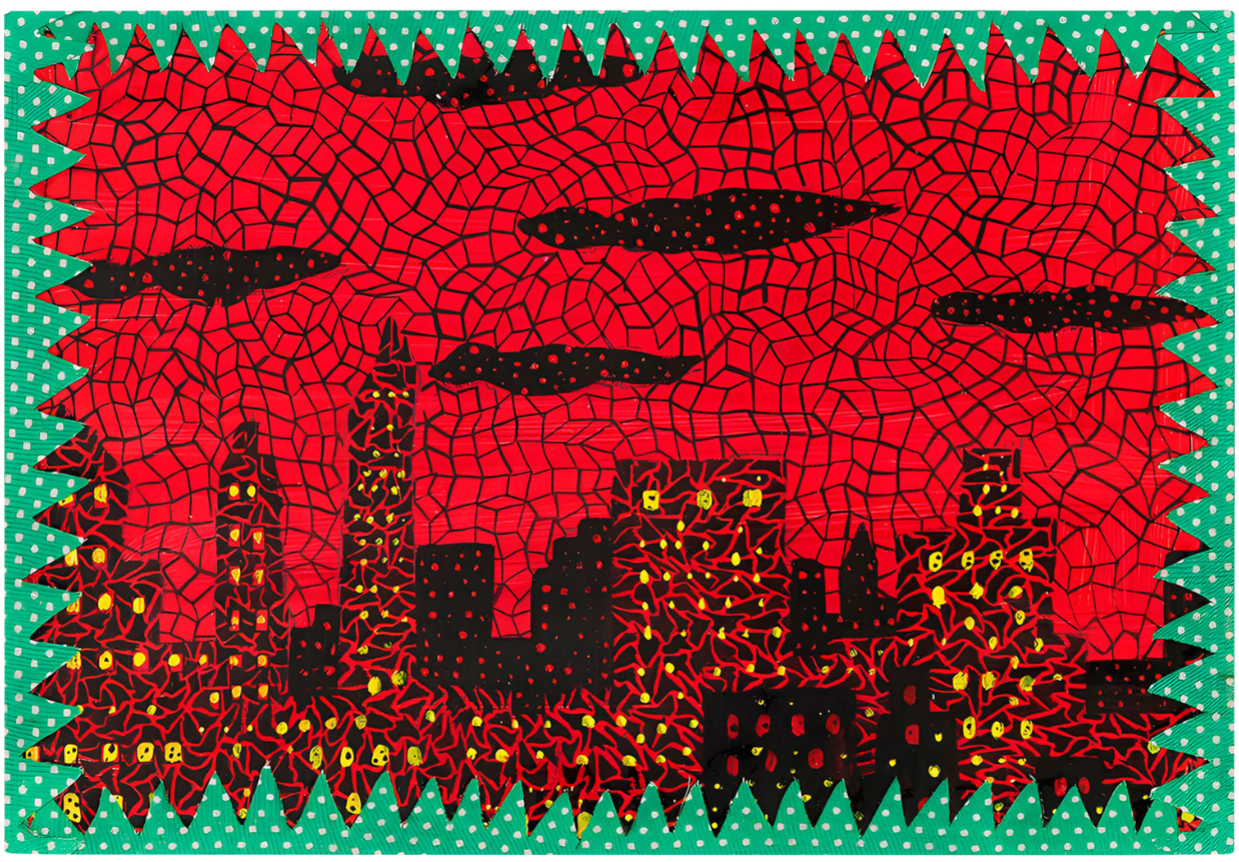
YAYOI KUSAMA
New York, 1982
Acrylic and cloth on canvas
15.9 x 22.5 cm (6 1/4 x 8 7/8 inches)
Signed, titled and dated “New York [in Japanese] 1982 Yayoi Kusama” on the reverse

Focus: Jadé Fadojutimi
Taught Thought, 2021
Sotheby’s New-York: 20 November 2024
Estimated: USD 500,000 – 700,000
USD 780,000
Taught Thought | The Now and Contemporary Evening Auction | 2024 | Sotheby’s
JADE FADOJUTIMI (b. 1993)
Taught Thought, 2021
Acrylic, oil and oilstick on canvas
200×300 cm (78 3/4 x 118 1/8 inches)
Signed, dated June ’21 and variously inscribed (on the reverse)
Overflowing with exuberant hues of pinks and energetic strokes of cobalt, orange, teal, and green, Jadé Fadojutimi’s Taught Thought of 2021 is an outstanding exemplar of the artist’s expressive painterly practice. Fadojutimi’s signature mark-making pulses dynamically across the present canvas, enlivening the picture plane with a chromatic intensity that oscillates between opacity and translucence. Fadojutimi transforms the canvas into a complex emotional landscape that explores themes of identity, self-knowledge, and unresolved emotion, all of which coalesce to underscore the fact that she is one of the most exciting painters of her generation. Indeed, testament to her artistic prowess, Fadojutimi has seen her works acquired by prestigious institutions including The Studio Museum in Harlem, New York, The Walker Art Center, Minneapolis, and Tate, London. She was also the subject of a highly acclaimed solo exhibition at The Hepworth Wakefield in 2023 and a highlight of The Milk of Dreams exhibition at the Central Pavilion of the Venice Biennale in 2022.
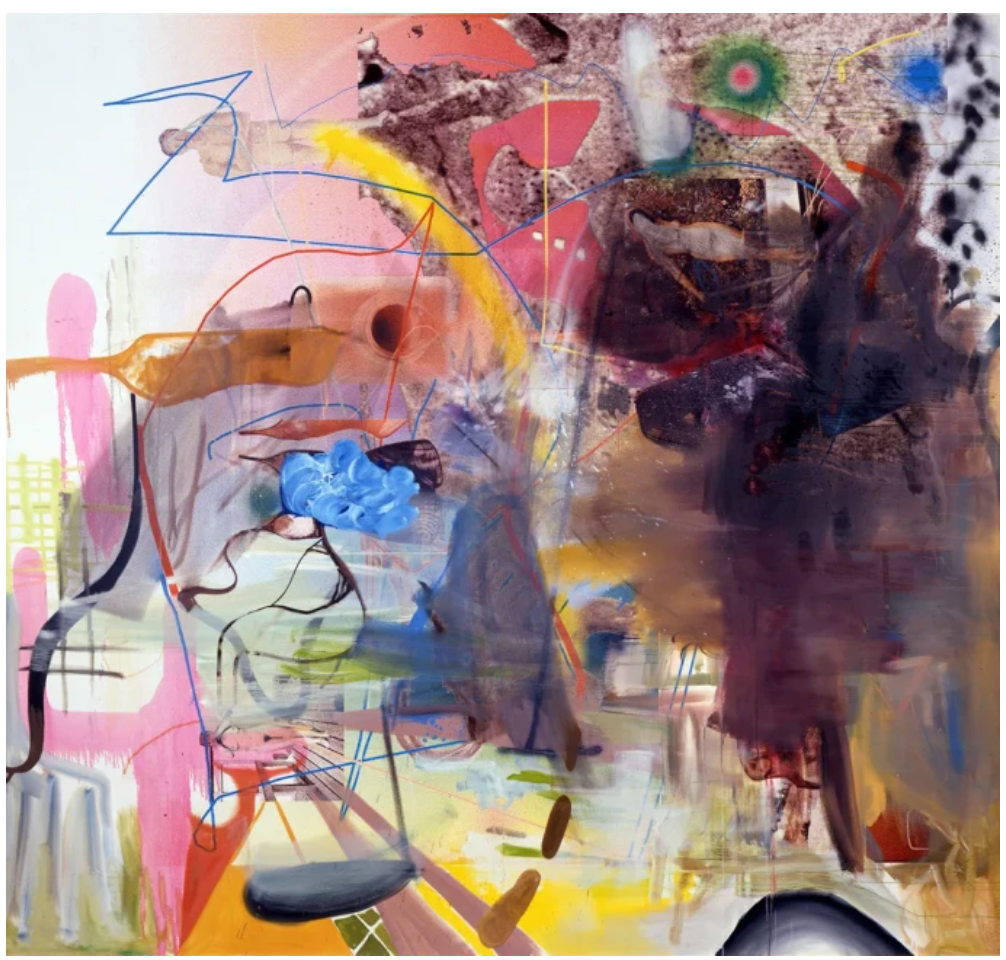
Albert Oehlen, Ziggy Stargast, 2001. The Broad, Los Angeles. Art © 2024 Artists Rights Society (ARS), New York / DACS, London
Taught Thought’s richly saturated canvas explodes with a shimmering wash of pinks and purples, evoking the mesmerizing ethereal glow of a violet sunset. Arched figures dance around in the foreground, suggesting the fluttering flight patterns of a butterfly or flower petals and tree leaves dancing in the air. Of course, these descriptions that invoke a natural landscape are masterfully captured in complete abstraction; in Taught Thought, Fadojutimi invites the viewer into a buzz of raw emotion.
“Though they’re purely abstract landscapes, there’s a dialogue with figuration within that too. I like to think of them as being on the spectrum between abstraction and figuration. I’d like to remain open for both myself and the viewers, who will have their own dialogue with them visually. This is when my title starts to play a role too.”
If we let the title Taught Thought guide our way in approaching the present work, perhaps one can imagine a stunning scenery appreciated, admired, and passed down from generation to generation, or our human preoccupation to find hints of figuration even in the most liberating of abstraction, in a desperate search for legible symbols to hold onto.
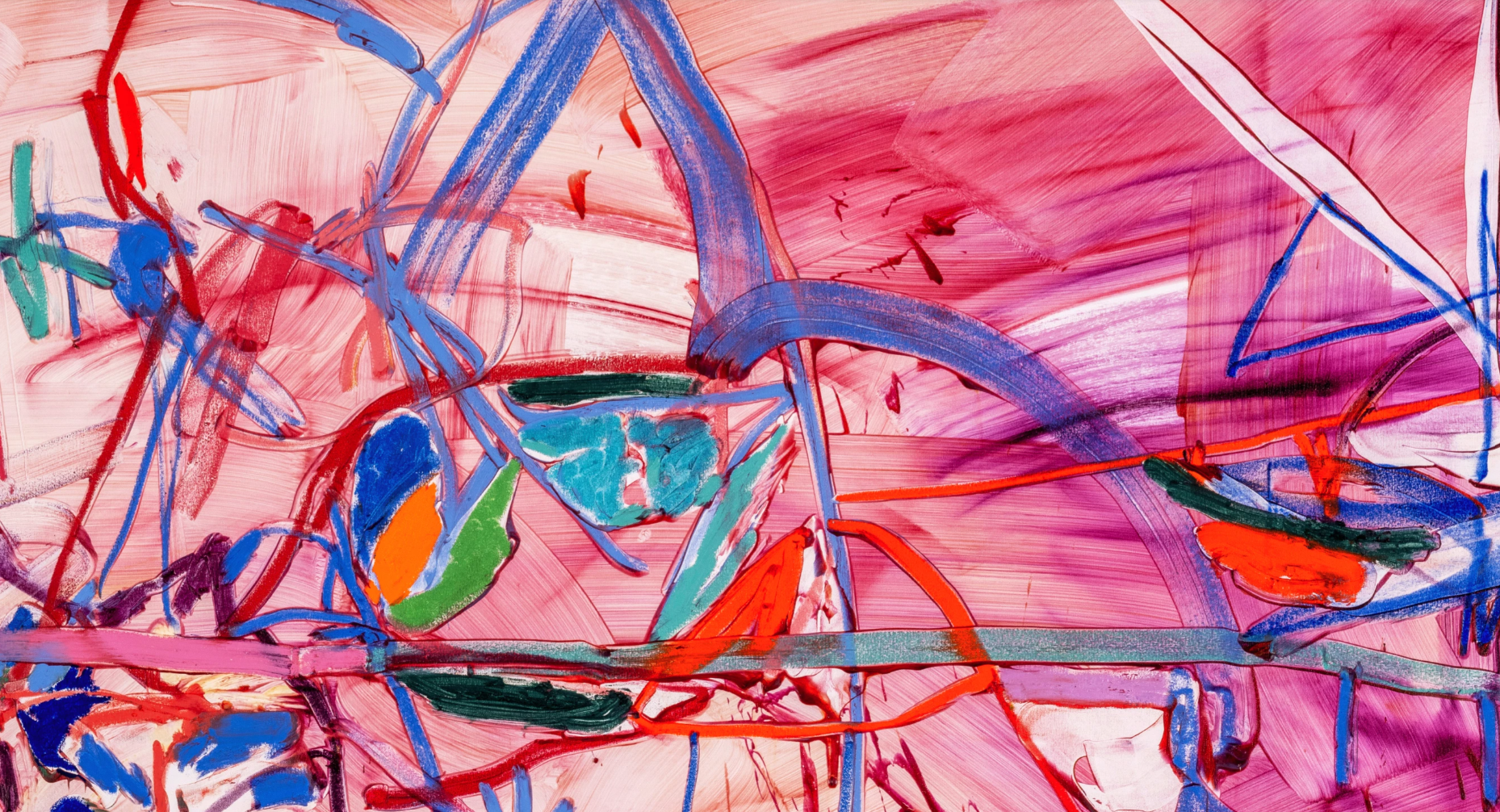
Fadojutimi’s lively and powerful canvas pulses with gesture and movement as loose translucent washes collide with thick blows of chalky pigment. This effect is the result of a meticulous yet spontaneous process: Fadojutimi builds up thin layers of pigment with rhythmic caresses, before intuitively scraping and scratching the painting’s luminous surface to leave a myriad of dancing grooves and sweeping strokes. The organic shapes of curvilinear lines remind the viewer of Julie Mehretu’s complex abstractions, while the buoyant strokes of thick oils recall the dynamic physicality associated with the abstraction of Jackson Pollock or Joan Mitchell and the vibrant usage of color seen in Wassily Kandinsky. The deep purple that occupies the bottom right-hand corner summons Monet’s late waterlilies and their rich and luxuriant color, along with his lush and luminous brushstrokes. Charged with energy and emotion, Taught Thought confidently occupies the liminal space between figurative and abstract with its looping swirls of blue, confetti of turquoise and orange, and emphatic streaks of red cascade into a nebulous flash of color and emotion.
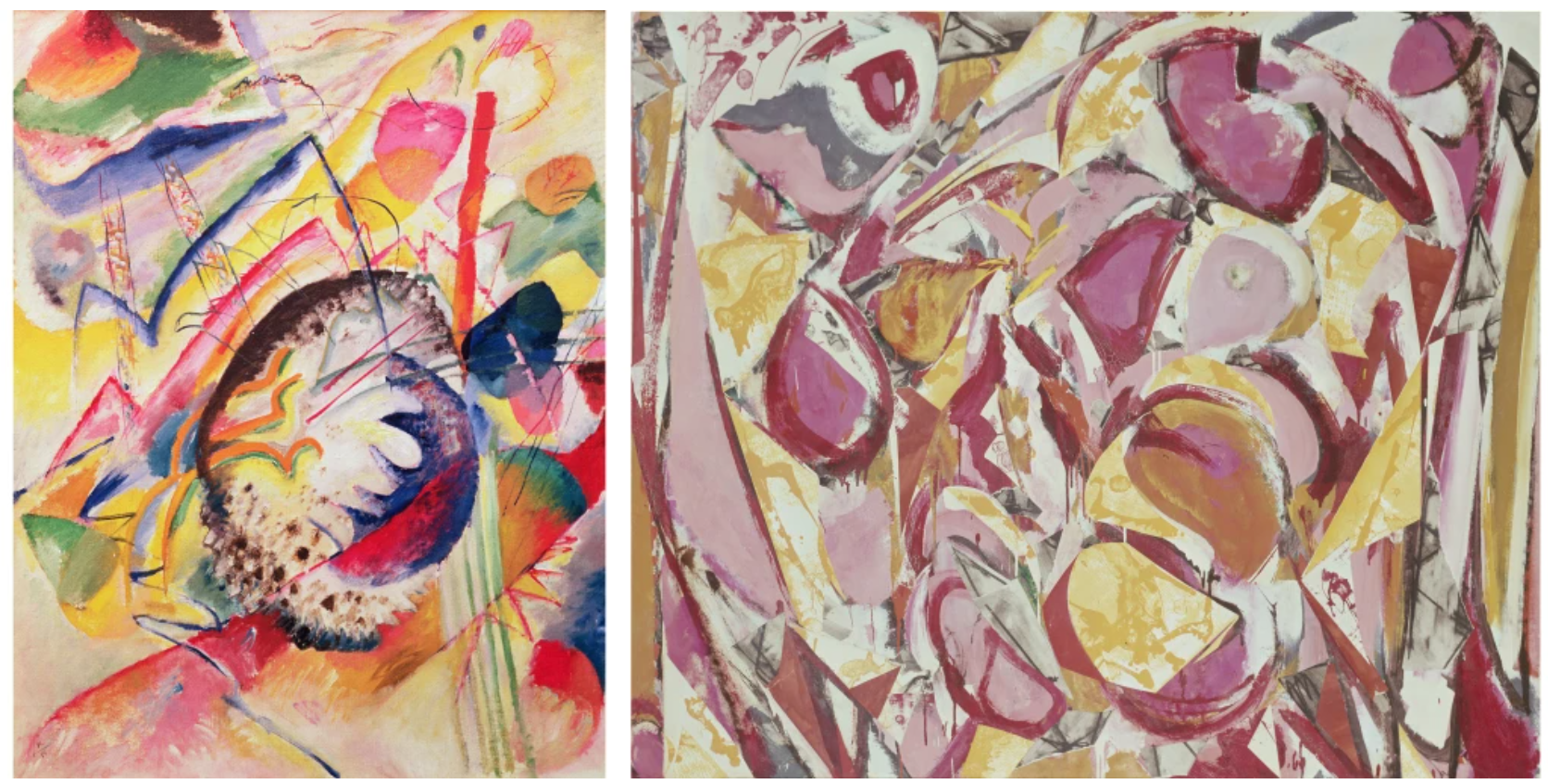
Left: Wassily Kandinsky, Large Study, 1914. Museum Bojimans Van Beuningen, Rotterdam. Image © Raffaello Bencini / Bridgeman Images. Art © 2024 Artists Rights Society (ARS), New York / ADAGP, Paris. Right: Lee Krasner, Vernal Yellow, 1980. Museum Ludwig, Cologne. Image © bpk Bildagentur / Museum Ludwig / Art Resource, NY. Art © 2024 Pollock-Krasner Foundation / Artists Rights Society (ARS), New York
Fadojutimi writes of her paintings that they “recognize a lack of self caused by automatically thinking that my identity is already defined, and also a frustration that paint can accept these characteristics better than myself.” (the artist quoted in: Exh. Cat., London, Pippy Houldsworth Gallery, Jadé Fadojutimi: Jesture, 2020 (online)) The richly worked surfaces of Fadojutimi’s canvasses are not only a rigorous interrogation of light and form but also an emotive conversation about the self. Perhaps it comes as no surprise that Fadojutimi’s work is grounded in her environment and experiences, and every canvas encapsulates her ever-changing self. Much like her layered paintings, she builds upon her own past, as she draws from her upbringing in suburban London or her Nigerian family. She also often cites Japanese anime soundtracks, video games, and Korean dramas as important sources of inspiration, and how they fuel the energy and dynamism of such cultures. Fadojutimi’s colors manifest themselves as a synesthesia of sorts, bridging her canvas with her identities and interests, mapping her multiple facets with vibrant brushstrokes.
Even an awkward smile can sprout beyond the sun, 2021
Phillips New-York: 19 November 2024
Estimated: USD 500,000 – 700,000
USD 571,500
Jadé Fadojutimi – Modern & Contempor… Lot 8 November 2024 | Phillips
JADE FADOJUTIMI
Even an awkward smile can sprout beyond the sun, 2021
Oil, oil bar and acrylic on canvas
200×170 cm (78 3/4 x 66 7/8 inches)
Signed twice, titled and dated “Jadé Fadojutimi ‘Even an awkward smile can sprout beyond the sun’ Feb ’21” on the reverse
Painted in 2021, Even an awkward smile can sprout beyond the sun, encapsulates the emotional intensity, spontaneity, and complexity that define Jadé Fadojutimi’s artistic practice. Exhibited at the Liverpool Biennial in 2021, this work was part of a carefully curated selection of Fadojutimi’s large-scale paintings spanning distinct stages of her practice over a period of 5 years, offering a unique opportunity to witness the evolution of her visual language. In an interview with Studio International Magazine earlier that same year, Fadojutimi spoke to the inclusion of this work, which was then one of her most recent, describing it as “the youngest and most visually intense painting in the show,” and calling it “a complex gush of color” that she was excited to witness in discussion with the rest of her selection.
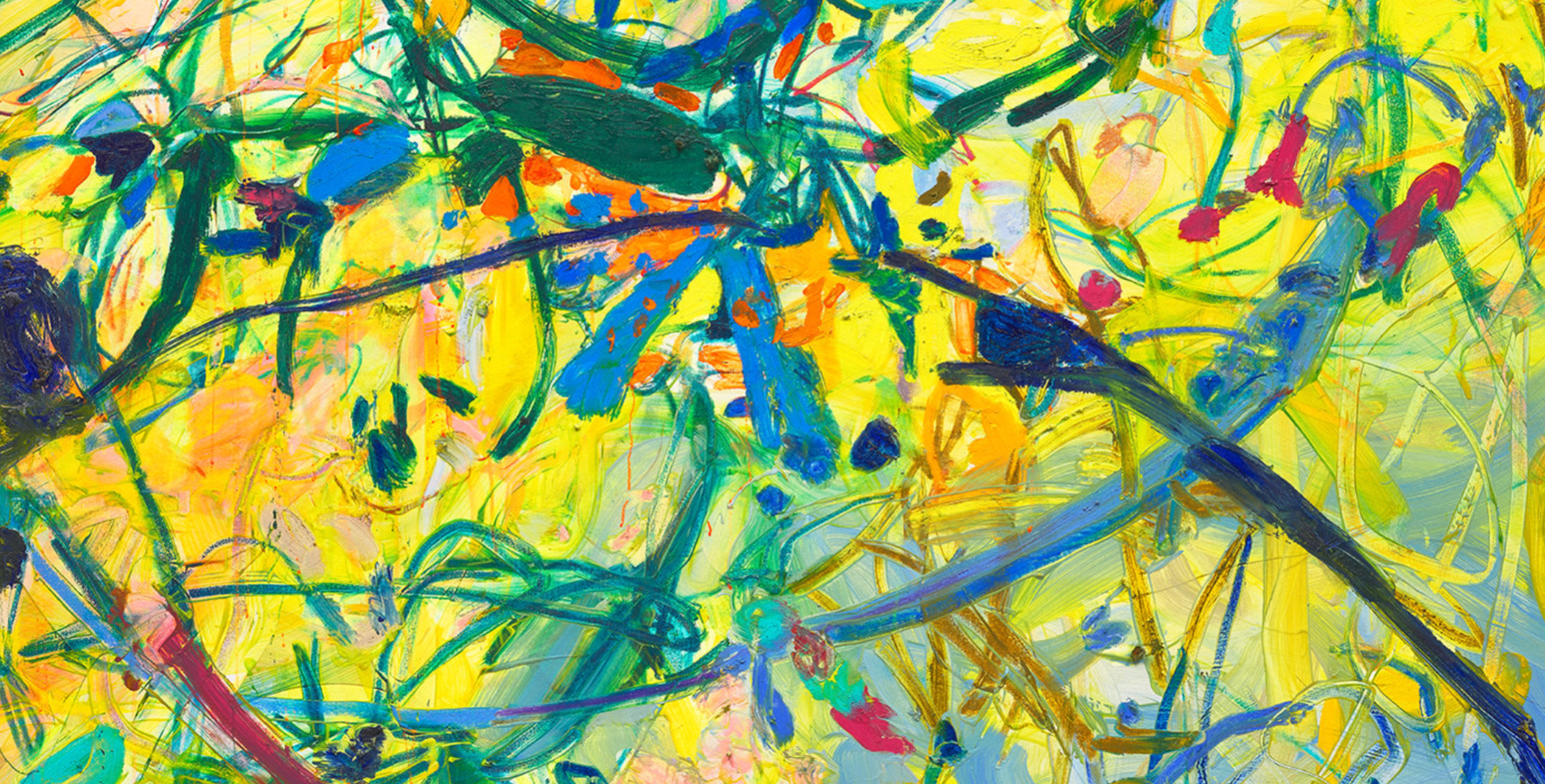
Fadojutimi’s process is deeply intuitive. Often completed in a single session where her physical interaction with the canvas becomes a dance, her paintings embody the energy of Abstract Expressionism while maintaining a distinctly contemporary edge. Her approach, described as “orchestrating randomness,”is evident in the layers of vibrant color and gestural brushstrokes that characterize Even an awkward smile can sprout beyond the sun. The present work can be understood as a visual manifestation of her internal dialogue—a conversation between her emotional state, memories, and the influences of her environment.
Fadojutimi often describes her studio as “setting the stage for painting,” where the physical environment deeply influences her creative process. The objects in her space, along with the ideas they inspire, subtly manifest in her works—not as direct representations, but through abstract elements such as energy, color, texture, and pattern. She views these compositions as their own kind of “environments,” where the influence of the studio’s surroundings becomes intertwined with the painted surface. These complex works, neither wholly abstract nor figurative, are built up with layers of oil paint and interrupted by linear mark-making enabled by the introduction of oil bars into her practice. This new medium allowed Fadojutimi to expand her exploration of palette, composition, and depth, translating the spontaneity of her drawing into the evolving environment of the painting itself. The title, Even an awkward smile can sprout beyond the sun, reflects Fadojutimi’s engagement with language as an extension of her painting.
“I write alongside my practice. A lot of the language within my titles comes from the things I’m writing. I like to play with language as well in a way that responds to the reality that I’m experiencing.”
Her titles function as reflective and poetic extensions of her artistic process, deeply intertwined with her personal experiences and emotions. They capture moments of introspection—what she calls “a reflection of [herself] at that moment”—and invite viewers to explore the nuanced, often abstract, relationships between the visual and conceptual elements within her paintings. Rather than mere descriptors, her titles add a layer of meaning that disrupts conventional expectations, much like the way her paintings oscillate between figuration and abstraction.
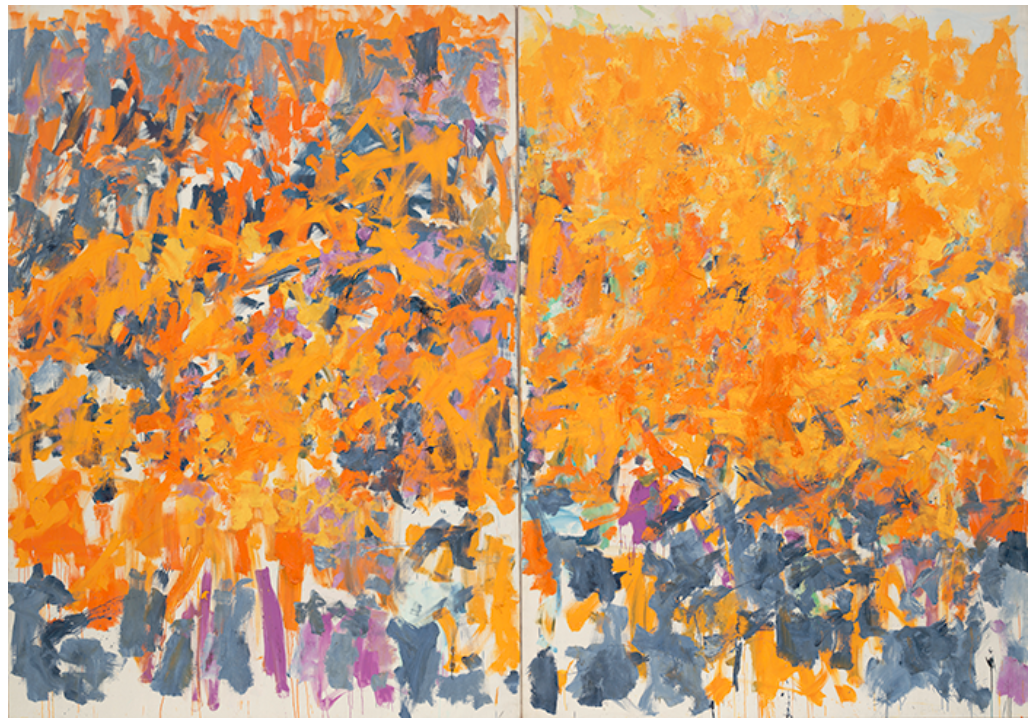
Joan Mitchell, Wood, Wind, No Tuba, 1979, The Museum of Modern Art, New York. Image: © The Museum of Modern Art/Licensed by SCALA / Art Resource, NY, Artwork: © Joan Mitchell Estate
In the present example, the title suggests a narrative of growth and resilience, where even something as hesitant as an “awkward smile” has the potential to grow and thrive (“sprout beyond the sun”). Visually, the painting reflects this idea through its tangled, yet vibrant composition. The sweeping lines and interwoven forms might symbolize the complexity of emotions or experiences that, despite their initial awkwardness, contribute to a larger, more beautiful whole. The colors themselves seem to sprout and spread across the canvas, echoing the title’s theme of growth and the emergence of something beyond initial expectations. Fadojutimi’s paintings are autobiographical in a sense, rooted in her experiences and obsessions, yet they transcend mere personal narrative to engage with broader themes of identity and self-discovery. In Even an awkward smile can sprout beyond the sun, the layers of oil, oil bar, and acrylic converge to create an immersive environment where forms on the brink of recognition dissolve into abstraction. This tension between the identifiable and the abstract is central to Fadojutimi’s work, reflecting her belief that identity is not a fixed construct but a fluid, ever-evolving conversation.
The Recurrence, 2021
Christie’s New-York: 22 November 2024
Estimated: USD 350,000 – 450,000
PASSED
JADÉ FADOJUTIMI (B. 1993), The Recurrence | Christie’s
JADÉ FADOJUTIMI (B. 1993)
The Recurrence, 2021
Oil and acrylic on canvas
70 3/4 x 55 1/4 inches (179.7 x 140.3 cm)
Signed twice and dated ‘May ’21 Jadé Fadojutimi Jadé Fadojutimi’ (on the reverse)
Focus: Hilary Pecis
Wine at J’s, 2020
Christie’s New-York: 21 November 2024
Estimated: USD 400,000 – 600,000
USD 1,260,000
HILARY PECIS (B. 1979), Wine at J’s | Christie’s
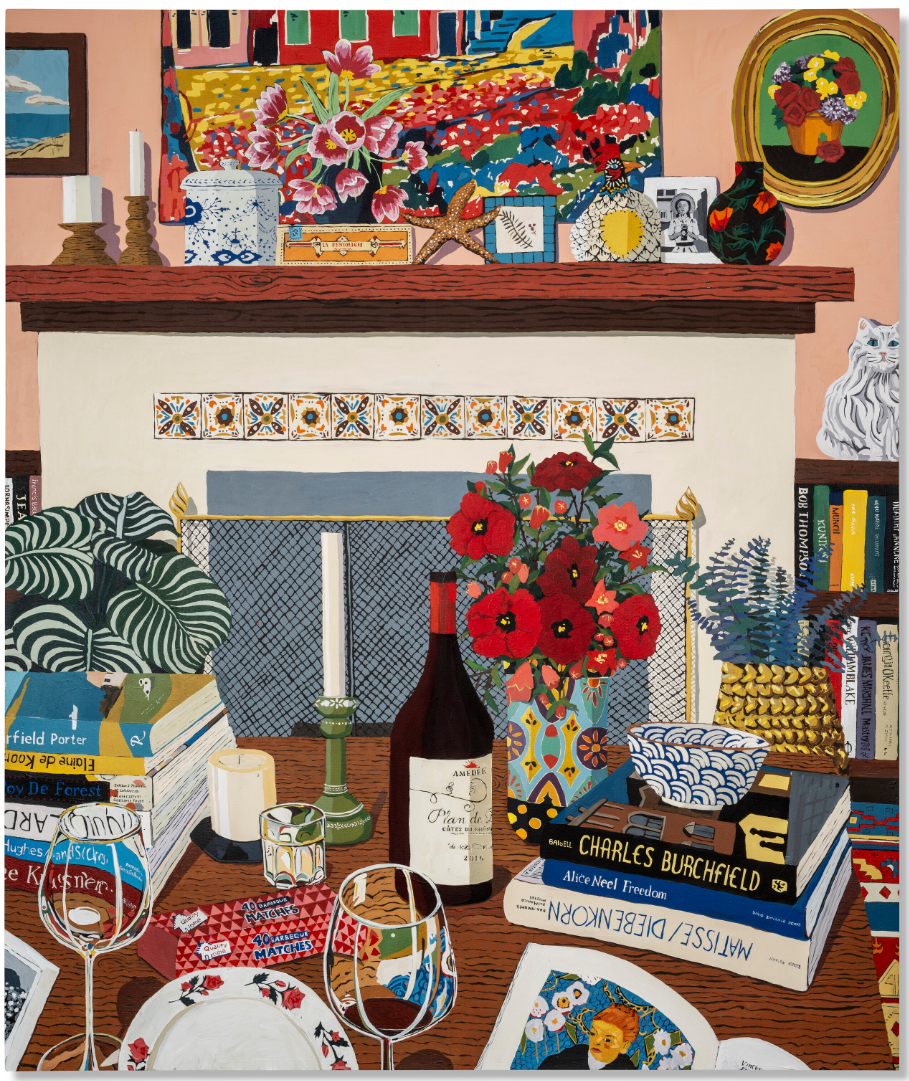
HILARY PECIS (B. 1979)
Wine at J’s, 2020
Acrylic on canvas
76×64 inches (193 x 162.6 cm)
Signed, titled and dated twice ‘”Wine at J’s” 2020 Hilary Pecis 2020’ (on the reverse)
Hilary Pecis’s practice has revolutionized contemporary representational painting with her exciting studies of finely-rendered interior scenes. In Wine at J’s, bold, saturated colors permeate an evenly lit interior rich in vibrant patterns and textures. The work offers a familiarizing glimpse into an intimate scene, with accumulated objects atop both the coffee table and fireplace mantel meticulously rendered with a sense of welcoming immediacy beckoning the viewer into the picture. Providing a fresh update to the time-honored tradition of still life painting, Pecis infuses her canvases with rich domestic scenes evacuated of figures, allowing the books, candles, vases, and wine glasses left behind to open a window onto these anonymous characters’ lives. Her vibrant palette recalls Hockney and Matisse, while her devotion to the detailed depiction of each object within her tableau reminds one of Cezanne’s table scenes. Pecis delights in detail, offering a surfeit of patterned decorative objects amid scores of art books to celebrate the subtle beauty found in the quotidian.
Born in San Francisco and now living in Los Angeles, Pecis paints her pictures from single images she takes of her life with her iPhone. Working from one reference point allows her to create her idiosyncratic perspective. She captivatingly recreates her reality witnessed from her phone camera onto the flat picture pane, allowing her viewer to glimpse her life from her own point of view. From this method, Pecis establishes an engrossing verisimilitude sanctioned by the interactions between her objects. The lone animate presence in this work, the white cat peering out intently from its perch atop the rightmost bookshelf, is a recurring motif in Pecis’ work, where cats enhance the work’s verisimilar atmosphere.
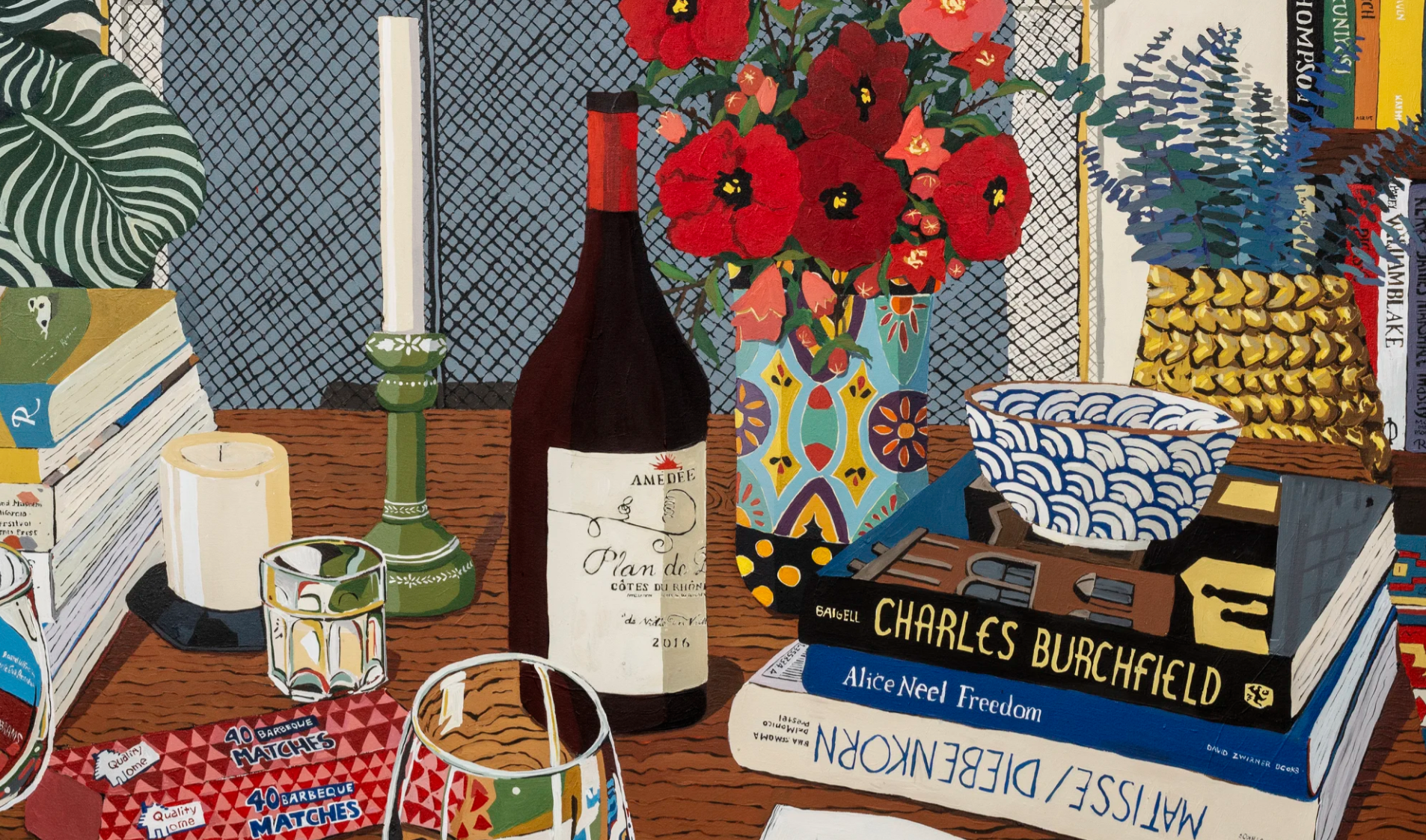
Pecis integrates three paintings within Wine at J’s. The large central Fauvist scene above the fireplace alludes to Pecis’ study of the movement, while the seascape to the left coupled with the starfish placed in the center of the mantel situates the scene in the sun-drenched coast of southern California. Pecis’ pictures-within-pictures assist in granting the painting a sense of place and specificity, similar to how Vermeer uses the trope within his interiors as keys to understanding his compositions as a whole, as seen in A Young Woman Seated at the Virginal at the National Gallery, London. This practice similarly allows the artist to imitate disparate artistic styles within a singular work of art:
“Still lifes and interiors are deeply rooted in the history of representational painting. There are all these opportunities to noodle away at other artists’ or artisans’ mark-making, trying to depict something that isn’t mine—fonts, or handicrafts, or textiles. It’s an opportunity to further my own vocabulary. I get to try out different marks and be a tourist in other people’s paintings.”
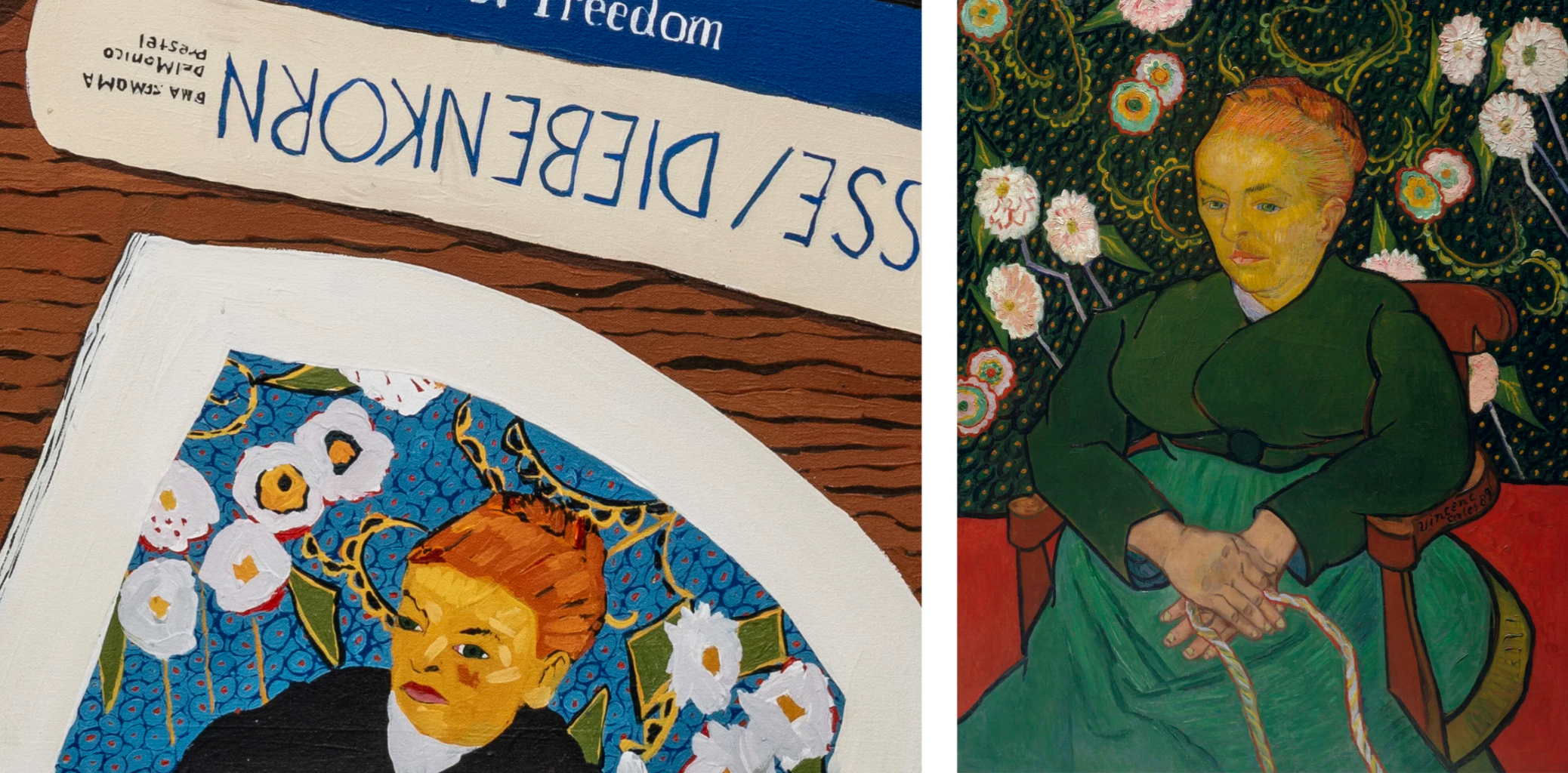
Left: Present lot illustrated (detail).
Right: Vincent Van Gogh, La Berceuse (Woman Rocking a Cradle) (Augustine-Alix Pellicot roulin, 1851-1930), 1889. Metropolitan Museum of Art, New York. Photo: © The Metropolitan Museum of Art / Art Resource, NY.
Pecis’s radical perspective, wherein her coffee table seems to collapse toward the viewer, holds the table-bound objects in space against the seeming weight of gravity. She inserts her viewer directly into the picture, inviting us to a seat and stewardship of the almost-vanquished glass of Amédée Plan de Dieu 2016 perched next to an open catalogue. With this daring insertion of the viewer within the composition, Wine at J’s operates similarly to Velázquez’s Las Meninas or Jan van Eyck’s Arnolfini Portrait where the viewer becomes a part of the composition—yet while the viewer functions as either the Spanish monarch posing for a portrait or a witness of marital vows in Pecis’s antecedents, here we are ensconced in the domestic comfort of a friend’s living room, party to an intimate conversation. The relationship between viewer and tableau here is as complex as in Velázquez; an open catalogue offers a view of van Gogh’s La Berceuse, granting ample comparison between the Dutch artist’s brilliant floral background, Pecis’s vibrant bouquet of red poppies, and the fictive floral still life hung in the upper right. Wine at J’s is a semiotician’s paradise, each depicted object a referent in a web of interrelated meaning as rich as a Northern Renaissance panel painting. The work’s rich complexity offers limitless scope for interpretation and aesthetic enjoyment, granting the viewer a private escape into her private world.
HILARY PECIS
Clementine’s Bookshelf, 2021
Sotheby’s New-York: 20 November 2024
Estimated: USD 300,000 – 500,000
USD 504,000
Clementine’s Bookshelf | The Now and Contemporary Evening Auction | 2024 | Sotheby’s
HILARY PECIS (b. 1979)
Clementine’s Bookshelf, 2021
Acrylic on linen
74×64 inches (188 x 162.6 cm)
Signed, titled and dated 2021 (on the reverse)
Vibrant and jubilant, Hilary Pecis’ Clementine’s Bookshelf of 2021 is a stunning exemple of the artist’s dedicated interrogation of still life and interior painting. Based in Los Angeles, the California native takes inspiration from her daily encounters to interweave quotidian scenes into lively paintings brimming with saturated hues and sumptuous brushstrokes. Working from photographs of her home or those of her friends, Pecis uses this collection of images as a point of departure for her idiosyncratic style which combines bold patterns, bright colors, abstraction, and altered perspective. Further testament to the soaring interest surrounding her practice, Pecis has found her works collected by prominent institutions such as the National Gallery of Art, Washington D.C.; the Palm Springs Art Museum; the Columbus Museum of Art, Ohio; and the Los Angeles County Museum of Art.

Pecis’ paintings are often brimming with recognizable details that vie for our attention. Clementine’s Bookshelf foregrounds a handsomely patterned cat, sitting inside a cardboard box, gazing at the viewer. Behind it is a luxurious spread of iconic books, ranging from academic surveys on William Shakespeare and Geoffrey Chaucer to catalogues on modern and contemporary art, or essays by contemporary authors such as David Foster Wallace and Olivia Laing. Each and every one of these objects acts as a gateway for viewers to interact with and relate to the painting, thereby taking themselves deeper into the world Pecis has created. Revealing a private space, featuring books that allow us to glean at one’s interests, backgrounds, and histories, Pecis provides the viewer with an opportunity to explore their imagination, picturing the person who assembled this particular selection in their home. The absence of a human figure in Pecis’ painting counter-intuitively opens up a channel for a deeper understanding of the person behind her compositions.
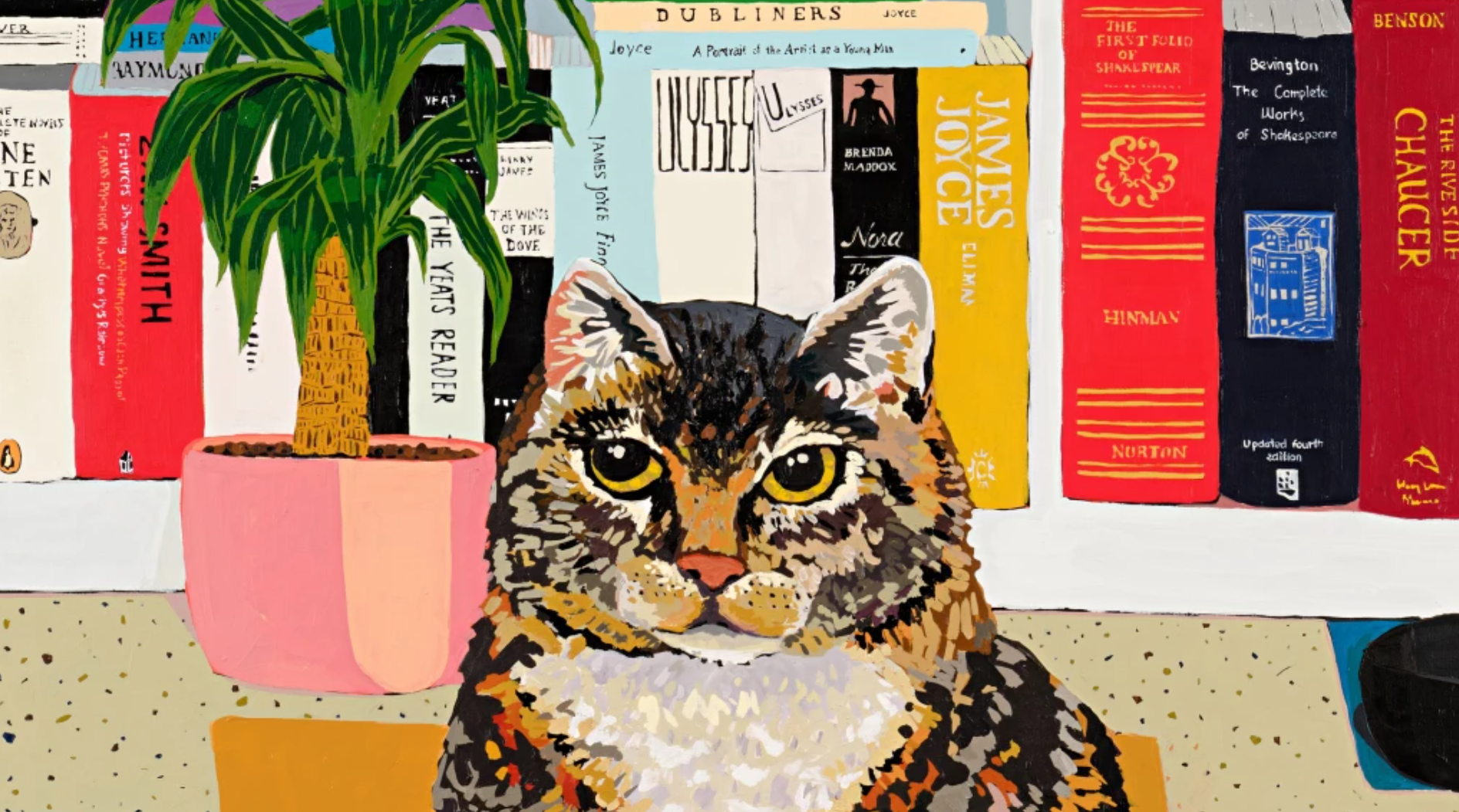
These luscious renditions of everyday life are based on a meticulous and attentive process. Pecis often takes “vignettes” of daily life using her mobile phone camera—a colorful roadside signboard or a friend’s bookshelf, as in Clementine’s Bookshelf—creating a cache or archive of images that she finds inspiring. Later returning to said archive, she arranges the items within each photo into a composition fit for her acrylics, building up an image with judiciously placed brushstrokes of vivid color. She begins with what she calls an “initial quickness,” a rapid scrawling of the composition onto the canvas, from which she moves onto more careful approaches that tidy up the space and the diverse components of the painting. The resulting painting is a distillation of the artist’s attentive and earnest perspective that reconsiders the topography of daily life.
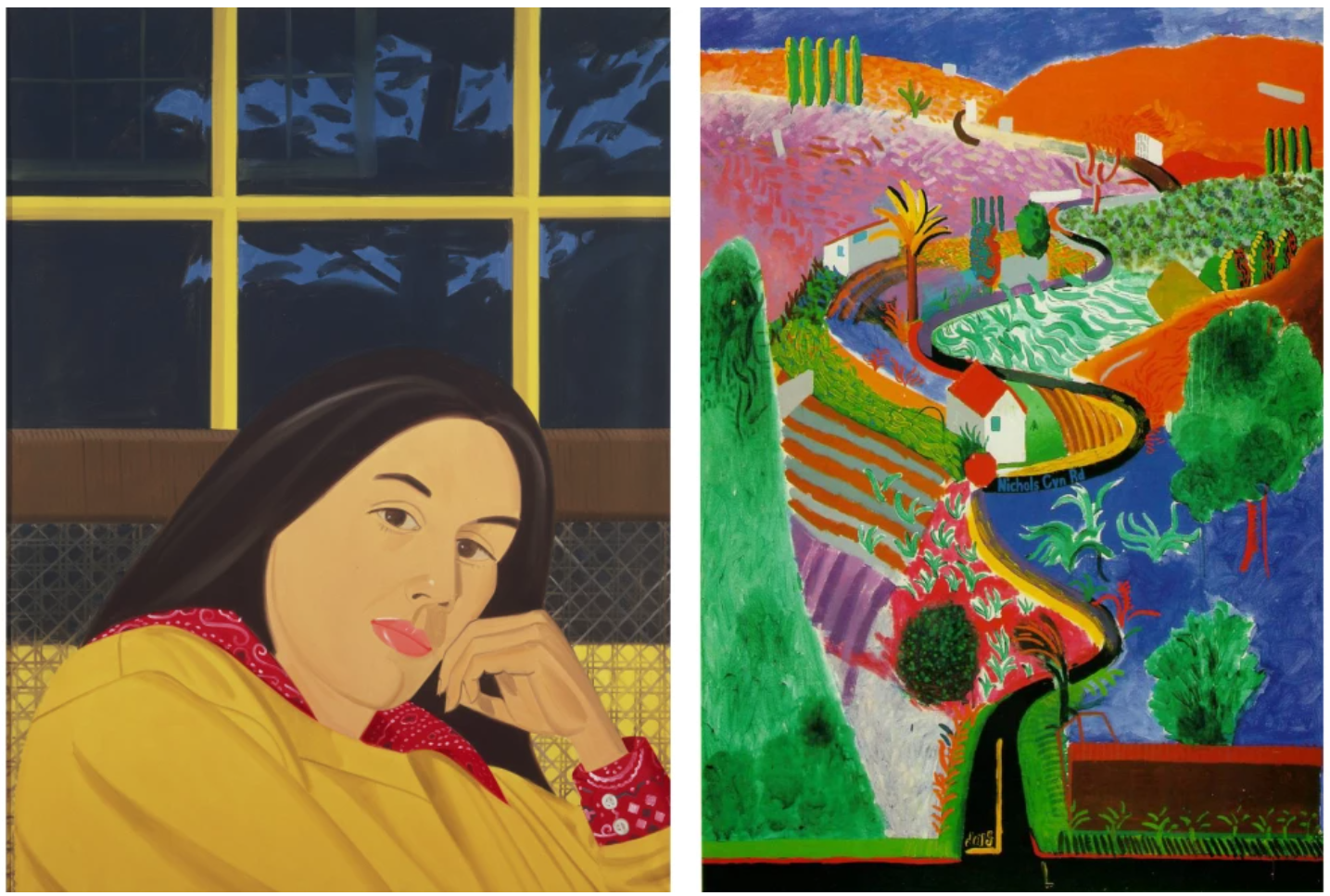
Left: Alex Katz, West Interior, 1979. Philadelphia Museum of Art. Image © The Philadelphia Museum of Art / Art Resource, NY. Art © 2024 Alex Katz / Licensed by VAGA at Artists Rights Society (ARS), NY. Right: David Hockney, Nichols Canyon, 1980. Private Collection. Art © 2024 David Hockney
Pecis’ paintings and their characteristic exuberance are undoubtedly evocative of the Fauvists, not least Henri Matisse. She frequently approaches details of her paintings with bright brushstrokes of color that appear to fade into a pattern of saturated, geometric, contrasting patches of color, redolent of Matisse’s celebrated paper cut-outs or his whimsical mosaic-like domestic interiors. The artist also cites California Funk and Pop art as a core inspiration for her work.
“The Fauves and Funk artists are on the opposite ends of abstraction, one leading into, and the other a reaction after, but both have a vibrancy that speaks to me.”
The expressive flexibility in her use of color and line also hint at her interest in German Expressionists such as Gabriele Münter and Ernst Ludwig Kirchner. Combining images from her personal life with her inspiration from predecessors who explored the capabilities of color in the pictorial space, Pecis presents a quotidian yet magical slice of life.
Focus: Lucy Bull
A New Dew, 2019
Christie’s New-York: 21 November 2024
Estimated: USD 600,000 – 800,000
USD 1,197,000
LUCY BULL (B. 1990), A New Dew | Christie’s
LUCY BULL (B. 1990)
A New Dew, 2019
Oil on linen
60×50 inches (152.4 x 127 cm)
Signed with the artist’s initials, titled and dated ‘LB “A New Dew” 2019’ (on the reverse)
Lucy Bull’s monumental A New Dew resonates with vibrant color, exciting a bacchanalia of kaleidoscopic psychedelia to thrill the senses. Hypnotic in both its chromatic exuberance and technical brilliance, Bull presents a newly-invented visual language, revolutionizing the grammar of abstraction for the contemporary era. Building on the legacy of contemporary abstraction, the bright fluorescence of the yellow pigments in the upper register contrasted with areas of blue and red similarly recall Gerhard Richter’s Abstraktes Bilds, particularly from the early 1990s.
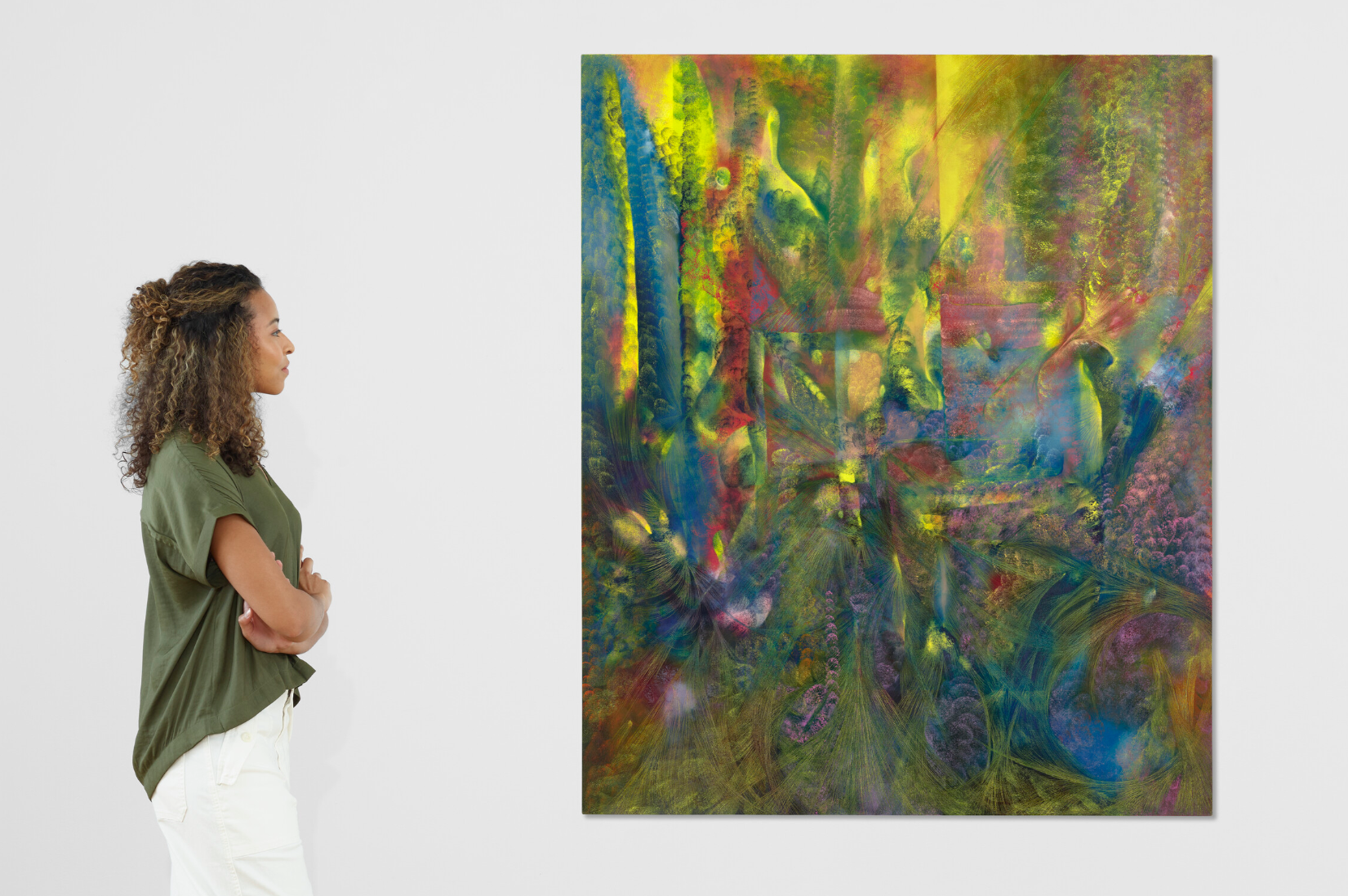
In fact, A New Dew compares to Richter’s famous abstract series in more ways than just visually—Bull’s innovative painterly technique recalls the German artist’s radical wielding of squeegee and spatula. Bull describes her painstaking, months-long process “like I’m building chaos, then I have to find my way back” (L. Bull, quoted in Taylor Dafoe, “Collectors stampeding to Lucy Bull’s ‘visionary’ abstractions,” The Art Newspaper, 17 May 2024, online). Through years of practiced experimentation, the artist discovered a novel, full-bodied brushstroke, allowing her to dab, twist and scrape the paint across the surface. Each manipulation of pigment clarifies her swirls of color into forms that threaten to resolve into recognizability before dissolving back into the composition’s ordered chaos. Bull pushes her paint brush to the extreme, eventually losing all bristles from the instrument; with the now-naked metal instrument, she then scrapes away built up layers to alchemize her work into its final illusory form reminiscent of the hypnotizing reflective pools of Claude Monet.
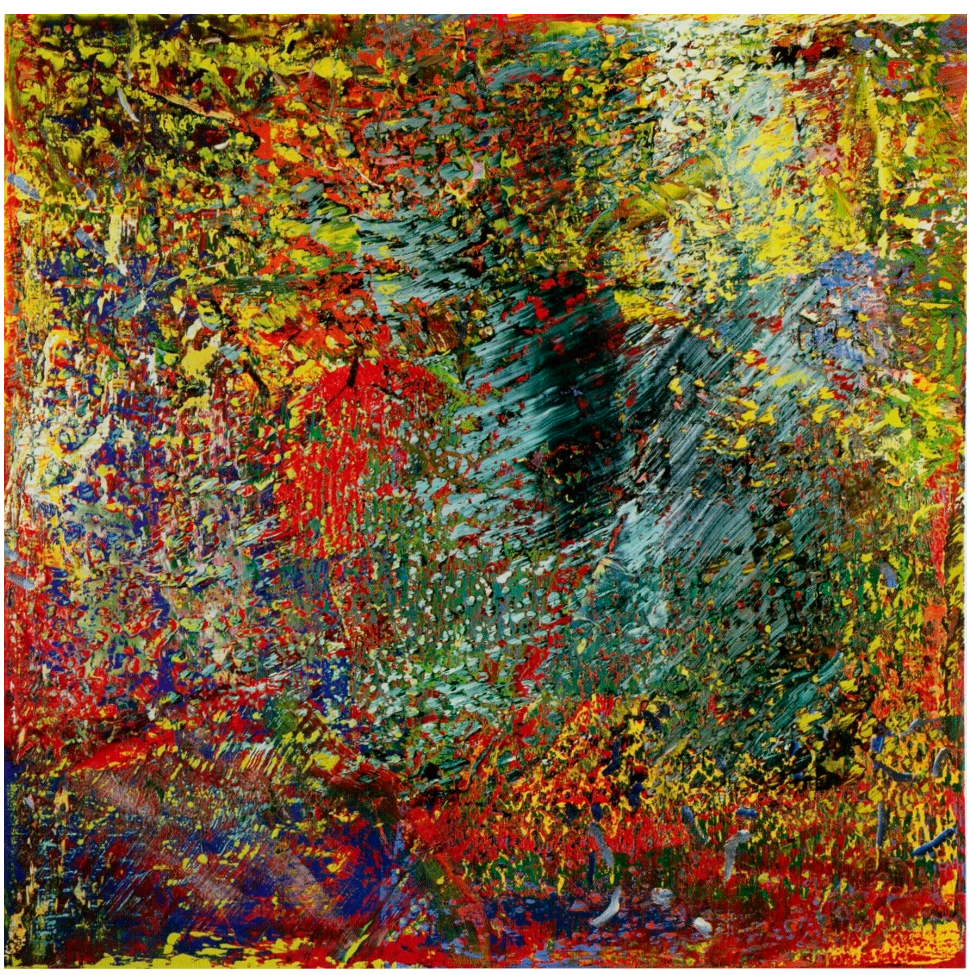
Gerhard Richter, Abstraktes Bild, 1987. Private Collection. © Gerhard Richter 2024 (0147).
Bull approaches the canvas with resolute determination, fully immersing herself into her practice. Her studio exists within her lofted two-story home, muddying boundaries between the personal and the professional. Bull describes her intense focus, noting how she often works late into the night.
“It’s this magical period of time where you’re completely alone, and it feels almost like time stolen from sleep. There’s something really empowering about not being asleep. It seems almost wrong that you’re finishing a painting at that hour. Maybe it’s also an easier time to get lost.”
Her obsessive practice reminds of Yayoi Kusama’s mediative endurance producing her abstract Infinity Nets, the Japanese artist also furiously working into the early morning hours. Bull refuses to paint in the presence of anyone else, believing that her idiosyncratic style can only emerge when she is able to completely “unhinge.” After months of additions and subtractions, she finally decides when a canvas is finished. A singular voice in contemporary abstract painting, Lucy Bull’s dynamic practice explores both the formal and experimental elements of her medium. A New Dew demonstrates the fruits of her investigations, her choreographic gestures erupting into colorful fields of pictorial energy. Much feted, Bull’s oeuvre has accessioned into the permanent collections of many prestigious institutions, including Baltimore Museum of Art; Hirshhorn Museum and Sculpture Garden, Washington, DC; Institute of Contemporary Art, Miami; MAMCO, Geneva; Los Angeles County Museum of Art; Long Museum West Bund, Shanghai; Museum of Contemporary Art, Los Angeles; Museum of Contemporary Art San Diego; and Rose Art Museum, Brandeis University, Walth Massachusetts. The artist’s first museum survey in the United States, “Lucy Bull: The Garden of Forking Paths,” opens at ICA Miami this December.
Weatherman, 2019
Sotheby’s New-York: 21 November 2024
Estimated: USD 400,ooo – 600,000
USD 330,000
Weatherman | Contemporary Day Auction | 2024 | Sotheby’s
LUCY BULL (b. 1990)
Weatherman, 2019
Oil on linen
50×33 inches (127 x 83.8 cm)
Ripples of electric blue and vivid red cascade through expertly layered illusionist shapes of green in Lucy Bull’s Weathermen from 2019, a mesmerizing example of her abstract paintings which realms akin to a psychedelic journey or a profound dreamscape. Coalescing and collapsing into an atmospheric abyss of color and form, this disorienting yet tranquil retreat into visual splendor offers a mystical meditation for the senses, creating a remarkably immersive experience in a world inundated with ephemeral images and trends. A centerpiece of Bull’s 2019 solo exhibition at High Art Gallery in Paris, Weathermen showcases the artist’s transcendent skill, as the intricate patterns and exuberant hues guide the viewer through the ebb and flow of the dreamlike experience that its composition evokes.
“I want to titillate the senses. I want to draw people closer. I think people aren’t used to paying much-prolonged attention to paintings on walls and I want to allow people to have more of a sensory experience. I want to draw them in so that there is the opportunity for things to open up and for them to wander.”
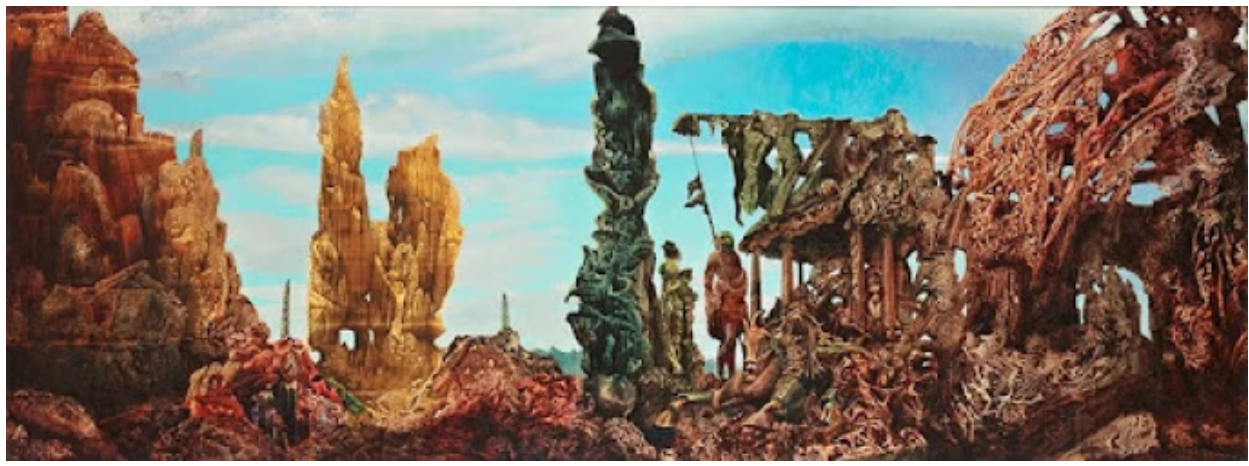
Max Ernst, Europe after the Rain, 1940-42. Wadsworth Atheneum Museum of Art, Hartford. Art © 2022 Artists Rights Society (ARS), New York / ADAGP, Paris
Situated in the visceral space between surrealist landscapes and psychedelic dreamland, Bull’s abstract compositions draw the viewer into a hypnotic trance of sensory experience. Drawing from a wide range of art historical influences, Bull’s captivating paintings harmoniously blend the vivid color fields reminiscent of color field artists such as Helen Frankenthaler and Sam Gilliam, with gestural marks that recall the Surrealist landscapes of Max Ernst, who developed the technique of grattage to record the grain of textured objects between layers of paint. Embodying the core Surrealist pursuit of unlocking latent subconscious potential, Bull’s ethereal creations inspire a delicate interplay between conscious and subconscious thought in the observer. This visceral engagement reflects Bull’s own artistic process, which navigates the balance between intention and spontaneity, as she uncovers fragments of forms from the abstract layers of her fluid brushwork. In the artist’s own words, “I want to titillate the senses. I want to draw people closer. I think people aren’t used to paying much prolonged attention to paintings on walls, and I want to allow people to have more of a sensory experience. I want to draw them in so that there is the opportunity for things to open up and for them to wander.” (The artist in conversation with Ophelia Sanderson, “Getting Lost in the Enigmatic Paintings of Lucy Bull,” Whitewall Magazine, 18 November 2021 (online)) In Weathermen, the artist continues to engage the medium of painting as both choreography of and experimentation with the ineffable possibilities of synesthetic perception, using her sublime fluency in color and texture to play gentle tricks on our eye, and with it, our mind.
Focus: Lynette Yiadom-Boakye
Watcher, 2011
Phillips New-York: 19 November 2024
Estimated: USD 1,000,000 – 1,500,000
USD 1,754,000
Lynette Yiadom-Boakye – Modern & Con… Lot 4 November 2024 | Phillips
LYNETTE YIADOM-BOAKYE
Watcher, 2011
Oil on canvas
200×120 cm (78 7/8 x 47 1/4 inches)
Signed with the artist’s initials, titled and dated “LYB 2011 Watcher” on the reverse
In Watcher, 2011, Lynette Yiadom-Boakye invites us into a scene of quite suspense, where a solitary woman stands, eyes shaded, as if searching for something beyond our view. “All-seeing and all-knowing,” she establishes a motif of watchfulness that prefigures the seekers who would later appear in works like The Woman That Watches, 2015, at the Rennie Collection in Vancouver and Ever the Woman Watchful, 2017. The present work was created during a pivotal period in Yiadom-Boakye’s career, which coincided with her solo exhibition at the Studio Museum in Harlem, which ran from 2010-2011 and marked her museum debut. This period was formative for Yiadom-Boakye as she refined her unique approach to portraiture, ultimately shaping the enigmatic style celebrated in her mid-career retrospective, Fly in League with the Night, recently staged at Tate Britain from November 2022 to February 2023. Watcher encapsulates Yiadom-Boakye’s signature blend of abstraction and figuration, situating her characters in a space untethered by time and place.
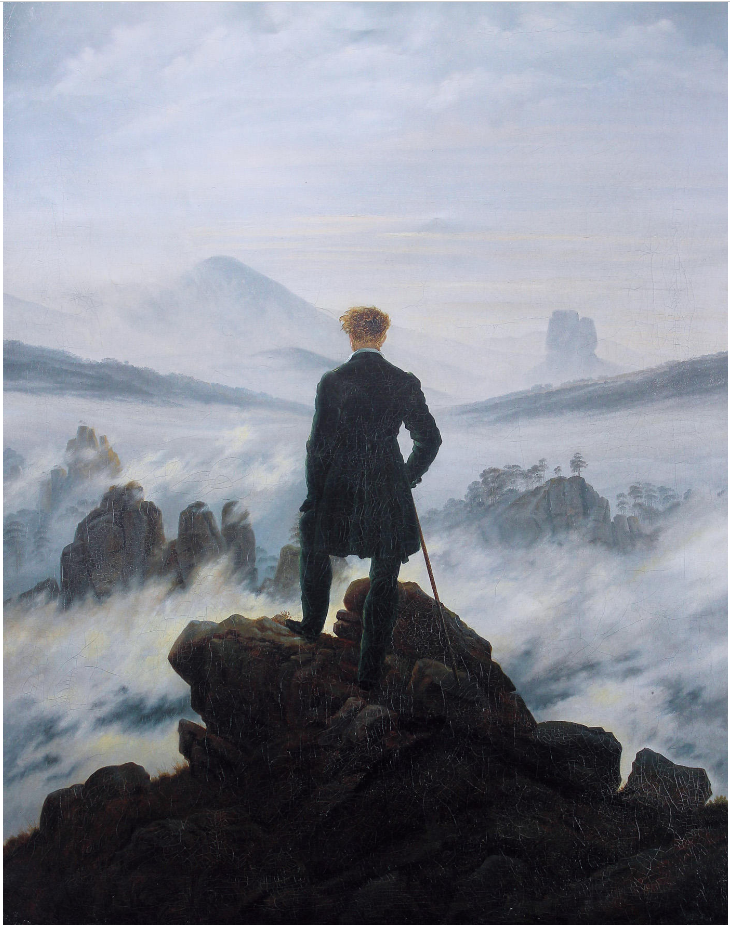
Caspar David Friedrich, Wanderer above the Sea of Fog, c. 1817. Hamburger Kunsthalle, Germany.
Image: ART Collection / Alamy Stock Photo
The woman in Watcher is dressed simply yet deliberately, wearing a monochromatic ensemble of a coat and trousers, with bare feet. She stands poised, one elbow bent, staring out to the horizon at a scene unseen by the viewer. She engages in a silent dialogue with other solitary searchers, including Caspar David Friedrich’s The Wanderer above the Sea of Fog, at the Hamburger Kunsthalle, Germany, and Andrew Wyeth’s Christina’s World, at the Museum of Modern Art, New York. Yiadom-Boakye is less interested in portraying real individuals than in evoking the stories that surround them, stating that, despite being constructions of her own making, “[her] figures are recognizably people.” In Watcher, this concept of Yiadom-Boakye’s portraiture communicating “character studies of people who don’t exist” is especially evident; the figure’s identity is undefined, allowing her to become a vessel for the viewer’s imagination. The absence of narrative clues forces the viewer to speculate, to project their own stories onto her.
Yiadom-Boakye’s figures inhabit realms detached from concrete markers of identity or time, creating a sense of timelessness central to her work. By avoiding specific temporal markers, the artist allows her subjects to occupy a universal space, free from immediate social or cultural associations. In Watcher, the absence of a defined setting creates a world beyond time, inviting viewers to contemplate a scene that could exist anywhere, at any moment. The subdued palette of this painting—a mix of muted greens, browns, and grays—complements the contemplative mood. Yiadom-Boakye’s emphasis on color and composition draws attention to the emotive and enduring qualities of her figures. Her deliberate palette deepens the painting’s mystery, inviting viewers to lose themselves in the quiet, timeless world she has created.
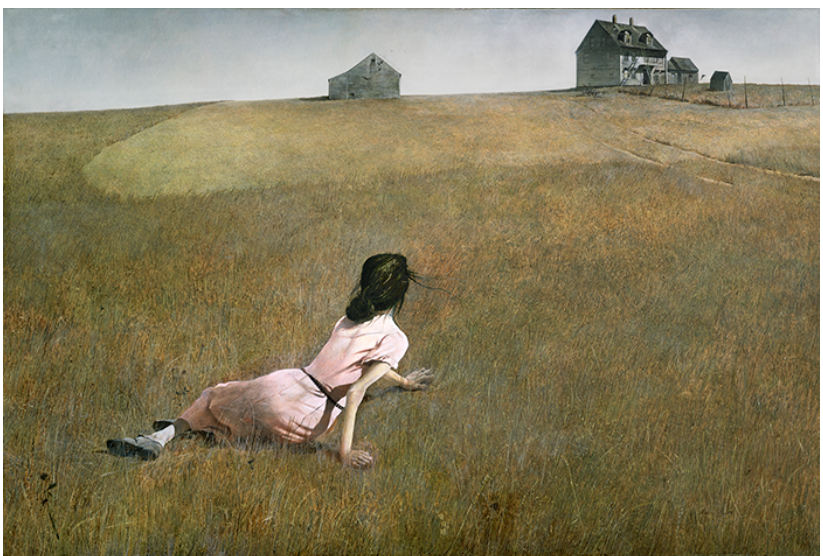
Andrew Wyeth, Christina’s World, 1948. The Museum of Modern Art, New York. Image: © The Museum of Modern Art/Licensed by SCALA / Art Resource, NY, Artwork: © 2024 Andrew Wyeth / Artists Rights Society (ARS), New York
Yiadom-Boakye’s commitment to depicting Black figures asserts the presence and autonomy of Black identity, independent of Western artistic traditions.
“Blackness has never been other to me… I’ve never felt the need to explain its presence in the work any more than I’ve felt the need to explain my presence in the world.”
In Watcher, the central Black female figure embodies this ethos, existing independently, free from stereotypes or imposed perceptions. Yiadom-Boakye conveys Black existence as self-sufficient and timeless: “We’ve always been here… outside of nightmares and imaginations, pre and post ‘discovery’. Through this painting, Yiadom-Boakye redefines portraiture by centering Blackness, challenging a genre that has historically used symbolic objects to signal wealth and social rank. By stripping away these markers, she emphasizes humanity over status, reflecting art historian Erwin Panofsky’s Renaissance ideal of capturing “whatever the sitter has in common with the rest of humanity.” This approach exemplifies a new iteration of portraiture—one that transcends the genre’s legacy of relegating Black figures to marginalized roles.
“I’ve been influenced by historic painters who share a certain devil-may-care mode working, who were not so concerned with formal perfection or academic rules, but with the physicality they knew and how they could make it tangible through paint—people like Edouard Manet, Walter Sickert and Francisco Goya.”
Unlike canonical Western portraits, Yiadom-Boakye’s sitters are imagined characters, drawn from a collage of inspirations: magazine clippings, family photos, and references to old master paintings. This technique allows her to depict Black identity on her own terms, creating subjects who are resilient and empowered. The figure in Watcher, a hybridized character brought to life as an embodiment of agency and strength, transcends specific narratives with her contemplative gaze, embodying a timeless, universal essence that resonates with the broader human experience, making her both an individual and an everywoman.
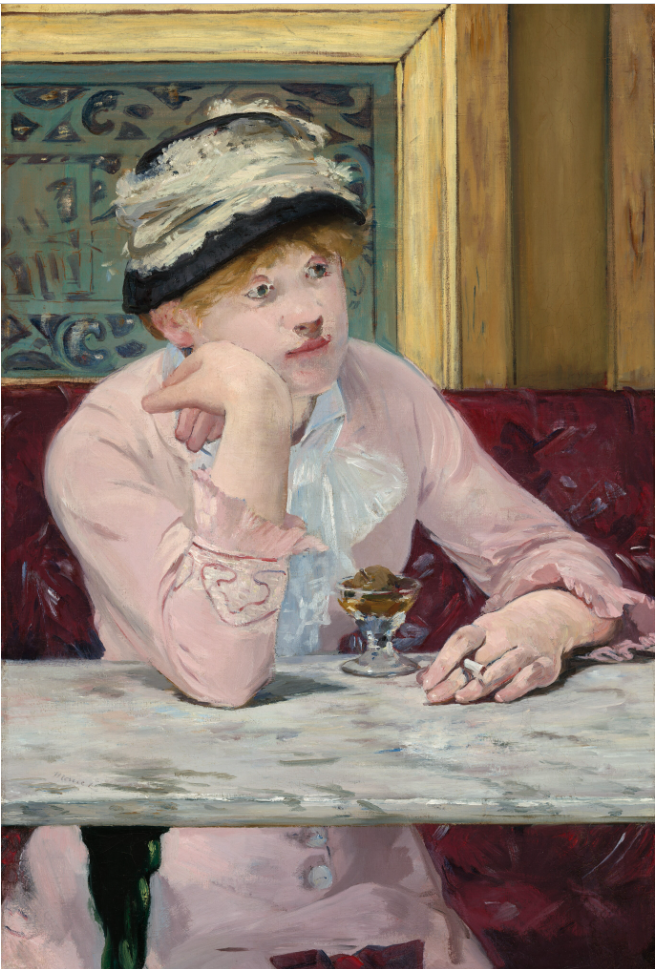
Edouard Manet, Plum Brandy, c. 1877, National Gallery of Art, Washington, D.C.
Image: National Gallery of Art, Washington, D.C., Collection of Mr. and Mrs. Paul Mellon, 1971.85.1
Despite her uniquely contemporary voice, Yiadom-Boakye draws heavily from nineteenth-century painters like Édouard Manet, Edgar Degas, John Singer Sargent, and Walter Sickert. She admires their unconventional approaches to figuration. In Watcher, she transposes and reimagines elements of color, composition, gesture, and pose from these historical European artists. The subtle color shifts in the fabric folds recall the geometric tablecloths and allusive verisimilitude of Paul Cézanne, while her rapid brushwork and skill in capturing fleeting moods echo the Impressionists’ commitment to the ephemeral. In Watcher, Yiadom-Boakye’s subject, deep in thought, evokes the introspective stillness seen in Mary Cassatt’s portraits, while the figure’s expression—marked by distant concentration—harkens back to Berthe Morisot’s Jeune femme en toilette de bal (Young Girl in a Ball Gown), 1879, at the Musée d’Orsay in Paris, where loose, expressive strokes reveal a woman captivated by an off-screen presence. The subject of Watcher, with her soft gaze and slightly raised eyebrows, seems to channel this same intensity of focus. Her right hand is lifted, as if she has just turned her head, caught mid-motion, perhaps to shield her eyes or brush back her hair against an imagined breeze. Through these gestures, Watcher captures a sense of narrowing perspective, as if the subject’s world has shrunk to a single point of fascination, skillfully conveying Yiadom-Boakye’s modern dialogue with her art historical influences.
Painkiller, 2011
Christie’s New-York: 21 November 2024
Estimated: USD 800,000 – 1,200,000
USD 756,000
LYNETTE YIADOM-BOAKYE (b. 1977), Painkiller | Christie’s
LYNETTE YIADOM-BOAKYE (b. 1977)
Painkiller, 2011
Oil on canvas
200×130 cm (78 3/4 x 51 1/4 inches)
A graceful young woman commands the composition of this large-scale canvas. Poised like a ballet dancer, she stands confidently, her hands clasped to the front, and her left leg poised forward at a right angle like a ballerina. Turning her face slightly, her chin is lifted towards her left shoulder to look up and away as if giving one last contemplative glance toward the crowd before commencing her performance.
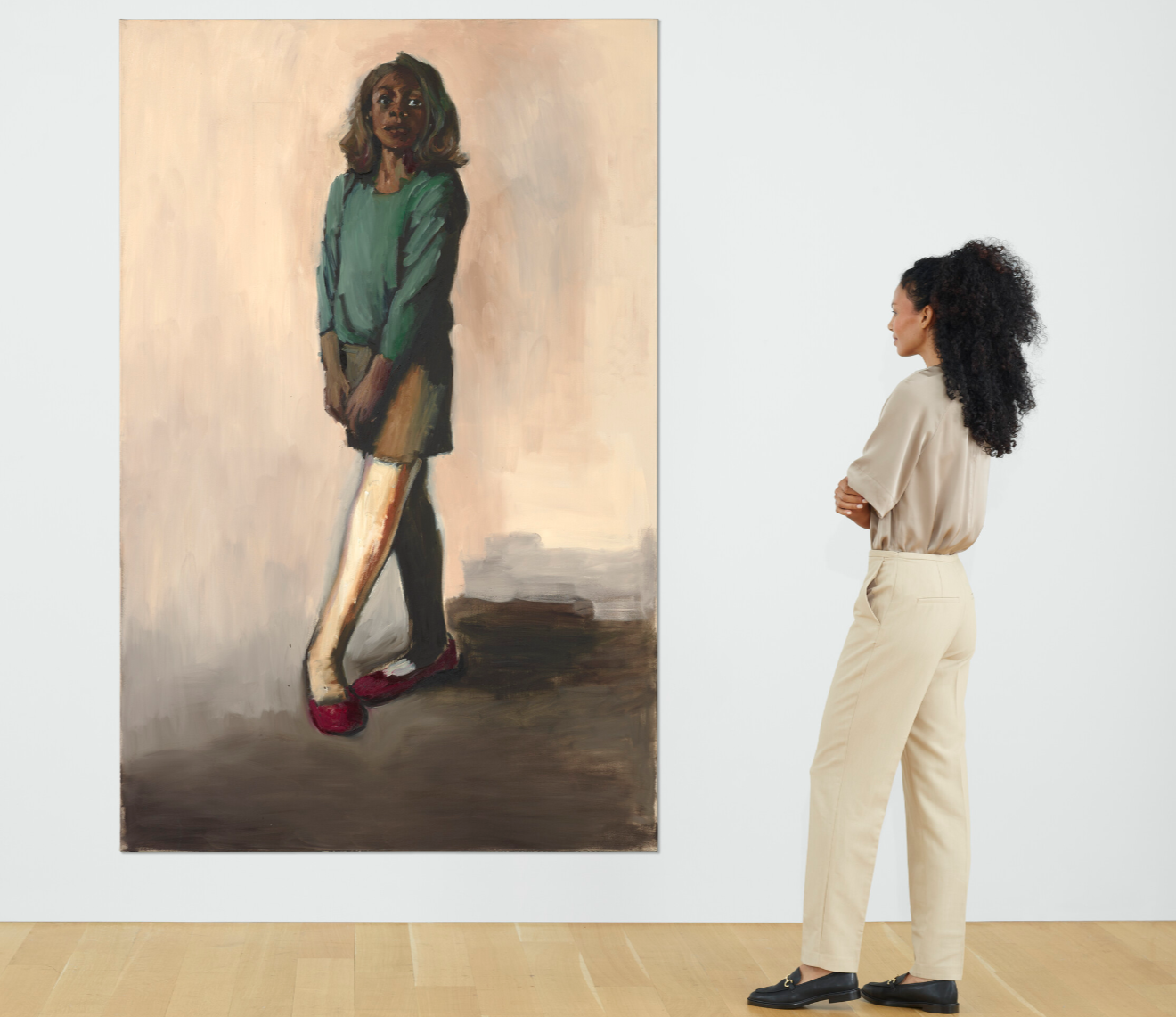
The sense of drama in Painkiller ensures that it emerges as an exemplar from the acclaimed British-Ghanian artist Lynette Yiadom-Boakye’s painterly practice. The artist eloquently articulates the full complexity of human subjectivity via her confident brushstrokes. Her subjects, while inhabiting the genre’s conventional framework, are not portraits; Yiadom-Boakye constructs her figures not from life but from a potent mélange of found images, memory, and vivid imagination intermingled with a certain spontaneity expressed through painterly improvisation. While ostensibly a successor to a great lineage of Western portraitists, from Goya and Hals to Whistler and Sargent, Yiadom-Boakye composes her subjects like a novelist, her figures reminiscent of Leo Tolstoy or Gabriel Garcia-Marquez in their fictive ability to appear more realistic than reality—unencumbered from representational modes, the audience intimately comprehends and inhabits these figures, ascribing their own stories onto the image.
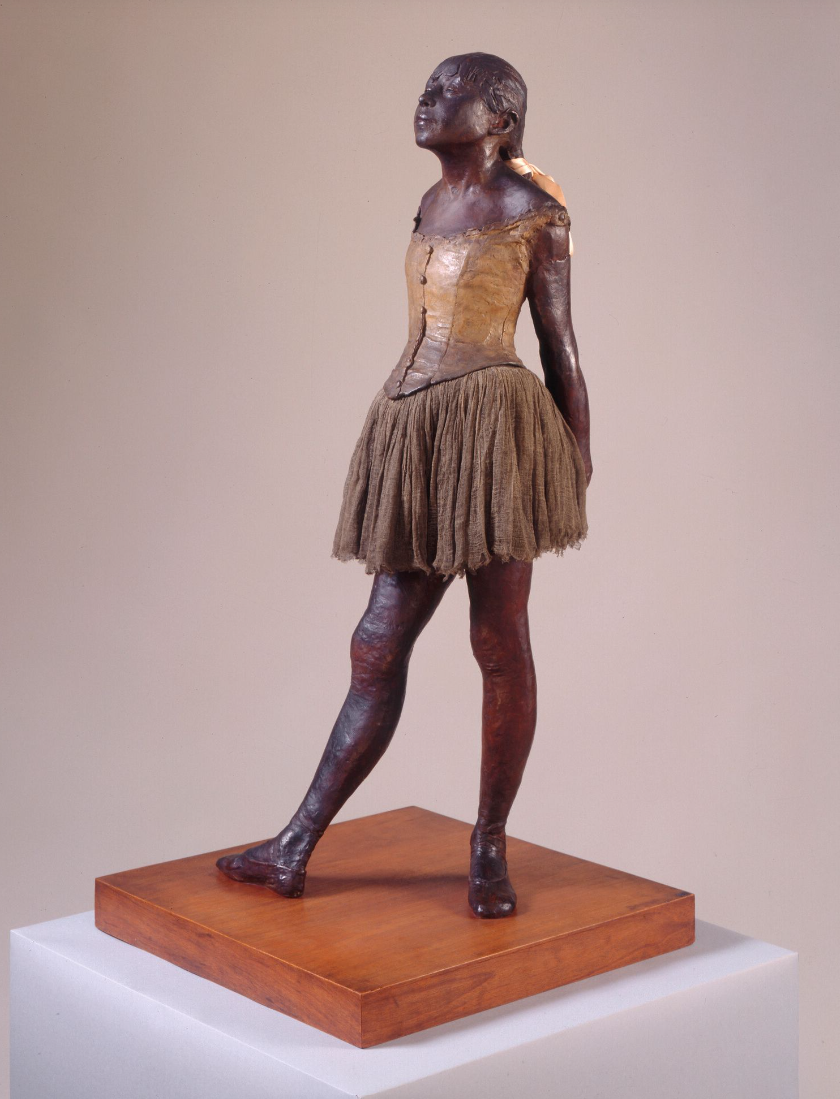
Edgar Degas, Little Dancer Aged Fourteen, 1880-1881. Tate Gallery, London. Photo: Tate, London / Art Resource, New York.
Yiadom-Boakye delights the eye in her subtle manipulation of paint across canvas. Working with the time-honored materials of an old master—a rabbit-skin glue gesso binding oil paint to canvas—the artist expeditiously paints her work wet-on-wet to fully exploit the medium’s physicality. Sophisticated underpainting allows this warm backdrop of subtle hues to develop into areas of vivid abstraction, demonstrative of the sheer exuberance achievable through the medium. The artist employs a kaleidoscope of atmospheric and organic hues against the tableau, reveling in the bottomless depth which her palette achieves across the economically-applied paint surface. The dense layers of pigment on the woman’s left leg establish the work’s focal point, the profound contrast vis-à-vis the shadowed right leg providing a charged element of potential movement amid an otherwise tranquil image.
Diego Rodríguez de Silva y Velázquez, Juan de Pareja, 1650. Metropolitan Museum of Art, New York.
Photo: © The Metropolitan Museum of Art / Art Resource, New York.
Painkiller achieves an evocative sense of timelessness, creating a space of stillness and repose inviting contemplative solitude and silence. Yiadom-Boakye strives to exhume notions of contemporaneity or temporality from her work, depicting her Black figures in ambiguous vistas devoid of context. The darkened swirled form of the floor on which our figure stands slowly fades into the cream background, a bare spatial suggestion in an otherwise ethereal composition. Such an atmospheric environment allows for a full enjoyment of character, unleashing the emotional charge held within Yiadom-Boakye’s figure. The deep psychological power of the artist’s characters coupled with her technical masterly evoke the spirit of Diego Velázquez, particularly in his portrait of the Afro-Hispanic artist Juan de Pareja. Yiadom-Boakye is a careful student of art history, her citations of posture and pose evidencing the multitudes of monographs of Degas, Manet, and others filling her studio. Rare among her portraits, Painkiller features meticulously-rendered ruby-red shoes, an item typically omitted from Yiadom-Boakye’s work to further her timeless effect. Here the shot of red pigment perfectly complements the soft teal of the figure’s loosely-draped blouse, providing compositional unity bridging the dark foreground with the light background.
Edouard Manet, La femme au perroquet, 1866. Metropolitan Museum of Art, New York.
Photo: The Metropolitan Museum of Art, New York.
Yiadom-Boakye is a writer and poet as well as a painter, and within her canvas she writes a poem in paint, drawing out such strong and universally human emotions that her figure compiles a lifetime of stories within a singular picture frame. Yiadom-Boakye’s titles are as allusive as her characters, which the artist considers simply as “an extra mark in the paintings… I don’t paint about writing or write about paintings. It’s just the opposite, in fact: I write about the things I can’t paint and paint the things I can’t write about” (Y. Boakye, quoted in Zadie Smith, “A Bird of Few Words: Narrative mysteries in the paintings of Lynette Yiadom-Boakye, New Yorker June 19, 2017 p. 52).
Focus: Nicolas Party
Still Life, 2020
Christie’s New-York: 21 November 2024
Estimated: USD 1,000,000 – 1,500,000
THIRD PARTY GUARANTEE
USD 1,502,000
NICOLAS PARTY (B. 1980), Still Life | Christie’s
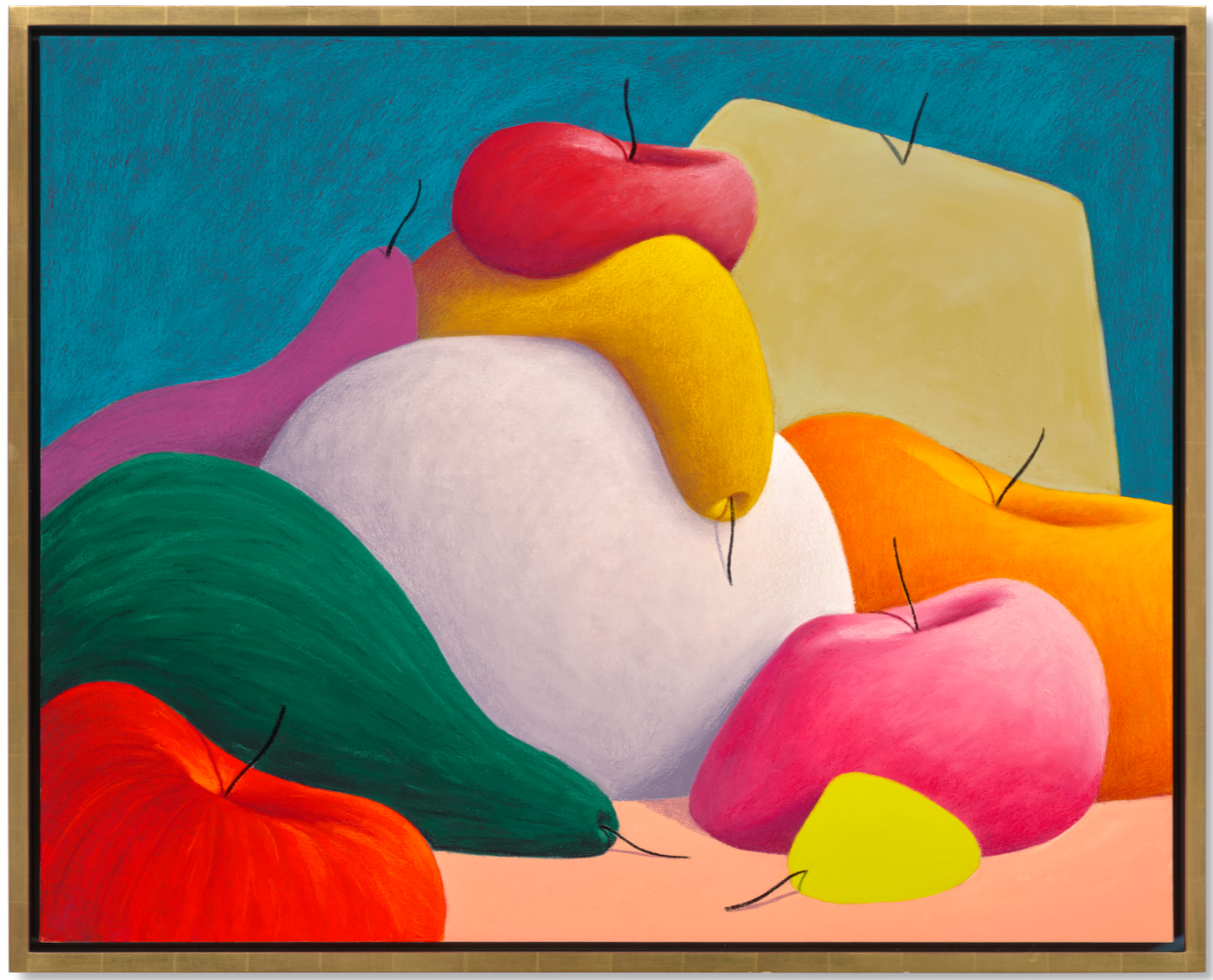
NICOLAS PARTY (B. 1980)
Still Life, 2020
Soft pastel on linen
40×50 inches (101.6 x 127 cm)
Signed and dated ‘Nicolas Party 2020’ (on the reverse)
Nicolas Party has constructed a captivating oeuvre by investigating and reinventing the traditional tropes of painting in an effort to more fully understand and push the boundaries of the art form. A consummate example of his ability to coax gravity out of seemingly simple subjects in pastel, Still Life stands as a testament to the artist’s knowledge of art historical tradition and his need to break through its deep codification. Part of a running series throughout his career, they initially read as boisterous, colorful scenes of colorful fruit that touch upon human experience and visual culture with surprising subtlety.
“I want to grab the audience directly and “lock” them in the work as long as possible. When the viewer is inside the painting, my hope is that its complexity can be revealed. You stay inside it because you feel that there is still something there that you don’t see.”
The viewer enters into Party’s works because of their pleasing palette and leaves with a better understanding of the effect that composition and visual weight have on the experience of art.
Party’s Still Life possesses an almost visible sense of weight. Though he depicts richly colored fruit in a grouping that does not stray too far from traditional arrangements throughout art history, this collection of pears, apples, and other morsels has a surprising heft. Atop a dark cerulean background, a large white orb is draped with various pieces of fruit that lean and flop around the space. A stout red apple sits atop a drooping yellow pear while a trapezoidal object looms in the back. Purple, green, orange, pink, and fluorescent yellow objects complete the scene on a pale pink ground. Intense modeling of the forms is offset by the skinny black stems protruding from each item. The artist’s use of soft pastels instead of paint allows for a richness and velvety corporeality not afforded by other media. Instead, each element is bestowed with a visual weight that speaks more to the depiction of flesh than of fruit. Instead of pert pears and glistening, wax-coated apples, the fruit in Party’s compositions share a tired kinship with an audience exhausted by hectic existence. At the same time, they also offer a visual respite as their fleshy presence contrasts with the razor-edged gleam of our technological world.
Paul Cezanne, Still Life, 1892-1894. Barnes Foundation, Philadelphia. Photo: Bridgeman Images.
The still life genre has been a source of much inspiration for Party throughout his career. Through this innocuous genre, the Swiss-born artist touches upon deeper realities that resonate with a wide audience. Realized in 2020, the year of his first solo exhibition, Still Life was also created during the worldwide pandemic. It is an easy connection to see the slumped fruit and pillow-like forms of Party’s work in dialogue with the house-bound populations working from their couches as life became still. Thinking about the traditional arrangements of natural items made famous by seventeenth-century Netherlandish painters, as well as their gradual evolution into the Cubist pile-ups of Pablo Picasso and the coldly quiet compositions of Giorgio Morandi, one can sense a discrete lineage that leads to Party’s scenes. The wilting flowers and memento mori that were cause for rumination in the paintings of yesteryear are replaced with drooping apples that allow for a surprisingly similar meditation on life and mortality.
Focus: Jonas Wood
Still Life with Cat and Fruit, 2020
Christie’s New-York: 21 November 2024
Estimated: USD 700,000 – 1,000,000
USD 1,865,000
JONAS WOOD (B. 1977), Still Life with Cat and Fruit | Christie’s
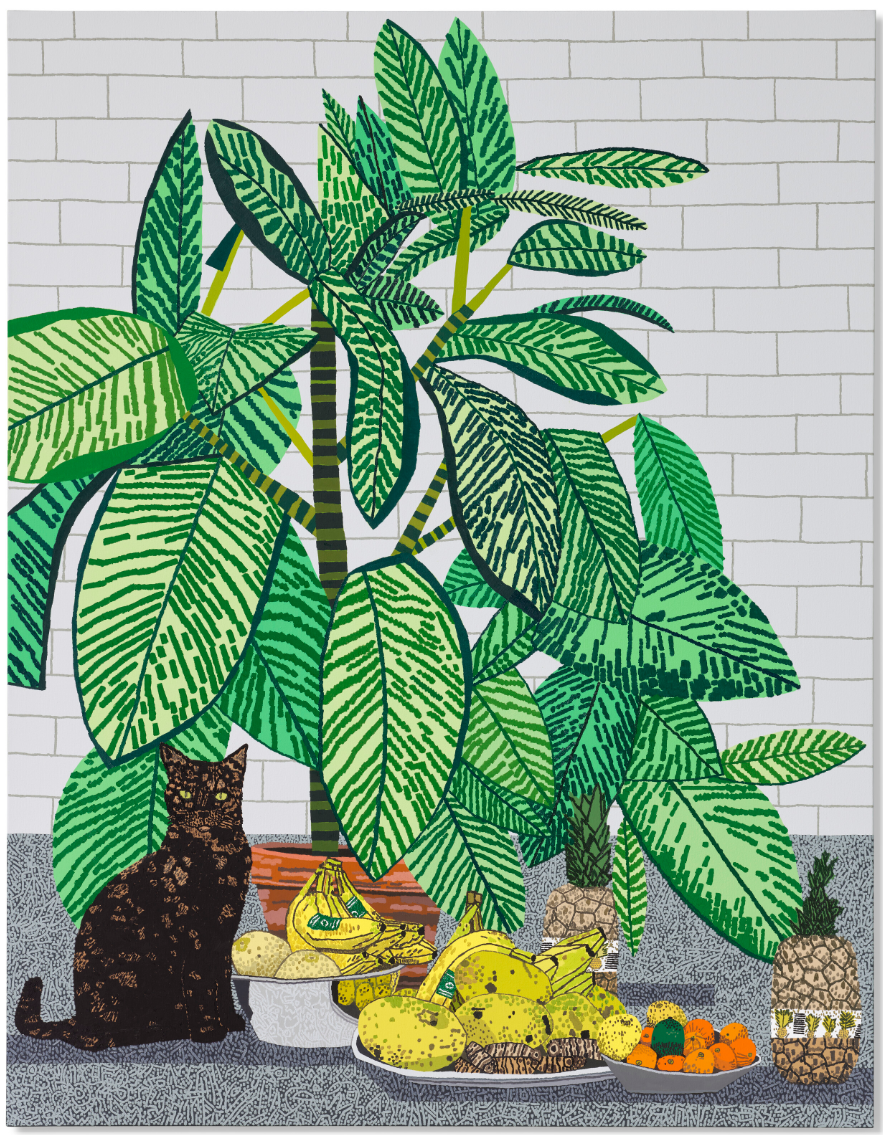
JONAS WOOD (B. 1977)
Still Life with Cat and Fruit, 2020
Oil and acrylic on canvas
58×45 inches (147.3 x 114.3 cm)
Signed, titled and dated ‘STILL LIFE WITH CAT AND FRUIT Jonas Wood 2020’ (on the reverse)
Blurring the line between bold abstraction and traditional figurative painting, Jonas Wood has a skill for transforming the quotidian into extraordinary portrayals of artistic lineage. A striking example of his interior scenes, Still Life with Cat and Fruit sees the painter’s detail-oriented process on full display. Sharp edges and an abundance of color push Wood’s work into the realm of Pop, but his reliance on art historical reference and a deep understanding of genre scenes create a singular style that bridges that gap between the canvases of old and contemporary techniques.
Often depicting the objects, people, and locales closest to him, Wood allows for a reimagining of the intimate moments in our everyday lives. Set against a simple backdrop of white tile and a speckled blue and black countertop, Wood’s still life is filled with dazzling patterning that buzzes the eye and creates an electric dynamism in an otherwise ubiquitous subject. The titular feline and bowls of fruit are rendered in flat panels of color and black outlines reminiscent of the heavily stylized ukiyo-e woodblocks of Edo period Japan.
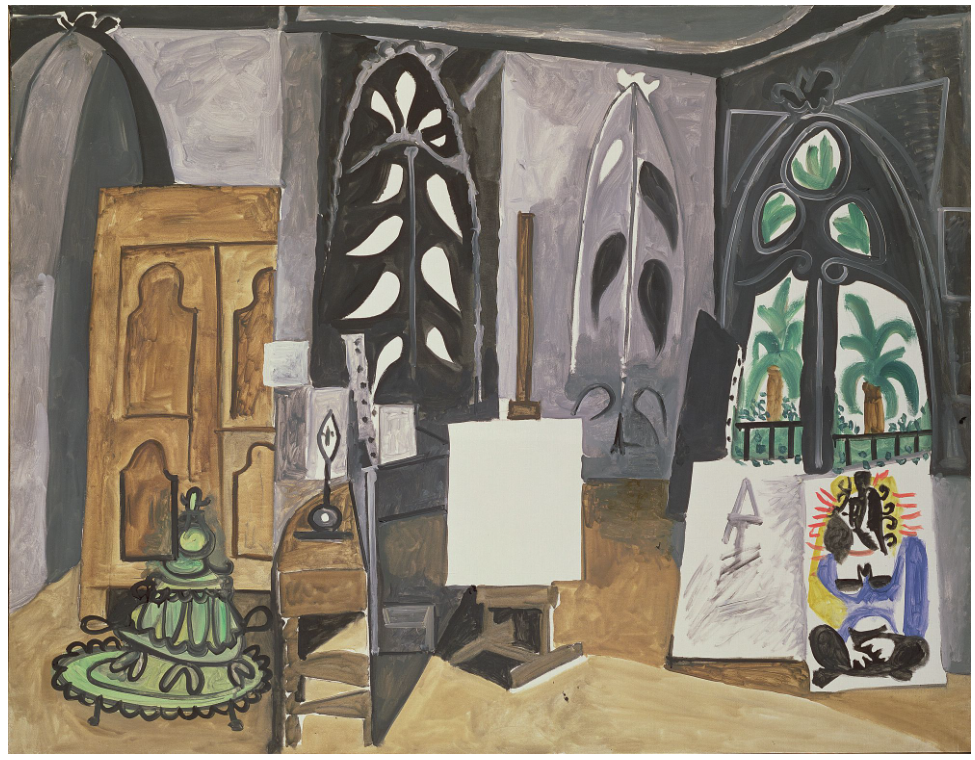
Pablo Picasso, The Studio at La Californie, 1956. Musée Picasso, Paris. © 2024 Estate of Pablo Picasso / Artists Rights Society (ARS), New York. Photo: Musee Picasso, Paris, France / Peter Willi / Bridgeman Images.
A potted plant dominates much of the canvas as its striped leaves splay out in various directions. Acting as a canopy to the rest of the subjects, this foliage is typical of Wood’s output and speaks to his interest in depicting his personal experience of the world.
“Of all the possible things I could paint, the thing that interests me is something that I can get close enough to in order to paint it honestly. The painters whose work means the most to me—that’s what they were painting. It was their loved ones or the stuff that was in their house. It was always this hyperpersonal thing to me.”
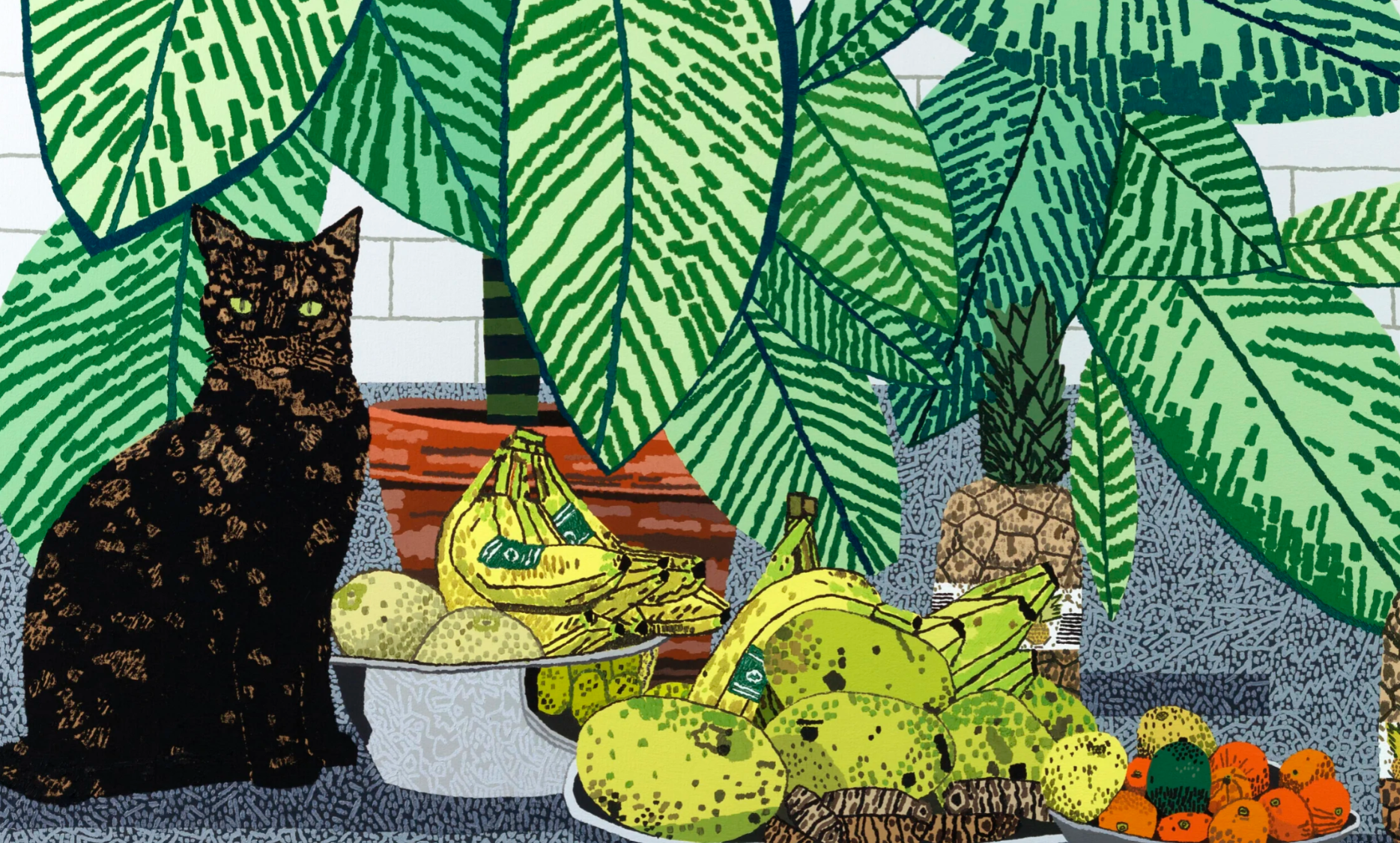
The artist’s attention to detail is revealed in the meticulous depictions of each spot and crease in the bananas, mangoes, and oranges, as well as the mottled surfaces and branded stickers of two pineapples. The cat, itself made up of a dark black void marked with brindle patches, connects directly with the viewer through its two searing eyes. By including this living animal, Wood allows for a more active entry point into his work. Instead of a scene that sits quietly while he paints it, the cat introduces a temporal element not always seen in the painter’s oeuvre.
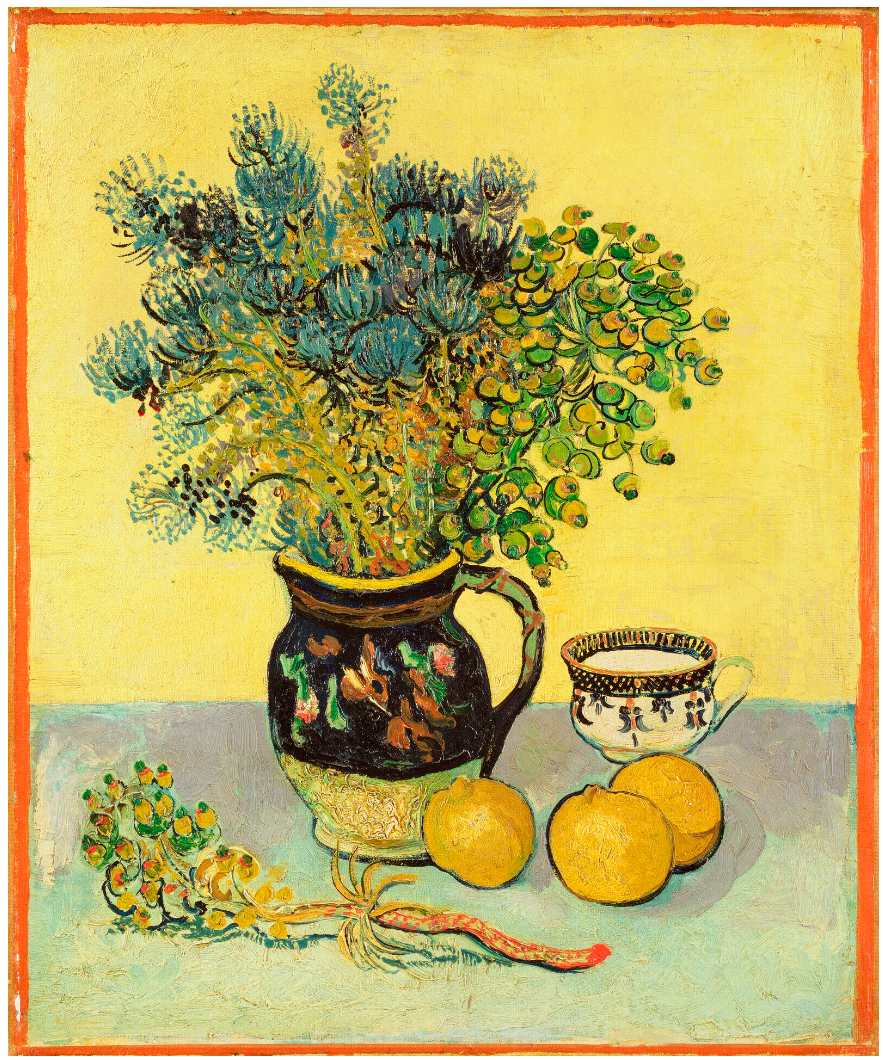
Vincent van Gogh, Nature morte, 1888. Barnes Foundation, Philadelphia.
Photo: © Barnes Foundation / Bridgeman Images.
Though works like Still Life with Cat and Fruit are decidedly of the moment, they pull from a rich history of representational painting. In particular, Wood has noted his indebtedness to the work of David Hockney. Depicting his subjects with the same kind of cool California approach to bright color and even light, Wood also recognizes his predecessor’s inspirations.
“The thing about Hockney or Alex Katz or Lucian Freud or any of those people that I’m super into, they were into those modern painters, too. So I get to look at Matisse or Picasso through their work.”
By consciously establishing an artistic lineage, Wood is able to create concrete connections between the centuries. In so doing, works like the present example become representations of painting’s evolution as well as potent illustrations of artistic influence.
Ptolemy and Robot, 2013
Sotheby’s New-York: 21 November 2024
Estimated: USD 120,000 – 180,000
USD 156,000
Ptolemy and Robot | Contemporary Day Auction | 2024 | Sotheby’s
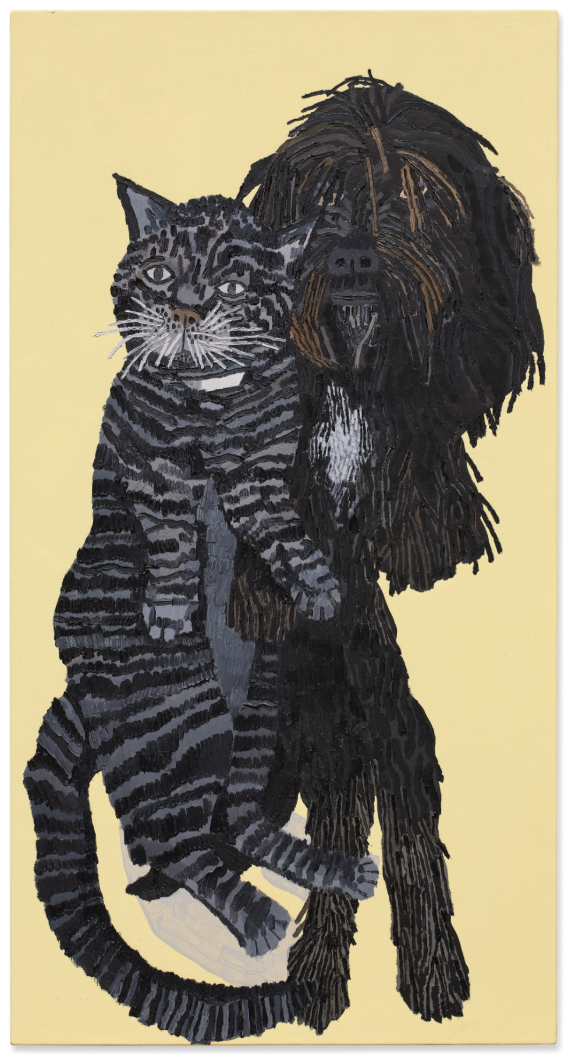
JONAS WOOD (b. 1977)
Ptolemy and Robot, 2013
Oil and acrylic on linen
35 x 18 1/2 inches (88.9 x 47 cm)
signed, titled and dated 2013 (on the reverse)
Augusta’s Photo Shoot, 2009
Sotheby’s New-York: 21 November 2024
Estimated: USD 250,000 – 350,000
USD 216,000
Augusta’s Photo Shoot | Contemporary Day Auction | 2024 | Sotheby’s
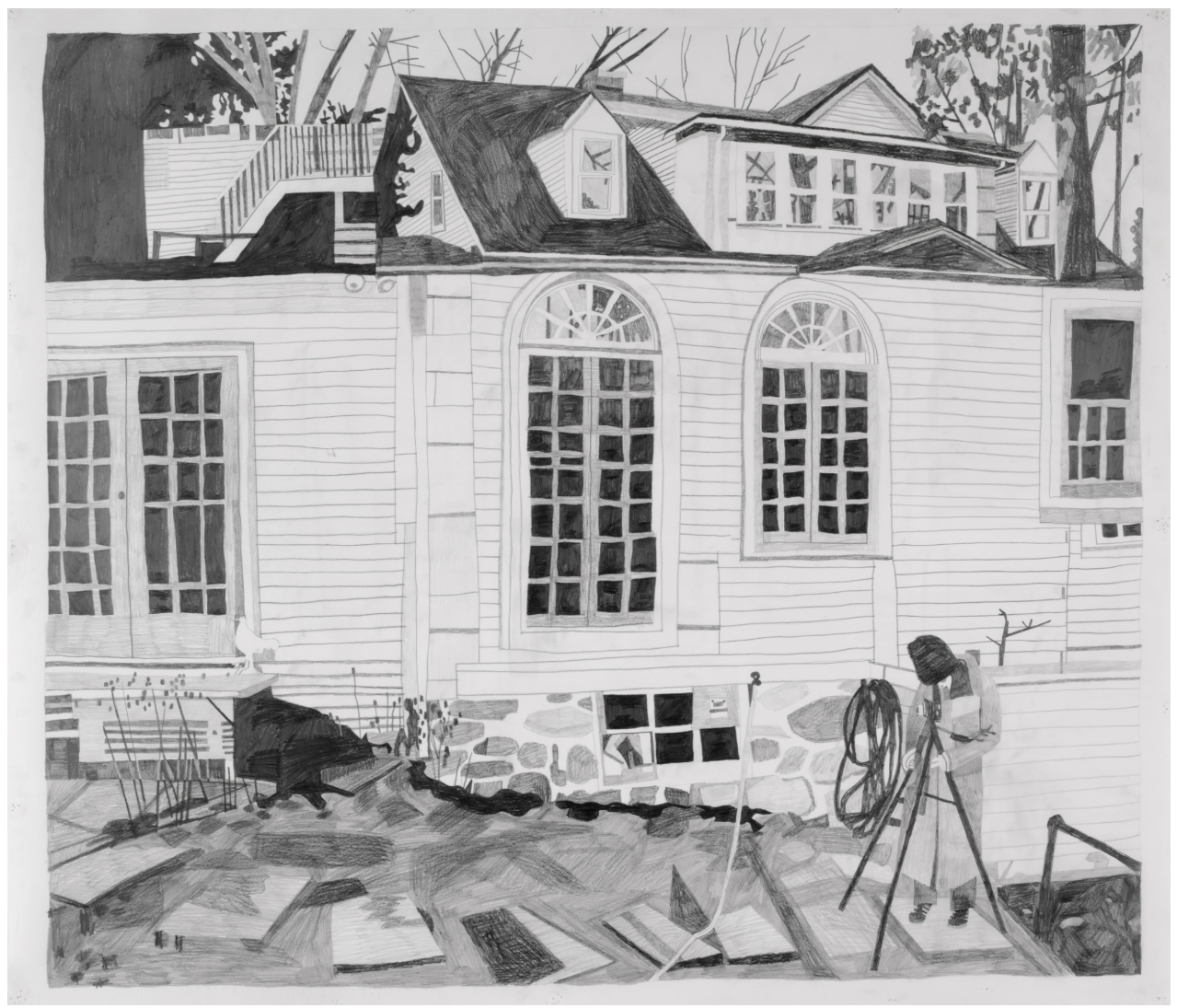
JONAS WOOD (b. 1977)
Augusta’s Photo Shoot, 2009
Graphite on paper
40 1/2 x 47 inches (102.9 x 119.4 cm)
Signed, titled and dated 2009 (on the verso)
Paul Gibson, 2008
Sotheby’s New-York: 21 November 2024
Estimated: USD 80,000 – 120,000
USD 132,000
Paul Gibson | Contemporary Day Auction | 2024 | Sotheby’s
REPEAT SALE
Phillips Hong-Kong: 7 June 2021
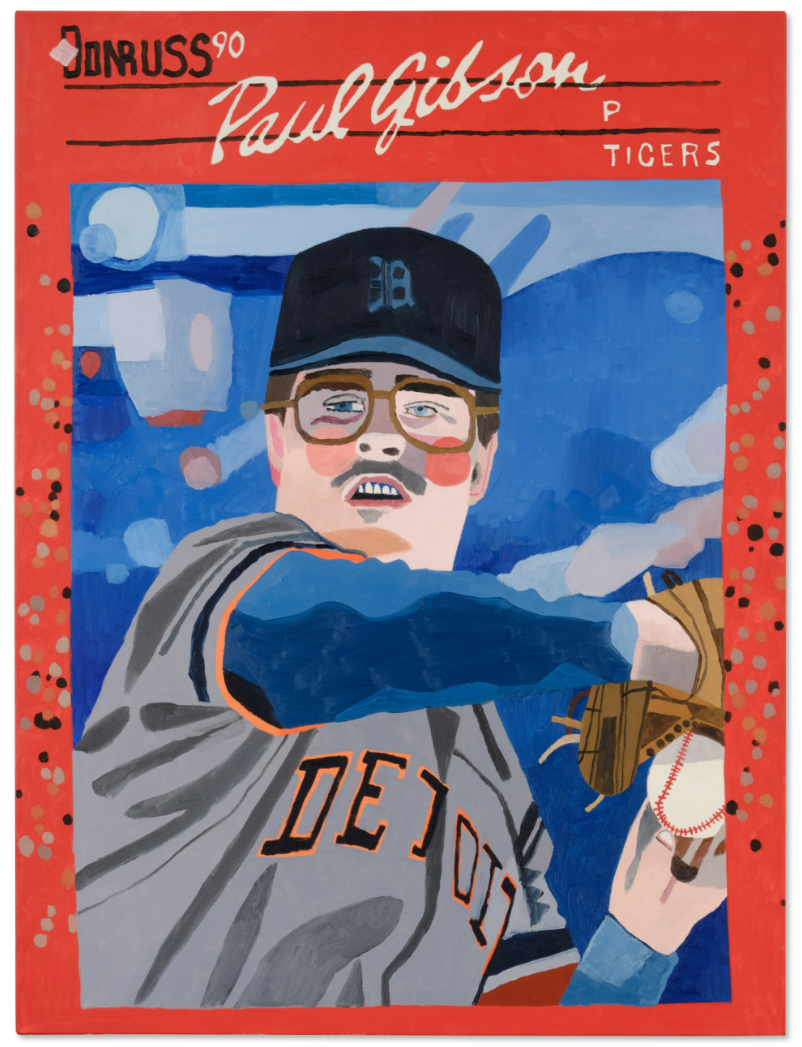
JONAS WOOD (b. 1977)
Paul Gibson, 2008
Oil on canvas
40×30 inches (101.6 x 76.2 cm)
Signed twice, titled and dated 2008 (on the reverse)
Sotheby’s New-York: 21 November 2024
Estimated: USD 20,000 – 30,000
USD 45,600
65 | Contemporary Day Auction | 2024 | Sotheby’s
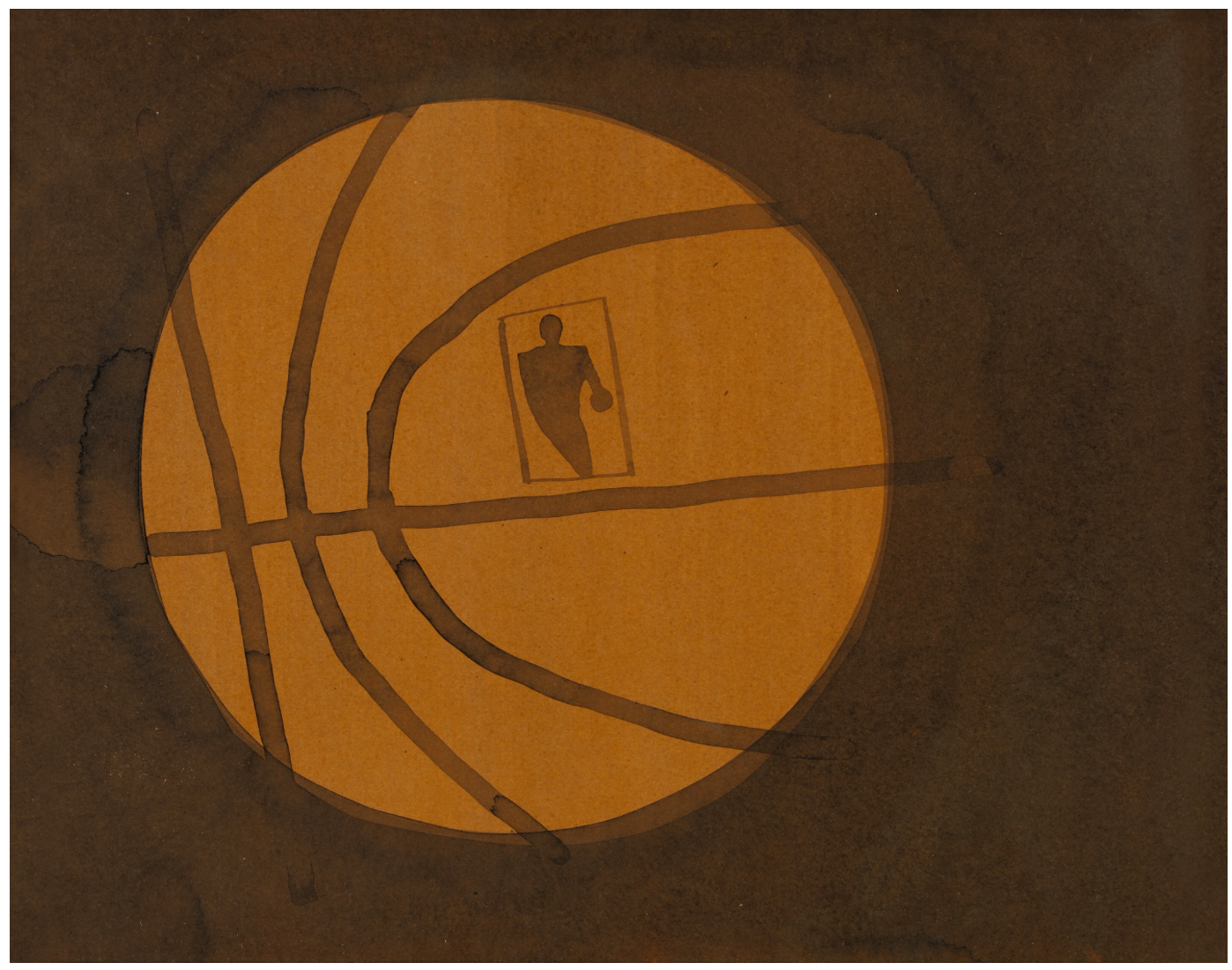 JONAS WOOD (b. 1977)
65, 2008
Acrylic and ink on paper
13 x 16 1/2 inches (33 x 41.9 cm)
Signed, titled and dated 2008 (on the verso)
Studio Plant, 2007
Christie’s New-York: 22 November 2022
Estimated: USD 150,000 – 200,000
USD 176,400
JONAS WOOD (B. 1977), Studio Plant | Christie’s
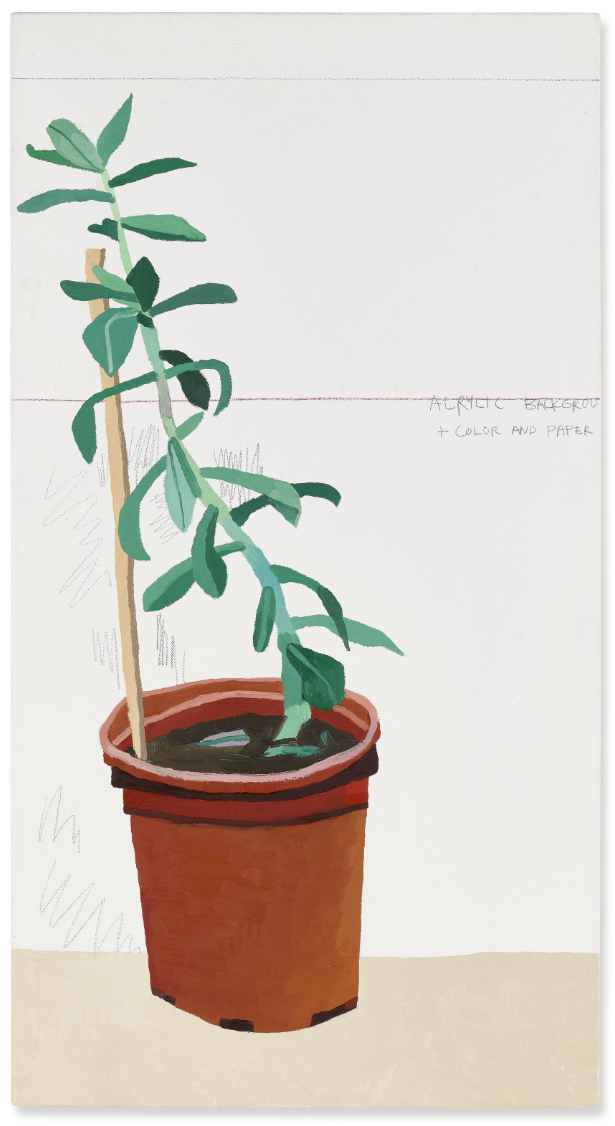
JONAS WOOD (B. 1977)
Studio Plant, 2007
Oil and colored pencil on canvas
28 1/4 x 15 1/4 inches (71.8 x 38.7 cm)
Signed with the artist’s initials, titled and dated ‘JBRW 07 STUDIO PLANT’ (on the reverse)
Floating Orange Ball, 2014
Christie’s New-York: 22 November 2022
Estimated: USD 60,000 – 80,000
USD 126,000
JONAS WOOD (B. 1977), Floating Orange Ball | Christie’s
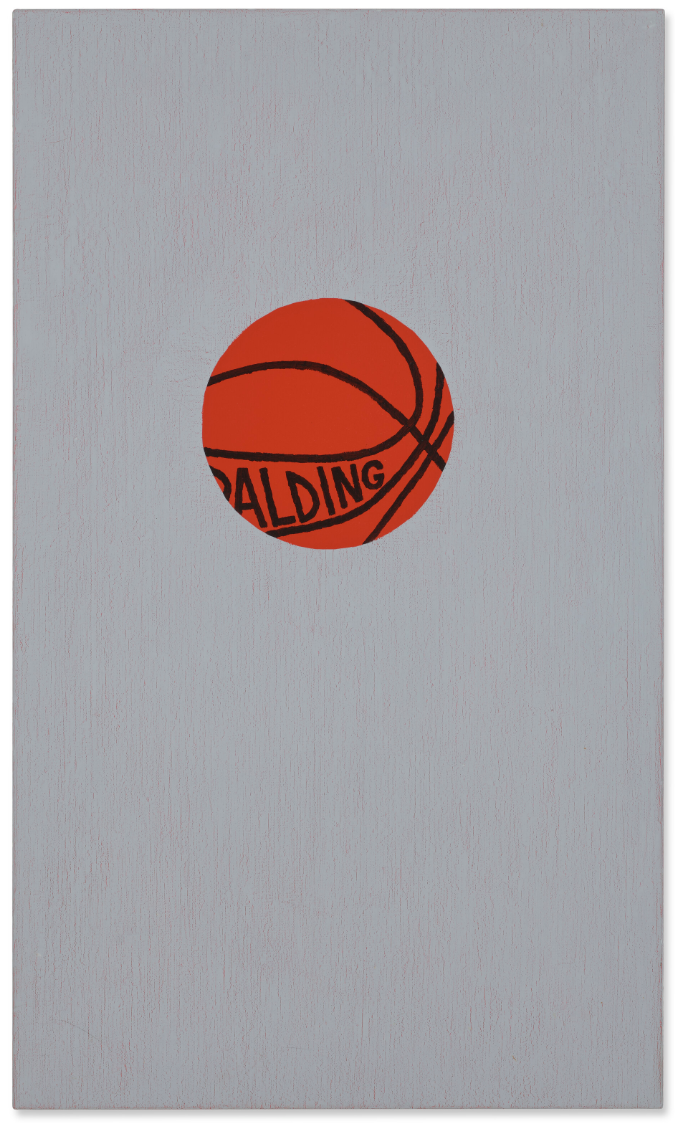
JONAS WOOD (B. 1977)
Floating Orange Ball, 2014
Oil and acrylic on linen
44×26 inches (111.8 x 66 cm)
Signed with the artist’s initials, titled and dated ‘FLOATING ORANGE BALL JBRW 2014’ (on the reverse)
Focus: Hernan Bas
Tartini’s Dream (The Devil’s Trill), 2012
Christie’s New-York: 21 November 2024
Estimated: USD 600,000 – 800,000
USD 693,000
HERNAN BAS (B. 1978), Tartini’s Dream (The Devil’s Trill) | Christie’s
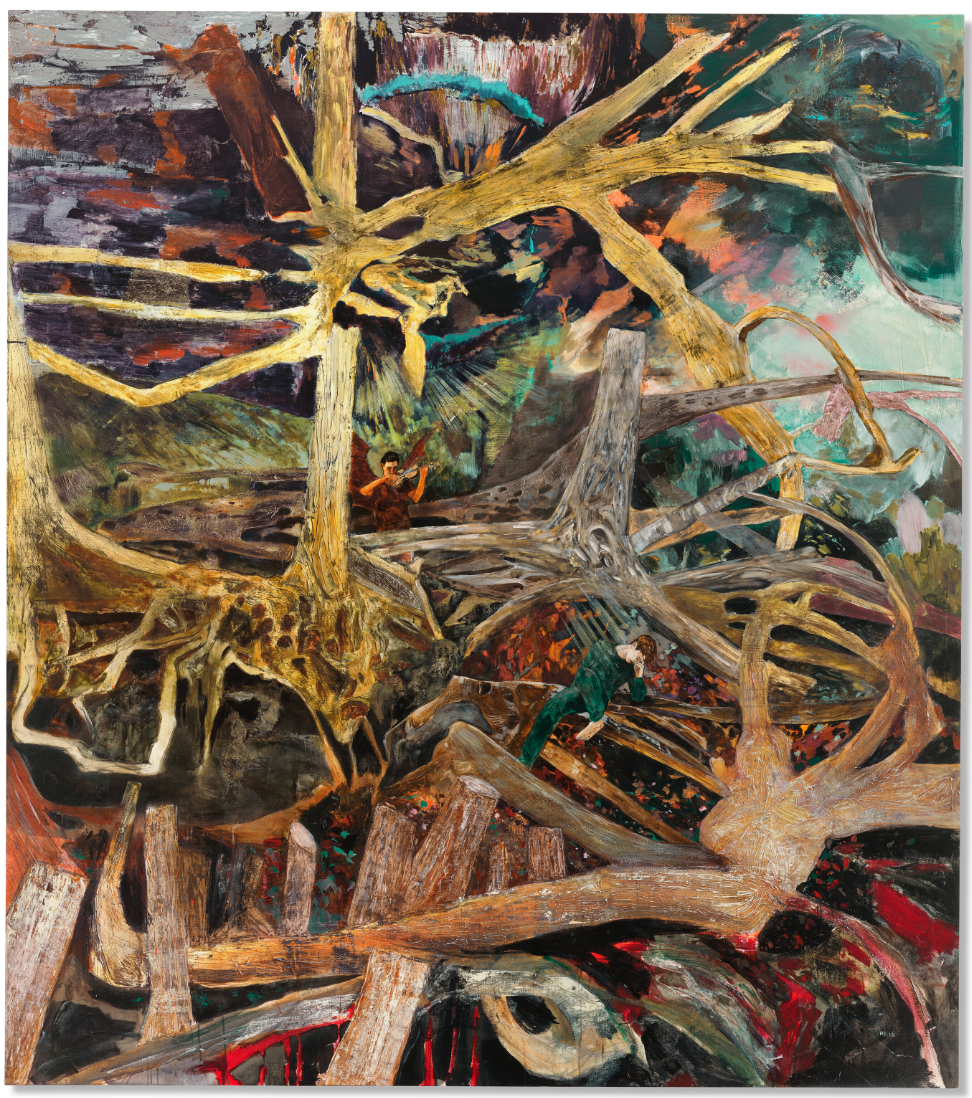
HERNAN BAS (B. 1978)
Tartini’s Dream (The Devil’s Trill), 2012
Acrylic, airbrush and block print on linen
108×96 inches (274.3 x 243.8 cm)
Signed with the artist’s initials and dated ‘HB12’ (lower right)
Signed again with the artist’s initials, titled, and dated again ‘Tartini’s Dream (the devils trill) HB 2012’ (on the reverse)
Melding fantastical natural worlds with memories from his youth, Hernan Bas constructs enthralling tableaus that speak to ideas of nostalgia, wonder, and the paranormal. Tartini’s Dream (The Devil’s Trill) is a densely layered canvas that highlights the artist’s ability to coax intrigue and an absorptive narrative out of an intricate landscape. Growing up in north Florida, the marshlands and tangled foliage were an integral part of the artist’s childhood, and their brooding mystery is infused in works like the present example.
“A lot of my work [is about] having a curiosity about everything, and a lot of that curiosity lends itself to mysteries of unknown and the paranormal world.”
Tapping into the haunting unknown of the dark forest and pairing it with references to the supernatural, Bas is able to create paintings that balance contemporary concerns with historical richness.
Tartini’s Dream is a monumental composition that envelops the viewer into its densely packed foreground. Piles of upended stumps and spider-like logs seem to float in a marsh made of vaporous paint and dripping, expressive areas of color. Visually enthralling, each construction is reminiscent of both piled driftwood and a burst of energy, its tendrils expanding outward from the center only to dive back into the painterly depths. The background is rendered in multifaceted hues of deep purple, smoldering orange, murky aqua, silver, and crimson which makes the gold, copper, and bright yellow of the tumbling limbs stand out all the more starkly. Barely visible within this tangle are two figures. Closer to the foreground, a boy in green sits languidly on a log, his forehead pressed against a fist as he slumps into repose. In the back, a young man in a reddish shirt plays the violin. He raises the instrument up as if trying to project his tune toward his companion further afield. The connection between the two creates a succinct scene where a story is being told but the viewer is not yet privy to the subject.
“I do like the idea that everything is contained—the entire narrative, within the frame of the canvas; but paintings that I consider to be successful are always on the verge of falling apart. To me, that’s the fun of it—the imminent collapse, and also the challenge.”
Bas’s composition is on the verge of breaking through the borders of the canvas, yet it is reined in by the frozen moment between the two men at its center.
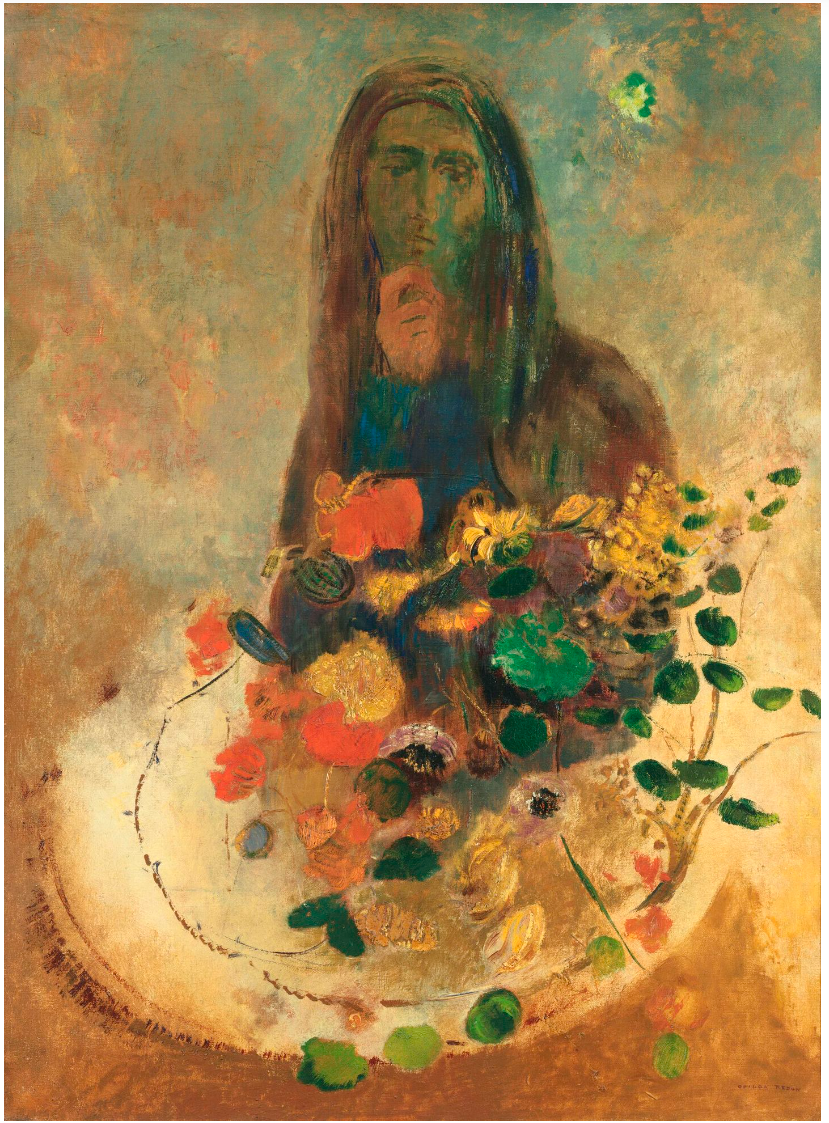
Odilon Redon, Mystery, circa 1910. Phillips Collection, Washington, D.C.
Photo: The Phillips Collection, Washington, USA / Acquired 1925 / Bridgeman Images.
Herman Bas takes the title of the present example from a work of music by the early eighteenth century Italian composer and violinist Giuseppe Tartini. Perhaps his most famous work, his “Violin Sonata in G Minor” is mostly commonly referred to as “The Devil’s Trill Sonata”. Characterized by its technical difficulty, it was said to have arisen from a dream Tartini had. The devil appeared to him, a wandering violinist, and asked to be taught. After just moments, the devil deftly created a spellbinding and magnificent composition which he played for Tartini – leaving him breathless, melancholic. The musician awoke with an intense motivation to record this complex and extraordinary tune.
Thomas Lawrence, Satan as a fallen angel, 1797. Private Collection. Photo: HIP / Art Resource, NY.
It is not difficult to see why this story would have been so inspirational for Bas. Tartini’s attempts to match the magnificence of the ‘Devil’s Trill’ is a beguiling metaphor for every artists pursuit of the perfect artwork. The ultimate composition is always tantalizingly visible in the creator’s mind, yet, just out of reach. And indeed, this broader interest in tales of the supernatural and paranormal is key to an understanding of Bas’s oeuvre, as is the knowledge of his adolescence in Florida. Drawing upon these two elements in the present example, the artist creates perplexing arrangements of trees that resemble synapses bursting with information. Trying desperately to remember the formative experiences of his past and fuse them with new energy, Bas covers his surface in intricate detail like Tartini grasping at the fading threads of his dream.
Focus: Matthew Wong
Untitled, 2017
Phillips New-York: 19 November 2024
Estimated: USD 1,o00,000 – 1,500,000
USD 1,754,000
Matthew Wong – Modern & Contemporary… Lot 2 November 2024 | Phillips
MATTHEW WONG
Untitled, 2017
Oil on canvas
20×16 inches (50.8 x 40.6 cm)
Signed, titled and dated “UNTITLED Wong 2017 [in Chinese]” on the reverse
Matthew Wong’s Untitled, 2017 exemplifies his unique approach to landscape painting, showcasing the artist’s evolving exploration of nature as a space for emotional reflection and solitude. The present work was created during a key year in Wong’s meteoric career, when he gained institutional recognition through the Dallas Museum of Art’s acquisition of a contemporaneous painting titled The West, 2017. Drawing on Modernist traditions and the emotive qualities of Abstract Expressionism, Untitled reveals Wong’s intuitive approach to painting, resulting in a landscape that is both dreamlike and deeply personal.
James Abbott McNeill Whistler, Nocturne: Blue and Silver – Chelsea, 1871. Tate, London. Image: Tate, London / Art Resource, NY
Lone wanderers frequently appear in Wong’s work, threading their way through serpentine paths and kaleidoscopic rivers in surreal dreamscapes, always journeying but never quite arriving at a final destination. In Untitled, the mysterious journey unfolds along a multicolored waterway flowing inward and upward from lower right. A shadowy figure steers a small boat along the river’s winding path, navigating between dense walls of wild green vegetation on either side. On the left, a dog watches, perhaps partially hidden by the branches of an overhanging tree, its presence unnoticed by the passing boater, who in turn faces away from the viewer. Wong often referred to such figures as “pilgrims,” Lilliputian travelers crossing vast, overwhelming landscapes. In Untitled, Wong depicts a figure “literally surrounded by paint,” immersed in a whirlwind of rhythmically contrasting brushstrokes and colors that highlight its limited perspective, unable to see beyond the tilted horizon.
“I would like my paintings to have something in them people across the spectrum can find things they identify with. I do believe that there is an inherent loneliness or melancholy to much of contemporary life, and on a broader level I feel my work speaks to this quality in addition to being a reflection of my thoughts, fascinations and impulses.”
Wong’s portrayal of isolation transcends the lone figure, using the landscape as an emotional and psychological mirror. The swirling brushstrokes and textured layering of colors suggest a world both vibrant and suffocating, reflecting the internal overwhelm of loneliness. Wong’s topography blurs the line between the external environment and the inner psyche, where vast, teeming natural spaces symbolize emotional isolation. The verdant greens and turquoise hues of the foliage are punctuated by dappled bursts of color that suggest light filtering through the trees. The figure, dressed in red, stands in stark contrast to the landscape, heightening the sense of disconnection and reinforcing their solitude. In Untitled, the contrast between the figure and their surroundings amplifies the melancholic tone, as the individual, lost in a world that is beautiful yet indifferent, becomes a visual metaphor for the isolation and introspection that permeates much of Wong’s art, a poignant reflection of the quiet loneliness in his life and work.
Peter Doig, White Canoe, 1990/1991. Private Collection. Formerly Saatchi Collection, London.
Artwork: © 2024 Peter Doig/Artsts Rights Society (ARS), New York
In Untitled, Wong’s inclusion of a boat, much like the canoes in Peter Doig’s paintings—often empty or sparsely inhabited and floating in dreamlike, moonlit settings that evoke absence or reflection—serves as a vessel for drifting between states of memory and consciousness. Similarly, the figure in this painting, outlined in a glowing white aura, appears suspended in a transcendent space, reinforcing a sense of detachment from the world. The weeping tree on the left, with its long, drooping branches, enhances the mood of quiet contemplation, while vibrant splashes of light and color suggest life and movement within the stillness. This interplay between serenity and vibrancy is central to Wong’s artistic vision, where the natural world becomes both a physical landscape and an emotional space for introspection. The figure’s solitude, set against this fluid, swirling environment, evokes a drifting state of consciousness, as though they are not merely navigating the landscape but floating through their own inner world, caught between lucid reality and abstract emotion. Wong’s aesthetic combines modernist abstraction with the emotional intensity and intuitive mark-making of Abstract Expressionism, as seen in the crests of impasto across the tactile surface of Untitled, where thick, expressive brushstrokes create a landscape that oscillates between representation and abstraction. His wet-on-wet painting technique—layering pigment before it dries—results in a rich, layered composition that is at once material and ethereal. This process, requiring a fast and light touch, creates a landscape that seems to blur the boundary between reality and dream, much like Henri Rousseau’s jungle scenes of a century prior.
Focus: Rashid Johnson
Triptych “Box of Rain”, 2020-2022
Christie’s New-York: 21 November 2024
Estimated: USD 1,500,000 – 2,000,000
USD 2,712,000
RASHID JOHNSON (B. 1977), Triptych “Box of Rain” | Christie’s
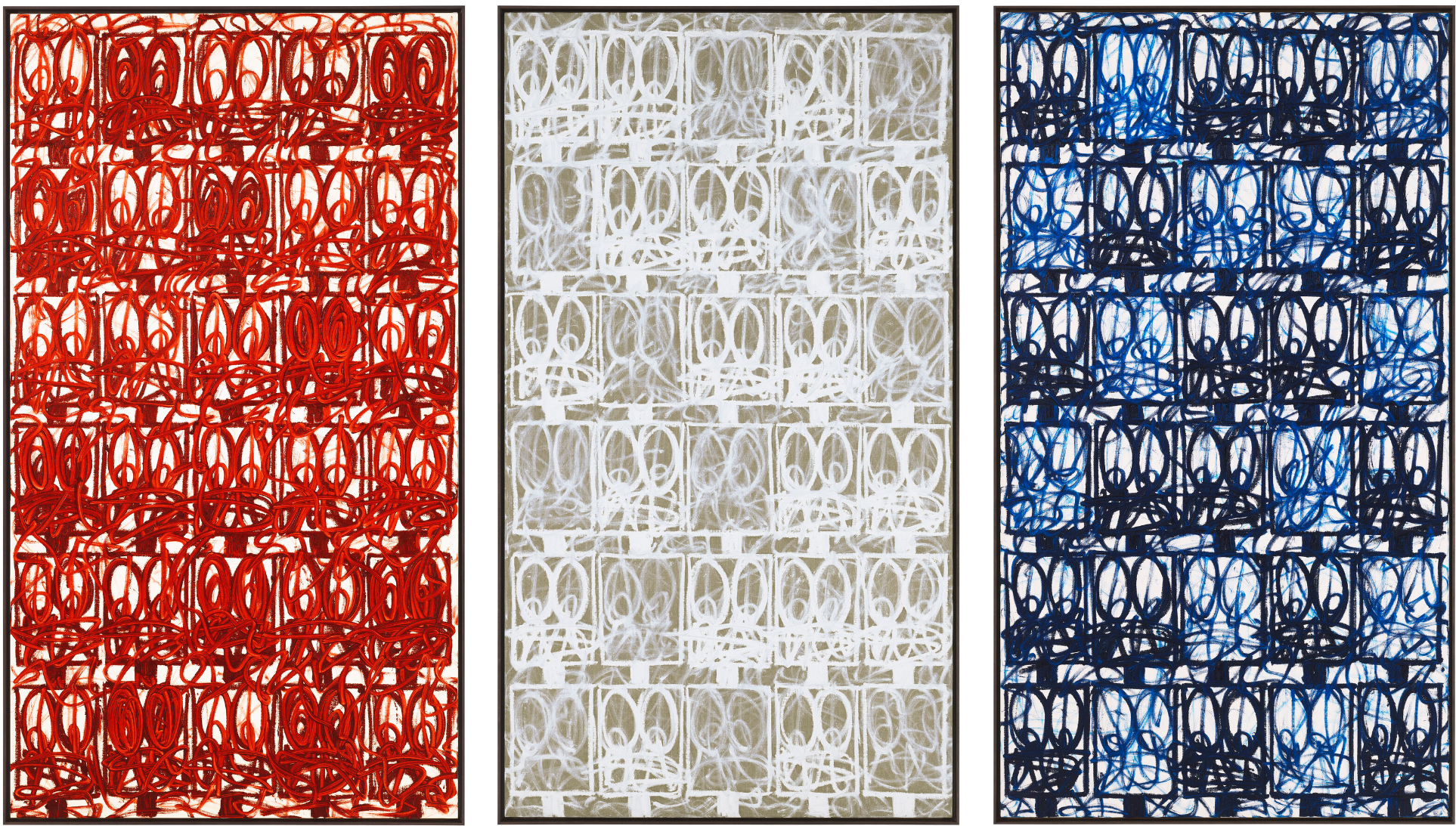
RASHID JOHNSON (B. 1977)
Triptych “Box of Rain”, 2020-2022
Oil on linen, in three parts
Each: 108×60 inches (274.3 x 152.4 cm)
Signed ‘Rashid Johnson’ (on the reverse of the blue canvas)
Soon to be honored with his first major solo museum retrospective, at the Solomon R. Guggenheim Museum in New York beginning in April 2025, Rashid Johnson’s Triptych “Box of Rain” serves as the artist’s magnum opus, bringing together three of his greatest series in a single work. Combining the themes of his celebrated Anxious Men, Bruise Paintings, and Surrender Paintings, Triptych “Box of Rain” confronts the collective psyche felt by many as they struggle with feelings of anxiety and isolation in contemporary society. This is the first painting by the artist to come to auction that combines all three of the central themes of his oeuvre.
Composed of three vertical paintings, the format of which is directly lent from Cy Twombly’s towering 2008 blue notes, the present work balances compositional order with gestural activity. From left to right, Johnson abbreviates his palette to patriotic shades of red, white, and blue. Each of the monumental canvases is composed of an orderly grid of rectangular shapes set in a five-by-six formation. This structure offers a visual anchor to Johnson’s brushwork which at times threatens to expand beyond the confines of each element. From each canvas, thirty rudimentary faces stare out at the viewer, amplifying the artist’s painterly energy. Definitive strokes envelop some of the faces, while others seem to push outward from their constraints. These raucous denizens cajole and squirm within the frame like a captive audience watching our every move.
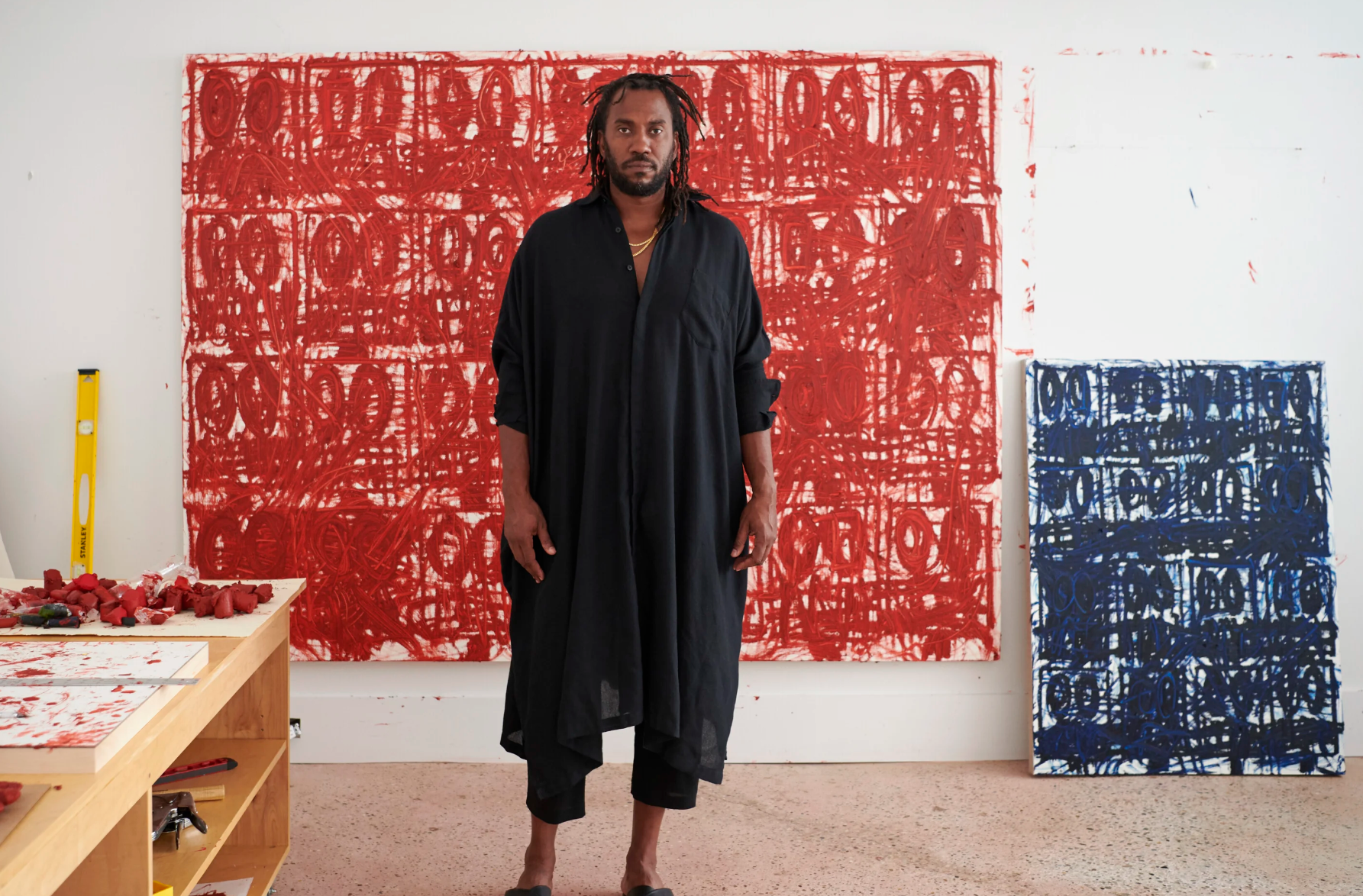
The present work combines three of the artist’s most celebrated series. Although he first debuted his Anxious Man motif in 2015, it was in 2020—in response to the COVID-19 pandemic—that Johnson converted his previously monochromatic heads into ones rendered in blood red to heighten the fear and emotion of the global pandemic. The following year he unveiled his Bruise Paintings, a blue version of his now iconic motif. For the artist, these canvases represent the collective struggle and triumph over adversity. Rendered in thick streams of rich, blue oil paint they conjure up a reckoning, and mimic the body, and thus society’s, ability to heal itself. Finally, Johnson’s Surrender Paintings—executed in white—offer up the opportunity of redemption and the collective ability to surrender ourselves to forces beyond our control, which can be both uplifting and liberating. By offering up all three motifs, Triptych “Box of Rain” completes his trio of human emotions.
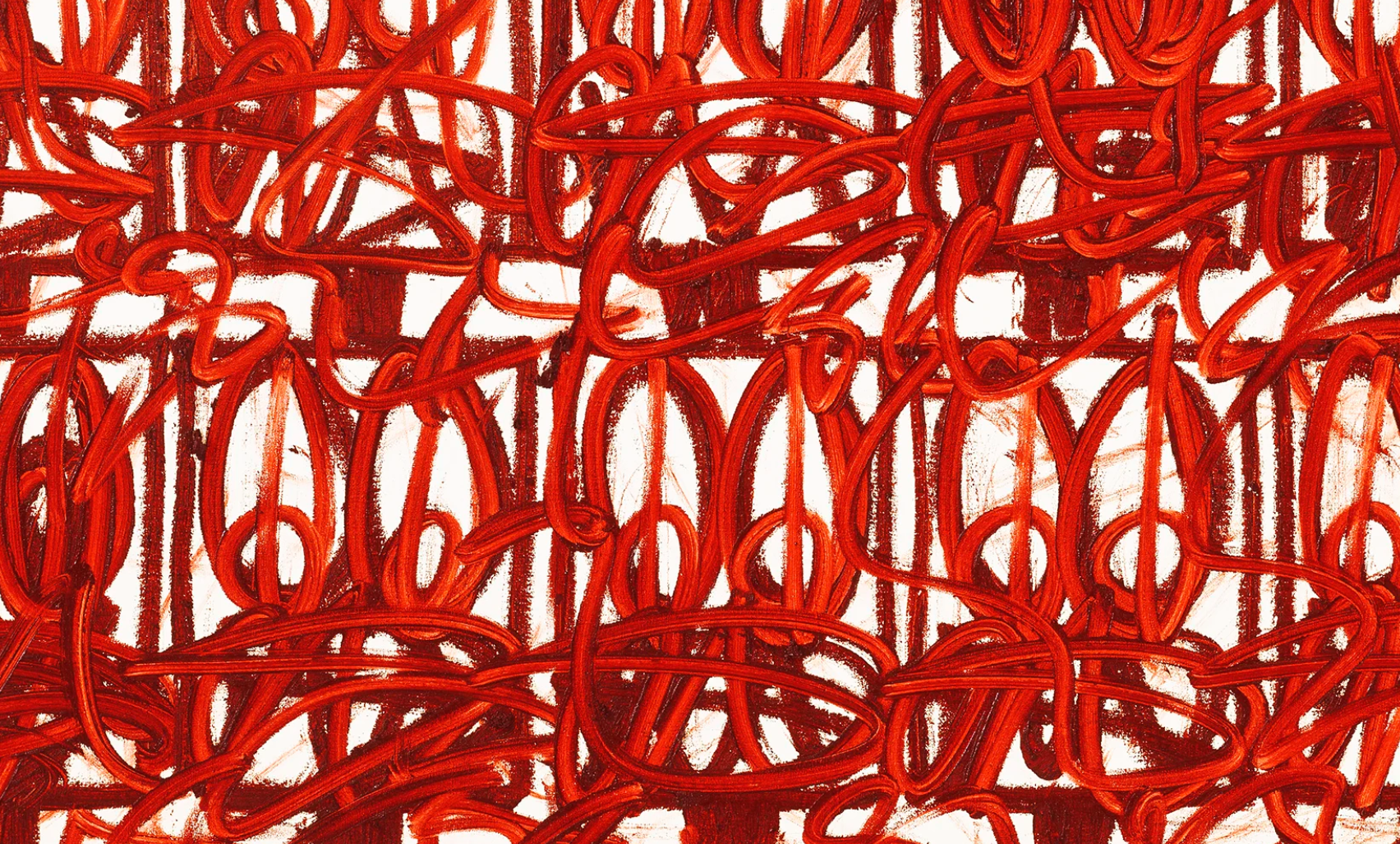
With works such as this, Johnson follows in a noble tradition of socially conscious artists who confront the challenges modern society often faces head-on. Although Jasper Johns famously declined the notion that his Flags were political, at the same time they did illustrate how inextricable the American flag is from formative ideas about the country. Glenn Ligon’s America takes a similar tact in letting the name of the country and all its associations fill out his seemingly simple work in neon. In Triptych “Box of Rain”, Johnson chooses to render his anxious subjects in red, white, and blue. The associative use of these colors brings about connections to American politics and culture while driving home how ingrained ideas about government, belonging, and national identity can be in our collective subconscious.
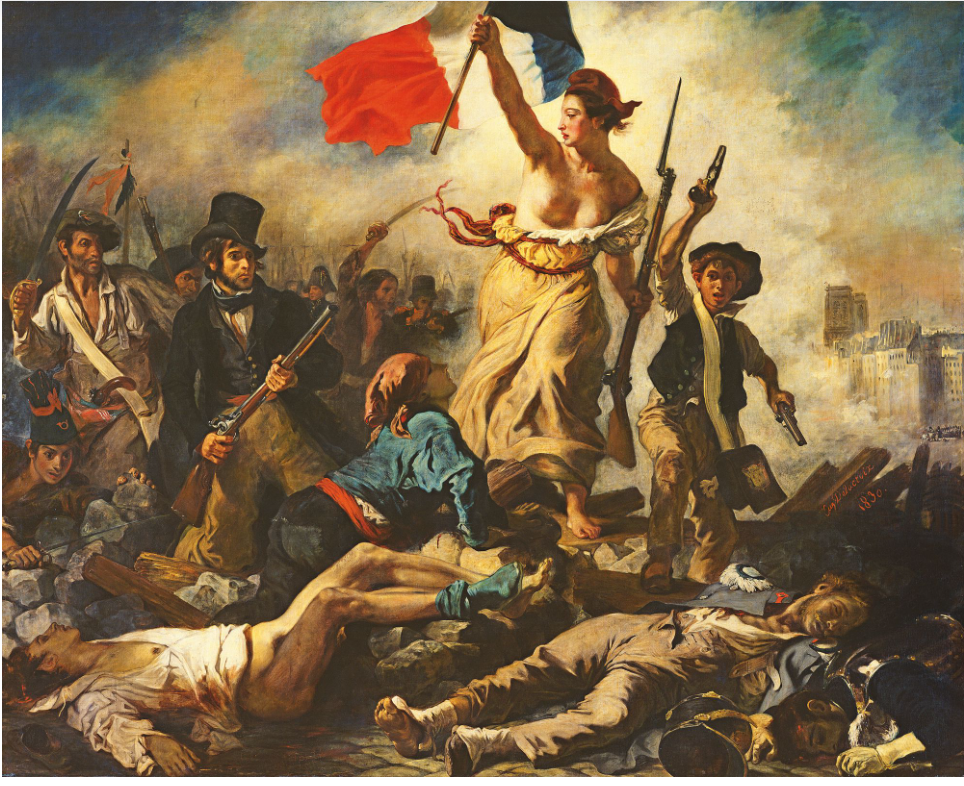
Eugene Delacroix, Liberty Leading the People, 28 July 1830, circa 1830-1831. Musée du Louvre, Paris. Photo: Bridgeman Images.
Ahead of his retrospective at the Guggenheim in 2025, Triptych “Box of Rain” offers the first opportunity to experience the full power and relevance of Rashid Johnson’s paintings in one comprehensive work. These three large canvases can be hung in any order, or indeed separately, allowing the owner themselves to play a role in its interpretation. By utilizing and simplifying the human face down to its essential elements, the artist creates an intense personification of subconscious anguish that lay just below the surface for many people during the past few years. However, by employing this stylization, he was also able to make a mutable sign that continues to effectively mirror the state of the world in the present day. “I think that, in a way, they’re doing what I intended them to do,” he said in a 2020 interview, “which was to be nimble and to be present and flexible and organizing themselves to address or to take into consideration whatever was in front of them. In that respect, I think that they’re really continuing to successfully arrange themselves around the current topics.” (R. Johnson, quoted in M. Rappolt, “Rashid Johnson on Anxiety, Agency and Digital Exhibitions,” Art Review, December 4, 2020).

Focus: Jean-Michel Basquiat
Untitled, 1982
Christie’s New-York: 21 November 2024
Estimated: USD 20,000,000 – 30,000,000
USD 22,950,000
JEAN-MICHEL BASQUIAT (1960-1988), Untitled | Christie’s
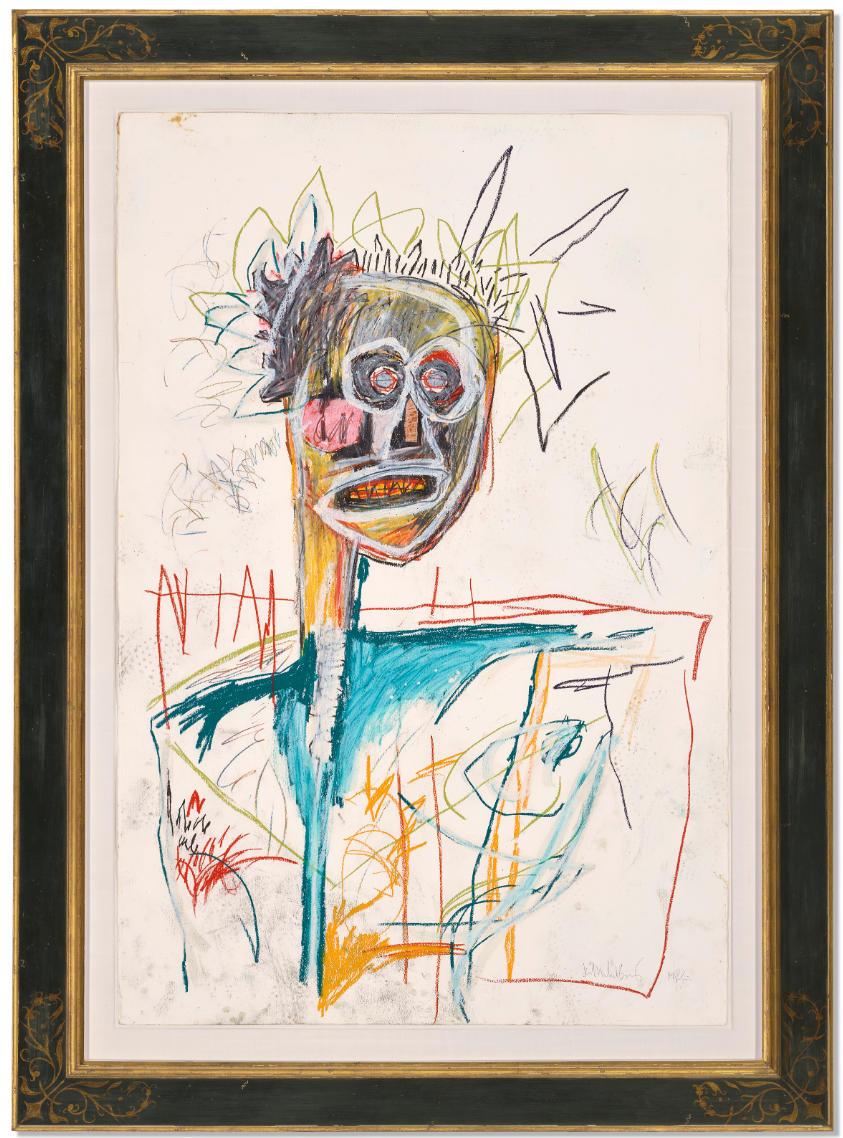
JEAN-MICHEL BASQUIAT (1960-1988)
Untitled, 1982
Oilstick on paper
63 1/2 x 44 inches (161.3 x 111.8 cm)
Signed and dated ‘Jean-Michel Basquiat 1982’ (lower right)
Measuring over five feet tall, Untitled is one of Jean-Michel Basquiat’s most impressive portraits—a monumental figure acting as a spectacular example of the artist’s totemic heroes. Comprised of highly worked passages packed with confident gestures, combined with pure expressionistic flourishes, this tour-de-force proudly displays Basquiat’s skill as a master draftsman. In concert with his painterly masterpieces, this portrait boldly reflects his interest in art and history. Basquiat often indicated the heroic status of his subjects by adorning their heads with a crown or a halo. Likely inspired by the artist’s passionate travels to Italy in 1981-1982, in Untitled, our hero is decorated by a laurel wreath—a symbol of triumph, honor, and victory in Greek and Roman mythology. Remarkably, this commanding subject also retains a characteristic air of self-portraiture, demonstrating Basquiat’s desire to take his own place in the canon as a young Black artist living and working in New York. Drawn in 1982, when the artist was just 21-years-old, Untitled demonstrates Basquiat’s remarkable maturity and skill at such a young age. Exhibited in the artist’s definitive retrospective at the Fondation Louis Vuitton in Paris in 2019, Untitled stands as one of the most accomplished works of the master’s short but explosive career. So accomplished in fact, that shortly after the artist’s tragic death in 1988, this was the painting chosen to represent the artist’s oeuvre in The New York Times’ report.
This man who audaciously locks eyes with us is composed of confident actions which represent the full range of Basquiat’s graphic arsenal. In the upper register, the artist lays down dense plates of color on top of which harried scribbles build up an almost three-dimensional image of this noble figure. The head is the result of successive applications of oilstick, with Basquiat building up layers of yellow, red, black and white to form the facial features. As such, Untitled is an exemplary example of how Basquiat used color to produce form. Beginning with a field of bold yellow, he then adds further layers of black to add both ‘shadow’ and body, before finally employing white oilstick to define the recognizable features such as the eyes, nose, and mouth. As with many of his best works, it is the intensity with which Basquiat embellishes these features that results in such a successful composition. Here, numerous applications of pigment, all applied in rapid circular motions result in a piercing—almost haunting—stare. Similarly, the figure’s intense grimace is only enhanced by the deliberative, forceful pressure of Basquiat’s application of oilstick. Building up consecutive layers of these energetic gestures imbues the figure with a dramatic sense of dynamic energy.
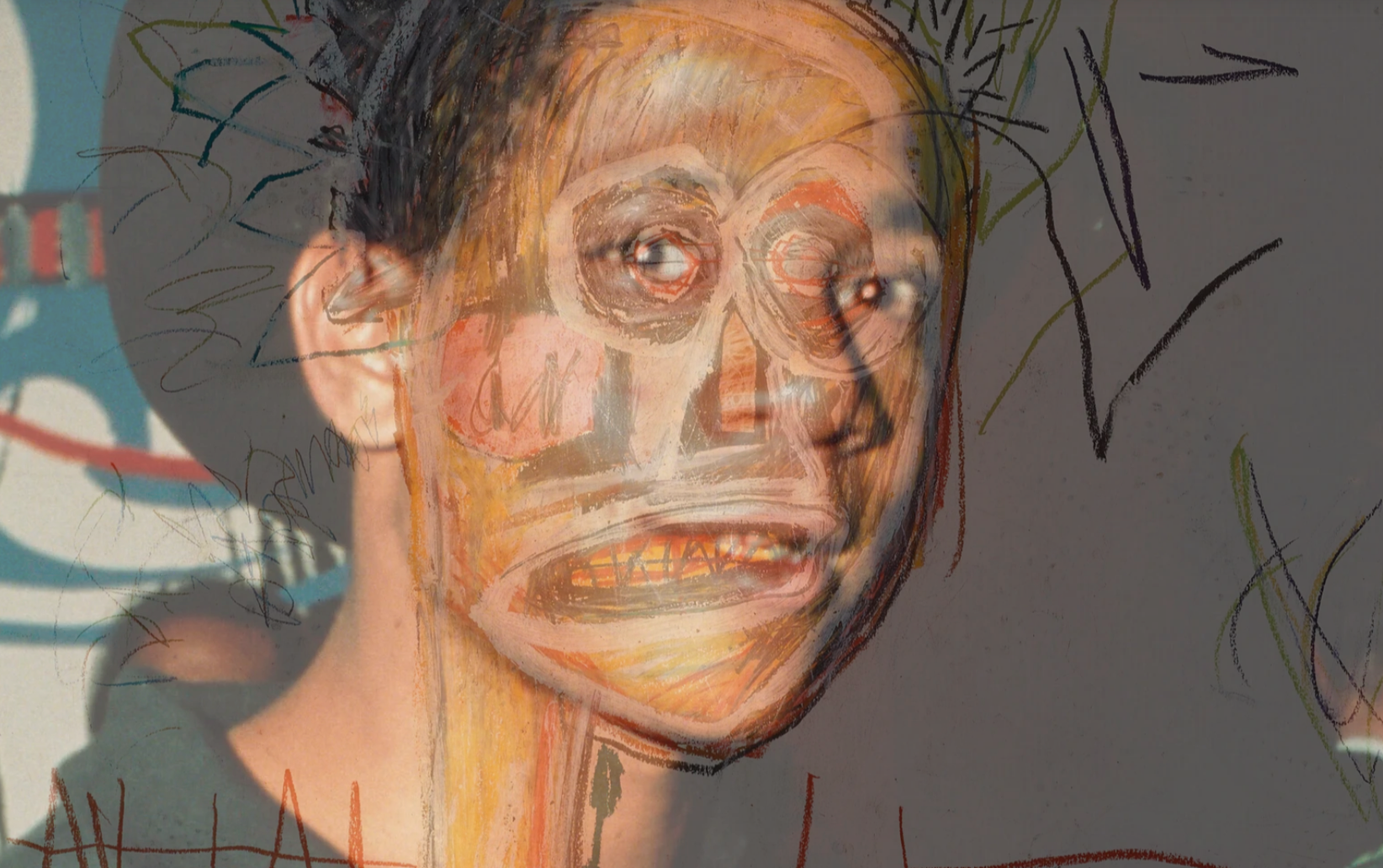
Basquiat’s iconic the three-pointed crown can be seen drawn in blue-green oilstick and placed jauntily on the left of the head; next—enveloping the head like a halo—are nine olive-green triangular leaf forms, evoking the wreaths of laurel leaves worn by Roman emperors. The rich symbolism of the laurel wreath originated in Greek mythology. It was later adopted by the Romans and worn by Julius Cesar to indicate his importance and godly status; the wreath’s circular form and use of evergreen material also symbolize continuous life and the immortality of the soul. Interspersed between the laurel leaves are darker elements—some short, some longer—which evoke the dreadlocks that Basquiat himself sported at this time, and which can be seen in photographs from the period. Such layering results in a complex figure, one that represents power, immortality, and triumph—much like the personification of Basquiat himself at the time. The rest of this remarkable figure is rendered in the artist’s signature rudimentary fashion. The body emerges from a suite of defining gestures that map out the upper half of a torso with broad shoulders. The muscular frame is indicated by Basquiat’s use of two shades of blue, a lighter hue for where the light falls on the chest and a darker shade for where the shoulders are cast in shadow. The artist’s interest in anatomy (something which he developed as a child when his mother gave him a copy of Gray’s Anatomy to occupy him during a hospital stay) can be seen in the vertebrae that Basquiat renders with looping movements of his oilstick. Elsewhere, an array of gestures fills out the frame, which itself is defined with a frame of red oilstick.
Red Kings, 1981
Sotheby’s New-York: 20 November 2024
Estimated: USD 6,000,000 – 8,000,000
USD 7,200,000
Red Kings | The Now and Contemporary Evening Auction | 2024 | Sotheby’s
JEAN-MICHEL BASQUIAT (1960 – 1988)
Red Kings, 1981
Acrylic on wood and glass
32×37 inches (81.3 x 94 cm)
Signed, dated 1981 and inscribed NYC (on the reverse)
Executed in 1981, the year when Jean-Michel Basquiat began producing artworks under his own name and transposing his visual language from the city walls to new media, Red Kings is a masterful exemplar of the vital, energetic execution and art historical acumen that characterizes the best of Basquiat’s revolutionary body of work. By the late 1970s, Basquiat had solidified his New York alter-ego SAMO, tagging his infamous pseudonym and collection of iconic symbols on walls throughout Manhattan, and established a ubiquitous presence at the vanguard of graffiti art. Often utilizing found objects as his supports, the works of this moment demonstrated an undaunted and radical reassertion of figuration through a bold new language which synthesizes sign, symbol, and abstracted figurative expression.
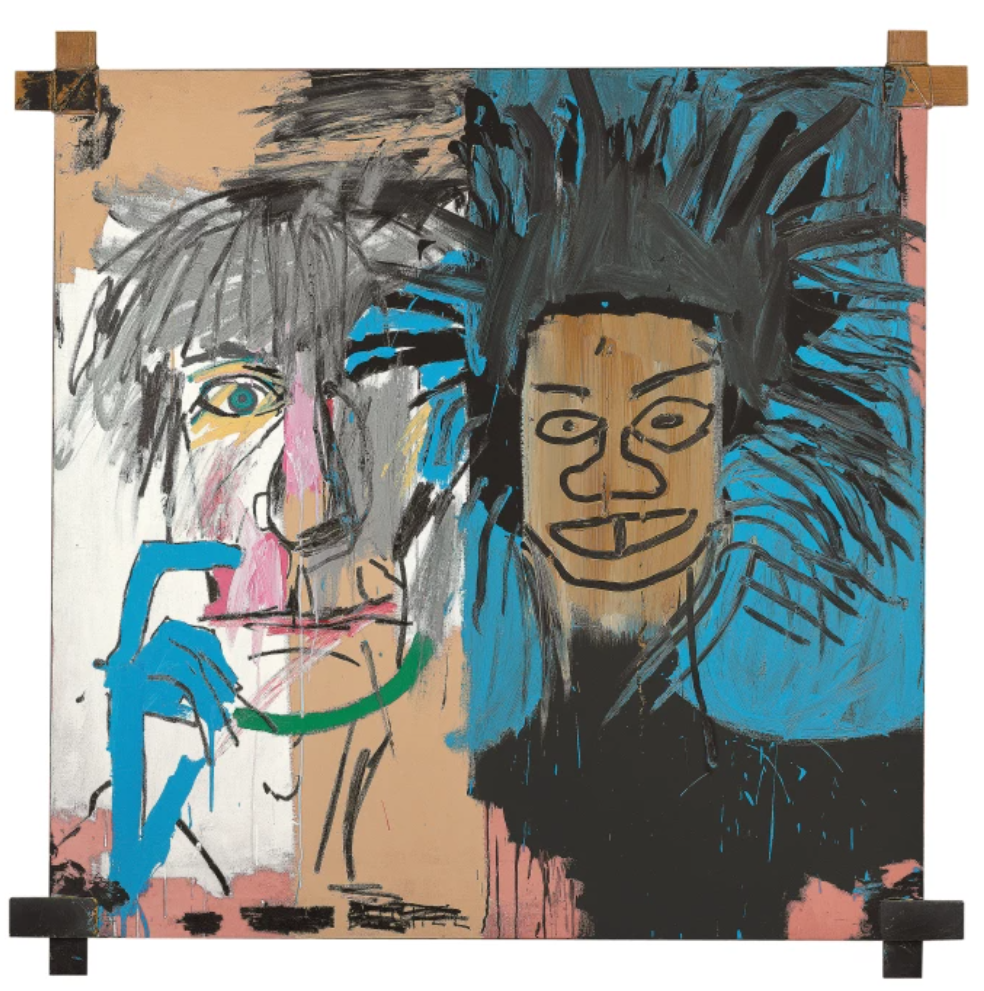
Jean-Michel Basquiat, Dos Cabezas, 1982. Private Collection.
Image © Christie’s Images / Bridgeman Images. Art © 2024 Estate of Jean-Michel Basquiat. Licensed by Artestar, New York
Employing the framing device of an existing window support in Red Kings, Basquiat emblazons two prominent crowned skulls, his most iconic motif, against a vibrant and impassioned red background. Marked with three letters from the artist’s surname—B, S, and Q—the figure at left in the composition may operate as an early and formative self-portrait, a subject matter which the artist would revisit in his most iconic works over the forthcoming years. (Frances Negrón-Mutaner, Sovereign Acts: Contesting Colonialism Across Indigenous Nations and Latinx America, Arizona, 2017, p. 343) Channeling the explosive energy and electric charge of downtown New York, Red Kings represents a novel embodiment of a profoundly contemporary form of representation. Eclipsing his other early works, Red Kings prefigures the basis of his mature practice, combining frenetic gesture and an idiosyncratic language of symbols. Testament to the caliber of Red Kings, the work has been featured in numerous exhibitions, including presentations at the Fondation Beyeler, Musée d’art modern de la ville de Paris, and Museum Würth, among others.
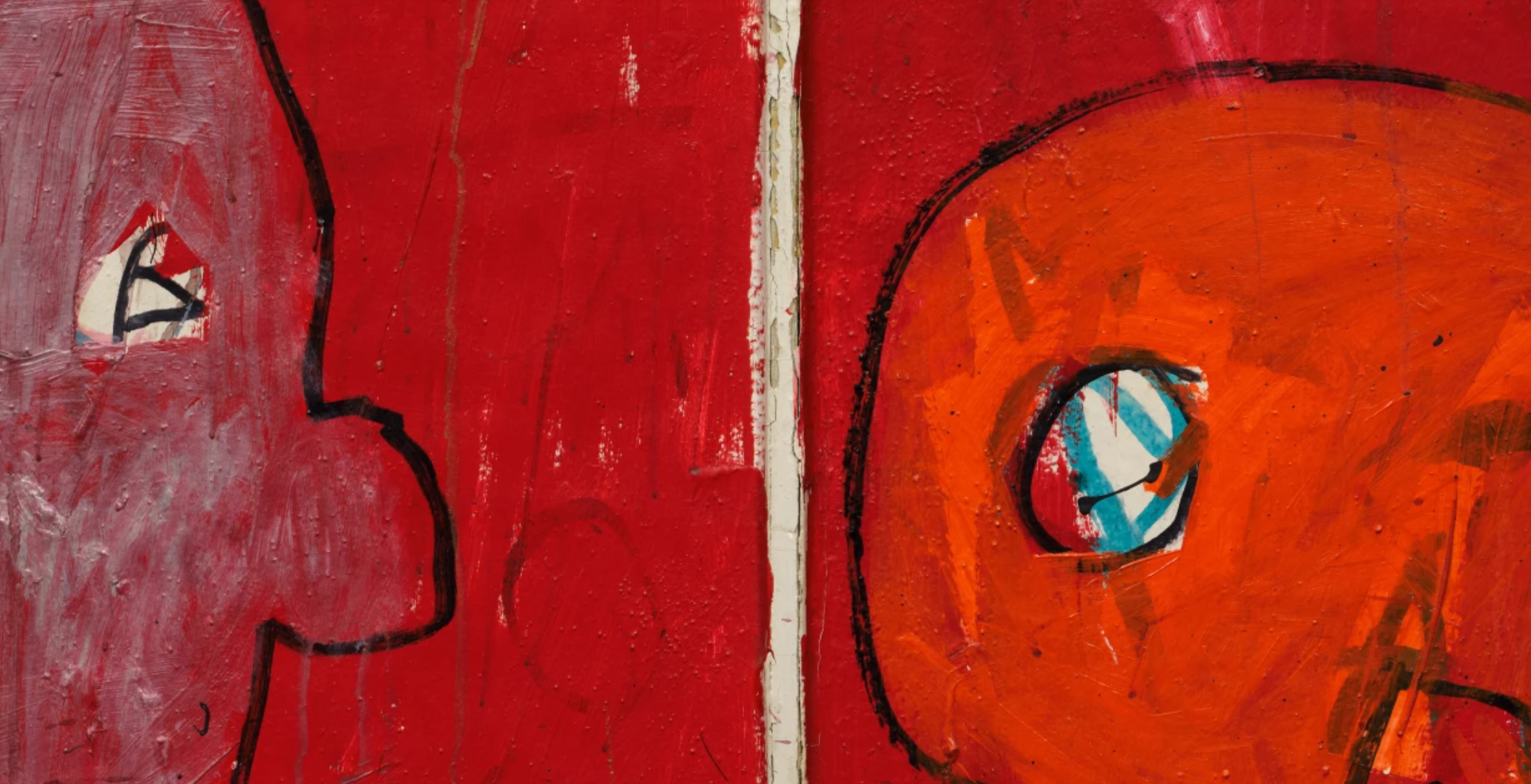
Harnessing the palpable fervor of his expressive language as SAMO and translating it into a visual lexicon as Basquiat, Red Kings presages the artist’s works on canvas from the second half of 1981 and 1982, at which time he executed among the most emblematic and best-known paintings of his oevure. The kings, or rather crowned skulls, in Basquiat’s composition also operate as kinds of memento mori—the perennial reminder of the impermanence of mortal existence. The motif first appears in medieval depictions and persists through the Renaissance, typified in paintings such as Hans Holbein the Younger’s The Ambassadors (1533) —a double portrait in which the artist incorporates an anamorphic skull which operates a both a symbol of looming death and counsel of humility. Rendered in black outline atop a fiery red background, the heads in Red Kings are hollowed, skeletal; they are symbols of our inevitable mortality and the constant threat of death. Richard D. Marshall writes of these early works from 1981: “Basquiat used painterly gesture on canvas, most often depicting skeletal figures and masklike faces that signal his obsession with mortality, and imagery derived from his street existence…” (Richard Marshall, “Repelling Ghosts,” in: Exh., Cat., New York, Whitney Museum of American Art (and traveling), Jean-Michel Basquiat, 1992, p. 15)
Basquiat’s figures of the early 1980s function as self-portraits, but perhaps more conspicuously, nuanced explorations of self-reflection in the dominating narrative of a white and Western history of representation. Furthermore, beneath the surface layers of the composition in Red Kings, underneath veils of red, emerges as a barely discernible head and crown, perhaps symbolizing the passage of time and the transience of power. Consistent with the best examples from Basquiat’s oeuvre, such as Versus Medici or Dos Cabezas, Red Kings is radical in its execution and invention, and yet deeply entrenched in art historical allusion and the canon of portraiture. While Basquiat develops his own idiosyncratic language of figuration, representing heroes and martyrs of his moment, he is equally responsive to and in dialogue with canonical art historical representations of the figure. Red Kings, specifically, calls to mind the history of noble portraiture. The framing device created by the windowpanes operates as a sort of diptych, suggesting famous double portraits such as Piero della Francesca’s The Duke and Duchess of Urbino Federico da Montefeltro and Battista Sforza, at the Uffizi Gallery, in which the two subjects face each other in profile—resolute and stone-like, symbols rather than individuals.
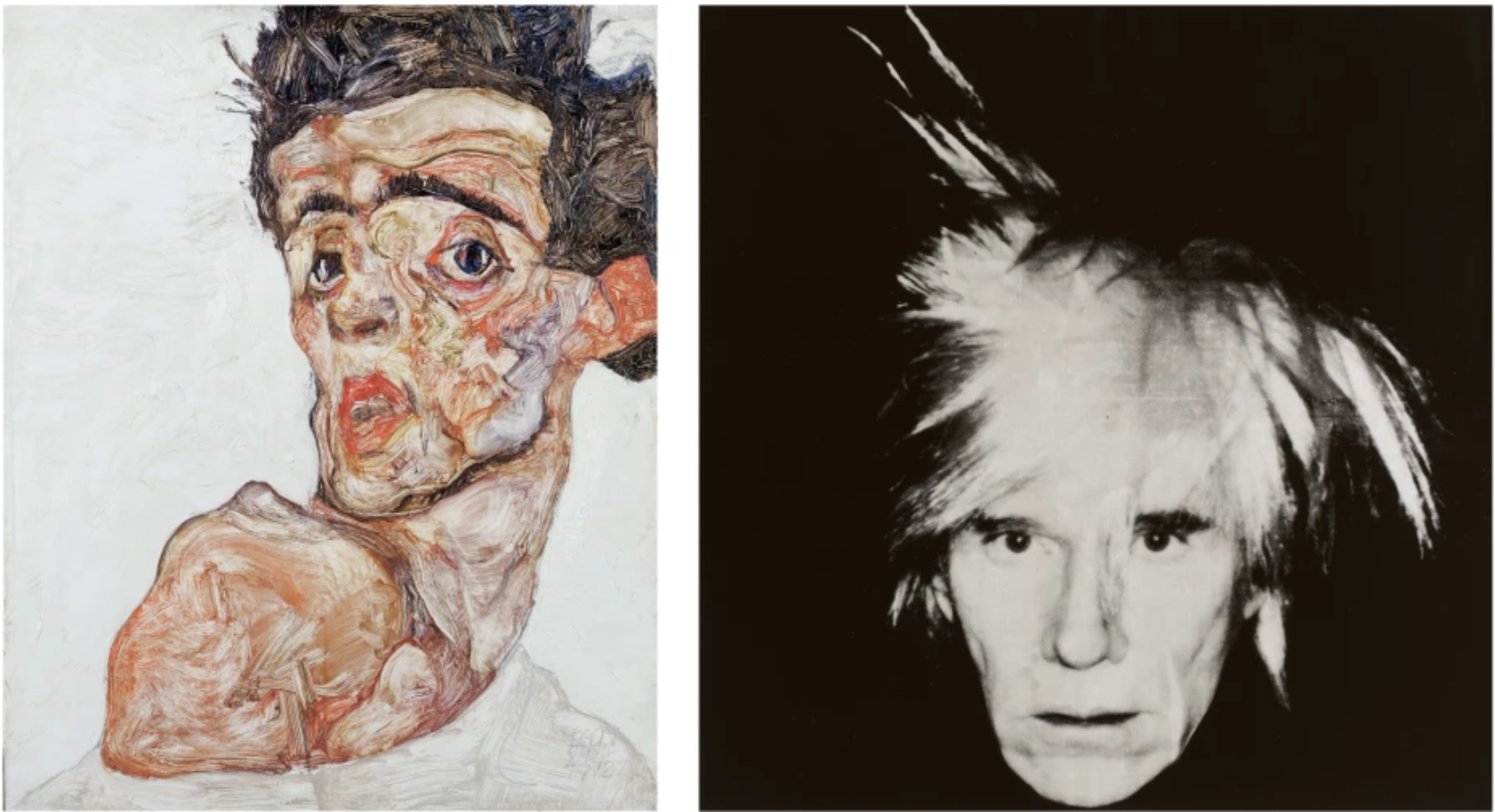
Left: Egon Schiele, Self-Portrait with Raised Bare Shoulder, 1912. Leopold Museum, Vienna. Image © PVDE / Bridgeman Images. Right: Andy Warhol, Self Portrait, 1986. Carnegie Museum of Art, Pittsburgh. Image © Carnegie Museum of Art, Pittsburgh, PA / Art Resource, NY. Art © 2024 Andy Warhol Foundation for the Visual Arts / Artists Rights Society (ARS), New York
In 1981, Basquiat transitioned from renderings on city walls to painting and drawing on found objects—doors, a refrigerator, and in the case of the present work, a window. Among these works, those which incorporate a window are among the most successful as they constitute inherent and self-contained framing devices, inviting a metaphor of artwork as a portal. Red Kings is an archetype of this pivotal moment, as the artist was forming and defining his distinctive style—one which actively contended with the artists before him and asserted a radically new artistic vernacular. A paragon of Basquiat’s iconic pentimento technique, Red Kings is an evocative and early example of the artist’s process of compositional development. Uncovering the layered meanings of Basquiat’s iconography is a process of excavation; in the present work, Basquiat masterfully layers symbols and his personal iconography underneath semi-translucent coats of unbridled chromatic intensity, creating a sense of both immediacy and history on the work’s surface. Capturing the gestural passion and pulsating force characteristic of his practice, he renders two resolute, crowned heads in thick black outlines, obscuring the sub layers of the composition. The vibrant red surface of the work is punctured by two multi-point gold crowns, some of the earliest instances of the crown appearing in his discrete works as Basquiat, rather than SAMO.
Scholarship further suggests that Red Kings is among the earliest of the artist’s self-portraits: “[Red Kings] comprises two crowned and simply drawn skull-like faces against a red background. Within the eyes and nose of the face to the left, Basquiat places the letters Q, B, and S, suggesting that the image may refer to Basquiat himself and perhaps allude to his New York origins: all three letters correspond to city subway lines, including one that connects east and west, and two Brooklyn routes.” (Frances Negrón-Mutaner, Sovereign Acts: Contesting Colonialism Across Indigenous Nations and Latinx America, Arizona, 2017, p. 343) Negrón-Mutaner further propounds that Basquiat’s self-portrait in Red Kings may invoke Pablo Picasso’s Self-Portrait (1972) and the figure at right may represent a proxy for Picasso himself, who was influential to Basquiat’s own artistic development. Situating the two artists alongside one another in a double portrait prefigures seminal paintings such as Dos Cabezas (1982), in which Basquiat renders his self-portrait alongside that of Andy Warhol. Through the gritted teeth of the skull to the right, a proxy for Picasso, emerges the letters “Aa.” Appearing in some of Basquiat’s greatest paintings, “Aa” signifies the concept of an onset or the beginning—perhaps establishing Picasso as Basquiat’s art historical predecessor.
Untitled, 1981
Sotheby’s New-York: 20 November 2024
Estimated: USD 1,800,000 – 2,500,000
USD 2,100,000
Untitled | The Now and Contemporary Evening Auction | 2024 | Sotheby’s
JEAN-MICHEL BASQUIAT (1960 – 1988)
Untitled, 1981
Oilstick on paper
11 7/8 x 17 7/8 inches (30.2 x 43.2 cm)
A human skull is rendered with searing intensity in Jean-Michel Basquiat’s Untitled, embodying the prodigious brilliance that propelled Basquiat’s meteoric ascent from his street art origins to international stardom in the first year of his career. Executed in 1981, the present work is a stunning early representation of Basquiat’s most acclaimed motif, the skull-like head, evincing the vigorous drawing practice at the core of the artist’s oeuvre on an intimate scale. Talismanic in its potency, the skull functioned for Basquiat as both idiosyncratic self-portrait and shamanistic totem, serving as a primary graphic anchor throughout his practice.
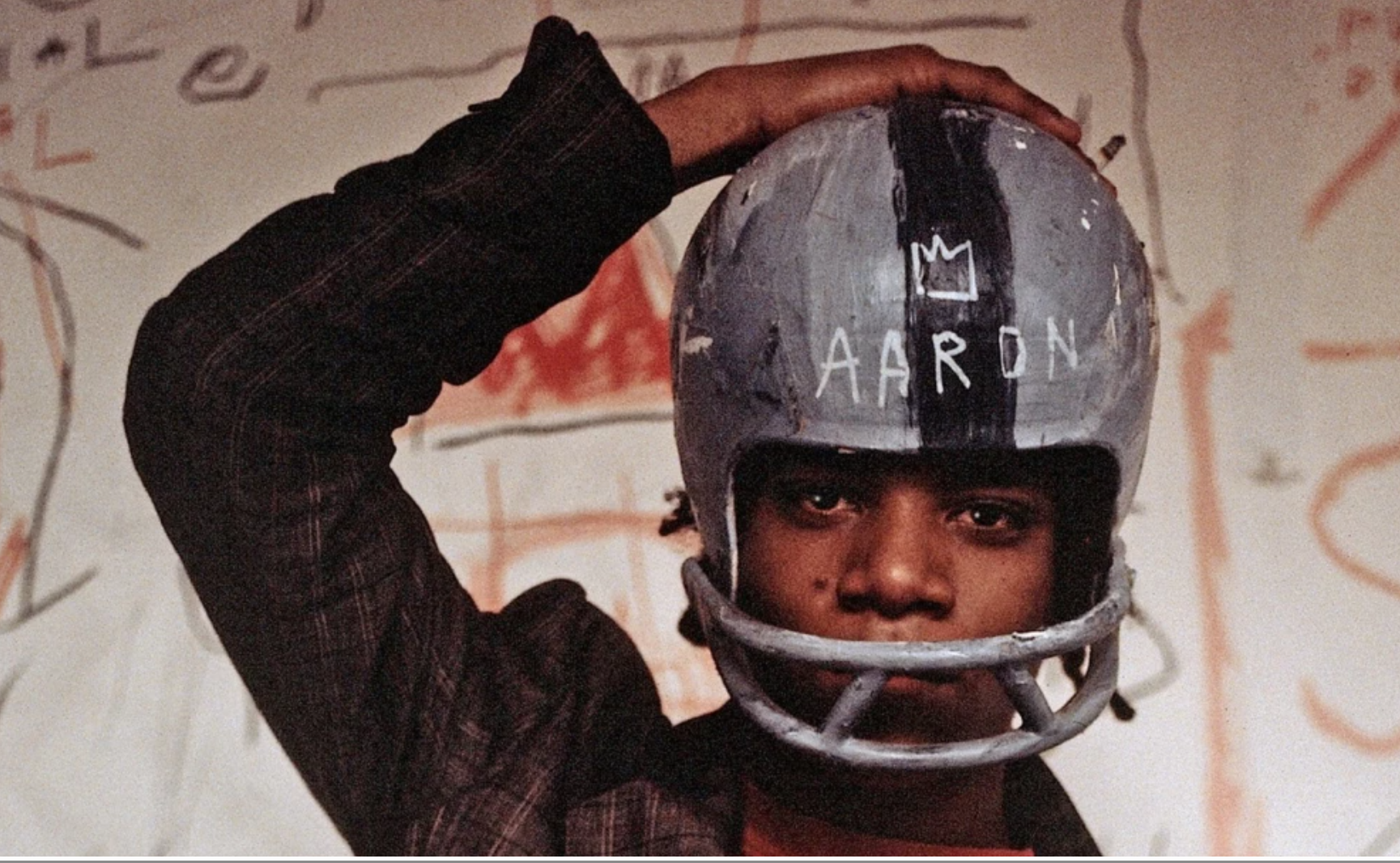
Testifying to its significance within Basquiat’s prolific output, Untitled bears an extensive exhibition history, including the critically acclaimed 2018-19 exhibition Jean-Michel Basquiat held at Fondation Louis Vuitton, Paris and the 2019 exhibition Jean-Michel Basquiat: Œuvres sur Papier at the Château La Coste in Provence. A consummate and riveting example of Basquiat’s early works on paper, Untitled embodies the artist’s innate ability to distill angst into visual dynamism and his newfound maturity as a deftly skilled draftsman.
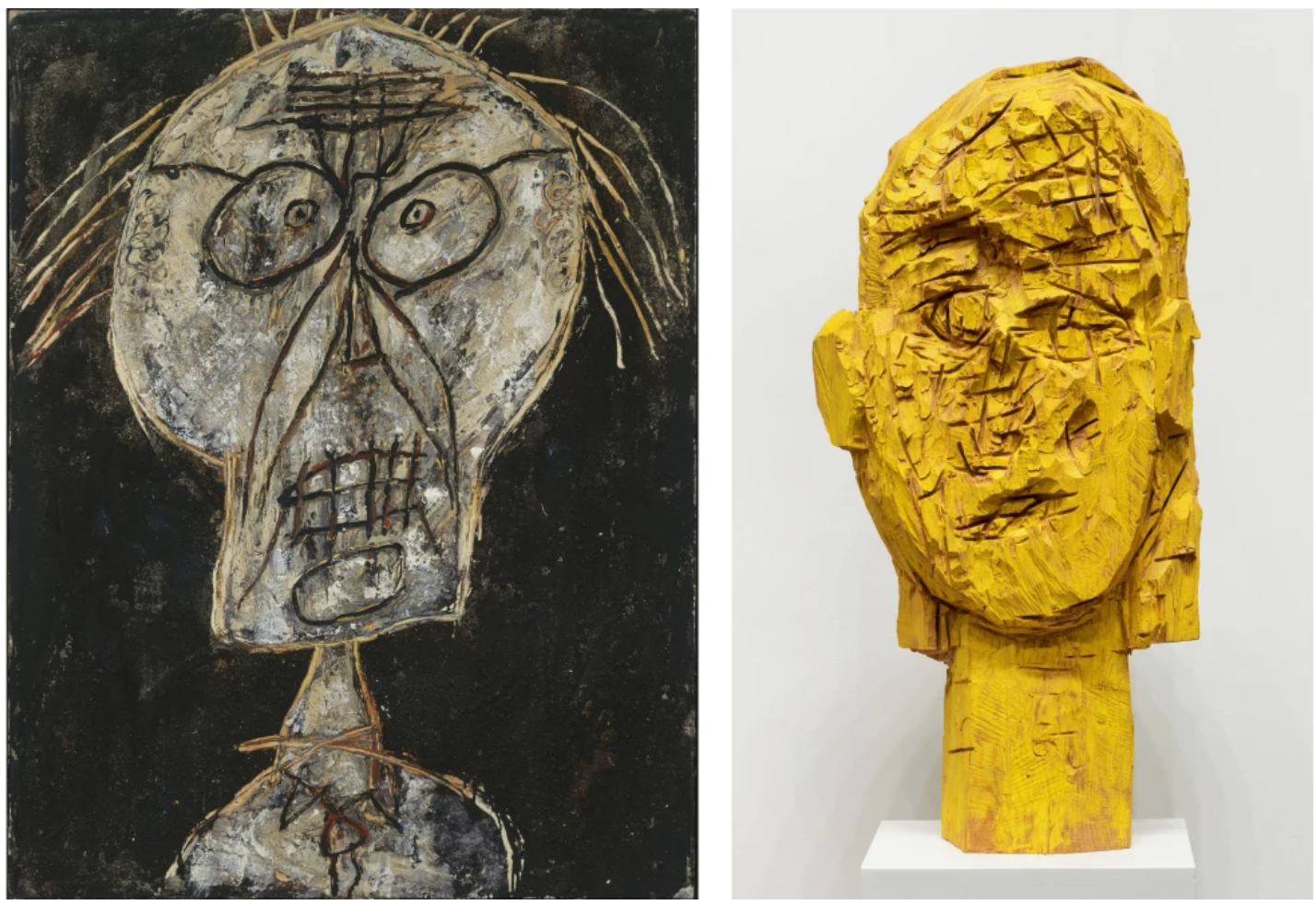
Left: Jean Dubuffet, Dhôtel shaded with apricot, 1947. Musée National d’Art Moderne/Centre Georges Pompidou, Paris. Image © CNAC/MNAM, Dist. RMN-Grand Palais / Art Resource, NY. Art © 2024 Artists Rights Society (ARS), New York / ADAGP, Paris. Right: Georg Baselitz, Dresdner Frauen – Besuch aus Prag (Women of Dresden – Visit from Prague), 1990. Sold at Sotheby’s New York in May 2022 for $11.2 million. Art © Georg Baselitz 2024
Articulated in Basquiat’s characteristically expressionistic scrawl, a ghost-like skull appears in Untitled simultaneously in frontal and three-quarters view, employing a Cubist style of multidimensionality. Set against writhing scribbles of red, orange, and yellow, the skull pulsates with a dynamic urgency that is just as much a study in chromatic variegation as it is in expressive line. The eye sockets, some of the teeth, and part of the jawbone luster in a luxurious gold while outlines of the skull’s bones gleam in silver, hinting at the influences and motifs lying in Basquiat’s mind; the alchemical color of these rare metals suggest a certain regality of kings while simultaneously the bright and eye-catching hues of metallic spray paint.
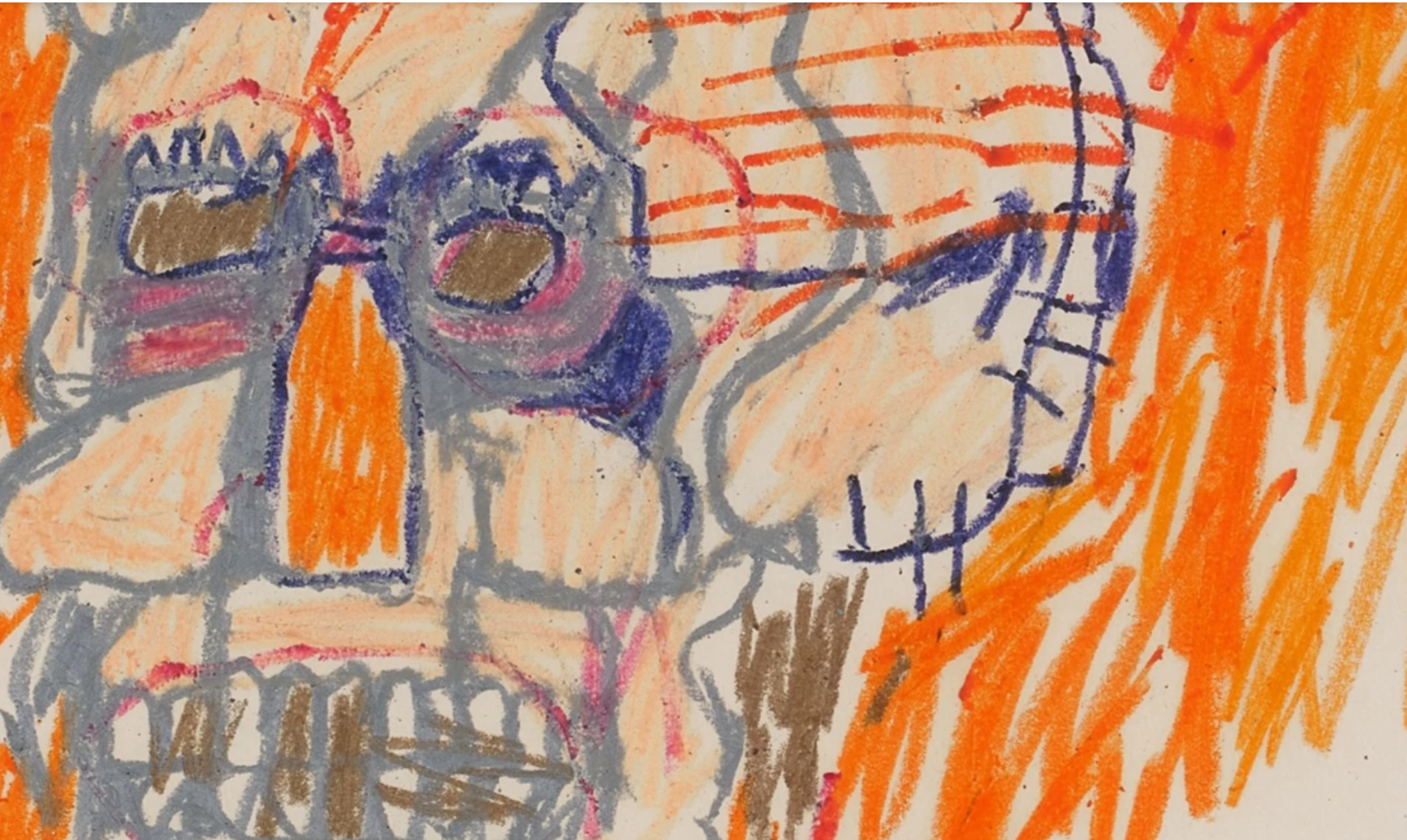
Here, the fiery palette of Untitled creates an electrifying contrast with icy silver and blues that form the disembodied head, underscored by jolts of pink. Together, the interplay of these saturated hues imbue the work with a painterly sensibility, as swathes of pigment lend depth and tonal complexity to the physiognomic figure.
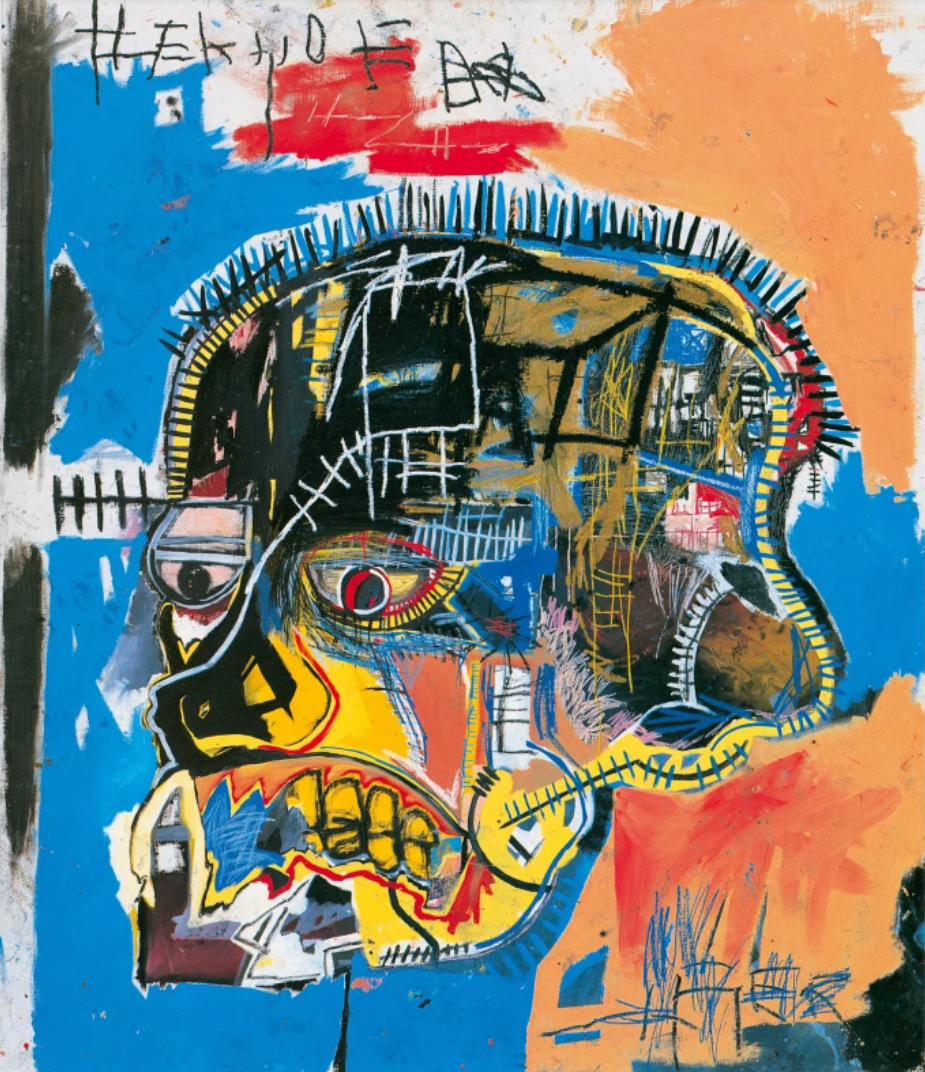
Jean-Michel Basquiat, Untitled, 1981. The Broad, Los Angeles. Art © Estate of Jean-Michel Basquiat. Licensed by Artestar, New York.
Drafted in a bold style with minimal facial detail, Untitled evokes the formal qualities of the legendary African masks Basquiat would have seen at the Metropolitan Museum of Art as a child. Much like Picasso, whose abstract aesthetic he took a particular interest to, Basquiat drew inspiration from ancestral African masks and their pictorial aesthetics in particular. Moreover, the depiction of the mask in this early work also represents Basquiat’s relentless exploration of cultural identity: the artist, who was born to a Haitian father and Puerto-Rican mother, often expressed his feelings of racialized otherness in a white-dominated art world. Basquiat’s use of the mask, a sacred object which historically functions in the Black diaspora as a mediator between the physical and spiritual realms, now becomes an unapologetic visual metaphor for black identity.
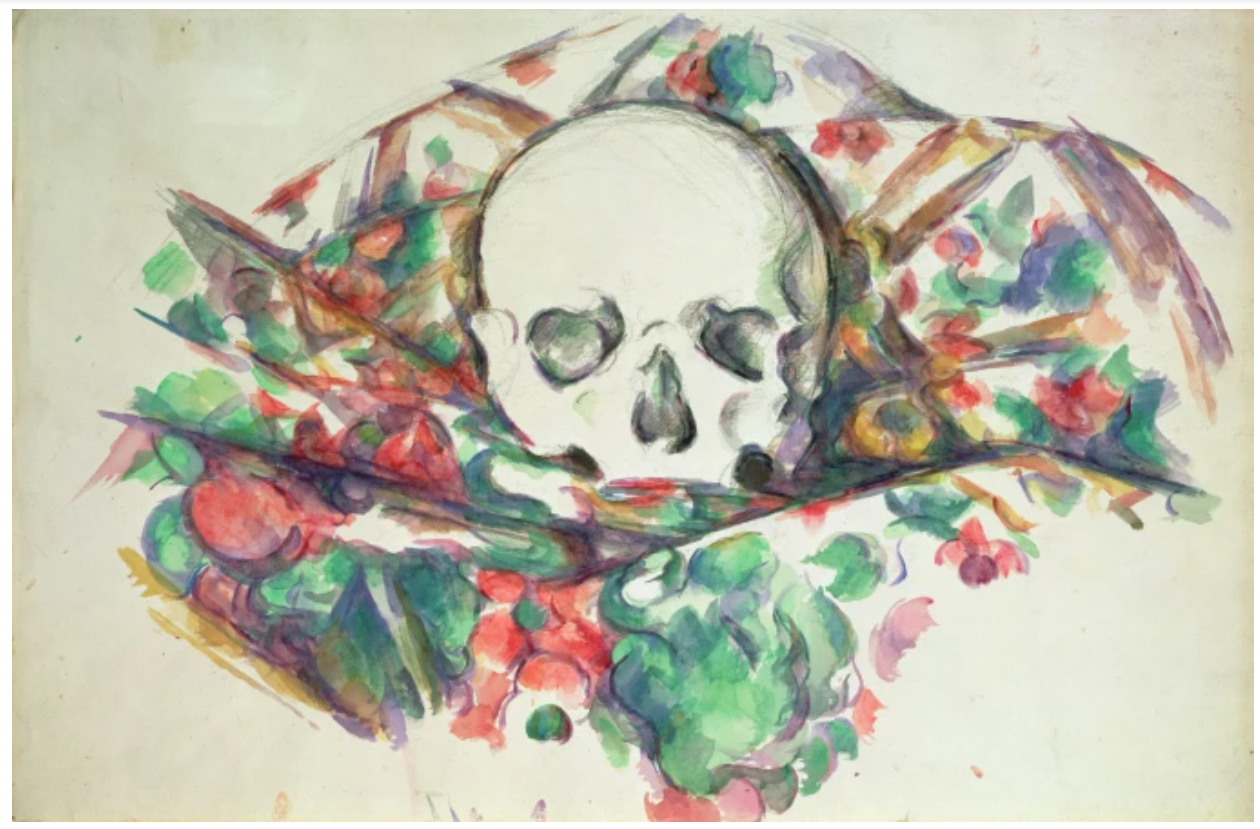
Paul Cezanne, Skull on Drapery, c.1902-06. Private Collection. Photo © Christie’s Images / Bridgeman Images
Riotous colors and charged lines blaze across the surface of Untitled with all the ferocious intensity of a wildfire, masterfully harnessed by the sheer sophistication of Basquiat’s draftsmanship. Capturing the expressive urgency of his street art origins, the visual voltage of Untitled reveals the impassioned, almost compulsive vigor Basquiat brought to both his works on paper and to his larger practice. Far from inanimate, the frenzied streaks of color achieve a remarkably heightened power – with the present work, Basquiat delivers a fusion of internal and external sensory experiences with the electrifying force of a live wire.
Untitled, 1981-1982
Phillips New-York: 19 November 2024
Estimated: USD 1,000,000 – 1,500,000
USD 1,270,000
Jean-Michel Basquiat – Modern & Cont… Lot 6 November 2024 | Phillips
JEAN-MICHEL BASQUIAT
Untitled, 1981-1982
Oilstick on paper
30×22 inches (76.2 x 55.9 cm)
Signed, inscribed and dated “NY 82 Jean Michel Basquiat” on the reverse
Executed in 1981-1982, Untitled exemplifies Jean-Michel Basquiat’s focus on the human figure as a vessel for intense gestural expression and symbolic richness. Untitled originated with the artist’s legendary dealer Annina Nosei, who sold the work to Larry Gagosian Gallery shortly after its completion in January 1982. Captivated by the young artist’s talent, Gagosian went on to stage Basquiat’s first West Coast solo show in April of that year, a significant milestone in Basquiat’s artistic growth and his rising recognition across the American art scene. Beyond its association with two of Basquiat’s key champions in the early 1980’s, the significance of Untitled is further highlighted by its inclusion in the 2015 exhibition Jean-Michel Basquiat: Now’s the Time at the Art Gallery of Ontario, the first major retrospective of the artist’s work in Canada.
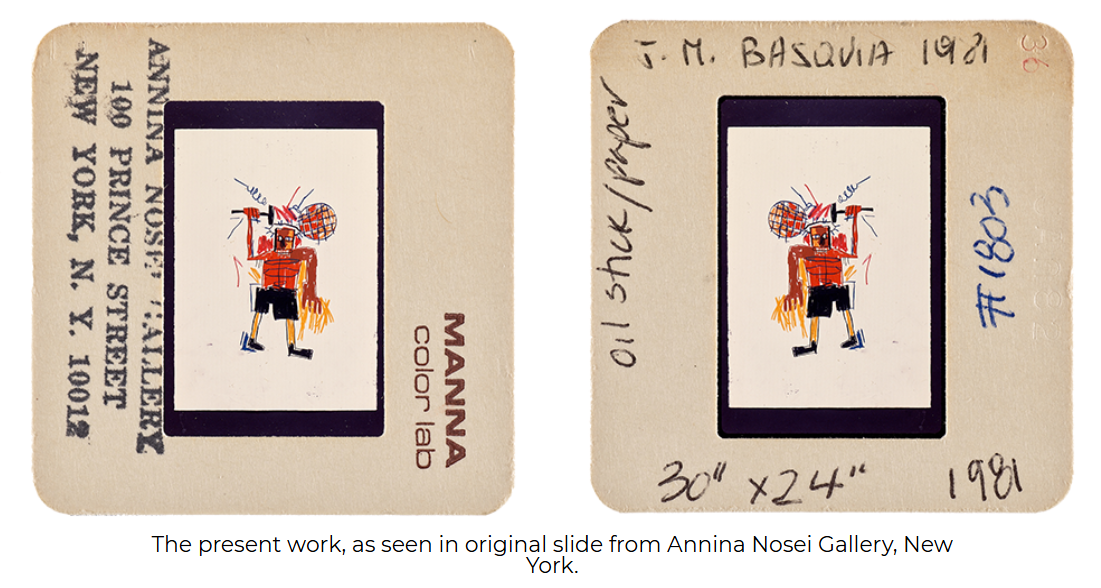
In Untitled, Basquiat channels the searing graphic intensity that defined his downtown alter-ego, graffiti-poet SAMO©, infusing the page with the raw energy and grit of 1980s Lower Manhattan. Depicting a towering, totemic figure wielding a hammer, Untitled blends anatomical detail with vibrant color and movement. The figure stands, teeth bared, one arm raised in poised action, embodying the tension and vitality that would come to define much of Basquiat’s work during this period.
For Basquiat, drawing was not merely preparatory but a primary means of expression, an arena for spontaneity and unfettered experimentation, equal to painting in importance and impact. His works on paper, including Untitled, reveal the urgency and immediacy of his creative process. The absence of coverup or correction highlights the rawness of Basquiat’s gestures, where each mark is preserved, capturing his thoughts as they emerge. Robert Storr captures this sense of tangible nearness, observing, “in drawings such as these—it is all still happening right before your eyes.” Such alacrity is visible in Untitled, where the tactile quality of the paper itself, recording and retaining the physical presence of the artist through smudges and fingerprints, reinforces this sense of proximity, making the act of creation palpable even now.
Arteries of the Left Arm, 1983
Phillips New-York: 20 November 2024
Estimated: USD 800,000 – 1,200,000
USD 889,000
Jean-Michel Basquiat – Modern & Co… Lot 143 November 2024 | Phillips
JEAN-MICHEL BASQUIAT
Arteries of the Left Arm, 1983
Acrylic, oilstick and paper collage on canvas
63×59 inches (160 x 149.9 cm)
Signed, titled, inscribed and dated “”ARTERIES OF THE LEFT ARM” Jean-Michel Basquiat FEB 1983. ST. MORITZ.” on the reverse
A quintessential coalescence of language and symbols which together interrogate the notions of “high” and “low” art, Jean-Michel Basquiat’s Arteries of the Left Arm combines drawing and painting in both technique and physicality. Created in 1983 during the artist’s prime years, the present work confronts the viewer with a series of symbols in oilstick on paper, mounted to a minimally primed white canvas. Treating his works on paper with the same importance as his paintings on canvas —which he only began in earnest in 1982 – Arteries of the Left Arm combines the two disparate media into one unique work. Setting the drawing against a canvas riddled with hand and footprints from the artist’s studio, Basquiat gives the viewer a glimpse into the artist’s working practice at the height of his too-short career. Standing nearly five feet tall, the present work was acquired from Bruno Bischofberger, the Swiss dealer who represented the artist beginning in 1982, and who arranged for the pivotal meeting between Basquiat and Warhol in 1982 just a year before the creation of Arteries of the Left Arm. The work has remained in the same exceptional private collection since its purchase in 1989, and has been included in exhibitions worldwide in Seoul, Germany and Vienna.
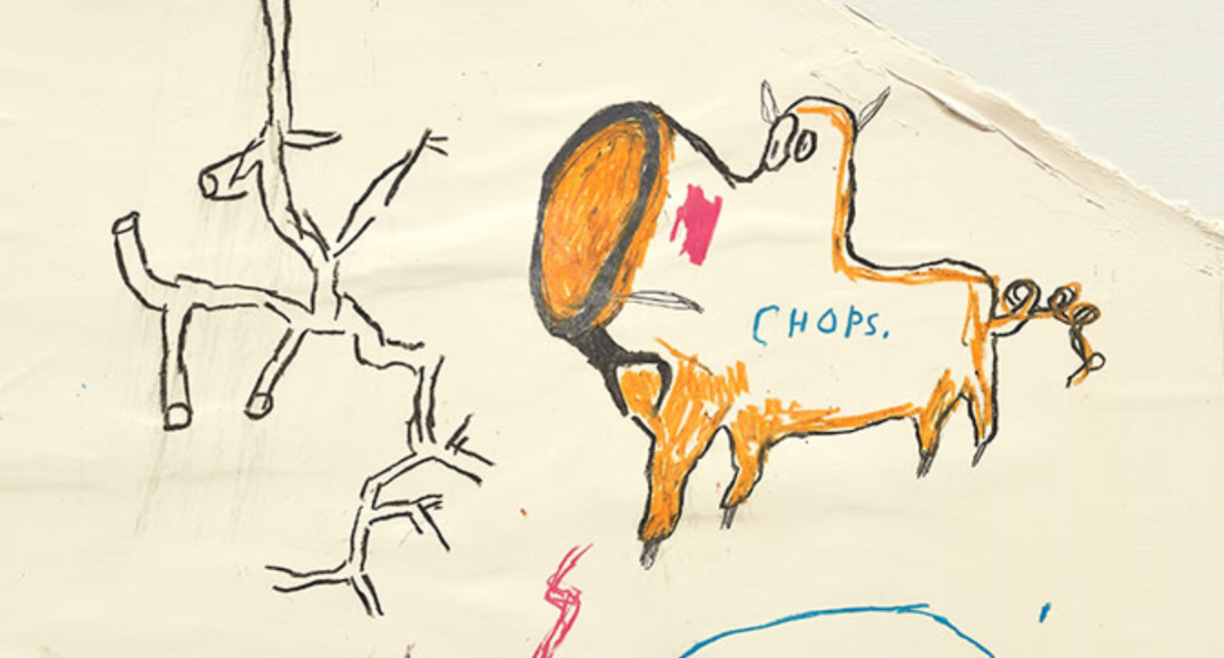
1983 would prove to be a pivotal year for Basquiat. Following his first solo exhibition in the United States at the Annina Nosei Gallery, New York in 1982, Basquiat’s star had only just begun to rise. It was in 1983 that Basquiat left Nosei’s Gallery, joining forces with Bischofberger until the artist’s death in 1988. The two would become close, with Basquiat frequently spending time at the dealer’s home in St. Moritz, Switzerland, where Basquiat created Arteries of the Left Arm in February 1983. Just a month after the creation of the present work, Basquiat became the youngest artist included in that year’s Biennial at the Whitney Museum of American Art, New York.
Infused with symbols and motifs, Basquiat’s work beckons to be understood. Harkening back to his career as a graffiti artist in the 1970s under the name SAMO©, the present work incorporates the pseudo-hieroglyphics Basquiat would spray on city walls, crudely rendered pictograms which resemble primitive writings and drawings. In the lower left of the drawing, a train seems to be running out of track, heading towards the skull with a dagger drawn in pencil piercing through it. To the right of that figure is a bug, a common motif within the artist’s practice, and above it a pig-like creature emblazoned “CHOPS,” shaded in a vibrant shade of orange. Running down the center of the paper is a web-like structure which resembles an artery or vein, calling back to the title of the piece and nodding to Basquiat’s fascination with the human body. While the composition yearns for understanding, it also exists without any clear message, presenting the figures and symbols in an almost childlike way.
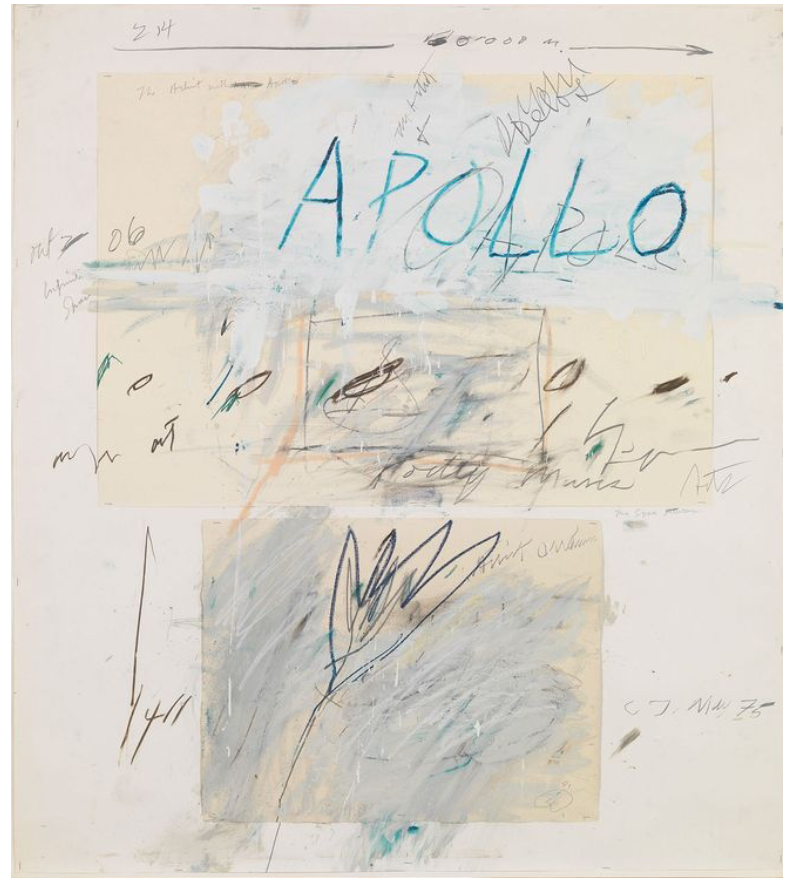
Cy Twombly, Apollo and the Artist, 1975. Private Collection. Artwork: © Cy Twombly Foundation
Influenced by artists’ use of language in drawing and painting such as Cy Twombly, Basquiat emphasizes both the presence and absence of language in his works. In the present work, text is used to help viewer understand the symbols within – “CHOPS” in the pig’s abdomen and “COAL” at the rear of the train. We also see the beginnings of an attempt to communicate with crossed-out letters below the skull figure, presenting an insight into the artist’s process of revision within his practice.
Self-Portrait, 1983
Phillips New-York: 19 November 2024
Estimated: USD 10,000,000 – 15,000,000
PASSED
Jean-Michel Basquiat – Modern & Con… Lot 13 November 2024 | Phillips
JEAN-MICHEL BASQUIAT
Self-Portrait, 1983
Acrylic, oil, oilstick and paper collage on wood, triptych
36 x 71 5/8 inches (91.4 x 181.9 cm)
Focus: Keith Haring
35 lots sold for a total of USD 15,383,600.
With no lot failing to sell, the sell-through rate is 100%. The top price of USD 3,196,000 was achieved at Christie’s for Hollywood African Mask. Sotheby’s sold an exceptional collection of 31 Subway drawings, that belonged to Larry Warsh for USD 9,216,000.
#1. Untitled (Hollywood African Mask), 1987
Christie’s New-York: 21 November 2024
Estimated: USD 1,500,000 – 2,000,000
USD 3,196,000
KEITH HARING (1958-1990), Untitled (Hollywood African Mask) | Christie’s
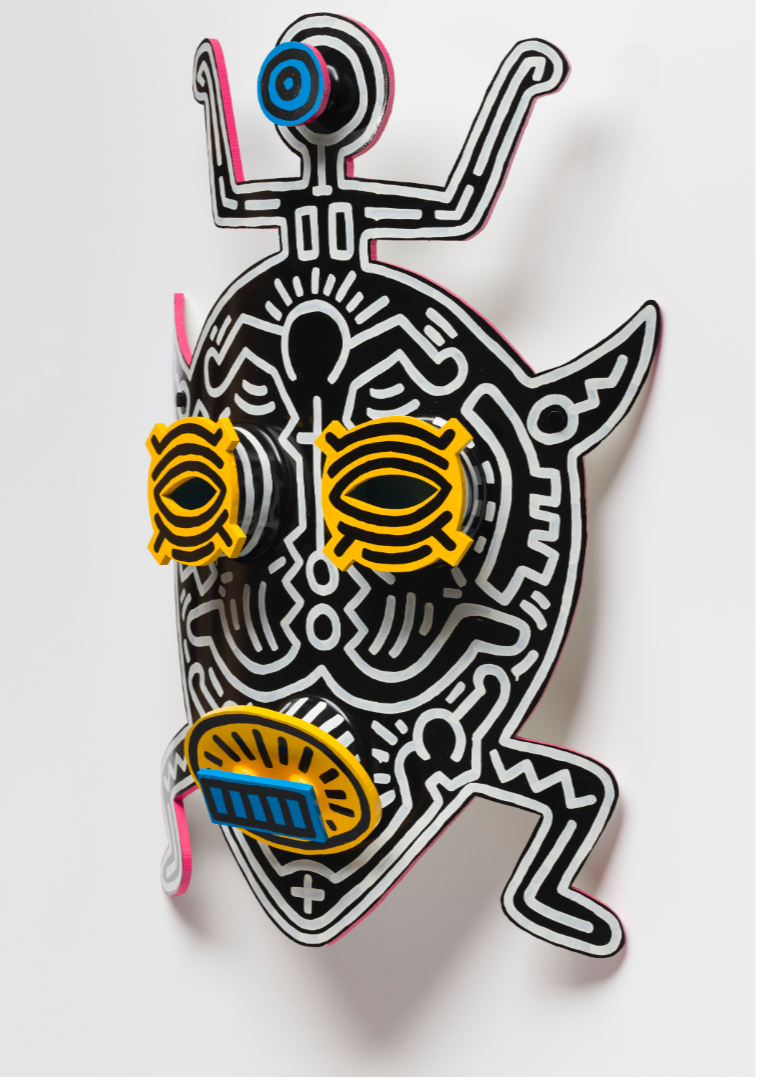
KEITH HARING (1958-1990)
Untitled (Hollywood African Mask), 1987
Enamel on aluminum
48x36x10 inches (121.9 x 91.4 x 25.4 cm)
Signed and dated ‘© K. Haring 1987 ⨁’ on the reverse
he legendary New York artist Keith Haring’s Untitled (Hollywood African Mask) is an exceptional and exceedingly rare example from his sculptural mask series, one of only eight monumental masks which the artist created. Distinguished by its striking graphic presentation, the present work marks a particularly innovative moment in Haring’s career. With other masks held in Museum für Gegenwart, Berlin, the Tai Pei Collection, and several prestigious private collections, Untitled provides an eloquent collision of the artist’s idiosyncratic graffiti-inspired working practice with his active interest in and advocacy of different cultures.
Emerging from the artist’s fascination with folk art and the art of Africa and Mesoamerica, Untitled belongs to a long tradition of Western artists such as Pablo Picasso, Georges Braque, and Constantin Brancusi incorporating traditional mask motifs into their practices. Here, Haring finds inspiration in the form of a Masai mask, mingling his iconic white-on-black linear vocabulary with the East African group’s tradition of body-painting. Haring studied this culture whilst collaborating with the Jamaican singer and model Grace Jones on the music video for her “I’m Not Perfect (But I’m Perfect for You)” in 1984; he dedicated another work from his mask series to her, Untitled (Grace Jones Mask).
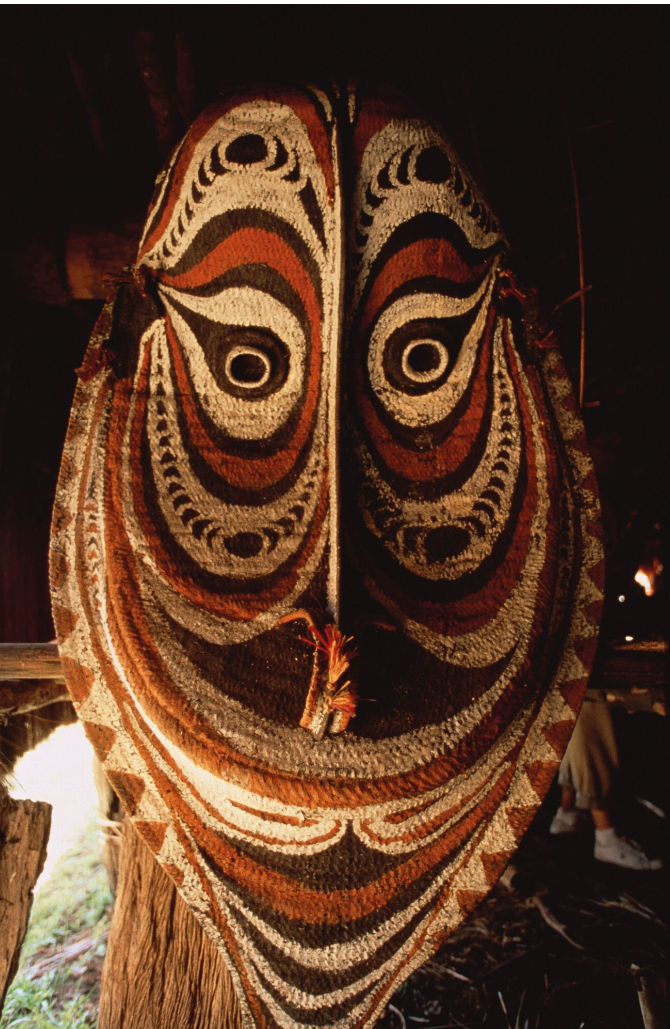
Papua New Guinean mask. Photo: © Bob Krist.
In the present example, Haring anthropomorphizes his aluminum mask form, adding two bent legs at the bottom and the torso, arms, and head of a figure at the crest of the sculpture. The work thus embodies a singular entity, within which a crescendo of energetic movement and imagery mingles. Stylized yellow eyes stare intensely at the viewer, approximating in form the hieroglyphic eye of Horus symbol from ancient Egyptian religious imagery. Haring morphs another humanoid figure into the nose shape, the legs curving up to form a sort of mustache; a Latin cross nestles within this figure’s torso, doubling as the mask’s nasal bridge. The bright yellow in mask’s the eyes and lips, as well as the deep blue seen in the swirling face of the topmost head and within the mask’s mouth, add a splash of color against an otherwise monolithic palette while also heightening the three-dimensionality of the sculpture. Haring expertly works his trademark style within the traditional shape of the mask, exploiting strategies learnt from his long experience graffitiing unorthodox media to meticulously execute this work.
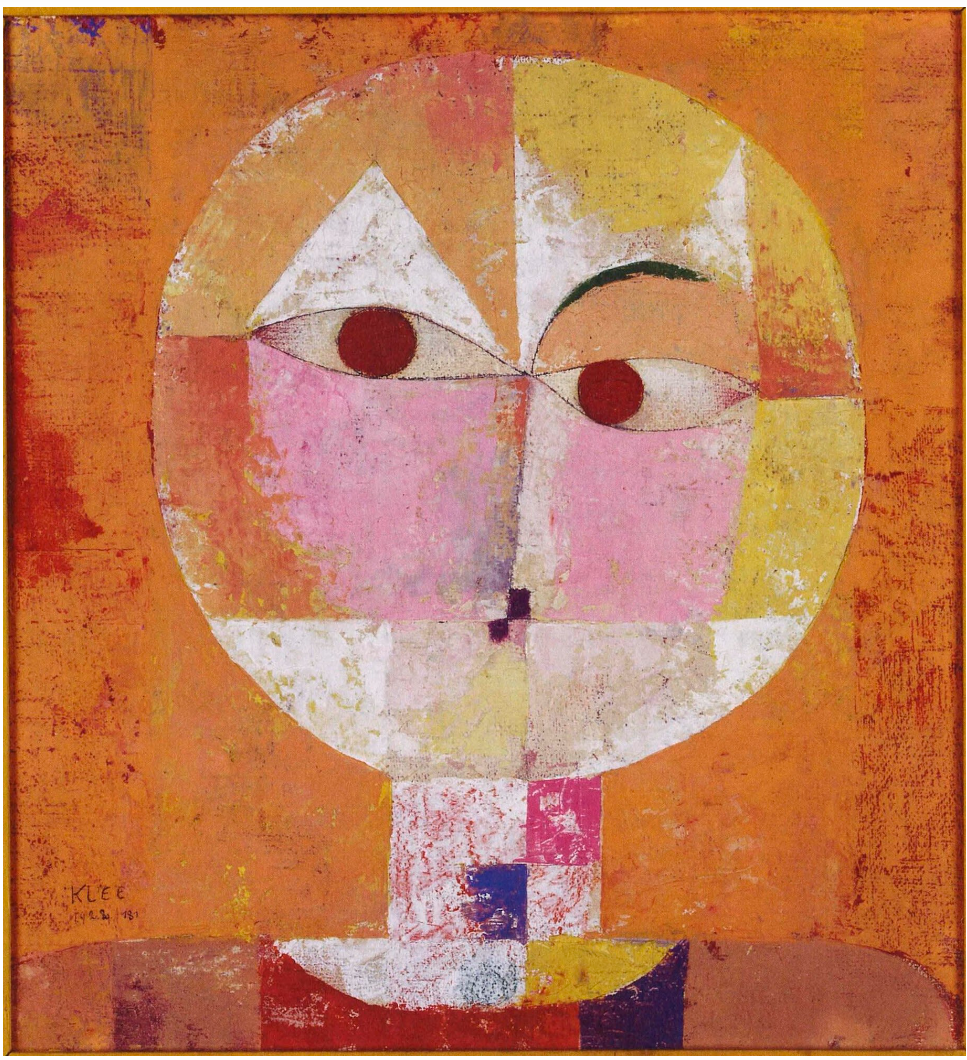
Paul Klee, Senecio, 1922.
1987 was a whirlwind year for the now-famous artist. Rattled by the death of his friend and mentor Andy Warhol, he embarked upon a European tour, calling upon artist friends including George Condo and Julian Schnabel, and attending many gallery openings. In March, he saw a Jean-Michel Basquiat show at Galerie Hans Mayer in Düsseldorf, after which he saw an exhibition on African art; both shows evidently provided inspiration for the series. That same month, after attending a Niki de Saint Phalle exhibition in Munich, Haring described having lunch with his friend, the sculptor Jean Tinguely: “fun as usual!’, had ‘brought masks […] and turned the atmosphere around immediately!” (K. Haring, ‘1987’, Keith Haring Journals, London, 2010, n.p.). Tinguely, known for his kinetic sculptural machines operating from the Dada tradition, frequently incorporated masks into his works, possibly providing Haring with the inspiration to begin working on his first and only masks later that year, infusing in them the motifs he had seen previously in Dusseldorf.
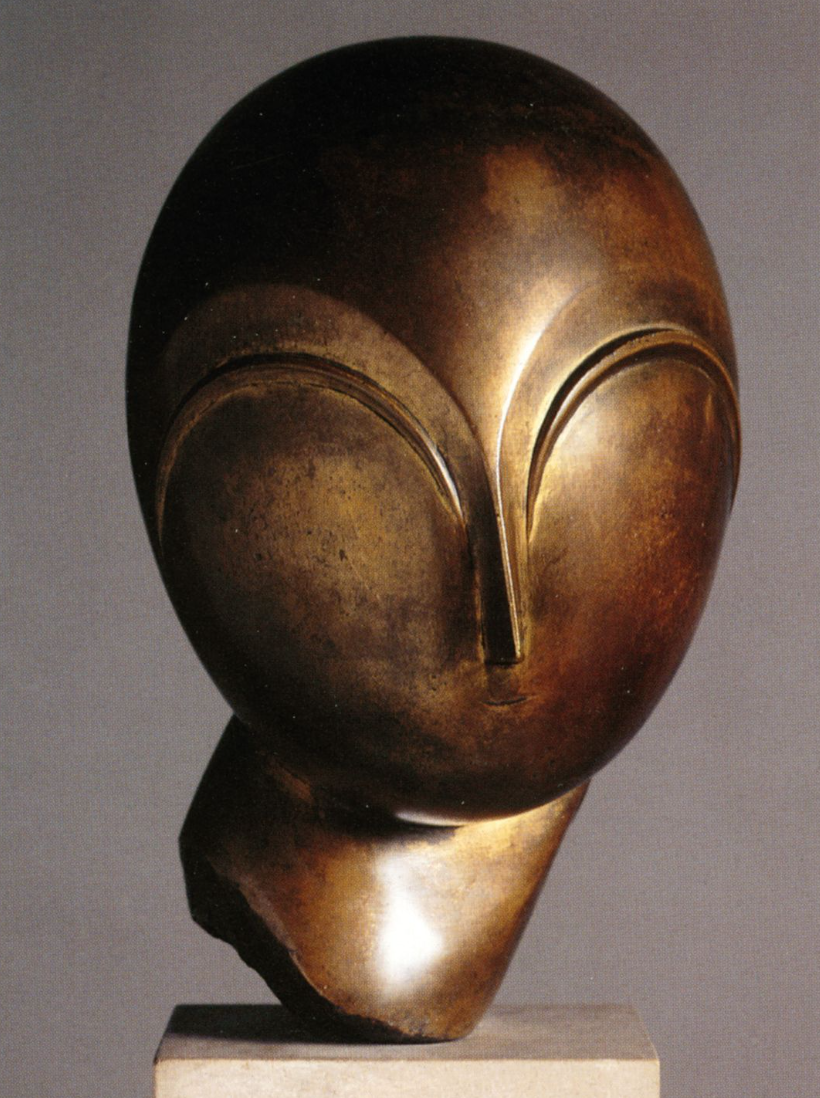
Constantin Brancusi, Danaïde, 1913. Tate, London.
Untitled’ s rhythmic black forms in enamel over shaped aluminum attest to Haring’s interest in three-dimensional and unconventional media. Its dark, foreboding imagery, incorporating religious motifs including Latin crosses among frenzied figures, constitute a trenchant examination of systems of power and racism which he valiantly fought against up until his tragic death in 1990.
“All stories of white men’s ‘expansion’ and ‘colonization’ and ‘domination’ are filled with horrific details of the abuse of power and the misuse of people… I’m glad I’m different. I’m proud to be gay. I’m proud to have friends and lovers of every color. I am ashamed of my forefathers. I am not like them”
Thus, Haring’s oeuvre writ-large challenges uncritical, culturally imposed certainties, weaving between cultural influences while emphasizing diversity and the inconsistencies of history. Contemporaneous to the present work’s execution, Haring writes from Europe about his distress receiving news that the death of Michael Stewart, a Black graffiti artist who died following arrest by transit police for marking up a subway station wall. Haring was a dedicated supporter of equal rights, a prominent AIDS activist, and a stringent opponent of Apartheid, supporting the “Free South Africa” benefit concert in 1988. An astute semiotician, Haring ironically incorporates symbolic motifs from divergent sources together in Untitled as a poignant extension of his social justice work.
#2. Untitled, 1982
Phillips New-York: 19 November 2024
Estimated: USD 1,500,000 – 2,000,000
USD 2,238,000
Keith Haring – Modern & Contemporar… Lot 10 November 2024 | Phillips
KEITH HARING
Untitled, 1982
Baked enamel on metal
43×43 inches (109.2 x 109.2 cm)
Signed, inscribed and dated “K. Haring SEPT. 26-27 1982 ⨁” on the reverse
Keith Haring’s Untitled, 1982, vividly encapsulates his unique fusion of street art and high culture, capturing the electric energy of New York City’s early 1980s art scene. Created during his breakthrough year, this work—executed in baked enamel on metal—evokes the DIY spirit, punk exuberance, and transience of Haring’s public murals and subway art while embodying his iconic style and socially resonant themes. The present work premiered in Haring’s first solo exhibition at the Tony Shafrazi Gallery in 1982, a historic event that launched his career and solidified his status as a leading voice in contemporary art.
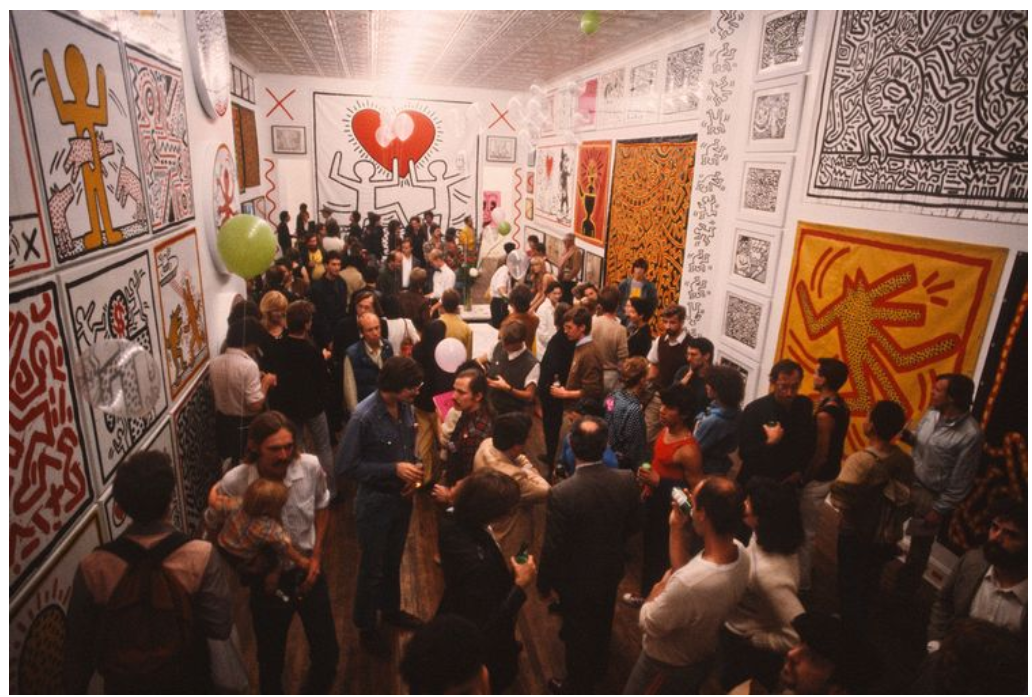
The present work installed at Tony Shafrazi Gallery, New York in October 1982. Image: Allan Tannenbaum, Artwork: © Keith Haring Foundation
Haring’s use of nontraditional materials, along with his iconic dog motif—an evolving figure rooted in his early graffiti tags and central to his visual language—establishes a direct connection to his roots as a street artist, while the bold colors, scale, and dynamic forms exemplify his transition into the gallery space. The composition’s importance to Haring is further evidenced by his revisiting of the theme across formats, including another work from the same year rendered on a massive 12-by-12-foot vinyl tarpaulin. Since its debut, Untitled has been exhibited globally in major retrospectives of Haring’s work at institutions including the Albertina Museum in Vienna, Tate Liverpool, and the National Gallery of Victoria in Melbourne. Most recently, the painting featured in the landmark exhibition Keith Haring: Art is for Everybody, which opened at The Broad in Los Angeles in May 2023 and toured to Toronto before concluding at the Walker Art Center in Minneapolis this fall. Through its bold expression and global exhibition history, Untitled continues to resonate as a testament to Haring’s ability to transcend boundaries and convey profound social messages through a universally accessible visual language.
“I am intrigued with the shapes people choose as their symbols to create a language.”
Beginning in the winter of 1980, Haring began using graffiti as a way to communicate publicly. He tagged these works with a pictograph that started as a general animal form but soon morphed into a recognizable dog, which he continued to use as his signature throughout his career. As he explained, “The way it began was to draw my tag… So my tag was an animal, which started to look more and more like a dog.”1 This symbol became one of his most important icons, appearing alongside the “radiant baby” as a reflection of both Haring’s persona and his response to the social and cultural issues around him. With time, the dog motif became a central element through which Haring explored themes of power, authority and social dynamics.
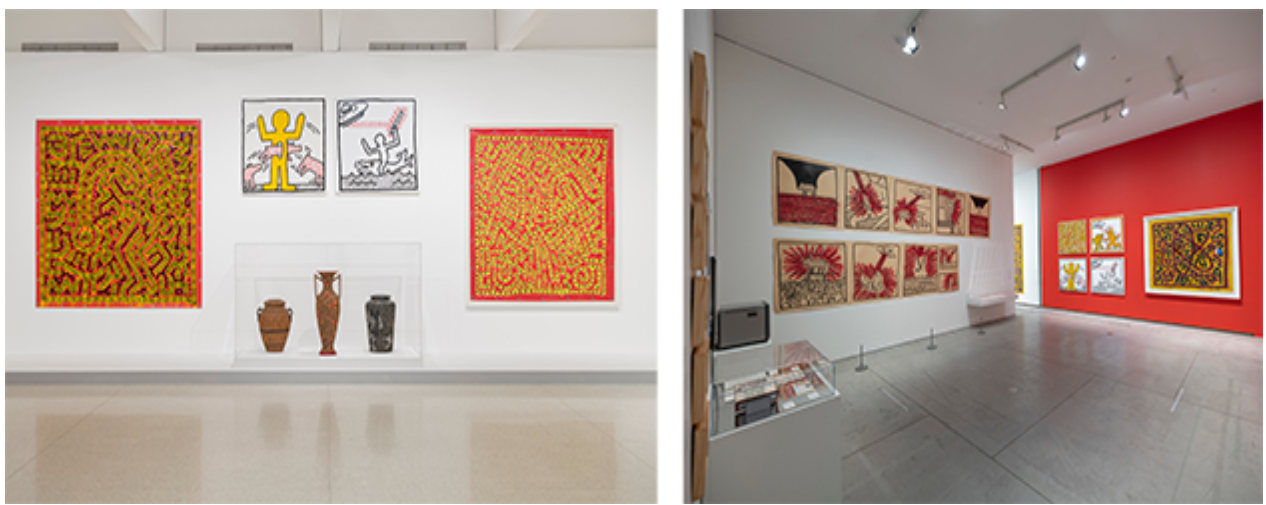
[Left]The present work installed at the Walker Art Center from April 27 – September 8, 2024.
[Right] The present work installed at the AGO Toronto from November 11, 2023 – March 17, 2024. Image: Tracey Owusu, © AGO Toronto, Artwork: © Keith Haring Foundation.
Haring often depicted his dogs barking, with open mouths and alert stances, which imbued them with a primal sense of urgency and defiance; an emblem of resistance, embodying the chaotic energy of urban life. In Untitled, however, Haring shifts this portrayal, presenting the dogs with closed mouths—a choice that introduces a contemplative layer to their presence. The silent dogs in this painting imply a restrained power, a silent vigilance that contrasts with the more overt aggression of Haring’s barking dogs. This nuanced transformation imbues the dogs with a dual nature, one that speaks to the latent, unspoken forces of authority and control in society. These dogs do not need to bark to exert influence; their mere presence—emphasized by their red-dotted bodies—commands attention and adds a layer of tension to the composition. By shifting the dogs’ expression from loud to quiet, Haring explores the idea of power that is felt rather than heard, underscoring the pervasive and often invisible pressures exerted by social forces on the individual.
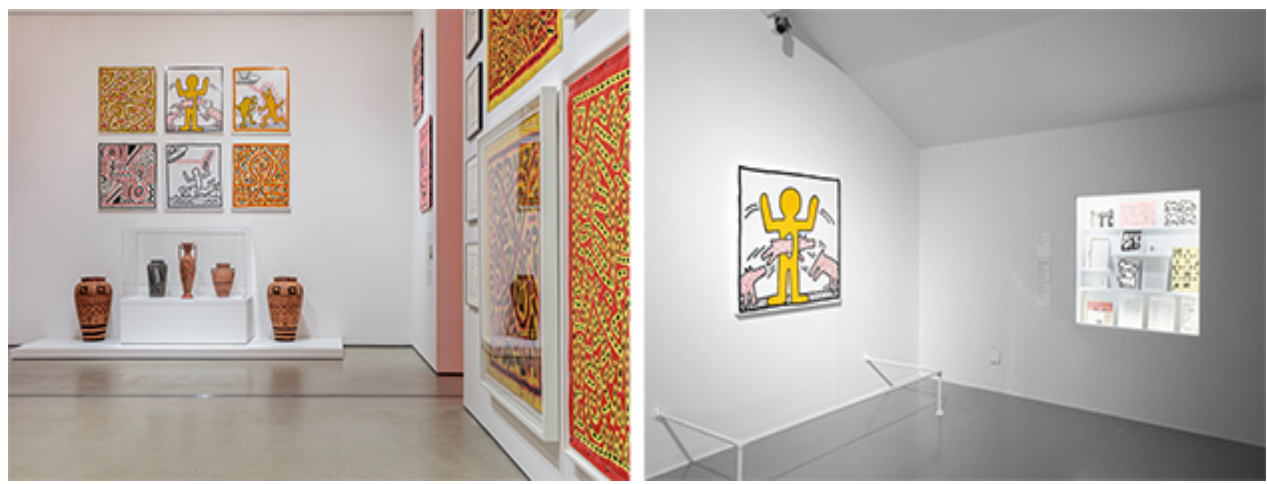
[Left] The present work installed at The Broad, Los Angeles from May 20 – October 8, 2023. Image: The Broad, Los Angeles, Artwork: © Keith Haring Foundation.
[Right] The present work installed at Tate Liverpool, London from June 14 – November 10, 2019.
Haring’s dog figures in Untitled also recall the Egyptian god Anubis, who guarded the dead, adding another layer of meaning. His interest in Egyptian hieroglyphics influenced his creation of a universally resonant visual language, where his dogs serve as modern-day symbols that bridge past and present. In evoking Anubis, these silent, watchful dogs transcend their immediate form to embody a protective, almost mythic authority, imbuing the painting with themes of guardianship and transformation. Haring’s use of baked enamel on metal in Untitled reflects his commitment to pushing the boundaries of conventional art-making by incorporating textures and materials from the urban environment into his gallery paintings. Moving beyond canvas, Haring painted on unconventional surfaces like wood, found objects, and fiberglass clay vases, blending his signature line work and characters with traditional vase motifs to create “an ironic mixture of opposites” that merged historical painting traditions with his contemporary style and themes.
“I had an aversion to canvas. I always felt I would be impeded by canvas, because canvas seemed to have a certain value before you even touched it.”
Through his rejection of traditional materials, Haring was able to preserve the immediacy and accessibility of his street art, even as he adapted his practice for gallery spaces. In Untitled, the central figure with a gaping hole in its torso and the three red-dotted dogs starkly embody themes of vulnerability, otherness, and the impacts of social marginalization. The hollowed torso signifies a profound absence or wound, addressing the collective trauma tied to pivotal events like John Lennon’s murder—a tragedy that deeply impacted Haring and marked his generation—and the early years of the AIDS crisis. This form first emerged in Haring’s work after Lennon’s death, which he recorded in his diary as a moment of profound loss, later translating it into a recurring motif that expressed a sense of emptiness at the heart of humanity.
“It was December 1981 when the body image actually came. I was working at the Mudd Club and someone came in and told people that John Lennon had just been shot, which was a traumatic, incredible moment for New York and for everyone… I woke up the next morning with this image in my head of the man with the hole in his stomach. I had drawn the dogs before, and I had drawn the man with the hole, but I had never put them together. I woke up with that burning image in my head and did drawings of it and from then on associated that image with the death of John Lennon.”
The red dots on the dogs add further complexity, symbolizing the physical markers of illness, specifically AIDS, while also evoking broader social stigmas. The dots connect to a visual language seen in both art and popular culture, such as the Pointillism of Georges Seurat and Yayoi Kusama’s polka dots, which explore infinity, mental health, and other facets of otherness. By incorporating these red dots, Haring infuses his dogs with layered meaning, transforming them into symbols of both physical vulnerability and social isolation. The interaction between the hollow figure and the dotted dogs in Untitled underscores Haring’s ability to create symbols that operate on multiple levels. These silent dogs, leaping through the void in the hollow figure, convey the invisible pressures exerted by society on personal identity, sometimes hollowing out the individual. Through these layered symbols, Haring explores themes of resilience, vulnerability, and the ongoing struggle for visibility and acceptance within a society marked by prejudice and fear.
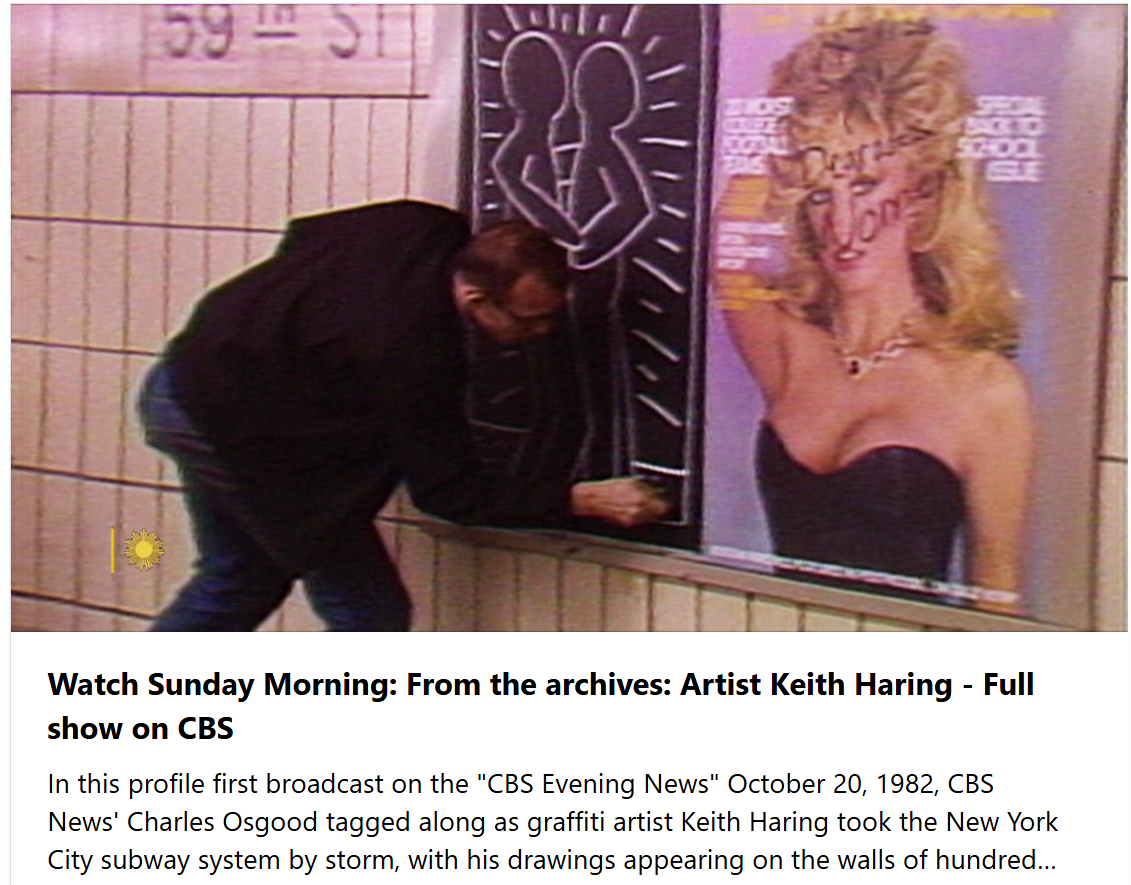
Executed in 1982, just as the AIDS epidemic began to haunt and take hold of New York, Untitled captures the era’s pervasive fear as rumors spread of a “gay-related immunodeficiency disease” (GRID) ravaging communities. The unpredictable assault of AIDS, both absurd and fatal, is allegorically represented by the central figure consumed by an intangible, destructive energy, symbolizing how the epidemic intruded bodies and devastated lives without warning. Haring’s portrayal of this visceral struggle underscores his sensitivity to the vulnerabilities of marginalized communities—particularly LGBTQ+ individuals—who were disproportionately affected and stigmatized during the crisis.
Untitled, 1982
Christie’s New-York: 22 November 2024
Estimated: USD 300,000 – 500,000
USD 378,000
KEITH HARING (1958-1990), Untitled | Christie’s
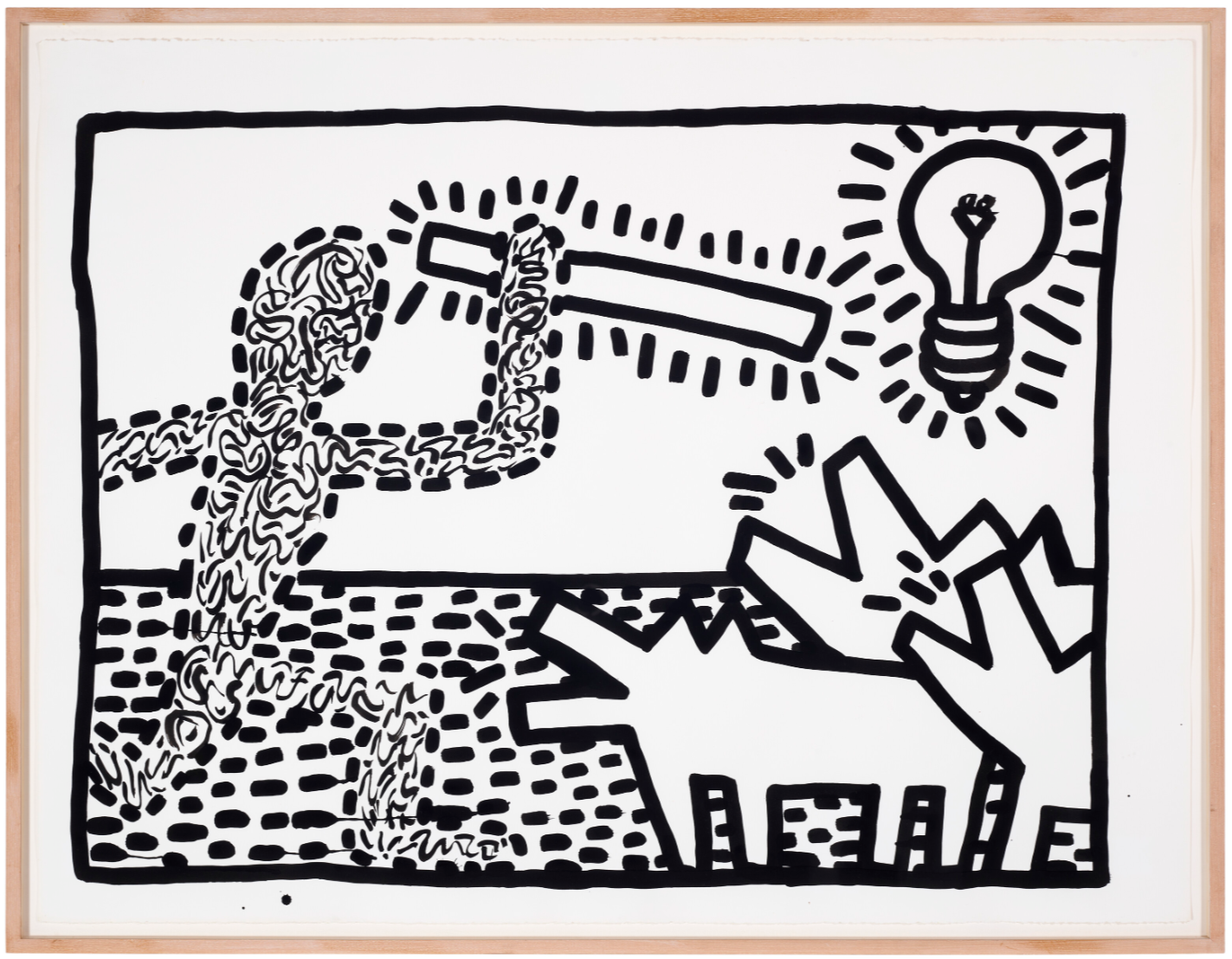
KEITH HARING (1958-1990)
Untitled, 1982
Sumi ink on paper
38 1/4 x 50 inches (97.2 x 127 cm)
Untitled, circa 1980
Phillips New-York: 20 November 2024
Estimated: USD 300,000 – 500,000
USD 355,600
Keith Haring – Modern & Contempora… Lot 142 November 2024 | Phillips
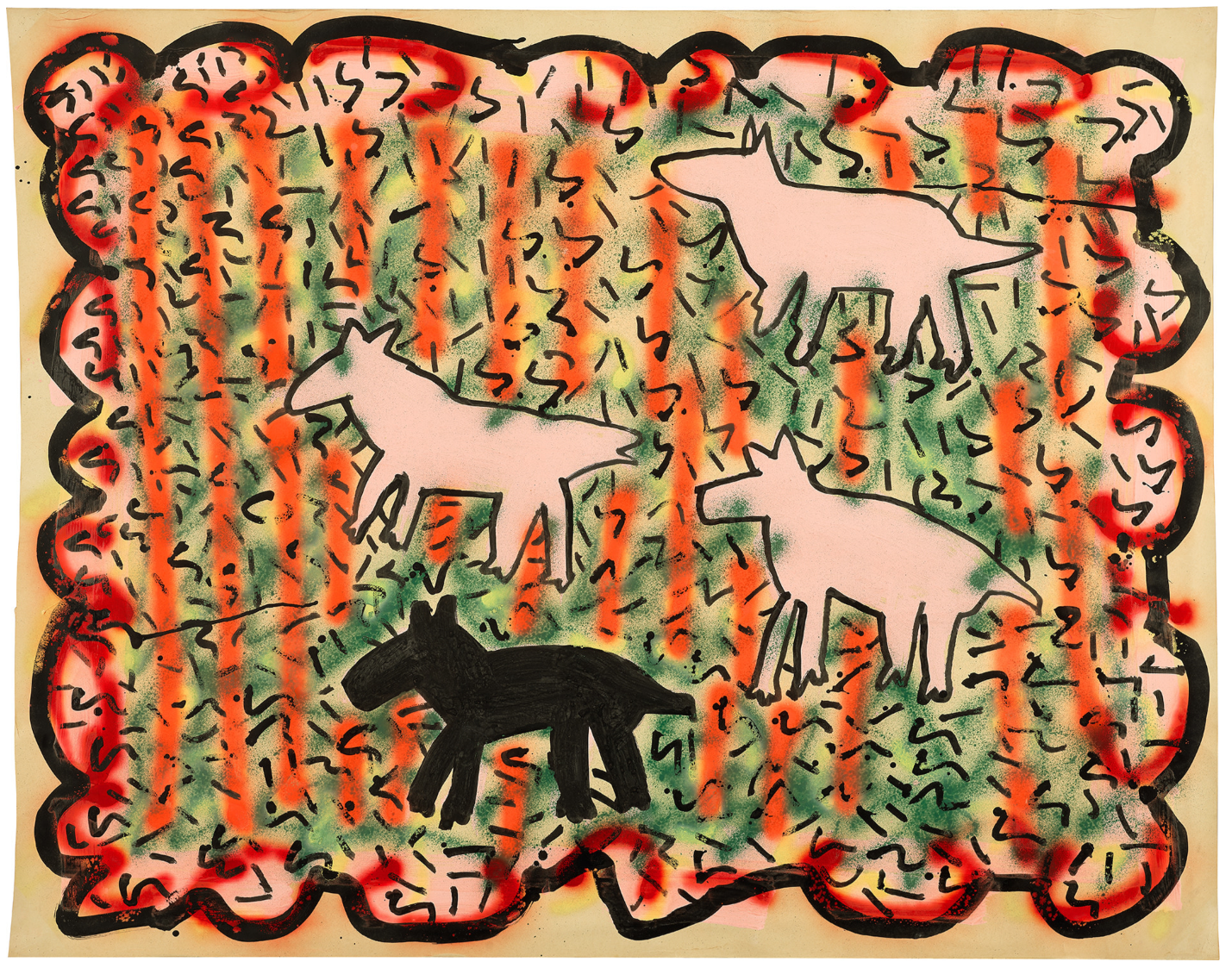
KEITH HARING
Untitled, circa 1980
Ink and spray paint on paper
48 1/2 x 61 inches (123.2 x 154.9 cm)
Signed, inscribed and dated “K. Haring JULY 1980 (22ND ST. STUDIO)” on the reverse
Keith Haring’s Untitled, circa 1980, is characterized by pared-down, stencil-like animal forms rendered against a background of vibrant color and pattern. Created with black ink and neon spray paint, the present work illustrates Haring’s inspiration and contribution to the street art and graffiti movements of 1980s New York. Untitled is a rare example of Haring’s early practice, created just before the artist’s groundbreaking debut within the New York art scene at Tony Shafrazi Gallery in 1982. More than five feet wide, Untitled has been exhibited internationally, including in notable traveling exhibitions Keith Haring: The Political Line, 2013–2016, Keith Haring Jean-Michel Basquiat | Crossing Lines, 2019–2020, and, most recently, in Keith Haring: Art is for Everybody, which closed in September of this year.
Installation view of the present work in Toronto, Art Gallery of Ontario, Keith Haring: Art is for Everybody, November 2023–March 2024.
Image: Tracey Owusu, © AGO Toronto, Artwork: © Keith Haring Foundation
Animals were a staple within Haring’s oeuvre, first found in his subway drawings in the early 1980s and later in some of his most iconic compositions. In the present work, four animals, perhaps an early rendition of the artist’s signature dogs or sheep, are illustrated among an airy and densely patterned field. Three of the figures are a fleshy tan, the background hue underneath the sprays of color. The animal in the lower register of the composition is in contrast colored in solid black—the “black sheep” of the family of grazers. The spray paint around and behind the animals is imperfect, with some of the grassy green intruding inside the thick black outlines of the animals. The animals and the thick, inky contours which confine them invoke a childlike primitivism which is central to Haring’s practice. These forms reference a connection to the depiction of animals in ancient Egyptian hieroglyphs, a consistent theme throughout the artist’s oeuvre. Like those of the Egyptians, Haring’s animals act as symbols and signs within the artist’s distinct pictorial vocabulary.
[Left] Installation view of the present work in Los Angeles, The Broad, Keith Haring: Art is for Everybody, May 20–October 8, 2023. Image: The Broad, Los Angeles, Artwork: © Keith Haring Foundation
[Right] Installation view of the present work in Kunsthal Rotterdam, Keith Haring: The Political Line, September 19, 2015–February 8, 2016. Artwork: © Keith Haring Foundation
Untitled explores what Haring considered the fine line between graffiti and high art forms, a preoccupation that would define the artist’s practice. Upon his move to New York in the late 1970s, Haring became inspired by the street art he saw in his downtown Manhattan neighborhood. Embracing the raw energy of urban culture, Haring often used spray paint, the preferred medium of street artists, for his paintings. He embraced the imperfection and tactility with which it was applied, demonstrated here in the repetitive, squiggly lines which come in and out of the picture plane. Haring rendered his motifs on a variety of supports throughout his career, including on paper, plastic and tarps before switching to canvas around 1985. As such, in the early 1980s, Haring’s paintings on paper can be considered masterworks of art in their own right, the present example blown up to the scale of a large canvas or tarp.
Sotheby’s is honored to present Art in Transit: 31 Keith Haring Subway Drawings from the Collection of Larry Warsh, the most significant group of subway drawings ever to be offered at auction.
Executed between 1980 and 1985, Haring transformed the New York City subway stations into his canvas, scrawling his inventive visual vernacular across the Metropolitan Transit Authority’s black paper that was readily pasted over unpaid advertisements. Haring’s energetic mark-making brought life to thousands of panels, making the city itself vibrant for millions during their daily commutes. These subway drawings not only showcased Haring’s artistic genius but also established a symbolic lexicon that became one of the most recognizable and influential legacies of the twentieth century.
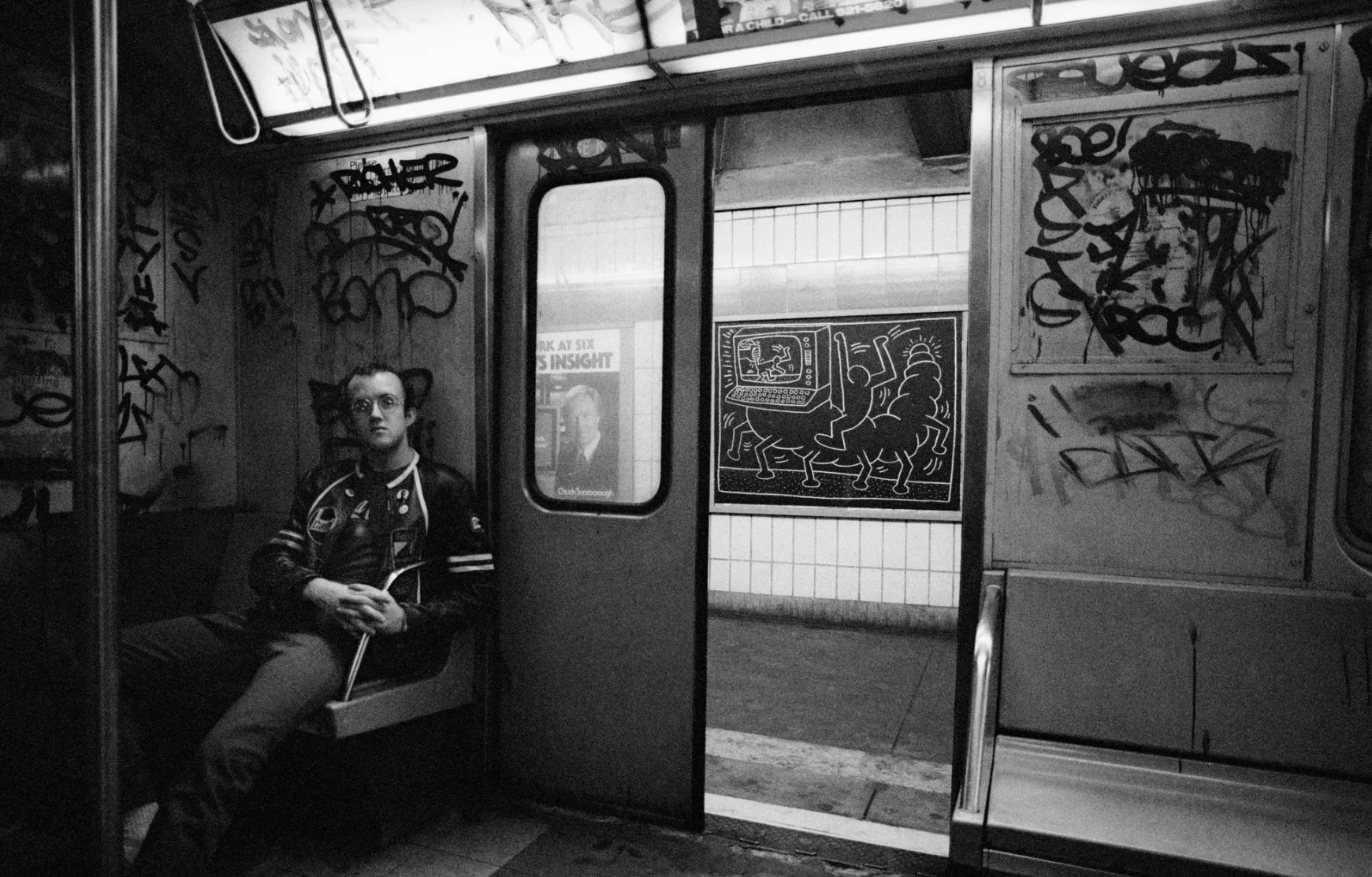
Featuring barking dogs, flying saucers, angels, pyramids, dolphins, computers, smiley faces, radiant babies, dancing figures among others, with tactile, white chalk, Haring’s subway drawings were imbued with a primitive code that possessed universal and lasting appeal. Occupying the ubiquitous MTA panels, in a nearly daily occupation, the imagery of Haring’s drawings were initially simple, with variations on the flying saucer theme and the radiating baby, motifs that were both engineered at his seminal creative haunt, Club 57. Following the surprising discovery that his first round of subway drawings in late December 1980 remained mainly intact weeks after execution, Haring’s gesture became further energized, confident and unbridled. Creating nearly thirty or forty drawings in a three-hour shift, without the possibility of erasure or editing, Haring wielded the fragile, temporal chalk with utter precision and boldness.
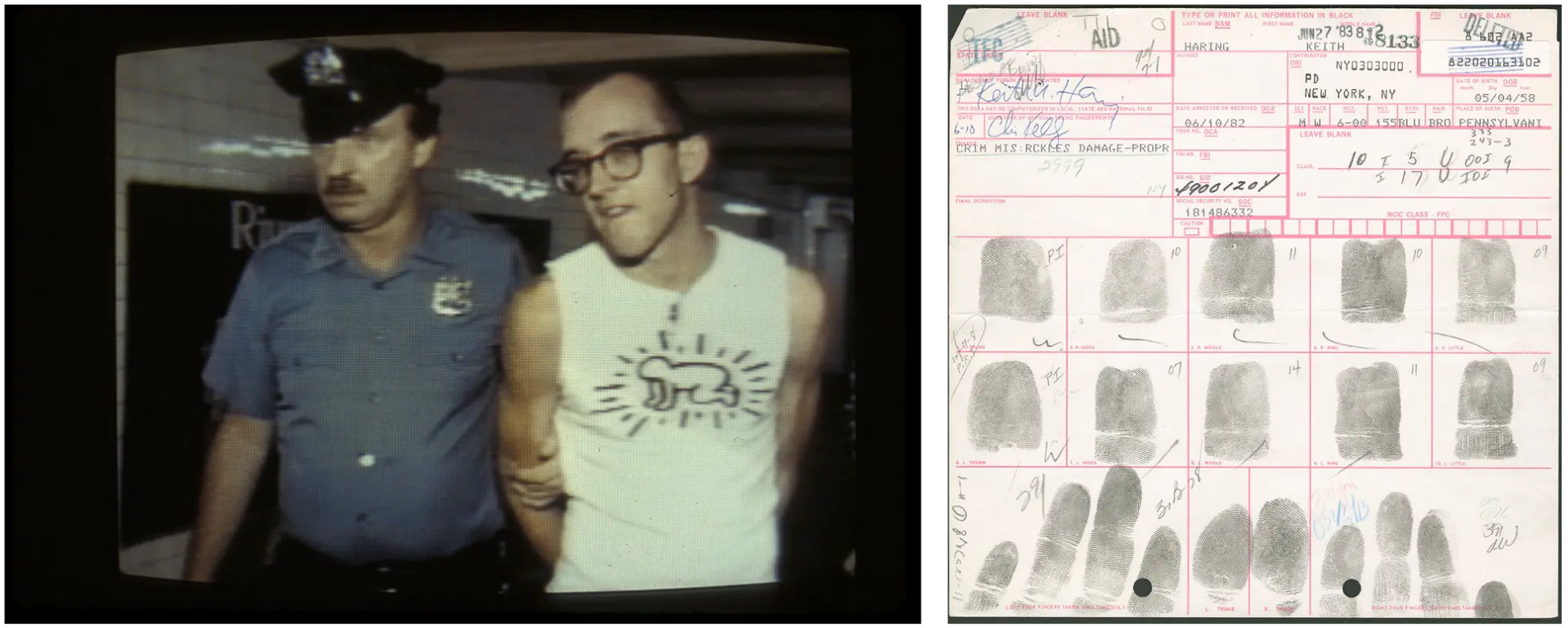
The subway project established Haring as one of the great creative forces of the 1980s downtown art movement, and achieved his mission of democratizing the art viewing experience. In one of the most expansive and impressive art projects ever conceived in a public setting, the subway drawings demystified the experience of viewing art, by removing what Haring viewed as the intimidating context of galleries and institutions, bringing art directly to the widest audience possible, irrespective of social, political or economic background. Haring’s unrelenting commitment to the subway project wasn’t eclipsed by his meteoric rise to superstar art-world status; having signed with legendary art dealer, Tony Shafrazi, in 1982, which led to planning for his first ever solo exhibition the same year. In turn, the subway drawings were Haring’s lifeline to drawing, which he considered his most significant contribution to the world, and a unifying force for the collective conscience. This body of work thus served as the blueprint for his widely lauded figurative aesthetic, the subway drawings were the very fuel for Haring’s activism.
Untitled (Still Alive in ’85), 1985
Art in Transit: 31 Subway Drawings by Keith Haring, From the Collection of Larry Warsh
Sotheby’s New-York: 21 November 2024
Estimated: USD 500,000 – 700,000
USD 900,000
Untitled (Still Alive in ’85) | Contemporary Day Auction | 2024 | Sotheby’s
KEITH HARING (1958 – 1990)
Untitled (Still Alive in ’85), 1985
Chalk on 3 joined sheets of black paper on original MTA mount
Sheet: 85 x 41 3/4 inches (215.9 x 106 cm)
Mount: 87×45 inches (221.6 x 114.6 cm)
Executed in 1985, the final year of his historic series of subway drawings, Still Alive in 85 showcases Haring at the pinnacle of his creative prowess. Testament to the significance of the present work within Haring’s acclaimed corpus of work, Still Alive in ’85 has been included in several of his most esteemed exhibitions, including Allegories of Modernism: Contemporary Drawing at the Museum of Modern Art, New York in 1992 and Keith Haring: The Political Line, a major international retrospective which traveled to the Musée d’Art moderne de la Ville de Paris, the de Young Museum in San Francisco, the Kunsthalle der Hypo-Kulturstiftung in Munich and Kunsthal Rotterdam from April 2013 to February 2016. Further bolstering to its singular importance within Haring’s career, Still Alive in 85 was featured in Keith Haring: Future Primeval, the first major survey in the United States dedicated to the artist’s work that was initiated during Haring’s lifetime. Solidifying its place among the very best of his subway drawings, Still Alive in 85, was used as the promotional image in the advertising posters for the exhibition highlighting the work’s critical role in shaping Haring’s legacy.
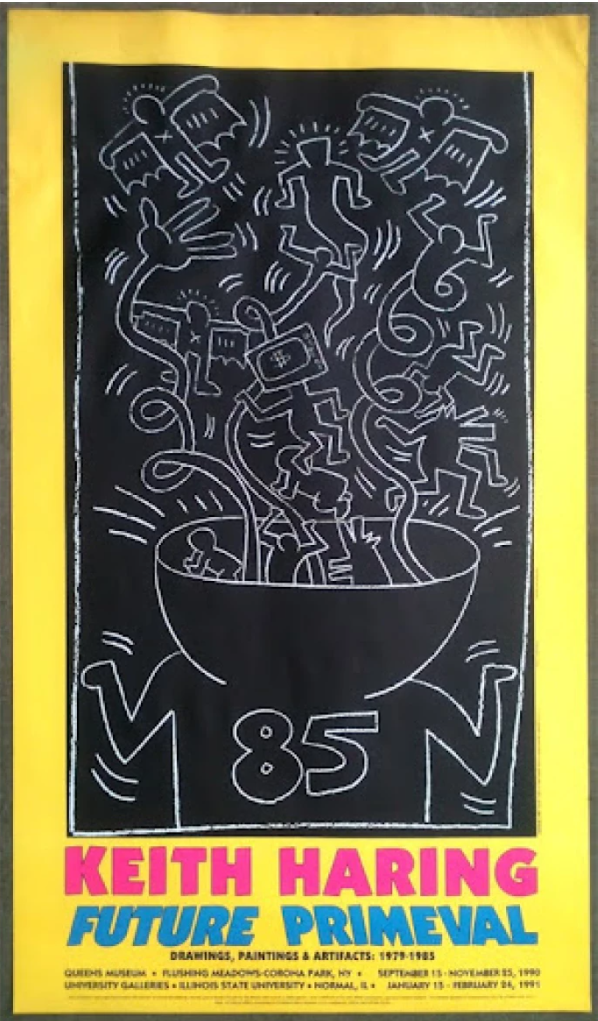
The present work illustrated on the exhibition poster for Future Primeval at the Queens Museum, 1990
Brimming with movement, energy, and frenetic gesture, Still Alive in 85 elegantly balances Haring’s unbridled artistic genius, embodying a vibrant narrative across its expansive scale. The present work pulses with life force, showcasing Haring’s ability to capture the essence of urban existence while simultaneously exuding a sense of harmony and order, and is notably from the last group of subway drawings Haring created. From the intertwined spirits and soaring angels to dancing figures with boomboxes for heads, crawling babies, and barking dogs, the imagery bursts forth from the central figure, whose head, sliced open, reveals the inner workings of the collective conscience and that of the artist. Presenting a visual encyclopedia of Haring’s most iconic symbols, Still Alive in 85 overflows with energy while remaining neatly contained within the crisp, bold lines of white chalk, creating a striking visual impact that is dynamically rendered across the vast surface.
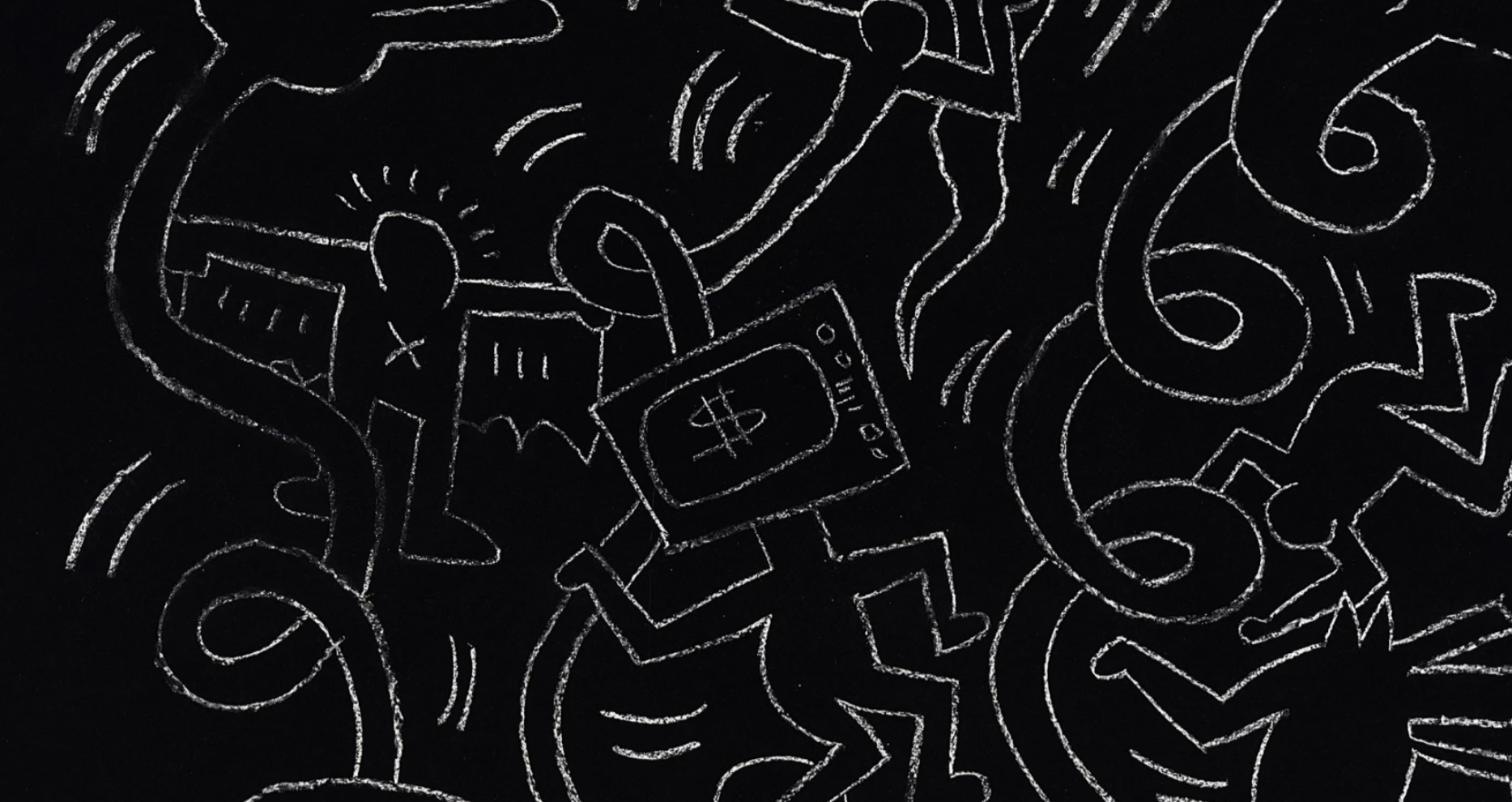
Rendered on the largest scale for the subway drawings, Still Alive in 85 embodies his fullest semiotic potential, integrating the most significant icons of his oeuvre to create a powerful, vibrant statement about life and resilience amidst turbulent political and social times. Executed between 1980 and 1985, Haring transformed the New York City subway stations into his canvas, scrawling his inventive visual vernacular across the Metropolitan Transit Authority’s black paper that was readily pasted over unpaid advertisements. Haring’s energetic mark-making brought life to thousands of panels, making the city itself vibrant for millions during their daily commutes. These subway drawings not only showcased Haring’s artistic genius but also established a symbolic lexicon that became one of the most recognizable and influential legacies of the twentieth century.

Still Alive in 85 was created during an era marked by deepening social and economic inequalities, and stands as a powerful critique of the rapidly evolving political landscape that characterized New York City at the time of its conception. From the late 1970s to the mid-1980s, New York underwent significant political changes, driven by President Ronald Reagan’s policies. Utilizing his creative forces for activism, Haring expressed his frustration with Reagan’s politics during his first term, creating a series of provocative newspaper collages made from copies of the New York Post, with titles such as “Reagan: Ready to Kill” and “Ronald Reagan Accused of TV Star Sex Death: Killed & ate lover,” in an effort to highlight Reagan’s cult of personality. Perhaps most threatening to Haring was the looming HIV and AIDS epidemic devastating the city, which the Reagan administration largely disregarded until 1987, six years after the earliest reported cases, and several after Haring himself began to exhibit symptoms. Created shortly after his re-election in 1984, Still Alive in 85, traces Haring’s sustained involvement in political commentary and nimble creative responses to the world around him. A powerful emblem of endurance and resilience amidst the turmoil of the HIV/AIDS epidemic and the socio-political upheaval of the 1980s, Still Alive in 85 serves as a poignant reminder of strength in the face of unimaginable loss—a rallying cry to persevere and continue fighting against oppressive authority.
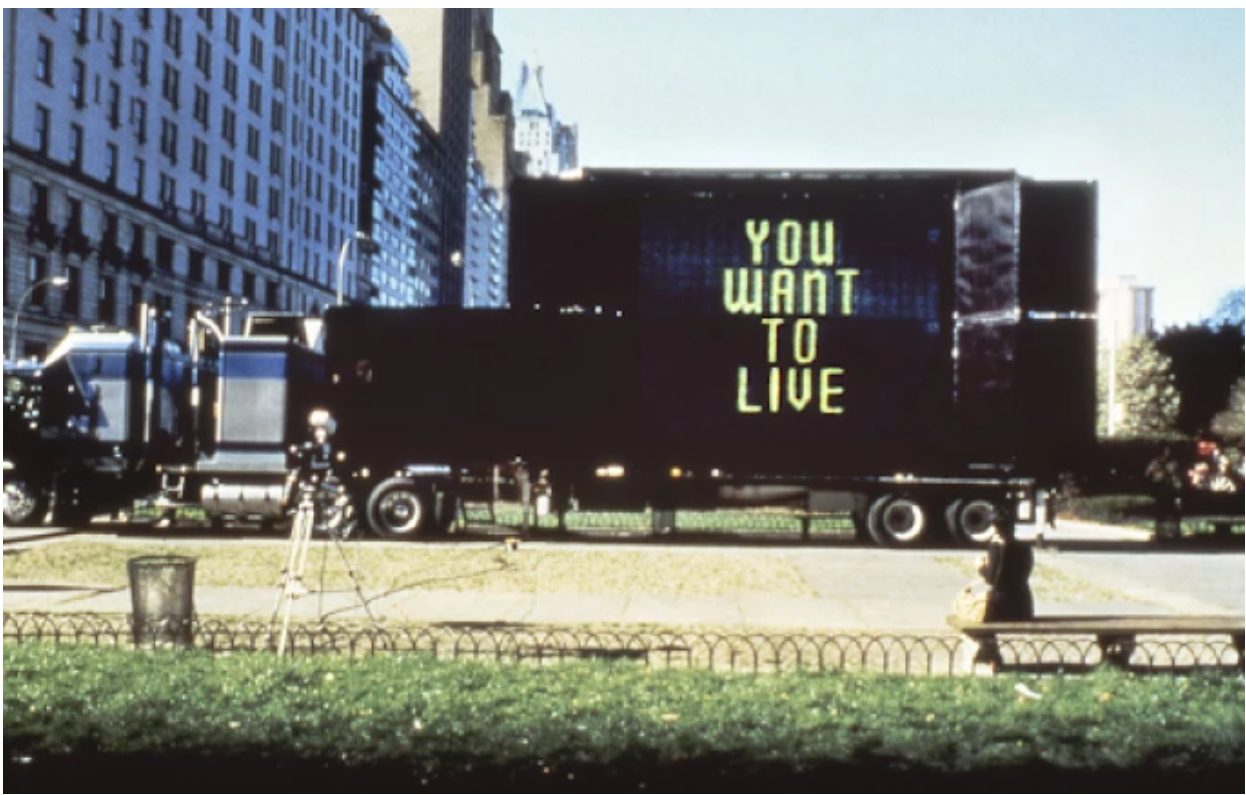
Jenny Holzer, Sign on a Truck, 1984, installed at Grand Army Plaza, New York.
Art © 1984 Jenny Holzer, member Artists Rights Society (ARS), NY. Photo: Kevin Noble.
The historical significance of Still Alive in 85, is further elevated by its profoundly creative and storied narrative lineage. The impetus for the text scrawled across the upper register of the vast surface ‘STILL ALIVE IN 85’, was a direct creative counterpoint to Jenny Holzer’s own Reagan inspired installation, Sign on a Truck. In the lead-up to the presidential election in 1984, Holzer rented a large truck equipped with a billboard-sized TV screen with the text ‘YOU WANT TO LIVE’ emblazoned across it, encouraging passerby to reflect on the future of America’s democracy under Reagan’s leadership. Following Reagan’s re-election later that year, Haring created the present work, a testament to the intensive collaborative creative forces in the downtown 1980s contemporary art movement, and the vitality of the subway drawings as the conduit to Haring’s artistic conscience. Still Alive in 85 is thus not only a bold statement that symbolizes Haring’s direct engagement with power politics, the present work acts as a mirror to societal concerns, and Haring’s genius infusion of contemporaneous subject matter within his potent and powerful visual language.
Untitled (Mermaid-Angel, Dolphins, Angels, Barking Dogs), circa 1981-83
Art in Transit: 31 Subway Drawings by Keith Haring, From the Collection of Larry Warsh
Sotheby’s New-York: 21 November 2024
Estimated: USD 500,000 – 700,000
USD 576,000
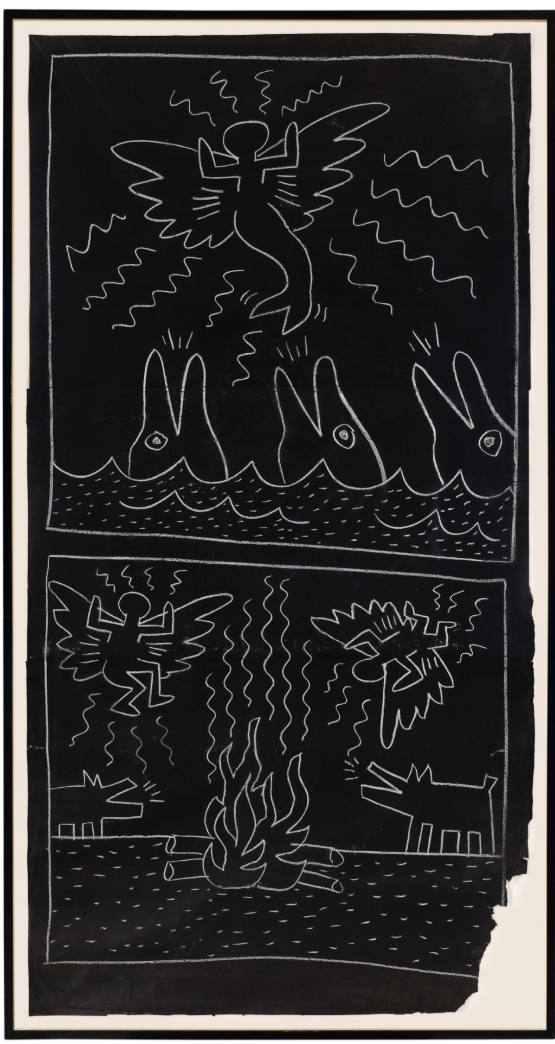
KEITH HARING (1958 – 1990)
Untitled (Mermaid-Angel, Dolphins, Angels, Barking Dogs), circa 1981-83
Chalk on 2 joined sheets of black paper
83 x 42 1/2 inches (210.8 x 108 cm)
Keith Haring Foundation
A compelling multipart epic narrative unfolds across two scenes in Haring’s monumental Untitled (Mermaid-Angel, Dolphins, Angels, Barking Dogs). Executed circa 1981-83 and rendered on one of the largest scale of the subway drawings, the present work stands as one of the most compositionally complex and dynamic drawings created by the artist. Its exceptional composition has garnered recognition from curators around the globe, securing a distinguished place in Haring’s most significant exhibitions. Notable among these is the Future Primeval exhibition at the Queens Museum, organized during Haring’s lifetime and presented posthumously, alongside the acclaimed exhibition Keith Haring that toured prestigious venues such as Castello di Rivoli, Malmö Konsthall, Deichtorhallen, and the Tel Aviv Museum of Art from 1994 to 1995.
Scrawled in utterly crisp detail across two replete registers in Untitled (Mermaid-Angel, Dolphins, Angels, Barking Dogs), a radiant figure resembling a mermaid-angel hovers above a body of water, arms outstretched, radiating energy to two dolphins, emerging from the water, calling to the celestial figure hovering above them. In the lower field, two flying angels circulate above a crackling, open fire, flanked by two barking dogs. Here, the fire serves as a potent symbol of chaos and transformation, signaling regeneration, creation and rebirth. For Haring, angels were an enduring symbol of good in the battle against evil. The barking dog was among Haring’s first symbols premiered in the subway, an iconic motif, highlighting the power of human and animal instincts. Together, these scenes encapsulate the dualities of existence, the cycle of life and Haring’s enduring message of humanism. This interplay invites viewers to reflect on resilience in the face of adversity, underscoring Haring’s belief in the transformative power of love and community. Ultimately, the present work is a nuanced meditation on the complexities of human experience, the need for connection, and the persistent quest for hope in turbulent times.
Executed between 1980 and 1985, Haring transformed the New York City subway stations into his canvas, scrawling his inventive visual vernacular across the Metropolitan Transit Authority’s black paper that was readily pasted over unpaid advertisements. Featuring barking dogs, flying saucers, angels, pyramids, dolphins, computers, smiley faces, radiant babies, dancing figures among others, with tactile, white chalk, Haring’s energetic mark-making brought life to thousands of panels, making the city itself vibrant for millions during their daily commutes. These subway drawings not only showcased Haring’s artistic genius but also established a symbolic lexicon that became one of the most recognizable and influential legacies of the twentieth century.
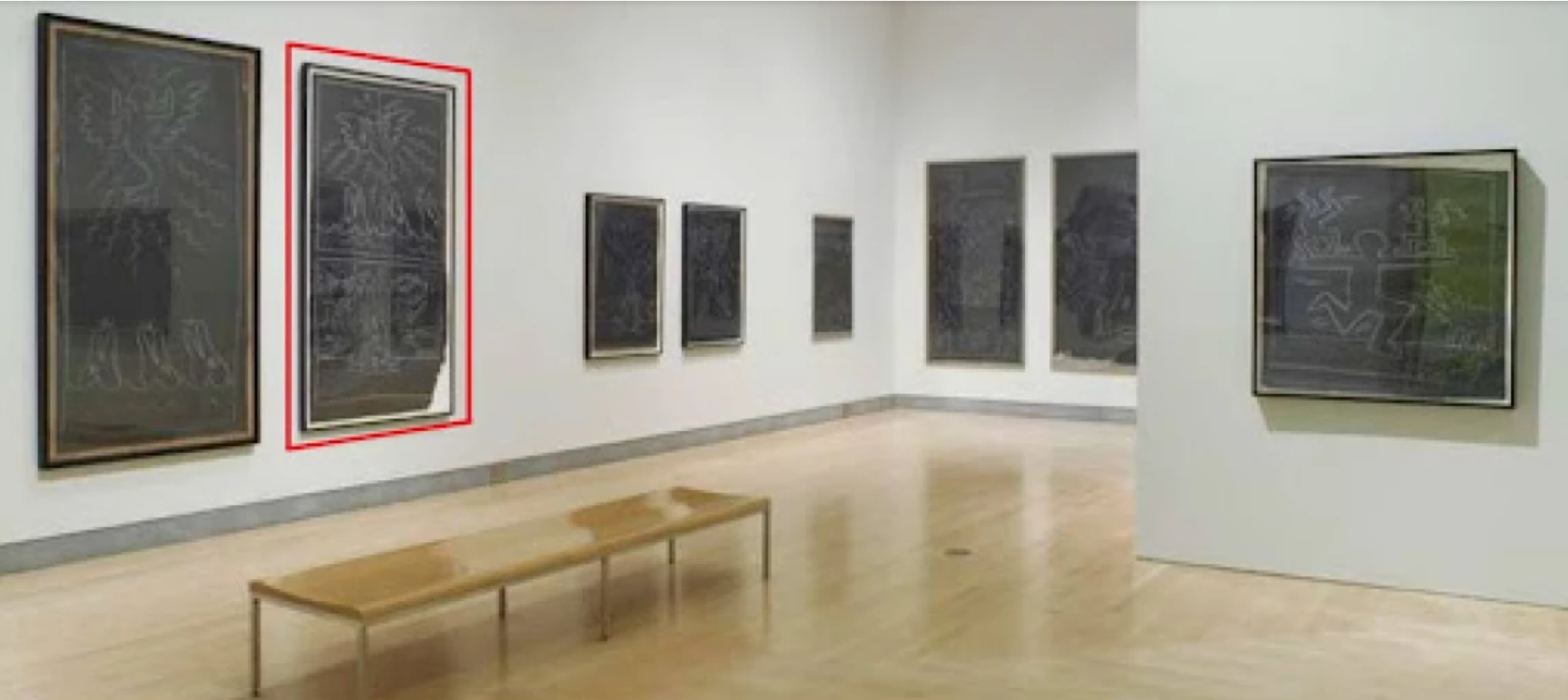
The present work installed in Keith Haring: 1978-1982 at the Brooklyn Museum, March – July 2012.
Although Haring’s visual vocabulary was initially established in the subway drawings, the key iconography present in Untitled (Mermaid-Angel, Dolphins, Angels, Barking Dogs), found deeper meaning during Haring’s meteoric artistic evolution. The enchanting fish-tailed angel, featured prominently at the upper center of the composition in the present work, is one such example. First developed in the subways in 1982, the mermaid-angel originally arose organically: “What happened, really, was that the drawing grew out of an evolution of other images, of the dolphins, of the angels, and sort of combined and turned into this sort of dolphin-mermaid-angel” (the artist quoted in an interview with Robert Farris Thompson for the BBC, 10 November 1988). During Haring’s frequent visits in the mid-1980s to his longtime friend and creative collaborator Kenny Scharf’s home in Brazil, this iconic symbol found additional emblematic resonance. It was while decorating the homes and boats of local fishermen in the community that Haring learned of the angelic mermaid and Brazilian deity, Yemanjá, who symbolizes abundance and offers protection during storms at sea. Imbued with the sentiments of his own lived experience, the radical visual language in the present work served as the apex of Haring’s profound aesthetic development.
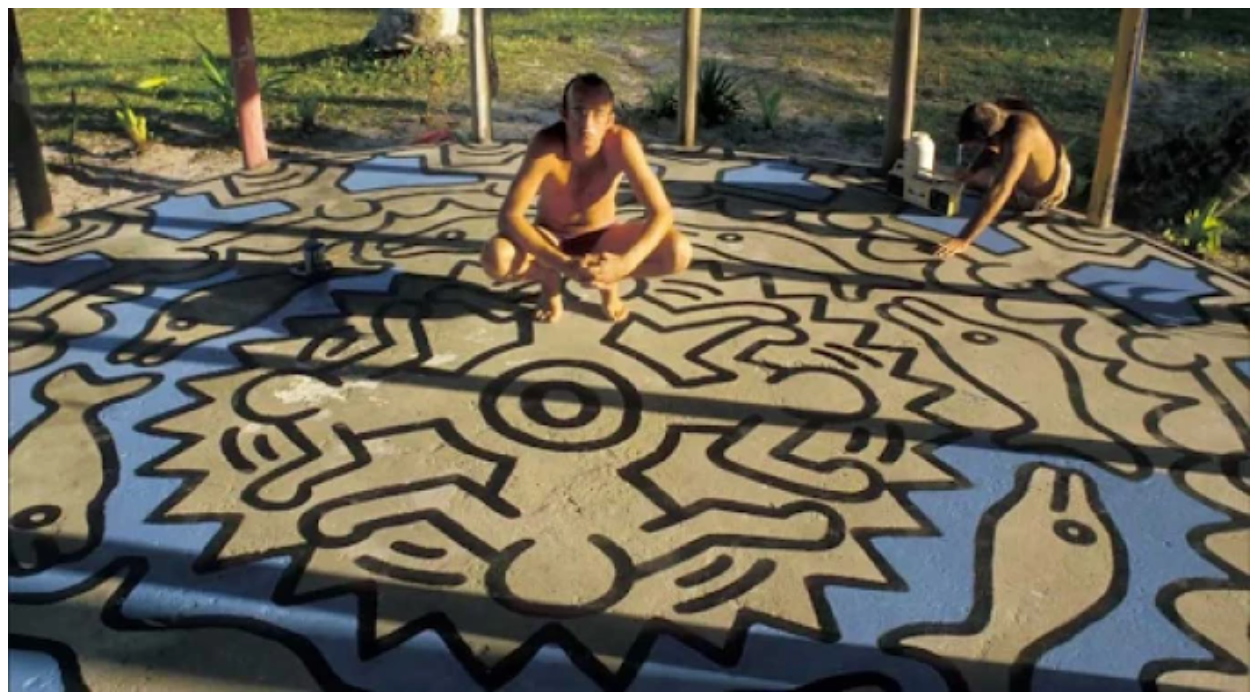
Keith Haring in Bahia in 1980
The incredible rarity of Untitled (Mermaid-Angel, Dolphins, Angels, Barking Dogs) and this suite of thirty-one subway drawings thus cannot be overstated, as Art in Transit: 31 Keith Haring Subway Drawings from the Collection of Larry Warsh, is one of the most exceptional and extensive collections of subway drawings in existence. The importance of these subway drawings was identified by the prescient eye of contemporary art collector and publisher, Larry Warsh. The preeminent foresight identified the subway drawings as the most critical body of work by the artist that required institutional contextualization. Utterly enchanting, Untitled (Mermaid-Angel, Dolphins, Angels, Barking Dogs), is an exceptionally impressive example from Art in Transit: 31 Keith Haring Subway Drawings from the Collection of Larry Warsh. The present work encapsulates Haring’s most identifiable iconography on an impressive scale, and features an extensive exhibition history from acclaimed institutions worldwide.
Untitled (Boombox Head), 1984
Art in Transit: 31 Subway Drawings by Keith Haring, From the Collection of Larry Warsh
Sotheby’s New-York: 21 November 2024
Estimated: USD 400,000 – 600,000
USD 480,000
Untitled (Boombox Head) | Contemporary Day Auction | 2024 | Sotheby’s
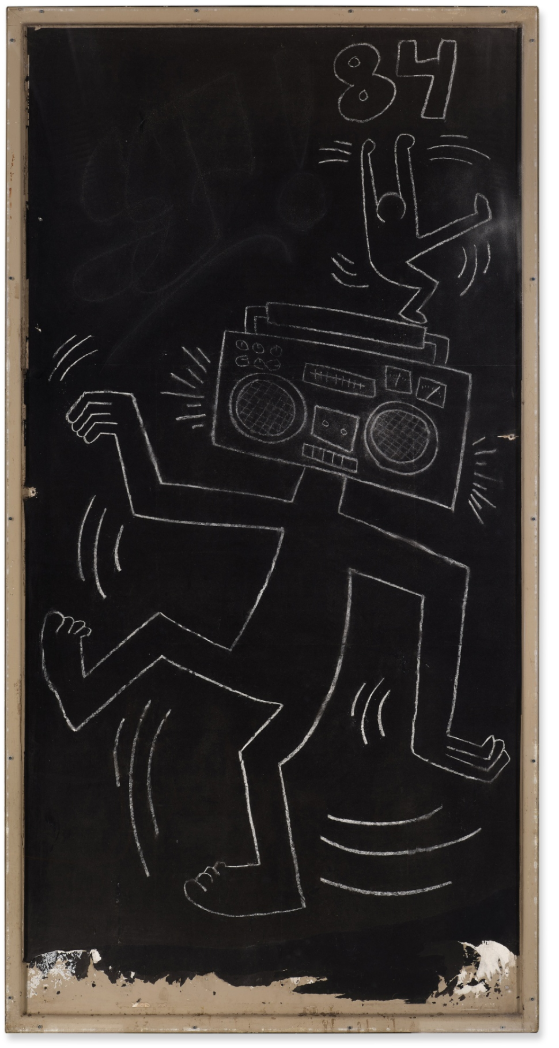
KEITH HARING (1958 – 1990)
Untitled (Boombox Head), 1984
Chalk on 3 joined sheets of black paper on original MTA mount
Sheet: 83 x 41 3/4 inches (210.8 x 106 cm)
Mount: 87×45 inches (221 x 114.3 cm)
A monumental figure with a boombox as its head exuberantly dances across the vast surface of Keith Haring’s Untitled (Boombox Head) from 1984, an inimitable example from the artist’s rarified corpus of subway drawings. Poised atop the boombox, a smaller figure performs a breakdancing move, enhancing the work’s dynamic sense of movement and rhythm. Featuring some of Haring’s most iconic symbols at the largest scale in this series, Untitled (Boombox) embodies the confluence of art, music, and dance that characterized the cultural landscape of downtown New York in the 1980s. Rendered in crisp white chalk, the present work radiates a lighthearted spirit, inviting viewers to revel in the sheer exuberance of its subject and immerse themselves in the electric energy of the era.
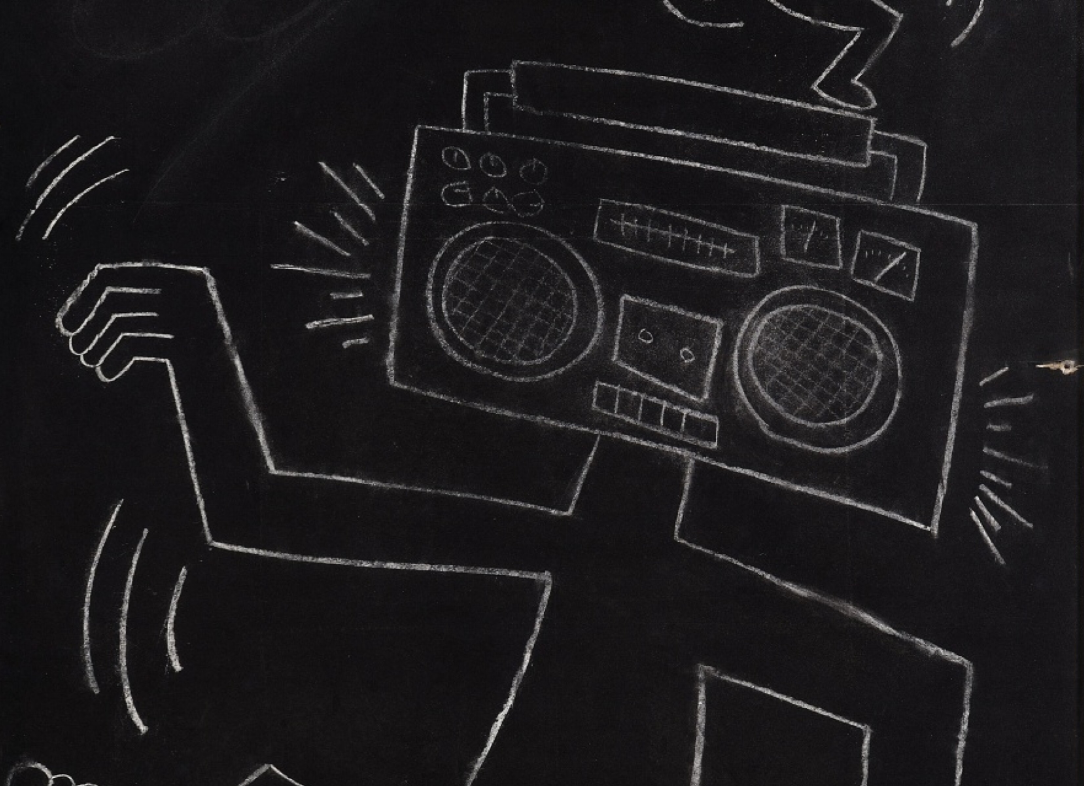
Executed between 1980 and 1985, Haring transformed the New York City subway stations into his canvas, scrawling his inventive visual vernacular across the Metropolitan Transit Authority’s black paper that was readily pasted over unpaid advertisements. Featuring barking dogs, flying saucers, angels, pyramids, dolphins, computers, smiley faces, radiant babies, dancing figures among others, with tactile, white chalk, Haring’s energetic mark-making brought life to thousands of panels, making the city itself vibrant for millions during their daily commutes. These subway drawings not only showcased Haring’s artistic genius but also established a symbolic lexicon that became one of the most recognizable and influential legacies of the twentieth century. Haring, like his contemporaries Jean-Michel Basquiat and Andy Warhol, sought to narrate the modern age through his art. Arriving in New York City in 1978, Haring was immediately drawn to the urban music and graffiti scene. Music and the urban culture surrounding it proved to be a major source of inspiration for the artist early on.
“All kinds of new things were starting. In music, it was the punk and New Wave scenes… And there was the club scene – the Mudd Club and Club 57, at St. Mark’s Place, in the basement of a Polish church, which became our hangout, a clubhouse, where we could do whatever we wanted.”
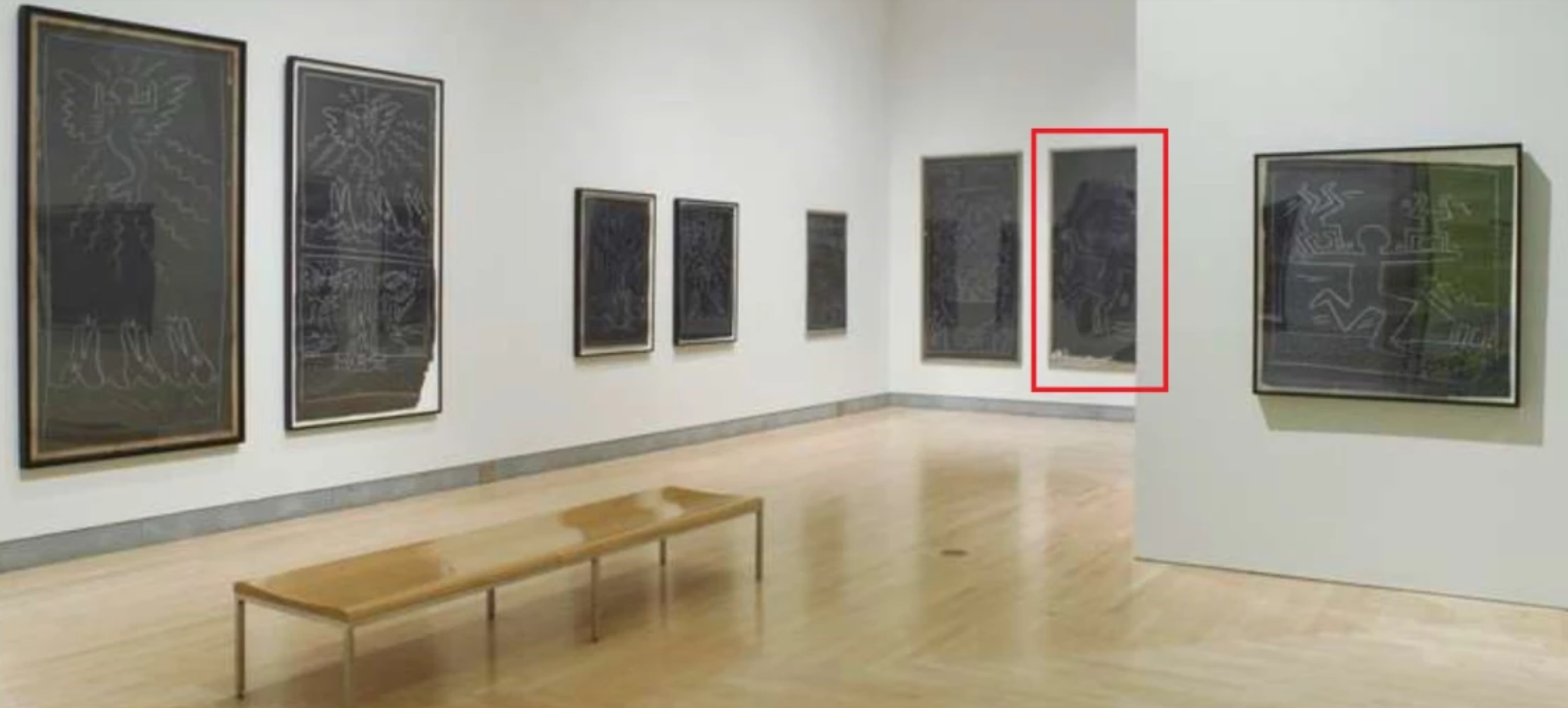
The present work installed in Keith Haring: 1978-1982 at the Brooklyn Museum, March – July 2012.
While it was the clubs and dance halls of New York that informed the content and evolution of Haring’s visual language, it was the subway that empowered him to communicate it. According to Haring, there was no better place to broadcast the exciting developments of the era than in the highly trafficked networks of the subway.
“1983, 1984, it was almost like a dialogue going on, back and forth, and the subways were a way to continue the dialogue and put [out] images which I would get sometimes specifically from dance moves that I saw. . . you know, [persons who would] bend over backwards [to the floor] or somebody going underneath [in the moves called the bridge and the spider], things that I was seeing in dances and literally putting them right into the work – they knew, when they saw it, right away what it was”
A timeless performance etched in bold white lines, Untitled (Boombox) reflects the city as Haring saw it and as everyone experienced it.
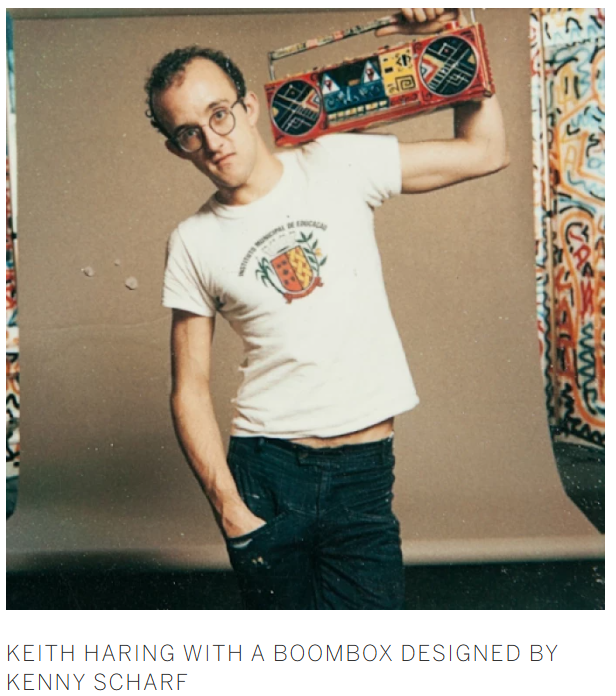 Indeed, the musical essence which foregrounds Untitled (Boombox) and much of Haring’s work mirrors his dynamic artistic practice. Captivated by the idea of gesture, Haring believed, “the essence of [his] work rests in the concept of the ‘gesture’ and the ‘spirit of the line’ to express individuality.” (Keith Haring, Journals, New York 1996, p. 220). For Haring, the act of creation became a sort of a ritual or performance. As Jeffrey Deitch astutely observed, “While [Haring] paints with intense concentration… advanced dance music permeates the air, sounding from an immense boom-box. He seldom works without music, and not only Haring, but the figures he’s painting seem to rock to the beat. . . . Like a master rapper who can rhyme line after line in a never-ending cadence, Haring keeps unfolding his images with a visual syncopation” (Jeffrey Deitch, The Radioactive Child, Keith Haring, Amsterdam: Reproductie Asdeling, Stedelijk Museum, 1986, p. 11.). With each work serving as a vivid trace of sound intertwined with unique movement, Haring’s Untitled (Boombox Head), reaches beyond the visual, resonating with the rhythm of life itself.
The immense rarity of Untitled (Boombox Head) is further underscored by its rich exhibition history at prominent international institutions. Untitled (Boombox Head) was featured in Keith Haring Journey of the Radiant Baby at the Reading Public Museum in 2006, and the critical exhibition Keith Haring – The Political Line, which traveled from the Musée d’Art moderne de la Ville de Paris, the de Young Museum, the Kunsthalle der Hypo-Kulturstiftung and Kunsthal Rotterdam from 2013-16. Untitled (Boombox Head) was also included in the critically acclaimed exhibition Keith Haring Jean-Michel Basquiat | Crossing Lines at the National gallery of Victoria in 2019-20. The illustrious institutional contextualization of Untitled (Boombox Head) befits the unparalleled strength of its composition, instantly identifiable iconography, and embodiment of the spirit of Haring at his best.
Untitled (Two Pregnant Figures and Radiant Baby), circa 1980-83
Art in Transit: 31 Subway Drawings by Keith Haring, From the Collection of Larry Warsh
Sotheby’s New-York: 21 November 2024
Estimated: USD 200,000 – 300,000
USD 240,000
Untitled (Two Pregnant Figures and Radiant Baby) | Contemporary Day Auction | 2024 | Sotheby’s
KEITH HARING (1958 – 1990)
Untitled (Two Pregnant Figures and Radiant Baby), circa 1980-83
Chalk on black paper laid on foam board
53 3/4 x 41 inches (136.5 x 104.1 cm)
“Robert Farris Thompson characterizes the famous “radiant baby,” as Haring’s “stabilizing themes.” The idea of the baby developed originally from the drawing of a human crawling forward: “Babies represent the possibility of the future, the understanding of perfection, how perfect we could be. There is nothing negative about a baby, ever. The reason that the ‘baby’ has become my logo or signature is that it is the purest and most positive experience of human existence.” Or as Jeffrey Deitch puts it: “The stubby crawling baby, for instance, reads not just ‘baby’, but as such things as human vulnerability, a sense of unfettered freedom associated with a baby’s developing consciousness, and a polymorphous sexuality.”
Untitled (Breakdancers and TV), circa 1981-83
Art in Transit: 31 Subway Drawings by Keith Haring, From the Collection of Larry Warsh
Sotheby’s New-York: 21 November 2024
Estimated: USD 200,000 – 300,000
USD 420,000
Untitled (Breakdancers and TV) | Contemporary Day Auction | 2024 | Sotheby’s
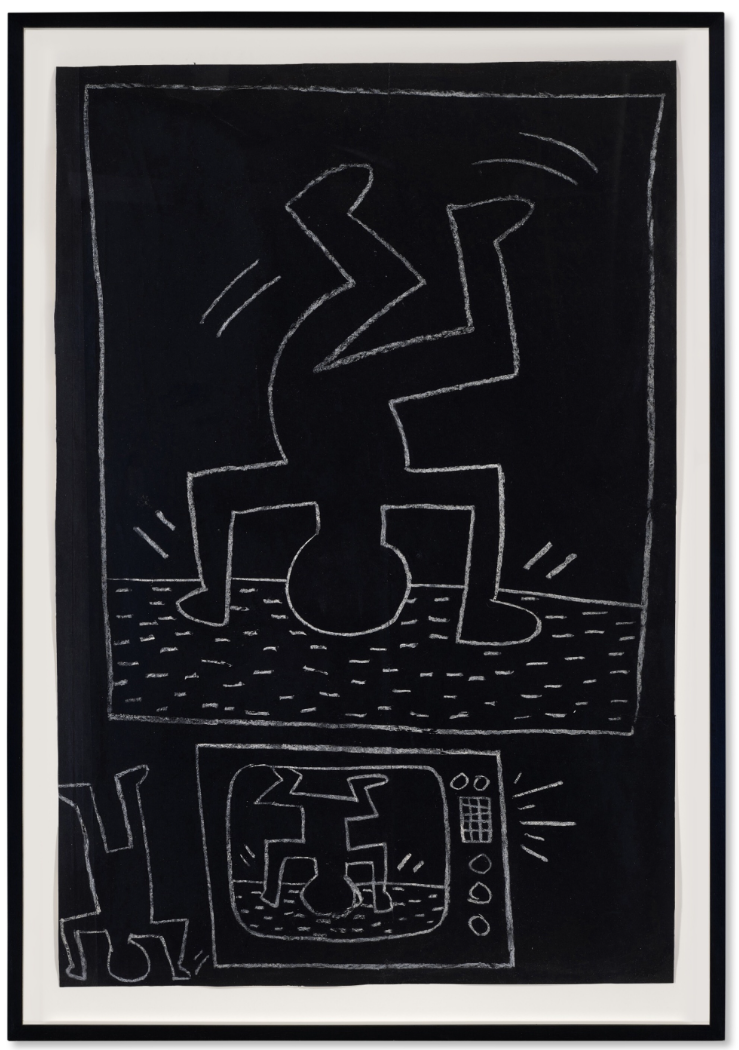
KEITH HARING (1958 – 1990)
Untitled (Breakdancers and TV), circa 1981-83
Chalk on 2 joined sheets of black paper
44 1/2 x 30 inches (113 x 76.2 cm)
Untitled (Signal), circa 1980-83
Art in Transit: 31 Subway Drawings by Keith Haring, From the Collection of Larry Warsh
Sotheby’s New-York: 21 November 2024
Estimated: USD 80,000 – 120,000
USD 114,000
Untitled (Signal) | Contemporary Day Auction | 2024 | Sotheby’s
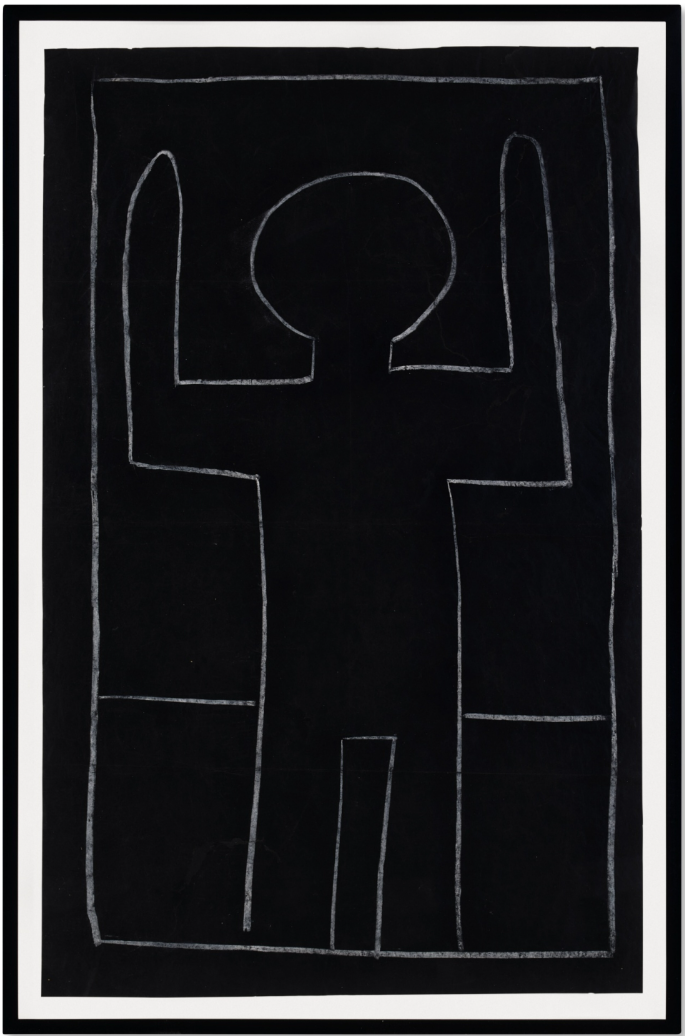
KEITH HARING (1958 – 1990)
Untitled (Signal), circa 1980-83
Chalk on black paper
45 1/4 x 28 1/2 inches (114.9 x 72.4 cm)
“In 1980, I returned to drawing with a new commitment to purpose and reality. If I was going to draw, there had to be a reason. That reason, I decided, was for people. The only way art lives is through the experience of the observer. The reality of art begins in the eyes of the beholder and gains power through imagination, invention, and confrontation.”
Untitled (Two Signals), circa 1980-83
Art in Transit: 31 Subway Drawings by Keith Haring, From the Collection of Larry Warsh
Sotheby’s New-York: 21 November 2024
Estimated: USD 120,000 – 180,000
USD 156,000
Untitled (Two Signals) | Contemporary Day Auction | 2024 | Sotheby’s
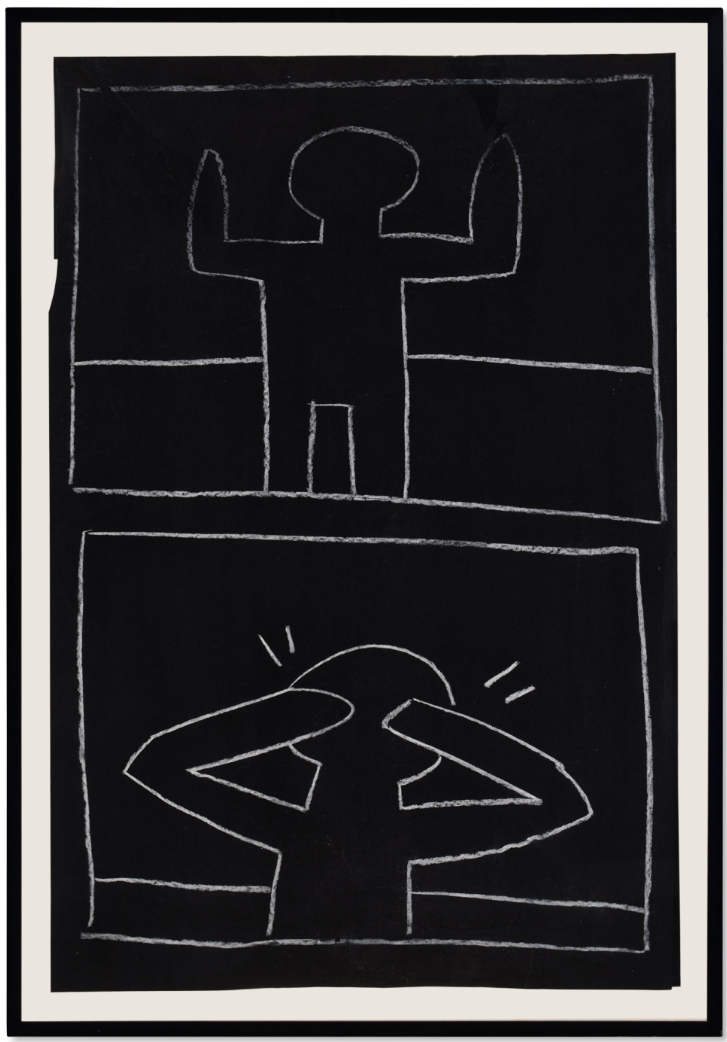
KEITH HARING (1958 – 1990)
Untitled (Two Signals), circa 1980-83
Chalk on black paper
45×30 inches (114.3 x 76.2 cm)
Untitled (Three Signals), circa 1981-83
Art in Transit: 31 Subway Drawings by Keith Haring, From the Collection of Larry Warsh
Sotheby’s New-York: 21 November 2024
Estimated: USD 120,000 – 180,000
USD 156,000
Untitled (Three Signals) | Contemporary Day Auction | 2024 | Sotheby’s
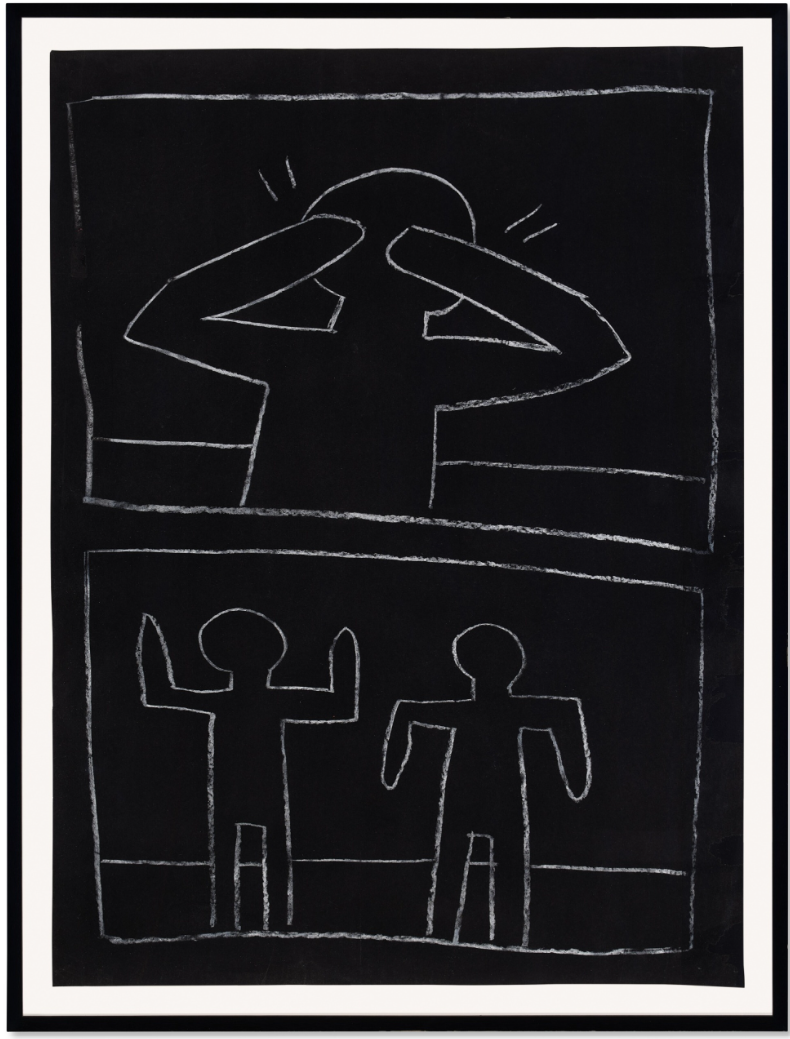
KEITH HARING (1958 – 1990)
Untitled (Three Signals), circa 1981-83
Chalk on black paper
44 3/4 x 33 inches (113.7 x 83.8 cm)
Untitled (Robot with Hotdog), circa 1980-83
Art in Transit: 31 Subway Drawings by Keith Haring, From the Collection of Larry Warsh
Sotheby’s New-York: 21 November 2024
Estimated: USD 50,000 – 70,000
USD 156,000
Untitled (Robot with Hotdog) | Contemporary Day Auction | 2024 | Sotheby’s
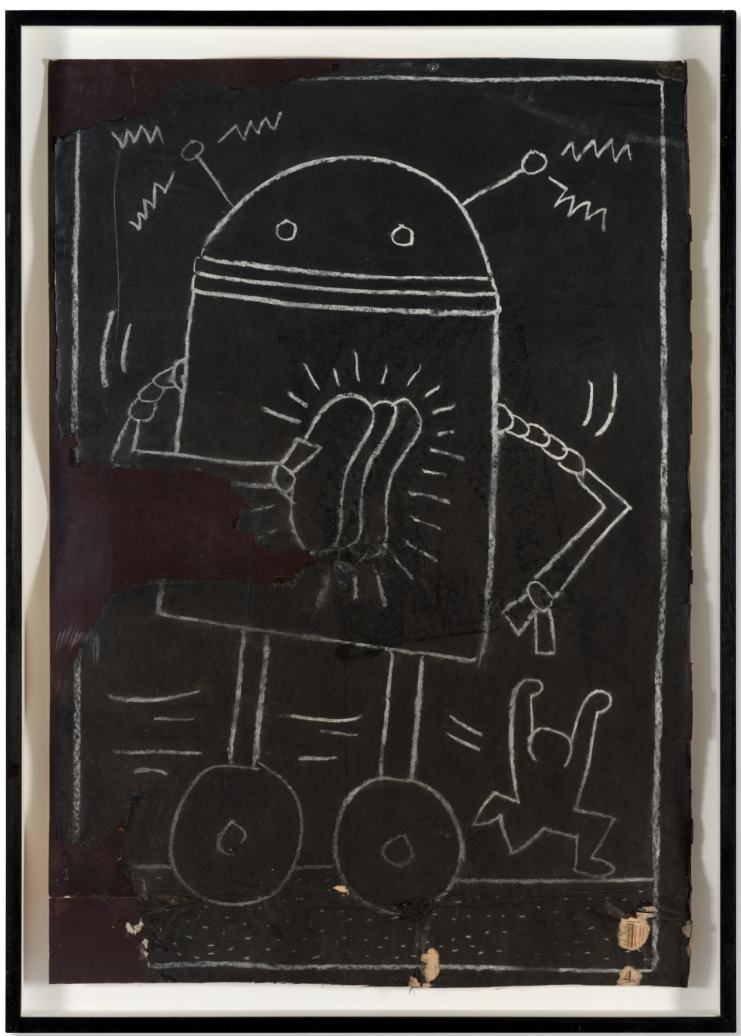
KEITH HARING (1958 – 1990)
Untitled (Robot with Hotdog), circa 1980-83
Chalk on black paper laid on paperboard
44×30 inches (111.8 x 76.2 cm)
“The drawings are designed to provoke people to think and use their own imagination. They don’t have exact definitions but challenge the viewer to assert his or her own ideas and interpretation. Sometimes, people find this uncomfortable, especially because the drawings are ina space usually reserved for advertisements which tell you exactly what to think. Sometimes the advertisements on the side of the empty panels provide inspiration for the drawings and often create ironic associations.”
Untitled (Merry Christmas N.Y.C. with Radiant Baby), 1985
Art in Transit: 31 Subway Drawings by Keith Haring, From the Collection of Larry Warsh
Sotheby’s New-York: 21 November 2024
Estimated: USD 150,000 – 200,000
USD 228,000
Untitled (Merry Christmas N.Y.C. with Radiant Baby) | Contemporary Day Auction | 2024 | Sotheby’s
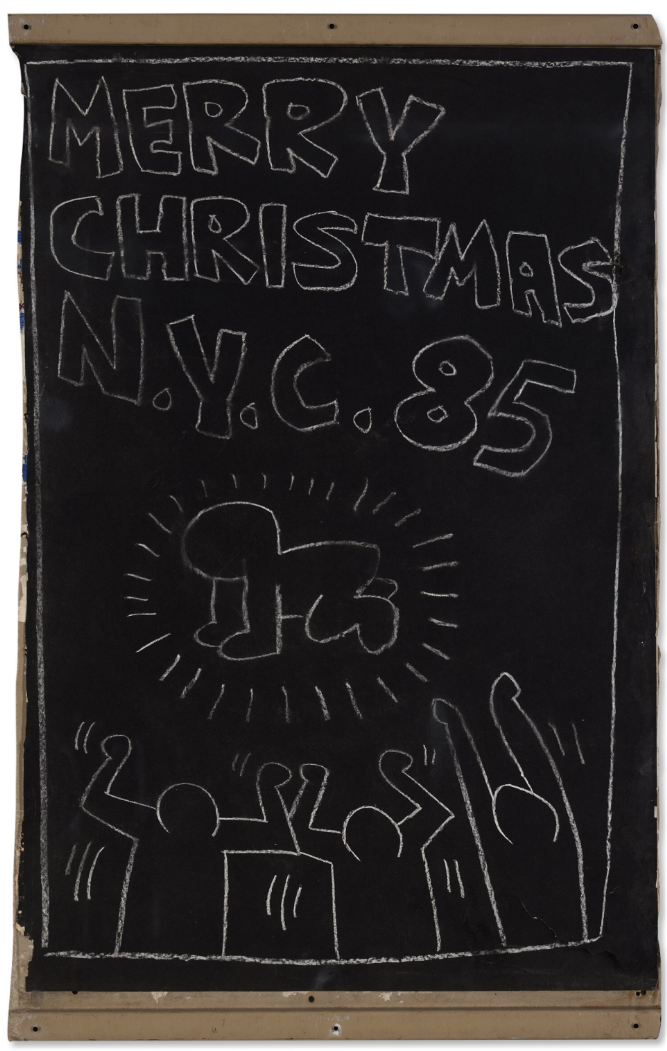
KEITH HARING (1958 – 1990)
Untitled (Merry Christmas N.Y.C. with Radiant Baby), 1985
Chalk on black paper on original MTA mount
Sheet: 45×30 inches (104.1 x 76.2 cm)
Untitled (Mermaid-Angel and Three Dolphins), 1982
Art in Transit: 31 Subway Drawings by Keith Haring, From the Collection of Larry Warsh
Sotheby’s New-York: 21 November 2024
Estimated: USD 350,000 – 450,000
USD 600,000
Untitled (Mermaid-Angel and Three Dolphins) | Contemporary Day Auction | 2024 | Sotheby’s
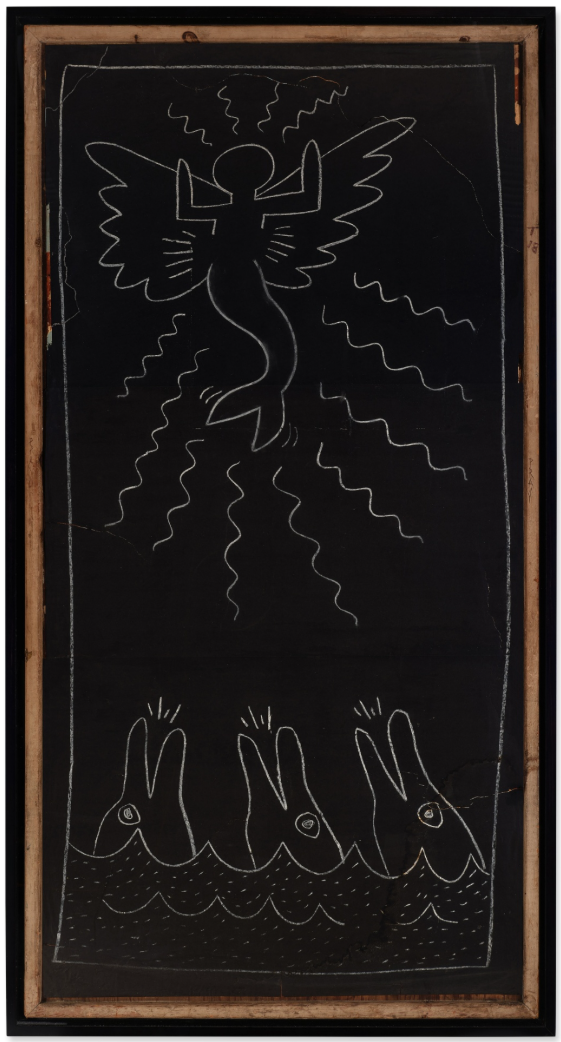
KEITH HARING (1958 – 1990)
Untitled (Mermaid-Angel and Three Dolphins), 1982
Chalk on 3 joined sheets of black paper on original MTA mount
Sheet: 83 1/2 x 41 inches (212.1 x 104.1 cm)
Mount: 85 3/4 x 45 inches (217.8 x 114.3 cm)
“One of Keith’s ideographs somehow captures his art and his aspiration. I refer to the fish-tailed image of Yemanjá, the Yoruba-Brazilian mermaid goddess of the seas. Keith developed this striking image in the subway drawings in 1982: ‘What happened, really, was that the drawing grew out of an evolution of other images, of the dolphins, of the angels, and sort of combined and turned into this sort of dolphin-mermaid-angel. ”
Untitled (Mermaid-Angel and Two Dolphins), circa 1980-83
Art in Transit: 31 Subway Drawings by Keith Haring, From the Collection of Larry Warsh
Sotheby’s New-York: 21 November 2024
Estimated: USD 200,000 – 300,000
USD 360,000
Untitled (Mermaid-Angel and Two Dolphins) | Contemporary Day Auction | 2024 | Sotheby’s
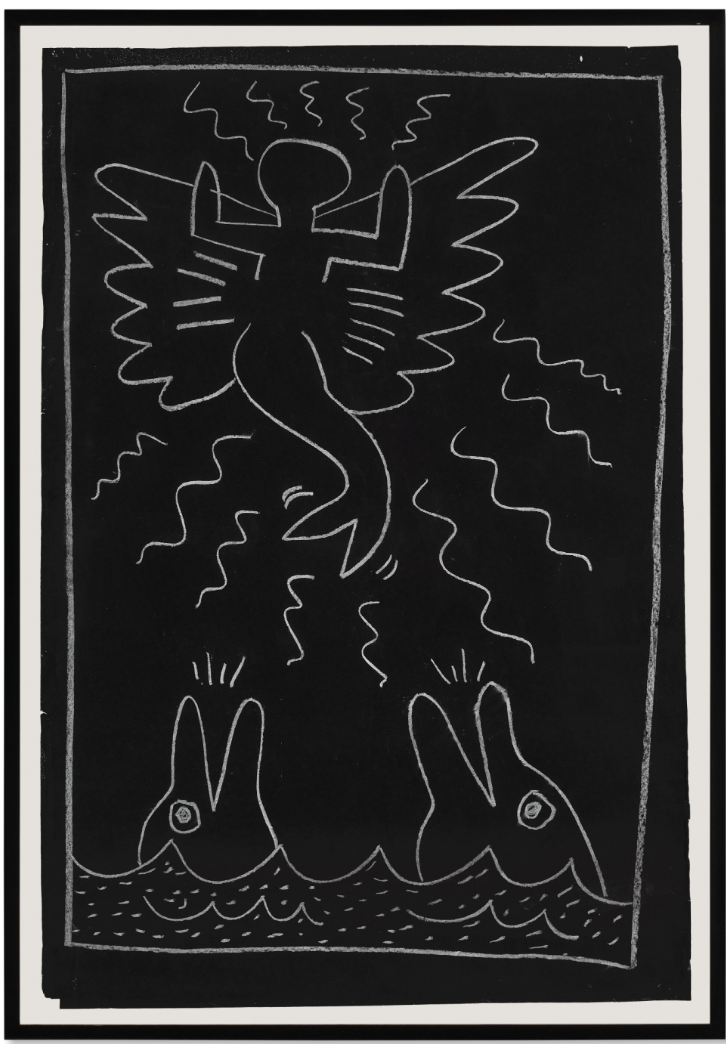
KEITH HARING (1958 – 1990)
Untitled (Mermaid-Angel and Two Dolphins), circa 1980-83
Chalk on black paper
45 1/4 x 30 inches (114.9 x 76.2 cm)
Untitled (Mermaid-Angel and Two Dolphins), circa 1981-83
Art in Transit: 31 Subway Drawings by Keith Haring, From the Collection of Larry Warsh
Sotheby’s New-York: 21 November 2024
Estimated: USD 300,000 – 400,000
USD 360,000
Untitled (Mermaid-Angel and Two Dolphins) | Contemporary Day Auction | 2024 | Sotheby’s
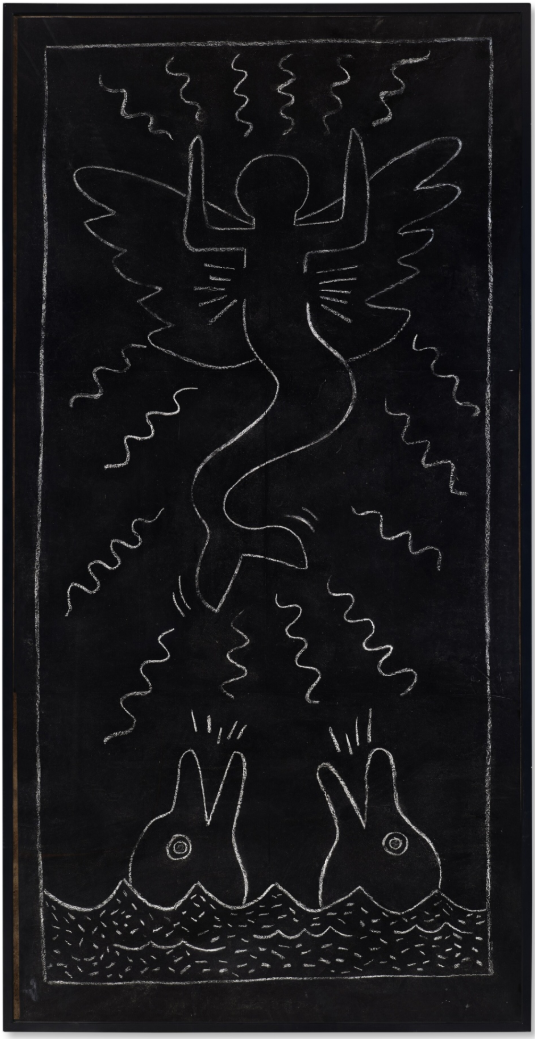
KEITH HARING (1958 – 1990)
Untitled (Mermaid-Angel and Two Dolphins), circa 1981-83
Chalk on 3 joined sheets of black paper laid on linen
Sheet: 84×42 inches (213.4 x 107 cm)
Linen: 84 1/4 x 42 5/8 inches (214 x 108.3 cm)
Untitled (Barking Dog on TV), circa 1980-83
Art in Transit: 31 Subway Drawings by Keith Haring, From the Collection of Larry Warsh
Sotheby’s New-York: 21 November 2024
Estimated: USD 40,000 – 60,000
USD 144,000
Untitled (Barking Dog on TV) | Contemporary Day Auction | 2024 | Sotheby’s
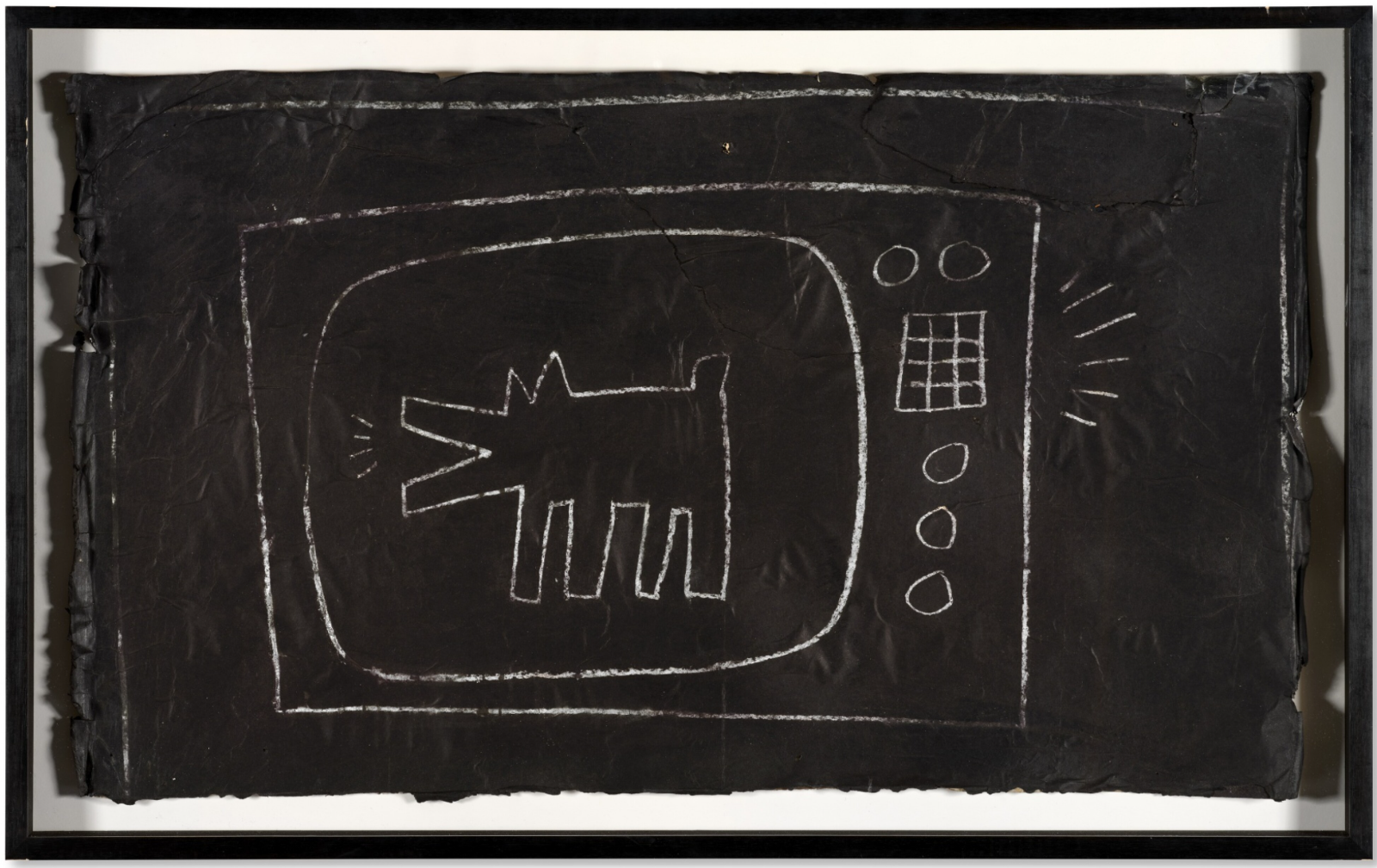
KEITH HARING (1958 – 1990)
Untitled (Barking Dog on TV), circa 1980-83
Chalk on black paper
24 x 41 1/4 inches (61 x 104.8 cm)
Untitled (Giant Figure with Rope), circa 1981-83
Art in Transit: 31 Subway Drawings by Keith Haring, From the Collection of Larry Warsh
Sotheby’s New-York: 21 November 2024
Estimated: USD 250,000 – 350,000
USD 264,000
Untitled (Giant Figure with Rope) | Contemporary Day Auction | 2024 | Sotheby’s
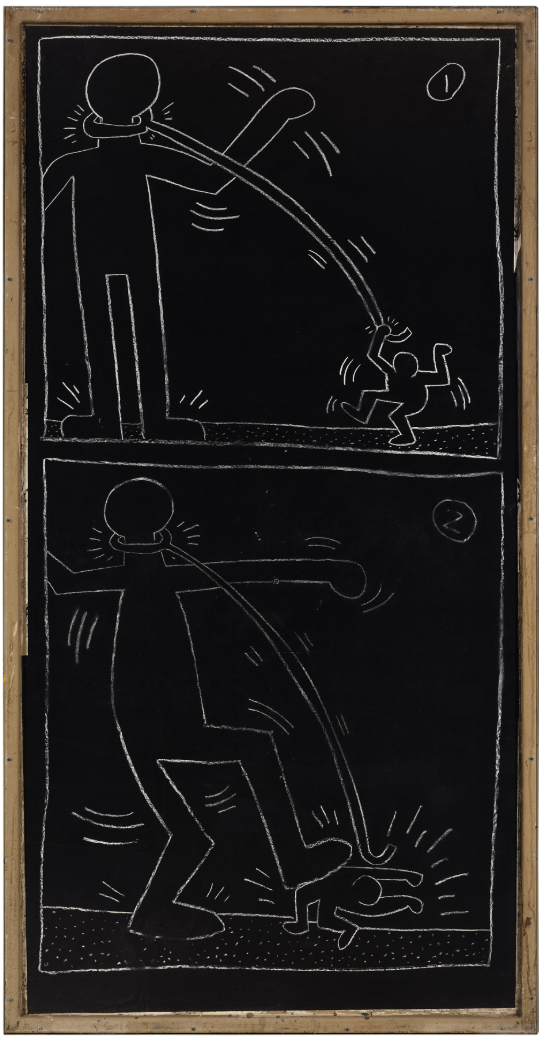
KEITH HARING (1958 – 1990)
Untitled (Giant Figure with Rope), circa 1981-83
Chalk on 3 joined sheets of black paper on original MTA mount
Sheet: 83 3/4 x 41 3/4 inches (212.7 x 106 cm)
Mount: 87×45 inches (221 x 114.3 cm)
Untitled (Two Pyramids and Flying Saucer), circa 1981-83
Art in Transit: 31 Subway Drawings by Keith Haring, From the Collection of Larry Warsh
Sotheby’s New-York: 21 November 2024
Estimated: USD 200,000 – 300,000
USD 384,000
Untitled (Two Pyramids and Flying Saucer) | Contemporary Day Auction | 2024 | Sotheby’s
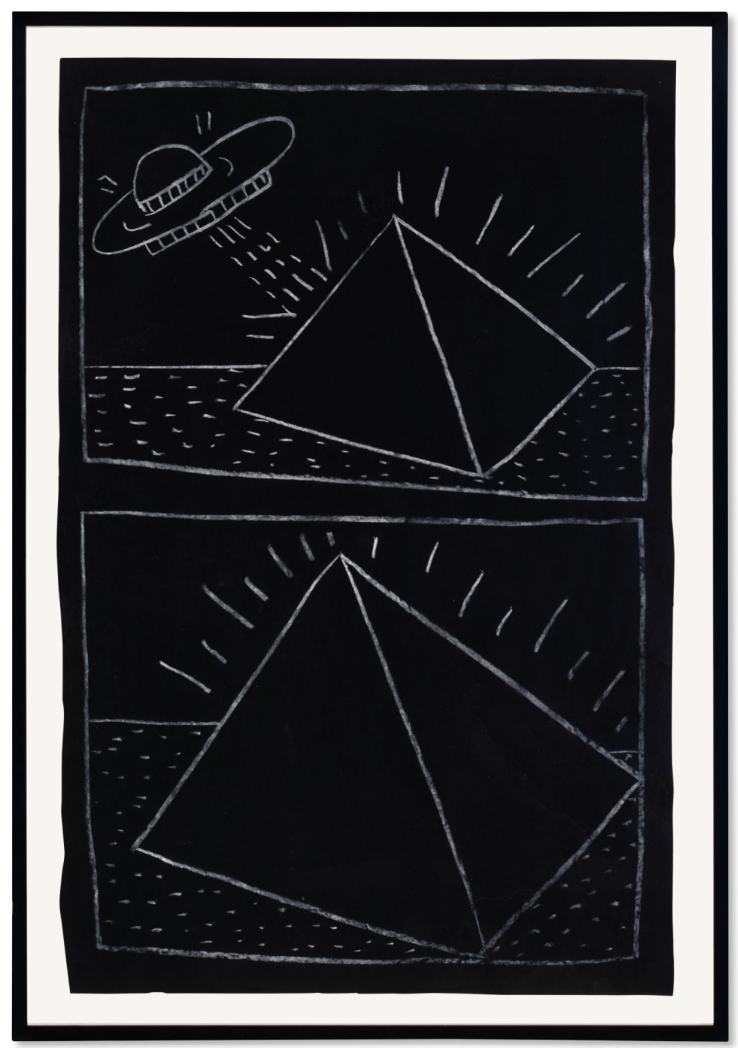
KEITH HARING (1958 – 1990)
Untitled (Two Pyramids and Flying Saucer), circa 1981-83
Chalk on black paper
45 x 29 1/2 inches (114.3 x 74.9 cm)
“The pyramids symbolize ancient times and energy as well as inconceivable cultural achievements of humankind; they reflect Haring’s interest in hieroglyphs and his critical engagement with slave labor, social injustice, and inhumanity”
Untitled (Two Angels and Barking Dogs), circa 1981-83
Art in Transit: 31 Subway Drawings by Keith Haring, From the Collection of Larry Warsh
Sotheby’s New-York: 21 November 2024
Estimated: USD 200,000 – 300,000
USD 300,000
Untitled (Two Angels and Barking Dogs) | Contemporary Day Auction | 2024 | Sotheby’s
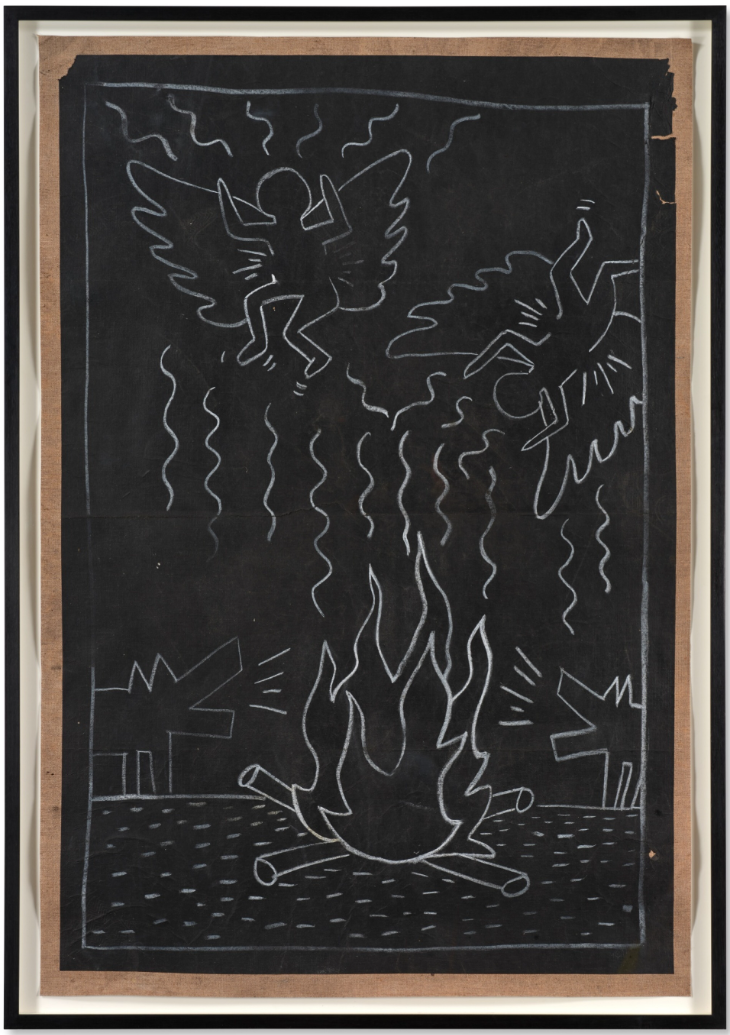
KEITH HARING (1958 – 1990)
Untitled (Two Angels and Barking Dogs), circa 1981-83
Chalk on black paper laid on linen
Sheet: 45×30 inches (114.3 x 76.2 cm)
Linen: 47×32 inches (119.4 x 81.3 cm)
Untitled (Running Crucifix), circa 1981-83
Art in Transit: 31 Subway Drawings by Keith Haring, From the Collection of Larry Warsh
Sotheby’s New-York: 21 November 2024
Estimated: USD 120,000 – 180,000
USD 168,000
Untitled (Running Crucifix) | Contemporary Day Auction | 2024 | Sotheby’s
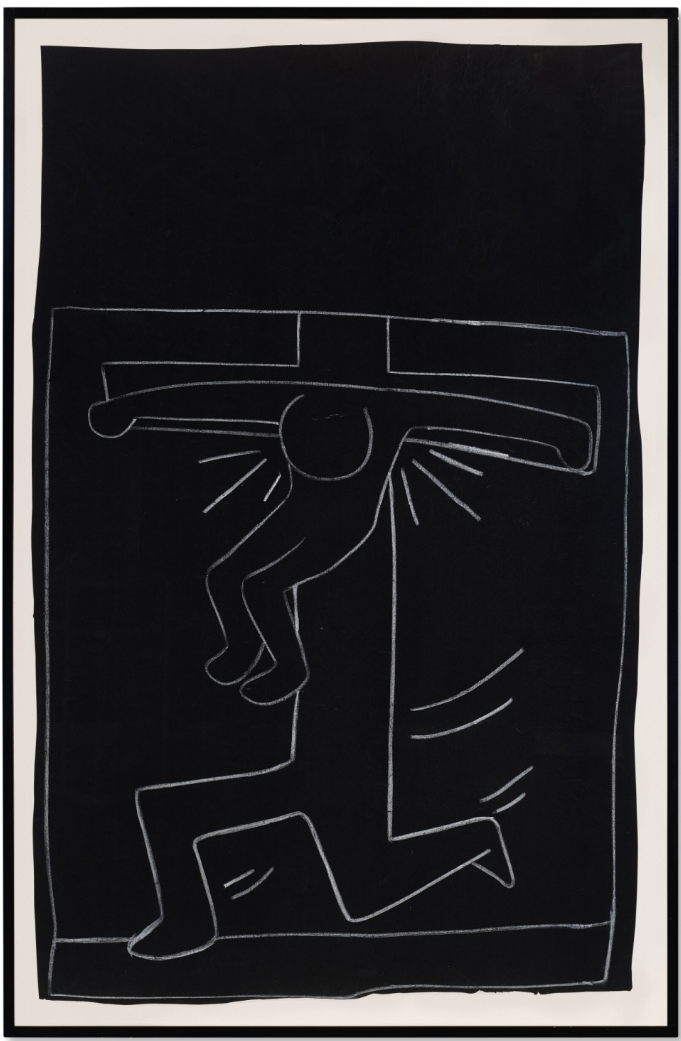
KEITH HARING (1958 – 1990)
Untitled (Running Crucifix), circa 1981-83
Chalk on black paper laid on foam board
66×43 inches (167.8 x 109.2 cm)
“I have been drawing in the subway for three years now, and although my career aboveground has skyrocketed, the subway is still my favorite place to draw. There is something very “real” about the subway system and the people who travel in it; perhaps there is not another place in the world where people of such diverse appearance, background, and life-style have intermingled for a common purpose. In this underground environment, one can often feel a sense of oppression and struggle in the vast assortment of faces. It is in this context that an expression of hope and beauty carries the greatest rewards”.
Untitled (Figures Lifting Pyramids), circa 1980-83
Art in Transit: 31 Subway Drawings by Keith Haring, From the Collection of Larry Warsh
Sotheby’s New-York: 21 November 2024
Estimated: USD 200,000 – 300,000
USD 300,000
Untitled (Figures Lifting Pyramids) | Contemporary Day Auction | 2024 | Sotheby’s
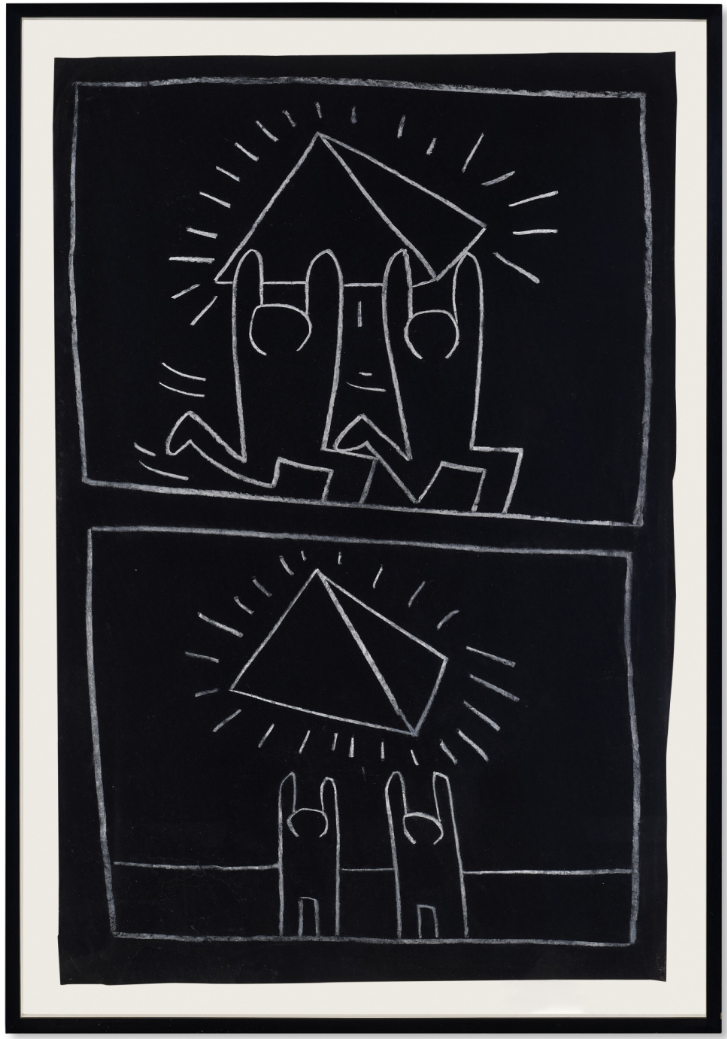
KEITH HARING (1958 – 1990)
Untitled (Figures Lifting Pyramids), circa 1980-83
Chalk on black paper
44 1/2 x 29 inches (113 x 73.7 cm)
Untitled (Three-Eyed Smiley Face), circa 1982-85
Art in Transit: 31 Subway Drawings by Keith Haring, From the Collection of Larry Warsh
Sotheby’s New-York: 21 November 2024
Estimated: USD 150,000 – 200,000
USD 192,000
Untitled (Three-Eyed Smiley Face) | Contemporary Day Auction | 2024 | Sotheby’s
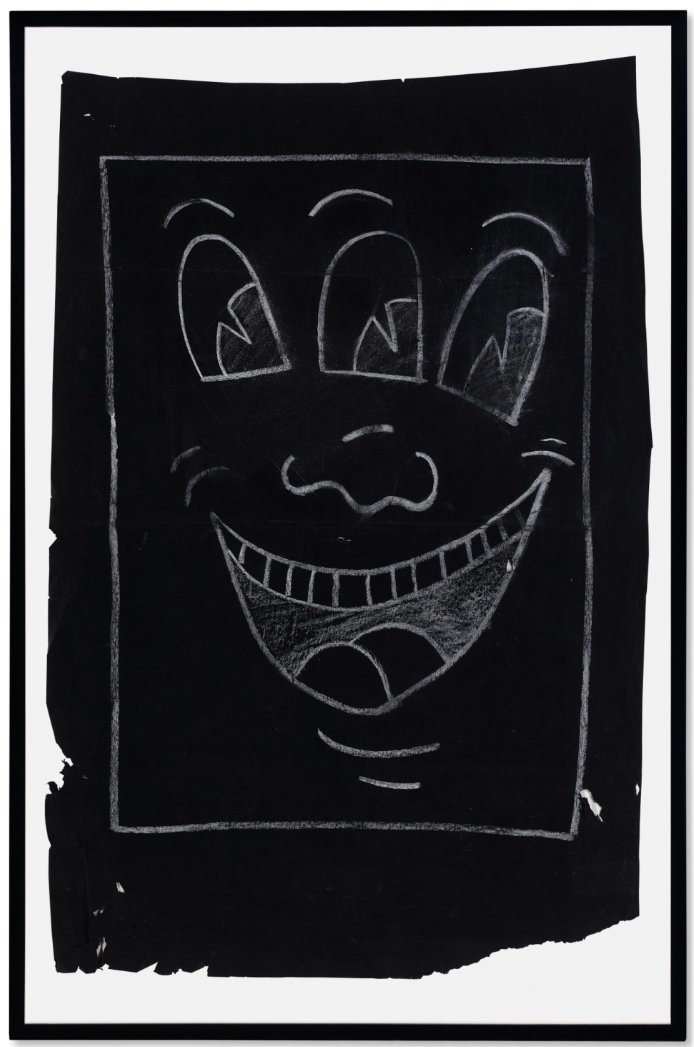
KEITH HARING (1958 – 1990)
Untitled (Three-Eyed Smiley Face), circa 1982-85
Chalk on black paper
44 x 27 1/2 inches (111.8 x 69.8 cm)
“Keith Haring has developed his own language, which speaks to us with immediacy in a deeply preverbal sense. Each term in this language can be read as subject, verb, or object: the Dog Barks the Spacecraft or the Spacecraft Zaps the Praying Man. In much the same way as Chinese or Egyptian languages are written pictographically, Keith Haring’s world is made up of symbols that speak urgently to us, both alone and in interchangeable configurations. And as the pictographs or hieroglyphs communicate visually, soundlessly, so too are Haring’s symbols swathed in silence. An eerie quietude surrounds all his work, heightening and animating the dramas they depict”.
Untitled (Two Figures and Clock), circa 1981-83
Art in Transit: 31 Subway Drawings by Keith Haring, From the Collection of Larry Warsh
Sotheby’s New-York: 21 November 2024
Estimated: USD 150,000 – 200,000
USD 204,000
Untitled (Two Figures and Clock) | Contemporary Day Auction | 2024 | Sotheby’s
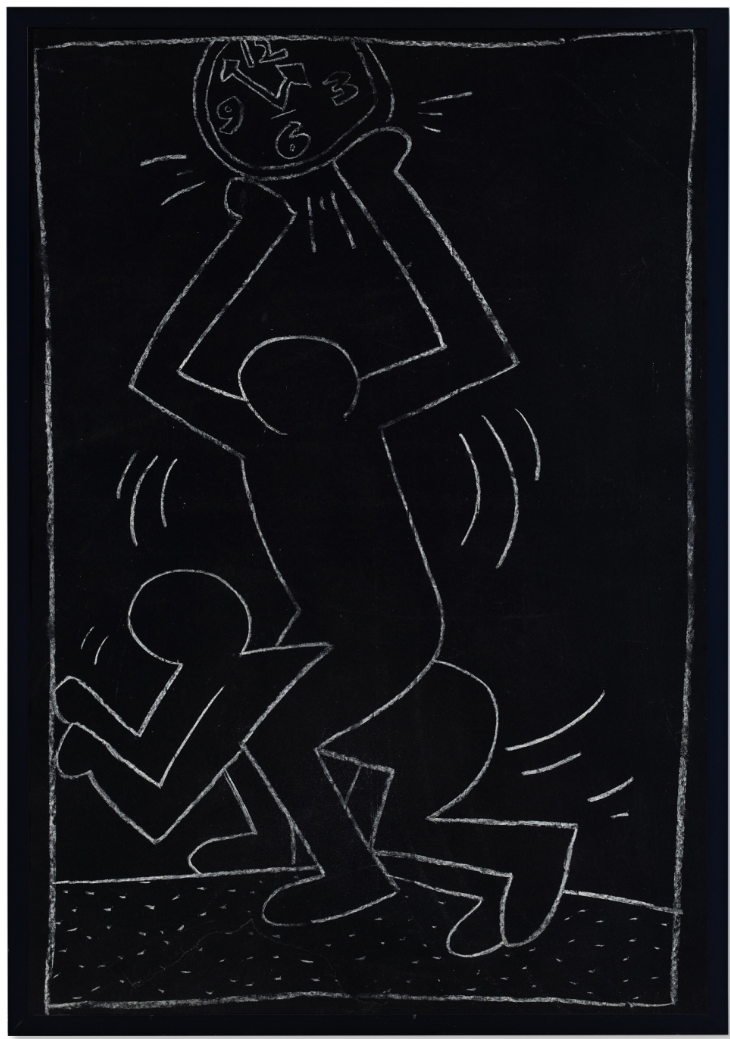
KEITH HARING (1958 – 1990)
Untitled (Two Figures and Clock), circa 1981-83
Chalk on black paper laid on paperboard
44 3/4 x 29 inches (108.6 x 73.7 cm)
Untitled (Caterpillar), circa 1980-83
Art in Transit: 31 Subway Drawings by Keith Haring, From the Collection of Larry Warsh
Sotheby’s New-York: 21 November 2024
Estimated: USD 200,000 – 300,000
USD 360,000
Untitled (Caterpillar) | Contemporary Day Auction | 2024 | Sotheby’s
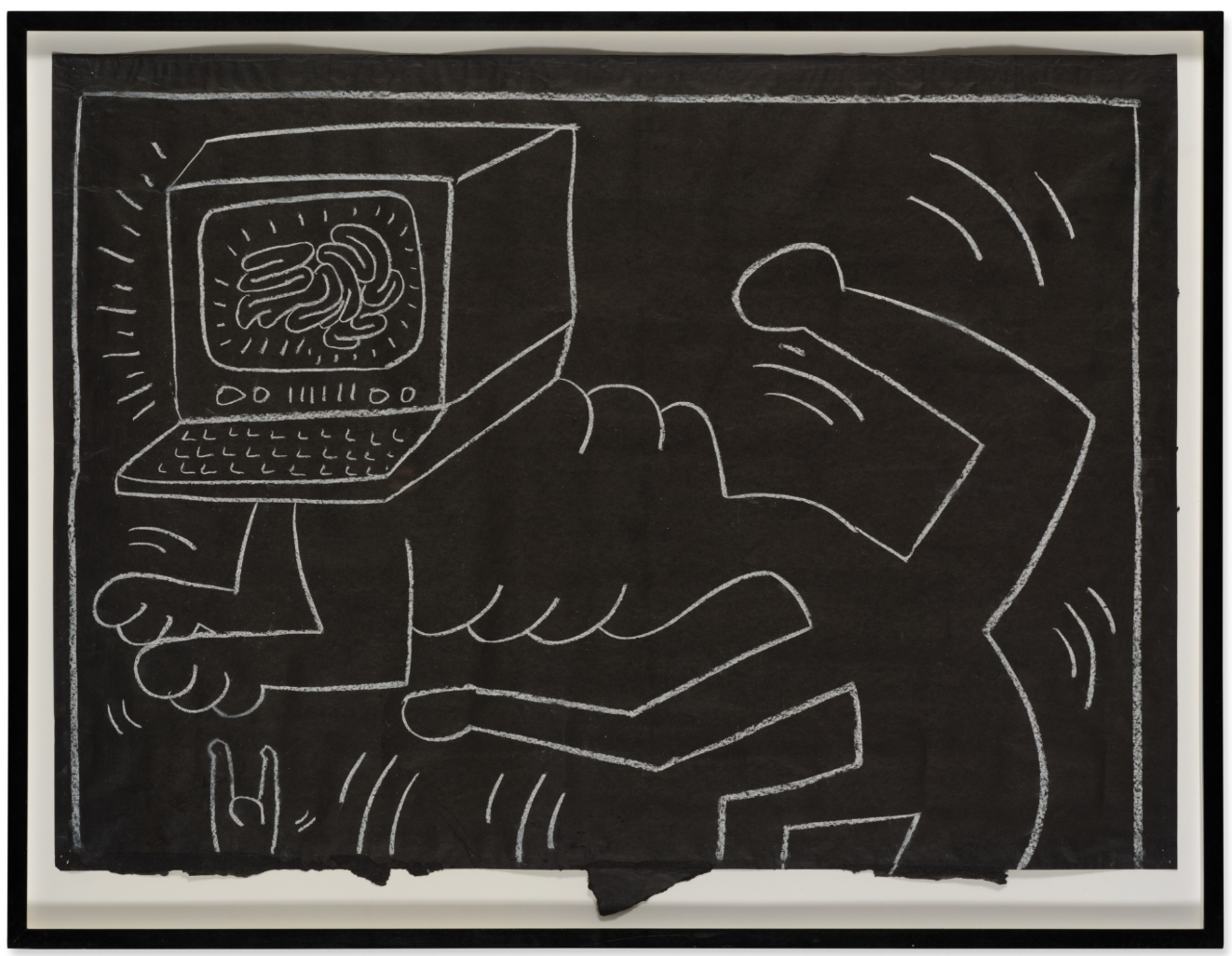
KEITH HARING (1958 – 1990)
Untitled (Caterpillar), circa 1980-83
Chalk on black paper
32×42 inches (81.3 x 106.7 cm)
“The caterpillar is the actual feeding stage of the butterfly and has to shed its skin several times before achieving its final size. Only after metamorphosis does it transform into the butterfly, whose beauty serves the purpose of procreation alone, and then afterwards fades. Thus, the caterpillar symbolizes both transformation and metamorphosis as well as a craving for food and greed, which is why it resembles a monster in a series of depictions. With a computer substituting for its head, the caterpillar turns into a human-slaughtering ogre. Similar to James Cameron’s 1984 science fiction movie Terminator, in which Arnold Schwarzenegger plays a murderous android from the future, Haring sees an acute danger in machines possibly meaning the end of humanity.”
Untitled (Monkeys and TV), 1983
Art in Transit: 31 Subway Drawings by Keith Haring, From the Collection of Larry Warsh
Sotheby’s New-York: 21 November 2024
Estimated: USD 250,000 – 350,000
USD 276,000
Untitled (Monkeys and TV) | Contemporary Day Auction | 2024 | Sotheby’s
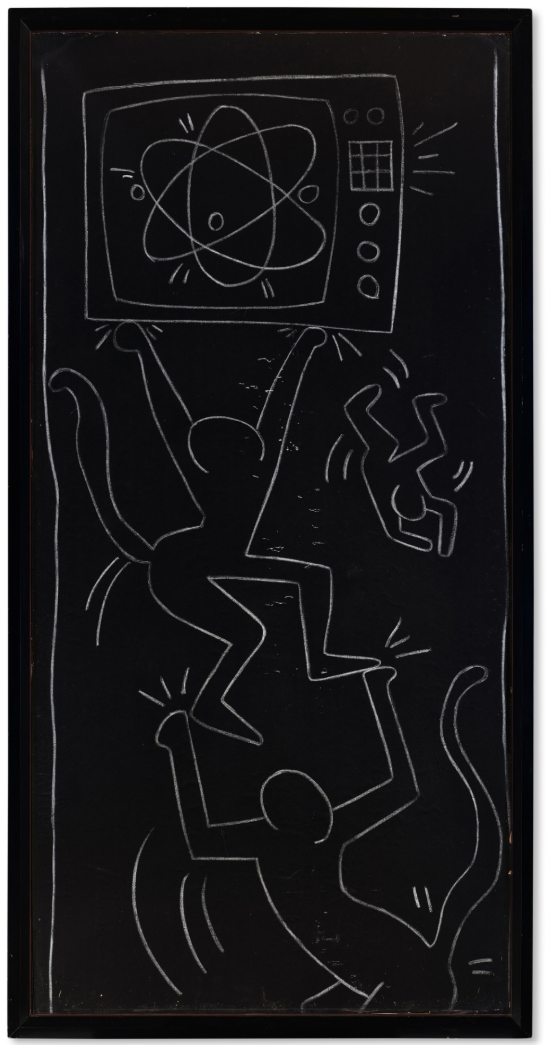
KEITH HARING (1958 – 1990)
Untitled (Monkeys and TV), 1983
Chalk on black paper laid on paperboard
84 1/2 x 41 inches (214 x 104.1 cm)
Untitled (Anubis and Flying Saucer), circa 1980-83
Art in Transit: 31 Subway Drawings by Keith Haring, From the Collection of Larry Warsh
Sotheby’s New-York: 21 November 2024
Estimated: USD 180,000 – 250,000
USD 228,000
Untitled (Anubis and Flying Saucer) | Contemporary Day Auction | 2024 | Sotheby’s
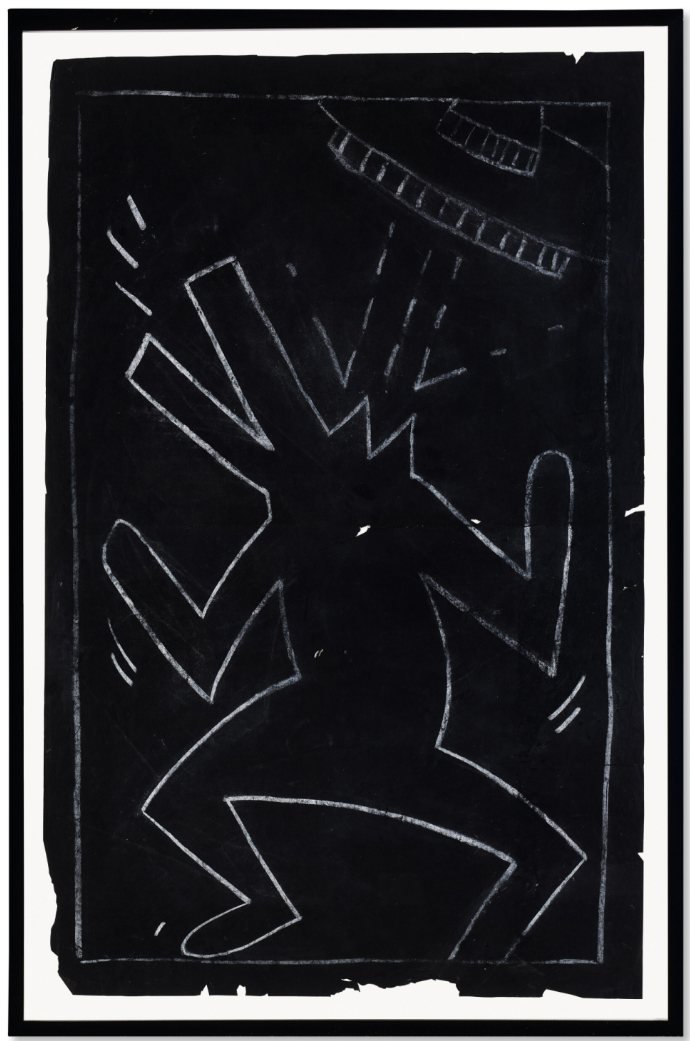
KEITH HARING (1958 – 1990)
Untitled (Anubis and Flying Saucer), circa 1980-83
Chalk on black paper
45×28 inches (114.3 x 71.1 cm)
Untitled (Three Figures, 1983), 1983
Art in Transit: 31 Subway Drawings by Keith Haring, From the Collection of Larry Warsh
Sotheby’s New-York: 21 November 2024
Estimated: USD 250,000 – 350,000
USD 180,000
Untitled (Three Figures, 1983) | Contemporary Day Auction | 2024 | Sotheby’s
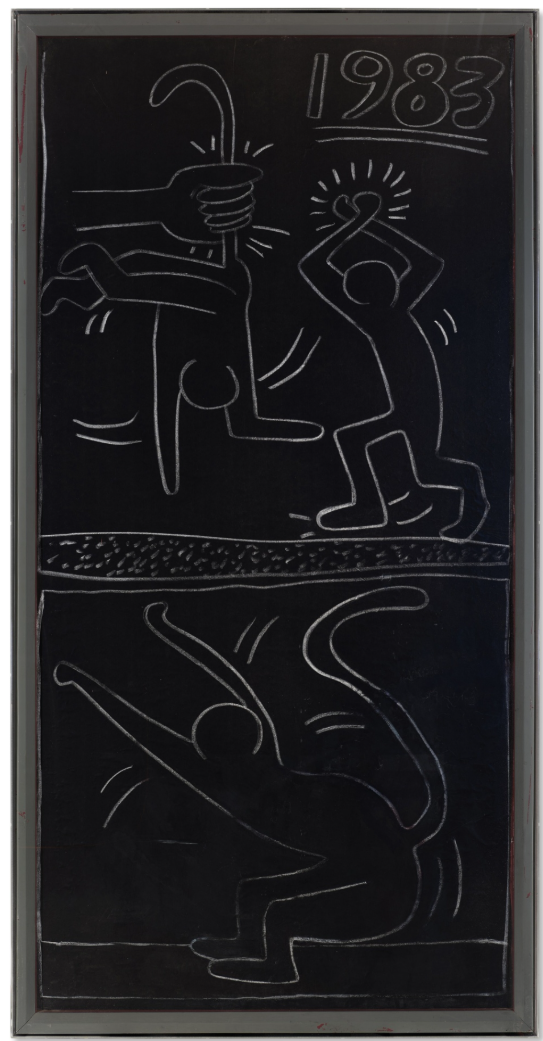
KEITH HARING (1958 – 1990)
Untitled (Three Figures, 1983), 1983
Chalk on black paper laid on panel
Sheet: 84×41 inches (213.4 x 104.1 cm)
Panel: 87 1/2 x 47 3/4 inches (222.3 x 121.3 cm)
Untitled (Lightbulb Head), circa 1981-83
Art in Transit: 31 Subway Drawings by Keith Haring, From the Collection of Larry Warsh
Sotheby’s New-York: 21 November 2024
Estimated: USD 300,000 – 400,000
USD 336,000
Untitled (Lightbulb Head) | Contemporary Day Auction | 2024 | Sotheby’s
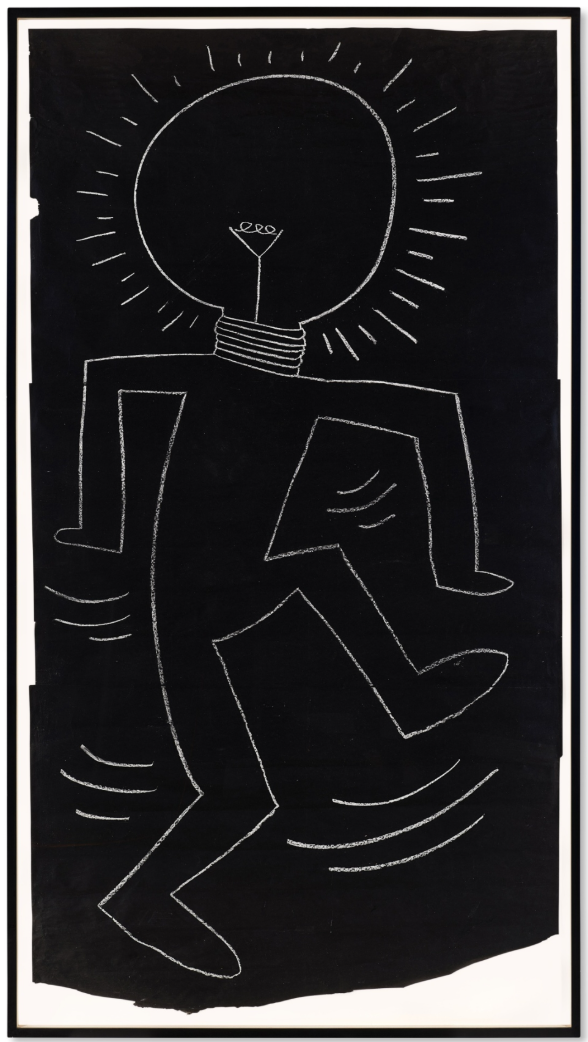
KEITH HARING (1958 – 1990)
Untitled (Lightbulb Head), circa 1981-83
Chalk on 3 joined sheets of black paper
78×42 inches (198.1 x 106.7 cm)
Untitled (Spotted Breakdancer and Three Barking Dogs), circa 1980-83
Art in Transit: 31 Subway Drawings by Keith Haring, From the Collection of Larry Warsh
Sotheby’s New-York: 21 November 2024
Estimated: USD 70,000 – 100,000
USD 126,000
Untitled (Spotted Breakdancer and Three Barking Dogs) | Contemporary Day Auction | 2024 | Sotheby’s
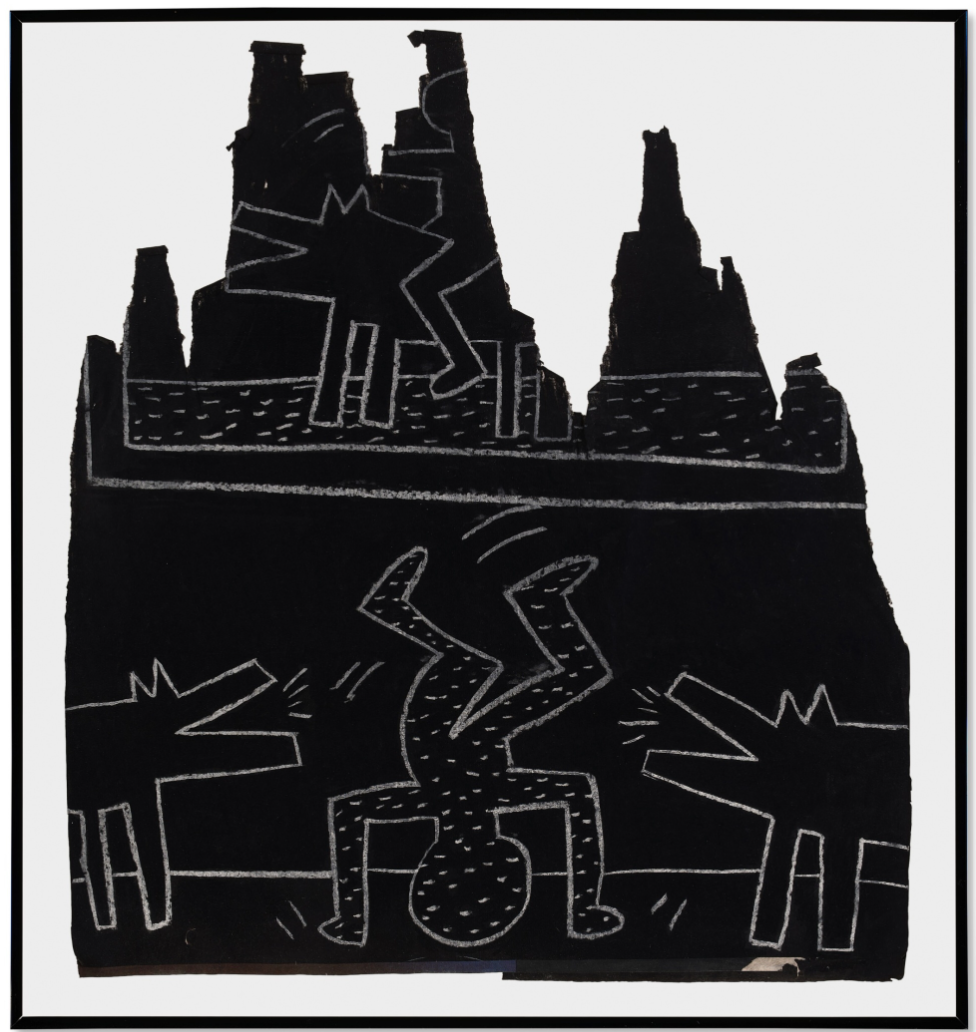
KEITH HARING (1958 – 1990)
Untitled (Spotted Breakdancer and Three Barking Dogs), circa 1980-83
Chalk on black paper
34 1/2 x 30 inches (87.6 x 76.2 cm)
“The images are part of the collective consciousness of modern man. Sometimes they stem from world events, sometimes from ideas about technology or people changing roles in relation to God and evolution. All of the drawings use images that universally “readable”. They are are often inspired by popular culture. The drawings are designed to provoke people to think and use their own imagination.”
Untitled (Breakdancers and Barking Dog), circa 1980-83
Art in Transit: 31 Subway Drawings by Keith Haring, From the Collection of Larry Warsh
Sotheby’s New-York: 21 November 2024
Estimated: USD 120,000 – 180,000
USD 348,000
Untitled (Breakdancers and Barking Dog) | Contemporary Day Auction | 2024 | Sotheby’s
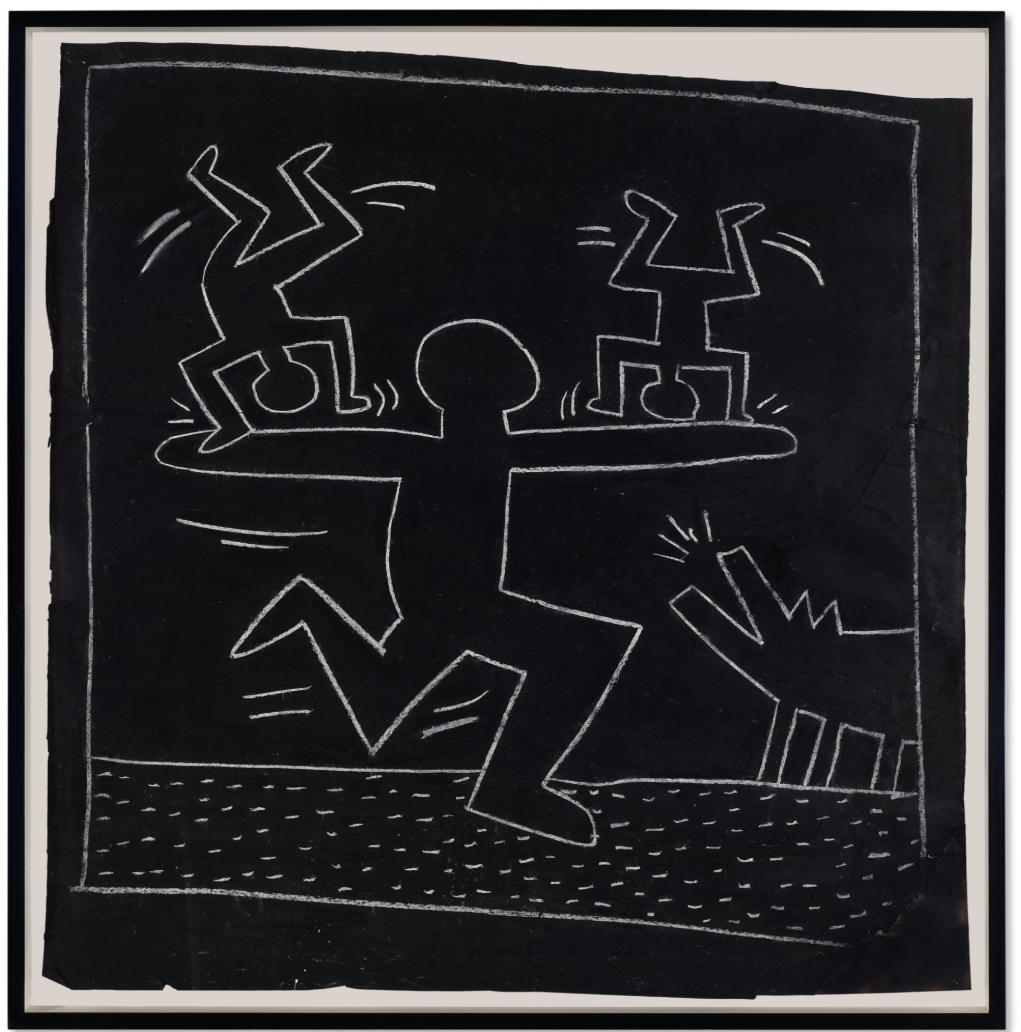
KEITH HARING (1958 – 1990)
Untitled (Breakdancers and Barking Dog), circa 1980-83
Chalk on 2 joined sheets of black paper
43×42 inches (109.2 x 107 cm)
“While [Haring] paints with intense concentration…advanced dance music permeates the air, sounding from an immense boom-box. He seldom works without music, and not only Haring, but the figures he’s painting seem to rock to the beat. . . . Like a master rapper who can rhyme line after line in a never-ending cadence, Haring keeps unfolding his images with a visual syncopation”
Untitled (Pyramid and Flying Saucer), circa 1982-85
Art in Transit: 31 Subway Drawings by Keith Haring, From the Collection of Larry Warsh
Sotheby’s New-York: 21 November 2024
Estimated: USD 200,000 – 300,000
USD 312,000
Untitled (Pyramid and Flying Saucer) | Contemporary Day Auction | 2024 | Sotheby’s
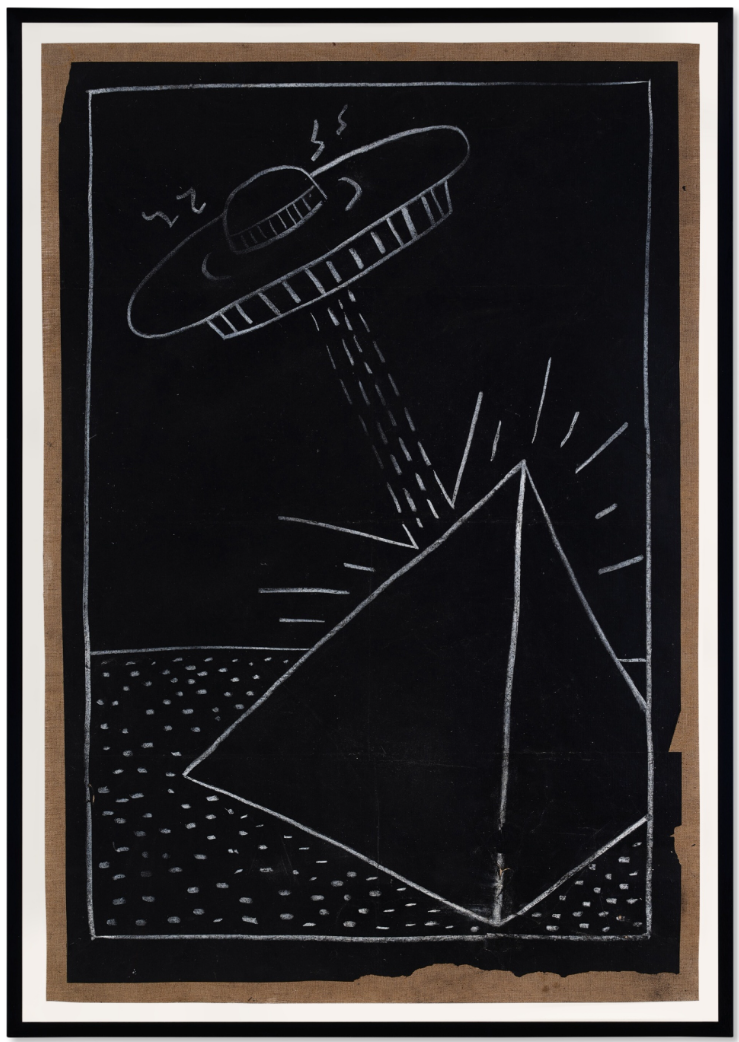
KEITH HARING (1958 – 1990)
Untitled (Pyramid and Flying Saucer), circa 1982-85
Chalk on black paper laid on linen
Sheet: 45×30 inches (114.3 x 76.2 cm)
Linen: 47×32 inches (119.4 x 81.3 cm)
“ The flying saucer symbolizes space, space travel, and communication. It is also a symbol of otherness and can describe any person who lies outside of the social norm and community. In Haring’s work strength emanates from these outsiders, for they have the power to activate and empower others.”
Untitled (Medusa Head), circa 1980-83
Sotheby’s New-York: 21 November 2024
Estimated: USD 180,000 – 250,000
USD 216,000
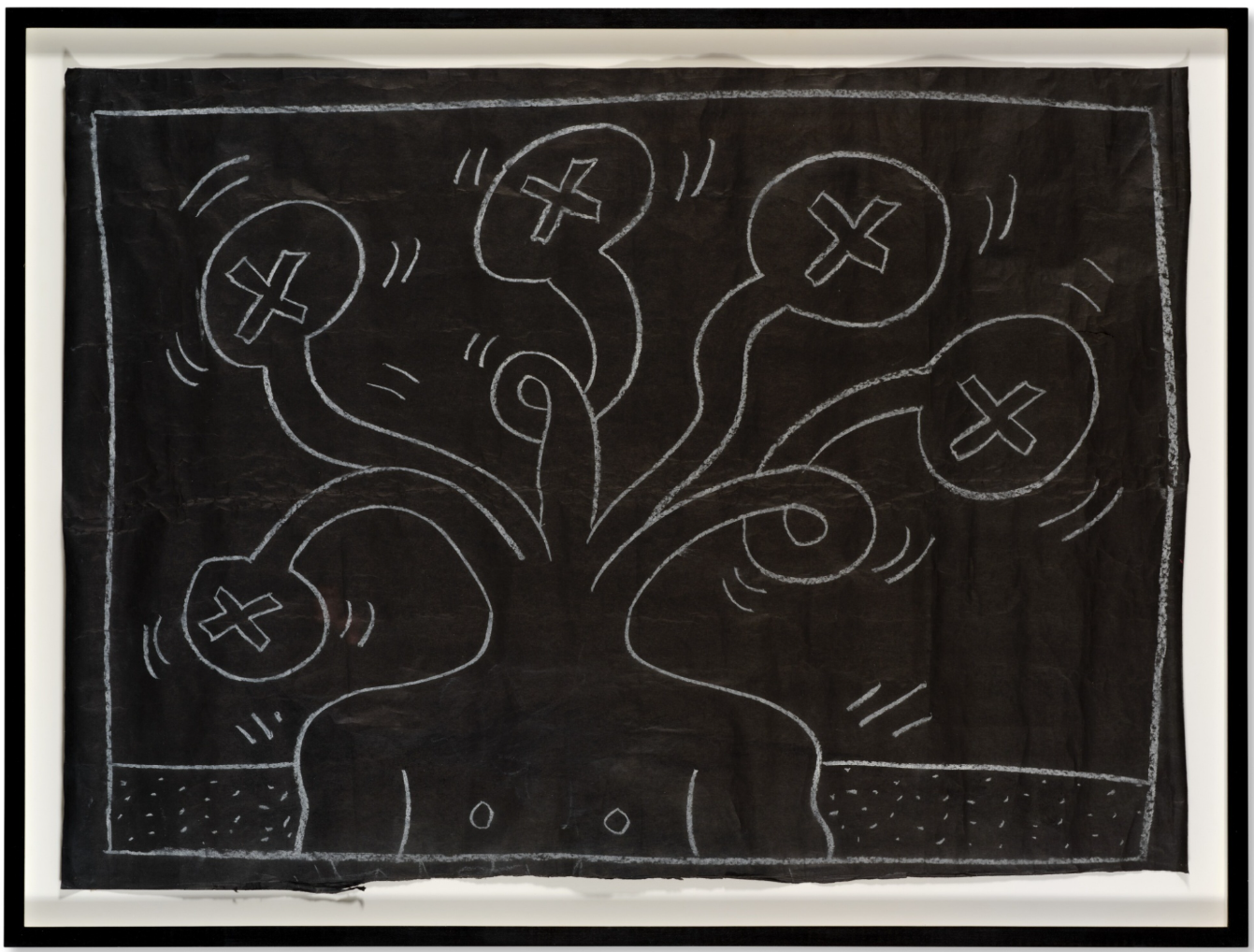
Untitled (Medusa Head), circa 1980-83
Chalk on black paper
29 1/4 x 41 1/2 inches (74.3 x 105.4 cm)
Untitled (Two Figures Tied Together), circa 1980-83
Art in Transit: 31 Subway Drawings by Keith Haring, From the Collection of Larry Warsh
Sotheby’s New-York: 21 November 2024
Estimated: USD 100,000 – 150,000
USD 132,000
Untitled (Two Figures Tied Together) | Contemporary Day Auction | 2024 | Sotheby’s
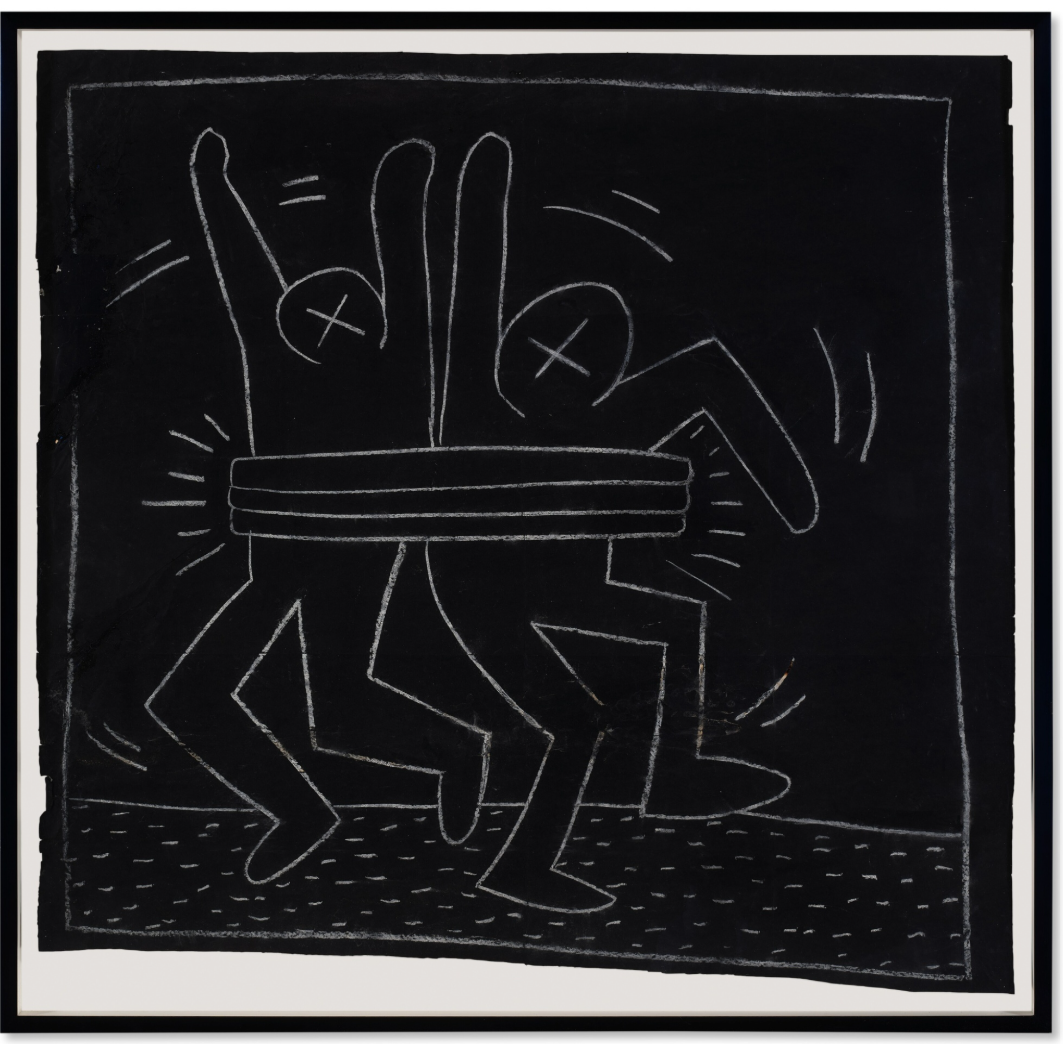
KEITH HARING (1958 – 1990)
Untitled (Two Figures Tied Together), circa 1980-83
Chalk on 2 joined sheets of black paper
40 1/2 x 42 inches (102.9 x 106.7 cm)
“The advertisements that fill every subway panel that this was the perfect situation. The advertisements that fill every subway platform are changed periodically. When there aren’t enough new ads, a black paper panel is substituted. I remember noticing a panel in the Times Square station and immediately going aboveground and buying chalk. After the first drawing, things just fell into place. I began drawing in the subways as a hobby on my way to work.”
Focus: Jeff Koons
4 lots sold for a total of USD 17,080,860.
The top lot, Large Vase of Flowers, dated 1991, sold at Christie’s for USD 8,230,000. With 1 lot failing to sell, the sell-through rate is 80%. The most important lot, Woman in a Tub, was passed at Sotheby’s.
#1. Large Vase of Flowers, 1991
Christie’s New-York: 21 November 2024
Estimated: USD 6,000,000 – 8,000,000
USD 8,230,000
JEFF KOONS (B. 1955), Large Vase of Flowers | Christie’s
JEFF KOONS (B. 1955)
Large Vase of Flowers, 1991
Polychromed wood
52x43x43 inches (132.1 x 109.2 x 109.2 cm)
This work is the artist’s proof from an edition of three plus one artist’s proof
As one of the world’s most celebrated contemporary artists, Jeff Koons has spent his career challenging our preconceptions and understanding of art. As part of this mission, his representations of flowers have become one of the artist’s most prolific and celebrated motifs. From the very beginning of his career Koons has used floral forms as a highly symbolic indicator of life.
“I have always enjoyed flowers. Since taking art lessons as a child, I have had flowers in my work. I always like the sense that a flower just displays itself. The viewer always finds grace in a flower. Flowers are a symbol that life goes forward.”
For Koons, there are strong parallels between man and flower, all of which course through the heart of his practice.
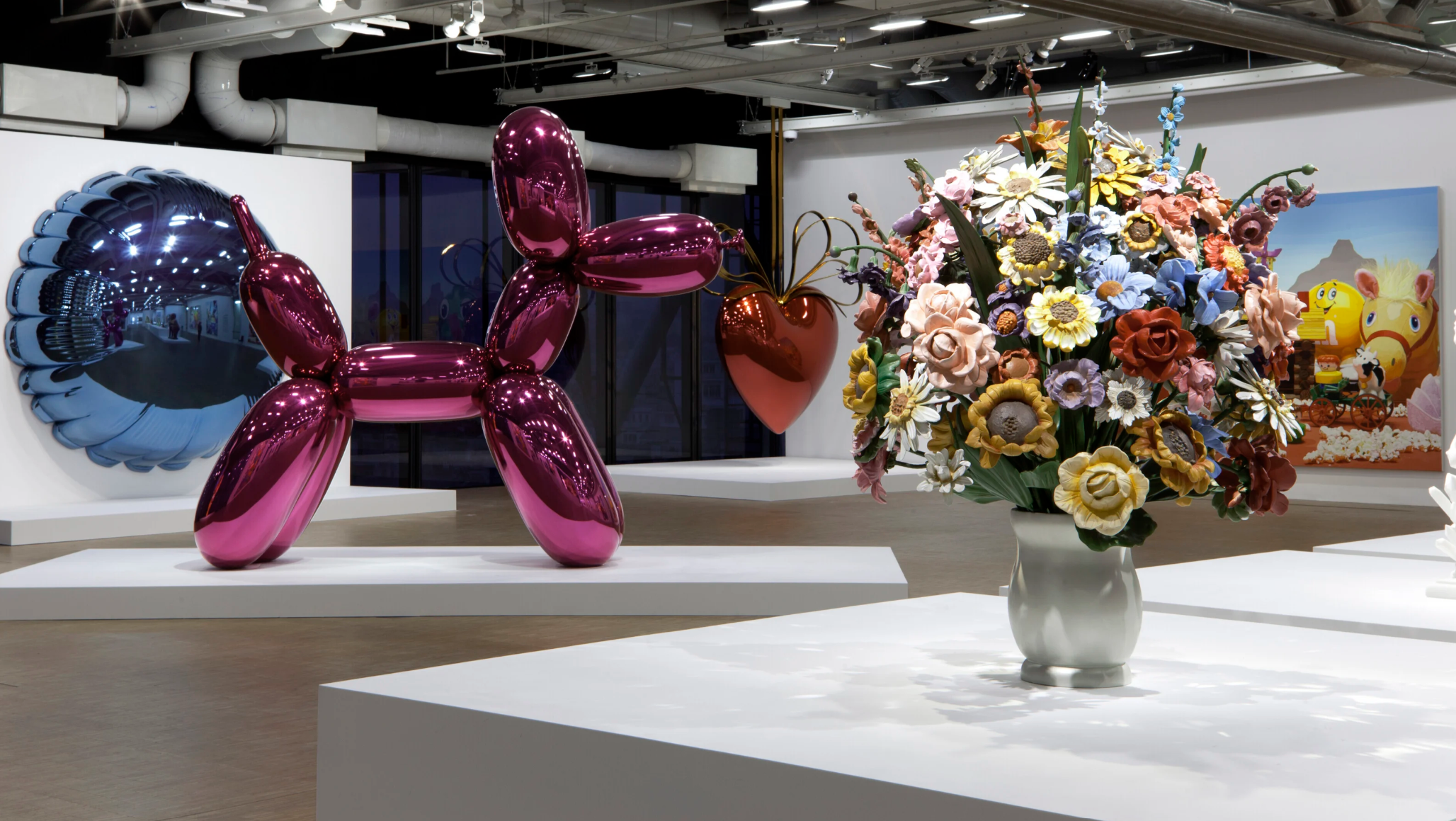
Installation view, Jeff Koons: A Retrospective, November 26, 2014 – April 27, 2015, Centre Pompidou, Paris (present lot illustrated). Artwork: © Jeff Koons.
Representing life, sex, fragility, fertility, joy, and banality, the symbol of the flower has become a powerful and compelling motif for the artist. From his early Inflatables and Statuary series to his stainless-steel Balloon Flowers and the 48-foot-high flower Puppy sculpture, no one emblem within the artist’s oeuvre more fully encapsulates these notions than the present work, his widely exhibited Large Vase of Flowers. In his typically direct and enigmatic manner, Koons describes his polychrome bouquet of spring flowers:
“In the Large Vase of Flowers there are 140 flowers.
They are very sexual and fertile…”
Executed in 1991, the vibrant, blossom-filled sculpture is an unassuming triumph of the artist’s now iconic Made in Heaven series.
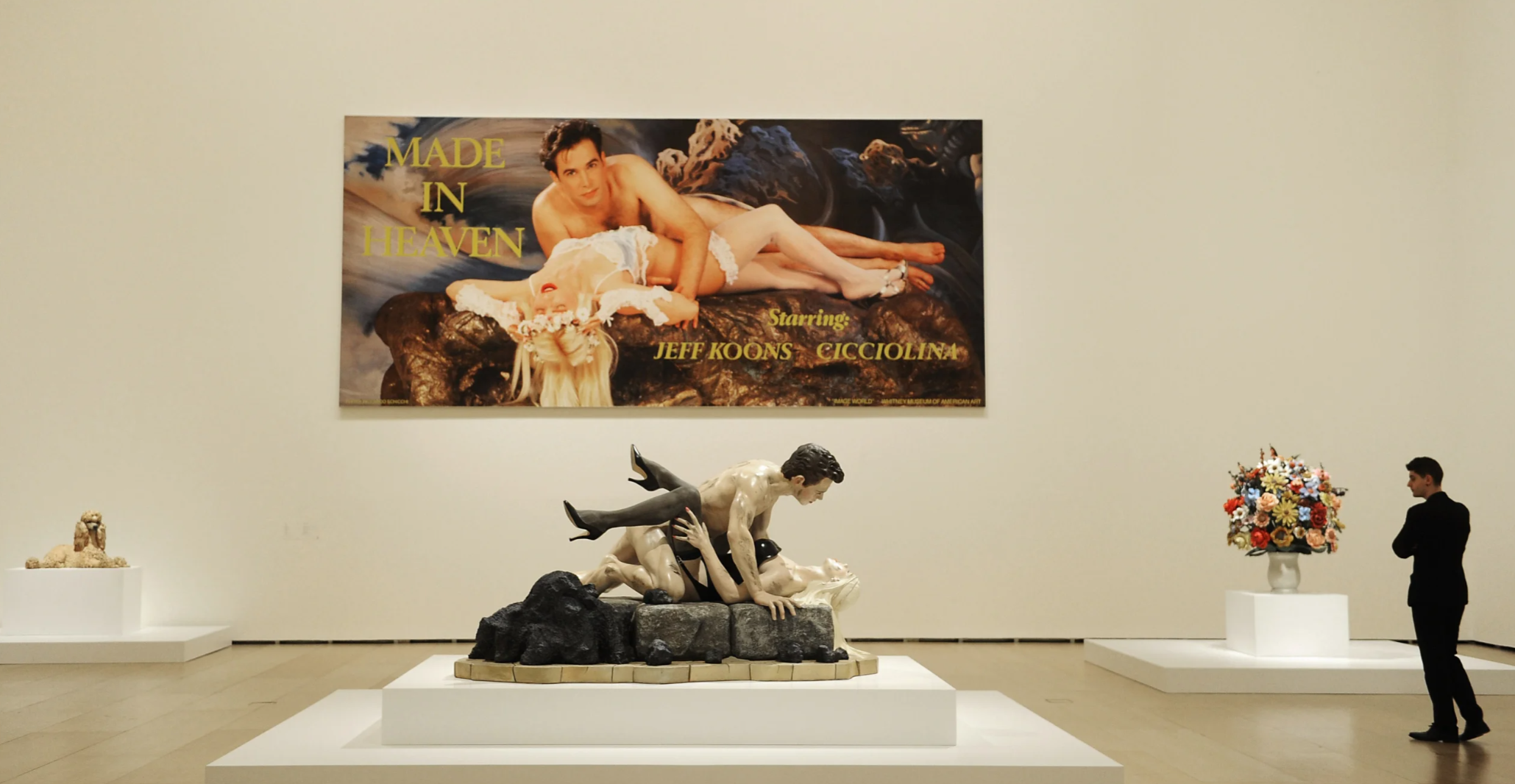
Installation view, Jeff Koons: A Retrospective, June 9 – September 27, 2015, Guggenheim Bilbao (present lot illustrated).
Photo: Ander Gillenea / AFP via Getty Images. Artwork: © Jeff Koons.
When the series debuted in 1991, at Sonnabend in New York and Max Hetzler in Cologne, Koons’s large paintings of himself with his then-wife were exhibited alongside polychrome sculptures of puppies, cherubs, birds, and flowers. These floral arrangements were the perfect subject matter for the artist’s exploration of the public perception of love, romance, and even sex: after all, they are often presented as a romantic gift or wishful preludes to procreation. And crucially, the very beauty of flowers depends on the natural processes by which they themselves reproduce. In Large Vase of Flowers, and in reality, that beauty is very clear for all to see.
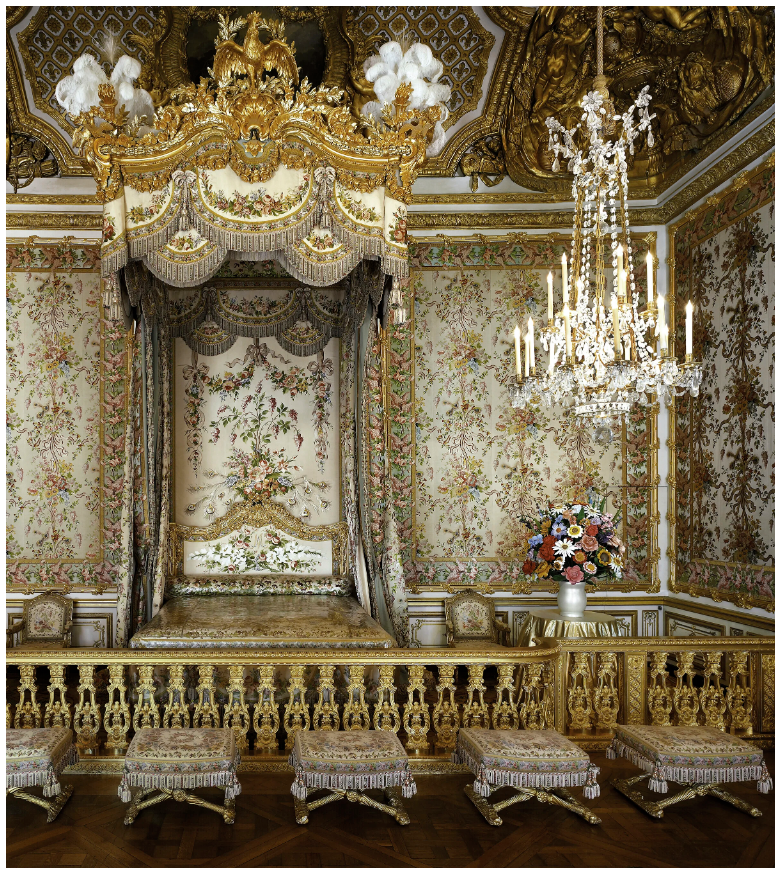
Installation view, Jeff Koons; Versailles, October 9, 2008 – April 1, 2009, Château de Versailles (present lot illustrated).
Artwork: © Jeff Koons.
“In Made in Heaven, I wasn’t trying to excite somebody sexually. I was trying to excite them intellectually. I tried to take the sexuality out of the images and to put them onto these objects, the flower pieces and the animals.”
Within the context of the wider Made in Heaven series, the winsome and vibrant Large Vase of Flowers serves as the perfect foil to Koons’s corporeal images, showcasing the beauty and vitality of sex. Thus, with his customary panache, Koons entices his audience to throw fig-leaves and shame back into the Garden of Eden—to discard the entire notion of original sin. With its Baroque styling, the Made in Heaven series casts sex as a form of worship, a way of both celebrating and continuing life.
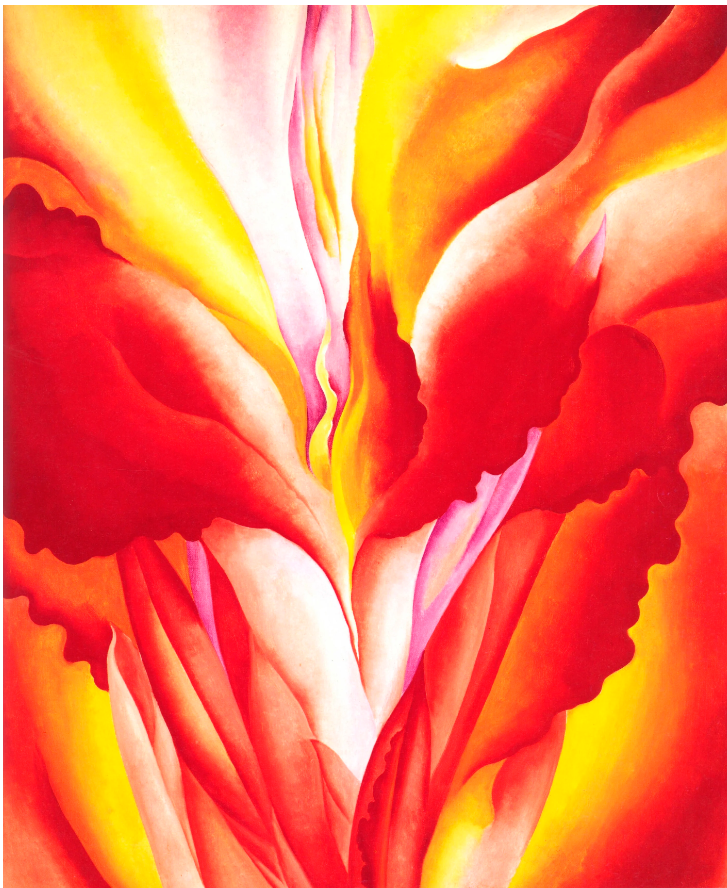
Georgia O’Keeffe, Red Canna, c. 1924. University of Arizona Museum of Art, Tucson. © 2024 Georgia O’Keeffe Museum / Artists Rights Society (ARS), New York.
Stepping away from contemporary conventions, this sense of liberation that Large Vase of Flowers possesses comes in part from the awe-inspiring grandeur evocative of either the paintings of the Dutch Golden Age or the later elaborate eighteenth-century European art that has traces throughout the series. From the idyllic sets to the painted wood sculptures, Made in Heaven summons Baroque aesthetics and decoration.
“I use the Baroque to show the public that we are in the realm of the spiritual, the eternal. The church uses the Baroque to manipulate and seduce, but in return it does give the public a spiritual experience. My work deals in the vocabulary of the Baroque.”
Underscoring this notion, Large Vase of Flowers, and its sister-sculptures, continues a method of production first utilized by Koons one year earlier in his Banality series. Banality marked the first time wherein the artist created a series of sculptures that did not depend entirely on ready-made objects. Instead, Koons worked with a team of artisans—he refers to them as “fabricators”—from Southern Germany and Northern Italy who had been mastering their craft for generations, in order to imbue his works with the spirituality that he aimed to achieve. It is this practice that Koons embarked upon over 30 years ago that largely informs his studio practice today.
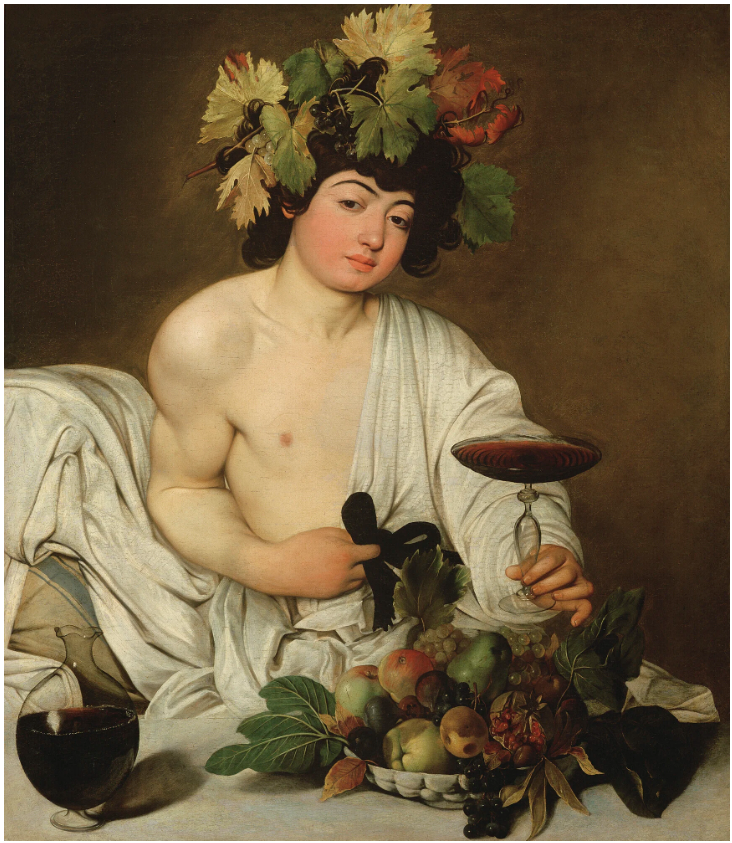
Michelangelo Merisi da Caravaggio, Bacchus, circa 1596. Galleria degli Uffizi, Florence. Photo: Galleria degli Uffizi, Florence, Tuscany, Italy / Bridgeman Images
With artistic direction from Koons, the polychrome wood sculptures in Made in Heaven were crafted in Oberammergau, Germany and Ortisei, Italy, two locations known for their centuries-old woodcarving traditions. And, while the use of skilled sculptors worked to elevate the thematic content of the series, it also ensured that Koons’s sculptures were hand carved and painted to the highest degree of perfection, allowing his idea to take the most exacting form. The year after Large Vase of Flowers was created, Koons unleashed his famous Puppy to the world. Koons recalled of the time leading up to the execution of the monumental canine.
“I became aware of those floral sculptures of Northern Italy and Bavaria. So I thought, Oh, it would be nice to make a living work, a work that shows the lifecycle just like an individual.”
While Puppy would rely on living flora, Large Vase of Flowers takes new life from flora that has passed, resurrected and reincarnated as an ever-blooming bouquet.
#2. New Hoover Celebrity IV, New Hoover Convertible, New Shelton 5 Gallon Wet/Dry, New Shelton 10 Gallon Wet/Dry Doubledecker, 1981-1986
Christie’s New-York: 21 November 2024
Estimated: USD 3,500,000 – 5,500,000
USD 5,132,000
JEFF KOONS (B. 1955)
New Hoover Celebrity IV, New Hoover Convertible, New Shelton 5 Gallon Wet/Dry, New Shelton 10 Gallon Wet/Dry Doubledecker, 1981-1986
Four vacuum cleaners, acrylic and fluorescent lights
99 x 53 1/2 x 28 inches (251.5 x 135.9 x 71.1 cm)
Jeff Koons’s New Hoover Celebrity IV, New Hoover Convertible, New Shelton 5 Gallon Wet/Dry, New Shelton 10 Gallon Wet/Dry Doubledecker represents modern domesticity as a sleek ultra-modern reliquary. Here, Koons has carefully selected four unique vacuum cleaners, showcased within a double-decker museum-style vitrine, to stand as saintly trophies of cleanliness and order. Illuminated by cool, almost clinical, fluorescent lights, Koons’s construct elevates these commonplace objects to the status of high art, underscoring society’s obsession with the new.
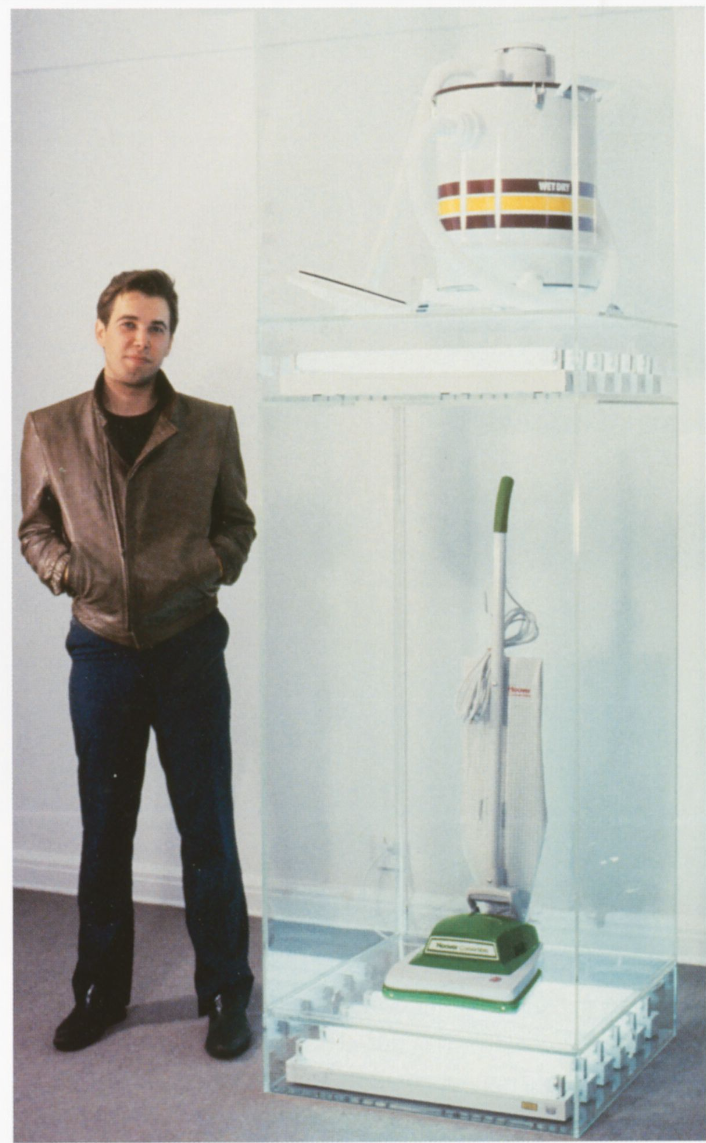
Jeff Koons with the New Hoover Convertible, New Shelton Wet / Dry 10 Gallon Doubledecker, New York, 1981. © Jeff Koons.
The present work is perhaps the most impressive of Koons’s iconic series, The New, which marked the beginning of his career in the early 1980s. Here, Koons juxtaposed readymade sculpture and billboards to blend the worlds of advertising, commerce, and high culture. Works from the now-legendary series can be found in museums worldwide, including the New Shelton Wet/Drys 10 Gallon, Doubledecker (1981) housed at the Museum of Modern Art in New York, and New Hoover Convertibles, Green, Blue; New Hoover Convertibles, Green, Blue; Doubledecker (1981-87) at New York’s Whitney Museum of American Art.
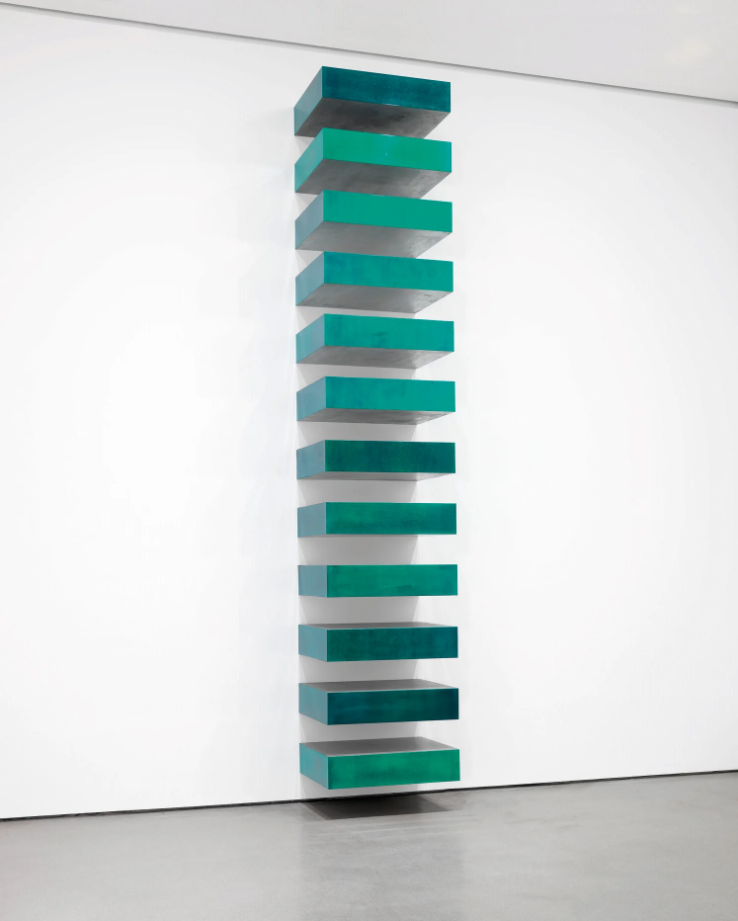
Donald Judd, Untitled (Stack), 1967. Museum of Modern Art, New York. © 2024 Judd Foundation / Artists Rights Society (ARS), New York. Photo: © The Museum of Modern Art / Licensed by SCALA / Art Resource, New York.
The Readymade collides with Minimalism in the present work; Koons’s use of fluorescent tubes recalls Dan Flavin’s light sculptures and the towering sculpture of a Donald Judd stack, while the found vacuum cleaners take their cue from the modern master Marcel Duchamp. Throughout his practice, Koons — like Duchamp — elevates commonplace objects into legitimate subjects for art. Koons, who first began to fully understand the work of Duchamp while working at the Museum of Modern Art in the late 1970s, was inspired by the directness of the readymade and its capability to favor ideas over formal qualities. Since then, Koons has repeatedly turned to objects that help to narrow the traditional division between popular culture and art. He often emphasized that his work is inclusive, stating “I have always tried to create work which does not alienate any part of my audience” (J. Koons, quoted in The Jeff Koons Handbook, New York 1992, p.44).
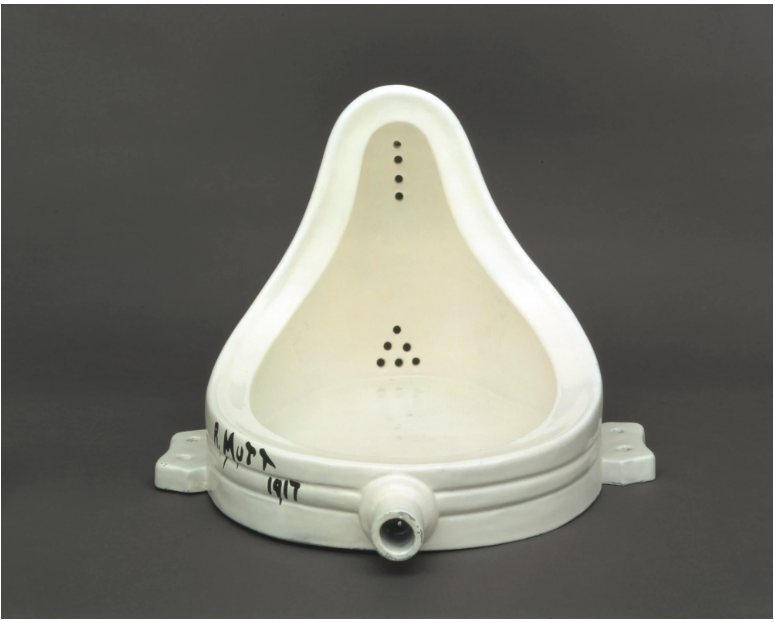
Marcel Duchamp, Fountain, 1917. Tate Gallery, London. © Association Marcel Duchamp / ADAGP, Paris / Artists Rights Society (ARS), New York 2024. Photo © Tate, London / Art Resource, New York.
While Duchamp often relied upon the conceptual or academic nature of a museum or gallery to assist with the recontextualization of his Readymades, Koons’s sculptures from The New are ennobled within their pristine vitrines and the episodic content of his series, making this elevation of subject matter more inherent to the work.
“Coming out of a Duchampian background, I am concerned with the object and with transformation. I transform the content of a chosen object by putting it in a specific context. I control the new content through the support mechanisms. I use billboard ads, the juxtaposition of the object with the other objects, as well as the actual process of transformation I put the object through. This recodifies the object so that it gives off the kind of information I would like people to view.”
In Koons’s artistic realm, the vacuum cleaner takes on multiple meanings designed to encourage viewers to reflect upon themselves.
“These works present ideal newness. The whole philosophy of my work maintains that the individual just needs self-confidence in life. Self-confidence that is enough — that they can display themselves, use the abilities that they have. They can do it with a new car. They can do it with a vacuum cleaner. They can do it with a chair. They can do very well in life. They just have to do it with themselves”
In the context of The New, Koons’s vacuum cleaners are depicted as inanimate secular saints — fetishes and everyday objects that have transcended their original purpose, suggesting a potential path to redemption.
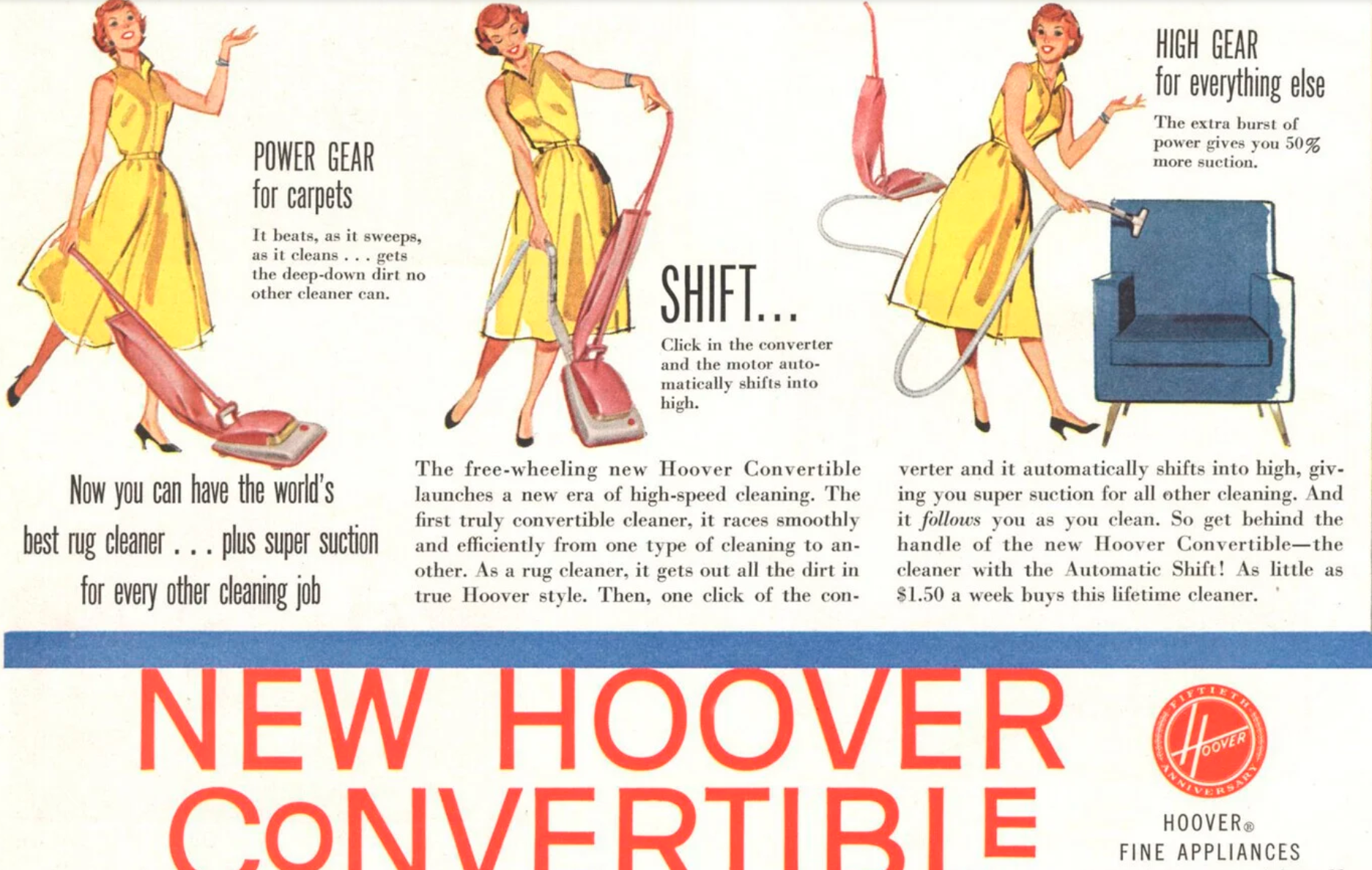
Hoover advertisement, circa 1950. Photo: © The Advertising Archives / Bridgeman Images.
For Koons, the vacuum cleaner serves as a compelling artifact that engages with a broad spectrum of themes foundational to his artistic philosophy. Before his Banality series explored sexuality, and even before the more overtly explicit Made in Heaven, Koons subtly introduced related motifs through pieces like the present work. He explained his choice of the vacuum cleaner by noting its anthropomorphic qualities: it […] displays both male and female sexuality. It has orifices and phallic attachments. I have always tried to create work which does not alienate any part of my audience” (J. Koons, quoted in A. Muthesius, Jeff Koons, Cologne, 1992, p. 49).
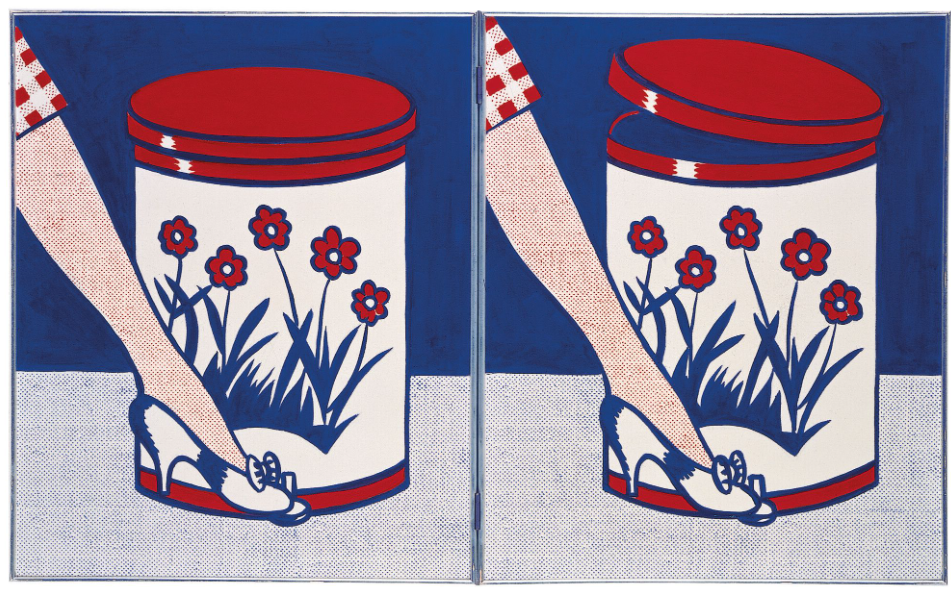
Roy Lichtenstein, Step-on Can with Leg, 1961. © Estate of Roy Lichtenstein.
Further elaborating on the theme of anthropomorphism, Koons has referred to these vacuum cleaners as “breathing machines,” explaining that he “always liked that quality of being like lungs. When you come into the world, the first thing you did is breathe to be able to live” (J. Koons, quoted in H. W. Holzwarth, ed., Jeff Koons, Cologne, 2009, p. 112). This idea of breath, already prevalent in his 1970s readymade series Inflatables, runs like a constant thread through Koons’s oeuvre—from his Equilibrium series to the colorful balloon flowers and animals featured in his recent Celebration sculptures. Breath sustains us and is essential to our existence; in Koons’s philosophy, art holds similar significance. At the same time, air is invisible, weightless, intangible, and ephemeral, akin to Duchamp’s 50cc of Paris Air from 1919, housed in the Philadelphia Museum of Art. Mixing Koons’s philosophies on desire, commercialism, and sexuality, The New investigates the vacant world of consumerism with an epic and mythic and immortal sense of possibility and meaning. “In the body of work I called The New, I was interested in a psychological state tied to newness and immortality,” Koons explained. “[The] gestalt came directly from viewing an inanimate object — a vacuum cleaner — that was in a position to be immortal” (J. Koons, quoted in S. Coles & R. Violette, ed., The Jeff Koons Handbook, London, 1992, p. 48).
#3. Two Ball Total Equilibrium Tank (Spalding Dr. J Silver Series), 1985
Phillips New-York: 19 November 2024
Estimated: USD 4,000,000 – 6,000,000
USD 3,569,000
Jeff Koons – Modern & Contemporary … Lot 14 November 2024 | Phillips
JEFF KOONS
Two Ball Total Equilibrium Tank (Spalding Dr. J Silver Series), 1985
Glass, steel, sodium chloride reagent, distilled water and two basketballs
62 3/4 x 36 3/4 x 13 1/4 inches (159.4 x 93.3 x 33.7 cm)
This work is number 1 from an edition of 2
Having remained in the same private collection for nearly 30 years, Jeff Koons’ Two Ball Total Equilibrium Tank (Spalding Dr. J Silver Series), 1985, is a landmark in the artist’s early career belonging to his pivotal Equilibrium series. The present work was created in advance of Koons’ first solo exhibition, Equilibrium, staged at International With Monument Gallery in 1985, in the bourgeoning art and cultural hot spot of New York City’s East Village. Exemplifying his exploration of the intersection of art, science, and consumer culture through the use of everyday objects—in this case, basketballs suspended in a seemingly impossible state of perfect equilibrium within a water-filled tank—works from the Equilibrium series have found their way into some of the most prestigious public and private collections worldwide, including the Tate Modern, London; the Museum of Modern Art, New York; the Astrup Fearnley Collection, Oslo; the Museum of Contemporary Art, Chicago; and the Art Bridges Foundation, Arkansas, among others. Two Ball Equilibrium Tank (Spalding Dr. J Series) offers a meditation on stasis, desire, and the tension between artifice and reality, all suspended in a state of perfect equilibrium.
#4. Snorkel (Shotgun), 1985
Phillips New-York: 20 November 2024
Estimated: USD 150,000 – 200,000
USD 149,860
Jeff Koons – Modern & Contemporary… Lot 327 November 2024 | Phillips
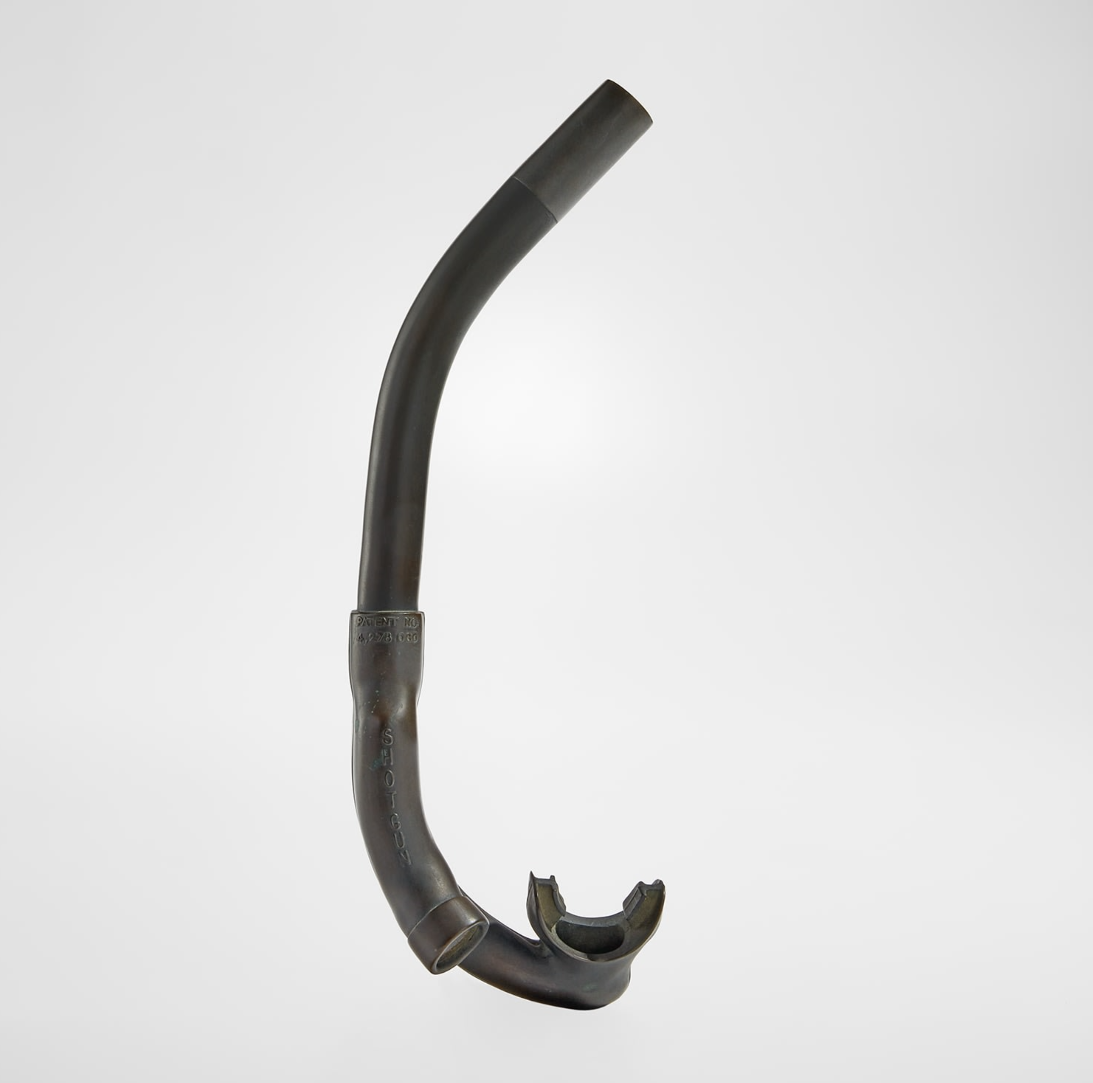
JEFF KOONS
Snorkel (Shotgun), 1985
Bronze
14 1/2 x 5 x 2 1/2 inches (36.8 x 12.7 x 6.4 cm)
This work is number 1 from an edition of 3 plus 1 artist’s proof
Cryptic and alluring, Jeff Koons’ Snorkel (Shotgun), 1985, comes from the artist’s pivotal Equilibrium series, which questions our understanding of ordinary objects and how they relate to cultural production. Cast entirely in bronze, the present example is meticulously molded from a functioning snorkel. Rendering the object in bronze, a material more closely associated with monumental sculpture, Koons presents an ironic take on the readymade, elevating a quotidian object by translating its form in the durable artistic media. Uncanny and kitsch, this early work lays the groundwork for Koons’ unrivalled sculpture practice. A definitive example of Koons’ Equilibrium series, Snorkel (Shotgun) marks a defining moment in the artist’s career. The work was notably first exhibited in Koons’ debut solo show at the International with Monument Gallery in New York City’s Lower East Side in 1985. The exhibition was conceived as a “multilayer allegory concerning unattainable states of being” and expanded on Duchamp’s concept of the readymade.i In this series Koons sought to explore contradiction through his bronze cast objects, floating basketballs and Nike posters. The objects—ranging from the present snorkel to a life jacket and a raft—thus take on new meaning. Recreational and safety devices designed in their original form to keep one afloat become satirically non-functional when cast in bronze. Koons’ groundbreaking early work marked a move beyond both the readymade and appropriation art. A product of the 1980s economy, the present example at once parodies and fetishizes the object on which it is based, all the while remaining self-aware of its role as a valuable art object. Abstracting the commodity, Snorkel (Shotgun) marks an early foray that would later culminate in some of Koons’ most iconic works, including Balloon Dog, 1994–2000, and Lobster, 2003.
Passed Lots
Woman in Tub, 1988
Sotheby’s New-York: 20 November 2024
Estimated: USD 10,000.000 – 15,000,000
PASSED
Woman in Tub | The Now and Contemporary Evening Auction | 2024 | Sotheby’s
JEFF KOONS (b. 1955)
Woman in Tub, 1988
Porcelain
23 3/4 x 36 x 27 inches (60.3 x 91.4 x 68.6 cm)
Incised with the artist’s initials, dated ’88 and numbered 3/3 (on the underside)
Incised A. Maggioni (lower edge)
This work is number 3 of an edition of 3 plus 1 artist’s proof
Focus: Richard Prince
13 lots sold for a total of USD 14,420,150.
The top lot of the week was Nurse on Trial, a nurse painting dated 2005, that sold for USD 6,700,000 at Sotheby’s. With 3 lots failing to sell, the sell-through rate is 81.2%.
#1. Nurse on Trial, 2005
Sotheby’s New-York: 21 November 2024
Estimated: USD 5,000,000 – 7,000,000
USD 6,700,000
Nurse on Trial | The Now and Contemporary Evening Auction | 2024 | Sotheby’s
RICHARD PRINCE (b. 1949)
Nurse on Trial, 2005
Acrylic and inkjet on canvas
75×52 inches (190.5 x 132.1 cm)
Signed, titled and dated 2005 (on the overlap)
Diaphanous drips of acrylic and a spectral white mask obscure the visage of Nurse on Trial from 2005, whose charged presence embodies Richard Prince’s searing and oft sardonic subversions of authorship and authenticity. Shrewd, seductive, anachronistic, and aloof, the Nurse Paintings see Prince at his very best, flirting with the melodrama of their source while confronting viewers with their own latent desire. Mining the titles and cover illustrations of mid-century dime store novellas – of which Prince maintains an extensive personal collection – the Nurse Paintings simultaneously entertain and upend the trope of the female damsel. Prince embraces the strategies of isolation and recontextualization used to create the Pop bombshells of Andy Warhol’s paparazzi silkscreens or Roy Lichtenstein’s comic mavens, but here, he applies his scrutinous Pictures Generation lens to indulge a stereotypical fetish, all the while probing the frailties of lust.
“Some people say the nurse paintings are all about desire—but isn’t that more to do with their proximity to life and death? Isn’t that why we find nurses sexy—because they embody this ultimate contradiction?”
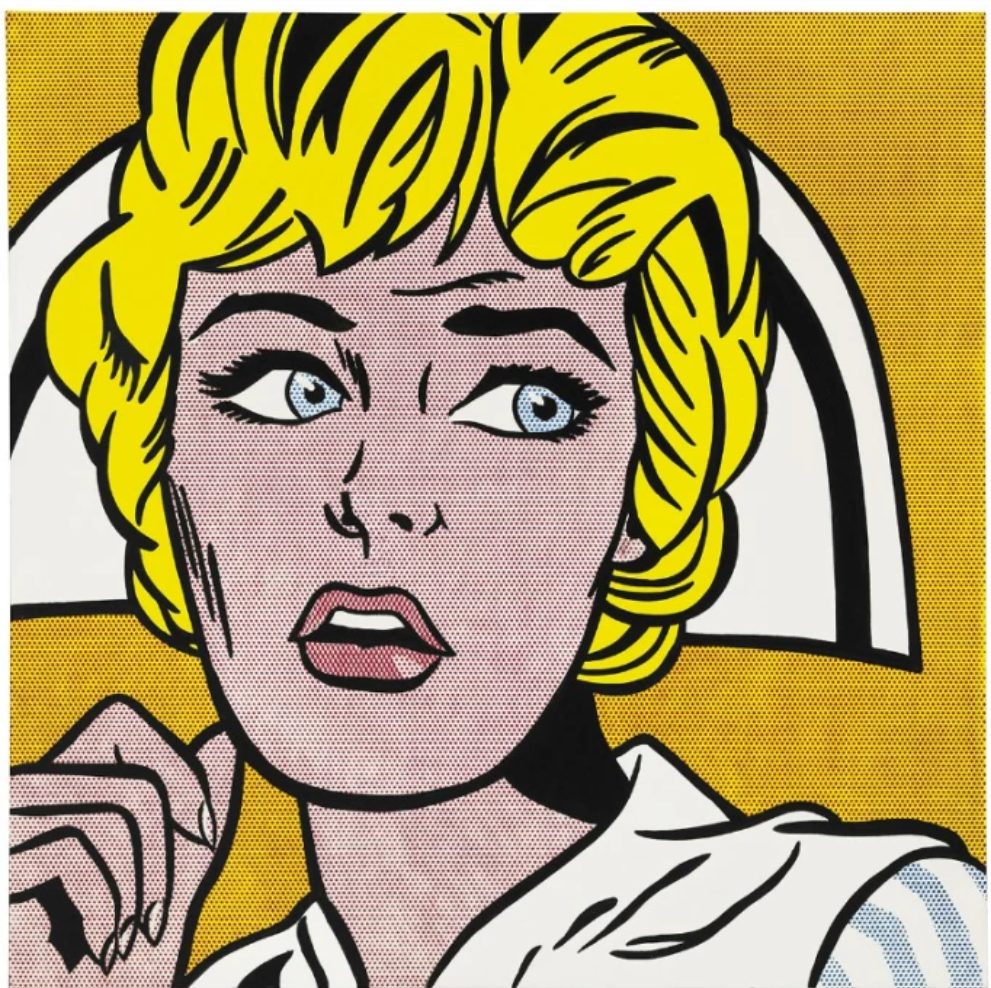
Roy Lichtenstein, Nurse, 1964. Private Collection. Art © Estate of Roy Lichtenstein
Prince’s Nurses stand among his most iconic bodies of work, and they are represented in esteemed institutional collections, from the Whitney Museum of American Art, New York; Rubell Museum, Miami; to the Art Bridges Foundation, Bentonville. Nowhere in his inimitable corpus is his intransigent spirit and shameless, salacious candor so decisively summarized than in his Nurses, and in Nurse on Trial, Prince at once, miraculously, indulges and interrogates a generation’s relationship to temptation and sexuality.
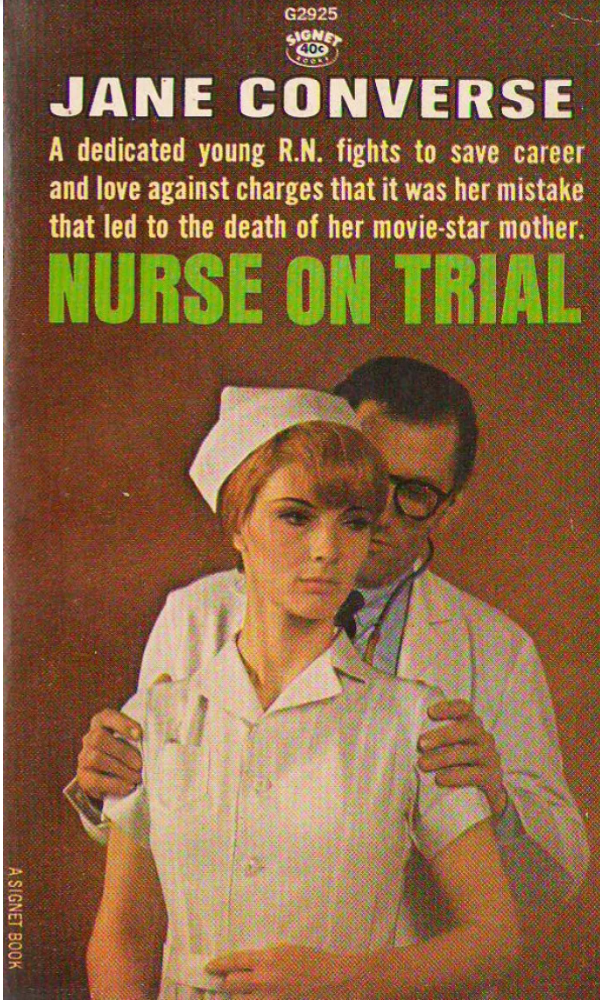
The cover of Jane Converse’s 1966 novel Nurse on Trial
Prince’s image mimics that of the front cover of Nurse on Trial, the 1966 pulp book written by Jane Converse, a pseudonym for Adele Kay Maritano. The original cover sees an imposing male doctor purveying an anguished nurse from behind. Above the two figures, the tagline reads: “A dedicated young R.N. fights to save career and love against charges that it was her mistake that led to the death of her movie-star mother.” Prince began by scanning, enlarging, and transferring the original cover art onto the canvas using a printer, before layering paint atop the inkjet ground. Eliminating the male character and majority of the text, Prince has sundered his nurse into a smudged pastiche of her original: her eyes have been made heavier, hyperbolized with rich kohl and dense eyelashes, her pin-up bangs looser, and her made-up lips swaddled by the addition of a white mask, which, according to the artist, were a way of “making it all the same and getting rid of the personality.” (the artist quoted in: Glenn O’Brien, “Richard Prince,” Interview Magazine, December 2008 – January 2009, p. 201) Despite Prince’s compositional interventions, the suspense and film noir ambiance of the cover art has been retained, here heightened by the shadowy emerald void against which the lone nurse has been set.
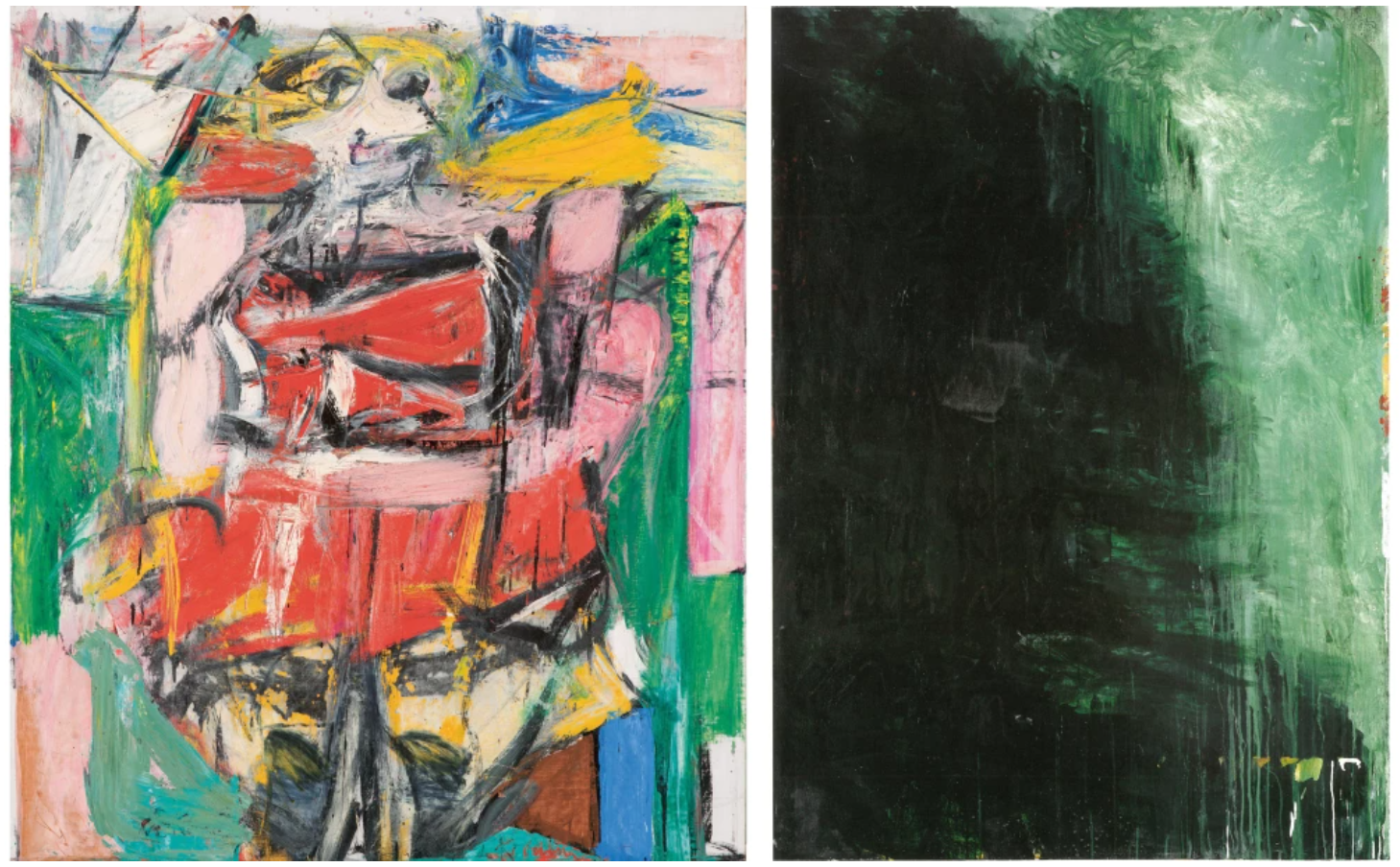
Left: Willem de Kooning, Woman VI, 1953. Carnegie Museum of Art, Pittsburgh. Image © Carnegie Museum of Art, Pittsburgh, PA / Art Resource, NY. Art © The Willem de Kooning Foundation/ Artists Rights Society (ARS), New York. Right: Cy Twombly, Paesaggio, 1986. Private Collection. Art © Cy Twombly Foundation
Tempestuous washes of thinned hunter green consume Prince’s protagonist, boasting the range of his facture: in places the near violent modulation of paint stutters into extended, aqueous rivulets, a turn rife with allusions to the history of American action painting. Vitalized with heady brushwork, drips, and splatters, the background offers Prince’s riposte to Abstract Expressionism as he conjures the gestural fury of Willem de Kooning’s erotic yet suffocating Women, tinged too, perhaps, with the same fear, discomfort, or intimidation. Nurse on Trial pays homage to the techniques pioneered by the legendary New York School who redefined the cultural landscape concurrently with the rise of the pulp novel. Thus, the Nurse Paintings represent the dubious confluence of two American movements: the avant-garde athleticism of postwar abstraction and the graphic kitsch of the vintage paperback, placing vanguardism and banality in dialogue with one another.
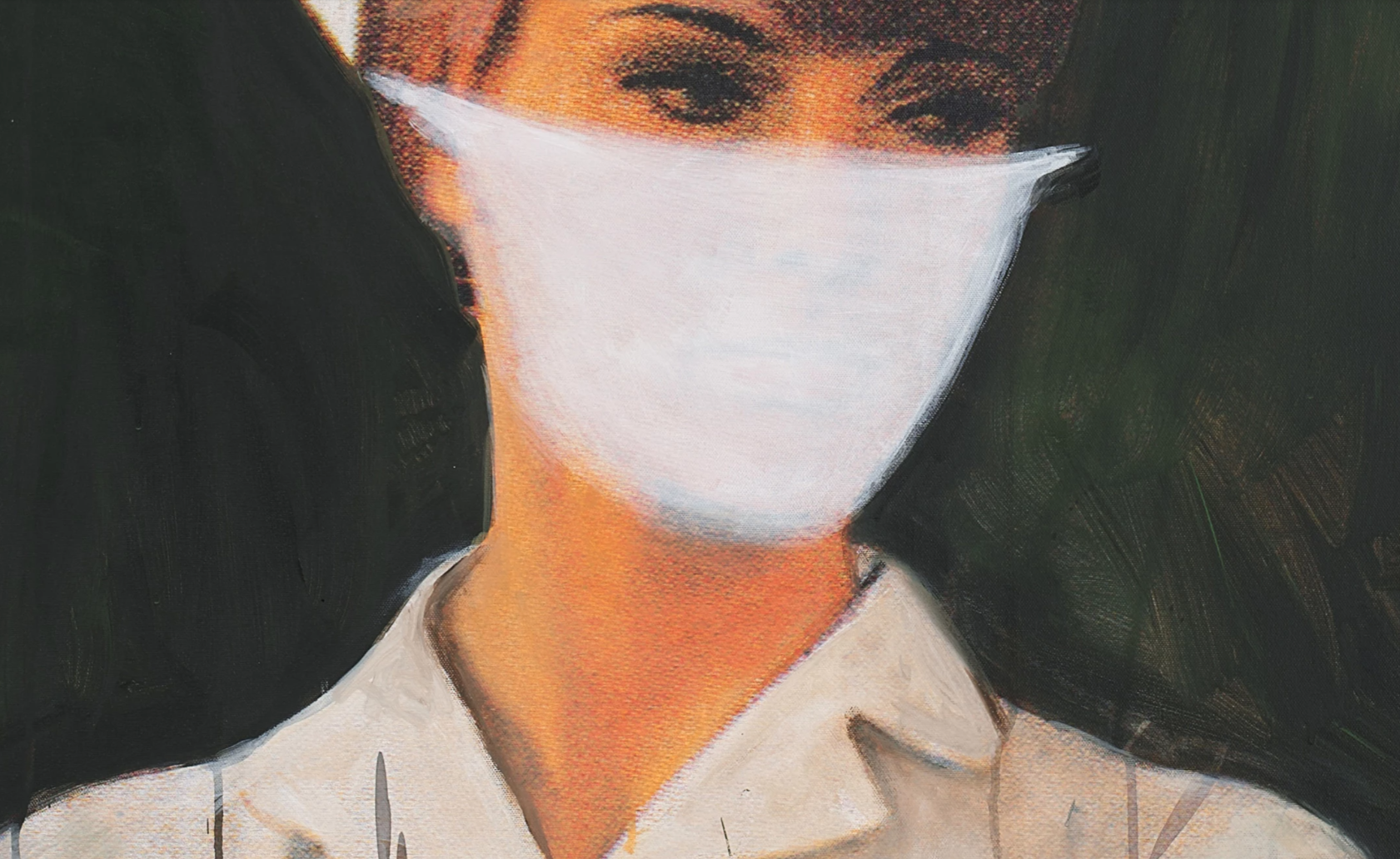
Sparing no American cultural mores in his taxonomic approach to his practice, Prince remains, at his core, preoccupied by what is already familiar. Through his signature transformations of vernacular imagery, whether that be magazine advertisements or bawdy newspaper cartoons, Prince has established a seat at the fore of contemporary cultural anthropology, often blurring the distinction between the ersatz and real in his Americana dissections. His Nurses are no different; in fact, this body of work finds itself at the other end of the artist’s long-developed narrative arc, one counterbalanced by his Cowboys of the 1980s. Replacing the machismo-stricken hero cropped from Marlboro cigarette campaigns, Prince creates a similarly trumped-up femme fatale: an antipode to his earlier portrayals of masculinity. Nurse on Trial announces a reconsideration of the many themes shared by his Cowboys, from the manipulation of appropriated images, the glamor of mass culture, mythologized gender roles, and the death of the apotheosized artist-maker.
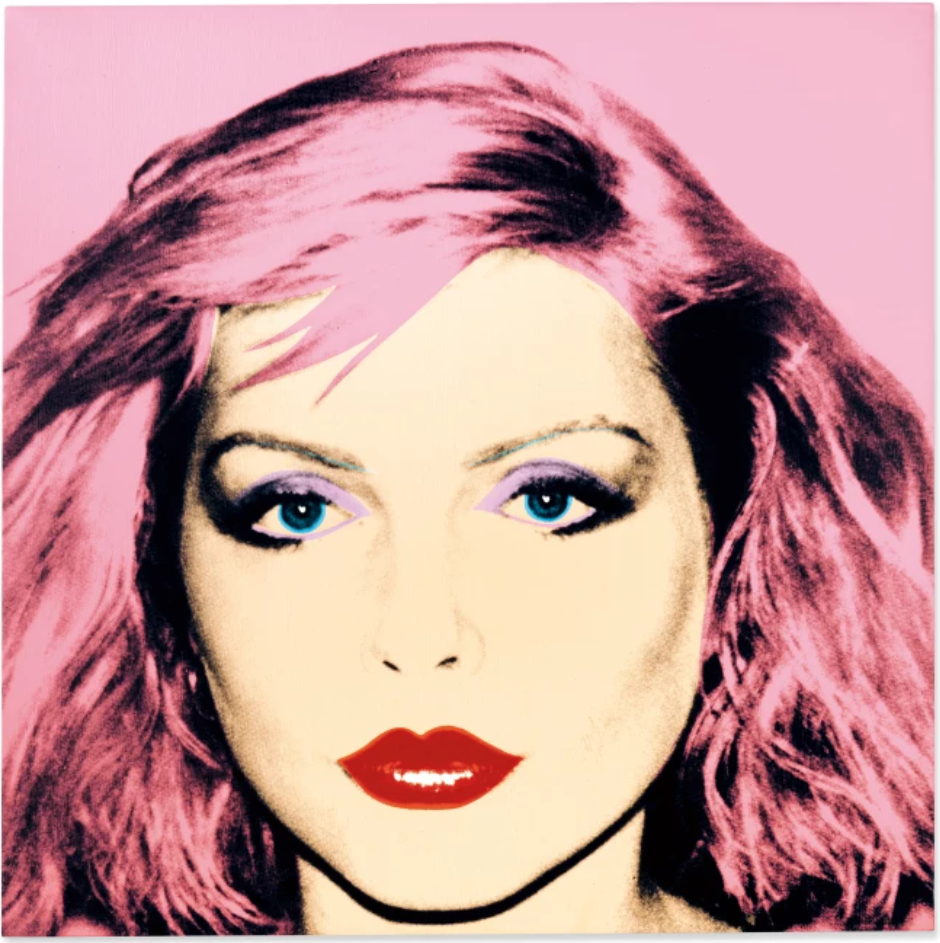
Andy Warhol, Debby Harry, 1980. Private Collection. Sold at Sotheby’s London in March 2023 for £6.6 million.
Art © 2024 Andy Warhol Foundation for the Visual Arts / Artists Rights Society (ARS), New York
“I had the first Nurse show in London and I remember picking up the newspaper and noticing people wearing these surgical masks because of SARS, and the paintings became a lot more real for me, it goes back to the fact that I do believe everybody needs a nurse.”
Plundering the polarities of fear and intrigue, vulnerability and violence, Prince thwarts authorial agency to undo the codes of desire forged by consumerism, female objectification, and societal clichés. Prince’s shameless courting of the controversial sexualized nurse reads even more prescient yet transgressive in a post-pandemic present, where such figures evoke an almost primeval sense of comfort. Whether or not by design, the Nurses stand dripping with fraught fantasy
#2. Untitled (Cowboy), 1999
Christie’s New-York: 21 November 2024
Estimated: USD 1,000,000 – 1,500,000
USD 1,865,000
RICHARD PRINCE (B. 1949), Untitled (Cowboy) | Christie’s
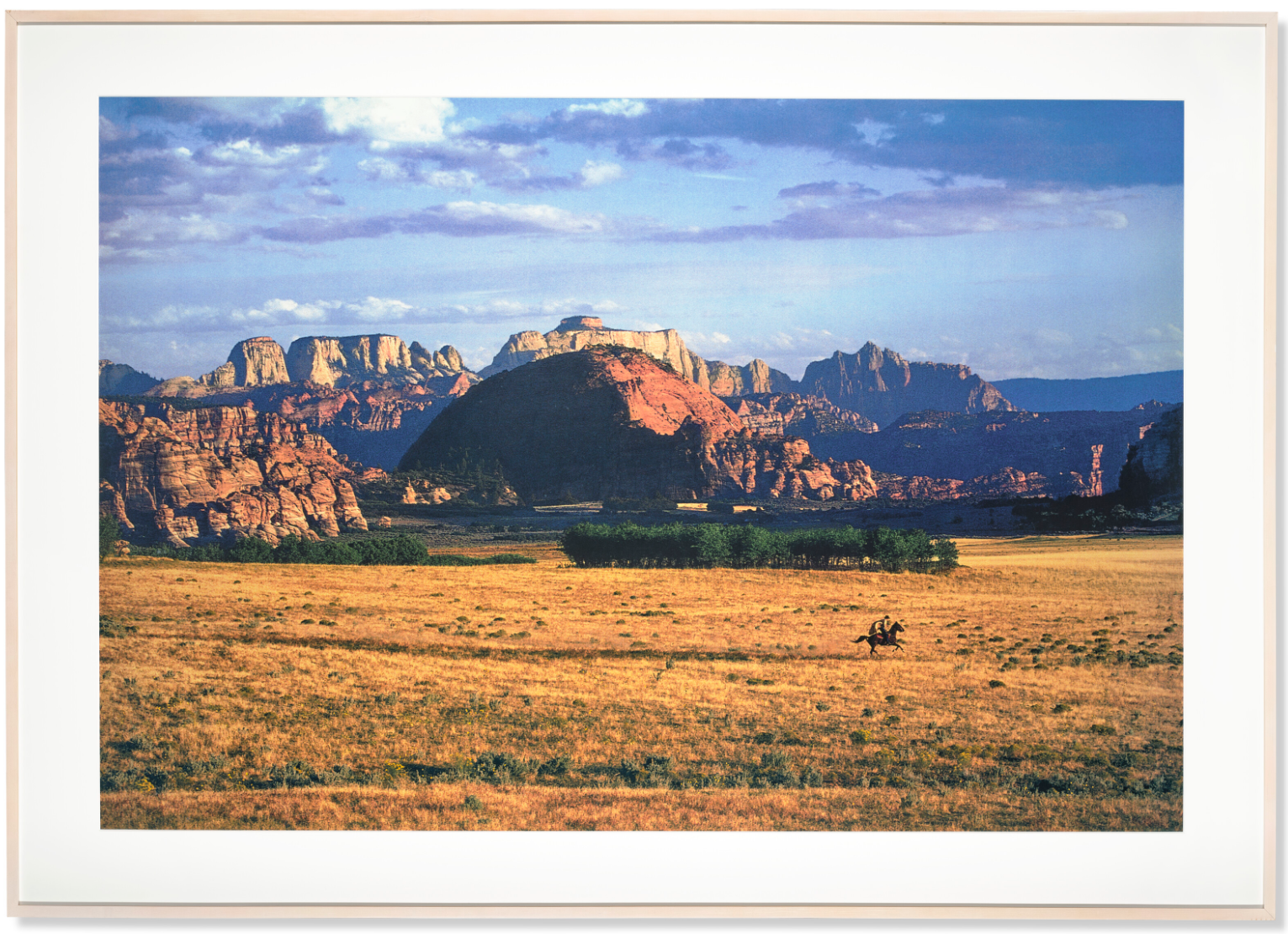
RICHARD PRINCE (B. 1949)
Untitled (Cowboy), 1999
Ektacolour photograph
49×73 inches (123.5 x 185.5 cm)
Signed, numbered and dated ‘R Prince 1999 1⁄2’ (on the reverse)
This work is number one from an edition of two plus one artist’s proof
For the past forty years, Richard Prince has pursued a strategy of appropriation to uncover some of the most highly-charged imagery in our shared culture. In this, a stunning photograph from his iconic Cowboys series, the artist continues his exploration of the mythic American West. Here, the large-scale cinematic presentation of the lone cowboy, dwarfed by the sheer beauty of the landscape, presents the idea of the rugged individual going at it alone despite insurmountable odds.
The Cowboys were one of Richard Prince’s first major projects, which had its inception in the mid-1970s while he was working at Time magazine. Part of his job required him to sort through stacks of tear sheets (copies of advertisements sent to advertisers as proof of printing), from which he cut out the text so that only the image remained. These glossy magazine ads were naturally seductive, and he became fascinated with the image of the Marlboro man in particular. Prince made subtle changes to the original ad, either cropping or enlarging the imagery, and then re-photographed the result. The earliest Cowboy series were exhibited in the 1980s, and helped to position the artist as one of the leading artists of appropriation art, which became a classic postmodern strategy.
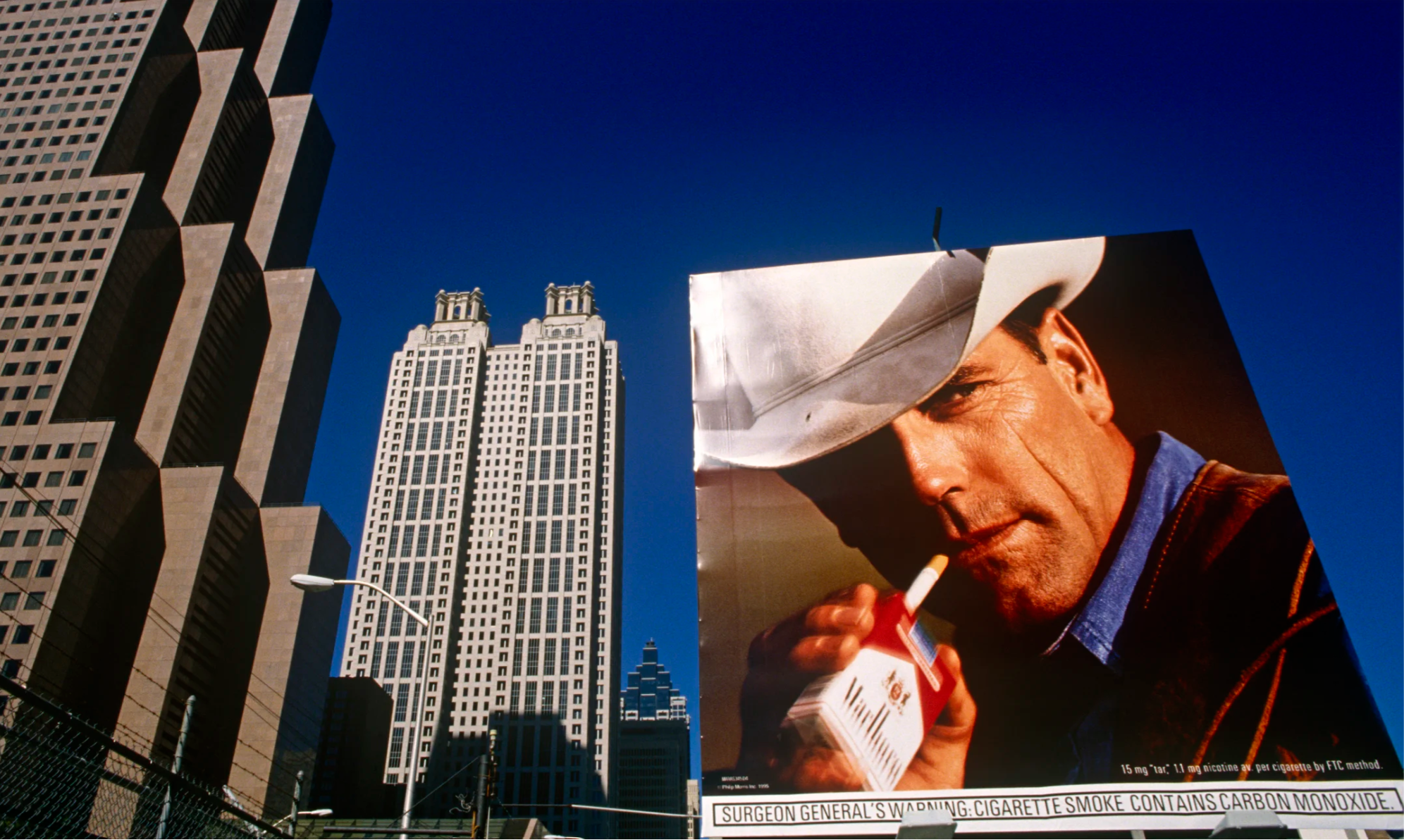
A Phillip Morris ad using the famous Marlboro Man cowboy character on a downtown Atlanta billboard, November 5, 1995
In the present work, the large-scale grandeur of the vast American West is yet another character in the unfolding drama of the artist’s popular Cowboys series. Recalling the great landscape paintings of Edwin Church, Thomas Cole and the Hudson River School, Prince lets the majesty of the rugged countryside speak for itself, which he renders on a panoramic scale stretching six feet in width. Riding his horse at full gallop, a solitary cowboy races across the valley, cutting a trail in his wake. The lone figure, set against such a dramatic landscape, evokes the nineteenth century concept of Manifest Destiny whilst also conveying—paradoxically— man’s insignificance in the midst of such overwhelming natural splendor. The Cowboys – along with the Nurse paintings, the Girlfriends and the Joke paintings – has become one of Richard Prince’s most iconic, long-running series. He reaches out into the unseen areas of American culture and comes back with off-color jokes and fetishes, which nevertheless ring true in all their crude veracity. With the Cowboys, Prince zeros in on the myths and symbols that define masculinity itself. His portrayal of the rugged, tough cowboy harkens back to a mythic American past, made famous in pulp fiction novels and Sergio Leone films.
#3. Silhouette Cowboy, 1998-1999
Christie’s New-York: 22 November 2024
Estimated: USD 600,000 – 800,000
USD 1,744,000
RICHARD PRINCE (B. 1949), Silhouette Cowboy | Christie’s
RICHARD PRINCE (B. 1949)
Silhouette Cowboy, 1998-1999
Ektacolor print
47 7/8 x 72 inches (121.6 x 182.8 cm)
Signed, inscribed, numbered and dated ‘Richard Prince 1998-99 Four Silouette [sic] Cowboys 1⁄2’
(on the backing board);
Signed again ‘Richard Prince’ (on a paper label affixed to the reverse)
This work is number one from an edition of two plus one artist’s proof
Silhouette Cowboy celebrates the tradition of a mythical American hero, while at the same time questioning its meaning in contemporary society. Part of the artist’s iconic Cowboys series, this large-scale image is based on a well-known series of tobacco advertisements, but under Prince’s insightful manipulation, removes all references to the commercial brand and questions its true meaning in the process. A key member of the group of artists who became known as the Pictures Generation, Prince—along with the likes of Cindy Sherman and John Baldessari—became known for his critical analysis of American media culture, and his interrogation of the cowboy image became his most celebrated series, with many examples being held in major museum collections.
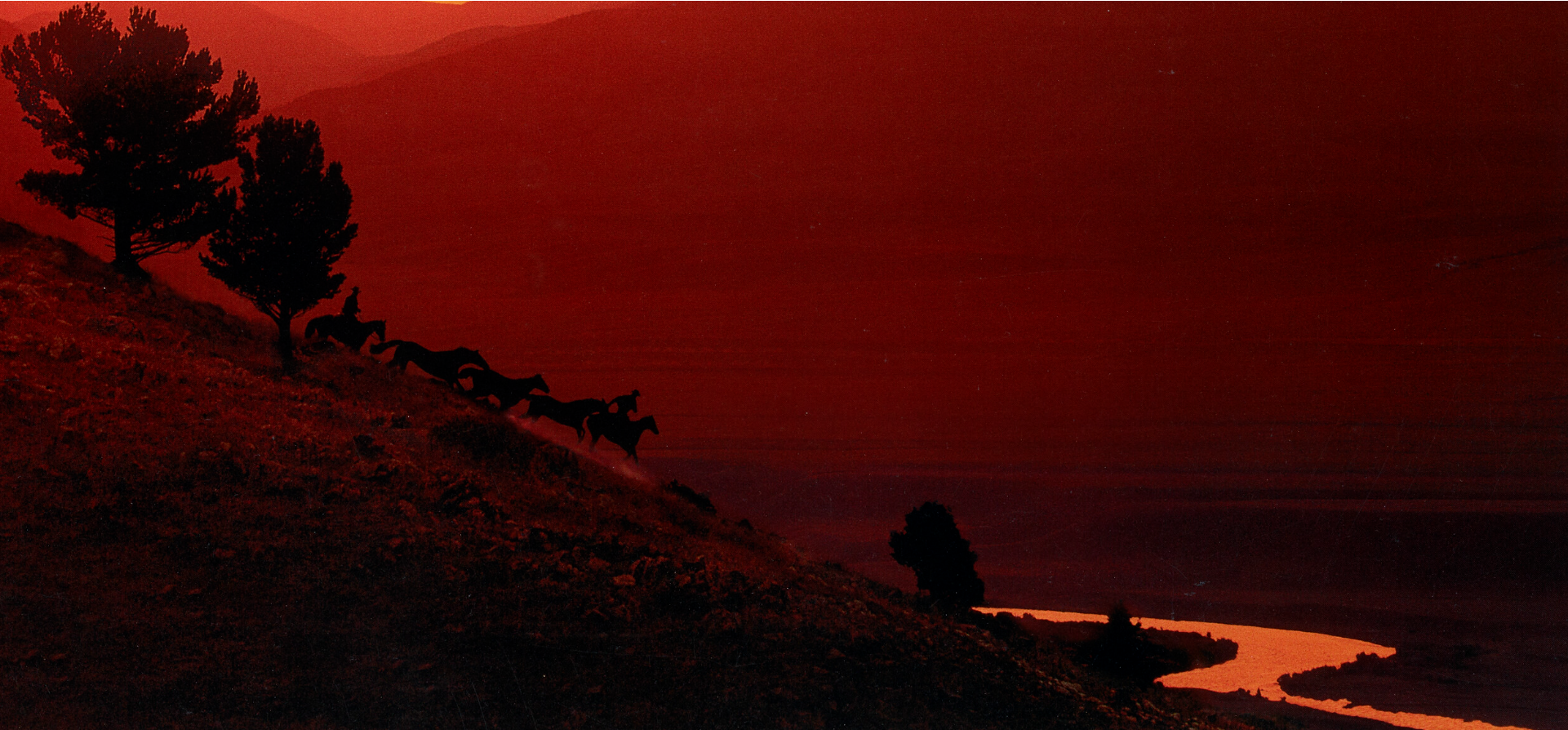
One of his most striking images, Silhouette Cowboy depicts the intense light cast by the setting sun as it silhouettes two cowboys corralling a group of horses down the mountain. While the outlines of the two men and their charges are distinguishable between the trees, they are almost completely overshadowed by the majestic beauty of the setting. The soaring peaks of the mountain range, the river that snakes across the valley floor, and the setting sun itself all dominate the composition, with the titular cowboys almost becoming subsumed by the landscape itself.
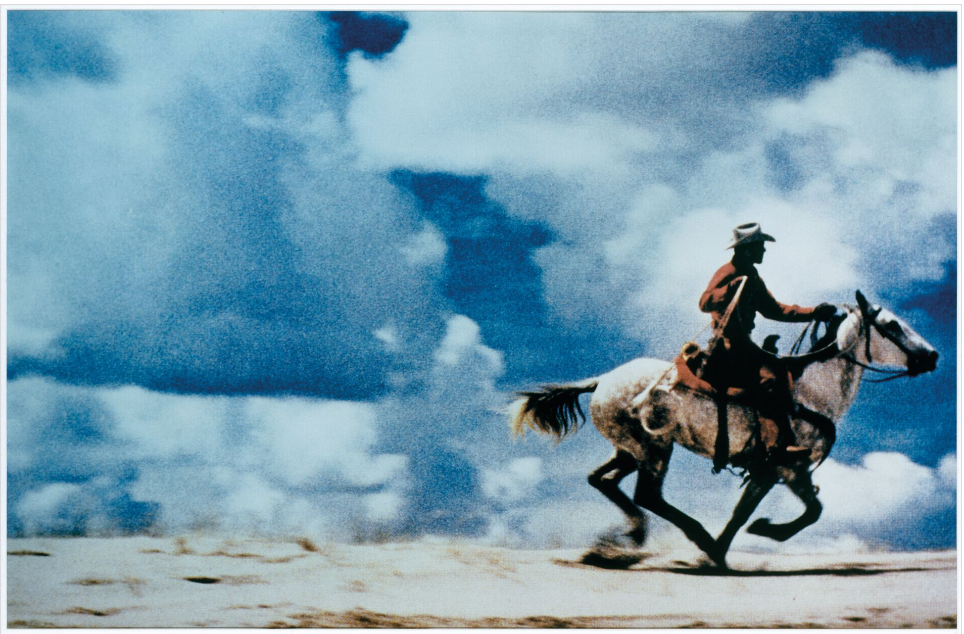
Richard Prince, Untitled (Cowboy), 1989. Metropolitan Museum of Art, New York.
Artwork: © Richard Prince. Photo: © The Metropolitan Museum of Art. Image source: Art Resource, New York.
In Silhouette Cowboy, Prince combines two views of America that have become ingrained in the nation’s conscious. In the nineteenth century, the painters of the Hudson River School such as Frederic Edwin Church and Thomas Cole, produced epic landscapes that espoused the manifest destiny that propelled many early pioneers to expand across North America taking democracy, Christianity, and capitalism with them. By the twentieth century, the cowboy had become a mythical all-American hero, a symbol of masculinity, triumph over adversity, and bravery perpetuated in both Hollywood movies and popular ‘Boys Own’ comic books. In the 1950s, this in turn was embraced by the Marlboro tobacco company as the epitome of rugged, individualistic hero, images which Prince would then appropriate in the present work. In contrast to the advertisements however, paintings such as Frederic Edwin Church’s Twilight “Short Arbiter ‘twixt Day and Night” (Sunset) (1850, Newark Museum) intimate the human control over the land as the illuminated settlers cottage on the brow of the hill in the foreground. In Prince’s iteration of the American West, the only human presence is subsumed by the majesty and beauty of the natural landscape itself. With a work such as this, Prince challenges the power of imagery in contemporary society. By appropriating a pre-existing image and then re-photographing it to produce his own image, the artist questions the notion of authenticity and authorship. In its iteration as an advertisement, the image was a false representation of a fantastical land led by implausibly healthy, virile cowboys who smoked, where the ‘promise’ being advertised was that of decadent, fashionable consumption without consequence in a perversion of the original concept. Without this context, the work rekindles the suppressed projections of desire towards the American West in its glorified beauty while demonstrating, without rancor or censure, the simulated reality of modern life, which is subjected to so much psychological manipulation driven by our image obsessed society.
#4. Slingerlands, 2004
Sotheby’s New-York: 20 November 2024
Estimated: USD 1,000,000 – 1,500,000
USD 1,440,000
Slingerlands | The Now and Contemporary Evening Auction | 2024 | Sotheby’s
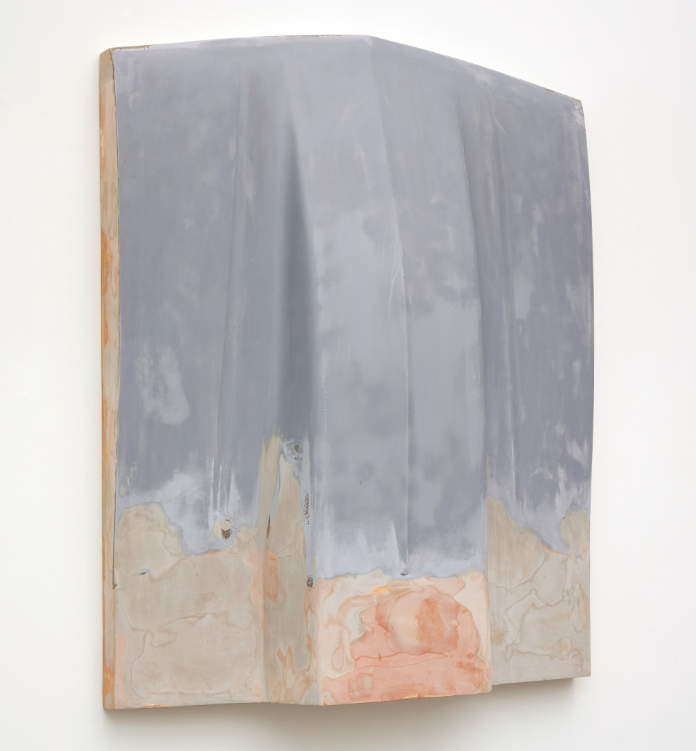
RICHARD PRINCE (b. 1949)
Slingerlands, 2004
Fiberglass, polyester resin, acrylic and wood
71 3/4 x 59 3/4 x 12 3/4 inches (182.2 x 151.8 x 32.4 cm)
The pure brawn of the muscle car meets the renegade coolness of the Duchampian readymade in Slingerlands from 2004, whose new, decontextualized life as former-car hood proffers yet another chapter in Richard Prince’s exploration of the American icon. In the company of cowboys, biker girlfriends, pulp fiction, and fashion models, Prince’s manipulation of the muscle car belongs to a career-long interrogation of national mythmaking; the Hoods extend the artist’s approach to appropriation, here castrating a classic American symbol of rebellion and masculinity in the name of high art. At the command of Prince’s shrewd reimagination, an ostensibly discolored, rusting auto part becomes legible as a color field painting, stained in coruscating, opalescent shades of blue and gray.
Testament to the Hoods’ significance in the artist’s oeuvre, examples belong in important institutional collections, such as the Solomon R. Guggenheim Museum, New York; Whitney Museum of American Art, New York; The Broad, Los Angeles; and Walker Arts Center, Minneapolis, among others. Held in the same private collection since its creation, Slingerlands covers the gamut of postwar American appropriation and abstraction, avant-garde and kitsch, juxtaposing the vernacular of action painting with the iconography of vernacular culture.
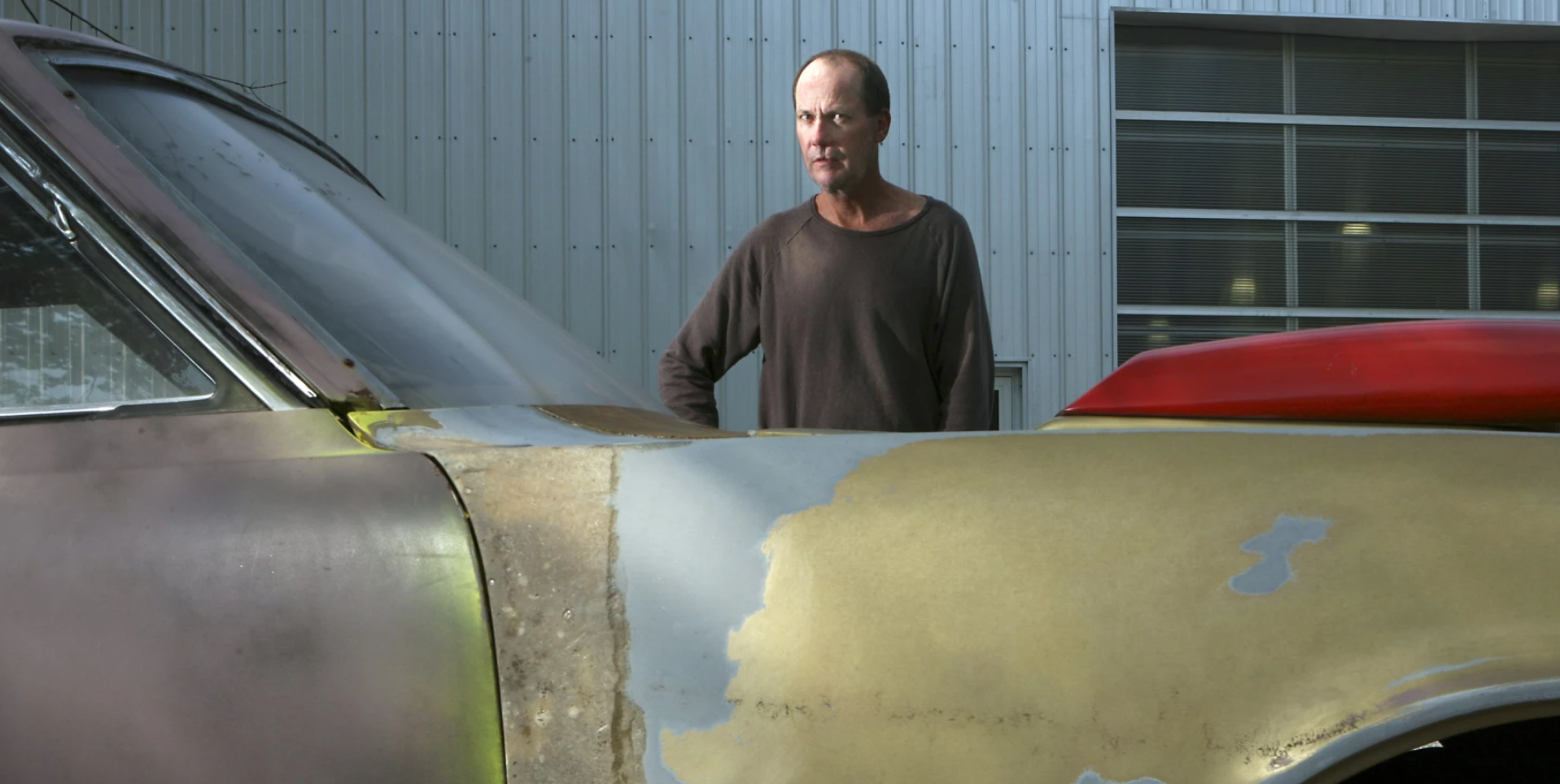
Richard Prince at his studio in Rensselaerville, 2007. Photo © Tony Cenicola / The New York Times / Redux
After encountering advertisements on the back of muscle magazines, Prince began the Hoods in 1987 following his move from New York to Los Angeles, and the series has remained one of his most enduring bodies of work. Instead of taking the advertisements as his source image – as he had with the epic and infamous cowboys illustrated on Marlboro cigarette ads – Prince ordered from them, receiving deliveries of fiberglass molds of high performance hot-rod cars. “1970 Dodge Challenger. Bullit. ’68 Mustang and ’68 Dodge Charger. That’s it,” the artist reflected, “Those cars came out when I was teenager… When I started to focus on the contents of lifestyle magazines, hot-rod magazines were all over the newsstands. I noticed in the back of these magazines ads for car parts. You could order replacement parts. You could order a fiberglass hood for a 1970 Dodge Challenger. Bingo! Mail order. Paint the paint.” (the artist quoted in: Rosetta Brooks, Jeffrey Rian and Luc Sante, eds., Richard Prince, London, 2003, p. 23) Prince first outsourced the application of the finish and varnish to auto body shops, initially approaching the series with rote, Warholian irreverence. Eventually, however, he began to paint the hoods himself, and the hoods were sanded and reshaped by hand, a process which replicated, and, to an extent, performs the nostalgia, desire, and machismo of do-it-yourself car culture – at once a mimicry of and aspiration for performed gender.
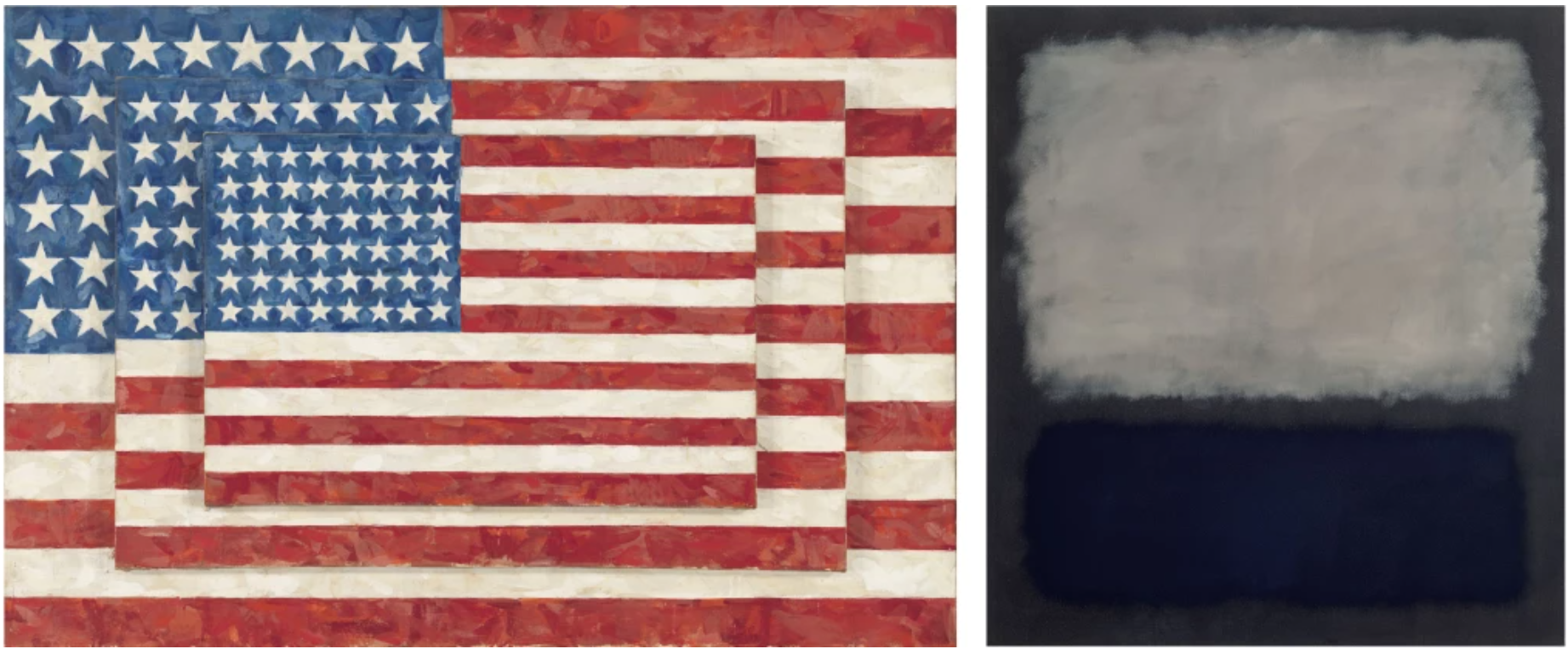
Left: Jasper Johns, Three Flags, 1958. Whitney Museum of American Art, New York. Image © Whitney Museum of American Art / Licensed by Scala / Art Resource, NY. Art © Jasper Johns/Licensed by VAGA, New York, NY. Right: Mark Rothko, Blue and Gray, 1962. Fondation Beyeler, Riehen. Art © 1998 Kate Rothko Prizel & Christopher Rothko / Artists Rights Society (ARS), New York
The success of the Hoods lies in their ability to be simultaneously recognized as abstracted and appropriated. The brushy, atmospheric passages of paint are interrupted by the raised impression of an engine jutting out through the center of the surface, which imbues the work with a three-dimensionality that thrusts the work’s objecthood and, consequently, the viewer’s phenomenological engagement with Slingerlands, into relief. The near-crude appropriation of the object-as-artwork encourages our extant associations with the car hood – immortalized in American popular culture as a signal of freedom, rebellion, masculinity, torque, horsepower, and power itself – before abstracting our collective conception of the object before us.
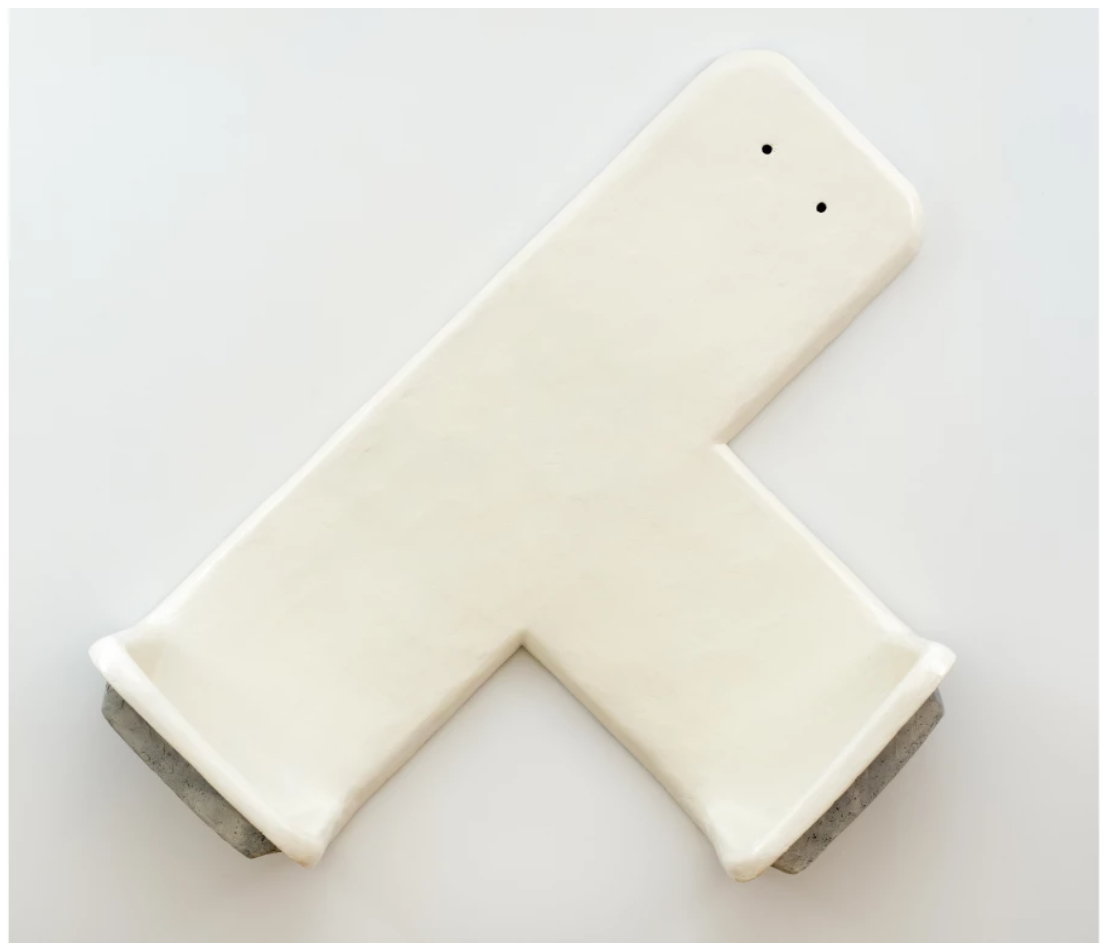
Robert Gober, The Split-up Conflicted Sink, 1985.
Private Collection. Sold at Sotheby’s New York in November 2019 for $4.8 million. Art © 2024 Robert Gober
“To de-referentialize the material is not to take it out of context,” the artist clarified, “The great thing about an appropriation is that even though the transformation reads as fiction, everybody knows that the source of the appropriation was at some point non-fiction, (magazine, movie, etc.), and it’s these sources, or elements of non-fiction, that gives the picture, no matter how questionable, its believable edge.” (Richard Prince, “Prior Availability,” New York, 1997 (online)) Sanded down, unhinged, and disembodied, Slingerlands now reflects back to a disfigured fantasy: American macho is proven apocryphal, now parodied as part of the artist’s longstanding play on the all-American hot car.
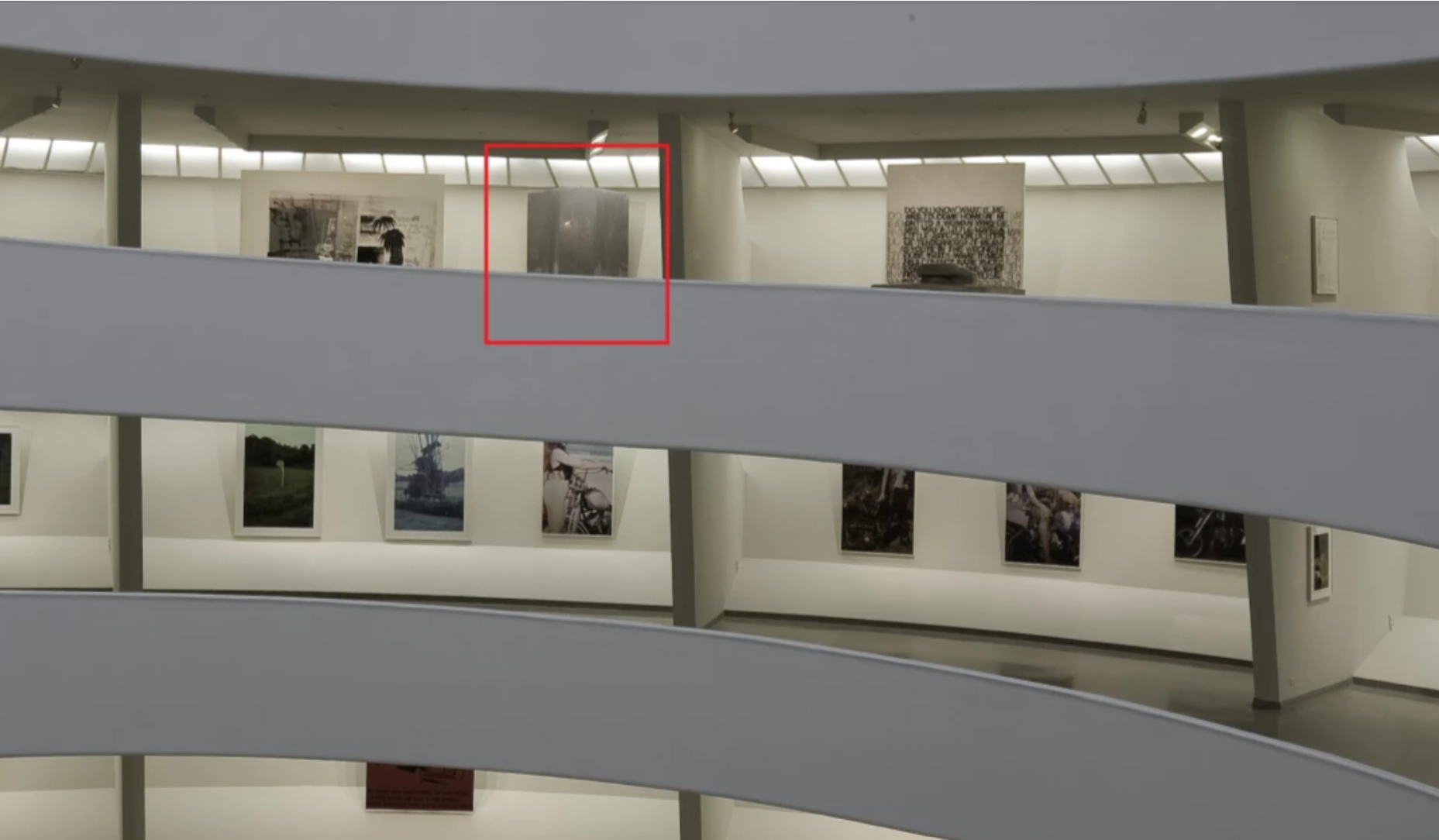
The present work installed in Richard Prince: Spiritual America at the Solomon R. Guggenheim Museum, New York, September 2007 – January 2008. Photograph by David Heald.
© Solomon R. Guggenheim Foundation, New York. All Rights Reserved. Art © 2024 Richard Prince
It is Prince’s unrelenting obsession with the aesthetic mythos of familiar items and images that earned him his place among the most influential and provocative voices of the twenty-first century. Not only a contemporary take on Duchamp’s readymade but also an exercise in the Pictures Generation’s fascination with collective imagery, the Hoods constitute the painting of an object that has already been painted, seizing the car part as well as its broader connotations for his adjustment. Slingerlands sees Prince author his celebrated take on American folklore, leaving his viewer to grapple with the collision of fine art and mass culture and the question of how the car became enshrined.
#5. Untitled (Palomino), 1982-86
Sotheby’s New-York: 21 November 2024
Estimated: USD 500,000 – 700,000
USD 540,000
Untitled (Palomino) | Contemporary Day Auction | 2024 | Sotheby’s
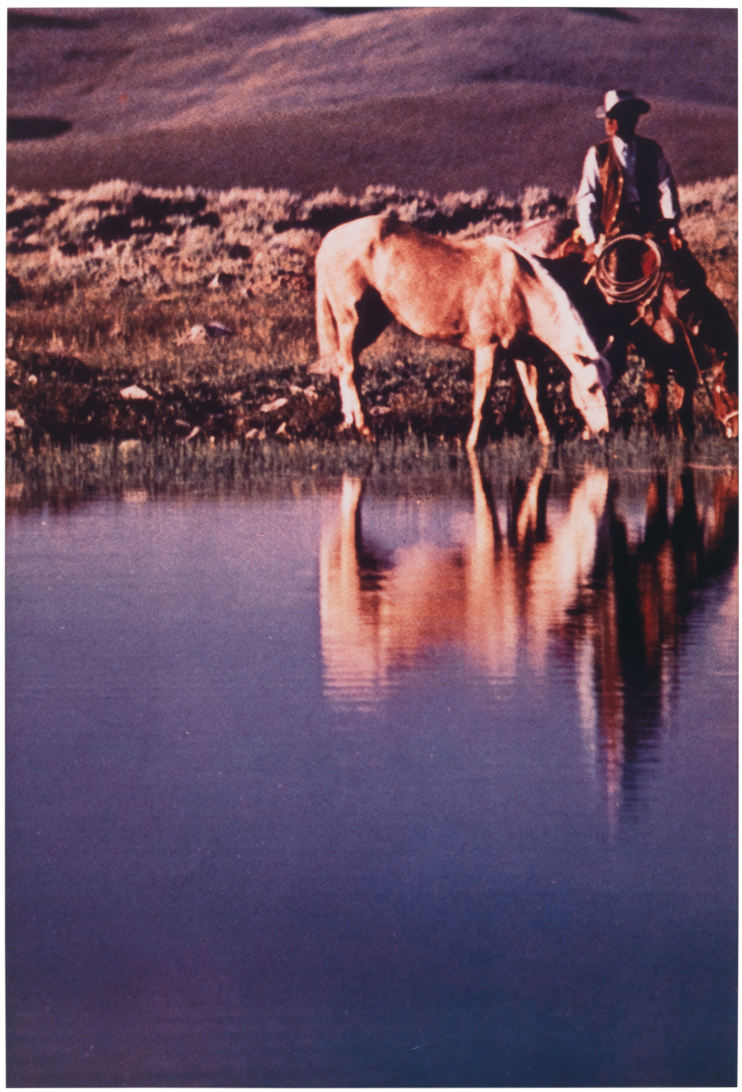
RICHARD PRINCE (b. 1949)
Untitled (Palomino), 1982-86
Ektacolor photograph flush mounted to foam board
40×27 inches (101.6 x 68.6 cm)
This work is number 2 from an edition of 2
Grandiose yet unrevealing, Richard Prince’s Untitled (Palomino), from the artist’s seminal series, unpacks the mythology of an American icon. The cowboy, once thought of as a lowly ranch hand, saw himself polished and ingrained into the public imagination by the spectacle of Hollywood Westerns. The tough, heroic trailblazer archetype, primed for commercial exploitation, was prominently seized upon by the American cigarette maker Marlboro. For nearly a half-century, images of ‘Marlboro Men’–rugged cowboys roaming picturesque terrain on horseback–saturated the global media market. Intrigued by its staying power in the American ethos, Richard Prince appropriated the Marlboro cowboy, rephotographing it and fortifying the cinematic spectacle into one of his most enduring motifs.
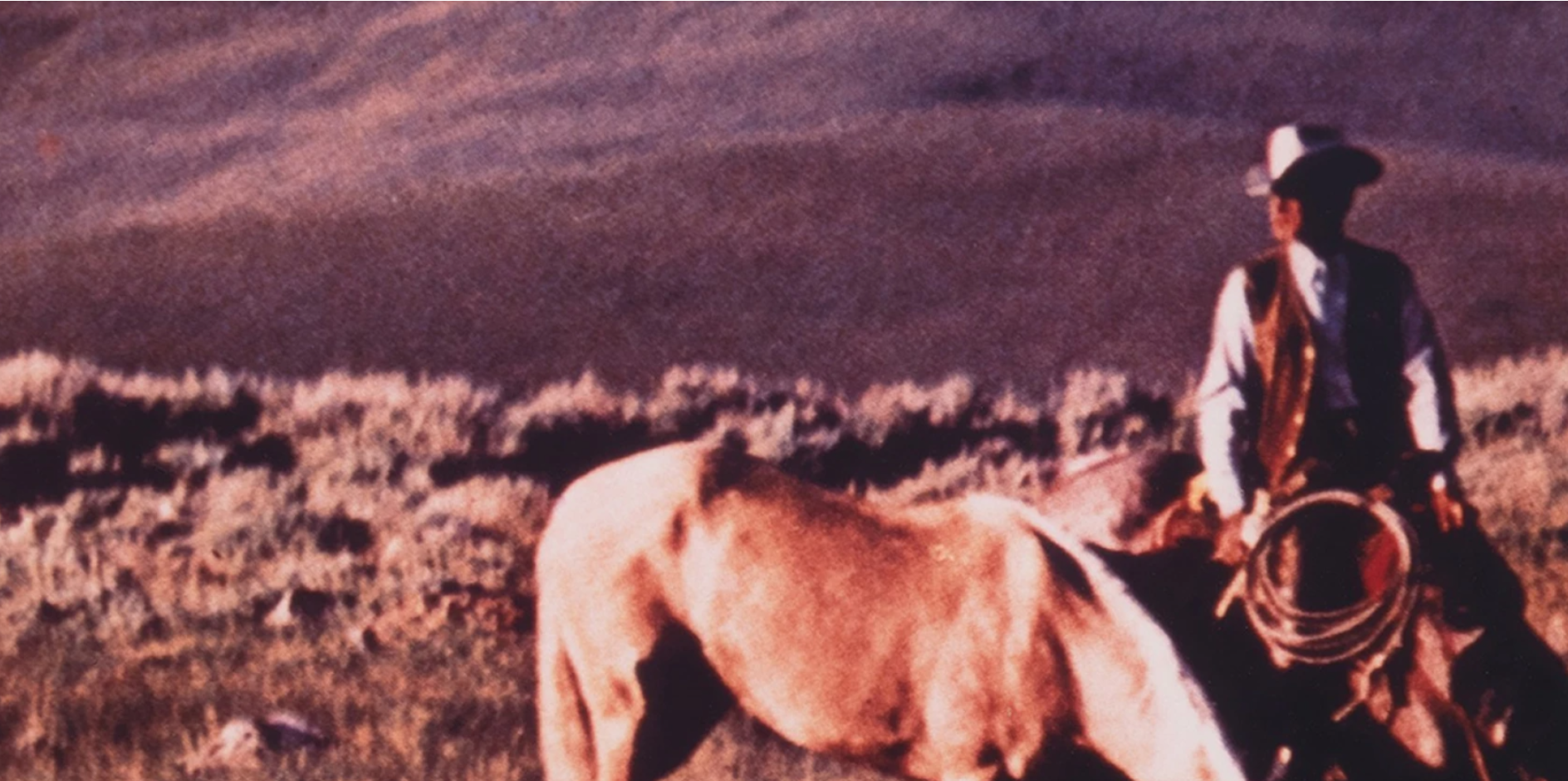
Prince’s role as artist-appropriator stems from his work in the Time-Life tear-sheets department during the 1970s. While clipping away articles for staff writers, Prince was left with scraps of popular advertisements. Fascinated yet repulsed by the ubiquity of the cowboy, Prince saw it as a ripe subject for artistic exploration.
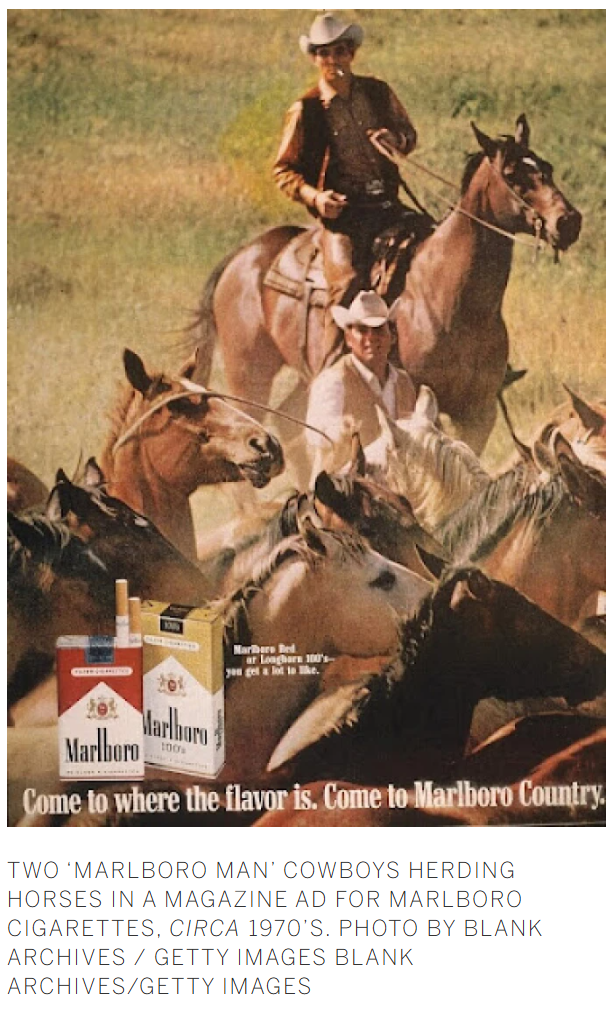
Prince was particularly interested in the cultural implications of the cowboy’s redundancy. In Untitled (Palomino), Prince intensifies the artifice of an exhausted icon by rephotographing alluring imagery that Marlboro was eventually forced to abandon. A figure, riding astride in the harsh sun of the open plains, gazes towards something outside of view. The cowboy and his horses, mirrored across the rippled water, fade into the blue sky. The space below seems primed for advertising copy, yet it’s devoid of its former textual indicators. The enticing ad is diminished in its replication–its tonality diluted, its details blurred, its framing cropped. In reducing the once seductive cowboy into something profoundly inauthentic, Prince calls for a re-examination of the icon without its commercial function.
Untitled (Palomino) exemplifies Prince’s ability to rationalize a cultural symbol in flux. Existing once as a myth in the American psyche, then copied into an advertisement. It exists now as a copy of an image forever altered–a man foraging on, toppling the very myth he once proliferated. Images from the series are among his most recognizable, held in museum collections such as The Metropolitan Museum of Art, New York, the Art Institute of Chicago, the San Francisco Museum of Modern Art, the Walker Art Center, Minneapolis, the Modern Art Museum of Fort Worth, Texas, and many more.
#6. Untitled (De Kooning), 2006-2007
Phillips New-York: 20 November 2024
Estimated: USD 300,000 – 400,000
USD 342,900
Richard Prince – Modern & Contempo… Lot 330 November 2024 | Phillips
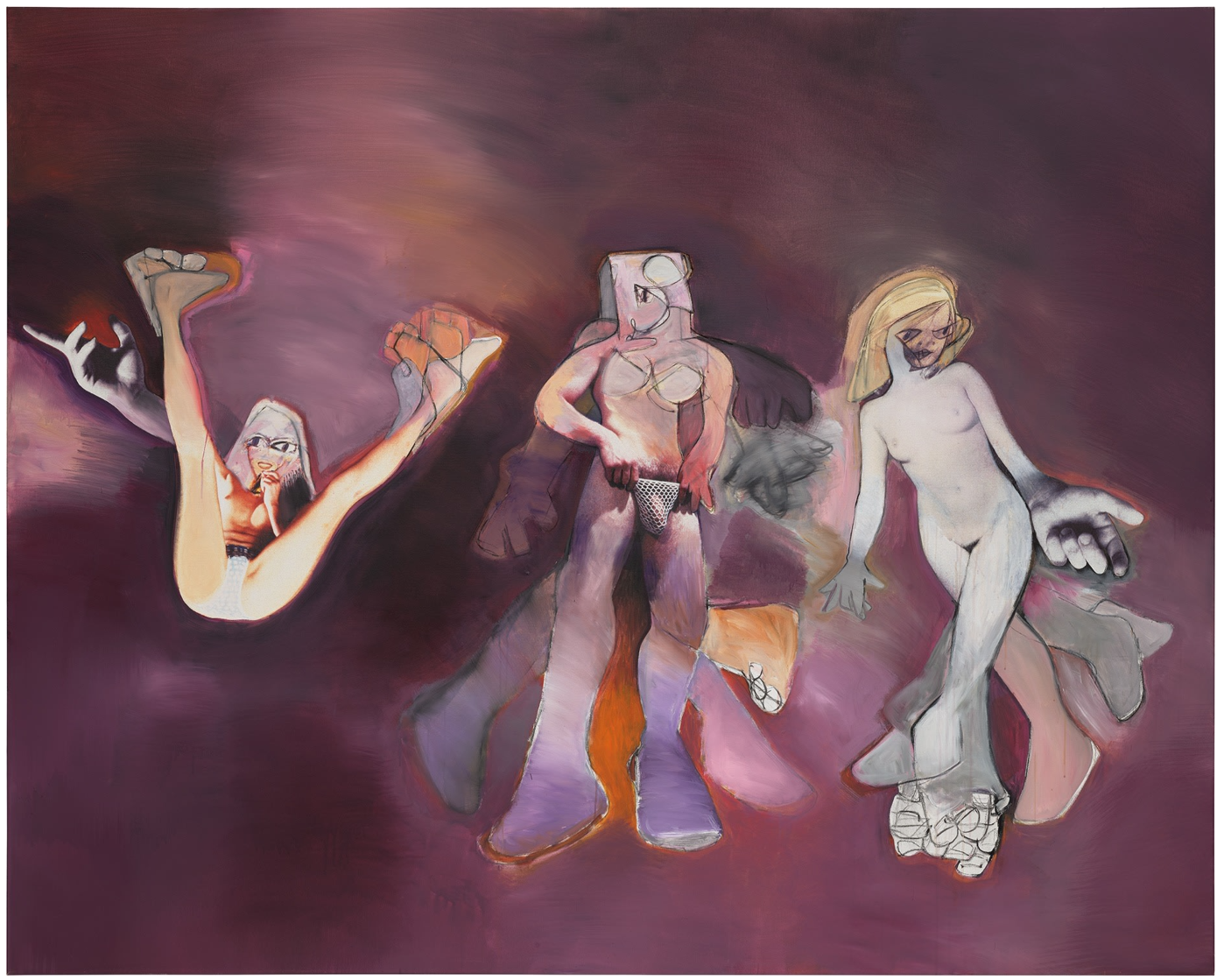
RICHARD PRINCE
Untitled (De Kooning), 2006-2007
Acrylic and inkjet on canvas
80×100 inches (203.2 x 254 cm)
Signed, titled and dated “Richard Prince UNTITLED (DE KOONING) 2006–07” on the reverse
#7. Trouble, 2007
Sotheby’s New-York: 21 November 2024
Estimated: USD 280,000 – 350,000
USD 336,000
Trouble | Contemporary Day Auction | 2024 | Sotheby’s
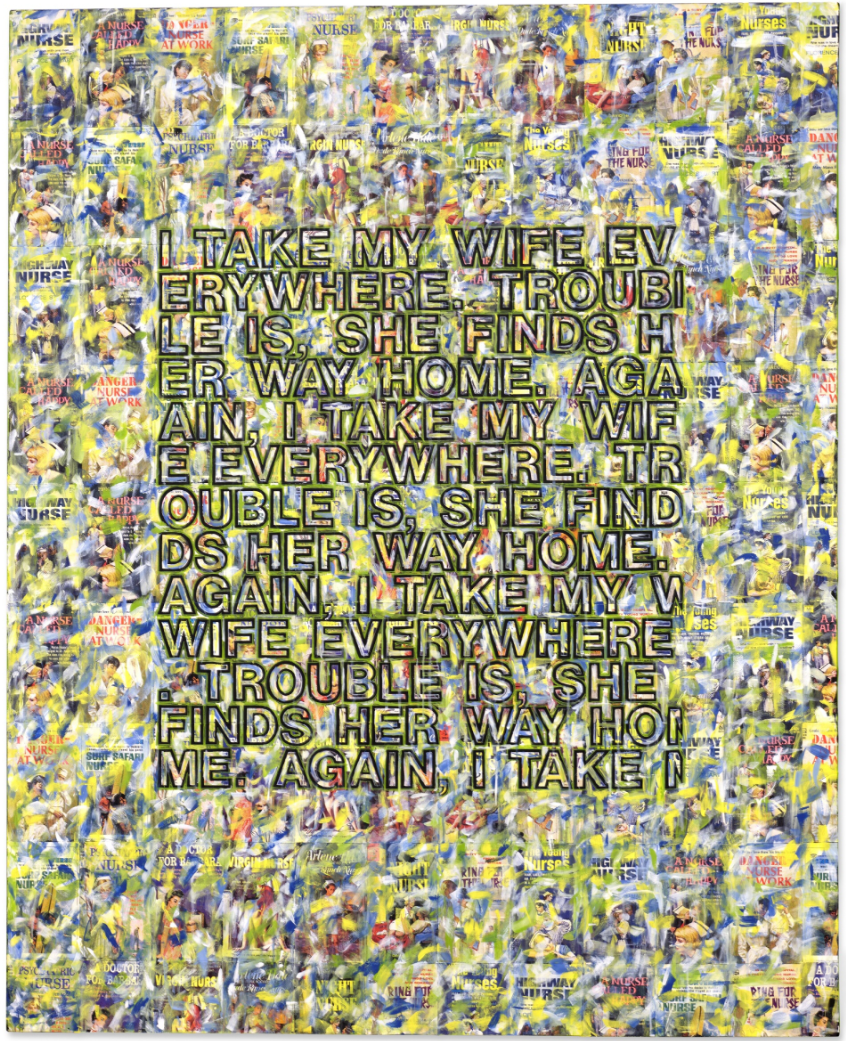
RICHARD PRINCE (b. 1949)
Trouble, 2007
Acrylic and printed paper collage on canvas
59 3/8 x 48 inches (150.8 x 121.9 cm)
Signed, titled and dated 2007 (on the reverse)
#8. Untitled (Original), 2007
Phillips New-York: 20 November 2024
Estimated: USD 150,000 – 200,000
USD 317,500
Richard Prince – Modern & Contempo… Lot 317 November 2024 | Phillips
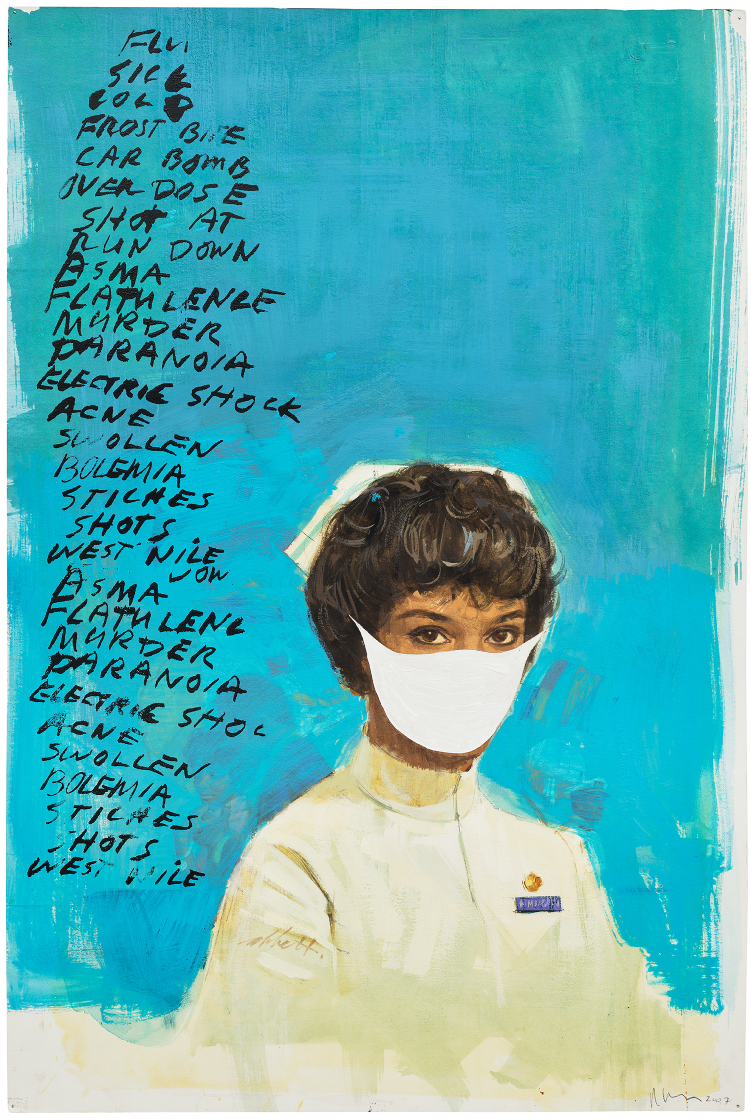
RICHARD PRINCE
Untitled (Original), 2007
Acrylic on original illustration, in artist’s frame
41×33 inches (104.1 x 83.8 cm)
Signed and dated “R Prince 2007” lower right
“With the Nurse paintings, I believe I started out just reading the paper. It just occurred to me that everyone needed a nurse.”
#9. Untitled (Cowboy), 1986
Christie’s New-York: 22 November 2024
Estimated: USD 150,000 – 200,000
USD 315,000
RICHARD PRINCE (B. 1949), Untitled (Cowboy) | Christie’s
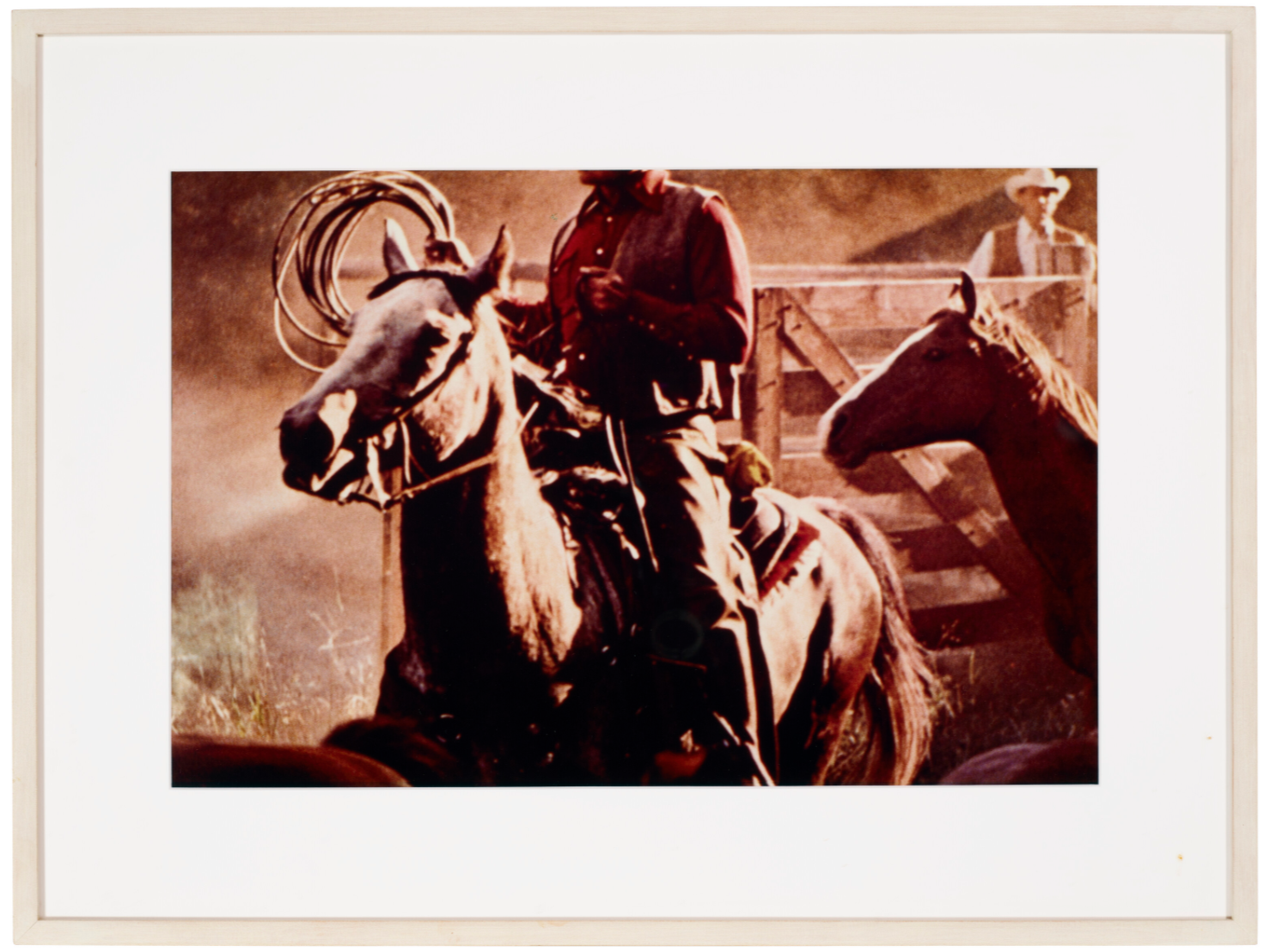
RICHARD PRINCE (B. 1949)
Untitled (Cowboy), 1986
Ektacolor print
Image: 15 3/4 x 23 1/4 inches (40 x 59.1 cm)
Sheet: 20×24 inches (50.8 x 61 cm)
Signed, numbered and dated ‘Richard Prince 2⁄2 1986’ (on the reverse)
This work is number two from an edition of two
#10. Untitled (Protest), 1994
Christie’s New-York: 22 November 2024
Estimated: USD 250,000 – 350,000
USD 302,400
RICHARD PRINCE (B. 1949), Untitled (Protest) | Christie’s
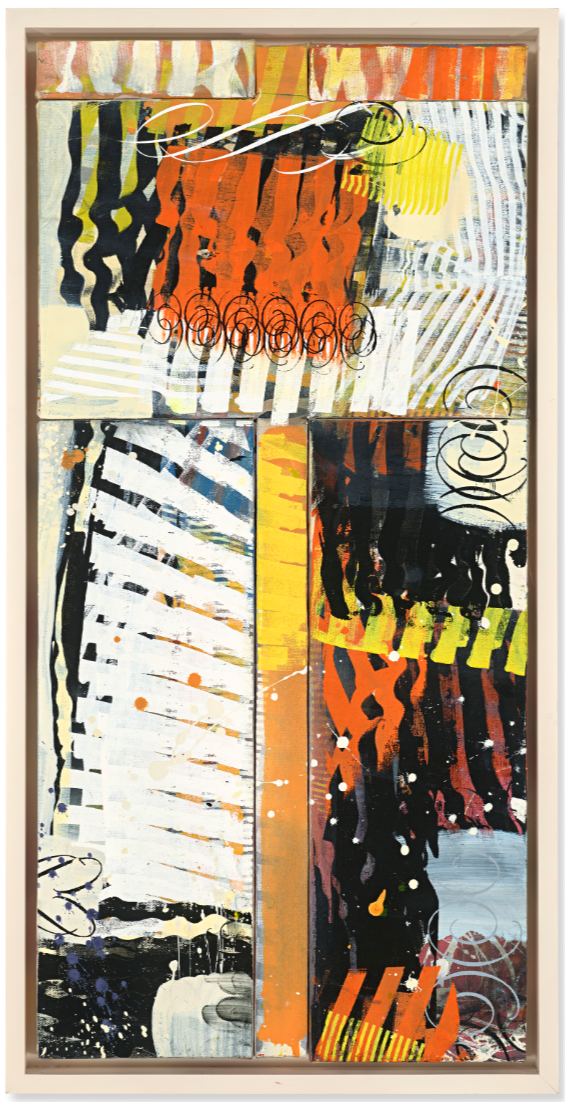
RICHARD PRINCE (B. 1949)
Untitled (Protest), 1994
Acrylic and silkscreen ink on five joined canvases
38 5/8 x 18 5/8 inches (97.2 x 47 cm)
Signed and dated ‘R. Prince 1994’ (on the reverse)
#11. Untitled, 1992
Christie’s New-York: 22 November 2024
Estimated: USD 100,000 – 150,000
USD 296,100
RICHARD PRINCE (B. 1949), Untitled | Christie’s
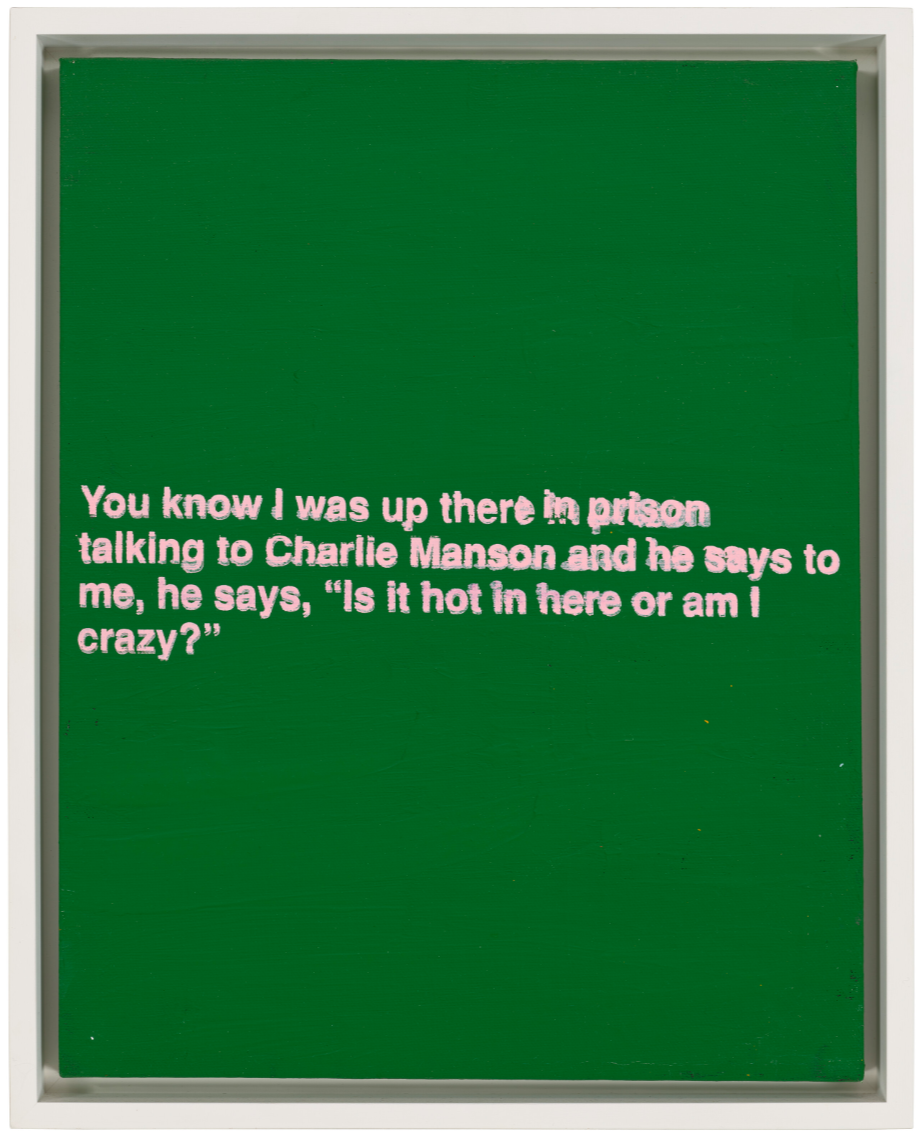
RICHARD PRINCE (B. 1949)
Untitled, 1992
Acrylic and silkscreen ink on canvas
14×11 inches (35.6 x 27.9 cm)
Signed and dated ‘Richard Prince 1992’ (on the reverse)
#12. Untitled (Hippie Drawings) [Ten Works], 1997-1998
Christie’s New-York: 22 November 2024
Estimated: USD 80,000 – 120,000
USD 126,000
RICHARD PRINCE (B. 1949), Untitled (Hippie Drawings) [Ten Works] | Christie’s
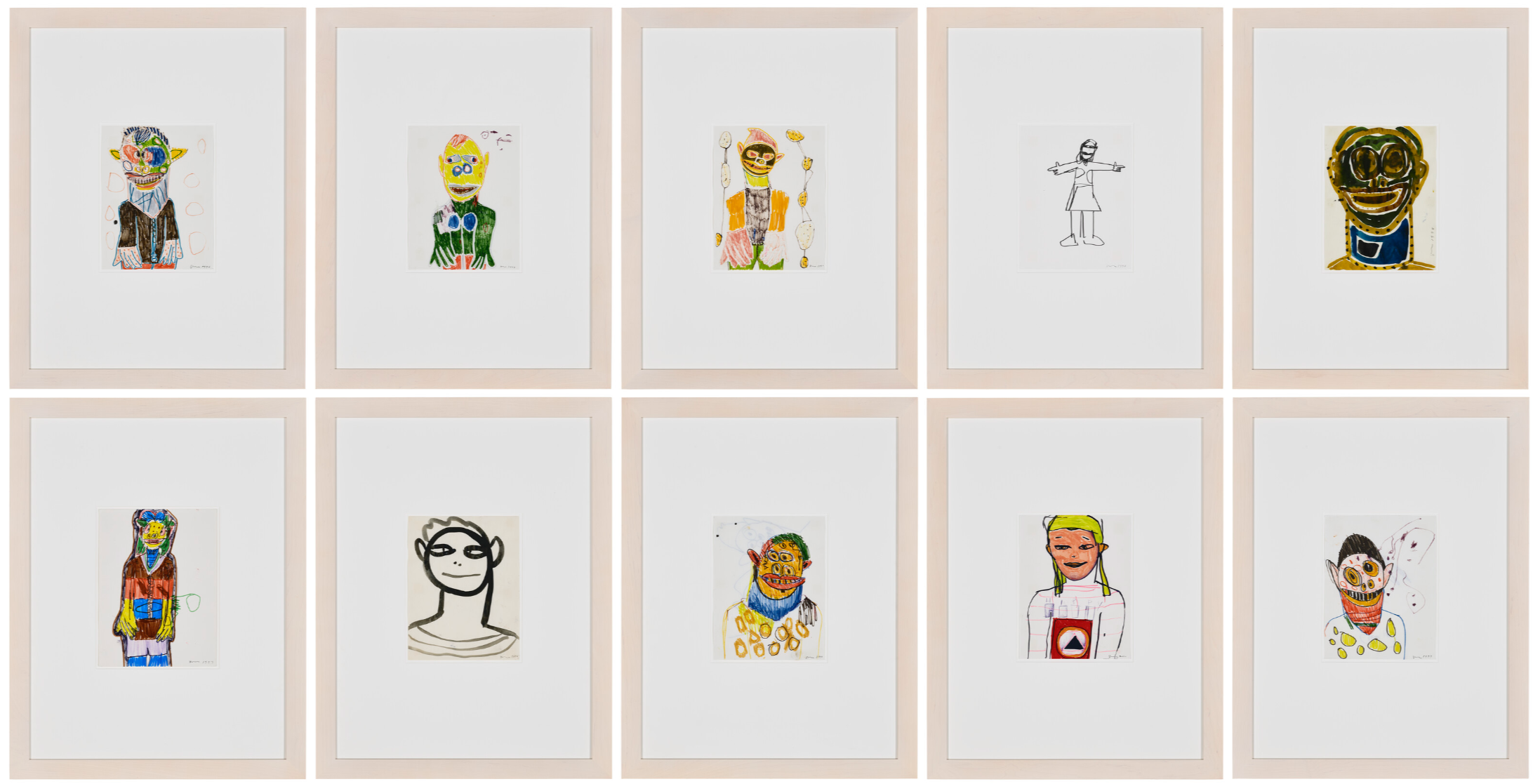
RICHARD PRINCE (B. 1949)
Untitled (Hippie Drawings) [Ten Works], 1997-1998
Marker, ink, acrylic and ball-point pen on paper
11 x 8 1/2 inches (27.9 x 21.6 cm)
Signed and dated (lower right)
#13. Untitled (Protest Painting), 1992-1994
Phillips New-York: 20 November 2024
Estimated: USD 70,000 – 100,000
USD 95,250
Richard Prince – Modern & Contempo… Lot 387 November 2024 | Phillips
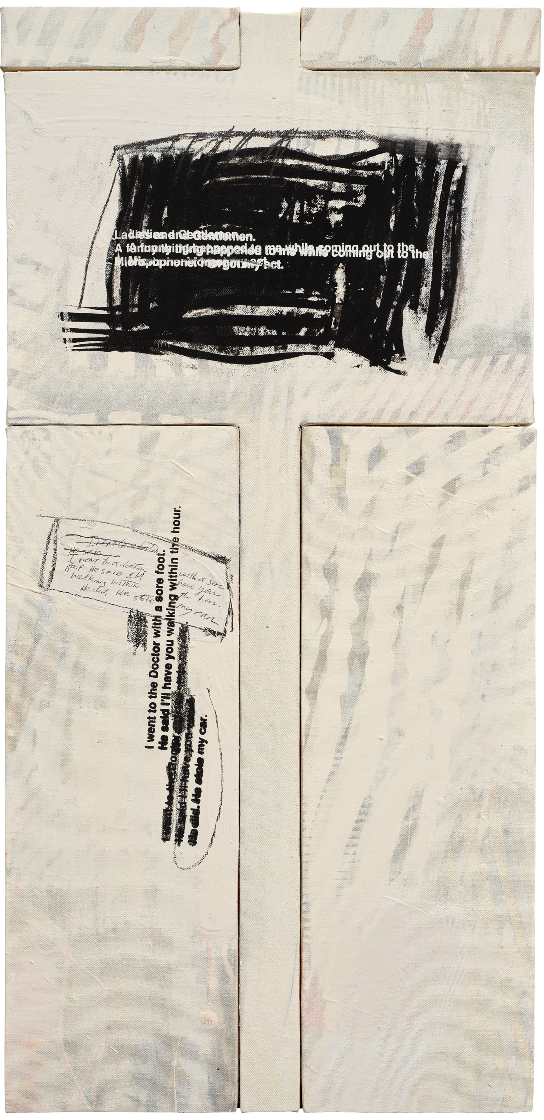
RICHARD PRINCE
Untitled (Protest Painting), 1992-1994
Acrylic, silkscreen and graphite on 5 attached canvases
38 1/4 x 18 5/8 inches (97.2 x 47.3 cm)
Signed and dated “R Prince 1992–94” on the reverse
Passed Lots
Untitled (Girlfriend), 1993
Christie’s New-York: 22 November 2024
Estimated: USD 500,000 – 700,000
PASSED
RICHARD PRINCE (B. 1949), Untitled (Girlfriend) | Christie’s
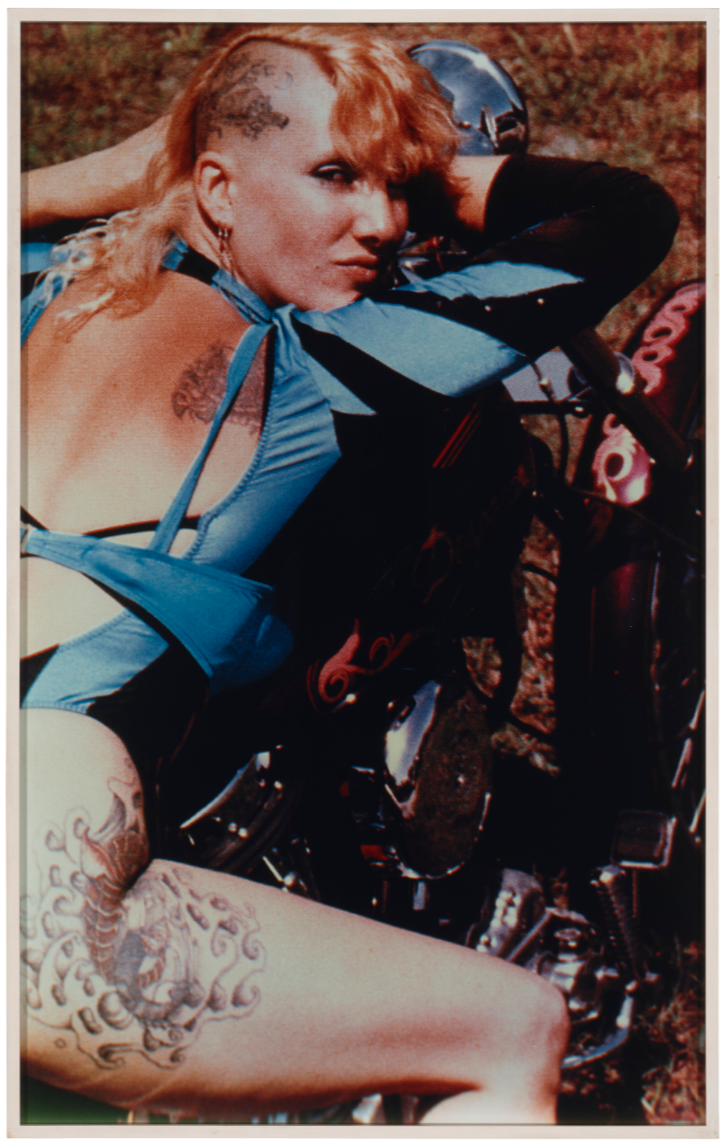
RICHARD PRINCE (B. 1949)
Untitled (Girlfriend), 1993
Ektacolor print
60×40 inches (152.4 x 101.6 cm)
Signed, numbered and dated ‘Richard Prince 1993 2⁄2’ (on the reverse)
This work is number two from an edition of two plus one artist’s proof
Are You Kidding?, 1988
Phillips New-York: 20 November 2024
Estimated: USD 250,000 – 350,000
PASSED
Richard Prince – Modern & Contempo… Lot 331 November 2024 | Phillips
RICHARD PRINCE
Are You Kidding?, 1988
Acrylic and silkscreen ink on canvas
66×54 inches (167.6 x 137.2 cm)
Signed, titled and dated “R Prince 1988 “ARE YOU KIDDING”” on the overlap
Untitled, 2008
Christie’s New-York: 22 November 2024
Estimated: USD 200,000 – 300,000
PASSED
RICHARD PRINCE (B. 1949), Untitled | Christie’s
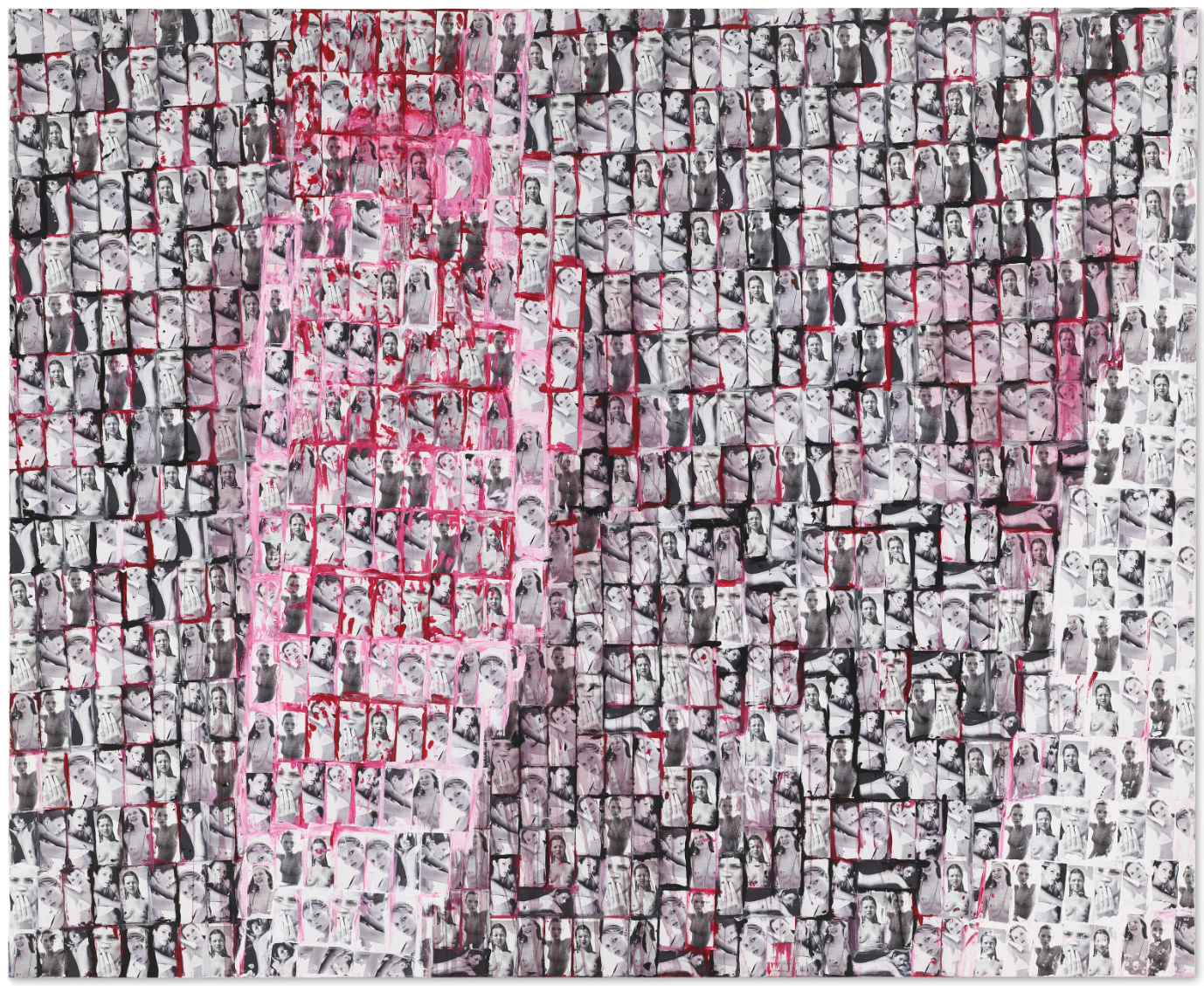
RICHARD PRINCE (B. 1949)
Untitled, 2008
Acrylic and printed paper collage on canvas
89×109 inches (226.2 x 276.9 cm)
Focus: Christopher Wool
6 lots sold for a total of USD 6,174,950.
The top price of USD 2,420,000 was achieved by a “word painting” on paper that sold at Sotheby’s. With 1 lot failing to sell, the sell-through rate is 83.3%.
#1. Untitled, 1992
Sotheby’s New-York: 20 November 2024
Estimated: USD 2,000,000 – 3,000,000
USD 2,420,000
Untitled | The Now and Contemporary Evening Auction | 2024 | Sotheby’s
CHRISTOPHER WOOL (b. 1955)
Untitled, 1992
Enamel on paper
38×26 inches (96.5 x 66 cm)
Signed, dated 1992 and numbered F43 (on the reverse)
At once emotionally charged and aesthetically entrancing, Untitled from 1992 is a commanding exemplar of Christopher Wools’ iconic text-based body of paintings and works on paper, which shatter the critical threshold between text and image. Distinguished for its rich ultramarine palette, its full composition, and imperfect painterliness of the stenciled text, the phrase “And if you don’t like it you can get the fuck out of my house” recalls Eddie Murphy’s famous stand-up show Raw from 1987 and is Wool’s among iconic and oft-used phrases for its brash, flippant humor. Sourcing from spoken, phonetic, poetic and everyday language, the words in Wool’s paintings emerge from the crossroads of various cultural legacies to radically collapse the syntax and semantics of our everyday linguistic exchange.
Forged in the gritty crucible of 1990s downtown Manhattan, an era defined by the disruptive energy of the Punk and New Wave scenes, Untitled challenges theories of postmodern critical thinking to present the viewer with a singularly engaging and rigorous conceptual experience.
#2. Untitled, 1992
Christie’s New-York: 21 November 2024
Estimated: USD 1,500,000 – 2,500,000
USD 1,502,000
CHRISTOPHER WOOL (B. 1955), Untitled | Christie’s
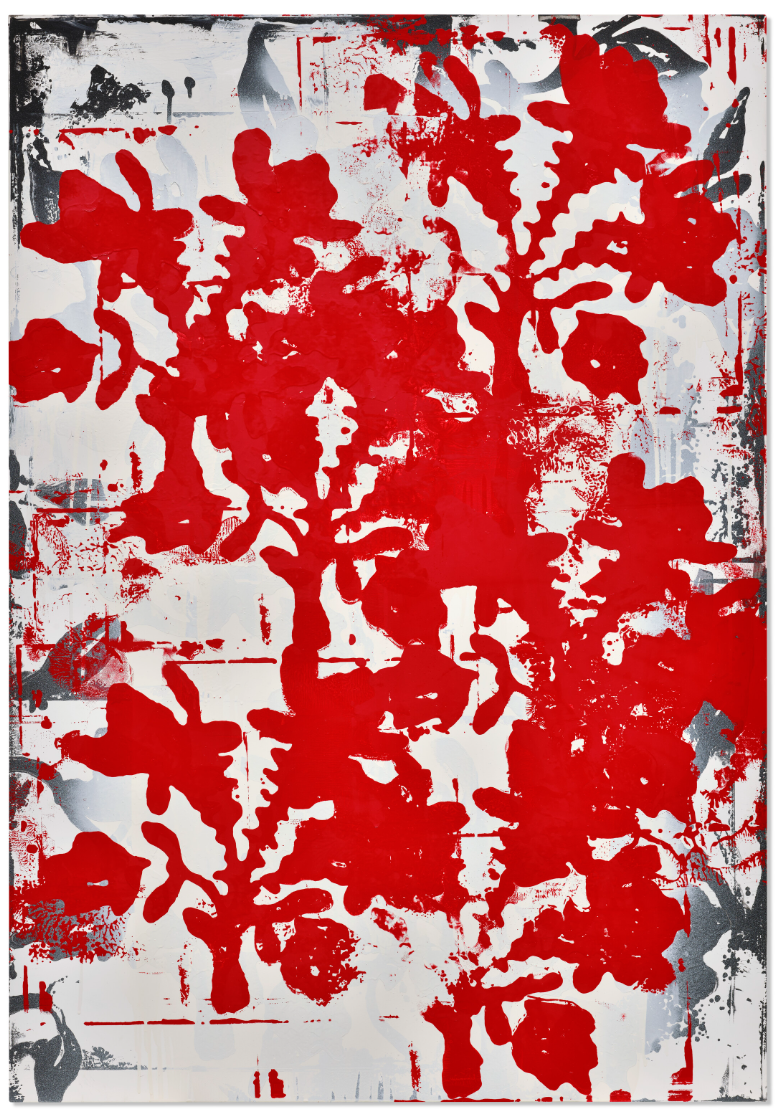
CHRISTOPHER WOOL (B. 1955)
Untitled, 1992
Enamel on aluminum
43×30 inches (109.2 x 75.9 cm)
Signed, inscribed and dated ‘WOOL 1993 (S116)’ (on the reverse)
Emblazoned with floral motifs executed in bold red pigment, Christopher Wool’s Untitled bridges the gap between the visual and the intellectual, and between the art of the street and Post-Modern inquiries into the nature of painting. By combining the quasi-mechanical process of stenciling with hand-applied sprayed paint, Wool sets up a visual dichotomy that is both controlled and chaotic.
“Painting, for me, is often a struggle between the planned and the unforeseen. The best paintings are the ones that you could not have imagined before you began…”
Early works such as Untitled are especially notable for their ability to lay bare the artist’s process as he wrestles with non-traditional methods and materials.
Untitled is characterized by rich compositional depth and a marked attention to repetitive motifs. Here, the artist applies consecutive layers of enamel onto an aluminum support, one on top of another to create a visual record of his process. In the upper layer, repeated applications of blazing red foliage overlap in an amalgam of petals, leaves, and thorny stems. Below this, a sprayed white midground covers the bottom layer of black stenciling with a gauzy veil of pigment that separates the two opposing elements. Only discernible on the edges of the composition, the black paint peers out from below and serves as both a framing element as well as a visual record of Wool’s creative actions.
“I often want a painting to feel like it is the result of a certain process….a process that was not simply the painting/picturing process of putting together a formalistically successful painting. I’ve made paintings that were ‘pictures’ created merely by the act/process of painting over a previous image.”
The struggle between the painting’s strata infuses it with a palpable energy. Each element adds something to the whole so that disparate, unstable parts evolve into a poignant, harmonious arrangement.
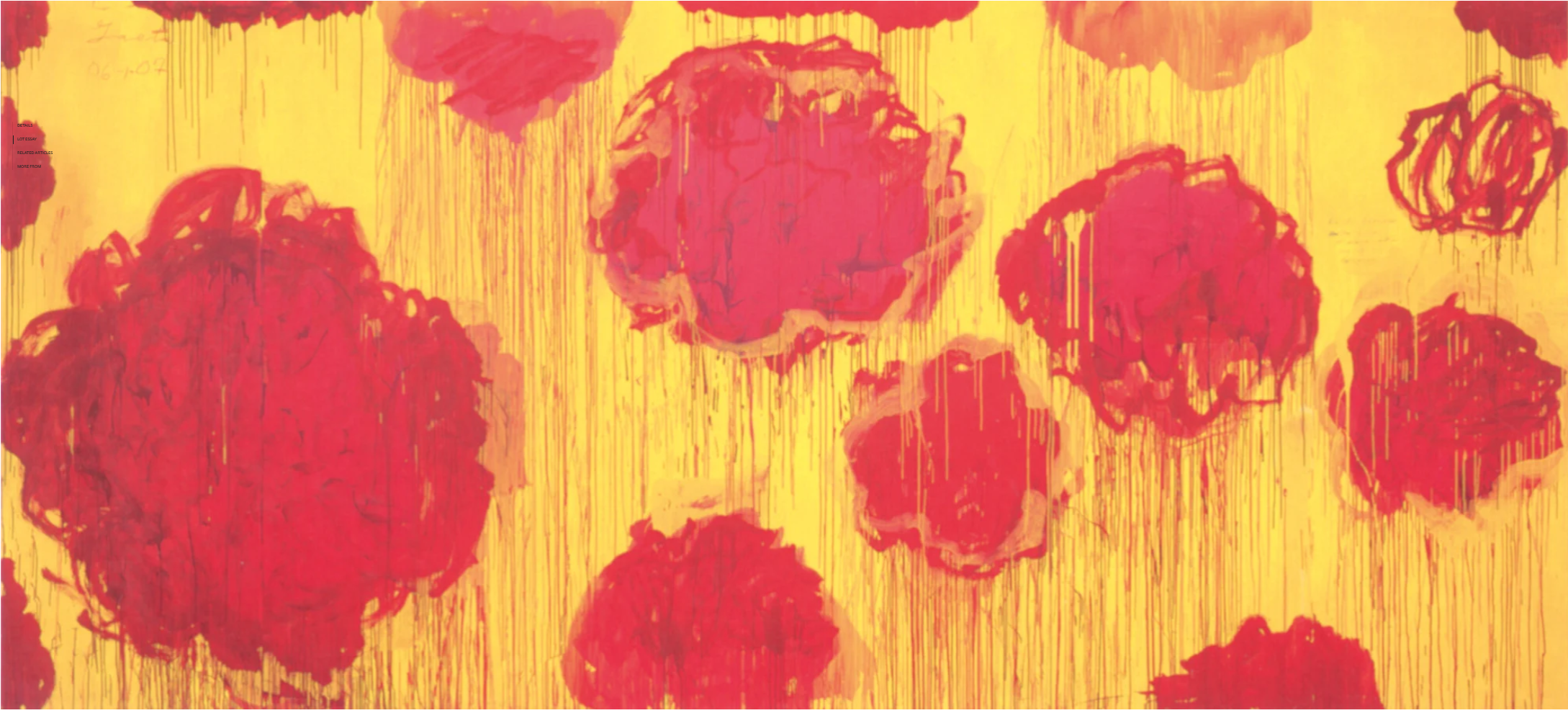
Cy Twombly, Untitled, 2007. © Cy Twombly Foundation.
Stenciling and repetitive processes have been a major part of Wool’s practice since the 1980s. He uses letters, images, and reproductions to investigate visual language and the process of painting. In the 1990s, Wool began a series of works that used figurated rollers he acquired at hardware stores. The resulting ‘readymade pattern’ paintings looked critically at the divide between ‘high’ and ‘low’ art, an investigation that was amplified when Wool began utilizing silkscreened floral motifs in later works. The present example hails from this pivotal early series and pushes the source material to its limits. Drawing visual corollaries to printed compositions used in wallpaper and other decorative arts, paintings like Untitled disintegrate the orderly nature of those techniques and bring them into conversation with the streets of Manhattan.
“New York was, especially back then, just a gritty, gritty place, and I was interested visually in all of it”
Seeking to translate the electric atmosphere of the city into dynamic compositions, Wool pulled from his experiences on the street and infused them with critical discourse. While visually they may seem to have more in common with peeling wheatpaste posters on the walls of dilapidated buildings than the intensely rendered designs of William Morris, pieces like Untitled question the divide between fine art and design, the juxtaposition of street art and the white cube gallery, and the role of the urban experience in the history of painting.
#3. Untitled, 1997
Christie’s New-York: 22 November 2024
Estimated: USD 1,200,000 – 1,800,000
USD 945,000
CHRISTOPHER WOOL (B. 1955), Untitled | Christie’s
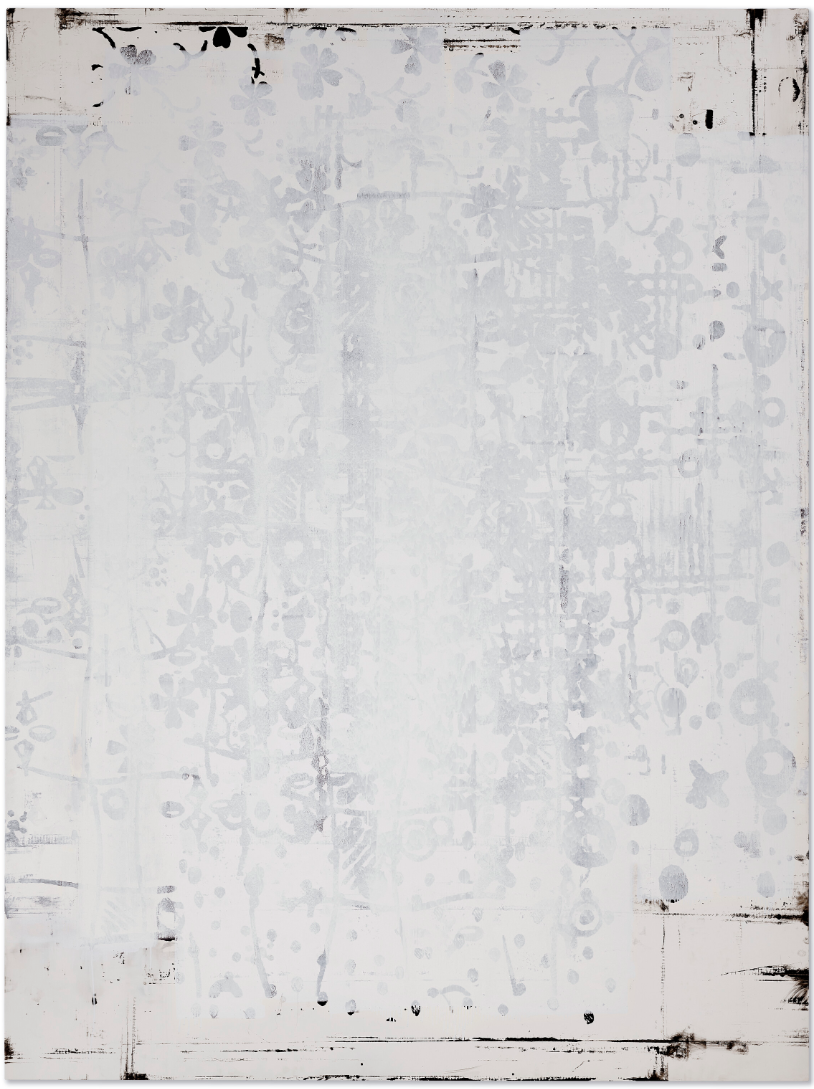
CHRISTOPHER WOOL (B. 1955)
Untitled, 1997
Enamel on aluminum
96×72 inches (243.8 x 182.8 cm)
Signed, inscribed and dated ‘WOOL 1997 (P272)’ (on the reverse)
Rendered on aluminum, the artist’s signature substrate, Untitled is a masterful example of Christopher Wool’s layered dynamism. Decorative patterns of clovers, dots, and geometric forms have been screen-printed onto this epic expanse, all of which was then covered in iridescent white paint. Wool intended for such visual chaos: in this and related works, he has created a visual palimpsest wherein the viewer must interrogate and decipher the strata of pigment. It is no coincidence that the overlapping lines and shapes appear to belong to a hieroglyphic system, drawing parallels with the artist’s earlier word paintings.
After several years of wild investigation, Wool settled on painting in the early 1980s. His eureka moment occurred one afternoon while watching his landlord paint the hallway of his New York City apartment building. The painterly hiccups left by the roller intrigued the young artist who had long been drawn to imperfections of all types. Shortly thereafter, Wool purchased a set of paint rollers, which he incised with various, often floral designs. By using such a quotidian tool, a painter’s roller, Wool purposefully drew attention to the actual objects and instruments necessary to his art.
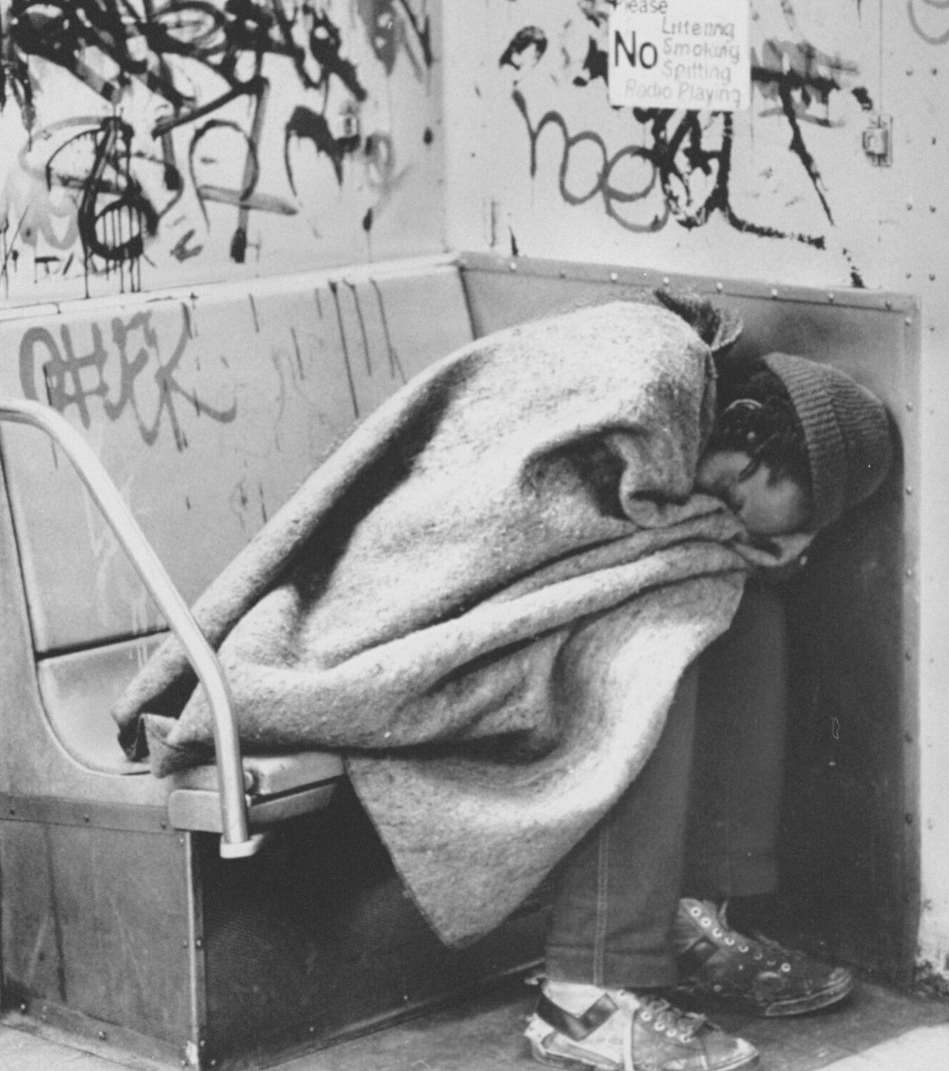
Homeless man sleeping on subway, 1988. Photograph by David Handschuh / NY Daily News Archive via Getty Images.
Indeed, layering has long played an outsized role in Wool’s oeuvre, a strategy the artist relies upon both materially and conceptually. Wool, whose practice includes painting, photography, and bookmaking, understands media to be contingent, and it is the act of accumulation itself that interests the artist. Instead of cleaving to traditional divisions, Wool gravitates towards enlargement and excess.
#4. Untitled, 2002
Christie’s New-York: 22 November 2024
Estimated: USD 700,000 – 1,000,000
USD 819,000
CHRISTOPHER WOOL (B. 1955), Untitled | Christie’s
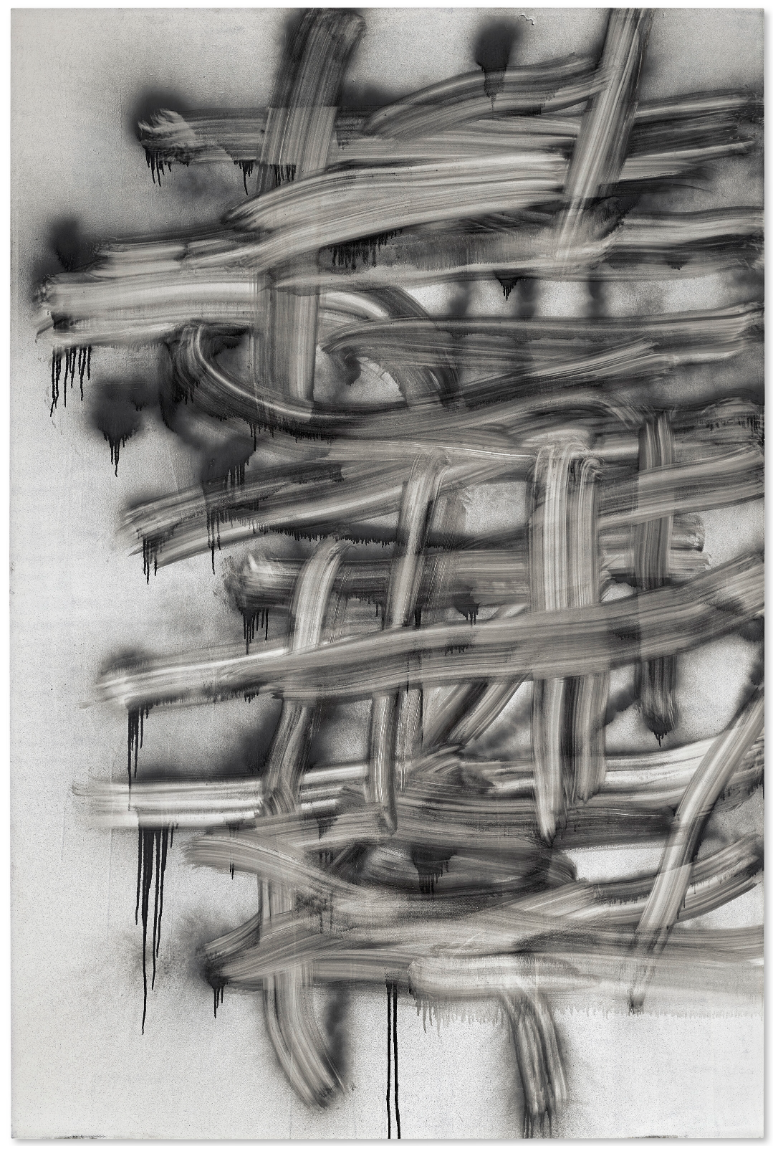
CHRISTOPHER WOOL (B. 1955)
Untitled, 2002
Enamel on linen
108×72 inches (274.3 x 182.8 cm)
Signed, inscribed, titled and dated ‘Wool Untitled (P378) 2002’ (on the reverse)
A striking example of the artist’s ongoing interrogation of abstract painting, Christopher Wool’s Untitled from 2002 is a work of great resolve from the varied oeuvre of a postmodern American master. Combining dynamic, gestural brushwork with a restrained color palette and a subdued backdrop, Wool draws the viewer’s attention to his bold, painterly gestures. Turbulent smears of black enamel paint stand out against a spare, muted gray background, while subtle tonal gradations suggest depth and lend an atmospheric quality. Diffuse clouds of spray paint punctuate the composition and hint at a tension between the precise and the uncontrolled—a tension that is further underscored by the inky black drips peppering the canvas. The painting appears before its viewers almost as an apparition; the transparent brushstrokes traversing across a fog of spray paint appear fleeting, almost as if they could evaporate off the canvas at any moment. Impressive in both scale and impact, Untitled is a compelling postmodern triumph and a testament to Christopher Wool’s provocative and boundary-pushing practice.
Though Wool’s energetic brushstrokes seem to reflect the spontaneous gestures typical of Abstract Expressionist painters, the hazy backdrop of Untitled, created with spray paint, introduces a distinct contrast and departure. The incorporation of spray paint alongside abstract shapes and strong brushstrokes recalls the burgeoning downtown graffiti scene that inspired Wool’s iconic “word paintings” in the 1980s. Indeed, Wool first came to the attention of the American public in the late 80’s through text-based word paintings featuring letters stenciled in black onto white metal panels. Drawing phrases from film, television, and mass advertising, Wool transformed aggressive, edgy statements into painted images, challenging the relationship between text and meaning. This sense of recontextualization, both in terms of his text paintings and his abstract paintings, is in many ways rooted in concepts embraced and explored by the Pictures Generation before him.
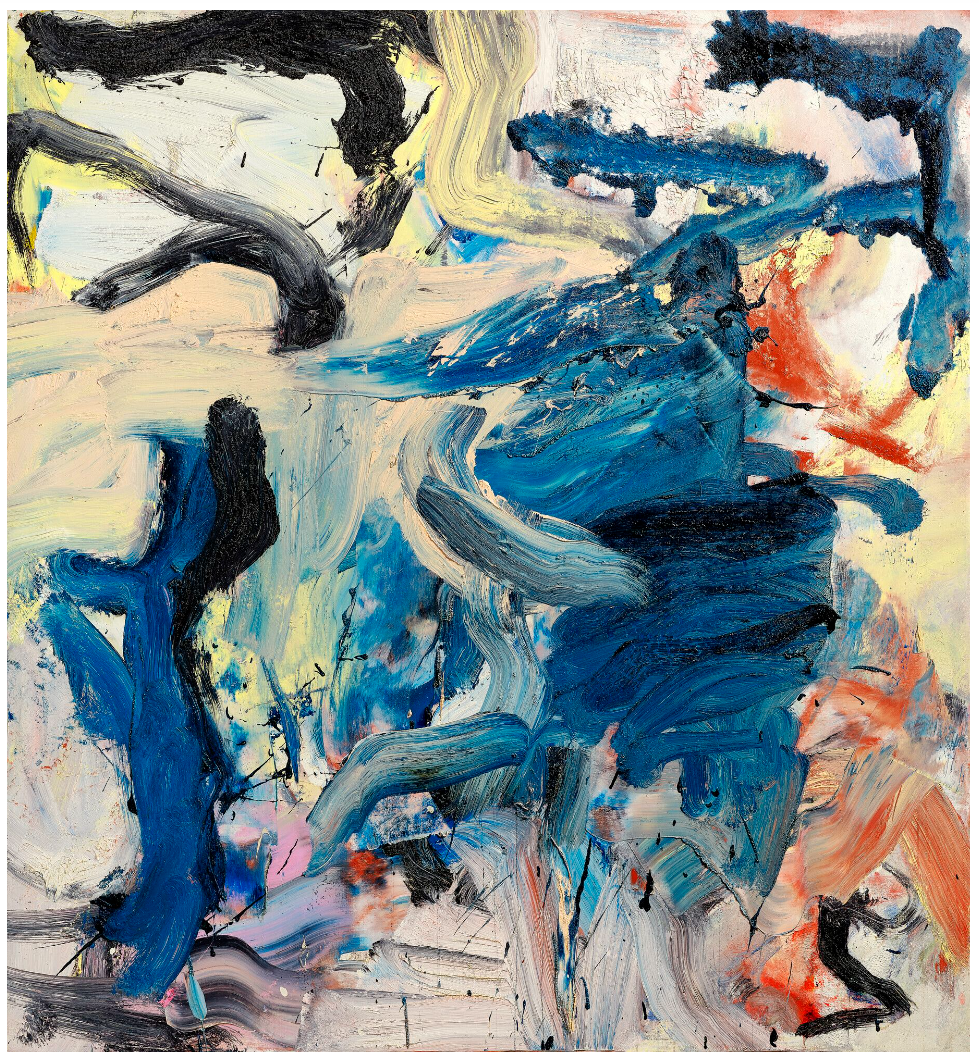
Willem de Kooning, Untitled XVIII, 1976. © 2024 The Willem de Kooning Foundation / Artists Rights Society (ARS), New York.
Beginning in the late 1970s, artists such as Cindy Sherman, Richard Prince, and Laurie Simmons shifted the tone of contemporary art by creating work that utilized appropriation and montage to reveal the constructed nature of images, which consequently brought the process of art-making, itself, into sharp focus. While painting was largely out of vogue within the Pictures Generation, Christopher Wool once again radically advanced contemporary art by bringing painting back into the discourse.
#5. Untitled, 1990
Phillips New-York: 20 November 2024
Estimated: USD 400,000 – 600,000
USD 488,950
Christopher Wool – Modern & Contem… Lot 328 November 2024 | Phillips
CHRISTOPHER WOOL
Untitled, 1990
Enamel on aluminum
11 7/8 x 8 inches (30.2 x 20.3 cm)
Signed and dated “WOOL 1990” on the reverse
Christopher Wool’s Untitled, 1990, featuring the starkly rendered word “FEAR” in alkyd paint, is an iconic example of the artist’s text-based artistic practice that defined his rise to prominence in the 1980s and 1990s downtown New York art scene. Wool’s mid-1980s experimentation with abstraction led to a deep exploration of language, semiotics, and linguistic fragmentation, ultimately giving rise to the iconic word paintings that define his practice. Untitled, like Wool’s other four-letter paintings spelling words such as “AMOK,” “AWOL” and “RIOT,” stacks two letters over two, subverting instant legibility, engaging viewers in a perceptual tension between text and abstraction—a hallmark of Wool’s exploration of language as both form and content. While deeply influenced by the artistic milieu of his era, Wool’s text artworks, including Untitled, were sparked by a serendipitous moment during a walk in New York. In the late 1980s, he encountered a new white truck emblazoned with the words “SEX LUV,” rendered in bold block-letter stencils. Wool was captivated by how words were both exposed to and transformed by the urban environment, manifesting through graffiti, billboards and advertisements, as integral components of the city’s social fabric and landscape. The industrial landscape in parts of New York profoundly shaped Wool’s selection of materials, notably his choice of aluminum support. His attention to the properties of these materials, combined with a limited color palette and reductive forms, underscores a commitment to post-minimalist principles, revealing the symbolic significance of language in his work. Similar ideas resonated with peers such as Bruce Nauman, Vito Acconci and Jean-Michel Basquiat, who likewise navigated the intersection of text and image as a compelling means of engagement.
“I think of myself primarily as an abstract painter, but I find that in making paintings, there is a little bit of investigation into what abstract painting can be.”
Wool continued to delve into text-based art throughout the 1980s and early 1990s, experimenting with nine-letter words and extended texts, often collaborating with artists like Richard Prince and Félix González-Torres. Though he later expanded his practice to include dynamic canvases with splatters, swooshes, displaced letters and blots, it was his text works, such as Untitled, that ultimately catapulted him to prominence. By repeating the same text motifs, Wool engages in a form of self-plagiarism with his word paintings to interrogate the limitations of language. The words in his works, rather than merely conveying meaning, underscore the inadequacies of written communication. In Untitled, “FEAR” transcends its literal interpretation, metamorphosing into an abstract form that commands attention through its monumental scale and visual aggression. Wool’s transformation elevates the word beyond its semantic constraints, illuminating the intrinsic inefficacy of language and compelling viewers to confront the challenges inherent in communication.
Passed Lots
Untitled, 2015
Sotheby’s New-York: 21 November 2024
Estimated: USD 1,000,000 – 1,500,000
PASSED
Untitled | Contemporary Day Auction | 2024 | Sotheby’s
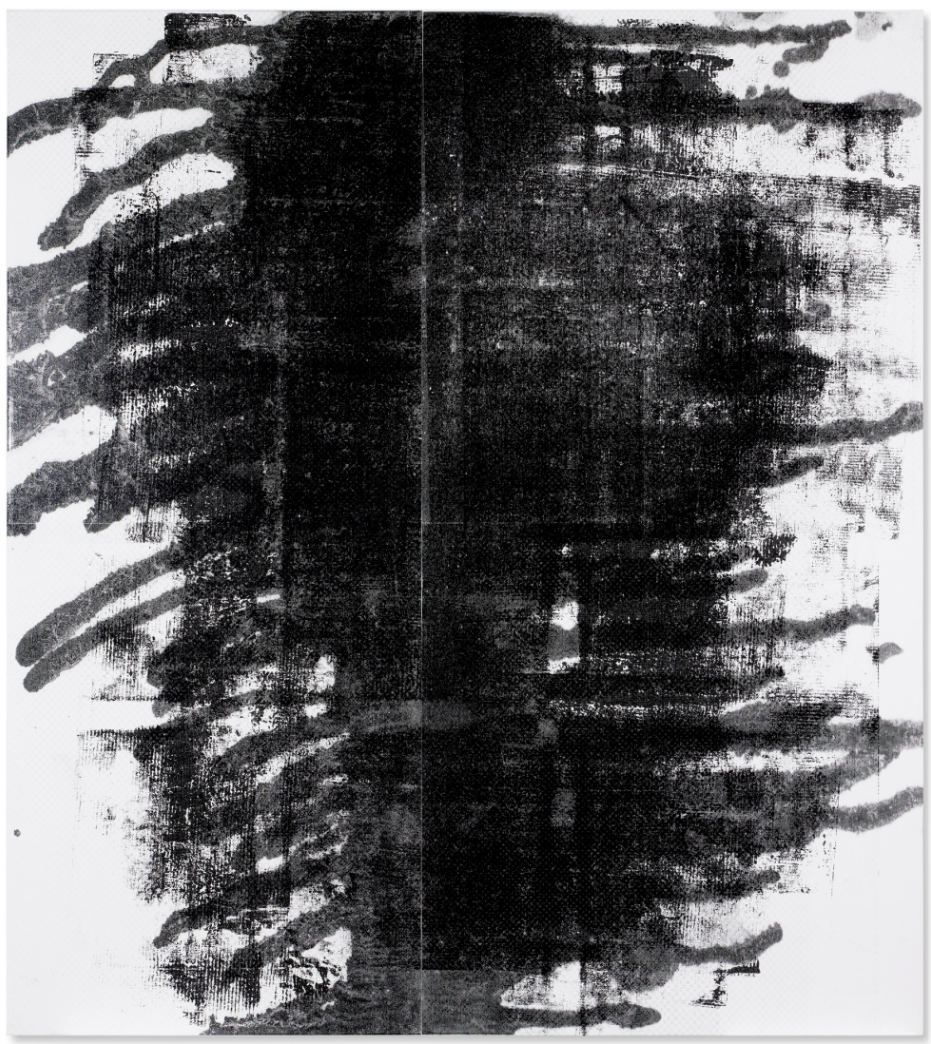
CHRISTOPHER WOOL (b. 1955)
Untitled, 2015
Silkscreen ink on linen
108×96 inches (274.3 x 243.8 cm)
Signed and dated 2015 (on the overlap)
Focus: George Condo
The Executives and Their Wives, 2011
Christie’s New-York: 21 November 2024
Estimated: USD 2,500,000 – 3,500,000
GEORGE CONDO (B. 1957), The Executives and Their Wives | Christie’s
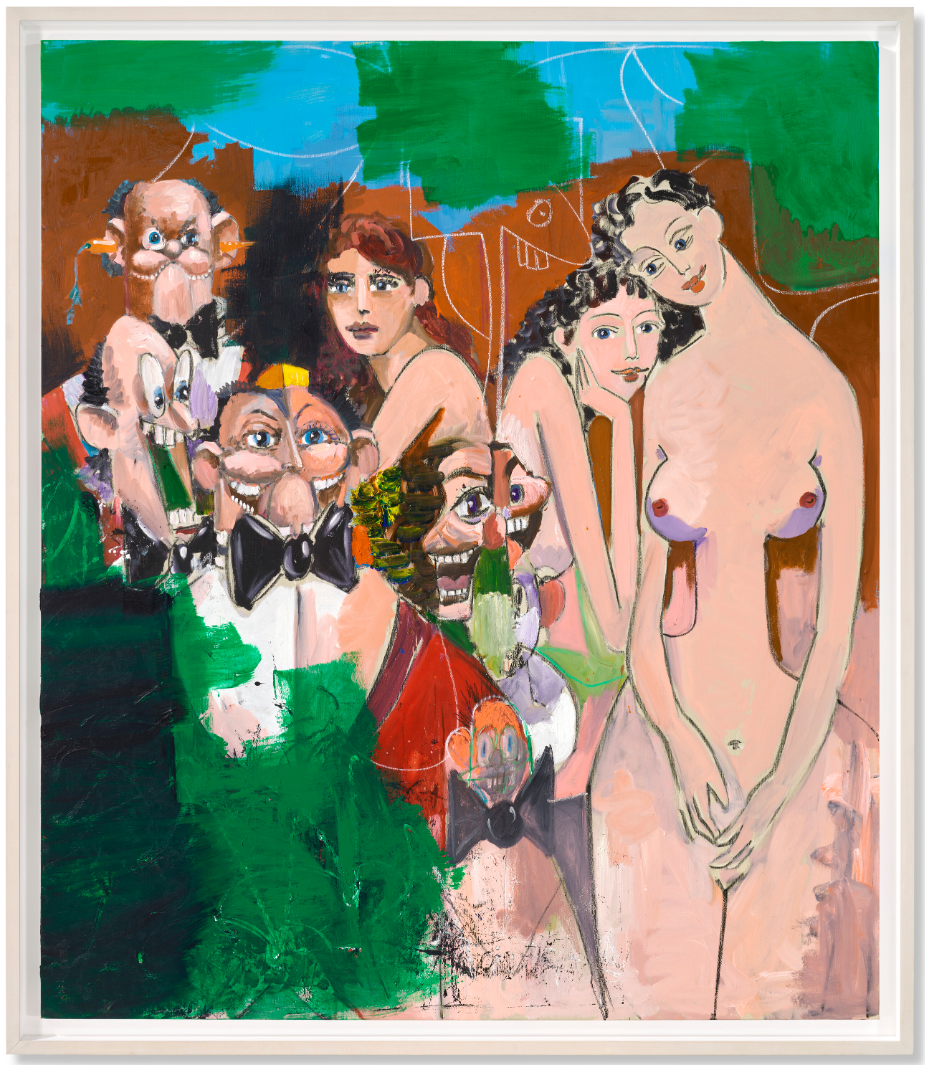
GEORGE CONDO (B. 1957)
The Executives and Their Wives, 2011
Oil, acrylic, charcoal and pastel on linen
70×60 inches (177.8 x 152.4 cm)
George Condo’s The Executives and their Wives presents an impressive array of art historical influences which converge into a singularly compelling image. The large-scale canvas showcases a seemingly discordant collision between abstraction and figuration, wherein classically-derived female nudes contrast with the sartorial exuberance of their husbands, all painted in Condo’s iconic visual language. The many internal paradoxes within this picture epitomize the best of the artist’s oeuvre, which attains a sort of ‘psychological’ cubism, rendering a number of parallel psychological states within his self-described oppositional beings.
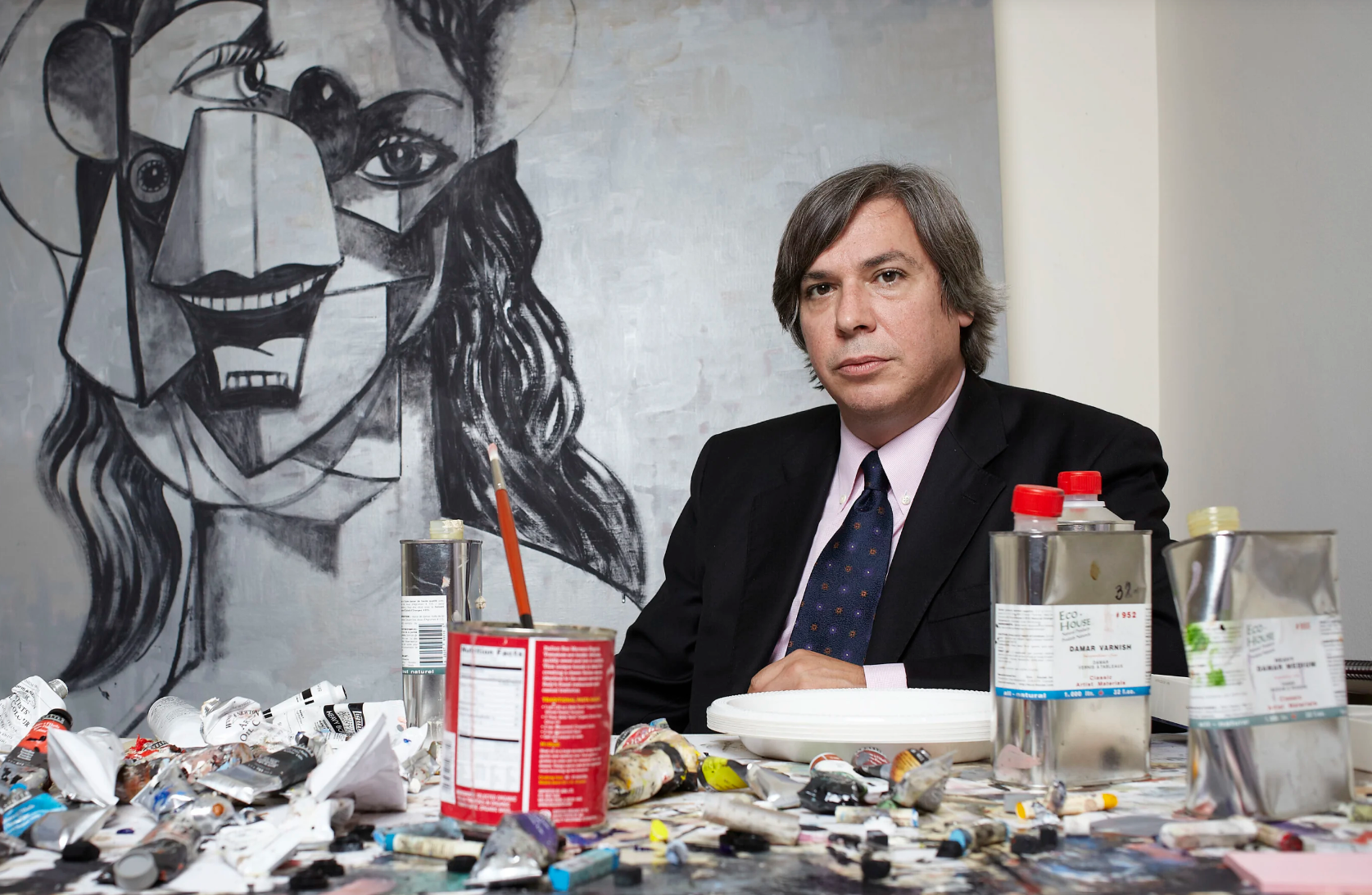
From the beginning of Condo’s mature practice in the 1980s, the artist has sought out different symbols, techniques, and motifs practiced by European Old Masters, reconfiguring these various artistic languages in a thoroughly contemporary mode. Reversing the iconic motto of the Viennese Secessionists, ‘to every age its art, to every art its freedom (Der Zeit ihre Kunst. Der Kunst ihre Freiheit)’, Condo references art from every age, his work abridging centuries to discover a freedom which he felt was lacking in the historically-inattentive artistic atmosphere from which he emerged.
The Executives and their Wives belongs to a long history of multifigure voyeuristic paintings which exhibit female nudes around a group of fully-clad men. This tradition originates with Titian’s early masterpiece Pastoral Concert, now at the Musée du Louvre. In this work, two arcadian youths engrossed in lyrical production sprawl against a grassy knoll, flanked by two voluptuous female nudes. Édouard Manet rekindles this iconography in another famous masterpiece, Le Déjeuner sur l’herbe (1863, Musée d’Orsay, Paris), with the nude woman now directly confronting the viewer with a searching stare. Condo updates his nude from his luscious antecedents, depicting the women in a more modern mode—reminiscent of the elongated eroticism in Amedeo Modigliani’s nudes, while all three figures’ compositional positioning and direct stare bear tribute to Pablo Picasso’s famed Les Demoiselles d’ Avignon. Condo applies the same tonality attained by layers of warm hues built up with whites and oranges witnessed in Picasso’s work, yet the artist modifies the emphasis from Picasso’s Cubist focus on presenting all angles of the women’s bodies at once while abstracting their faces, lingering instead on capturing their direct, emotive faces. In another unexpected deviation, Condo draws upon a further strand of art history in his figure furthest to the right, whose disproportioned body consisting of an unnaturally slim torso bookended by enlarged erogenous zones recalls the anatomical exaggerations present in the prehistoric Venus of Willendorf.
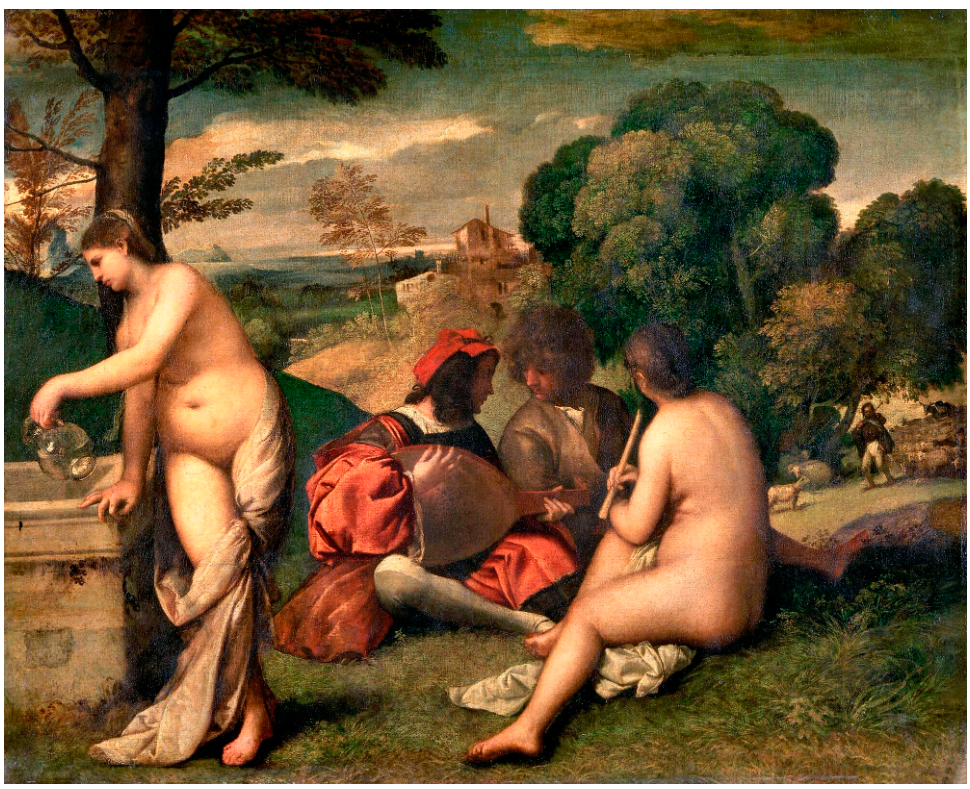
Giorgione or Titian, Pastoral Concert, circa 1510. Louvre Museum, Paris. Photo: Niday Picture Library / Alamy Stock Photo.
Condo contrasts the alluring yet unsettling figurative beauty imbued in his female figures with highly abstracted men, whose open toothy mouths, bulging eyes, and crazed disposition remind of an altogether different art historical heritage, coming instead from a concoction of Willem de Kooning’s Women paintings, Picasso’s abstracted portraits, and Francis Bacon’s distorted profiles. Here, Condo presents contradictory signals, these titular executives seeming to simultaneously scream and smile, their expressiveness contrasting with that of their demure wives. Condo draws further inspiration from Bacon in his exploitation of background—the figures reside amid an ambiguous backdrop color-blocked by deep oranges, turquoises, and blues dissected with white linear elements, referencing Bacon’s fluorescent orange backgrounds segmented spatially through black lines. However, Condo intervenes with this antecedent in the lower left corner, where the darkened background becomes an obscurant foreground covering the figures.
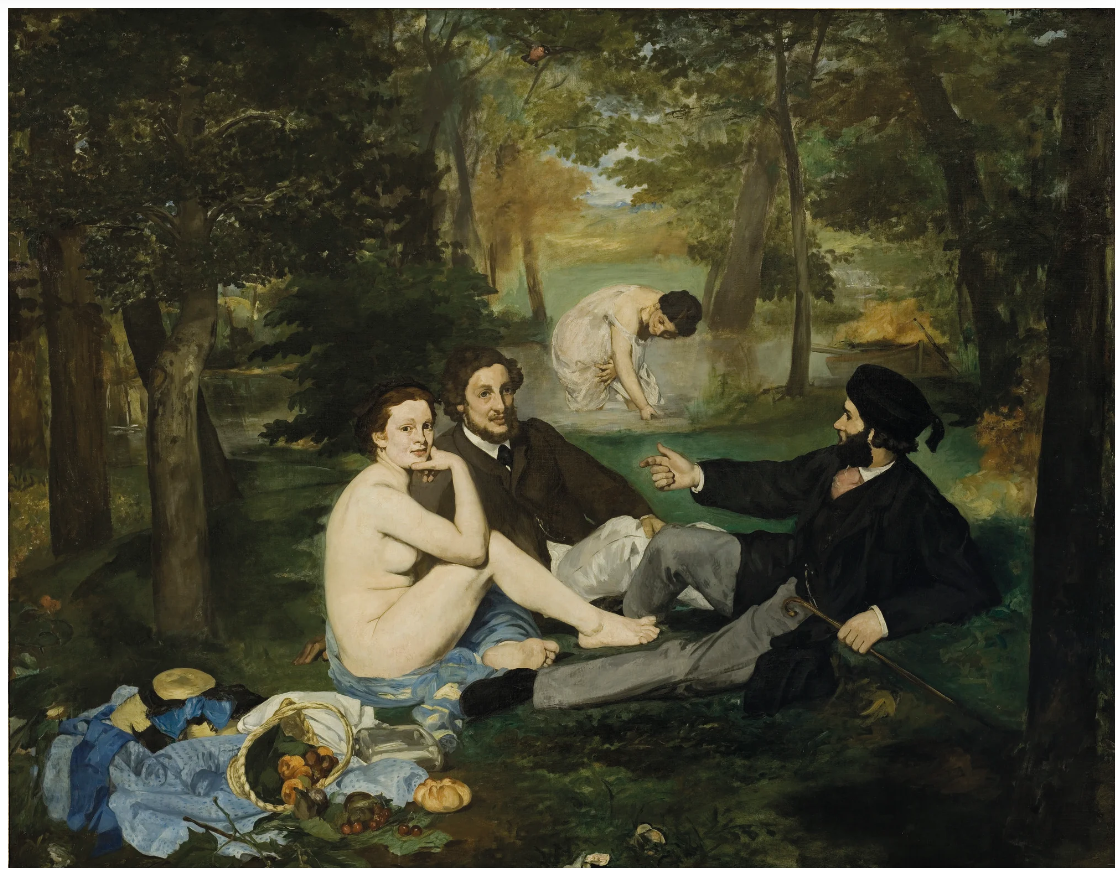
Édouard Manet, Le Déjeuner sur l’herbe, 1863. Musée d’Orsay, Paris.
Underlying the totality of this composition is Condo’s facility as a painter, orchestrating a choreography of brushstrokes varied in touch and texture against a masterful palette embracing the exciting interplay of unexpected color relationships. The artist’s technical virtuosity lures the viewer away from seeing what is within the picture plane to observing the fact of pigment on canvas, recalling Clement Greenberg’s assessment that “one tends to see what is in an Old Master before seeing it as a picture” while “one sees a Modernist painting as a picture first” (C. Greenberg, “Modernist Painting,” in The Collective Essays and Criticism, Vol. 4, University of Chicago Press, 1993, p. 88). Typical of Condo’s practice, the artist vacillates between tradition and modernity, employing ancient motifs for modern purposes.
George Condo is one of today’s most celebrated figurative painters. Utilizing mimesis and meaning to pursue subjects in the tradition of William Hogarth, he depicts the transcendent aspirations of high culture whilst simultaneously insinuating a landscape of decaying beliefs and failing mythologies, depicting what curator Ralph Rugoff describes as “debased archetypes in which we no longer believe” (R. Rugoff, “The Mental States of America,” in George Condo: Mental States, Hayward Publishing, 2011, pg. 19). In the present work, Condo exposes the corporatized sexism still lingering into the twenty-first century, where the titular “executives” are all rendered male, appearing as lecherous voyeurs which bring to mind depictions of the biblical Susanna and the Elders. Here, Condo weaponizes art historical references against these debased archetypes, reconstructing art history as an interpretive lens through which to engage with the present.
The Alpine Waitress, 2006
Sotheby’s New-York: 21 November 2024
Estimated: USD 1,000,000 – 1,500,000
USD 1,320,000
The Alpine Waitress | Contemporary Day Auction | 2024 | Sotheby’s
GEORGE CONDO (b. 1957)
The Alpine Waitress, 2006
Oil on canvas
50×42 inches (127 x 106.7 cm)
Signed (upper left)
George Condo’s The Alpine Waitress from 2006 stands as a definitive work from his acclaimed series Existential Portraits, embodying both his radical approach to contemporary portraiture and subject-hood as well as his enduring engagement with ‘artificial realism’. The series as a whole endeavored to probe the depths of the human psyche by depicting fantastically hybrid figures which both materialize and heighten the tensions and contradictions between outward appearance and the internal self. Drawing on classical portraiture, cubist principles, and contemporary abstraction, Condo’s distinctive approach to figuration presents a rich crossbreed of diverse art historical influences and popular culture references. This synthesis innovates the depiction of the complexities of the human form as well as highlights Condo’s unique ability to weave a resplendent tapestry of tradition and imaginative distortion into his cohesive, compelling, and above all, immediately recognizable visual language.
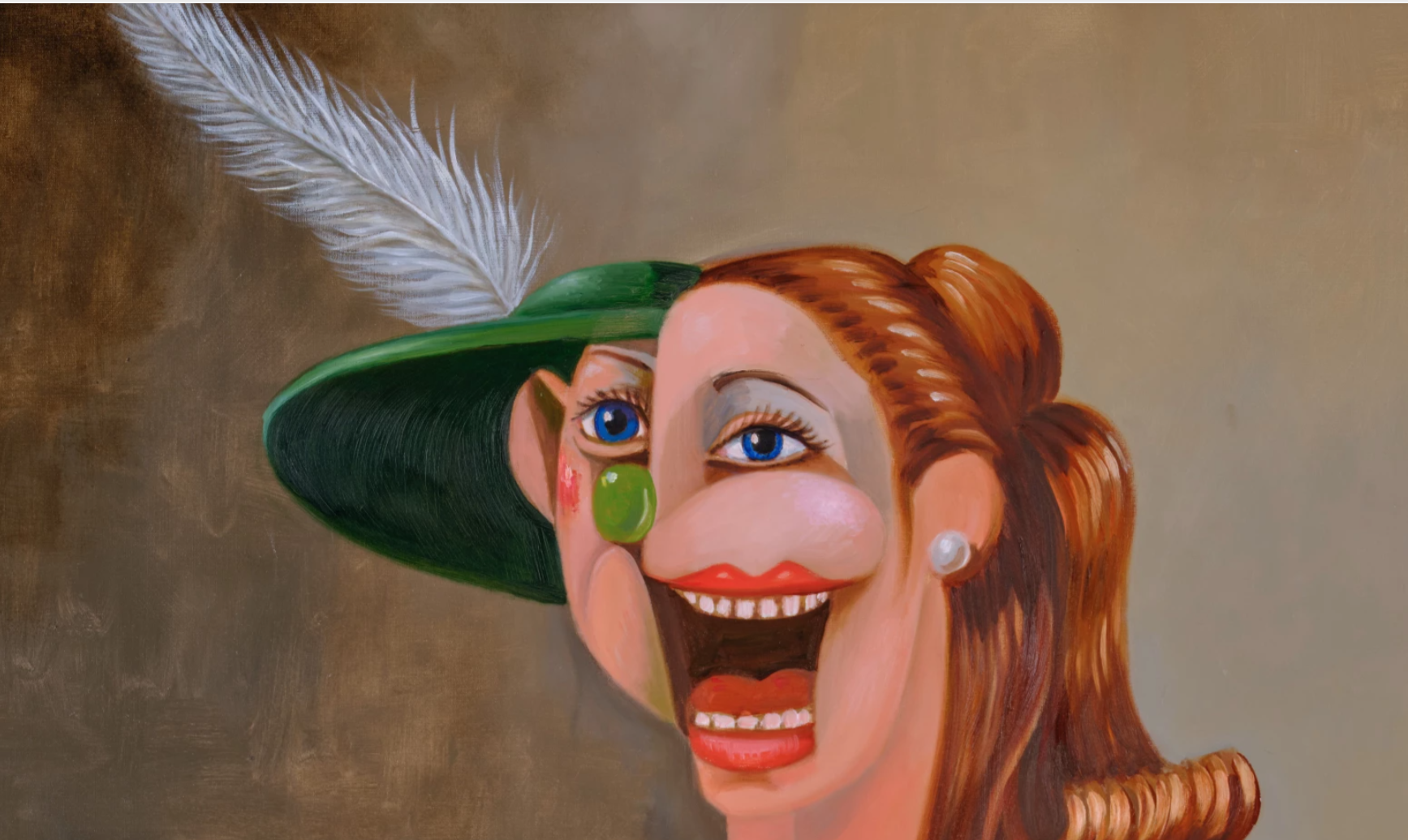
The Alpine Waitress presents a singular figure that, while bifurcated, retains a strikingly cohesive and harmonious identity within her twin-profile. The intriguing interplay of duality and togetherness examines the multifaceted nature of the human condition, as well as the intricacies of character and form. Despite the fragmented and schizoid-esque construction of her figure, she projects an undeniable human-quality, her face offering an immediate and emphatic address as she openly acknowledges and engages with her observer. Her visage appears almost seamlessly grafted on top of her elongated, rectangular neck, which extends preposterously and abruptly from her broad, rotund shoulders and full bust, amplifying the contrast between her soft classical roundness and severe cubist geometry. Her luxuriant curls and cavernous expanse of red lips swell towards the viewer and exaggerate her facial misalignment, submerging the onlooker into an unnerving and comic realm where humor, horror, and pathos take center stage. She personifies this persistent oscillation between attraction and repulsion, with her abstracted form exemplifying one of Condo’s most celebrated and iconic motifs: the titular abstracted figure, set against a scumbled, muted background reminiscent of classical portraiture. The Alpine Waitress merges the grace and refinement of an Old Master’s woman with the spiritedness and dynamism of contemporary abstraction, characteristic of Condo’s inventive approach towards composition.
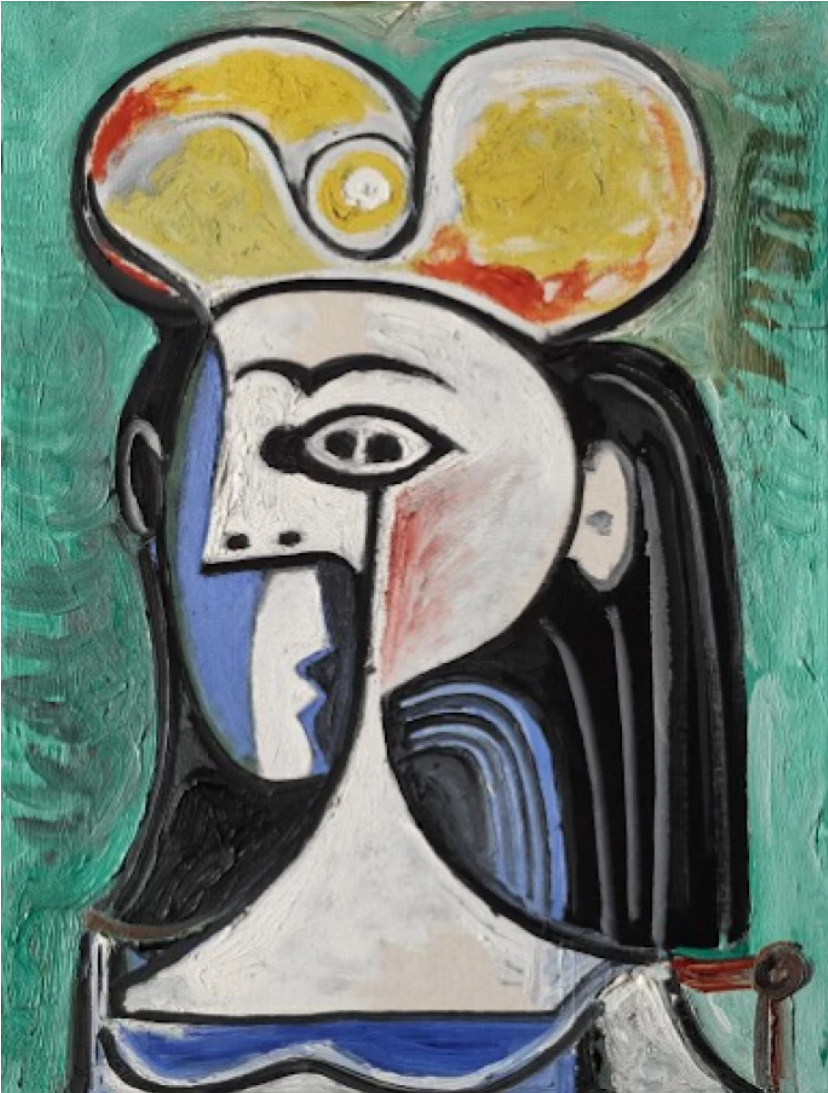
Pablo Picasso, Buste de femme assise, 1962. Private Collection.
Sold at Sotheby’s New York December 2020 for $11.2 million. Art © 2020 Estate of Pablo Picasso / Artists Rights Society (ARS), New York
While Condo draws from an incredible repository of art historical references, his works are particularly grounded in the principles of Cubism and their possible applications in the contemporary moment, evident in the geometric fragmentation, interplay of planes and perspectives, and deconstructions of objects and figures. Condo not only incorporates, but elevates the concept, presenting the figure not only from multiple perspectives, but as an embodiment of simultaneous emotional states. On a formal level, the present work echoes Pablo Picasso (1881-1973) both visually and conceptually, as both artists work to challenge conventional means of representation and push the boundaries of figuration, perception, and reality. “I describe what I do”, remarked Condo in 2014 “as psychological cubism. Picasso painted a violin from four different perspectives at one moment. I do the same with psychological states” (George Condo quoted in Stuart Jeffries, George Condo: ‘I was delirious. Nearly Died, The Guardian, 2014).
The Hamptonites, 2004
Christie’s New-York: 22 November 2024
Estimated: USD 400,000 – 600,000
USD 315,000
GEORGE CONDO (B. 1957), The Hamptonites | Christie’s
GEORGE CONDO (B. 1957)
The Hamptonites, 2004
Oil on canvas
39 7/8 x 28 7/8 inches (101.4 x 73.4 cm)
Signed and dated ‘Condo 04’ (upper left)
Signed again, titled and dated again ‘Condo 04 THE HAMPTONITES’ (on the reverse)
George Condo’s The Hamptonites, 2004, is a mischievous conflation of European art history and comedic transgression. Condo has posed his two vacationers against a sky worthy of Constable. Contorted into toothy grins and bulging eyes, their faces sit atop elongated necks. These startling, chimerical forms are a signature example of the artist’s unique perspective on portraiture, an approach which is informed by a complex dialogue with art history. Clashing disparate references from art history, American pop culture and the visual idiom of cartoons, Condo works to dismantle the fantasies and artifices inherent in figuration.
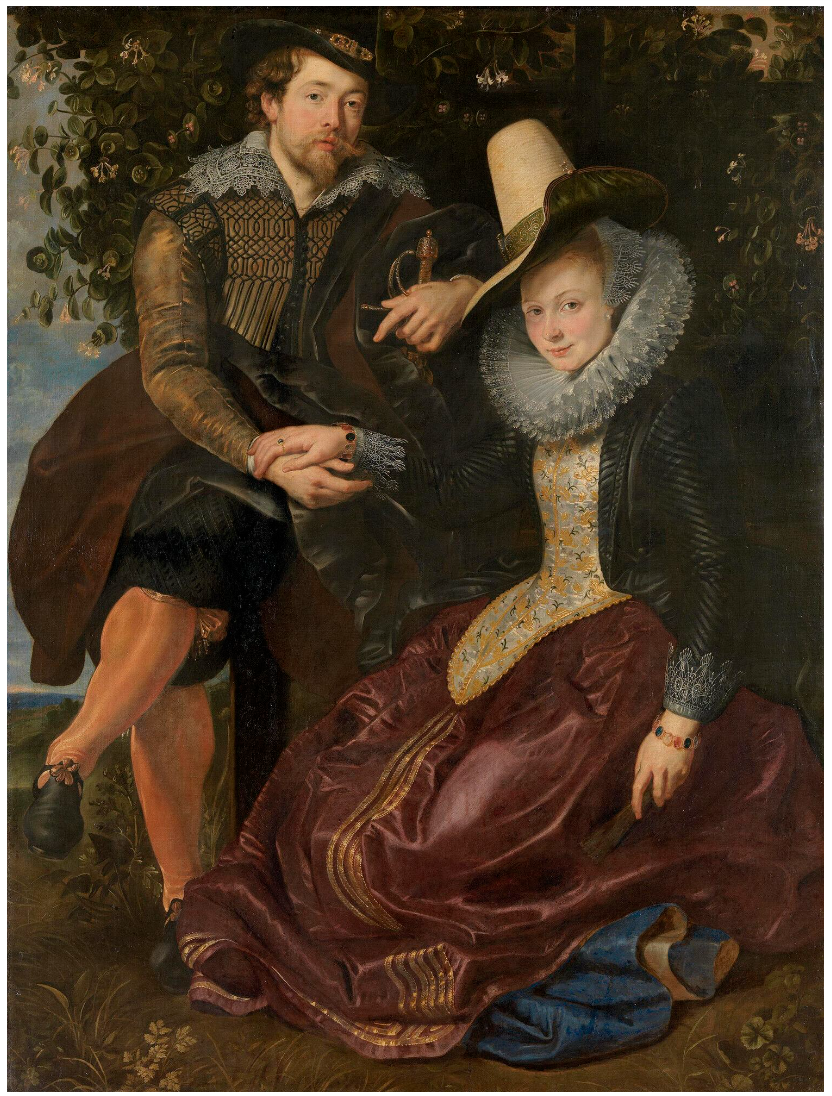
Peter Paul Rubens, The Honeysuckle Bower, circa 1609. Alte Pinakothek, Munich.
More than pastiche, The Hamptonites fuses the sartorial gestures of Van Dyck and Rubens with Vigee Le Brun’s aesthetics and a Venetian gondolier to form a fanciful amalgam of bright animated color.
“The point is not to see how well somebody paints a figure, but something beyond that. A way of saying that the figure itself becomes a map of a number of intellectual processes involved in the idea of making an art work. The figure is somehow the content and the non-content, the absolute collision of styles and the interruption of one direction by another, almost like channels being changed on the television set before you ever see what is on. All this adds up to one image, and most of the time, that image is a woman. In one way or another.”
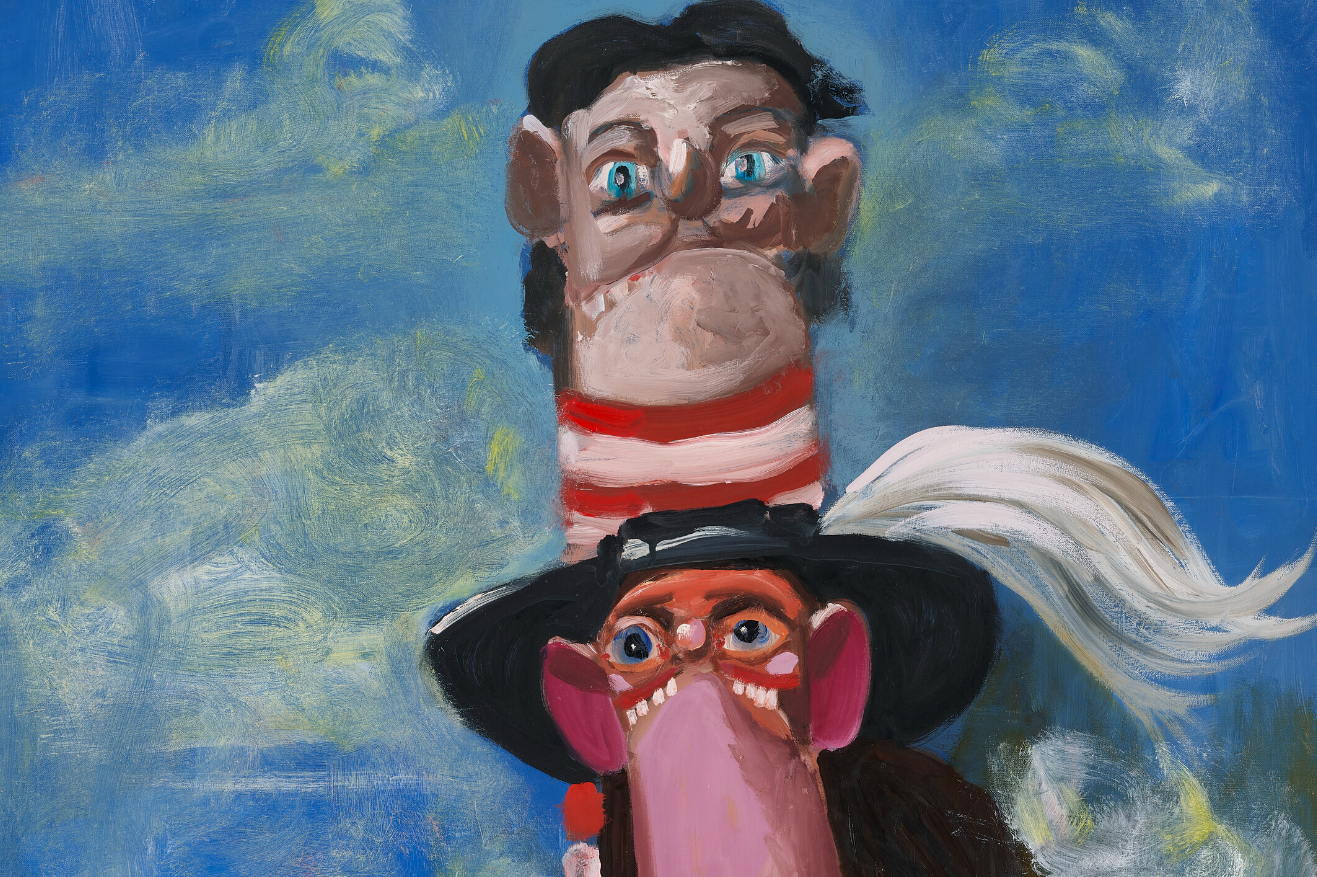
Indeed, Condo’s portraits contain multitudes; his mutations exist within the land of plurality where portraiture does not need to be representational, but where the soul, however weird and wild, can shine through.
The Sculptor, 2003
Phillips New-York: 20 November 2024
Estimated: USD 320,000 – 500,000
USD 406,400
George Condo – Modern & Contempora… Lot 326 November 2024 | Phillips
GEORGE CONDO
The Sculptor, 2003
Oil on canvas
48×36 inches (121.9 x 91.4 cm)
George Condo’s The Sculptor, 2003, is an illuminating example of the artist’s neo-Modernist compositions in imaginary environments that combine caricature and the grotesque. The main figure, typical of Condo’s compositions, blends representational and abstract elements, embodying an undecipherable form that characterizes his “Artificial Realism” style. The Sculptor can best be described as an assembly of intimate objects arranged to resemble a human figure draped in a black cape. Instead of a head, there is a glass bottle protruding above the figure’s white collar, and instead of arms, what seems like a warped blue balloon holds two cigarettes against a blue-sky backdrop. The challenge of interpreting Condo’s compositions is precisely what makes his practice so distinctive and individual. Revitalizing the medium of painting by humorously appropriating traditional art historical icons with contemporary culture, Condo’s inventive portraits break free from the constraints of anatomical likeness and realism that have long defined pre-20th century Western art.
Uncle Dick, 1999
Christie’s New-York: 22 November 2024
Estimated: USD 350,000 – 450,000
USD 441,000
GEORGE CONDO (B. 1957), Uncle Dick | Christie’s
GEORGE CONDO (B. 1957)
Uncle Dick, 1999
Oil on canvas
60×50 inches (152.4 x 127 cm)
Focus: Maurizio Cattelan
MAURIZIO CATTELAN
Comedian, 2019
Sotheby’s New-York: 20 November 2024
Estimated: USD 1,000,000 – 1,500,000
USD 6,240,000
Comedian | The Now and Contemporary Evening Auction | 2024 | Sotheby’s
MAURIZIO CATTELAN (b. 1960)
Comedian, 2019
Banana and duct tape
8x8x2 inches (20x20x5 cm)
(installation dimensions variable)
This work is number 2 from an edition of 3 plus 2 artist’s proofs
“To me, Comedian was not a joke; it was a sincere commentary and a reflection on what we value. At art fairs, speed and business reign, so I saw it like this: if I had to be at a fair, I could sell a banana like others sell their paintings. I could play within the system, but with my rules.”
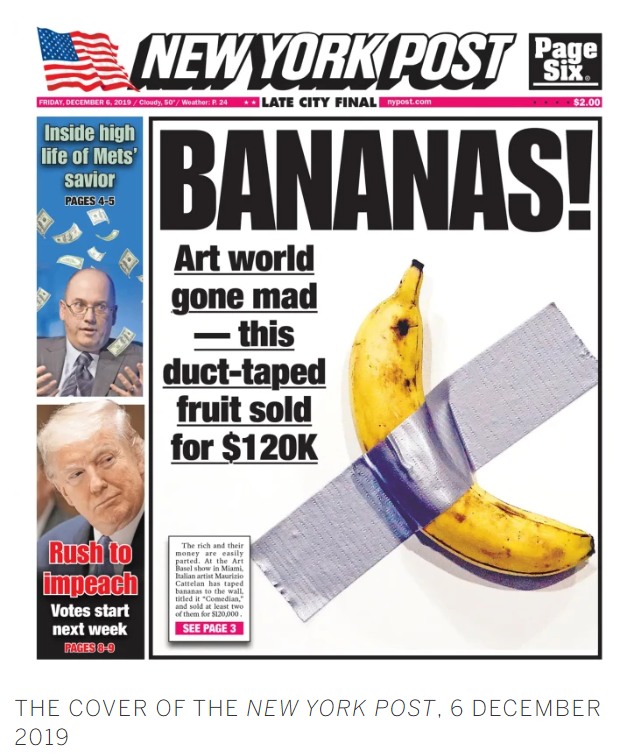
No other artwork from the twenty-first century has provoked scandal, sparked imagination, and upended the very definition of contemporary art like Maurizio Cattelan’s Comedian, whose debut at Art Basel Miami Beach in December 2019 captivated the world. Comprised of a banana fastened to a wall with duct tape, hung exactly 160 centimeters from the floor, Comedian belongs to the rare league of artworks that need no introduction, having quickly erupted into a viral global sensation that drew record crowds, social media inundation, landed the cover of The New York Post, and divided viewers and critics alike. Passionately debated, rhapsodically venerated, and hotly contested – and eaten not only once, but twice – the work headlined news stories shared around the world, becoming the most talked-about artwork of the century.
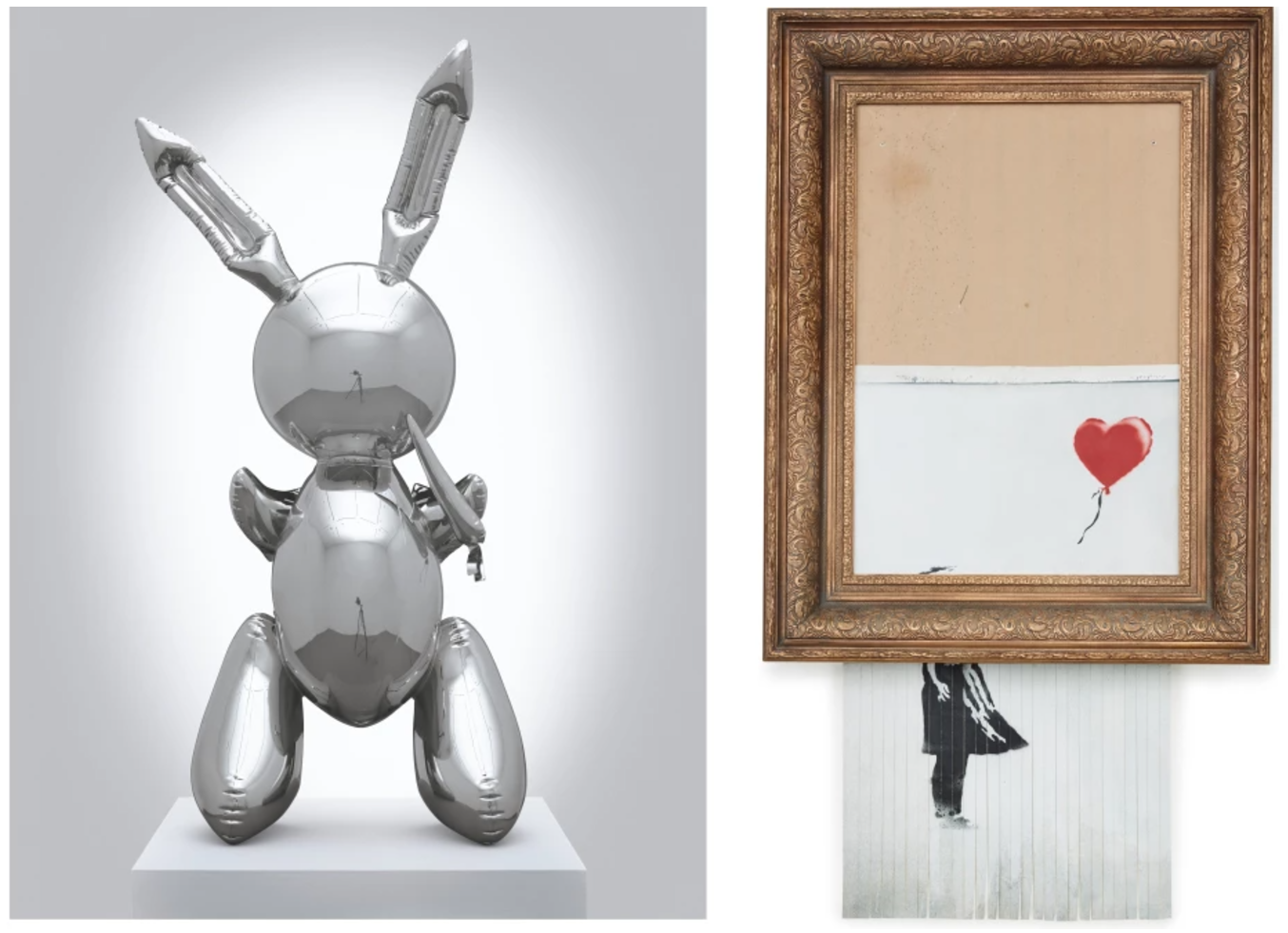
Left: Jeff Koons, Rabbit, 1986. Private Collection. Art © Jeff Koons. Right: Banksy, Love is in the Bin, 2018. Private Collection. Sold at Sotheby’s London in October 2021 for £18.6 million. Art © 2024 Banksy
Today, Cattelan’s duct-taped banana sits firmly at the head of an art historical hall of infamy, alongside the renegade minds who made controversy, jest, and ideological rupture part of the fabric of contemporary art. If it was Duchamp who legitimized appropriation through the invention of the readymade, Piero Manzoni who satirized the sanctity of artistic creation, Felix Gonzalez-Torres who supplanted the physical artwork with an idea, and Jeff Koons who deified the iconography of the banal, then it is Cattelan’s Comedian that represents the apex of a hundred year-long, intellectual yet irreverent interrogation of contemporary art’s conceptual limits. Conceived in an edition of three plus two artist proofs, one edition is held in the collection of the Solomon R. Guggenheim Museum, New York, which mounted the artist’s revolutionary retrospective in 2011-12. Evoking and advancing the strategies of his predecessors with sardonic and subversive wit, Cattelan – in his greatest coup to date – single-handedly prompted the world to reconsider how we define art, and the value we seek in it. We may be in on Cattelan’s joke, but Comedian is anything but.
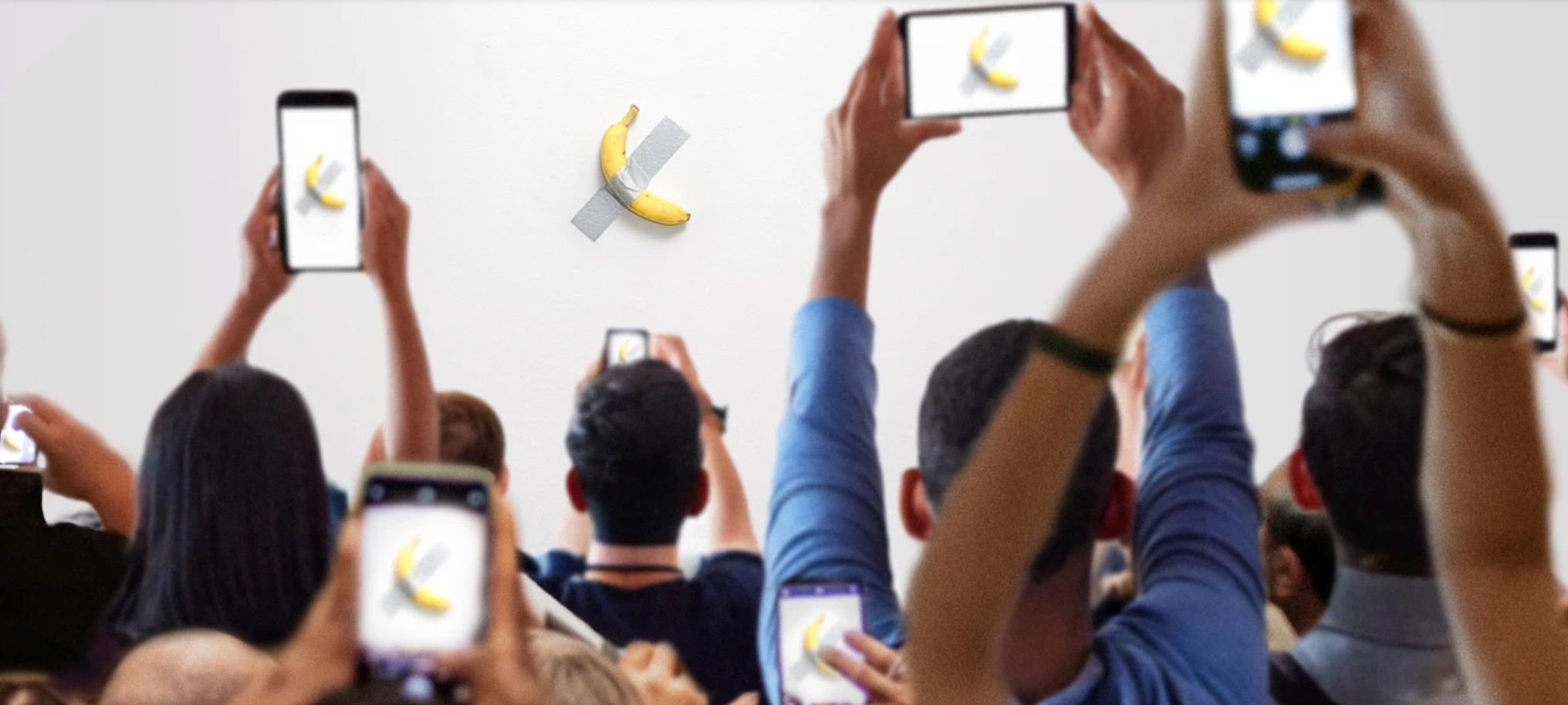
On the opening day of Art Basel Miami Beach in December 2019 when Comedian’s installation at Perrotin’s booth was unveiled, crowds swarmed for the opportunity to see Comedian in the flesh. Such pandemonium ensued that the work had to be deinstalled before the end of the fair, with all three editions of Comedian sold. In a matter of days, Comedian had earned its status as a universally recognizable image and become folded into a legacy of propulsive masterworks that incited radical recalibrations for their time, from Édouard Manet’s Olympia at the 1865 salon, Marcel Duchamp’s Fountain at the 1917 Society of Independent Artists, to Damien Hirst’s formaldehyde-pickled shark at the Royal Academy of Art in 1997. What visitors were so invested in – and what collectors had actually purchased – was not the literal banana and piece of tape, but rather a certificate of authenticity and instructions for installation.
“I was trying to imagine something to symbolize my love of New York, and it was difficult … There was a time when the Greek coffee cups were everywhere, and I thought somehow the banana was something that now you can find at every street corner. And [my thinking about this] goes on forever from there – but for sure an eggplant, say, would not have been so effective … In my apartment, the pipes are held together with [duct tape] – I always say that I’d be more concerned if I ran out of that tape than out of toilet paper.”
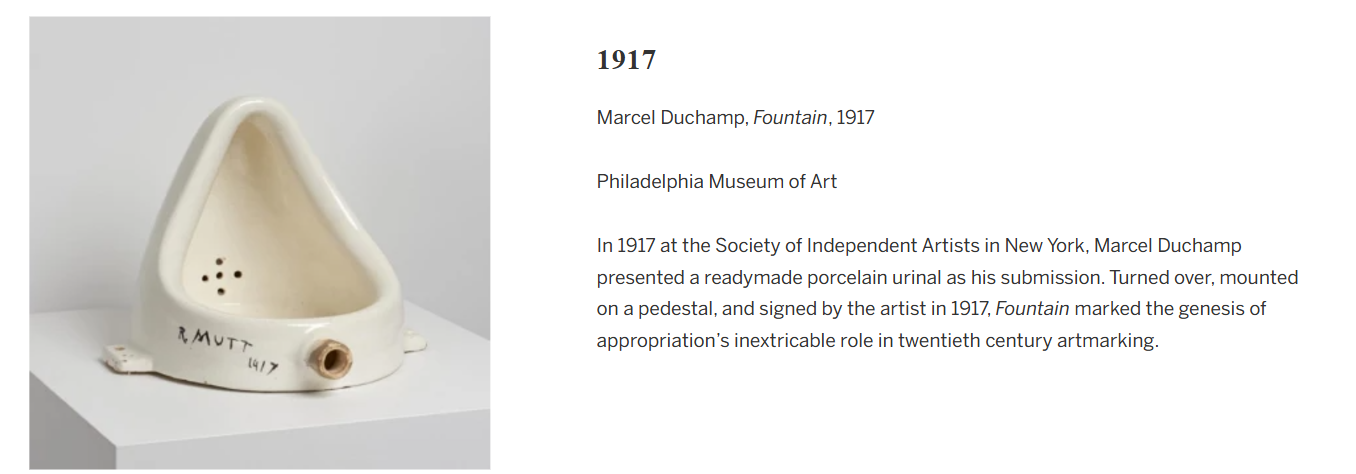
Comedian’s theoretical origins can thus be traced back to the Duchampian readymade, the genesis of a larger ontological schism which decentered craft, rarity, and technical mastery in favor of the conceptual value assigned by the artist. It not only summons the audacity of Duchamp’s readymade inverted urinal or mustache-defaced L.H.O.O.Q. but represents the apogee of a storied legacy, one elaborated by Robert Rauschenberg, whose Erased de Kooning Drawing further destabilized notions of artistic originality, and carried into the present day by Banksy, whose Love is in the Bin self-destructed in real time in Sotheby’s London salesroom in 2018. Commandeering this historic mode of iconoclastic pranksterism that provoked our ways of seeing art and the merits of its value, Cattelan found his subject in the banana: the vaudeville peel that serves as slapstick punchline.
“To me, Comedian was not a joke; it was a sincere commentary and a reflection on what we value. At art fairs, speed and business reign, so I saw it like this: if I had to be at a fair, I could sell a banana like others sell their paintings. I could play within the system, but with my rules.”
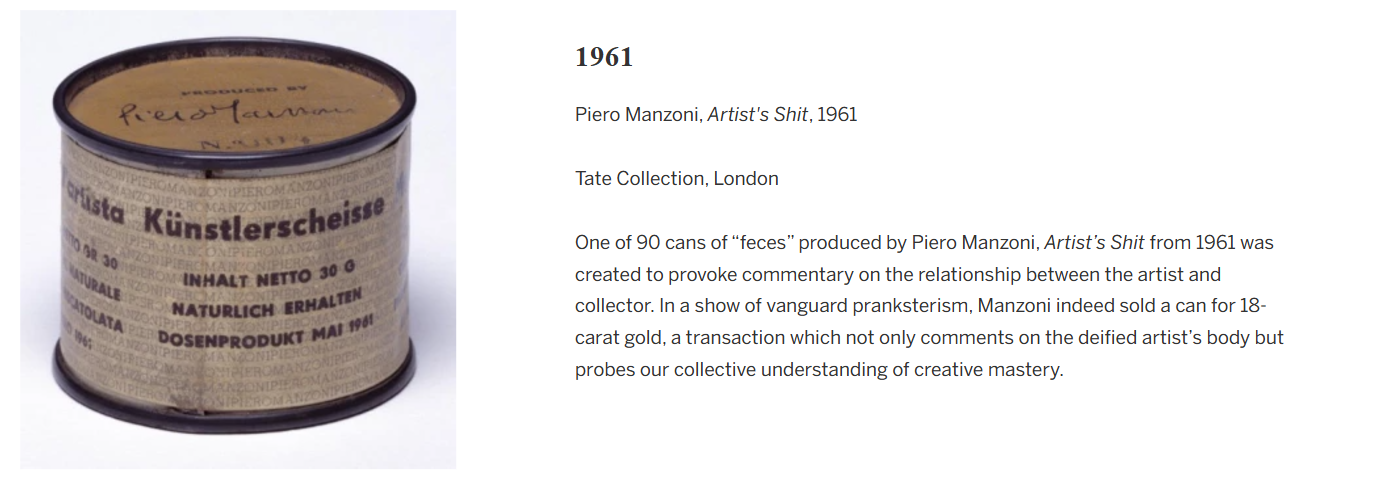
His use of average, hardware store duct tape further destabilizes Comedian’s tenuous attachment to the very walls which sanction its status as art and, by extension, confronts how our barometers of taste are established with deadpan candor. Cattelan has carved a niche for himself as the art world’s shrewd provocateur, the anti-establishment, archetypal Shakespearean fool who has shaped not only the art made but also the role of the artist themself. Absurdity in Cattelan’s work is routinely trumped up to its absolute ceiling; profane, hyper realistic sculptures are executed at life-sized scale, with no detail spared. In 2019, however, when Cattelan unveiled his first work for an art fair in fifteen years, he didn’t trumpet his comeback with the pageantry of John F. Kennedy’s embalmed corpse, the phallic fuchsia costume once worn by Emmanuel Perrotin at the artist’s behest, or a taxidermied horse, cow, or ostrich. He instead made his reentry with something so decisively banal that it allowed him to distill the 30 year-old aims of his artistic enterprise whilst proving his protean brilliance: a banana taped to a wall, a stroke of ingenuity that has spawned an entire discourse and artistic sensation.
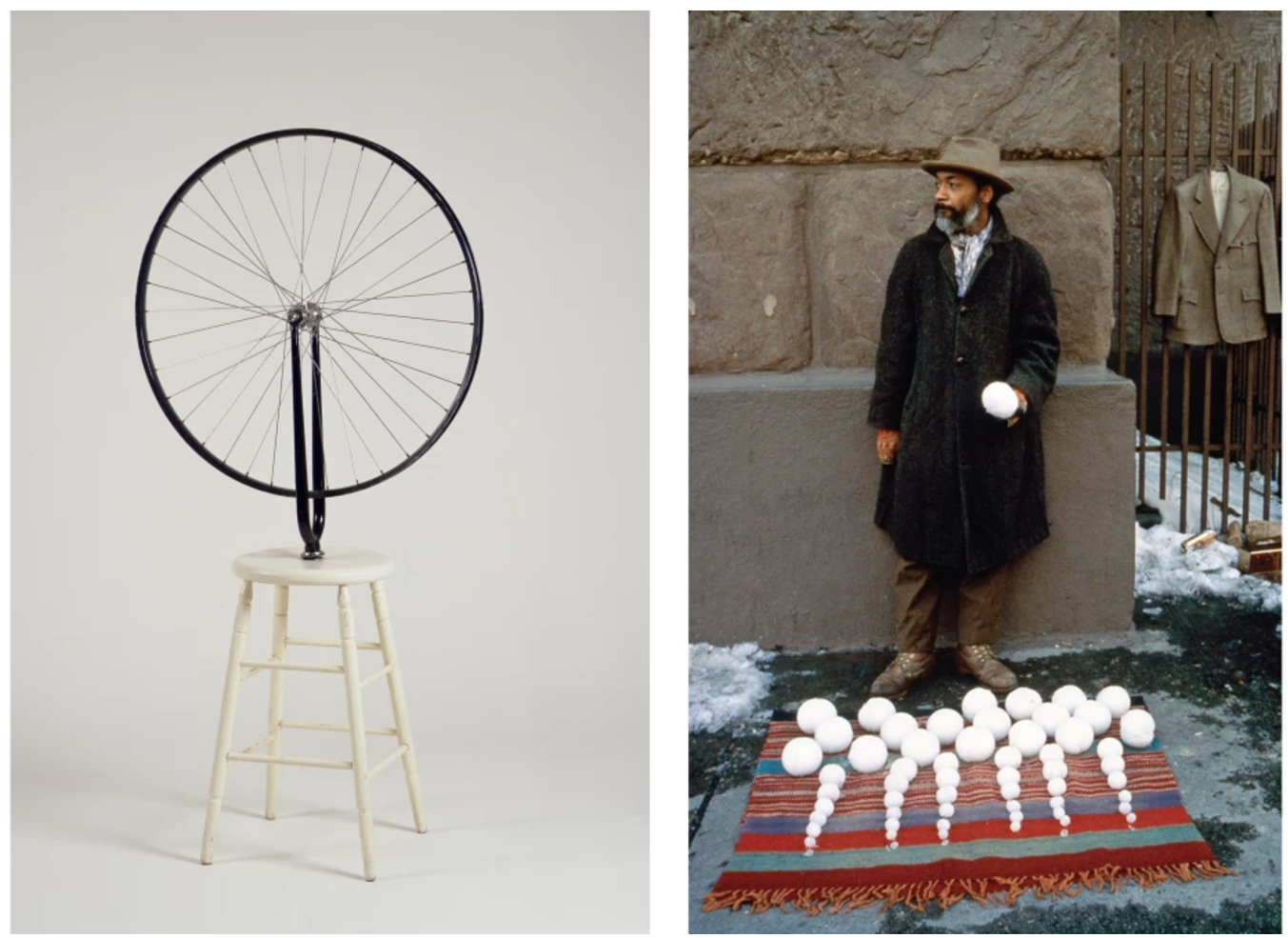
Left: Marcel Duchamp, Bicycle Wheel, 1913/64. The Israel Museum, Jerusalem. Image © Israel Museum, Jerusalem / Vera & Arturo Schwarz Collection of Dada and Surrealist Art / Bridgeman Images. Art © 2024 Artists Rights Society (ARS), New York / ADAGP, Paris / Estate of Marcel Duchamp. Right: David Hammons, Bliz-aard Ball Sale, 1983. Photo by Dawoud Bey. Art © 2024 David Hammons / Artists Rights Society (ARS), New York
Ever self-referential, Comedian’s title suggests its status as Cattelan’s magnum opus, and perhaps even a self-portrait, a masterpiece achieved only by means of incessant provocation and desecration. Unlike Banksy, there is no deception to be uncovered in Cattelan’s work. For Cattelan, who has adopted a kind of Pop sensibility, the lunacies of the real world provide enough fodder for appropriation, using the iconography of the everyday to probe the dissolution between art and life and what each informs of the other. Frankly and flippantly, he lays bare what has always been in front of us, an idea literalized in his retrospective Maurizio Cattelan: All at the Solomon R. Guggenheim Museum, New York, which the artist promoted with the (unrealized) promise of his retirement. His entire oeuvre hung suspended — simultaneously evoking crystal chandeliers and carcasses of meat — from the Frank Lloyd Wright-designed rotunda, in a dizzying and definitive testament to the strategy of suspension which has remained paramount in his oeuvre. In Comedian, it takes the form of duct tape, a medium he first deployed in A Perfect Day from 1999, which strapped his Milan dealer Massimo De Carlo to a wall. For the ways that his work disrupts and challenges us, he is as much a tragedian as he is the eponymous comedian.
Installation view of Maurizio Cattelan: All at the Solomon R. Guggenheim Museum, New York, November 2011 – January 2012. Photo David Heald, © Solomon R. Guggenheim Foundation, New York. All Rights Reserved. Art © 2024 Maurizio Cattelan
Cattelan liberates art from the realm of the sacred to return it to the secular world. Antic and anarchical, unorthodox and ingenious, Comedian rightfully stands among the prescient masterpieces found in Koon’s Rabbit or Warhol’s 100 Marilyns, both of which literally and metaphorically held the mirror to the face of contemporary art and shrugged off skepticism with their firmly reactionary stances. Teasing the line between crude prank and catalytic conceptual inquiry, Cattelan’s oeuvre, legible as both a glut of spectacle and incendiary scrutiny of art’s tenets, finds its coda in Comedian.
Focus: Cecily Brown
The Butcher and the Policeman, 2013
Christie’s New-York: 21 November 2024
Estimated: USD 4,000,000 – 6,000,000
USD 5,979,000
CECILY BROWN (B. 1969), The Butcher and the Policeman | Christie’s
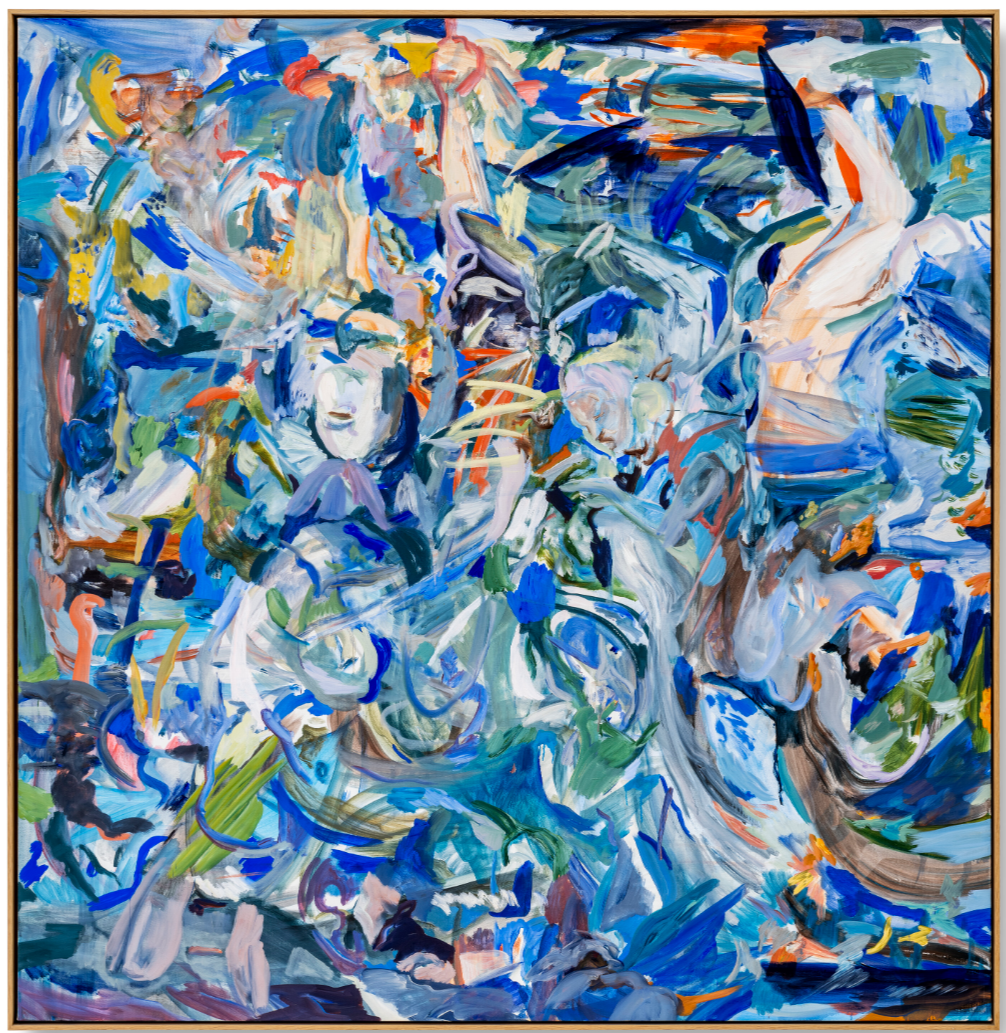
CECILY BROWN (B. 1969)
The Butcher and the Policeman, 2013
Oil on linen
67×65 inches (170.1 x 165.1 cm)
Signed and dated ‘Cecily Brown 2013’ (on the reverse)
An exuberant canvas teeming with deft brushwork, historical allusions and concealed figuration, Cecily Brown’s 2013 painting The Butcher and the Policeman exemplifies the British painter’s unmatched ability to fuse painterly abstraction and figuration. Both volatile and powerfully fluid, the jewel-toned maelstrom invites the eye to swirl around its deluges of blue and ripples of green, ochre, and orange. Punctuated by the artist’s signature flesh-peach hues, the sublime vortex of form and color bursts into life, yielding unending contemplation as forms and figures emerge and recede among the artist’s torrential brushwork.
Last April, New York’s Metropolitan Museum of Art opened its doors to Brown’s highly anticipated mid-career retrospective. For many, the exhibition solidified what was already known: Brown is one of the most formidable painters working today. For others, including the venerated New York Times co-chief art critic, Roberta Smith, heads were turned. “The more I looked at the paintings, the more they calmed down, opened up and differentiated themselves from one another in color and composition,” Smith observed of the works in the exhibition (R. Smith, “I Was Wrong about Cecily Brown,” New York Times, April 13, 2023, online). Indeed, with a new survey recently opened at the Dallas Museum of Art, soon to travel to The Barnes Collection, the world continues to elevate Brown’s status among her peers, allowing her work to beautifully unfold before our eyes.
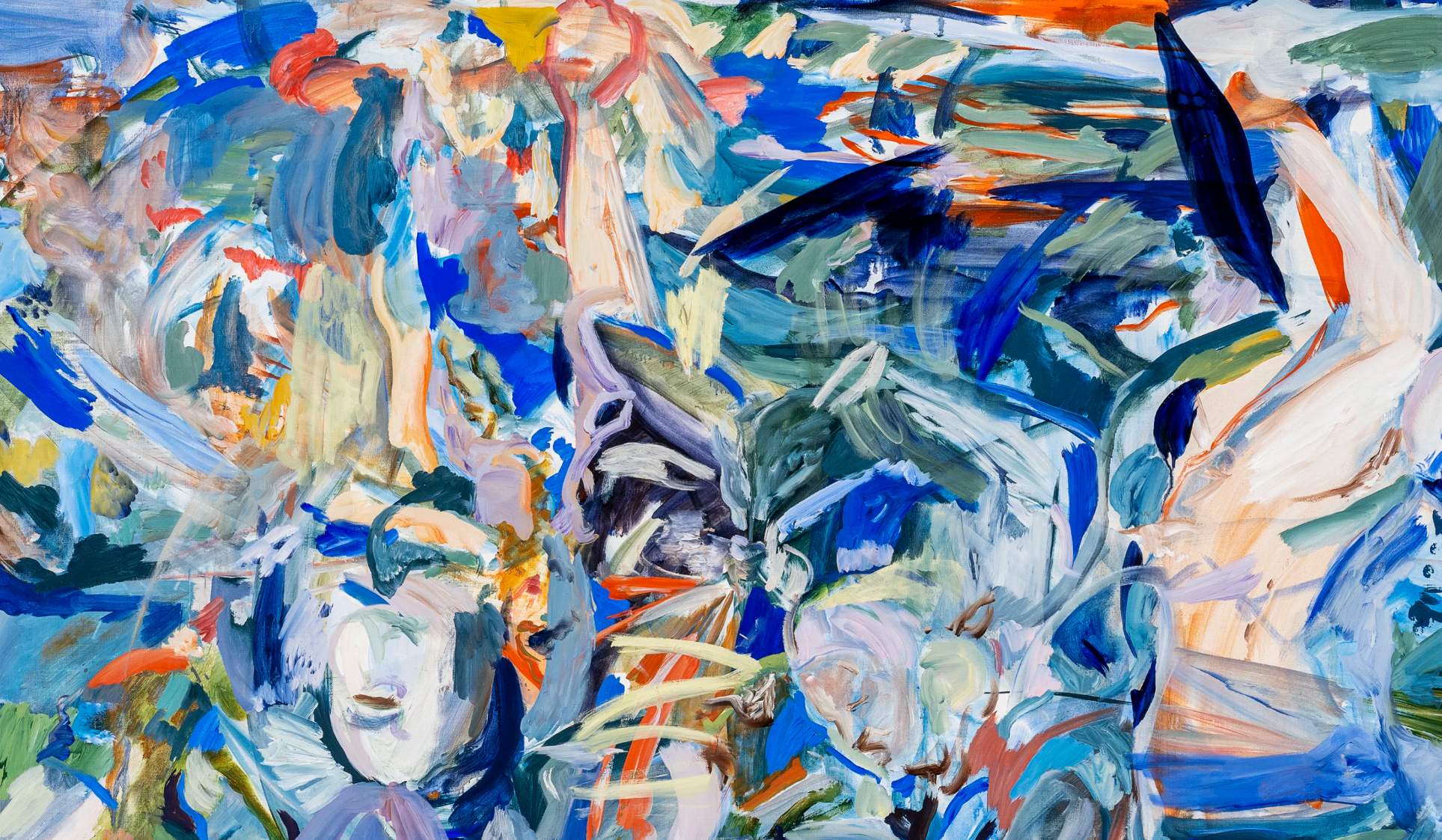
Brown’s dynamic compositions are charged with an outpouring of activity with their tumultuous push and pull between form and abstraction never coming to rest. The artist encourages viewers to take time experiencing the rich complexities of her work. As with one of Brown’s many heroes, Willem de Kooning — whose liquid compositions from the 1970s The Butcher and the Policeman immediately recalls — the first look is only the beginning. Only time will pull back the layers of Brown’s brushwork, unveiling an encyclopedia of images and references hardened in paint, some intentional and some left to the eye of the beholder.
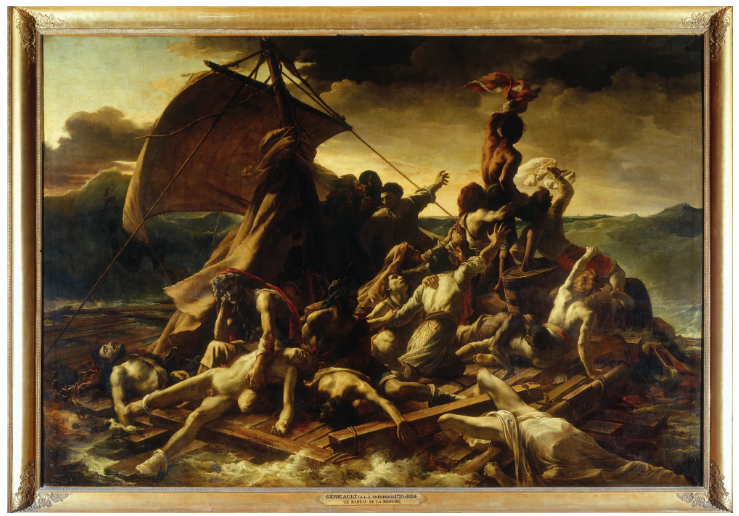
Theodore Gericault, The Raft of the Medusa, 1819. Louvre Museum, Paris. Photo: © RMN-Grand Palais / Louvre Museum, Paris.
While Brown has not explicitly stated her influences for The Butcher and the Policeman, the title suggests an interplay of authority (the policeman) and brutality or raw humanity (the butcher), evoking both a literal and metaphorical tension. To this end, the phrase was famously penned by the Polish-English writer, Joseph Conrad, in his famous novel Heart of Darkness. Writing during the peak of the British Empire, Conrad drew on the national experiences of his native Poland, which had been parceled out among three occupying empires through most of his life. As Conrad’s narrator, Marlow, journeys into Africa — where he had been sent to retrieve a once-idealistic ivory trader whose fatal flaw triggers an evil and amoral downfall — Marlow ponders the psychology of man divorced from scrutiny and authority:
“With solid pavement under your feet, surrounded by kind neighbors ready to cheer you or to fall on you, stepping delicately between the butcher and the policeman, in the holy terror of scandal and gallows and lunatic asylums — how can you imagine what particular region of the first ages a man’s untrammeled feet may take him into by the way of solitude — utter solitude without a policeman — by the way of silence, utter silence, where no warning voice of a kind neighbor can be heard whispering of public opinion?” (J. Conrad, Heart of Darkness, 1899).
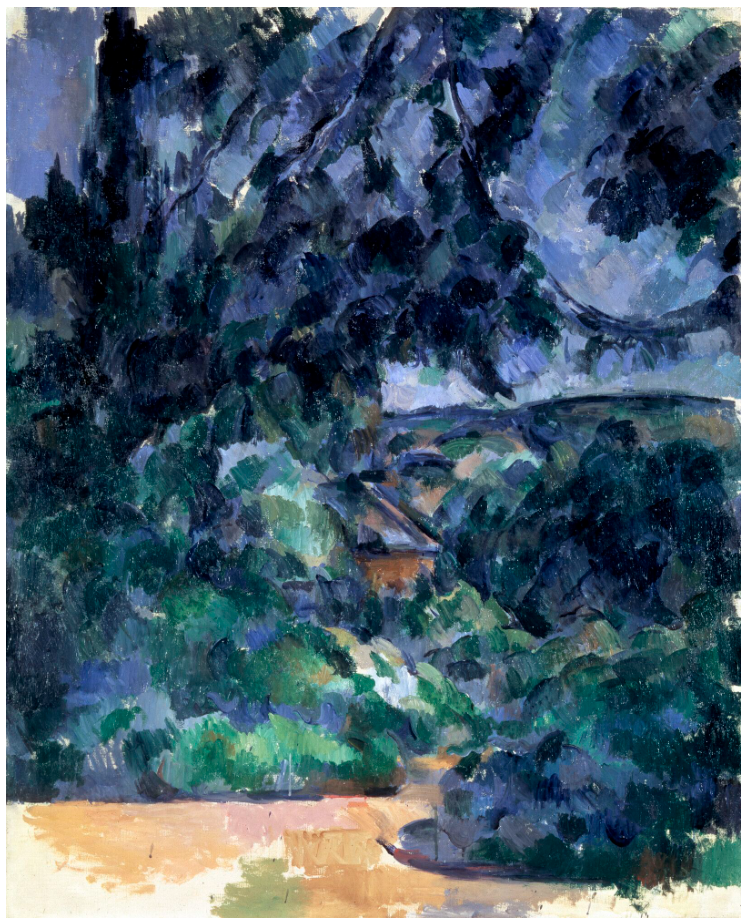
Paul Cezanne, Blue Landscape, circa 1903. State Hermitage Museum, St. Petersburg. Photo: HIP / Art Resource, NY.
Both Brown and Conrad engage with similar existential and moral concerns, looking towards themes of authority, chaos, and the darker sides of human nature. Tangentially, the abstracted figures, verdant colors, psychological conflict between power and brutality recalls Cuban painter, Wifredo Lam’s The Jungle, wherein Lam drew on the horrors of colonization in Cuba.
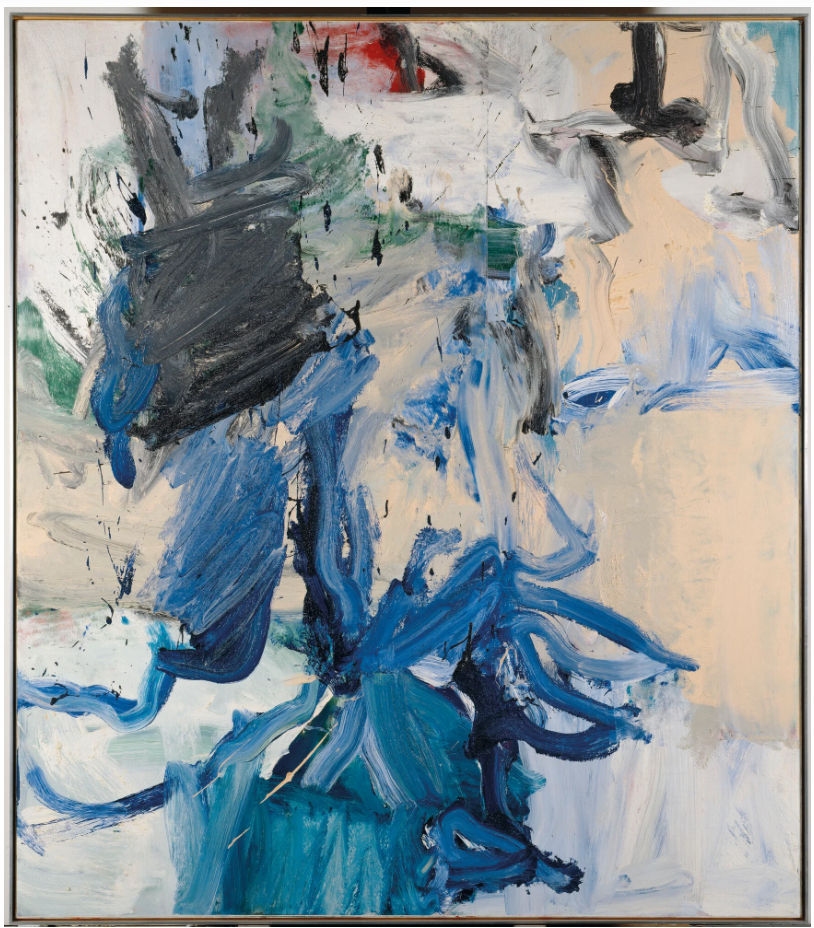
Willem de Kooning, Untitled XX, 1976. Musée National d’Art Moderne, Centre Georges Pompidou, Paris. Artwork: © 2024 The Willem de Kooning Foundation / Artists Rights Society (ARS), New York. Photo: © CNAC / MNAM / Dist. RMN-Grand Palais / Art Resource, New York.
In recent years, London-born Brown, who relocated to New York shortly after finishing school at Slade School of Fine Art in 1993, has grappled with her own complicated relationship with England’s past. At an early age, Brown was introduced to the likes of Jasper Johns, Richard Serra, and Francis Bacon. While Brown and Sylvester mutually held Bacon at exceptionally high regard — the title of the present work even conjures Bacon’s own Figure with Meat, Brown was eager to forge her own path in a city where her father’s shadow would not loom so large.
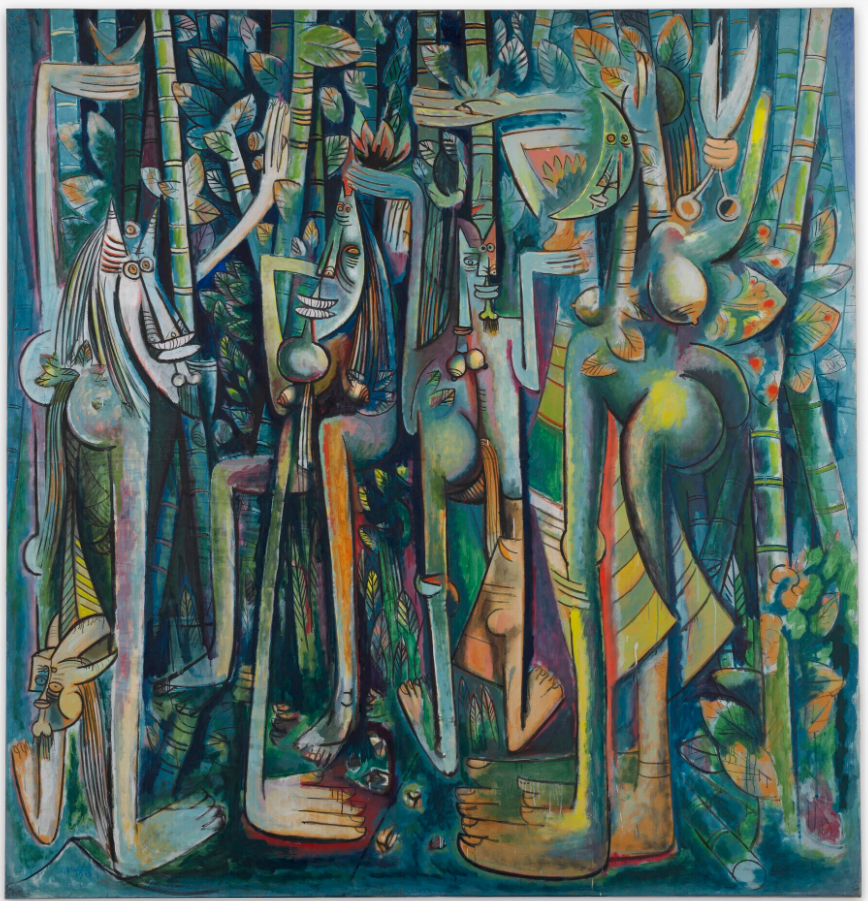
Wifredo Lam, The Jungle, 1943. Museum of Modern Art, New York. © 2024 Artists Rights Society (ARS), New York / ADAGP, Paris. Photo: © The Museum of Modern Art / Licensed by SCALA / Art Resource, New York.
Time and distance, however, has made this relationship even weightier. “The whole idea of empire, when you’re a little kid, you don’t really get that that actually means colonialism,” Brown has stated, recalling the themes explored in Conrad’s Heart of Darkness. “You grow up singing ‘Rule, Britannia!’ and you learn about the war…. You only learn the good things about Winston Churchill, and you know, when you really look into it, everything’s obviously so much more complicated” (C. Brown quoted in C. Kino, “Cecily Brown’s Fearless Approach to Painting,” Wall Street Journal, March 23, 2023).
The abstract, energetic brushwork combined with subtle hints of figuration in The Butcher and the Policeman exemplifies Brown’s interest in evoking emotion and narrative through abstraction, while grounding her work in historical and cultural references. “My work has always had a kind of unstable nature in that nothing’s fixed,” Brown has explained. “You think you know what you’re looking at. You look again and it shifts.” Increasingly, she says, “I feel there’s this instability to now, especially in the last five years or so, whether it’s Britain, America or just the world in general. But it’s funny: For the first time my work feels topical” (C. Brown, quoted in ibid.).
Focus: Elizabeth Peyton
Kurt (sunglasses), 1995
Phillips New-York: 19 November 2024
Estimated: USD 600,000 – 800,000
USD 2,359,000
Elizabeth Peyton – Modern & Contempo… Lot 3 November 2024 | Phillips
ELIZABETH PEYTON
Kurt (sunglasses), 1995
Oil on canvas
16×12 inches (40.5 x 30.5 cm)
Signed, titled and dated “Kurt (sunglasses) Elizabeth Peyton 1995” on the overlap
Elizabeth Peyton’s Kurt (sunglasses), 1995, is an exquisitely rendered oil on canvas that exemplifies her ability to evoke emotional depth through intimate depictions of larger-than-life figures. Part of a series of portraits of Kurt Cobain, the iconic frontman of Nirvana and a defining figure of the 1990s grunge movement, the work reflects Peyton’s enduring fascination with fame and vulnerability. Painted in the year following his tragic suicide, Cobain—symbolizing both cultural rebellion and deep personal fragility—becomes a vessel through which Peyton merges emotional intimacy with iconic status. Known for her luminous portrayals that blend personal connection with celebrity allure, Peyton captures the essence of the rocker’s anti-establishment persona with a careful, tender execution.
“I guess what I’m interested in is the quality of my subjects being able to be themselves while occupying this extreme role in the public imagination. You can see their will, and that’s incredibly beautiful.”
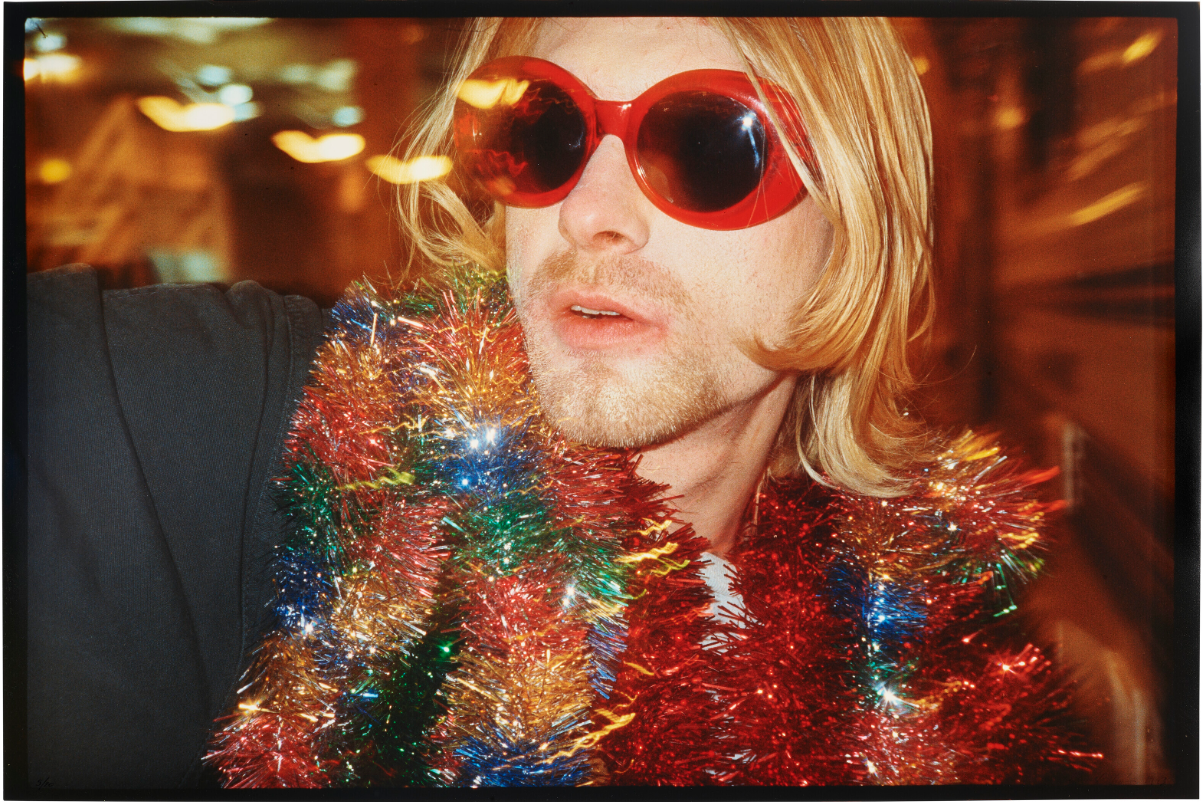
Kurt Cobain at MTV’s Live and Loud, Pier 48, Seattle, WA, Dec. 13, 1993. Photograph by Alice Wheeler. Image: Greg Kucera Gallery, Seattle
Drawing from historical influences and photographic inspirations, Kurt (sunglasses) invites viewers into a private realm where personal narrative and cultural image coalesce, marking a pivotal shift in Peyton’s career from historical figures to contemporary pop icons. Although not exhibited, this portrait of Cobain emerged alongside Peyton’s pivotal 1995 solo exhibition at Gavin Brown’s Enterprise in SoHo, which showcased a series of related works. The show, which received high-profile reviews from The New York Times and Artforum, launched Peyton’s career and established her as a leading figure in the revival of figurative painting, steering art away from the academic theory that had dominated the 1980s. Other examples from this foundational series reside in prestigious collections, including the Walker Art Center in Minneapolis, The Brant Foundation in Greenwich, the Boros Collection in Berlin, and the Burger Collection in Hong Kong.
“People who are good at what they do often become well known, and I’m interested in making pictures of artists whose work inspires me.”
Peyton often uses photographs as references for her portraits, selecting subjects who captivate her for their cultural impact and emotional depth. In Kurt (sunglasses), the composition closely resembles Alice Wheeler’s well-known photograph of Kurt Cobain, taken during MTV’s Live and Loud performance in Seattle on December 13, 1993. In this image, Cobain, adorned with his iconic Christian Roth oval-shaped sunglasses and a festive garland of multi-colored Christmas tinsel, embodies the glamorous yet troubled rock star persona, exuding confidence while navigating the mounting pressures of fame and personal turmoil. Peyton reinterprets this moment with her signature soft brushstrokes, transforming the photograph into an intimate painting that merges Cobain’s public persona with the vulnerability that lies beneath, highlighting the emotional complexity at the core of her work.
John Singer Sargent, Dr. Pozzi at Home, 1881. The Hammer Museum, Los Angeles. Image: Bridgeman Images
In Kurt (sunglasses), Peyton invites the viewer into a close, personal engagement with the subject. The painting’s modest scale further encourages familiarity, underscoring the personal and reflective nature of Peyton’s portrayal, which stands in stark contrast to the typical veneer of glamor associated with rock stardom. Her loose, gestural brushstrokes create a sense of immediacy, heightening the emotional intensity of the portrait while retaining the sense of a fleeting, unguarded moment. This approach—letting the paint streak and smear, alternately building up and thinning out in a push-pull between saturation and transparency—mirrors Cobain’s shifting personas and the contradictions he embodied: a symbol of rebellion and raw aggression whose music captured the angst of an entire generation, yet also a figure of private fragility, expressed through his terse, darkly humorous lyrics.
As is typical in much of her portraiture, the figure embodies an androgynous archetype of Peyton’s style, featuring a blood-touched pout, carefully delineated cupid’s bow, and a waifish look of easily bruised youth. A bold Hockney-esque use of color intensifies the sensation within the work, reflecting the saturation of her vision. In Kurt (sunglasses), Peyton aligns Cobain’s lips with the cherry-red hue of his signature frames, creating a striking contrast against the delicately rendered softness of his facial features and the relaxed contours of his golden hair. Her deft handling of light and shadow imparts a profound interior complexity to the portrait. As Cobain’s clothing and the background dissolve into an expanse of red and shadow, a gentle glow envelops his face and neck, infusing the image with a dreamy, almost ethereal quality. Recalling a rich tradition of portraiture, from John Singer Sargent to Sir John Everett Millais, Peyton’s practice similarly seeks to capture intrinsic human beauty.
Alex (Alex Katz) Winter 2012, 2012
Phillips New-York: 20 November 2024
Estimated: USD 300,000 – 400,000
USD 304,800
Elizabeth Peyton – Modern & Contem… Lot 318 November 2024 | Phillips
ELIZABETH PEYTON
Alex (Alex Katz) Winter 2012, 2012
Oil on aluminum veneered panel
15×12 inches (38.1 x 30.5 cm)
Signed, titled and dated “Alex, (Alex Katz) WINTER 2012 Elizabeth Peyton 2012” on the reverse
Painted in 2012, Alex (Alex Katz), Winter 2012 is a carefully articulated yet supremely expressive example of Elizabeth Peyton’s career-long exploration of portraiture. Typical of her practice, the present work is executed in a small-scale format, creating an aesthetic immediacy that captures an otherwise fleeting moment in time. A portrait of fellow painter Alex Katz, the present work belongs to a rich tradition of artists painting other artists. Katz stares back at the viewer, sitting cross-legged and arms folded in a patterned armchair, seemingly uncomfortable in his unusual position as a painting’s subject. As in her other portraits, Peyton employs a characteristically light-filled palette and skilful blending of fluid line here, eschewing perspectival naturalism and instead rendering form with spare detail and broad strokes. Focusing squarely on her subject’s face Peyton uses delicate and overlapping washes of translucent paint to create form and expression. The result is a captivating image that fluidly draws on a range of painting traditions, from non finito Renaissance works to the stylisation of Viennese Secession artists. This formal and textural juxtaposition between her sitter’s face and body reflects a broader oscillation between emotive, psychological realism and painterly abstraction, a facet of her practice that marks Peyton as one of the most precise and empathetic figurative painters of today.
In this work, the figure of Katz is simultaneously elusive yet intensely present, a hallmark of Peyton’s conceptual kind of contemporary realism. At their core, Peyton’s portraits are paintings of images of people as humans. She negotiates and motivates this formal and conceptual slippage, placing emphasis on direct observation and its translation to the painted surface in a manner akin to other contemporary artists such as Michaël Borremans. Unlike her Belgian counterpart, however, Peyton’s subjects are grounded by a humanising realism. She affords an informal universality to her figures that belies their celebrity or social status, rendering them almost knowable. Here, she sets Katz’s richly depicted yet subtly nuanced face against the coolness of exposed canvas and sparse outlines, eliminating any cultural or symbolic associations. The figure’s casual pose is matched by the relaxed brushwork and mark-making, resulting in a poignant and mesmerising composition founded in Peyton’s intimate gaze and empathy towards her subject.
Édouard Manet, Le Repos, circa 1871, Rhode Island School of Design Museum, Providence
In many ways, Alex Katz is a uniquely apposite artistic touchstone for Elizabeth Peyton. Both primarily portraitists, their works tend towards a bold simplicity and heighted palette with a flattened perspective and unusual, dramatic cropping. Rather than illustrating a scene in a narrative manner, they both seek to capture a mood or moment, seeking intimacy in the familiar faces of partners in the case of Katz, or in press cuttings and photographs of celebrities and historical figures favored by Peyton. Just as in Édouard Manet’s tender depictions of Berthe Morisot, or Lucian Freud’s famous portrait of David Hockney, the act of depicting another artist is loaded with significance. Simultaneously collaborative yet inherently imbalanced, artist and sitter are linked by trust and empathy. For Peyton, this is a prerequisite for all her portraits and her works:
“I just have a feeling of urgency that I want to make a picture of somebody. Probably because I’m very inspired by them or there is something I really want to know about or understand in them. So, fascination? Yes. Admiration? Yes. But also curiosity — I get fascinated by what people are doing and what they’re making and how it’s what I need at that moment.”
In this way, her works are defined by an unironic treatment and romanticized realism, occupying an innovative niche within contemporary painting.
Focus: KAWS
BETTER KNOWING, 2003
Phillips New-York: 20 November 2024
Estimated: USD 500,000 – 700,000
USD 571,500
KAWS – Modern & Contemporary Art D… Lot 324 November 2024 | Phillips
KAWS
BETTER KNOWING, 2003
Wood
71 x 49 1/2 x 66 1/2 inches (180.3 x 125.7 x 168.9 cm)
This work is number 1 from an edition of 3 plus 2 artist’s proofs
BETTER KNOWING, 2013, realizes KAWS’ signature figure at a monumental scale. Taking the form of a highly stylized Pinocchio, the artist’s widely celebrated COMPANION character sits in a contemplative posture, holding his nose in his hand. A significant work from the artist’s practice, another example of BETTER KNOWING was exhibited in KAWS’ major 2016–2017 solo exhibition at the Museum of Modern Art Fort Worth, which then travelled to the Luz Museum Shanghai. A bronze iteration of the figure was exhibited in front of the Rijksmuseum, Amsterdam in 2015 as part of the ArtZuid sculpture biennial. The global reception of the work is a testament to KAWS’ cross-cultural appeal and potent relevancy within contemporary culture. BETTER KNOWING takes the form of KAWS’ best-known figure, COMPANION, a distorted Mickey Mouse of sorts that was first released by the artist as a toy edition in 1999. COMPANION was later joined by ACCOMPLICE, a similar but distinct figure modelled after a toy bunny with floppy ears, and CHUM, modelled after the Michelin man. The three figures comprise a trinity within KAWS’ practice, appearing in his most important and recognizable works. On one level playful and cartoon-esque, KAWS’ figures are often presented grappling with complex emotions.
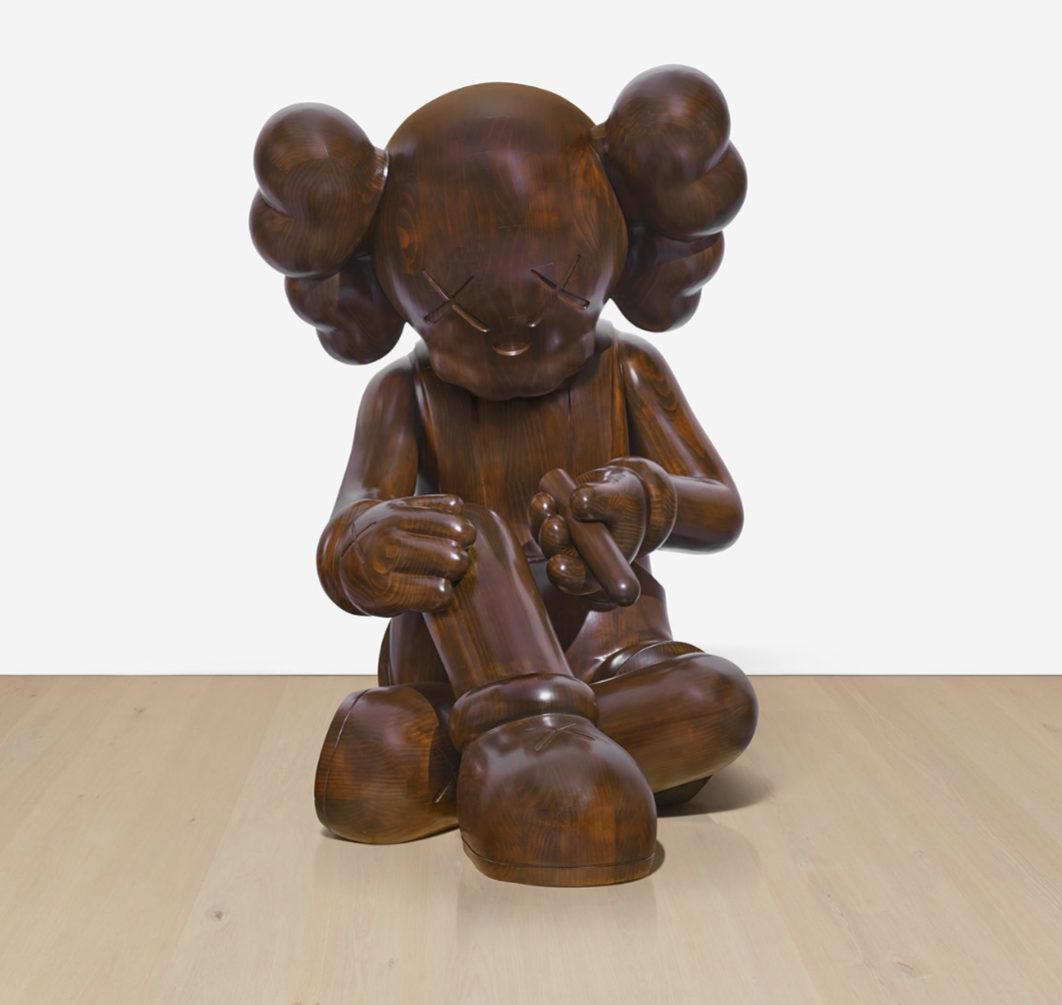
In the present example, COMPANION takes on the added reference of Pinocchio, an iteration KAWS has explored in additional works including SMALL LIE, 2013. With BETTER KNOWING, KAWS engages with the moral creed of the Disney movie and the emotions of its flawed main character. The figure sits on the floor with his head bowed low and holding his nose, which has seemingly fallen off. The psychologically charged, abstracted rendering of Pinocchio puts KAWS in the company of Maurizio Cattelan and Jim Dine, who have also famously reinterpreted the tragicomic hero. KAWS is expert at creating characters that solicit empathy as they trudge through life, often depicted in forlorn postures. Featuring non-human subjects, his works are abstract enough to stand in for generalized emotions. As compelling anthropomorphic figures, they solicit interest and empathy.

Focus: Ed Ruscha
14 lots sold for a total of USD 98,310,050.
A new world auction record has been set by Standard Station, Ten-Cent Western Being Torn in Half, a painting dated 1964 that sold at Christie’s for USD 68,260,000. With no lot failing to sell, the sell-through rate is 100%. One lot was withdrawn at Phillips.
Paintings
#1. Standard Station, Ten-Cent Western Being Torn in Half, 1964
Christie’s New-York: 19 November 2024
Estimate on Request
USD 68,260,000
ED RUSCHA (B. 1937), Standard Station, Ten-Cent Western Being Torn in Half | Christie’s
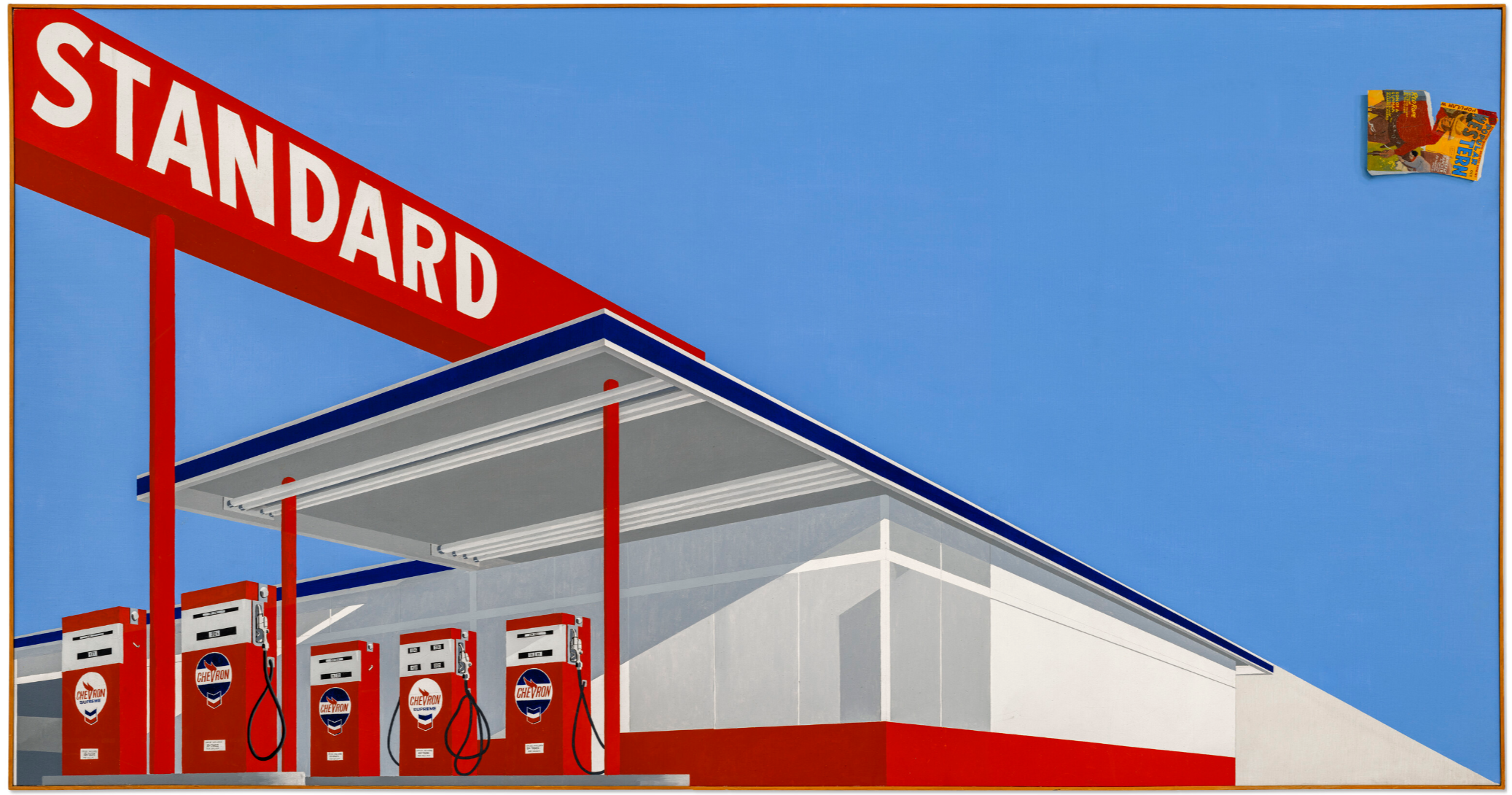
ED RUSCHA (B. 1937)
Standard Station, Ten-Cent Western Being Torn in Half, 1964
Oil on canvas
65 x 121 1/2 inches (165.1 x 308.6 cm)
Signed, titled and dated ‘”STANDARD STATION, 10¢ WESTERN BEING TORN IN HALF” 1964 Edward J. Ruscha’ (on the stretcher)
Painted in 1964, Standard Station, Ten-Cent Western Being Torn in Half is a defining painting in the canon of American postwar art. This monumental canvas presents two visions of America, one that celebrates the pioneering spirit of the Wild West and another in which the car has replaced the cowboy as a symbol of America’s future. Combining the realism of Edward Hopper, the inscrutability of Surrealism, and the bold audacity of Pop, Ed Ruscha’s striking painting represents a seismic shift in the artistic landscape in much the same way that Claude Monet’s paintings of Argenteuil came to represent a new, modern, Impressionist France in the nineteenth century.
“I don’t have any River Seine like Monet,
I’ve just got U.S. 66 between Oklahoma and Los Angeles.”
Ed Ruscha, 1964. Photo: Dennis Hopper. © Dennis Hopper, Courtesy of The Hopper Art Trust.
The present work was painted at a seminal moment in the artist’s career as he emerged as the leading member of a nascent West Coast artistic community that would soon challenge New York as the place where the most exciting art in the country was being produced. Widely cited in the literature on the artist, Standard Station, Ten-Cent Western Being Torn in Half was previously on long-term loan to the Modern Art Museum of Fort Worth, and has most recently formed a cornerstone of Ruscha’s critically acclaimed retrospective Now / Then organized by the Museum of Modern Art, New York and the Los Angeles County Museum of Art.
Set against a vast expanse of cloudless blue sky, the dramatic silhouette of a Standard Oil gas station rises up from a distant horizon. Using the Renaissance principle of one-point perspective, the building forces its way into the picture plane, a twentieth century architectural icon distinguished by its strict geometry and patriotic red, white, and blue trim. Opaque shadows fall across the façade of the building and punctuating these flat panes of planes of color are the various pieces of forecourt furniture that designate the instantly recognizable brand. Gas pumps stand proudly up-right with the blue and white Chevron roundels emblazoned on their front and serpentine black rubber hoses hanging down by their side (the only curved lines in the painting). Bright red uprights support the gas station’s large canopy which is topped off in dramatic fashion with the STANDARD marquee dominating the left hand register of the composition. In a moment of pure Surrealist conceit, this flatness of this dramatic form is punctuated by the torn pages of a comic book painted—with stunning trompe l’oeil effect—apparently suspended in the upper right corner.
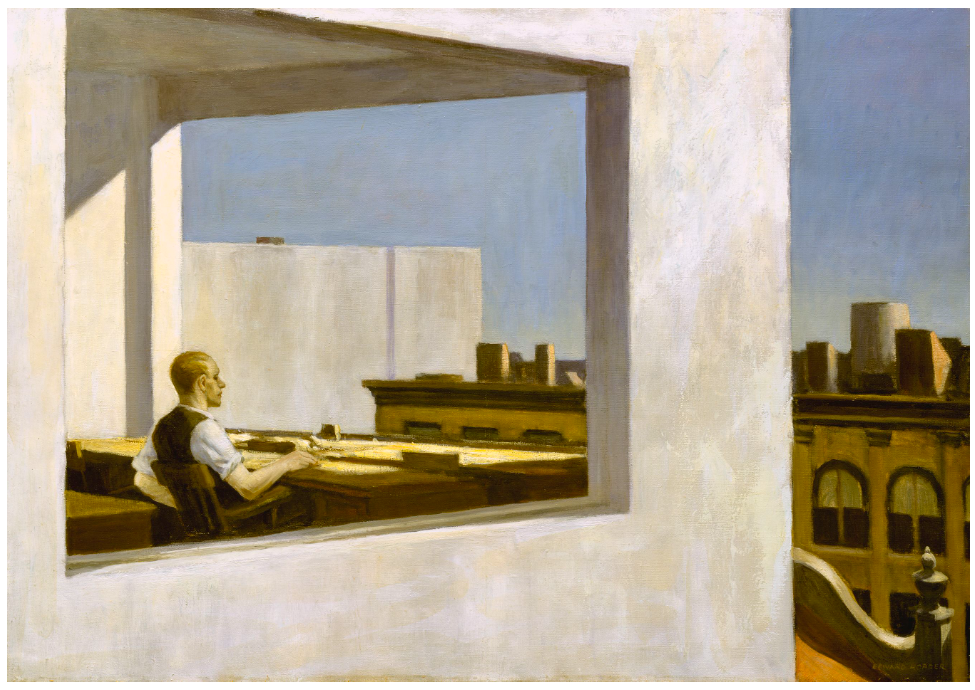
Edward Hopper, Office in a Small City, 1953. The Metropolitan Museum of Art, New York.
Ruscha began encountering the iconic buildings that were to become such a crucial element of his paintings in 1956, when driving from his home in Oklahoma to California to start art school in Los Angeles. During the many subsequent trips Ruscha made driving backwards and forwards across the expanse landscape, the artist claimed to have developed his own form of cinematic way of looking at the landscape.
“When I’m driving in certain rural areas out here in the West I start to make my own Panavision. I’m making my own movie as I’m driving… I get a lot of information out on the road that I use in my studio…”
It was on one such trip that he found himself driving through Amarillo, Texas when he came across one particular gas station (still standing today) which impressed itself into his consciousness. It would come to feature in many of the artist’s most important works including his iconic artist book Twentysix Gasoline Stations (1963), Standard Station, Amarillo, Texas (1963, Hood Museum of Art, Dartmouth), and the present work.
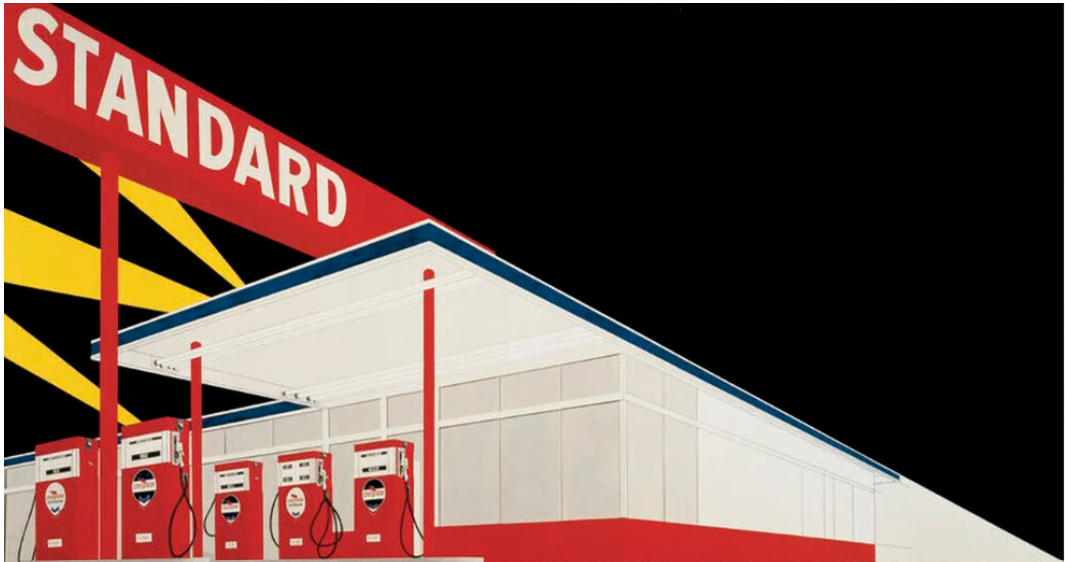
Ed Ruscha, Standard Station, Amarillo, Texas, 1963. Hood Museum of Art, Hanover, New Hampshire.
The unique architectural form of the Standard gas station was designed specifically to stand out in the landscape. The striking angular silhouette rose up out of the flat countryside as a driver approached, pointing directly at them, almost challenging them to stop, pull in, and fill up.
“They had a zoom quality, the way they were lifted up in the air, and they really caught your eye, and the gas stations was a sleek metal box sitting underneath it.”
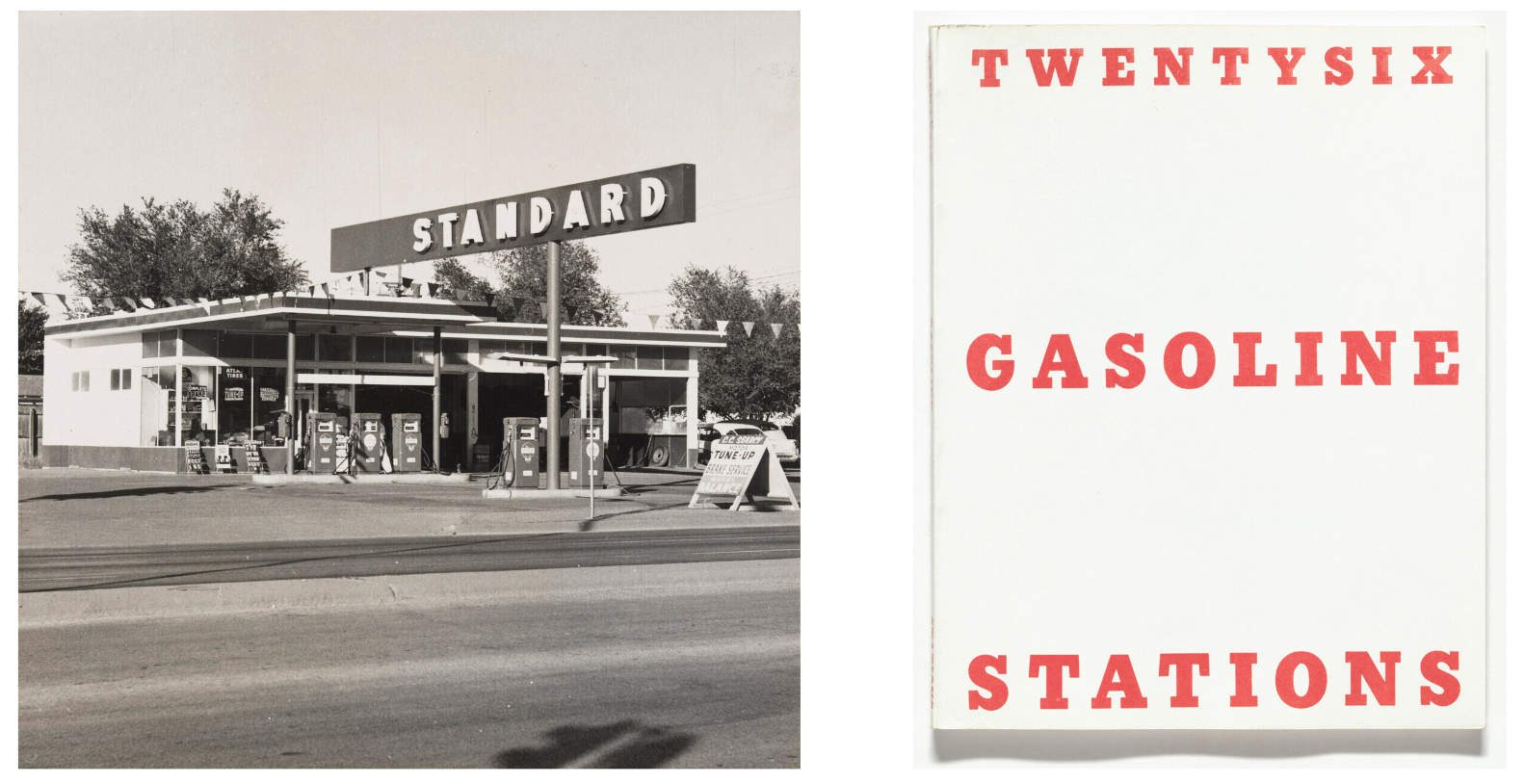
Cover of Ed Ruscha’s Twentysix Gasoline Stations, 1963. Museum of Modern Art, New York. © Ed Ruscha. Photo: © The Museum of Modern Art / Licensed by SCALA / Art Resource, NY.
The idea to combine this mainstay of the classic American road trip with a comic book has its origins in a painting which, when Ruscha first saw it, left him with the sensation similar—as he described it—to an atomic bomb going off in his mind. Jasper Johns Target with Four Faces (1955, Museum of Modern Art, New York) also took familiar objects and brought them together in a way which Johns said allowed them work on another level. Standard Station, Ten-Cent Western Being Torn in Half Ruscha not only combines two incongruous objects in a similar way, but also brings together ‘old’ and ‘new’ representations of America.
“I wanted to bring unlike elements together. And so it’s no different than maybe a piece of music that might have a coda at the end, or some other element that that is unlike the rest of the work. Or I might add something to somehow antagonize the main theme. And that goes through with all my work. Sometimes there’s little oddities that I welcome.”
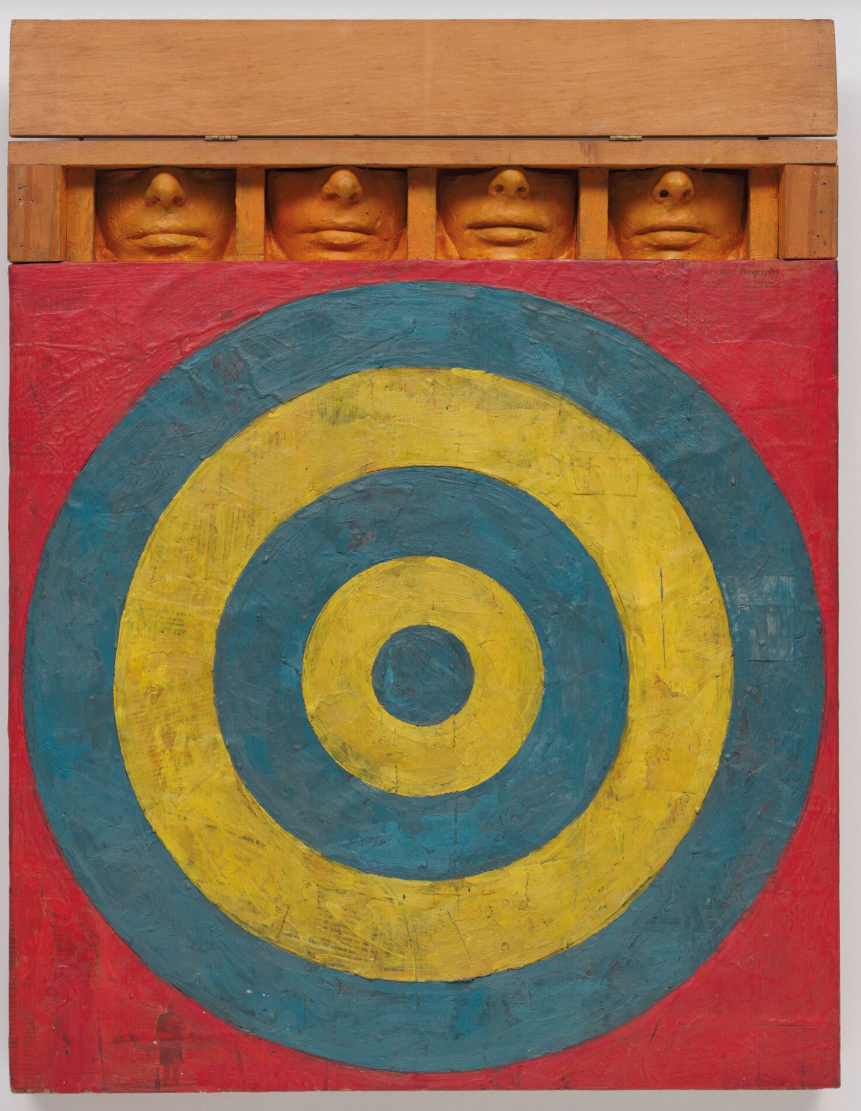
Jasper Johns, Target with Four Faces, 1955. Museum of Modern Art, New York. © 2024 Jasper Johns / Licensed by VAGA at Artists Rights Society (ARS), NY. Photo: © The Museum of Modern Art / Licensed by SCALA / Art Resource, NY.
Ever since Europeans first landed on the eastern shores of what would become America in the sixteenth century, the vast expanse of uncharted territory that lay to the west has been a mythical source of both hope and inspiration for the population. From the epic landscapes of the Hudson River School, reflecting the manifest destiny of eighteenth and nineteenth-century settlers, to the pioneering spirit of the cowboy paintings of Frederic Remington, the American psyche has become entwined in the country’s relationship with its western boundary.
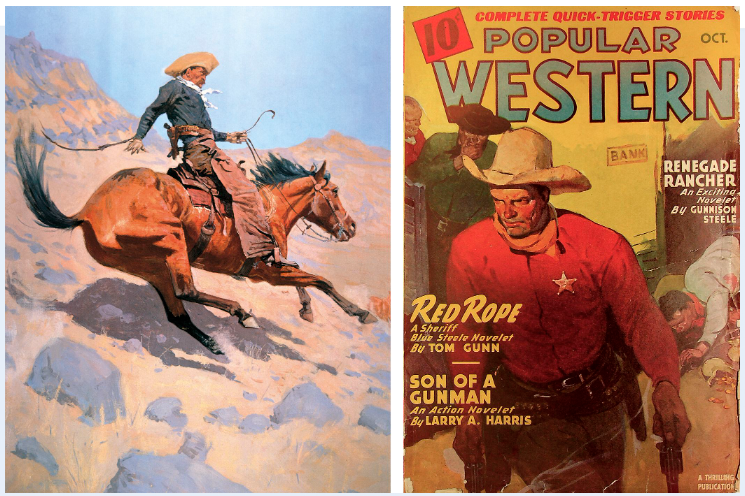
Left: Frederic Remington, The Cowboy, 1902. Photo: Peter Newark American Pictures / Bridgeman Images.
Right: October 1946 issue of Popular Western, A Thrilling Publication, vol. 31, no. 2.
These are all elements that can be seen in the present work. The old American West is present in the motif of the Popular Western comic book from 1946, complete with a sheriff in his resplendent red shirt and revolvers in both hands on the cover. That same pioneering spirit is also present in the titles of the stories contained within: ‘Renegade Rancher,’ ‘Red Rope: A Sheriff Blue Steele Novelet,’ and ‘Son of a Gunman’ all attest to the drama, lawlessness, action and adventure that life in the untamed west promised. Yet, this is a version of America which, in Ruscha’s painting, is literally being torn up by ripping the comic book in half and hurling out of the picture plane. This proved to be a particularly adaptable motif for the artist as he also included it another painting from the period, Noise, Pencil, Broken Pencil, Cheap Western (1963, Virginia Museum of Fine Arts).
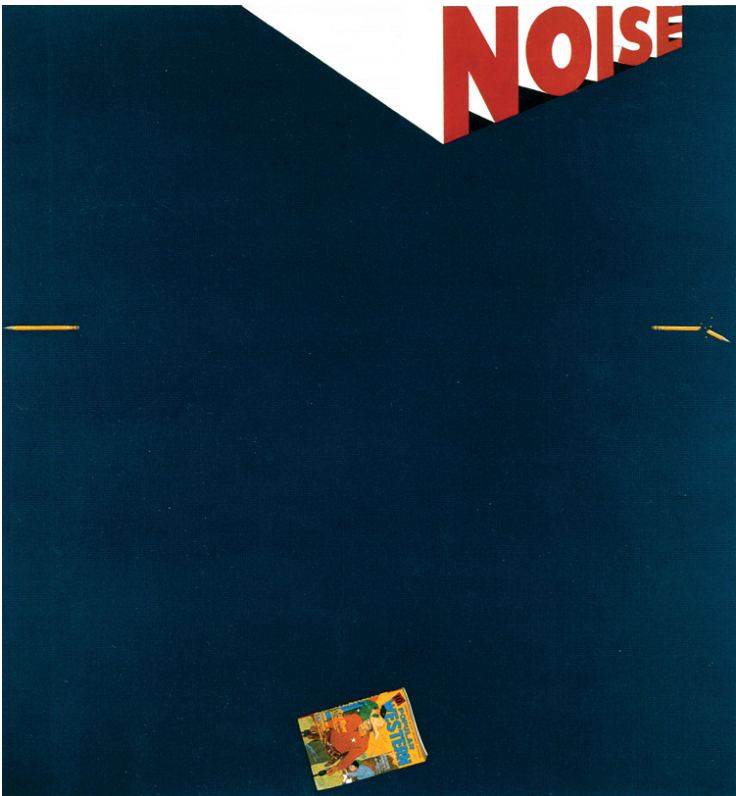
Ed Ruscha, Noise, Pencil, Broken Pencil, Cheap Western, 1963. Virginia Museum of Fine Arts. © Ed Ruscha.
In Standard Station, Ten-Cent Western Being Torn in Half, cowboy culture has been replaced by car culture. The Standard gas station represented a new, modern version of America in which the automobile, and its associated culture, has come to dominate (literally in the case of the present work) the landscape. This is something which resonated with Ruscha from the moment he saw that first gas station back in the 1950s.
“There was something new and clean about it. The gas station had a polished newness that I just had to draw and then paint.”
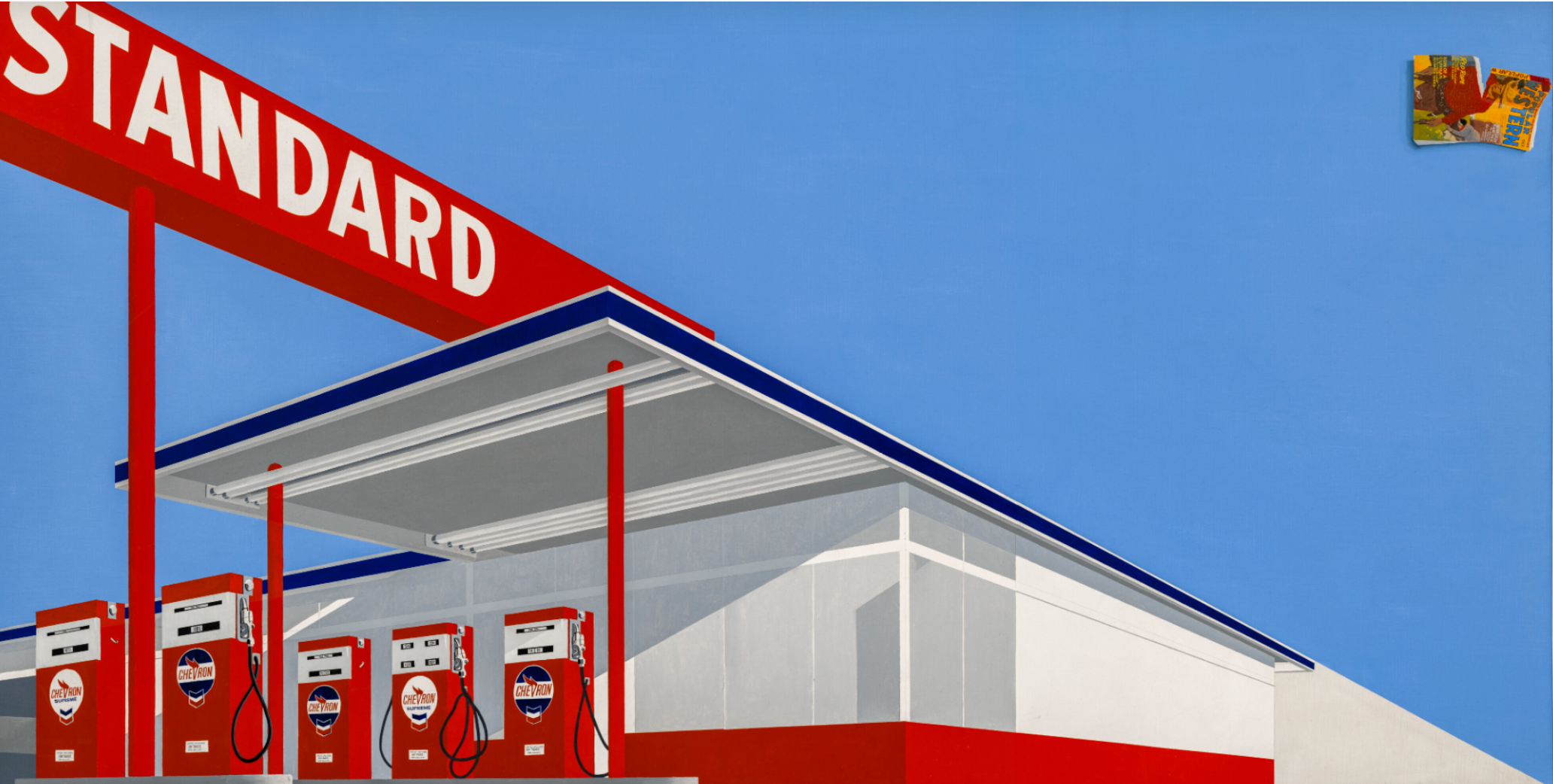
The gas stations became the stars of Ruscha’s cinematic ‘road movies’ and feature in many of the artist’s most important paintings. The present painting’s sister canvas, Standard Station, Amarillo, Texas, 1964, is in the collection of the Hood Museum of Art, Hanover, and the motif appears in four other major paintings including: Standard Station, 1965; Burning Gas Station, 1966-69; Burning Gas Station, 1965-66; and the later Standard Station, 1986-87. Apart from the Hood Museum painting, none of the other paintings featuring the Standard gas station comes close to the present work in terms of size. Its formal arrangement was also adopted in other notable paintings from the period including Los Angeles County Museum of Art on Fire (1965-68, Hirshhorn Museum and Sculpture Garden, Washington, D.C.) and his later paintings of another icon of the American West, the Hollywood sign. There is, incidentally, also an autobiographical reference to this form that Ruscha has acknowledged. The artist has said that the dramatic angle of the composition was partly inspired by the 1942 Disney film Bambi, and, in particular, the way that Bambi’s father stood proudly in the forest, plus it references the stag featured in advertisements for the Hartford Insurance Company in the 1950s, a company where Ruscha’s father worked.
Ed Ruscha’s Standard Stations (To Scale)
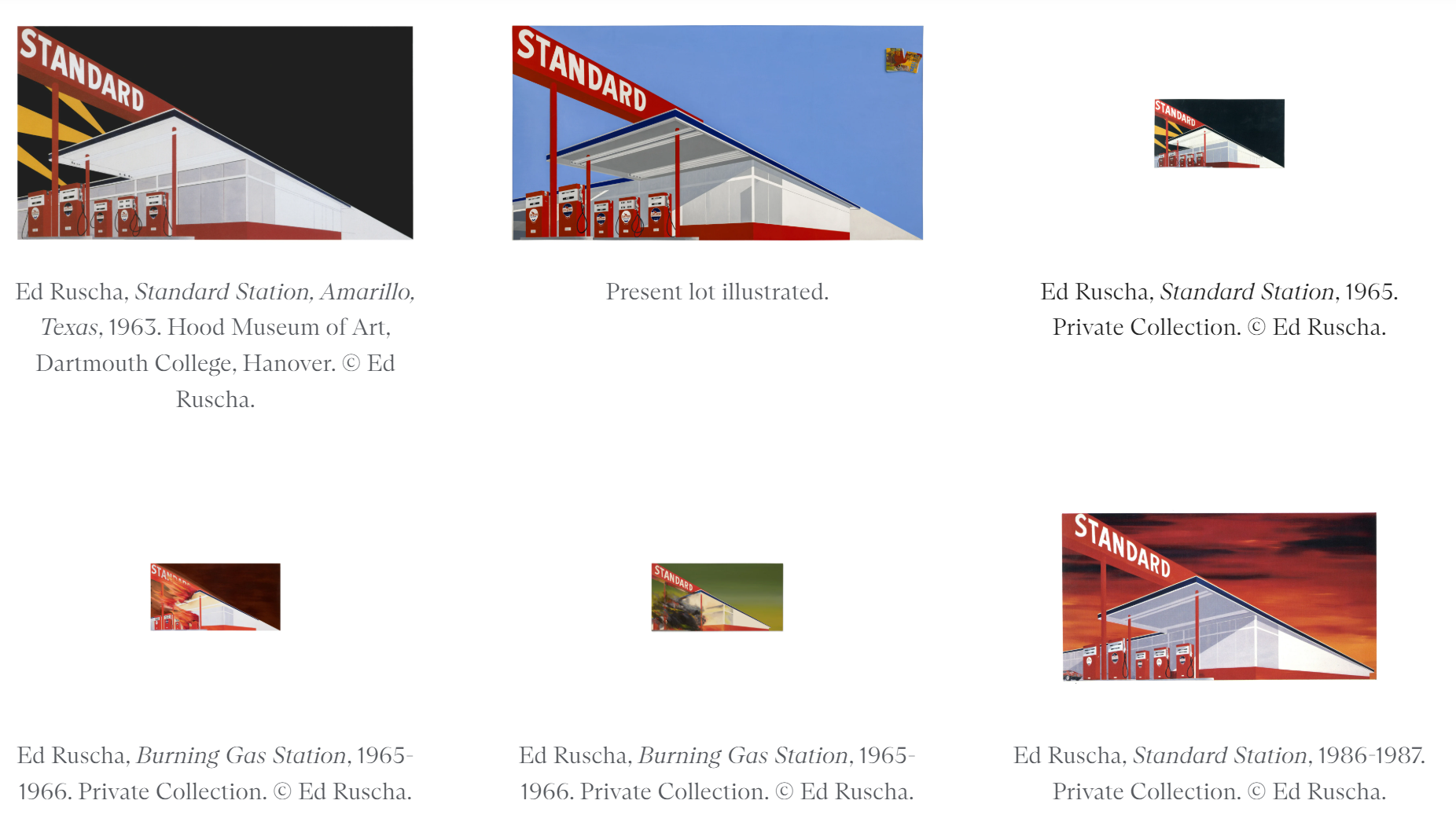
Ruscha’s journeys from Oklahoma to California and back again have attained an almost mythical status in the more than half century since he began them. The gas stations he witnessed along the way provided him with the source material for what would become one of the most iconic series of paintings in the American postwar canon. Unlike artists such the modernist painter Charles Sheeler and, to some extent even Edward Hopper, Ruscha removed extraneous detail to add a sense of power to his paintings. Depicting what Ruscha referred to as the “quietude of travel,” the present work becomes a celebration of these silent sentinels of the open road.
“I think they [paintings without people] become more powerful without extraneous elements like people, cars, or anything beyond the story. That’s why these lines, these planes in a gas station were more important than trying to create an Edward Hopper. It became something for me to investigate. I was able to subtract a romantic story from the scene—I wanted something that had some industrial strength to it. People would have muddied it”
Thus, Standard Station, Ten-Cent Western Being Torn in Half has become a representation of America itself, a reflection of the old and a promise of the new, as seen through Ruscha’s unique artistic vision.
#2. Georges’ Flag, 1999
Sotheby’s New-York: 18 November 2024
Estimated: USD 8,000,000 – 12,000,000
USD 13,650,000
Georges’ Flag | The Now and Contemporary Evening Auction | 2024 | Sotheby’s
ED RUSCHA (b. 1937)
Georges’ Flag, 1999
Oil on canvas
38 x 129 1/8 inches (96.5 x 328 cm)
Signed and dated 1999 (on the reverse)
Signed, titled and dated 1999 (on the stretcher)
The American flag billows against an extraordinarily vermilion sky in Georges’ Flag from 1999, an operatic ode to Ed Ruscha’s career-long commitment to Pop, conceptualism, and his distinctly West Coast sensibility. A vast and epic painting of histrionic significance, Georges’ Flag deploys the intellectually loaded image of the national banner so aptly appropriated in the most seminal works by Ruscha’s peers – from Jasper Johns, Robert Rauschenberg, to Claes Oldenburg – and now stands as a testament to the artist’s longstanding interest in the American West. In the 1960s, Ruscha first powerfully asserted that language itself was representation – that text could be legible as both word and object – thus pushing the boundaries of the then-nascent Pop movement. In 1985, however, his investigation of words’ dual truth as both text and image turned its attention into the semiotic realm of signs and signals with his first flag paintings. Georges’ Flag marks the last and largest canvas in an early group of six paintings centering the American flag executed between 1985-99, a motif so resonant and resounding that Ruscha would later reengage it in 2017 and feature it prominently in his solo exhibition at the Vienna Secession, Ed Ruscha: Double Americanisms. Georges’ Flag thunders at panoramic scale, an absorptive, arresting vista which commands its viewer’s salutations and meditations on a country’s iconography.
“I think that there is one fundamental thing, and that is that artists are attracted to glamour, you see. The American way of life possesses a certain siren voice of some kind, which is glamorous to almost any society…”
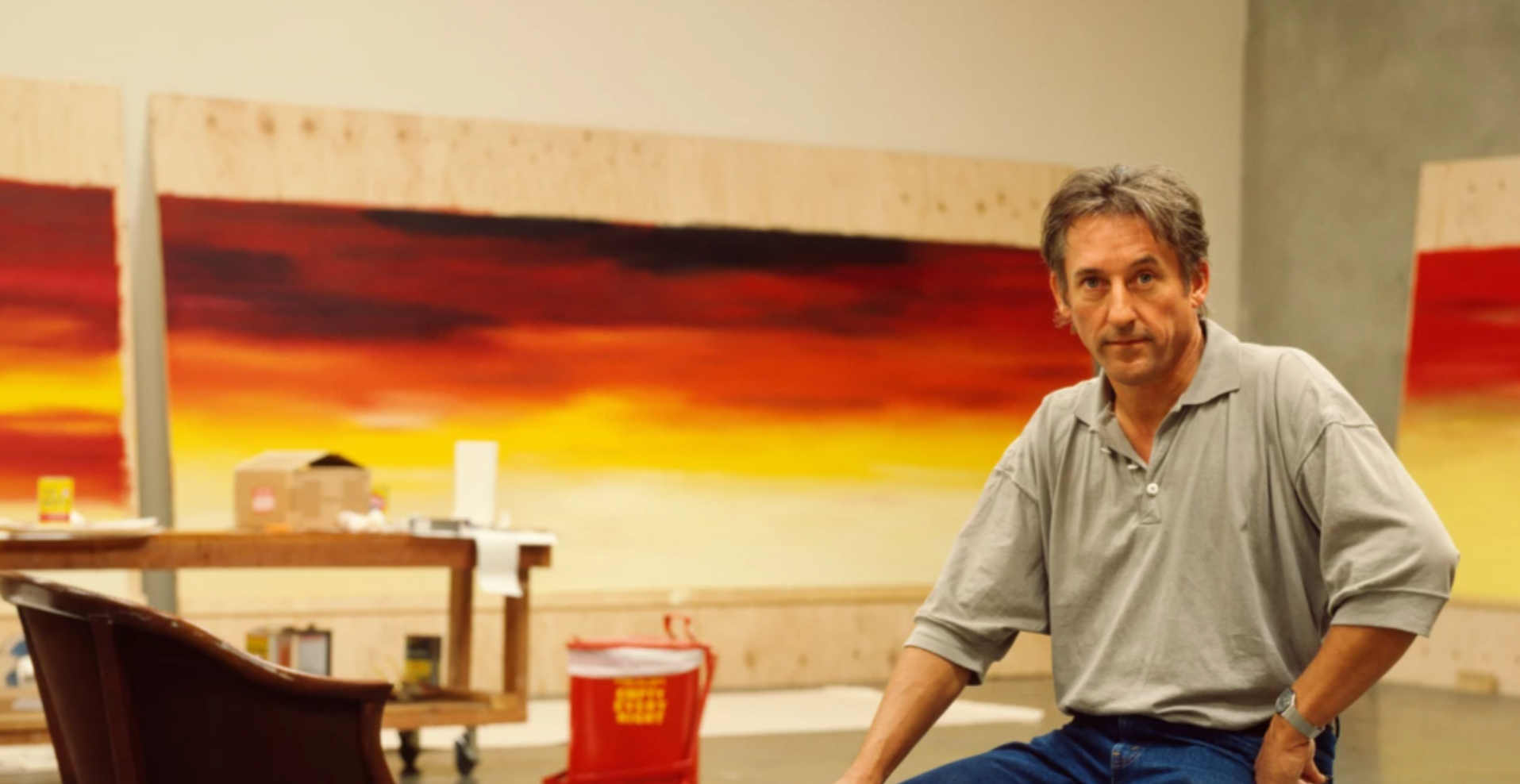
Ed Ruscha in his studio, 1985. Photo © Evelyn Hofer/Getty Images. Art © Ed Ruscha
Cascading from crimson and scarlet to sun-soaked yellow, the sky is ablaze with the expansive beauty of American terrain, simultaneously evoking a sunrise and a sunset. Each rippling crease in the flag is rendered with illusionistic precision, yet its cinematic, spotlit illumination lends its image a graphic force that belies its ostensible realism. Spanning over ten feet in width, this glowing vista offers Ruscha’s riposte on a centuries-long legacy of American painting, from the triumphal flag in Emanuel Leutze’s Washington Crossing the Delaware from 1851 to the bombastic mountain ranges of the Hudson River School. The stars and stripes which rained down in Childe Hassam’s Impressionist cityscapes of Fifth Avenue now undulate with solid, galvanizing gravitas, and the tattered yet resilient flag in photographs from the Civil War to Ground Zero is summoned here perfected at larger-than-life scale, hyperbolically saturated and totally immersive.
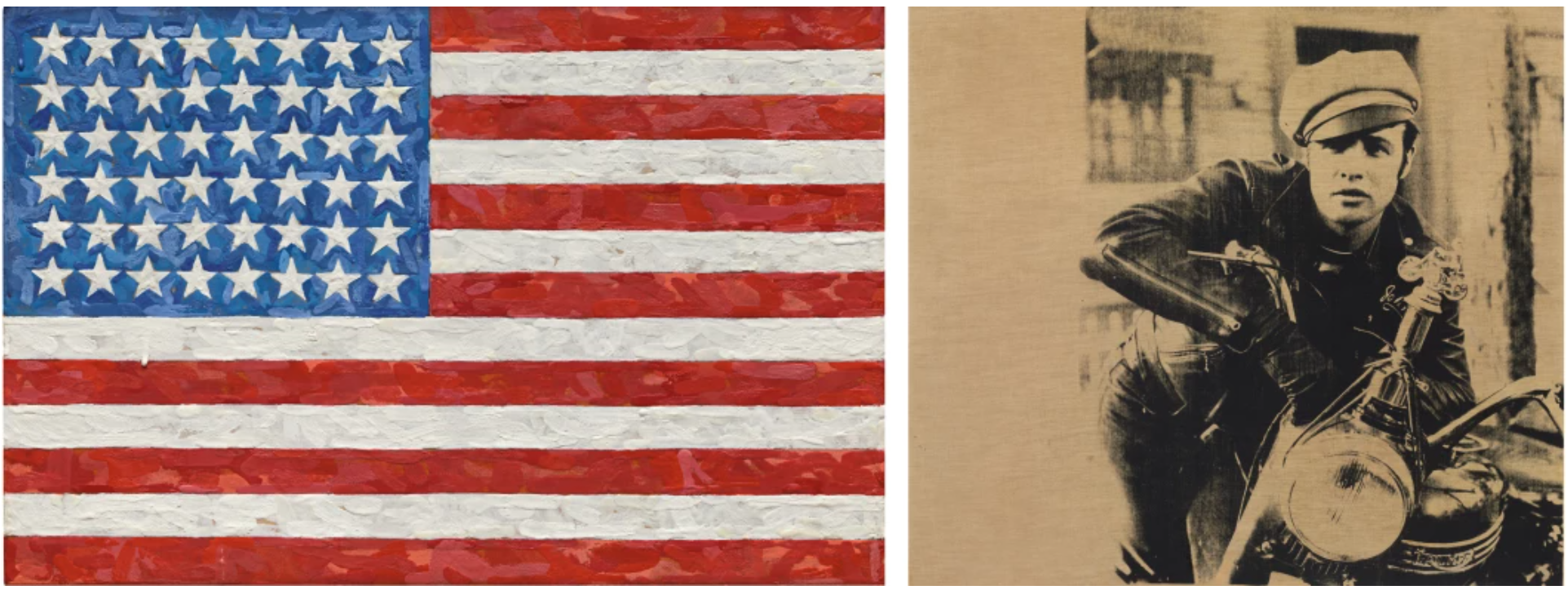
Left: Jasper Johns, Flag, 1983. Private Collection. Sold at Sotheby’s New York in November 2014 for $36 million. Art © Jasper Johns/Licensed by VAGA, New York, NY. Right: Andy Warhol, Marlon, 1966. Private Collection. Image © Bridgeman Images. Art © 2024 Andy Warhol Foundation for the Visual Arts / Artists Rights Society (ARS), New York
The flag has long been regarded as a proto-Pop icon. The1950s and 60s saw American artists take the omnipresent flag’s image as one to detach, flatten, and recontextualize with the same rote deadpan as they had with advertisements, comic illustrations, consumer logos, and journalism. Ruscha, however, not only saw the flag as something to sublimate into his work but rather a vessel for semiotic interrogation. Just as he had with text – developing an oeuvre comprised of words liquified, mangled with C-clamps, or evicted altogether with censor strips – Ruscha’s interest in the flag went far beyond its formal qualities into how its connotative powers could be culled and subverted. By blurring the taught boundaries between language, text, and visual object, Georges’ Flag satiates the impression of grandeur so heavily and historically associated with the flag, whilst probing what it is the viewer recognizes in its image.
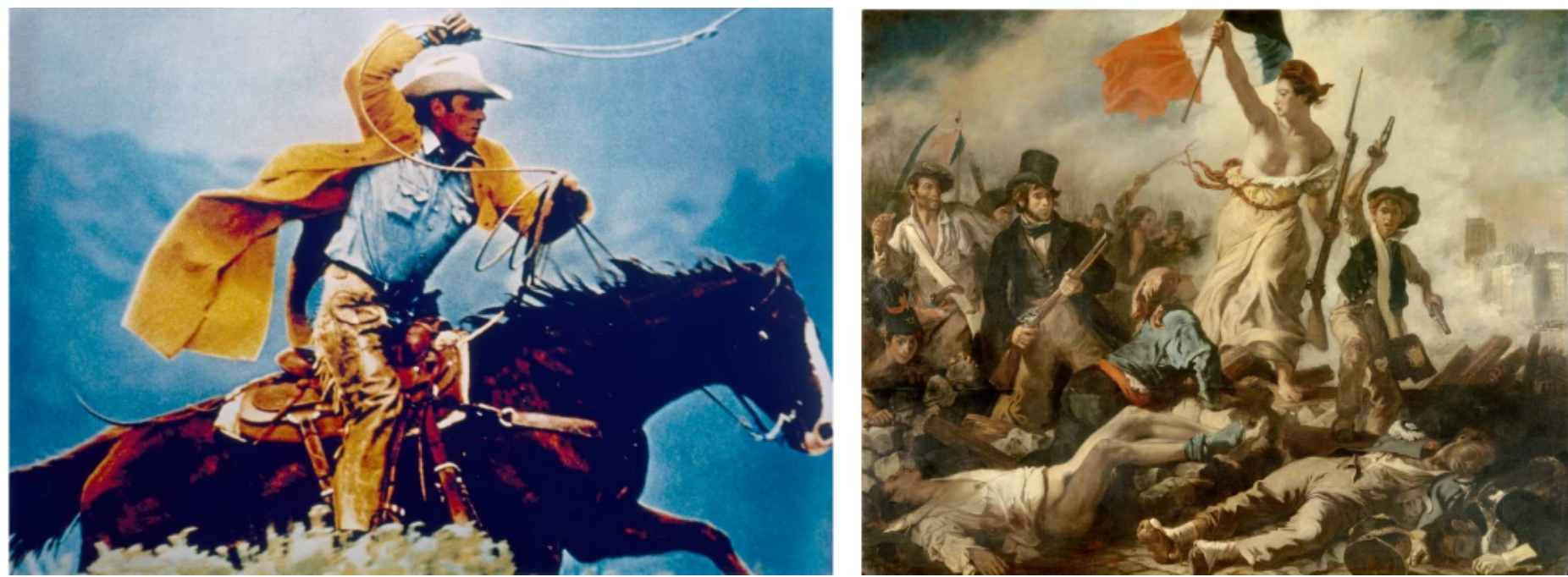
Left: Richard Prince, Untitled (Cowboy), 1991-92. San Francisco Museum of Modern Art. Art © 2024 Richard Prince. Right: Ferdinand Victor Eugene Delacroix, Liberty Leading the People, July the 28th, 1830, 1830. Image © Photo Josse / Bridgeman Images
The compositions of Ruscha’s first interpretations of the flag originated from the artist’s photographic studies of a large flag above the Santa Monica Freeway. Once part of the storied Route 66, this highway has come to serve as a metaphor for the perceived freedom of opportunity, rugged hardiness and idealized lifestyle of the American West, and it was the very road Ruscha drove when he moved from his hometown of Oklahoma City to Los Angeles in 1956. This stretch of highway was also the primary route taken by those heading westward from the Midwest for California in the 1930s during the Great Depression, now concretized in collective memory by such iconic novels as John Steinbeck’s The Grapes of Wrath, and has taken on a mythic quality in its promises of transformation. Many of the cultural and geographical landmarks Ruscha passed on his own drive, from the Rocky Mountains to Standard Oil gas stations, would profoundly inspire his output. These historic and autobiographical elements further heighten the underlying narrative of the present work, as Ruscha tackles myth and reality, personal history and national legacy.

Sunset in the Grand Canyon, Arizona, 2018. Photo © Patrick Gorski/NurPhoto via Getty Images
A resplendent display of American mythos and magnitude depicted with sweeping horizontality, Georges’ Flag mesmerizes with the undeniable affect of a hot and unending sky and the star-spangled potency of the flag. Evincing a preconceptual interest in semiotics using the vernacular of Pop, the present work rhapsodizes Ruscha’s protean brilliance as he navigates the lexicon of American cultural heritage. Capturing the immensity of the country it represents and the spirit of those that call it home, Georges’ Flag is a paragon of Ruscha’s iconic oeuvre.
#3. 99% Angel, 1% Devil, 1983
Sotheby’s New-York: 21 November 2024
Estimated: USD 1,500,000 – 2,000,000
USD 3,265,000
99% Angel, 1% Devil | Contemporary Day Auction | 2024 | Sotheby’s
ED RUSCHA (b. 1937)
99% Angel, 1% Devil, 1983
Acrylic on canvas
36×40 inches (91.4 x 101.6 cm)
Signed and dated 1983 (on the reverse)
Signed, titled and dated twice 1983 and APR 7 ’83 (on the overlap)
In 99% Angel, 1% Devil by Ed Ruscha, the titular phrase emerges from a fiery field of expertly rendered sfumato, charging the composition with psychological intensity and embodying the artist’s peerless style in which image, symbol and text coexist in tensile relationships. Executed in 1983, the present work is a quintessential example of Ruscha’s sunset paintings from the 1970s and early 1980s evoking the cinematic mythos of the Californian desert with its variegated streaks of paint. The expression 99% Angel, 1% Devil evinces the artist’s enduring interest in religious subject matter, which recurs throughout his oeuvre and speaks to the deep influence that his Catholic upbringing has had on his artistic practice. Testament to the significance of the present work, other examples of sunset paintings by Ed Ruscha are held in the permanent collections of the Whitney Museum of American Art, New York; the Museum of Modern Art, New York; and the National Gallery of Art, Washington D.C. Beguiling and theatrical, 99% Angel, 1% Devil encapsulates Ruscha’s unique capacity to evocatively portray spirituality and its pervasive manifestations within the American imagination.
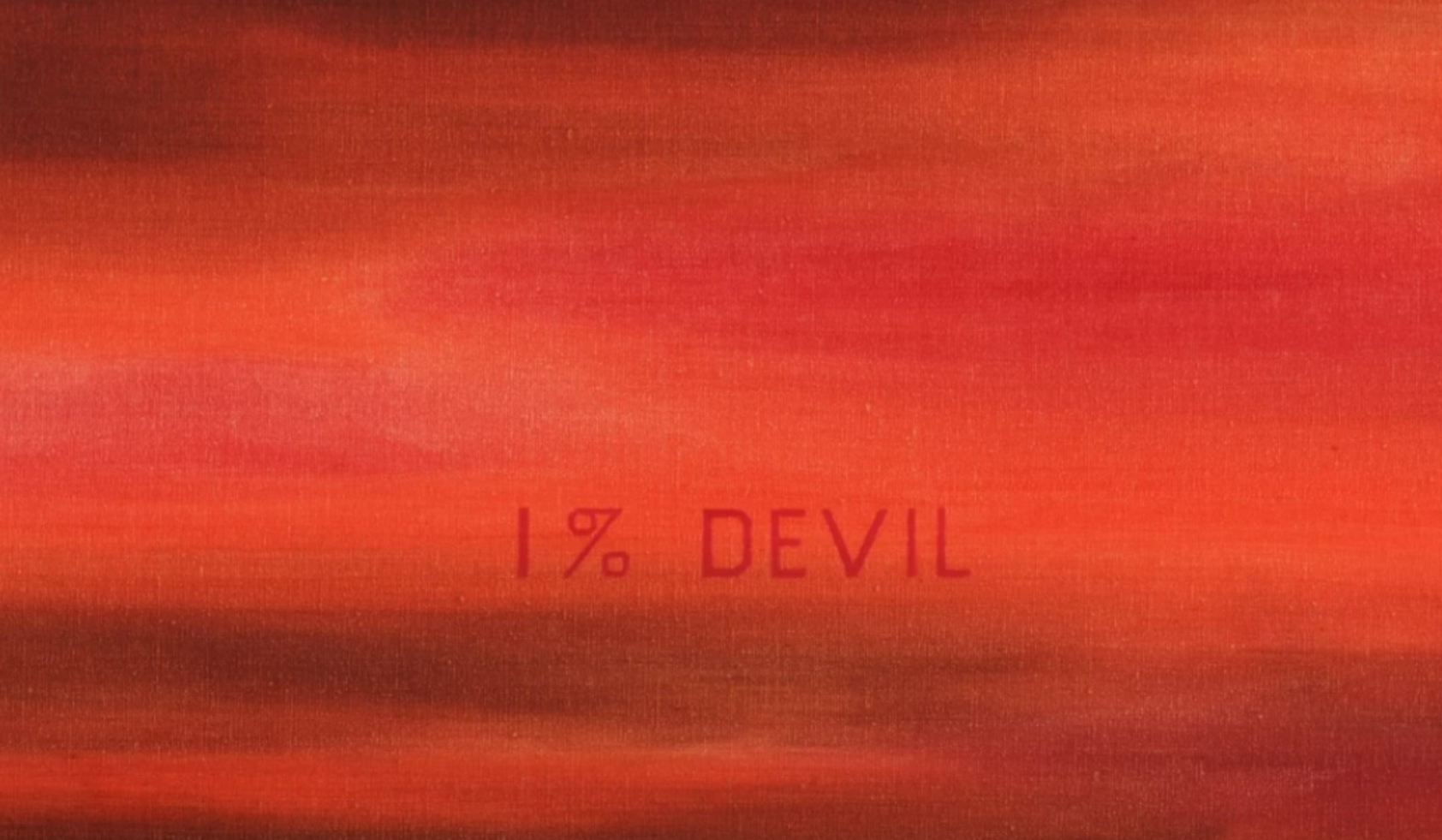
The composition of 99% Angel, 1% Devil consists of brilliant gradations of crimson, vermillion, and umber, presenting an arresting ground for Ruscha’s enigmatic statement. The abstracted, panoramic vista endows the present work with a smoldering sfumato and thrilling sense of intrigue, echoing the sublime glow of Frederic Edwin Church’s landscapes and the emotional potency of Joseph Mallord William Turner’s storm scenes. In his choice of source material, Ruscha draws from both the blazing skies of Los Angeles, his longtime home, and more broadly, the mythology of the American West that has pervaded cinema and American pop culture at large; thus, Ruscha’s depiction of the expansive sky retains a level of generic anonymity that only serves to heighten the psychological complexity it evokes. Locating the sublime in both the natural and artificial, Ruscha’s portrayal of quotidian vistas parallels Warhol’s trademark Coca-Cola bottles and Campbell soup cans, or Roy Lichtenstein’s iconic comic-book inspired blondes.
“I’ve always believed in anonymity as far as backdrop goes […] That’s why I have this kind of lofty idea of a landscape as being a pivotal point to making a picture. And so there’s a landscape that’s a background, but I don’t see it. It’s almost not there. It’s just something to put the words on.”
The tension between specificity and abstraction that Ruscha achieves here echoes that of the text, which teeters on recognition but remains elusive.
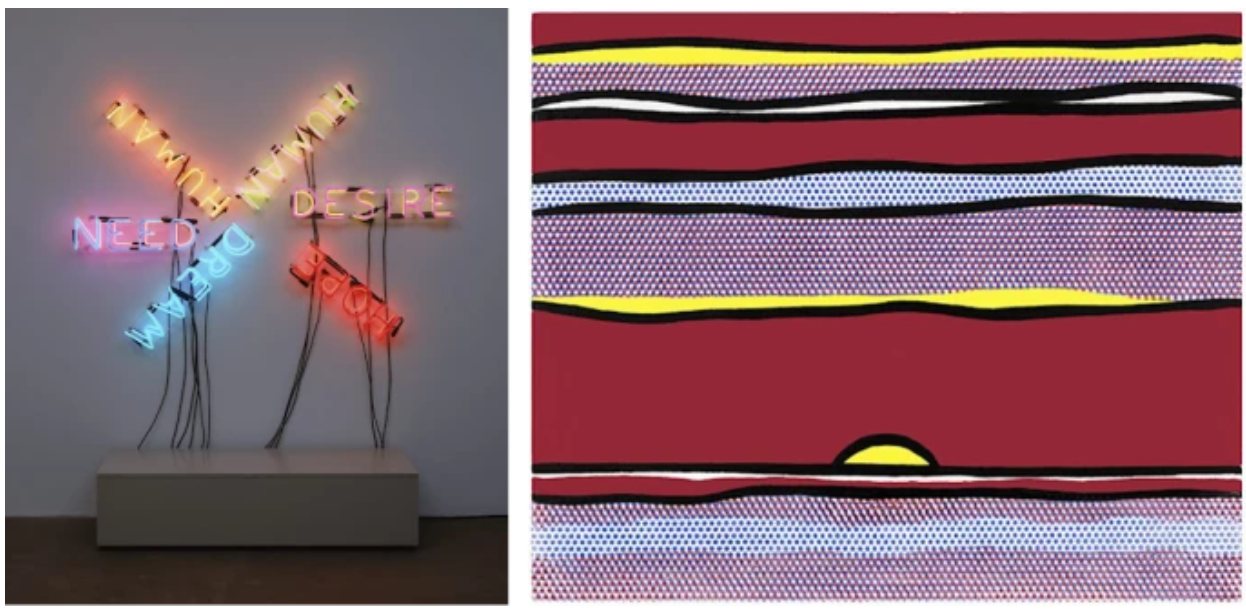
Left: Bruce Nauman, Human/Need/Desire, 1983. Image © New York, Museum of Modern Art. Art © 2024 Bruce Nauman/Artists Rights Society (ARS), New York
Right: Roy Lichtenstein, Sunset, 1964. Private Collection.
Ruscha’s signature witty and subversive treatment of religious subject matter is on full display in 99% Angel, 1% Devil. As a young boy raised in Oklahoma, he developed a fraught relationship with Catholicism, explaining that “[My grandparents] were real strict Catholics. They were all raised that way and, naturally, I got this legacy of Catholicism that I eventually had to get smart and back away from… I think that I got distorted feelings about morality, maybe, and things that were put on me by the Catholic Church.” (Ed Ruscha quoted in Richard D. Marshall, Ed Ruscha, London and New York, 2003, p. 183). Ruscha has since grappled with faith through his artistic practice, recontextualizing references to the Church through his singular lexicographic painting style. Here, the phrase 99% Angel, 1% Devil takes on a colloquial, tongue-in-cheek tenor, as the first half – “99% Angel” – dominates the viewer’s field of vision, leaving “1% Devil” stealthily inscribed in a smaller typeface along the bottom edge of the canvas. The difference in typographical scale creates a Surrealist sense of depth and perspective within the composition, all while imbuing the phrase with a mischievous attitude; thus, Ruscha employs the graphic tension of the text against the skyscape as both object and illusion, creating an optical effect.
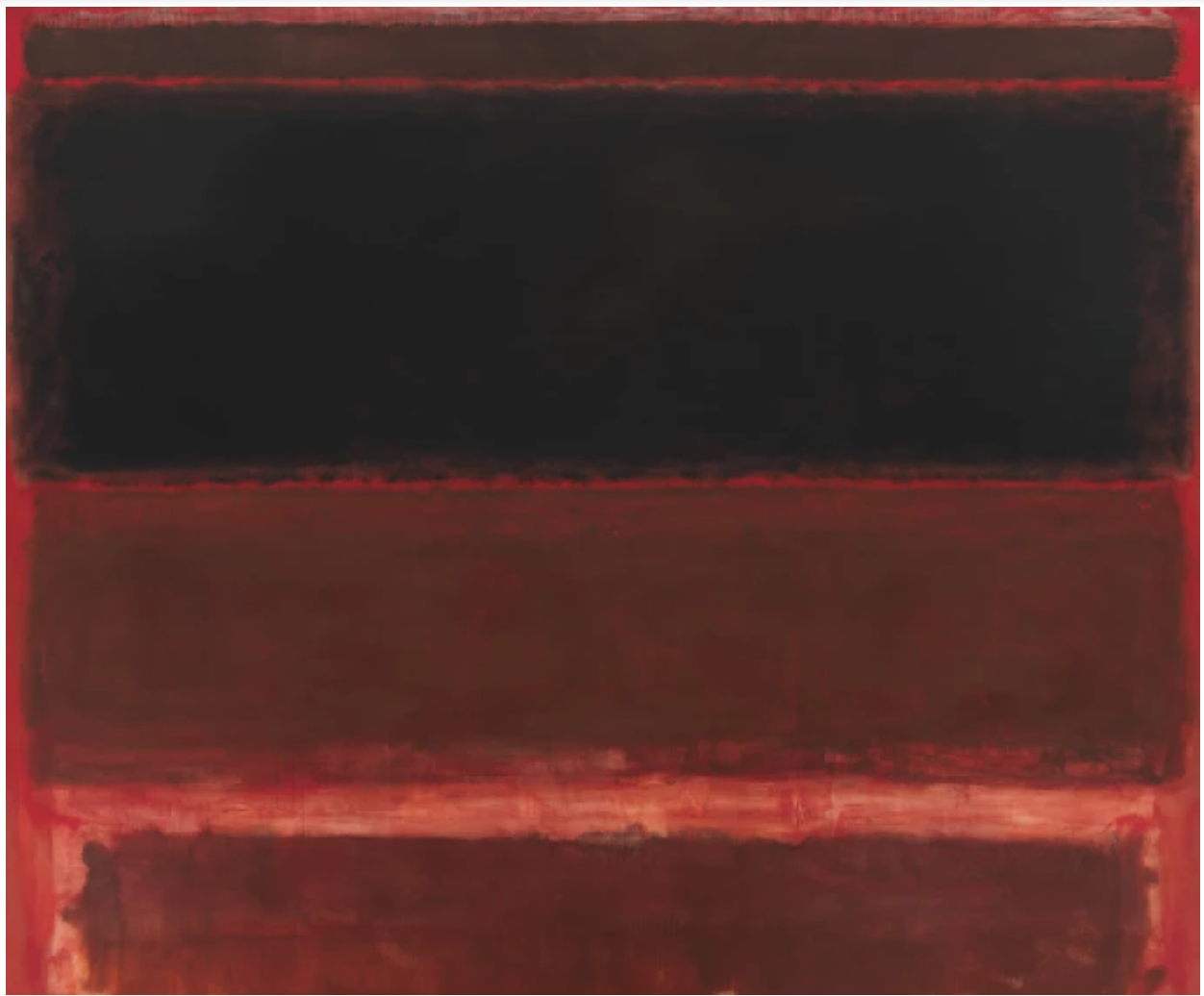
Mark Rothko, Four Darks in Red, 1958.
Image © New York, Whitney Museum of American Art. Art © Kate Rothko Prizel & Christopher Rothko/Artists Rights Society (ARS), New York
Depicting a blazing sunset with his signature filmic lens, Ed Ruscha seamlessly evokes the boundless miles of the great American landscape, Ruscha’s inspiration and muse, in 99% Angel, 1% Devil. Aggrandized and isolated in Ruscha’s paintings, words and phrases are stripped of context, imploring the viewer to contemplate the transcendent power of language and question the nature of the sublime. Through the crisp scarlet letters projected onto the endless expanse of the mythical West, articulated by a masterful gradation of pigment, Ruscha incites a subversive contemplation of moral duality and religion. Deftly examining the complex relationship between collective culture, text and iconography, 99% Angel, 1% Devil boldly embodies the subtle interplay of aesthetic and conceptual concerns that exemplify Ed Ruscha’s most seminal paintings.
#4. The Wrap-Up, 1993
Sotheby’s New-York: 20 November 2024
Estimated: USD 4,000,000 – 6,000,000
USD 3,000,000
The Wrap-up | The Now and Contemporary Evening Auction | 2024 | Sotheby’s
ED RUSCHA (b. 1937)
The Wrap-Up, 1993
Acrylic on canvas
40×72 inches (101.6 x 182.9 cm)
Standing before Ed Ruscha’s The Wrap-Up, one can almost hear the whir of the celluloid film in the projector flickering to a halt—glitching for just a moment as the familiar cinematic finale “The End” rolls off the screen and fades away. Ephemeral and enchanting, glowing with the allure of old Hollywood nostalgia, The Wrap-Up from 1993 poignantly evokes the finality of a glamorous and bygone era, encapsulating the beguiling and transient moment between past and present. A simultaneously resonant and enigmatic phrase, “The End” embodies the conceptual rigor of Ruscha’s seminal, career-long exploration of semiotics and text. Since the 1960s, Ruscha’s infatuation with American consumerism and the ethos of Los Angeles pop culture has informed the artist’s distinctive visual vernacular through direct reference and subtle nuances, capturing a uniquely American, mid-century idealism and deconstructing boundaries between “high” and “low” art. Evanescent yet timeless, The Wrap-Up elicits a sentimentality for the fading glory of the Hollywood golden age and the inescapability of the passage of time. The Wrap-Up is a superb example from a limited suite of paintings Ruscha began in 1991, exploring the iconic phrase “The End” through entrancing cinematic scenes. Evincing the unique importance of the present work, its sister painting and the first work in the series, The End (1991), is held in the permanent collection of The Museum of Modern Art, New York.
“There are things that I’m constantly looking at that I feel should be elevated to greater status, almost to philosophical status or to a religious status. That’s why taking things out of context is a useful tool to an artist. It’s the concept of taking something that’s not subject matter and making it subject matter.”
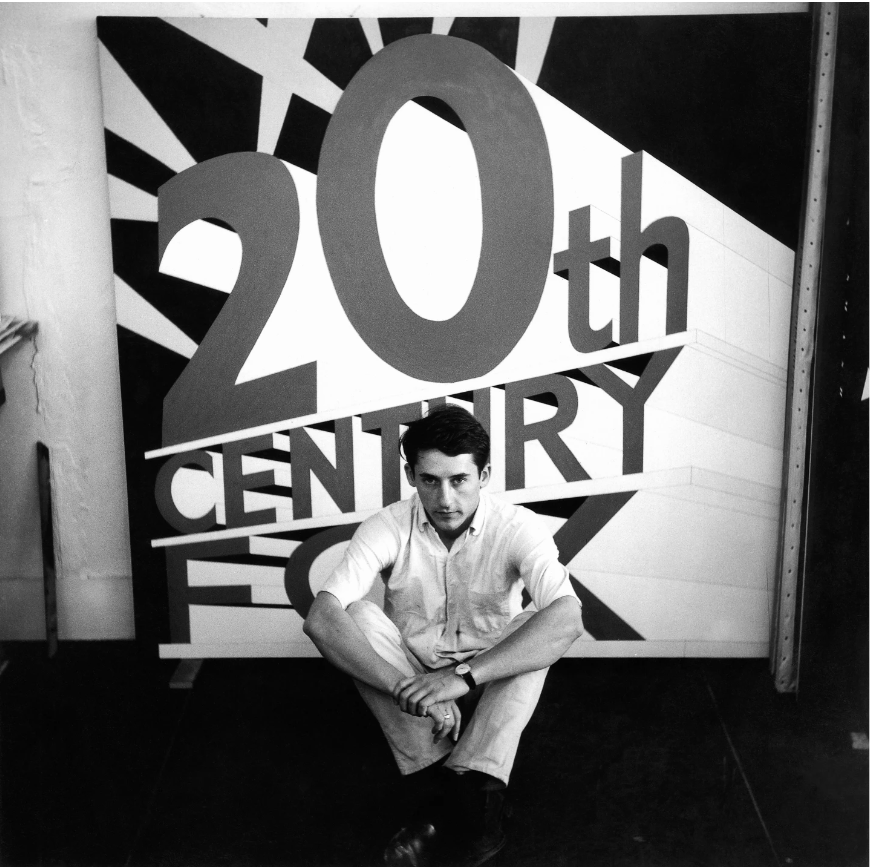
Ed Ruscha in his Echo Park studio, Los Angeles, 1963. Photo by Joe Goode, courtesy the Moderna Museet. Art © Ed Ruscha
The Wrap-Up immediately transports the viewer to the mid-century film screening, harkening back to the black-and-white movies that Ruscha recalls from his childhood in Oklahoma City. Simultaneously, the painting suggests the finality and impending obsolescence of a now antiquated chapter of our times, through its overt yet enigmatic text. Capturing a poignant and wistful nostalgia, The Wrap-Up romanticizes an analog time, charmed with imperfections and idiosyncrasies which have been largely extinguished. Duplicating the text in an upper and lower register, Ruscha masterfully depicts the effect of an instantaneous moment of mechanical imperfection—two frames caught on screen at once. The immediacy and intrigue of this fleeting instance is further enhanced by Ruscha’s so-called light leaks—the vertical streaks and splashes of white atop the blurred text, evidence of a worn and old-fashioned projector lens marred with dust particles, tiny scratches and scrapes.
These details envelop the viewer, conveying a sense of theatricality and realism of a bygone cinematic era and immortalizing a sensation soon to be forgotten with the advent of new technologies. Lauded for his beguiling attention to detail and distinctive trompe l’oeil techniques, Ruscha has an innate understanding for the particularities of a composition that captivate and bewitch.
#5. Marble Shatters Drinking Glass, 1968
Christie’s New-York: 19 November 2024
Estimated: USD 1,200,000 – 1,800,000
THIRD PARTY GUARANTEE
USD 2,712,000
ED RUSCHA (B. 1937), Marble Shatters Drinking Glass | Christie’s
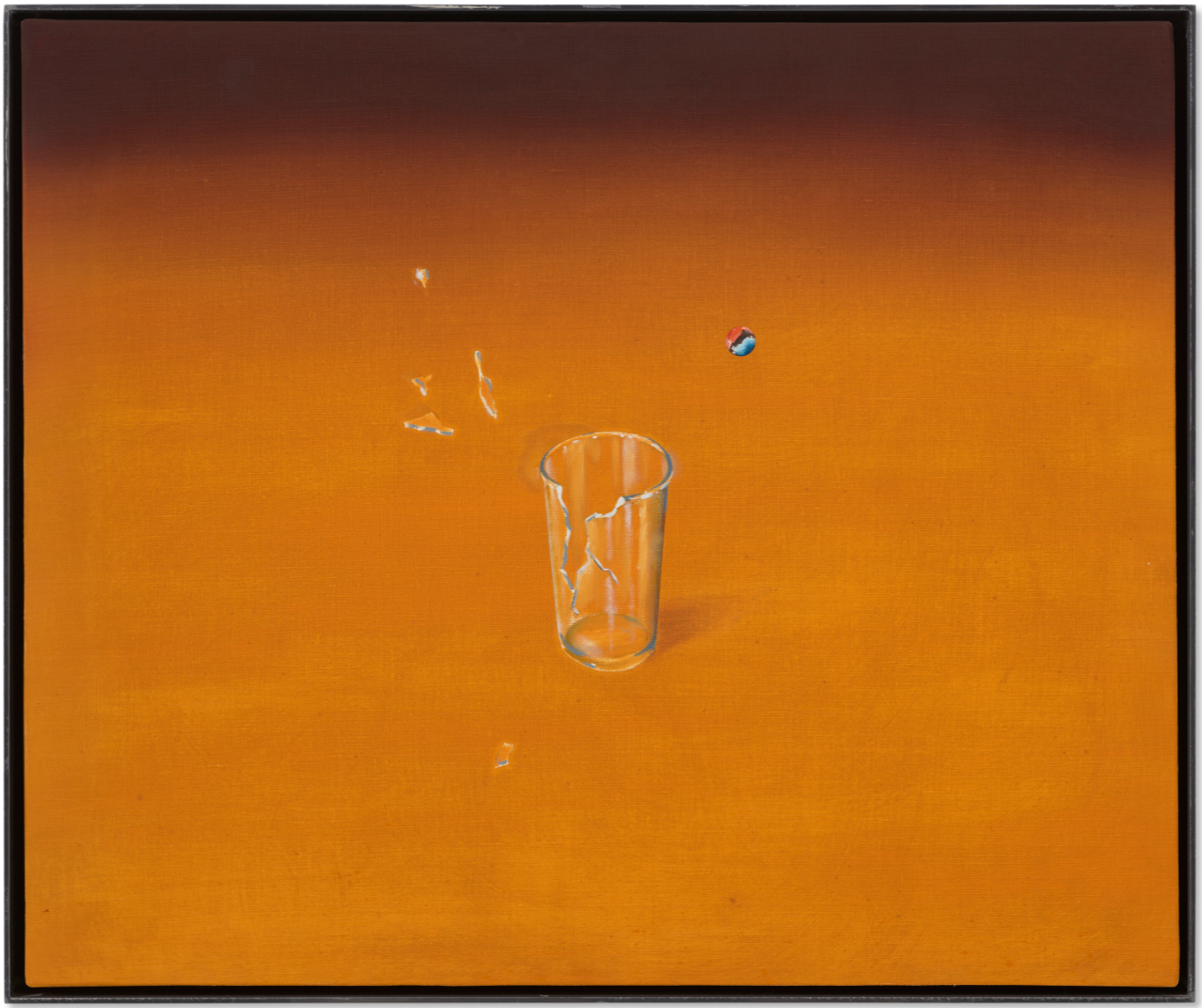
ED RUSCHA (B. 1937)
Marble Shatters Drinking Glass, 1968
Oil on canvas
20×24 inches (50.8 x 61 cm)
Signed and dated twice and titled ‘”MARBLE SHATTERS DRINKING GLASS” 1968 Ed Ruscha Ed Ruscha 1968’
(on the stretcher)
Painted during a pivotal year for the artist, a period during which he completed some of his most iconic works, Ed Ruscha’s Marble Shatters Drinking Glass represents the pinnacle of his enigmatic, surreal, and technically brilliant paintings of the 1960s. In the present work, the artist challenges the narrative foundations of art by assembling an array of objects—a shattered tumbler, shards of flying glass, and a multi-colored marble—in a manner that suggests a dramatic narrative, but—tantalizingly—without satisfying it. By painting in this manner, Ruscha directs attention towards the forms themselves, particularly their sculptural qualities, a quality that would become a central pillar of the artist’s oeuvre. Painted the same year he completed Los Angeles County Museum of Art on Fire (1965-1968, Hirshhorn Museum and Sculpture Garden, Washington, D.C.), Marble Shatters Drinking Glass takes its place amongst the pantheon of Ruscha’s work.
Set against one of the artist’s signature gradated backdrops, Ruscha paints a shattered glass tumbler and an errant marble. Seemingly captured the split second after contact between the two has resulted in shards of flying glass, this canvas successfully showcases not only the artist’s superlative technical skills as a painter, but also his lifelong interest in how we look at, and perceive, objects. The skill with which he renders not only the subject matter, but also the ambiguity of the events surrounding what is being depicted on the surface of the canvas, is something which is unique to Ruscha during this period.
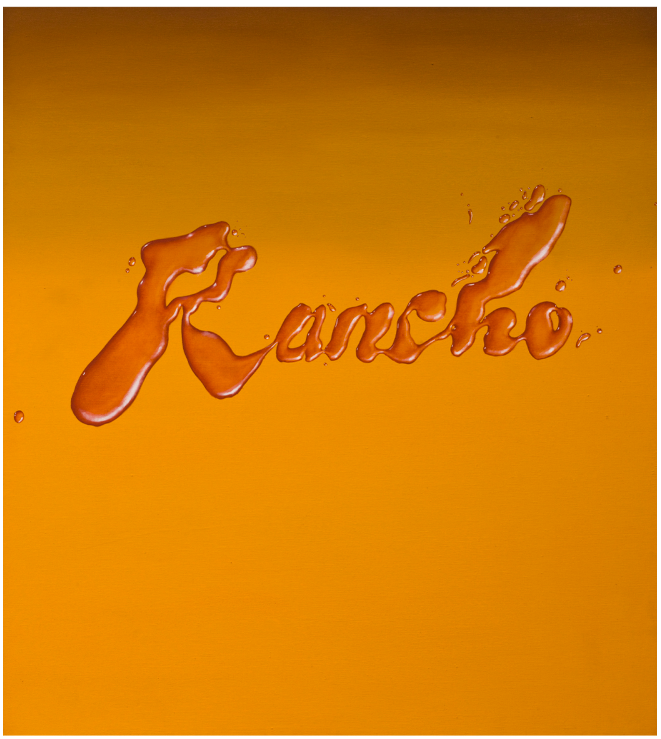
Ed Ruscha, Rancho, 1968. Museum of Modern Art, New York. © Ed Ruscha.
Marble Shatters Drinking Glass was executed during a period when Ruscha spent much of his time perfecting his “word” paintings. Alongside these, Ruscha also began to investigate paintings without words; the result was a series of four works in which the subject was a glass in various stages of destruction. In a nod to nostalgia, some of the glasses contain milk, a throwback—like Andy Warhol’s cans of tomato soup—to a notion of American wholesomeness, something at odds with the destructive nature of the subject matter. Many of the objects came from his own studio, and were often chosen because of the challenges they presented to the artist as he sought to depict these static objects in a more dynamic way. While other artists of the 1960s, such as Warhol and Roy Lichtenstein, sought to “flatten” the world as they saw it, Ruscha was relishing the challenges of representing the opposite point of view.
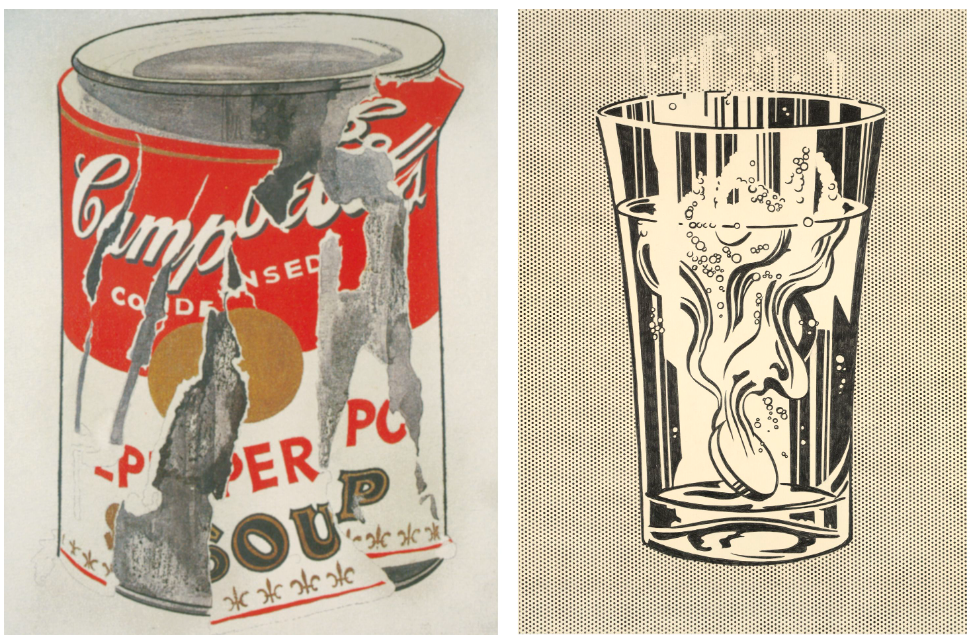
Left: Andy Warhol, Small, Torn Campbell’s Soup Can (Pepper Pot), 1962. The Broad, Los Angeles. © 2024 The Andy Warhol Foundation for the Visual Arts, Inc. / Licensed by Artists Rights Society (ARS).
Right: Roy Lichtenstein, Alka Seltzer, 1966. Art Institute of Chicago. © Estate of Roy Lichtenstein. Photo: The Art Institute of Chicago / Art Resource, NY.
Drawing visual parallels to the bizarre floating objects of Surrealists like René Magritte and the metaphysical tableaus of Giorgio de Chirico, Ruscha’s object paintings are both similar and distinct from his textual pieces. The words that he uses come in a variety of typefaces, sizes, and styles, but the objects always allude to illusion and are expertly rendered.
“Words exist in a world of no-size. Take a word like ‘smash’—we don’t know it by size. We see it on billboards, in four-point type and all stages in between. On the other hand, I found out that it is important for objects to be their actual size in my paintings. If I do a painting of a pencil or magazine or fly or pills, I feel some sort of responsibility to paint them natural size—I get out the ruler.”
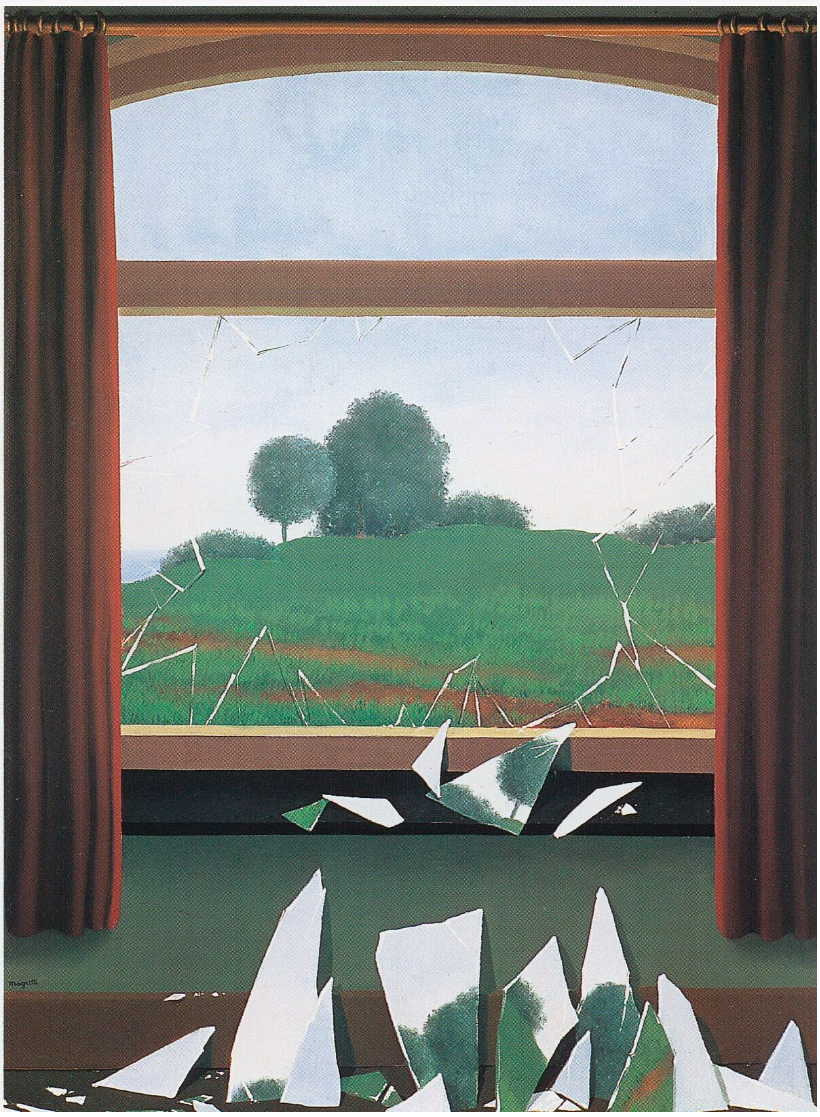
René Magritte, La clef des champs, 1936. Museo Nacional Thyssen-Bornemisza, Madrid.
© 2024 C. Herscovici / Artists Rights Society (ARS), New York.
Ultimately, the juxtapositions in works such as Marble Shatters Drinking Glass serve to destabilize our expectations. His non sequitur motifs, unconventional use of color, and meticulous paint application technique seek to raise more questions than they answer. As such, the present work stands as an exemplar of Ruscha’s oeuvre. Its combination of formal elements depicted in informal ways, extends throughout his practice and creates a distinct visual language that informs the artist’s decidedly signature style. These premeditated compositions and juxtapositions of objects, subjects, and ideas are at the core of Ruscha’s practice.
#6. Tril Bil Mil, 2016
Christie’s New-York: 19 November 2024
Estimated: USD 2,000,000 – 3,000,000
THIRD PARTY GUARANTEE
USD 2,470,000
ED RUSCHA (B. 1937), Tril Bil Mil | Christie’s
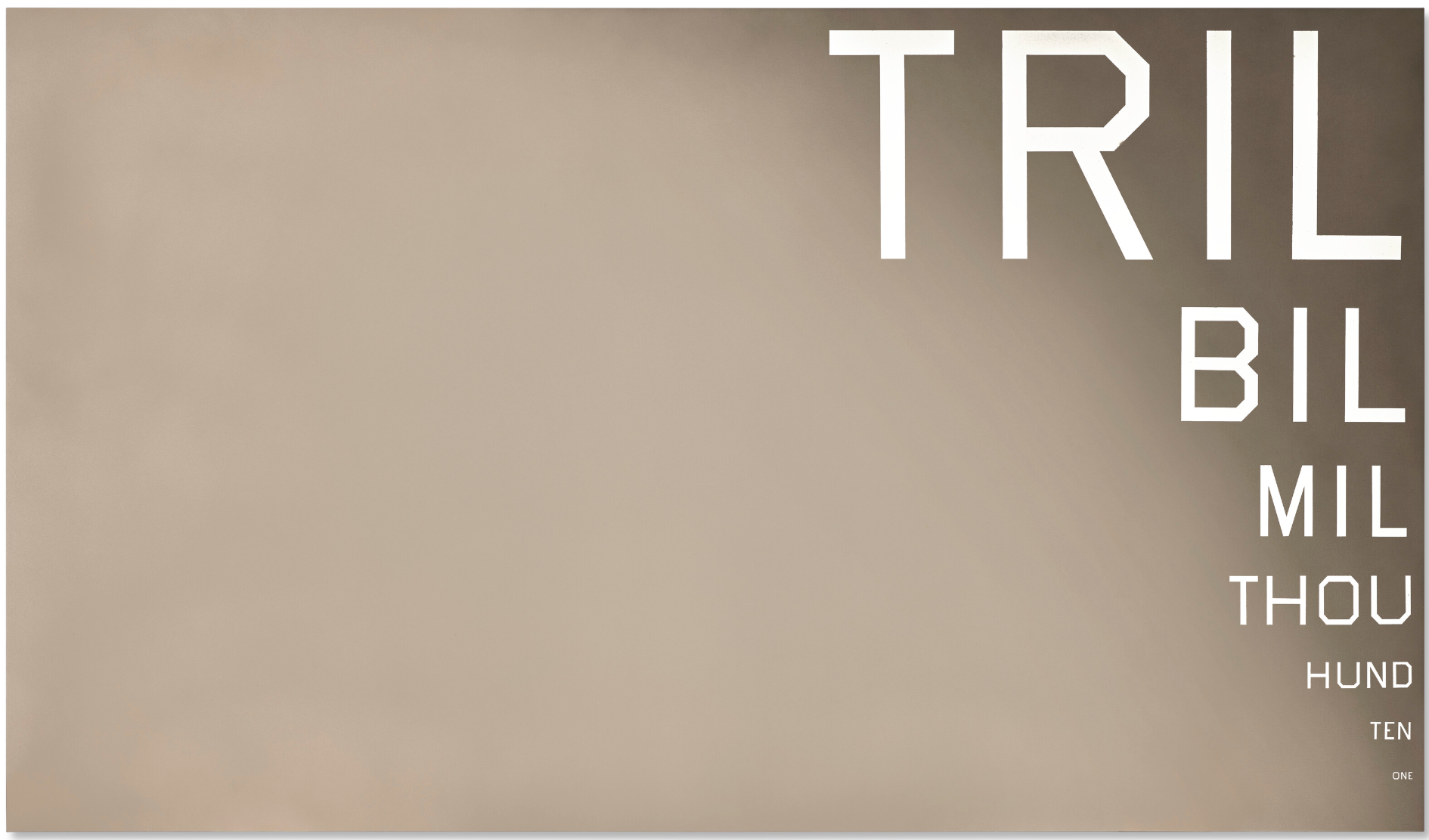
ED RUSCHA (B. 1937)
Tril Bil Mil, 2016
Acrylic on canvas
72×124 inches (182.9 x 315 cm)
Signed and dated ‘Ed Ruscha 2016’ (on the reverse)
Monumental in size and exacting in execution, Ed Ruscha imbues his 2016 painting Tril Bil Mil with profound insights wrought from decades of practice. Working at his grandest scale yet, Ruscha inscribes a linguistic slope of syllabic statements into a ground built of grainy earthen hues. The titular syllables regress orderly from the top of the canvas in a cascade, diminishing logically from the prodigious size of “TRIL” to the minute, barely discernible “ONE” at the bottom right edge of the canvas.
First exhibited as the centerpiece of his 2016 exhibition “Extremes and In-betweens” at Gagosian Gallery, London, the work gracing the catalogue’s front cover. For this show, Ruscha employed his trademark ‘Boy Scout Utility Modern’ typeface he first designed nearly half a century previously, plotting the font across huge canvases to articulate his internal philosophical ponderings developed in old age. Centering on the relation of the macrocosm to the microcosm, Ruscha describes his series with characteristic humility: “I’m not trying to wrap things up or make final statements or capture anything in a big way. It’s more like, whatever the voyage is, that’s where I am. I’m just traveling along the tops of things, not trying to bring an answer to anything, necessarily, but just to keep making pictures” (E. Ruscha, quoted in F. Nayeri, “Ed Ruscha Continues His Wordplay,” New York Times, November 3, 2016, online).
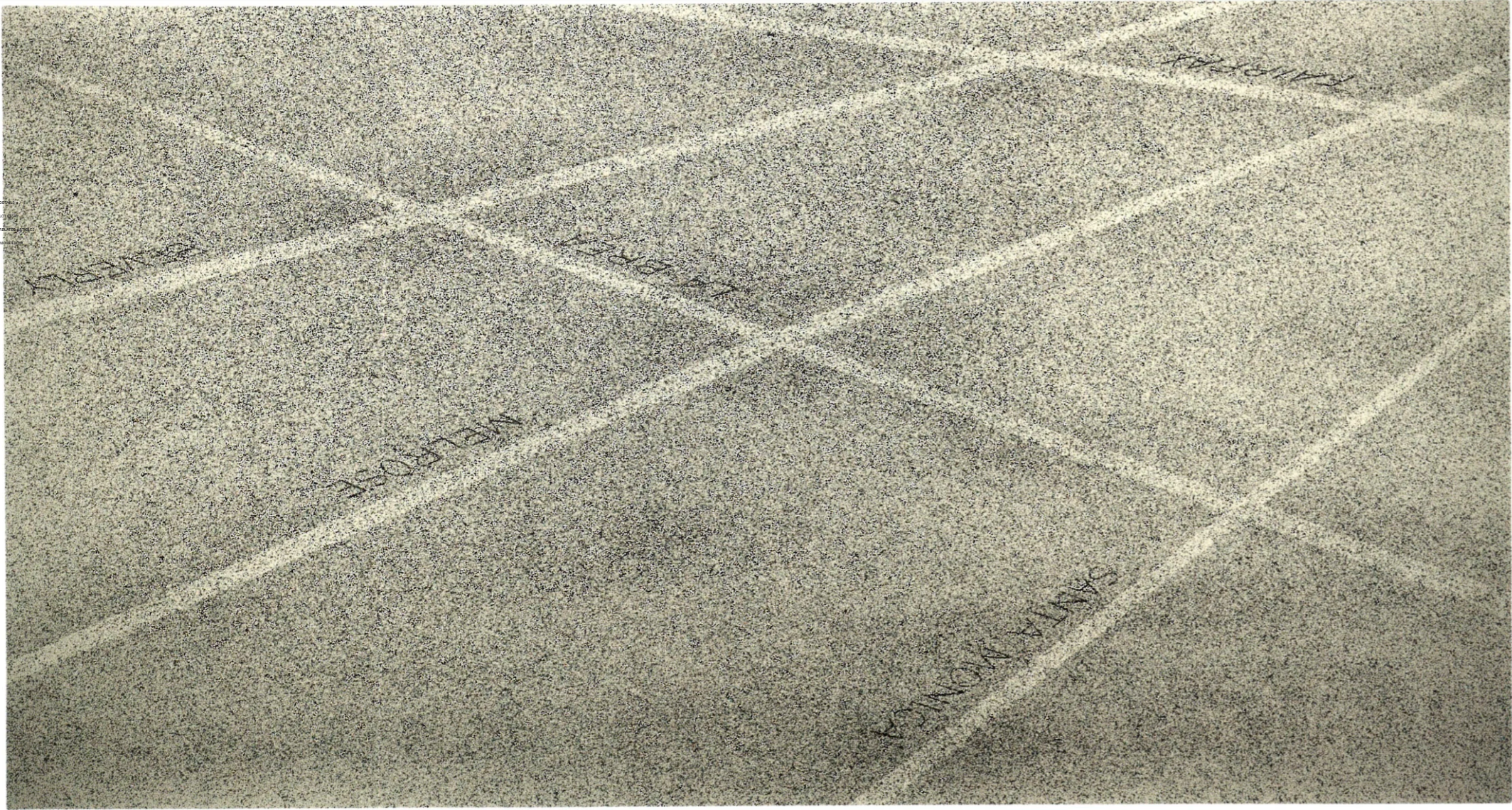
Ed Ruscha, Santa Monica, Melrose, Beverly, La Brea, Fairfax, 1998. Los Angeles County Museum of Art.
Tril Bil Mil is a reflection on the artist’s pensive conception of perspective and scale, especially when related to his word paintings. Ruscha often observes how words have no intrinsic size: “I mean, what size is a word, after all?” (E. Ruscha, quoted in J. Weiss, “Words in Space,” in Ed Ruscha / Now Then: A Retrospective, Museum of Modern Art, 2023, p. 160). The artist transforms his chosen words from diction into represented objects, emphasizing their arbitrary size in relation to the picture pane, able to be scaled up or down whilst remaining ‘actual size,’ contrary to how he’s previously depicted objects true-to-size in his compositions, such as the can of Spam soaring comet-like across Actual Size. In the present work, Ruscha further amplifies the distinction words and their referents, meditating on partial numerals coordinated in relative scale so that the conception of ‘trillion’ is magnitudes larger than the solitary digit at the bottom of the numerical waterfall.
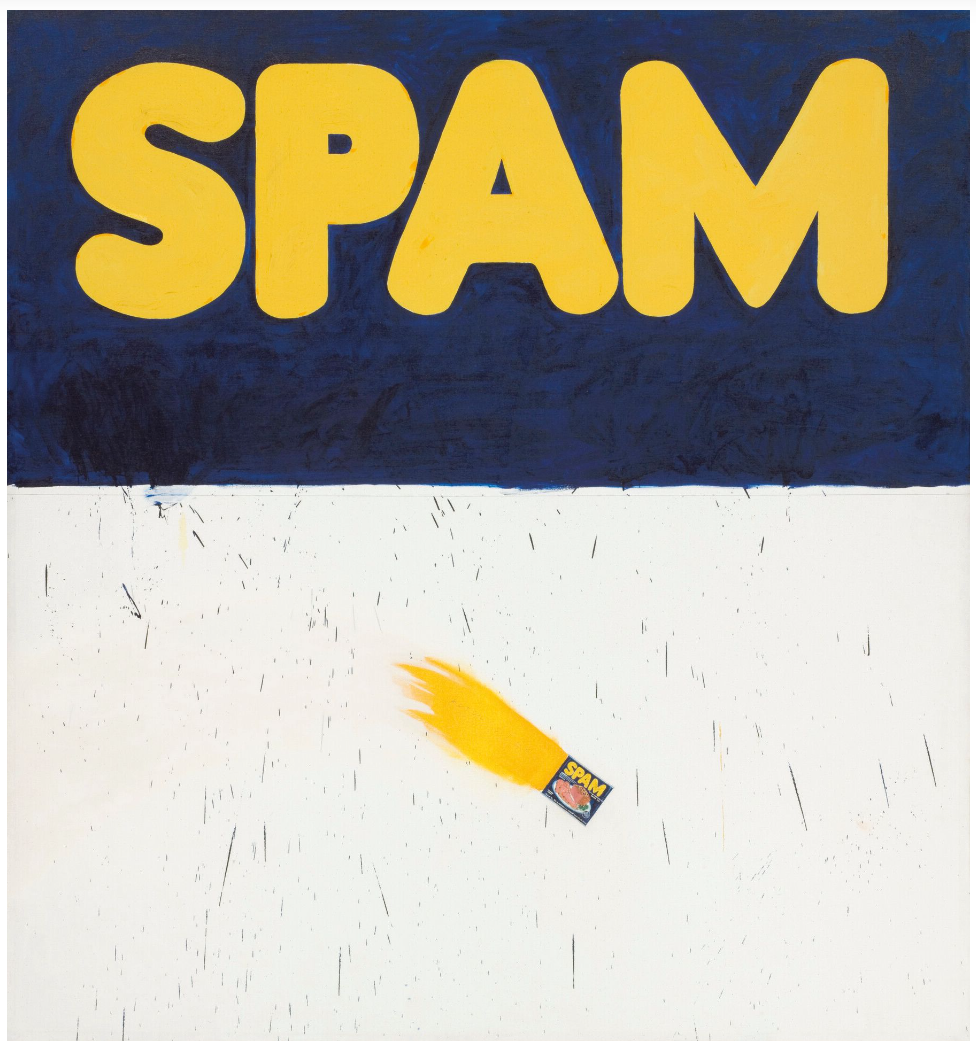
Ed Ruscha, Actual Size, 1962. Los Angeles County Museum of Art. © Ed Ruscha. Photo: © 2024 Museum Associates / LACMA. Licensed by Art Resource, NY.
Ruscha is able to adduce a certain insouciance through his severing of his words’ concluding syllables above ‘TEN,’ suggesting that even without physical size, the conceptual largess of these terms is too substantial for even his outsized canvas to contain. So they plunge off the picture pane. Picasso similarly dwelt on the inability of an artwork to contain the full sense of a word in his Cubist Still Life with a Bottle of Rum from 1911. In this picture, a refracted tablescape is presented at a variety of comingled perspectives, simultaneously presenting all sides of these fractured geometric forms. In this abstracted field of browns, grays, and blacks, Picasso emphasizes the two-dimensionality of his canvas with his analytical fracturing of objects into forms. However, the words he includes—originating as newspaper titles—are circumscribed into jumbled, discrete letters, the flat canvas no longer able to articulate them as recognizable words.
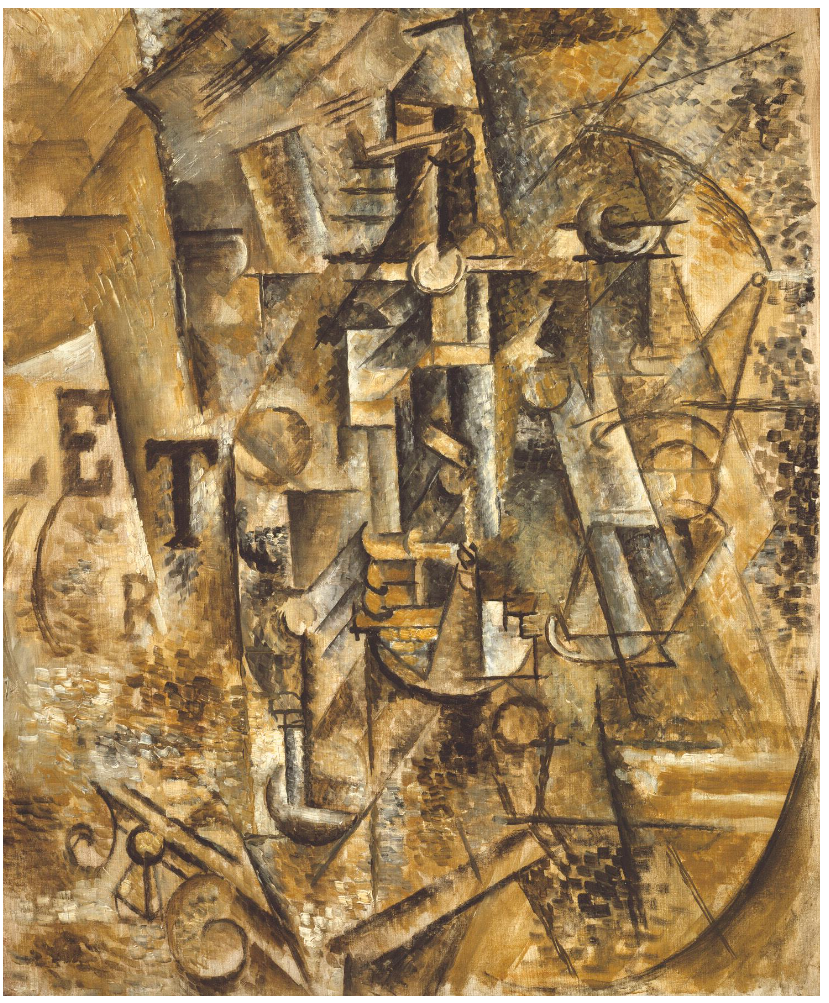
Pablo Picasso, Still Life with a Bottle of Rum, 1911. Metropolitan Museum of Art, New York. © 2024 Estate of Pablo Picasso / Artists Rights Society (ARS), New York. Photo: © The Metropolitan Museum of Art. Image source: Art Resource, NY.
While Ruscha’s oeuvre has always contented with and recontextualized the archetypical signs and symbols of the American vernacular, here the artist’s keen eye turns to his anxieties regarding the county’s social and environmental future. Tril Bil Mil expressively conveys the perils of overaccumulation, with incomprehensible quantities like billion and trillion suggesting an oblique reference to the accretion of wealth; a constant artistic refrain, similar conceptions of wealth are powerfully evoked in Andy Warhol’s paintings of dollar bills and signs.
#7. Howl, 1986
Phillips New-York: 20 November 2024
Estimated: USD 600,000 – 800,000
USD 1,481,750
Ed Ruscha – Modern & Contemporary … Lot 144 November 2024 | Phillips
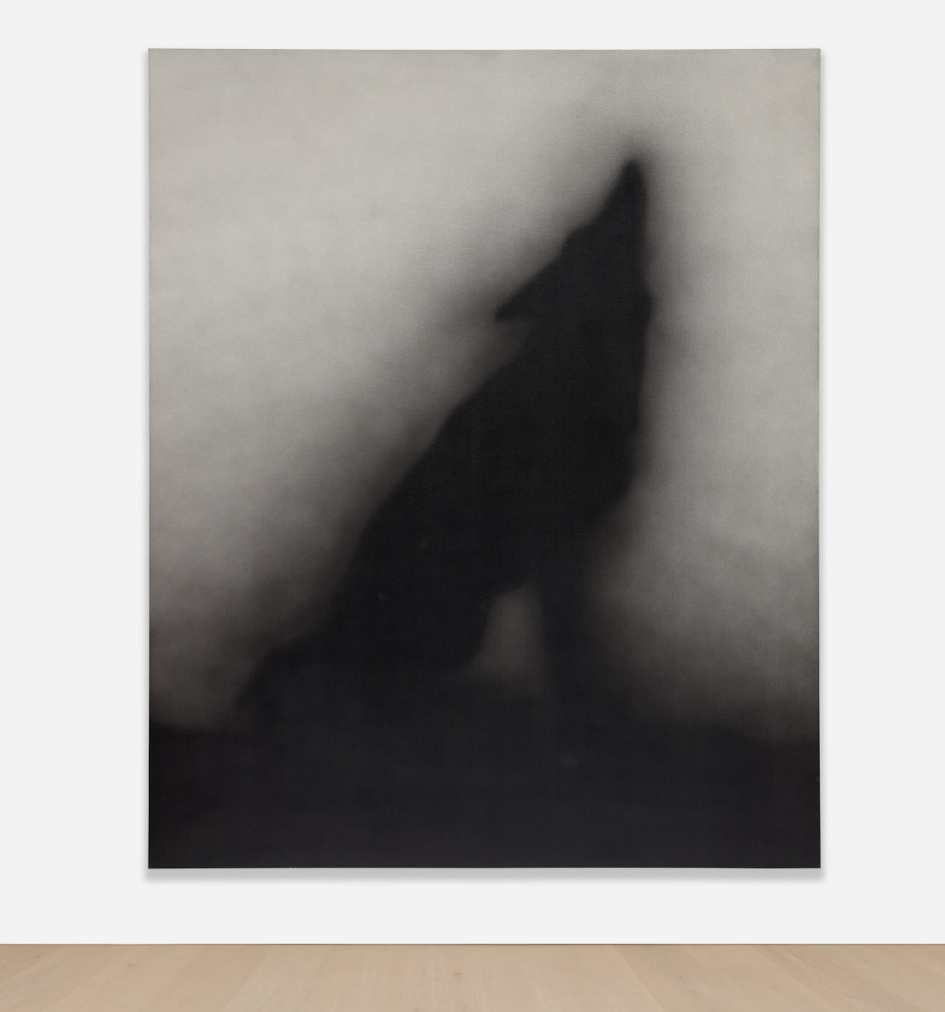
ED RUSCHA
Howl, 1986
Acrylic on canvas
78 1/4 x 63 7/8 inches (198.8 x 162.2 cm)
Signed and dated “Ed Ruscha 86” on the reverse
Signed, titled and dated “EDWARD RUSCHA “HOWL” 1986” on the stretcher
Ed Ruscha’s Howl, 1986, opts for an airbrush over the traditional paint brush to employ a smoky, hazy setting for its subject – a lone coyote. Standing at almost six and a half feet tall, the present work is an exceptional example of Ruscha’s Silhouette paintings. Creating a grainy, almost eerie backdrop for the howling coyote, shades of black and gray coalesce into one sooty hue, connecting the present work to the Old Hollywood films that inspired the artist throughout his practice. Howl has been in the same Los Angeles private collection since 1986 and has been exhibited widely across the United States and Europe, most notably included in the artist’s survey at the Hirshhorn Museum and Sculpture Garden, Washington, D.C. in 2002, and at the Moderna Museet, Stockholm in 2010. Ruscha adopted the airbrush in the mid-1980s. This technique allowed the artist to create soft, atmospheric edges in his paintings, the result of which are devoid of hard lines and brushstrokes, which allow the central images to emerge slowly from their neutral backgrounds. The graininess and muted color palette in the Silhouette paintings mimics Old Hollywood film noir – a huge influence on Ruscha’s practice. Inverting the Western movie trope of fading to black, the coyote in Howl is rendered in a black gradient, fading into the shadowy grisaille background, highlighting the drama and enigma of the subject. Eschewing the precision of the artist’s hand, the delicate, airbrushed paint falls loosely around the coyote in various shades of black and gray. These varying tones, which highlight simply light and dark, are reminiscent of chiaroscuro employed by Old Masters such as Leonardo da Vinci, Caravaggio and Peter Paul Rubens. Though Ruscha’s airbrushed compositions purposefully exclude minute attention to detail found in Old Master paintings, he utilizes a similar effect of light fading into dark, emphasizing this technique through his choice of media.
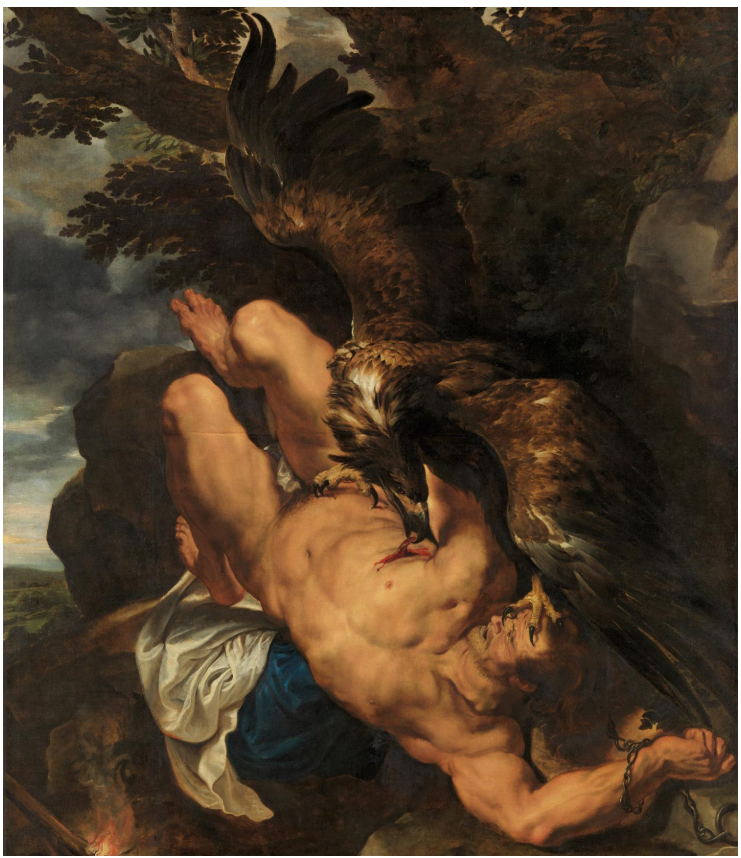
Peter Paul Rubens and Frans Snyders, Prometheus Bound, circa 1611–1618, Philadelphia Museum of Art. Image: Philadelphia Museum of Art, Purchased with the W.P. Wilstach Fund, 1950, W1950-3-1
Started in the 1980s, Ruscha’s Silhouette paintings represented a continuing innovation in the artist’s practice. Experimenting with unconventional media throughout his life – such as gunpowder and vegetable dye – the use of the airbrush paved a new way for Ruscha’s artistic output. These paintings were the artist’s largest canvases to date, and differ from the rest of Ruscha’s oeuvre with the absence of text. But instead of calling this work “Coyote,” Ruscha instead chose to call it the sound which the coyote makes, challenging our pre-conceived notions of language and how it relates to image, or a play on the effects of sound versus the effects of the visual. Instead of using text in an explicit, overt way to inform the action, by including the text for “HOWL” somewhere within the painting, Ruscha relies on the animal itself to bring sound to the painting.
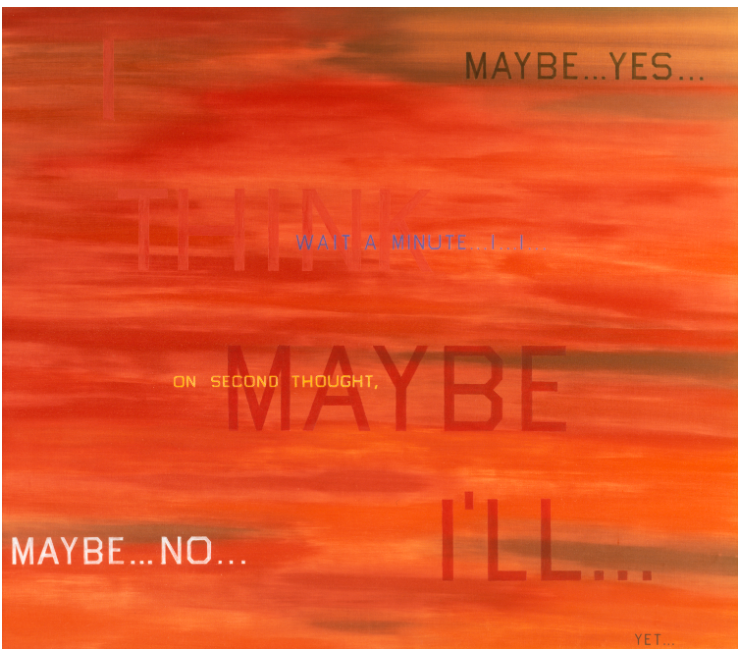
Ed Ruscha, I Think I’ll…, 1983, National Gallery of Art, Washington, D.C. Image: National Gallery of Art, Washington, D.C., Gift of Marcia S. Weisman, in Honor of the 50th Anniversary of the National Gallery of Art, 1990.126.1, Artwork: © Ed Ruscha
Without text, the present work and the Silhouette paintings allow the effects of light and shadow to take the forefront. Abandoning the Pop-like representations of iconic brands and simple words that preceded it, the present work adopts a more muted color palette reminiscent of a black and white photograph. Indeed, Ruscha himself relates these images to photography –
“The dark paintings come mostly from photography, although they are no photographically done or anything. I feel that they are related to the subject of photography – they are dark and strokeless, they’re painted with an airbrush.”
The present work illustrated in the artist’s sketchbooks. Image/Artwork: © Ed Ruscha
Though best known as a California artist, Ruscha grew up in Oklahoma, and incorporated many references to the West throughout his practice. Choosing the coyote as the lone subject in Howl, Ruscha pays homage to the wide-open expanses from which he came, providing a reference to his suburban upbringing out West. The coyote is mostly nocturnal, and yet here, the animal is eerily rendered as if emerging from the dawn. Often described as a trickster in Native American lore, the animal comes to life in the present work through the layering of the airbrush, which in turn tricks the eye and forces the viewer to contemplate whether the animal is coming or going into the shadowy mist. The combination of mythical and nostalgic is distinctly Ruscha—a nod to both his Western roots and fascination with storytelling in Old Hollywood and the Old West, this time without any words to frame a narrative.
#8. Big Dipper, 1980
Christie’s New-York: 22 November 2024
Estimated: USD 800,000 – 1,200,000
USD 1,008,000
ED RUSCHA (B. 1937), Big Dipper | Christie’s
ED RUSCHA (B. 1937)
Big Dipper, 1980
Oil on canvas
54×120 inches (137.2 x 304.8 cm)
Signed and dated ‘Edward Ruscha 1980’ (on the reverse)
Stretching ten feet wide, American master Ed Ruscha’s monumental Big Dipper invites the viewer into an immersive experience. Deep midnight blues envelop the painting’s surface, swaddling both the canvas and the viewer in the evocative quiet of evening. Big Dipper evokes the universal human experience of staring into the inky darkness of the night sky, contemplating one’s place in the cosmos. The composition, nearly monochrome, features a richly dark sky punctuated by lone points of light outlining the titular constellation. The stark contrast between the tiny dots of light and the endless expanse of night creates a meditative stillness, depicting a moment of quiet contemplation in the presence of the unknowable. Ruscha’s fascination with the American landscape, particularly Los Angeles, is well-documented in his art, which frequently explores themes of urban and exurban sprawl, highways, and city grids. This interest informs Big Dipper, but here, Ruscha engages with the landscape from a distant, cosmic perspective. The painting reflects a significant shift in his artistic approach, laying the groundwork for his evolution in the 1980s and 1990s, particularly seen in his iconic City Lights and Metro Plots series. This transition is crucial: in the 1980s, Ruscha moves toward a subtler, more atmospheric aesthetic, broadening his horizons beyond the more straightforward Pop Art iconography of his earlier work.
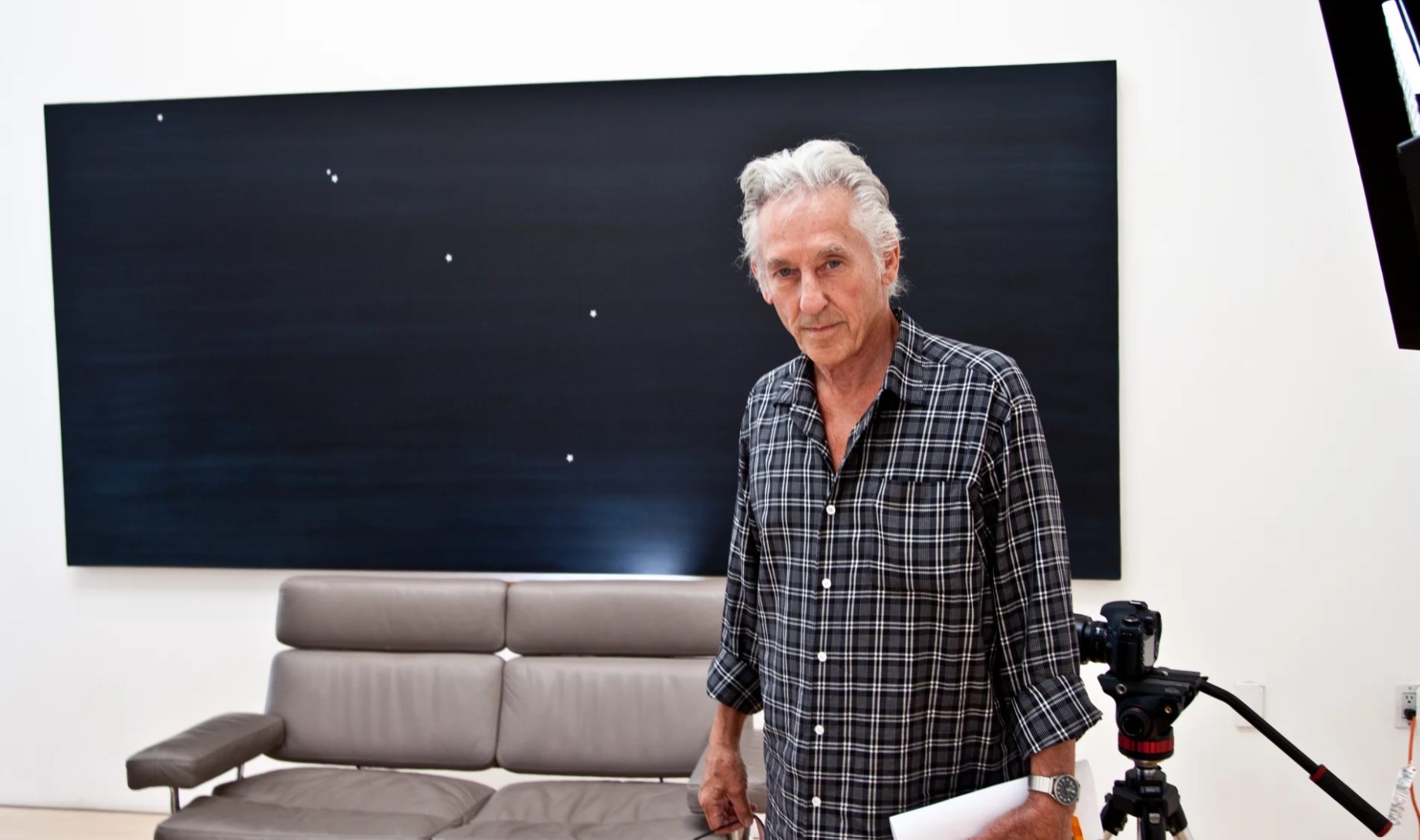
Ed Ruscha, Beverly Hills, 2014 (present lot illustrated). Courtesy of the artist and Gagosian.
Big Dipper is an embodiment of the central theme running throughout Ruscha’s decades-long career: the elevation of everyday subjects—such as an auto shop, city streets, or a gas station—into symbols and allegories through atmospheric execution. This is echoed in his exploration of urban landscapes, viewed from both below and above; Big Dipper looks up at the sky, while City Lights and Metro Plots offer a bird’s-eye view of the city at night, as though seen from a plane. Ruscha’s fascination with the everyday architecture of America’s postwar sprawl has roots in a cross-country road trip he took at nineteen along Route 66, traveling from his native Oklahoma to Los Angeles to attend art school. The potent symbols of Route 66’s iconic vistas and signs deeply influenced Ruscha’s art, forming recurring motifs throughout his career.
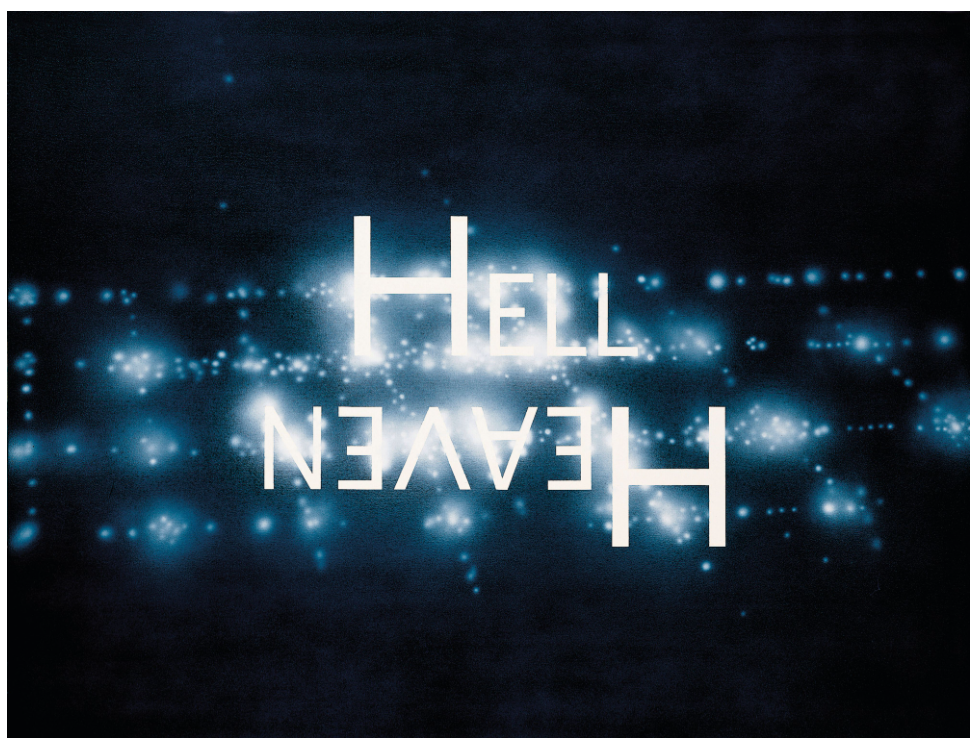
Ed Ruscha, Hell, Heaven, 1989. © Ed Ruscha.
In Big Dipper, Ruscha hones in on our perception of the constellation as a symbol, a signifier, a simulacrum—not merely the thing itself. In an interview with Paul Karlstrom, Ruscha expressed that “the selection of [an] object is more important than anything. It’s almost like the idea is more important than the actual physical presence of it.” Here, the constellation operates as a form of universal language. Just as Ruscha’s painted words carry layered meanings, the Big Dipper represents navigation, the passage of time, and humanity’s connection to the heavens. The stars, like text, signify something beyond their mere appearance, pointing to larger narratives about time, meaning, and existence.
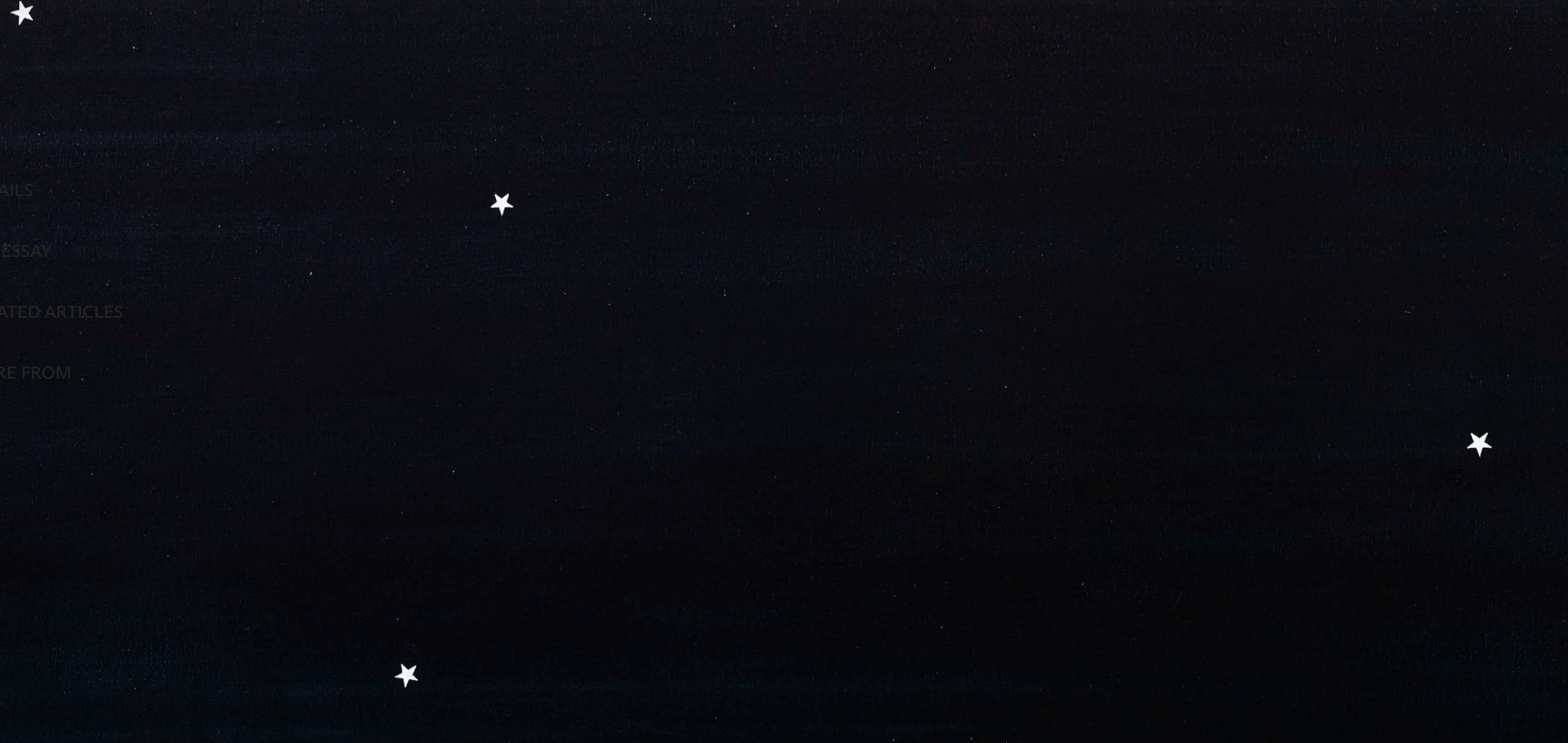
Big Dipper also forms Ruscha’s contribution to a long tradition of artists capturing the dark beauty of the night sky. Serving as both a navigation tool and a source of existential reflection, the night sky has long provided a backdrop for sublime expressions of the human psyche. In this context, Ed Ruscha’s work represents a postmodern interpretation of the sublime in American landscape painting, echoing the tradition of the Hudson River School.
Three Books, 2001
Christie’s New-York: 22 November 2024
Estimated: USD 50,000 – 70,000
USD 69,300
ED RUSCHA (B. 1937), Three Books | Christie’s
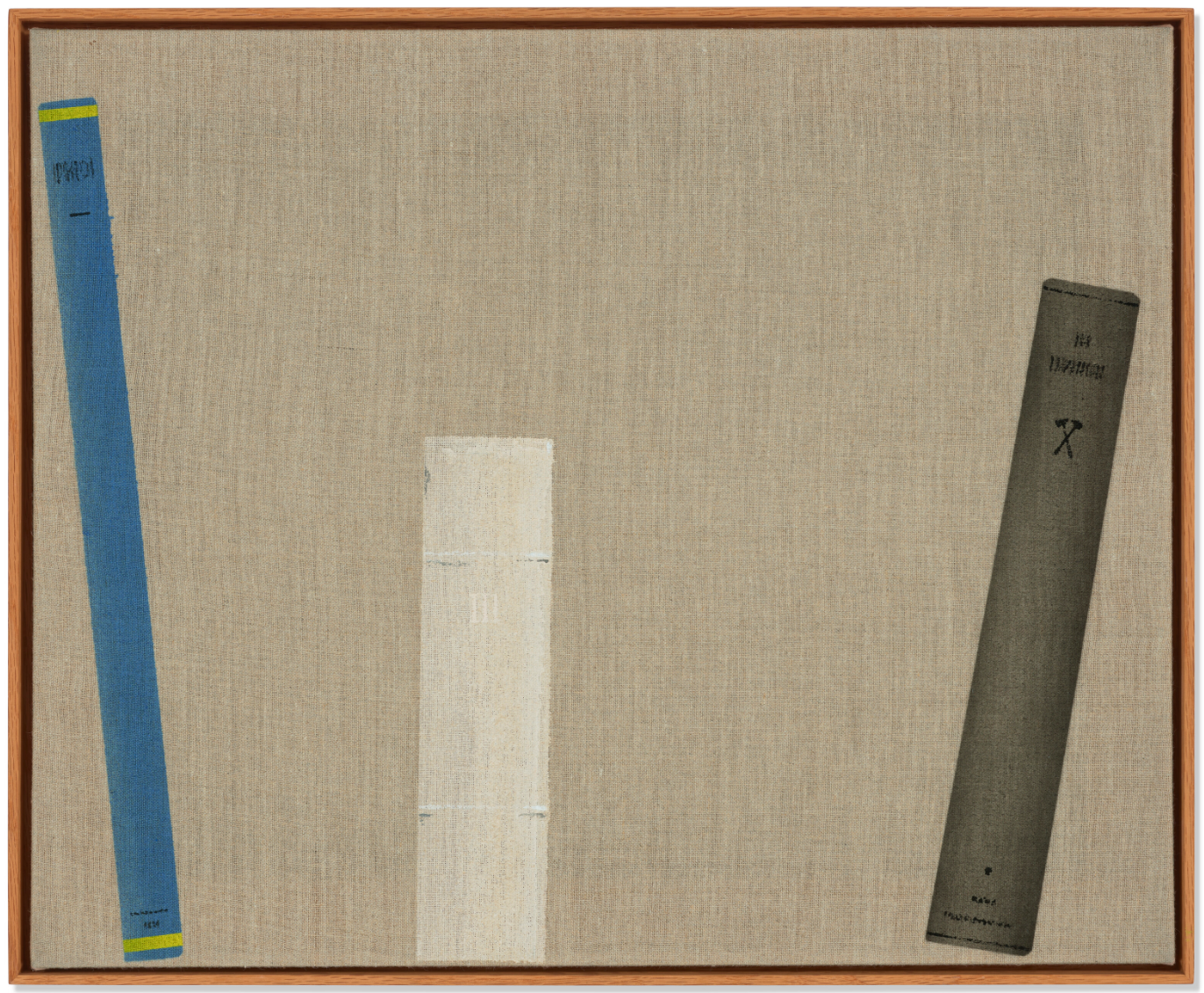
ED RUSCHA (B. 1937)
Three Books, 2001
Acrylic on linen
18×22 inches (45.7 x 55.9 cm)
Signed and dated ‘Ed Ruscha 2001’ (on the reverse)
Works on Paper
#1. Psychedelic-Indian-Guru-New Mexico-Fadeout-Photo-Realism, 1976
Christie’s New-York: 22 November 2024
Estimated: USD 400,000 – 600,000
USD 567,000
ED RUSCHA (B. 1937), Psychedelic-Indian-Guru-New Mexico-Fadeout-Photo-Realism | Christie’s
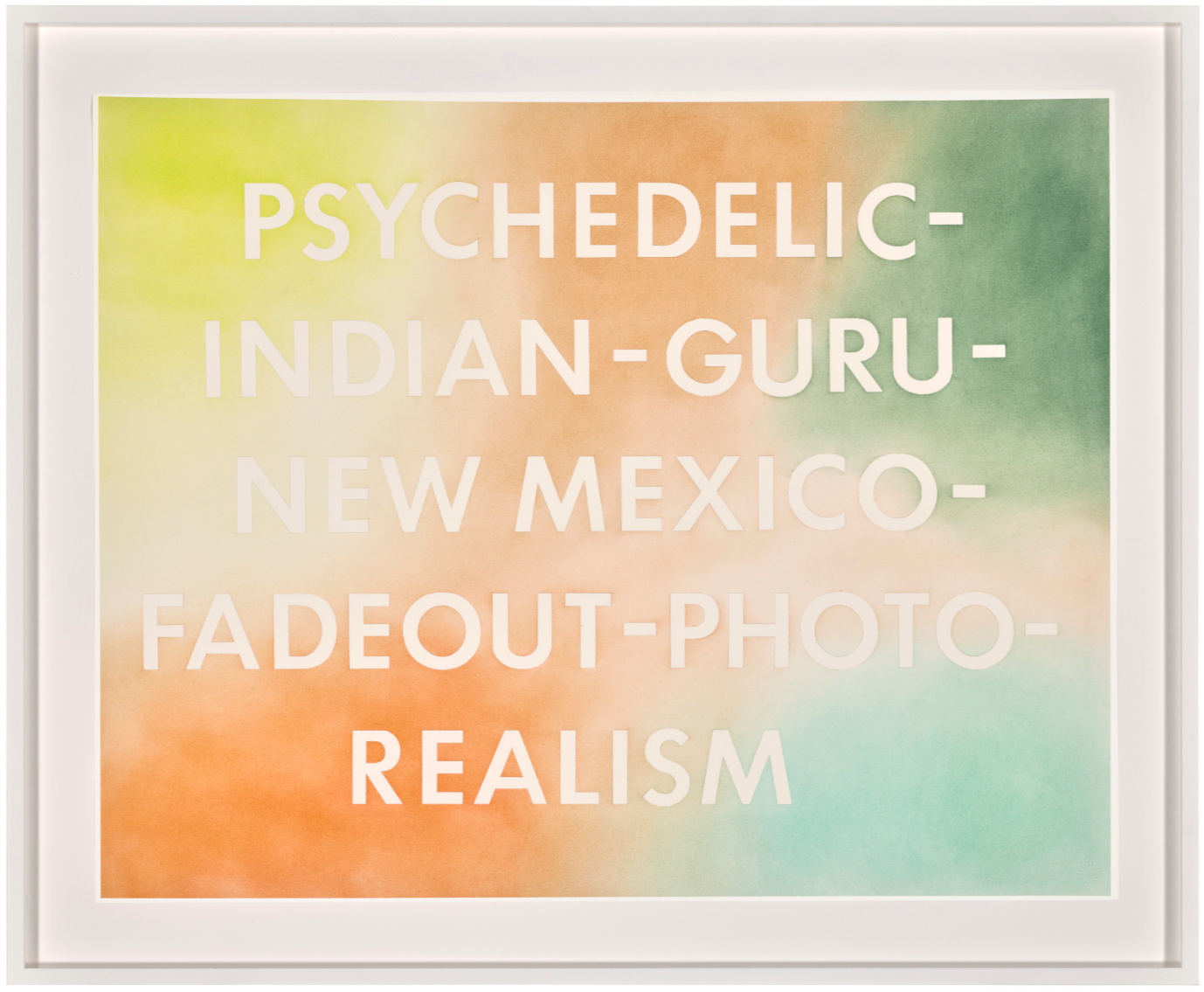
ED RUSCHA (B. 1937)
Psychedelic-Indian-Guru-New Mexico-Fadeout-Photo-Realism, 1976
Pastel on paper
22 7/8 x 29 1/8 inches (57.6 x 73.9 cm)
Signed and dated ‘Edward Ruscha 1976’ (on the reverse)
“There’s a kind of art that I was peeved with back in the ‘70s, and I came up with this way to describe it. I said to myself,
“Psychedelic Indian Guru New Mexico Fadeout Photo-Realism”
Somehow that little containment of words said everything I wanted to about a style of art that seemed to be going on at the time, so I made a drawing on it.”
#2. Pix, 1988
Sotheby’s New-York: 21 November 2024
Estimated: USD 500,000 – 700,000
USD 540,000
Pix | Contemporary Day Auction | 2024 | Sotheby’s
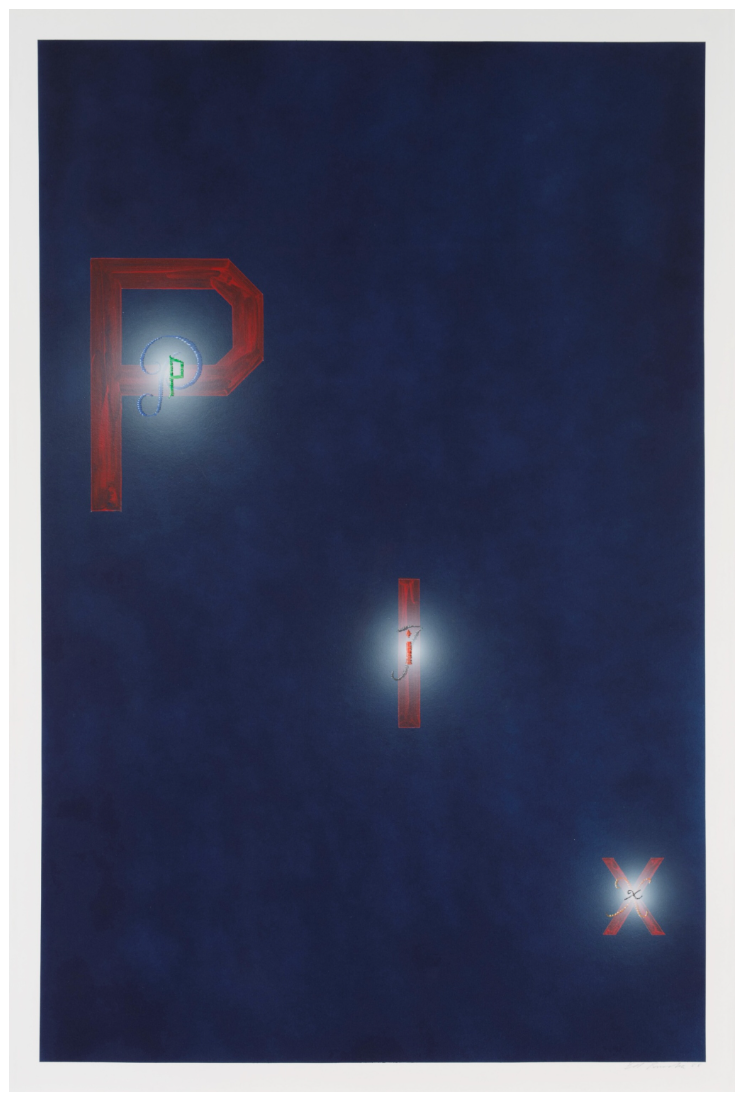
ED RUSCHA (b. 1937)
Pix, 1988
Acrylic on paper
60 1/8 x 40 1/4 inches (152.7 x 101.2 cm)
Signed and dated 88 (lower right)
Signed, titled and dated 1988 (on the verso)
Emblematic of Ed Ruscha’s career-long exploration of semiotics and text, Pix from 1988 embodies the conceptual rigor and signature Pop style that have come to define the artist’s highly acclaimed practice. A hallmark of postmodern art, Pix emerges from a collection of works on paper from the late 1980s that feature letters, monograms, and words, meticulously rendered in acrylic to evoke the delicate appearance of embroidery. Further, these works serve as early examples of Ruscha’s signature airbrush technique, a transformative method that would subsequently come to dominate his future output. In this context, Pix not only captures a moment in artistic evolution but also heralds the stylistic innovations that would shape Ruscha’s illustrious career. Testament to the present work’s importance within the artist’s oeuvre, Pix was exhibited alongside similar works in the year of its production at the legendary Leo Castelli Gallery in New York.
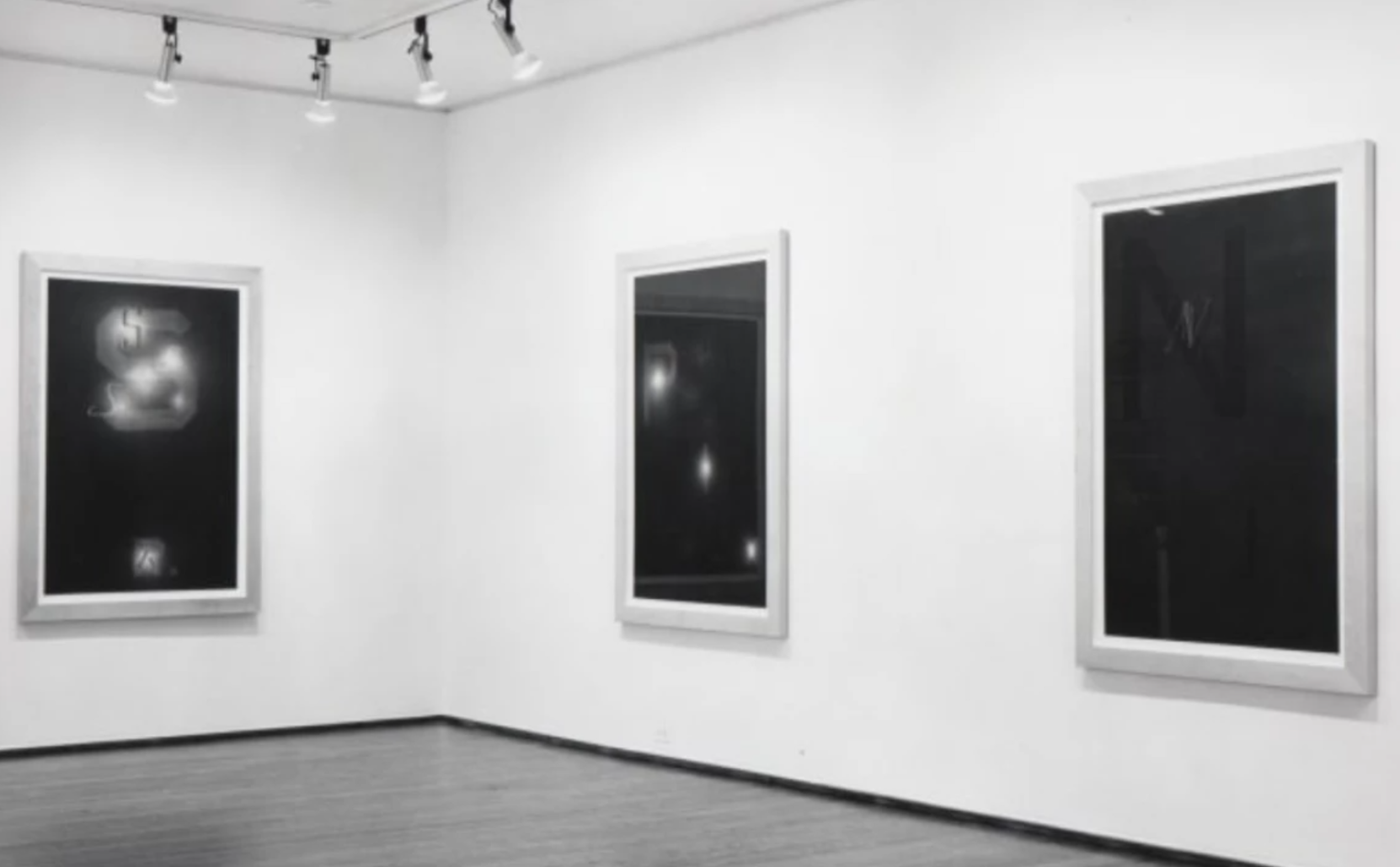
The present work installed in Edward Ruscha: Drawings, May – July 1988 at Leo Castelli Gallery, New York.
Against a dark blue ground reminiscent of a night sky, Ruscha refashions the word “PIX” into a glimmering constellation of text. Here, he renders each letter as a superimposition of three glyphs in different fonts: the base, a crisp block letter painted in a thin red acrylic, then uppercase in cursive, and finally, a lowercase cursive letter to create a trompe l’oeil effect that recalls the Surrealist vision of Rene Magritte. Much like Magritte’s enigmatic compositions, which often juxtaposed the familiar with the unexpected, Ruscha creates a visual paradox that invites viewers to reconsider the relationship between text and image. In order to create the trompe l’oeil effect, Ruscha invokes the appearance of embroidery – painted with machine-like precision in acrylic, the lettering in this series encapsulates several layers of ironic tension quintessential to Ruscha’s oeuvre.
The 1980s saw a surge in text-based art, a movement that Ruscha has no small part in inspiring, with artists like Barbara Kruger, Jenny Holzer, and Christopher Wool exploring the artistic potential of typography in their works. However, for Ruscha, this decade signified a retreat from language, as his focus turned increasingly toward monosyllabic words, among them “Yes,” “Fix,” “Mix,” Nix,” and “Hex,” each rendered in a starkly reduced color palette. Unlike the vibrant chromatic explorations of his 1970s and early 1980s text-based drawings—where soft pastels blended into rainbow-like bands and dry pigments flowed in blue-green gradations—Ruscha’s late 1980s pieces embraced a more restrained palette. From 1985 onward, he favored striking contrasts, employing bright crimson against dark blue or black backgrounds, as seen in the present work, or limited neutral tones that evoked a connection to photography. This connection is further established in the bursts of white spray illuminating each letter, executed in Ruscha’s signature airbrush technique, an approach he began incorporating into his works during this time that would go on to dominate his future creative output. Mimicking the flash of a photographer’s bulb, these revealing and obscuring the words while drawing attention to the surface itself. This dual reduction of language and color continued into his early 1990s drawings, often featuring single words whose striking limited palettes and large sizes stand in stark contrast to their simplicity, conveying a profound yet understated resonance.
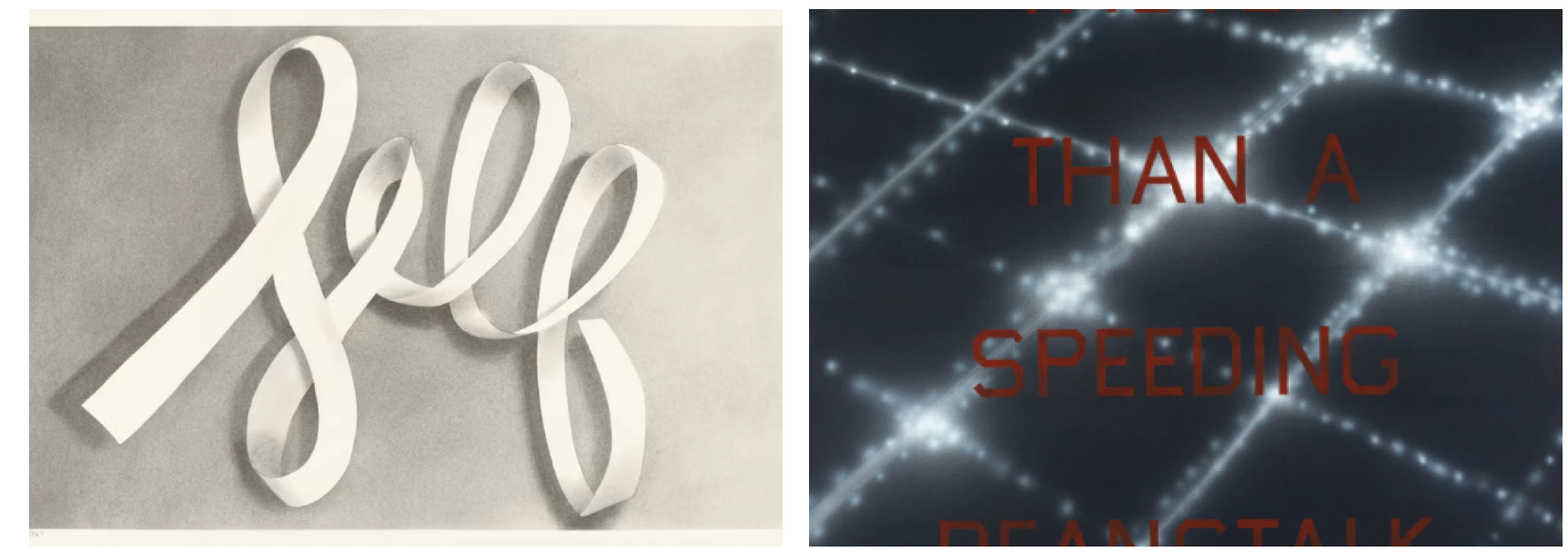
LEFT: Ed Ruscha, Self, 1967. Museum of Modern Art, New York. Art © 2022 Ed Ruscha
RIGHT: Ed Ruscha, Faster Than A Speeding Beanstalk, 1986. Museum of Contemporary Art, Los Angeles. Art © 2022 Ed Ruscha
Ruscha’s practice of creating dramatic textual compositions can be traced back to his first road trip to California in 1956, as he made his way across the country to begin art school at Chouinard Art Institute, now known as the California Institute of the Arts, in Los Angeles from his home in Oklahoma. Ruscha, who worked briefly as a commercial artist, found inspiration in the sudden ubiquity of advertising billboards, which spoke to America’s rising tides of prosperity and consumerism. As befitting Ruscha, a master of wordplay and allusion, the word “pix,” a playful colloquialism of the word “pictures,” is the product of a culture of consumer image-making. The late 1980s were a time of rapid digital revolution, with wider access than ever before to computers, cameras, graphics programs, video games, and instant messaging. Like Warhol, his sources are the ordinary and the everyday, the quaint and ordinary, but unlike his Pop contemporary, Ruscha’s unique combinations of forms reflect a more conceptual approach. Deftly examining the complex relationship between collective culture, text and iconography, Pix boldly embodies the subtle interplay of aesthetic and conceptual concerns that exemplify Ed Ruscha’s most seminal works.
Electrical, 1972
Sotheby’s New-York: 21 November 2024
Estimated: USD 300,000 – 500,000
USD 336,000
Electrical | Contemporary Day Auction | 2024 | Sotheby’s
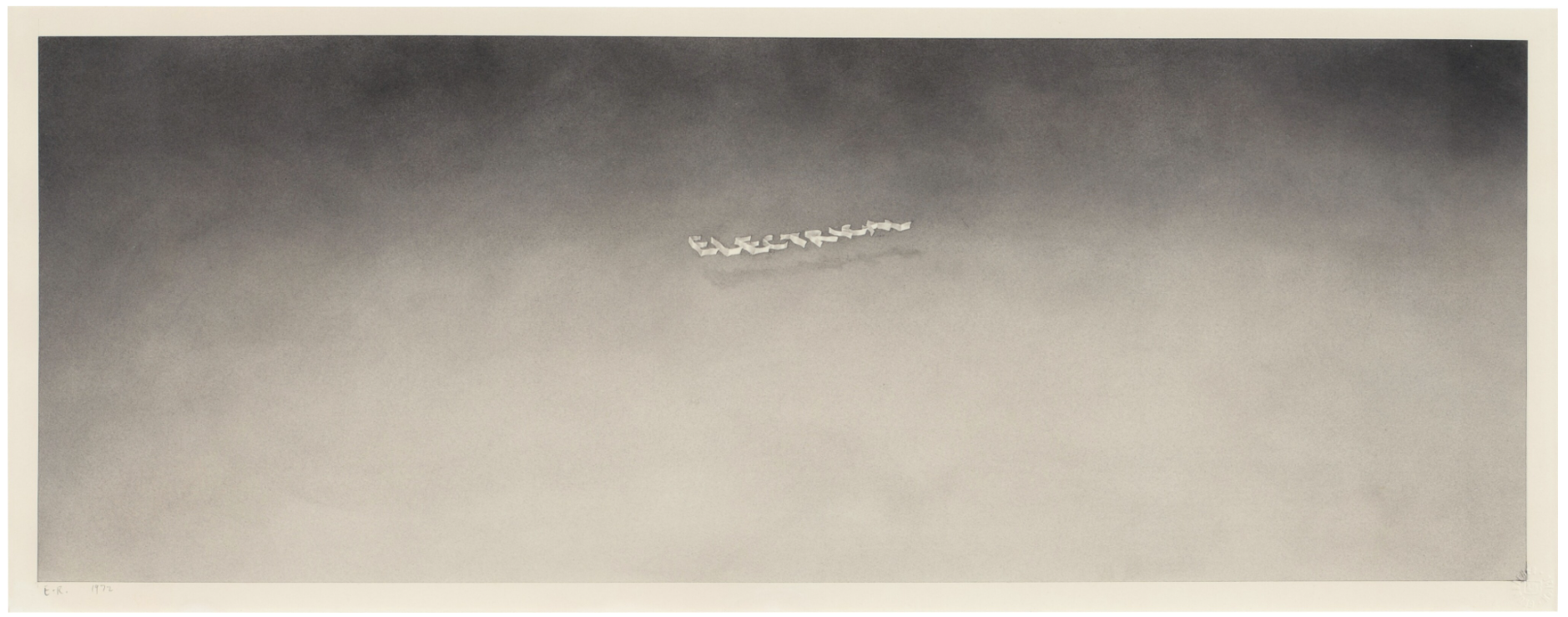
ED RUSCHA (b. 1937)
Electrical, 1972
Gunpowder on paper
11 1/2 x 29 inches (29.2 x 73.7 cm)
Signed with the artist’s initials and dated 1972 (lower left)
A singular word dissipates into the soft gradient background of gunpowder residue that diffuses and condenses in undulating, smoky forms in Electric from 1972 by Ed Ruscha. Electric is an outstanding example of Ed Ruscha’s iconic Gunpowder Drawings series. These drawings were created between 1967 and 1970 and have since become an integral part of Ruscha’s oeuvre. Ruscha applies layers of gunpowder with cotton swabs to obtain this soft, swirling, hypnotic effect. This technique gives the work an atmospheric and dreamlike dimension, as if suspended in time, emphasizing the abstract qualities of the typography. Typography is a theme he began exploring in painting in 1959; he reexamines its possibilities in a new medium in this series, pushing the boundaries of the constraints of a word, edging them into a non-representational state. Blurring the boundaries between text and the visual arts, Ruscha evolved the essence of American consumerism and the expansion of mass media into the revolutionary advent of Pop Art. The artist sourced his subject matter from billboards and advertisements seen in his daily life. He became hyper-focused on the development of a sensation behind a certain word, whether that be auditory or tactile.
“Words have temperatures to me. When they reach a certain point and become hot words, then they appeal to me…Sometimes I have a dream that if a word gets too hot and too appealing, it will boil apart, and I won’t be able to read or think of it. Usually I catch them before they get too hot.”
The present work features a charged subject, the singular word Electric, which is also the subject of one of his earlier paintings, emphasizing the importance of this piece within this particular series
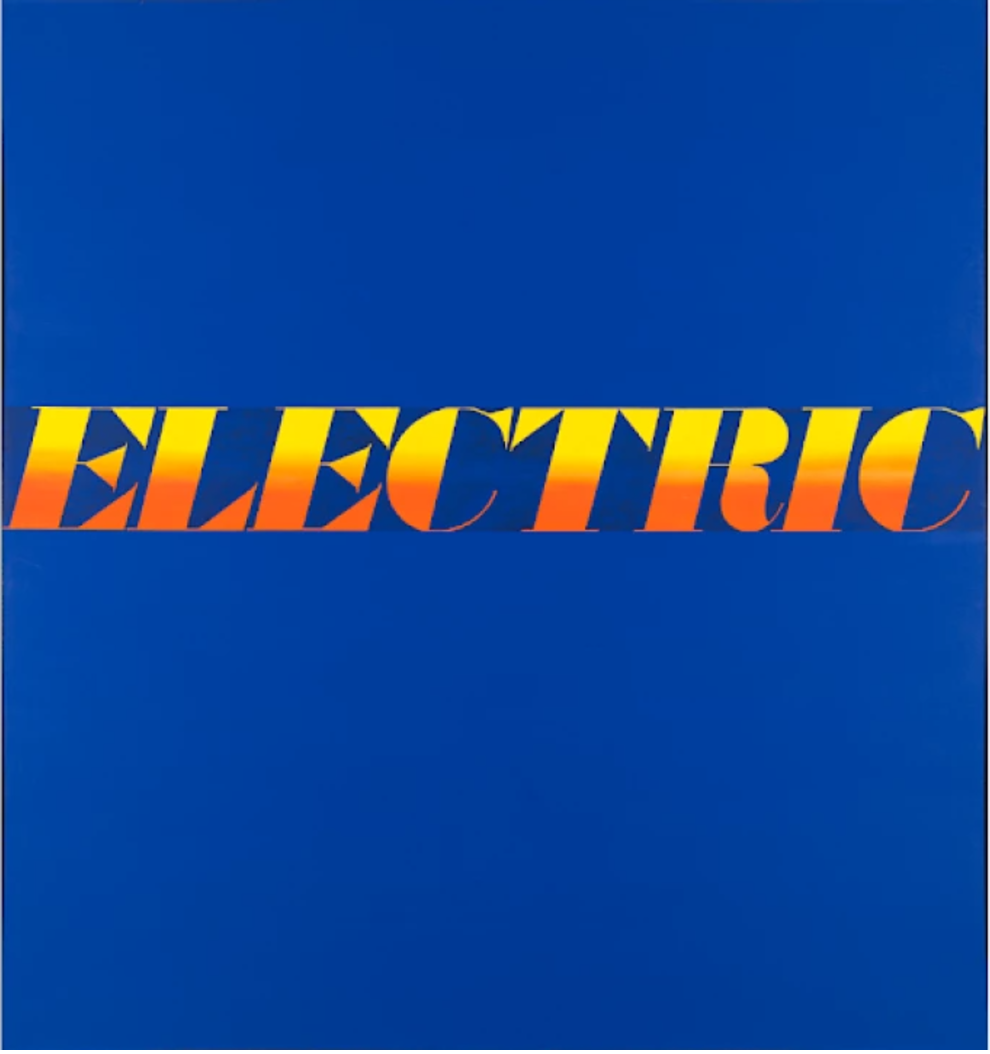
Ed Ruscha, Electric, 1963. Collection Buffalo AKG Art Museum. Art © 2024 Edward Ruscha.
While the present work explores Ruscha’s abstract contemplation of vernacular imagery in a seemingly opposite way to his preceding painting Electric, the two works reflect a tenet of his artistic practice. Enlarged and isolated, words and phrases are stripped of context, imploring the viewer to contemplate the transcendent power of language in various mediums. The present lot is a significant example of his gunpowder series, and reaches to the core of Ruscha’s practice as he strips the words of their meaning as literature, and dissociates them of their true meaning and context.
Orange Roller, 1976
Christie’s New-York: 22 November 2024
Estimated: USD 150,000 – 200,000
USD 277,200
ED RUSCHA (B. 1937), Orange Roller | Christie’s
ED RUSCHA (B. 1937)
Orange Roller, 1976
Pastel on paper
22 1/2 x 28 5/8 inches (57.1 x 72.4 cm)
Signed and dated ‘Edward Ruscha 1976’ (on the reverse)
Rooster, 2007
Sotheby’s New-York: 21 November 2024
Estimated: USD 100,000 – 150,000
USD 240,000
Rooster | Contemporary Day Auction | 2024 | Sotheby’s
ED RUSCHA (b. 1937)
Rooster, 2007
Acrylic on museum board
28 x 24 1/8 inches (71 x 61.3 cm)
Signed and dated 2007 (lower right); titled (on the verso)
Burn Begone, 1975
Sotheby’s New-York: 21 November 2024
Estimated: USD 150,000 – 200,000
USD 144,000
Burn Begone | Contemporary Day Auction | 2024 | Sotheby’s
ED RUSCHA (b. 1937)
Burn Begone, 1975
Pastel on paper
14 3/8 x 22 3/4 inches (36.5 x 57.8 cm)
Signed and dated 1975 (on the verso)
Executed in 1975, Burn Begone stands as one of Ed Ruscha’s quintessential text paintings executed throughout the mid-1970s, a series in which Ruscha masterfully transforms a singular word or phrase into a powerful motif with deeper implications and meanings. By infusing his minimal text with an illustrative intrigue, Ruscha deftly brings to the forefront the intricate relationship between language and visual art through his playful and witty manipulation of representation and context. In Burn Begone, the background consists of a striking gradation in color which transforms from a fervent, smoldering orange into a velvety, deep black. The dynamic backdrop provides a visual narrative evocative of fire’s life cycle. Fire itself is especially significant within Ruscha’s oeuvre, serving as a recurring motif in many of his celebrated works, including his dramatic sunsets over Hollywood and his haunting depictions of gas stations engulfed in flames. Throughout these representations, Ruscha harnesses the compelling qualities of fire to capture both the inevitable decay of the flame and the ephemeral beauty that accompanies it. In Burn Begone, the dramatic, atmospheric palette showcases the initial, intense glow of heat, and its gradual fade into black. This visual decline works in tandem with the overlaying text, “BURN BEGONE”, which functions as both a visual and linguistic metaphor for the fire’s inevitable progression towards extinguishment. The emboldened words can be interpreted as either a caption or as a command, rendered in stark contrast to the background and creating a playful and inventive dialogue between word and image, a hallmark of Ruscha’s artistic practice.
Ed Ruscha, Back of Hollywood, 1977. The Museum of Modern Art, New York. Art © 2024 Ed Ruscha.
Ultimately, this interplay enhances the visual impact of the work while inviting viewers to engage in a deeper examination of the transient nature of both language and fire, prompting reflection on the broader themes of impermanence and transformation that permeate throughout Ruscha’s body of work, spanning multiple decades. In Burn Begone, the intersection of imagery and text transcends mere aesthetic appeal, and asks viewers to confront more profound philosophical questions about cycles of life, ephemerality, and the nature of art itself, solidifying Ed Ruscha’s status as a pioneering visionary in the history of American art.
Withdrawn and Passed Lots
Isle of Fear, 1987-1988
Phillips New-York: 19 November 2024
Estimated: USD 1,500,000 – 2,000,000
WITHDRAWN
Ed Ruscha – Modern & Contemporary A… Lot 25 November 2024 | Phillips
ED RUSCHA
Isle of Fear, 1987-1988
Oil and acrylic on canvas
36 1/2 x 40 inches (92.7 x 101.6 cm)
Signed and dated “Ed Ruscha 1987-88″ on the reverse
Focus: David Hockney
Still Life on a Glass Table, 1971
The Collection of Mica Ertegun
Christie’s New-York: 19 November 2024
Estimated: USD 15,000,000 – 20,000,000
DAVID HOCKNEY (B. 1937), Still Life on a Glass Table | Christie’s
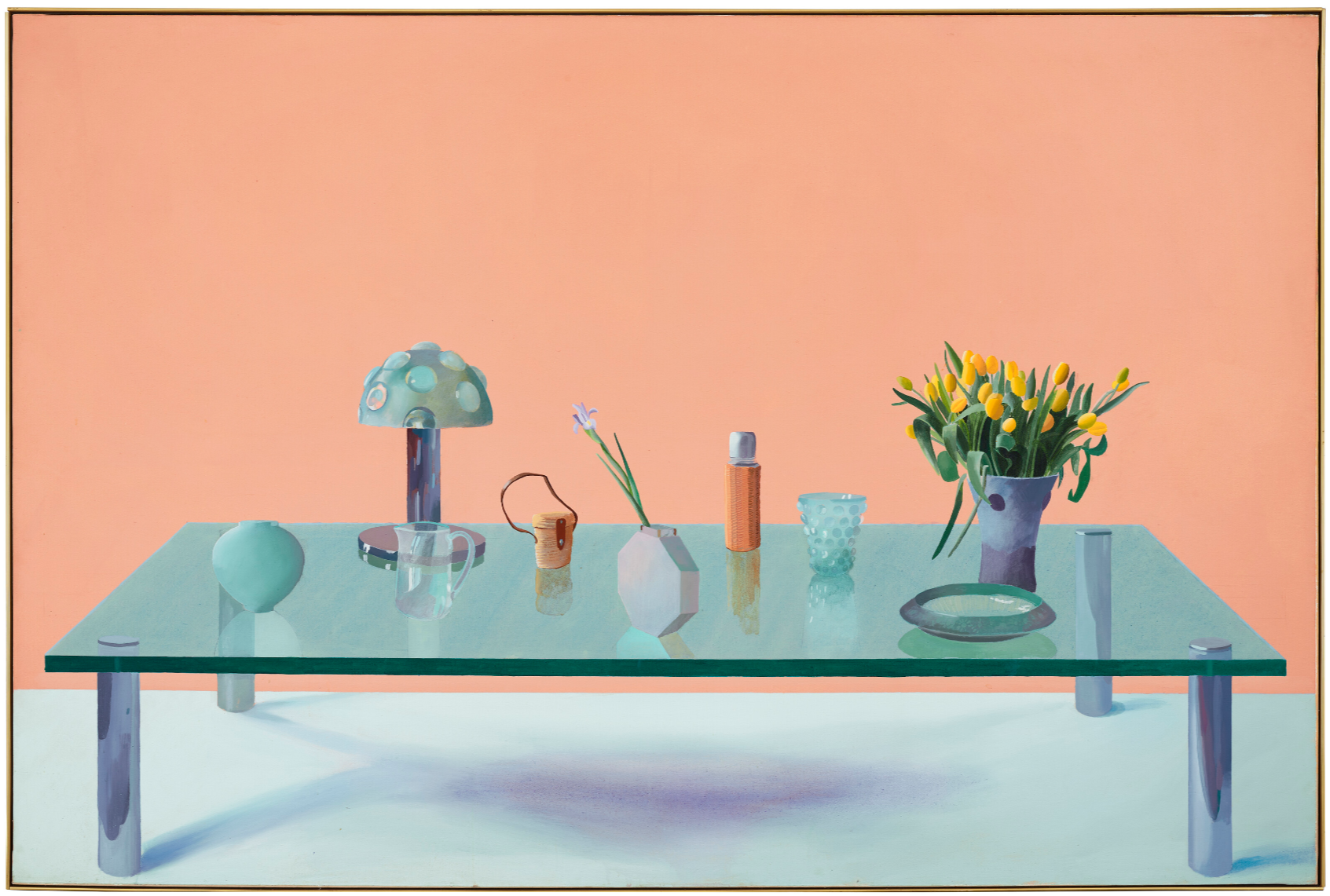
DAVID HOCKNEY (B. 1937)
Still Life on a Glass Table, 1971
Acrylic on canvas
72×108 inches (182.9 x 274.3 cm)
virtuosic observation of light, and a bittersweet portrait of loss, Still Life on a Glass Table stands among David Hockney’s most poignant paintings. Begun in September 1971, it takes its place within the extraordinary sequence of canvases that the artist produced following the devastating end of his romance with Peter Schlesinger. It is a dazzling examination of reflection, luminosity and transparency, shot through with the lessons of his swimming pool paintings and double portraits. At the same time, the work has come to be recognized as a deeply personal expression of heartbreak. Its nine sentinel objects—many associated with Schlesinger—are rendered with crystalline intimacy. Each quivers with anthropomorphic charge, electrified by the distance that holds them apart. Light, darkness, grief and longing refract across the surface. Setting the stage for Hockney’s landmark farewell to Schlesinger Portrait of an Artist (Pool with Two Figures) (1972), its pristine depiction of glass upon glass simmers with tension. It is a radiant tribute to the beauty, pain and fragility of love.
With an outstanding exhibition history that includes major retrospectives at the Los Angeles County Museum of Art (1988) and the Centre Georges Pompidou, Paris (2017), Still Life on a Glass Table has been widely celebrated in scholarship. Christopher Simon Sykes labeled it a “masterpiece” (Hockney: The Biography, London, 2011, vol. I, p. 260). Marco Livingstone, meanwhile, described it as a “virtuoso display” of Hockney’s “perceptual conviction” (David Hockney, London, 1982, p. 147). Elsewhere, Henry Geldzahler—the legendary curator and critic—wrote that the work “has the emotional energy of a portrait.” Geldzahler himself had posed alongside the same table two years earlier in Hockney’s seminal double portrait Henry Geldzahler and Christopher Scott (1969), another image of emotional estrangement. “All the objects on it are things the artists lives with,” he explains, “… yet there is a poignancy in their separateness.” It is “as autobiographical,” he writes, as the works of this period “are permitted to get” (Making It New, New York, 1994, p. 144).
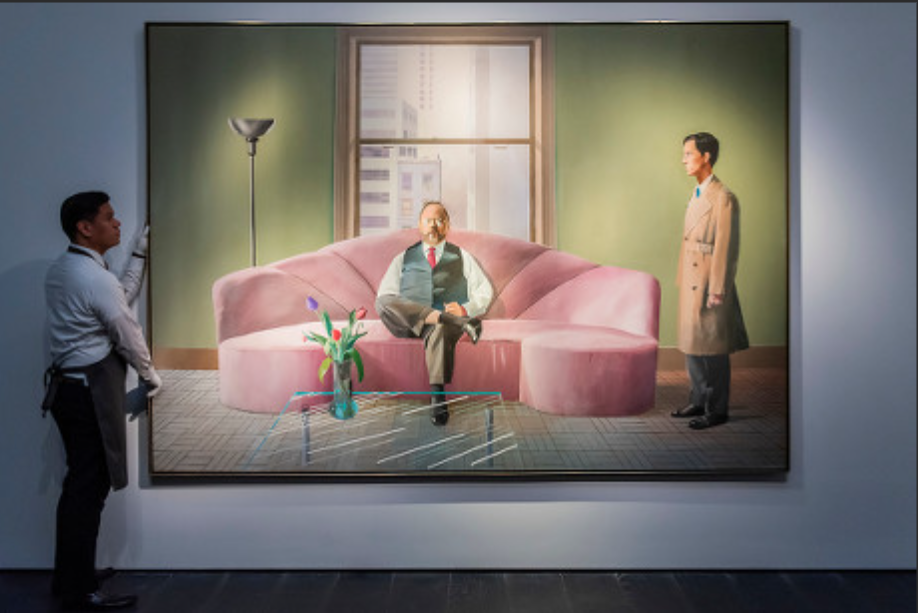
In the immediate aftermath of his break-up, Hockney confessed, he believed he was embarking upon a straightforward still life. However, he quickly came to realize the personal significance of the objects he had chosen. Apart from the flowers and the two straw water containers, he explained, the items were “not my loves but those of Peter,” many bought by him for their London home (David Hockney by David Hockney, London, 1976, p. 241). Here, Hockney depicts them with breath-taking clarity and near-human gravitas. The complex dance of light through multiple glass surfaces—lamp, vases, jug, water glass and ashtray—is captured with razor-sharp precision. Contrasting textures and contours are immaculately observed, every shadow, highlight, angle and curve rendered in crisp, hyper-real detail. Reflections pool in the table below, swimming with light and color. Despite their proximity, each object stands alone. The figure-shaped shadow under the table, many have suggested, serves as a painful reminder of Schlesinger’s absence. The tulips, meanwhile—Hockney’s favorite flowers, and a recurring motif in his work—seem to implicate the presence of the artist himself, lost in a sunlit chamber of memory.
Hockney and Schlesinger had met in the summer of 1966. A young history student looking to forge a career as an artist, Schlesinger had attended a drawing class run by Hockney at the University of California, Los Angeles. “On the first day of class the professor walked in,” he recalls; “—he was a bleached blond; wearing a tomato-red suit, a green and white polka-dot tie with a matching hat, and round black cartoon glasses; and speaking with a Yorkshire accent… I was drawn to him because he was quite different.” Hockney immediately recognized a kindred spirit. “I could genuinely see he had talent, and on top of that he was a marvelous looking young man,” he remembers (quoted in op cit., 2011, pp. 180-181). After the course finished, the two struck up a friendship which quickly blossomed into a romance. It was Hockney’s first great love affair, immortalized in sensual early works including Peter Getting Out of Nick’s Pool (1966, Walker Art Gallery, Liverpool) and The Room, Tarzana (1967).
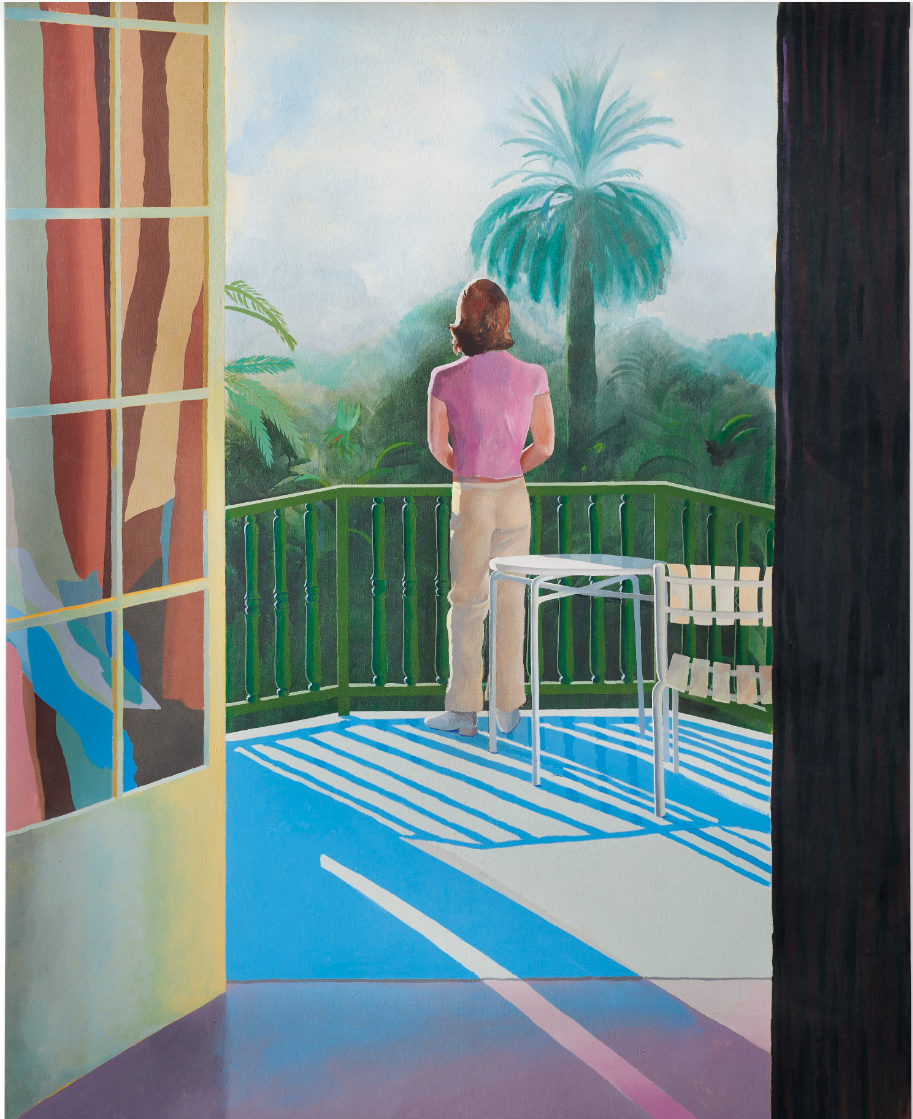
David Hockney, Sur la Terrasse, 1971. Private Collection. © David Hockney.
When Hockney returned to England, Schlesinger came too, a place at the Slade School of Art in London awaiting him. From the artist’s studio on Powis Terrace, the couple traveled widely, spending halcyon summer days with friends in Europe. The period brought great professional triumph for Hockney, who mounted his first retrospective at the Whitechapel Art Gallery, London, in 1970. By January 1971, however, the relationship was beginning to show signs of strain. A trip to Morocco in February sought to rekindle it: Hockney’s heart-wrenching portrait Sur la Terrasse (1971), depicting Schlesinger on the balcony of their room at the Hôtel de la Mamounia in Marrakesh, is an extraordinary precursor to the present work, every inch of it suffused with yearning. That summer, as Jack Hazan began filming his landmark documentary A Bigger Splash, the couple traveled to Spain and France. An explosive row in Cadaqués led Hockney to flee in anger, only to return almost immediately in a bid to make amends. For Schlesinger, however, the relationship was over. That August, Hockney returned to Powis Terrace alone.
As fall descended, the artist attempted to come to terms with his new reality. “It was very traumatic for me,” he recalls. “I’d never been through anything like that.” Deeply unhappy, Hockney threw himself into his work, seeking solace in art. “I started painting very intensely that September,” he explains. “… For about three months I was painting fourteen, fifteen hours a day. There was nothing else I wanted to do. It was a way of coping with life … I was incredibly lonely” (op. cit., 1976, p. 240). These feelings wrote themselves into his paintings: from the solitary Beach Umbrella (1971), casting its long shadows upon a deserted beach, to the vacant Chair and Shirt (1972), the elegiac Mount Fuji (1972, The Metropolitan Museum of Art, New York) and Pool and Steps, Le Nid du Duc (1971), depicting Schlesinger’s discarded shirt and shoes. Several of these were unveiled alongside the present work in Hockney’s exhibition at André Emmerich Gallery, New York, in 1972. Also shown for the first time was Portrait of an Artist (Pool With Two Figures). Here, Hockney dispensed with wistful signifiers: in their place was an image of Schlesinger himself, his gaze directed at another figure swimming underwater.
Still Life on a Glass Table is situated at the pinnacle of Hockney’s celebrated “naturalistic” phase, which dominated his practice from the late 1960s until the early 1970s. Defined by rigorous use of one-point perspective and meticulous command of light and space, this period saw the rise of the artist’s double portraits, which draw heavily upon the teachings of Fra Angelico and Piero della Francesca. The present work inherits the incisive attentiveness that characterized these paintings, as well as their sense of simmering interpersonal drama. Its objects, like many of the double portraits’ subjects, are at once bound together and subtly disconnected: “they do not so much interweave as declare their identities,” wrote Geldzahler (op. cit., 1944, p. 144). It is perhaps no coincidence that tables, often laden with still-life arrangements, featured as key compositional devices throughout the series, gracing major works such as Christopher Isherwood and Don Bachardy (1968) and Mr and Mrs Clark and Percy (1970-1971, Tate, London). The present painting’s glass table, following its appearance in Henry Geldzahler and Christopher Scott, would also reappear in Hockney’s Portrait of Sir David Webster (1971), adorned with the same vase and bunch of tulips.
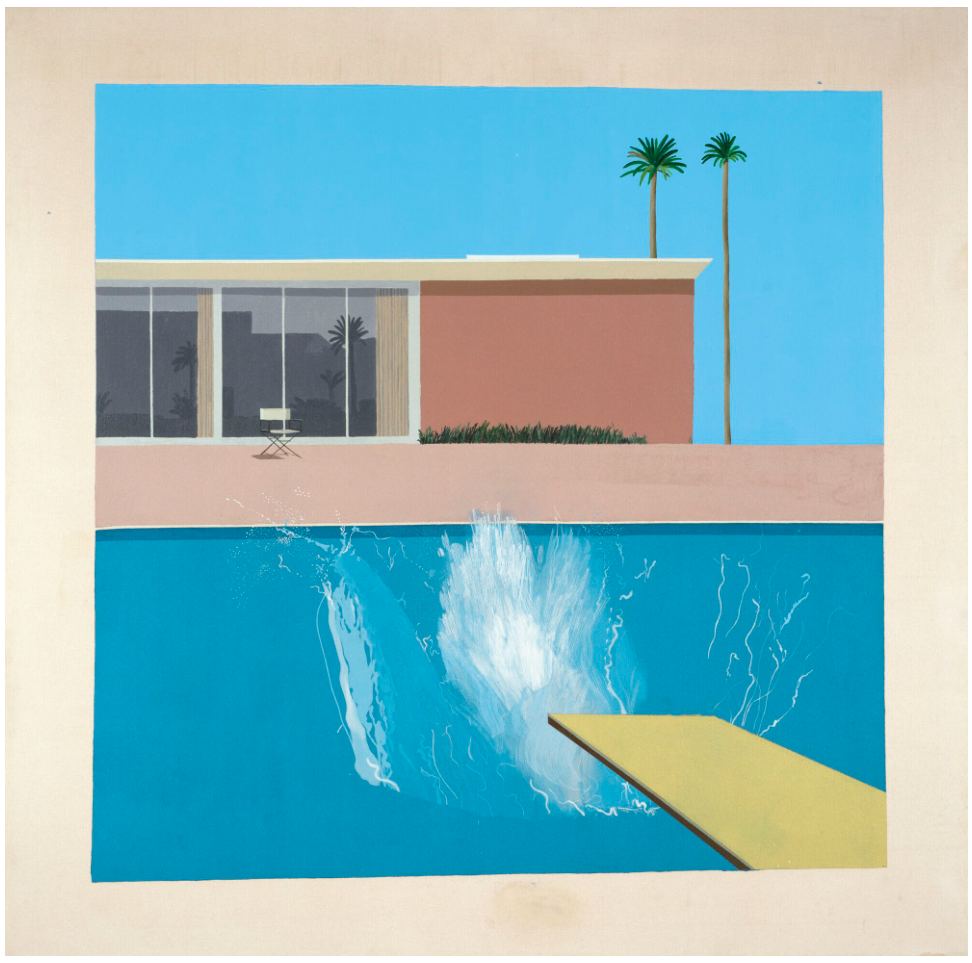
David Hockney, A Bigger Splash, 1967. Tate Gallery, London. © David Hockney. Photo: © Tate, London / Art Resource, NY.
The swimming pool paintings, too, played a central role in Hockney’s pursuit of naturalism. In California, the play of West Coast light upon sparkling waters had fired his imagination, instilling in him a desire to understand how we truly experience complex visual phenomena. From the stylized iconography of A Bigger Splash (Tate, London), painted in 1967, Hockney would branch into ever-more detailed studies of reflection and refraction, each time probing new truths about the workings of human sight. That year, he made his first depiction of the present work’s glass table: an ink sketch entitled A Glass Table with Glass Objects. Others would follow, including a drawing now held in Tate, London. “Water and glass are something that you cannot quite describe, they are transparent,” he explained. “…There’s a line of that mystical poet, George Herbert: ‘A man may look on glass, on it may stay his eye or if he pleases through it pass, and there the heaven espy’. It’s a nice idea, that you can decide where your eye is going to rest” (quoted in M. Glazebrook, “David Hockney: an interview” in David Hockney: Paintings, Prints and Drawings 1960-70, exh. cat., Whitechapel Art Gallery, London, 1970, p. 13).
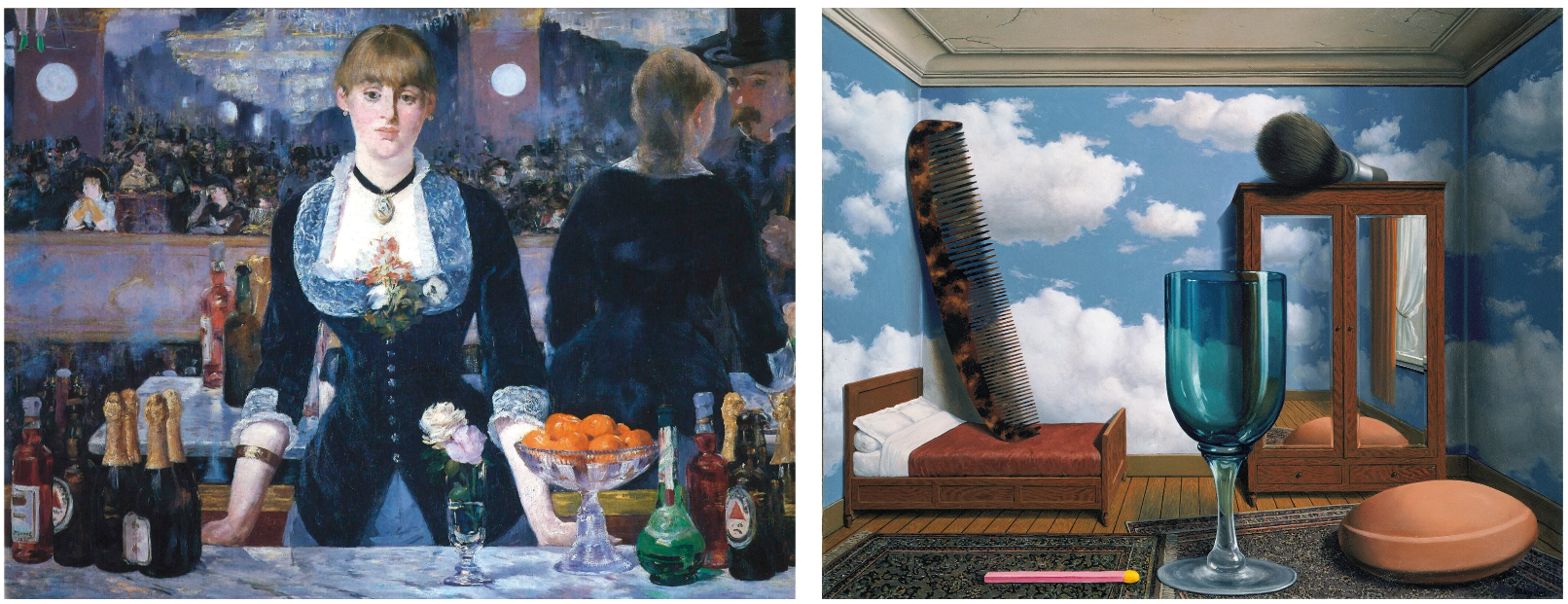
Center: Edouard Manet, Un bar aux Folies-Bergère, 1882. The Courtauld Gallery, London.
Right: René Magritte, Les valeurs personnelles, 1952. San Francisco Museum of Modern Art. © 2024 C. Herscovici / Artists Rights Society (ARS), New York. Photo: Banque d’Images, ADAGP / Art Resource, NY.
Still Life on a Glass Table brings these interrogations to a climax. For all its emotional resonance, there is an elemental purity to Hockney’s glass matrix, its kaleidoscopic play of light distilled to quiet, clinical order. Its clean lines echo the aesthetics of East and West Coast Minimalism that emerged during this period, similarly fueled by a fascination with the mechanics of perception. The long tradition of still-life painting, too, was rooted in the rigors of close observation. The genre, which flourished in the Dutch Golden Age, had been given new life by artists such as Vincent van Gogh, Henri Matisse and Pablo Picasso: all of whom were deeply admired by Hockney. Perhaps he also had in mind the work of Edouard Manet, whose 1882 painting Un bar aux Folies-Bergère (The Courtauld Gallery, London) offered one of art history’s most extraordinary studies of reflection. And while Hockney had arguably outgrown his associations with American Pop Art by 1971, it was not lost on him that the still-life genre had also come under the microscope of Roy Lichtenstein: an artist for whom glass, mirrors and other reflective objects were of keen interest.
Hockney painted still lifes throughout his practice. His studies of refracted light would eventually lead him away from naturalism, giving rise to a stream of cubist inspired examples throughout the 1980s. They continued to punctuate his art during the 1990s, taking the form of poignant flower portraits that the artist frequently conceived as memorials for friends. Nowhere, however, did the genre find such potent expression as in Still Life on a Glass Table. In the spirit of “nature morte,” it offers a statement of life’s transience: a reminder that the objects and people we hold close cannot last forever. At the same time, however, it is a celebration—a tribute to art-making as a vehicle for clarity and catharsis. The process of intensive scrutiny, it proposes, can preserve the ineffable in paint. Light can be captured and sealed; feelings can be embalmed. In the present work, memories of lost love live on, reflected indefinitely in the glass table.
Three Chairs with a Section of a Picasso Mural, 1970
The Collection of Mica Ertegun
Christie’s New-York: 19 November 2024
Estimated: USD 4,000,000 – 6,000,000
DAVID HOCKNEY (B. 1937), Three Chairs with a Section of a Picasso Mural | Christie’s
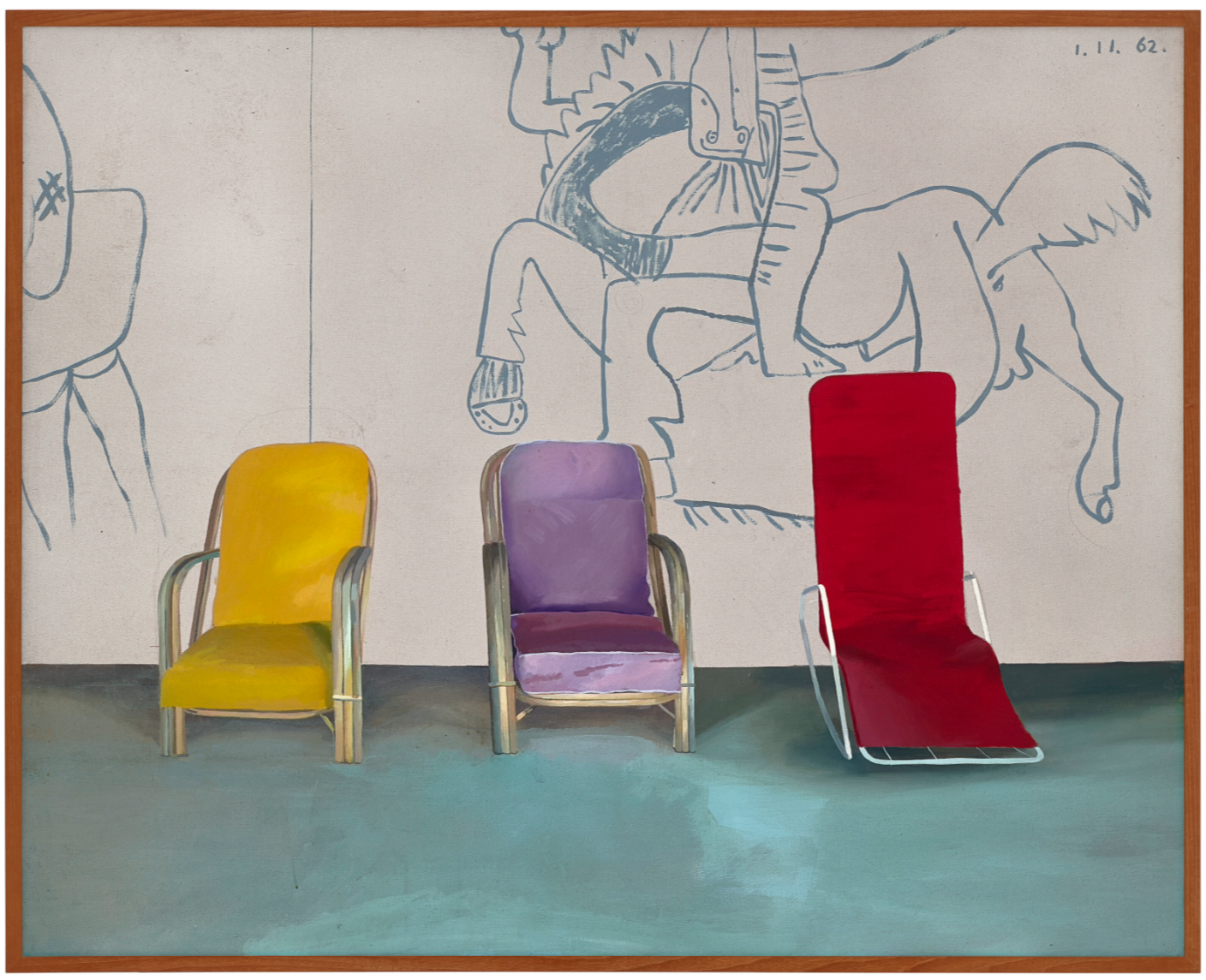
DAVID HOCKNEY (B. 1937)
Three Chairs with a Section of a Picasso Mural, 1970
Acrylic on canvas
48×60 inches (121.9 x 152.4 cm)
Signed, dated and titled ‘Three chairs with a section of a Picasso mural David Hockney 1970’ (on the reverse)
A poignant act of homage, and a luminous portrait of friendship, Three Chairs with a Section of a Picasso Mural is a landmark painting dating from an important moment in David Hockney’s practice. Executed in 1970, it is the first work in his oeuvre to make direct reference to Pablo Picasso: his great inspiration and idol. It depicts part of the latter’s mural at the Château de Castille in Provence, home of the eminent collector and art historian Douglas Cooper. Cooper was close to Picasso, and later became friends with Hockney, who stayed at the property on a number of occasions. These visits brought the artist within striking distance of his hero, though he and Picasso never met in person. Here, his mural looms large above three exquisitely painted chairs: defining motifs within Hockney’s own practice. Their forms glow with anthropomorphic intensity, as if awaiting the arrival of their unseen sitters. Upon Cooper’s sunlit stage, Hockney and Picasso pass through art history’s sliding doors: two masters half a century apart.
Included in Hockney’s major touring retrospective at the Los Angeles County Museum of Art in 1988, the work occupies pivotal territory in his practice. As Picasso’s career came to an end—he died three years after the present work—Hockney’s was in its ascendancy. 1970 saw his first retrospective at the Whitechapel Art Gallery in London, which toured Europe to critical acclaim. This period of early professional triumph spawned some of his finest works, including his seminal “double portraits.” These extraordinary large-scale canvases marked the culmination of Hockney’s celebrated “naturalistic” phase, defined by the same crisp perspective, hyperreal clarity and sharp theatrical lighting that characterize the present work. Chairs featured prominently in these paintings—from the iconic pink sofa in Henry Geldzahler and Christopher Scott (1969), to the sleek Marcel Breuer “Cesca” in Mr and Mrs Clark and Percy (1970-1971, Tate Gallery, London). Le Parc des Sources, Vichy (1970, Chatsworth House Trust), meanwhile, echoes the present work’s trilogy of chairs. Two are occupied by Hockney’s then lover Peter Schlesinger and his friend Ossie Clark; the other is left tantalizingly vacant, as if for the artist himself.
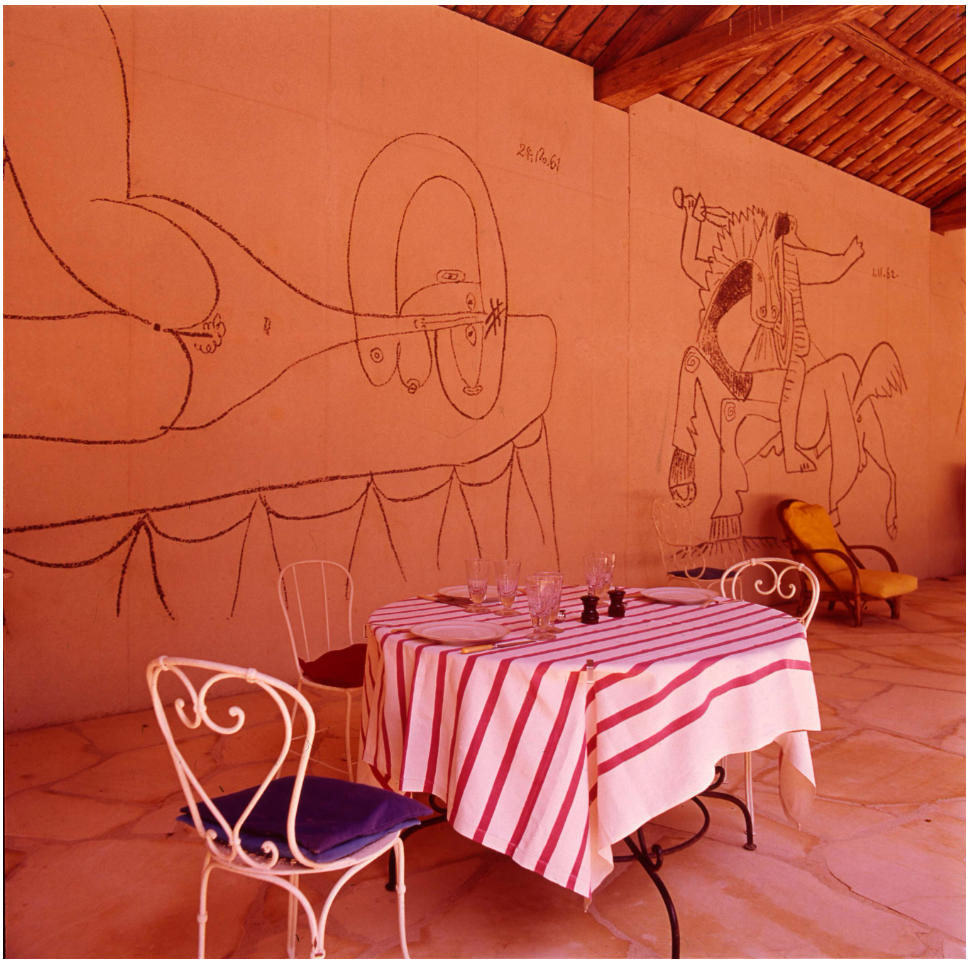
Wall murals by Pablo Picasso at Douglas Cooper’s Château de Castille, Uzès.
Photo: Horst P. Horst / Condé Nast via Getty Images. Artwork: © 2024 Estate of Pablo Picasso / Artists Rights Society (ARS), New York.
Three Chairs with a Section of a Picasso Mural confronts the viewer in a similar manner. Conceptually, it might be read as a double portrait of Cooper and Picasso, with Hockney triangulated between them. Alternatively, it might be seen as a virtual meeting between two artists, brokered by their mutual friendship with Cooper. As in Vincent van Gogh’s chair portraits, which Hockney deeply admired, presence is made all the more palpable by absence. The painting became the first in a long line of works in which Hockney paid explicit tribute to Picasso. Following the latter’s death in 1973, he produced the etchings The Student: Homage to Picasso and Artist and Model, depicting himself in imaginary conversation with the Spaniard. In 1977 he made a further suite of etchings based on Wallace Stevens’ Picasso-inspired poem “The Man with the Blue Guitar.” That year, he also painted the extraordinary Self-Portrait with Blue Guitar (Museum Moderner Kunst Stiftung Ludwig Wien, Vienna), featuring a bust of Dora Maar in the background, and another expectant empty chair opposite Hockney.
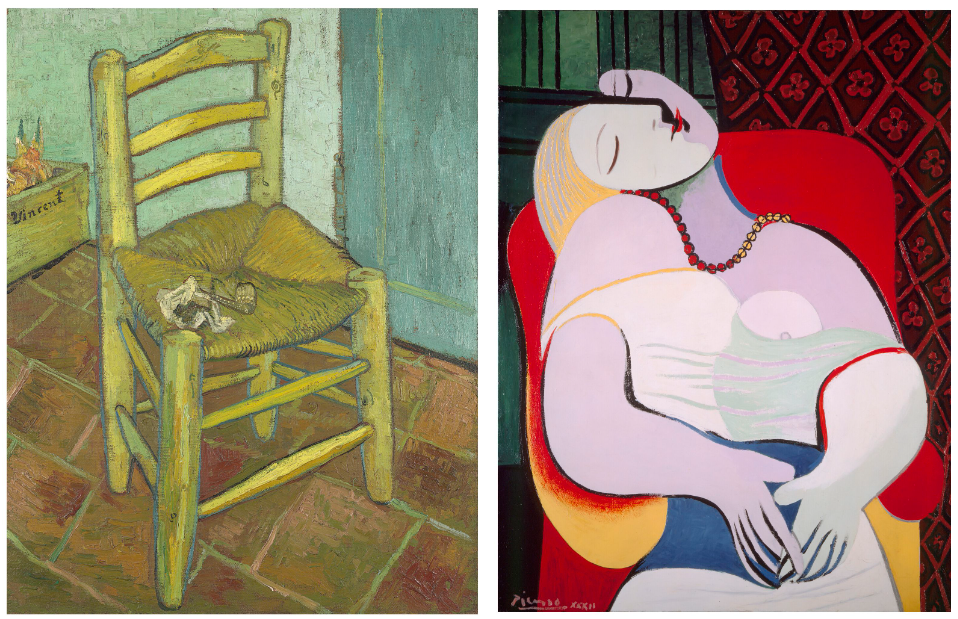
Left: Vincent van Gogh, La chaise de Van Gogh, 1888. National Gallery, London. Photo: © National Gallery, London / Art Resource, NY.
Right: Pablo Picasso, Le Rêve, 1932. Private Collection. © 2024 Estate of Pablo Picasso / Artists Rights Society (ARS), New York. Photo: Art Resource, NY.
Hockney’s fascination with Picasso dates back to his student days at the Royal College of Art, when he had famously returned eight times to the artist’s 1960 retrospective at the Tate Gallery. The dazzling stylistic range of Picasso’s art had fueled his early practice, instilling in him a lifelong desire to avoid allegiance to any particular genre or medium. In 1980, another retrospective—this time at The Museum of Modern Art, New York—would spark a new wave of engagement with his work: “it’s like the National Gallery all painted by one man,” he enthused at the time. “Totally incredible” (letter to R.B. Kitaj, 20 May-19 August 1980). That year, he began working on the Metropolitan Opera’s production of Eric Satie’s Parade (1917), drawing heavily upon Picasso’s original set and costume designs. His portraits, landscapes and photocollages of this period, meanwhile, grappled with the teachings of Cubism, prompting critics to posit him as Picasso’s heir. Studying the artist’s cubist works showed Hockney that sight is not a linear experience, but rather a composite of multiple simultaneous viewpoints. This revelation would come to form the touchstone of his art, writing and research over the following decades.
Four Empty Vases, 1996
Christie’s New-York: 21 November 2024
Estimated: USD 3,500,000 – 5,500,000
DAVID HOCKNEY (B. 1937), Four Empty Vases | Christie’s
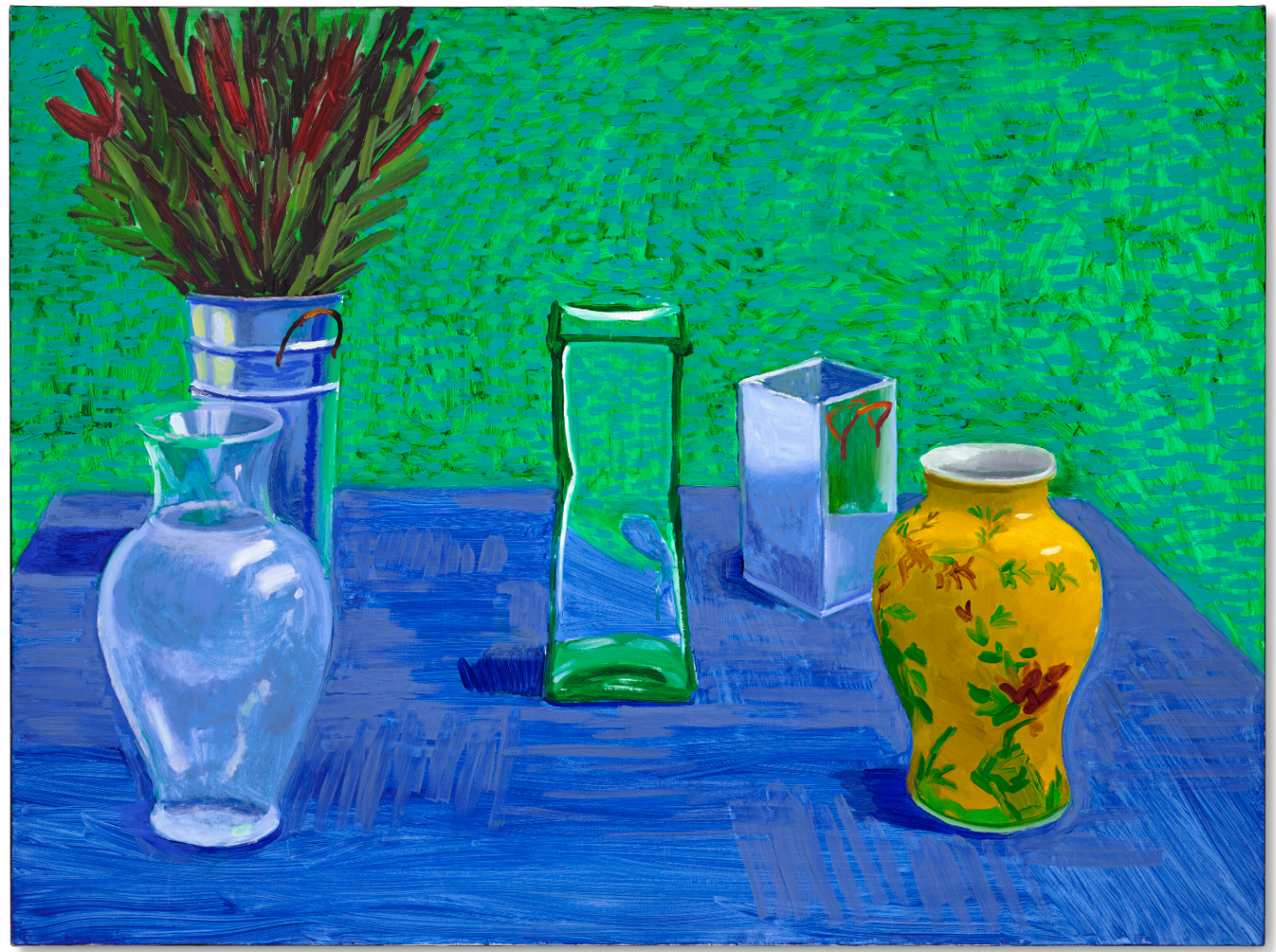
DAVID HOCKNEY (B. 1937)
Four Empty Vases, 1996
Oil on canvas
35 3/4 x 47 3/4 inches (90.8 x 121.3 cm)
Signed, titled and dated ‘four empty vases 1996 David Hockney’ (on the reverse)
David Hockney presents an exceptionally eloquent analysis of color, form, and perspective in Four Empty Vases. Painted in 1996, a critical year for the artist in which he dealt with several personal tragedies, Hockney delved back into the still life genre which he first took up two decades prior, reinvigorating the subject with a new vividity of color and expressiveness of style. This work fluently describes the essential duality of Hockney’s renowned artistic practice, pervaded at once with an underlying light-heartedness and cheer whilst simultaneously probing the serious intellectual and aesthetic questions which Hockney’s oeuvre has grappled with up to the present.
On the brink of his sixth decade, Hockney continued to find solace in art, visiting the Hague to attend the ground-breaking exhibition on Johannes Vermeer at the Mauritshuis. This journey proved profoundly impactful on Hockney’s artistic direction, as he marveled at Vermeer’s masterful use of color, laid in transparent layers of oil paint: “Seeing how Vermeer handled the paint, and beyond that how he controlled the light on to his subjects, sent me back into the studio with tremendous energy” (op. cit.). The visit precipitated an artistic breakthrough for the artist, revealing a solution for the aesthetic struggles he had been contending with since the 1970s, as he poignantly described to Peter Fuller in 1977: “I see in my own painting, continually, as a struggle. I do not think I have found any real solutions yet. Other people might think I have: I don’t. I’m determined to try” (D. Hockney, quoted in A. Wilson, “Experiences of Space,” in David Hockney, Tate Britain, 2017, pg. 142).
Green Pool with Diving Board and Shadow (Paper Pool 3), 1978
Christie’s New-York: 22 November 2024
Estimated: USD 1,800,000 – 2,500,000
DAVID HOCKNEY (B. 1937), Green Pool with Diving Board and Shadow (Paper Pool 3) | Christie’s
DAVID HOCKNEY (B. 1937)
Green Pool with Diving Board and Shadow (Paper Pool 3), 1978
Colored, pressed paper pulp
50 x 32 1/4 inches (127 x 81.8 cm)
Signed with the artist’s initials and dated ‘D.H. 78’ (lower right)
Signed and numbered ‘3-F David Hockney (on the reverse)
This work is one of fifteen unique variants
A splendid thesis in light and shadow, David Hockney’s Green Pool with Diving Board and Shadow (Paper Pool 3) magisterially conveys the variegated effects of the late afternoon sun reflecting and refracting off a pool’s shimmering surface. Depicting the great British artist’s most famous motif, Green Pool with Diving Board and Shadow (Paper Pool 3) expands the possibilities of figuration available to Hockney through the adoption of a new working process and medium, establishing his definitive investigation of the pool. Residing in the same private collection for the past thirty years, this stunning example from Hockney’s pioneering paper pulp series demonstrates the artist at complete command of his unique mode of innovation.
Returning from a sojourn to England, Hockney stopped over in New York before returning to Los Angeles while waiting for a new driver’s license to arrive. This layover proved fortuitous for the artist, as it allowed him to accept an invitation from his friend Kenneth Tyler, a master printmaker with a studio just outside the city, to collaborate on a new series of works. Adamant that he wanted to paint and not make lithographs, Tyler then persuaded the artist to stay by showing him a revolutionary new artistic technique adding colored dyes to wet paper pulp before pressing into paper, a process which he had just worked on with the Color Field painter Ellsworth Kelly. The results “were stunningly beautiful,” writes Hockney (D. Hockney, Paper Pools, Abrams, 1980, pg. 9)
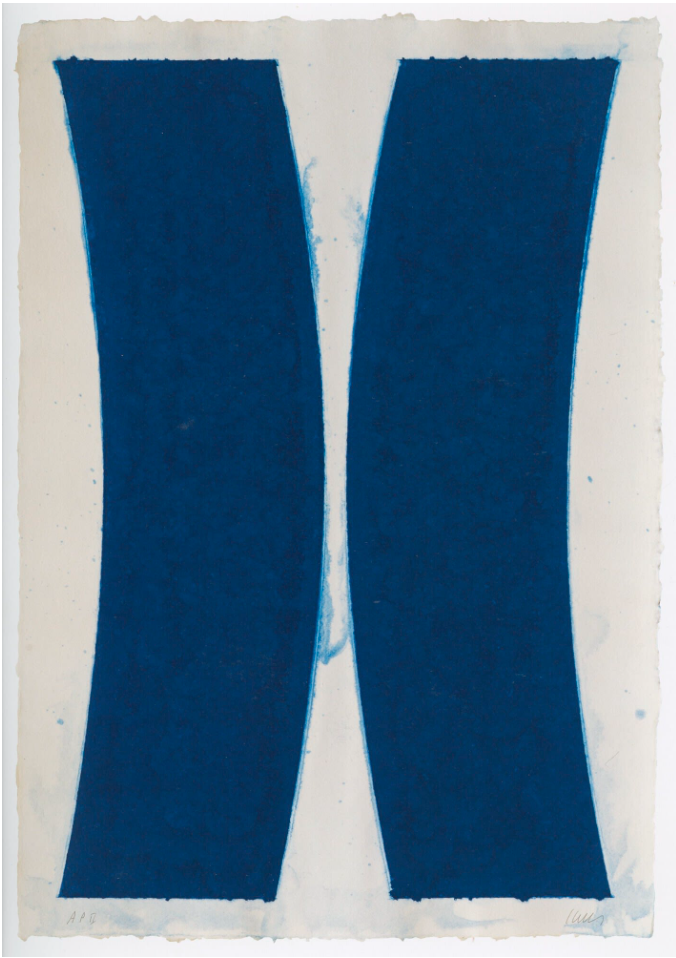
Ellsworth Kelly, Colored Paper Image V (Blue Curves), 1976. Museum of Modern Art.
© Ellsworth Kelly Foundation. Photo: © The Museum of Modern Art / Licensed by SCALA / Art Resource, NY.
Hockney was immediately infatuated with this technique.
“I love new mediums and this was something I had never seen or used before. I think mediums can turn you on, they can excite you; they always let you do something a different way, even if you take the same subject.”
Hockney immediately set to work, prolonging what was supposed to be a stay of a few days into a three-month residency at Tyler’s studio. After experimenting with a series of flowers, Hockney set upon the pool subject which he had famously explored the previous decade upon his first arrival in Los Angeles. Inspired by the way in which Henri Matisse’s paper cut out The Swimming Pool completely integrated line and color into a singular mesmerizing effect, the artist used his camera and drawing to meticulously study Tyler’s swimming pool, where he and the studio employees would lunch every day.
“I kept looking at the swimming pool; it’s a wonderful subject, water, the light on the water. And this process with paper pulp demanded a lot of water; you have to wear boots and rubber aprons. I thought, really I should do it, find a watery subject for this process, and here it is; here this pool, every time you look at the surface, you look through it, you look under it.”
The paper pulp technique was the perfect medium for Hockney to fully express the pool’s complicated effects, for it captures completely the paradox of freezing in time a subject always in motion, resolving within the man-made container of water the play of light against a natural backdrop. To create the work, Hockney poured liquid color pulp directly into molded sheet metal placed over a paper base, like casting bronze. Hockney then manipulated the still-wet pulp, carefully applying liquid dyes with a variety of self-invented tools and procedures, utilizing brushes, airbrushes, basters, and even spoons to achieve different densities and hues in his coloration. Hockney then further worked the surface of the paper, employing combs, toothbrushes, hoses, and his own fingers to achieve the perfect textured result before pressing the pulp together, fusing the work together into a singular sheet. The resulting achievement was less a work on paper than a work where form and texture elegantly inhere within the paper medium itself, line and color operating in tandem to create the vivid illusion of watery depths. This laborious process produces incredible surface effects where colors are deep and vivid, attaining subtle effects akin to painting with glazes.
DAVID HOCKNEY
A Painted Landscape (or Red and Blue Landscape), 1965
Sotheby’s New-York: 21 November 2024
Estimated: USD 1,200,000 – 2,000,000
A Painted Landscape (or Red and Blue Landscape) | Contemporary Day Auction | 2024 | Sotheby’s
DAVID HOCKNEY (b. 1937)
A Painted Landscape (or Red and Blue Landscape), 1965
Acrylic on canvas
59 7/8 x 59 3/8 inches (152.1 x 150.8 cm)
David Hockney’s A Painted Landscape (Or Red and Blue Landscape) from 1965 invites the viewer into a meticulously constructed pseudo-theatrical tableau, as verdant curtains sweep aside to reveal the artist’s surrealist stage. Within the whimsically flattened, two-dimensional field, objects contort and take shape in a delicate and playful dance of form and color, as a purple archway reaches up towards a celestial array of ethereal vermilion and cerulean clouds. A spectral, white figure enveloped entirely in cloth, casts a gray shadow on the dazzling vista of long, staccato blades of grass and solid color-block of cool blue sky. Breaching the scene, a slender pink rod extends mysteriously from beyond the curtain, along with a sinuous, black, branch-like tendril which unfurls and snakes past the confines of the stage and of the canvas. An exuberant synthesis of Cubism, Surrealism, abstraction and still life, A Painted Landscape (Or Red and Blue Landscape) subverts traditional techniques of simulated pictorial perspective and depth. Throughout the work, microbial and planetary shapes bounce and hover weightlessly in the surreal expanse; like all of the objects in the scene, they are suspended in both time and space. All of the elements exist seemingly untethered by gravity or physics, working in tandem to invite the observer to actively engage, filling in the empty spaces with their own personal interpretations and meanings.
“The reasoning went something like this: curtains are associated with theatricality; visually the theater is an arrangement on a stage of figures and objects; the traditional still-life painting in art schools (based on Cézanne) is usually an arrangement of apples and vases or wine bottles on a table cloth, perhaps a curtain in repose.”
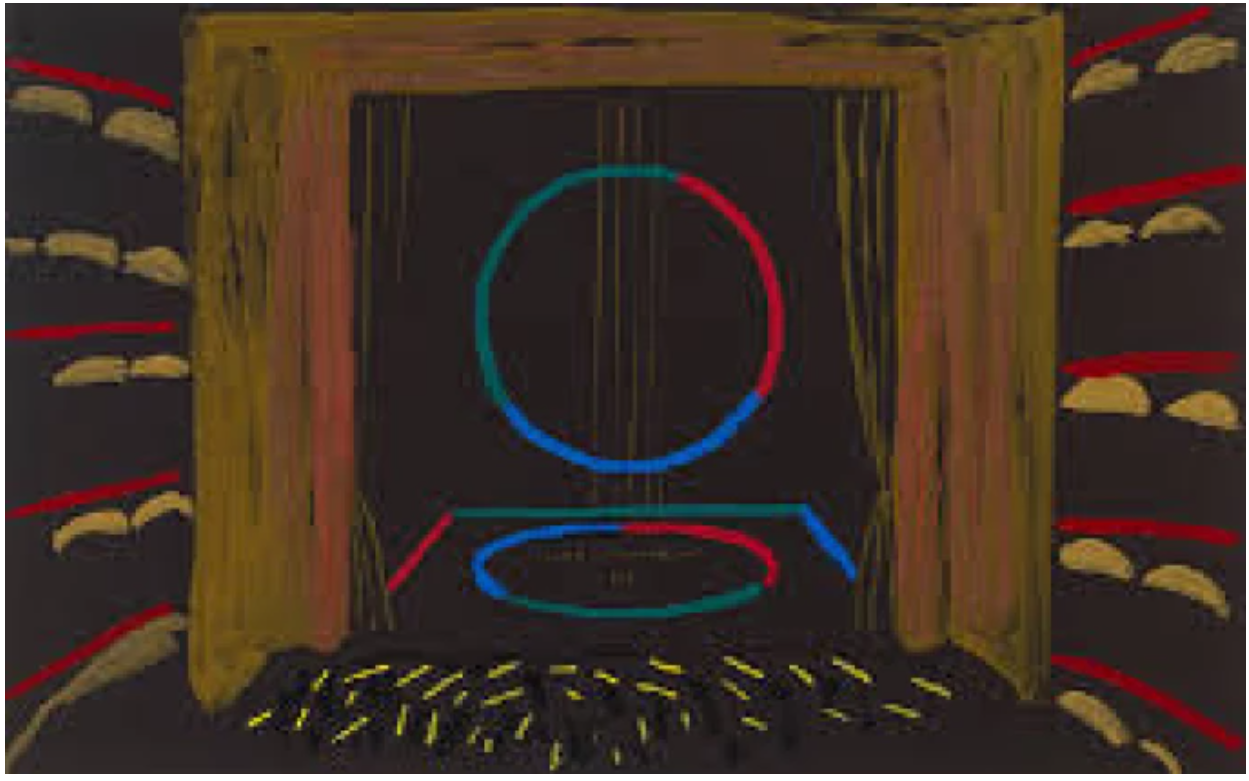
Curtain in the Theatre from “Stravinsky Triple Bill”, 1981. Image/Artwork: © The David Hockney Foundation
In the present work, Hockney masterfully fuses still life genre painting, the concepts of Surrealism, and the geometry of Cubism to create an undeniably contemporary work, demonstrating Hockney’s not only academic, but technical understanding of art history and its possible contemporary applications. His work not only challenges established traditions and techniques, but embraces new possibilities, by straddling modernist ideals and contemporary innovations. For instance, his works draw upon the dreamlike imagery, cryptic landscapes, and hauntingly empty spaces found in the works of Yves Tanguy and René Magritte, as well as the geometric forms and bold color palettes typical of Pablo Picasso’s set designs for ballet productions- especially those created for the illustrious Ballets Russes.
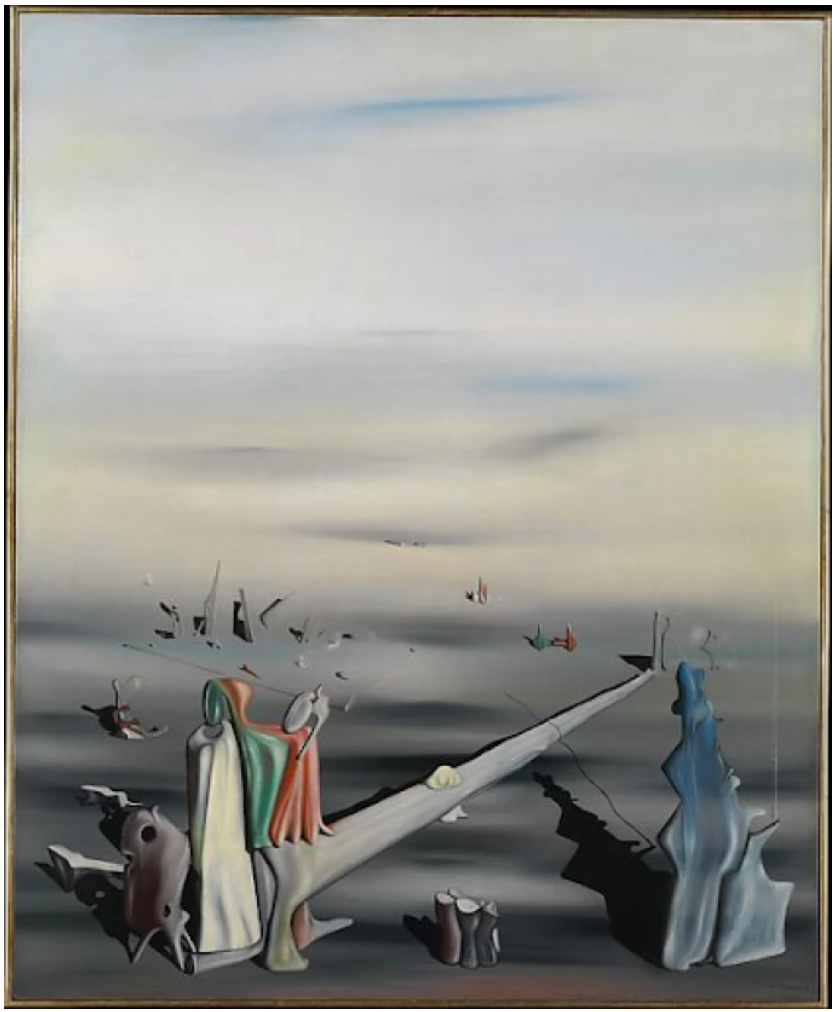
Yves Tanguy, The Satin Tuning Fork, 1940. The Metropolitan Museum of Art, New York.
Like Picasso, Hockney had a particular interest in theater and set design, critically examining the ways in which the different artistic mediums were both similar and dissimilar. A painting, where a specific scene is captured and presented, presents a striking counterpoint to the ephemeral nature of theater, where performances are unique and unfurl in the immediacy of a moment. While color, dimension, and composition can be manipulated in a painting, theater engages the senses of movement, sound, and interaction, creating a visceral connection between the performers and the audience that Hockney sought to emulate in his theatrical pictures, endeavoring to transform his pictorial spaces into dynamic stage sets. It is easy to see Painted Landscape (Or Red and Blue Landscape) as a precursor to Hockney’s work in the theater, as a year after it’s execution, Hockney would design the sets and costumes for the revival of Ubu Roi at London’s Royal Court Theatre. Throughout the 1970s, Hockney would continue to contribute to theatrical productions, including The Rake’s Progress, The Magical Flute, and Oedipus Rex. David Hockney said “In paintings before that I had been interested in what you might call theatrical devices, they would be contradictory… So I agreed to do it without knowing how to do it. I took each scene and made a drawing of it” (David Hockney, The David Hockney Foundation, 1966).
Pablo Picasso, Maquette du décor de “Parade” posée sur une commode pour les “Ballets Russes”, 1917. Musée National Picasso-Paris © RMN-Grand Palais (Musée national Picasso-Paris) / Mathieu Rabeau, © Succession Picasso 2020
Hockney would continue his experimentation with landscape, spatial representation, and experiential viewership throughout the 1990s, and in the traveling exhibition ‘David Hockney: A Bigger Picture’ at the de Young Museum, San Francisco (2012-14) would debut some of his first drawings completed on an iPad. In 2017, the Tate Britain would stage a traveling retrospective which would become the most visited exhibition of all time, seen by nearly 500,000 visitors, cementing Hockney’s status as one of the most influential British artists of the 20th and 21st centuries. Today, Hockney’s work can be found in the permanent collections of The Museum of Modern Art, New York, the Centre Georges Pompidou, Paris, and the J. Paul Getty Museum, Los Angeles, among numerous others.
Focus: Yayoi Kusama
8 lots sold for a total of USD 18,344,900.
The top lot was Pumpkin, a large Pumpkin sculpture sold for USD 6,826,000 at Christie’s. With no lot failing to sell, the sell-through rate is 100%. One lot was withdrawn at Sotheby’s.
#1. Pumpkin, 2022
Christie’s New-York: 21 November 2024
Estimated: USD 6,000,000 – 8,000,000
USD 6,826,000
YAYOI KUSAMA (B. 1929), Pumpkin | Christie’s
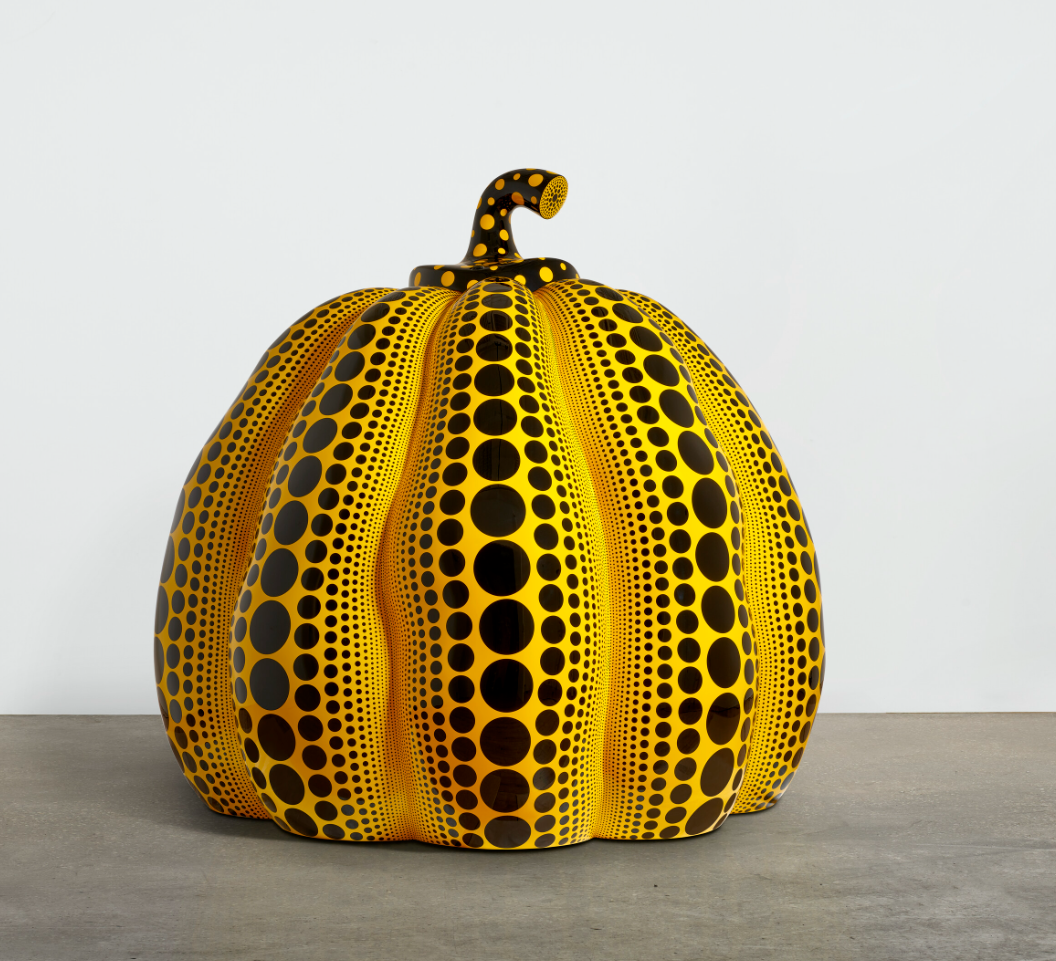
YAYOI KUSAMA (B. 1929)
Pumpkin, 2022
Fiberglass reinforced plastic and urethane paint, in three parts
245x260x260 cm (96 1/2 x 102 x 102 inches)
Signed and dated ‘Yayoi Kusama 2022’ (on the side)
Emerging from the earth in splendid majesty, Yayoi Kusama’s monumental Pumpkin attains spatial dominance, drawing all in its presence into the artist’s ever-expanding universe. One of the largest examples of the celebrated Japanese artist’s most famous subjects, Pumpkin embodies eight decades of meditative refinement of this autobiographical motif. Universally recognizable, the first large-scale pumpkin appeared as a permanent installation on Naoshima Island as part of the “Out of Bounds: Contemporary Art in the Seascape” exhibition in 1994. As such, Pumpkin joins the canon of contemporary sculpture, such as those by Jeff Koons, that has reinvigorated the genre for a new audience.
In the present work, an infinity of Kusama’s iconic black dots appear against the yellow backdrop, covering the entire variegated gourd. Large, weighty dots ascend each of the pumpkin’s ribs, articulating the organic shape, while further dots dwindle in scale as they recede into the pumpkin’s folds, ending as minute dashes barely visible from afar much as distant stars diminish into oblivion. Kusama’s palette is inspired by the typical Japanese kabocha, the type of pumpkin which she was first introduced to as a young child. The form has a deeply personal meaning to her—Kusama describes in her autobiography how in elementary school her grandfather took her to a seed-harvesting ground, where she “caught glimpses of the yellow flowers and baby fruit of pumpkin vines. I stopped to lean in for a closer look, and there it was: a pumpkin the size of a man’s head” (Y. Kusama, Infinity Net: The Autobiography of Yayoi Kusama, Tate Publishing, 2013, pg. 75). She goes on to describe how the pumpkin “immediately began speaking to me in the most animated manner. It was still moist with dew, indescribably appealing, and tender to the touch” (op. cit.). This first encounter with the pumpkin has ever since informed Kusama’s perception of both herself and the wider world.
Crowning the work is a slightly bowed peduncle relaying an inverse color arrangement from the body of the sculpture. This reversal draws the viewer’s eye to the very top of the sculpture, toward the space in which the boundless dots coalesce like a black hole, consuming all matter. In Japan, Kabocha are severed from their vines prior to attaining full maturity, left to ripen off the vine. This physical untethering of the fruit from the earth informs the sense of overpowering, endless expansion relayed by Pumpkin’s stem, both aspects together further accentuating Kusama’s oeuvre-defining practice of establishing an infinity of space to expose and protect against the underlying darkness she perceives through her hallucinosis.
#2. Mushroom, 1980
Sotheby’s New-York: 20 November 2024
Estimated: USD 4,000,000 – 6,000,000
USD 3,360,000
Mushroom | The Now and Contemporary Evening Auction | 2024 | Sotheby’s
YAYOI KUSAMA (b. 1929)
Mushroom, 1980
Acrylic on canvas
162 x 130.5 cm (63 3/4 x 51 3/8 inches)
Signed, titled in Japanese and dated 1980 (on the stretcher)
Executed on an immersive scale and endowed with a humming and powerful presence, Yayoi Kusama’s Mushroom of 1980 is an exceptional example of the artist’s paradigmatic career. Black dots and polygons applied with punctilious care pulsate and dance across a canvas of rich scarlet. The mesmerizing, almost hypnotic mark-making converges in kaleidoscopic clusters, resulting in a mushroom humming with visual and psychological intensity. Featuring the iconic polka-dots that have come to define the artist’s prodigious interrogation of her own personal history, Mushroom underscores Kusama’s acute ability in profound contemplation of her own experience, which has solidified her status as one of the most iconic artists of the twentieth and twenty-first century.
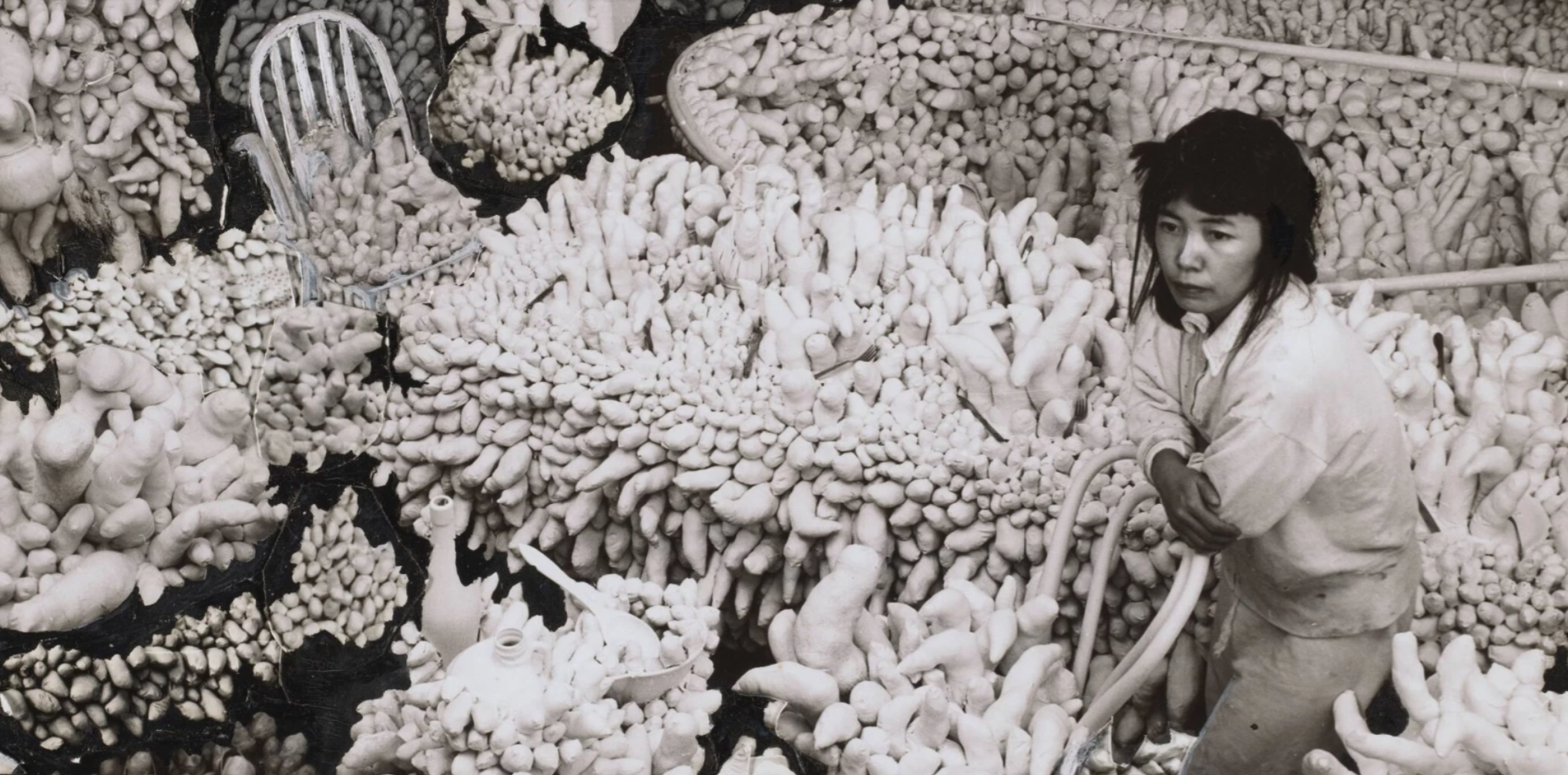
Yayoi Kusama pictured with her Compulsion Furniture (Accumulation), c. 1964. San Francisco Museum of Modern Art. Art © 2024 Yayoi Kusama
Kusama’s art, despite her disapproval, has been described at various times throughout her career as Surrealist, Minimalist, Monochrome, Pop, Psychedelic, and more. Regardless of these diverging accounts, what emerges is that her practice is defined by the exploration of obsessive repetition. The initial image of her dot motifs emerged from hallucinations Kusama experienced when she was ten years old: “One day, looking at a red flower-patterned table cloth on the table, I turned my eyes to the ceiling and saw the same red flower pattern everywhere, even on the window glass and posts. The room, my body, the entire universe was filled with it, my self was eliminated, and I had returned and been reduced to the infinity of eternal time and the absolute of space.” (the artist quoted in: Laura Hoptman, “Yayoi Kusama: A Reckoning” in: Yayoi Kusama, London, 2000, p.35) Repetition, infinity, self-obliteration, and obsessive patterning are themes and motifs that pervade Kusama’s oeuvre and are evident in the black dots and polygonal tessellations of Mushroom. Blurring the boundaries between illusion and reality, nothingness and infinity, selfhood and self-obliteration, Kusama’s hypnotic mark-making foregrounds an artist’s journey towards spiritual stability and respite from psychosomatic anxiety.
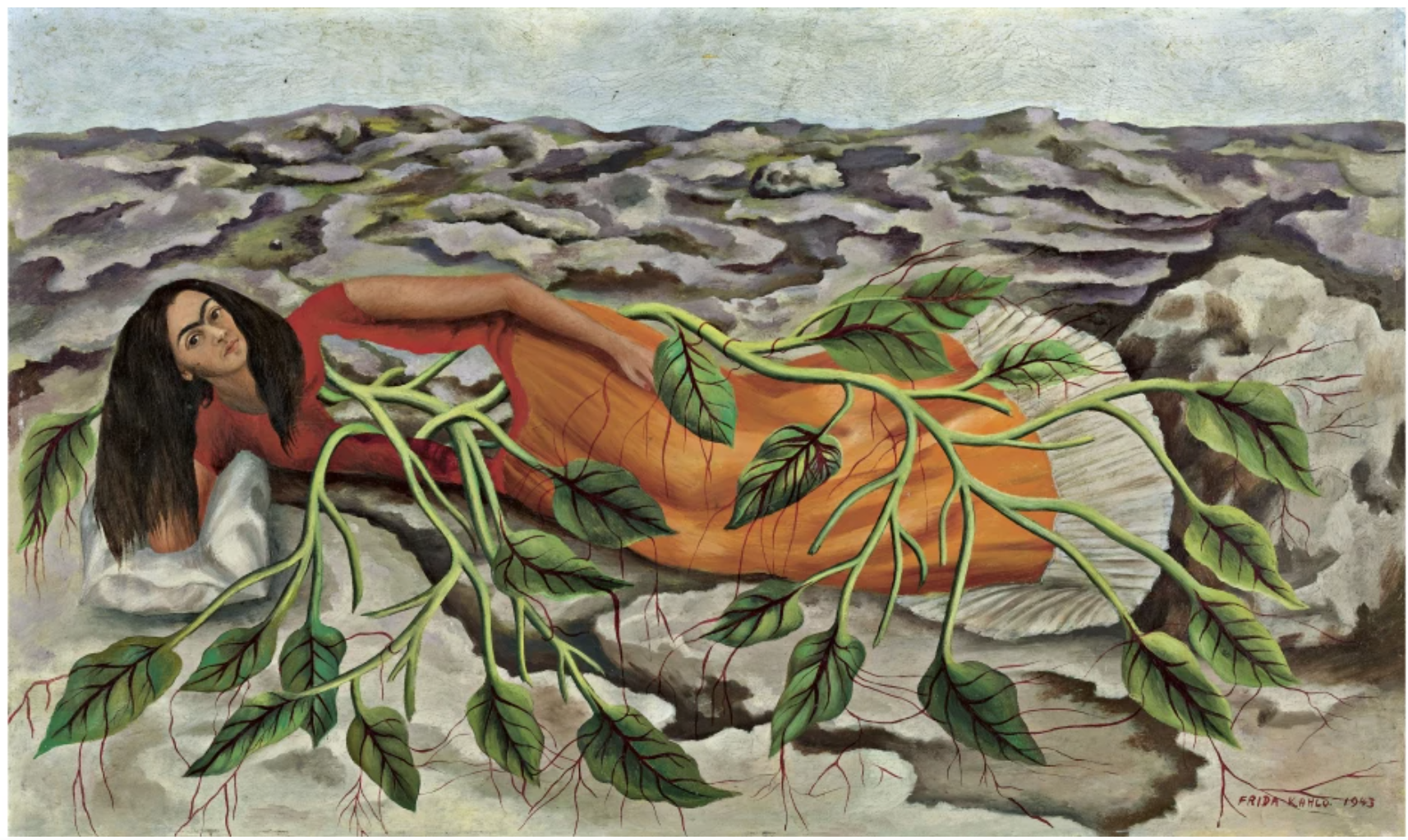
Frida Kahlo, Roots, 1943. Private Collection. Image © Sotheby’s / Bridgeman Images. Art © 2024 Banco de México Diego Rivera Frida Kahlo Museums Trust, Mexico, D.F. / Artists Rights Society (ARS), New York
Considering how personally resonant her practice is, it is difficult to separate the tumult of Kusama’s life from the works that she produced. As a young artist trained in both Western and Japanese traditions, she emigrated to the United States, arriving in New York City in 1958 where she would remain for a fifteen years. While many publications discuss the psychiatric histories of Kusama’s childhood, the artist’s time in New York was also riddled with hardship. Although she was incredibly productive and driven upon her arrival in New York and made important connections with artists such as Georgia O’Keeffe, Donald Judd, On Kawara, and Joseph Cornell, the racism and sexism prevalent in the white-male-dominated art world presented countless obstacles to the ambitious young artist. Her artworks from this period are widely considered transformative and pivotal to her career but were also a source of frustration and disappointment to Kusama, leading to her eventual return to Japan in 1973.
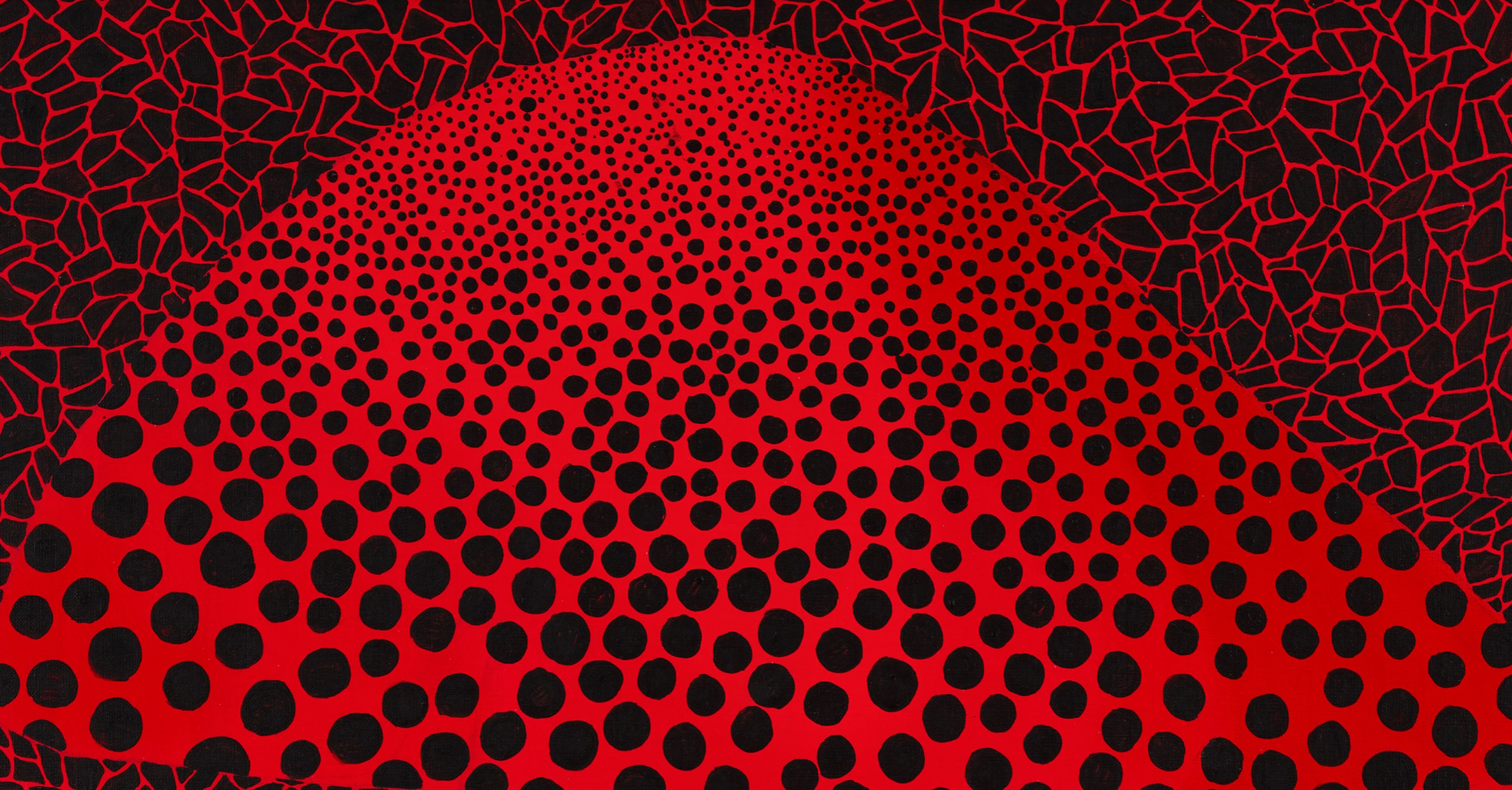
Kusama started working on the mushroom motif in 1977 and 1978, beginning with works on paper. Along with other iconic motifs such as the pumpkin, flower, and butterflies, Kusama’s mushroom embodies polka-dot patterns redolent with complex fragility and symbolic resonance. Mushroom further underscores the artist’s preoccupation with life, death, celebration, and mourning. After all, mushrooms grow upon a substrate of dead, decaying plant matter, and are thus a symbol of what grows after death. The fact that many mushrooms, when ingested, acts as a hallucinogenic incurring supernatural visions and illusions, also adds another layer of significance to the motif when put in parallel with Kusama’s condition. Visual associations with the mushroom—the phallic nature of the imagery, as explored in Kusama’s earlier Accumulation sculptures, or its similarities to the “mushroom” cloud of a nuclear bomb—also hint at the myriad ways Mushroom can be read as Kusama’s “attempt to flee from psychic obsession by choosing to paint the very vision of fear, from which one would ordinarily avert one’s eyes.” (Akira Tatehata, “Interview: Akira Tatehata in conversation with Yayoi Kusama” in: Yayoi Kusama, London, 2000, p.14) The resulting painting is an exemplar of Kusama’s fierce and relentless desire to collapse the division between her consciousness and the external world—a practice of intuitive translation into a visual lexicon that deciphers the complexity of her own mind.
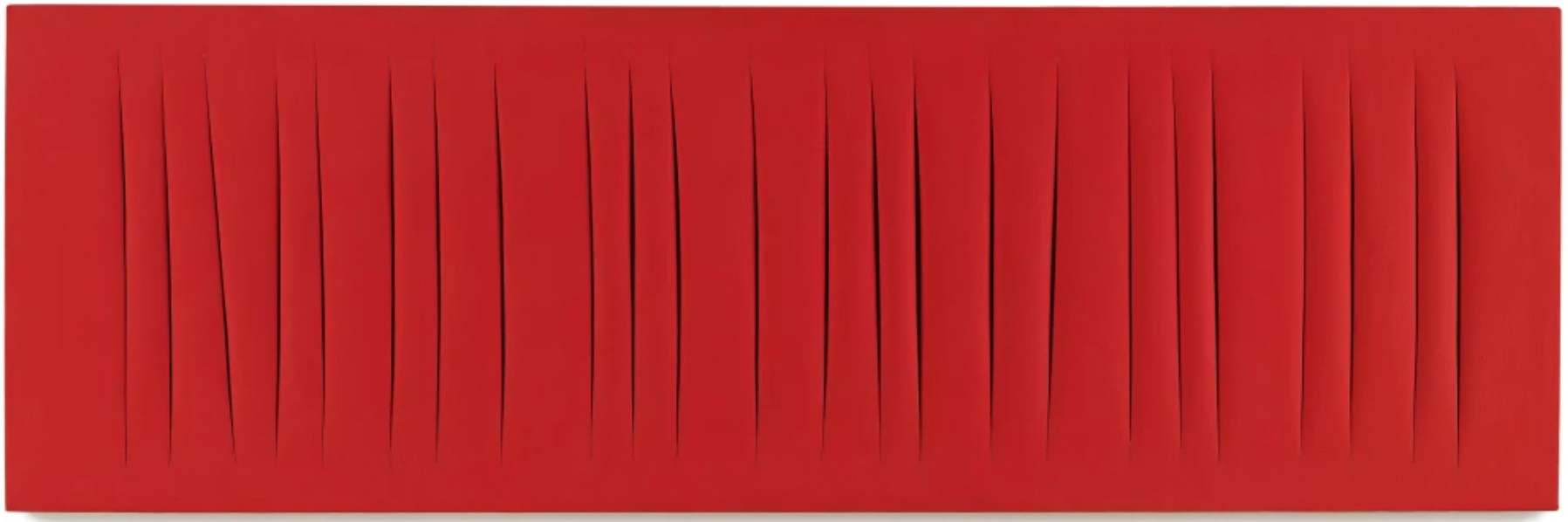
Lucio Fontana, Concetto Spaziale, Attese, 1965. Private Collection.
Sold at Sotheby’s New York in November 2015 for $16.2 million. Art © 2024 Fondation Lucio Fontana
With a process that is at once meditative and obsessive, Kusama demonstrates her singular devotion to artistic creativity and her interrogation of life, death, trauma, and infinity. Vast in scale and outstanding in intricacy, Mushroom presents a testament to the artist’s relationship with her own practice, how her art has been a vital form of personal therapy but also an expression of philosophical and aesthetic questions that have rewritten the grammar of contemporary art. Utterly spellbinding to artist and viewer alike, the present work’s elegant palette and intricate construction deliver an immersive experience for us to glimpse into Kusama’s fantastical spiritual dimension.
#3. Starry Pumpkin, 2016
Sotheby’s New-York: 20 November 2024
Estimated: USD 2,000,000 – 3,000,000
USD 2,340,000
Starry Pumpkin | The Now and Contemporary Evening Auction | 2024 | Sotheby’s
YAYOI KUSAMA (b. 1929)
Starry Pumpkin, 2016
Fiberglass reinforced plastic and tile
146.1 x 142.2 x 134.6 cm (57 1/2 x 56 x 53 inches)
Signed, titled and dated 2016 (on a label affixed to the interior)
Yayoi Kusama’s Starry Pumpkin, executed in 2016, epitomizes the artist’s unparalleled contributions to the contemporary canon, serving as a transformative locus wherein earthly simplicity intersects with profound metaphysical resonance. In this seminal work, Kusama metamorphoses the humble pumpkin, an emblem of simplicity and an object of mundane origin, into a vessel that brims with transcendent, almost sacral significance. The mosaic surface of Starry Pumpkin is encrusted with an intricate tessellation of mirrored tiles, each positioned with a meticulous precision which coalesces into patterns that transcend the visual and evoke a meditative engagement. This transformation elevates the pumpkin beyond mere objecthood, instead presenting it as a semi-sublime icon with its glittering mirrored reflections speaking to both the individual viewer’s gaze and the collective human experience within the infinity. Kusama’s mastery lies in her ability to draw the viewer into a dialogue with both themselves and the infinite, an experience that reveals a profound sensitivity to the spaces where art, self, and universe intersect. In the subject work, Kusama bridges her personal symbolic use of the pumpkin with her renowned polka dot motif, and the resulting composition is both monolithic in its formidable presence and delicate in its nuanced execution. Starry Pumpkin is a work of profound depth and museum-caliber significance, serving as a pivotal piece within Kusama’s oeuvre that meticulously weaves visual complexity with thematic resonance.
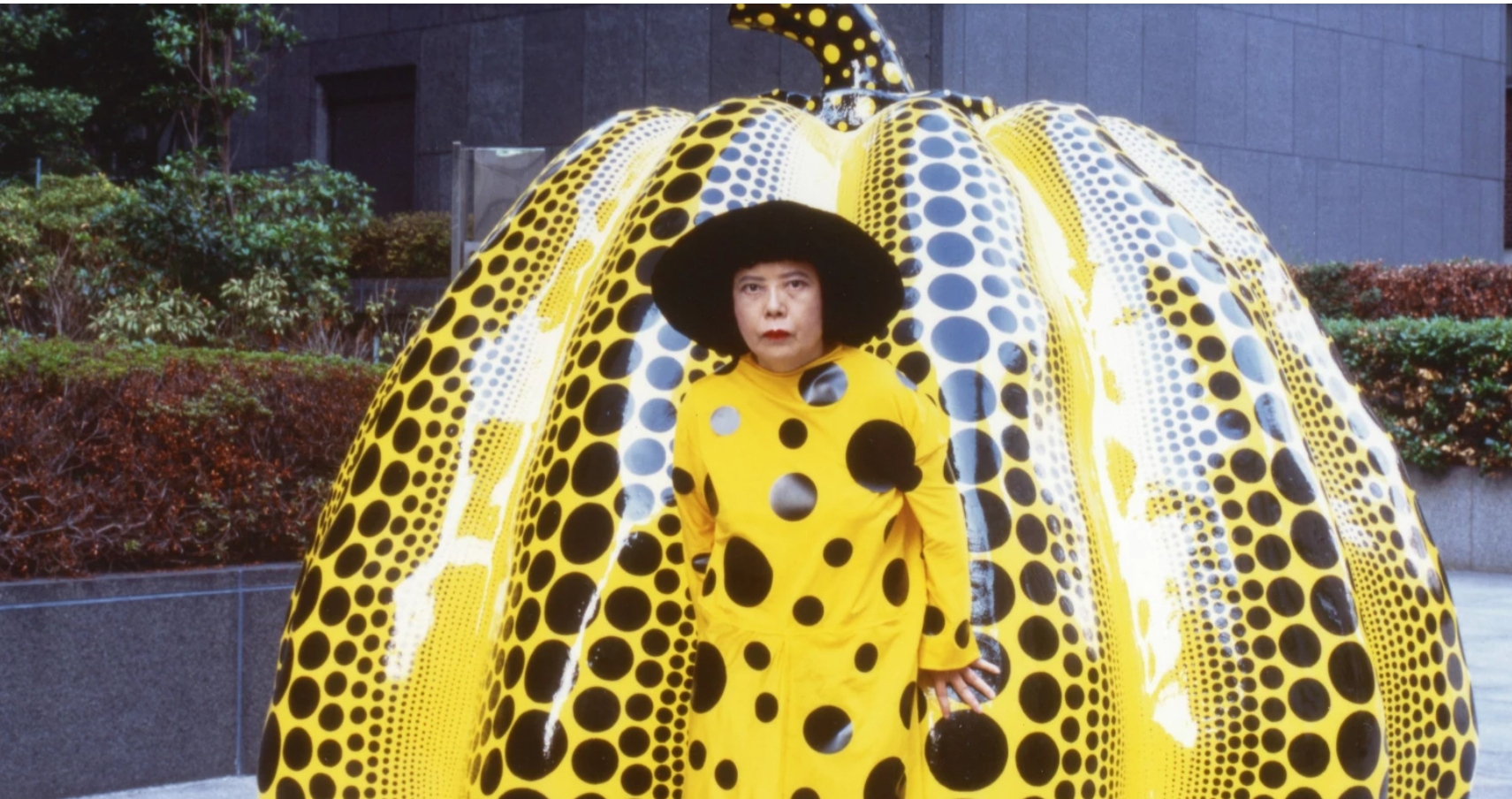
Yayoi Kusama with a Pumpkin sculpture in Fukuoka, Japan, 1994.
Image © Yayoi Kusama Inc. Art © 2024 Yayoi Kusama, Collection of Fukuoka Art Museum
A reiteration of Kusama’s iconic black and yellow palette is rendered anew, where the classic polka dot motif gains an iridescent vibrancy that pulses with a rhythmic motion and a chromatic synthesis. Starry Pumpkin not only echoes Kusama’s early pumpkins but also amplifies their metaphysical resonance, with each reflective fragment acting as both mirror and medium, capturing light only to refract it anew. This bestows the composition with a jewel-like opulence that not only resonates with the aesthetic traditions of Baroque art, but also engages in a broader dialogue with art history, invoking the intricate patterns of the mosaics of ancient Rome and Greece. In the ancient world, the mosaics served as both decorative and narrative instruments, transforming surfaces into visual tapestries that articulated complex stories, akin to Kusama’s work, which similarly invites contemplation and reflects the cultural and philosophical ideals of its own era. This resplendent choreography of light and form brings Starry Pumpkin to an apotheosis within Kusama’s body of work, elevating the signature pumpkin into a radiant artifact suffused with spiritual resonance and gravity.
“I adore pumpkins. As my spiritual home since childhood, and with their infinite spirituality, they contribute to the peace of mankind across the world and to the celebration of humanity. And by doing so they make me feel at peace… Giving off an aura of my sacred mental state, they embody a base for the joy of living; a living shared by all of humankind on the earth. It is for the pumpkins that I keep on going.”
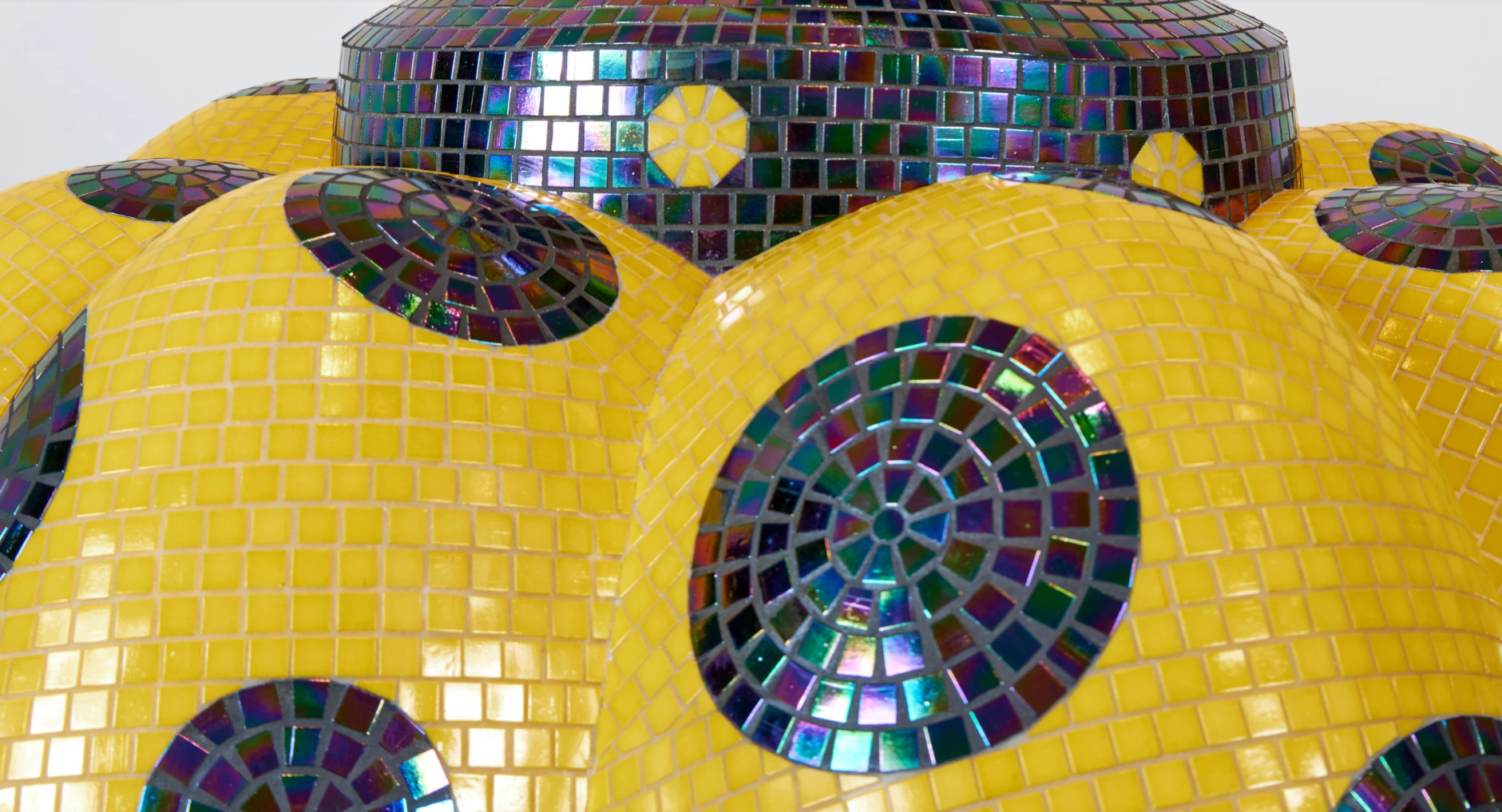
The pumpkin’s personal mythology resonates deeply within Kusama’s oeuvre, transcending its hearty, earthly origins to emerge as an emblem of both comfort and resilience. Growing up in Matsumoto City, Japan, where her parents harvested seeds for a living, Kusama later regarded the pumpkin as a comforting presence amidst her intense hallucinations – an idea she later revisited as a mature artist upon returning to Japan from the post-war avant-garde circles of New York. Recontextualized through Kusama’s spiritual and introspective lens, the pumpkin is transformed from a childhood staple into a symbol of resilience, an icon woven into her very psyche and elevated in her practice to the status of a personal and symbolic alter ego and self portrait. In Starry Pumpkin, this metamorphosis is intensified through scale and material, as the pumpkin becomes a cosmic manifestation imbued with a spiritual reverence that transcends its humble origins.
Byzantine School, Emperor Justinian I and his Retinue of Officials, Guards and Clergy, c. 547 AD. Image © Bridgeman Images
Kusama’s mosaic pumpkins have garnered international acclaim and stand as testaments to her meticulous artistry and visionary scope. Kusama: Cosmic Nature at the New York Botanical Garden in 2021 showcased a mosaic pumpkin, in this case a golden mosaic pumpkin dotted in red, and The Kusama Museum, Tokyo, houses a Starry Pumpkin rendered in a radiant pink variation. Starry Pumpkin stands as a work of truly profound consequence in Kusama’s oeuvre and is an enduring monument to both the artist’s life and her spiritual inquiries. The series not only solidifies Kusama’s status within the pantheon of contemporary art, but stretches the parameters of the field itself, challenging and redefining the possibilities of sculptural form. Through these monumental mosaic works, Kusama invites us to reflect on the intricate connections between the personal and the universal, to consider the transformative power of art to elevate the ordinary into the extraordinary, and ultimately, to encounter beauty as a gateway to boundless transcendence. Starry Pumpkin becomes a testament not only to Kusama’s vision, but also to the vast, untapped potential within the human gaze to find the infinite within the finite.
#4. Infinity-Nets (RDUEL), 2018
Christie’s New-York: 21 November 2024
Estimated: USD 2,000,000 – 3,000,000
USD 2,107,000
YAYOI KUSAMA (B. 1929), Infinity-Nets (RDUEL) | Christie’s
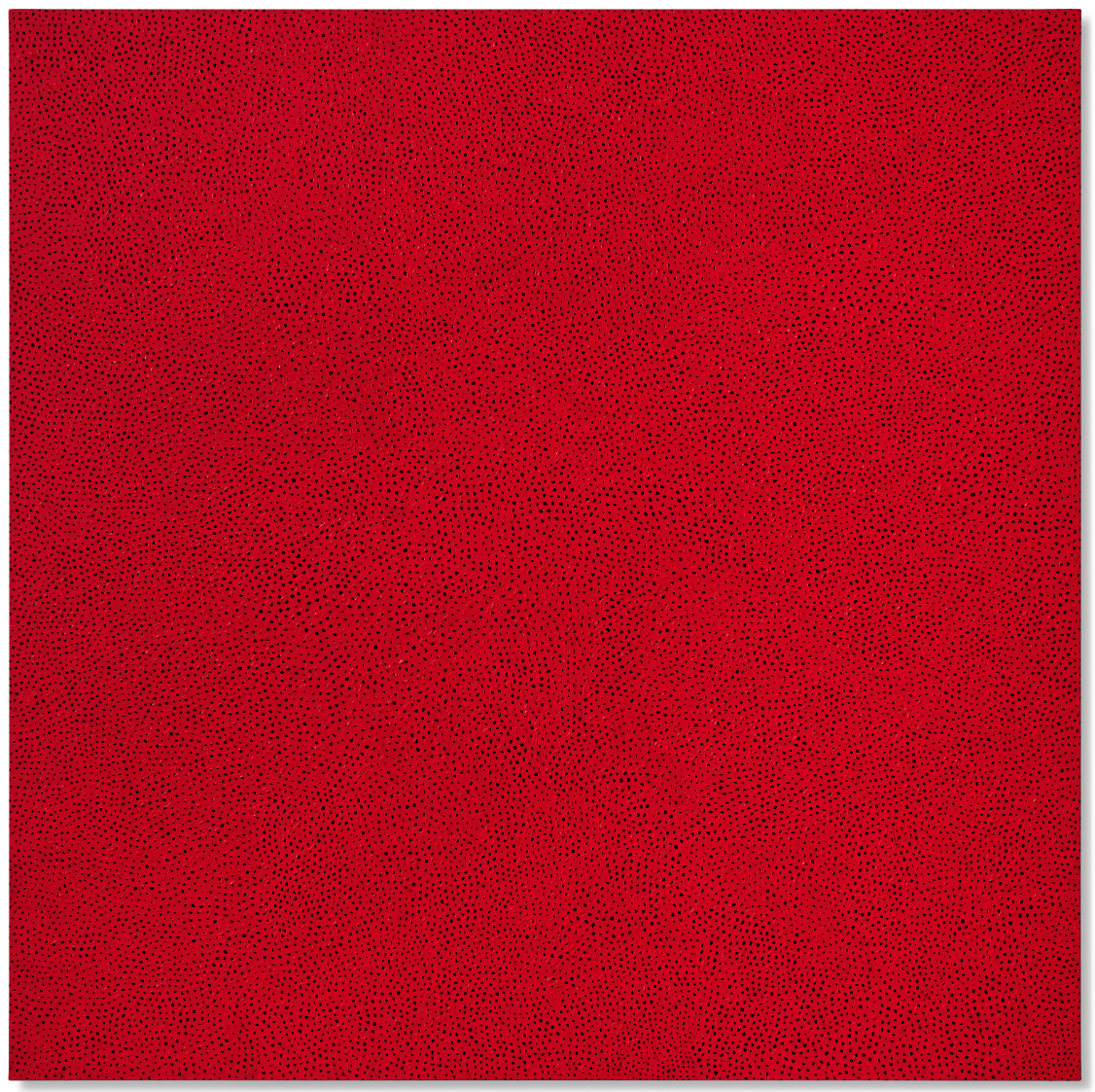
YAYOI KUSAMA (B. 1929)
Infinity-Nets (RDUEL), 2018
Acrylic on canvas
194×194 cm (76 3/8 x 76 3/8 inches)
Signed, titled and dated ‘YAYOI KUSAMA 2018 INFINITY-NETS RDUEL’ (on the reverse)
The extraordinary, large-scale Infinity Nets (RDUEL) presents a seemingly limitless field of cadmium red brushstrokes against a dark ground. A prime example from Yayoi Kusama’s most famed body of work, her Infinity Net paintings, the painting provides a didactic display of draughtsmanship. Each painterly addition is a repeated iteration of a single elegant gesture, a discrete flip of Kusama’s wrist articulated as an arc of pigment. Her use of intense cadmium red in the present work is a nod to her early relationship with the critic turned artist Donald Judd, who frequently used the same color of paint in his early sculptural works. Both obsessive and meditative, the work is an endogenous elaboration of the artist’s process wherein Kusama’s technical facility and extraordinary physical stamina elevate the work.
Kusama initiated her Infinity Nets soon after her arrival in New York, showing them first at Nova Gallery in June 1959, then at Brata Gallery later that year. The series was a revelation to the New York art world, winning critical acclaim. Donald Judd compared the works to Mark Rothko and Barnett Newman, while Stuart Preston lauded: “the patience that has gone into the confection of texture is astonishing and the concentrated pattern titillates the eye” (S. Preston, quoted in Yayoi Kusama, Tate Modern, London, 2012, pg. 53). Kusama synthesizes both Eastern and Western styles in the series, challenging the machismo and ecstatic gesture in Abstract Expressionism then current in New York with a self-consciously feminine, exhaustive gesture. Energy diffuses like waves across the work’s expanse, pushing the painting to the limits of spatial extent in a scale which overwhelms even the largest New York School canvases.
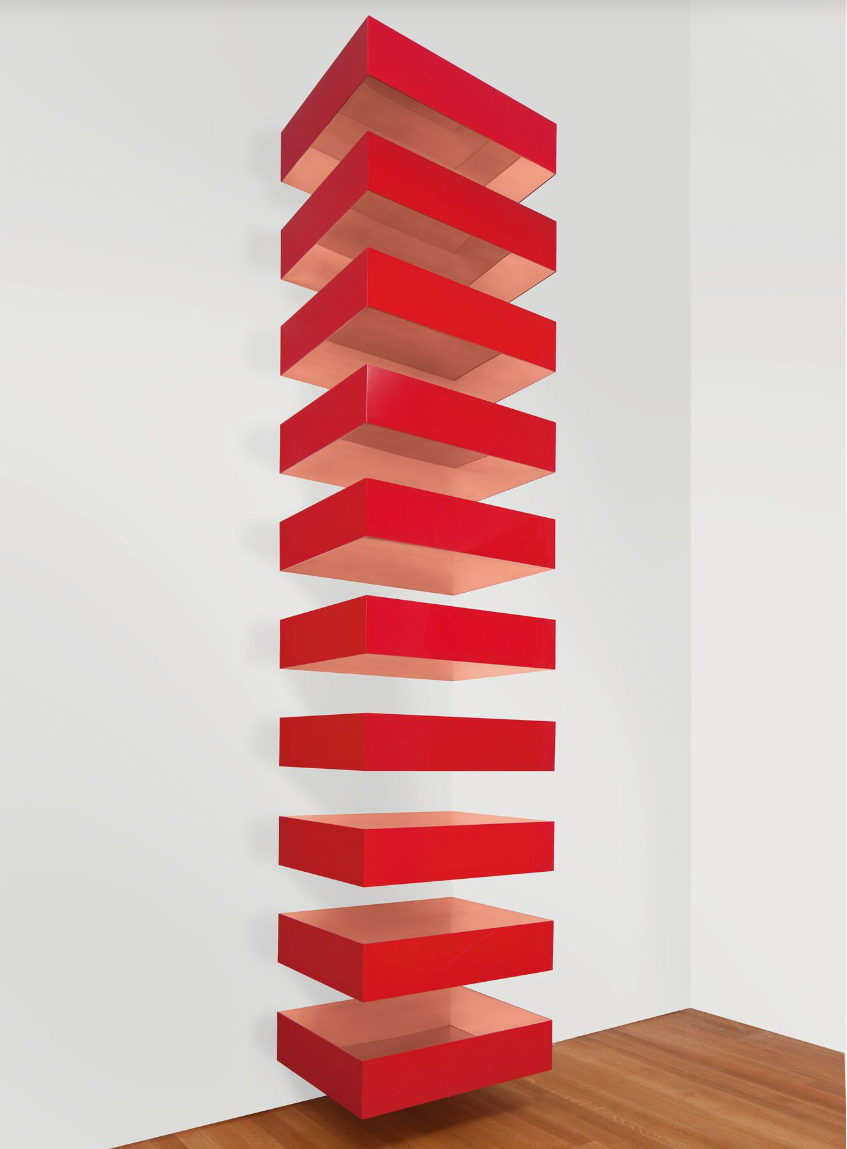
Donald Judd, Untitled (Bernstein 89-24), 1989. © 2024 Judd Foundation / Artists Rights Society (ARS), New York.
While highly attuned to Western artistic developments, Kusama received a traditional Japanese artistic education focused on Nihonga painting. Born in 1929 in Matsumoto in central Japan, Kusama devoted herself to art from a very young age, finding refuge from familial and wartime tribulations in her self-taught creative inventions. She was able to enroll in Kyoto Municipal Upper Secondary School to master the water-soluble techniques necessary to create traditional Japanese paintings. Kusama rapidly attained success in Japan, exhibiting a number of shows in Kyoto, but felt compelled to emigrate to New York.
“Staying in Japan was out of the question. My parents, the house, the land, the shackles, the conventions, the prejudice…For art like mine—art that does battle at the boundary between life and death, questioning what we are and what it means to live and die—this country was too small, too servile, too feudalistic, and too scornful of women. My art needed a more unlimited freedom, a wider world.”
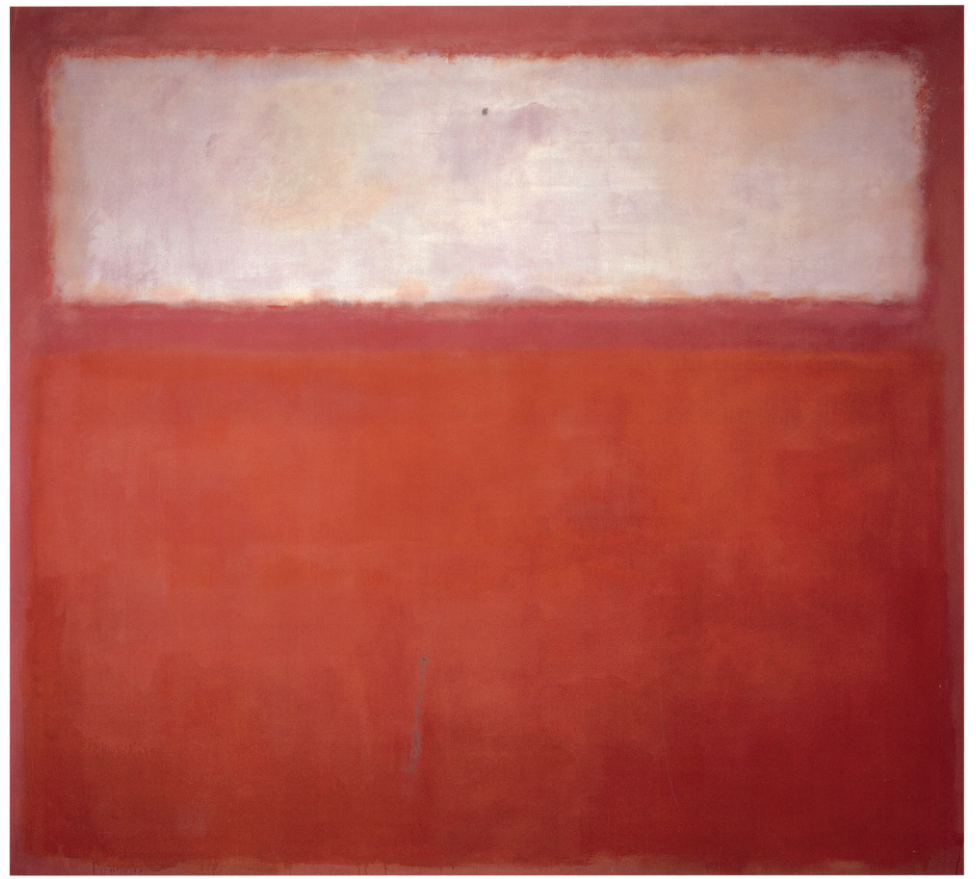
Mark Rothko, Pink and White over Red, 1957. Anderson Collection at Stanford University.
© 1998 Kate Rothko Prizel & Christopher Rothko / Artists Rights Society (ARS), New York.
Kusama’s decades of prolific production emerge from her desire for refuge from the psychological symptoms she constantly suffered from since childhood, namely hallucinosis, and her Infinity Nets provide her with a strong visual anchor from which she is able to out-will her hallucinations. Viewing the nets as a form of protection, Kusama describes what happened to her while painting these works.
“I would cover the canvas with nets, then continue painting them on the table, or the floor, and finally on my own body. As I repeated this process over and over again, the nets began to expand toward infinity. I forgot about myself as they enveloped me, clinging to my arms and legs and clothes and filling the entire room. I woke one morning and found the nets I had painted the previous day stuck to the windows. Marveling at this, I went to touch them, and they crawled onto and into the skin of my hands.”
The present work accords even more vividly with her first and most significant childhood hallucination, where she witnessed “eternal time and absolute space” as her entire universe became saturated with deep red flowers. In Infinity Nets (RDUEL) Kusama then reenacts this early traumatic experience in the deep red ground, resisting the obliterative effects of the hallucination via the lattice of red nets which she covers across the canvas. In this subtle development from her earlier Infinity Nets, Kusama expands the reach and effect of the series, successfully capturing both the hallucinatory and the palliative on a single canvas.
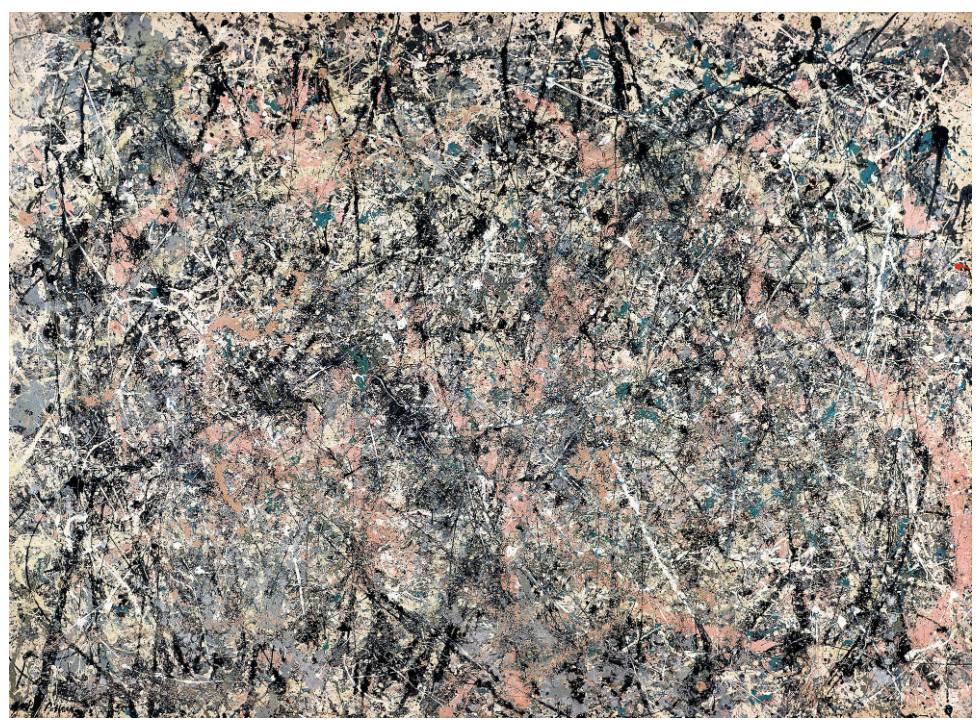
Jackson Pollock, Lavender Mist: Number 1, 1950. National Gallery of Art, Washington, D.C.
© 2024 The Pollock-Krasner Foundation / Artists Rights Society (ARS), New York. Photo: © Bridgeman Images.
Infinity Nets (RDUEL) encapsulates Kusama’s most important motif in her iconic personal vocabulary of images which have remained singular across her decades-long career. A seismograph for the zeitgeist, Kusama has remained at the avant-garde, constantly revisiting and advancing concepts first originated as expressions of her inner self while amid the competitive and hectic artistic space of New York. Infinity Nets function as Kusama’s form of resistance, constructing an infinity of space within an extraordinary visual field to allow for her “self-obliteration.”
#5. INFINITY-NETS (OTWTTS), 2007
Christie’s New-York: 22 November 2024
Estimated: USD 1,800,000 – 2,500,000
USD 2,107,000
YAYOI KUSAMA (B. 1929), INFINITY-NETS (OTWTTS) | Christie’s
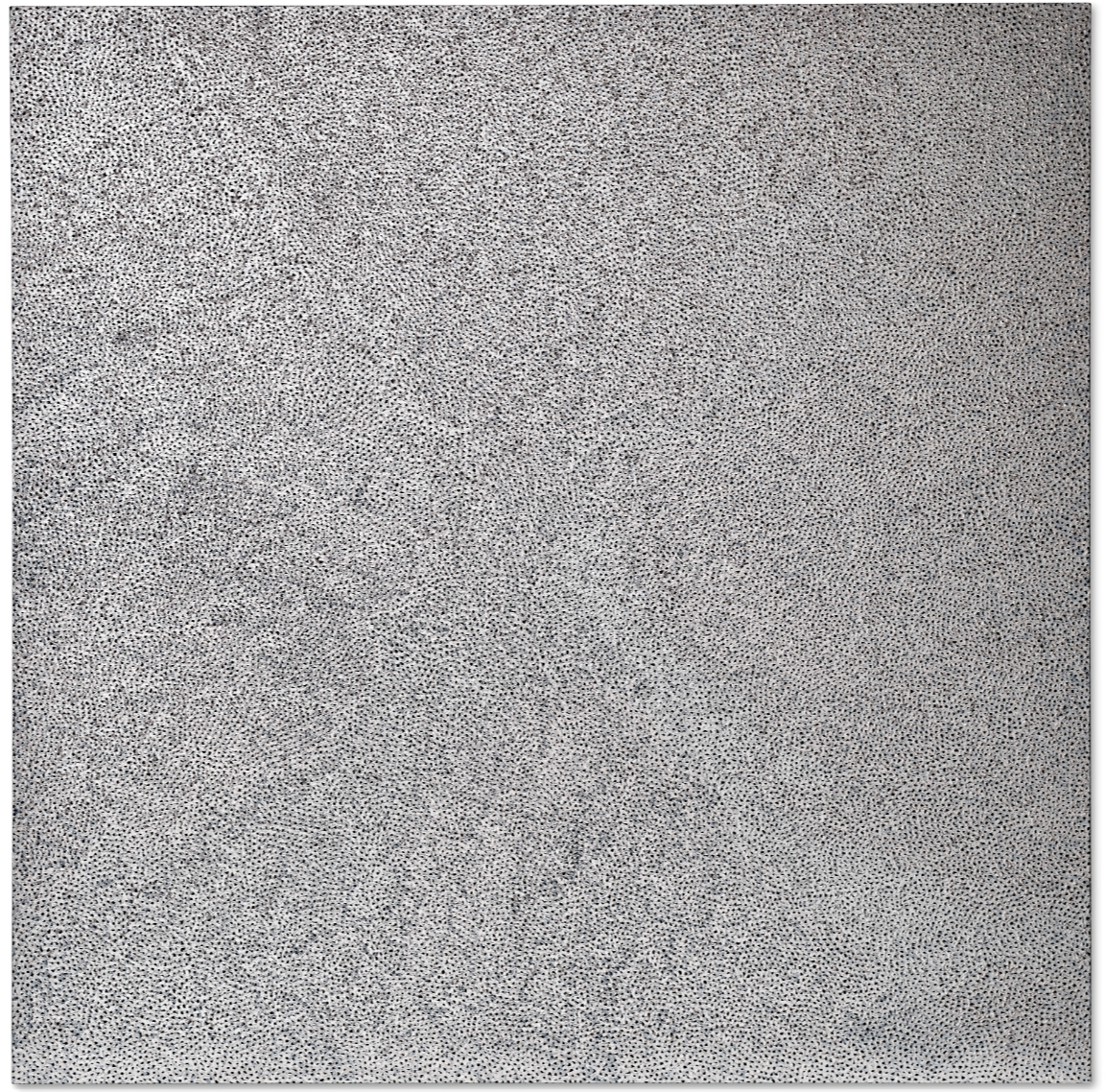
YAYOI KUSAMA (B. 1929)
INFINITY-NETS (OTWTTS), 2007
Acrylic on canvas
194×194 cm (76 3/8 x 76 3/8 inches)
Signed twice, titled and dated ‘OTWTTS INIFINTY-NETS Yayoi Kusama 2007 YAYOI KUSAMA’ (on the reverse)
Vast and all-encompassing, INFINITY NETS (OTWTTS) commands a monumental presence that hypnotizes the viewer in an expansive field of gleaming metallic patterns. The canvas is meticulously adorned with Kusama’s characteristic semi-circular brushstrokes, each shimmering loop fluidly interlocking with the next to form an undulating, net-like lattice. Applied in thick metallic impasto, the brushstrokes rise fervently from the surface, imbuing the work with a tactile quality where silvery textures become tangible, three-dimensional forms, transforming the painting into a shiny, almost sculptural expanse.
Painted in 2007, INFINITY NETS (OTWTTS) forms part of Kusama’s celebrated Infinity Nets series, which she began soon after arriving in New York City in the late 1950s. Nearly five decades after her earliest iterations of Infinity Nets, the present lot builds upon the dynamism of her earlier groundbreaking works, incorporating metallic paint to seamlessly bridge decades of artistic evolution and innovation.
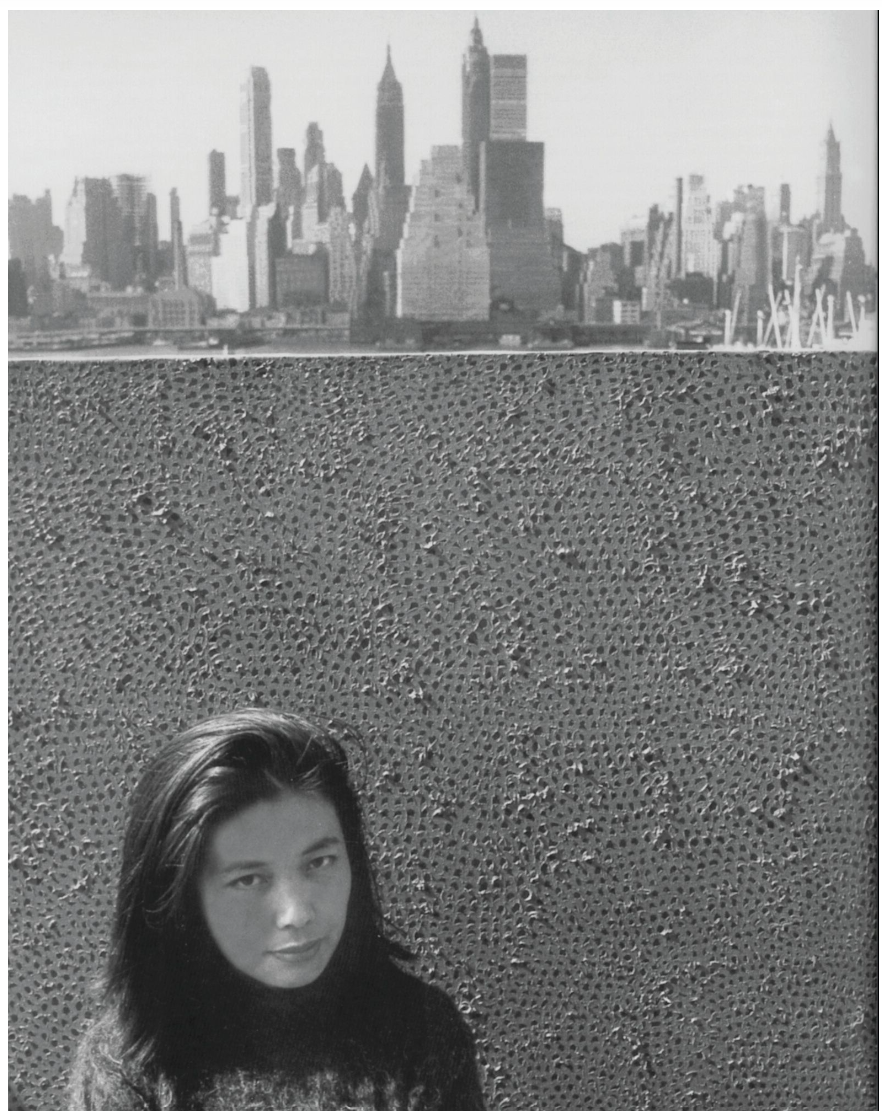
Yayoi Kusama, New York, circa 1961. Photo: Yayoi Kusama Studio, Tokyo. Artwork: © Yayoi Kusama.
Driven by an insatiable desire to make art, Kusama arrived in New York City in 1958. Isolated from her native Japan, she worked tirelessly in her modest, cluttered studio, laboring for hours on end on her now-renowned Infinity Nets.
“I wanted to start a revolution, using art to build the sort of society I myself envisioned.”
In 1959, her efforts culminated in her first solo exhibition at the Brata Gallery, an artist-run space in the heart of the East Village. The exhibition unveiled her monumental Infinity Net paintings to the public for the first time, composed exclusively of white semi-circular forms over black backgrounds. Unsurprisingly, her rhythmic and meditative canvases quickly captivated the New York avant-garde, including Donald Judd, who praised her works.
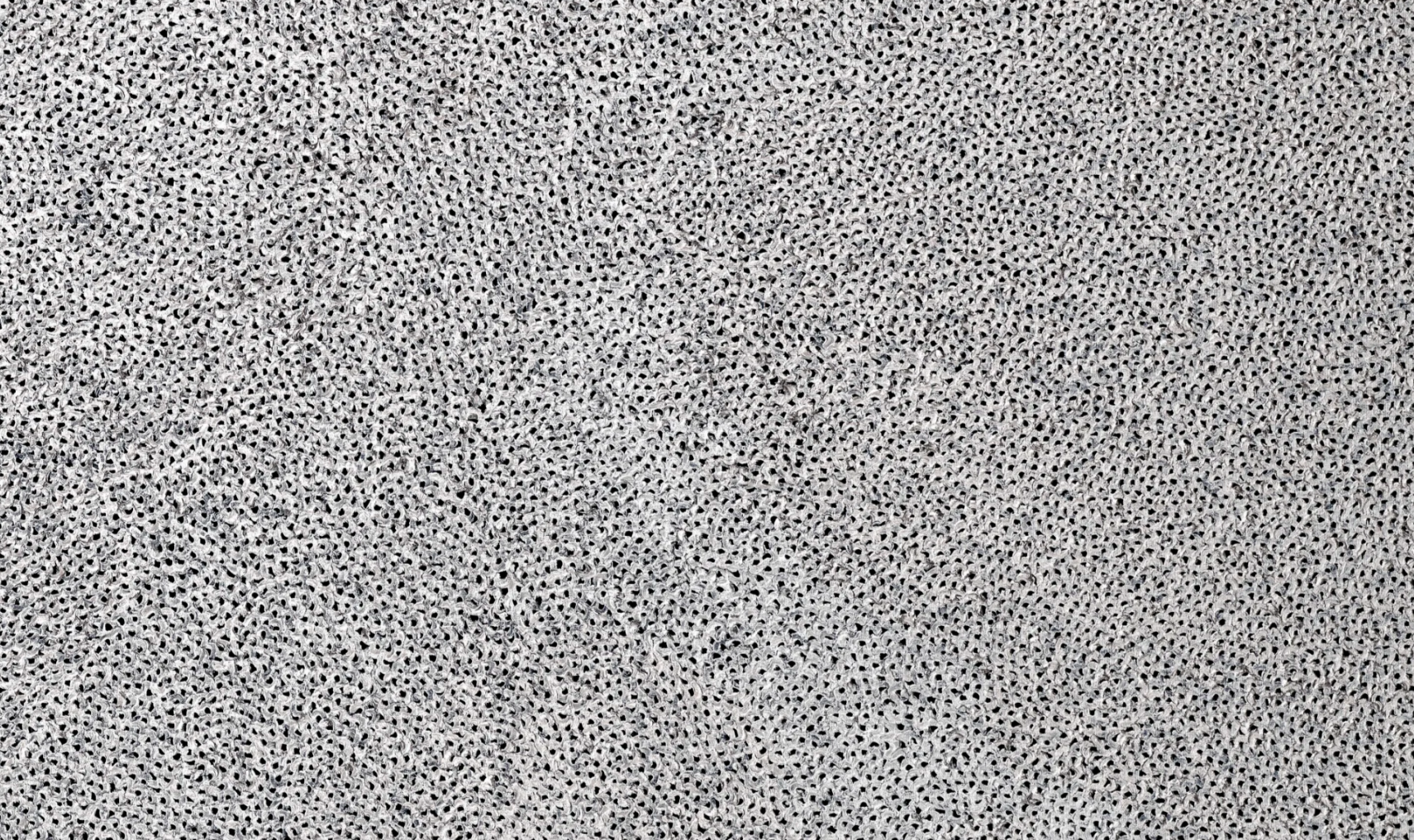
Indeed, her process was both meticulous and obsessive. Each semicircular brushstroke was a highly calculated act, contributing to an expansive network of brushstrokes that seemed to extend far beyond the canvas’s physical edges. The repetitive motion became a form of meditation, a way to channel her psychological turmoil into tangible form. Kusama had suffered from vivid hallucinations since childhood, visions where patterns and dots consumed her surroundings.
“I often suffered episodes of severe neurosis. I would cover a canvas with nets, then continue painting them on the table, on the floor, and finally on my own body. As I repeated this process over and over again, the nets began to expand to infinity. I forgot about myself as they enveloped me, clinging to my arms and legs and clothes and filling the entire room.”
The laborious application of paint, layer upon layer, loop after loop, was thus not a mere artistic technique but a necessary compulsion, materializing her inner cosmos of hallucinations onto the canvas and enveloping the viewer within them. Amidst the fervor of the New York avant-garde scene in the late 1950s, where Abstract Expressionism dominated the artistic landscape with its explosive gestures and raw emotional intensity, Kusama’s Infinity Nets presented a stark contrast. Artists like Jackson Pollock, in works such as Number 28, 1950, unleashed torrents of swirling aluminum, gray, and olive-green paint across the canvas, a turbulent blend of color and movement that captured the New York School’s signature spontaneity and painterly chaos. In sharp contrast, Kusama’s methodical and introspective approach manifested in meticulously applied semi-circular brushstrokes, forming tightly woven geometric grids, a composition both measured and controlled. While Pollock’s Number 28 celebrates the physical act of painting through energetic dripping and gestural abstraction, Kusama’s Infinity Nets invite serene contemplation; where Pollock’s silvery hues add to the intensity and chaos of his work, Kusama’s shimmering metallic impasto in the present lot fosters a meditative expanse, its hypnotic repetition evoking an infinite, rhythmic stillness.
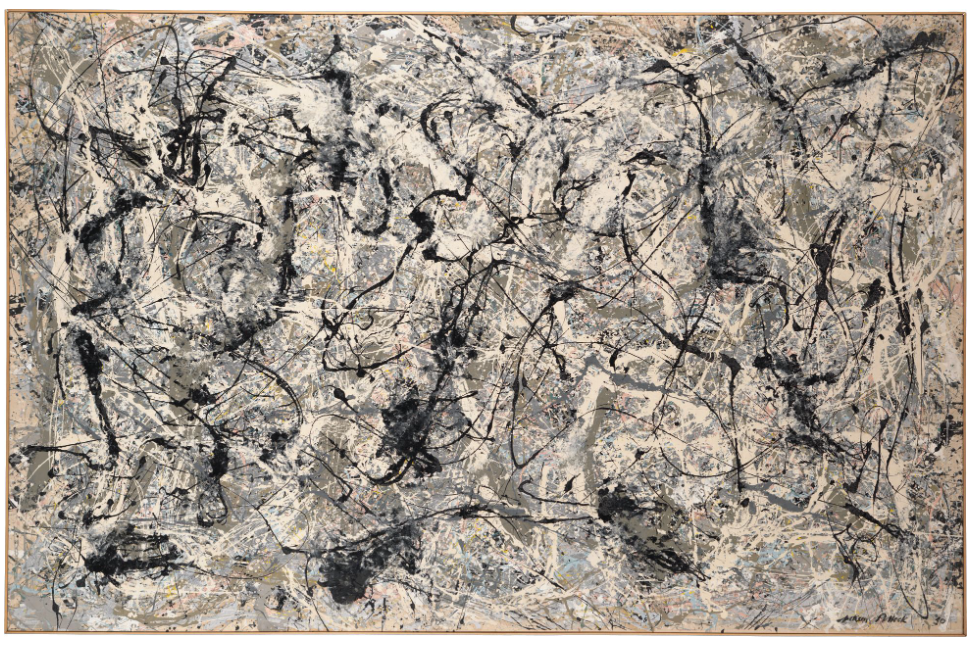
Jackson Pollock, Number 28, 1950. Metropolitan Museum of Art, New York. © 2024 The Pollock-Krasner Foundation / Artists Rights Society (ARS), New York. Photo: © The Metropolitan Museum of Art / Art Resource, New York.
Despite the commercial dominance of Abstract Expressionism throughout her career, Kusama remained steadfast in her meticulous, obsessive mark-making, acutely aware of her divergence from the mainstream.
“Action Painting was all the rage then, and everybody was adopting this style and selling the stuff at outrageous prices. My paintings were the polar opposite in terms of intention, but I believed that producing the unique art that came from within myself was the most important thing I could do to build my life as an artist.”
Impressively, Kusama’s bold departure from mainstream artistic conventions did not merely distinguish her from her contemporaries—it placed her at the forefront of emerging movements that would redefine contemporary art. Her emphasis on repetition and introspection prefigured the Minimalist movement of the 1960s and 1970s and gestured towards the emergence of Pop Art, particularly resonating with artists like Andy Warhol whose fascination with mass production, seriality, and infinite multiplicity paralleled her own. This early exploration into the infinite later culminated in Kusama’s Infinity Dot paintings and Infinity Mirror Rooms of the late 1960s through present day. Continuously returning to the infinity motif, INFINITY NETS (OTWTTS) thus forges a vital connection between the radical experimentations with the infinite Kusama pioneered throughout the 1950s and 1960s and a renewed, 21st century lens.
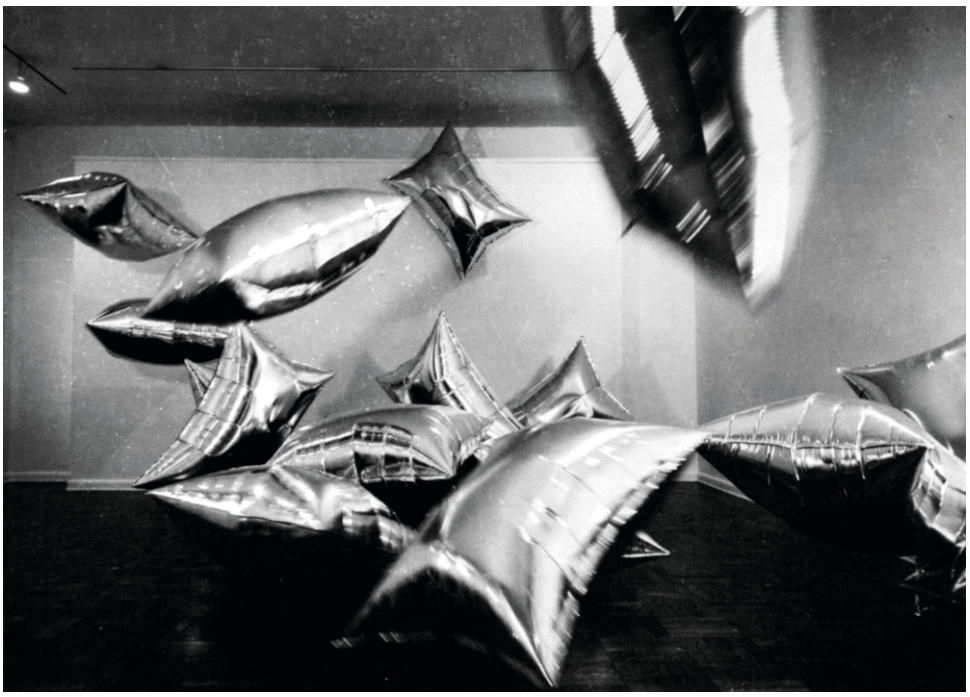
Rudy Burckhardt, Andy Warhol Silver Clouds at Leo Castelli, 1966. Archives of American Art, Smithsonian Institution, Washington, D.C. Photo: Estate of Rudy Burckhardt / Artists Rights Society (ARS), New York.
Artwork: © 2024 The Andy Warhol Foundation for the Visual Arts, Inc. / Licensed by Artists Rights Society (ARS).
Revisiting her seminal Infinity Nets series in 2007 with INFINITY NETS (OTWTTS), Kusama pays homage to the minimalist color palette of her earliest works while introducing a metallic sheen that breathes new life into her now lauded motif. This reimagining not only reaffirms the enduring relevance of her pioneering series, but also underscores her persistent desire to adapt and re-invent within her own visual lexicon in the 21st century. Importantly, the significance of this work lies not only in the commercial and institutional success of her Infinity Nets, but also in the uncompromising character of Kusama’s singular practice.
#6. INFINITY-DOTS (ENNZ), 2016
Christie’s New-York: 22 November 2024
Estimated: USD 1,000,000 – 1,500,000
USD 1,008,000
YAYOI KUSAMA (B. 1929), INFINITY-DOTS (ENNZ) | Christie’s
YAYOI KUSAMA (B. 1929)
INFINITY-DOTS (ENNZ), 2016
Acrylic on canvas
145.4 x 112.1 cm (57 1/4 x 44 1/8 inches)
Signed, titled and dated ‘YAYOI KUSAMA 2016 INFINITY-DOTS ENNZ’ (on the reverse)
INFINITY-DOTS (ENNZ) explodes outward with mesmeric intensity, captivating the viewer within its apparently limitless field of painted black dots variegating organically against a vibrant yellow background. In INFINITY-DOTS (ENNZ), Kusama unites the most significant themes of her extraordinary career into a poignant and mature retrospection of her celebrated oeuvre, establishing the ultimate spectacle in the artist’s incredible idiosyncratic artistic language. Kusama combines her iconic Infinity Nets and Pumpkins motifs in INFINITY-DOTS (ENNZ), creating a singular self-referential portrait employing her entire identity. Kusama began painting her Infinity Nets soon after her arrival in New York, first showing them in 1959. For her initial exposure to the Western art world, Kusama combined eastern and western styles to challenge the prevalent Abstract Expressionists with paintings pushing the limits of spatial conception. Her methodically rendered nets—constructed of meticulously repeated gestural strokes articulated as arcs of built up pigment across the canvas—speak to the artist’s technical facility and extraordinary physical stamina, which she skillfully employed to challenge then redefine the New York art scene. In the present work, she imbues this technique with her variegated black-on-yellow pattern typically reserved for her Pumpkin works, powerfully unifying her two great themes within a single tableau.
#7. Original Infinity Nets, 2000
Phillips New-York: 20 November 2024
Estimated: USD 300,000 – 500,000
USD 368,300
Yayoi Kusama – Modern & Contempora… Lot 137 November 2024 | Phillips
YAYOI KUSAMA
Original Infinity Nets, 2000
Acrylic on canvas
45.7 x 38.4 cm (18 x 15 1/8 inches)
Signed, titled and dated “YAYOI KUSAMA ORIGINAL INFINITY NETS 2000” on the reverse
#8. New York, 1982
Phillips New-York: 20 November 2024
Estimated: USD 200,000 – 300,000
USD 228,600
Yayoi Kusama – Modern & Contempora… Lot 103 November 2024 | Phillips
YAYOI KUSAMA
New York, 1982
Acrylic and cloth on canvas
15.9 x 22.5 cm (6 1/4 x 8 7/8 inches)
Signed, titled and dated “New York [in Japanese] 1982 Yayoi Kusama” on the reverse
Lot Withdrawn
Abode of Love, 2015
Sotheby’s New-York: 21 November 2024
Estimated: USD 1,500,000 – 2,500,000
WITHDRAWN
Abode of Love | Contemporary Day Auction | 2024 | Sotheby’s
YAYOI KUSAMA (b. 1929)
Abode of Love, 2015
Acrylic on canvas
161.9 x 129.9 cm (63 3/4 x 51 1/8 inches)
Signed, titled and dated 2015 (on the reverse)
Focus: Andy Warhol
20 lots sold for a total of USD 18,620,700.
The top lot of the week was a full set from Endangered Species, which, even through it should be within the prints category, we have included within the results, given its importance. With 5 lots unsold, the sell-through rate is 80%. 3 lots were withdrawn, 2 from Sotheby’s (Flowers and Dollar Sign), and one from Christie’s (Rorschach).
#1. Endangered Species, 1983
Sotheby’s New-York: 21 November 2024
Estimated: USD 2,000,000 – 4,000,000
USD 4,320,000
Endangered Species | Contemporary Day Auction | 2024 | Sotheby’s
ANDY WARHOL (1928 – 1987)
Endangered Species, 1983
The complete set of 10 screenprints in colors on Lenox Museum Board
All sheets: 38×38 inches (96.5 x 96.5 cm)
Each signed and numbered 126/150 (lower left or right)
This set is number 126 from the edition of 150 plus 30 artist’s proofs
By the time Andy Warhol executed the Endangered Species portfolio in 1983, he was already a massively successful and beloved artist whose prints were widely collected. This was only his third set of prints featuring ten entirely different subjects, as opposed to varying color schemes or compositions of the same subject, and the chosen animals are presented as revered creatures, in vibrant colors and at close range. Initially exhibited at New York’s American Museum of Natural History, the set is a striking example of Warhol attributing the same significance to animals that he had hitherto reserved for the celebrity portraits that had made him a star. The rarefied status of these animals has grown over the years, as complete, intact, Warhol portfolios become endangered themselves.
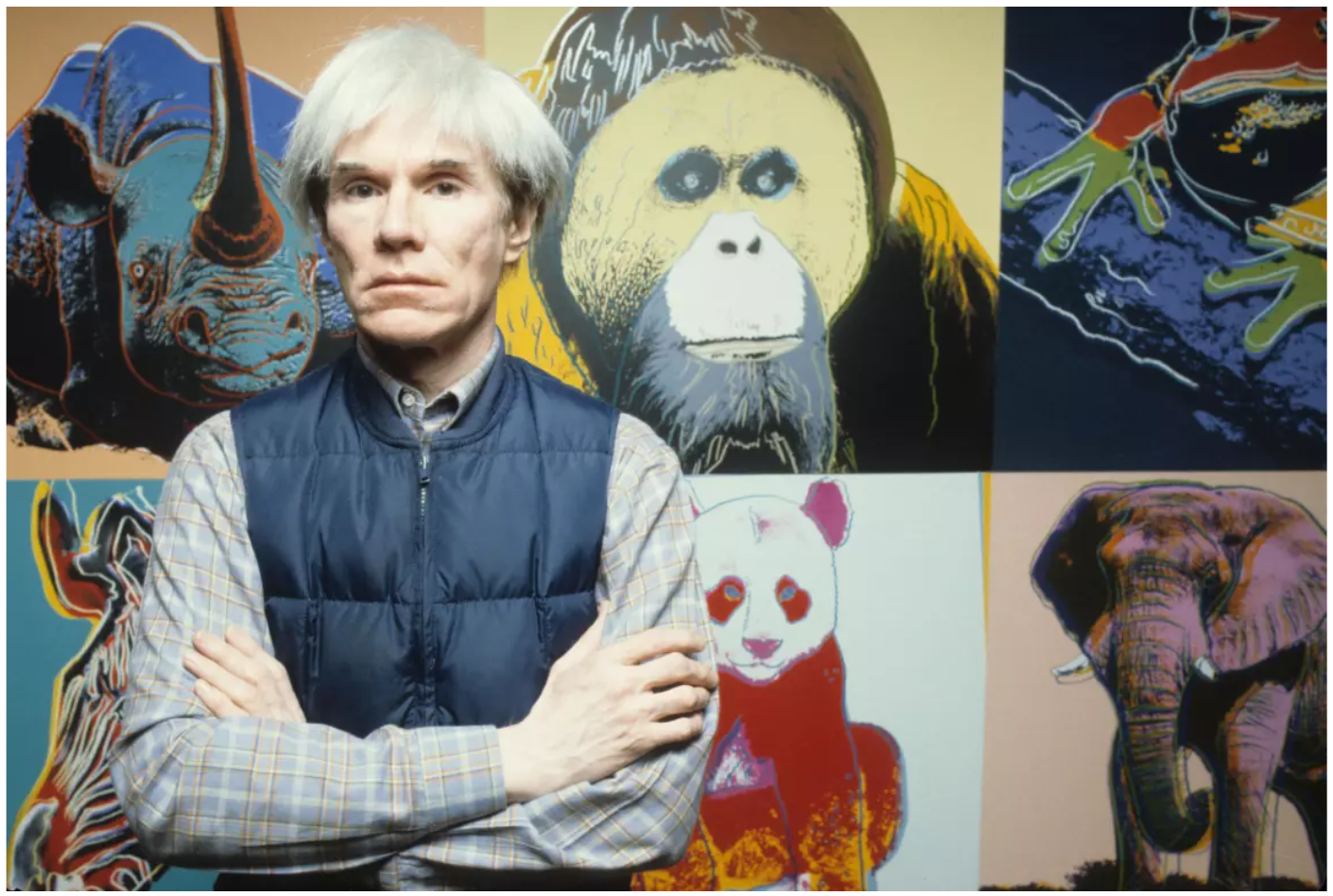
Andy Warhol in his Union Square studio, The Factory, 1983. Photo © Brownie Harris/Corbis via Getty Images. Art © 2024 Andy Warhol Foundation for the Visual Arts / Artists Rights Society (ARS), New York
Commissioned by art dealers Ronald and Frayda Feldman, Warhol’s Endangered Species features ten portraits of animals at risk, executed ten years after the Endangered Species Act was signed into law. This landmark legislation represented a growing awareness of urgent environmental issues in the United States, and Warhol’s portfolio tapped directly into this cultural moment. By presenting these endangered animals through the lens of pop art, the artist was able to both celebrate their innate beauty and highlight the very real dangers they faced from habitat loss, poaching, and other human-driven threats.
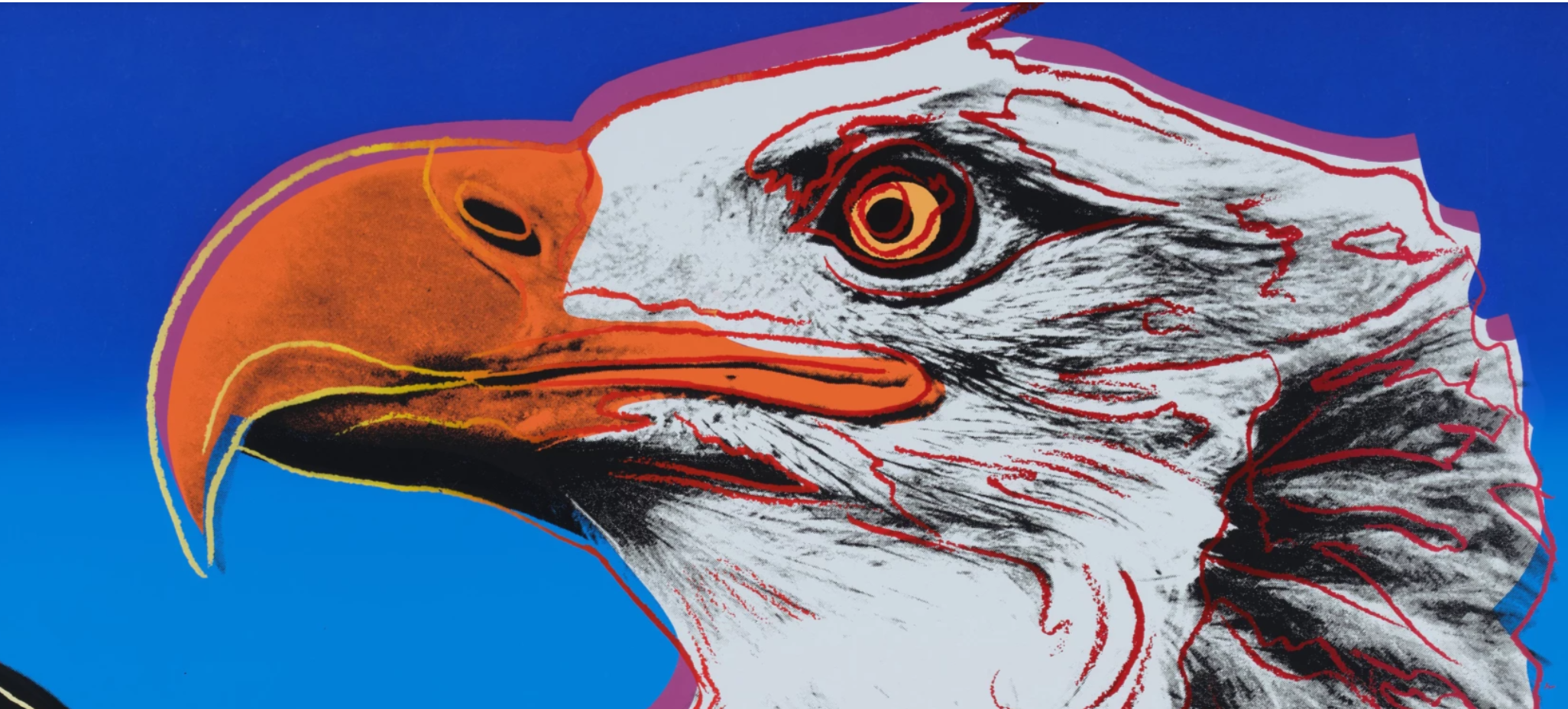
Here, Warhol’s signature screenprinting technique recalls ideas of mass production and commercialism, central to his pop art aesthetic. The bold, unnatural hues he employed – including vibrant pinks, greens, blues, and purples – further emphasized the fabricated quality of the images, creating a striking contrast with the natural splendor of the animals themselves. Beyond its art historical significance, the Endangered Species also stands as a testament to Warhol’s enduring influence as a cultural provocateur. By bringing these threatened animals into the pop art vernacular, Warhol transformed them into bold symbols of conservation that continue to resonate with viewers decades later. His ability to make the plight of the natural world accessible through the lens of mass media and consumer culture underscores Warhol’s lasting relevance as an artist who could seamlessly blend high and low, the sublime and the mundane.
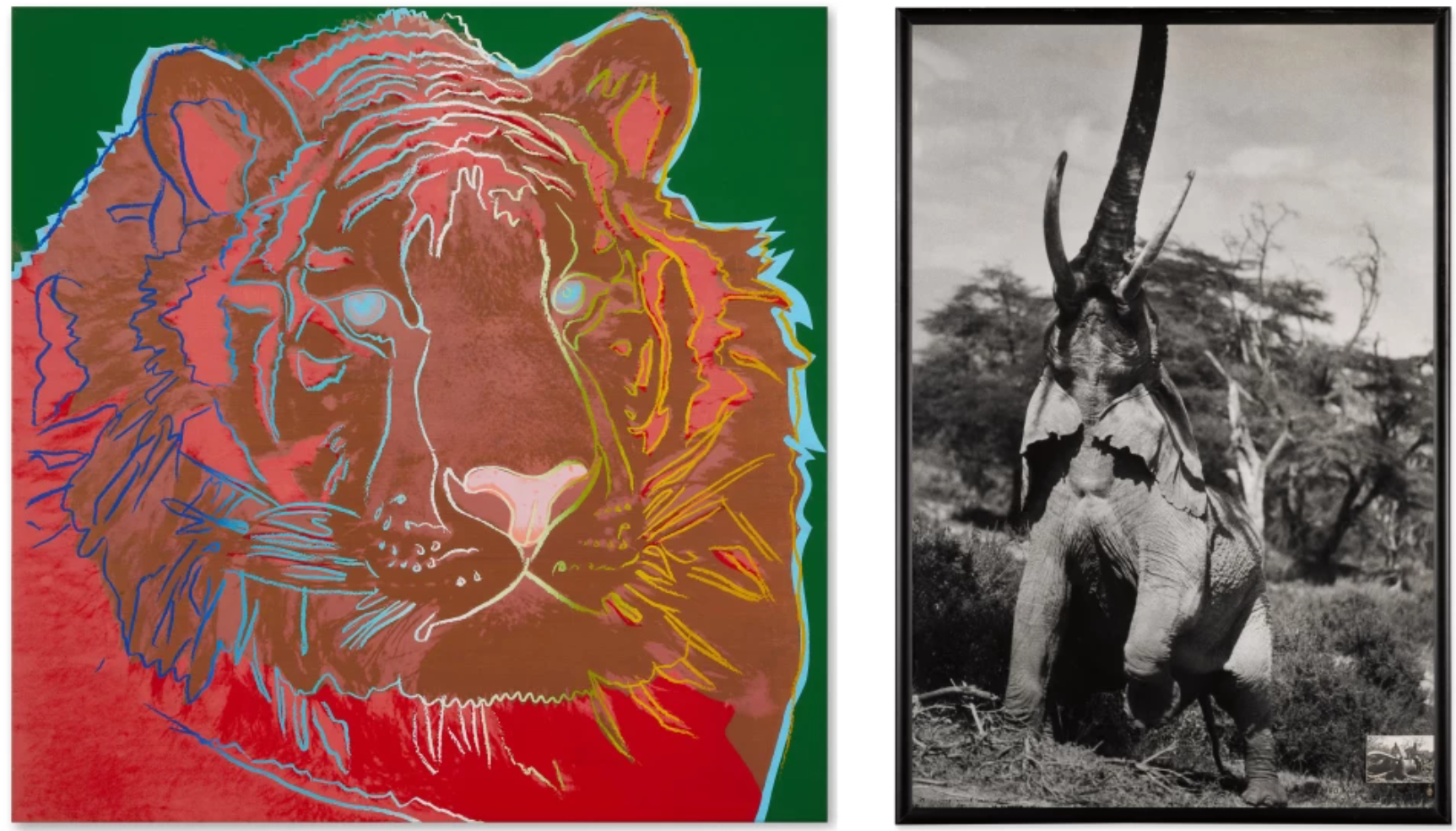
Left: Andy Warhol, Siberian Tiger, 1983. Sold at Sotheby’s New York in November 2022 for $2.59 million. Private Collection. Art © 2024 Andy Warhol Foundation / ARS, NY / TM Licensed by Campbell’s Soup Co. All rights reserved. Right: Peter Beard, Elephant Reaching for the Last Branch on a Tree, 1960. Sold at Sotheby’s New York in October 2022 for $40,320. Private Collection. Art © 2024 Peter Beard
Many of the animals featured in the Endangered Species, such as Grevy’s zebra and the Bighorn sheep, remain endangered or threatened to this day. As such, the portfolio serves as a poignant and prescient reminder of the ongoing need for robust conservation efforts to protect the world’s most vulnerable species, while also reflecting the artist’s longstanding fascination with icons, mass media, and popular culture. By transforming these endangered creatures into his own distinctive icons in vivid colors, Warhol drew attention to their struggle in a way that was both visually striking and politically resonant. Today, these prints continue to captivate and educate audiences around the world, serving as both aesthetic objects and powerful statements about humanity’s complex and often tenuous relationship with the natural world.
#2. Self-Portrait, 1981
Phillips New-York: 19 November 2024
Estimated: USD 4,000,000 – 6,000,000
USD 3,448,000
Andy Warhol – Modern & Contemporary… Lot 15 November 2024 | Phillips
ANDY WARHOL
Self-Portrait, 1981
Synthetic polymer paint and silkscreen ink on canvas, diptych
Each: 40×40 inches (101.6 x 101.6 cm)
Each signed and dated “Andy Warhol 81” on the overlap
Andy Warhol’s 1981 Self-Portrait diptych captures a rare vulnerability within the artist’s otherwise meticulously crafted public image. Executed in synthetic polymer and silkscreen ink on canvas within the forty-by-forty-inch format typical of his commissioned celebrity portraits, this double self-portrait elevates Warhol’s own likeness to the monumental status he usually reserved for Hollywood stars and political figures. Debuting in the celebrated 1999 exhibition Andy Warhol: Paintings and Sculpture at the Anthony d’Offay Gallery in London, where it was the sole image on the invitation card, Self-Portrait continued to gain recognition on a major European tour of Warhol’s iconic “selfies” between 2004 and 2005, showcasing the portrait in a new light. Visually, the diptych departs from his earlier, staged self-images: Warhol’s head tilts slightly away, yet his gaze locks directly into the lens with an expression that borders on vacant, almost evasive, striking his signature contradictory balance between sincerity and artifice. Distinguished by its rarity, this striking composition disrupts the deliberately enigmatic public persona of “Andy Warhol,” offering a rare glimpse into the artist’s reflections on fame, identity, and the complexities of self-representation throughout his career.
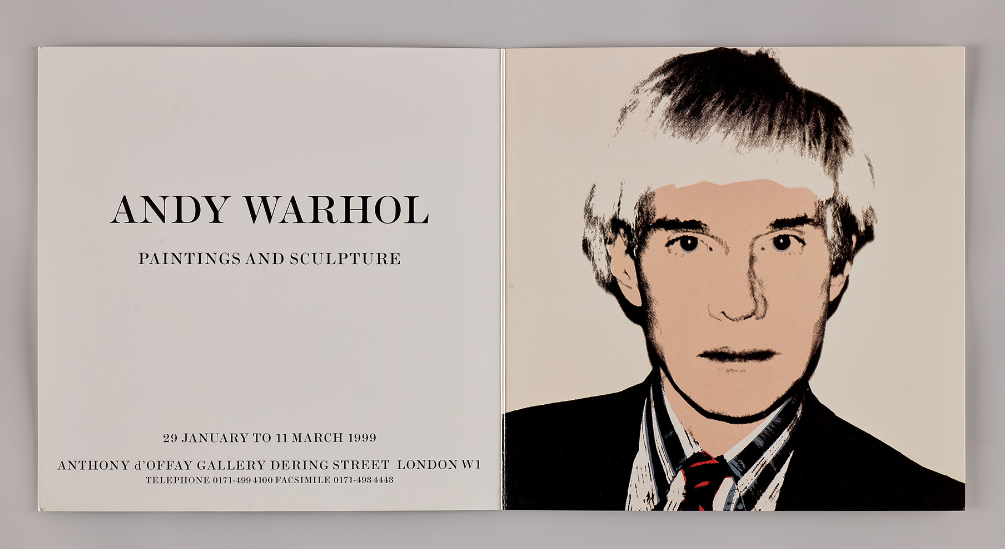
The present work illustrated on the invitation card for Andy Warhol: Paintings and Sculpture (January 29–March 11, 1999) at Anthony d’Offay Gallery, London.
Artwork: © 2024 The Andy Warhol Foundation for the Visual Arts, Inc. / Licensed by Artists Rights Society (ARS), New York
By the early 1980s, Warhol’s public image was a meticulously controlled fabrication, a “character” that he inhabited, marked by his trademark white wig, glasses, and iconic attire.
“If you want to know about Andy Warhol, then just look at the surface of my pictures and there I am; there’s nothing in between.”
Self-Portrait both embodies this philosophy and subtly undermines it; while it invites viewers to engage with his familiar visage, there is a sense of exposure here that unsettles the usual boundary between Warhol the icon and Warhol the individual. His carefully constructed image—his “surface”—is present, yet something about the reserved tones and somber gaze suggests a Warhol who is, for once, less guarded. Yet, in Self-Portrait, Warhol appears deviate slightly from his public identity as eccentric self-fashioned Superstar, showing himself stripped-back, straight on, and even somewhat self-conscious. This complex portrayal offers a critique of the image he had so carefully constructed, portraying a Warhol both embedded within and detached from his own mythology.
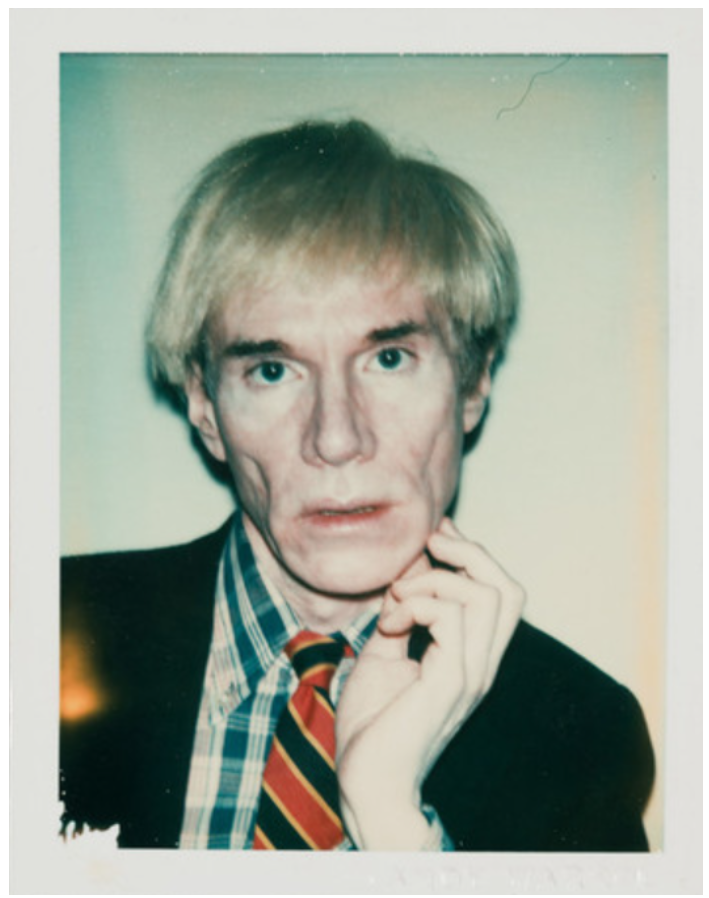
Andy Warhol, Self-Portrait, 1981. Both Polaroids, The Andy Warhol Museum, Pittsburgh; Founding Collection, Contribution The Andy Warhol Foundation for the Visual Arts, Inc. Artwork: © 2024 The Andy Warhol Foundation for the Visual Arts, Inc. / Licensed by Artists Rights Society (ARS), New York
As Warhol’s fame continued to grow and his persona as an impassive, scene-shifting observer became a marketable asset, he launched a second career as a model and product spokesperson. Around the time of this painting’s execution, he signed with both the Ford and Zoli modeling agencies, appearing in print and television ads for brands like Barney’s, Sony, and Drexel Burnham, among others. The source images used in this diptych are photos of Warhol taken by Christopher Makos for a set card distributed by the Zoli Modeling Agency, Inc., even appearing alongside his profile in the agency’s spring 1981 model book, noted as available for “Special Bookings Only.” While Warhol typically appeared in ads, such as those for Vidal Sassoon Hair Spray, sporting his signature hairstyle and gravity-defying wigs, the Zoli headshots reveal a more unadorned Warhol, with fewer signs of the staging that characterizes his other self-portraits. These stripped-back images lend the diptych a rawness that stands in contrast to his other major self-portrait series of 1981, in which he appeared in variations of drag makeup and costuming, or his 1986 Fright Wig series—the last self-portrait cycle before his untimely death the following year.
“When I did my self-portrait, I left all the pimples out because you always should… Always omit the blemishes—they’re not part of the good picture you want.”
This philosophy holds true in the present example, though less so than in his self-portraits of the 1960s and 1970s, where saturated colors and layered effects gave his appearance an unnatural, even hyper-human quality that made his image a powerful tool for brands, helping them stand out in a market dominated by anonymous, uniformly attractive models. Warhol’s image cast an artistic glow on everything he touched—if he was secretly mocking the products he endorsed, no one seemed to notice. In Self-Portrait, however, Warhol proves that this glow was his own, independent of any single facet of his carefully crafted persona.
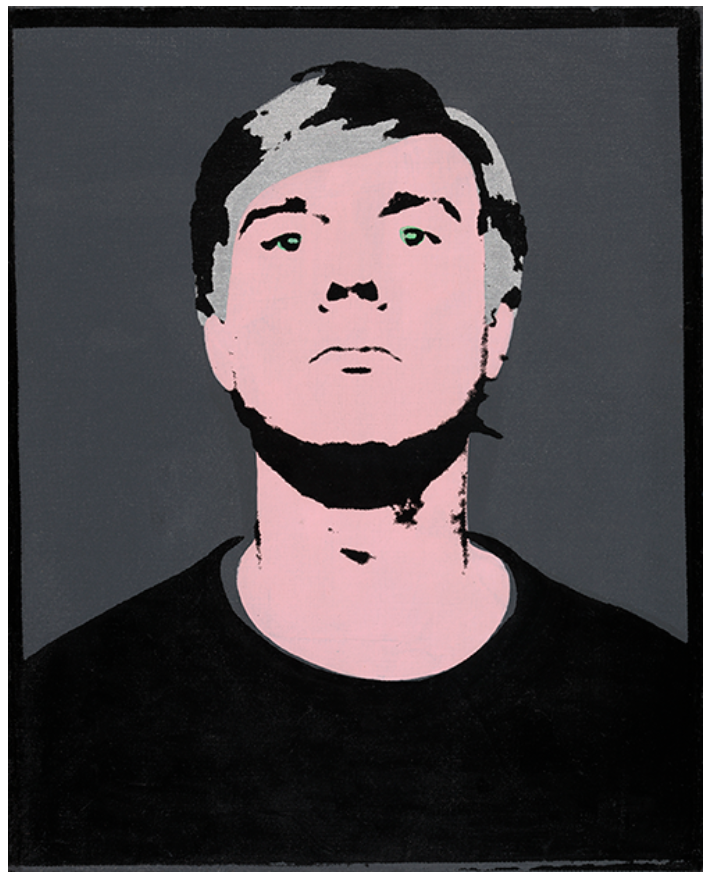
Andy Warhol, Self-Portrait, 1964. The Art Institute of Chicago.
The muted palette and pared-back composition of Self-Portrait contribute to a haunting stillness that is almost melancholic, distancing this work from the bold vibrancy of Warhol’s typical celebrity portraits. His face, rendered in soft shades, is devoid of his characteristic brightness, allowing a more somber tone to emerge. Warhol’s expression is uncharacteristically shy and inward, his gaze directed off-center as though evading the viewer’s scrutiny. The scale—typical of his commissioned celebrity portraits—elevates the present work, aligning Warhol’s self-image with the monumental presentation of his iconic subjects. This choice subtly reinforces Warhol’s dual role as both artist and cultural icon, presenting him as an individual worthy of the same visual reverence as the celebrities he portrayed. Yet, the simplicity of the composition contrasts with the bold, manufactured personas he typically depicted, capturing Warhol in a rare moment that is unguarded, even vulnerable. The portraits are punctuated by blue and red “outlines,” almost like a Wayne Thiebaud portrait where the figures are realistically rendered against white but have brightly colored edges that animate the form. This use of vibrant contours also resonates with Alice Neel’s signature electric blue line, carving out the figure and drawing the viewer’s eye, lending an expressionistic energy to Warhol’s otherwise subdued self-portrait. This intimate tone suggests a quiet introspection, veering away from his usual cool aesthetic and offering a glimpse of Warhol beyond the persona.
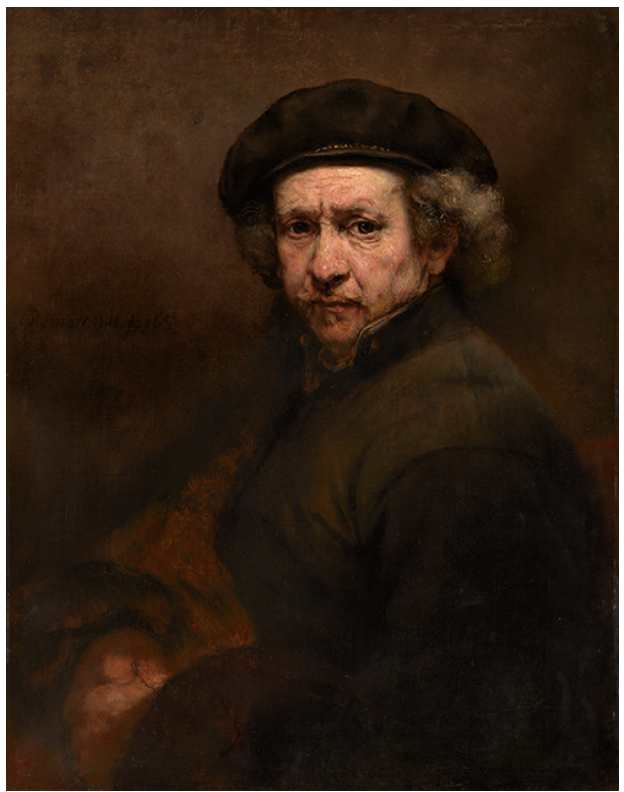
Rembrandt van Rijn, Self-Portrait, 1659. National Gallery of Art, Washington, D.C.
In Self-Portrait, Warhol aligns himself with a lineage of artists who have historically explored self-portraiture as a space of introspection. This work calls to mind the “tragic late self-portraiture” of artists like Rembrandt and Van Gogh, whose portraits often exposed raw emotion and a profound inward gaze. While these artists used self-portraiture to reveal intimate truths, Warhol’s Self-Portrait does not lay bare his psyche but instead suggests a tension between surface and depth, revelation and artifice. His assertion transforms self-portraiture from a space of revelation into one of spectacle, a canvas on which identity becomes a carefully curated image, distancing the viewer from the artist’s interior world while simultaneously asserting the primacy of surface over substance. In his fashioning of his self-image for a new decade, Warhol’s Self-Portrait subverts established expectations, treating self-representation not as a window into the soul but as a stage for constructing and performing identity. He once remarked on the commodification of his persona, describing how companies sought to purchase his “aura” rather than his art or ideas. This notion of “aura” encapsulates Warhol’s view of identity as surface, as a consumable and performative element of public life.
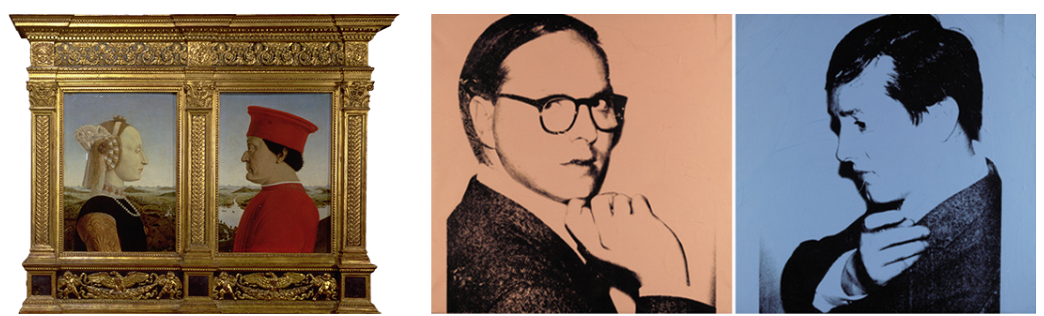
[Left] Piero della Francesca, Diptych of Federico da Montefeltro and Battista Sforza, 1465-1466.
[Right] Andy Warhol, Gilbert and George, 1975. Tate, London.
The diptych format adds a further layer of complexity to Self-Portrait, situating Warhol within the rich tradition of self-portraiture while exploring themes of fragmentation and duality. Historically, diptychs have been used to juxtapose contrasting elements—earthly and divine, light and dark, or secular and sacred—often evoking the devotional associations of religious altarpieces or commissioned portraits meant to inspire reverence and contemplation. By adopting this format, Warhol alludes to these historical conventions yet subverts them to reflect his own fractured identity as both an icon and a man concealed behind layers of artifice. The two panels, while nearly identical, reveal subtle variations in expression, evoking a suspended self-dialogue that captures the tension between Warhol’s public persona and private self. One image appears more reticent, the other slightly more assertive, suggesting an internal conflict between vulnerability and self-assured spectacle. This duality emphasizes Warhol’s role as both the orchestrator and the subject of his art, blurring the lines between self and spectacle, authenticity and performance. As noted by art historian Robert Rosenblum, this interplay creates a Warhol who is “both startlingly intimate and totally artificial,” inviting viewers to grapple with his complex relationship to fame and the ever-elusive nature of his true self.
#3. Flowers, 1964
Christie’s New-York: 22 November 2024
Estimated: USD 1,200,000 – 1,800,000
USD 2,470,000
ANDY WARHOL (1928-1987), Flowers | Christie’s
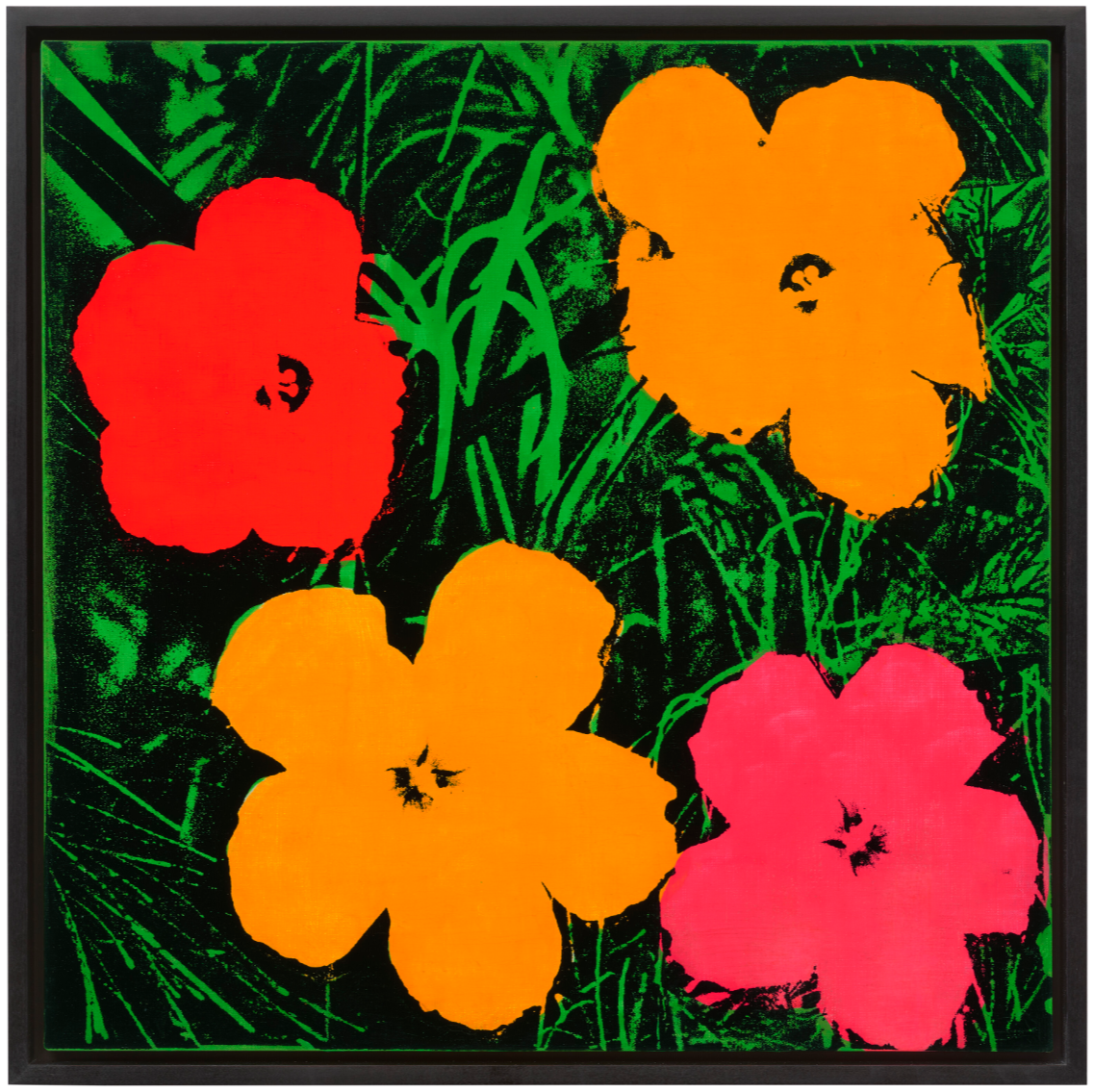
ANDY WARHOL (1928-1987)
Flowers, 1964
Acrylic and silkscreen ink on canvas
24×24 inches (61×61 cm)
Signed twice and dated ‘ANDY WARHOL 64 Andy Warhol’ (on the overlap)
A particularly vibrant and engaging example from Andy Warhol’s 1964 Flowers series, the present work exemplifies this particularly innovative and veracious period in which the artist attained full maturity. In the same year, Warhol established his first ‘Factory’ at 231 E 47th Street in Manhattan, held his iconic Death and Disaster exhibition at Sonnabend gallery in Paris, exhibited his iconic film Empire at Stable Gallery; to culminate this celebrated year, Warhol inaugurated his winning collaboration with Leo Castelli with the first exhibition of Flowers, the works epitomizing the artist’s energetic movement from Pop towards abstraction. The present work contains a dazzling arrangement of four vividly colored hibiscus flowers—two yellow, one pink, and one orange—rendered onto an abstracted herbaceous green background. The variety and combination of this example is unique among the series in the twenty-four by twenty-four scale. These bright beaming bulbs gleam like beacons against their deep green roots, providing a thrilling encounter between humanity and nature.
While Warhol developed the Flowers works in this scale specifically to form a mosaic for the Castelli exhibition, the present lot was gifted directly to the artist’s brother, Paul Warhola, further accentuating the work’s special status within the series. Metropolitan Museum curator Henry Geldzahler allegedly inspired Warhol to initiate the series after complaining about the morbidity of his Death and Disaster works. The curator offered up the June 1964 issue of Modern Photography magazine opened to a page displaying a repeated color photograph of seven hibiscus flowers. The image, taken by the magazine’s editor Patricia Caulfield as an illustration for a new Kodak color processor, was repeated four times in a block with different tonal variations, perfect for Warhol’s appropriative practice of repetition.
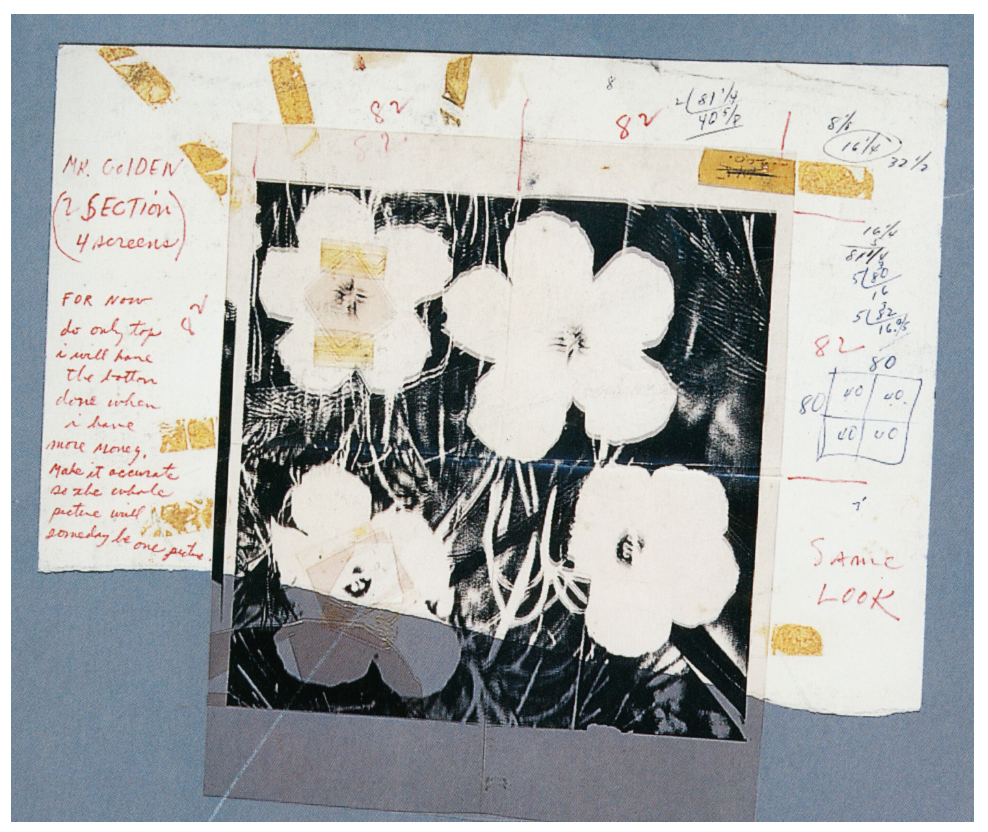
Andy Warhol’s silkscreen mechanical for Flower paintings, 1964. © 2024 The Andy Warhol Foundation for the Visual Arts, Inc. / Licensed by Artists Rights Society (ARS), New York.
The flower photograph was ideal for Warhol’s new silkscreen process, which granted him meticulous control over the work’s composition and execution whilst removing the appearance of the artist’s hand from the final canvas. Warhol altered the original image by cropping it into a square format, rotating one of the flowers and slightly disrupting the background’s pattern. This square format, closely resembling the aspect ratio of televisions at the time, appealed to Warhol’s aesthetic by distancing the work from traditional portrait or landscape orientations and offering multiple viewing perspectives. After this manipulation, Warhol had the work prepared for the screen printing process by directing his assistant Billy Name “to run the photo repeatedly through the Factory’s new photostat machine—‘a dozen times, at least,’ said Billy, to flatten out the blossoms, removing their definition, the shadow that lent the photo its illusion of three-dimensionality. ‘He didn’t want it to look like a photo at all. He just wanted the shape, the basic outline, of the flowers’” (T. Scherman and D. Dalton, op. cit., p. 247). By altering the original in such a way, the artist converted a seemingly generic photograph into an iconic image. Through manipulation and repetition, he was able to separate the end result from its origin and create a more universal symbol.
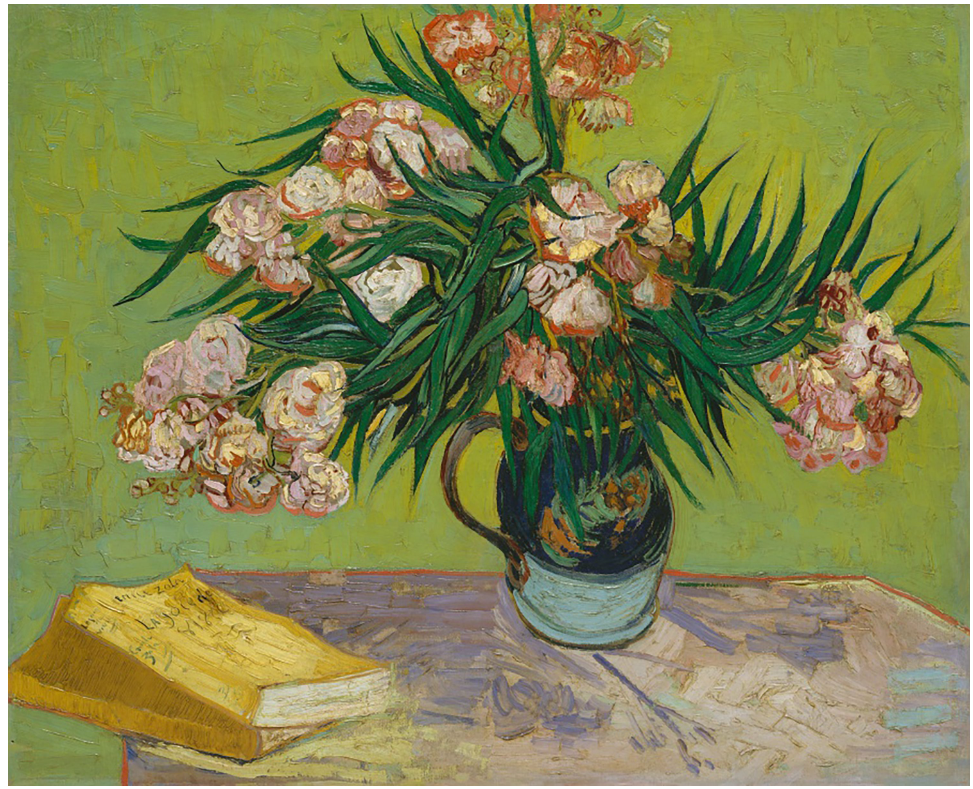
Vincent van Gogh, Oleanders, 1888. Metropolitan Museum of Art, New York.
Ostensibly—as per Geldzahler’s recommendation—the cheerful, bright allure of the Flowers marked a departure from Warhol’s previous output, where the tragic gazes of Marilyn, Jackie, Liz and Elvis had sat alongside images that highlighted the perils of a consumerist, image-obsessed society. However, the beauty and glamour of the Flowers was underscored by a familiar sense of dark trepidation. If floral subjects had long symbolized life’s transience—from the Dutch Golden Age to Van Gogh and beyond—the hibiscus blooms in Modern Photography seemed laden with foreboding. Flattened and compressed by the camera lens, these flowers were merely another subject for the consumer to devour: the wonders of nature were here subservient to the wonders of technology. Warhol’s ruthless manipulation and repetition of the photograph served to enhance this point, transforming an image of nature’s miraculous chaos into a serial icon. The mechanics of contemporary image production, these works seemed to say, had the power to turn anything and everything into a consumable, bite-sized entity. Only the spectral trace of the artist’s hand, evident to the keenest observers, betrayed the unique creative thrill that lay at their core.
#4. Shadow, 1978
Phillips New-York: 19 November 2024
Estimated: USD 1,500,000 – 2,000,000
USD 2,238,000
Andy Warhol – Modern & Contemporary… Lot 29 November 2024 | Phillips
ANDY WARHOL
Shadow, 1978
Silkscreen ink on linen
76×52 inches (193 x 132.1 cm)
Signed and dated “Andy Warhol 1978 Andy Warhol 1978” on the overlap
In Andy Warhol’s Shadow, 1978, bold, abstract black forms—both hard- and soft-edged—sweep dynamically across the lower and left regions of a muted, soft white canvas, creating a striking interplay of contrast and depth. Conceived during an intense burst of production from December 1978 to February 1979, the painting belongs to Warhol’s larger Shadows series, early examples of which debuted as a continuous frieze of 83 canvases at the Heiner Friedrich Gallery in New York. An additional 19 canvases were later added to this installation, acquired by the Lone Star Foundation (now the Dia Art Foundation) and permanently housed at Dia Beacon. While Warhol experimented with various compositions in the series, he favored two forms identified by curator Lynne Cooke: “the peak,” a black positive on a white or colored background, as seen in the present example, and “the cap,” a colored or white negative on a black field. This particular Shadow is part of a subset of eight additional 76-by-52-inch canvases produced alongside the Heiner Friedrich frieze and Lone Star commission; six, including this one, were type A negative images, while the other two were Type A underexposed. Notably, Warhol kept this painting until 1986, when he traded it, along with two other works, to artist James Brown in exchange for several of Brown’s “black paintings,” characterized by simplified motifs drawn over a black-painted background. In Shadow, Warhol strips away the markers of his iconic pop sensibility to confront viewers with the philosophical and metaphysical weight of a mere shadow, offering an image that exists beyond historical or cultural specificity.
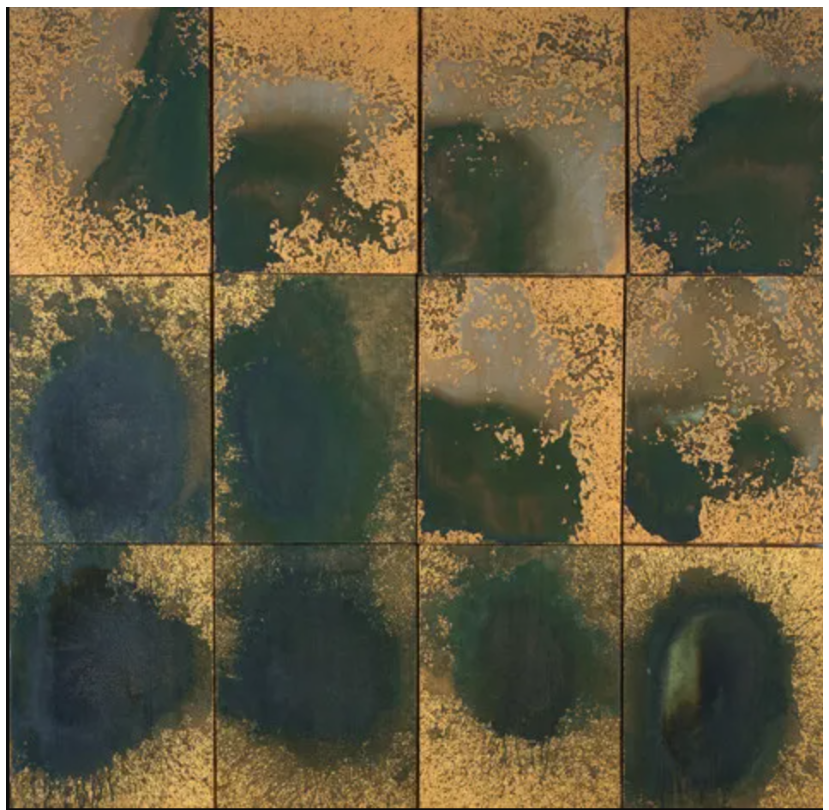
Andy Warhol, Oxidation, 1978. The Andy Warhol Museum, Pittsburgh. Artwork: © 2024 The Andy Warhol Foundation for the Visual Arts, Inc. / Licensed by Artists Rights Society (ARS), New York
The Shadow paintings mark a pivotal moment in Warhol’s career, signaling the culmination of his venture into nonfigurative abstraction, which began in the late 1970s with his Oxidation, Rorschach, and Camouflage series. This shift from figuration, which had focused on celebrity and commodity culture, reflects Warhol’s deepening interest in abstraction and a more conceptual engagement with the idea of shadows. Warhol was deliberately opaque regarding the Shadows‘ source image, explaining offhandedly: “it’s a photo of a shadow in my studio.” The paintings explore the nuanced interplay between representation and the tensions of reality versus illusion, and presence versus absence. The series offers a tangible and unapologetic portrayal of nothingness, embracing its essence without pretending to be anything more.
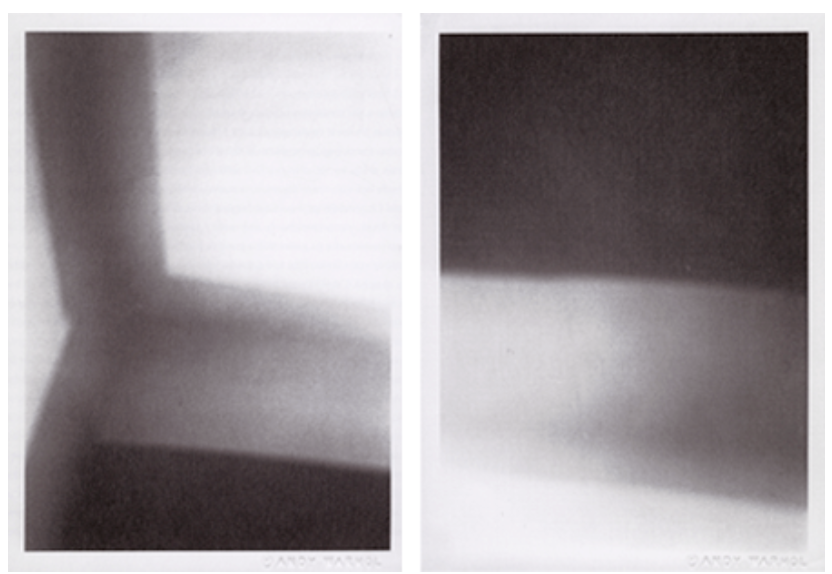
Warhol’s photographs of shadows, ca. 1978. Image and Artwork: © 2024The Andy Warhol Foundation for the Visual Arts, Inc. / Artists Rights Society (ARS), New York.
Even so, as a silhouette without a distinct origin, Shadow visually prompts the viewer to posit an underlying subject: one possibility being the underlying documentary value of both shadows and photographs, each arising from the play of light on physical objects in our environment. Predominantly dark, seemingly abstract, and intriguingly enigmatic, Warhol’s Shadows combine photography and painterly gesture within his signature silkscreen medium, transforming an immaterial phenomenon into a physical, painted presence. Though abstract, Shadow does not align itself comfortably within any particular genre or movement. It bears stylistic allusions to Abstract Expressionism—specifically, the monochromatic, architectonic forms of Franz Kline and Robert Motherwell—but with a calculated detachment that subverts the expressive spontaneity of those artists. Warhol’s use of silkscreen, a technique often associated with mechanical reproduction, distances the work from the raw, personal gestures of Abstract Expressionism. Instead, it introduces a sense of sterility, as though the work is as much a scientific observation as an aesthetic creation. Warhol refrains from personal expression, embracing an intentional coolness that renders Shadow both a critique and an homage to the emotive intensity of Abstract Expressionist works. Lynne Cooke identifies the “cap” motif present in Shadow—a black positive suspended against a light field, reversing conventional figure-ground relationships. This reversal inverts the viewer’s expectations, challenging them to confront the void not as absence, but as presence. The shadow looms, suspended in a way that disrupts the natural order of light and dark, almost mocking the abstract expressionist ideal of form’s triumph over void. Warhol’s shadow, in its inscrutable flatness, invites the viewer to perceive not just what is there, but what is intentionally left unsaid.
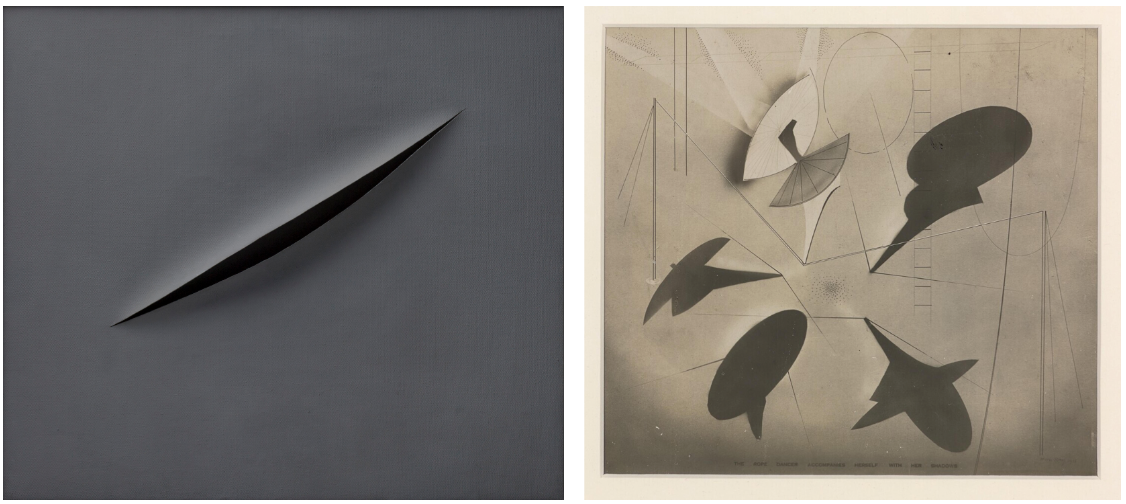
[Left] Lucio Fontana, Concetto Spaziale [Spatial Concept], 1959. LWL-Museum für Kunst und Kultur, Münster. Image: bpk Bildagentur / . LWL-Museum für Kunst und Kultur, Münster / Sabine Ahlbrand-Dornseif / Art Resource, NY, Artwork: © 2024 Fondation Lucio Fontana/Artists Rights Society (ARS), New York
[Right] Man Ray, The Rope Dancer Accompanies Herself with Her Shadows, 1928-1940. Museum Boijmans Van Beuningen, Rotterdam, Netherlands. Artwork: © Man Ray Trust / Artists Rights Society (ARS) / ADAGP, Paris 2024
Warhol’s use of shadow is also steeped in cinematic allure, echoing the noir-like quality of silent films and German Expressionism. The stark contrast between black and white recalls the theatrical chiaroscuro of F.W. Murnau’s Nosferatu, where shadows are imbued with an almost sentient malevolence. In Shadow, Warhol employs a similar high-contrast aesthetic to evoke a sense of foreboding, yet he tempers it with minimalist restraint, holding viewers at a calculated distance and transforming the canvas into a silent screen where the shadow becomes the sole actor. In drawing upon cinematic techniques, Shadow suggests a latent narrative, an event suspended in time. Yet Warhol denies viewers the satisfaction of a resolution, leaving only the trace—the shadow—as a solitary remnant. The starkness of the black and white palette, devoid of vibrant hues, reinforces the work’s role as a “disco décor,” yet this designation feels inadequate. The shadow, hovering in its celluloid simplicity, becomes a meditation on transience, on the fleeting quality of moments captured only in silhouette. Warhol turns the canvas into a space where light and dark do not merely define one another but exist in a state of perpetual suspense. Traditionally, shadows have been seen as symbols of the transient, the insubstantial—echoes of objects that capture only the essence of a form without its substance. Yet Warhol’s Shadow defies its role as a mere byproduct of the material world, occupying a space of its own on the canvas. The work taps into a deeper, almost haunting inquiry into what it means for something to exist without form, to be a marker of absence rather than presence. Since classical times, artists, scientists, and philosophers have debated the value of shadows. The ancient Greeks were the first to use cast shadows, developing a “geometry of the light” to situate objects in relation to a consistent light source, while Plato, in his Allegory of the Cave, argued that shadows mislead us about the true nature of reality. In the present work, Warhol engages with this lineage but subverts it; his shadow is unmoored, devoid of origin, a shape that belongs to nothing tangible. Shadow occupies a rarefied space in Warhol’s body of work—a space in which he distills his lifelong preoccupation with image and illusion into a near-abstract contemplation of being and non-being. Unlike the ephemeral subjects of his commercial works, the shadow is timeless, divorced from the contingencies of popular culture and celebrity. It gestures toward an artistic lineage that stretches back to the origins of image-making.
#5. New York Skyscrapers, 1981
Phillips New-York: 19 November 2024
Estimated: USD 500,000 – 700,000
USD 952,500
Andy Warhol – Modern & Contemporary… Lot 33 November 2024 | Phillips
ANDY WARHOL
New York Skyscrapers, 1981
Synthetic polymer paint, diamond dust and silkscreen ink on canvas
50 1/4 x 42 1/8 inches (127.6 x 107 cm)
Stamped by the Andy Warhol Art Authentication Board, Inc. and the Estate of Andy Warhol
Numbered and inscribed “PA 67.007” on the overlap
In the Spring of 1981, Andy Warhol embarked on a limited series of paintings commissioned by Donald Trump to celebrate the ongoing construction of Trump Tower, his first ground-up architectural footprint altering the face of the Manhattan skyline. New York Skyscrapers stands as a testament to Warhol’s ability to encapsulate the spirit of an era characterized by excess, and it remains a powerful commentary on the pursuit of the American Dream as seen through the lens of one of the 20th century’s most iconic artists. Previously in the collection of Warhol’s Swiss-based gallerist and close friend, Bruno Bischofberger, this significant work was prominently showcased in the 2001 exhibition of Warhol’s Gems & Skyscrapers at Bischofberger’s Zurich gallery. Today, two paintings from the series reside in the founding collection of The Andy Warhol Museum in Pittsburgh. This represents the first time a portrait from this important grouping is being offered at auction.
Ivana Trump, Andy Warhol, and Donald Trump circa 1980. Image: DMI/The LIFE Picture Collection/Shutterstock
The commission came about through a meeting arranged by Marc Balet, the art director of Interview magazine. Warhol documented this in his diary on April 24, 1981, saying of the encounter that “It was so strange, these people are so rich. They talked about buying a building yesterday for $500 million or something. They raved about the Balducci’s lunch, but they just picked at it… [Trump]’s a butch guy.” A few weeks later, Warhol returned to Trump’s office at 40 Wall Street to photograph the architectural model of what would become Trump Tower, a 58-story skyscraper located on Fifth Avenue in New York City, completed in 1983. From these images, Warhol created multiple canvases, capturing the building’s ostentatious luxury with black, silver, and gold hues, and coating the surface in “diamond dust,” ground glass sprinkled on the wet paint immediately after printing. However, when Trump and his wife Ivana visited Warhol’s Factory, they were disappointed by the lack of color coordination. Warhol noted in his diary on August 5, 1981:
“The Trumps came down. […] I showed them the paintings of the Trump Tower that I’d done. I don’t know why I did so many, I did eight. In black and grey and silver which I thought would be so chic for the lobby. But it was a mistake to do so many, I think it confused them. Mr. Trump was very upset that it wasn’t color-coordinated. They have Angelo Donghia doing the decorating so they’re going to come down with swatches of material so I can do the paintings to match the pinks and oranges. I think Trump’s sort of cheap, though, I get that feeling.”
Designed by Modernist architect Der Scutt of Swanke, Hayden, Connell & Partners—renowned for creating vast skyscrapers of mirrored glass—Trump Tower quickly became a symbol of luxury and opulence. At the time of Warhol’s series, the building was still under construction, but it already promised to redefine the Manhattan skyline and epitomize the grandeur associated with the Trump brand. In a February 1981 statement about the tower rising on Fifth Avenue, Scutt revealed his insights into where skyscraper design was going, outlining the new priorities of the era as being in line with words like “excitement,” “image” and “people-pleasing.” Warhol, always attuned to the pulse of contemporary culture, saw in Trump Tower a rich subject for his art. The building’s sleek, reflective surfaces and its association with wealth and celebrity aligned perfectly with Warhol’s fascination with glamour and fame. Moreover, Warhol and Trump shared a mutual interest in the blurring lines between art, commerce, and media. Beyond the socio-economic commentary, it was surely a point of interest for Warhol that, to make room for the tower’s construction, a location of great significance for the artist had to be torn down: the Bonwit Teller Department Store. Warhol did many of the store’s huge window displays from the 1950s up to 1968.
Warhol’s approach to the Trump Tower series was both typical of his style and innovative in its execution. He utilized his signature silkscreen technique, layering images and adjusting their opacity to create a dynamic interplay of form and texture. The series captures the tower from multiple angles and perspectives, emphasizing its monumental scale and its reflective, almost gilded quality. Metallic accents of gold and silver juxtapose rich swathes of black that dominate the canvas, offset by bright, glittering trails of “diamond dust,” a medium that he utilized in other series from the early 1980s, that add a sense of modernity and affluence. To similar effect, the vertical composition of the painting serves to pull the viewer’s eye ever upwards, mirroring the towering presence of the skyscraper itself. The fact that Warhol produced these paintings based on images taken by his photo assistant, Christopher Makos, of the building’s architectural model adds a layer of artifice—Warhol’s paintings are reproductions of a mock-up rather than the actual building, further extending his exploration of imitation and replication in art. Warhol’s Trump Tower series can be interpreted on multiple levels. On the surface, the paintings celebrate the architectural marvel of the tower, capturing its grandeur and sophistication. However, a deeper analysis reveals a more complex commentary on the nature of wealth, power, and celebrity in contemporary society. Warhol’s work has always been closely tied to themes of consumerism and capitalism. Trump Tower, as a symbol of luxury real estate, fits seamlessly into this narrative. The building is not just a physical structure but a commodity, marketed and sold as a lifestyle. Warhol’s depiction of the tower highlights its role as an icon of consumer culture. New York Skyscrapers indicates a significant moment in Warhol’s later practice, marking a return to architectural imagery and the themes of banality and urban life that he explored earlier in his career. This is particularly evident in groundbreaking experimental films such as Empire, 1965, where the artist employed the Empire State Building as both an icon (or “celebrity”) of New York and the “star” of his documentary. In his 1981 paintings of Trump Tower, Warhol returns to this confluence of documentary, celebrity, and figurehead, highlighting the Manhattan skyline as a central figure in the narrative of New York’s cultural and economic empire.
Camouflage, 1986
Christie’s New-York: 22 November 2024
Estimated: USD 600,000 – 800,000
USD 730,800
ANDY WARHOL (1928-1987), Camouflage | Christie’s
ANDY WARHOL (1928-1987)
Camouflage, 1986
Acrylic and silkscreen ink on canvas
40×40 inches (101.6 x 101.6 cm)
Stamped twice with the Andy Warhol Foundation for the Visual Arts, Inc. and the Estate of Andy Warhol stamps and numbered ‘VF PA85.006′ (on the overlap)
Numbered again ‘PA85.006’ (on the stretcher)
Kimiko Powers, 1972
Sotheby’s New-York: 21 November 2024
Estimated: USD 400,000 – 600,000
USD 480,000
Kimiko Powers | Contemporary Day Auction | 2024 | Sotheby’s
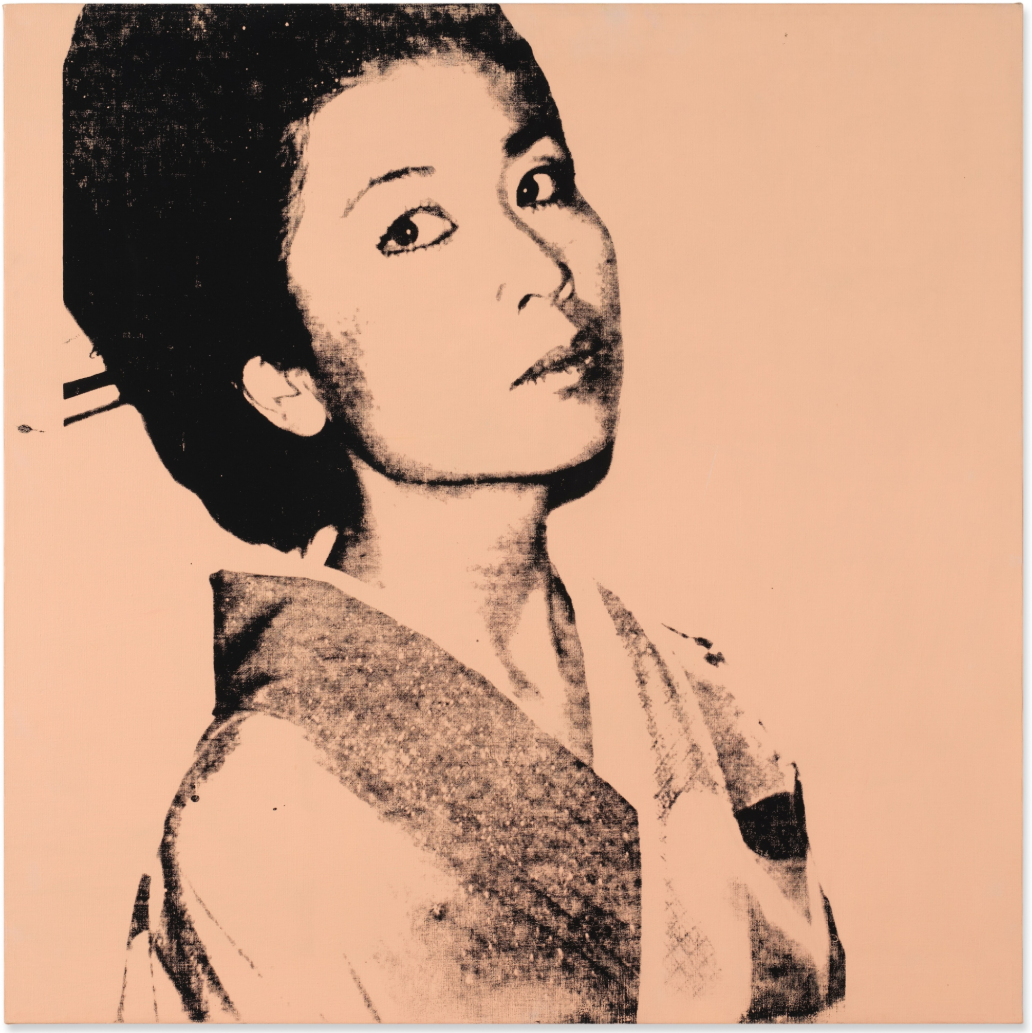
ANDY WARHOL (1928 – 1987)
Kimiko Powers, 1972
Acrylic and silkscreen ink on canvas
40×40 inches (101.6 x 101.6 cm)
Signed and dated 72 (on the overlap)
Moon Explorer, 1983
Christie’s New-York: 22 November 2024
Estimated: USD 120,000 – 180,000
USD 403,200
ANDY WARHOL (1928-1987), Moon Explorer | Christie’s
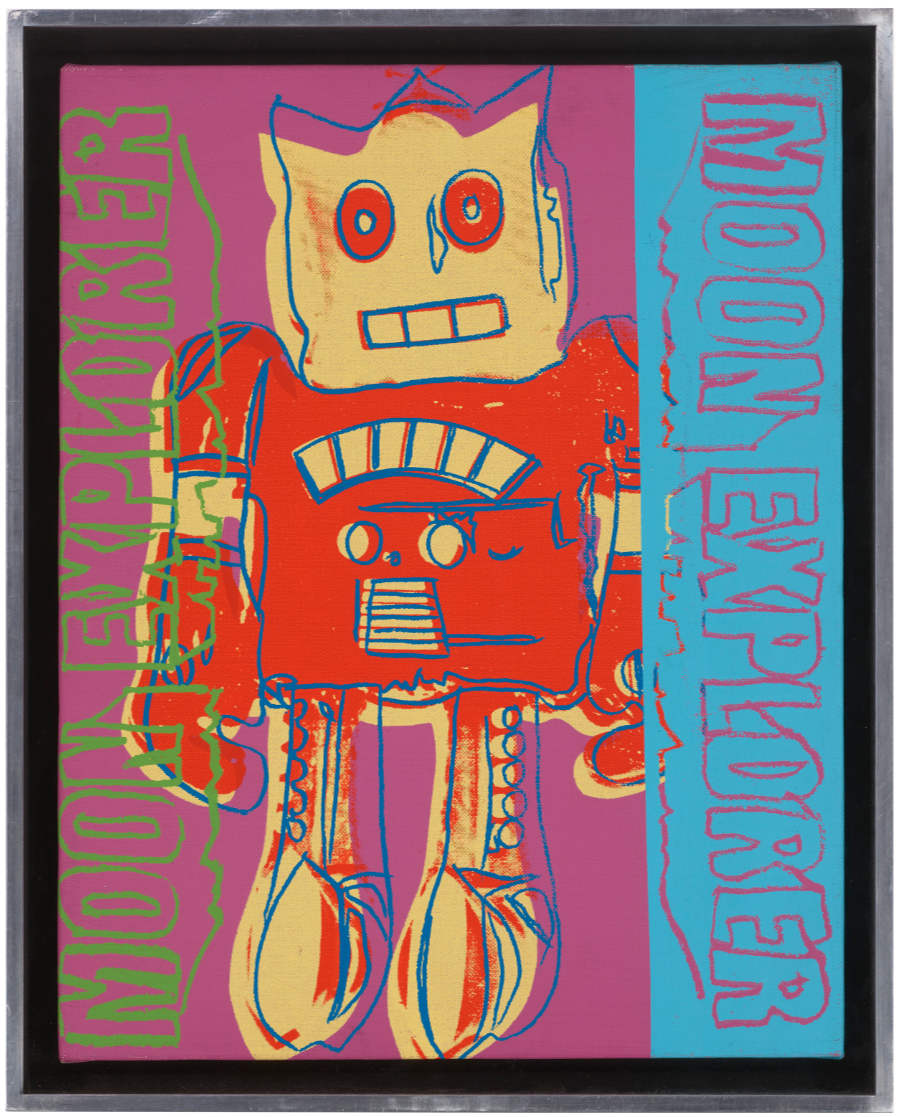
ANDY WARHOL (1928-1987)
Moon Explorer, 1983
Acrylic and silkscreen ink on canvas
14×11 inches (35.6 x 27.9 cm)
Inscribed by Frederick Hughes ‘I certify that this is an original painting by Andy Warhol completed by him in 1983’ and stamped with the artist’s signature ‘Andy Warhol’ (on the overlap)
Stamped with the Andy Warhol Art Authentication Board, Inc. stamp and numbered ‘A115.095’ (on the overlap)
Moon Explorer, 1983
Sotheby’s New-York: 21 November 2024
Estimated: USD 150,000 – 250,000
USD 360,000
Moon Explorer | Contemporary Day Auction | 2024 | Sotheby’s
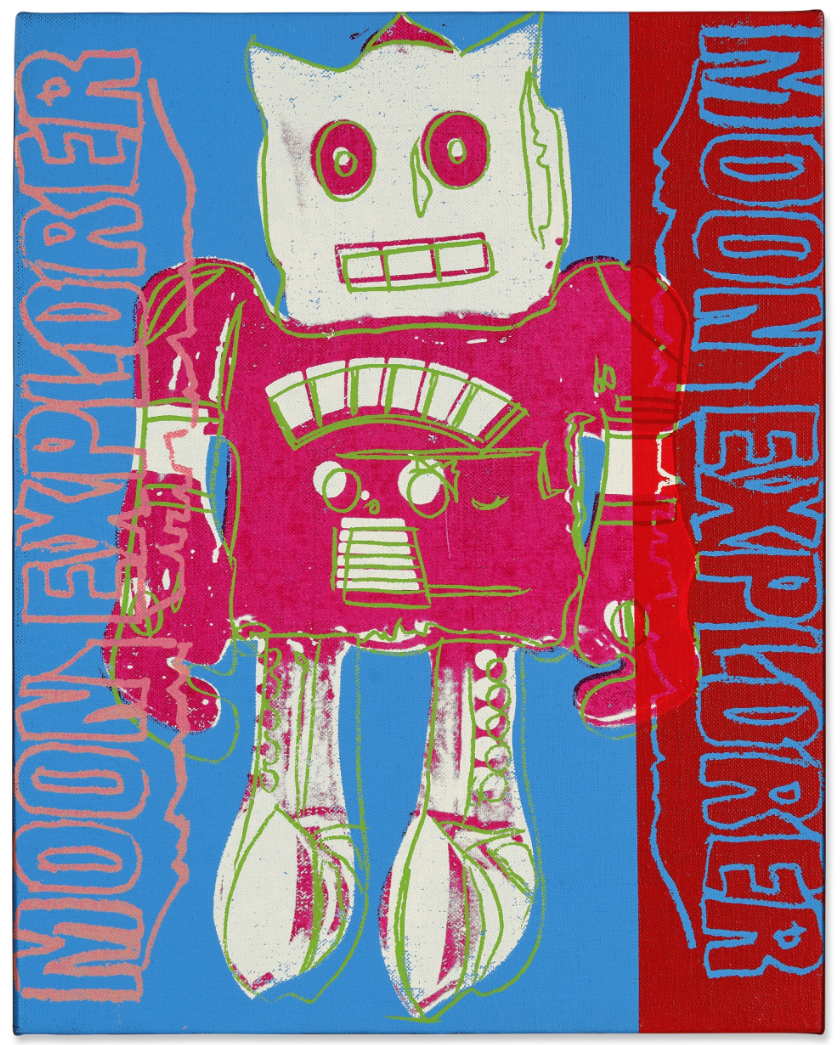
ANDY WARHOL (1928 – 1987)
Moon Explorer, 1983
Acrylic and silkscreen ink on canvas
14×11 inches (35.6 x 27.9 cm)
Stamped by the Estate of Andy Warhol and by the Andy Warhol Foundation for the Visual Arts, Inc.
Numbered PA 20.075 on the overlap and on the stretcher
Panda Bear, 1983
Sotheby’s New-York: 21 November 2024
Estimated: USD 150,000 – 250,000
USD 216,000
Panda Bear | Contemporary Day Auction | 2024 | Sotheby’s
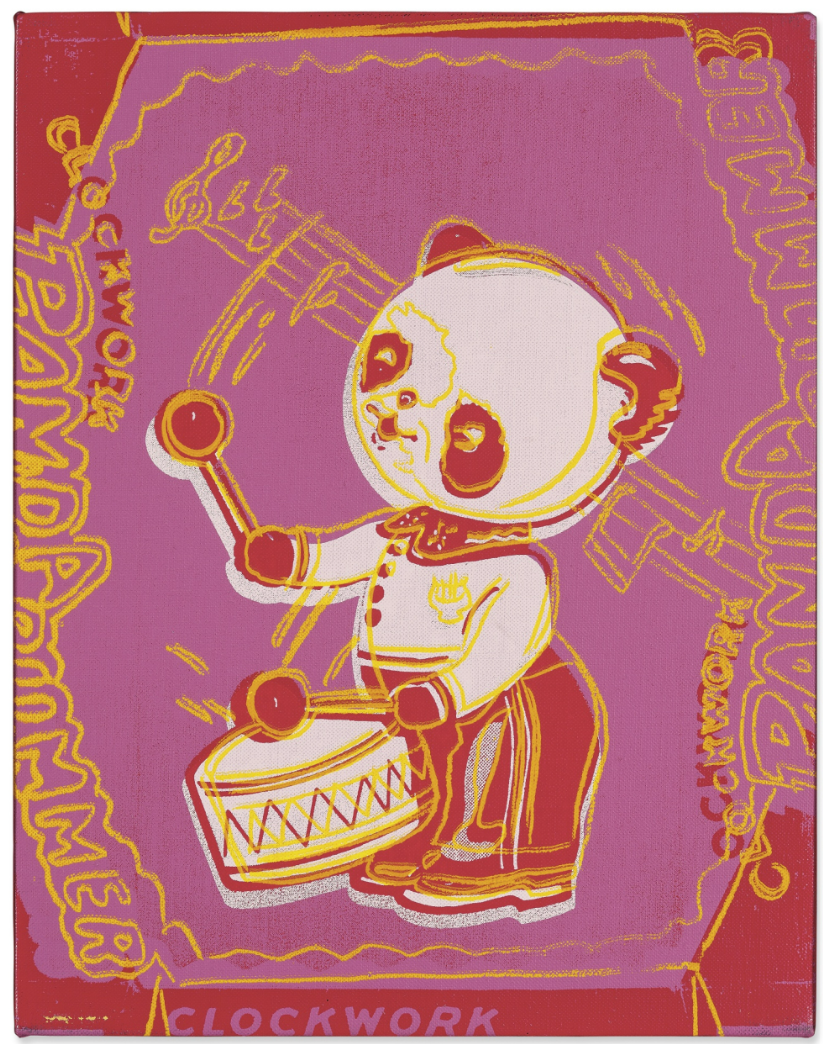
ANDY WARHOL (1928 – 1987)
Panda Bear, 1983
Acrylic and silkscreen ink on canvas
14×11 inches (35.6 x 27.9 cm)
Signed (on the overlap)
Shadow, 1977
Christie’s New-York: 22 November 2024
Estimated: USD 80,000 – 120,000
USD 201,600
ANDY WARHOL (1928-1987), Shadow | Christie’s
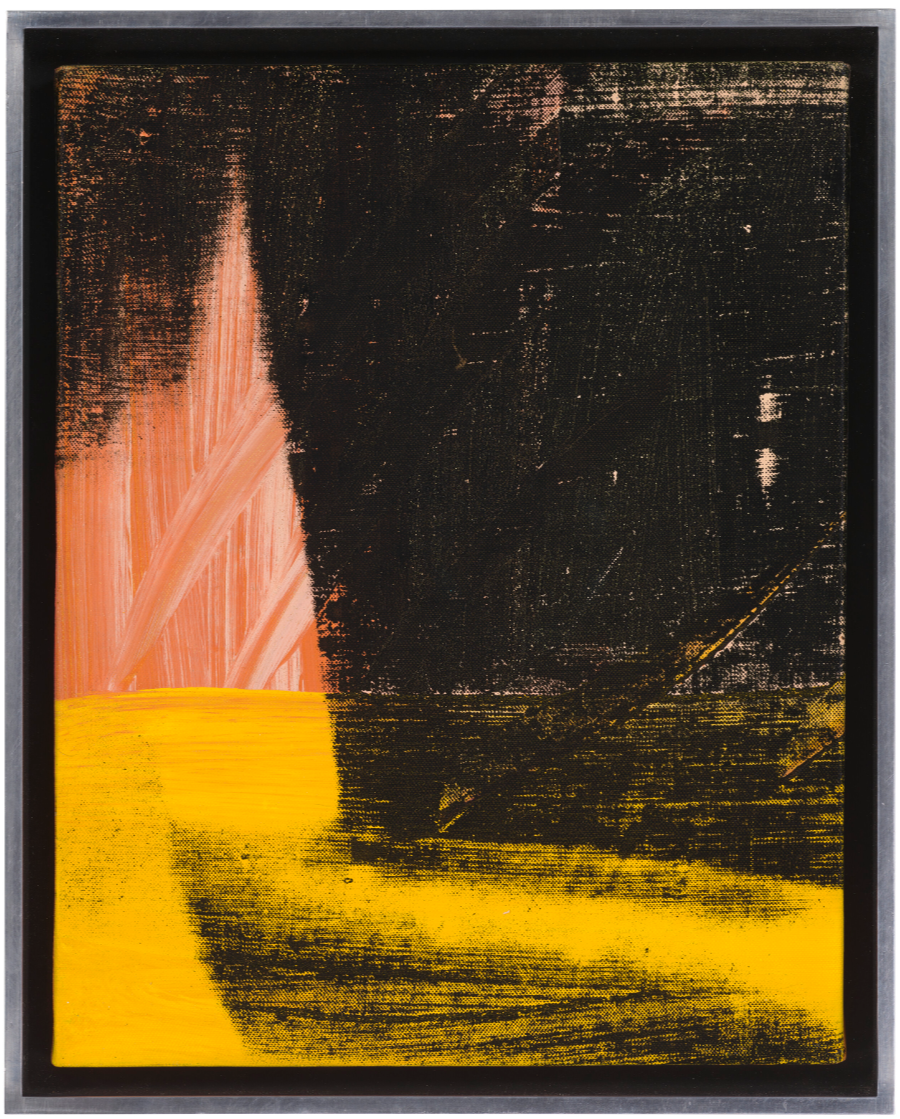
ANDY WARHOL (1928-1987)
Shadow, 1977
Acrylic and silkscreen ink on canvas
14×11 inches (35.5 x 27.9 cm)
Signed and dedicated ‘to Aurora Happy Birthday from Jed and Andy Warhol 1978’ (on the overlap)
Stamped with the Andy Warhol Authentication Board, Inc. stamp and numbered ‘A113.086’ (on the overlap)
Small Fish, 1983
Sotheby’s New-York: 21 November 2024
Estimated: USD 80,000 – 120,000
USD 204,000
Small Fish | Contemporary Day Auction | 2024 | Sotheby’s
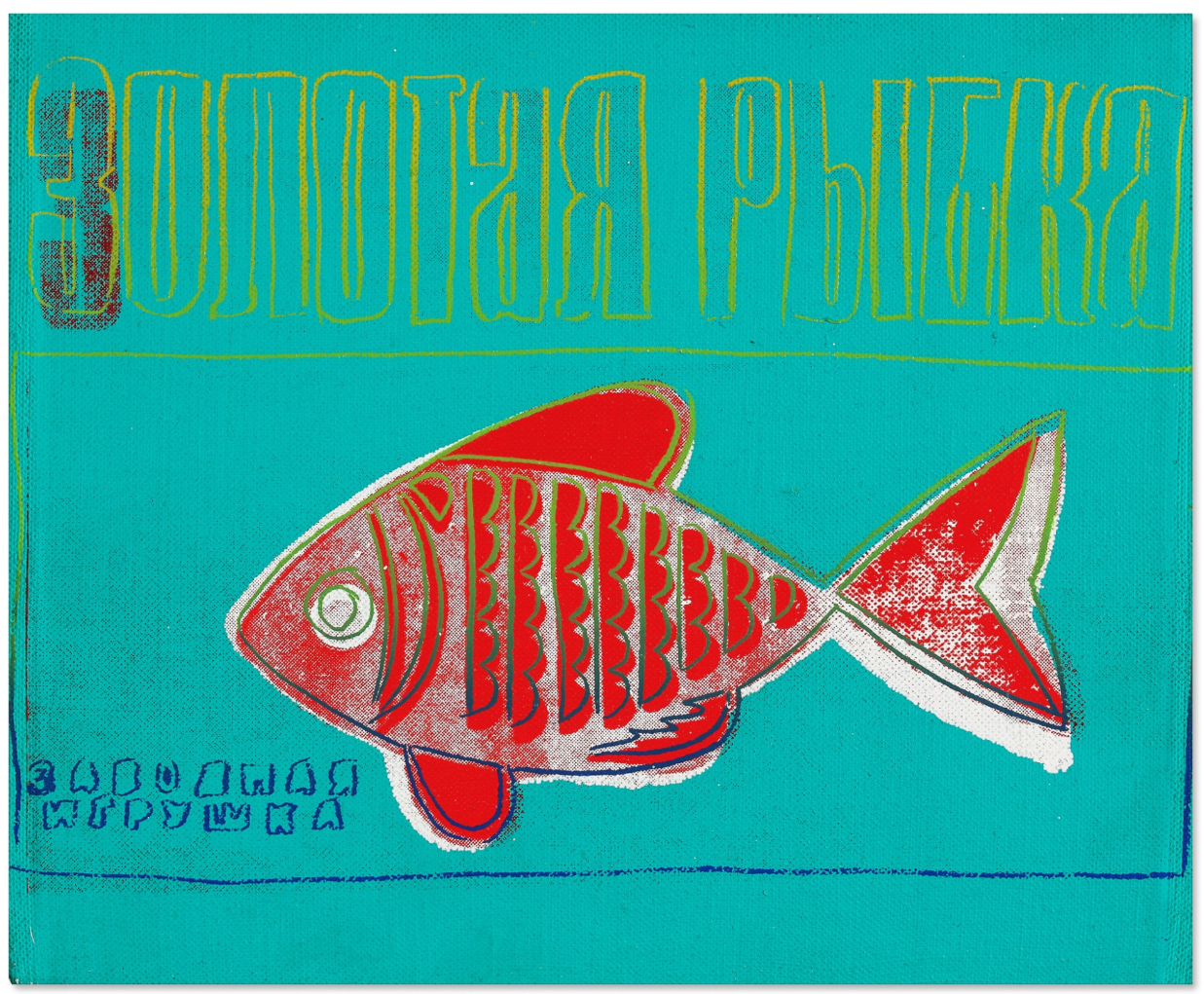
ANDY WARHOL (1928 – 1987)
Small Fish, 1983
Acrylic and silkscreen ink on canvas
8×10 inches (20.3 x 25.4 cm)
Signed and dated 83 (on the overlap)
Hamburger, 1986
Phillips New-York: 20 November 2024
Estimated: USD 100,000 – 150,000
USD 139,700
Andy Warhol – Modern & Contemporar… Lot 172 November 2024 | Phillips
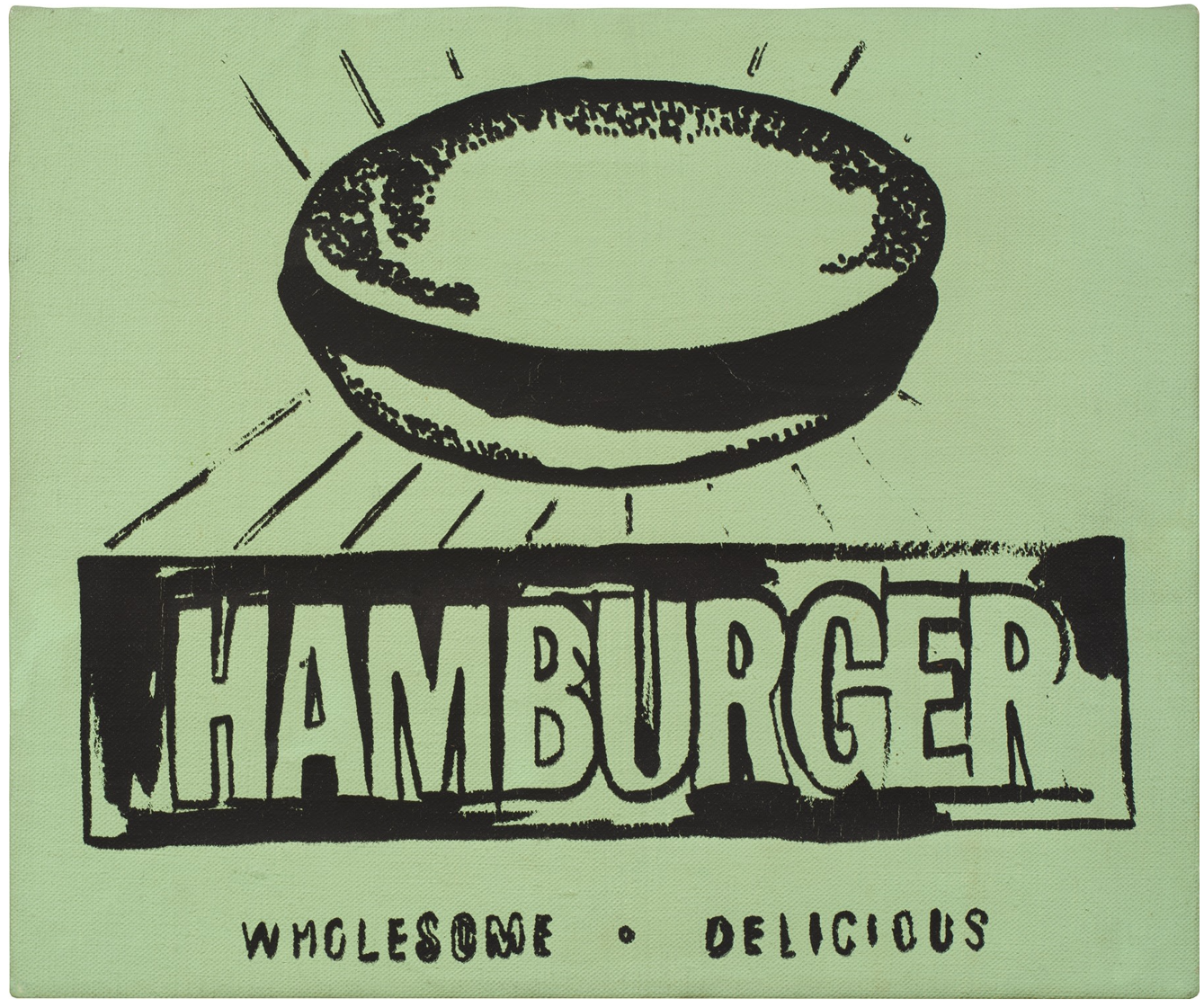
ANDY WARHOL
Hamburger, 1986
Acrylic and silkscreen ink on canvas
10×12 inches (25.4 x 30.5 cm)
Signed, dedicated and dated “to Stuart / Andy Warhol 86” on the reverse
Cats and Dogs (Cecil), 1975-1976
Phillips New-York: 20 November 2024
Estimated: USD 80,000 – 120,000
USD 101,600
Andy Warhol – Modern & Contemporar… Lot 173 November 2024 | Phillips
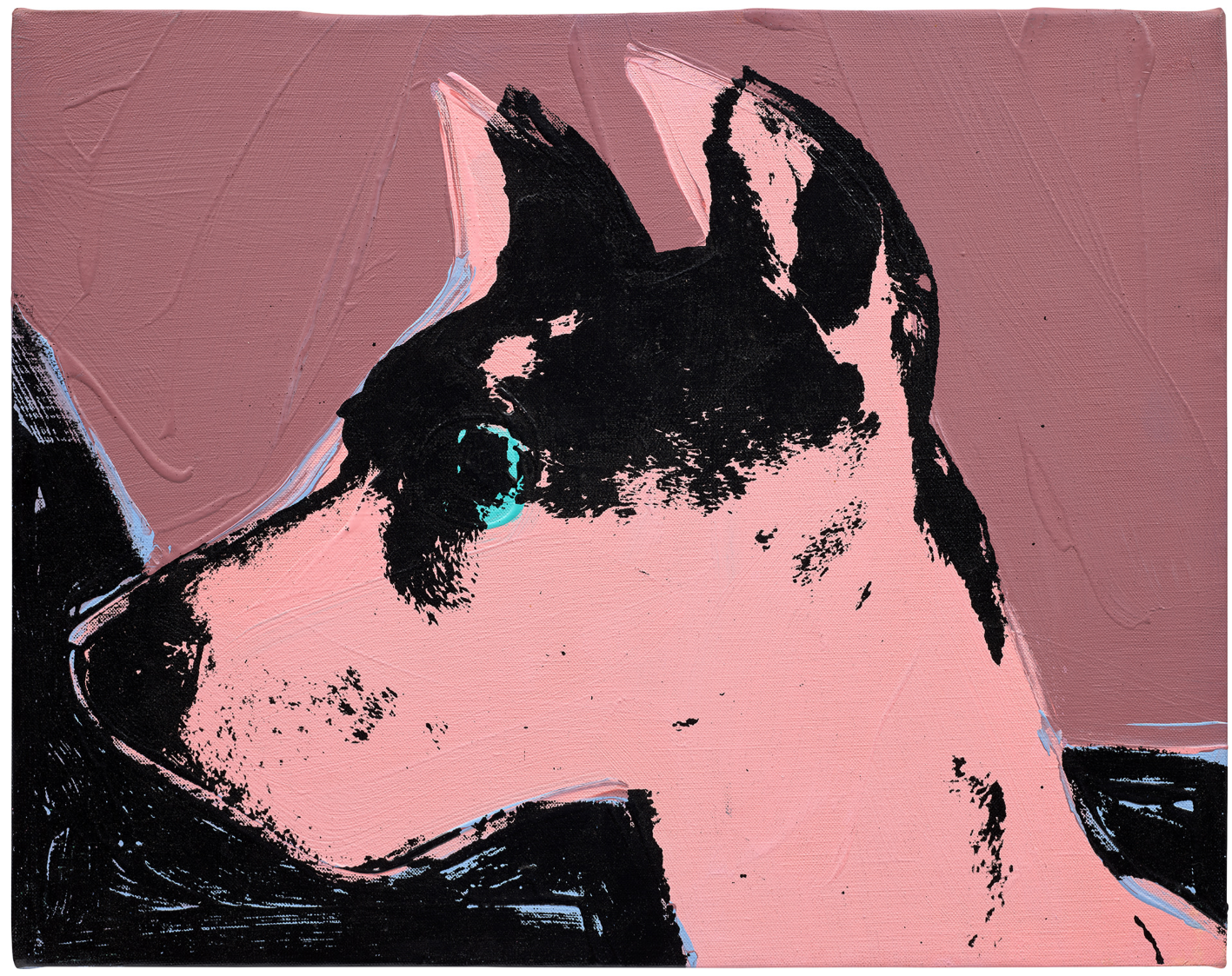
ANDY WARHOL
Cats and Dogs (Cecil), 1975-1976
Acrylic and silkscreen ink on linen
15×19 inches (38.1 x 48.3 cm)
Stamped twice by the Estate of Andy Warhol and the Andy Warhol Foundation for the Visual Arts, Inc., New York
Initialed and numbered “VF PA27.037” on the overlap
Works on Paper
Flash (Robert Kennedy), 1968
Christie’s New-York: 22 November 2024
Estimated: USD 500,000 – 700,000
USD 541,800
ANDY WARHOL (1928-1987), Flash (Robert Kennedy) | Christie’s
ANDY WARHOL (1928-1987)
Flash (Robert Kennedy), 1968
Screenprint on paperboard
21×21 inches (53.3 x 53.3 cm)
Stamped with the Estate of Andy Warhol and the Andy Warhol Foundation for the Visual Arts, Inc. stamps
Numbered ‘T.J.H 033+UT.001’ (on the reverse)
Executed in 1968, Flash (Robert Kennedy) is the only work by Andy Warhol to feature the man who was one of the most prominent political figures in modern American history. This work was painted at a pivotal point in Warhol’s career; in addition to his Pop images of Coca-Cola bottles and Campbell’s Soup cans, it was during this period that Warhol also began to examine the underbelly of American culture. Robert F. Kennedy was the youngest member of the country’s leading political dynasty, and having served as Attorney General in his late brother’s administration, he was undertaking his own run for presidential office when he was assassinated on June 5th, 1968. Warhol had known Kennedy and been a supporter of his political ambitions, so his death had affected him, much as it affected the rest of the country. In an added twist, Warhol heard the news as he was in hospital, recovering from having been shot by the feminist activist Valerie Solanas. Flash (Robert Kennedy) becomes an important work from Warhol’s early oeuvre; it conflates the main tenets of his career, that of investigating the power of image and celebrity, while at the same time probing the darker side of the American Dream.
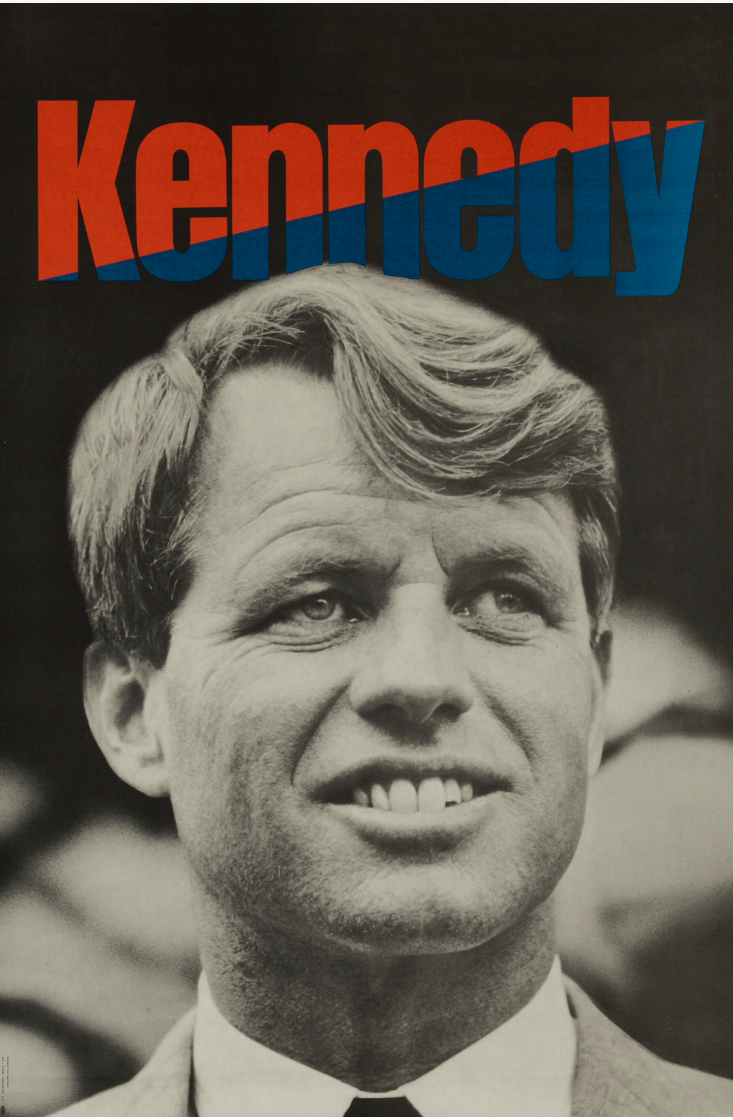
Robert F. Kennedy’s 1968 presidential campaign portrait. Photo: David Pollack / Corbis via Getty Images.
In addition to its historic importance, this particular painting is also a supreme example of Warhol’s unique ability to capture the essence of his subject using a simple image. Taking a photograph from Kennedy’s 1968 presidential election as his source image, Warhol renders it in arresting black-and-white. This clearly displays the subject’s familiar features; the tussled hair, penetrating eyes and enigmatic smile that all mark him out as a Kennedy. Unlike many of Warhol’s serial portraits which were executed in a rainbow of electric hues, the monochromatic palette of this work acts to focus attention on the elements of the image which make up its iconography, and given the tragic events that would ultimately unfold, freezes the image in time. Thus, Kennedy’s smiling face is seared into our subconscious, adding to—and enhancing—the power and poignancy of this particular work.
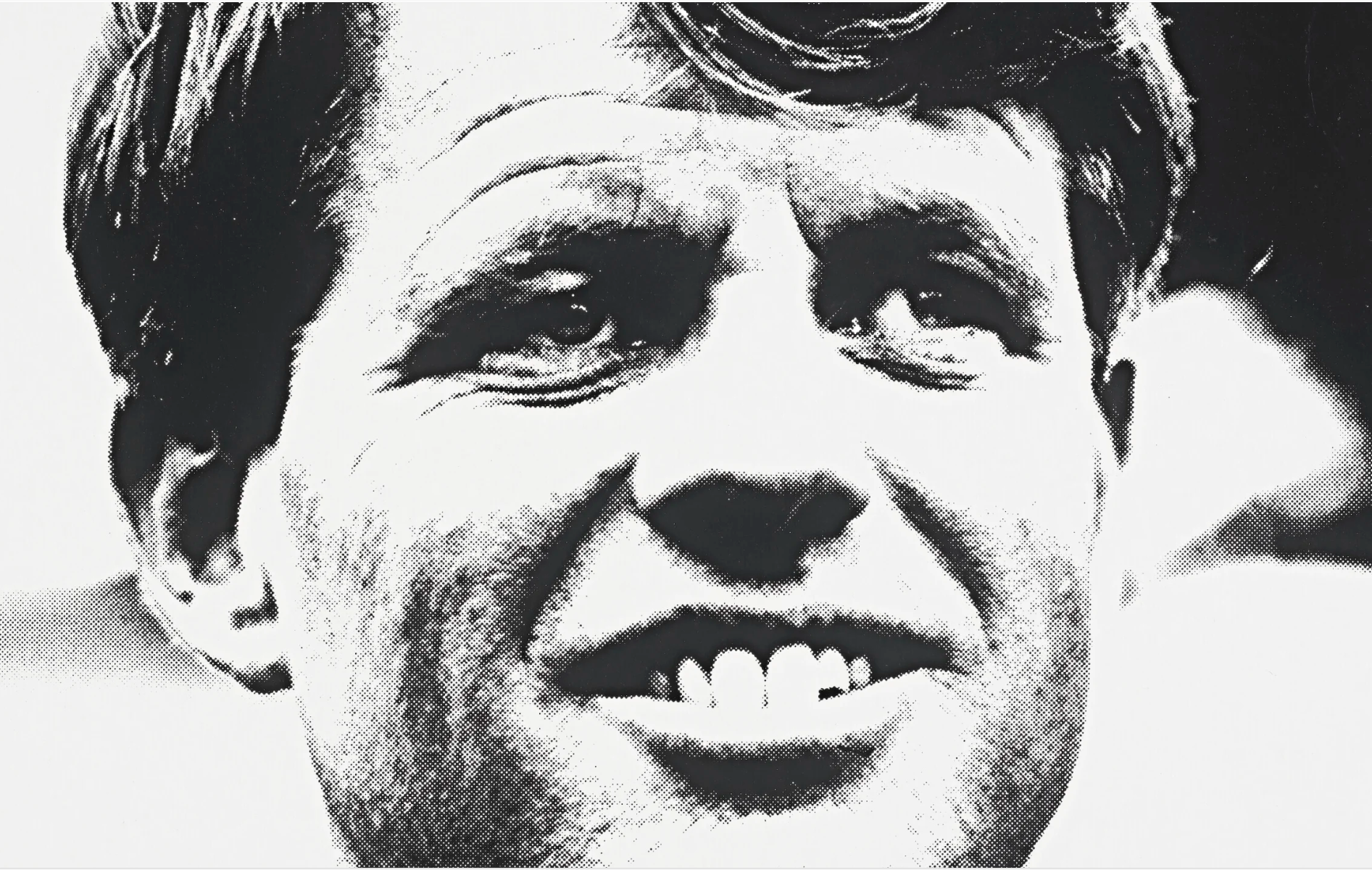
Initially, Kennedy was to be featured in Warhol’s Flash portfolio, produced in 1968 in response to the assassination of Robert Kennedy’s brother five years earlier. Warhol had selected the image that was to be made into a screen, resulting in the present work. But Robert’s death disrupted those plans, and Warhol decided not to include the younger Kennedy’s image in the portfolio, leaving Flash (Robert Kennedy) the only example of this screen in existence. Yet, more than just an act of remembrance, the work becomes a prescient examination into modern American politics. Executed at a time when politicians were still held in some form of high esteem, Warhol had already spotted that image represented a façade of reality. “His portraits stand as more than records of the individuals,” writes curator Sharon Atkins, “they position the leaders within cultural tastes and political values… Warhol’s images of these commanding personalities highlight the interrelationship between politics and celebrity culture in the twentieth century—connections that remain ever present today… Like his images of Hollywood celebrities and social elite, these political portraits relate not only to ideas of fame but also to his fascination with the social fabric of American life” (S. M Atkins, ibid., p. 4).
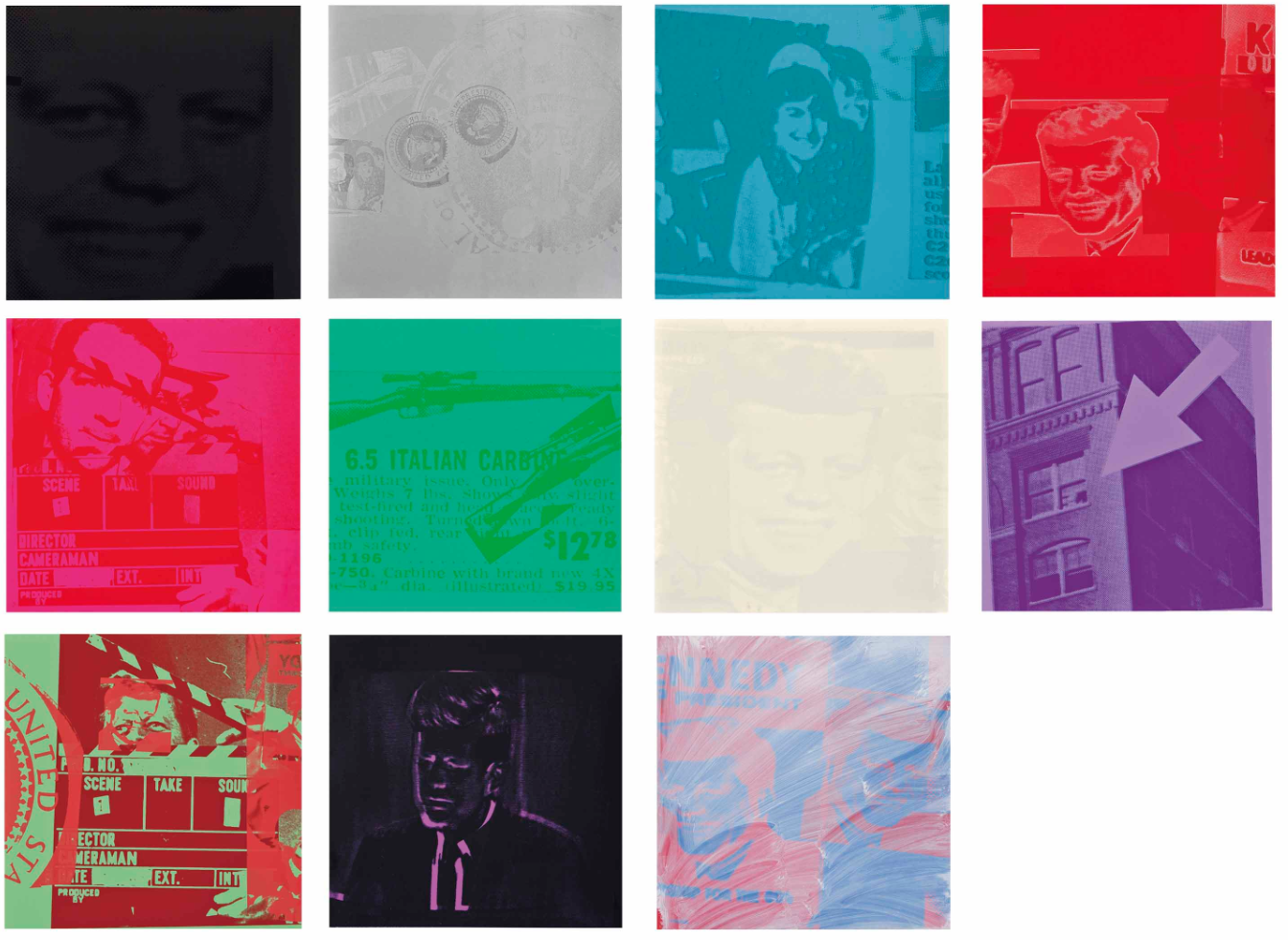
Andy Warhol, Flash – November 22, 1963, 1968. Private Collection. © 2024 The Andy Warhol Foundation for the Visual Arts, Inc. / Licensed by Artists Rights Society (ARS).
In this regard, Robert F. Kennedy was the perfect subject for Warhol’s investigations. The Senator has frequently been described as the ‘greatest president America never had,’ and following the untimely death of his brother, the younger Kennedy carried the political hopes of an entire generation. Born into the famed Kennedy family, Robert’s early political ambitions were eclipsed by those of his older brother John Fitzgerald Kennedy, who would become the 35th President of the United States. After his brother’s election, the younger Kennedy was appointed to serve as United States Attorney General, before leaving government following his brother’s death and serving as a United States Senator for New York between 1965 and his own assassination in 1968. His tenure as Attorney General is best known for his advocacy for the civil rights movement, his fight against organized crime and the Mafia. As a Senator, he opposed the U.S. involvement in Vietnam and raised the issue of poverty to national attention. In 1968, he was the leading candidate for the Democratic Party nomination when he was shot in a Los Angeles hotel, shortly after winning the California primary. He died in hospital the following day. Delivering his eulogy, his younger brother Edward Kennedy said “My brother [should be] remembered simply as a good and decent man, who saw wrong and tried to right it, saw suffering and tried to heal it, saw war and tried to stop it” (E. Kennedy, quoted in New York Daily News, June 8, 1968, via www.jfklibrary.org [accessed 10.20.2024]). Yet, following his brother’s assassination, Robert Kennedy had taken on the hopes of a new generation, and had appeared in the media and popular press in the guises of his celebrity status as much as for his political views.
Ambulance Disaster, circa 1963
Christie’s New-York: 22 November 2024
Estimated: USD 400,000 – 600,000
USD 441,000
ANDY WARHOL (1928-1987), Ambulance Disaster | Christie’s
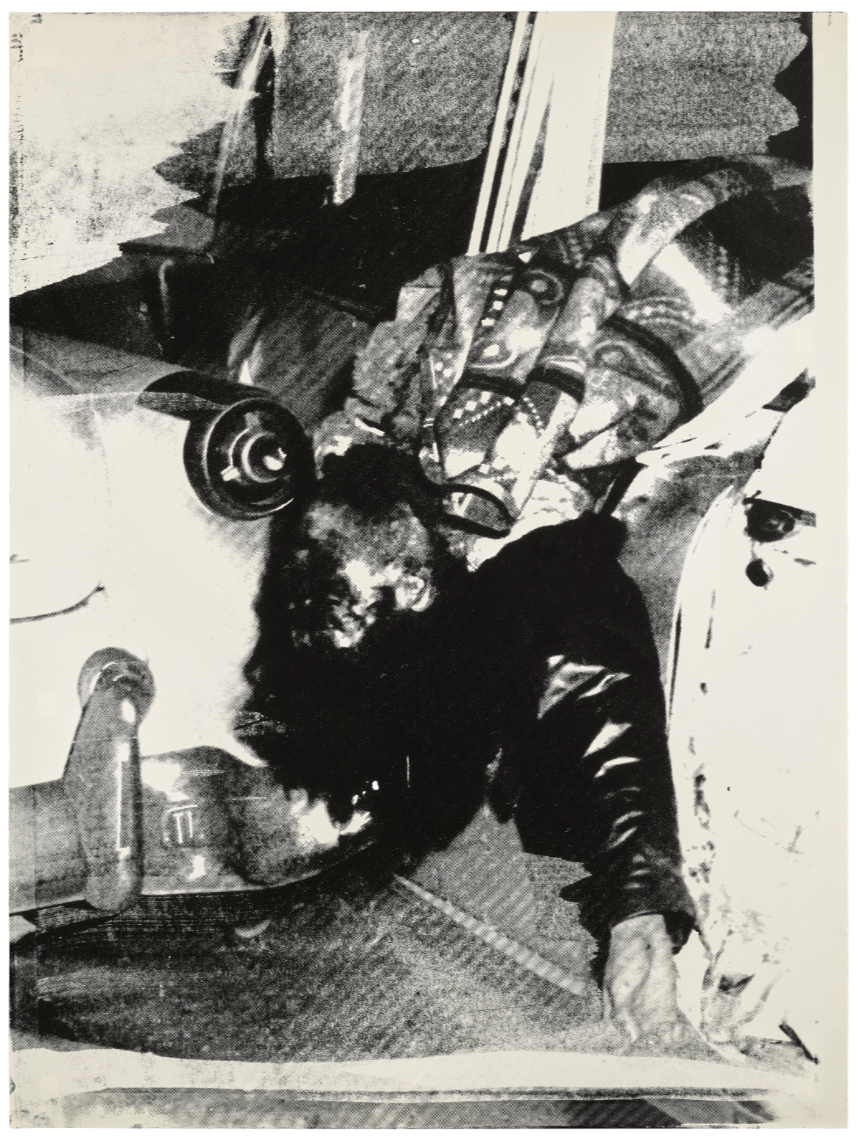
ANDY WARHOL (1928-1987)
Ambulance Disaster, circa 1963
Silkscreen ink on paper
40 x 30 1/8 inches (101.7 x 76.4 cm)
Stamped with the Estate of Andy Warhol and the Andy Warhol Foundation for the Visual Arts, Inc. stamps and numbered ‘UP 67.05’ (on the reverse)
Between 1962 and 1964, when Andy Warhol was making his most iconic and important works on canvas, he simultaneously created a small group of silkscreened works on Strathmore Drawing paper. Each work was silkscreened by hand, using the same silkscreens Warhol employed on his canvases, creating a unique image that retained the graininess and immediacy of the often shocking source imagery. Of the five silkscreen images Warhol chose to render on paper, three were from his “Death and Disaster” series. These are Race Riot, Suicide, and Ambulance Disaster.
The motif of car crashes and car accidents is one that Warhol returned to throughout the seminal period of production that occurred between 1962 and 1964. This motif is best realized in masterpieces such as Green Car Crash (Green Burning Car I), 1963, and the large Ambulance Disaster, 1964, belonging to the Andy Warhol Museum in Pittsburg. The car crash paintings encompass many of the themes that fascinated Warhol and inspired his best works: mortality, voyeurism, and the consumption of mass-media. These horrific images might seem to be an unlikely subject for art, but with through Warhol’s perceptive eye, they become material for some of the most challenging and provocative paintings made by any artist in the post-war era.
“The Disasters constitute a key moment in [Warhol’s] work. Suddenly the sassy young man, who had burst on the scene with images of Campbell’s Soup, Coca-Cola, dollar bills, and movie stars, was turning his attention to the death-obsessed underbelly of American life. These paintings must have been a tremendous shock when they first appeared, revealing that Pop Art was much more than an ironic joke for Warhol. With the Disasters, Warhol succeeded in separating himself from the other Pop artists, who, for the most part, continued to occupy themselves with the mechanics of mass-market image-making. He defined himself as an artist operating on a truly ambitious stage, willing to take on the big issues of human existence -mortality, the randomness of life and death, and the impersonal cruelty of state power. By so doing, he created a link for himself to not only the pessimistic humanism of Goya and Picasso, but, more importantly, to Abstract Expressionism and its existential and metaphysical concerns -concerns which had been mostly abandoned by the artists of the 60s”
(P. Halley, “Fifteen Little Electric Chairs,” Andy Warhol Little Electric Chair Paintings, exh. cat. Stellan Holm Gallery, New York, 2001, p. 40).
The source image of Ambulance Disaster is an undated UPI photograph that documents the accidental collision of two ambulances that were returning from a car crash in Chicago. As the Warhol catalogue raisonné notes in the entry on the Ambulance Disaster paintings, the “two vehicles intended to save the lives had themselves becomes instruments of death.” The irony and can’t-look-away horror of the story, and of the image of the young woman thrown lifelessly from the ambulance window, represent Warhol at his darkest and most pure.
Campbell’s Soup Can (Tomato), 1981
Christie’s New-York: 22 November 2024
Estimated: USD 100,000 – 150,000
USD 277,200
ANDY WARHOL (1928-1987), Campbell’s Soup Can (Tomato) | Christie’s
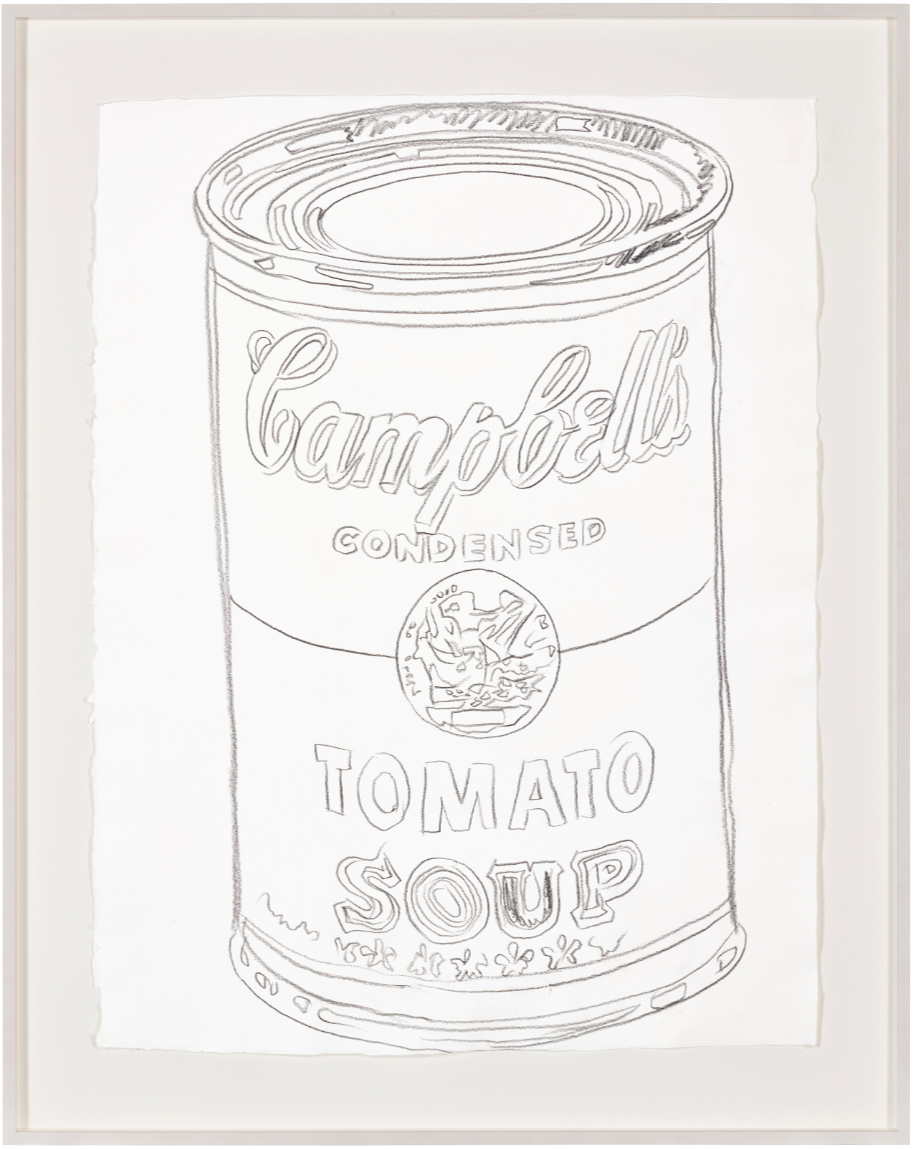
ANDY WARHOL (1928-1987)
Campbell’s Soup Can (Tomato), 1981
Graphite on paper
40 1/4 x 30 1/2 inches (101.8 x 77.5 cm)
Stamped with the Estate of Andy Warhol and the Andy Warhol Foundation for the Visual Arts, Inc. stamps
Numbered ‘VF 13.001’ (on the reverse)
Marilyn Monroe (Marilyn), circa 1978
Christie’s New-York: 22 November 2024
Estimated: USD 70,000 – 100,000
USD 119,700
ANDY WARHOL (1928-1987), Marilyn Monroe (Marilyn) | Christie’s
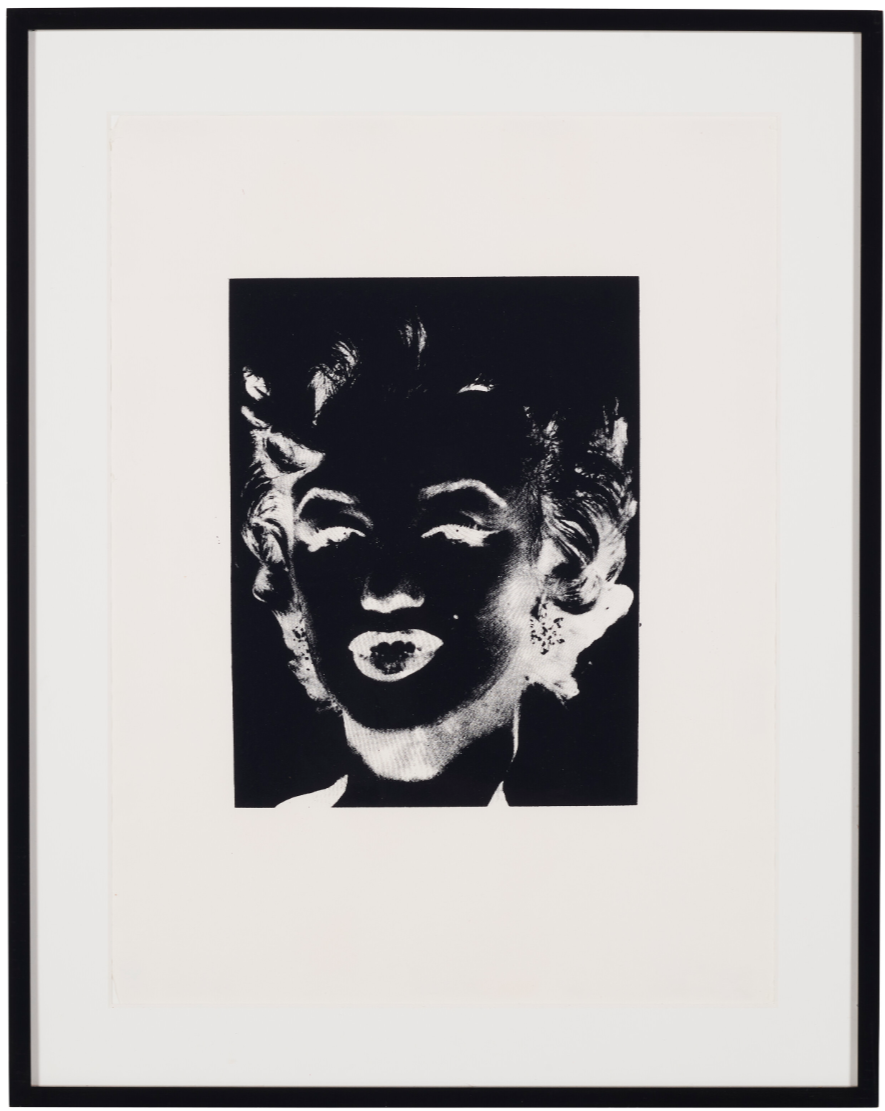
ANDY WARHOL (1928-1987)
Marilyn Monroe (Marilyn), circa 1978
Screenprint on HMP paper
Image: 18 1/4 x 14 inches (46.4 x 35.6 cm)
Sheet: 31 1/8 x 23 1/4 inches (79.1 x 59.1 cm)
This work is an unpublished proof
Stamped with the Andy Warhol Authentication Board, Inc., the Estate of Andy Warhol and the Andy Warhol Foundation for the Visual Arts, Inc. stamps
Numbered ‘VF UP48.54 A152.021’ (on the reverse)
The Disquieting Muses, 1982
Christie’s New-York: 20 November 2024
The Collection of Mica Ertegun
Estimated: USD 18,000 – 25,000
USD 50,400
ANDY WARHOL (1928-1987), The Disquieting Muses | Christie’s
ANDY WARHOL (1928-1987)
The Disquieting Muses, 1982
Pencil on paper
35 1/2 x 23 1/2 inches (89.1 x 58.7 cm)
Signed and dated ‘Andy Warhol 82’ (lower right)
Cover for ‘Trombone By Three, Jay Jay Johnson, Kai Winding, Bennie Green,’ Prestige Records, circa 1956
Christie’s New-York: 20 November 2024
The Collection of Mica Ertegun
Estimated: USD 10,000 – 15,000
USD 25,200
ANDY WARHOL (1928-1987)
Cover for ‘Trombone By Three, Jay Jay Johnson, Kai Winding, Bennie Green,’ Prestige Records, circa 1956
Ink on acetate
12 x 12 1/4 inches (30.5 x 30.7 cm)
Signed ‘Andy Warhol’ (lower left)
Passed Lots
Gun, circa 1981-1982
Phillips New-York: 19 November 2024
Estimated: USD 4,000,000 – 6,000,000
PASSED
Andy Warhol – Modern & Contemporary… Lot 11 November 2024 | Phillips
ANDY WARHOL
Gun, circa 1981-1982
Synthetic polymer paint and silkscreen ink on canvas
50 1/4 x 70 1/8 inches (127.6 x 178.1 cm)
Stamped twice by the Andy Warhol Art Authentication Board, Inc. and the Estate of Andy Warhol on the overlap
Numbered and inscribed “PA 15.064” on canvas affixed to the stretcher
Jackie, 1964
Christie’s New-York: 22 November 2024
Estimated: USD 1,000,000 – 1,500,000
PASSED
ANDY WARHOL (1928-1987), Jackie | Christie’s
ANDY WARHOL (1928-1987)
Jackie, 1964
Acrylic and silkscreen ink on canvas
20×16 inches (50.8 x 40.6 cm)
Stamped twice with the Estate of Andy Warhol and three times with the Andy Warhol Foundation for the Visual Arts, Inc. stamps and numbered ‘VF VF PA56.061’ (on the overlap)
Numbered again ‘PA56.061’ (on the backing board)
Fragile—Handle with Care, 1962
Christie’s New-York: 19 November 2024
Estimated: USD 1,500,000 – 2,000,000
PASSED
ANDY WARHOL (1928-1987), Fragile—Handle with Care | Christie’s
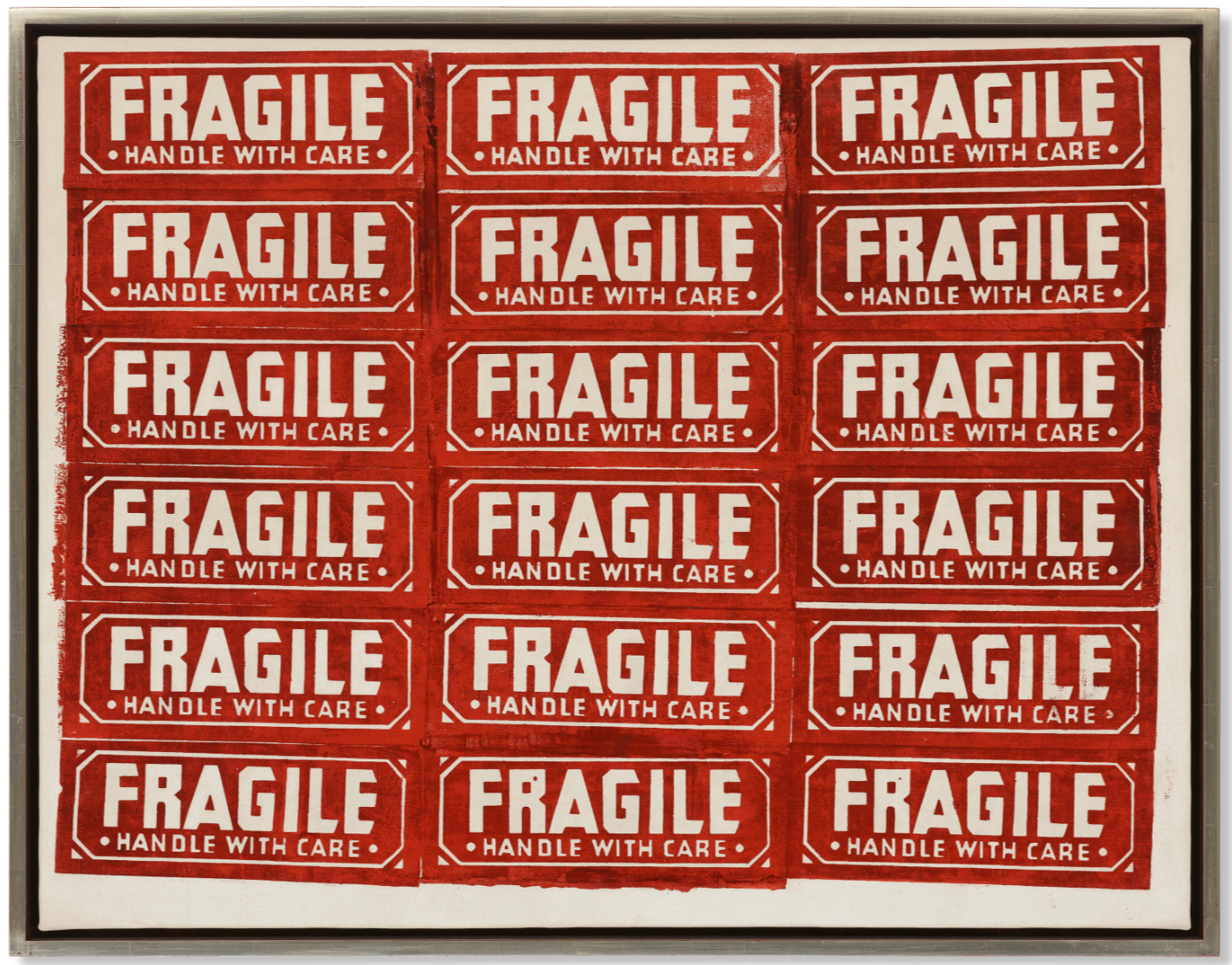
ANDY WARHOL (1928-1987)
Fragile—Handle with Care, 1962
Silkscreen ink on linen
24×31 inches (61 x 78.7 cm)
Signed six times and dated twice ‘Andy Warhol 62’ (on the overlap)
Signed again twice ‘Andy Warhol Andy Warhol’ (on the left side edge)
Knives, 1981-1982
Christie’s New-York: 22 November 2024
Estimated: USD 300,000 – 500,000
PASSED
ANDY WARHOL (1928-1987), Knives | Christie’s
ANDY WARHOL (1928-1987)
Knives, 1981-1982
Acrylic and silkscreen ink on canvas
20×32 inches (50.80 x 81.28 cm)
Stamped twice with the Estate of Andy Warhol and the Andy Warhol Foundation for the Visual Arts, Inc. stamps and numbered twice ‘VF PA95.040 PA95.040′ (on the overlap)
Stamped again with the Andy Warhol Foundation for the Visual Arts, Inc. stamp (on the reverse)
Numbered again ‘PA 95.040’ (on the stretcher)
One Dollar Bills (Backs), 1962
Phillips New-York: 20 November 2024
Estimated: USD 300,000 – 500,000
PASSED
Andy Warhol – Modern & Contemporar… Lot 174 November 2024 | Phillips
ANDY WARHOL
One Dollar Bills (Backs), 1962
Silkscreen ink on linen
8 5/8 x 39 1/8 inches (21.9 x 99.4 cm)
Stamped twice by the Estate of Andy Warhol and the Andy Warhol Foundation for the Visual Arts, Inc.
Initialed and numbered “PA59.010” on the overlap
Focus: Roy Lichtenstein
George Washington, 1962
Christie’s New-York: 19 November 2024
Estimated: USD 7,000,000 – 10,000,000
USD 7,068,000
ROY LICHTENSTEIN (1923-1997), George Washington | Christie’s
ROY LICHTENSTEIN (1923-1997)
George Washington, 1962
Graphite and graphite rubbing on paper
Image: 14 1/2 x 11 1/4 inches (36.8 x 28.6 cm)
Sheet: 18 2/4 x 14 1/2 inches (47.6 x 36.8 cm)
Signed and dated ‘rf Lichtenstein ‘62’ (on the reverse)
With its bold, authoritative contrast and clean, crisp lines, Roy Lichtenstein’s George Washington is an important early drawing from a founding father of American Pop Art. Marking a defining moment in the artist’s career, when he fully committed to his mature Pop style—both in his subject matter and technical application—George Washington traces the American lineage of art history from Gilbert Stuart to one of the most celebrated movements in post-war art. Drawn with graphite pencil, this rare early work reveals the hand of an otherwise mechanically pristine artist, unveiling the artistic process that would both inform the larger painted canvas and stand firmly as an important artwork in its own right.
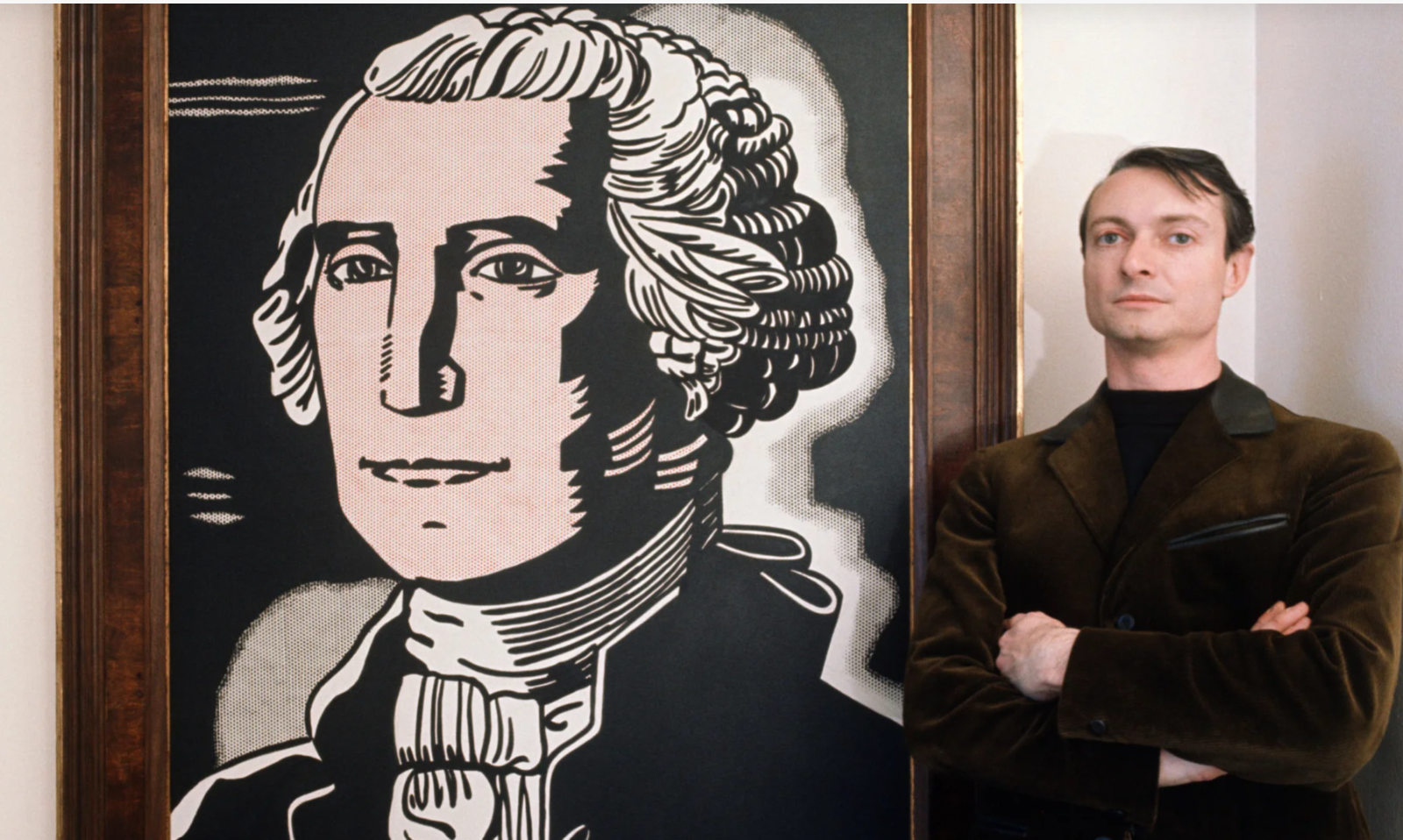
Roy Lichtenstein with George Washington (1962). Photo: Mario de Biasi / Mondadori via Getty Images. Artwork: © Estate of Roy Lichtenstein.
This period marked a momentous moment of transformation for the 38-year-old artist, who had been exhibiting his Cubist and Abstract Expressionist-style paintings across New York for a decade. Influenced by the art of Allan Kaprow, George Segal, and Claes Oldenburg, which incorporated everyday objects and popular culture, Lichtenstein turned to an entirely new imagery culled from the contemporary world of advertisements and comic books. During this period, he also began to incorporate the graphic techniques of commercial illustrators into his own practice. In 2010, Lichtenstein’s drawings, including George Washington, received a major retrospective at New York’s Morgan Library and Museum, which, for the first time, underscored the quality and significance of his drawings.
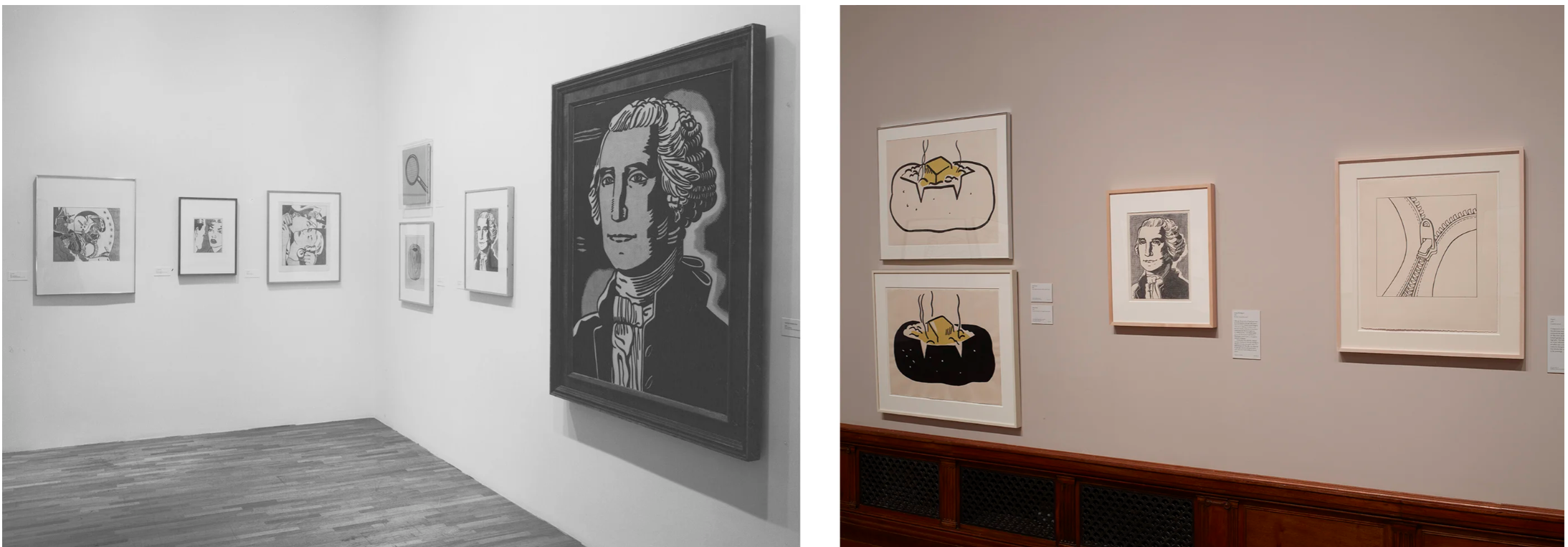
Left: Installation view, The Drawings of Roy Lichtenstein, 1987, Museum of Modern Art, New York. Photo: © The Museum of Modern Art/Licensed by SCALA / Art Resource, NY. Artwork: © Estate of Roy Lichtenstein.
Right: Installation view, Roy Lichtenstein: The Black-and-White Drawings, September 2010 – January 2011. Morgan Library & Museum, New York (present work illustrated). Artwork: © Estate of Roy Lichtenstein. Photo: The Morgan Library & Museum / Art Resource, NY.
George Washington is an early Pop work by the artist, created while he was focusing on black-and-white, single-object paintings of ordinary commercial objects, such as Curtains in the Saint Louis Museum of Art, Desk Calendar at the Museum of Contemporary Art, Los Angeles, as well as some of his earliest comic strip paintings. Based on a woodcut of a Gilbert Stuart portrait of the first American president found in a Hungarian national newspaper—which likewise recalls Stuart’s famous Athenaeum Portrait on the US one-dollar bill—the subject matter of George Washington poignantly bridges old and new in the artist’s oeuvre.
Lichtenstein sketching in his West 26th Street studio, New York, 1964. Photograph by Ken Heyman. Artwork: © Estate of Roy Lichtenstein.
Perhaps most famously during these pivotal transformative years, Lichtenstein drastically altered his style and approach to artmaking. Looking toward commercial illustrations and comic strips as subject matter for the first time, the Pop artist began to experiment stylistically, simulating commercial techniques of reproduction, including the now-iconic Ben-Day dot. During the early to mid-1960s, Lichtenstein relied on traditional graphite pencil drawings to develop and cement his mature stylistic approach. Lichtenstein’s drawings were neither sketches nor studies in the traditional sense. Rather, they acted as the initial stage in a process that resulted in his vibrantly comical large-scale paintings. In his drawings, Lichtenstein would determine the composition—and sometimes color—of his paintings, often cropping or slightly altering the original source image by bringing in the framing edge to seemingly enlarge the content of the painting. Lichtenstein used a number of different techniques to achieve the look of mechanical reproduction found in George Washington.
Roy Lichtenstein, Bratatat!, 1962. Minneapolis Institute of Art. © Estate of Roy Lichtenstein.
It is likely that, for George Washington, Lichtenstein sketched the image directly from the original woodcut reproduction, heavily penciling in his contour lines. In order to produce his trademark Ben-Day dots, he relied on a technique called frottage. This consisted of placing the paper sheet over a textured surface, then rubbing a graphite pencil across the surface. This procedure produced a series of regular dots—here shown in the negative—but also allowed traces of the artist’s hand to be seen in the shaded areas, as subtle changes in pressure during the rubbing process can be detected as Lichtenstein moved his hand across the surface of the work. Lichtenstein employed this particular technique for only a short period during 1962, but it saw him producing some of his most exquisite drawings, including Bratatat! in the Minneapolis Institute of Art and Foot Medication in the Menil Collection, Houston.
Purist Painting with Pitcher, Glass and Classical Column, 1975
Christie’s New-York: 19 November 2024
Estimated: USD 4,000,000 – 6,000,000
USD 4,648,000
ROY LICHTENSTEIN (1923-1997), Purist Painting with Pitcher, Glass and Classical Column | Christie’s
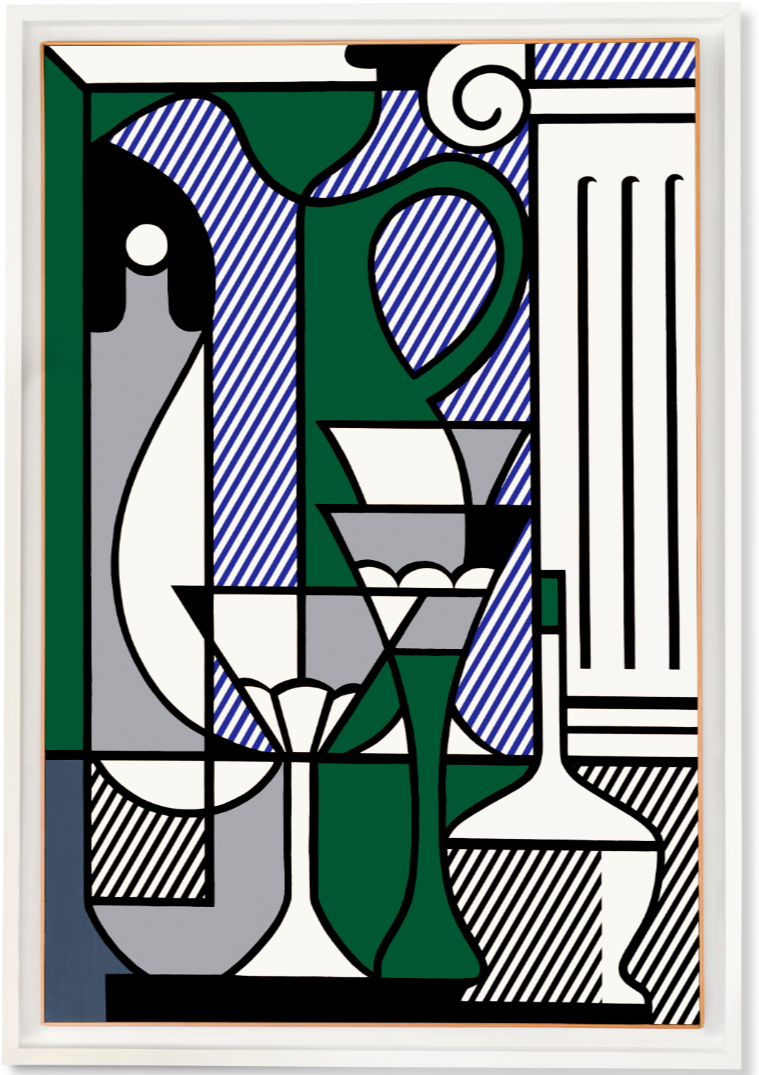
ROY LICHTENSTEIN (1923-1997)
Purist Painting with Pitcher, Glass and Classical Column, 1975
Acrylic, oil and graphite on canvas
60×40 inches (152.4 x 101.6 cm)
Signed and dated ‘rf Lichtenstein ’75’ (on the reverse)
In the 1970s, after devoting the previous decade to the iconic comic-book paintings that launched his career as one of the founders of Pop Art, Roy Lichtenstein set the comic-book aside and turned to art history as his muse. In this, an exceptional example from Lichtenstein’s series of Purist Paintings, the artist cunningly interrogates the pared-down simplicity and machine-like precision of Purism, a style pioneered by Fernand Léger and Amédée Ozenfant in 1918. The Purists felt that Cubism had become too decorative—almost a pastiche of itself—and instead wanted a radically-simplified style purged of extraneous detail. With his typical insouciant flair, Lichtenstein renders the classic elements of the Purist still life—wine bottles, glasses, and a pitcher—as if passed through a Pop Art lens.
Lichtenstein created only thirteen purist still life paintings, of which several are now in important museum collections, including Purist Still Life (1975, The Broad, Los Angeles), Purist Still Life with Pitcher (1975, Museum of Fine Arts, Houston), and Purist Painting with Bottles (1975, Wolverhampton Art Gallery). These paintings demonstrate the quick-witted artist’s ability to adapt and transform the many “isms” of art history into his own unique vernacular. Beginning in 1972, the artist tackled Cubism, trompe l’oeil paintings, and Futurism before arriving at Purism.
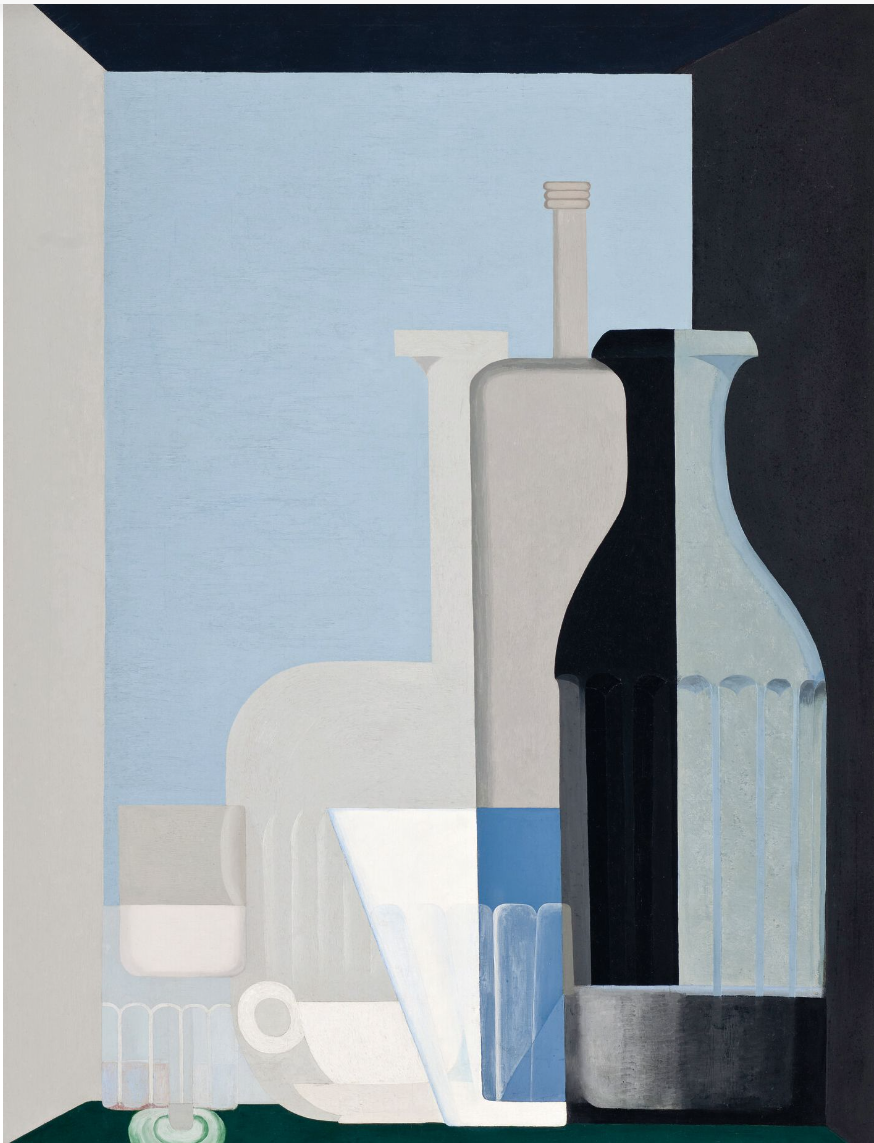
Amédée Ozenfant, Still Life with Bottles, 1922. Los Angeles County Museum of Art.
In Purist Painting with Pitcher, Glass and Classical Column, Lichtenstein depicts a pitcher and wine bottle that rests atop a flat surface. The shadow that is cast by the bottle is rendered in black diagonal lines, which can be seen directly underneath the bottle, as if it’s been reflected in a shiny surface. Nearby, two martini glasses with a decorative, beveled design sit alongside a chianti bottle, where the edge of the bottle is actually formed by the stem of one of the glasses. Above that, an ionic Greek column seems to sit on the same table top as the pitcher. Now the painting takes on the appearance of a large-scale landscape painting, with the tabletop actually forming a horizon line, and the pitcher now oversized and standing as large as the column itself. This distorts the illusion of the table-top in favor of a strange, enormous landscape, not unlike Giorgio de Chirico’s paintings of the same subject. In the present work, Lichtenstein’s resolutely flat surface design mimics the three-dimensional roundness of the objects themselves, but does so in a rather knowing manner. Here we see Lichtenstein conveying an accurate and recognizable sense of depth and three-dimensionality with a very limited set of means. The wine bottle and glasses somehow manage to be both transparent and flat at the same time, due to Lichtenstein’s clever use of gray and white to connote shadow and depth.
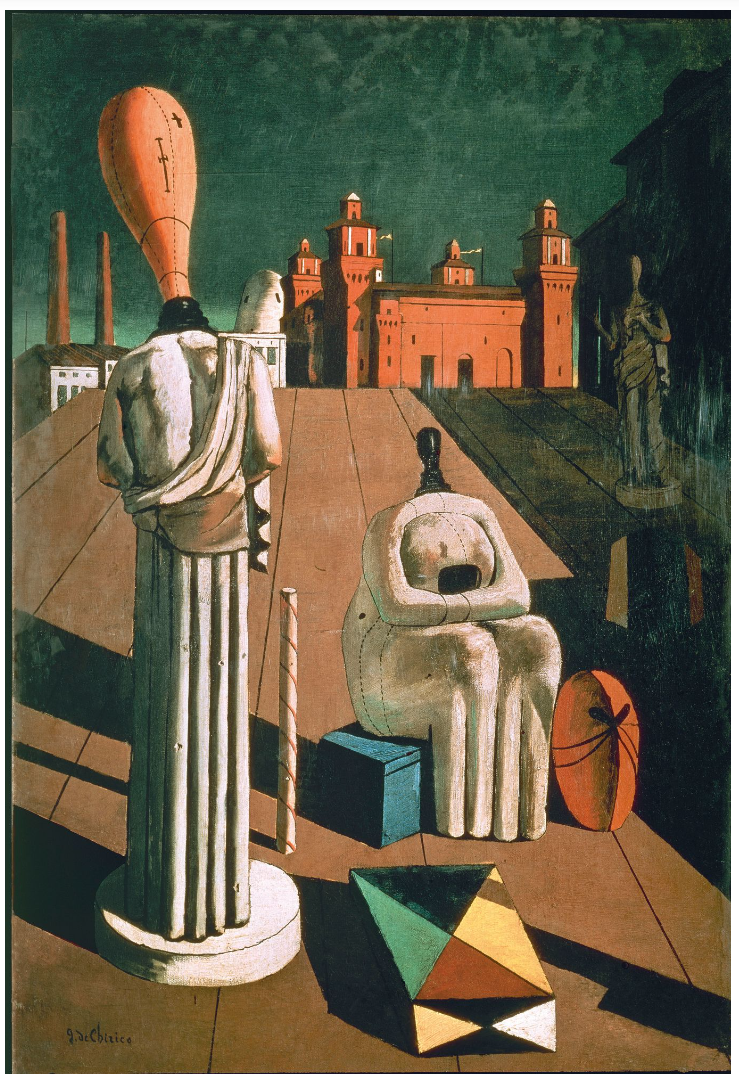
Giorgio de Chirico, Disquieting Muses, 1917. Gianni Mattioli Collection, Milan. Photo: Album / Art Resource, NY,
As in the present work, Lichtenstein has radically simplified the already pared-down simplicity of the Purist still life, using just a few colors and limiting his design to flat panels of color and diagonal cross-hatching. Like his signature Ben-Day dot—itself a shorthand used in the printing industry to connote roundness, depth and shadow—Lichtenstein use of diagonal hatching, which he started using in 1974, has become equally iconic, and he uses it with flair, alternatively to connote shadow, transparency or simply two-dimensional patterning in the present work.
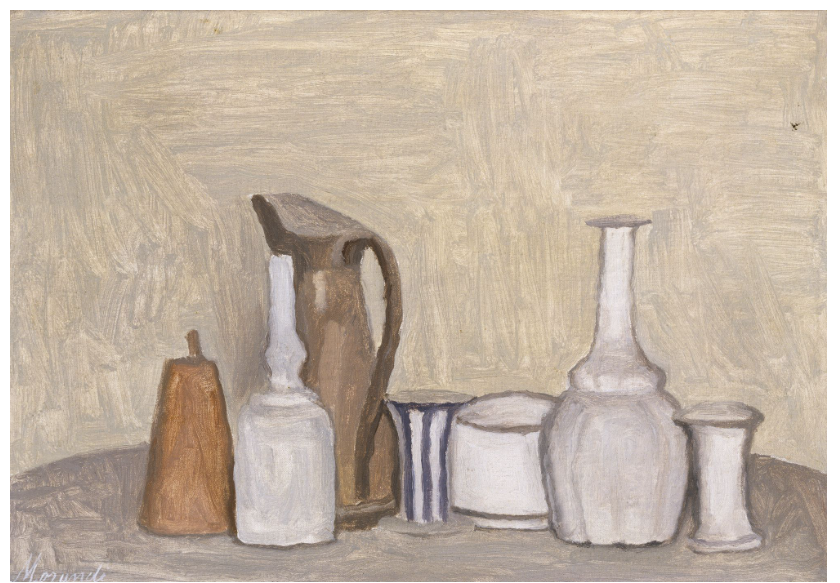
Giorgio Morandi, Natura Morta, 1950. Museum of Fine Arts, Houston. © 2024 Artists Rights Society (ARS), New York/SIAE, Rome.
Throughout the series, Lichtenstein was aware that the viewer’s relationship to Purism—and likewise Cubism, Futurism and Surrealism—was undoubtedly formed by a printed reproductions from a book or magazine, so his portrayal acknowledged that our perception was based on a copy of the real thing.
“I was interested in doing other artists’ works not so much as they appear but as they might be understood—the idea of them…”
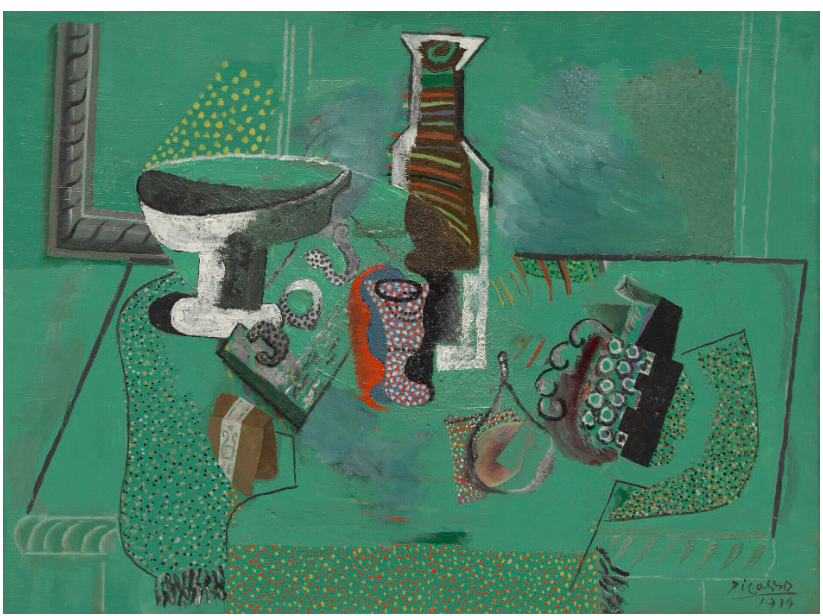
Pablo Picasso, Green Still Life, 1914. Museum of Modern Art, New York.
© 2024 Estate of Pablo Picasso / Artists Rights Society (ARS), New York.
Photo: © The Museum of Modern Art/Licensed by SCALA / Art Resource, NY.
Having been included in many major exhibitions of the artist’s work, including the 2012 retrospective at the Art Institute of Chicago, the present work has been recognized by curators and collectors alike for its importance. A few years after it was painted, Purist Painting with Pitcher, Glass and Classical Column was also included in an important exhibition devoted to Lichtenstein’s work of the 1970s, which originated at the Saint Louis Art Museum and later traveled to the Whitney Museum of American Art, New York. As a further testament to its significance within Lichtenstein’s oeuvre, the painting was once owned by the artist’s friend and dealer, Leo Castelli.
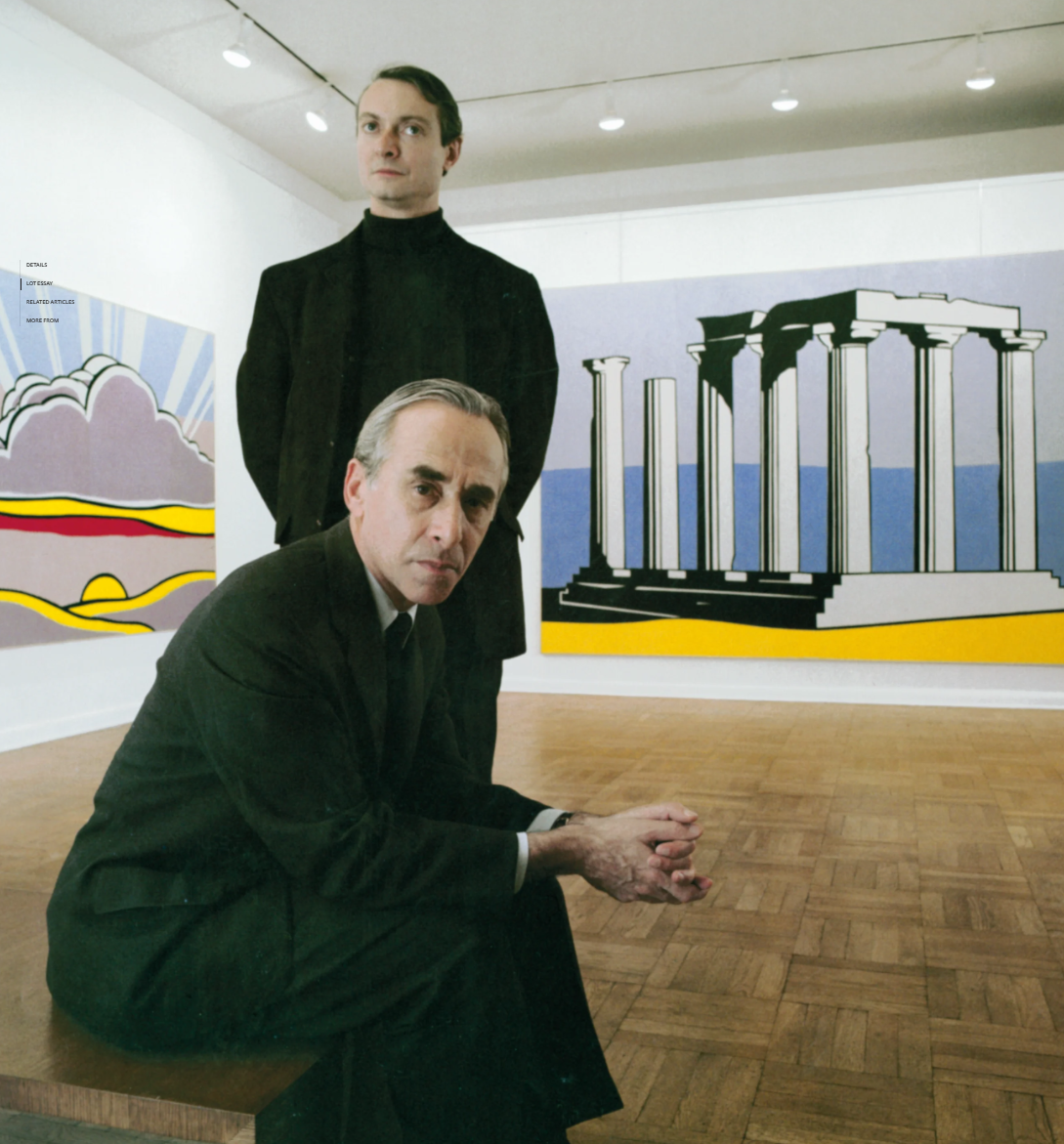
Roy Lichtenstein and Leo Castelli, New York, 1964.
Photo Ugo Mulas © Ugo Mulas Heirs. All rights reserved. Artwork: © Estate of Roy Lichtenstein.
While Lichtenstein’s paintings of the 1970s were a marked departure from the comic-book paintings of the previous decade, they have since become highly-coveted works that demonstrate the ingenious versatility of this beloved Pop artist.
Figure with Banner, 1978
Christie’s New-York: 19 November 2024
Estimated: USD 3,000,000 – 5,000,000
WITHDRAWN
ROY LICHTENSTEIN (1923-1997), Figure with Banner | Christie’s
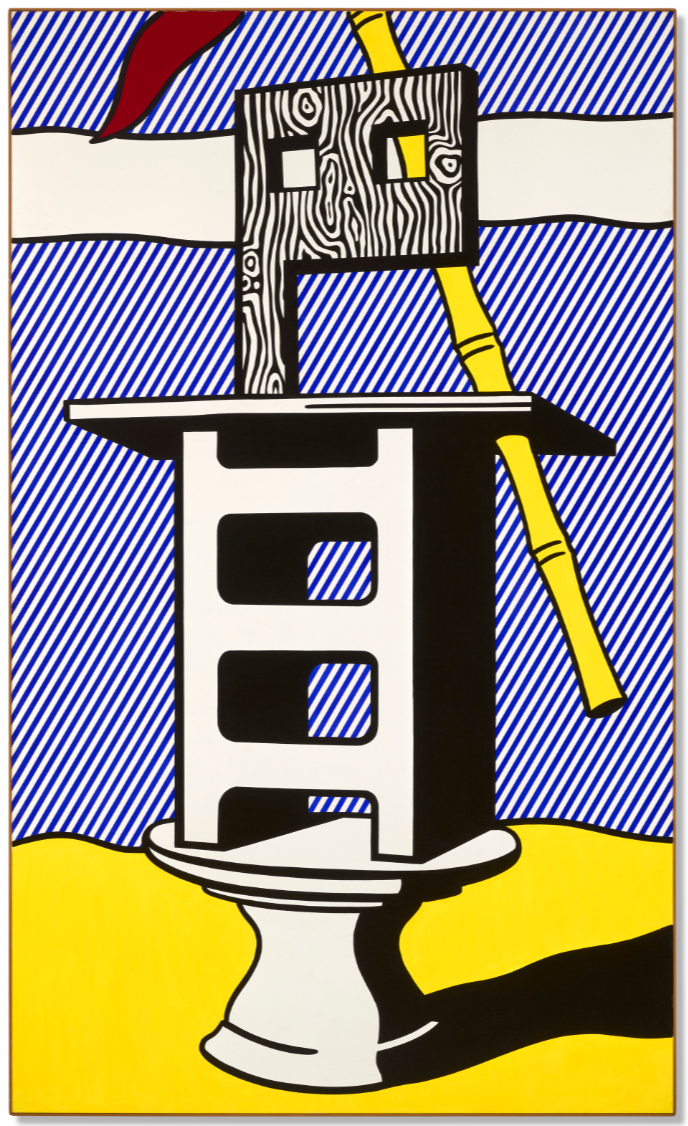
ROY LICHTENSTEIN (1923-1997)
Figure with Banner, 1978
Acrylic, oil and graphite on canvas
100×60 inches (254 x 152.4 cm)
Signed and dated ‘© rf Lichtenstein ‘78’ (on the reverse)
Roy Lichtenstein’s Figure with Banner is a striking example of the artist’s ability to deftly combine disparate artistic movements and ideas in a singular, harmonious composition. Utilizing a recognizable but incongruent technique he borrowed from mass media printing, Lichtenstein constructs a composite scene that appears to reference the Italian paintings of Giorgio de Chirico, rendering them in a comic book style. Drawing connections to multiple points within the world of visual representation, Lichtenstein is able to create a scene that is at once familiar and also not.
Monumental in scale, Figure with Banner towers above the viewer like a great monument of old. Set against a sky of diagonal blue and white stripes, a mysterious stack of objects rests on an expanse of flat yellow sand. A stylized cinder block turned on its end rests atop a curved decorative base. Both are rendered in crisp areas of black and white that create the illusion of hard shadows from an unseen light source. Atop this construction, a flat panel creates a platform to which two objects are attached. The first, a piece of wood complete with painted grain reminiscent of Pablo Picasso’s faux bois, juts upward from a slim stalk and exhibits two square holes. The component, as well as its placement at the top of the stack, elicits comparisons to an abstracted face or a mask one would use at a costume ball. Behind this element is a long piece of yellow bamboo that pierces the uppermost platform at an angle as it extends beyond the picture plane. A wispy triangle of red floats back into the frame and affirms our assumption that this is the titular banner being held by Lichtenstein’s stoic figure.
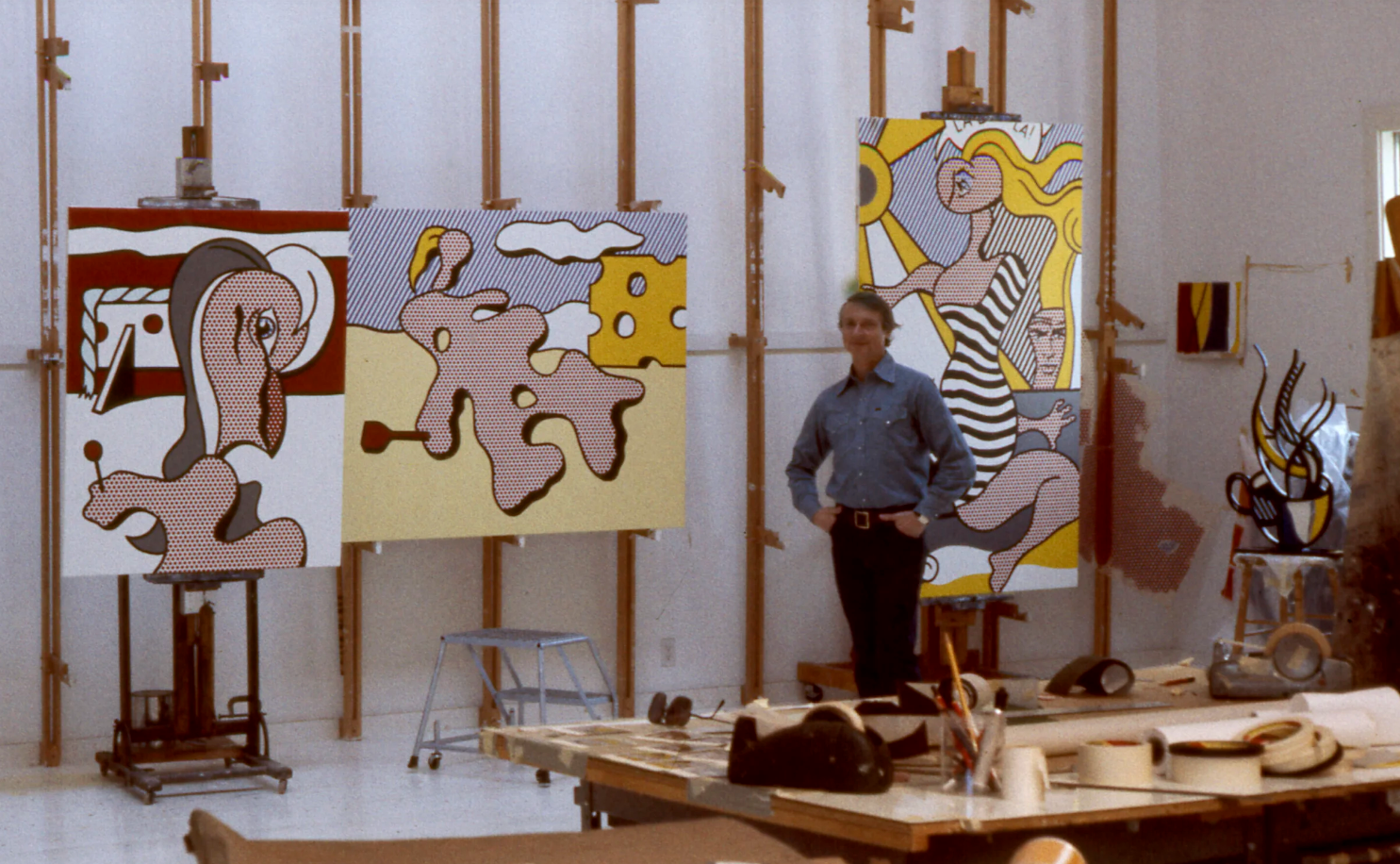
Roy Lichtenstein in his Southampton studio, 1977.
Photo: Kenneth Tyler, courtesy of the National Gallery of Australia. Artwork: © Estate of Roy Lichtenstein.
Many of Lichtenstein’s early Pop canvases found their beginnings in his appropriation of panels from comic strips. As such, the subjects often had to do with general subjects like battles and soap opera heroines. In the mid-1970s, the artist made a detour away from his cartoon inspirations and dove headlong into the history of art. His Surrealist series, from which the present example hails, paradoxically combined the bright, clean nature of Pop Art with the moody musings of European artists like Salvador Dalí and Rene Magritte. The artist’s predilection for bold lines, swaths of flat color, and patterns borrowed from printing like stripes and Ben Day dots are still on full display, but now they exist in a more cerebral realm.
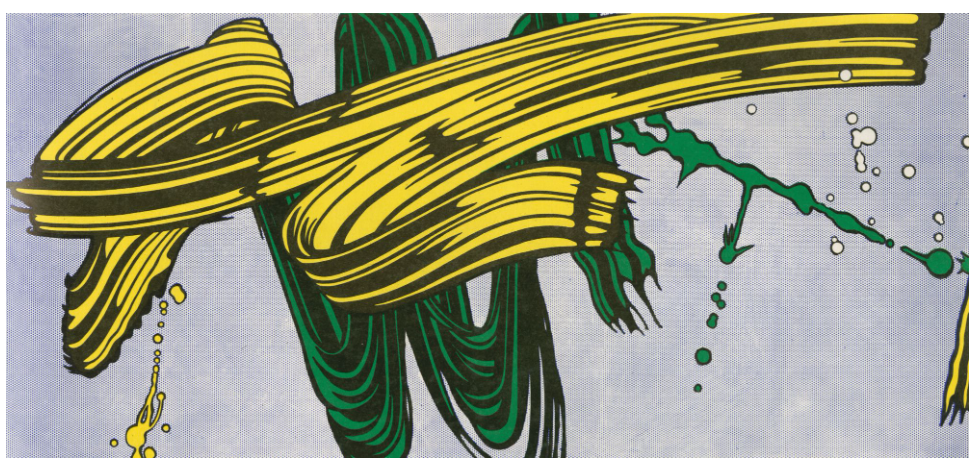
Roy Lichtenstein, Yellow and Green Brushstrokes, 1966. Museum für Moderne Kunst, Frankfurt am Main. © Estate of Roy Lichtenstein.
This was not the first time Lichtenstein had investigated the nature of art and its history. His Brushstroke series of the 1960s took the very action of painting as its subject and laid it bare in his signature visual style. However, works like Figure with Banner go beyond representational allusions to style and process as the artist invents entirely new compositions that retain the mysterious nature of the Surrealists juxtaposed with Lichtenstein’s own interest in printing motifs and the markers of mass media. The diagonal blue stripes are no longer an optical means to create lighter colors but an element in their own right that pushes forward into the illusionistic space of the painting. In other pieces from the series, like the momentous Landscape with Figures (1977), a female form is composed entirely of red Ben Day dots. The very tenets of Surrealism, those of dreams, chance, and the unconscious mind, allowed Lichtenstein to cast off the self-imposed structures of his original source materials in order to more fully explore his own iconography.
Flowers, 1981
Christie’s New-York: 22 November 2024
Estimated: USD 1,000,000 – 1,500,000
ROY LICHTENSTEIN (1923-1997), Flowers | Christie’s
ROY LICHTENSTEIN (1923-1997)
Flowers, 1981
Acrylic and graphite on canvas
48 1/8 x 36 inches (122.3 x 91.4 cm)
Signed and dated ‘rf Lichtenstein ’81’ (on the reverse)
Roy Lichtenstein’s Flowers from 1981 astutely demonstrates the Pop artist’s interest in, and reverence for, art history. Along with Andy Warhol, Lichtenstein championed one of the twentieth century’s most distinctive art movements, yet he also spent much of his career pursuing a serious examination of how people view and comprehend images. In the present work, he takes two of art history’s most important genres—the still life and abstraction—and combines them into one dynamic painting. Lichtenstein represents the bold, gestural brushstrokes of the Abstract Expressionist painters in his characteristic Pop Art style. Colorful and bold brushstrokes traverse the canvas, mapping out the image of a vase of flowers. Here, Lichtenstein is at his most insightful, producing an amalgam of two seemingly diametrically opposed postwar American art movements. Flowers demonstrates both his intellectual as well as aesthetic interest in art, and stands as a testament to the unbridled creative impulse and sharp intellect behind the works of one of the most important figures in the American postwar canon.
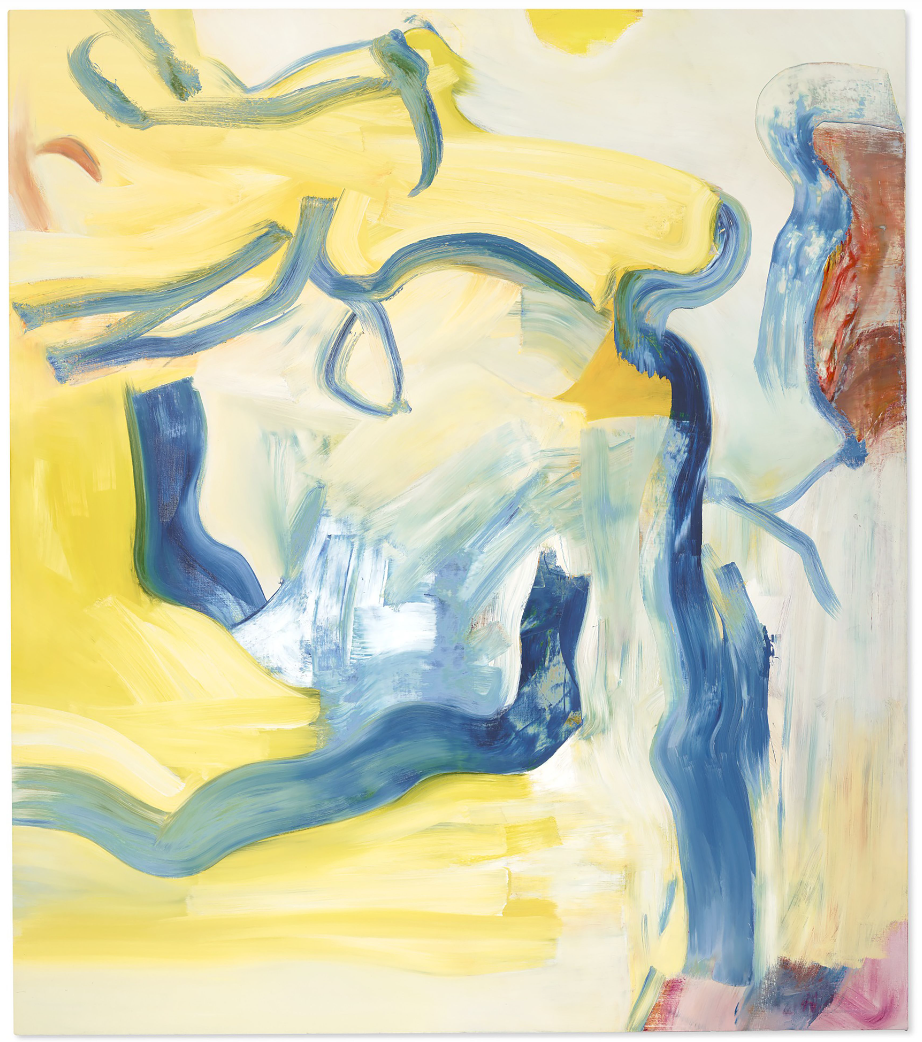
Willem de Kooning, Untitled VII, 1981. © 2024 The Willem de Kooning Foundation / Artists Rights Society (ARS), New York
The strongly gestural brushstrokes depicted in Flowers move around the painting’s canvas with a determined sense of purpose, a boldly passionate testament to the expressive will of an action painter in the vein of Willem de Kooning and Franz Kline. Long, fluid lines frame the edges of the painting, while shorter bursts of color provide detail and a sense of frenetic movement. The color of each brushstroke is clearly delineated, fully and flatly embodying a single shade of color, as if it were in fact a commercial illustration or reproduction of a brushstroke. The tonal palette in the present work is both bold and fauve-like, with the dominant yellow hue, interspersed with touches of green, red, and black, creating a vibrant yet controlled energy. Lichtenstein’s decision to avoid shading and gradients highlights the flatness of the composition, a technique reminiscent of his comic-strip influences, where areas of color do not aim to mimic reality but instead create a simplified, graphic effect. Flowers does not aim to depict a series of brushstrokes per se; instead, Lichtenstein aims to depict the representation of brushstrokes. At first, the viewer might perceive Flowers as a totally abstract work, where Lichtenstein’s only subject is abstract painting itself. However, after a closer look, a composition begins to rise out of the gestural abstraction – a clearly portrayed vase containing the titular flowers arises at the center of the painting, delineated by a few simple brushstrokes. The deliberate, almost mechanical execution of these bold lines contrasts with the domestic subject matter, resulting in a sense of artificiality that reflects Lichtenstein’s Pop Art sensibilities. The primary subject of Flowers is not abstract painting writ large – Flowers is a uniquely postmodern still-life painting, one that combines Pop Art, Abstract Expressionism, and still-life art all at once.
Vincent van Gogh, Sunflowers, 1889. Van Gogh Museum, Amsterdam. Photo: Album / Art Resource, New York.
Roy Lichtenstein spent much of his career examining the tropes of art history; from Cubism to Expressionism and from Surrealism to Abstraction he deconstructed the different techniques of painting only to regenerate them in new and different ways. Starting in the early 1960s, he arrived at the signature style that would bring him international fame and renown. Lichtenstein began painting works that appropriated mass-produced images from popular comic books and supermarket romance novels. Lichtenstein’s most iconic paintings, including Look Mickey (1961), Drowning Girl (1963), and Whaam! (1963) feature cartoon text bubbles, the Ben Day dots of comic-book printing, and figures from comic books. While Flowers is executed in a style akin to that of those early 1960s paintings, its subject matter is rather different. It is part of Lichtenstein’s celebrated Brushstrokes series, where the artist changes his subject to art history itself. The Brushstrokes paintings depict the gestural expressions of the brushstroke itself, some simply portraying a single, bold, totemic brushstroke. By sifting the signature technique of the New York School through a filter of Ben Day dots and an exaggeratedly cartoonish style, Lichtenstein’s Brushstrokes examined composition and design over the heightened action and emotion of American abstract painters.
In Flowers, Roy Lichtenstein demonstrates the continued evolution of his practice, applying his signature Pop Art technique to a different series of subjects – the bold gestures of the Abstract Expressionist art and a universal still life. While earlier works like Look Mickey and Whaam! focused on comic-book characters and narratives, Flowers and his Brushstroke series tackle the process of painting itself, reducing expressionist gestures to graphic, mechanical forms. By distilling the intensity of the Abstract Expressionist brushstroke into cold, calculated marks, Lichtenstein parodies the emotional spontaneity associated with postwar American painting, replacing it with a playful yet deliberate reflection on the construction of art and the painter’s tools.
The Conversation, 1984
Sotheby’s New-York: 21 November 2024
Estimated: USD 700,000 – 1,000,000
USD 720,000
The Conversation | Contemporary Day Auction | 2024 | Sotheby’s
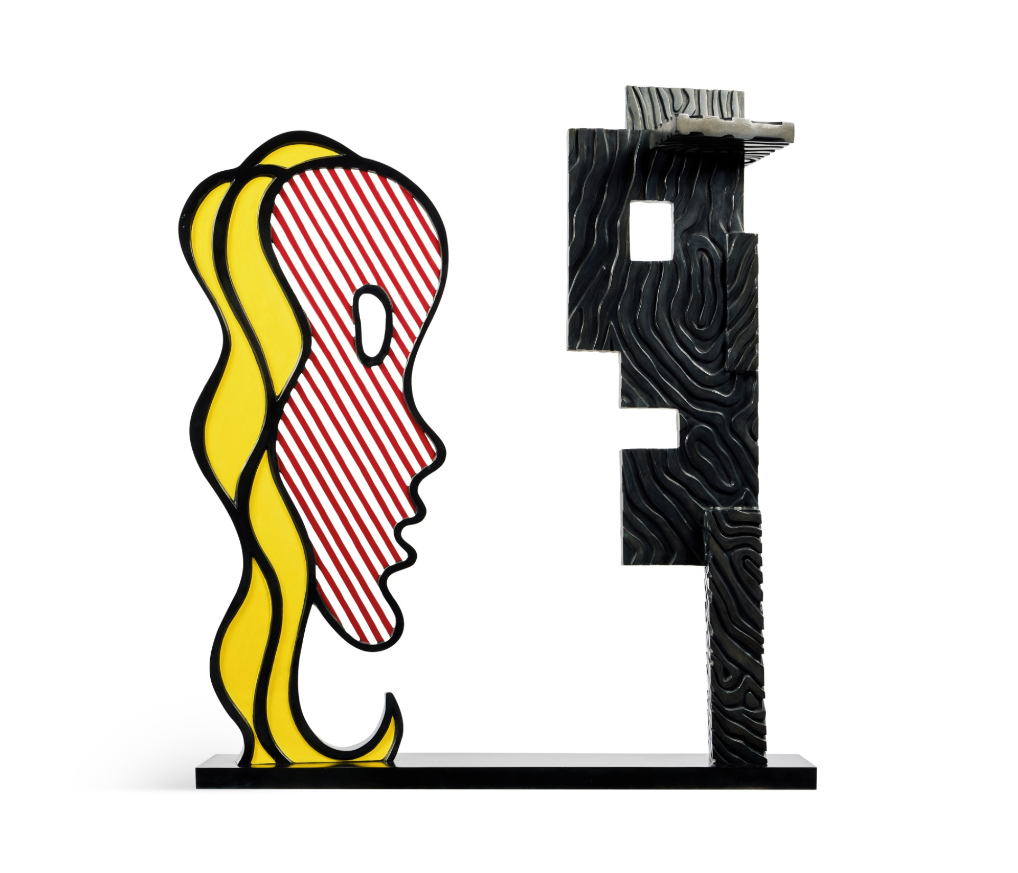
ROY LICHTENSTEIN (1923 – 1997)
The Conversation, 1984
Painted and patinated bronze
48 1/4 x 42 x 10 inches (122.6 x 106.7 x 25.4 cm)
This work is number 3 from an edition of 6
There is a vital and inimitable thread of genius that runs through the most successful works of Roy Lichtenstein’s expansive career. Executed in 1984, The Conversation, captures the very heart of the artist’s long fascination with representing the manifold narratives of human relationships. Towards the end of the late 1970s, Lichtenstein began to translate forms and styles from his earlier paintings into painted bronze sculptures. His bronze sculptures typically started as sketches of imagined forms stimulated by both mass media and art history, before he created working models and maquettes. In the case of The Conversation this was certainly true with two documented preparatory drawings, the first one from as early as 1981, and a full scale maquette, which was subsequently used to create the casting mold for the sculpture. Indeed, The Conversation exists not only between a female and a male and between a cursive ideal of beauty and a reductive totem of angularity; but also between fundamental art historical idioms of representation. This intense narrative, thematic and conceptual poignancy is captured with a brilliant economy of form that truly stands as testament to Lichtenstein’s extraordinary genius.
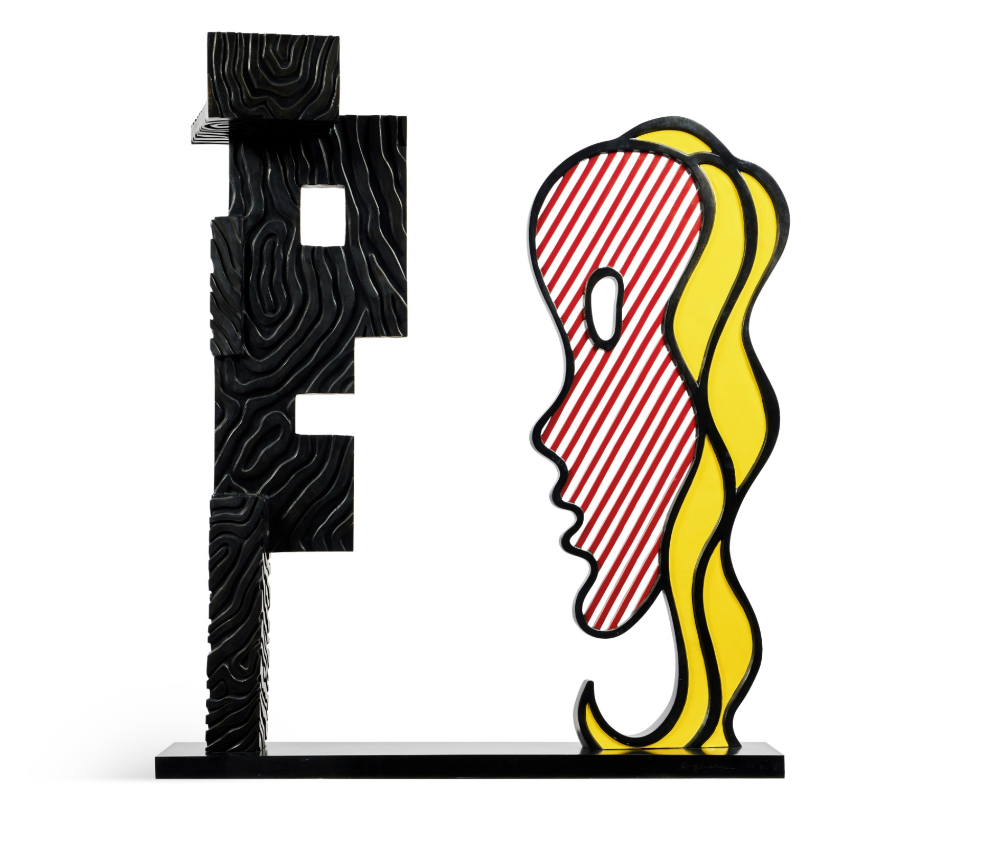
The present work brings forth various themes and genres throughout art history into a new mode of expression that is unique to Lichtenstein’s visual vocabulary. Through his incorporation of reductive sculptural planes to define the angular head rendered with a heavily stylized wood-grain, Lichtenstein pays explicit homage to Analytic and Synthetic Cubism. Meanwhile, the sinuous linearity of the floating female head borrows its idiom from the vocabulary of the high Surrealism of Salvador Dali and Rene Magritte. Finally, the starkly graphic hatching of the face cites the mechanical vernacular of mass reproduction printing methods that were the very template for Pop Art’s groundbreaking appropriation.
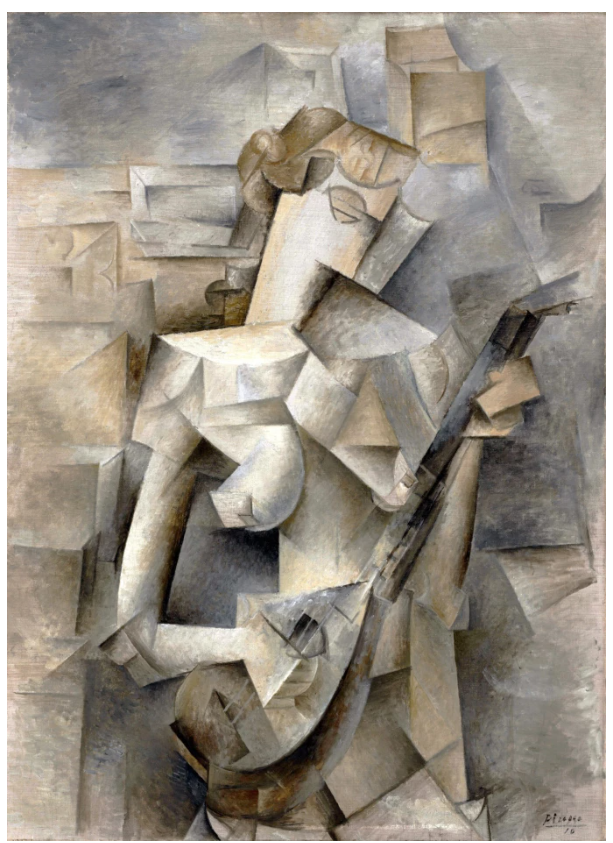
Pablo Picasso, Girl with a Mandolin (Fanny Tellier), 1910, Museum of Modern Art, New York
Ultimately, The Conversation is a poignant embodiment of Lichtenstein’s exceptional capacity to conflate spectacular innovations in thematic, conceptual, aesthetic and art historical ambitions. In her 1999 essay “Plane Talk: Notes on Lichtenstein’s Sculptures,” Naomi Spector succinctly describes the physicality of The Conversation, and how the surface of the sculpture informs its very narrative: “Along with ben-day dots, a standard graphic device for color and tone, is parallel lines, hatching. They are used to great effect in The Conversation, 1984, though now in the language of surrealism. Here the wavy outline of the woman’s face in profile is filled in with the conventional parallel red diagonal lines. When you see them head-on, the graphic device translated into three dimensions makes you smile. But as you step to the side of the nearly flat sculpture, the spaces between the lines disappear and the redness looks solid. Perhaps she is blushing! Then, as you get the reverse side, the interstices reappear. So, the viewer has it both ways. But for her partner in the conversation, the edges of the thick, dark “wood-grain” planks of his face shape up stiffly at the front edge of her outlined profile so that, two dimensionally speaking, she is invisible to him – not to mention her feelings. The possibility of chitchat between them seems unlikely. She seems all limp and wavy, with her head poised on the tip of her blond curl; and he is all stiffly angled dark bronze blocks. Amidst Lichtenstein’s general atmosphere of bright calm, this sculpture allows new readings of the phrase “side by side,” and intimates some of the tension we feel between the lines in Matisse’s painting of the same title.” (Exh. Cat., Washington, D.C., The Corcoran Gallery of Art (and traveling), Lichtenstein: Sculpture & Drawings, 1998-2000, pp. 34-35)
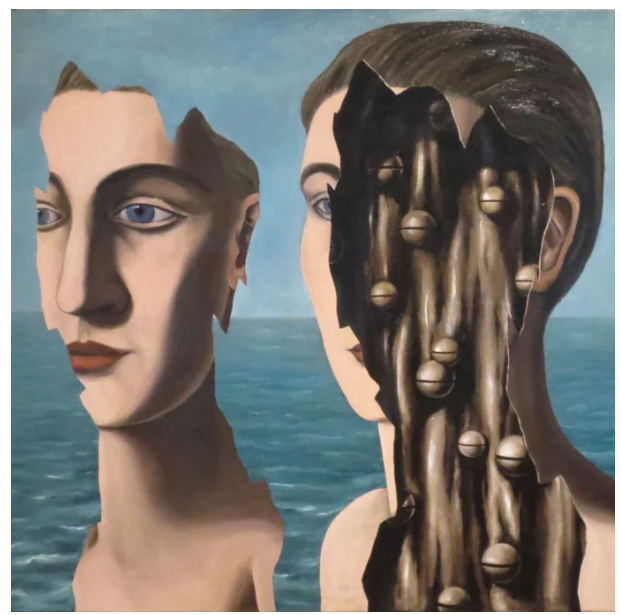
RENÉ MAGRITTE, LE DOUBLE SECRET, 1927. © ADAGP PARIS, 2016.
Lichtenstein’s singular ability to capture a split-second revelation or the shadow of an internal monologue as it flickers across the faces of his legendary cast of characters. Whether it is the unraveling of a truth through its hesitant utterance, from It’s…It’s not an engagement ring, is it? (1961) to Oh, Jeff…I love you, too…But… (1964) the dramatic tension of a sensational revelation is at the epicenter of Lichtenstein’s best output.
Still Life – Red Apples, 1993
Christie’s New-York: 22 November 2024
Estimated: USD 500,000 – 700,000
ROY LICHTENSTEIN (1923-1997), Still Life – Red Apples | Christie’s
ROY LICHTENSTEIN (1923-1997)
Still Life – Red Apples, 1993
Acrylic, oil and graphite on canvas
18×20 inches (45.7 x 50.8 cm)
Signed and dated ‘rf Lichtenstein ’93’ (on the reverse)
Brushstroke Still Life with Lamp, 1997
Christie’s New-York: 22 November 2024
Estimated: USD 250,000 – 350,000
ROY LICHTENSTEIN (1923-1997), Brushstroke Still Life with Lamp | Christie’s
ROY LICHTENSTEIN (1923-1997)
Brushstroke Still Life with Lamp, 1997
Screenprint with hand-painted Magna on honeycomb-core aluminum panel, in artist’s frame
Aluminum panel: 49 1/2 x 68 inches (124.7 x 172.7 cm)
Overall: 54 x 72 1/2 inches (137.2 x 184.2 cm)
Signed, numbered and dated ’23⁄24 rf Lichtenstein ’97’ (on the right edge)
This work is number twenty-three from an edition of twenty-four plus eight artist’s proofs
Roy Lichtenstein’s elegantly refined Still Life – Red Apples presents a dynamic interplay between depth and flatness, placing an iconic art historical genre in conversation with a Pop Art juxtaposition of high and low culture. While the tilting angular recession of the table and the apples’ recession of scale hint at perspectival depth, Lichtenstein’s use of his signature Ben Day dots flattens the image, nodding to his comic book inspirations while parodying the chiaroscuro effect of Old Master painting through his application of variegated dots of local color. This work emerges from his exploration of still lifes which began in the 1970s, when he moved beyond the cartoon imagery that first brought him fame to investigate art historical styles like Surrealism and Cubism.
Lichtenstein articulates the outline of three apples placed atop a table with unmodulated black lines. He crops the first apple across the bottom edge of the canvas, conveying a jarringly foreshortened perspective in which the viewer is placed amid the assembled fruits. The apples cast a singular shadow across the table which converges in the center of the composition—this unnatural lighting is conveyed by the oblong form of hatched red lines, which provides a lovely contrast with the Ben Day dots. A teal jug placed to the top of the table is mostly beyond the composition’s edges, but expresses a reassuring solidity amid the somewhat weightless apples. Appointed with a consistent application of paint, the jug is the sole item to be fully colored, allowing it to anchor the ephemeral apples in place on the picture pane. Lichtenstein distinguishes the deep red hue of the table and apples with a bold blue dotted background, unifying the ground into a singularly ebullient composition.
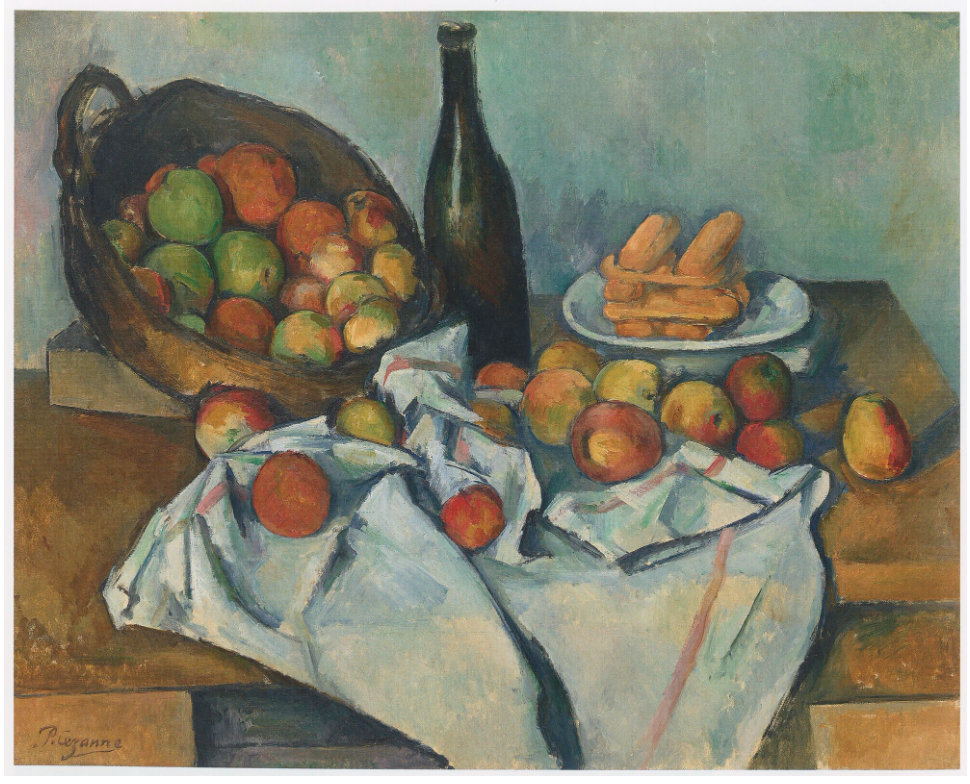
Paul Cezanne, Basket of Apples, circa 1893. Art Institute of Chicago. Photo: The Art Institute of Chicago / Art Resource, NY.
Lichtenstein’s engagement with art history is evident in his fusion of traditional still-life arrangements and Pop Art’s emphasis on mass media procedures and images. The jarring proximity with which the artist places his apples, held discordantly aloft from the sloping table, evocatively exaggerates the perspectival effects mastered by Paul Cézanne in his many still lifes of apples. By incorporating Ben Day dots—a pulp magazine printing technique—into a still life, he disrupts high art with the vocabulary of the magazine. This work is a balance of wit and formality, transforming a storied art historical trope into geometric shapes that resonate with both humor and artistic rigor.
Still Life – Red Apples is an exceptional example of Lichtenstein’s intervention into the still life genre, applying his idiosyncratic techniques to a time-honored form to produce intriguing painterly effects. Operating amid the Pop Art milieu in which fellow artists including Jasper Johns, Wayne Thiebaud, and Andy Warhol similarly explored the possibilities of the still life, Lichtenstein demonstrates here how his revolutionary approach to painting continues to revive and reframe the art historical canon in the era of mass media.

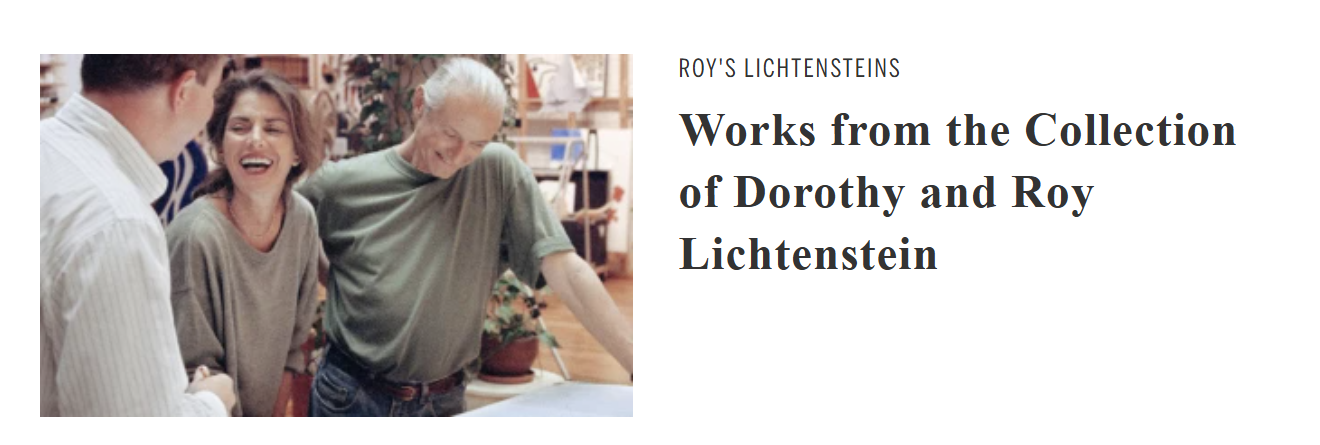
Nude with Bust (Study), 1995
Works from the Collection of Dorothy and Roy Lichtenstein
Sotheby’s New-York: 20 November 2024
Estimated: USD 3,000,000 – 5,000,000
USD 4,560,000
Nude with Bust (Study) | The Now and Contemporary Evening Auction | 2024 | Sotheby’s
ROY LICHTENSTEIN (1923 – 1997)
Nude with Bust (Study), 1995
Tape, cut painted paper, cut printed paper, marker and graphite on board
Image: 53 7/8 x 45 inches (136.8 x 114.3 cm)
Board: 63 7/8 x 47 1/2 inches (162.2 x 120.7 cm)
A radiant portrayal of exquisite beauty, Roy Lichtenstein’s Nude with Bust (Study) from 1995 constitutes the ultimate crystallization of the artist’s enduring engagement with the quintessential heroine of his inimitable oeuvre. Impeccably realized and wholly complete on its own, Nude with Bust (Study) serves as the preliminary collage for the large-scale final painting of the same name and composition, and a paradigmatic example of the broader series of Nudes which became the fixation of Roy Lichtenstein’s practice in the mid-1990s. At its core, the series took as its focus the reformulation of the canonical female nude, a motif which has served as an iconographic cornerstone throughout the evolution of art history, and indeed throughout the evolution of Lichtenstein’s own artistic practice as well. The present composition is distinguished by its inclusion of two female figures: one seated female nude, and the other a female bust based on the model beside it. In this iconic interior scene, Lichtenstein places a bust on a pedestal, perhaps implying the space as a studio, thus once again interacting with an quintessential motif of the artist portraying their studio that has pervaded the Western art tradition. By nature of their source and the history of the theme more broadly, both the bust and the seated nude within the present work serve as self-conscious reappropriations of a long-appropriated motif. The result is a playful yet ultimately transgressive reconsideration of the art historical approach to the female nude, one that places Lichtenstein into dialogue with the weighty mantle of his artistic predecessors, while also cementing his own ultimate grand contribution to Contemporary Art. A testament to its significance and enduring importance within Lichtenstein’s practice, Nude with Bust (Study) has been widely exhibited internationally. One of few works that Dorothy and Roy Lichtenstein retained for their personal collection, Nude with Bust (Study), alongside the other choice examples from their collection, provides a rare glimpse into Roy’s process and artistic development. The very first time that these treasured works have been available on the public market, their presentation this fall represents a remarkable and unprecedented opportunity to acquire masterworks from pivotal moments in Roy’s practice, and the works he and Dorothy cherished most.
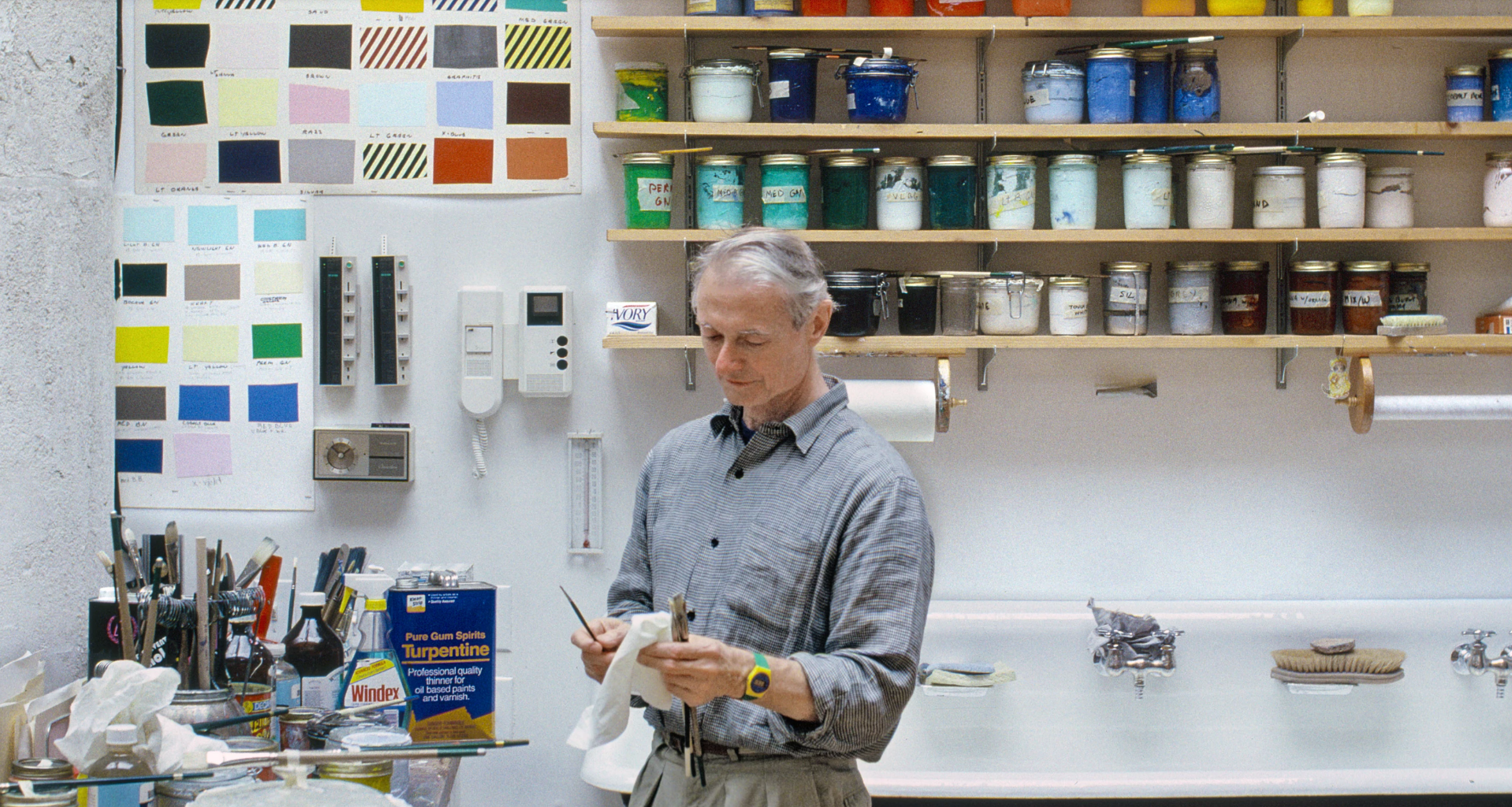
Roy Lichtenstein pictured in his studio. Photo © Bob Adelman
As the viewer approaches Nude with Bust (Study), Lichtenstein’s characteristically sharp linework and decisive coloration reveals itself to be a collaged construction, made up of tape, cut painted paper, marker, and graphite pencil. The seams where sheets of paper meet reveal the surgical precision required of Lichtenstein’s masterful draftsmanship, and upon close inspection fine pencil lines offer a rare glimpse into the artist’s process. The visible signs of the work’s construction lend themself to Lichtenstein’s lifelong exploration into the nexus between the mechanical aesthetic and the handmade image, and the questions of originality and appropriation which come to bear in the conflation of the two. Through the initial collages, Lichtenstein developed the compositional schema and theoretical challenges of the work – playing with perspective and art historical references. Then, by enlarging the composition beyond human scale, the artist confronts the viewer’s conception of real life and artifice. The physical construction of the collage serves as a remarkable insight to and record of Lichtenstein’s artistic process. The Nudes series marks a return to the motif explored in the artist’s earlier series on war and romance, which likewise took their inspiration from the caricatured protagonists in contemporaneous comic books. Working in the 1960s, it was the dichotomy between these two points of reference—the hyperbolic sentimentality and sexuality of the blonde bombshell in romance comics of the time, and the hypermasculinity of the men in the war comics—which inspired his first concerted engagement with gender stereotypes as calcified by their representation in the mass media. It was also during this critical decade that Lichtenstein first developed his trademark Ben-Day dot motif, harnessing the impersonal artifice of mass-reproduced imagery. Within the present work and the Nudes series more broadly, however, Lichtenstein introduces the full-length female nude as an added layer in this discourse on representation. In its overt cliché and dispassionate technical drawing style, the present work thematizes the concepts of object and subject which have long informed discussion of the nude, here rendered in Lichtenstein’s distinctly Pop dialect.
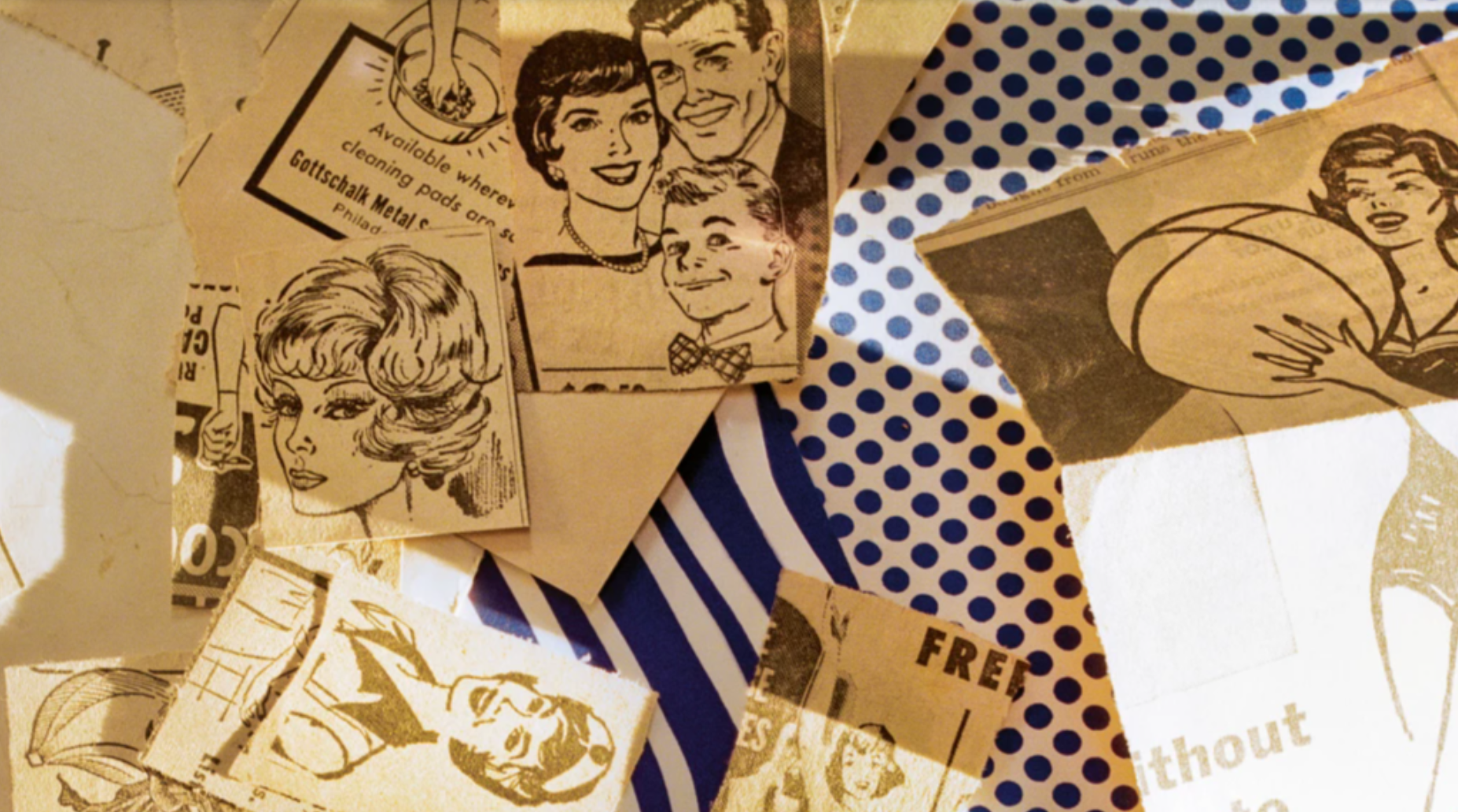
The notions of repetition and reproduction invoked through his use of archival comic materials were central tactics within the Pop movement more broadly. In his monumental Marilyn Diptych, Andy Warhol explores both the physical and visual effects of distortion and disappearance which result from the over-exposure of a single image within popular media. Warhol’s commentary on this phenomenon with respect to the idea of celebrity is here redirected onto the same pervasive effects at play within the art historical canon. In his choice of the readily recognizable comic book heroine, here differentiated from the source image by her state of undress, Lichtenstein mitigates the mass-produced nature of the original. By removing the image-type from its quotidian context, he in turn calls attention to the way in which that context desensitizes us to the modes of representation it engages. This exploration into the dematerialization of the female body throughout art history is given explicit articulation in Nude with Bust (Study) through the doubling enacted between the nude and her sculpted pendant. Much like Henri Matisse’s Blue Nude (III) of 1952, Lichtenstein takes a centuries-old tradition of Western art and simplifies its forms into a recognizable, flat image, renegotiating the terms of expression and interrogating the charged meaning behind the female nude; by collaging paper cutouts, Lichtenstein pursues an effect that Matisse had explored, in imbuing a relief-like quality and their sense of volume to their subjects. Unlike in the work of Pablo Picasso, wherein the linear narrative between his muse and the sculpture she inspired is made explicit, Lichtenstein offers no such continuity. Their juxtaposition renders the present work to be read perhaps not only as an interior studio scene with a figure and an artwork but also as a flattened image lying outside of the restrictions of narrative. Though rendered in the same visual language, both the seated nude and the sculpture appear to occupy separate planes; while there is seemingly no acknowledgement of one figure by the other, they appear as complementary representations of the same woman, or of ‘woman’ as a motif more generally. The link is therefore drawn along their visual similarity, and the glimmer of implied sexuality which saturates both of their postures.
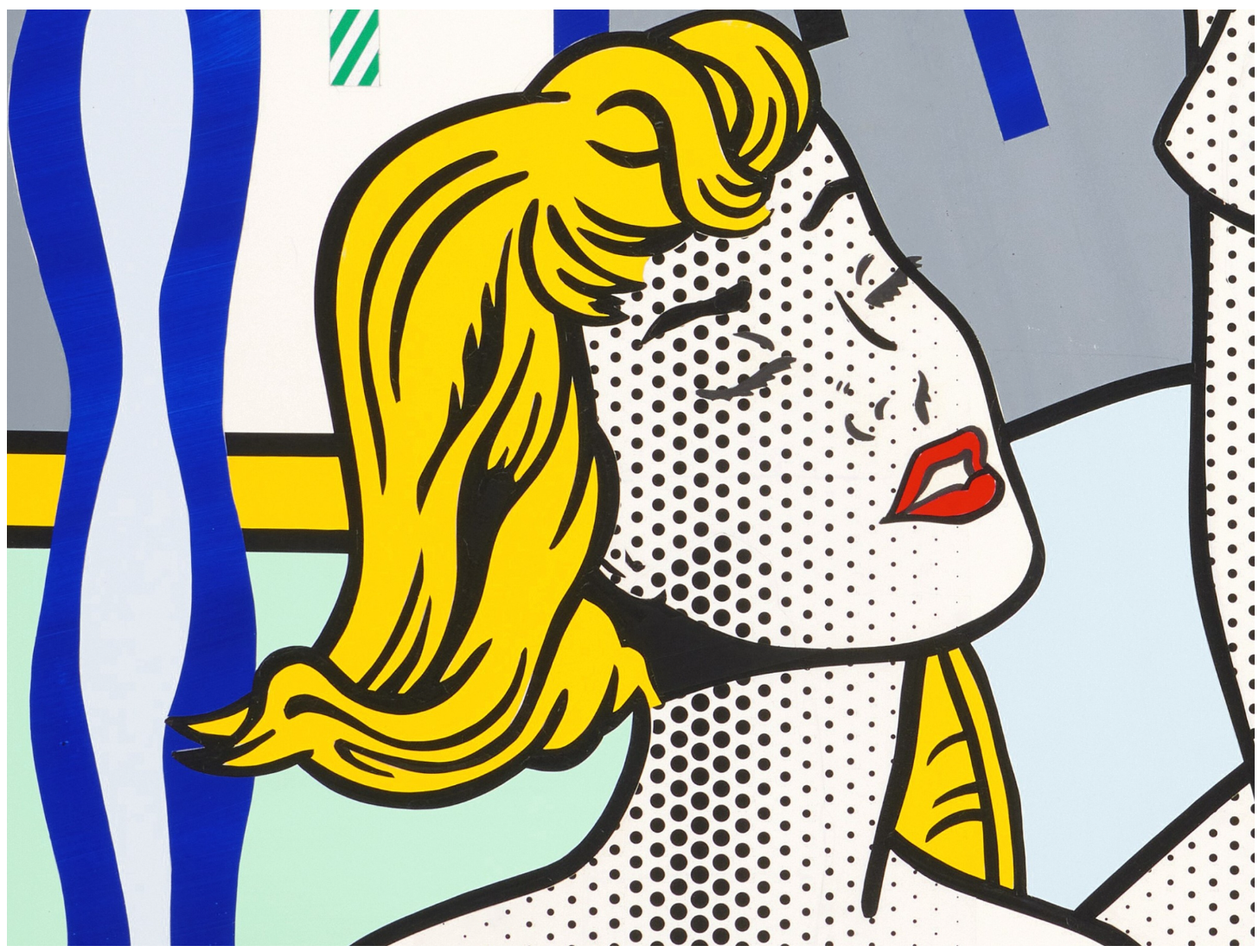
Whereas in earlier works, Lichtenstein’s ubiquitous dots were uniform in their size and spacing and were meticulously contained within the boundaries of a single object or outline, in Nude with Bust (Study), they here take on a more dynamic character. Freed from their figurative obligation, they instead come to communicate and schematize these emotive qualities of light. The black dots are here applied in bands which undulate according to their gradation of density, and so emulate the effect of a shadow over the areas they cover. In the sculpted bust, these dots crescendo along a band which traces from her hairline to the bottom of the pedestal, while in the seated nude they transcend her curvilinear torso, arranged along a vertical line which stretches the length of the picture field. The dots appear particularly dense in areas where natural shadows would appear, along her upper torso, between her breasts, in the curve of her back and the side of her face seen in three-quarter profile. Lichtenstein was particularly interested in the somewhat paradoxical visual effect achieved through the present use of synthetic geometric patterning to emulate the natural qualities of light. In their simultaneous disregard for and interaction with the figurative element, they lend an animating sense of volume to the woman’s body, and an exaggerated flatness to the overall composition.
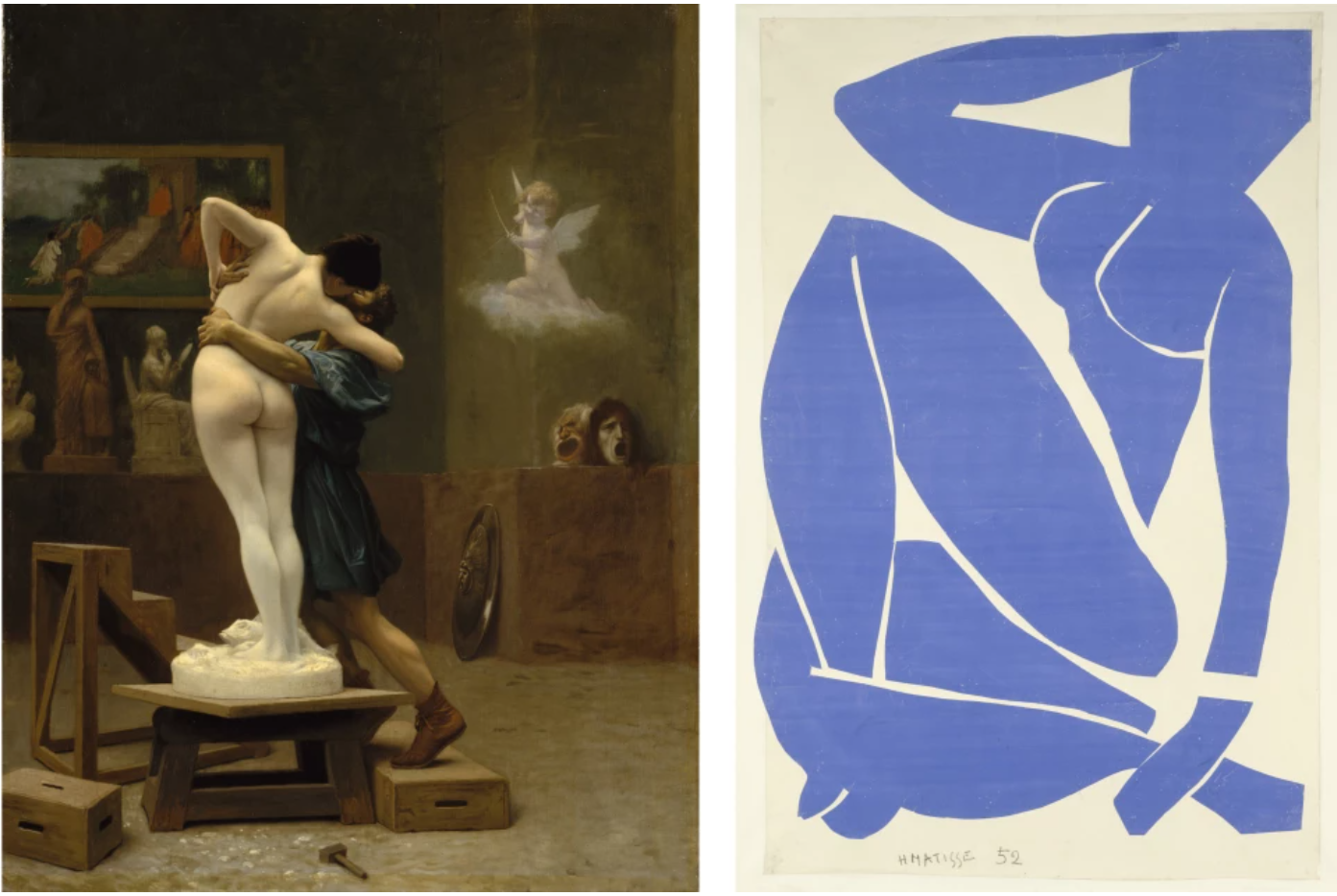
Left: Jean-Léon Gérôme, Pygmalion and Galatea, c. 1890. The Metropolitan Museum of Art, New York. Image © The Metropolitan Museum of Art. Image source: Art Resource, NY. Right: Henri Matisse, Blue Nude (III), 1952. Musée National d’Art Moderne, Centre Georges Pompidou, Paris. Image © CNAC/MNAM, Dist. RMN-Grand Palais / Art Resource, NY. Art © 2024 Succession H. Matisse / Artists Rights Society (ARS), New York
Executed in the twilight of his storied life and career, Nude with Bust (Study) offers an exceptional late example of Lichtenstein’s inimitable artistic process and incisive stylistic eye. Replete not only with art historical referent, the present work also sees Lichtenstein reflect on his own artistic career: for example, Lichtenstein includes in the present composition a painted version of two of his sculptures, Woman: Sunlight, Moonlight and Endless Drip, the latter of which was inspired by Constantin Brancusi’s Endless Column. And even beyond these explicit allusions to his broader oeuvre, Nude with Bust (Study) serves as a poignant self-portrait of the artist himself in style as in subject matter, a realization that is further reinforced by the medium itself. The physical construction of the collage serves as a remarkable insight to and record of Lichtenstein’s artistic process.
Sleeping Muse, 1983
Works from the Collection of Dorothy and Roy Lichtenstein
Sotheby’s New-York: 20 November 2024
Estimated: USD 2,000,000 – 3,000,000
USD 4,440,000
Sleeping Muse | The Now and Contemporary Evening Auction | 2024 | Sotheby’s
ROY LICHTENSTEIN (1923 – 1997)
Sleeping Muse, 1983
Patinated bronze
25 3/4 x 34 1/4 x 4 inches (65.4 x 87 x 10.2 cm)
Incised with the artist’s signature, numbered 1/6, dated ’83 and stamped with the foundry mark (lower edge)
This work is number 1 from an edition of 6 plus 1 posthumous cast
As a consummate example of Roy Lichtenstein’s masterful engagement with and reorientation of the art historical canon, Sleeping Muse from 1983 at once beautifully evokes and radically advances Constantin Brancusi’s paradigmatic Sleeping Muse from 1910. Composed of elegantly refined contours which enclose a void, Sleeping Muse achieves a sense of volume precisely through the absence of mass, probing the boundaries of the discipline of sculpture. Capturing the essence of Brancusi’s form with bold lines which evoke those of mid-century comic strips, Lichtenstein fuses the visual vernacular of pop culture with an iconic symbol of Modernism. Appearing first at Leo Castelli Gallery’s celebrated exhibition, Roy Lichtenstein: Paintings; Greene Street Mural, 1983-1984, the present work has been widely exhibited around the world, including the most significant exhibition of the artist’s lifetime: Roy Lichtenstein: A Retrospective, organized by the Solomon R. Guggenheim Museum and traveling internationally. One of few works that Dorothy and Roy Lichtenstein retained for their personal collection, Sleeping Muse, alongside the other choice examples from their collection, provides a rare glimpse into Roy’s process and artistic development. The very first time that these treasured works have been available on the public market, their presentation this fall represents a remarkable and unprecedented opportunity to acquire masterworks from pivotal moments in Roy’s practice, and the works he and Dorothy cherished most.
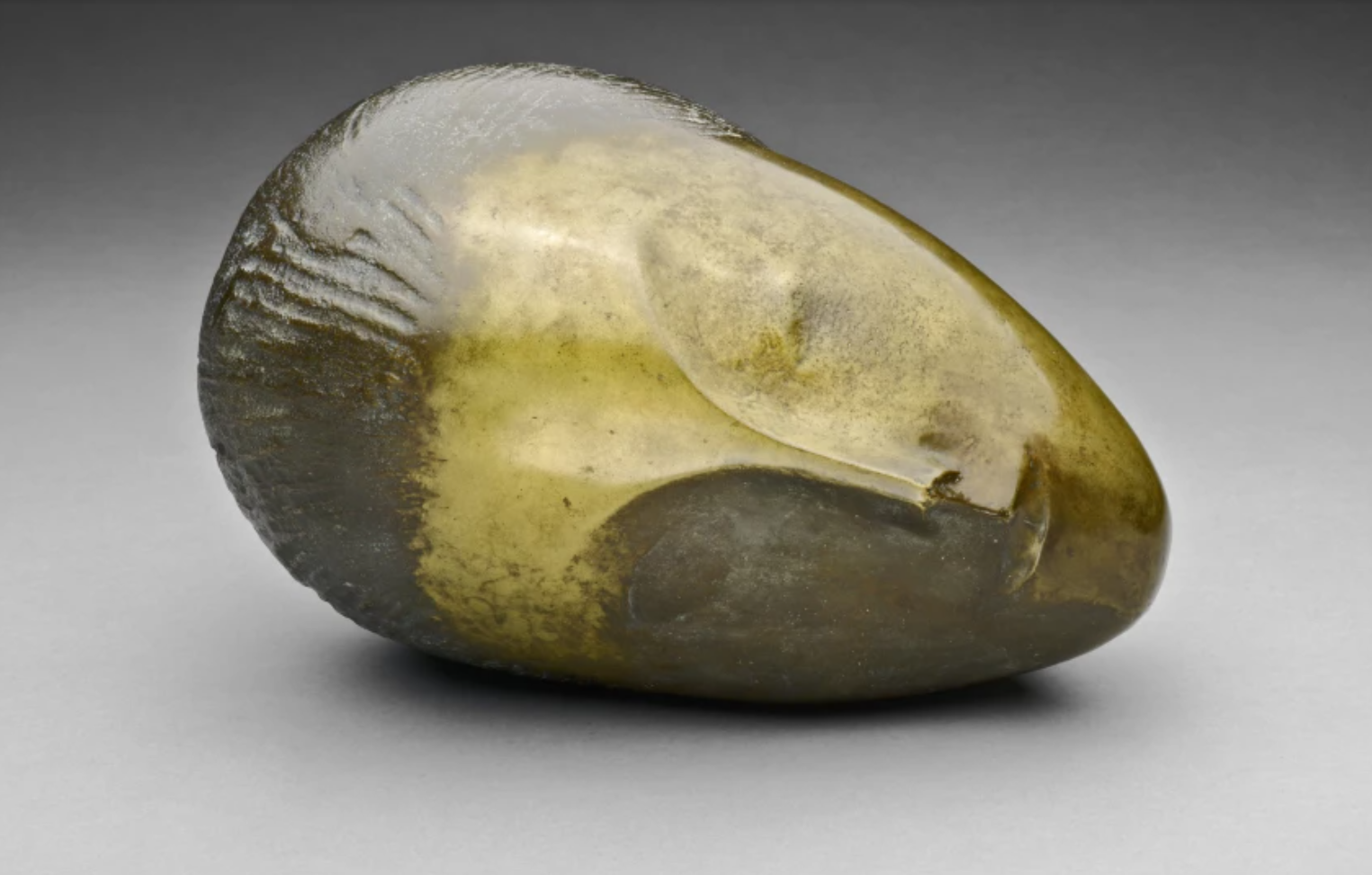
Constantin Brâncuși, Sleeping Muse, 1910. Art Institute of Chicago. Image © The Art Institute of Chicago / Art Resource, NY. Art © Succession Brancusi – All rights reserved (ARS) 2018
Quoting from amongst the most celebrated and exquisite works of early Modernism, Brancusi’s seminal Sleeping Muse, Lichtenstein investigates the visual systems of sculpture. Through refined lines, framing a voided space, Lichtenstein evokes the imperative of Brancusi’s work and profoundly disrupts the basis of the sculptural form. Radical in his own right, Brancusi challenged the conventions of European sculpture, reducing his form to its most fundamental elements. Resting on its side with no base, Brancusi’s work appears to have toppled over, weighed down by gravity.
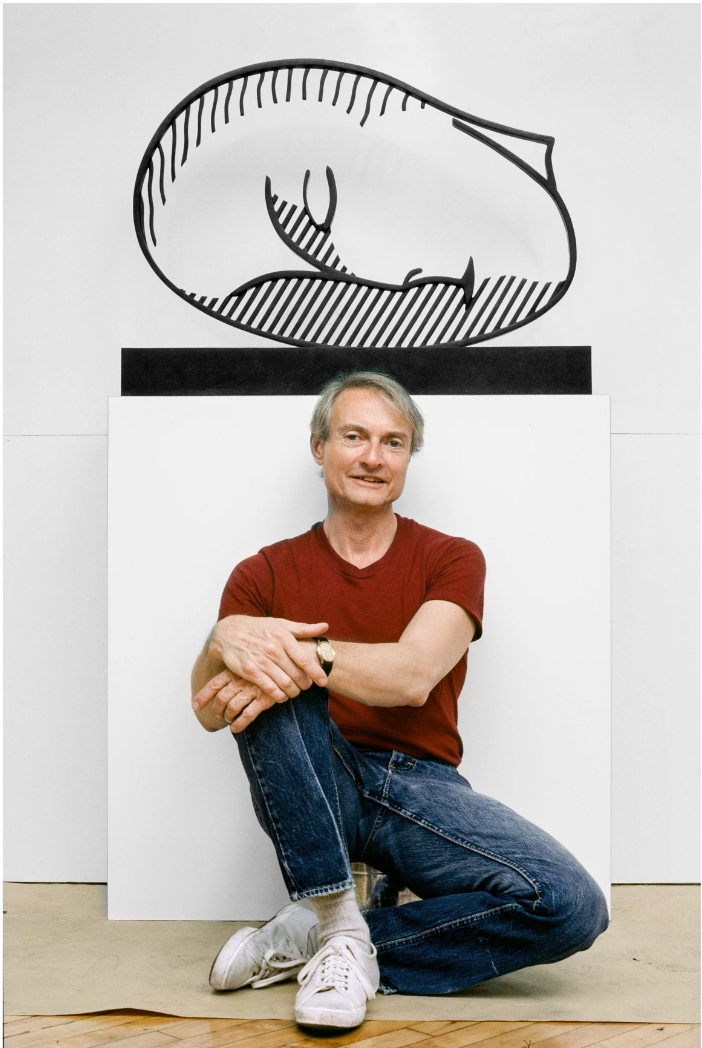
The artist pictured with an edition of the present work in his New York apartment, 1983. Photo © Bob Adelman. Art © Estate of Roy Lichtenstein
In his exploration of Brancusi’s sculpture, Lichtenstein further blurs the boundaries of the medium, challenging the very substance and definition of sculpture as a necessarily three-dimensional form of expression. Lichtenstein renders space and volume through absence; in transposing his visual systems and cues, such as hash lines and bold contours, used to convey depth and volume in his two-dimensional works, Lichtenstein achieves a sense of mass and depth in his bronze relief. The precise contours and clusters of diagonal lines prompt the viewer to conjure depth and mass, suggesting a sense of three-dimensionality despite inherent flatness of the form.
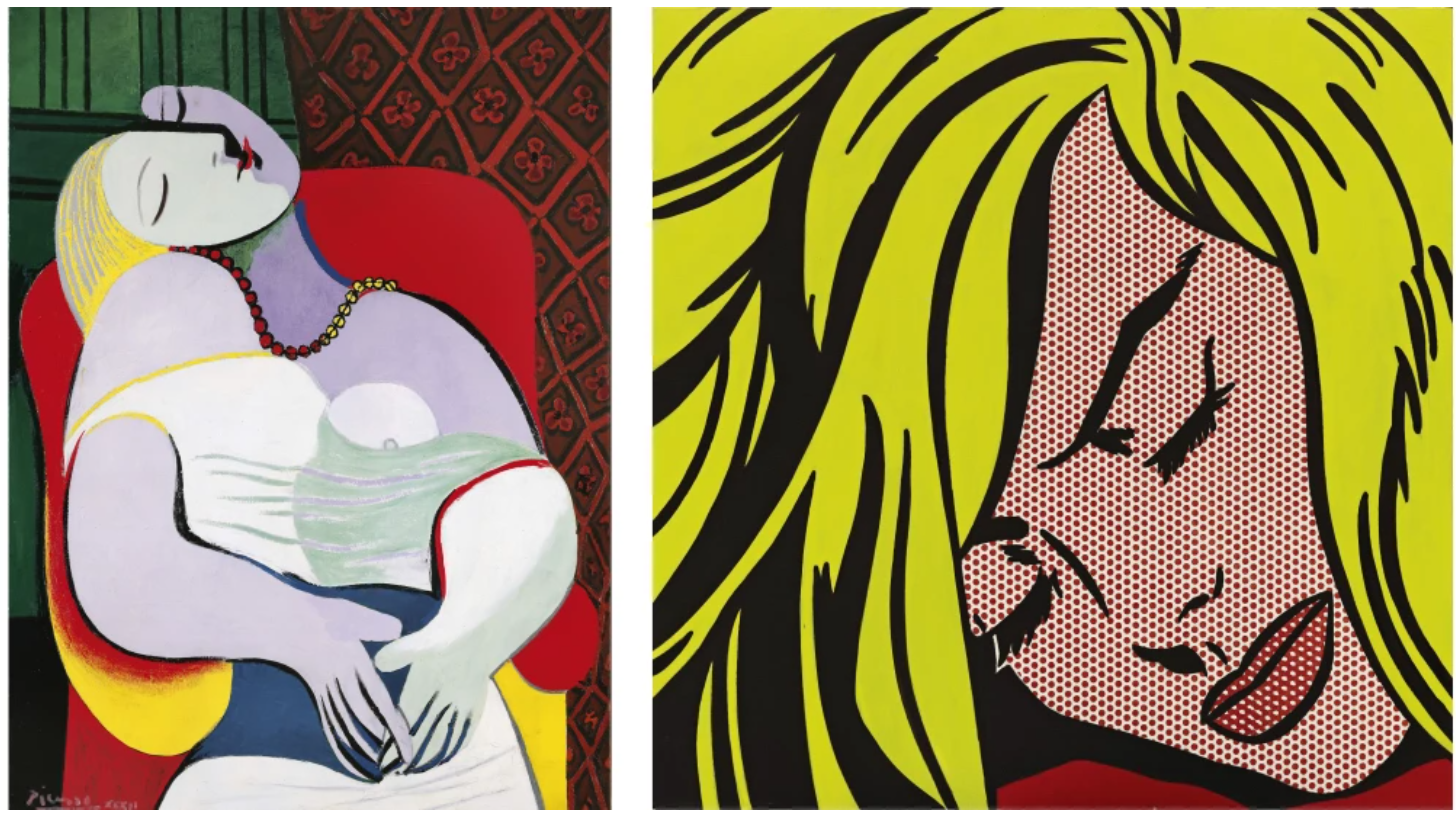
Left: Pablo Picasso, The Dream, 1932. Private Collection. Image © Christie’s Images / © Succession Picasso/DACS, London 2024 / Bridgeman Images. Art © 2024 Estate of Pablo Picasso / Artists Rights Society (ARS), New York. Right: Roy Lichtenstein, Sleeping Girl, 1964. Private Collection. Sold at Sotheby’s New York in May 2012 for $45 million. Art © 2024 Roy Lichtenstein Foundation
Though most overtly referential to Brancusi’s iconic Modern sculpture, Lichtenstein’s Sleeping Muse is also a self-reflexive exploration, recalling his own iconic paintings of the 1960s. The subject of the sleeping figure appears in one of Lichtenstein’s most celebrated works, Sleeping Girl from 1964, in which Lichtenstein explores representation of the female heroine through a comic strip aesthetic. The present work exemplifies Lichtenstein’s ability to not only contend with art historical precedent and the contemporary pop culture vernacular, but also to reflect upon his own practice across media and time. Sculpture occupied a critical place at the center of Lichtenstein’s oeuvre, from his earliest forays with three-dimensionality in the mid-1940s through the end of his life in 1997. Across media and form, Lichtenstein operates to blur the boundaries and arbitrary parameters of their qualities. He probes the semiotics of space and perspective, volume and mass through his distinctive visual lexicon of color and line. Indeed, nowhere is this playful investigation more apparent than in his sculptures. Sleeping Muse is a seminal example of Lichtenstein’s career-long engagement with paragons of the canon and Contemporaneous visual culture through his distinctive Pop idiom and revolutionary reassessment of its form, content, and meaning.
Oval Office (Study), 1992
Works from the Collection of Dorothy and Roy Lichtenstein
Sotheby’s New-York: 20 November 2024
Estimated: USD 1,000,000 – 1,500,000
USD 4,200,000
Oval Office (Study) | The Now and Contemporary Evening Auction | 2024 | Sotheby’s
ROY LICHTENSTEIN (1923 – 1997)
Oval Office (Study), 1992
Tape, cut painted paper, cut printed paper, marker and graphite on board
Image: 29 1/4 x 37 3/8 inches (74.3 x 94.9 cm)
Board: 36 3/4 x 44 1/4 inches (93.3 x 112.4 cm)
Signed and dated ‘92 (on the reverse)
At once immediately recognizable, rigorously elegant, and vibrantly subversive, Oval Office (Study) from 1992 is exemplary of Roy Lichtenstein’s prodigious exploration of commercial art styles and popular cultural imagery. With abundant reference both to one of the most iconic spaces in modern American history – the Oval Office at the White House – and his own art historical legacy – as seen in his reproduction of Forms in Space of 1985 – the present work embodies the concepts and techniques behind Roy Lichtenstein’s career-long investigation of the art and artifice of twentieth-century society. Meticulously composed and exquisitely rendered, the present work predates a larger painting of the subject and screenprints of a similar design, held in a major private collection. One of few works that Dorothy and Roy Lichtenstein retained for their personal collection, Oval Office (Study), alongside the other choice examples from their collection, provides a rare glimpse into Roy’s process and artistic development. The very first time that these treasured works have been available on the public market, their presentation this fall represents a remarkable and unprecedented opportunity to acquire masterworks from pivotal moments in Roy’s practice, and the works he and Dorothy cherished most.
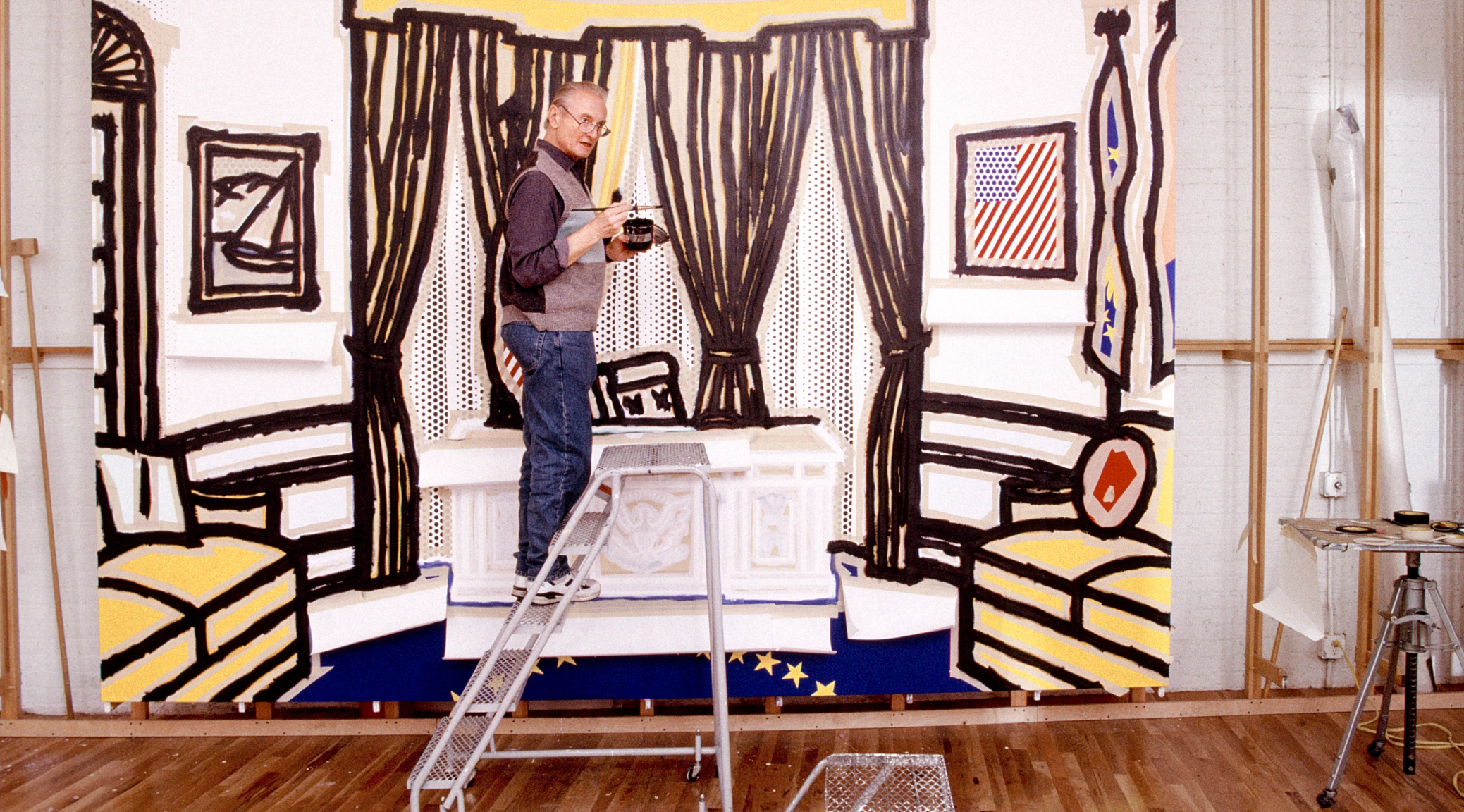
Roy Lichtenstein working on Oval Office, 1993. Photo © Bob Adelman. Art © Estate of Roy Lichtenstein
“I was interested in anything I could use as a subject that was emotionally strong—usually love, war, or something that was highly charged and emotional subject matter. Also, I wanted the subject matter to be opposite to the removed and deliberate painting techniques.”
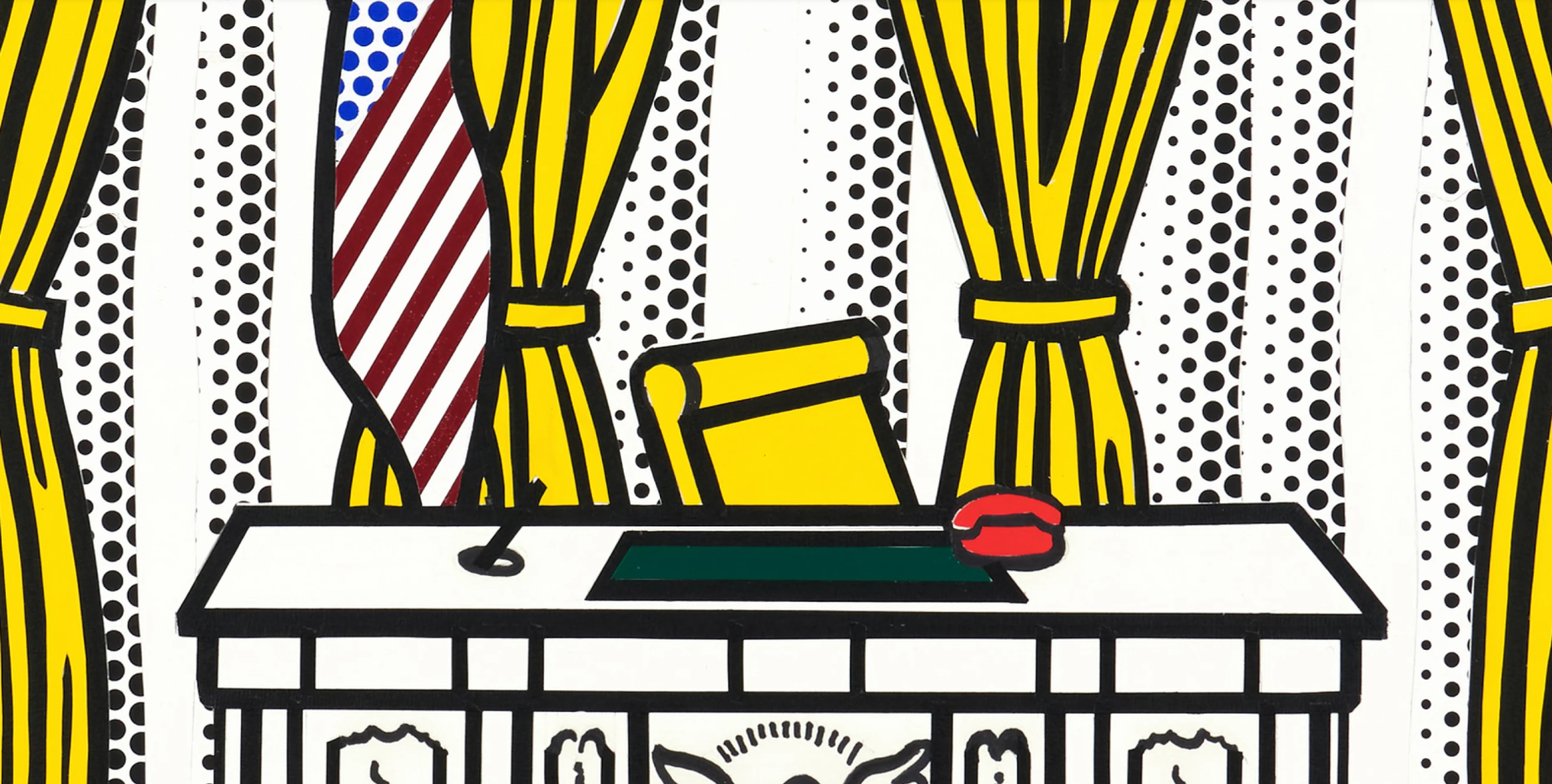
Considering this, it comes as no surprise that Lichtenstein wanted to explore the Oval Office as subject matter; few interior spaces are more recognizable, deeply American, and emotionally complex as the President’s working quarters. Combining the highest seat of power in the United States of America with the “low” connotations of Lichtenstein’s Pop expression is an extension of the artist’s career-long efforts to complicate the contentious dichotomy between what constitutes “high” and “low culture. A commission by the Democratic National Committee ahead of the Clinton-Gore ticket of 1992 led to Lichtenstein’s creation of his Oval Office prints, one of the six commemorative inaugural posters, and the campaign buttons for the election. The fact that the artist returned to the motif, as seen in the present work and the later-created Oval Office painting, suggests his enthusiasm for the themes unlocked at the intersection of the subject matter and his style.
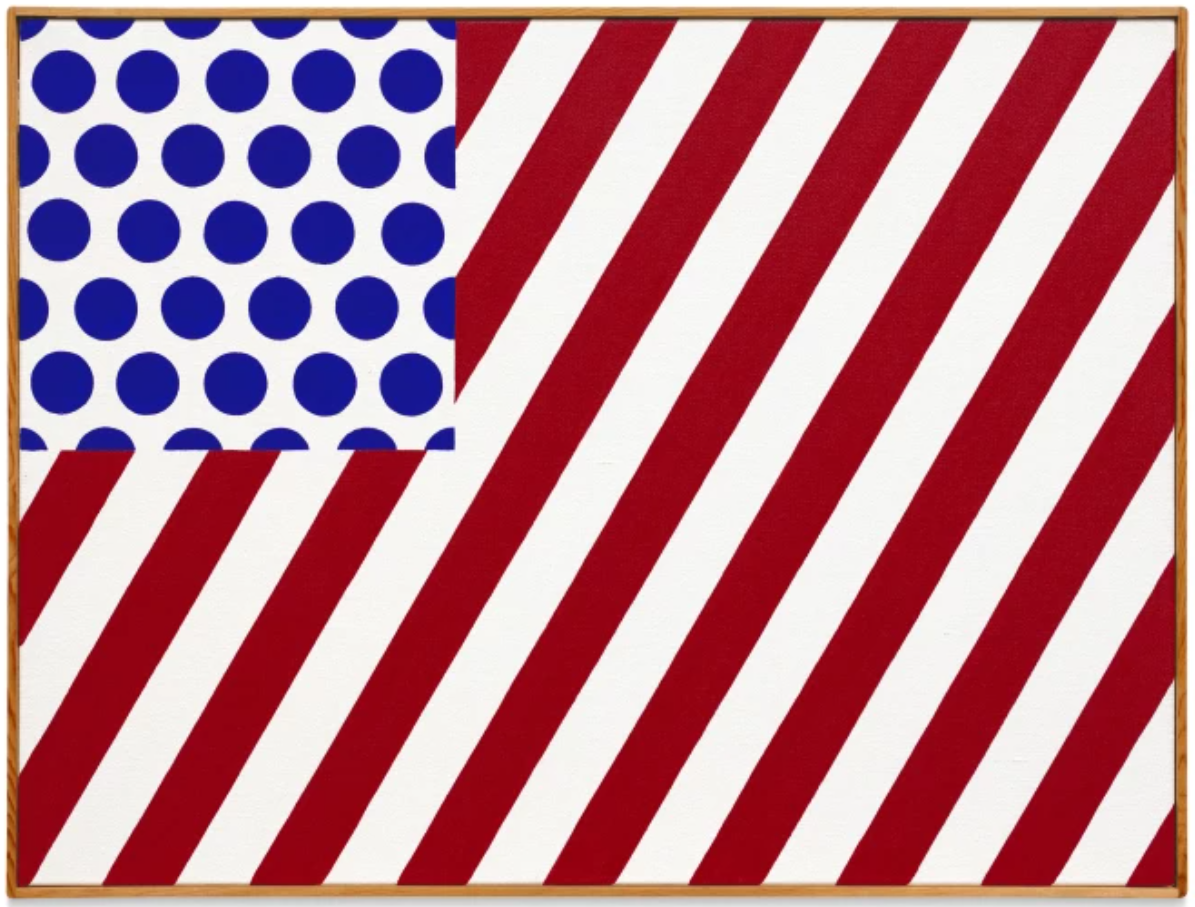
Roy Lichtenstein, Forms in Space, 1985. Private Collection.
Sold at Sotheby’s New York in November 2023 for $3 million. Art © Estate of Roy Lichtenstein
Upon closer inspection of Oval Office (Study), Lichtenstein’s careful and attentive studying of the Oval Office’s archival images shines through in the details he selected. Many captured in the present work suggest that Lichtenstein was referencing John F. Kennedy’s office. To begin with, Kennedy introduced the Resolute Desk to the White House, resulting in the iconic images of his son playing behind the eagle-adorned hinged front panel. Lichtenstein also inserts a simplified painting of boats on the left side of the picture plane, based on paintings such as United States versus the Macedonia or Constituion-Guerriere that Kennedy – famously a sailing enthusiast – had displayed in his office during his presidency. The portrayal of the flags standing behind the Resolute Desk and hung on the right-hand side is a nod to Lichtenstein’s own painting Forms in Space of 1985, which disrupted the formal qualities of the star-spangled banner with Ben-Day dots and diagonal stripes. Referencing the visual language of traditionally venerated paintings, presidential interiors, and the American flag, Lichtenstein combines his unique visual language with an unmistakably American subject matter to create a visually arresting super-reality.
Nude with Pyramid (Study), 1994
Works from the Collection of Dorothy and Roy Lichtenstein
Sotheby’s New-York: 20 November 2024
Estimated: USD 1,000,000 – 1,500,000
USD 2,040,000
Nude with Pyramid (Study) | The Now and Contemporary Evening Auction | 2024 | Sotheby’s
ROY LICHTENSTEIN (1923 – 1997)|
Nude with Pyramid (Study), 1994
Colored pencil and graphite on paper
Image: 11 3/8 x 9 1/2 inches (28.9 x 24.1 cm)
Sheet: 13 1/8 x 11 1/8 inches (33.3 x 28.3 cm)
Signed and dated ‘94 (on the reverse)
Nude with Pyramid (Study) is a compelling illustration of Roy Lichtenstein’s late exploration of the female figure and interiors. This work serves as a significant precursor to the painting of the same name, which is now housed at the Broad in Los Angeles. Executed in 1994, the present work is a masterpiece from Lichtenstein’s celebrated late Nudes, the first series the artist undertook following his acclaimed retrospective in 1993 at the Solomon R. Guggenheim Museum. This body of work heralds Lichtenstein’s triumphant return to the iconic comic-book heroines that catapulted him to fame in the early 1960s. Drawing from his rich archive of vintage comics, the Nudes elegantly fuse Lichtenstein’s vibrant Pop Art sensibility with the timeless and storied subject of the female nude, a motif that has captivated artists throughout the history of Western art.
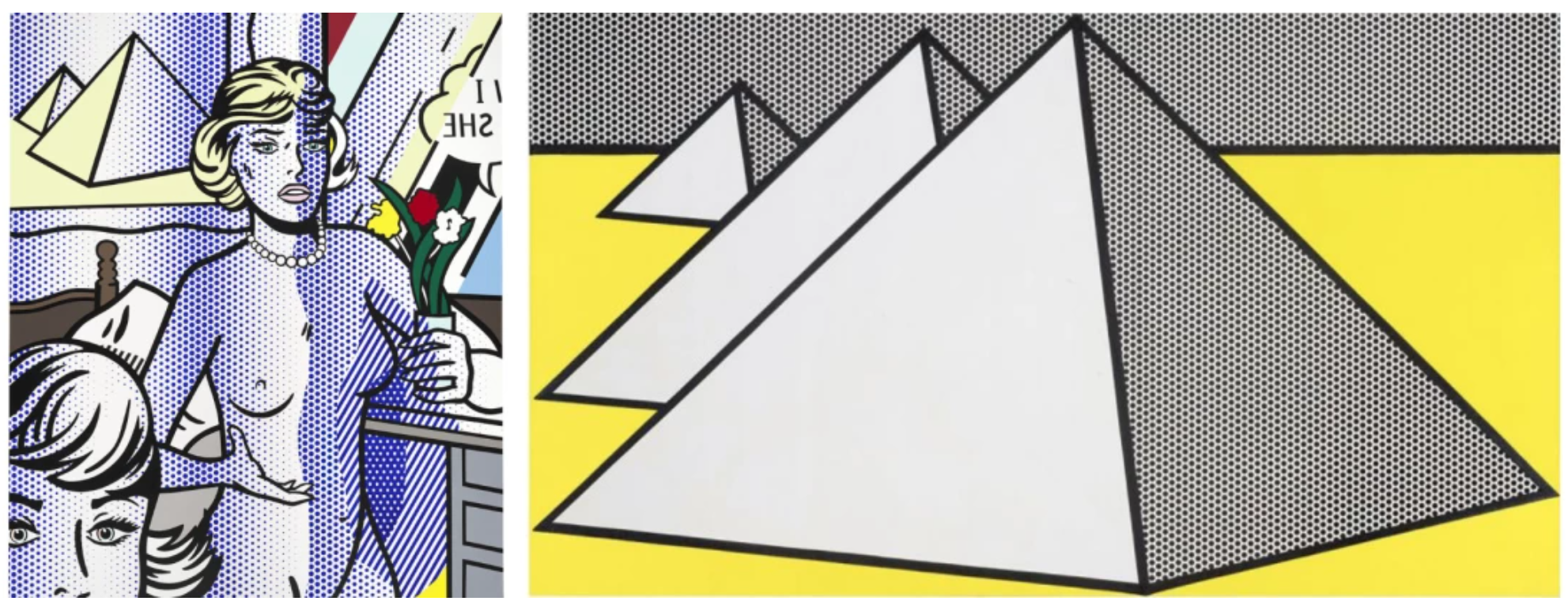
Left: Roy Lichtenstein, Nude with Pyramid, 1994. The Broad, Los Angeles. Art © Estate of Roy Lichtenstein. Right: Roy Lichtenstein, Pyramids II, 1969. RISD Museum, Providence. Art © Estate of Roy Lichtenstein
The present work features two female figures set against a bedroom scene, with the central figure holding a vase of flowers. The namesake invites viewers to focus on the nudes as much as on the prominently displayed imagery of two pyramids framed on the wall. This interplay evokes a rich dialogue between the modern and the classic, the organic and the angular, and, crucially, the present and the past within the tapestry of art history. Pyramids hold significance not only in the broader context of art history but also within Lichtenstein’s personal canon. Between 1968 and 1969, he created a series of Pyramid paintings, reflecting the ethos of the Minimalist movement of the 1960s. The composition also features an intriguing element of fragmentation. Text on the right side of the drawing is deliberately cut off, leaving viewers to ponder the meaning of the incomplete phrase “I” and “she,” an engagement further complicated by the presence of a speech bubble at the right of the composition, which intimates a third unseen interlocutor. This deliberate omission invites a deeper engagement with the work, compelling viewers to fill in the narrative gaps and consider the complexities of identity and representation. In the finalized version of the work, the mirrored presence of “SHE” enhances this theme, suggesting a duality of perception that complicates the viewer’s understanding of both the figure and the self.
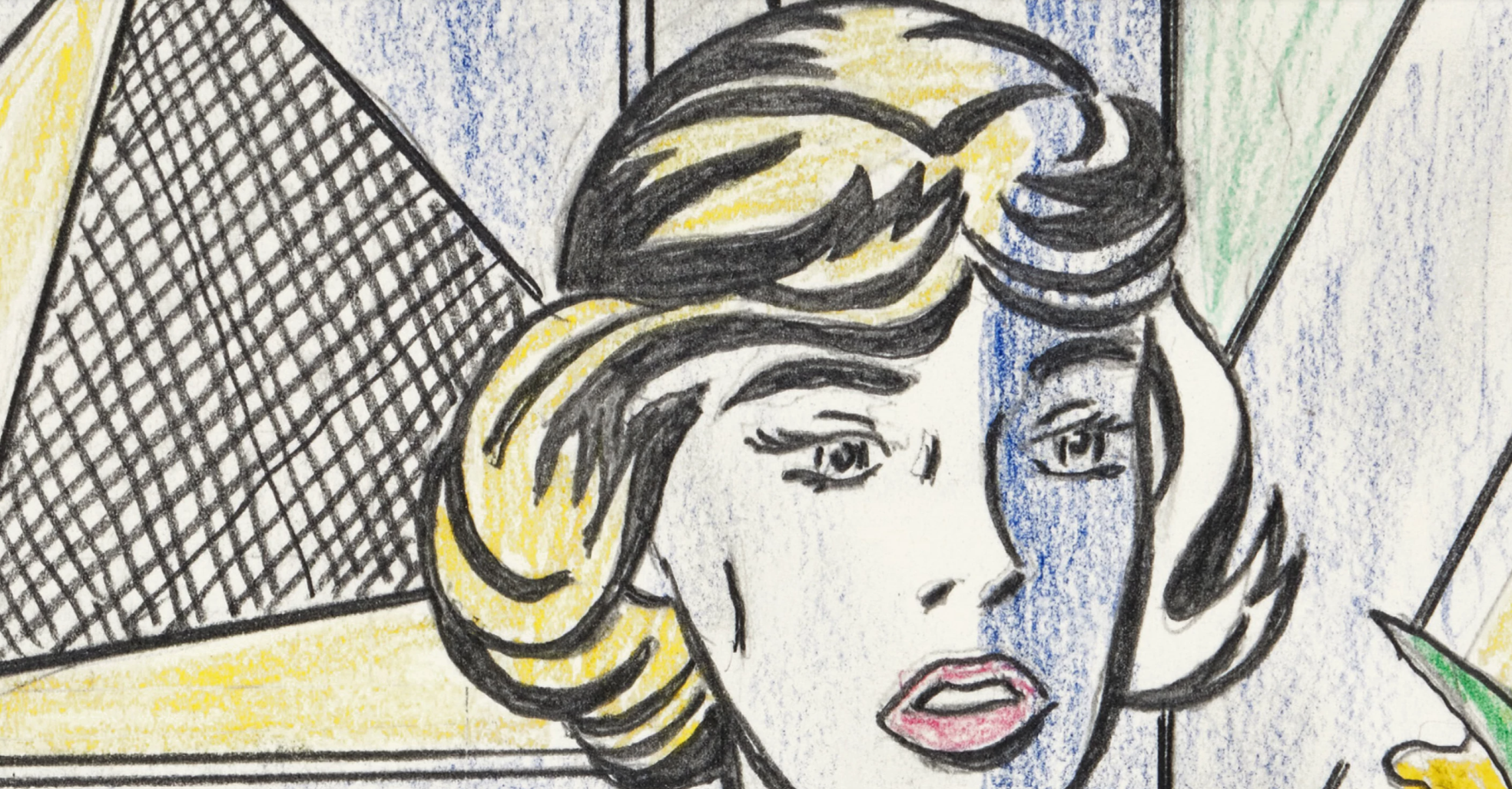
Nude with Pyramid (Study) ultimately serves as a pivotal work within Lichtenstein’s oeuvre, encapsulating the themes of femininity, identity, and the complexities of visual representation. As a study, it offers a glimpse into the artist’s creative process, revealing the layers of thought that underpin his final compositions. This drawing stands as a celebration of Lichtenstein’s legacy, reflecting his enduring influence on contemporary art and the ongoing dialogue surrounding the representation of the female figures and interiors in the modern era.
Still Life with Picasso (Study), 1973
Works from the Collection of Dorothy and Roy Lichtenstein
Sotheby’s New-York: 20 November 2024
Estimated: USD 800,000 – 1,200,000
USD 2,400,000
Still Life with Picasso (Study) | The Now and Contemporary Evening Auction | 2024 | Sotheby’s
ROY LICHTENSTEIN (1923 – 1997)
Still Life with Picasso (Study), 1973
Tape, cut painted paper, cut printed paper, marker and graphite on board
Image: 28 1/2 x 21 inches (68.5 x 53.3 cm)
Board: 29 x 21 1/2 inches (73.7 x 54.6 cm)
Signed and dated ‘73 (on the reverse)
An arresting composition of bold colors and compacted forms, Still Life with Picasso (Study) is an extraordinary embodiment of Roy Lichtenstein’s career-long engagement with one of the most significant art historical icons of the twentieth century, Pablo Picasso. Executed as a response to Picasso’s passing in 1973, Lichtenstein created the present work as a study for a series of prints, Still Life with Picasso, which he contributed to a six-volume celebration of the late Cubist master and his work. Unquestionably one of Lichtenstein’s foremost influences, the thread of Picasso’s legacy is vitally and intimately woven throughout Lichtenstein’s storied career – as exemplified by Still Life with Picasso (Study), Lichtenstein continuously reimagined and recontextualized Picasso’s imagery within his own works, reveling in his ever-expanding Pop lexicon and ultimately painting himself into art history through appropriation. Testifying to significance of the present work, Still Life with Picasso (Study) has been exhibited widely at institutions such as the Centre National d’Art Contemporain, Paris; the Museum of Modern Art, New York; the Museo de Arte Abstracto Español, Cuenca, Spain; and the Nationalgalerie, Staatliche Museen Preussischer Kulturbesitz, Berlin. One of few works that Dorothy and Roy Lichtenstein retained for their personal collection, Still Life with Picasso (Study), alongside the other choice examples from their collection, provides a rare glimpse into Roy’s process and artistic development. The very first time that these treasured works have been available on the public market, their presentation this fall represents a remarkable and unprecedented opportunity to acquire masterworks from pivotal moments in Roy’s practice, and the works he and Dorothy cherished most.
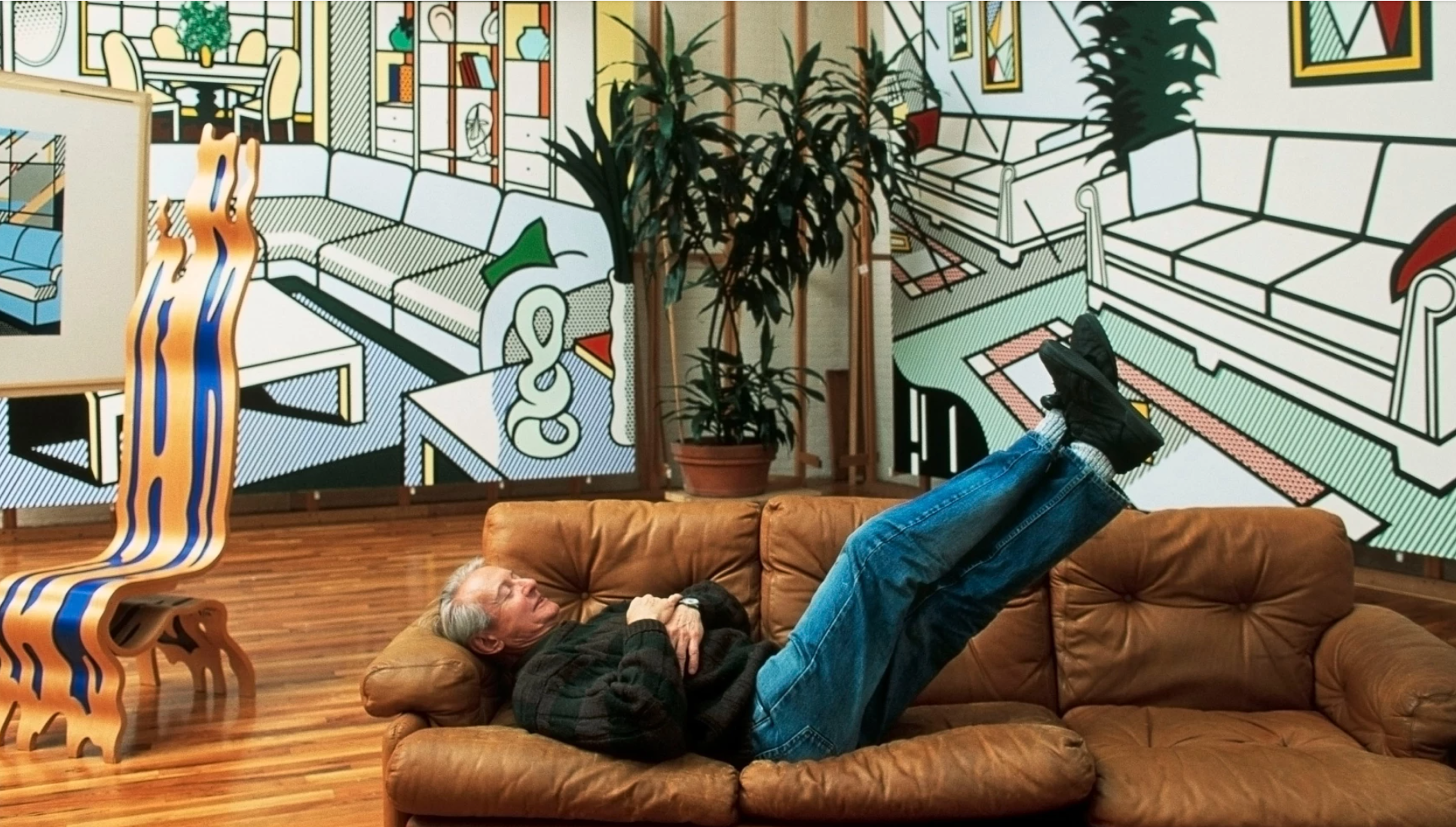
The artist in his studio. Photo © Thomas Hoepker/Magnum Photos. Art © Estate of Roy Lichtenstein
Still Life with Picasso (Study) juxtaposes a pitcher of paint brushes and an array of fruit with Picasso’s 1938 portrait of Dora Maar, titled Tête de Femme, effectively creating a simulacrum of an artist’s studio that makes direct reference to Lichtenstein’s own artistic forebears whilst acknowledging Picasso’s works as their own brand of Pop object. Both Lichtenstein and Picasso shared an interest in depicting the artifice of art – to them, the space of the artist’s studio represented the center of creation and, by extension, the world. An interrogation of creativity, the presence of paintbrushes and the arrangement of fruits in Still Life with Picasso (Study) allowed Lichtenstein to highlight the tools of the artist’s trade and the process of transforming everyday objects into works of art. Ironically, these trappings of the traditional painter are rendered by Lichtenstein in a mode intended to evoke the process of mechanical reproduction, with the artist’s hand in absentia. Rendered in Lichtenstein’s trademark graphic lines and Ben-Day dots, the present work’s foreshortened perspectival space recalls modes of consumer advertising while strengthening formal principles and pictorial conventions native to early Modernism. Moreover, as a compositional and chromatic study, the rigidity of line and flatness of shape that the collage medium demanded proved invaluable to Lichtenstein, who turned to collaging in order to ensure the utmost precision in his series of prints.
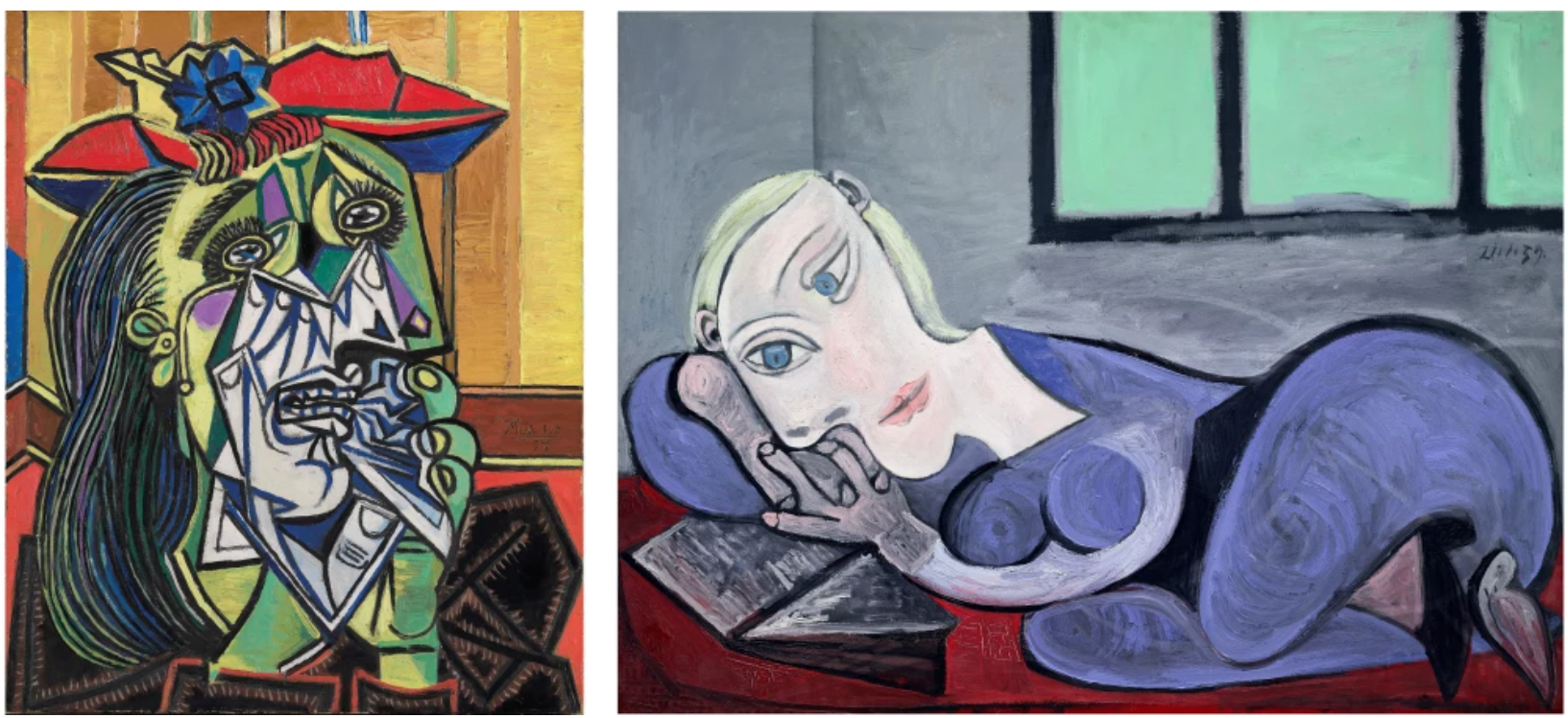
Left: Pablo Picasso, Weeping Woman, 1937. Tate Gallery, London. Image © Tate Modern, London. Art © 2024 Estate of Pablo Picasso / Artists Rights Society (ARS), New York. Right: Pablo Picasso, Woman Reclining Reading, 1939. Image © Succession Picasso/DACS, London 2024 / Bridgeman Images. Art © 2024 Estate of Pablo Picasso / Artists Rights Society (ARS), New York
The work and legacy of Pablo Picasso bore immeasurable significance to Lichtenstein’s artistic project and ethos from the very outset of his career. After creating his first variation on Picasso in 1943 – a version of Portrait of Gertrude Stein – Lichtenstein embarked on a series of four Picasso paintings from 1962-64 immediately following his first comic book paintings. These works served as the primary counterweight to his involvement in commercial imagery and established the breadth of his ambitions, becoming the genesis of a decades-long dialogue with the Modern master. By 1973, the year of the present work’s execution, Picasso had taken on a celebrity-like status amongst the American public’s imagination.
“A Picasso has become a kind of popular object – one has the feeling there should be a reproduction of Picasso in every home.”
Contemporaries of Lichtenstein’s, such as Jasper Johns, Andy Warhol, and Tom Wesselmann, certainly shared similar sentiments as evidenced by their respective reimaginings of Picasso’s work, though none sustained as prolific and prolonged a fascination with the artist as Lichtenstein. His invocation of Picasso’s work in his characteristic Pop style complicated the contentious and perhaps vacuous dichotomy between what constituted “high” versus “low” culture, exploring the distinction between fine art and commercial imagery. Lichtenstein instinctively understood the phenomenal potential of popular imagery, and more than any artist of his generation, realigned the cipher of that imagery to unveil verities behind popular culture.
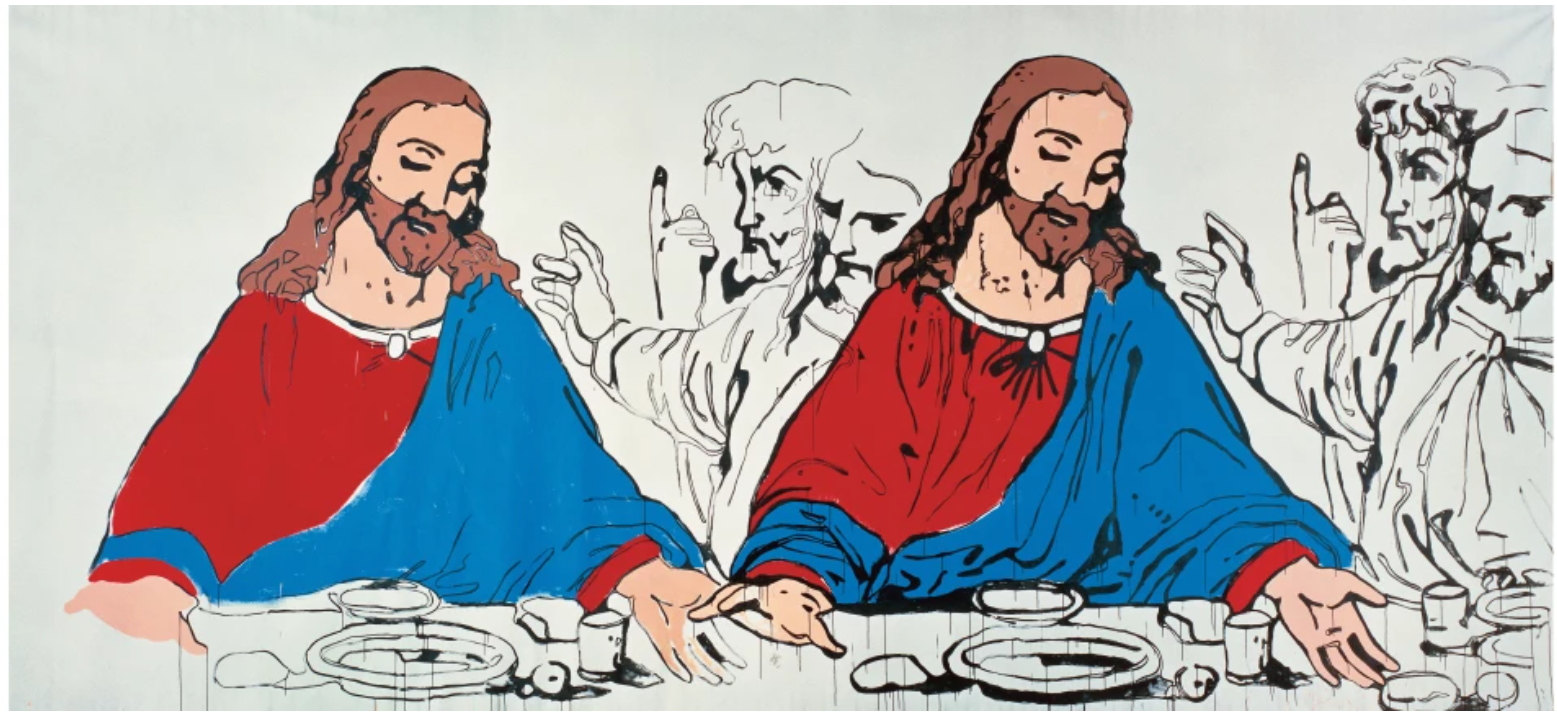
Andy Warhol, The Last Supper, 1985. Private Collection.
Image © HIP / Art Resource, NY. Art © 2024 Andy Warhol Foundation for the Visual Arts / Artists Rights Society (ARS), New York
As evinced in Still Life with Picasso (Study), Lichtenstein specifically turned to Picasso’s 1938 drawing Tête de Femme as a metonym for both Picasso and Modernism at large throughout his oeuvre, notably using it in his monumental, site-specific, Greene Street Mural (1983). In the present work, the Picasso head dominates the frame, appearing as the backdrop to Lichtenstein’s still life grouping. Here, the viewer takes on the role of the artist, gazing upon the present display of artistic subjects and influences. By appropriating Picasso’s Tête de Femme and situating it within the present composition, Lichtenstein not only engages in treating Picasso’s imagery as a kind of popular object, in the vein of Andy Warhol’s Mona Lisas, but also places his artistic abilities on par with Picasso’s. Tête de Femme’s placement within Lichtenstein’s version of an artist’s studio seems to announce that he, too, is capable of producing – even updating – a Picasso.
“I think Picasso is the best artist of this century […] it is interesting to do an oversimplified Picasso – to misconstrue the meaning of his shapes and still produce art.”
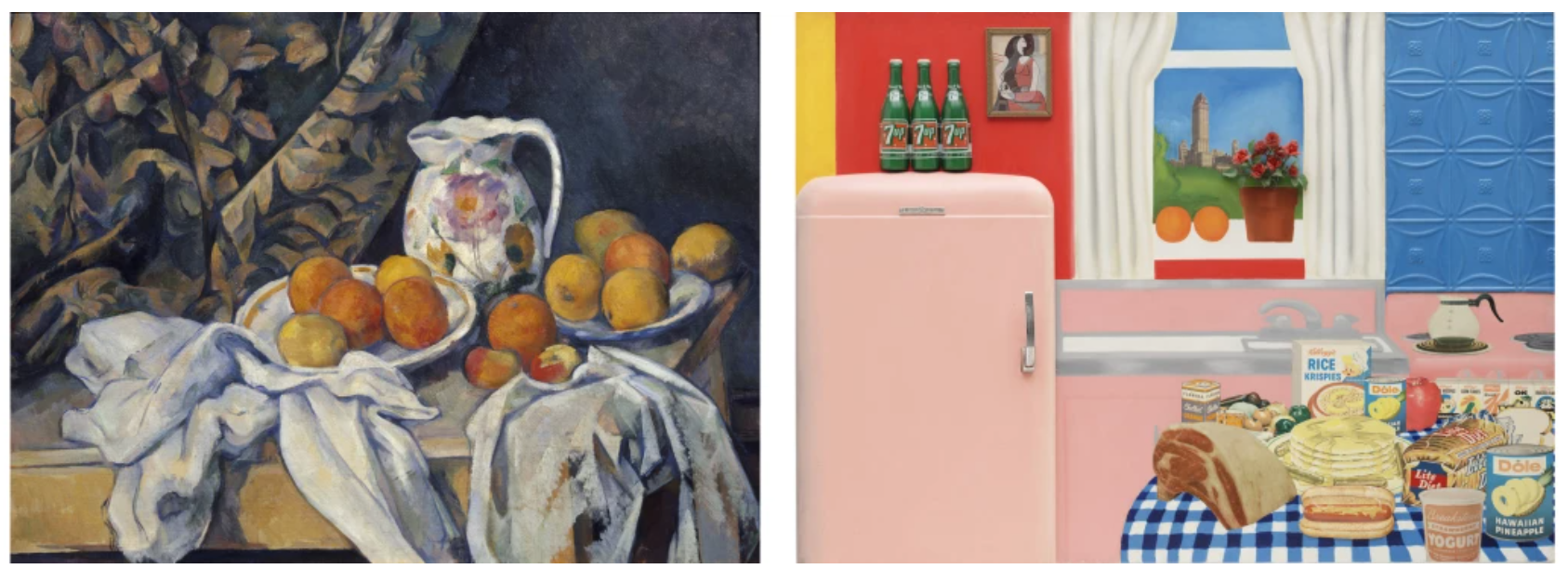
Left: Paul Cézanne, Still Life on the Curtain, 1895. State Hermitage Museum, St. Petersburg. Image © Photo Josse / Bridgeman Images. Right: Tom Wesselmann, Still Life #30, 1963. The Museum of Modern Art, New York. Image © The Museum of Modern Art/Licensed by SCALA / Art Resource, NY. Art © Tom Wesselmann/Licensed by VAGA, New York, NY
Formidable in the scope of its referential vernacular, Still Life with Picasso (Study) presents Lichtenstein’s deep fascination and leverage of art historical references, culminating in a captivating homage to the past. A thrilling encapsulation of Lichtenstein’s technical process and conceptual ambition, the stark color palette and striking composition of Still Life with Picasso (Study) epitomizes Lichtenstein’s timeless oeuvre rich with material nuance, and the evolution of his definitive style, an aesthetic which locates him as one of the most celebrated artists of the 20th century.
Small House, 1996
Works from the Collection of Dorothy and Roy Lichtenstein
Sotheby’s New-York: 21 November 2024
Estimated: USD 600,000 – 800,000
USD 1,140,000
Small House | Contemporary Day Auction | 2024 | Sotheby’s
ROY LICHTENSTEIN (1923 – 1997)
Small House, 1996
painted and cast aluminum
17 7/8 x 26 1/2 x 8 1/2 inches (45.4 x 67.2 x 21.6 cm)
Incised with the artist’s signature and date ’97 (on the reverse)
This work is the artist’s cast from an edition of 8 plus 1 artist’s cast
Roy Lichtenstein’s Small House from 1997 is a testament to the brilliance, conceptual rigor, ceaseless reinvention and creativity that defines Roy Lichtenstein’s artistic career. Utilizing the straightforward architecture of a simple, ranch-style home, the crisp white façade of Small House, delineated by rigid black lines and flat planes of red, yellow and turquoise convey Modernist geometric abstraction through Lichtenstein’s trademark Pop vernacular. Small House complicates fixed perspective through its deceivingly concave armature. In a unidirectional presentation, Small House mimics the compositional tendencies of low relief, while dramatically collapsing any visual depth or breach of surface.
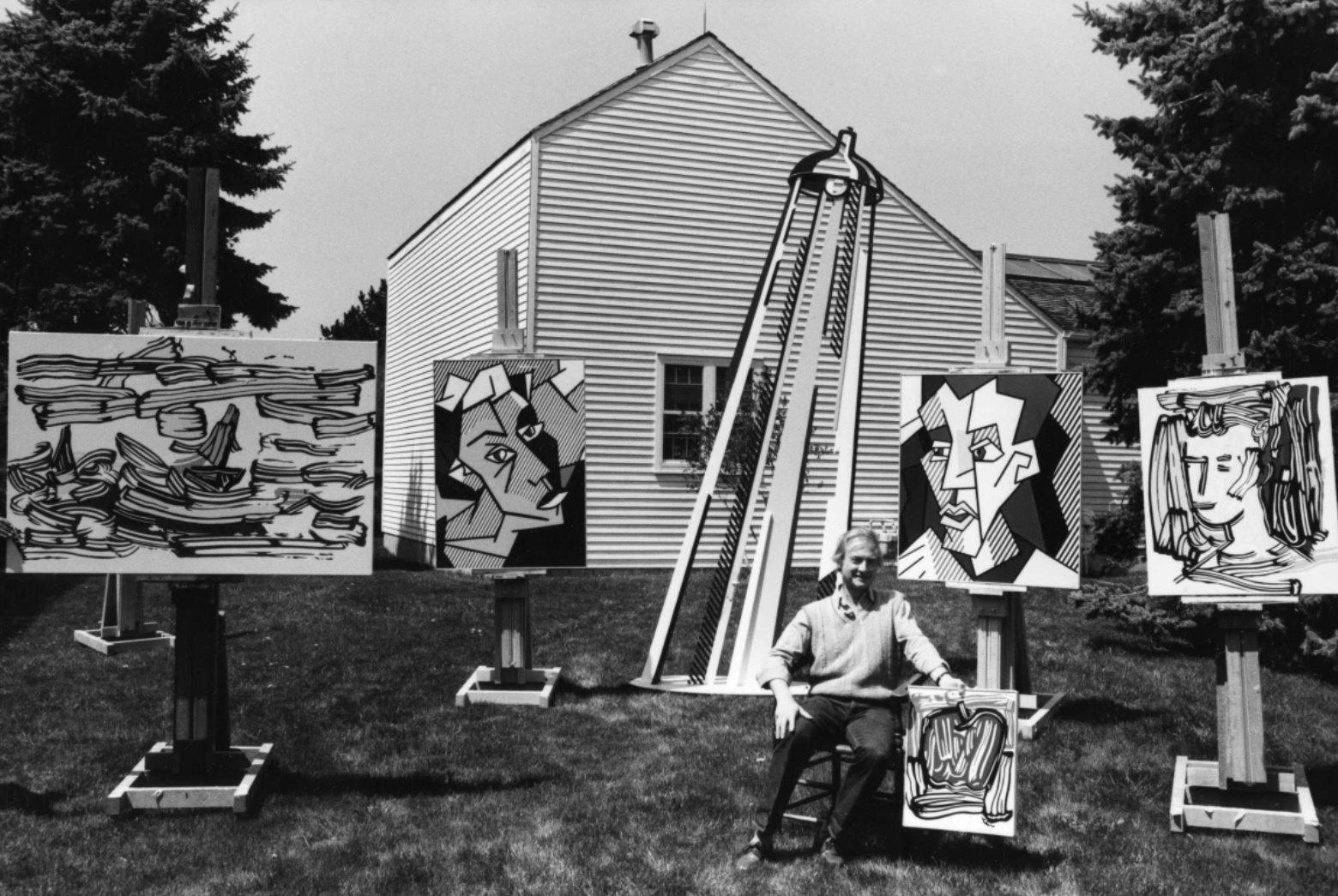
Artist Roy Lichtenstein sitting outside his Southampton studio, New York, 1981.
Image © Arthur Schatz/Getty Images. Art © Roy Lichtenstein Foundation
Nowhere else does Lichtenstein so concisely articulate the iconicity of home as it relates to the semiotics of space, volume and void. The trompe l’oeil volumetric structure of Small House is highly phenomenological, presenting the viewer with a false front while exposing its own visual ruse through charged spatial engagement and inverted structure. In a unidirectional presentation, Small House mimics the compositional tendencies of low relief, while dramatically collapsing any visual depth or breach of surface. Small House is an exploration of visual trickery, exteriority and playful exchange with the viewer.
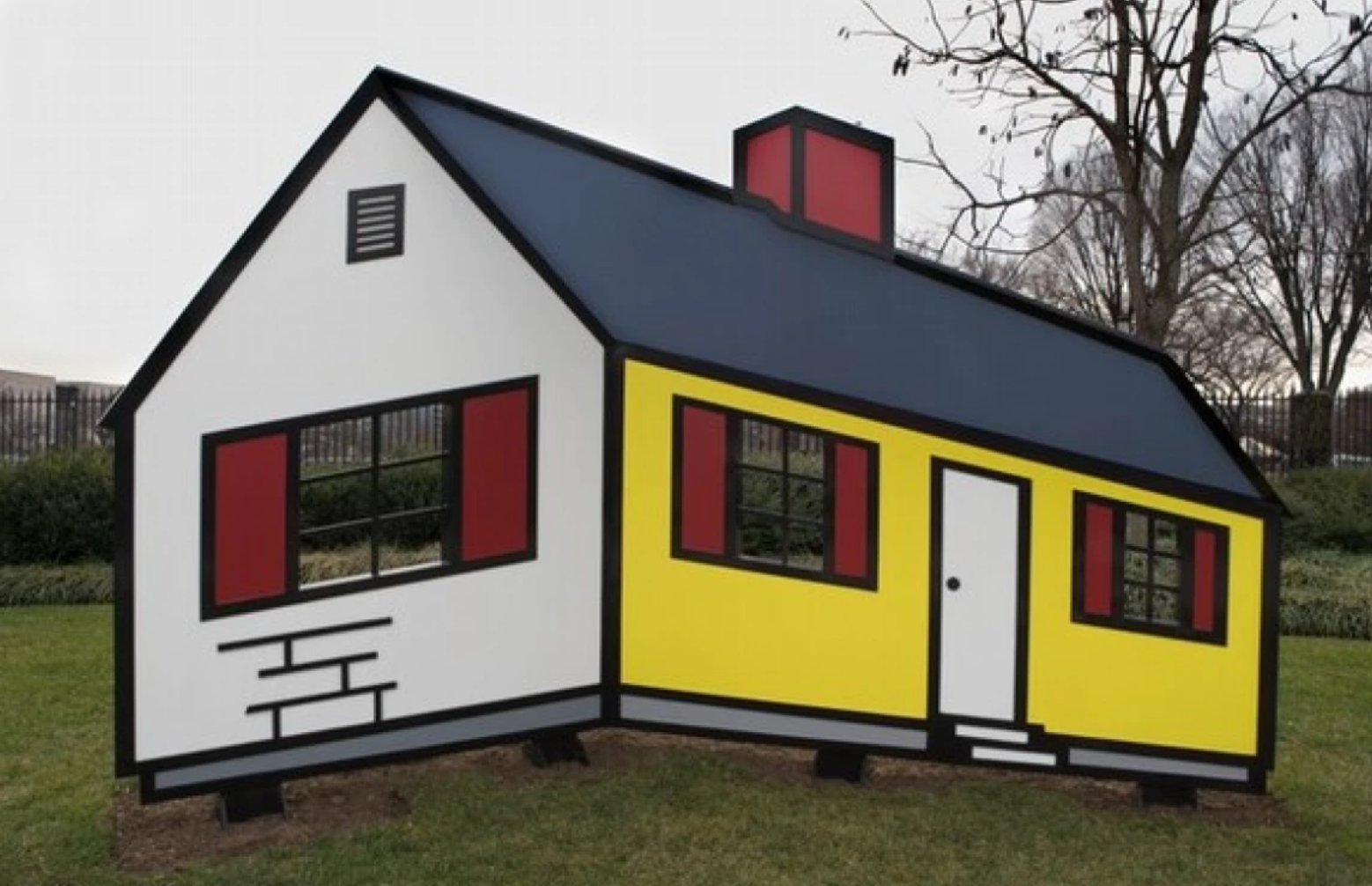
House I, model 1996, fabricated in 1998, National Gallery of Art
Image © National Gallery of Art / Gift of The Morris and Gwendolyn Cafritz Foundation Art © Estate of Roy Lichtenstein
Small House features only the essential details of windows, door, roof, and shutters. The simplicity of the subject’s details is drawn not from a life study, but is instead mediated through the artist’s collection of printed source material, often lowbrow manuals for painting and items from everyday printed media. Lichtenstein begins his sculptural process on the page, with pencil sketches and color studies, then assessing his designs in a full-scale maquette before building the final work. Utilizing the straightforward architecture of a simple, ranch-style home, the subject complicates fixed perspective through its deceivingly concave armature. An important breakthrough during a late-career moment, Small House is perhaps Lichtenstein’s most concise exploration of illusionistic perspective. Where sculpture tends to convey information through three-dimensional form, Lichtenstein breaks with tradition by sticking to pictorial representation. Small House is strongly related to Lichtenstein’s other minimal house sculptures, which range in scale from monumental structures to small interior wall pieces. Held in prestigious collections like the National Gallery of Art, Lichtenstein’s house series is a unique example of an artist producing some of his most refined and exemplary work near the end of his life. Though his legacy is most often evaluated for its contributions to the graphic arts, sculpture occupied a central position in Lichtenstein’s oeuvre from the first time he cast one of his iconic blonde heroines in glazed ceramic in 1965 until his death in 1997. Indeed, the artist’s inclination toward boundary-blurring is nowhere more successful or more apparent than in his sculpted works, whose origins are inseparable from his paintings: here the two disciplines flow freely into and out of one another.
Water Lily Pond with Reflections, 1992
Works from the Collection of Dorothy and Roy Lichtenstein
Sotheby’s New-York: 21 November 2024
Estimated: USD 400,000 – 600,000
USD 1,440,000
Water Lily Pond with Reflections | Contemporary Day Auction | 2024 | Sotheby’s
ROY LICHTENSTEIN (1923 – 1997)
Water Lily Pond with Reflections, 1992
Screenprinted enamel in colors on processed and swirled stainless steel, with painted wood frame
Overall: 58 x 84 1/2 inches (147.3 x 214.6 cm)
Signed in felt-tip pen, dated ’92 and inscribed AP 2/7 (on the verso)
This work is one of 7 artist’s proofs aside from the numbered edition of 23, published by Saff Tech Arts
In a delightful homage to Claude Monet’s series of Water Lilies, Roy Lichtenstein’s Water Lily Pond with Reflections exemplifies a profound dialogue between artistic traditions, challenging viewers to reconsider the boundaries between impressionist painting and modern visual culture. Created late in Lichtenstein’s career, the present work emerges as a sophisticated meditation on artistic representation, drawing direct inspiration from Monet’s iconic water lily paintings while simultaneously dismantling and reimagining the impressionist aesthetic. Lichtenstein’s approach transforms the soft, ethereal quality of Monet’s original works into a sharp, mechanically precise interpretation that speaks to the increasingly mediated visual experiences of the late 20th century for which he is best known.
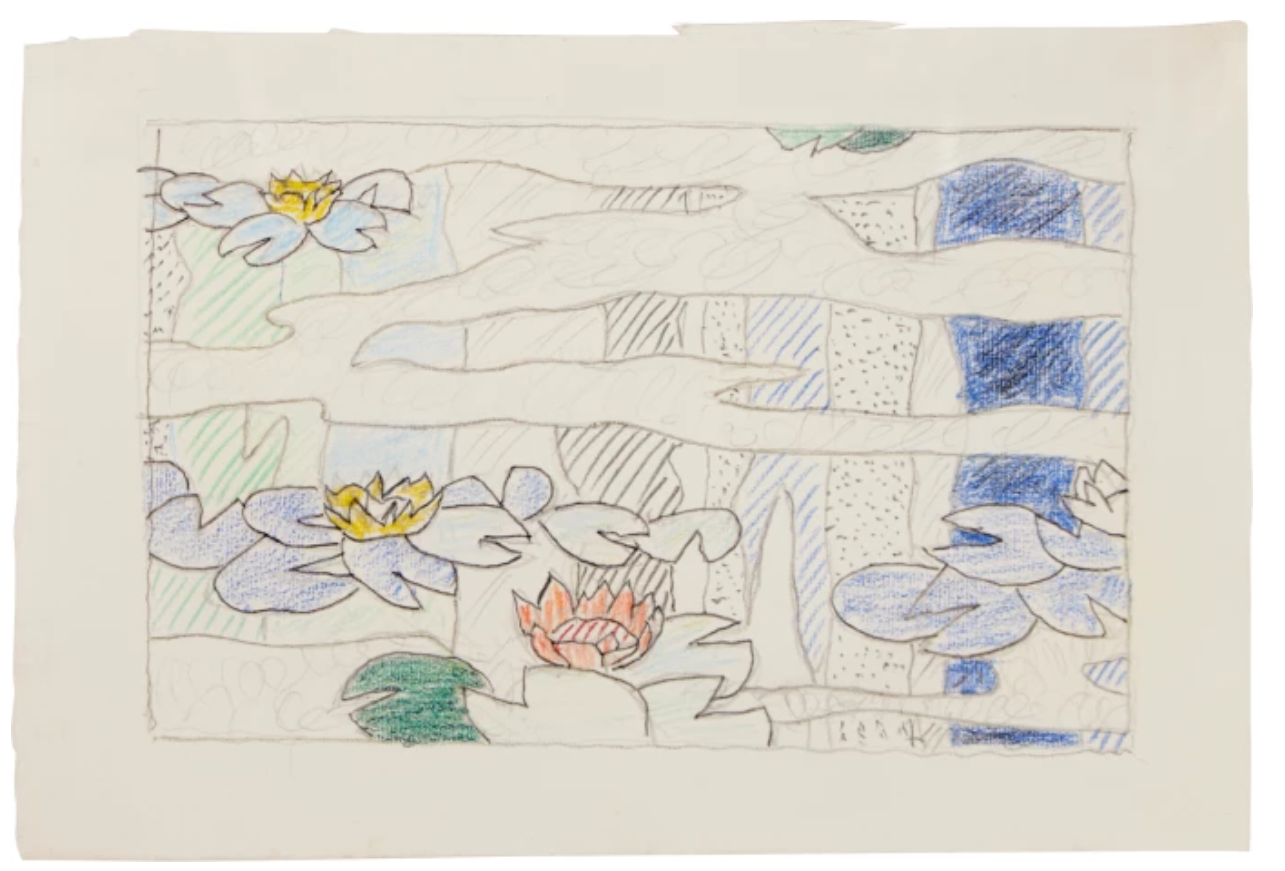
Roy Lichtenstein, Water Lily Pond with Reflections (Study), 1992.
Sold at Sotheby’s New York in November 2021 for $151,200. Private Collection. Art © Roy Lichtenstein 2024
Lichtenstein’s iconic Benday dots and stripes are here paired with swirling patterns on the reflective surface, creating a visual tension that both reference Monet’s original works yet defy traditional notions of impressionist painting. These uniform, precise dots and lines replace the fluid, organic brushstrokes of Monet’s Water Lilies, creating a rhythmic motif that deconstructs the natural landscape into a grid of mechanical reproduction. Where Monet sought to capture the ephemeral play of light and water, Lichtenstein instead presents a structured, almost mathematical interpretation of natural beauty. The dots vary in size and density, creating depth and texture that paradoxically both flatten and expand the image’s visual complexity, challenging viewers to consider how technological processes mediate our perception of the natural world. As Lichtenstein noted, “when I did paintings based on Monet’s I realized everyone would think that Monet was someone I could never do because his work has no outlines and it’s so Impressionistic. It’s laden with incredible nuance and a sense of the different times of day and it’s just completely different from my art. So, I don’t know, I smiled at the idea of making a mechanical Monet” (Roy Lichtenstein quoted in Michael Kimmelman, Portraits: Talking with Artists at the Met, The Modern, The Louvre and Elsewhere, New York 1988, p. 93).
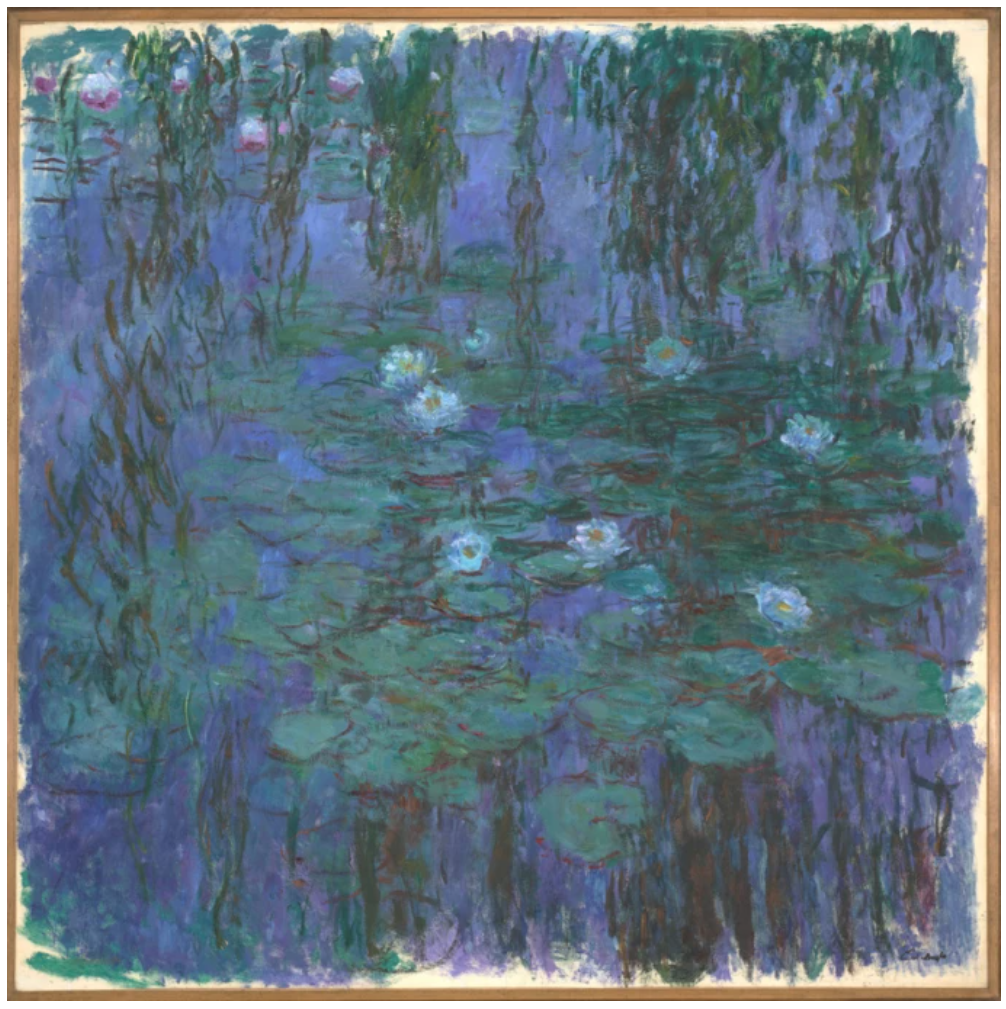
Claude Monet, Nymphéas bleus, 1981. Image © Musée d’Orsay, Dist. RMN-Grand Palais / Patrice Schmidt.
In addition to the primary colors commonly associated with Lichtenstein’s early Pop artworks, Water Lily Pond with Reflections introduces a wider tonal range, with greens, as well as orange, peach, and light blue. The solid blocks of color, created in sign painter’s enamel on the stainless steel, have a collage-like appearance and deconstruct concepts of landscape painting. While Monet’s canvases envelop the viewer in soft, painterly strokes, the present work immerses the viewer with its mirrored stainless steel surface, constantly reflecting different planes of light. Lichtenstein manages to create a visual experience that is at once reminiscent of Monet’s original water lily paintings and completely distinct from them, a testament to his ability to simultaneously honor and challenge artistic traditions.
Nude with Blue Hair, 1994
Works from the Collection of Dorothy and Roy Lichtenstein
Sotheby’s New-York: 20 November 2024
Estimated: USD 350,000 – 450,000
USD 960,000
Nude with Blue Hair | The Now and Contemporary Evening Auction | 2024 | Sotheby’s
ROY LICHTENSTEIN (1923 – 1997)
Nude with Blue Hair, 1994
Relief print in colors on Rives BFK mold-made paper
Image: 51 1/2 x 31 3/4 inches (130 x 80.2 cm)
Sheet: 57 7/8 x 37 5/8 inches (146.7 x 95.3 cm)
Signed, dated ’94 and inscribed AP 5/12 (lower right)
This impression is one of 12 artist’s proofs aside from the numbered edition of 40
Of the works in the Nudes series, Nude with Blue Hair is perhaps the most intimate and introspective. Gazing directly towards the viewer, the comic heroine inhabits almost the entirety of the picture plane in a cinematic, Hitchcockian guise, her chest just exposed and arms outstretched above her. The immediacy of the image is underscored by the rich figure-ground relationship achieved using varying sizes of Benday dots which overlap several objects at a time, rather than be restricted within the boundaries of a certain object or outline, as was the case in Lichtenstein’s previous work. Describing the technique, Lichtenstein noted,
“It’s a little bit the way chiaroscuro isn’t just shadows but a way of combining the figure and background, or whatever’s near it in a dark area… You’re not confined to the object pattern, but the subject matter excuse for this is that it’s a shadow. And that’s interesting to me.”
One of few works that Dorothy and Roy Lichtenstein retained for their personal collection, Nude with Blue Hair, alongside the other choice examples from their collection, provides a rare glimpse into Roy’s process and artistic development. The very first time that these treasured works have been available on the public market, their presentation this fall represents a remarkable and unprecedented opportunity to acquire masterworks from pivotal moments in Roy’s practice, and the works he and Dorothy cherished most.
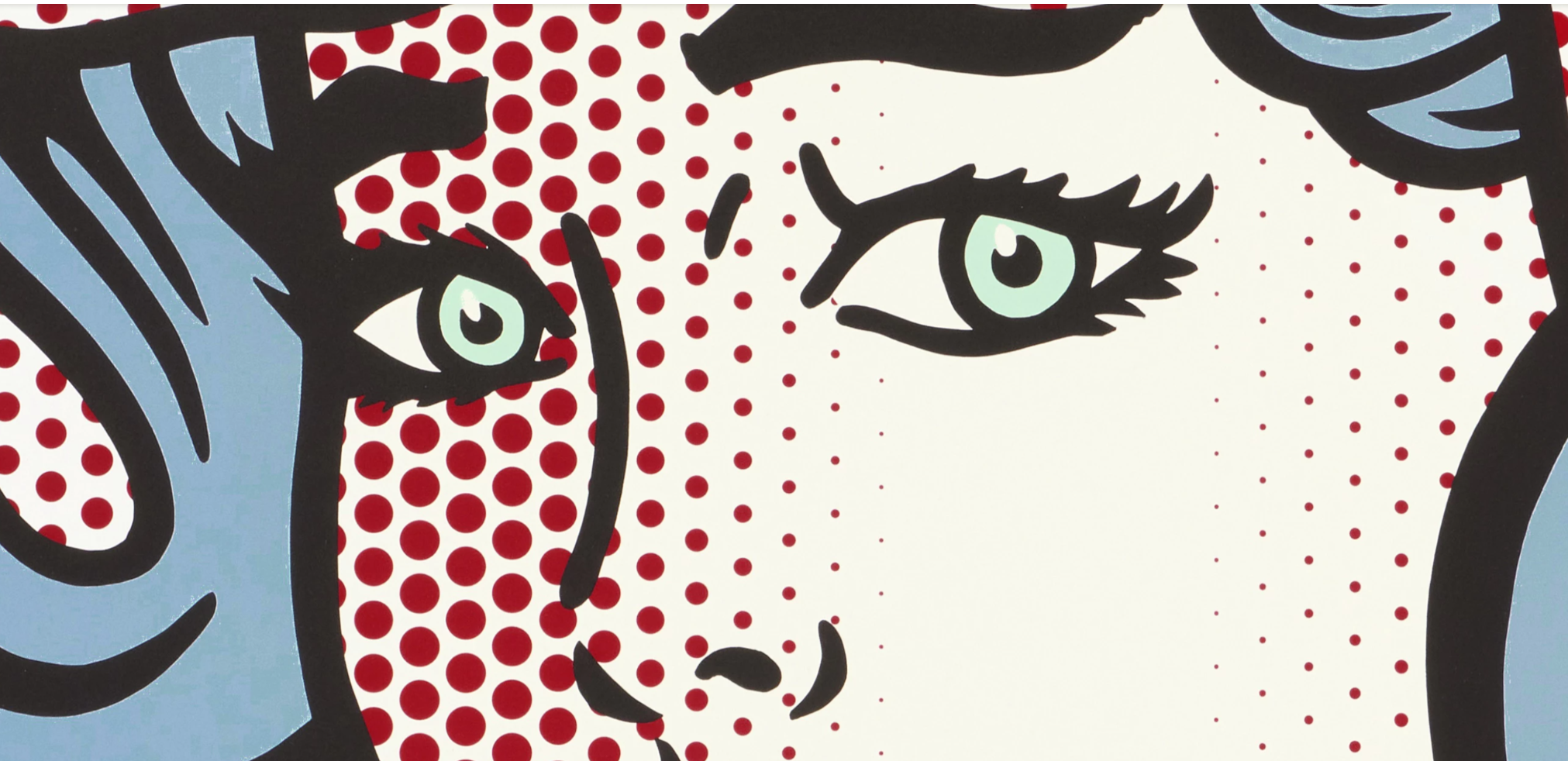
With cornflower blue highlights and striking red nails, Nude with Blue Hair moves beyond self-reference and introduces stylistic ingenuity and an element of voyeurism with the overlapping qualities of Benday dots. As the dots glide across the figure’s body, the gradations of light and shadow mimic reflections across a lens, further manipulating the viewer’s concept of reality. As scholar Sheena Wagstaff describes, “Lichtenstein’s Nudes series, created in the last four years of his life, are a profoundly innovative and active meditation upon the relationship of creation and perception.” (Sheena Wagstaff, “Late Nudes,” in Exh. Cat., Art Institute of Chicago (and traveling), Roy Lichtenstein: A Retrospective, May 2012 – May 2013, pp. 103-104) Nude with Blue Hair is no exception; at alluring proportions, the present work evokes Lichtenstein’s graphic sensibility while simultaneously illustrating his adept sophistication and mastery of the printmaking medium.
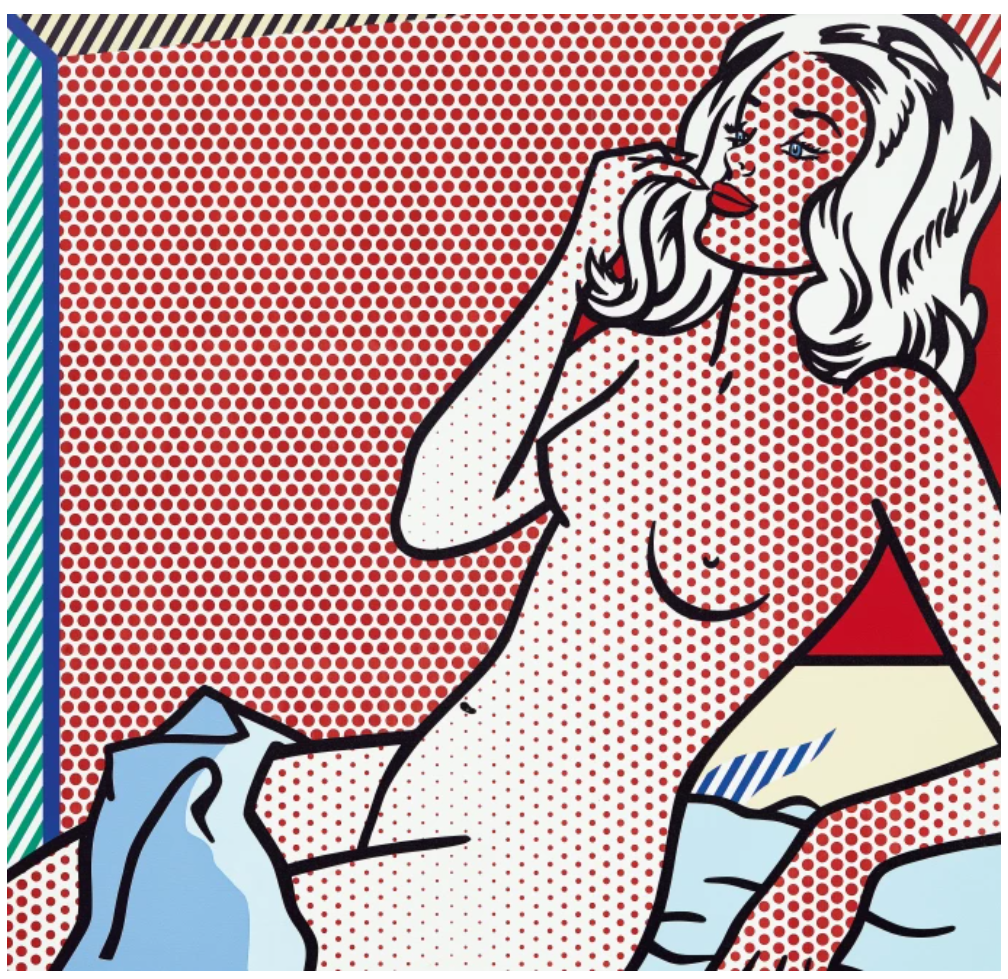
Roy Lichtenstein, Nude Sunbathing, 1995. Private Collection. Sold at Sotheby’s New York in May 2017 for $24 million. Art © Estate of Roy Lichtenstein
In 1993, Roy Lichtenstein embarked on his final print series with Tyler Graphics and unveiled images of the female nude for the very first time. Hailing from this iconic series of Nudes, Nude with Blue Hair represents a notable point in Lichtenstein’s late oeuvre: creating a greater undulation of light and space using subtler, more delicate tones and overlapping Benday dots. Based on “love” and “girl” comic book illustrations, the Nudes became a starting point for what would come to be Lichtenstein’s final paintings before the artist’s passing in 1997, such as Nude with Pyramid, in the collection of The Broad, Los Angeles, Nude at Vanity, in the collection of the San Francisco Museum of Modern Art, and Nude with Bust, the study for which is on offer this season. Nude with Blue Hair not only evinces Lichtenstein’s characteristic Pop aesthetic, but reveals the artist’s profound influence and accomplishment in the field of contemporary printmaking.
Roommates, 1994
Works from the Collection of Dorothy and Roy Lichtenstein
Sotheby’s New-York: 21 November 2024
Estimated: USD 250,000 – 350,000
USD 1,200,000
Roommates | Contemporary Day Auction | 2024 | Sotheby’s
ROY LICHTENSTEIN (1923 – 1997)
Roommates, 1994
Relief print in colors on Rives BFK mold-made paper
Image: 57 1/2 x 45 inches (146.1 x 114.5 cm)
Sheet: 64 1/4 x 51 1/8 inches (163.1 x 129.7 cm)
Signed in pencil, dated ’94 and inscribed AP 3/10 (lower right)
This impression is one of ten artist’s proofs aside from the numbered edition of 40
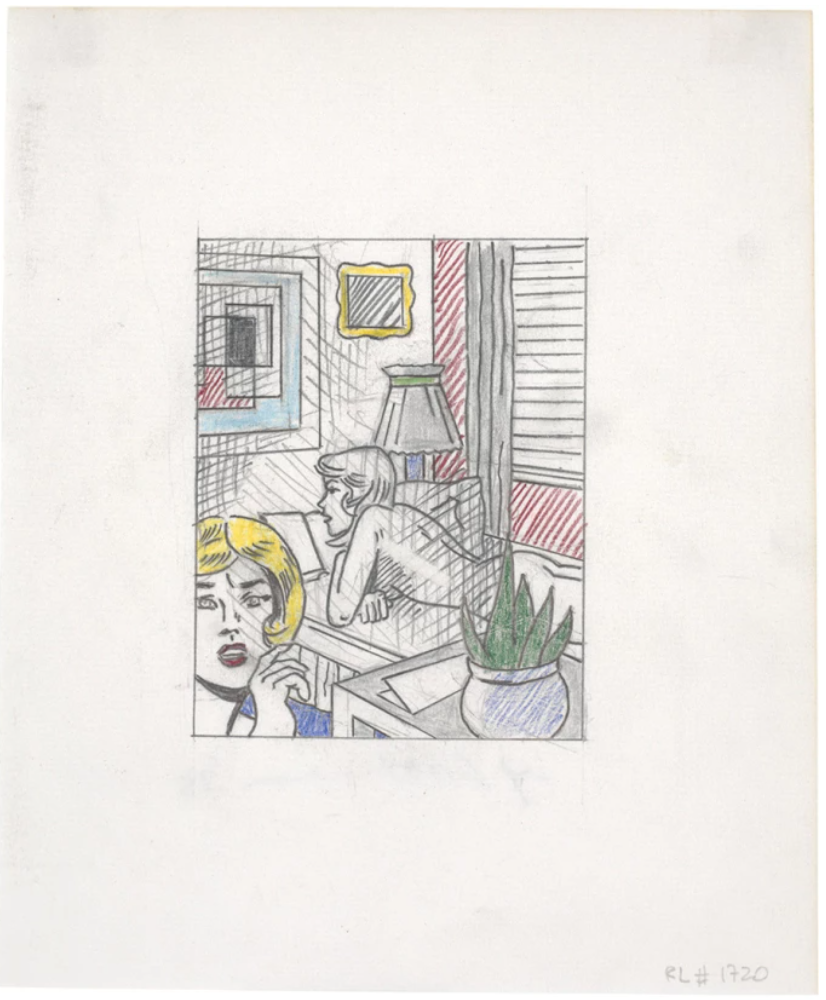
Roy Lichtenstein, Roommates (Study), 1993. Private Collection. Art © Roy Lichtenstein 2024
Nude with Yellow Pillow, 1994
Works from the Collection of Dorothy and Roy Lichtenstein
Sotheby’s New-York: 21 November 2024
Estimated: USD 250,000 – 350,000
USD 1,2o0,000
Nude with Yellow Pillow | Contemporary Day Auction | 2024 | Sotheby’s
ROY LICHTENSTEIN (1923 – 1997)
Nude with Yellow Pillow, 1994
Relief print in colors on Rives BFK mold-made paper
Image: 46×37 inches (117×94 cm)
Sheet: 52 5/8 x 43 1/8 inches (113.3 x 109.4 cm)
Signed in pencil, dated ’94 and inscribed AP 1/12 (lower right)
This impression is one of 12 artist’s proofs aside from the numbered edition of 60
I Love Liberty (Study), circa 1982
Works from the Collection of Dorothy and Roy Lichtenstein
Sotheby’s New-York: 21 November 2024
Estimated: USD 350,000 – 450,000
USD 780,000
I Love Liberty (Study) | Contemporary Day Auction | 2024 | Sotheby’s
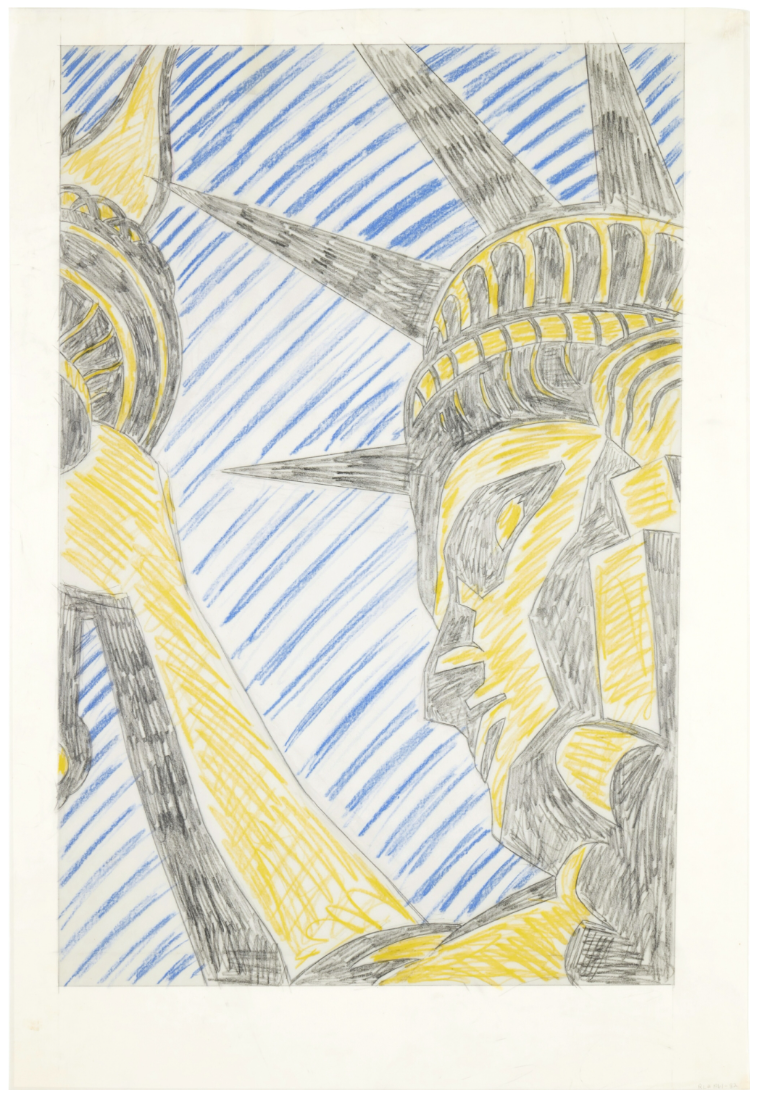
ROY LICHTENSTEIN (1923 – 1997)
I Love Liberty (Study), circa 1982
Colored pencil and graphite on tracing paper
Image: 26×17 inches (66 x 43.2 cm)
Sheet: 30 x 20 1/2 inches (76.2 x 52.1 cm)
Capturing one of America’s most enduring symbols, I Love Liberty sees Pop Art pioneer Roy Lichtenstein distilling the aesthetic and ideological ambitions that define his oeuvre. Executed in 1982, the present work embodies Pop Art’s foundational ethos of blurring the boundaries between high and low culture through a refined semiotic examination of contemporary visual culture. Created as a study for a promotional poster and screenprint to be published in conjunction to the ABC patriotic broadcast of the same name created by Norman Lear and his advocacy group People for the American Way, I Love Liberty engages with American national symbolism, presenting a nuanced exploration of identity, commodification, and the spectacle of representation in a media-saturated age. Testifying to the present work’s significance within the artist’s acclaimed oeuvre, screenprints of I Love Liberty are housed in the permanent collections of such prestigious American institutions as the National Gallery of Art in Washington D.C., the Whitney Museum of American Art, the Pennsylvania Academy of Fine Arts, among others. Further attesting to its singular importance within the artist’s prolific oeuvre, the present work bears exceptional provenance, emerging from the esteemed Collection of Dorothy and Roy Lichtenstien.
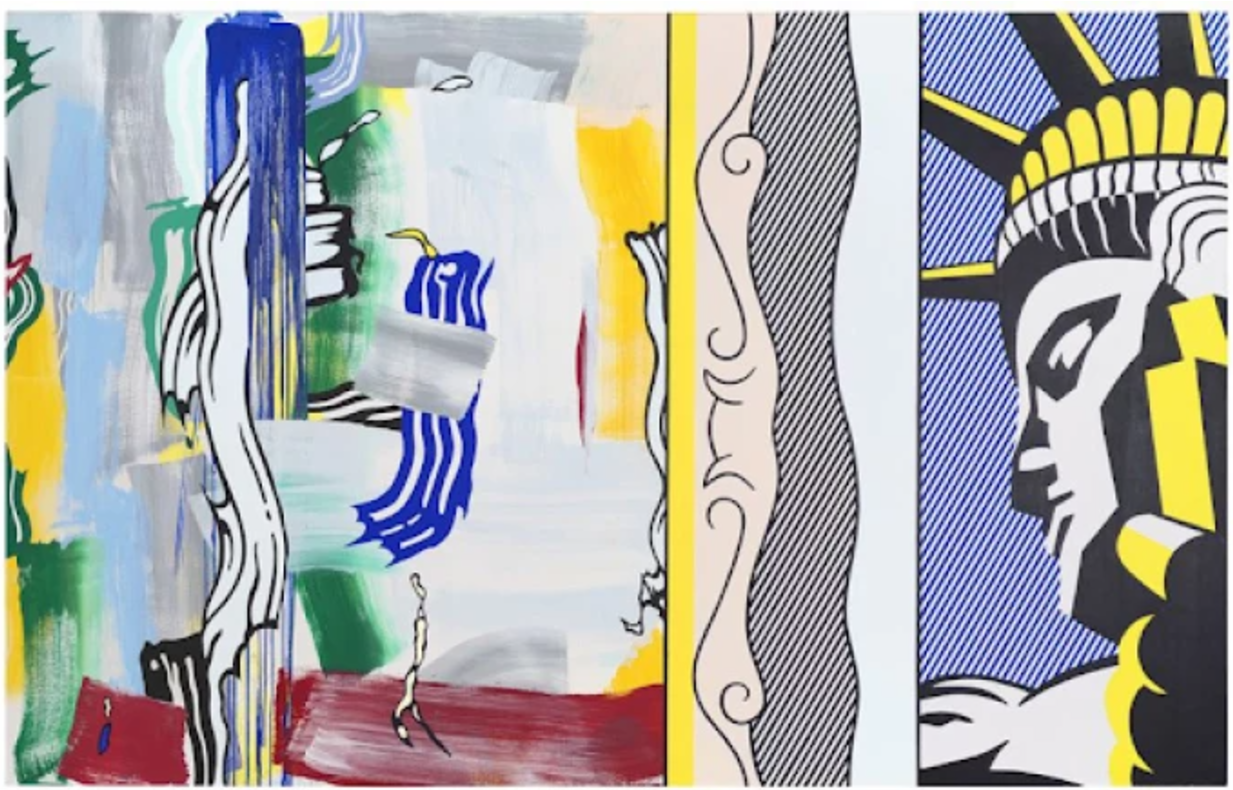
Roy Lichtenstein, Painting with Statue of Liberty, 1983. The National Gallery of Art, Washington DC. © Estate of Roy Lichtenstein
The composition of the present work guides the viewer’s gaze upward towards a monumentalized visage of Lady Liberty, rendered in a strikingly bold yellow that disrupts traditional representations of the statue’s patina, imbuing her with an almost artificial, constructed vibrancy. This vibrant hue, juxtaposed against sweeping diagonals of blue, echoes the structure of the American flag while simultaneously abstracting it. In this work, Lichtenstein elevates the Statue of Liberty beyond conventional patriotic iconography, transforming her into a layered semiotic symbol steeped in historical resonance and cultural reflection.
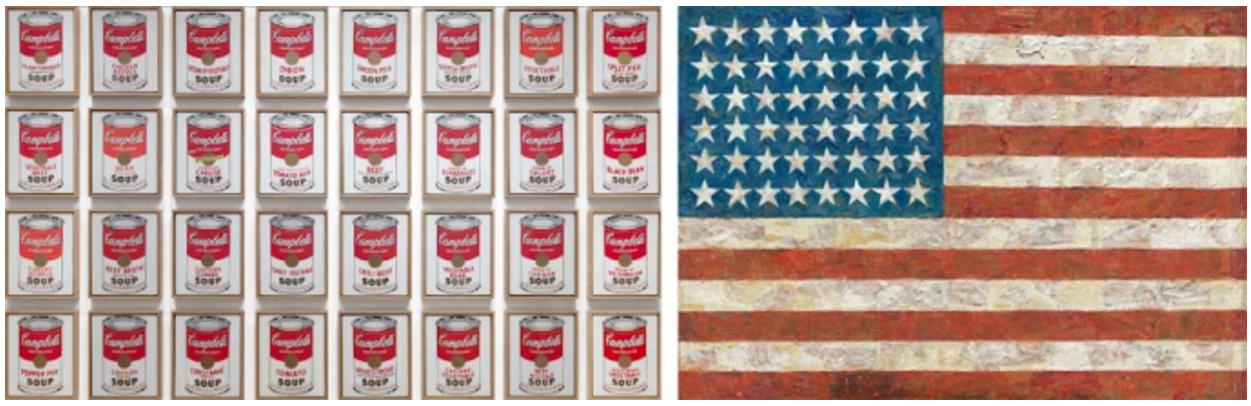
Left: Andy Warhol, Campbell’s Soup Cans, 1962. The Museum of Modern Art, New York. © 2024 Andy Warhol Foundation / ARS, NY / ™ Licensed by Campbell’s Soup Co. All rights reserved.
Right: Jasper Johns, Flag, 1954-55. The Museum of Modern Art, New York. © 2024 Jasper Johns / Licensed by VAGA at Artists Rights Society (ARS), NY
Lichtenstein’s I Love Liberty exemplifies the artist’s masterful ability to vacillate between traditional techniques and mechanical methods, leveraging his own unique visual lexicon to bridge the divide between print media and art history to recontextualize American iconography within a Pop Art framework. His process combines hand drawn elements with a precise, mechanical appearance of flattened color fields and graphic outlines, marrying the aesthetic of mass produced imagery with the nuance of painterly intervention. The subject work offers a rare glimpse into Lichtenstein’s technical process, as the study forgoes Lichtenstein’s typical sharp, clean and purely mechanical finished compositions. In the subject work, Lichtenstein’s application of flattened planes and stark, graphic outlines, amplifies the statue’s visual power while simultaneously, subtly diminishes her symbolic gravitas – framing her as a consumable image within the visual lexicon of twentieth-century America. In positioning Lady Liberty as both a revered icon and a reflection on idealism shaped by media and consumer aesthetics, Lichtenstein brilliantly bridges the individual and collective American experience. I Love Liberty, which so deftly balances both reverence and critical reflection, draws from influences spanning American visual culture, print media, and art historical iconography, situating Lichtenstein within the broader lineage of artists who interrogate the evolving role of symbols in the public consciousness.
Focus: Fernando Botero
12 lots sold for a total of USD 13,839,200.
The top price was achieved by a monumental sculpture, Horse, dated 1992, that sold at Sotheby’s for USD 4,920,000. If the top price has been achieved by a sculpture, 8 paintings sold as compared to only 4 sculptures. With 3 lots failing to sell, the sell-through rate is 80%. 4 Lots were withdrawn from the auctions.
Paintings
#1. The Playroom, 1970
Christie’s New-York: 19 November 2024
Estimated: USD 3,000,000 – 5,000,000
USD 3,680,000
FERNANDO BOTERO (1932-2023), The Playroom | Christie’s
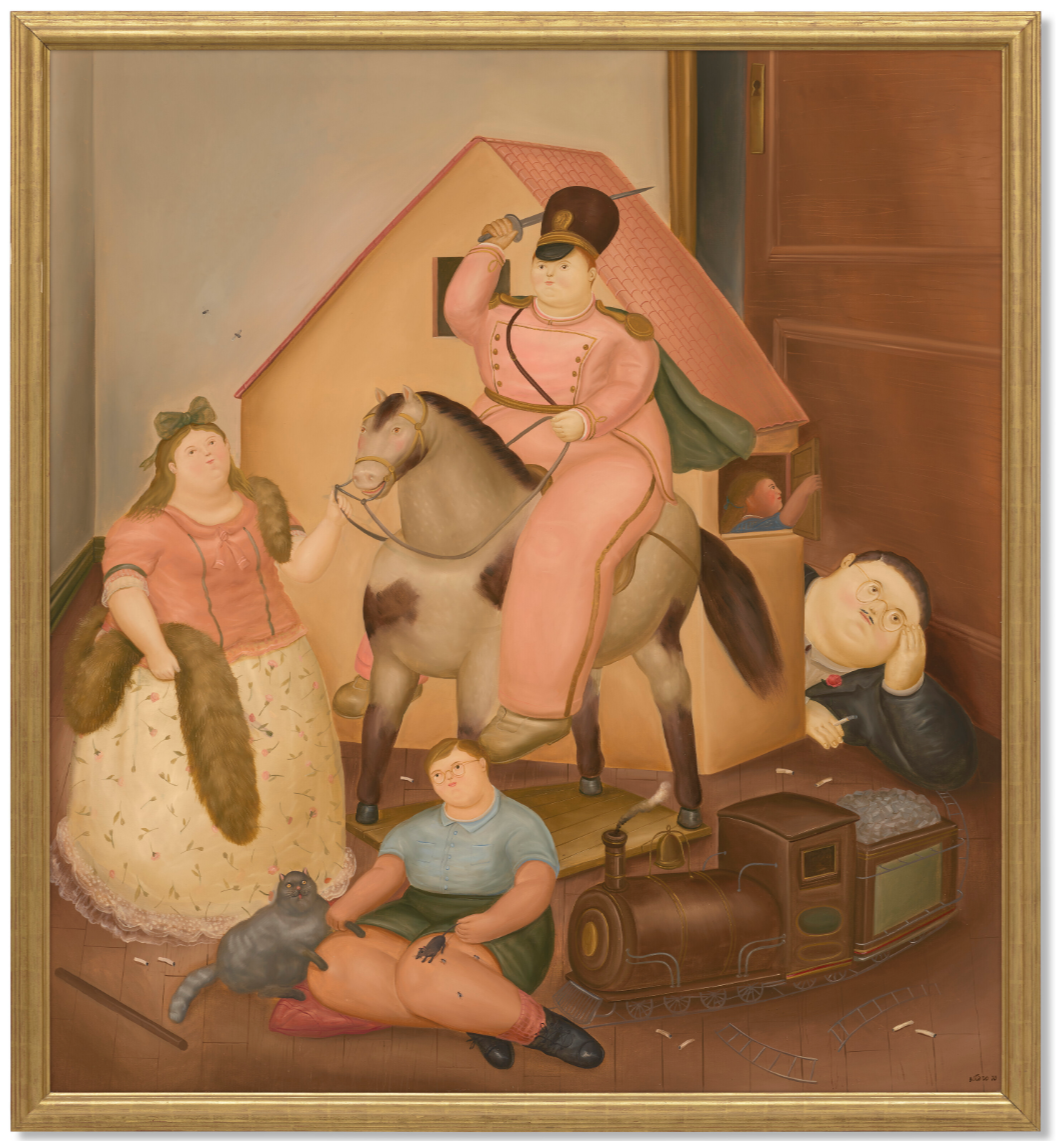
FERNANDO BOTERO (1932-2023)
The Playroom, 1970
Oil on canvas
206.4 x 191.5 cm (81 1/4 x 75 3/8 inches)
Signed and dated ‘Botero 70’ (lower right)
Signed and dated again and titled ‘BOTERO 70 THE PLAYROOM’ (on the reverse)
On October 1, 1960, a 28-year-old Fernando Botero arrived in New York City from Bogotá with three suits, $200 in his pocket and dogged ambition. He came with no family, no friends and no English. Quickly though, he found a small studio on MacDougal St. in Greenwich Village and set to work painting day in and day out. “En Nueva York, desde el comienzo trabajé todo el tiempo. Pinté y dibujé con una ferocidad grande porque esta ciudad, si uno no hace un esfuerzo mayor, lo aplasta. Yo soy un sobreviviente.” [In New York, from the beginning, I worked all the time. I painted and drew with a great ferocity because this city, if one does not make the most effort, it crushes you. I am a survivor.] (Fernando Botero in José Hernández, “Nueva York treinta años después” El tiempo, 1 de septiembre 1993). For the next twelve years, in a city where Abstract Expressionism and later Pop reigned supreme, Fernando Botero, who painted far outside the circumscribed lines of art history, did more than survive. After two years spent counting pennies, eating only hot dogs and eliminating red (the most expensive paint color, according to the artist) from his work, he had a major break. Dorothy Miller, a noted curator from the Museum of Modern Art, found her way to the maverick artist’s studio and immediately bought Mona Lisa, a los doce años for her storied institution.
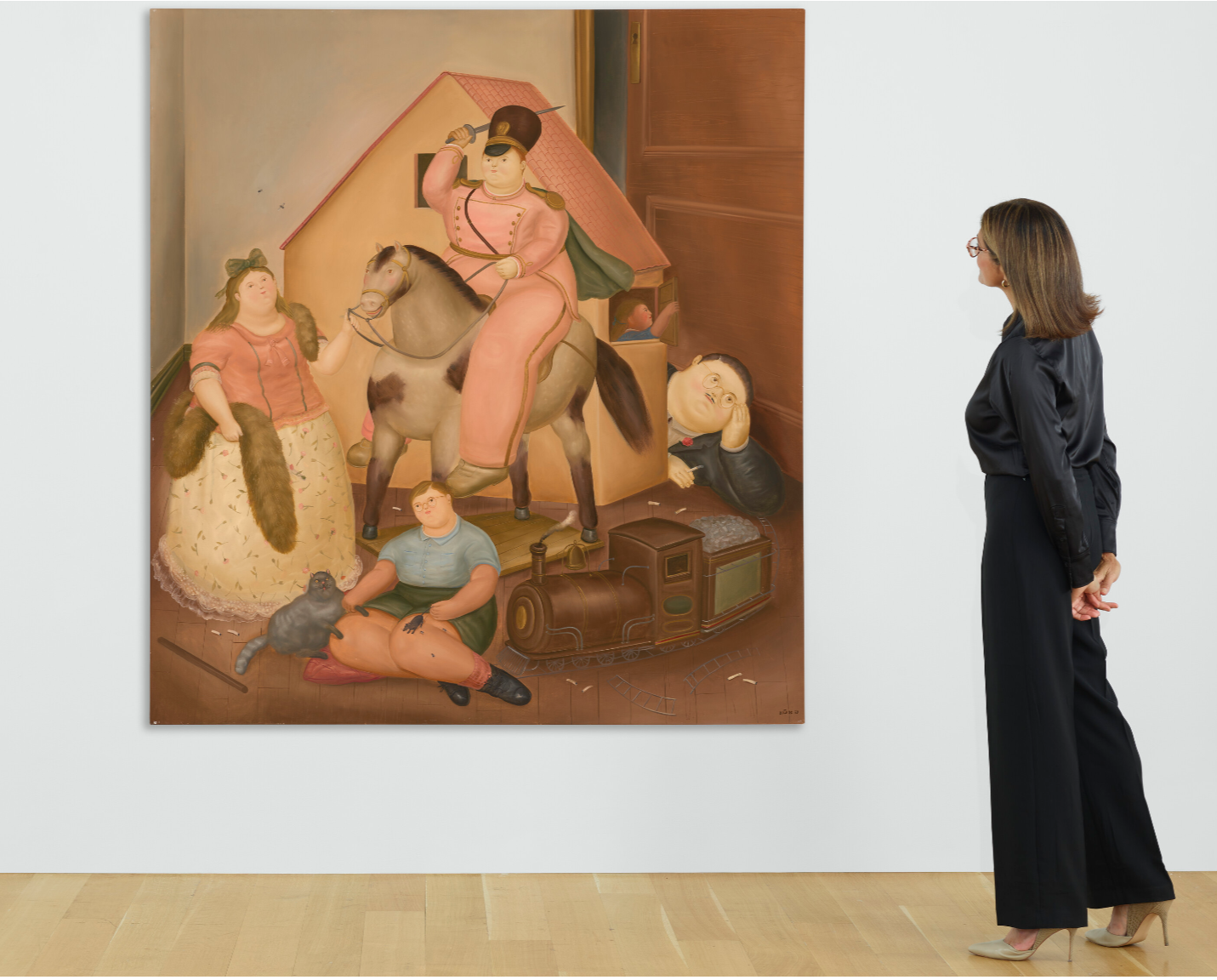
While Miller opened the door to the hallowed halls of modernism, a second encounter a few years later proved to be the turning point in Botero’s career. The wildly successful music publishing executive Jean Aberbach happened upon a group exhibition at MOMA that included Botero’s The Presidential Family, the second work by the artist to enter the museum’s collection. Aberbach would later describe his encounter with the painting as an almost transcendental experience. “[After leaving the painting], I walked back into the darkness and the rain, and my cheeks reached out for the raindrops and my heart was filled with happiness and expectation.” (Jean Aberbach in B.Biszick-Lockwood, Restless Giant: The Life and Times of Jean Aberbach & Hill and Range Songs, Chicago, 2010, p. 238). In the following months, Aberbach, already legendary in the music industry for helping to build the careers of Elvis Presley, Ray Charles, Johnny Cash and many others, relentlessly pursued the rising visual artist.
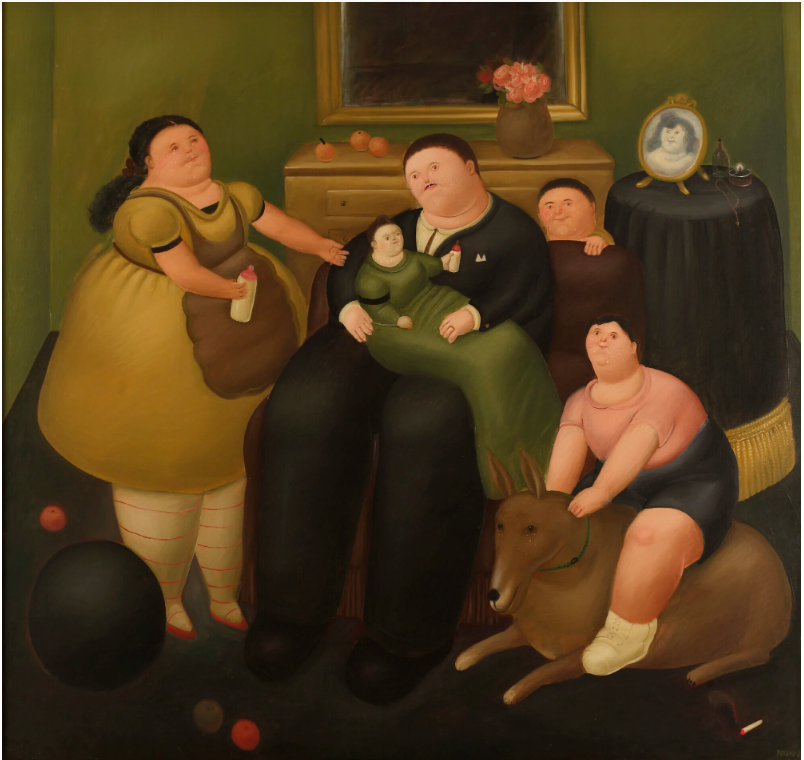
Fernando Botero, El viudo (The Widower), 1968, Museo de Arte Latinoamericano de Buenos Aires (MALBA). © The Estate of Fernando Botero.
Botero initially rebuffed Aberbach, telling him he had no works for sale and then eventually relenting and offering a still life, which Aberbach rejected. He wanted a family scene like the one he had seen in MOMA’s collection. Eventually, Aberbach succeeded, procuring his first work from the artist, The Widower, now in the collection of the Museo de Arte Latinoamericano de Buenos Aires.
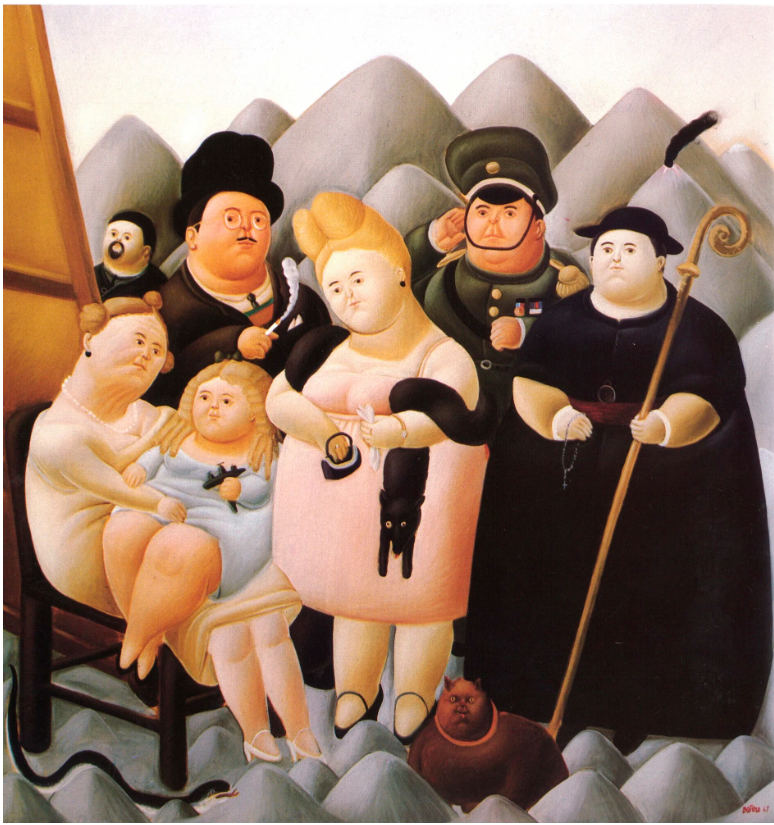
Fernando Botero, The Presidential Family, 1967, Museum of Modern Art, New York. © The Estate of Fernando Botero.
Family scenes, one of the most important subjects in the artist’s oeuvre, first emerged on a grand scale in Botero’s paintings in the late 1950s with masterpieces like Camera degli Sposi (Homenaje a Mantegna). For the next seven decades, Botero remained preoccupied with family subjects, exploring the theme in paintings, sculptures and drawings. In The Widower, Botero presents a tragicomedy, in which a father dominates a traditionally female space, a position he awkwardly assumes due to the death of his young wife who is shown in a portrait resting on the table This incongruous play of proportion is a hallmark of Botero’s singular style. In the best of the artist’s works, corpulent bodies squeeze into and push up against the picture plane, imbuing his figures with his now universally-recognized, signature monumentality. Any tension created by these distortions in scale are offset by Botero’s perfect palette pitch. A consummate colorist, Botero created chromatic harmony by utilizing a limited number of colors in each canvas that evenly reverberate across the composition. The Playroom, rendered in Botero’s classic pastel hues of the 1960s and 70s, is a concerto where soft rose and a mellow yellow dominate, accompanied by muted green and soothing blue. This restrictive repeating palette creates an overall feeling of balance and calm that Botero sought to achieve in his work.
“I am interested in quiet color, not excited or feverish color.
I have always considered that great art conveys tranquility and, in that sense, I seek that even in color.”
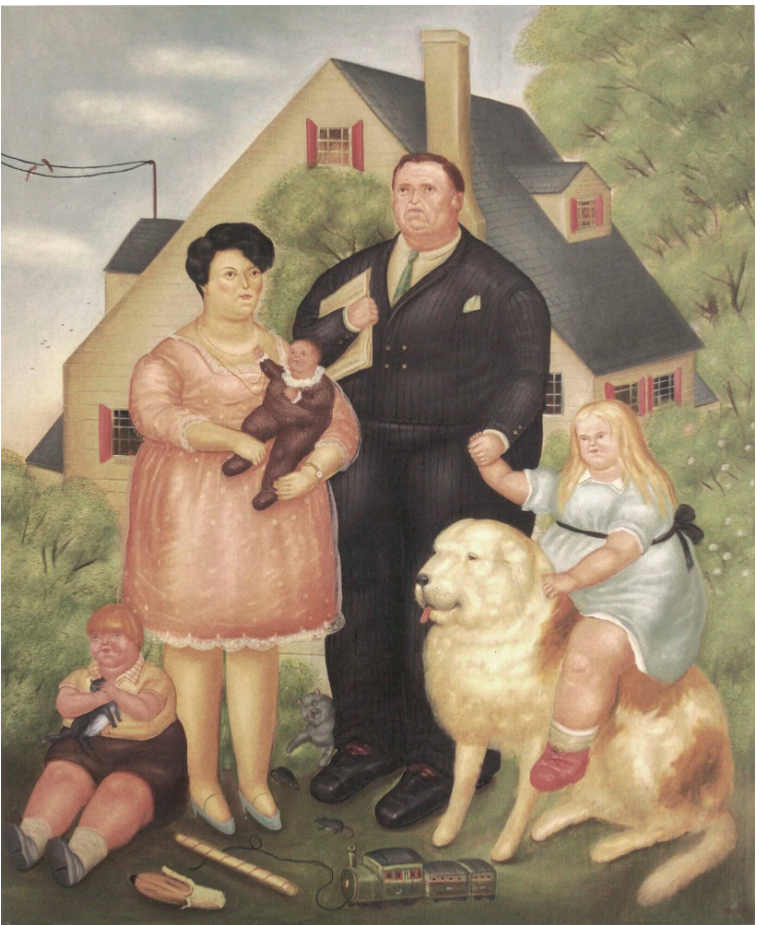
Fernando Botero, Joachim Jean Aberbach and His Family, 1970. Private collection. © The Estate of Fernando Botero.
The Playroom is fatherhood writ large and thus, it seems only fitting that this painting hung in Botero’s father figure’s home for decades. It was not necessarily Aberbach that Botero had in mind though when he painted The Playroom. In 1970, Botero was undoubtedly reflecting on his own role as a father as he welcomed his fourth child into the world. This new familial addition assuredly left him thinking of his older three children at home in Colombia as well.
#2. Aurora, 1993
Sotheby’s New-York: 21 November 2024
Estimated: USD 700,000 – 1,000,000
USD 960,000
Aurora | Contemporary Day Auction | 2024 | Sotheby’s
FERNANDO BOTERO (1932 – 2023)
Aurora, 1993
Oil on canvas
142.2 x 192.4 cm (56 x 75 3/4 inches)
Signed and dated 93 (lower right)
Fernando Botero’s Aurora (1993) challenges our aesthetic expectations for the Roman goddess of dawn, embodying the artist’s inimitable approach to the female figure. Executed in his signature “Boterismo,” the painting masterfully renders the mythological figure of Aurora in Botero’s instantly recognizable voluminous form. His exaggerated, rounded figures have become synonymous with a unique blend of humor, irony, and aesthetic opulence, often challenging conventional depictions while maintaining a whimsical accessibility. The present work is a quintessential display of Botero’s whimsy and intellect, presented at a monumental scale that captivates and beguiles.
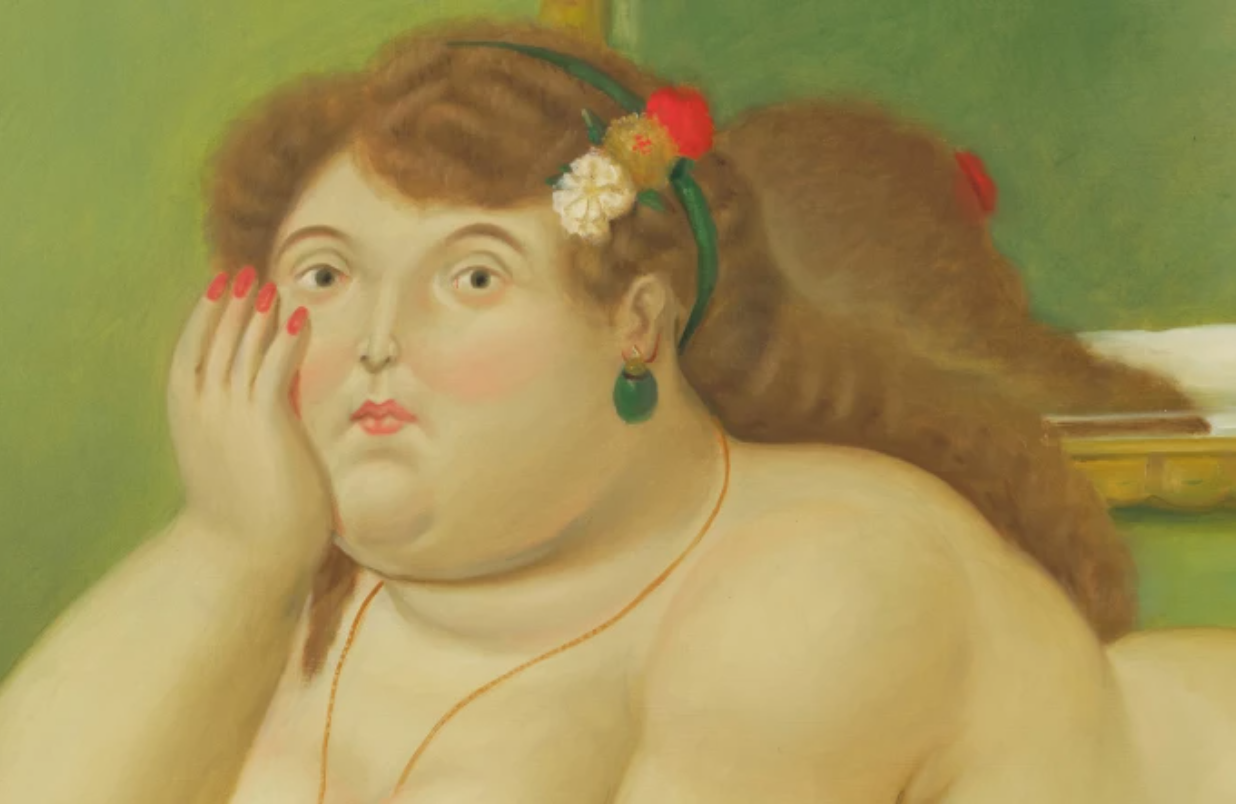
In Aurora, Botero revisits a classic mythological subject, grounding it firmly within his modern, stylized lexicon. The goddess, traditionally portrayed as a slender and graceful figure, is here transformed into one of Botero’s signature corpulent forms, her ample presence a striking contrast to more conventional depictions of the divine. By reimagining Aurora in this manner, Botero infuses the work with a playfulness that transcends mere representation, inviting viewers to engage with the figure not only as a symbol of dawn but as an embodiment of Botero’s larger commentary on form, beauty, and the human experience.
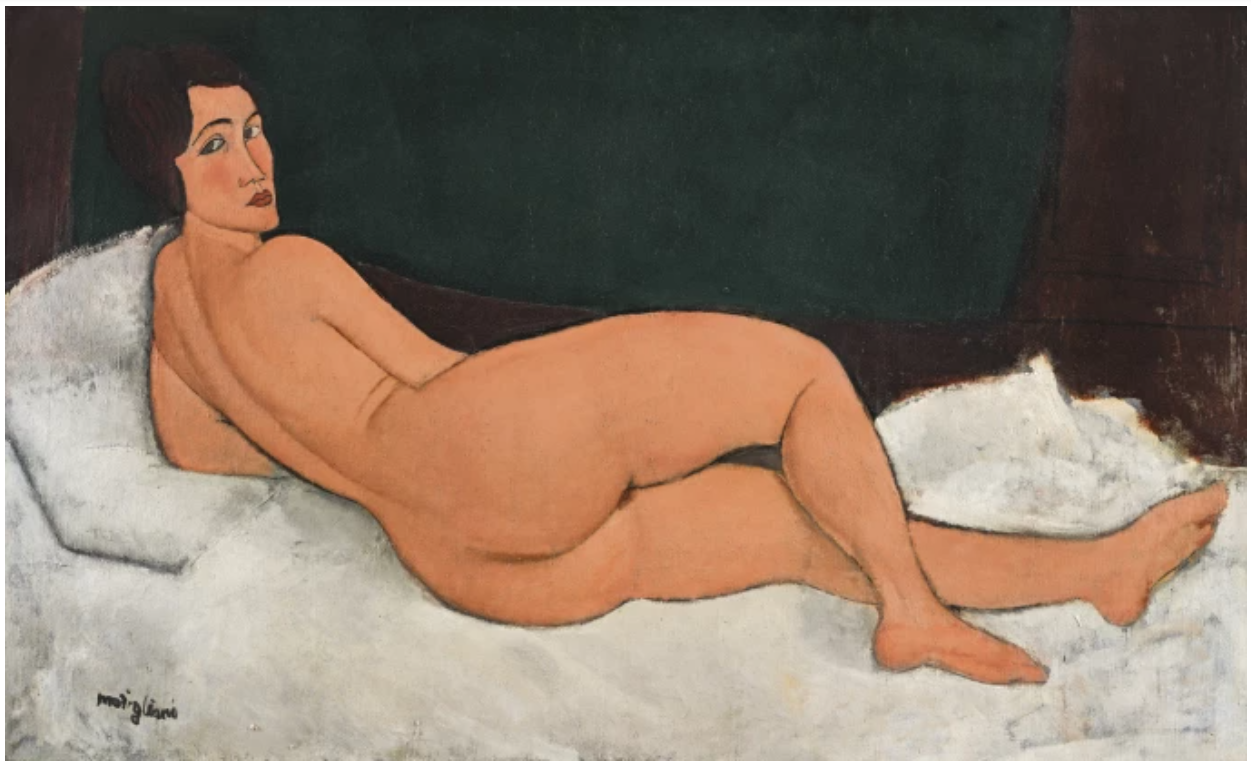
Amedeo Modigliani, Nu couché (sur le côté gauche), 1917, sold: Sotheby’s New York, May 2018, $157,159,000
The present work is also an example from Botero’s Bordello series, which he began in the early 1970s. The theme of the Bordello, which Botero revisited throughout his career, was inspired by his time studying in Europe as a young artist, where he absorbed diverse art traditions, as well as by the gritty reportage he observed while growing up in Medellín, Colombia. The present work dialogues pointedly with the Modern Western tradition of brothel scenes, though Botero makes several careful, intentional edits to the canonized genre. By imbuing his figures with a sense of empowerment and whimsy, Botero reimagines the female subjects as self-assured and non-objectified, subtly subverting the traditional passive roles assigned to women in such scenes.
Botero in his studio, Paris, 2001
Presented in repose, Aurora’s sheer physicality commands attention. The fleshiness of her body, rendered with a soft, rounded tactility, commands the central portion of the canvas. Through his distortion of proportions, such as the lengthening of her torso and enlarging her limbs, Botero challenges traditional ideals of beauty and the classical nude. Botero emphasizes Aurora’s feminine beauty with her red lacquered nails, the gentle flush of her cheeks, the jewelry adorning her wrist, arm, and chest, and the trio of flowers placed behind her ear. The artist imbues his present subject with grace, feminine allure and self-assuredness, celebrating her fullness of form.
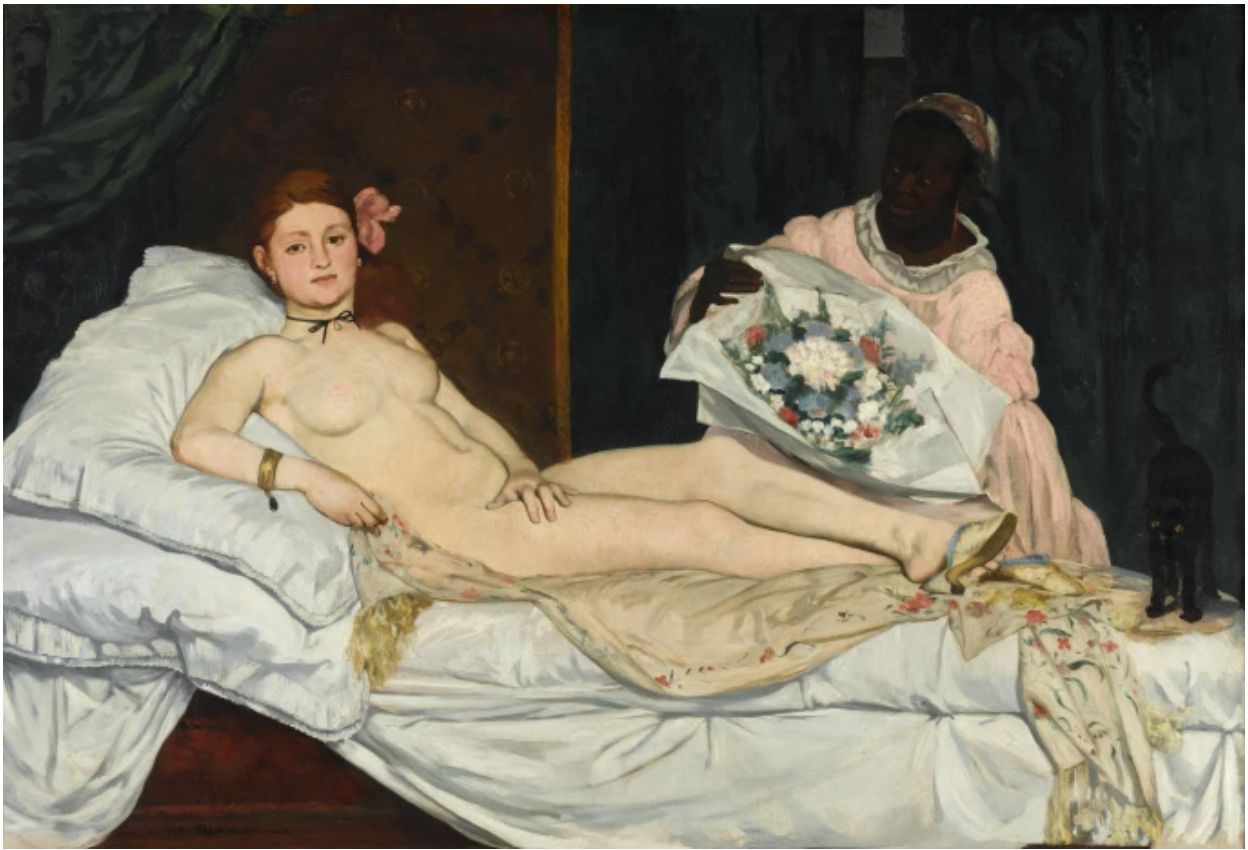
Édouard Manet, Olympia, 1863, Musée d’Orsay, Paris Musée d’Orsay. © Musée d’Orsay, Dist, RMN-Grand Palais / Patrice Schmidt
Aurora’s environs contain a similarly light-hearted yet symbolically-charged iconography. The lighting of Aurora’s bedroom provides a subtle nod to the ethereal and transient nature of dawn. The fruits surrounding Aurora’s figure enhance the playfulness and surreality of the present work. Botero seeks to reflect Aurora’s femininity in the scalloped edge of the pillow upon which she rests and the soft blues and pink stripes of the bedding. It is in this delicate balance between historical allusion and light-hearted motifs that Botero’s genius is most evident. The result is a work both familiar and fantastical, capturing the viewer’s imagination and offering a fresh interpretation of a popular mythological theme.
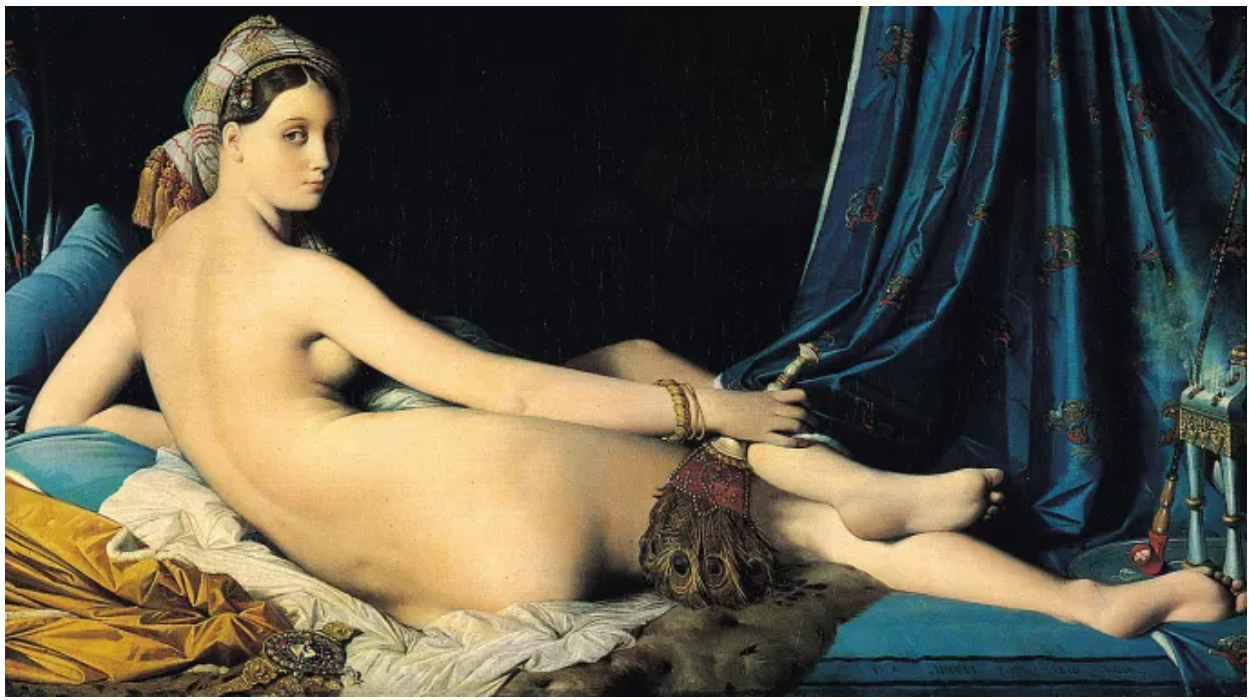
Jean Auguste Dominique Ingres, Grande Odalisque, 1814, Louvre, Paris
Botero’s reexamination of the female nude holds significant art historical relevance, expanding upon a long-standing tradition within Western art. By referencing iconic works such as Ingres’ Grande Odalisque, Manet’s Olympia, and Modigliani’s Reclining Nude, Botero positions himself within this established canon. However, in contrast to the passive, idealized figures often associated with these predecessors, Botero’s Aurora confronts the viewer with a gaze marked by confident ambivalence, challenging conventional representations of female sexuality and objectification. This shift in perspective signals a critical departure from the traditional portrayal of the nude as a passive object of desire.
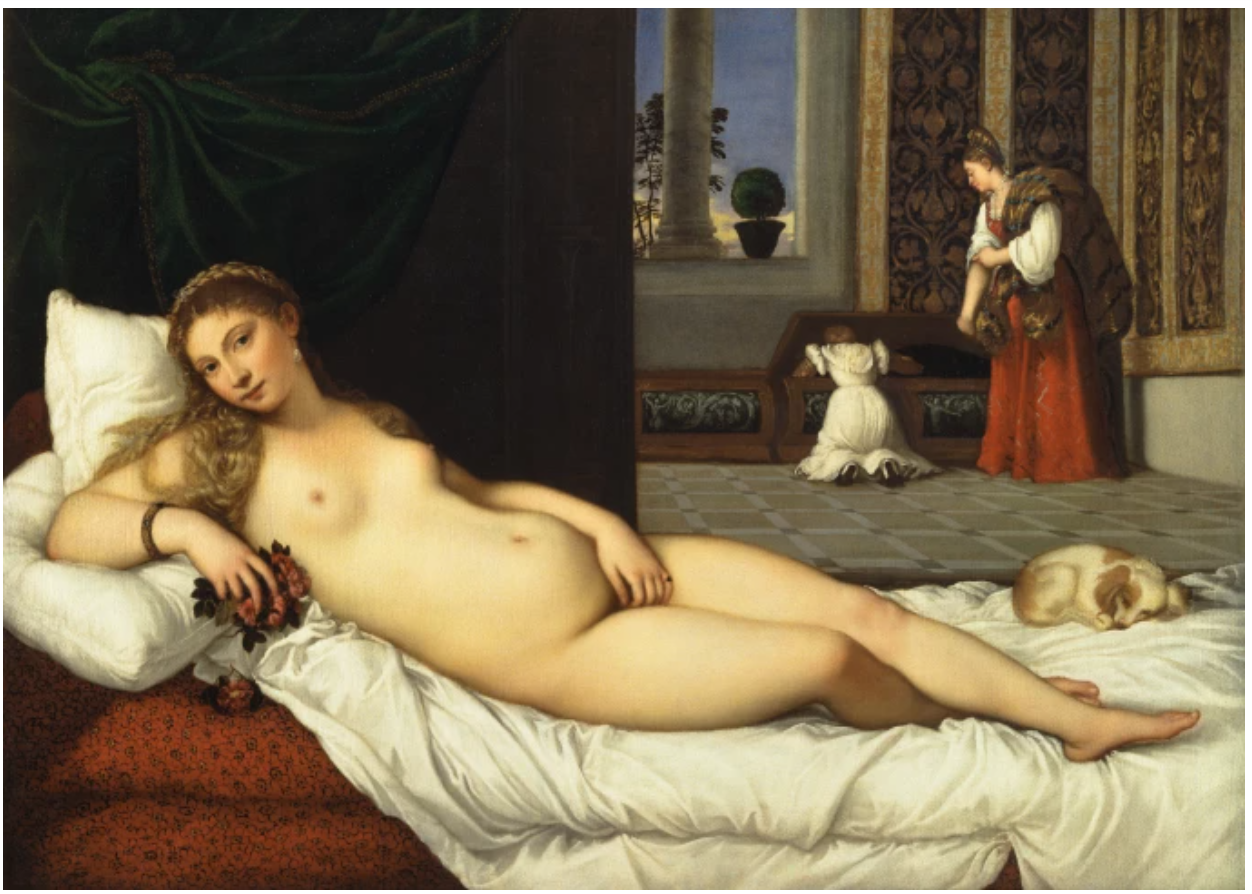
Titian, Venus of Urbino, 1538, Le Gallerie Degli Uffizi
Botero’s Aurora elevates a classical mythological narrative into a modern exploration of aesthetics. Through his distinctive style, the artist creates a work that is both humorous and subversive, challenging traditional depictions while engaging the viewer on multiple levels. His evocative approach has earned widespread admiration from private collectors and prestigious institutions alike, with works by Botero held in renowned collections such as the Museum of Modern Art and the Museo Nacional Centro de Arte Reina Sofía.
#3. La Chambre, 1998
Christie’s New-York: 22 November 2024
Estimated: USD 400,000 – 600,000
USD 806,400
FERNANDO BOTERO (1932-2023), La Chambre | Christie’s
FERNANDO BOTERO (1932-2023)
La Chambre, 1998
Oil on canvas
100×80 cm (39 x 31 5/8 inches)
Signed and dated ‘Botero 98’ (lower right)
“If women are often my subjects, it’s because they have been one of the main subjects of paintings for centuries. What really guides me above all, when I sculpt or paint men, women, animals, or objects, is the plastic aspect of beings and things. Plasticity exists indiscriminately in a woman, a still life, or a landscape.”
#4. Naturaleza muerta, 2000
Sotheby’s New-York: 21 November 2024
Estimated: USD 350,000 – 450,000
USD 576,000
Naturaleza muerta | Contemporary Day Auction | 2024 | Sotheby’s
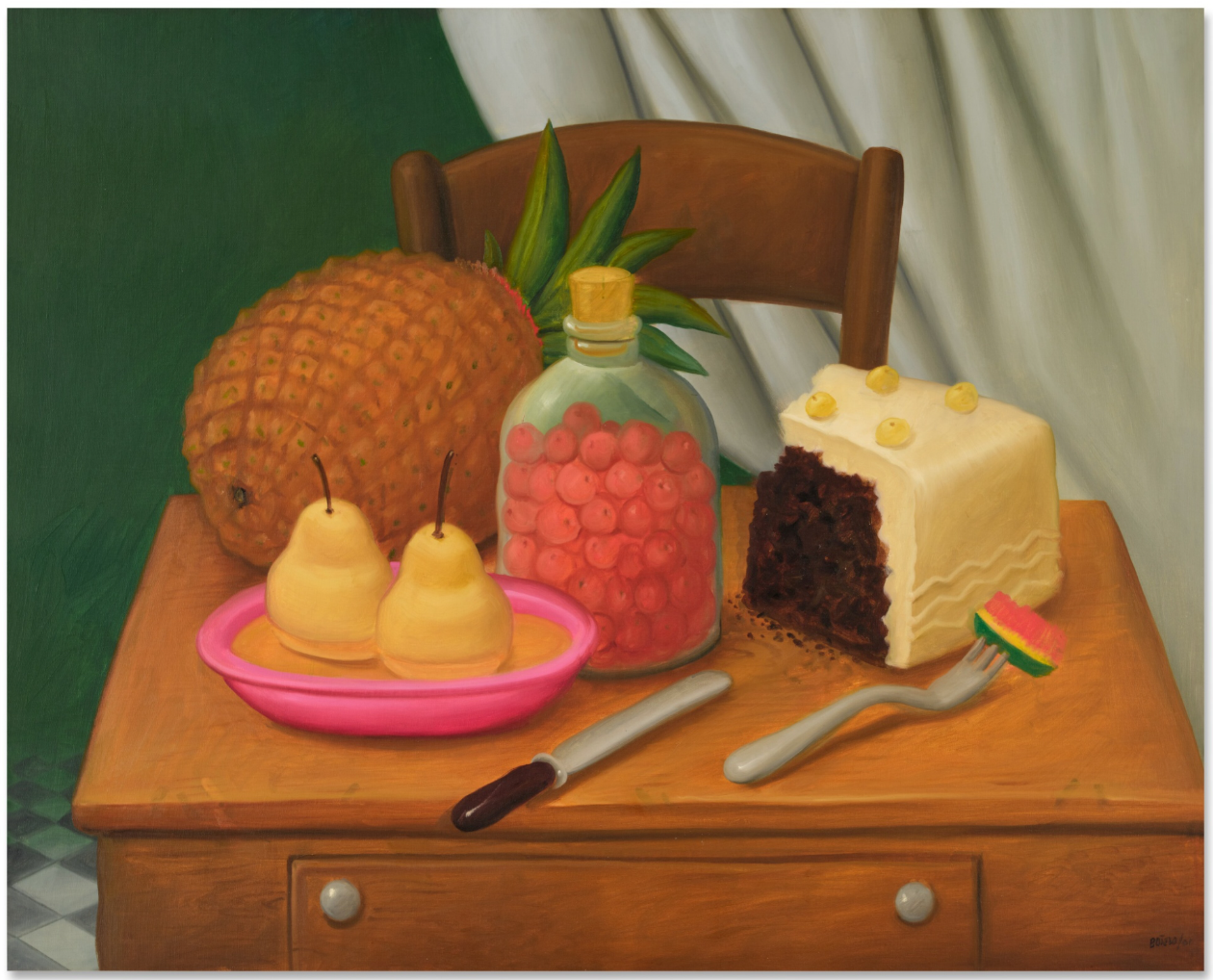
FERNANDO BOTERO (1932 – 2023)
Naturaleza muerta, 2000
Oil on canvas
96×119 cm (37 7/8 x 46 3/4 inches)
Signed and dated /00 (lower right)
Bodegón (2000) was generously gifted by the storied Colombian artist Fernando Botero to benefit the Fundación Reina Sofía in Spain, and as such proceeds from the sale of this exceptional painting will fund the Spanish Federation of Food Banks (FESBAL). A non-political and non-denominational entity, FESBAL, founded in 1995, promotes the fight against hunger, poverty and food waste thorugh adequate and sustainable distribution of food to the neediest. FESBAL is made up of 54 associated Food Banks throughout Spain that distribute food to 6,919 charities and over 1.2m beneficiaries in 2022. FESBAL is a member of the Federation of European Food Banks (FEBA) and the Global Foodbanking Network (GFN). An outstanding example from Botero’s mature period, painted in 2000, Bodegón alludes to the universal act of sharing a meal with family and friends. Here, the artist reminds the viewer of those less fortunate whose daily need for sustenance is not met by a table filled with exotic fruits and abundant cake.
Botero’s delectable still-lifes are deeply rooted in his admiration for Old Master Spanish painting. The artist’s early exposure to masterpieces at the Prado Museum in Madrid significantly influenced his artistic development and lifelong appreciation for Velázquez, Goya and other luminaries of Spanish art. Honing a style that blends volume and sensuality, reminiscent of those past masters but with a distinctive twist – his iconic ‘Boterismo’ – Botero produced still-lifes that sparked a dialogue between the past and the present. His fusion of old and new, traditional and contemporary, kept the genre relevant and dynamic, particularly in Latin America. Developing his own signature style, Botero eschewed stark realism in favour of a whimsical grandeur that, while playful, also served a deeper purpose – to magnify the inherent beauty and often-overlooked details of everyday objects, and elevate them to a status of prominence and reverence. Unlike the output of Luis Meléndez, a prominent figure in 18th-century Spanish painting whose dignified compositions are rendered with photographic precision, Botero filled his canvases with larger-than-life objects, creating a sense of abundance and opulence. With its grandiose tropical fruits and lush setting, Bodegón is a prime example.
#5. Niña roja, circa 1960
Sotheby’s New-York: 19 November 2024
Estimated: USD 400,000 – 600,000
USD 360,000
Niña roja | Modern Day Auction | 2024 | Sotheby’s
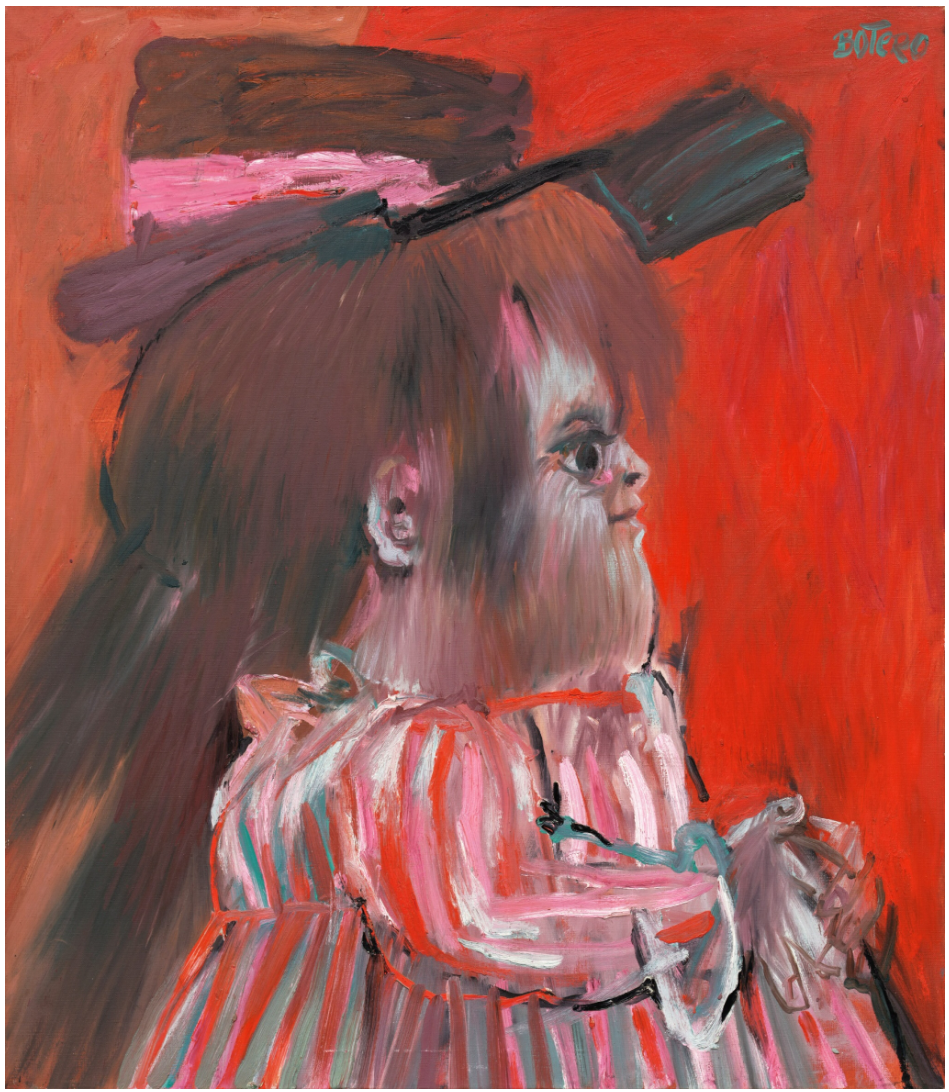
FERNANDO BOTERO (1932 – 2023)
Niña roja, circa 1960
Oil on canvas
120 x 104.1 cm (47 1/4 x 41 inches)
Signed Botero (upper right)
Fernando Botero’s Niña Roja (circa 1960) marks a critical juncture in the artist’s stylistic development, a period where he solidified the unique aesthetic that would come to define his career: the exaggerated, voluminous figures now synonymous with his name. Created in the early years of what would become known as “Boterismo,” Niña Roja exemplifies Botero’s early exploration of distortion and exaggeration as formal elements that simultaneously evoke humor, innocence, and a subtext of critique.
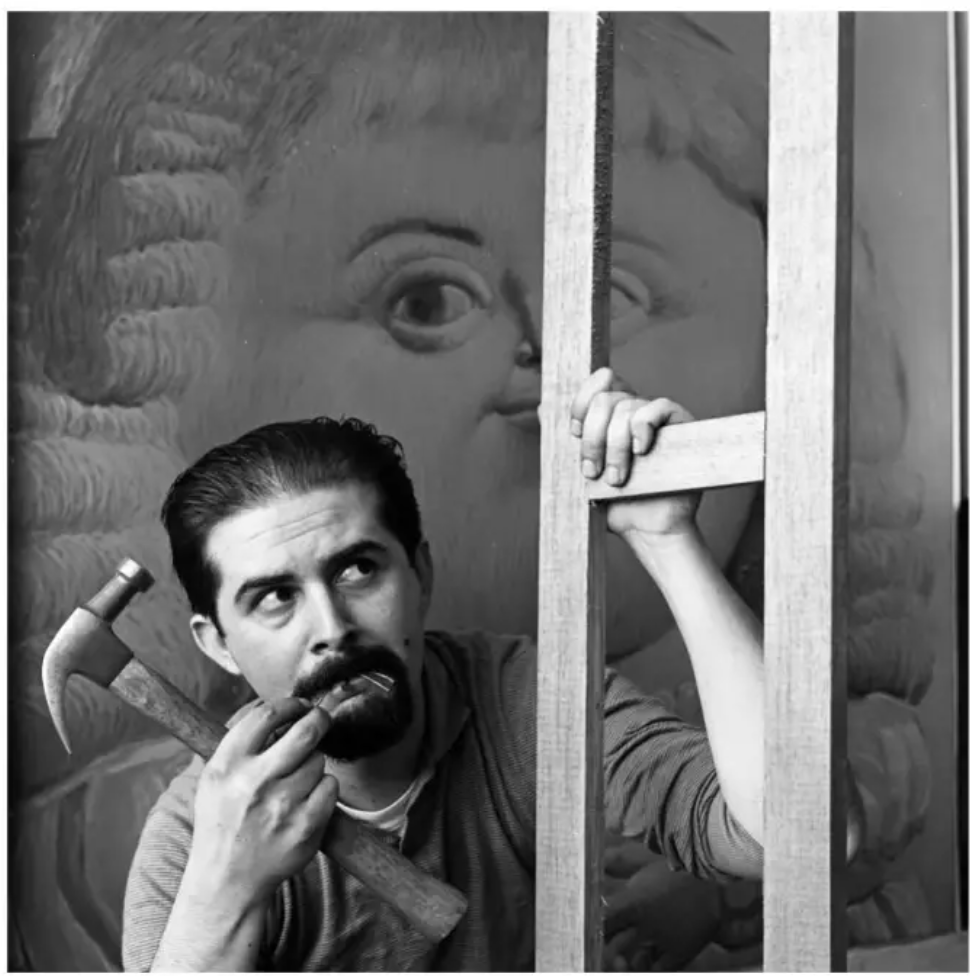
Fernando Botero in his New York studio, New York City, 1960. Photo by Hernán Díaz Giraldo. Biblioteca Virtual del Banco de la República, Colombia.
The painting features a young girl in profile, rendered with strikingly disproportionate features. Her head and torso dominate the composition, while her facial expression is slightly contorted, seemingly caught between childish wonder and an enigmatic seriousness. Her red dress, executed in broad, painterly strokes, blends almost seamlessly into the fiery background, suggesting an aura of warmth but also an unsettling intensity. Botero’s palette here—vibrant reds with hints of pink and brown—creates a sense of immediacy, enveloping the viewer in the same boldness that characterizes his later works. This use of red is particularly potent, lending the scene an expressive intensity that goes beyond portraiture, hinting at a latent psychological depth that would become a hallmark of Botero’s mature style.
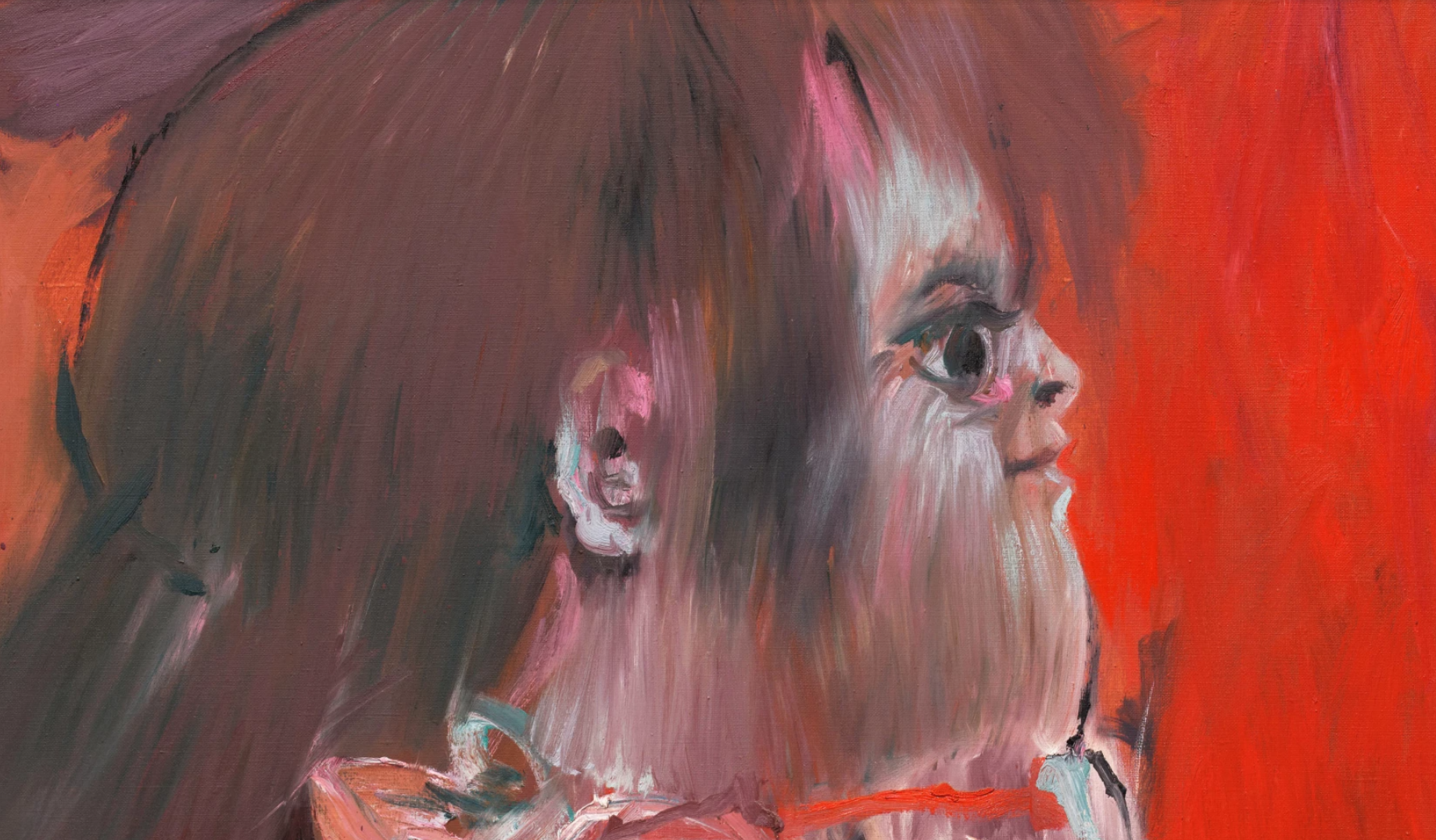
This seminal period, spanning roughly from 1958 to 1962, was one of both experimentation and critical acceptance for Botero. His Mona Lisa, Age Twelve (1959), acquired by MoMA in 1961, is a quintessential example of his burgeoning style and a significant turning point in his career. In Mona Lisa, Age Twelve, Botero reinterprets da Vinci’s iconic figure through his distinctive lens, enlarging and infantilizing her features while preserving the mystery and gravitas of the original. This playful subversion struck a chord with both audiences and critics, marking Botero’s entry into the international art scene and affirming his place within the modern art canon.
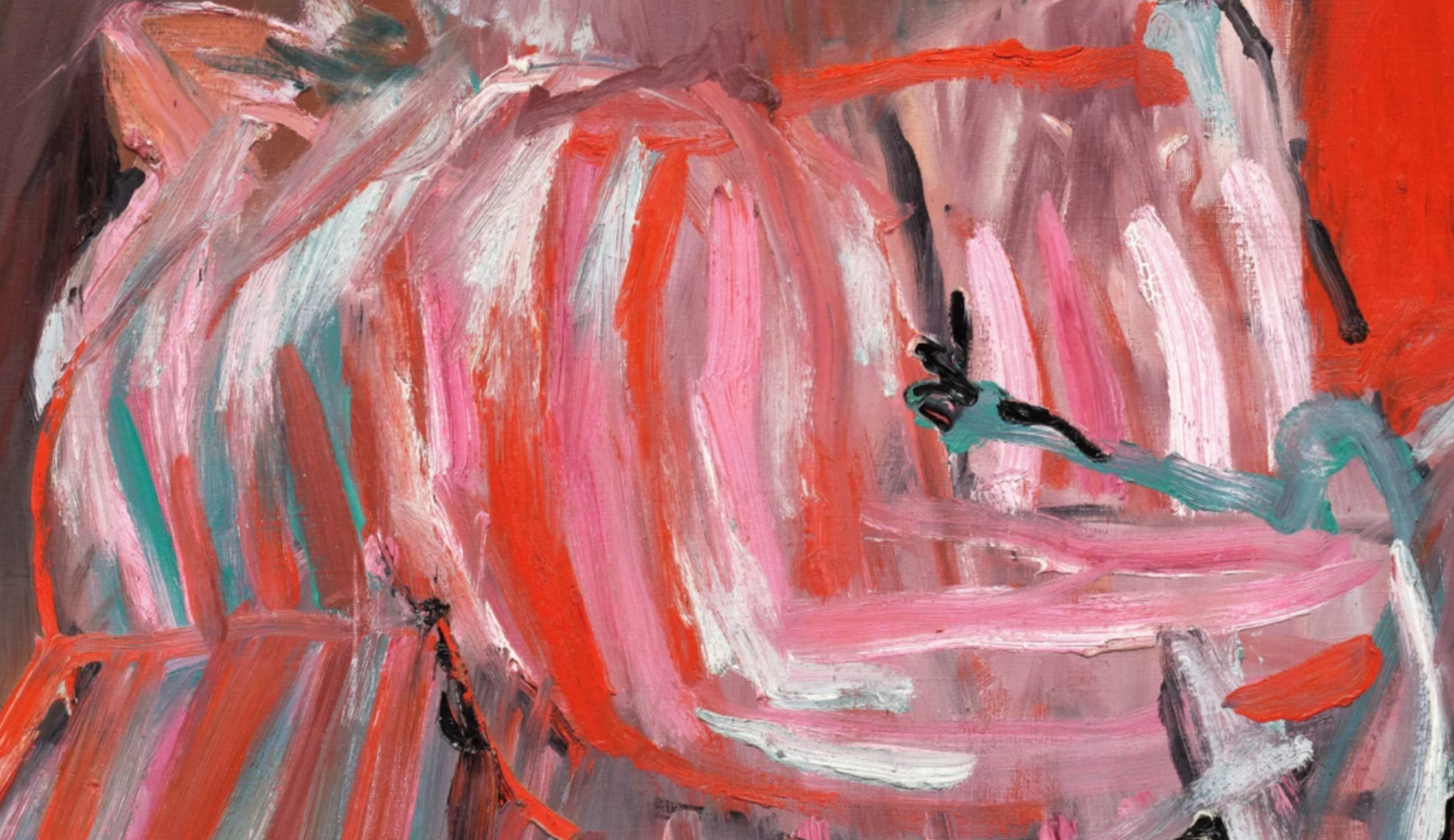
Niña Roja, shares a kinship with Mona Lisa, Age Twelve through its focus on exaggerated youthfulness and the blending of innocence with the surreal. In both works, Botero uses his bloated forms not merely for humor but as a means of creating an unsettling psychological atmosphere. The oversized proportions challenge conventional beauty and scale, encouraging viewers to look beyond superficial aesthetics and to confront a more profound, almost uncanny realism. Niña Roja thus serves as a precursor to Botero’s later portraits, where bloated forms become vehicles for exploring identity, culture, and society with both affection and satire.
In the broader context of Botero’s career, Niña Roja and other works from this period reflect his desire to break free from European influences while still acknowledging the tradition of contemporary figurative painting. Inspired by the European Old Masters but unbound by their constraints, Botero introduced a style that fused classical rigor with a distinctly modern, Latin American sensibility. This approach set him apart from his contemporaries, paving the way for his international recognition and shaping his subsequent body of work.
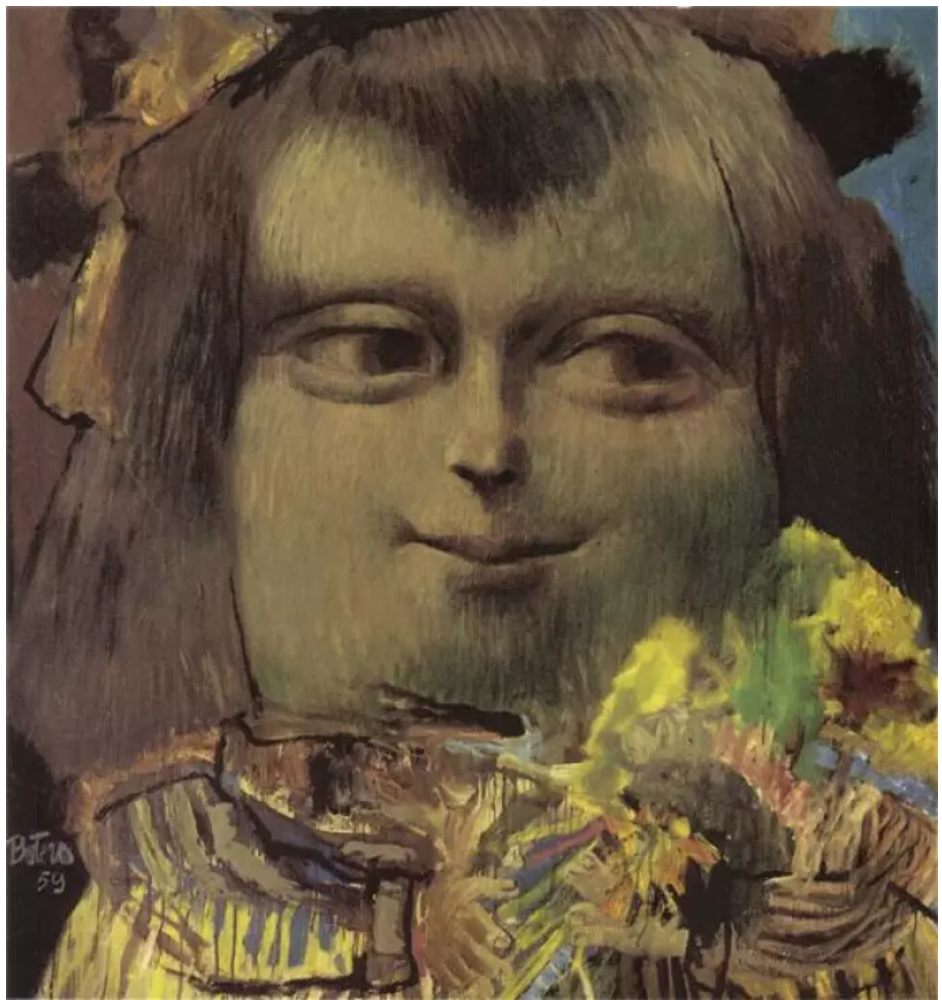
Fernando Botero, Mona Lisa Age Twelve, 1959. Museum of Modern Art, New York
An early and important example of Botero’s artistic vision, Niña Roja embodies a period of stylistic exploration where the artist began to fully embrace his now-iconic voluminous figures. This painting signals his early mastery in blending form and expressionist color with cultural critique, establishing a foundation for the enduring themes and aesthetics that would define his illustrious career.
#6. Naranjas, 1970
Christie’s New-York: 20 November 2024
Estimated: USD 300,000 – 400,000
USD 352,800
FERNANDO BOTERO (1932-2023), Naranjas | Christie’s
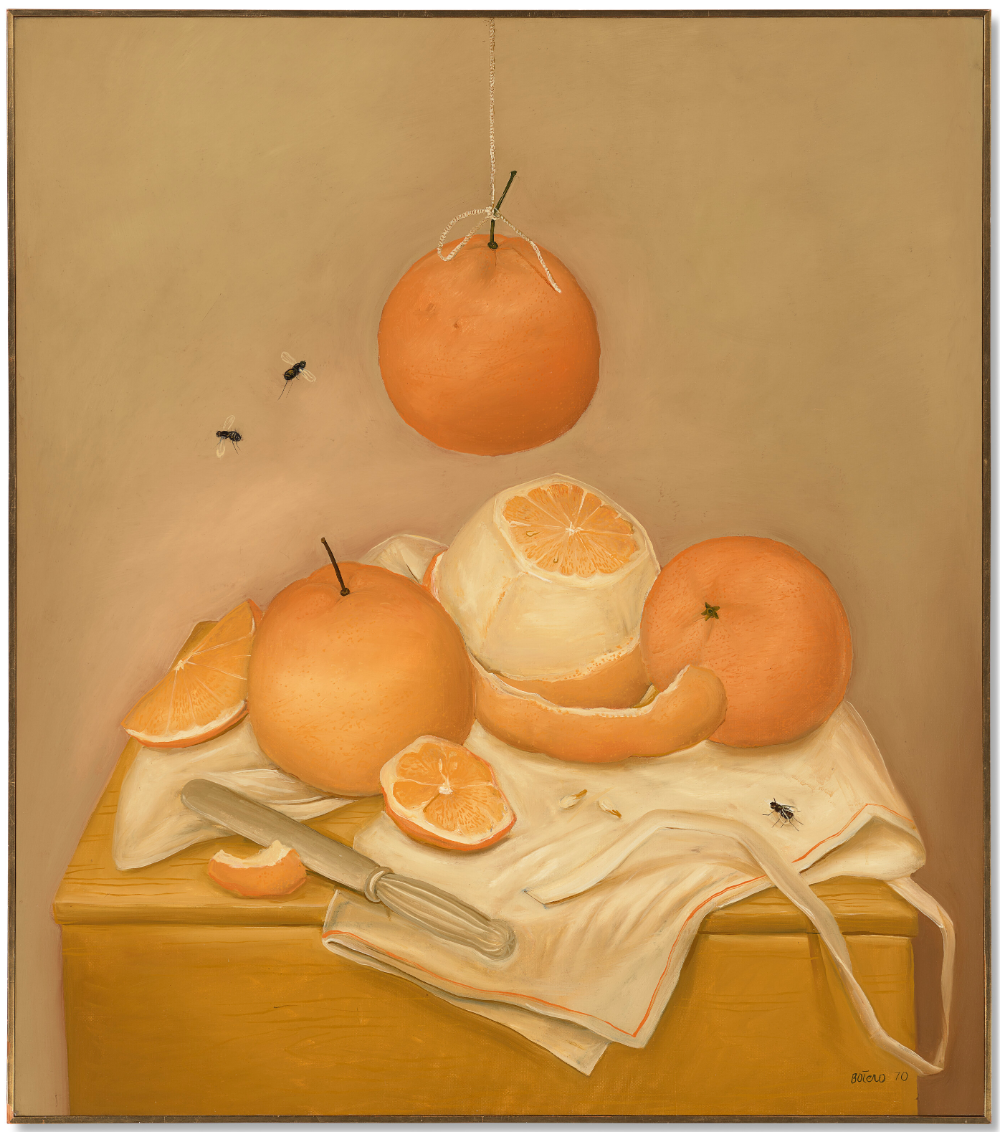
FERNANDO BOTERO (1932-2023)
Naranjas, 1970
Oil on canvas
106×94 cm (41 3/4 x 37 inches)
Signed and dated ‘Botero 70’ (lower right)
Signed and dated again and titled ‘Botero 70 ‘NARANJAS” (on the reverse)
“I don’t paint apples anymore.
Oranges and bananas are the authentic fruits of the tropic. Apples are for snobs.”
#7. Standing Nude, 1993
Sotheby’s New-York: 21 November 2024
Estimated: USD 180,000 – 220,000
USD 276,000
Standing Nude | Contemporary Day Auction | 2024 | Sotheby’s
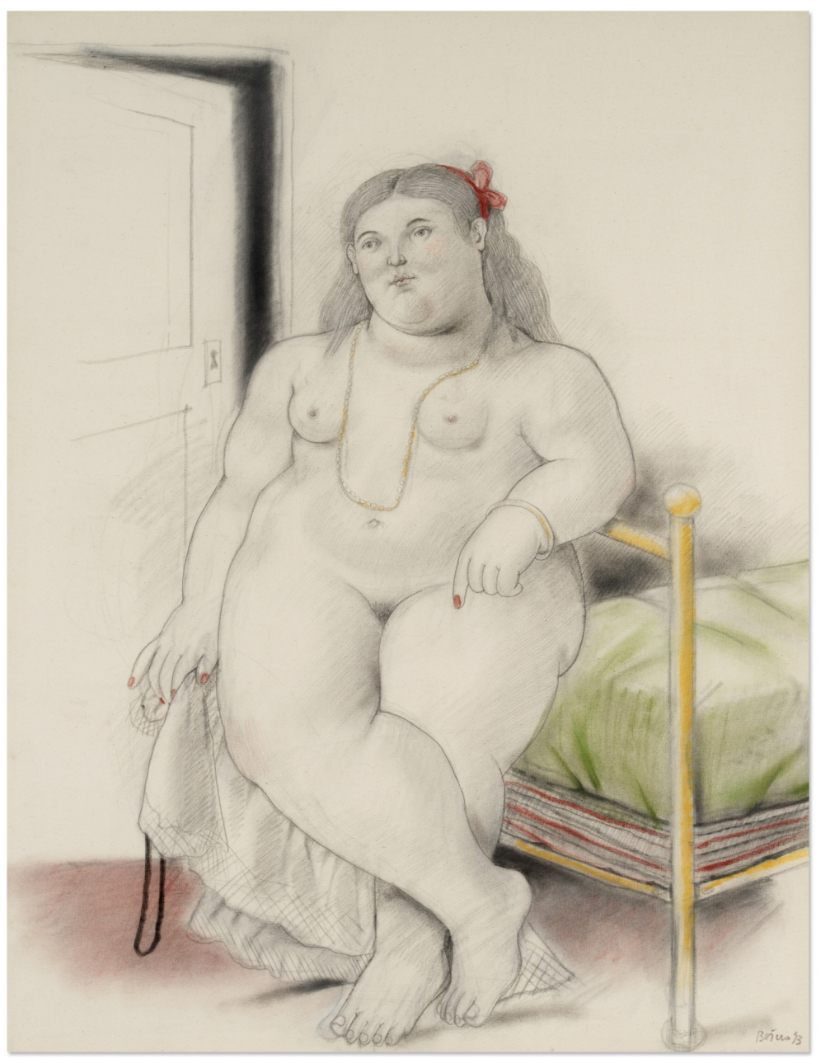
FERNANDO BOTERO (1932 – 2023)
Standing Nude, 1993
Watercolor and graphite on canvas
129.5 x 101.6 cm (51×40 inches)
Signed and dated 93 (lower right)
#8. Still Life with Sausages, 1981
Sotheby’s New-York: 21 November 2024
Estimated: USD 180,000 – 250,000
USD 144,000
Still Life with Sausages | Contemporary Day Auction | 2024 | Sotheby’s
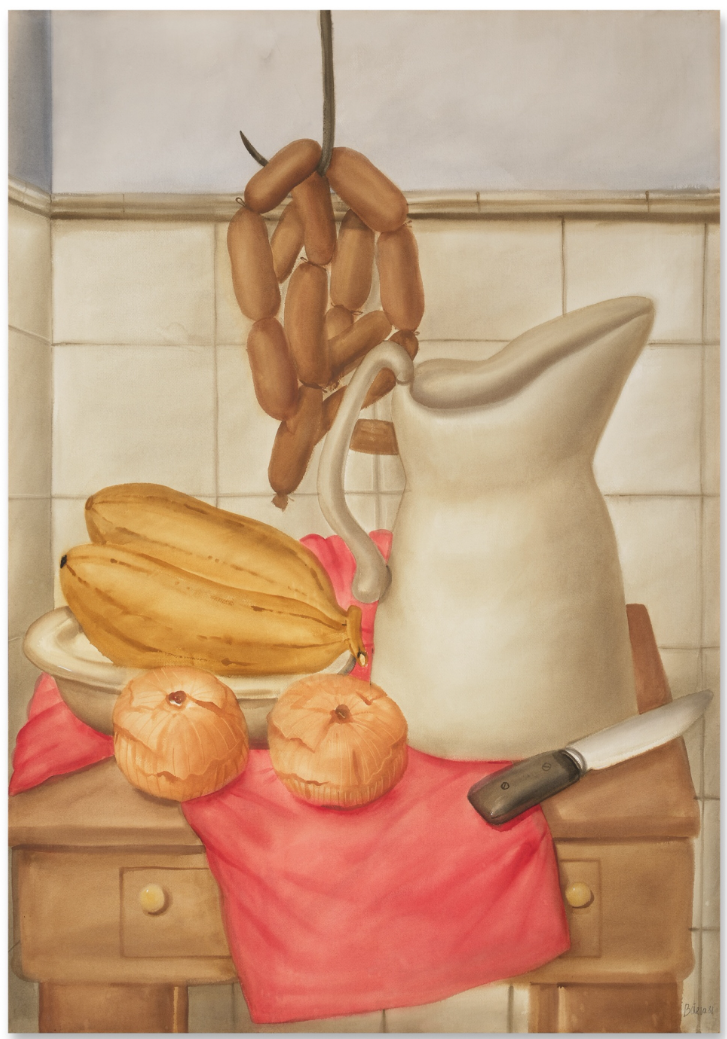
FERNANDO BOTERO (1932 – 2023)
Still Life with Sausages, 1981
Watercolor on paper laid down on canvas
160.3 x 112.7 cm (63 1/8 x 44 3/8 inches)
Signed and dated 81 (lower right)
Sculptures
#1. Horse, 1992
Sotheby’s New-York: 20 November 2024
Estimated: USD 3,000,000 – 5,000,000
USD 4,920,000
Horse | The Now and Contemporary Evening Auction | 2024 | Sotheby’s
FERNANDO BOTERO (1932 – 2023)
Horse, 1992
Bronze
304.8 x 174.6 x 229.9 cm (120 x 68 3/4 x 90 1/2 inches)
Incised with the artist’s signature, numbered E.A. 1/2 and stamped with the foundry mark (on the base)
This work is artist’s proof 1 from an edition of 3 plus 2 artist’s proofs
Fernando Botero’s Horse of 1992 stands as a remarkable contribution to the tradition of monumental sculpture and the equine motif. With its exaggerated geometric proportions and mesmerizing voluminous form, the present work exemplifies Botero’s distinct contribution to sculpture, particularly monumental forms, since his foray into the medium in 1972. Throughout the history of human creativity, few symbols are more iconic and ubiquitous than the horse. Across civilizations, the motif has appeared and reappeared, proving itself to be an enduring, arguably even universal, emblem of strength and majesty. In Horse, Botero brings his singular visual lexicon and his unparalleled skill in fusing playful stylization with historical reverence, to bring to life a monument that is equal parts playful and profound.
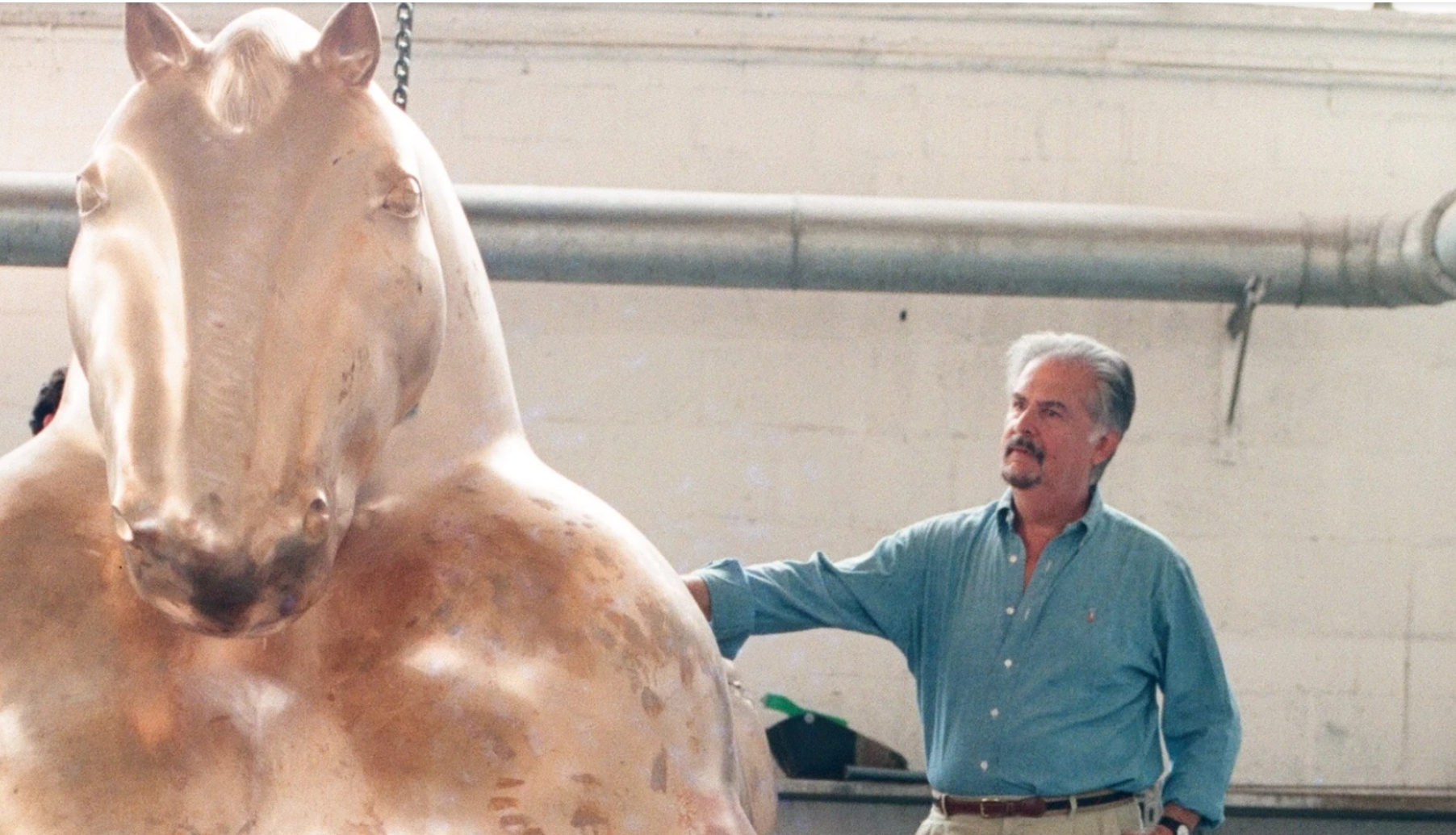
Fernando Botero in his Pietrasanta foundry, 1995.
Photo © Catherine Panchout – Corbis/Corbis via Getty Images. Art © 2024 Fernando Botero
The artist’s lengthy and dedicated study of the Western art historical canon underscores how the equine motif, so elegantly interrogated in the present work, would have been present throughout the artist’s career. Informed by art historical influences ranging from Italian Renaissance and Dutch Golden Age Masters to the French Impressionists and even his New York School contemporaries, Fernando Botero achieved a uniquely personal solution to bring figuration into the twentieth century: one that embraces both pointed societal critique and a sly sense of humor. Born to humble beginnings in the countryside near Medellín, Colombia in 1932, Botero’s ambition (and a scholarship) took him to the prestigious Academia San Fernando in Madrid in 1952. Once there, he funded years of study and travel to Europe’s great museums by selling copies of Velázquez, Goya and Rubens’ masterpieces to tourists, executed over painstaking hours of observation in the Prado — where equestrian portraits of Europe’s royal families litter the storied halls. These formative images of power and conquest would inform the reappearance of the animal throughout Botero’s later oeuvre.
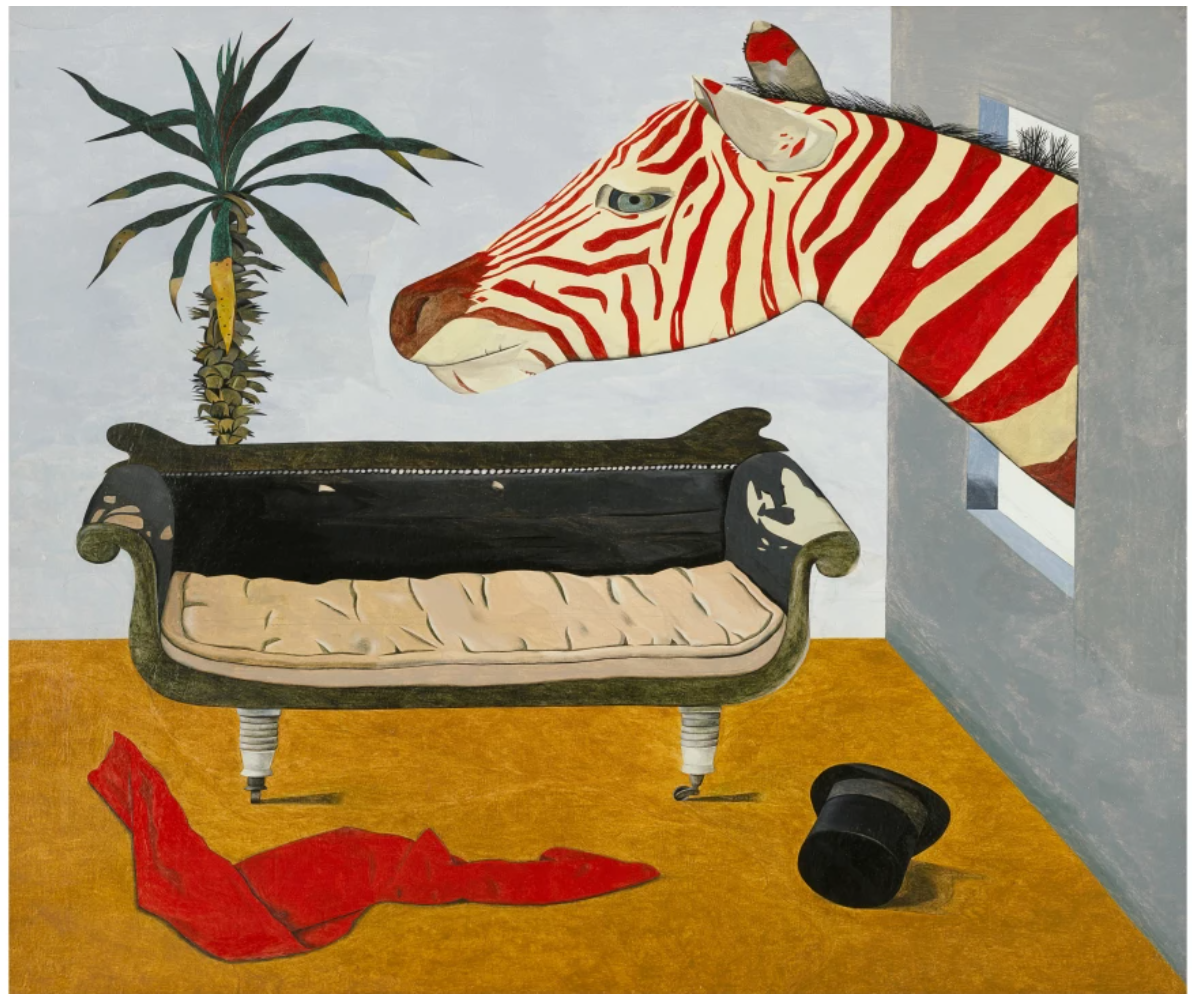
Lucian Freud, The Painter’s Room, 1944. Private Collection.
Image © The Lucian Freud Archive. All Rights Reserved 2024 / Bridgeman Images. Art © 2024 Lucian Freud
Botero’s interrogation of the horse motif finds its roots not only in the art historical canon but also in his rural Colombian childhood. The artist’s father, David Botero, was a traveling salesman who rode on horseback for work and passed away when Botero was just four years old. Decades later, following the tragic death of Botero’s four-year-old son Pedro in a car accident, he began a mournful series of portraits and sculptures of Pedro on horseback, echoing the significance of the animal in his relationship with his own father. These works were among the artist’s first forays into sculpture — and retained a profound personal resonance within his wider body of work. Often echoing the conventions of Western equestrian portraits of royal families, or of Colombian depictions of Simón Bolivar, Botero’s horses retain a characteristic warmth.
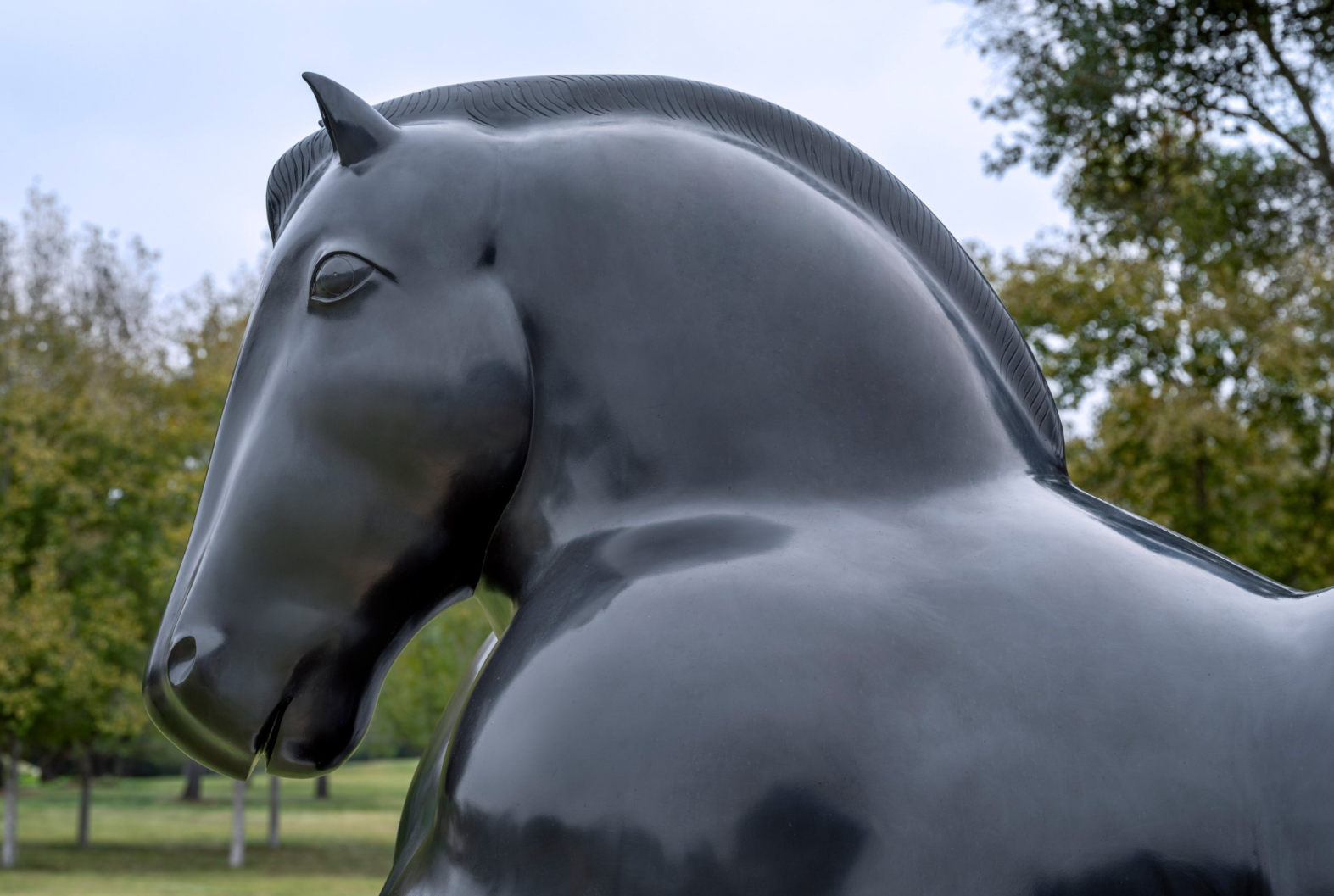
Horse, in its extraordinary physicality and satirical sensibility, at once pays homage to many of these art historical influences while remaining true to his characteristic style. The present work’s magnificent build and elongated legs evoke the sturdy, geometric representations of the horse finely crafted in Ancient Greece, while its monumentality immediately draws comparisons to Leonardo da Vinci’s Gran Cavallo which now stands over 24 feet tall at the Hippodrome de San Siro in Milan. Through its sheer bronze mass, the present work conveys a sense of strength and power while also presenting a quiet, almost stoic, dignity through its aloof gaze and still stance, akin to the posed elegance of the Celestial Horses of the Chinese Han Dynasty, which were interred with emperors to serve as spiritual companions in the afterlife.
#2. Caballo con brida, 2013
Sotheby’s New-York: 21 November 2024
Estimated: USD 800,000 – 1,200,000
USD 960,000
Caballo con brida | Contemporary Day Auction | 2024 | Sotheby’s
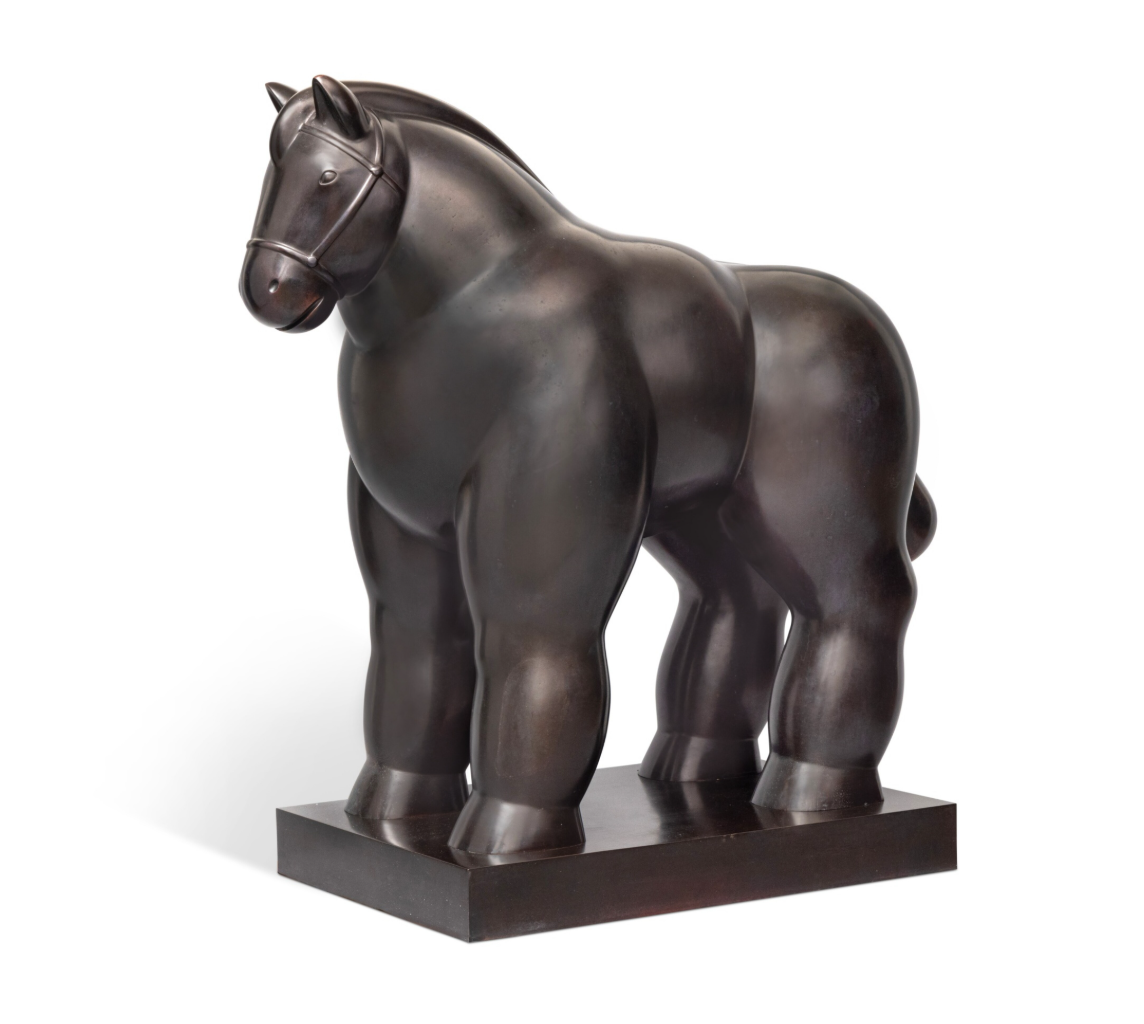
FERNANDO BOTERO (1932 – 2023)
Caballo con brida, 2013
Bronze
97x85x48 cm (38 1/4 x 33 1/2 x 19 inches)
Incised with the artist’s signature and number 4/6 and stamped with the foundry mark (on the base)
#3. Rape of Europa, 1995
Sotheby’s New-York: 21 November 2024
Estimated: USD 350,000 – 450,000
USD 444,000
Rape of Europa | Contemporary Day Auction | 2024 | Sotheby’s
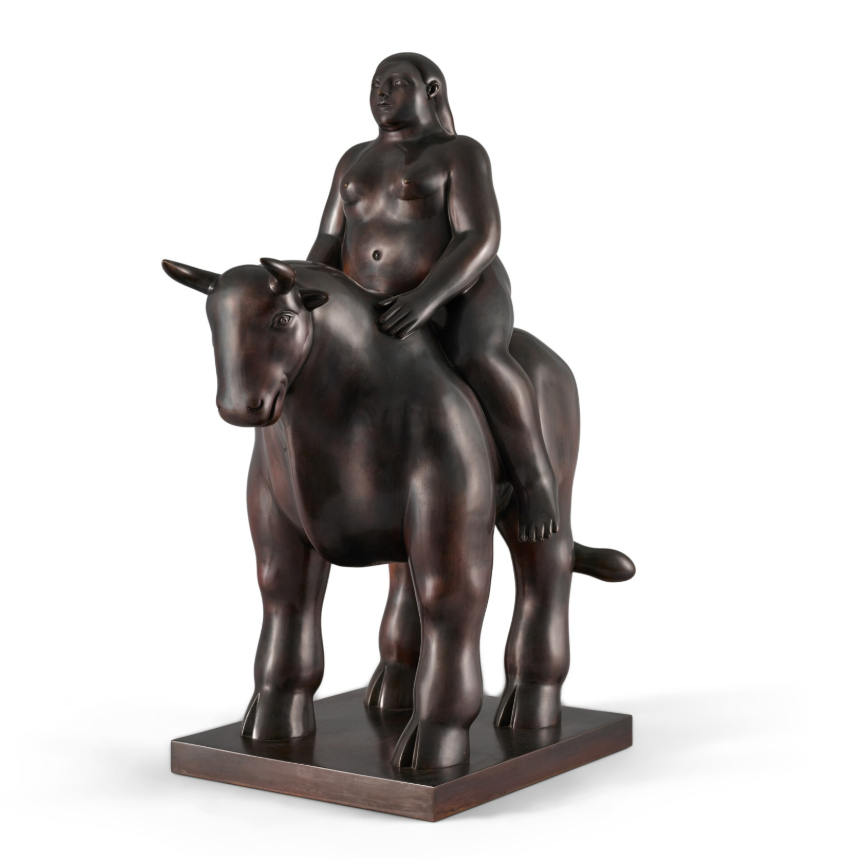
FERNANDO BOTERO (1932 – 2023)
Rape of Europa, 1995
Bronze
62.8 x 31 x 45 cm (24 3/4 x 12 1/4 x 17 3/4 inches)
Incised with the artist’s signature and number 5/6 and stamped with the foundry mark (on the base)
Pedro on a Horse, 1977
Sotheby’s New-York: 21 November 2024
Estimated: USD 350,000 – 450,000
USD 360,000
Pedro on a Horse | Contemporary Day Auction | 2024 | Sotheby’s
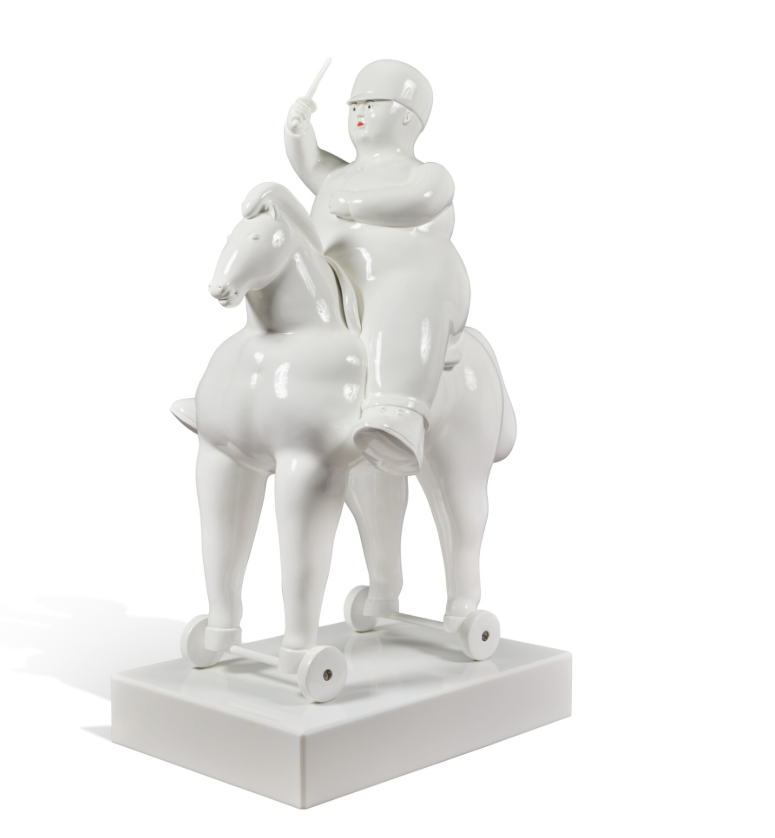
FERNANDO BOTERO (1932 – 2023)
Pedro on a Horse, 1977
Painted epoxy
151.8 x 98.7 x 78 cm (59 3/4 x 38 7/8 x 30 3/4 inches)
Incised with the artist’s signature and number 5/6 (on the rear hoof)
Executed in 1977, Pedro on a Horse serves as a poignant tribute by Fernando Botero to his late son, Pedro. Depicted as a gallant soldier, young Pedro sits atop a stoic steed, embodying the valor typically reserved for figures of great political power in traditional equestrian portraiture. By adopting this genre, Botero places his son within a lineage of revered leaders immortalized in art, yet he subtly subverts the genre through his characteristic blend of humor and playfulness. Thus, Pedro on a Horse holds both profound autobiographical significance and art historical importance.
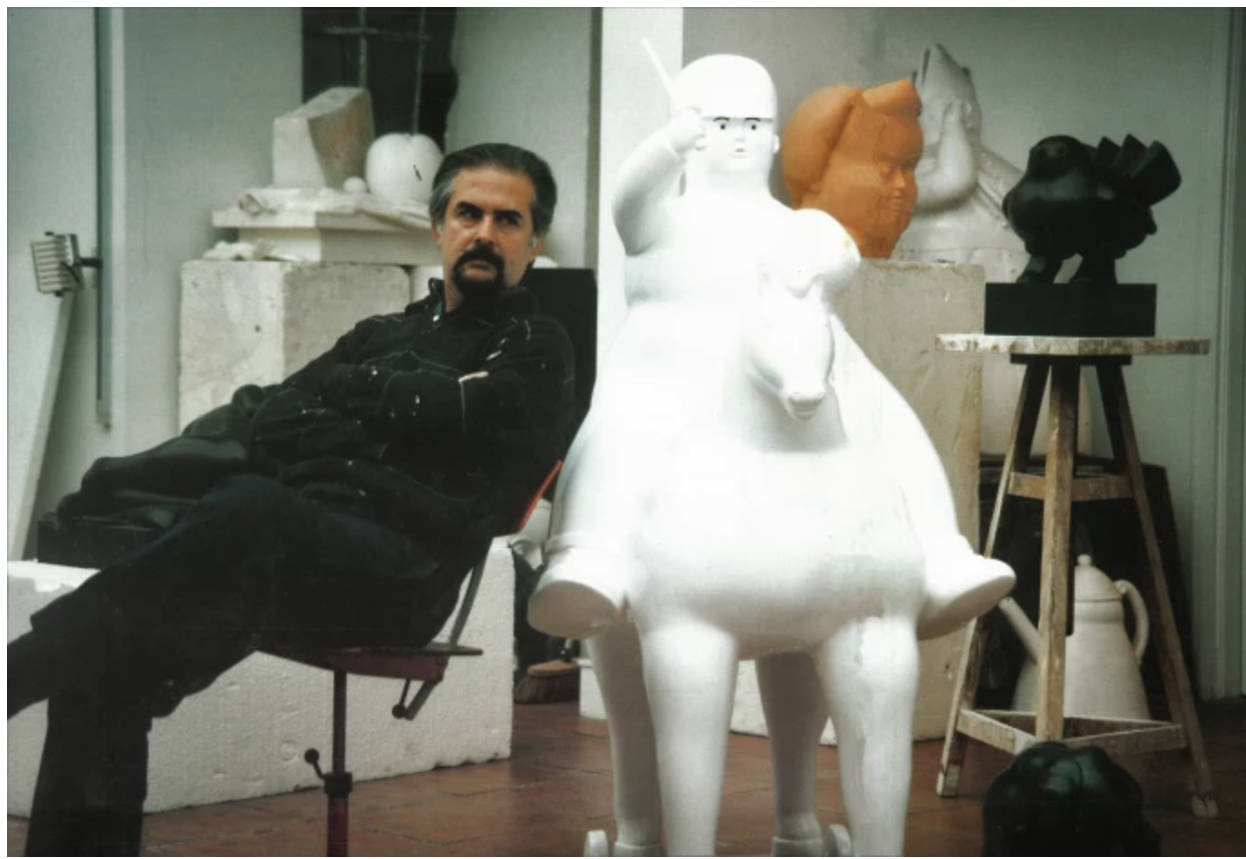
Richard Schulman, Untitled (Portrait of Fernando Botero), 1984
The catalytic tragedy was a 1974 car accident in Spain, where Botero survived with injuries but tragically lost his four-year-old son. The impact of this loss permeates much of Botero’s work, leaving an indelible mark on his life and artistic expression. Known for his vibrant color palette, Botero exercises restraint in this piece. The faint color on Pedro’s lips brings a touch of life to his figure, a vitality amplified by his fierce, sword-wielding pose. Pedro’s expressive eyes add a touch of humanity to an otherwise solemn depiction, balancing stoicism with tender realism. Pedro on a Horse transcends a father’s intimate, loving portrayal of his son. By drawing on the tradition of equestrian monuments, Botero offers a personal take on an art historical genre that commemorates influential figures, from the iconic statue of Marcus Aurelius on Rome’s Capitoline Hill to Charles IV in Mexico City and Simon Bolívar, the revered liberator of Latin America. Reflecting the noble demeanor of these celebrated figures, Botero portrays Pedro as he solemnly charges ahead, sword raised. In this work, Botero’s craftsmanship and deep emotion converge, creating both a timeless tribute to his son and a monumental sculpture within its own right.
Withdrawn and Passed Lots
Picnic, 2009
Sotheby’s New-York: 21 November 2024
Estimated: USD 800,000 – 1,200,000
WITHDRAWN
Picnic | Contemporary Day Auction | 2024 | Sotheby’s
FERNANDO BOTERO (1932 – 2023)
Picnic, 2009
Oil on canvas
98.4 x 129.2 cm (38 3/4 x 50 7/8 inches)
Signed and dated 09 (lower right)
Carnaval, 2012-13
Sotheby’s New-York: 21 November 2024
Estimated: USD 700,000 – 900,000
WITHDRAWN
Carnaval | Contemporary Day Auction | 2024 | Sotheby’s
FERNANDO BOTERO (1932 – 2023)
Carnaval, 2012-13
Oil on canvas
150×111 cm (59 x 43 3/4 inches)
Signed and dated 12 (lower right)
Mujer de pie, 2005
Sotheby’s New-York: 21 November 2024
Estimated: USD 400,000 – 600,000
PASSED
Mujer de pie | Contemporary Day Auction | 2024 | Sotheby’s
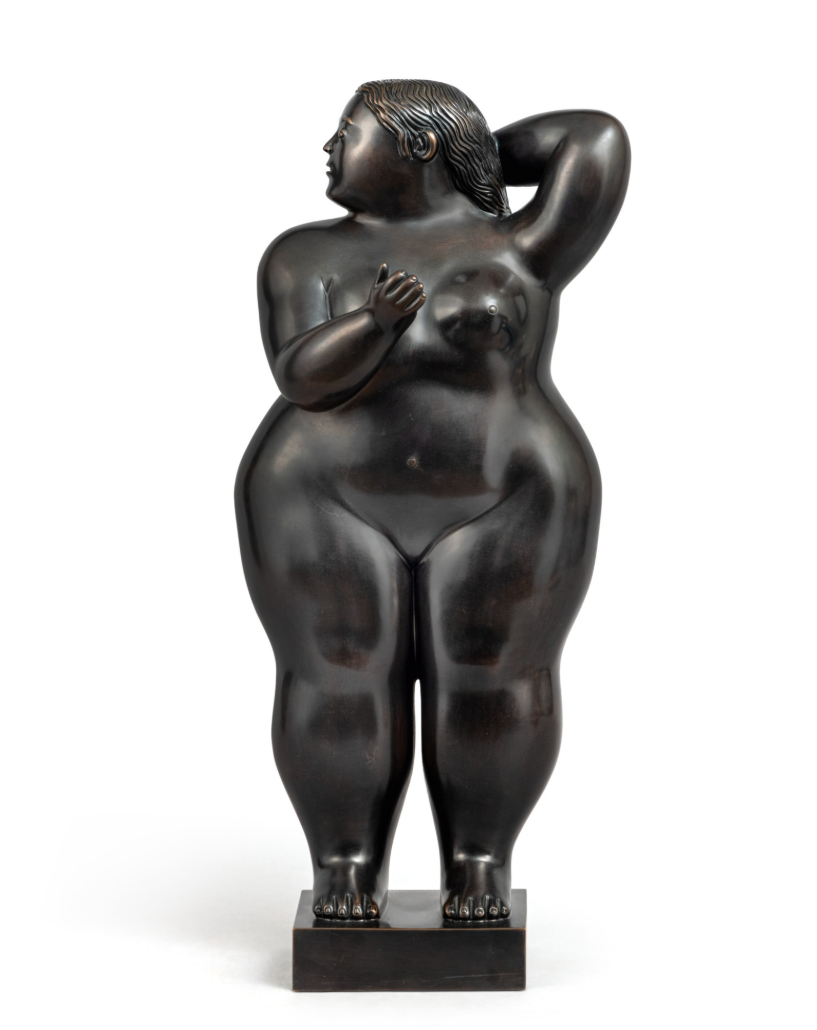
FERNANDO BOTERO (1932 – 2023)
Mujer de pie, 2005
Bronze
68x28x23 cm (26 3/4 x 11 x 9 inches)
Incised with the artist’s signature and number EA 1/2 and stamped with the foundry mark (on the base)
This work is number 1 of 2 artist’s proofs from an edition of 6 plus 2 artist’s proofs
Woman on a Horse, 1991
Christie’s New-York: 22 November 2024
Estimated: USD 300,000 – 400,000
FERNANDO BOTERO (1932-2023), Woman on a Horse | Christie’s
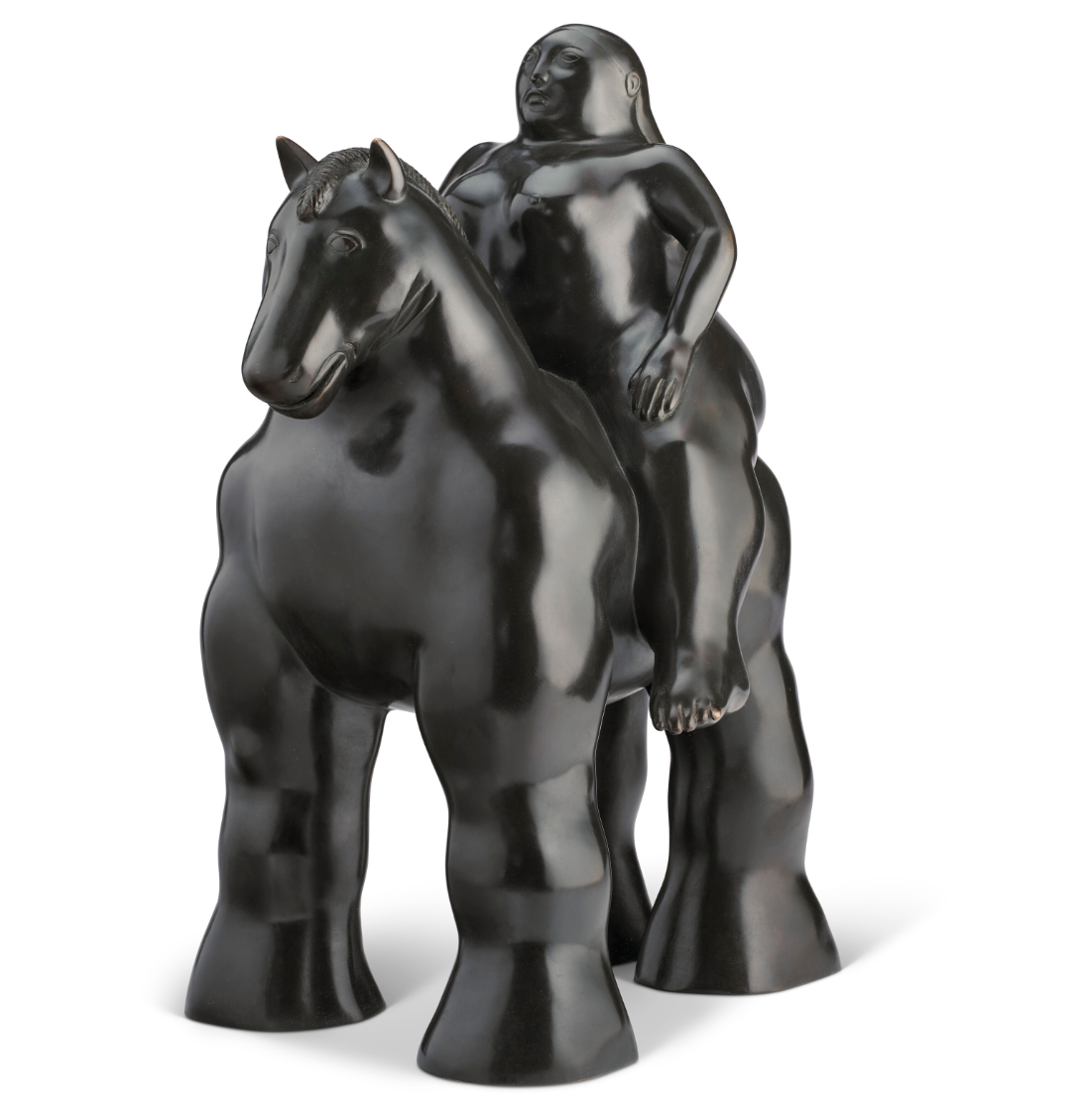
FERNANDO BOTERO (1932-2023)
Woman on a Horse, 1991
Bronze
48.3 x 33 x 33 cm (19x13x13 inches)
Incised with the artist’s signature and number and stamped with the foundry mark ‘Botero AP 2⁄2’ (lower edge)
This work is the second artist’s proof from an edition of six plus two artist’s proofs
Sleeping Woman, 2001
Sotheby’s New-York: 21 November 2024
Estimated: USD 250,000 – 350,000
PASSED
Sleeping Woman | Contemporary Day Auction | 2024 | Sotheby’s
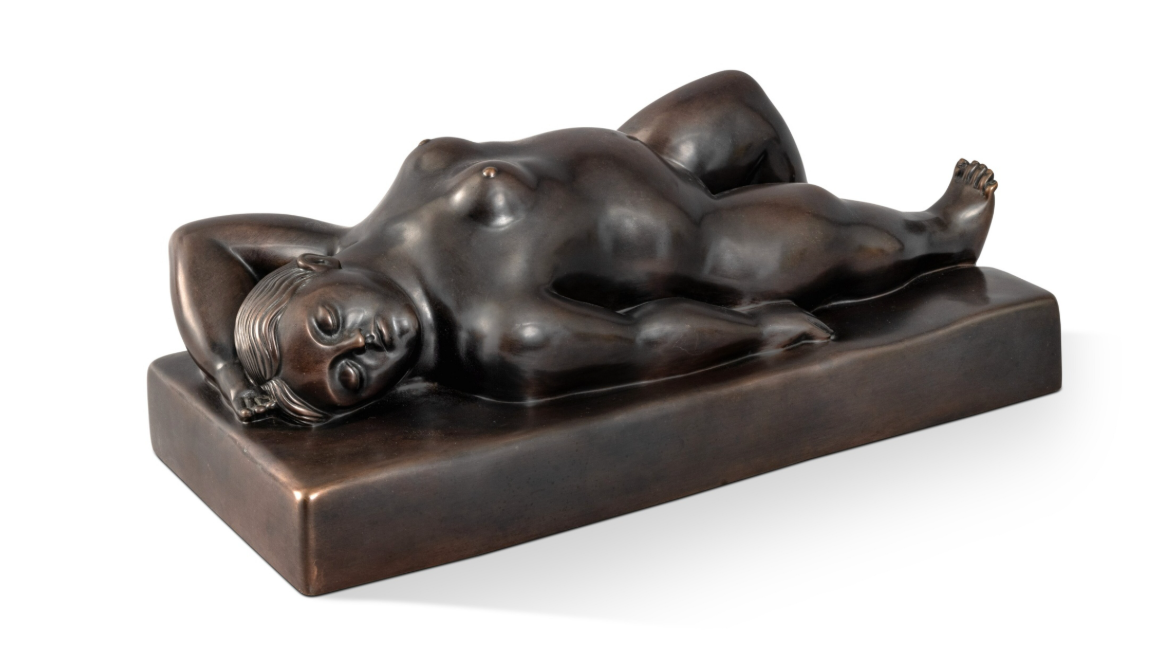
FERNANDO BOTERO (1932 – 2023)
Sleeping Woman, 2001
Bronze
17.8 x 51.4 x 23.5 cm (7 x 20 1/4 x 9 3/8 inches)
Inscribed with the artist’s signature, number 2/6 and stamped with foundry mark (on the base)
Focus: Joan Mitchell
City Landscape, 1955
Christie’s New-York: 19 November 2024
Estimated: USD 15,000,000 – 20,000,000
USD 17,085,000
JOAN MITCHELL (1925-1992), City Landscape | Christie’s
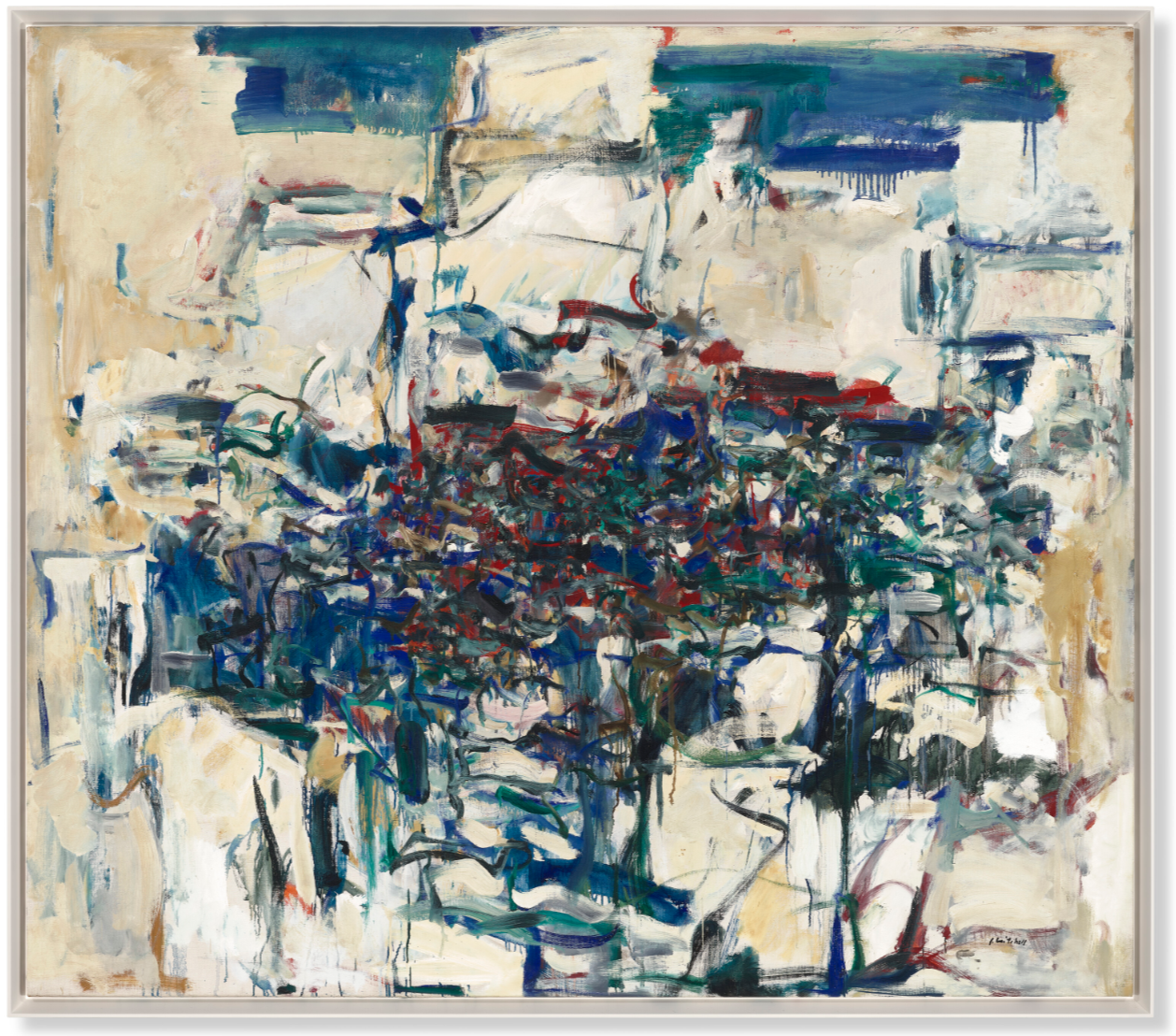
JOAN MITCHELL (1925-1992)
City Landscape, 1955
Oil on canvas
64 1/2 x 73 1/2 inches (163.8 x 186.7 cm)
Signed ‘J. Mitchell’ (lower right)
Painted in 1955, Joan Mitchell’s City Landscape is an iconic masterpiece from a pivotal period in the artist’s oeuvre. Two years earlier, the artist was still searching for her nascent style and had limited herself to a palette of muted grays, but by the time she executed the present work the intensity of her painterly powers was in full force. City Landscape contains the most significant colors of her arsenal: cobalt blue, scarlet red, teal, turquoise, and black, which cluster at the center and are swathed on all sides by passages of pearlescent white. Together with Hudson River Day Line (1955, McNay Art Museum, San Antonio) and The Lake (1955, Shizuoka Prefectural Museum of Art), the present work ranks among the best paintings from this important period and a structurally similar painting, also titled City Landscape, now resides in the Art Institute of Chicago.
This exceptional and rare painting was acquired directly from Eleanor Ward’s Stable Gallery in 1958 by David Rockefeller who, in conjunction with the legendary curator Dorothy Miller, and Museum of Modern Art director Alfred H. Barr, had started to build an art collection for Rockefeller University in New York. Working closely with the architect Wallace Harrison, who had been involved with the development of Rockefeller Center, the United Nations, and the Metropolitan Opera, Rockefeller was determined to create an environment that encouraged innovation and collaboration amongst students and staff. Encouraged by Barr and Miller, Rockefeller sought out work by artists who challenged convention and City Landscape fulfilled the brief perfectly. It became one of their most significant acquisitions and stood as a cornerstone of the collection for over fifty years.
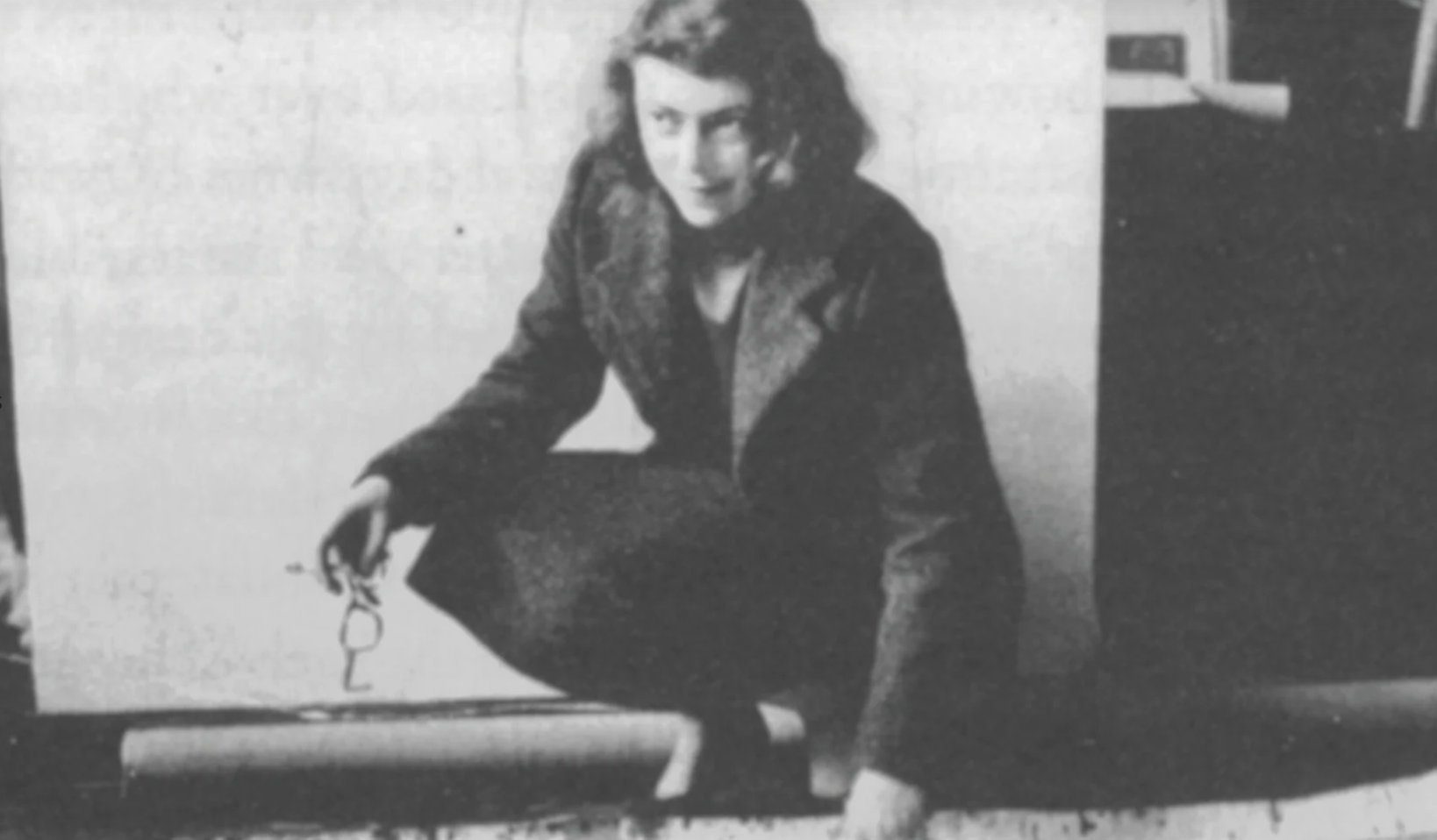
Joan Mitchell in Paris, 1955. Photo: Sam Francis. © 2024 Sam Francis Foundation, California / Artists Rights Society (ARS), New York. Artwork: © Estate of Joan Mitchell.
Rockefeller felt strongly that striving for excellence should drive all who worked at the University, professors and students alike, and should be reflected in all areas, both academic and physical. The present painting is one of the foremost examples of Joan Mitchell’s mid-century paintings, standing today as a vivid reflection of Rockefeller’s deeply held belief. It remains a testament to the visionary aims that have long defined what is a truly remarkable institution.
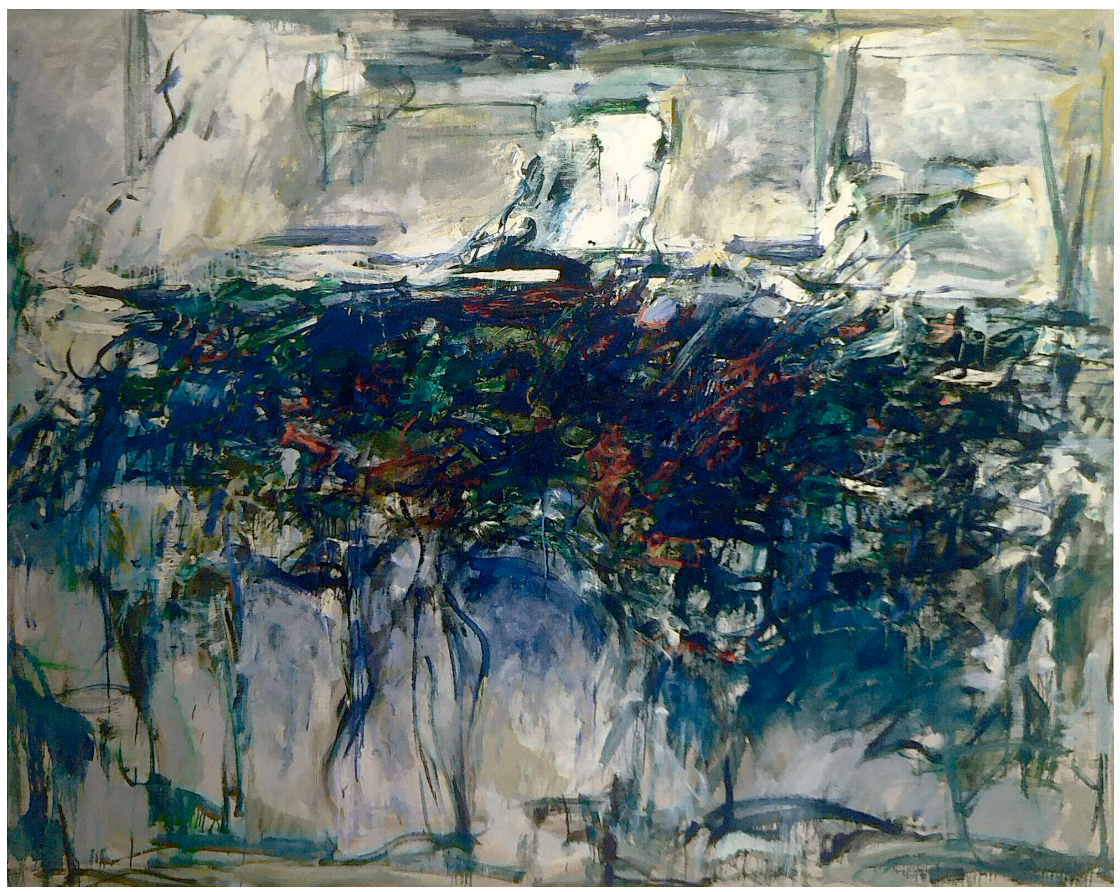
Joan Mitchell, The Lake, 1954. Shizuoka Prefectural Museum of Art, Shizuoka. © Estate of Joan Mitchell.
Indeed, City Landscape is a striking painting, one that’s teeming with an astonishing variety of colors, gestures and marks. Gathered toward the center is a riotous, light-filled area, made by layering red, blue, teal, green, black, and white. Here, v-shaped marks made decisively with a forceful movement of the hand are met with horizontal strokes. In the lower register, a thin brush has been used to create oscillating, undulating lines, giving the effect of watery reflections, or a towering metropolis shimmering at a distance. At this time, Mitchell prized the figure-ground relationship, and by organizing the imagery toward the center of the composition, she establishes a sight line that prevails despite the painting’s resolute abstraction. The overall effect conveys what Mitchell prized most, that when a painting works, it’s like “motion is made still, like a fish trapped in ice” (J. Mitchell, quoted in Joan Mitchell Retrospective: Her Life and Paintings, exh. cat. Museum Ludwig, Cologne, 2015, p. 55).
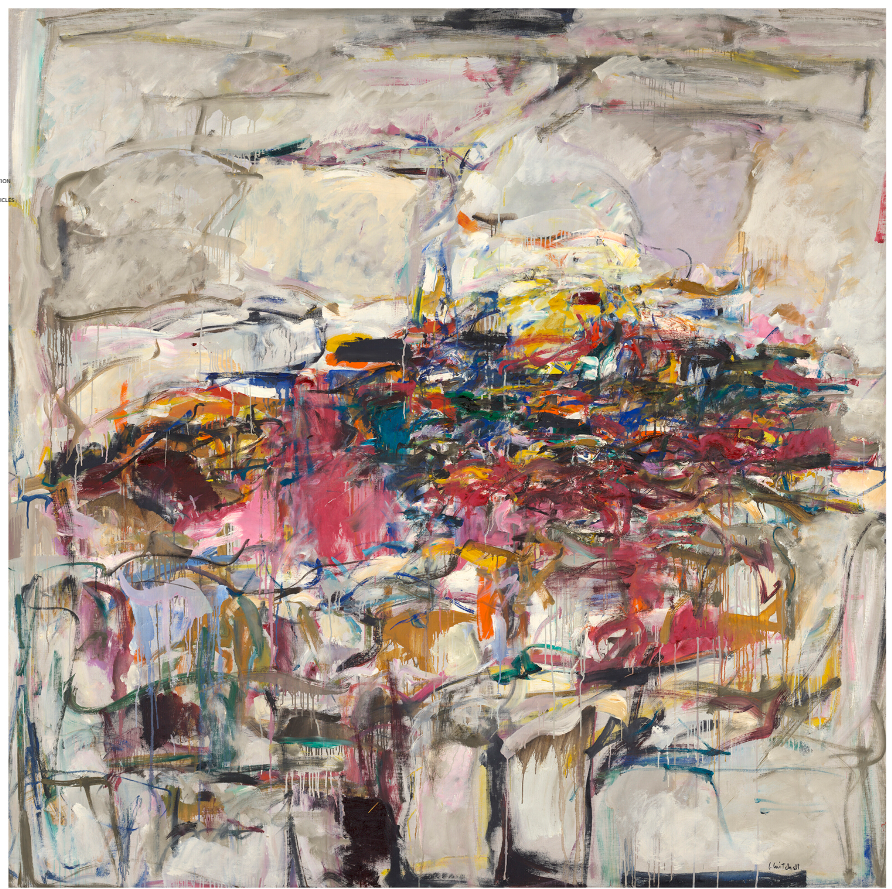
Joan Mitchell, City Landscape, 1955. Art Institute of Chicago.
© Estate of Joan Mitchell. Photo: The Art Institute of Chicago / Art Resource, NY.
City Landscape shows an artist triumphantly claiming her place in the New York art world, one whose feelings and memories were embedded in the very warp and weft of her paintings. As its title suggests, City Landscape evokes a wintry, watery world, conjuring views of a river or lake, as seen through a rain-splattered window. Here we witness how water itself “doubles as a matrix of abstraction and memory,” as the critic David Anfam explained (D. Anfam, “Outreach,” Joan Mitchell: Paintings from the Middle of the Last Century, exh. cat., Cheim & Read, New York, 2018, n.p.). From her childhood home on the shores of Lake Michigan to her view of the East River in downtown New York, and later the Seine as seen from her home at Vétheuil, water became a powerful emotional signifier.
Untitled, 1955
Christie’s New-York: 19 November 2024
Estimated: USD 9,000,000 – 12,000,000
USD 9,380,000
JOAN MITCHELL (1925-1992), Untitled | Christie’s
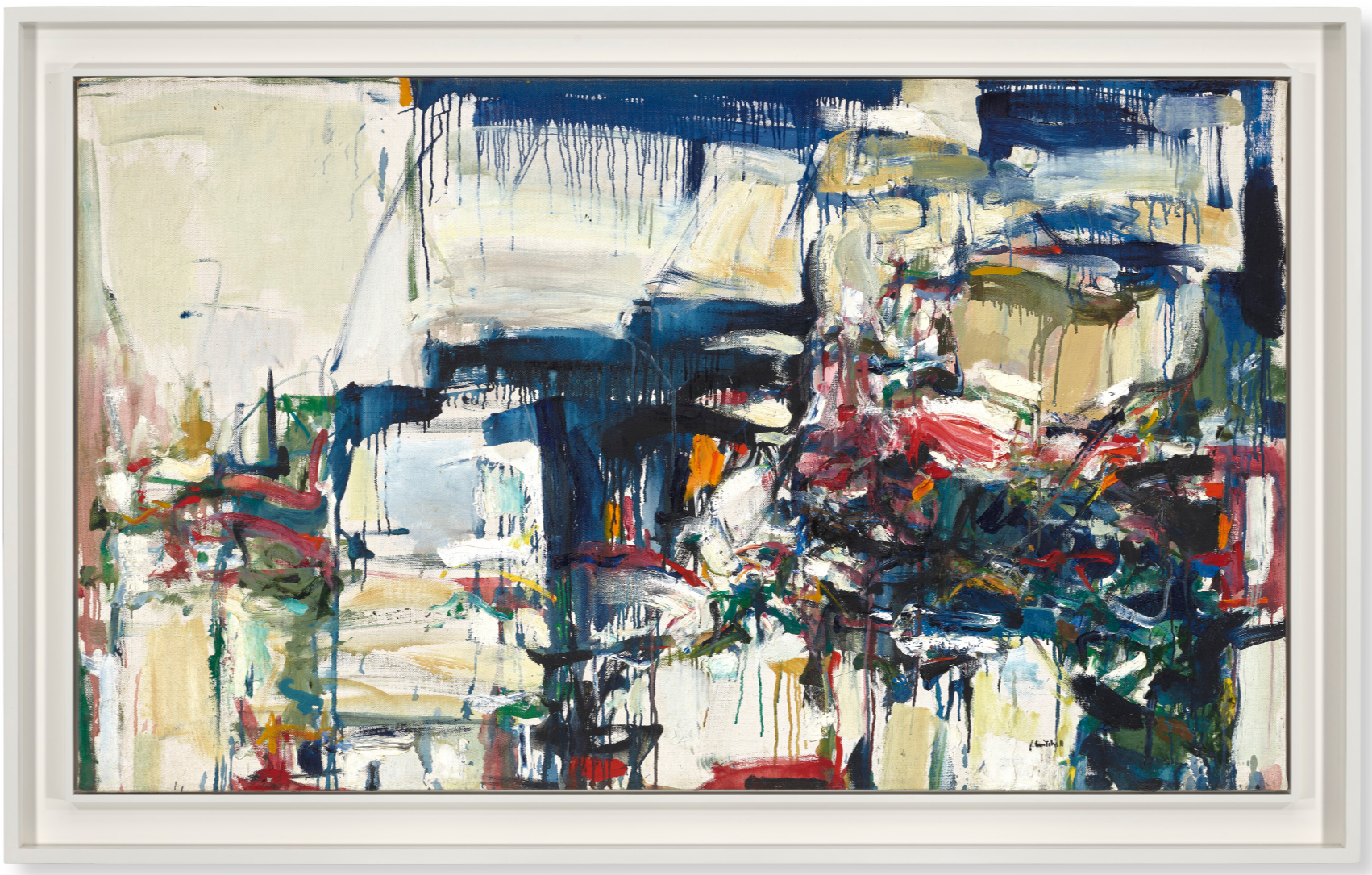
JOAN MITCHELL (1925-1992)
Untitled, 1955
Oil on canvas
37×63 inches (94×160 cm)
Signed ‘J. Mitchell’ (lower right)
Joan Mitchell’s Untitled is a tour-de-force of Abstract Expressionism. This intense, visceral painting exemplifies the tenacity and fearlessness of the young artist, having been executed two years before she was featured in the now famous “Mitchell Paints a Picture” article in Artnews, a rare accolade at that time for a female painter. In the present work we see Mitchell as a perceptive and resourceful colorist, organizing a taut canvas where passages of bright white provide the backdrop for powerful, sensational colors. Splitting her time between New York and Paris, Untitled displays the influence of the new friendships with artists, poets and writers that she cultivated at the time, and demonstrating her ever more complex usage of both color and impasto, it becomes an important work from the highpoint of twentieth-century painting.
In 1958, Untitled was acquired by the visionary art collector David Rockefeller direct from Eleanor Ward’s Stable Gallery. As part of the expansion and modernization of Rockefeller University in the 1950s, Rockefeller wanted to embody the spirit of bold discovery and imaginative freedom that defined the ethos of the University in an art collection that he hoped would inspire both students and staff. On the advice of his friend Alfred H. Barr, Jr., the founding director of the Museum of Modern Art, and the pioneering curator Dorothy Miller, Rockefeller acquired the present work as an example of the innovative thinking that he hoped to promote at the university.
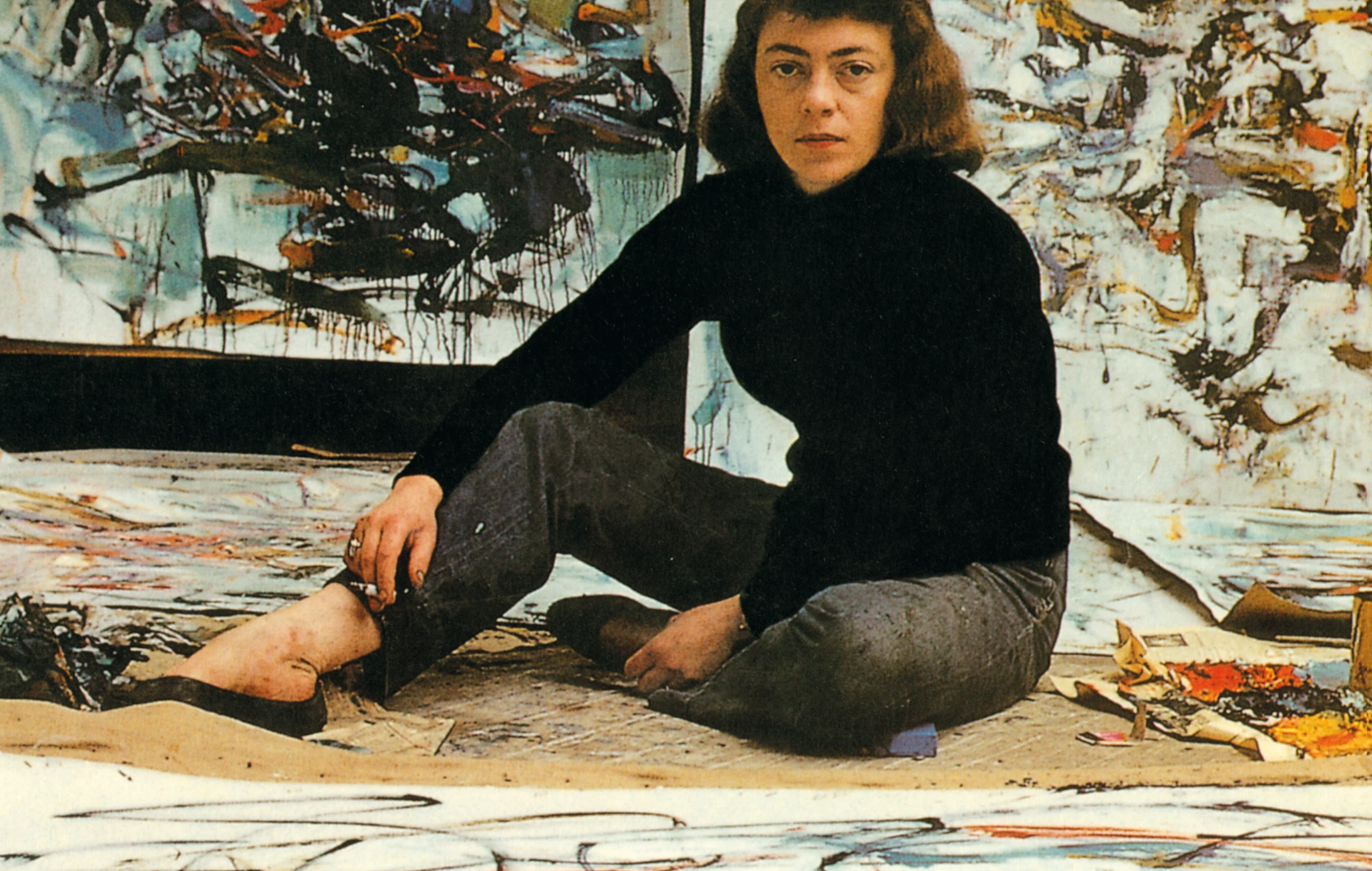
Joan Mitchell in her studio, Paris, 1956.
Photo: Loomis Dean / The LIFE Picture Collection / Shutterstock. Artwork: © Estate of Joan Mitchell.
Painted in 1955, Untitled embodies the excitement and freedom evident in her life and work at this time. A profusion of unique and beautiful painterly marks have been executed with incredible variety. Some have been painted wet-on-wet in forceful daubs of a fully-loaded brush, whereas others have been thinned-down with turpentine, creating stunning curtains of rivulets and drips. The painting is loosely grouped into three registers, with the calmer, light-filled area at the left, where the paint is thinner and more atmospheric. Along the right side, the tumultuous energy is intense, filled with a barrage of brushstrokes bubbling up like a volcano. The middle section seems to bridge the two, where a series of stepped-up blue brushstrokes act like a footstep or bridge connecting them both. The bridge motif was an important and long-running theme in Mitchell’s work. So, too, was the triptych format, which seems to be germinating before our eyes.
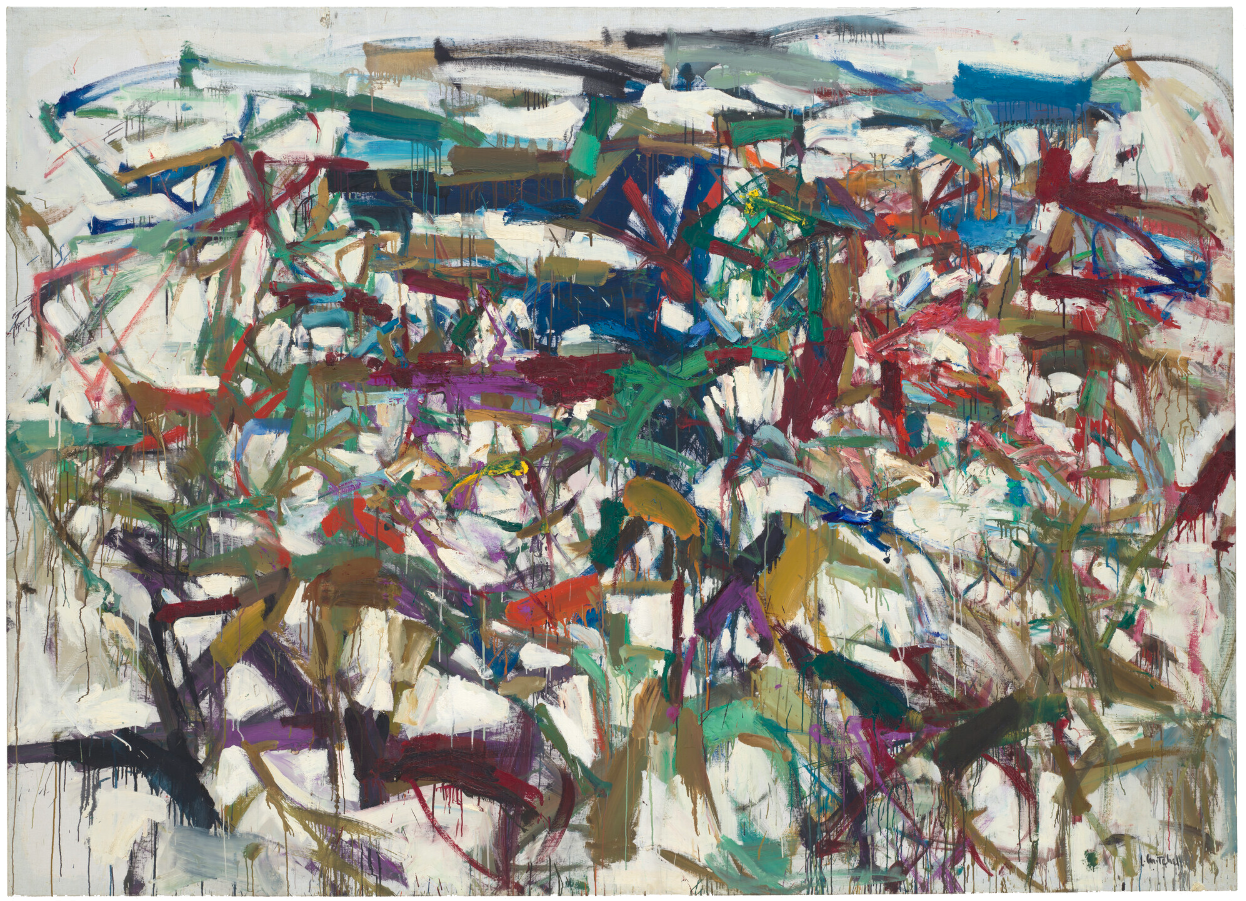
Joan Mitchell, Ladybug, 1957. Museum of Modern Art, New York. © Estate of Joan Mitchell.
This was also the beginning of a period during which Mitchell often utilized a horizontal format, as she would do in Ladybug (1957, Museum of Modern Art, New York), To the Harbormaster (1957), and Piano mécanique (1957, National Gallery of Art, Washington, D.C.). The precedent for this horizontal configuration was most likely her early, Cubist-derived paintings, such as Cross Section of a Bridge (1951, Nakanoshima Museum of Art, Osaka), a work that visually vibrates with broken shards of color and a liberal use of gray tones, all within a horizontal format. Mitchell often worked cyclically, and her use of the horizontal alignment in Untitled gives the sensation of landscape, especially given the beautiful blue passages along the upper edge, where one would expect to find the sky. In several passages we see Mitchell’s horizontal brushstrokes arranged in a sophisticated layering process. It is probably not surprising, then, that she titled a similar horizontal painting after the Italian word for “layers” — Strata (circa 1960), in the Minnesota Museum of Art.
Focus: Gerhard Richter
Berg, 1981
Sotheby’s New-York: 20 November 2024
Estimated: USD 4,000,000 – 6,000,000
PASSED
Berg | The Now and Contemporary Evening Auction | 2024 | Sotheby’s
GERHARD RICHTER (b. 1932)
Berg, 1981
Oil on canvas
70×100 cm (27 1/4 x 39 1/4 inches)
Signed, dated 1981 and numbered 469-2 (on the reverse)
Titled (on the stretcher)
Painted in 1981, Berg is a testament to Gerhard Richter’s enduring engagement with the natural landscape and the subject’s complex significance within a long history of cultural and ideological associations. Rendered in a nuanced grisaille palette, a mountain dramatically emerges from hazy clouds of fog, a blurred image resembling the tight cropping of an archival photograph.
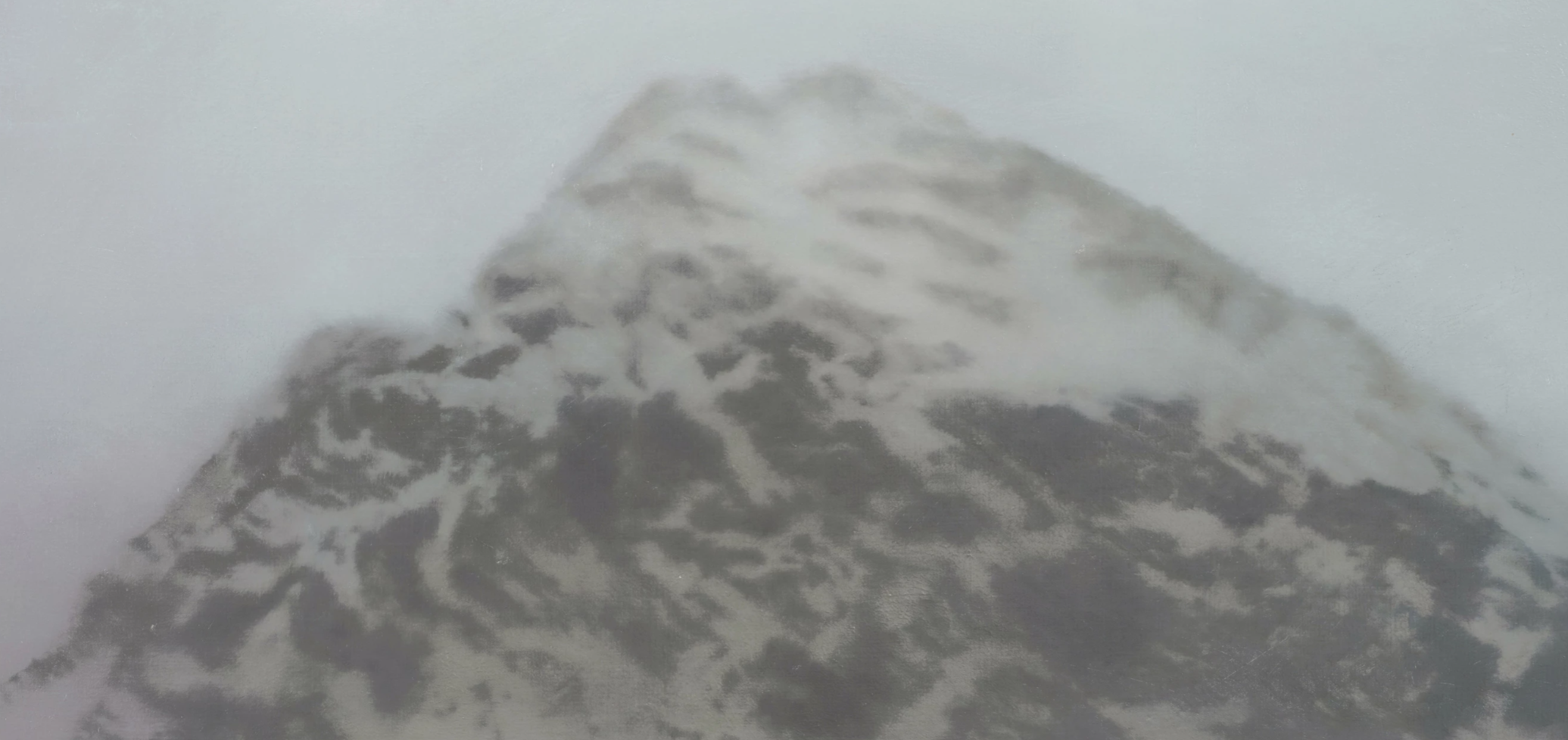
Berg, like all of Richter’s landscape paintings, is a photorealistic painting of a photograph, nature mediated through media, the result of a desire to mechanically render the natural world from a neutral, disinterested point of view. Within his celebrated practice, the photorealist paintings – which he began in the 1960s and would return to here in the early 1980s for the present work – bring together two key principles of Richter’s practice: chance and the erasure of the artist’s hand. Bearing exceptional provenance, Berg has remained in the same private collection for nearly 20 years and resided in only one private collection prior to that time.
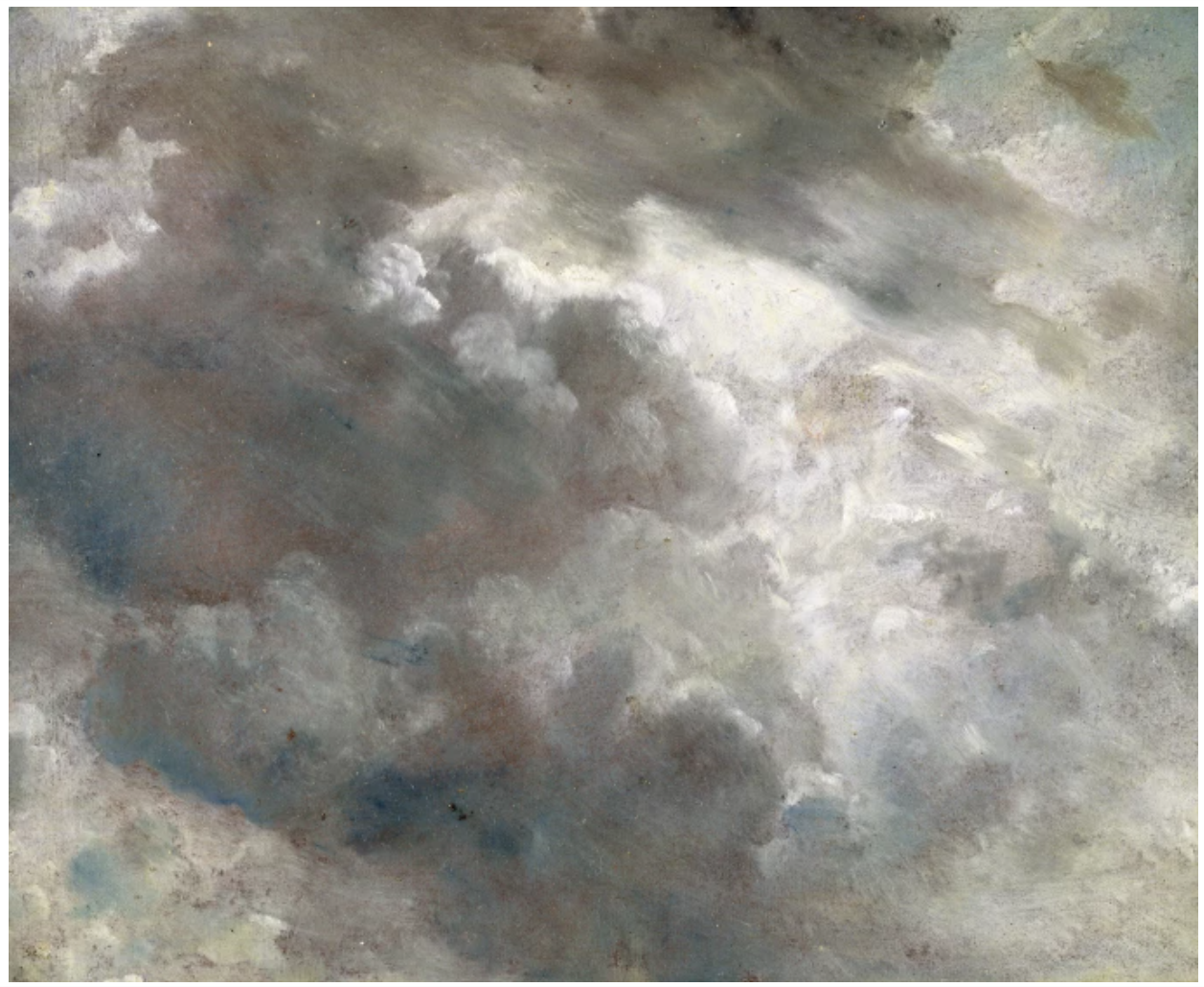
John Constable, Cloud Study, 1821. Yale Center for British Art, New Haven. Image © Bridgeman Images
Gerhard Richter first experimented with the genre of landscape painting with his 1963 painting Hirsch, one of the first mature paintings the artist ever created, and shortly thereafter in 1968 with the Gebirge paintings, the first series of Mountain paintings. Exploring and experimenting with the relationship between photographic reference and its painted counterpart, these compositions were much more gestural and playful within the painterly vocabularies he was using and leaned more towards the abstract than the figurative. Following Richter’s adoption of pure abstraction from the late-1960s onwards, his comprehension and adaptation of this language became much more confident and adept. Executed over a decade later, Berg is arguably the strongest of a suite of six paintings of mountain landscapes which Richter made in 1981. In that year, Richter created no other figurative paintings, the rest were all pure abstracts. It was during this period that Richter was experimenting with his mode of abstraction, and would over the course of this decade thunderously declare his preeminence as an abstract painter with the Abstractes Bild paintings. The present Berg reflects Richter’s incredible manipulation of paint: the clouds which seem to drift across the lower half of the painting suddenly appear as if they are the underlayers of paint, the foreground disappears to the back. The beautiful sense of perspective in the trails of snow on the peak suddenly becomes a deft piece of tachisme.
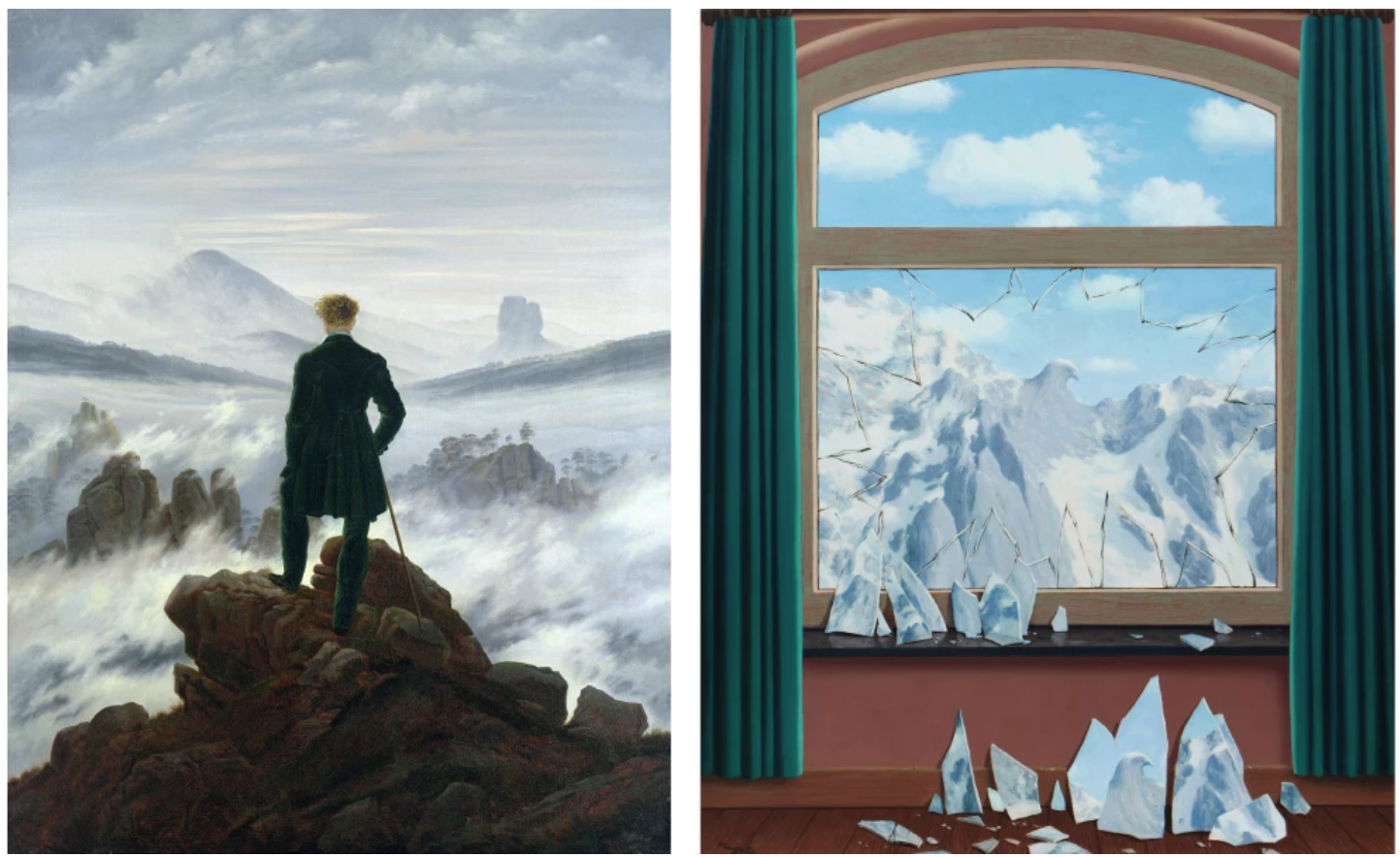
Left: Caspar David Friedrich, The Wanderer above the Sea of Fog, 1818. Hamburger Kunsthalle. Image © Bridgeman Images. Right: René Magritte, Le Domaine d’Arnheim, 1949. Private Collection. Sold at Sotheby’s New York in May 2023 for $19 million. Art © 2024 C. Herscovici, Brussels / Artists Rights Society (ARS), New York
While Richter’s landscape paintings range from photorealistic to abstract, the source imagery can always be traced back to a photograph. Whether employing found images from magazines, newspapers, postcards, family albums, or amateurish photographs taken by the artist himself, Richter’s canvases are meticulous copies of their photographic sources. Berg is the result of a faithful transcription of a tightly cropped, unfocused snapshot. Rather than doctoring the photograph to improve the image in the process of transforming it into a painting, Richer passes up the opportunity to aestheticize the image.
“I’m not trying to imitate a photograph; I’m trying to make one. And if I disregard the assumption that a photograph is a piece of paper exposed to light, then I am practicing photography by other means: I’m not producing paintings that remind you of a photograph but producing photographs.”
By precisely rendering an image selected from mass media or amateur photography, Richter questions the division between high and low art. In this way, Richter’s photorealist paintings parallel the practices of his Pop and Neo-Dada contemporaries. In their choice to reproduce images entrenched in deeply rooted historical and cultural significance related to ideas of patrimony and national identity, Richter’s reproductions of the German landscape can be compared to Jasper Johns’ interrogation of flags.
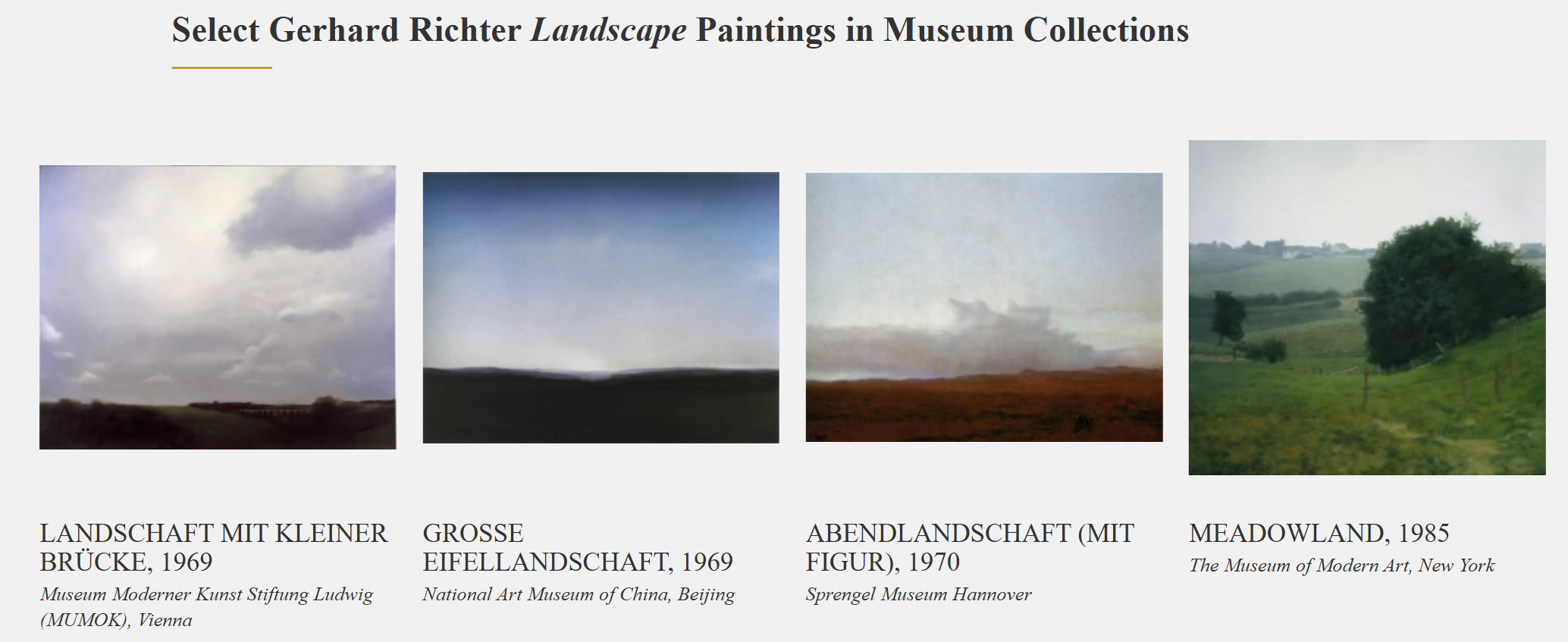
Richter’s interest in the landscape as a subject, unlike his artistic predecessors, did not serve the purpose of expressing an ideological position or unique perception of nature. Always working with an awareness of the deeply rooted historical and cultural network of contexts in which all images in the world exist, Richter’s photorealist paintings, particularly those of mountains like Berg, both respond to and subvert representations of the same subject by German Romantic painters and Modernist precursors. Artists like Caspar David Friedrich, who sought to imbue the landscape with certain religiosity to elevate the spirit, deftly manipulated compositional devices, atmospheric effects, and scale to provoke reactions of awe and wonder, positioning the natural world, specifically the Germanic landscape, as the threshold of man and God. While fog and mist were tools used by Romantic artists to create mood and diffuse pathos in their images, the blurry atmosphere of Berg is not a means to an end, but rather, simply the result of copying an image already circulating in our world. Richer invokes the Romantic tradition of painting, and yet his own practice exists distinctly outside of it. Richter’s mountainscape in Berg does not directly respond to historical painting. Indeed, Richter’s choice to use a photographic image of a mountain as the source of Berg rather than interpreting his direct observations on canvas eliminates the possibility of rendering the unique, sacred experience of nature pursued by Romantic artists.
Vija Celmins, Ocean, 1975. Image © Tate, London / Art Resource, NY. Art © 2024 Vija Celmins
A prodigious example of the artist’s photorealist landscapes, works that stand as triumphs of Postmodernism, Berg perfectly exemplifies Richter’s lifelong quest towards the deconstruction of style. In his self-proclaimed goal of making a photograph through painting, Richter calls into question the possibility of negating subjectivity in the process of making an image, whether that be in painting or photography. By taking on the subject of landscape painting, a genre of painting deeply enmeshed in a history of grand narratives created in service of objective truths, Richter’s photorealist paintings confront deeper questions about the nature of reality that were front of mind in the Postmodern era. Readily evocative of the Romantic and sublime landscapes of Caspar David Friedrich, John Constable’s famous cloud studies, the atmospheric light effects of Turner, as well as drawing on the cloud’s symbolic value as heavenly proxies in Renaissance and Baroque painting, the present work instantly conjures an encompassing transhistorical field of references, whilst remaining resolutely contemporary.
Abstraktes Bild, 1995
Christie’s New-York: 22 November 2024
Estimated: USD 1,000,000 – 1,500,000
PASSED
GERHARD RICHTER (B. 1932), Abstraktes Bild | Christie’s
GERHARD RICHTER (B. 1932)
Abstraktes Bild, 1995
Oil on canvas
46.1 x 41.3 cm (18 1/8 x 16 1/4 inches)
signed, inscribed and dated ‘834-3 Richter X.95’ (on the reverse)
Gerhard Richter’s Abstraktes Bild is a captivating testament to the timeless nature of the artist’s signature technique – one which has left an indelible mark on contemporary art, and on the very act of painting, itself. As Pollock’s drips radically altered the fabric of what painting could be in the post-war era, so too did Richter’s adoption of the squeegee constitute a new frontier in the possibilities of painting for the 21st century. Painted in 1995, the present lot is a mature rendition of Richter’s electrifying squeegee technique, through which the artist challenges the painterly surface to accomplish a complex depth achieved only through gestural ferocity and the element of chance. The result is an outbreak of dramatic ruptures to the surface, revealing the painting’s intricate subterranean world. The eye-catching deep purple hues are complimented by swaths of a cool and sometimes icy gray, reminiscent perhaps of a placid lake in winter. Indeed, despite its resolute abstractness, the painting is nonetheless atmospheric and somehow nostalgic. This contrast creates a particularly mesmerizing and evocative effect, which is only heightened by the painting’s intimate scale. Evident through the deep tonal wells and rhythmic bands of thick paint, Abstraktes Bild is a prime example of the exquisite dynamism achieved through Richter’s singular abstractions.
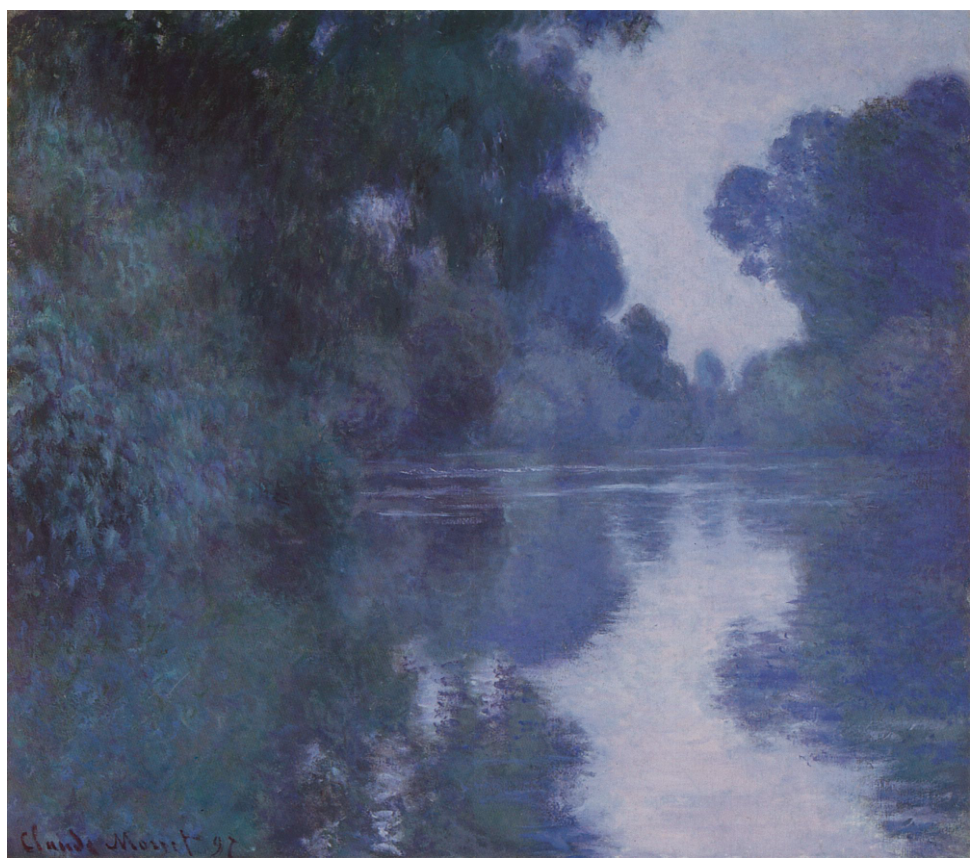
Claude Monet, Bras de Seine près de Giverny (Arm of the Seine near Giverny), 1897. Museum of Fine Arts, Boston.
Richter’s passion for art developed in the aftermath of World War II. With strong encouragement from his mother, he cultivated his creativity initially through photography and drawing. He didn’t begin formal art studies until 1951. After years of refining his personal style, he introduced his celebrated Abstraktes Bild series in 1991. His careful technique involved layering thick paint and using a squeegee to expose a striking, gem-like underlayer. This innovative approach was particularly significant during a time when mass reproduction raised questions about the relevance of painting, as the Abstraktes Bild series highlighted the unique beauty of gesture and execution, emphasizing the complexity and uniqueness of each abstract work. Indeed, the present lot radiates a jewel-like intensity, featuring deep indigo purple accented by bands of viridian green, while flashes of pale orange illuminate the left side of the canvas. The underlying silvery gray creates a steely contrast to the vivid colors, resulting in a composition that feels both unpredictable and harmonious. The present lot represents a pure and compelling articulation of the technique which solidified Richter’s reputation as of the most influential living painters.
Gerhard Richter, Seascape (Cloudy), 1969. Neues Museum, Staatliches Museum für Kunst und Design, Nuremberg.
© Gerhard Richter 2024 (0143).
Prior to his breakthrough with the Abstraktes Bilder in the late 1980s and early 1990s, Richter had a complex relationship to abstraction. His struggle with non-representational painting—and what it meant for his identity as a painter—is alluded to in the following quotation: “If the execution works, this is only because I partly destroy it, or because it works in spite of everything…I often find this intolerable and even impossible to accept, because, as a thinking, planning human being, it humiliates me to find out that I am so powerless…My only consolation is to tell myself that I did actually make the pictures – even though they treat me any way they like and somehow just take shape. Because it’s still up to me to determine the point at which they are finished…” (G. Richter, quoted in A. Borchardt-Hume, “‘Dreh Dich Nicht Um’: Don’t Turn Around: Richter’s Paintings of the Late 1980s” in Gerhard Richter: Panorama, exh. cat., Tate Modern, London, 2011, p. 172). Yet, the tension that exists in Richter’s relationship to abstraction is the very tension that brings about the quiet catharsis in this canvas. In the present lot, one can not only perceive the literal push and pull of the squeegee across the canvas, but also the metaphorical push and pull of the artist’s complicated relationship to his practice.
Abstraktes Bild, 1980
Sotheby’s New-York: 21 November 2024
Estimated: USD 300,000 – 400,000
USD 264,000
Abstraktes Bild | Contemporary Day Auction | 2024 | Sotheby’s
GERHARD RICHTER (b. 1932)
Abstraktes Bild, 1980
Oil on canvas
45.1 x 35.5 cm (17 3/4 x 14 inches)
Signed, dated 80 and numbered 454/4 (on the reverse)
Radiating with a blaze of vivid orange, rich vermillion and brilliant yellow, Abstraktes Bild stands as a preeminent example from Gerhard Richter’s Abstraktes Bilder series, one of the most significant and extensive strands of the artist’s practice, spanning multiple decades and witnessing a great deal of technical innovation. Beginning in the late 1970s, Richter’s initial abstract output encompassed a series of sophisticated paintings executed on an intimate scale. Painted in 1980, Abstraktes Bild is an important and early work of art that exudes movement, depth and spontaneity. Richter describes the way in which his early abstract paintings “allowed me to do what I had never let myself do; put something down at random. And then, of course, I realised that it never can be random. It was all a way of opening a door for me” (Gerhard Richter cited in: Hans Ulrich Obrist, Ed., Gerhard Richter: The Daily Practice of Painting Writings and Interviews 1962-1993, London 1995, pp. 215-16). The present work perfectly embodies Richter’s interrogations of order and chaos, its composition delicately poised between the two.
The artist’s method for creating Abstraktes Bild embraces a technique of building up layers of paint, with the goal to create a newly complex surface. As each stage of the painting is completed, a new degree of abstraction was adopted; from the smooth layer of the foreground to the final applications of thick impasto. Describing his method at this time, Richter explains, “A picture like this is painted in different layers, separated by intervals of time. The first layer mostly represents the background, which has a photographic, illusionistic look to it, though done without using a photograph. This first, smooth, soft-edged paint surface is like a finished picture; but after a while I decide that I understand it or have seen enough of it, and in the next stage of painting I partly destroy it, partly add to it; and so it goes on at intervals, till there is nothing more to do and the picture is finished” (Ibid., p. 112).
Richter’s utterly extraordinary and pioneering art of abstraction stands as the ultimate culmination of the heroic journey of his career, during which he has endlessly questioned the limits of representation, the nature of perception, and the operations of visual understanding. Abstraktes Bild is both compelling, mysterious and a timeless image that, in decades to come, will be still be yielding new readings.

Focus: Rene Magritte
L’empire des lumières, 1954
Christie’s New-York: 19 November 2024
Estimate on Request
THIRD PARTY GUARANTEE
RENE MAGRITTE (1898-1967), L’empire des lumières | Christie’s
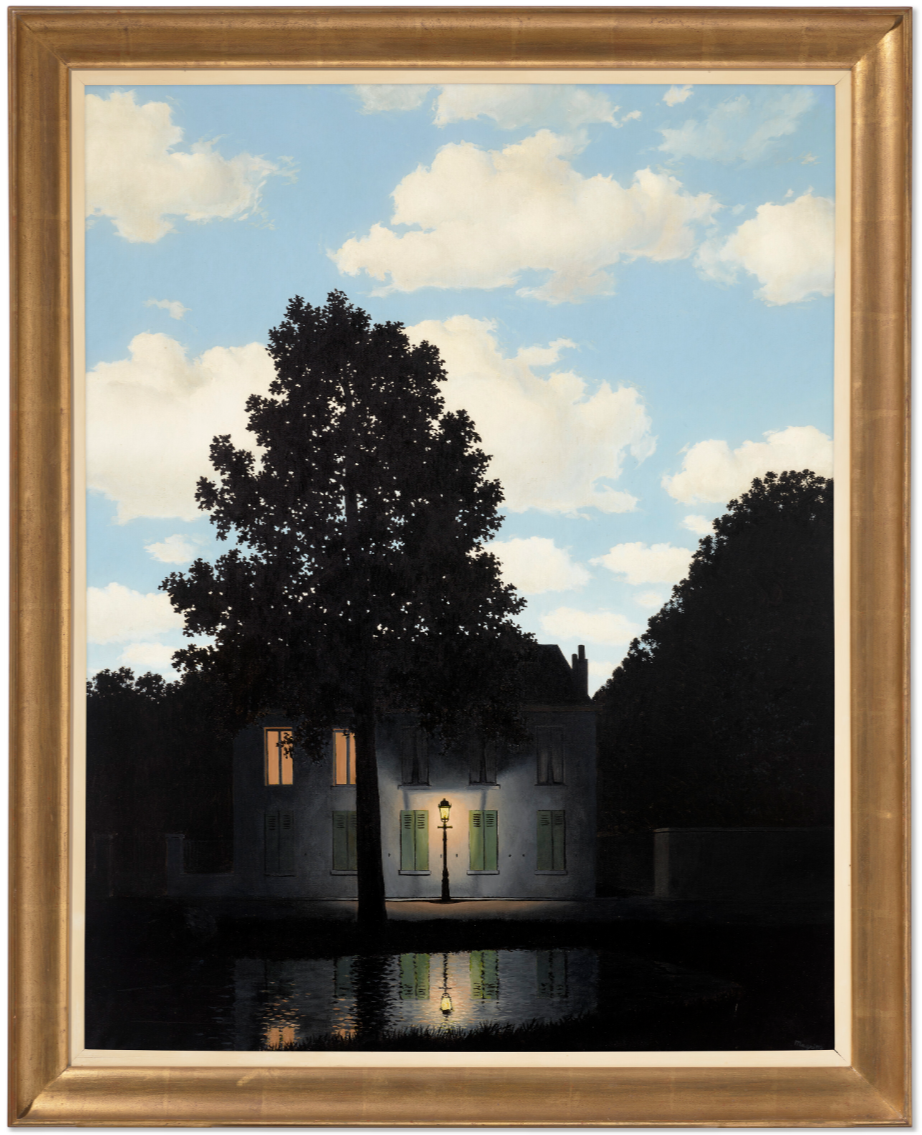
RENE MAGRITTE (1898-1967)
L’empire des lumières, 1954
Oil on canvas
146×114 cm (57 1/2 x 44 7/8 inches)
Signed ‘Magritte’ (lower right)
Signed again, dated and titled ‘”L’Empire des Lumières” Magritte 1954’ (on the reverse)
Filled with a rich sense of mystery that confounds and beguiles in equal measure, René Magritte’s L’empire des lumières of 1954 is a powerful example of the artist’s extraordinary, mature Surrealist vision. Focusing on the juxtaposition of a landscape bathed in deep shadows with the blue expanse of a day-lit sky above, this seemingly impossible collision of day and night in a single moment quickly became one of his most celebrated and iconic subjects. Between 1949 and 1964, the artist created a total of seventeen versions in oil, with several more iterations in gouache, on the theme of the L’empire des lumières. Each subtly different from the next, with intriguing variations and diversions from canvas to canvas, these paintings demonstrate Magritte’s endless spirit of invention, as he probed the rich poetic potential of his deceptively simple subjects.
As Magritte explained, the power of works such as L’empire des lumières lay in transforming the familiar, everyday world in unexpected ways: “For me it’s not a matter of painting ‘reality’ as though it were readily accessible to me and to others, but of depicting the most ordinary reality in such a way that this immediate reality loses its tame or terrifying character and presents itself with mystery” (quoted in H. Torczyner, Magritte: Ideas and Images, New York, 1977, p. 203). Executed with a precision and attention to detail that only reinforces the uncanniness of the scene, the L’empire des lumières paintings offer an elegant summation of Magritte’s unique form of Surrealism, reveling in a game of unexpected contradictions, in which all is familiar and yet ultimately strange and the ordinary is rendered extraordinary.
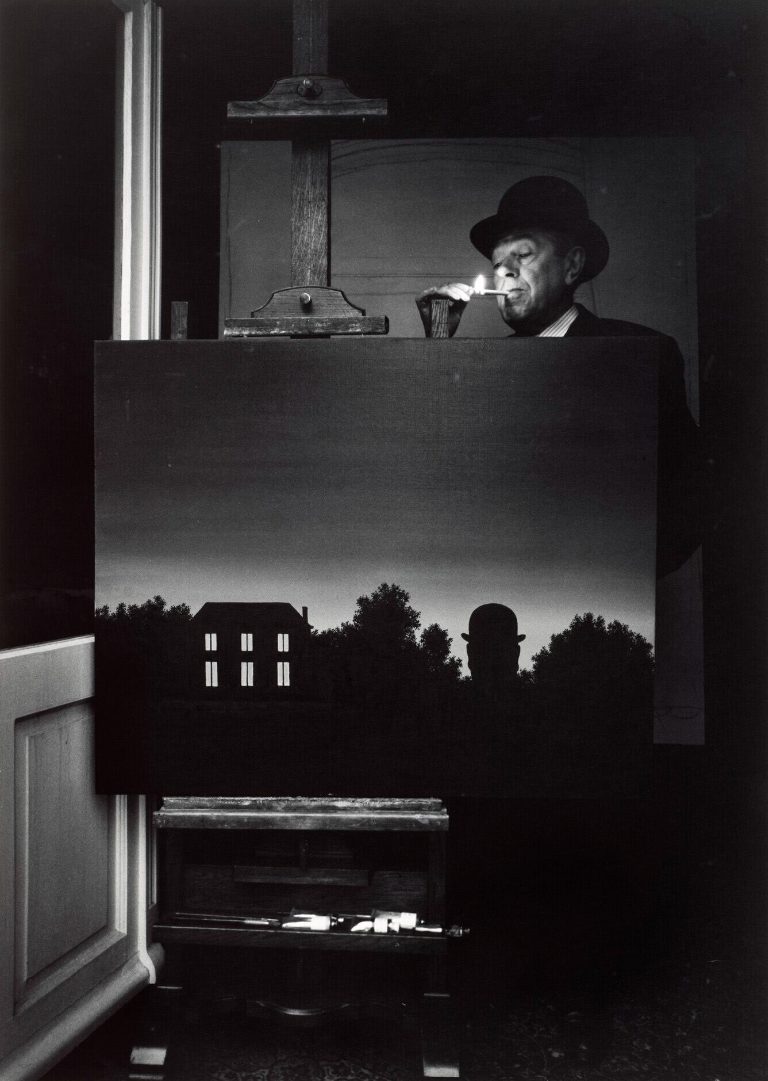
René Magritte, 1967. Photo: Marcel Broodthaers. © 2024 Artists Rights Society (ARS), New York / SABAM, Brussels. Image: The Art Institute of Chicago / Art Resource, NY. Artwork: © 2024 C. Herscovici / Artists Rights Society (ARS), New York.
The idea behind the L’empire des lumières series appears to have been percolating in Magritte’s mind for several years prior to his first painting on the theme. While staying with the collector Edward James in London during the spring of 1937, Magritte gave a presentation at Roland Penrose’s London Gallery in which he discussed “certain features peculiar to words, images and real objects” (quoted in D. Sylvester, op. cit., 1993, vol. III, p. 53). In one example early in the discussion, the artist cited the opening line of André Breton’s poem L’Aigrette (from Terre de clair, 1923): “If only the sun would shine tonight” (ibid.). The following year, the artist created a gouache entitled Le Poison (Sylvester, no. 1142; Museum Boijmans-Van Beuningen, Rotterdam) in which a row of buildings took on the appearance of the night sky, dotted with constellations of stars and a delicate crescent moon, transforming the bricks and mortar streetscape into an evocative, otherworldly vision of the cosmos.
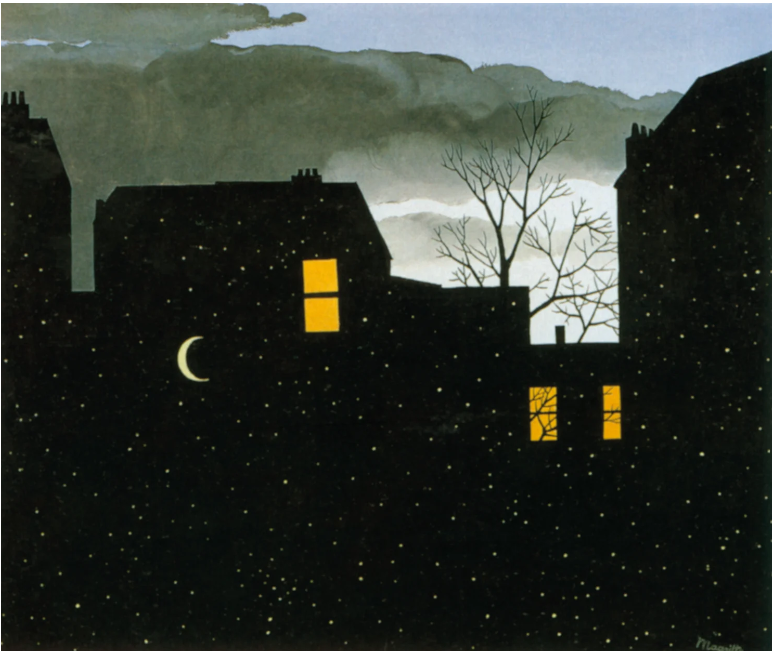
René Magritte, Le Poison, 1938 or 1939. Museum Boijmans-van Beuningen, Rotterdam. © 2024 C. Herscovici, London / Artists Rights Society (ARS), New York.
In this way, Le Poison was a continuation of Magritte’s different translations and juxtapositions of the sky, which was a recurring character in his work, its familiarity allowing him to investigate the world of appearances, and question our understanding of its properties. While paintings such as Les muscles célestes (Sylvester, no. 166; Private collection) explored the physicality and presence of the sky, and L’ombre céleste (Sylvester, no. 168; Private collection) transformed it into a flat piece of stage scenery, it most frequently appeared as a framed picture within Magritte’s oeuvre. In these works, a little segment of the vast blue expanse, dotted with clouds, has been magically captured and condensed into a small, portable object, as in Les perfections célestes (Sylvester, no. 329; Private collection), Le Salon de Monsieur Goulden (Sylvester, no. 300; Private collection) and Le palais de rideaux (Sylvester, no. 305; The Museum of Modern Art, New York). In other works, Magritte used the ubiquitous sight to generate impossible scenarios, as in his famed oiseau de ciel, a magical bird, captured mid-flight, which appears to be cut from the sky itself, its body filled with a pale blue sky and soft, fluffy clouds.
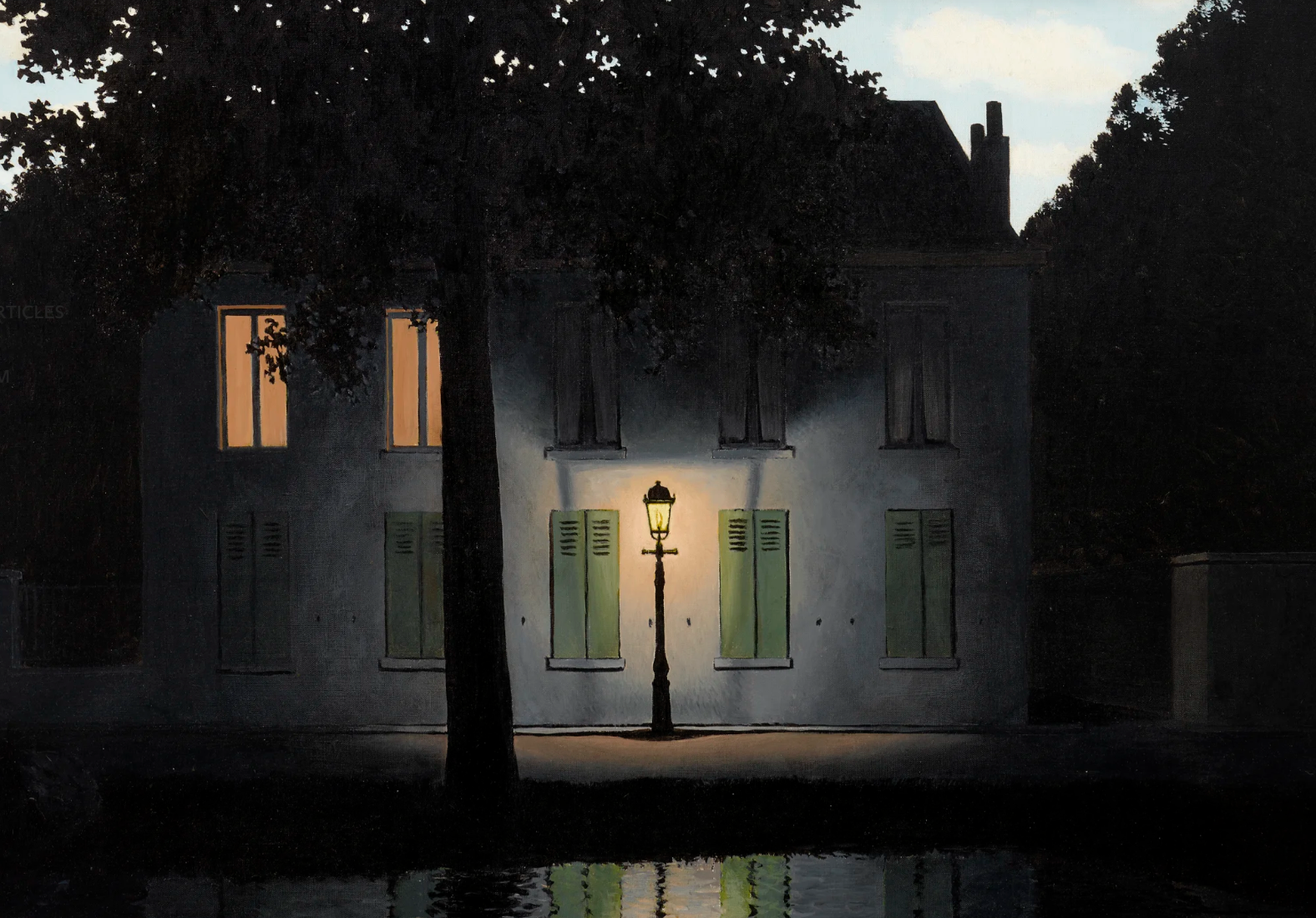
In the L’empire des lumières paintings, the sky is once again an essential tool in Magritte’s elegant disruption of our understanding of the world around us. With these works he adopts a subtle evocation of the dichotomy of night and day, simplifying the concept explored in Le Poison to create a composition that is all the more unsettling for its quiet strangeness. The first work in the series to be completed (Sylvester, no. 709; Private collection) depicts a quiet, suburban street scene with eerily shuttered houses, some curtained windows faintly lit from within, and a single lamppost, shining forth like a beacon, the sole illumination along this darkened length of avenue. Above, the sky remains in its natural position, untouched by unexpected cracks or objects, but rather than a scattering of stars, broad daylight and white clouds fill the pale blue expanse. While at first glance the painting appears to simply present the crepuscular light of dusk, on further inspection the deep shadows and soft glow of the streetlamp suggests the sky exists in an alternate timeline to the rest of the scene. In this way, the painting pivots on the construction of a somewhat familiar, yet impossible scenario that forces us, the viewer, to examine and question our own expectations.
To this day, L’empire des lumières serves as a powerful illustration of his extraordinary ability to deploy symbols of a normal, ordinary, conventional life to contradictory ends: to surprise, unsettle and reconfigure the viewer’s expectations and thus, their experience of everyday reality. It was an aspect of the L’empire des lumières series that André Breton recognized as inherently Surrealist in spirit, stating: “To [Magritte], inevitably, fell the task of separating the ‘subtle’ from the ‘dense,’ without which effort no transmutation is possible. To attack this problem called for all his audacity—to extract simultaneously what is light from the shadow and what is shadow from the light (l’empire des lumières). In this work the violence done to accepted ideas and conventions is such (I have this from Magritte) that most of those who go by quickly think they saw the stars in the daytime sky. In Magritte’s entire performance there is present to a high degree what Apollinaire called ‘genuine good sense, which is, of course, that of the great poets’” (“The Breadth of Rene Magritte,” in Magritte, exh. cat., Arkansas Art Center, Little Rock, 1964, n.p.).
La cour d’amour, 1960
Christie’s New-York: 19 November 2024
Estimated: USD 9,000,000 – 12,000,000
THIRD PARTY GUARANTEE
RENE MAGRITTE (1898-1967), La cour d’amour | Christie’s
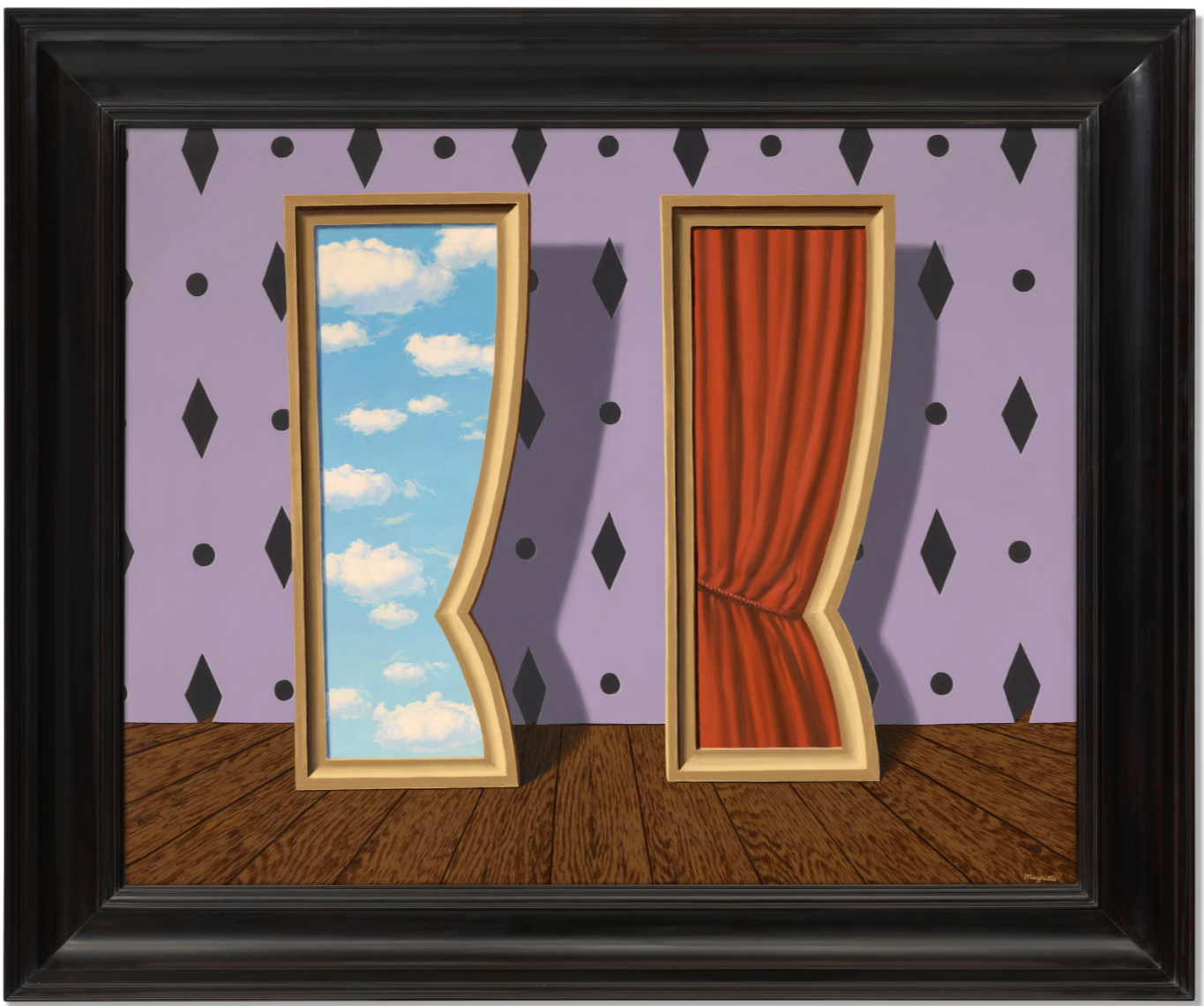
RENE MAGRITTE (1898-1967)
La cour d’amour, 1960
Oil on canvas
79.9 x 100 cm (31 1/2 x 39 3/8 inches)
Signed ‘Magritte’ (lower right)
Sated and titled ‘”LA COUR D’AMOUR” 1960’ (on the reverse)
In November 1964, at the opening of the exhibition Magritte: Le sens propre, René Magritte was asked by the journalist Pierre Mazars about the preponderance of curtains in his most recent works. The artist looked at the paintings hanging on the walls, and replied, in his quintessentially enigmatic manner, “Yes… We are surrounded by curtains” (P. Mazars, “Magritte et l’objet,” in Le Figaro Littéraire, 19 November 1964; quoted in K. Rooney and E. Platter, eds., René Magritte: Selected Writings, Richmond, 2018, p. 214). For Magritte, the curtain represented an intriguingly mysterious proposition, prized for its dual potential to reveal or conceal reality, to constrict our view, or open our eyes to hidden aspects of the world around us. Painted in 1960, La cour d’amour is one of a small series of paintings from the opening years of the decade in which the curtain plays a central role, allowing Magritte to investigate the poetic potential of this simple, familiar object, playing with the viewers’ perceptions and expectations in ever intriguing ways.
The curtain had been a perennial feature within Magritte’s art since his earliest Surrealist compositions from the mid-1920s, most often deployed as a framing device to the mysterious happenings and scenes that filled his canvases, or occasionally as a barrier or partition within the space. In many ways, these drapes had their roots in the traditions of art history, invoking the legendary competition between the Ancient Greek artists Zeuxis and Parrhasius, in which the latter’s superior skill was revealed through his realistic painting of a curtain that was so life-like it fooled the other artist entirely.
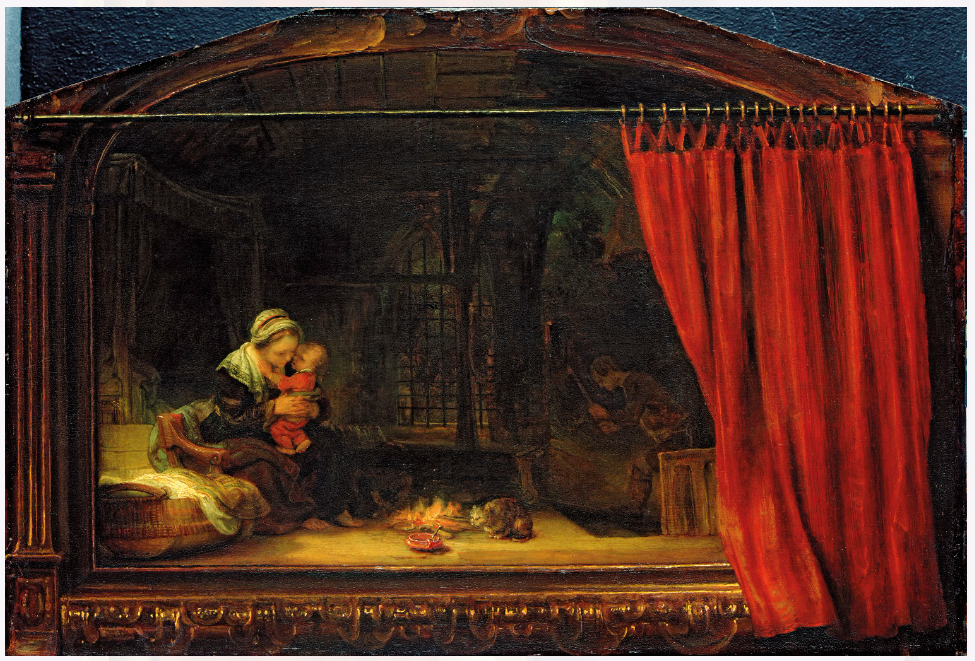
Rembrandt, The Holy Family with a Curtain, 1646. Museum Schloss Wilhelmshöhe, Kassel.
The legacy of this story continued to resonate with artists across the centuries, particularly through the Renaissance, with painters who sought to display their own mimetic mastery through the addition of trompe-l’oeil drapery to their canvases. During the Dutch Golden Age, for example the inclusion of this motif also referenced the popular practice among art collectors and patrons of the period to cover their precious paintings with a curtain, protecting them from dust and bright light, while also making the viewing experience an event, concealing the painting before revealing it in a dramatic flourish.
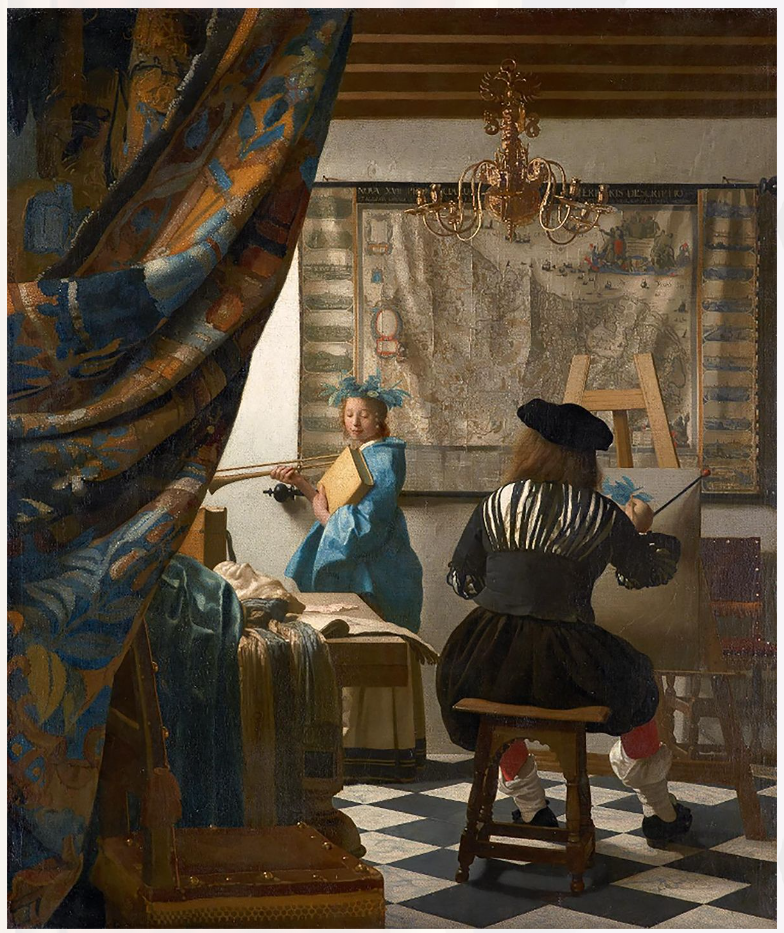
Johannes Vermeer, The Art of Painting, circa 1666-1668. Kunsthistorisches Museum, Vienna.
While in Magritte’s compositions the presence of the curtain typically lent the scene a certain theatricality, as if the objects and figures were taking part in a drama on the stage, in 1926 he began to set them free from their position as a framing device, allowing them to instead become towering, autonomous objects within his paintings. In Le monde poétique (Sylvester, no. 107; Private collection), for example, a pair of bright pink drapes appear unsupported on either side of the platform, the ambiguous material adopting the familiar silhouette and rippling folds of its own accord. In his 1942 painting Les Misanthropes (Sylvester, no. 511; Private collection), meanwhile, a cluster of these curtains become a domineering presence within the desolate, mist-filled landscape, enlarged to giant proportions and transformed into uncanny characters through the simple act of dislocation. At the dawn of the 1960s, the curtain once again became an important leitmotif for Magritte, featuring in a diverse range of contexts and situations, from the enveloping, cylindrical curves of Les mémoires d’un saint (Sylvester, no. 909; The Menil Collection, Houston), to the configuration of three contrasting flat and three-dimensional curtain forms, accompanied by a small grelot bell, in La Joconde (Sylvester, no. 922; Private collection).
In La cour d’amour, Magritte eschews any sense of the trompe-l’oeil effect, instead presenting us with two clearly flat panels cut into the distinctive shape of a draped curtain, which stand at the very center of the space. While one is filled with a realistic rendering of a rich red fabric, the folds following the contours of the panel as it is gathered together in a tie, the other presents an impossible view onto a cloud-filled, cerulean sky, as if the panel is in fact a window or a portal onto another landscape. Placed side by side, rather than as mirror opposites on either side of the space, Magritte accentuates the similarities and differences of the two panels, highlighting the manner in which they appear to have been created from the same schematic design, and yet transformed into two entirely different things by the artist’s hand. Playing with the viewer’s sense of depth, these two framed cut-outs introduce an intriguing impression of space within the scene, at once firmly rooted in the room, with its vivid, patterned wallpaper and wooden floor, and yet also suggesting another world beyond that which we can see.
Les chasseurs au bord de la nuit, 1928
Christie’s New-York: 19 November 2024
Estimated: USD 8,000,000 – 12,000,000
RENE MAGRITTE (1898-1967), Les chasseurs au bord de la nuit | Christie’s
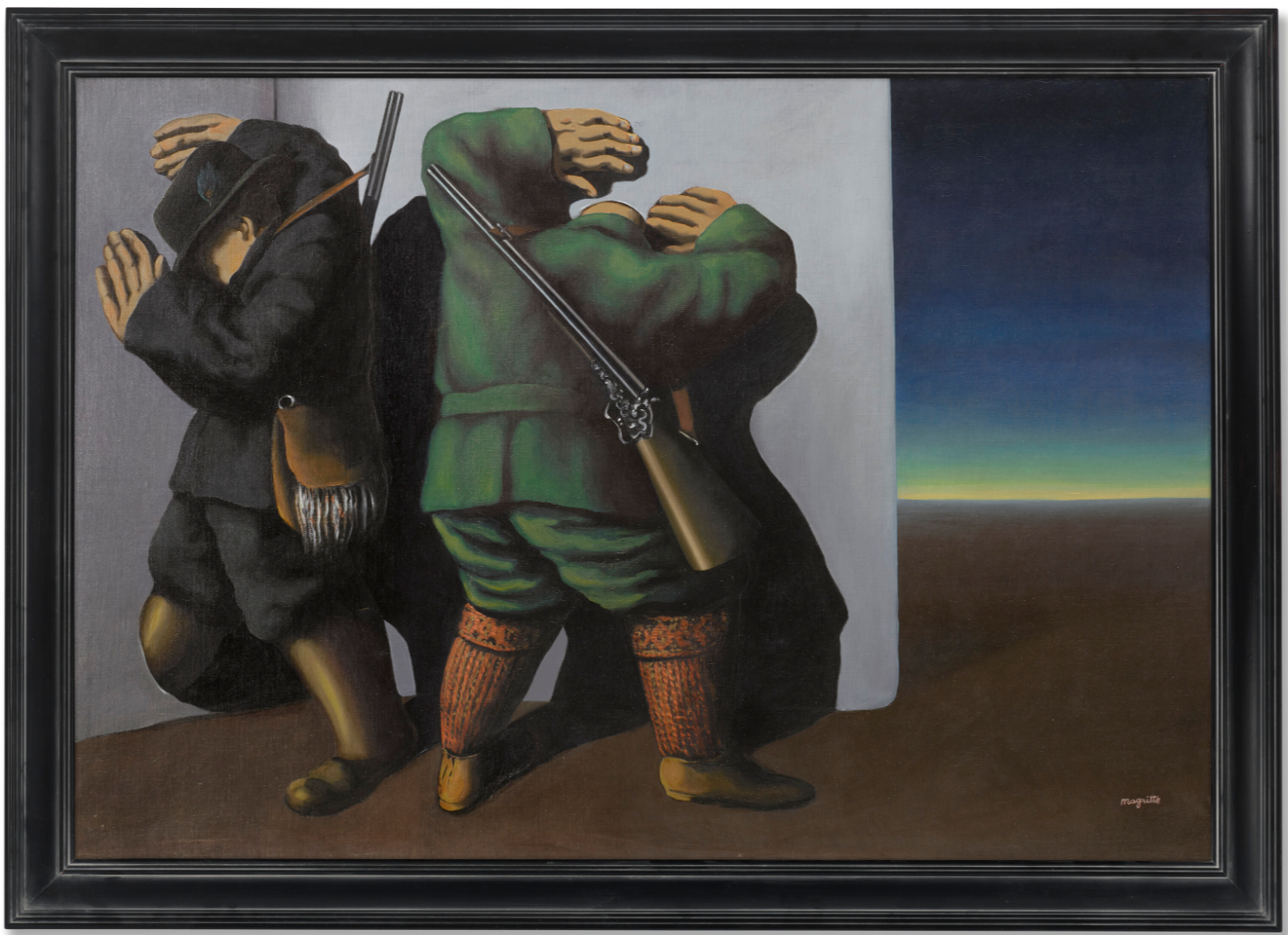
RENE MAGRITTE (1898-1967)
Les chasseurs au bord de la nuit, 1928
Oil on canvas
80.7 x 116 cm (31 7/8 x 45 5/8 inches)
Signed ‘Magritte’ (lower right)
Painted in 1928, Les chasseurs au bord de la nuit dates from the peak of René Magritte’s early involvement with the Surrealist group. The artist had moved from Brussels to Paris in the autumn of the previous year, drawn to the French capital’s lively art scene and in particular, the hive of artists and writers active within André Breton’s circle. It was here that Magritte’s visual language truly began to solidify, as he boldly set out to challenge and undercut established traditions of representation in painting and forge a distinctive new path within Surrealism. This was perhaps the most productive and innovative chapter of the artist’s entire career, as he created masterpiece after masterpiece, tapping into a rich seam of ideas inspired by the stimulating environment of Paris and his encounters with his fellow Surrealists. A powerful and evocative work from these seminal years, Les chasseurs au bord de la nuit captures the deep sense of mystery and intrigue that infused Magritte’s paintings during this period, and has featured in many of the most important monographs and exhibitions dedicated to the artist’s work over the past century.
Les chasseurs au bord de la nuit is marked by a distinctly disquieting atmosphere, as its two protagonists are trapped within a mysterious stretch of wall. Many of the paintings that Magritte created while living Paris in the late 1920s combined the poetic transformations of the everyday world with a certain dark intensity and sense of danger. For example, works such as Les jours gigantesque (Sylvester, no. 247), which appears to show a struggle between a nude woman and a clothed man, Les amants (Sylvester, no. 251) with its figures’ heads covered in winding sheets, or L’idée fixe (Sylvester, no. 269) which features a hunter stalking unseen prey, each contain clear undertones of suspense, anxiety or violence.
“The pictures painted […] from 1926 to 1936 were also the result of a systematic search for a disturbing poetic effect which, produced by the deployment of objects taken from reality, would give the real world from which they were borrowed a disturbing poetic meaning through a quite natural interchange.”
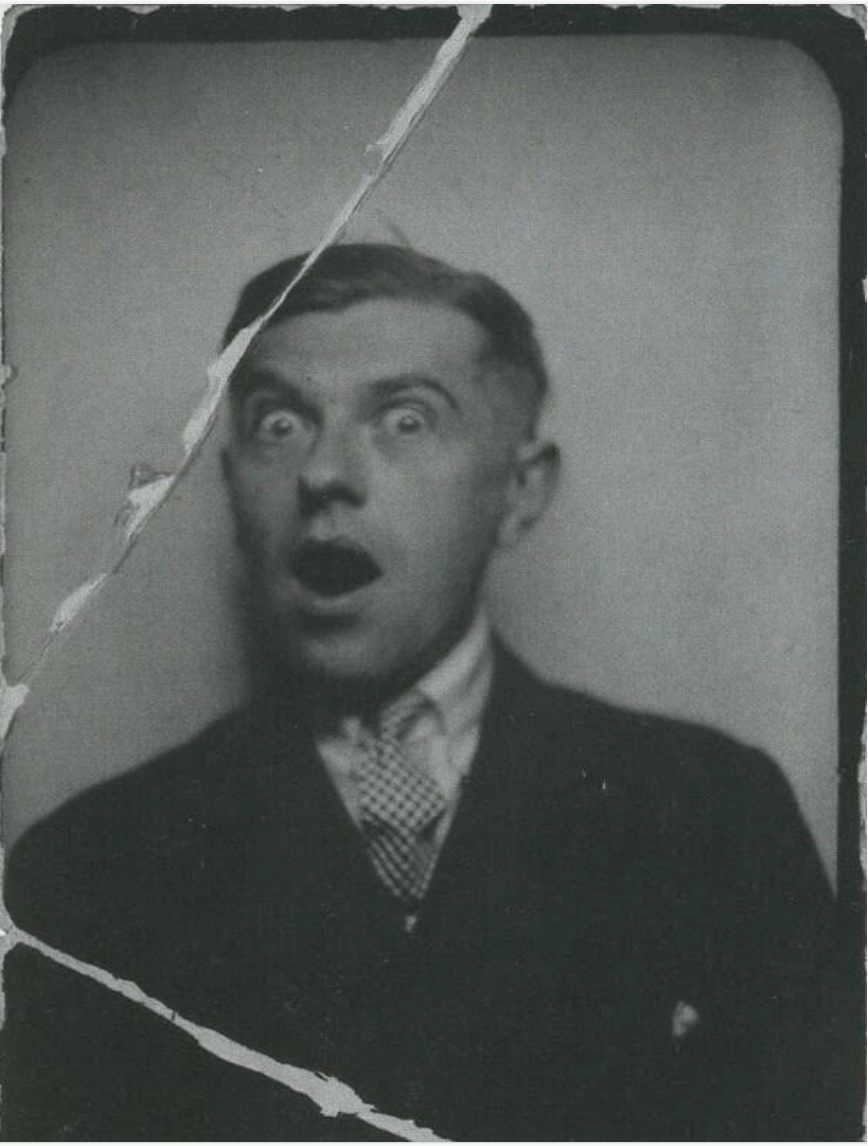
La coquetterie, photo self portrait by René Magritte. 1929. Photomaton. © 2024 C. Herscovici / Artists Rights Society (ARS), New York.
The crepuscular light in Les chasseurs au bord de la nuit appears to hint at the departing day and the oncoming night, as a pair of armed hunters find themselves suddenly preyed upon by their surroundings, caught in a strange, monumental trap. They are held fast by the wall into which their own bodies appear to have been partially absorbed: the hunter on the left has lost his foot, while the other’s head is missing, seemingly immured. This sense of tension is accentuated by the bulk of the figures, who attempt to use their sheer physicality to free themselves, pushing and shoving against the wall to no avail. Their struggle is made even more dramatic by the vast open space to the right, where the barren landscape stretches towards a distant, glowing horizon, the promise of freedom just a few steps away.
It has been suggested that Les chasseurs au bord de la nuit owes a debt to the works of Edgar Allen Poe, whose writings Magritte devoured voraciously. Here, the scene calls to mind Poe’s short story The Pit and the Pendulum, which shares the experiences of a prisoner during the Spanish Inquisition who finds himself subjected to elaborate torture techniques within a strange, nightmarish setting (see D. Sylvester, op. cit., 1992, vol. I, p. 279). As Poe’s tale reaches its denouement, the walls of the prisoner’s cell turn burning hot and slowly begin to move inwards, shrinking the space and forcing him toward the center of the room, where a deep pit awaits him. In Magritte’s composition, the wall is transformed into a strange, alien entity, consuming anyone foolish enough to venture too close. By allowing it to partially absorb the two hunters, the artist forces the viewer to question their very understanding of the wall’s materiality—what appears at first glance to be solid and unyielding, is in fact porous and expansive, its true nature unknown. In this way the very concept of the wall—such a familiar, common-place element in our lives—becomes profoundly dangerous, trapping the two men and subsuming them within its eerie, hidden depths.
For Magritte, the image of the wall may have carried a further layer of meaning within his imagination. A letter from his close friend Paul Nougé, delivered at the very beginning of Magritte’s stay in Paris, had used the analogy of a wall to issue a great rallying cry to the artist, encouraging him to challenge the status-quo of art making. “Here we are at the door of the wall, with all the others (our public),” Nougé expounded. “There are those who are anxious to know what goes on behind the wall; there are those who are prepared to settle for the wall; there are those who do not care what happens behind the wall, if anything; there are those who don’t see the wall; there are those who deny the wall; there are those who deny or refuse even the possibility of the wall. But you, mon cher Magritte, you have constructed an infernal machine, you are a good engineer, a conscientious engineer. You have left nothing undone in order to blow up the wall” (quoted in A. Danchev and S. Whitfield, Magritte: A Life, London, 2020, p. 185).
RENE MAGRITTE
L’empire des lumières, 1956
Christie’s New-York: 19 November 2024
Estimated: USD 6,000,000 – 8,000,000
RENE MAGRITTE (1898-1967), L’empire des lumières | Christie’s
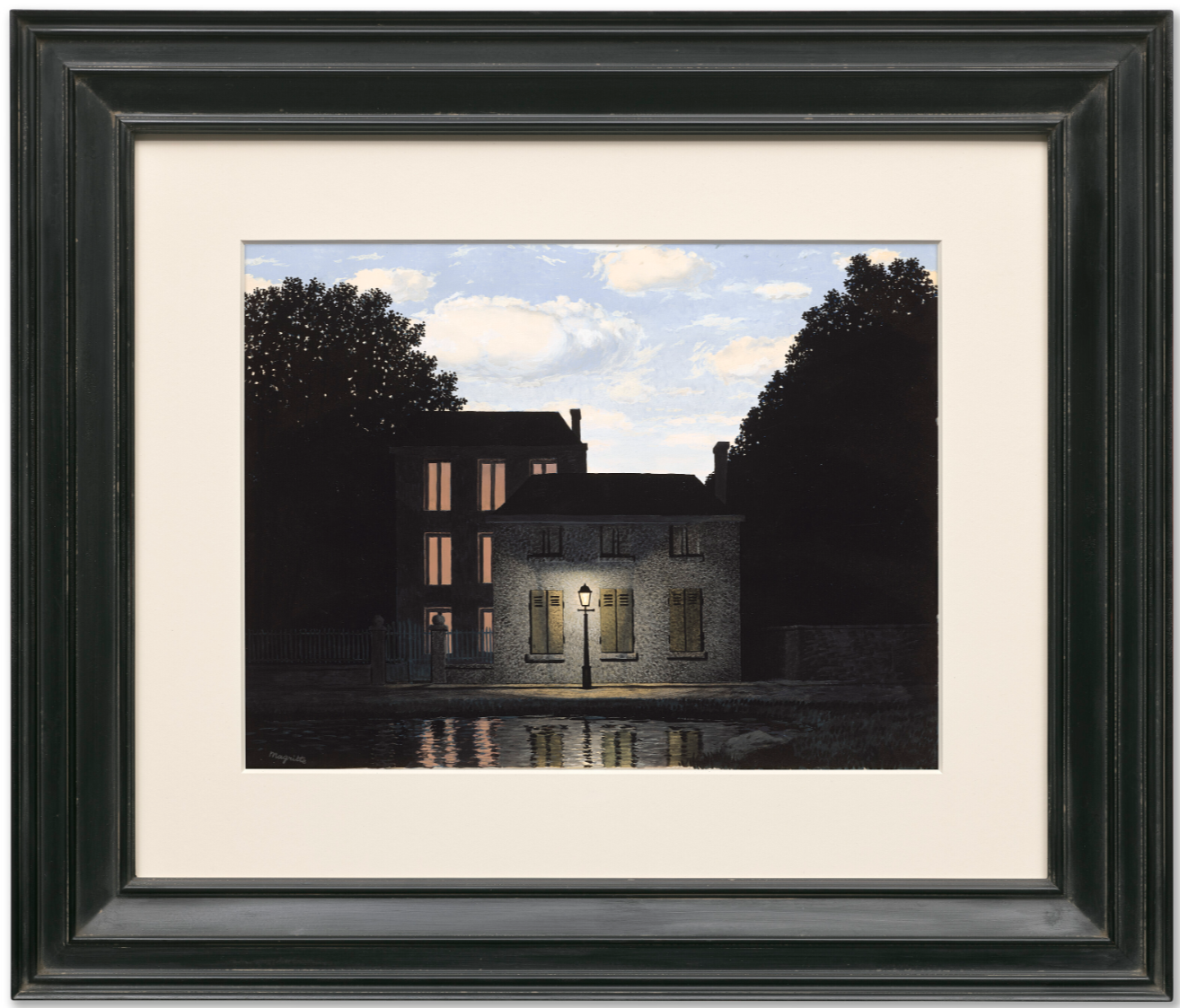
RENE MAGRITTE (1898-1967)
L’empire des lumières, 1956
Gouache on paper
36.3 x 46.8 cm (14 3/8 x 18 1/2 inches)
Signed ‘Magritte’ (lower left)
In December 1955 René Magritte and his wife Georgette relocated to a new apartment in Brussels, moving to the ground floor of 404 Boulevard Lambermont, directly across from the peaceful Parc Josaphat. Within this quiet residential corner of the city, Magritte was delighted to find a scene that appeared to directly echo one of his favorite and most iconic recurring motifs—the L’empire des lumières. Describing his new surroundings in a letter to his dealer Alexander Iolas in early January 1956, he specifically invoked these paintings, writing, “You will see: in the evenings, it’s like being in the picture—L’empire des lumières. The villa where I live is surrounded by gardens, and the houses looking directly on to the Boulevard Lambermont stand out against a wide sky” (quoted in D. Sylvester, ed., René Magritte: Catalogue Raisonné, Oil Paintings, Objects and Bronzes, 1949-1967, London, 1993, vol. III, p. 63). Painted shortly thereafter, the present L’empire des lumières is the largest and most exquisitely rendered of the artist’s gouaches devoted to this mysterious subject, its captivating juxtaposition of a nocturnal street-scene and a day-lit sky executed in delicate flickering brushstrokes that demonstrate Magritte’s expressive painterly approach.
The idea for L’empire des lumières had initially emerged in Magritte’s paintings in 1949, and over the course of the following decade and a half he revisited and revised the motif across a series of oil paintings and gouaches, each iteration subtly different from the next, incorporating new elements and details within the landscape, the buildings, or the sky. For Magritte, the subject represented a distillation of the powerful, lyrical nature of his Surrealist ideas, confronting the viewer with a seemingly impossible scenario in an otherwise familiar and everyday setting. “The art of painting, as I see it, makes possible the creation of visible poetic images,” he explained shortly before embarking on the present work. “They reveal the riches and details that our eyes can readily recognize: trees, skies, stones, objects, people, etc. They are meaningful when the intelligence is freed from the obsessive will to give things a meaning in order to use or master them” (quoted in La Carte d’après Nature, no. 8, January 1955, p. 6; in K. Rooney and E. Plattner, René Magritte: Selected Writings, trans. J. Levy, Richmond, 2018, p. 180).
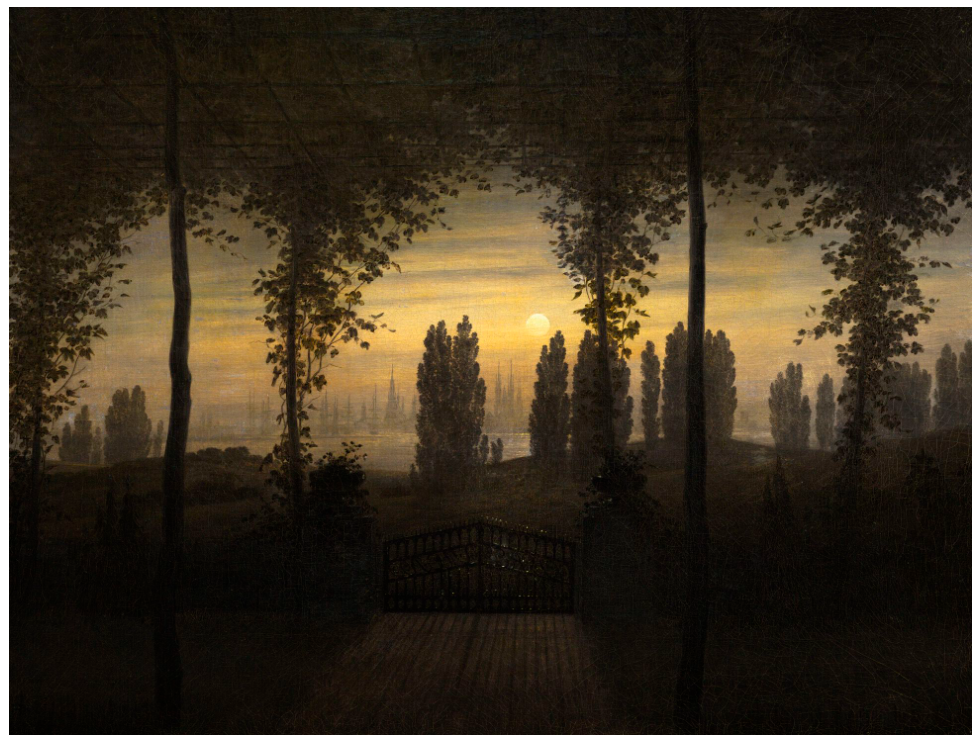
Caspar David Friedrich, Gedächtnisbild für Johann Emanuel Breme, 1817. Stiftung Preussische Schlösser und Gärten Berlin-Brandenburg, Berlin. Photo Credit: Erich Lessing / Art Resource, NY.
Here, on a quiet residential street, the light of a street lamp casts a warm glow among the dark shadows of nightfall, illuminating the houses that line the thoroughfare and casting rippling reflections on the waterway in the foreground. Taking up a position on the opposite bank of the small pond or stream, the viewer is granted an uninterrupted view of a startling phenomenon that transforms the scene—above the houses and trees, rather than the star-filled vista we might expect, a bright blue sky, filled with fluffy white clouds appears. The inherent magic of Magritte’s L’empire des lumières pivots on this deceptively simple contrast between night and day, conjured through an implausible occurrence that may appear at first glance to be perfectly normal—indeed, the artist claimed that many viewers initially assumed that they had seen a starry night sky in the picture, and it was only upon further inspection that they discovered the strange incongruence.
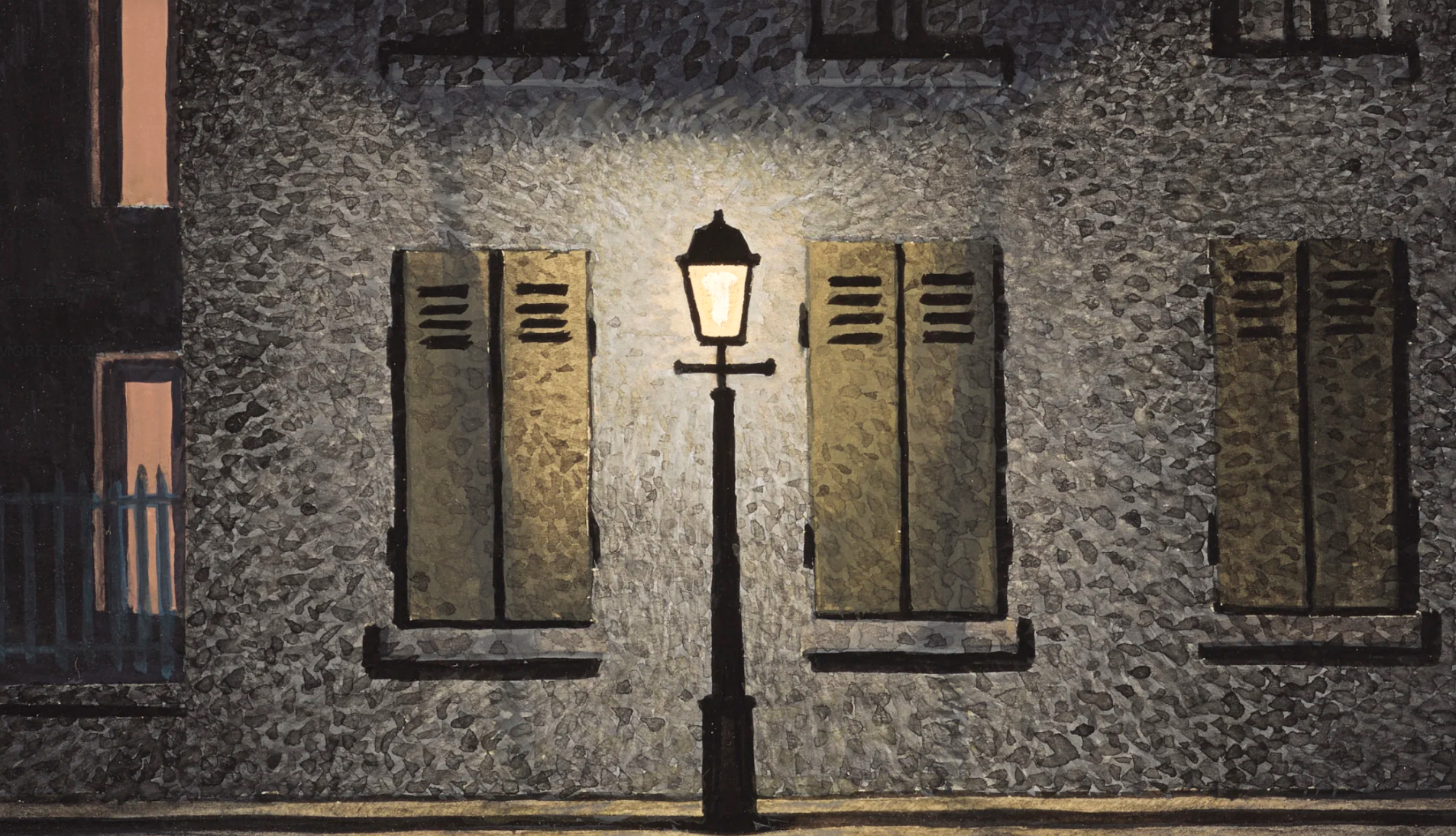
Alongside its captivating sense of mystery, the present L’empire des lumières also showcases Magritte’s masterful technique when working in gouache during this period of his career. He had first begun to experiment with the water-based paint during his years as a commercial designer, and by the mid-1930s it had become an important aspect of his practice, offering a creative outlet to explore new concepts and visualize his ideas quickly on paper. In contrast to the smooth, almost imperceptible brushwork typical of his oil paintings, Magritte’s gouaches embrace the spontaneity and fluidity of the medium, the path of the artist’s brush remaining clearly visible to the viewer as it moves across the page. He also played repeatedly with the consistency and finish of the gouache pigments, diluting the paints to different degrees in order to create rich, variegated textures and visual effects across the page. In the present work, for example, Magritte shifts from passages of opaque, saturated pigment, seen in the trees and houses, to semi-transparent touches of color arranged in delicate layers in his description of the light cast by the lamp, its rays flickering, overlapping and changing direction in an intricate pattern of short, staccato brushstrokes.
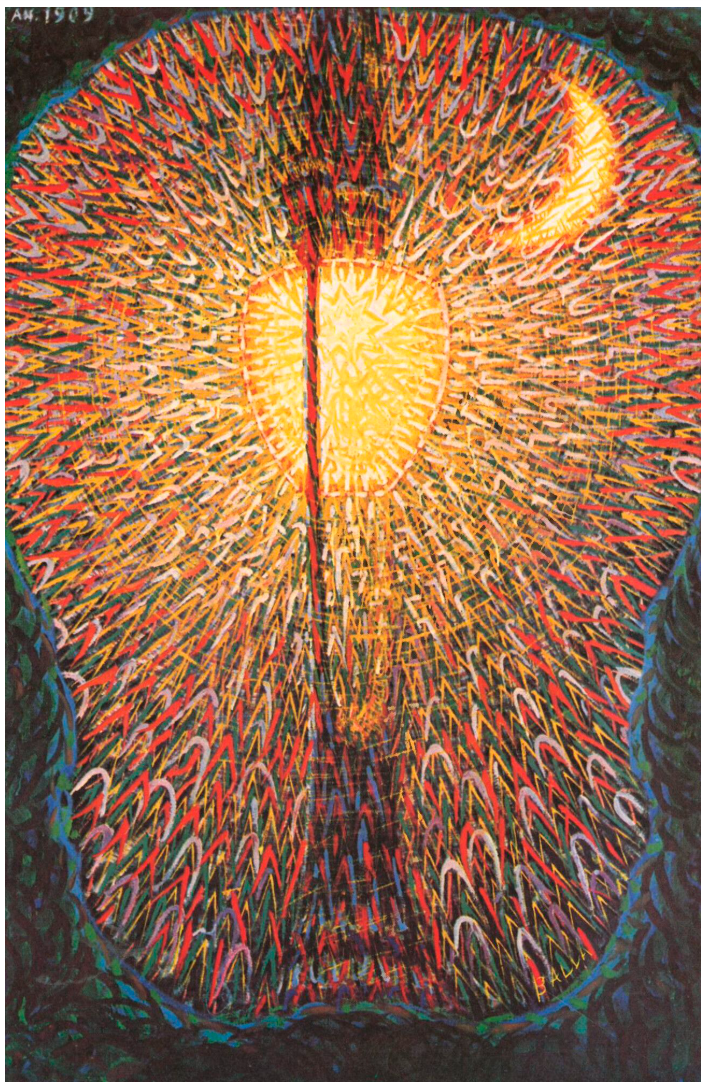
Giacomo Balla, Lampada ad arco, circa 1910-1911. The Museum of Modern Art, New York.
Magritte’s depiction of the radiant halo cast by the street lamp is in some ways reminiscent of the dynamic treatment of electric illumination in Giacomo Balla’s Street Light, circa 1910-1911 (The Museum of Modern Art, New York). The Italian Futurists had been an important touchstone for Magritte during the early stages of his career—recalling his first encounters with Futurism in his 1938 lecture “La ligne de vie,” the artist explained the profound effect these works had on his painterly outlook: “through a trick of fate, someone handed me the illustrated catalogue of an exhibition of Futurist painting with a condescending smile, and no doubt the stupid intention of pulling my leg. I had before my eyes a powerful challenge to common sense which worried me greatly… In a state of positive intoxication I painted a whole series of futurist pictures…” (“La ligne de vie,” quoted in G. Ollinger-Zinque and F. Leen, eds., René Magritte, 1898-1967: Centenary Exhibition, exh. cat., Royal Museum of Fine Arts of Belgium, Brussels, 1998, p. 45). While Magritte soon shifted away from the fragmented, clearly divided planes of color of these early Futurist-inspired paintings, the group’s approach to movement and dynamism seems to have continued to resonate within his imagination decades later. Here, the light scatters and is refracted across the façade of the house, creating a rich play of shadows that further accentuates the strange presence of the bright, daylit sky above.
La recherche de l’absolu, circa 1963
Estimated: USD 3,000,000 – 5,000,000
La recherche de l’absolu, circa 1963
Gouache on paper
36.3 x 27.3 cm (14 1/4 x 10 3/4 inches)
Signed ‘Magritte’ (lower left)
Titled ‘”La Recherche de l’Absolu”‘ (on the reverse)
“Among the recent canvases, there are three versions of ‘The search for the absolute,’ which is a leafless tree (in winter) but with branches that provide the shape of the leaf, a Leaf even so! One version takes place in the evening with a setting sun, another in the morning with a white sphere on the horizon, and the third shows this great, self-willed leaf rising against a starry sky.”
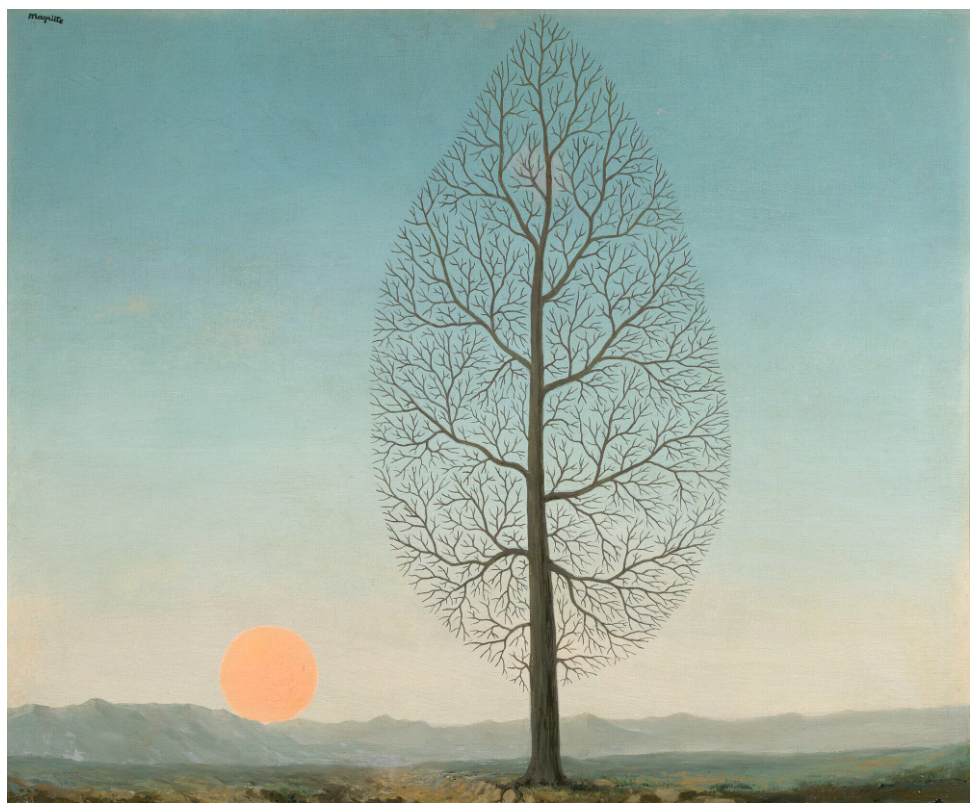
René Magritte, A la recherche de l’absolu, 1941. Ministère de la Communauté Française de Belgique, Brussels.
© 2024 C. Herscovici / Artists Rights Society (ARS), New York. Banque d’Images, ADAGP / Art Resource, NY
The title of the present gouache comes from the novel, La recherche de l’absolu by Honoré de Balzac, which portrays the destructive effects of one man’s obsession with alchemy and a quest for absolute truth. Magritte often took inspiration from literature, film and music when creating with titles for his canvases, and he also invited suggestions from friends such as the writers Paul Nougé and Louis Scutenaire, who is thought to have contributed the title for the present work. As in many of Magritte’s paintings after 1930, the title has a tenuous, indirect or seemingly incongruous relationship with the imagery, through which the artist invites the viewer to build associations on their own.
Focus: Willem de Kooning
Untitled, 1982
Christie’s New-York: 19 November 2024
Estimated: USD 8,000,000 – 12,000,000
USD 13,290,000
WILLEM DE KOONING (1904-1997), Untitled | Christie’s
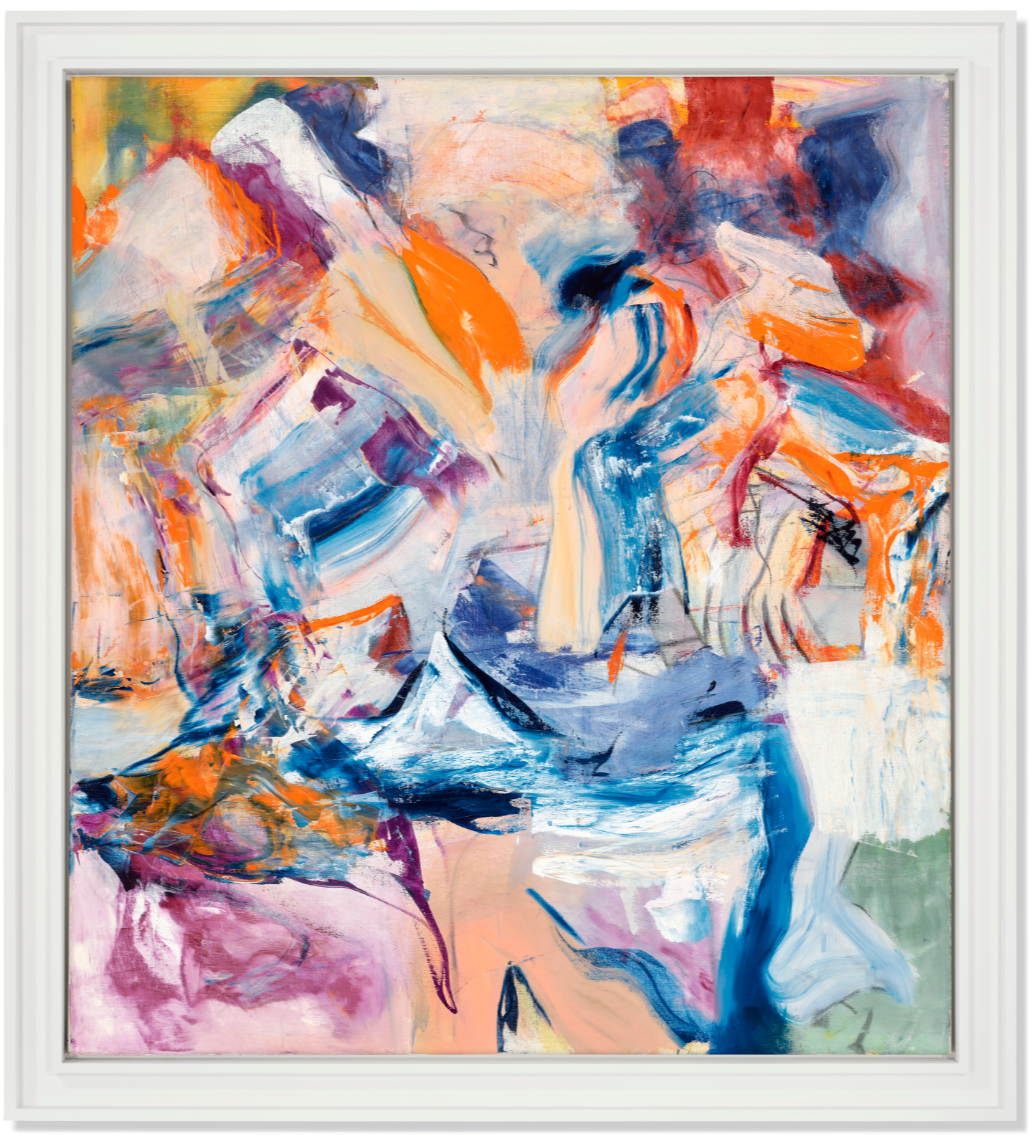
WILLEM DE KOONING (1904-1997)
Untitled, 1982
Oil on canvas
60×54 inches (152.4 x 137.2 cm)
Overflowing with luminosity, Willem de Kooning’s Untitled from 1982 is a masterful abstraction that coalesces decades of style into a singular painterly retrospective. Echos of the Abstract Expressionist master’s brushy figuration from the 1950s peer through fleshy pastel colors reminiscent of his 1960s grand gestural abstractions, whilst ribbons of purple and blue form a bridge between the effervescent canvases of the late 1970s and the leaner “ribbon paintings” that would emerge a few years later.
The period between 1980 and 1983 marks an immensely reverent time in the artist’s life where he reflected on the painter he once was and who he was to become in his great age. “Instead of just looking back in reverie to his past, as happens so frequently in old age,” Klaus Kertess has explained of the period coined “the last beginning,” adding that “he transformed looking back into looking forward” (K. Kertess, “Further Reflection,” in Willem de Kooning: The Last Beginning, exh. cat., New York, Gagosian Gallery, 2007, p. 18).
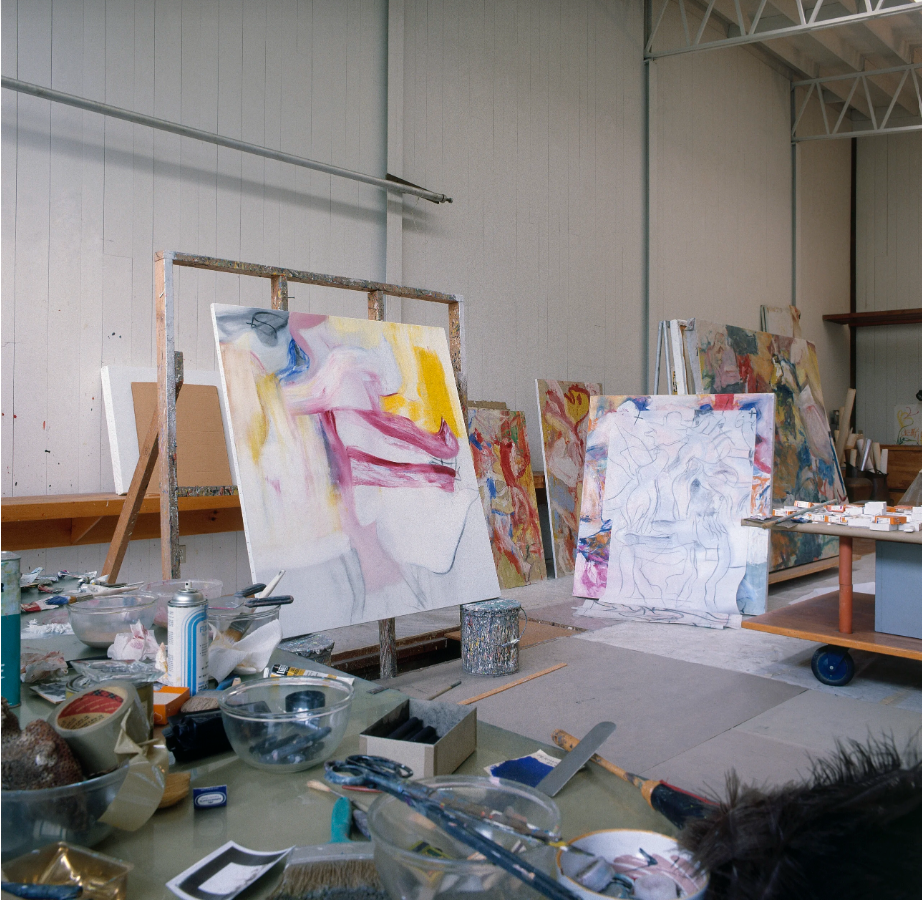
The present lot in progress in Willem de Kooning’s studio, 1981. Photo: Jaime Ardiles-Arce, published in Architectural Digest. © Condé Nast. Artwork: © 2024 The Willem de Kooning Foundation / Artists Rights Society (ARS), New York.
Opening his studio to the world, the artist—who had only recently returned to painting after a fallow artistic period—invited a new audience to witness this final transformation. The creation of Untitled took center stage on the pages of Architectural Digest and in the 1982 documentary film Strokes of Genius: de Kooning on de Kooning. Pushing, pulling, scraping, and brushing, the creative force behind de Kooning’s new works—though relatively limited in number—was met with critical acclaim. “I was particularly impressed by your late work reproduced in your studio settings in Architectural Digest and in Art News,” the legendary dealer Sidney Janis wrote to the artist. “There is a lyricism evident in your new paintings which I might have previously missed and which I find most stimulating and exciting” (S. Janis quoted in J. Elderfield, de Kooning: A Retrospective, exh. cat., New York, 2011, p. 443). Janis’s words were testament to the vigor of the 78-year-old artist who would go on to create some of his greatest paintings during the final chapter of his life.
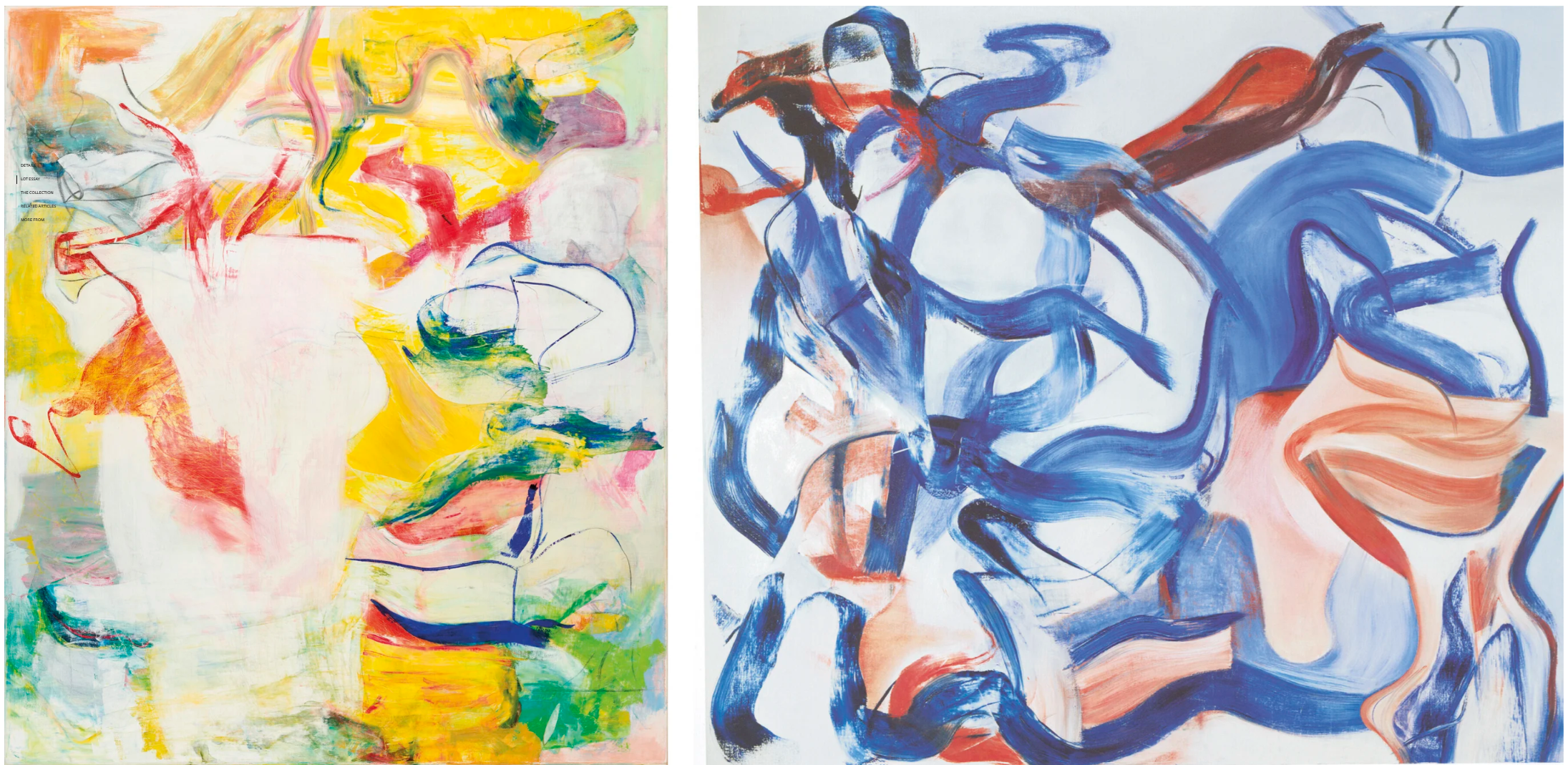
Left: Willem de Kooning, Pirate (Untitled II), 1981. Museum of Modern Art, New York. © 2024 The Willem de Kooning Foundation / Artists Rights Society (ARS), New York. Photo: © The Museum of Modern Art / Licensed by SCALA / Art Resource, New York.
Right: Willem de Kooning, Untitled XXI, 1982. Philadelphia Museum of Art. Artwork: © 2024 The Willem de Kooning Foundation / Artists Rights Society (ARS), New York.
More than a work of sublime sensuality, this luminous 1982 canvas is also a triumphant manifestation of the artist’s will to overcome a period of immense personal and creative struggle. Painted during a time of newfound stability and artistic innovation, Untitled signals the dawning of a significant new phase in its creator’s oeuvre. For de Kooning, the 1970s had been marred with bouts of severe alcohol and depression, which seemed to come to a head in 1978. In the wake of the sudden deaths of two dear friends and critical supporters, Harold Rosenberg and Thomas Hess, de Kooning halted creation of the vibrant, watery, allover abstractions that had occupied him between 1975-77, citing that they’d become too predictable.
Whilst de Kooning was no stranger to change, this time proved especially difficult for the artist as his drinking and mental state worsened. His creative production also plummeted, indicating that the cure was neither easy nor immediate. De Kooning was notorious for allowing few works’ survival under his harsh standards, and of the paintings that were made between 1979 and 1980 only a small number were kept. As his studio assistant at the time, Tom Ferrara, later emphasized, “It was a real event if he painted” (T. Ferrara, quoted in De Kooning: a Retrospective, exh. cat., New York, 2011, p. 442).
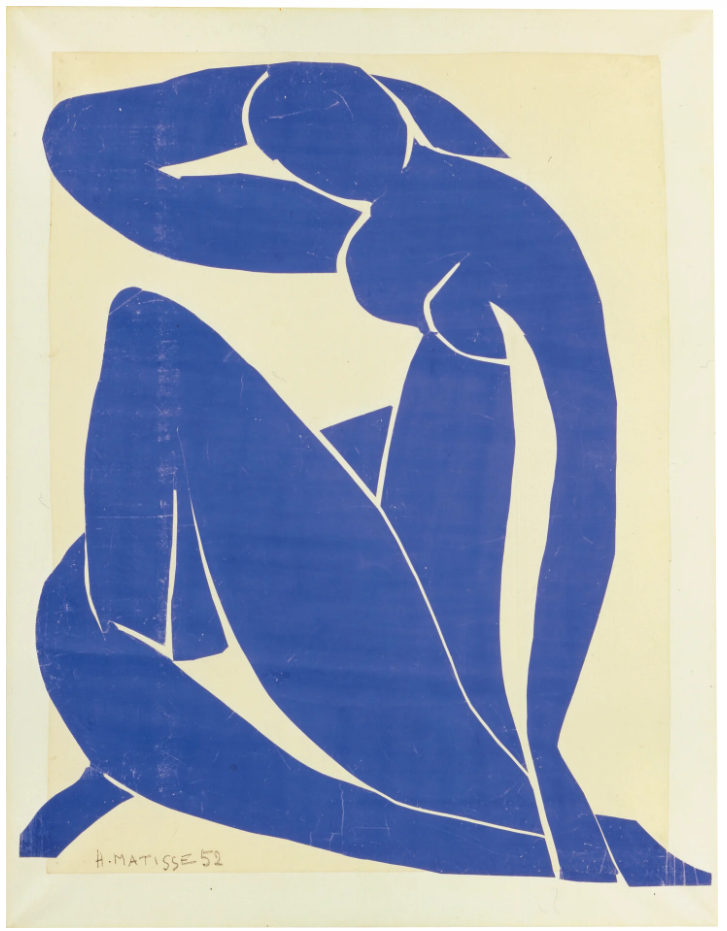
Henri Matisse, Blue Nude II, 1952. Musée National d’Art Moderne, Centre Georges Pompidou, Paris. © 2024 Succession H. Matisse / Artists Rights Society (ARS), New York
Inaugurating a significant new phase in de Kooning’s painting practice, Untitled charts a change of direction in the artist’s intentions. This new development was spurred, in part, by his rediscovery of Henri Matisse. In 1980, the artist observed, “Lately I’ve been thinking that it would be nice to be influenced by Matisse. I mean, he’s so lighthearted. I have a book about how he was old and he cut out colored patterns and he made it so joyous. I would like to do that, too—not like him, but joyous, more or less” (W. de Kooning, quoted by M. Stevens & A. Swan, de Kooning: An American Master, New York, 2004, p. 589). The supple, exuberant lines of the modern master’s late cut-outs such as Blue Nude II (1952, Musée National d’Art Moderne) evoked the idea of youthful play, engaged at a moment of physical decline.
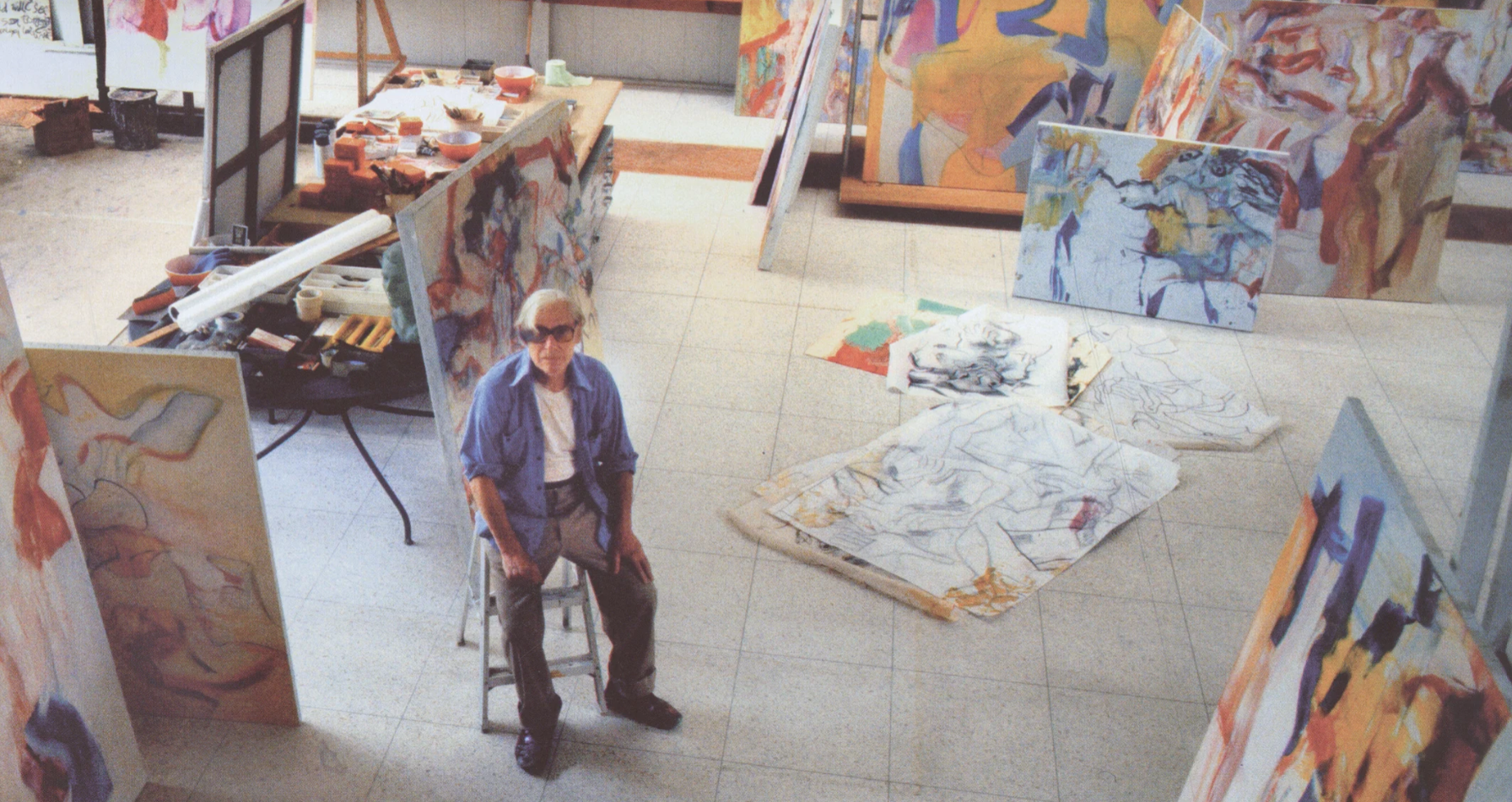
Willem de Kooning in his East Hampton studio. Photo: Eddy Posthuma de Boer.
Artwork: © 2024 The Willem de Kooning Foundation / Artists Rights Society (ARS), New York.
De Kooning’s canvases of the early 1980s present a fluid surface on which colors move freely, pulling their lightness from its glowing pastels. Age, it seems, had brought de Kooning a new pictorial wisdom. Joan Levy, a painter friend of de Kooning’s daughter Lisa, would later recall a conversation with the artist “When he started doing those paintings of the eighties, the light was pouring out. He said, ‘What do you think?’ I said, ‘They’re so ethereal. It looks like you died and went to heaven’. De Kooning agreed: ‘Yes, that is what I was going for’” (W. de Kooning, quoted by M. Stevens & A. Swan, op. cit., p. 591).
Untitled XXV, 1982
Sotheby’s New-York: 20 November 2024
Estimated: USD 9,000,000 – 12,000,000
USD 10,940,000
Untitled XXV | The Now and Contemporary Evening Auction | 2024 | Sotheby’s
WILLEM DE KOONING (1904 – 1997)
Untitled XXV, 1982
Oil on canvas
70×80 inches (177.8 x 203.2 cm)
One of the approximately thirty known paintings completed in 1982, which today stand as the best Williem de Kooning’s 1980s compositions, Untitled XXV is particularly striking in its elegantly refined yet suggestively alluring arrangement of color and form. An apotheosis of the mature artist’s indefatigable wellspring of decisive and skillful abstractions, de Kooning’s paradoxically effortless and yet highly meditated brushwork reveals the translation of his furtive drawing practice to grander forms. Held in the estate of the artist until acquired directly by the present owner, Untitled XXV has been cherished in only one private collection for over two decades after being on extended loan to the Tate Gallery in London. With its distilled palette and painterly lyricism, Untitled XXV evokes the same powerful emotive response affected by the artist’s tableaus of the 70s.
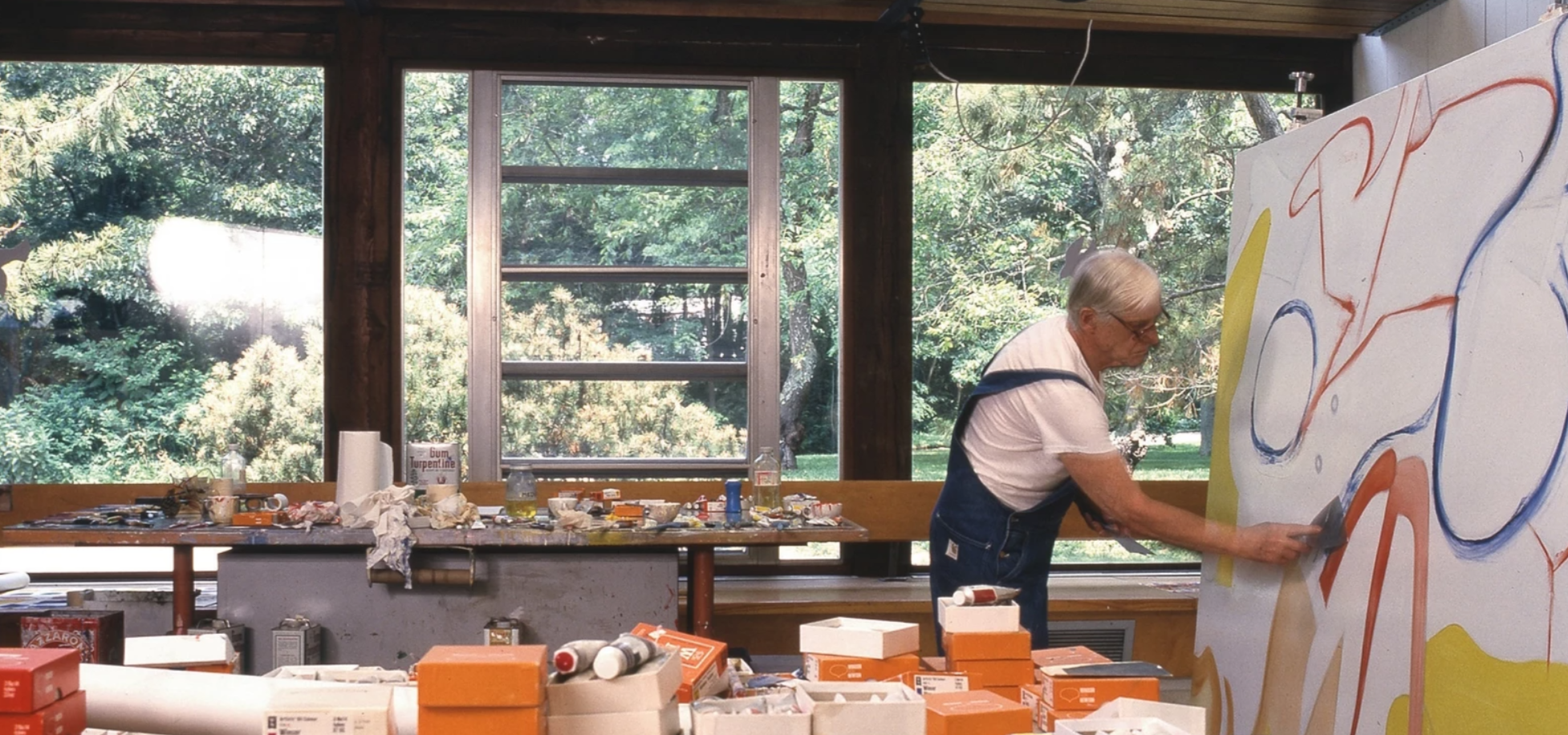
WILLEM DE KOONING IN HIS STUDIO, 1983. PHOTO © 1991 HANS NAMUTH ESTATE / COURTESY CENTER FOR CREATIVE PHOTOGRAPHY, UNIVERSITY OF ARIZONA. ART © 2023 THE WILLEM DE KOONING FOUNDATION / ARTISTS RIGHTS SOCIETY (ARS), NEW YORK
Among the most storied and pivotal pioneers of Post-War abstract painting, Willem de Kooning’s extraordinary career is characterized by a lifelong pursuit of innovation and art historical achievements, from his Woman paintings of the 1950s to the calligraphic beauty of his 1980s paintings, such as the present work. In this vein, the only comparable artist to achieve a similar consistent evolution of their practice is Gerhard Richter. The pervasive influence of Willem de Kooning’s legendary oeuvre on artists ranging from Gerhard Richter to younger painters such as Jenny Saville is a further testament to his enduring impact as one of the most influential artists of the twenty-first century. Lilting and lifting ripples of color and calligraphic streams of black somersault across an expansive, diffuse white ground. Shocks of red, cerulean, chartreuse and yellow are softened, blended and blanketed by de Kooning’s iridescent white beyond their boundaries. Some forms are outlined, others demarcated less overtly, collapsing the distinction between color, form and line. Elusive and lyrical in its lightness, the compositional perfection of Untitled XXV is owed to the inherent tension engendered by the relationship of de Kooning’s linear gestures and the positive and negative spaces they quietly generate.
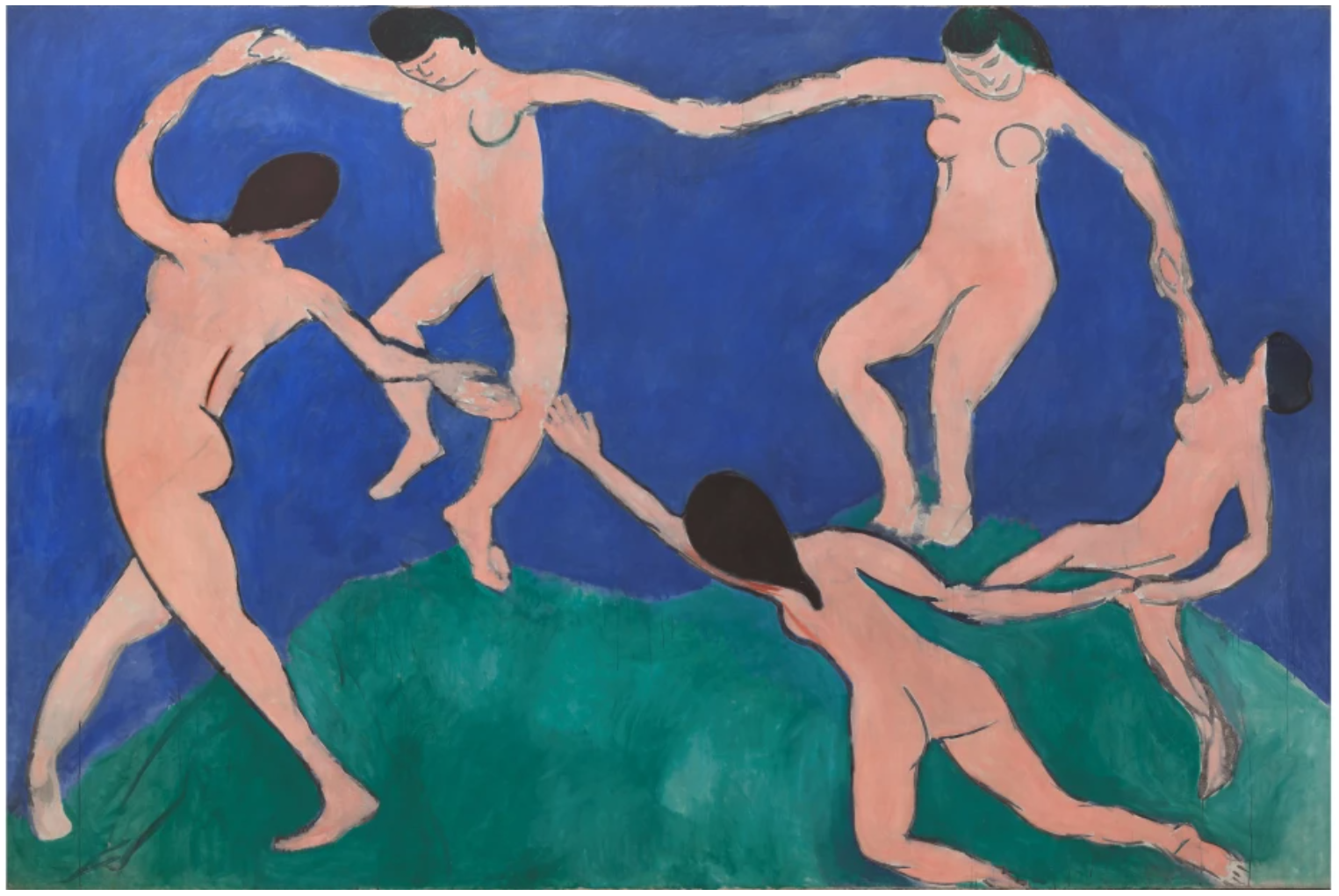
Henri Matisse, Dance (I), 1909. Museum of Modern Art, New York. Image © The Museum of Modern Art/Licensed by SCALA / Art Resource, NY. Art © 2024 Succession H. Matisse / Artists Rights Society (ARS), New York
Lilting and lifting ripples of color and calligraphic streams of black somersault across an expansive, diffuse white ground. Shocks of red, cerulean, chartreuse and yellow are softened, blended and blanketed by de Kooning’s iridescent white beyond their boundaries. Some forms are outlined, others demarcated less overtly, collapsing the distinction between color, form and line. Elusive and lyrical in its lightness, the compositional perfection of Untitled XXV is owed to the inherent tension engendered by the relationship of de Kooning’s linear gestures and the positive and negative spaces they quietly generate.
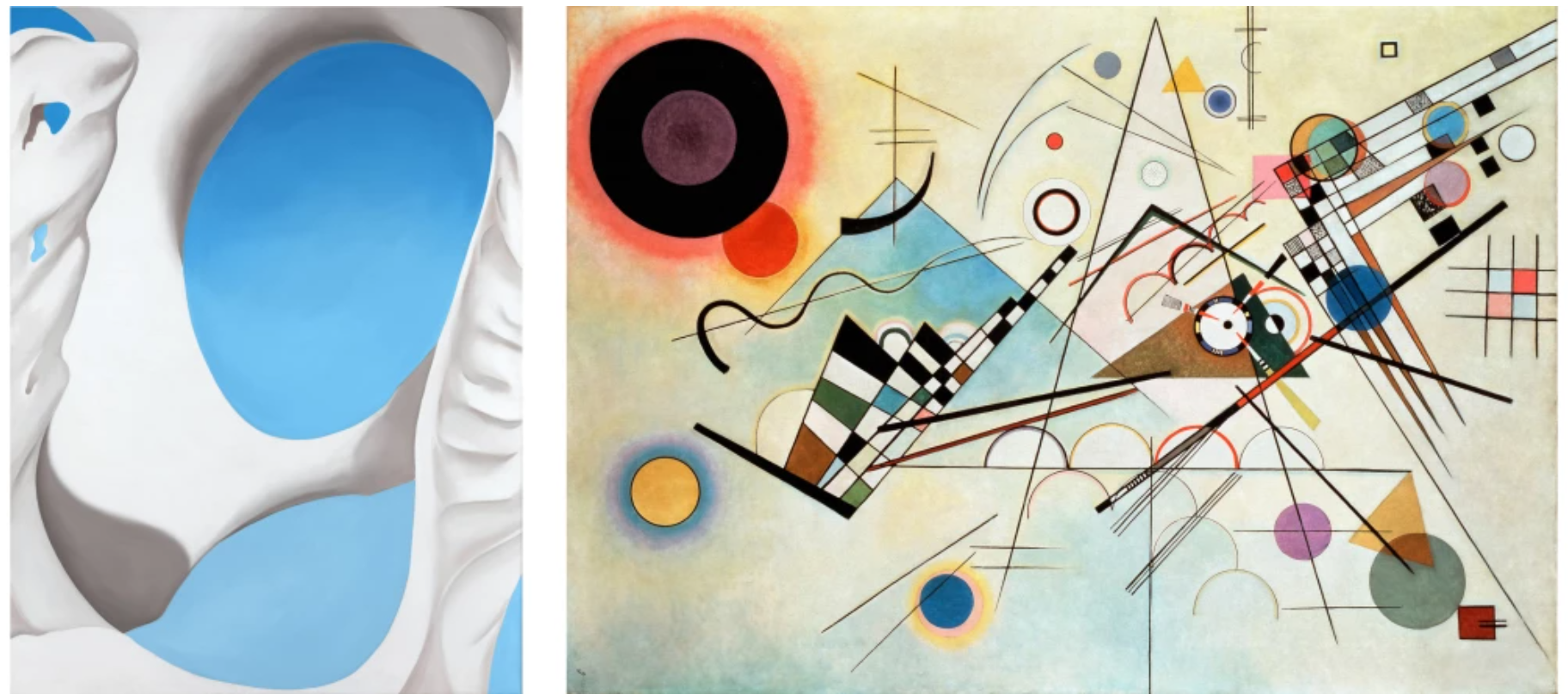
Left: Georgia O’Keeffe, Pelvis II, 1944. The Metropolitan Museum of Art, New York. Image © The Metropolitan Museum of Art. Image source: Art Resource, NY. Art © 2024 Georgia O’Keeffe Museum / Artists Rights Society (ARS), New York. Right: Wassily Kandinsky, Composition VIII, 1923. Solomon R. Guggenheim Museum, New York. Image © Luisa Ricciarini / Bridgeman Images. Art © 2024 Artists Rights Society (ARS), New York / ADAGP, Paris
The artist’s celebration of line had been integral to his process throughout his career and in the course of creating his later paintings, de Kooning mapped his compositions on large sheets of vellum–a practice which is perhaps evident in the artist’s pursuit of the ultimate painted effect of translucency. Unlike the broad, full-bodied lines of the Interchange paintings, or the churning, viscous lines of notable 70s tableaus, de Kooning’s linear marks of the 1980s are freer and their relationship to each other is indebted to de Kooning’s sense of space as a draftsman. De Kooning’s 80s canvases deconstruct the core elements present in his work throughout the course of his career, presenting line and color in their purest forms, while inventing fresh nuance in color through his prolific use of white. Nearly a century prior, Claude Monet’s late Nymphéas grew more abstract with the artist’s age–his perspective shifted relative to the picture plane, subverting the viewer’s relative concept of space and capturing the impossible visual effect of boundless reflections of sky and light mirrored two-dimensionally from the water’s surface. The paintings of the early 1980s marked just such a momentous change as de Kooning, spending most of his time in the calm of East Hampton, began to paint with a new grace and fertility which he viewed from the perspective of a long career as a premier artist. De Kooning returned to the serene beauty of East Hampton’s sunlit countryside and sea as an endless source from which to plumb inspiration. In the first few years of this pivotal decade, this new balance and clear-eyed confidence gave birth to an explosive creative energy and vigor which culminated in a series of monumental paintings.
Abstraction, 1948
Christie’s New-York: 19 November 2024
Estimated: USD 3,000,000 – 5,000,000
PASSED
WILLEM DE KOONING (1904-1997), Abstraction | Christie’s
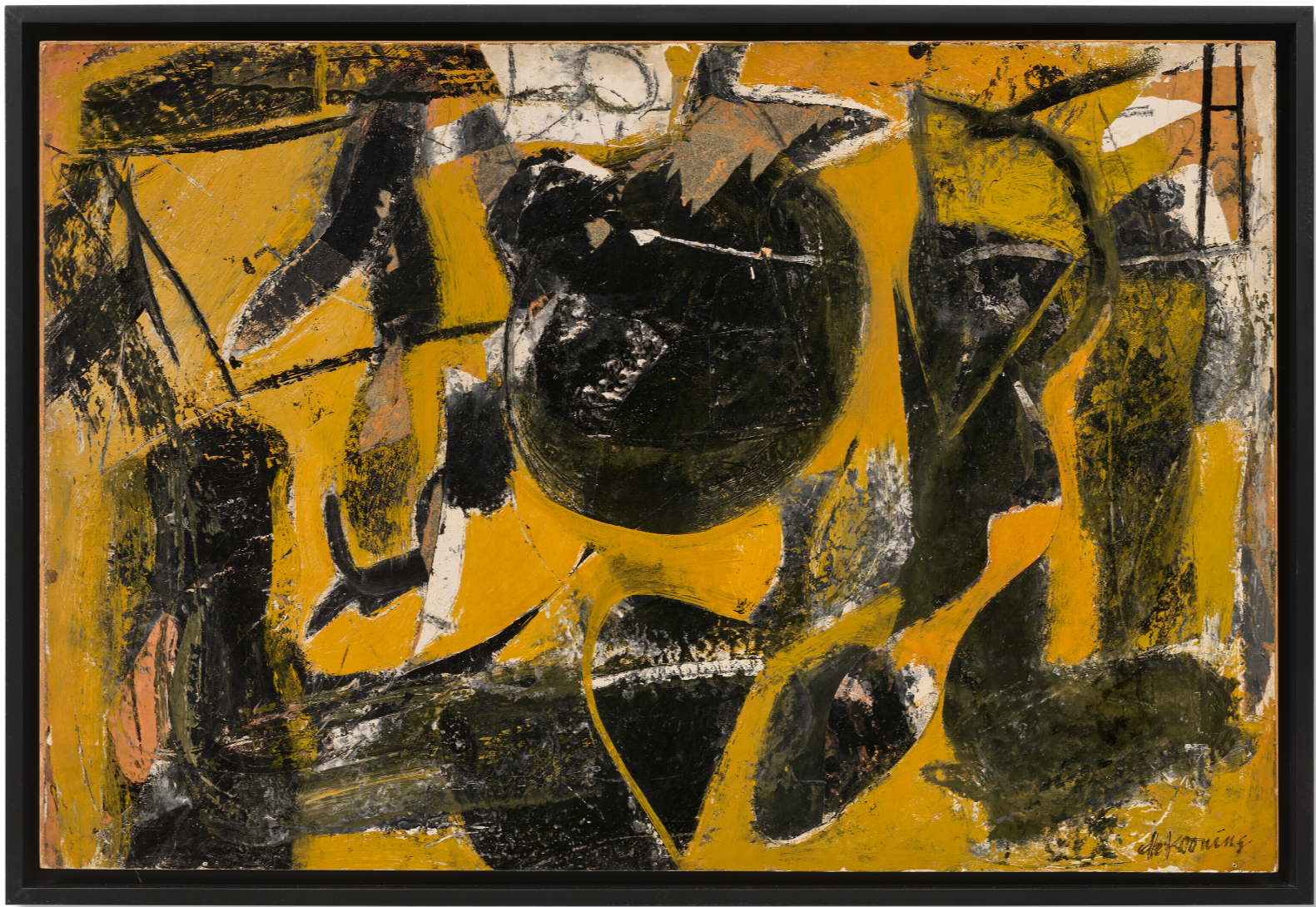
WILLEM DE KOONING (1904-1997)
Abstraction, 1948
Oil, enamel, charcoal and paper collage on paper mounted on board
24 1/4 x 36 1/8 inches (61.6 x 91.8 cm)
Signed ‘de Kooning’ (lower right)
In the months leading up to his first solo exhibition at Charles Egan Gallery in spring of 1948, Willem de Kooning reckoned with a thrilling new discovery, as he created an important series of black-and-white paintings that announced his reputation as an abstract painter. In the present work, one of de Kooning’s celebrated abstractions from this seminal series, his limited palette of black-and-white enamel paint is paired with a sumptuous warm ochre-tinged ground, and bristling with the simple but powerful abstract forms that nevertheless offered up a ‘glimpse’ of recognizable imagery. Ten of these important paintings debuted at Charles Eagan Gallery in April of 1948. Although there is no extant checklist, nine of these are known, and include major works like Zurich (Hirshhorn Museum and Sculpture Garden, Washington, D.C.); Black Friday (Princeton University Art Museum); and Valentine (Museum of Modern Art, New York). Abstraction belongs to this esteemed body of work.
In the winter of 1947 and spring of 1948, de Kooning painted with confidence and gusto, creating a series of black-and-white paintings that have been described as “among the most beautiful works of the twentieth century” (M. Stevens & A. Swann, De Kooning: An American Master, New York, New York, 2005, p. 248). Whereas just a few years earlier he had been struggling for income and recognition, it was the Egan Gallery exhibit that was a turning-point in his career. Charles Egan, writing in a letter to MoMA curator Alfred H. Barr Jr., just before the exhibit opened, proclaimed that de Kooning “is creating the most important paintings of our time” (C. Egan, quoted in De Kooning: A Retrospective, exh. cat., Museum of Modern Art, New York, 2011, p. 124).
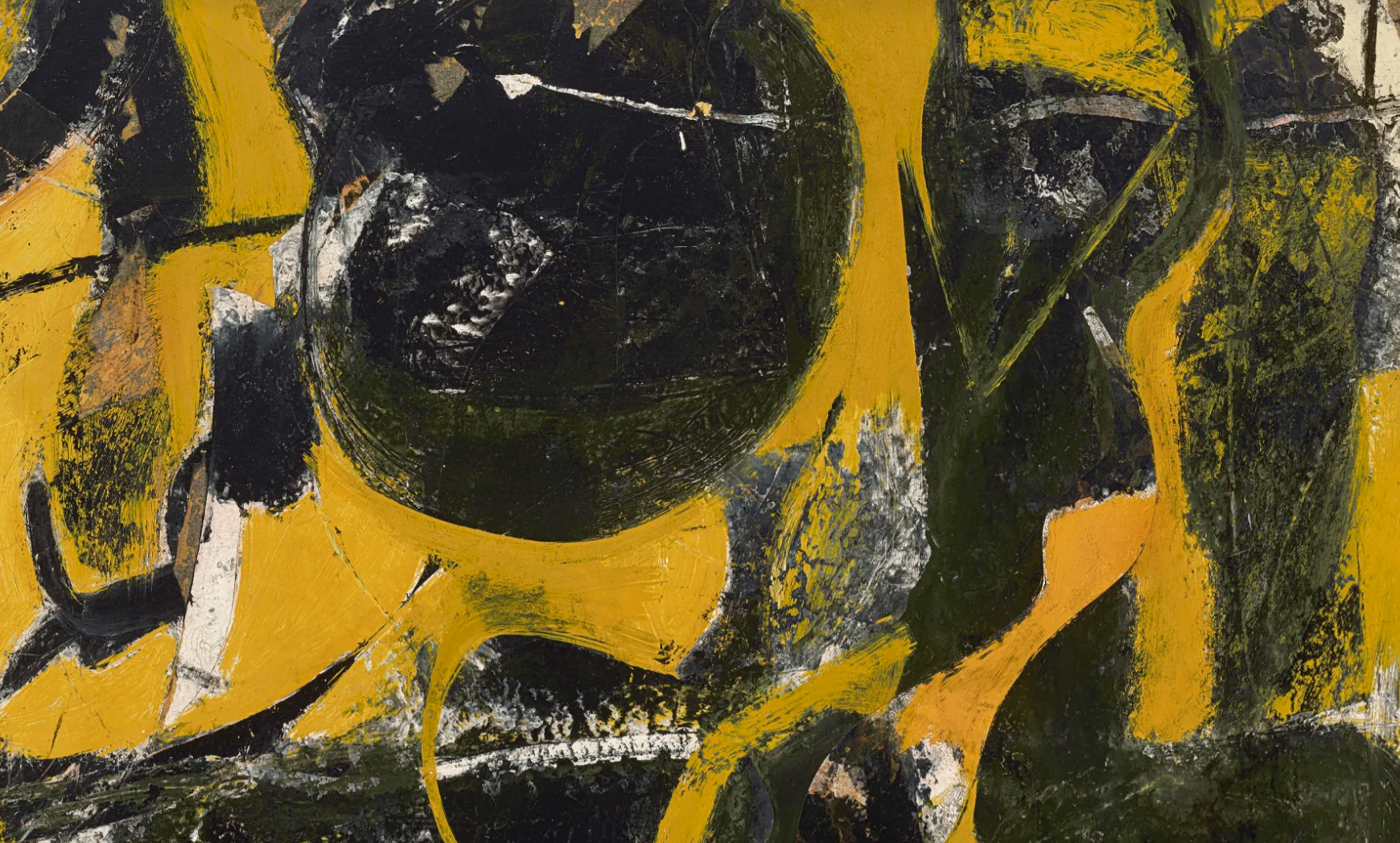
De Kooning’s use of commercial-grade enamel paints, purchased from a store on New York’s Bowery, allowed him the freedom of expression that he so desired in this new series. The enamels were slow-drying and had a slick, semi-glossy appearance, allowing him to work wet-on-wet and therefore acting as the perfect ground for his improvisatory brushwork. The areas where his brush was loaded with traditional oil paint, and happened to contact the slick enamel, resulted in skips and jumps of the brush that he enjoyed, and embraced throughout the present work. “Now that he was free of most colors, de Kooning became more spontaneous, almost drawing with his brush,” Mark Stevens and Annalyn Swann explained, writing in their biography of the artist. “The blackness itself began to seem like a glorious color; there was an element of rapture, an undeniable joy, in de Kooning’s confrontation… In the lush volcanic blacks he found a metaphysical grandeur….” (M. Stevens & A. Swann, op. cit., 2005, p. 247).
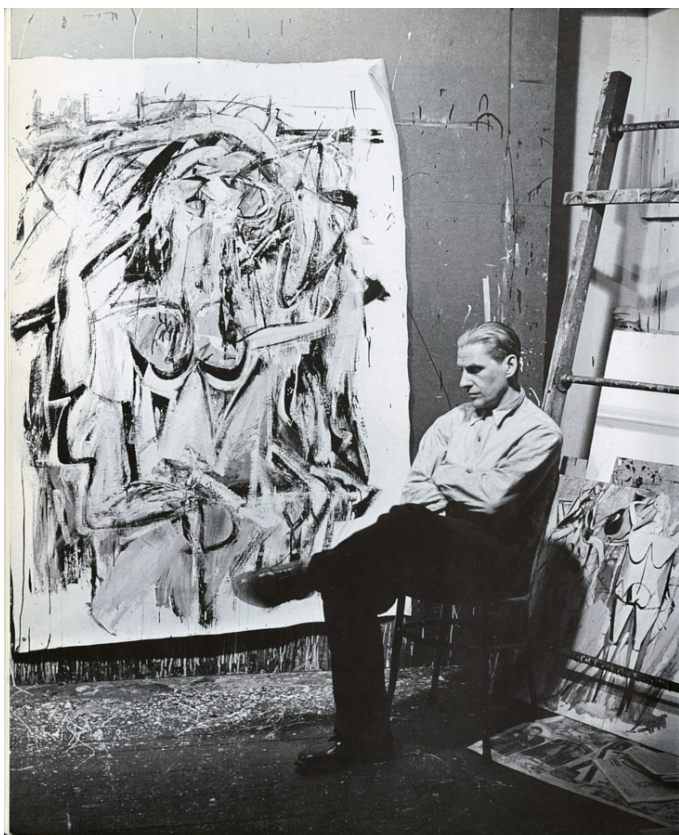
Willem de Kooning in his studio, 1950. Photo: Harry Bowden. Artwork: © 2024 The Willem de Kooning Foundation / Artists Rights Society (ARS), New York.
In Abstraction, de Kooning restricts his palette to black, white and warm earth tones. The imagery is both fractured and fractious, with many strange amorphous shapes all coexisting within a single plane. The black forms should recede, but instead, they rise to the foreground, only to sink backwards again, creating an ‘x-ray’ quality that de Kooning’s friend, the art historian Harry Gaugh, first identified. For John Elderfield, curator of de Kooning’s retrospective at the Museum of Modern Art in 2011, the present painting held multiple associations: “Abstraction could be a street scene,” he explained, “with a figure crossing a square in the background and a ladder leaning against a wall, but the black shapes…float as if in an aquarium, with flashes of light cutting through the water” (J. Elderfield, op. cit., 2011, p. 171).
De Kooning had seen some of Jackson Pollock’s very first drip paintings in January of 1948, when they were exhibited at the Betty Parsons Gallery. Those paintings had also been painted in a predominately black-and-white palette. In turning away from his earlier, dream- and subconscious-inspired imagery, Pollock embraced pure abstraction. This also announced his seriousness as an artist, and may have prompted de Kooning to continue in a similar vein. So, too, did the abstracted, biomorphic imagery in de Kooning’s new work seemingly resemble Arshile Gorky’s paintings, which is all the more poignant considering that Gorky’s suicide happened later that summer.
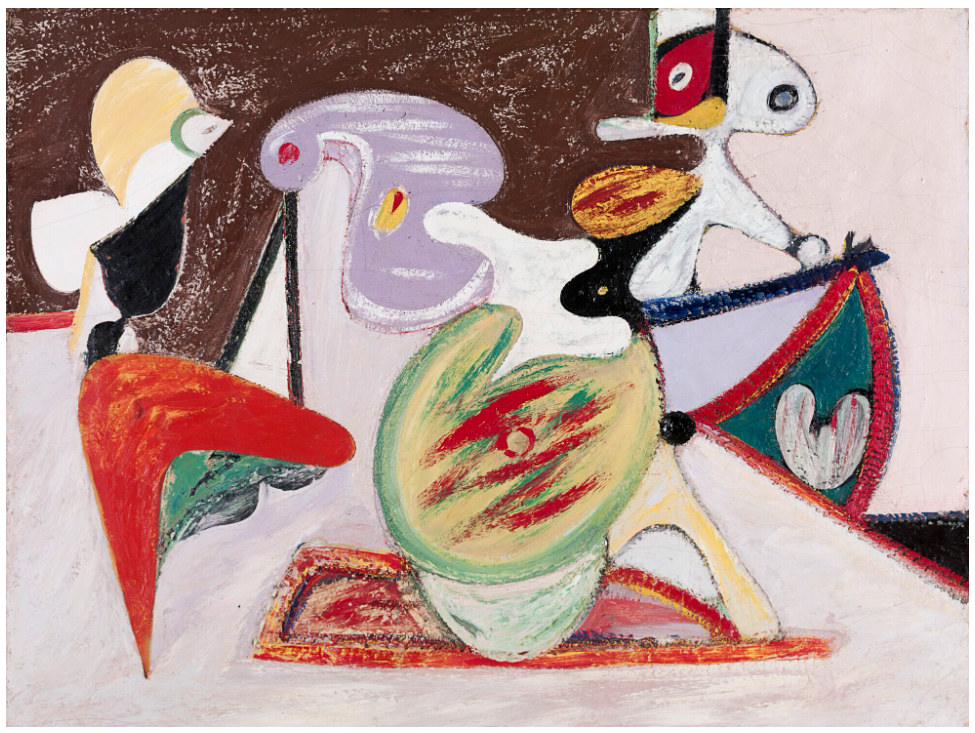
Arshile Gorky, Image in Khorkom, 1936. Albright-Knox Art Gallery, Buffalo. © 2024 The Arshile Gorky Foundation / Artists Rights Society (ARS), New York. Photo: Buffalo AKG Art Museum / Art Resource, NY.
Much of the ‘imagery’ in Abstraction may be familiar from paintings de Kooning made concurrently, including the ladder form, seen at upper right, and the window, seen at upper left. At this time, de Kooning still retained the traditional figure-ground relationship to some extent, so that a horizontal painting might still retain some semblance to landscape, and the deep recession into space often evokes an interior still life. De Kooning’s practice of placing tracing paper with forms copied from concurrent paintings is one he continued for most of his life. And here, the curvature of the body is “glimpsed” in several forms, which also seem to be severed into sharp, v-shaped points, especially in the upper register where collaged paper elements have been ripped from the surface.
De Kooning’s greatest abstract paintings offer a glimpse of recognizable imagery, yet nevertheless remain resolutely abstract. In this early mature phase of his work, de Kooning wanted the imagery to happen as an experience, “like an occurrence…an encounter,” he said. Indeed, “dissociated from their sources in nature, organic shapes are carriers of emotional charges…the memory of a friend may be aroused by a pair of gloves or a telephone number, an erotic memory by a curved line or an initial” (J. Elderfield, op. cit., 2011, p. 167). Truly, the enduring power and resonance of de Kooning’s early abstractions is their capacity to be many things at once, which only reinforces the everlasting appeal of the great ‘slipping glimpser,’ as he called himself, of Abstract Expressionist art.
Focus: Pablo Picasso
La Statuaire, 1925
A Legacy of Beauty: The Collection of Sydell Miller
Sotheby’s New-York: 18 November 2024
Estimate on Request
PABLO PICASSO (1881 – 1973)
La Statuaire, 1925
Oil on canvas
131 x 97.8 cm (51 5/8 x 38 1/2 inches)
Signed Picasso and dated 25 (lower right)
Dated XXV-II-XXV (on the stretcher)
In late September of 1925, Pablo Picasso, his wife Olga and their young son Paolo returned to Paris from their annual summer holiday in the South of France. The summers were beginning to blend together for Picasso, who was tiring of the swell set he and Olga socialized with. The home they returned to at 23 rue la Boetie was a changed one. After lengthy negotiations, Picasso had acquired an additional floor of the building to be used as his studio. He set about immediately modifying the space: removing doors from their hinges, bringing in his copious art supplies (and a limited amount of furniture) and stripping back most of the existing wallpaper. After years of jostling with his elegant and socially aspirational wife for space in their apartment on the floor below he relished a place to colonize as his own.
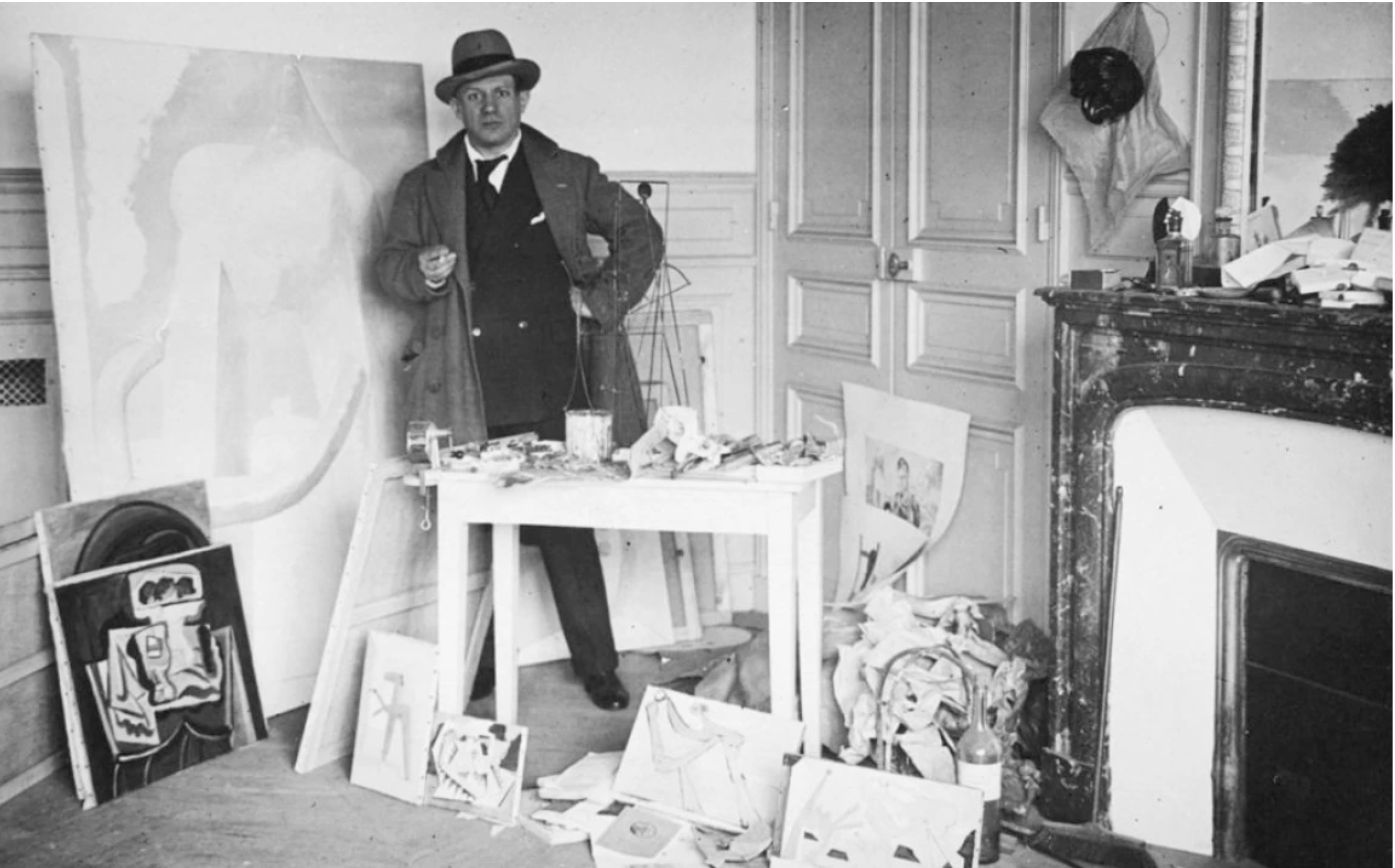
Pablo Picasso in his Rue la Boetie studio, Paris, 1929, Photograph by Albert Harlingue. Image © 2024 Albert Harlingue / Alamy. Art © 2024 Estate of Pablo Picasso / Artists Rights Society (ARS) New York
Some years later the photographer Brassaï related his impressions of the space: “I had expected an artist’s studio, and this was an apartment converted into a kind of warehouse…. There were four or five rooms—each with a marble fireplace surmounted by a mirror—entirely emptied of customary furniture and littered with stacks of paintings, cartons, wrapped packages, pails of all sizes, many of them containing the molds for [Picasso’s] statues, piles of books, reams of paper, odds and ends of everything, placed wherever there was an inch of space, along the walls and even spread across the floors…. The doors between all the rooms were open—they might have even been taken off—transforming the large apartment into a single studio cut up into a multiple series of corners for the multiple activities of its owner…. Picasso had stood his easel in the largest and best-lit room—what once had surely been the living room—and this was the only room that contained any furniture at all. The window faced south, and offered a beautiful view of the rooftops of Paris, bristling with a forest of red and black chimneys, with the slender, far off silhouette of the Eiffel Tower rising between them” (quoted in John Richardson, A Life of Picasso. The Triumphant Years, 1917-1932, New York, 2010, p. 298). It was in this room, with the doors opened onto the balcony, that Picasso painted La Statuaire.
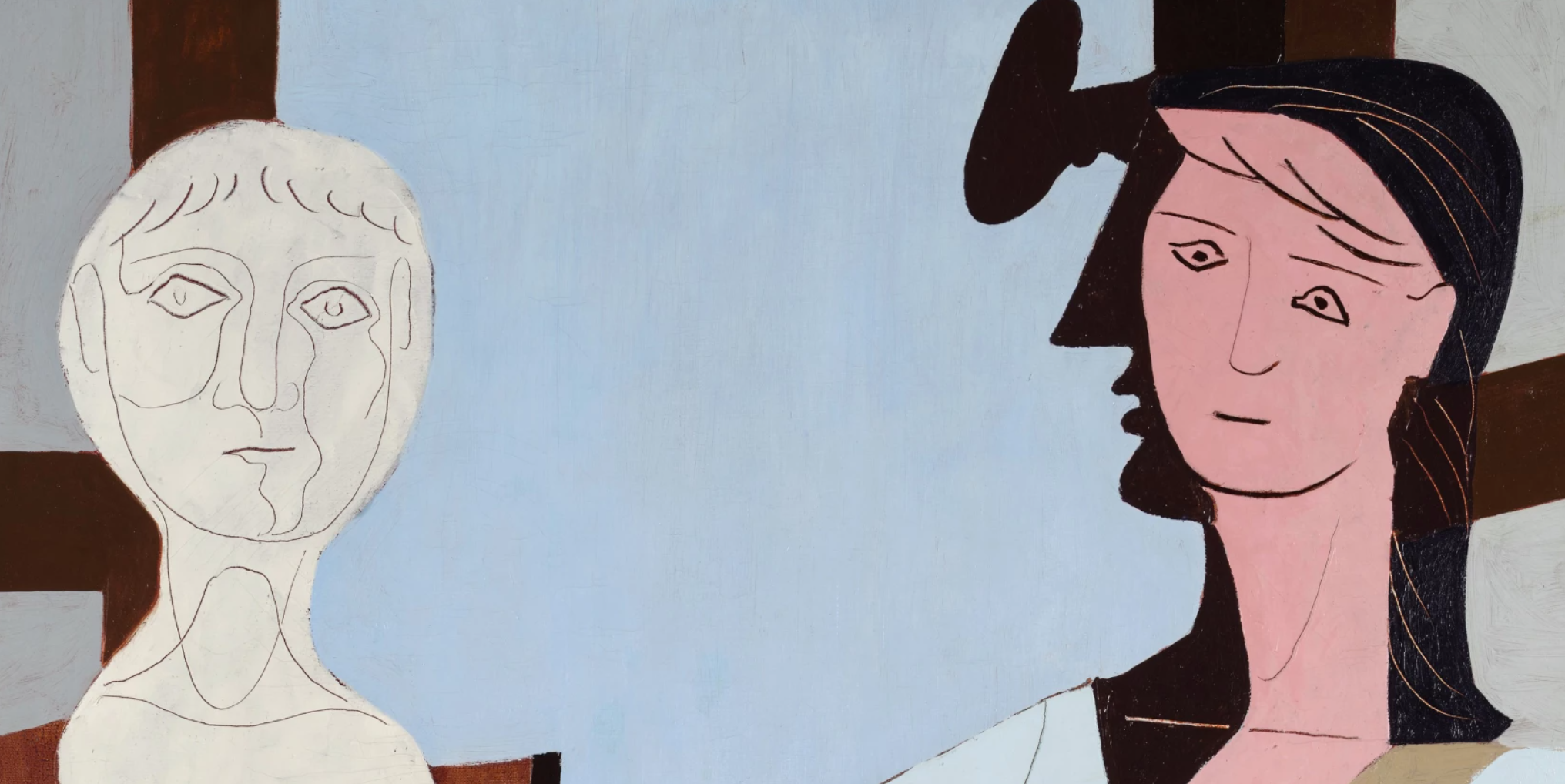
As with all great works by Picasso nothing is as simple as it may at first appear. Moreover, the 1920s were a period of immense change, diversity and formal resolution in the artist’s oeuvre. Picasso’s paintings and drawings from this period exist in various modes, from wild explorations of Surrealist styles to monumental-themed Neo-Classical imagery to a renewed Cubism that took color and flattened planes as its crux. These associations—Surrealism with the avant-garde, Neo-Classicism with traditional art and Cubism with disruptions in art dating to before and during World War I—are disparate but, as always with Picasso, woven together to create new methods of expression, new ways of seeing. Writing about this work and other large-scale canvases from this period Michael Fitzgerald states “… these monumental paintings of figures and still lifes display a Cubism of such maturity and confidence that it subsumed apparently contradictory styles without diminishing its visual authority. For Picasso… these paintings demonstrated a masterful resolution of the issues that had roiled Picasso’s art over the course of the previous ten year” (Michael C. Fitzgerald, Making Modernism, Picasso and the Creation of the Market for Twentieth Century Art, New York, 1995, p. 161).
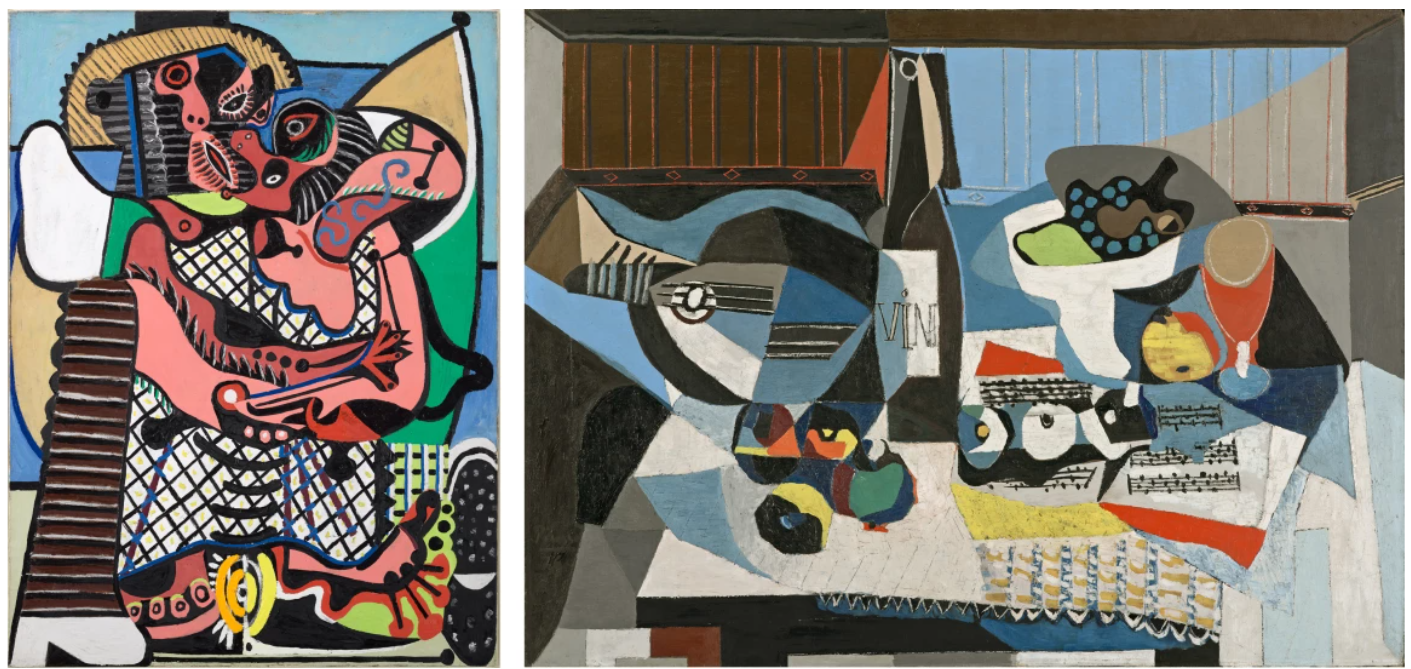
Left: Pablo Picasso, Le Baiser, 1925, Musée Picasso, Paris. Image © 2024 Photo Josse / © Succession Picasso/DACS, London 2024 / Bridgeman Images. Art © 2024 Estate of Pablo Picasso / Artists Rights Society (ARS), New York
Right: Pablo Picasso, La Bouteille de vin, 1925-26, Fondation Beyeler, Basel. Art © 2024 Estate of Pablo Picasso / Artists Rights Society (ARS), New York
In La Statuaire the artist depicts a seated female figure opposite a portrait bust, which is placed atop a pedestal. Seemingly parallel to each other, the pair is positioned in front of a set of open French doors, beyond which a balcony and an abstracted blue background convey, but do not confirm, the outdoors. The use of the balcony as a compositional device had been thoroughly explored in the previous century by the Impressionists. A visual symbol of Baron Hausmann’s Paris, artists from Édouard Manet to Gustave Caillebotte arranged space and perspective, both to view the city (in the case of Caillebotte) and to view the viewers (in the case of Manet). Picasso’s balcony serves neither of these purposes. While it might abstractly imply the outdoors and the possibility of the female figure being seen by others, the primary act of looking here is between figure and sculpture or the artist—Picasso—regarding his own creation.
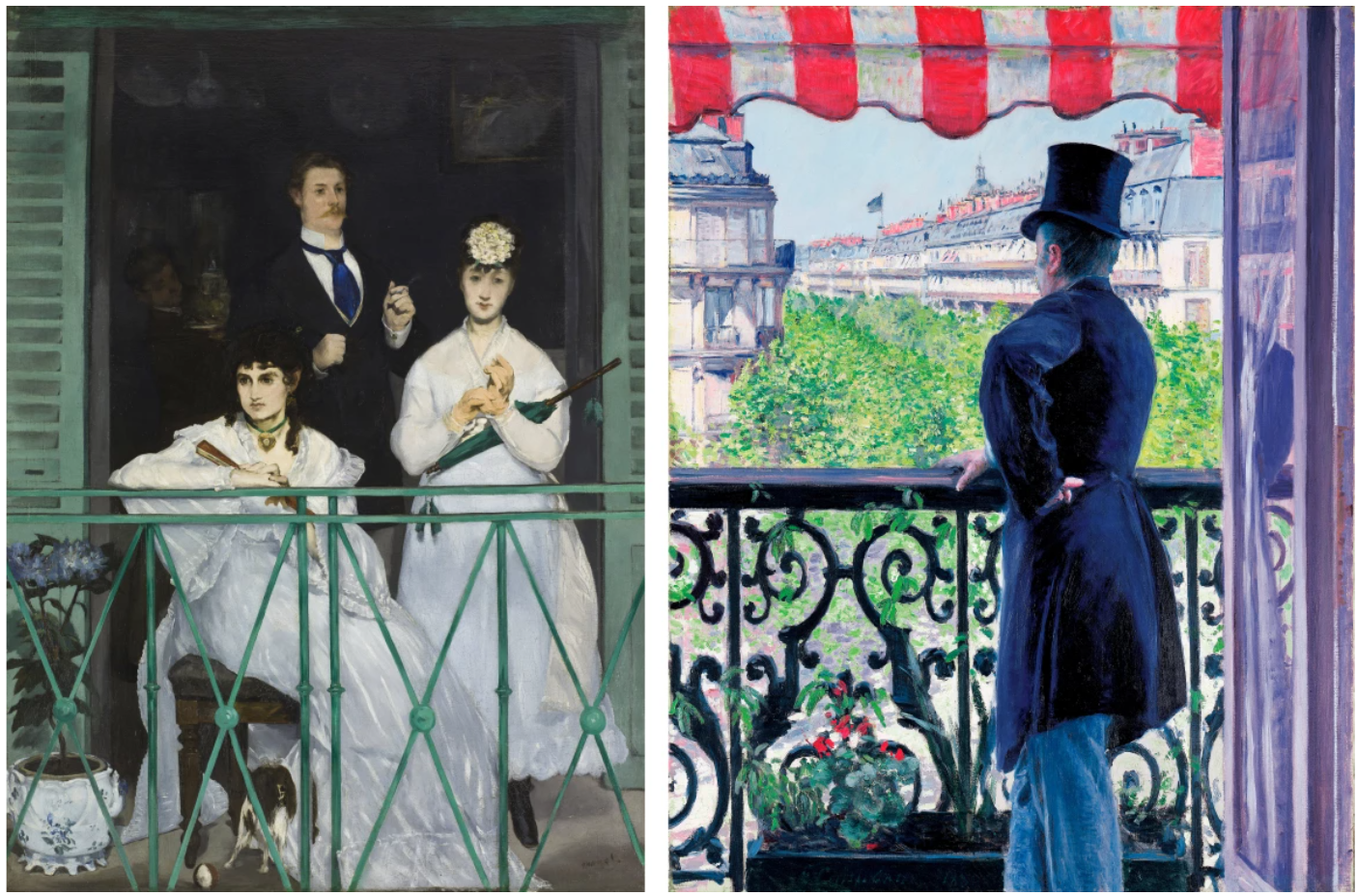
Left: Édouard Manet, Le Balcon, 1868-69, Musée d’Orsay, Paris
Right: Gustave Caillebotte, L’Homme au balcon, Boulevard Haussmann, 1880, Private Collection
The present work’s title La Statuaire refers to the Classical sculpture placed at left and is how the work is titled in the catalogue raisonné for Picasso authored by Christian Zervos. Other scholars, including John Richardson and Josep Palau i Fabre instead title this work The Sculptress. In the archives of Galerie Paul Rosenberg, who first exhibited this work in 1926, a year after it was created, the title for this painting is recorded as La Femme sculpteur. As these other titles allude to, the subject matter of this work is not limited to a sculpture that happens to have a woman seated next to it but rather the subject is an artist—a female sculptor—either working on an object of her own creation or examining a Classical sculpture for inspiration. In 1924 Picasso began to create still life compositions featuring sculptures. Picasso’s painting technique, which employs incising in the bust and the figure, also reinforces the subject matter, echoing the physical actions that a sculptor uses when removing material to create three-dimensionality. By the early 1930s Picasso was using this type of direct carving method in his own sculpture while continuing to explore the subject of the sculptor regarding his or her own creations in his paintings, works on paper and print practice.
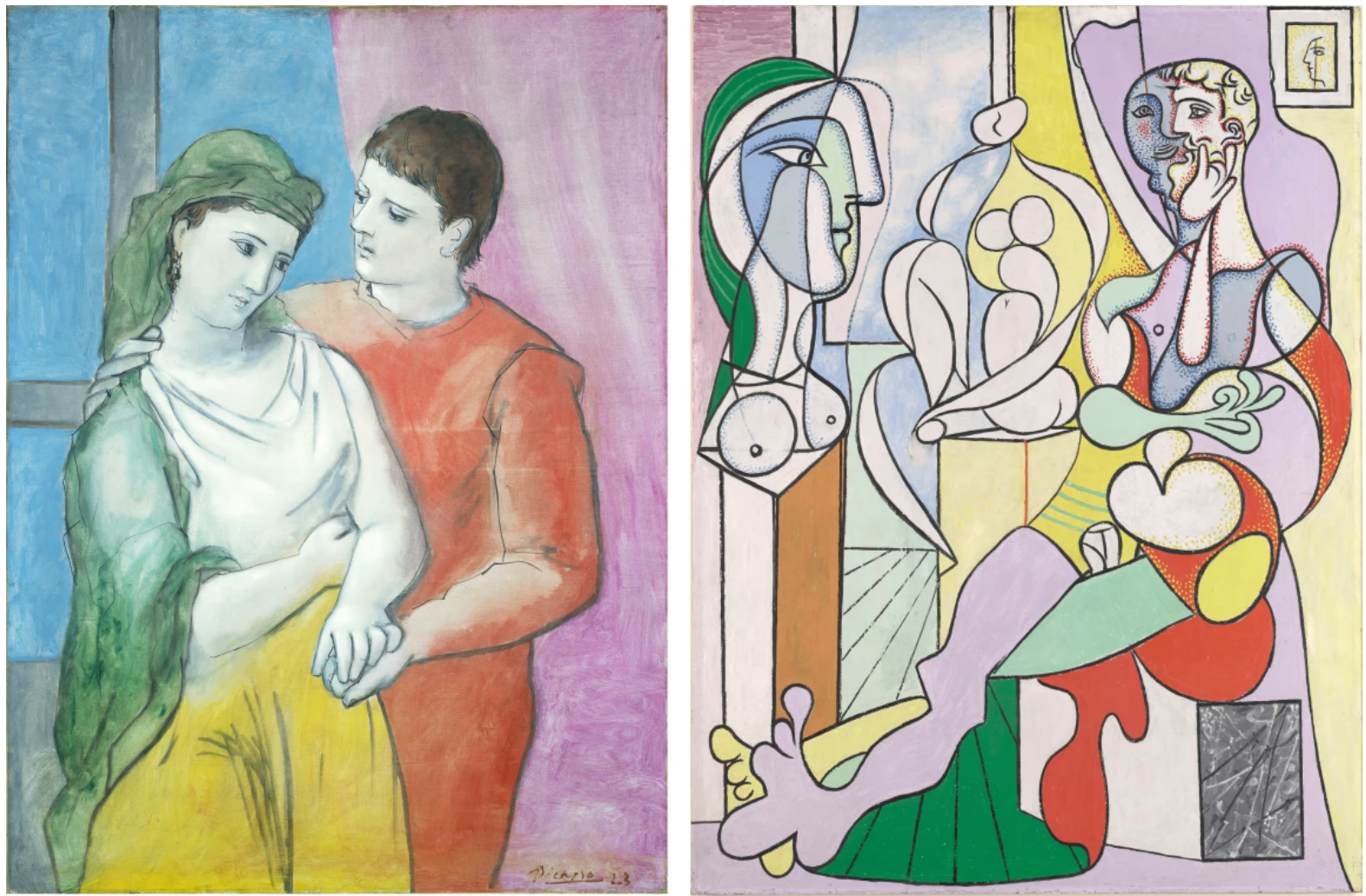
Left: Pablo Picasso, Les Amoureux, 1923, National Gallery of Art, Washington, D.C.Image © 2024 Erich Lessing / Art Resource, NY. Art © 2024 Estate of Pablo Picasso / Artists Rights Society (ARS), New York
Right: Pablo Picasso, Le Sculpteur, 1931, Musée Picasso, Paris. Image © 2024 Succession Picasso/DACS, London / Bridgeman Images. Art © 2024 Estate of Pablo Picasso / Artists Rights Society (ARS), New York
What La Statuaire presents for the first time in Picasso’s oeuvre is a depiction of a female artist. In his analysis of the present work Michael Fitzgerald discusses this aspect as well as the inclusion of the classical bust and Picasso’s nuanced painting techniques: “La Statuaire is Picasso’s most complex and seductive exploration of the apparent contradictions and potential resolutions between avant-garde and historical art. Stemming from the Roman busts of contemporary still-lifes, this painting offers a polyvalent set of readings. The woman might be one of the models common in his studio pictures, except for the fact that she is clothed and her tan smock likely identifies her as a sculptor. This is Picasso’s first depiction of a woman artist, a characterization that he would use regularly in the thirties and later. Despite an initial appearance of almost overly refined elegance, the painting is composed of extreme contrasts. The stark white and coarse features of the bust oppose the delicate flesh of the figure, and the soft tones of the picture—tan, aqua and gray—create a mellow effect in keeping with the sculptor’s girlish appearance. Yet the execution is far from harmonious. Large, irregular planes of color are juxtaposed with forms that are rounded in perspective and realistically detailed; smoothly applied layers of paint are sliced through with the blunt end of a brush. Indeed, the woman’s graceful features are partially drawn in this crude technique. The result is a subversion of the initial impression, as the painting’s foundation in both ancient and avant-garde forms is revealed and sealed in a union that preserves differences as well as synthesizes a new visual language” (Exh. Cat., Hartford, Wadsworth Atheneum and The Cleveland Museum of Art, Picasso: The Artist’s Studio, 2001-02, pp. 32-33).
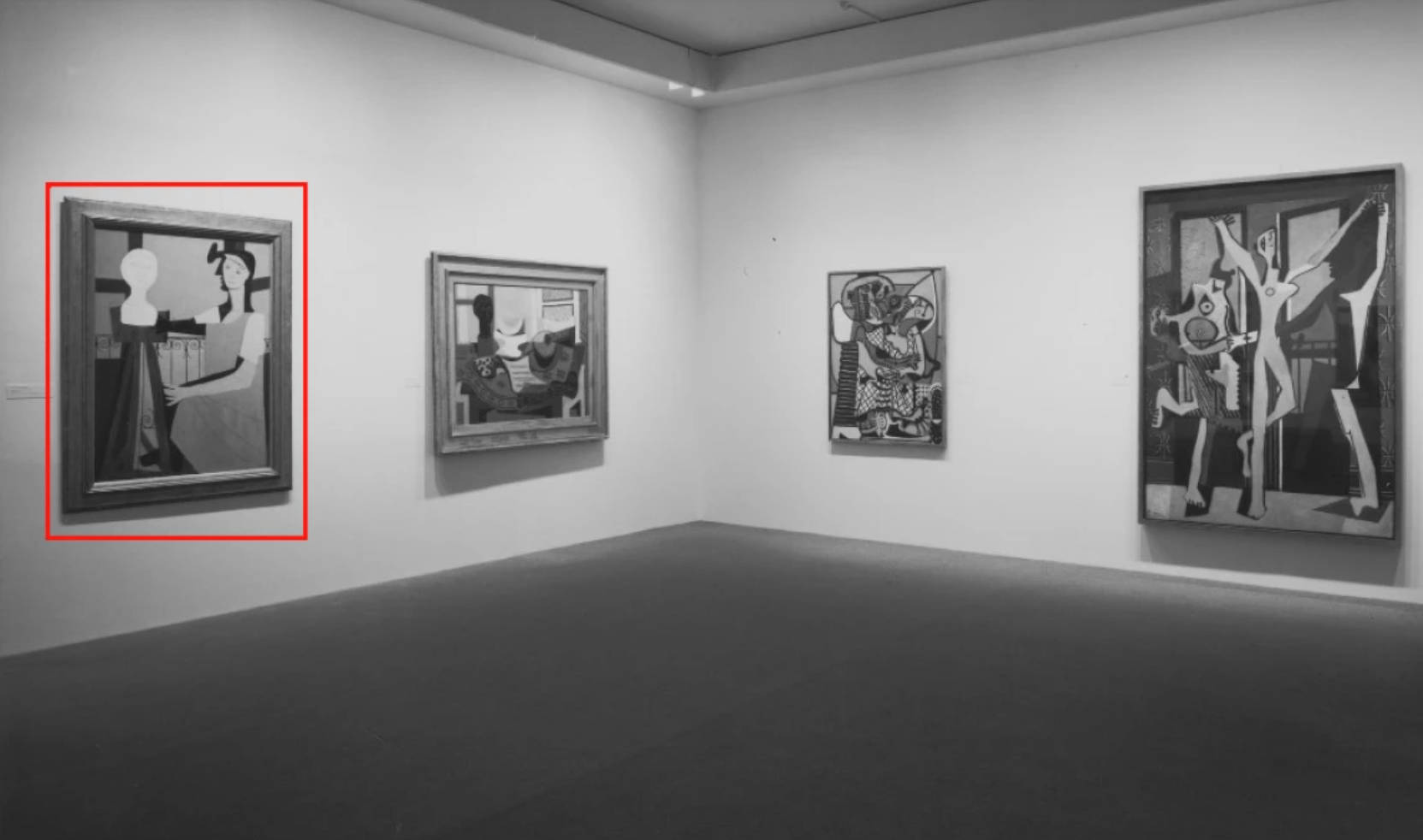
The present work installed in Pablo Picasso: A Retrospective at The Museum of Modern Art, New York, 1980. Image © 2024 The Museum of Modern Art/Licensed by SCALA / Art Resource, NY. Art © 2024 Estate of Pablo Picasso / Artists Rights Society (ARS), New York
Since the year it was painted La Statuaire has been a part of not only the most important exhibitions of Picasso’s painting but also belonged to some of the most important collectors of modern art. Initially acquired from Picasso by his dealer Paul Rosenberg, whose close alignment and support of the artist contributed to his global dominance at the pinnacle of twentieth-century art history, in 1932 the present work had entered the collection of Stephen Carlton Clark. A wide-ranging collector, with special depth in European Impressionism, Modernism and American Art, Clark was an important steward of the arts, serving on the board of both the Metropolitan Museum of Art and the Museum of Modern Art in New York (MoMA). It was under his stewardship that the MoMA grew from a fledgling, relatively underfunded, young museum to the global establishment it is today. Alongside other works from his collection, Clark gifted the present work in 1941 to New York’s bastion of modernism. The sale of La Statuaire by MoMA was directly involved in shoring up the museum’s finances. In 1945, the present work entered the collection of Mary and Leigh B. Block, influential patrons of the Art Institute of Chicago. Within three years Leigh’s sister Eleanore Saidenberg (née Block) acquired La Statuaire for her collection. It would remain with her until her death in the late 1990s. Featured on the cover of the sale of Saidenberg’s Estate in 1999, La Statuaire entered the collection of Sydell Miller, where it has remained until today.
Buste de femme, 1949
Sotheby’s New-York: 18 November 2024
Estimated: USD 9,000,000 – 12,000,000
Buste de femme | Modern Evening Auction | 2024 | Sotheby’s
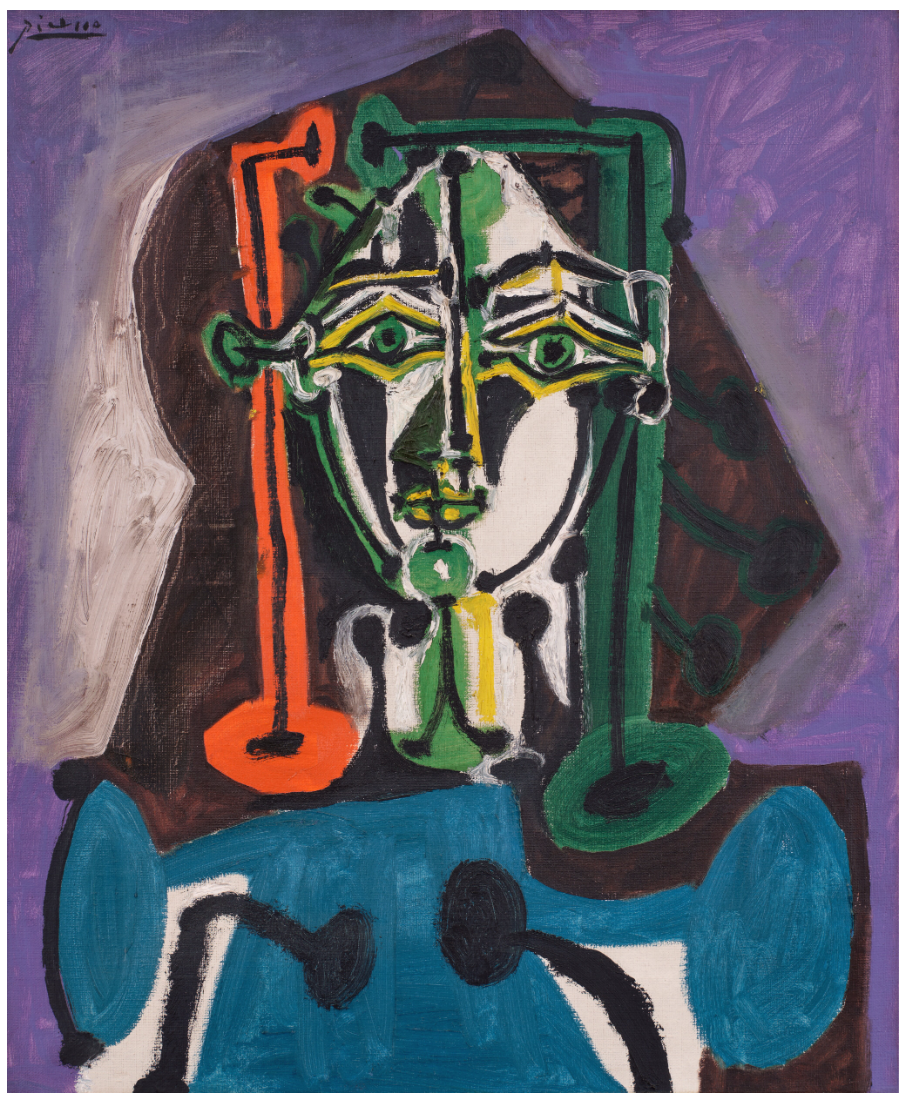
PABLO PICASSO (1881 – 1973)
Buste de femme, 1949
Oil on canvas
61×50 cm (24 x 19 5/8 inches)
Signed Picasso (upper left) and dated 24.3.49. (on the reverse)
Executed on 24 March 1949
Executed at the height of Pablo Picasso’s relationship with his partner, fellow artist and mother of his children Françoise Gilot, Buste de femme is an emblematic portrait of one of the most iconic figures in his life. Executed on March 24th, 1949, the present work belongs to a celebrated yet limited group of portraits Picasso created over the course of a year depicting Gilot in labyrinthine contours and rich jewel tones.
Françoise Gilot and Pablo Picasso in 1952. Photograph by Boris Lipnitzki. Image © 2024 Lipnitzki/Roger Viollet via Getty Images.
Gilot was forty years Picasso’s junior, yet already an established painter, when she first met the him in May 1943. At the time, Picasso was still entangled in a turbulent affair with the Surrealist artist Dora Maar. Yet despite the existing relationship and tumult of wartime in Paris, Gilot and Picasso soon embarked upon a decade-long romance which would profoundly influence Picasso’s artistic output.
In the ensuing years, Picasso’s sharp, distorted and even tormented portrayals of Maar would give way to increasingly soft, voluminous and romantic portraits of Gilot. Expanding upon the graphic richness of his Dora Maar portraits, those of Gilot maintain the bold, direct aesthetic pioneered in the late 1930s and early 1940s.
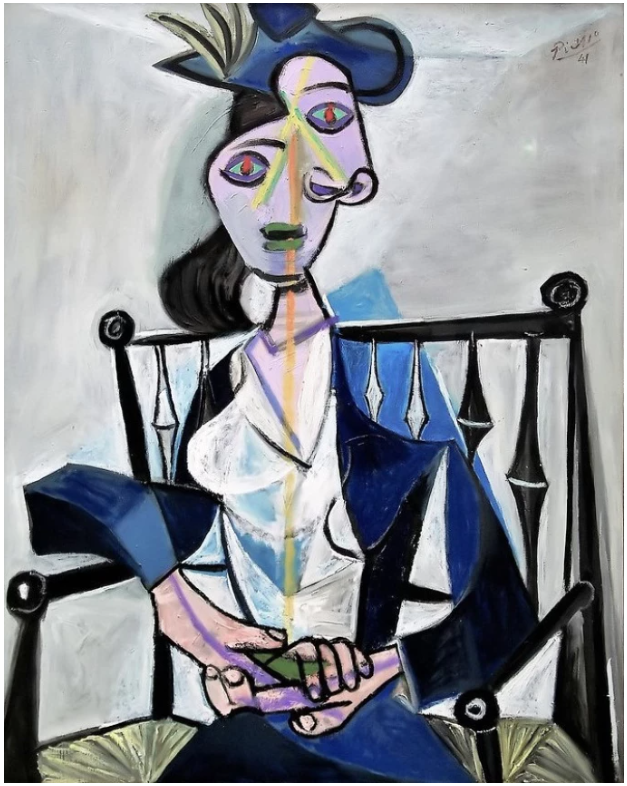 Pablo Picasso, Femme assise au fauteuil (Dora Maar), 1941, Neue Pinakothek, Munich.
Art © 2024 Estate of Pablo Picasso / Artists Rights Society (ARS), New York
After the war, Picasso and Gilot left Paris for the south of France in the summer of 1946, eventually settling in Vallauris where they would raise their two children, Claude and Paloma. The joy of the early years of their relationship and familial journey are conveyed in Picasso’s work through his increasingly ebullient palette and lush aesthetic. The paintings and sculptures from his period reflect a heightened sense of vitality, chromatic richness and artistic freedom following the turbulence and desolation of the war years. It is this spontaneity of line and renewed dynamism which suffuses Buste de femme.
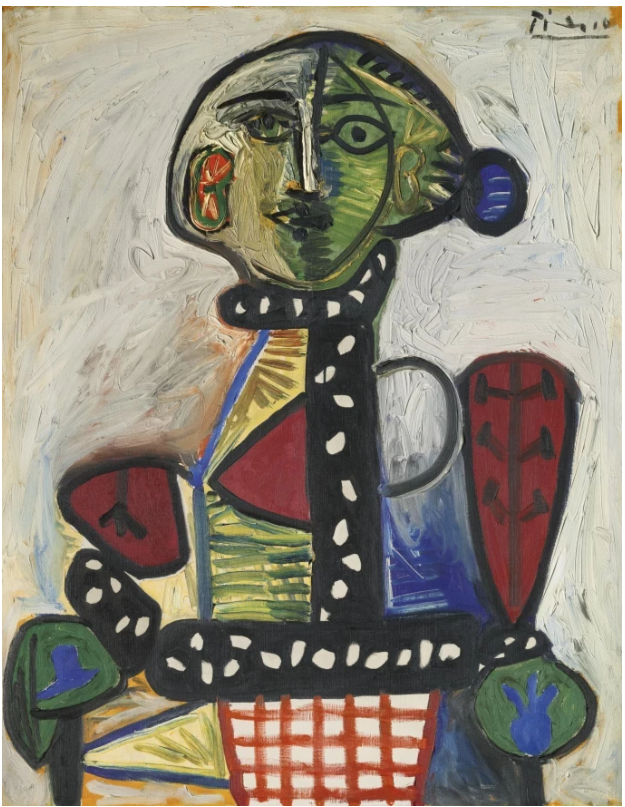
Pablo Picasso, Femme au chignon dans un fauteuil, 1948, Sold: Sotheby’s, New York, 5 May 2015, lot 21 for $29.9 million.
Art © 2024 Estate of Pablo Picasso / Artists Rights Society (ARS), New York
Gilot’s beauty, vitality and creativity greatly influenced Picasso, eliciting comparisons of her with the natural world. Picasso’s imagery from the 1940s associates his partner and muse with themes of rebirth and renewal, with many depictions portraying Gilot as a mystical combination of the human and plant domains. By 1948, Gilot had taken on a new form in his work, the vegetal green and blossom-like hair of his 1946 paintings coalescing in a new idiom defined by rich chromatic fields and contrasting staminate lines as exemplified by Buste de femme. Not only do the calligraphic black lines within Buste de femme lend the subject a stemlike structure—these graphic contours also link the Françoise paintings with Picasso’s masterworks from decades earlier.
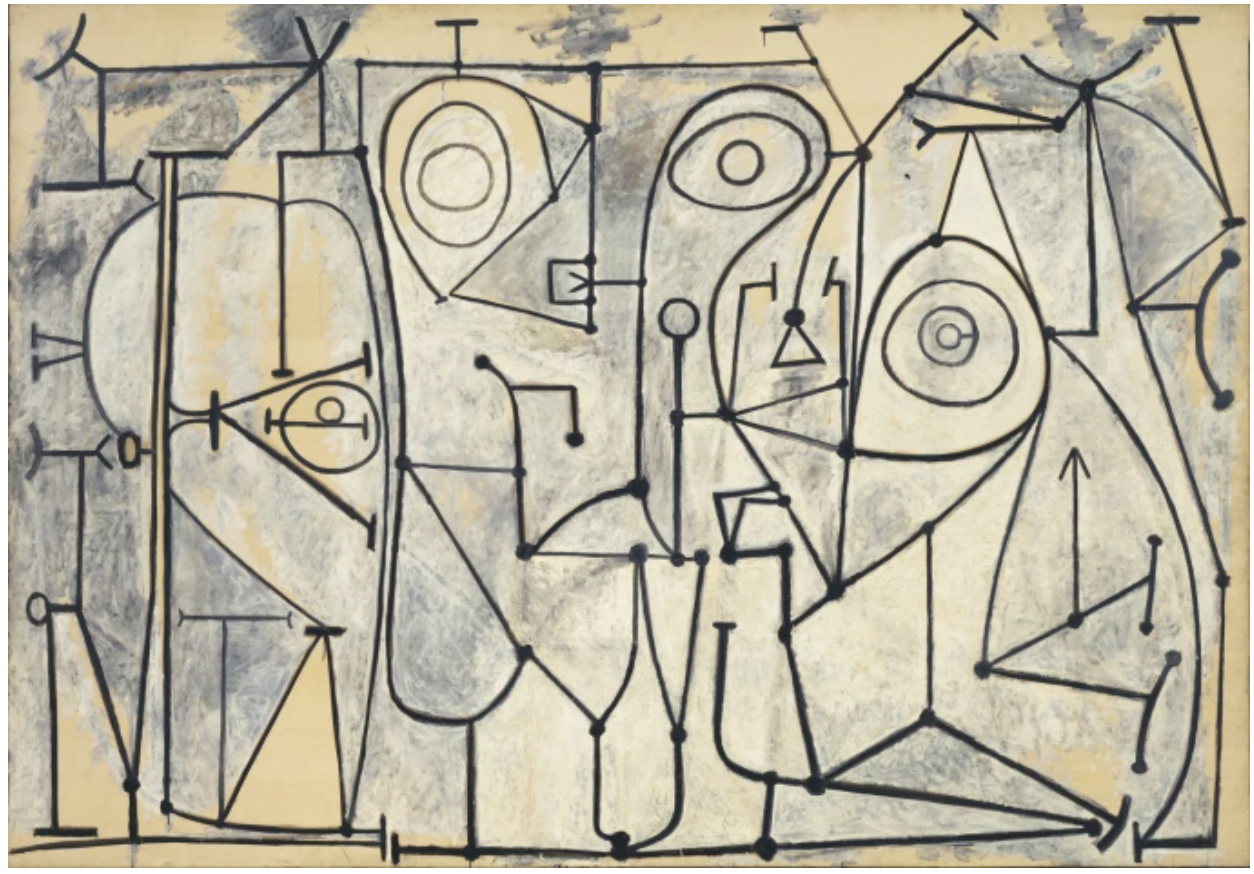
Pablo Picasso, La Cuisine, 1948, The Museum of Modern Art, New York.
Art © 2024 Estate of Pablo Picasso / Artists Rights Society (ARS), New York
Drawing on decades of artistic interrogation into line and form across mediums, and imbued with the romance and fecundity of his relationship with Gilot, Buste de femme marks a momentous period in Picasso’s life and, inextricably, his career. Picasso’s paintings from 1948-49 take the monochromatic and linear explorations of form in Figure: Projet pour un monument à Guillaume Apollinaire and La Cuisine as a point of departure for his Françoise pictures in these years.
Comparable 1949 Paintings in Institutional Collections
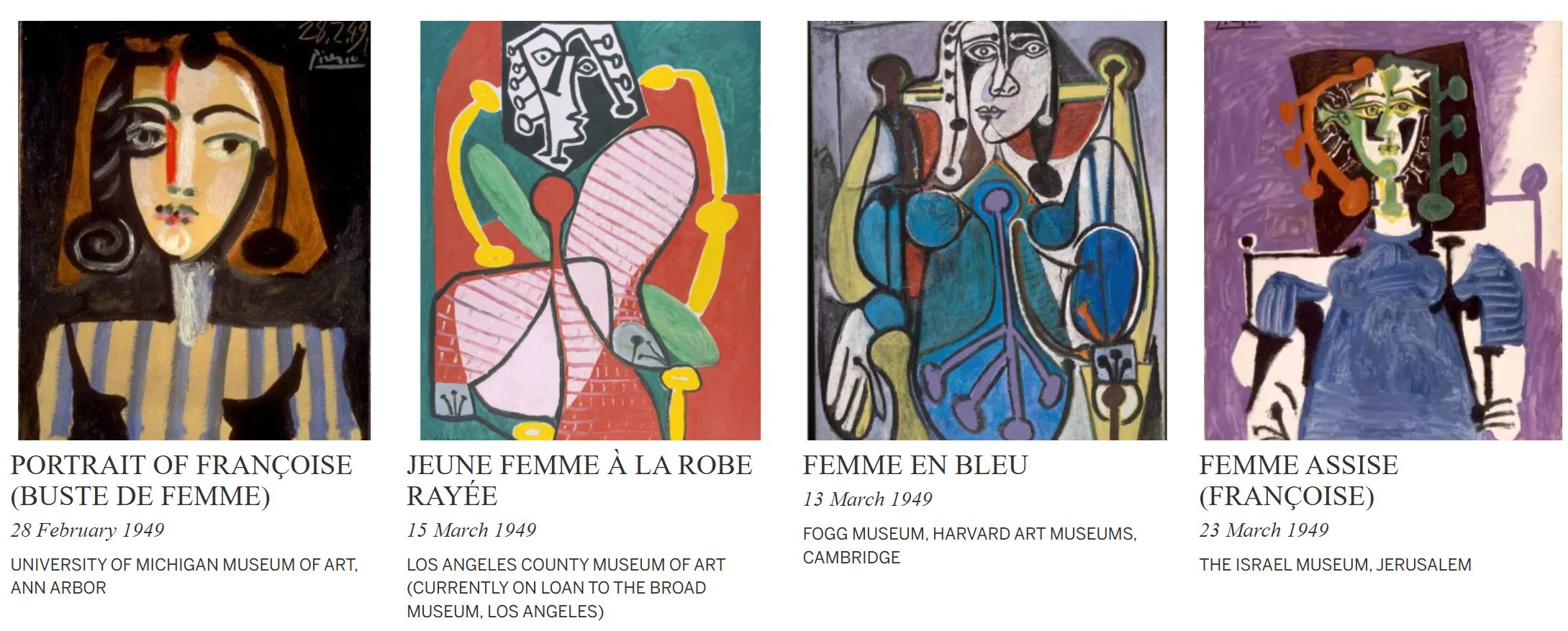
Harnessing the power of line and channeling the spirit and vitality of his muse, Picasso created some of the most exceptional paintings of his mature oeuvre during this year, epitomized by Buste de femme. Rich in texture and color, the present work is among the finest examples of Picasso’s 1948-49 Françoise portraits ever to come to market. Though their relationship would endure for a full decade, the uniquely stylized portraits like Buste de femme belong to a very limited series, many of which are now held in museum collections.
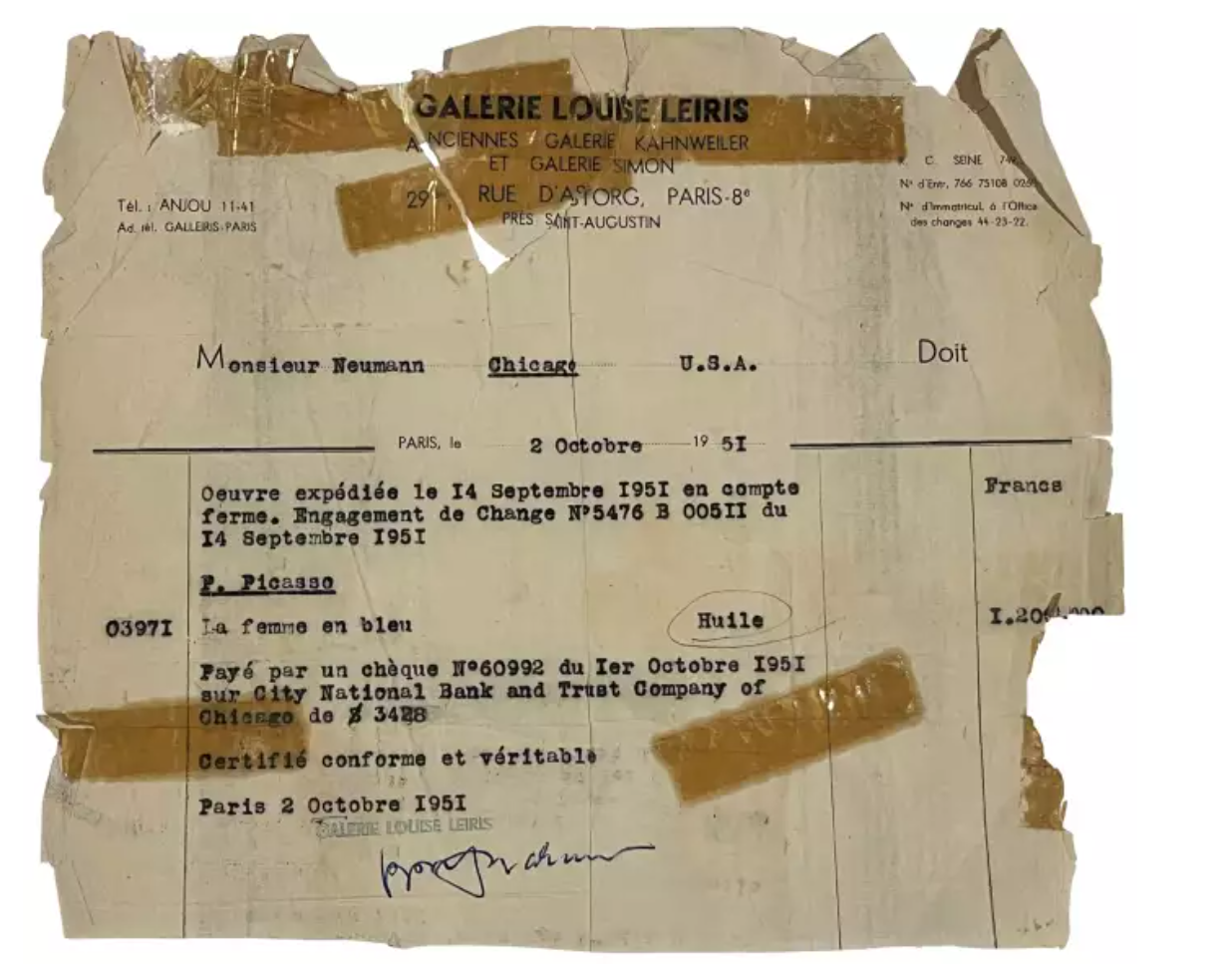
Original Louise Leiris invoice for Buste de femme (then titled La Femme en bleu)
Such a rare and exceptional painting comes with an equally illustrious provenance. Never before seen at auction, Buste de femme has been held in the Neumann Family Collection since 1951, when Morton G. Neumann acquired the work from Picasso’s main dealer in Paris, Galerie Lousie Leiris. Known as Picasso’s “Favorite American Collector,” Neumann was a personal friend of the artist, acquiring exceptional paintings, works on paper and sculpture from Picasso and his contemporaries during their lifetimes. In 1980-81, Buste de femme was exhibited amongst other masterworks from Neumann Family Collection at the Art Institute of Chicago and the National Gallery of Art in Washington D.C.
Mousquetaire et petit personnage, 1967
Christie’s New-York: 19 November 2024
Estimated: USD 8,000,000 – 12,000,000
PABLO PICASSO (1881-1973), Mousquetaire et petit personnage | Christie’s
PABLO PICASSO (1881-1973)
Mousquetaire et petit personnage, 1967
Oil and Ripolin on canvas
115×89 cm (45 3/4 x 35 1/4 inches)
Signed ‘Picasso’ (lower left) and dated ‘16.5.67.’ (on the reverse)
Painted on 16 May 1967
In the last years of Pablo Picasso’s life, the artist turned his eye toward the figure of the musketeer—the dashing, debonair hero who would become the defining subject of his late work. The character first appeared in Picasso’s oeuvre in 1966: while convalescing after a medical procedure, he entertained himself by re-reading classic works of literature, including novels by Honoré de Balzac and Charles Dickens. It was Alexandre Dumas’s Three Musketeers, however, that most enchanted him, and he was drawn into a world of daring exploits and great courage. The spirited quests of Athos, Porthos, Aramis, and D’Artagnan likely appealed to Picasso who had recently become aware of his own mortality, and these characters offered the artist the pictorial opportunity to adventure once again.
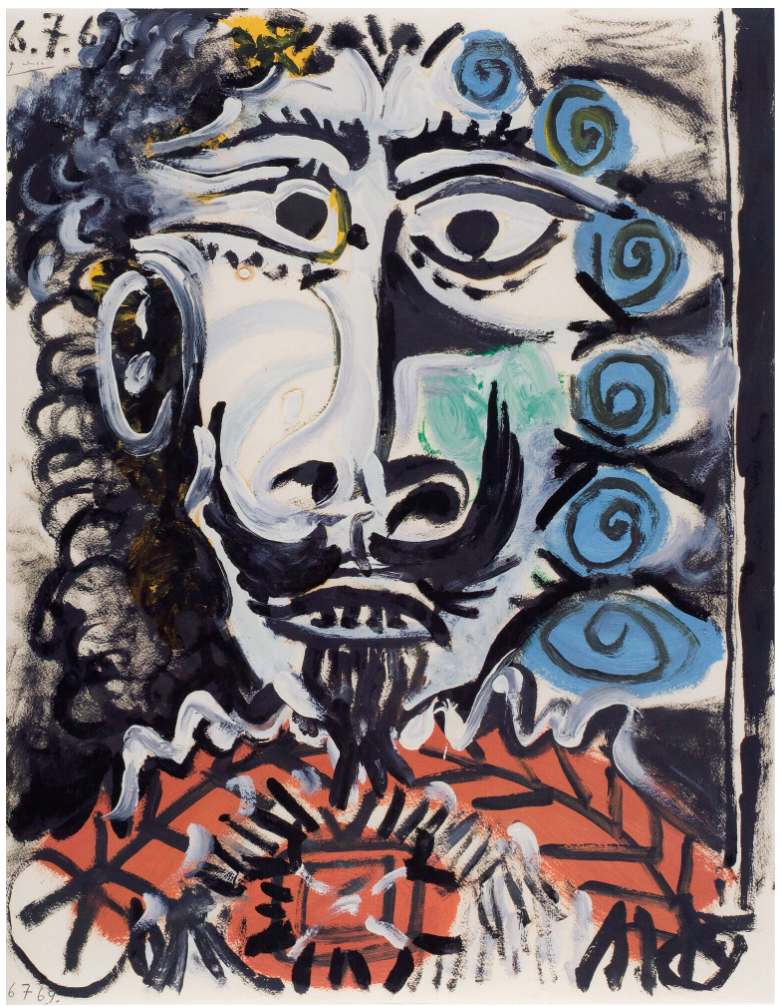
Pablo Picasso, Tête d’homme, 1969. Los Angeles County Museum of Art.
© 2024 Estate of Pablo Picasso / Artists Rights Society (ARS), New York.
Set against an impastoed ground, the frontally-posed musketeer in Mousquetaire et petit personnage stares brazenly outward, confronting the artist and thus the viewer with his steadfast gaze. He wears an extravagant cravat and an elaborate doublet articulated by white stripes and swirls. His hair is a regal purple that curls decadently down his back. To the right stands a smaller figure, the petit personnage referenced in the painting’s title. He, too, is dressed in the chivalric attire of the musketeer and looks with admiration at his counterpart. Despite the fact that both appear seated, there is a sense of Dumas’s swashbuckling world in Mousquetaire et petit personage, underscored by Picasso’s exuberant brushstrokes which seemingly mimic the thrust and parry of a rapier.
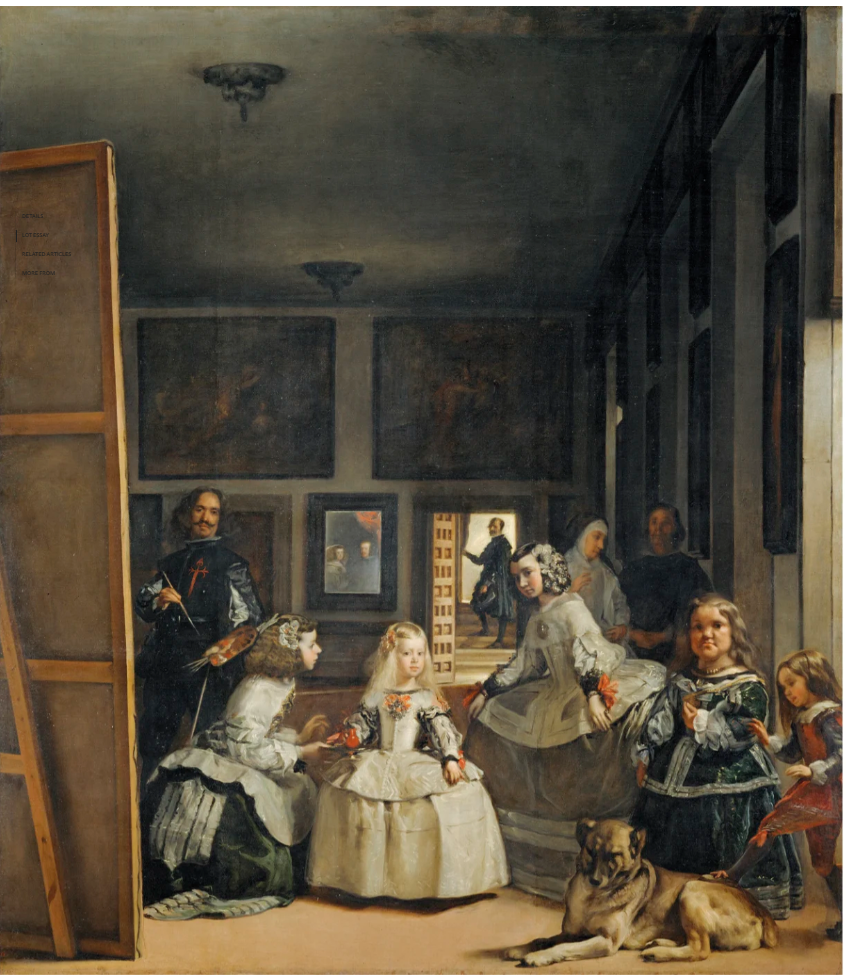
Diego Velásquez, Las Meninas, 1565. Museo Prado, Madrid. Photo: © Erich Lessing / Art Resource, New York.
Picasso’s painterly enthusiasm conveys his great affection for this merry band of rabblerousers to whom he often ascribed various personalities and temperaments. The musketeers took on many guises, with the artist treating them like autonomous beings. Christian Zervos wrote that “these musketeers, he said to us, are us. They reveal the secret depths of men who, from solitude to solitude, act of courage to act of courage, disappointment to disappointment, know themselves as brothers” (“Pablo Picasso: 1969-1970,” 1970; reprinted in Picasso: Mosqueteros, exh. cat., Gagosian, New York, 2009, p. 293). As he had done throughout his career, Picasso saw his musketeers—who, for centuries, epitomized masculinity, virility, and wit—as visual substitutes for his own self. The musketeer, celebrated for his courage, confidence, and amorous feats, provided an ideal counterpart for Picasso as he faced down the last years of his life.
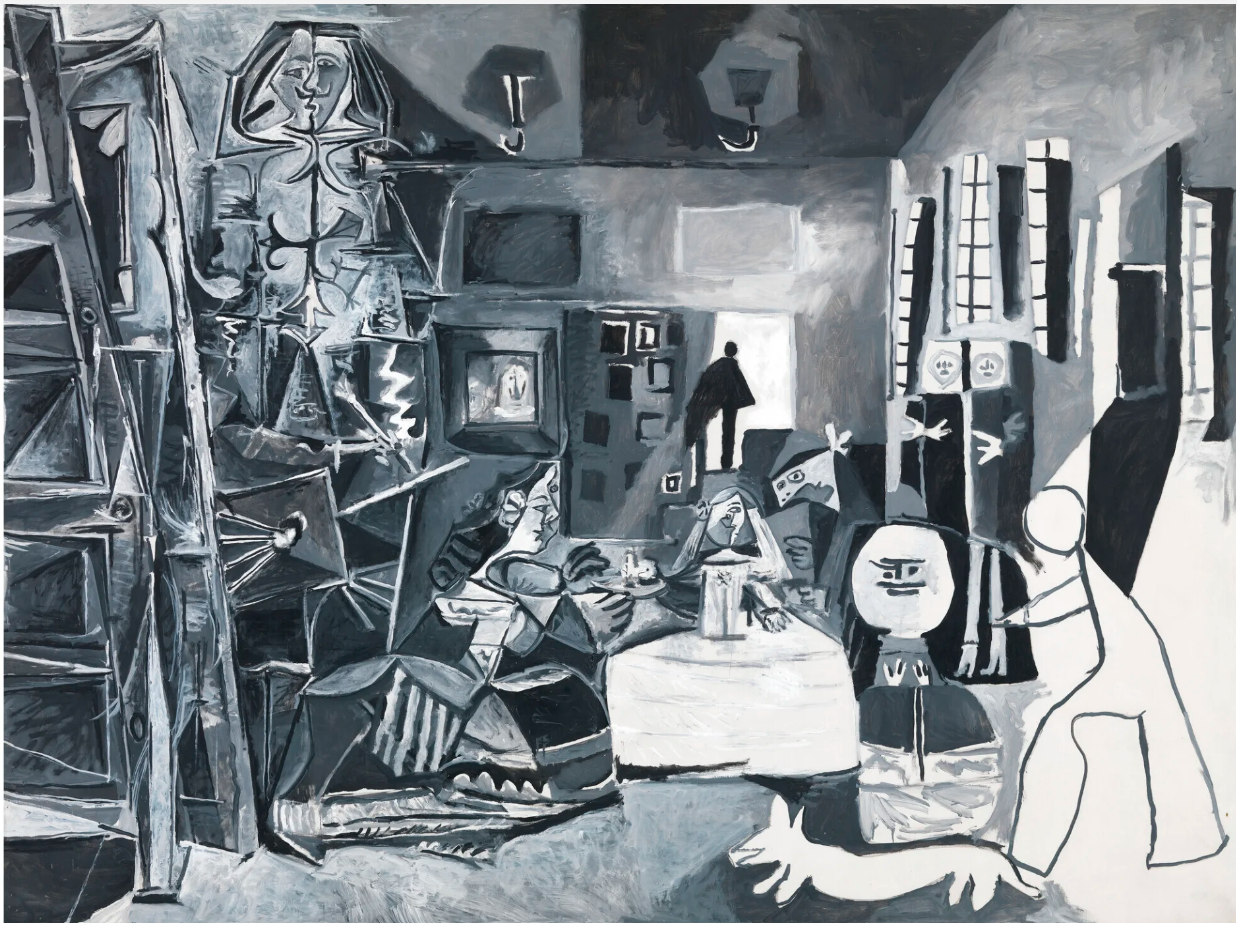
Pablo Picasso, Les Ménines, 1957. Museu Picasso, Barcelona. © 2024 Estate of Pablo Picasso / Artists Rights Society (ARS), New York.
For one whose career was defined by transformation and innovation, Picasso was conscious of the significance of a “Great Late Phase,” an accolade offered up to only the most worthy of artists (J. Richardson, “Great Late Picasso,” ibid., p. 15). He had, for a time now, begun to visualize his place among the canon of art history, aligning himself with the artists he so admired by reimagining iconic works such as Diego Velázquez’s Las meninas, whose influence can be seen in the petit personage of the present work: the small figure references Nicolás Pertusato, a court jester who was part of the royal household. “In old age,” John Richardson wrote, “Picasso would admit to being very conscious of old masters breathing down his neck. Far from being bothered by this, he was so secure in his genius that he conjured master after master into the heart of his work and had his way with them” (A Life of Picasso: The Early Years, London, 1992, vol. I, p. 185). More than Velázquez or any of the other titans of art history, it was Rembrandt with whom Picasso entered into the closest dialogue throughout the 1960s. Picasso increasingly identified with the Dutch artist who also had enjoyed a long and successful career, and was always eager to insert himself into his painted worlds. Picasso appreciated Rembrandt’s graphic oeuvre, and Jacqueline Roque, his wife, noted that it was this art that had formally inspired the musketeers.
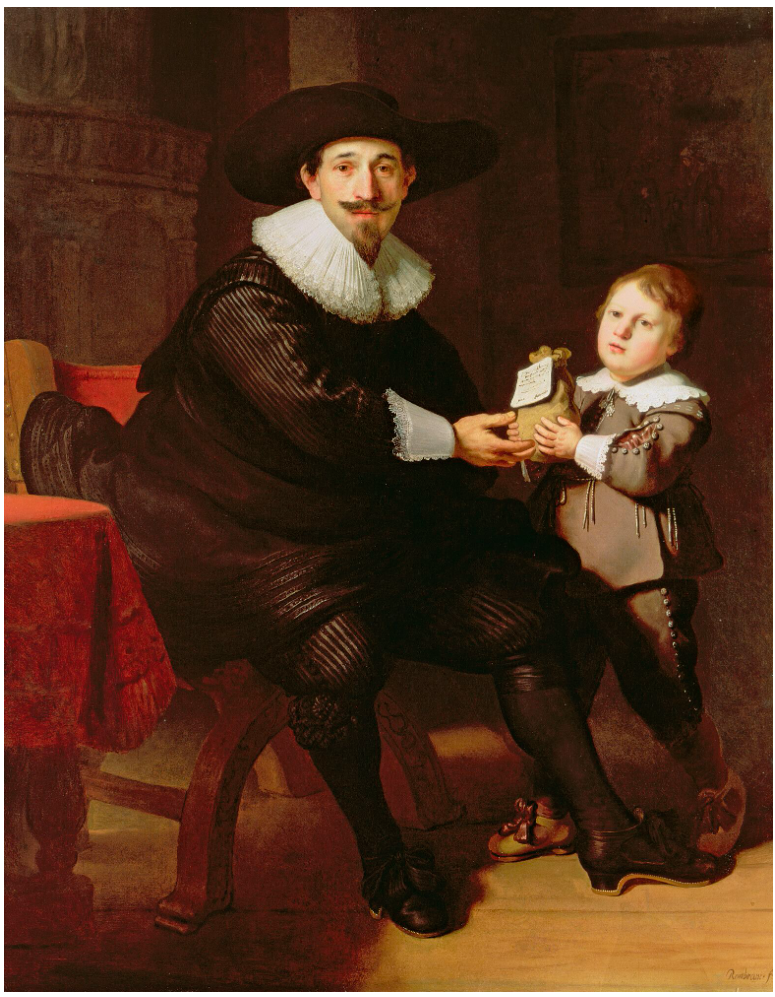
Rembrandt van Rijn, Jean Pellicorne with his Son Caspar, circa 1632. The Wallace Collection, London.
© Wallace Collection, London, UK / Bridgeman Images.
But even as he associated himself with Rembrandt, Picasso continued to reference a range of artists and movements, showcasing his abilities and making clear that he was not ready to be consigned to the great pantheon of artists past just yet. This dynamic is alluded to in Mousquetaire et petit personage, in which the musketeer is dutifully attended to by the smaller figure. Here, Picasso is the self-proclaimed leader, the master of his domain, but he may also be recalling his many former selves. As Simonetta Fraquelli has argued, the musketeers may represent “many of the possible ages of the artist, ranging from a child genius to an important old man” (“Looking at the Past to Defy the Present: Picasso’s Painting 1946-1973” in Picasso: Challenging the Past, exh. cat., National Gallery, London, 2009, p. 146).
Femme au chat assise, 1964
Sotheby’s New-York: 18 November 2024
Estimated: USD 7,000,000 – 10,000,000
Femme au chat assise | Modern Evening Auction | 2024 | Sotheby’s
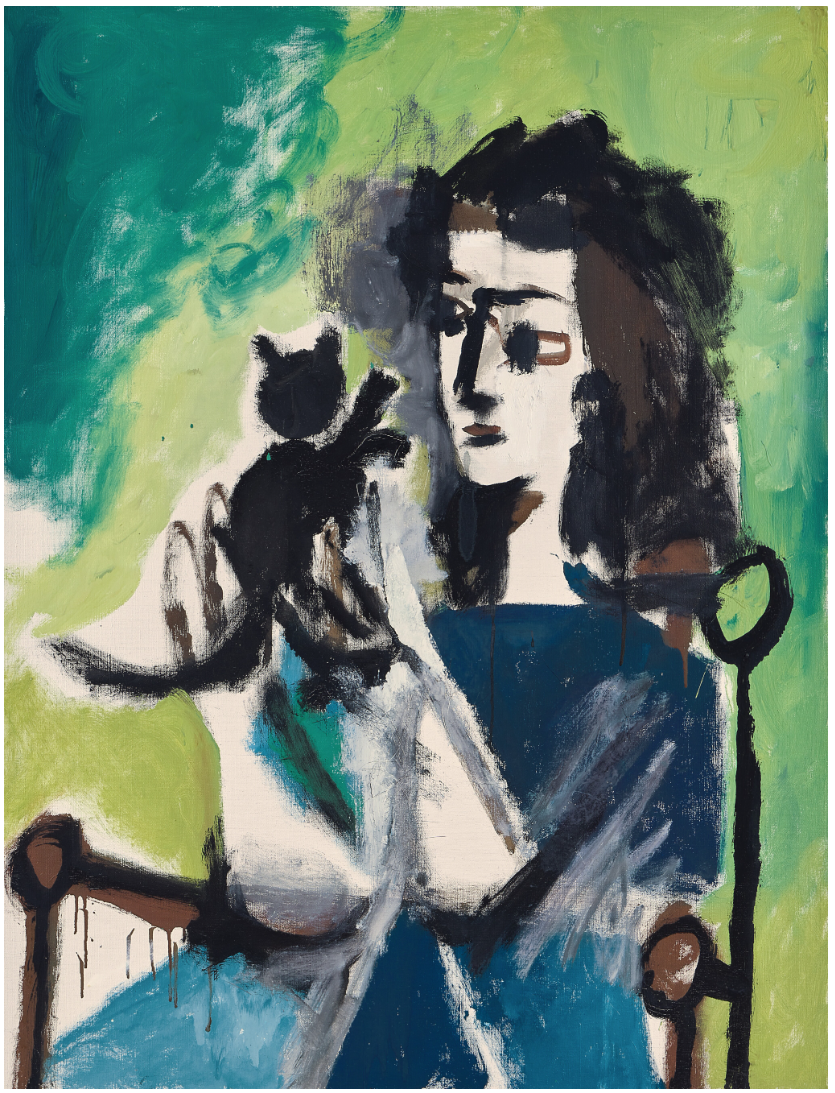
PABLO PICASSO (1881 – 1973)
Femme au chat assise, 1964
Oil and Ripolin on canvas
116×89 cm (45 5/8 x 35 inches)
Dated 2. and 8.5.64. and numbered III (on the reverse)
Executed on 2 and 8 May 1964
Executed on May 2nd and 8th, 1964, Femme au chat assise belongs to the highly sensuous and autobiographical body of Picasso’s late, innovative oeuvre. Rendered in bold swathes of color and executed on a grand scale, the present work exemplifies the dynamism and energy that pervades the finest works from this period.
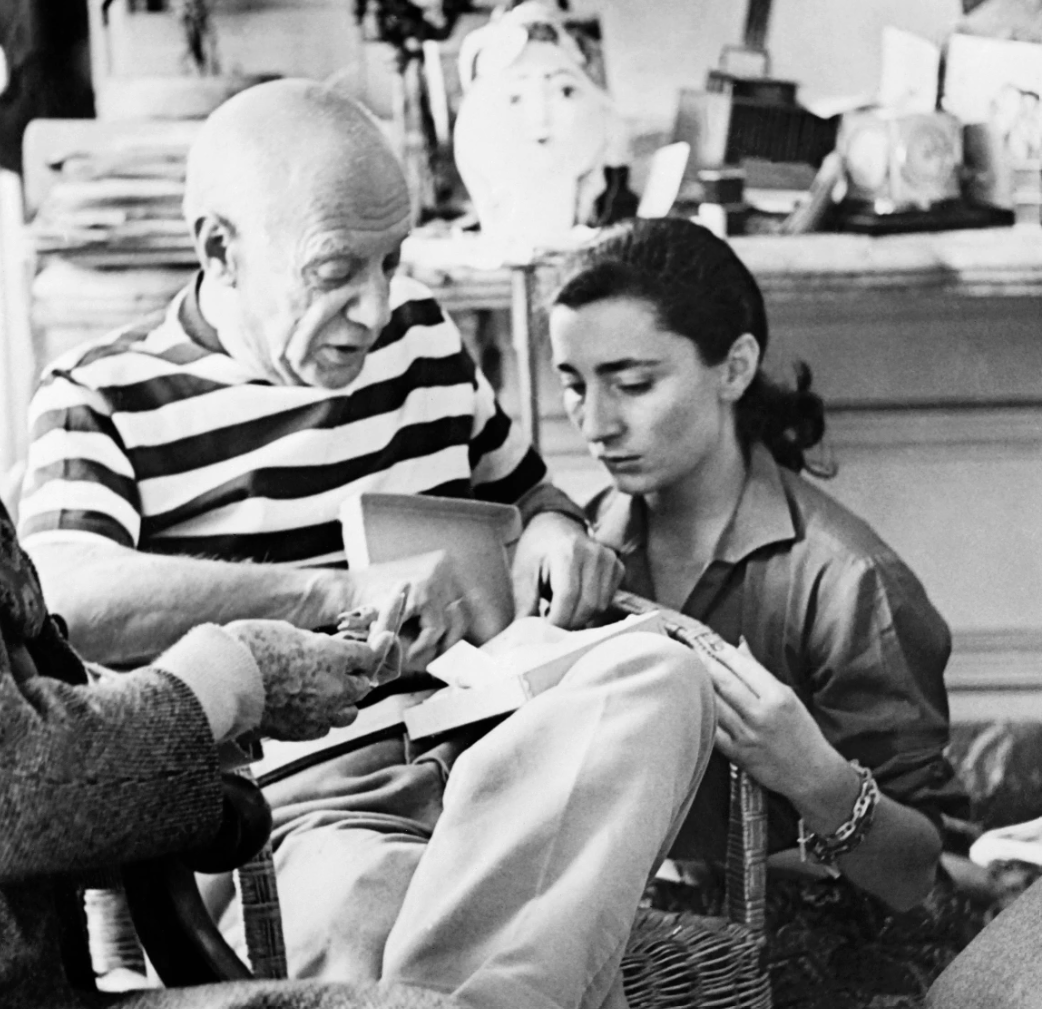
Pablo Picasso and Jacqueline Roque at in their house in Vallauris, October 1961. Photograph by André Villers.
Image © 2024 André Villers/AFP/Getty Images. Art © 2024 Estate of Pablo Picasso / ARS, New York
The 1960s proved a time of invigoration and creative renewal for Picasso. In 1961, the artist married Jacqueline Roque, his partner of the preceding seven years. The pair soon moved into a sprawling estate in the town of Mougins called Notre-Dame-de-Vie. There, Picasso ensconced himself in a world of creative activity while Jacqueline protected him from the distractions and intrusions of the outside world.
During this fruitful decade with Jacqueline as his ever-present muse, myriad series were born, from the more overt renditions of iconic Old Masters in the 1950s, to his painter and model depictions from the early 1960s and the musketeers and matadors that would dominate his oeuvre in the late 1960s. Amid these prodigious years arose a limited series of monumental depictions of Jacqueline, many of which featured the recurring motif of the cat. Ranging from the large-scale seated portraits like Femme au chat assise to the suite reclining nudes.
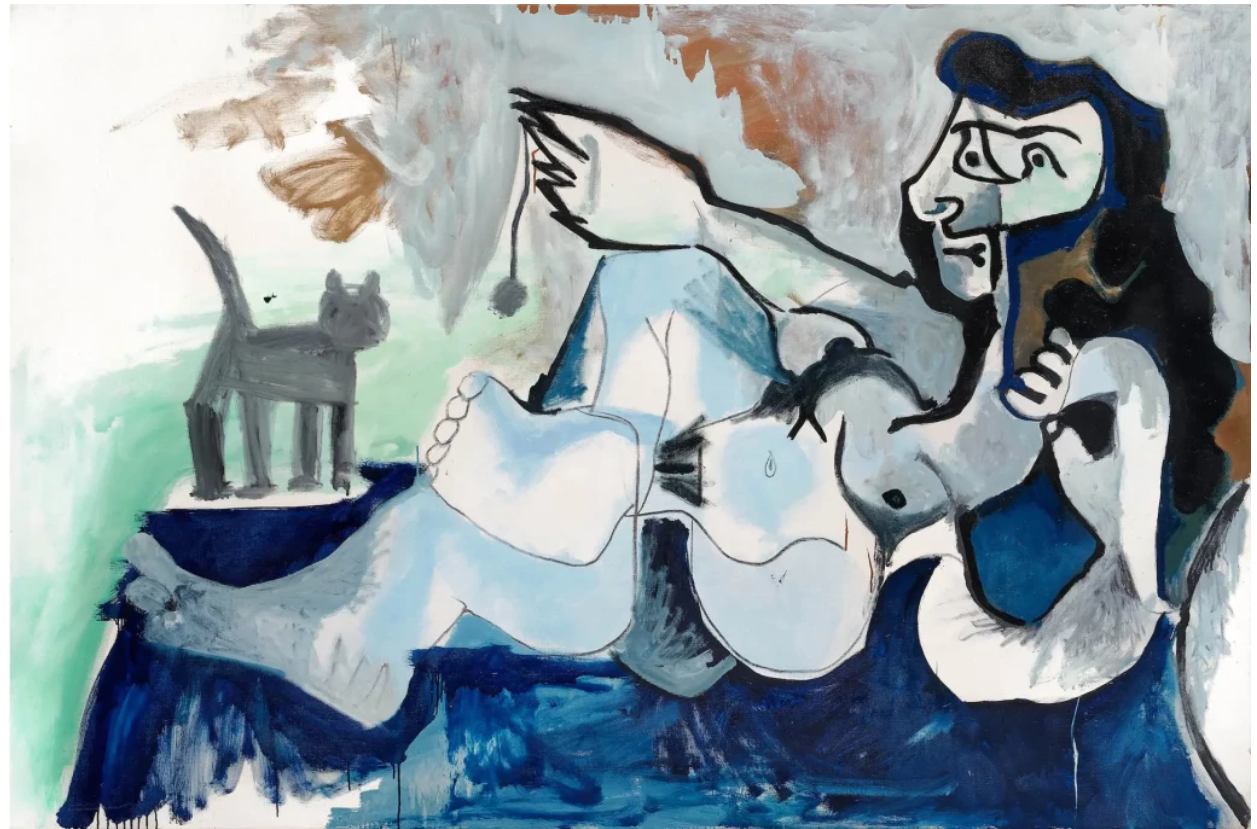
Pablo Picasso, Femme nue couchée jouant avec un chat, May 1964, Sold, Sotheby’s, New York, 16 May 2023, lot 125 for $21.2 million. Art © 2024 Estate of Pablo Picasso / Artists Rights Society (ARS), New York
Picasso’s works from 1964 pay homage to his shared life with Jacqueline and the coterie of animals who entered their lives. His iconic late series display varying degrees of finish with such compositions ranging in spontaneity and gestural energy, exemplified by the vibrant and commanding Femme au chat assise. Compared to other works on the same theme of the woman and cat, the present painting presents an exceptionally bright palette combined with an energized brushwork, which together conveys the conviviality and sense of motion commensurate with the playful creature. Picasso was deeply receptive to the world around him; in addition to the people in his life, the artist’s works often incorporated the objects and animals of his immediate vicinity. The genesis of the 1964 series of woman and cat paintings followed a chance encounter which took place in Picasso and Jacqueline’s garden in Mougins.
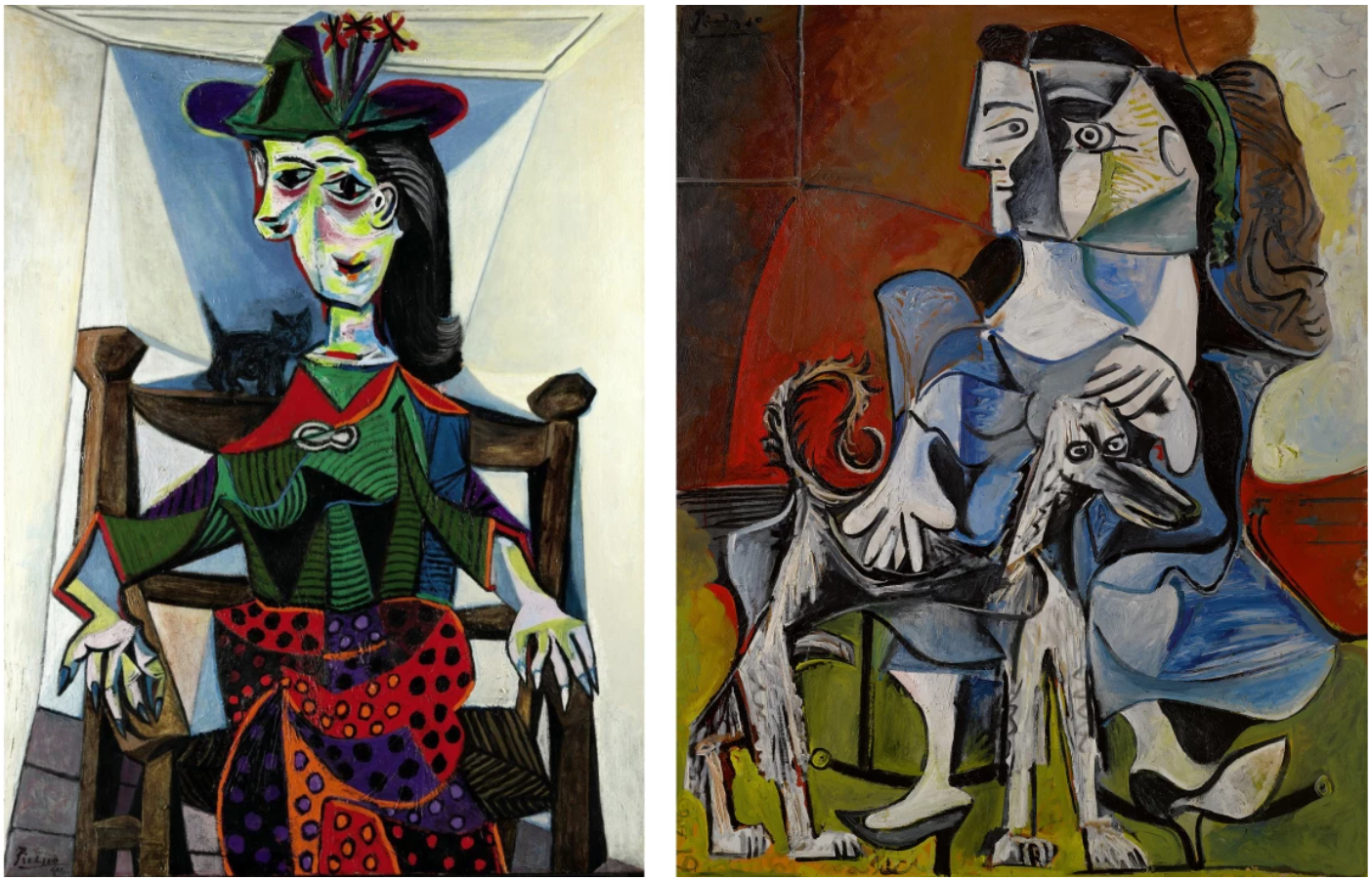
Left: Fig. 3 Pablo Picasso, Dora Maar au chat, 1941, Sold: Sotheby’s, New York, 3 May 2006, lot 14 for $95.2 million. Art © 2024 Estate of Pablo Picasso / ARS, New York
Right: Fig. 4 Pablo Picasso, Femme au chien, 1962, Sold: Sotheby’s, New York, 14 May 2019, lot 33 for $54.9 million. Art © 2024 Estate of Pablo Picasso / ARS, New York
Like the frequent cast of birds, dogs, goats and bulls which appear throughout Picasso’s oeuvre, the cat infiltrated the artist’s world in the course of his quotidian routines. Soon, the creature was transformed in the artist’s mind, recontextualized in a historic context and reborn under Picasso’s brush. This wandering feline took hold of the artist and his omnipresent model Jacqueline much as their Afghan hound did in the Femme au chien series of 1962.
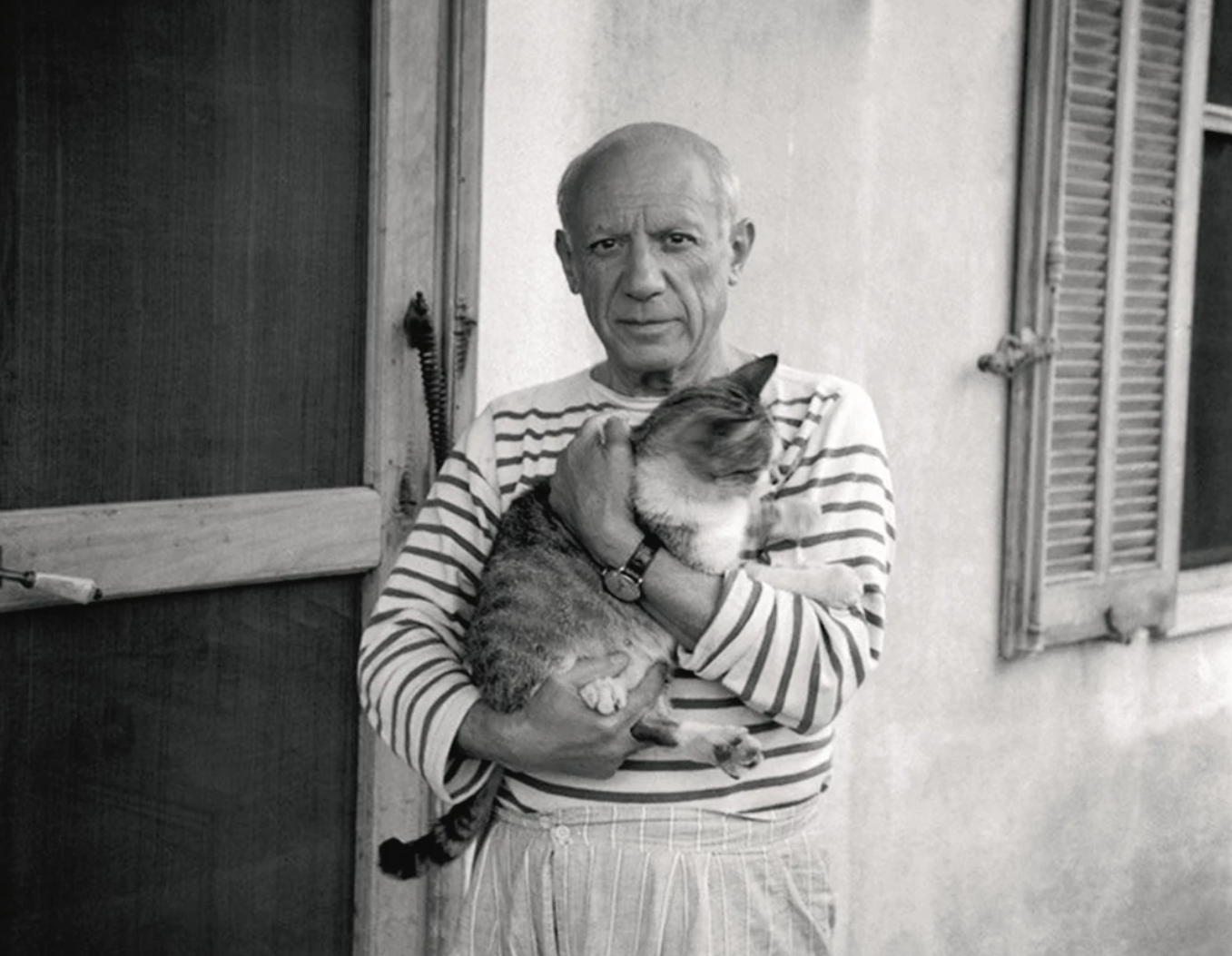
Pablo Picasso in Vallauris, 1954. Photograph by Carlos Nadal. IMAGE © 2024 Carlos Nadal / ARTISTS RIGHTS SOCIETY (ARS), New York
Picasso’s affinity for cats in particular is well documented, reappearing throughout his oeuvre (see figs. 3 and 5). He admired their willful independence, the more feral the better: “I don’t like high-class cats that purr on the couch in the parlor, but I adore cats that have turned wild, their hair standing on end. They hunt birds, prowl, and roam the streets like demons. They cast their wild eyes at you, ready to pounce on your face. And have you noticed that female cats in the wild are always pregnant? Obviously they think of nothing but love” (Pablo Picasso quoted in Brassaï, Conversations with Picasso, Chicago, 1999, p. 60).
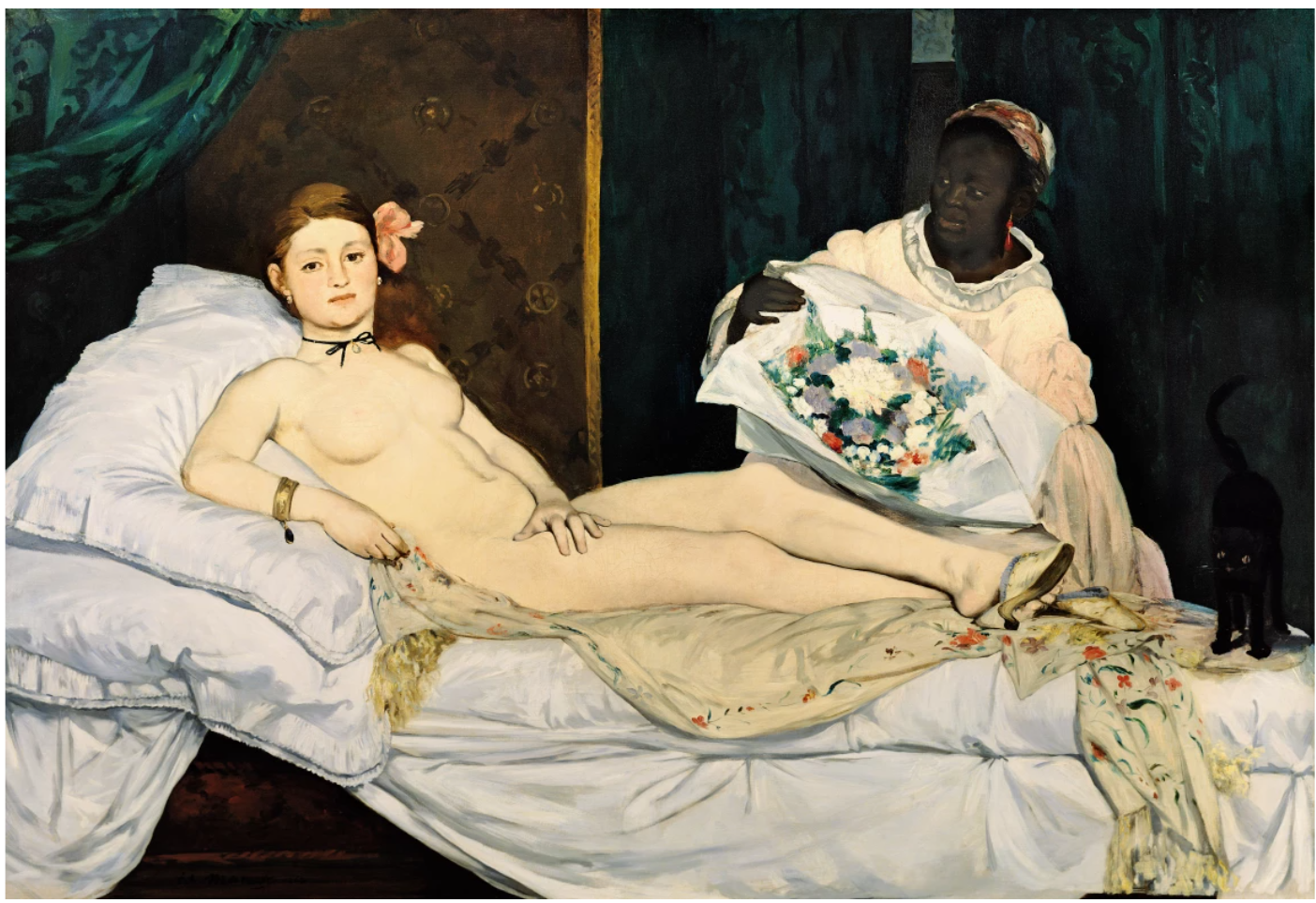
Édouard Manet, Olympia, 1863, Musée d’Orsay, Paris
The feline had long been attributed to feminine sexuality, perhaps most notably in the late nineteenth century, when the image of the black cat was embraced for its playful and seductive connotations, as was the double entendre of la chatte. Soon, the dark and mysterious creature was adopted as a symbol of Montmartre, the lively bohemian neighborhood of Paris where Picasso and other artists lived and worked in their early careers. By channeling Manet’s controversial masterwork and icon of sexuality and modernity, Olympia, Picasso implicitly added an additional erotic element to Femme au chat assise. Attesting to the success of the theme and its historic relevance, many works from Picasso’s 1964 series are now held in museum collections around the world (see below).
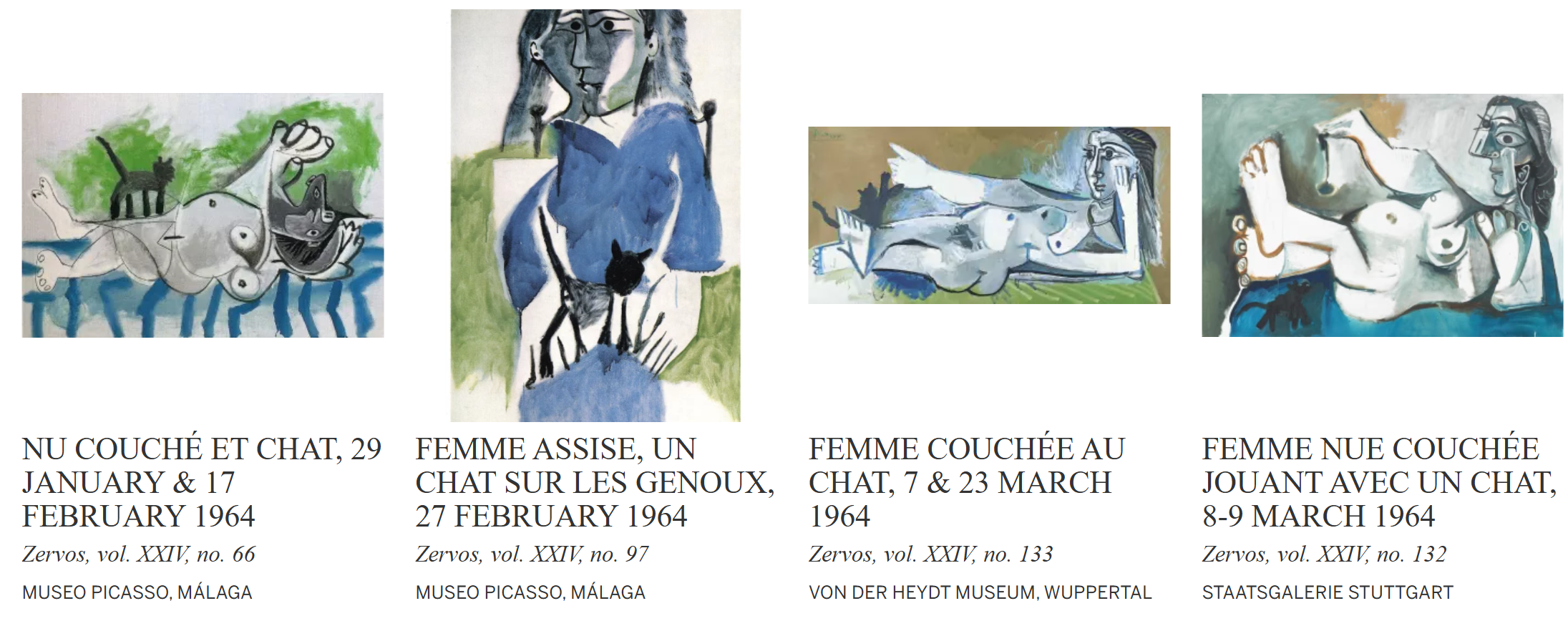
In addition to the context within the woman and cat series, the format of Femme au chat assise holds particular importance within Picasso’s oeuvre. It is almost impossible to escape the presence of the seated female figure in Picasso’s body of work, from his depictions of his earliest lovers like Fernande Olivier to those of Jacqueline, each woman took her rightful, if temporary, place on the throne. As Steven A. Nash observed, “The most common motif is a half-length figure seated in a chair, reminiscent in format of so many portraits of seated popes and cardinals from past centuries… [The seated figure] was a reliable template of psychological investigation… Indeed, the range of emotion portrayed in these expressive women runs from humor and joy to utter abjection” (Exh. Cat., Fine Arts Museums of San Francisco, California Palace of the Legion of Honor, Picasso and the War Years 1937-1945, 1998-99, p. 33). Though each portrait varies in style, Picasso’s seated women act as an ideal backdrop for artist’s projections, expressing Picasso’s alternately swelling and dwindling affection for his muses over the years. Picasso’s joyful depiction of his wife and cat in Femme au chat assise speaks to his enduring appreciation and affection for his ultimate muse, Jacqueline. Held in the artist’s collection throughout his lifetime, Femme au chat assise is exceptionally fresh to the market and comes to the auction for the very first time.
Femme et jeune garçon nus, 1969
Christie’s New-York: 19 November 2024
Estimated: USD 1,000,000 – 1,500,000
PABLO PICASSO (1881-1973), Femme et jeune garçon nus | Christie’s
PABLO PICASSO (1881-1973)
Femme et jeune garçon nus, 1969
Oil sticks and brush and pen and India ink and wash on paper
49.2 x 65.4 cm (19 3/8 x 25 3/4 inches)
Signed and dated ‘Picasso 3.6.69.’ (lower right)
Dated ‘Mardi 3.6.69.-8.6.69.’ (on the reverse)
Pablo Picasso’s Femme et jeune garçon nus is a vibrant and complex work on paper, executed over the course of five days in June 1969 at the artist’s villa in Mougins. Using a masterful network of rhythmic lines in pen, along with rich brushstrokes of India ink and colored crayons, the present work offers a vision of a bucolic idyll in which two nude figures recline amid the landscape.
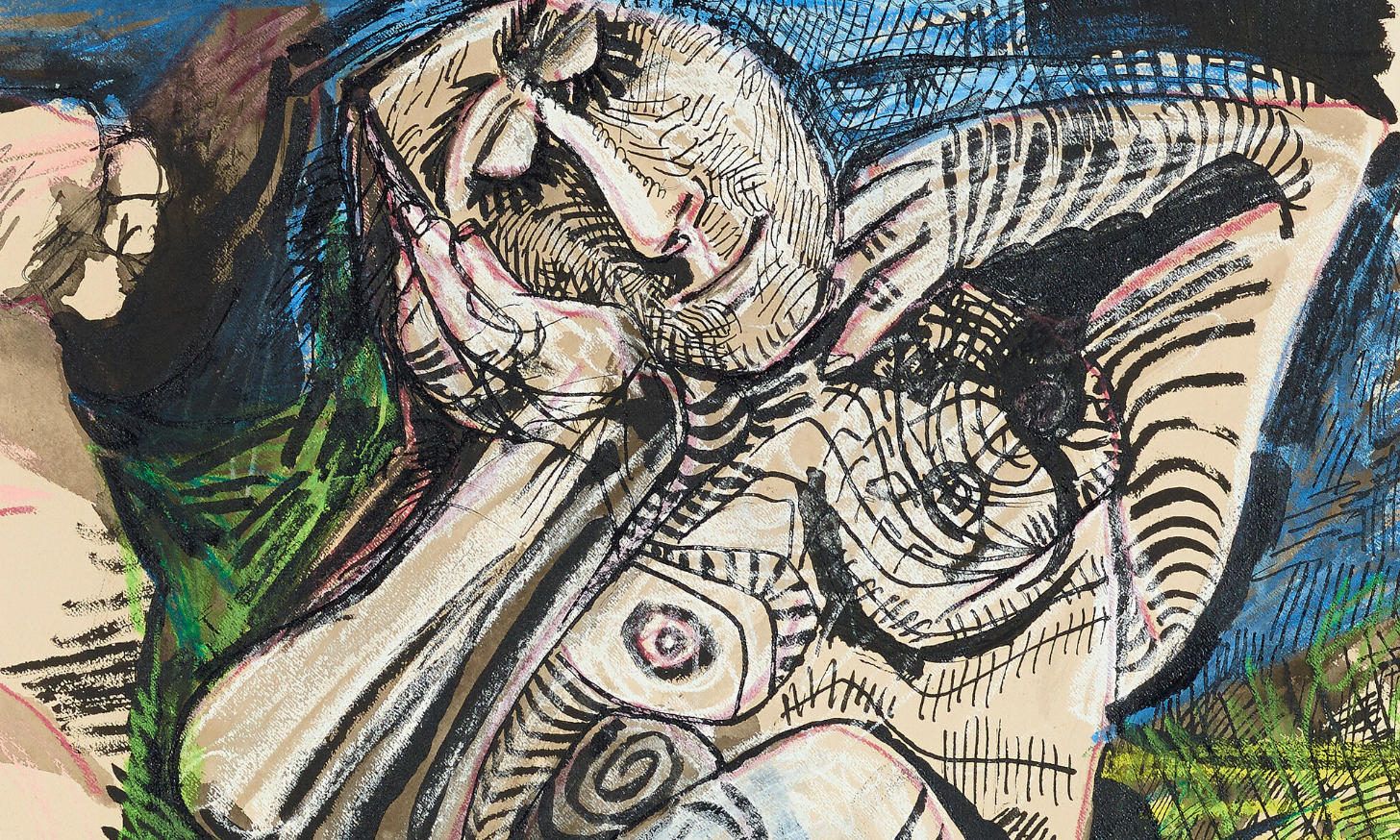
To the left, a young boy lies on his front, playfully kicking his feet up behind him. His gaze shies away from the viewer, but a slight smile lingers. He is perhaps a congenial cupid, a character also found in a number of Picasso’s Mousquetaires from this same year (Zervos, vol. 31, nos. 66, 67, 71, 73 and 78). Alongside this pre-adolescent youth, a woman dozes serenely, her head lolling into her cupped palm, her anatomy described in bold, swirling contour lines that emphasize the swell of her breasts, ankles, calves and biceps. She is perhaps a manifestation of Jacqueline Roque, whom Picasso married in 1961, and whose presence permeated the artist’s work from the mid-1950s until his death. Although Roque does not appear to have formally posed as a model for Picasso, she captivated his imagination, and her essence is inexorably woven through his art of this period.
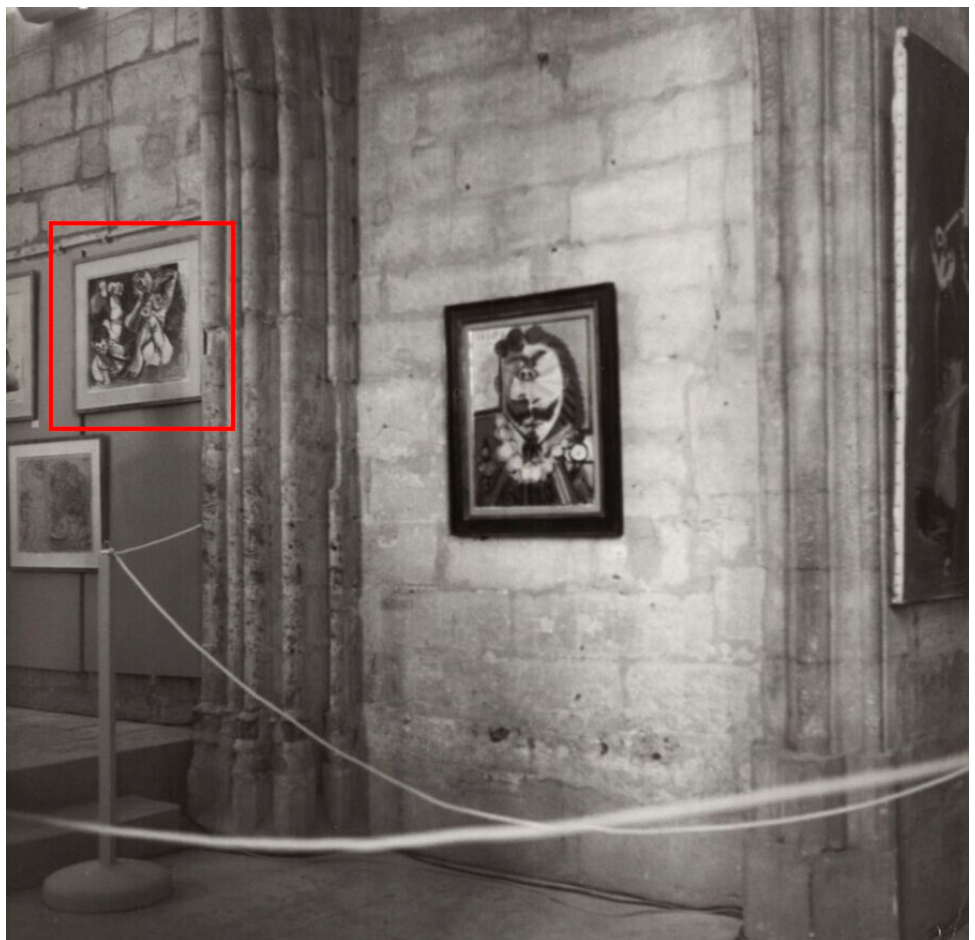
Present lot exhibited in Pablo Picasso, 1969-1970, May – September 1970, Palais des Papes, Avignon.
© 2024 Estate of Pablo Picasso / Artists Rights Society (ARS), New York.
1969—the year in which Femme et jeune garçon nus was executed—was one of the most prolific of Picasso’s entire career. To celebrate this creative abundance, Christian and Yvonne Zervos organized the landmark exhibition, Pablo Picasso, 1969-1970, at the Palais des Papes in Avignon, France. The exhibition, which featured the present work, marked a public unveiling of Picasso’s “Great Late Phase,” and reaffirmed his place as one of the most important artists of the twentieth century.
Ariadne Sleeping, circa 240 BCE. Museo Pio Clementino, Vatican Museums, Vatican City. © Alinari Archives / Art Resource, NY.
The quantity of works executed over the course of 1969 reveal not only Picasso’s continued creativity in his eighty-eighth year, but also a conscious acknowledgement and assessment of his own past, as he reflected on the multitude of different styles, techniques and motifs that had marked his long career. In Femme et jeune garçon nus for example, the female protagonist’s angular and contorting limbs recall the twisting figures who appeared in Picasso’s proto-Cubist paintings from the early years of the century, such as Les demoiselles d’Avignon (Zervos, vol. 2a, no. 18; The Museum of Modern Art, New York), while the poses of both the woman and the young boy in the present work find parallels in the baigneuses from his Neo-Classical period from the 1920s. The reclining female figure’s posture, meanwhile, is also reminiscent of the Sleeping Ariadne sculptural type, a motif from antiquity that symbolizes love and its triumph over death, which Picasso had also explored at several points in his career.
Pablo Picasso, Le déjeuner sur l’herbe, 1961. Staatsgalerie, Stuttgart. Artwork: © 2024 Estate of Pablo Picasso / Artists Rights Society (ARS), New York. Digital Image: © Succession Picasso/DACS, London 2024 / Bridgeman Images.
With its verdant pastoral backdrop and the relaxed positions of its figures, however, the present work is perhaps most closely aligned to Picasso’s Le déjeuner sur l’herbe series, which paid homage to Edouard Manet’s painting of the same title. Through the mid-1950s and early 1960s Picasso frequently alluded to his artistic predecessors in his work, measuring himself against their example—his Les femmes d’Alger suite, for example, looked back to Eugène Delacroix’s renowned 1834 painting, and in 1957 Picasso created a series of works inspired by Diego Velásquez’s Las Meninas. By interacting with both the paintings of the renowned artists who had come before him, as well as the motifs and styles that he had employed at various points over his own career, Picasso was consciously reviewing his own place within the Western art historical canon. Works such as Femme et jeune garçon nus, therefore, offer a reflection on both Picasso’s perception of the art he admired, as well as a personal meditation on his own artistic legacy.
Focus: Claude Monet
Nymphéas, circa 1914-17
Sotheby’s New-York: 18 November 2024
Estimate on Request
Nymphéas | A Legacy of Beauty: The Collection of Sydell Miller Evening Auction | 2024 | Sotheby’s
CLAUDE MONET (1840 – 1926)
Nymphéas, circa 1914-17
Oil on canvas
175 x 135.4 cm (68 7/8 x 53 3/8 inches)
Stamped with the signature Claude Monet (on the reverse)
Stamped again (on the stretcher)
There are few themes in the history of modern art as celebrated as Claude Monet’s Nymphéas. The very mention of the Impressionist movement invariably conjures images of the lushly rendered water lilies that Monet began painting in the late 1890s and refined until the last years of his life. Executed in a kaleidoscopic palette of jewel-toned purples and luscious blues, energized by the touches of white, pink and yellow used to describe the namesake flowers, the present Nymphéas is an exceptional example of Monet’s deft ability to translate fleeting atmosphere and the protean effects of light into paint. Nymphéas stands as the forerunner of a specific series of water lilies typified by more elaborate backgrounds featuring the nuanced reflections of trees along the opposite bank of the pond. It is precisely on account of the way Monet uses the pond as a technical device to blur the boundary between the real and the reflected that the work takes on its distinctly modern inflection. In its close cropping and all-over painterly effect, the work likewise marks a radical, early foray into abstraction, one which would prove a decisive stylistic inroad for the Abstract Expressionists who, following in Monet’s footsteps, would come to transform the idiom of modern art thirty years later.

Fig. 1 Claude Monet at Giverny, 1905. Photograph by Jacques Ernest Bulloz
In 1883, Monet purchased his property in Giverny, a small village 50 miles northwest of Paris, and soon began designing the verdant gardens that provided the inspiration for his acclaimed body of late work (see fig. 1). Writing to his dealer and friend Paul Durand-Ruel upon his arrival in Giverny, Monet prophetically proclaimed: “Once settled, I hope to produce masterpieces” (quoted in Exh. Cat., New York, The Metropolitan Museum of Art, Monet’s Years at Giverny, 1978, p. 15-16). In the interplay between nature, atmosphere and the effects of light, Monet found in his pond at Giverny the ultimate Impressionist subject. By the time Monet started on the present work in 1914, however, he had effectively mastered the tenets of Impressionism and begun to move beyond them, marking a shift away from mimetic observation toward an aspiration for the purely atmospheric. In this later period Monet “portrayed the transient so truly that we are forced to conclude that he painted in the absence of his subject… The instantaneity of Monet, far from being passive, requires an unusual power of generalization, of abstraction… Monet declares: here is nature, not as you or I habitually see it, but as you are able to see it, not in this or that particular effect but in others like it” (Michel Butor quoted in Exh. Cat., New York, Gagosian Gallery, Claude Monet: Late Work, 2010, p. 10).
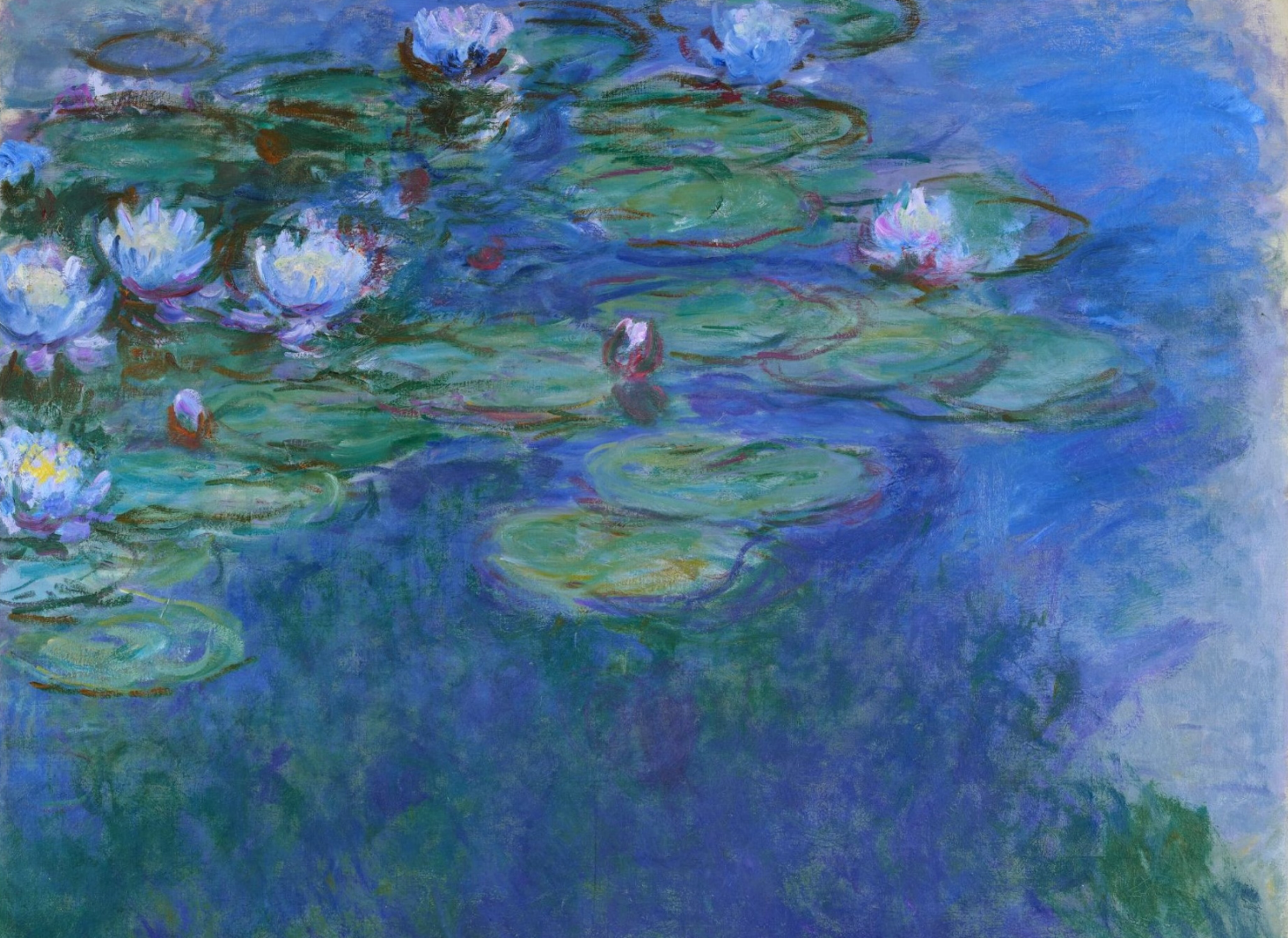
In 1903, Monet began to dispense with the conventional structures of landscape painting, narrowing his scope to focus directly on the surface of the pond and its reflections. In these earlier works on the theme, the illusion of pictorial depth is upheld by the diminishing forms of the lilies, as they recede towards an invisible horizon. By 1910, however, Monet went a step further to remove any lingering suggestion of perspective. Hovering above his subject from this new vantage point, Monet was presented with an almost flat plane of water and increasingly came to treat the surface of the canvas as if it were a mirror to that of the pond itself. When compared with the 1906 canvas held in the collection of the Art Institute of Chicago, the transformative effect of this shift in perspective on the overall composition becomes apparent (see fig. 2). Whereas in the 1906 canvas, there maintains a palpable suggestion of perspectival depth, in the present work the group of lilies in the top left and bottom right corners of the work appear almost flat against the water’s surface, rendered from the same scale, distance and angle, just a few degrees shy of a bird’s eye view. The ovoid lily pads offer the only suggestion of a recession in space, as opposed to the circular shape they would take when seen directly from above. The distorted perspective is heightened by the rotation of the horizontal surface of the water onto the vertical orientation of the canvas, distending the composition in a strangely frontal extension. Meanwhile, Monet’s masterful handling of tone in the modulated blue expanse at the center confers the imperceptible depth of the pond onto the painted surface.
Route près de Giverny, 1885
Christie’s New-York: 19 November 2024
Estimated: USD 7,000,000 – 10,000,000
CLAUDE MONET (1840-1926), Route près de Giverny | Christie’s
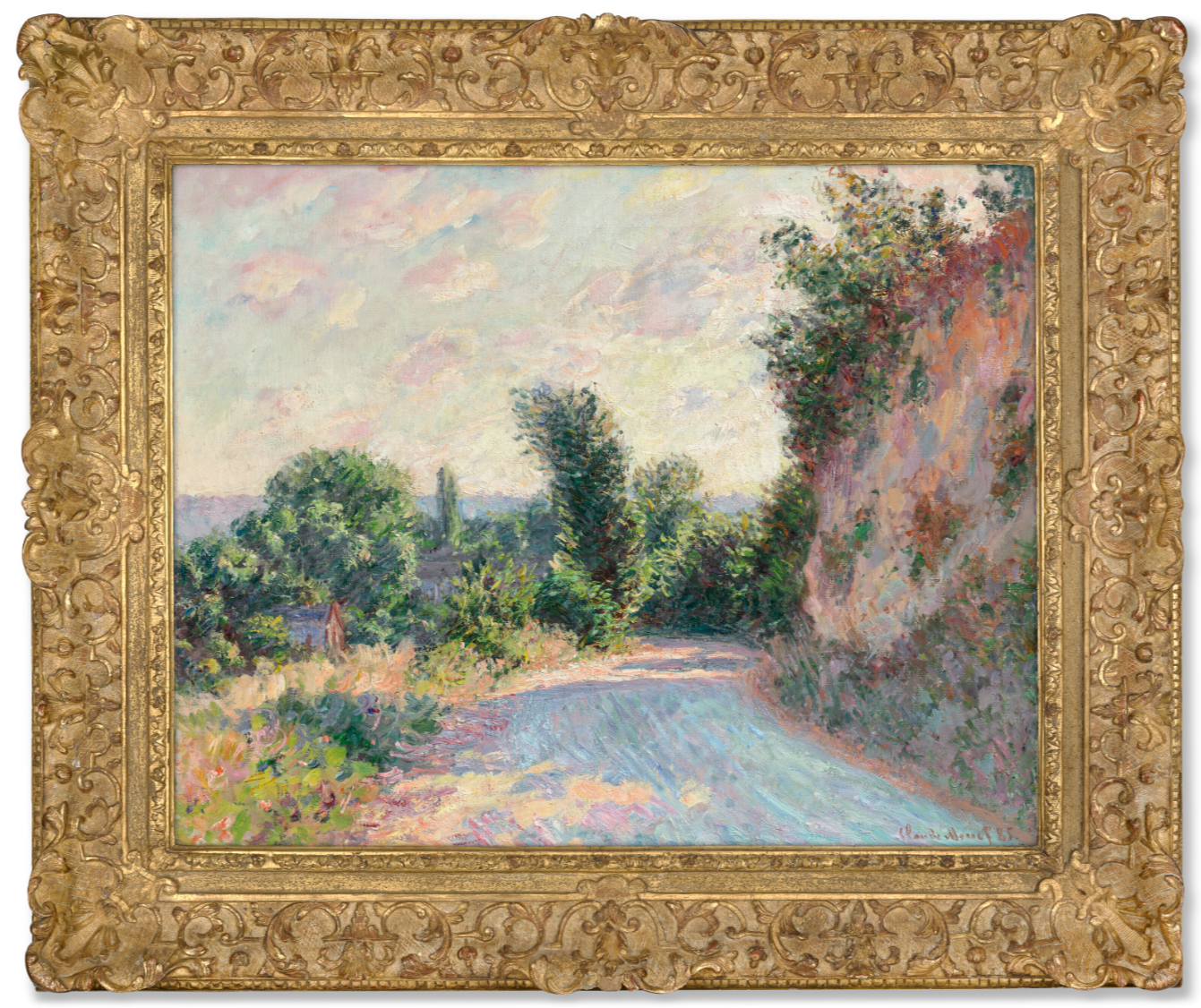
CLAUDE MONET (1840-1926)
Route près de Giverny, 1885
Oil on canvas
65.5 x 81.2 cm (25 3/4 x 32 inches)
Signed and dated ‘Claude Monet 85’ (lower right)
In 1883, Claude Monet and his family relocated to Giverny, outside of Paris, a move that would profoundly impact his artistic career. They took up residence at Le Pressoir, the pink farmhouse with green shutters that Monet would go on to purchase in 1890. Although the artist had previously lived in Paris, Argenteuil, and Vétheuil, among several other locales, it was in Giverny, the small village located at the confluence of the Seine and Epte rivers, where he was to remain for the rest of his life. Shortly after his arrival, Monet wrote to his dealer Paul Durand-Ruel: “Once settled, I hope to produce masterpieces, because I like the countryside very much” (quoted in D. Wildenstein, “Monet’s Giverny” in Monet’s Years at Giverny: Beyond Impressionism, exh. cat., The Metropolitan Museum of Art, New York, 1978, pp. 15-16). During his time in Giverny, the artist did just that, spending the first years diligently and enthusiastically roving the hills and fields with his paints and brushes to discover what the land had to offer.
With only a few hundred inhabitants, the village of Giverny was a bucolic idyll of dappled sunlight and greenery, a sense evoked in Route près de Giverny. Executed in 1885, the painting shows a countryside road curving through a verdant landscape. Touches of pale blue and lavender evoke the early morning shadows while above, soft clouds capture the first rays of sunshine. Light glints off the trees and shrubbery, while broader, more gestural marks define the hillside on the right side of the composition. Route près de Giverny likely depicts a road that runs along the left bank of the Seine towards the town of Notre-Dame-de-la-Mer. The houses hidden among the trees lie on the outskirts of Port-Villez, a village that Monet painted several times during this period, including in Bords de la Seine à Port-Villez (Wildenstein, no. 1005; Wallraf-Richartz-Museum & Fondation Corboud, Cologne).
Pommiers en fleurs, 1872
Christie’s New-York: 19 November 2024
Estimated: USD 7,000,000 – 10,000,000
CLAUDE MONET (1840-1926), Pommiers en fleurs | Christie’s
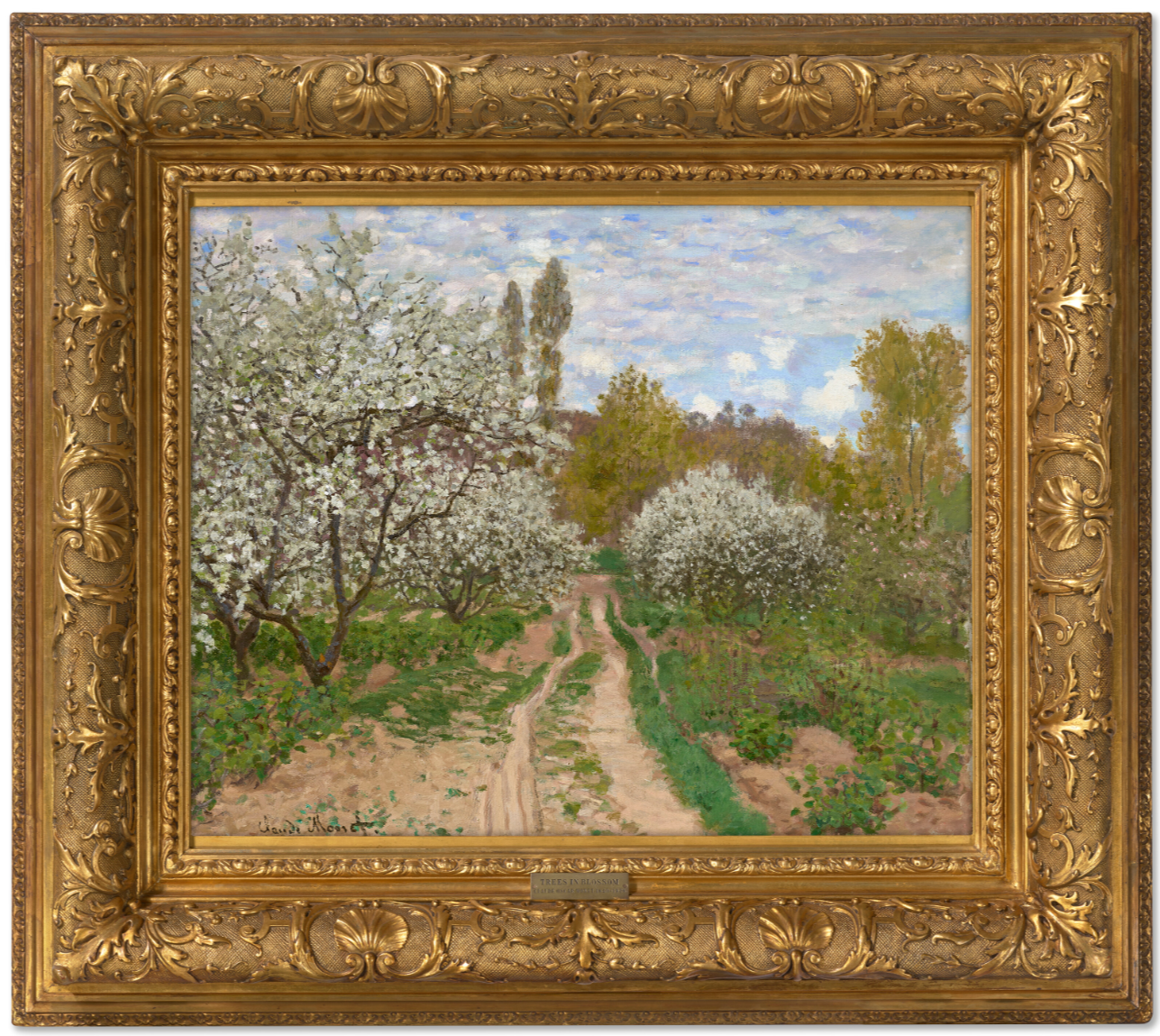
CLAUDE MONET (1840-1926)
Pommiers en fleurs, 1872
Oil on canvas
59.3 x 73.7 cm (23 3/8 x 29 inches)
Signed ‘Claude Monet.’ (lower left)
Painted in Argenteuil in 1872
he fruit trees are fragrant bouquets of pink and white newly washed by the showers from misty April skies. The broken clouds are scattered over sapphire skies and moisture lingers in the atmosphere… Monet has painted spring meadows fragrant with bloom. He heard the voices of evening, the jubilation of morning, and he painted the eternal undulations of light on the same objects…” These lines, written in the 1907 collection catalogue of the Union League Club of Chicago, vividly describe Claude Monet’s Pommiers en fleurs, an early and quintessentially Impressionist scene that entered the venerated Club’s esteemed collection in 1895 (L.M. McCauley, Catalogue of Paintings, Etchings, Engravings and Sculpture, Chicago, 1907, p. 35).
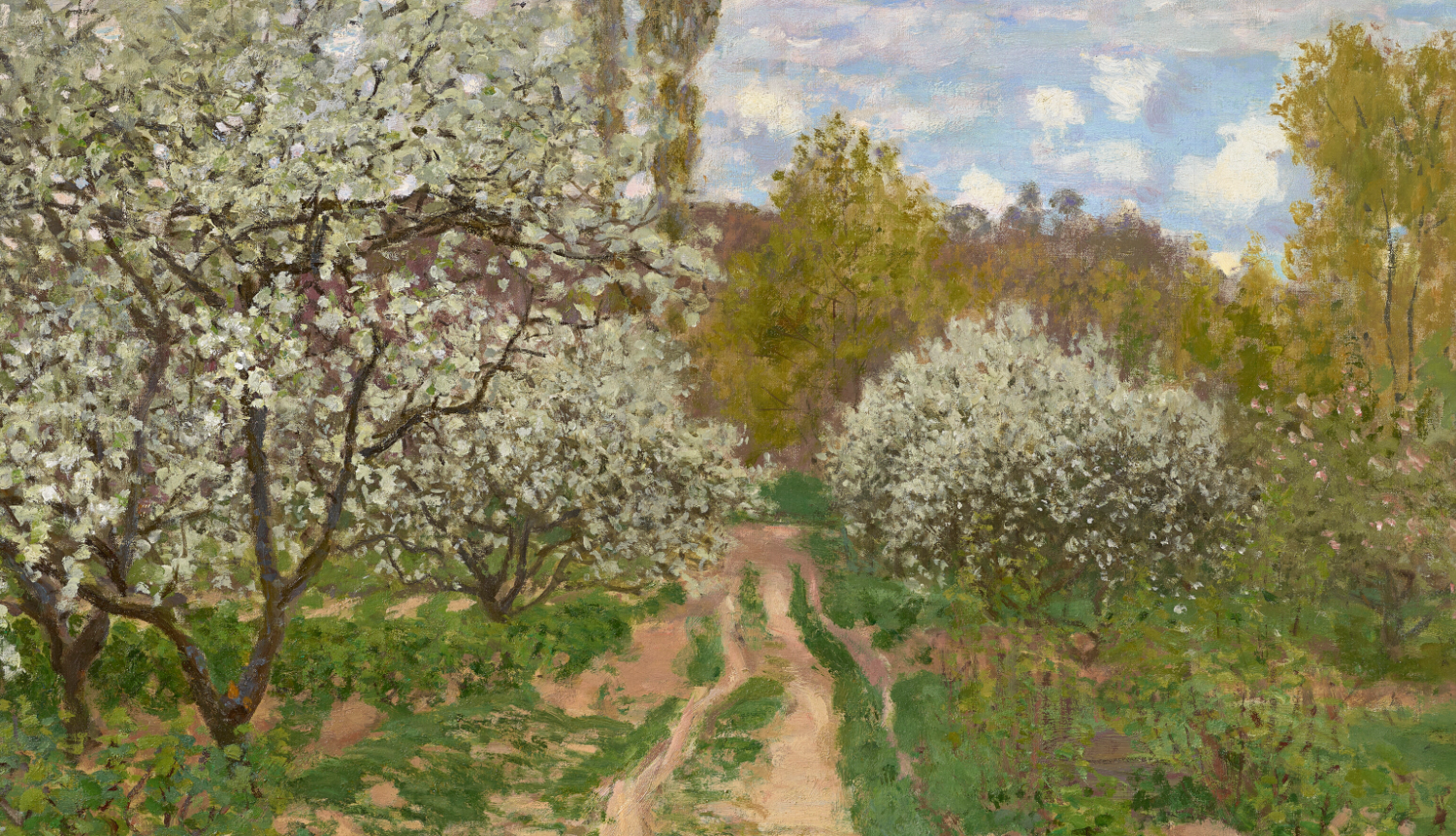
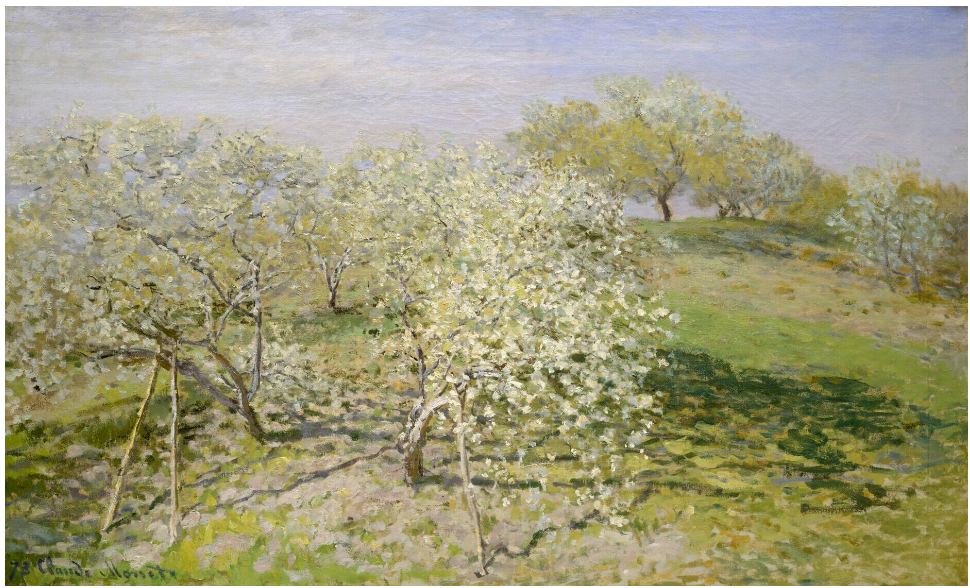
© The Metropolitan Museum of Art. Image source: Art Resource, NY
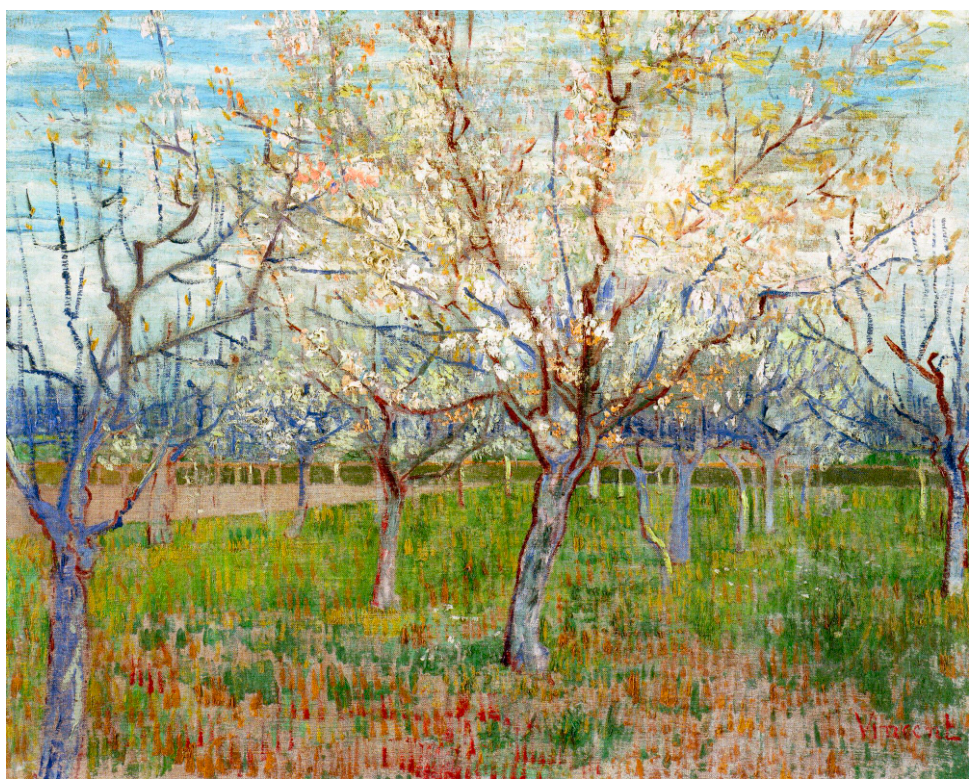
With these works, Monet turned away from the reality of his setting—from his garden he would likely have heard the rumble of trains passing nearby and could have seen the other neighboring houses bordering his own—to instead create a rural idyll, with no trace of the signs of the ever-encroaching modernity present. At this time, Argenteuil was a fast-growing suburb of Paris, with commercial structures increasingly appearing amid the previously rural landscape. In his works of this time, Monet chose to artfully eliminate many of these industrial subjects, a reflection of the fact that while his Impressionist paintings have the appearance of spontaneity, their compositions were in fact carefully crafted. Employing his innate sensibility for pictorial construction, Monet was able to balance a range of pictorial elements and motifs to create works filled with a sense of harmony, beauty and poeticism.
When, four years after its creation in 1872, Pommiers en fleurs was included in the Second Impressionist exhibition under the title Le Printemps, it was shown alongside other masterpieces by the artist—Les bains de la Grenouillère (Wildenstein, no. 134; The Metropolitan Museum of Art, New York), La Promenade (Wildenstein, no. 381; The National Gallery of Art, Washington, D.C.), and Le Pont d’Argenteuil (Wildenstein, no. 311, Musée d’Orsay, Paris), to name but a few—as well as major works by Gustave Caillebotte, Berthe Morisot, Alfred Sisley, and Renoir.
This was an important exhibition in the history of Impressionism, proving to the public that the Société anonyme, as the group had called themselves in the first 1874 show, was not a one-time event, but an ongoing phenomenon, a movement with consistent members and shared formal and stylistic qualities. It attracted more critical attention than the first exhibition, with a number of critics picking out Pommiers en fleurs in their reviews. One by Charles Bigot described it as, “a garden path, flushed with grass, that disappears between blossoming apple trees and shrubs bursting into leaf… [It is] an impression of the month of May that delights the eyes” (quoted in R. Berson, The New Painting: Impressionism, 1874-1886, San Francisco, 1996, vol. 1, p. 60).
Focus: Jackson Pollock
Untitled, circa 1948
New-York: 19 November 2024
Estimate on Request
Jackson Pollock – Modern & Contempor… Lot 9 November 2024 | Phillips
JACKSON POLLOCK
Untitled, circa 1948
Oil, enamel, pebbles and cut-outs on paper mounted on Masonite
31×23 inches (78.7 x 58.4 cm)
Signed “Jackson Pollock” lower left
A stunning example of Jackson Pollock’s coveted white-on-black “drip” paintings, Untitled, c. 1948, is being publicly shown for the first time since its prominent inclusion in the major 1998-1999 retrospective of Pollock’s work at the Museum of Modern Art in New York, which later traveled to the Tate Gallery in London. Prior to its sale in 1987, the work was part of the collection of Florence Knoll and her husband, Harry Hood Bassett, who had acquired it directly from the artist. Florence Knoll Bassett, a pioneering architect and designer, revolutionized modern interiors through her “total design” philosophy, seamlessly integrating architecture, furniture, textiles, and art. Her significant contributions are evident through the inclusion of her designs in major museum collections and her 2004 retrospective, Florence Knoll Bassett: Defining Modern, at the Philadelphia Museum of Art. In July 1954, her apartment was featured in Vogue, with Untitled appearing twice in the multi-page photo spread.
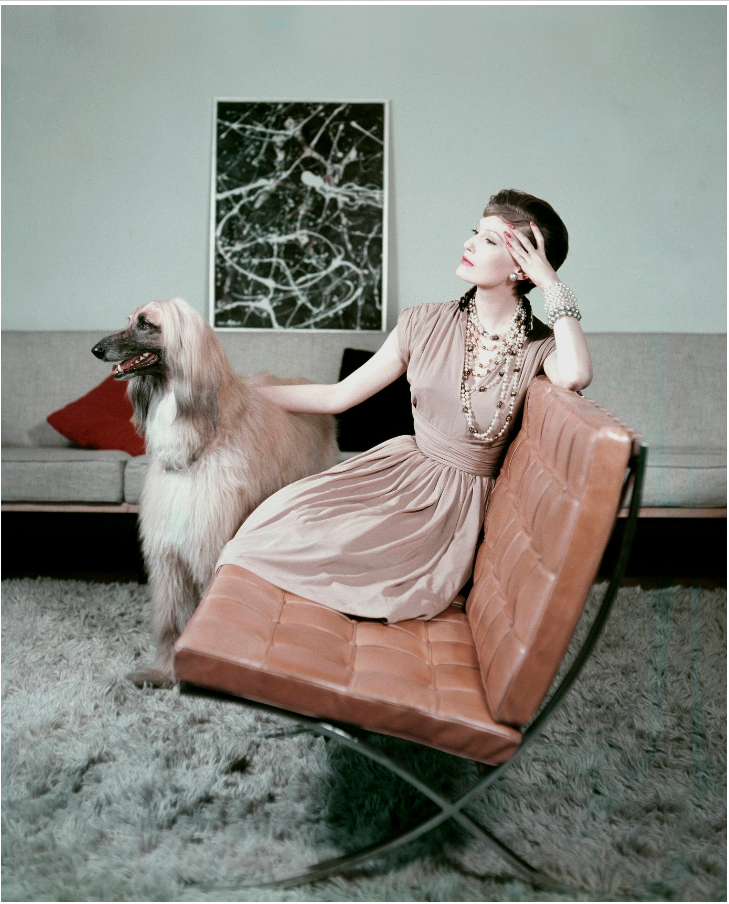
The present work pictured in Florence Knoll’s apartment, as published in the July 1, 1954, issue of Vogue. Photograph by: John Rawlings. Image: John Rawlings/Condé Nast via Getty Images
Untitled serves as a critical touchstone in Pollock’s artistic evolution, bridging his early Surrealist-inspired works with the groundbreaking “drip” paintings he pioneered in the late 1940s. These startling, original, and accomplished paintings—described by Willem de Kooning as having “broken the ice” for American painting—completely revolutionized the medium and, in the process, reshaped the entire history of twentieth-century art. The present painting epitomizes this transformative period, displaying a densely choreographed, animated surface that reveals the extraordinary mastery Pollock had over his radical new medium. In Untitled, the artist reimagines the pouring method he initiated in 1947, wielding paint with gestural energy while introducing an innovative experiment with new materials and techniques. The result is an optically dazzling composition, punctuated by cut-out shapes, and emerging from an explosive period of creativity and newfound sobriety, marking a pivotal moment in Pollock’s career as he embraced pure abstraction between 1947 and 1950. Far from being uniform, drip paintings such as Untitled display an extraordinary range of moods, palettes, surfaces, and compositional choices. As noted by Kirk Varnedoe in the catalogue for the 1998-1999 retrospective, fully describing them would require “perhaps as many words for ‘line’ as the Inuit legendarily have for ‘snow.’” Adding to its significance, Untitled is part of a distinguished series of paintings on paper that Pollock produced between 1948 and 1950. These works, uniform in scale and mounted on either fiberboard or canvas, are now held in prominent museum collections, including the Museum of Fine Arts, Houston, and the Munson-Williams-Proctor Arts Institute in Utica, New York, underscoring their importance in Pollock’s oeuvre.
“I like to use fluid paint. I also use sand, glass, pebbles, string, nails or other matter… I want to express my feelings rather than illustrate them.”
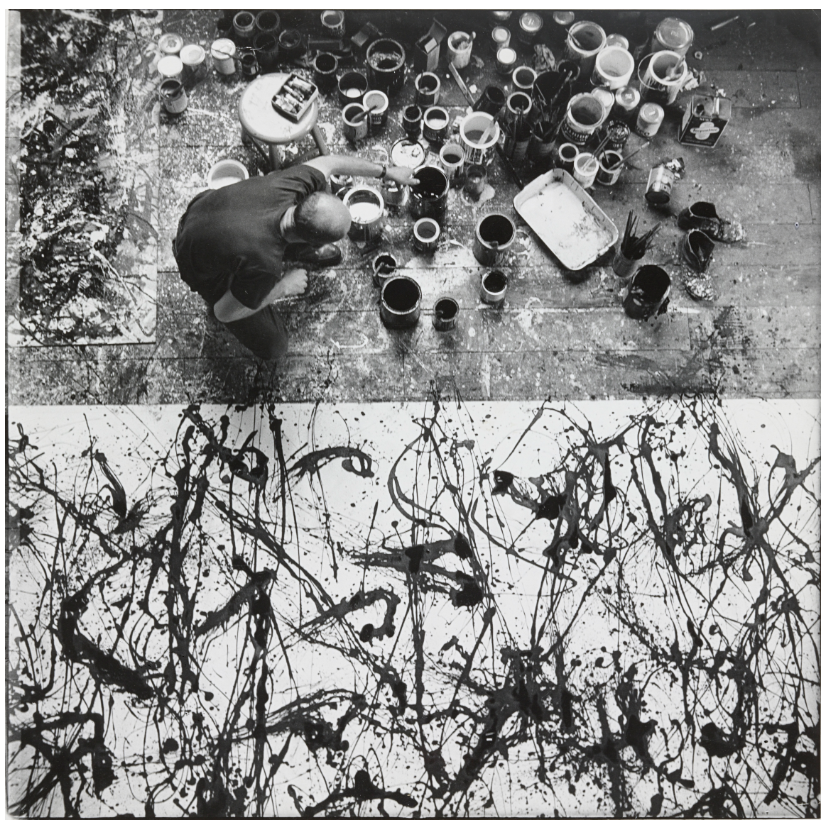
Jackson Pollock painting, 1950. Photograph by: Rudolph Burckhardt. The Museum of Modern Art, New York. Image: © The Museum of Modern Art/Licensed by SCALA / Art Resource, NY / © Rudolph Burckhardt / Artists Rights Society (ARS), New York
During this time, Pollock also broke free from conventional artistic tools, often abandoning direct implements like brushes. As early as 1943, he had begun experimenting with a pouring technique, following a spirit of automatism then common among Surrealist and avant-garde American painters. This method aimed to liberate further the code-like figurative calligraphy that often distinguished and overlay his work of this period. Around 1946, Pollock made the pivotal decision to begin painting on the floor.
“On the floor I am more at ease, I feel nearer, more a part of the painting, since this way I can walk around it, work from the four sides and literally be in the painting.”
Pollock reveled in this new way of painting, and its ambiguous reception by critics of the art establishment. “There was a reviewer a while back who wrote that my pictures didn’t have any beginning or end,” Pollock once recalled, “He didn’t mean it as a compliment, but it was.” Working from above the picture-plane allowed him to engage physically with his work: Pollock dripped and poured paint, controlling line in a way that introduced radical new directions in art. Lee Krasner, Pollock’s wife and a fellow artist, described this method as “working in the air,” gesturally creating “aerial forms which then landed.” Hans Namuth, who documented Pollock’s working practice, recalled how Pollock would “take his stick or brush out of the paint can, and then, in a cursive sweep, pass it over the canvas high above it, so that the viscous paint would form trailing patterns which hover over the canvas before they settle upon it.” Pollock’s method was transformative, allowing him to blur the boundaries between drawing and painting and redefining line as a fluid, painterly element rather than a descriptive one.