Table of Content
PART I: SUMMARY
1. Auction Statistics
2. Top 10 Lots
3. Top 10 Artists
4. Outperformers and Underperformers
PART II: AUCTION RESULTS
1. Sotheby’s
2. Christie’s
3. Phillips
PART III: FOCUS
1. Ultra-Contemporary Art
1.1. Jade Fadojutimi
1.2. Adrian Ghenie
1.3. Other Artists
(Nicolas Party, Caroline Walker, Ewa Jusckiewicz, Christina Quarles)
2. Contemporary Art
2.1. Damien Hirst
2.2. George Condo
2.3. Cecily Brown
2.4. Salvo
2.5. Other Artists
(Liu Ye, Gerhard Richter, Christopher Wool, Alighiero Boetti, Kehinde Wiley, Keith Haring, Yoshitomo Nara)
3. Post-War
3.1 David Hockney
3.2. Andy Warhol
3.3. Yayoi Kusama
3.4. Francis Bacon
3.5. Alex Katz
3.6. Jean Dubuffet
4. Impressionist and Modern Art
4.1. Claude Monet
4.2. Rene Magritte
4.3. Pablo Picasso
PART I: SUMMARY
1. Auction Statistics
Total Turnover
GBP 371,656,715
The first auction season of the year generated a total turnover of GBP 371,656,715 (USD 471,107,730) through the sale of 715 lots split into 4 evening sales, and 4 day sales.
This compares to GBP 429,464,517 generated during the 2023 Winter London, representing a decrease of 13.5%. This is due to the decrease of the number of lots sold, down from 782 lots sold in 2023, but also to the difference in the most expensive lots sold during this season. Indeed, 5 lots sold for more than GBP 10 million, generating a cumulative turnover of GBP 100,120,600, representing 26.9% of the total for this season. This compares to 6 lots in 2023, generating a cumulative turnover of GBP 130,312,200.
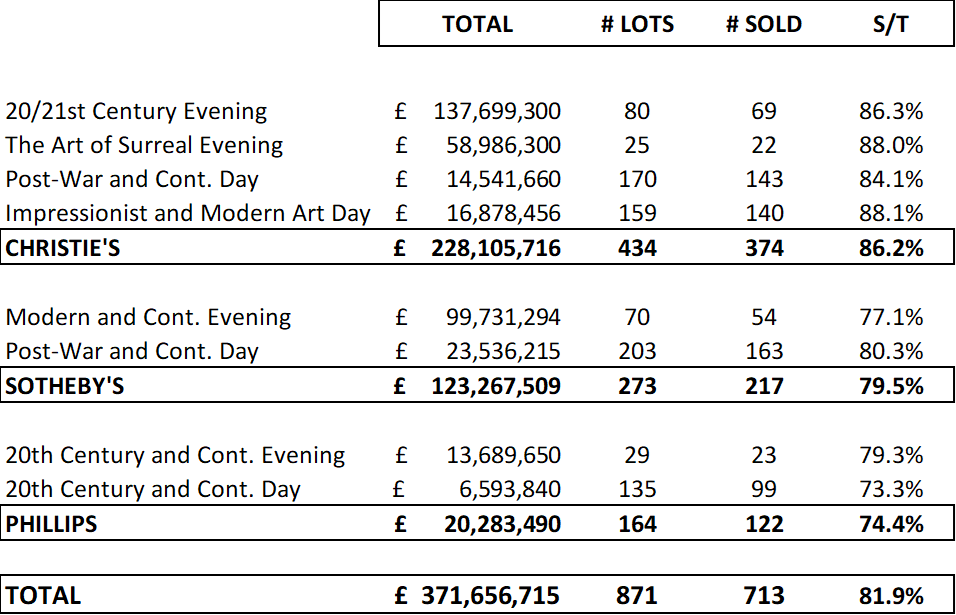
Christie’s emerges as a clear leader for this auction season surpassing Sotheby’s by more than GBP 100 million. 4 lots from the Top 5 Lots have been sold at Christie’s.
1. Christie’s
Christie’s sold 434 lots, generating a total turnover of GBP 228,105,716. The sell-through rate is a very strong 86.2%.
2. Sotheby’s
3. Phillips
2. Top 10 Lots
#1. Rene Magritte
Christie’s London: 7 March 2024
Estimated: GBP 30,000,000 – 50,000,000
GBP 33,660,000 / USD 42,680,880
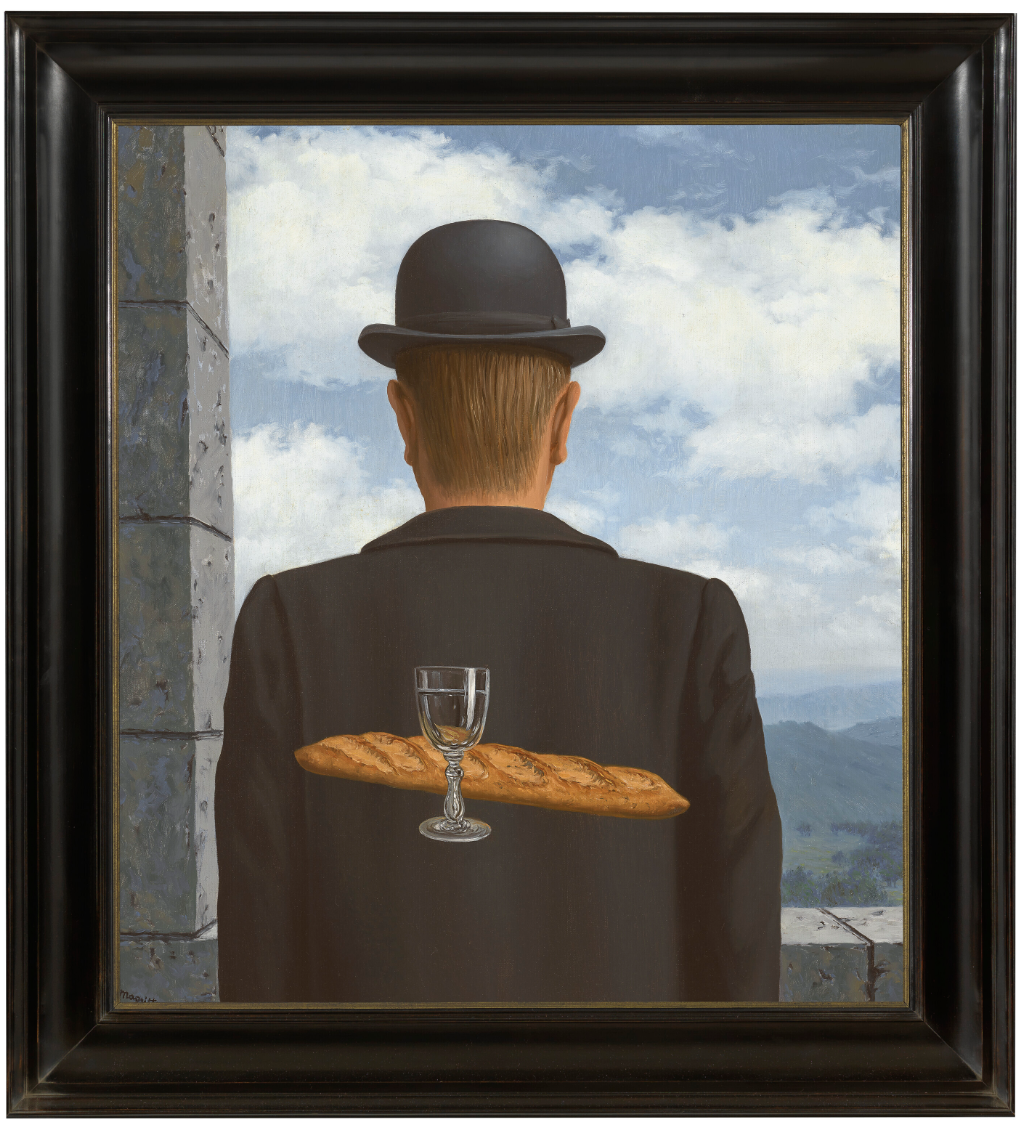
RENÉ MAGRITTE (1898-1967)
L’ami intime, 1958
Oil on canvas
72.6 x 64.9 cm (28 5/8 x 25 1/2 inches)
Signed ‘Magritte’ (lower left)
#2. Francis Bacon
Christie’s London: 7 March 2024
Estimated: GBP 15,000,000 – 20,000,000
GBP 19,630,000 / USD 24,890,840
FRANCIS BACON (1909-1992), Landscape near Malabata, Tangier | Christie’s (christies.com)
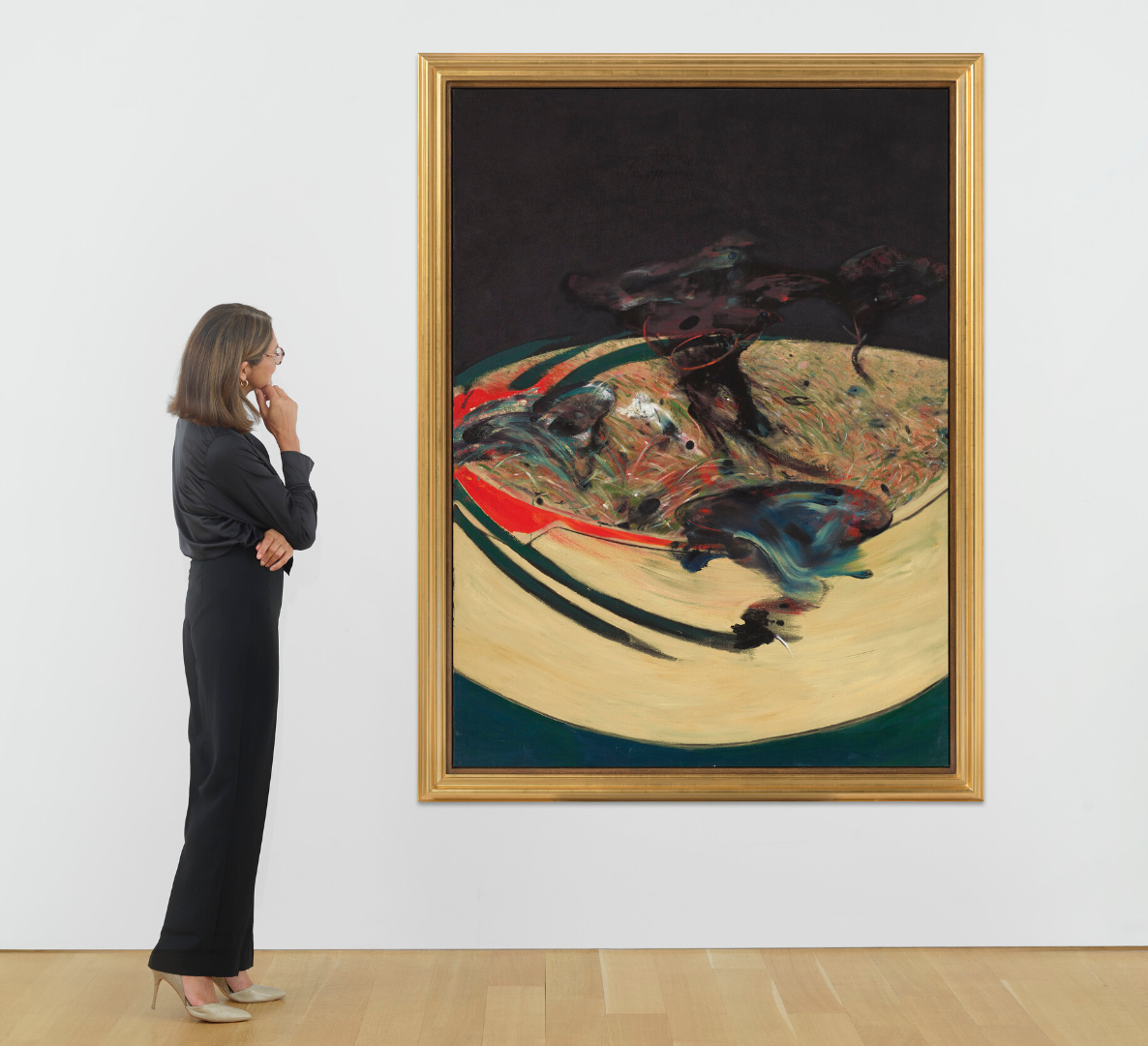
FRANCIS BACON (1909-1992)
Landscape near Malabata, Tangier, 1963
Oil on canvas
78×57 inches (198.1 x 144.8cm.)
Titled and dated ‘Landscape near Malabata, Tangier 1963’ (on the reverse)
#3. David Hockney
Christie’s London: 7 March 2024
Estimate on Request
GBP 18,710,000 / USD 23,724,280
DAVID HOCKNEY (B. 1937), California | Christie’s (christies.com)
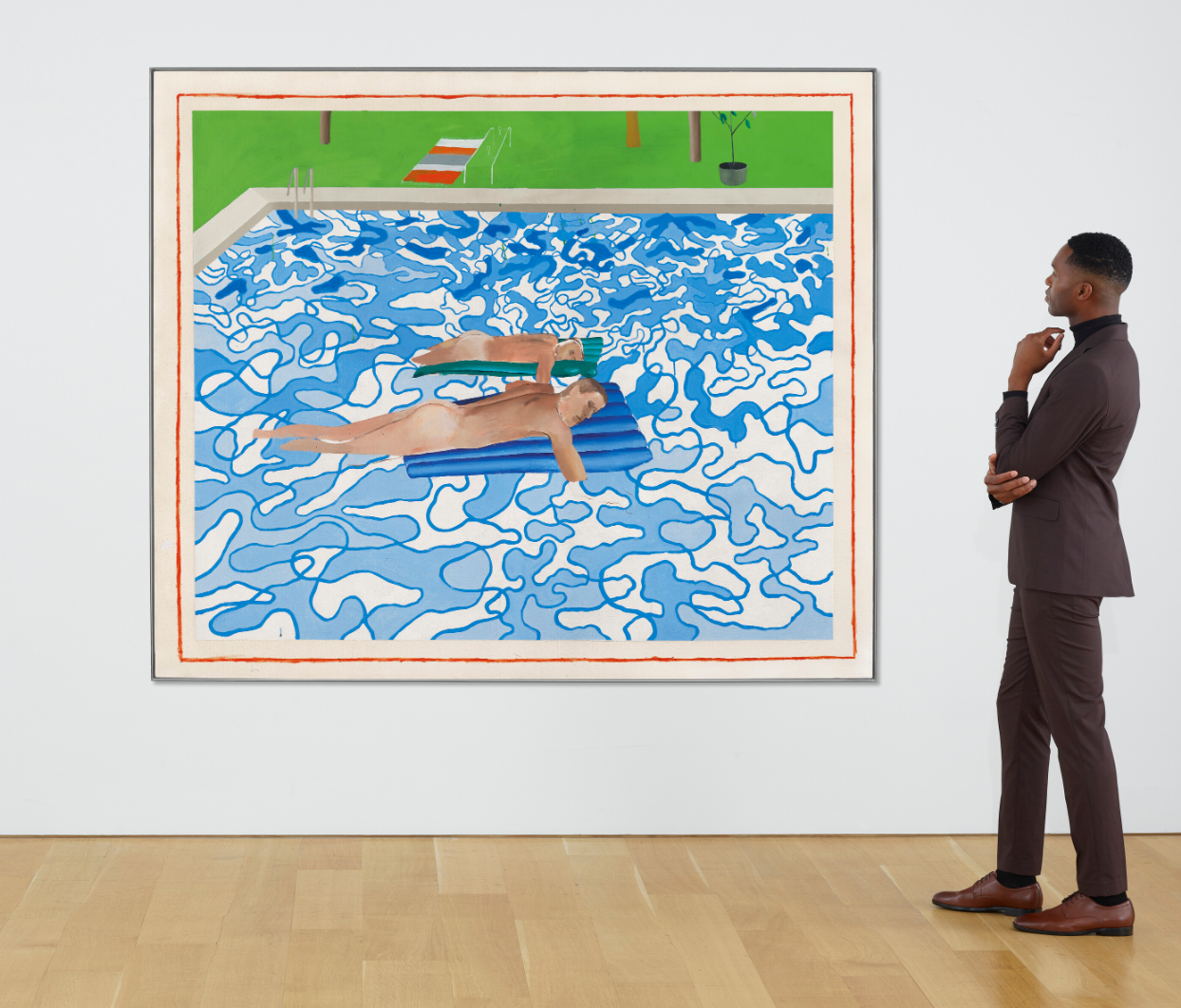
DAVID HOCKNEY (B. 1937)
California, 1965
Acrylic on canvas
66 1/8 x 78 1/4 inches (168 x 198.8 cm)
#4. Claude Monet
Christie’s London: 7 March 2024
Estimated: GBP 12,000,000 – 18,000,000
GBP 14,397,500 / USD 18,256,030
CLAUDE MONET (1840-1926), Matinée sur la Seine, temps net | Christie’s (christies.com)
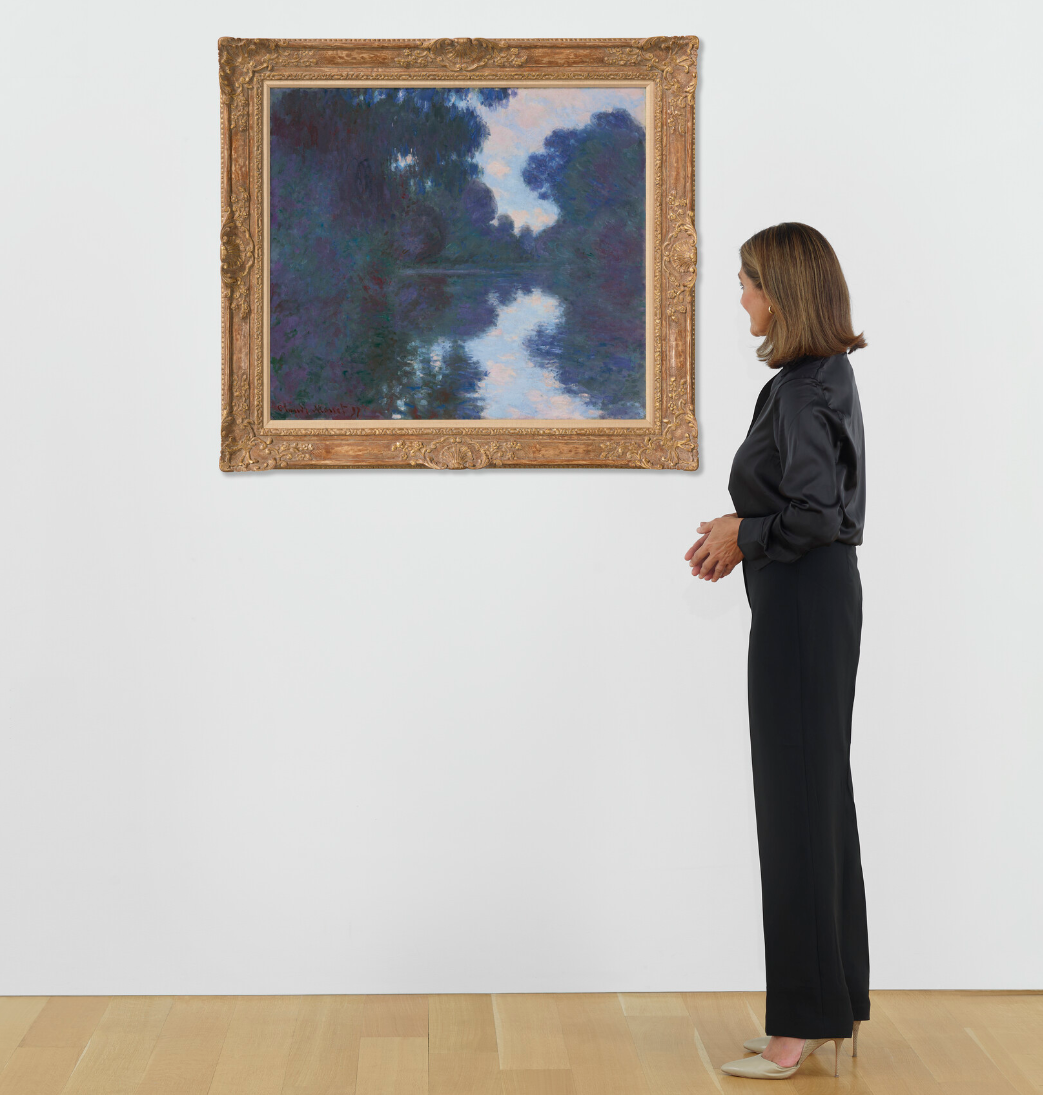
CLAUDE MONET (1840-1926)
Matinée sur la Seine, temps net, 1897
Oil on canvas
81.6 x 92.4 cm (32 1/8 x 36 3/8 inches)
Signed and dated ‘Claude Monet 97’ (lower left)
#5. Pablo Picasso
Sotheby’s London: 6 March 2024
Estimated: GBP 8,000,000 – 12,000,000
GBP 13,723,100 / USD 17,400,891
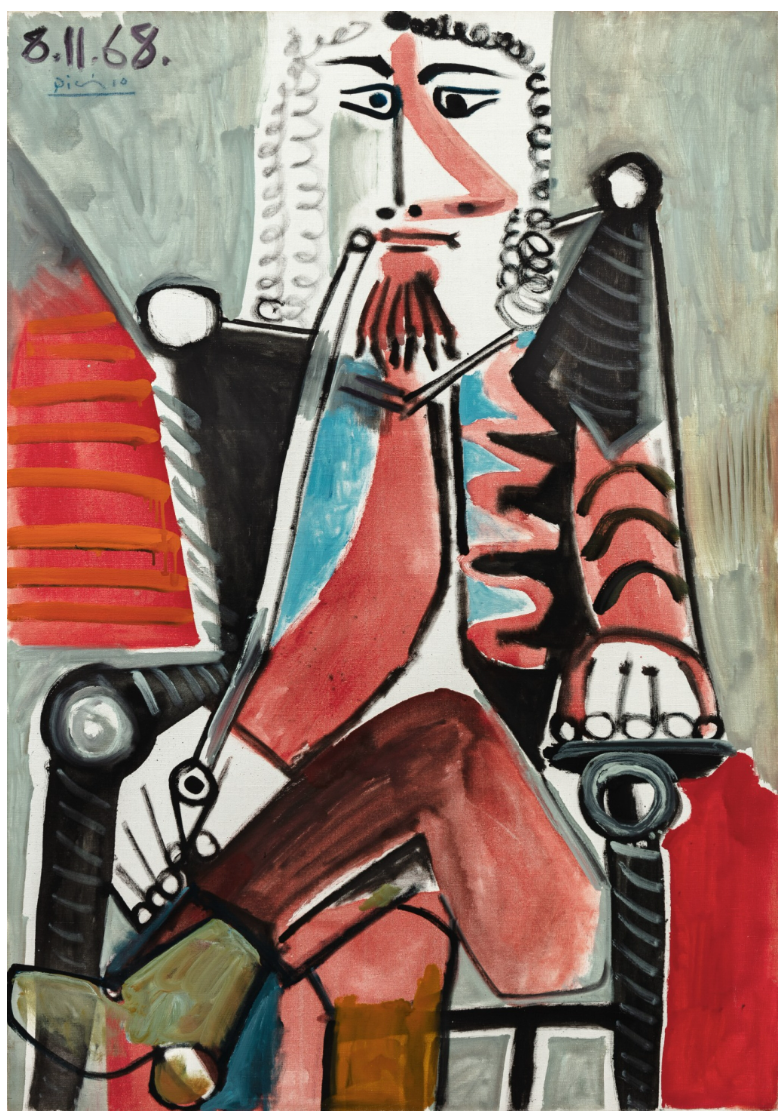
PABLO PICASSO (1881 – 1973)
Homme à la pipe, 1968
Oil on canvas
162.7 x 114.5 cm (64 1/8 x 45 1/8 inches)
Signed Picasso and dated 8.11.68. (upper left); dated 8.11.68. (on the reverse)
#6. Paul Signac
Sotheby’s London: 6 March 2024
Estimated: GBP 5,000,000 – 7,000,000
GBP 7,748,300 / USD 9,824,844
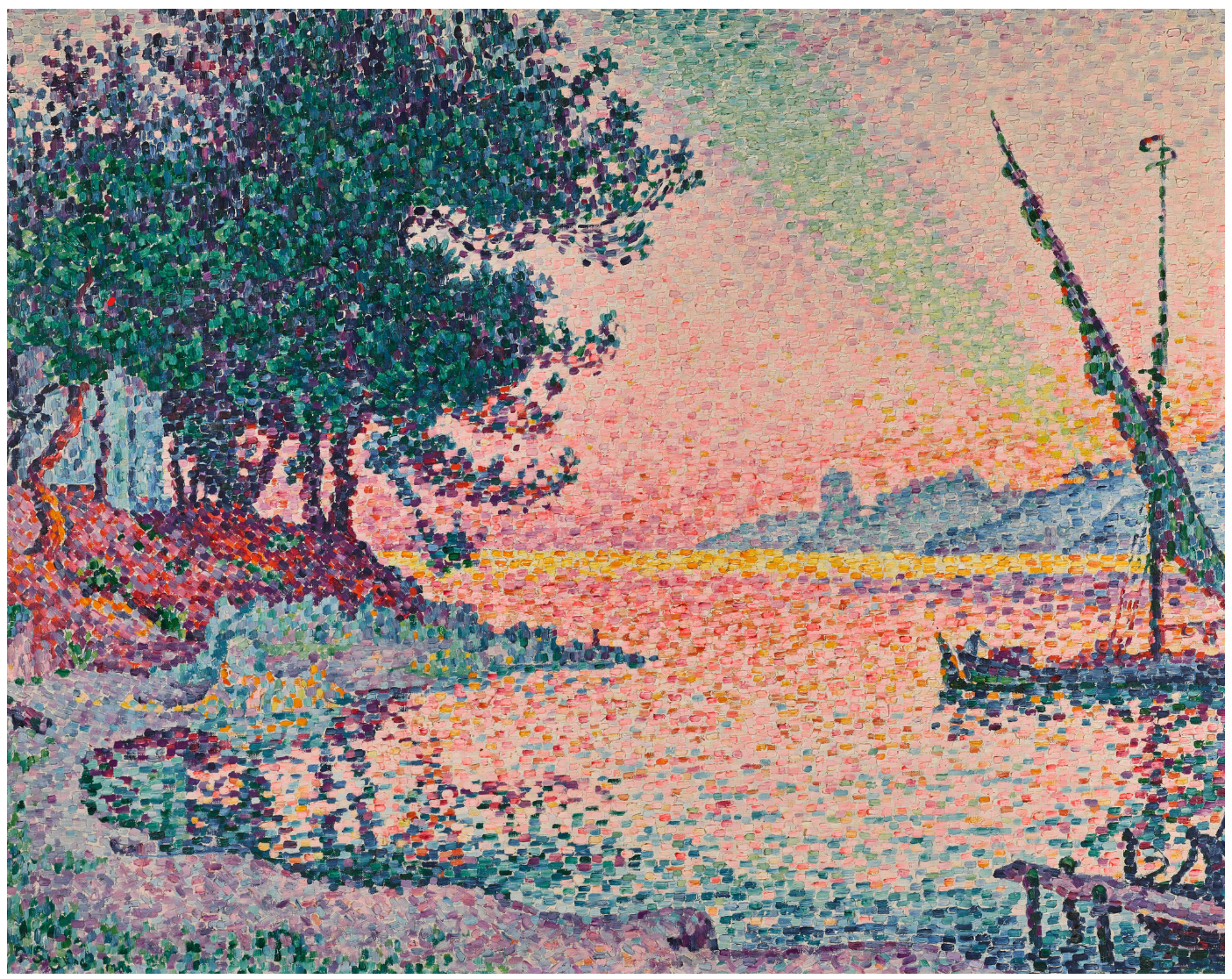
PAUL SIGNAC (1863 – 1935)
Saint-Tropez. Le rayon vert, 1906
Oil on canvas
73×92 cm (28 3/4 x 36 1/4 inches)
Signed P Signac and dated 1906 (lower left)
#7. Claude Monet
Sotheby’s London: 6 March 2024
Estimated: GBP 5,000,000 – 7,000,000
GBP 7,748,300 / USD 9,824,844
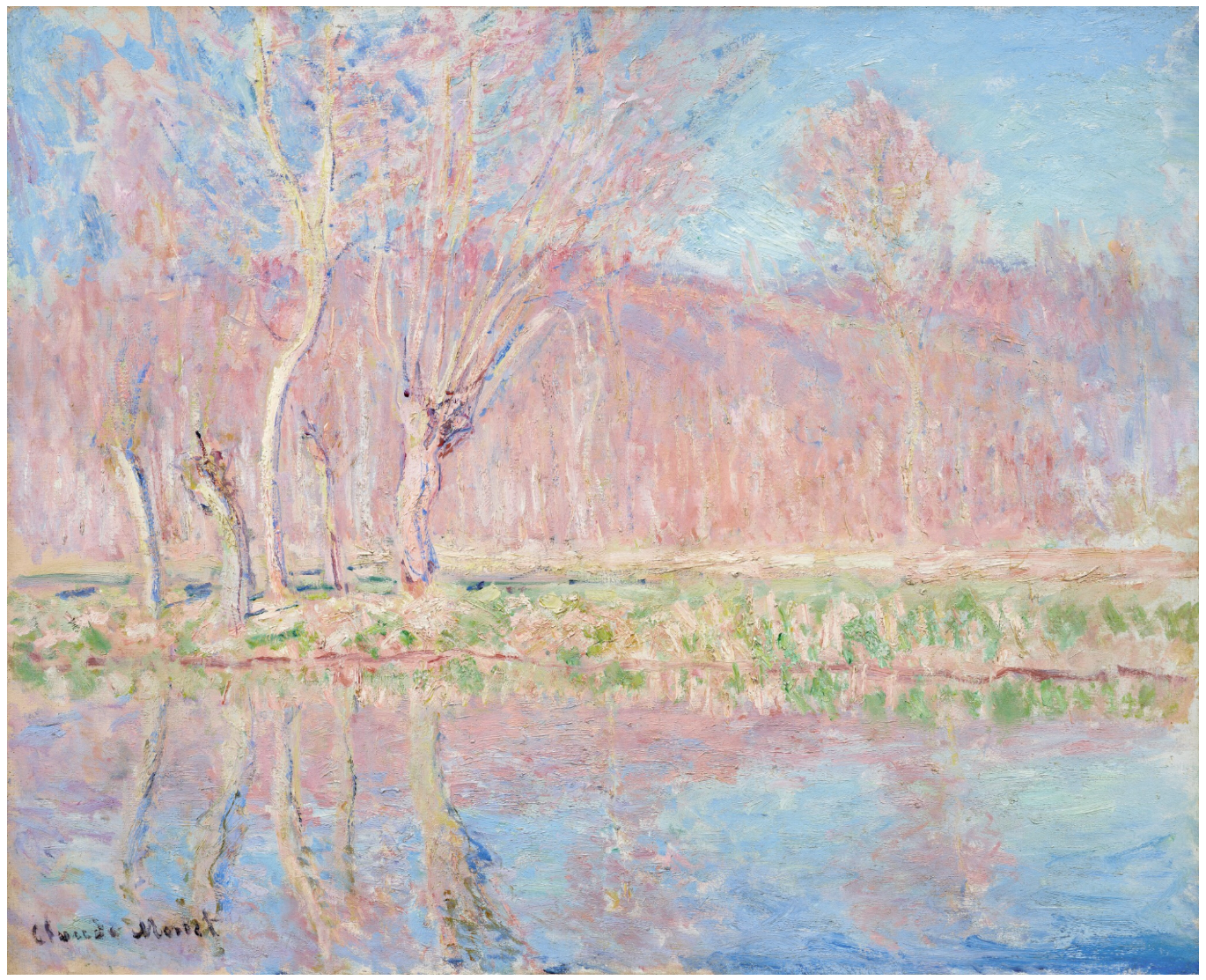
CLAUDE MONET (1840 – 1926)
Arbres au bord de l’eau, printemps à Giverny, 1885
Oil on canvas
81×100 cm (31×39 inches)
Signed Claude Monet (lower left)
#8. Francis Bacon
Sotheby’s London: 6 March 2024
Estimated: GBP 5,000,000 – 7,000,000
GBP 6,829,100 / USD 8,659,299
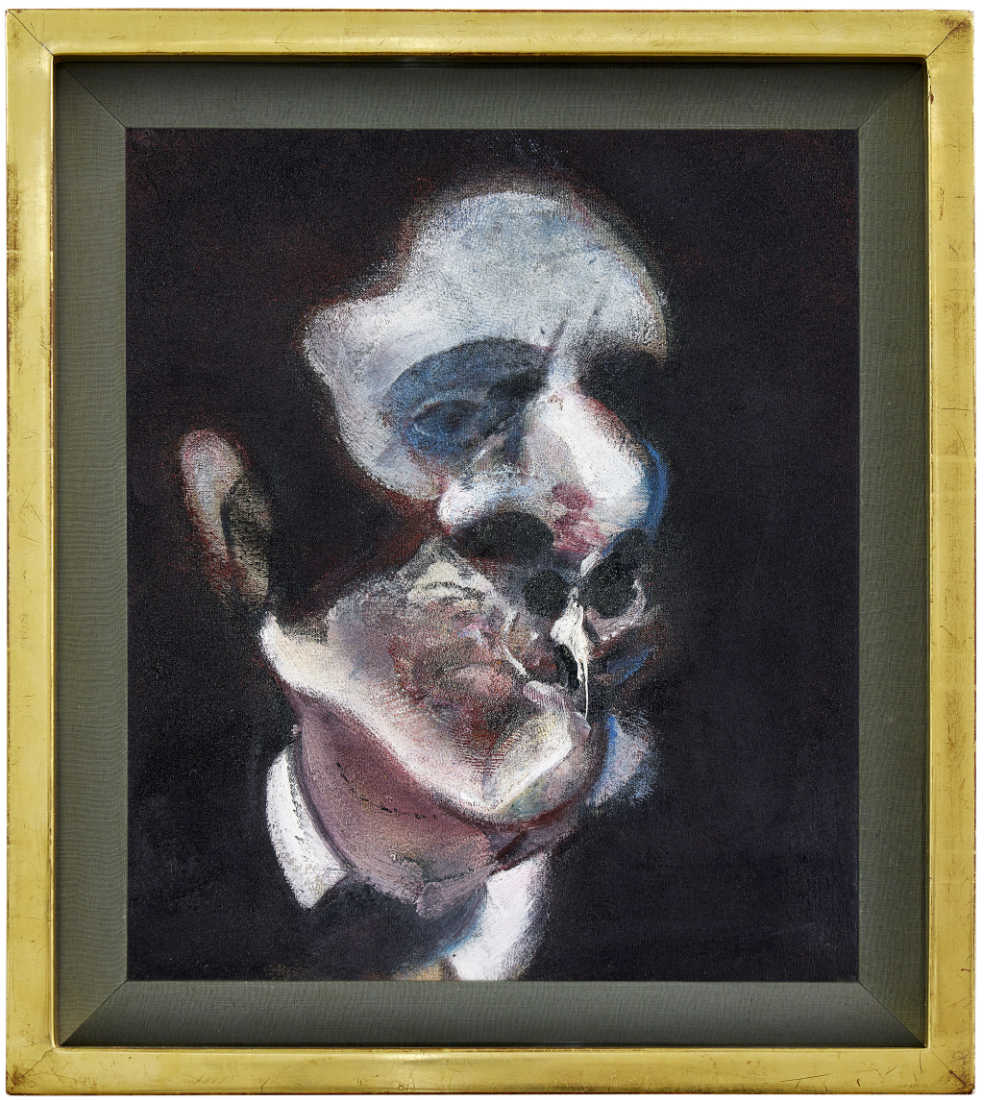
FRANCIS BACON (1909 – 1992)
Study of George Dyer, 1970
Oil on canvas
14×12 inches (35.5 x 30.5 cm)
Titled and dated 1970 (on the reverse)
#9. Claude Monet
Christie’s London: 7 March 2024
Estimated: GBP 5,500,000 – 8,500,000
GBP 6,290,000 / USD 7,975,720
CLAUDE MONET (1840-1926), Prairie fleurie à Giverny | Christie’s (christies.com)
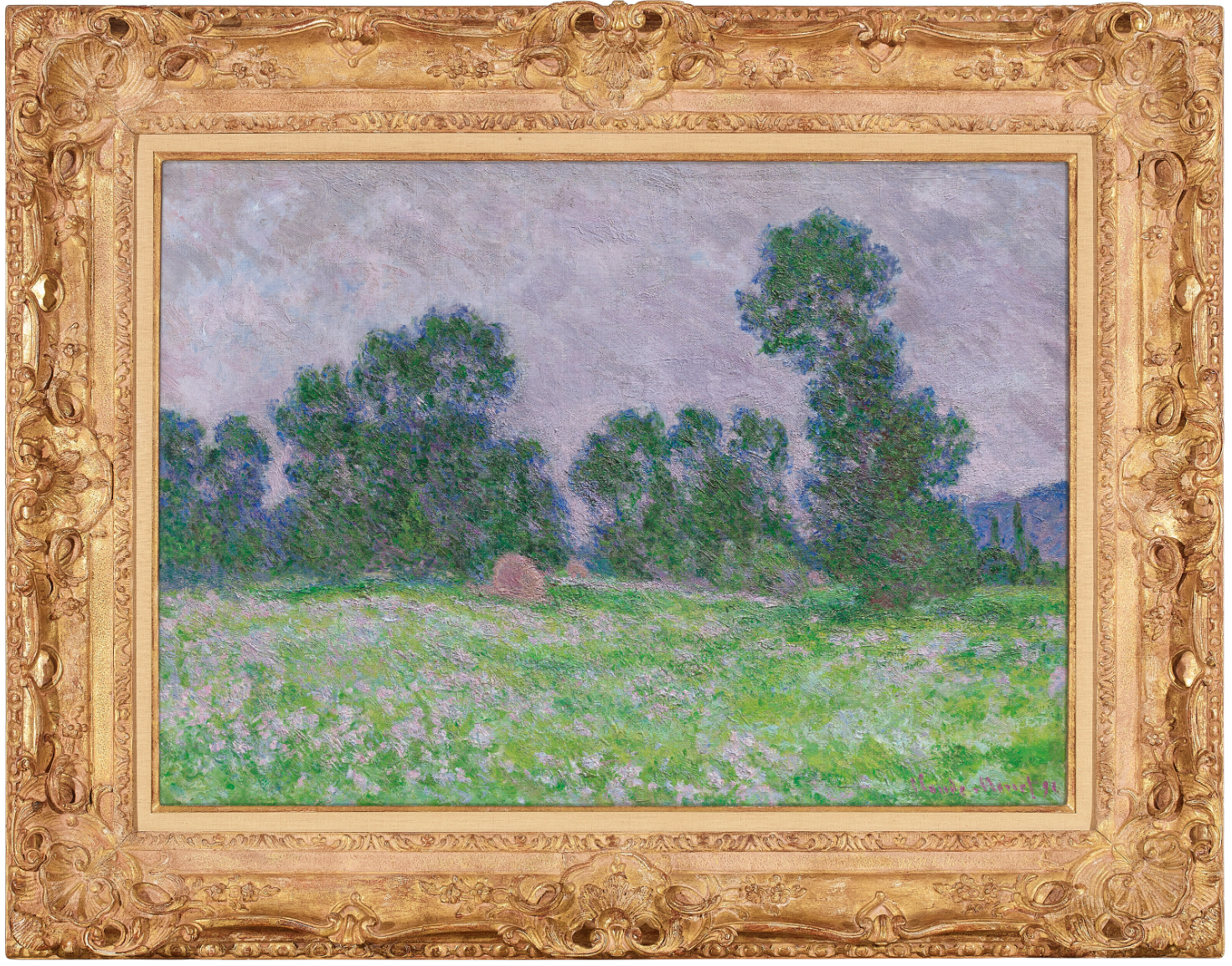
CLAUDE MONET (1840-1926)
Prairie fleurie à Giverny, 1890
Oil on canvas
65×92 cm (25 1/2 x 36 1/4 inches)
Signed and dated ‘Claude Monet 90’ (lower right)
3. Top 10 Artists
#1. Rene Magritte
Turnover: GBP 49,396,000
8 Lots sold
#1. L’ami intime, 1958
Christie’s London: 7 March 2024
Estimated: GBP 30,000,000 – 50,000,000
GBP 33,660,000 / USD 42,680,880
RENÉ MAGRITTE (1898-1967)
L’ami intime, 1958
Oil on canvas
72.6 x 64.9 cm (28 5/8 x 25 1/2 inches)
Signed ‘Magritte’ (lower left)
#2. La magie noire, 1942
Christie’s London: 7 March 2024
Estimated: GBP 3,000,000 – 5,000,000
GBP 4,638,000 / USD 5,880,984
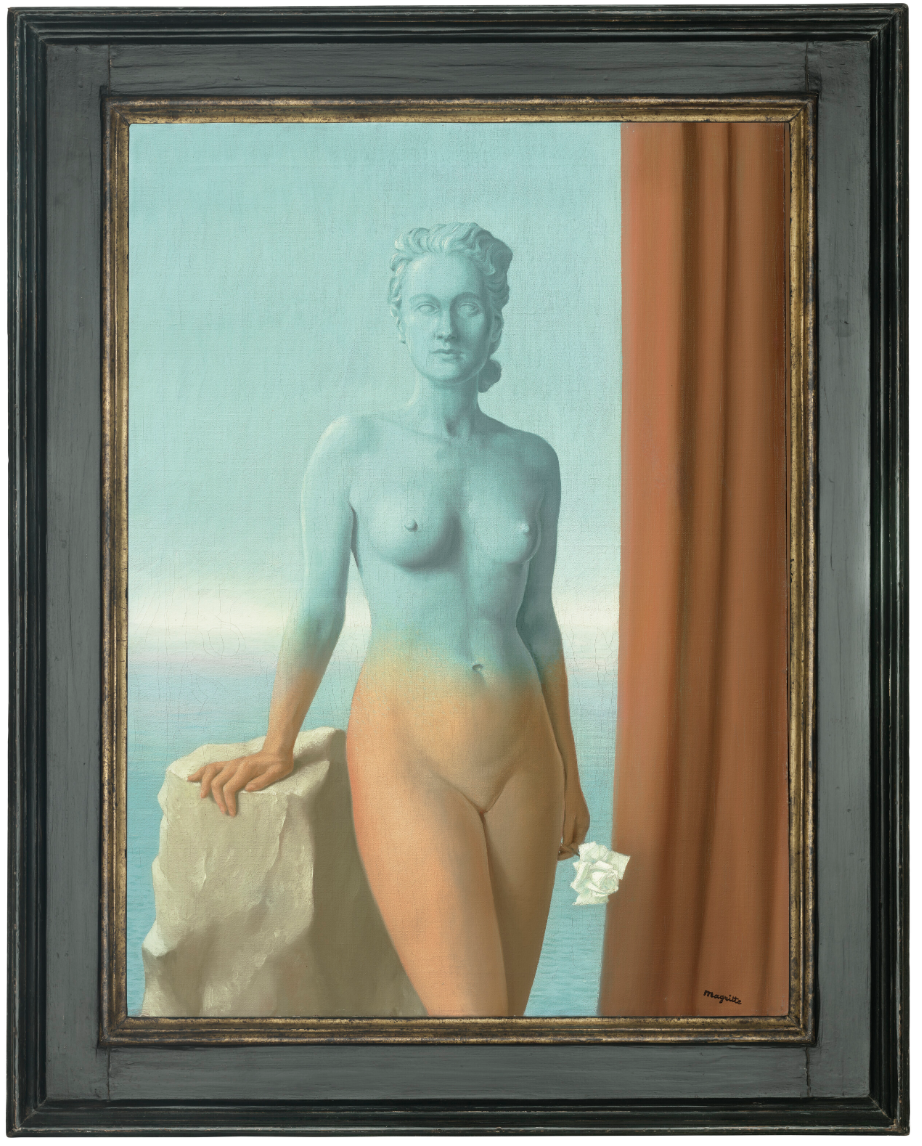
RENÉ MAGRITTE (1898-1967)
La magie noire, 1942
oil on canvas
73×54 cm (28 3/4 x 21 1/4 inches)
Signed ‘Magritte’ (lower right)
#3. Le paysage de Baucis, 1966
Christie’s London: 7 March 2024
Estimated: GBP 2,400,000 – 3,000,000
GBP 3,912,000 / USD 4,960,416
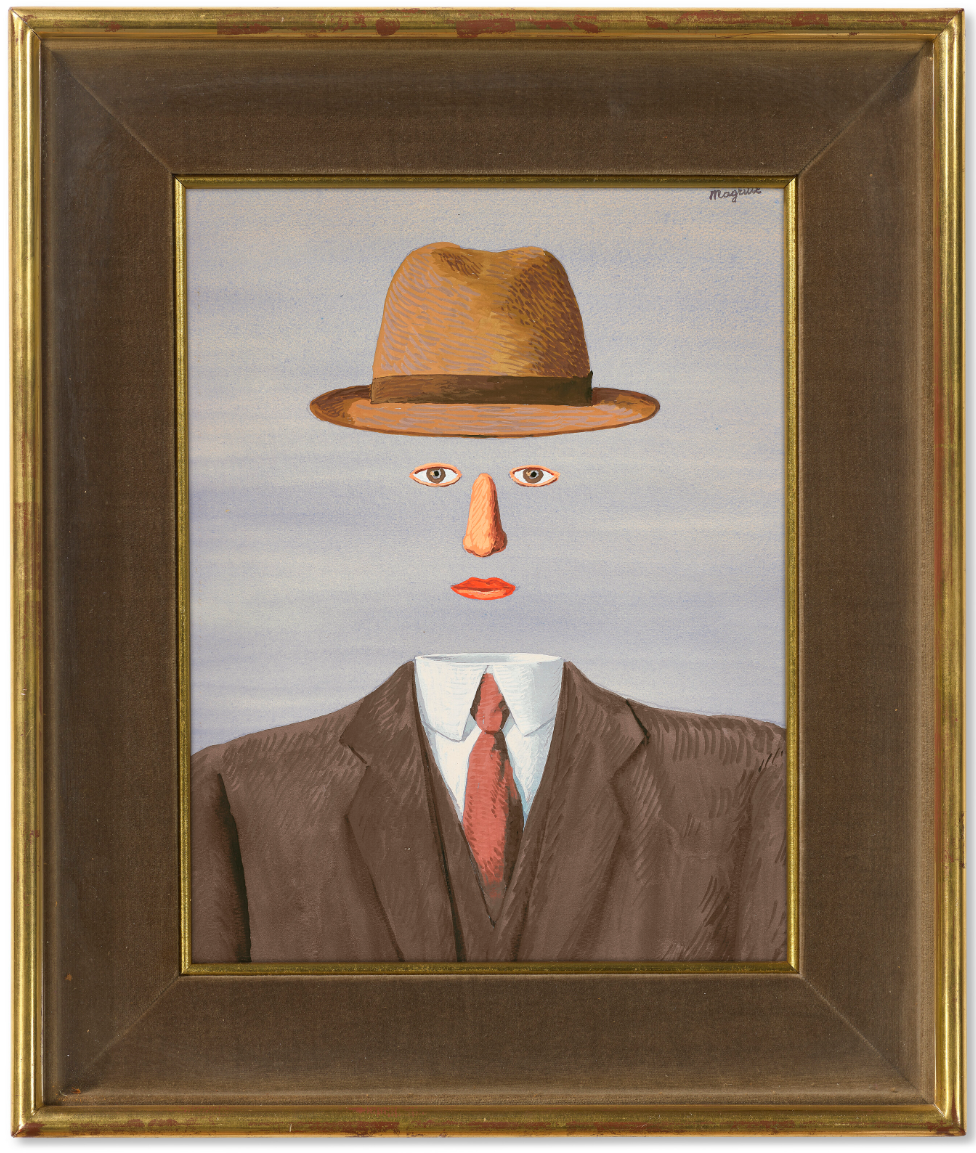
RENÉ MAGRITTE (1898 – 1967)
Le paysage de Baucis, 1966
Gouache on paper
27.2 x 21.1 cm (10 3/4 x 8 1/4 inches)
Signed ‘Magritte’ (upper right)
Signed, dated and titled ‘”LE PAYSAGE DE BAUCIS” Magritte 1966’ (on the reverse)
#4. Composition on a sea shore, 1935-36
Sotheby’s London: 6 March 2024
Estimated: GBP 1,800,000 – 2,500,000
GBP 3,436,000 / USD 4,356,848
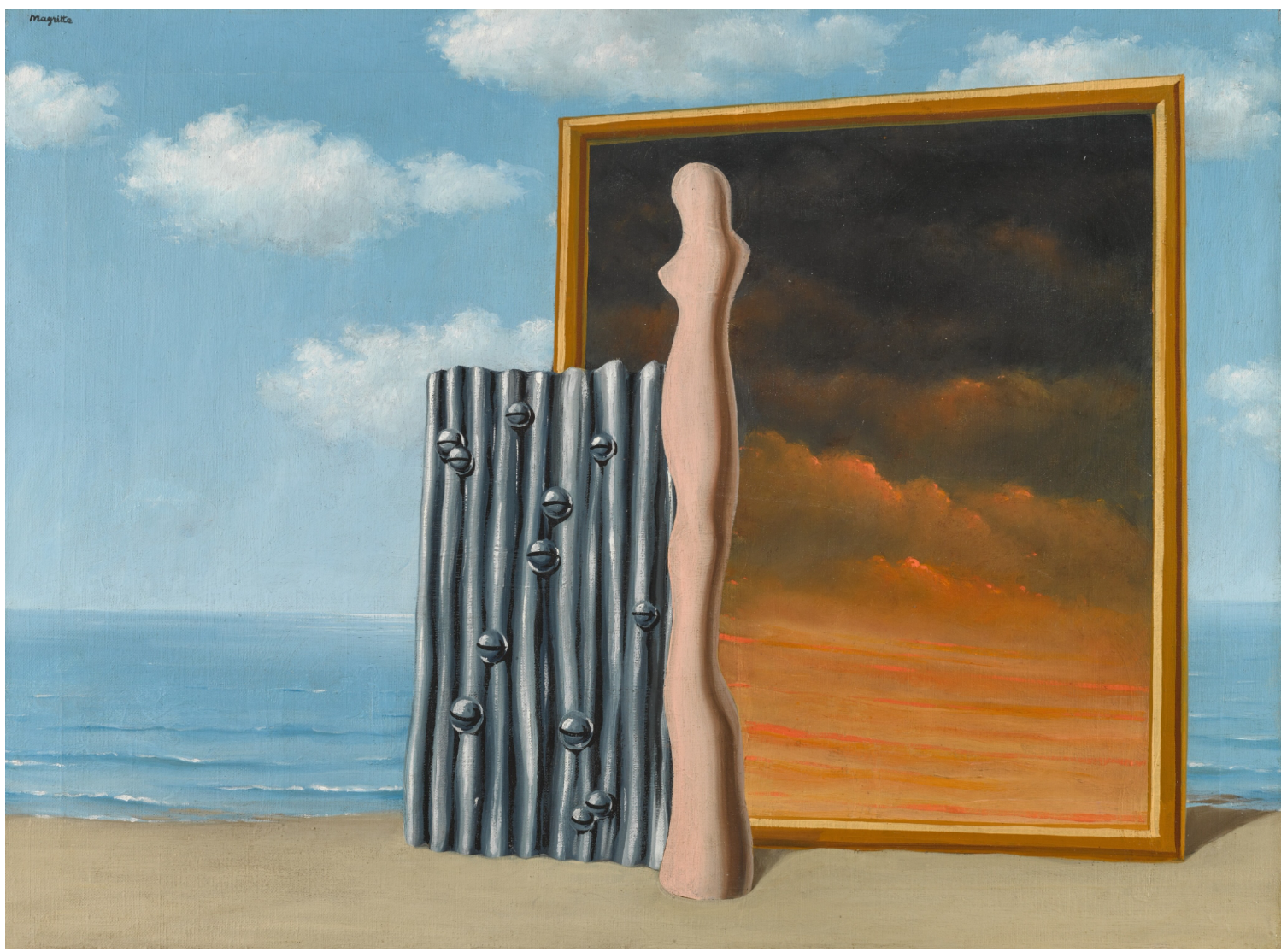
RENE MAGRITTE (1898 – 1967)
Composition on a sea shore, 1935-36
Oil on canvas
54.5 x 73.5 cm (21 1/2 x 28 7/8 inches)
Signed Magritte (upper left)
#5. Rene Magritte
Christie’s London: 7 March 2024
Estimated: GBP 450,000 – 650,000
GBP 1,492,000 / USD 1,891,856
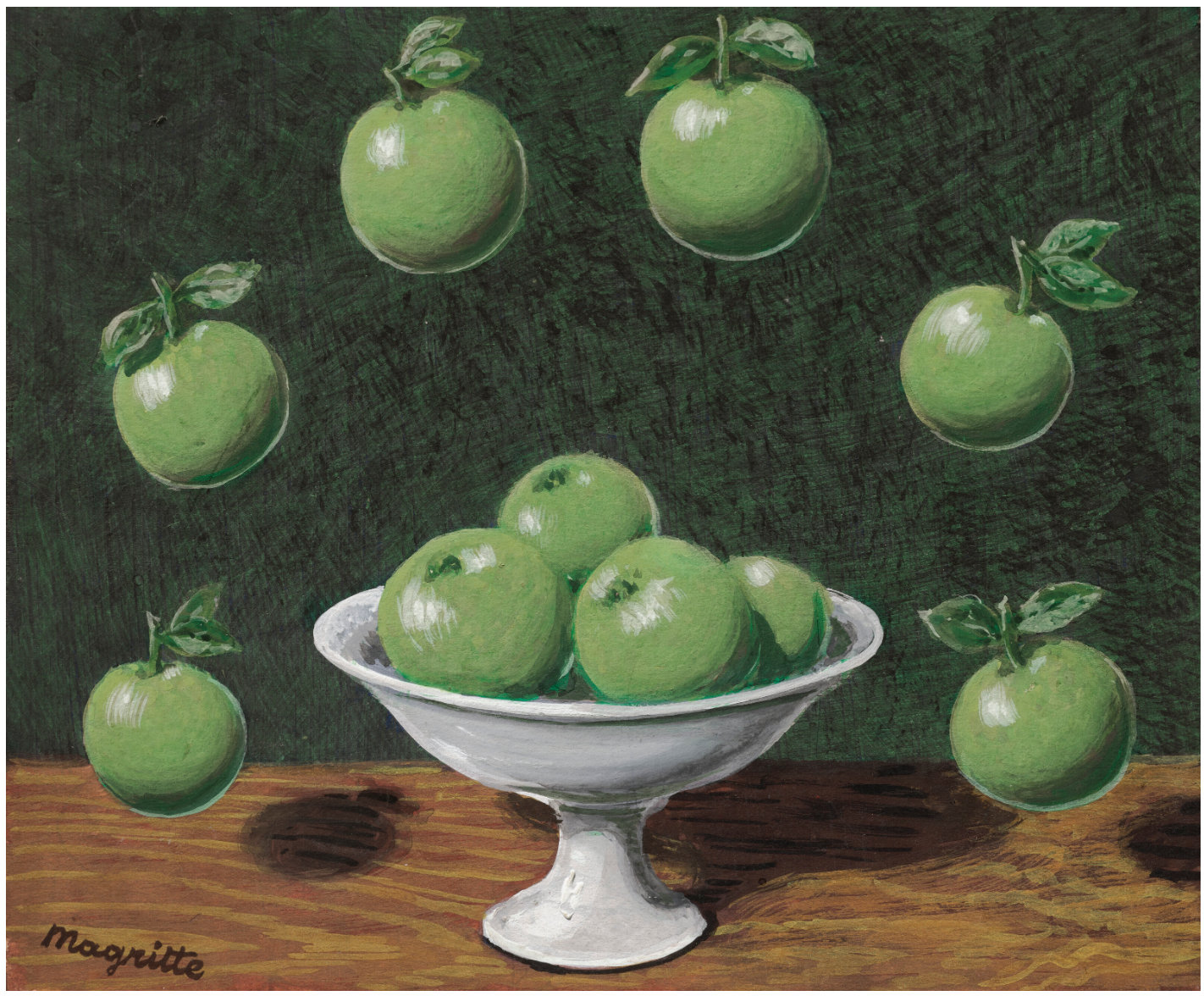
RENÉ MAGRITTE (1898-1967)
Le principe d’Archimède, 1952
Gouache on paper
15.1 x 17.8 cm (6×7 inches)
Signed ‘Magritte’ (lower left)
#6. Rene Magritte
Christie’s London: 7 March 2024
Estimated: GBP 600,000 – 900,000
GBP 1,250,000 / USD 1,585,000
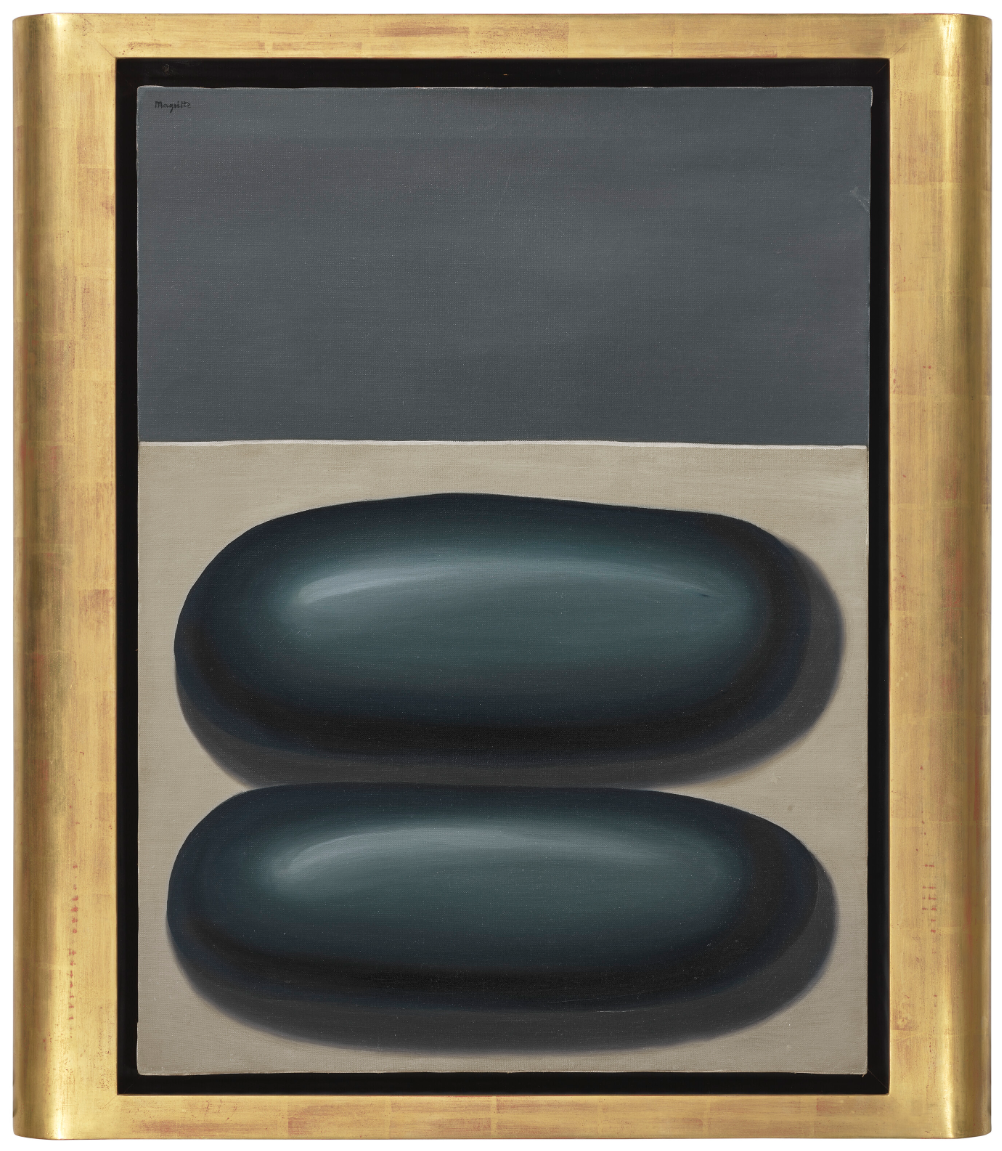
RENÉ MAGRITTE (1898-1967)
Le duo, 1928
Oil on canvas
73×54 cm (28 3/4 x 21 1/4 inches)
Signed ‘Magritte’ (upper left); inscribed “LE DUO” (on the turnover edge)
#7. Le Printemps éternel, 1937-38
Sotheby’s London: 7 March 2024
Estimated: GBP 400,000 – 600,000
GBP 520,700 / USD 660,248
Le Printemps éternel | Modern & Contemporary Day Auction | 2024 | Sotheby’s (sothebys.com)
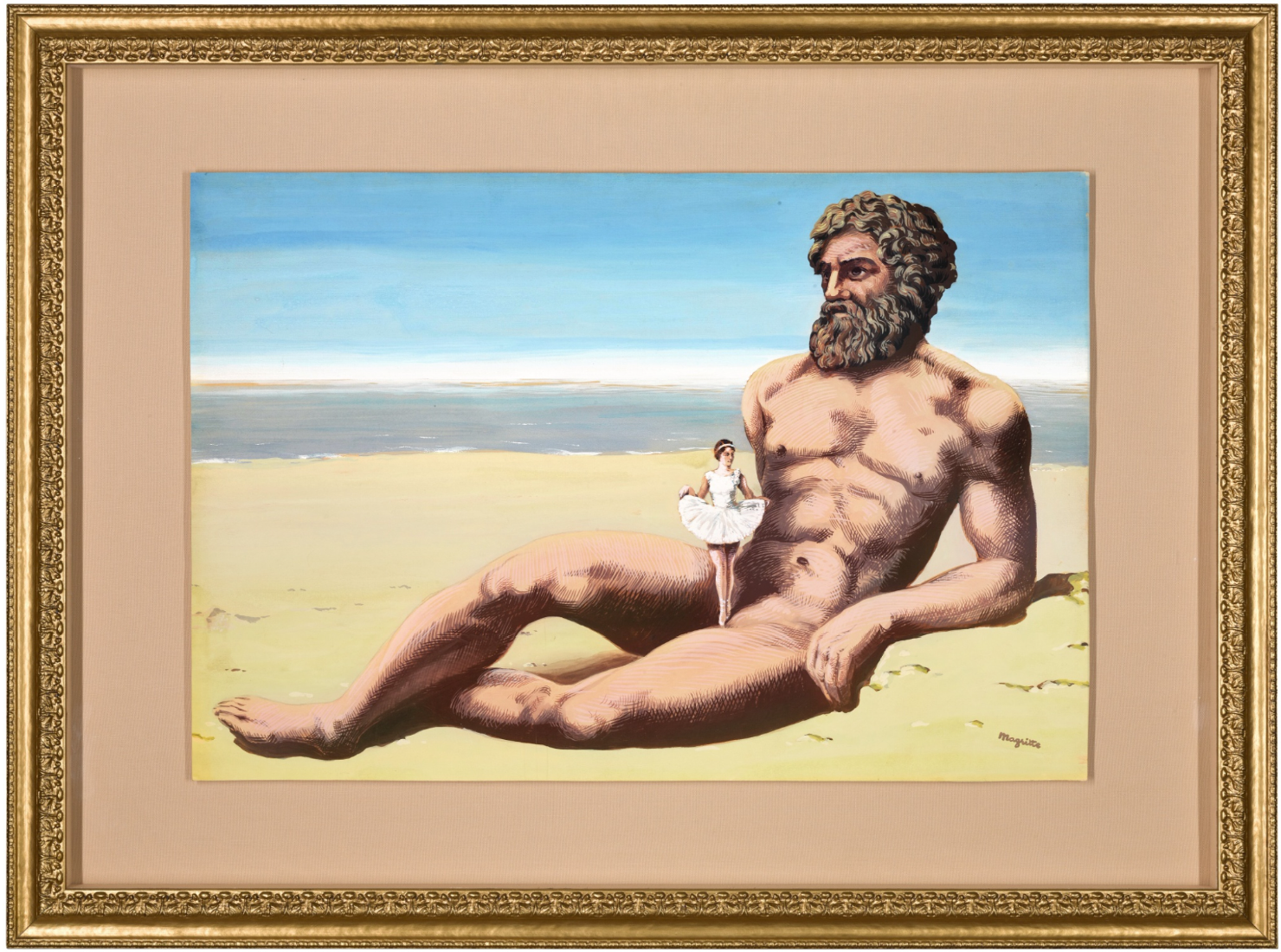
RENE MAGRITTE (1898 – 1967)
Le Printemps éternel, 1937-38
Gouache and pencil on paper
34.7 x 51.1 cm (13 1/2 x 19 1/2 inches)
Signed Magritte (lower right)
#2. Claude Monet
Turnover: GBP 31,569,300
4 Lots sold
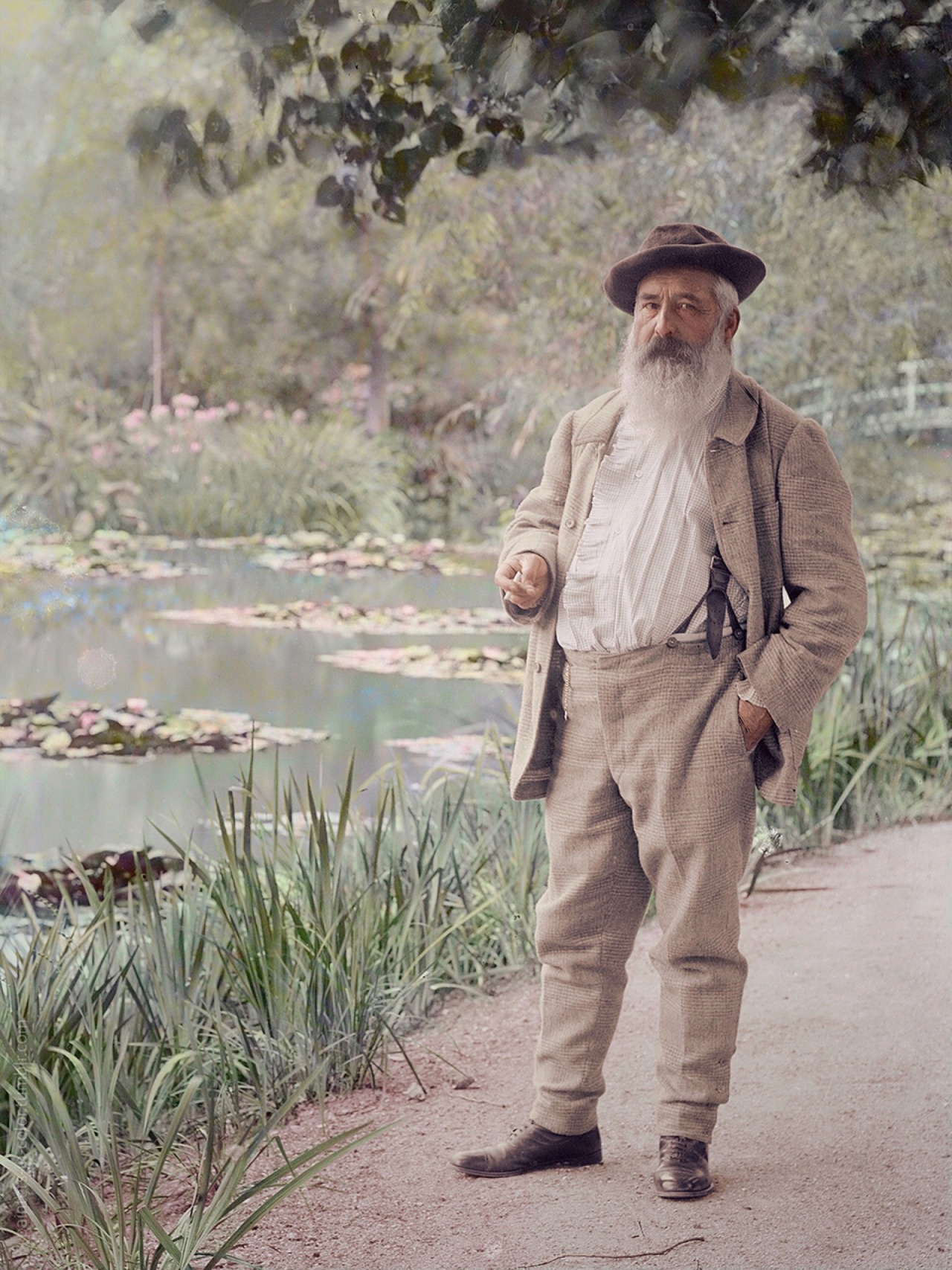
#1. Matinée sur la Seine, temps net, 1897
Christie’s London: 7 March 2024
Estimated: GBP 12,000,000 – 18,000,000
GBP 14,397,500 / USD 18,256,030
CLAUDE MONET (1840-1926), Matinée sur la Seine, temps net | Christie’s (christies.com)
CLAUDE MONET (1840-1926)
Matinée sur la Seine, temps net, 1897
Oil on canvas
81.6 x 92.4 cm (32 1/8 x 36 3/8 inches)
Signed and dated ‘Claude Monet 97’ (lower left)
#2. Arbres au bord de l’eau, printemps à Giverny, 1885
Sotheby’s London: 6 March 2024
Estimated: GBP 5,000,000 – 7,000,000
GBP 7,748,300 / USD 9,824,844
CLAUDE MONET (1840 – 1926)
Arbres au bord de l’eau, printemps à Giverny, 1885
Oil on canvas
81×100 cm (31×39 inches)
Signed Claude Monet (lower left)
#3. Prairie fleurie à Giverny, 1890
Christie’s London: 7 March 2024
Estimated: GBP 5,500,000 – 8,500,000
GBP 6,290,000 / USD 7,975,720
CLAUDE MONET (1840-1926), Prairie fleurie à Giverny | Christie’s (christies.com)
CLAUDE MONET (1840-1926)
Prairie fleurie à Giverny, 1890
Oil on canvas
65×92 cm (25 1/2 x 36 1/4 inches)
Signed and dated ‘Claude Monet 90’ (lower right)
#3. Francis Bacon
Turnover: GBP 26,459,100
2 Lots sold
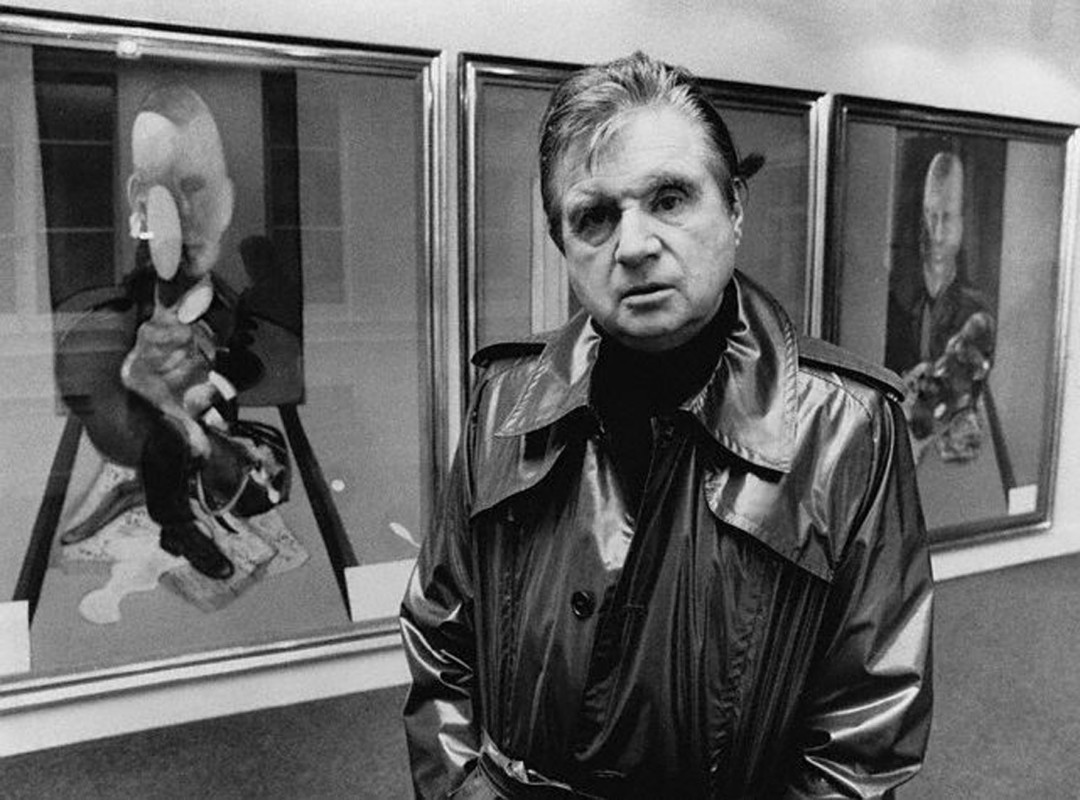
#1. Landscape near Malabata, Tangier, 1963
Christie’s London: 7 March 2024
Estimated: GBP 15,000,000 – 20,000,000
GBP 19,630,000 / USD 24,890,840
FRANCIS BACON (1909-1992), Landscape near Malabata, Tangier | Christie’s (christies.com)
FRANCIS BACON (1909-1992)
Landscape near Malabata, Tangier, 1963
Oil on canvas
78×57 inches (198.1 x 144.8cm.)
Titled and dated ‘Landscape near Malabata, Tangier 1963’ (on the reverse)
#2. Study of George Dyer, 1970
Sotheby’s London: 6 March 2024
Estimated: GBP 5,000,000 – 7,000,000
GBP 6,829,100 / USD 8,659,299
FRANCIS BACON (1909 – 1992)
Study of George Dyer, 1970
Oil on canvas
14×12 inches (35.5 x 30.5 cm)
Titled and dated 1970 (on the reverse)
#4. David Hockney
Turnover: GBP 25,088,000
4 Lots sold
#1. California, 1965
Christie’s London: 7 March 2024
Estimate on Request
GBP 18,710,000 / USD 23,724,280
DAVID HOCKNEY (B. 1937), California | Christie’s (christies.com)
DAVID HOCKNEY (B. 1937)
California, 1965
Acrylic on canvas
66 1/8 x 78 1/4 inches (168 x 198.8 cm)
#2. Rudston to Sledmere, August, 2005
Christie’s London: 7 March 2024
Estimated: GBP 2,000,000 – 3,000,000
GBP 2,702,000 / USD 3,426,136
DAVID HOCKNEY (B. 1937), Rudston to Sledmere, August | Christie’s (christies.com)
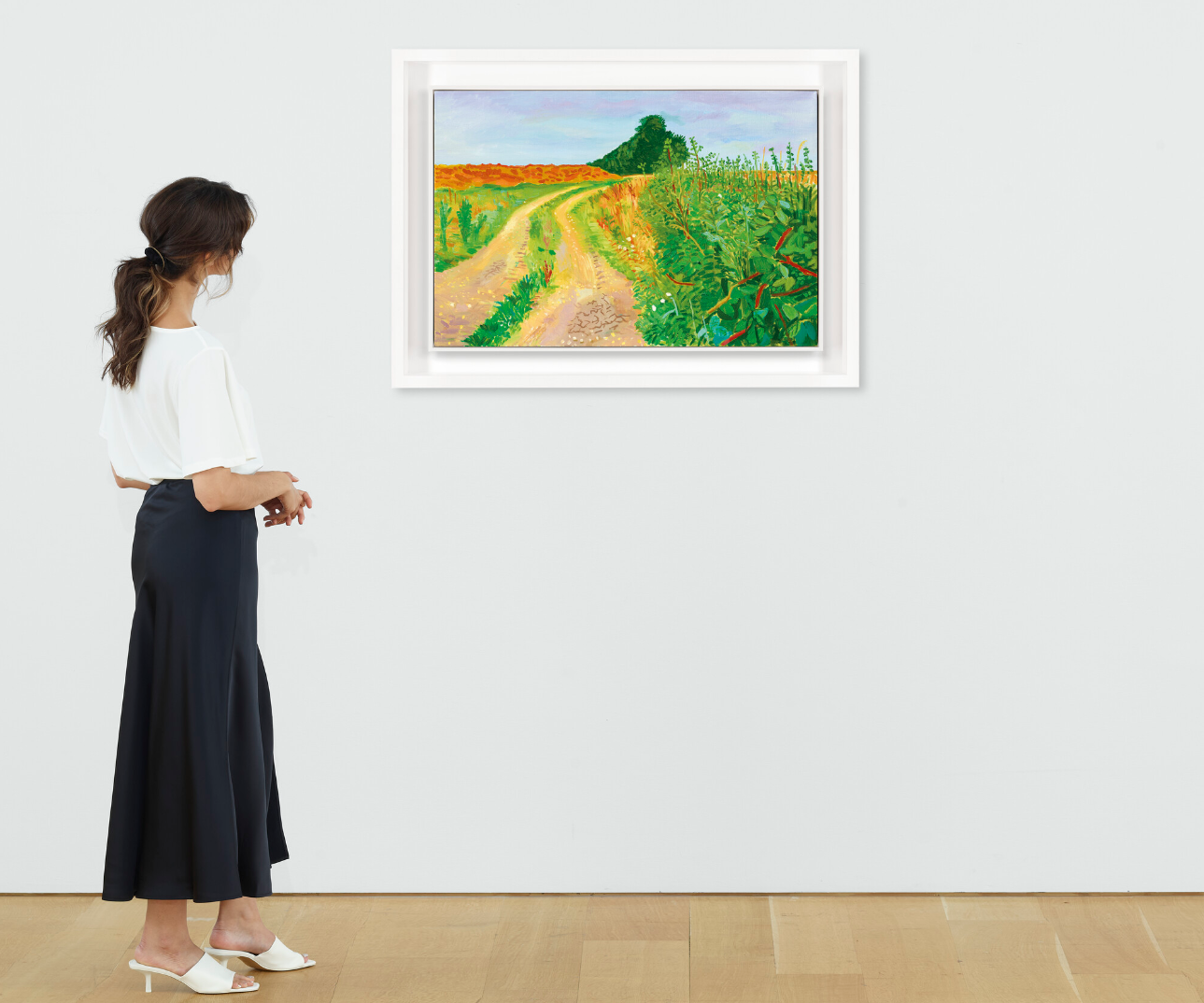
DAVID HOCKNEY (B. 1937)
Rudston to Sledmere, August, 2005
Oil on canvas
24 1/8 x 36 inches (61.4 x 91.5 cm)
Signed and dated ‘David Hockney Aug 9, 10 11, 05’ (on the reverse)
#3. The Twenty First Very New Painting, 1992
Sotheby’s London: 6 March 2024
Estimated: GBP 1,200,000 – 1,800,000
GBP 1,813,000 / USD 2,298,884
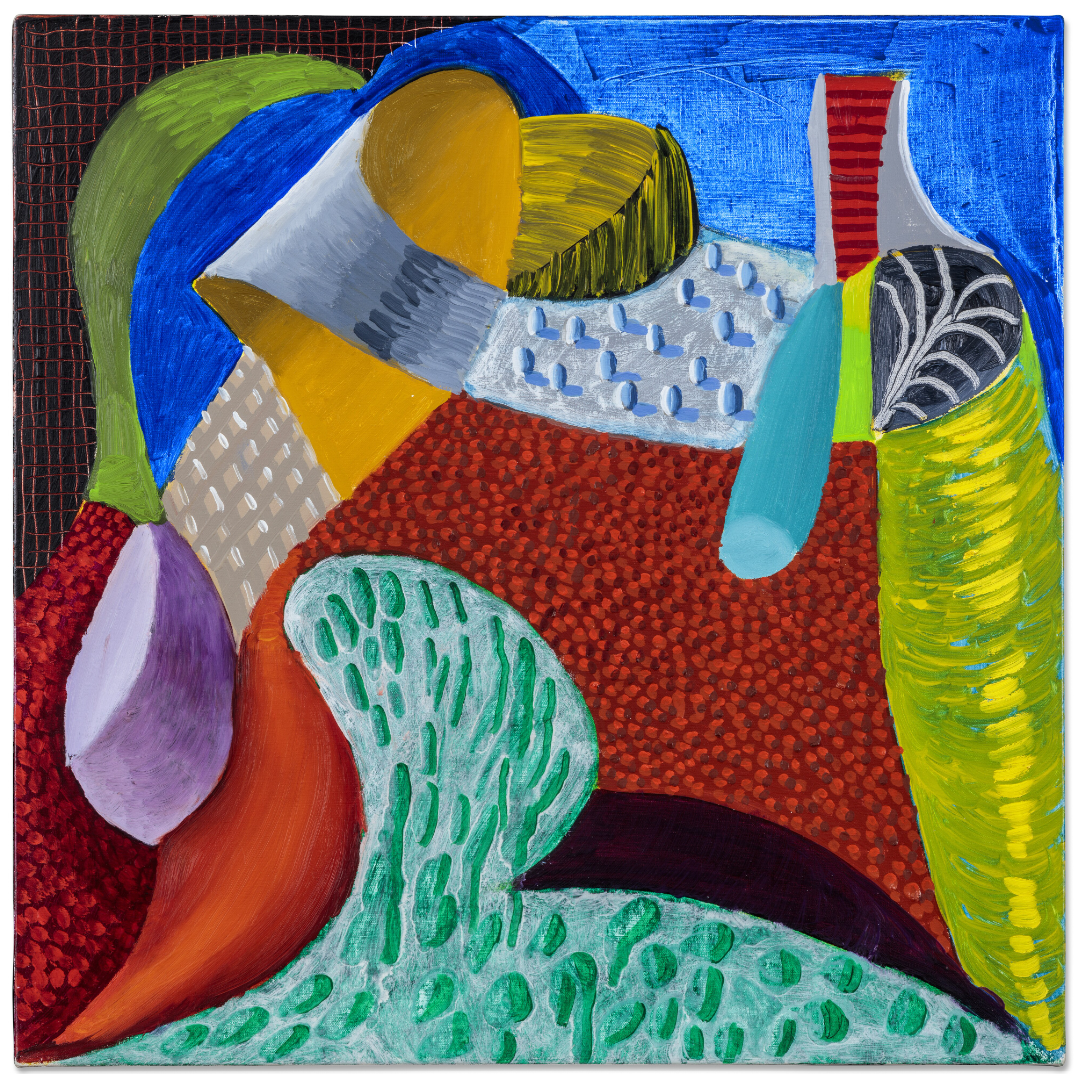
DAVID HOCKNEY (b. 1937)
The Twenty First Very New Painting, 1992
Oil on canvas
24×24 inches (61×61 cm)
Signed, titled and dated 1992 (on the reverse)
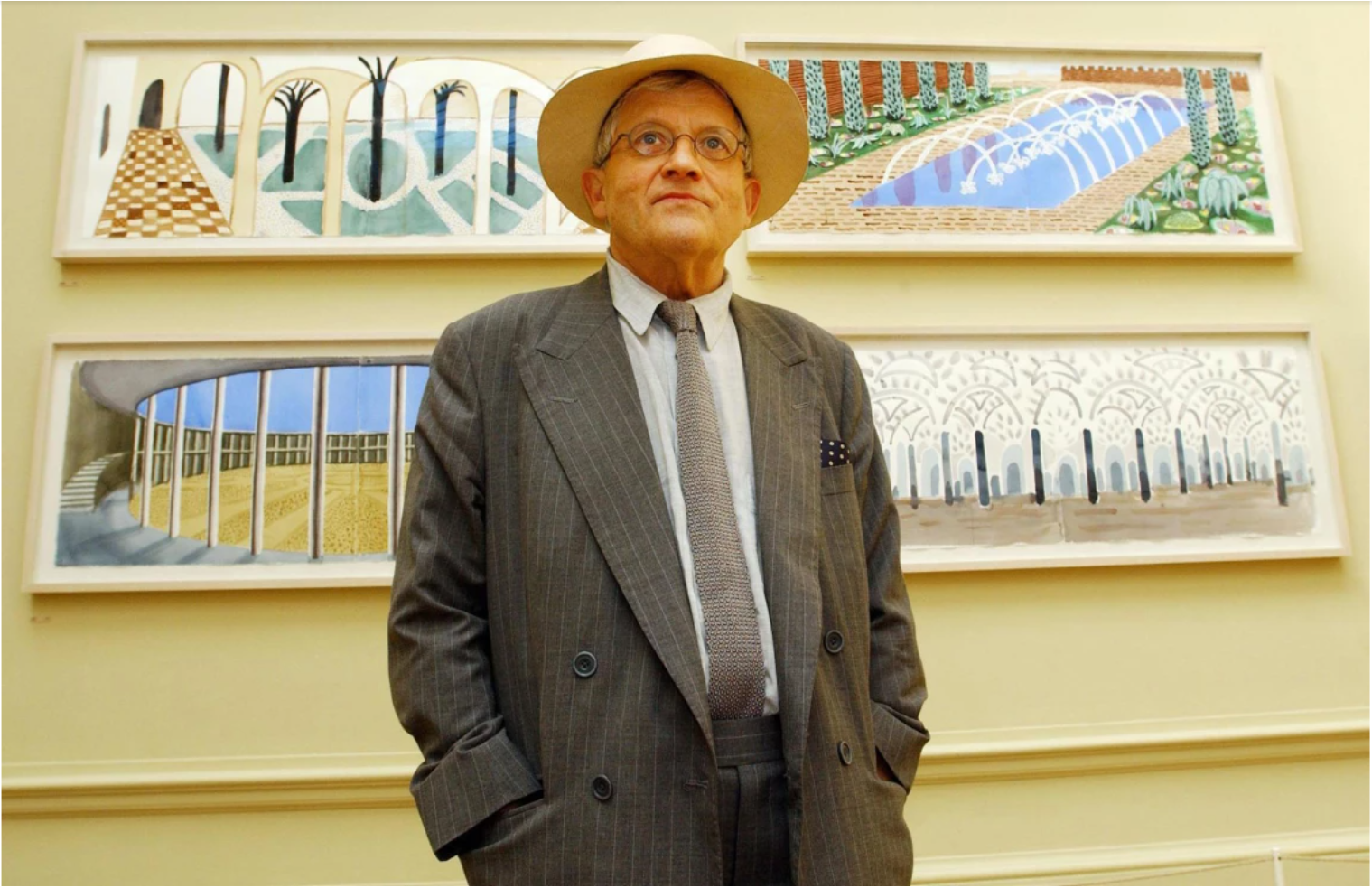
#4. Andalucia. Fountains, Cordova, 2004
Sotheby’s London: 6 March 2024
Estimated: GBP 1,500,000 – 2,000,000
GBP 1,863,000 / USD 2,362,284
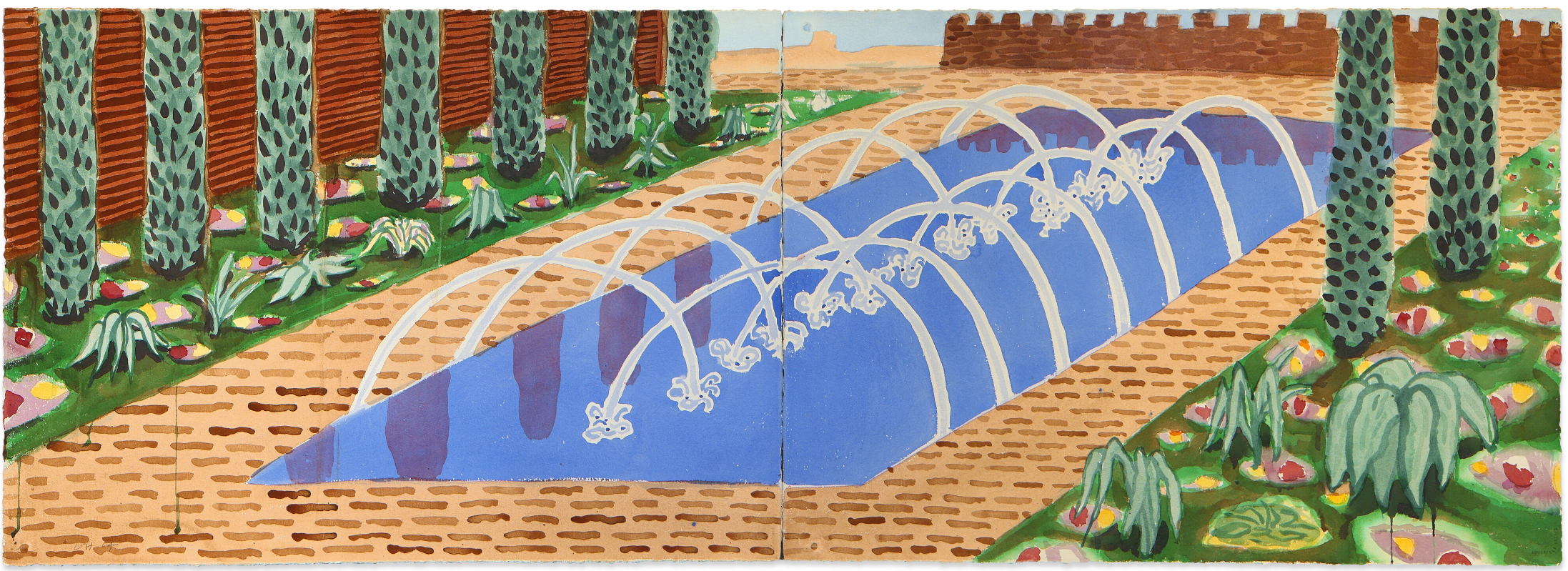
DAVID HOCKNEY (b. 1937)
Andalucia. Fountains, Cordova, 2004
Watercolor on paper, in two joined sheets
29 1/2 x 83 inches (74.9 x 210.8 cm)
Signed with the artist’s initials and dated 04 (lower left)
#5. Pablo Picasso
Turnover: GBP 20,924,400
5 Lots sold
#1. Homme à la pipe, 1968
Sotheby’s London: 6 March 2024
Estimated: GBP 8,000,000 – 12,000,000
GBP 13,723,100 / USD 17,400,891
PABLO PICASSO (1881 – 1973)
Homme à la pipe, 1968
Oil on canvas
162.7 x 114.5 cm (64 1/8 x 45 1/8 inches)
Signed Picasso and dated 8.11.68. (upper left); dated 8.11.68. (on the reverse)
#2. Tête de femme, 1951
Sotheby’s London: 6 March 2024
Estimated: GBP 2,500,000 – 4,000,000
GBP 3,073,000 / USD 3,896,564
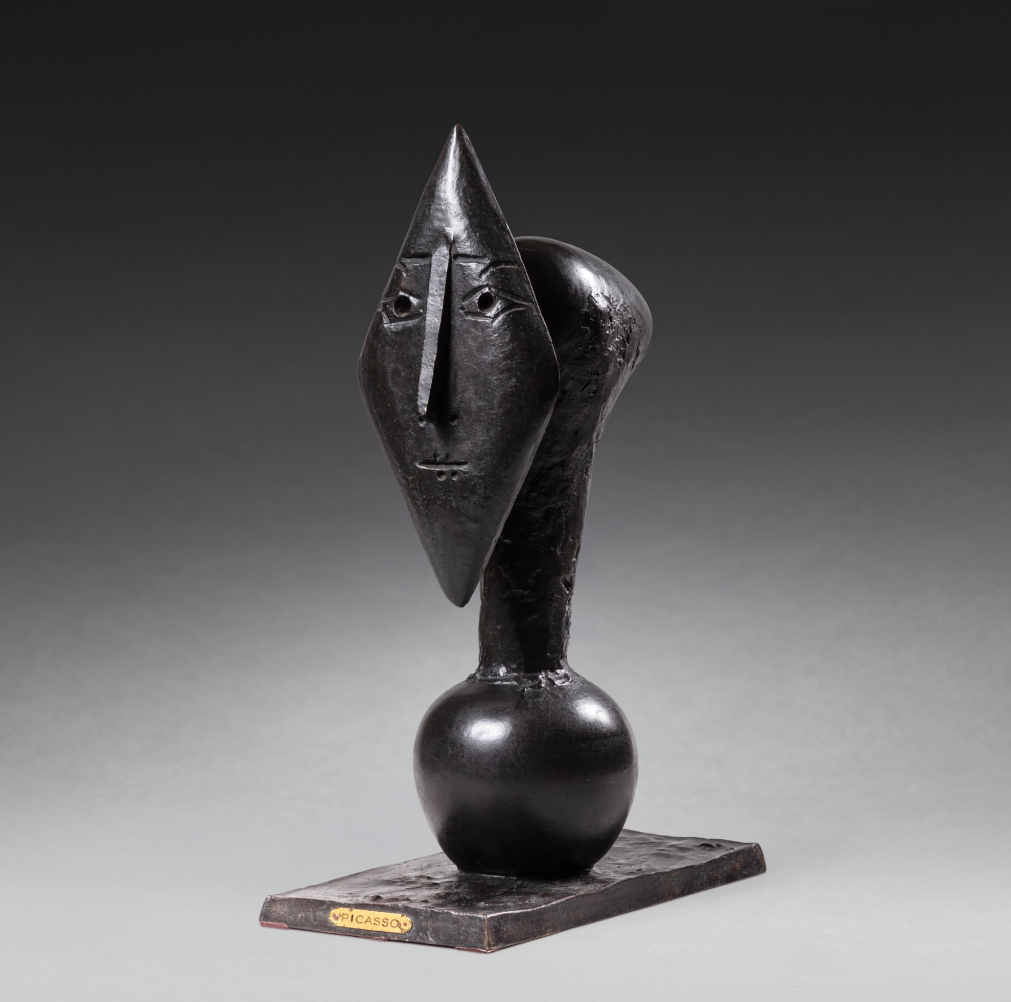
PABLO PICASSO (1881 – 1972)
Tête de femme, 1951
Bronze
Height: 54.1 cm (21 1/4 inches)
Numbered 1/6 (on the base)
Conceived in Vallauris in 1951 and cast in bronze by the Godard Foundry, Paris
This work is number 1 from an edition of 6 examples plus 1 artist’s proof
#3. Nature morte à la bougie, 1944
Christie’s London: 7 March 2024
Estimated: GBP 2,500,000 – 3,500,000
GBP 2,157,500 / USD 2,735,710
PABLO PICASSO (1881-1973), Nature morte à la bougie | Christie’s (christies.com)
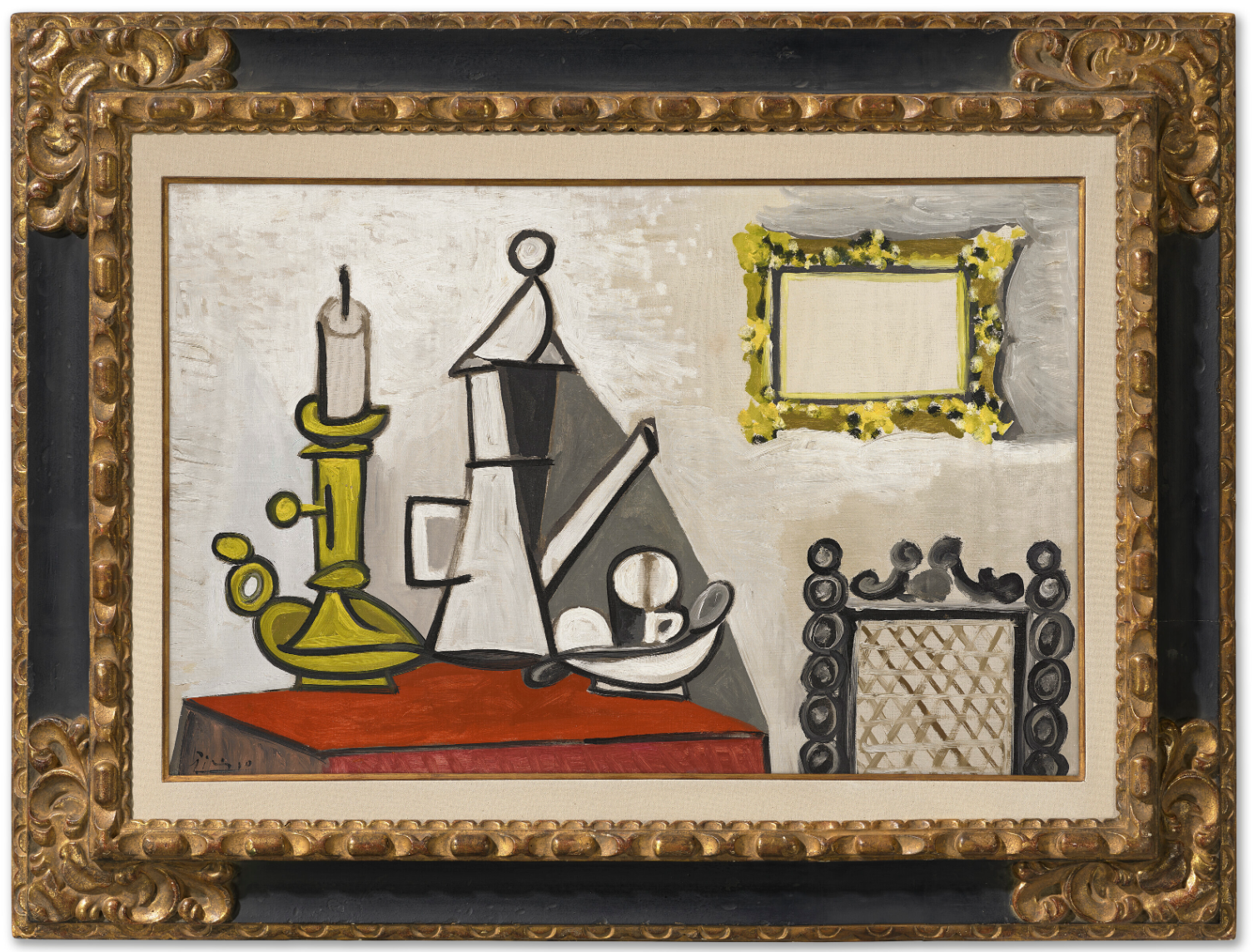
PABLO PICASSO (1881-1973)
Nature morte à la bougie, 1944
Oil on canvas
63.2 x 91.7 cm (24 5/8 x 36 1/8 inches)
Signed ‘Picasso’ (lower left) and dated ‘4 avl 44’ (on the reverse)
PART II: AUCTION RESULTS
1. Christie’s
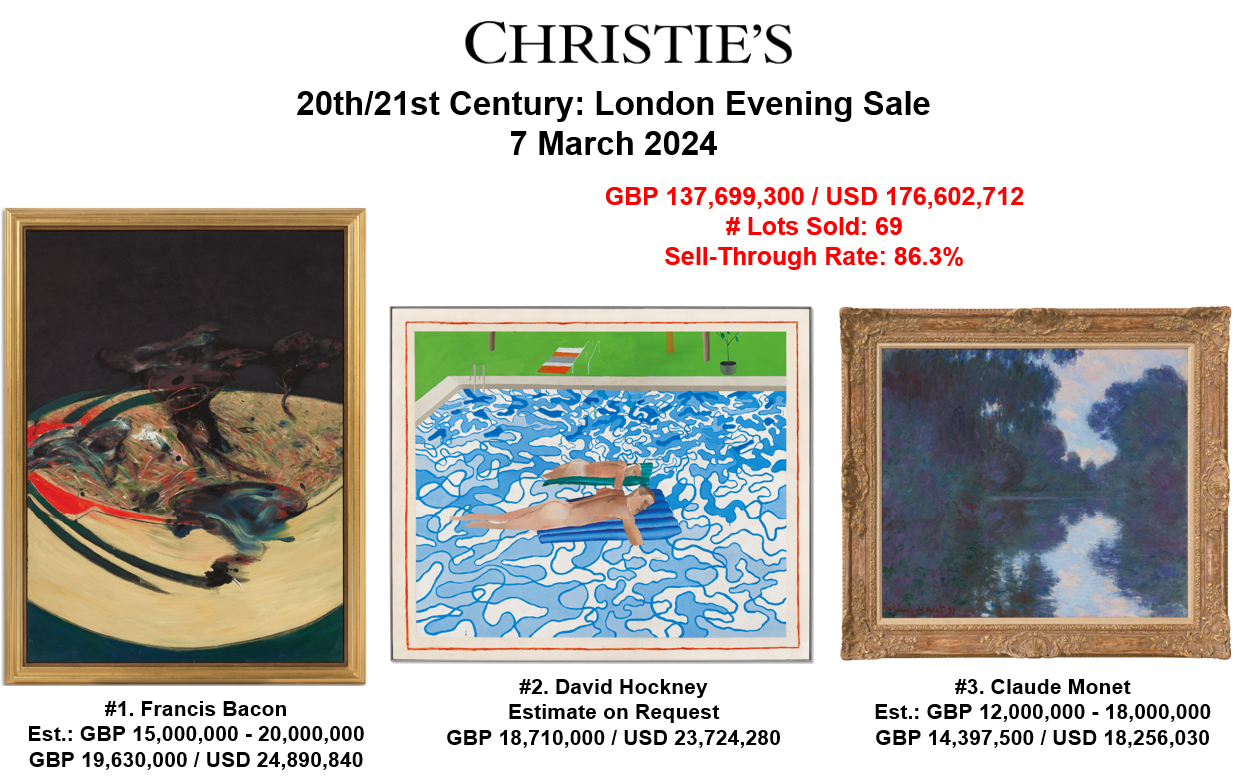
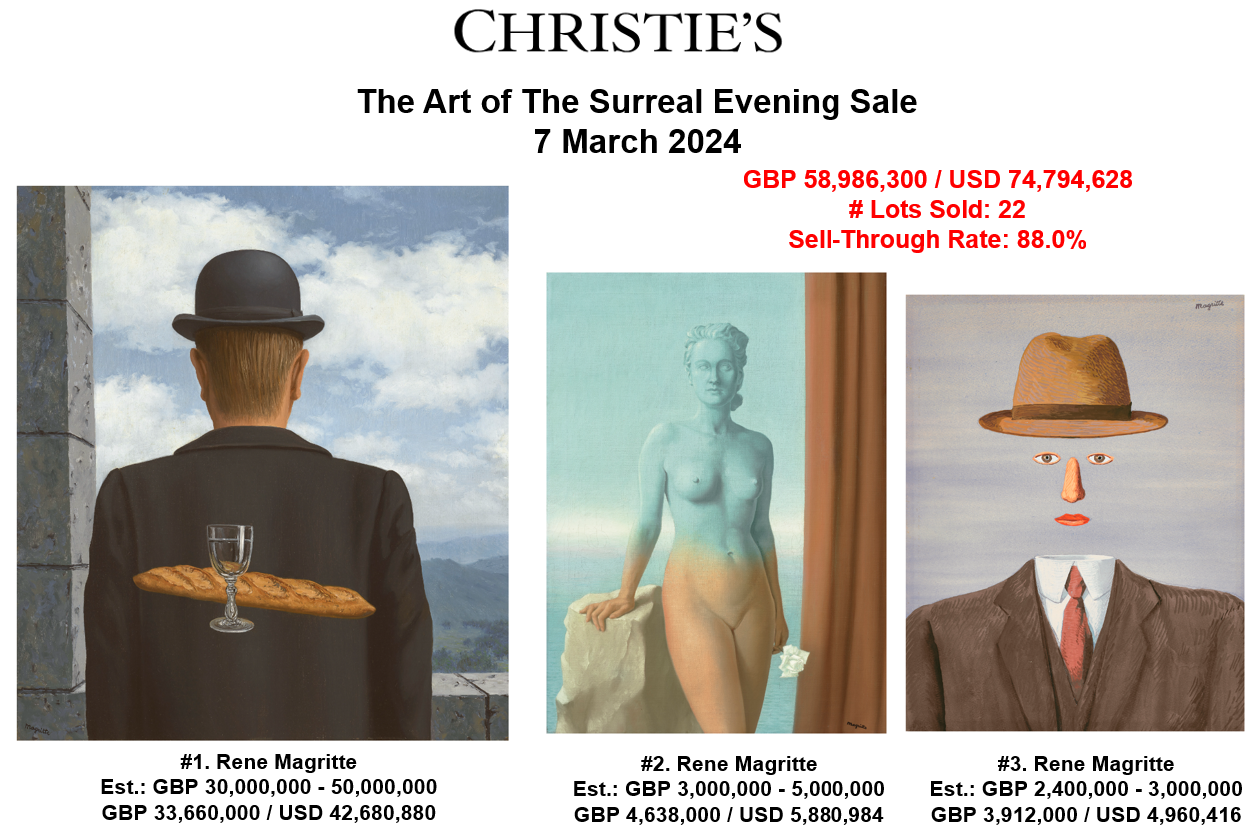
On 7 March 2024, Christie’s 20th/21st Century: London Evening Sale and The Art of the Surreal Evening Sale delivered a market-leading performance, realizing a combined total of £196,685,600 / $250,380,769 / €229,335,410. The sales, which were up 17 per cent from last year with a sell-through of 87 per cent by lot and 95 per cent by value, were led by René Magritte’s L’ami intime (The Intimate Friend) from the Gilbert and Lena Kaplan Collection, which achieved £33,660,000.
Christie’s unique 20/21 sale series attracted registered bidders from 31 countries, with 72 per cent from Europe, the Middle East and Africa, and 24 per cent from the Americas, confirming the wide appeal to global collectors of the presentation of 20th-century masterpieces alongside cutting-edge contemporary artists. Ten per cent of active buyers were millennials.
The auction was topped by Francis Bacon’s Landscape near Malabata, Tangier (1963), which achieved GBP 19,630,000. Formerly in the collection of the late author Roald Dahl, and not seen at auction since 1985, it depicts the final resting place of the artist’s lover Peter Lacy, whom he met in 1952. The couple shared a long, passionate and volatile relationship before Lacy’s death in North Africa a decade later. The work was painted the following year, when Bacon also met his lover and muse George Dyer, who died tragically in 1971.
One of Bacon’s most widely exhibited paintings, it was most recently seen in 2022 as part of Francis Bacon: Man and Beast at London’s Royal Academy. It was also shown at the groundbreaking Francis Bacon: A Centenary Retrospective, which toured Tate Britain in London, the Prado in Madrid and the Metropolitan Museum of Art in New York in 2008-09.
1.1. Evening Sales
20th/21st Century: London Evening Sale
7 March 2024
20th / 21st Century: London Evening Sale (christies.com)
Turnover
GBP 137,699,300
USD 176,602,712
87 Lots
Withdrawn: 7 Lots
Passed: 11 Lots
Sold: 69 Lots
Sell-Through Rate: 86.3%
Above Estimates: 18 Lots (21%)
Within Estimates: 42 Lots (48%)
Below Estimates: 8 Lots (9%)
Unsold: 11 Lots (13%)
Withdrawn/EOR: 8 Lots (9%)
Top Price:
GBP 19,630,000 / USD 24,890,840
Lots over GBP 1 million
31 Lots
GBP 119,542,700
86.8% of Total
#1. Francis Bacon
Christie’s London: 7 March 2024
Estimated: GBP 15,000,000 – 20,000,000
GBP 19,630,000 / USD 24,890,840
FRANCIS BACON (1909-1992), Landscape near Malabata, Tangier | Christie’s (christies.com)
FRANCIS BACON (1909-1992)
Landscape near Malabata, Tangier, 1963
Oil on canvas
78×57 inches (198.1 x 144.8cm.)
Titled and dated ‘Landscape near Malabata, Tangier 1963’ (on the reverse)
#2. David Hockney
Christie’s London: 7 March 2024
Estimate on Request
GBP 18,710,000 / USD 23,724,280
DAVID HOCKNEY (B. 1937), California | Christie’s (christies.com)
DAVID HOCKNEY (B. 1937)
California, 1965
Acrylic on canvas
66 1/8 x 78 1/4 inches (168 x 198.8 cm)
#3. Claude Monet
Christie’s London: 7 March 2024
Estimated: GBP 12,000,000 – 18,000,000
GBP 14,397,500 / USD 18,256,030
CLAUDE MONET (1840-1926), Matinée sur la Seine, temps net | Christie’s (christies.com)
CLAUDE MONET (1840-1926)
Matinée sur la Seine, temps net, 1897
Oil on canvas
81.6 x 92.4 cm (32 1/8 x 36 3/8 inches)
Signed and dated ‘Claude Monet 97’ (lower left)
#4. Claude Monet
Christie’s London: 7 March 2024
Estimated: GBP 5,500,000 – 8,500,000
GBP 6,290,000 / USD 7,975,720
CLAUDE MONET (1840-1926), Prairie fleurie à Giverny | Christie’s (christies.com)
CLAUDE MONET (1840-1926)
Prairie fleurie à Giverny, 1890
Oil on canvas
65×92 cm (25 1/2 x 36 1/4 inches)
Signed and dated ‘Claude Monet 90’ (lower right)
#5. Alexej von Jawlensky
Christie’s London: 7 March 2024
Estimated: GBP 4,000,000 – 6,000,000
GBP 4,759,000 / USD 6,034,412
ALEXEJ VON JAWLENSKY (1864-1941), Frau mit Fächer (Frau aus Turkestan) | Christie’s (christies.com)
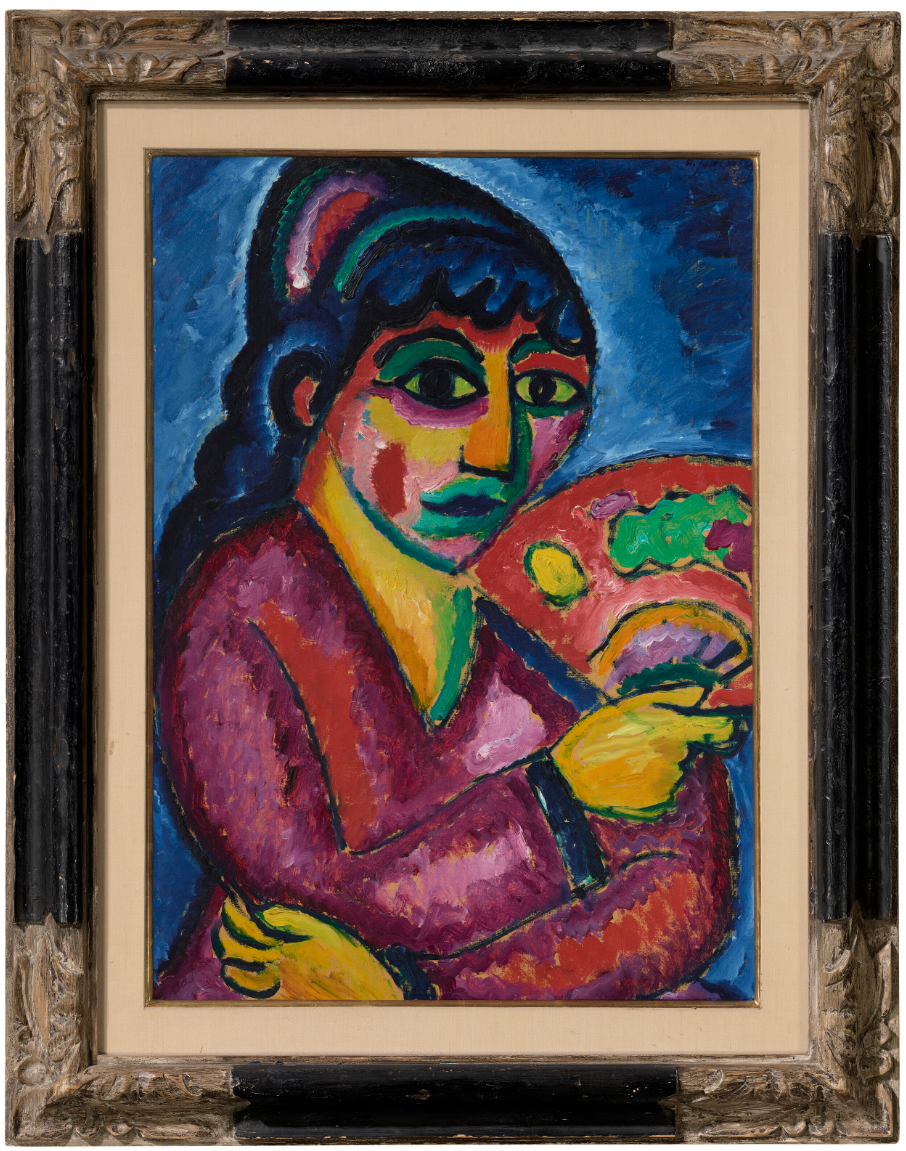
ALEXEJ VON JAWLENSKY (1864-1941)
Frau mit Fächer (Frau aus Turkestan), 1912
Oil on board
69 x 50.5 cm (26 7/8 x 19 7/8 inches)
Signed ‘A. Jawlensky’ (upper right)
Signed again, inscribed and numbered ‘A. Jawlensky Frau mit Fächer N.47’ (on the reverse)
#6. Lucian Freud
Christie’s London: 7 March 2024
Estimated: GBP 4,000,000 – 6,000,000
GBP 4,638,000 / USD 5,880,984
LUCIAN FREUD (1922-2011), Kai | Christie’s (christies.com)
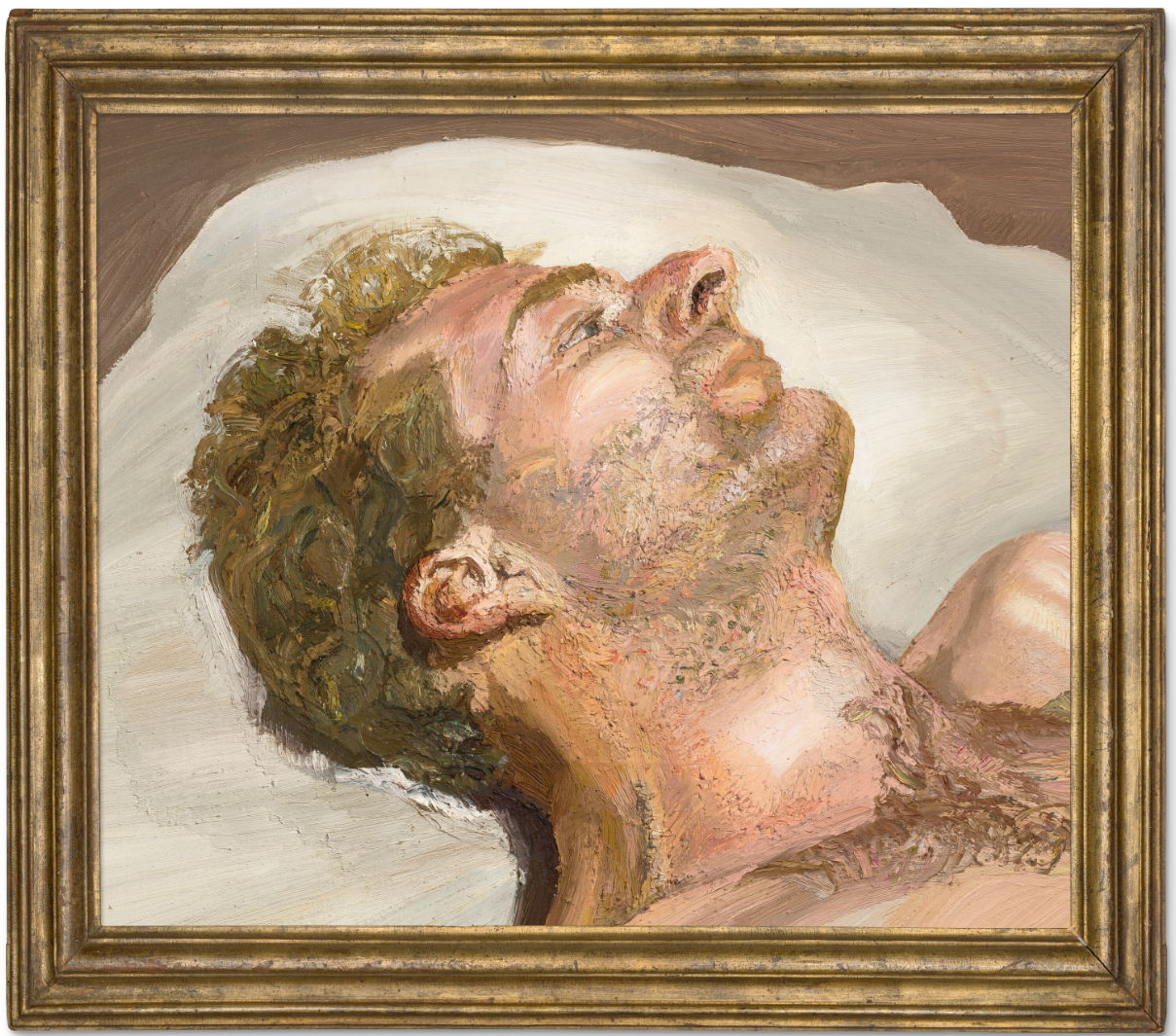
LUCIAN FREUD (1922-2011)
Kai, 1991-1992
Oil on canvas
51 x 61.5 cm (20 1/8 x 24 1/4 inches)
#7. Ernst Ludwig Kirchner
Christie’s London: 7 March 2024
Estimated: GBP 2,000,000 – 3,000,000
GBP 3,791,000 / USD 4,806,988
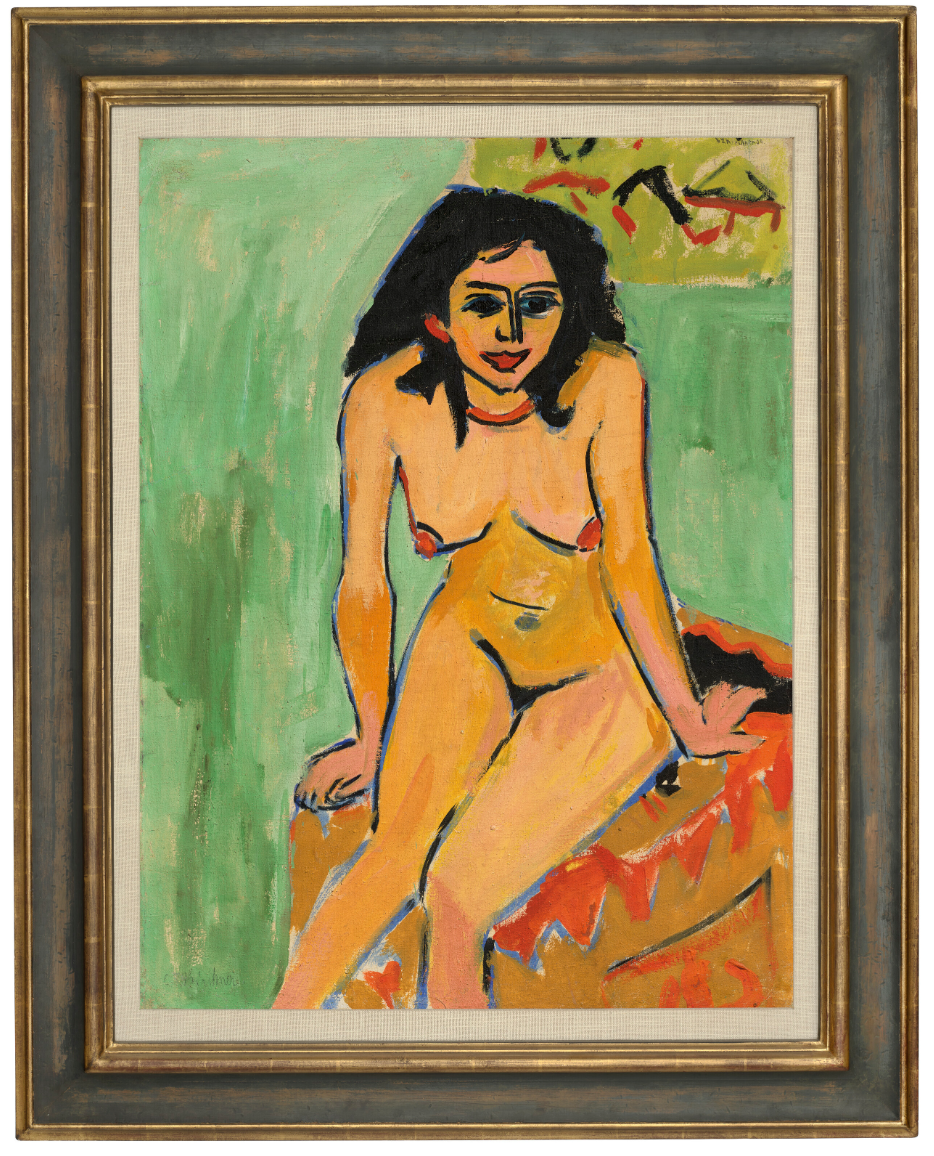
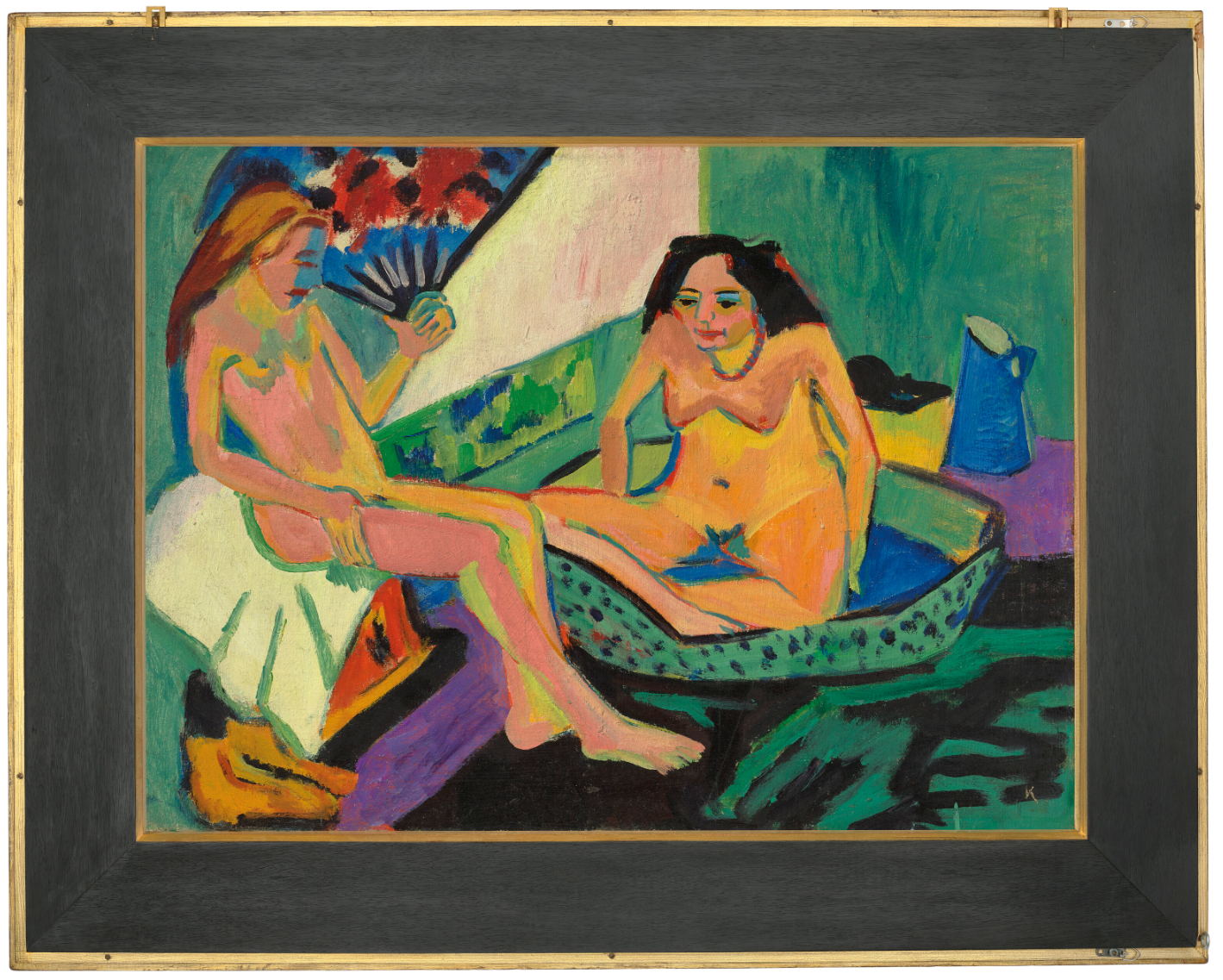
ERNST LUDWIG KIRCHNER (1880-1938)
Zwei Mädchen mit Badewanne (Frau in flacher Wanne und Mädchen mit Fächer) (recto)
Sitzender schwarzhaariger Mädchenakt (verso)
Oil on canvas
74×100 cm (29 1/8 x 39 1/2 inches) (recto); 99×76 cm (39×30 inches) (verso)
Incised with initial ‘K’ (recto lower right)
Signed and dated ‘E.L. Kirchner 09.’ (verso upper right) and signed again ‘E L Kirchner.’ (verso lower left)
Painted in 1909-1911 and 1920 (recto); Painted in 1910 (verso)
#8. Henry Moore
Christie’s London: 7 March 2024
Estimated: GBP 1,200,000 – 2,000,000
GBP 3,488,500 / USD 4,423,418
HENRY MOORE (1898-1986), Reclining Figure No. 2 | Christie’s (christies.com)
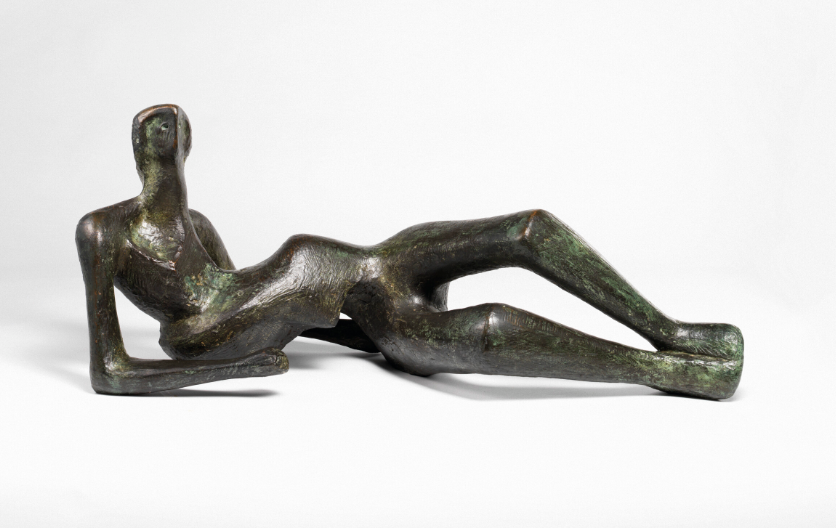
HENRY MOORE (1898-1986)
Reclining Figure No. 2, 1953
Bronze with brown and green patina
Length: 36 inches (91.5 cm)
Conceived and cast in 1953, in an edition of seven plus one artist’s cast
#9. Alberto Giacometti
Christie’s London: 7 March 2024
Estimated: GBP 1,700,000 – 2,500,000
GBP 3,428,000 / USD 4,346,704
ALBERTO GIACOMETTI (1901-1966), Figure I, petite | Christie’s (christies.com)
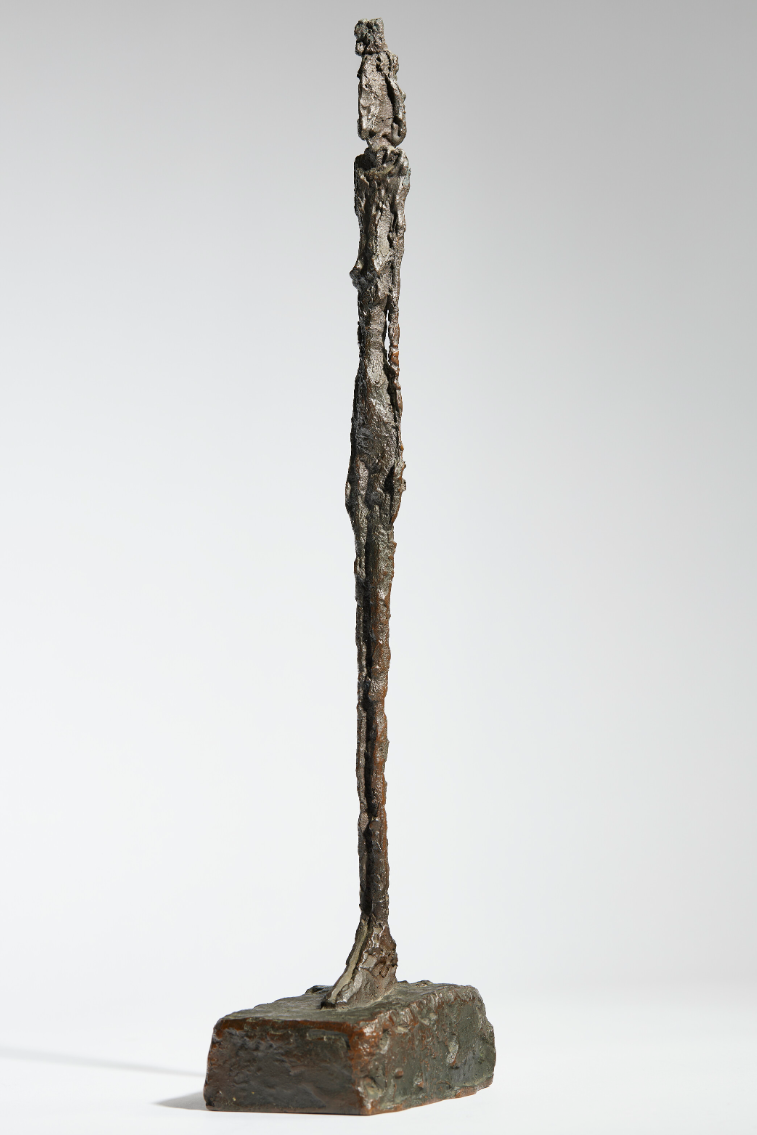
ALBERTO GIACOMETTI (1901-1966)
Figure I, petite, 1947
Bronze with dark brown patina
40.4 x 10.2 x 10.3 cm (15 7/8 x 4 1/8 x 4 1/8 inches)
Signed and numbered ‘Giacometti 1⁄6’ (on top of the base)
Conceived in 1947, cast between 1947-1948 in a numbered edition of six
#10. Michael Andrews
Christie’s London: 7 March 2024
Estimated: GBP 1,600,000 – 2,200,000
GBP 3,125,500 / USD 3,963,134
MICHAEL ANDREWS (1928-1995), School III: Butterfly Fish and Damsel Fish | Christie’s (christies.com)
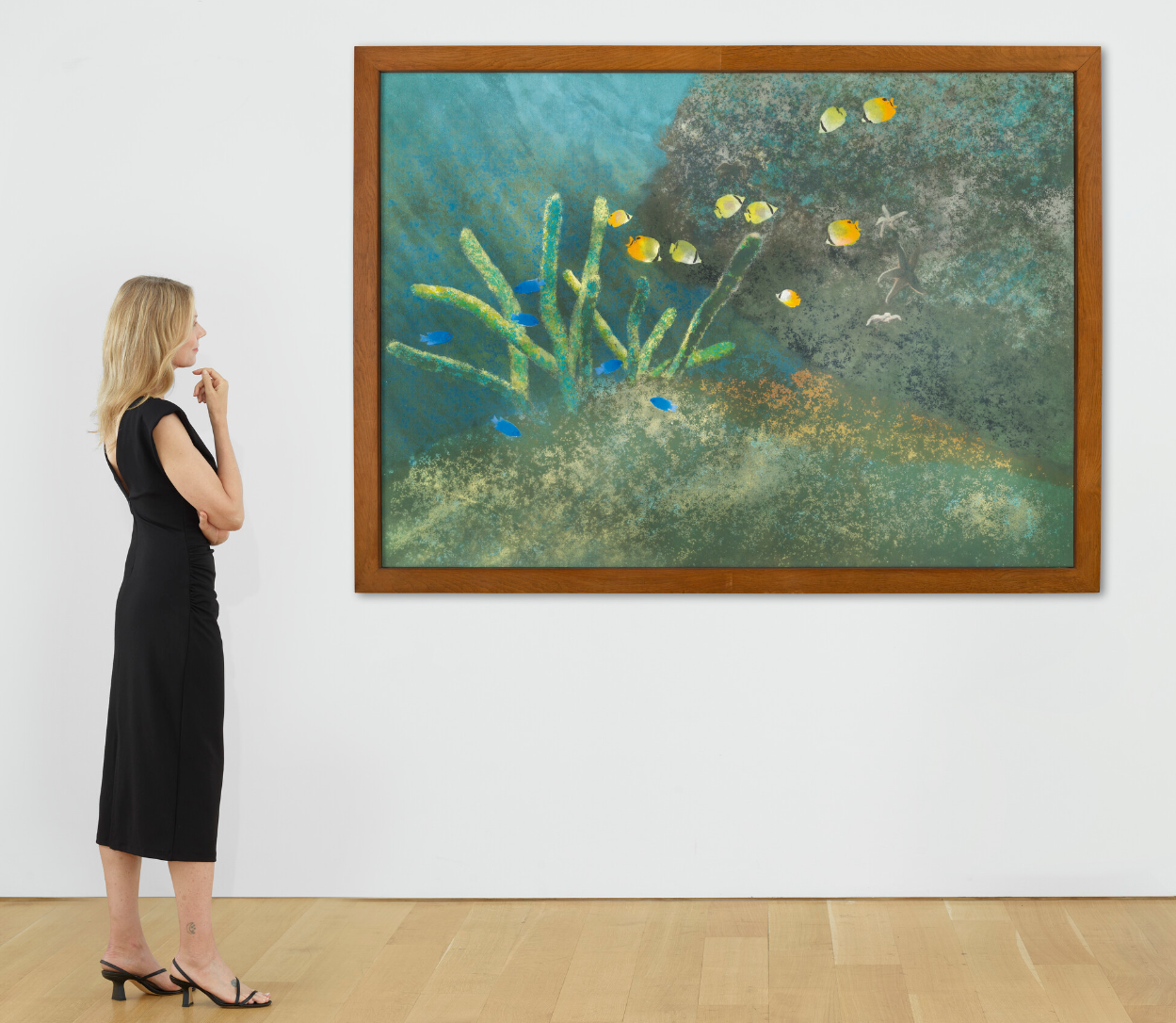
MICHAEL ANDREWS (1928-1995)
School III: Butterfly Fish and Damsel Fish, 1978
Acrylic on canvas
60×84 inches (152.4 x 213.3 cm)
#11. Agnes Martin
Christie’s London: 7 March 2024
Estimated: GBP 2,200,000 – 2,800,000
GBP 2,823,000 / USD 3,579,564
AGNES MARTIN (1912-2004), Loving Love | Christie’s (christies.com)
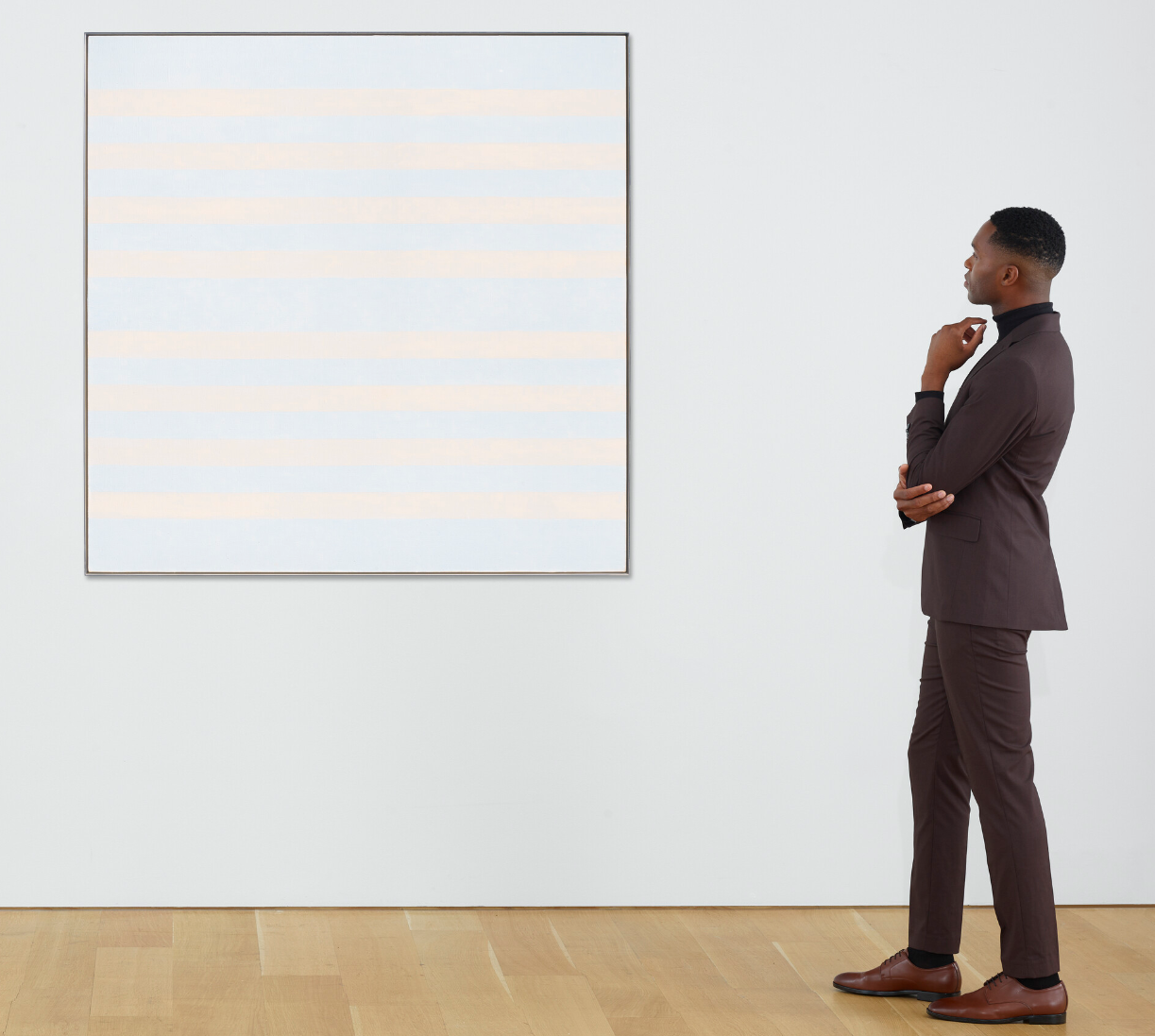
AGNES MARTIN (1912-2004)
Loving Love, 2000
Acrylic and graphite on canvas
60×60 inches (152.4 x 152.4 cm)
Titled ‘Loving Love’ (on the stretcher); signed and dated ‘a. martin 2000’ (on the reverse)
#12. David Hockney
Christie’s London: 7 March 2024
Estimated: GBP 2,000,000 – 3,000,000
GBP 2,702,000 / USD 3,426,136
DAVID HOCKNEY (B. 1937), Rudston to Sledmere, August | Christie’s (christies.com)
DAVID HOCKNEY (B. 1937)
Rudston to Sledmere, August, 2005
Oil on canvas
24 1/8 x 36 inches (61.4 x 91.5 cm)
Signed and dated ‘David Hockney Aug 9, 10 11, 05’ (on the reverse)
#13. Vincent van Gogh
Christie’s London: 7 March 2024
Estimated: GBP 2,000,000 – 3,000,000
GBP 2,460,000 / USD 3,119,280
VINCENT VAN GOGH (1853-1890), Naaiende vrouw (Woman Sewing) | Christie’s (christies.com)
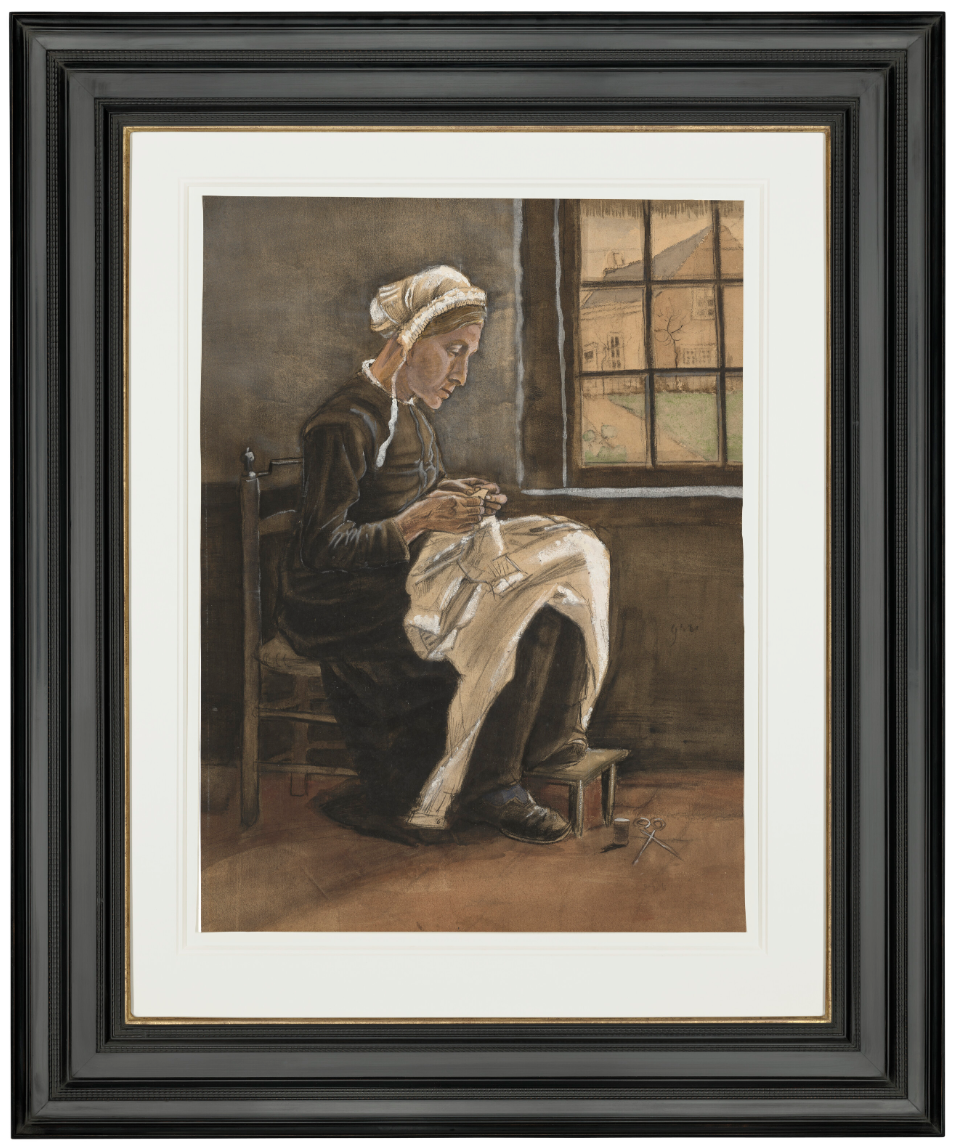
VINCENT VAN GOGH (1853-1890)
Naaiende vrouw (Woman Sewing), 1881
Gouache, watercolor and black and white chalk on paper
60.1 x 44.6 cm (23 2/4x 17 1/2 inches)
Executed in Etten in October – November 1881
#14. Hermann Max Pechtein
Christie’s London: 7 March 2024
Estimated: GBP 2,000,000 – 3,000,000
GBP 2,460,000 / USD 3,119,280
HERMANN MAX PECHSTEIN (1881-1955), Abend in der Düne | Christie’s (christies.com)
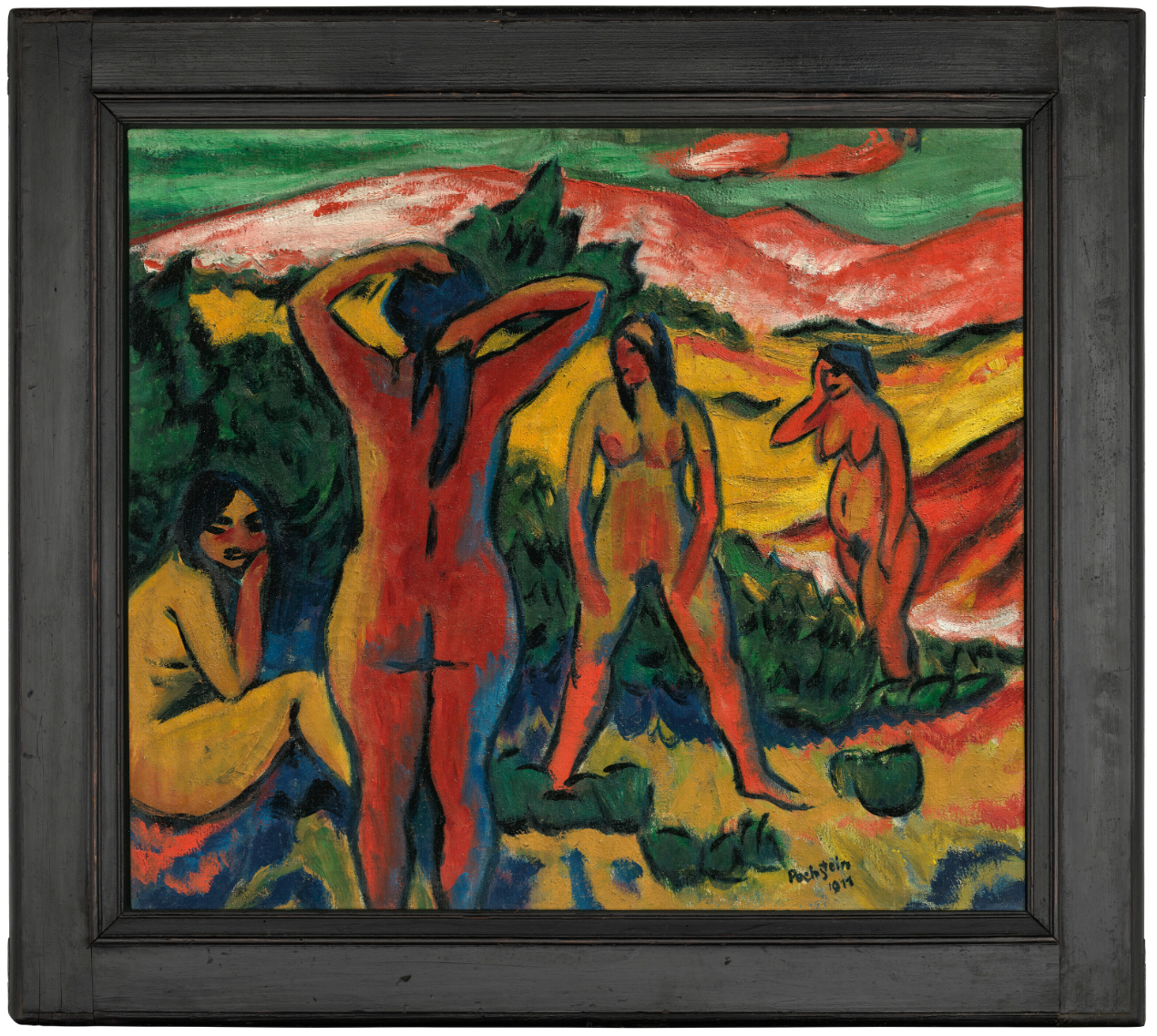
HERMANN MAX PECHSTEIN (1881-1955)
Abend in der Düne, 1911
Oil on canvas
70.5 x 80.5 cm (27 3/4 x 31 5/8 inches)
Signed and dated ‘Pechstein 1911’ (lower right); inscribed ‘Abend in der Düne’ (on the reverse)
#15. Theo van Rysselberghe
Christie’s London: 7 March 2024
Estimated: GBP 2,000,000 – 3,000,000
GBP 2,460,000 / USD 3,119,280
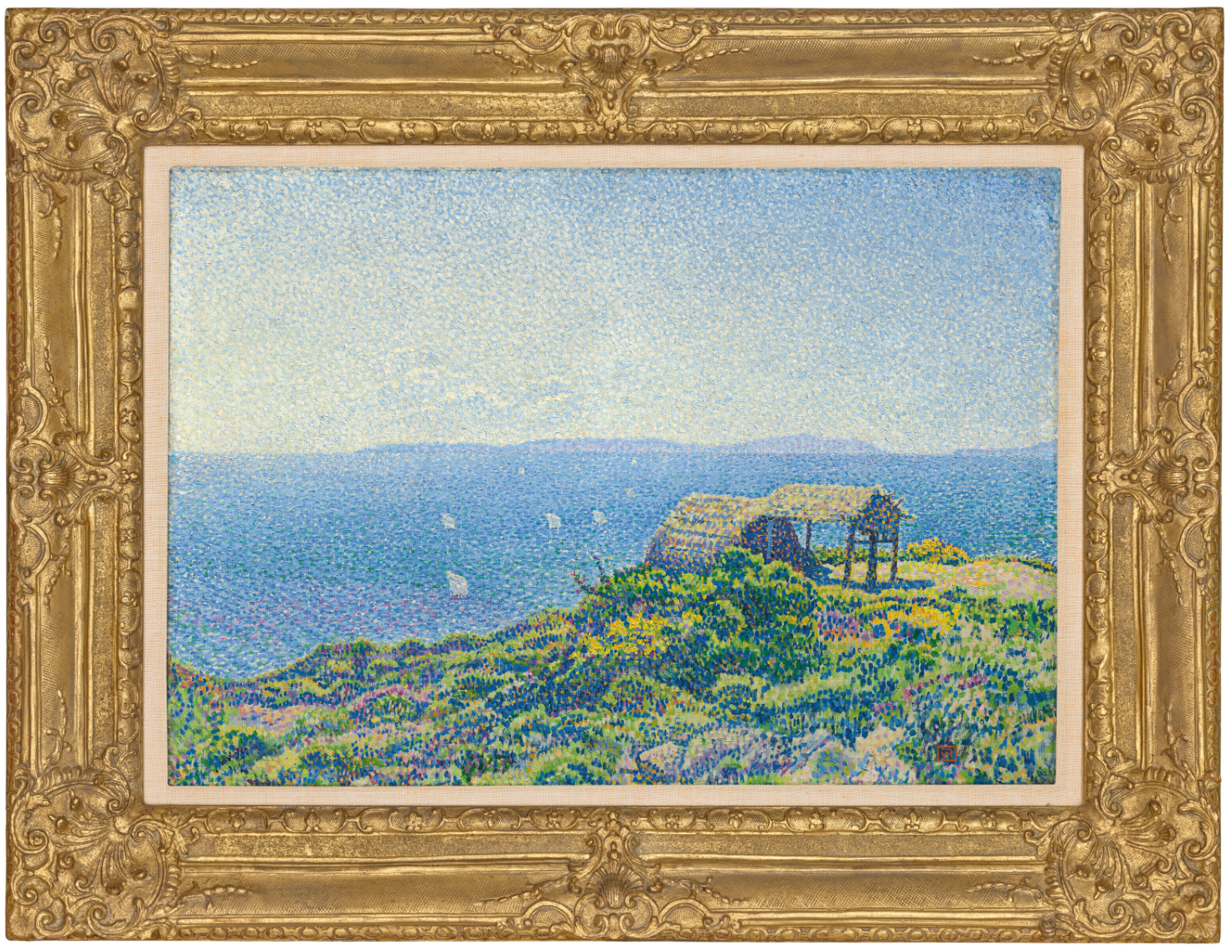
THÉO VAN RYSSELBERGHE (1862-1926)
L’île du Levant vue du Cap Bénat, Provence, circa 1893
Oil on canvas
45.3 x 65 cm (17 7/8 x 25 5/8 inches)
Signed with the monogram ‘VR’ (lower right)
#16. Vilhelm Hammershoi
Christie’s London: 7 March 2024
Estimated: GBP 500,000 – 800,000
GBP 2,339,000 / USD 2,965,852
VILHELM HAMMERSHØI (1864-1916), Landskab. Sommer. “Ryet”. | Christie’s (christies.com)
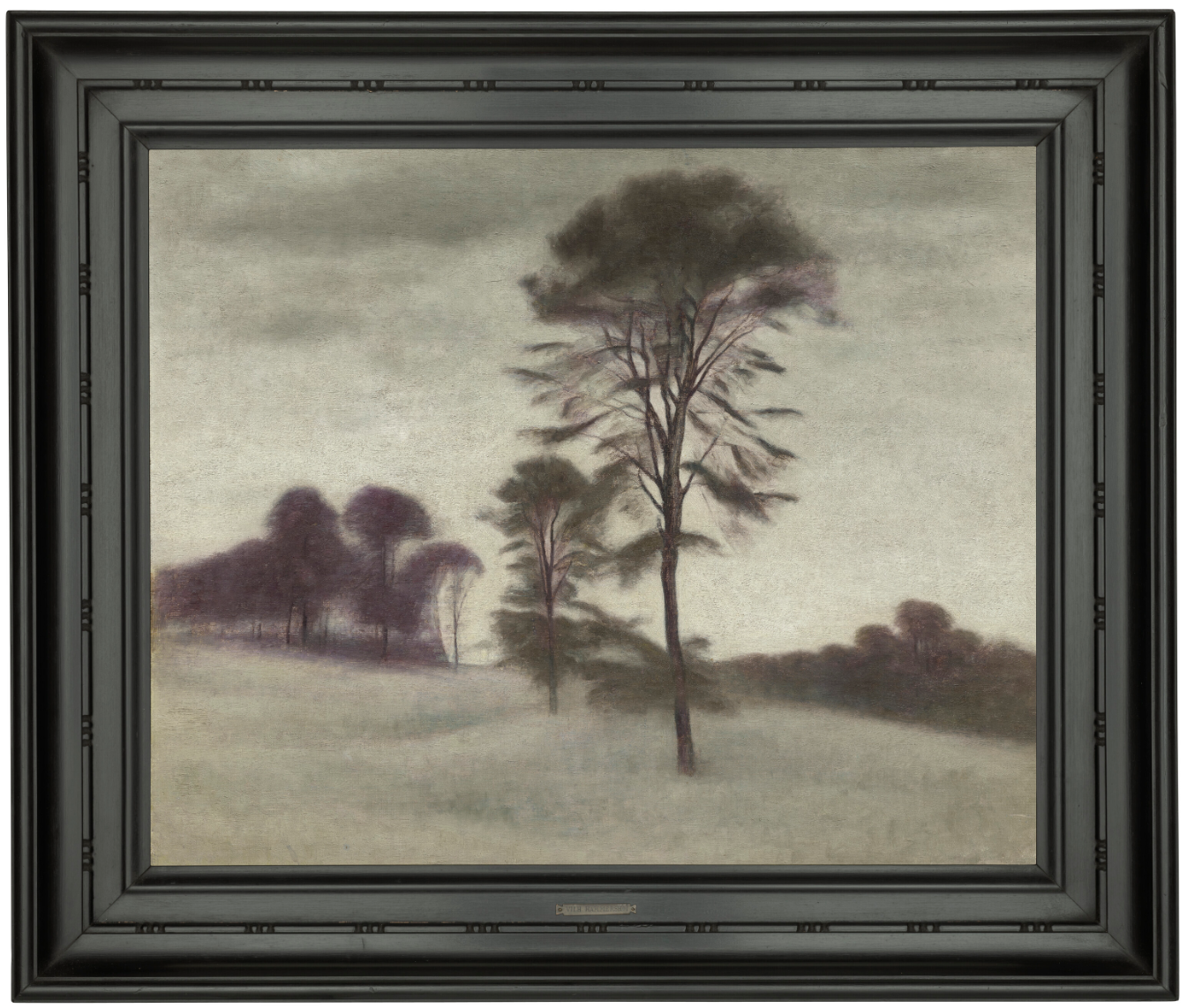
VILHELM HAMMERSHØI (1864-1916)
Landskab. Sommer. “Ryet”, 1896
Oil on canvas
45.5 x 56 cm (17 7/8 x 22 inches)
#17. Eduardo Chillida
Christie’s London: 7 March 2024
Estimated: GBP 800,000 – 1,200,000
GBP 2,278,500 / USD 2,889,138
EDUARDO CHILLIDA (1924-2002), Down Town III | Christie’s (christies.com)
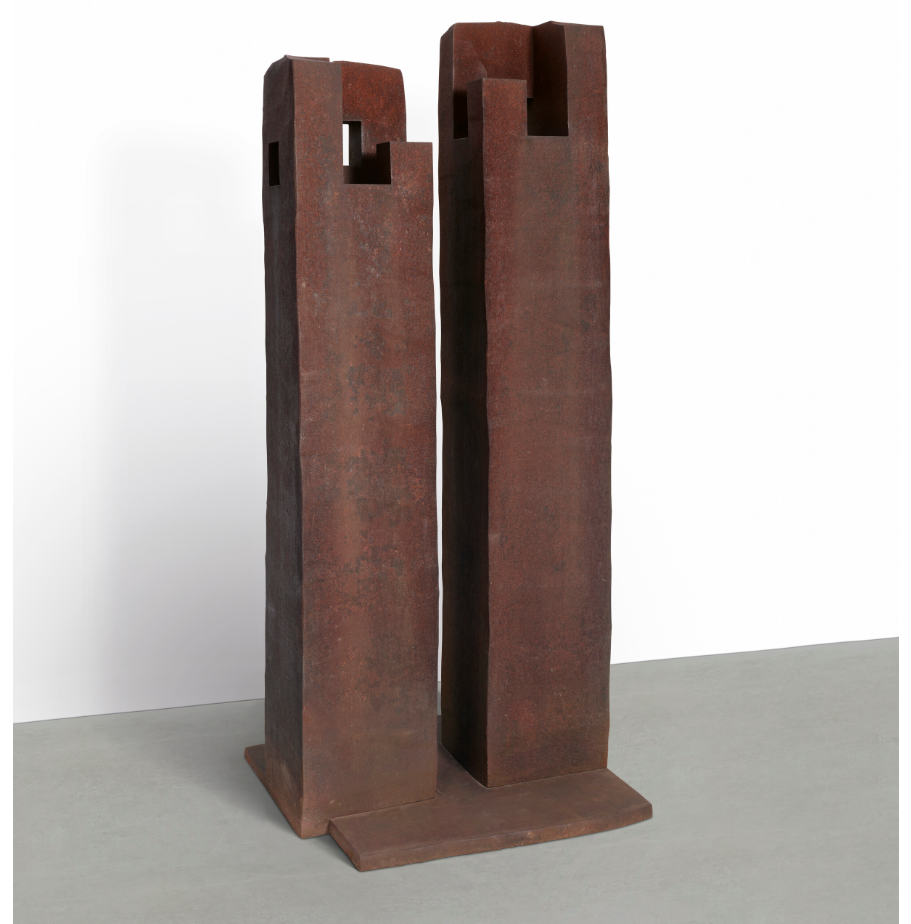
EDUARDO CHILLIDA (1924-2002)
Down Town III, 1990
Corten steel
77 3/4 x 33 3/8 x 31 1/8 inches (197.5 x 84.8 x 79 cm)
Incised with the artist’s monogram (upper left)
#18. Cecily Brown
Christie’s London: 7 March 2024
Estimated: GBP 1,800,000 – 2,500,000
GBP 2,218,000 / USD 2,812,424
CECILY BROWN (B. 1969), Can Can | Christie’s (christies.com)
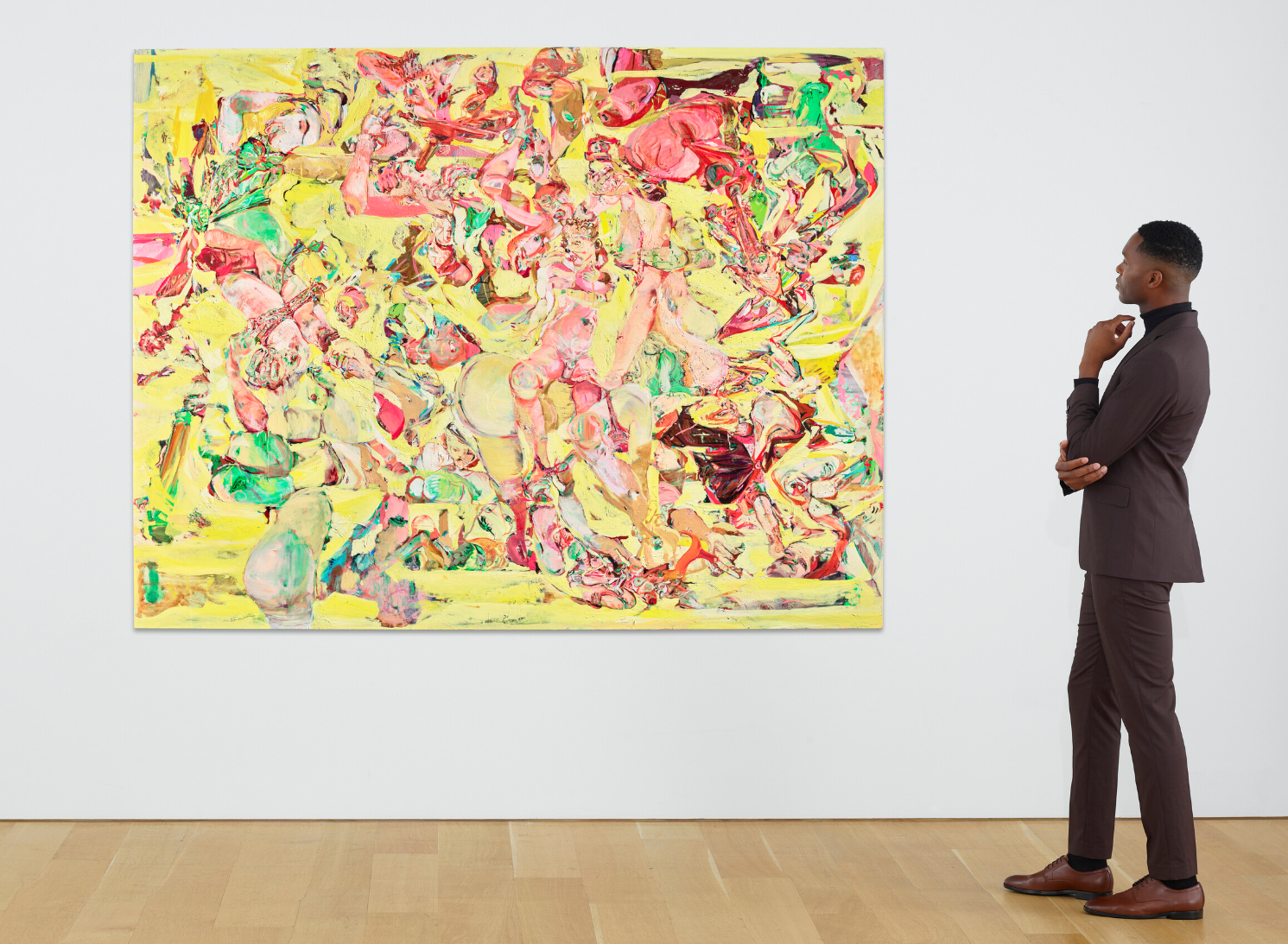
CECILY BROWN (B. 1969)
Can Can, 1998
Oil on canvas
75 7/8 x 98 inches (192.7 x 248.9 cm)
Signed and dated ‘Cecily Brown ’98’ (on the stretcher)
Signed twice, titled and dated twice ‘Cecily Brown 98 Cecily Brown Can Can 1998’ (on the reverse)
#19. Pablo Picasso
Christie’s London: 7 March 2024
Estimated: GBP 2,500,000 – 3,500,000
GBP 2,157,500 / USD 2,735,710
PABLO PICASSO (1881-1973), Nature morte à la bougie | Christie’s (christies.com)
PABLO PICASSO (1881-1973)
Nature morte à la bougie, 1944
Oil on canvas
63.2 x 91.7 cm (24 5/8 x 36 1/8 inches)
Signed ‘Picasso’ (lower left) and dated ‘4 avl 44’ (on the reverse)
#20. Pierre-Auguste Renoir
Christie’s London: 7 March 2024
Estimated: GBP 1,500,000 – 2,500,000
GBP 1,855,000 / USD 2,352,140
PIERRE-AUGUSTE RENOIR (1841-1919), Sur la falaise | Christie’s (christies.com)
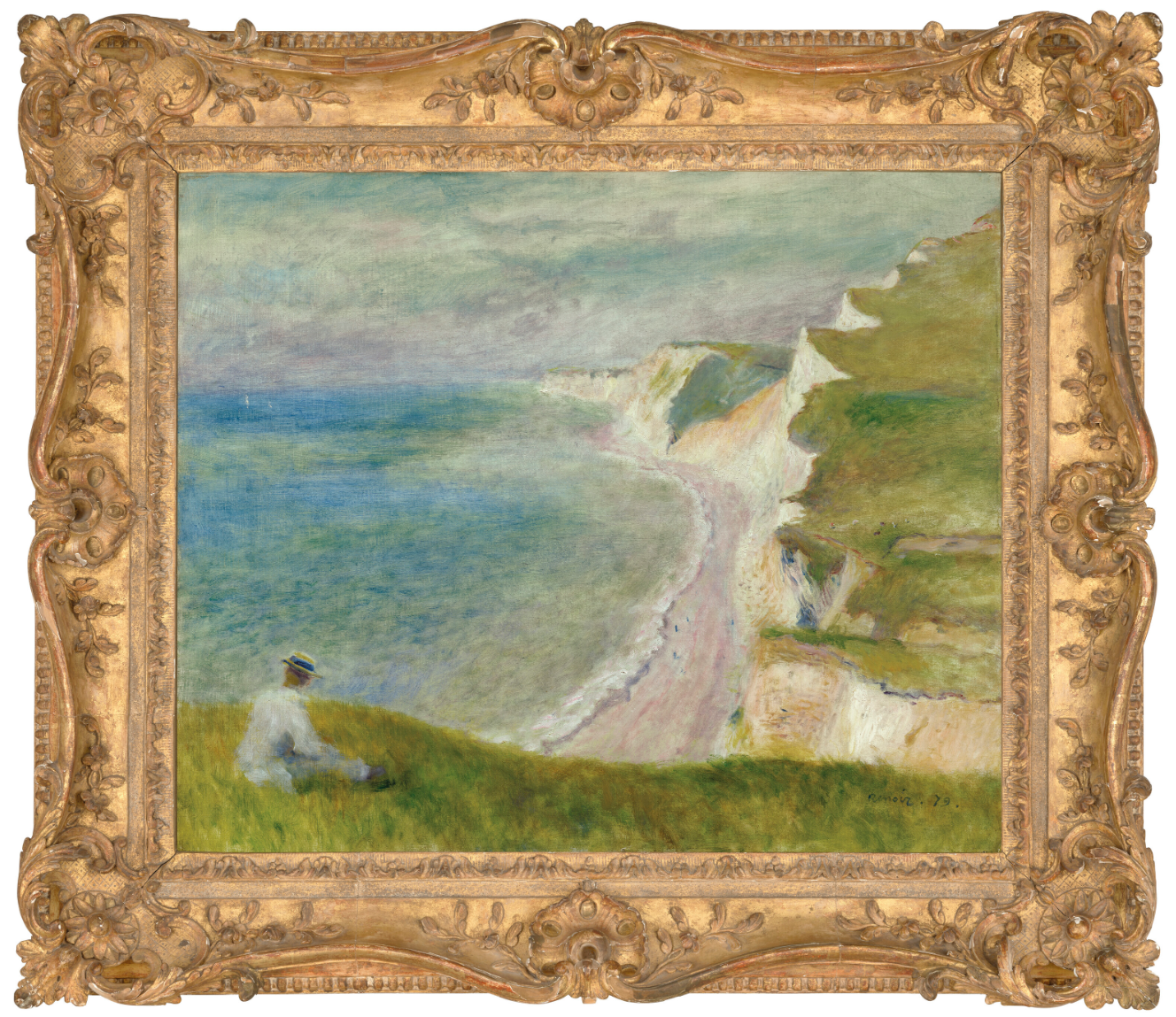
PIERRE-AUGUSTE RENOIR (1841-1919)
Sur la falaise, 1879
Oil on canvas
54.1 x 65.1 cm (21 1/4 x 25 5/8 inches)
Signed and dated ‘Renoir.79.’ (lower right)
#21. Jade Fadojutimi
Christie’s London: 7 March 2024
Estimated: GBP 400,000 – 600,000
GBP 1,552,500 / USD 1,968,570
JADÉ FADOJUTIMI (B. 1993), The Woven Warped Garden of Ponder | Christie’s (christies.com)
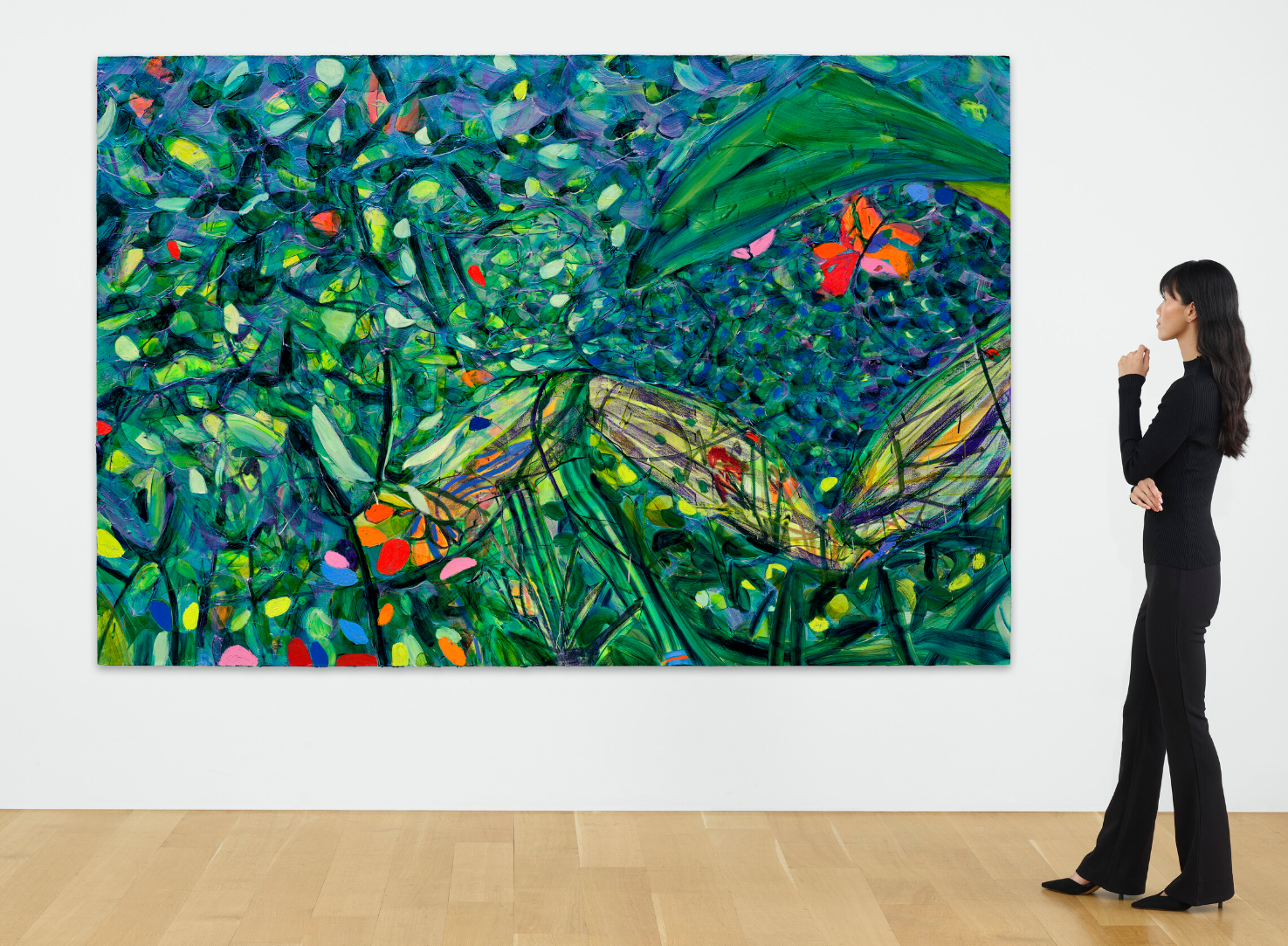
JADÉ FADOJUTIMI (B. 1993)
The Woven Warped Garden of Ponder, 2021
Acrylic and oil on canvas
200×300 cm (78 7/8 x 118 1/4 inches)
Signed, initialed, titled and dated ‘Jadé Fadojutimi JF Oct ’21 ‘The Woven Warped Garden of Ponder” (on the reverse)
#22. Pablo Picasso
Christie’s London: 7 March 2024
Estimated: GBP 1,200,000 – 1,800,000
GBP 1,492,000 / USD 1,891,856
PABLO PICASSO (1881-1973), Femme assise dans un fauteuil | Christie’s (christies.com)
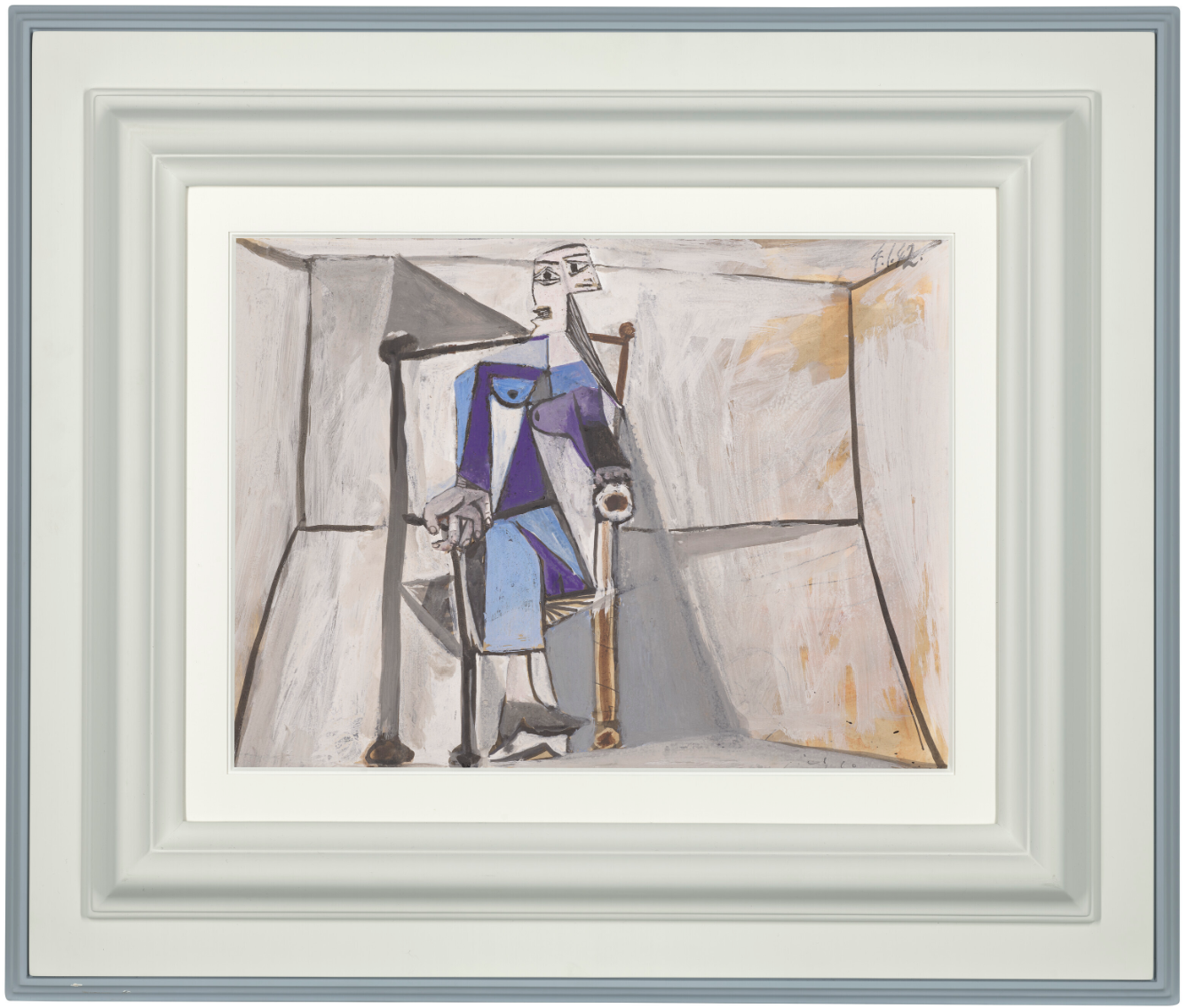
PABLO PICASSO (1881-1973)
Femme assise dans un fauteuil, 1942
Gouache on paper
30.4 x 40.6 cm (12×16 inches)
Signed ‘Picasso’ (lower right) and dated ‘4.1.42’ (upper right)
Dated again ‘4.1.42’ (on the reverse)
#23. Henry Moore
Christie’s London: 7 March 2024
Estimated: GBP 1,000,000 – 1,500,000
GBP 1,431,500 / USD 1,815,142
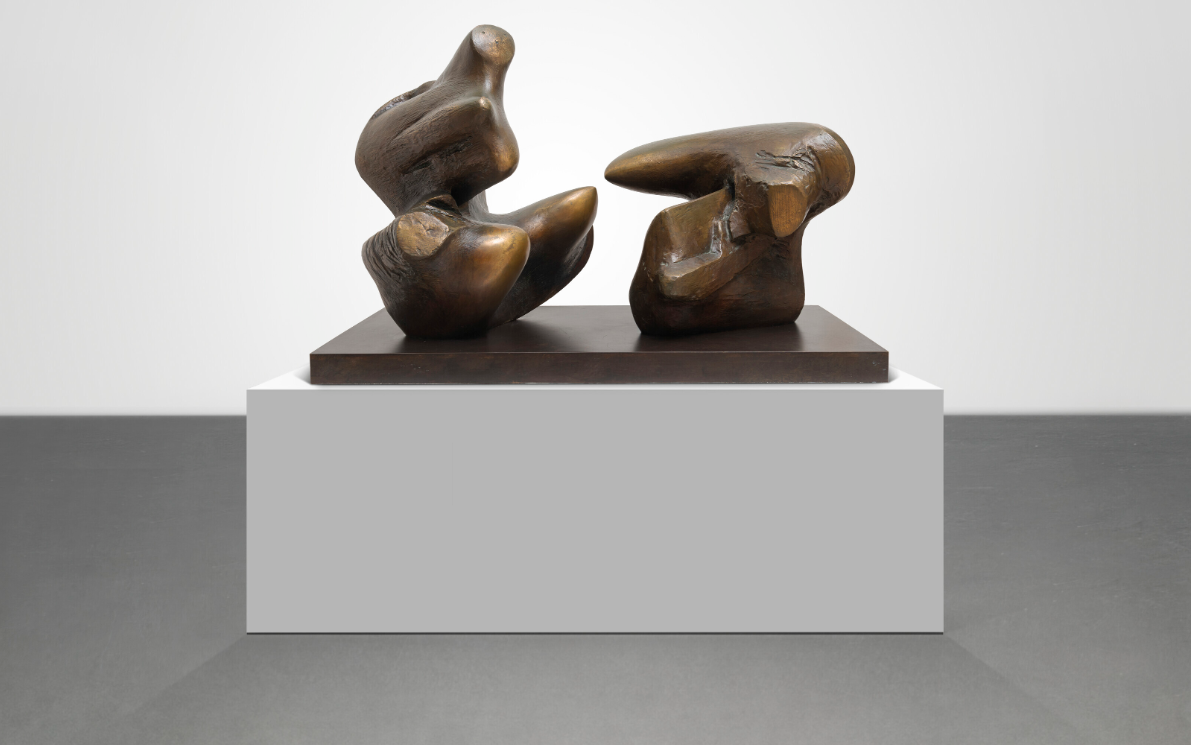
HENRY MOORE (1898-1986)
Working Model for Two Piece Reclining Figure: Points, 1969-70
Bronze with golden brown patina
Length: 47 5/8 inches (121 cm)
Signed and numbered ‘Moore 7⁄10’ (on top of the base)
Stamped with foundry mark ‘H. NOACK BERLIN’ (on the edge of the base)
Conceived in 1969-70 and cast by H. Noack, Berlin in 1969-72 in an edition of ten plus one artist’s cast
#24. Alighiero Boetti
Christie’s London: 7 March 2024
Estimated: GBP 650,000 – 850,000
GBP 1,310,500 / USD 1,661,714
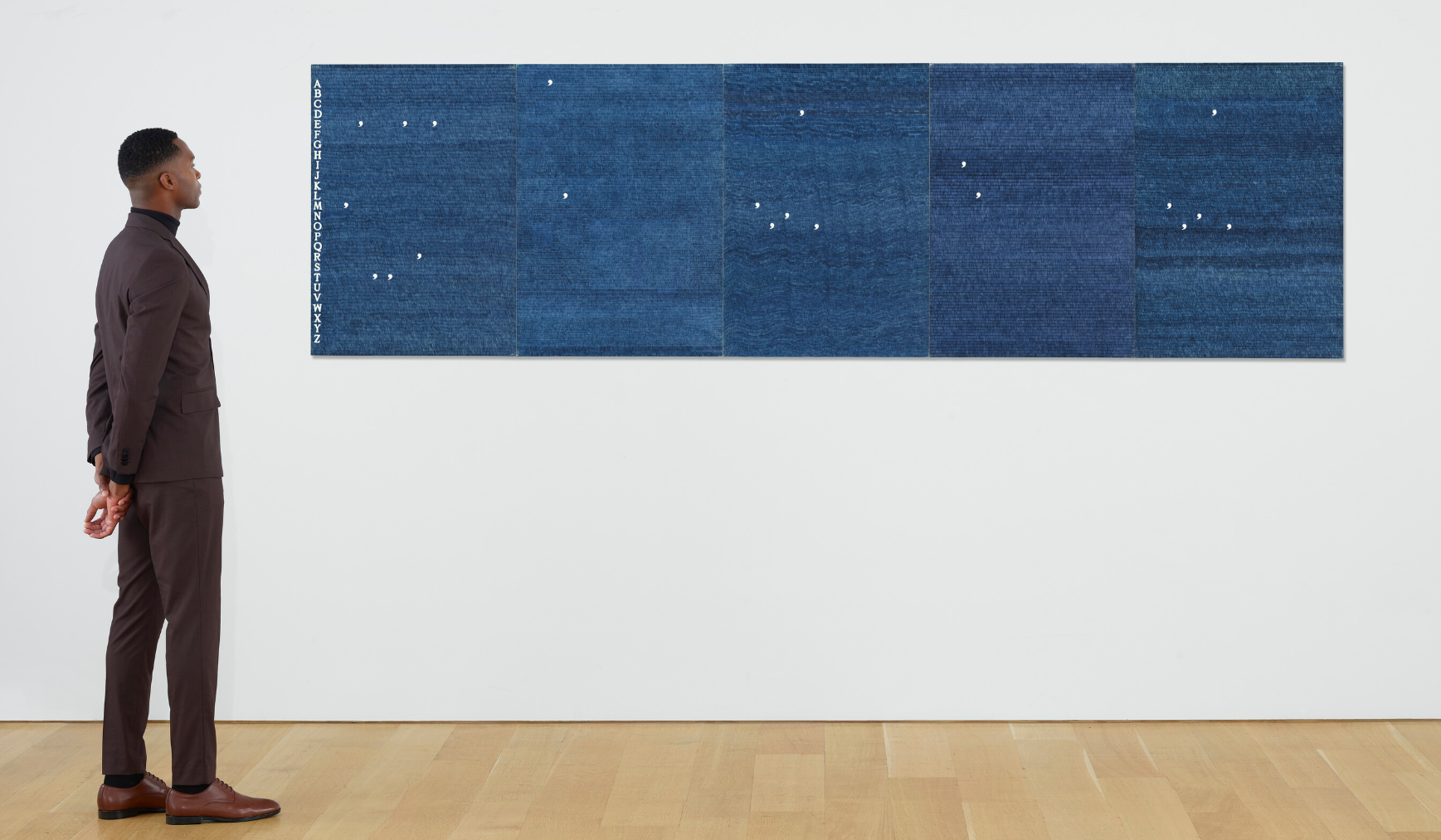
ALIGHIERO BOETTI (1940-1994)
Mettere al mondo il mondo (Bringing the world into the world), circa 1974
Ballpoint pen on paper laid down on canvas, in five parts
Each: 99.6 x 70.3 cm (39 1/4 x 27 5/8 inches)
Overall: 99.6 x 351.5 cm (39 1/4 x 138 3/8 inches)
#25. Liu Ye
Christie’s London: 7 March 2024
Estimated: GBP 1,000,000 – 1,500,000
GBP 1,250,000 / USD 1,585,000
LIU YE (B. 1964), Girl with Toy Bricks | Christie’s (christies.com)
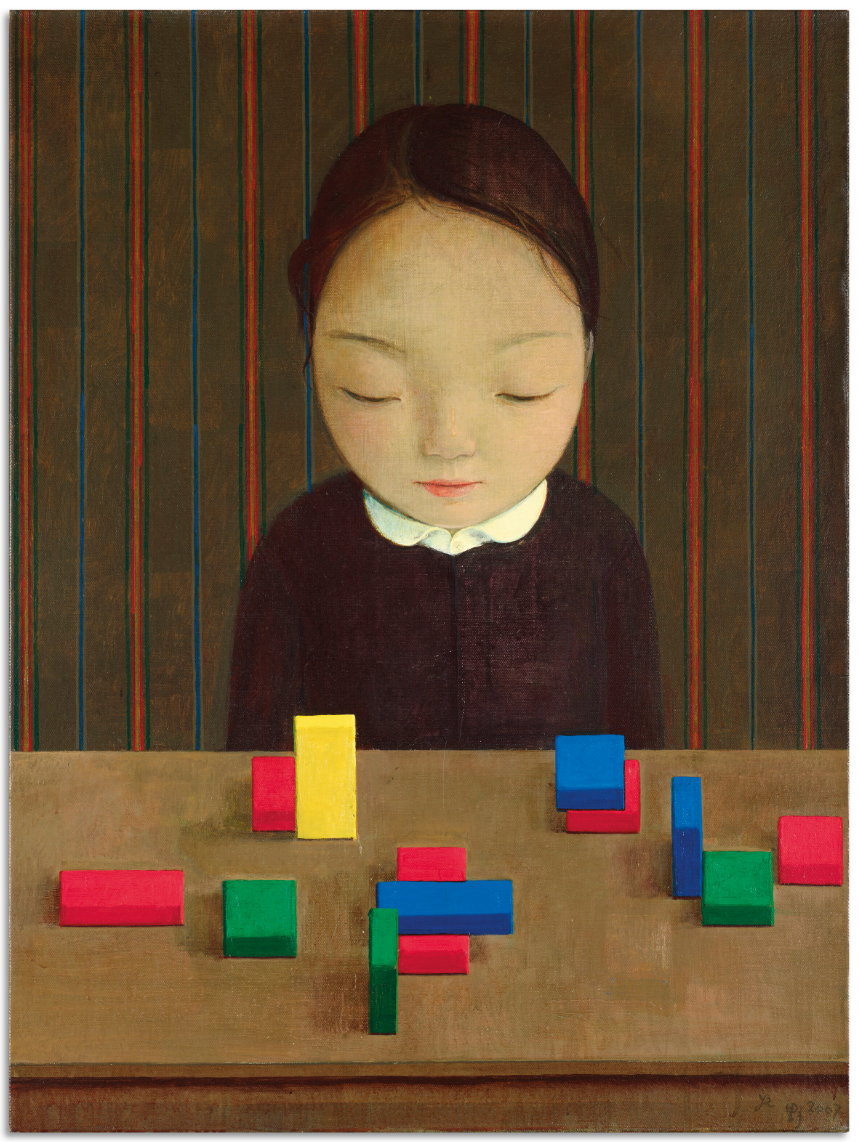
LIU YE (B. 1964)
Girl with Toy Bricks, 2007
Acrylic on canvas
80×60 cm (31 1/2 x 23 5/8 inches)
Signed, signed in Chinese and dated ‘Ye 2007’ (lower right)
Signed, signed in Chinese and stamped with the title and date ‘GRIL [sic] WITH TOY BRICKS 07 liu ye’ (on the reverse)
#26. Alice Neel
Christie’s London: 7 March 2024
Estimated: GBP 1,200,000 – 1,800,000
GBP 1,250,000 / USD 1,585,000
ALICE NEEL (1900-1984), David McKee and his First Wife Jane | Christie’s (christies.com)
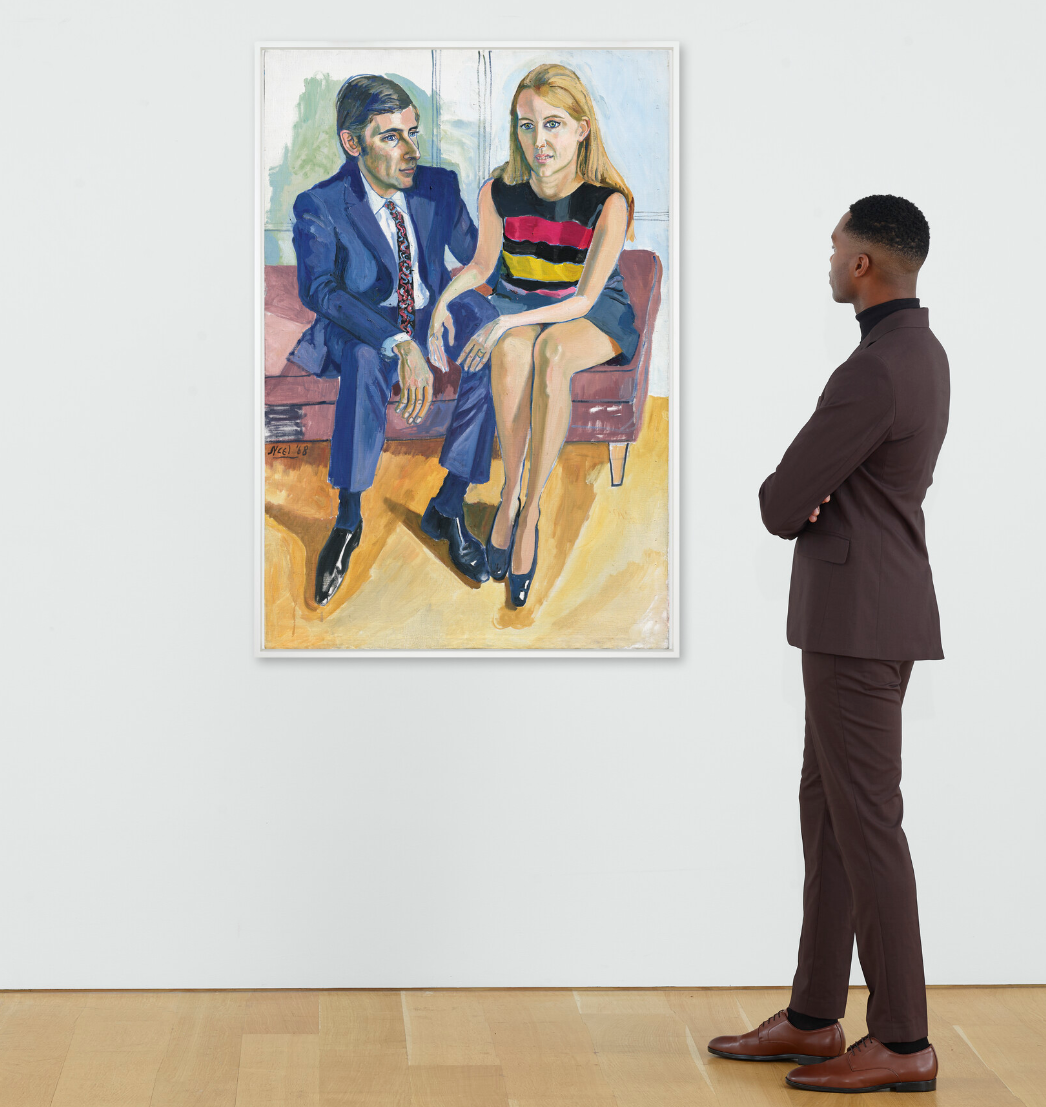
ALICE NEEL (1900-1984)
David McKee and his First Wife Jane, 1968
Oil on canvas
59 7/9 x 40 1/8 inches (152.1 x 102 cm)
Signed and dated ‘NEEL ’68’ (centre left)
#27. Sonia Delaunay
Christie’s London: 7 March 2024
Estimated: GBP 1,000,000 – 1,500,000
GBP 1,129,000 / USD 1,431,572
SONIA DELAUNAY (1885-1979), Rythme-Couleur (no. 132) | Christie’s (christies.com)
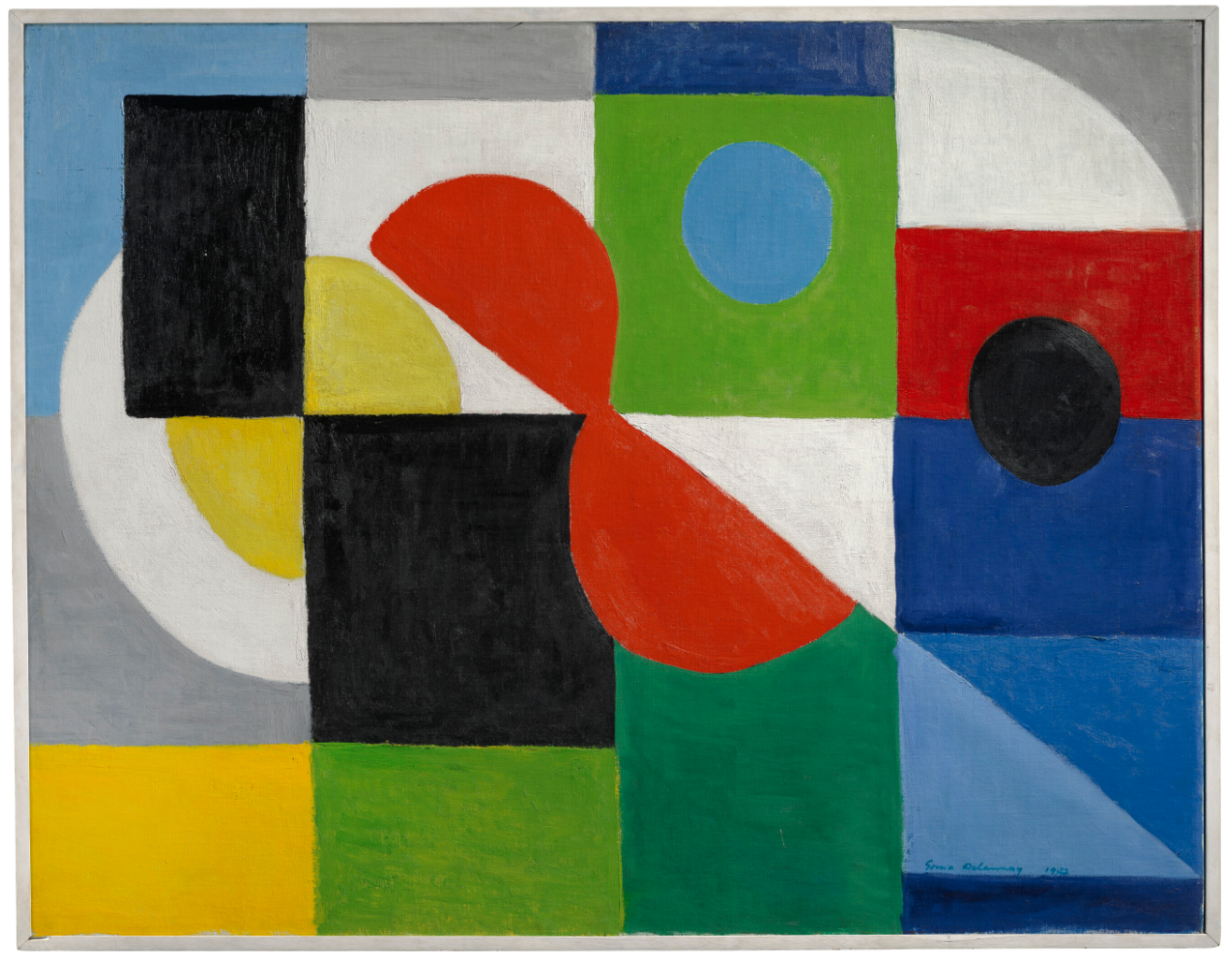
SONIA DELAUNAY (1885-1979)
Rythme-Couleur (no. 132), 1953
Oil on canvas
113.5 x 146 cm (44 3/4 x 57 1/2 inches)
Signed and dated ‘Sonia Delaunay 1953’ (lower right)
Signed again ‘Sonia Delaunay’ (on the stretcher)
#28. Andy Warhol
Christie’s London: 7 March 2024
Estimated: GBP 800,000 – 1,200,000
GBP 1,068,500 / USD 1,354,858
ANDY WARHOL (1928-1987), One Multicoloured Marilyn (Reversal Series) | Christie’s (christies.com)
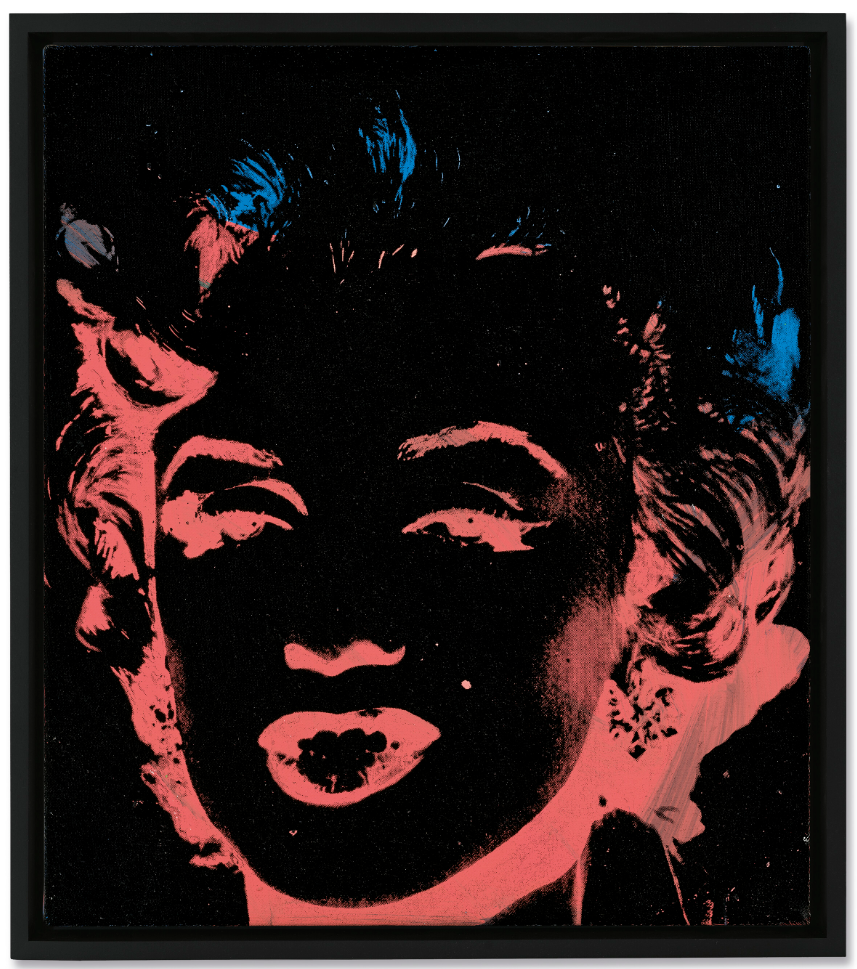
ANDY WARHOL (1928-1987)
One Multicolored Marilyn (Reversal Series), 1979-1986
Acrylic and silkscreen ink on canvas
16×14 inches (40.6 x 35.5 cm)
Stamped with the artist’s signature ‘Andy Warhol’ (on the overlap)
#29. Jacques Lipchitz
Christie’s London: 7 March 2024
Estimated: GBP 700,000 – 1,000,000
GBP 1,032,200 / USD 1,308,830
JACQUES LIPCHITZ (1891-1973), Baigneuse III | Christie’s (christies.com)
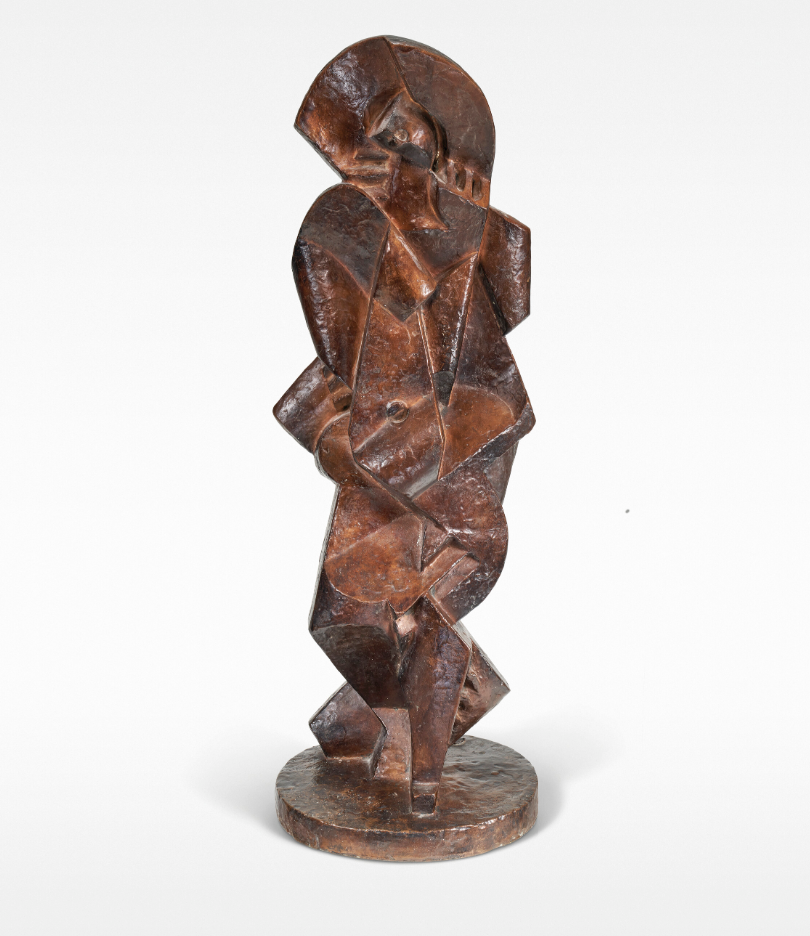
JACQUES LIPCHITZ (1891-1973)
Baigneuse III, 1917
Bronze with brown patina
Height: 71.4 cm (28 1/8 inches) including base
Signed, numbered and marked with the artist’s thumbprint ‘J Lipchitz 4⁄7’ (on the top of the base)
Conceived in stone in 1917 and later cast in bronze in a numbered edition of 7
#3o. Edvard Munch
Christie’s London: 7 March 2024
Estimated: GBP 800,000 – 1,200,000
GBP 1,008,000 / USD 1,278,144
EDVARD MUNCH (1863-1944), Hage | Christie’s (christies.com)
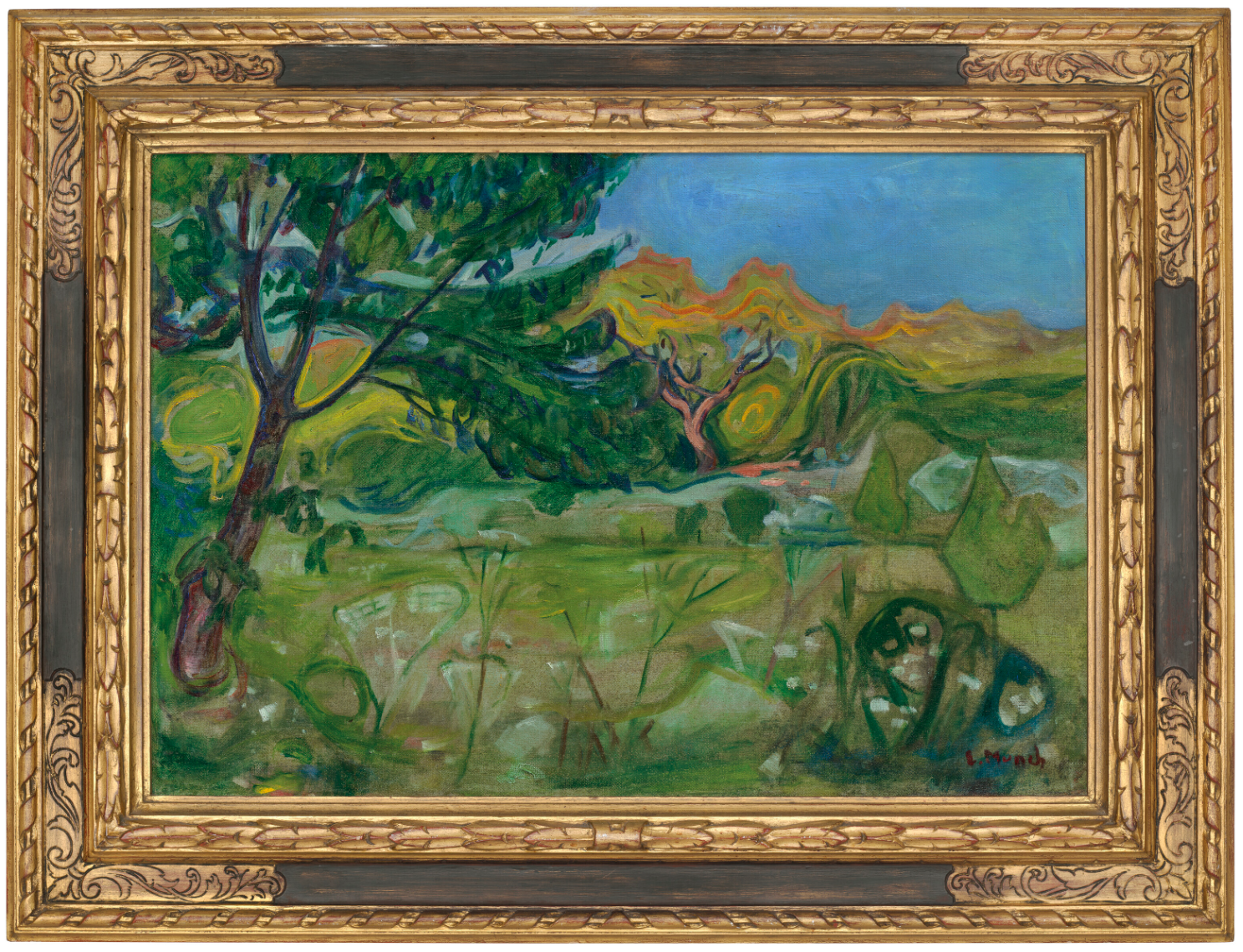
EDVARD MUNCH (1863-1944)
Hage, 1902-1903
Oil on canvas
55.5 x 80.9 cm (21 7/8 x 31 3/4 inches)
Signed ‘E. Munch’ (lower right)
#31. Adrian Ghenie
Christie’s London: 7 March 2024
Estimated: GBP 1,200,000 – 2,000,000
GBP 1,008,000 / USD 1,278,144
ADRIAN GHENIE (B. 1977), The Squat | Christie’s (christies.com)
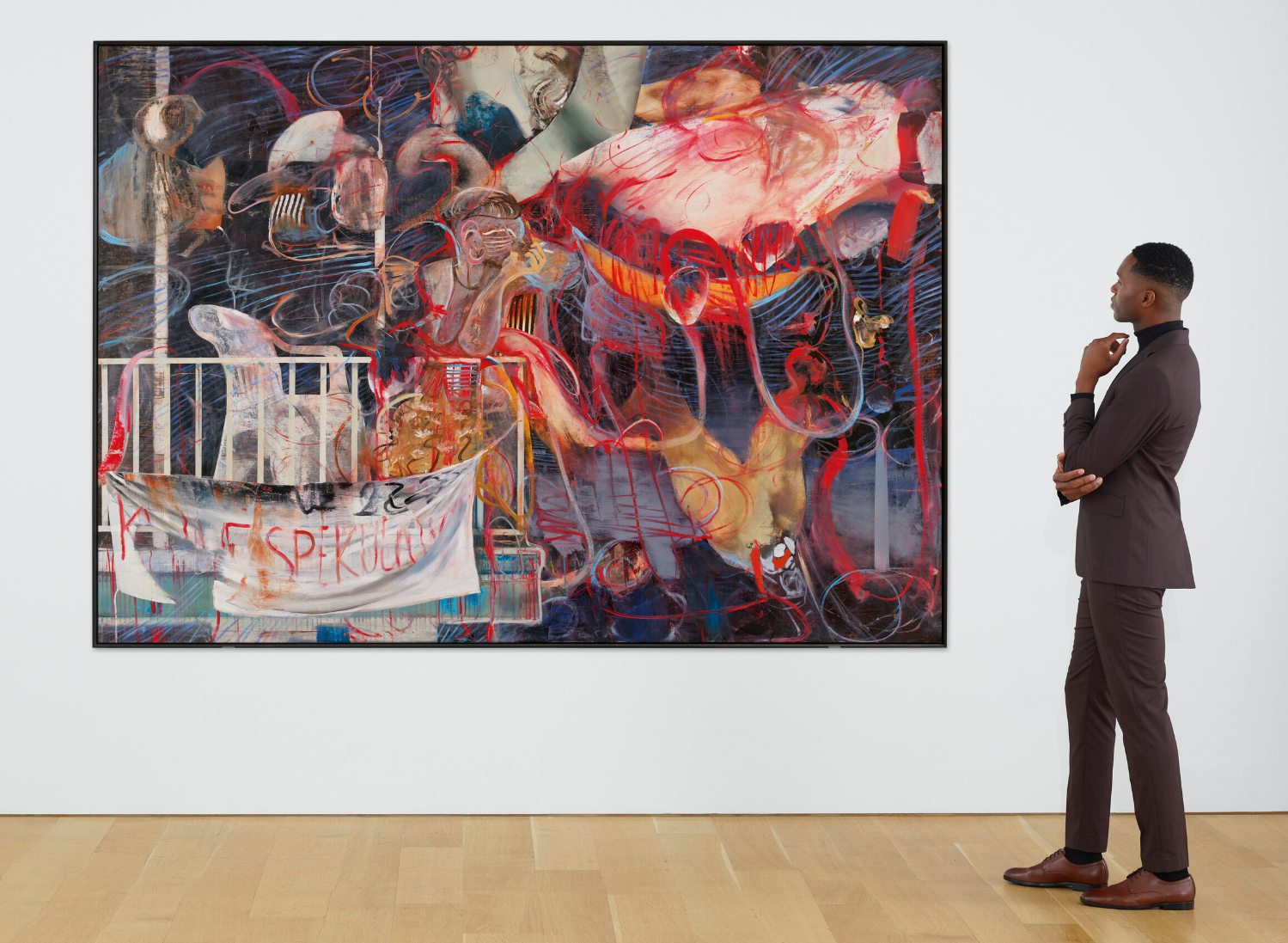
ADRIAN GHENIE (B. 1977)
The Squat, 2021
Oil on canvas
82 3/4 x 116 7/8 inches (210.2 x 297 cm)
Signed and dated ‘Ghenie 2021’ (on the reverse)
#32. Lucian Freud
Christie’s London: 7 March 2024
Estimated: GBP 300,000 – 500,000
GBP 982,800 / USD 1,246,190
LUCIAN FREUD (1922-2011), Plant Fragment | Christie’s (christies.com)
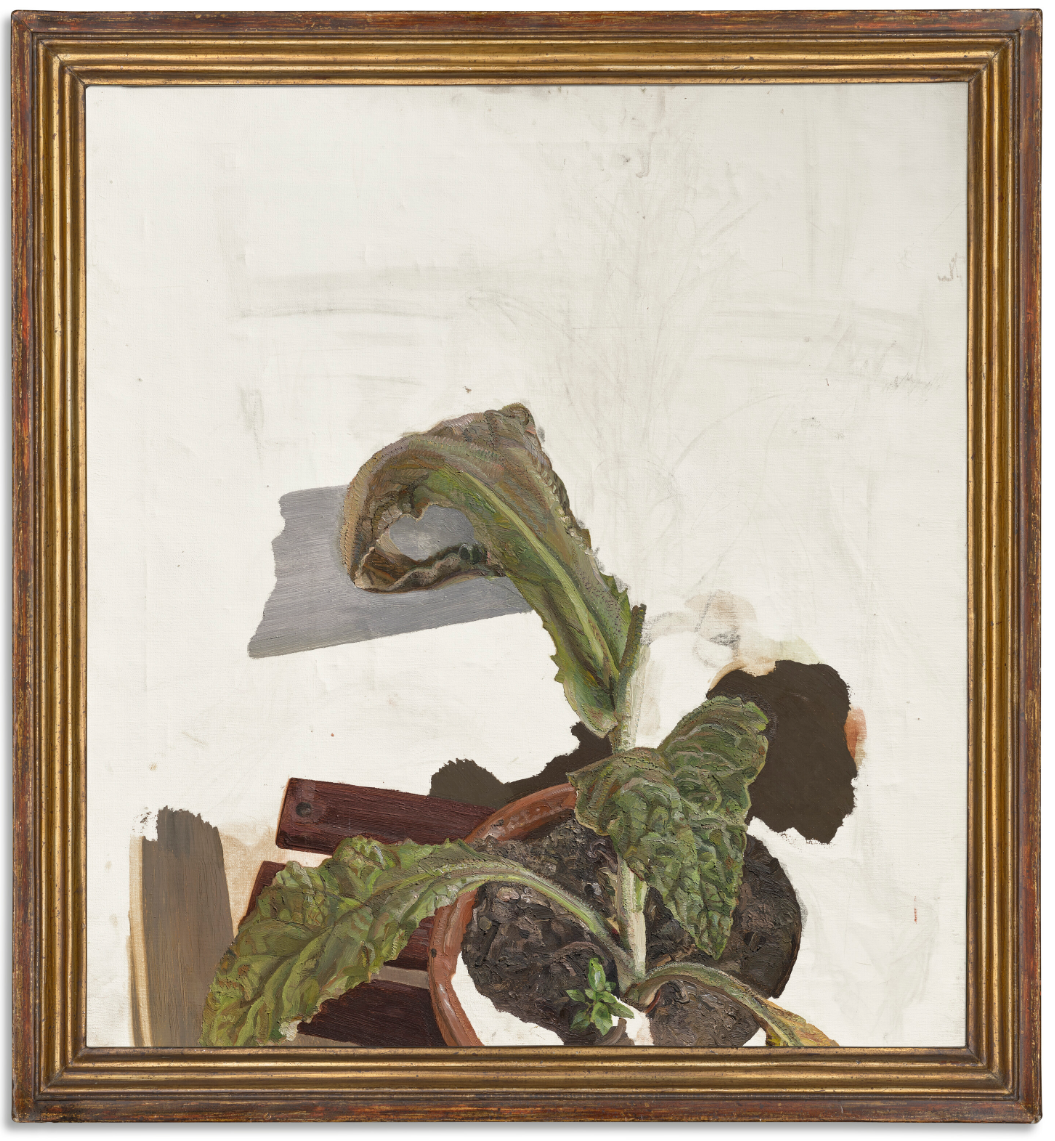
LUCIAN FREUD (1922-2011)
Plant Fragment, circa 1977
Oil on canvas
61 x 55.8 cm (24×22 inches)
#37. Andy Warhol
Christie’s London: 7 March 2024
Estimated: GBP 800,000 – 1,200,000
GBP 882,000 / USD 1,118,376
ANDY WARHOL (1928-1987), Campbell’s Soup I | Christie’s (christies.com)
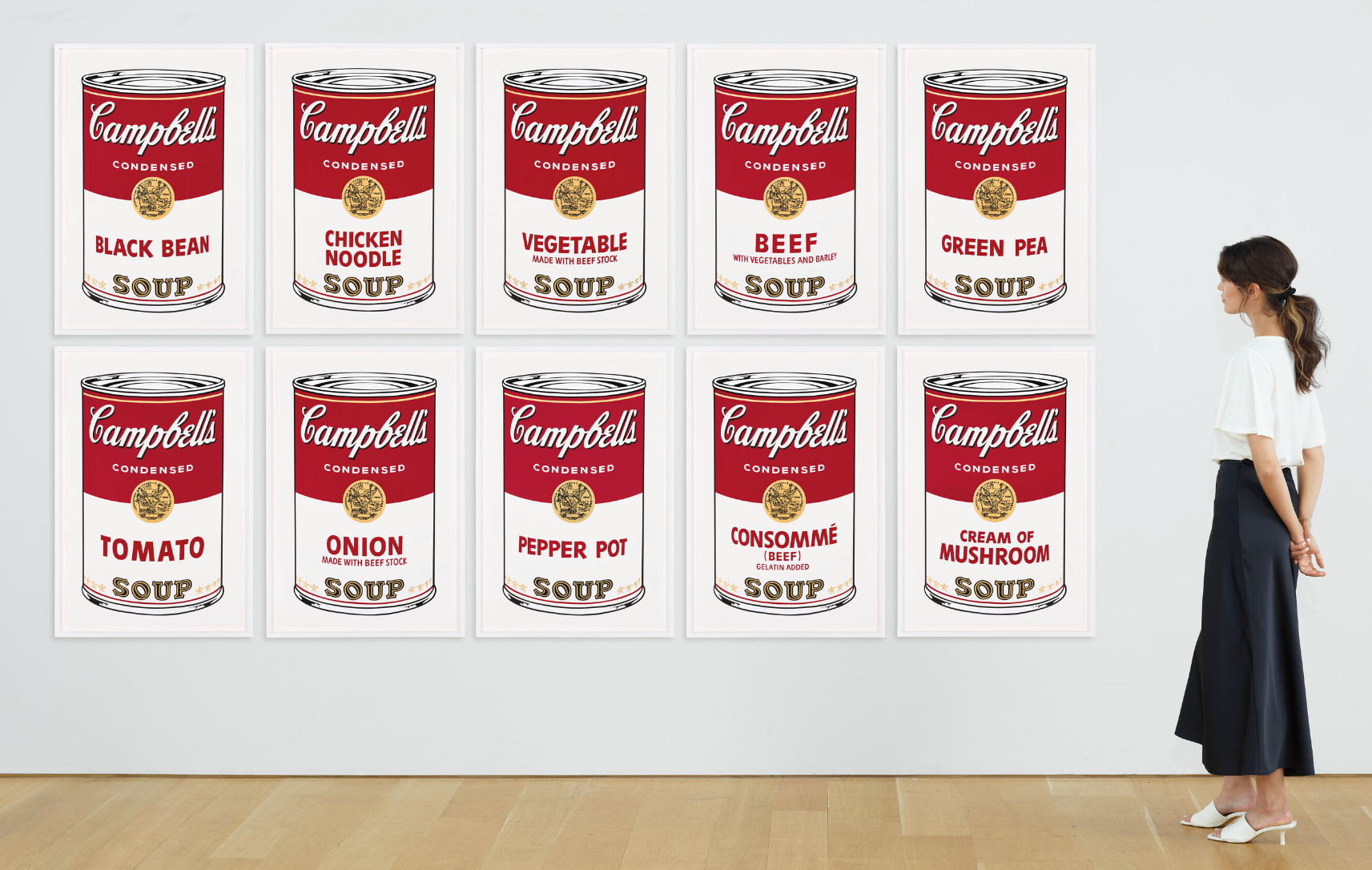
ANDY WARHOL (1928-1987)
Campbell’s Soup I, 1968
Screenprint in colors on smooth wove paper, in ten parts
Each: 35×23 inches (89 x 58.5 cm)
Each: signed ‘Andy Warhol’ in ball point pen and stamped with the number ‘203⁄250’ (on the reverse)
This work is number two hundred and three from an edition of two hundred and fifty plus twenty-six artist’s proofs
#39. Damien Hirst
Christie’s London: 7 March 2024
Estimated: GBP 650,000 – 850,000
GBP 819,000 / USD 1,038,492
DAMIEN HIRST (B. 1965), Veil of Serendipity | Christie’s (christies.com)
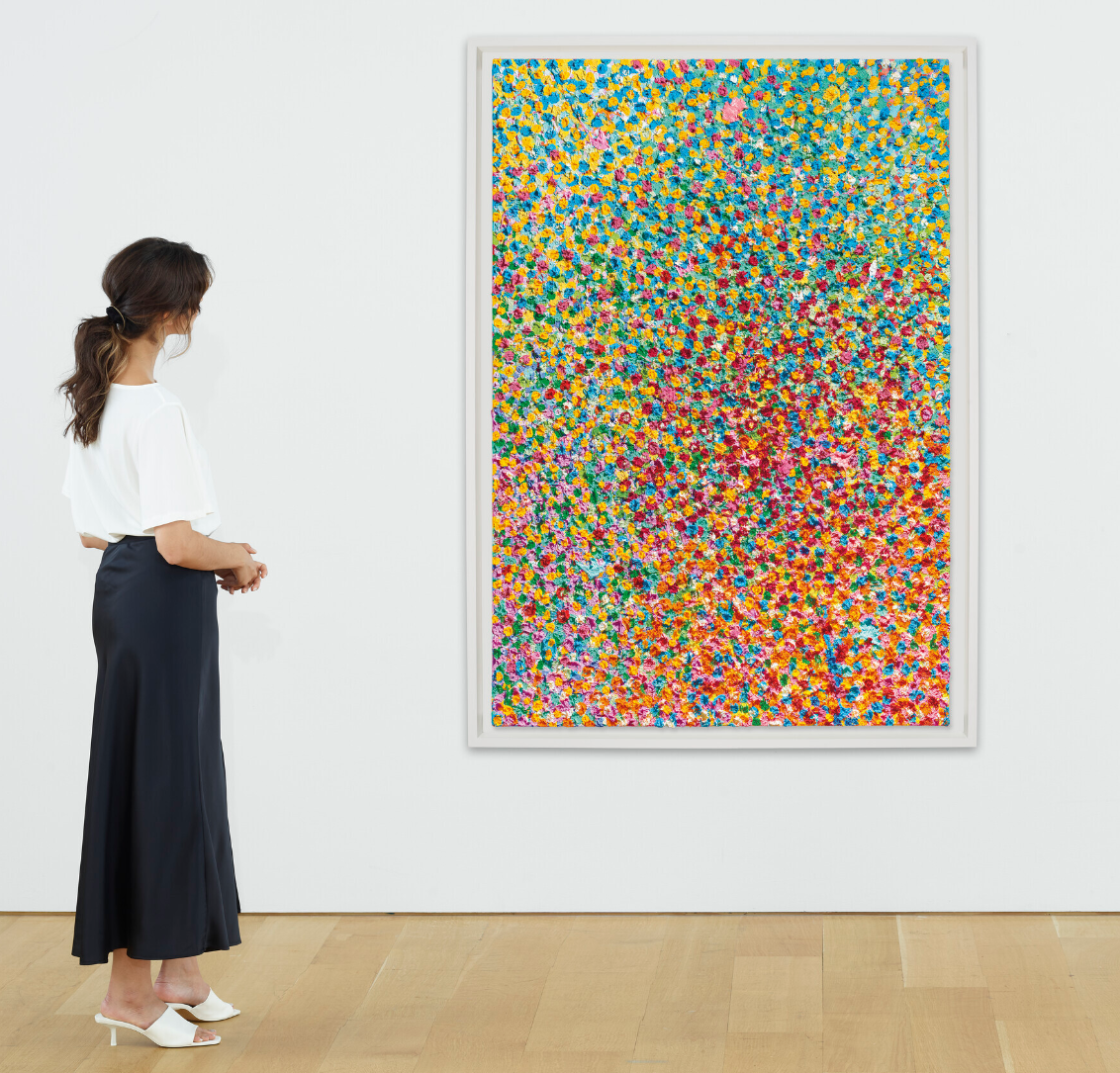
DAMIEN HIRST (B. 1965)
Veil of Serendipity, 2017
Oil on canvas
66×45 inches (167.8 x 114.3 cm)
Signed, titled and dated ‘Damien Hirst Veil of Serendipity 2017’ (on the reverse)
#44. Alighiero Boetti
Christie’s London: 7 March 2024
Estimated: GBP 550,000 – 750,000
GBP 693,000 / USD 878,724
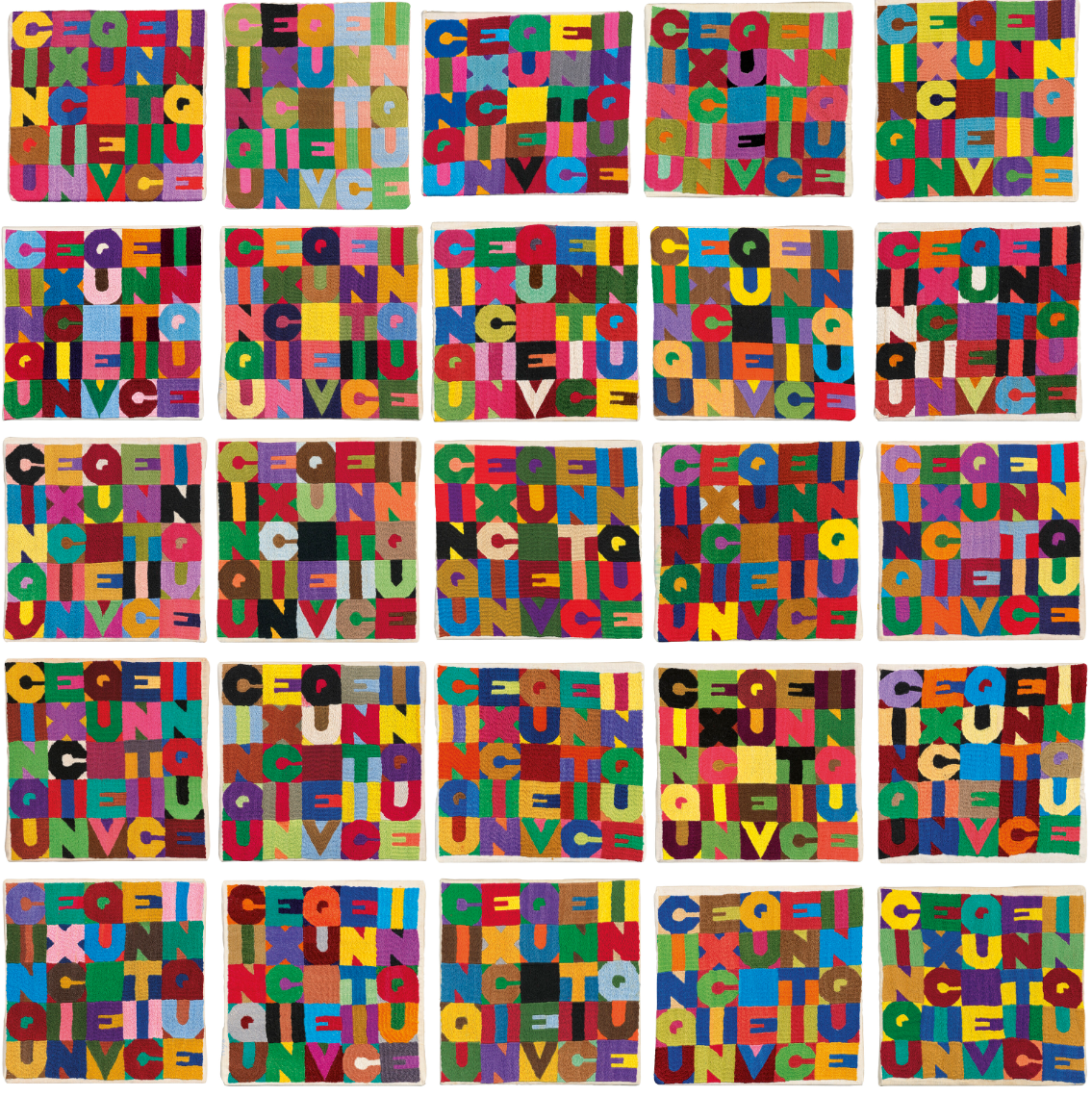
ALIGHIERO BOETTI (1940-1994)
Cinque x cinque venticinque (Five times five twenty-five), 1988
Twenty-five embroideries on linen
Smallest: 21.1 x 22 cm (8 1/4 x 8 5/8 inches)
Largest: 23 x 22.7 cm (9 x 8 7/8 inches)
(i)-(xxv) signed ‘alighiero e boetti’ (on the overlap)
(xvi),(xviii) inscribed ‘PESHAWAR PAKISTAN BY AFGHAN PEOPLE’ (on the overlap)
#45. Alex Katz
Christie’s London: 7 March 2024
Estimated: GBP 400,000 – 600,000
GBP 655,200 / USD 830,794
ALEX KATZ (B. 1927), Isca | Christie’s (christies.com)
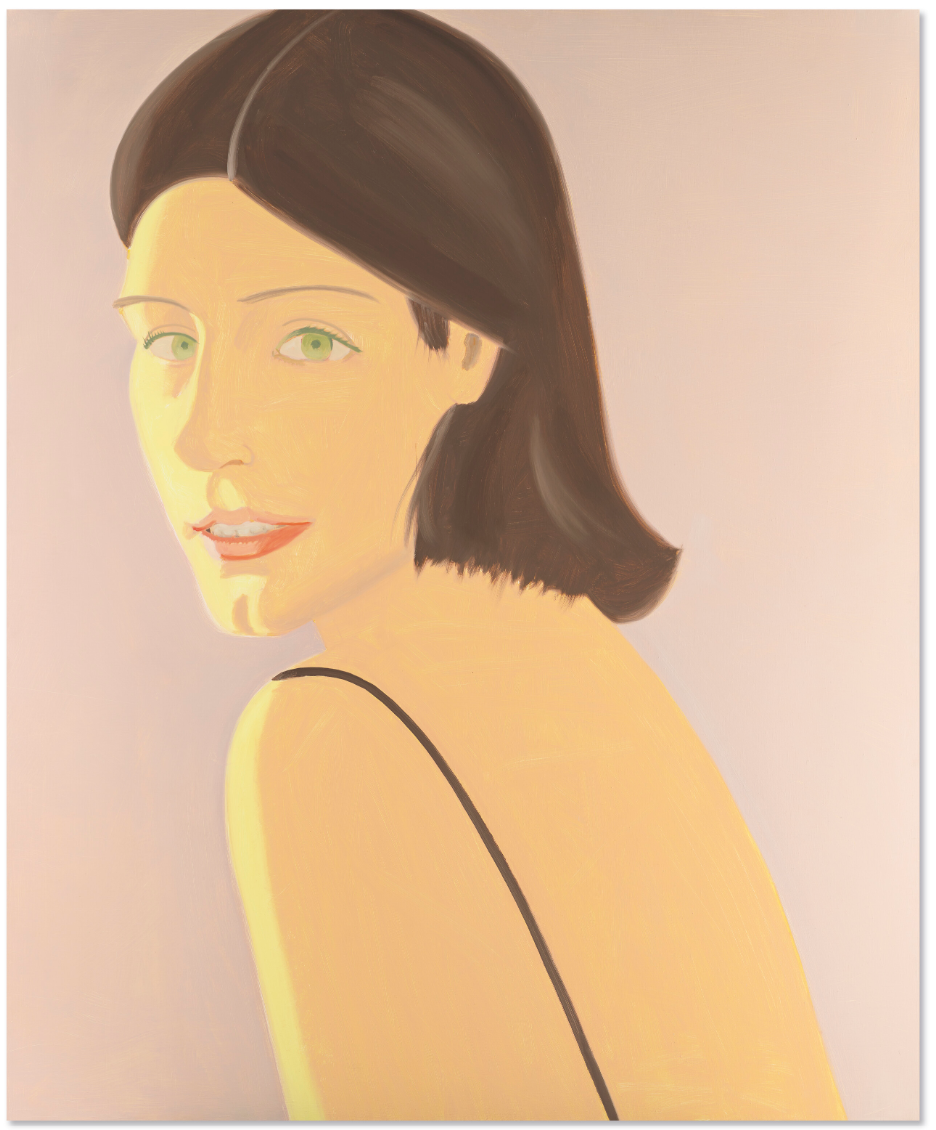
ALEX KATZ (B. 1927)
Isca, 2001
Oil on linen
72×60 inches (183 x 152.4 cm)
#52. Nicolas Party
Christie’s London: 7 March 2024
Estimated: GBP 500,000 – 700,000
GBP 453,600 / USD 575,165
NICOLAS PARTY (B. 1980), Back with a Red Hat | Christie’s (christies.com)
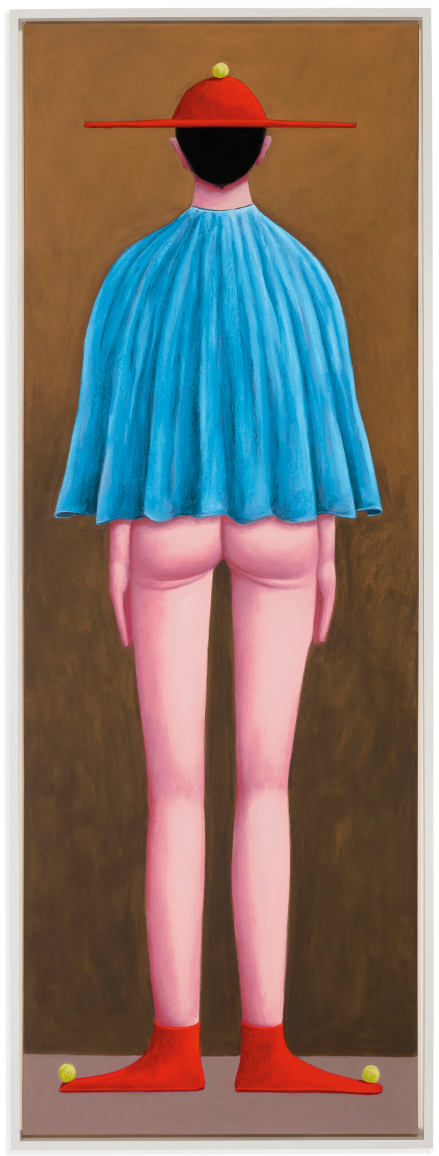
NICOLAS PARTY (B. 1980)
Back with a Red Hat, 2017
Soft pastel on linen
228 x 81.3 cm (89 3/4 x 32 inches)
Signed and dated ‘Nicolas Party 2017’ (on the reverse)
#58. Damien Hirst
Christie’s London: 7 March 2024
Estimated: GBP 220,000 – 280,000
GBP 252,000 / USD 319,536
DAMIEN HIRST (B. 1965), I Need You | Christie’s (christies.com)
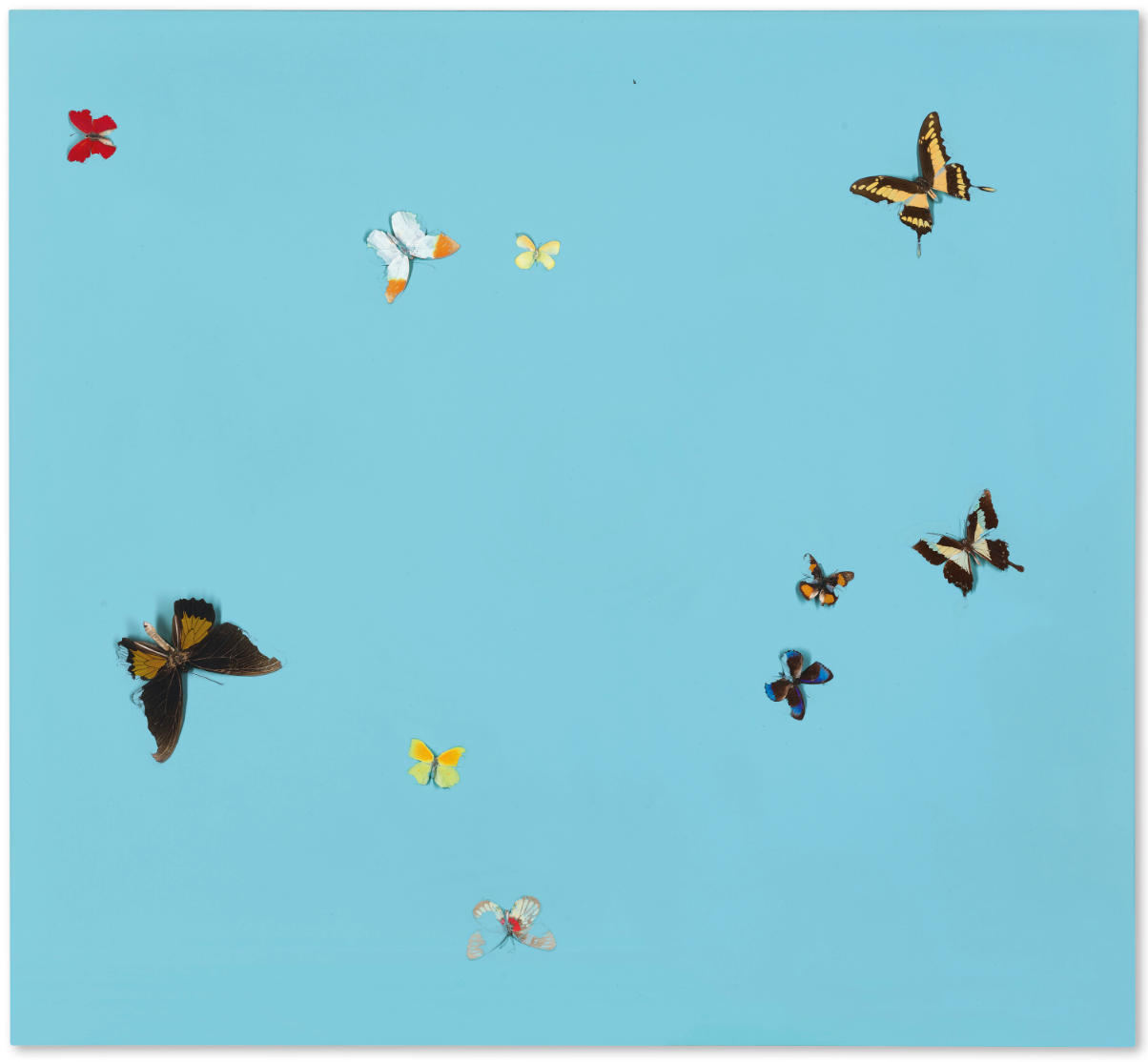
DAMIEN HIRST (B. 1965)
I Need You, 1998
Butterflies and household gloss on canvas
36×40 inches (91.4 x 101.6 cm)
Signed, titled and dated ‘I need you. 98. Damien Hirst’ (on the overlap)
Signed ‘D Hirst’ (on the stretcher)
#61. Christina Quarles
Christie’s London: 7 March 2024
Estimated: GBP 200,000 – 300,000
GBP 226,800 / USD 287,582
CHRISTINA QUARLES (B. 1985), Then Tha Dust Settles | Christie’s (christies.com)
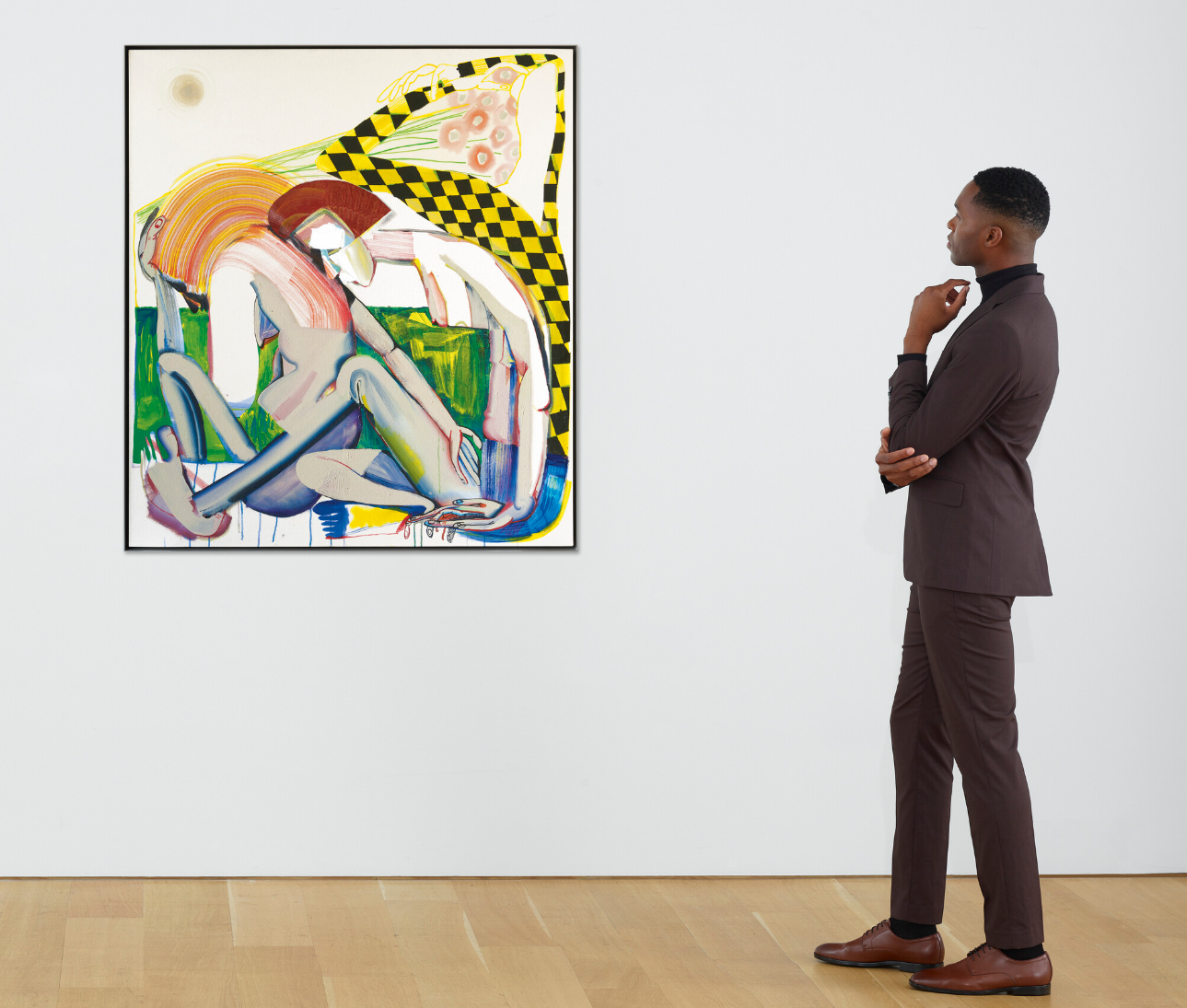
CHRISTINA QUARLES (B. 1985)
Then Tha Dust Settles, 2017
Acrylic on canvas
56×50 inches (142×127 cm)
Signed, titled and dated ‘C Quarles 2017 “THEN THA DUST SETTLES” (on the reverse)
#65. Caroline Walker
Christie’s London: 7 March 2024
Estimated: GBP 150,000 – 200,000
GBP 189,000 / USD 239,652
CAROLINE WALKER (B. 1982), Ward Round I | Christie’s (christies.com)
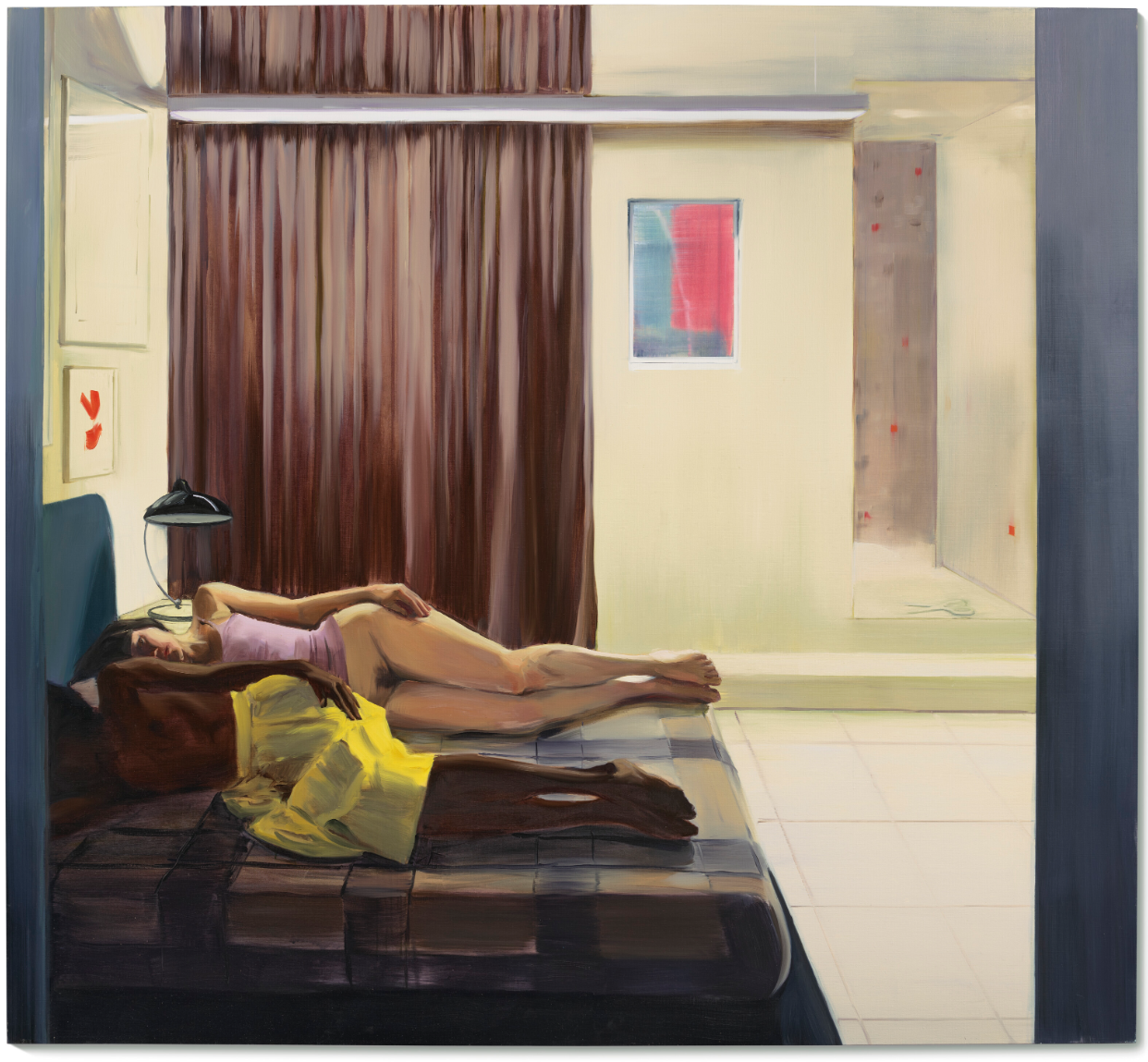
CAROLINE WALKER (B. 1982)
Ward Round I, 2012
Oil on linen
82 5/8 x 90 5/8 inches (210 x 230.2 cm)
Signed, titled and dated ‘”WARD ROUND I” Caroline Walker 2012’ (on the reverse)
#66. Salvo
Christie’s London: 7 March 2024
Estimated: GBP 100,000 – 150,000
GBP 176,400 / USD 223,675
SALVO (1947-2015), Untitled | Christie’s (christies.com)
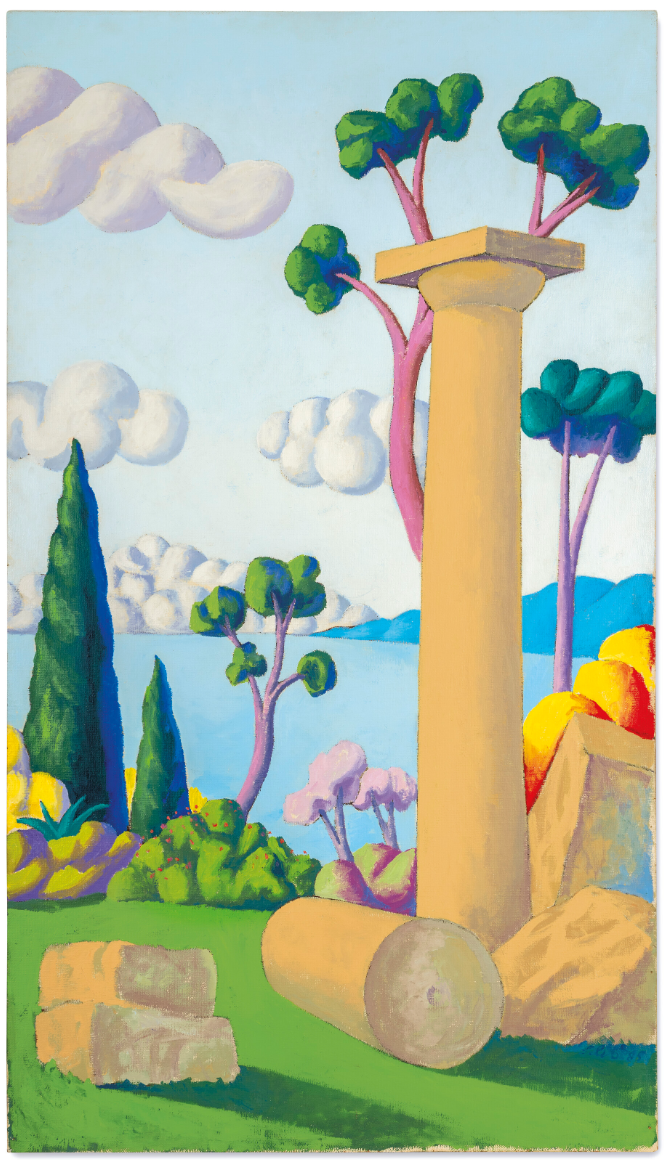
SALVO (1947-2015)
Untitled, 1985
Oil on jute
202×115 cm (79 1/2 x 45 1/4 inches)
Signed and dated ‘Salvo 85’ (lower right)
The Art of The Surreal Evening Sale
7 March 2024
The Art of the Surreal Evening Sale (christies.com)
Turnover
GBP 58,986,300
USD 74,794,628
25 Lots
Unsold: 3 Lots
Sold: 22 Lots
Sell-Through Rate: 88.0%
#1. Rene Magritte
Christie’s London: 7 March 2024
Estimated: GBP 30,000,000 – 50,000,000
GBP 33,660,000 / USD 42,680,880
RENÉ MAGRITTE (1898-1967)
L’ami intime, 1958
Oil on canvas
72.6 x 64.9 cm (28 5/8 x 25 1/2 inches)
Signed ‘Magritte’ (lower left)
#2. Rene Magritte
Christie’s London: 7 March 2024
Estimated: GBP 3,000,000 – 5,000,000
GBP 4,638,000 / USD 5,880,984
RENÉ MAGRITTE (1898-1967)
La magie noire, 1942
oil on canvas
73×54 cm (28 3/4 x 21 1/4 inches)
Signed ‘Magritte’ (lower right)
#3. Rene Magritte
Christie’s London: 7 March 2024
Estimated: GBP 2,400,000 – 3,000,000
GBP 3,912,000 / USD 4,960,416
RENÉ MAGRITTE (1898 – 1967)
Le paysage de Baucis, 1966
Gouache on paper
27.2 x 21.1 cm (10 3/4 x 8 1/4 inches)
Signed ‘Magritte’ (upper right)
Signed, dated and titled ‘”LE PAYSAGE DE BAUCIS” Magritte 1966’ (on the reverse)
#4. Joan Miro
Christie’s London: 7 March 2024
Estimated: GBP 2,700,000 – 3,500,000
GBP 3,428,000 / USD 4,346,704
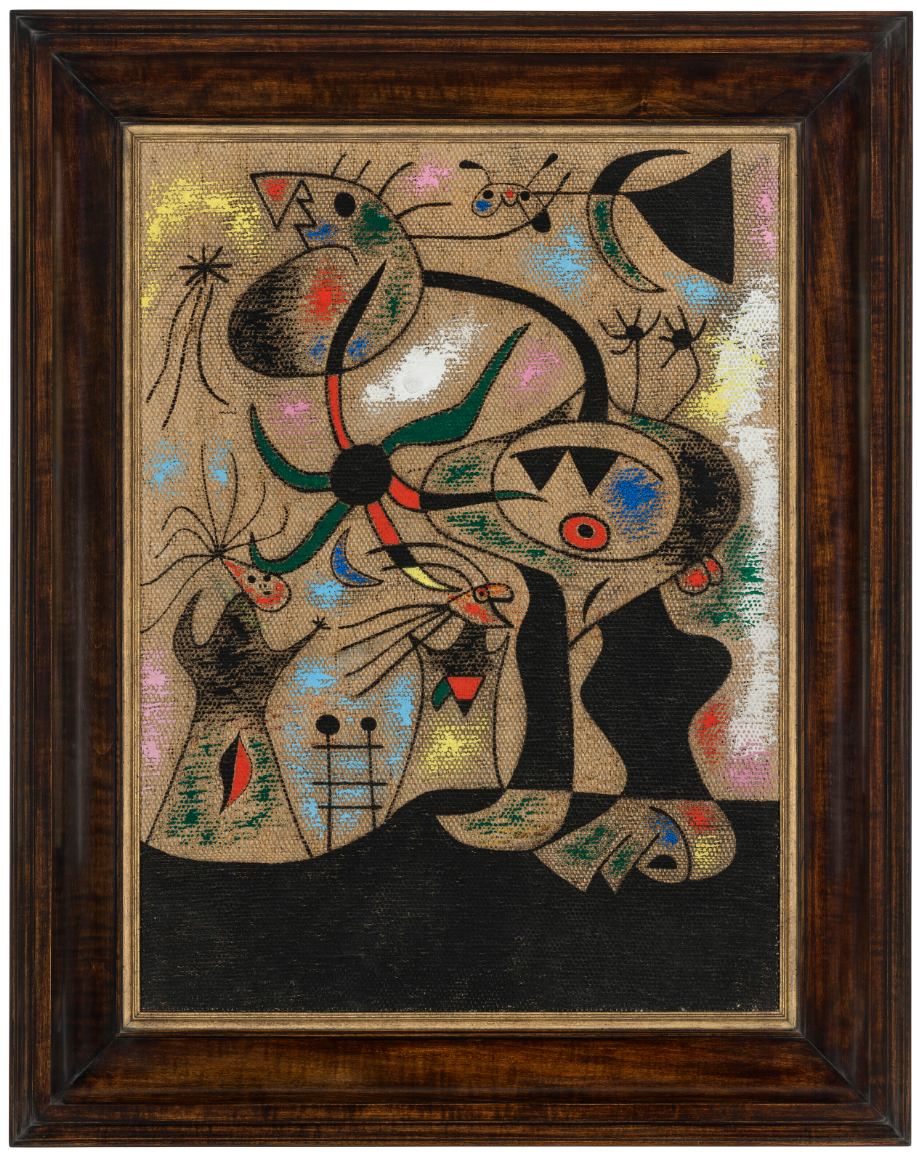
JOAN MIRÓ (1893-1983)
L’échelle de l’évasion (The Escape Ladder), 1939
Oil on burlap
73.5 x 54.3 cm (28 7/8 x 21 3/8 inches)
Signed ‘Miró’ (centre left)
#5. Francis Picabia
Christie’s London: 7 March 2024
Estimated: GBP 2,200,000 – 2,800,000
GBP 2,702,000 / USD 4,426,136
Francis Picabia (christies.com)
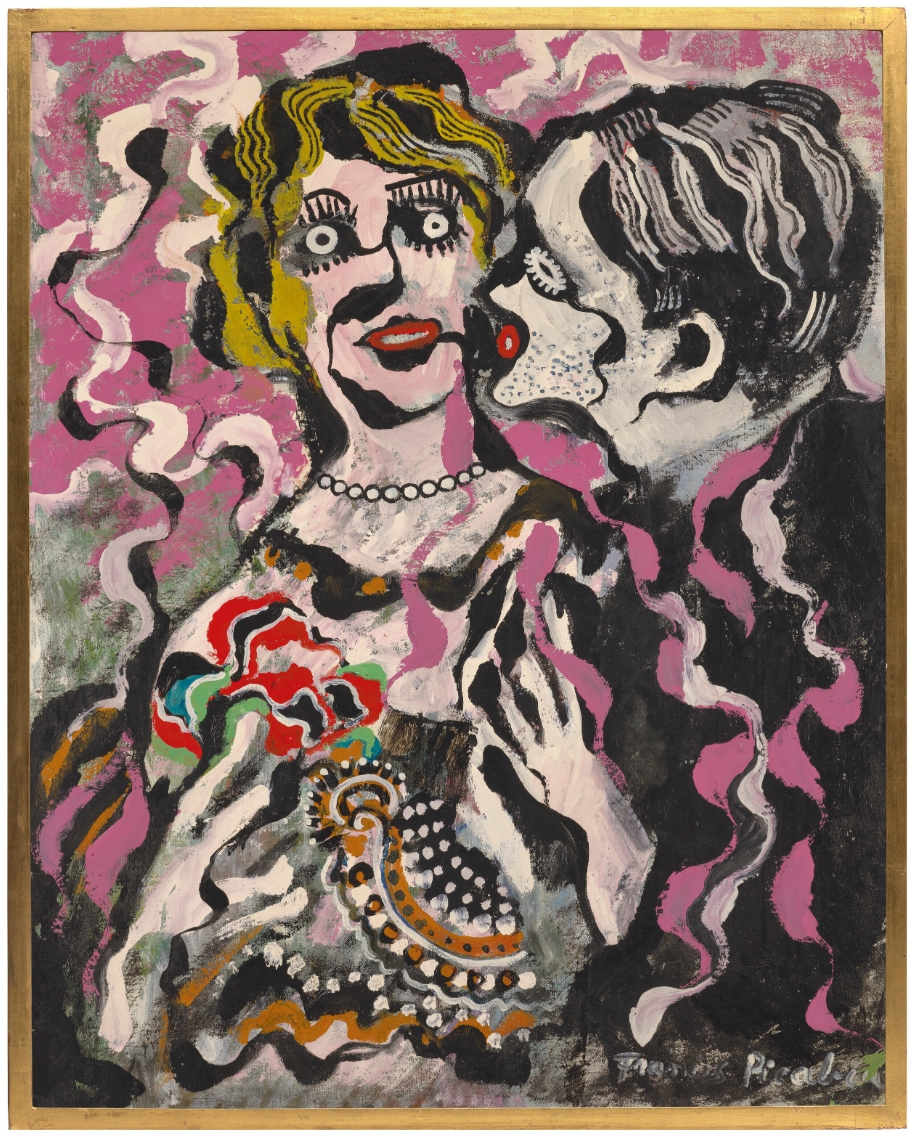
FRANCIS PICABIA (1879-1953)
Veglione, circa 1924-1925
Ripolin and oil on canvas
91.9 x 73.2 cm (36 1/8 x 28 7/8 inches)
Signed ‘Francis Picabia’ (lower right)
#6. Salvador Dali
Christie’s London: 7 March 2024
Estimated: GBP 1,600,000 – 2,400,000
GBP 1,976,000 / USD 2,505,568
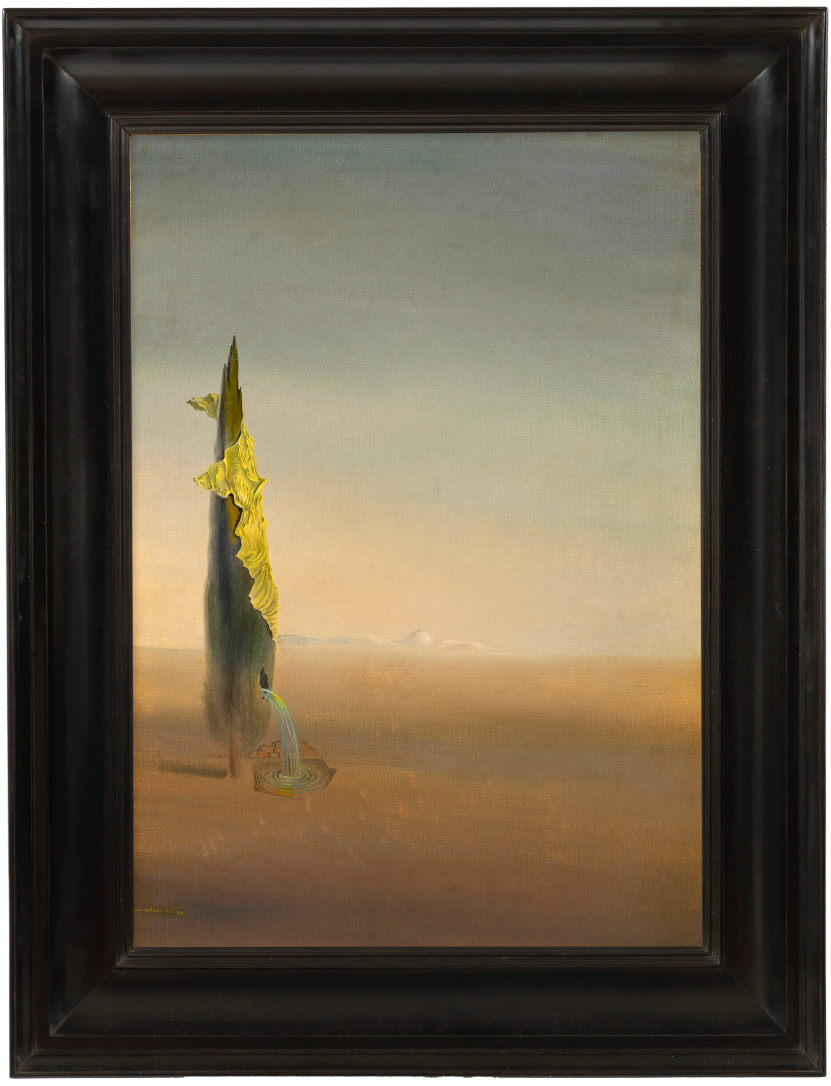
SALVADOR DALÍ (1904-1989)
The Birth of Liquid Anguish (Naissance des angoisses liquides), 1932
Oil on canvas
54.5 x 38 cm (21 1/2 x 15 inches)
Signed and dated ‘Gala Salvador. Dali 1932’ (lower left)
#7. Rene Magritte
Christie’s London: 7 March 2024
Estimated: GBP 450,000 – 650,000
GBP 1,492,000 / USD 1,891,856
RENÉ MAGRITTE (1898-1967)
Le principe d’Archimède, 1952
Gouache on paper
15.1 x 17.8 cm (6×7 inches)
Signed ‘Magritte’ (lower left)
#8. Rene Magritte
Christie’s London: 7 March 2024
Estimated: GBP 600,000 – 900,000
GBP 1,250,000 / USD 1,585,000
RENÉ MAGRITTE (1898-1967)
Le duo, 1928
Oil on canvas
73×54 cm (28 3/4 x 21 1/4 inches)
Signed ‘Magritte’ (upper left); inscribed “LE DUO” (on the turnover edge)
2.2. Day Sales
Post War and Contemporary Art Day Sale
9 March 2024
Post-War and Contemporary Art Day Sale (christies.com)
Turnover:
GBP 14,541,660
USD 18,438,825
170 Lots
# Lots Unsold: 27
# Lots Sold: 143
Sell-Through Rate: 84.1%
Above Estimates:
Within Estimates:
Below Estimates:
Unsold:
Top Lot
GBP 1,379,000 / USD
#1. Keith Haring
Christie’s London: 9 March 2024
Estimated: GBP 600,000 – 800,000
GBP 945,000 / USD 1,198,260
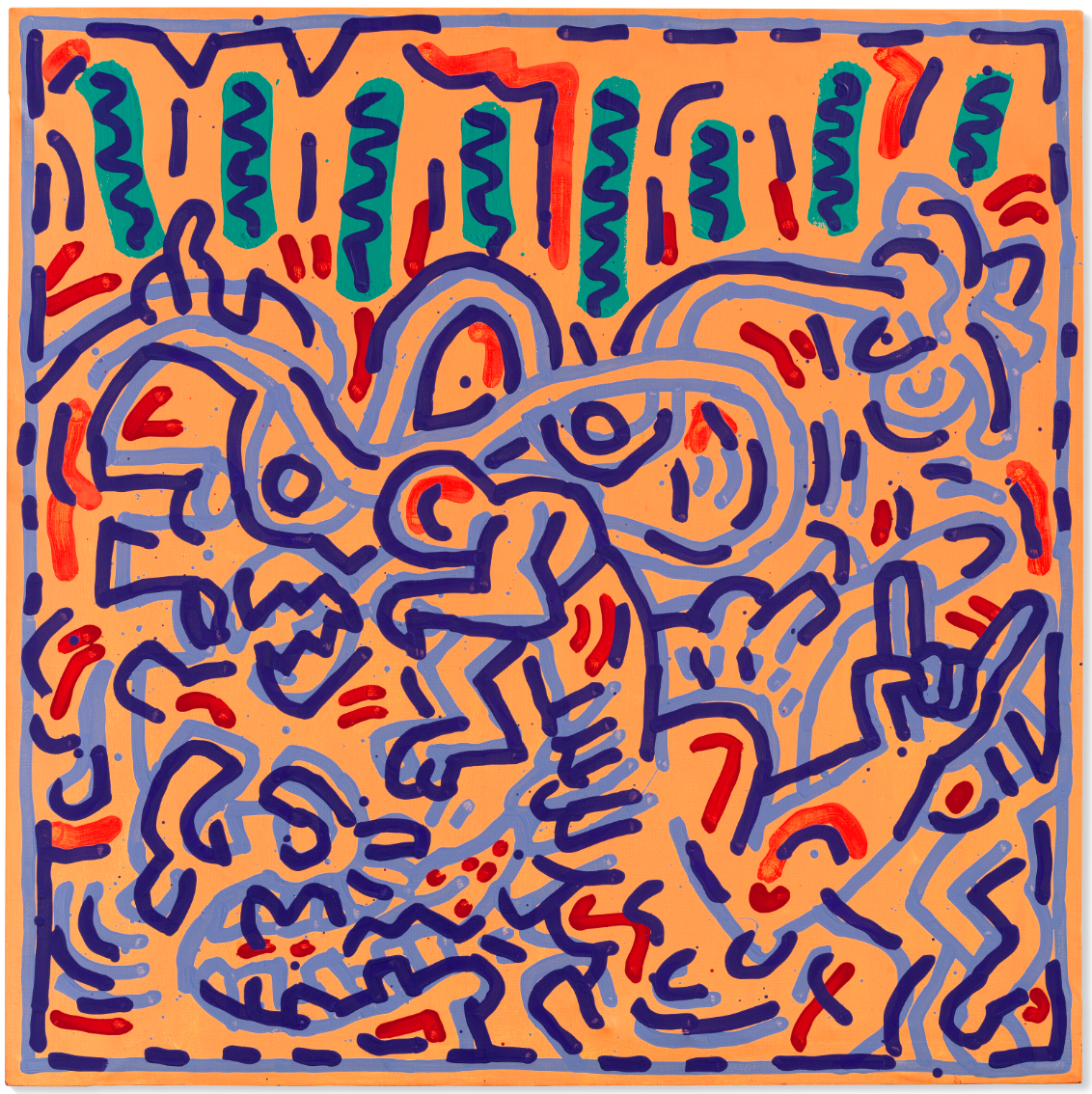
KEITH HARING (1958-1990)
Untitled, 1984
Acrylic on canvas
39 3/8 x 39 3/8 inches (100×100 cm)
signed, inscribed and dated ‘K.Haring JUN 9 – 1984 MILANO’ (on the overlap)
#2. Alex Katz
Christie’s London: 9 March 2024
Estimated: GBP 400,000 – 600,000
GBP 604,800 / USD 766,886
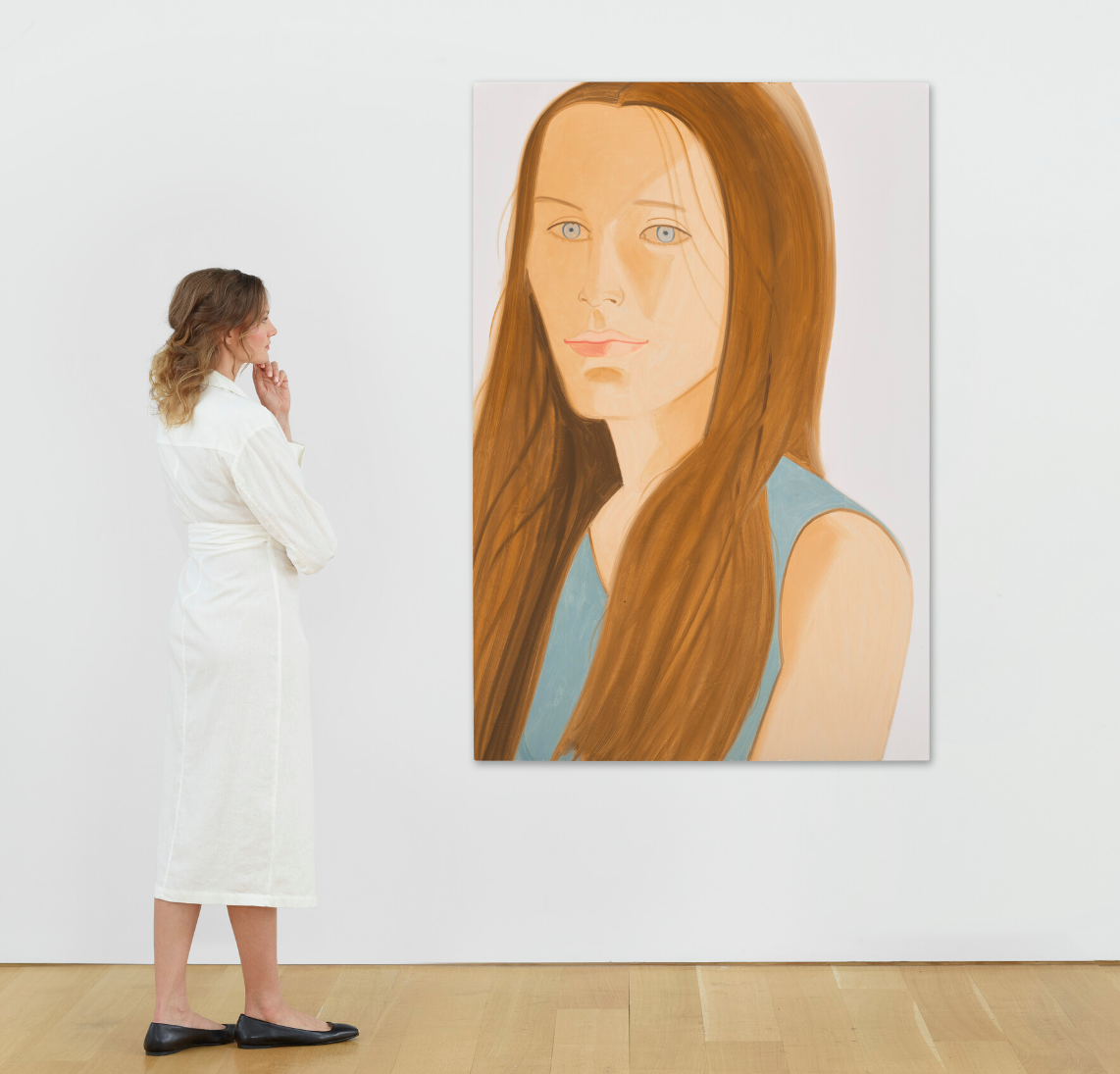
ALEX KATZ (B. 1927)
Sophie, 2003
Oil on canvas
72 x 48 1/4 inches (183 x 122.5 cm)
Signed and dated twice ‘Alex Katz 03 Alex Katz 03’ (on the overlap)
#3. Gunther Forg
Christie’s London: 9 March 2024
Estimated: GBP 400,000 – 600,000
GBP 567,000 / USD 718,956
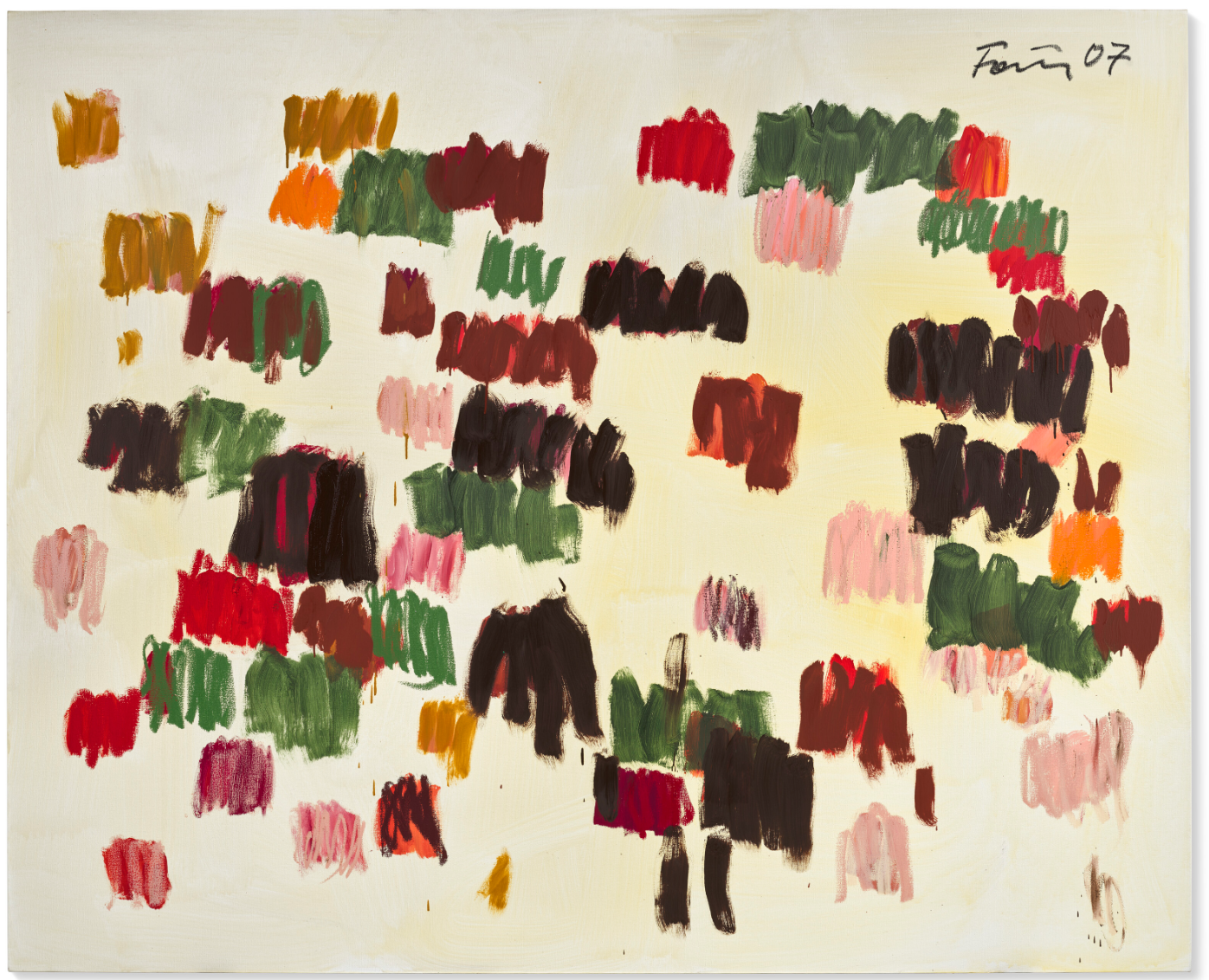
GÜNTHER FÖRG (1952-2013)
Untitled, 2007
Acrylic and oil on canvas
175.6 x 215.3 cm (69 1/8 x 84 3/4 inches)
Signed and dated ‘Förg 07’ (upper right)
#4. Yayoi Kusama
Christie’s London: 9 March 2024
Estimated: GBP 250,000 – 350,000
GBP 516,600 / USD 655,049
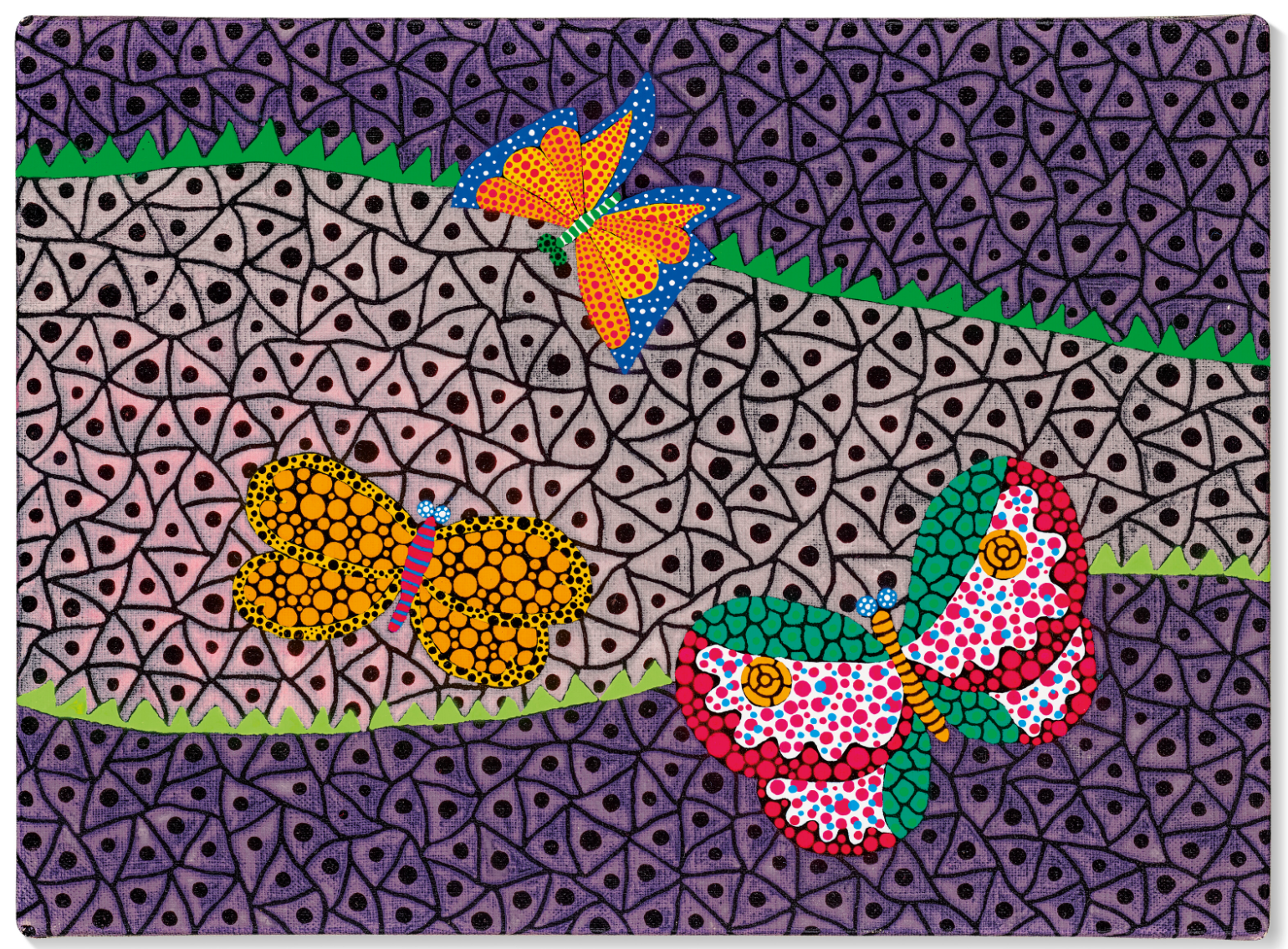
YAYOI KUSAMA (B. 1929)
Butterflies, 2003
Acrylic on canvas
24.2 x 33.3 cm (9 1/2 x 13 1/8 inches)
Signed, signed in Japanese, titled, titled in Japanese and dated ‘Yayoi Kusama 2003 “BUTTERFLIES”‘ (on the reverse)
#5. Georg Baselitz
Christie’s London: 9 March 2024
Estimated: GBP 400,000 – 600,000
GBP 478,800 / USD 607,118
Georg Baselitz (christies.com)
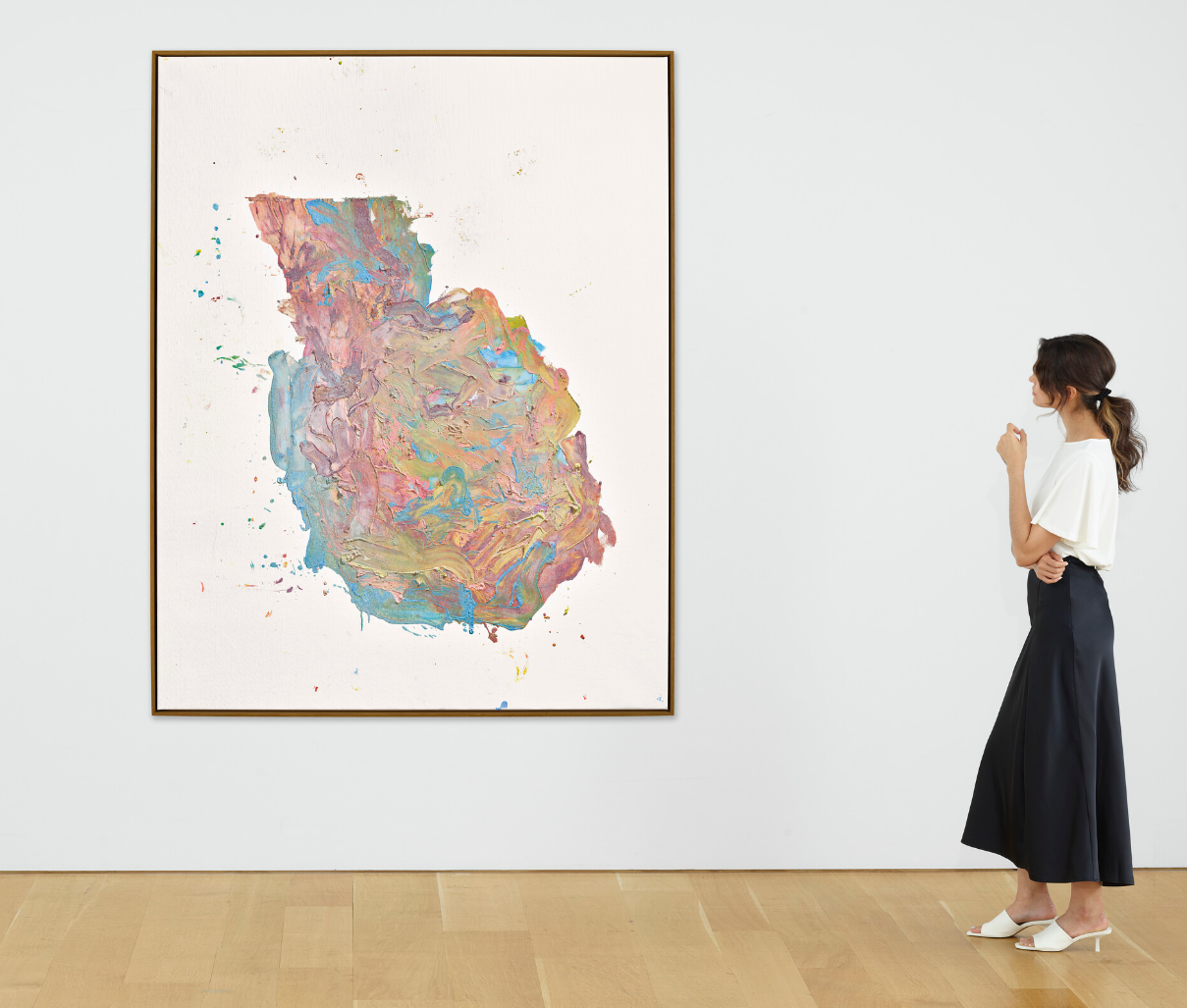
GEORG BASELITZ (B. 1938)
Elke Rayskizeit, 2018
Oil on canvas
208.5 x 162.2 cm (82 1/8 x 63 7/8 inches)
Signed, titled and dated ‘G. Baselitz 28.III 018 Elke Rayskizeit’ (on the reverse); partly dated ’28.III’ (on the stretcher)
#6. Ewa Juszkiewicz
Christie’s London: 9 March 2024
Estimated: GBP 180,000 – 250,000
GBP 378,000 / USD 479,304
Ewa Juszkiewicz (christies.com)
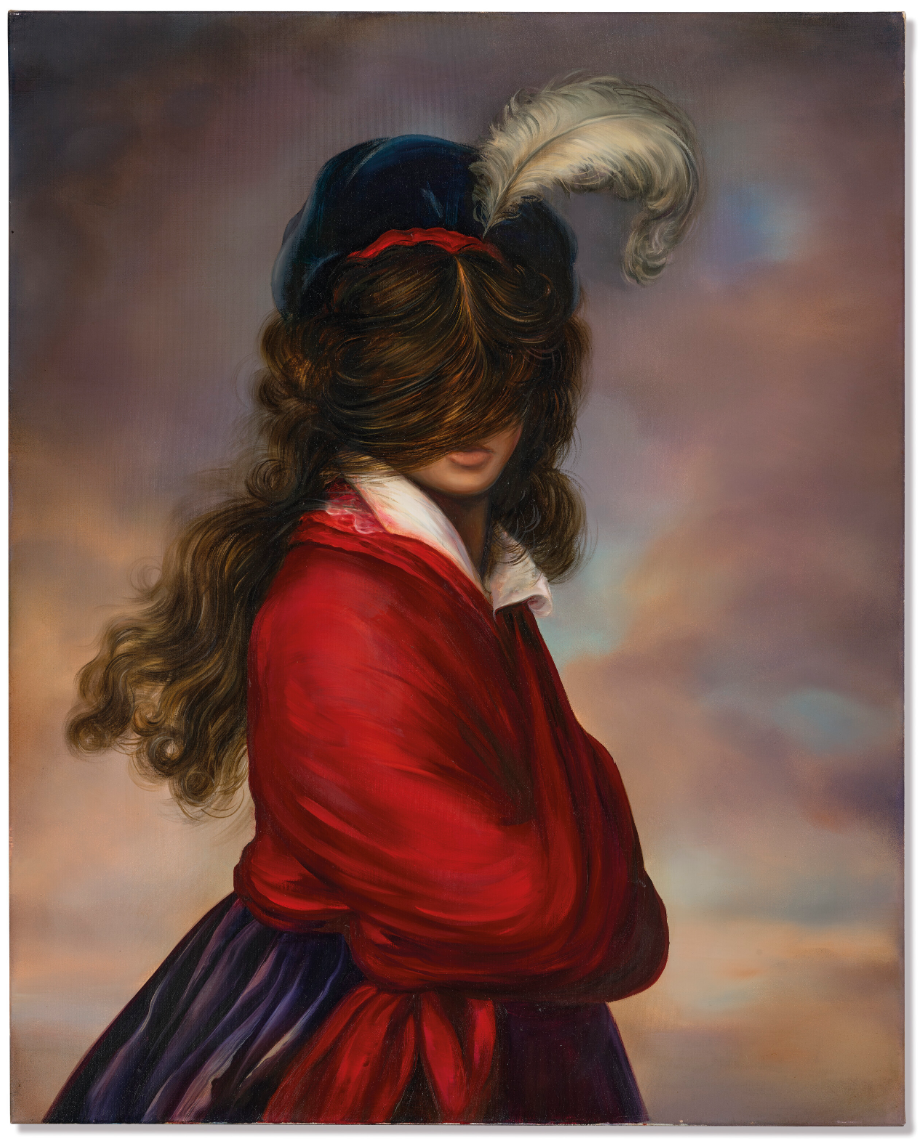
EWA JUSZKIEWICZ (B. 1984)
Untitled (after Elisabeth-Louise Vigée-Le Brun), 2015
Oil on canvas
100×80 cm (39 3/8 x 31 1/2 inches)
Signed and dated ‘Ewa Juszkiewicz 2015’ (on the reverse and the stretcher)
#7. Salvo
Christie’s London: 9 March 2024
Estimated: GBP 80,000 – 120,000
GBP 378,000 / USD 479,304
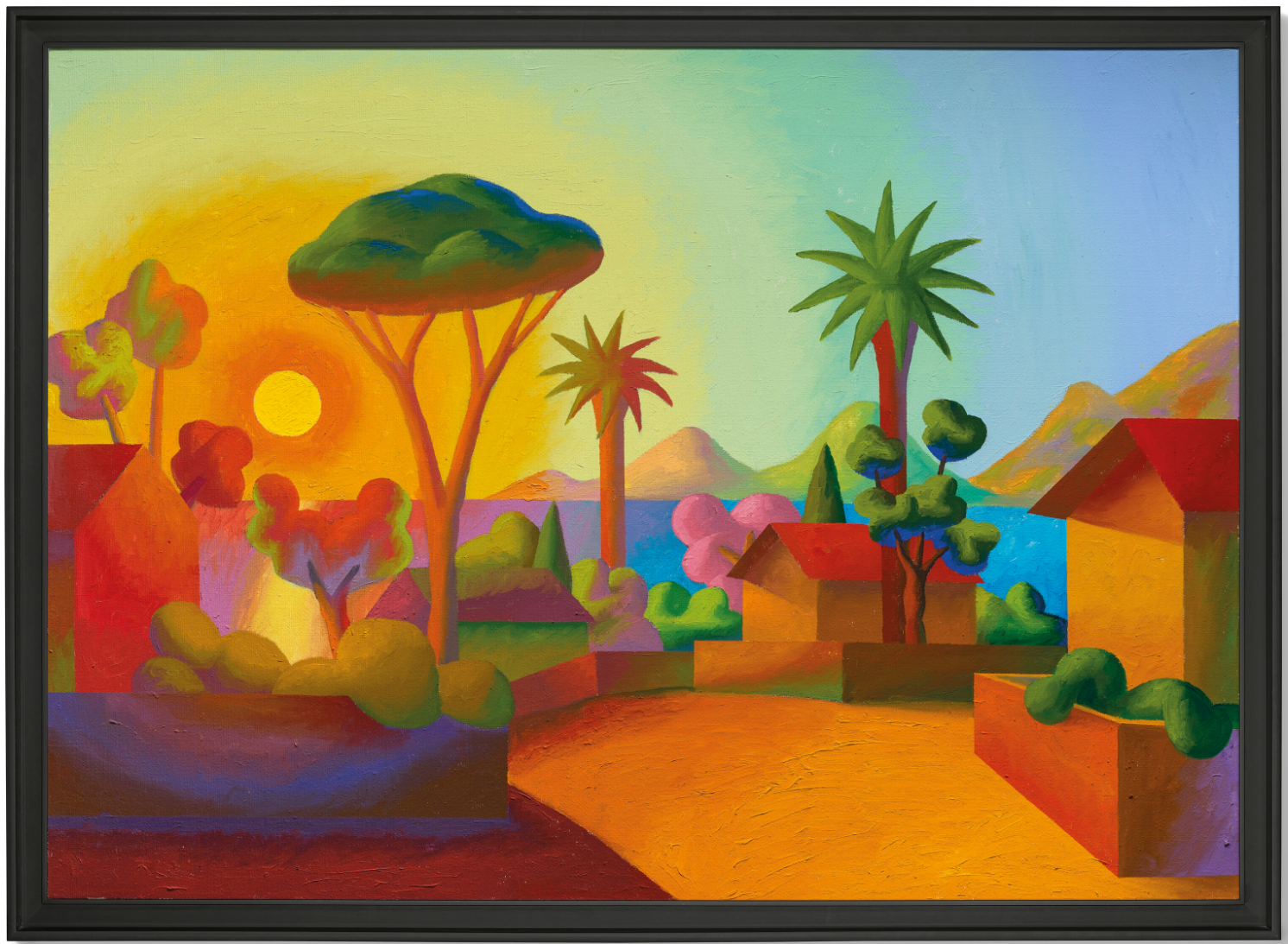
SALVO (1947-2015)
San Nicola Arcella, 2005
Oil on canvas
100.6 x 140.3 cm (39 5/8 x 55 1/4 inches)
Signed and titled ‘Salvo “San Nicola ARCELLA”‘ (on the reverse)
#8. Yoshitomo Nara
Christie’s London: 9 March 2024
Estimated: GBP 150,000 – 200,000
GBP 352,800 / USD 447,350
Yoshitomo Nara (christies.com)

YOSHITOMO NARA (B. 1959)
Kills Fascists, 2012
Colored pencil on cardboard
31.7 x 31.7 cm (12 1/2 x 12 1/2 inches)
Signed with artist’s initials and dated ‘YN 12’ (on the reverse)
#9. Annie Morris
Christie’s London: 9 March 2024
Estimated: GBP 120,000 – 180,000
GBP 327,600 / USD 415,397
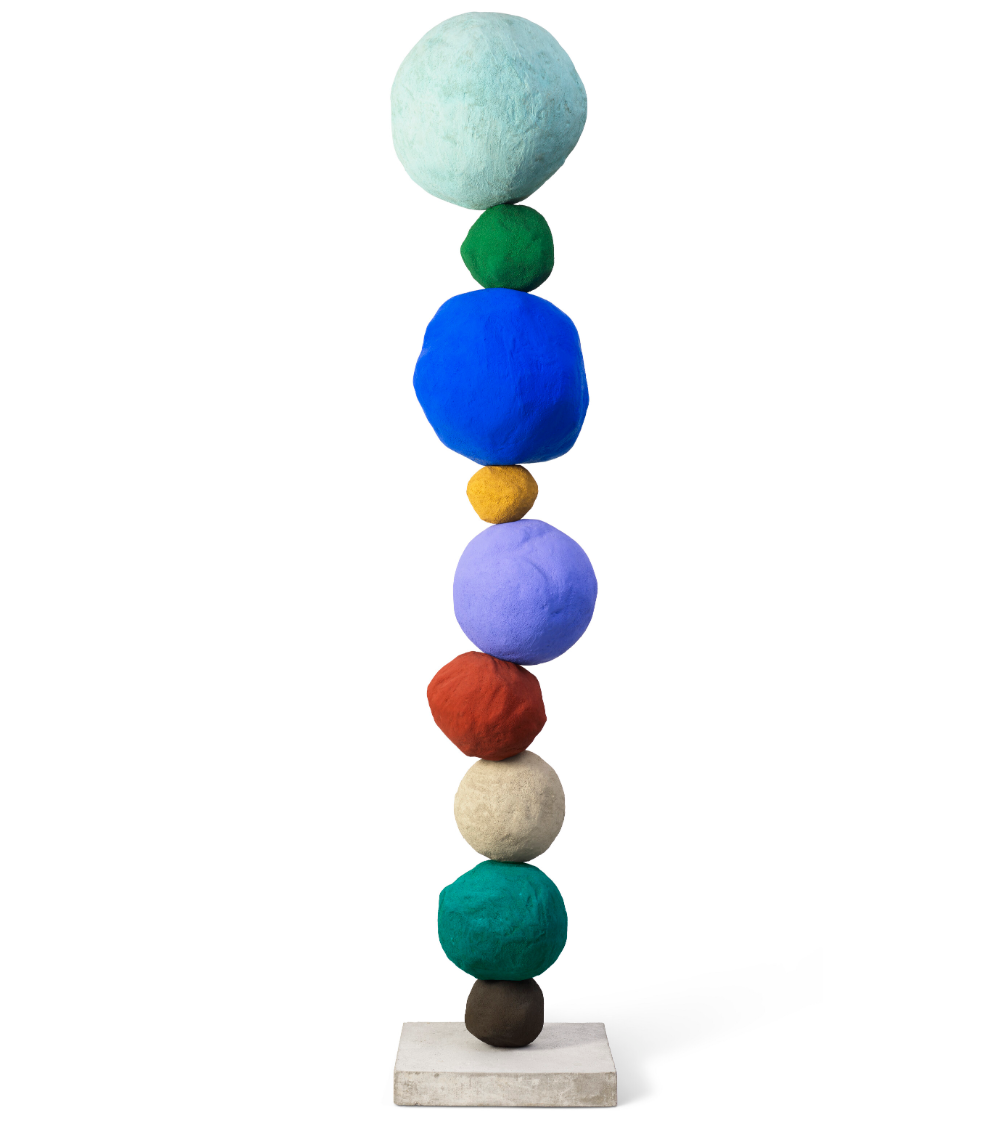
ANNIE MORRIS (B. 1978)
Stack 9, Copper Blue, 2018
Foam core, pigment, plaster, sand, steel and concrete base
Overall: 79 1/4 x 15 3/4 x 15 3/4 inches (201.3 x 40 x 40 cm)
Stamped ‘Annie Morris.’ (on the base)
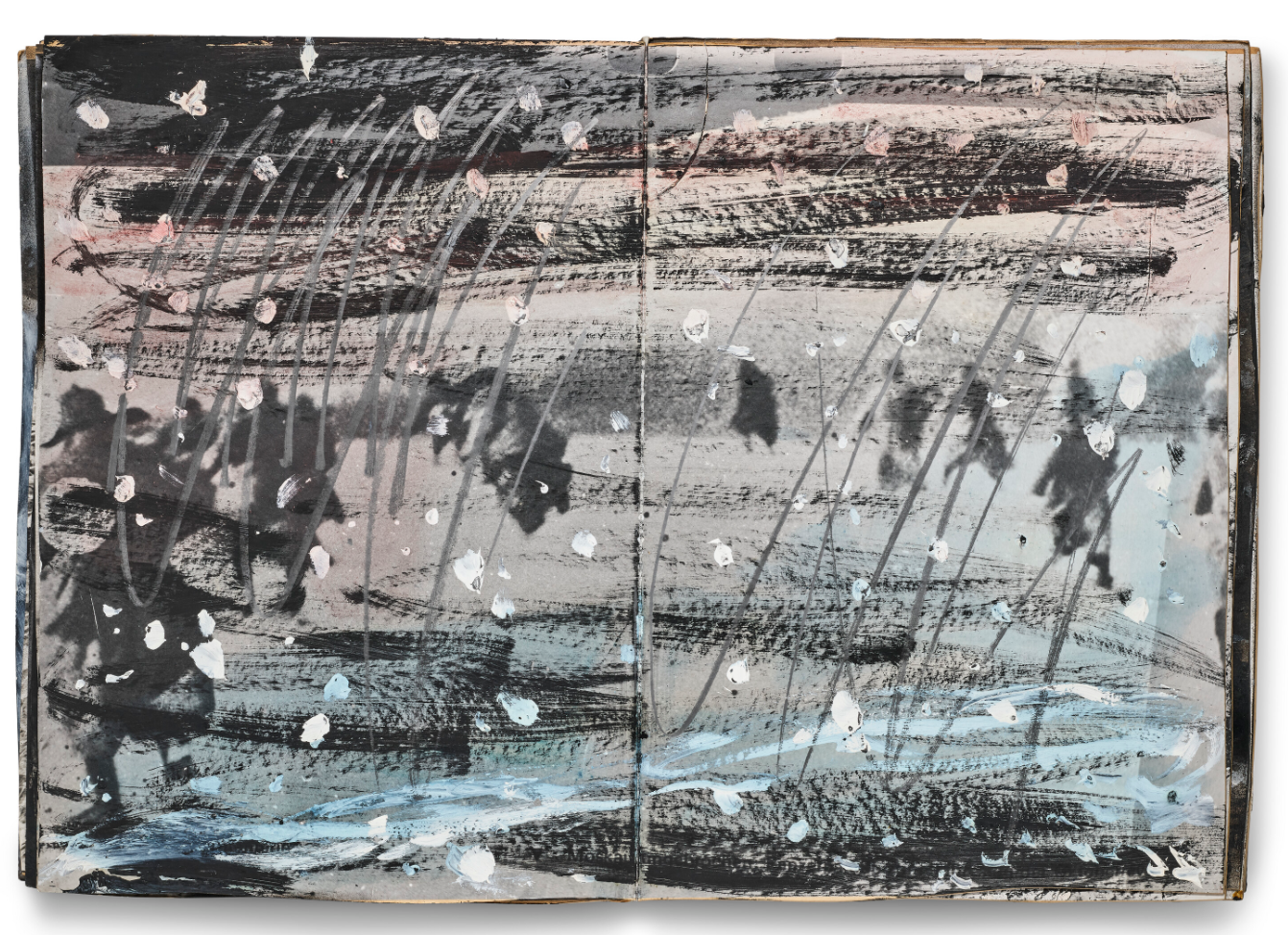
#10. Anselm Kiefer
Christie’s London: 9 March 2024
Estimated: GBP 120,000 – 180,000
GBP 302, 400 / USD 383,443
ANSELM KIEFER (B. 1945), Deutschland in der Nacht (Germany at Night) | Christie’s (christies.com)
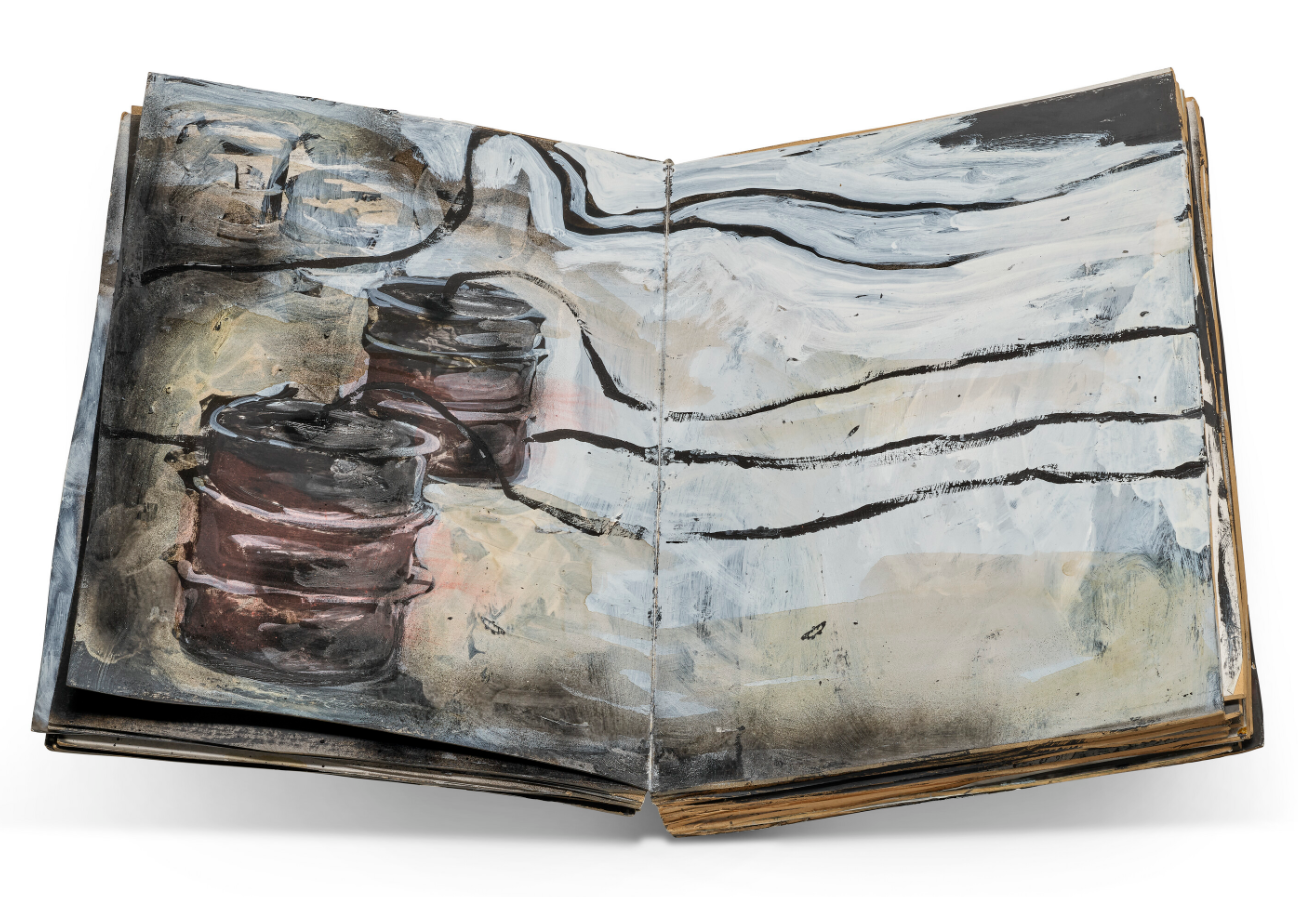
ANSELM KIEFER (B. 1945)
Deutschland in der Nacht (Germany at Night), 1981
Oil, acrylic, emulsion, charcoal, shellac and original photographs on board in cloth binding, twenty-eight pages
Closed: 60.3 x 43 x 11 cm (23 3/4 x 16 7/8 x 4 3/8 inches)
Open: 60.3 x 85.3 x 11 cm (23 3/4 x 33 5/8 x 4 3/8 inches)
Titled ‘Deutschland in der Nacht’ (lower left of the front cover); signed and dated ‘Anselm Kiefer 1981’ (on the back cover)
#11. George Condo
Christie’s London: 9 March 2024
Estimated: GBP 250,000 – 350,000
GBP 302, 400 / USD 383,443
REPEAT SALE
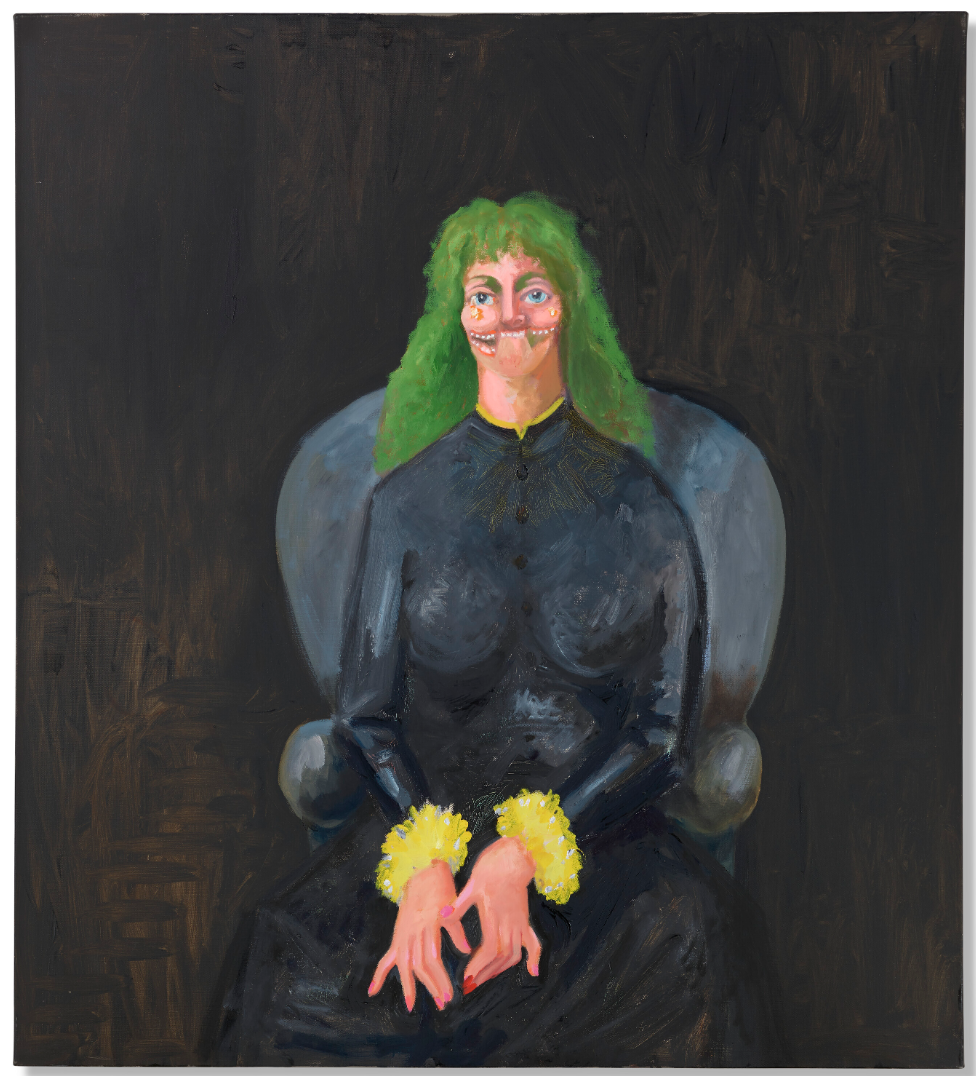
GEORGE CONDO (B. 1957)
Girl with Green Hair, 2009
Oil on canvas
40×36 inches (101.6 x 91.4 cm)
Signed and dated ‘condo 09’ (on the reverse)
#12. Frank Auerbach
Christie’s London: 9 March 2024
Estimated: GBP 180,000 – 250,000
GBP 289,800 / USD 367,466
Frank Auerbach (christies.com)
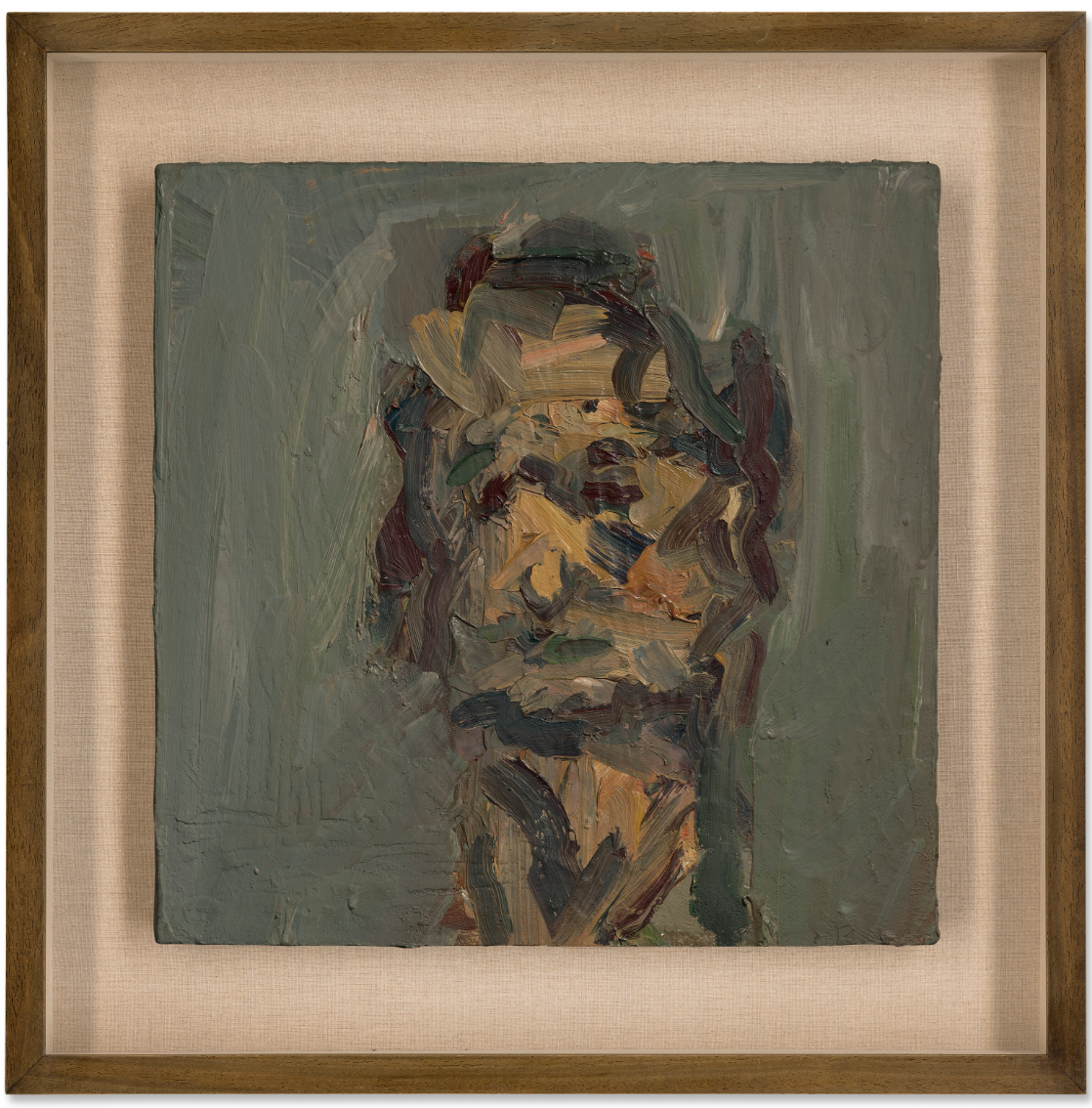
FRANK AUERBACH (B. 1931)
Head of Jake, 2006
Oil on canvas
46×46 cm (18 1/8 x 18 1/8 inches)
#13. Damien Hirst
Christie’s London: 9 March 2024
Estimated: GBP 120,000 – 180,000
GBP 277,200 / USD 351,490
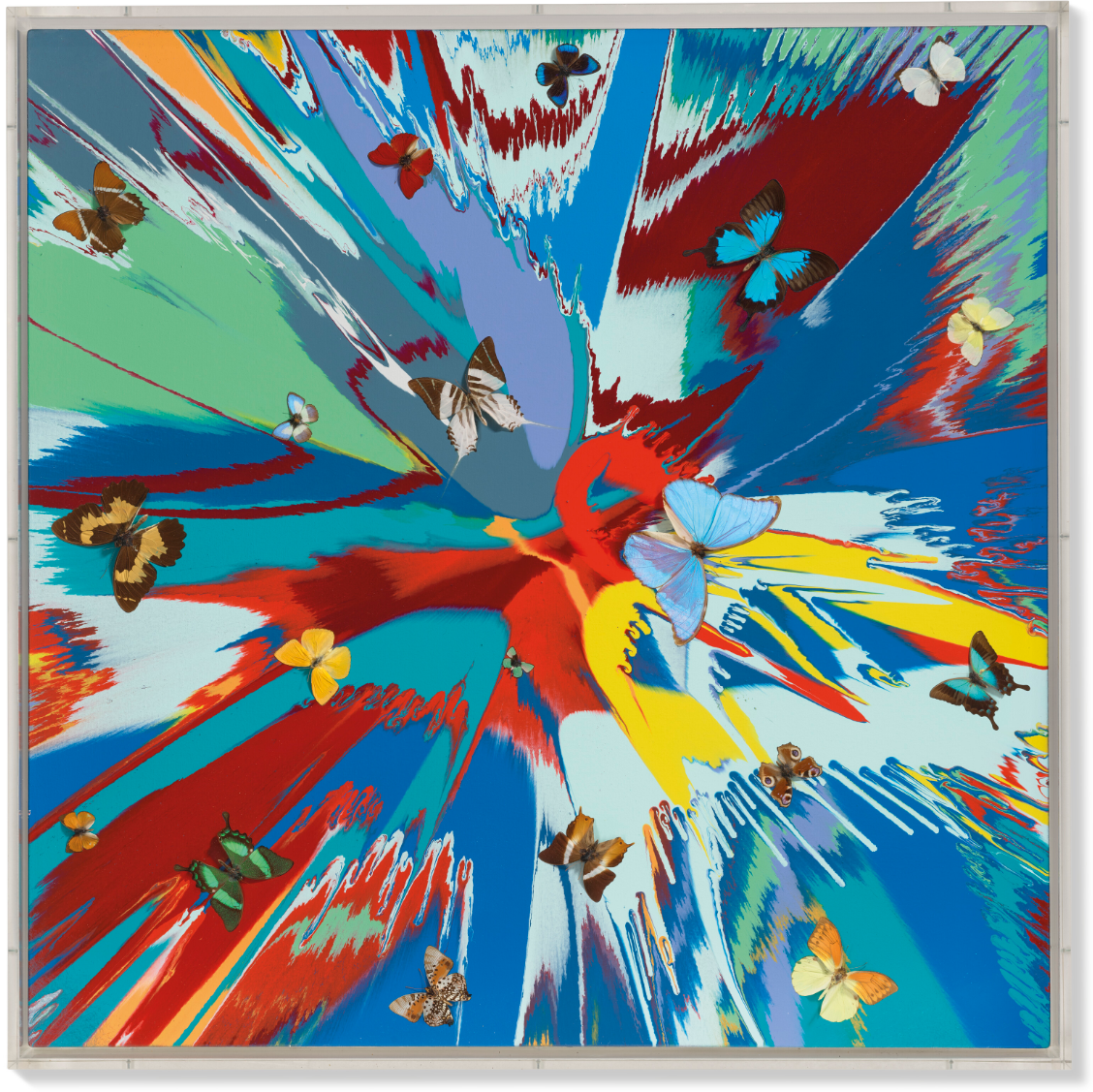
DAMIEN HIRST (B. 1965)
Beautiful Squawk Painting (with Butterflies), 2007
Household gloss and butterflies on canvas
36×36 inches (91×91 cm)
Signed, titled and dated ‘Damien Hirst “Beautiful Squawk Painting” 2007’ (on the reverse)
#14. Yayoi Kusama
Christie’s London: 9 March 2024
Estimated: GBP 250,000 – 350,000
GBP 277,200 / USD 351,490
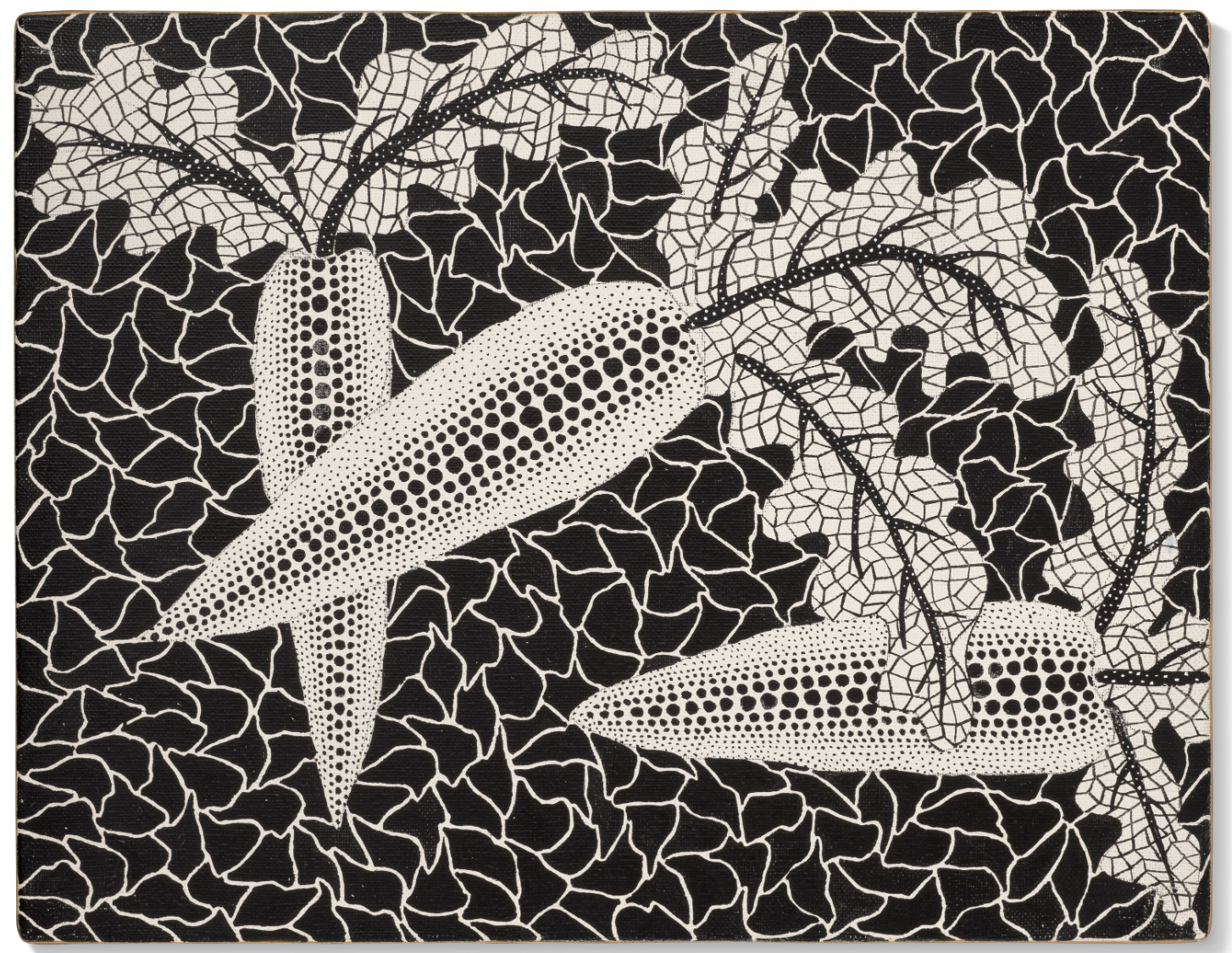
YAYOI KUSAMA (B. 1929)
Japanese Radishes, 1981
Acrylic on canvas
32×41 cm (12 1/2 x 16 1/8 inches)
Signed, inscribed, titled in Japanese and dated ‘Yayoi Kusama 1981 6F’ (on the reverse)
#15. BANKSY
Christie’s London: 9 March 2024
Estimated: GBP 150,000 – 200,000
GBP 277,200 / USD 351,490

BANKSY
Keep It Real, 2002
Spray paint and emulsion on canvas
25.5 x 20 cm (10×8 inches)
Tagged ‘BANKSY’ (on the turnover edge)2cm.)
Executed in 2002, this work is from a series
#16. Andreas Gursky
Christie’s London: 9 March 2024
Estimated: GBP 200,000 – 300,000
GBP 252,000 / USD 319,536
Andreas Gursky (christies.com)
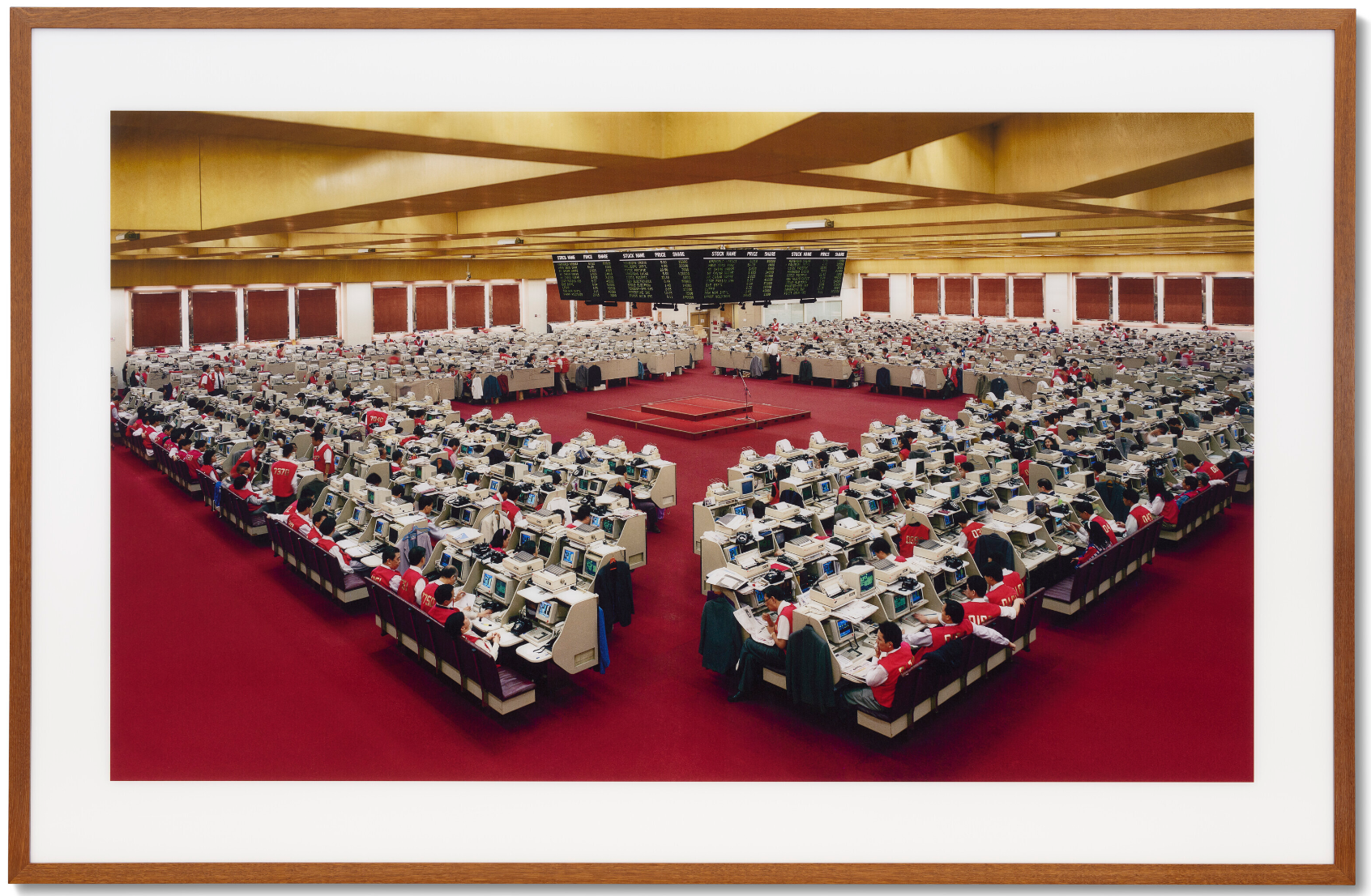
ANDREAS GURSKY (B. 1955)
Hong Kong Stock Exchange, 2000
Chromogenic print face-mounted to Diasec, in artist’s frame
Image: 143×244 cm (56 1/4 x 96 1/8 inches)
Overall: 186.8 x 287 x 6 cm (73 1/2 x 113 x 2 3/8 inches)
Signed, titled, numbered and dated ‘Hong Kong St Exchange 2000 1⁄6 A. Gursky’ (on the reverse)
Signed with the artist’s initials ‘A. G.’ (on a studio label affixed to the reverse)
Executed in 2000 and printed in 2023, this work is number one from an edition of six
#17. Tony Cragg
Christie’s London: 9 March 2024
Estimated: GBP 120,000 – 180,000
GBP 239,400 / USD 303,559
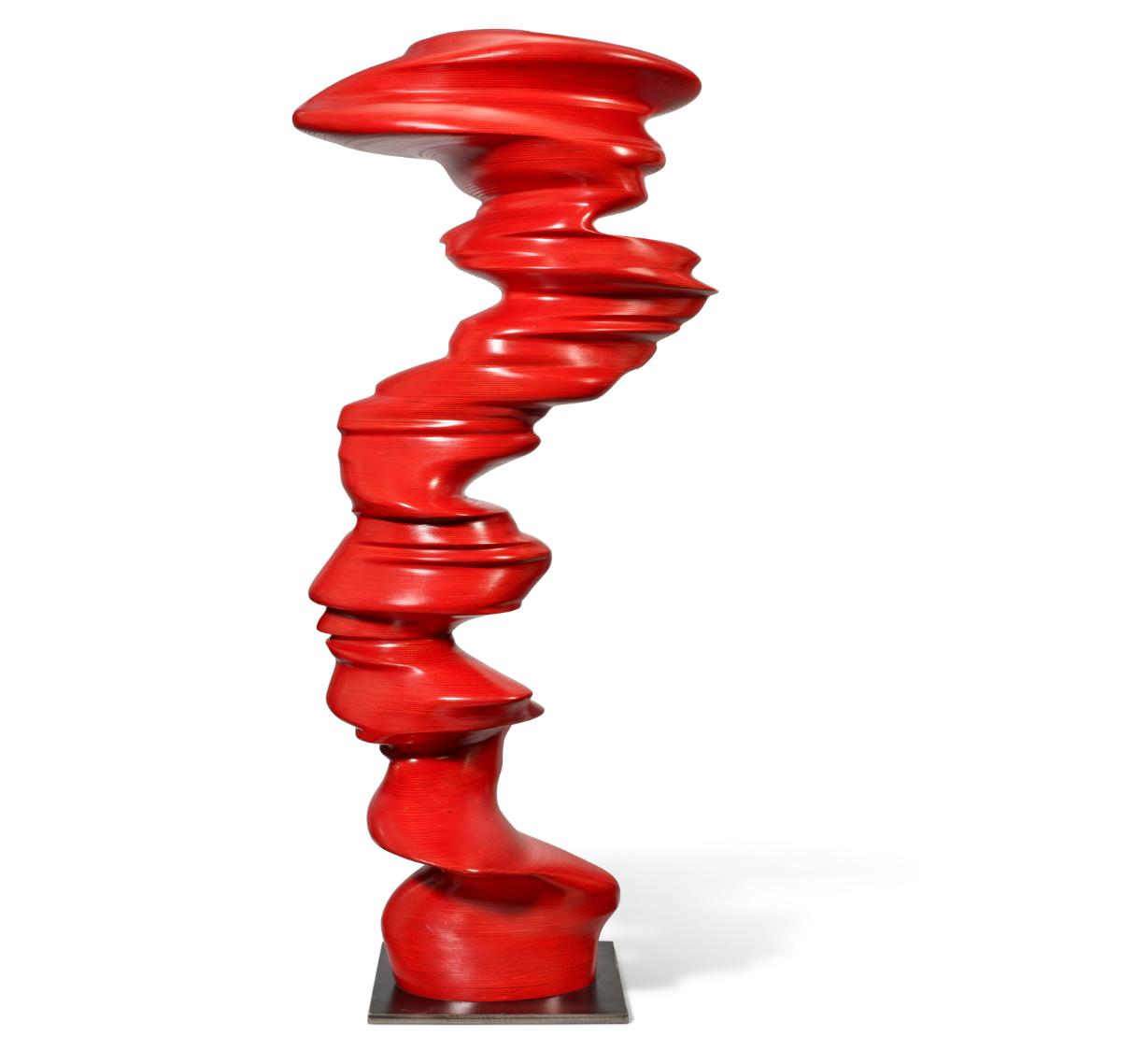
TONY CRAGG (B. 1949)
Easter, 2015
Painted wood
153x69x58 cm (60 1/4 x 27 1/8 x 22 7/8 inches)
#18. Konrad Klapheck
Christie’s London: 9 March 2024
Estimated: GBP 80,000 – 120,000
GBP 214,200 / USD 271,606
Konrad Klapheck (christies.com)
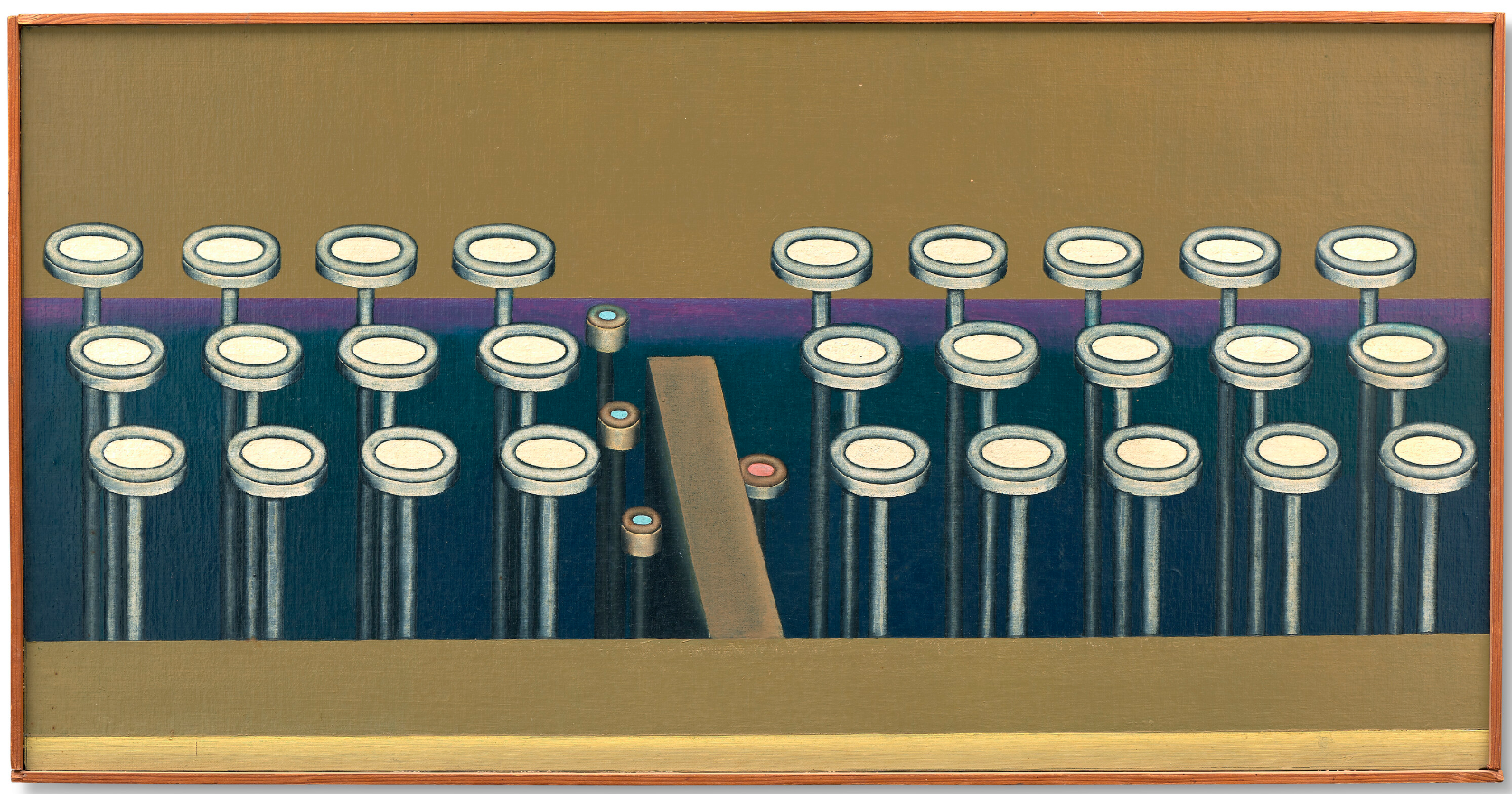
KONRAD KLAPHECK (1935-2023)
Das Gericht (The Court)
Oil on canvas laid down on panel
35.3 x 68.5 cm (13 7/8 x 27 inches)
Signed and titled ‘Klapheck “das Gericht”’ (on the reverse)
Executed in the early 1960s
#19. Andy Warhol
Christie’s London: 9 March 2024
Estimated: GBP 160,000 – 220,000
GBP 201,600 / USD 255,629
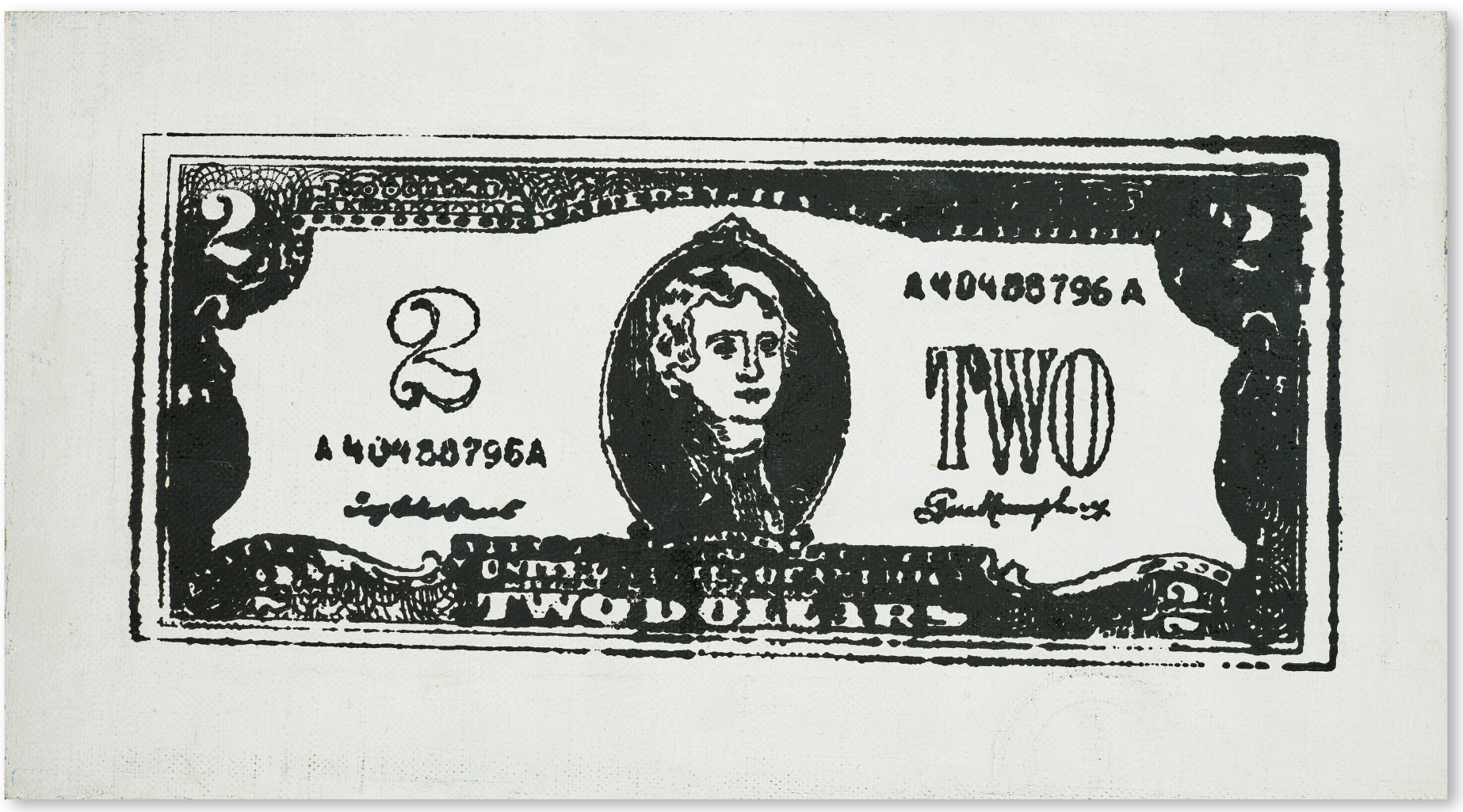
ANDY WARHOL (1928-1987)
Two Dollar Bill (Front), 1962
Silkscreen ink on canvas
6 1/4 x 11 1/2 inches (15.9 x 29.2 cm)
Signed, inscribed and dated ‘Andy Warhol 1962 Frederick Hughes’ (on the turnover edge)
#20. Elizabeth Peyton
Christie’s London: 9 March 2024
Estimated: GBP 50,000 – 70,000
GBP 176,400 / USD 223,675
Elizabeth Peyton (christies.com)
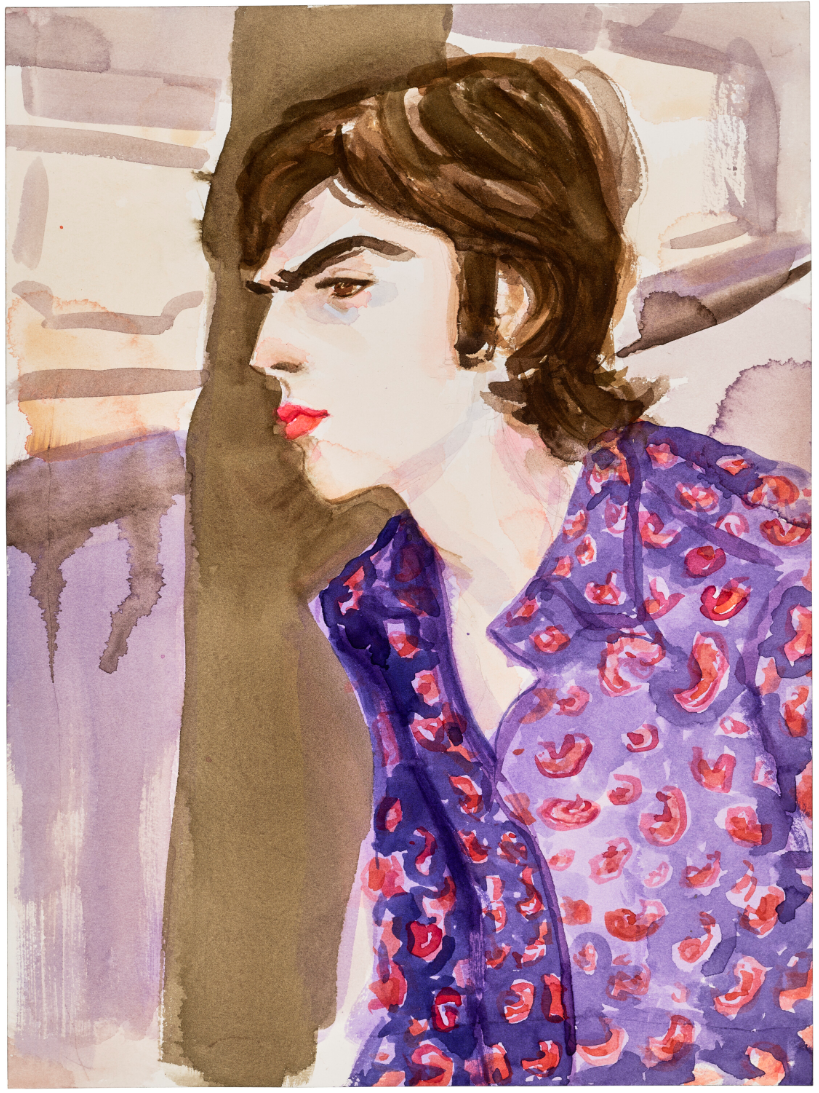
ELIZABETH PEYTON (B. 1965)
Marcello, 1996
Watercolor on paper
12 1/2 x 9 inches (31×23 cm)
#21. Lynne Drexler
Christie’s London: 9 March 2024
Estimated: GBP 120,000 – 180,000
GBP 176,400 / USD 223,675
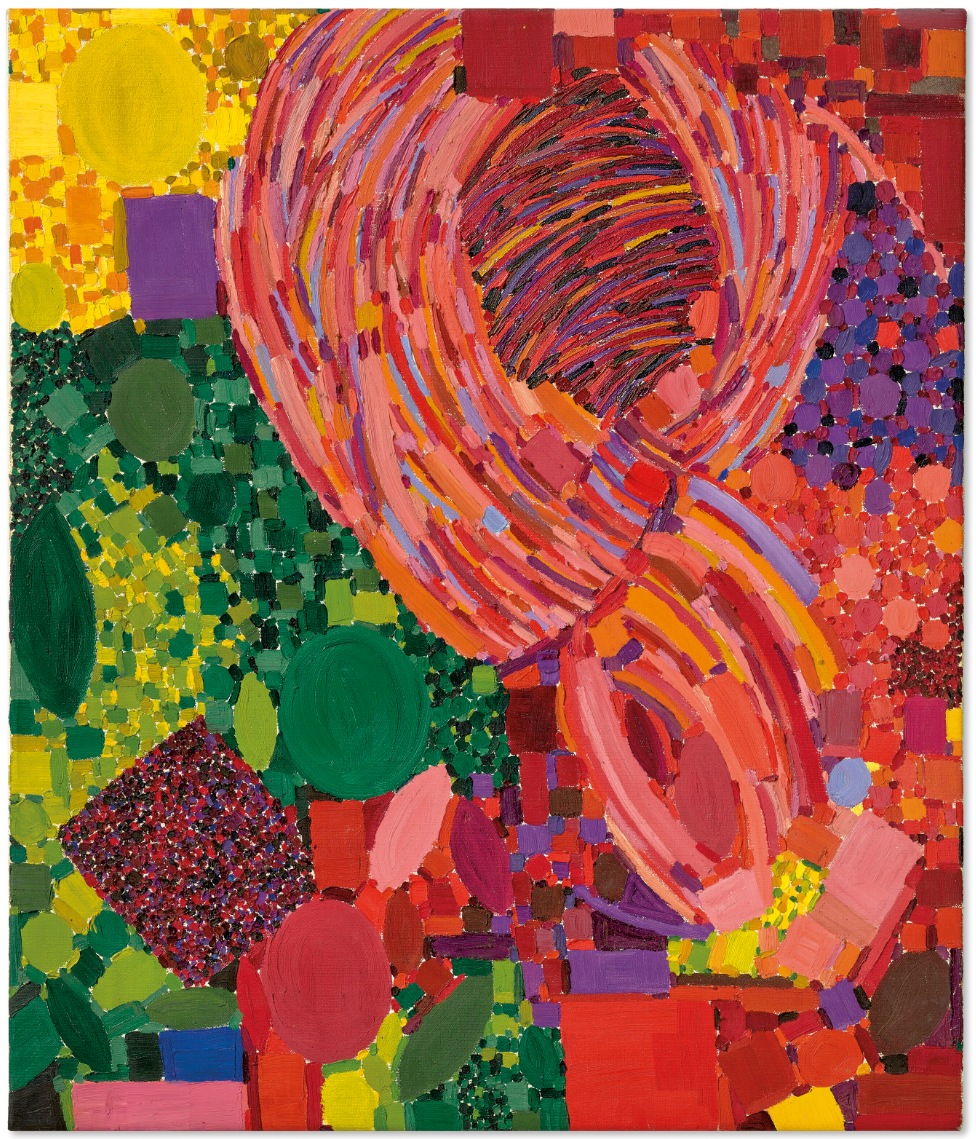
LYNNE DREXLER (1928-1999)
Blown Pink, 1966
Oil on canvas
25 3/4 x 21 7/8 inches (65.4 x 55.5 cm)
Signed, titled and dated ‘LYNNE DREXLER BLOWN PINK 1966′ (on the reverse)
#22. Ai Wei Wei
Christie’s London: 9 March 2024
Estimated: GBP 150,000 – 200,000
GBP 176,400 / USD 223,675
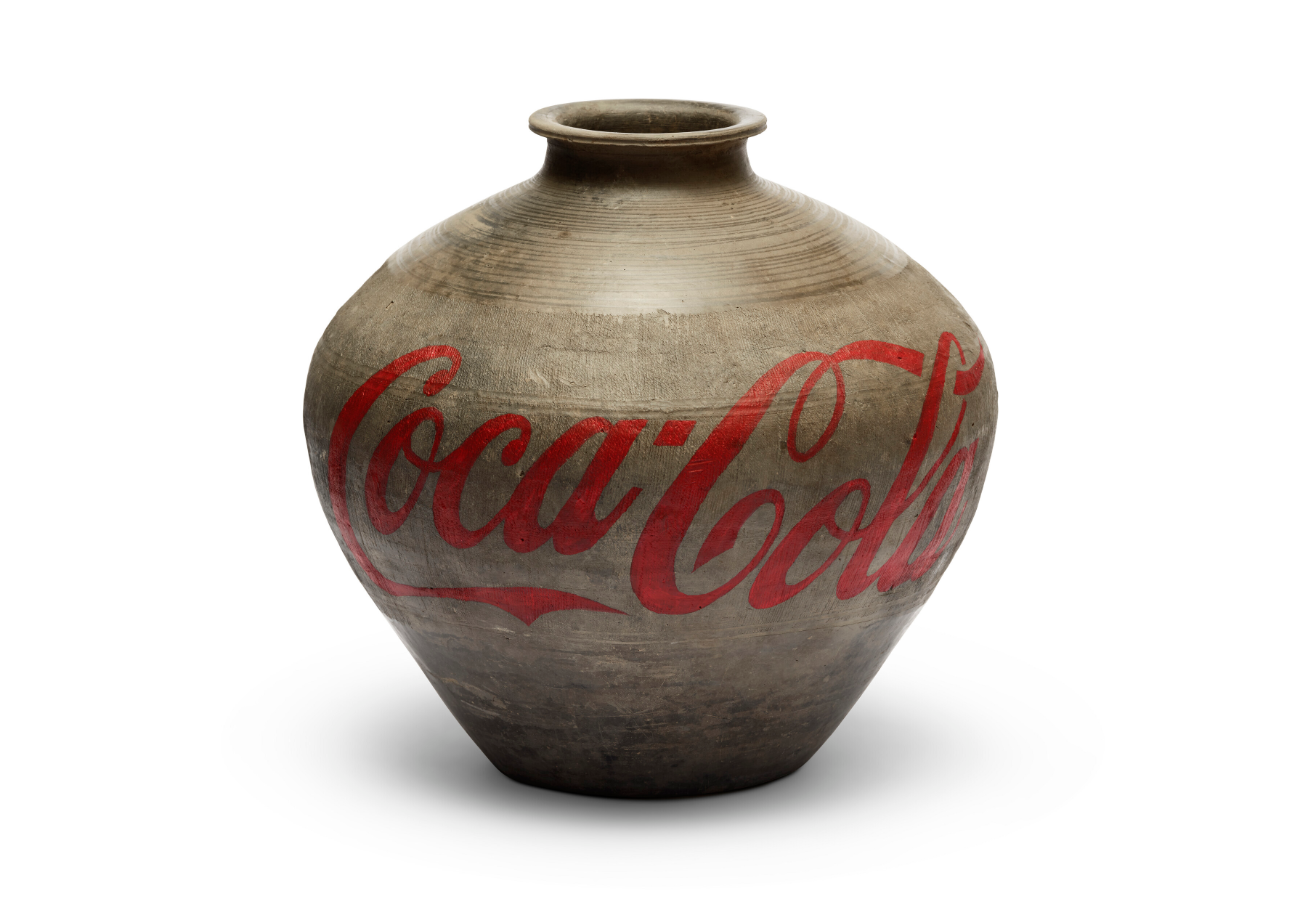
AI WEIWEI (B. 1957)
Coca Cola Vase, 2013
Paint on Han Dynasty vase (206 BC-220 AD)
37x39x39 cm (14 5/8 x 15 x 15 inches)
Signed and dated ‘Ai Weiwei 2013’ (on the underside)
#23. David Hockney
Christie’s London: 9 March 2024
Estimated: GBP 70,000 – 100,000
GBP 176,400 / USD 223,675
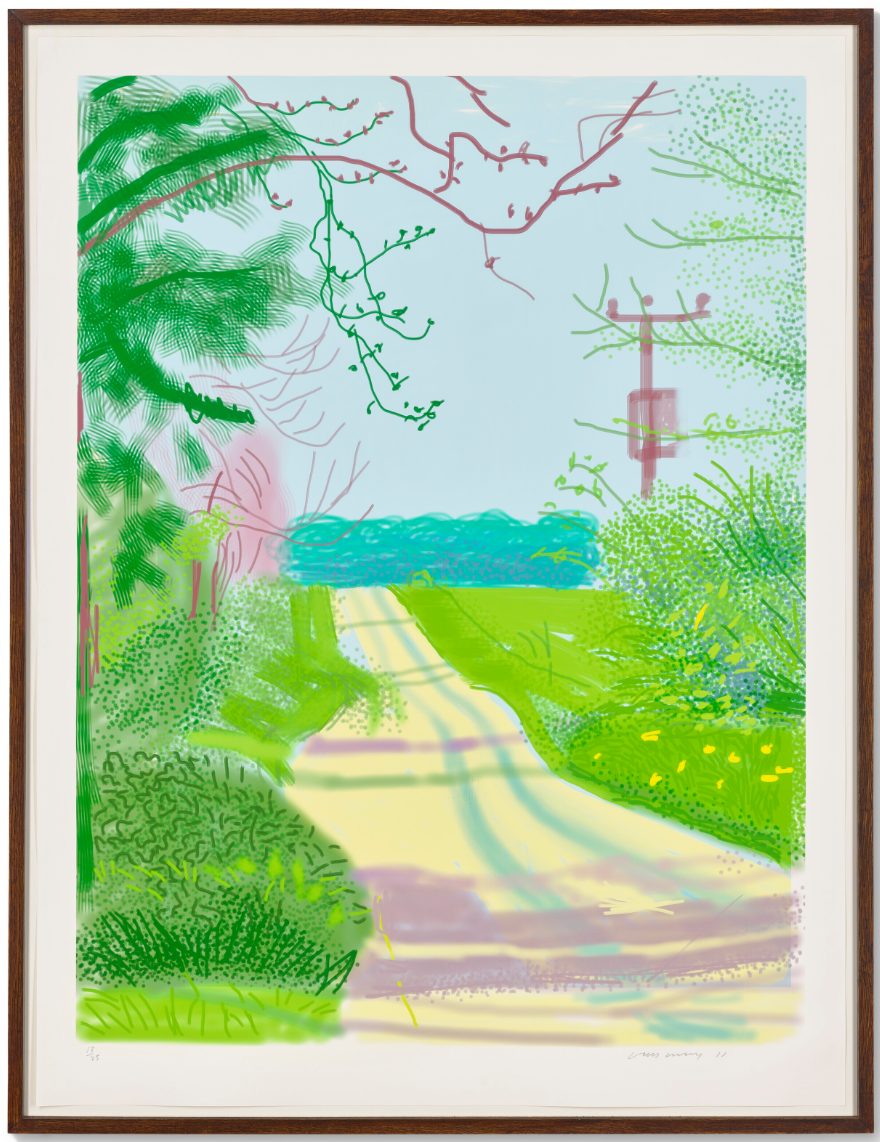
DAVID HOCKNEY (B. 1937)
The Arrival of Spring in Woldgate, East Yorkshire in 2011 (twenty eleven) – 23 April, 2011
iPad drawing printed on paper
55 1/8 x 41 5/8 inches (140 x 105.8 cm)
Signed and dated ‘David Hockney 11′ (lower right); numbered ’13⁄25’ (lower left)
This work is number thirteen from an edition of twenty-five
2. Sotheby’s
2.1. Evening Sale
Modern and Contemporary Evening Auction Featuring the Now
6 March 2024
Modern & Contemporary Evening Auction featuring The Now | 2024 | Sotheby’s (sothebys.com)
Turnover:
GBP 99,731,294
USD 126,459,281
70 Lots
# Lots Withdrawn: 10
# Lots Unsold: 6
# Lots Sold: 54
Sell-Through Rate: 90%
Above Estimates: 26 (43%)
Within Estimates: 26 (43%)
Below Estimates: 2 (3%)
Unsold: 6 (10%)
Top Price:
GBP 13,723,100 / USD 17,400,891
Lots over GBP 1 million
26 Lots
GBP 85,500,944
85.7% of Total
#1. Pablo Picasso
Sotheby’s London: 6 March 2024
Estimated: GBP 8,000,000 – 12,000,000
GBP 13,723,100 / USD 17,400,891
PABLO PICASSO (1881 – 1973)
Homme à la pipe, 1968
Oil on canvas
162.7 x 114.5 cm (64 1/8 x 45 1/8 inches)
Signed Picasso and dated 8.11.68. (upper left); dated 8.11.68. (on the reverse)
#2. Paul Signac
Sotheby’s London: 6 March 2024
Estimated: GBP 5,000,000 – 7,000,000
GBP 7,748,300 / USD 9,824,844
PAUL SIGNAC (1863 – 1935)
Saint-Tropez. Le rayon vert, 1906
Oil on canvas
73×92 cm (28 3/4 x 36 1/4 inches)
Signed P Signac and dated 1906 (lower left)
#3. Claude Monet
Sotheby’s London: 6 March 2024
Estimated: GBP 5,000,000 – 7,000,000
GBP 7,748,300 / USD 9,824,844
CLAUDE MONET (1840 – 1926)
Arbres au bord de l’eau, printemps à Giverny, 1885
Oil on canvas
81×100 cm (31×39 inches)
Signed Claude Monet (lower left)
#4. Francis Bacon
Sotheby’s London: 6 March 2024
Estimated: GBP 5,000,000 – 7,000,000
GBP 6,829,100 / USD 8,659,299
FRANCIS BACON (1909 – 1992)
Study of George Dyer, 1970
Oil on canvas
14×12 inches (35.5 x 30.5 cm)
Titled and dated 1970 (on the reverse)
#5. Joan Miro
Sotheby’s London: 6 March 2024
Estimated: GBP 5,000,000 – 7,000,000
GBP 5,570,144 / USD 7,062,943
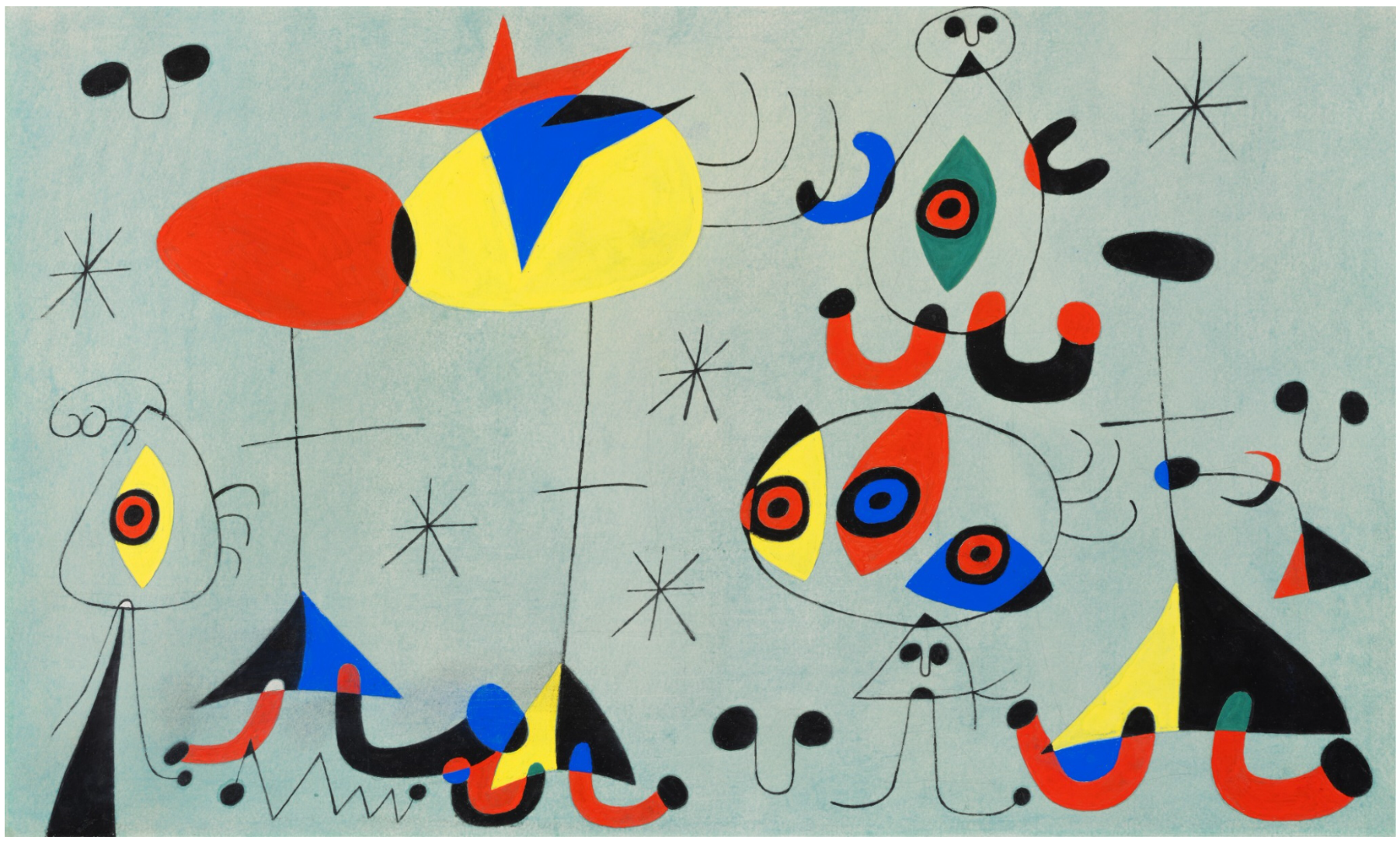
JOAN MIRO (1893 – 1983)
Sans titre (Soirée snob chez la princesse), circa 1946
Gouache and pastel on paper
31.5 x 51.4 cm (12 3/8 x 20 1/4 inches)
Signed Miró and dedicated à mon ami clayeux, avec toute mon amitié et sympathie mars 1949 (on the reverse)
#6. Frank Auerbach
Sotheby’s London: 6 March 2024
Estimated: GBP 3,000,000 – 4,000,000
GBP 4,041,000 / USD 5,123,988
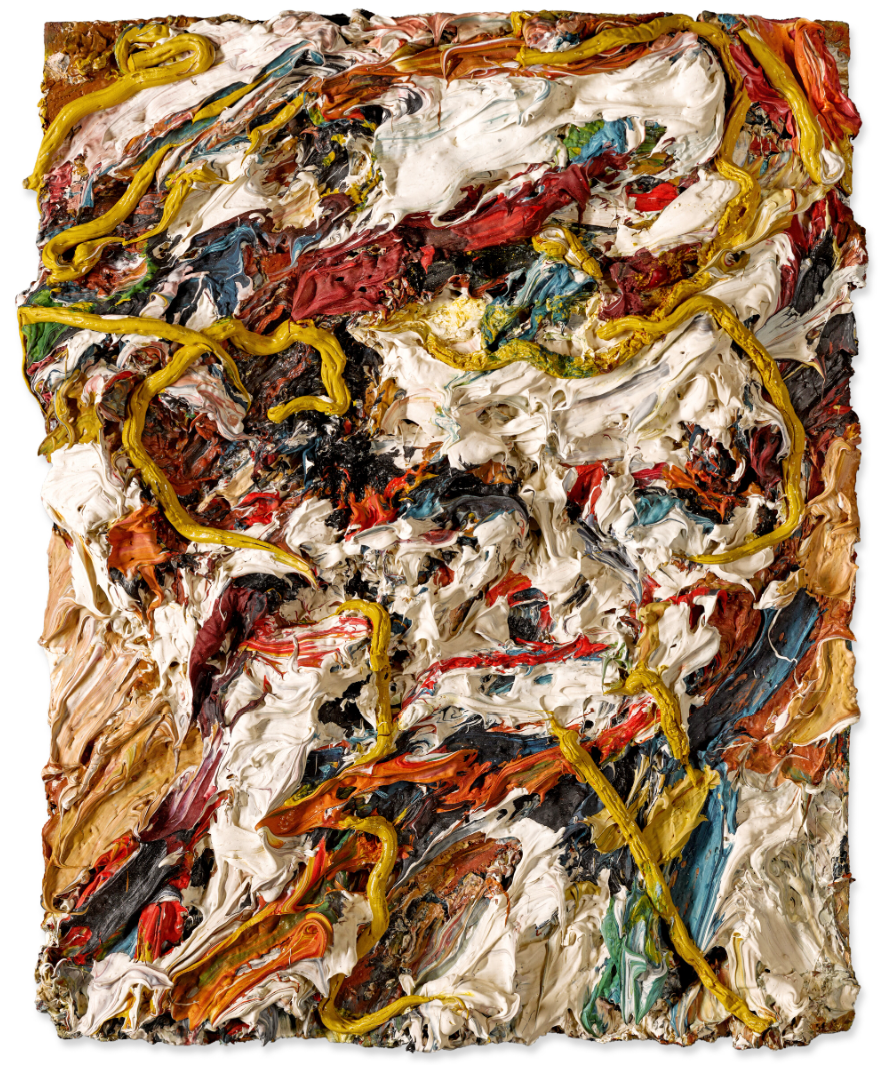
FRANK AUERBACH (b. 1931)
Head of E.O.W. II, 1964
Oil on board
35.5 x 29.4 cm (14 x 11 5/8 inches)
#7. Rene Magritte
Sotheby’s London: 6 March 2024
Estimated: GBP 1,800,000 – 2,500,000
GBP 3,436,000 / USD 4,356,848
RENE MAGRITTE (1898 – 1967)
Composition on a sea shore, 1935-36
Oil on canvas
54.5 x 73.5 cm (21 1/2 x 28 7/8 inches)
Signed Magritte (upper left)
#8. Claude Monet
Sotheby’s London: 6 March 2024
Estimated: GBP 2,500,000 – 3,500,000
GBP 3,133,500 / USD 3,973,278
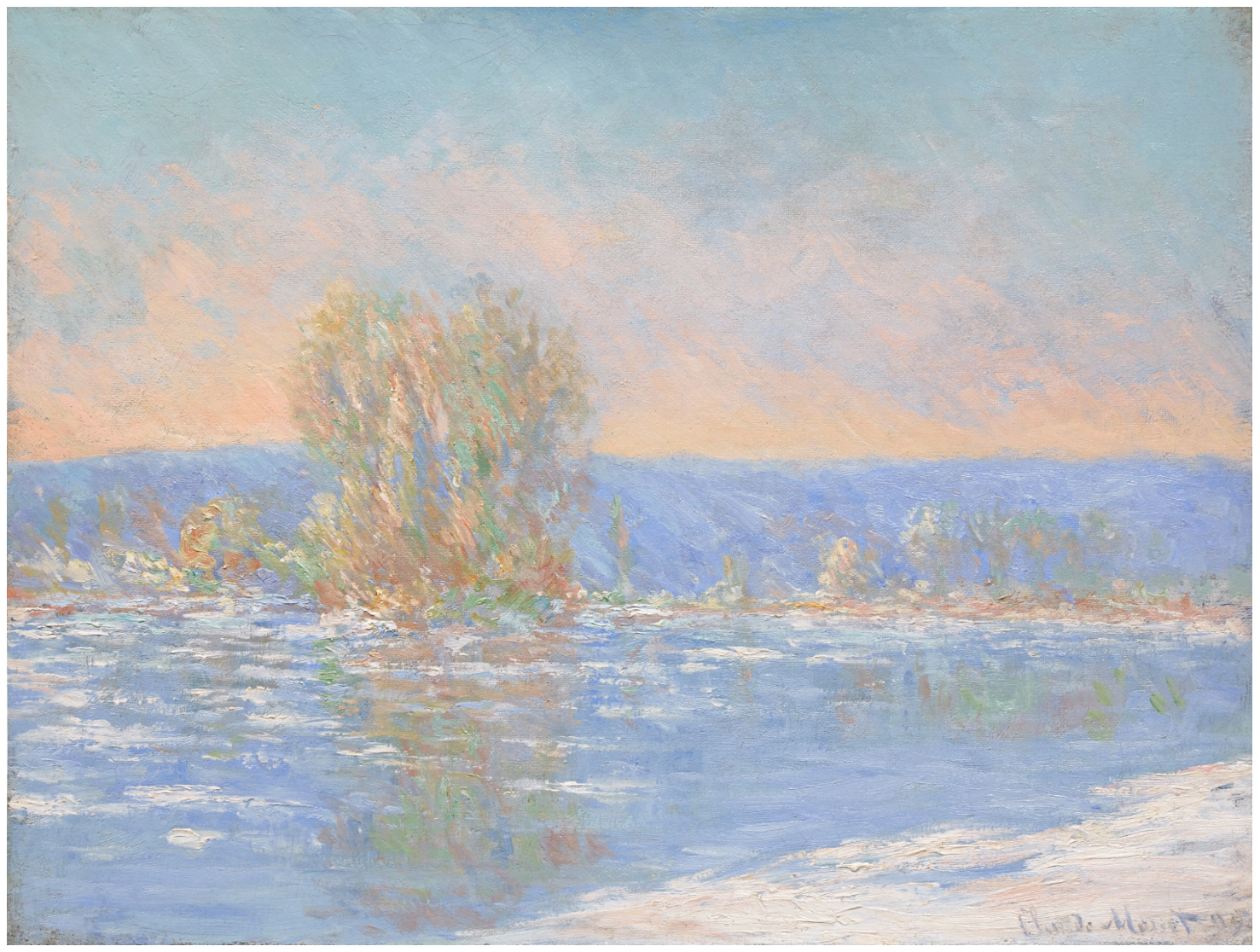
CLAUDE MONET (1840 – 1926)
Glaçons, environs de Bennecourt, 1893
Oil on canvas
40.5 x 54 cm (15 7/8 x 21 1/4 inches)
Signed Claude Monet and dated 93 (lower right)
#9. Pablo Picasso
Sotheby’s London: 6 March 2024
Estimated: GBP 2,500,000 – 4,000,000
GBP 3,073,000 / USD 3,896,564
PABLO PICASSO (1881 – 1972)
Tête de femme, 1951
Bronze
Height: 54.1 cm (21 1/4 inches)
Numbered 1/6 (on the base)
Conceived in Vallauris in 1951 and cast in bronze by the Godard Foundry, Paris
This work is number 1 from an edition of 6 examples plus 1 artist’s proof
#10. Gerhard Richter
Sotheby’s London: 6 March 2024
Estimated: GBP 2,500,000 – 3,500,000
GBP 2,952,000 / USD 3,743,136
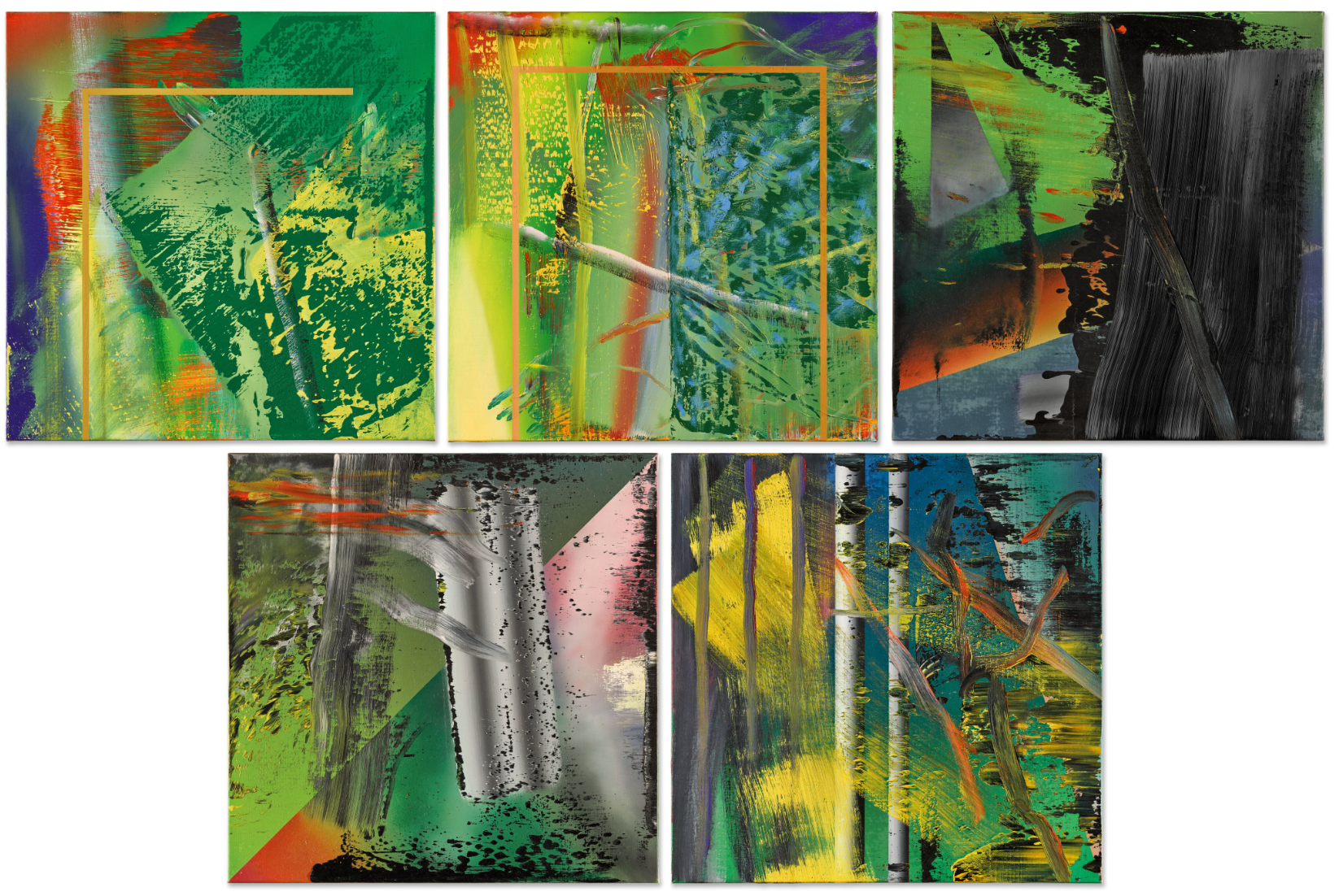
GERHARD RICHTER (b. 1932)
Abstrakte Bilder 581-(1-5) [Five works], 1985
Oil on canvas
Each: 60×60 cm (23 5/8 x 23 3/4 inches)
Each: signed, dated 1985 and numbered 581-(1-5) (on the reverse)
#11. Pierre-Auguste Renoir
Sotheby’s London: 6 March 2024
Estimated: GBP 2,000,000 – 3,000,000
GBP 2,468,000 / USD 3,129,424
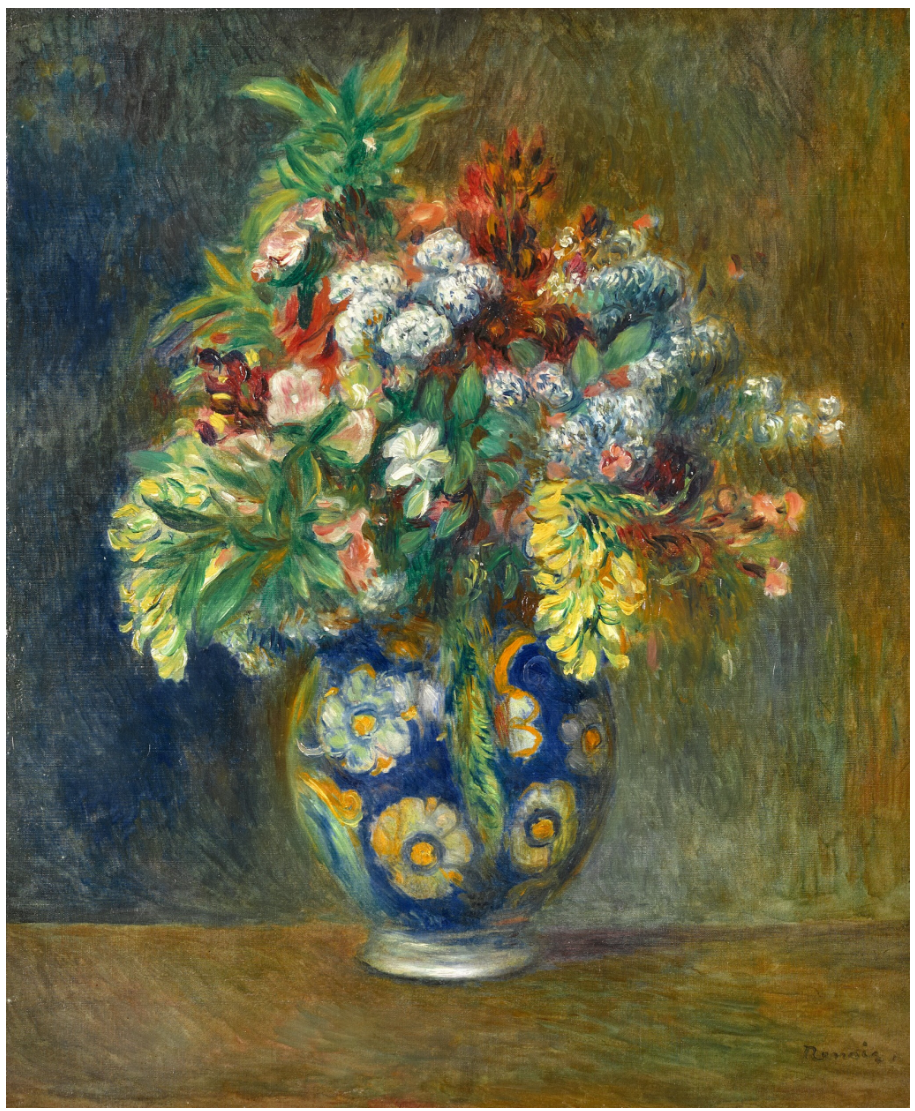
PIERRE-AUGUSTE RENOIR (1841 – 1919)
Fleurs dans un vase, circa 1878
Oil on canvas
55.8 x 46 cm (21 7/8 x 18 1/8 inches)
Signed Renoir. (lower right)
#12. Jean Dubuffet
Sotheby’s London: 6 March 2024
Estimated: GBP 2,000,000 – 3,000,000
GBP 2,226,000 / USD 2,822,568
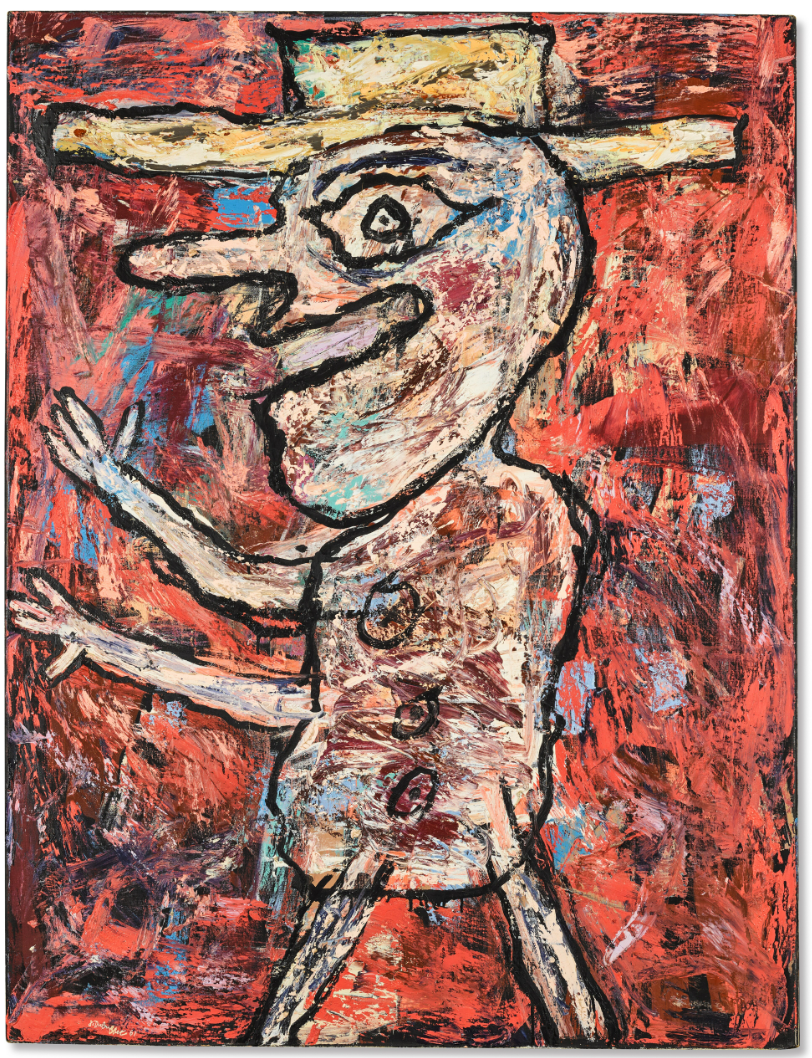
JEAN DUBUFFET (1901 – 1985)
Le Guilleret, 1961
Oil on canvas
116.1 x 88.8 cm (45 3/4 x 35 inches)
Signed and dated 61 (lower left)
Signed, titled and dated sept. 61 (on the reverse)
#13. Cy Twombly
Sotheby’s London: 6 March 2024
Estimated: GBP 1,500,000 – 2,000,000
GBP 2,226,000 / USD 2,822,568
Untitled | Modern & Contemporary Evening Auction featuring The Now | 2024 | Sotheby’s (sothebys.com)
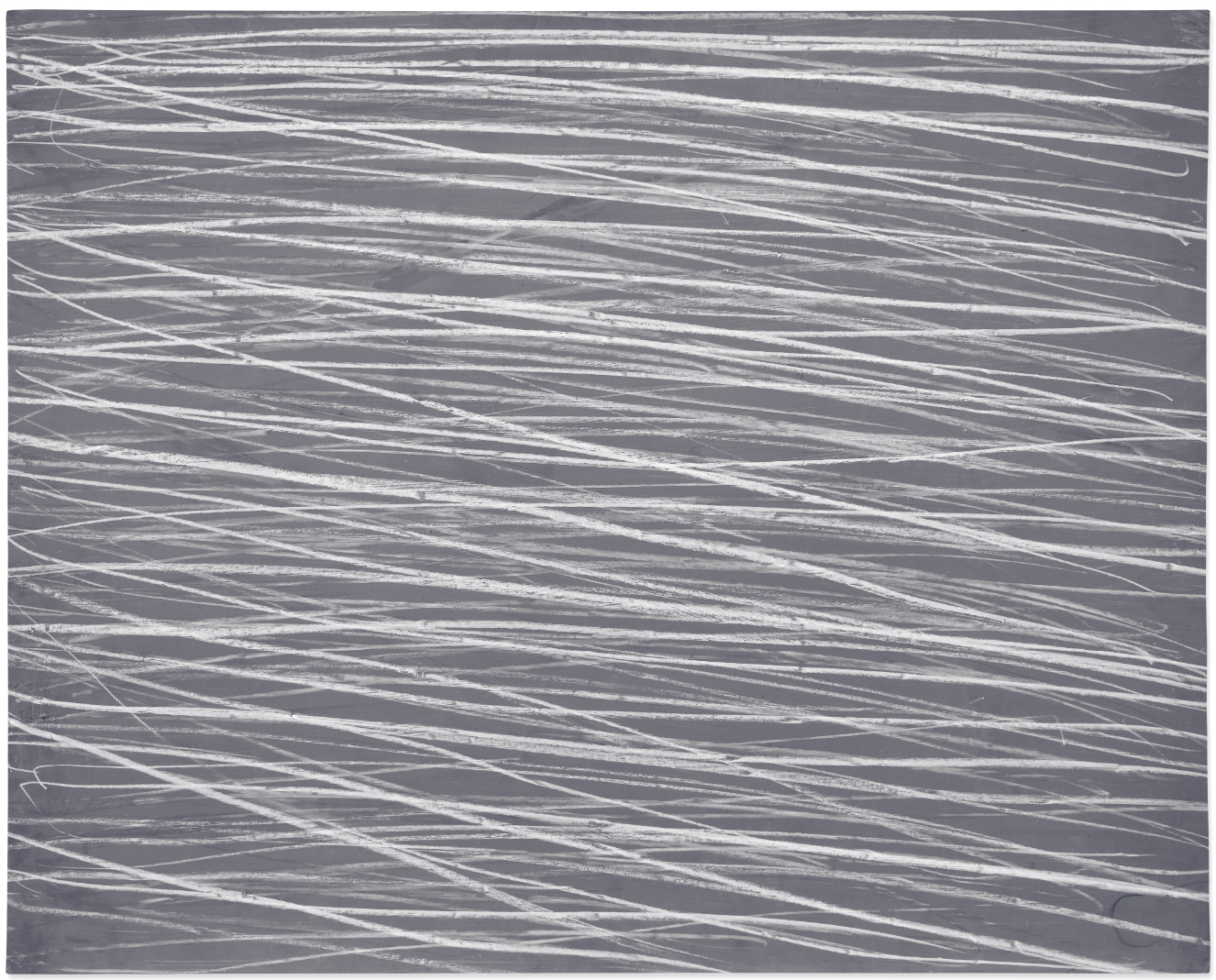
CY TWOMBLY (1928 – 2011)
Untitled, 1969
Oil and wax crayon on card
27 1/2 x 34 1/4 inches (70×87 cm)
Signed, dated 1969 and numbered No 4 (on the reverse)
#14. Christopher Wool
Sotheby’s London: 6 March 2024
Estimated: GBP 800,000 – 1,200,000
GBP 2,226,000 / USD 2,822,568
Untitled | Modern & Contemporary Evening Auction featuring The Now | 2024 | Sotheby’s (sothebys.com)
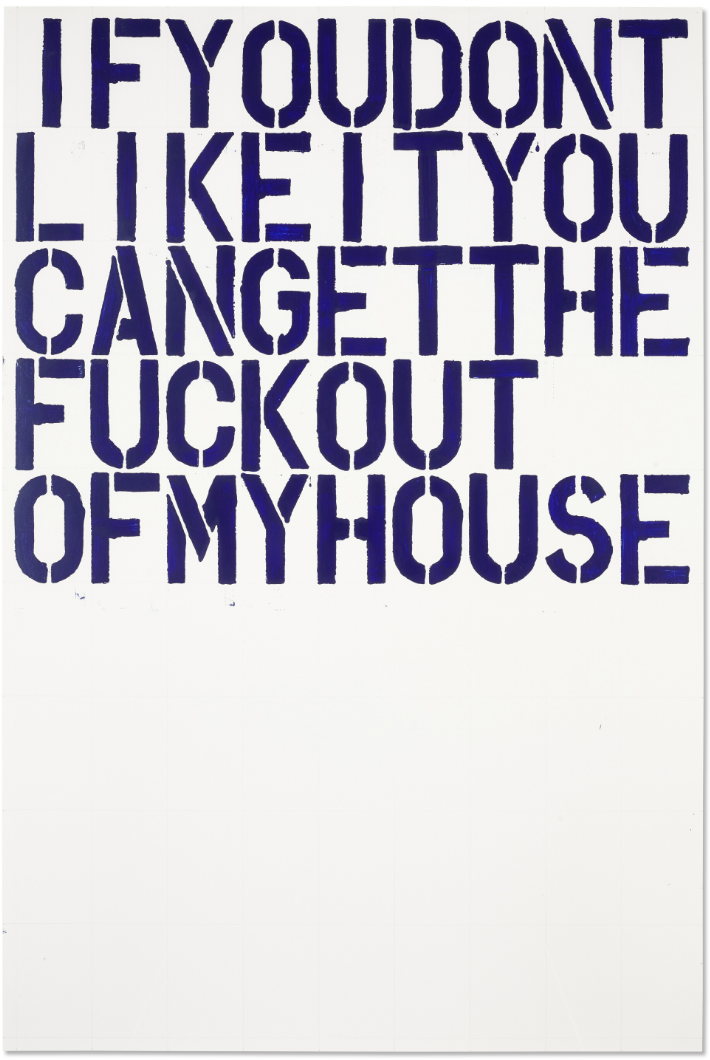
CHRISTOPHER WOOL (b. 1955)
Untitled, 1992
Enamel on paper
39×26 inches (99 x 66.2 cm)
Signed, dated 1992 and numbered F50 (on the reverse)
#15. Jean Dubuffet
Sotheby’s London: 6 March 2024
Estimated: GBP 1,200,000 – 1,800,000
GBP 2,165,000 / USD 2,745,854
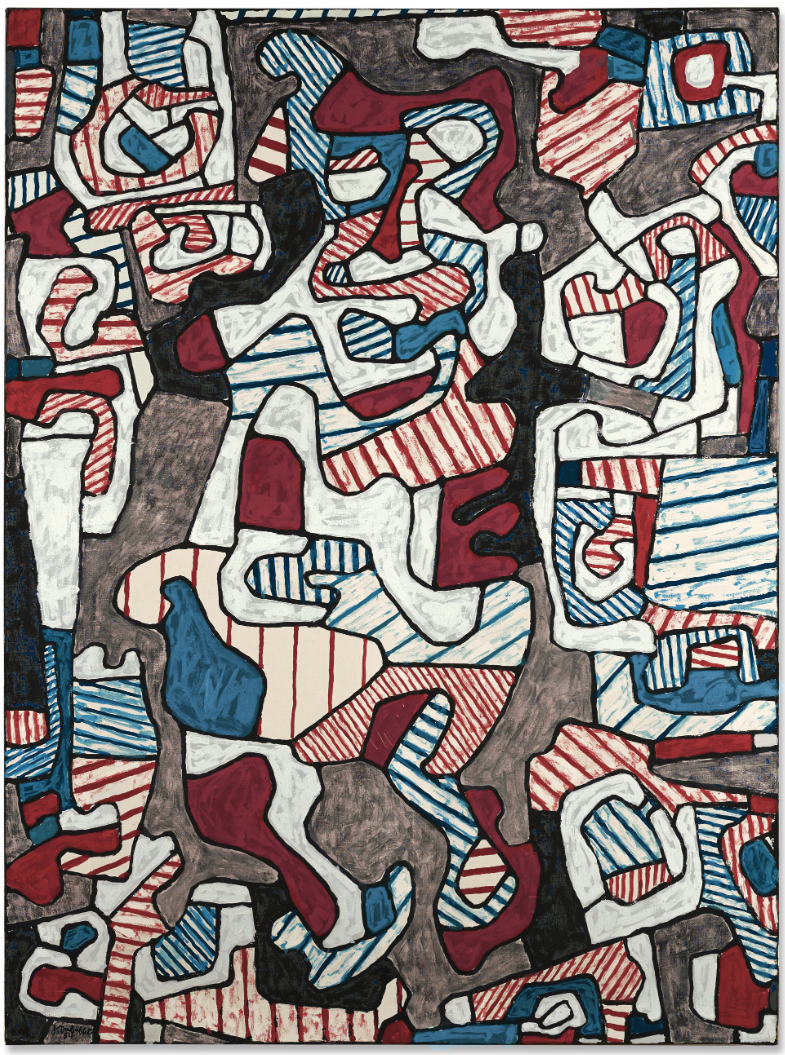
JEAN DUBUFFET (1901 – 1985)
Le Retour du soldat, 1964
Vinyl on canvas
130×97 cm (51 1/8 x 38 1/4 inches)
Signed and dated 64 (lower left)
Signed, titled, dated décembre 64 and variously inscribed (on the reverse)
Executed on 8 December 1964
#16. Alberto Giacometti
Sotheby’s London: 6 March 2024
Estimated: GBP 1,500,000 – 2,000,000
GBP 2,105,000 / USD 2,669,140
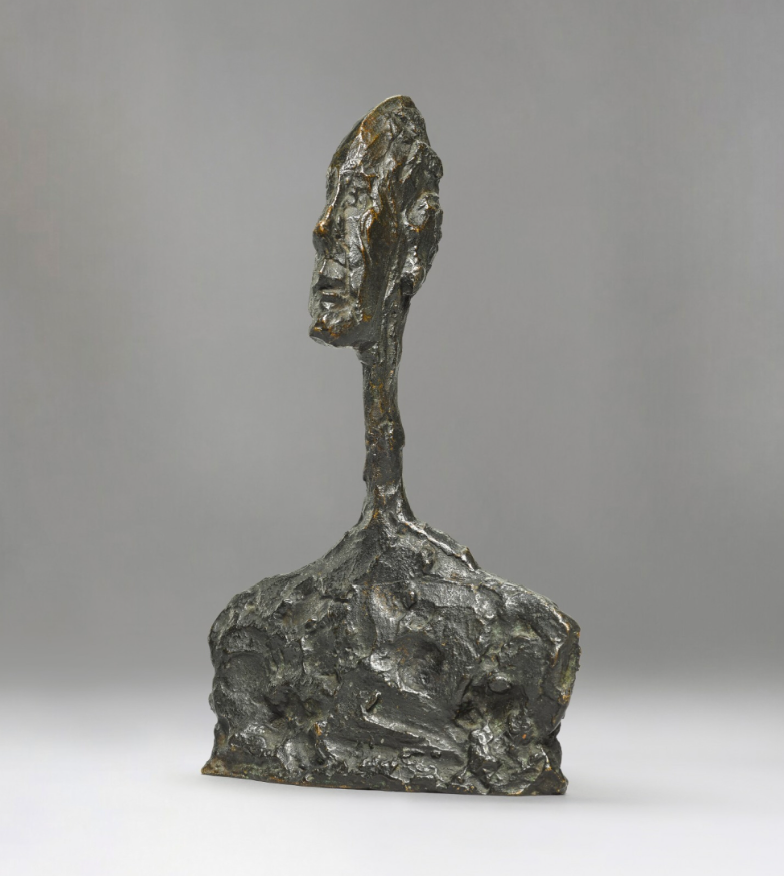
ALBERTO GIACOMETTI (1901 – 1966)
Petit buste d’homme, 1950
Bronze
Height: 22.5 cm (8 7/8 inches)
Inscribed A. Giacometti and numbered 2/6 (on the back)
Conceived in 1950; this example cast by Alexis Rudier Fondeur in 1951
This work is number 2 from an edition of 7 examples
#17. David Hockney
Sotheby’s London: 6 March 2024
Estimated: GBP 1,500,000 – 2,000,000
GBP 1,863,000 / USD 2,362,284
DAVID HOCKNEY (b. 1937)
Andalucia. Fountains, Cordova, 2004
Watercolor on paper, in two joined sheets
29 1/2 x 83 inches (74.9 x 210.8 cm)
Signed with the artist’s initials and dated 04 (lower left)
#18. David Hockney
Sotheby’s London: 6 March 2024
Estimated: GBP 1,200,000 – 1,800,000
GBP 1,813,000 / USD 2,298,884
DAVID HOCKNEY (b. 1937)
The Twenty First Very New Painting, 1992
Oil on canvas
24×24 inches (61×61 cm)
Signed, titled and dated 1992 (on the reverse)
#19. Yayoi Kusama
Sotheby’s London: 6 March 2024
Estimated: GBP 1,500,000 – 2,000,000
GBP 1,621,000 / USD 2,055,428
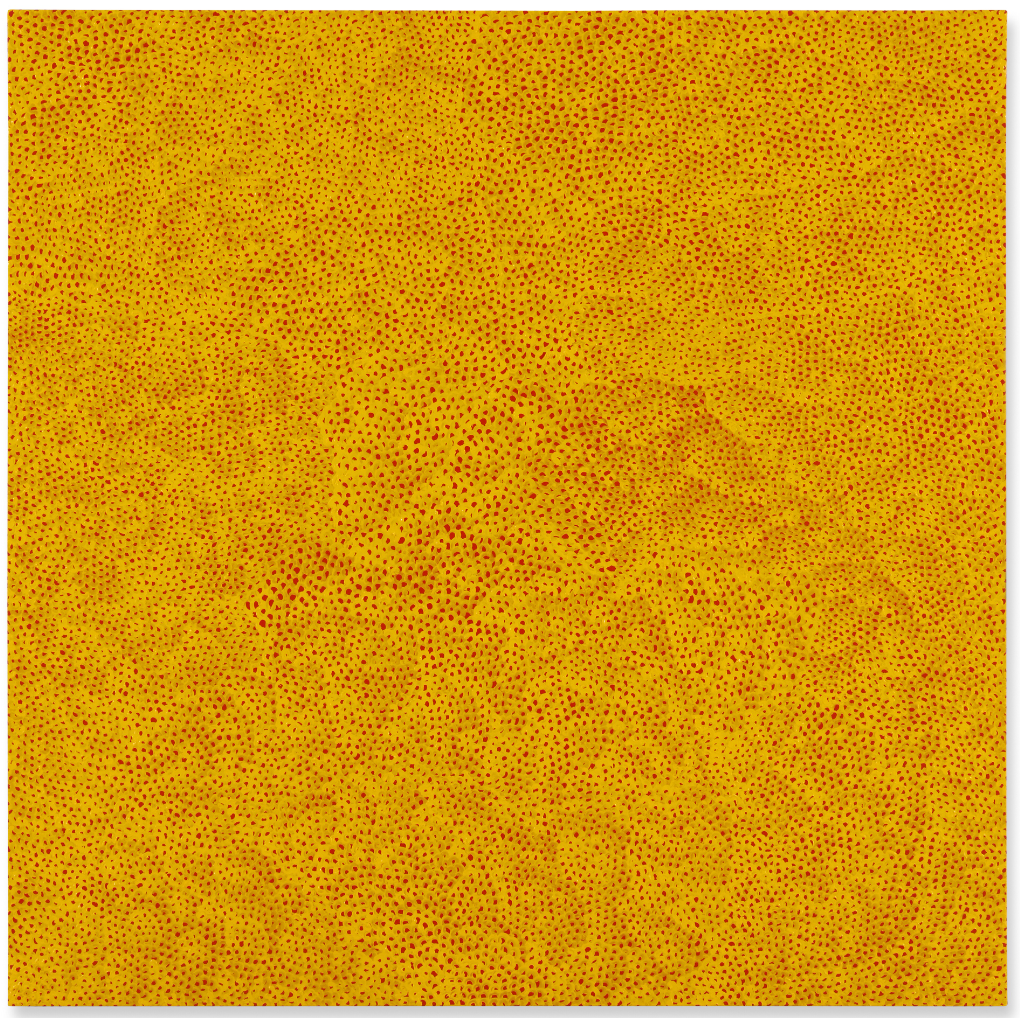
YAYOI KUSAMA (b. 1929)
Infinity Nets (WKG), 2015
Acrylic on canvas
145.5 x 145.5 cm (57 1/4 x 57 1/4 inches)
Signed, titled and dated 2015 (on the reverse)
#20. Edgar Degas
Sotheby’s London: 6 March 2024
Estimated: GBP 1,500,000 – 2,000,000
GBP 1,621,000 / USD 2,055,428
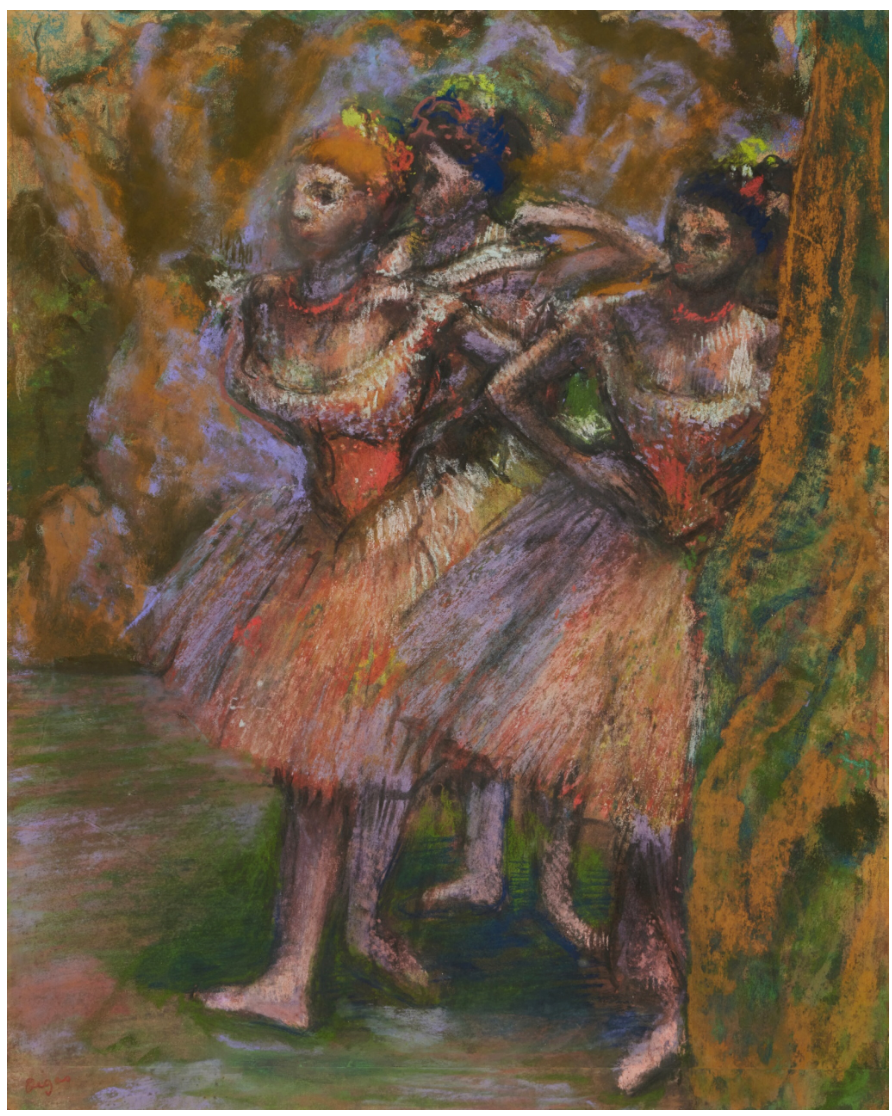
EDGAR DEGAS (1834 – 1917)
Trois danseuses, circa 1904-06
Pastel on joined paper mounted on board
65.2 x 52.5 cm (25 5/8 x 20 5/8 inches)
Stamped Degas (lower left)
#21. Agnes Martin
Sotheby’s London: 6 March 2024
Estimated: GBP 1,500,000 – 2,500,000
GBP 1,500,000 / USD 1,902,000
Untitled | Modern & Contemporary Evening Auction featuring The Now | 2024 | Sotheby’s (sothebys.com)
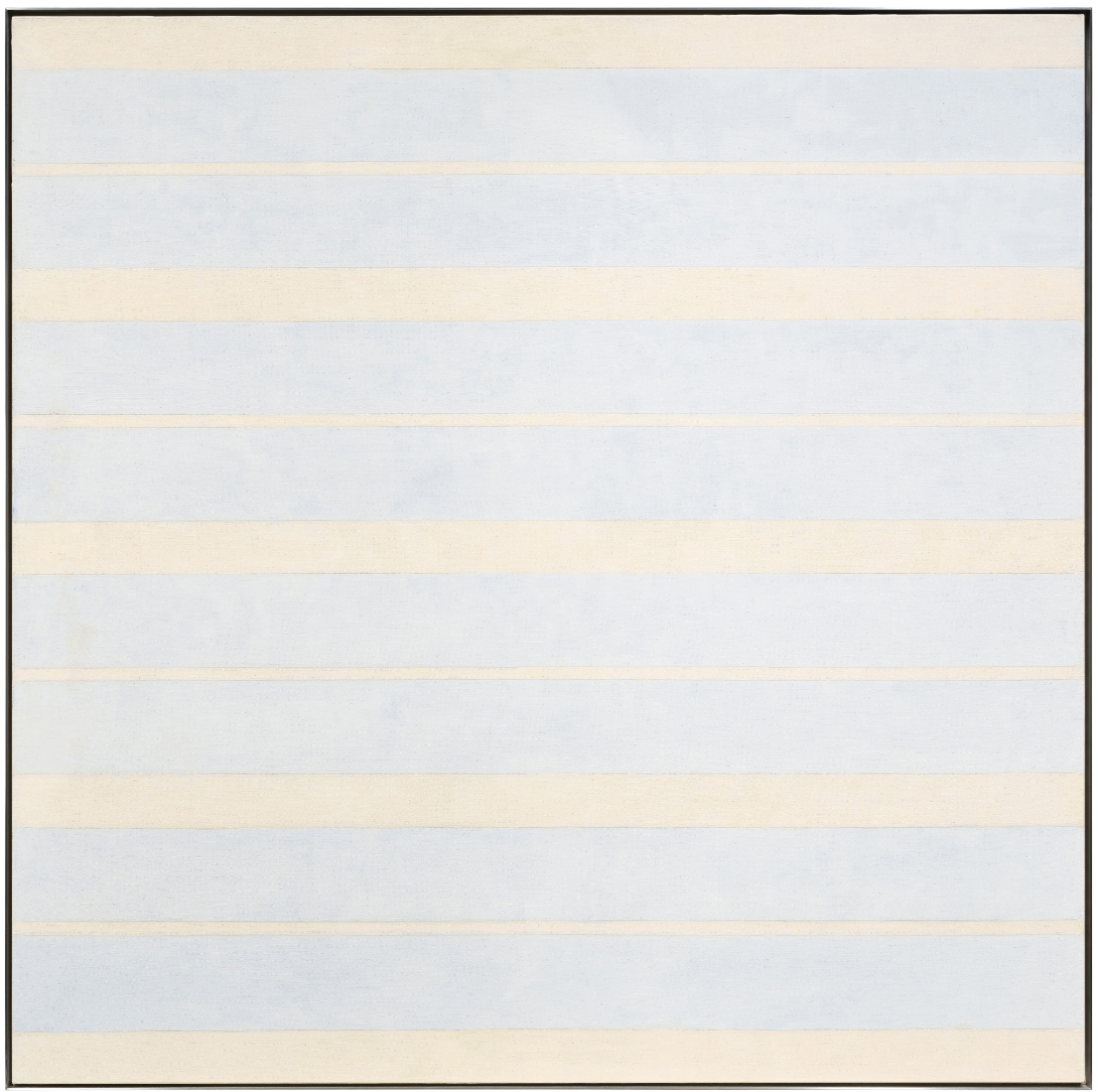
AGNES MARTIN (1912 – 2004)
Untitled, circa 2000-04
Acrylic and graphite on canvas
60×60 inches (152.4 x 152.4 cm)
#22. Camille Pissaro
Sotheby’s London: 6 March 2024
Estimated: GBP 1,000,000 – 1,500,000
GBP 1,137,000 / USD 1,441,716
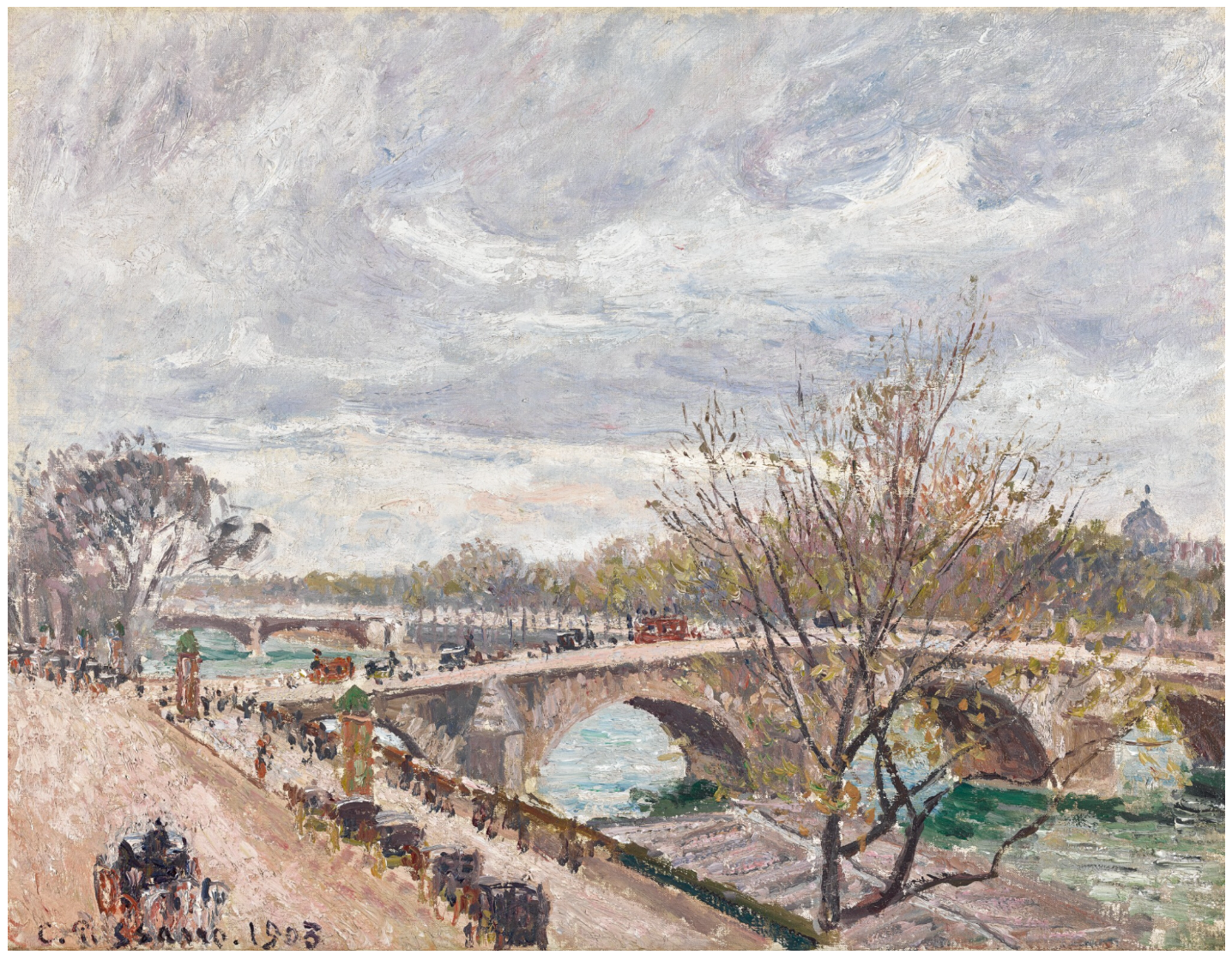
CAMILLE PISSARO (1830 – 1903)
Le Pont-Royal, après-midi, temps couvert, 1903
Oil on canvas
50.2 x 65 cm (19 3/4 x 25 5/8 inches)
Signed C. Pissarro. and dated 1903 (lower left)
#23. Andy Warhol
Sotheby’s London: 6 March 2024
Estimated: GBP 1,200,000 – 1,800,000
GBP 1,113,800 / USD 1,412,298
Flowers | Modern & Contemporary Evening Auction featuring The Now | 2024 | Sotheby’s (sothebys.com)
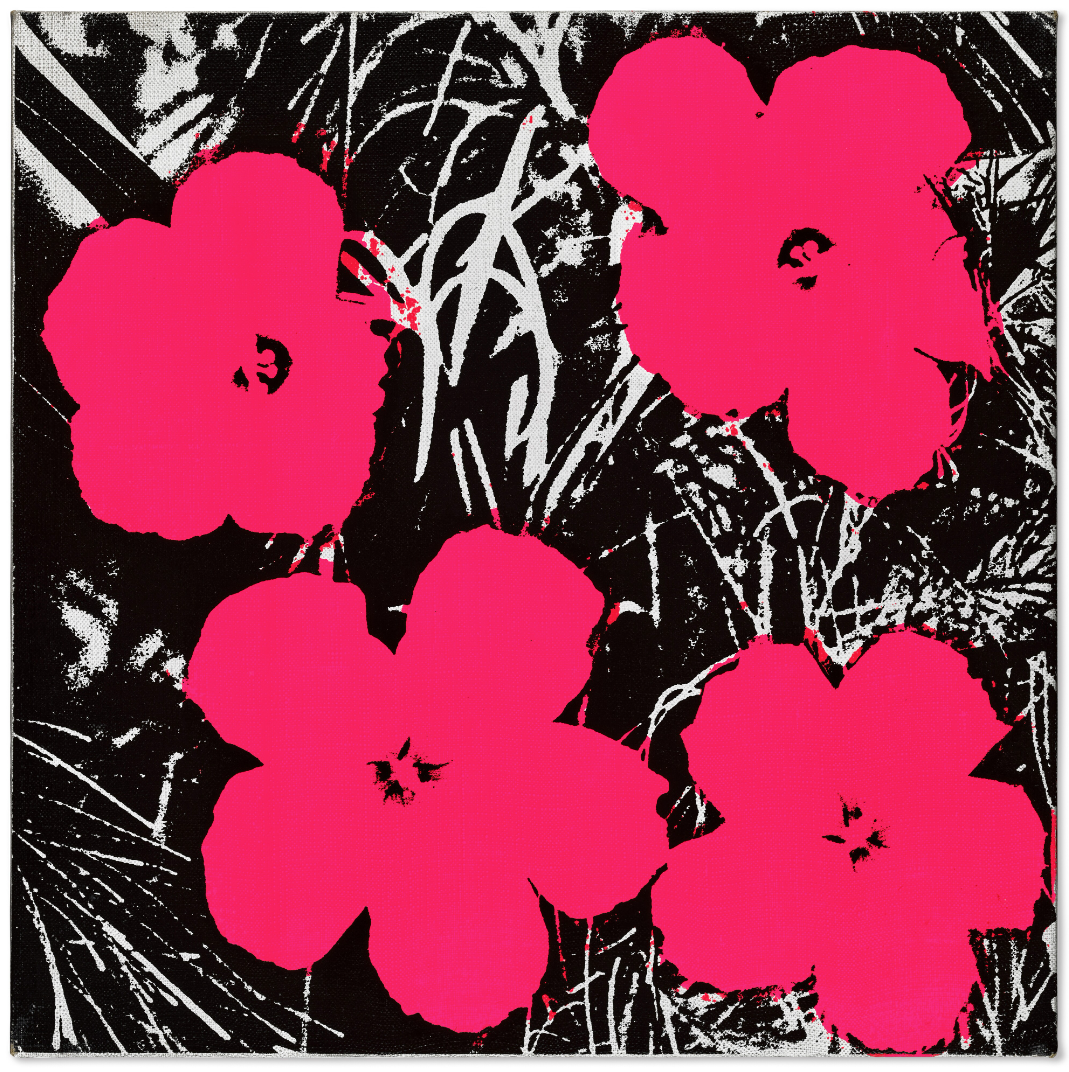
ANDY WARHOL (1928 – 1987)
Flowers, 1964-65
Acrylic and silkscreen ink on canvas
14×14 inches (35.6 x 35.6 cm)
Signed and dated 64 (on the overlap)
#29. Yayoi Kusama
Sotheby’s London: 6 March 2024
Estimated: GBP 600,000 – 800,000
GBP 850,900 / USD 1,078,941
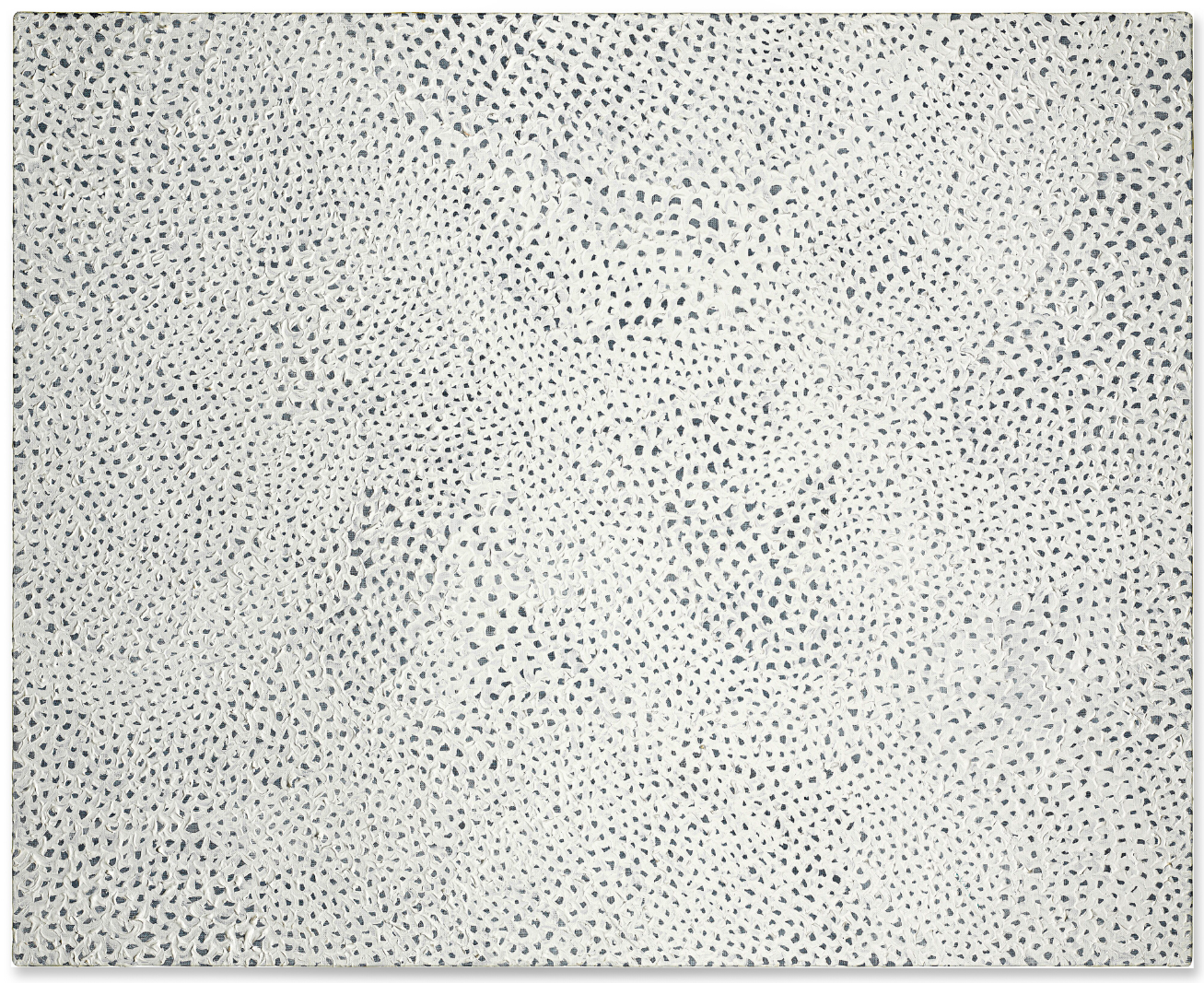
YAYOI KUSAMA (b. 1929)
Infinity-Nets (T.OWQ), 2005
Acrylic on canvas
72.5 x 91 cm (28 1/2 x 35 7/8 inches)
Signed, titled twice and dated 2005 (on the reverse)
#39. Damien Hirst
Sotheby’s London: 6 March 2024
Estimated: GBP 380,000 – 450,000
GBP 533,400 / USD 676,351
Pyrene | Modern & Contemporary Evening Auction featuring The Now | 2024 | Sotheby’s (sothebys.com)
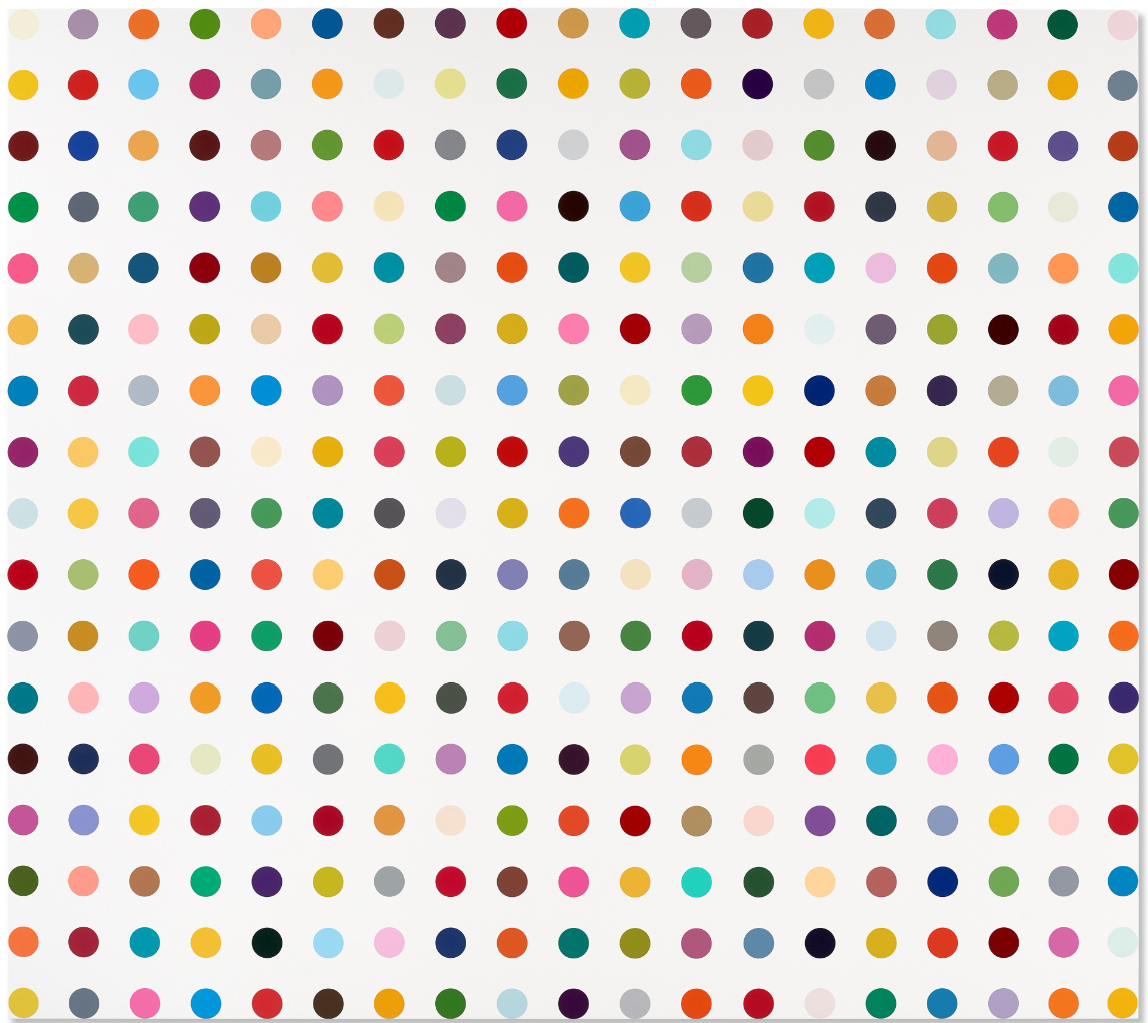
DAMIEN HIRST (b. 1965)
Pyrene, 2017
Household gloss on canvas
99×111 inches (251.5 x 281.9 cm) (3 inch spot)
Signed (on the stretcher); signed, titled twice and dated 2017 (on the reverse)
#41. Jade Fadojutimi
Sotheby’s London: 6 March 2024
Estimated: GBP 300,000 – 400,000
GBP 508,000 / USD 644,144
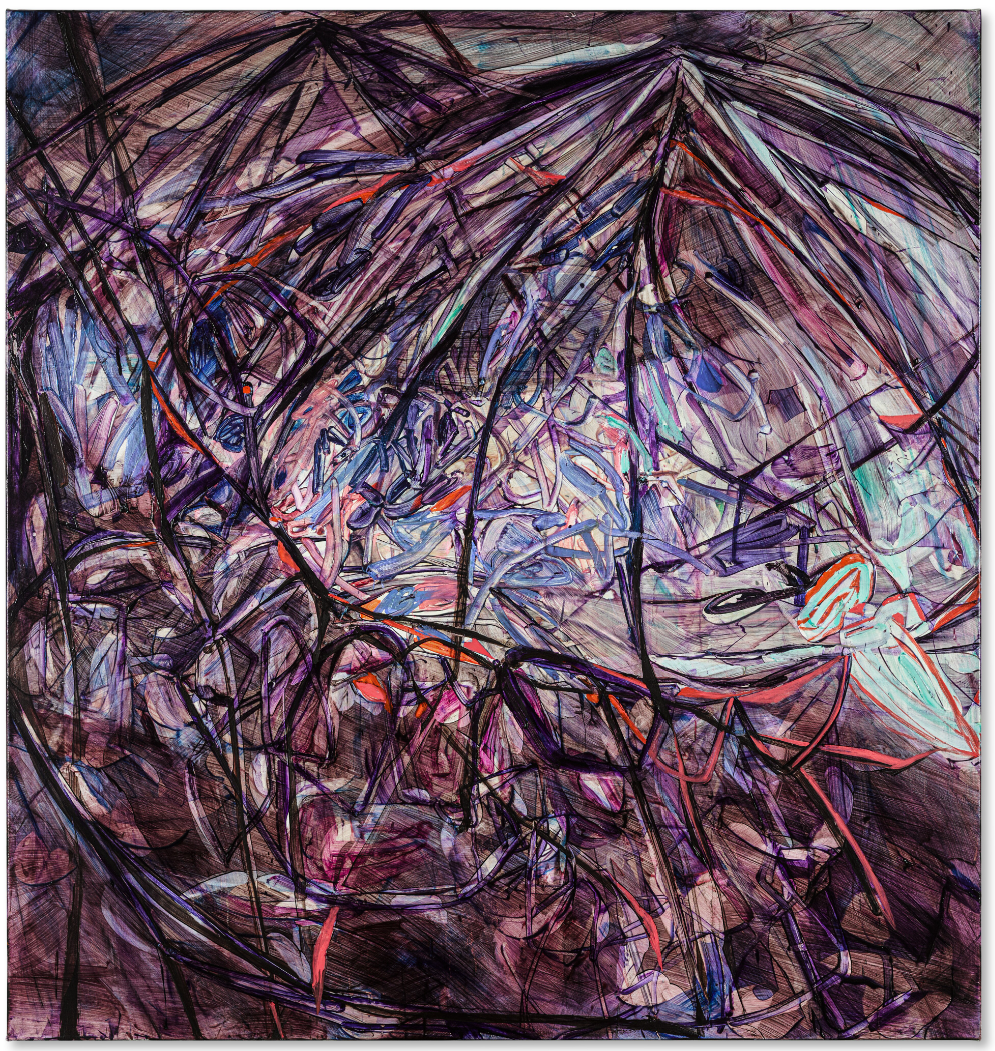
JADE FADOJUTIMI (b. 1993)
A Sheltered Overthought, 2019
Oil on canvas
175 x 165.2 cm (69×65 inches)
Signed twice and dated April ’19 (on the reverse)
#44. Alex Katz
Sotheby’s London: 6 March 2024
Estimated: GBP 300,000 – 400,000
GBP 482,600 / USD 611,937
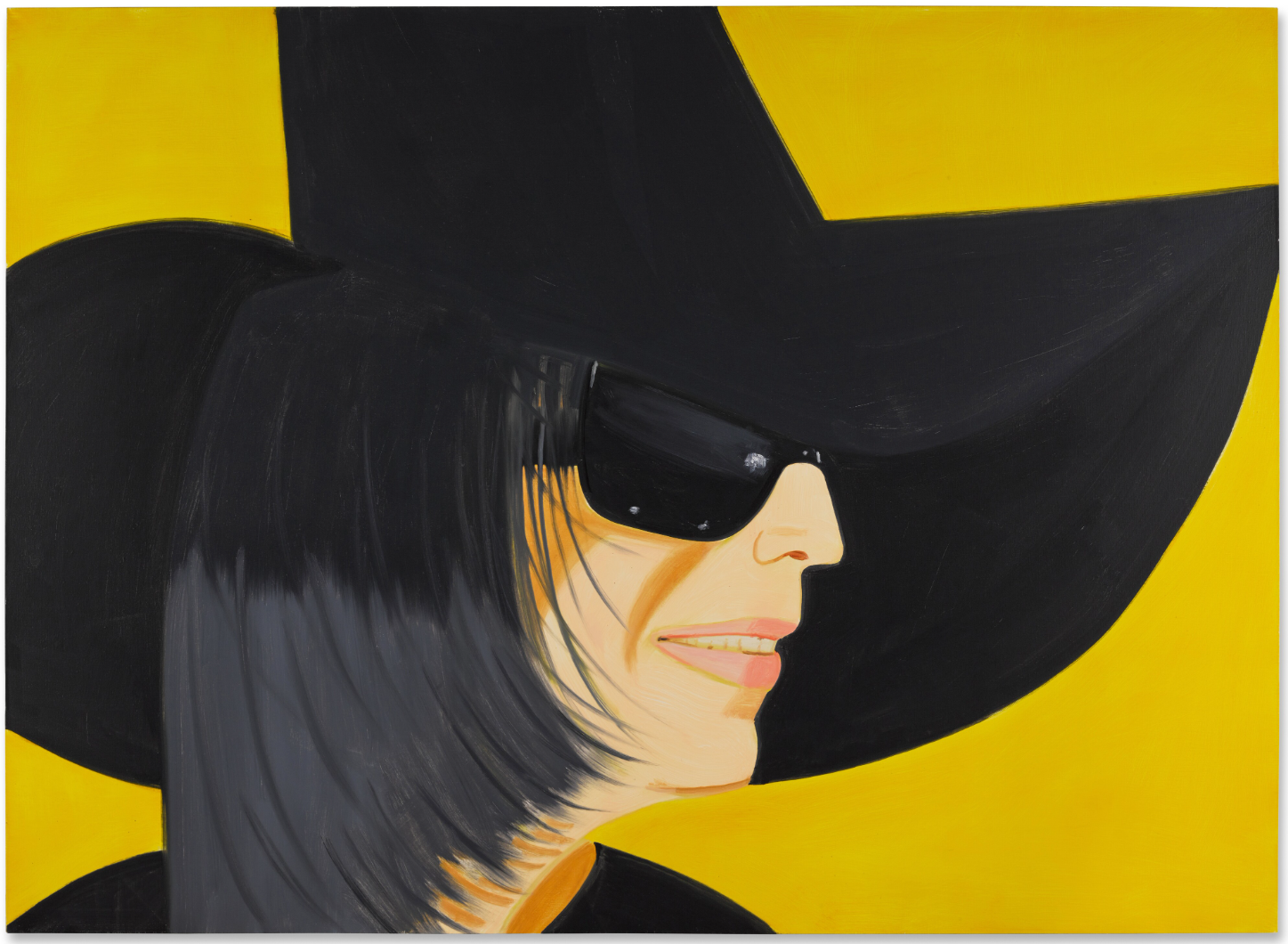
ALEX KATZ (b. 1927)
Black Hat No. 3, 2010
Oil on canvas
48 x 66 1/8 inches (122 x 168.1 cm)
Signed and dated 10 (on the overlap)
#48. Salvo
Sotheby’s London: 6 March 2024
Estimated: GBP 100,000 – 150,000
GBP 381,000 / USD 483,108
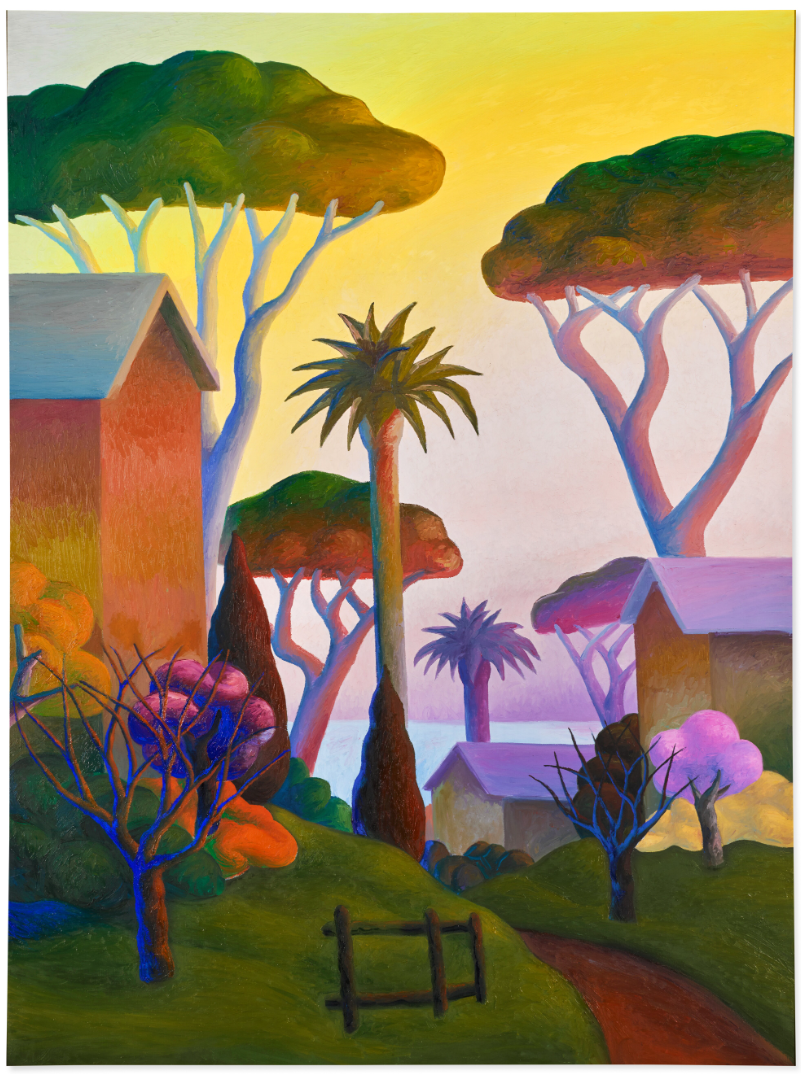
SALVO (1947 – 2015)
Senza titolo, 1988
Oil on canvas
198.9 x 148.6 cm (78 1/4 x 58 1/2 inches)
Signed and dated 88 (on the reverse)
Registered as no. S1988-17 in the Archivio Salvo, Turin
2.2. Day Sale
Modern and Contemporary Day Auction
7 March 2024
Modern & Contemporary Day Auction | 2024 | Sotheby’s (sothebys.com)
Turnover:
GBP 23,536,215
USD 29,843,921
203 Lots
# Lots Unsold: 40
# Lots Sold: 163
Sell-Through Rate: 80.3%
#1. Théo van Rysselberghe
Sotheby’s London: 7 March 2024
Estimated: GBP 500,000 – 700,000
GBP 1,379,000 / USD 1,748,572
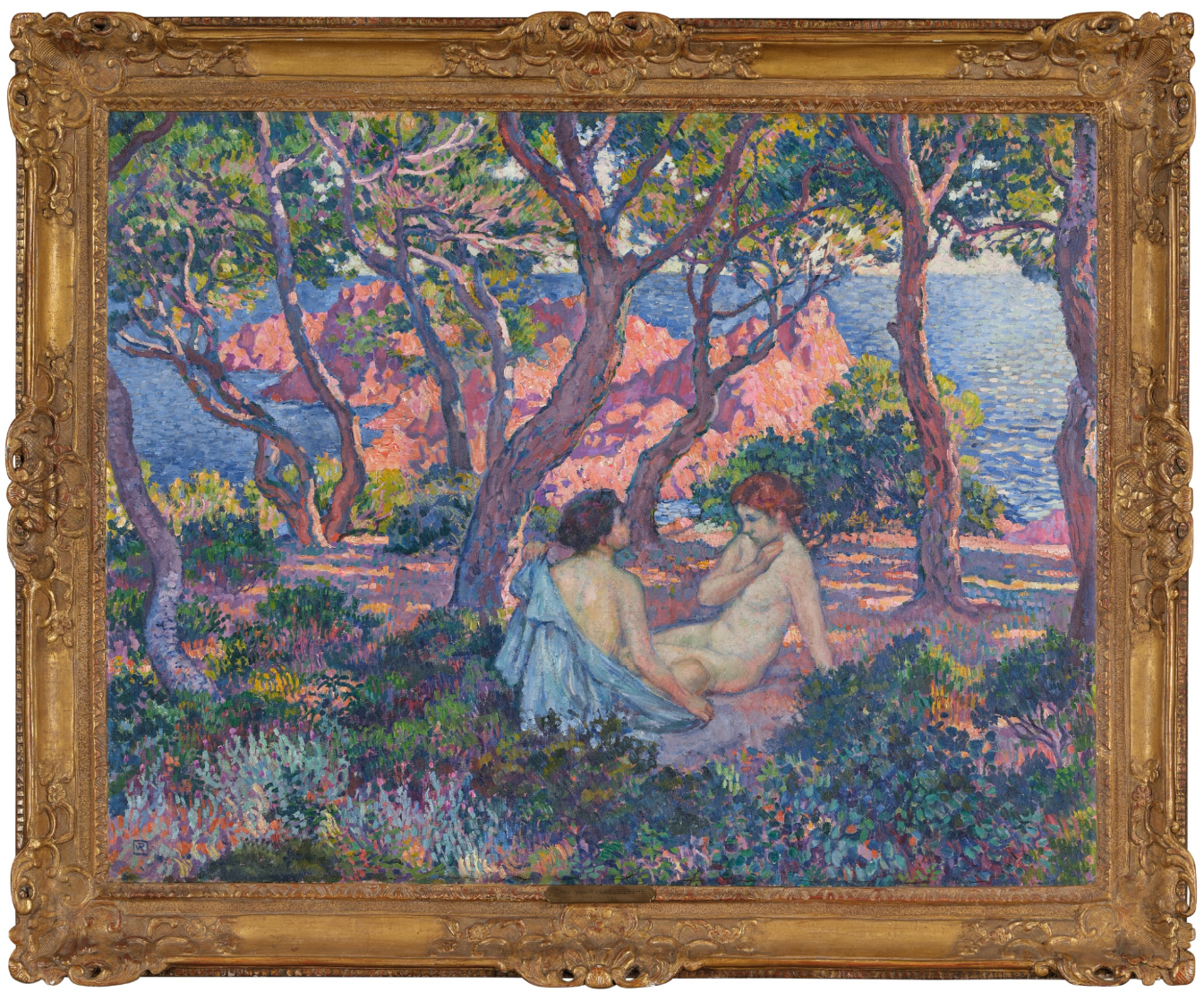
Théo van Rysselberghe (1862 – 1926)
À l’ombre des pins (Agay) or Sous les pins (Agay), 1905
Oil on canvas
85.8 x 110.5 cm (33 3/4 x 39 1/2 inches)
Signed with the monogram (lower left)
#2. Raoul Duffy
Sotheby’s London: 7 March 2024
Estimated: GBP 200,000 – 300,000
GBP 736,600 / USD 934,009
La Baie des Anges à Nice | Modern & Contemporary Day Auction | 2024 | Sotheby’s (sothebys.com)
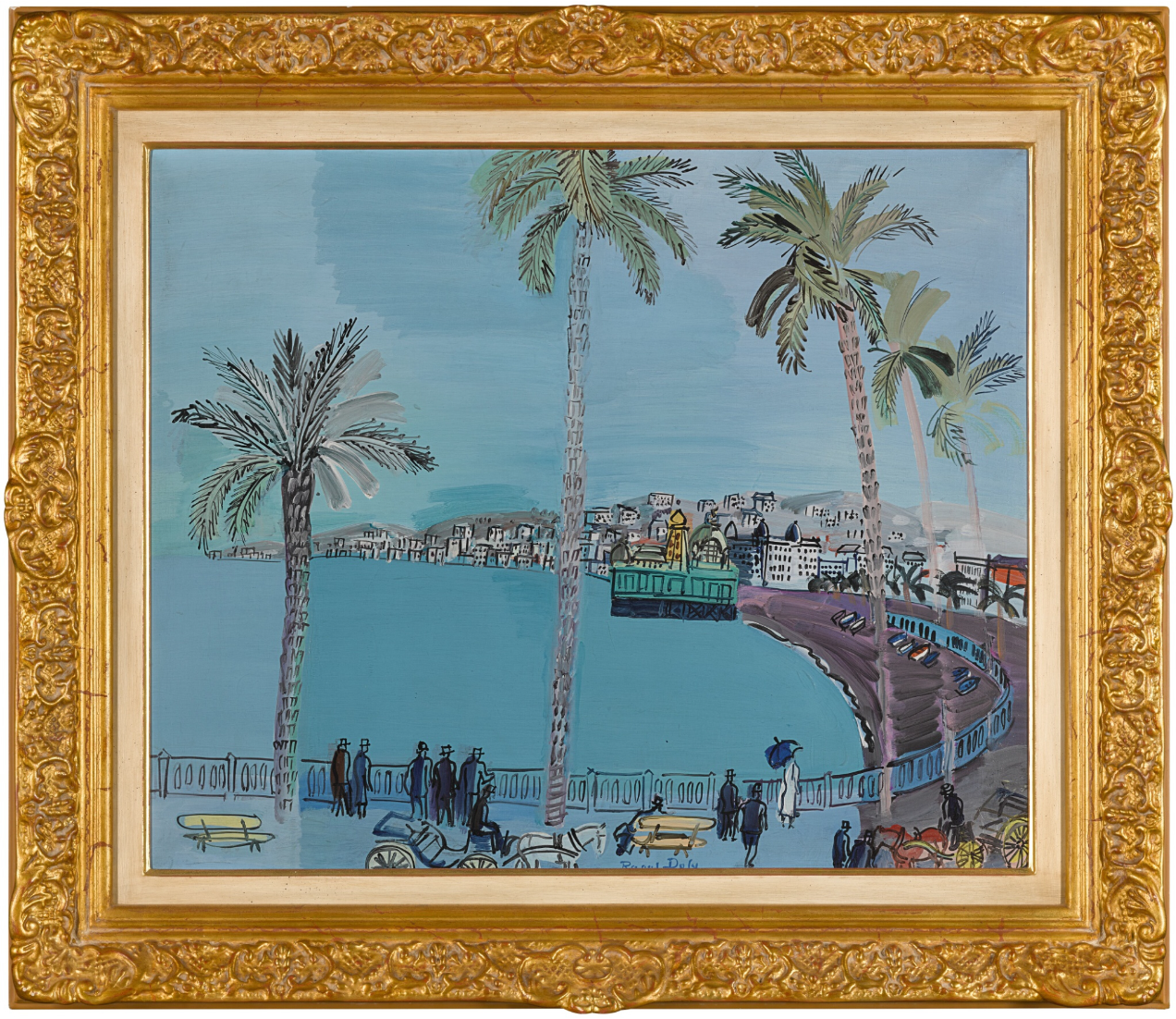
RAOUL DUFFY (1877 – 1953)
La Baie des Anges à Nice, 1926
Oil on canvas
60.7 x 73.3 cm (23 7/8 x 28 7/8 inches)
Signed Raoul Dufy (lower centre)
#3. Tamara de Lempicka
Sotheby’s London: 7 March 2024
Estimated: GBP 300,000 – 500,000
GBP 698,500 / USD 885,698
Paysage de nuit | Modern & Contemporary Day Auction | 2024 | Sotheby’s (sothebys.com)
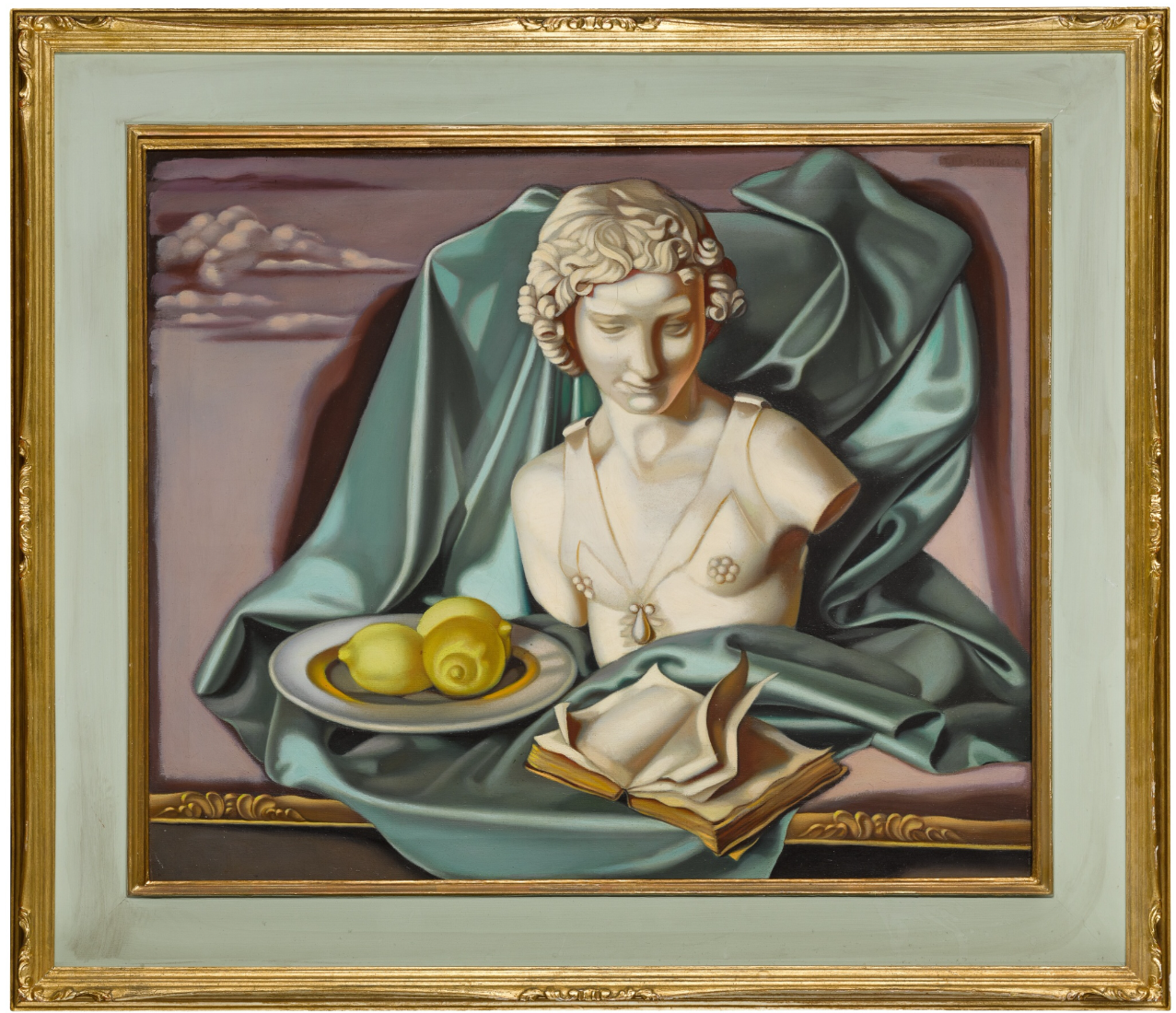
TAMARA DE LEMPICKA (1898 – 1980)
Paysage de nuit, 1950
Oil on canvas
56×66 cm (22 x 26 1/8 inches)
Signed T. de Lempicka (upper right)
Signed indistinctly T. Kuffner multiple times (on the reverse)
#4. Henri Edmond Cross
Sotheby’s London: 7 March 2024
Estimated: GBP 300,000 – 500,000
GBP 698,500 / USD 885,698
Murano, matin | Modern & Contemporary Day Auction | 2024 | Sotheby’s (sothebys.com)
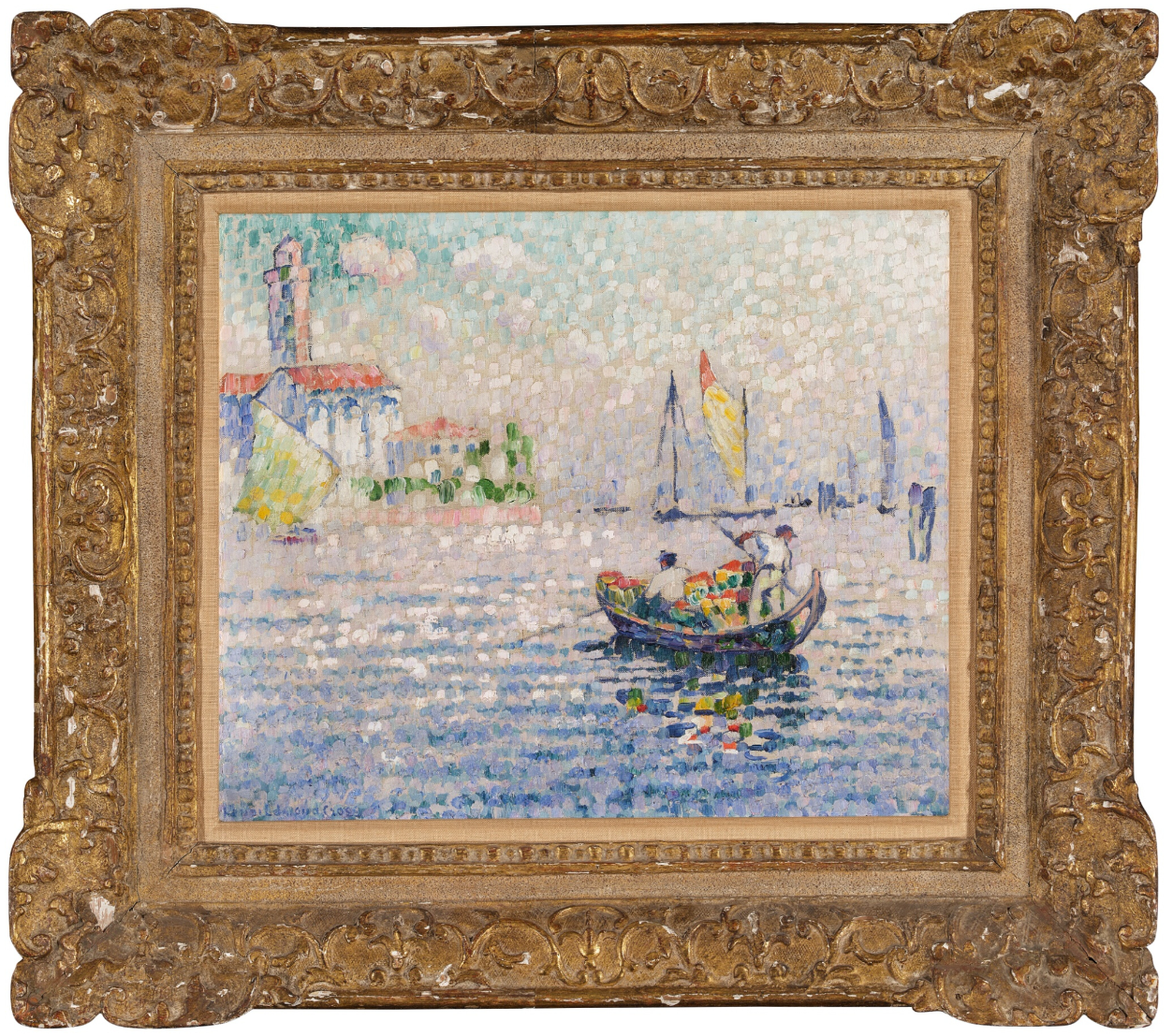
HENRI EDMOND CROSS (1856 – 1910)
Murano, matin, circa 1903-04
Oil on canvas
38.7 x 46 cm (15 1/4 x 18 1/8 inches)
Signed Henri Edmond Cross (lower left)
#5. Salvador Dali
Sotheby’s London: 7 March 2024
Estimated: GBP 500,000 – 700,000
GBP 571,500 / USD 724,662
Sans titre | Modern & Contemporary Day Auction | 2024 | Sotheby’s (sothebys.com)
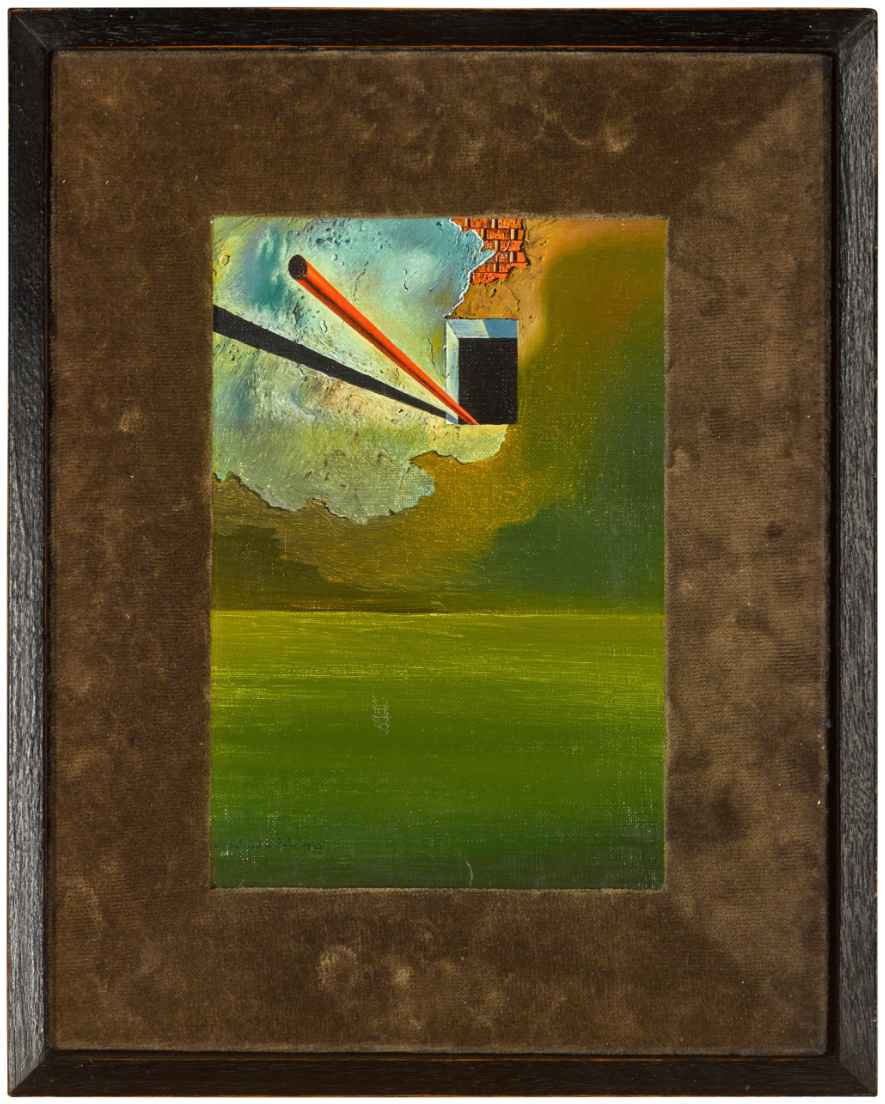
SALVADOR DALI (1904 – 1989)
Sans titre, 1932
Oil on canvas
23.8 x 16.3 cm (9 3/8 x 6 1/2 inches)
Signed Gala Salvador Dalí and dated 1932 (lower left)
#6. Rene Magritte
Sotheby’s London: 7 March 2024
Estimated: GBP 400,000 – 600,000
GBP 520,700 / USD 660,248
Le Printemps éternel | Modern & Contemporary Day Auction | 2024 | Sotheby’s (sothebys.com)
RENE MAGRITTE (1898 – 1967)
Le Printemps éternel, 1937-38
Gouache and pencil on paper
34.7 x 51.1 cm (13 1/2 x 19 1/2 inches)
Signed Magritte (lower right)
#7. Pablo Picasso
Sotheby’s London: 7 March 2024
Estimated: GBP 300,000 – 500,000
GBP 508,000 / USD 644,144
Le Déjeuner sur l’herbe | Modern & Contemporary Day Auction | 2024 | Sotheby’s (sothebys.com)
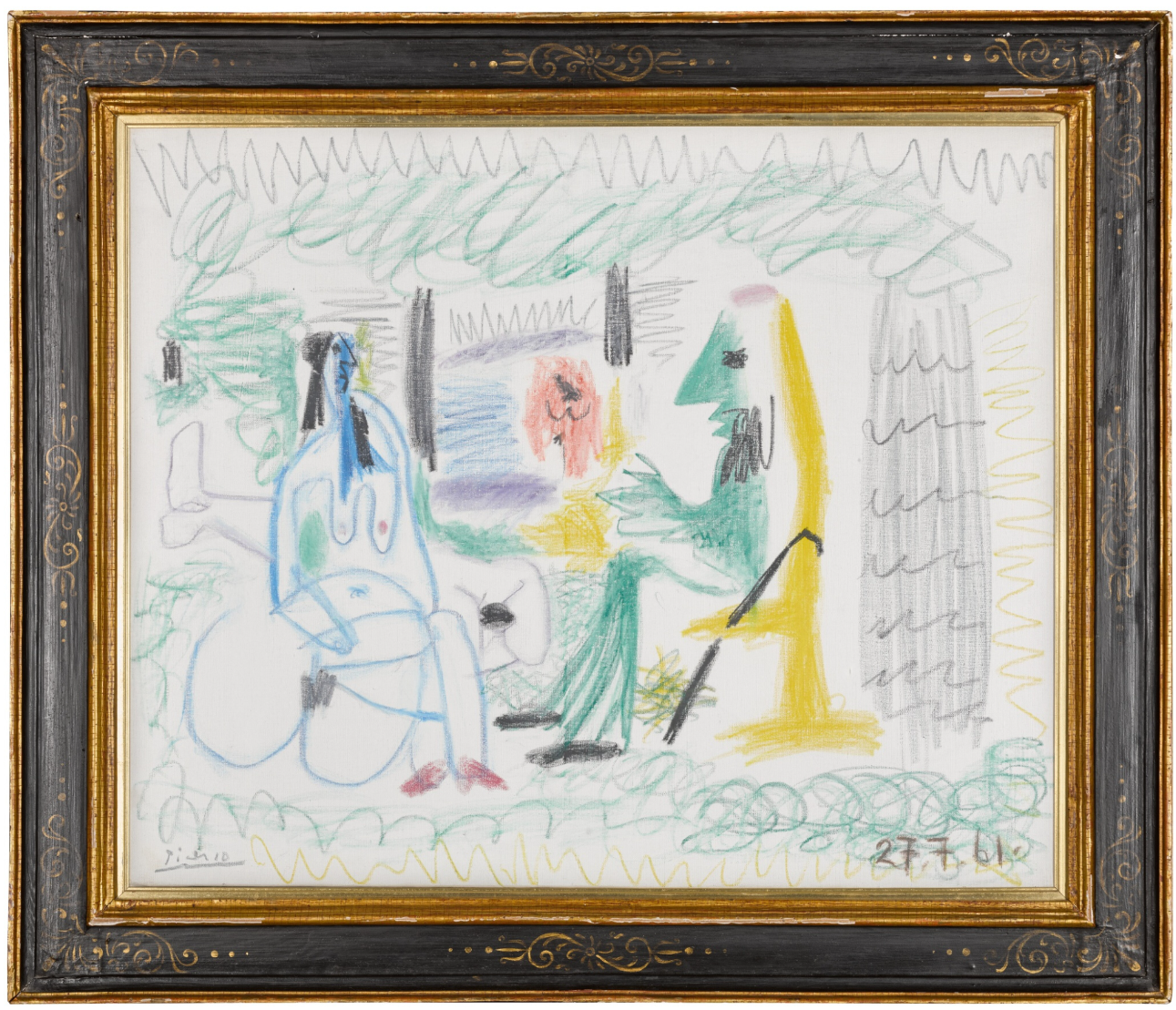
PABLO PICASSO (1881 – 1973)
Le Déjeuner sur l’herbe, 1961
Pastel on canvas
59.9 x 73 cm (23 1/2 x 28 1/8 inches)
Signed Picasso (lower left); dated 27.7.61. (lower right)
#10. George Condo
Sotheby’s London: 7 March 2024
Estimated: GBP 200,000 – 300,000
GBP 482,600 / USD 611,937
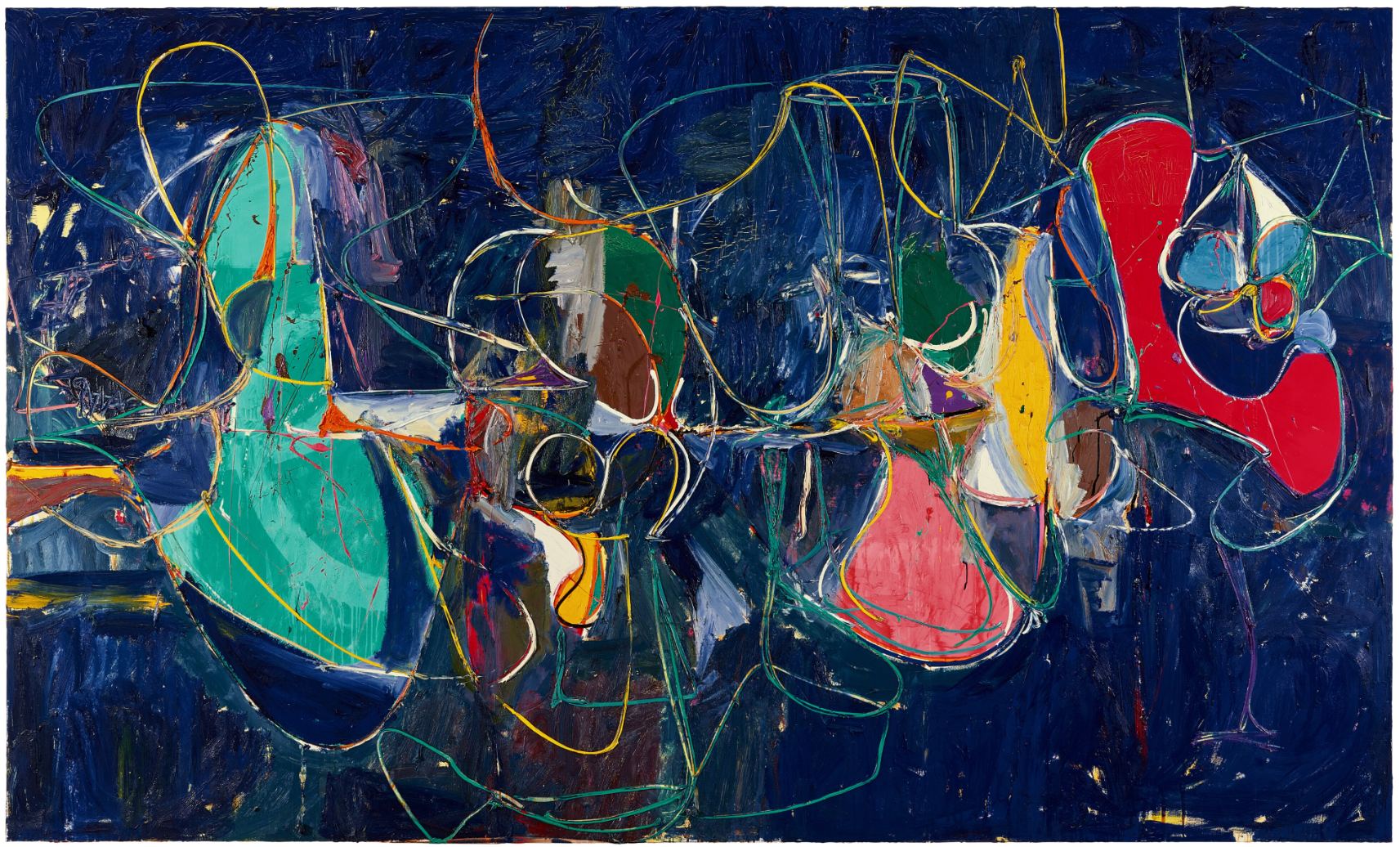
GEORGE CONDO (b. 1957)
Painting for the French Revolution, 1989
Oil on canvas
70 7/8 x 118 1/4 inches (180 x 300.5 cm)
#17. Jean Dubuffet
Sotheby’s London: 7 March 2024
Estimated: GBP 300,000 – 400,000
GBP 355,600 / USD 450,901
Visage rose en pomme de bambou | Modern & Contemporary Day Auction | 2024 | Sotheby’s (sothebys.com)
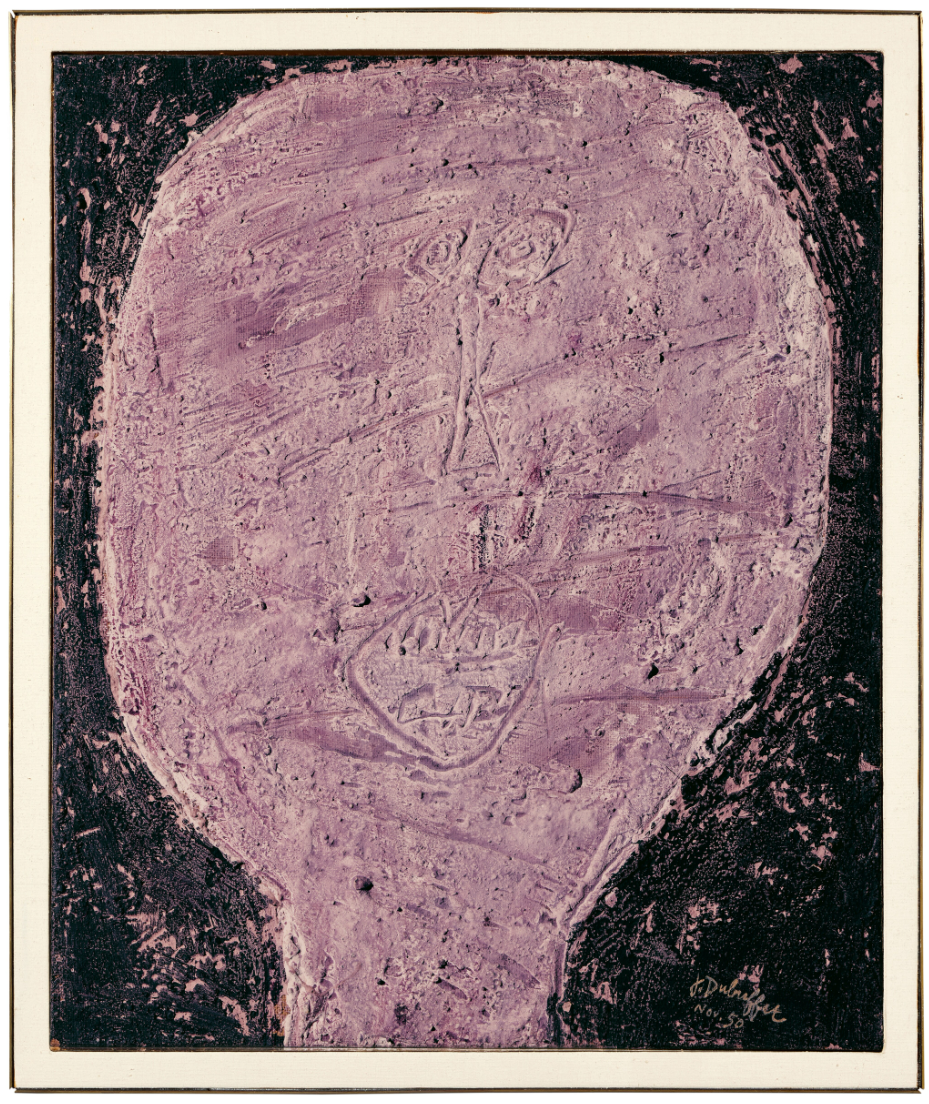
JEAN DUBUFFET (1901 – 1985)
Visage rose en pomme de bambou, 1950
Oil and sand on Masonite
55 x 45.7 cm (22 3/8 x 18 inches)
Signed and dated Nov.50 (lower right)
Signed, titled, dated Novembre 50 and variously inscribed (on the reverse)
#21. Adrian Ghenie
Sotheby’s London: 7 March 2024
Estimated: GBP 250,000 – 300,000
GBP 317,500 / USD 402,090
Charles Darwin as a Young Man | Modern & Contemporary Day Auction | 2024 | Sotheby’s (sothebys.com)
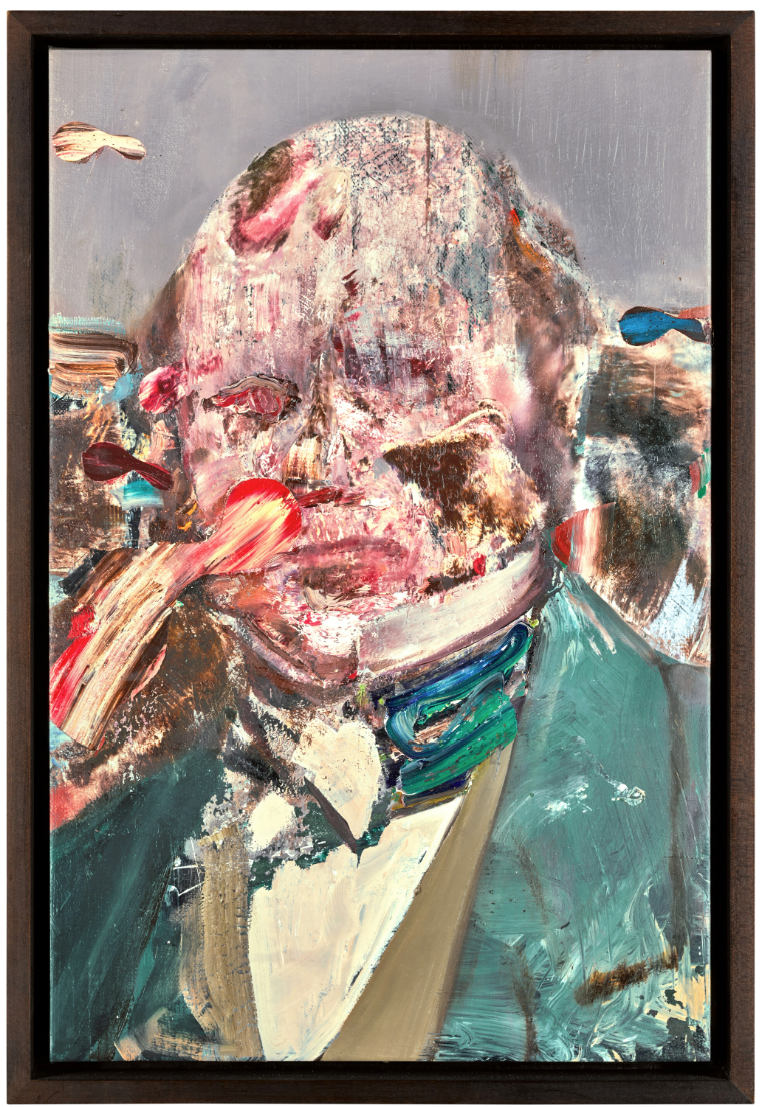
ADRIAN GHENIE (b. 1977)
Charles Darwin as a Young Man, 2014
Oil on canvas
48.8 x 32.1 cm (19 1/4 x 12 5/8 inches)
Signed and dated 2014 (on the reverse)
#23. Gunther Forg
Sotheby’s London: 7 March 2024
Estimated: GBP 150,000 – 200,000
GBP 279,400 / USD 354,279
Untitled | Modern & Contemporary Day Auction | 2024 | Sotheby’s (sothebys.com)
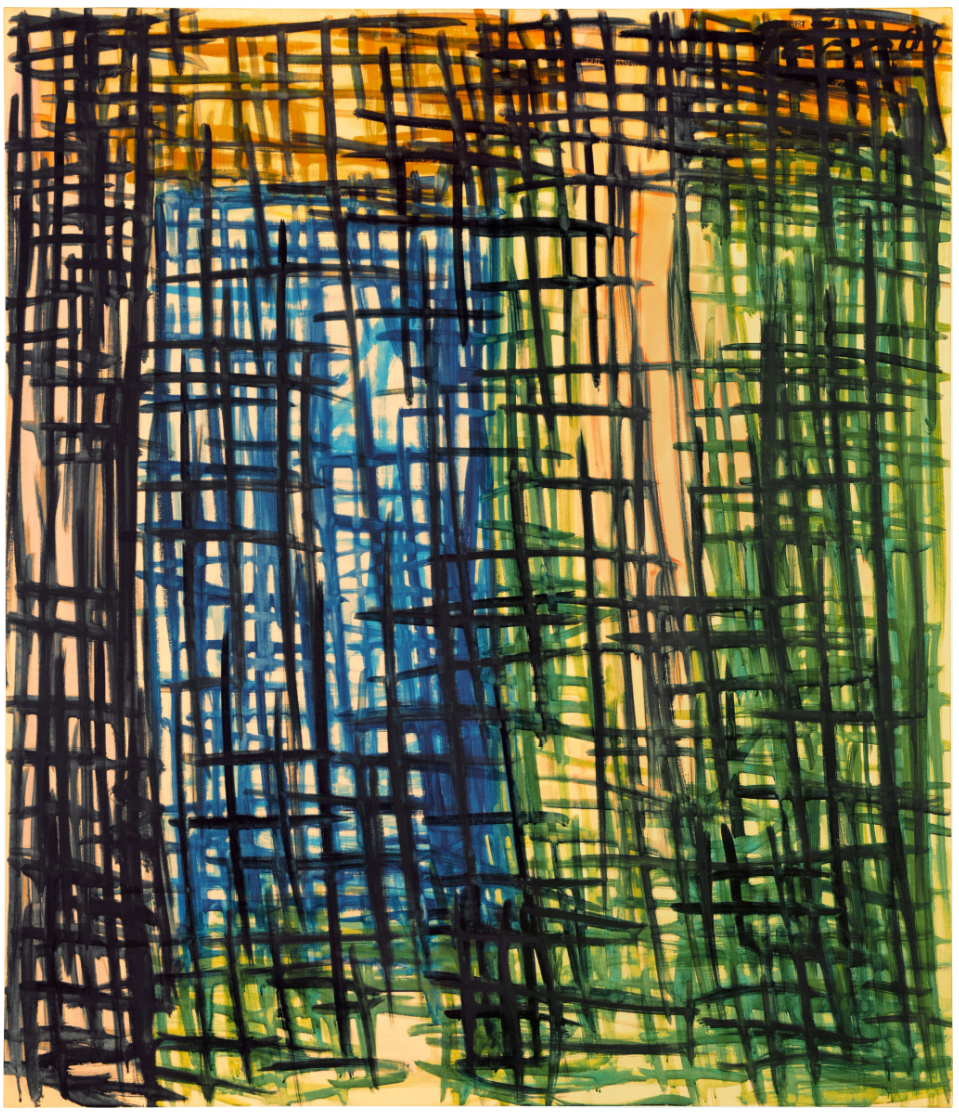
GUNTHER FORG (1952 – 2013)
Untitled, 2006
Acrylic on canvas
150.3 x 130 cm (59 1/8 x 51 1/8 inches)
Signed and dated 06 (upper right)
Recorded in the archive of Günther Förg as No. WVF.06.B.0080
#30. Situations disjointes, 1979
Sotheby’s London: 7 March 2024
Estimated: GBP 200,000 – 300,000
GBP 241,300 / USD 305,968
Situations disjointes | Modern & Contemporary Day Auction | 2024 | Sotheby’s (sothebys.com)
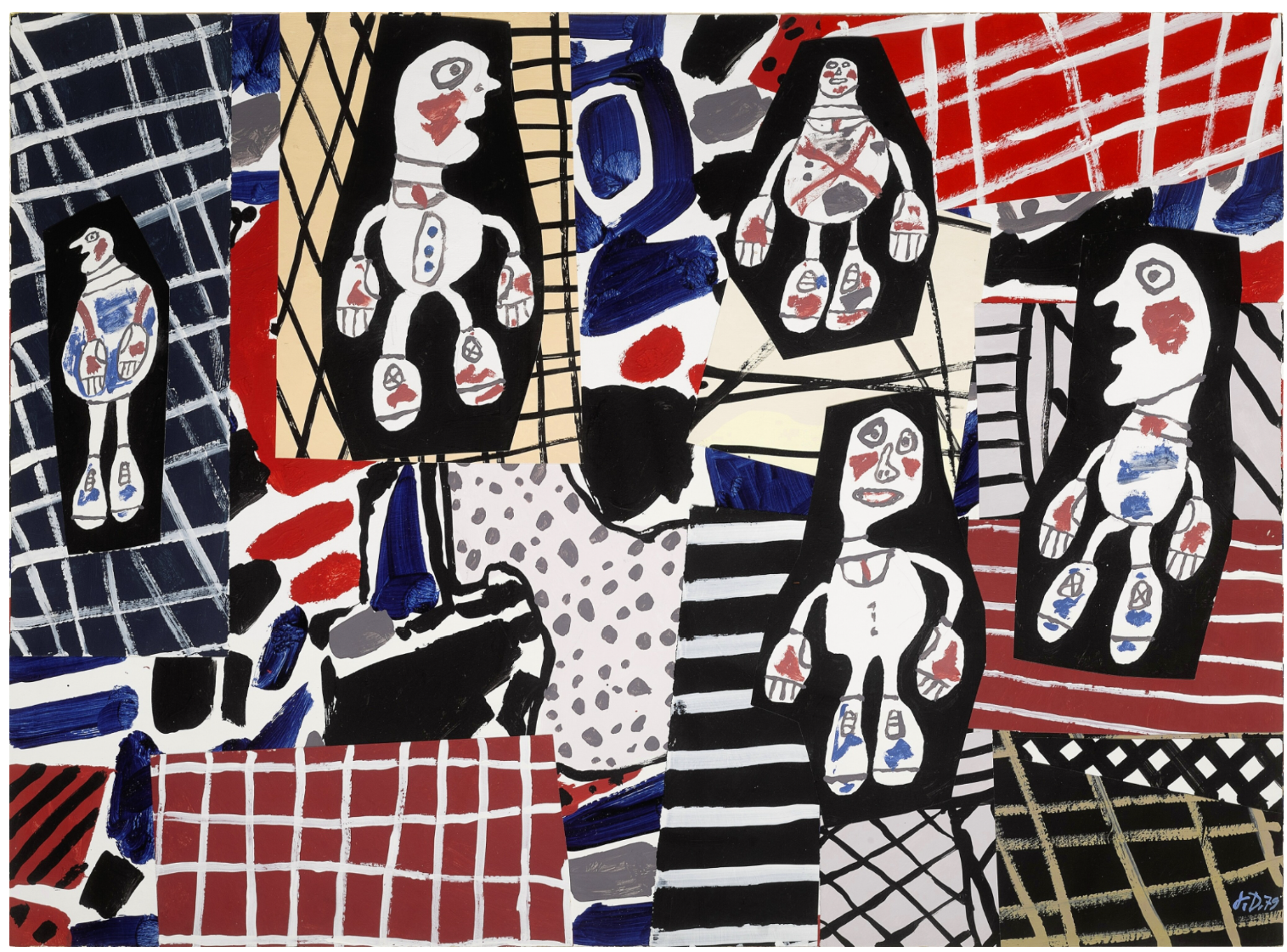
JEAN DUBUFFET (1901 – 1985)
Situations disjointes, 1979
Acrylic, pencil and paper collage on card laid on canvas board
51×70 cm (20 1/8 x 27 1/2 inches)
Signed with the artist’s initials and dated 79 (lower right)
#38. Damien Hirst
Sotheby’s London: 7 March 2024
Estimated: GBP 180,000 – 250,000
GBP 190,500 / USD 241,554
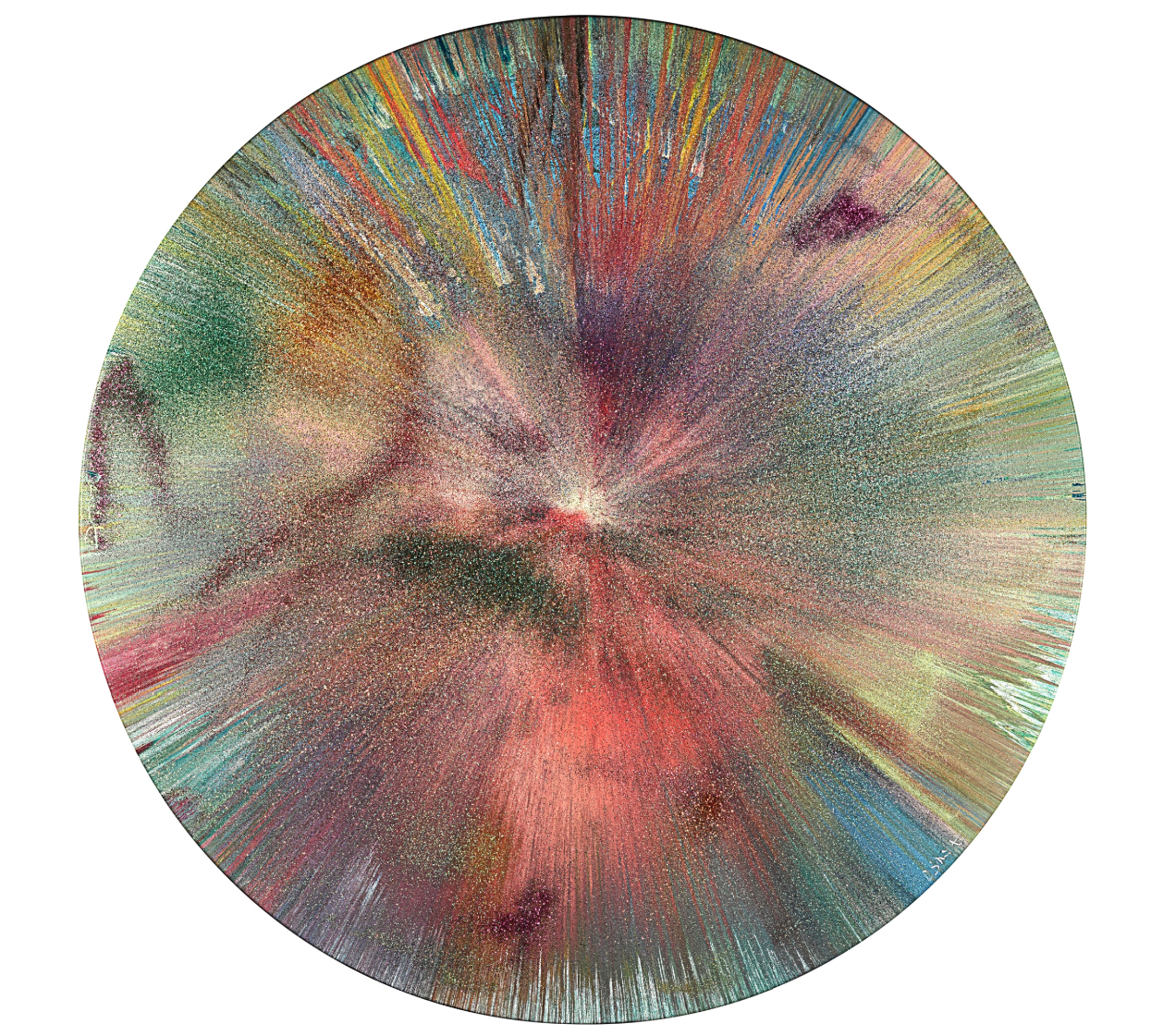
DAMIEN HIRST (b. 1965)
Beautiful celebration at least through a superficial universe painting, with diamonds, 2001
Household gloss and glitter on canvas
Diameter: 84 inches (213.4 cm)
Incised twice with the artist’s signature (lower right and centre left)
#42. Andy Warhol
Sotheby’s London: 7 March 2024
Estimated: GBP 80,000 – 120,000
GBP 101,600 / USD 128,829
Diamond Dust Gem | Modern & Contemporary Day Auction | 2024 | Sotheby’s (sothebys.com)
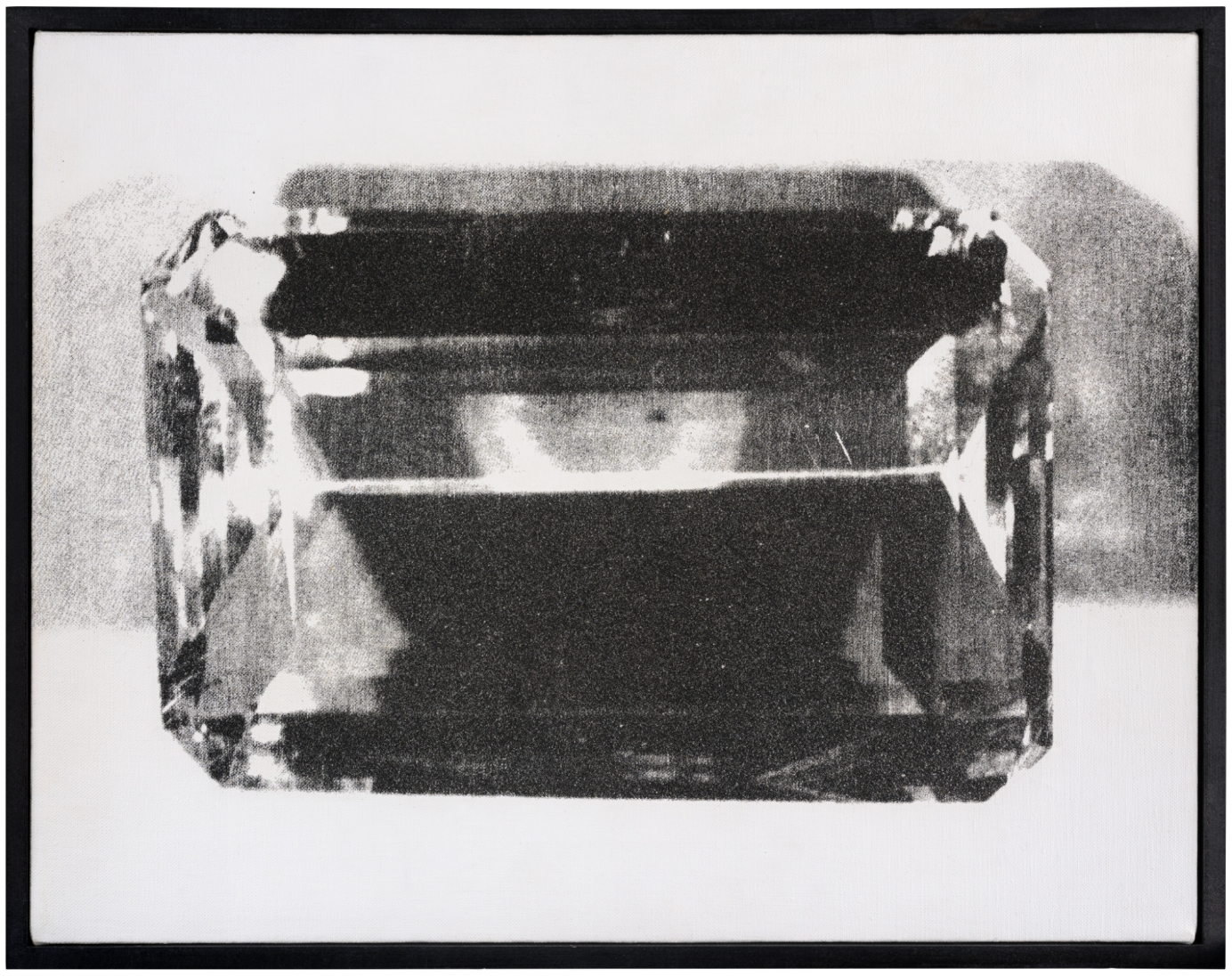
ANDY WARHOL (1928 – 1987)
Diamond Dust Gem, circa 1980
Acrylic, silkscreen ink and diamond dust on canvas
14×18 inches (35.5 x 45.6 cm)
Signed and dedicated To phyllis love Happy Birthday (on the overlap)
3. Phillips
3.1. Evening Sale
20th Century and Contemporary Art Evening Sale
7 March 2024
20th Century & Contemporary Art Evening Sale: London March 2024 (phillips.com)
Turnover
GBP 13,689,650
USD 17,358,476
29 Lots
# Lots Withdrawn: 3
# Lots Unsold: 3
# Lots Sold: 23
Sell-Through Rate: 88.5%
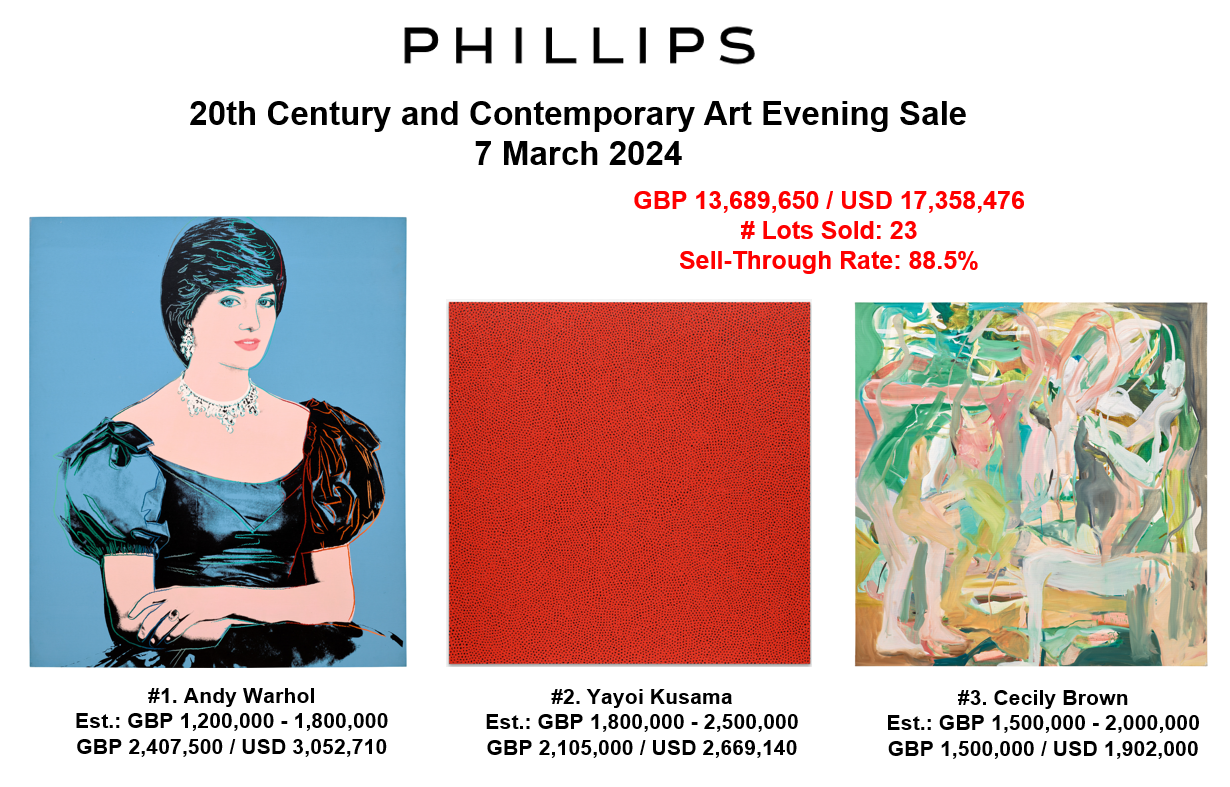
#1. Andy Warhol
Phillips London: 7 March 2024
Estimated: GBP 1,200,000 – 1,800,000
GBP 2,407,500 / USD 3,052,710
Andy Warhol – 20th Century & Contempor… Lot 12 March 2024 | Phillips
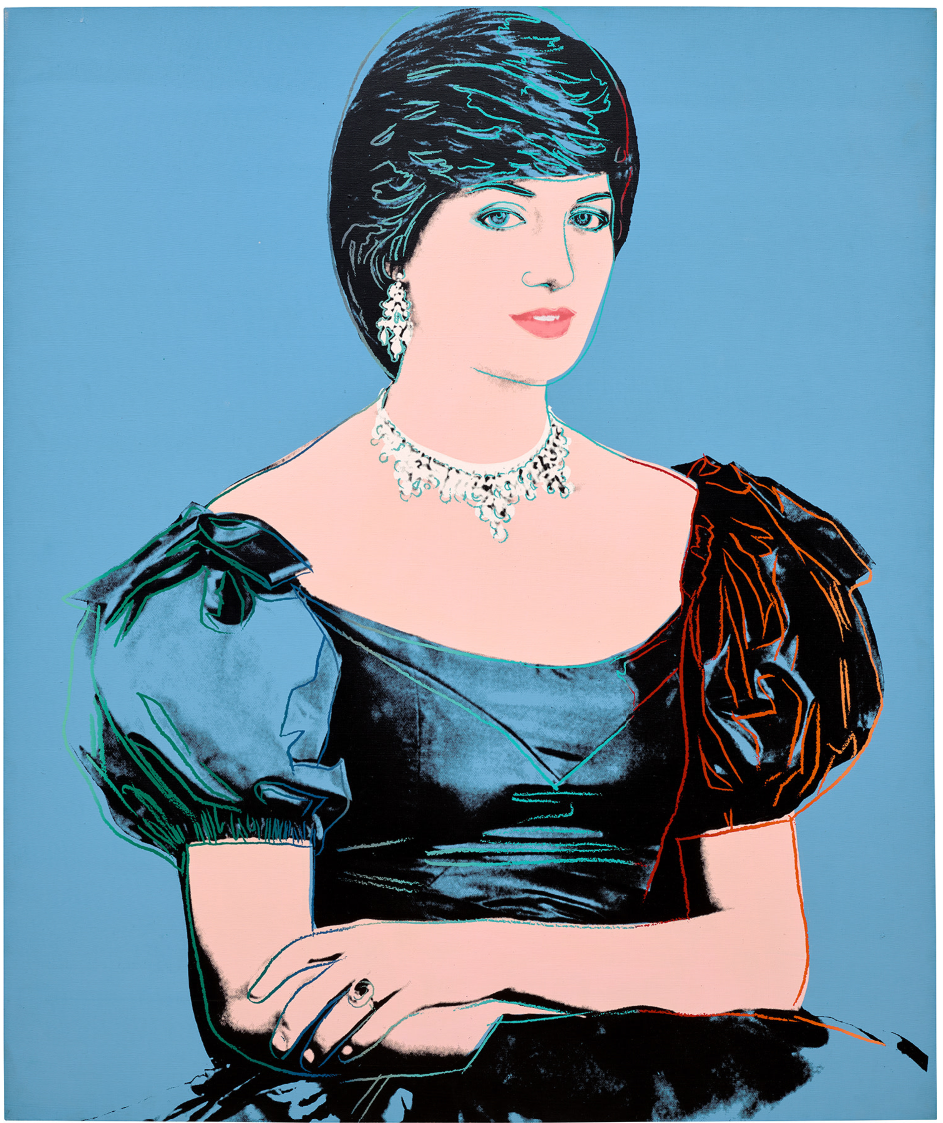
ANDY WARHOL
Portrait of Princess Diana, 1982
Synthetic polymer and silkscreen ink on canvas
50 x 42 3/8 inches (127 x 107.5 cm)
Signed and dated ‘Andy Warhol 82’ on the overlap
#2. Yayoi Kusama
Phillips London: 7 March 2024
Estimated: GBP 1,800,000 – 2,500,000
GBP 2,105,000 / USD 2,669,140
Yayoi Kusama – 20th Century & Contempor… Lot 8 March 2024 | Phillips
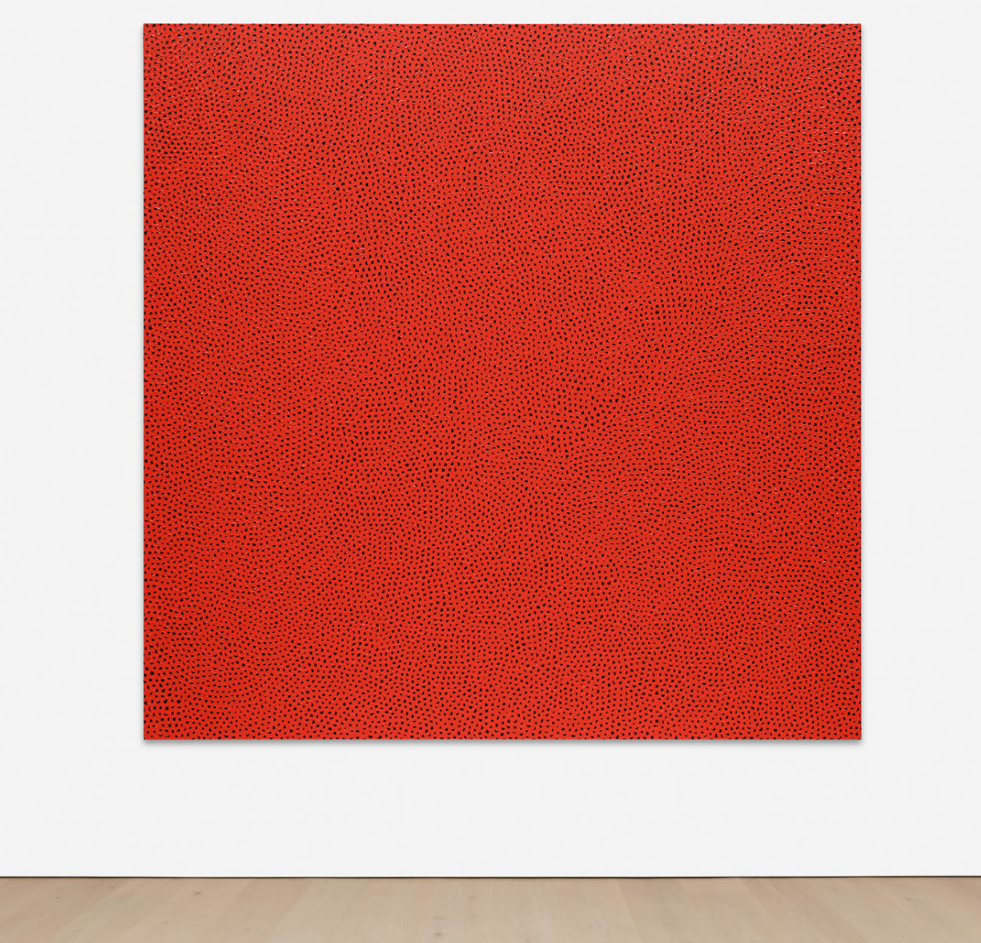
YAYOI KUSAMA
INFINITY-NETS (ZXSSAO), 2008
Acrylic on canvas
194×194 cm (76 3/8 x 76 3/8 inches)
Signed, titled and dated ‘YAYOI KUSAMA 2008 INFINITY NETS ZXSSAO’ on the reverse
#3. Cecily Brown
Phillips London: 7 March 2024
Estimated: GBP 1,500,000 – 2,000,000
GBP 1,500,000 / USD 1,902,000
Cecily Brown – 20th Century & Contempor… Lot 5 March 2024 | Phillips
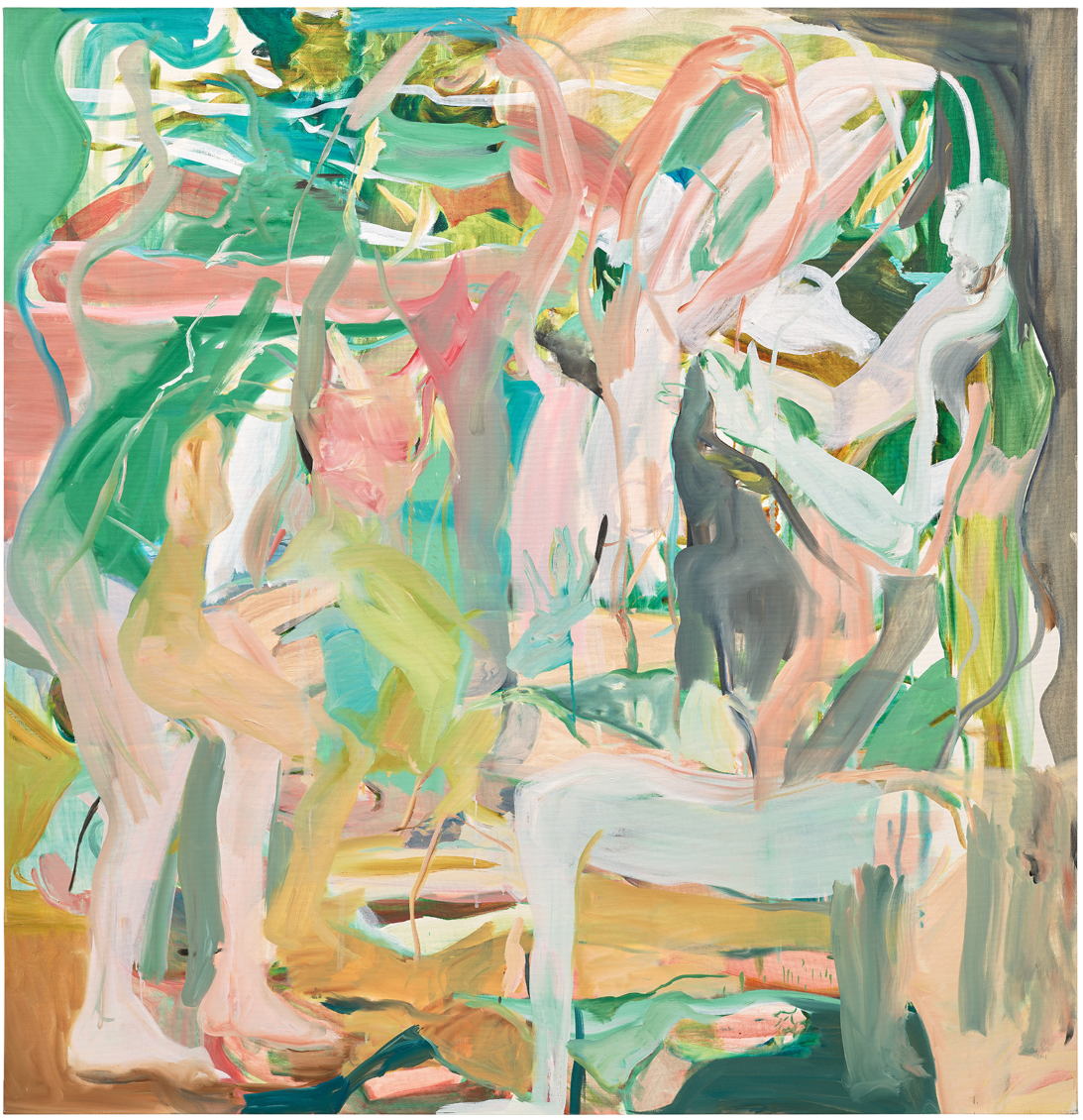
CECILY BROWN
Luck Just Kissed You Hello, 2013
Oil on linen
67 x 65 1/8 inches (170.2 x 165.4 cm)
Signed and dated ‘Cecily Brown 2013’ on the reverse
#4. Anselm Kiefer
Phillips London: 7 March 2024
Estimated: GBP 550,000 – 750,000
GBP 990,600 / USD 1,256,081
Anselm Kiefer – 20th Century & Contempo… Lot 9 March 2024 | Phillips
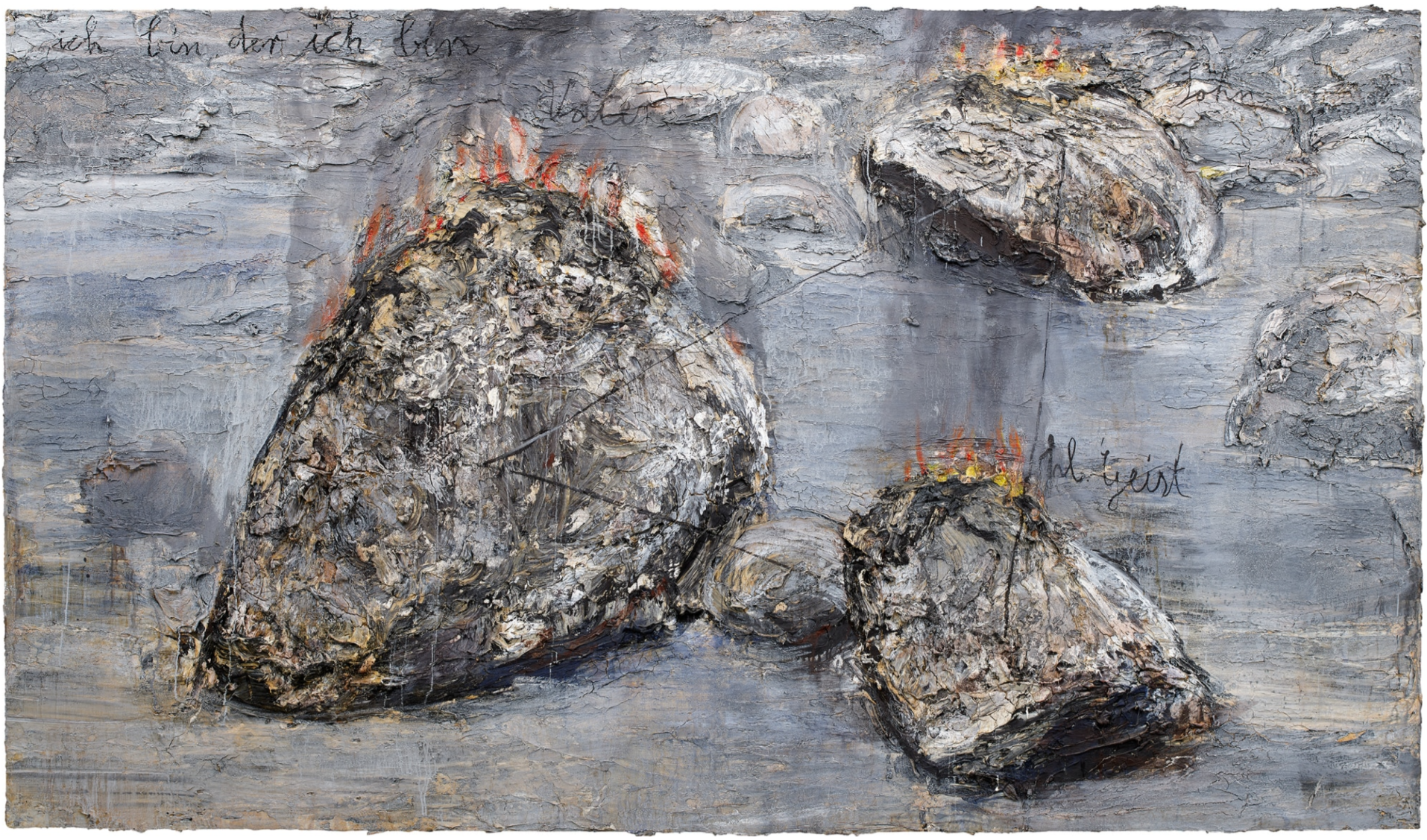
ANSELM KIEFER
Ich Bin, Der Ich Bin, 2008
Oil, emulsion, acrylic and shellac on canvas
193 x 332.5 x 7.2 cm (75 7/8 x 130 7/8 x 2 7/8 inches)
Titled ‘ich bin der ich bin’ upper left
#5. Sigmar Polke
Phillips London: 7 March 2024
Estimated: GBP 800,000 – 1,200,000
GBP 762,000 / USD 966,216
Sigmar Polke – 20th Century & Contempo… Lot 10 March 2024 | Phillips
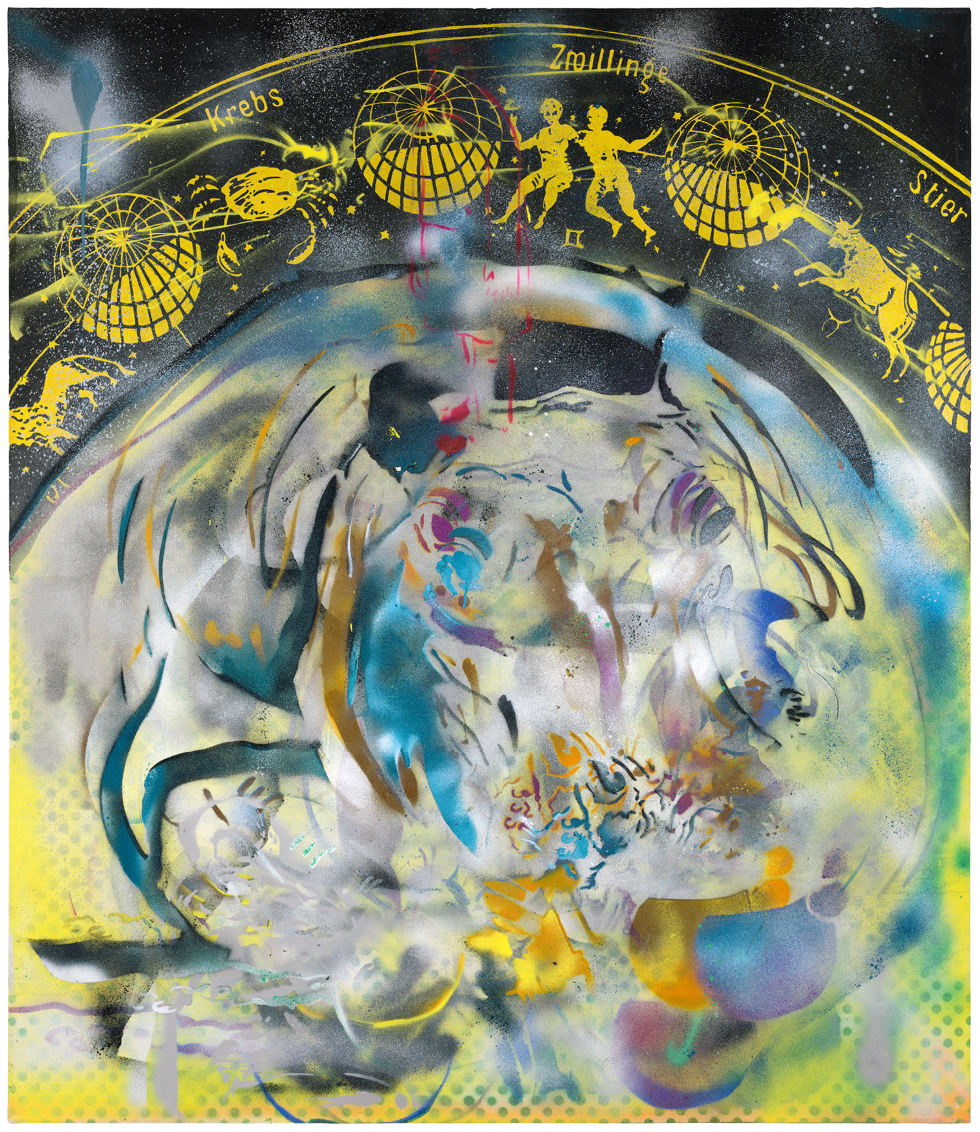
SIGMAR POLKE
Silberner Zwilling, 1975
Acrylic and spraypaint on canvas
150×130 cm (59 x 51 1/8 inches)
Signed and dated ‘S. Polke 1975’ on the reverse
#6. Kehinde Wiley
Phillips London: 7 March 2024
Estimated: GBP 200,000 – 300,000
GBP 660,400 / USD 837,887
Kehinde Wiley – 20th Century & Contemp… Lot 16 March 2024 | Phillips
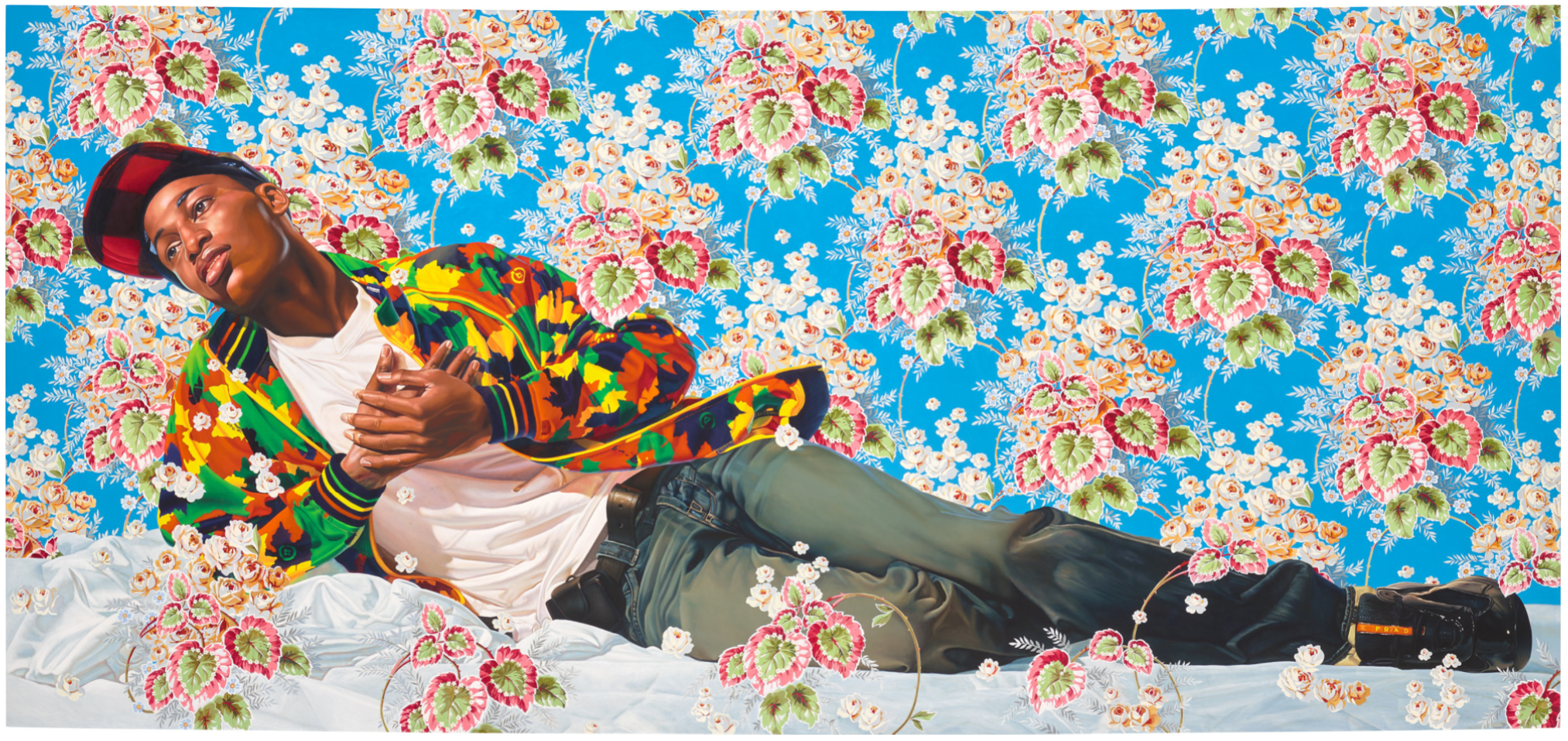
KEHINDE WILEY
Christian Martyr Tarcisius, 2008
Oil on canvas
84 x 180 3/4 inches (213×459 cm)
#7. Frank Auerbach
Phillips London: 7 March 2024
Estimated: GBP 600,000 – 800,000
GBP 635,000 / USD 805,180
Frank Auerbach – 20th Century & Contemp… Lot 7 March 2024 | Phillips
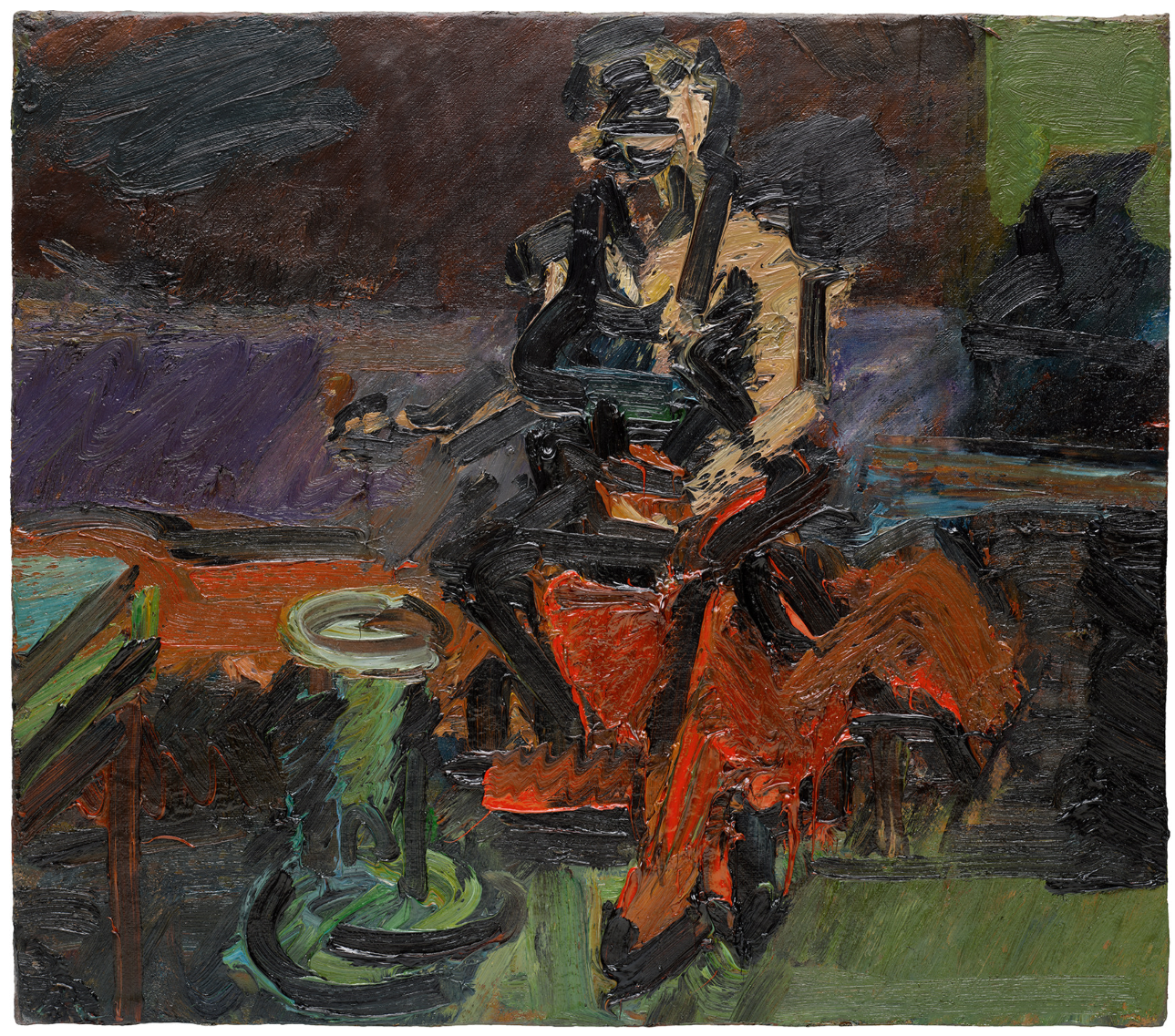
FRANK AUERBACH
J.Y.M. Seated in the Studio II, 1987-1988
Oil on canvas
71.7 x 81.9 cm (28 1/4 x 32 1/4 inches)
#8. Damien Hirst
Phillips London: 7 March 2024
Estimated: GBP 500,000 – 700,000
GBP 571,500 / USD 724,662
Damien Hirst – 20th Century & Contempo… Lot 28 March 2024 | Phillips
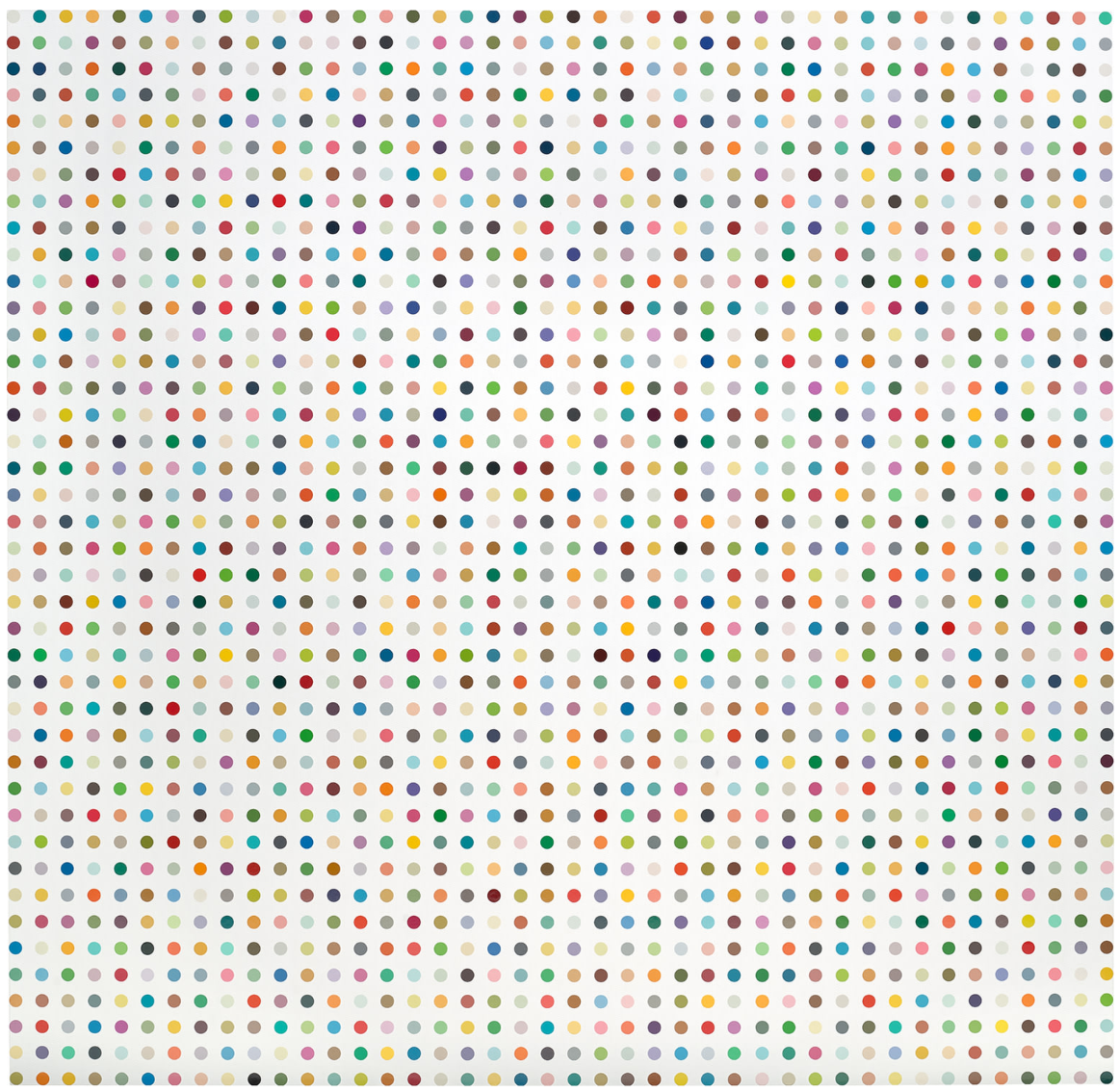
DAMIEN HIRST
Cupric Nitrate, 2007
Household gloss on canvas
81×83 inches (205.7 x 210.8 cm)
Signed, stamped with the artist’s stamp
Titled and dated ‘Damien Hirst D Hirst D Hirst “Cupric Nitrate” 2007’ on the reverse
#10. Jean Dubuffet
Phillips London: 7 March 2024
Estimated: GBP 400,000 – 600,000
GBP 444,500 / USD 563,626
Jean Dubuffet – 20th Century & Contemp… Lot 25 March 2024 | Phillips
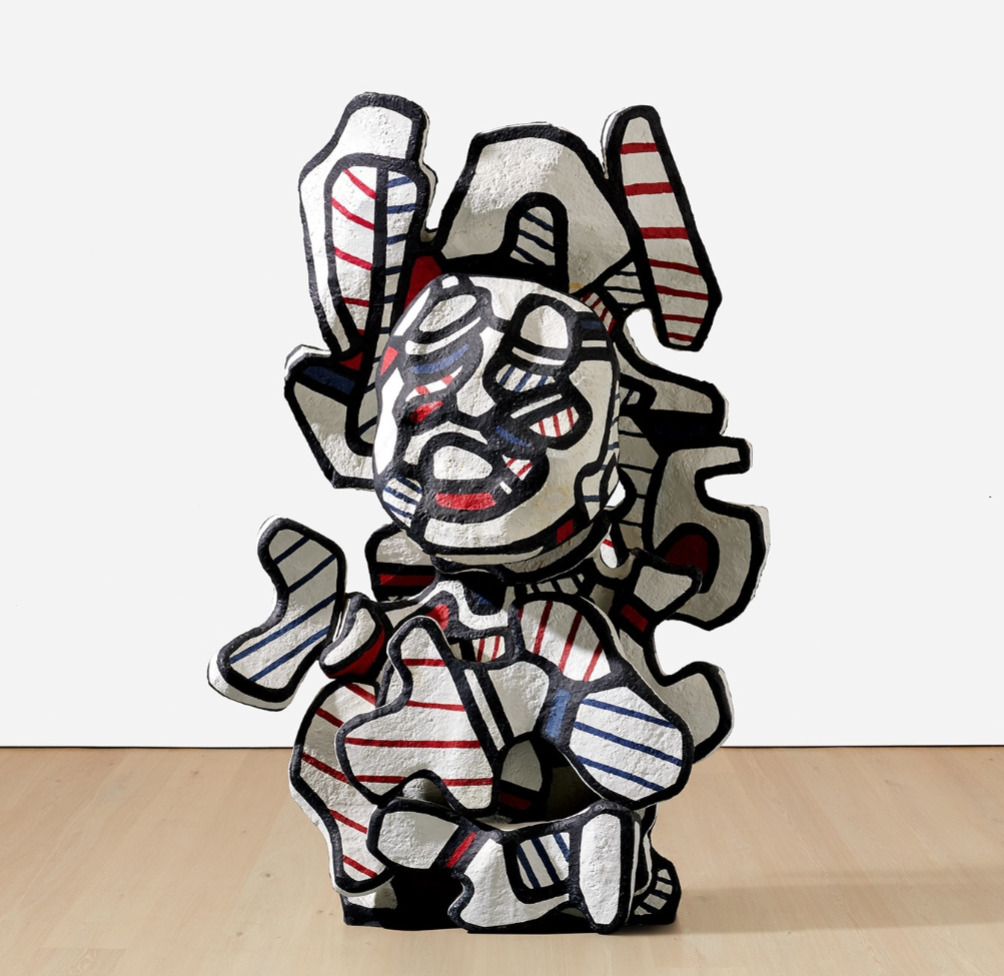
JEAN DUBUFFET
Buste aux envols, 1972
Polyurethane paint on epoxy resin
111.8 x 73.7 x 48.3 cm (44x29x19 inches)
Signed with the artist’s initials and dated ‘J.D. 72’ lower right edge
Executed on 13 May 1972
#13. Mediterraneo, 2008
Phillips London: 6 March 2024
Estimated: GBP 100,000 – 150,000
GBP 368,300 / USD 467,004
Salvo – 20th Century & Contemporary Art… Lot 4 March 2024 | Phillips
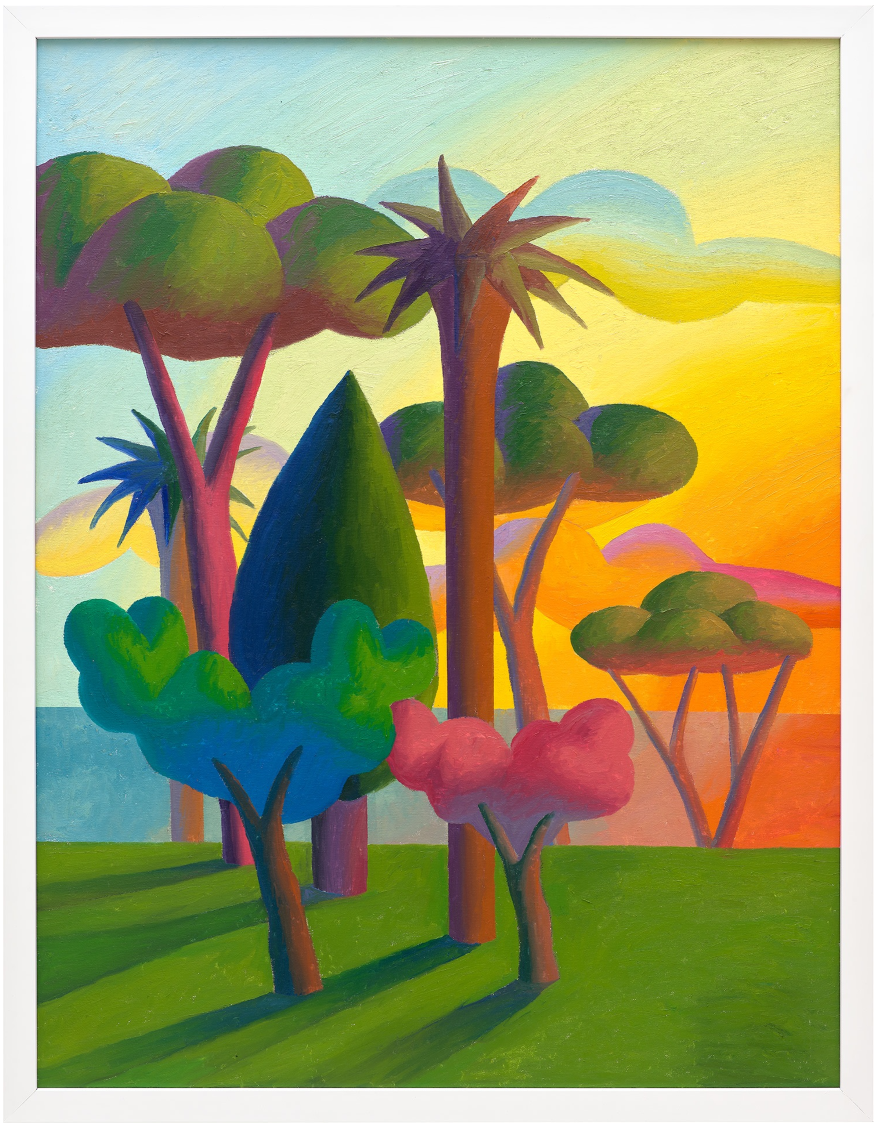
SALVO
Mediterraneo, 2008
Oil on burlap
130.5 x 99.7 cm (51 3/8 x 39 1/4 inches)
Signed, titled and indistinctly inscribed ‘Salvo “mediterraneo”’ on the reverse
Registered in the Archivio Salvo, Turin, under number N.S2008-55
3.2. Day Sale
20th Century and Contemporary Art Day Sale
8 March 2024
20th Century & Contemporary Art Day Sale: London Auction March 2024 (phillips.com)
Turnover
GBP 6,593,840
USD 8,360,989
135 Lots
# Lots Withdrawn: 4
# Lots Unsold: 32
# Lots Sold: 99
Sell-Through Rate: 73.3%
#1. George Condo
Phillips London: 8 March 2024
Estimated: GBP 320,000 – 500,000
GBP 381,000 / USD 483,108
George Condo – 20th Century & Contemp… Lot 129 March 2024 | Phillips
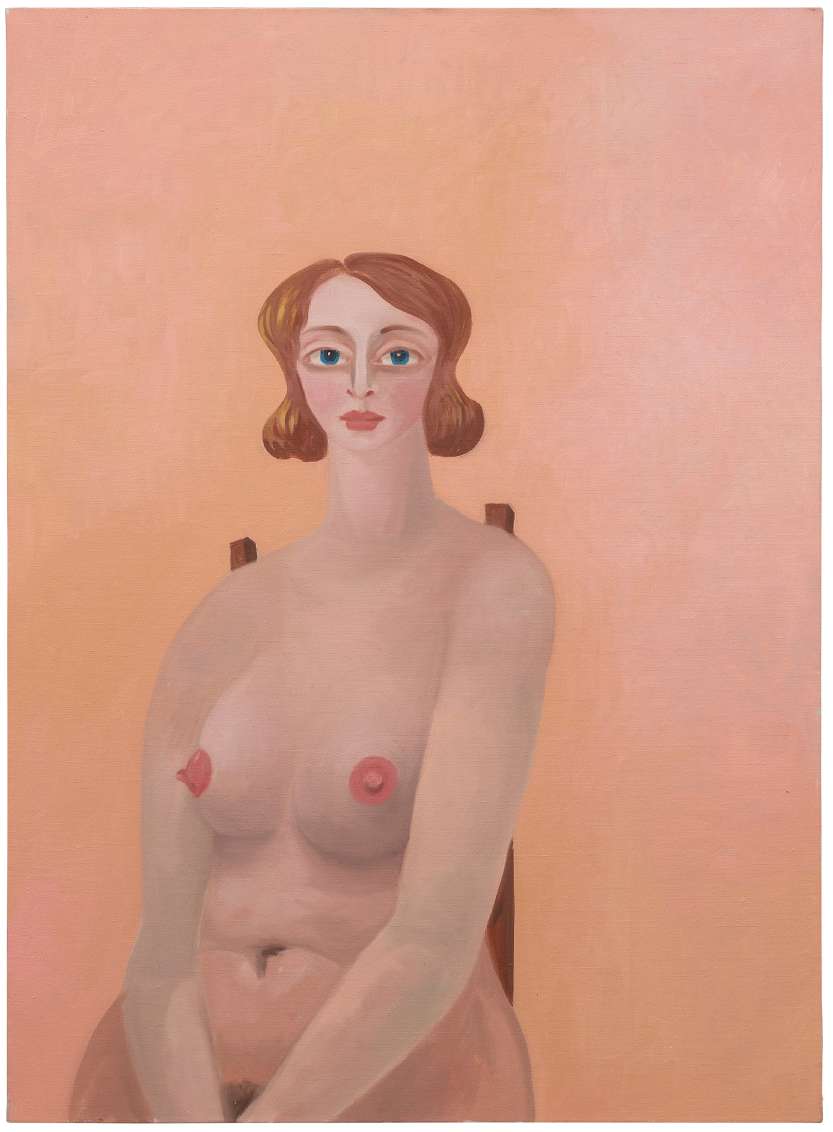
GEORGE CONDO
Irish Girl, 2003
Oil on canvas
100 x 73.7 cm (39 3/8 x 29 inches)
Signed, titled, dedicated, inscribed and dated ‘Condo “The Irish Girl” 2003 To Thomas with Best Wishes in memory of the Great Times installing The Sculpture’ on the reverse
#2. Franz West
Phillips London: 8 March 2024
Estimated: GBP 150,000 – 200,000
GBP 304,800 / USD 386,486
Franz West – 20th Century & Contempor… Lot 147 March 2024 | Phillips
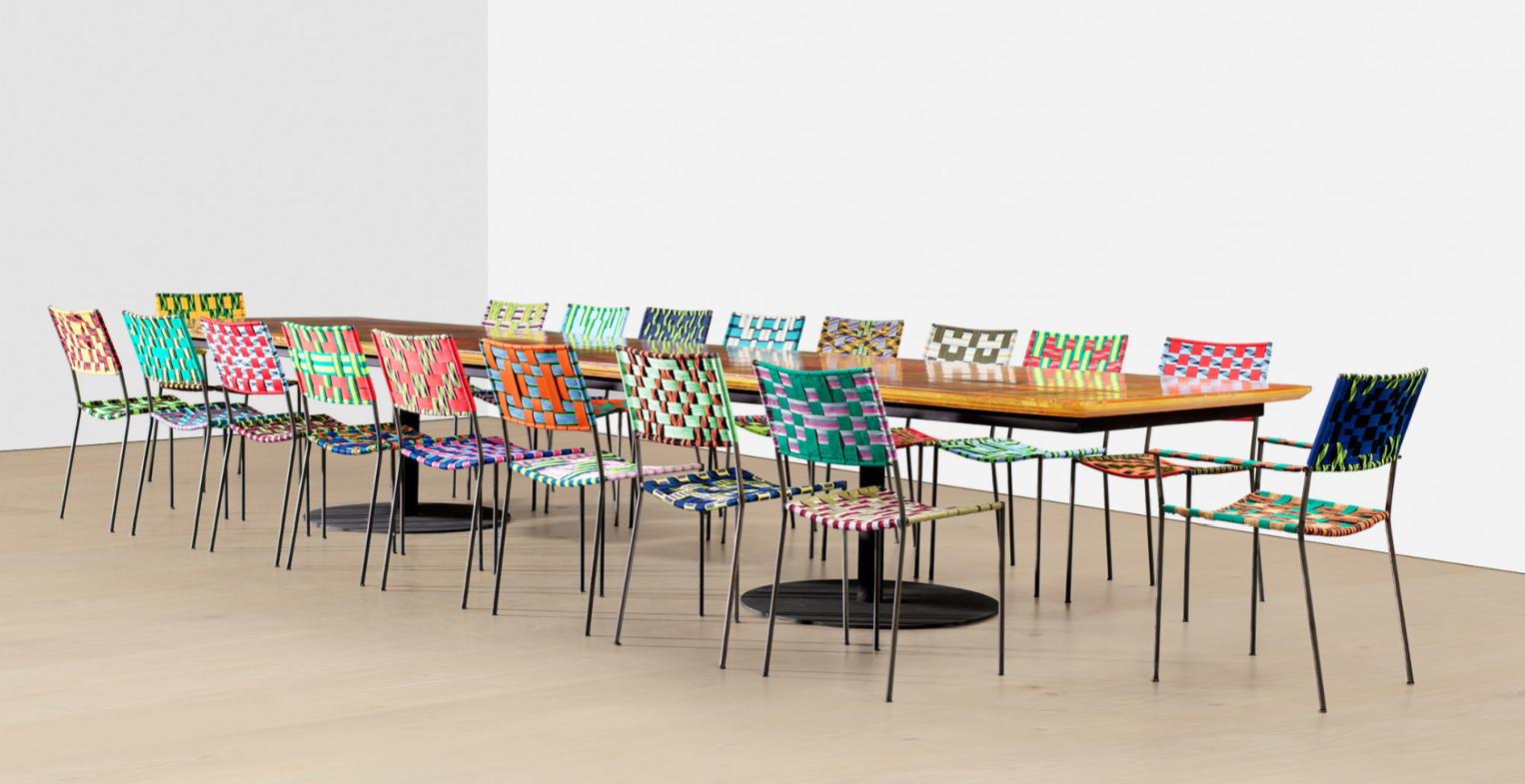
FRANZ WEST
Nineteen Works: (i) Dining Table; (ii-xix) Onkel-Stuhl (Uncle Chair), 2006
(i) wood and resin on steel
(ii-xix) fabric on steel
(i) 78 x 500 x 121.5 cm (30 3/4 x 196 7/8 x 47 7/8 inches)
(ii-xix) 87 x 62.5 x 56 cm (34 1/4 x 24 5/8 x 22 inches)
#3. Antony Gormley
Phillips London: 8 March 2024
Estimated: GBP 90,000 – 120,000
GBP 254,000 / USD 322,072
Antony Gormley – 20th Century & Conte… Lot 126 March 2024 | Phillips
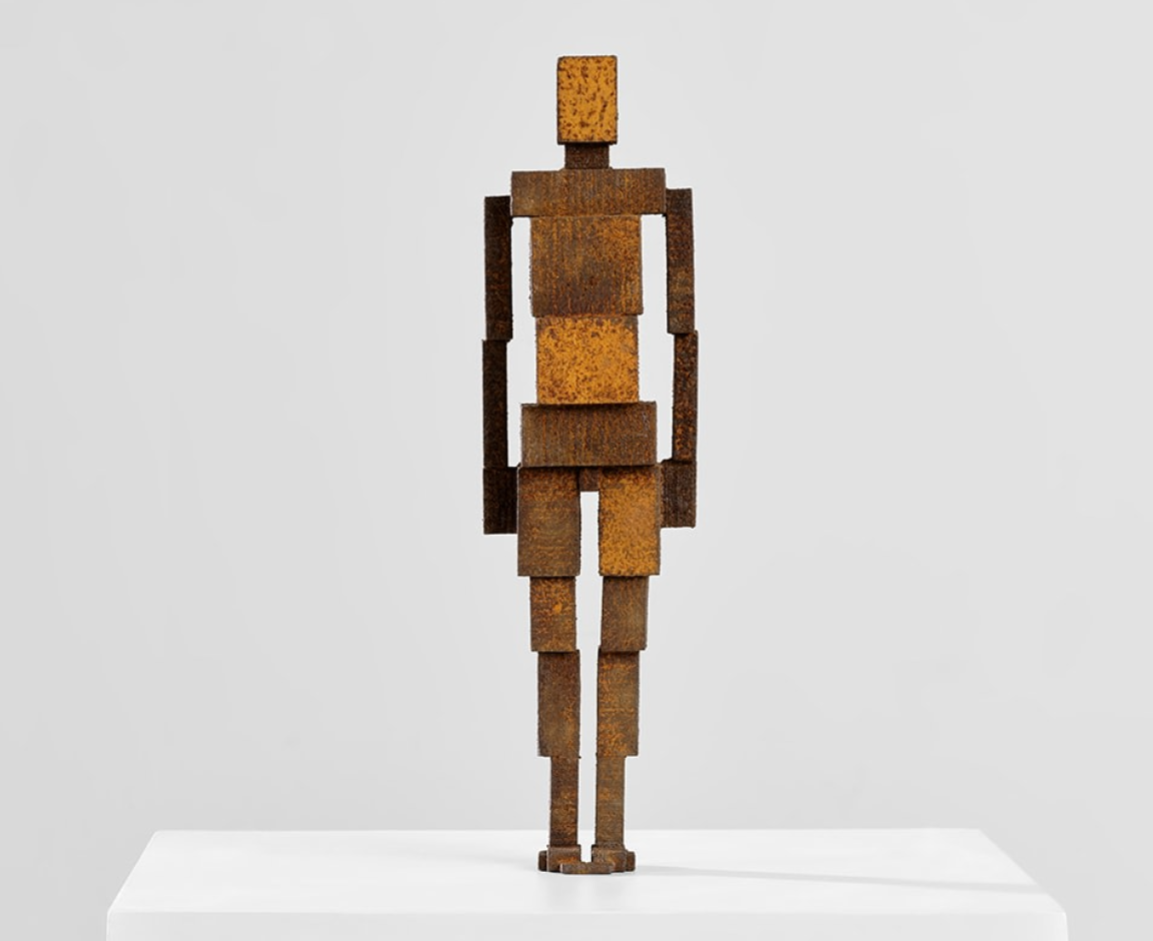
ANTONY GORMLEY
Meme CXX, 2010
Cast iron
36.1 x 9.8 x 5.1 cm (14 1/4 x 3 7/8 x 2 inches)
Incised with the artist’s initials, number and date on the underside
#4. Richard Prince
Phillips London: 8 March 2024
Estimated: GBP100,000 – 150,000
GBP 228,000 / USD 289,865
Richard Prince – 20th Century & Conte… Lot 152 March 2024 | Phillips
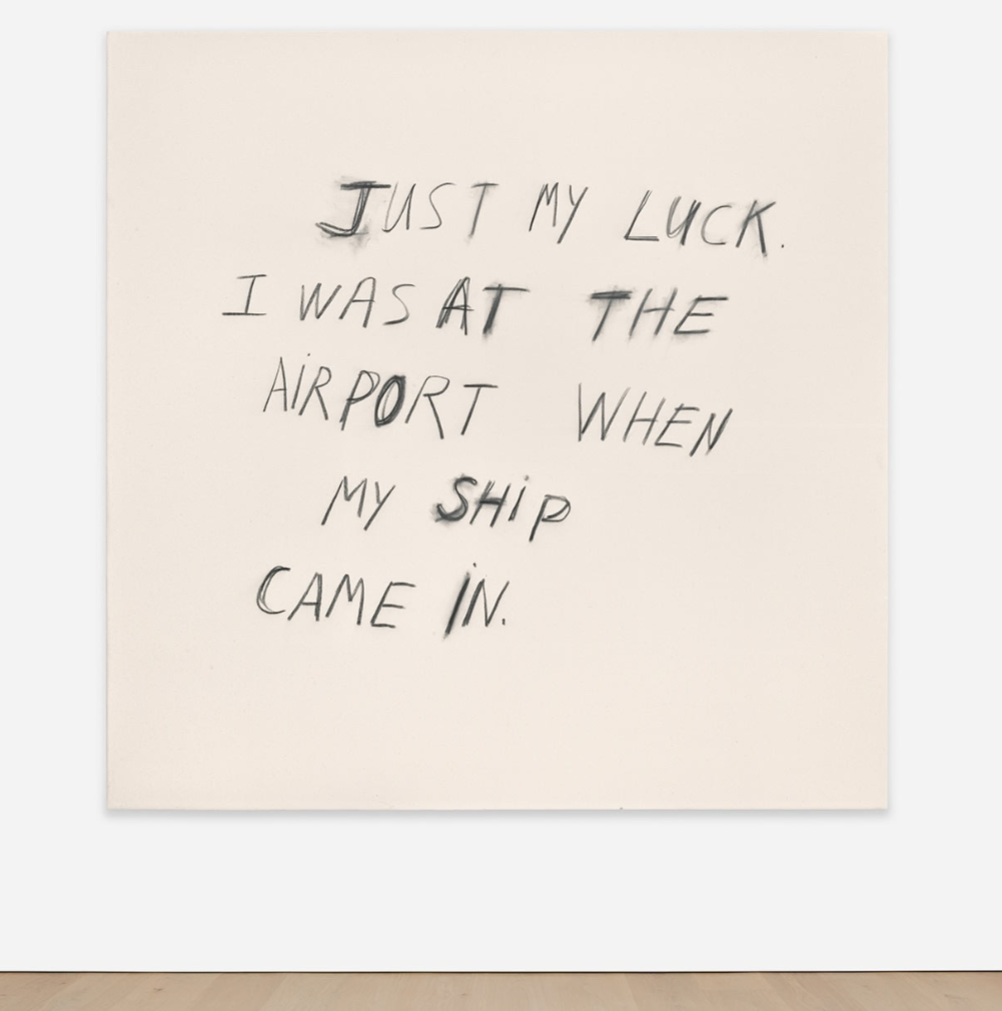
RICHARD PRINCE
Just My Luck, 2021
Charcoal on raw canvas
167.6 x 167.8 cm (65 7/8 x 66 1/8 inches)
Signed, titled and dated ‘Richard Prince 2021 JUST MY LUCK’ on the reverse
#5. William N. Copley
Phillips London: 8 March 2024
Estimated: GBP 120,000 – 180,000
GBP 190,500 / USD 241,554
William N. Copley – 20th Century & Co… Lot 118 March 2024 | Phillips
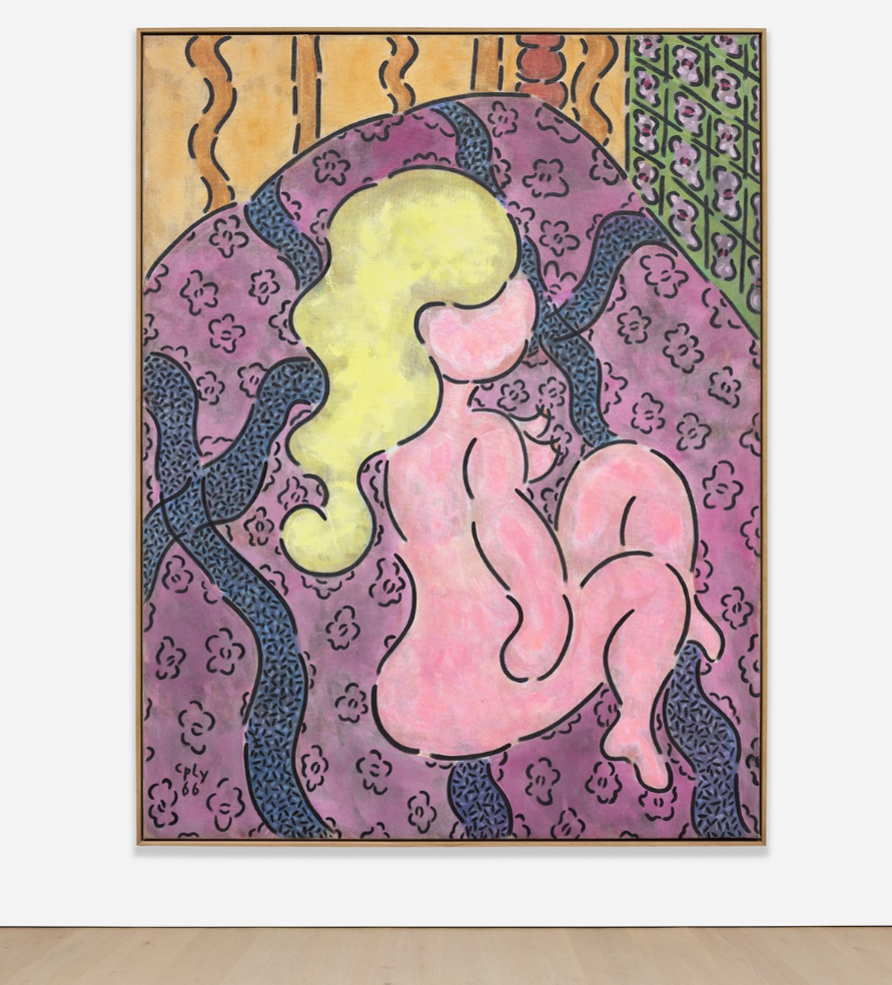
WILLIAM N. COPLEY
Frigid Bridget, 1966
Acrylic on linen
77×59 inches (195.7 x 150 cm)
Signed and dated ‘CPLY 66’ lower left
#6. Sayre Gomez
Phillips London: 8 March 2024
Estimated: GBP 40,000 – 60,000
GBP 190,500 / USD 241,554
Sayre Gomez – 20th Century & Contempo… Lot 229 March 2024 | Phillips
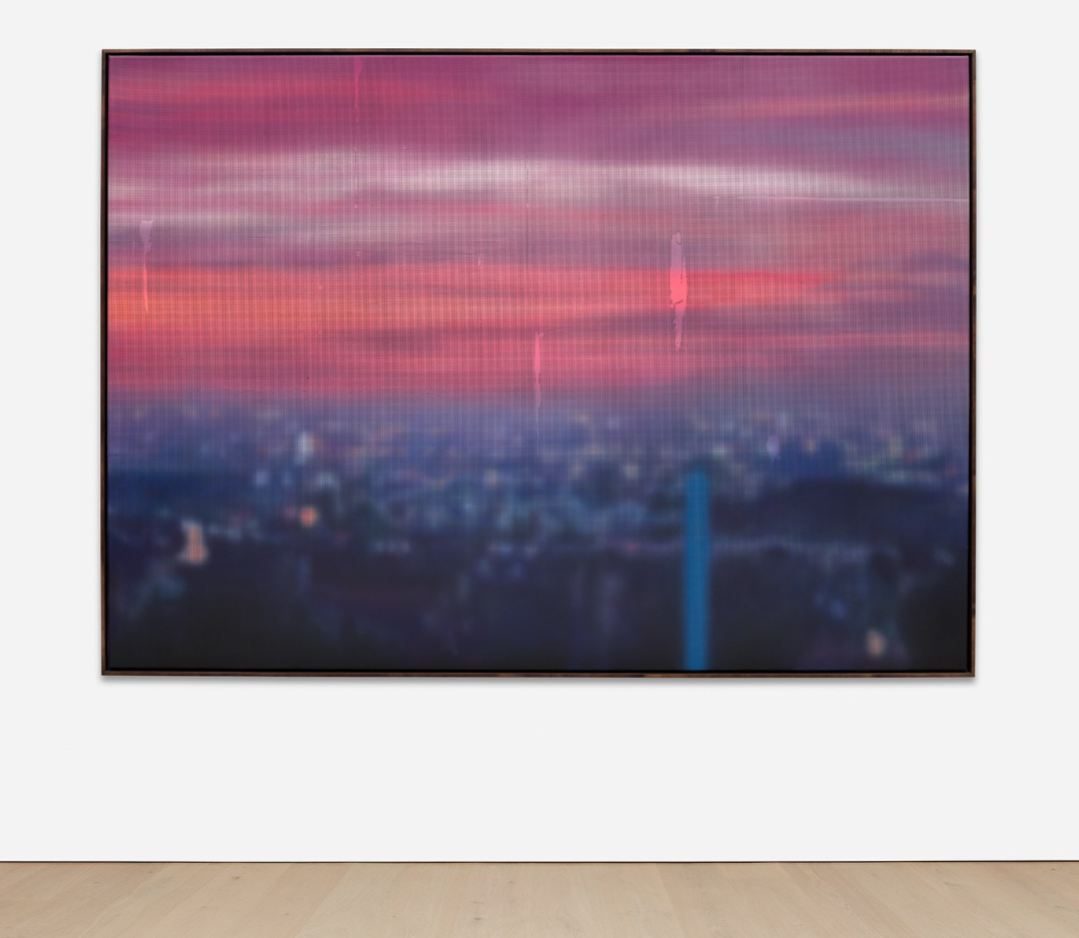
SAYRE GOMEZ
Untitled Landscape, 2018
Acrylic on canvas
152.5 x 213.6 cm (60 x 84 1/8 inches)
Signed and dated ‘Gomez 2018’ on the overlap
#7. Joel Mesler
Phillips London: 8 March 2024
Estimated: GBP 80,000 – 120,000
GBP 165,100 / USD 209,347
Joel Mesler – 20th Century & Contempo… Lot 123 March 2024 | Phillips
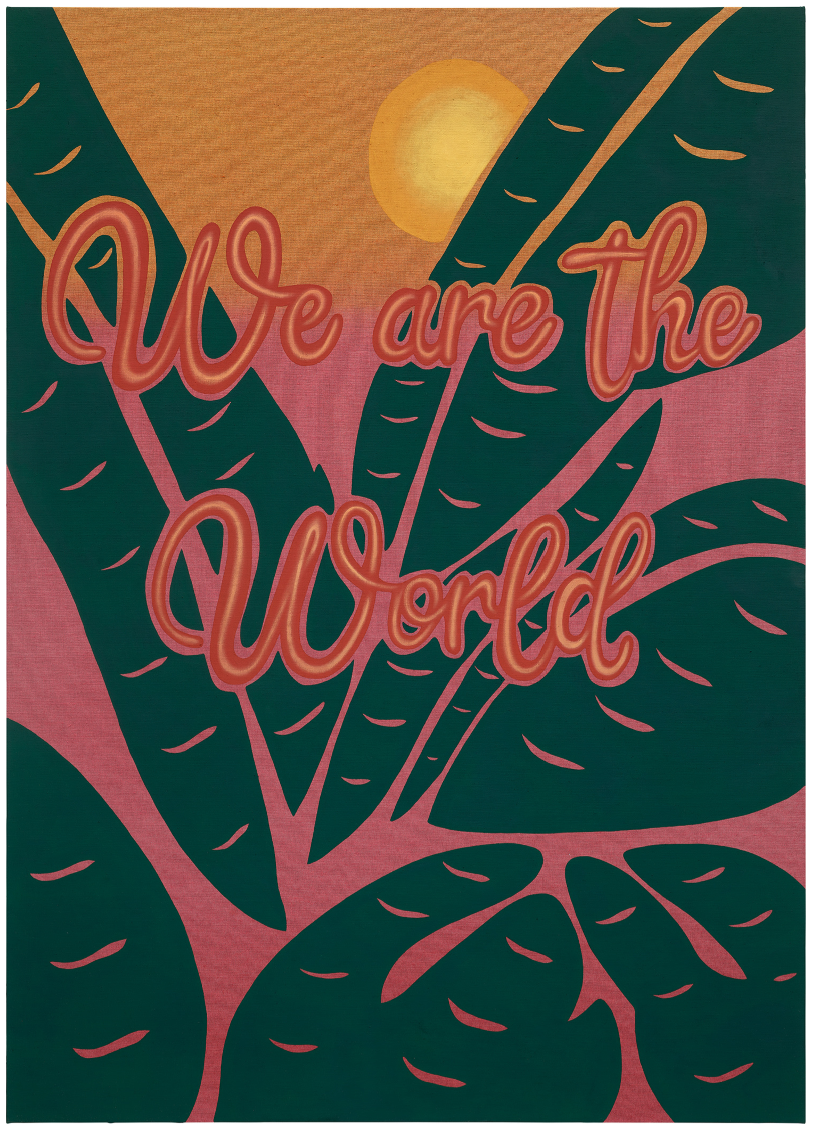
JOEL MESLER
Untitled (We are the World), 2021
Pigment on linen
70×50 inches (177.8 x 127 cm)
Signed and dated ‘The Estate of Joel Mesler Joel Mesler 2021’ on the overlap
#8. Loie Hollowell
Phillips London: 8 March 2024
Estimated: GBP 80,000 – 120,000
GBP 152,400 / USD 193,243
Loie Hollowell – 20th Century & Conte… Lot 115 March 2024 | Phillips
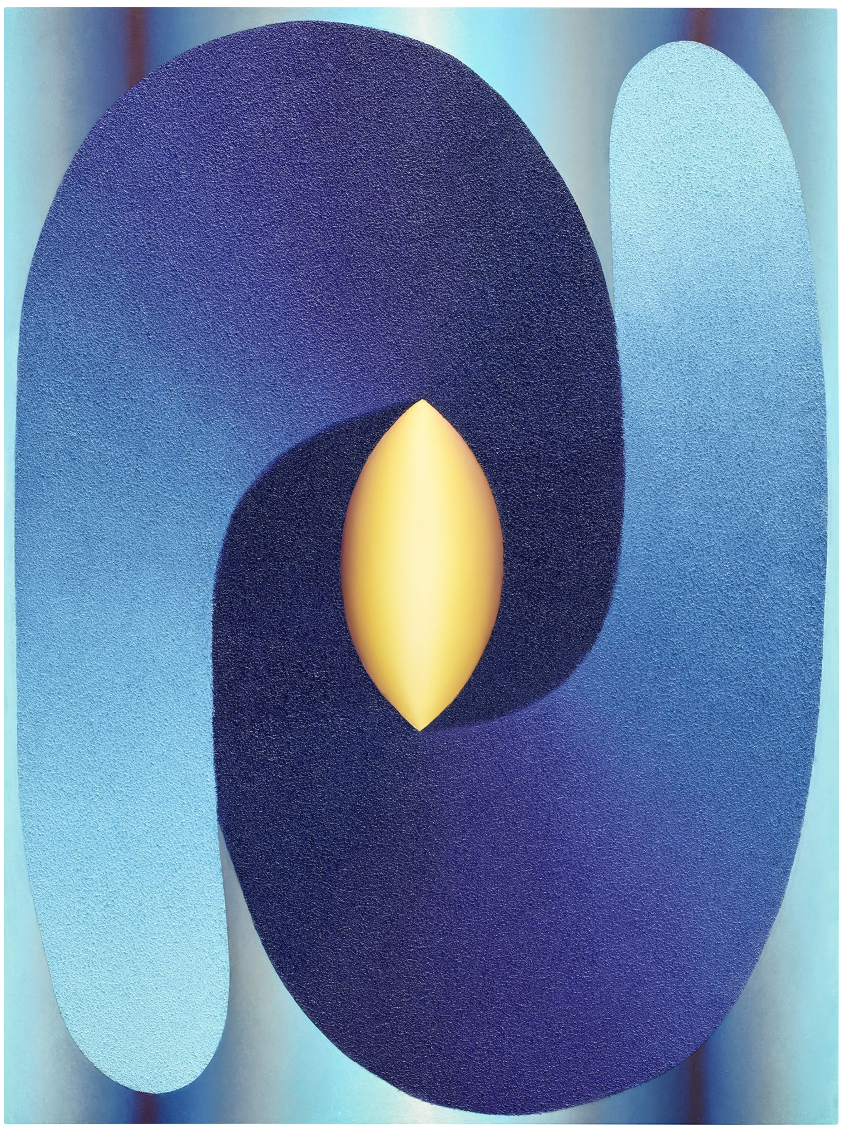
LOIE HOLLOWELL
Linked Lingam in blue, turquoise and yellow, 2019
Oil, acrylic medium and aqua resin on linen laid on panel
28 1/8 x 21 1/8 inches (71.3 x 53.5 cm)
Signed, titled and dated ‘Linked Lingam in blue, turquoise and yellow” Loie Hollowell 2019’ on the reverse
#9. Alighiero Boetti
Phillips London: 8 March 2024
Estimated: GBP 100,000 – 150,000
GBP 152,400 / USD 193,243
Alighiero Boetti – 20th Century & Con… Lot 133 March 2024 | Phillips
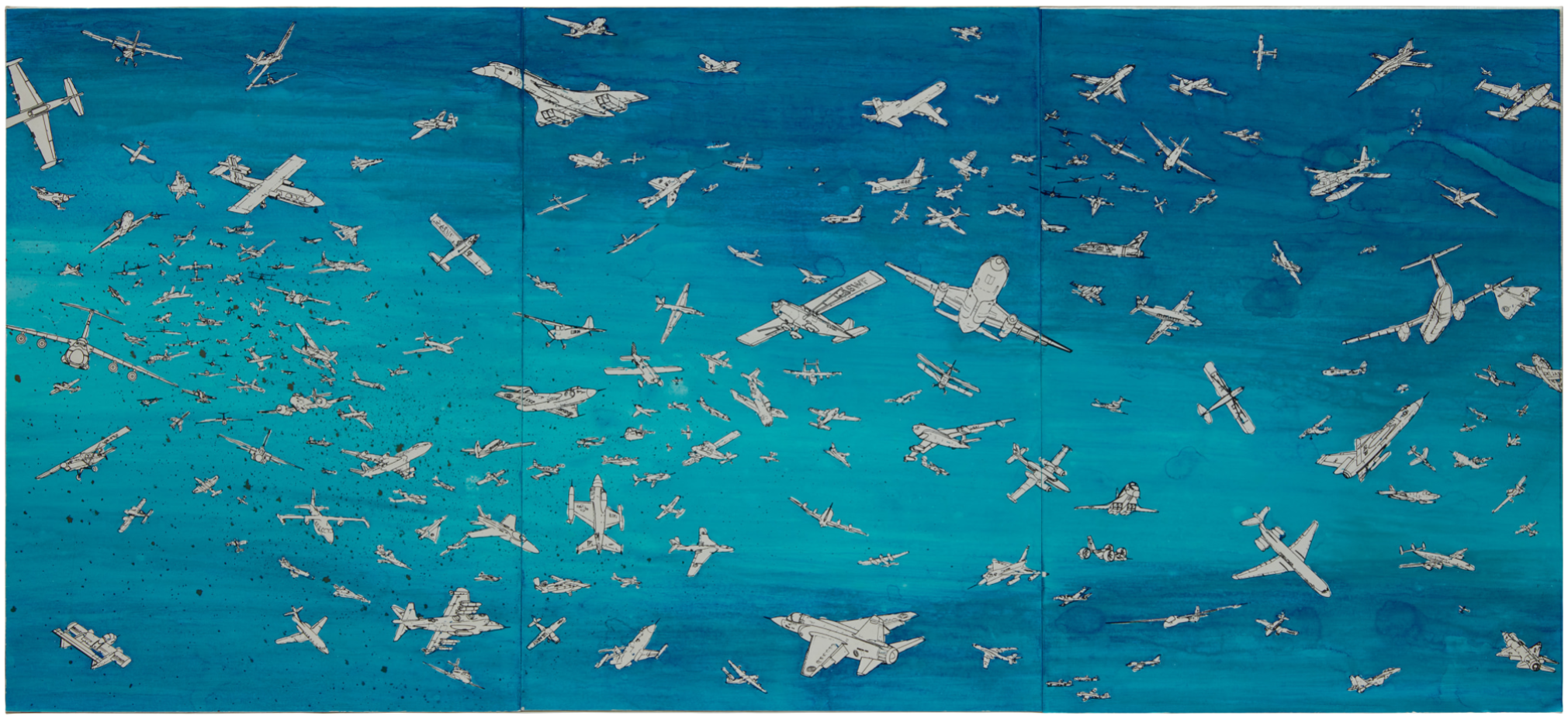
ALIGHIERO BOETTI
Aerei, circa 1989
Watercolour and ballpoint pen on 3 sheets of paper laid on canvas
30.5 x 67.9 cm (12 x 26 3/4 inches)
Registered with the Archivio Alighiero Boetti, Rome under number 8340
#10. Salvo
Phillips London: 8 March 2024
Estimated: GBP 80,000 – 120,000
GBP 139,700 / USD 177,140
Salvo – 20th Century & Contemporary A… Lot 117 March 2024 | Phillips
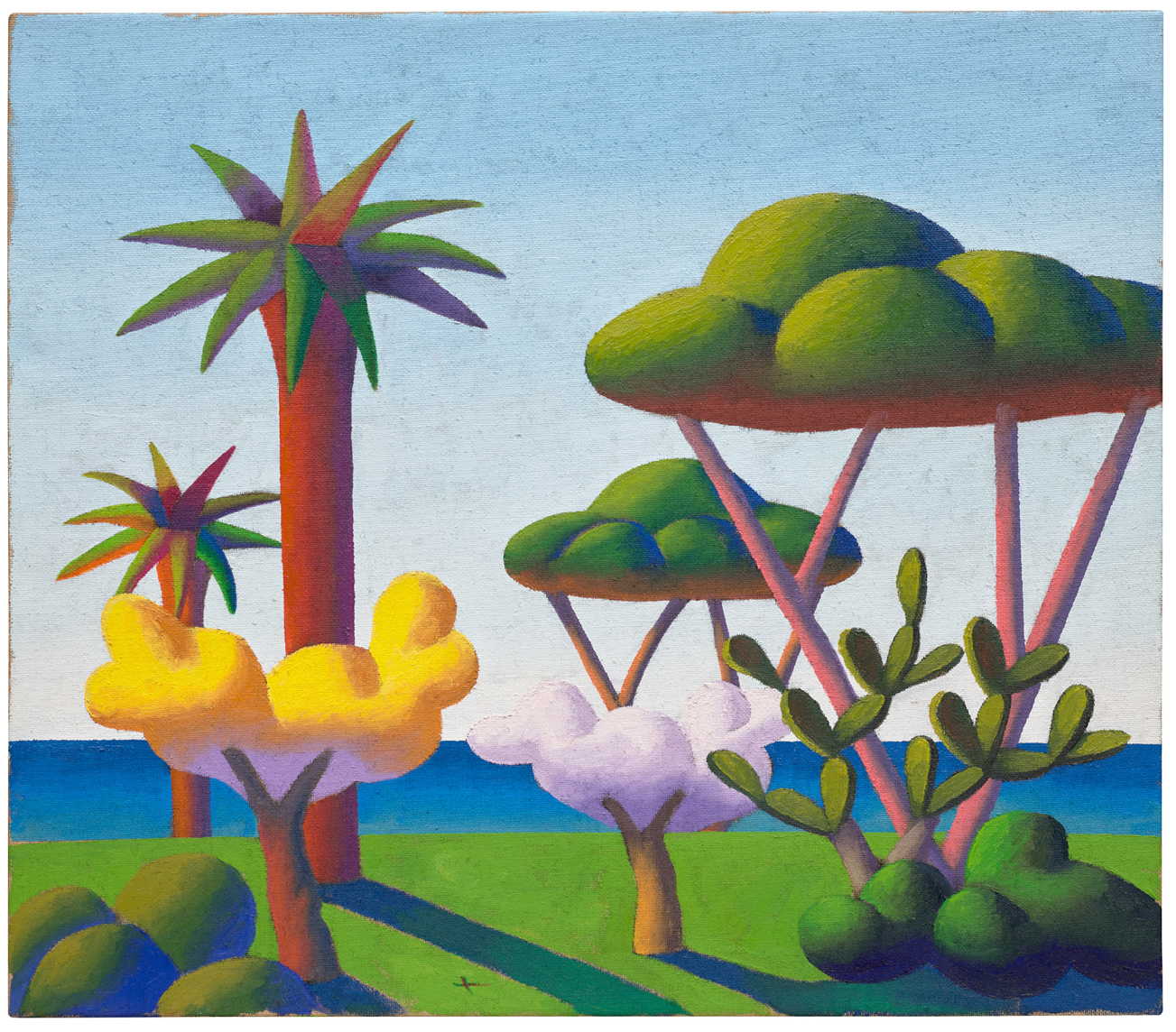
SALVO
Primavera, 2010
Oil on canvas
70.1 x 80.3 cm (27 5/8 x 31 5/8 inches)
Signed and titled ‘Salvo “PRIMAVERA”‘ on the reverse
Registered in the Archivio Salvo, Turin, under the number S2010-55
#11. Tracey Emin
Phillips London: 8 March 2024
Estimated: GBP 60,000 – 80,000
GBP 139,700 / USD 177,140
Tracey Emin – 20th Century & Contempo… Lot 127 March 2024 | Phillips
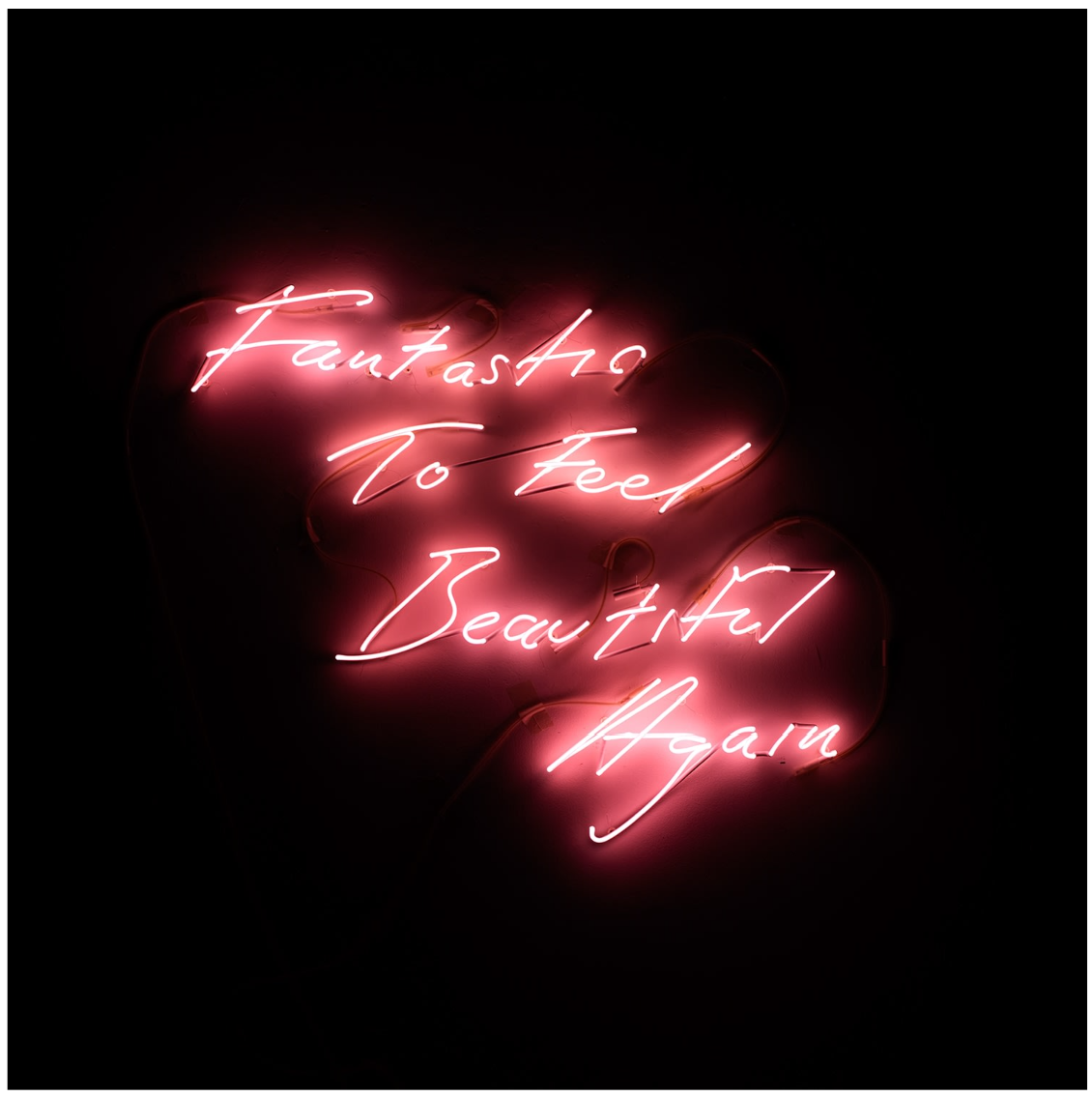
TRACEY EMIN
Fantastic To Feel Beautiful Again, 1997
Neon
40 1/2 x 47 5/8 x 1 7/8 inches (103x121x5 cm)
This work is number 2 from an edition of 3
#12. Andy Warhol
Phillips London: 8 March 2024
Estimated: GBP 120,000 – 180,000
GBP 139,700 / USD 177,140
Andy Warhol – 20th Century & Contempo… Lot 130 March 2024 | Phillips
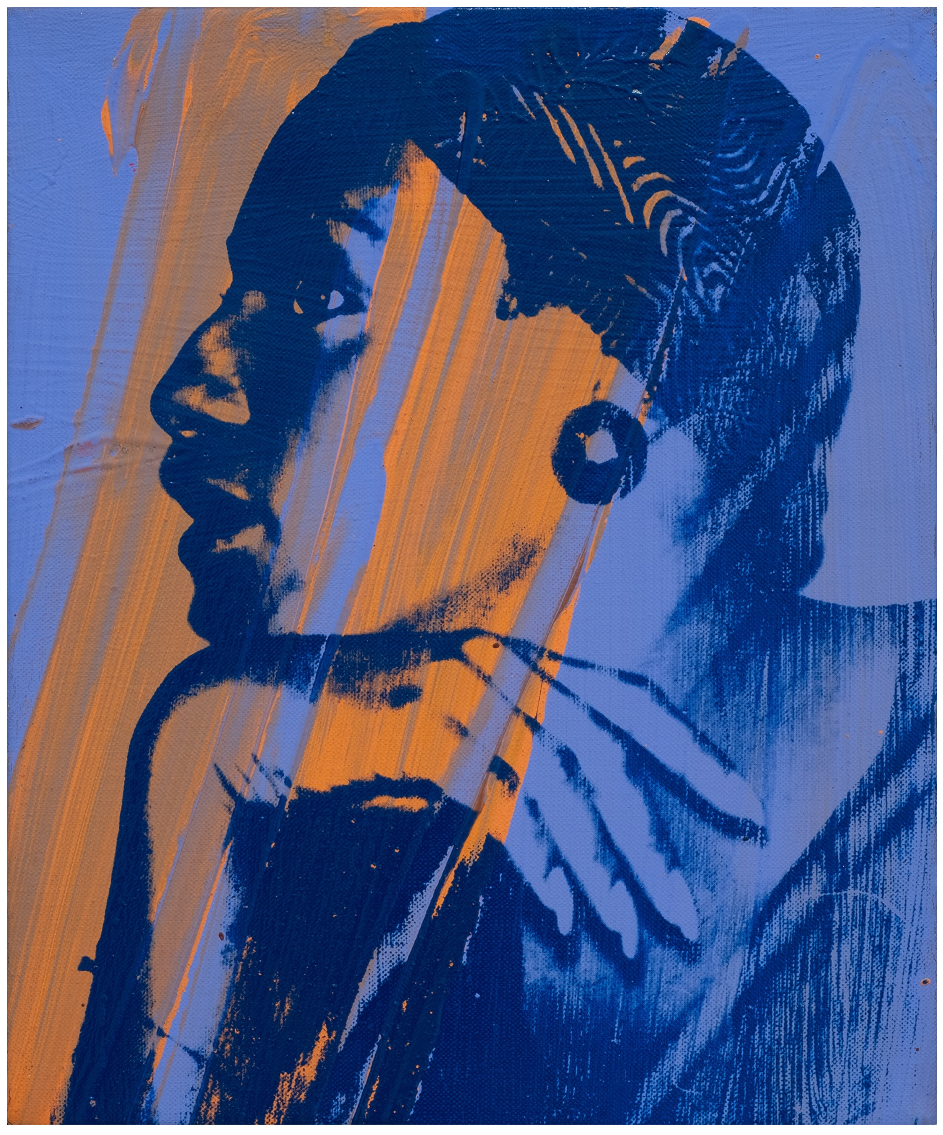
ANDY WARHOL
Ladies & Gentlemen (Wilhelmina Ross), 1975
Acrylic and silkscreen on linen
12×10 inches (30.5 x 25.4 cm)
Stamped by the Estate of Andy Warhol and the Andy Warhol Foundation for the Visual Arts, Inc. on the overlap
Stamped by the Andy Warhol Foundation for the Visual Arts, Inc. on the reverse
Numbered ‘PA.35.087’ on the stretcher
#19. Robert Combas
Phillips London: 8 March 2024
Estimated: GBP 100,000 – 150,000
GBP 114,300 / USD 144,932
Robert Combas – 20th Century & Contem… Lot 189 March 2024 | Phillips
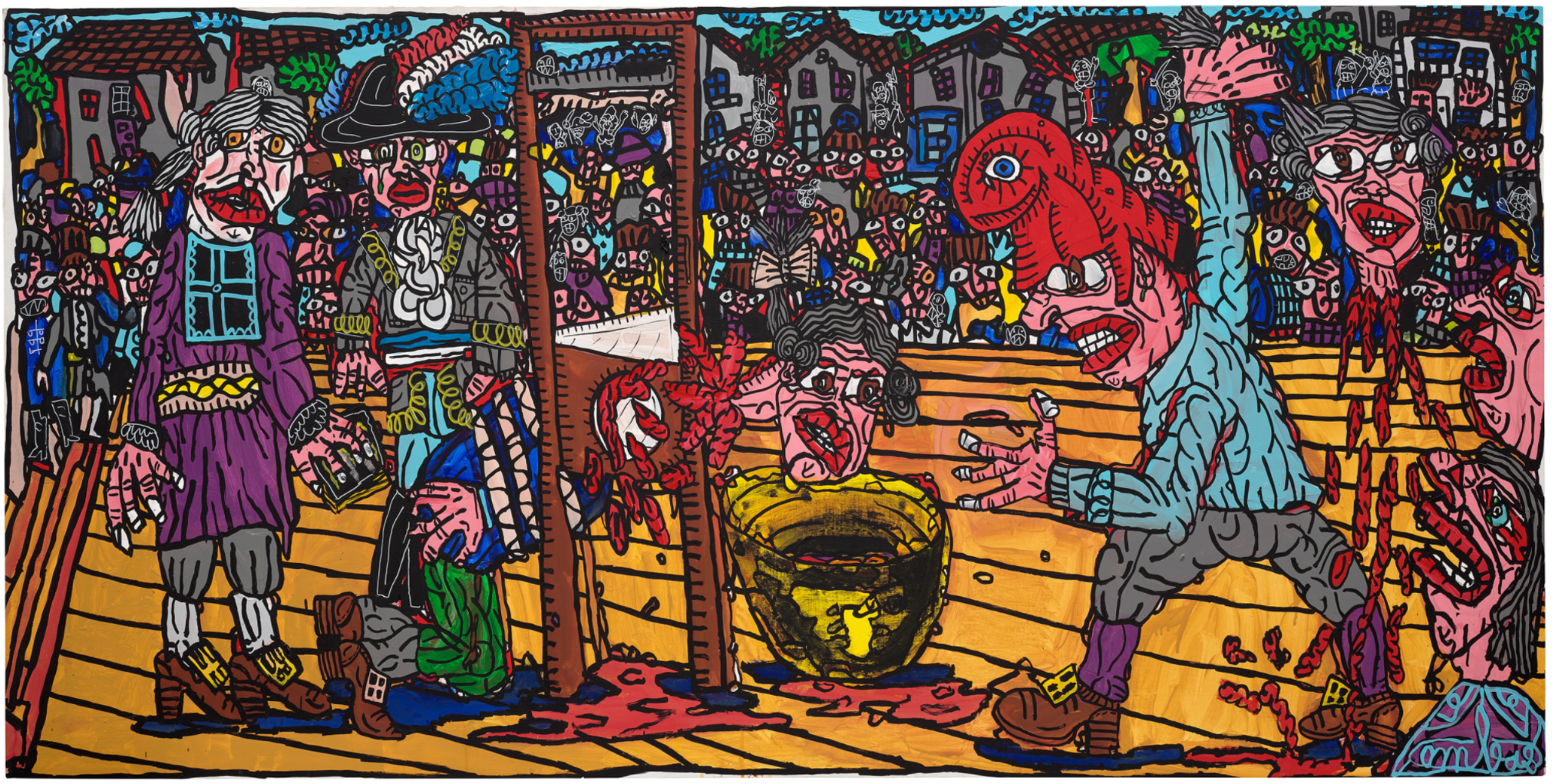
ROBERT COMBAS
Exécution de Louis XVI et d’autres, 1989
Acrylic and paper collage on canvas
105.1 x 211.7 cm (41 3/8 x 83 3/8 inches)
Signed ‘Combas’ lower right
PART III: FOCUS
1. Ultra-Contemporary
1.1. Jade Fadojutimi
A Sheltered Overthought, 2019
Sotheby’s London: 6 March 2024
Estimated: GBP 300,000 – 400,000
GBP 508,000 / USD 644,144
JADE FADOJUTIMI (b. 1993)
A Sheltered Overthought, 2019
Oil on canvas
175 x 165.2 cm (69×65 inches)
Signed twice and dated April ’19 (on the reverse)
One of the most exciting painters working today, Jadé Fadojutimi has continued to stretch the expressive potential of painting as a medium. Her singular approach to abstraction is fully embodied by A Sheltered Overthought, a monumental example of her celebrated corpus which pulses dynamically with her signature mark-making. Executed primarily in vibrant, haphazard washes of purple and brown, the canvas is enlivened by vivid gestural moments of scarlet, turquoise and blue which are layered dynamically throughout the composition. Lines looping and straight interlock, creating a surface that tremors with chromatic intensity and oscillates between opacity and translucency in a manner familiar from her best paintings. Notably, however, A Sheltered Overthought transcends this tension through the artist’s use of a glossy paint: the result is a pearlescent composition that glimmers and shimmers in the light, further increasing its visual power. Typifying her charged and complex “emotional landscapes,” A Sheltered Overthought stands as a supreme example of Fadojutimi’s continued exploration of painting as an expressive medium to reflect on identity, movement and form.
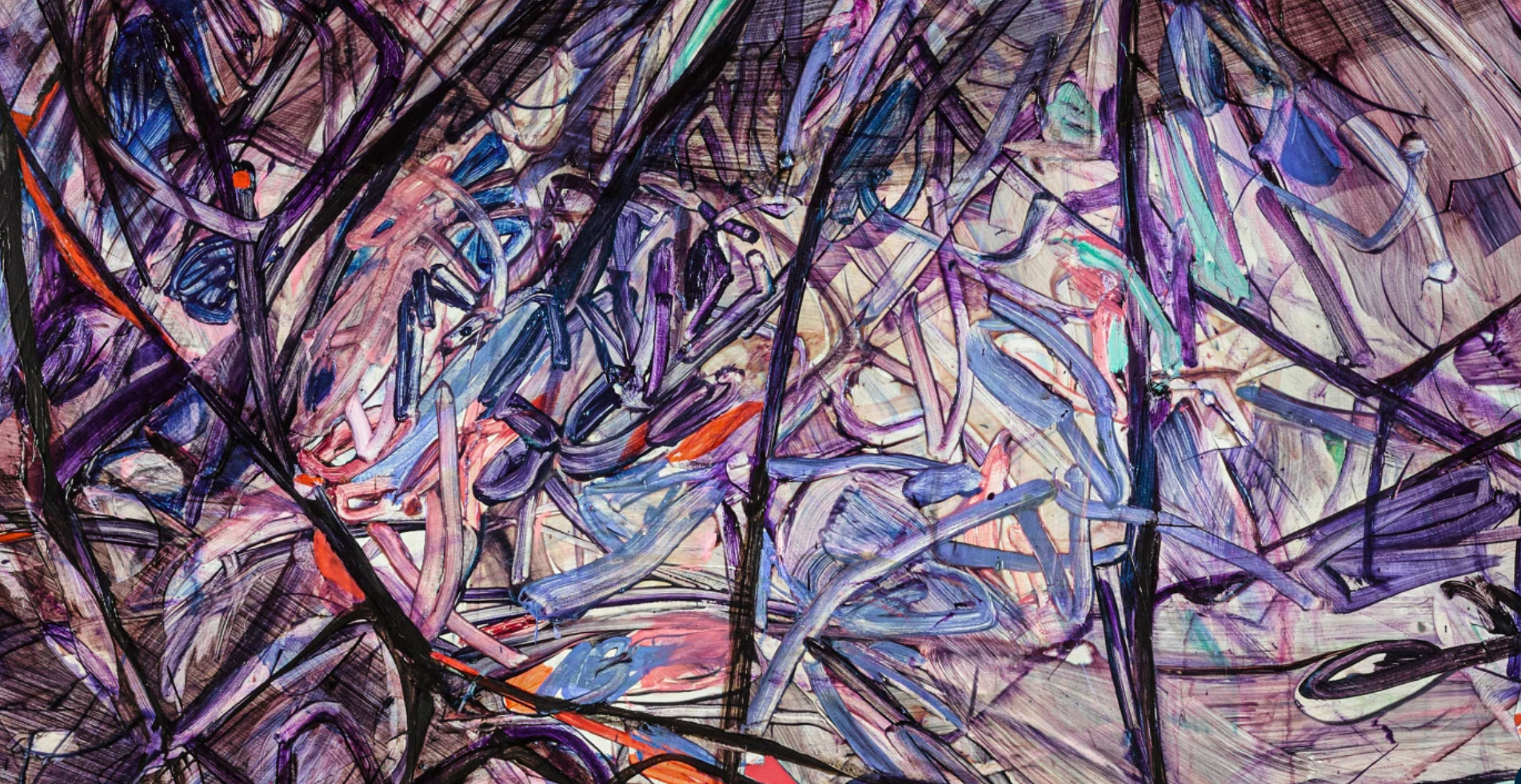
As Fadojutimi explains, her paintings “question the existence of feelings and reactions to daily experiences. They question our perceptions and perspectives whilst manifesting struggles. They recognise a lack of self caused by automatically thinking that my identity is already defined, and also a frustration that paint can accept these characteristics better than myself” (Jadé Fadojutimi quoted in: Exh. Cat., London, Pippy Houldsworth Gallery, Jadé Fadojutimi: Jesture, 2020, online). There is a lyricism to the present work that manifests itself in ambiguous forms that move between abstraction and figuration, simultaneously coalescing and rupturing across the richly worked surface of the canvas. Almost organic shapes appear across the composition, reminiscent of Julie Mehretu’s complex abstractions, while the two umbrella-like shapes near the upper edge of the canvas gesture towards the energy of Futurism and Rayonism. Distinctions between object and space are blurred, and what remains is a dissolving matrix of light rays and energy vectors. In turn, her use of purple, an historically exclusive colour, recalls Monet’s luxuriant late waterlilies.
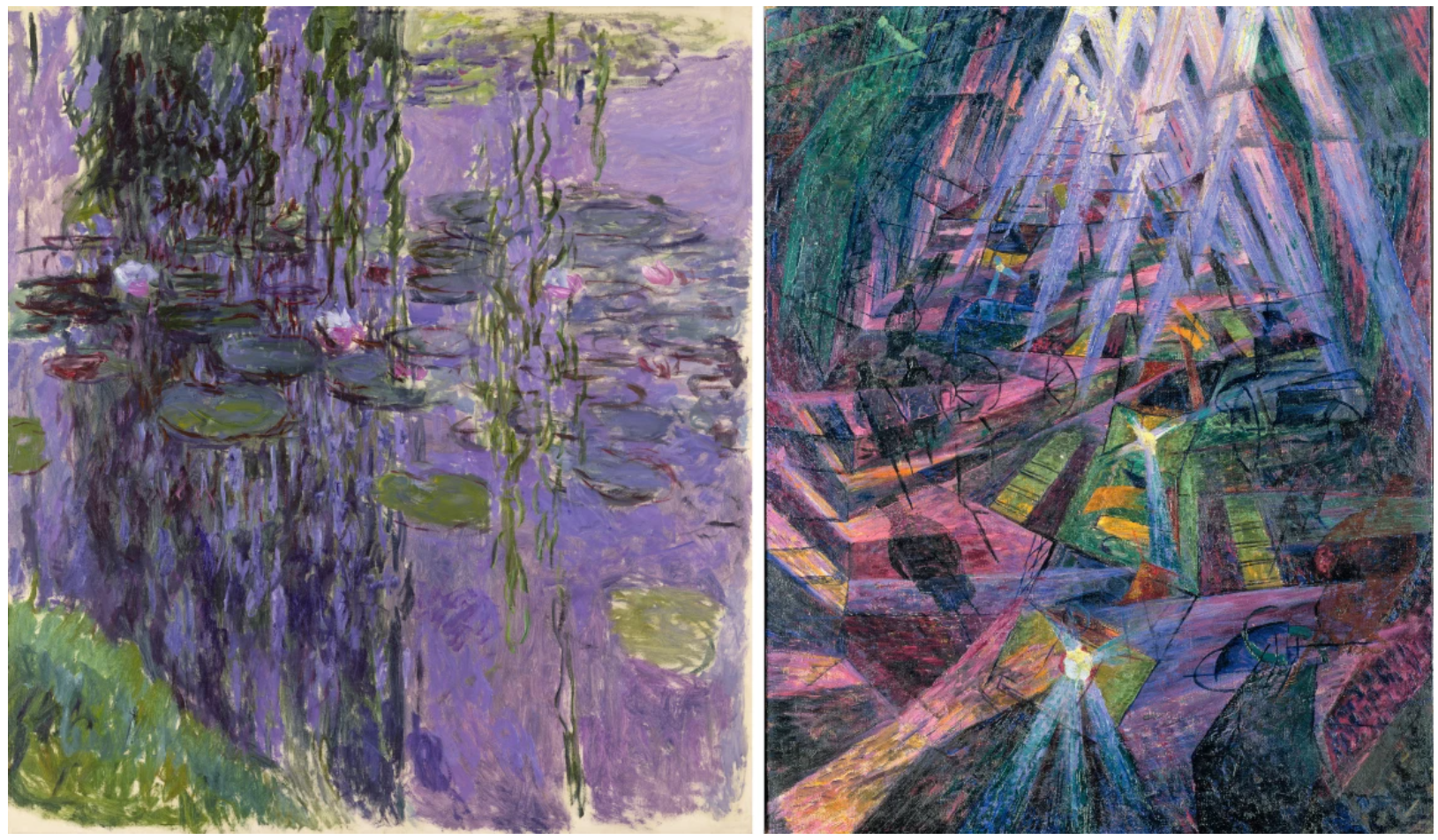
LEFT: CLAUDE MONET, NYMPHEAS, 1916-19 / MUSÉE MARMOTTAN MONET, PARIS / IMAGE: © BRIDGEMAN IMAGES
RIGHT: UMBERTO BOCCIONI, THE FORCES OF A ROAD, 1911 / OSAKA CITY MUSEUM, JAPAN / PHOTO © FINE ART IMAGES / BRIDGEMAN IMAGES
This fluid relationship with painting tradition is a hallmark of Fadojutimi’s contemporary practice. Indeed, as chief curator of the Hepworth Wakefield, Andrew Bonacina, notes: “As paintings by a Black female artist made as part of a journey of self-understanding, Jadé’s work resonates with the heightened identity politics of the current moment, but it isn’t defined by these concerns. They are emotionally charged, psychological landscapes that mirror Jadé’s own inner thoughts and emotions but can also reflect our own. Their power is in their abstraction and porousness to a range of ideas and emotions” (Andrew Bonacina quoted in: Alex Needham, “Jadé Fadojutimi Colors Outside the Lines,” W Magazine, 30 November 2021, online). Symphonic and deceptively precise, A Sheltered Overthought revels in the artist’s sensitivity to space and form, becoming a dense, all-encompassing depiction of psychological complexity.
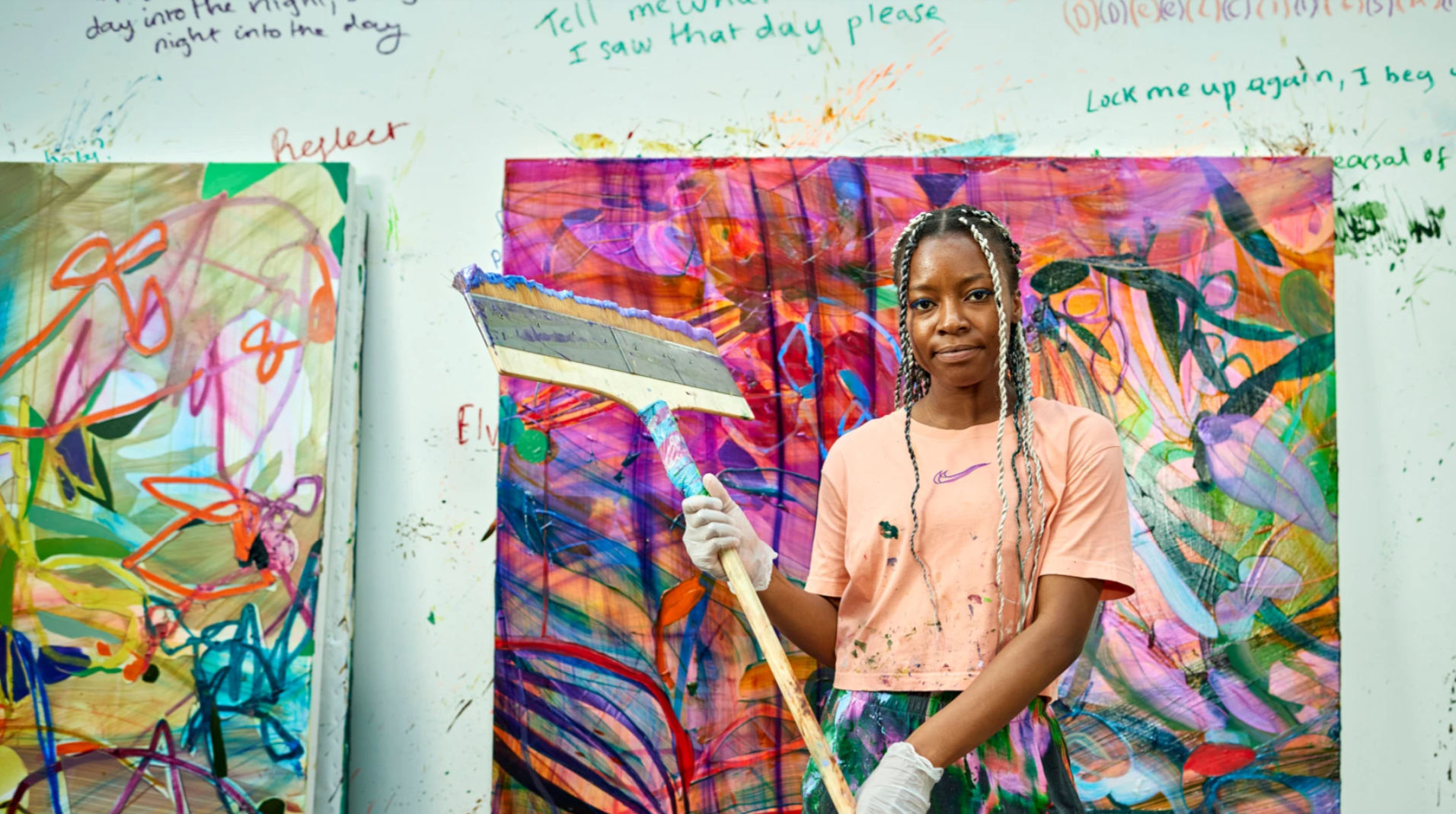
JADÉ FADOJUTIMI AT HER STUDIO IN LONDON, 2022 / PHOTO: © DAVID LEVENE/EYEVINE/REDUX / ART: © JADÉ FADOJUTIMI
Fadojutimi’s emotional and emotive connection with color is motivated by a kind of synesthesia: as she has stated, “when I feel emotion, I see a color and that’s how my paintings come to life” (Jadé Fadojutimi quoted in: Alex Needham, “’Painting takes me over – like witchcraft’: Jadé Fadojutimi, art’s hottest property,” The Guardian, 7 September 2022, online). Her self-proclaimed influences are telling in their variety: Monet, Mitchell, Makiko Kudo and Japanese anime. She is not defined by her upbringing as a Black British woman of Nigerian heritage, but rather seeks to mine multiple facets of her own identity, mapping with paint the social and cultural elements that frame her emotive environment. Now represented globally by Gagosian, Fadojutimi’s paintings were a highlight of The Milk of Dreams exhibition at the Central Pavilion at the Venice Biennale in 2022. Most recently, Fadojutumi was the subject of an acclaimed solo exhibition at The Hepworth Wakefield which closed in March 2023 as well as a solo exhibition at the Institute of Contemporary Art Miami, which closed in April 2022. Fadojutimi’s paintings reside in prestigious museum collections, including The Studio Museum in Harlem, New York, The Walker Art Centre, Minneapolis, The Baltimore Museum of Art, Baltimore, and The Institute of Contemporary Art, Miami, and at just 31 years old, Fadojutimi is the youngest artist in the collection of Tate, London, with her painting I Present Your Royal Highness (2018).
The Woven Warped Garden of Ponder, 2021
Christie’s London: 7 March 2024
Estimated: GBP 400,000 – 600,000
GBP 1,552,500 / USD 1,968,570
JADÉ FADOJUTIMI (B. 1993), The Woven Warped Garden of Ponder | Christie’s (christies.com)
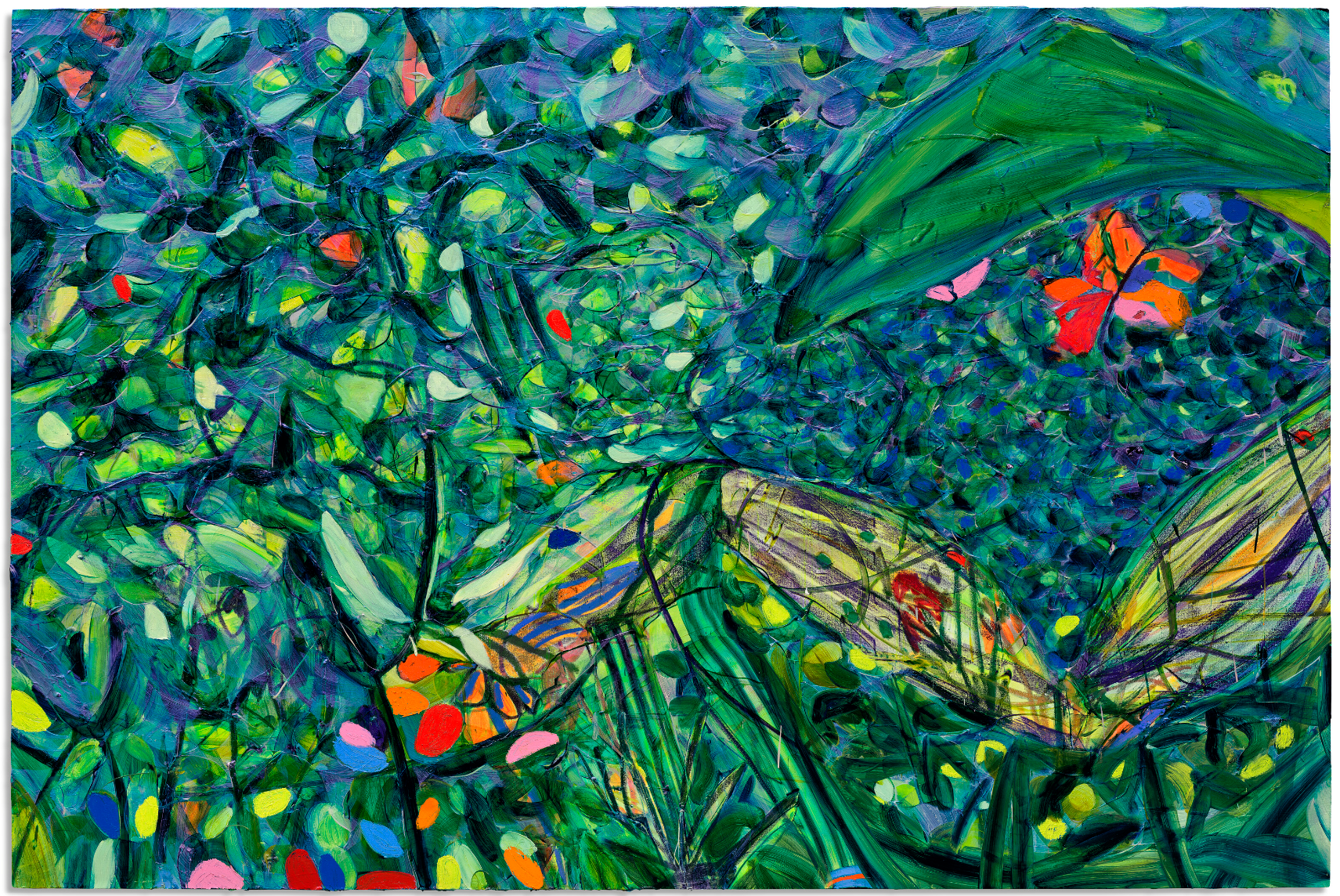
JADÉ FADOJUTIMI (B. 1993)
The Woven Warped Garden of Ponder, 2021
Acrylic and oil on canvas
200×300 cm (78 7/8 x 118 1/4 inches)
Signed, initialed, titled and dated ‘Jadé Fadojutimi JF Oct ’21 ‘The Woven Warped Garden of Ponder” (on the reverse)
Included in Jadé Fadojutimi’s landmark exhibition at the Institute of Contemporary Arts, Miami in 2021—her solo museum debut—The Woven Warped Garden of Ponder is an exquisite painting dating from a pivotal moment in her career. A kaleidoscopic spectrum of blue and green tones shimmers across the three-meter-wide canvas, flickering from teal, violet and aquamarine to jade, eau de nil and pale yellow.
Vibrant flashes of pink, red and orange gleam through the texture; light and shadow undulate across the surface. Using both oil and acrylic, Fadojutimi oscillates between rich, sweeping gestures, rapid linear strokes and translucent dabs of colour. It is dazzling spectacle, calling to mind a vision of flowers and foliage seen through a stained glass window. In a recent interview, Melanie Vandenbrouck, Chief Curator at Pallant House Gallery in Chichester, singled it out as her favourite painting. It is fresh, vibrant and intoxicating, capturing the moment that Fadojutimi began to take her place on the international stage.
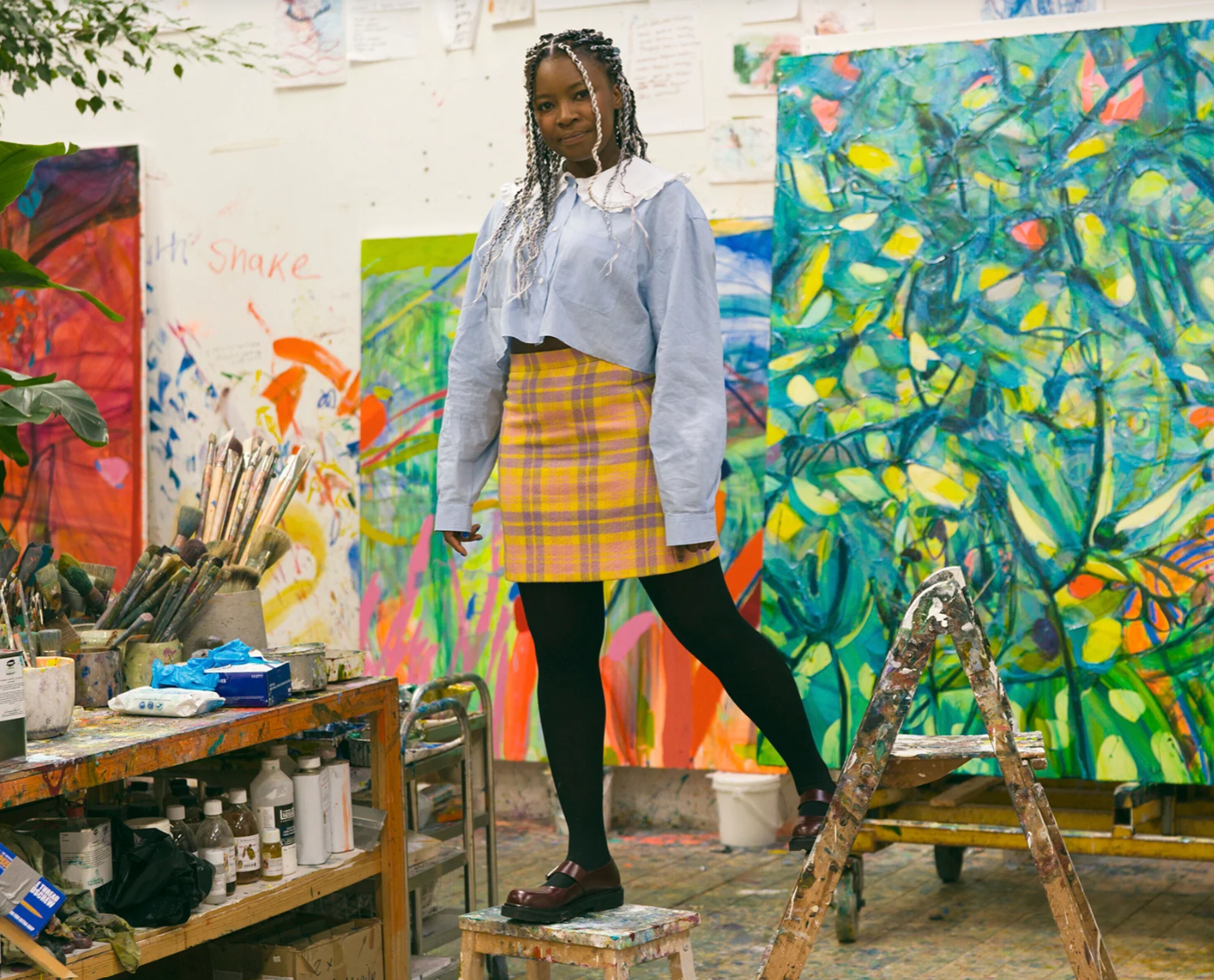
Jadé Fadojutimi with the present lot in her studio, London. Photograph by Rick Pushinsky. Artwork: © Jadé Fadojutimi.
Born and raised in London, Fadojutimi studied at the Slade School of Art and the Royal College of Art. She has risen to extraordinary critical acclaim over the past seven years: in 2021 she became the youngest artist to enter the Tate’s collection, and made her Venice Biennale debut the following year. Though her paintings sing with life, movement and energy, Fadojutimi’s process is one of quiet, deeply personal contemplation. As a child, she developed a powerful love of color, informed by eclectic interests in fashion, Japanese anime and video games. The lessons of art history did not feature heavily during her youth, and her understanding of tone, space and pattern was cultivated from first principles. In her studio, Fadojutimi seeks to recreate the sanctity of her childhood bedroom, surrounding herself with clothes, old soft toys and fragments of her own writings. Frequently working late at night, she pays close attention to her innermost thoughts and feelings, allowing them to guide her hand intuitively across the canvas. She draws much of her inspiration from the natural world, describing her paintings as ‘environments’ that she builds up through complex techniques of gridding and layering.
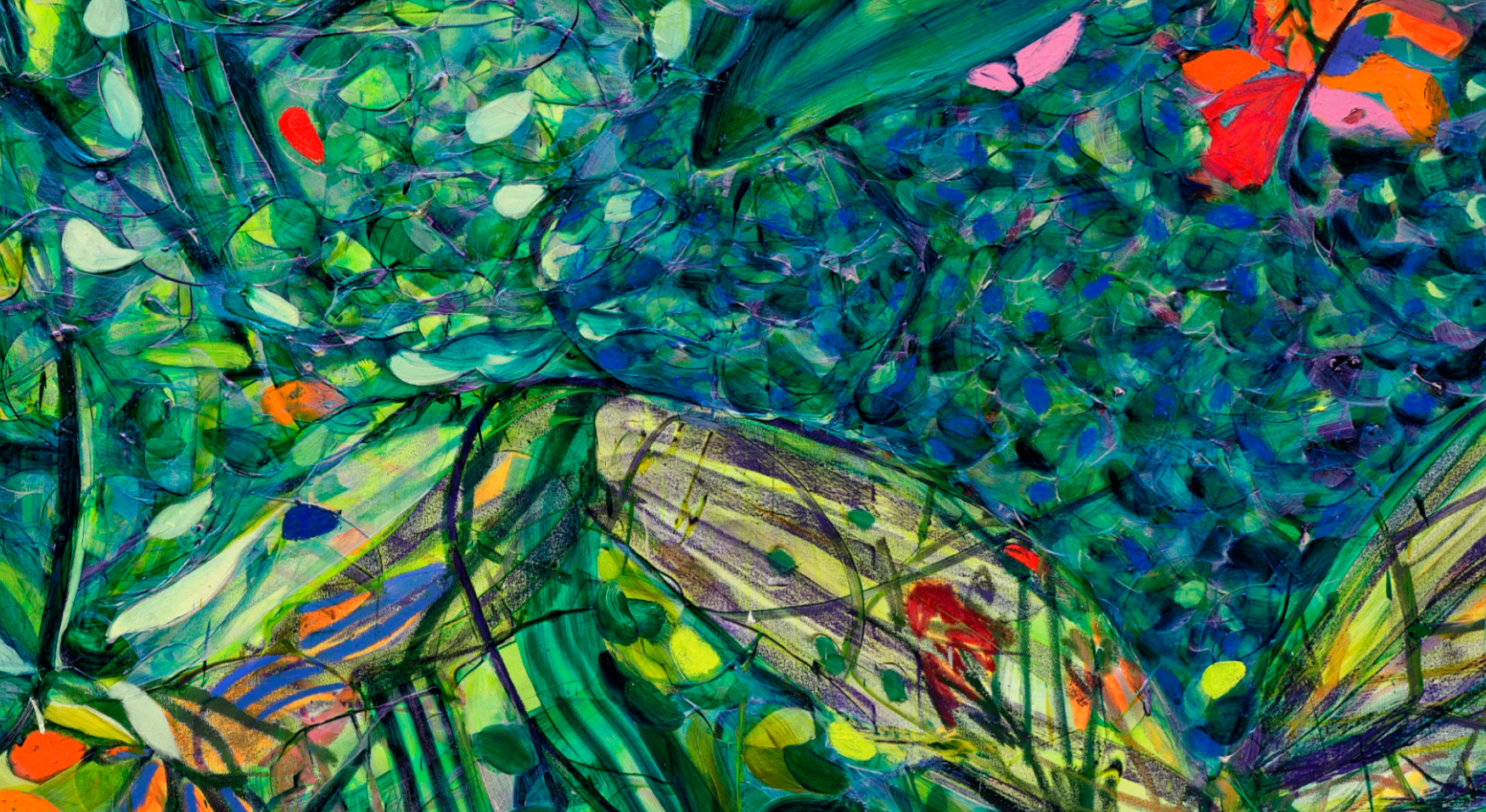
In her commentary on the present work, Vandenbrouck hails Fadojutimi’s ‘exuberance of colours, expressive brushstrokes and animated textures’. ‘Each of her canvases carries such life, depth and poetic resonance, her visual language mirrored by her evocative word-smithing’, she writes. ‘They are open, too: to interpretation and emotional response, changing depending on the light, the day’s mood, a soundtrack. I could lose myself in this piece, with its luscious greens and liquid blues punctuated by delicious reds, pinks and oranges. The artist alternates skin-like, translucent layers of paint with generous, concentrated build-ups of matter—true to the contrasting qualities of acrylic and oil’ (M. Vandenbrouck, quoted in C. Mullins, ‘My Favourite Painting: Melanie Vandenbrouck’, Country Life, 11 December 2023). There are glimpses, too, of some of the painters whom Fadojutimi came to admire during her time at art school: Amy Sillman, David Hockney, Claude Monet and Henri Matisse. Echoes of Vincent van Gogh and Gustave Klimt linger in the painting’s depths. Ultimately, however, it remains a powerful and singular expression of her own interior landscape, saturated with light, warmth and beauty.
1.2. Adrian Ghenie
The Squat, 2021
Christie’s London: 7 March 2024
Estimated: GBP 1,200,000 – 2,000,000
GBP 1,008,000 / USD 1,278,144
ADRIAN GHENIE (B. 1977), The Squat | Christie’s (christies.com)
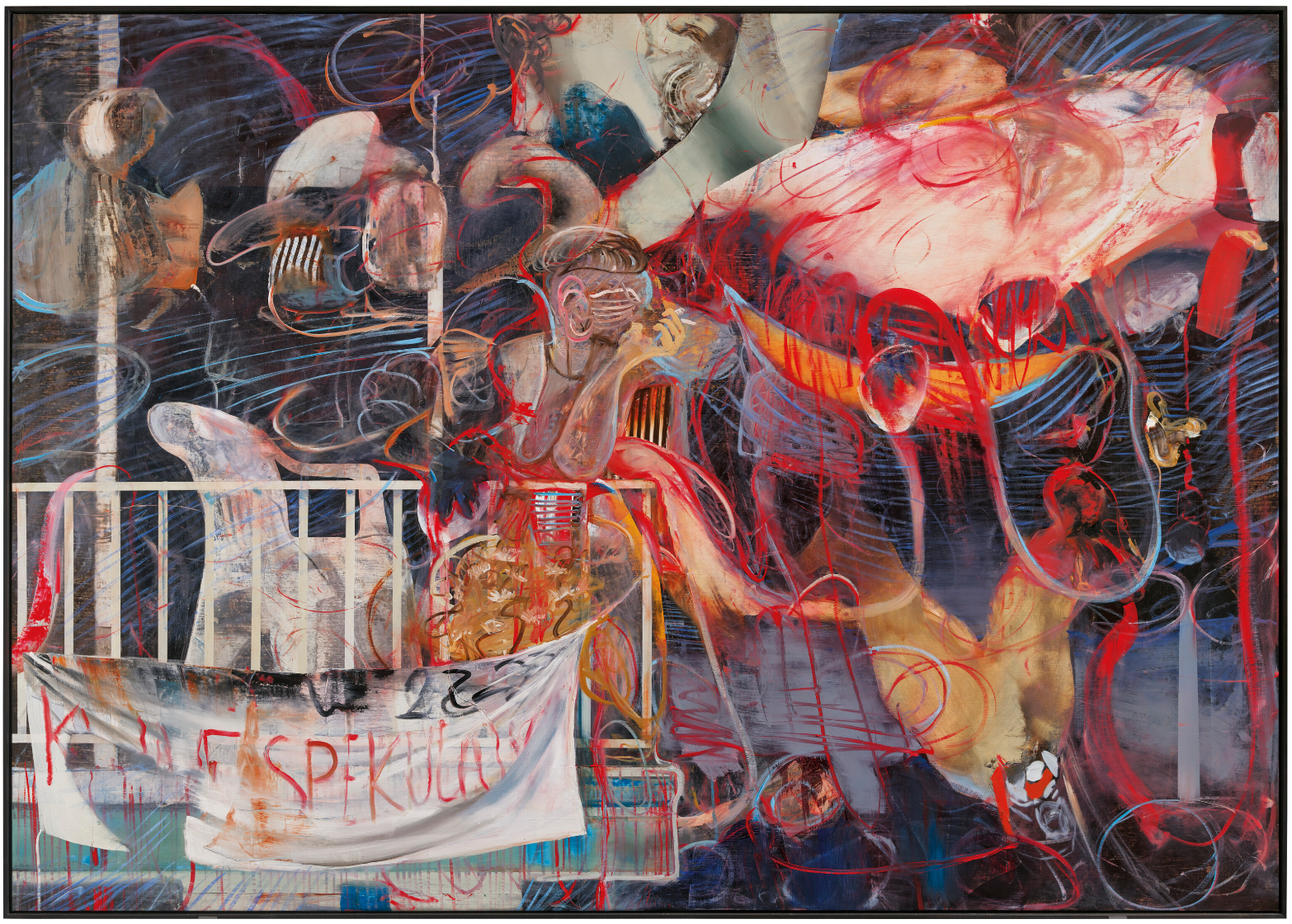
ADRIAN GHENIE (B. 1977)
The Squat, 2021
Oil on canvas
82 3/4 x 116 7/8 inches (210.2 x 297 cm)
Signed and dated ‘Ghenie 2021’ (on the reverse)
Spanning three meters in width, Adrian Ghenie’s The Squat (2021) is a vibrant, magisterial painting that pulsates with chromatic and textural life. It is one of a group of recent works inspired by the artist’s second hometown of Berlin. A woman smokes on a balcony, hung with a torn, illegible banner that recalls the many such hangings seen on squatted buildings in the German city. Conveyed in billowing ribbons of umber and pink, she looks out on a turbulent scene. Flurries of cyan and scarlet line electrify the dark sky, looping and flashing like some alien weather system. Zones of thick impasto are clawed with striations. Elsewhere, smooth, gleaming swathes of pink, orange and earthy color are masked off, recalling sections of collage. The balcony railings are crisp as a cut-out, and the plastic chair behind them is marbled with a horizontal blur worthy of Gerhard Richter. Conveyed in a dazzling panoply of techniques, the picture sees Ghenie’s renowned painterly eloquence reach innovative, exuberant new heights.
Ghenie rose to prominence in the 2010s for powerful, layered and cinematic paintings that were concerned with the dark moments and pivotal figures of European history. Filtered through collations of found photographic imagery, they included reflections on the Second World War and life under communism in his native Romania and featured the distorted countenances of Charles Darwin and Vincent van Gogh. In recent years Ghenie has evolved his style in new directions, turning his gaze towards contemporary life and imagining the future. These works often picture our interactions with smartphones, selfies and computer screens. Leaning less on photographic sources and collage studies, he develops his ideas in large-scale charcoal drawings. His figures have become more fleshy, emotive and labile, merging with the abstract bravura of their settings.
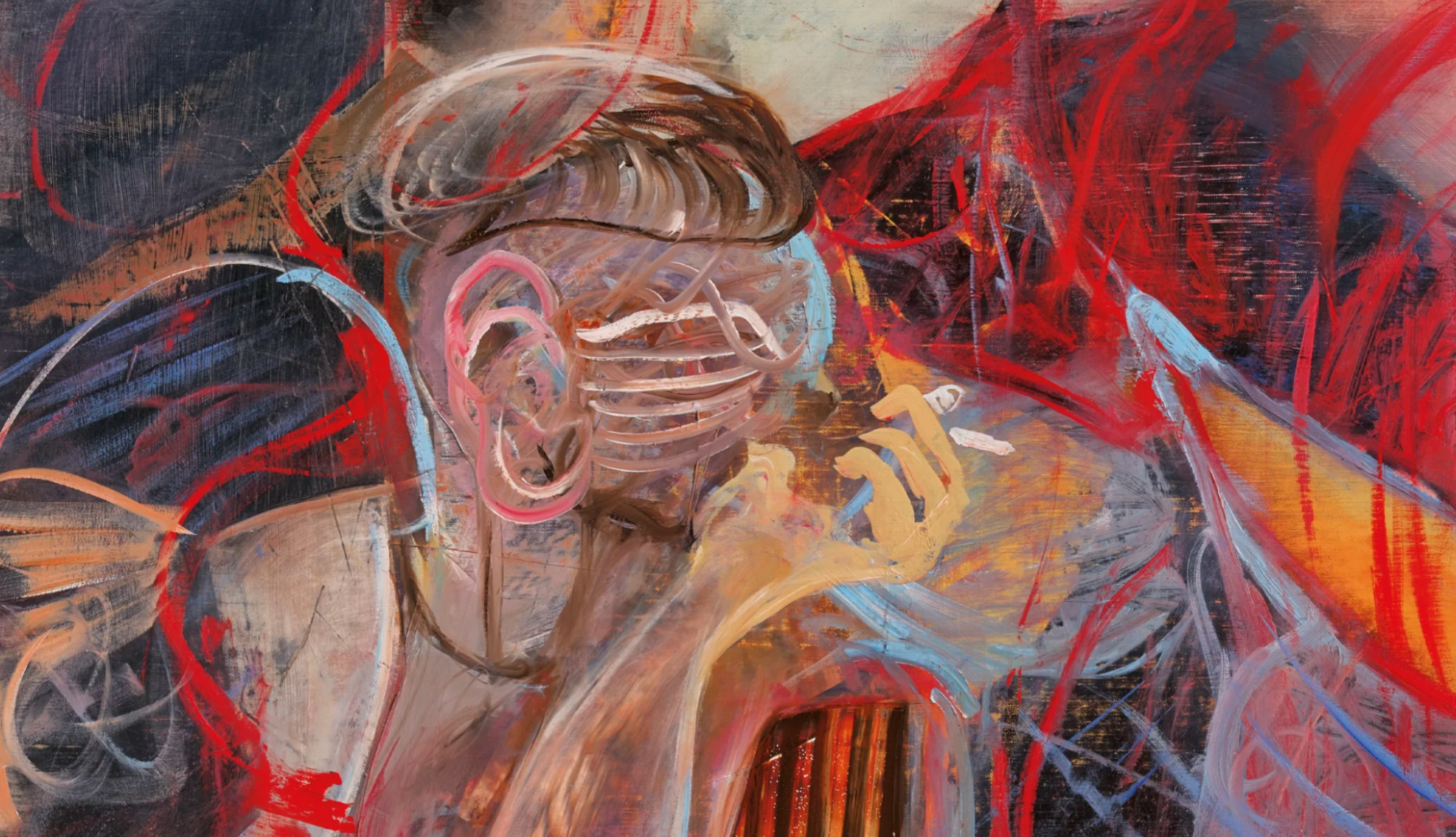
While Ghenie takes a sceptic’s view of modern technology, the information age has created an ever-more more urgent role, he believes, for the physical presence of painting. ‘Somehow,’ he says, ‘the more we go online, the more we go digital, the more we need to have this mark on the canvas made with the hand’ (A. Ghenie quoted in ‘Line and Figure: Adrian Ghenie in Conversation with Nicholas Cullinan’, in Adrian Ghenie: The Fear of Now, exh. cat. Thaddaeus Ropac, London 2022, p. 7). Ghenie’s paintings of Berlin—a cosmopolitan place of fluid borders and flourishing subcultures—see him at his most celebratory, depicting scenes of togetherness and gentle humor. They include portrayals of a long nightclub queue, a couple lounging in front of a MacBook, and a flirtatious street encounter next to one of the city’s distinctive orange trashcans.
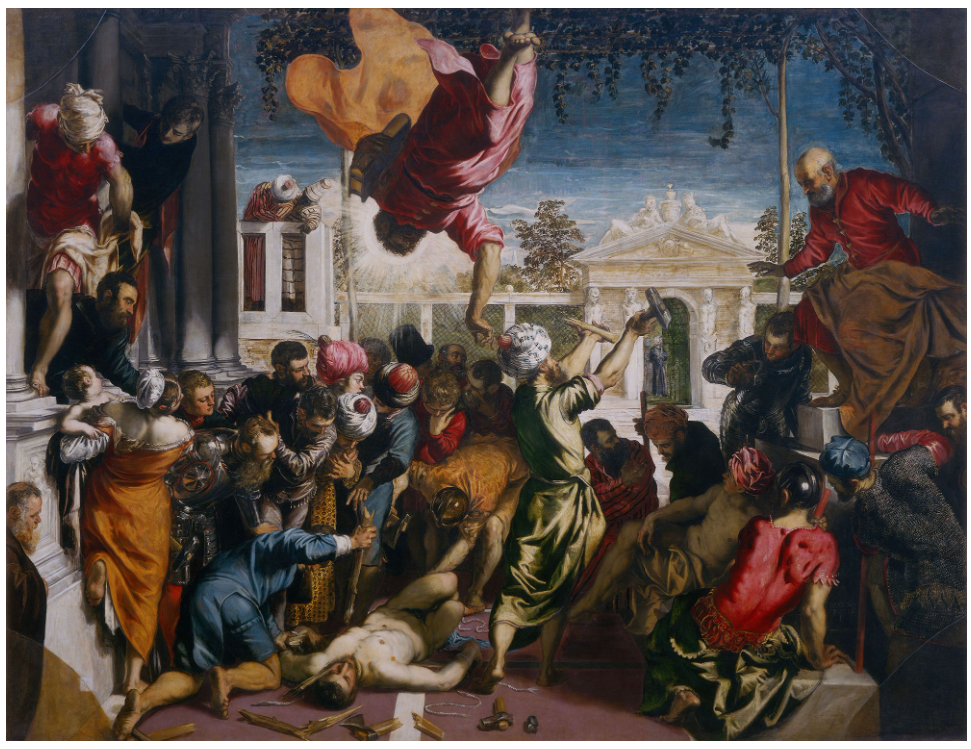
Tintoretto, The Miracle of the Slave, 1547-1548. Accademia, Venice. Photo: Scala, Florence.
Ghenie’s painterly ambitions increased together with this freedom in his subject matter. The Squat exemplifies the vivid sense of momentum that characterizes his recent works, which are brighter, vaster and more dynamic than ever before. With a deep, photographic knowledge of art history, he draws freely upon the technical toolkits of Abstract Expressionism and Francis Bacon, while also paying homage to the Old Masters. Baroque painting is a particularly important touchstone. Ghenie admires Tintoretto for the same drama, vigor and grandeur he values in Willem de Kooning.
“I think I’m that kind of Baroque species… A type of painting which turns the energy and the movement of the body into the image.”
Just such an image is realized in The Squat. Poised with her cigarette amid a melee of gesture and form, the woman watches over a brave new world, the winds of change rushing through the air.
Charles Darwin as a Young Man, 2014
Sotheby’s London: 7 March 2024
Estimated: GBP 250,000 – 300,000
GBP 317,500 / USD 402,090
Charles Darwin as a Young Man | Modern & Contemporary Day Auction | 2024 | Sotheby’s (sothebys.com)
ADRIAN GHENIE (b. 1977)
Charles Darwin as a Young Man, 2014
Oil on canvas
48.8 x 32.1 cm (19 1/4 x 12 5/8 inches)
Signed and dated 2014 (on the reverse)
Adrian Ghenie’s masterful and exquisitely rendered Charles Darwin as a Young Man serves as a pivotal juncture in the artist’s celebrated career. Executed in 2014, the present work belongs to a series characterized by the controversies of the protagonist; here Ghenie portrays the renowned biologist Charles Darwin at the height of his career; a thematic exploration that delves into the intricacies of identity within the shadowy contours of Twentieth Century history. The voluptuous surface, replete with heavily worked and beautifully disrupted pigment upon the picture plane, reveals the biologist’s signature silhouette adorned in formal attire, delineated by brazen brushstrokes. Indeed, Darwin’s iconic heavy brow and timeworn features undergo near-complete abstraction through a flurry of dynamic and energised brushstrokes, typical of Ghenie’s most distinguished works.
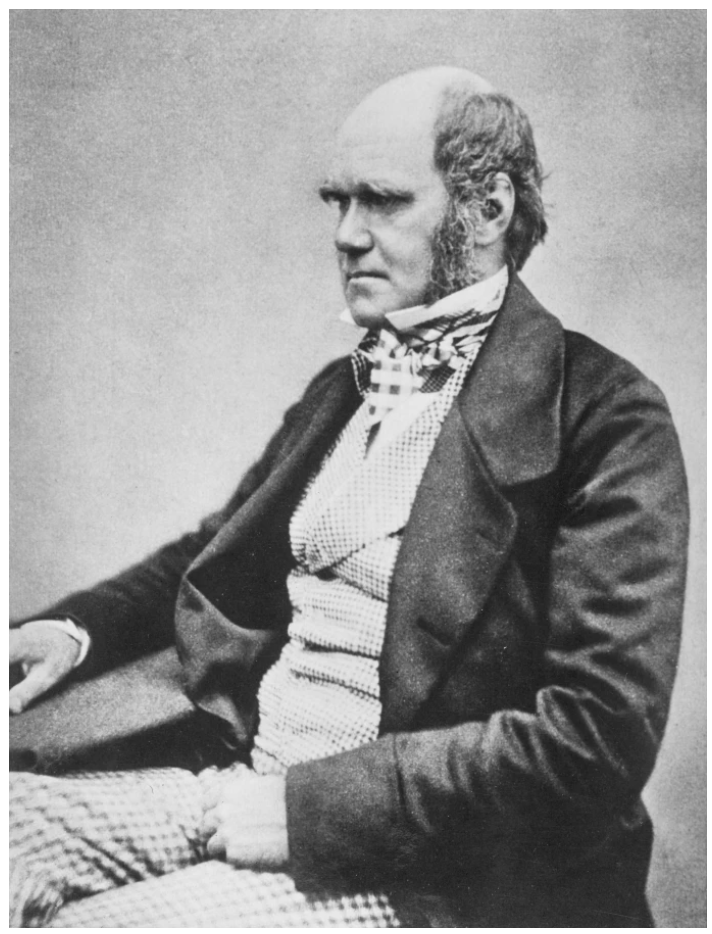
In Ghenie’s artistic repertoire, the present work stands as a testament to his post-modern fluency, blending heavily labored medium, fluid brushwork, and exuberant tracts of dragged paint. Drawing parallels to Francis Bacon’s methodology of blending his likeness with various sources, Ghenie employs a similar editorial painterly process, resulting in a layered visual and metaphorical palimpsest. This stratified composition harbors myriad allusions to art, history, science, and subjectivity. The painting seamlessly merges the squeegee scrape reminiscent of Gerhard Richter’s post-photographic abstraction with the psychological intensity and corporeal manipulation seen in a Bacon self-portrait, establishing Charles Darwin as a Young Man as a remarkable and unparalleled achievement.
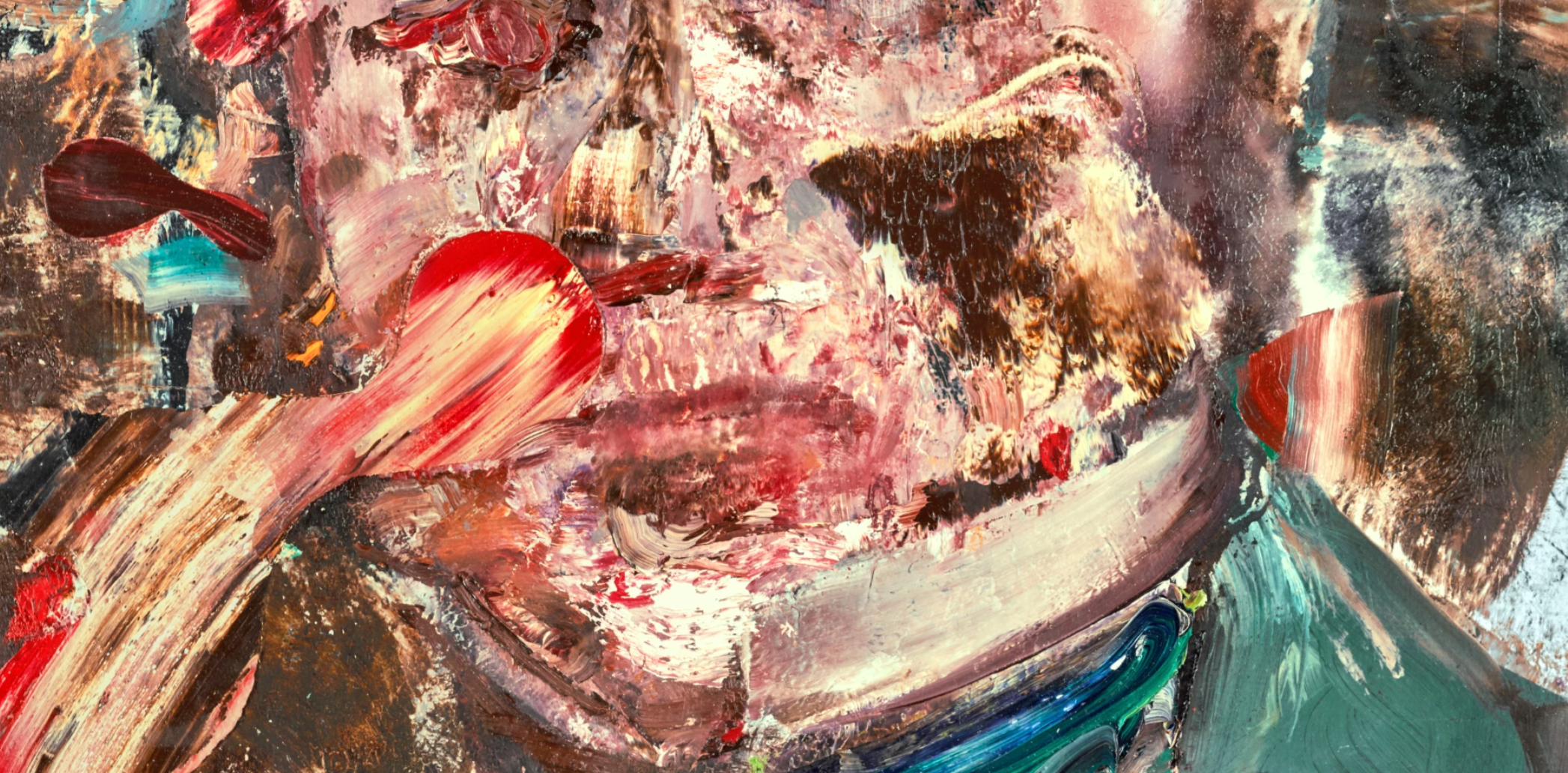
The subject matter is a cornerstone in Ghenie’s career, with Darwin serving as a focal point around which the artist explores the troubling historical figures of the Twentieth Century. Ghenie delves into Darwin’s ambiguous legacy, connecting it to the exploitative forces of political and social gain, embodied by figures such as Hitler, Dr. Josef Mengele, Stalin, and Nicolae Ceaușescu. The dialogue around Darwin is persistent in Ghenie’s work, evident in exhibitions such as his 2013 show with Pace in New York and his 2015 presentation at the 56th Venice Biennale titled Darwin’s Room. The latter, set in the Romanian Pavilion as it would have appeared in 1938, delves into the consequences of Darwin’s revolutionary discoveries and extends the implications of “survival of the fittest” to disquieting conclusions. By depicting the biologist as his younger self, Ghenie inadvertently situates himself within the painting; perhaps a reflection and refraction on the passing of time, initiating a perplexing yet profound dialogue, bridging the perceived gap between scientist and artist. Through this melding, Ghenie positions himself as a philosopher, contemplating the controversies stirred by humanity’s promethean progress. Darwin’s legacy, while triumphant as a figurehead of human advancement, is also complex. Like Einstein, to whom he is often compared, Darwin’s theories have been subverted for corrupt ends, notably providing the rational basis for eugenics. Ghenie explores these dark corners of history, intertwining Darwin’s own struggles with genetic disorders, casting him as a victim of his own intellectual achievements within the context of Nazi eugenics.
1.3. Caroline Walker
Ward Round I, 2012
Christie’s London: 7 March 2024
Estimated: GBP 150,000 – 200,000
GBP 189,000 / USD 239,652
CAROLINE WALKER (B. 1982), Ward Round I | Christie’s (christies.com)
CAROLINE WALKER (B. 1982)
Ward Round I, 2012
Oil on linen
82 5/8 x 90 5/8 inches (210 x 230.2 cm)
Signed, titled and dated ‘”WARD ROUND I” Caroline Walker 2012’ (on the reverse)
Painted in 2012, at a pivotal moment in Caroline Walker’s early career, Ward Round I is a powerful and enigmatic work that sets the stage for her interrogation of the female gaze. It depicts two women asleep on a bed in alternate states of undress, their forms illuminated by a bright white strip light above. Artworks adorn the walls; a dark curtain drapes softly in the background. The face of the woman in the foreground fades into total darkness. Behind, her companion’s identity is only partially more visible. In a rare piece of self-exposure, the latter is modelled on Walker herself. The work was included in the artist’s first institutional solo exhibition In Every Dream Home at Pitzhanger Manor, London in 2013, and is staged in a converted gas station that would later become the Kleine Grosz Museum in Berlin. It simmers with psycho-sexual tension, casting the viewer as voyeur. With the shadows of painting’s history looming above her, Walker meets our gaze, asking us to consider the role of women as both subjects and makers of art.
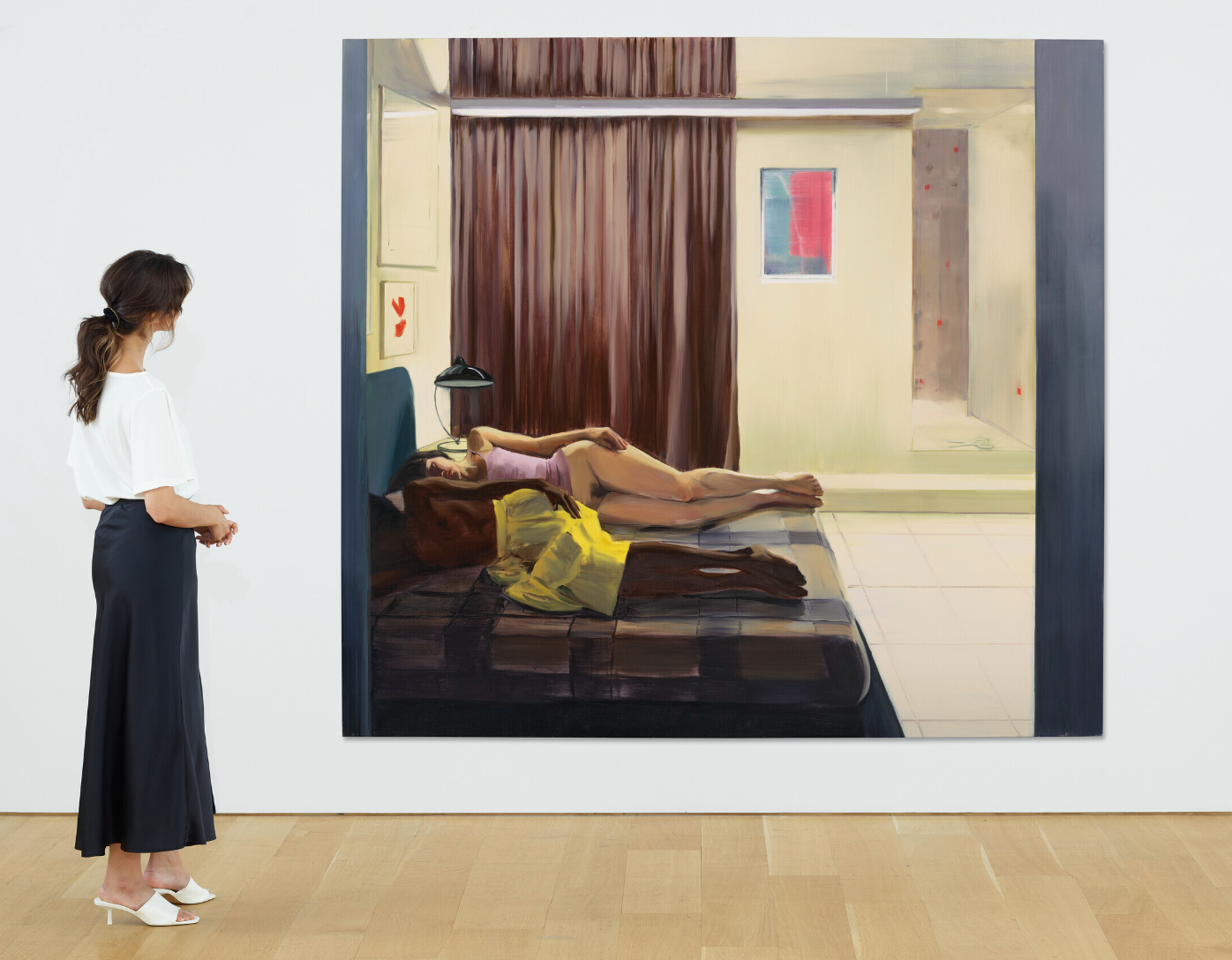
In Every Dream Home established the fundamental principles of Walker’s practice. Much of the series depicted anonymous female figures going about their daily lives in an idyllic modernist home and garden. Wrought with exquisite attention to lighting, form, color and composition, her protagonists seemed trapped in a world of secrets, their picture-perfect lives filled with ambiguity and suspense. Titled after the 1973 Roxy Music song ‘In Every Dream Home a Heartache’, the series set out to confront the expectations society places upon women, offering scenes of quotidian domesticity in which nothing is quite as it seems. Ward Round I transposes these ideas to a different setting. The work continues the artist’s fascination with modernist architecture: the gallerist Juerg Judin had converted the space into a studio building that won an architectural award in 2009. Further artworks are revealed in the work’s companion Ward Round II, including a painting by Jannis Kounellis and another by Grosz himself. While photographing the scene, Walker said that the room reminded her of a ‘high-end psychiatric institution’, its clinical lines offsetting her uncertain narrative drama.
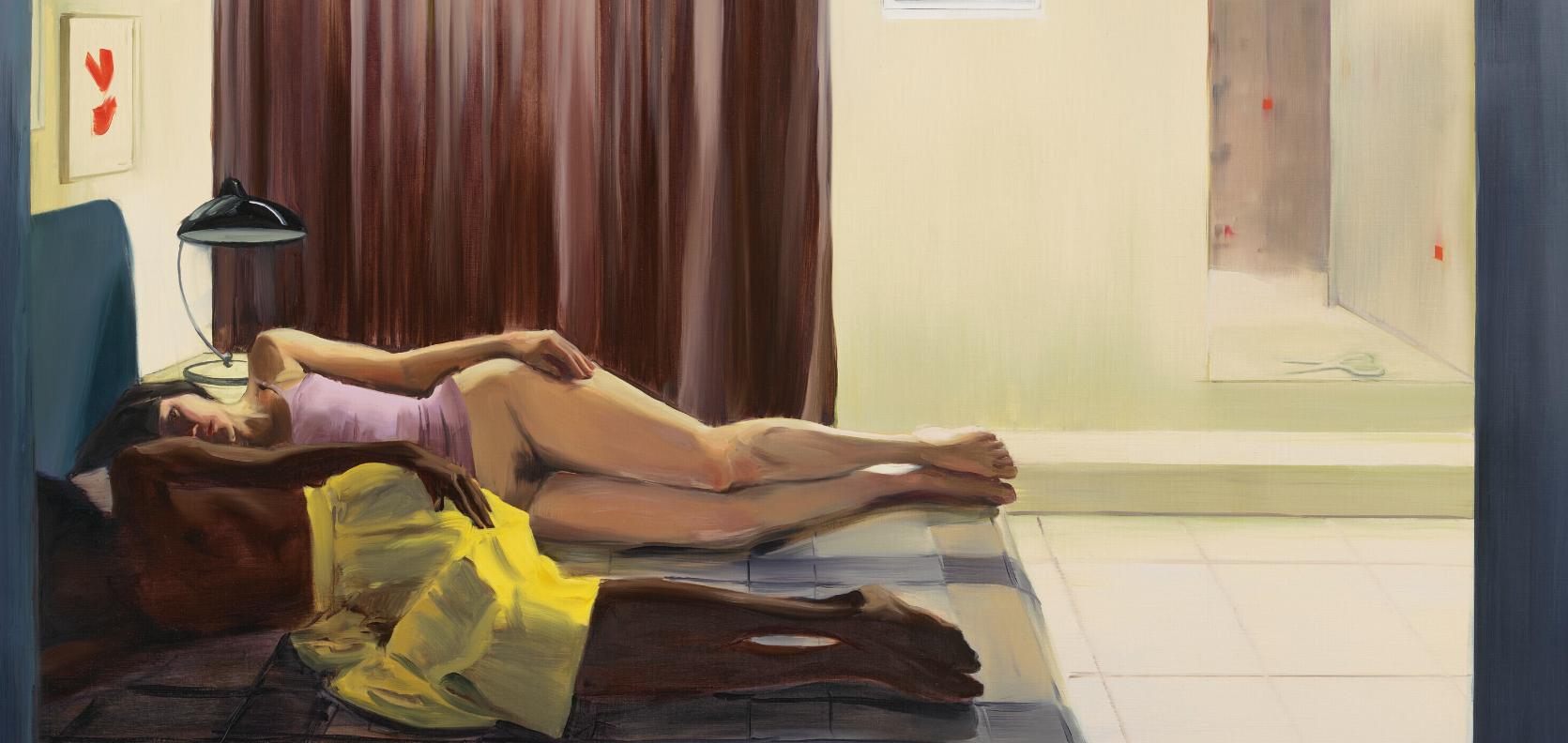
Walker’s works are not portraits in the conventional sense. Instead, her subjects play out stories and ideas that relate to universal female experience.
“I paint women because in some ways I am always painting myself, and my own experiences or anxieties,’ she explains, ‘but from a distanced objective position which can hopefully also reflect how we all encounter the world.”
Walker’s own appearance in the present work is particularly illuminating in this regard: so, too, is her frequent use of doubling, reflection and repetition. Drawing upon a rich history of depictions of women—largely painted by men. The present work’s sexual provocations are, in this sense, deliberate: Walker instils a sense of power play between viewer and subject, only to subvert and upend it through her own presence.
1.4. Other Artists
Nicolas Party
Back with a Red Hat, 2017
Christie’s London: 7 March 2024
Estimated: GBP 500,000 – 700,000
GBP 453,600 / USD 575,165
NICOLAS PARTY (B. 1980), Back with a Red Hat | Christie’s (christies.com)
NICOLAS PARTY (B. 1980)
Back with a Red Hat, 2017
Soft pastel on linen
228 x 81.3 cm (89 3/4 x 32 inches)
Signed and dated ‘Nicolas Party 2017’ (on the reverse)
Sparkling with surreal wit, Back with a Red Hat is a monumental work that formed part of Nicolas Party’s extraordinary debut exhibition in New York. Rendered in the artist’s signature pastel medium, it depicts a semi-nude figure seen from behind, clad in a blue cloak, a wide-brimmed red hat and socks adorned with pom poms. This enigmatic apparition belongs to a series that Party made for the Metropolitan Opera’s 2017 premiere of Thomas Adès’ The Exterminating Angel. The opera was based on the 1962 Luis Buñuel film of the same name, which tells of a nightmarish dinner party whose attendees find themselves mysteriously unable to leave. Prior to opening night, the Met hosted its own imitation banquet for a selection of distinguished guests, who were required to attend in fancy dress. The present work and its similarly faceless companions were present at the feast, forming a disarming entourage around the bemused diners. Executed on a vast, larger-than-life scale, it is a virtuosic example of Party’s distinctive visual language, alive with theatrical intrigue.
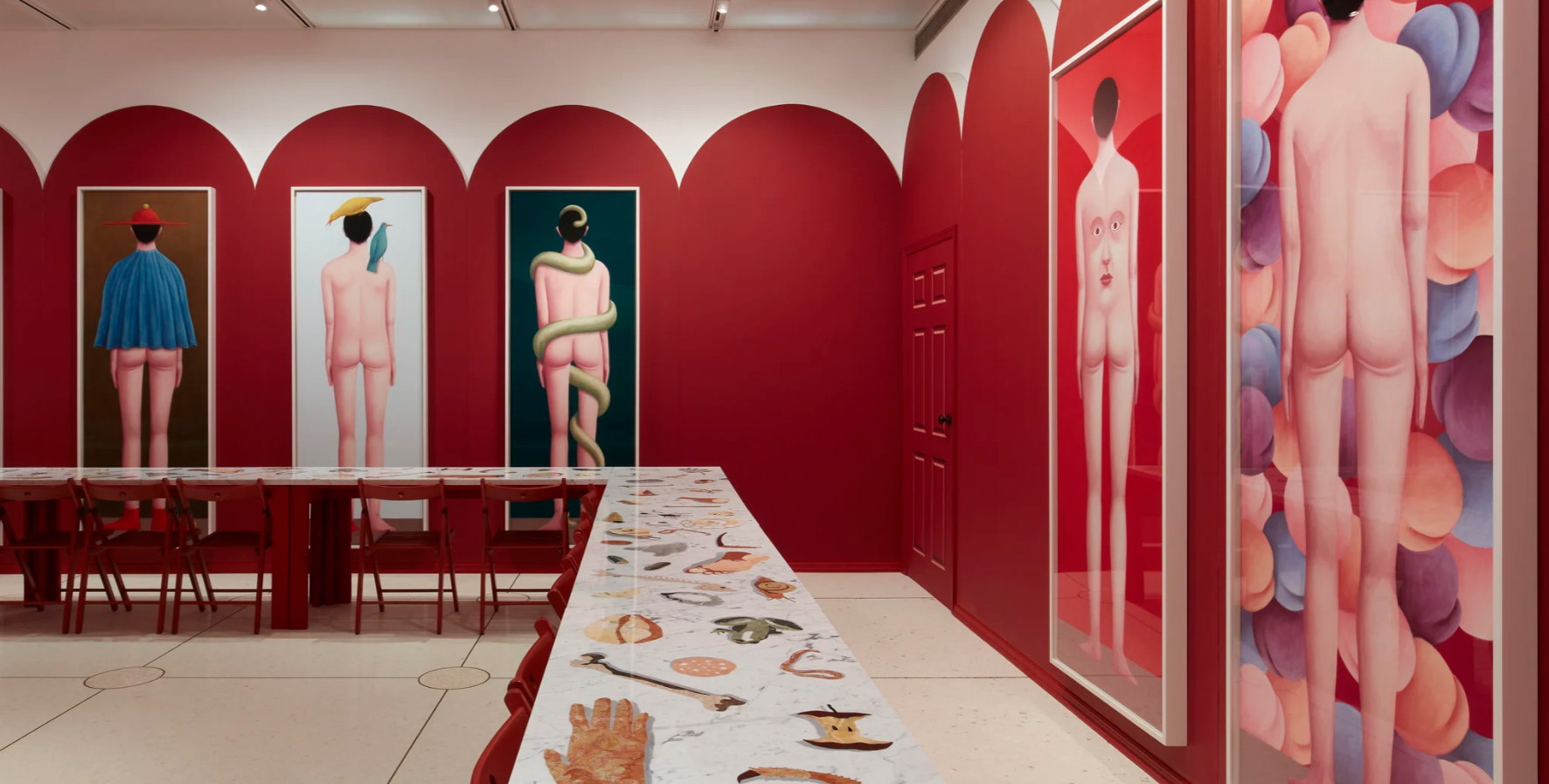
After the dinner, the works remained on view at the Met in an exhibition entitled Dinner for 24 Sheep. Referencing the real livestock used in the opera, it followed on from Party’s previous series of immersive dining performances, including Dinner for 24 Elephants at the Modern Institute, Glasgow in 2011, and Dinner for 24 Dogs in 2015. For the Met dinner, the artist designed a marble table top featuring ghoulish inlaid images, and was present for part of the evening, sharing the role of ‘butler’ with New Museum director Massimiliano Gioni. Most guests had not seen the original Buñuel film.
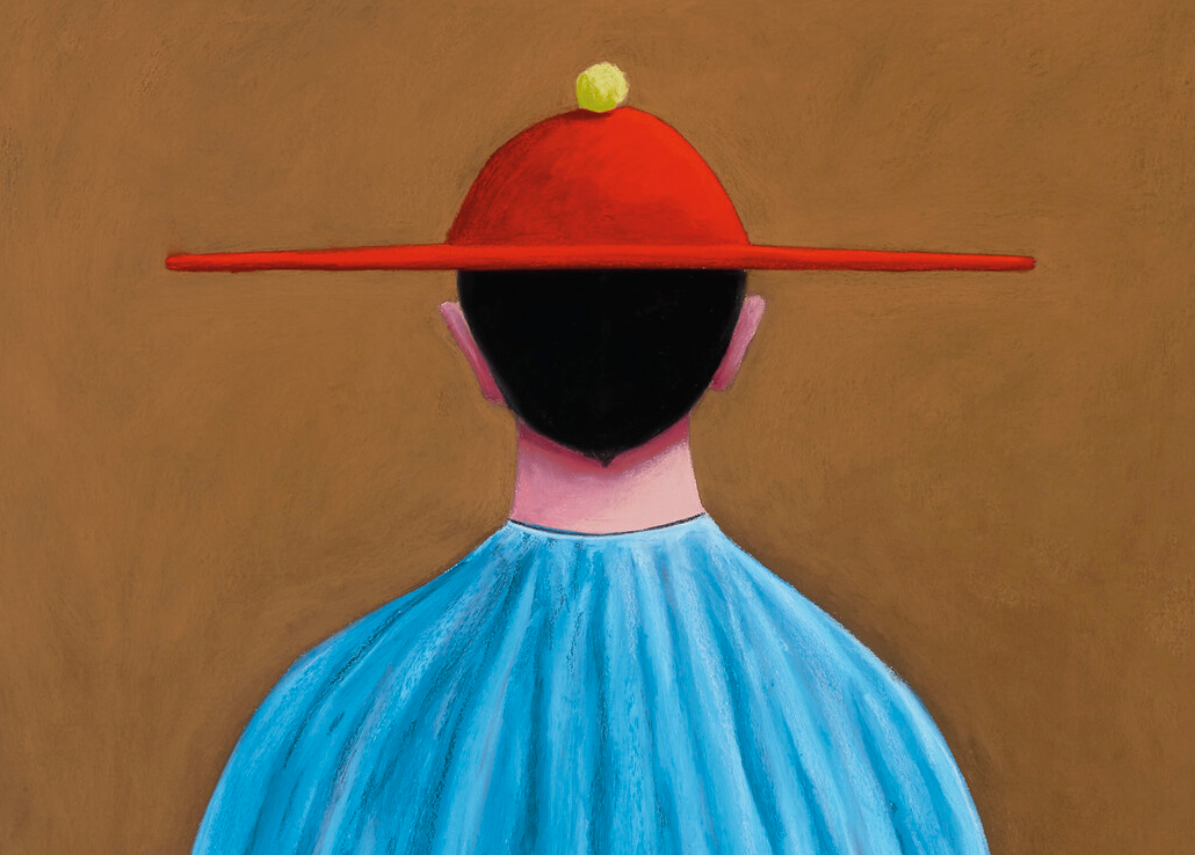
Punctuated by lengthy gaps between courses, the dining experience purposefully placed them in the same dilemma as the characters in the story, questioning whether they were supposed to stay or depart. Back with a Red Hat and its companions stood mute, their backs resolutely to the scene. Like René Magritte’s bowler-hatted men—deeply admired by Party—they remained locked in a parallel dreamlike world, yielding no answers.
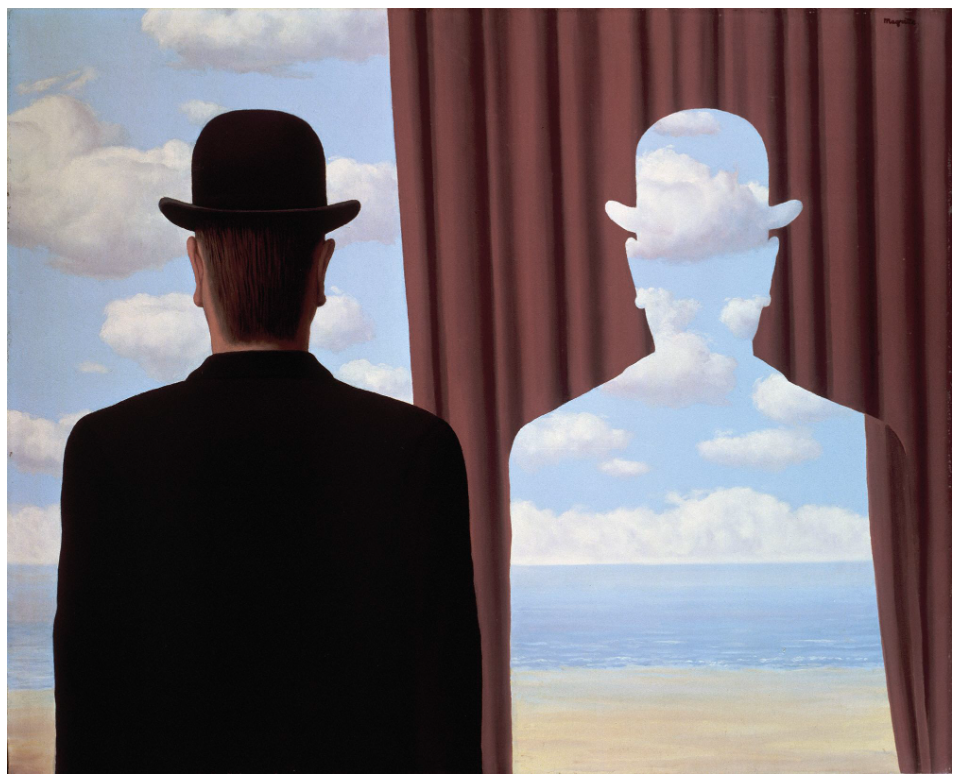
René Magritte, La Décalcomanie, 1966. Private Collection. Artwork: © René Magritte, DACS 2024. Photo: Photothèque R. Magritte /Adagp Images, Paris, / SCALA, Florence.
As well as capturing Party’s interests in Surrealism, the work demonstrates his long-standing debt to the work of Pablo Picasso. It was the artist’s 1921 pastel work Tête de femme that first inspired his own engagement with the medium. ‘I bought the postcard’, he recalls, ‘and went to the art store the next day to buy a pastel kit’ (N. Party, quoted in R. Vitorelli, ‘Interview Nicolas Party’, Spike, no. 44, Summer 2015). Party was particularly fascinated by the androgynous nature of Picasso’s pastel subjects: an influence borne out in the Met works, many of whom are ambiguous in gender. He was also entranced by the artist’s near-painterly use of the medium, exploiting its rich modulations of texture and color, and its inherent sense of dynamism. Here, the folds of the subject’s cape are exquisitely rendered, infused with movement. So, too, is the skin, which seems to glow from within. Though static and sentinel, the figure bristles with an uncanny sense of life, poised perpetually on the brink of turning around.
Ewa Juszkiewicz
Untitled (after Elisabeth-Louise Vigée-Le Brun), 2015
Christie’s London: 9 March 2024
Estimated: GBP 180,000 – 250,000
GBP 378,000 / USD 479,304
Ewa Juszkiewicz (christies.com)
EWA JUSZKIEWICZ (B. 1984)
Untitled (after Elisabeth-Louise Vigée-Le Brun), 2015
Oil on canvas
100×80 cm (39 3/8 x 31 1/2 inches)
Signed and dated ‘Ewa Juszkiewicz 2015’ (on the reverse and the stretcher)
Ayoung woman, her face hidden by hair, stands before an atmospheric sky in Ewa Juszkiewicz’s deeply enigmatic Untitled (after Elisabeth-Louise Vigée-Le Brun) (2015). Adorned with crimson garb and an elaborate feathered hat, the sitter seems to emerge from the chiaroscuro depths of eighteenth-century portraiture. The painting is an early example of the artist’s celebrated historical appropriations. It is based on Élisabeth Louise Vigée-Le Brun’s original Portrait of a Young Woman (circa 1797), held in the collection of the Museum of Fine Arts, Boston, and previously loaned to the Metropolitan Museum of Art, New York.
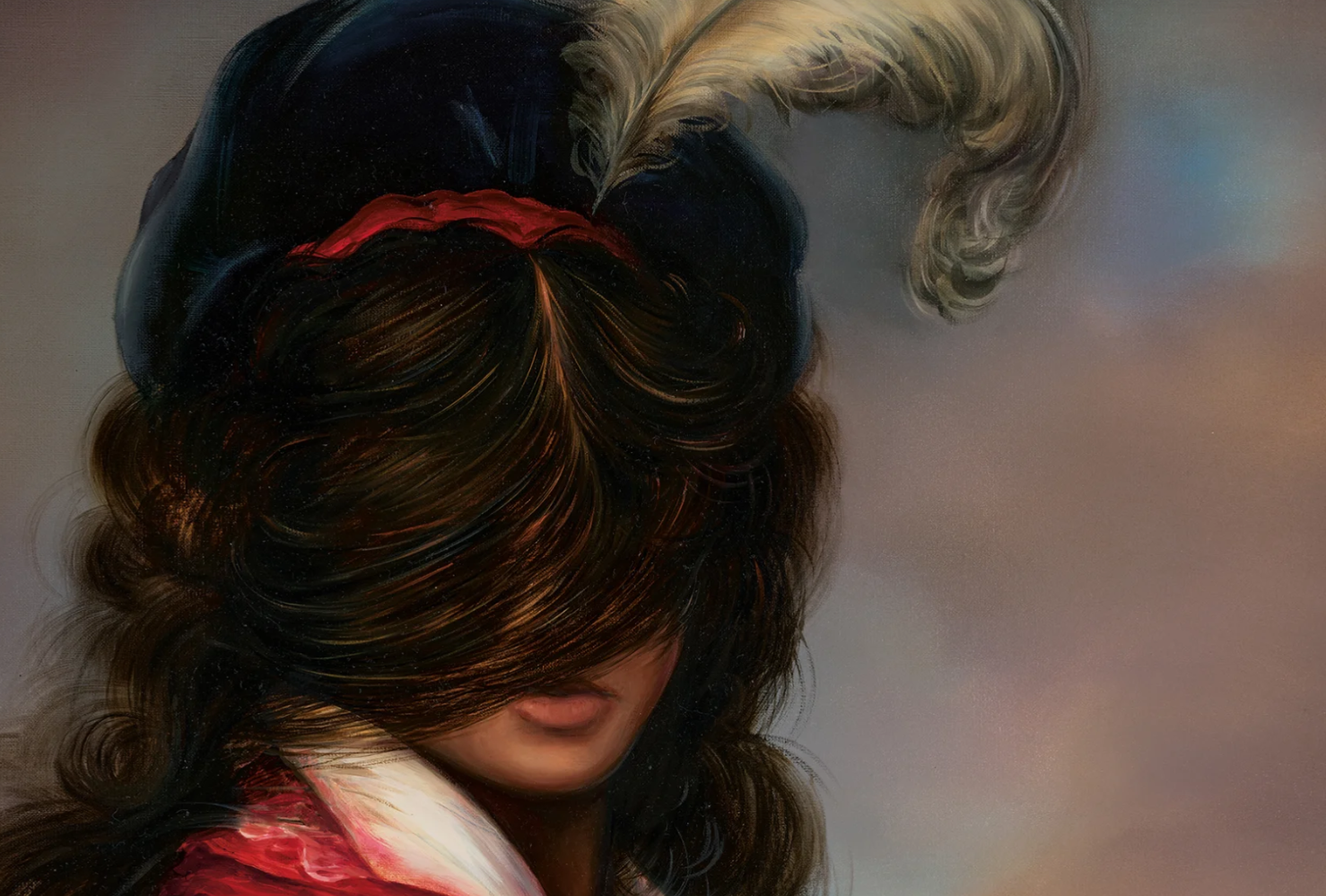
‘While I was fascinated by the amazing artistry of portraits from that period—their aura, richness, and harmony’, Juszkiewicz has said, ‘I realized that most of them tended to represent women in a very stereotypical, highly idealized way, according to a male ideal of beauty’ (E. Juszkiewicz, quoted in ‘Reanimating History: Ewa Juszkiewicz and Jennifer Higgie in Conversation’, Gagosian Quarterly, 1 November 2023). Disrupting a traditionally rendered surface of oils and glazes with contemporary, surreal elements—elaborately swaddled veils, insects, botanical profusions, and braids of hair—Juszkiewicz frees portraiture’s women from centuries of restrictive aesthetic standards. Held in the same private collection since it was made in 2015, the present work has been prominently exhibited at venues including Galeria Bielska BWA, Bielsko-Biała, the Museum of Contemporary Art in Krakow and the Archiginnasio of Bologna.
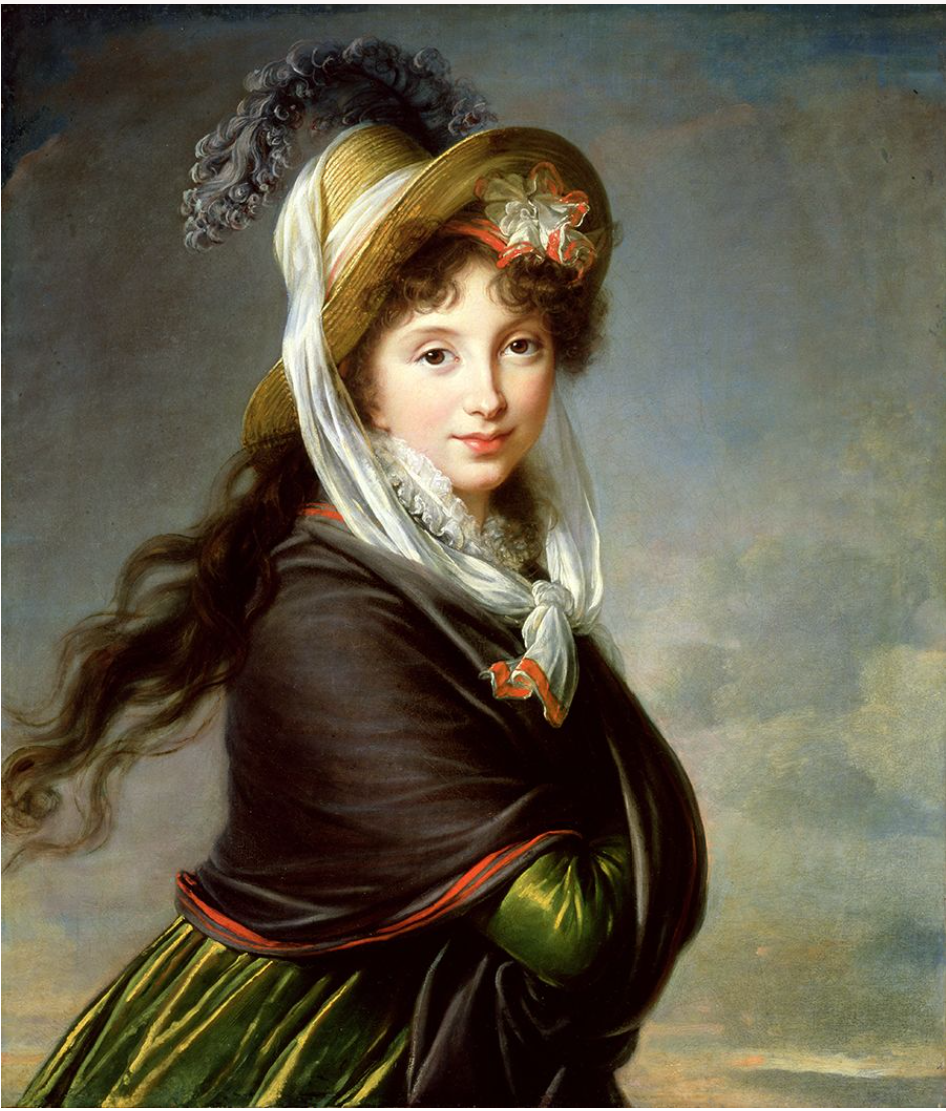
Elisabeth Louise Vigée Le Brun, Portrait of a Young Woman, ca. 1797. Museum of Fine Arts, Boston. © 2024 Museum of Fine Arts, Boston. All rights reserved. / Robert Dawson Evans Collection / Bridgeman Images
Born in Poland in 1984, Juszkiewicz studied painting at the Academy of Fine Arts, Gdansk, and completed a PhD at the Academy of Fine Arts in Krakow. She first began to stage her emphatic painterly subversions to historic portraits in 2011. Drawn to the indulgently smooth surfaces of eighteenth and nineteenth-century European paintings, their technical precision and boastings of luxurious silks, lace, jewels and feathers, Juszkiewicz has sustained an interest in the veneered nature of representation throughout her career. Here, the sitter of Vigée-Le Brun’s original portrait, an unidentified Russian woman portrayed in a conventionally genteel and pleasant pose, is transformed. Her facial appearance is obfuscated and disturbed by the uncanny presence of dark hair. The strange, visceral aberration rejects the male gaze, denying the viewer any pleasure in admiring her likeness. Brushing just over her lips, the thick curls of hair weave a troubling line between desire and repulsion.
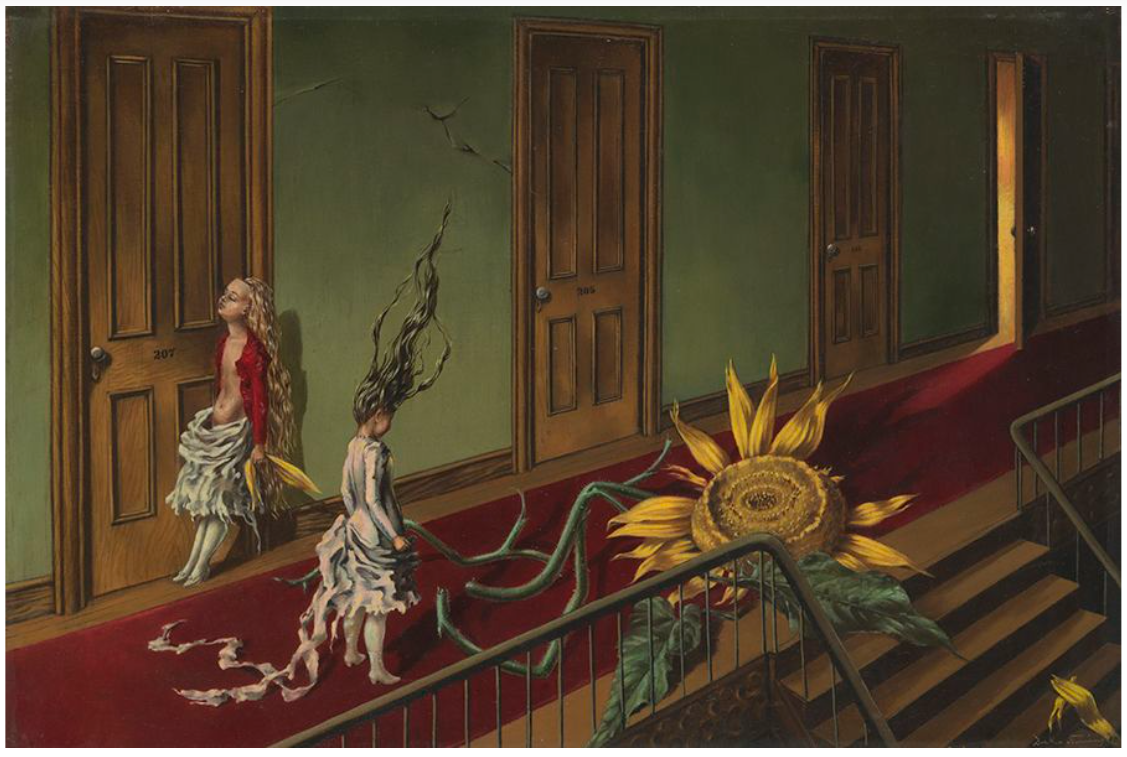
Dorothea Tanning, Eine Kleine Nachtmusik, 1943. Tate Gallery, London. © DACS 2024. Digital image: © Tate.
Indeed, Juszkiewicz’s dialogic practice interrogates the unstable boundaries between subject and object, the human and monstrous. Charged with psycho-erotic drama, her canvases pay homage to the Surrealists in the early twentieth century, who through their art and writing sought to conjure the dichotomous workings of the unconscious mind, imagination and fantasy. Hair was of particular interest to the group, falling under André Breton’s famous vision of ‘convulsive beauty’. Man Ray photographed women’s hair—cut and disembodied or styled to uncanny effect—in the 1930s. Meret Oppenheim’s iconic Object (1936) comprises a found teacup, saucer and spoon lined with gazelle fur. At once banal and grotesque, hair is also art historically a signifier of female identity and social status. Curator Lisa Small noted that, for centuries, hair was an ‘important site of women’s self-fashioning’ as well as ‘the focus of male anxieties around sexuality and power’ (L. Small, ‘Ewa Juszkiewicz’, Gagosian Quarterly, Winter 2020). In the present painting, Juszkiewicz transforms the boundary of the female body into an abject surface. Writhing with ambiguity, it is a site of simultaneous fascination and disquiet.
Christina Quarles
Then Tha Dust Settles, 2017
Christie’s London: 7 March 2024
Estimated: GBP 200,000 – 300,000
GBP 226,800 / USD 287,582
CHRISTINA QUARLES (B. 1985), Then Tha Dust Settles | Christie’s (christies.com)
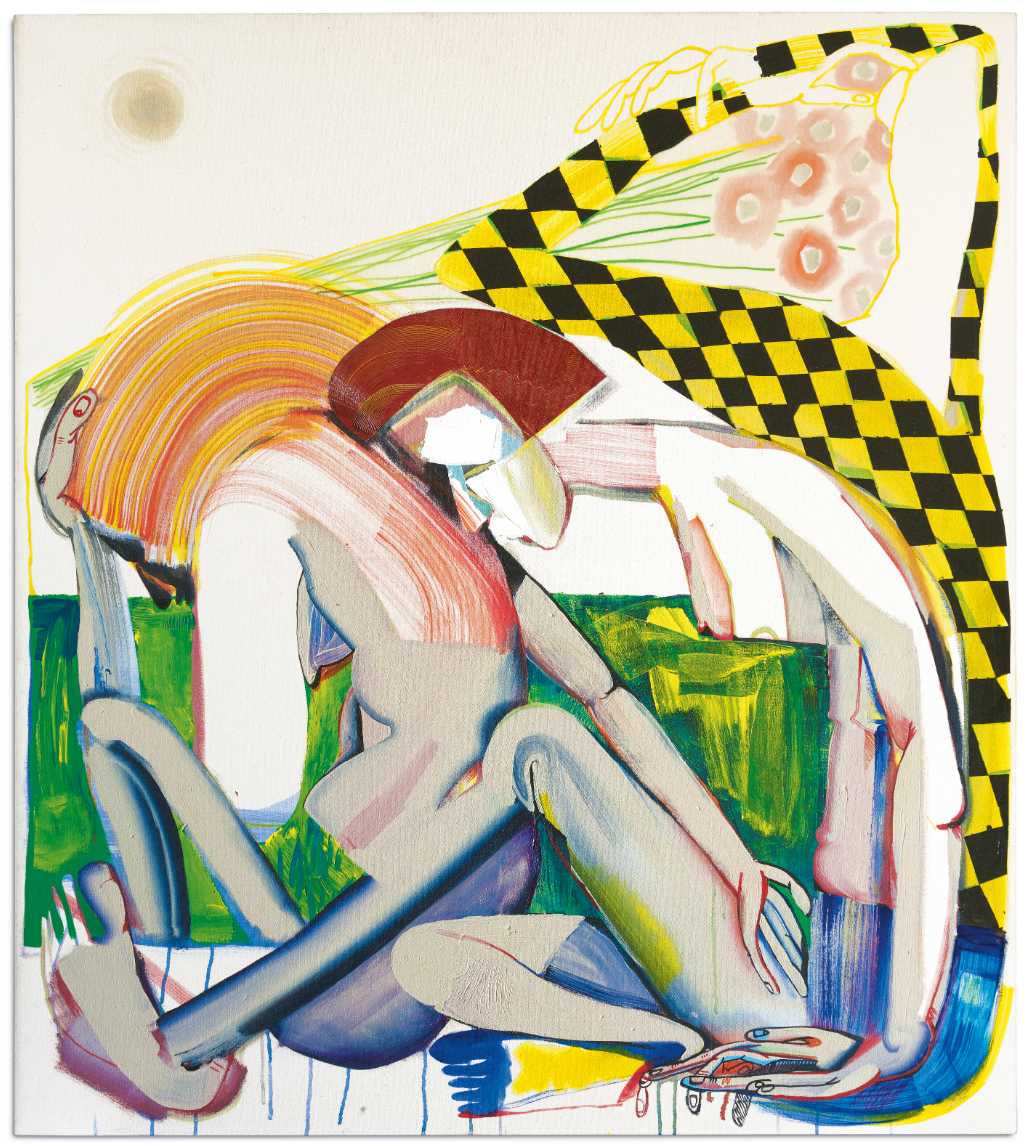
CHRISTINA QUARLES (B. 1985)
Then Tha Dust Settles, 2017
Acrylic on canvas
56×50 inches (142×127 cm)
Signed, titled and dated ‘C Quarles 2017 “THEN THA DUST SETTLES” (on the reverse)
Christina Quarles’s paintings transport us to a realm of peculiarly contorted figures, stretching and reeling in fluid, unfixed movement. Her characters often have elongated torsos, prolonged necks and gangling limbs, as if viewed through a funhouse mirror. Then Tha Dust Settles (2017) is an exemplar of her dynamic practice. Its composition reflects the tangled complexity of human identity and relationships. A nude body sits on the floor, bounded by the corners of the canvas. Its skin is tinged with grey, green, purple and red, redolent of the paintings of Viennese Expressionist Egon Schiele. It leans against the back of a second figure, seeking an intimate connection; this other figure, its head a diaphanous sweep of orange, reaches rangy fingers down the sitter’s thigh. The intimation of a third body appears in graphic, chequered yellow and black, hoisting a vaporous bunch of flowers over its shoulder. Inky slicks of green and blue rain down the painting’s lower reaches. Elsewhere, crisp fields of colour are masked off, or areas of raw canvas stained with delicate pigment. In 2017-2018, the work was included in the group exhibition Trigger: Gender as a Tool and a Weapon at the New Museum, New York.
Then Tha Dust Settles is both a capsule of Quarles’ ongoing concerns and a showcase of her astonishing talents. When it appeared in the New Museum’s exhibition in 2017, critic Peter Schjeldahl highlighted Quarles’ work as a highlight. ‘The wholes and parts of bodies in Quarles’s cheerfully orgiastic pictures entangle in alternating styles of line, stroke, stain, and smear’, he wrote (P. Schjeldahl, ‘Art World as Safe Space’, The New Yorker, 2 October 2017). He also compared them to the flowing, liquefied works of Arshile Gorky and Willem de Kooning: American artists who similarly danced on the borderline between figuration and abstraction. Quarles often works freehand, composing her improvisatory paintings as she goes alone. Then Tha Dust Settles captures the artist at her ingenious best, attuned to the flux and spontaneity of life itself.
2. Contemporary Art
2.1. Damien Hirst
Veil of Serendipity, 2017
Christie’s London: 7 March 2024
Estimated: GBP 650,000 – 850,000
GBP 819,000 / USD 1,038,492
DAMIEN HIRST (B. 1965), Veil of Serendipity | Christie’s (christies.com)
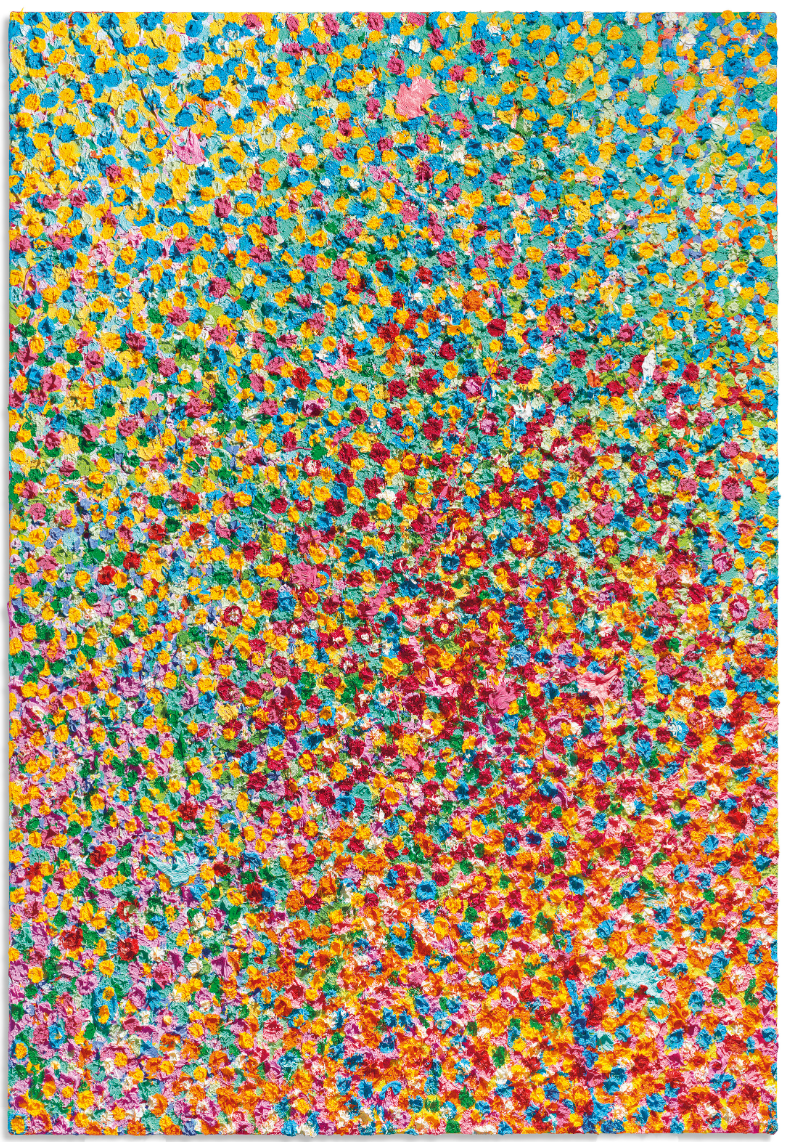
DAMIEN HIRST (B. 1965)
Veil of Serendipity, 2017
Oil on canvas
66×45 inches (167.8 x 114.3 cm)
Signed, titled and dated ‘Damien Hirst Veil of Serendipity 2017’ (on the reverse)
A kaleidoscopic symphony of color, Veil of Serendipity is a dazzling work from Damien Hirst’s celebrated series of Veils. Warm shades of yellow, pink, crimson and orange collide with dappled greens and blues, speckled with brilliant flashes of white. The painting sparkles with optical magic, its impasto textures shifting in and out of focus as the canvas catches the light. Completed in 2017, just before Hirst’s major exhibition Treasures from the Wreck of the Unbelievable, the Veils represent joyful odes to the power of paint. Extending the language of his seminal Spot Paintings, as well as the Colour Space works of 2016, they were directly inspired by the Visual Candy paintings that Hirst created in New York in the 1990s. Shot through with the influence of Post-Impressionism, Abstract Expressionism and Op Art, they continue the exploration of gesture and colour that had fuelled this early series. Here, Hirst dispenses with the subversive conceptual language that underpins so much of his art, submitting instead to the sensory pleasures of brush and canvas.
Hirst’s Visual Candy paintings, defined by their tessellating patches of bright colour, had paid homage to his love of the New York School. During this intensely creative period—the heyday of the Young British Artists—he had felt conflicted by his affinity with painters such as Willem de Kooning. Much of his oeuvre at the time had its roots in Minimalism; dark, witty and ironic, his art confronted grandiose themes of life, death and faith. Wary of taking the plunge into pure gestural abstraction, Hirst instead channelled his love of colour into the Spot Paintings, whose obsessive grids of perfect yet randomly-coloured dots sought to capture the chaos of human existence. In 2016, the Colour Space paintings began to introduce a greater sense of painterly expression, embracing chance and error through the inclusion of drips and smears. In the Veil paintings, begun the following year, Hirst would finally pick up where he had left off over two decades prior, embracing the wonders of paint on a grand and unapologetic scale.
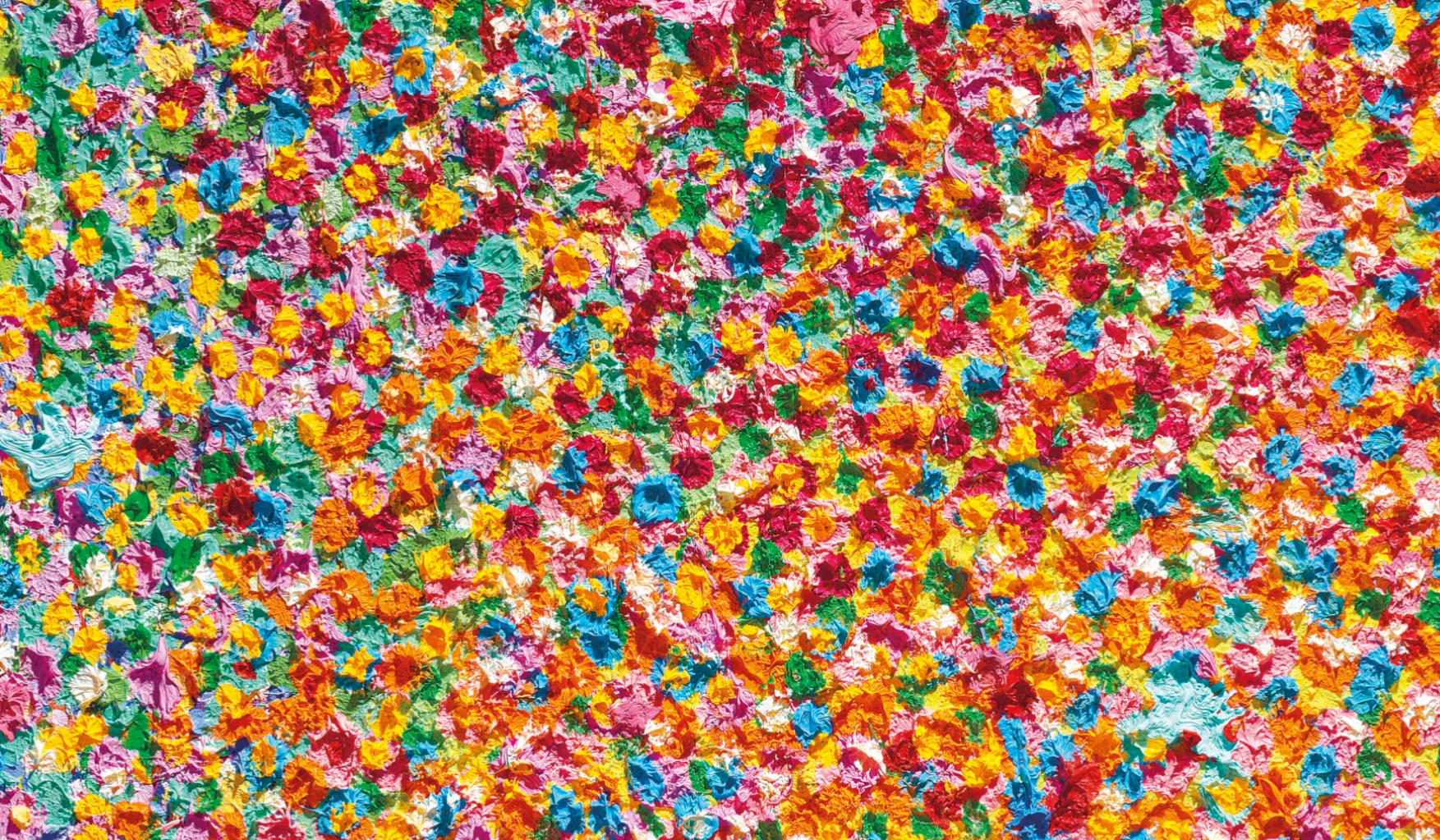
Using a long-bristled brush to dab, flick and spatter the canvas, Hirst relinquished both structure and concept. Instead, he explained, these works were ‘about now, about something energetic forming, like planets or ideas, they are about growth. I want them to feel like you’re looking through a sheer curtain at something patterned in a colourful, complicated garden beyond … I want you to get lost in them I want you to fall into them and I want them to delight your eyes’ (D. Hirst, Instagram, 28 February 2018).
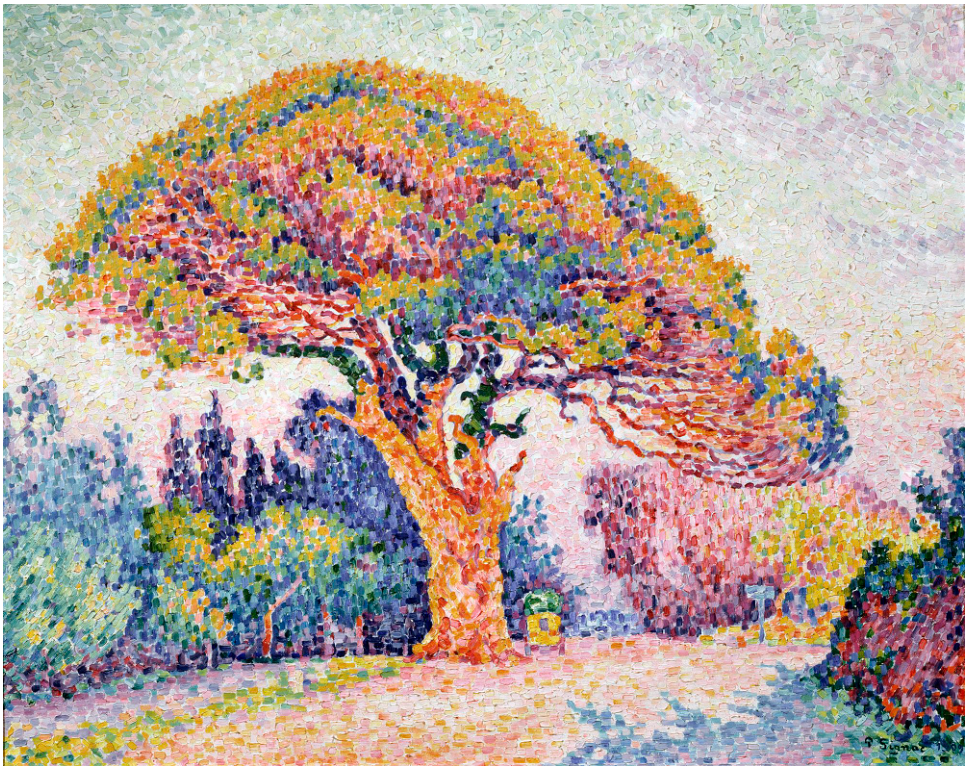
Paul Signac, Le Pin de Bertaud at Saint-Tropez, 1909. Pushkin Museum, Moscow. Photo: Fine Art Images/Heritage Images/Scala, Florence.
Hirst delved deep into art history, reigniting his passion not only for Abstract Expressionism, but also for the works of Henri Matisse, Pierre Bonnard and Georges Seurat. He looked at Goya’s mark-making and the paintings of Chaïm Soutine; he was ‘never that far away’, he professed, from ‘Op painters like Larry Poons or Bridget Riley, and Yayoi Kusama’. The results, he explained, ‘felt totally new and right’ (D. Hirst, quoted in A. McDonald, ‘In the Studio: Damien Hirst’s Veil Paintings’, Gagosian Quarterly, 4 July 2020). Veil of Serendipity sparkles with pure and uninhibited celebration: Hirst had, in many ways, finally returned home.
Cupric Nitrate, 2007
Phillips London: 7 March 2024
Estimated: GBP 500,000 – 700,000
GBP 571,500 / USD 724,662
Damien Hirst – 20th Century & Contempo… Lot 28 March 2024 | Phillips
DAMIEN HIRST
Cupric Nitrate, 2007
Household gloss on canvas
81×83 inches (205.7 x 210.8 cm)
Signed, stamped with the artist’s stamp
Titled and dated ‘Damien Hirst D Hirst D Hirst “Cupric Nitrate” 2007’ on the reverse
Mesmerizing in its scale and the lively optical effects generated by vibrating chromatic relationships established across its gridded composition, Cupric Nitrate is a stunning example of British artist Damien Hirst’s celebrated series of Pharmaceutical Paintings. A defining aspect of the precocious ‘Young British Artist’s’ career, Hirst first embarked on the series in 1991, its conceptual roots underpinning and expanding his early investigations into color, its organization and the relationship between art and science that has proved to be an abiding conceptual touchstone across Hirst’s varied practice. Coming to auction for the first time, Cupric Nitrate was included in the Paris iteration of Hirst’s ambitious multi-venue presentation of Spot Paintings mounted by Gagosian Gallery across its eleven locations simultaneously in 2012, and in the first major museum retrospective of Hirst’s work, which opened at Tate Modern in London the same year.
Bridging the sense of order, primacy of the grid, and focus on scientific modes of categorization that we find in the Medicine Cabinets with the exuberant and joyful approach to color taken in his Spin Paintings and more recent series of Veil Paintings, the Pharmaceutical Paintings also explore more philosophical meditations on mortality, faith, and the relationship between art and science that continue to shape Hirst’s practice today. Meticulously arranged, Cupric Nitrate’s one-inch spots are evenly arranged with a corresponding space between each, a careful formula which activates the colored spots to such a degree that the overall composition refuses to resolve completely. As Michael Bracewell describes, drawn to ‘the warmer-colored spots, the gaze then encounters seeming sudden diagonals, verticals or broken lines of semi-coherence; look again, and even these fleeting spooks of visual sense turn out to be illusions. Yet, despite this energetic activity, the work achieves an incredible compositional balance and harmony rooted in the methodical, scientific approach to the composition based on a philosophy of chromatic relationships and their manipulation. Consistent with the execution of the Spot Paintings more broadly, the present work is rendered in uniquely mixed hues of household paint, with no single color appearing twice; although painted methodically by hand, Hirst was interested in the idea of the works appearing to have been executed by a machine, or ‘by a person trying to paint like a machine.’
Pyrene, 2017
Sotheby’s London: 6 March 2024
Estimated: GBP 380,000 – 450,000
GBP 533,400 / USD 676,351
Pyrene | Modern & Contemporary Evening Auction featuring The Now | 2024 | Sotheby’s (sothebys.com)
DAMIEN HIRST (b. 1965)
Pyrene, 2017
Household gloss on canvas
99×111 inches (251.5 x 281.9 cm) (3 inch spot)
Signed (on the stretcher); signed, titled twice and dated 2017 (on the reverse)
A colossal expanse of colored spots painted upon a stark white canvas, the kaleidoscopic Pyrene exemplifies British artist Damien Hirst’s “Pharmaceutical” paintings. As one of the thirteen sub-series within the “Spot Painting” category, the Pharmaceutical paintings remain the first and most prolific. Each Spot Painting shares a certain set of properties: the spots are arranged on a grid made invisible by a white or off-white background; no two spots on a given work touch each other; and no hue is ever repeated on the same work. Suspended in nineteen rows and seventeen columns, each of the three hundred and twenty three discs executed in household gloss paint are unique in hue. When viewed together, the shades span an impressive chromatic spectrum. This defining body of work first brought the artist acclaim at the legendary 1988 Freeze exhibition and culminated with the artist’s first major UK retrospective at Tate Britain in 2012—this painting represents a culmination of this seminal series. Executed in 2017, nearly thirty years after the first Spot Paintings, Pyrene broadcasts a lyrical beauty underscored by the medical advancements of the past three decades.
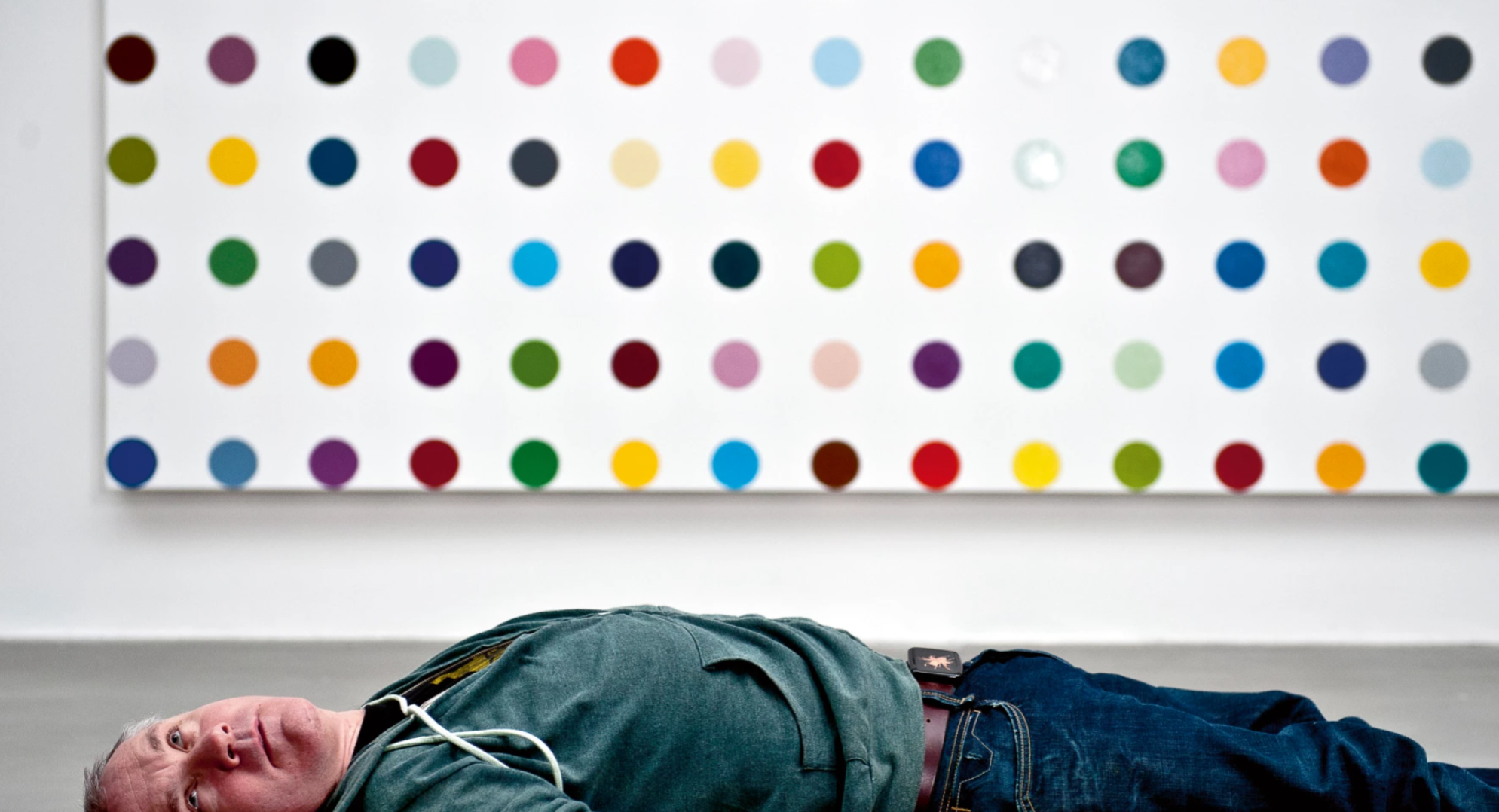
Reflective of his interest in the connections between art and science, Hirst titled each work in this series after a unique chemical compound. In systematic fashion, he named these paintings alphabetically according to the Sigma Chemical Company’s catalogue, Biochemical Organic Compounds for Research and Diagnostic Reagents. Pyrene is a liquid crystal commonly used in fluorescent dyes; named after the Greek word for “fire,” pyrene is also the only organic compound which is non-inflammable and is used in commercial fire-extinguishers, but is poisonous to ingest. Here, the vibrant and delightful dots organized in neat rows across the canvas belie the sterile and medicinal nature of Hirst’s artistic experiment; like pills and products manufactured to ward off calamity, at the heart of these machinations is the inevitability of death.
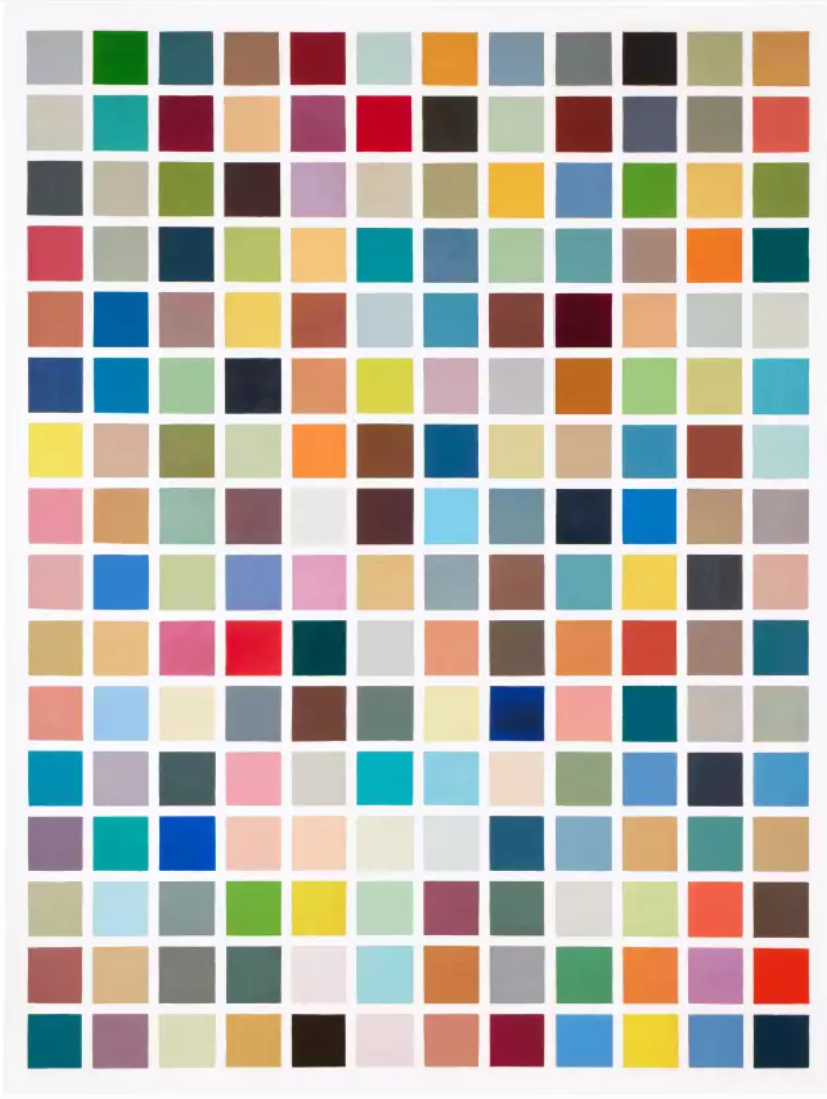
GERHARD RICHTER, 192 FARBEN, 1966. SOLD SOTHEBY’S LONDON, OCTOBER 2022, FOR £18.3 MILLION.
ARTWORK: © GERHARD RICHTER
Though purporting life-giving properties, such chemicals can be highly toxic and potentially fatal substances, carrying menacing deathly undertones even in their medicinal applications. It is in this way that the Spot Paintings encapsulate Hirst’s enduring and complex exploration of mortality. Disseminated via a simple schema of geometric logic, the controlled and emotionless self-restriction of Hirst’s candy colored grid belies an unsettling and fractured viewing experience.
Beautiful Squawk Painting (with Butterflies), 2007
Christie’s London: 9 March 2024
Estimated: GBP 120,000 – 180,000
GBP 277,200 / USD 351,490
DAMIEN HIRST (B. 1965)
Beautiful Squawk Painting (with Butterflies), 2007
Household gloss and butterflies on canvas
36×36 inches (91×91 cm)
Signed, titled and dated ‘Damien Hirst “Beautiful Squawk Painting” 2007’ (on the reverse)
With its evocative, radial burst of color, Damien Hirst’s Beautiful Squawk Painting (with Butterflies) (2007) pulses with joyful energy. Out of a vortex of red burst waves of turquoise, yellow, navy, and momentous streaks of sky blue. Hirst poured household paints onto a rotating canvas to achieve these kaleidoscopic patterns, and they present a striking index of spontaneous gesture in bright, dazzling color. Atop the medley of frenetic movement flutter delicate butterflies with gossamer wings. As such, the work combines the action painting of the artist’s iconic ‘Spin’ series with the evanescent insects that adorn so many of his canvases. While the vivacious colors teem with life, the artist’s use of butterflies also ties the painting to Hirst’s career-long inquiry into themes of mortality. At once a meditation on chaos and order, chance and predestiny, Beautiful Squawk Painting (with Butterflies) reveals the ways in which external forces always shape reality. Control and its loss fascinate Hirst, and in the present work—as in all the spin paintings—the artist effectively absents his hand from the final composition; the speed of the machine and the color of the paint are the only two elements that determine the final image. In a world where so much is chance and haphazard, the spin paintings celebrate the possibilities that fate has in store for us all: a theme foregrounded by the present work’s addition of Hirst’s butterflies, which become a gleaming memento mori.
I Need You, 1998
Christie’s London: 7 March 2024
Estimated: GBP 220,000 – 280,000
GBP 252,000 / USD 319,536
DAMIEN HIRST (B. 1965), I Need You | Christie’s (christies.com)
DAMIEN HIRST (B. 1965)
I Need You, 1998
Butterflies and household gloss on canvas
36×40 inches (91.4 x 101.6 cm)
Signed, titled and dated ‘I need you. 98. Damien Hirst’ (on the overlap)
Signed ‘D Hirst’ (on the stretcher)
Originally displayed in Damien Hirst’s landmark restaurant Pharmacy, where it formed part of one of the most high-profile art installations of its kind, I Need You is a rare and historic example of the artist’s butterfly paintings. Ten tiny winged creatures are choreographed against an exquisite sky-blue backdrop, suspended in motion before the void. Executed in 1998, at the height of Hirst’s early celebrity, the work is one of just ten butterfly paintings that featured on the upper floor of the artist’s Notting Hill restaurant. There, it took its place alongside examples of his pharmaceutical cabinets, spot paintings and other bespoke pieces, together forming a permanent exhibition that represented his largest solo show to date at the time. Opening in 1998, Pharmacy became an icon of ‘Cool Britannia’, frequented by the likes of David Bowie and Kate Moss. It closed in 2003, and the present work has remained in the same private collection for the past two decades.
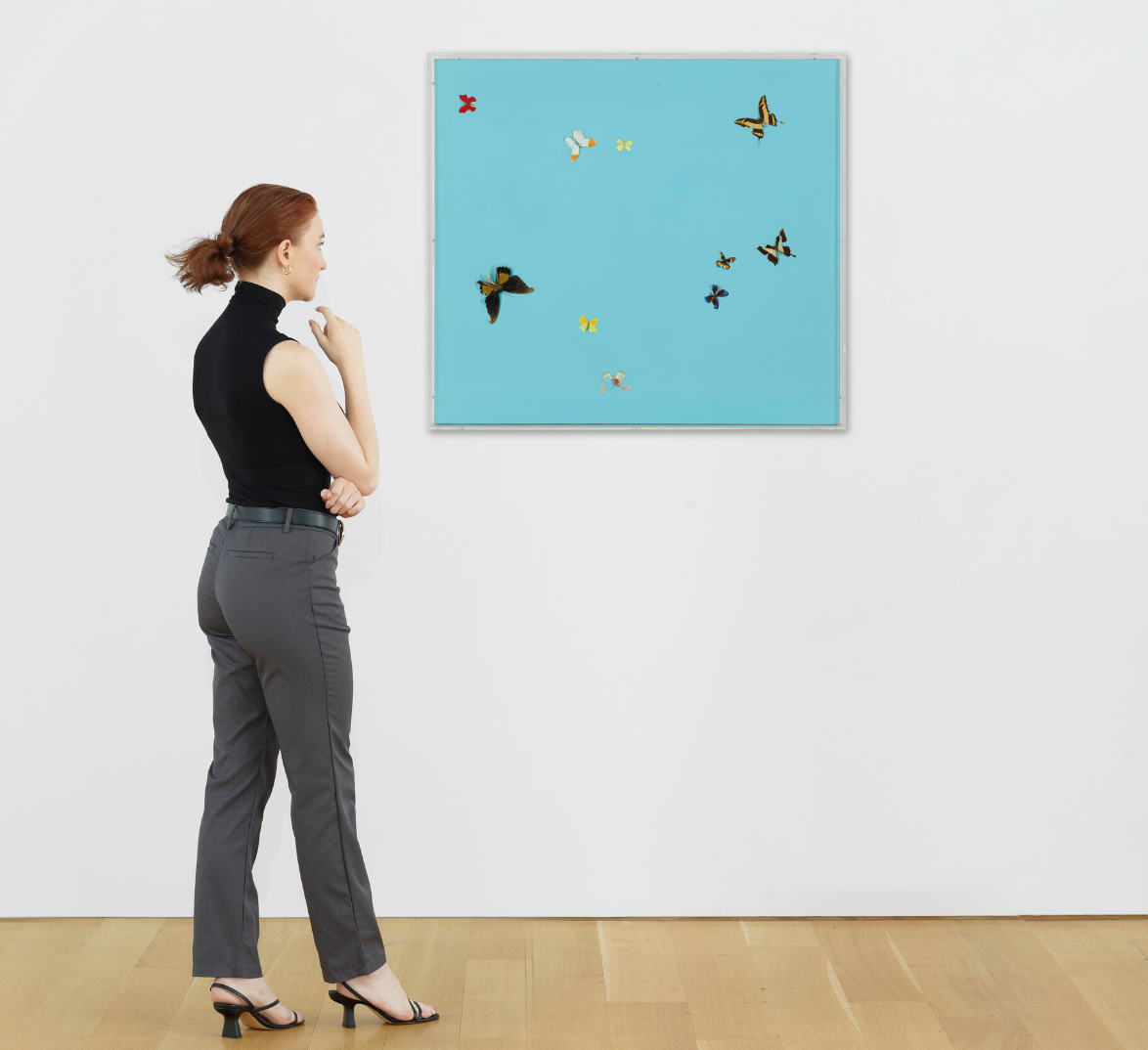
Hirst’s butterfly paintings lie at the core of his practice. They evolved from his seminal 1991 exhibition In and Out of Love: his first solo show in London. Held at Woodstock Street Gallery, the exhibition was spread across two floors. On the ground floor, Hirst created an artificial humid environment that he filled with live butterflies. They hatched from pupae attached to white canvases, fed upon sugar water, settled upon plants and flowers and flew freely about the room. In the basement, Hirst mounted eight brightly-coloured monochrome canvases, each with dead butterflies pressed into their glossy surfaces. This portion of the installation, which now resides in the Yale Center for British Art, shares much in common with the suite of paintings subsequently hung at Pharmacy. Each set features a similar rainbow palette of distinctive jewel-toned hues, ranging from orange, red and yellow to pink, green and blue. The present work’s celestial backdrop, evocative of a Tiepolo fresco, is particularly entrancing. The butterfly paintings embody many of Hirst’s central dichotomies: the fragile balance between life and death, the transition from reality to art, the intersection of faith and science and the beauty of mortality. By 1998, his dark, witty confrontation with these themes had propelled him to international fame. His inclusion in Charles Saatchi’s epoch-defining exhibition Sensation at London’s Royal Academy of Arts the previous year followed hot on the heels of the 1995 Turner Prize, which Hirst had won with his ground-breaking formaldehyde tank Mother and Child Divided. Much like the latter, the butterfly paintings preserve their subjects after death. From the chaos and unpredictability of life comes sleek, near-minimalist abstraction, each creature frozen in a radiant monochrome tomb. In Pharmacy, these paintings formed an elegant, contemplative counterpoint to the pill cabinets that populated the ground floor: they were art’s antidote to death, rather than medicine’s. If Christian iconography had often postulated the butterfly as a symbol of resurrection, Hirst too plays God: here, his insects are spared from the abyss, and reborn as art.
2.2. Cecily Brown
Can Can, 1998
Christie’s London: 7 March 2024
Estimated: GBP 1,800,000 – 2,500,000
GBP 2,218,000 / USD 2,812,424
CECILY BROWN (B. 1969), Can Can | Christie’s (christies.com)
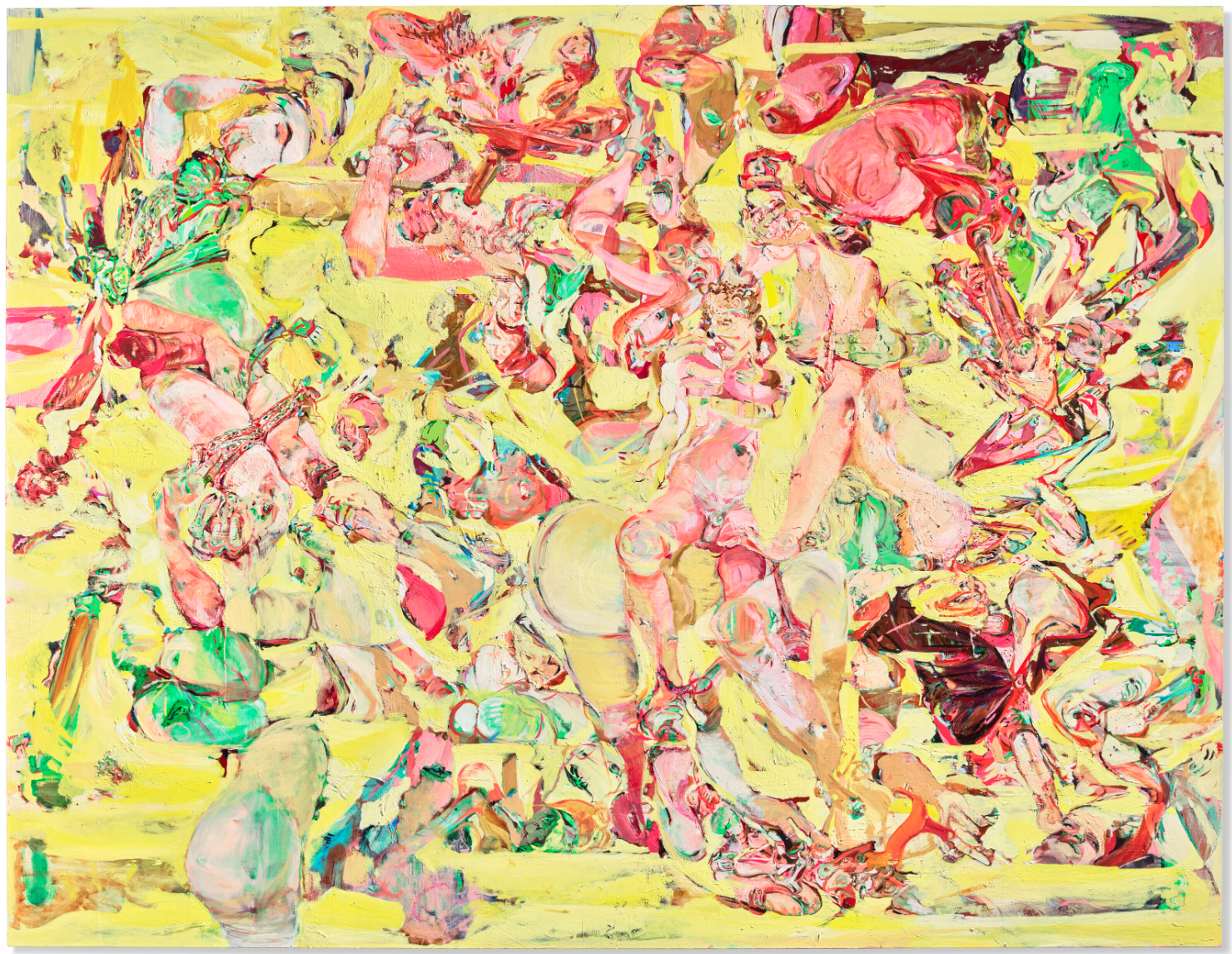
CECILY BROWN (B. 1969)
Can Can, 1998
Oil on canvas
75 7/8 x 98 inches (192.7 x 248.9 cm)
Signed and dated ‘Cecily Brown ’98’ (on the stretcher)
Signed twice, titled and dated twice ‘Cecily Brown 98 Cecily Brown Can Can 1998’ (on the reverse)
Included in the artist’s seminal solo show High Society at Deitch Projects, New York in 1998, Can Can (1998) is a monumental early painting by Cecily Brown. The canvas spans two-and-a-half meters wide, unfurling a panorama of color, movement and form. Grasping hands, entwined limbs and ecstatic mouths can be glimpsed across the scintillating surface, flushed with gleaming coral, magenta and vermillion amid facets of lemon yellow and jade green. Itis an abstracted bacchanal of multisensory delight. Can Can was the first of a number of Brown’s works to be titled after vintage Hollywood movies: in this case a 1960 musical comedy starring Frank Sinatra and Shirley MacLaine. Painted during her first years in New York, where she had moved from London in 1994, it speaks to the joy, success and creative freedom she found in the city. ‘This is an intoxicating time to be painting,’ Brown wrote in 1998, ‘and New York an exhilarating and sympathetic climate. The mood is generous and open and eclectic’ (C. Brown, ‘Painting Epiphany’, Flash Art, no. 200, May-June 1998). In 2023, she was celebrated there with a major survey show, Cecily Brown: Death and the Maid, at the Metropolitan Museum of Art.
When she graduated from London’s Slade School of Art in 1993, Brown’s lavish, expressive paintings stood in contrast to the more conceptual stance of her Young British Artist contemporaries. In New York, where painting was undergoing a revival, she received a warm welcome.
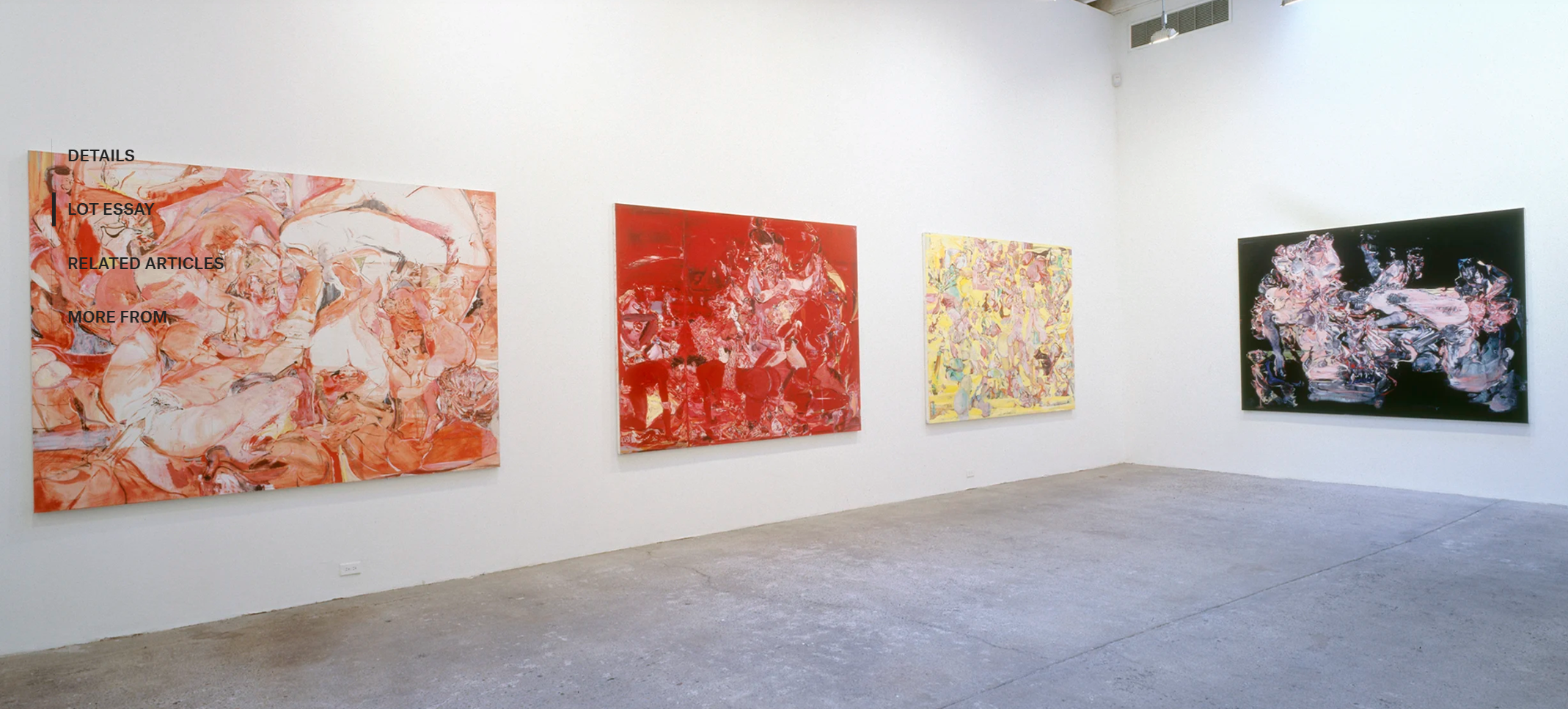
The city was also charged with inspiration for Brown as the birthplace of Abstract Expressionism: Willem de Kooning, who died in 1997, was still living on Long Island when she arrived. Brown’s work reflects a close dialogue with de Kooning, who famously claimed that ‘flesh is the reason oil paint was invented.’ While her later works would become more abstract, Brown’s early figuration dealt with distinctly carnal subject matter, bringing the medium’s power to voluptuous life. The bodily force of Can Can is unmistakable, its slick paint dancing and fluorescing with light and motion.
“I like the idea that they were gaudy and bawdy. It was really right for the body of work because they were very bright and chaotic, very much like a Busby Berkeley song and dance routine, maybe with a hand grenade thrown into it. My paintings were very broken up and fractured but they had this sense of too loud, too much action, too theatrical, which I always thought belonged in a painting … I didn’t want really my peers to know the movie, because I wanted it to be suggestive rather than descriptive … For example the painting titled Can Can, it doesn’t mean that there are girls with their legs in their air. It was more the sensation of a can-can. Of course it was like a can-can as well. So Can Can was the beginning, and it was so freeing.”
Brown’s first New York solo show, Spectacle, had opened at Deitch Projects in 1997 to huge acclaim. The paintings depicted orgiastic gatherings of rabbits, riffing on the packed figural compositions of Goya and Poussin. For High Society, in tune with her Hollywood inspirations, Brown amped up the size and vibrancy of her canvases, with fleshy, interlocking human forms taking center stage. Can Can is a widescreen Technicolor fantasy. The dance’s risqué reputation—a public indecency charge is central to the plot of the movie, which is set in 1890s Paris—adds to the painting’s sense of erotic athleticism.
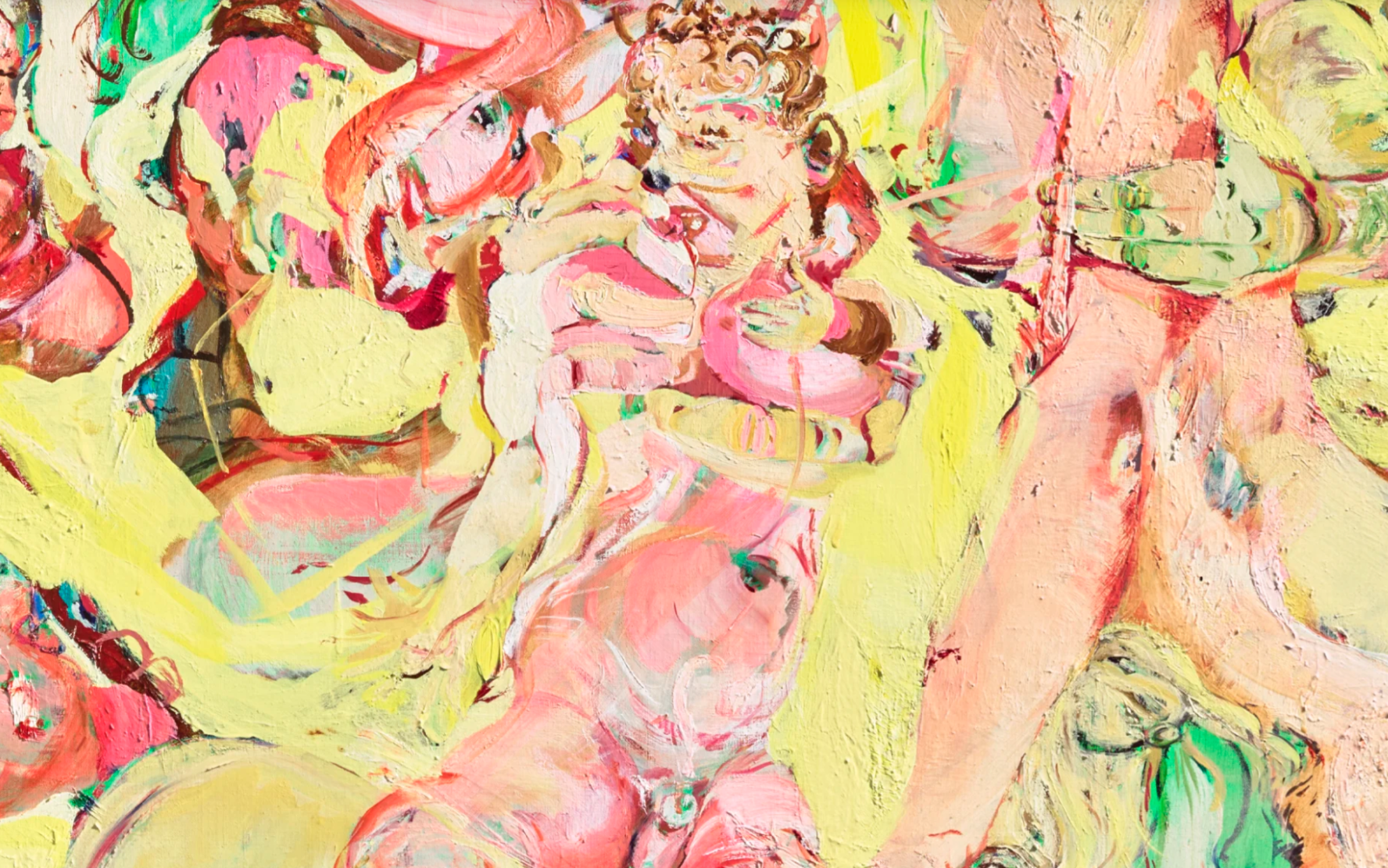
Indeed, Brown’s gestural strokes and visceral color manifest her own pure joy in the act of painting. She absorbs and subverts the work of de Kooning and other Abstract Expressionists, destabilizing their associations of male heroism. Her approach also draws upon the fleshy, bloodshot visions of Francis Bacon and Chaim Soutine, as well as masters of the deeper art-historical past. The Baroque hedonism of Rubens, Fragonard’s Rococo excess, the earthy carnivalesque of Bosch and Bruegel, and the chromatic drama of Delacroix can all be glimpsed in the present work’s spectacular, metamorphic surface. Yet the picture is entirely Brown’s own. She has spoken of ‘slowing down’ the viewer in front of her works, which cannot be apprehended in an instant, but stir, unfold and reveal their riches with extended viewing. Can Can is a virtuoso performance, choreographing a glorious, indulgent chorus of brand-new sensory delight.
Luck Just Kissed You Hello, 2013
Phillips London: 7 March 2024
Estimated: GBP 1,500,000 – 2,000,000
GBP 1,500,000 / USD 1,902,000
Cecily Brown – 20th Century & Contempor… Lot 5 March 2024 | Phillips
CECILY BROWN
Luck Just Kissed You Hello, 2013
Oil on linen
67 x 65 1/8 inches (170.2 x 165.4 cm)
Signed and dated ‘Cecily Brown 2013’ on the reverse
Animated by a frenzied sense of vitality and movement, Cecily Brown’s 2013 Luck Just Kissed You Hello exemplifies the tensions between motion and stasis, figuration and abstraction, representation and sensory experience that lie at the heart of the artist’s practice. Included in Brown’s eponymous 2013 exhibition with Gagosian Gallery in Beverly Hills and coming to auction for the first time, Luck Just Kissed You Hello playfully elides the more overt eroticism of the artist’s earlier work, continuing her formal investigation into art historical tradition and the subject of the nude ensemble in painting to stunning effect. Vibrantly realized in raucous notes of tangerine, turquoise, and warm peach tones, the work seamlessly integrates the bold colors and gestural mark-making of Abstract Expressionist artists such as Willem de Kooning and Joan Mitchell with the fleshy voluptuousness of Old Masters’ canvases by the likes of Titian and Reubens, masterfully harnessing the energy and immediacy of the former to draw out the latent eroticism and sensuality of the latter. Such radical interventions into the histories of painting and of the nude are underpinned by Brown’s energetic brushwork, the entire surface of her composition here activated as bodies emerge and recede, as if the artist is chasing the figures around the canvas, ‘discovering the image, disrupting it, and almost deliberately losing it and pushing it around.’
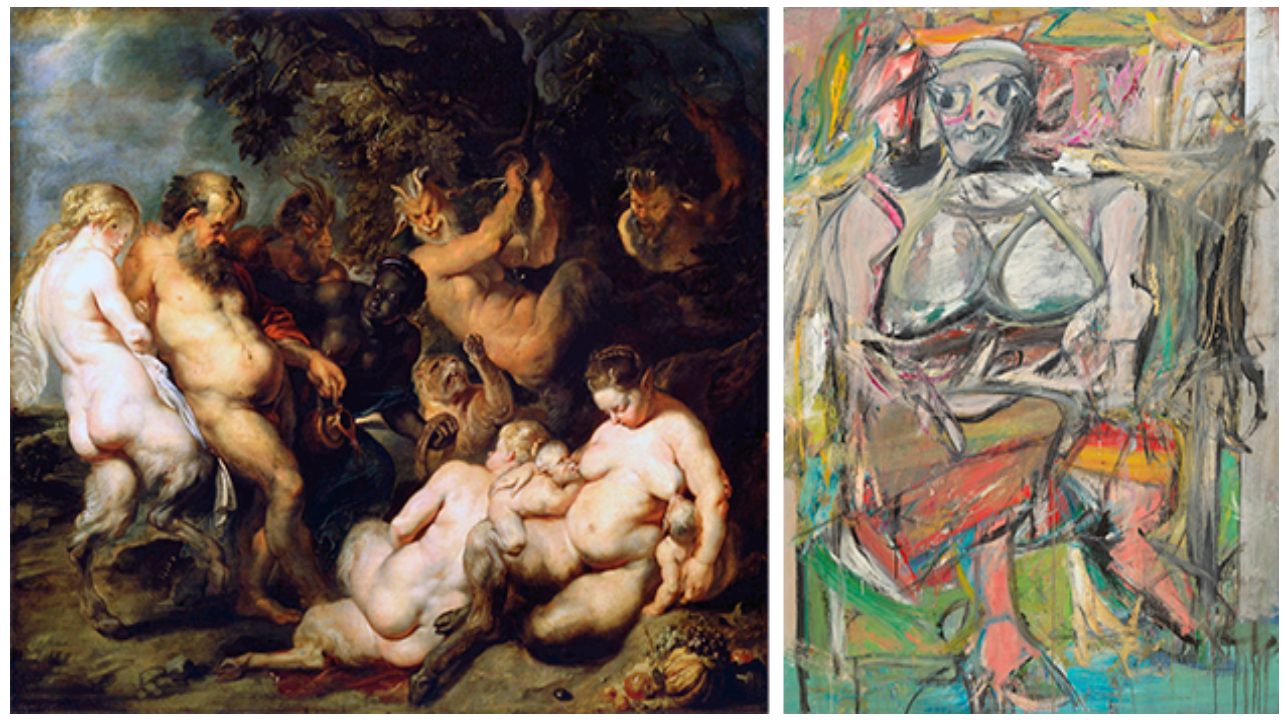
[Left] Peter Paul Rubens, Bacchanalia, circa 1615, Pushkin Museum of Fine Arts, Moscow. Image: Photo Fine Art Images/Heritage Images/Scala, Florence
[Right] Willem de Kooning, Woman I, 1950-52, The Museum of Modern Art, New York. Image: © The Museum of Modern Art, New York/Scala, Florence, Artwork: © The Willem de Kooning Foundation/ARS, NY and DACS, London 2024
Coming to prominence in the 1990s, Brown was somewhat out of step with her British contemporaries and the coolly detached, subversive, and conceptually driven approach to artmaking pioneered by the ‘Young British Artists’ such as Damien Hirst and Sarah Lucas. Committed to paint and the physical pleasure of painting itself, Brown transformed her canvases into restless and shifting surfaces, her fluid treatment of painterly form approximating sensorial experience in deeply affecting ways. Encouraging a very active mode of looking here, snatches of figures standing, bending, and embracing fill the impressively scaled canvas, although these more legible elements quickly dissolve into the space surrounding them, the rapid exchanges between smooth, static form and rippling movement creating a powerfully turbulent and dynamic composition that complicates any one coherent reading. As the artist has explained, ‘The place I’m interested in is where the mind goes when it’s trying to make up for what isn’t there.’
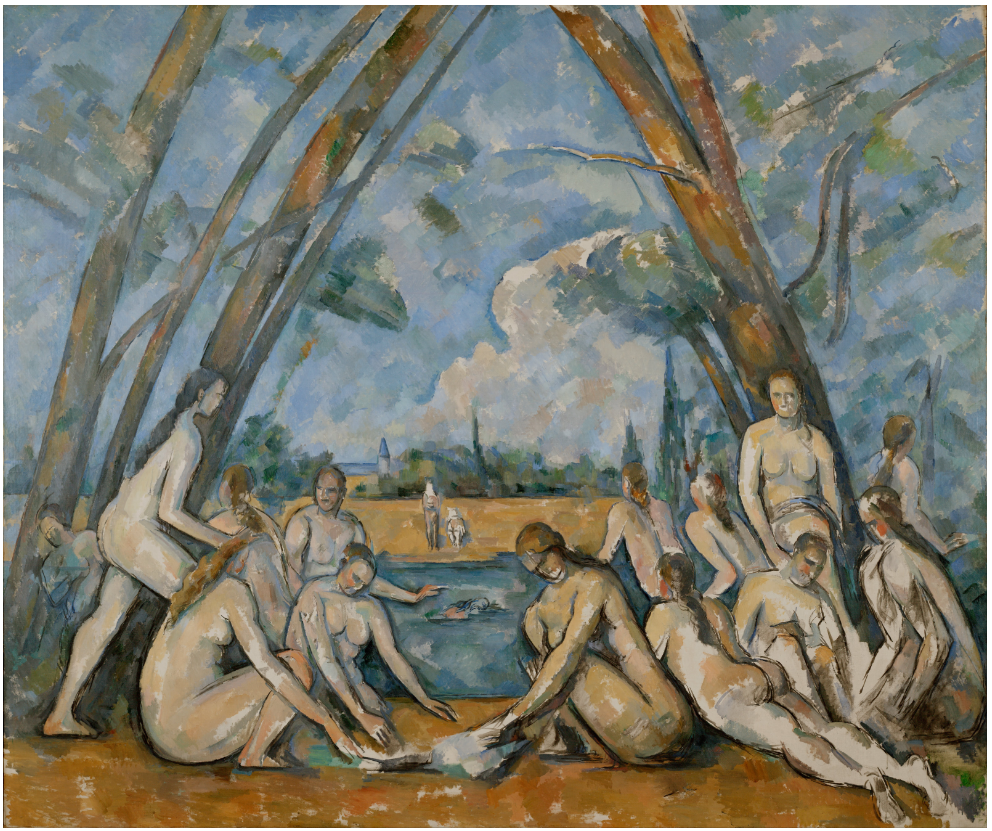
Paul Cézanne, The Large Bathers, 1900-1906, The Philadelphia Museum of Arts. Image: Philadelphia Museum of Art, Purchased with the W. P. Wilstach Fund, 1937, W1937-1-1
While Brown’s interest in the nude ensemble draws on many art historical referents, in its compositional organization and rich palette of verdant greens and earthy ochre tones Luck Just Kissed You Hello seems particularly indebted to ‘the grand tradition of theatrical landscapes filled with figures allegorical, historical, or observed […] a visual play on scenes of Arcadia.’ Here, the darker, vertical forms to the right edge of the canvas especially recalling the tall, slender trunks framing Paul Cézanne’s late groups of bathers, themselves directly informed by the artist’s approach to creating depth and volume within an illusionistic space, and his own deep appreciation for classical and Renaissance art. Brown has also spoken at length about Edgar Degas’ influence on her work, notably his Young Spartans Excercising from 1860 whose groupings of crouched and stretching figures are compellingly reinterpreted in this dynamic scene.
In a playful nod to Brown’s own fluid treatment of paint and the human form here, the title is borrowed from a line from David Bowie’s 1979 song ‘Boys Keep Swinging’. While seemingly a celebration of youthful masculinity and the benefits afforded to young men, Bowie’s more ironic treatment of gender identity and its cultural construction throughout the song is emphasised in the accompanying music video, in which the singer performs both as himself and the three backing dancers dressed in drag. This blend of pop culture with a studied appreciation of art historical tradition is typical of Brown’s work, notably in the contemporaneous series of paintings based on the controversial album cover of Jimi Hendrix’s 1968 Electric Ladyland, examples of which were exhibited alongside the present work in 2013.
2.3. George Condo
Painting for the French Revolution, 1989
Sotheby’s London: 7 March 2024
Estimated: GBP 200,000 – 300,000
GBP 482,600 / USD 611,937
GEORGE CONDO (b. 1957)
Painting for the French Revolution, 1989
Oil on canvas
70 7/8 x 118 1/4 inches (180 x 300.5 cm)
Painting for the French Revolution from 1989 is a triumphant example of George Condo’s dream-like creations. Departing from the aesthetic confines of figuration, the present work explores a myriad of portrayals that enunciate the most intimate parts of the human mind. Upon a backdrop of cobalt and azure that nods to the nocturnal, vibrant crescendos of green, yellow and red coalesce. Performative in it’s creative methodology, the present work is instilled with captivating energy, palpable in its immediacy. With a deft hand and a keen eye, the artist weaves a tapestry of provocative and daring gestures that challenge the boundaries of contemporary painting.
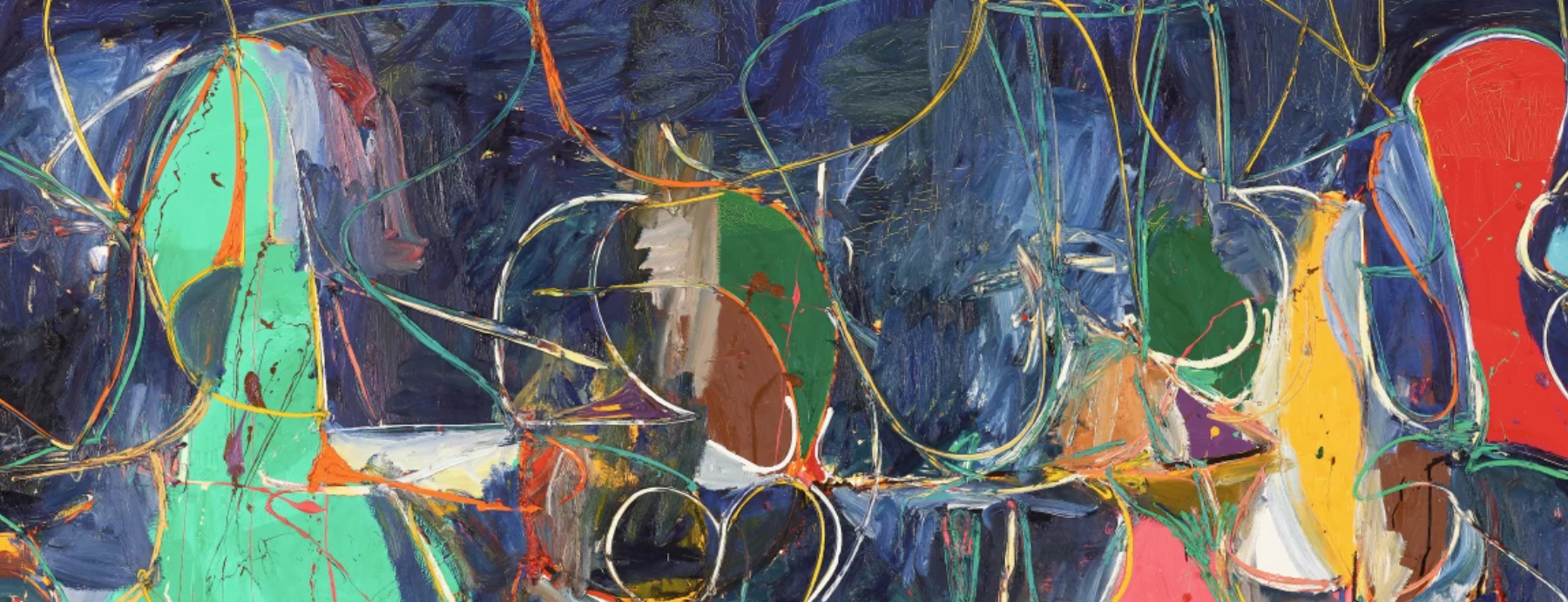
Since his emergence onto the New York art scene in the early 1980s, with his enigmatic Fake Old Master creations, Condo has orchestrated a mesmerising journey through the annals of art history. Frequenting Paris between 1985 to 1995, the present work is a product of Condo’s admiration for Parisian culture. A menagerie of artistic activity and cultural exchange, the city provided Condo with valuable opportunities for inspiration, collaboration, and professional growth. Paris’ thriving and vibrant art scene further offered Condo exposure to diverse artistic influences and facilitated encounters with influential figures in the art world, such as fellow artists, critics, and theorists. French philosopher Gilles Deleuze and psychoanalyst and activist Félix Guattari became well acquainted with Condo during this period. Guattari wrote about Condo’s creative process, emphasising the distinctive “Condo effect” that eliminated conventional pictorial structure and highlighting Condo’s musical background and his use of lines, forms, and colours as a temporal dimension.
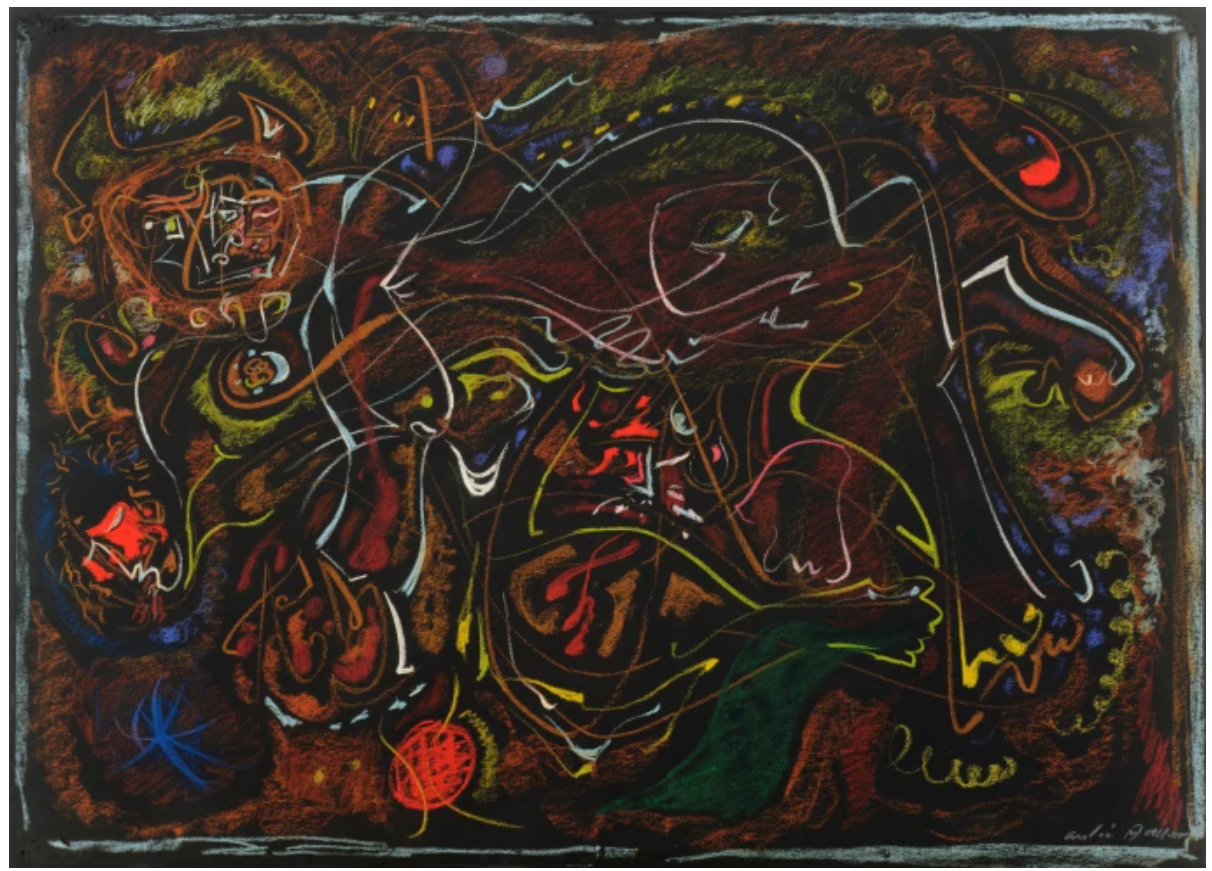
ANDRÉ MASSON, PASIPHAË, 1945, MUSEUM OF MODERN ART, NEW YORK © 2024 ARTISTS RIGHTS SOCIETY (ARS), NEW YORK / ADAGP, PARIS /MASSON, ANDRE’ (1896-1987)/©SCALA/DIG. IMAGE MOMA, NEW YORK
Assimilating various influences into a seamless amalgamation of genius, Condo paintings simultaneously allude to and evade art historical context. The result is a pantheon of work that is at once strange and yet familiar. Having encountered the work of André Masson’s creative output in the Parisian capital, the present work echoes a Surrealist disposition. Throughout Painting for The French Revolution, Condo embraces the liberating spontaneity of automatism. With fluid brushstrokes and gestural fervor, the artist channels the raw impulses of the subconscious onto the canvas, infusing the picture plane with a dynamic and palpable energy. The canvas itself becomes a battleground of hues, with bold strokes of cobalt blue, vibrant crimson, and crisp white converging to evoke the spirit of the French tricolor. Though devoid of overt symbolism, the painting exudes a patriotic fervor, rebelliously encapsulating the essence of national identity in an abstract expressionist spirit.
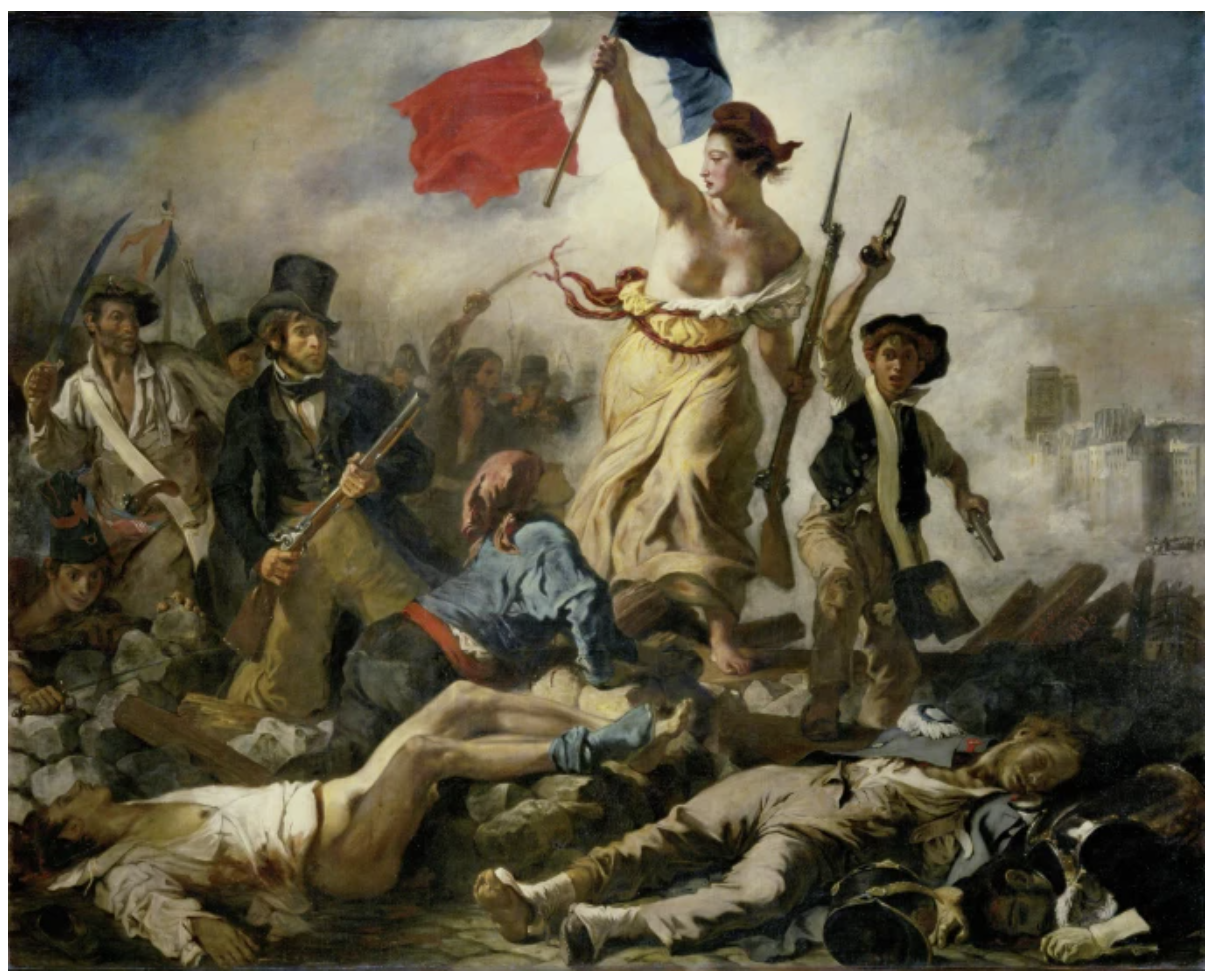
EUGÈNE DELACROIX, LA LIBERTÉ GUIDANT LE PEUPLE, 1830, MUSÉE DU LOUVRE, PARIS ERICH LESSING / ART RESOURCE, NY / © ARTRES/ERICH LESSING CULTURE AND FINE ARTS ARCHIVES
In its homage to Eugène Delacroix’s iconic Liberty Leading the People, Painting for The French Revolution emerges as a kindred spirit, pulsating with a shared sense of power and patriotism. Like Liberty’s determined advance amidst the tumult of revolution, Condo’s composition captivates with its bold brushstrokes and dynamic compositions, inviting viewers to join in the exhilarating dance of liberty and defiance.
Irish Girl, 2003
Phillips London: 8 March 2024
Estimated: GBP 320,000 – 500,000
GBP 381,000 / USD 483,108
George Condo – 20th Century & Contemp… Lot 129 March 2024 | Phillips
GEORGE CONDO
Irish Girl, 2003
Oil on canvas
100 x 73.7 cm (39 3/8 x 29 inches)
Signed, titled, dedicated, inscribed and dated ‘Condo “The Irish Girl” 2003 To Thomas with Best Wishes in memory of the Great Times installing The Sculpture’ on the reverse
George Condo’s Irish Girl presents a captivating example of the artist’s wide-ranging aptitude for art-historical idioms. Since his emergence in New York’s East Village scene in the early 1980s, Condo has been unrelenting in his ability to coalesce principles of Cubism, Neo-Classicism, Surrealism and Pop Art. Far from being mere quotations or appropriations, Condo’s works plunder the very history of art and range from the grotesque to the sublime. While Picasso’s Cubist construction of figures is often a rally-point for interpretive remarks, the techniques of Dürer, Rembrandt or Caravaggio are equally valued in Condo’s practice. The result is an idiosyncratic visual language that has cemented his position in the vanguard of contemporary painting. The present example is a uniquely temperate expression of Condo’s fascination with portraiture’s sprawling legacy throughout the codex of Art History. Irish Girl is set apart from many of Condo’s portraits that seesaw between horror and beauty with mangled faces or indeed, no faces at all. Nevertheless, the work stages a theme that tracks throughout the artist’s oeuvre: the bare essentials of portraiture. To that end, Irish Girl is emblematic of Picasso’s Neo-classical style drawings and paintings from the 1920s. With a sincere approach to female beauty, the carefully executed physiognomy and placement of the sitter echoes Picasso’s emphasis on the strength of line and the monumentality of form. A key example is Picasso’s 1923 work Large nude with drapery, which features a figure that is similarly imposing within the space. The broad figure is executed in a manner that favours the noble and full features of the Hellenistic era. Yet for all the hardening effects of the figure’s execution, it is softened by the ever-deepening colours that comprise the backdrop.
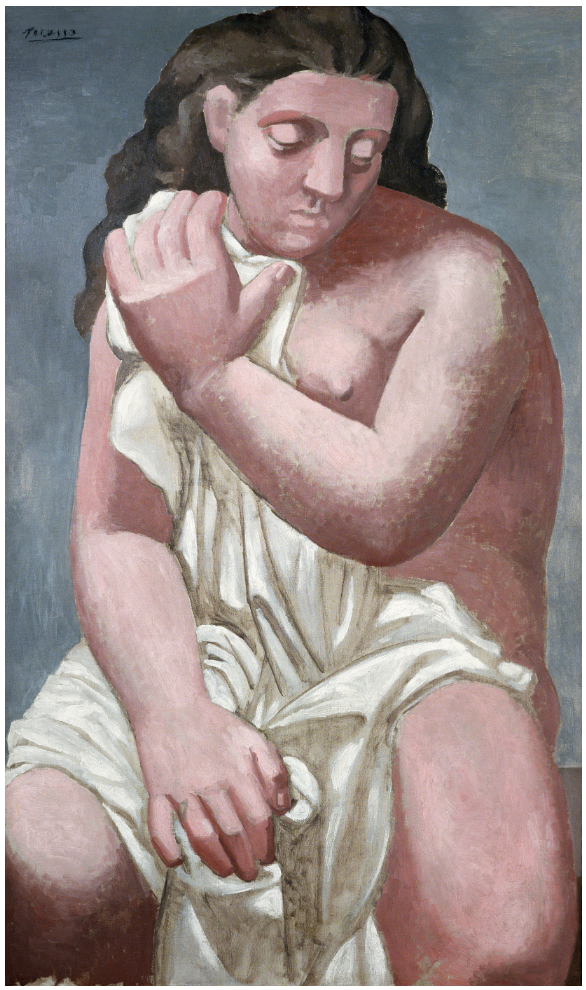
Pablo Picasso, Grand nu à la draperie, 1921-1923, Musée de l’Orangerie, Paris. Image: Bridgeman Images, Artwork: © Succession Picasso / DACS 2024
Irish Girl resembles a similar approach with monumental and somewhat abrupt figuration that is bathed in the softening effects of the surrounding space. Unlike in other portraits from this period, Condo’s adherence to form is more measured and he even forsakes signature motifs that have come to form his artistic vernacular. Whether from the fractured construction of bulging eyes or the jutting position of teeth, there is a gnawing tension that jostles within each canvas. Irish Girl remains exempt from any inkling of the grotesque, instead allowing the artist’s many reference points to thrum with poise rather than frenzy. Yet, as a half-length portrait, the viewer is allowed to wonder at that which is left unrevealed.
Girl with Green Hair, 2009
Christie’s London: 9 March 2024
Estimated: GBP 250,000 – 350,000
GBP 302, 400 / USD 383,443
REPEAT SALE
GEORGE CONDO (B. 1957)
Girl with Green Hair, 2009
Oil on canvas
40×36 inches (101.6 x 91.4 cm)
Signed and dated ‘condo 09’ (on the reverse)
A chimera positioned against a richly variegated ground, George Condo’s Girl with Green Hair (2009) exemplifies the artist’s distinctive pictorial universe, a world in which hybridity rules all and time is a farcical construct. With clear blue eyes and a penetrating stare, the protagonist of the present work confronts the viewer as her mouth curls into a slight grin. Drawing on portraiture conventions that span centuries, Condo has installed his figure on a large armchair; such a setting has long been used to exalt and frame a sitter. Yet although the girl is modestly attired, her Day-Glo hair and distorted, toothy mouth stand in stark contrast to historical propriety. Instead, the proportions and physiognomy depicted are outlandish, a counterpoint to the painting’s somewhat traditional title and muted staging. It is a vivid example of Condo’s enigmatic canvases, which reconceive the formal language of painting as they push forward the medium’s many possibilities. To achieve his sumptuous surfaces, Condo first lays down the painting’s ground before making a series of technical drawings. A work can involve several elements culled from different sources, all of which he sketches from memory. Rather than copying any specific, individual motif, Condo pulls atmospheres and details, all of which are commingled and remixed on the canvas. Neither a copy nor a send-up, Girl with Green Hair calls to mind Goya’s portraits, Modigliani’s almond-eyed sitters and Picasso’s many depictions of Dora Maar: material that has then been refracted through the lenses of Cubism, Postmodernism, and pop culture so as to upend any fixed association.
2.4. Salvo
Senza titolo, 1988
Sotheby’s London: 6 March 2024
Estimated: GBP 100,000 – 150,000
GBP 381,000 / USD 483,108
SALVO (1947 – 2015)
Senza titolo, 1988
Oil on canvas
198.9 x 148.6 cm (78 1/4 x 58 1/2 inches)
Signed and dated 88 (on the reverse)
Registered as no. S1988-17 in the Archivio Salvo, Turin
Senza titolo from 1988 emblematizes Salvo’s sublime ability to create luminescent, suffused landscapes through a disarming paucity of means. Characteristic of his mature painting style of the late 1980s, the present work depicts a path leading down towards a lake past plain vaulted buildings, cypresses, palm and pine trees. It is compositionally complex, with a variety of interlocking forms individuated by soft, jewel-toned yellows, mauves, oranges and pinks. Devoid of human figures and cinematic in perspective, the painting immerses the viewer in a sublime, dreamlike landscape, defined by a sense of harmonious nostalgia.
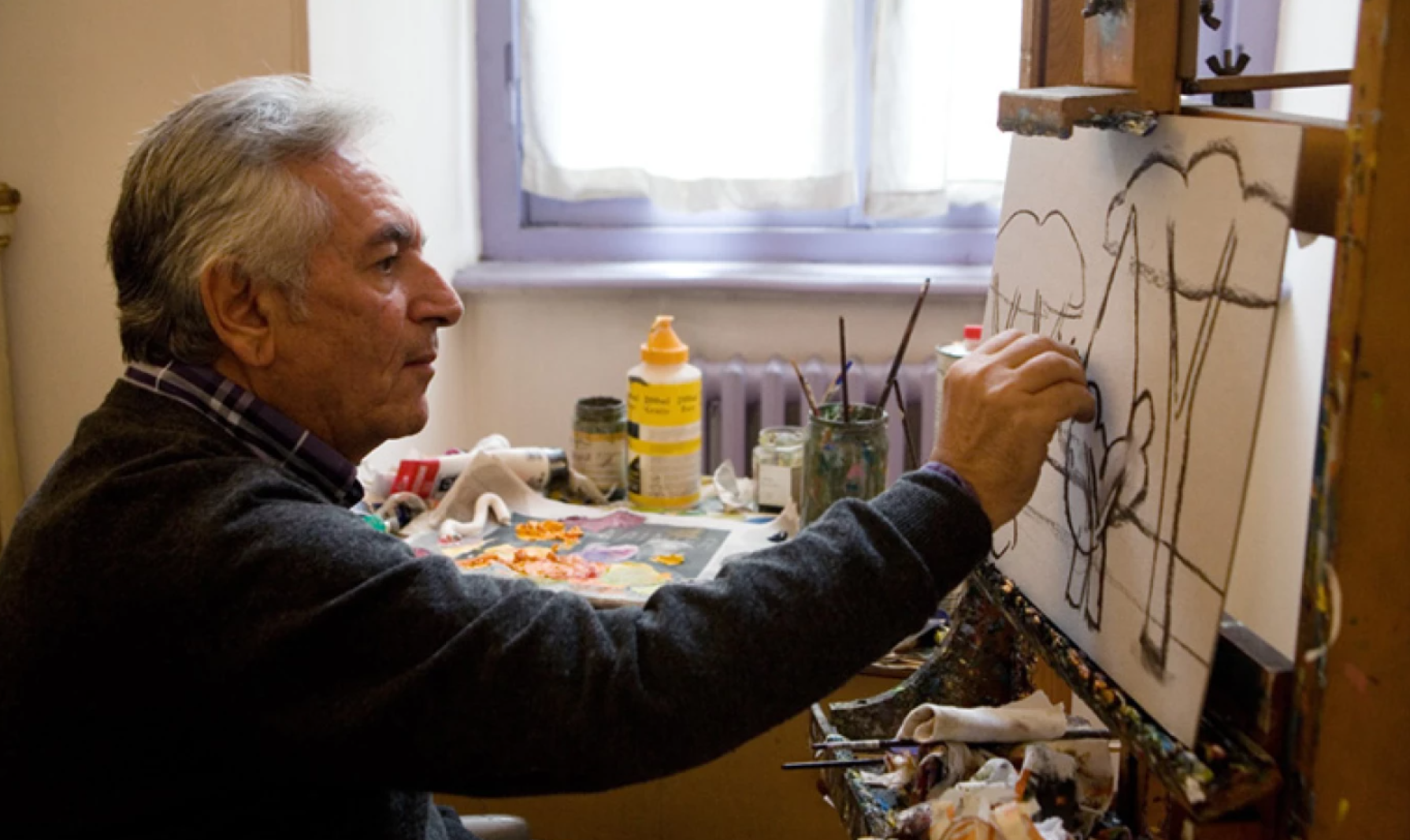
SALVO IN HIS STUDIO, UNDATED. © 2024 SALVO
Salvatore Mangione was born in Leonforte, Sicily, in 1947. He would spend his early childhood there before moving with his family from Catania to Turin in 1956. There, he would become immersed in art, participating as a sixteen-year-old in the Società Promotrice di Belle Arti’s 121st exhibition and eventually becoming close to the group of young artists which formed the arte povera movement centred on Gian Enzo Sperone’s gallery. At this point in his career, he was most influenced by Conceptual and Minimalist art, coming into contact with Joseph Kosuth and Sol LeWitt in 1969.
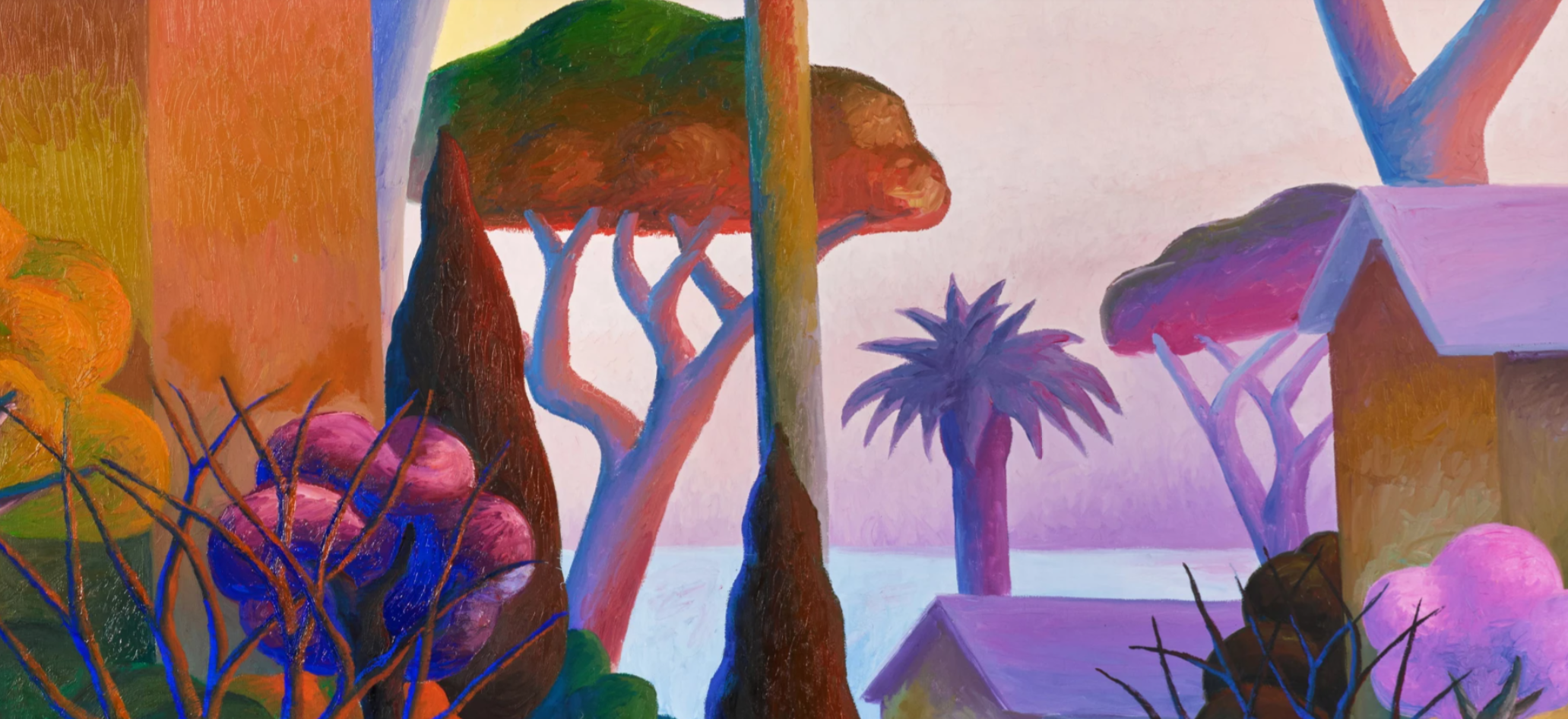
Salvo turned to painting definitively from 1973, reflecting primarily on the idea of a return to classical painting and the notion of the museum as the storehouse of memory. His meeting with Giorgio de Chirico in Rome was crucial to this, and his early paintings assume much of the older artist’s classicising, metaphysical impulse. However, Salvo’s paintings represent more than mere revivalism, encompassing rather a reciprocal conversion and conversation between past and future. At its core, his painting is about the “impossibility of narrating and representing. Whether you want to study the course of its evolution or divide it up by suggestion or image, with frequent swings back and forth like a pendulum, Salvo’s art is an art of description and compilation” (Luca Beatrice, “I am the-Best-Painter,” in Exh. Cat., Caraglio, ex Convento dei Cappuccini, Salvo, 1999, p. 20). Objectivity remains a key touchstone of his art and the present work demonstrates the classifying, essentializing impulse central to his painting. As aptly described by Luca Beatrice, Salvo’s landscapes tend towards an “abstract purity,” a kind of “’rare excellence,’ because Salvo’s painting has the capacity to seduce the eye, any and every eye, in spite of the fact that he keeps strictly within the bounds of total normality” (Ibid., p. 22). His practice is perhaps more closely aligned with Giorgio Morandi’s, rather than de Chirico’s, in its suppression of the “conceptual” in favor of the essentially representational.
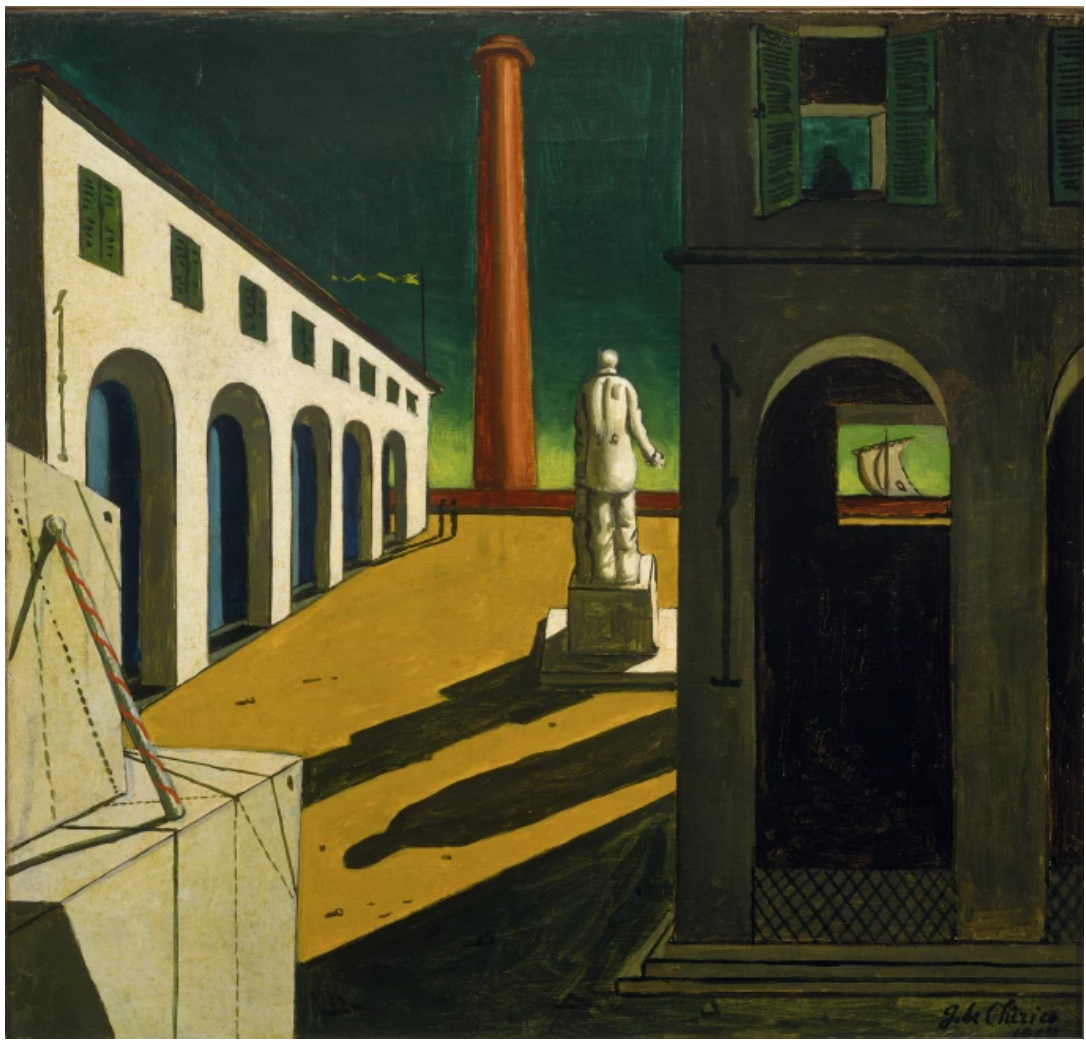
GIORGIO DE CHIRICO, ENIGMA OF DEPARTURE, 1914 / FONDAZIONE MAGNANI ROCCA, CORTE DI MAMIANO, ITALY
IMAGE: © SCALA, FLORENCE/ ARTWORK: © DACS 2024
There is a clear tension, however, between this almost reductive formal approach to landscape painting and the iridescent, glowing and magical palette that renders his paintings unmistakable. In this regard, the present work is reminiscent of the distinctive landscapes of Henri Rousseau in their false naïvety, that is, the injection of the artist’s personality and idiosyncratic visual language into the practice of genre painting. Salvo’s landscapes have been described as “paradisical,” and the present work powerfully depicts the sublimity of light effects. There is a chromatic transition towards the sparkling blue lake in the background as individual trees and buildings gradually become illuminated by the sun; this pulls the viewer’s eye through the composition, an effect compounded by the path in the foreground as it moves towards the water. The careful, complex composition demonstrates the core conceptual approach that motivates Salvo’s landscape paintings: obeying a set of internal rules, these works transcend genre and iconographical tropes.
San Nicola Arcella, 2005
Christie’s London: 9 March 2024
Estimated: GBP 80,000 – 120,000
GBP 378,000 / USD 479,304
SALVO (1947-2015)
San Nicola Arcella, 2005
Oil on canvas
100.6 x 140.3 cm (39 5/8 x 55 1/4 inches)
Signed and titled ‘Salvo “San Nicola ARCELLA”‘ (on the reverse)
Painted in 2005, Salvo’s luminous composition San Nicola Arcella depicts the town of the same name located in the Calabria region of southern Italy. Bright, evocative colours conjure this warm idyll, a sun-drenched haven situated alongside the tranquil Mediterranean Sea. A travel lover, Salvo dedicated many canvases to the places he visited, and it is likely that he spent time basking in the summer glories of this seaside resort.
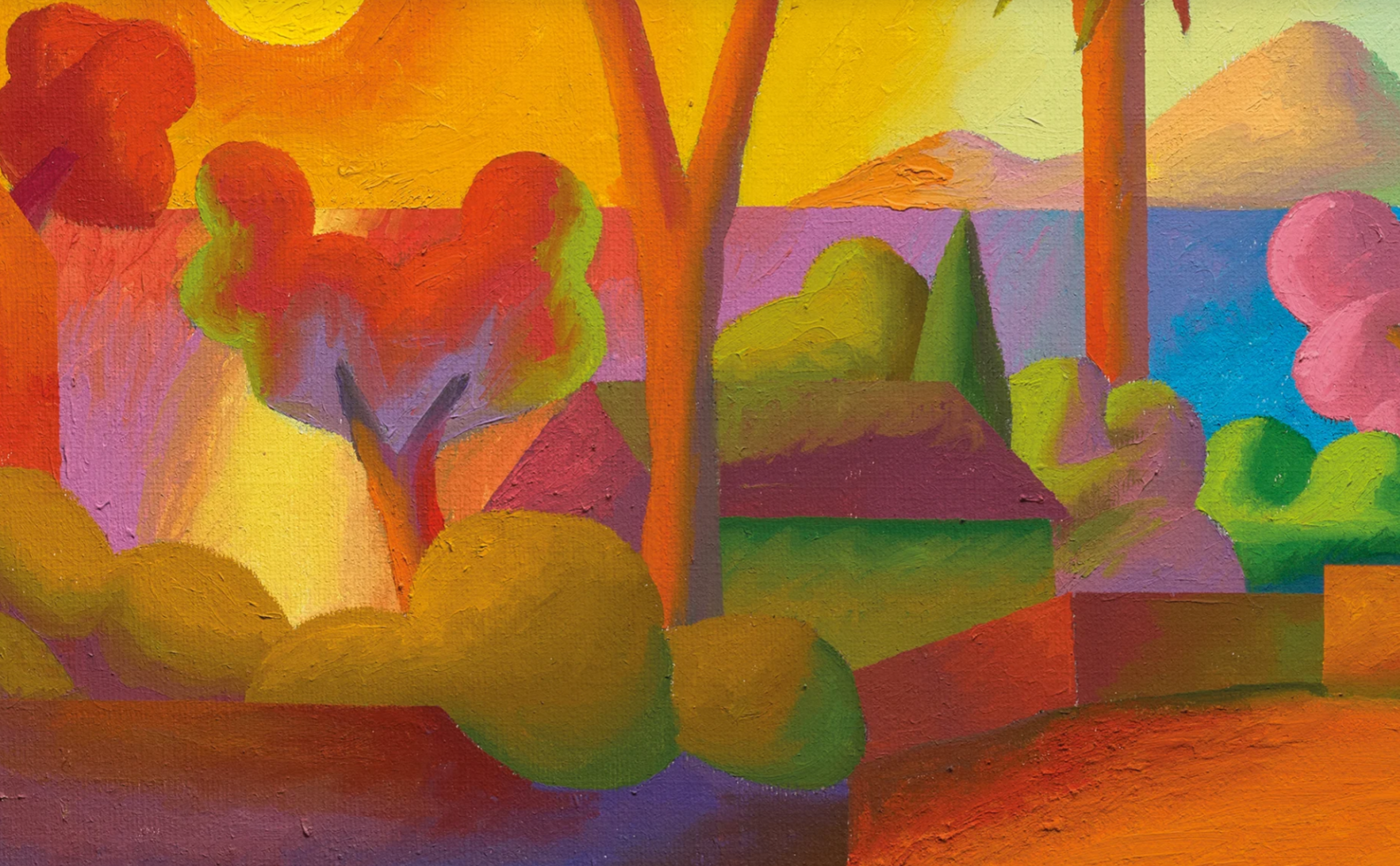
San Nicola Arcella is known for its dramatic coastal topography and undulating cliffs, which Salvo has captured in the present work. While his initial artistic forays were more conceptual—following a move to Turin, he immersed himself in the nascent Arte Povera movement and shared a studio with Alighiero Boetti—Salvo began to paint landscapes in the late-1970s following an encounter with the metaphysical artist Giorgio de Chirico. Like his predecessor, Salvo, too, created dreamlike panoramas of radiant light, and with its generous dimensions and gentle heat, San Nicola Arcella plunges its viewer into the platonic ideal of summer.
Mediterraneo, 2008
Phillips London: 6 March 2024
Estimated: GBP 100,000 – 150,000
GBP 368,300 / USD 467,004
Salvo – 20th Century & Contemporary Art… Lot 4 March 2024 | Phillips
SALVO
Mediterraneo, 2008
Oil on burlap
130.5 x 99.7 cm (51 3/8 x 39 1/4 inches)
Signed, titled and indistinctly inscribed ‘Salvo “mediterraneo”’ on the reverse
Registered in the Archivio Salvo, Turin, under number N.S2008-55
At once magnetic and energetic, ablaze with a smooth, luminous intensity, in Mediterraneo Salvo reconsiders the landscape genre through bold form and candied hues. As embers of orange and yellow smoulder against the emerald green ground, Salvo’s vision offers respite and solitude: a view of the Mediterranean that exudes warmth and eludes time.
Known for his surreal visions of the natural world, Salvo (or Salvatore Mangione) was born on the 22nd May 1947 in Leonforte, Italy. Having spent his early childhood in Sicily, by 1956 Salvo’s family had relocated to Turin. A precocious draughtsman, Salvo’s talent was quickly recognised. By sixteen, his work was shown at the 121st exhibition of the Società Promotrice di Belle Arti. Four years later, Salvo had his first solo exhibition at Gian Enzo Sperone’s gallery, and began working in new, unexpected ways. Emboldened by Arte Povera’s rebellious energy and unconventional mediums, Salvo soon was associated with key members of the movement in Turin like Alighiero Boetti, Mario Merz and Gilberto Zorio. It was therefore through photography, text and projects like his Lapidi (a take on the Duchamp’s readymade in the form of marble tombstones) that developed Salvo’s early creative practice.
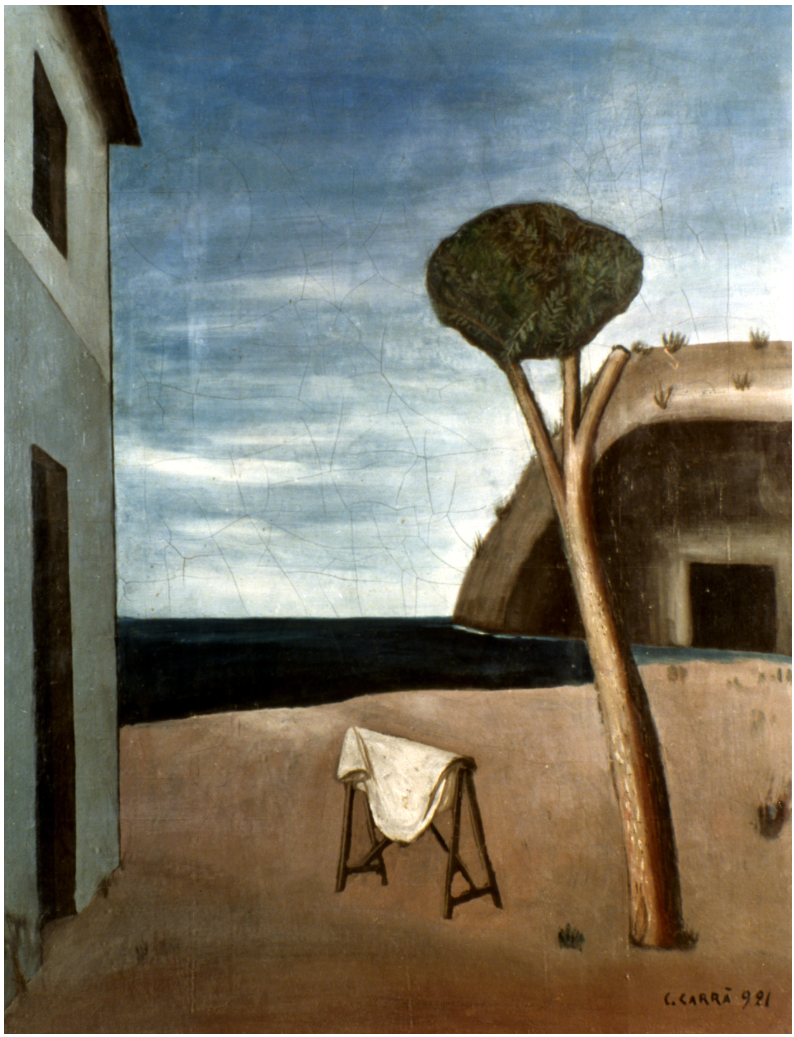
Carlo Carrà, A Pine by the Sea, 1921, Private Collection. Image: GRANGER – Historical Picture Archive / Alamy Stock Photo, Artwork: © DACS 2024
Yet, in a radical departure, by 1973 Salvo once again returned to the unfashionable medium of painting: a move that initiated a four-decade long dialogue between Salvo and the brush, representation and abstraction. In Mediterraneo, though the natural elements are familiar, Salvo subverts the traditional rules of perspective, eradicating brushstrokes and realizing form through rich, saturated color: a style that resembles Pittura Metafisica of Giorgio de Chirico or Carlo Carrà. Therefore, at its core Salvo’s painting considers the irreproducible nature of reality, that remains intangible, unstable and individualized even when immortalized through paint. Simultaneously, personal and biographical elements inform Salvo’s landscapes. In Mediterraneo, Salvo records vegetation like cypress, palm and pine trees, native to his homeland, with clear attributes proportional to the space. Moreover, the vivid colors, however extreme, can be found in a Mediterranean seascape. Salvo in this way vacillates between fact and fiction, admitting ‘I behave towards Copenhagen, which I have not visited, in the same way that I behave towards Palermo, which I have: they are two possible directions’. Between the frontiers of ‘real’ and ‘imagined’, the process of painting remains as integral to Salvo as the subject itself. In a rare interview, Salvo stated frankly that painting is ‘a very passionate thing for me […] I don’t really know where to start’. Though completed towards the end of his life, Mediterraneo highlights the vitality and exuberance still part of Salvo’s later painterly practice: a fresh, chromatic play where light remains the true protagonist.
Untitled, 1985
Christie’s London: 7 March 2024
Estimated: GBP 100,000 – 150,000
GBP 176,400 / USD 223,675
SALVO (1947-2015), Untitled | Christie’s (christies.com)
SALVO (1947-2015)
Untitled, 1985
Oil on jute
202×115 cm (79 1/2 x 45 1/4 inches)
Signed and dated ‘Salvo 85’ (lower right)
Towering two meters tall, Untitled (1985) captures a beguiling scene shielded from the passage of time—one that is accentuated by the Italian artist Salvo’s celebrated saturated palette and elemental forms. Salvo’s paintings emerge more from dreams and memory than reality. Here, in a wash of primaveral sunshine, the warm Mediterranean landscape is populated with ancient Greek ruins: a man-made subject that preoccupied the artist after his travels through Greece, Yugoslavia and Turkey. Candy-floss clouds drift through the translucent sky, punctuated by meandering pines and the cusps of sculpted cypresses. Doric columns, radiant undergrowth and tomb-like rocks interrupt our view of a distant blue bay. Relating to his cycle of Rovine (Ruins), one of which Salvo had shown at the 41st Venice Biennale in 1984, the work is an elegant example of the artist’s life-long interest in metaphysics and the search for selfhood in nature. It has been shown in a number of important exhibitions in its lifetime, including Boetti / Salvo: Living, Working, Playing, a 2017 presentation at MASI Lugano that examined Salvo’s practice alongside that of his friend, Alighiero Boetti.
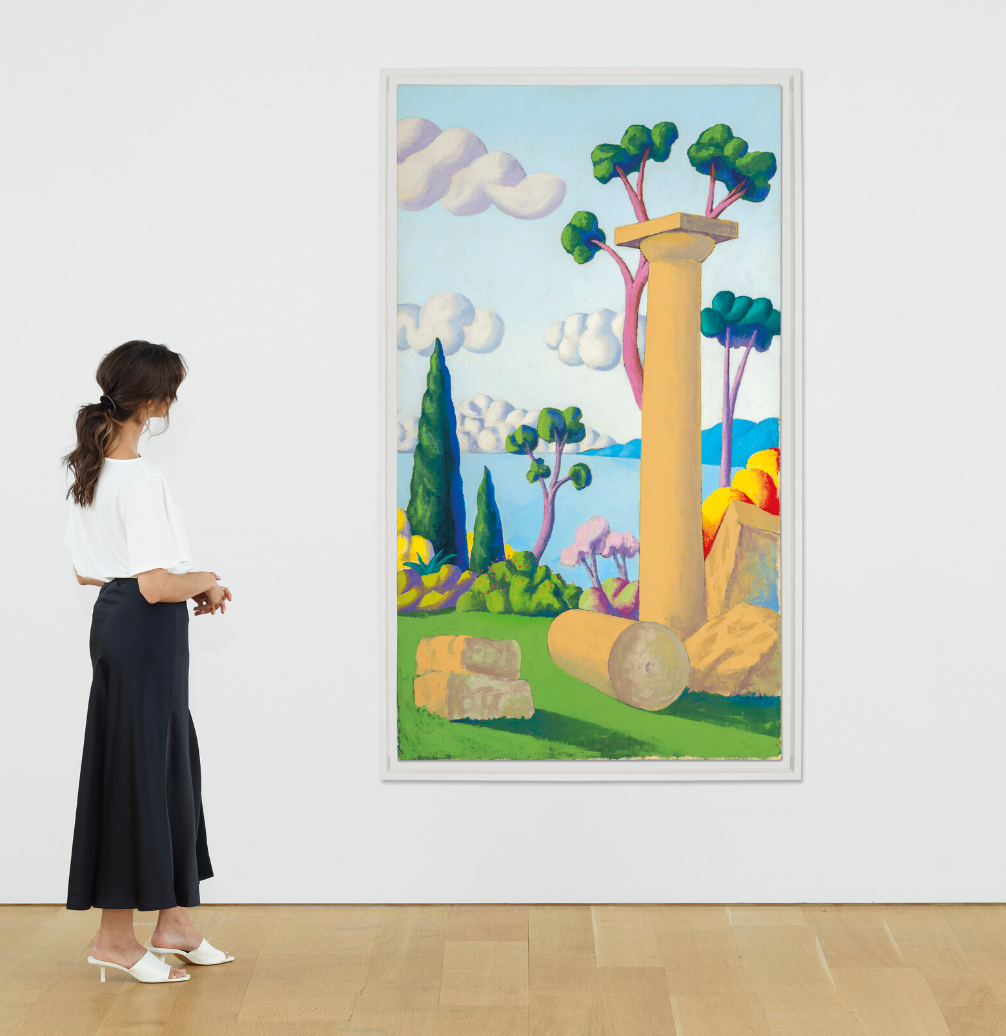
A devoted explorer who spent much of his life travelling and capturing the astonishing beauty of his homeland, Salvo was initially known as a conceptual artist. Born Salvatore Mangione to an indigent family in rural Sicily in 1947, he relocated to industrial Turin as an adolescent and at first supported himself by selling life paintings and copies of Old Masters. The young Salvo eventually emerged as a member of the burgeoning Arte Povera movement in the late 1960s alongside leading figures like Mario Merz, Giuseppe Penone and Boetti—the latter of whom he shared a studio with. Salvo’s practice during these formative years was distinctly conceptual and based largely in text and photography. It was not until 1973 that he turned to figurative painting and placed color at the core of his practice. This drastic change in style—characterized by highly saturated, phantasmagorical landscapes without a human trace—followed the metaphysical avenue of Giorgio de Chirico, whom Salvo deeply admired. In the present work, Salvo has simplified each element of landscape to the extreme. Architectural structures are reduced to their principal geometric solids; the greenery and clouds are fashioned in stylized, elementary volumes. This singular visual language would persist throughout Salvo’s practice. His distilled pictorial idiom not only shares in the ethereal spirit of de Chirico’s works, but also brings to mind Giorgio Morandi’s meticulous, silent still lifes, which similarly engage in a quest for the essential through objects. The present work is a thoughtful synthesis of references, aesthetics and subjects from the past, while also establishing its own timeless, boundless painterly quality—an escapist fantasy that manifests the pleasure of painting for painting’s sake.
2.4. Other Artists
Liu Ye
Girl with Toy Bricks, 2007
Christie’s London: 7 March 2024
Estimated: GBP 1,000,000 – 1,500,000
GBP 1,250,000 / USD 1,585,000
LIU YE (B. 1964), Girl with Toy Bricks | Christie’s (christies.com)
LIU YE (B. 1964)
Girl with Toy Bricks, 2007
Acrylic on canvas
80×60 cm (31 1/2 x 23 5/8 inches)
Signed, signed in Chinese and dated ‘Ye 2007’ (lower right)
Signed, signed in Chinese and stamped with the title and date ‘GRIL [sic] WITH TOY BRICKS 07 liu ye’ (on the reverse)
Featuring a seated girl in a simplistic and tranquil interior setting, Girl with Toy Bricks (2007) is a captivating work that exemplifies the maturation of Liu Ye’s narrative flair and painterly virtuosity during the 2000s. Its meticulous and distilled composition, akin to poetry, forms a maze rife with visual clues that seduces the viewer to enter the composition from different angles. With her eyes cast downwards, the girl contemplates a table of colorful blocks assembled in various configurations, as if watching a play. Like one of Vermeer’s reading women, her state of mind seems to traverse the confined space in which she is situated. Her surroundings, meanwhile—at once ordinary and intimate—are rationalized in an array of geometrical forms and lines that camouflage the work’s deeper emotional resonance.
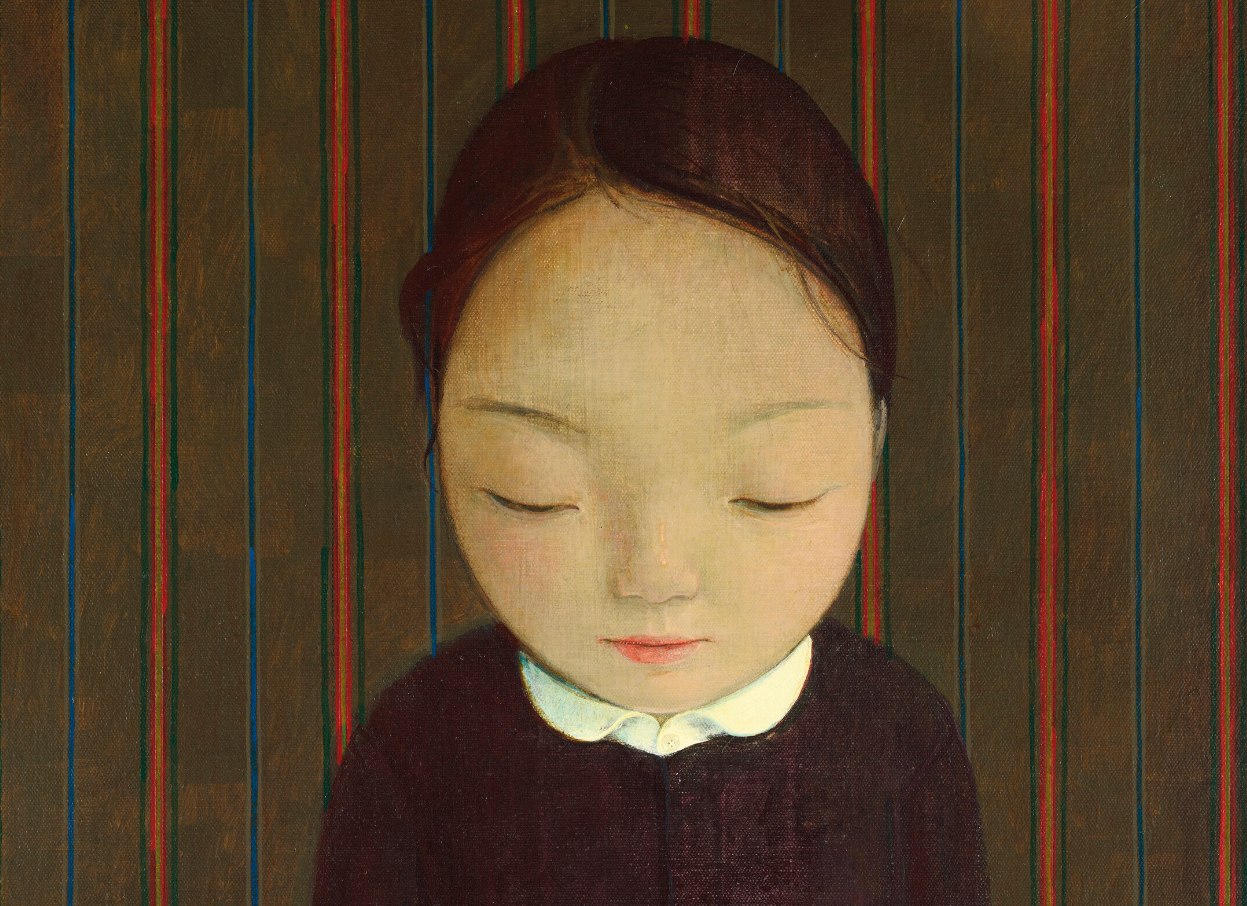
Liu Ye initially studied industrial design for four years at the Beijing College of Art and Design in the 1980s before enrolling at the Central Academy of Fine Arts and subsequently the Hochschule der Kunst in Berlin. He was greatly influenced by the aesthetic and philosophy of the Bauhaus, which fundamentally informs his vocabulary and sets him apart from the majority of contemporary Chinese artists of his generation. Painted in 2007, Girl with Toy Bricks marks a pivotal moment in which Liu Ye parted with Modernism and began to engage with more classical ideas. Though continuing the simplified narratives that previously dominated his work, here the artist introduces a much darker palette, imbuing the painting with a deep solemnity. The oval face of his protagonist, eclipsed beneath the dimmed light, possesses a faded lustre found in precious stone that evokes the passage of time.
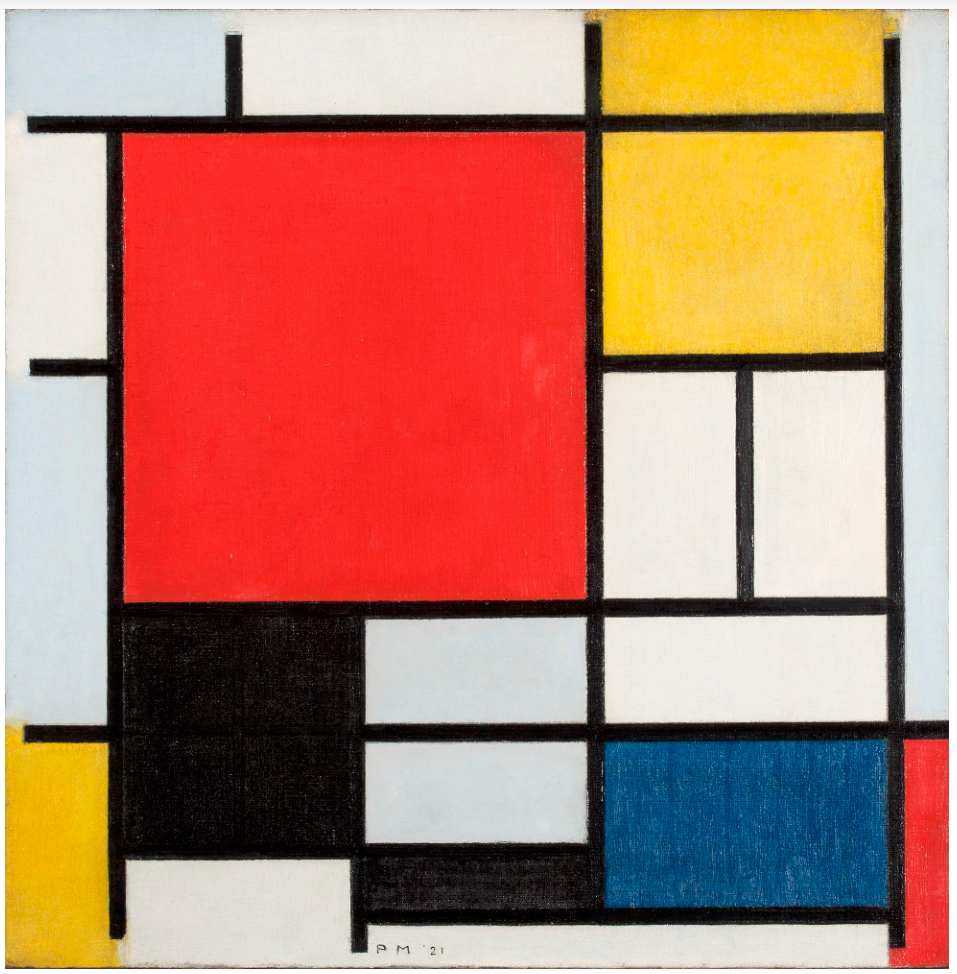
Piet Mondrian, Composition with large red plane, yellow, black, gray and blue, 1921. Kunstmuseum Den Haag, The Hague. Photo: © Kunstmuseum den Haag / © Mondrian/Holtzman Trust / Bridgeman Images.
Reference to the work of Piet Mondrian, formerly a didactic citation in most of Liu Ye’s works, has been reinvented here in a playful format of toy blocks—a witty touch that evinces the artist’s gradual internalization of abstract principles. The humanity of the Old Masters combines with the emotional rhythms of abstraction. Aside from its nod to Mondrian, the work’s vertical linear backdrop also chimes with the serene compositions of Agnes Martin.
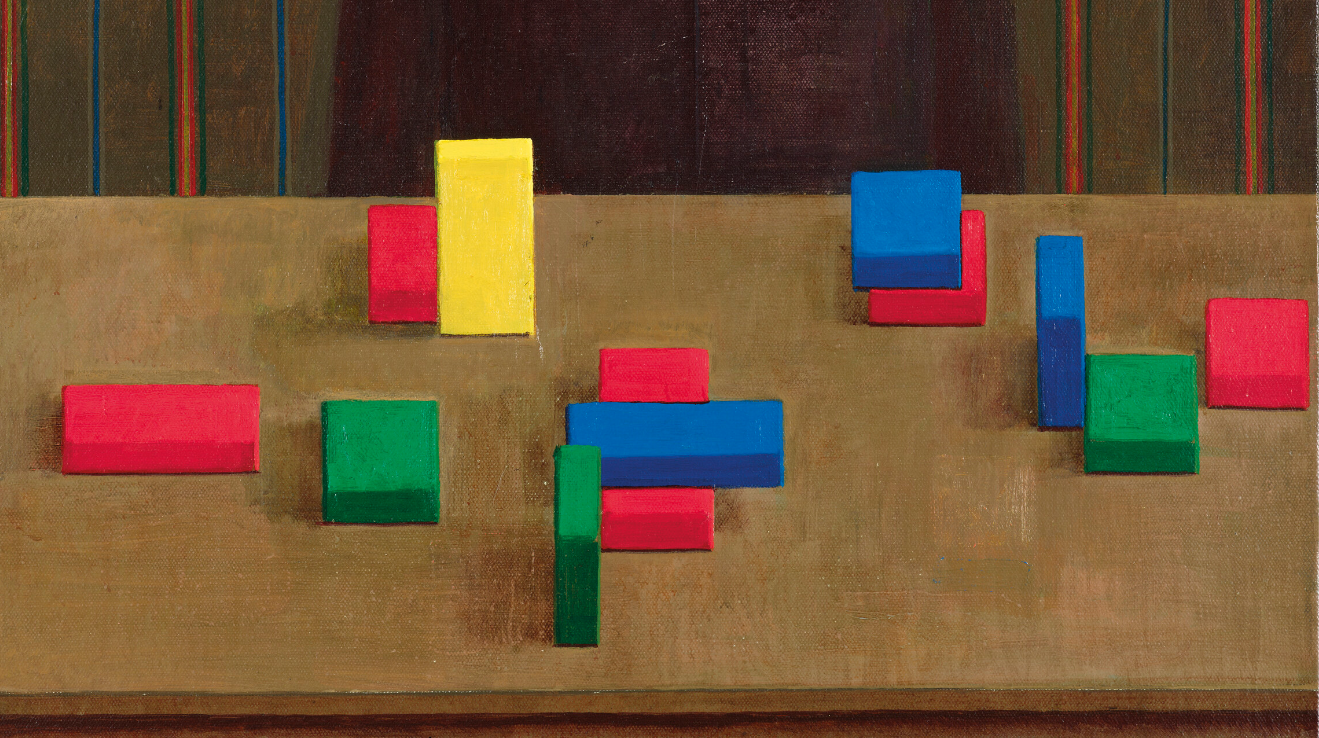
Gerhard Richter
Abstrakte Bilder 581-(1-5) [Five works], 1985
Sotheby’s London: 6 March 2024
Estimated: GBP 2,500,000 – 3,500,000
GBP 2,952,000 / USD 3,743,136
GERHARD RICHTER (b. 1932)
Abstrakte Bilder 581-(1-5) [Five works], 1985
Oil on canvas
Each: 60×60 cm (23 5/8 x 23 3/4 inches)
Each: signed, dated 1985 and numbered 581-(1-5) (on the reverse)
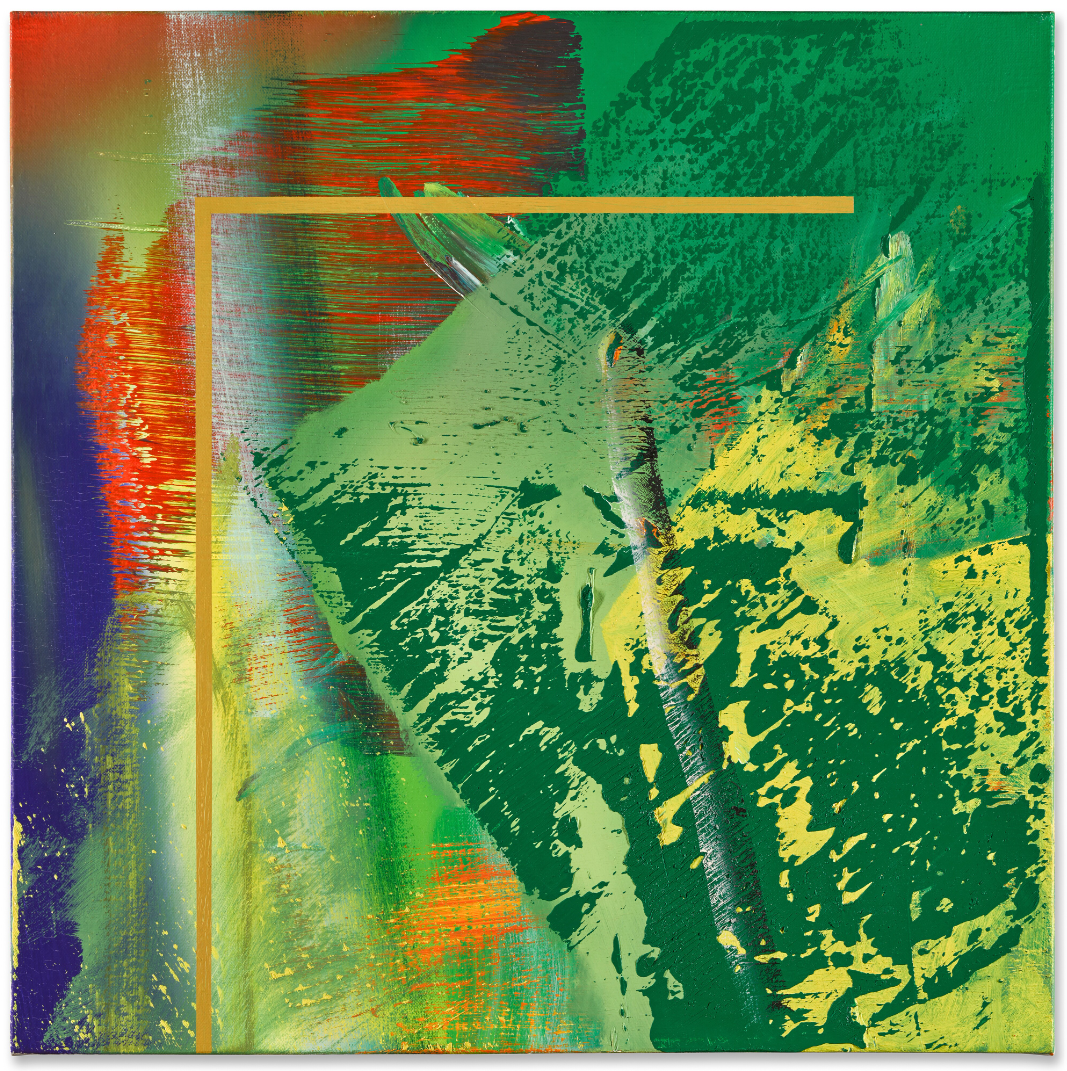
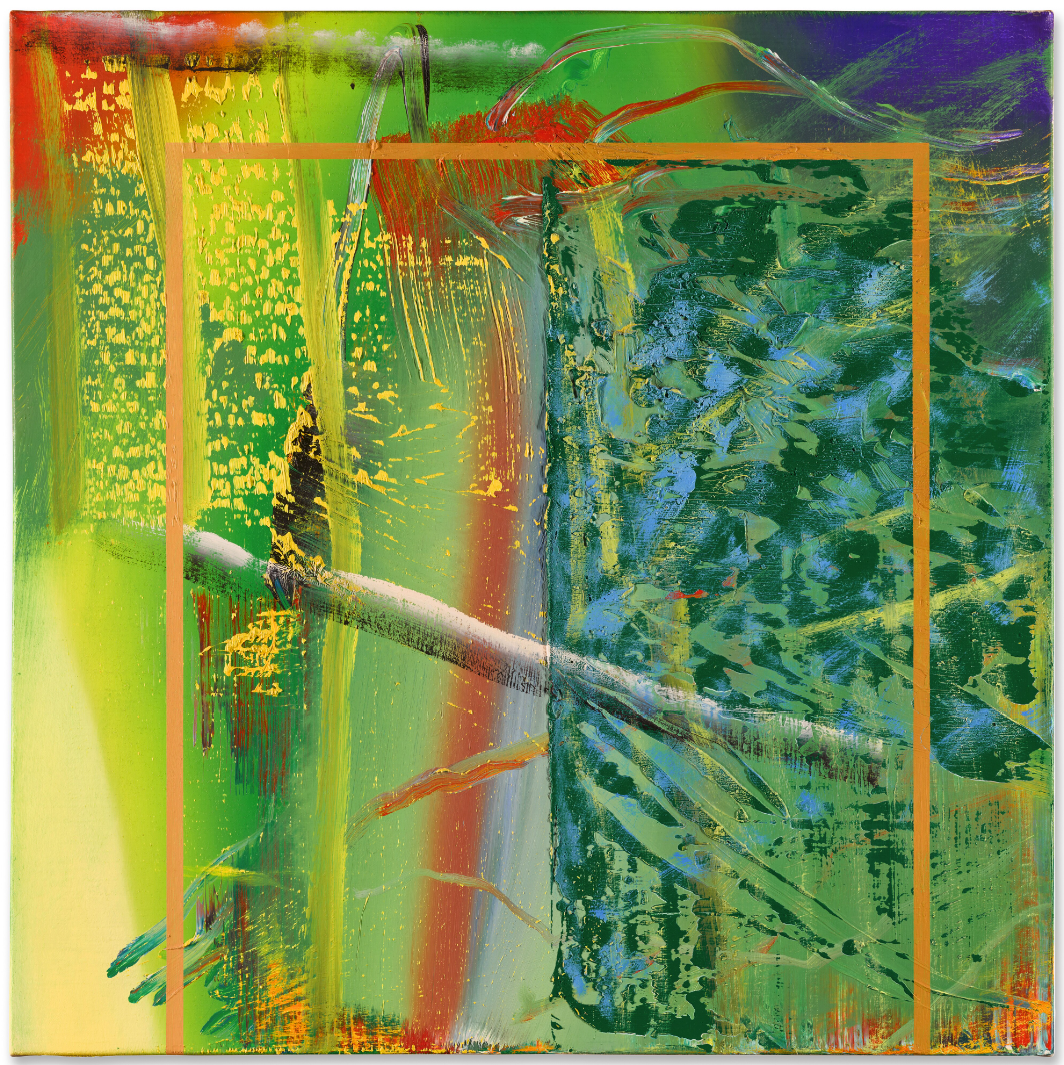
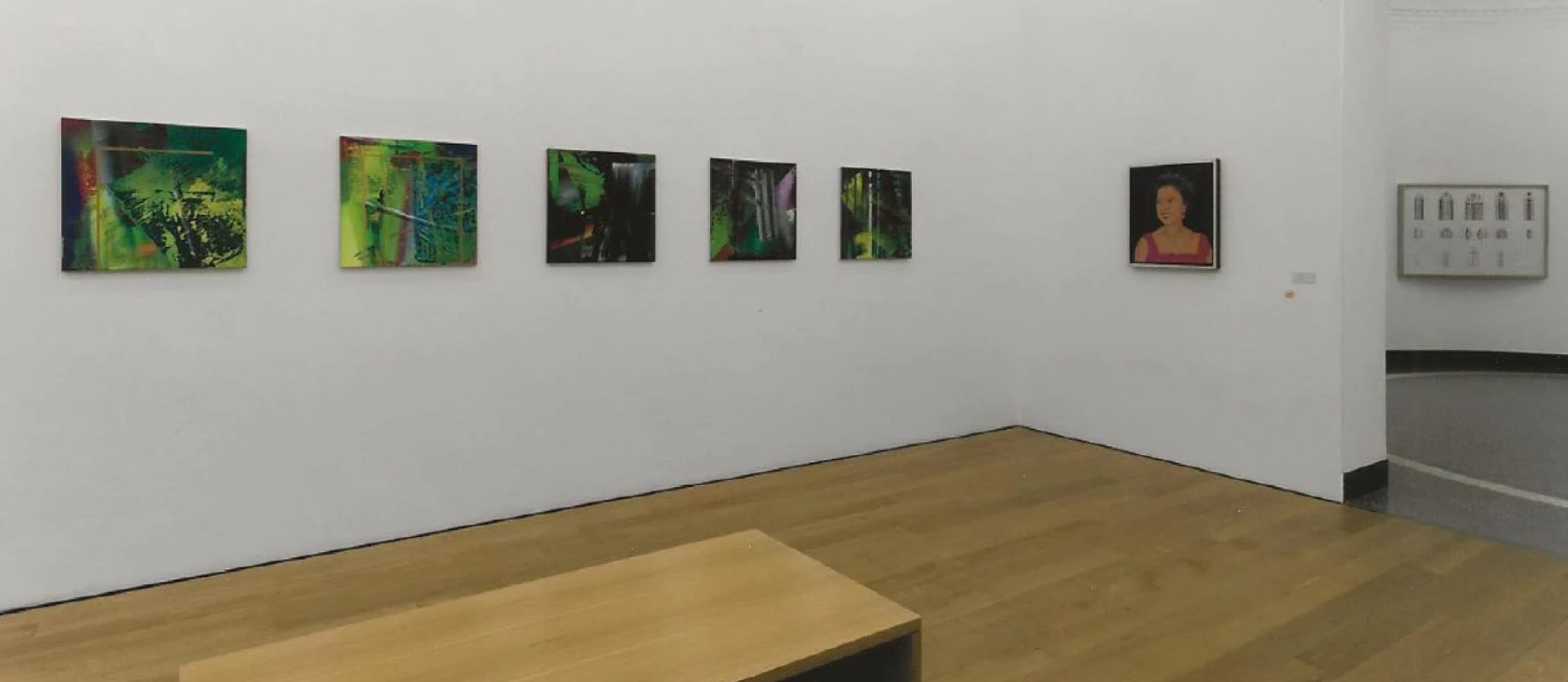
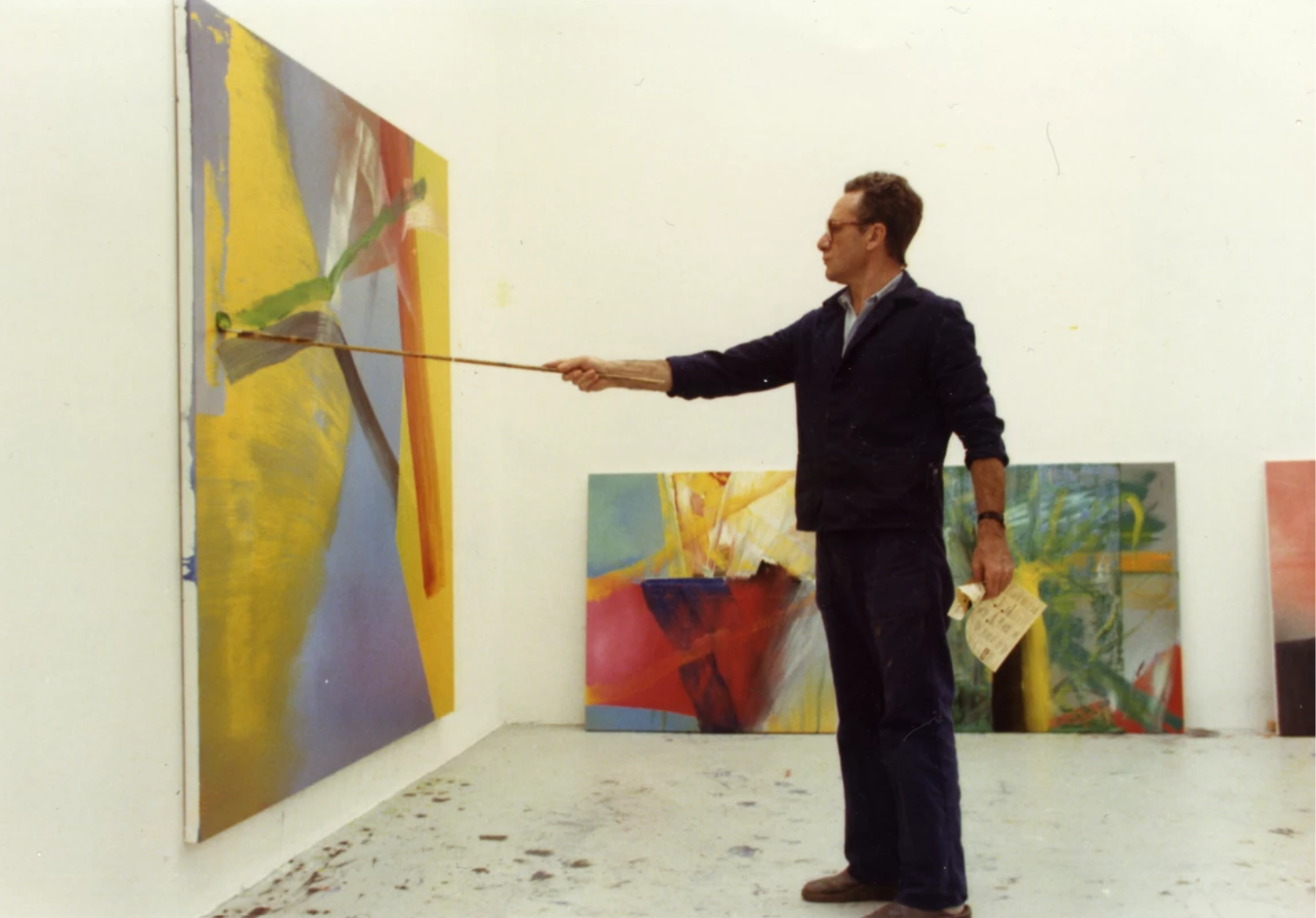
Richter has called the works executed in the early 1980s ‘free abstracts’, a name aptly conveying an open embrace of movement and irregularity. As an example of the series that has formed a conceptual keystone of his oeuvre for decades, the present work bears the legacy of Richter’s prolifically sustained philosophical inquiry into the role of paint. His mastery of the medium, exemplified by the present Abstraktes Bild, demonstrates his unrivalled ability to produce mysterious and atmospheric works that also question the very nature of painting in the modern age.
Christopher Wool
Untitled, 1992
Sotheby’s London: 6 March 2024
Estimated: GBP 800,000 – 1,200,000
GBP 2,226,000 / USD 2,822,568
Untitled | Modern & Contemporary Evening Auction featuring The Now | 2024 | Sotheby’s (sothebys.com)
CHRISTOPHER WOOL (b. 1955)
Untitled, 1992
Enamel on paper
39×26 inches (99 x 66.2 cm)
Signed, dated 1992 and numbered F50 (on the reverse)
Jarring, anarchic and insurgent, Untitled epitomizes the irreverent and disruptive spirit of Christopher Wool’s subversive painterly practice. Executed in 1992, the iconic and visceral phrase “IF YOU DONT LIKE IT YOU CAN GET THE FUCK OUT OF MY HOUSE” is emblazoned in capitals across the width of the paper in hard, glossy enamel, recalling the language and appearance of public billboards or commercial advertising. Starkly painted against a pure white ground, each hard-edged letter confronts the viewer with the formal purity of abstract painting, challenging them to recognise and accept the artist’s conceptual enterprise. Leaving the lower half of the composition empty, Wool creates an elegance within the present work that differentiates it from others in the series and his earlier Black Books in which the phrase stretches across the entire surface. Appearing like a thought half-finished or half-formed, the composition is abrupt yet dismissive. In this way, it epitomizes Wool’s critically acclaimed and conceptually challenging artistic project: what you see is what you get.
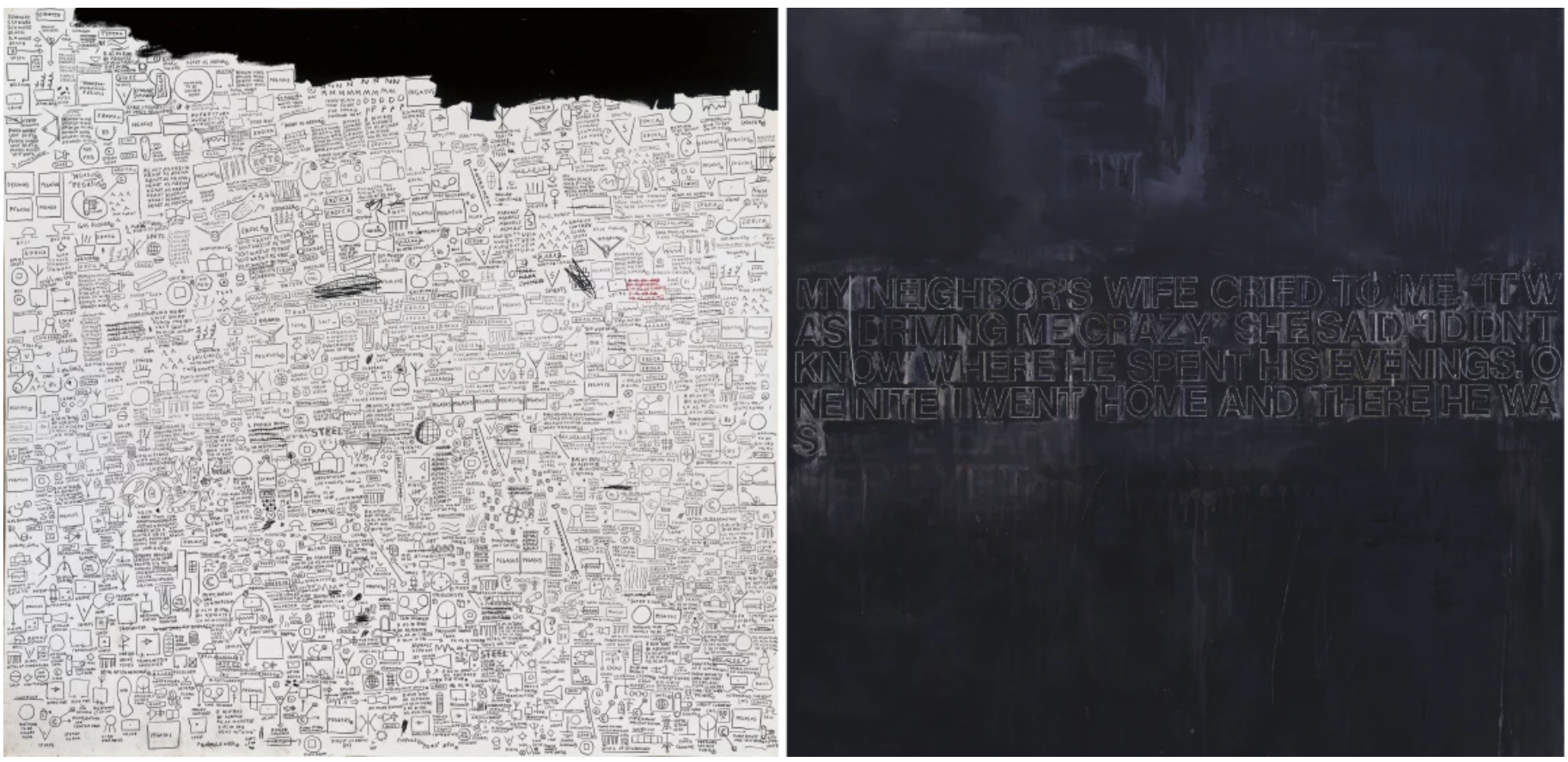
JEAN-MICHEL BASQUIAT, PEGASUS, 1987. PRIVATE COLLECTION. ART © 2023 ESTATE OF JEAN-MICHAEL BASQUIAT. LICENSED BY ARTESTAR, NEW YORK
RICHARD PRINCE, MY NEIGHBOR, 2002. SOLOMON R. GUGGENHEIM MUSEUM, NEW YORK. IMAGE: ART RESOURCE, NY/SCALA, FLORENCE. ART © 2024 RICHARD PRINCE
In this series of “word paintings,” begun in 1989, Wool used a standard sans-serif capitalized font commonly used by the American military to create imposing and confrontational artworks. Running the letters together with no spaces in between to reduce quick legibility, these text paintings elide linguistic and visual aesthetics in a manner that is confusingly humorous yet deadly serious. As in Richard Prince’s contemporaneous series of Jokes, there is a manipulative self-reflexivity to Untitled that seeks to subvert the boundaries between text and painting, as well as the handcrafted and machine-made. Wool here has appropriated the written message from a stand-up show, in this case Eddie Murphy’s Raw from 1987; the phrase “If you don’t like it you can get the fuck out of my house” is one of the artist’s most iconic and recognizable. In this way, Untitled is typical and perhaps best representative of the artist’s subversive impulse as it blurs the viewer’s conception of “low” humor and “high” art, directly implicating them through the arresting nature of the textual message and visual form. Humour pervades these works yet, as with other contemporary artists such as Jeff Koons, the viewer is never quite sure who is laughing at whom.
At its core, however, Untitled is undeniable in its visual and conceptual power. Cacophonous and subversive, its message and aesthetic project remains relevant to every era. As Katherine Brinson has noted, “Wool was less concerned with language as a means to transcend image, or with the problematic conjunction of text and image, than with text as image. He has long been fascinated by the way words function when removed from the quiet authority of the page and exposed to the cacophony of the city, whether through the blaring incantations of billboards and commercial signage or the illicit interventions of graffiti artists. But with their velvety white grounds and stylized letters rendered in dense, sign painter’s enamel that pooled and dripped within the stencils, the word paintings have a resolute material presence that transcends the graphic” (Katherine Brinson in Exh. Cat., New York, Solomon R. Guggenheim Museum (and travelling), Christopher Wool, 2013, p. 40). In its inversion of conventional understanding and art history, Untitled challenges our right to anticipate specific outcomes from art with just a few letters, emblematising the continued anarchy that defines Wool’s oeuvre.
Alighiero Boetti
Cinque x cinque venticinque (Five times five twenty-five), 1988
Christie’s London: 7 March 2024
Estimated: GBP 550,000 – 750,000
GBP 693,000 / USD 878,724
ALIGHIERO BOETTI (1940-1994)
Cinque x cinque venticinque (Five times five twenty-five), 1988
Twenty-five embroideries on linen
Smallest: 21.1 x 22 cm (8 1/4 x 8 5/8 inches)
Largest: 23 x 22.7 cm (9 x 8 7/8 inches)
(i)-(xxv) signed ‘alighiero e boetti’ (on the overlap)
(xvi),(xviii) inscribed ‘PESHAWAR PAKISTAN BY AFGHAN PEOPLE’ (on the overlap)
Cinque x cinque venticinque (Five x Five Twenty-Five) (1988) is a magnificent suite of twenty-five embroideries by Alighiero Boetti. Each panel presents a five-by-five grid of capital letters in Boetti’s distinctive checkerboard style. Read vertically, each spells out the title ‘five x five twenty-five’ while also performing the square multiplication it describes. The same logic scales up to the assembly as a whole: the twenty-five small tapestries can themselves be arranged into a five-by-five grid. Displayed together, the total number of letter-squares is 25 x 25—or, in a different formulation, ‘five x five x twenty-five.’ This mathematical scheme is countermanded by the dazzling disarray of the tapestries’ colors, which result both from Boetti’s design and the choices made by the Afghan weavers who embroidered them in Peshawar, Pakistan. A chorus of vivid colour-combinations—teal and red, orange and mauve, magenta and olive—gives each panel its own chromatic identity, their shapes and patterns scintillating before the eyes. They exemplify Boetti’s guiding principle of ordine e disordine: the notion that a global state of equilibrium is created by the constant flux between ‘order and disorder’. Another twenty-five-part arrangement of Cinque x cinque venticinque (1988-1989) is held in the permanent collection of the Kunstmuseum den Haag, The Hague.

Boetti’s Arazzi began during his first visit to in Afghanistan in 1971. While he devised each work’s layout, the tapestries were woven by skilled craftswomen based in Kabul, and later—after the Soviet invasion of 1979—Afghan weavers who had fled to Pakistan. Through these collaborative, network-based projects, Boetti sidestepped the traditional post of the artist as supreme genius, relinquishing total control over the end product. In his series of Mappe (Maps), he let the weavers choose their own colours for the world’s oceans. His text-based embroideries sometimes incorporated Farsi script devised by the weavers and their supervisors. While every Cinque x cinque venticinque panel shares the same basic layout, they are all unique: within their distinct color schemes are gentle irregularities, shifts of color where spools of thread are finished and replaced, and the tactile presence of the artisans’ process. ‘Each one is different in colouring and the special style of the woman who made it’, said Boetti of the individual Arazzi. ‘So it is neither an original work nor a multiple’ (A. Boetti, quoted in N. Bourriaud, ‘Afghanistan’, Documents sur l’art contemporain, no. 1, October 1992, p. 50).
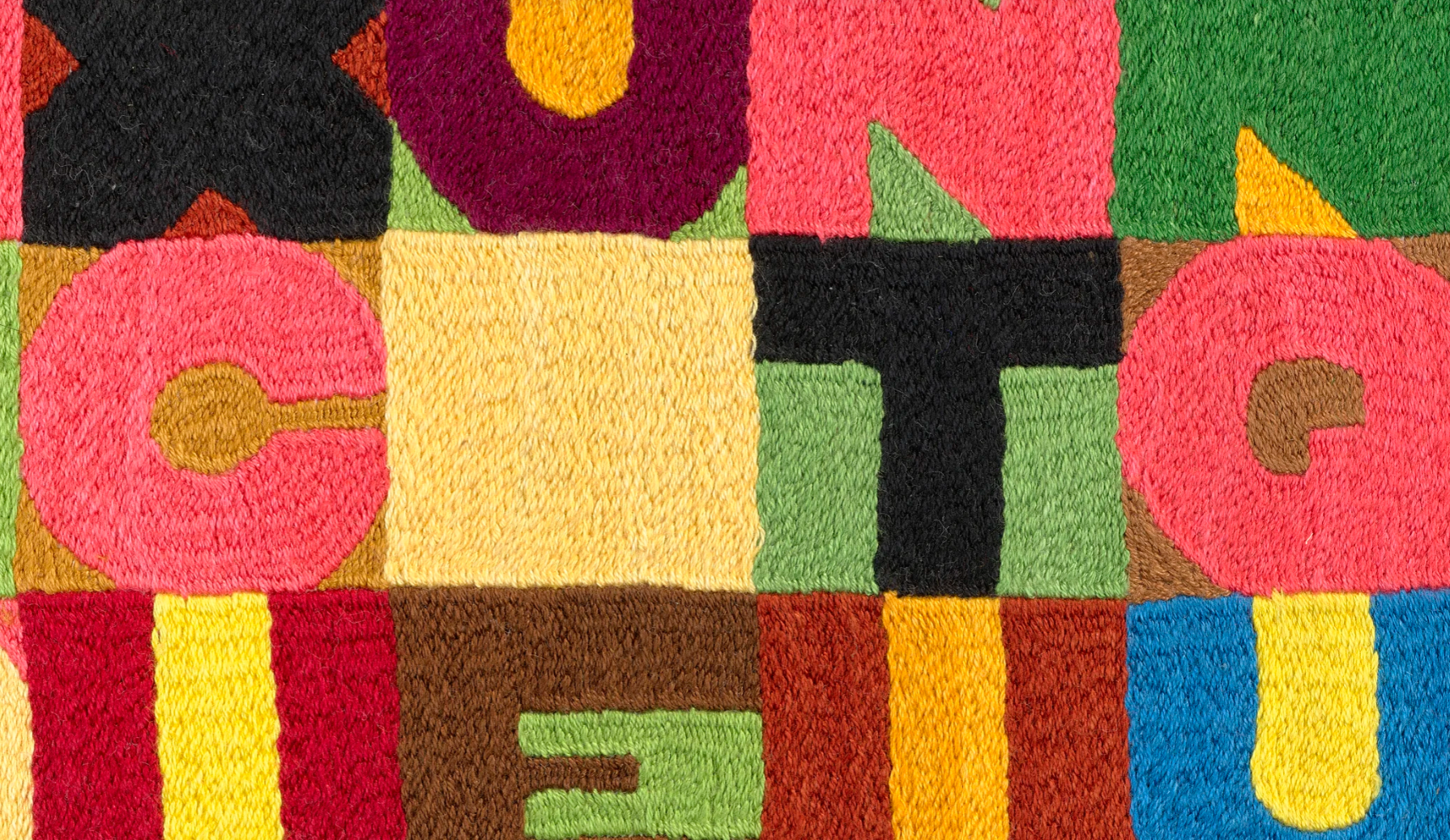
The element of ‘order’ in each text-based tapestry, meanwhile, was set out by Boetti’s design. Often indecipherable at first glance, the frameworks of letters reveal their meanings when read vertically, or sometimes in other directions. Many large, single-panel tapestries are composed of multiple smaller phrase-units. They might spell out word-games and Italian puns, Boetti’s own name, self-reflexive references to the date or place of the work’s creation, or—as in Cinque x cinque venticinque—a mathematical function. The translation of numbers into alphabetical form requires a further layer of close reading.
“Twenty-five is the square of the holy number five and is therefore also the centre of magical squares. It consists of the sum of the numbers 1 + 3 + 5 + 7 + 9, and thus contains all the holy numbers which can be used in magic.”
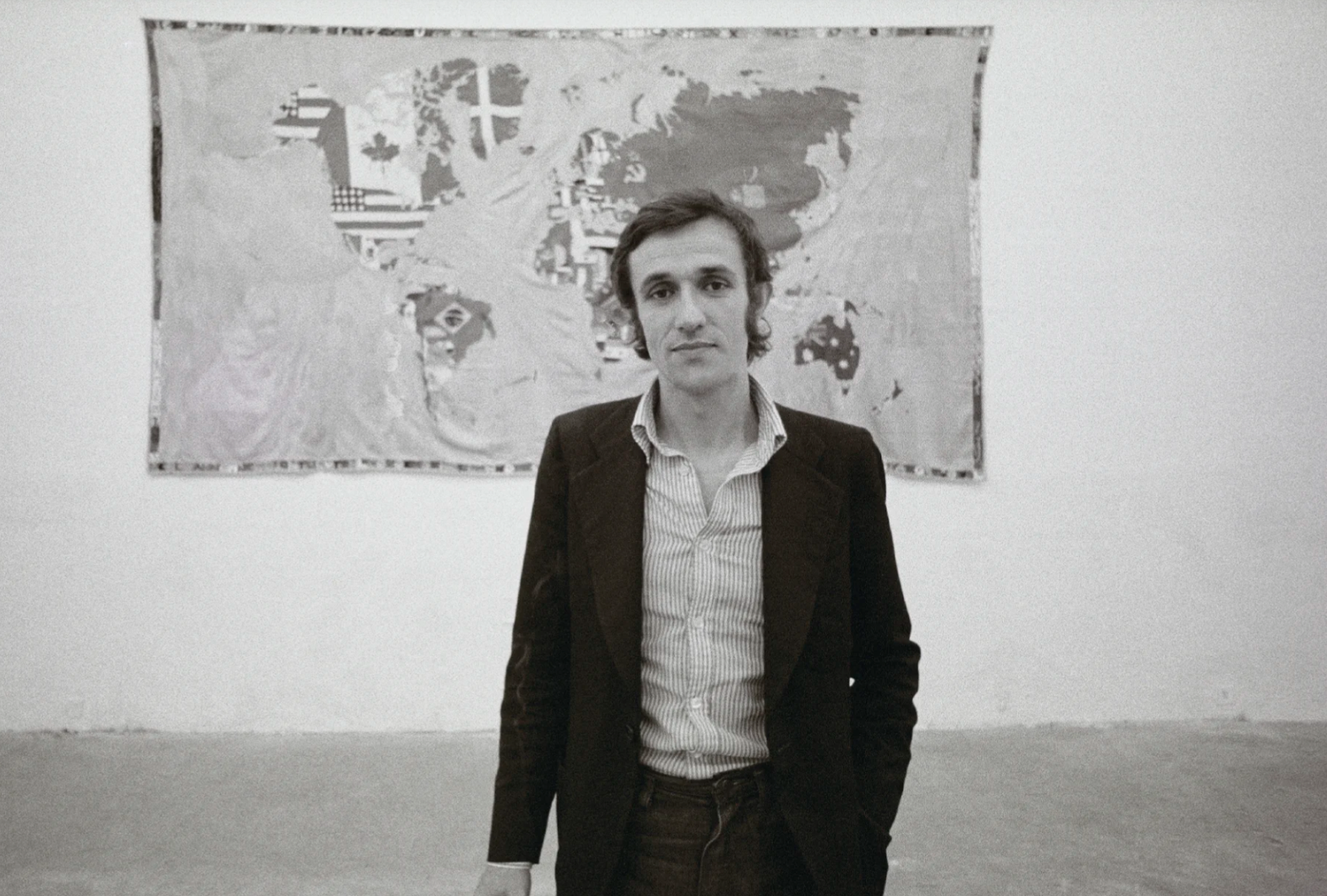
Boetti, who was fascinated as much by the rational structure of numbers as their imaginative potential, drew on Sufi mysticism and other sources for his numerical games. One antecedent is the ‘magic square’, a number-grid in which the sum of the rows, columns, and diagonals remains constant. The Shams al-Ma’arif (The Book of the Sun of Gnosis), an esoteric Sufi text dating from the 13th century, tells of magic squares that function as spells, allowing communication with the angels and Djinn who rule the planets. Albrecht Dürer’s famous engraving Melencolia I (1514) features a four-by-four magic square, containing 86 different four-number combinations that add up to the magic number 34. The square’s bottom row—4, 15, 14, 1—further encrypts Dürer’s initials and the date of the work’s creation: a Boettian gesture avant la lettre.
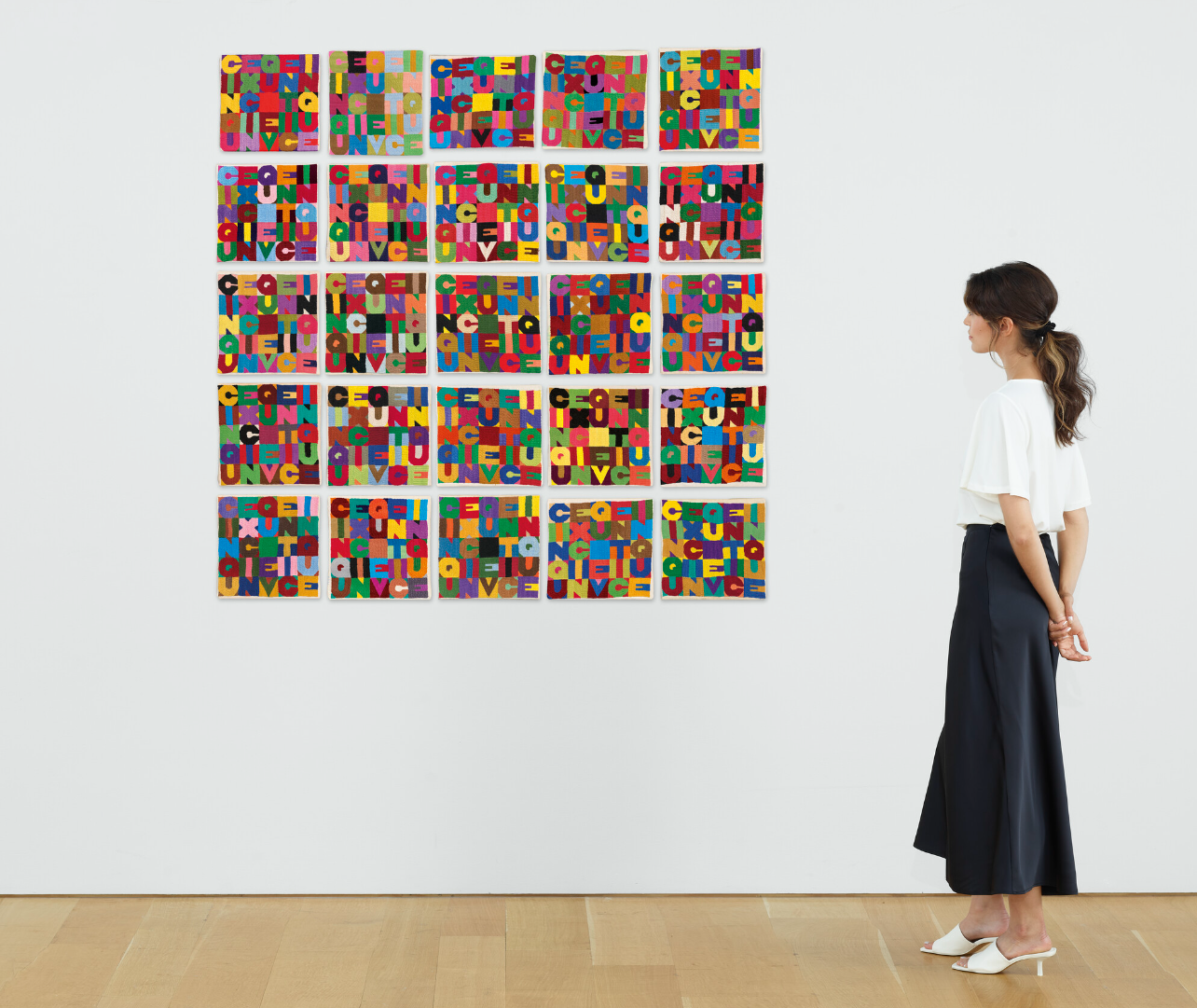
‘I designed some 150 words that could be arranged in a square’, said Boetti in 1992. ‘Today when I come across expressions like la forza del centro (‘the force of the centre’), a yoga concept, I know intuitively that the number of its letters allows it to form a square’ (A. Boetti, quoted in N. Bourriaud, ibid.). While he made squares in many different configurations, the five-by-five grid—and, in his large single-panel works, the twenty-five-by-twenty-five grid—retained a special importance for the artist. ‘Twenty-five is the square of the holy number five’, he explained, ‘and is therefore also the centre of magical squares. It consists of the sum of the numbers 1 + 3 + 5 + 7 + 9, and thus contains all the holy numbers which can be used in magic’ (A. Boetti, quoted in Alighiero Boetti: Mettere al mondo il mondo, exh. cat. Museum für Moderne Kunst, Frankfurt 1998, p. 117). In Cinque x cinque venticinque, with its dizzying, nested semiotic systems coming apart and together in a modular symphony of order and disorder, the magical multiplicity of Boetti’s vision comes to life.
Kehinde Wiley
Christian Martyr Tarcisius, 2008
Phillips London: 7 March 2024
Estimated: GBP 200,000 – 300,000
GBP 660,400 / USD 837,887
Kehinde Wiley – 20th Century & Contemp… Lot 16 March 2024 | Phillips
KEHINDE WILEY
Christian Martyr Tarcisius, 2008
Oil on canvas
84 x 180 3/4 inches (213×459 cm)
The largest of Kehinde Wiley’s work to have been offered at auction, Christian Martyr Tarcisius is a commanding image, full of majesty and pomp. Created in 2008, the same year as Barack Obama was sworn in as President of the United States, the work is realized on a scale seldom seen in contemporary portraiture, Wiley reconceptualizing the formal apparatus of easel painting to create a dynamic, statuesque portrait that challenge hierarchies of race, gender, and taste. Since 2001, Kehinde Wiley has reconsidered historical sculptural and pictorial form through his portraits, challenging and expanding the narrower traditions of the European and American art historical canon. Wiley recalls the prevalence of these frameworks during childhood in Los Angeles, where under the encouragement of his mother, he first visited the Huntington Library Art Gallery. Wiley notes that ‘Joshua Renoylds, Thomas Gainsborough and John Constable were some of my favorites’ through their opulence yet ‘as a twentieth-century poor Black kid […] I had no way of digesting it’. In appropriating a western pictorial tradition that was used to galvanize secular or religious figures, Wiley reintroduces the historically and socially marginalized Black individual into the frame on a heroic scale. In Christian Martyr Tarcisius, the sitter’s clasped hands, recumbent form, parted lips, and pious gaze directly reference Alexandre Falguière’s 1868 sculpture Tarcisius, martyr chrétien. Falguière had taken the spiritual subject of the young Tarcisius on the edge of death, shielding in his hands the Body of Christ from those who attacked him. Yet, in defiance of the delicacy and fragility of Falguière’s sculpture, Wiley’s Tarcisius is beyond life-size, his epic proportions rendered in exuberant color. In this way, Christian Martyr Tarcisius is as much poignant as it is victorious and affirming.
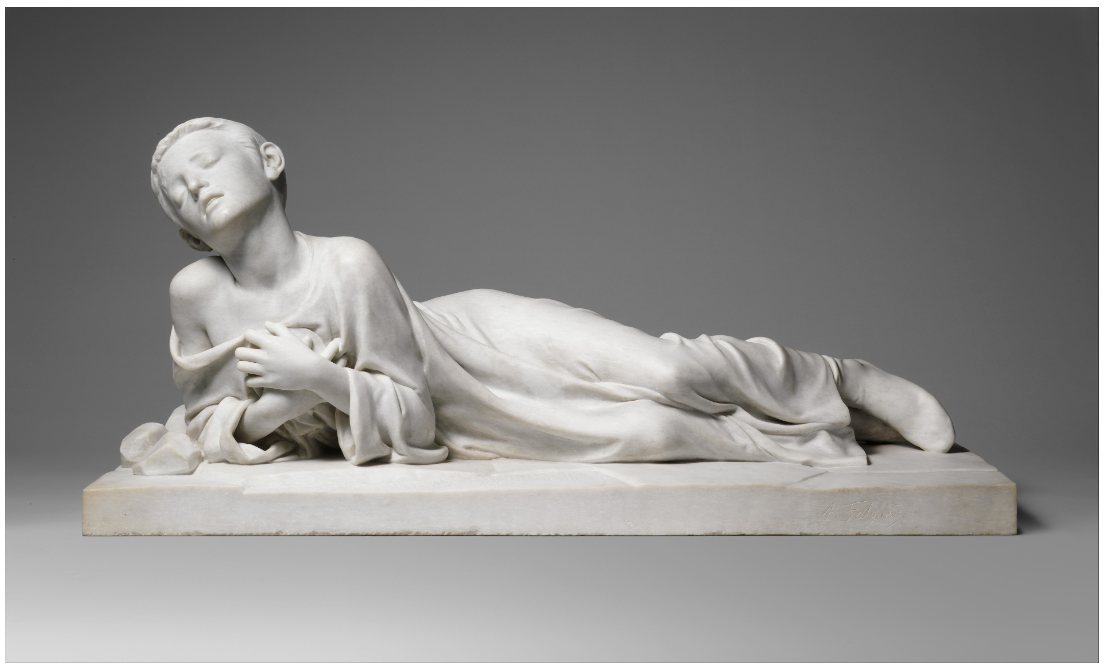
Alexandre Falguière, Saint Tarcisius, 1868, The Metropolitan Museum of Art, New York. Image: © The Metropolitan Museum of Art, New York, European Sculpture and Decorative Arts Fund, 2007, 2007.407
Wiley ascribes his sitter’s agency throughout his approach to image-making. His subjects are selected at random, through a process of ‘street casting’ that Wiley commenced in 2001 in Harlem, and has subsequently extended globally, from China and Haiti to Senegal and Jamaica. Those who accept Wiley’s invitation to the studio then choose poses from historical artworks and are photographed in their own clothes: ‘there are no props or dressing people up’, Wiley emphasizes. Therefore, Wiley champions ‘the beauty in that person who was just walking by you, who the world is ignoring’, exalting popular culture through paint, particularly the world of hip hop.
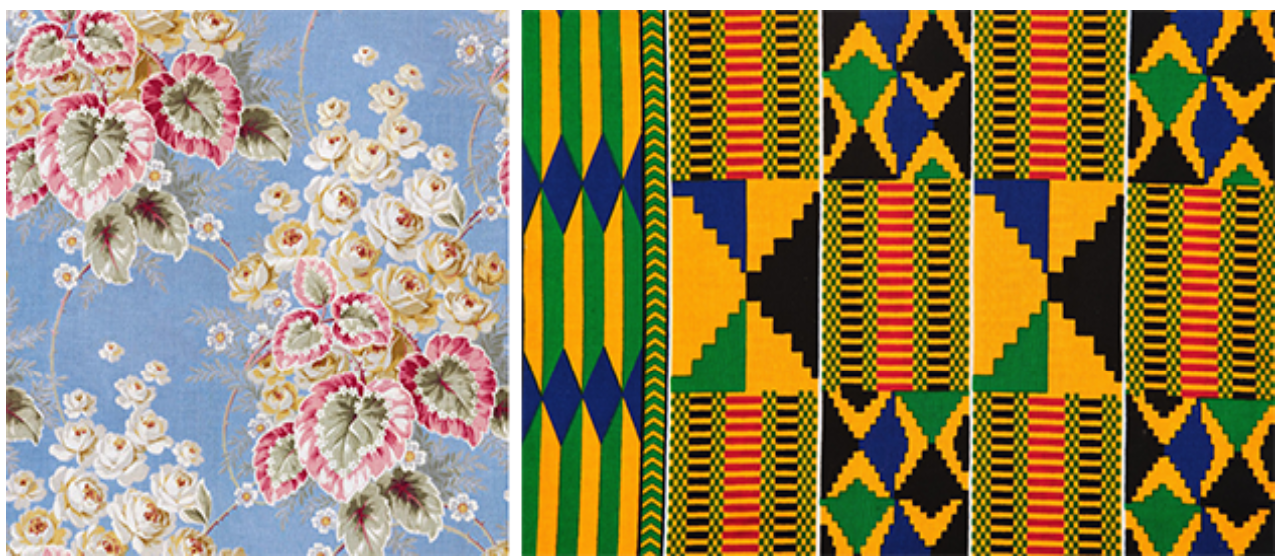
[Left] Roller-printed cotton cloth (lining of an Abr Ikat Munisak). Russia, early twentieth century
[Right] African Ghanian traditional cotton print. Image: Ivan Okyere-Boakye Photography / Alamy Stock Photo
In Christian Martyr Tarcisius, by complicating the relationship between the figure and the patterned field, Wiley brings the cultural associations of pattern into central focus. Like Wiley’s use of pose and dress, pattern establishes the cross-cultural exchange central to his practice. Though the floral motif is based on a cotton textile manufactured in Russia during the twentieth century, the design was influenced by French home-furnishing: a leader of the latest fashions in the Russian market from the late 19th century. Wiley’s memories of home furnished with ‘faux French furniture’ include a similar fusion of various cultural designs, an environment fundamental to forming his ‘internal taste’. Here too, Wiley brings European and African sources into dialogue with one another, the figure wearing a jacket and baseball cap referencing the colours and geometric patterning of traditional Ghanian textiles. In drawing our attention to these elements Wiley also underscores the relationship between gender and the decorative. As an industry typically associated with ‘women’s work’ and viewed as ‘secondary’ to fine art, by blurring the boundaries between the body and space, Wiley establishes both components of pattern and portrait on equal terms.
Keith Haring
Untitled, 1984
Christie’s London: 9 March 2024
Estimated: GBP 600,000 – 800,000
GBP 945,000 / USD 1,198,260
KEITH HARING (1958-1990)
Untitled, 1984
Acrylic on canvas
39 3/8 x 39 3/8 inches (100×100 cm)
signed, inscribed and dated ‘K.Haring JUN 9 – 1984 MILANO’ (on the overlap)
Keith Haring’s Untitled (1984) is a raucous ode to humanity. The painting was created for and exhibited at the artist’s triumphant 1984 solo debut in Milan at the esteemed Galleria Salvatore Ala. Thrumming with life, the twirling, dancing figures stream across the canvas; the choreographed euphoria in combination with the architectural forms conjure a throbbing dance club, likely inspired by Haring’s own nighttime excursions in the Italian city. The painting teems with music and vivacity. It was acquired directly from the gallery and has been held in the same private collection for more than thirty years since.
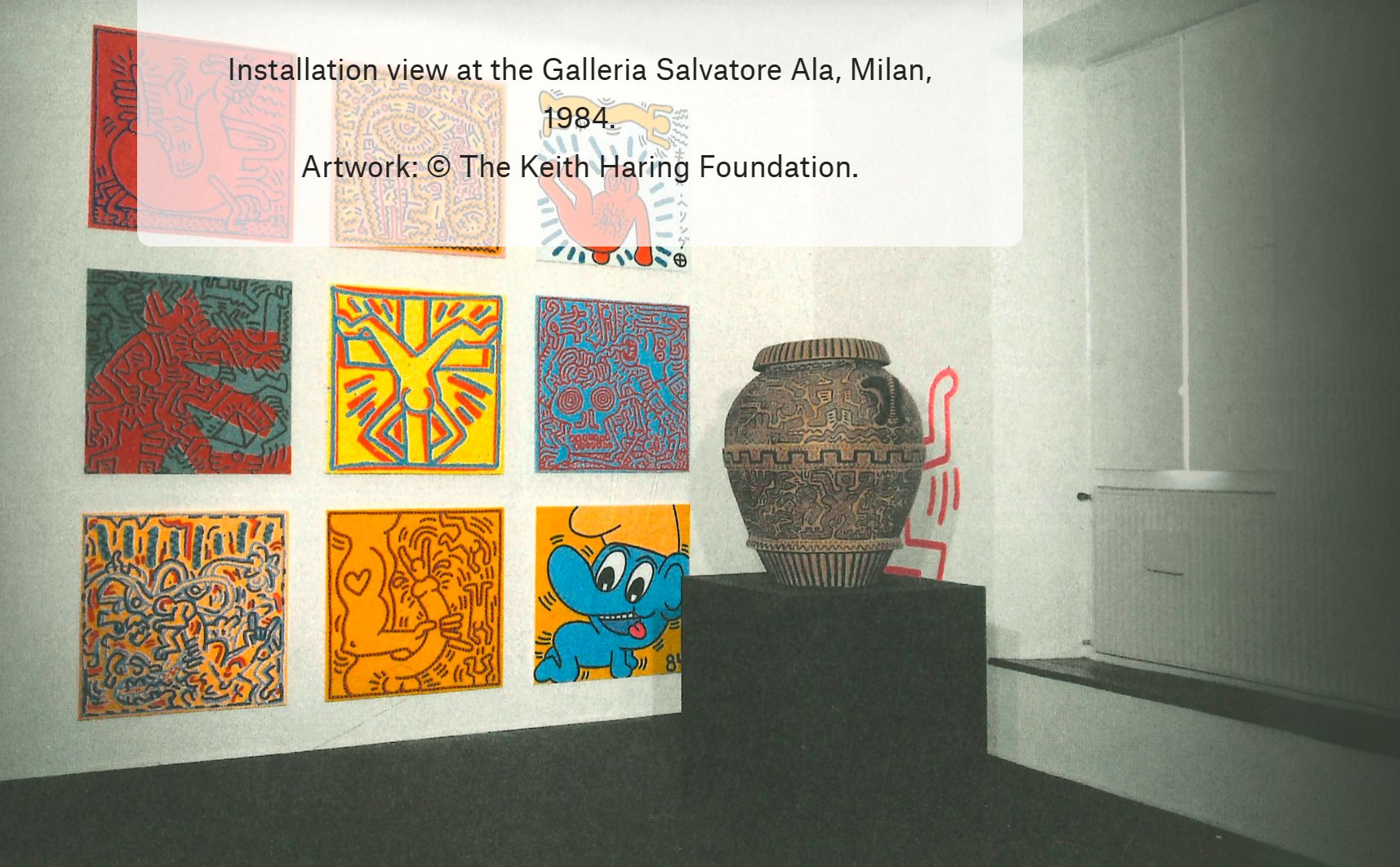
Salvatore Ala first met Haring in New York in the beginning of the 1980s: finding himself captivated by the drawings that lined the city’s subway tunnels, Ala set out to meet the young artist behind these ephemeral images. Following their introduction, Ala included Haring in a group exhibition in 1983 at his eponymous gallery in Milan—showing his art alongside that of Kenny Scharf, Ronnie Cutrone, and James Brown—before proposing a solo presentation for the following year. Arriving in Milan at age twenty-six, Haring decided to create an entirely new body of work inspired by the culture and nightlife he encountered. This was typical of Haring: whether off traveling or at home in New York, he was accustomed to producing art that responded both visually and materially to a location’s particularities. Reflecting later on his time in the Italian city, Haring said, ‘When you are visiting a country to work, instead of as a tourist, you experience it in a richer, more authentic way. This was particularly true in Milano’ (K. Haring, quoted in ‘Some Excerpts From Keith Haring’s Journals’, in A. Galasso (ed.), Keith Haring A Milano, Milan 2005, p. 11). During the weeks he spent in the city, Haring visited workshops that produced terracotta vases; spent time in paint shops and with carpenters; and, despite his almost non-existent Italian, made many friends. All of this would find its way into the canvases and sculptures he created for the exhibition.
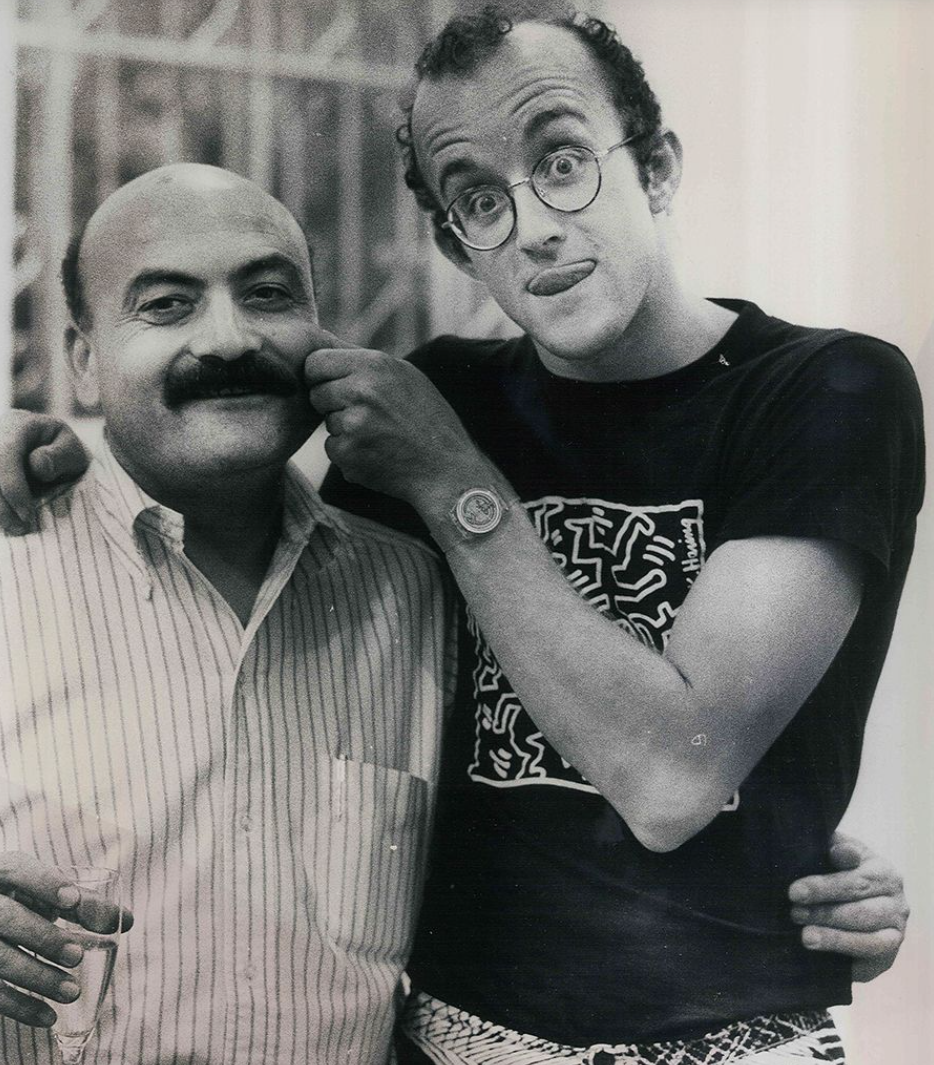
Salvatore Ala and Keith Haring, Milan, 1984. © Maria Mulas. All rights reserved 2024 / Bridgeman Images
Instead of cloistering himself in a studio to paint and sculpt, Haring elected to work at the gallery, fueling himself on booming music, garlicky pizza and cold cans of Coca-Cola that Ala brought over late at night. Friends and strangers alike gravitated to the space to watch the young phenom with his brush. Roy Lichtenstein, who happened to be in Milan in the days leading up to the show’s opening, joined the throng: ‘I stopped by the gallery a couple of days before the opening, and there was Keith creating his show right there, on the spot! … It was extraordinary!’ (R. Lichtenstein quoted in ‘Memories’, The Keith Haring Foundation, accessed on 11 January 2024). When he finally put down his paints, hands sore from holding a brush, Haring and his pals would head to the legendary nightclub Plastic, where he quickly befriended the DJ, Nicola Guiducci. ‘Plastic,’ said Haring, ‘is my favourite club in Europe. Nicola plays music that made me feel like I was in New York’ (K. Haring quoted op. cit., 2005, p. 29). These were thrilling years for an artist whose star had risen meteorically, but despite Haring’s ascension, this open, community-oriented ethos, first homed back in Manhattan, would continue to characterise his art.
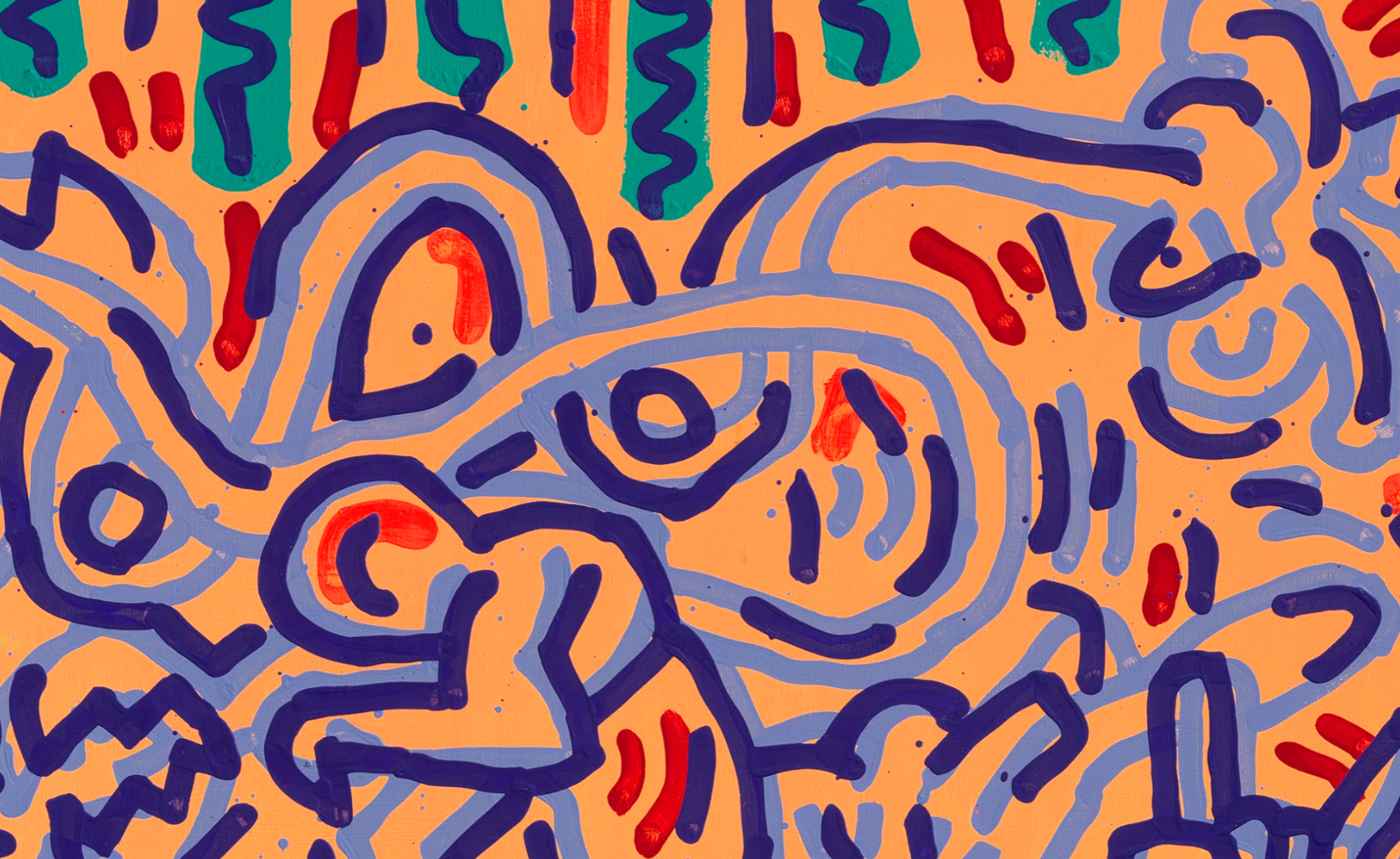
The paintings produced in Milan, including Untitled, were among the first Haring created with acrylic paint, a material that offered the artist more chromatic possibility than the vinyl he had previously used. Characteristic of the artist’s unique and instantly recognizable idiom, these works pulse with biomorphic forms, twisting chimeras, and the rhythm of the world the artist was inhabiting. Although constructed at great speed, and often in one go—a method that emerged from his roots as a a graffiti artist working in fear of New York’s police—Haring’s compositions were far from haphazard. This gestural immediacy animates the present work: its whirling forms and bold, neon colors conjure an exhilarating sense of life.
Yoshitomo Nara
Kills Fascists, 2012
Christie’s London: 9 March 2024
Estimated: GBP 150,000 – 200,000
GBP 352,800 / USD 447,350
Yoshitomo Nara (christies.com)
YOSHITOMO NARA (B. 1959)
Kills Fascists, 2012
Colored pencil on cardboard
31.7 x 31.7 cm (12 1/2 x 12 1/2 inches)
Signed with artist’s initials and dated ‘YN 12’ (on the reverse)
Created in 2012, Kill Fascists is a punchy, frank encapsulation of Yoshitomo Nara’s political and aesthetic beliefs. Using colored pencils, Nara has drawn one of his instantly recognizable figures, a wide-eyed child—more mischievous nonconformist than angelic youngster—who holds a red guitar. Red, a color associated with revolution and change, is a fitting choice given the message inscribed overhead: in block letters, Nara has written, ‘This Machine Kills Fascists’. The work pays homage to the American folk musician Woody Guthrie who, during the Second World War, stuck the same text onto his guitar. Guthrie, a staunch opponent to fascism, did not himself coin the phrase but borrowed the line from munitions factory workers who had written the message on their lathes. Just as these armaments would contribute to the war effort, so Guthrie believed that music could help destroy a fascist ideology. Having always loved music, Nara frequently draws and paints his impish figures wielding guitars, singing in bands and jamming out; the girl in the present work reappears in a drawing dating from 2017. Born in 1959, Nara grew up during a period when Japan was saturated with Western pop culture. He would spend his nights listening to the radio, tuning into the the Far East Network, an American station which played both the news and Western music. Although his first English purchase was the Bee Gees’ single ‘Massachusetts’, Nara became obsessed with rock-and-roll and punk. The latter’s anti-establishment ethos would come to define his visual idiom, which draws from music, children’s book illustrations, Japanese theatrical masks, Edo-period ukiyo-e woodblock prints, and comic books designs. Although initially compared to Takashi Murakami and his Superflat movement—which was influenced by manga and anime—Nara’s art lacks the glossy, purposefully mass-produced cuteness of his contemporary’s art. Instead, he uses western images and commodities to grapple with the world’s complexities.
Gunther Forg
Untitled, 2006
Sotheby’s London: 7 March 2024
Estimated: GBP 150,000 – 200,000
GBP 279,400 / USD 354,279
Untitled | Modern & Contemporary Day Auction | 2024 | Sotheby’s (sothebys.com)
GUNTHER FORG (1952 – 2013)
Untitled, 2006
Acrylic on canvas
150.3 x 130 cm (59 1/8 x 51 1/8 inches)
Signed and dated 06 (upper right)
Recorded in the archive of Günther Förg as No. WVF.06.B.0080
Untitled from 2006 is a magnificent example of Günther Förg’s celebrated Gitterbilder or Grid Paintings. Developed out of his earlier cycle of Fenster-Aquarelle, or Window Watercolours, the Grid Paintings are characterized by a dynamic mesh of vertical and horizontal lines that dance enticingly over the surface of the canvas. Through the predominant use of bold blue and moss green, Förg engulfs the viewer in an intoxicating crisscrossing haze, emulating the feeling of being lost in the depths of the forest. The balance between roughness and finesse is exhibited in the present work, as Förg disorientates the viewer through the dark and dense marks whilst simultaneously enticing them inwards through the glimmers of warming vermillion and amber buried beneath. Förg’s interest lies in the composition of his paintings rather than conceptual analysis. For him, painting was not just about exploring a conceptual starting point but about the celebration of the act of painting itself. The thick gestural sweeps across the canvas of Untitled thus draw attention to this process of creating and capturing the essence of painting.
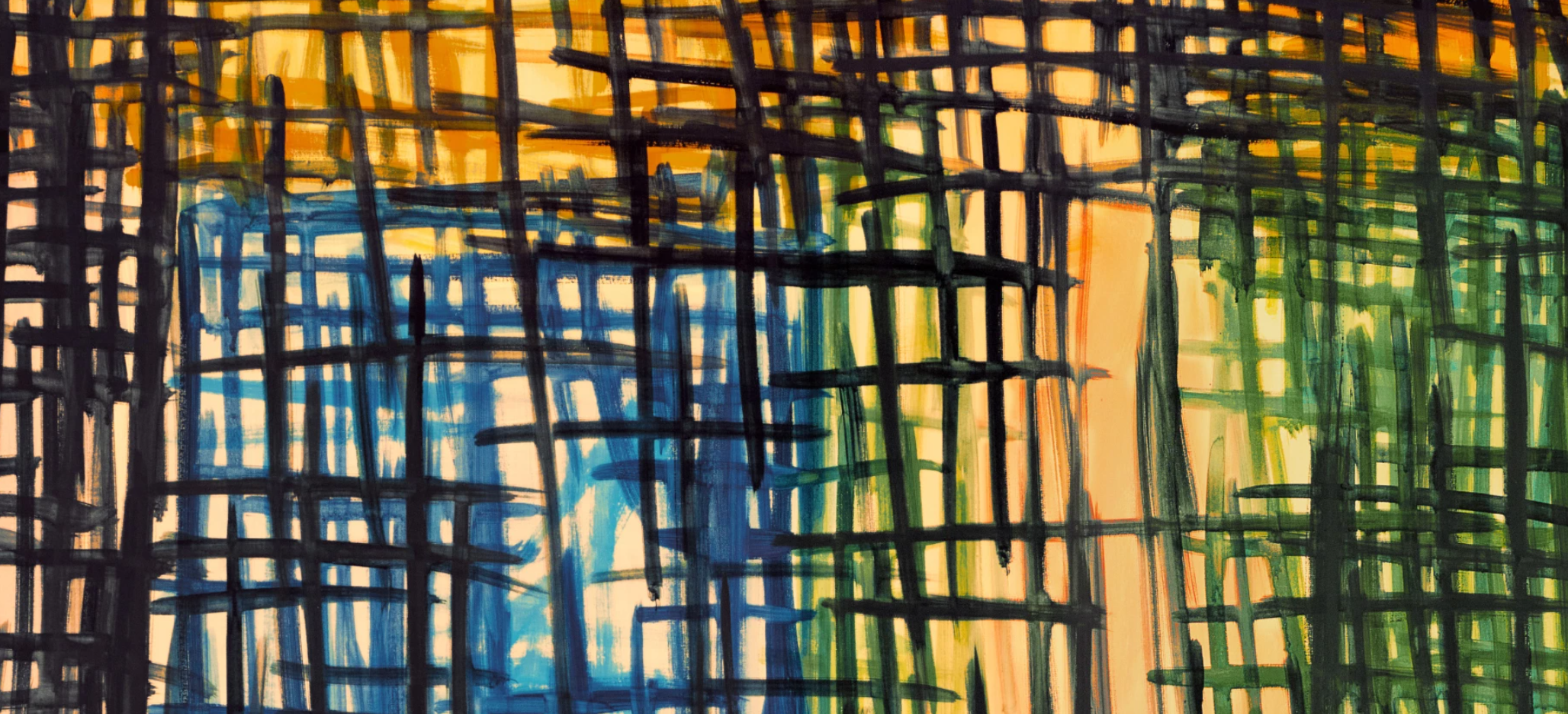
Förg masterfully redefines the tradition of gestural abstraction. Taking influence from Barnett Newman’s profound compositional devices, Cy Twombly’s lyrical and frenetic paintings, and the biomorphic visual language of Brice Marden, his melodic and fluid brushwork and bright palette also pay homage to artists like Edvard Munch and Claude Monet, taking inspiration from their expert use of line and mesmerizing color. Through Förg’s compositional praxis, the artist demonstrates a keen tactile and sensorial understanding of gestural abstraction. His mastery lies not only in the technical execution but also in his ability to imbue each grid with a dynamic and intoxicating energy that captivates the viewer’s imagination. Untitled conveys a paradoxical materiality that is in the same moment harmonious and in disarray: it conjures a sense of architectural weight and a layering of depth, yet just as convincingly achieves a transcendent weightlessness that is profoundly hypnotic. Dynamic and bold, playful and raw, Untitled enticingly encapsulates the artist’s ambitions as a painter. Förg passed away in 2013, but his legacy continues to inspire. He redefined the dialogue of minimalist art, and in doing so has placed himself as one of the most significant artists of the 20th century.
3. Post-War
3.1. David Hockney
California, 1965
Christie’s London: 7 March 2024
Estimate on Request
GBP 18,710,000 / USD 23,724,280
DAVID HOCKNEY (B. 1937), California | Christie’s (christies.com)
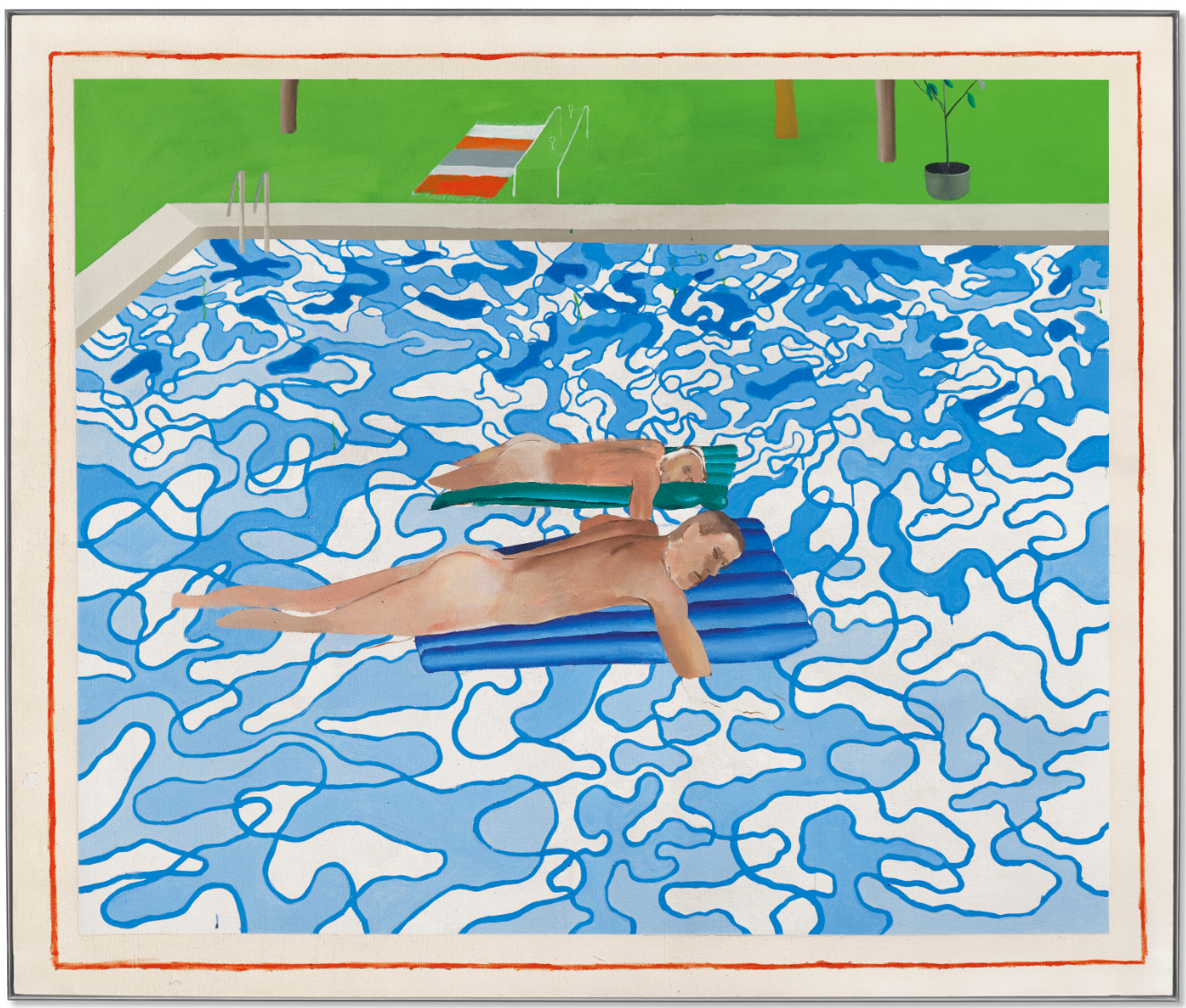
DAVID HOCKNEY (B. 1937)
California, 1965
Acrylic on canvas
66 1/8 x 78 1/4 inches (168 x 198.8 cm)
A rare, seminal masterpiece, California (1965) stands among David Hockney’s first great swimming pool paintings. Inaugurating one of the twentieth century’s most celebrated bodies of art, it is the largest and finest in the extraordinary group of early pool paintings created in London after Hockney’s first visit to Los Angeles in 1964. There, the artist had been fascinated by the play of sparkling West Coast light upon crystal clear waters. The paintings that followed have come to be synonymous with his oeuvre, combining dazzling technical virtuosity with strains of fantasy, desire and longing. A halcyon vista of carefree summer bliss, the present work stands among Hockney’s earliest iterations of the motif. It was also among the first of these works to feature figures, anticipating the landmark series of double portraits that Hockney would commence just three years later. Acquired by the present owner in 1968, the work has been unseen in public for over four decades.
While Hockney had included a swimming pool in the 1964 painting California Art Collector, it was not until he returned to London for Christmas that year that he made his first full pool painting: a figureless composition entitled Picture of a Hollywood Swimming Pool. California followed shortly afterwards, along with the closely-related painting Two Boys in a Pool, Hollywood, both featuring a pair of nude men. The present work—the more ambitious of the two—anticipates many of the achievements that followed. Its naked figures foreshadow the sensuous male nudes of Sunbather (1966, Museum Ludwig, Cologne) and Peter Getting Out of Nick’s Pool (1966, Walker Art Gallery, Liverpool). Its kaleidoscopic depiction of moving water lays the foundations for the techniques explored in A Bigger Splash (1967, Tate, London) and Portrait of an Artist (Pool with Two Figures) (1972). So essential did Hockney consider the painting to his oeuvre that—when unable to include it in his 1988 retrospective at the Los Angeles County Museum of Art—he made his own copy, now held in the museum’s permanent collection.
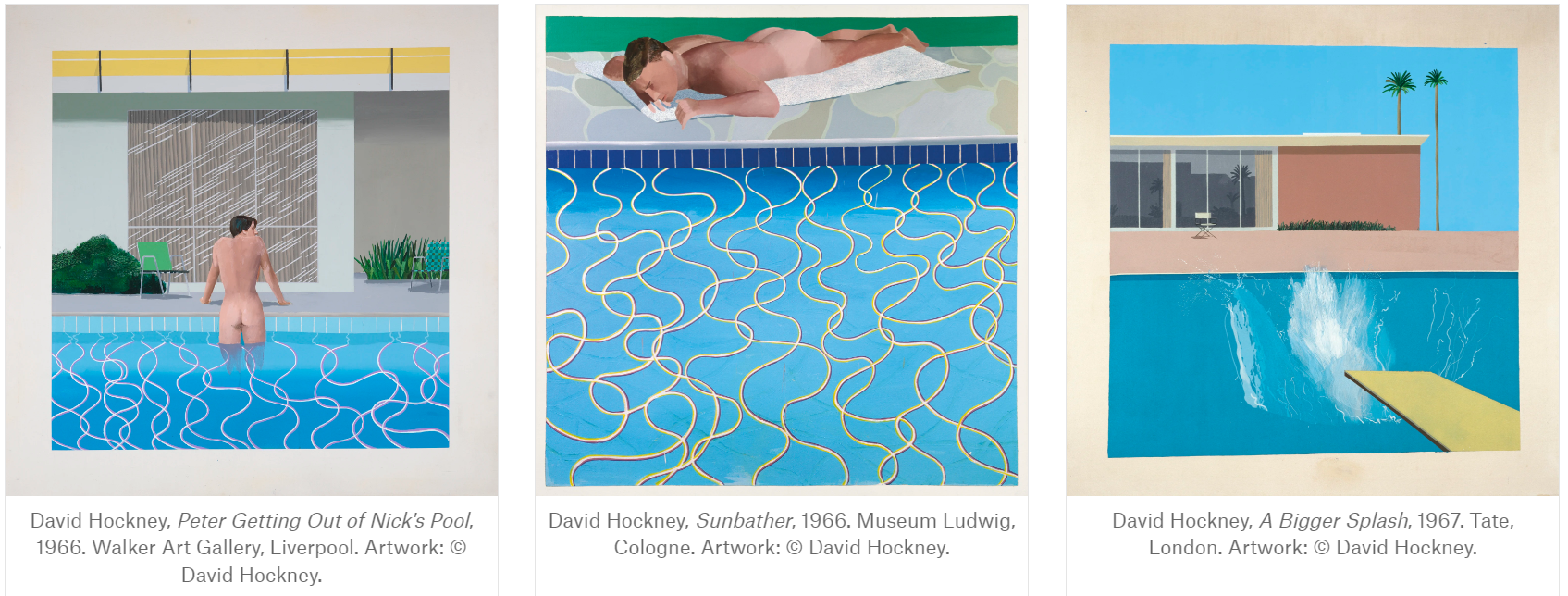
The swimming pool had been at the forefront of Hockney’s mind since landing in California in early 1964. As a young man growing up in the north of England, America had loomed large in his imagination: a place of sunshine, promise and possibility. With the grey landscapes of post-war England far behind him, he recalls looking down from the plane to see ‘blue swimming pools all over’, and was ‘more thrilled than I’ve ever been arriving at any other city’ (D. Hockney, quoted in conversation with M. Glazebrook, David Hockney: Paintings, Prints and Drawings 1960-1970, exh. cat. Whitechapel Gallery, London 1970, p. 11). It occurred to Hockney that this idyllic, utopian place had never been truly represented in art.
‘There were no paintings of Los Angeles. People then didn’t even know what it looked like … I suddenly thought: “My God, this place needs its Piranesi; Los Angeles could have a Piranesi, so here I am!”’
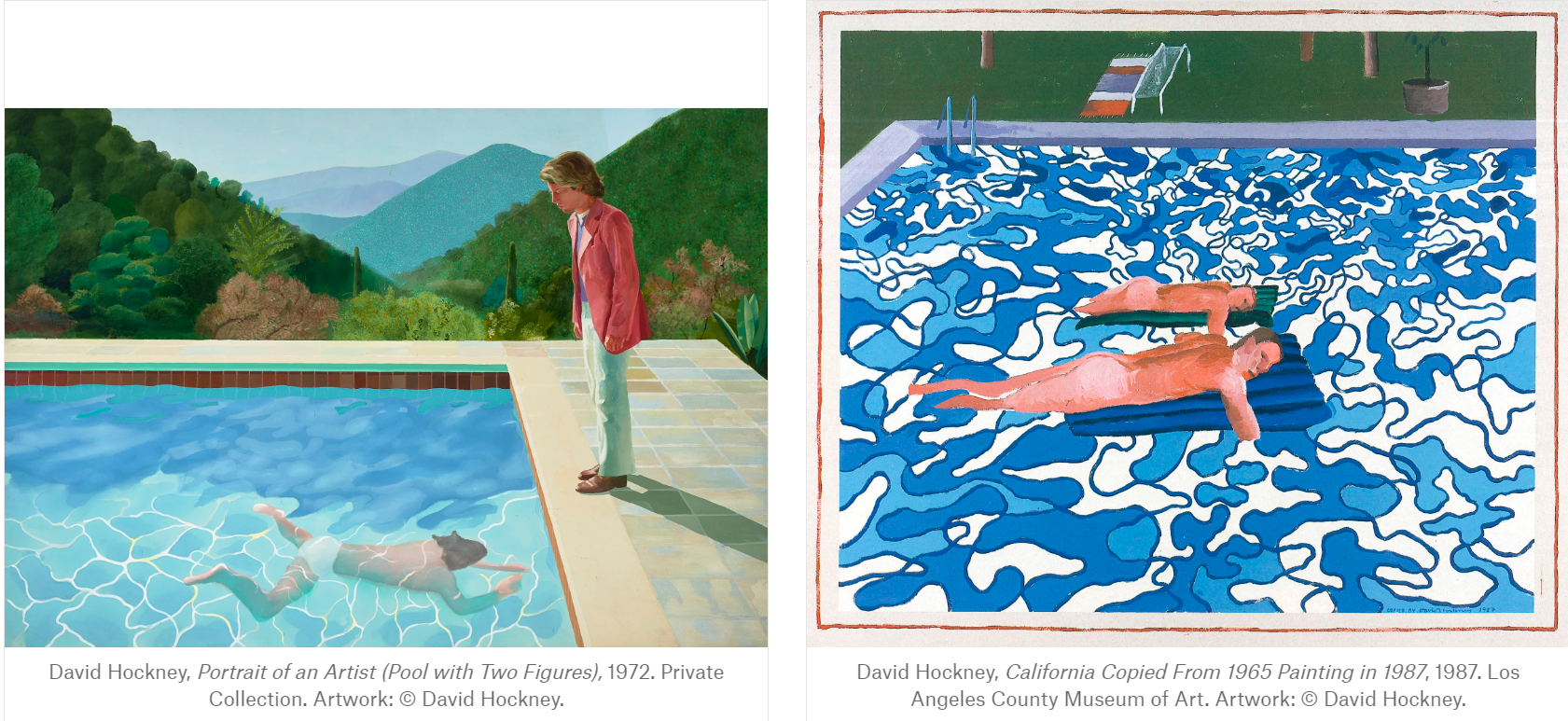
In his early swimming pool paintings, Hockney threw himself into this role. Faced with depicting the elusive, ever-changing properties of water and light, he made his first great forays into the themes of vision and perception that would come to define his practice. California’s stylized vocabulary of tangled lines and cells is particularly distinctive of this early period, predating the artist’s turn towards naturalism during the late 1960s and early 1970s. Hockney has spoken of his early interest in Jean Dubuffet’s Hourloupe paintings, produced around the same time, whose influence is palpable in the present work’s meandering jigsaw-like surface. ‘The idea of painting moving water in a very slow and careful manner was (and still is) very appealing to me’, he explained; ‘… it is a formal problem to represent water, to describe water, because it can be anything—it can be any colour, it’s movable, it has no set visual description’ (D. Hockney, quoted in N. Stangos (ed.), Pictures by David Hockney, London 1979, p. 48). Coinciding with Hockney’s embrace of fast-drying acrylic, the present work’s looping scrawl is alive with newfound euphoria, swirling with rapid, intuitive linear strokes. In places, paint drips in liquid strands, spiked with flashes of green; elsewhere, Hockney has inscribed fleeting traces of his subjects’ underwater limbs.
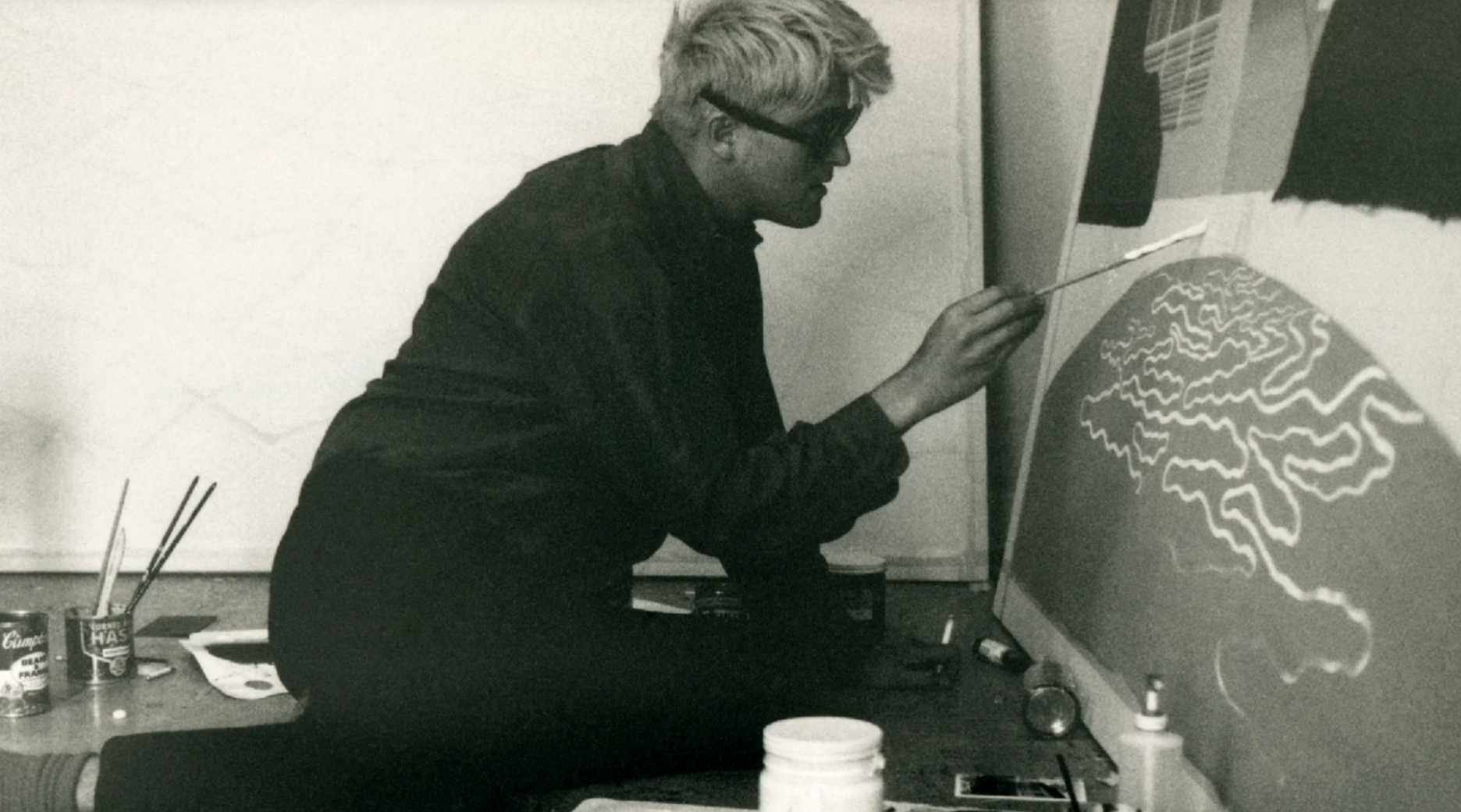
Hockney’s first introduction to California had been through the pages of Physique Pictorial: an American fitness magazine known for its homoerotic imagery. Through its photographs, he had dreamt of an Arcadian land full of sexual freedom and desire, giving rise to early portraits of naked male couplings such as Two Men in a Shower (1963, Astrup Fearnley Museet, Oslo) and Domestic Scene, Los Angeles (1963). California, similarly based on an image from the magazine, extends the language of these works. Yet it also sets the stage for Hockney’s double portraits, begun in 1968, many of which would reflect his immersion in the city’s gay literary and artistic scene. He became close friends with the writer Christopher Isherwood and his partner, the artist Don Bachardy, who featured in a majestic double portrait of 1968. Later, back in London, he painted the curator Henry Geldzahler and his boyfriend Christopher Scott. Both works have their roots in California, extending its complex perspectival play and carefully staged figural pairing. Henry Geldzahler and Christopher Scott would even echo the present work’s glass table, here topped with a delicate pair of wine glasses.
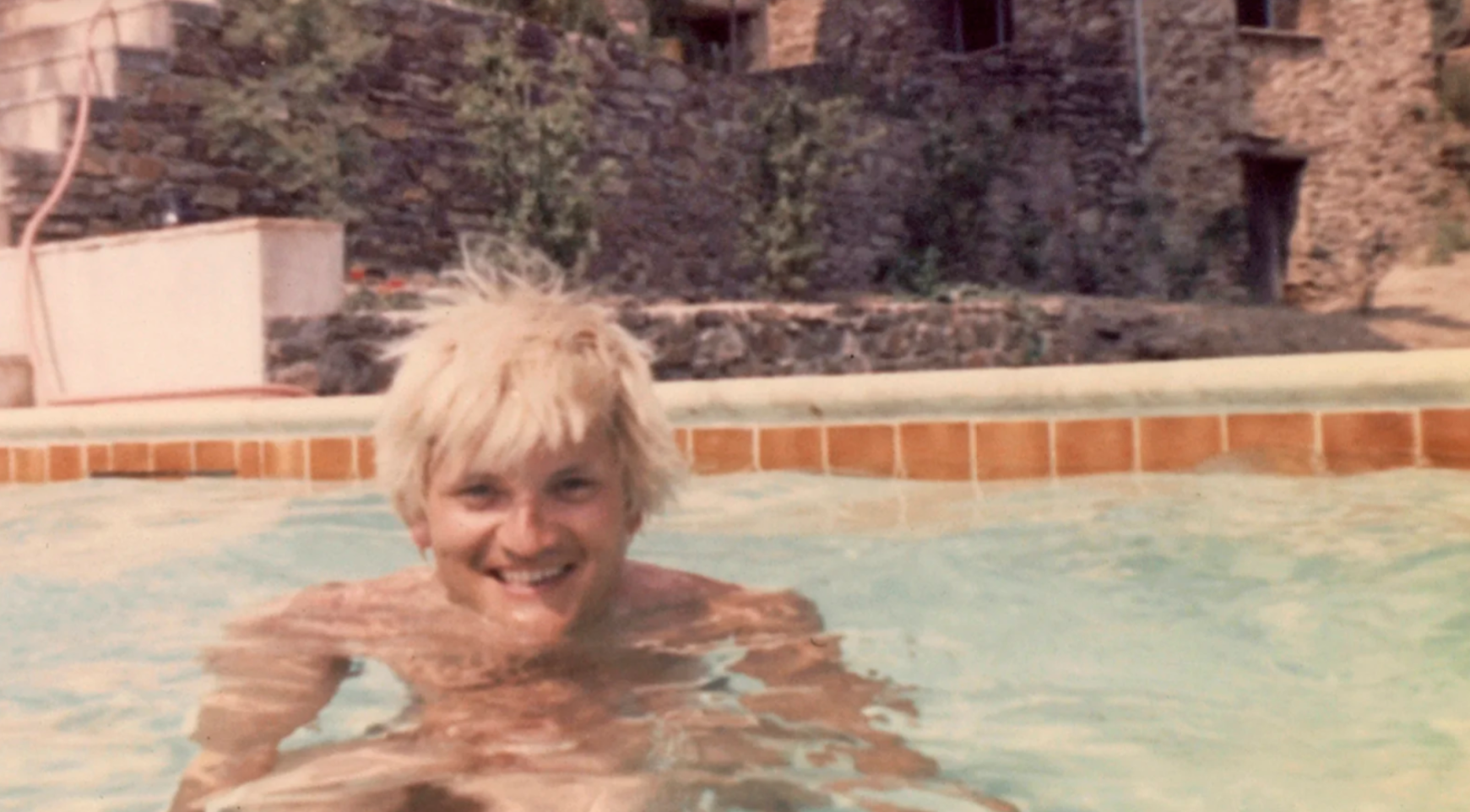
California had surpassed Hockney’s wildest dreams, and for the first time he felt truly at home. Within a week of arriving, he had set up a studio in Santa Monica and passed his driving test, cruising the wide boulevards and road-tripping to Las Vegas. The novels of John Rechy and the warm, sun-drenched paintings of Henri Matisse seemed to come to life before his eyes. He met Ed Ruscha, who would also depict the city’s swimming pools during the 1960s, and made a pilgrimage to the offices of Physique Pictorial. To Hockney, California was a fantasy come true. Melia and Luckhardt note that the present work offers ‘the representation of the region’, depicting an escapist, near-cinematic idyll (P. Melia and U. Luckhardt, ibid., p. 59). The men themselves are lithe, muscular archetypes: their sumptuously painted bodies anticipate the arrival of Hockney’s own Californian lover Peter Schlesinger in 1966, who would later feature in Portrait of an Artist (Pool with Two Figures). Over the next few years, Hockney would begin to ascend the international stage, with California and several other paintings of this period featuring in his entry for the prestigious Marzotto Prize in 1966.
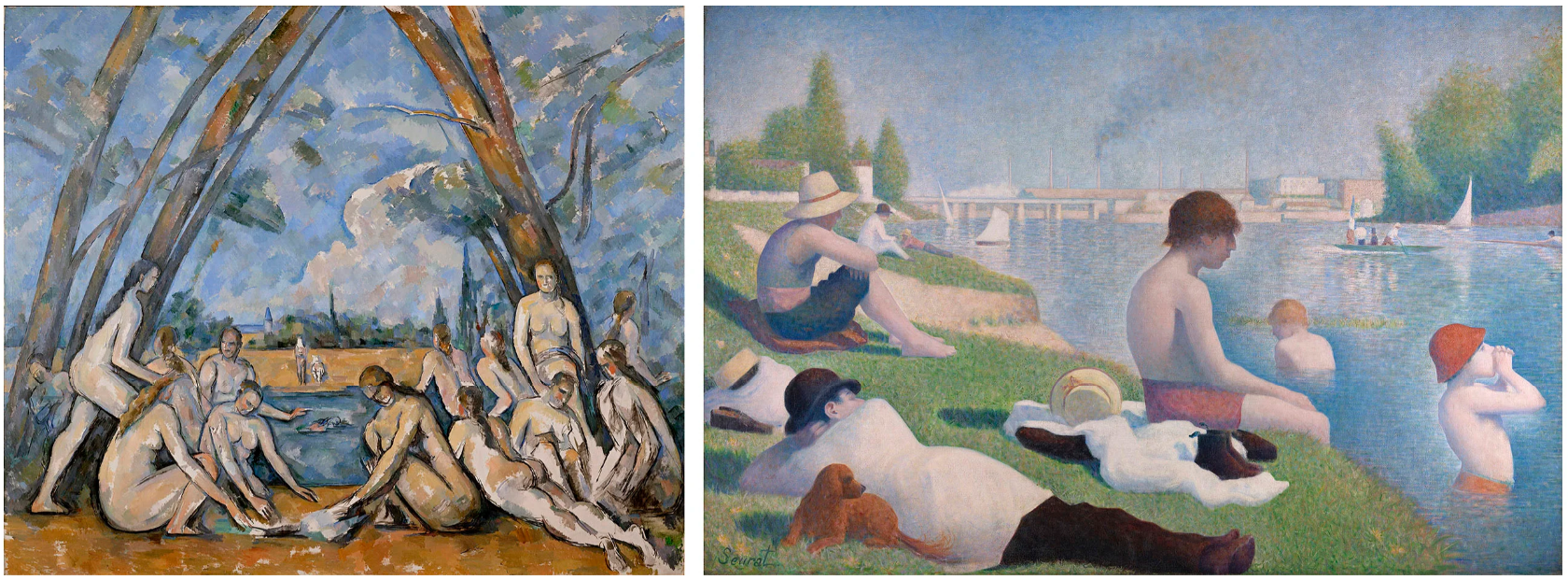
Left: Paul Cezanne, The Large Bathers, 1906. Philadelphia Museum of Art, Philadelphia. Photo: © The Philadelphia Museum of Art/Art Resource/Scala, Florence. Right: Georges Seurat, Bathers at Asnières, 1884. National Gallery, London. Photo: © The National Gallery, London/Scala, Florence.
California demonstrates the wide-ranging breadth of Hockney’s art-historical imagination during these fertile years. His depiction of reclining swimmers, notably, invokes a long and distinguished history of waterside nudes, inviting particular comparison with Matisse’s Bather (Cavalière, summer 1909) as well as conjuring the works of Ingres, Picasso, Cezanne, Seurat and others. The critic Christopher Knight has written that ‘Hockney’s pictures of swimming pools … are contemporary adaptations of the conventional literary and artistic theme of the Golden Age. The voluptuous and sybaritic bather is a primary symbol of that classical myth of origin, a myth that speaks of a lost, pastoral Arcadia of peace and harmony’ (C. Knight, ‘Composite Views: These and Motifs in Hockney’s Art’, David Hockney: A Retrospective, exh. cat. Los Angeles County Museum, 1988. p. 38). At the same time, write Melia and Luckhardt, the work’s elevated vantage point emphasises the two boys’ status as distant, passive objects of desire, implying ‘a spectator whose gaze asserts control … in the manner familiar from the age-old tradition of the female nude in art’ (P. Melia and U. Luckhardt, ibid., p. 76).
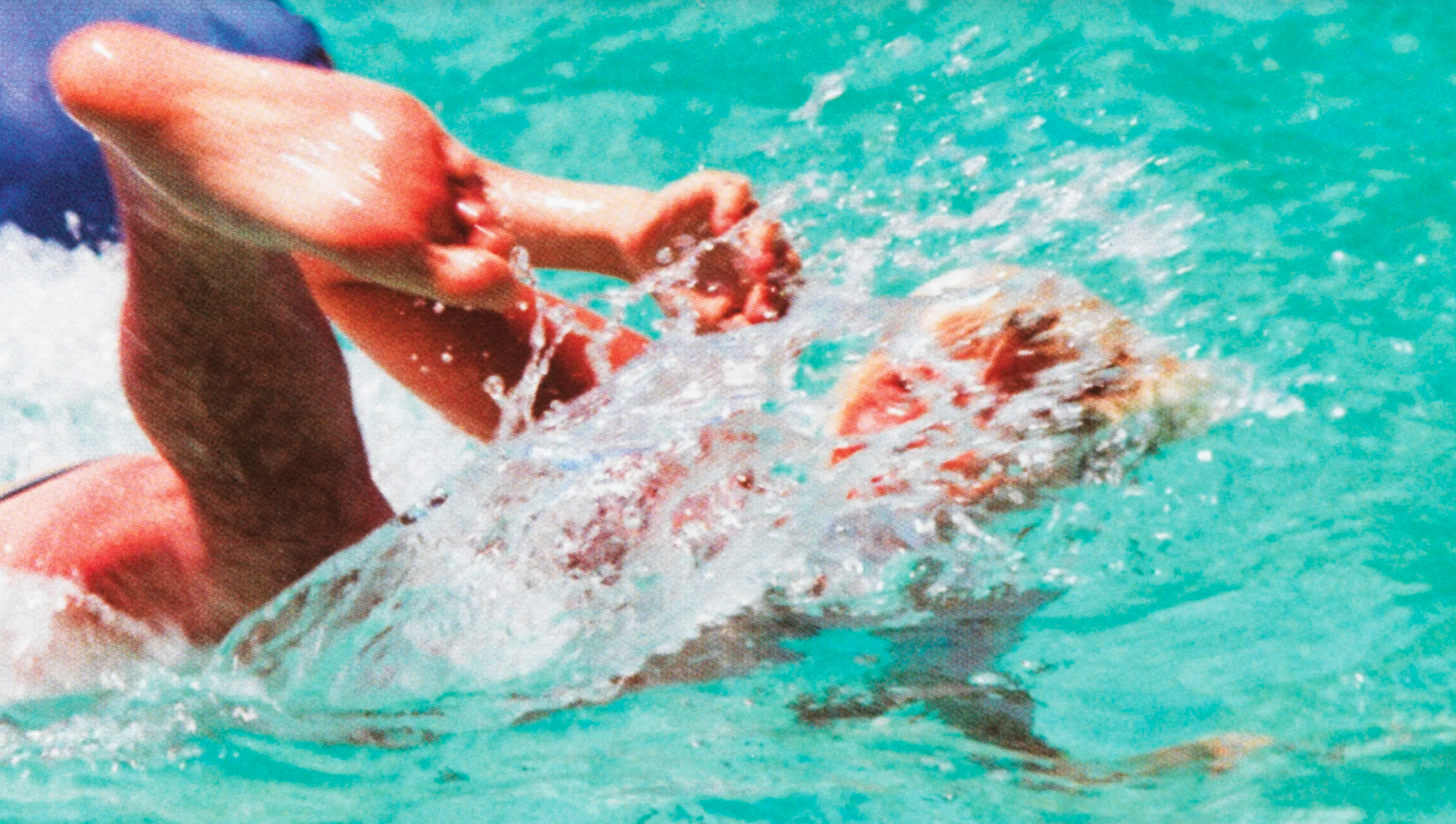
The work’s abstract elements, too, are revealing. As well as invoking Dubuffet, Hockney’s depiction of water makes reference to the so-called ‘spaghetti paintings’ of Bernard Cohen, which he greatly admired. It also invites comparison with the later works of Brice Marden, its seamless, calligraphic line collapsing all sense of perspective. Equally important in this vein were Matisse’s ‘cut-outs’: Nikos Stangos would later draw comparison between Hockney’s pool paintings and the French artist’s monumental La Piscine (1952) (N. Stangos (ed.), David Hockney: Paper Pools, New York 1980, pp. 5-6). The work’s flat colour fields conjure the works of California-based painter Richard Diebenkorn. Its complex gestural textures, meanwhile, evoke the paintings of Willem de Kooning and other Abstract Expressionists, whose works were still deeply influential during the 1960s. Hockney’s photographic source imagery and crisp graphic language chime with the currents of Pop Art, which were quickly gaining traction in America. In the upper half of the composition, cool planar divisions and angular geometries call to mind the works of Frank Stella, or indeed the burgeoning aesthetics of East and West Coast Minimalism.
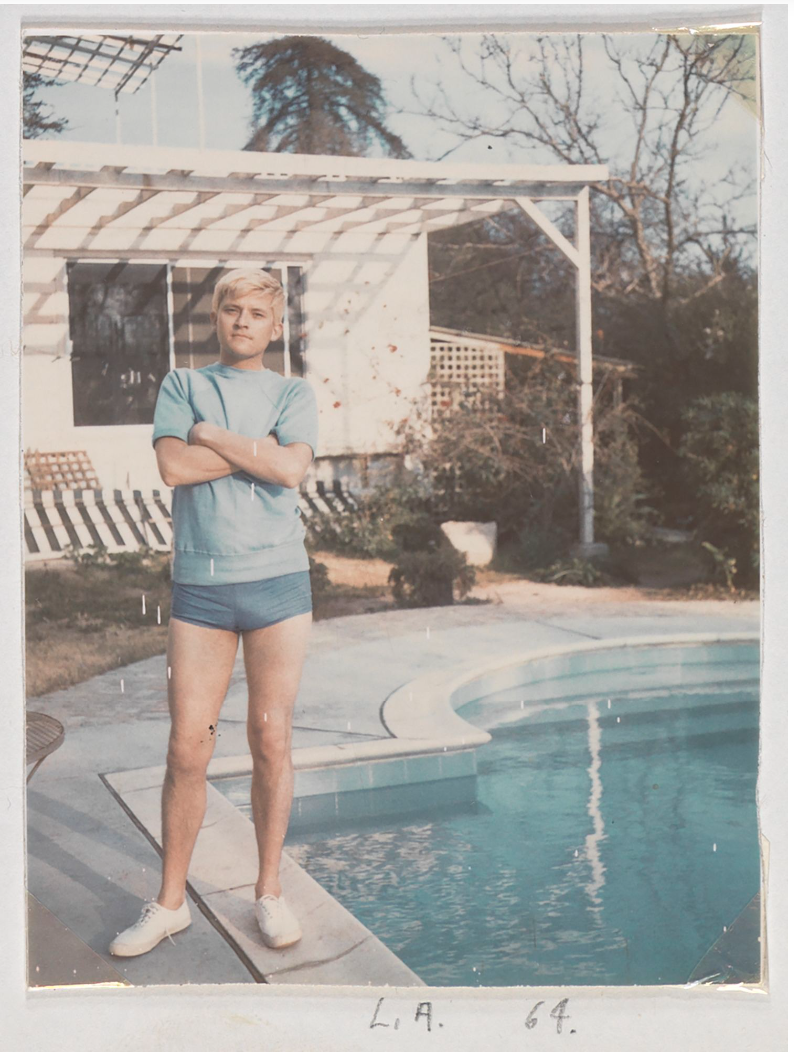
The work also demonstrates Hockney’s rigorous engagement with the formal mechanics of representation. The empty canvas border surrounding the work—here inscribed with a red band—was employed repeatedly throughout this early period. Hockney used this frame-like device, he explained, to ‘[make] the picture look more like a painting’ (D. Hockney, quoted in N. Stangos (ed.), David Hockney by David Hockney, London 1976, p. 100). This self-proclaimed ‘modernist’ aspiration manifested itself in a number of other ways. Many works, including the 1965 painting Different Kinds of Water Pouring into a Swimming Pool, Santa Monica, explicitly articulated their engagement with the idea of art as a constructed illusion. Melia and Luckhardt, meanwhile, link California to the 1965 painting Portrait Surrounded by Artistic Devices (Arts Council Collection, London), citing both works’ structural use of art-historical quotation (P. Melia and U. Luckhardt, ibid., pp. 74, 76). Hockney, who later immersed himself in the world of theatre, remained fascinated by questions of artifice and staging throughout his career. California is not just a painting of a swimming pool, but a painting of painting itself: a dazzling showcase of its possibilities, brimming with youthful confidence.
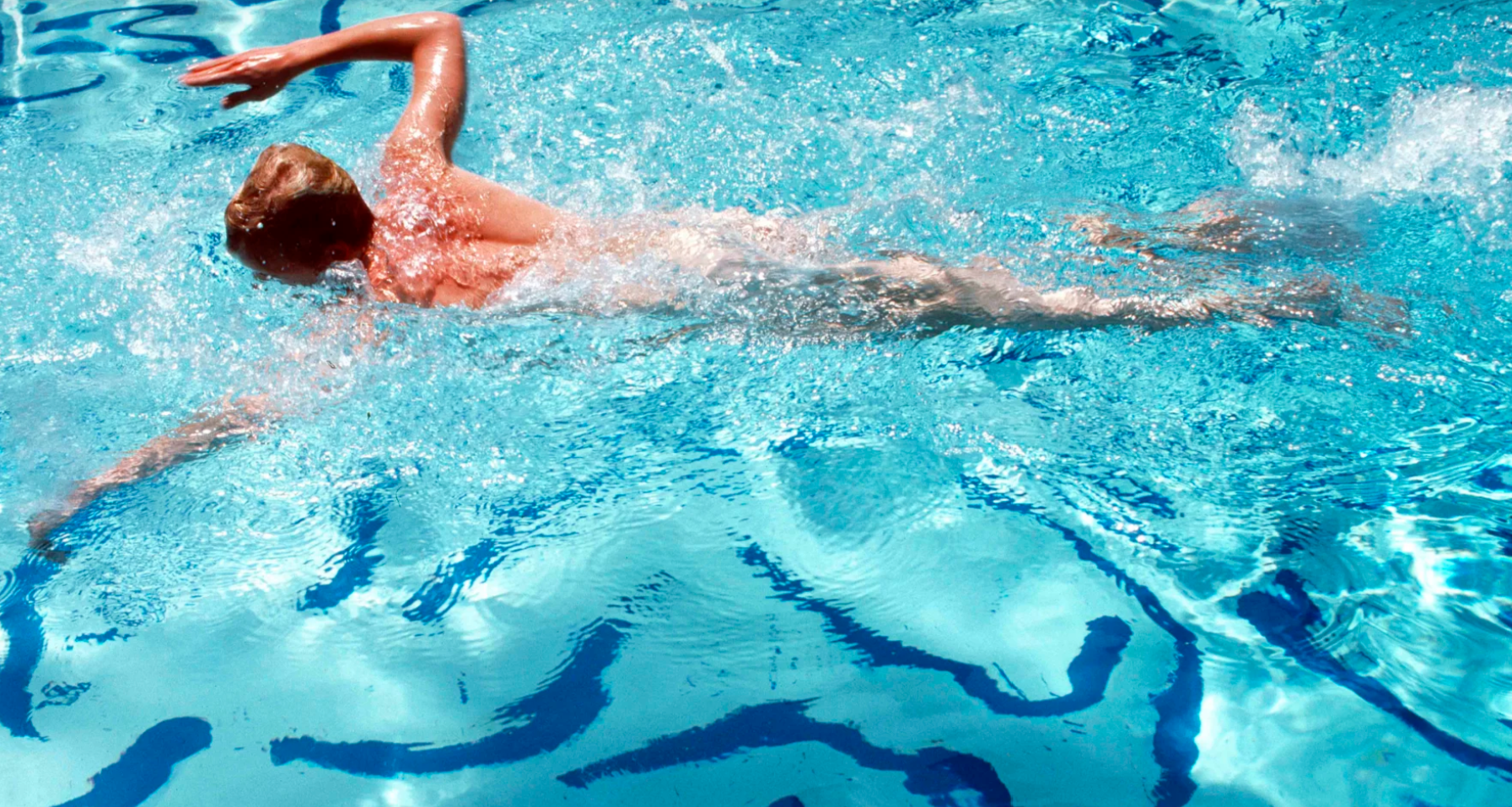
Hockney himself would eventually go one step further. Not content with simply depicting swimming pools, he painted directly onto the bottom of his own. Significantly, the undulating curved blue lines that he daubed across its concrete base shared much in common with the stylised loops of his earliest swimming pool paintings, the water activating them as it rippled and flowed. ‘When the water’s still, you see just clear through it and the lines are clean and steady’, he explained. ‘When somebody’s been swimming, the lines are set to moving. But where are they moving? If you go underneath the surface, no matter how turbulent the water, the lines again are steady. They are only wriggling on the surface, this thinnest film. Well, it’s that surface that fascinates me; and that’s what those paintings are about really’ (D. Hockney, quoted in L. Wechsler, ‘A Visit with David and Stanley Hollywood Hills 1987’, David Hockney: A Retrospective, exh. cat. Los Angeles County Museum of Art, 1988, p. 81). California, ultimately, came to life in three dimensions, its revelations tested on a grand operatic scale. Its spirited language, so rich in new promises, would live on.
Rudston to Sledmere, August, 2005
Christie’s London: 7 March 2024
Estimated: GBP 2,000,000 – 3,000,000
GBP 2,702,000 / USD 3,426,136
DAVID HOCKNEY (B. 1937), Rudston to Sledmere, August | Christie’s (christies.com)
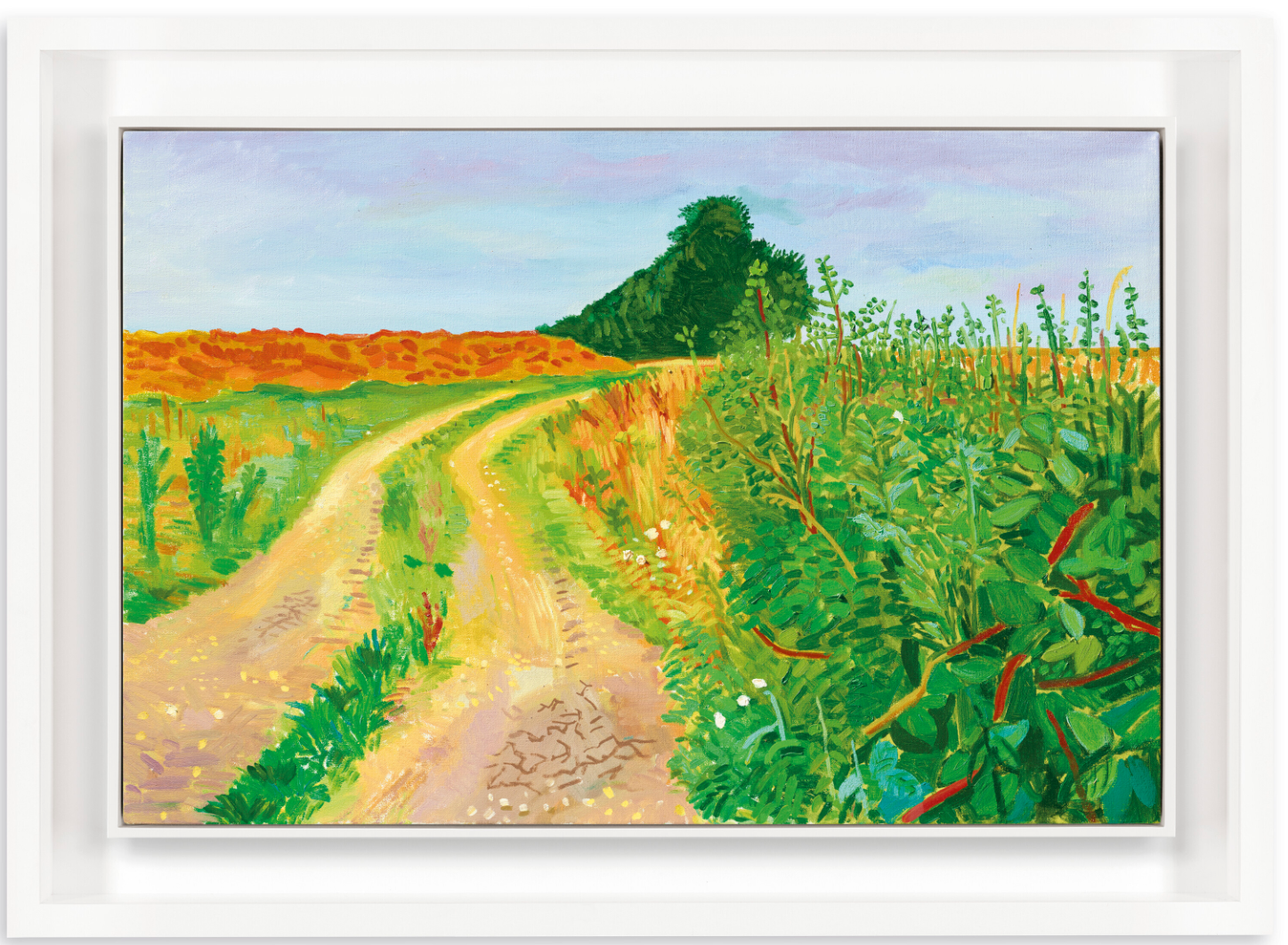
DAVID HOCKNEY (B. 1937)
Rudston to Sledmere, August, 2005
Oil on canvas
24 1/8 x 36 inches (61.4 x 91.5 cm)
Signed and dated ‘David Hockney Aug 9, 10 11, 05’ (on the reverse)
Included in David Hockney’s major exhibition A Bigger Picture at the Royal Academy of Arts, London in 2012, Rudston to Sledmere, August is a radiant work from the artist’s first wave of East Yorkshire landscape paintings. Painted in the summer of 2005, the year after he returned to the county, it captures the joy of homecoming, its surface alive with colour, light and intimately-observed detail. During this period, Hockney dedicated himself to painting outdoors, working quickly and intuitively across the seasons. The resulting canvases were expressive, heartfelt love letters to his homeland, alive with the lessons learnt under decades of California’s bright sun. Hockney’s biographer Marco Livingstone described them as ‘the most commanding he has ever made’ (M. Livingstone, ‘Home to Bridlington: Routes to a Private Paradise’, in David Hockney: Just Nature, exh. cat. Kunsthalle Würth, Schwäbisch Hall 2009, p. 188). Here, saturated with the teachings of art history, Hockney’s golden fields, winding track and wild hedgerows sing with newfound inspiration.
Hockney had long painted landscapes: from the back gardens of Los Angeles, studded with sparkling swimming pools, to the dramatic scenery of the Hollywood Hills. He had painted the Grand Canyon, and had spent many hours attempting to capture the undulating beauty of the Pacific Coast Highway. It was not until the 1990s, however, that the fields and skies of his native Yorkshire began to call to him once more. During this decade, he made repeated visits back home, prompted in part by his mother’s illness. His friend Jonathan Silver was also battling the final stages of cancer and had implored Hockney to ‘go and paint Yorkshire’. Silver’s death in 1997, followed closely by that of his mother, fueled his commitment to the cause. Major works from this period, including The Road Across the Wolds (1997), Double East Yorkshire (1998) and Garrowby Hill (1998, Museum of Fine Arts, Boston) sowed the seeds for a new engagement with landscape painting. Over the next few years Hockney chased spectacular vistas across Norway, Iceland, Spain and Italy, before ultimately returning to the land where his roots ran deep.
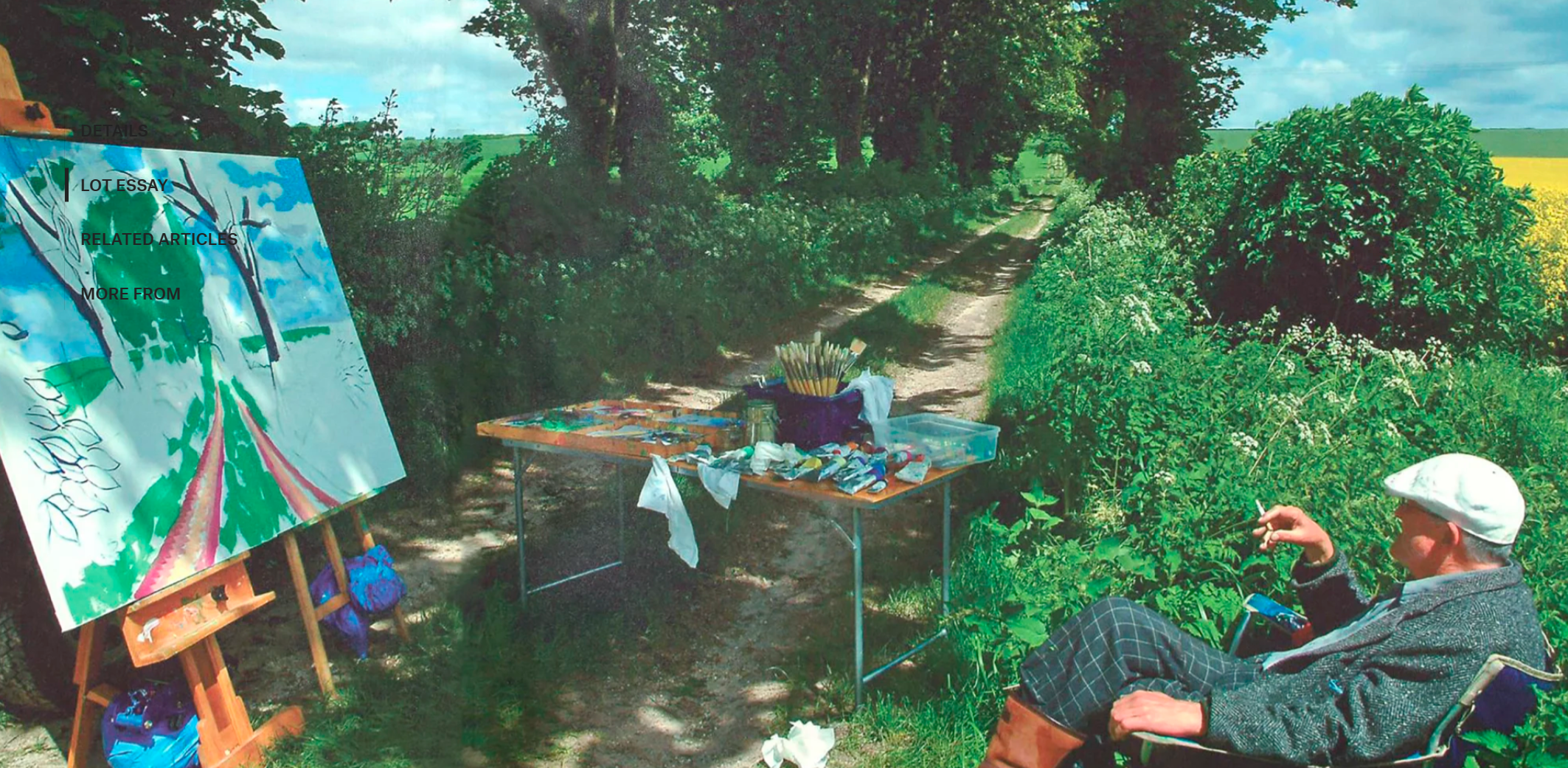
The fruits of these observations are evident in Rudston to Sledmere, August. On the right hand side of the canvas, Hockney’s hedgerow is rendered with extraordinary detail, exquisite patterns of light and shadow filtering through its unruly tangle of branches, flowers and leaves. The artist owed much of this new sensibility to his burgeoning interests in Constable, who had also devoted himself to capturing the untamed beauty of a quiet stretch of English countryside. Van Gogh and Monet, similarly—two of Hockney’s greatest long-standing influences—had returned to the same locations with cyclical obsession, immersing themselves in nature’s subtle nuances. ‘[Van Gogh] said that had lost the faith of his fathers, but somehow found another in the infinity of nature’, he explained. ‘It’s endless. You see more and more’ (D. Hockney, quoted in M. Gayford, A Bigger Message: Conversations with David Hockney, London 2011, p. 32). Over the years Hockney would perform these acts of observation through ever-more complex lenses: from film to his iPad and iPhone. In Rudston to Sledmere, August, however, the series takes flight in the quiet concentration of paint and canvas, its sun-baked path meandering slowly home.
The Twenty First Very New Painting, 1992
Sotheby’s London: 6 March 2024
Estimated: GBP 1,200,000 – 1,800,000
GBP 1,813,000 / USD 2,298,884
DAVID HOCKNEY (b. 1937)
The Twenty First Very New Painting, 1992
Oil on canvas
24×24 inches (61×61 cm)
Signed, titled and dated 1992 (on the reverse)
Bold forms and jubilant colors unwind and coalesce on the surface of The Twenty First Very New Painting, an exceptional example from David Hockney’s concise yet seminal corpus of V. N. Paintings executed in the artist’s Malibu studio between 1992 and 1993. Together with the other twenty-five works in the series, the present work has been exhibited in New York City, Glasgow, Saltaire, Yorkshire and Venice, California. Iterations have been included in all of the artist’s most important museum retrospectives to date, including those at the Tate, Pompidou, and Metropolitan Museum in 2017 and 2018.
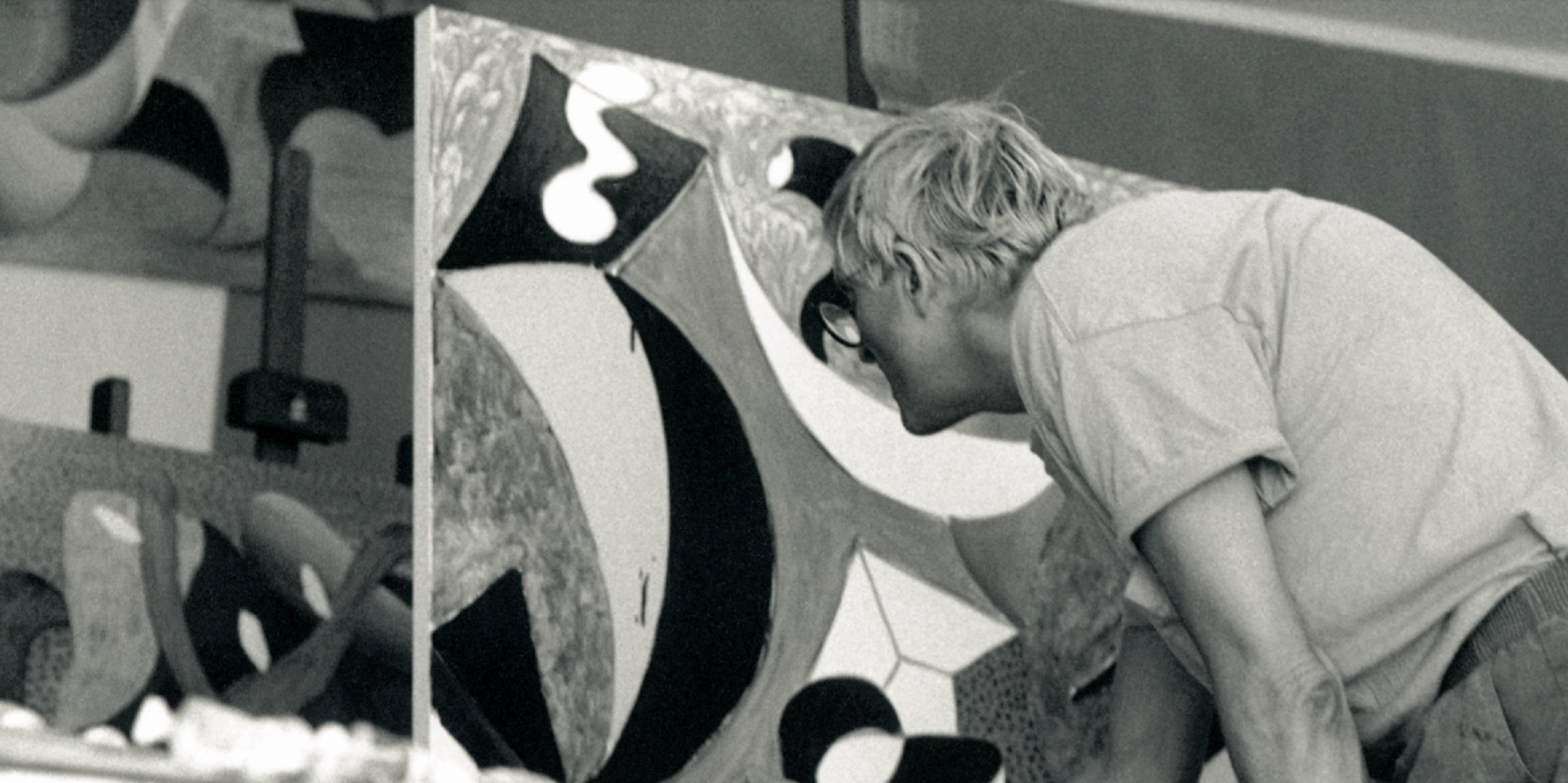
DAVID HOCKNEY WORKING IN HIS LOS ANGELES STUDIO. IMAGE: © BASIL LANGTON/PHOTO RESEARCHERS HISTORY/GETTY IMAGES. ARTWORK: © DAVID HOCKNEY
A number are still held in the artist’s personal collection, a testament to the significance of the series within his body of work. The V.N. Paintings – short for ‘Very New’ – are unlike anything Hockney had previously created. The artist drew upon both his recent landscape paintings of the Santa Monica Mountain and his theatre set designs to explore representation, abstraction, and light. In 1990 and 1991 he worked on the production design for Puccini’s Turandot and Strauss’s Die Frau ohne Schatten, both of which opened in 1992. The opera sets were masterful studies of the effects projected light can have on a surface, fantastical landscapes shifting constantly under the bath of jewel-toned light. The present work evokes the surreal, dreamlike effect achieved by those sets—distilled and encapsulated by rich hues and complex spatial arrangements into an otherworldly abstract landscape.
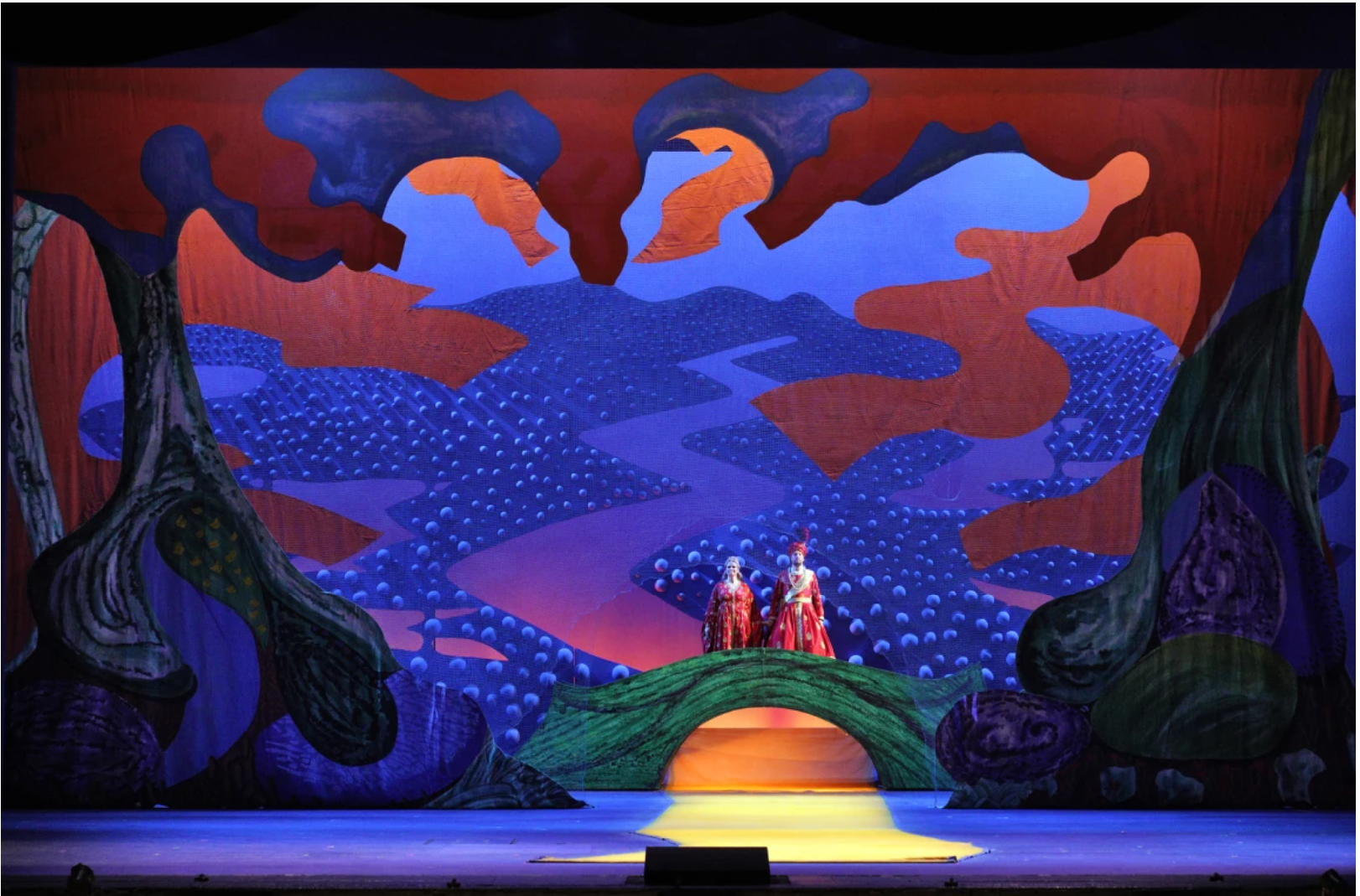
DAVID HOCKNEY’S SET DESIGN FOR DIE FRAU OHNE SCHATTEN. CORY WEAVER/COURTESY SAN FRANCISCO OPERA/ ARTWORK: © DAVID HOCKNEY. THE DAVID HOCKNEY FOUNDATION
Textures, colors, shapes, and patterns abound in The Twenty First V.N. Painting. Sixteen blue roundels are carefully positioned on a grey outcrop at the top right of the composition in a manner redolent of players on a stage; we can observe their individual shadows suggesting dramatic lighting, and sea of stippled red in front of them recalls a vast audience. The swathes and passages of daubed and flecked color that surge up along the left and right sides act to frame the composition, like the walls of an enormous theatre. Light seems to come from both the front, behind, and above the scene all at once. Meanwhile, to the fore, a large teal shape, resembling an oxbow lake, brims with organic ovoid forms resembling cells or amoebae, surging upward as if to swallow the upper register. The overall effect is at once wildly uncanny yet unexpectedly balanced.
David Hockney
Sotheby’s London: 6 March 2024
Estimated: GBP 1,500,000 – 2,000,000
GBP 1,863,000 / USD 2,362,284
DAVID HOCKNEY (b. 1937)
Andalucia. Fountains, Cordova, 2004
Watercolor on paper, in two joined sheets
29 1/2 x 83 inches (74.9 x 210.8 cm)
Signed with the artist’s initials and dated 04 (lower left)
David Hockney’s Andalucia. Fountains, Cordova belongs to a small group of six watercolors which the artist created following a trip to Spain in January of 2004. Hockney had spent the first half of the year on a number of trips to see the rural landscapes and architectural sites across France, Spain and Italy. Later in the summer of 2004, he exhibited a group of watercolors from his trip to Spain, including the present example at the Summer Exhibition at the Royal Academy of Art in London, which Hockney and Allen Jones co-curated. The lush garden and flowing fountain are sprawled across two sheets of paper, a format that is seen throughout Hockney’s watercolor landscapes. The perfectly arched streams cascade down the central pool, lined with a brick pathway and flowerbeds that lead onto a distant fortress wall. Reflecting his fascination with the fluid qualities of water and light, Andalucia. Fountains, Cordova wonderfully transposes a fragment of his travels into an impressively rendered large-scale painting.
DAVID HOCKNEY WITH THE PRESENT WORK AT THE ROYAL ACADEMY’S SUMMER EXHIBITION IN 2004/ IMAGE: © ALAMY/ ARTWORK: © DAVID HOCKNEY FOUNDATION
Hockney spent the early years of the 2000s travelling and experimenting with painting landscapes in watercolor, including trips to France, Egypt, Norway and Iceland followed by Spain where the present work was created. Following this trip to Spain, he would go on to paint in Italy, creating watercolors of Lake Como, before returning to England, where he began the celebrated body of landscapes depicting the Yorkshire countryside. By the time the present work was painted, Hockney had fully immersed himself in the watercolor medium. He had begun experimenting with watercolors a few years earlier in London, but it was in the months following his move to California in the summer of 2003 that his love for the medium took full force. The nature of the paint application allowed for a sense of immediacy, unforgiving of any mistakes, and hence prompting a new mode of seeing and working. In Andalucia. Fountains, Cordova, Hockney brilliantly capitalizes on the fluid qualities of the medium, embracing the inherent ebb and flow of pigment to create a dynamic range of transparencies and sharpness. Pooling the watercolor to yield concentrated, vivid tones, he captures the cool reflections of the fountain and the glistening flowerbeds with exquisite fullness, whilst also creating areas of intricate detail indicative of his mastery. “Hockney’s fascination was in using a watery medium for the representation of a watery subject,” writes Nikos Stangos, “bringing together many of the themes he most loves: the paradox of freezing in a still image what is never still, water, the swimming pool, this man-made container of nature, set in nature which it reflects, the play of light on water…” (Nikos Stangos, David Hockney: Paper Pools, New York 1980, p. 6).
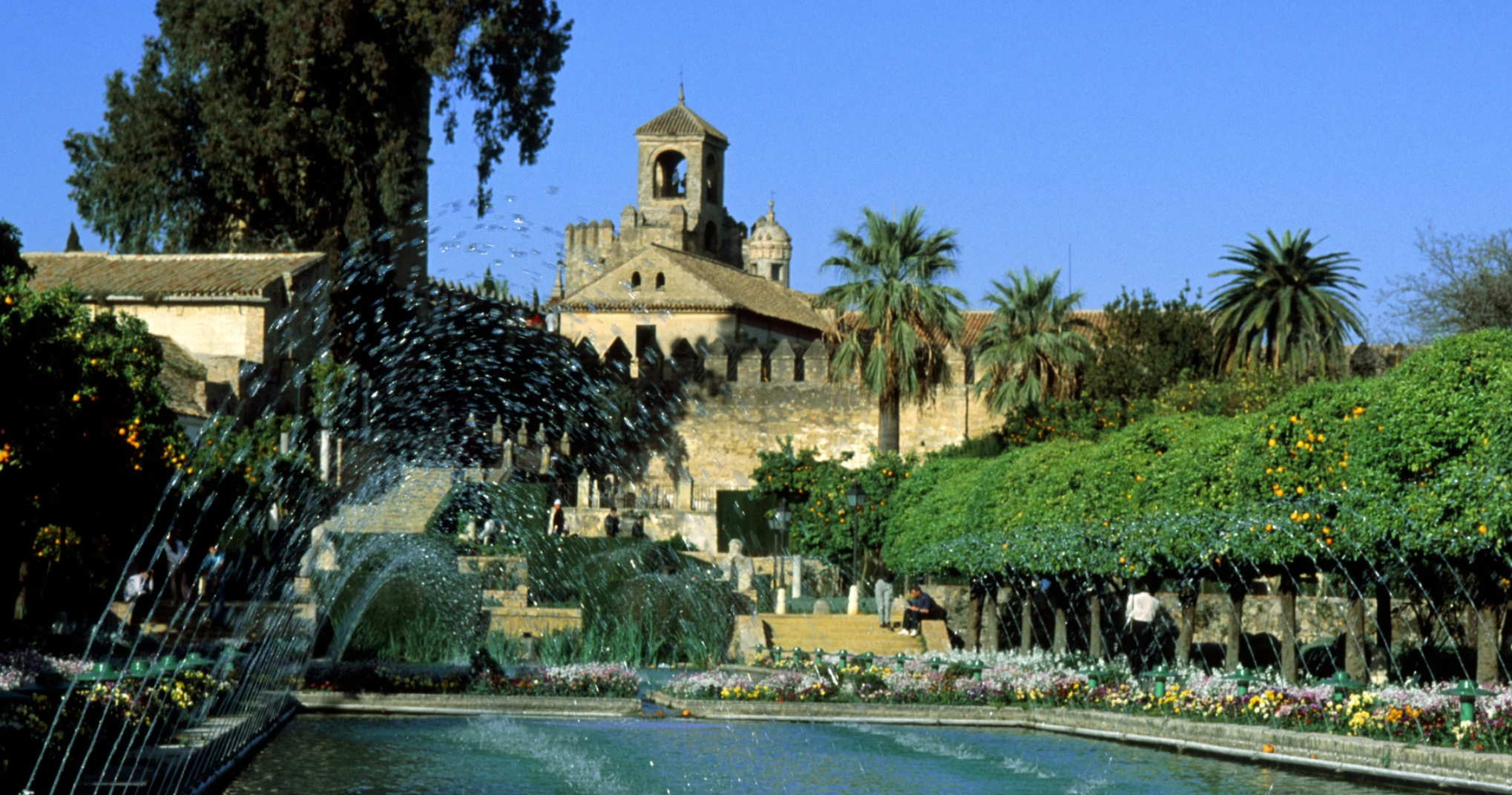
ALCAZAR GARDENS IN CORDOBA SPAIN / IMAGE: © ROGERPIX / ALAMY STOCK PHOTO
Light has always been one of Hockney’s greatest artistic preoccupations, and the pursuit of different lights has been a strong factor in his motivations to travel to the various destinations around the world. Indeed, light has long been a great source of inspiration for travelling artists, such as The Hamptons for Jackson Pollock and Tangier for Henri Matisse, the streaming sunlight in Window at Tangier capturing the luminous warmth of the North African light. Hockney has long been attracted to the sun and warmth of southern Europe, the strong, undiluted light being a constant inspiration. Hockney undoubtedly visited the Gardens of the Alcázar during his trip to Cordova, a complex of gardens and orchards dating back to the 10th century, famous for their elegant fountains and ponds. In Andalucia. Fountains, Cordova, Hockney captures the tree-lined fountains with the ancient walls of the Alcázar de los Reyes Cruistianos in the distance, the blazing Spanish sun shining onto the cool fountains. Speaking of his trip to Spain, Hockney reminisced: “I went to every place the tourists go. I went off season, so there were not too many tourists. You should go south in winter and north in summer, as Queen Victoria did, and she was right. You get great light” (David Hockney quoted in: David Hockney, Hockney’s Pictures, London, 2004, p. 294). Hockney painted from memory or on site, but refrained from painting from photographs, saying that “sometimes I painted from memory. Sometimes there, responding to the space. I wouldn’t look through cameras. I took a large brush and responded to the space” (David Hockney quoted in: Ibid, p. 295). Focusing on his own interpretation of the environment rather than creating a record of a place, paintings of Hockney’s travels are imbued with personal sentimentality, acting as a vessel in which his feelings and memories are held.
3.2. Andy Warhol
Portrait of Princess Diana, 1982
Phillips London: 7 March 2024
Estimated: GBP 1,200,000 – 1,800,000
GBP 2,407,500 / USD 3,052,710
Andy Warhol – 20th Century & Contempor… Lot 12 March 2024 | Phillips
ANDY WARHOL
Portrait of Princess Diana, 1982
Synthetic polymer and silkscreen ink on canvas
50 x 42 3/8 inches (127 x 107.5 cm)
Signed and dated ‘Andy Warhol 82’ on the overlap
More than any other artist, Andy Warhol redefined the role and visual language of the icon for the 20th century. Here a young and radiantly beautiful Lady Diana Spencer looks out at the viewer with an openness and warmth that would come in later years to define her as the ‘People’s Princess.’ Although it was then Prime Minister Tony Blair who immortalized her as such in the immediate wake of her tragic death, it was a phrase that captured the deep sentiments and sense of loss felt by a nation in mourning, reflecting the kindness and selfless charity that she demonstrated through her public engagements.
Executed in 1982, following the wedding of Diana to Prince Charles the year before, the work is a strikingly tender portrait of the young princess, the prominent display of her engagement ring a poignant symbol not only of her marriage to Charles, but of her deep love and commitment for her people. Alongside Warhol’s defining Pop portraits of Marilyn Monroe and Jackie Kennedy, Portrait of Princess Diana exemplifies the artist’s unique ability to select timeless images that not only distill the captivating essence of his subjects, but that transform them – under the artist’s treatment – from celebrities into cultural icons of their time. While Marilyn embodied the combination of glamour and tragedy that would become synonymous with the age of celebrity, as First Lady, Jackie represented America’s own equivalent of the Modern Royal family, her vivacity, beauty, and faultless sense of style elevating her to an ideal of dutiful femininity for many American women echoed in the popular conception of Diana some decades later.
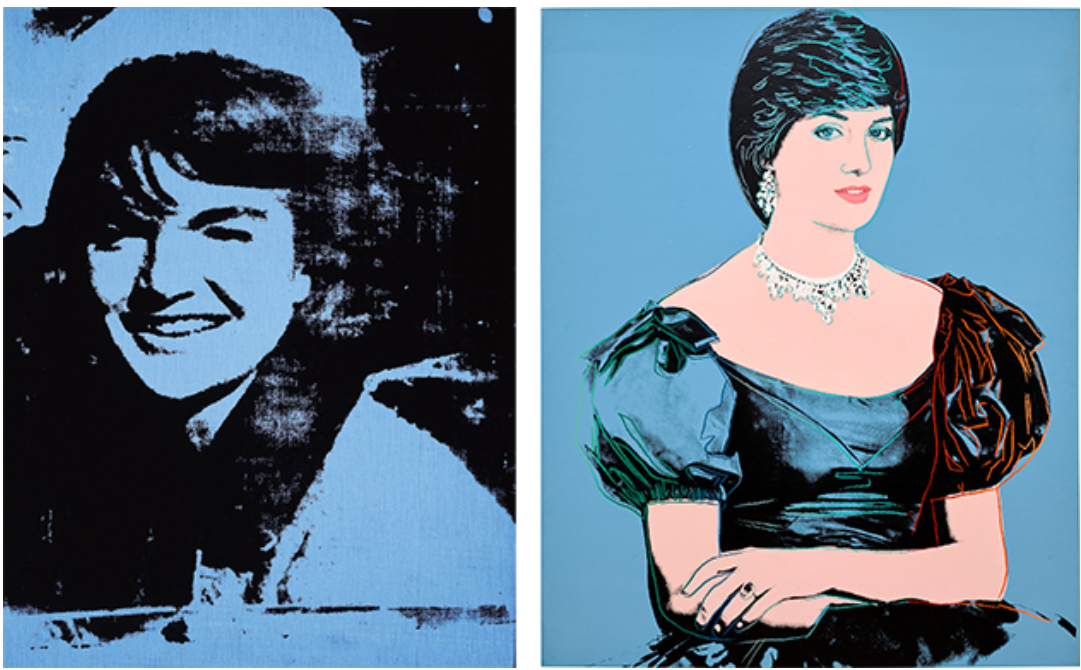
[Left] Andy Warhol, Jackie (Smiling), 1964, Museo Jumex, Mexico City. Artwork: © 2024 The Andy Warhol Foundation for the Visual Arts, Inc. / Licensed by DACS, London
[Right] The present work
More than any other figure in the Royal Family, Diana’s youth, grace, and beauty captured the hearts and minds of the public, marking her as undoubtably one of the most iconic and adored women of the late 20th century. As Warhol so perceptively anticipated decades before, the rise of media technologies and the cult of celebrity ensured that her image was widely circulated throughout the 1980s and 90s, making her universally recognizable and blurring the boundaries between public image and the more complex contradictions of private life. It is perhaps this tension that initially drew Warhol to Diana, speaking as it does so directly to his own, long-standing fascination with the tensions between beauty and tragedy, glamour, and the darker underside of celebrity. The engagement of Charles and Diana in 1981 generated enormous public interest, with the young Diana followed by journalists and photographers trying to build a picture of this softly spoken, warm, glamourous, and refreshingly open future member of the Royal Family. Instantly winning over the British public, Diana seemed to offer a new, more modern face of the Royal Family, and the courtship was played out like a fairy-tale in the press leading up to the wedding day, which was itself televised to over 750 million viewers worldwide. Arranging the finely dressed couple in front of a rich, antique hanging tapestry, Lord Snowdon’s official engagement portrait of the two reinforced these ideas, Charles the dashing prince in full naval regalia with his demure bride-to-be and assumed future Queen of England seated beside him, hands folded gently in her lap.
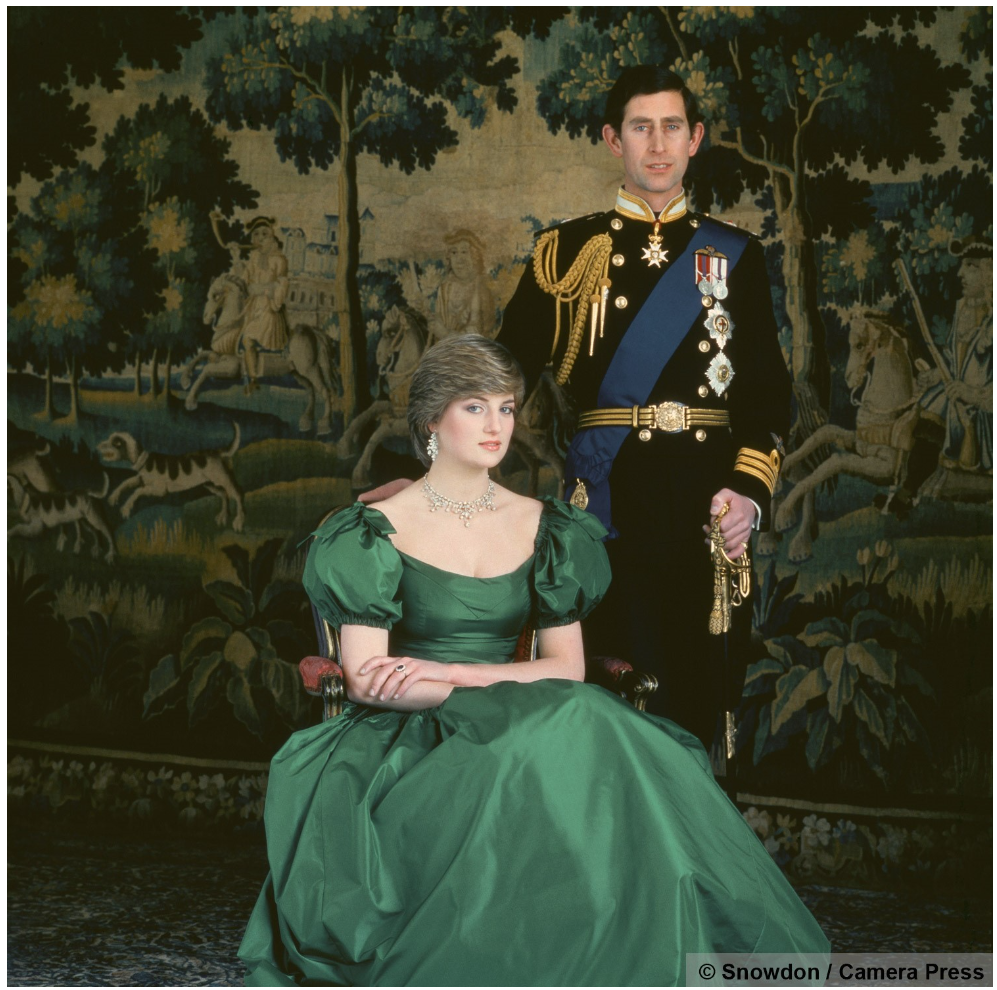
Lord Snowdon, Official Engagement portrait of Charles and Diana. Image: © Snowdon / Camera Press
Reproduced and distributed worldwide, the portrait officially announced the couple as future leading Royals, in what for Warhol must have had certain resonances with the circulation of publicity shots used by film studios in the promotion of their new releases and leading stars. Famously, the image selected by Warhol in his infamous series of Marilyn screen print paintings had been just that – a publicity photo taken used to promote her 1953 film Niagara. As with Snowdon’s source photograph here, in selecting this particular image of Marilyn, Warhol also transformed it, cropping the image to bring Marilyn’s face more closely into focus and turning it into one of the most immediately recognizable motifs today. Similarly, in Portrait of Princess Diana Warhol drastically crops the image, removing Charles completely so as to focus our attention more directly on Diana’s enigmatic expression and magnetic appeal. In an important distinction however, Warhol’s depictions of Marilyn and Jackie were always already tinged with tragedy, memento mori pieces that were created shortly after the shocking and untimely deaths of Monroe and President Kennedy that Warhol would retrospectively link to his somewhat bleaker portrait of American culture explored in his Death and Disaster series. As the years passed, the press focused increasingly on her loneliness and isolation in the later years of her marriage while continuing to emphasise the kindness and love that she showed her people. This crystallised the popular image of her, which is now forever shadowed by the tragic events that led to her shocking death in Paris in 1997, and the national outpouring of grief that followed. Like Marilyn, in Portrait of Princess Diana we now find the perfect confluence of celebrity, beauty, disaster, and mass media that so fascinated the artist, and are so deeply woven in his approach to the icon in the modern day.
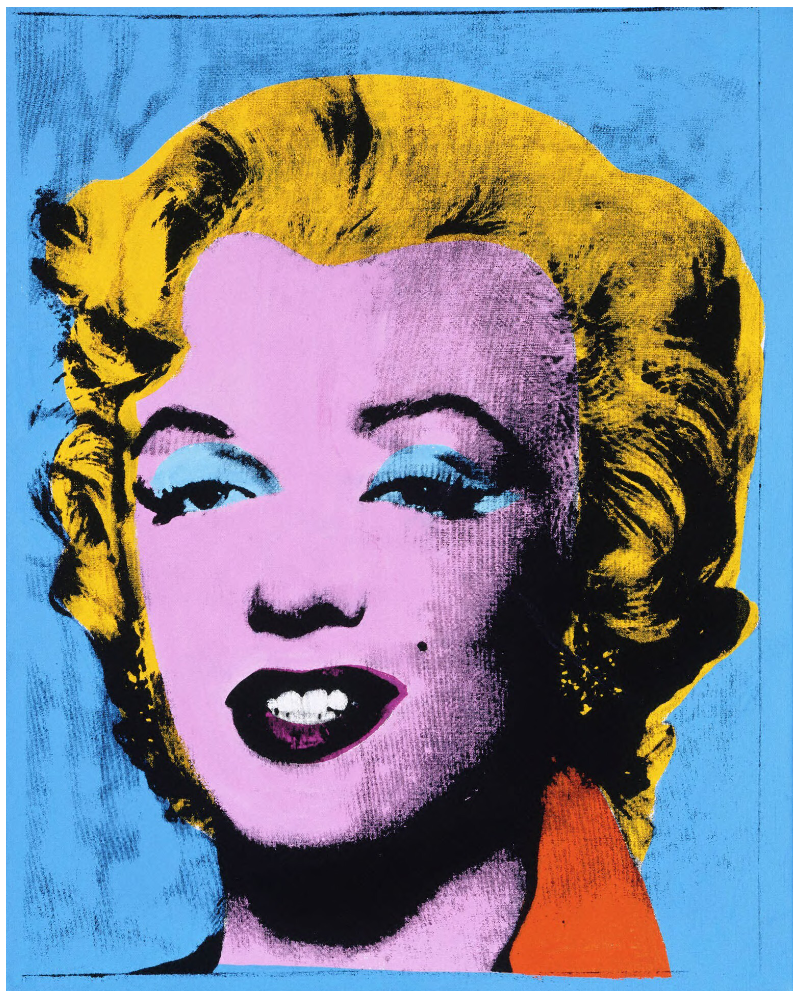
Andy Warhol, Blue Marilyn, 1962, Princeton University Art Museum, New Jersey. Image: Princeton University Art Museum. Gift of Alfred H. Barr Jr., Class of 1922, and Mrs. Barr, Artwork: © 2024 The Andy Warhol Foundation for the Visual Arts, Inc. / Licensed by DACS, London
Closely linked to his slightly later Reigning Queens series – which naturally included depictions of her mother-in-law, Queen Elizabeth II alongside other female monarchs of the day – Diana’s vitality and youthful spirit is brought to life in this portrait by the vibrant, animated lines added to her hair and details of her dress. One of only four Princess Diana works in this format, the present iteration in its dazzling blue is undoubtably the most powerful of the set. Echoing the striking tones of her famous engagement ring – subject to much attention in the press at the time, and more recently in the hugely successful television series, The Crown – the silkscreened composition’s bold contrasts and embellished details also draw on a long visual history of the robed Madonna that would certainly have resonated with Warhol, who was raised a Byzantine Catholic by his Eastern European parents. Like these icons of the Middle Ages, in Portrait of Princess Diana, Warhol creates a universal and timeless symbol of grace, love, and forbearance – a true icon for our times.
With the recent passing of Queen Elizabeth and ascension of Charles and Camilla to the throne, the pathos of Portrait of Princess Diana seems especially redolent, the extent to which she remains such a powerful figure in our collective imagination underscored by the various portrayals of her in film and television in recent years. There is something inherently Warholian in the desire to recover the essence and story of Diana through these performances as the enthusiastic reaction to The Crown testifies to, immortalising her once again on our screens and in our hearts.
Flowers, 1964-65
Sotheby’s London: 6 March 2024
Estimated: GBP 1,200,000 – 1,800,000
GBP 1,113,800 / USD 1,412,298
Flowers | Modern & Contemporary Evening Auction featuring The Now | 2024 | Sotheby’s (sothebys.com)
ANDY WARHOL (1928 – 1987)
Flowers, 1964-65
Acrylic and silkscreen ink on canvas
14×14 inches (35.6 x 35.6 cm)
Signed and dated 64 (on the overlap)
Executed between 1964-65, Flowers is elegant in its intimate scale, poignant simplicity, and its bright palette. Four fluorescent pink flowers float upon an encompassing and translucent backdrop of blackness; these bright almost abstract forms radiate a striking immediacy synonymous with one of the Pop era’s most enduring bodies of work: Andy Warhol’s Flowers. Flowers is distinguished from the group by its crisply rendered screen and rare fluorescent color, giving the image unparalleled sharpness and striking immediacy.
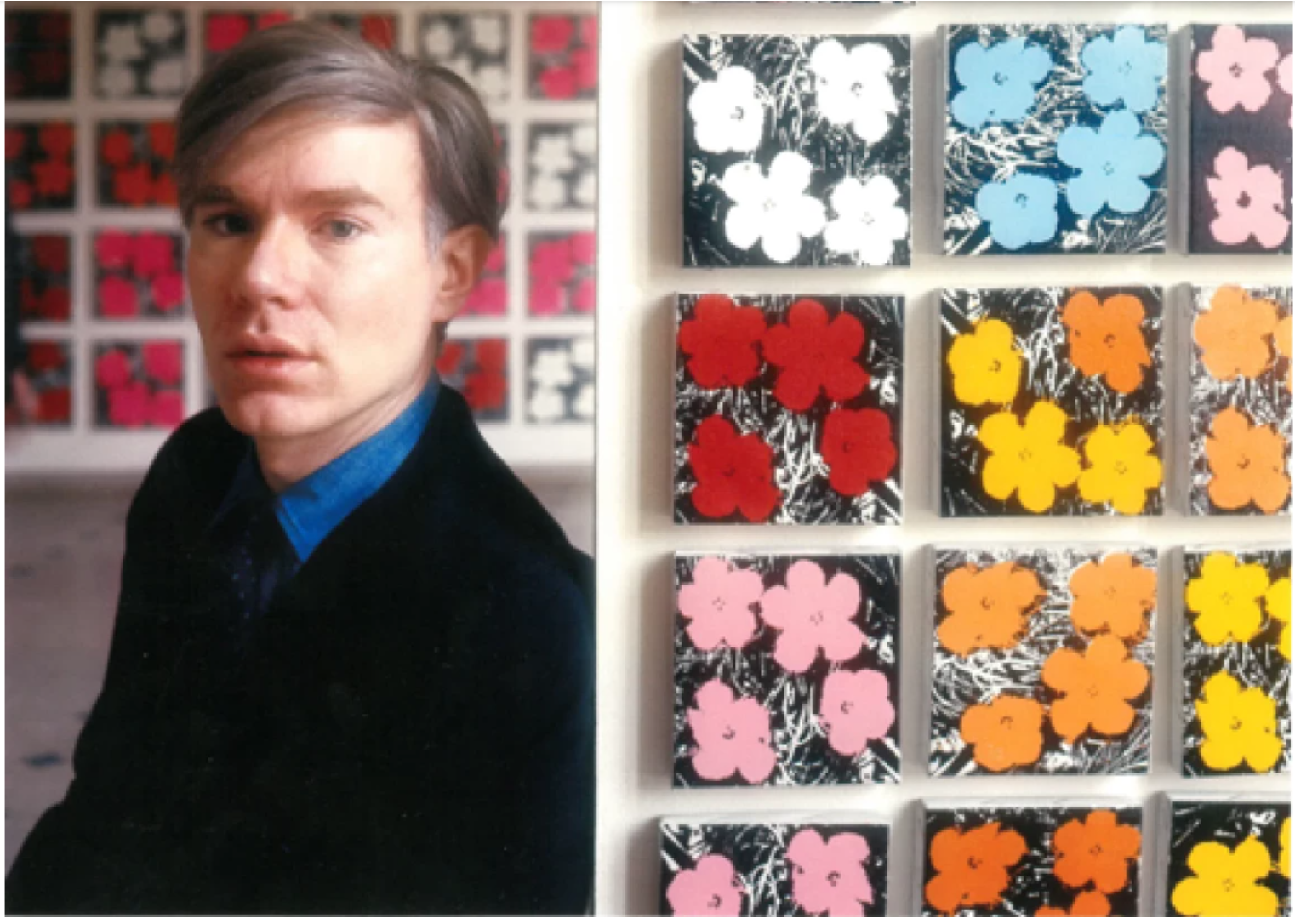
Whilst Warhol’s previous series—Death and Disaster—exploited photographs of car crashes, the electric chair and suicide, the Flowers seem to be distanced from this morbidity with their bright palette. Yet, the motif of the hibiscus is laden with tragedy that permeates Warhol’s entire oeuvre. Hibiscuses signify beauty, and especially the fleeting nature of beauty and fame, a symbolic meaning that wouldn’t have escaped Warhol. The Flowers became metaphors for a generation that changed artistically, socially and politically in a supremely important decade. Continuing Warhol’s typical use of mass imagery as source material, the Flowers series comes from a sequence of photographs on seven hibiscus blossoms, published in the June 1964 issue of Modern Photography to accompany an article on the new Kodak home color processing system. Modern Photography’s executive editor Patrick Caulfield took the original horizontal-format photographs and printed them with subtle color variances to illustrate the compelling visual effects of different exposure times and filter settings. Warhol further cropped, rotated, and printed versions of this extract into a square composition.
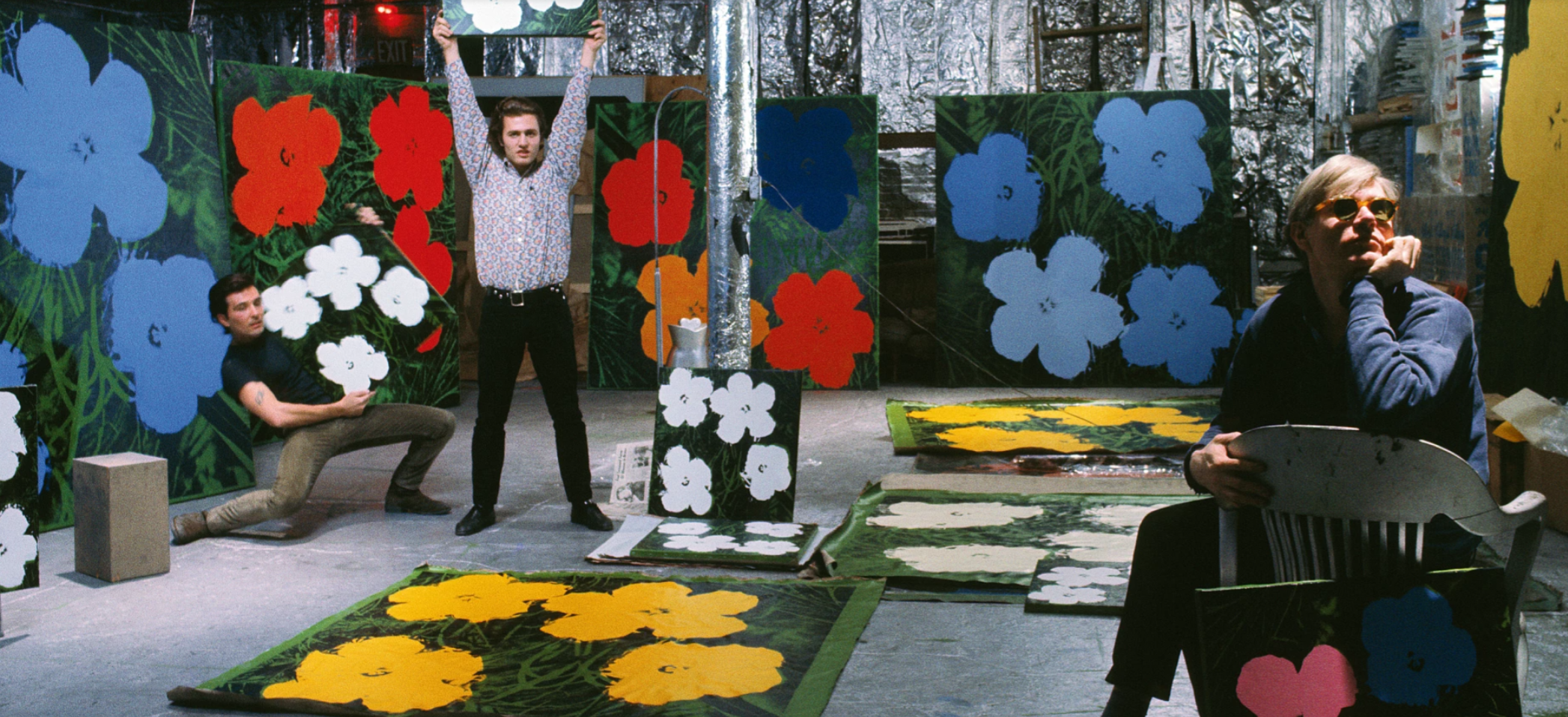 During the summer of 1964, Warhol executed canvases portraying this composition in formats measuring eighty-two, forty-eight- and twenty-four-inches square, intended for an exhibition with his new dealer Leo Castelli to open in New York in November. Castelli already represented the leading artists of the day, including Robert Rauschenberg, Jasper Johns, and Frank Stella; Warhol’s introduction into Castelli’s exclusive circle catapulted him into the highest echelons of artistic eminence and cemented his place in the canon of twentieth-century art history.
Flowers is among the smaller canvasses from the series, measuring twenty-four by twenty-four inches, that Warhol produced specifically for an exhibition at the Galerie Ileana Sonnabend in Paris in the spring of 1965. Unlike those in the Castelli exhibition, the Flowers made for the Sonnabend exhibition are painted on a white rather than green background; in the present work, this compositional choice means the fluorescent shapes contrast dramatically with the dark and hazy background. Ever since the Ethel Scull commission in 1963, Warhol found freedom in working in the square format—for it challenged the idea of a fixed upright—as Warhol could exhibit them in endless configurations to induce subtle variances in form and color and elicit rhythmic patterns. The gaps in between were narrower, creating this tiled structure of fluorescent flowers. Arranging the small canvases in a grid-like matrix, Warhol transformed the Galerie Ileana Sonnabend—the tesserae of Flowers reminiscent of those in Byzantine churches—into a spiritual mecca to Pop Art.
One Multicolored Marilyn (Reversal Series), 1979-1986
Christie’s London: 7 March 2024
Estimated: GBP 800,000 – 1,200,000
GBP 1,068,500 / USD 1,354,858
ANDY WARHOL (1928-1987), One Multicoloured Marilyn (Reversal Series) | Christie’s (christies.com)
ANDY WARHOL (1928-1987)
One Multicolored Marilyn (Reversal Series), 1979-1986
Acrylic and silkscreen ink on canvas
16×14 inches (40.6 x 35.5 cm)
Stamped with the artist’s signature ‘Andy Warhol’ (on the overlap)
Featuring Warhol’s most enduring subject, Multicolored Marilyn (Reversal) demonstrates the artist’s lifelong obsession with celebrity and his ceaseless innovation in the medium of painting. Executed almost two decades after he first immortalized Monroe’s likeness in Gold Marilyn Monroe (1962, Museum of Modern Art, New York), in the present work the artist updates his iconic image of the legendary actress for the disco age. The Marilyns are the first and most powerful of the Reversal series Warhol made between 1979 and 1986. Revisiting his earlier oeuvre and reinventing its already-appropriated imagery for a new generation, they set out a modus operandi which would continue for the rest of his career. Combining Warhol’s insightful examination of the notion of celebrity and relentless painterly invention, Multicolored Marilyn (Reversal) acts as a summation of Warhol’s entire practice.
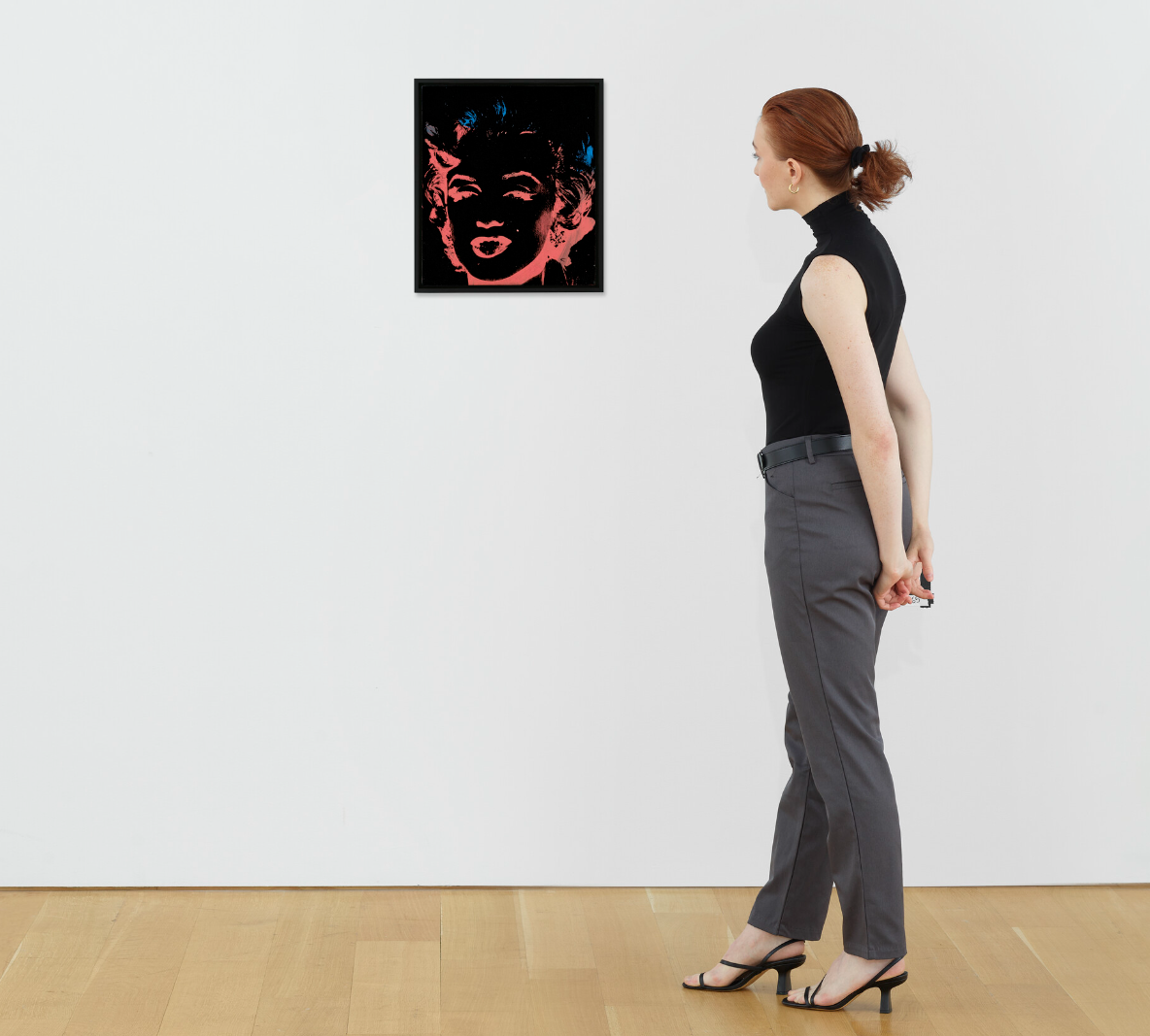
Pulsating off the surface of the canvas, Monroe’s distinctive features pierce the darkness in electric blue and coral pink. Her pouting lips, distinctive coiffure and beauty spot are immediately recognizable as belonging to one of the twentieth century’s greatest cultural icons. Warhol builds on his foundational use of a pre-existing 1950s publicity photo as his source, depicting Monroe here in a reverse or ‘negative’ version with the tonal values switched. This simple device infuses his familiar image with a new sense of freshness and relevancy. While revisiting his earlier oeuvre, the work’s vibrant transformation also looks forward and speaks directly to a new generation of Warhol’s peers. Warhol’s remarkable likeness of Marilyn Monroe was the perfect vehicle for his own project of reinvention. She had become one of the most iconic faces of the last half-century, and by the time Pop Art emerged was instantly recognisable around the world. Warhol regarded her as a kindred spirit; a fellow artist who was underappreciated by her peers and whose creative talents were often misunderstood and rarely appreciated for their nuances. The general public was quick to gauge Monroe’s physical attributes but few bothered to praise her talents as an actress and comedienne. Immediately after her tragic death on 5 August 1962, Warhol became so preoccupied by the idea of Marilyn as a media construct that he translated her photograph into an image that would go on not only define his career, but also the actress’s legacy too.
Self-Portrait (Fright Wig), 1986
Christie’s London: 7 March 2024
Estimated: GBP 700,000 – 1,000,000
GBP 819,000 / USD 1,038,492
ANDY WARHOL (1928-1987), Self-Portrait (Fright Wig) | Christie’s (christies.com)
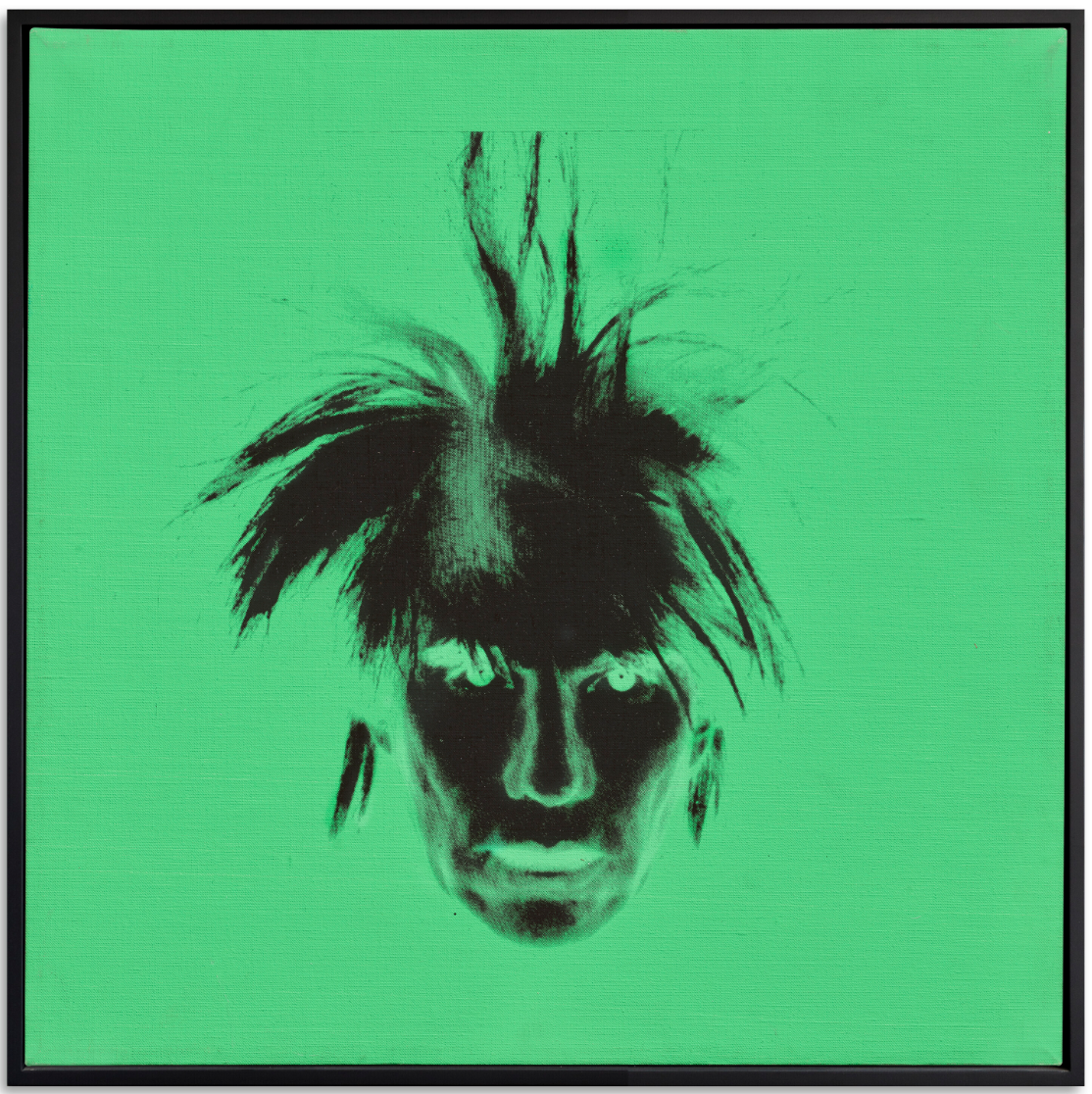
ANDY WARHOL (1928-1987)
Self-Portrait (Fright Wig), 1986
Acrylic and silkscreen ink on canvas
14x 14 inches (35.4 x 35.4 cm)
Stamped with the Estate of Andy Warhol stamp, the Andy Warhol Foundation for the Visual Arts Inc. stamp
Numbered ‘PO 40.017’ (on the overlap)
Executed the year before his untimely death in 1987, Andy Warhol’s Self-Portrait (Fright Wig) stands as the striking culmination of his career. A combination of Pop vitality and emotional resonance, the present picture exhibits and celebrates the complex nature of the artist’s life and work. Through his art Warhol examined the rise of celebrity culture, the commodification of America, and the fragility of life—all subjects touched on here. But arguably his greatest subject was himself, and during the course of his career he painted a number of self-portraits which reflected his changing sense of self. Rarely seen in public, this powerful self-portrait stands as the summation of this incredible journey.
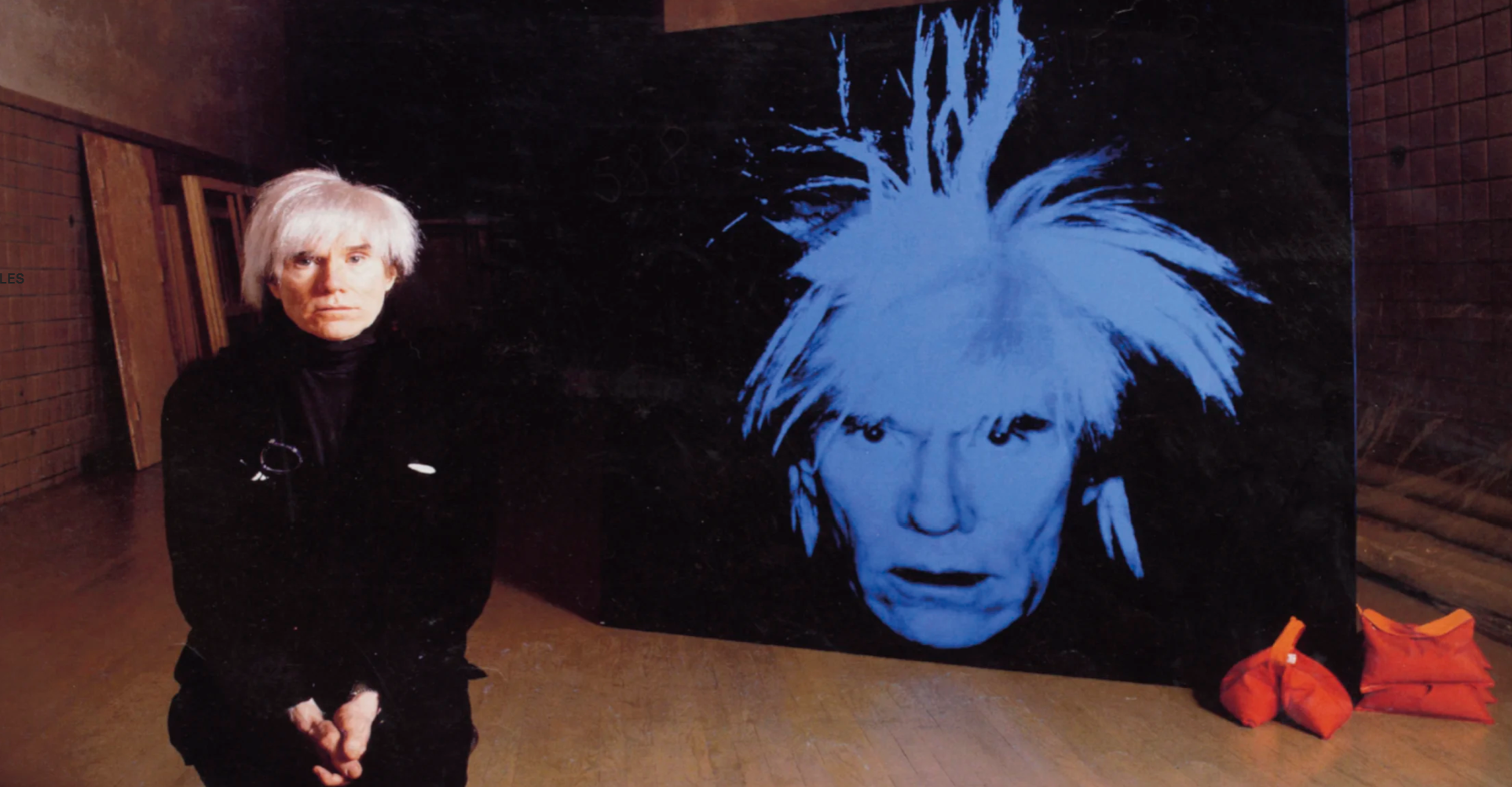
Set against a dramatic green ground, the haunting face of Andy Warhol stares out from the surface of the canvas. Distinguished by his iconic fright wig (a platinum blond hairpiece that the artist increasingly wore later in life), the darkness of his drawn features sits in stark contrast to the vividness of his chosen background. Unlike many of the self-portraits that Warhol executed during his lifetime, in the present work he has rendered a ‘negative’ image of himself, adding a further layer of conceptual depth and complexity to this already highly intangible series. Thus, the dark expanse of his sunken cheekbones, his high forehead, and elongated nose are offset by the dramatic magnetic luminosity of his engaging stare. The piercing gaze with which Warhol fixes his audience demonstrates that, even at the end of his career, the artist still has the ability to hypnotize us with the power and intensity of his art.
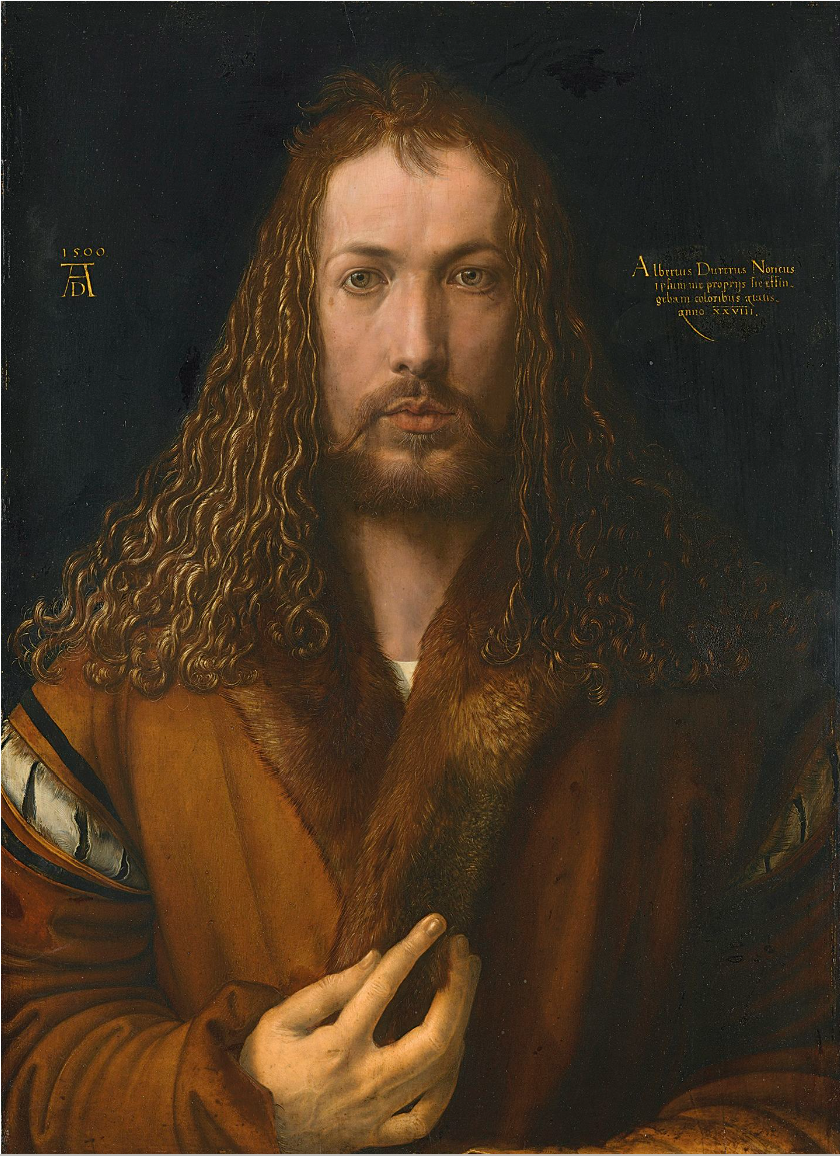
Albrecht Dürer, Self-Portrait with Fur Cloak, 1500. Alte Pinakothek Muenchen, Bayerische Staatsgemaeldesammlungen, Munich. Photo: © Scala, Florence/bpk, Bildagentur fuer Kunst, Kultur und Geschichte, Berlin.
Displaying his isolated face so openly, and with such seeming alacrity, no other body of work by Warhol demonstrates the paradox presented by the artist’s self-consciousness and his celebrity status better than these late Self-Portraits. He is knowingly representing himself as both recognizable and disguised; a real person, yet one abstracted through art. Robert Rosenblum, who has spoken eloquently of the spectral presence of death in these paintings, makes the profundity inherent to this series clear: ‘A sense of ultimate moment fills all these works, as well as a sense of staged artifice that, for a moment, can ward off the unstaged reality of death. Above all, spirit is about to conquer flesh, as if staring, frontal icon of Byzantine deity were created before our eyes’ (R. Rosenblum, ‘Warhol’s Masks’, in D. Elger (ed.), Andy Warhol: Self portraits, Hanover 2004, p. 37).
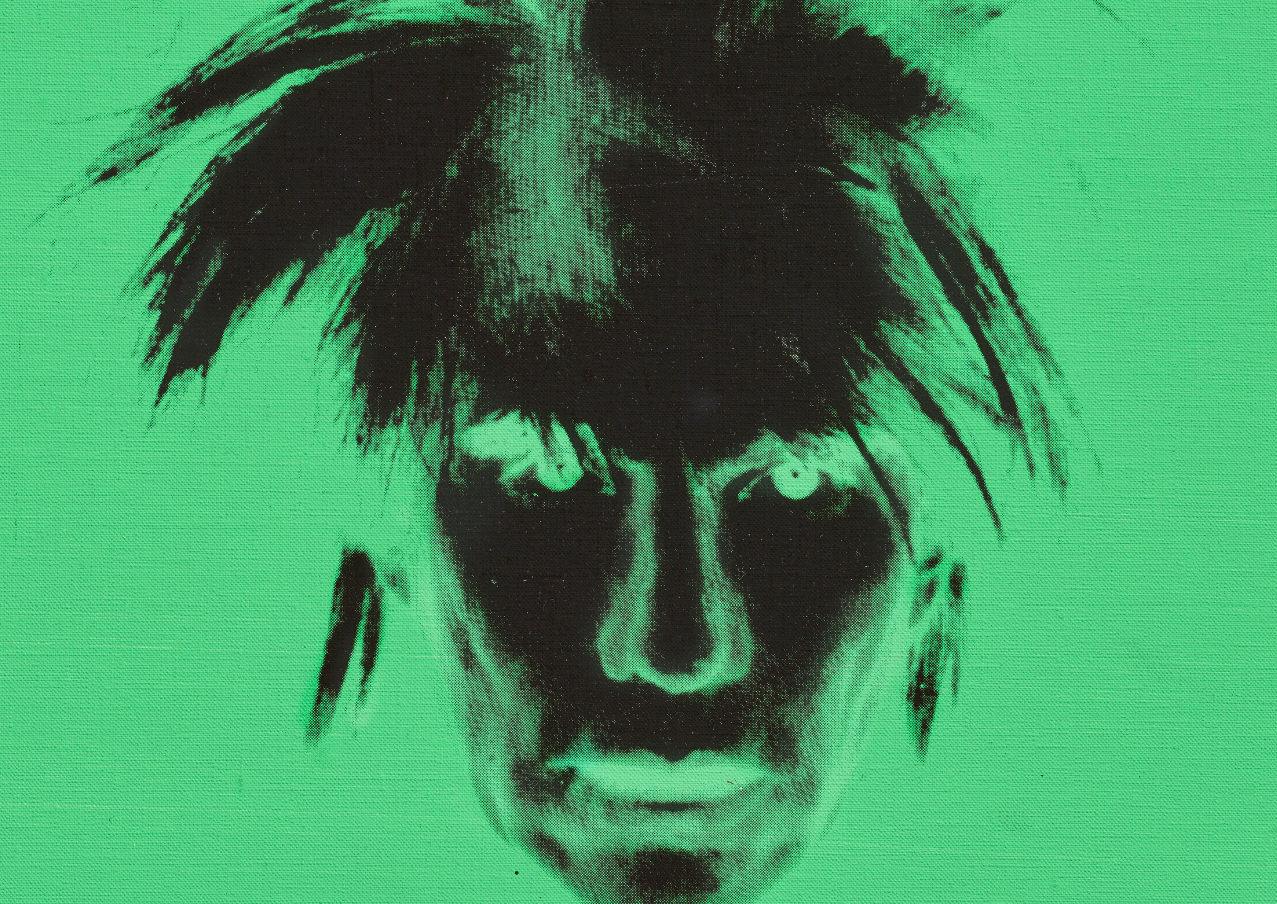
From his early career, death had been an ever-present leitmotif in Warhol’s work. Ever since a bout of scarlet fever as a child, he had been acutely aware of his own mortality, and his preoccupation with death remained constant. From the monumental works that comprised the early 1960s Death and Disaster series—the Car Crashes, Suicides, Electric Chairs, and Race Riots, which were based on photos from tabloids and movie magazines—to the posthumous portraits of Marilyn Monroe, his work extended this existential vision of the world. Not only was he neurotically afraid of germs, disease and hospitals, in 1968 he had survived an assassination attempt, even ‘dying’ momentarily on the operating table. As he grew older, many of his closest friends fell victim to the newly discovered AIDS virus. ‘I paint pictures of myself,’ he said once, ‘to remind myself that I’m still around’ (A. Warhol quoted in V. Bockris, The Life and Death of Andy Warhol, London 1989, p. 480).
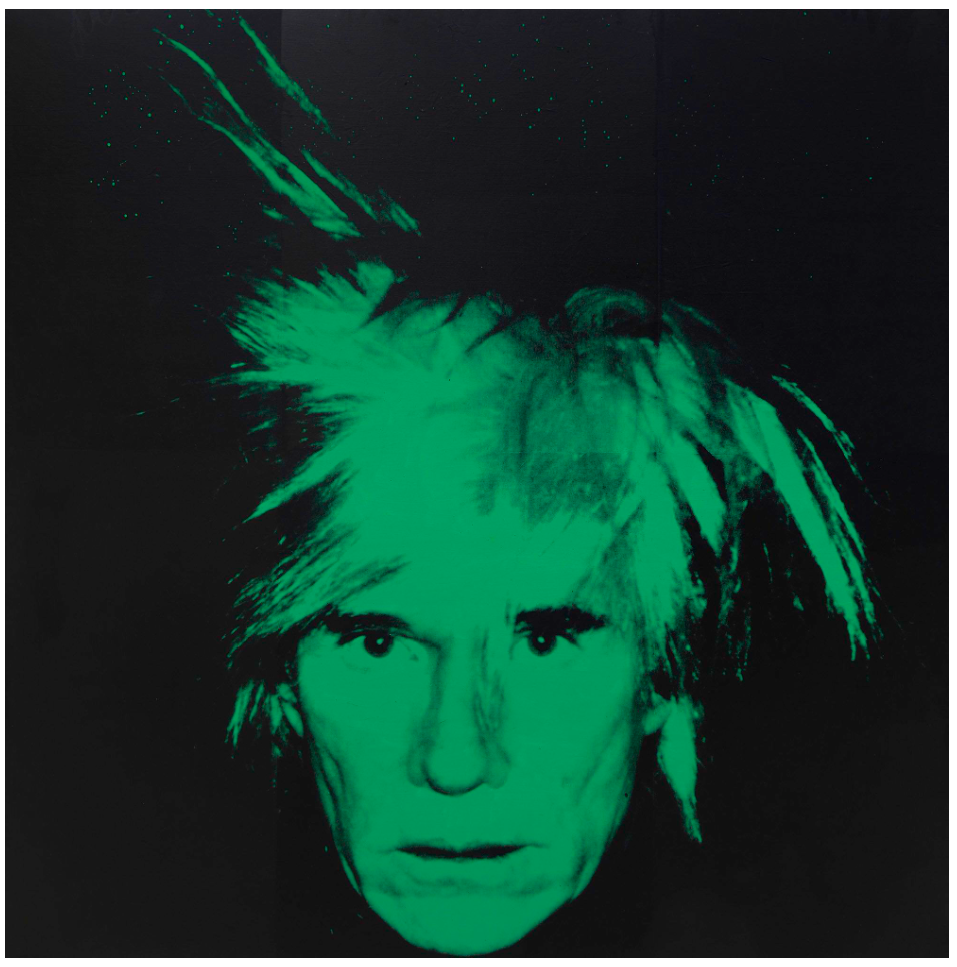
Andy Warhol, Self-Portrait, 1986. Solomon R. Guggenheim Museum, New York. Artwork: Artwork: © 2024 The Andy Warhol Foundation for the Visual Arts, Inc. / Licensed by DACS, London. Digital image: The Solomon R. Guggenheim Foundation/Art Resource, NY/ Scala, Florence.
Like many artists—from the Northern Renaissance painter Albrecht Dürer to Edvard Munch, who were both masters of manifesting their own image—throughout his lifetime Warhol was adept at presenting a version of himself to the public that he wanted to. In his very first painted self-portrait from 1963-1964, the young artist chose to depict himself shielded from the public gaze by dark sunglasses and the upturned collar of his trench coat. It was only with these later self-portraits that he himself embraced the Pop audacity that he had previously lavished on others. His response to the noble tradition of self-portraiture was to create an engaging series of works which were seemingly anonymous and emotionally vacant yet were in fact one of the most hauntingly accurate depictions of an artist ever made. Self-Portrait (Fright Wig) becomes, arguably, the work which establishes itself as the final icon of the famously enigmatic and often frighteningly clairvoyant persona that Warhol built for himself and presented to the world.
Campbell’s Soup I, 1968
Christie’s London: 7 March 2024
Estimated: GBP 800,000 – 1,200,000
GBP 882,000 / USD 1,118,376
ANDY WARHOL (1928-1987), Campbell’s Soup I | Christie’s (christies.com)
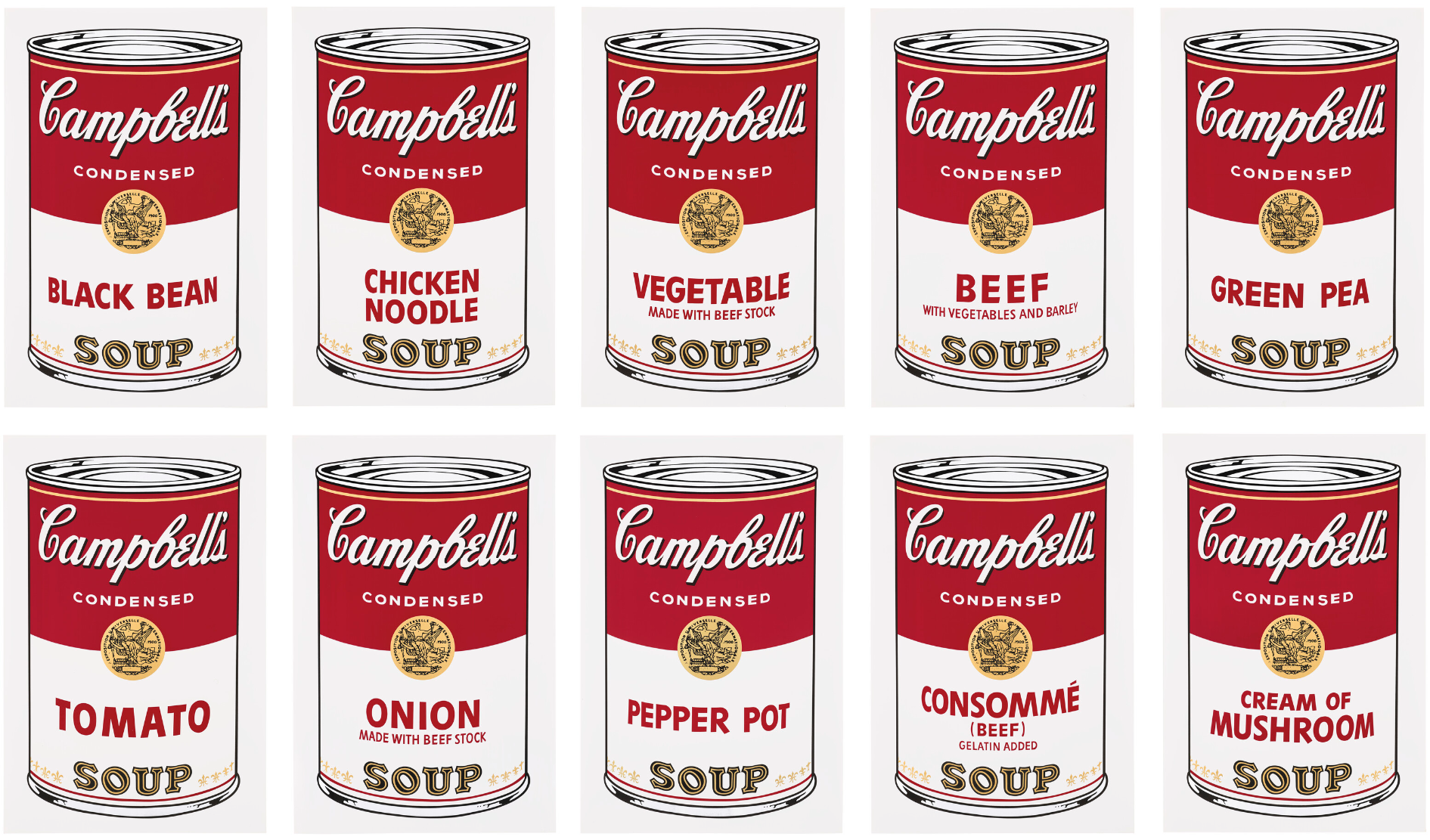
ANDY WARHOL (1928-1987)
Campbell’s Soup I, 1968
Screenprint in colors on smooth wove paper, in ten parts
Each: 35×23 inches (89 x 58.5 cm)
Each: signed ‘Andy Warhol’ in ball point pen and stamped with the number ‘203⁄250’ (on the reverse)
This work is number two hundred and three from an edition of two hundred and fifty plus twenty-six artist’s proofs
An extraordinary ten-part hymn to Andy Warhol’s most iconic subject, Campbell’s Soup I is a complete portfolio from his celebrated 1968 print edition of the same name. Each of its images, from ‘Black Bean’ to ‘Cream of Mushroom’, depicts a different flavoured soup from the pantheon that launched the artist’s career in the early 1960s. Elevating the humble American grocery staple to the realm of fine art, Warhol took his daily lunch as his first true muse. These works held a mirror up to contemporary consumer culture, aping its mechanisms of mass reproduction and circulation. In the latter part of the decade, under the name ‘Factory Additions’, the artist published a number of print suites based on his best paintings, thereby intensifying their conceptual interrogations of authorship and originality. While many of the ten-part sets from Campbell’s Soup I have been disassembled over the years, the present work is offered here in its entirety: other complete portfolios from the edition are held in institutions including the Metropolitan Museum of Art, New York, the National Gallery of Australia, the Museum of Modern Art, New York and the Art Gallery of Ontario.
Pursued with obsessive fervor between 1961 and 1962, Warhol’s Campbell’s Soup paintings were among the first icons of American Pop Art. As commercial advertising swept throughout the United States, the artist depicted the products whose images flooded the national consciousness, asking at what point art and life became indistinguishable. Coca Cola, Brillo Boxes and the American dollar bill took their place in his hall of fame. Other living ‘commodities’, from Marilyn Monroe to Elvis Presley, found themselves immortalized forever in his silkscreens. Campbell’s Soup, however, held a particular fascination for Warhol. It was the lunch he claimed to have eaten ‘every day for twenty years’ (A. Warhol, quoted in Art News, November 1963). It had first graced American grocery shelves in the nineteenth century, and its appearance had remained unchanged for over half a century.
Two Dollar Bill (Front), 1962
Christie’s London: 9 March 2024
Estimated: GBP 160,000 – 220,000
GBP 201,600 / USD 255,629
ANDY WARHOL (1928-1987)
Two Dollar Bill (Front), 1962
Silkscreen ink on canvas
6 1/4 x 11 1/2 inches (15.9 x 29.2 cm)
Signed, inscribed and dated ‘Andy Warhol 1962 Frederick Hughes’ (on the turnover edge)
Executed in 1962, Two Dollar Bill (Front) marks perhaps the most important year in Andy Warhol’s emerging career, during which he first turned to silkscreens and produced his now-iconic pictures of Campbell’s Soup. This was the moment when Warhol entirely reconceived his idiom—and with it, the whole of art history. Prior to this year, the bulk of Warhol’s output had been commercial illustrations for companies such as Tiffany & Co., Bonwit Teller and Columbia Records as well as Vogue and Glamour magazines. At the beginning of the 1960s, however, he turned his attention to the nascent Pop art movement, trying his hand at large paintings of comic strips and advertisements. Disappointed by the lack of success and seeking new modes of production, Warhol began to experiment with rubber and wooden stamps. But it was the introduction of the silkscreen that set his career in motion and radically upended visual culture.
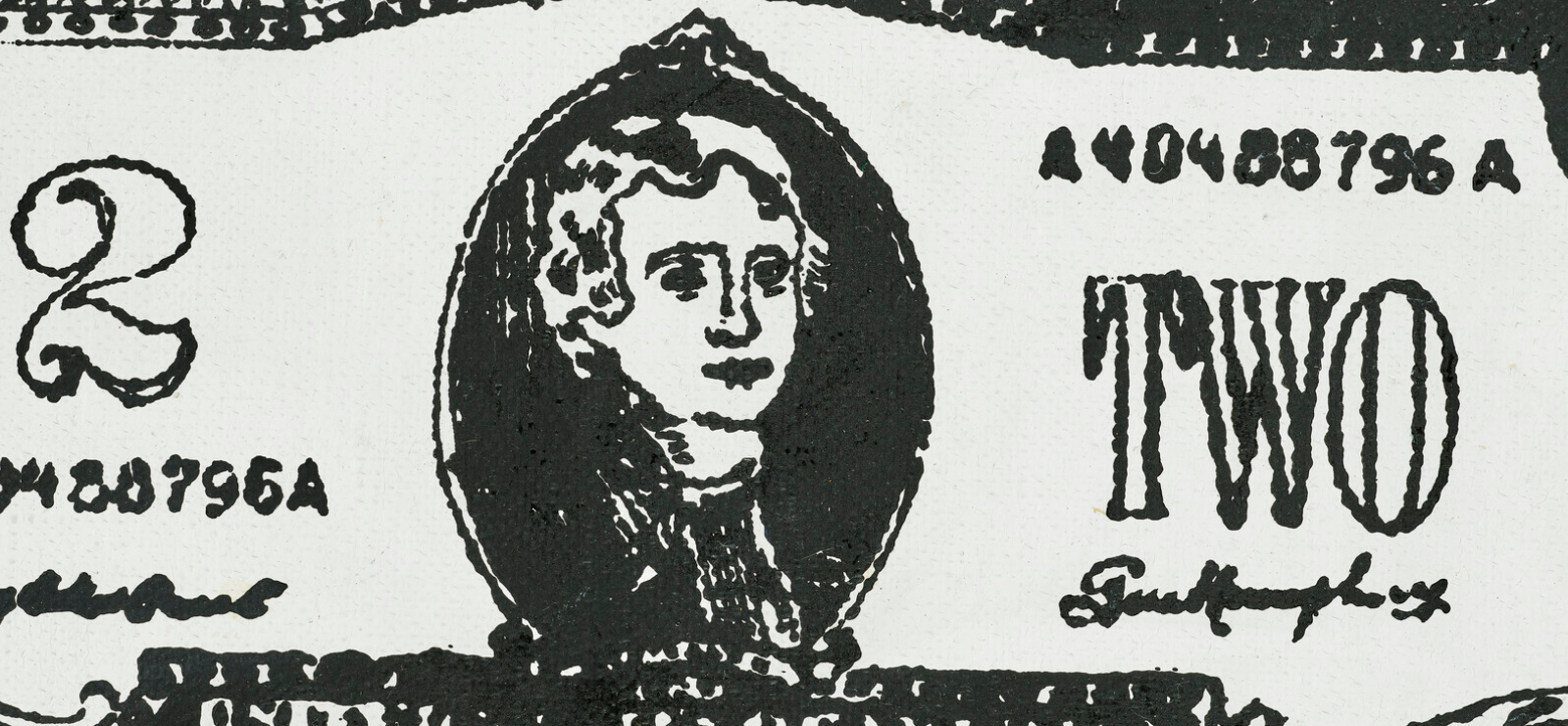
As its title suggests, Two Dollar Bill (Front) depicts one side of the United States’ least popular denomination, complete with serial number and signature. Inked with extraordinary detail, the image is slightly larger than its real-world counterpart. Perhaps Warhol hoped to fend off any accusation of counterfeiting. He drew the initial image himself, distinguishing the work from later silkscreens that would be derived from photographs. He was a great admirer of American money, saying later that he found it to be ‘very well-designed.’ As to why he chose this as his first silkscreened image remains a mystery, but there are several competing stories. The gallerist Eleanor Ward claimed that she had offered Warhol a solo show at Sable Gallery if he would paint her a lucky two-dollar bill, but the antiques dealer Muriel Latow maintains that she came up with the idea herself—and then charged Warhol fifty dollars for it. Whatever the reason, he began to silkscreen the fronts and backs of one- and two-dollar bills in 1962, inaugurating what was to be his most extensive series to date. Beyond Warhol’s own outlook, the Dollar Signs captured the changing economic realities within the United States, auguring the hedonistic, splash-out ethos that would define the 1980s. Created long before ‘Reaganomics’, in the earliest days of the Hippie movement, Two Dollar Bill (Front) occupies a less world-weary position. In its gestural lines and scrawled signature reside all Warhol’s hopes for his career. As David Bourdain wryly observed, Warhol had an almost perverse wish to ‘achieve a sort of artistic alchemy, transforming ordinary paint into actual cash’ (D. Bourdon, Warhol, New York 1989, p. 108). For Warhol, whose art so aptly captures the relationship between commodity, desire, and value, Two Dollar Bill (Front) announced his own ambitions from which money—whether real or otherwise—could never be fully disentangled.
Ladies & Gentlemen (Wilhelmina Ross), 1975
Phillips London: 8 March 2024
Estimated: GBP 120,000 – 180,000
GBP 139,700 / USD 177,140
Andy Warhol – 20th Century & Contempo… Lot 130 March 2024 | Phillips
ANDY WARHOL
Ladies & Gentlemen (Wilhelmina Ross), 1975
Acrylic and silkscreen on linen
12×10 inches (30.5 x 25.4 cm)
Stamped by the Estate of Andy Warhol and the Andy Warhol Foundation for the Visual Arts, Inc. on the overlap
Stamped by the Andy Warhol Foundation for the Visual Arts, Inc. on the reverse
Numbered ‘PA.35.087’ on the stretcher
Warhol’s series Ladies & Gentlemen is distinguished among his prolific oeuvre for being one of the largest, most ambitious, and most lucrative commissions in his career. The series was originally commissioned by Italian dealer Luciano Aselmino in 1974, and in time would consist of 268 paintings, approximately 65 drawings and collages. Yet for its extensive account of over 14 sitters, the Ladies & Gentlemen series is among Warhol’s least-known body of work. This can arguably be attributed to the unprecedented and under-represented identity of the sitters, giving voice to a largely marginalised sub-culture that had blossomed in New York.
“Drag queens are living testimony to the way women used to be, the way some people still want them to be, and the way some women will actually want to be. Drags are ambulatory archives of ideal movie star womanhood. They perform a documentary service, usually consecrating their lives to keeping the glittering alternative alive and available for (not-too-close) inspection”
The present work Ladies & Gentlemen (Wilhelmina Ross), depicts a portrait of Wilhelmina Ross, who was originally left unnamed. Warhol appears to have been the most captivated by Ross as she appears to be the subject in 52 of his original Polaroids and 73 paintings. As part of the broader Polaroid portrait series, this work stands as an empowering example of Warhol’s investigation into contemporary femininity and is in line with the iconic portraits of Marylin Monroe and Liz Taylor. Ross’ name was revealed by chance after Gagosian’s 1997 exhibition of Ladies & Gentlemen works. The Warhol Foundation received a call from Jimmy Camicia, who was the founder of the underground drag theatre company Hot Peaches, informing them that Ross, one of their most popular performers, is depicted in the present work. Wilhelmina Ross was originally born Douglas Mitchell Hunter in Kansas City, Missouri, and changed her name to be a mix of the modelling agency Wilhelmina and Warhol’s friend Diana Ross.
Diamond Dust Gem, circa 1980
Sotheby’s London: 7 March 2024
Estimated: GBP 80,000 – 120,000
GBP 101,600 / USD 128,829
Diamond Dust Gem | Modern & Contemporary Day Auction | 2024 | Sotheby’s (sothebys.com)
ANDY WARHOL (1928 – 1987)
Diamond Dust Gem, circa 1980
Acrylic, silkscreen ink and diamond dust on canvas
14×18 inches (35.5 x 45.6 cm)
Signed and dedicated To phyllis love Happy Birthday (on the overlap)
Andy Warhol’s Gem from 1980 exemplifies the iconic artist’s preoccupation with the glitz of glamour, commercialism, religious iconography and the very nature of painting itself. The gemstone, carved out of the monochromatic background by silkscreened diamond dust, shimmers like a ghostly spectre, a mirage of opulence and materialistic luxury. Having been introduced to the perfect type of diamond dust by Rupert Smith in 1979, Warhol began using the decadently-named material – in reality simply powered glass – within his screenprints, creating lustrous works that captured and projected the essence of both the sublime and the faux-luxury commercialism sweeping society. Now instantly recognizable as a Warhol calling card, the gemstone became one of Warhol’s great iconographic choices, a successor to the long line of materialist icons that stretched from the early Soup Cans and Electric Chairs to the celebrity portraits and skulls of the 1970s. In Gem, Warhol melded his iconic motif with this new approach to painting, creating a dazzling representation of seductive vulgarity. A celestially compact abbreviation of this important series, the present work revels in Warhol’s pseudo-sardonic fascination with abstract pattern, whilst aesthetically navigating a continued and complex relationship with the transience of glitz and glamour.
3.3. Yayoi Kusama
Infinity Nets (WKG), 2015
Sotheby’s London: 6 March 2024
Estimated: GBP 1,500,000 – 2,000,000
GBP 1,621,000 / USD 2,055,428
YAYOI KUSAMA (b. 1929)
Infinity Nets (WKG), 2015
Acrylic on canvas
145.5 x 145.5 cm (57 1/4 x 57 1/4 inches)
Signed, titled and dated 2015 (on the reverse)
Monumental and strikingly powerful, Infinity-Nets (WKG) is a supreme recent example of Yayoi Kusama’s most iconic and consequential series of paintings. Executed in 2015, the canvas is submerged by an almost infinite multitude of tiny whirls and whorls, woven across and within the surface through the artist’s delicate and precise mark-making. Kusama has employed an unusual palette of deep, cadmium yellow, offset and enhanced by a vivid crimson ground, varying the paint thickness and brushstroke size to create a composition that shimmers and ebbs hypnotically. In its unique combination of color and form, the canvas glints with an electric energy. As quasi-organic forms shift in and out of view, the resulting image rests in a liminal space somewhere between abstract and representational art, embodying many of the key aspects of Kusama’s artistic practice and ethos. Rhythmically repetitive and reminiscent of the machinelike Minimalist aesthetic, Infinity-Nets (WKG) is resolutely, intensely hand-crafted, embodying the sheer skill and artistry that has come to define Kusama’s entire oeuvre.
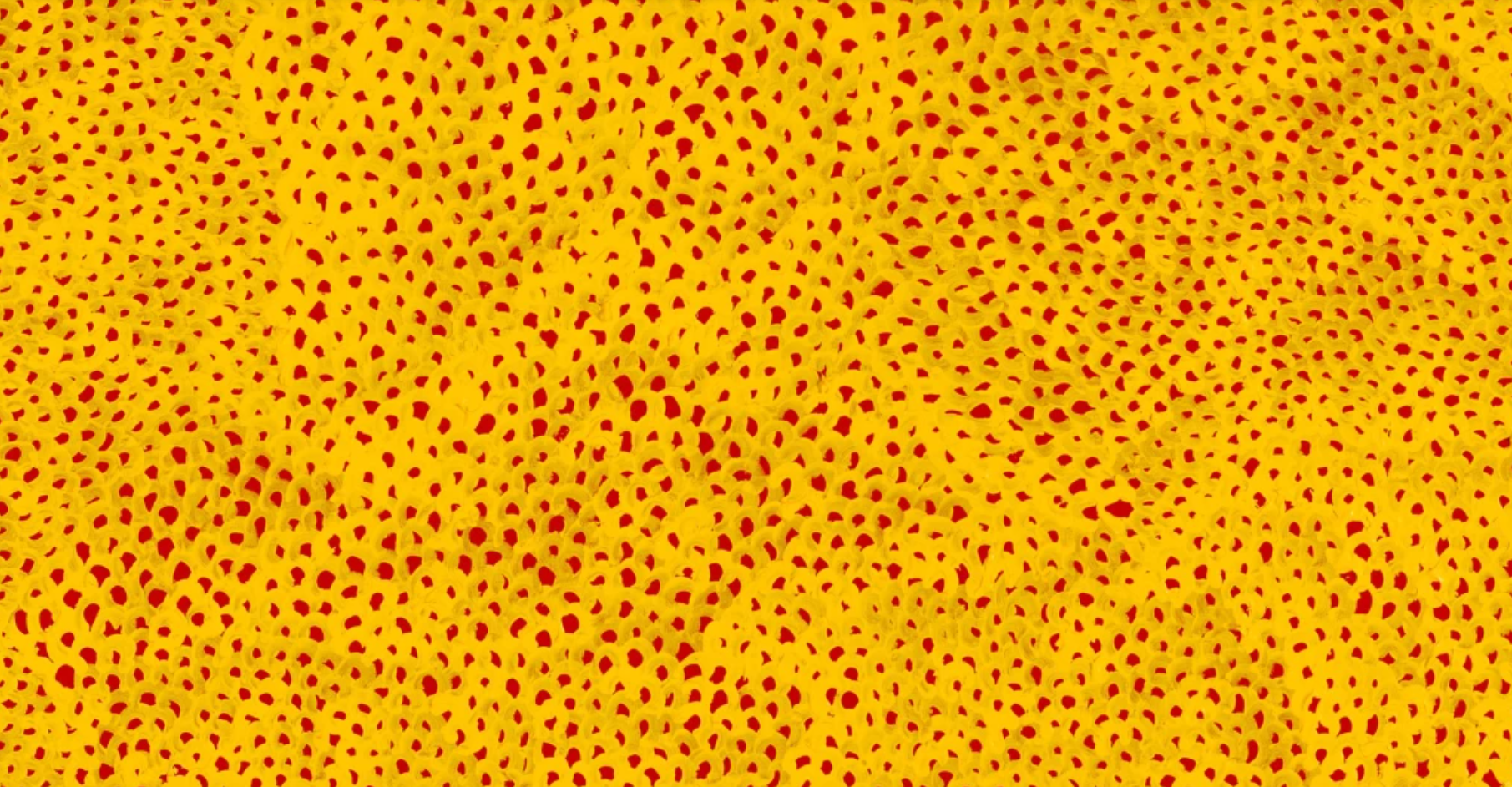
Within Kusama’s widely varied oeuvre, her Infinity Nets are amongst her most visually and conceptually complex. Each painting is a highly personalized expression of the artist’s desire to “lend specificity to infinity of space” (Yayoi Kusama, Infinity Net: The Autobiography of Yayoi Kusama, London 2013, p. 23). This paradox is both a conceptual and material problem that Kusama has solved repeatedly and infinitely since her incipient Nets from 1959. That year, when reviewing the white-on-black Nets exhibited in Kusama’s first New York solo show, Donald Judd described the paintings as “advanced in concept” and attempted to summaries Kusama’s mechanics as thus: “Essentially it is produced by the interaction of two close, somewhat parallel, vertical planes, at points merging at the surface plane and at others diverging slightly but powerfully […] The strokes are applied with a great assurance and strength which even a small area conveys. The total quality suggests an analogy to a large, fragile, but vigorously carved grill or to a massive, solid lace” (Donald Judd, ARTnews, October 1959). Judd’s reference to lace is apposite to Kusama’s concept of the net. A material, tangible object, it obscures yet also reveals something hidden, something beyond. This psychological aspect of the Infinity Nets is inextricably linked to the artist’s obsessive-compulsive disorder. This manifested itself in years of powerful hallucinations, to which Kusama found a balm in painting repetitively her pumpkins, polka-dots and nets. For her, the process of artmaking was a form of “self-obliteration,” a means of connecting to the transcendental and universal through her idiosyncratic genius and philosophy.
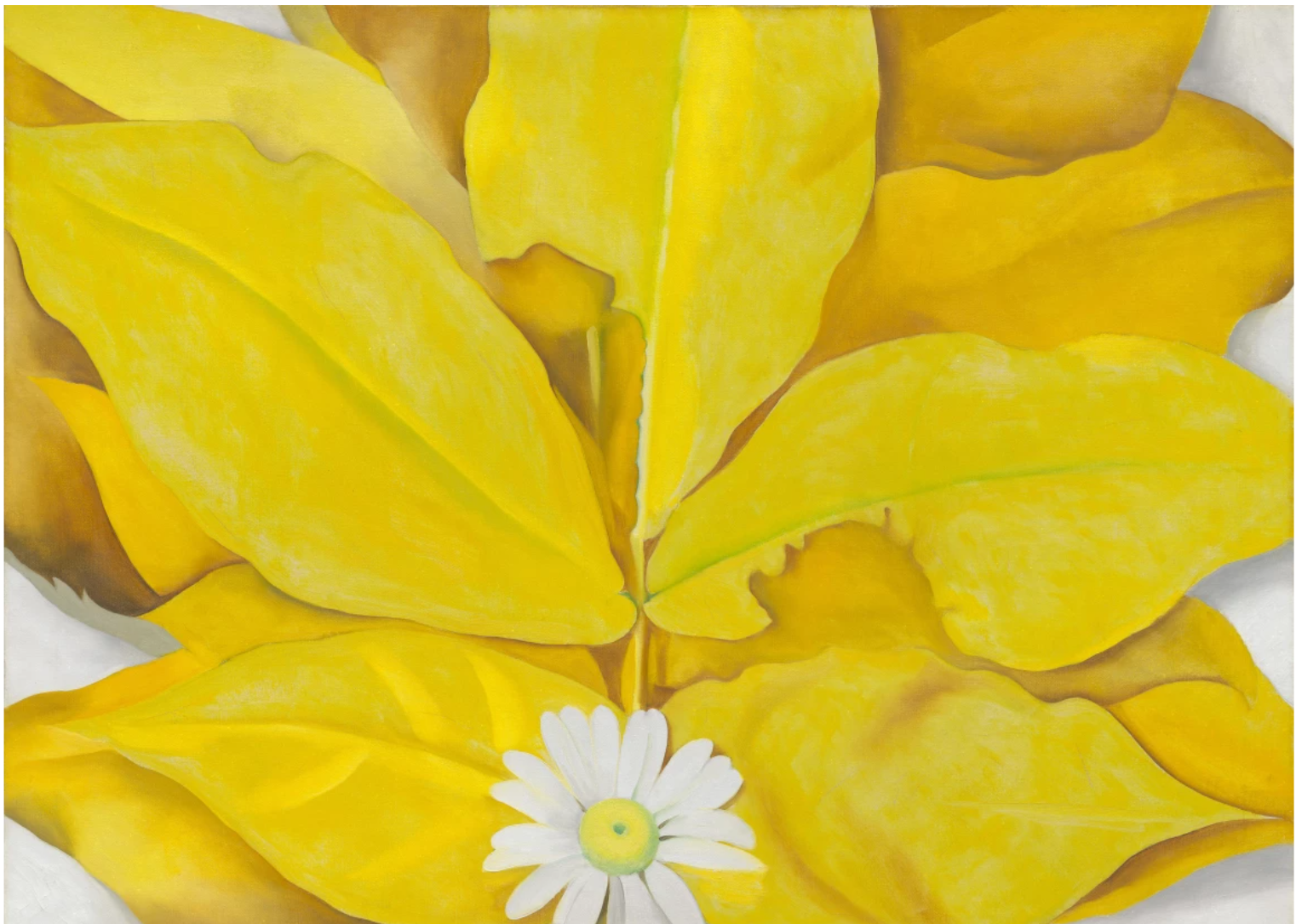
GEORGIA O’KEEFE, YELLOW HICKORY LEAVES WITH DAISY, 1928 / THE ART INSTITUTE OF CHICAGO
IMAGES: © ART INSTITUTE OF CHICAGO / THE ALFRED STIEGLITZ COLLECTION, GIFT OF GEORGIA O’KEEFFE, / BRIDGEMAN IMAGES
ARTWORK: © GEORGIA O’KEEFFE MUSEUM / DACS 2024
In the same way, creating her Infinity Nets is as much a meditative practice of repetition as it is a philosophical practice of disintegrating the bounds between finitude and infinitude. Born in Nagano in 1929 to a family of seedling merchants, from the age of 10 Kusama began to experience dizzying hallucinations: flashes of light, dense fields of dots, talking flowers and living fabric patterns, multiplying and engulfing her. Following World War II, Kusama moved from her hometown of Matsumoto to study the traditional Nihonga style of painting at the Kyoto Municipal School of Arts and Crafts. Her training in using this Japanese watercolor would have a significant impact on the precision and delicacy of her painting, prefiguring her critical turn to the water-based medium of acrylic paint instead of oil in the late 1970s. As seen in the present work, the quick drying time of acrylic attests to Kusama’s heightened ambition as well as skill, stamina and endurance after decades of ceaseless painting. With each arc marking a moment of time passing but not past, Kusama’s laborious technique eschews narrative value in favor of an examination of tangible temporality: gestures repeated ad infinitum. A mature and exquisitely rendered incarnation of Kusama’s most beloved series, Infinity-Nets (WKG) epitomizes the artist’s unique brand of cosmic abstraction and ethereal infiniteness.
INFINITY-NETS (ZXSSAO), 2008
Phillips London: 7 March 2024
Estimated: GBP 1,800,000 – 2,500,000
GBP 2,105,000 / USD 2,669,140
Yayoi Kusama – 20th Century & Contempor… Lot 8 March 2024 | Phillips
YAYOI KUSAMA
INFINITY-NETS (ZXSSAO), 2008
Acrylic on canvas
194×194 cm (76 3/8 x 76 3/8 inches)
Signed, titled and dated ‘YAYOI KUSAMA 2008 INFINITY NETS ZXSSAO’ on the reverse
The largest red Infinity Net to come to auction, its entire surface covered in tightly rendered whorls of deep cadmium red that continue across the canvas edge, INFINITY-NETS (ZXSSAO) is a strikingly elegant iteration of Yayoi Kusama’s ongoing series. Vibrant and dynamic, the rhythmic exchanges between passages of thicker impasto and smoother sections of thinner paint here charge the large-scale composition with a remarkable vitality. Conjuring images of cosmic infinitude and cellular structure it is at once expansive and inward looking, the square format of the canvas intensifying this sense of pictorial tension and drama as the tightly knotted forms seem to vibrate and react against each other and the barely discernible black ground beneath. Completely immersive, the work deftly captures the almost obsessional focus on accumulation, repetition, and the infinite that best characterizes Kusama’s practice, of which the Infinity Nets are especially representative of.
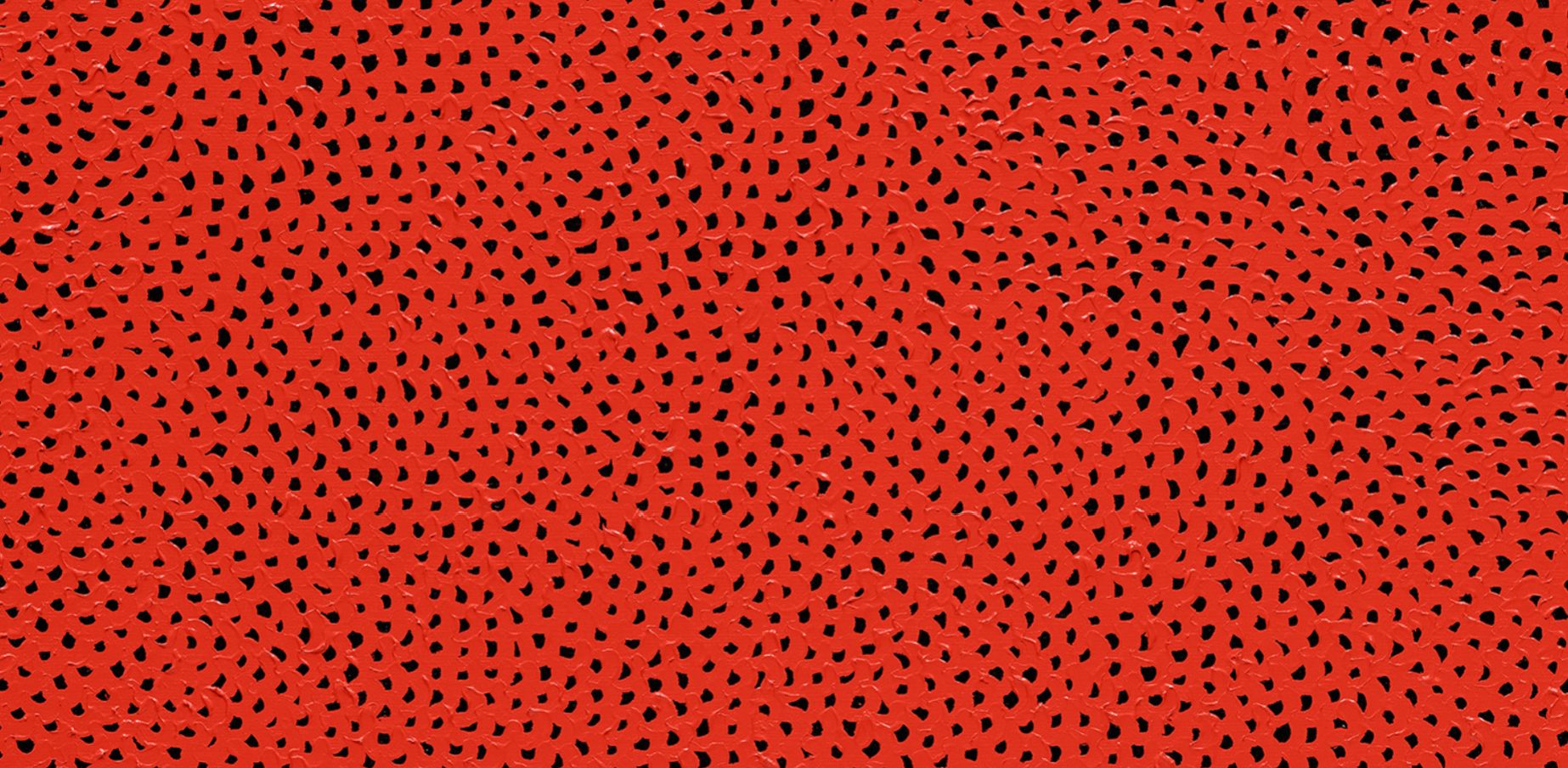
Deeply rooted in the artist’s personal history, the endlessly looping and repeating whorls seen here are the key motif reinvented across Kusama’s staggering 70 year career and can be traced across the Infinity Net canvases, her soft sculptures or ‘accumulations’, her provocative 1960s Happenings, and the Infinity Rooms that are currently the subject of sell-out exhibitions in London and internationally. As a child growing up on her family’s seed farm in Matsumoto, Kusama first experienced the profound visual and auditory hallucinations that continue to ground discussions of her practice and her persistent search for infinity and obliteration in her immersive works. Significantly, the deep red of the present work seems to return the artist to her first and most significant of these visions, vividly recounted by the artist some decades later describing how ‘One day, after gazing at a pattern of red flowers on the tablecloth, I looked up […] I saw the entire room, my entire body, and the entire universe covered with red flowers, and in that instant my soul was obliterated and I was restored, returned to infinity, to eternal time and absolute space.’
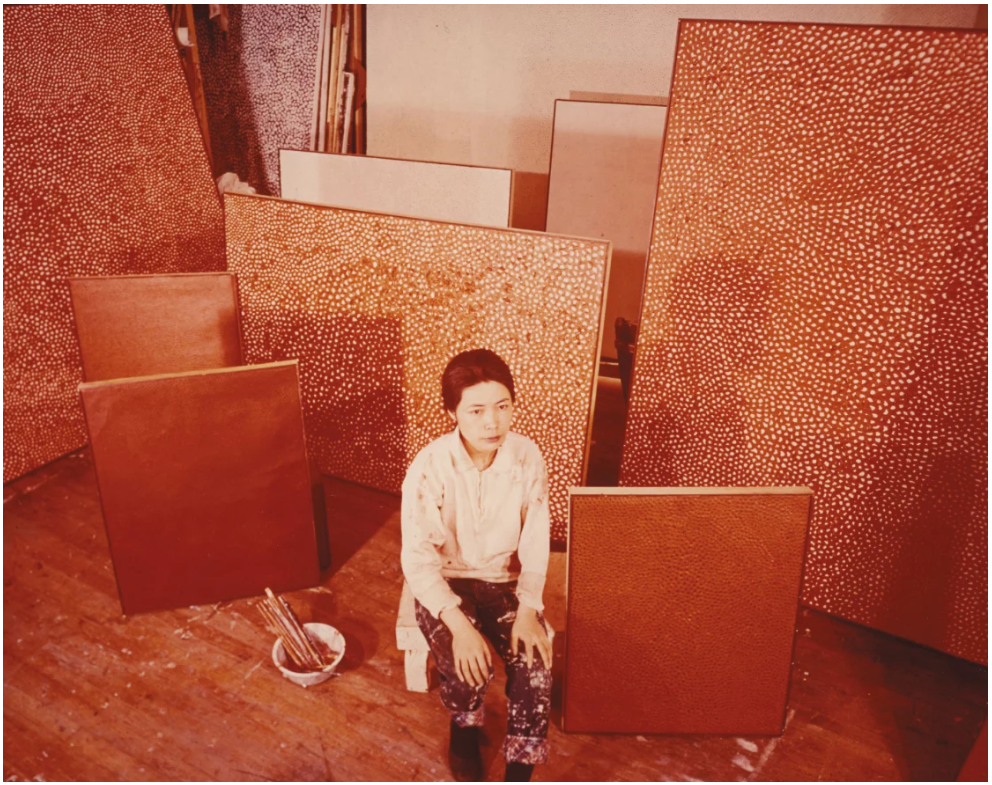
Yayoi Kusama in her New York studio, 1961. Image/Artwork: © YAYOI KUSAMA
A favorite color in Kusama’s repertoire, the intricate red lattice work of this 2008 work visually recalls some of Kusama’s most iconic works from this earlier period, immediately evoking the red polka dots of her 1965 Infinity Mirror Room – Phali’s Field. Prefiguring her installation art and effectively bringing together her soft sculptures, mirrored environments, and the rich palette of the present work, Infinity Mirror Room-Phali’s Field ‘made actual the implied infinity of [her] drawings and paintings’, a model that clearly still resonated with the artist some 40 years later. Dressed entirely in red, in this work Kusama directly identified herself as one of the innumerable polka dots surrounding her, a vivid actualization and transcendence ‘of the obsession, over the passionate accretion and repetition inside of me’.
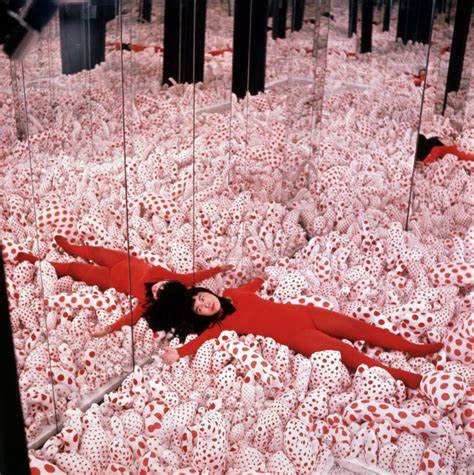
Deftly combining the obsessional, repetitive, and immersive qualities for which she is best known, INFINITY-NETS (ZXSSAO) is particularly sophisticated and rhythmic example of Kusama’s landmark series and cornerstone of her practice. In her blending of seriality with modes of all-over painting in this manner, Kusama sought not only to disrupt distinctions between figure and ground, but to obliterate the nature of canvas completely, ‘to cover the entire surface, filling out the void.’ Examples of Kusama’s vibrant red Infinity Nets are held in renowned permanent collections worldwide, including the Art Institute of Chicago and the Harn Museum of Art, Florida. A striking testament to the alluring and disorienting spatial complexity that has defined Kusama’s work for decades, INFINITY-NETS (ZXSSAO) also emphasizes the close conceptual connections between the series and her installation and performance work, positioning it at the heart of her 70-year practice.
Infinity-Nets (T.OWQ), 2005
Sotheby’s London: 6 March 2024
Estimated: GBP 600,000 – 800,000
GBP 850,900 / USD 1,078,941
YAYOI KUSAMA (b. 1929)
Infinity-Nets (T.OWQ), 2005
Acrylic on canvas
72.5 x 91 cm (28 1/2 x 35 7/8 inches)
Signed, titled twice and dated 2005 (on the reverse)
Mesmerizing and luminous because of, rather than despite, an economy of means, Infinity-Nets (T.OWQ) belongs to Yayoi Kusama’s most ethereal and vaporous series of paintings which have formed the cornerstone of her artistic practice. The canvas is covered by an interlinking network of unique, monochromatic white loops over a black ground, creating a shimmering, woven texture that simultaneously attracts and repels the eye. Kusama’s complex manipulation of colour and texture creates nuanced shadows which bring a distinct tonality to the painting’s surface. Elegantly executed in thickly applied acrylic, the complex skein of overlapping loops writhes and undulates, creating a lyrical system of patterns which belies the individuated impasto of every brushstroke. Strongly reminiscent of Ruth Asawa’s own looped meditations on material and form, Kusama’s Infinity Nets consistently confound conventions of pictorial volume and illusionistic space: as she has described, these are paintings “without beginning, end, or centre. The entire canvas would be occupied by monochromatic net. This endless repetition caused a kind of dizzy, empty, hypnotic feeling” (Yayoi Kusama quoted in: Laura Hoptman, Yayoi Kusama, London 2000, p. 103).
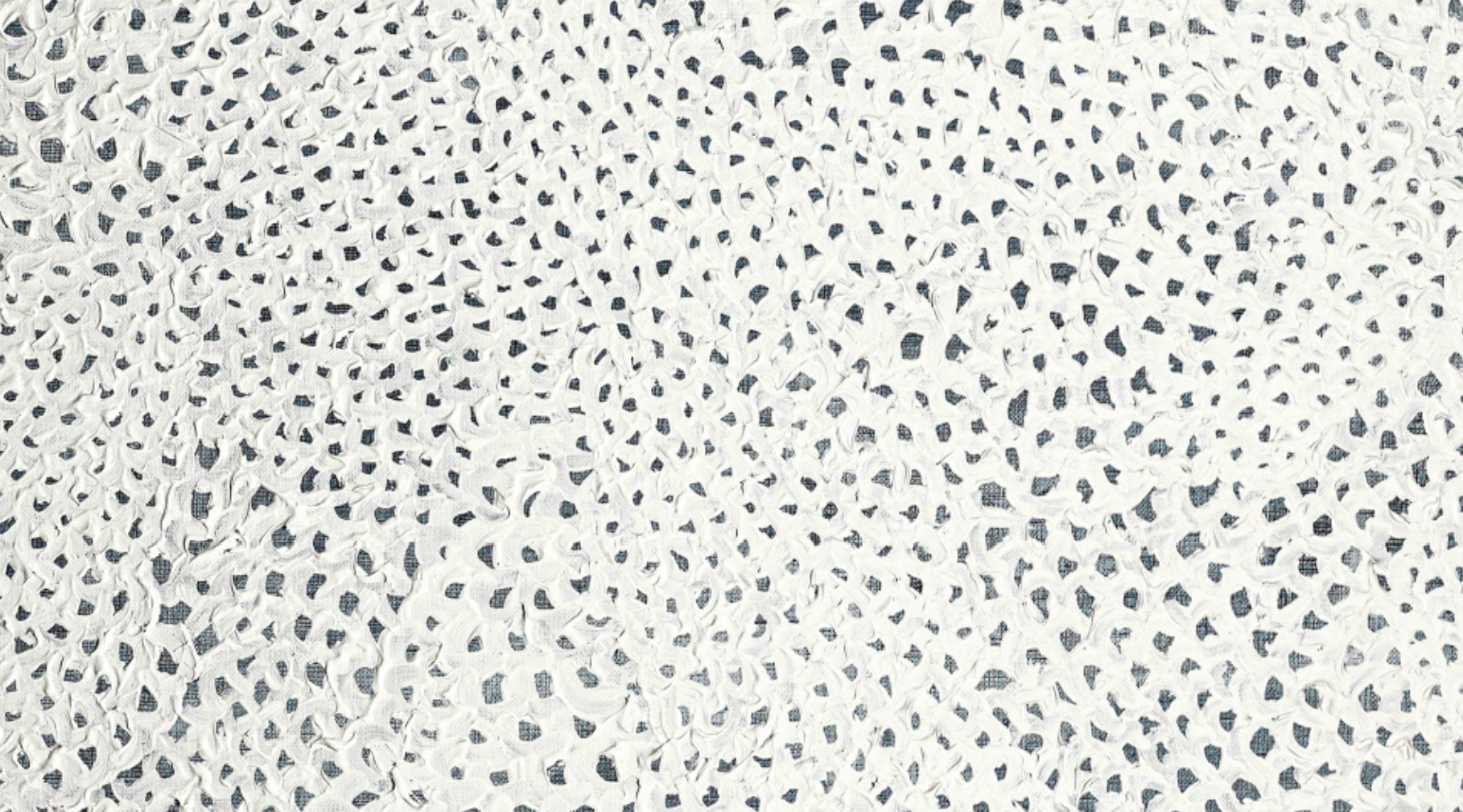
At once meditatively simple and fascinatingly complex, the Infinity Nets occupy a distinct aesthetic liminality encompassing gestural Abstract Expressionism, contemplative Minimalism and even ritualistic performance. Comparable to the monochrome paintings of Robert Ryman or Lucio Fontana in their emphasis on seriality and grasp of materiality, Kusama’s practice links strongly to crucial tenets of Minimalism and Post-Minimalism, possibly as a result of her close relationships with artists such as Donald Judd and Eva Hesse. However, Kusama’s Infinity Nets diverge significantly from Minimalist art. Although on first appearance rote and repetitive in form, the result is insistently and stridently handmade. Created by deliberately unsystematic, accumulating patterns, they appear as manifestations of planned chaos; indeed, there is an organic, almost topographical aspect to the works. Intensely psychological, there is also a further mystical element to these paintings that imbues them with performative or ritualistic undertones, further distinguishing them from any prevailing art movement.
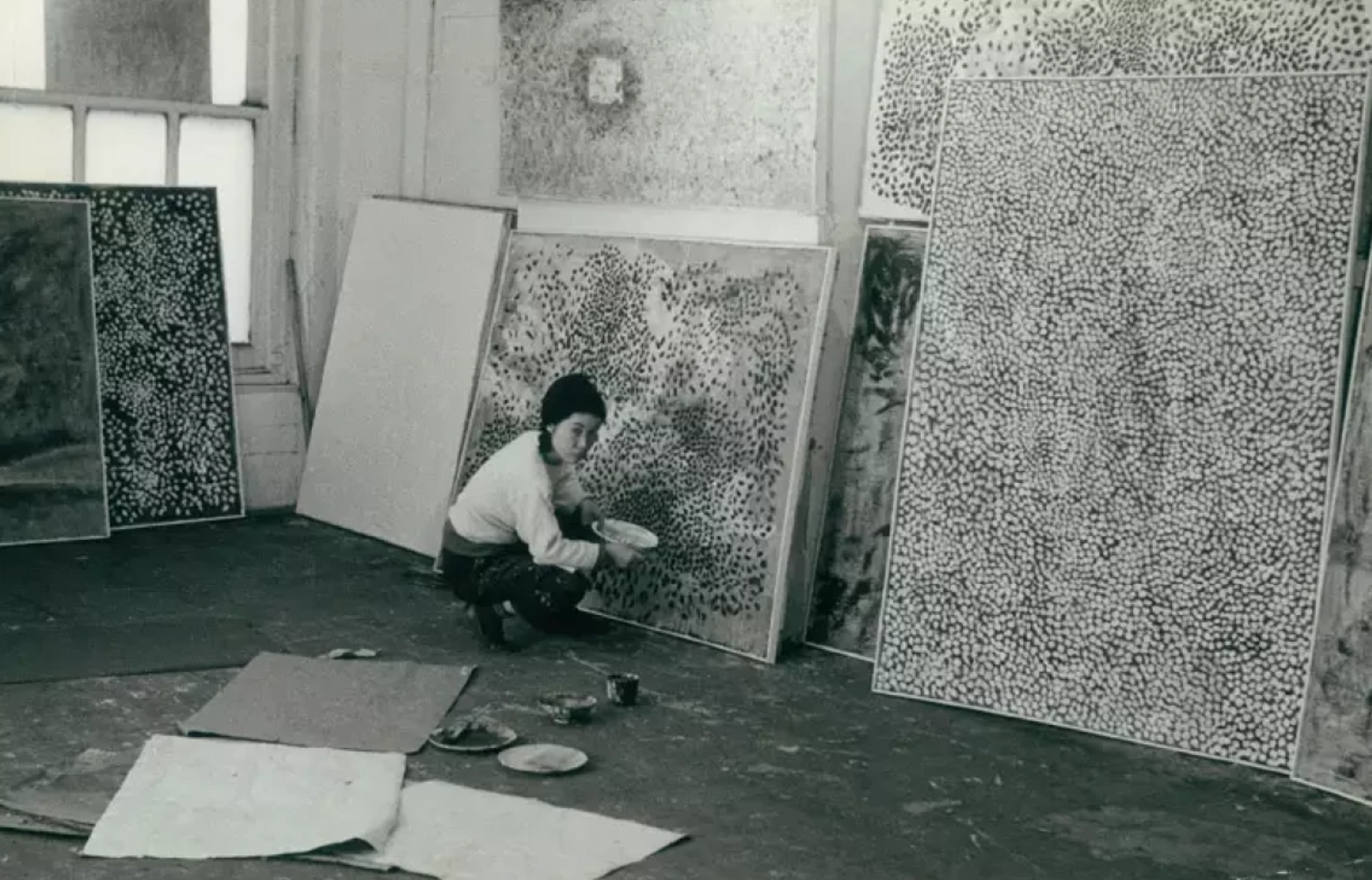
YAYOI KUSAMA IN HER NEW YORK STUDIO, CIRCA 1958-59 / IMAGE/ARTWORK: YAYOI KUSAMA
For Kusama, replicating the net motif in paint is as much a meditative practice of repetition as it is a philosophical practice of disintegrating the bounds between finitude and infinitude. She has openly discussed her artmaking as a form of escape from a lifetime of mental illness, marked by episodes of “self-obliteration.” Across her oeuvre, Kusama recreates and perhaps thereby wrests control of this overwhelming overstimulation; we observe this “all-over” creative vision, a kind of Gesamtkunstwerk, most clearly in her monumental Infinity Net paintings, but also in her mesmerizing Infinity Mirror Rooms and even in her group performances in late-1960s New York where performers and environment were united by painted polka dots.
Across Kusama’s practice and emblematised by her use of the net motif, the artist encourages the integration of the natural environment, our psychological world and the physical body. As argued by art historian Mignon Nixon, Kusama set out to “replace the expressive gesture with an exhaustive one, pushing painting to its limits of spatial extent and ‘monotony;’ and to obliterate the self, reconceiving contemporary painting from a subjective statement of individual consciousness to ‘nothingness’ on an epic scale” (Mignon Nixon, “Infinity Politics,” in Exh. Cat., London, Tate Modern, Yayoi Kusama, 2012, p. 180). Infinity-Nets (T.OWQ) emblematises the artist’s found solution for her psychosomatic anxiety, serenely exulting in a single-minded, entirely absorbing celebration of form ad infinitum.
Butterflies, 2003
Christie’s London: 9 March 2024
Estimated: GBP 250,000 – 350,000
GBP 516,600 / USD 655,049
YAYOI KUSAMA (B. 1929)
Butterflies, 2003
Acrylic on canvas
24.2 x 33.3 cm (9 1/2 x 13 1/8 inches)
Signed, signed in Japanese, titled, titled in Japanese and dated ‘Yayoi Kusama 2003 “BUTTERFLIES”‘ (on the reverse)
Three butterflies flutter over a surface of mosaic-like shards in Yayoi Kusama’s Butterflies (2003), their spread wings each revealing exquisite patterns of orange, red, white and blue spots. Like her ubiquitous, rotund pumpkin motif, the butterfly constitutes one of the subjects favored by the artist following her return to Japan in 1973. Admired for their fragile beauty and spiritual significance, the creatures’ wings in many ways fuse with Kusama’s own mesmeric style. Comprising an iridescent assortment of colors and hues, her paintings bear a similarly diaphanous and lustred quality. The present work’s intricately tessellated background—a flattened plane of biomorphic triangles and dots—sprawls and propagates into infinite space like cells under a microscope. Repeated in an ‘all-over’ method, the shapes evoke the artist’s celebrated polka dots, and exhibit the enduring legacy of her ‘Infinity Net’ paintings, which first won her critical acclaim in New York in the late 1950s. Famously inspired by the hallucinations she has experienced since her adolescence, Kusama’s paintings are alive with unique perceptual effects. In an intimate figurative scene, Butterflies presents the artist’s spectacular, pulsating vision.
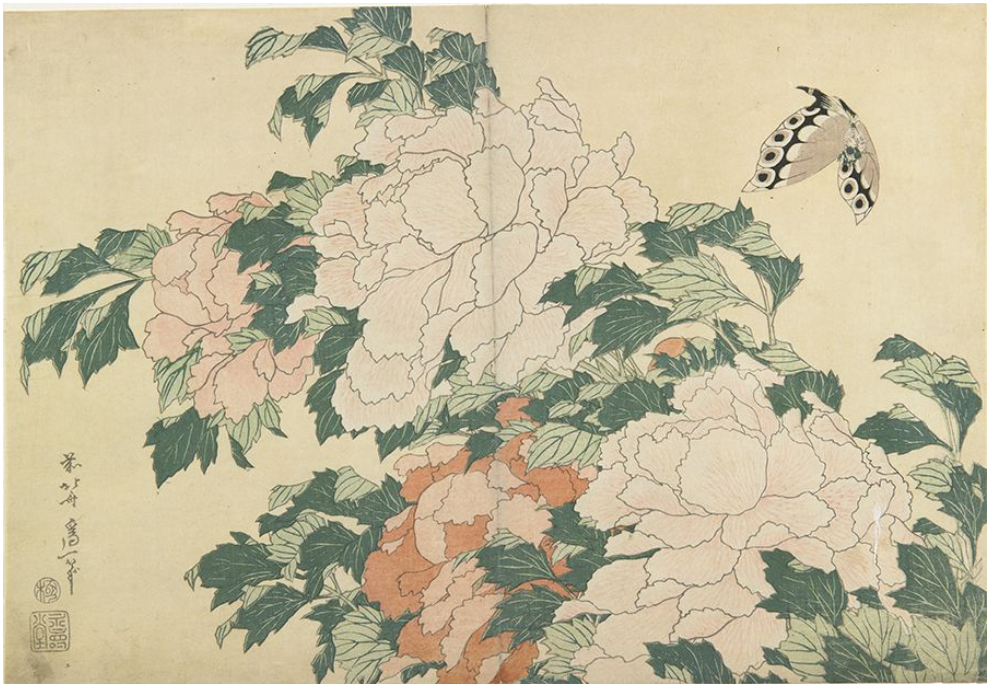
Kusama’s fascination with the polka dot is inextricable from her experience and appreciation of the world. ‘Our earth is only one polka dot among millions of others’, she has said. ‘We must forget ourselves with polka dots. We must lose ourselves in the ever-advancing stream of eternity’ (Y. Kusama quoted in L. Hoptman et al., Yayoi Kusama, London 2001, p. 103). In the present painting, her pleasure in nature and its abundant variety of forms is palpable. Each individual butterfly wing is painstakingly rendered in acrylic. They open and unfurl into patches of exuberant, spotted technicolor.
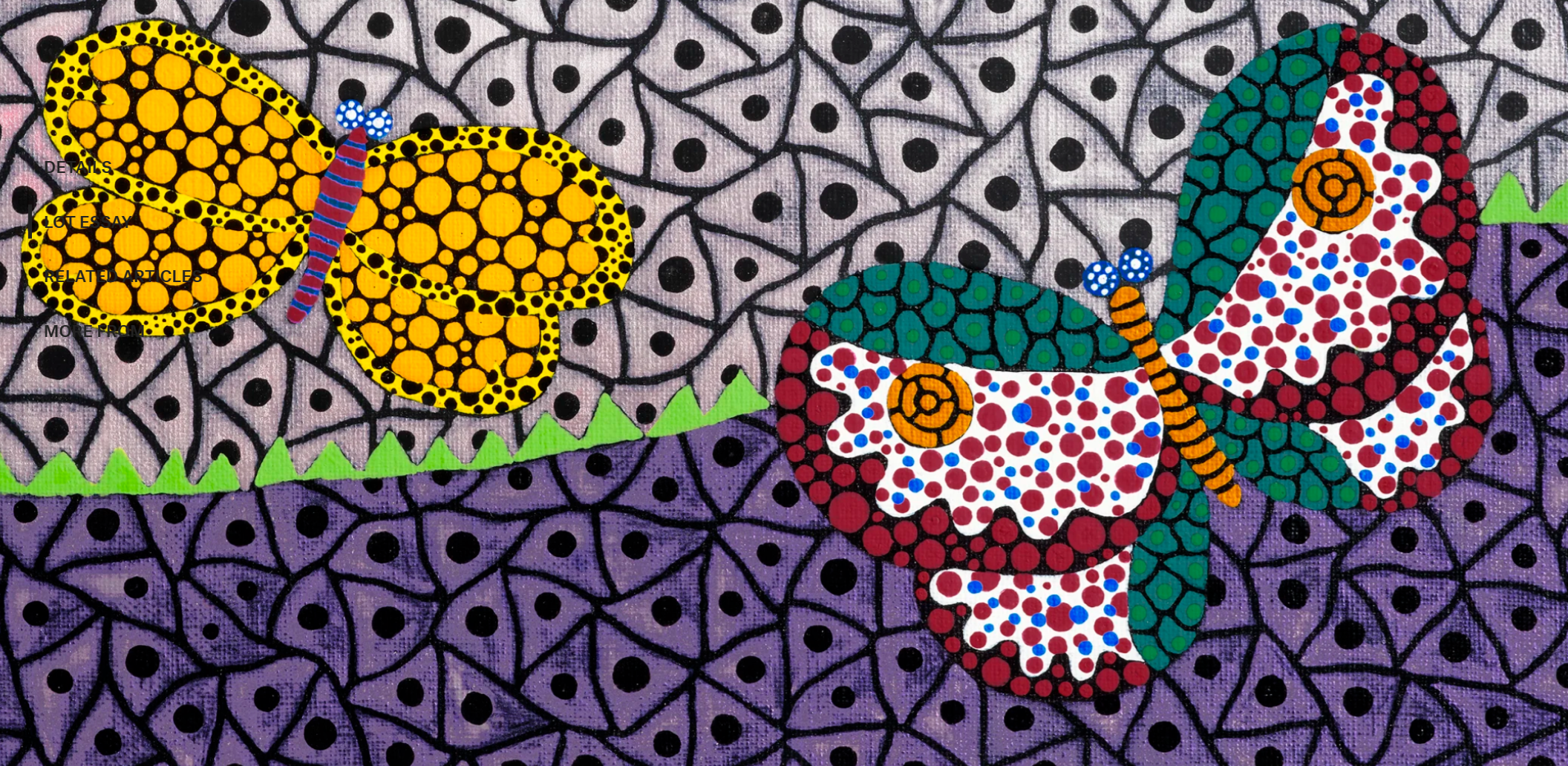
The creatures cluster around a leafy frond, delicately articulated with a jagged green border. Butterflies is characteristic of the artist’s later oeuvre. Art historian Lynn Zelevansky—curator of Kusama’s major retrospective exhibition that toured the United States and Japan in 1998-1999—noted that the artist’s work became smoother, more orderly, figurative, and ‘above all, more cheerful’ following her return to Japan in 1973 after sixteen years in America (L. Zelevansky quoted in Yayoi Kusama: A Retrospective. A Bouquet of Love I Saw in the Universe, exh. cat. Gropius Bau, Berlin 2021, p. 292). There is indeed a lightness to these subsequent paintings, which often feature joyful, concrete motifs: flowers, cherries, mushrooms, shells and fish.
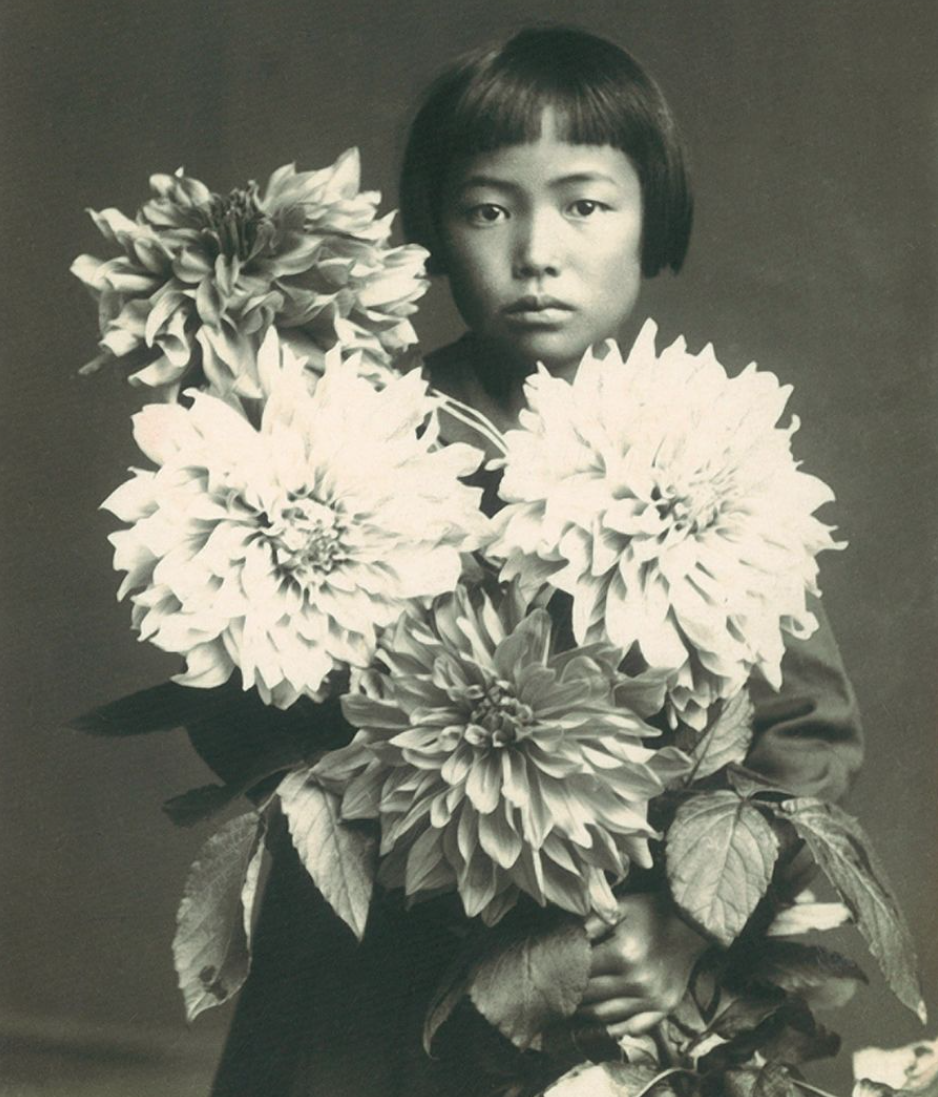
Yayoi Kusama at the age of ten in 1939. Private collection. © 2024 YAYOI KUSAMA.
Unpretentious and childlike, these organic objects likely speak to Kusama’s early memories of growing up in the rural provincial town of Matsumoto, and of formative visits to the botanical greenhouses and meadows of her grandparents’ plant nursery. A particularly beloved subject from the 1980s onwards, the butterfly possesses spiritual significance in Japanese culture. A symbol of metamorphosis and transformation, it is believed by many to transport the soul between terrestrial and celestial realms after death. Its associated mythology pertains to Kusama’s own practice, her deep and enduring meditations on the self, the cosmos and eternity. Her sensitivity to the fragile creature is indeed a personal as well as artistic one. Just over thirty years before the execution of the present painting, she had titled a canvas of ten butterflies suspended around a single pink flower Self-Portrait (1972). Popularized in the Japanese nursery rhyme ‘Chōchō, chōchō’ (‘Butterfly, butterfly’), the brightly colored insect can be seen to further encapsulate childhood comfort and nostalgia. Combining meticulous, figurative elements with the hypnotic traces of her earlier abstract nets, Butterflies is a powerful example of Kusama’s late visual idiom, and her spellbound adoration of the natural world.
Japanese Radishes, 1981
Christie’s London: 9 March 2024
Estimated: GBP 250,000 – 350,000
GBP 277,200 / USD 351,490
YAYOI KUSAMA (B. 1929)
Japanese Radishes, 1981
Acrylic on canvas
32×41 cm (12 1/2 x 16 1/8 inches)
Signed, inscribed, titled in Japanese and dated ‘Yayoi Kusama 1981 6F’ (on the reverse)
Yayoi Kusama’s Japanese Radishes (1981) is a paean to the natural world. The arresting monochrome depicts a series of Japanese radishes, or daikon, a distinctive subject within the artist’s rich oeuvre. Kusama has painted the three elongated vegetables against a tessellating black-and-white ground, and their bushy leaves and solarized forms, adorned with a deftly executed polka dot pattern, seem to simultaneously sink into and arise from the wavy, heady pattern. Both the dots and the infinity-net backdrop emerged from the hallucinations Kusama first experienced as a child and which have come to define her practice. Kusama has long been fascinated by the organic world. Growing up, Kusama passed much of her time at the plant nursery that her parents owned and operated. While out one afternoon with her grandfather, she found herself captivated by the solid, round pumpkins they came across during their walk, later making the protuberant vegetable a central—and now iconic—motif of her practice. Although Kusama has become indelibly linked to the pumpkin, she has, over the course of her long career, depicted other floral and vegetal motifs. Her earliest sketchbooks are filled with meticulous drawings of plants and flowers, and one of Kusama’s first paintings was a naturalistic still life of three onions, created while she was studying Nihonga, the neo-traditional Japanese style of painting, at the Arts and Crafts School in Kyoto. Japanese Radishes was painted in 1981, eight years after Kusama moved back to Japan after almost fifteen spent in New York City; her choice to paint a vegetable native to her homeland seems a fitting announcement—however belated—of her return. Japanese Radishes invokes the lessons Kusama had absorbed while living in New York, namely the ‘all over’ gestures of her Abstract Expressionist contemporaries and Pop art’s deadpan depictions of objects. The work filters these ideas through her own, decidedly personal practice and speaks to Kusama’s re-emergence within Japanese culture. Its crisp linearity underscores the graphic intensity of Kusama’s art. Despite the intense, almost space-age sense that imbues the work, it is inextricably tied to the earth, its land and vegetation, its seasons and cycles. The painting, in short, evokes an organic equilibrium.
3.4. Francis Bacon
Landscape near Malabata, Tangier, 1963
Christie’s London: 7 March 2024
Estimated: GBP 15,000,000 – 20,000,000
GBP 19,630,000 / USD 24,890,840
FRANCIS BACON (1909-1992), Landscape near Malabata, Tangier | Christie’s (christies.com)
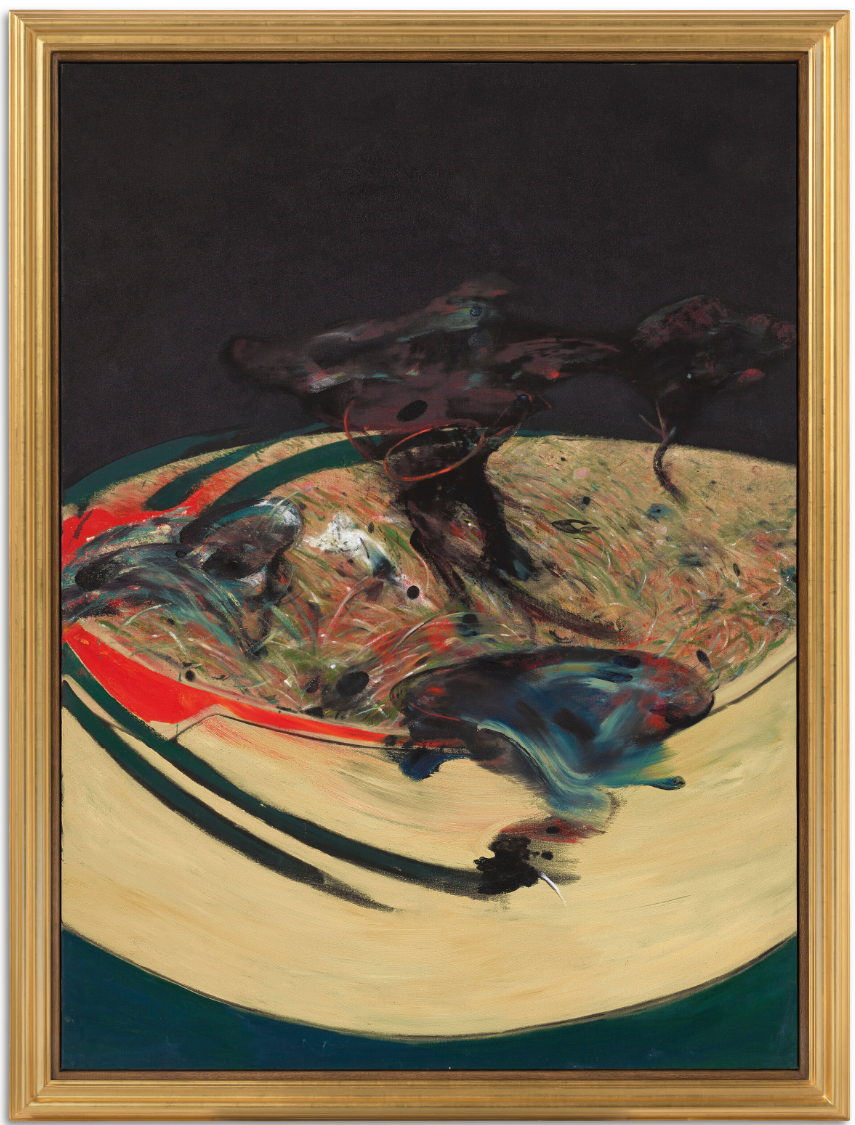
FRANCIS BACON (1909-1992)
Landscape near Malabata, Tangier, 1963
Oil on canvas
78×57 inches (198.1 x 144.8cm.)
Titled and dated ‘Landscape near Malabata, Tangier 1963’ (on the reverse)
A rare and seminal masterpiece that stands among Francis Bacon’s most poignant paintings, Landscape near Malabata, Tangier is a powerful and passionate memorial to his great love Peter Lacy. It was painted in London in 1963, the year after Lacy’s tragic death in Tangier, and depicts the landscape where he was laid to rest. Here, the artist pays tribute to their relationship in a singular image of grief, desire and longing. Two shadowy forms orbit a luminous vortex, bound together by the sweeping gestural motion of Bacon’s brush. Hauntingly anthropomorphic, they dissipate like spirits beneath the glaring North African sun. Visually unparalleled within the artist’s oeuvre, the work serves as a summation of his entire practice, drawing together elements from his early portraits of Peter Lacy and his Van Gogh-inspired paintings of the 1950s, while pointing towards the elliptical arenas and metaphorical landscapes that would evolve over the next two decades. With exceptional provenance, it is one of the artist’s most prominently exhibited paintings: an extraordinary portrait of love and loss, capturing the inevitable circularity that eventually returns flesh to earth.
Martin Harrison, author of the artist’s catalogue raisonné, describes the work as ‘Bacon’s ultimate, oblique memorial to his lover, and one of his greatest, most impassioned paintings’ (M. Harrison, Francis Bacon: Catalogue Raisonné, Volume III, London 2016, p. 720). Its history, indeed, bears witness to its significance. Shortly after its creation, it was unveiled at the Solomon R. Guggenheim Museum in New York, and featured in the pages of Vogue, where the critic Lawrence Alloway hailed its ‘dazzling color range, and the emotive power of [its] imagery’ (L. Alloway, ‘Francis Bacon: A great, shocking, eccentric painter’, Vogue, vol. 142, no. 8, November 1963, p. 182). Not long after, it was acquired by the celebrated author Roald Dahl, who purchased a number of masterworks by Bacon including the landmark Three Studies for a Portrait of George Dyer (1963). Over the years, critics from David Sylvester and Grey Gowrie to the writer Colm Tóibín have named it among his finest and most important paintings. It has been included in almost all of his major retrospectives across twenty-seven cities worldwide, most recently featuring in Bacon’s acclaimed survey at the Royal Academy of Arts, London in 2022.
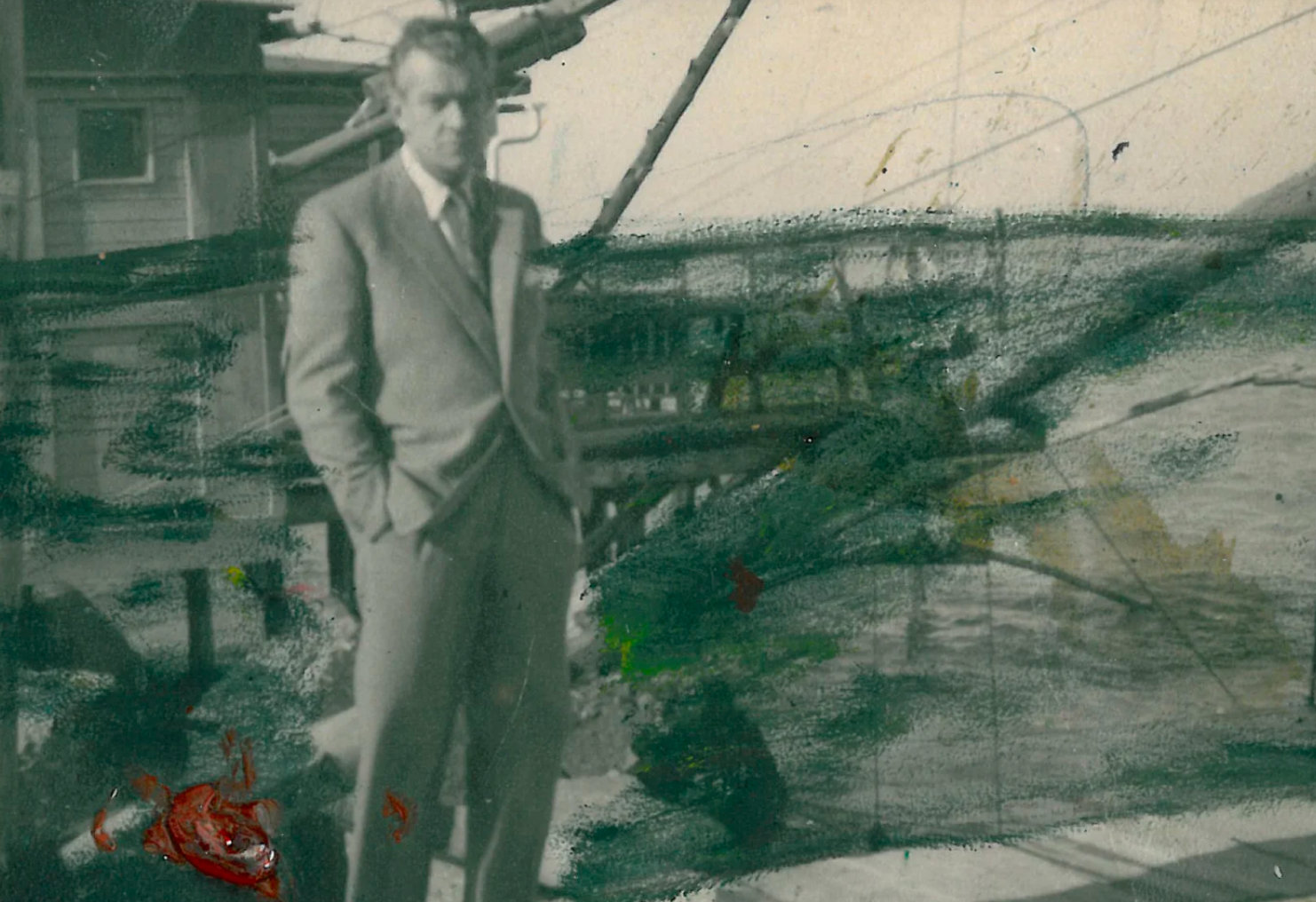
Bacon and Lacy had first met in 1952. Some trace their first encounter to the artist’s beloved Colony Room in Soho; others suggest they may have met at Careless Talk, where Lacy worked as a pianist. ‘I’d never really fallen in love with anyone until then,’ Bacon recalled; ‘… he had this extraordinary physique—even his calves were beautiful. And he could be wonderful company … he had a real kind of natural wit’ (F. Bacon, quoted in M. Peppiatt, Francis Bacon: Anatomy of an Enigma, London 1996, p. 145). Beneath this exterior, however, Lacy was a troubled man: a former pilot who had served during the Second World War. Both he and the artist were tempestuous, mercurial characters, and their relationship—from Lacy’s home near Henley-on-Thames, to trips to the South of France and Rome—was fueled by a turbulent mixture of passion, infatuation, violence and hysteria. On one occasion, Lacy hurled Bacon’s clothes off the side of a ship in anger; on another, he reportedly pushed the artist himself out of a window. ‘I couldn’t live with him’, Bacon confessed, ‘and I couldn’t live without him’ (ibid., p. 151).
It was there, under the dazzling Moroccan sky, that the couple’s relationship reached its explosive denouement. Ever-restless and dissatisfied with his life in London, Lacy had moved to Tangier in 1955. Though his affair with Bacon had already approached breaking point, the artist visited him every summer, and the two continued their volatile liaison abroad. With its glistening sun, lively expatriate community and liberal gay scene, Tangier quickly surpassed Monte Carlo as Bacon’s favorite exotic retreat. Among its residents were Beat Generation poets such as Allen Ginsberg and William Burroughs, who was working on his 1959 novel The Naked Lunch, as well as the playwright Tennessee Williams and the composer Paul Bowles. Lacy, too, had carved a new life for himself, playing the piano in Dean’s Bar. Increasingly penniless and dependent on alcohol, however, his feelings towards Bacon spiraled out of control. ‘Consider me dead!’, he had said to the artist in a burst of rage after a visit in 1960. The artist’s final trip in 1961—intended to patch things up—was a disaster, punctuated by cold-shouldering and betrayal. Bacon never heard from Lacy again.
Study of George Dyer, 1970
Sotheby’s London: 6 March 2024
Estimated: GBP 5,000,000 – 7,000,000
GBP 6,829,100 / USD 8,659,299
FRANCIS BACON (1909 – 1992)
Study of George Dyer, 1970
Oil on canvas
14×12 inches (35.5 x 30.5 cm)
Titled and dated 1970 (on the reverse)
Charged with extraordinary intimacy and emerging from a seductive dark ground, Francis Bacon’s Study of George Dyer is a masterpiece of intense physiognomic analysis that perfectly summates his incredible working process. Within the grand theatre of Bacon’s life and work, George Dyer inhabits a position of paramount importance. Appearing in over forty paintings, with as many created following his death as executed during his lifetime, Dyer wields a power unlike any other. His portrayal spans the full extent of human drama: at once vulnerable, brooding, romantic, surreal, heroic and tortured Bacon’s painterly incarnations of Dyer reveal a multifaceted, tempestuous and passionate love affair. Painted in early 1970, during a period of exceptional turmoil in their relationship, this mutating and vibrant portrait combines masterfully scumbled, scraped and diffused painterly bravura with arresting intensity and consummate psychological depth.
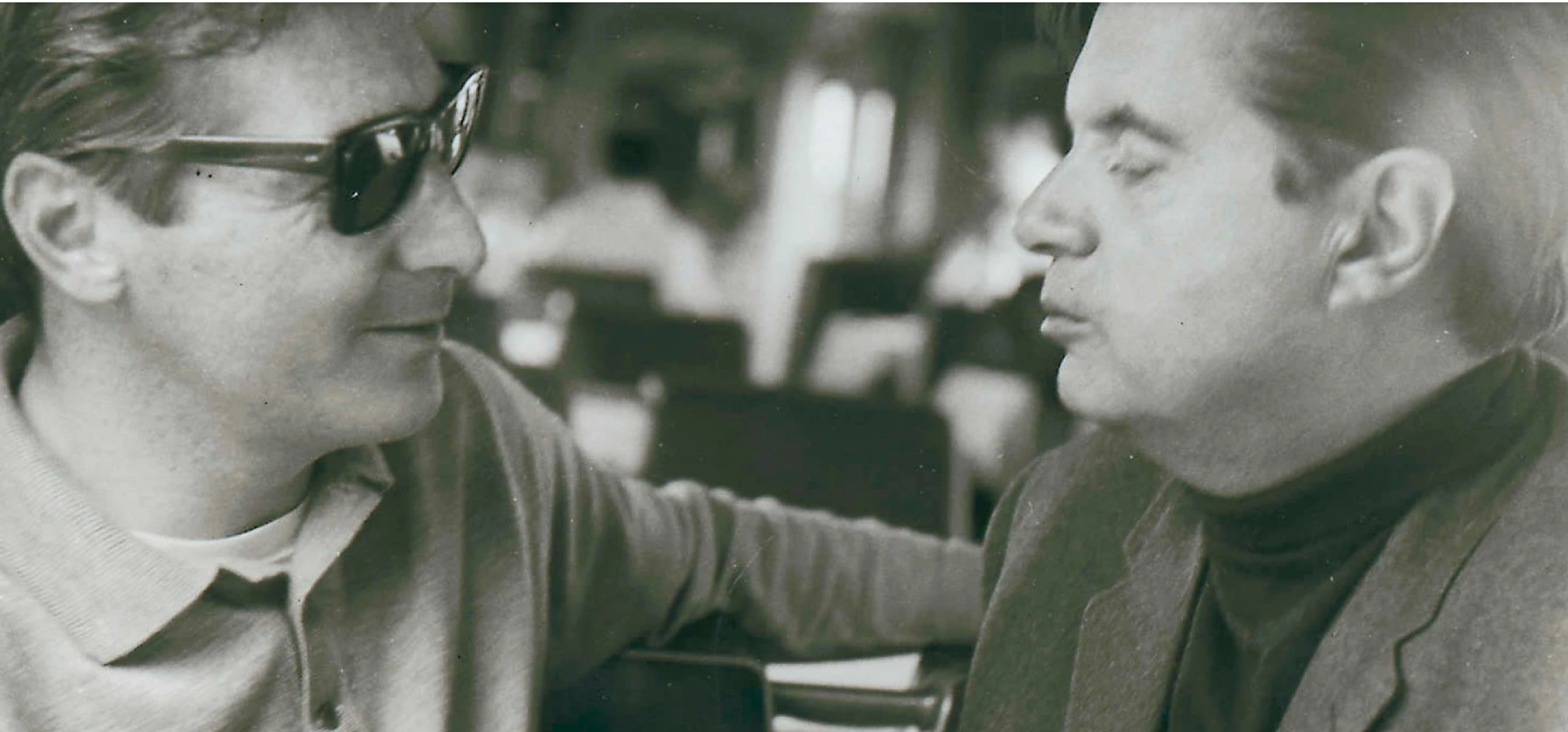
BLACK AND WHITE PHOTOGRAPH OF FRANCIS BACON AND GEORGE DYER ON THE ORIENT EXPRESS, 1965 PHOTO: JOHN DEAKIN COLLECTION: DUBLIN CITY GALLERY THE HUGH LANE © THE ESTATE OF FRANCIS BACON / DACS 2024
Not only is the present work outstanding in its execution, presenting a virtuosity of brushwork and exuberance of colour that rivals any other masterpiece the artist produced, but it is also extraordinarily rare, as the very last intimately scaled portrait of Dyer completed before his tragic death the following year. It serves as an apt counterpoint to the so-called ‘Black Triptychs’ of the early and mid-1970s that commemorate Dyer, which are widely considered to be among the greatest triumph of Bacon’s whole output. An exceptional work therefore that possesses an equally exceptional exhibition history, Study of George Dyer was hand chosen by the artist for inclusion in the single most important exhibition in Bacon’s lifetime, the grand scale retrospective held at the Grand Palais in 1971 (an accolade only previously afforded to Pablo Picasso among living painters). Tragically, this apogee in Bacon’s career would be the catalyst for Dyer’s inevitable demise: on the eve of the opening, he was killed by an overdose of barbiturates. Thus the present work—the last portrait electrified by the fervour of Bacon’s passion for his living lover—remains an incredibly rare gemlike composition that exudes emotion, vitality and an ardor that has immortalised both Bacon’s deep infatuation with his muse as well as his inimitable style.
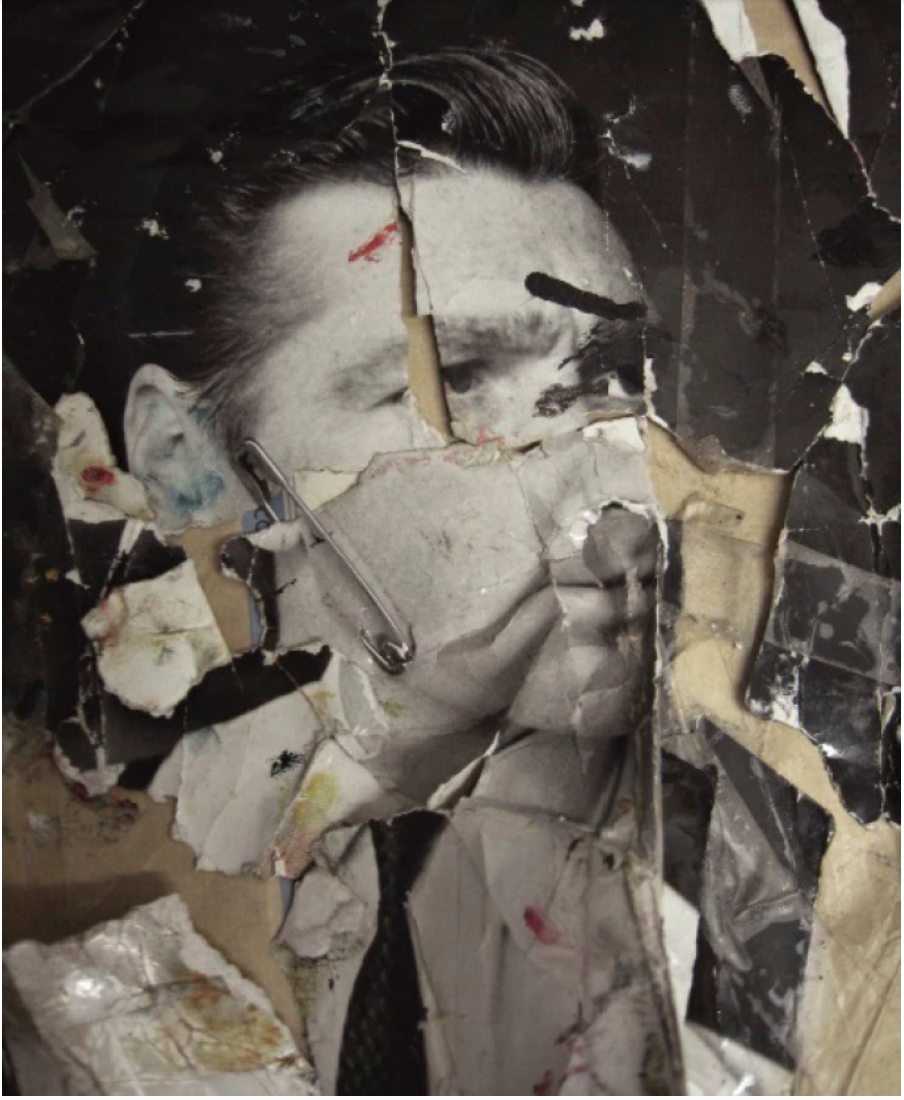
PHOTOGRAPH OF GEORGE DYER, MANIPULATED BY FRANCIS BACON AND MOUNTED ON AN ENVELOPE, C. 1965. PHOTO: JOHN DEAKIN COLLECTION: DUBLIN CITY GALLERY THE HUGH LANE © THE ESTATE OF FRANCIS BACON / DACS 2024
The compositional catalyst for this work was a series of photographs of Dyer taken by John Deakin in Soho in about 1964. Bacon had commissioned Deakin to capture a multitude of images of his most frequent sitters, as he preferred to paint in absentia relying predominantly on the combination of photographic material and memory to inform his image creation. He viewed painting by nature as an artifice and felt that having the model before him suffocated spontaneous creative invention. In the way it both correlates with and departs from its source Bacon’s painting is one of the most sophisticated uses of photography in the history of painting. As a surviving eulogy to the Bacon-Dyer relationship, this work’s rarity is amplified by Bacon’s practice of destroying any canvas that he deemed unsatisfactory. Indeed, despite one hundred and twenty-nine photographs of Dyer being found in Bacon’s studio after the artist’s death, a number vastly exceeding that for any other subject, this painting is one of only two known designated portrayals of Dyer in this single fourteen- by twelve-inch format. Of this jewel-like size, John Russell has said, “The single head, fourteen inches by twelve, was from 1961 onwards the scene of some of Bacon’s most ferocious investigations. Just as a gunshot sometimes leaves an after-echo or parallel report, so these small concentrated heads carry their ghosts within them” (John Russell, Francis Bacon, London, 1993, p. 99). As a result, these extraordinarily rare small portraits of Dyer represent a life-force that with his passing, were never to return.
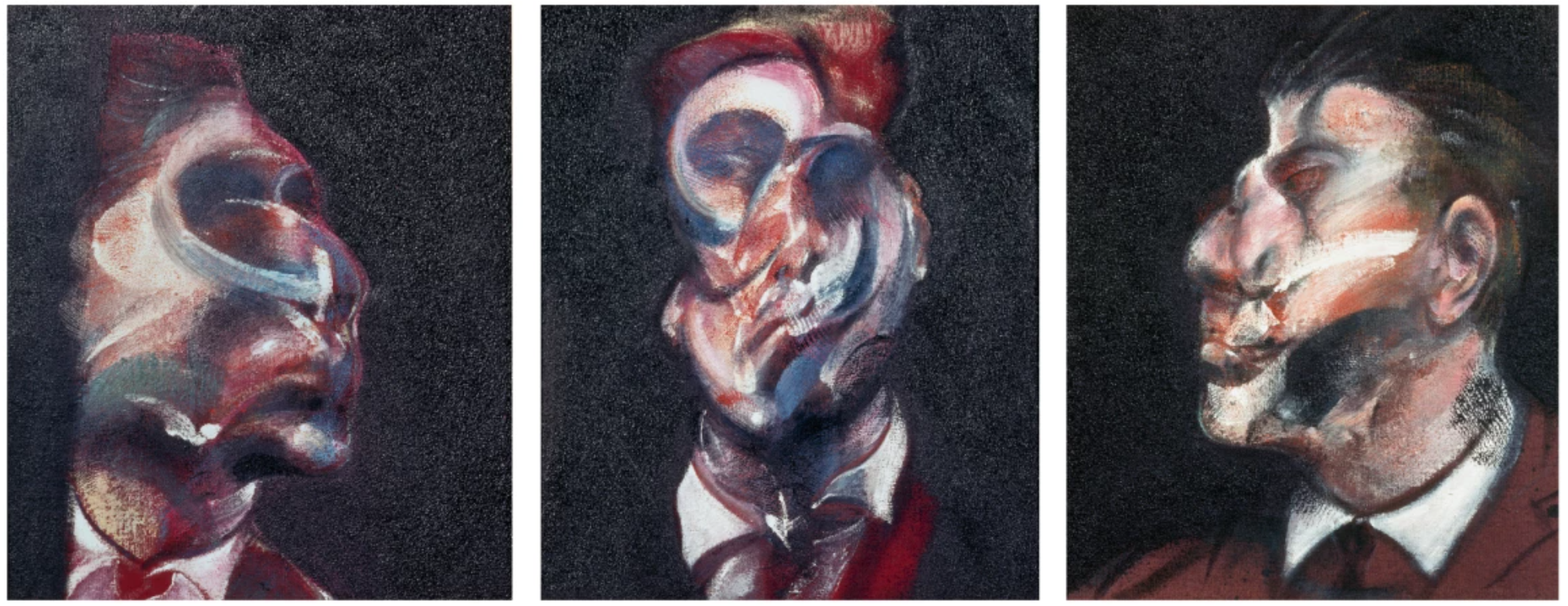
FRANCIS BACON, THREE STUDIES OF GEORGE DYER, 1966. SOLD SOTHEBY’S NEW YORK, NOVEMBER 2017 FOR $38.6 MILLION. © THE ESTATE OF FRANCIS BACON. ALL RIGHTS RESERVED. / DACS, LONDON 2024
Bacon’s radical handling of paint and perspective was profoundly inspired by his voracious devouring of canonical precedent. With ferocious alacrity, he consumed and digested the pictorial conventions of masterpieces and the terms of their execution. Whether cast from mythical allegory, classical Antiquity or contemporary culture, devices invented by such masters as Michelangelo, Rembrandt, and Pablo Picasso, to name but a few, provided supreme examples of psychological cross-examination and perspective. Bacon spoke most admirably of Picasso, especially his work of the 1920s and 1930s, in which he saw a syntax of “organic form that relates to the human image but is a complete distortion of it” (the artist quoted in: Milan Kudera and France Borel, Bacon: Portraits and Self-Portraits, London 1996, p. 10).
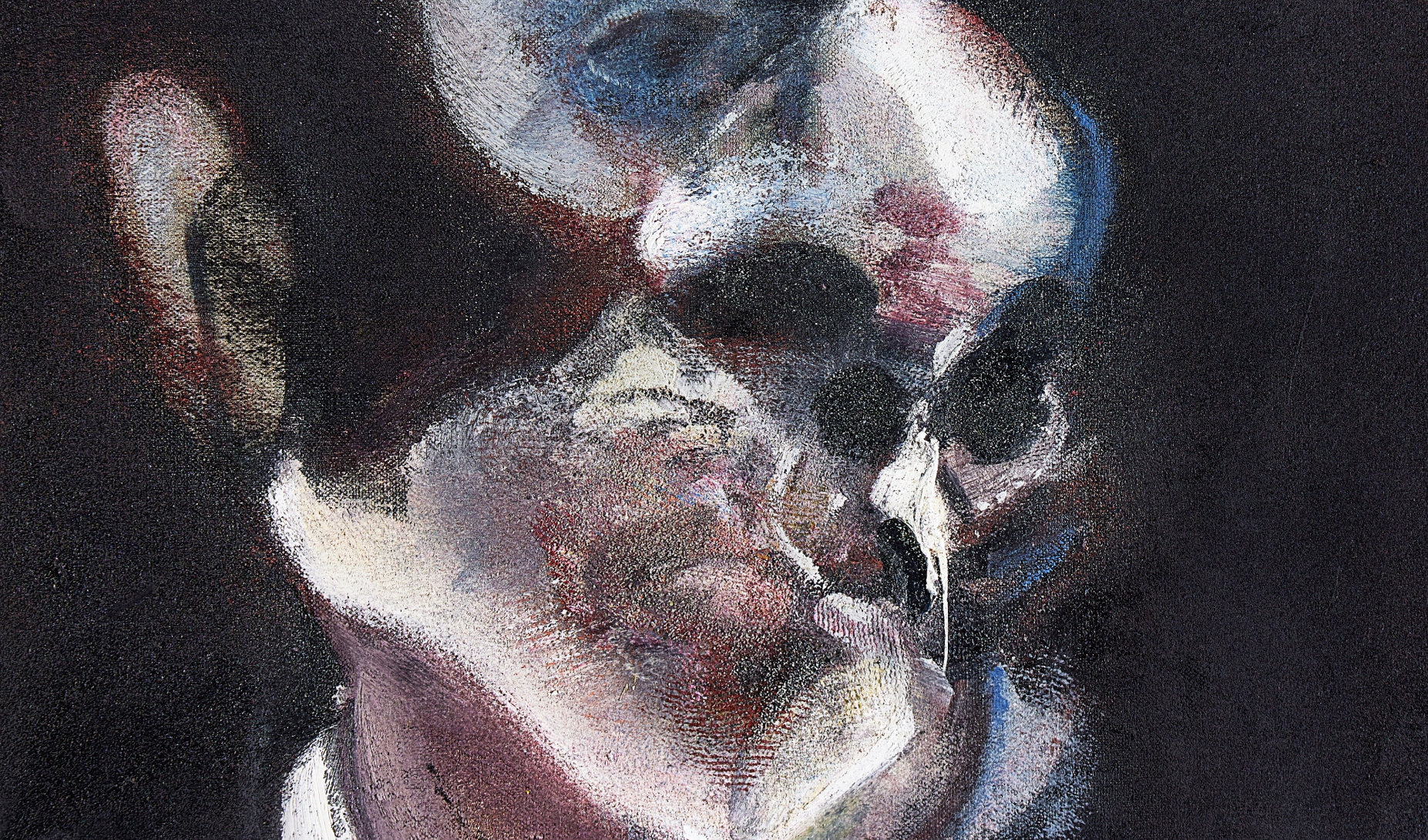
Furthermore, renderings by such titans as Picasso, Vincent Van Gogh, and Alberto Giacometti were influenced by subjective experiences of their deeply familiar sitters, often chosen from a small circle of family and friends, and repeatedly depicted. Indeed, David Sylvester has described how “Bacon had something of Picasso’s genius for transforming his autobiography into images with a mythic allure and weight” (David Sylvester, Looking Back at Francis Bacon, London 2000, p. 186), and Study of George Dyer superbly projects personal experience from Bacon’s microcosmic realm onto the macrocosmic stage of global relevance. On the one hand it is devoted to the character and psychology of George Dyer, yet from another it is a metaphor for inner conflict. As a symposium of virtuoso expression and profound universality, Study for George Dyer is poised between chaotic immediacy and syncopated rhythm that finds few parallels within Bacon’s pantheon of small portrait studies.
3.5. Alex Katz
Black Hat No. 3, 2010
Sotheby’s London: 6 March 2024
Estimated: GBP 300,000 – 400,000
GBP 482,600 / USD 611,937
ALEX KATZ (b. 1927)
Black Hat No. 3, 2010
Oil on canvas
48 x 66 1/8 inches (122 x 168.1 cm)
Signed and dated 10 (on the overlap)
Pairing bold colors with signature flatness, Black Hat No.3 is a quintessential testament to Alex Katz’s distinctly stylized and markedly idiosyncratic aesthetic. Executed in 2010, the present work exemplifies his mastery in capturing the essence of contemporary life with effortless grace and sophistication. Against the vibrant canary yellow background, the figure is cropped into view, her presence commanding attention. The present work depicts his wife Ada who has become synonymous with the artist’s iconic portraiture. Cloaked in mystery, she wears a black hat and sunglasses, which obscures her facial features.
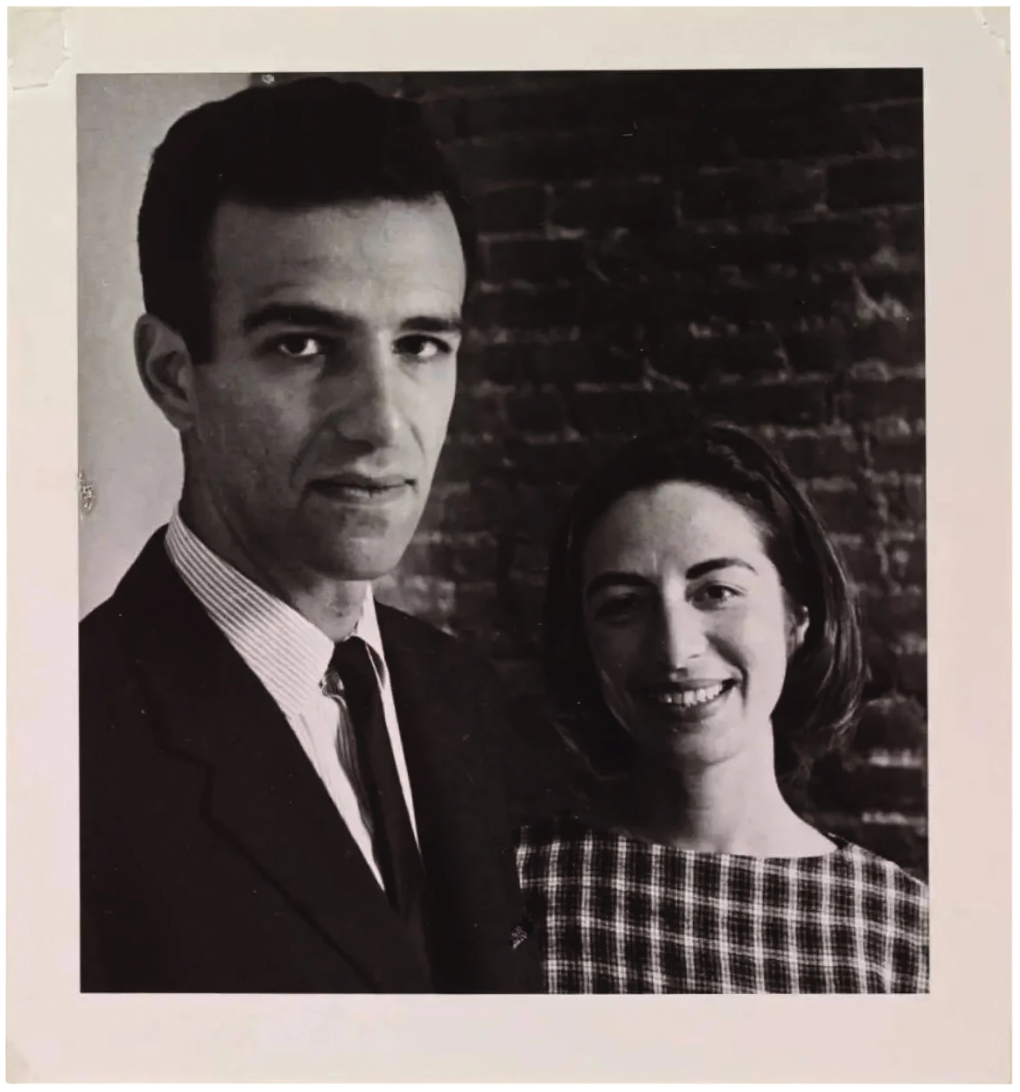
RUBY BUCKHARDT, ALEX AND ADA, 1958 / IMAGE: © COLBY COLLEGE MUSEUM OF ART / ARTWORK: © ESTATE OF RUDY BUCKHARDT
Black Hat No. 3 characterizes Katz’ interest in advertising billboards and movie screens, as evidenced by the very deliberately cropped composition that fills the wide and expansive canvas. In this way, Katz strips the work of any context and extraneous details, allowing pure figuration and abstraction to preponderate. Depicted in profile, his two-dimensional rendering of Ada is akin to that of a billboard. In 1977, Katz was commissioned to create Times Square Mural where he produced a frieze of twenty-three portraits of women surrounding the building; this work was the ultimate tribute to the American billboard.
Katz’s distinctly stylised aesthetic gained international recognition and critical acclaim in the latter half of the 1980s with his 1986 retrospective at the Whitney Museum in New York. As the subject of another retrospective at the Solomon R. Guggenheim Museum in New York last year, Katz has proven to be one of the most influential artists of our time. With its brilliant palette, grand scale, and archetypal stylistic flatness, Ada is a superlative example of the artist’s remarkable opus, as well as a larger-than-life image of Katz’s New York’s greatest muses – she might even be more frequently painted than Picasso’s greatest muse Dora Maar.
Isca, 2001
Christie’s London: 7 March 2024
Estimated: GBP 400,000 – 600,000
GBP 655,200 / USD 830,794
ALEX KATZ (B. 1927), Isca | Christie’s (christies.com)
ALEX KATZ (B. 1927)
Isca, 2001
Oil on linen
72×60 inches (183 x 152.4 cm)
Held in the same private collection for the past two decades, Isca (2001) is a luminous monumental portrait by Alex Katz. A young woman is framed in close-cropped three-quarter profile against a soft lilac backdrop. Golden light illuminates her fine features and bared shoulder, as if the sun is beaming in from the picture’s left. Katz’s trademark billboard scale and smooth, wet-on-wet brushwork appear deceptively simple: the picture is alive with exquisite economies of detail, from the feathered strokes in the subject’s hair to the green and lilac used for her eyes, and the bold, graphic black line of the strap that runs down her shoulder. Katz shapes a vivid human presence with the most effortless and eloquent of means. The sitter is Isca Greenfield-Sanders, an artist whose husband was Katz’s studio assistant for a number of years, and whose father, director and photographer Timothy Greenfield-Sanders, photographed Katz in the 1980s. In 2004, the painting was shown in Katz’s major retrospective at the Albertina, Vienna.
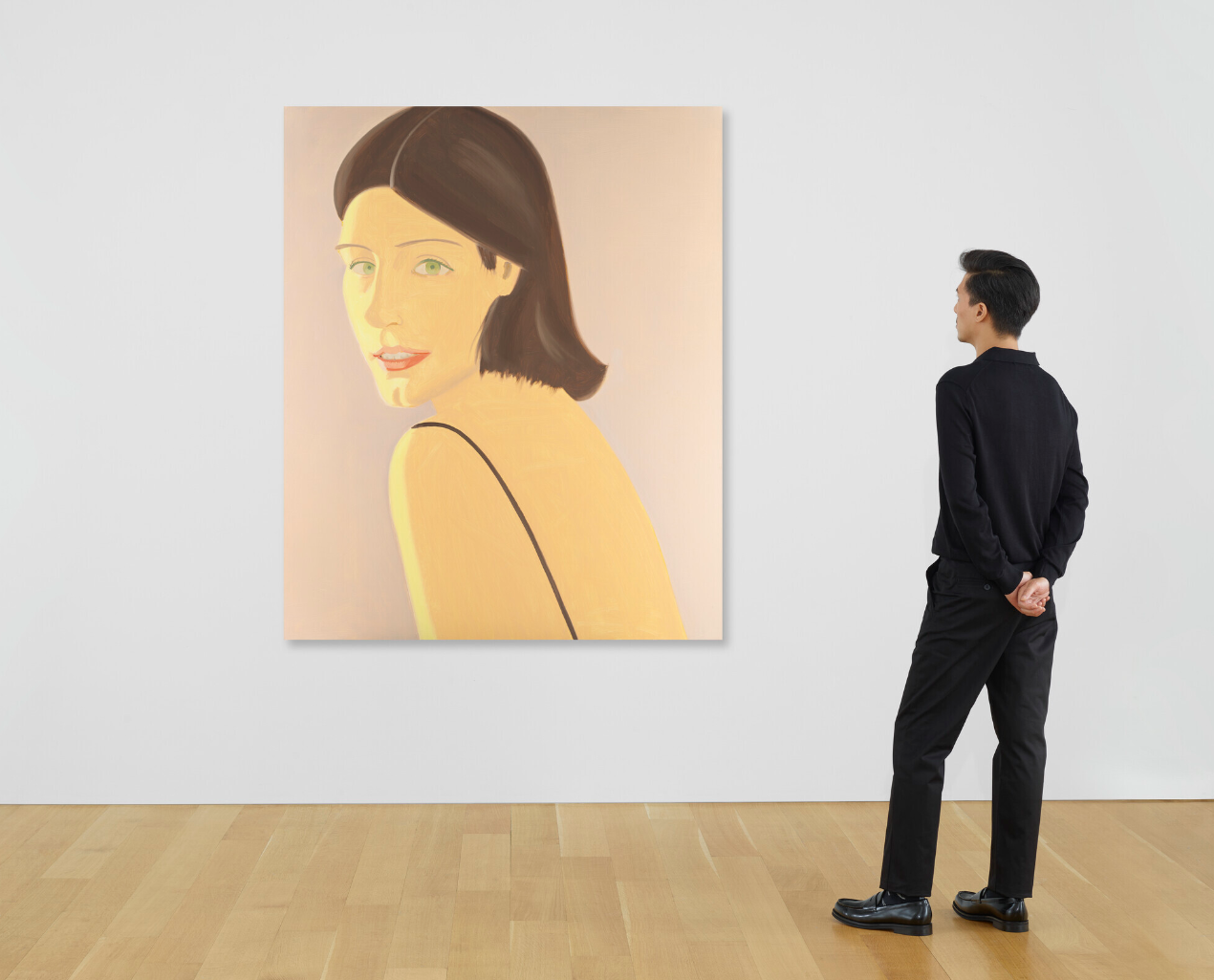
Works like Isca realize an ambition for vastness that was Katz’s from an early stage. Studying art at Cooper Union in the era of Abstract Expressionism, the Brooklyn-born painter wanted to make figurative work that would stand up against the most powerful canvases of the New York School.
‘Those Klines and de Koonings had so much big energy; I wanted to make something that knocked them off the wall. Just like that—more muscle, more energy. They set the standard. It wasn’t the style I wanted to follow, but I wanted to paint up to their standards.”
Katz’s early paintings paid homage to Cézanne, Bonnard and Matisse. The latter’s cut-out collages were especially influential for the young painter, shaping the ways in which he positioned his figures as separate to their backdrops. He was soon depicting his friends, family and acquaintances on a cinematic scale.
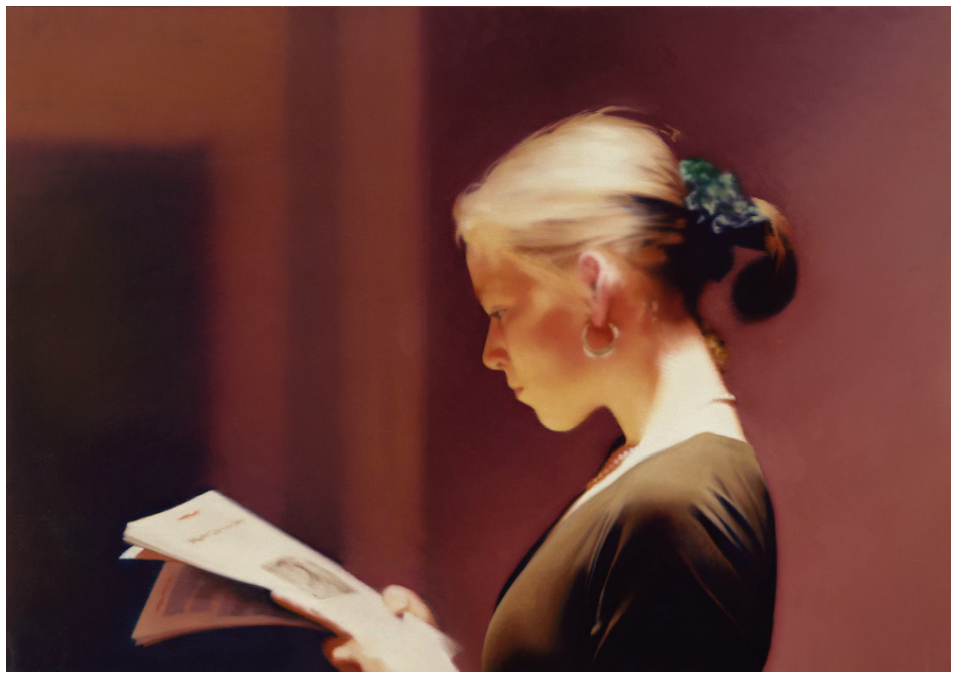
Gerhard Richter, Lesende (Reader), 1994. San Francisco Museum of Modern Art (SFMOMA), San Francisco. © Gerhard Richter 2024 [0015].
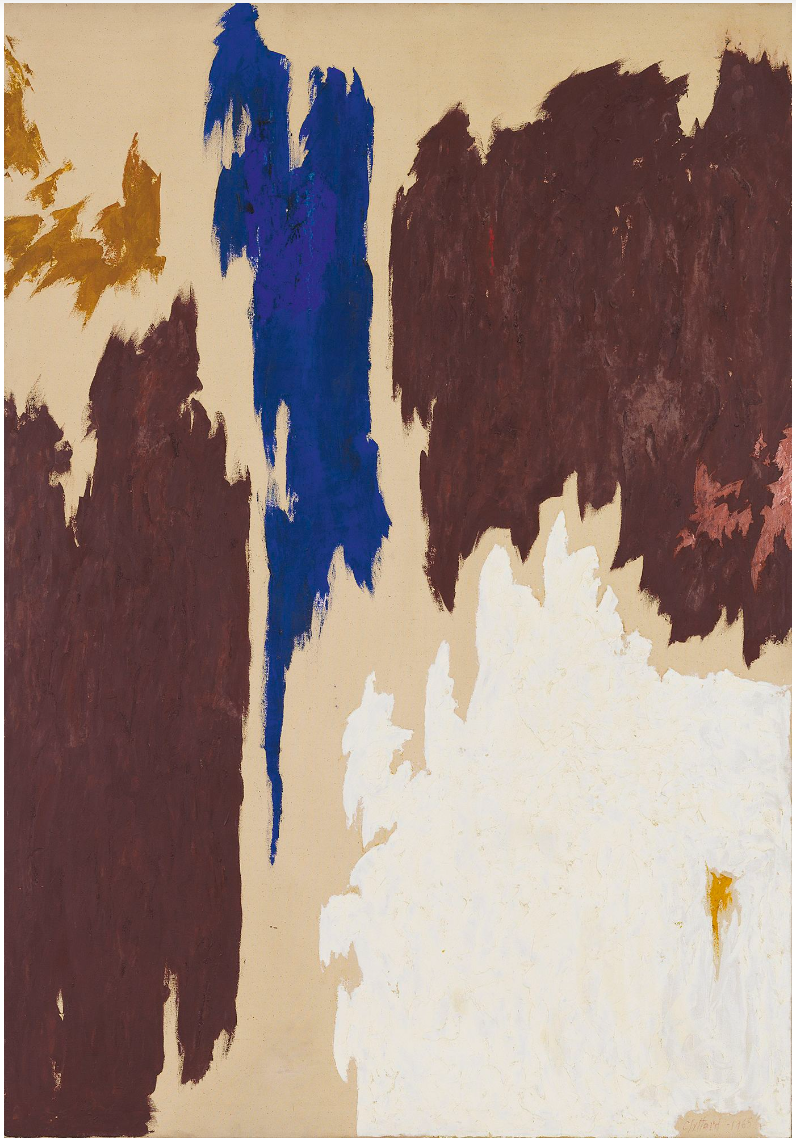
Artwork: © Clyfford Still, DACS 2024. Photo: Museo Nacional Thyssen-Bornemisza/Scala, Florence
Writing in 1961, Katz declared: ‘I would like my paintings to be brand-new … A brand-new painting without much quality can be exciting, but there is nothing quite like a painting that is brand-new and terrific’ (A. Katz, ‘Brand-New and Terrific’, Scrap, Vol. 6, 19 April 1961, p. 3). What he meant by ‘brand-new and terrific’ was a form of representation that hit the viewer with a visual jolt, one that paralleled the perceptual phenomenon of seeing a person for the first time. Katz’s flattened, stylized figures are distilled so as to mimic that initial focal impact. The effect invests even his most familiar subjects—who are typically friends, family and close acquaintances—with the shock of the new. Isca arrives like the dawn, aglow in brilliant, intimate splendor.
Sophie, 2003
Christie’s London: 9 March 2024
Estimated: GBP 400,000 – 600,000
GBP 604,800 / USD 766,886
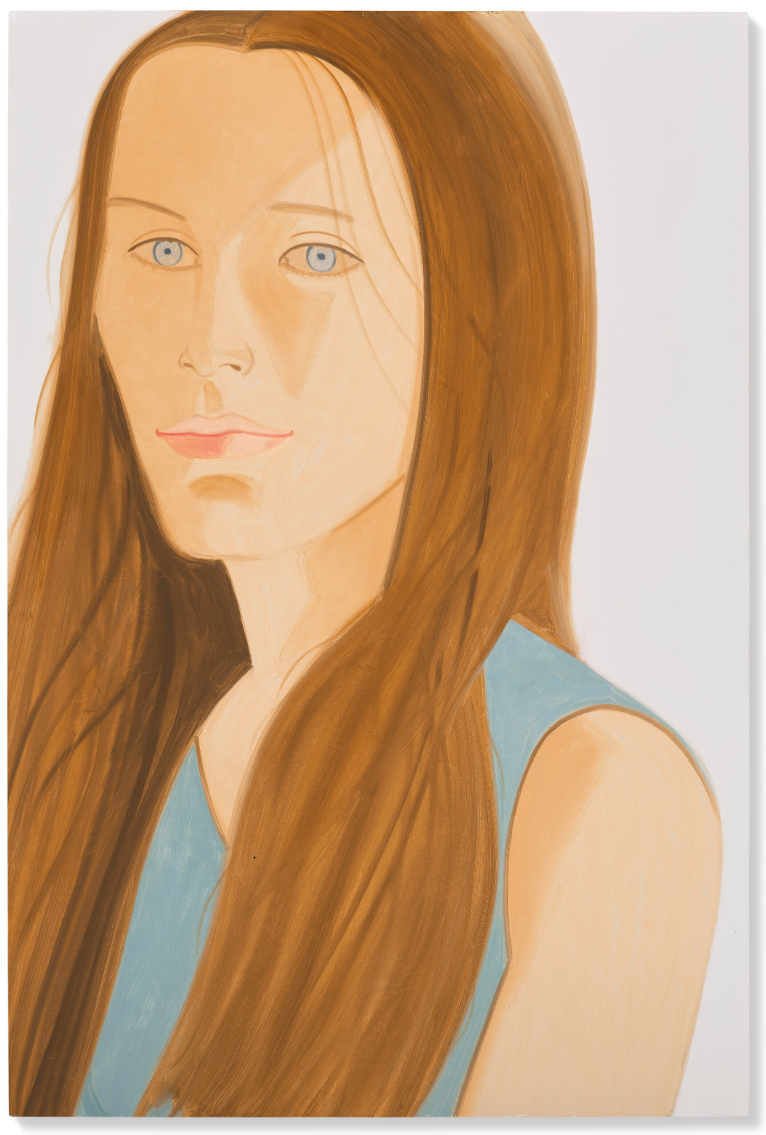
ALEX KATZ (B. 1927)
Sophie, 2003
Oil on canvas
72 x 48 1/4 inches (183 x 122.5 cm)
Signed and dated twice ‘Alex Katz 03 Alex Katz 03’ (on the overlap)
Painted in 2003, Sophie is a regal, urbane portrait by Alex Katz. Closely cropped against an enigmatic ground, Katz’s sitter possesses an undeniable poise. Long cascades of brown hair frame her elegant visage, warmly illuminated by soft lighting. Katz is a colorist par excellence, and the blue of his sitter’s eyes is crystal-clear. This, in combination with the work’s tranquil atmosphere, lends Katz’s subject an almost angelic grace: with her simple dress, bare face, and flowing hair, Sophie recalls a Renaissance divinity. Katz has always been a student of art history, having taught himself early on the Old Master technique of making cartoons before embarking on a canvas; he considers Goya, Manet, Matisse, and the ancient Egyptian sculptor Thutmose to be among his most enduring influences.
Born in Brooklyn in 1927, Katz came of age in an art world devoted to brash, abstracted gestures and Action Painting. In deference to the avant-garde movements of the era, he took seriously their tenets and scale, and developed an interest in flat space and heightened colour. Yet Katz was unable to give himself over to abstraction and never strayed from figuration. Instead, he challenged himself to faithfully represent reality even as he remained truthful to his medium and its thrilling, two-dimensional constraints. ‘I can’t think of anything more exciting than the surface of things,’ he has said (A. Katz quoted in I. Sandler, Alex Katz: A Retrospective, New York 1998, p. 24). Looking to Matisse and Rothko in particular, Katz used colour to achieve depth and volume without eschewing representational imagery. His art, as such, suggests less a photographic reality than how the artist himself sees and experiences the world around him.
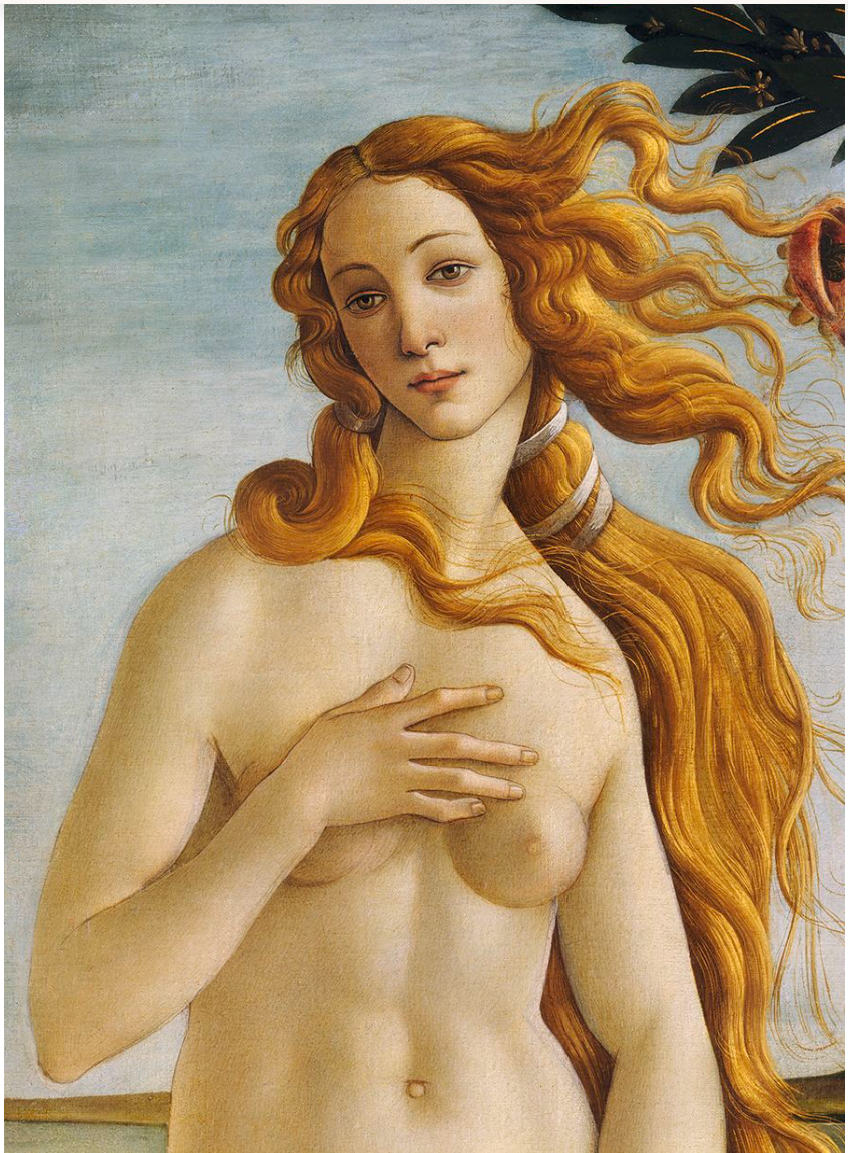
Left: Sandro Botticelli,The Birth of Venus (detail), 1482-1484, Galleria degli Uffizi, Florence. Photo: © Scala, Florence – courtesy of the Ministero Beni e Att. Culturali e del Turismo.
Right: Johannes Vermeer, Girl with a Pearl Earring, circa 1665-1666. Mauritshuis, The Hague. Photo: © Bridgeman Images.
By employing close-ups and cropped viewpoints, Katz imbues his paintings with a sense of drama even as his subjects remain tantalizingly out of reach. Over his long and prolific career, Katz has honed this pictorial aloofness, citing ‘detachment’ as a preferred aesthetic quality. Sophie contains the hallmarks of his painting: refined sophistication, gorgeous tonalities and a certain sangfroid. For more than seven decades, Katz has stayed loyal to his idiom, a dedication celebrated in his recent retrospective at the Solomon R. Guggenheim Museum, New York, in 2022. While his formal strategies evince a Pop aesthetic, what unites all Katz’s oeuvre—and is so evident in Sophie—is the paramount importance of style. His paintings are true to their own moment, which, as Katz told the critic David Sylvester, is the point: ‘…this is the highest thing an artist can do—to make something that’s real for his time, where he lives’ (A. Katz interviewed by D. Sylvester, 15-16 March 1997).
3.6. Jean Dubuffet
Le Guilleret, 1961
Sotheby’s London: 6 March 2024
Estimated: GBP 2,000,000 – 3,000,000
GBP 2,226,000 / USD 2,822,568
JEAN DUBUFFET (1901 – 1985)
Le Guilleret, 1961
Oil on canvas
116.1 x 88.8 cm (45 3/4 x 35 inches)
Signed and dated 61 (lower left)
Signed, titled and dated sept. 61 (on the reverse)
Jean Dubuffet’s Le Guilleret from 1961 is an exquisite example of the Paris Circus series and captures the sense of humour and painterly command for which Dubuffet is most celebrated. The painting was acquired by Mary and George Bloch in 1985 and has remained in the same collection for nearly four decades. Depicting a walking man, Le Guilleret is outstanding in its vivid coloration and intricately layered brushwork, creating a kaleidoscopic surface full of vigor and energy which characterizes the artist’s renowned series.
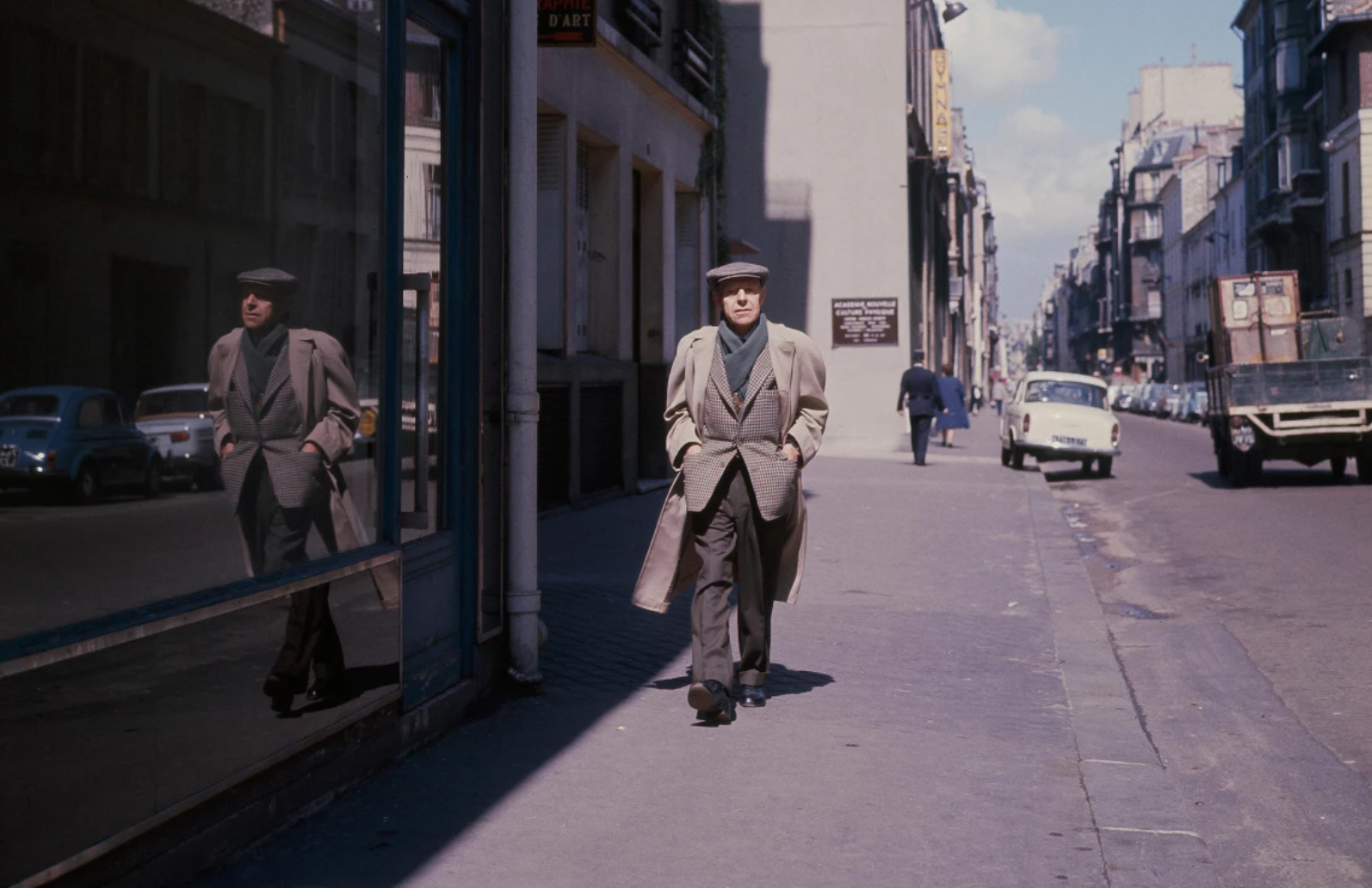
JEAN DUBUFFET IN PARIS PHOTOGRAPHED BY IDA KAR IN 1964 / IMAGE: © NATIONAL PORTRAIT GALLERY
The Paris Circus series was executed between the end of February 1961 and July of 1962, and marked a complete departure from his previous body of works which focused on the exploration of materials and their tactile qualities. The series was prompted by a bus journey through Paris in 1961; Dubuffet experienced the buzzing and vibrant metropolis in stark contrast to the remoteness of rural life he had led in Vence. It was his first extended stay in the city after six years away, and Paris had changed dramatically since his departure. The city’s population had grown, and a new economic boom in the post-war period had created a new consumer society. The urban landscape full of billboards, cars, shop fronts, restaurants and bars became his subject, coming together to form a short yet brilliant series of works depicting the capitalist spectacle, which Dubuffet fittingly titled Paris Circus.
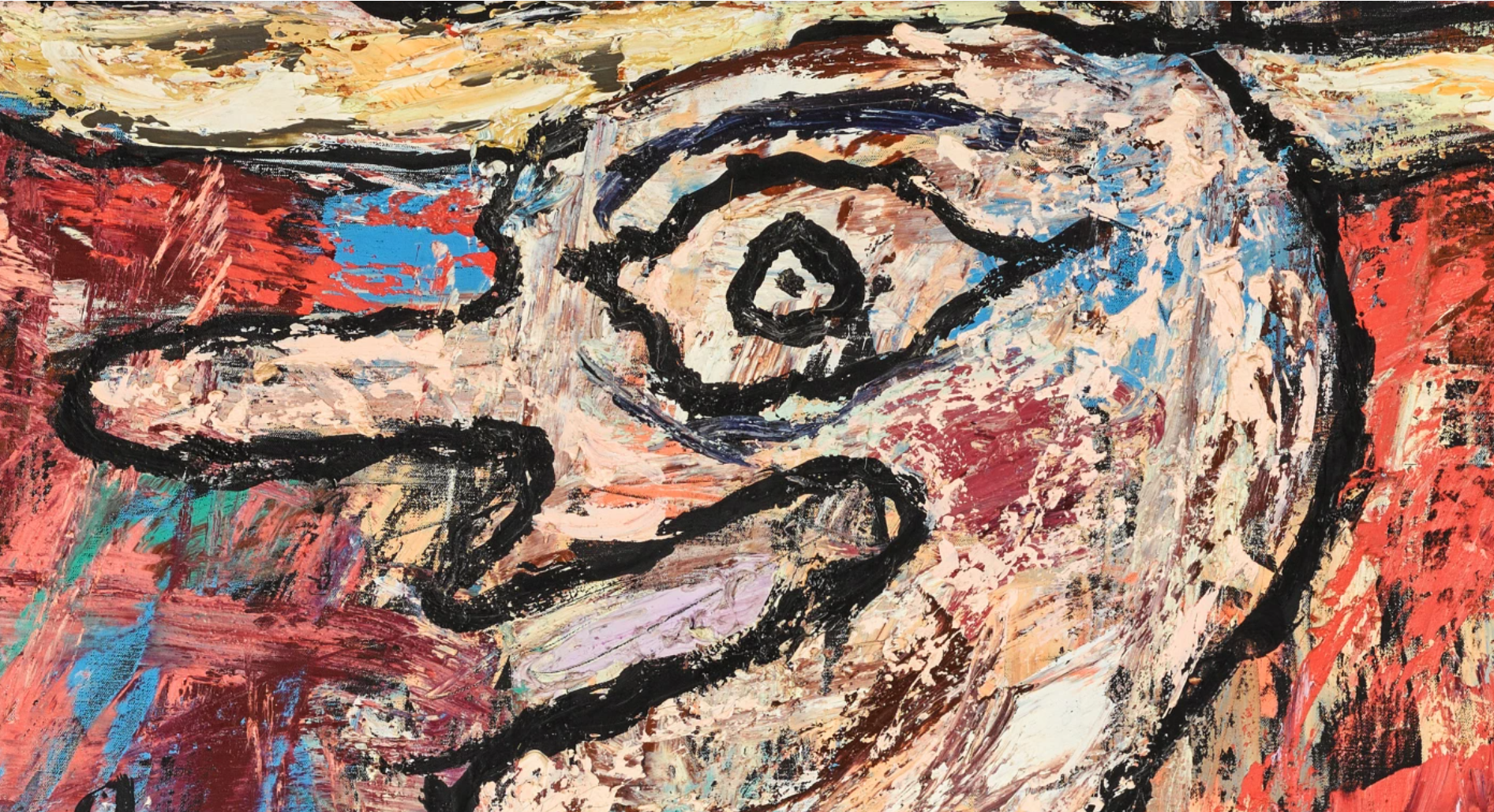
Painted with a bright and colorful palette, the Paris Circus series take on a joyous tone as Dubuffet departed from the earthy palette he had favored during the darker years of German occupation. As he wrote to his friend, curator and critic Genevieve Bonnefoi, “I live locked up in my studios, doing, guess what? Paintings in the spirit and manner of those I was making in 1943. [I have] decided to start all over from the beginning” (Jean Dubuffet quoted in: Jean Dubuffet, PES, vol. 2, 4 August 1961, p. 479). Indeed, in its flat, rounded form, the figure in the present work bears a clear resemblance to those populating his series Marionnettes de la ville from 1940s. In Le Guilleret, Dubuffet irreverently disarms the traditional deception of naturalistic perspective, accentuating his figure’s two-dimensionality through reductive and simplified shapes. Filling the entire picture plane, the figure’s boldly outlined body stretch and expand to fill the space it occupies, deviating from the historically established notion of balance and idealized compositions. Entering this new cycle of works, Dubuffet left behind his preoccupation with dirt, austerity and melancholy and moved instead towards theatricality, joie de vivre and the frenetic.
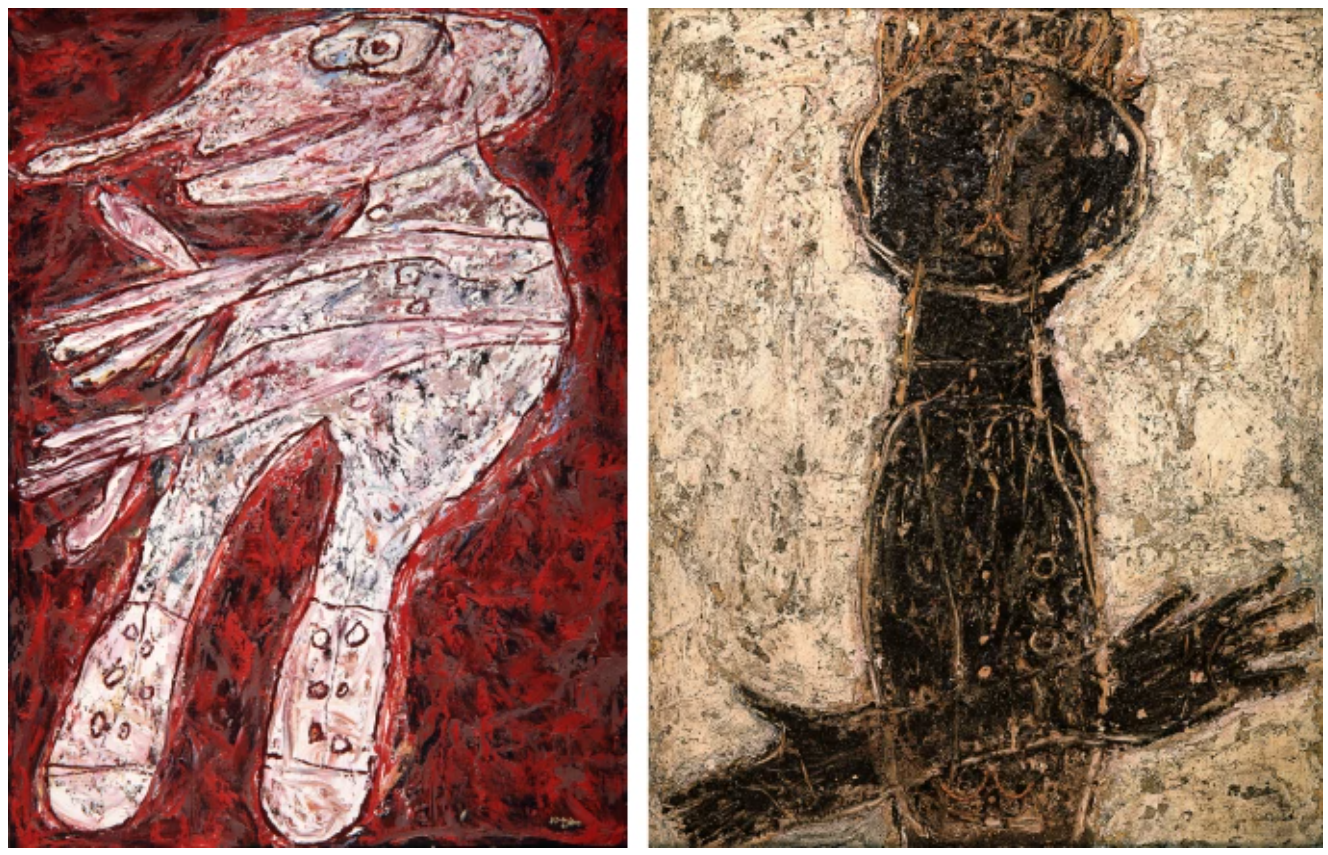
LEFT: JEAN DUBUFFET, LOOKING WELL, 1961, SAN DIEGO MUSEUM OF ART/ IMAGE: © BRIDGEMAN IMAGES/ ARTWORK: © 2024 FONDATION DUBUFFET, PARIS/ DACS, LONDON / RIGHT: JEAN DUBUFFET, RENÉ DROUIN: MAINS OUVERTES, 1946. KUNSTSAMMLUNG NORDHEIN-WESTFALE, DÜSSELDORF/ IMAGE: SCALA, FLORENCE/ ARTWORK: © 2024 FONDATION DUBUFFET, PARIS/ DACS, LONDON
Following the summer of 1961, Dubuffet stopped illustrating specific references to Paris. Instead, the paintings began to illustrate single or groups of figures, painted with intricate layers of impasto, floating in ambiguous space. Painted in September of 1961, the present work simply portrays an individual figure in isolation, creating an enigmatic portrait, painted with bold shapes. The wide-eyed “perky” man is illustrated in side-profile, his protruding nose mirroring the long rim of his hat. Three buttons run down the center of the man’s body, from which two arms and two legs extend outwards. The immediate force of the composition is palpable through the vigorous sweeps of bright crimson, sky blue and violet which coalesce into a colorful frenzy. The unrestrained and free brushwork which fills Le Guilleret captures the spontaneous and explosive mechanisms that guide Dubuffet’s practice, embodying the chaotic and colorful energy of the urban environment. In other words, the particularities of the urban environment provided fertile ground in which Dubuffet’s raw and automatic painterly impulses could be unleashed and manifested.
Eloquently expressed in Le Guilleret is Dubuffet’s preoccupation with quotidian life in Paris, and his commitment to capturing the uplifting resolve of the human spirit. The fervent brushwork spectacularly captures Dubuffet’s jovial and free creative sensibility that permeates the Paris Circus series. As he described in his own words: “Have we lost our joy in celebrating the arbitrary and the fantastic? Are we interested only in self-improvement? Would it not be legitimate, for once at least… to forget truth, to succumb to the vagaries of errors and pitfalls and to take pleasure in cultivating our function as drunken dancers?” (Jean Dubuffet quoted in: Exh. Cat., Munich, Städtische Galerie im Lenbacchus (and travelling), Mit dem Auge des Kindes, 1995, p. 162).
Le Retour du soldat, 1964
Sotheby’s London: 6 March 2024
Estimated: GBP 1,200,000 – 1,800,000
GBP 2,165,000 / USD 2,745,854
JEAN DUBUFFET (1901 – 1985)
Le Retour du soldat, 1964
Vinyl on canvas
130×97 cm (51 1/8 x 38 1/4 inches)
Signed and dated 64 (lower left)
Signed, titled, dated décembre 64 and variously inscribed (on the reverse)
Executed on 8 December 1964
Executed in December of 1964, Le retour du soldat belongs to Jean Dubuffet’s widely celebrated and most recognisable L’Hourloupe series. Offered from the collection of Mary and George Bloch where the painting has resided since 1988, the present work exemplifies the distinctive style of this celebrated cycle in Dubuffet’s expansive oeuvre. The series began in the summer of 1962 and lasted for twelve years, making it the artist’s longest continuous body of work spanning across a wide array of media. Over this period, the series would grow from collage, painting, sculpture and later into the realms of architecture and stage performances. The present work, titled Le retour du soldat (The return of the soldier), depicts a central figure against a black and grey background, surrounded by indiscernible forms which are possibly the crowds welcoming the returning soldier, or buildings and traffic surrounding the soldier returning to the city. The all-over, puzzle-like composition is composed of a dense network of organic forms, each irregular shape filled in solid or hatched in blue or red. Amid the cellular lattice, faces, figures and objects are revealed and concealed in a game of visual hide-and-seek. Evoking the wanderings of the unconscious mind and the triumph of chaos over order, Le retour du soldat embodies that perpetual visual innovation that defines the enduring legacy of Dubuffet’s ground breaking practice.
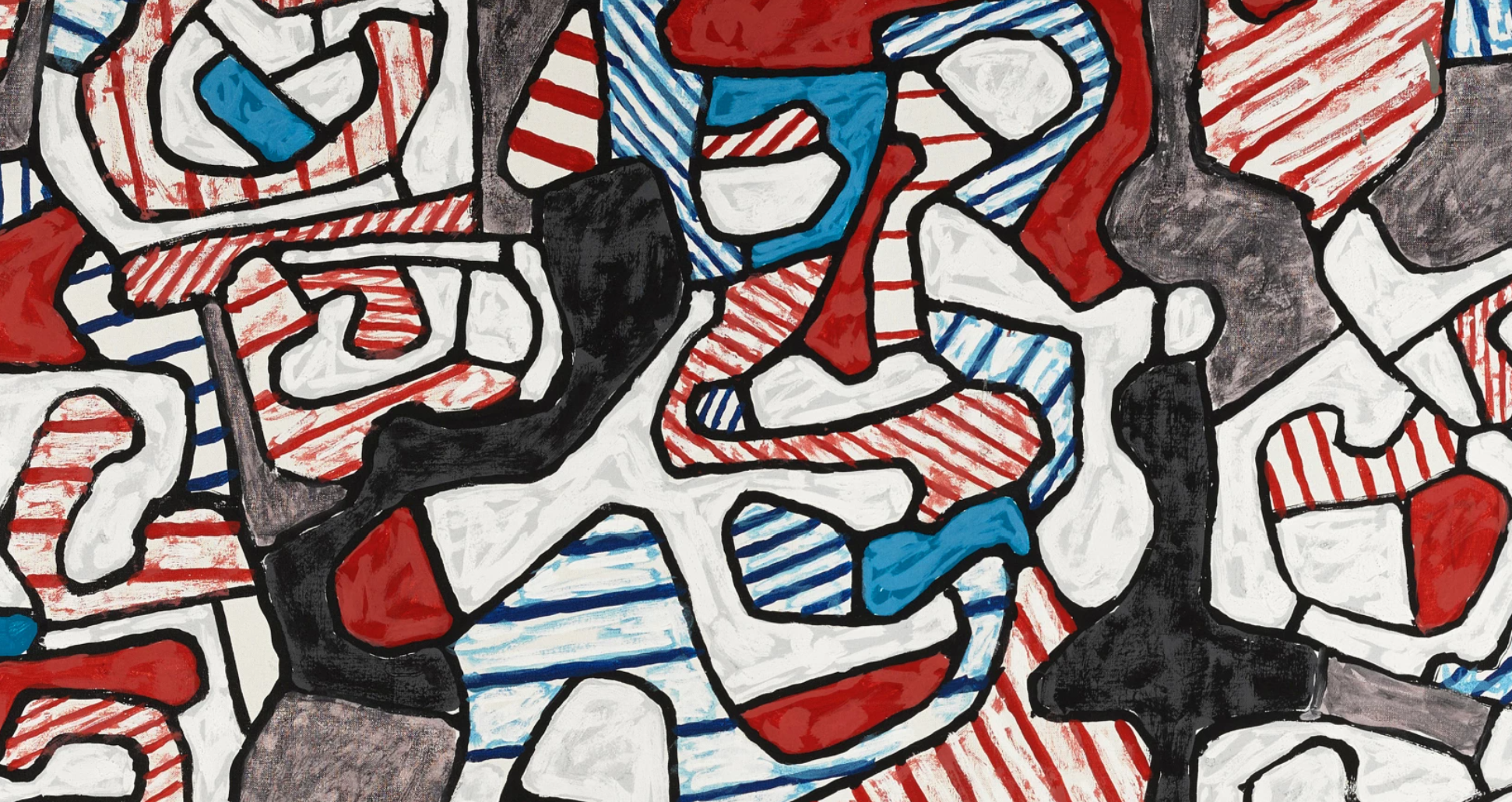
The series was first conceived when Dubuffet absent-mindedly produced some doodles on scraps of paper using red and blue ballpoint pen whilst speaking on the phone. In a manner similar to the Surrealist practice of automatic drawings, Dubuffet saw the act of doodling as a means of encouraging the emergence of subconscious knowledge through the uncontrolled movement of the hand. This new body of work coincided with the return of his personal Art Brut collection, which had been in the United States since the winter of 1951. Reunited with his collection, Dubuffet’s interest in creating a new visual universe and the spirit of Art Brut was reignited, and the L’Hourloupe series demonstrates this reimmersion into his radical pictorial language. Dubuffet named the new body of work L’Hourloupe, which was an onomatopoetic invention to imply a wonderful object or a grotesque creature. It rhymes with the French ‘entourloupe’ (to play a trick), and evokes the words ‘hurler’ (scream), ‘hululer’ (owl hoot), ‘loup’ (wolf), ‘Riquet a la Houppe’ (a fairy tale by Charles Perrault) and Guy de Maupassant’s short horror story titled Le Horla. The sense of fantastical and grotesque is at the core of this visual language, tapping into the unconscious mind and the spirit of Art Brut.
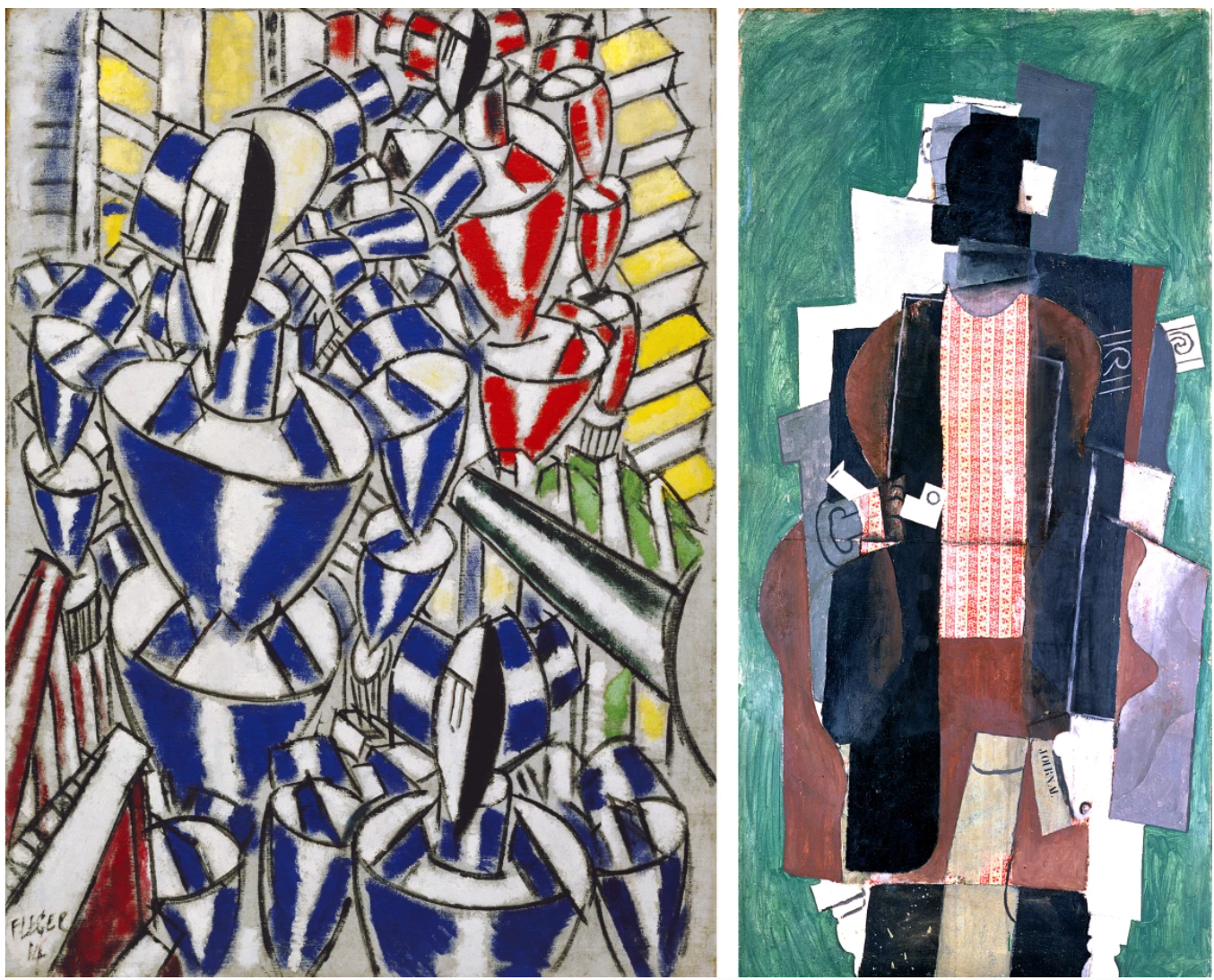
LEFT: FERNAND LEGER, SORTIE DES BALLETS RUSSES, 1914 .MUSEUM OF MODERN ART, NEW YORK
IMAGE: © FINE ART IMAGES / BRIDGEMAN IMAGES/ ARTWORK: © © ADAGP, PARIS AND DACS, LONDON 2024/ RIGHT: PABLO PICASSO, MAN WITH A PIPE, 1914. MUSEE PICASSO, PARIS IMAGE: © BRIDGEMAN IMAGES/ ARTWORK: © SUCCESSION PICASSO/DACS, LONDON 2024
While the shapes on the surface of Dubuffet’s L’Hourloupe are representational and referrential, their details remain deliberately elusive. On the surface of the present work, the figure exists free of any specific location in time or space. All sense of depth has been erased, as well as any hierarchy of form within the image. Adopting a radically new visual strategy in the manner of his celebrated forebears such as Pablo Picasso and Georges Braque, Dubuffet’s reduction of the human body to a new geometric schema challenged the traditional spatial and temporal dimensions in painting. Indeed, Dubuffet channels the instinct-driven creative fervour integral to his Art Brut aesthetic, which sought to elevate the strange, the outcast, and the naive over academic methods and art world norms. “This cycle of work was characterized by a much more seriously arbitrary and irrational mood than anything I had done before,” Dubuffet explained. “This was a plunge into fantasy, into a phantom parallel universe. My renewed interest in outsider art was no doubt not unconnected with this sudden new development” (Jean Dubuffet quoted in: Exh. Cat., Salzburg, Museum der Moderne (and traveling), Jean Dubuffet: Trace of an Adventure, 2003, p. 174). Executed around two years into the cycle, the present work is exemplary of the stylistic lexicon of L’Hourloupe, immersing the viewer in a jigsaw of visual complexity achieved by bewilderingly simple medium and form, oscillating between abstraction and figuration and the real and the imagined.
In the L’Hourloupe works, the chaotic, instinctual sketch became a critical tool to bypass conscious creation, and Dubuffet sought to express the human mind’s most natural state rather than its cultural afterthoughts. In reflecting on his own language of outsider art, Dubuffet asserted, “When one has looked at a painting of this kind, one looks at everything with a new refreshed eye, and one learns to see the unaccustomed and amusing side of things. When I say amusing, I do not mean solely the funny side, but also the grand, the moving and even the tragic aspects of ordinary things” (Jean Dubuffet quoted in: Exh. Cat., New York, The Solomon Guggenheim Museum, Jean Dubuffet: A Retrospective, 1973, p. 23).
Visage rose en pomme de bambou, 1950
Sotheby’s London: 7 March 2024
Estimated: GBP 300,000 – 400,000
GBP 355,600 / USD 450,901
Visage rose en pomme de bambou | Modern & Contemporary Day Auction | 2024 | Sotheby’s (sothebys.com)
JEAN DUBUFFET (1901 – 1985)
Visage rose en pomme de bambou, 1950
Oil and sand on Masonite
55 x 45.7 cm (22 3/8 x 18 inches)
Signed and dated Nov.50 (lower right)
Signed, titled, dated Novembre 50 and variously inscribed (on the reverse)
Jean Dubuffet’s Visage rose en pomme de bambou stands as a testament to the artist’s unparalleled ingenuity and visionary prowess. Painted in 1950, the present work belongs to Dubuffet’s Intermèdes series. Begun in January 1950, this celebrated body of work was created alongside the artist’s critically acclaimed Corps de dames, which followed in April of the same year. While the latter controversially portrayed the female nude brutally stripped of prevailing notions of beauty, Intermèdes encompassed a broader range of subjects; both male and female portraits, and a small grouping of still-lifes. Instilled with a teasingly tangible corporeality, Visage rose en pomme de bambou exudes primal and primitive energy. The protagonist – carved, sculpted and unveiled from the depths of the picture plane – is rendered in rose tinted, fleshy pink hues amidst a backdrop of inky black scrawls. Dubuffet’s crude depiction, akin to ancient hieroglyphs feverishly etched into stone, defies conventional artistic standards, daring his audiences to embrace a new aesthetic language. In a departure from the refined elegance of classical portraiture, Visage rose en pomme de bambou sees Dubuffet’s radical philosophy realised.
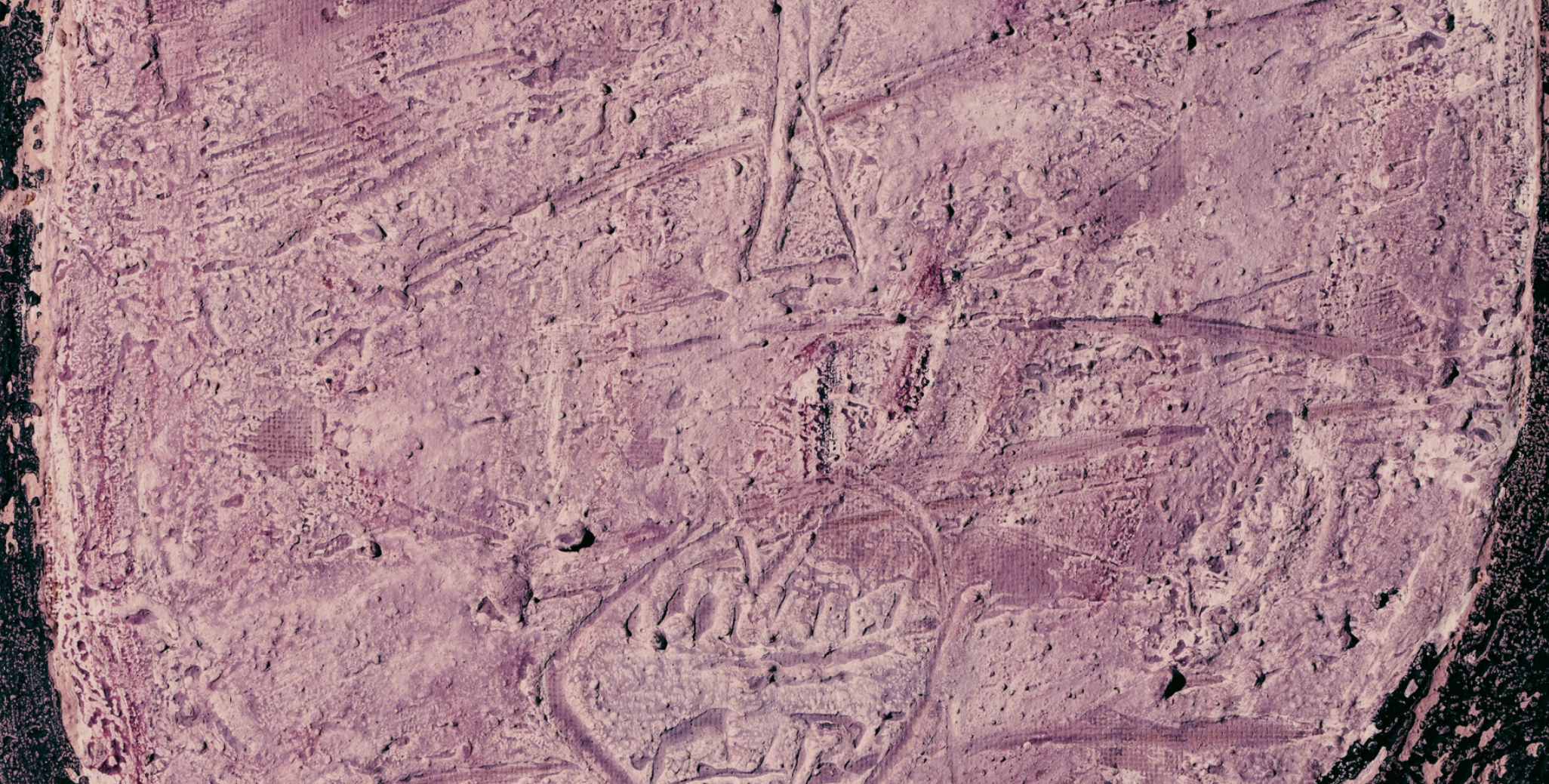
Abandoning traditional techniques in favour of an invigorated mark-making akin to that of a sculptor, Visage rose en pomme de bambou – and Dubuffet’s wider oeuvre – echoes the ideology that art should be a reflection of raw emotion, instinct and intuition. Championing art brut, Dubuffet encapsulated the distinctive styles of Informel and art autre dominant in Paris during this period. Influenced by Hans Prinzhorn’s exploration of outsider art – art that hovered outside of consecrated convention, including that created by children, prisoners, and psychiatric patients – Dubuffet’s corpus oscillates between figuration and abstraction to boldly reimagine the human condition, stripping away traditional perspective and embracing a two-dimensional, linear syntax of simplified form.
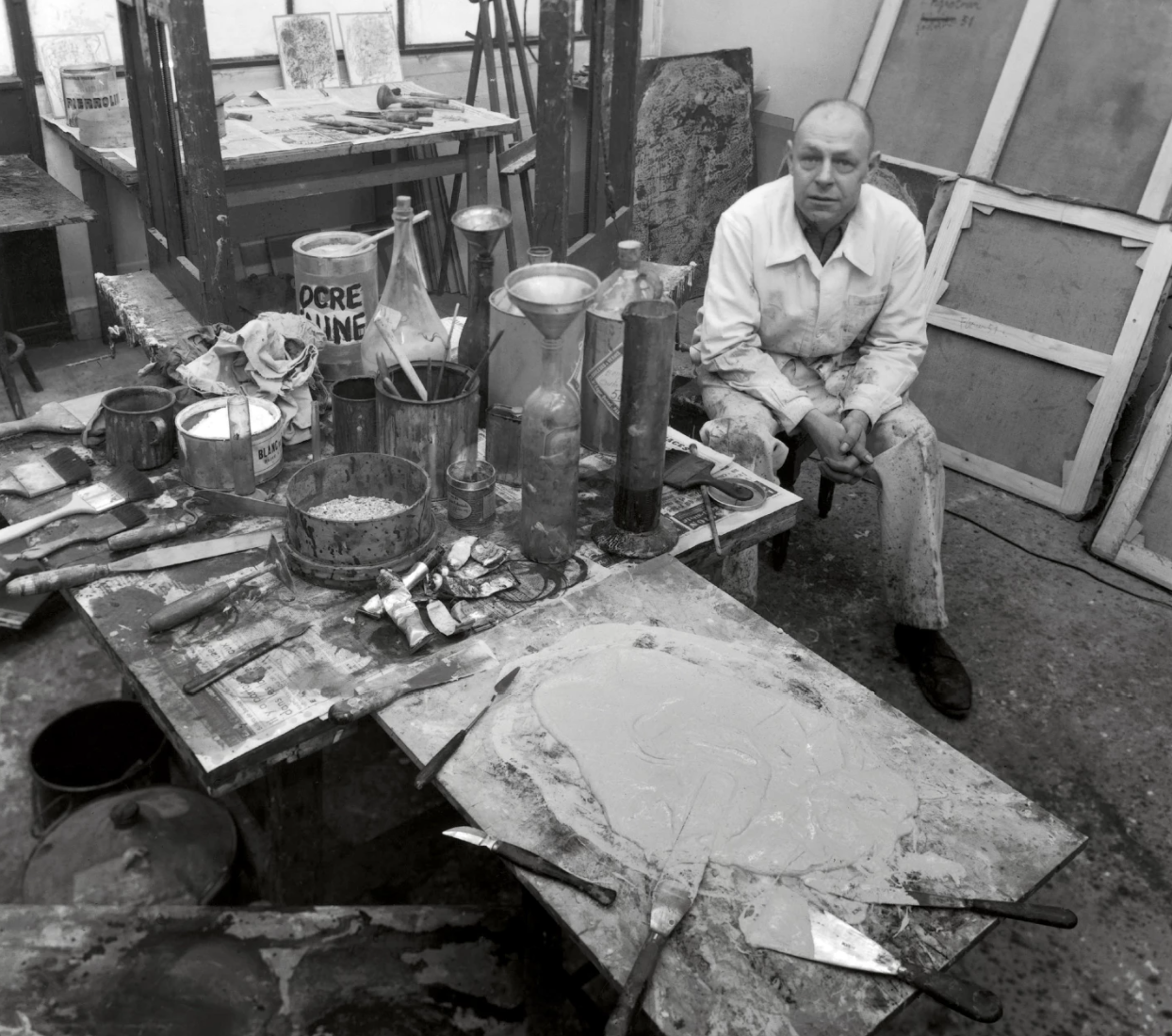
JEAN DUBUFFET IN HIS PARIS STUDIO, 1951. PHOTO © ROBERT DOISNEAU / GAMMA-RAPHO / GETTY IMAGES. ART © 2023 FONDATION DUBUFFET, PARIS / ARTISTS RIGHTS SOCIETY (ARS), NEW YORK
Through Visage rose en pomme de bambou the viewer is invited to engage with the work’s coarse, quasi-archaeological earth-like surface, reminiscent of geological rock formations and arid topographies from far away sun soaked lands. Dubuffet’s deep connection to landscape, particularly influenced by his experiences in the Sahara over three extended trips beginning in 1947, infuses the present work with a sense of prehistoric allure. Like a fossil or ancient artefact, the male’s head appears embedded within its support, echoing the artist’s masterful fusion of organic forms. Through techniques such as scoring, scraping, and carving the surface, Dubuffet creates a visceral quality that heightens the impact of the flattened figure. The thick application of viscous oil paint adds depth to the raw, distorted lines, enhancing the overall intensity of the composition. The brutality of expression is undeniable within the harsh lines and deep fissures, correlating profoundly to the desolation, despair and the unhealed scars of the postwar era.
Buste aux envols, 1972
Phillips London: 7 March 2024
Estimated: GBP 400,000 – 600,000
GBP 444,500 / USD 563,626
Jean Dubuffet – 20th Century & Contemp… Lot 25 March 2024 | Phillips
JEAN DUBUFFET
Buste aux envols, 1972
Polyurethane paint on epoxy resin
111.8 x 73.7 x 48.3 cm (44x29x19 inches)
Signed with the artist’s initials and dated ‘J.D. 72’ lower right edge
Executed on 13 May 1972
Created in 1972 and evolving from the artist’s highly celebrated L’Hourloupe cycle, Buste aux envols is one of the Statuaire du vêtement costumes produced by the artist as part of his animated painting or ‘spectacle’ Coucou Bazar, bringing the wildly imaginative and immersive world of Jean Dubuffet’s graphic universe into striking, three-dimensional reality. Executed in the same year as Dubuffet’s monumental public sculpture Group of Four Trees, installed in Manhattan’s financial district and commissioned by American banker and philanthropist David Rockefeller, and the year before his premiere of Coucou Bazar at the Solomon R. Guggenheim Museum, the present work exemplifies the artist’s desire to extend his ‘unleashed graphisms’ beyond the two-dimensional picture plane and into public space.
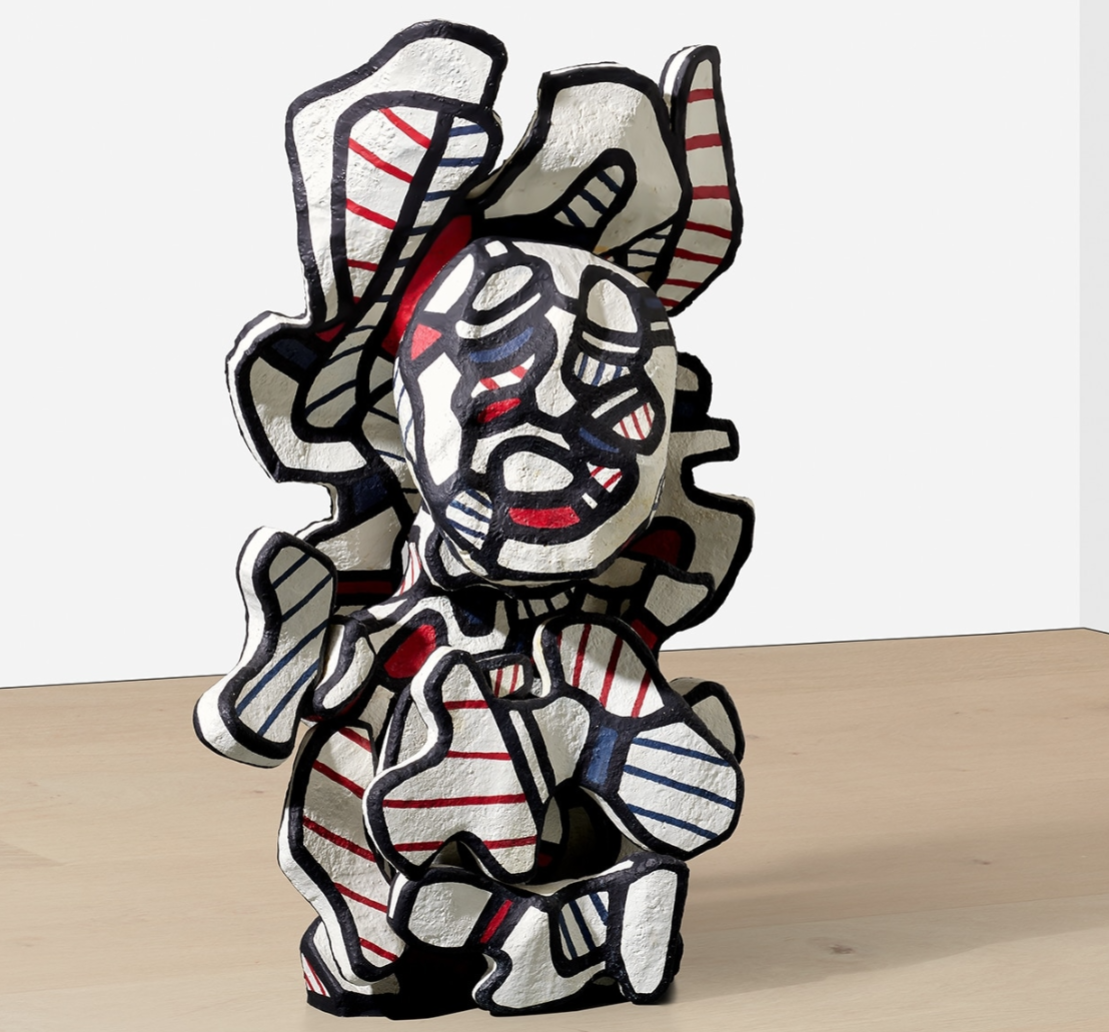
Characterized by a frenetic, wandering lines set against a crisp white ground and animated by bold sections of primary color, Dubuffet first embarked on the L’Hourloupe cycle in 1962 in what would prove to be his longest-running body of work. Recalling Surrealist experiments in automatic drawing, the distinctive visual qualities of the series arose by chance, their origins found in the absent-minded doodles, Dubuffet found himself making in a four-colour ballpoint pen while on the telephone. Starting off as drawings, these ‘fluid shapes and figures, which he embellished with blue and red stripes and then cut out and placed against a black backdrop […] became the gateway for an all-consuming series – featuring paintings, sculptures, architectural environments and performances – that would occupy him for more than twelve years, making it his longest continuous period of work
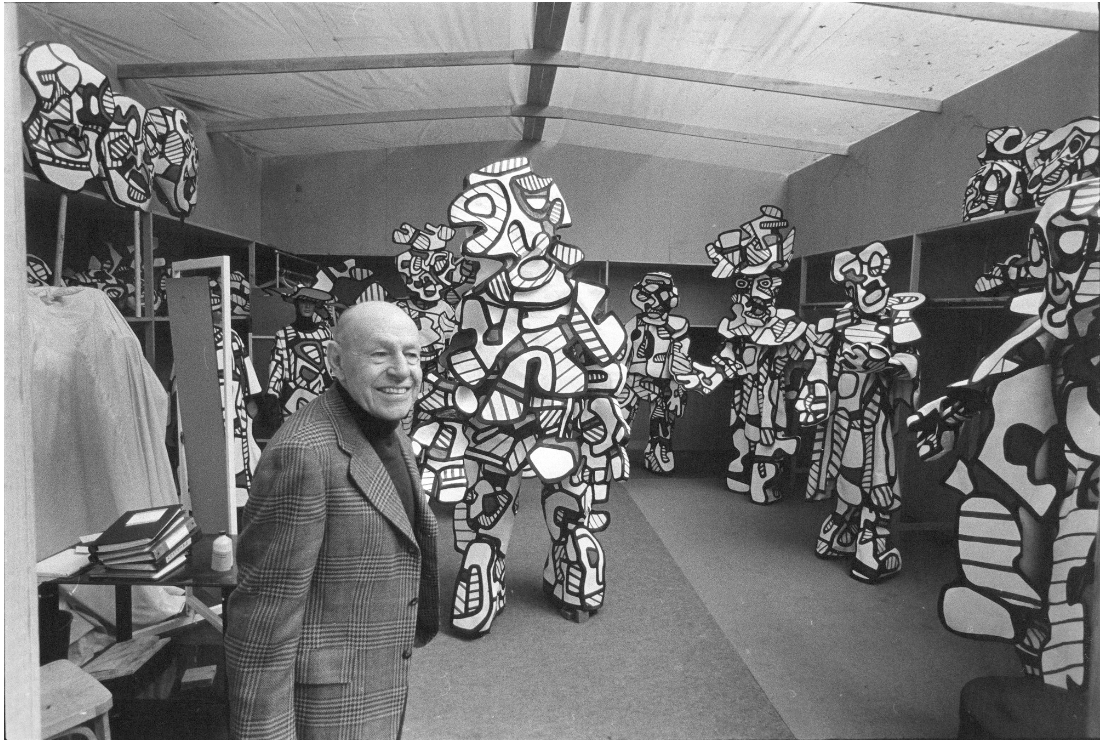
Jean Dubuffet in front of costumes from Coucou Bazar, Périgny-sur-Yerres, France, 1977. Image/Artwork: © ADAGP, Paris and DACS, London 2024
Rejecting the restraints of representational painting, the interlocking forms move well beyond the limits of their own compositions to connect with one another in an expansive, all-encompassing Gesamtkunstwerk. As the artist explained, ‘The works connected with the Hourloupe cycle are linked closely to one another in my mind: each of them is an element intended for insertion into a whole. That whole aims to be the depiction of a world unlike ours, a world parallel to ours, if you like; and this world bears the name l’Hourloupe.” The desire to move beyond modes of expression proscribed by Western art historical canons had long formed a major focus of Dubuffet’s practice and his pioneering of Art Brut – work by self-taught or otherwise socially marginalized artists whose seemingly crude renderings and restless experimentation more genuinely captured the raw texture of real life. In his war on official ‘high culture’ Dubuffet challenged the received notion that art could only be made within the limitations of the academy, aligning with the anti-bourgeois aims and intentions of the international Dada movement and their rejection of so-called ‘civilised values’ in the wake of the horrors of the First World War. Tellingly, while Dadaists produced a wide variety of work across a range of mediums, the roots of the movement were in performance, concentrated in Zurich’s Cabaret Voltaire under the guidance of Hugo Ball and Emmy Hennings following its founding in 1916. Iconoclastic, irreverent and virulently anti-war, anti-bourgeois, and anti-nationalistic, performances typically involved cacophonous, sensorial sound poems delivered by artists dressed in costumes constructed of cardboard and other assemblage elements that combined a 19th century tradition of tableaux vivants with non-western performative modes. Rejecting the rational, these soirées both reflected the chaos of the era and radically opened up new expressive modes of artmaking, embracing the immediacy and affect of performance to challenge and destabilize established artistic and social codes.
Situations disjointes, 1979
Sotheby’s London: 7 March 2024
Estimated: GBP 200,000 – 300,000
GBP 241,300 / USD 305,968
Situations disjointes | Modern & Contemporary Day Auction | 2024 | Sotheby’s (sothebys.com)
JEAN DUBUFFET (1901 – 1985)
Situations disjointes, 1979
Acrylic, pencil and paper collage on card laid on canvas board
51×70 cm (20 1/8 x 27 1/2 inches)
Signed with the artist’s initials and dated 79 (lower right)
Executed in 1979, Jean Dubuffet’s Situations disjointes is a captivating masterpiece that skillfully unfurls a vivid tapestry of colour and narrative. A mature work within the artist’s oeuvre, examples of which now reside in the Tate Modern, London and the Fondation Beyeler, Basel, Situations disjointes belongs to the artist’s renowned Théâtres de mémoire, begun in 1975 and explored until 1979. Emerging as a conceptual tour de force, the title of the series draws inspiration from the intellectual wellspring of Dame Francis Yates’ The Art of Memory, which presents the ‘memory techniques’ used by Cicero and orators in the Middle Ages. Despite its abstract nature, each composition within Théâtres de Mémoire is, for Dubuffet, an amalgamation of myriad places and scenes that crowd and conflict in our memory. Within the curious cropping and contour devices, as well as the interplay of colors, one discerns the echoes of such memories, purposefully muddled and blurred to evoke the hazy recollections that reside within the recesses of our minds.
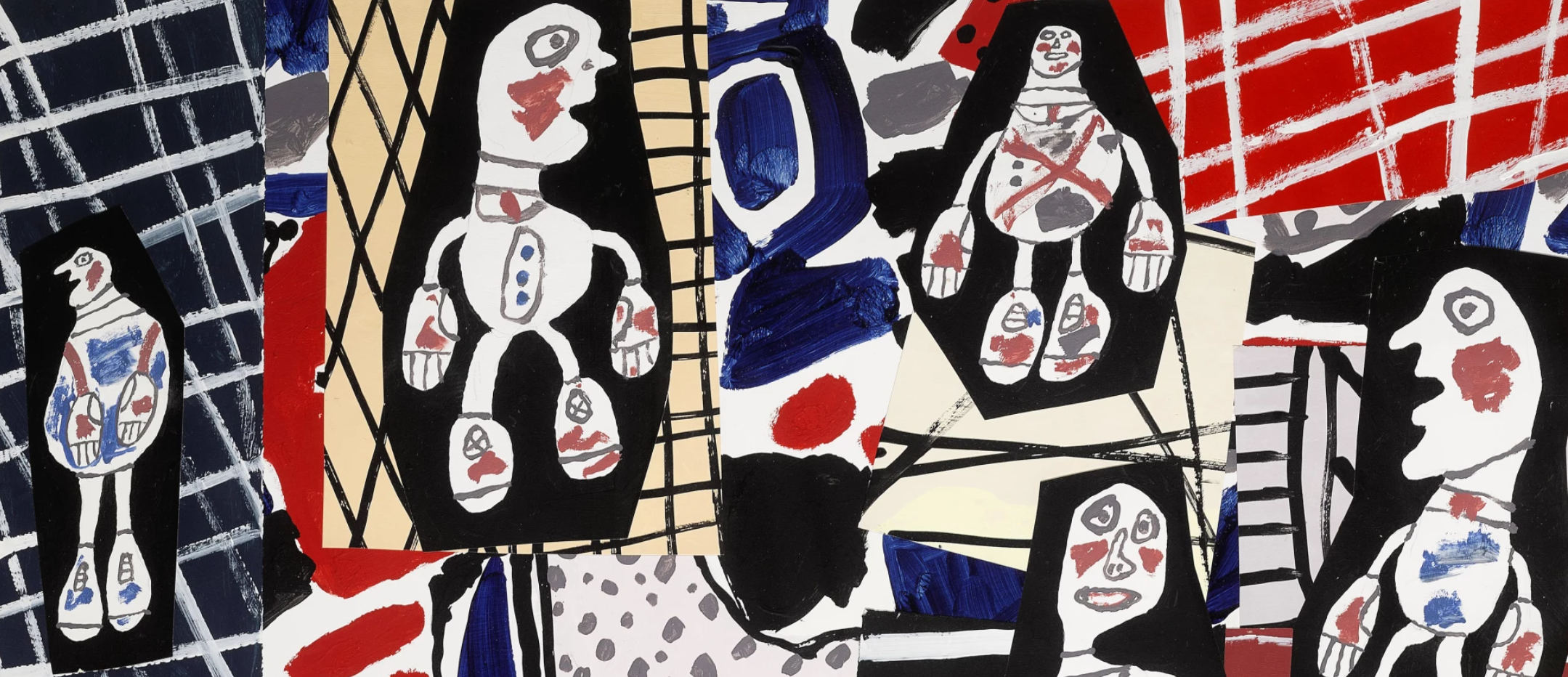
Behind the captivating allure of Situations disjointes lies a meticulous and immersive artistic process, revealing the unparalleled dedication of Dubuffet in bringing forth this series. To embark upon Théâtres de mémoire, Dubuffet engaged in a multi-faceted approach, involving the careful curation, sourcing, drawing, and collection of an eclectic array of collage materials. In the artist’s studio, the avant-garde methodology began on the floor, reaching new heights as Dubuffet strategically installed metal panels that allowed him to arrange and rearrange a profusion of cut-out elements with the aid of small magnets. Transforming his workspace into a realm where creativity knew no bounds, this revolutionary technique not only granted Dubuffet the freedom to meticulously consider the placement of each fragment, but also immersed him physically into the very fabric of the creative process. The result is a triumph; a tapestry of visual narratives woven together with precision and finesse. Through his use of collage and layering with a lack of a distinct starting point or narrative, Dubuffet is replicating the mind’s ability to be lost in thought, as memories fade and come to the fore, as well as depicting the intimacy that exploring these recollections can bring. Vibrant colours and assertive lines dance across the canvas, capturing the zeitgeist of postwar Paris with an unmistakable vigour. This work serves as a visual chronicle of the city’s lively spirit, encapsulated within the energetic fusion of form. At the ripe age of seventy-four, Dubuffet embarked on a creative odyssey that would leave a lasting legacy on the art world, with Situations Disjointes emerging as a singular gem within this influential corpus.
4. Impressionist and Modern Art
4.1. Claude Monet
Matinée sur la Seine, temps net, 1897
Christie’s London: 7 March 2024
Estimated: GBP 12,000,000 – 18,000,000
GBP 14,397,500 / USD 18,256,030
CLAUDE MONET (1840-1926), Matinée sur la Seine, temps net | Christie’s (christies.com)
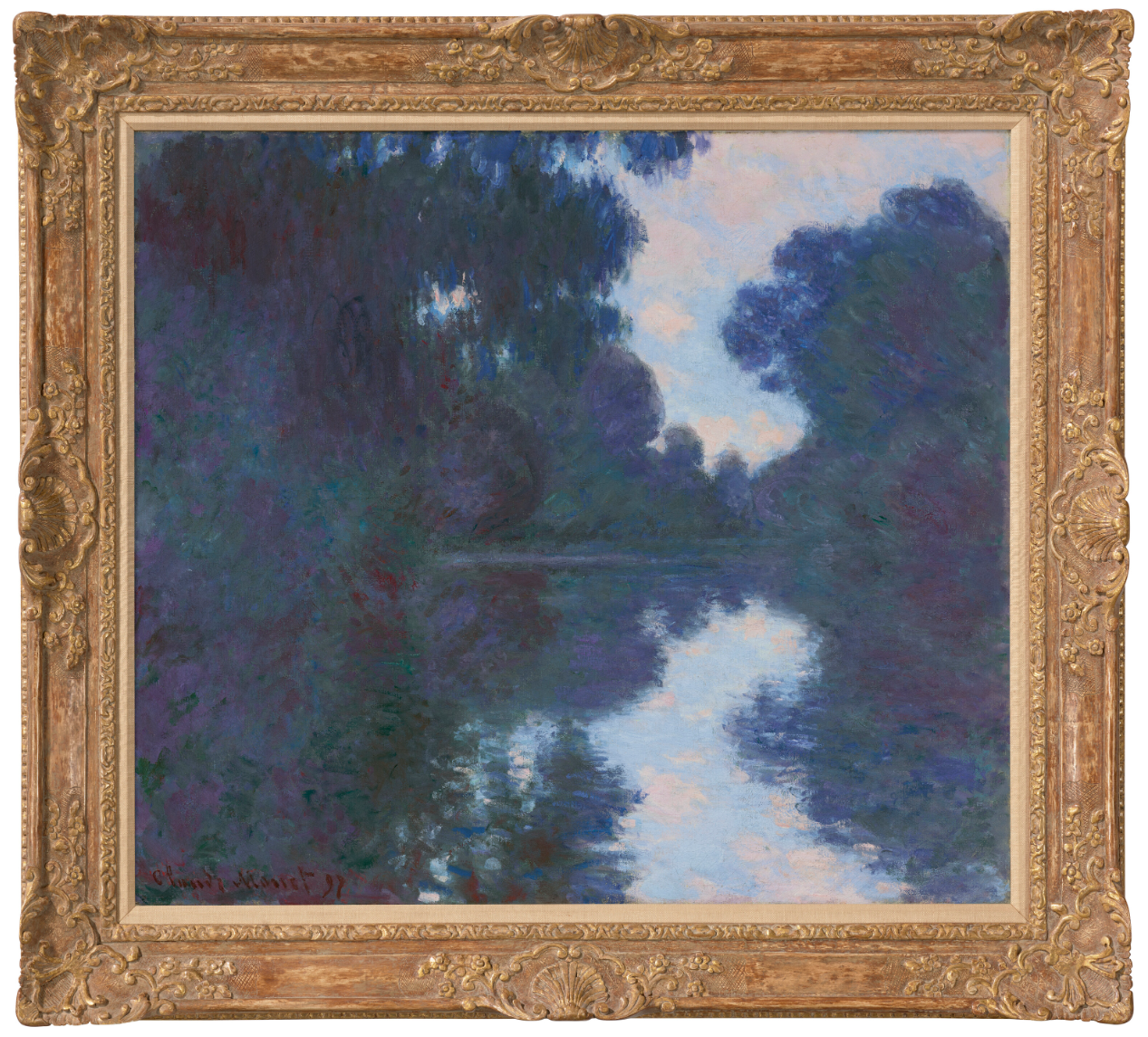
CLAUDE MONET (1840-1926)
Matinée sur la Seine, temps net, 1897
Oil on canvas
81.6 x 92.4 cm (32 1/8 x 36 3/8 inches)
Signed and dated ‘Claude Monet 97’ (lower left)
In his captivating, meditative series known as the Matinées sur la Seine, Claude Monet captures the enchanting tranquility of early mornings on a quiet stretch of the river near his home at Giverny. Across twenty-one canvases, each focusing on the same view of the waterway and painted during the summer of 1896 and 1897, the artist trained his eye on the diaphanous light cast upon the river as the sun rose, recording the delicate, elusive effects of the changing sky on the surrounding landscape. Tracing the sun as it passes over the scene, from the first rays of light at dawn, to the full brilliance of the sun at mid-morning, and every nuanced moment in between, this extraordinary sequence of canvases would prove to be among the last scenes the artist created of his cherished Seine, which had been an enduring subject in his work for decades. Eschewing any sign of human presence, Monet focused his attention solely on nature, on the play of water, land and sky, on reflection and light, to evoke the poetry of daybreak. The emphatic contrast in the present view between the foliage in shadow and the brightening light of the new day, achieved by means of a contre-jour effect, carries this hushed, elegant composition to the very brink of abstraction.
During the previous two years, Monet had embarked on extended painting campaigns in Norway and along the Channel coast, battling difficult weather conditions to depict dramatic weather conditions on these rugged locales. It came as a welcome pleasure for him, then, to return to the sanctuary of Giverny, and during the summer of 1896 he took the opportunity to immerse himself once again in the lush, verdant landscape near his home and cherished gardens. He completed four canvases of the Matinée sur le Seine sequence during that year, and probably began several others in the larger group as well. That was as far as Monet could take the series in 1896, however. Forty-one days of nearly incessant rainfall during September and October – ‘frightful weather,’ he lamented to Durand-Ruel – forced the artist to cease work on these pictures. He resorted instead to painting several scenes of flooded riverside meadows in Giverny, and only resumed his Matinée sur le Seine series the following summer, completing those canvases already underway as well as new ones, to all of which he applied a date of 1897. The present work, Matinée sur la Seine, temps net, belongs to this second group of canvases, executed at a time when Monet was fully immersed in the series, and well acquainted with the motif. Here, the sun has yet to fully rise. Deep purples blanket the foliage and the overhanging branches of the surrounding trees, which form sweeping arabesques that frame the pale sky and call attention to the flat surface of the picture plane. The gradually brightening light, a soft blue, glows in contrast to the still dark land, creating a crepuscular scene which appears to be slowly revealing itself to the viewer, pockets of shadow blurring the boundaries between the surface of the water and the edge of the riverbanks. To further emphasize his impressions, Monet rendered a dramatic contre-jour effect, backlighting the trees to create a powerful contrast between the different elements of the scene and guide the viewer’s eye towards the gradually shifting sky in the distance.
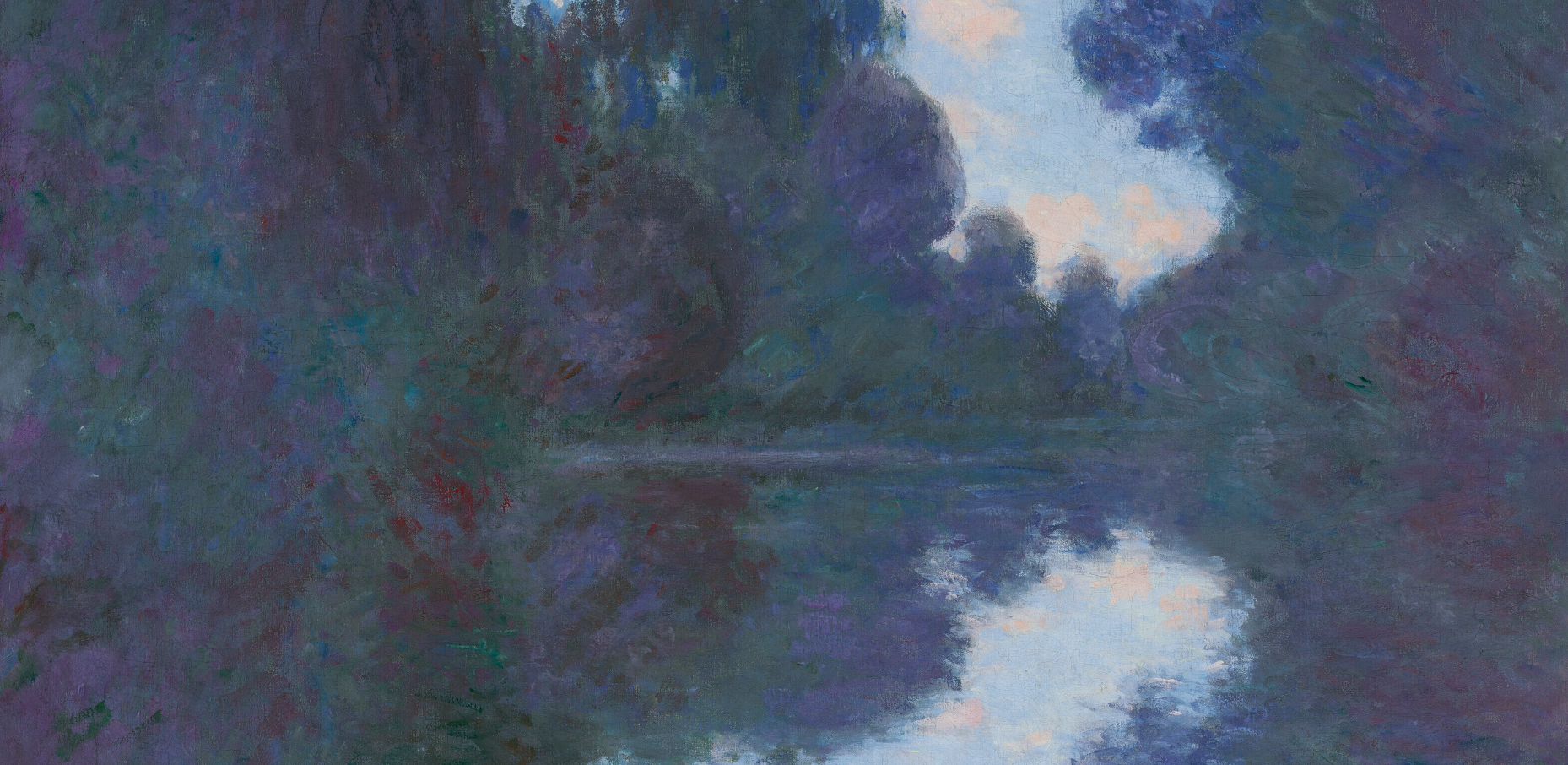
Rather than painting a wide-open expanse of the river, as he often had before, Monet chose for this series a quiet, protected backwater where the Epte tributary fed into the Seine, working from his famed bateau-atelier. Monet left this specially designed studio-boat anchored mid-river for the duration of the summer, rowing out to it each morning in a small skiff, ensuring that his viewpoint remained unchanged from one day to the next. As the artist looked upstream into the breaking dawn, on his left was the Giverny bank and on his right was the Île aux Orties, one of several wooded islets that then dotted this stretch of the Seine. He emphasized the meditative qualities of the site by selecting a spot where the trees on the Giverny shore were especially full, arching out over the narrow channel of water. These overhanging branches fill the upper left quadrant of the paintings in the series like a curtain being raised on the ethereal, early-morning landscape.
4.2. Rene Magritte
L’ami intime, 1958
Christie’s London: 7 March 2024
Estimated: GBP 30,000,000 – 50,000,000
GBP 33,660,000 / USD 42,680,880
RENÉ MAGRITTE (1898-1967)
L’ami intime, 1958
Oil on canvas
72.6 x 64.9 cm (28 5/8 x 25 1/2 inches)
Signed ‘Magritte’ (lower left)
The anonymous man in a bowler hat is one of the most familiar icons of René Magritte’s art. A totemic figure, usually seen from the back and therefore faceless and mysterious, he functions in Magritte’s paintings as a pictorial cipher: an apparently banal, metropolitan image of the norm and the everyday. He is, in one sense, the epitome of the generic and the commonplace. His smart, uniform, bourgeois attire signifies an ordinary, mundane humanity or what Magritte once described as ‘the unity of man.’ In another sense however, his faceless presence, standing in apparent contemplation of the scenes set before him, signifies the realm of the hidden and of something forever unknowable about Magritte’s strangely familiar worlds of mystery.
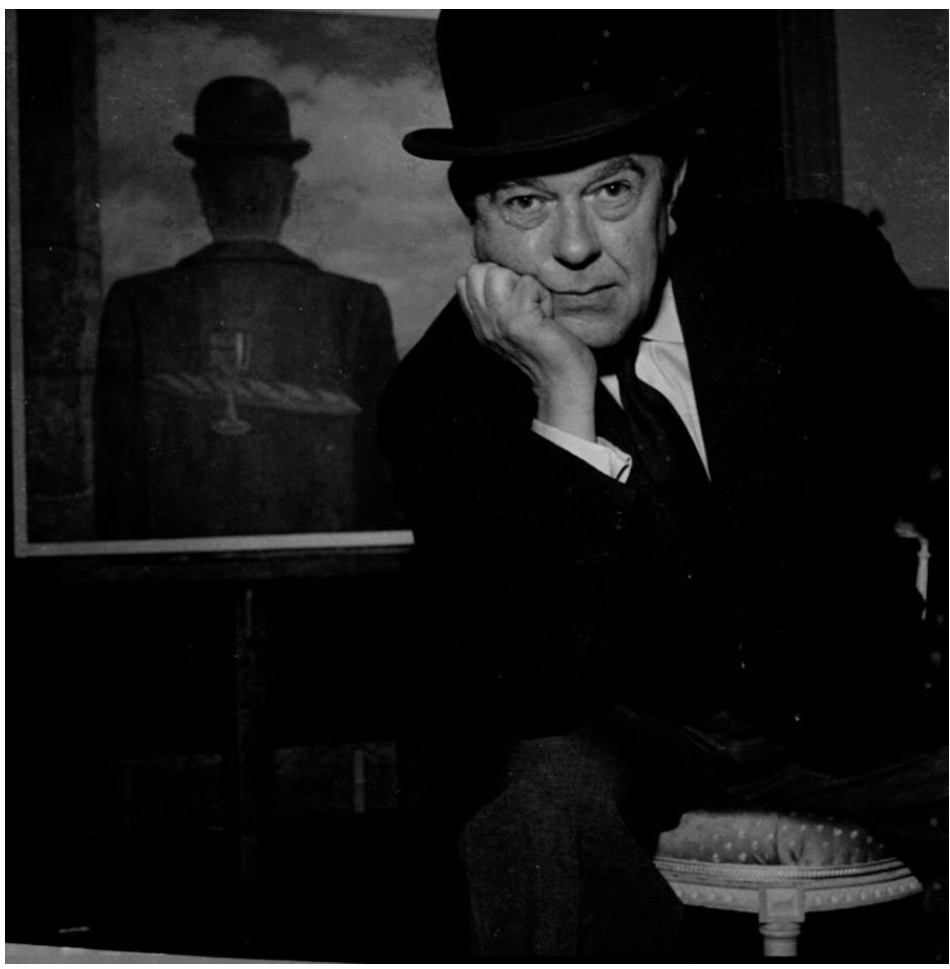
René Magritte, photographed in front of L’ami intime. Photograph by Eddy Novarro. Photo: © Estate of Eddy Novarro. All Rights Reserved 2024 / Bridgeman Images. Artwork: © ADAGP, Paris and DACS, London 2024.
In Magritte’s paintings of the 1950s, the bowler-hatted-man, first painted by the artist as a dark and perhaps even sinister presence in the 1920s, was to become a recurrent and more calming figure in a new phase of his work. It is this period that has now come to be regarded as a defining era in Magritte’s oeuvre – the one in which he was to create many of his most famous and best-loved works: from his L’empire de lumières series to the classic images of the lone, itinerant figure of the man in the bowler hat. Wandering, like a suburban flâneur through the often strange worlds of these pictures, Magritte’s man in the bowler came, during these years, to serve as a kind of reassuring counterpoint to the surprising and sometimes even shocking revelations of his art and the way in which it unpicked the conventions we use to both perceive and to depict reality.
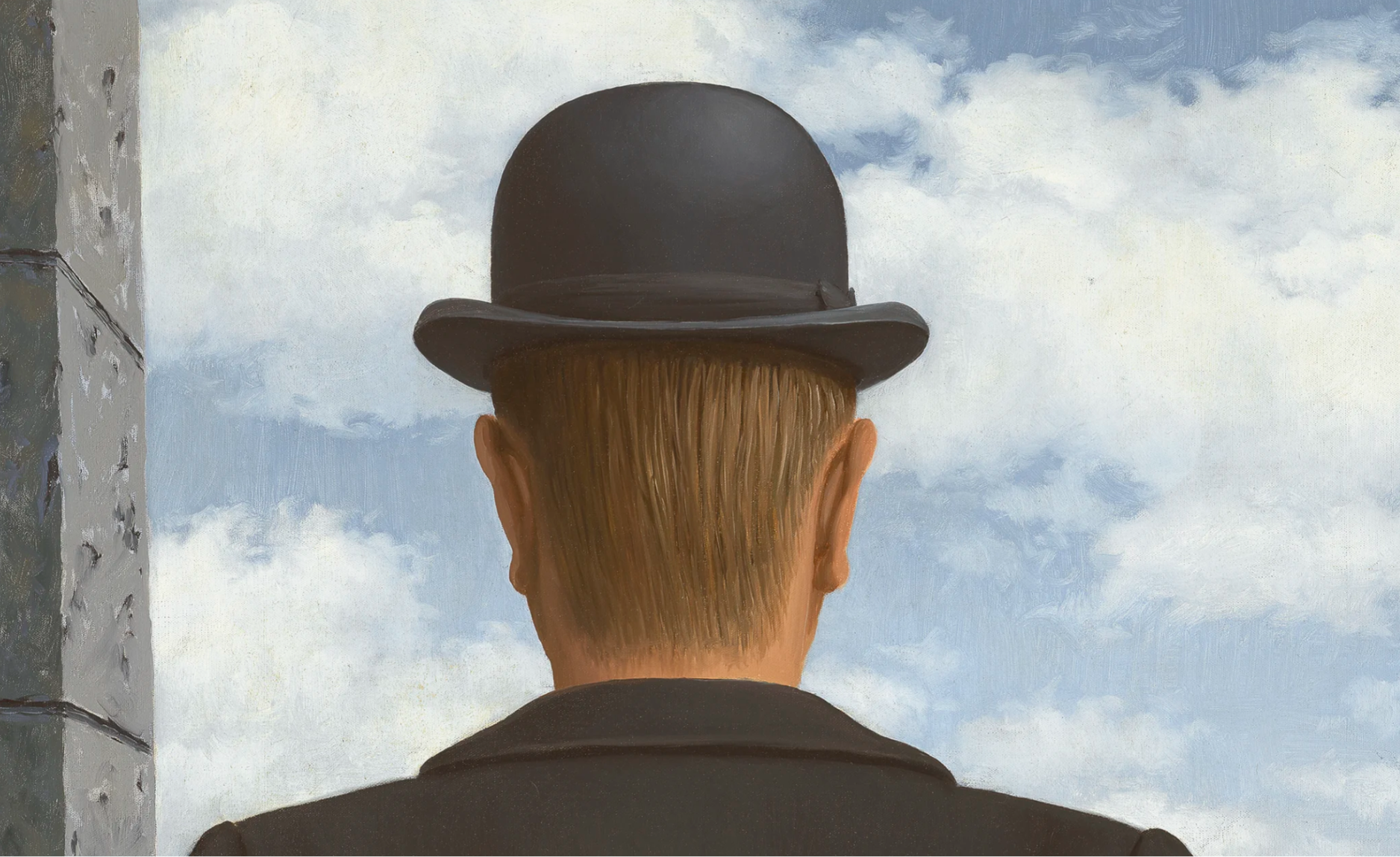
L’ami intime (The Intimate Friend) is one of the finest of all these famous and mysterious paintings of the man in the bowler hat. Created during the first months of 1958, it depicts this familiar, anonymous figure seen from behind and staring out over a sunlit, green landscape. The man stands behind a block-stone balcony that both separates him from the scene and frames him into a domestic setting. Behind him, the magical appearance of a baguette and a glass of water, apparently levitating at the centre of the canvas and against his back, transforms this simple image into something wholly unexpected, mysterious and completely out of the ordinary. As if to augment this atmosphere of unreality, each of the various objects in this painting – the spherical bowler, the crystal-clear wine glass and the crusty baguette – has been so painstakingly rendered and with such hyperreal precision and attention to detail that each takes on a peculiar, individual sense of presence and sunlit clarity that only heightens the picture’s overall air of mystery.
La magie noire, 1942
Christie’s London: 7 March 2024
Estimated: GBP 3,000,000 – 5,000,000
GBP 4,638,000 / USD 5,880,984
RENÉ MAGRITTE (1898-1967)
La magie noire, 1942
oil on canvas
73×54 cm (28 3/4 x 21 1/4 inches)
Signed ‘Magritte’ (lower right)
Framed by an opulent red curtain, a nude woman stands in front of a tranquil seascape, holding a white rose in her hand as she stares impassively out of the picture plane in René Magritte’s beguiling La magie noire. It is immediately clear that a mysterious metamorphosis has taken place in the figure of the woman: statuesque and motionless, her body has morphed from flesh to air, the pale pink skin tones of her legs and torso transforming into the same pastel blue hue of the sky that stretches endlessly behind her. In this way, the female figure appears as a strange and impossible statue; both tangible and transparent, her head and bust seemingly carved out of the sky itself.
“In my paintings, I showed objects situated in places where they are never actually encountered. That is to satisfy what is in most people a real if not conscious desire. Does not the ordinary painter try, within the limits set for him, to upset the order according to which he customarily sees objects arranged?”
One of Magritte’s most recognizable motifs, La magie noire, painted in 1942, is an image of strange juxtapositions and unexpected poeticism. It encapsulates Georges Bataille’s description of the artist’s work when he wrote that it offers, ‘the creation of a palpable reality whereby the ordinary world is modified in response to the desire for the marvelous, for the prodigious, a desire implicit in the very essence of the human being’ (quoted in ibid., pp. 156-157).
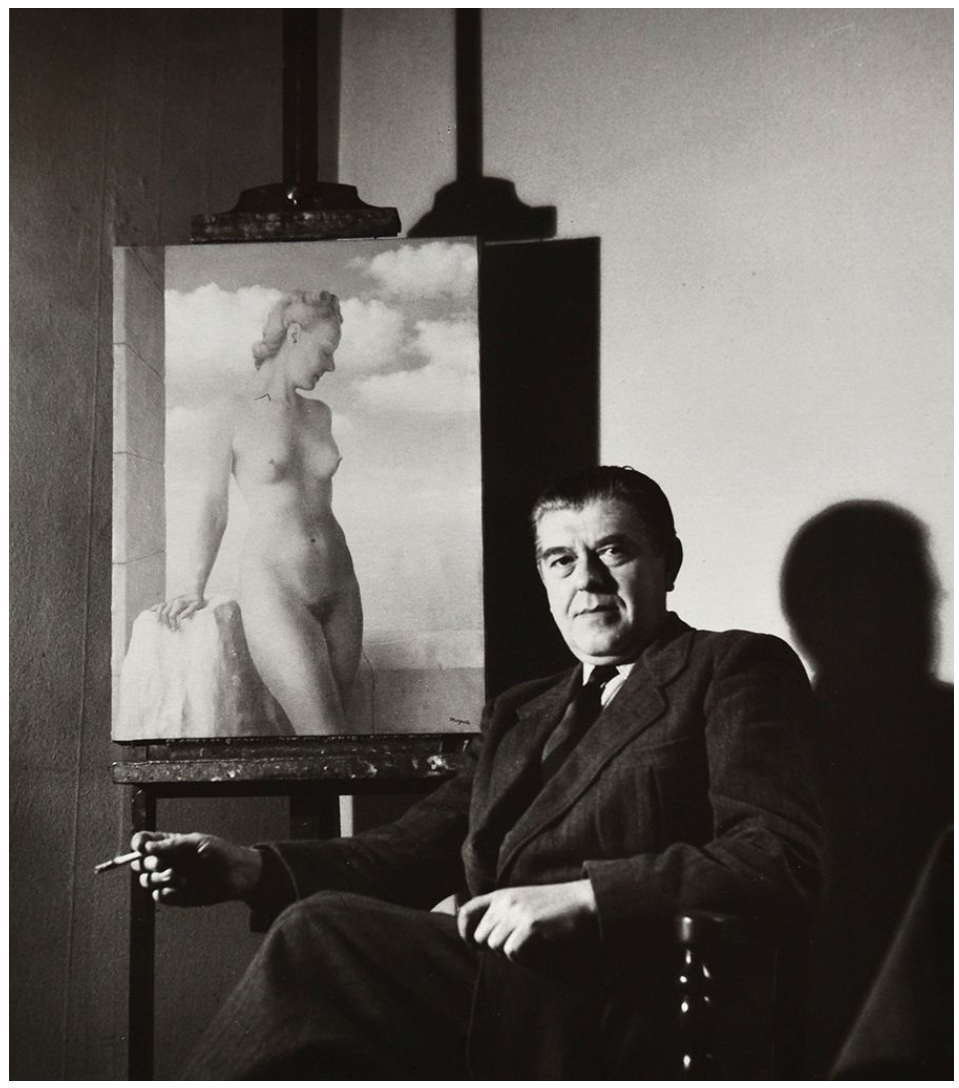
René Magritte, photographed in front of La magie noire, 1945, now in the collection of the Musées Royaux des Beaux-Arts, Brussels. Photograph by Roland d’Ursel. Artwork: © ADAGP, Paris and DACS, London 2024.
Magritte had first explored the subject of La magie noire in 1934, in an oil painting of the same name (Sylvester, no. 355). In this painting, a similar nude woman is framed by a jagged wall of an interior in front of a tranquil seascape, with a dove perched upon her shoulder. Just a few months before he painted this first iteration of the magie noire theme, Magritte had participated in an exhibition, Le nu dans l’art vivant, at the Palais des Beaux-Arts in Brussels. Bringing together one hundred paintings and sculptures on the theme of the nude by artists of the nineteenth and twentieth century, it is thought that this show, in which Magritte also exhibited three works, prompted a renewed exploration on the female nude in his work. Confronted with an array of conceptions on this genre, Magritte was said to have been particularly inspired by Maillol’s classicising treatment of the nude in sculpture. He subsequently painted La magie noire as well as Le Viol (Sylvester, no. 356), both of which he included in Minotaure, an exhibition organised to celebrate the first anniversary of the Surrealist periodical of the same name, which opened a few months later, in May of the same year in Brussels.
With La magie noire, Magritte created a new, Surrealist conception of the classical nude. This theme firmly planted itself in Magritte’s imagination, as he went on to paint numerous variations on the theme of La magie noire, as well as more than a dozen works of different titles in which a similar three-quarter length nude woman stands either frontally or in profile, in front of a panoramic landscape. Taking as his initial model his wife Georgette, Magritte invented a nude figure that, with her perfectly symmetrical facial features and smooth flawless body, is reminiscent of the idealized sculptures of antiquity, works that stood as the epitome of beauty and grace.
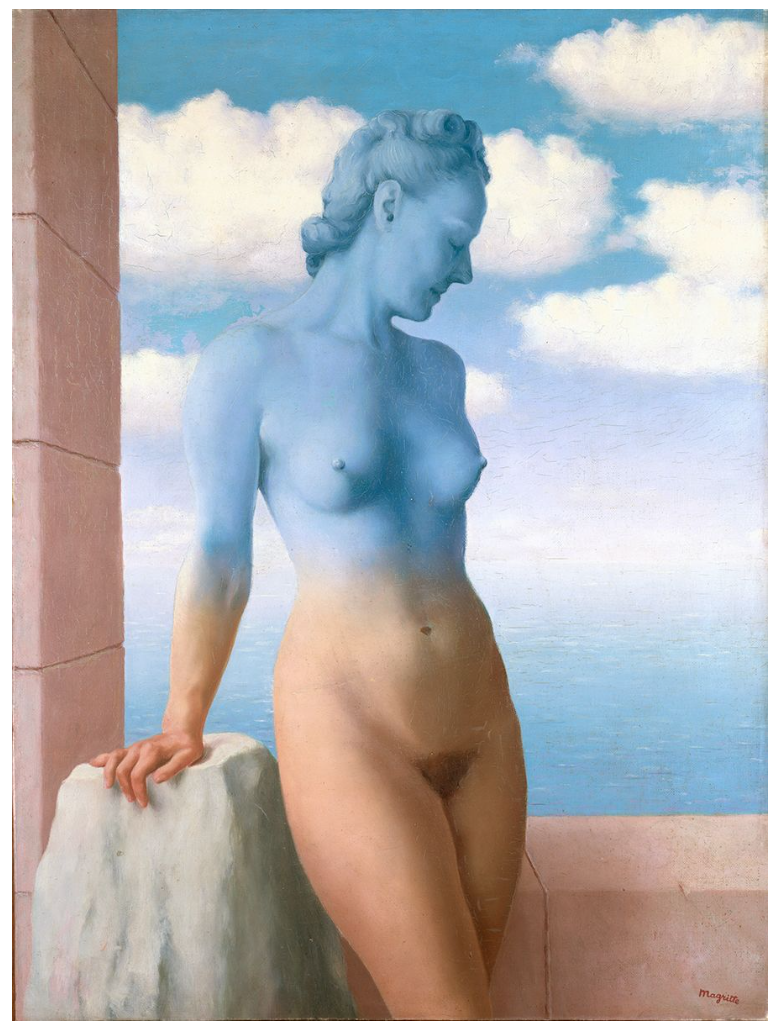
René Magritte, La magie noire, 1945. Musées Royaux des Beaux-Arts, Brussels. Artwork: © ADAGP, Paris and DACS, London 2024. Digital image: © 2024 Photothèque R. Magritte /Adagp Images, Paris, / SCALA, Florence
Perfectly poised, in the present work, the figure appears not to be a living, breathing woman, but appears as if she was a statue, her body evoking the cool solidity and polished, unblemished surface of marble. Yet, nothing is ever what it seems in Magritte’s work. Depicted in a state of metamorphosis, the nude is quite literally changing in front of our eyes from flesh into sky. She could be undergoing some Pygmalion-like transformation or quite simply disappearing, or perhaps immortally locked between states. Is she a reality being granted a strange apotheosis, the woman becoming the intangible goddess or ‘Eternal Feminine’ or perhaps vice versa, the corporeal reality of woman replacing an image held on a pedestal?
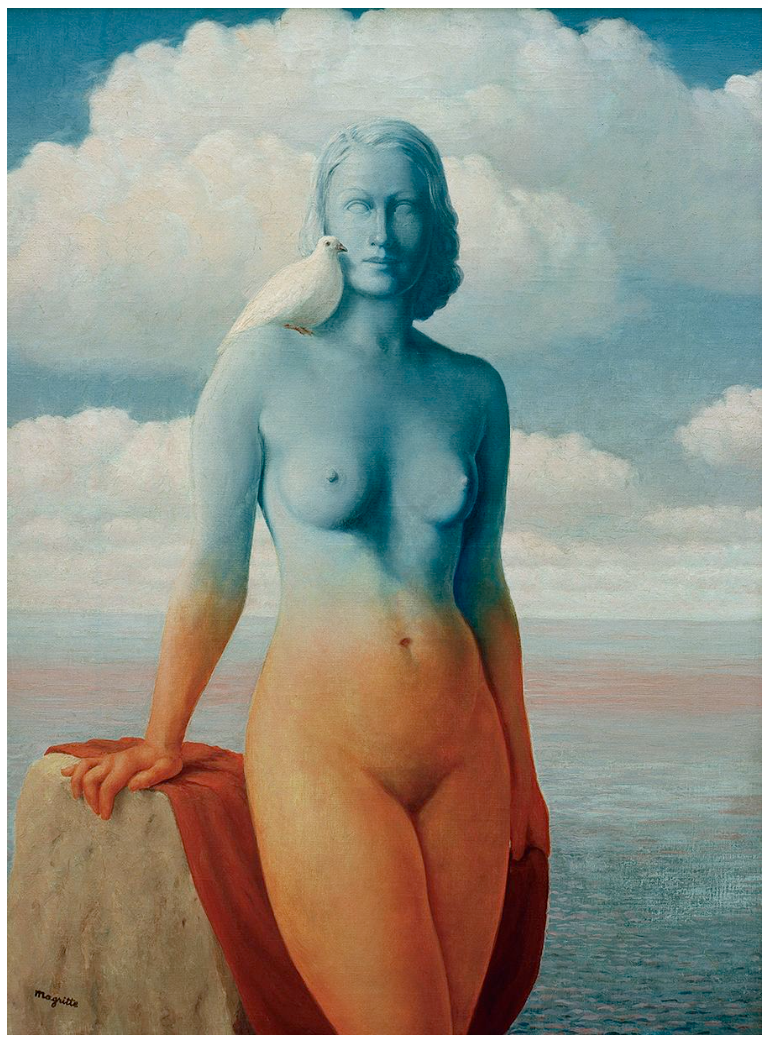
René Magritte, La magie noire, 1946. Private collection. Sold, London, 19 June 2019, £4,184,500 GBP ($5,284,126 USD). Artwork: © ADAGP, Paris and DACS, London 2024. Digital image: akg-images.
In addition to being inspired by his wife, Georgette, in his depiction of the female nude, Magritte also frequently turned to the plaster cast of a female torso that he had acquired in the early 1930s. Magritte likely purchased this torso, which was cast from life rather than a classical sculpture, from the Maison Berger, the art store in Brussels owned by his sister-in-law, where he purchased all his artistic materials. In 1932, this object first appeared in two works, titled La belle de nuit (Sylvester, no. 346) and Quand l’heure sonnera (Sylvester, no. 347). The plaster torso allowed Magritte to play with notions of reality and artifice in his compositions, forcing the viewer to question what is imagined and what is real within the scene. In many ways, he takes these concepts a step further in the present work, not only enlarging the torso to become a full scale nude, but combining two different physical states within the same motif.
It was Magritte himself who came up with the title, La magie noire, explaining, ‘Black magic. It is an act of black magic to turn woman’s flesh into sky’ (quoted in D. Sylvester, ed., René Magritte Catalogue Raisonné, London, 1993, vol. II, p. 187). The mysterious ‘alchemy,’ as Paul Nougé described the metamorphosis that dominates the present work, is one of the central themes that runs throughout Magritte’s art. Yet, Magritte was not attempting to depict a moment of supernatural magic, but was instead revealing the mysteries inherent in reality, drawing the viewer into, ‘a theatre of the unpredictable’ (M. Draguet and C. Goormans, in Magritte: The Mystery of the Ordinary, 1926-1938, exh. cat., The Museum of Modern Art, New York, 2014, p. 160). As Nougé explained, ‘The light is so pure and so present that the body gives itself over to the colour of the sky and slips away from our sight like the darkest night. This is, however, only the transparent spell of reality and not a miracle. Suddenly, arising from the depths of the image or ourselves, one can hear a kind of solemn warning’ (quoted in ibid., p. 160).
4.3. Pablo Picasso
Homme à la pipe, 1968
Sotheby’s London: 6 March 2024
Estimated: GBP 8,000,000 – 12,000,000
GBP 13,723,100 / USD 17,400,891
PABLO PICASSO (1881 – 1973)
Homme à la pipe, 1968
Oil on canvas
162.7 x 114.5 cm (64 1/8 x 45 1/8 inches)
Signed Picasso and dated 8.11.68. (upper left); dated 8.11.68. (on the reverse)
Epic in scale and striking in its exuberance and spontaneity of execution, Homme à la pipe is an exceptional example from Picasso’s celebrated late body of work. In blending the two major tropes that dominated the artist’s late oeuvre – that of a pipe-smoking musketeer and a romantic torero or bullfighter – the present work is a testament to the inventiveness and dynamism which characterize the period John Richardson described as Picasso’s “monumental apotheosis.”
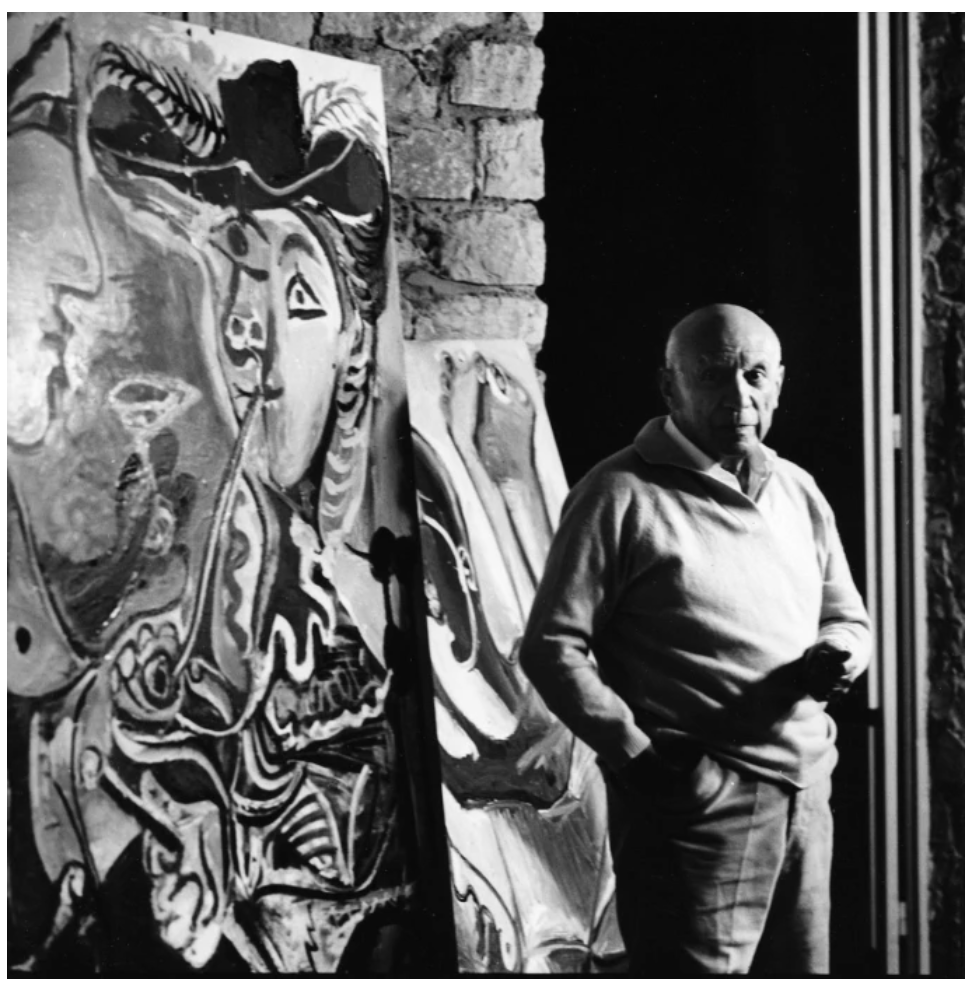
PICASSO IN HIS STUDIO AT NOTRE DAME DE VIE, 20 DECEMBER 1967. PHOTOGRAPH BY KURT WYSS
In 1961, Picasso turned eighty. As the widely recognized maître of twentieth century art he had nothing to prove and yet, as he recalled, he was gripped by the feeling that he had “less and less time and […] more and more to say” (Pablo Picasso quoted in Klaus Gallwitz, Picasso Laureatus, Lausanne and Paris, 1971, p. 166). This feeling is the driving force behind the inventiveness and spontaneity of his mature work and his significant recourse to archetypal figures and symbols. The seemingly limitless energy that characterizes so much of his work reaches its apex in this final burst of creativity. The first depictions of musketeers appear in his oeuvre in 1966, firstly in the form of numerous drawings and engravings. The artist’s fascination with this romantic archetype can be traced back to his Spanish childhood and his love of Cervantes’ Don Quixote; the musketeer was a character that embodied the courtly mannerisms of the Renaissance gentleman, resurrected by Picasso for a twentieth-century audience. Considering the artist’s age, the image of the musketeer is also evocative of a certain nostalgia for the youthful vigor of his early years. The musketeers of Alexandre Dumas’ novel, which served as another key source of inspiration in his work from this period, were famously known just as much for their good living and loving as for their swordsmanship. Quite often, and as is the case in the present composition, they are depicted smoking a pipe, another key reference to the days of the artist’s youth.
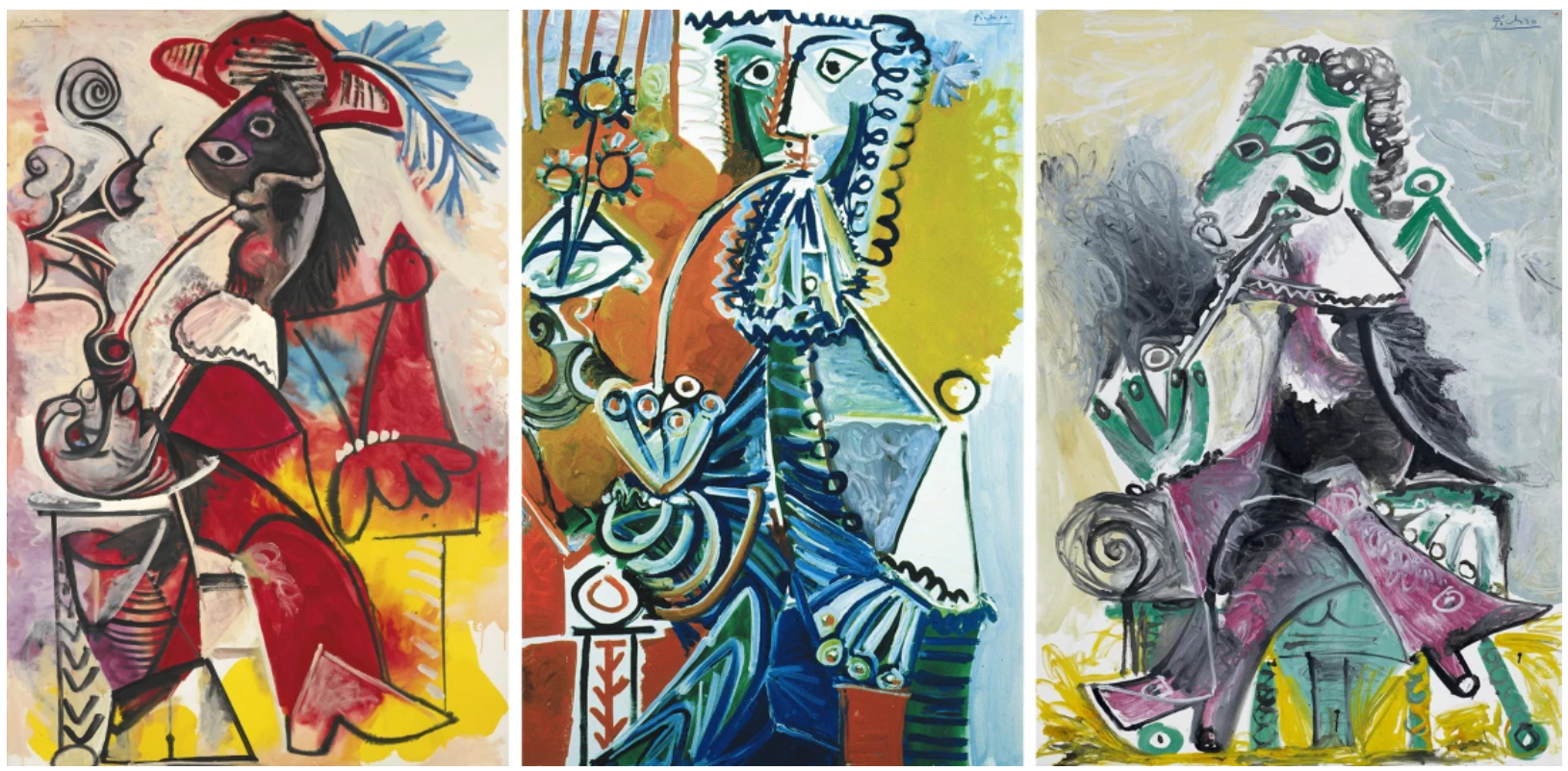
LEFT: PABLO PICASSO, MOUSQUETAIRE À LA PIPE, 5 MARCH 1969, OIL ON CANVAS. SOLD: SOTHEBY’S, NEW YORK, NOVEMBER 2013, $30,965,000 © SUCCESSION PICASSO/DACS, LONDON 2024
CENTRE: PABLO PICASSO, MOUSQUETAIRE À LA PIPE, 5 NOVEMBER 1968, OIL ON CANVAS, MUSEUM SAMMLUNG ROSENGART, LUCERNE © SUCCESSION PICASSO/DACS, LONDON 2024
RIGHT: PABLO PICASSO, MOUSQUETAIRE À LA PIPE, 6 OCTOBER 1968, OIL ON CANVAS, THE MUSEUM OF CONTEMPORARY ART OF THE BASQUE COUNTRY-ARTIUM MUSEOA, VITORIA-GASTEIZ © SUCCESSION PICASSO/DACS, LONDON 2024
In Homme à la pipe, Picasso equally pays tribute to the work of two painters he had adored throughout his life, Diego Velázquez and Rembrandt van Rijn. It was through these reinterpretations and investigations of the Old Masters that Picasso reaffirmed his space within the canon of Western art history. As Schiff notes in the catalogue accompanying the seminal 1984 exhibition at the Guggenheim Museum dedicated to Picasso’s late work, “Many of these musketeers are in a general way related to portraits by Rembrandt, even if it is not always possible to point to specific prototypes. What remains of the models is often merely something of the lineaments of a furrowed face, a searching look, a dishevelled head of hair and beard, or the play of light and shadow. However, not many musketeers remain recognizably “Dutch”. In most the spiritual climate is closer to El Greco, Velásquez, Murillo or Antolinez. Even the most diagrammatic ones are imbued with Spanish fervor, are hidalgos rather than staalmeesters” (ibid., pp. 36-37). Such is the case with the present work; the overall composition is clearly evocative of traditional Dutch portraiture, while his facial features—the hair and the eyes in particular – as well as his trousers and jacket, reminiscent of a torero’s traditional chaquetilla – are undeniably Southern European.
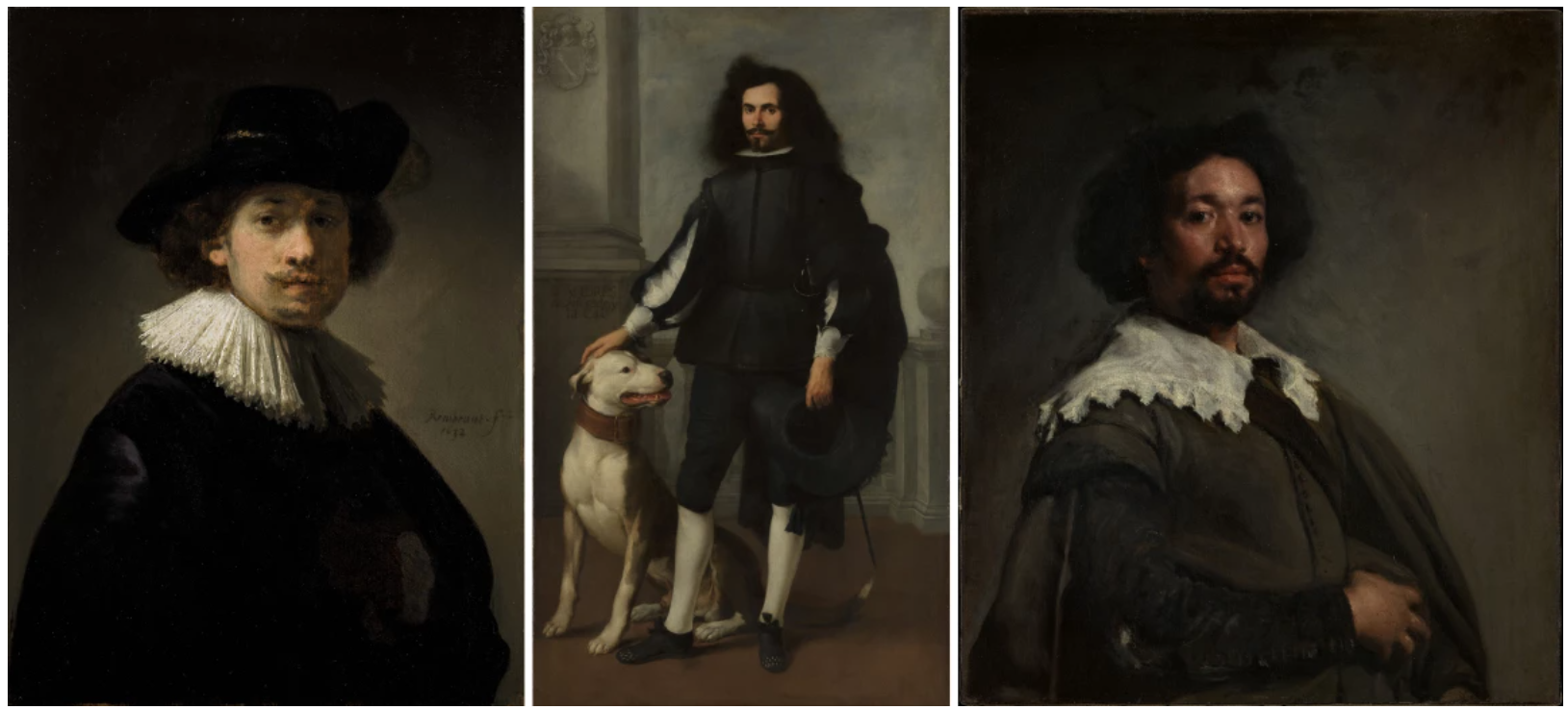
LEFT: REMBRANDT HARMENSZ. VAN RIJN, SELF-PORTRAIT OF THE ARTIST, HALF-LENGTH, WEARING A RUFF AND A BLACK HAT, 1632. SOLD: SOTHEBY’S, LONDON, JULY 2020, £14,549,400
CENTRE: BARTOLOMÉ ESTEBÁN MURILLO, DON ANDRÉS DE ANDRADE Y LA CAL, CA. 1665–72, THE METROPOLITAN MUSEUM OF ART, NEW YORK
RIGHT: DIEGO RODRÍGUEZ DE SILVA Y VELÁZQUEZ, JUAN DE PAREJA, 1650, OIL ON CANVAS, THE METROPOLITAN MUSEUM OF ART, NEW YORK
Speaking about the formal characteristics of Picasso’s musketees-matador paintings, Schiff remarks: “These are very large canvases. They are painted with increasing rapidity and dispatch, with a great deal of black and white amid the garish colours. Pentimenti or difficult transitions are simply covered with brushwork, gray as tobacco smoke […]. Mere dots and squiggles indicate curly wigs, ruffs and chains; striations in red, yellow, or green mark doublets and sashes. Picasso practices an against-the-grain historicism: with pictorial means that are light-years removed from the Baroque, he creates a Baroque pageant more exuberant and ‘genuine’ than any of the studied historical reconstructions of the nineteenth century ” (Exh. Cat., New York, The Solomon R. Guggenheim Museum, Picasso, The Last Years, 1963-1973, 1983, p. 31). The present work brims with the powerful immediacy which marks out the finest of Picasso’s late works. Here, the great master achieves a dramatic visual effect by outlining the figure and face of the sitter through the rapidly applied, thick black lines, while the rich crimson and raspberry hues denoting his nose, beard and clothes radiate powerfully through their contrast with a more subtle sage-coloured background. In its liveliness and expressivity, Homme à la pipe is emblematic of the freedom and spontaneity which Picasso found in his late work. Even at this stage in his career, he was endlessly reinventing himself and responding to new artistic innovations – perhaps most notably in the present work, those of the American Abstract Expressionists whose brushwork possesses a similarly gestural and profoundly expressive quality.
Tête de femme, 1951
Sotheby’s London: 6 March 2024
Estimated: GBP 2,500,000 – 4,000,000
GBP 3,073,000 / USD 3,896,564
PABLO PICASSO (1881 – 1972)
Tête de femme, 1951
Bronze
Height: 54.1 cm (21 1/4 inches)
Numbered 1/6 (on the base)
Conceived in Vallauris in 1951 and cast in bronze by the Godard Foundry, Paris
This work is number 1 from an edition of 6 examples plus 1 artist’s proof
Conceived in 1951 at the height of Picasso’s relationship with painter Françoise Gilot, Tête de femme arises from the innovative period of creation fostered during the artist’s stay on the Côte d’Azur.
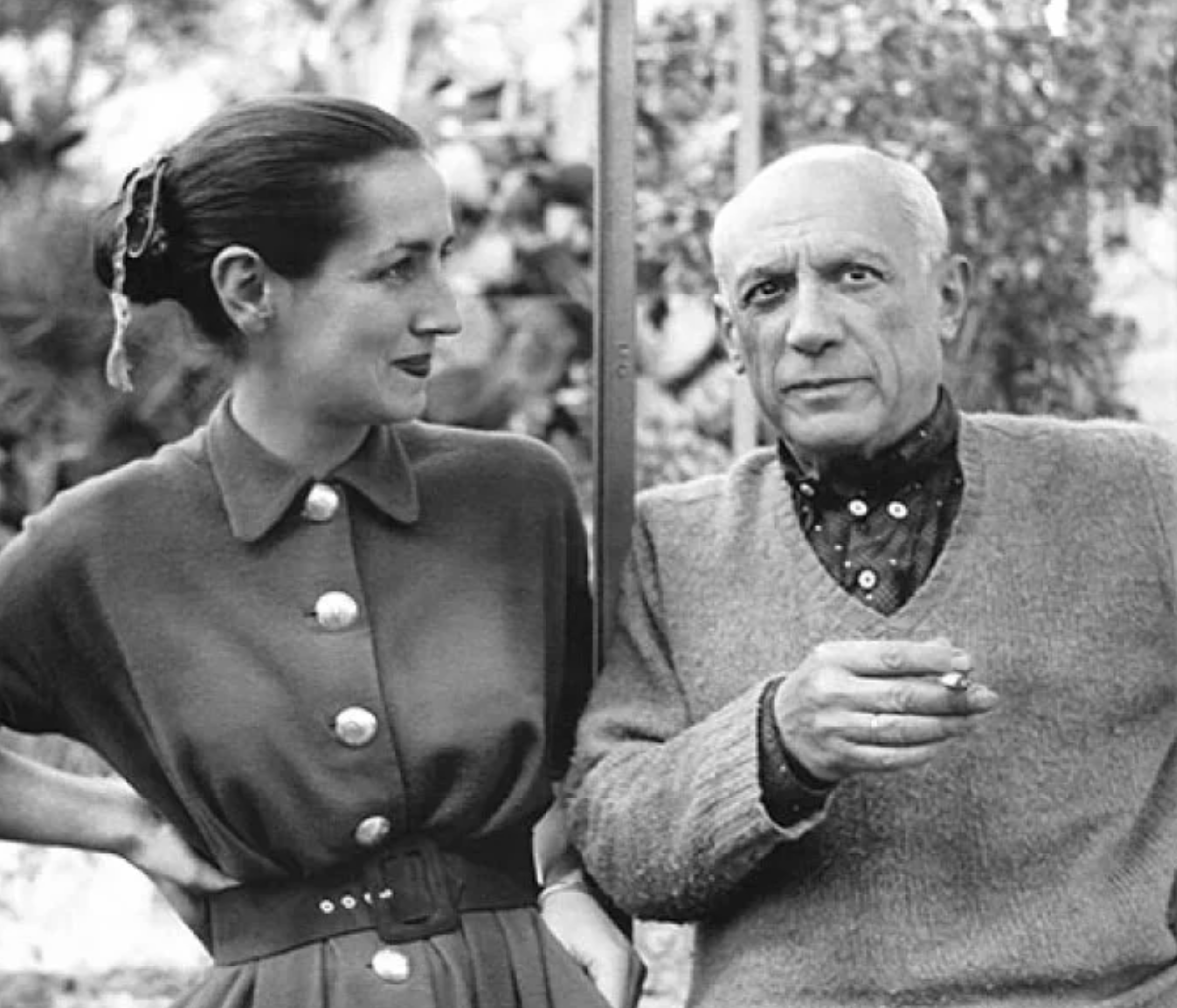
FRANÇOISE GILOT AND PABLO PICASSO, VALLAURIS, 1952, PHOTO: BORIS LIPNITZKI / STUDIO LIPNITZKI / ROGER-VIOLLET. © SUCCESSION PICASSO/DACS, LONDON 2024
In 1948, Picasso and Gilot settled in Vallauris, a town nestled between Antibes and Cannes known for its pottery tradition. Soon after, Picasso discovered Le Fournas, an abandoned perfume factory which he then adopted and converted into his ceramic studio. The artist made a habit of walking to his studio, passing a field along the way which served as a dumping ground for local potters. The discarded bits of ceramics, worn tools and shards of metal and wood provided endless sources of inspiration for Picasso, who would soon incorporate his finds into his sculpture practice.
Gilot would accompany him on these ‘hunting’ expeditions, pushing an old baby carriage into which Picasso would deposit his latest finds. When she asked him why he bothered collecting discarded bits and broken pieces rather than starting anew, Picasso replied “The material itself, the form and texture of those pieces, often gives me the key to the whole sculpture… I’m out to fool the mind rather than the eye” (Pablo Picasso quoted in Exh. Cat., New York, Gagosian, Picasso and Françoise Gilot: Paris-Vallauris, 1943-1953, 2012, p. 238).
In 1951, Tête de femme was born from such a process. Inspired in part by the ceramic cast-offs and the commonplace objects around him, and with his lover as muse, Picasso gave life to the plaster form of Tête de femme. Gilot later wrote a book detailing this period of her life with the artist and spoke directly to the work’s genesis and her role as subject:
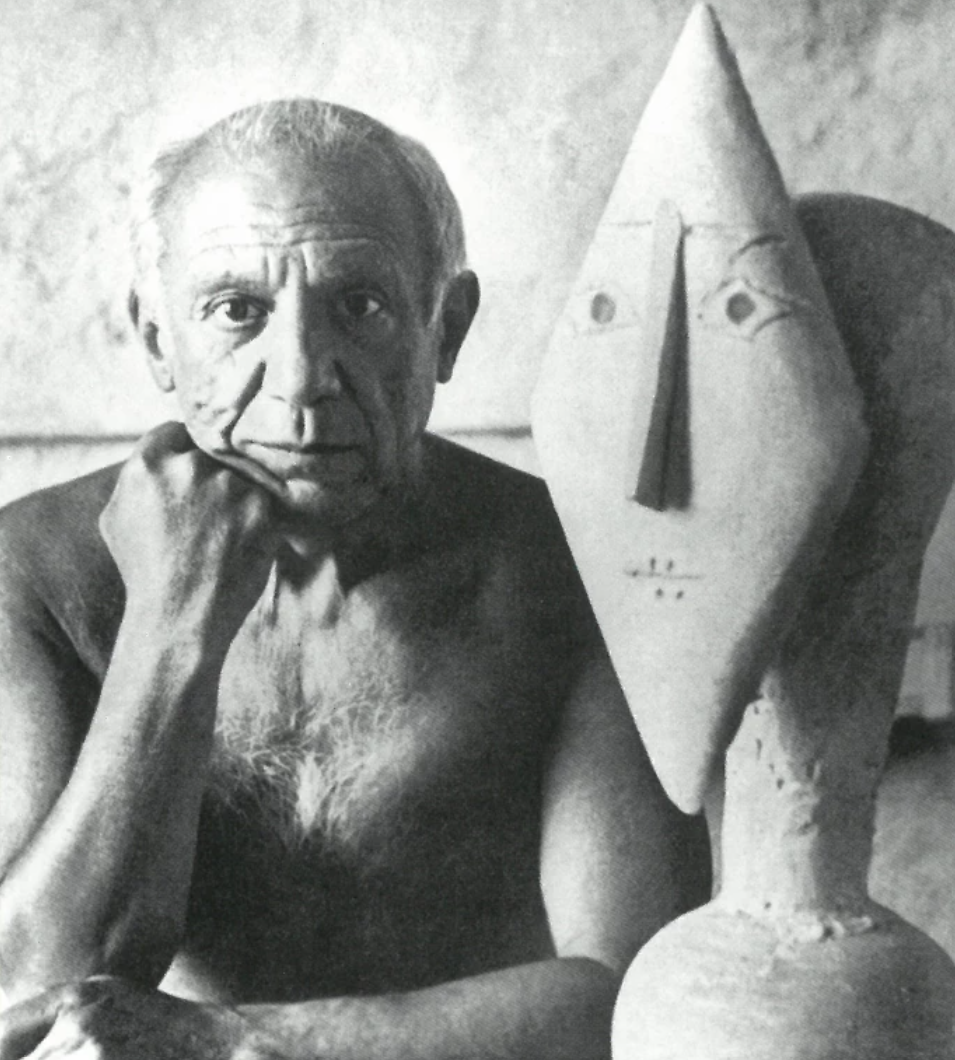
PICASSO AND THE PLASTER OF TÊTE DE FEMME, PHOTO: ULLSTEIN BILD / GRANGER © SUCCESSION PICASSO/DACS, LONDON 2024
As with many of Picasso’s works, Tête de femme is richly biographical and marks a unique period in the artist’s life. Ensconced in the serene environment of southeastern France with his partner and two children, Picasso enjoyed years of artistic exploration as well as family time. The late 1940s and early 1950s are thus characterised by a wealth of portraits, direct and indirect, of Gilot and the young Claude and Paloma. The artist’s depictions of Gilot in particular became increasingly stylized, often conveying a sense of fecundity and grace. She later recalled Picasso musing, “I’ve been wondering how I could get across the idea that you belong to the vegetable kingdom rather than the animal. I’ve never felt impelled to portray anyone else this way. It’s strange, isn’t it? I think it’s just right, though. It represents you” (Pablo Picasso quoted in Francoise Gilot and Carlton Lake, Life with Picasso, New York, 1964, p. 229).
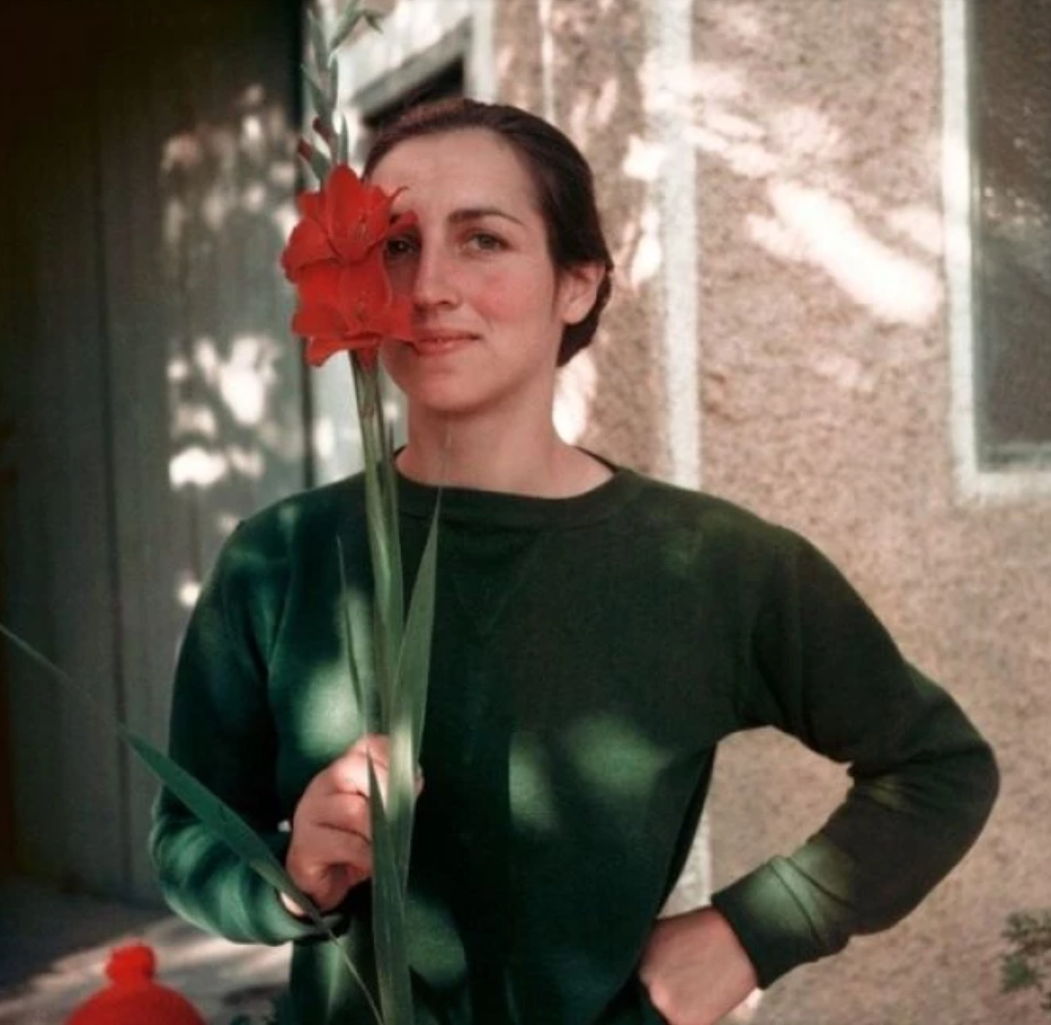
FRANÇOISE GILOT, VALLAURIS, FRANCE. IMAGE: GJON MILI / THE LIFE PICTURE COLLECTION / SHUTTERSTOCK
Another cast of Tête de femme is in the collection of the Hirshhorn Museum and Sculpture Garden in Washington, D.C. Having been sold through Galerie Louise Leiris, Picasso’s primary dealer in his later career, the present work has been held in the same family collection for generations and is the first cast of Tête de femme to ever to appear at auction.
Nature morte à la bougie, 1944
Christie’s London: 7 March 2024
Estimated: GBP 2,500,000 – 3,500,000
GBP 2,157,500 / USD 2,735,710
PABLO PICASSO (1881-1973), Nature morte à la bougie | Christie’s (christies.com)
PABLO PICASSO (1881-1973)
Nature morte à la bougie, 1944
Oil on canvas
63.2 x 91.7 cm (24 5/8 x 36 1/8 inches)
Signed ‘Picasso’ (lower left) and dated ‘4 avl 44’ (on the reverse)
Painted on 4 April 1944, Nature morte à la bougie is one of a series of still lifes that presents a small selection of quotidian objects set upon a tabletop in Pablo Picasso’s rue des Grands-Augustins studio in Paris. A candlestick, coffee pot, and accompanying cup stand, flanked by an ornate mirror and chair. One of two large still lifes he painted on this day, the present work shows Picasso’s exploration into the effects of candlelight over the scene. Though the candle is extinguished, the scene is filled with light, the cafetière casting a dramatic shadow through the composition. The still life dominated Picasso’s wartime work. Though he had been deemed a ‘degenerate’ artist by the Nazis, Picasso had nevertheless chosen to remain in occupied Paris. He retreated to his studio during this time, entertaining friends and visitors there, and withdrawing from the café culture that had characterized his life in the years prior. Using a small repertoire of objects – cups, pots, skulls or food – Picasso invested these quotidian scenes with symbolic and sometimes allegorical meanings. In the present work, the coffee pot conveys a luxury in wartime Paris: coffee was a precious commodity and hard to come by. The candlestick is another key symbol. On the pendant still life painted the same day (Zervos, vol. 13, no. 255, Private collection), the candle is lit, illuminating the rest of the shadowy scene.