2026 Fall New-York Marquee Auctions
Christopher Wool
Auction Results
Untitled, 2009
Christie’s New-York: 19 November 2026
Estimated: USD 1,800,000 – 2,500,000
CHRISTOPHER WOOL (B. 1955), Untitled | Christie’s
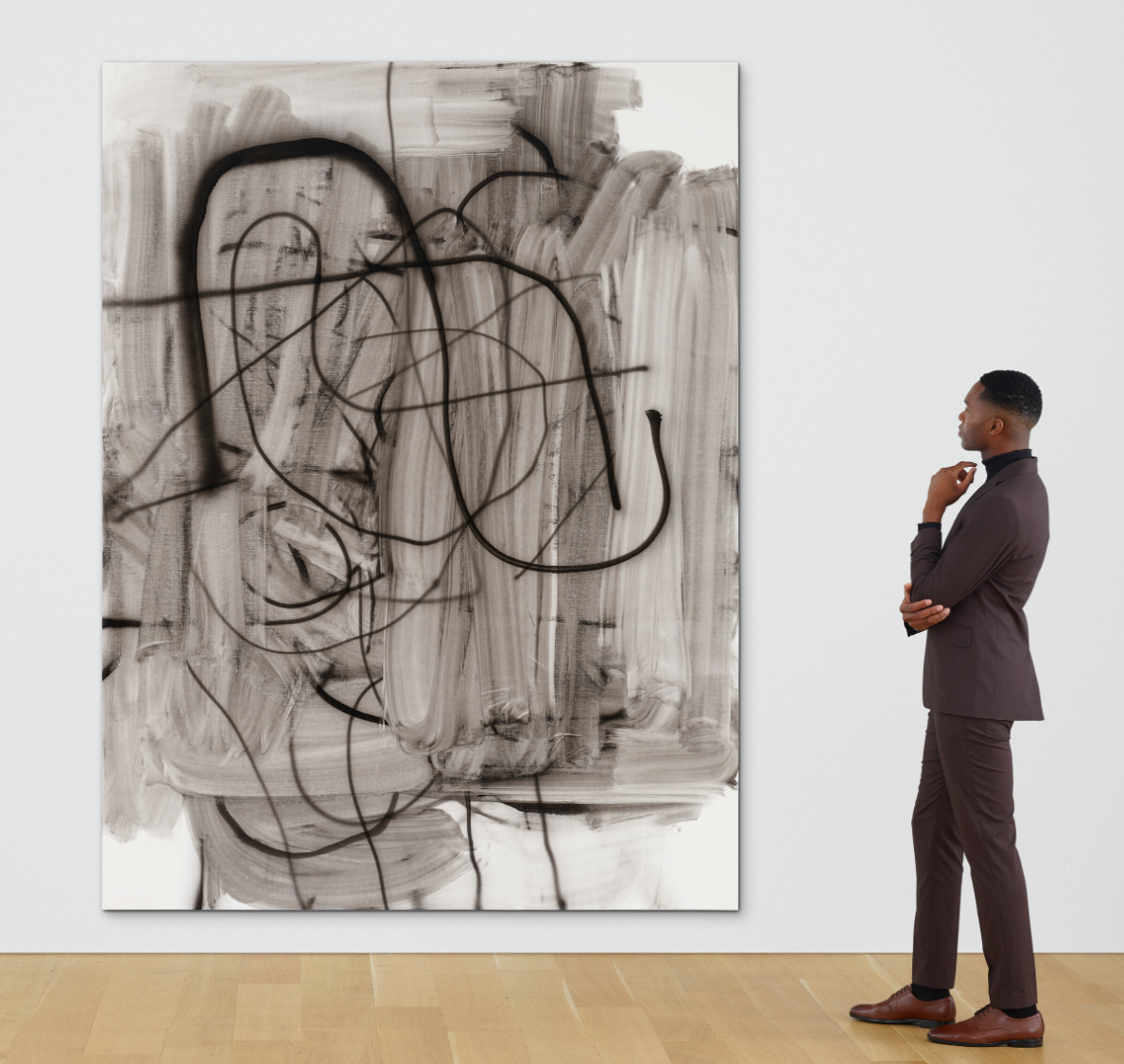
CHRISTOPHER WOOL (B. 1955)
Untitled, 2009
Enamel on linen
104×78 inches (264.5 x 198.1 cm)
Signed ‘Wool, C.’ (on the stretcher)
Untitled, 2004
Sotheby’s New-York: 17 November 2026
Estimated: USD 900,000 – 1,200,000
Christopher Wool | Untitled | Contemporary Day Auction | 2026 |
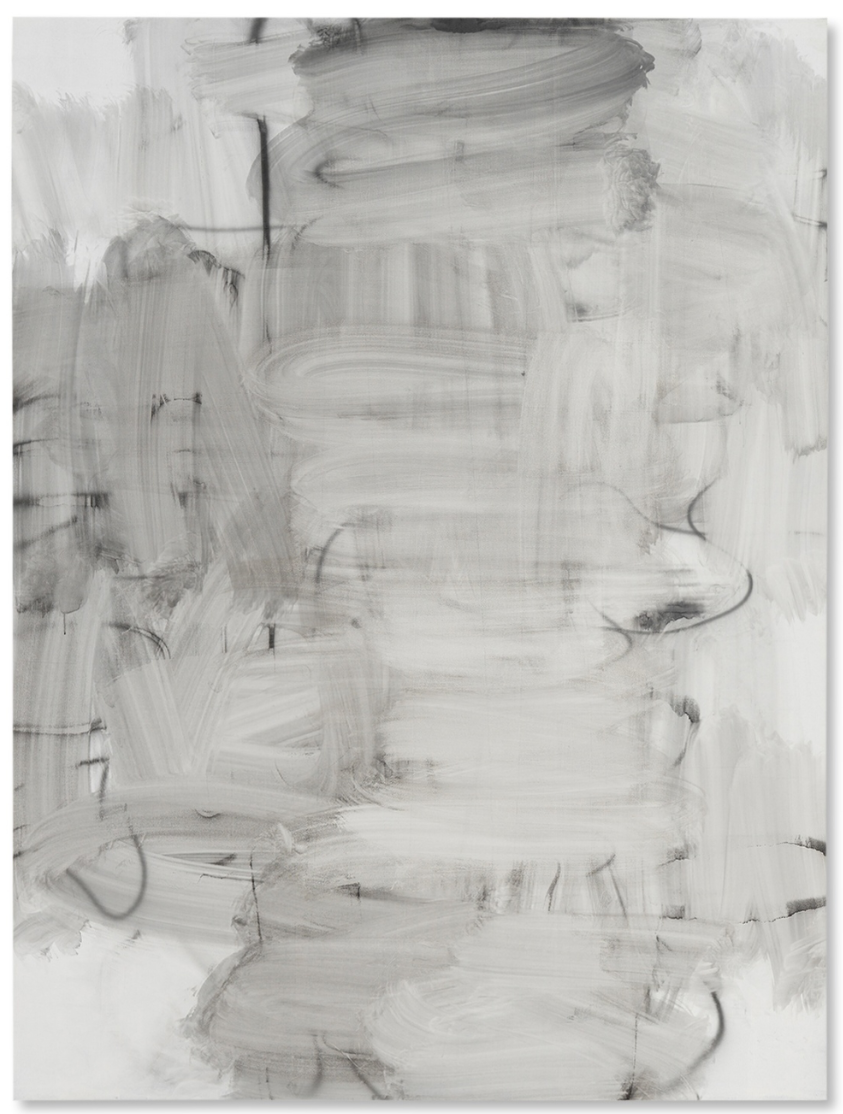
CHRISTOPHER WOOL (b. 1955)
Untitled, 2004
Enamel on linen mounted on board
96×72 inches (243.8 x 182.9 cm)
Signed, dated 2004 and numbered P448 (on the overlap)
Untitled, 2001
Christie’s New-York: 20 November 2026
Estimated: USD 600,000 – 800,000
CHRISTOPHER WOOL (B. 1955), Untitled | Christie’s
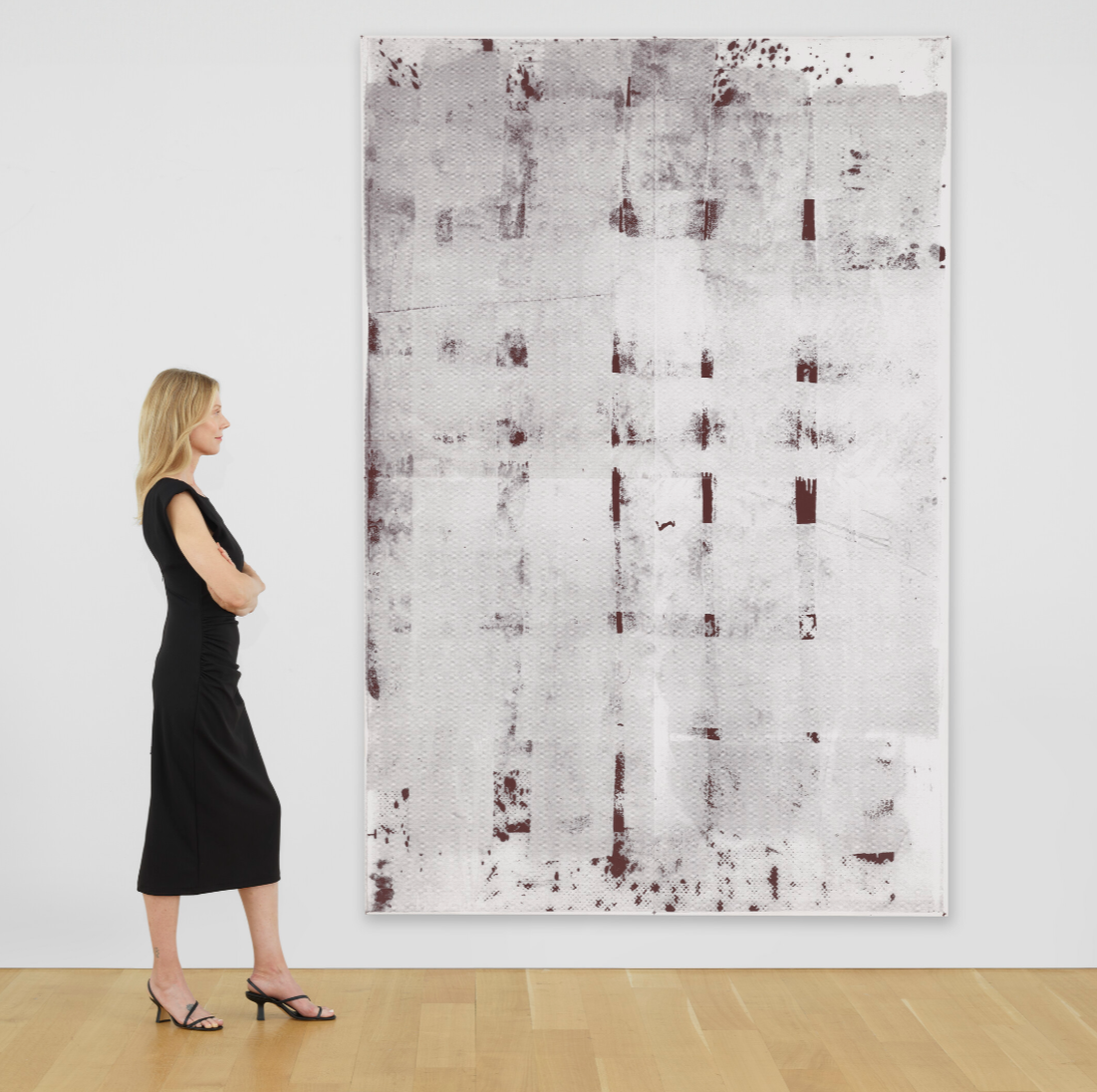
CHRISTOPHER WOOL (B. 1955)
Untitled, 2001
Enamel and silkscreen ink on linen
108×72 inches (274.5 x 183 cm)
Signed, numbered and dated ‘WOOL 2001 (P356)’ (on the overlap)
Signed again, numbered again and dated again ‘WOOL 2001 (P356)’ (on the stretcher)
Groove I, 1994
Christie’s New-York: 20 November 2026
Estimated: USD 300,000 – 500,000
CHRISTOPHER WOOL (B. 1955), Groove I | Christie’s
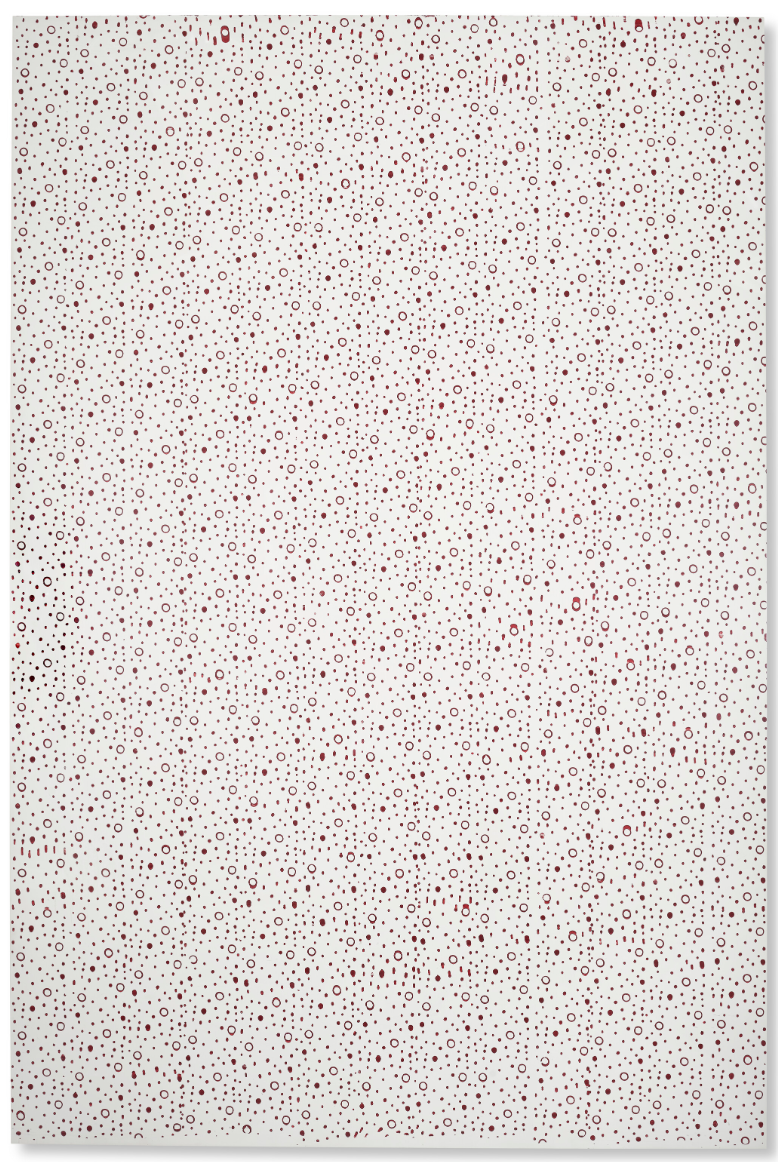
CHRISTOPHER WOOL (B. 1955)
Groove I, 1994
Enamel on aluminum
108×72 inches (274.3 x 182.9 cm)
Signed, titled, numbered and dated ‘WOOL GROOVE I 1994 (P194)’ (on the reverse)
Untitled, 2009
Untitled, 2009
Christie’s New-York: 19 November 2026
Estimated: USD 1,800,000 – 2,500,000
CHRISTOPHER WOOL (B. 1955), Untitled | Christie’s
CHRISTOPHER WOOL (B. 1955)
Untitled, 2009
Enamel on linen
104×78 inches (264.5 x 198.1 cm)
Signed ‘Wool, C.’ (on the stretcher)
A towering figure in American painting, since the mid-1980s Christopher Wool has reinvigorated his medium while challenging its deepest-held conventions. Untitled is a monumental example of this practice. Over eight and a half feet tall, it confronts its beholder with an inscrutable squall of forceful gray and white streaks and sinuous, undulating black lines. These two types of mark whirr and fizz around and over each other, engaged in an energetic pirouette. Passages of furious motion co-exist with moments of smeared beauty. Wool’s high-contrast black-and-white palette accentuates his forms. Potential ciphers and sigils momentarily emerge before sliding back into the turbulent mass. Wool has left three of the painting’s corners white, a breather from this frenetic activity. Although he has marshalled numerous layers of paint, the grain of the canvas is visible in some sections, signaling that the painting is an object.
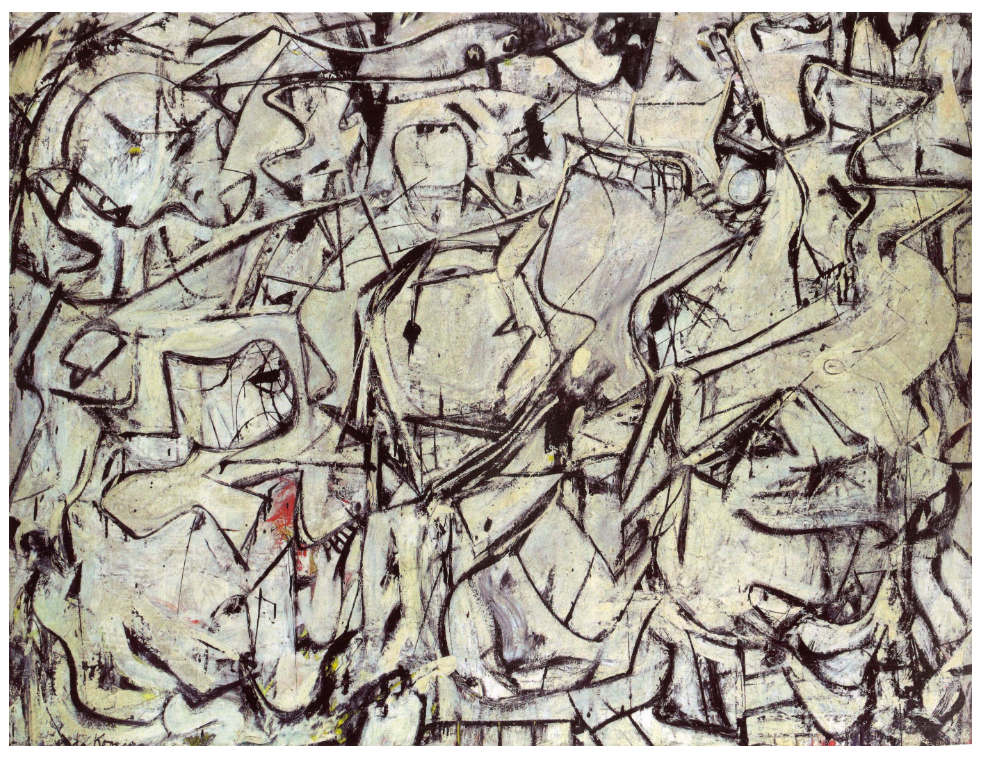
Willem de Kooning, Attic, 1949. Metropolitan Museum of Art, New York.
© 2026 The Willem de Kooning Foundation / Artists Rights Society (ARS), New York.
Untitled belongs to the groundbreaking Gray Paintings series. Commenced in 2000, they are the result of a happy accident. Wool was dissatisfied with a yellow spray painting and, in a fit of frustration, grabbed a turpentine-soaked rag and tried to wipe away the lines. Untitled results from a refinement of this process. Wool sprays black enamel paint onto a canvas, then uses a turpentine- or solvent-saturated cloth to smother, dissolve and overwrite the lines. He then repeats this method of addition and subtraction until his painting reaches completion. Wool’s use of erasure as a technique echoes Robert Rauschenberg’s infamous Erased de Kooning Drawing (1953, San Francisco Museum of Modern Art), where the young artist spent a month erasing a drawing given to him by the Abstract Expressionist Willem de Kooning. While Rauschenberg simply took away, however, Wool removes and replaces. Accretion and erasure work in symbiosis.
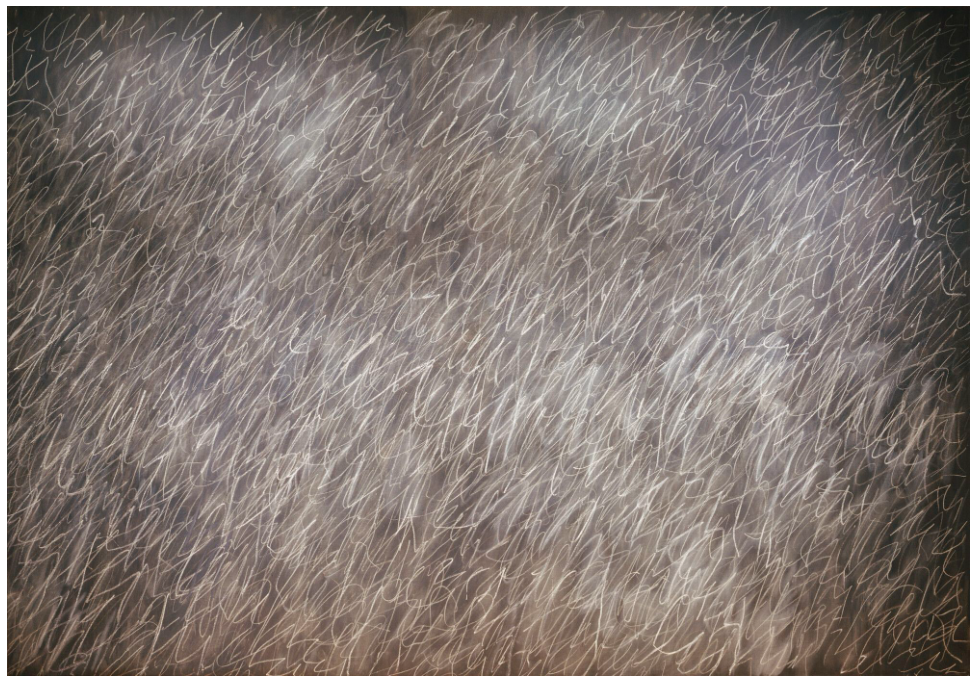
Cy Twombly, Untitled, 1970. Museum of Modern Art, New York. © Cy Twombly Foundation.
The Gray Paintings have become one of Wool’s most acclaimed sequences, widely represented in his 2013-14 retrospective at the Solomon R. Guggenheim Museum, New York. They are a culmination of a career spent revitalizing the possibilities of paint. He came of age as an artist in late 1970s downtown New York City, a time when many critics rejected painting in favor of conceptual art. Undaunted, in the late 1980s Wool initiated two series that breathed new life into the art form. He used incised rollers — used by frugal landlords to paint walls as a cheap substitute for wallpaper — to render teeming patterns that hovered between figuration and abstraction. Soon after, he debuted his celebrated text paintings, black-on-white conjunctions of art and language that drew on the signs and graffiti of the urban landscape.
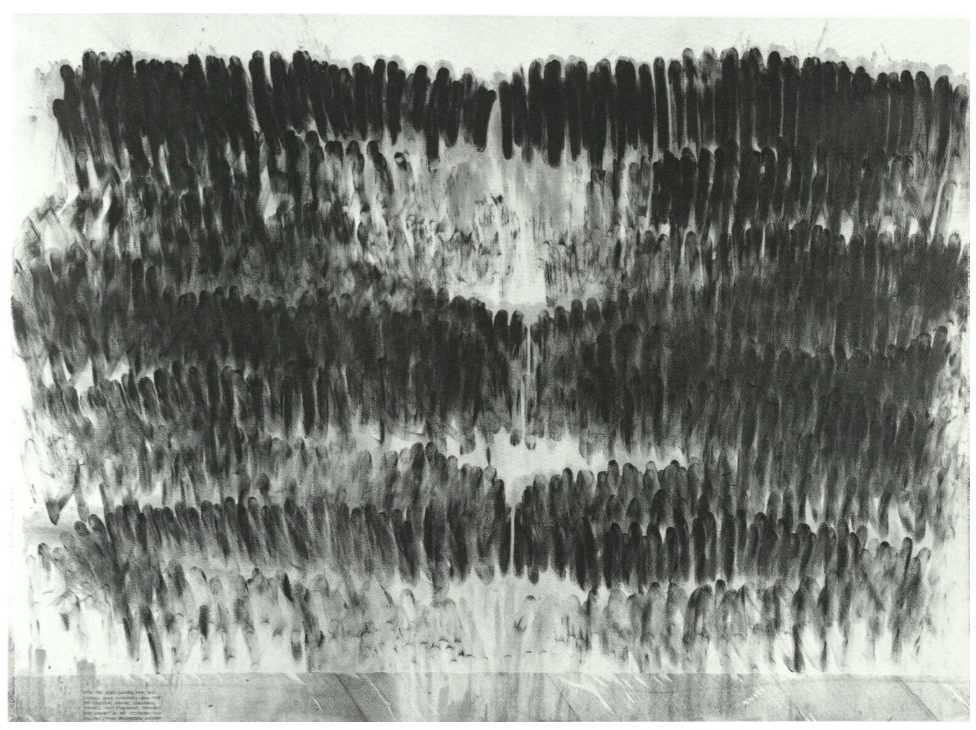
Robert Morris, Blind Time I, 1973. National Gallery of Art, Washington, D.C.
© 2026 Robert Morris / Artists Rights Society (ARS), New York.
With their spindly lines of spray paint, the Gray Paintings expand Wool’s engagement with the detritus of the urban environment while avoiding direct representation. “In this liminal state,” writes curator Katherine Brinson, “where the image emerges gradually through its cyclical desecration and resurrection, Wool’s surging washes and lines invite a search for figurative reference while perpetually denying this satisfaction” (K. Brinson, “Trouble Is My Business,” in K. Brinson (ed.), Christopher Wool, exh. cat., Solomon R. Guggenheim Museum, New York, 2013, p. 48). By combining the application of spray paint with the unpredictable washes of wet fabric, Wool introduces a new type of abstract painting, evoking the bold gestural marks of Abstract Expressionism while avoiding its painterly intentionality. Untitled epitomizes this teasing, inquisitive journey to the frontiers of painting.
Untitled, 2004
Untitled, 2004
Sotheby’s New-York: 17 November 2026
Estimated: USD 900,000 – 1,200,000
Christopher Wool | Untitled | Contemporary Day Auction | 2026 |
CHRISTOPHER WOOL (b. 1955)
Untitled, 2004
Enamel on linen mounted on board
96×72 inches (243.8 x 182.9 cm)
Signed, dated 2004 and numbered P448 (on the overlap)
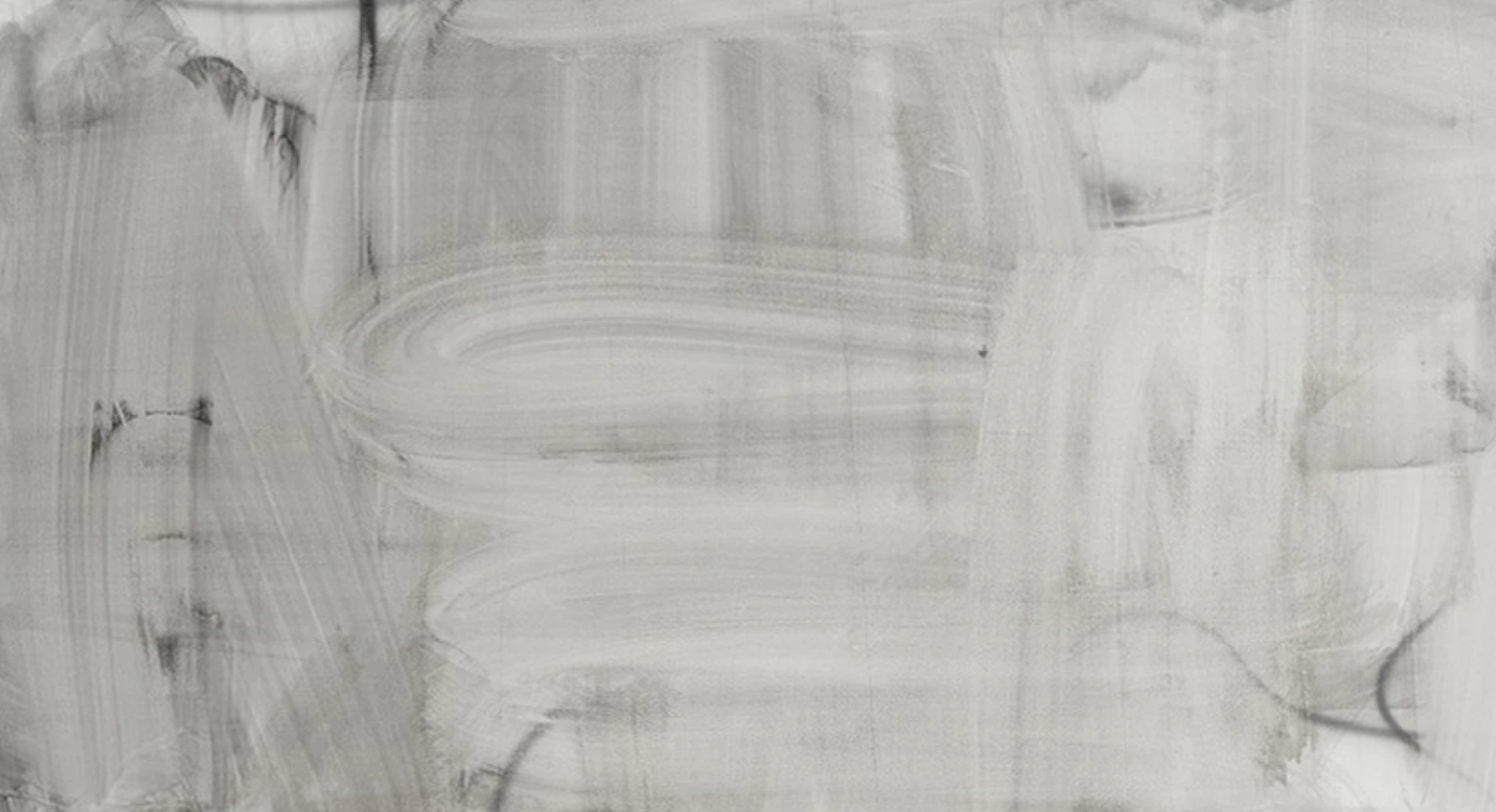
A truly pioneering force in contemporary art, Christopher Wool stands as one of the defining artists of the 21st century, whose innovative methods and conceptual force have reimagined contemporary painting and art at large. A culmination of Wool’s abstract efforts of the late 20th century, Untitled is a tour de force in which the artist synthesizes his most urgent painterly concerns. Hovering between the gesture of Abstract Expressionism, the inward-looking reduction of Minimalism, the readymade immediacy of Pop art, and the intellectual piety of Conceptualism, Wool’s work resists codification and categorization. Executed in 2004, Untitled belongs to Wool’s Gray Paintings, a series of works which have interrogated and transcended the limits of formal painting. In the present work Wool deploys the fervent innovation which characterizes his oeuvre, rendering a series of lines, angles and dynamic swoops of black enamel that are periodically smudged and compromised to build a set of enigmatic marks against the composition’s magnetic gray landscape.
Born in Chicago in 1955, Wool moved to New York City in 1973, drawn to the city’s underground culture, and there began studying painting. Attaining prominence in the early 1980s, Wool has forged a singular body of work distinguished by its continual interrogation of image, language, and abstraction, while remaining fiercely expressive and culturally potent. The blueprint for his Gray Paintings followed a fortuitous, career-defining accident in 2000, which would precipitate an entire body of work. Wool discovered the interaction between turpentine and enamel paint, when instead of wiping his canvas clean and removing a mistake from the painting, a turpentine-soaked rag left a blurry, smeared gray wash behind–an effect Wool embraced for its strange but compelling beauty. Eliciting the effects of broad, gestural brushwork, this act of destruction became a stimuli of creation that Wool has described as a cornerstone of his creative process. The present work’s composition reveals, in an act of simultaneous construction and demolition, a complex process of creation in which acts of erasure are boldly juxtaposed by the artist’s hand. In Wool’s paintings composed of stains, sprays and rolled paint, instances of “mistakes” that might otherwise be corrected or ignored become the focal points of the composition, welcomed in his artistic process.
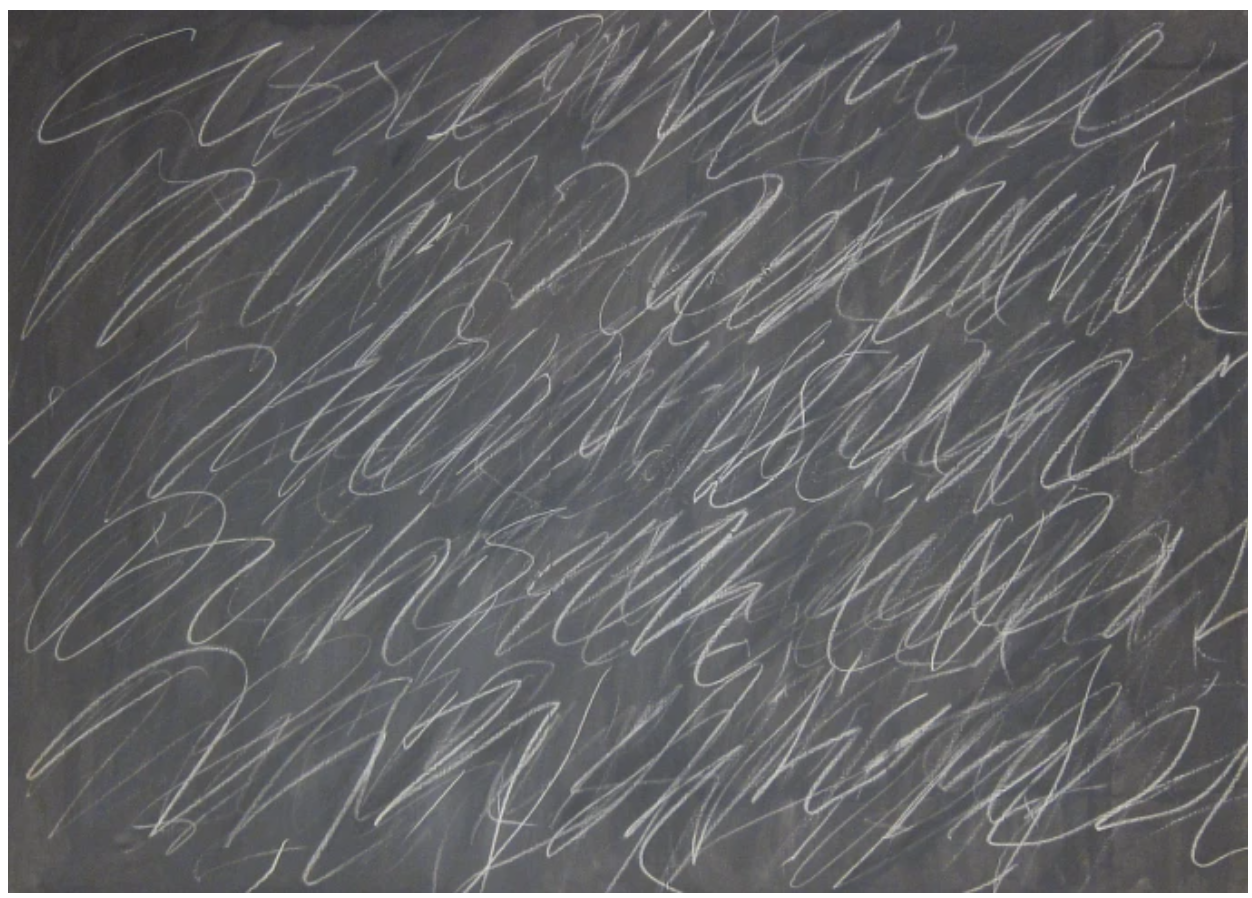
CY TWOMBLY, UNTITLED, 1970, MINNEAPOLIS INSTITUTE OF ARTS, MN, IMAGE: PHOTO © MINNEAPOLIS INSTITUTE OF ART / GIFT OF MR. AND MRS. WILLIAM N. DRISCOLL IN MEMORY OF CHARLOTTE DRISCOLL GAGE / BRIDGEMAN IMAGES
Removing the present canvas of recognizable attributes like imagery, brushwork and texture, the monochromatic final product almost suggests a kind of finality, as if the grays of the canvas, seemingly both methodical and haphazard, may be the last the artist would realize. Wool uses this suggestion of finality to narrow his artistic framework, working within a set of meticulously executed techniques in increasingly complex compositions. Wool’s chosen tools, the spray paints and stencils of his early work and the rags soaked in turpentine of the early 2000s, are not historically associated with painting. Amplified by his monochromatic palette of black and white, Wool’s Untitled articulates a certain liminal space between art and artist, the expected and the improbable, perpetually pushing the boundaries of artistic tradition and conventions of time. As gestural passages of black fade in and out of the shadowy gray which engulf them, Wool’s painting seems to spawn something dissonant, riveting, and oxymoronic in its uncertainty.
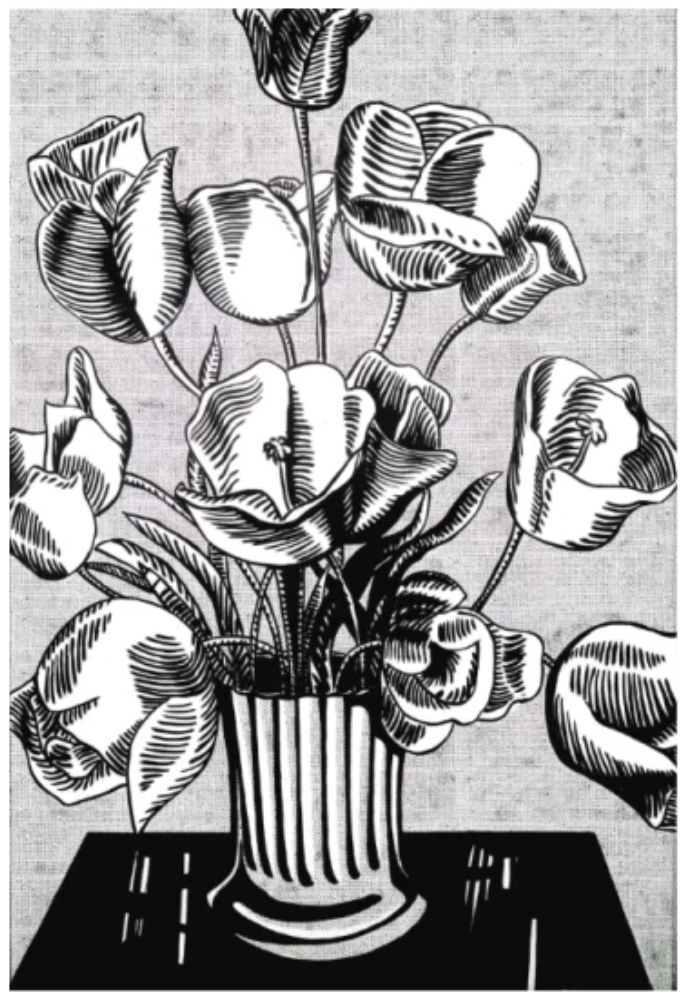
Roy Lichtenstein, Black Flowers, 1961, The Broad Collection Art © Estate of Roy Lichtenstein
Recalling the visual idioms of the Abstract Expressionists, Wool’s Gray Paintings are in particularly striking communion with the early black and white abstractions of Jackson Pollock, Franz Kline and Willem de Kooning. Yet Wool’s oeuvre explodes the methods of the Abstract Expressionists that it relates to in aesthetics and gesture, forming something utterly progressive and individual. Remarkably disruptive in his nature, Wool operates in a state of perverse uncertainty, balancing the impulses of doing and undoing in delicate balance. “The literal loss enacted in the realization of these paintings endows them with the character of a lamentation,” states Katherine Brinson, “chiming with the potent strands of angst and melancholia that have always run close to the surface of his work, despite its game face of cool indifference.” (Kate Brinson, ‘Trouble is my Business’ in: Exh. Cat., New York, Solomon R. Guggenheim Museum, Christopher Wool, 2013, p. 47). In Untitled, cryptic black cyphers oscillate in veils of wiped gray, fading in and out of legibility while spawning something vast and eerily beautiful in its compositional tension. Inherent in Wool’s pictorial savvy is a drama that inherently subsumes his oeuvre, distinguishing between the various imbrications on the canvas becomes an intentionally impossible task. Untitled is a monumental and eloquently expressed reflection on lightness and abstract fluency. Gesturally charged, aesthetically elusive, and dramatically scaled, Untitled is a radiant paradigm of the contemporary masterpiece, realized through underlying convictions that a linear trajectory towards artistic mastery is a relic of the past.
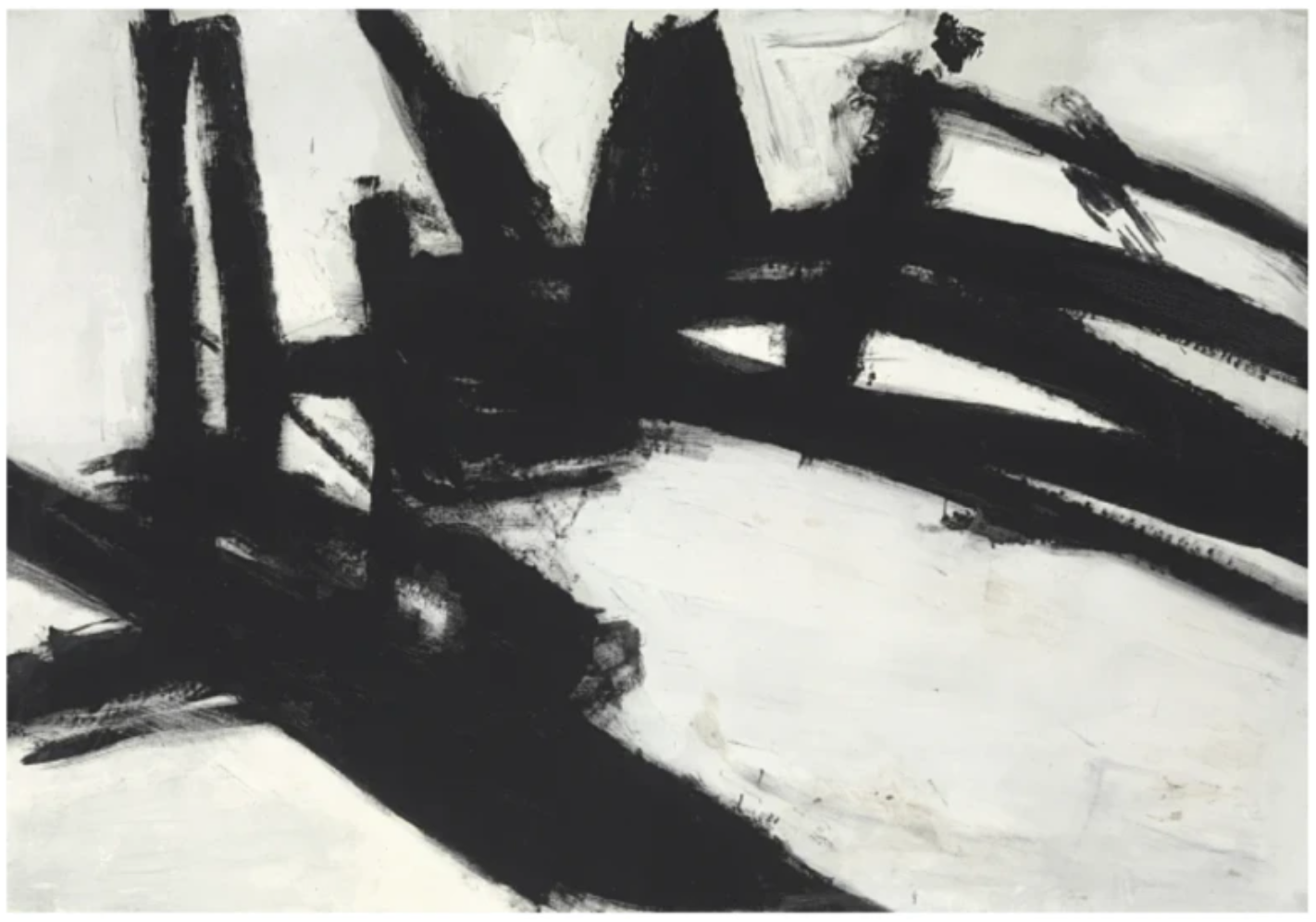
Franz Kline, Untitled, 1957 Image © Bridgeman Images Art © 2021 The Franz Kline Estate / Artists Rights Society (ARS), New York
Spontaneous and kinetic, Wool mines his aesthetic language in Untitled, which both disrupts the rigid compositional structure of his early oeuvre and ruminates on the future of painting. In the artist’s own self-reflexive words, “the traditional idea of an objective masterpiece is no longer possible.” (the artist quoted in Kate Brinson, ‘Trouble is my Business’, in: Exh. Cat., New York, Solomon R. Guggenheim Museum, Christopher Wool, 2013, p. 47). Wool’s layered abstraction and liminal meditation on the art historical canon come to life in the cloudy and subtle tonality of Untitled, a work which encapsulates the Gray Paintings series. Critically acclaimed, this body of works resides in institutional collections worldwide, including the Museum of Modern Art, New York; The Whitney Museum, New York; The Tate, London; and the Fondation Louis Vuitton, Paris. With the present work, Christopher Wool secures his legacy as one of America’s most important contemporary painters. Untitled encapsulates all the most sought-after characteristics in Wool’s abstract practice: from the concentric loops of spray paint, partially obscured, to the incredibly delicate surface of turpentise wash, Untitled offers a complex and masterful overlay of Wool’s iconic painterly syntax.