Fall 2026 New-York Marquee Auctions
Jeff Koons
Upcoming Lots
Hulk (Friends), 2004-2012
The Collection of Antonio Homem Sonnabend
Christie’s New-York: 19 November 2026
Estimated: USD 3,500,000 – 5,500,000
THIRD PARTY GUARANTEE
JEFF KOONS (B. 1955), Hulk (Friends) | Christie’s
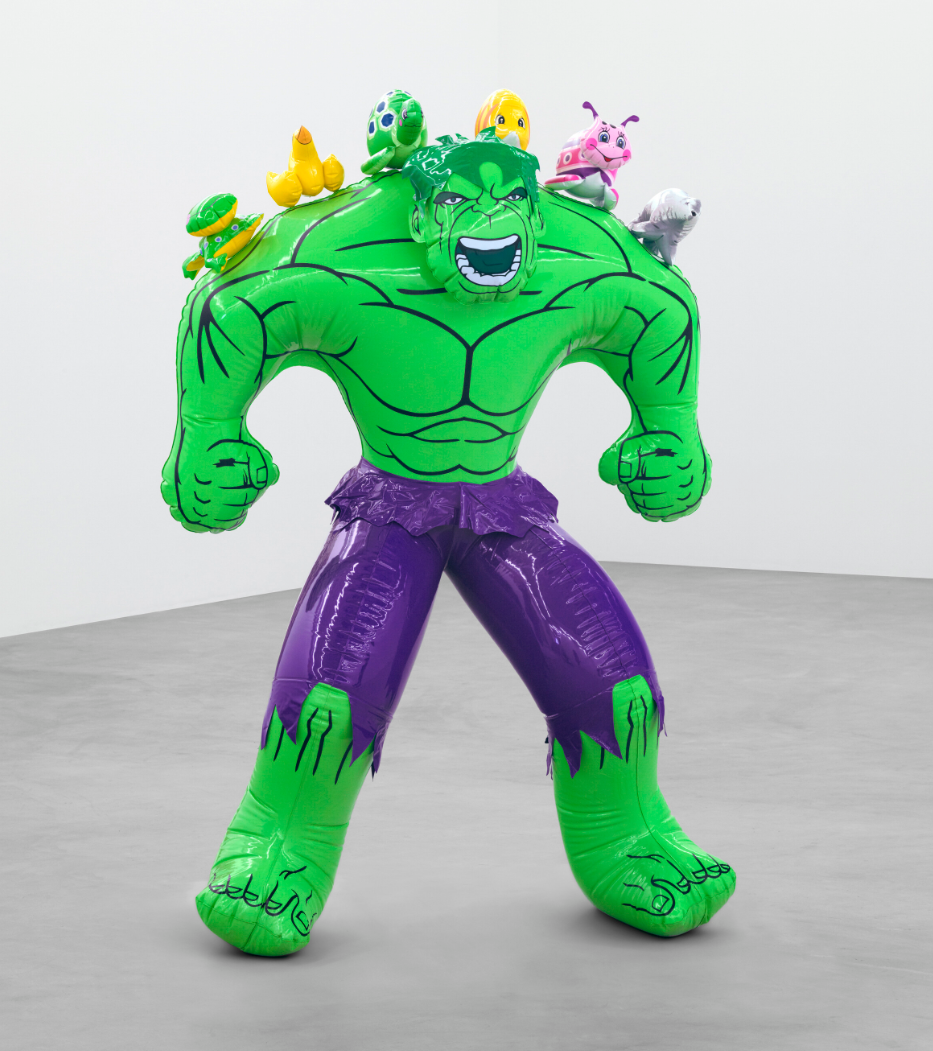
JEFF KOONS (B. 1955)
Hulk (Friends), 2004-2012
Polychromed bronze
71-1/4 x 48-1/2 x 26 inches (181 x 123.2 x 66 cm)
Signed, dated and numbered ‘Koons 2004-2012 3⁄3’ (on the interior of the shorts)
This work is number three from an edition of three plus one artist’s proof
Wild Boy and Puppy, 1988
The Collection of Antonio Homem Sonnabend
Christie’s New-York: 19 November 2026
Estimated: USD 3,000,000 – 5,000,000
MINIMUM PRICE GUARANTEE
JEFF KOONS (B. 1955), Wild Boy and Puppy | Christie’s
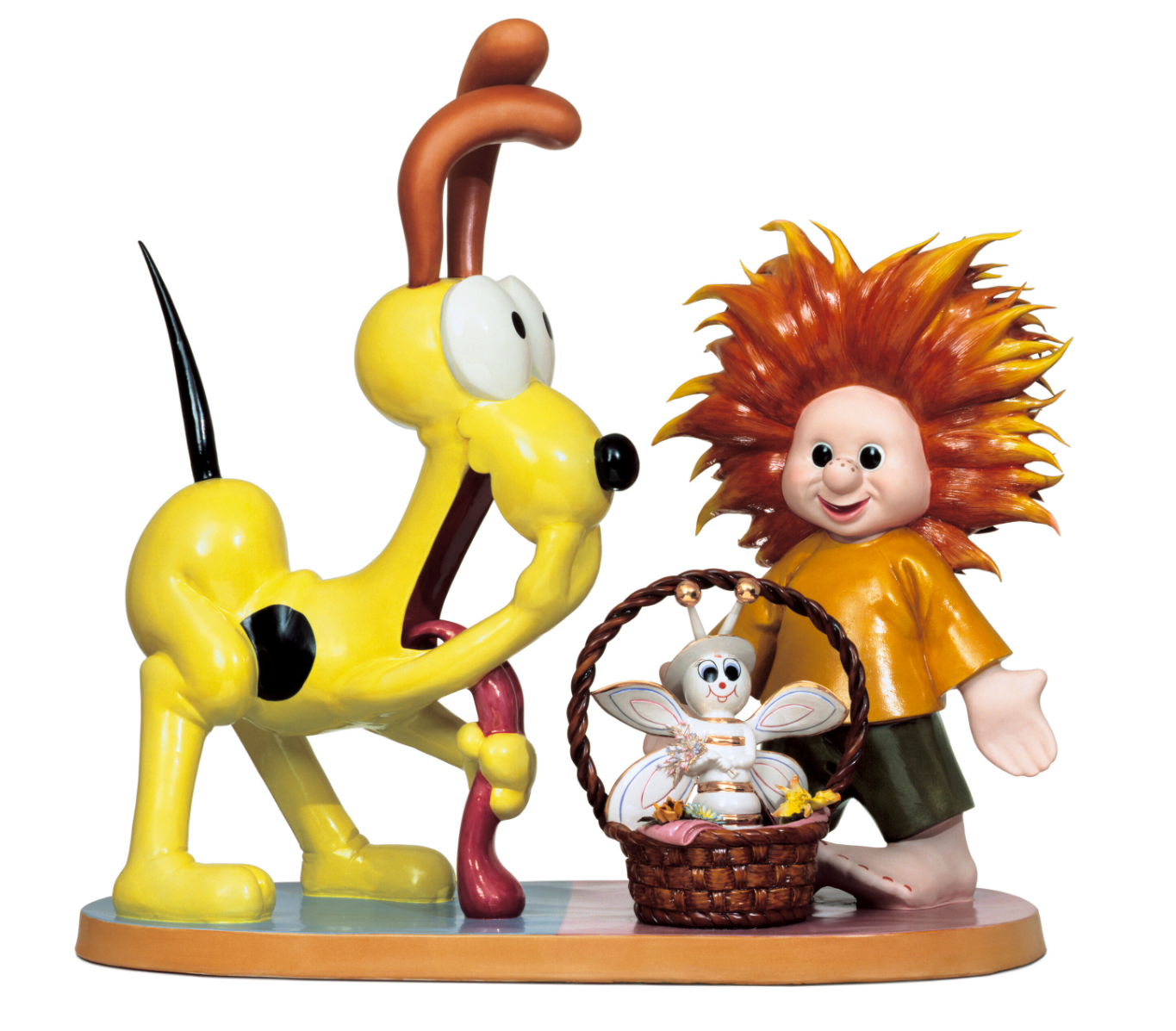
JEFF KOONS (B. 1955)
Wild Boy and Puppy, 1988
Porcelain
38 x 39-1/2 x 23-1/2 inches (96.5 x 100.3 x 59.7 cm)
Signed, dated, numbered and inscribed with the foundry mark ‘Koons 1⁄3 88’ (on the underside)
Inscribed with the maker’s signature (on the side edge)
This work is number one from an edition of three plus two artist’s proofs
Bob-Tail, 1991
Property from an Eminent Private European Collection
Sotheby’s New-York: 16 November 2026
Estimated: USD 2,500,000 – 3,500,000
GUARANTEED PROPERTY
Jeff Koons | Bob-Tail | The Now and Contemporary Evening Auction |
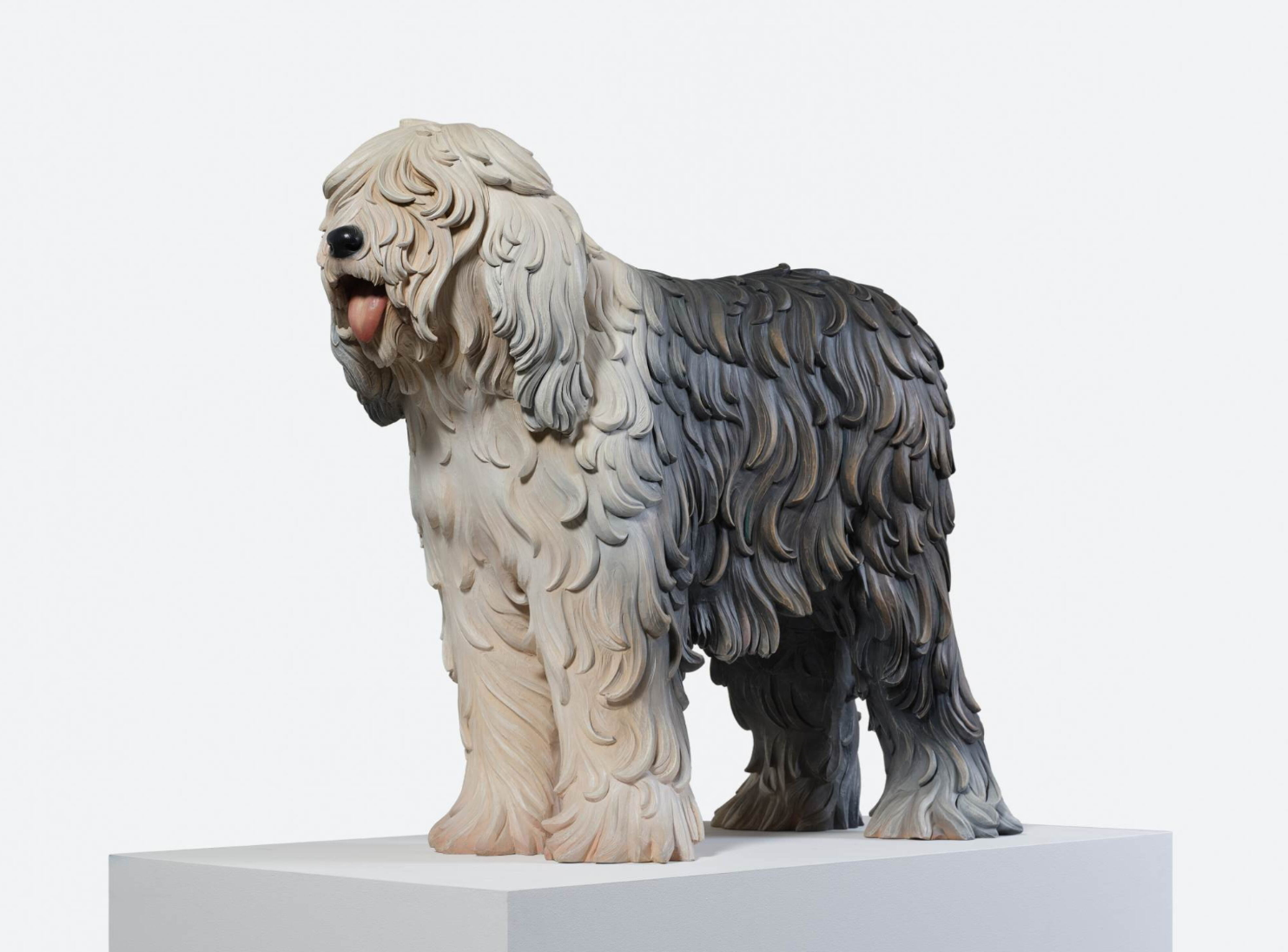
JEFF KOONS (b. 1955)
Bob-Tail, 1991
Polychromed wood
34x44x16 inches (86.4 x 111.8 x 40.6 cm)
Dated 91 and numbered 1/3 (on the underside of the front right paw)
This work is number 1 from an edition of 3 plus 1 artist’s proof
Hulk Elvis Modern, 2007-13
Bonhams New-York: 18 November 2026
Estimated: USD 2,000,000 – 3,000,000
Bonhams : JEFF KOONS (B. 1955) Hulk Elvis Modern (Painted 2007-13)
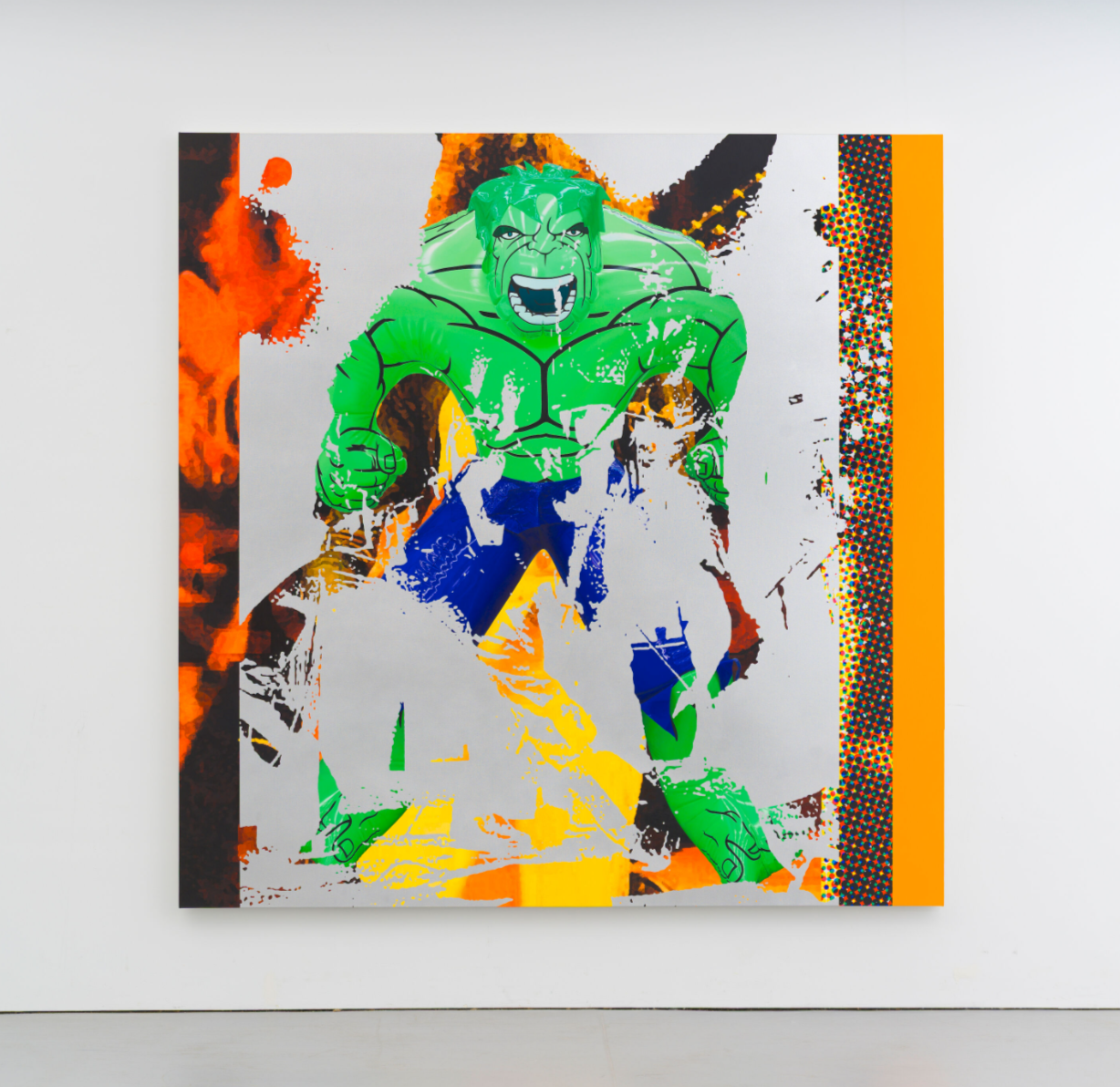
JEFF KOONS (B. 1955)
Hulk Elvis Modern, 2007-13
Oil on canvas
108 x 107-3/8 inches (274.3 x 272.7 cm)
Signed and dated ‘J Koons 2007-2013’ (on the overlap)
Caterpillar Ladder (Wall), 2007-2011
The Collection of Antonio Homem Sonnabend
Christie’s New-York: 20 November 2026
Estimated: USD 1,000,000 – 1,500,000
MINIMUM PRICE GUARANTEE
JEFF KOONS (B. 1955), Caterpillar Ladder (Wall) | Christie’s
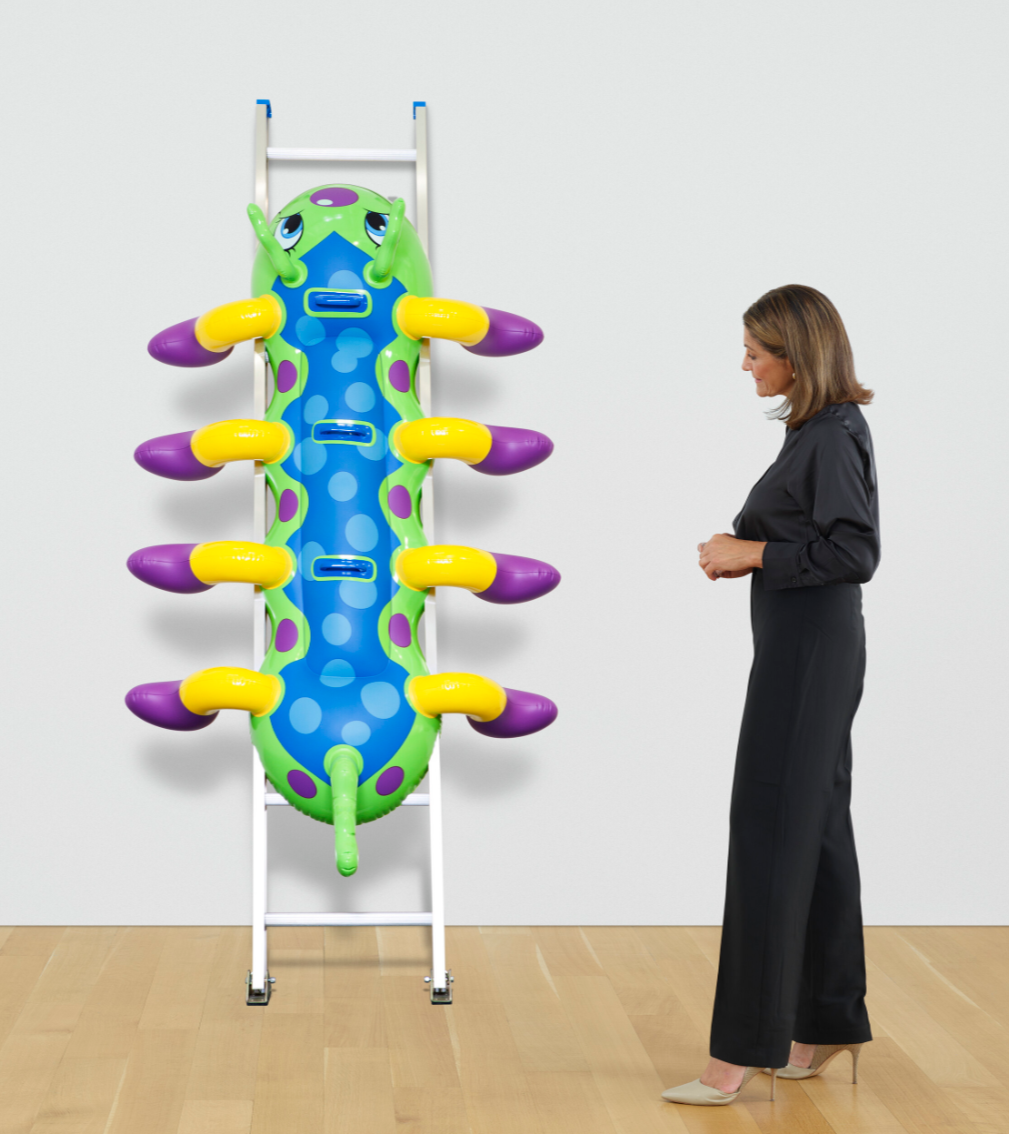
JEFF KOONS (B. 1955)
Caterpillar Ladder (Wall), 2007-2011
Polychromed aluminum and aluminum
93-3/8 x 41-7/16 x 43 15/16 inches (237.2 x 105.3 x 111.6 cm)
This work is number three from an edition of three plus one artist’s proof
Cape Codder Troll, 1986
The Collection of Antonio Homem Sonnabend
Christie’s New-York: 20 November 2026
Estimated: USD 500,000 – 700,000
MINIMUM PRICE GUARANTEE
JEFF KOONS (B. 1955), Cape Codder Troll | Christie’s
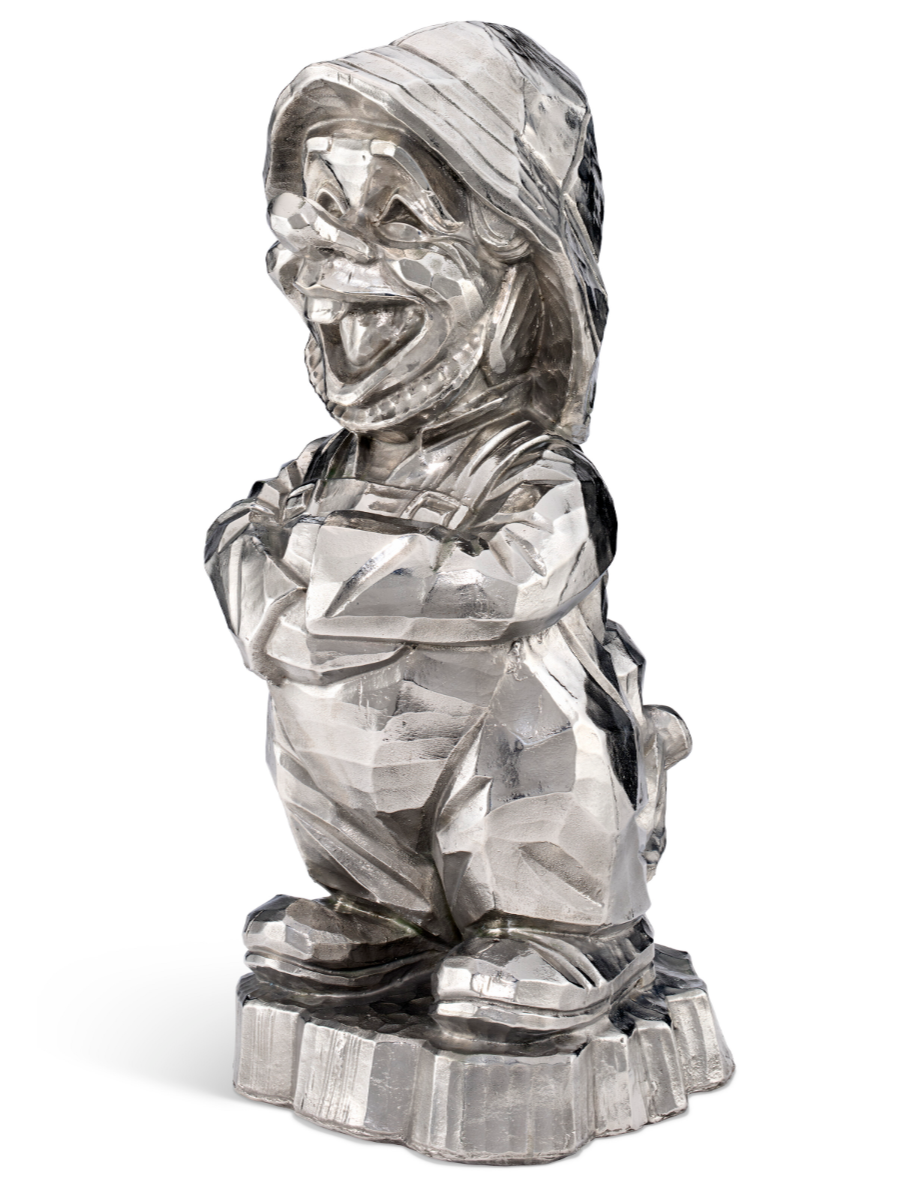
JEFF KOONS (B. 1955)
Cape Codder Troll, 1986
Stainless steel
21 x 8-1/2 x 9 inches (53.3 x 21.6 x 22.9 cm)
Stamped with foundry mark ‘© ALFCO NY’ (lower edge)
This work is the artist’s proof from an edition of three plus one artist’s proof
Mermaid Troll, 1986
The Collection of Antonio Homem Sonnabend
Christie’s New-York: 20 November 2026
Estimated: USD 500,000 – 700,000
MINIMUM PRICE GUARANTEE
JEFF KOONS (B. 1955), Mermaid Troll | Christie’s
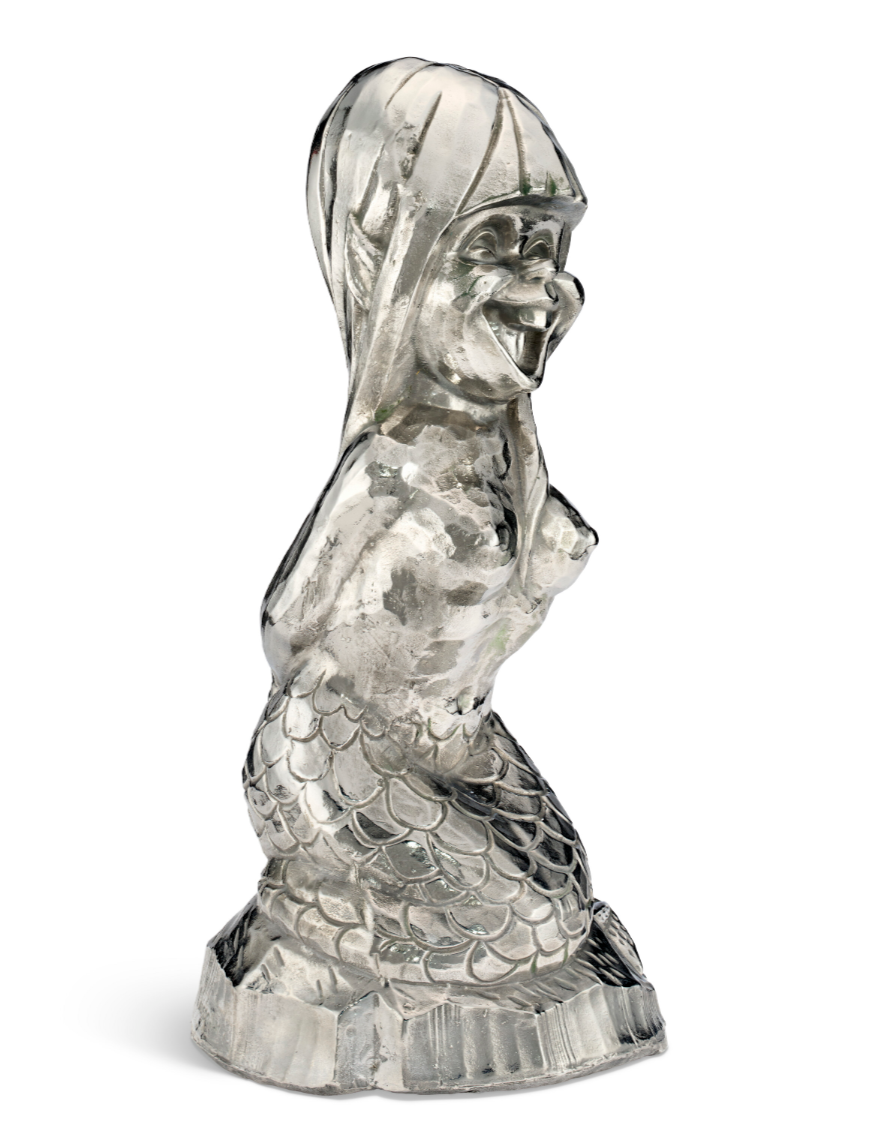
JEFF KOONS (B. 1955)
Mermaid Troll, 1986
Stainless steel
20-1/2 x 8-1/2 x 8-1/2 inches (52.1 x 21.6 x 21.6 cm)
Stamped with foundry mark ‘© ALFCO NY’ (lower edge)
This work is number three from an edition of three plus one artist’s proof
Gazing Ball (Standing Woman), 2013
The Collection of Antonio Homem Sonnabend
Christie’s New-York: 20 November 2026
Estimated: USD 500,000 – 700,000
MINIMUM PRICE GUARANTEE
JEFF KOONS (B. 1955), Gazing Ball (Standing Woman) | Christie’s
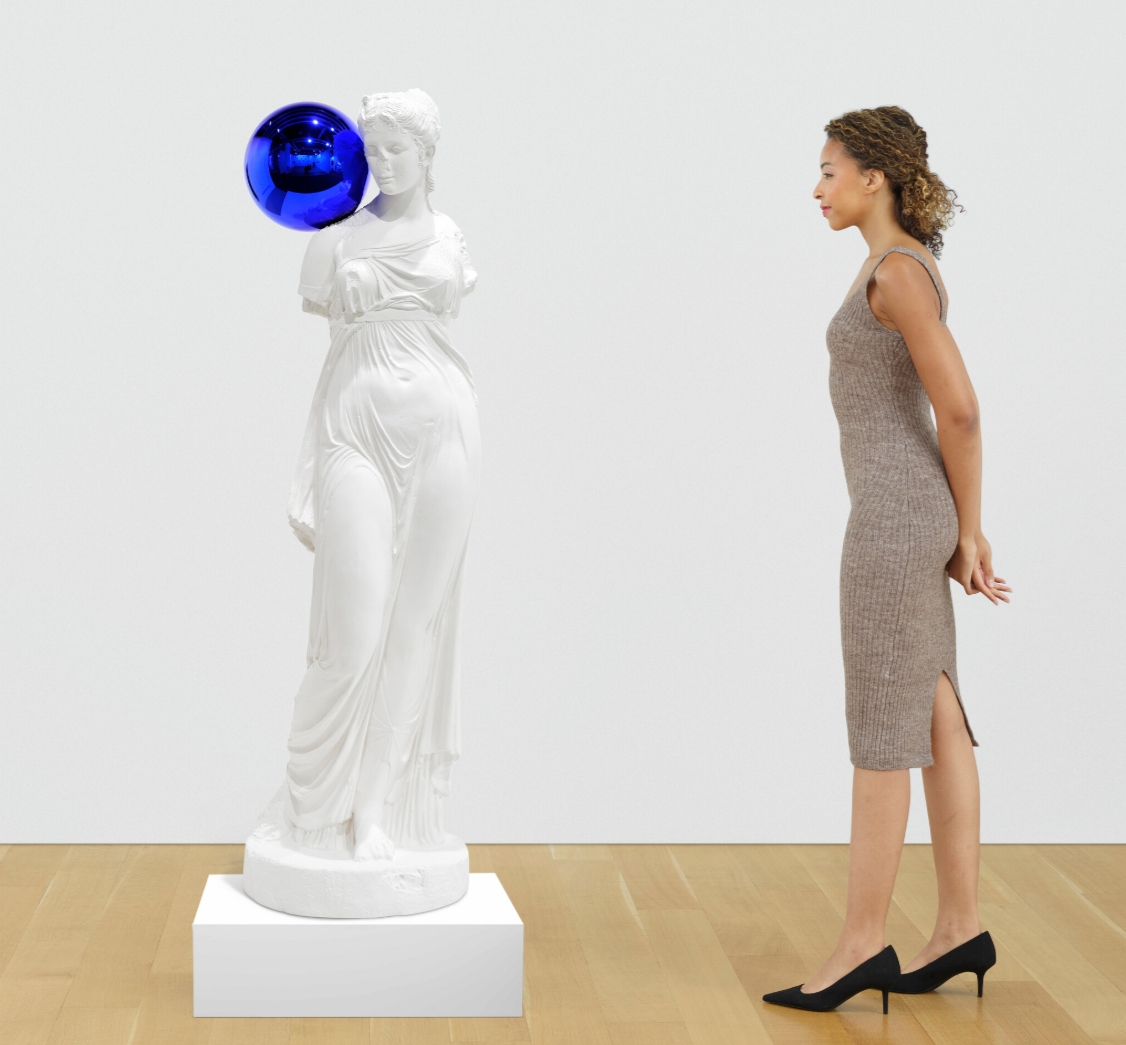
JEFF KOONS (B. 1955)
Gazing Ball (Standing Woman), 2013
Plaster and glass
61-3/4 x 18-1/2 x 17-1/8 inches (156.8 x 47 x 43.5 cm)
This work is number three from an edition of three plus one artist’s proof
Gazing Ball (Demeter), 2014
Sotheby’s New-York: 17 November 2026
Estimated: USD 400,000 – 600,000
Jeff Koons | Gazing Ball (Demeter) | Contemporary Day Auction | 2026
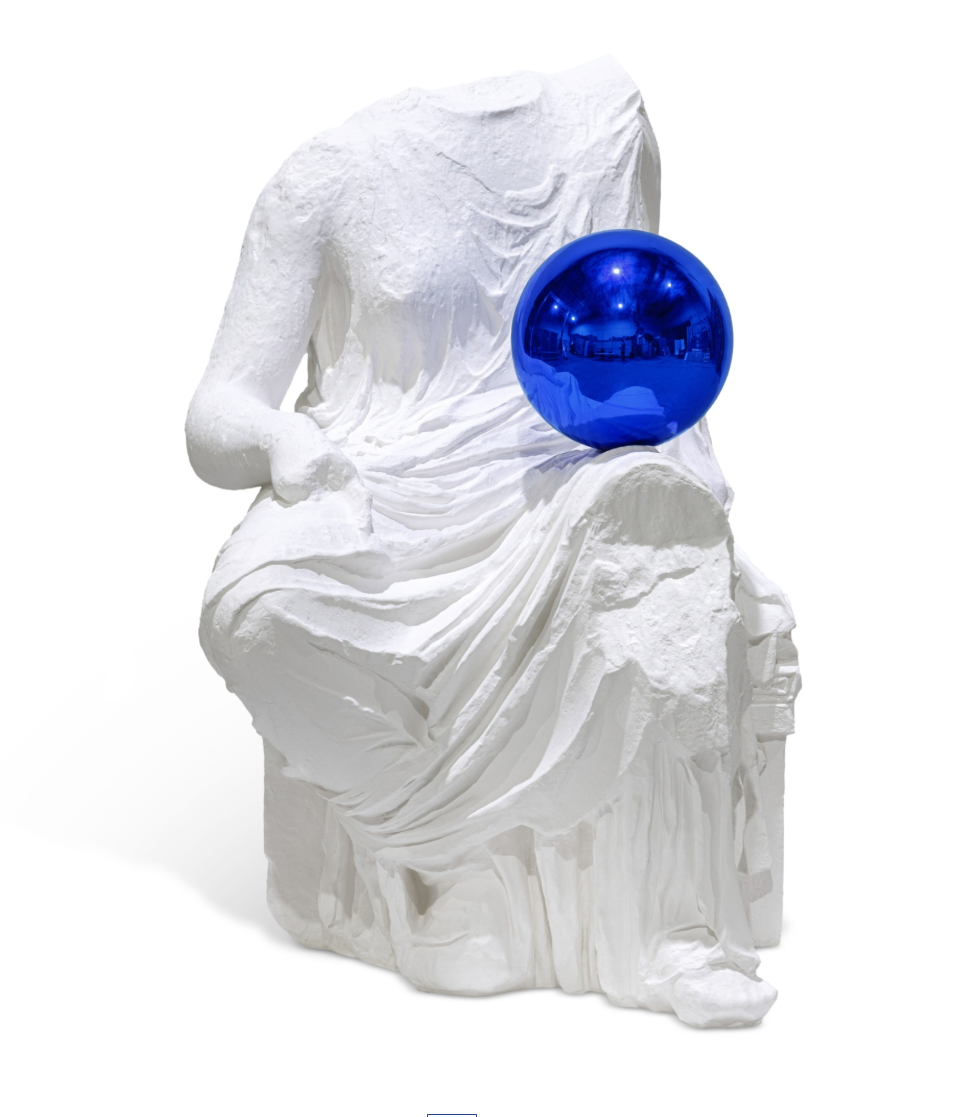
JEFF KOONS (b. 1955)
Gazing Ball (Demeter), 2014
Plaster and glass
48-3/4 x 34-1/8 x 40-1/2 inches (123.8 x 86.7 x 102.9 cm)
This work is the artist’s proof from an edition of 3 plus 1 artist’s proof
Kangaroo (Red), 1999
The Collection of Antonio Homem Sonnabend
Christie’s New-York: 20 November 2026
Estimated: USD 400,000 – 600,000
THIRD PARTY GUARANTEE
JEFF KOONS (B. 1955), Kangaroo (Red) | Christie’s
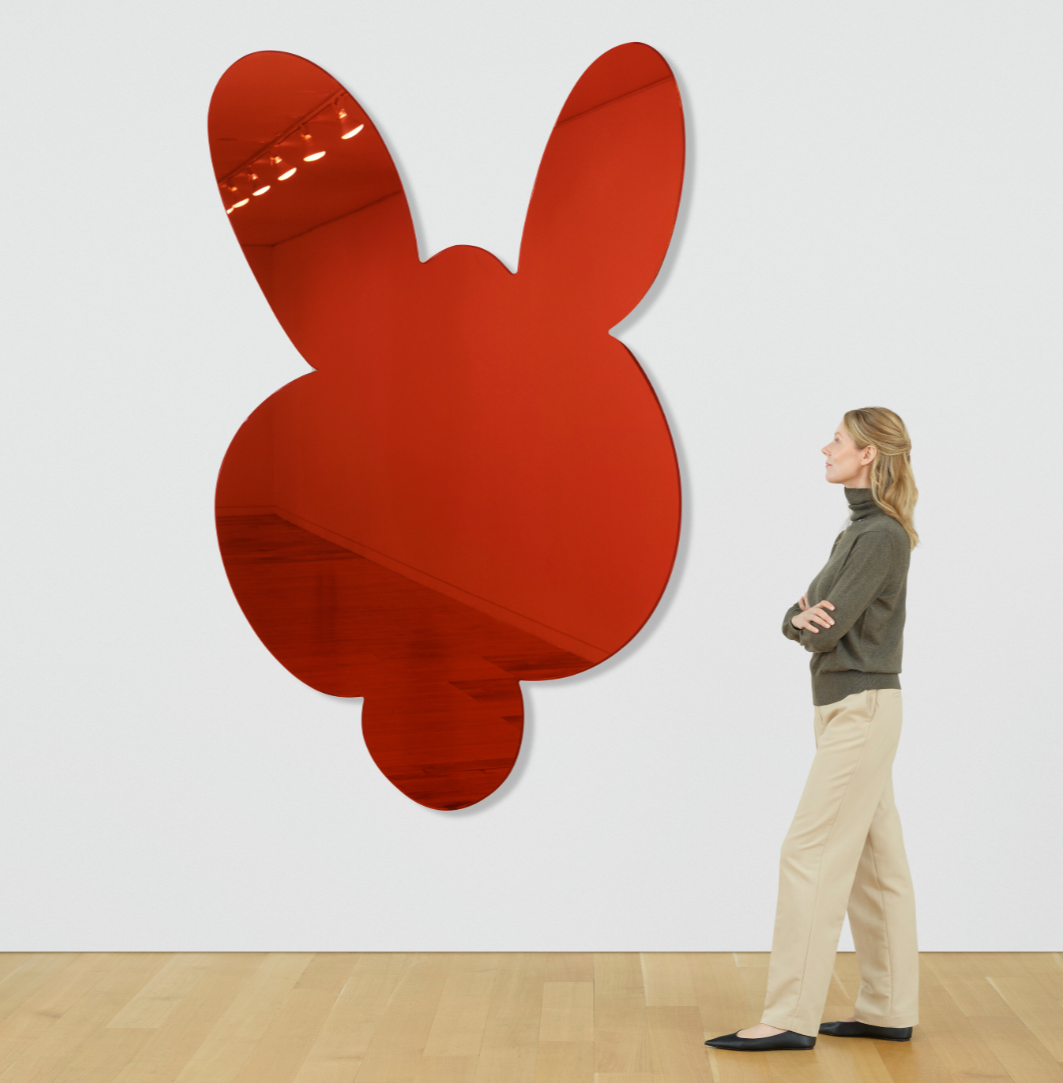
JEFF KOONS (B. 1955)
Kangaroo (Red), 1999
Crystal glass, mirrored glass, carbon fiber, foam, colored plastic interlayer and stainless steel
92 x 59 x 1-1/2 inches (233.7 x 149.9 x 3.8 cm)
This work is one of four uniquely colored versions (Orange, Red, Blue and Dark Pink)
Hulk (Friends), 2004-2012
Hulk (Friends), 2004-2012
The Collection of Antonio Homem Sonnabend
Christie’s New-York: 19 November 2026
Estimated: USD 3,500,000 – 5,500,000
THIRD PARTY GUARANTEE
JEFF KOONS (B. 1955), Hulk (Friends) | Christie’s
JEFF KOONS (B. 1955)
Hulk (Friends), 2004-2012
Polychromed bronze
71-1/4 x 48-1/2 x 26 inches (181 x 123.2 x 66 cm)
Signed, dated and numbered ‘Koons 2004-2012 3⁄3’ (on the interior of the shorts)
This work is number three from an edition of three plus one artist’s proof
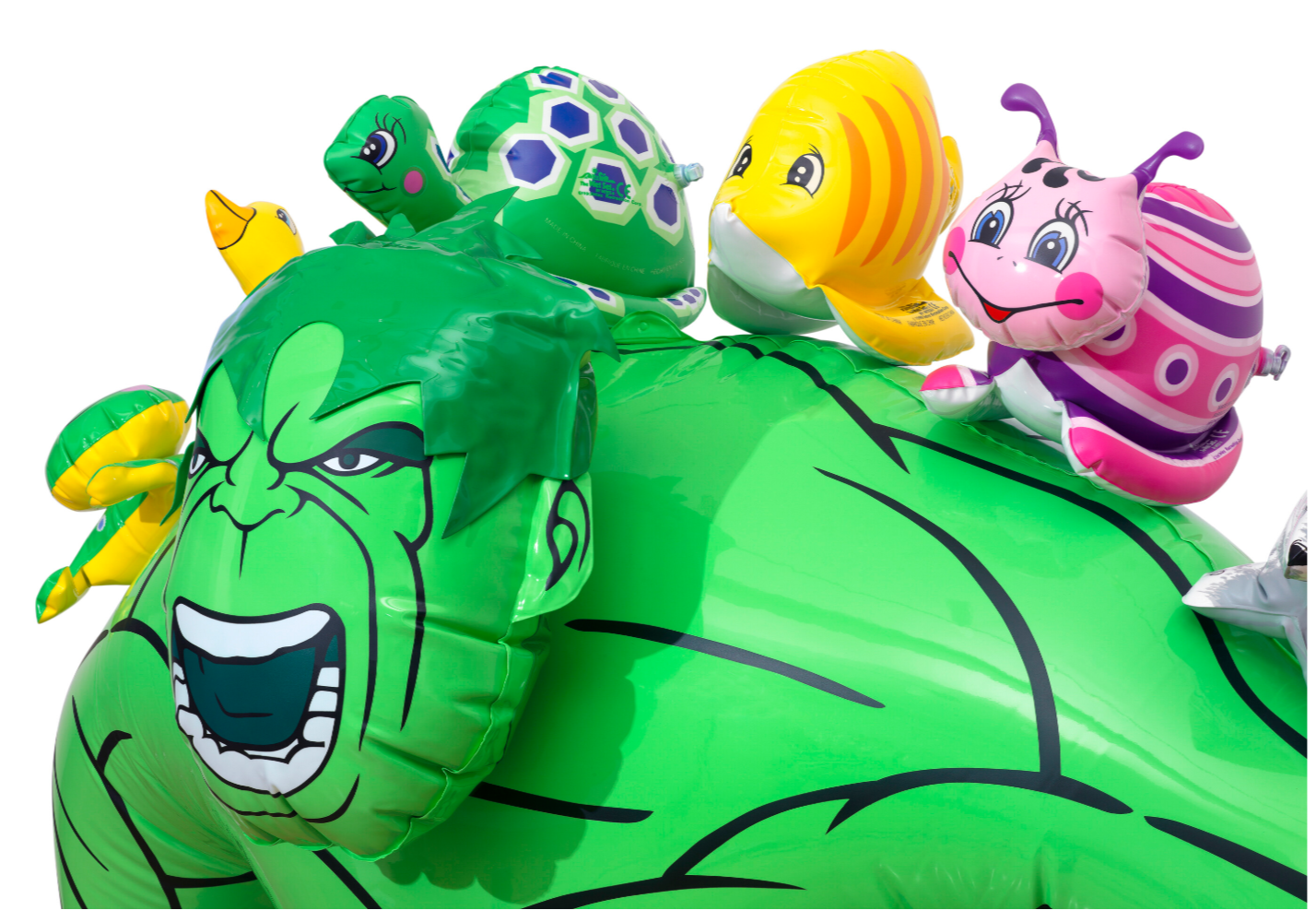
A towering colossus standing almost six feet tall, Hulk (Friends) inspires instant awe. From Jeff Koons’s Hulk (Elvis) series, the sculpture incorporates the many themes—popular culture, masculinity, and the distinction between the real and the imagined—into the artist’s most technically virtuoso work to date. Despite the work’s apparent nonchalant ethereality, Hulk (Friends) required nearly a decade of ingenuity and technological advances to be fabricated. Appearing as if an oversized inflated vinyl toy, full of air and at risk of toppling with the slightest breeze, the sculpture is in fact fastidiously sculpted bronze, hand-painted in vibrant polychromy. Koons’s achievement here is the latest in a long lineage of innovative sculptors who have pushed the boundaries of bronze—long the most prestigious material for sculpture—toward new frontiers. From the ravishingly veristic bronzes made in antiquity by Polykleitos and Lysippos through Donatello’s delicate nudes and Michelangelo’s monumental bronze portrait of Pope Julius II to the modern miracles made by Rodin and Brancusi, the medium has been at the vanguard of sculptural invention. It is thus fitting that Koons returned to bronze for his Hulk (Elvis) series. He had not used bronze since his groundbreaking Equilibrium series in 1985, relying instead on stainless steel, aluminum, wood, and porcelain to render his peerless imagination into three dimensions. Hulk (Friends) not only recalls the greatest landmarks in the history of sculpture but simultaneously recollects one of Koons’s earliest and most impactful series.
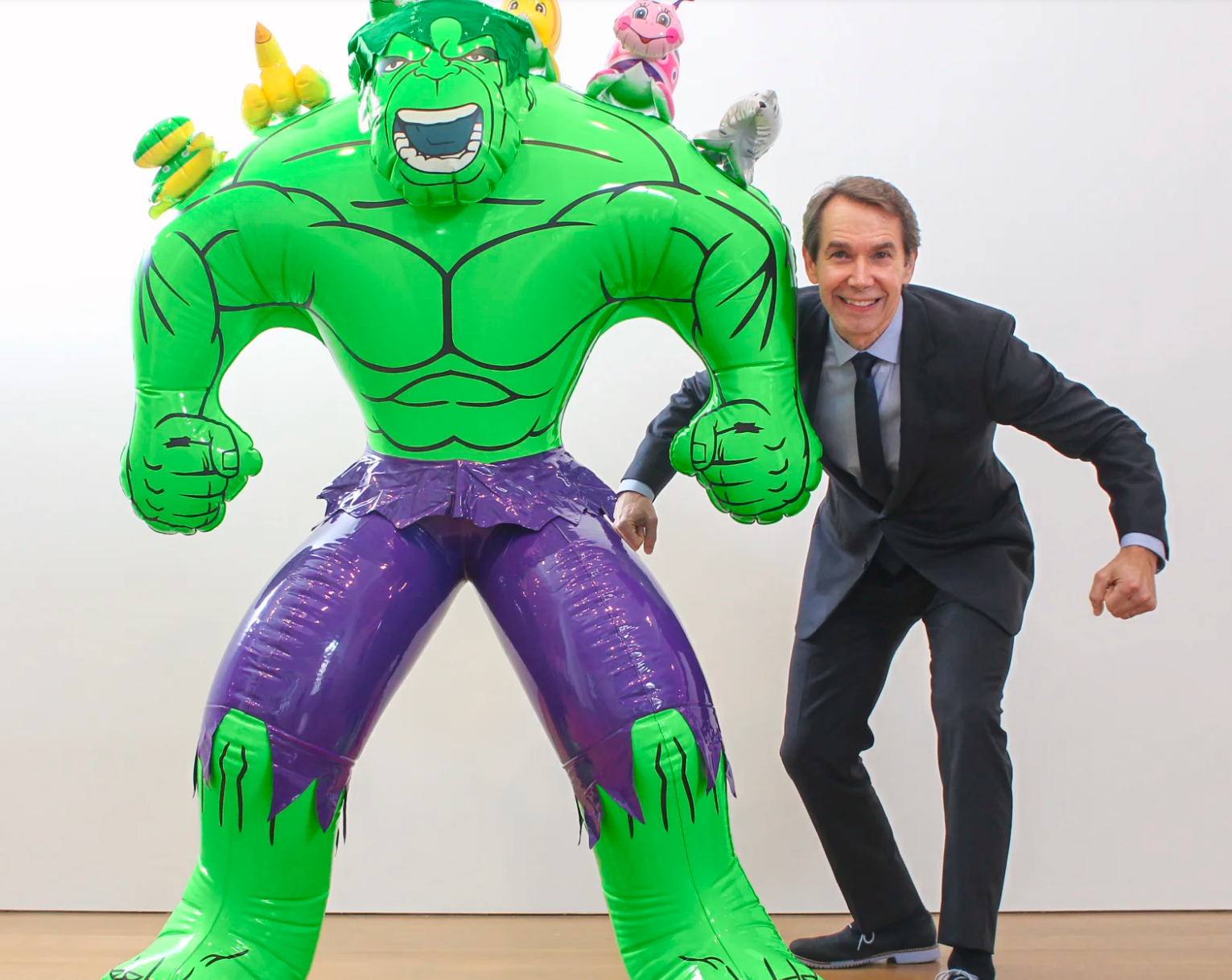
Jeff Koons with Hulk (Friends) at Gagosian Gallery, Hong Kong, 2014. Photo: May Tse / South China Morning Post via Getty Images.
Long drawing his subjects from the annals of popular culture, Koons’s adaptation of The Incredible Hulk, an American comic book superhero, offers the artist an ideal figure with which to investigate the motifs which have pervaded his oeuvre. The artist recalls the inspiration for the series coming from his son. “I saw him standing in front of a mirror, seeing his whole body for the first time… it reminded me of Andy Warhol’s Elvis—it was a male identity thing” (quoted in F. McHugh, “Jeff Koons brings artworks to Hong Kong,” South China Morning Post, 19 November 2014, online). In Hulk (Friends), Koons places the Hulk in his typically menacing posture—legs spread, arms expanded, hands in fists, while his mouth is open in a terrifying roar. The Hulk’s aggressive posture and taut muscles are placed in stirring juxtaposition with the hero’s friends—a rag-tag squad of puffy and fluffy friends (a frog, a duck, a turtle, a fish, a snail, and a polar bear) jollily perched upon the broad shoulders—whose cheery smiles offset his fury.
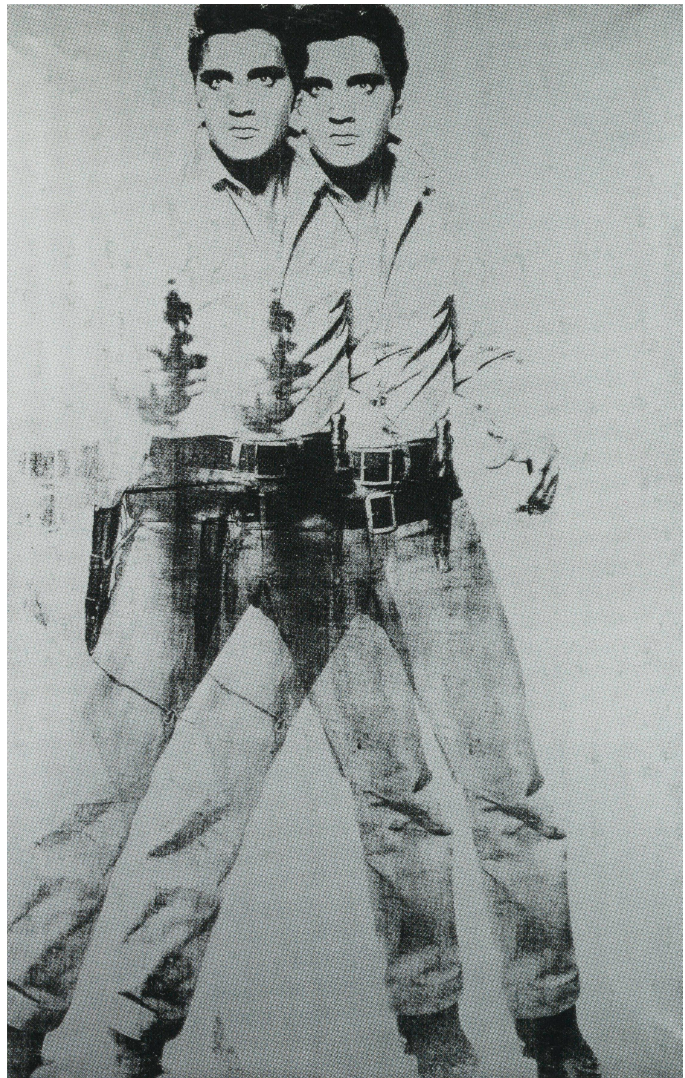
Andy Warhol, Double Elvis, 1963. Museum of Modern Art, New York.
© 2026 The Andy Warhol Foundation for the Visual Arts, Inc. / Licensed by Artists Rights Society (ARS).
While drawing from American popular culture, Koons perceived his sculpture as a universal symbol. “For me, the Hulk is functioning globally,” the artist relates. “It’s representing not only a western action figure but also an Asian guardian god, a protector that at the same time is capable of bringing the house down” (quoted in K. Siegel, “Hulk (Elvis),” in H. W. Holzwarth, Jeff Koons, Cologne, 2009, p. 550). Hulk (Friends) thus stands like a towering Niō, the large, snarling protector deities standing sentry at the entrances to Buddhist temples in Japan. Their outwardly aggressive posture, mirrored by Koons’s Hulk (Friends), guarantees the safety of worshipers inside the temple, just as the Hulk’s hostile stance provides his friends the space for joy.
Protector deities have global appeal, and similar motifs proved popular with the ancient Greeks and Romans. Bronze and marble sculptures of Heracles are perhaps the most prolific remains from antiquity—the great, brooding hero, armed with club and lion pelt, provides an appropriate precedent for the present work. However, Koons does not merely embrace this global artistic tradition. His Hulk (Elvis) series queries the structures of masculinity which are at the center of this motif. The latest in a string of figures which Koons has turned his gaze upon, including Superman, Popeye, and Michael Jackson, the Hulk is perhaps the most apt figure for the artist’s metamorphosis. In the comics, the Hulk is infamously erratic, oscillating between a mild-mannered scientist of modest proportions and a ferocious green beast. While Koons captures only the latter aspect of the Hulk’s persona here, he alludes to the former through the intermediation of the cheerful friends.
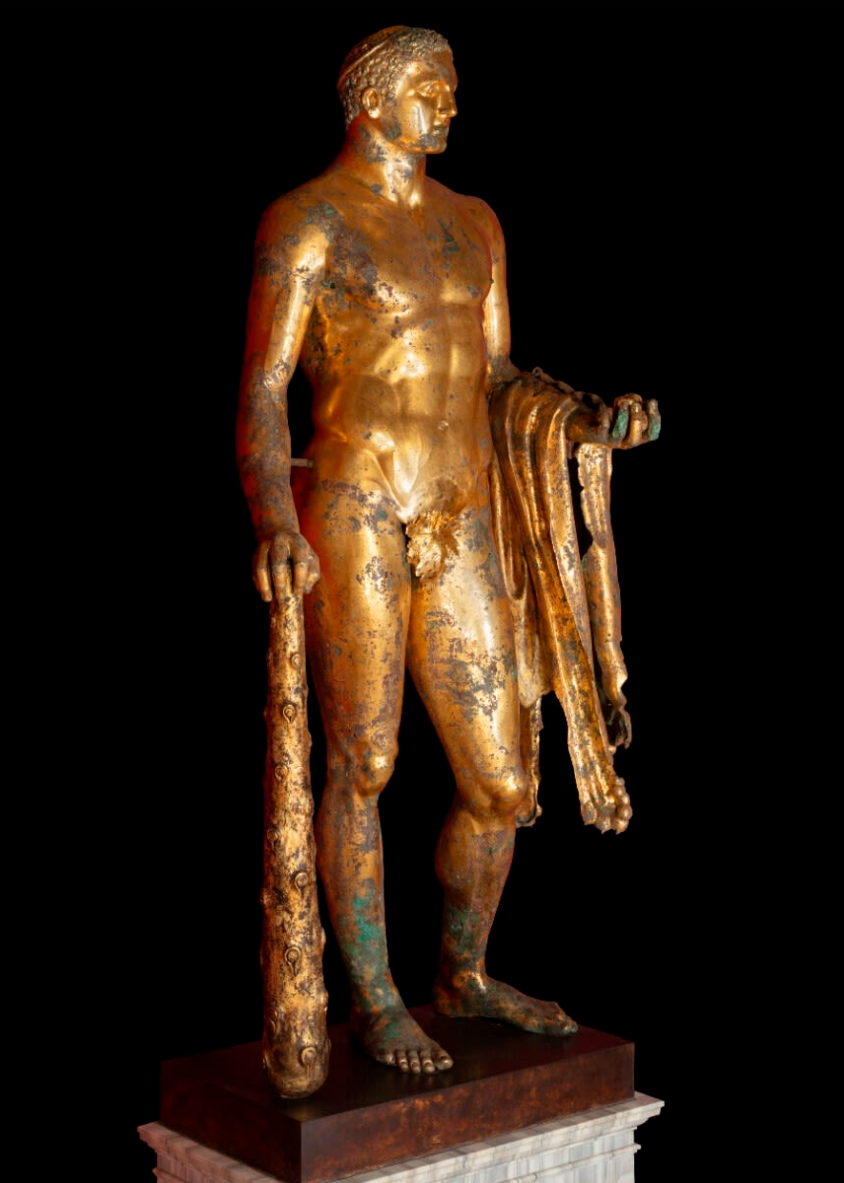
Hercules Mastai, second half of the 2nd century AD. Vatican Museums, Vatican City.
Koons’s artistic career has constantly been fixated on depiction and deception. Hulk (Friends) participates in this illusionism, as its material essence is obfuscated and disguised through the artist’s technical ingenuity. Through careful rendering, Koons achieves a stunning feat of artifice as he makes a solid bronze sculpture appear inflated. The art historian Alexander Nagel praises this achievement, noting how Koons’s “technological trickery aims not to fool but to celebrate artifice… Obsessive exactitude is lavished on the nipple used to inflate the Hulk figure, which is reproduced in bronze made to look like vinyl” (“Objects That Are Only Boundaries,” in S. Rothkopf, ed., Jeff Koons: A Retrospective, exh. cat., Whitney Museum of American Art, 2014, p. 245). Chief curator of the Museum of Modern Art Michelle Kuo continues to exult the material accomplishment of the Hulk (Elvis) works, writing how the artist waited for nearly a decade before obtaining the technology to finish his ambition: “the finished Hulk pieces, completed 2012–14, were machined instead [of casting], as the technology caught up with the studio’s needs. The milled pieces are primed, hand-painted, assembled, and coated with a clear finish. This ever more customized construction process took years to develop, and the machining eventually became so advanced that it achieved engineering tolerances—the accepted limit for deviation in measurement—unheard-of for industrial, let alone art world, production” (“One of a Kind,” in S. Rothkopf, op. cit., p. 250).
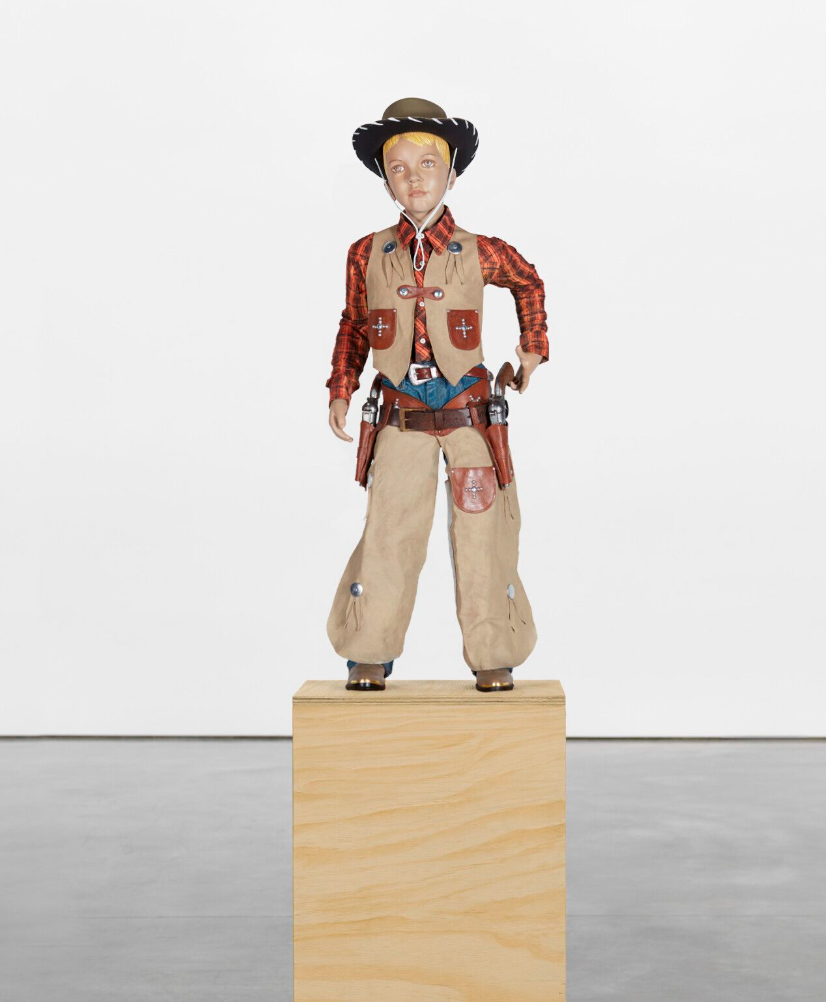
Richard Prince, Untitled (Cowboy), 2013. Sold at Christie’s New York, 19 November 2025, for $3,369,000. © Richard Prince.
An engineering as well as an artistic feat, Hulk (Friends) stands as one of Jeff Koons’s most stirring and dynamic sculptures. Recapitulating both his broader oeuvre and global art histories, Koons draws upon the power of popular culture to create a work both playful and monumental. Hulk (Friends) demonstrates Koons’s singular ability to unite technical virtuosity with a universal and profoundly contemporary vision.
Wild Boy and Puppy, 1988
Wild Boy and Puppy, 1988
The Collection of Antonio Homem Sonnabend
Christie’s New-York: 19 November 2026
Estimated: USD 3,000,000 – 5,000,000
MINIMUM PRICE GUARANTEE
JEFF KOONS (B. 1955), Wild Boy and Puppy | Christie’s
JEFF KOONS (B. 1955)
Wild Boy and Puppy, 1988
Porcelain
38 x 39-1/2 x 23-1/2 inches (96.5 x 100.3 x 59.7 cm)
Signed, dated, numbered and inscribed with the foundry mark ‘Koons 1⁄3 88’ (on the underside)
Inscribed with the maker’s signature (on the side edge)
This work is number one from an edition of three plus two artist’s proofs
One of the most recognizable sculptures which was first presented at Jeff Koons’s breakthrough exhibition Banality at Illeana Sonnabend Gallery in New York, Wild Boy and Puppy incorporates the themes and symbols which continue to preoccupy the artist’s oeuvre. Banality marked Koons’s move away from his earlier ready-mades, and were his first fabricated sculptures with multiple references from the everyday, such as stuffed animals, images from popular culture, and gift-shop figurines. His direct engagement with his forms and materials allowed him to formulate his artistic intent.
“In the Banality work, I started to be really specific about what my interests were. Everything here is a metaphor for the viewer’s cultural guilt and shame.”
Inspired by both popular culture and the legacy of Baroque and Rococo art, Koons embraced the antiquated medium of porcelain to create his figures, fashioned from contemporary sources and his own imagination. The result celebrates the banal and the everyday, as Katy Siegel writes: “the sculptures in Banality embody Koons’ positive—if complex—relationship with everything that art theory criticizes and denies under the name kitsch” (ibid., p. 254).
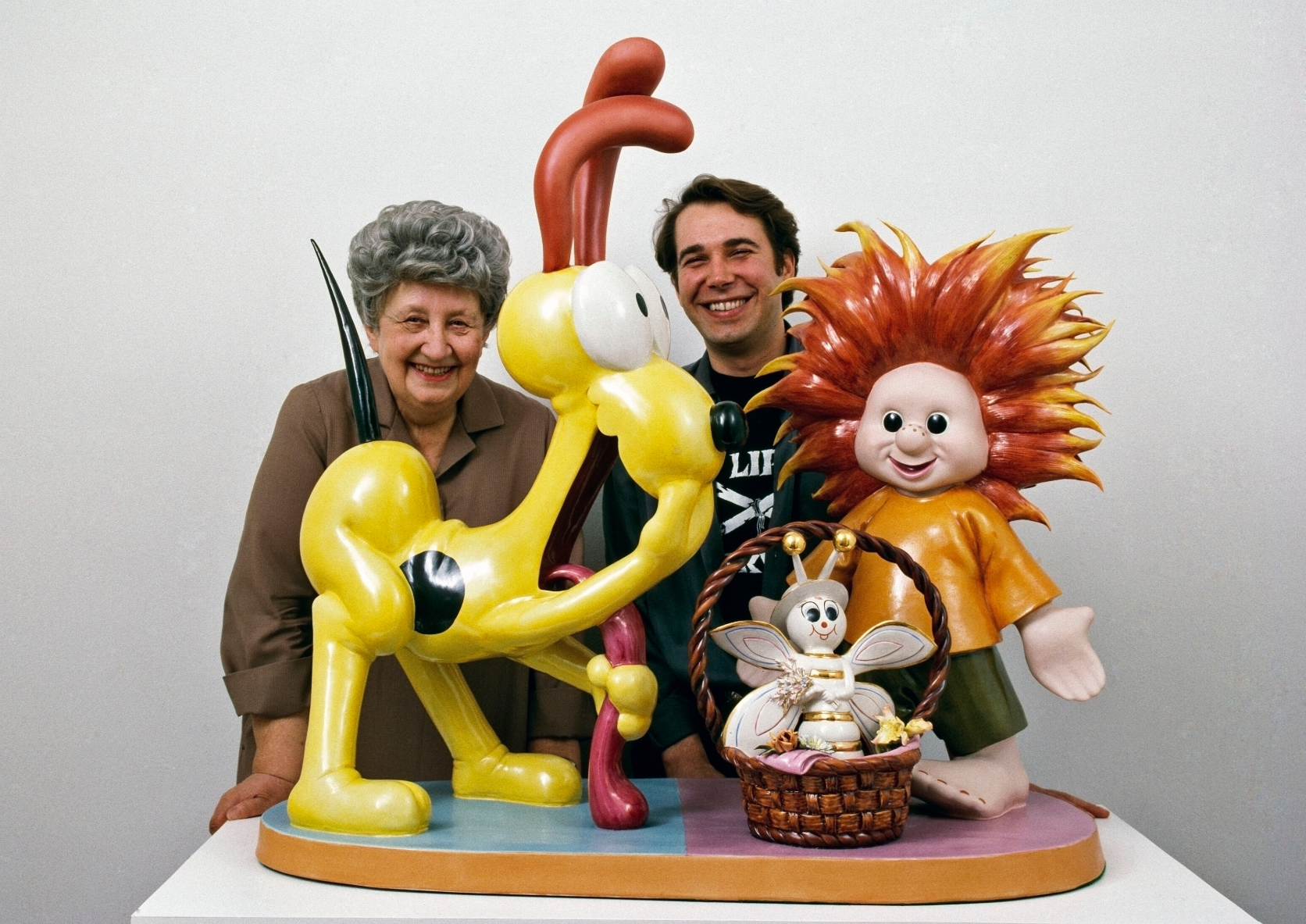
Jeff Koons and Ileana Sonnabend. Photo: Thomas Hoepker / Magnum Photos. Artwork: © Jeff Koons.
The Banality series was first presented to the public in 1988 in an exuberant international celebration of Koons’s ingenuity. “1988 marked the apotheosis of Koons as an art star,” Siegel notes, with the series being shown simultaneously in New York, Chicago, and Cologne. “The hubris of this three-ring circus heralded his new position as a major player in the contemporary arts scene, with commensurate expectations for the work” (ibid.). Anticipated by a radical advertising campaign across the major art publications—which themselves became acknowledged works of art—Banality immediately ignited controversy, with several critics decrying the sculptures as kitsch. However, as the critic Ingrid Sischy describes, “the ubiquitous criticism of this work as kitsch played into Koons’ very point. He created the objects precisely because of their power to represent collective taste, and he wanted them to be catalysts for self-acceptance” (“Jeff Koons’ World,” in H. W. Holzwarth, op. cit., p. 13).
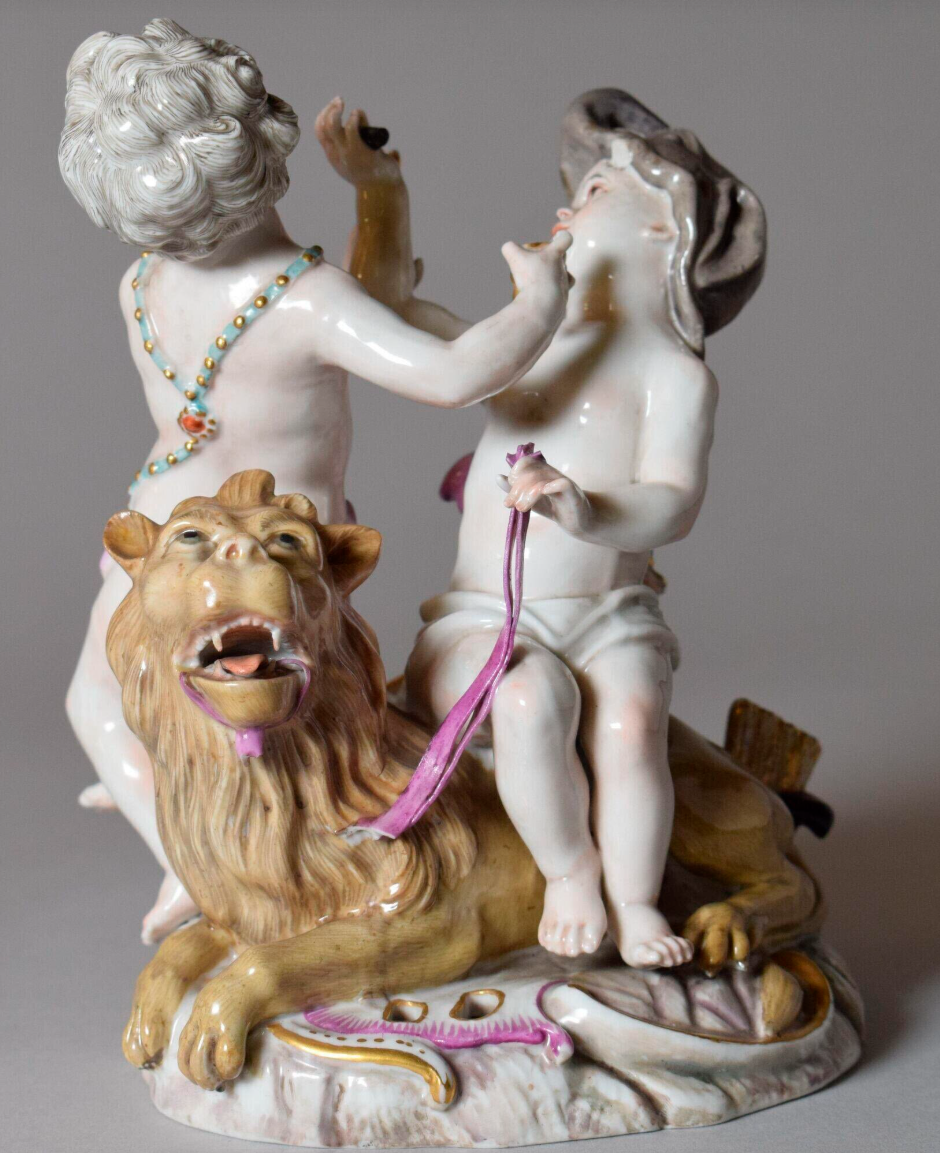
Meissen porcelain figure group, 18th century. Victoria and Albert Museum, London.
Wild Boy and Puppy reinterprets the dynamic three-figure compositional group familiar from Meissen porcelain with contemporary subjects. Replacing archaic figures with recognizable motifs—a puppy with a cartoonishly long tongue, a frazzled troll doll, and a bouquet-holding bee in a basket—Koons reveals the timeless appeal which Baroque and Rococo art holds, appealing to a wide audience. The American artist was inspired by an extended trip to Munich as he coordinated with artisans in the production of the series. As Eckhard Schneider describes, “Koons’ idea of a pact with the public originated in what he saw in Europe’s Baroque and Rococo churches… with its golden splendor, its decorative opulence, and its luxurious promise of a supernatural realm, the Baroque afforded the public, by way of a sublime form of compensation, a ‘spiritual experience.’ Koons applied this thought to his Banality series with meticulous rigor, creating figures made of colorfully glazed porcelain and carved wood, sumptuously gilded and decorated with kitsch colorfulness” (“For Eternity,” in op. cit., p. 48).
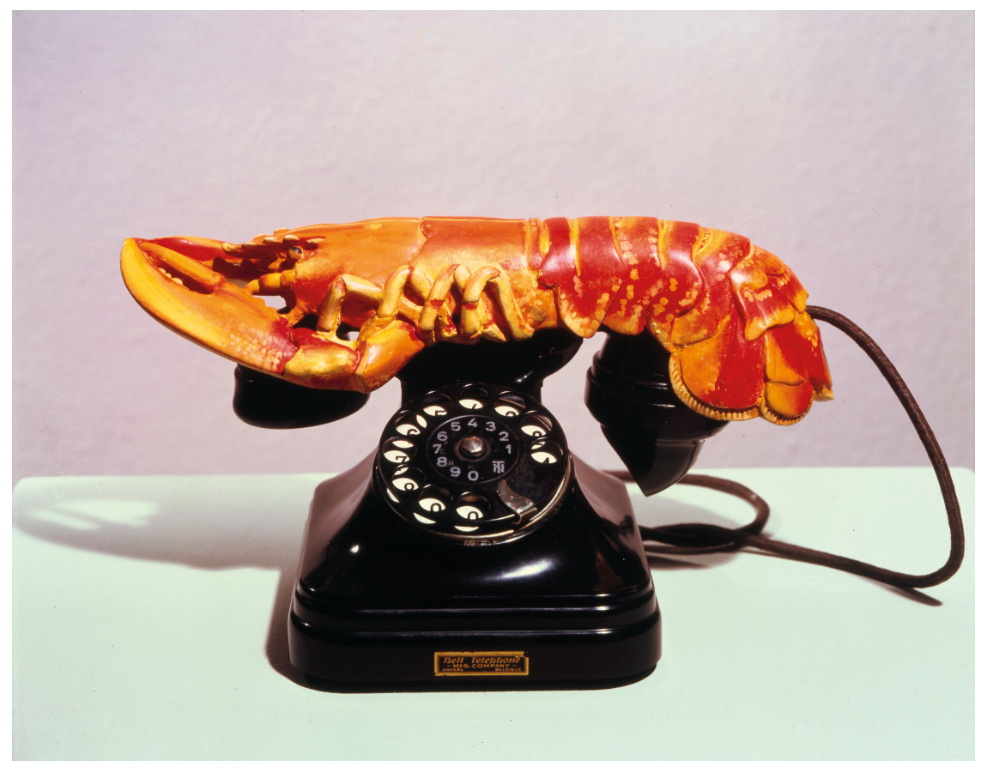
Salvador Dalí, Lobster Telephone, 1936. Tate Gallery, London. © 2026 Salvador Dalí, Fundació Gala-Salvador Dalí / Artists Rights Society (ARS), New York. Photo: © Tate, London / Art Resource, New York.
“The whole Banality show was a bit like the Garden of Eden,” Koons proclaimed, and Wild Boy and Puppy epitomizes prelapsarian innocence (quoted in K. Siegel, op. cit., p. 262). The two figures in the sculpture Naked symbolize Adam and Eve, while Serpents signifies the evil lurking in the garden. In this broader tableau, Wild Boy and Puppy can be seen as representations of purity or guiltlessness. The naïve expression on the wild boy’s face, coupled with his expansive, welcoming gesture, parallels the puppy’s enthusiastic joy—tail erect, mouth agape, the dog stares wide-eyed into the distance. The third figure, a miniature bee figurine, most closely corresponds to Koons’s intrinsic Edenic world. Both ensconced between flowers and holding a floral bouquet, this figure recalls the artist’s earlier Inflatables series, his first reference to Eden. Discussing these works, Koons describes how, “even though they’re a symbol, like the Garden of Eden, of life and sexuality and abundance, when you start to look at them in a philosophical way, there is actually no hope, no future” (quoted in M. Prather, “Interview with Jeff Koons,” in Regarding Warhol: Sixty Artists, Fifty Years, exh. cat., Metropolitan Museum of Art, New York, 2012, p. 197). Koons obtained this more optimistic message through his engagement with Baroque Catholic art: “I started traveling more to Europe and seeing the way the church has used art. I really love the Baroque and the Rococo but especially in institutional structures like churches, where everything in the space is gilded in gold and silver. Everything’s being negotiated. You have the animate and the inanimate, and you have aspects of the eternal, through biology—flowers and animals, cows and deer—against a more ephemeral spiritual eternity. These were the types of references that I was making with the Banality works” (quoted in ibid., p. 194).
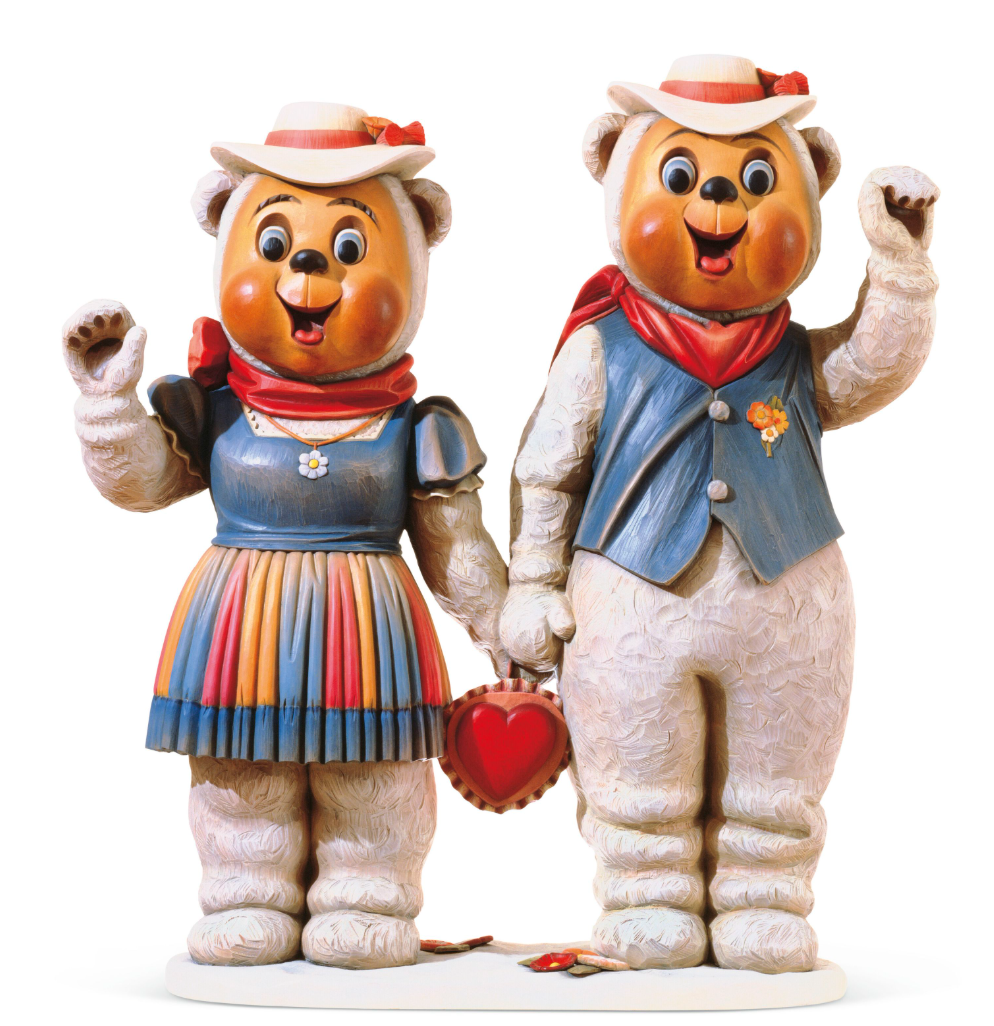
Jeff Koons, Winter Bears, 1988. Sold at Christie’s New York, 26 February 2026, for $7,639,000. © Jeff Koons.
Koons created his most ambitious works to date with his Banality series, expending vast resources to ensure the works achieved his exacting technical specifications. This advance was championed by Ileana Sonnabend and Antonio Homem, who had begun representing the young artist. “Jeff Koons is an extremely romantic artist,” Antonio recalled of the artist’s demanding standards of production. “He is ready to ruin himself and anyone involved with him for an artwork to be what he wants it to be. He wants to be beyond perfection. He wants it to be a miracle” (quoted in E. Schneider, op. cit., p. 51). With the support of Sonnabend Gallery, Koons performed a miracle with Banality, creating an otherworldly, quasi-divine atmosphere for the exhibition, achieving a Gesamtkunstwerk between environment and artwork. The art historian Alexander Nagel movingly describes his first time witnessing Koons’s achievement: “My first encounter with the work of Jeff Koons occurred in December 1988 at the Banality show at Sonnabend Gallery in New York. The peculiarity of the experience, produced in part by the excitement and alarm whipped up around the exhibition, forms the core of what I still feel about his work, still… I remember thinking that this is how people throughout history must have felt in the presence of cult statues, a touch of hilarity enlivening the tremor, a moment of recognition amid the surrounding hubbub of profanity and desire. If you really want to see what happens when you turn people into gods, the statue was saying, here it is” (“Objects That Are Only Boundaries,” in S. Rothkopf, ed., Jeff Koons: A Retrospective, exh. cat., Whitney Museum of American Art, 2014, pp. 245-46). The present work has remained in the Sonnabend Collection since this seminal show. This deeply personal provenance heightens the historical importance of Wild Boy and Puppy, one of the most iconic works from Koons’s groundbreaking series.
Bob-Tail, 1991
Bob-Tail, 1991
Property from an Eminent Private European Collection
Sotheby’s New-York: 16 November 2026
Estimated: USD 2,500,000 – 3,500,000
GUARANTEED PROPERTY
Jeff Koons | Bob-Tail | The Now and Contemporary Evening Auction |
JEFF KOONS (b. 1955)
Bob-Tail, 1991
Polychromed wood
34x44x16 inches (86.4 x 111.8 x 40.6 cm)
Dated 91 and numbered 1/3 (on the underside of the front right paw)
This work is number 1 from an edition of 3 plus 1 artist’s proof
With its shaggy coat and gently panting expression, Jeff Koons’ Bob-Tail commands the room with the disarming warmth of a beloved companion. Rendered at life-size and meticulously handcrafted in polychromed wood, the Old English Sheepdog’s white fringe falls over its eyes, while blue-gray locks cascade across its back, each curl lending its unruly coat an unexpected sculptural richness. Executed in 1991 and acquired by the owner from the artist’s legendary survey presentation at Anthony d’Offay Gallery in summer 1994, Bob-Tail takes its title from the breed’s traditional nickname and forms part of Koons’ Made in Heaven series. Shown in the artist’s landmark exhibition at Sonnabend Gallery that year, the sculpture brought an image of steadfast companionship into Koons’ exploration of love and desire, giving early prominence to the canine imagery that would become one of his most enduring motifs.
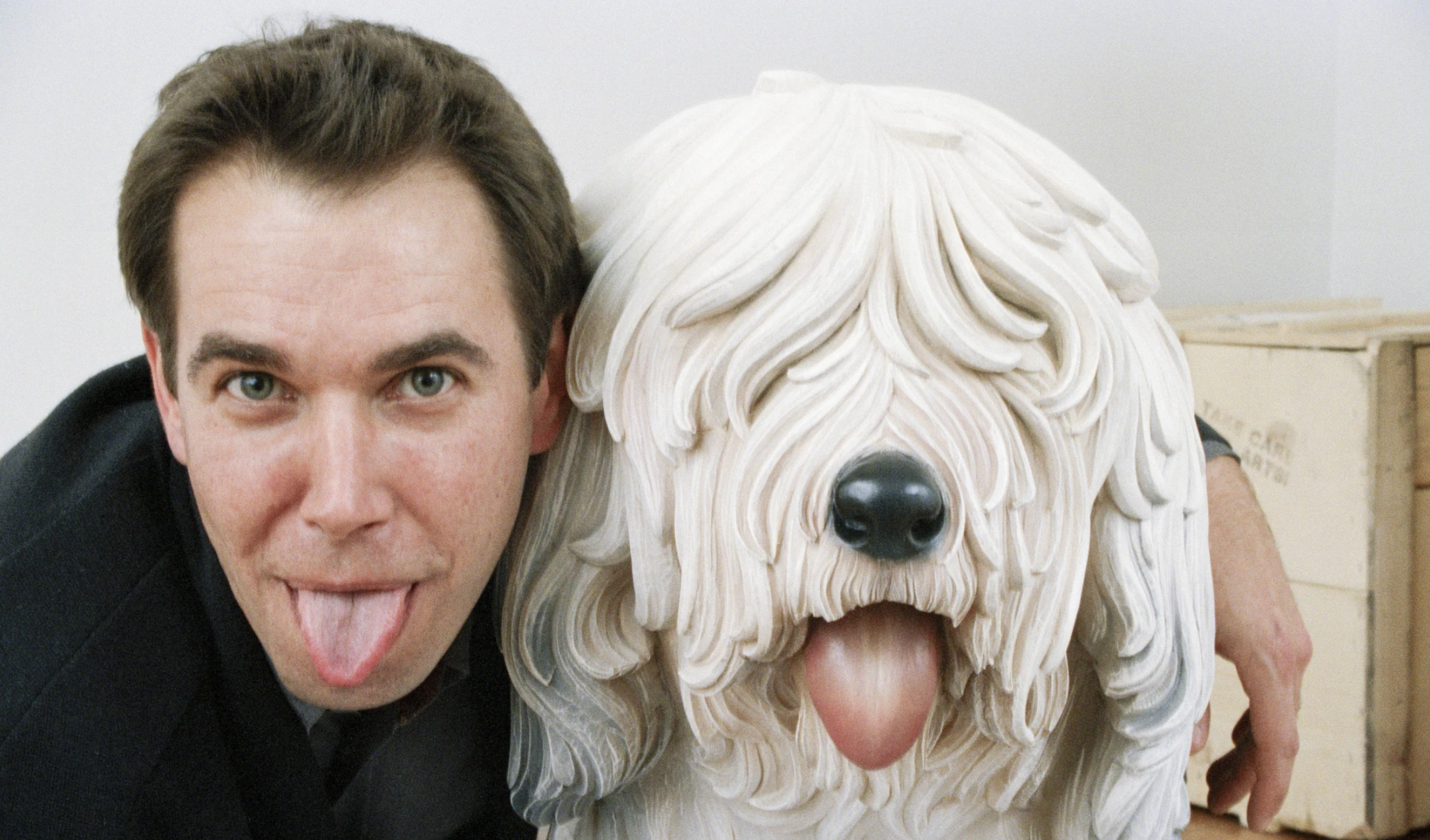
The artist with the present work at Sonnabend Gallery, New York. Photo © Bob Adelman. Art © 2026 Jeff Koons
The tenderness of Bob-Tail acquires particular significance within the world of Made in Heaven. In the series, sexually explicit images of Koons and his then-wife, the Italian adult-film actress Ilona Staller, appeared alongside sculptures of dogs, flowers, and cherubs.
Across a constellation of paintings and sculptures, the couple cast themselves as a contemporary Adam and Eve, inhabiting an imagined paradise where love and sexuality could be embraced without shame. The animals and decorative subjects anchored this vision in a familiar language of affection: lavish bouquets suggested romantic offerings, cherubs lent the couple’s union a heavenly blessing, and dogs evoked the fidelity of domestic life. Yet the proximity to scenes of sexual intimacy unsettled their apparent innocence. As Koons explained, “I tried to take the sexuality out of the images and to put them onto these objects, the flower pieces and the animals.” (The artist quoted in: H. W. Holzwarth, ed., Jeff Koons, Cologne, 2007, p. 330) Seen in this light, even the simple affection invited by Bob-Tail becomes part of the series’ broader exploration of desire.
In Bob-Tail, that sense of desire begins with the impulse to touch. The apparent softness of the dog’s coat invites the viewer to reach out and stroke it, yet its flowing curls are carved from unyielding wood. This seductive appeal to touch recalls Meret Oppenheim’s Object of 1936, whose fur-covered cup similarly draws the viewer towards an imagined tactile encounter, even as the thought of lips meeting fur becomes distinctly unsettling. Where Oppenheim transforms the promise of softness into something disturbing, Koons makes it a source of comfort and affection. Yet the discovery that the dog’s inviting coat is carved from rigid wood introduces a similar sense of unease, unsettling the very expectation of touch that draws us towards it. Koons makes desire a physical part of looking, drawing us close through an impulse as ordinary as wanting to pet a dog.
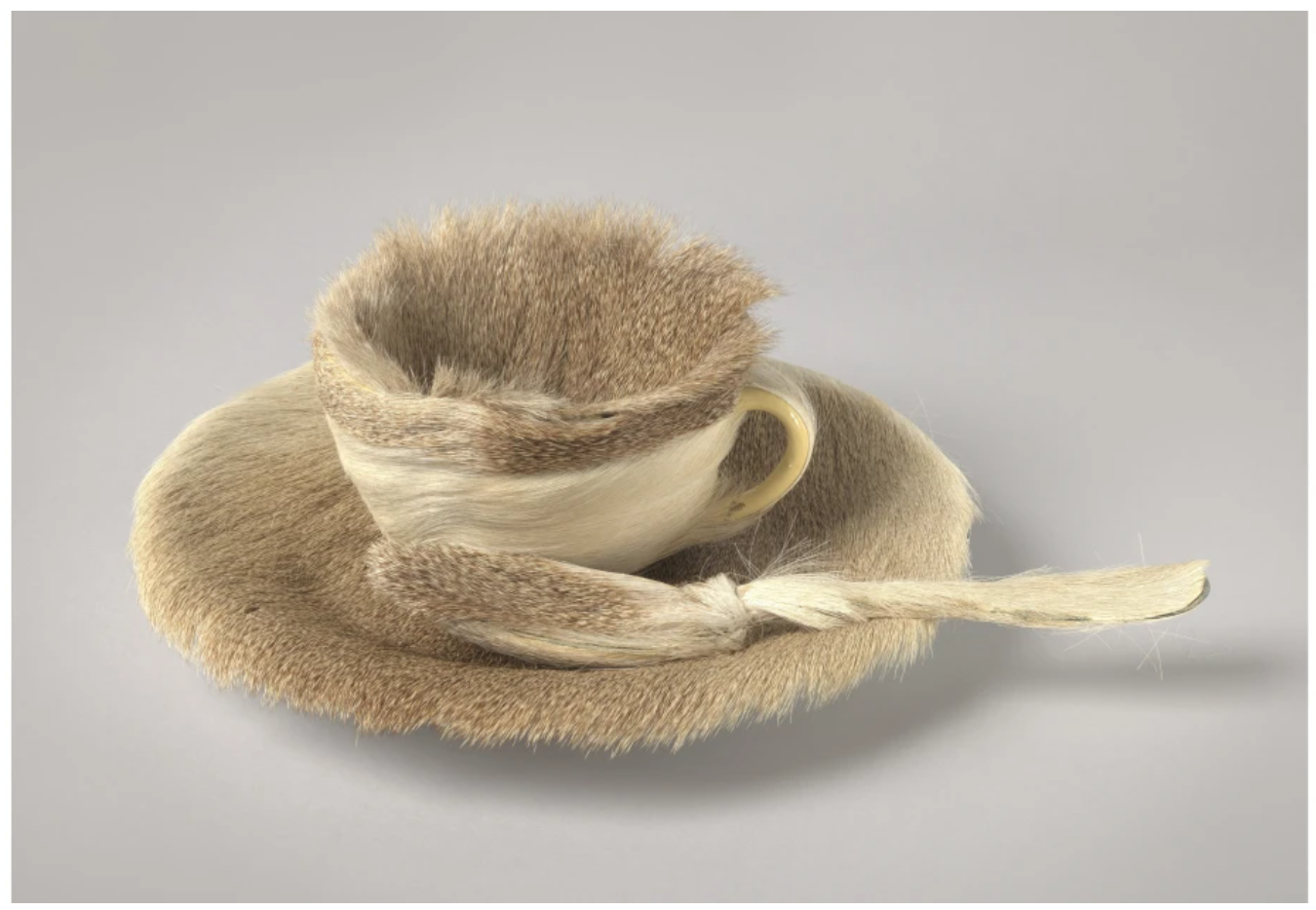
Meret Oppenheim, Object, 1936. The Museum of Modern Art, New York. Image © The Museum of Modern Art / Licensed by SCALA / Art Resource, NY. Art © 2025 Artists Rights Society (ARS), New York / Pro Litteris, Zurich
The sculpture’s life-size scale deepens this sense of encounter, giving the familiar form of a collectible figurine the presence of a living companion. Released from the confines of a mantelpiece or display cabinet, the ornament enters the viewer’s own space. Melissa E. Feldman described this transformation as “blowing up the figurine to the lifesize dimensions it occupies in its owner’s hearts.” (Melissa E. Feldman, “Image-Conscious,” in: Exh. Cat., Philadelphia, Institute of Contemporary Art, University of Pennsylvania, Face-Off: The Portrait in Recent Art, 1994, p. 17) This attention to the emotional significance of everyday objects recalls Koons’ Banality series of 1988, which drew on toys, souvenirs, and decorative figures associated with childhood and the home. Privately cherished, such objects were often dismissed as kitsch by prevailing standards of taste. By investing these familiar subjects with imposing scale and elaborate craftsmanship, Koons invited viewers to question such judgments and find value in affections they might otherwise feel obliged to conceal.
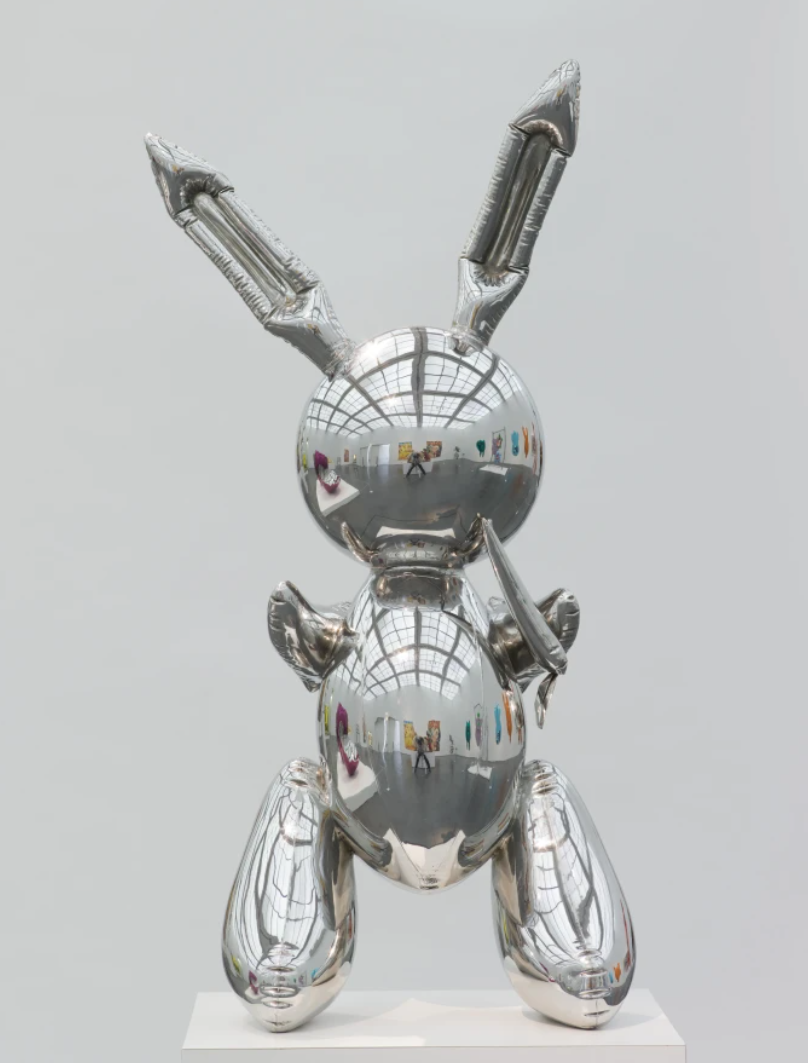
Jeff Koons, Rabbit, 1986. Museum of Contemporary Art Chicago.
Image © Museum of Contemporary Art Chicago / Art Resource, NY. Art © 2026 Jeff Koons
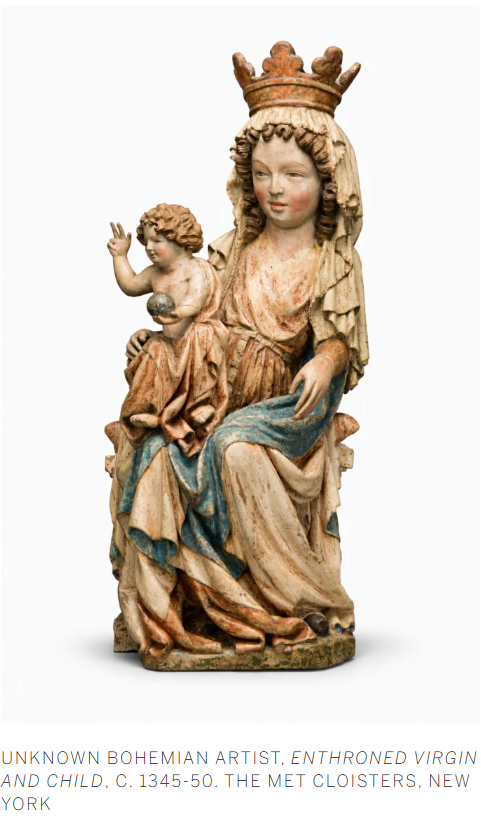
The extraordinary craftsmanship of Bob-Tail gives this elevation of the everyday a tangible form. Across its coat, broad waves of hair resolve into smaller curls, their raised edges catching the light; the apparent disorder of shaggy fur reveals a carefully composed surface. For the polychromed wood sculptures of Made in Heaven, Koons worked with specialist craftspeople in Oberammergau, Germany, and Ortisei, Italy, both centers of centuries-old woodcarving traditions. Working under his direction, these artisans brought exceptional precision to the carving and painting. Their craftsmanship also connected the sculptures to a long tradition of polychrome religious imagery, in which richly carved and painted surfaces were intended to inspire an emotional response. As Koons observed, “The church uses the Baroque to manipulate and seduce, but in return it does give the public a spiritual experience. My work deals in the vocabulary of the Baroque.” (The artist quoted in: Angelika Muthesius, Jeff Koons, Cologne 1992, p. 158) In Bob-Tail, the flowing curls and richly painted surface evoke this same Baroque appeal to the senses. The care traditionally lavished on a saint or angel is brought here to the familiar form of a sheepdog.
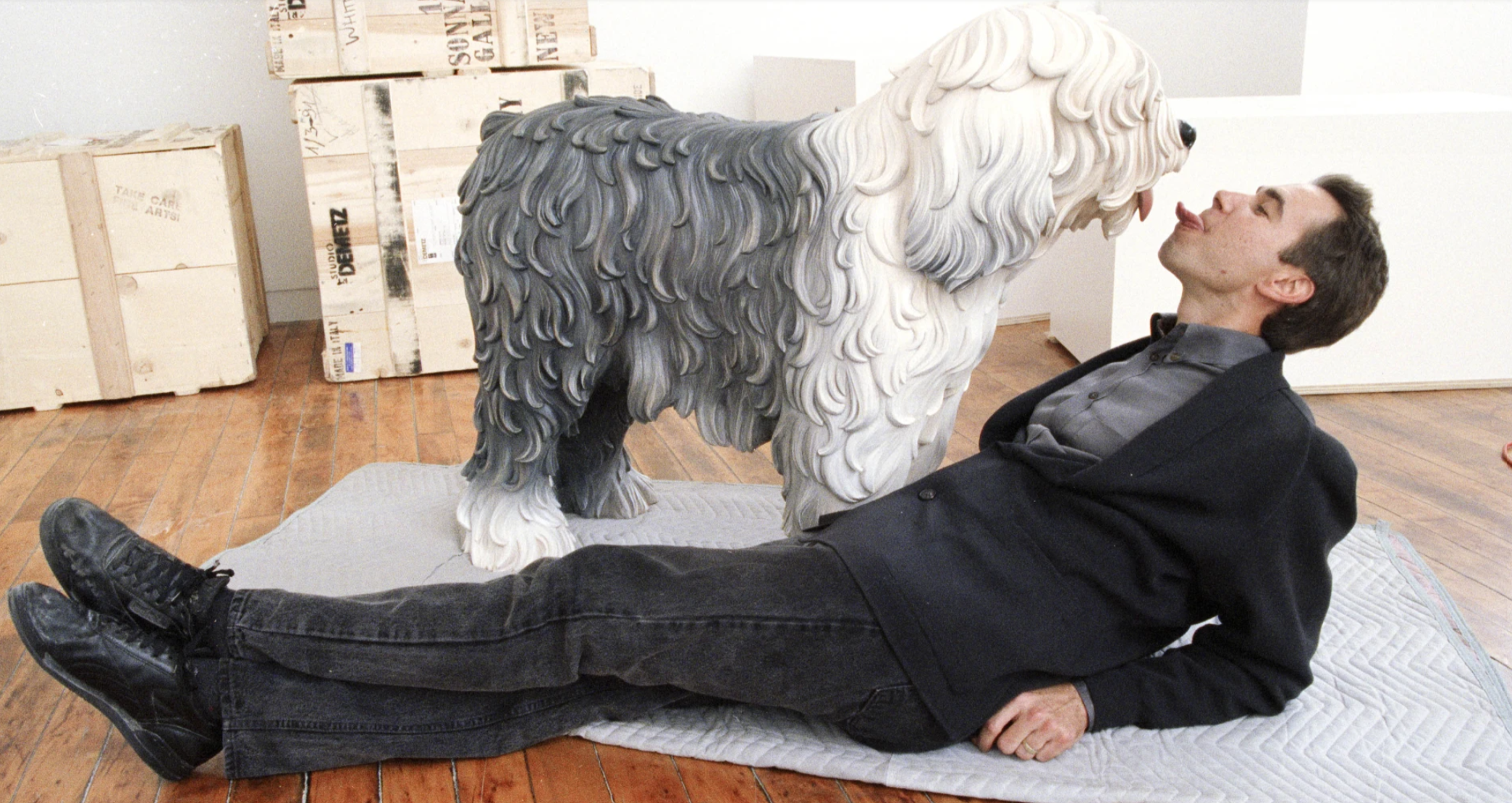
The artist with the present work at Sonnabend Gallery, New York. Photo © Bob Adelman. Art © 2026 Jeff Koons
In earlier series such as The New and Equilibrium, Koons had presented manufactured objects, from vacuum cleaners displayed in fluorescent-lit vitrines to basketballs cast in bronze or floating in custom-made tanks, as works of art, building on Marcel Duchamp’s understanding of selection and presentation as artistic acts. By the time of Bob-Tail, he had extended this approach to the painstaking recreation of familiar imagery, transforming its scale, material, and finish. Although entrusted to specialist artisans, the sculpture’s execution remained directed by Koons, whose artistic vision governed every stage of its transformation. In Bob-Tail, Koons extends Duchamp’s logic of the readymade into the post-war tradition of reproduction, demonstrating how the transformation of a familiar image can become as significant an artistic act as its selection. The dog would become one of Koons’ most enduring subjects. Already present in String of Puppies (1988), the motif gained new prominence with Bob-Tail and his reclining Poodle in 1991. The following year, the immense, flower-covered Puppy extended this image of companionship into public space, while the gleaming Balloon Dog sculptures of 1994–2000 gave a fleeting party favor the scale and permanence of a monument. Alongside these later works, Bob-Tail retains a particular intimacy. Its proportions allow us to imagine sharing a room with it, while its gentle expression suggests the comforting presence of an animal that has long been part of the family.
Jeff Koons’ Made in Heaven Series in Select Museum Collections
Wrestling with themes of the erotic, the holy, and the beautiful, Jeff Koons’ Made in Heaven series intensely divided the public upon its debut at the 1990 Venice Biennale, and now remains one of the most celebrated series by the artist. Here, Koons pays tribute to the natural joys of life, from beautiful flowers to puppies. A selection of works from this pivotal series in institutional collections is illustrated below.
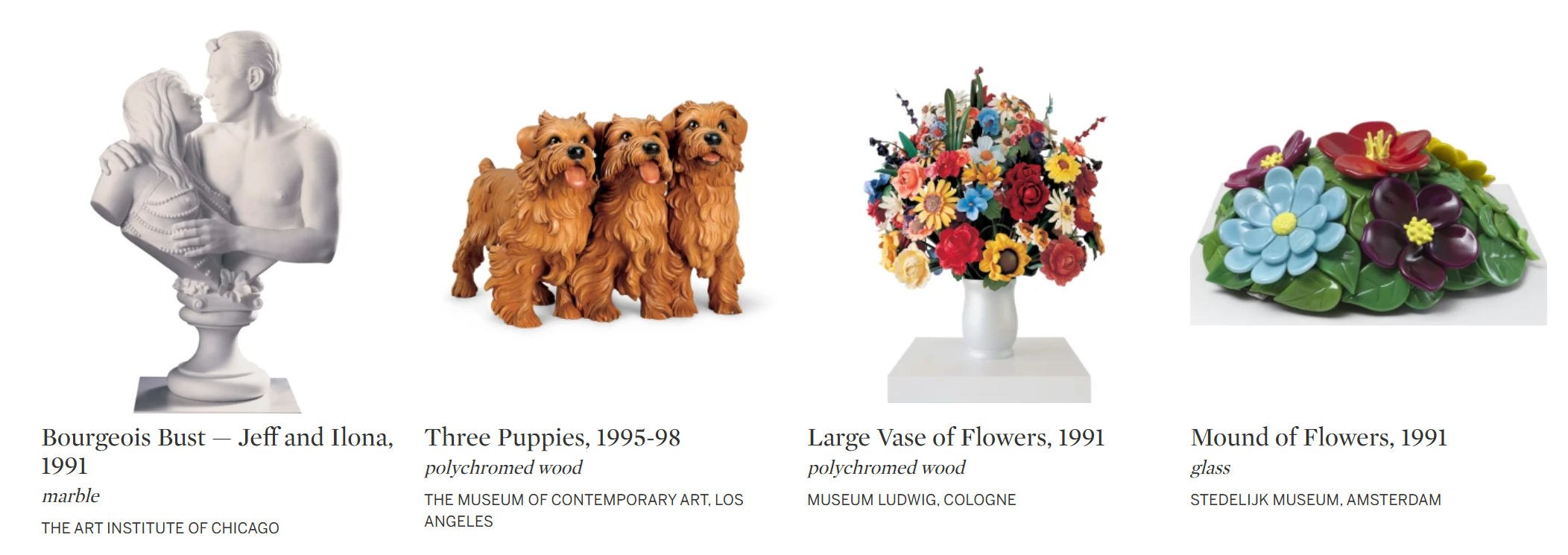
All Art © 2026 Jeff Koons
In the years immediately following its creation, examples of Bob-Tail appeared in a remarkable succession of exhibitions: the Made in Heaven presentations at Sonnabend Gallery, New York, and Galerie Max Hetzler, Cologne, in 1991; Jeffrey Deitch’s Post Human at Castello di Rivoli near Turin in 1992; and Koons’ retrospectives at the Stedelijk Museum, Amsterdam, and the San Francisco Museum of Modern Art in 1992–93. In 1994, the sculpture appeared in a survey at Anthony d’Offay Gallery, London, and in Face Off: The Portrait in Recent Art at the Institute of Contemporary Art, Philadelphia. This early exhibition history attests to the sculpture’s place at a pivotal moment in Koons’ career, as a wave of international critical and institutional attention cemented his position as one of the most important artists of the twentieth century. As a touchstone work within his oeuvre, Bob-Tail brings together Koons’ enduring concerns with the hierarchies of taste, the relationship between craftsmanship and authorship, and the emotional power of familiar objects. Yet its appeal remains remarkably simple: Koons grants the everyday affection we feel for a beloved pet a lasting sculptural form.
Hulk Elvis Modern, 2007-13
Hulk Elvis Modern, 2007-13
Bonhams New-York: 18 November 2026
Estimated: USD 2,000,000 – 3,000,000
Bonhams : JEFF KOONS (B. 1955) Hulk Elvis Modern (Painted 2007-13)
JEFF KOONS (B. 1955)
Hulk Elvis Modern, 2007-13
Oil on canvas
108 x 107-3/8 inches (274.3 x 272.7 cm)
Signed and dated ‘J Koons 2007-2013’ (on the overlap)
Despite the seemingly impenetrable superficiality of his work, Jeff Koons consistently finds ways to plumb the depth of his surfaces. This pursuit takes a jarring turn as he moves from large-scale sculpture to painting. Beginning in 2004, Koons’s Hulk Elvis series originated as a group of bronzes. Evoking commonplace toys found at a pool or party, these sculptures reproduce the puckered surfaces of plastic with remarkable verisimilitude. Their transformation into bronze offers a meditation on artful artifice, valorized by artisan hands. Through this material metamorphosis, an otherwise worthless plastic object becomes worthy of attention precisely because, rather than in spite of its duplicity. In his subsequent oil on canvas series, Koons undertakes yet another material transformation.
For Koons, the Hulk Elvis series offers a transcultural symbol of masculine power, drawing on two twentieth-century archetypes: the Marvel Comics superhero and the King of Rock ‘n’ Roll. The Hulk, in particular, is a figure with whom Koons associates testosterone. His crouching pose, with his legs in a slight huddle, also recalls the famous photographs of Presley preparing to gyrate his hips, or assuming the role of a gunslinger in a film. Such imagery evokes the source material for Andy Warhol’s Double Elvis, 1963.
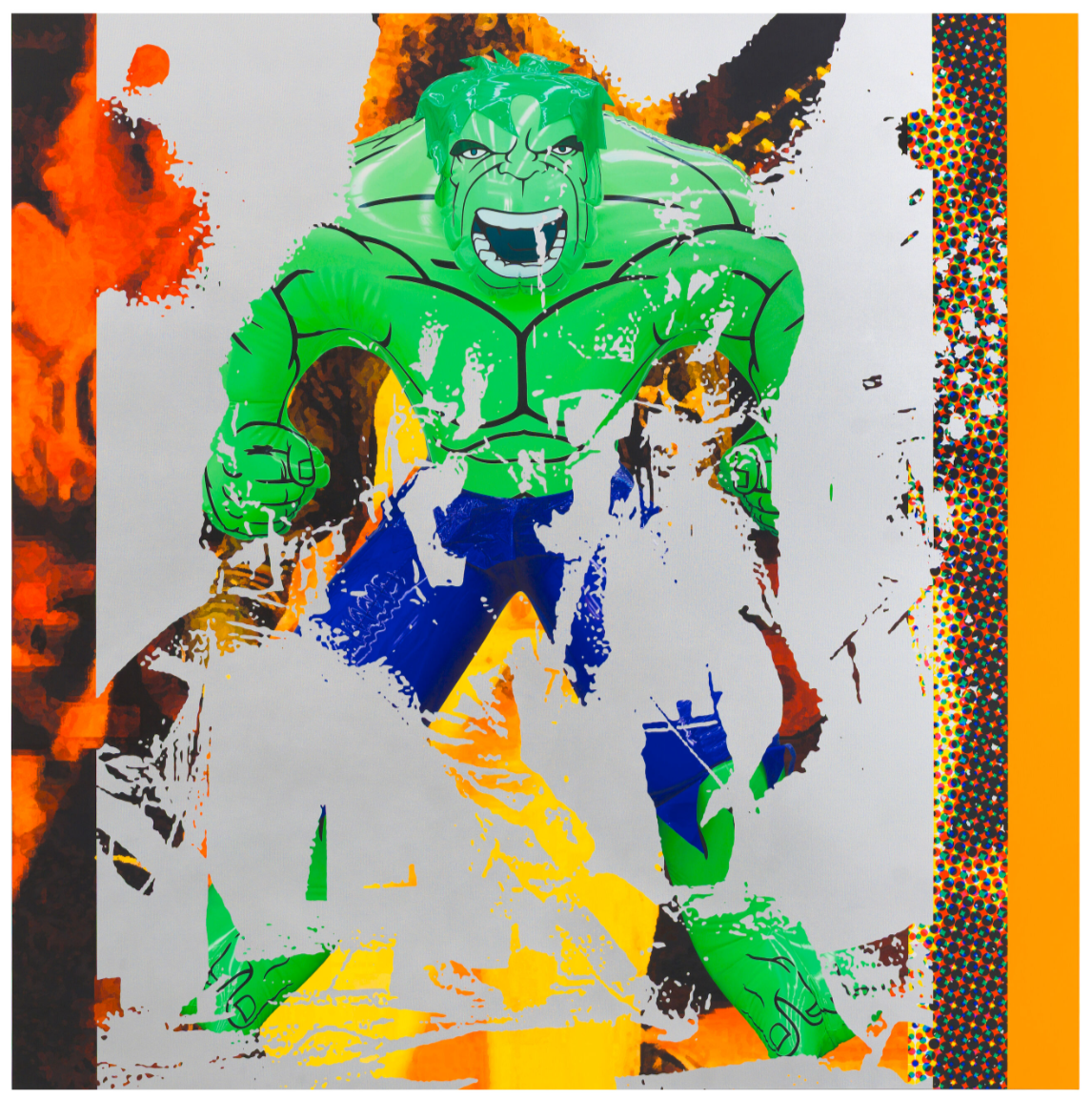
In this body of work Koons harkens back to the artist’s Inflatables from 1979. In that early key series, Koons used readymade blow-up rabbits and flowers to explore the relationship between interior density, the body, and its surroundings. Placing the store-bought toys on top of mirrors enabled him to investigate spatial perception and the interplay between objects and their reflections. In the early 2000s, Koons revisited this plastic aesthetic, first in polychromed aluminum in the Popeye series, then in bronze for Hulk Elvis. Paintings such as Hulk Elvis Modern are thus thrice removed from their original referent. Koons repeatedly rematerializes the same subject of the Hulk in different media—a particularly ironic gesture considering the brute strength associated with the Marvel superhero, whose sculptural form ultimately derives from an object designed to be filled with air.
When Koons first turned to painting in the 1990s, he was seeking a solution to a practical problem. His large-scale Celebration series had been delayed by the complexities and expense of fabrication, prompting him to explore alternative means of pursuing his chosen themes. In his wall works, Koons employed pigment rather than inkjet printing, continuing his investigation of density through the manipulation of surface and material. His movement from plastic to bronze and finally to paint constitutes a process of doubling, each successive transformation taking him further from the original object and closer to its pictorial essence.
To produce this canvas, Koons employed a method that has been described as “printer realism,” a term that invokes late-twentieth- and early-twenty-first century modes of image-making shaped by JPEGS, Adobe Photoshop, the circulation of images online. By having them created with a stencil, the process took on a mechanical quality. Koons thus gestures to the practice of gestural painting, replacing the physical manifestation of painting itself with a tertiary symbol, or logo. At the same time, he incorporates more overt nods to the “mechanical” processes of the great Roy Lichtentstein, specifically his Ben-Day dots, which appear here along the right-hand side of the canvas. Rather than arguing for painting’s obsolescence, Koons remains committed to its capacity for material and visual seduction.
Caterpillar Ladder (Wall), 2007-2011
Caterpillar Ladder (Wall), 2007-2011
The Collection of Antonio Homem Sonnabend
Christie’s New-York: 20 November 2026
Estimated: USD 1,000,000 – 1,500,000
MINIMUM PRICE GUARANTEE
JEFF KOONS (B. 1955), Caterpillar Ladder (Wall) | Christie’s
JEFF KOONS (B. 1955)
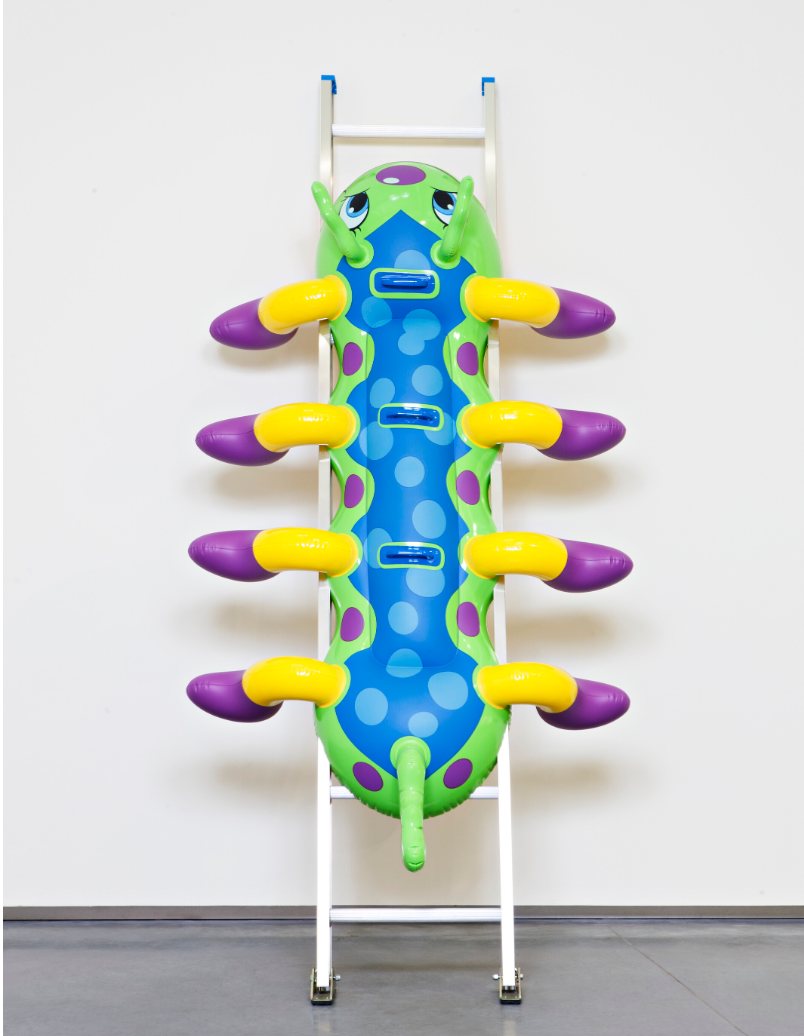
Caterpillar Ladder (Wall), 2007-2011
Polychromed aluminum and aluminum
93-3/8 x 41-7/16 x 43 15/16 inches (237.2 x 105.3 x 111.6 cm)
This work is number three from an edition of three plus one artist’s proof
Abright green caterpillar makes its way up a white ladder, its rounded body and yellow-and-purple legs wrapped around the rungs as it gazes expectantly toward the top. In Jeff Koons’s Caterpillar Ladder (Wall) (2007–2011), the familiar appearance of a children’s pool toy is rendered with such precision that the sculpture initially seems to be an improbable arrangement of ordinary objects. The caterpillar’s swollen body, glossy surface and carefully articulated seams suggest the soft, yielding quality of inflated vinyl. Yet the creature is cast in aluminum, its apparent weightlessness achieved through an exacting process of fabrication. The resulting sculpture is both comic and uncanny: a fleeting moment of playful activity preserved in a material associated with strength and permanence.
Caterpillar Ladder (Wall) belongs to Koons’s celebrated Popeye series, begun in 2002 and first exhibited at Sonnabend Gallery in New York in 2003. Bringing together inflatable animals, household objects and imagery drawn from popular culture, the series extends the artist’s longstanding engagement with the readymade. In his early series The New and Equilibrium, Koons presented commercially manufactured vacuum cleaners and basketballs within carefully constructed environments, recalling Marcel Duchamp’s elevation of everyday objects into the realm of art. In the Popeye sculptures, however, the familiar object is painstakingly recreated rather than simply appropriated. Cast in metal and finished to reproduce the appearance of vinyl, the inflatable retains every suggestion of its original material even as its physical nature is fundamentally transformed.
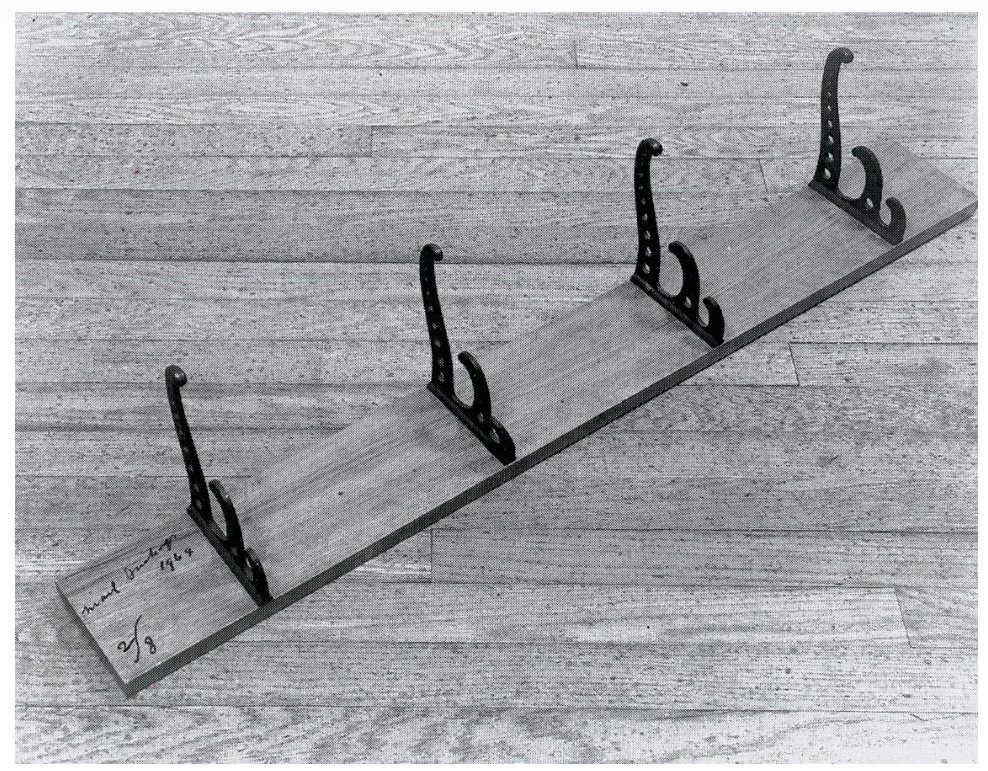
Marcel Duchamp, Trébuchet (Trap) (second version), 1964. John and Mable Ringling Museum of Art, Sarasota. © Association Marcel Duchamp / ADAGP, Paris / Artists Rights Society (ARS), New York 2026.
This transformation reflects Koons’s enduring preoccupation with preservation. “The most important thing to me is the preservation of the object—the sense that it has been created to survive and that its longevity is certain,” he explained (quoted in J. Peyton-Jones and H. U. Obrist, “Jeff Koons in Conversation,” in Jeff Koons: Popeye Series, exh. cat., Serpentine Gallery, London, 2009, pp. 71–72). The disposable inflatable, vulnerable to puncture, deterioration and the gradual loss of air, is given a seemingly permanent existence in aluminum. Koons has long associated inflation with the breath of life, and deflation with mortality. In Caterpillar Ladder (Wall), an object ordinarily sustained by air is rendered solid, its fragile and temporary condition suspended indefinitely.
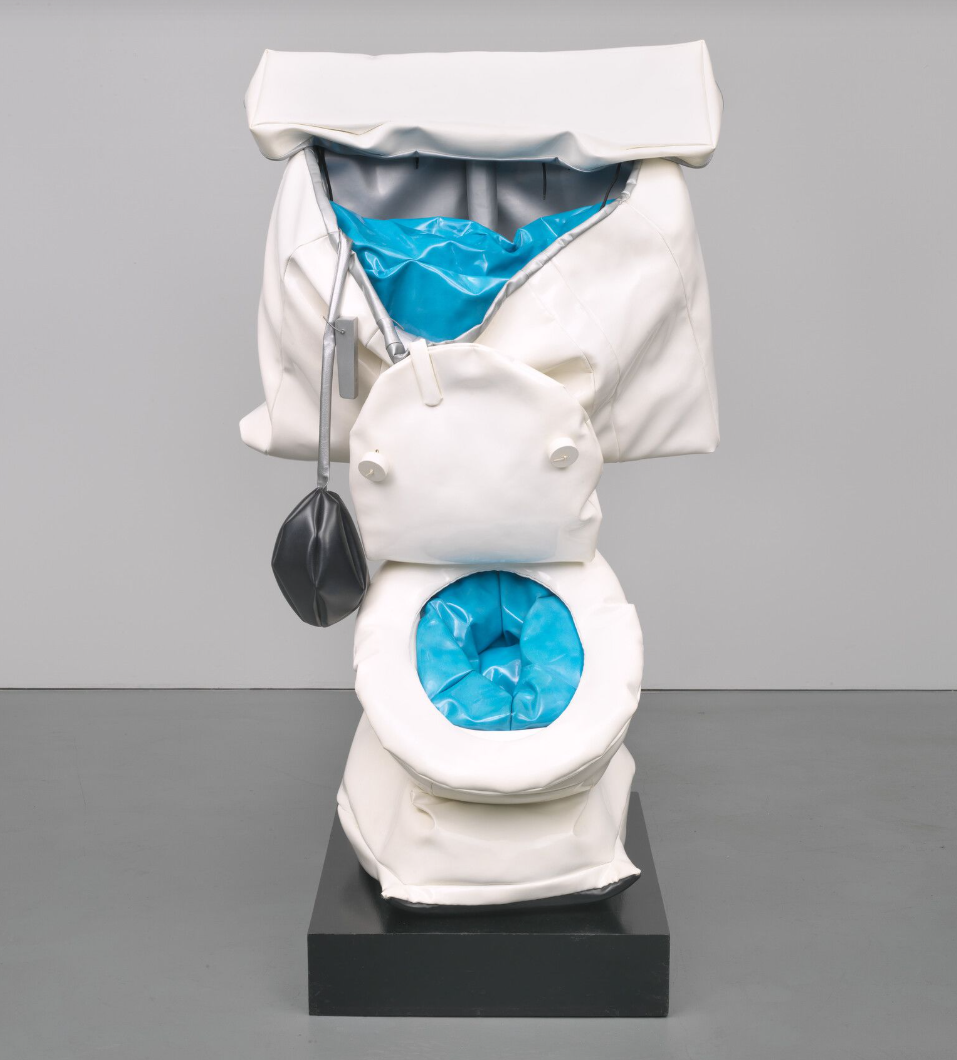
Claes Oldenburg, Soft Toilet, 1966. Whitney Museum of American Art, New York. © 1966 Claes Oldenburg. Photo: © Whitney Museum of American Art / Licensed by Scala / Art Resource, NY.
The unexpected pairing of the caterpillar and ladder recalls the Surrealists’ fascination with improbable encounters between familiar objects. Here, the ladder’s utilitarian purpose is playfully subverted by the appearance of an oversized, brightly colored creature. Yet the arrangement possesses its own peculiar logic: the caterpillar clings to the rungs, seemingly intent on reaching the top. Like the Surrealists before him, Koons presents the impossible with disarming matter-of-factness, allowing humor and absurdity to emerge from an otherwise ordinary scene.
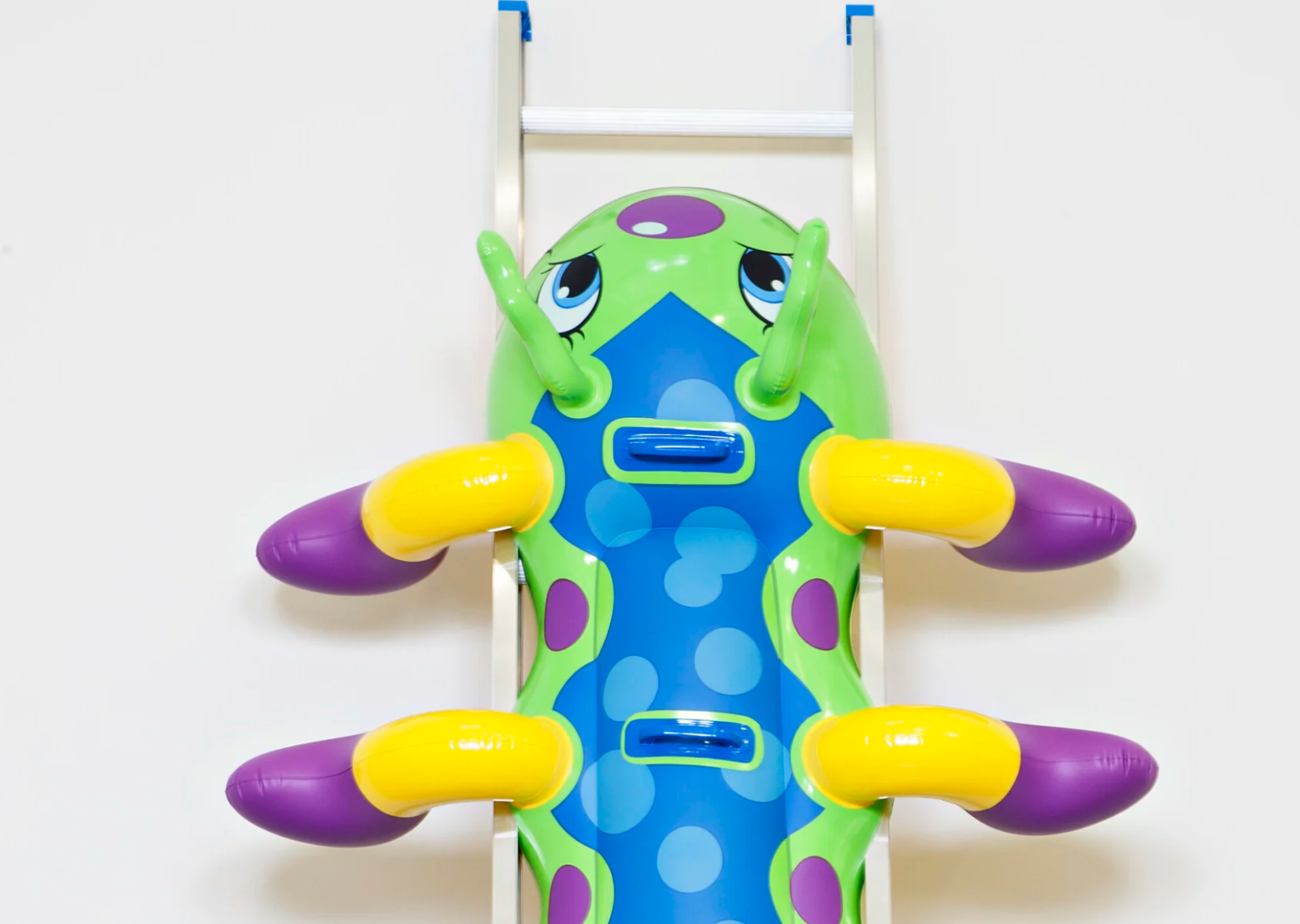
The work also draws upon the emotional associations of childhood toys. As Dorothea von Hantelmann observes in her essay “Why Koons,” toys possess an affective quality that distinguishes them from ordinary functional objects (in Jeff Koons: Popeye Series, exh. cat., Serpentine Gallery, London, 2009, pp. 51–52). The juxtaposition of the ladder and inflatable brings the practical world of adult activity into contact with the imaginative freedom of childhood. The caterpillar itself suggests a further narrative of transformation: its eventual metamorphosis into a butterfly lends additional resonance to its upward movement. Writing about the Popeye series, philosopher Arthur C. Danto recognized a similar spirit of perseverance in Koons’s creatures, imagining their response to adversity as a cheerful declaration: “I’ll get through this!” (A. C. Danto, “A New World for Popeye,” in Jeff Koons: Popeye Series, exh. cat., Serpentine Gallery, London, 2009, pp. 32–33). Beneath the sculpture’s exuberant colors and whimsical subject lies a tender image of effort, aspiration and the possibility of change.
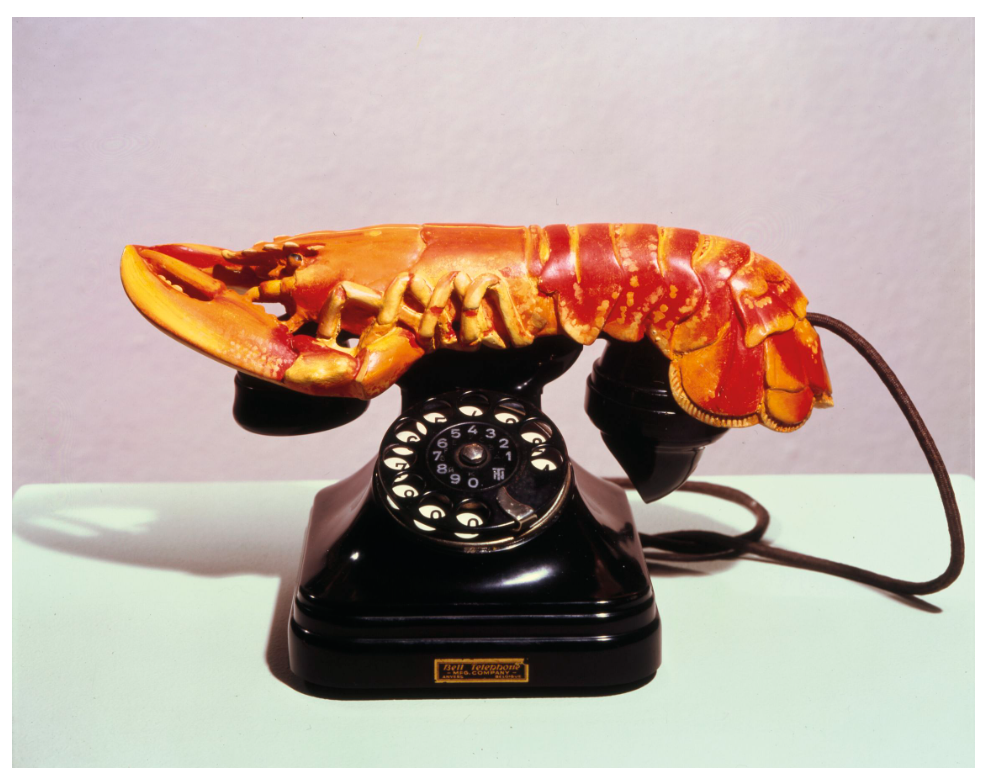
Salvador Dalí, Lobster Telephone, 1936. Tate Gallery, London. © 2026 Salvador Dalí, Fundació Gala-Salvador Dalí / Artists Rights Society (ARS), New York. Photo: Tate, London / Art Resource, NY.
The present work comes from the personal collection of Antonio Homem Sonnabend, whose longstanding relationship with Koons lends the sculpture a particularly meaningful provenance. Together with Ileana Sonnabend, Homem was instrumental in the activities of Sonnabend Gallery, which championed Koons’s work and hosted the inaugural exhibition of his Popeye series in 2003. The sculpture’s presence in Homem’s collection thus connects it to the gallery that first introduced the series, reflecting a relationship between artist and gallerist that endured for decades.