MAY 2026 NEW-YORK AUCTIONS
George Condo
Auction Results
#1. Figure on a Red Field, 2016
Property from an Ambassadorial collection
Sotheby’s New-York: 14 May 2026
Estimated: USD 2,000,000 – 3,000,000
USD 5,854,000
George Condo | Figure on a Red Field | The Now & Contemporary Evening
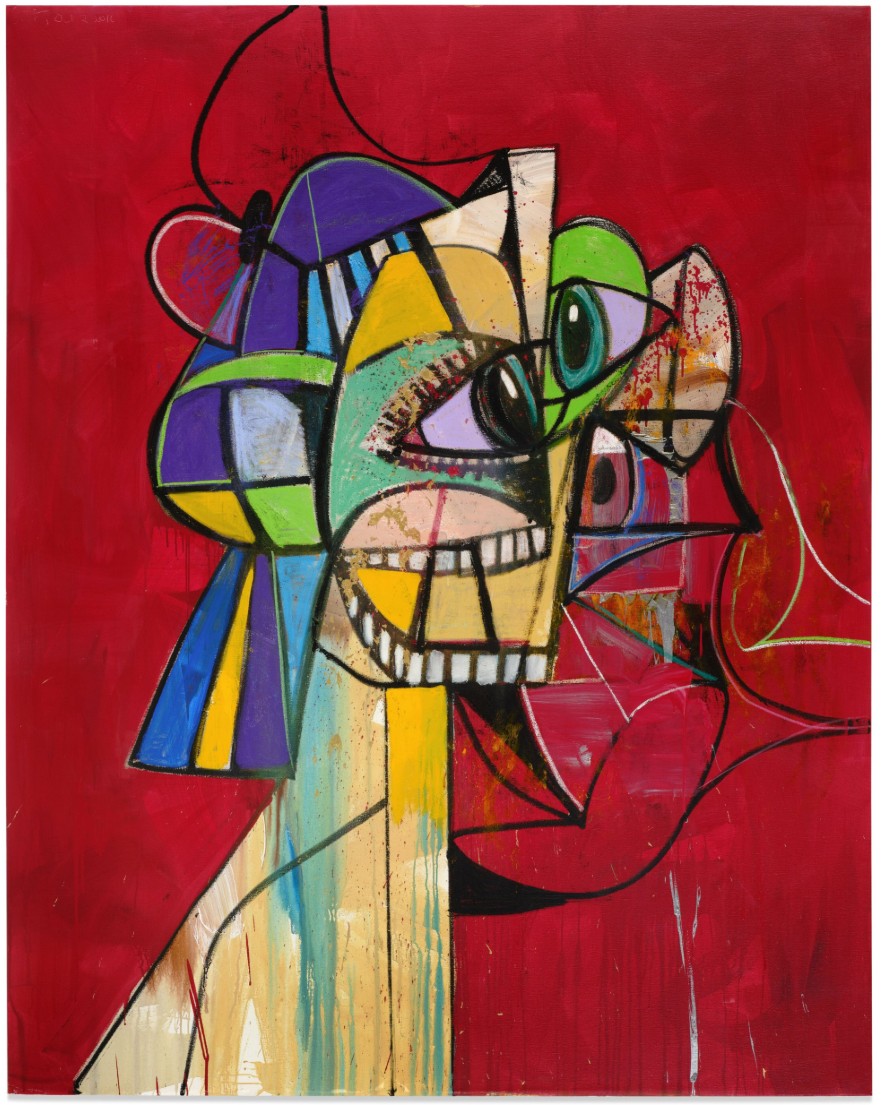
GEORGE CONDO (b. 1957)
Figure on a Red Field, 2016
Acrylic, metallic paint, charcoal, pastel and oilstick on canvas
96×76 inches (243.8 x 193 cm)
Signed and dated Oct 2, 2016 (upper left)
Untitled, 2001
Between Madness and Beauty: Selections from the Anna Condo Collection
Christie’s New-York: 21 May 2026
Estimated: USD 500,000 – 700,000
USD 1,651,000
GEORGE CONDO (B. 1957), Untitled | Christie’s
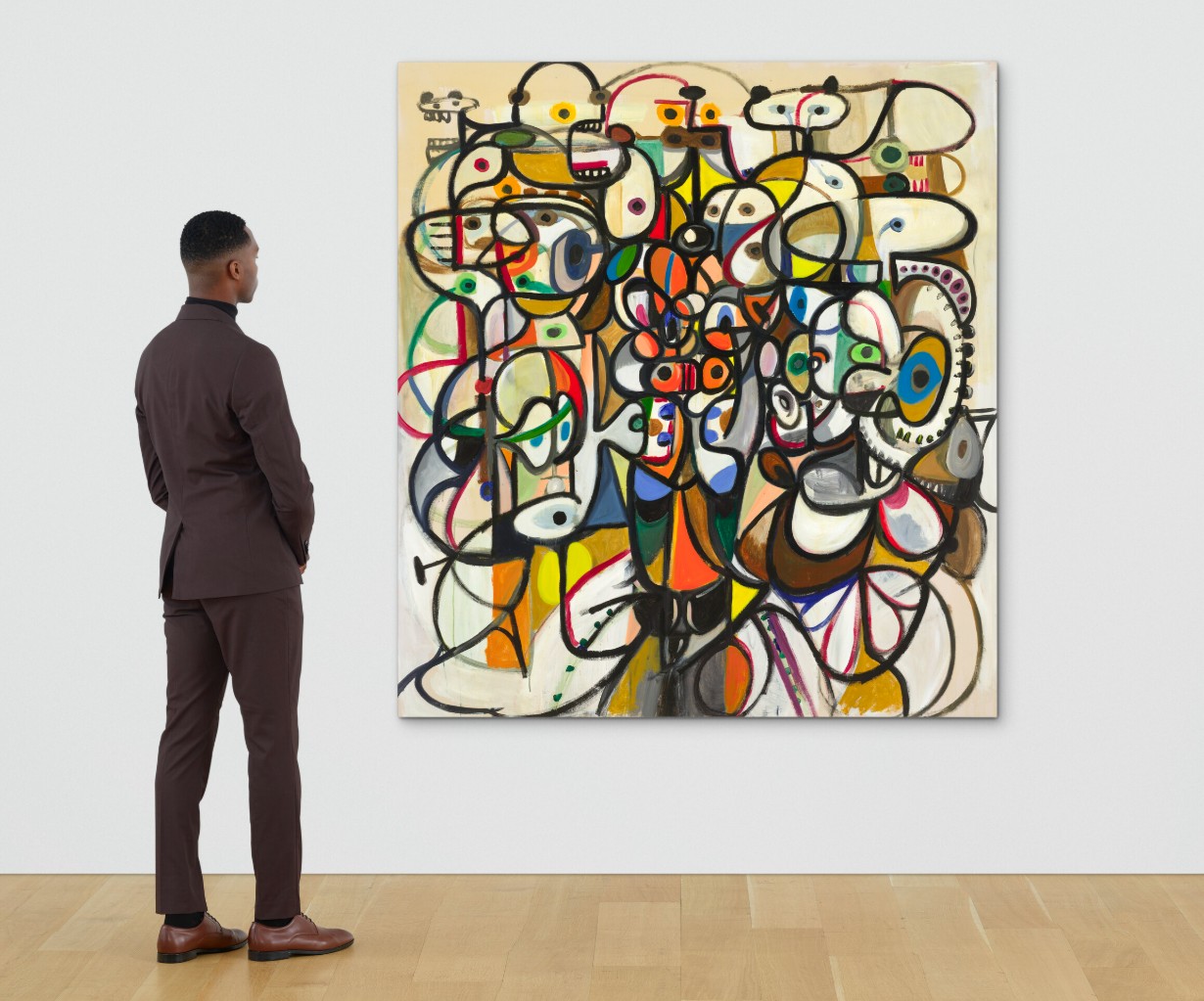
GEORGE CONDO (B. 1957)
Untitled, 2001
Oil on canvas
75 x 68-1/2 inches (190.5 x 174 cm)
“There are always stories behind the works—some visible, others more private. And then there are the stories the viewer brings: what they choose to see, to believe.”
Untitled, circa 2005
Between Madness and Beauty: Selections from the Anna Condo Collection
Christie’s New-York: 21 May 2026
Estimated: USD 250,000 – 350,000
USD 1,079,500
GEORGE CONDO (B. 1957), Untitled | Christie’s
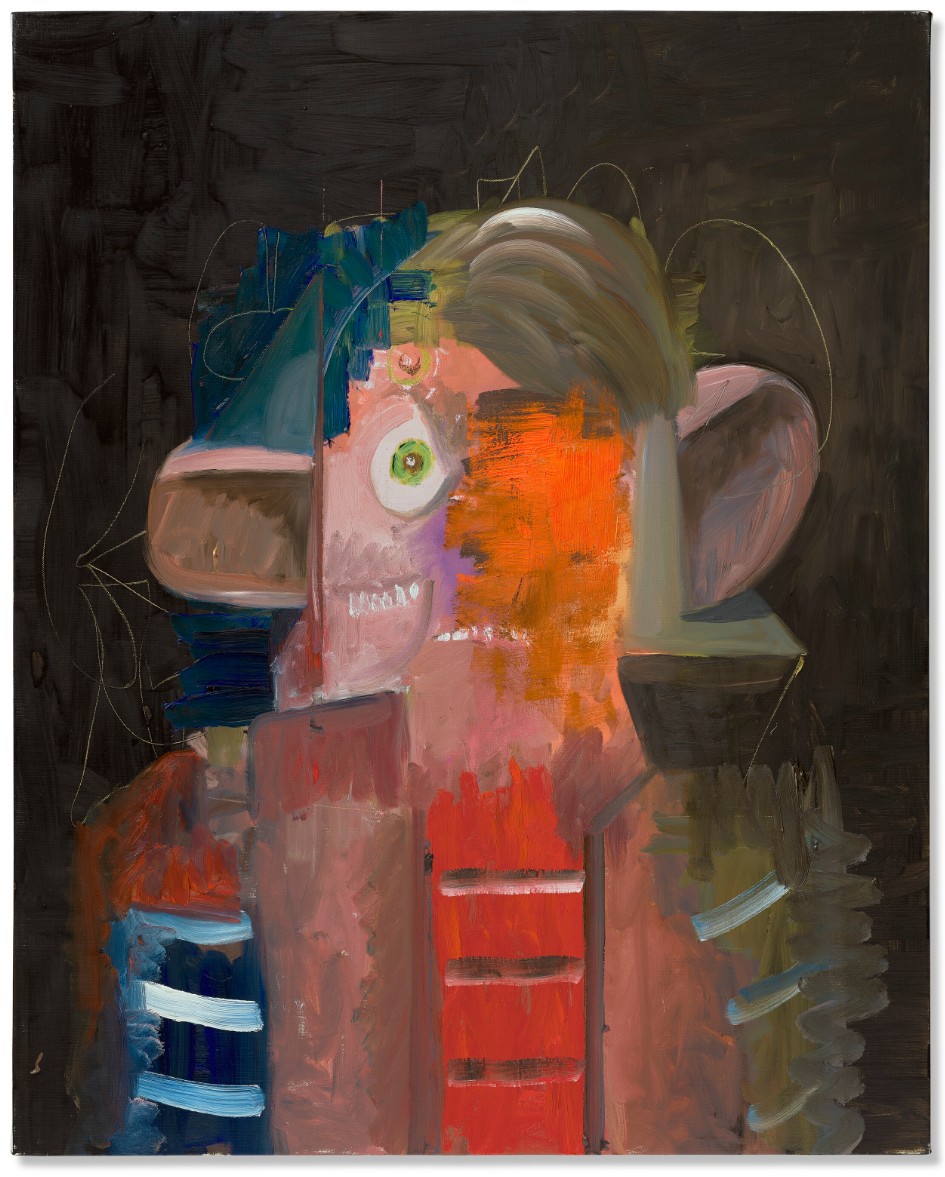
GEORGE CONDO (B. 1957)
Untitled, circa 2005
Oil on canvas
40 x 32-1/4 inches (101.6 x 81.9 cm)
Untitled, 2012
Between Madness and Beauty: Selections from the Anna Condo Collection
Christie’s New-York: 21 May 2026
Estimated: USD 250,000 – 350,000
USD 698,500
GEORGE CONDO (B. 1957), Untitled | Christie’s
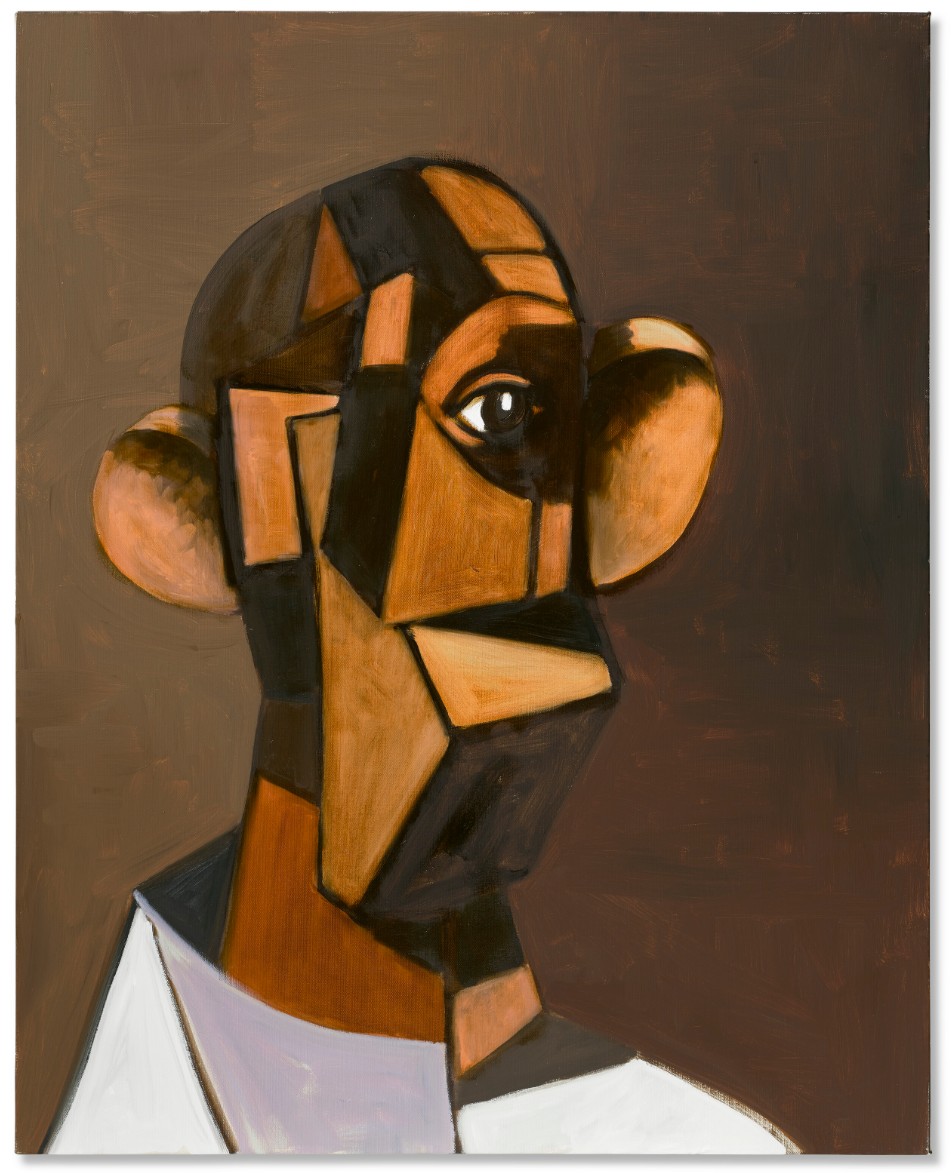
GEORGE CONDO (B. 1957)
Untitled, 2012
Oil on canvas
40 x 32-1/4 inches (101.6 x 81.9 cm)
Untitled, 1998
Between Madness and Beauty: Selections from the Anna Condo Collection
Christie’s New-York: 21 May 2026
Estimated: USD 300,000 – 500,000
USD 609,600
GEORGE CONDO (B. 1957), Untitled | Christie’s
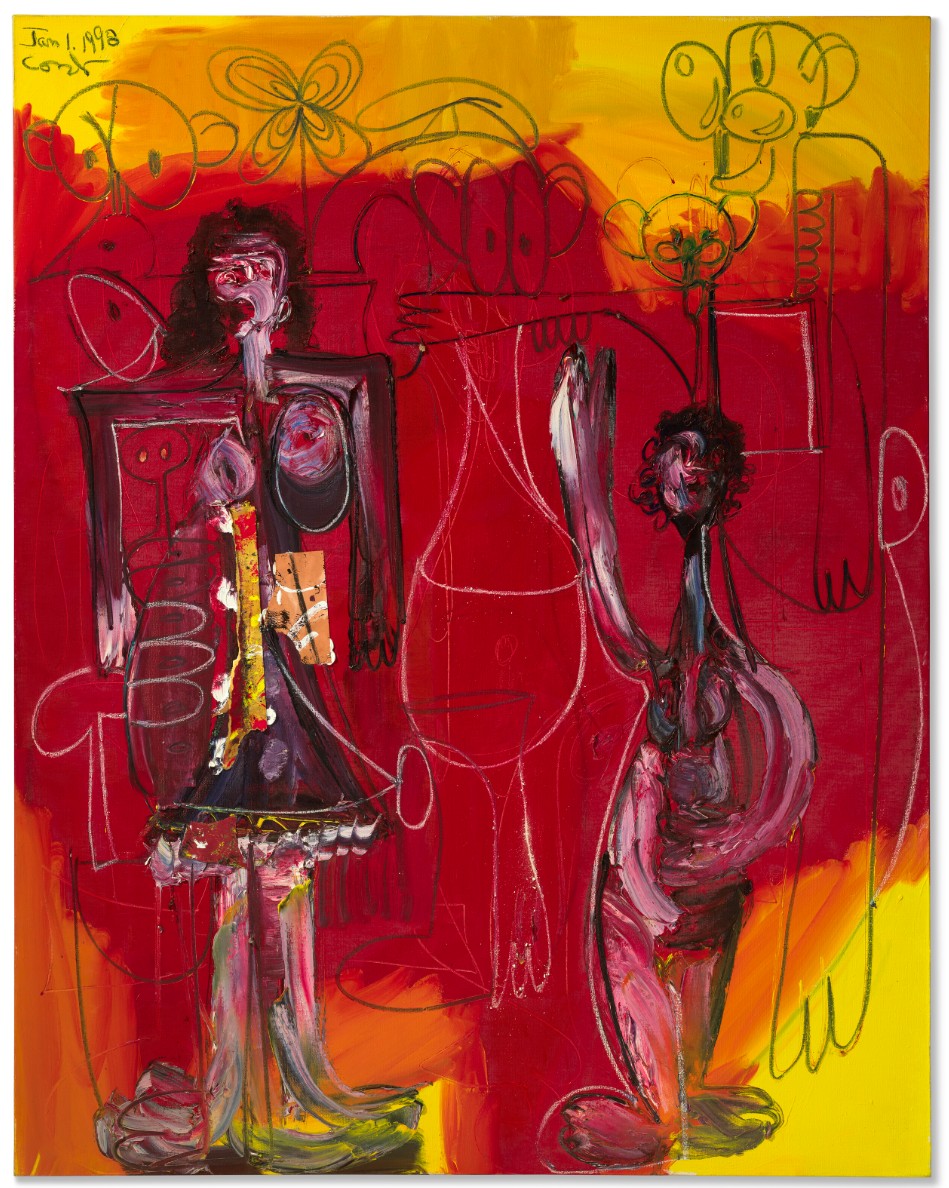
GEORGE CONDO (B. 1957)
Untitled, 1998
Oil, oil stick and paper collage on canvas
76×60 inches (193 x 152.4 cm)
Signed and dated ‘Jan 1. 1998 Condo’ (upper left)
Untitled, 2013
Between Madness and Beauty: Selections from the Anna Condo Collection
Christie’s New-York: 21 May 2026
Estimated: USD 400,000 – 600,000
USD 508,000
GEORGE CONDO (B. 1957), Untitled | Christie’s
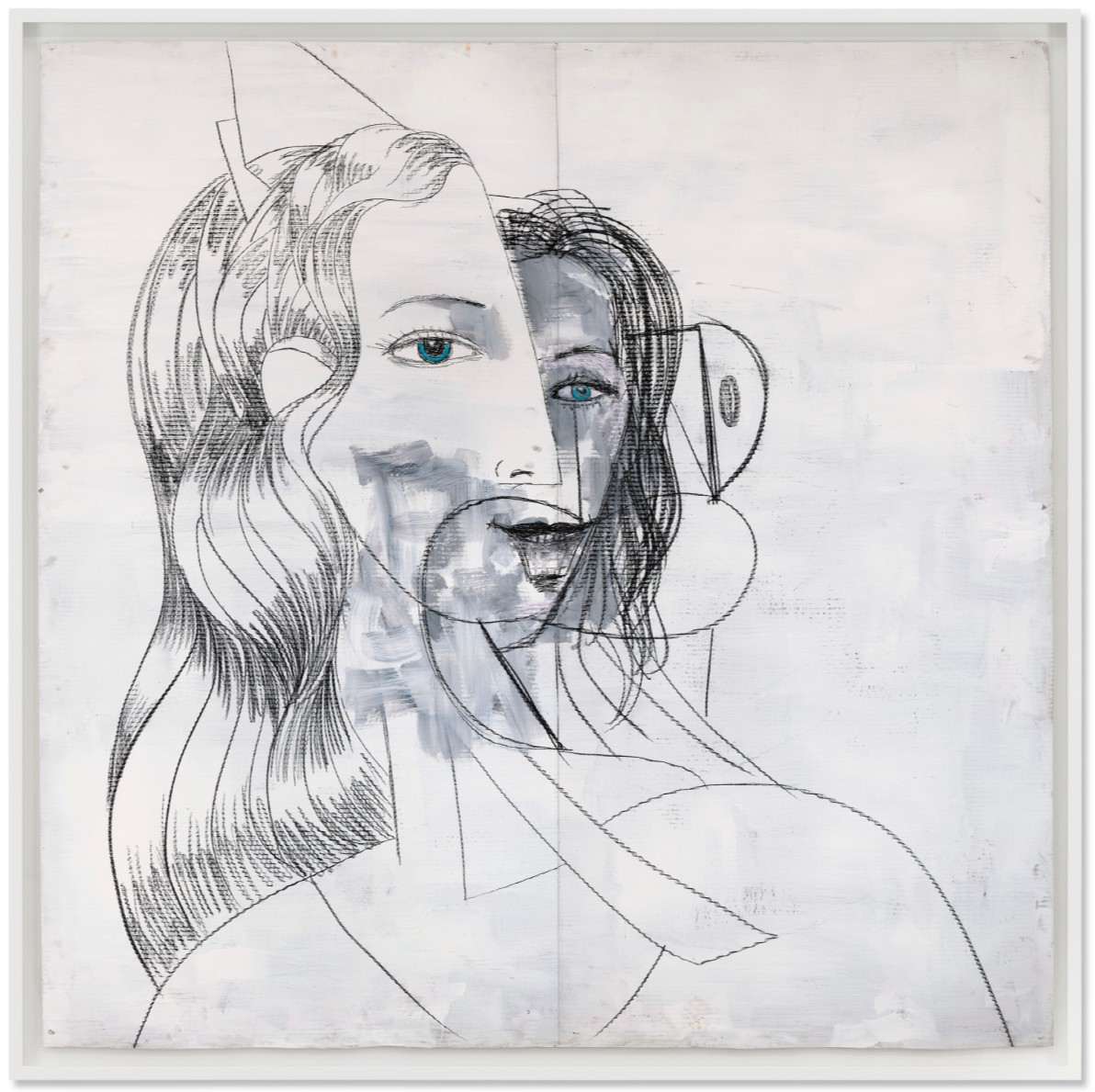
GEORGE CONDO (B. 1957)
Untitled, 2013
Acrylic and charcoal on cardboard, in two parts
71-5/8 x 72 inches (181.9 x 182.9 cm)
Abstract Stick Figure, 1991
Property from a Prestigious European Collection
Sotheby’s New-York: 15 May 2026
Estimated: USD 250,000 – 350,000
USD 409,600
George Condo | Abstract Stick Figure | Contemporary Day Auction |
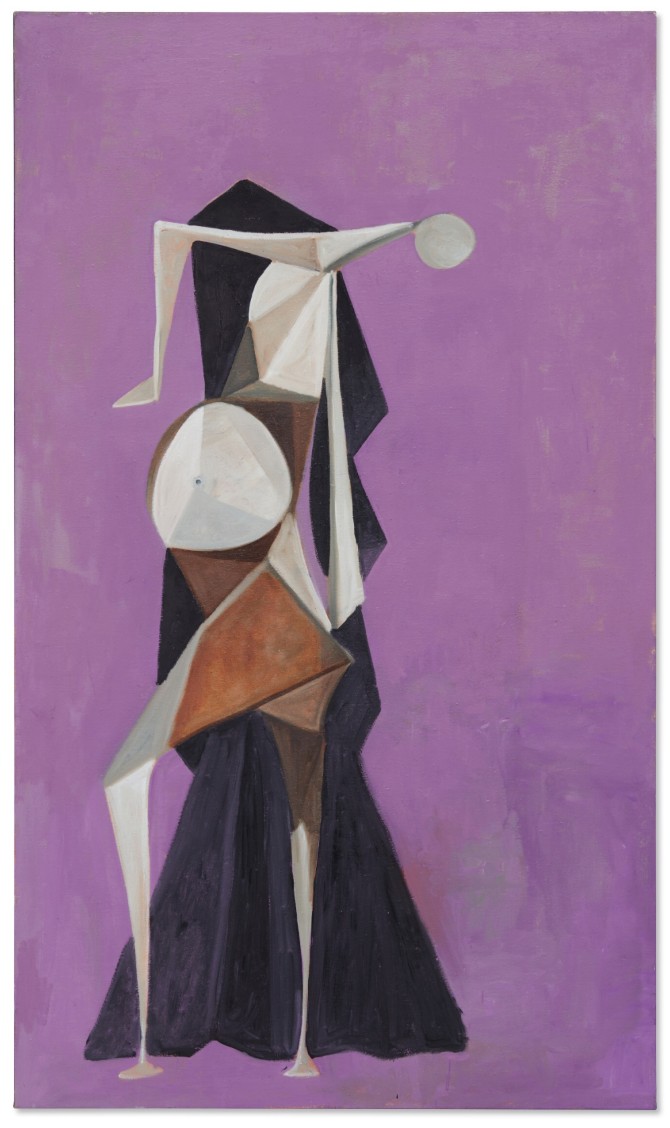
GEORGE CONDO (b. 1957)
Abstract Stick Figure, 1991
Oil on canvas
76-3/4 x 44-7/8 inches (194.9 x 114 cm)
Signed, titled and dated 91 (on the reverse)
Signed and dated Paris 91 (on the stretcher)
Untitled, circa 2000
Between Madness and Beauty: Selections from the Anna Condo Collection
Christie’s New-York: 21 May 2026
Estimated: USD 250,000 – 350,000
USD 342,900
GEORGE CONDO (B. 1957), Untitled | Christie’s
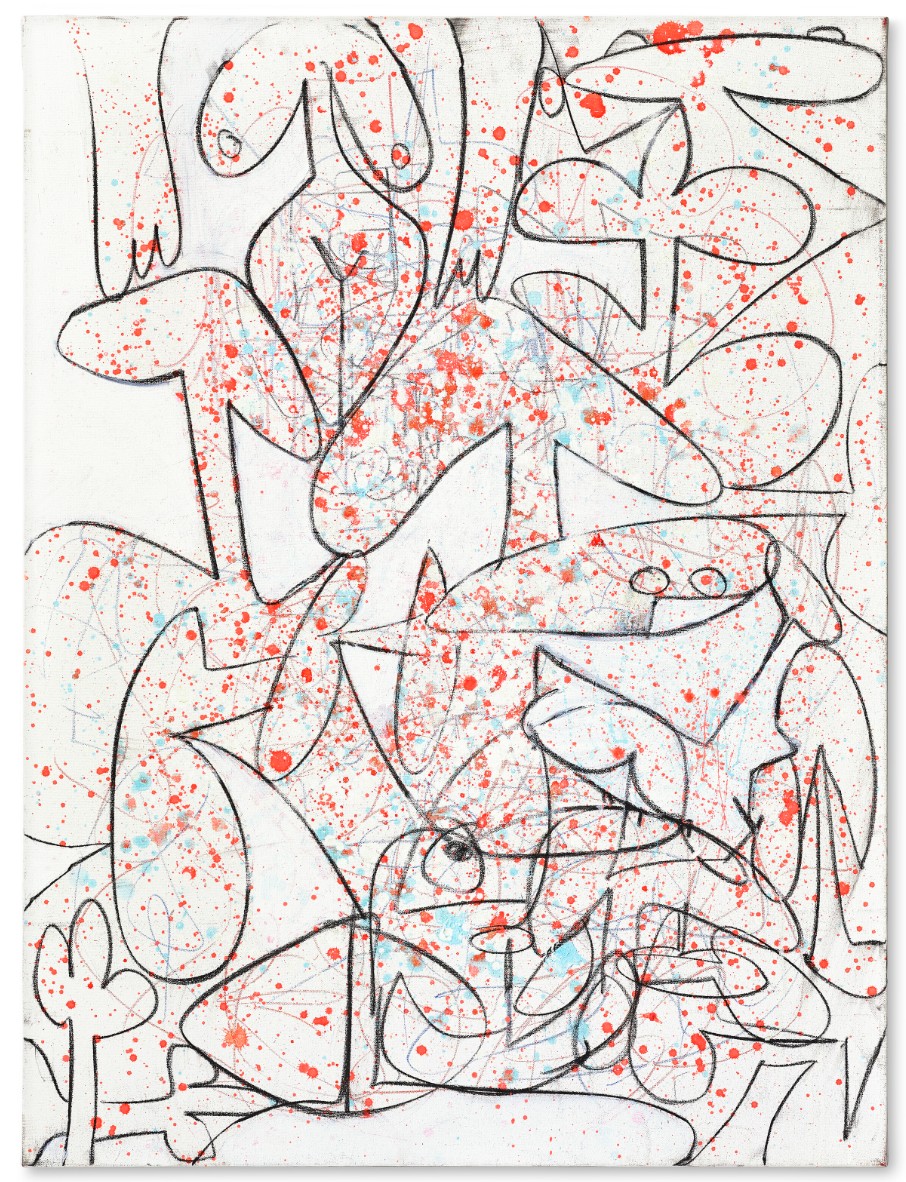
GEORGE CONDO (B. 1957)
Untitled, circa 2000
Acrylic and conté crayon on canvas
40×30 inches (101.6 x 76.2 cm)
Untitled, circa 2000
Between Madness and Beauty: Selections from the Anna Condo Collection
Christie’s New-York: 21 May 2026
Estimated: USD 120,000 – 180,000
USD 304,800
GEORGE CONDO (B. 1957), Untitled | Christie’s
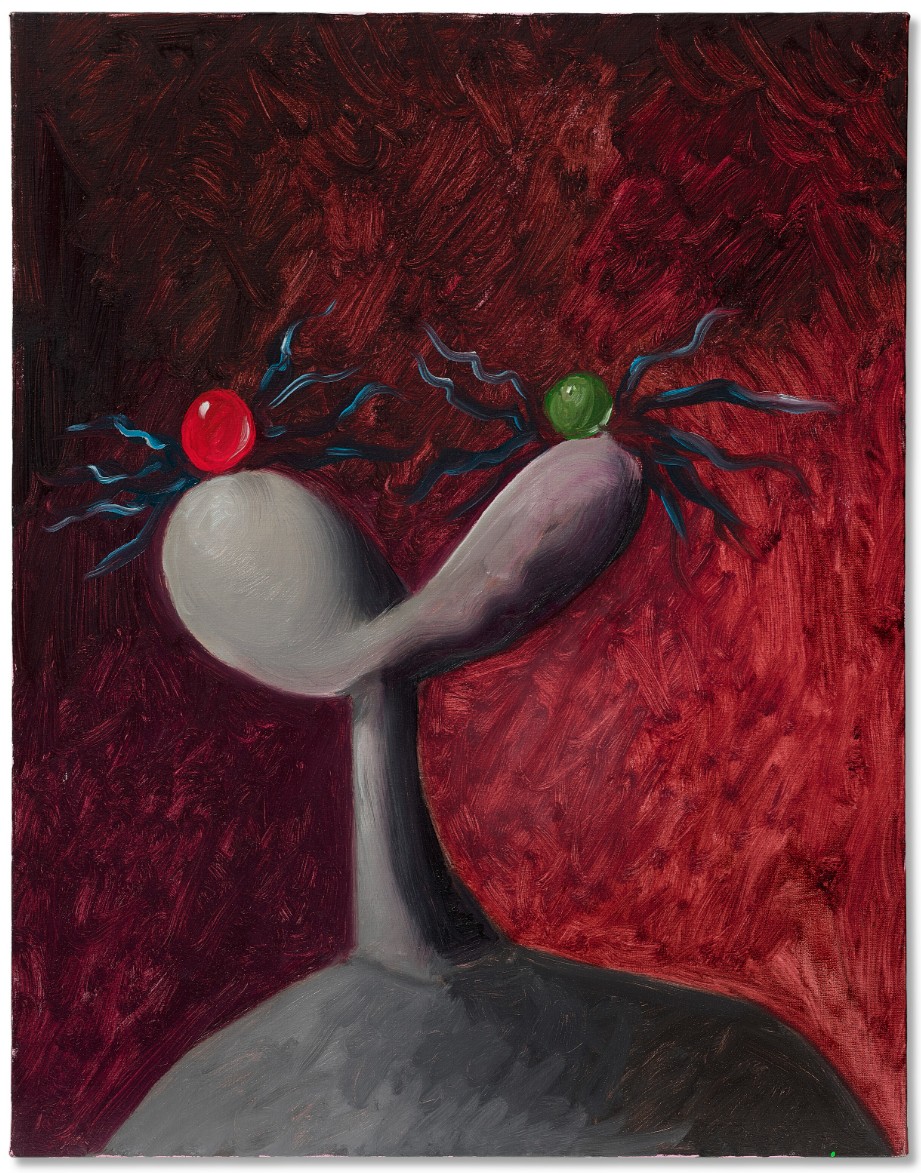
GEORGE CONDO (B. 1957)
Untitled, circa 2000
Oil on canvas
28×22 inches (71.1 x 55.9 cm)
Untitled, circa 2005
Between Madness and Beauty: Selections from the Anna Condo Collection
Christie’s New-York: 21 May 2026
Estimated: USD 120,000 – 180,000
USD 279,400
GEORGE CONDO (B. 1957), Untitled | Christie’s
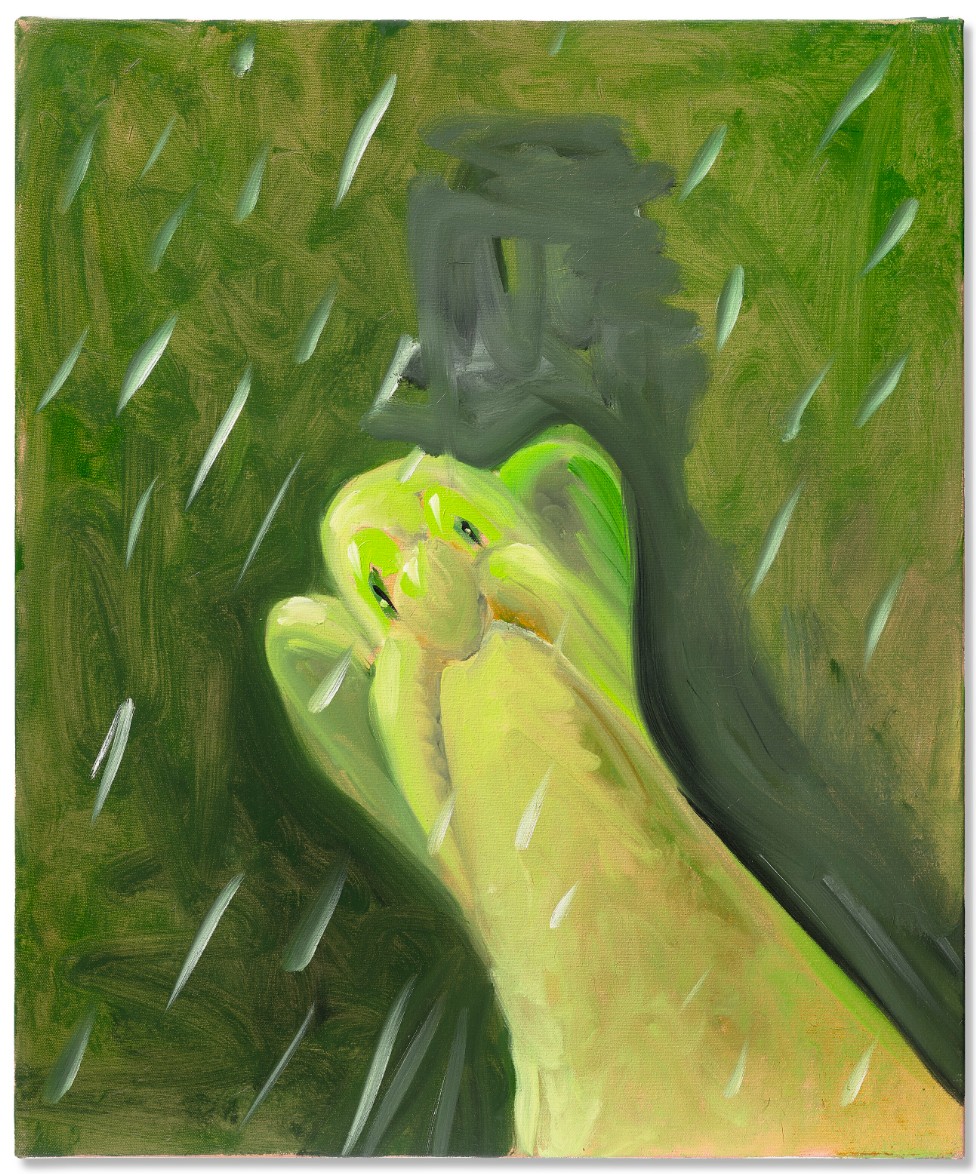
GEORGE CONDO (B. 1957)
Untitled, circa 2005
Oil on canvas
24×20 inches (61 x 50.8 cm)
Untitled, 2008
Between Madness and Beauty: Selections from the Anna Condo Collection
Christie’s New-York: 21 May 2026
Estimated: USD 30,000 – 50,000
USD 107,950
GEORGE CONDO (B. 1957), Untitled | Christie’s
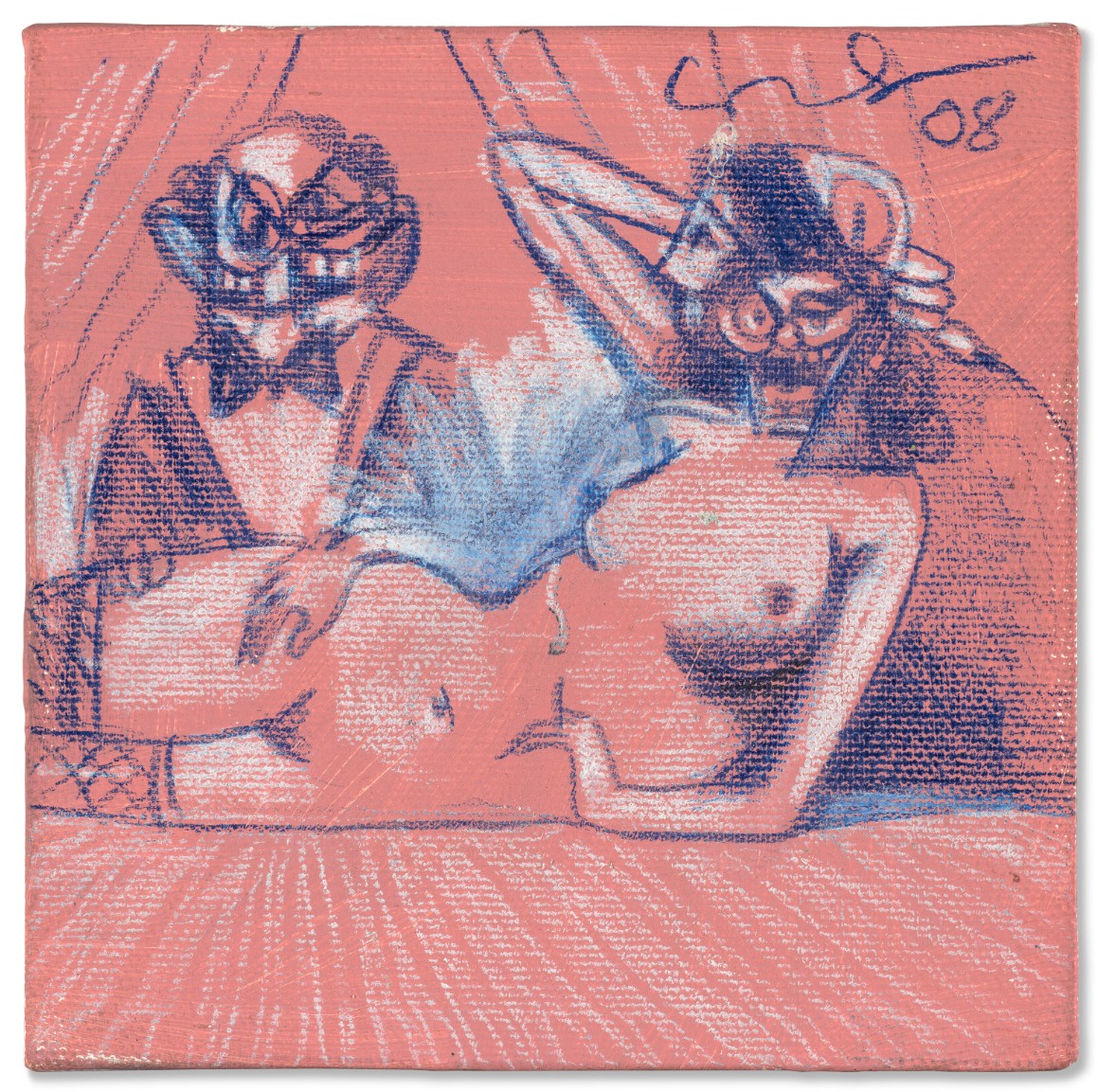
GEORGE CONDO (B. 1957)
Untitled, 2008
Acrylic and colored pencil on canvas
5×5 inches (12.7 x 12.7 cm)
Signed and dated ‘Condo 08’ (upper right)
Female Bust, 2008
Between Madness and Beauty: Selections from the Anna Condo Collection
Christie’s New-York: 21 May 2026
Estimated: USD 180,000 – 250,000
USD 279,400
GEORGE CONDO (B. 1957), Female Bust | Christie’s
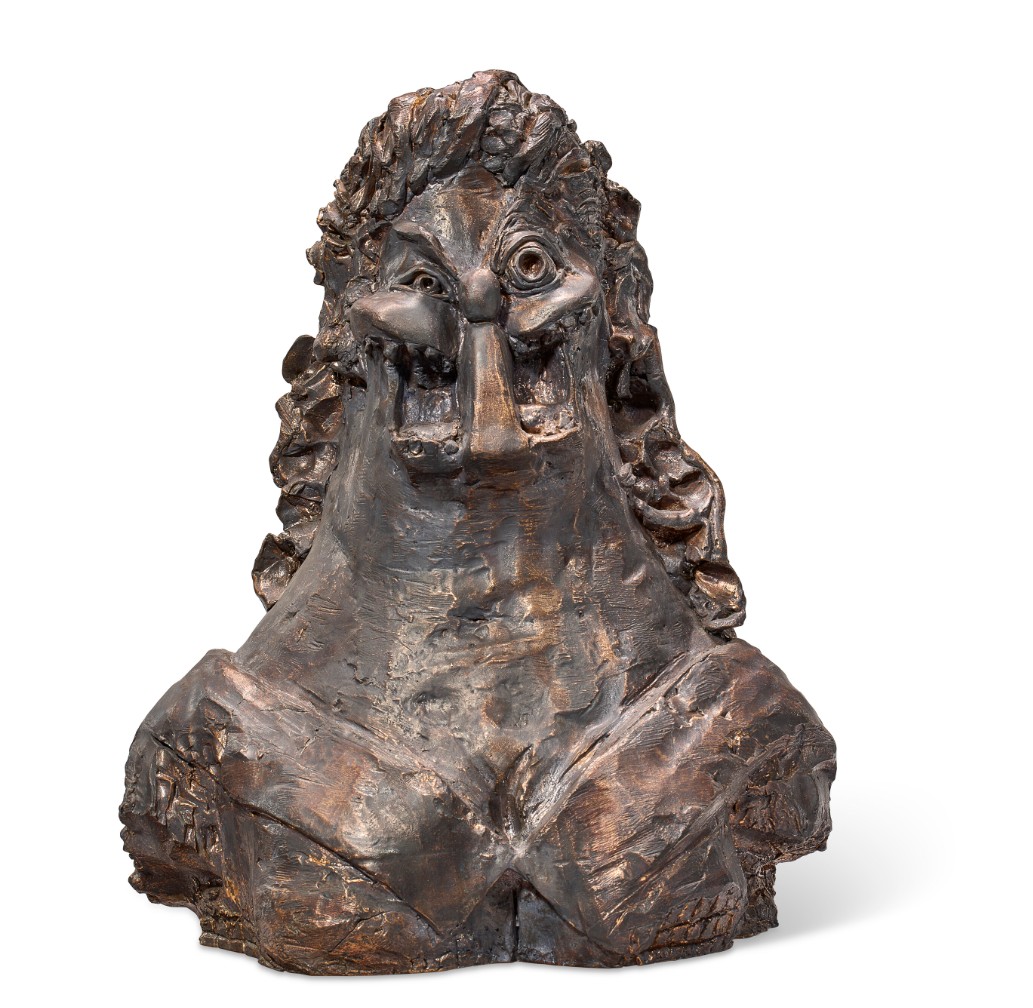
GEORGE CONDO (B. 1957)
Female Bust, 2008
Bronze
23x18x15 inches (58.4 x 45.7 x 38.1 cm)
Stamped with the artist’s name, number and foundry mark ‘CONDO AP’ (lower edge)
This work is the artist’s proof aside from an edition of four plus one artist’s proof
Rodrigo and the Maid, 2008
Between Madness and Beauty: Selections from the Anna Condo Collection
Christie’s New-York: 21 May 2026
Estimated: USD 200,000 – 300,000
USD 222,250
GEORGE CONDO (B. 1957), Rodrigo and the Maid | Christie’s
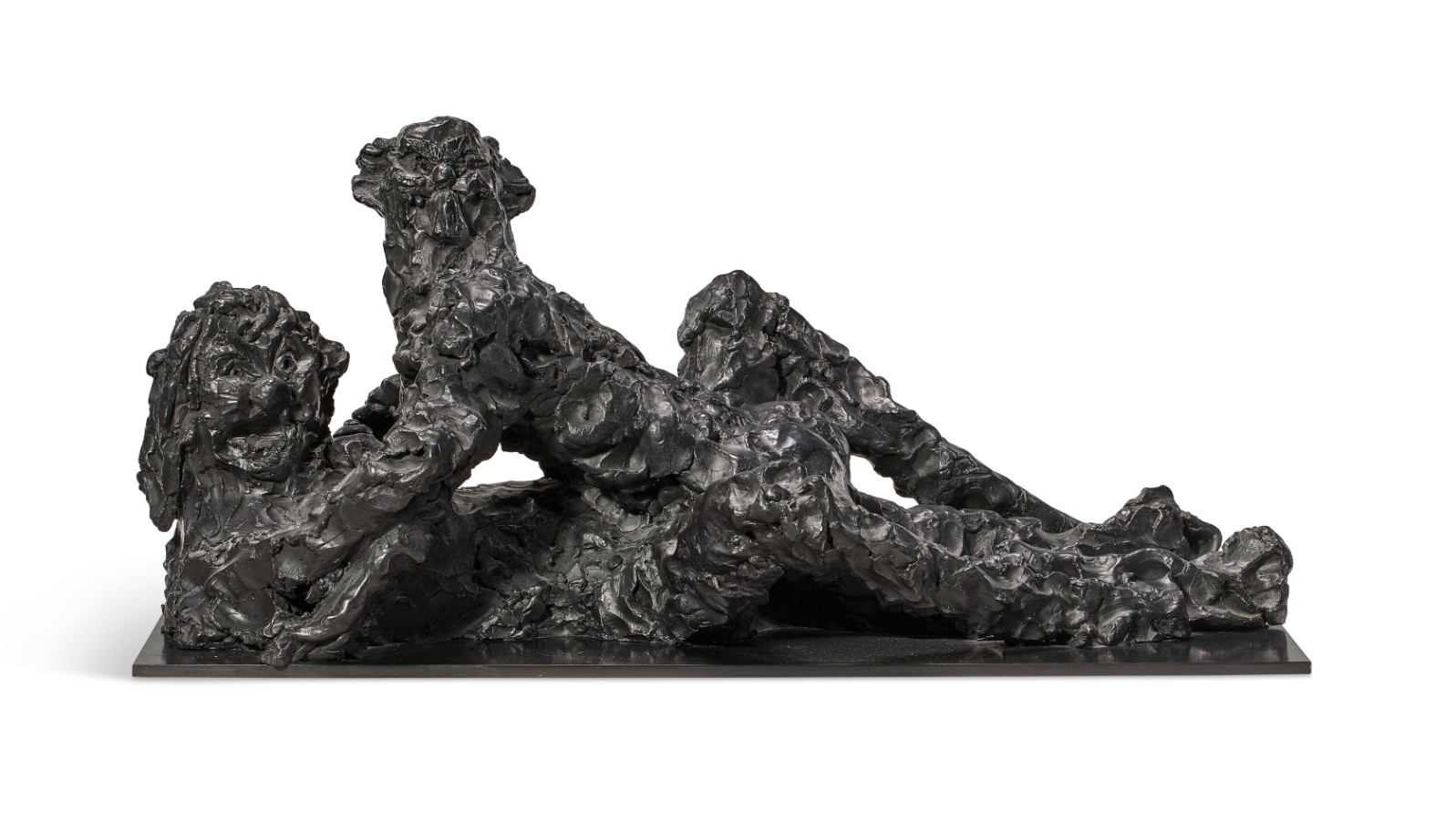
GEORGE CONDO (B. 1957)
Rodrigo and the Maid, 2008
Bronze
15x33x18 inches (38.1 x 83.8 x 45.7 cm)
Stamped with the artist’s initials, number, date and foundry mark ‘GC 08 1⁄4’ (on the base)
This work is number one from an edition of four
Circular Head Composition, 1993-94
Phillips New-York: 21 May 2026
Estimated: USD 25,000 – 35,000
USD 54,180
George Condo Modern & Contemporary Art: Afternoon Session
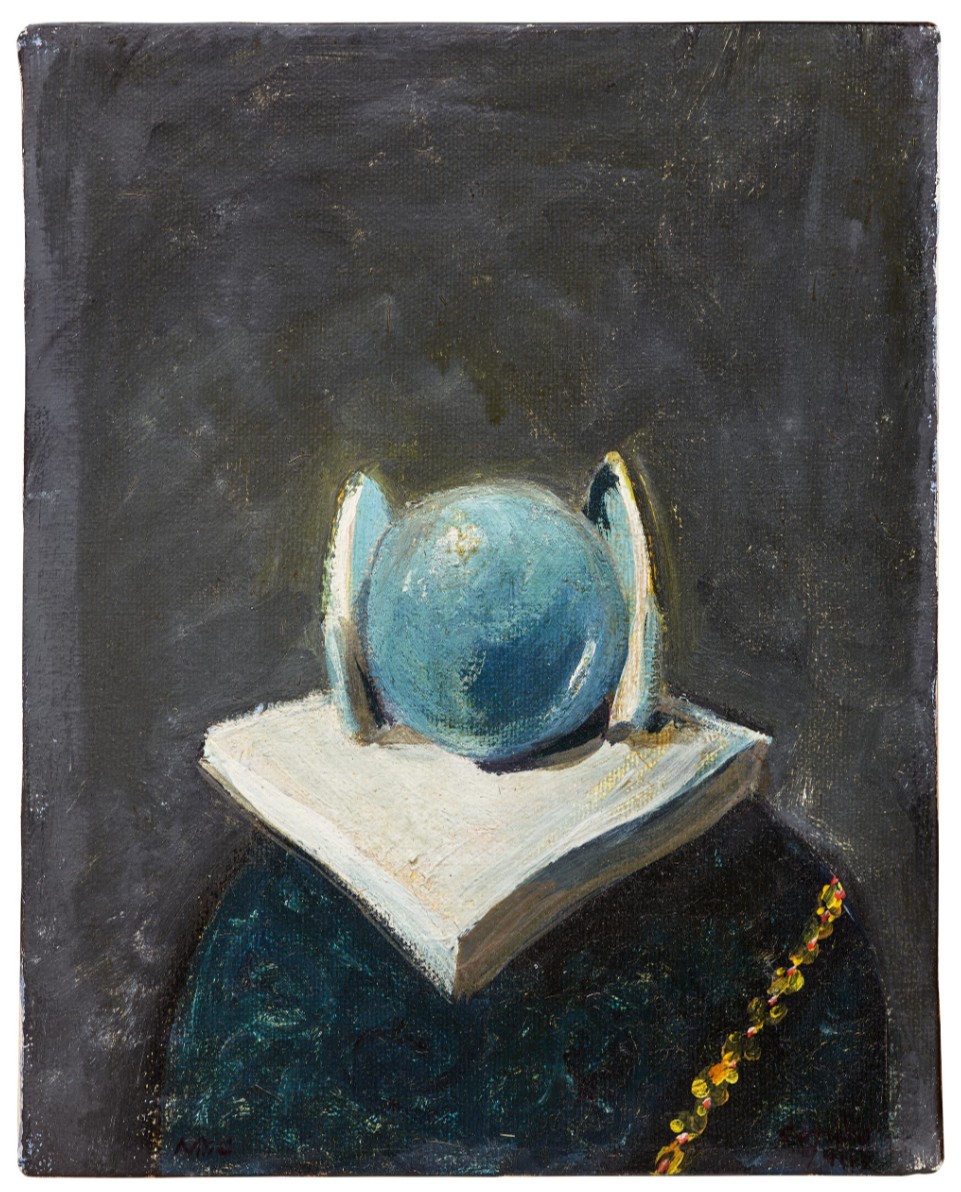
GEORGE CONDO
Circular Head Composition, 1993-94
Oil on canvas
9-7/8 x 7-7/8 inches (25.1 x 20 cm)
Signed and dated “Condo 94” lower right
Inscribed “N.Y.C.” lower left
Signed, titled, inscribed and dated
“Condo 1994 started Dec. 1993 N.Y.C “Circular Head Composition””
on the reverse
Figure on a Red Field, 2016
Figure on a Red Field, 2016
Property from an Ambassadorial collection
Sotheby’s New-York: 14 May 2026
Estimated: USD 2,000,000 – 3,000,000
USD 5,854,000
George Condo | Figure on a Red Field | The Now & Contemporary Evening
GEORGE CONDO (b. 1957)
Figure on a Red Field, 2016
Acrylic, metallic paint, charcoal, pastel and oilstick on canvas
96×76 inches (243.8 x 193 cm)
Signed and dated Oct 2, 2016 (upper left)
Set against a sonorous field of deep red, the kaleidoscopic figure that dominates Figure on a Red Field unfolds in a vocabulary at once fractured and precise, a commanding demonstration of George Condo’s singular painterly language. Over the course of five decades, Condo has forged one of the most intellectually rigorous and stylistically unbounded practices in contemporary art—one that resists classification precisely because it thrives on the tension between traditions. Here, the dissected face erupts into an orchestration of color and form, its forceful tendrils extending outward as though testing the limits of pictorial coherence. This is Condo at his most assured: a master of synthesis, orchestrating a coalition of genres into a unified yet destabilizing whole.
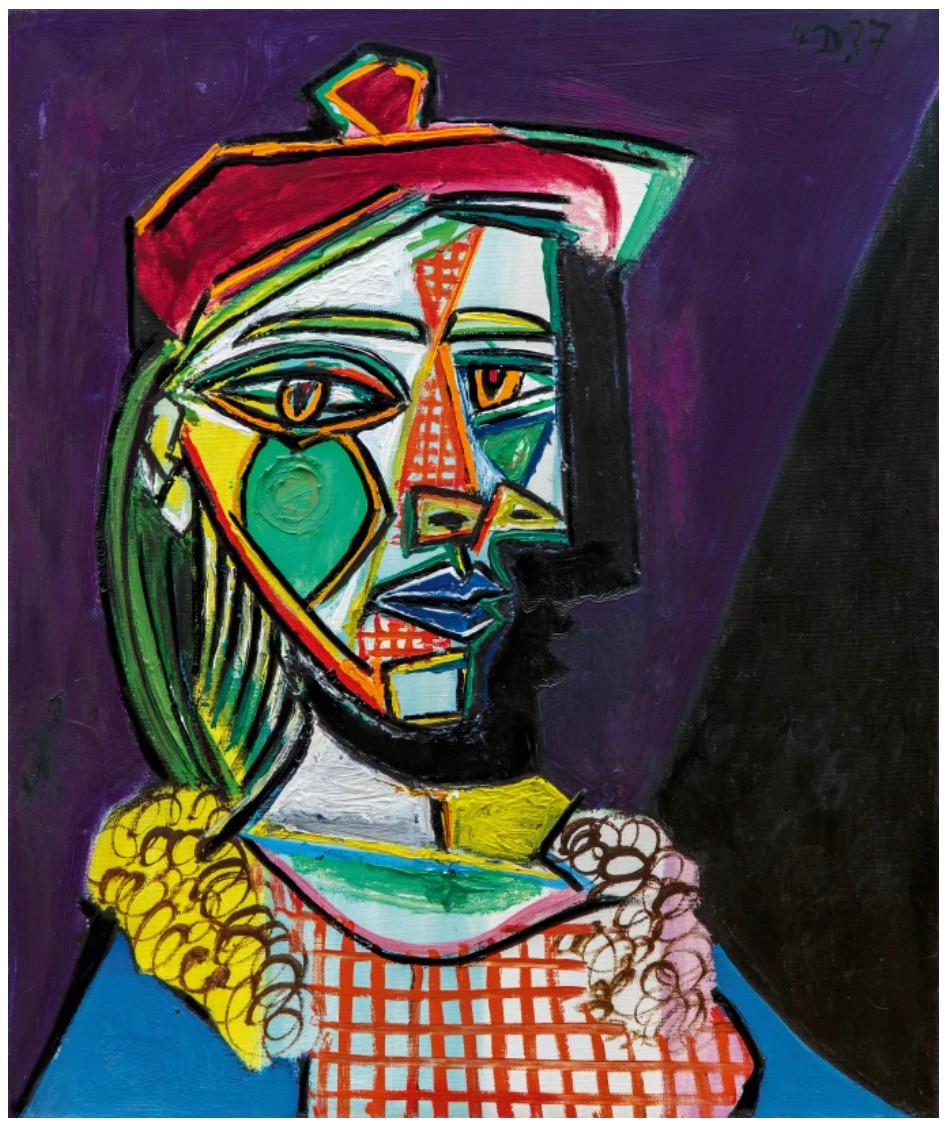
Pablo Picasso, Femme au béret et à la robe quadrillée (Marie-Thérèse Walter), 1937. Private Collection. Sold at Sotheby’s London in February 2018 for £50 million GBP. Art © 2026 Estate of Pablo Picasso / Artists Rights Society (ARS), New York
Central to this achievement is Condo’s self-defined mode of “psychological Cubism,” a conceptual and formal strategy indebted to the radical innovations of Pablo Picasso and Willem de Kooning. Yet Condo’s project extends far beyond homage. His practice constitutes a profound act of creative cannibalism, absorbing and reconfiguring the pictorial languages of Diego Velázquez, Francisco Goya, Jean-Auguste-Dominique Ingres, Édouard Manet, Théodore Géricault, Paul Cézanne and Henri Matisse, alongside the vernacular idioms of caricature, comic strips, and animated cartoons.
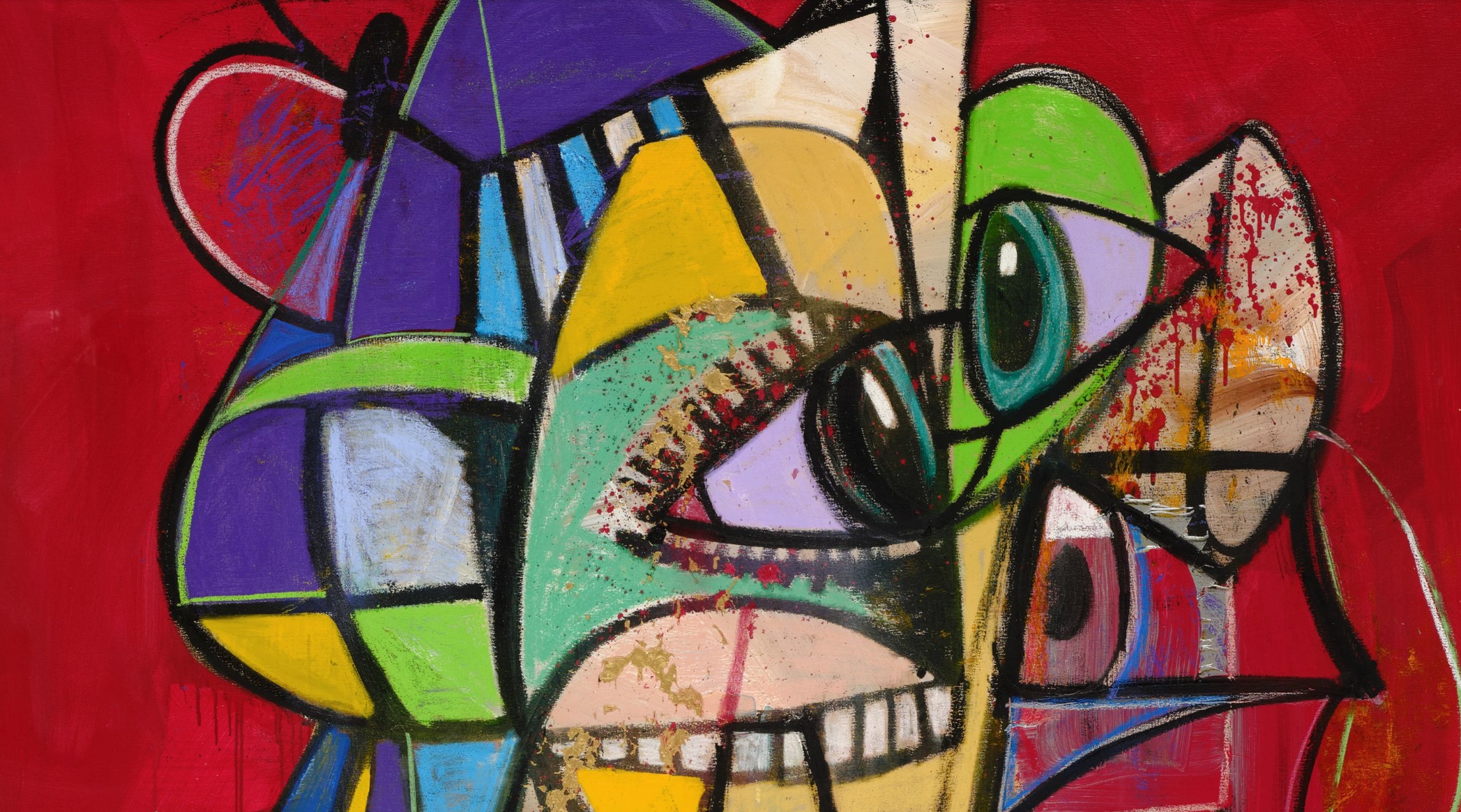
Rather than imitation, Condo internalizes these divergent traditions, constructing from them a distinctly contemporary vision that is at once erudite and subversive. This synthesis finds its theoretical grounding in what Condo has termed “artificial realism,” a mode in which the familiar and the aberrant collapse into a single, destabilized image. As the scholar Simon Baker has observed, “artificial realism… can play out in the adoption or adaptation of contrasting and conflicting materials from both the history of art and popular culture, from the esoteric diagrams explaining the compositional secrets of the Old Masters to the incredible abstractions inherent to animated cartoon characters — with what is most important being the blurring of distinctions between representational codes that occurs when Condo ‘dismantles one reality and constructs another from the same parts.’” (Simon Baker, George Condo: Painting Reconfigured, London 2015, p. 55) Within this framework, portraiture assumes a position of renewed urgency. For Condo, the portrait is never an exercise in likeness but an excavation of psychological interiority, a site in which incompatible styles converge to produce a new and often absurd figuration.
“I describe what I do as psychological cubism, Picasso painted a violin from four different perspectives at one moment. I do the same with psychological states. Four of them can occur simultaneously. Like glimpsing a bus with one passenger howling over a joke they’re hearing down the phone, someone else asleep, someone else crying – I’ll put them all in one face.”
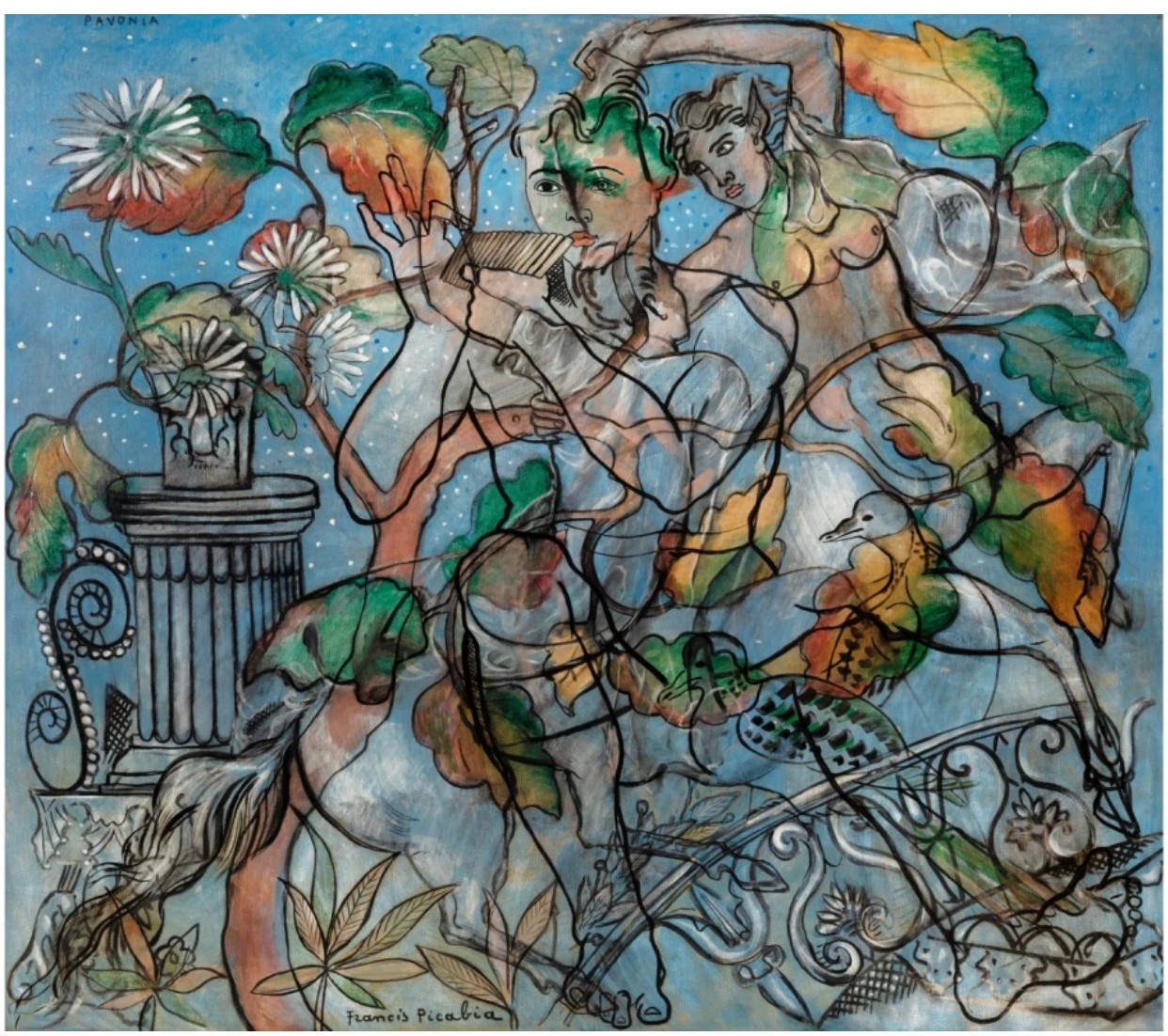
Francis Picabia, Pavonia, 1929. Private Collection. Sold at Sotheby’s Paris in March 2022 for €10 million EUR.
Art © 2026 Artists Rights Society (ARS), New York / ADAGP, Paris
Working without models or photographic reference, Condo allows his figures to emerge directly from the subconscious: heads fractured into geometric shards, mouths distended into impossible grins, eyes multiplied or misaligned. As the artist himself has explained, “Picasso painted a violin from four different perspectives at one moment. I do the same with psychological states. Four of them can occur simultaneously. Like glimpsing a bus with one passenger howling over a joke they’re hearing down the phone, someone else asleep, someone else crying – I’ll put them all in one face.” (George Condo cited in: Stuart Jeffries, The Guardian, “George Condo: ‘I was delirious. Nearly died’,”10 February 2014 (online))
Market Precedents for George Condo Heads
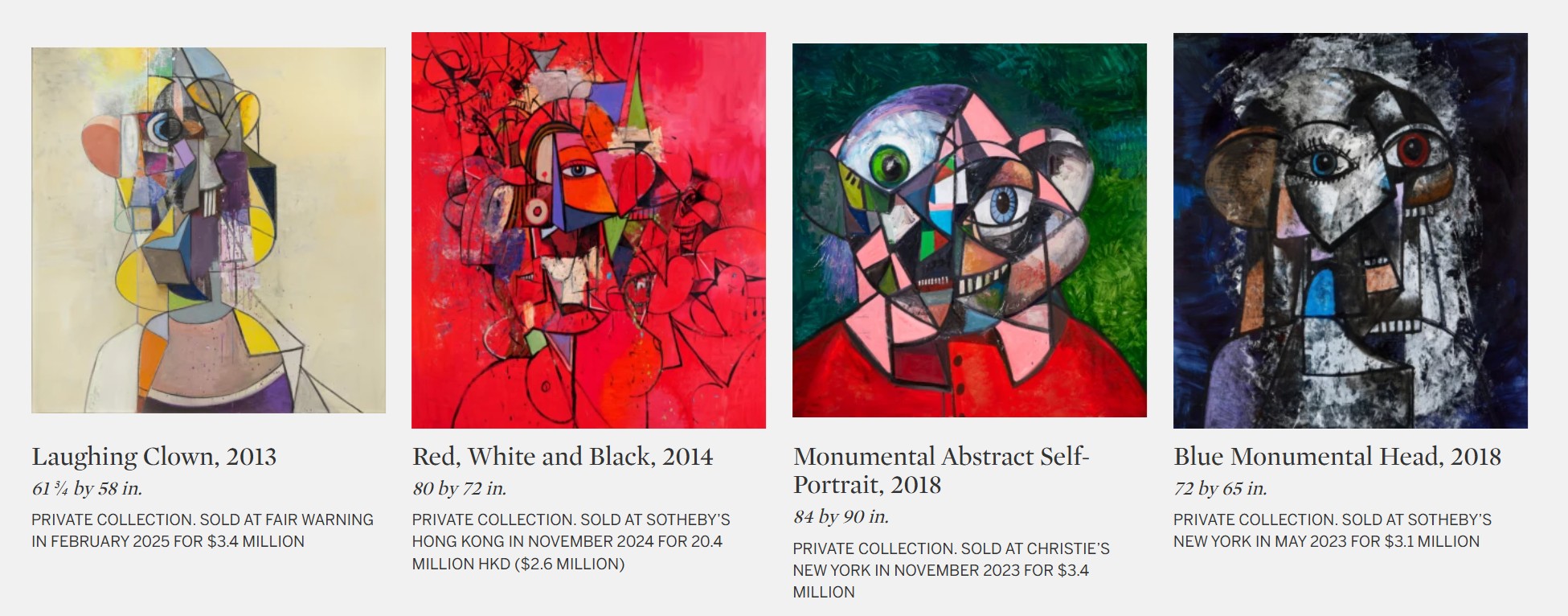
In Figure on a Red Field, this simultaneity is rendered with extraordinary clarity, the face becoming a stage upon which conflicting emotional registers collide. The surface of the canvas itself operates as a site of argument and resolution. Through the dynamic interplay of acrylic, charcoal, and pastel, Condo constructs a painterly field that is as much performance as image—gestures accumulate, collide, and resolve in passages that evoke the kinetic urgency of Abstract Expressionism. Sweeping strokes and abrupt incisions animate the composition, imbuing it with a volatile energy that resists stasis. Yet what ultimately distinguishes Condo from the many artists who have mined art history for inspiration is the gravity with which he treats the comedy he invents. Beneath the grotesque distortions lies a profound meditation on the human condition.
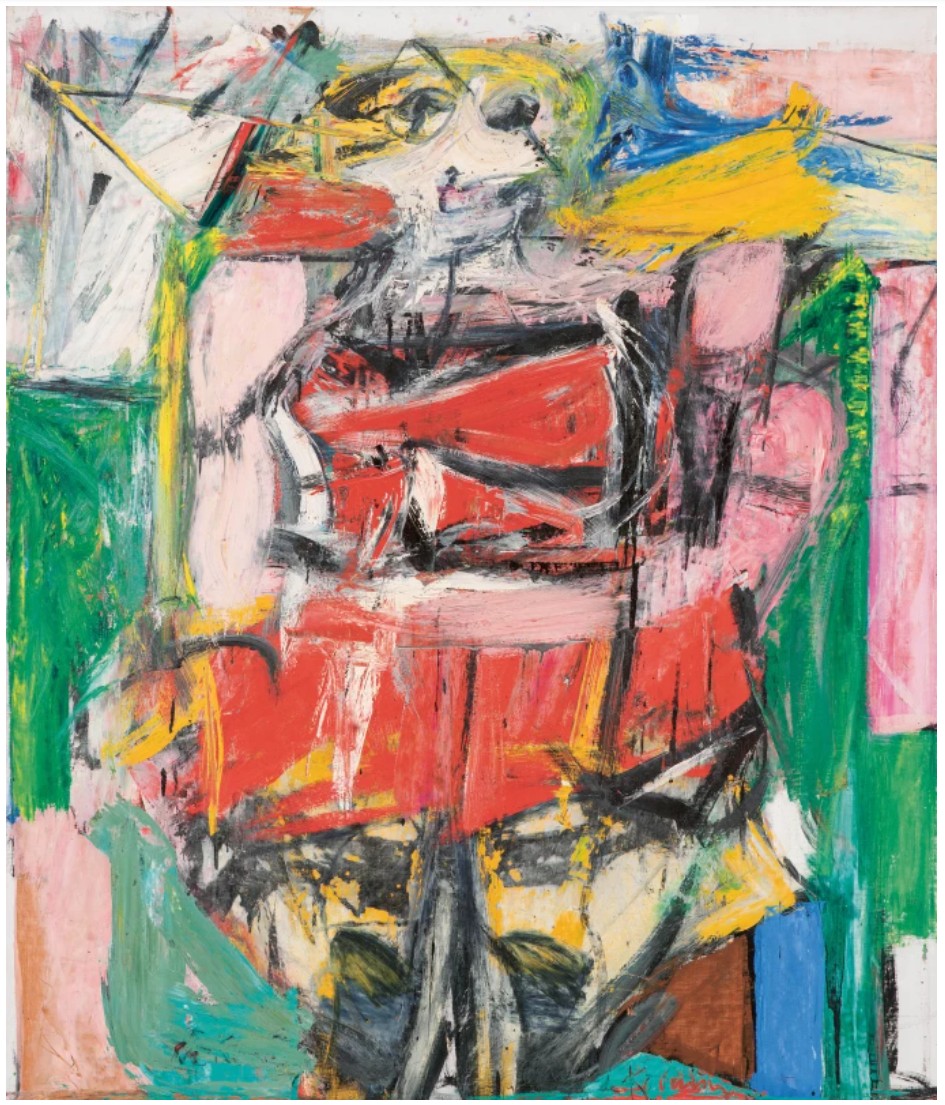
Willem de Kooning, Woman VI, 1953. Carnegie Museum of Art, Pittsburgh. Image © Carnegie Museum of Art, Pittsburgh, PA / Art Resource, NY. Art © 2026 The Willem de Kooning Foundation / Artists Rights Society (ARS), New York.
Indeed, although his figures defy verisimilitude, their fractured anatomies yield a strangely lucid account of psychological complexity: teeth, glee, rage, smiles, insanity, and loneliness compressed into a single, almost unbearable state of being.
“What I’m trying to depict is the truth of human nature through artificial means. In order to show what’s real, you sometimes have to show it in the most unreal way possible.”
It is precisely this tension—between the grave and the grotesque, the canonical and the carnivalesque—that defines Condo’s enduring achievement and secures his position among the most consequential painters of his generation.
Between Madness and Beauty

Between Madness and Beauty presents a focused group of twenty-seven paintings, sculptures, and works on paper by George Condo, drawn from the personal collection of Anna Condo. Anna and the artist were married for nearly three decades. The present selection offers a distilled and deliberate view of Condo’s work, bringing into focus the central tensions that define his practice across mediums and periods.
This notion of duality is central to Condo’s artistic language. Widely regarded as one of the most influential painters of his generation, he has developed what he terms “artificial realism,” a mode in which the compositional rigor of the Old Masters collides with the fractured figuration of modernism and the immediacy of contemporary culture. His works—held in major institutional collections including the Museum of Modern Art, the Metropolitan Museum of Art, and The Broad—are defined by their oscillation between extremes: elegance and distortion, harmony and dissonance, wit and unease.
Of this selection, Anna Condo recalls,
“This group of works reflects the duality that runs through [George’s] work and through him as a human being. Light and dark, abstraction and figuration, joy and pain. There’s a constant back and forth between the weight of art history and the immediacy of popular culture. You feel Goya, Rembrandt, Rodin, Picasso, but also Looney Tunes and American pop culture. There is that tension between Europe and the US, between old and new world sensibilities. Saint George and the madness of King George in one.”
The present group captures this full spectrum with particular clarity. Monumental canvases from the early 2000s, marked by their dynamic orchestration of figures and painterly virtuosity, are set in dialogue with more intimate works on paper, where line and gesture distill psychological states with immediacy and precision. Across media, Condo’s figures appear in a state of continual flux—at once constructed and unraveling, suspended between coherence and fragmentation. As a cohesive body, Between Madness and Beauty offers a distilled view of Condo’s enduring preoccupations. Through Anna Condo’s considered selection, the works foreground the fundamental dualities that animate his oeuvre—between past and present, control and improvisation, refinement and exuberance—revealing a practice that remains as vital, complex, and resonant as ever.
Untitled, 2001
Between Madness and Beauty: Selections from the Anna Condo Collection
Christie’s New-York: 21 May 2026
Estimated: USD 500,000 – 700,000
USD 1,651,000
GEORGE CONDO (B. 1957), Untitled | Christie’s
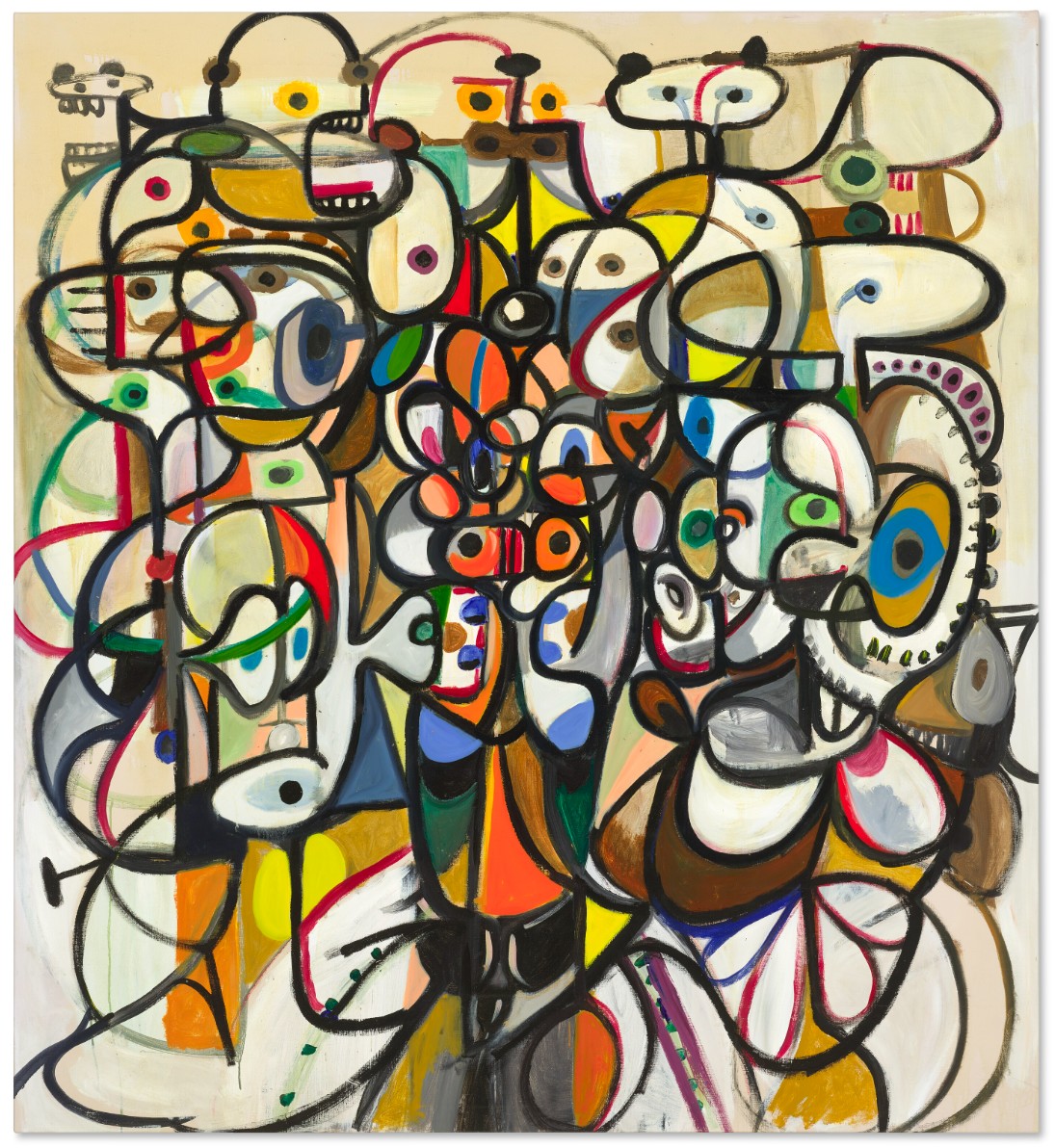
GEORGE CONDO (B. 1957)
Untitled, 2001
Oil on canvas
75 x 68-1/2 inches (190.5 x 174 cm)
“There are always stories behind the works—some visible, others more private. And then there are the stories the viewer brings: what they choose to see, to believe.”
Untitled, 2013
Between Madness and Beauty: Selections from the Anna Condo Collection
Christie’s New-York: 21 May 2026
Estimated: USD 400,000 – 600,000
USD 508,000
GEORGE CONDO (B. 1957), Untitled | Christie’s
GEORGE CONDO (B. 1957)
Untitled, 2013
Acrylic and charcoal on cardboard, in two parts
71-5/8 x 72 inches (181.9 x 182.9 cm)
Untitled, 1998
Between Madness and Beauty: Selections from the Anna Condo Collection
Christie’s New-York: 21 May 2026
Estimated: USD 300,000 – 500,000
USD 609,600
GEORGE CONDO (B. 1957), Untitled | Christie’s
GEORGE CONDO (B. 1957)
Untitled, 1998
Oil, oil stick and paper collage on canvas
76×60 inches (193 x 152.4 cm)
Signed and dated ‘Jan 1. 1998 Condo’ (upper left)
Untitled, circa 2005
Between Madness and Beauty: Selections from the Anna Condo Collection
Christie’s New-York: 21 May 2026
Estimated: USD 250,000 – 350,000
USD 1,079,500
GEORGE CONDO (B. 1957), Untitled | Christie’s
GEORGE CONDO (B. 1957)
Untitled, circa 2005
Oil on canvas
40 x 32-1/4 inches (101.6 x 81.9 cm)
Untitled, 2012
Between Madness and Beauty: Selections from the Anna Condo Collection
Christie’s New-York: 21 May 2026
Estimated: USD 250,000 – 350,000
USD 698,500
GEORGE CONDO (B. 1957), Untitled | Christie’s
GEORGE CONDO (B. 1957)
Untitled, 2012
Oil on canvas
40 x 32-1/4 inches (101.6 x 81.9 cm)
“The only way for me to feel the difference between every other artist and me is to use every artist to become me…[I use] Rembrandt, Hals, Picasso, De Kooning, Rothko, Guston, and Degas.”
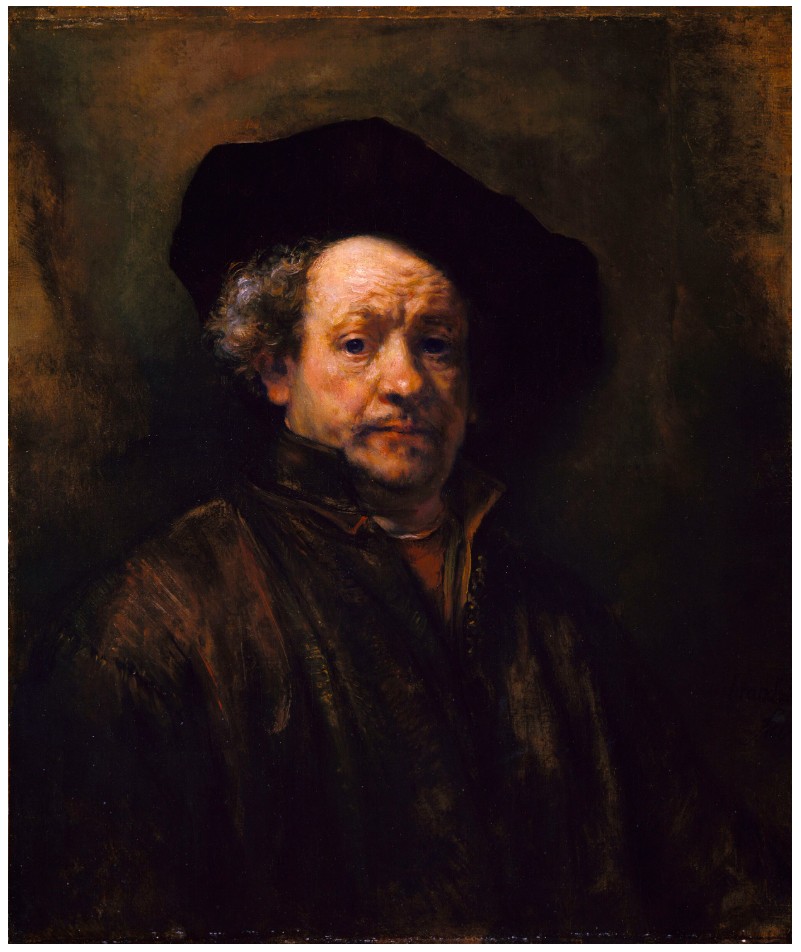
Rembrandt van Rijn, Self-Portrait, 1660. Metropolitan Museum of Art, New York.
Untitled, circa 2000
Between Madness and Beauty: Selections from the Anna Condo Collection
Christie’s New-York: 21 May 2026
Estimated: USD 250,000 – 350,000
USD 342,900
GEORGE CONDO (B. 1957), Untitled | Christie’s
GEORGE CONDO (B. 1957)
Untitled, circa 2000
Acrylic and conté crayon on canvas
40×30 inches (101.6 x 76.2 cm)
Untitled, circa 2000
Between Madness and Beauty: Selections from the Anna Condo Collection
Christie’s New-York: 21 May 2026
Estimated: USD 120,000 – 180,000
USD 304,800
GEORGE CONDO (B. 1957), Untitled | Christie’s
GEORGE CONDO (B. 1957)
Untitled, circa 2000
Oil on canvas
28×22 inches (71.1 x 55.9 cm)
Untitled, circa 2005
Between Madness and Beauty: Selections from the Anna Condo Collection
Christie’s New-York: 21 May 2026
Estimated: USD 120,000 – 180,000
USD 279,400
GEORGE CONDO (B. 1957), Untitled | Christie’s
GEORGE CONDO (B. 1957)
Untitled, circa 2005
Oil on canvas
24×20 inches (61 x 50.8 cm)
Untitled, 2008
Between Madness and Beauty: Selections from the Anna Condo Collection
Christie’s New-York: 21 May 2026
Estimated: USD 30,000 – 50,000
USD 107,950
GEORGE CONDO (B. 1957), Untitled | Christie’s
GEORGE CONDO (B. 1957)
Untitled, 2008
Acrylic and colored pencil on canvas
5×5 inches (12.7 x 12.7 cm)
Signed and dated ‘Condo 08’ (upper right)
Female Bust, 2008
Between Madness and Beauty: Selections from the Anna Condo Collection
Christie’s New-York: 21 May 2026
Estimated: USD 180,000 – 250,000
USD 279,400
GEORGE CONDO (B. 1957), Female Bust | Christie’s
GEORGE CONDO (B. 1957)
Female Bust, 2008
Bronze
23x18x15 inches (58.4 x 45.7 x 38.1 cm)
Stamped with the artist’s name, number and foundry mark ‘CONDO AP’ (lower edge)
This work is the artist’s proof aside from an edition of four plus one artist’s proof
Rodrigo and the Maid, 2008
Between Madness and Beauty: Selections from the Anna Condo Collection
Christie’s New-York: 21 May 2026
Estimated: USD 200,000 – 300,000
USD 222,250
GEORGE CONDO (B. 1957), Rodrigo and the Maid | Christie’s
GEORGE CONDO (B. 1957)
Rodrigo and the Maid, 2008
Bronze
15x33x18 inches (38.1 x 83.8 x 45.7 cm)
Stamped with the artist’s initials, number, date and foundry mark ‘GC 08 1⁄4’ (on the base)
This work is number one from an edition of four
Untitled, 1996
Between Madness and Beauty: Selections from the Anna Condo Collection
Christie’s New-York: 21 May 2026
Estimated: USD 50,000 – 70,000
USD 304,800
WORK ON PAPER
GEORGE CONDO (B. 1957), Untitled | Christie’s
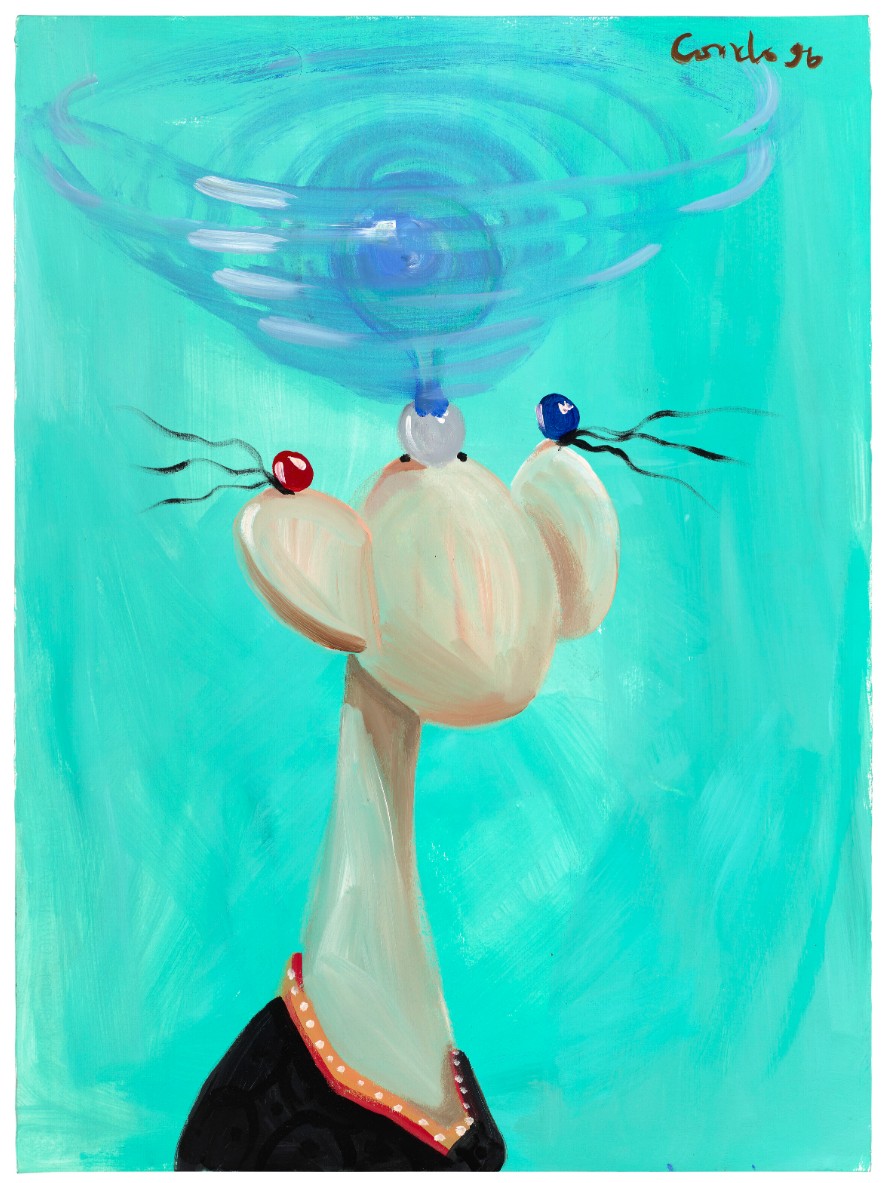
GEORGE CONDO (B. 1957)
Untitled, 1996
Acrylic on paper
30×22 inches (76.2 x 55.9 cm)
Signed and dated ‘Condo 96’ (upper right)
Untitled, circa 2000
Between Madness and Beauty: Selections from the Anna Condo Collection
Christie’s New-York: 21 May 2026
Estimated: USD 120,000 – 180,000
USD 241,300
WORK ON PAPER
GEORGE CONDO (B. 1957), Untitled | Christie’s
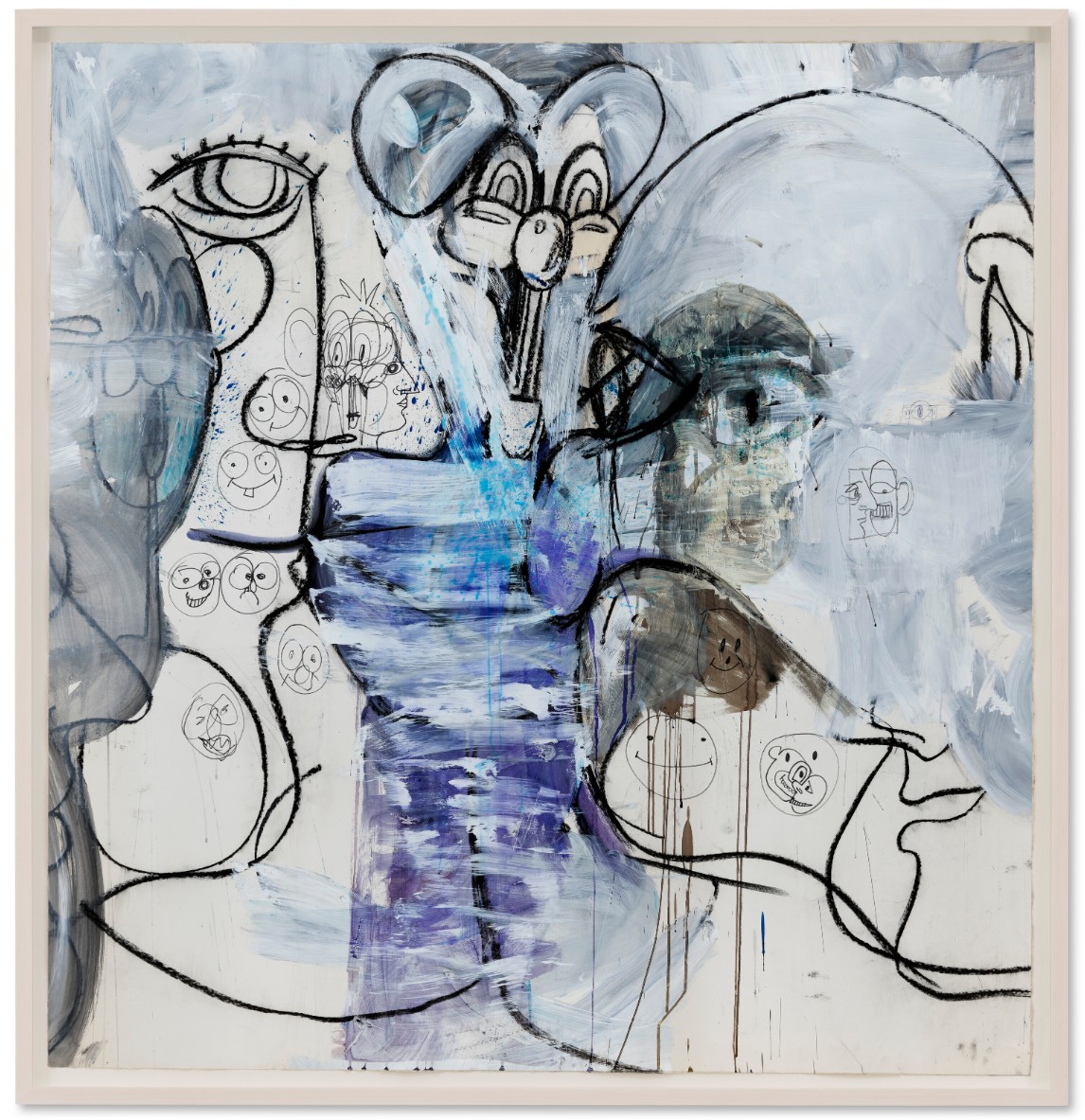
GEORGE CONDO (B. 1957)
Untitled, circa 2000
Acrylic, marker, charcoal and graphite on paper
58-5/8 x 56-3/8 inches (148.8 x 143.3 cm)
Portrait Composition, 1997
Between Madness and Beauty: Selections from the Anna Condo Collection
Christie’s New-York: 21 May 2026
Estimated: USD 40,000 – 60,000
USD 228,600
WORK ON PAPER
GEORGE CONDO (B. 1957), Portrait Composition | Christie’s
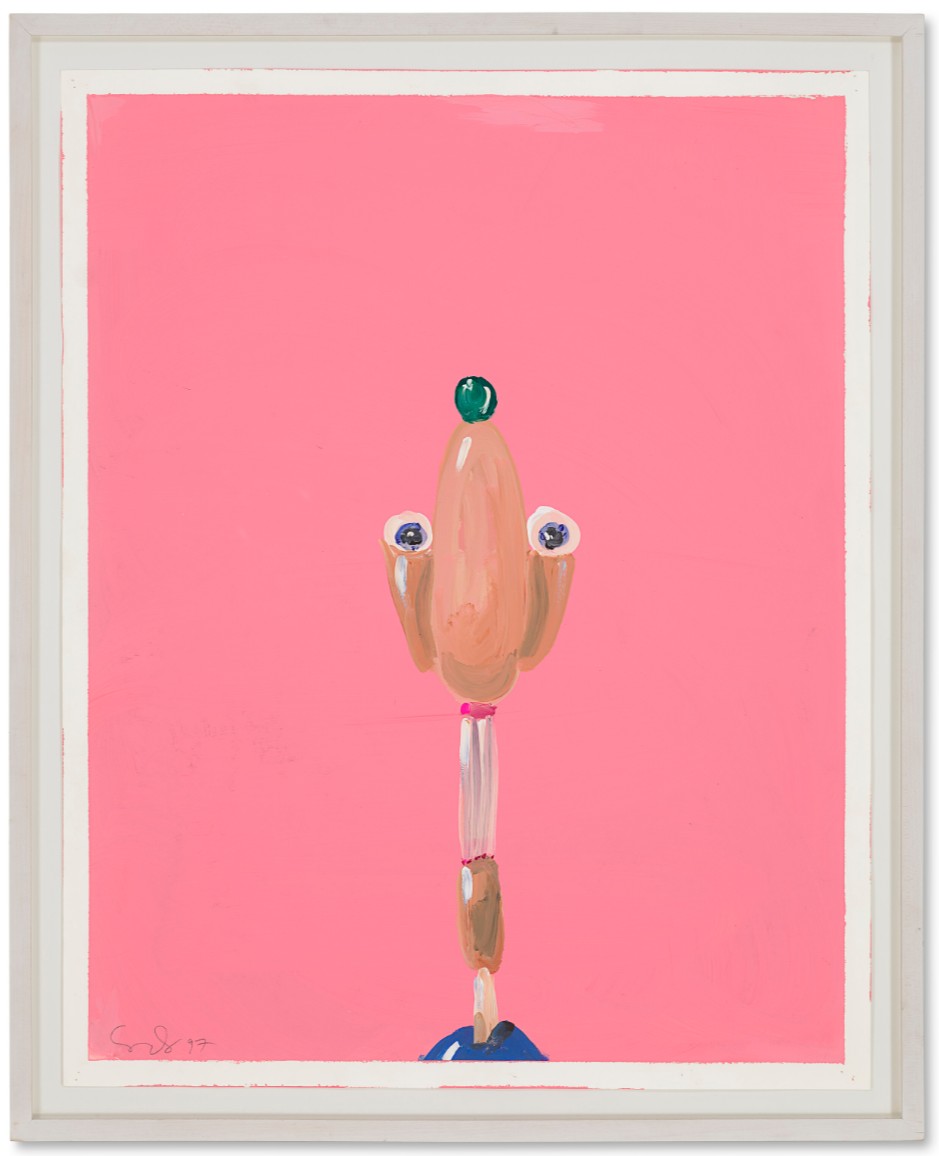
GEORGE CONDO (B. 1957)
Portrait Composition, 1997
Tempera on paper
28-3/4 x 22-3/4 inches (73 x 57.8 cm)
Signed and dated ‘Condo 97’ (lower left)
Untitled, circa 2010
Between Madness and Beauty: Selections from the Anna Condo Collection
Christie’s New-York: 21 May 2026
Estimated: USD 50,000 – 70,000
USD 165,100
WORK ON PAPER
GEORGE CONDO (B. 1957), Untitled | Christie’s
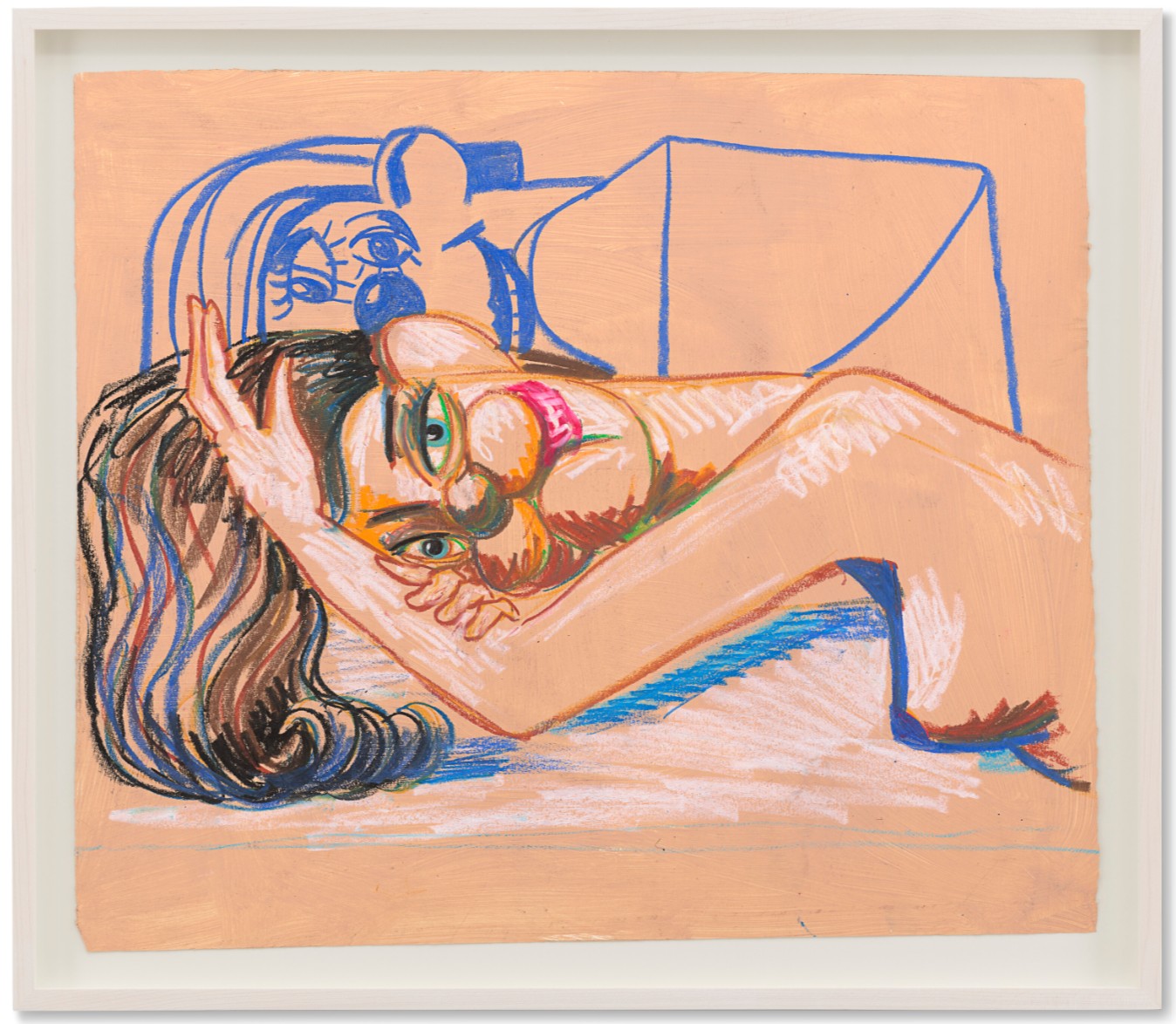
GEORGE CONDO (B. 1957)
Untitled, circa 2010
Acrylic and pastel on paper
19-5/8 x 22-3/4 inches (50 x 57.8 cm)
Untitled, circa 2005
Between Madness and Beauty: Selections from the Anna Condo Collection
Christie’s New-York: 21 May 2026
Estimated: USD 100,000 – 150,000
USD 152,400
WORK ON PAPER
GEORGE CONDO (B. 1957), Untitled | Christie’s
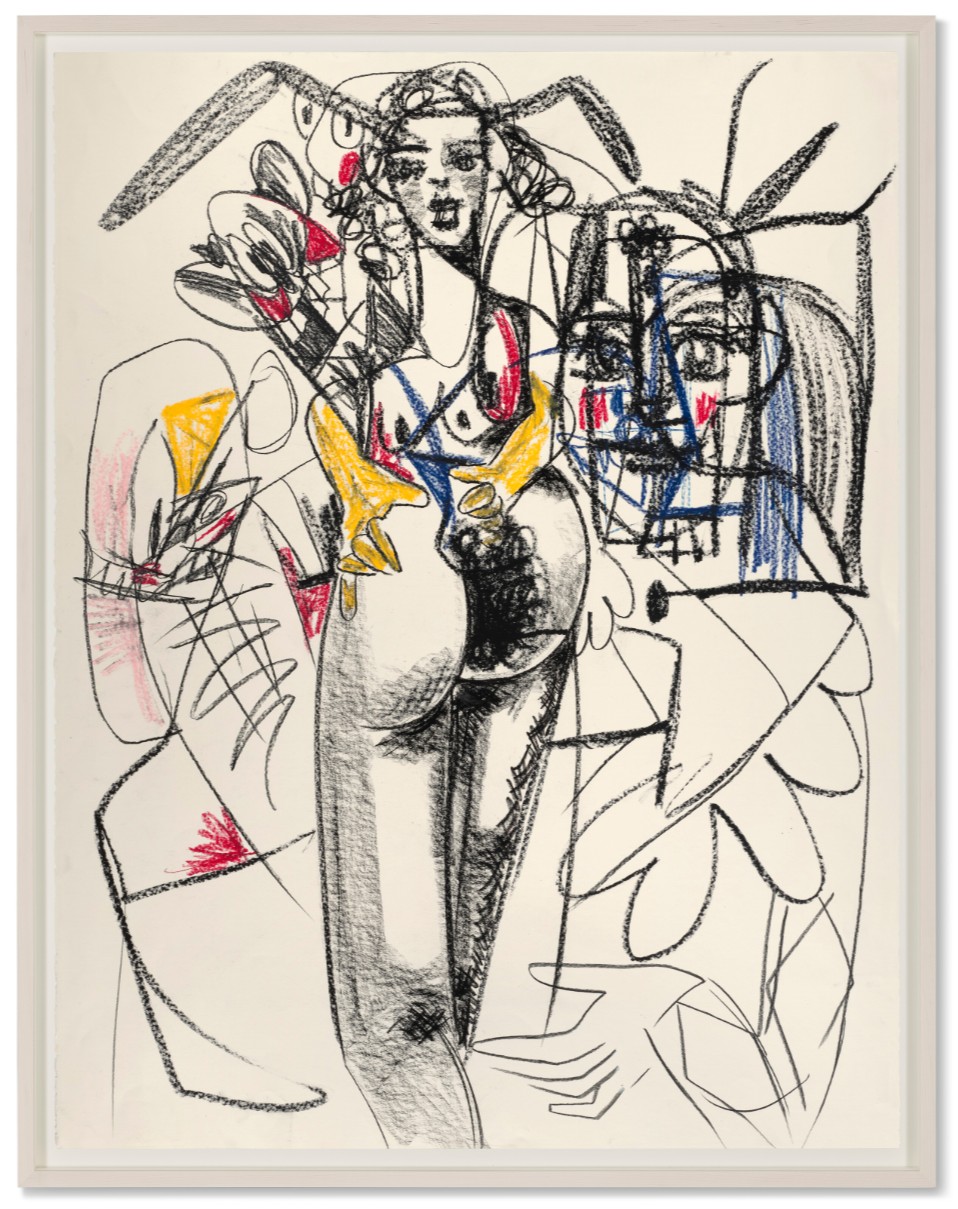
GEORGE CONDO (B. 1957)
Untitled, circa 2005
Pastel and charcoal on paper
49-3/4 x 38-1/4 inches (126.4 x 97.2 cm)
Untitled, circa 2000
Between Madness and Beauty: Selections from the Anna Condo Collection
Christie’s New-York: 21 May 2026
Estimated: USD 40,000 – 60,000
USD 139,700
WORK ON PAPER
GEORGE CONDO (B. 1957), Untitled | Christie’s
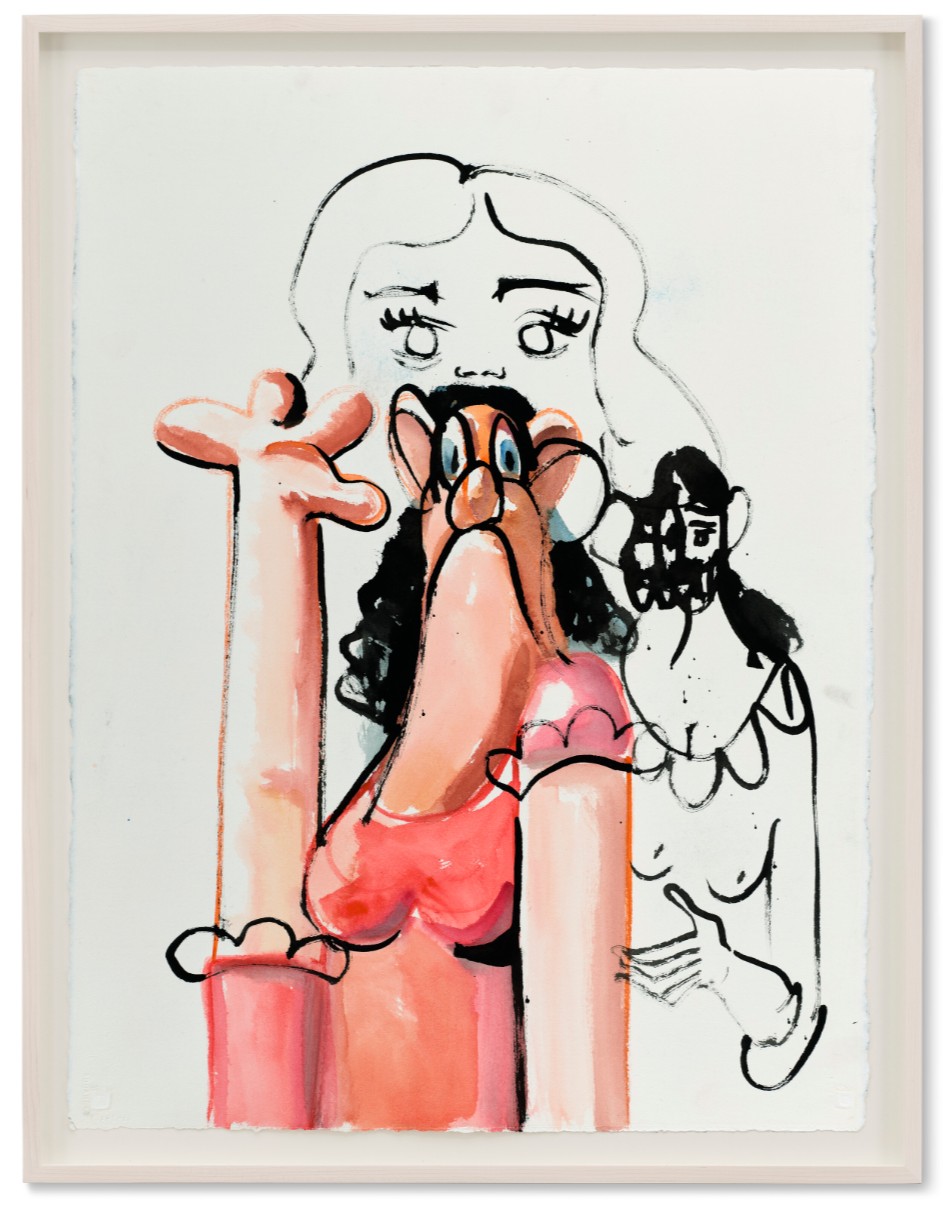
GEORGE CONDO (B. 1957)
Untitled, circa 2000
Ink and watercolor on paper
30-1/2 x 23 inches (77.5 x 58.4 cm)
Untitled, circa 1996
Between Madness and Beauty: Selections from the Anna Condo Collection
Christie’s New-York: 21 May 2026
Estimated: USD 80,000 – 120,000
USD 120,650
WORK ON PAPER
GEORGE CONDO (B. 1957), Untitled | Christie’s
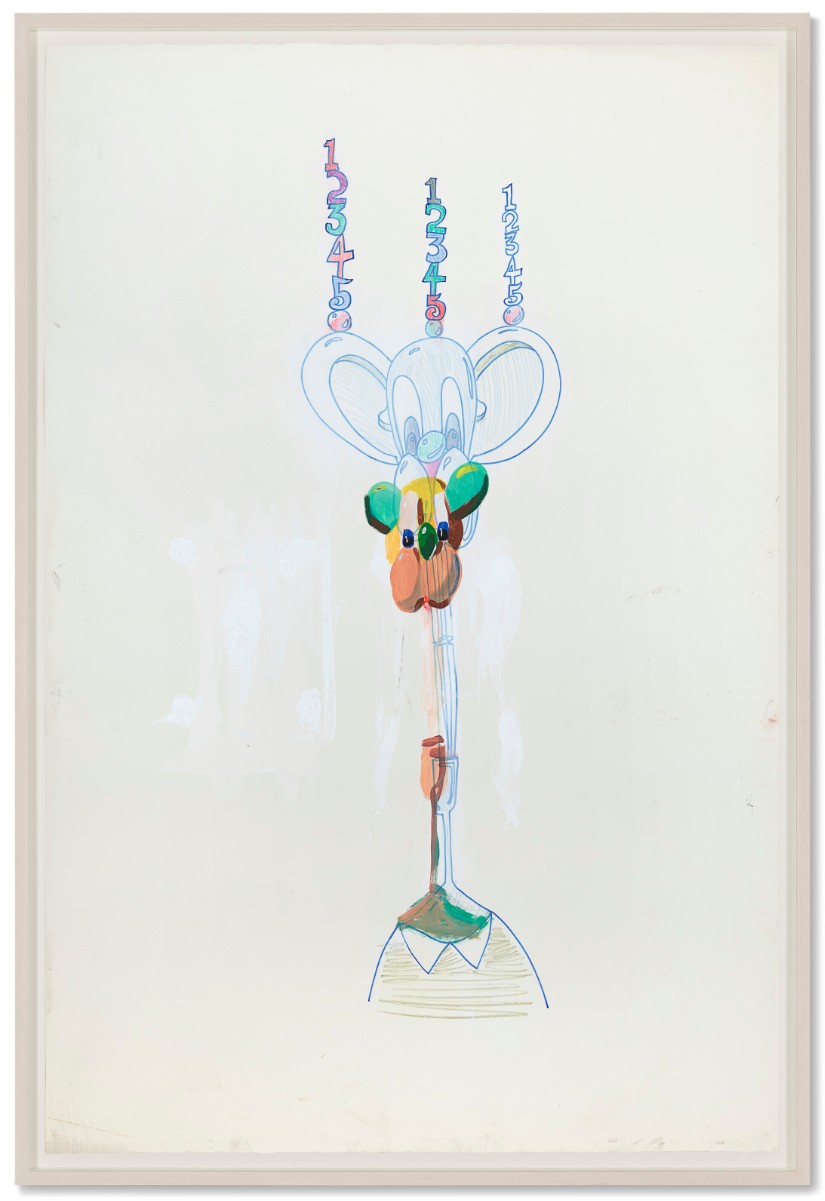
GEORGE CONDO (B. 1957)
Untitled, circa 1996
Acrylic, marker and colored pencil on paper
60-3/8 x 40 inches (153.4 x 101.6 cm)
Untitled, circa 2010
Between Madness and Beauty: Selections from the Anna Condo Collection
Christie’s New-York: 21 May 2026
Estimated: USD 60,000 – 80,000
USD 120,650
WORK ON PAPER
GEORGE CONDO (B. 1957), Untitled | Christie’s
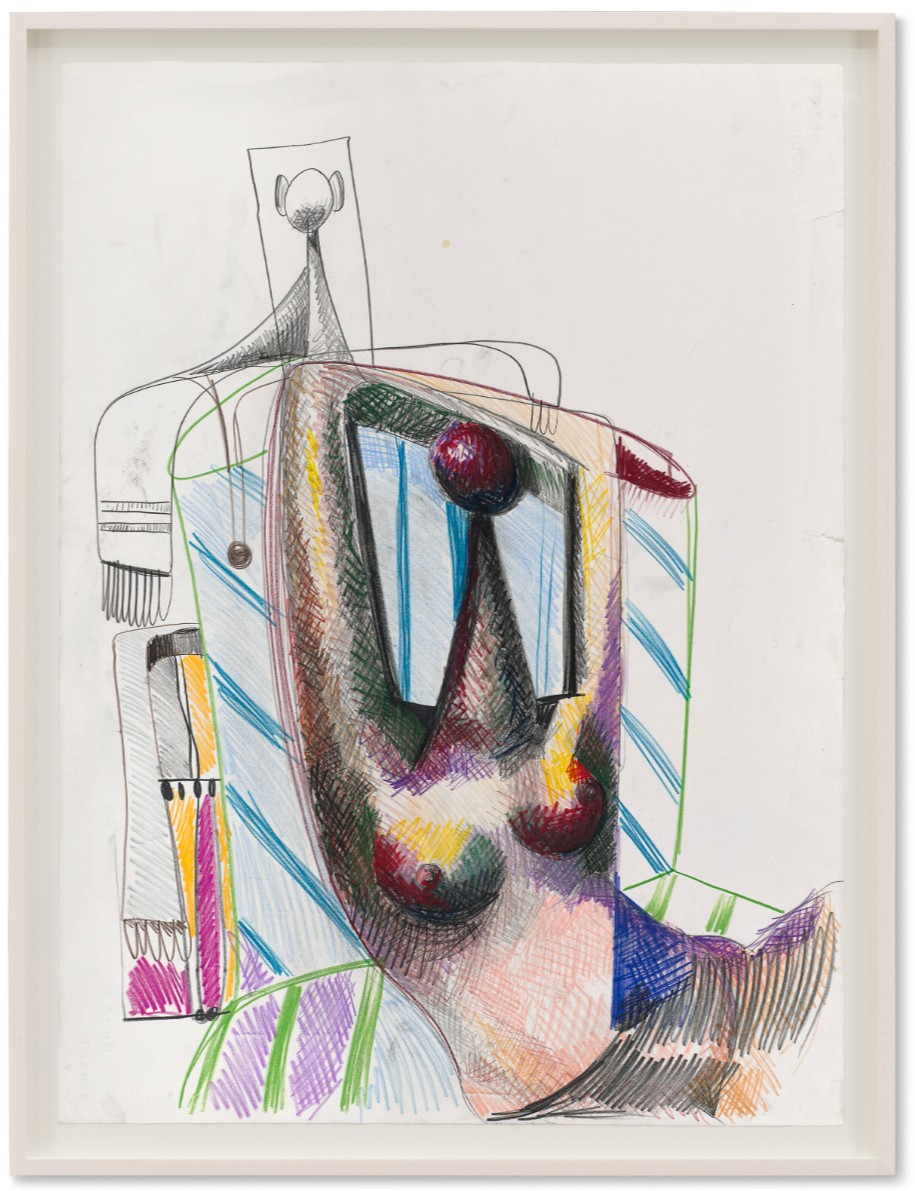
GEORGE CONDO (B. 1957)
Untitled, circa 2010
Colored pencil on paper
30-1/4 x 22-1/4 inches (76.8 x 56.5 cm)
Mental States 6, 2000
Between Madness and Beauty: Selections from the Anna Condo Collection
Christie’s New-York: 21 May 2026
Estimated: USD 50,000 – 70,000
USD 114,300
WORK ON PAPER
GEORGE CONDO (B. 1957), Mental States 6 | Christie’s
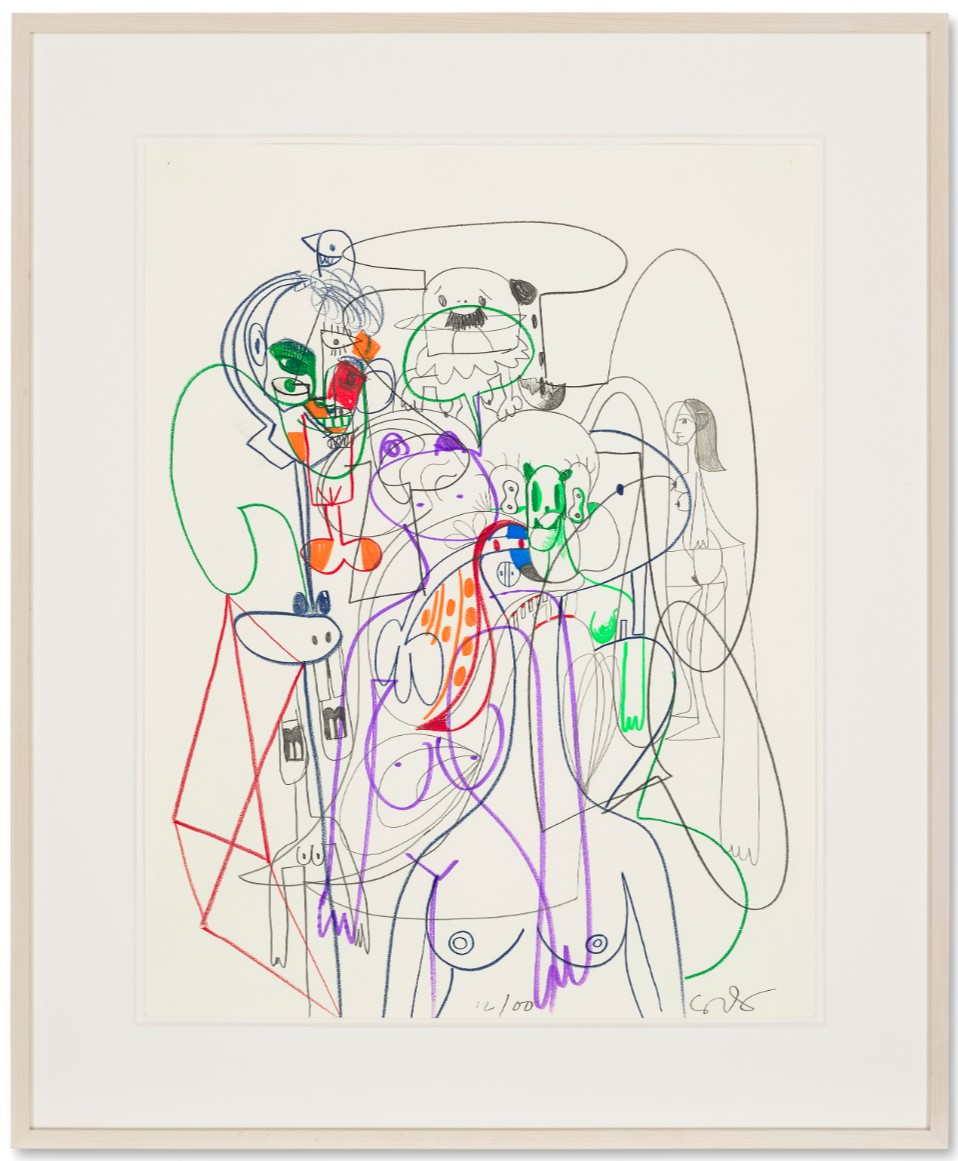
GEORGE CONDO (B. 1957)
Mental States 6, 2000
Pastel, marker and graphite on paper
23-1/4 x 17-7/8 inches (60 x 45.5 cm)
Signed and dated ’12⁄0 Condo’ (lower edge)