While Sean Scully is widely celebrated for his monumental paintings, his works on paper—particularly his pastels—occupy a central and deeply revealing position within his practice. These works distill the essence of his visual language into a more immediate, tactile, and intimate form. Through pastel on paper, Scully achieves a rare balance between structure and emotion, rigor and vulnerability, offering a direct encounter with the artist’s hand and thought process.
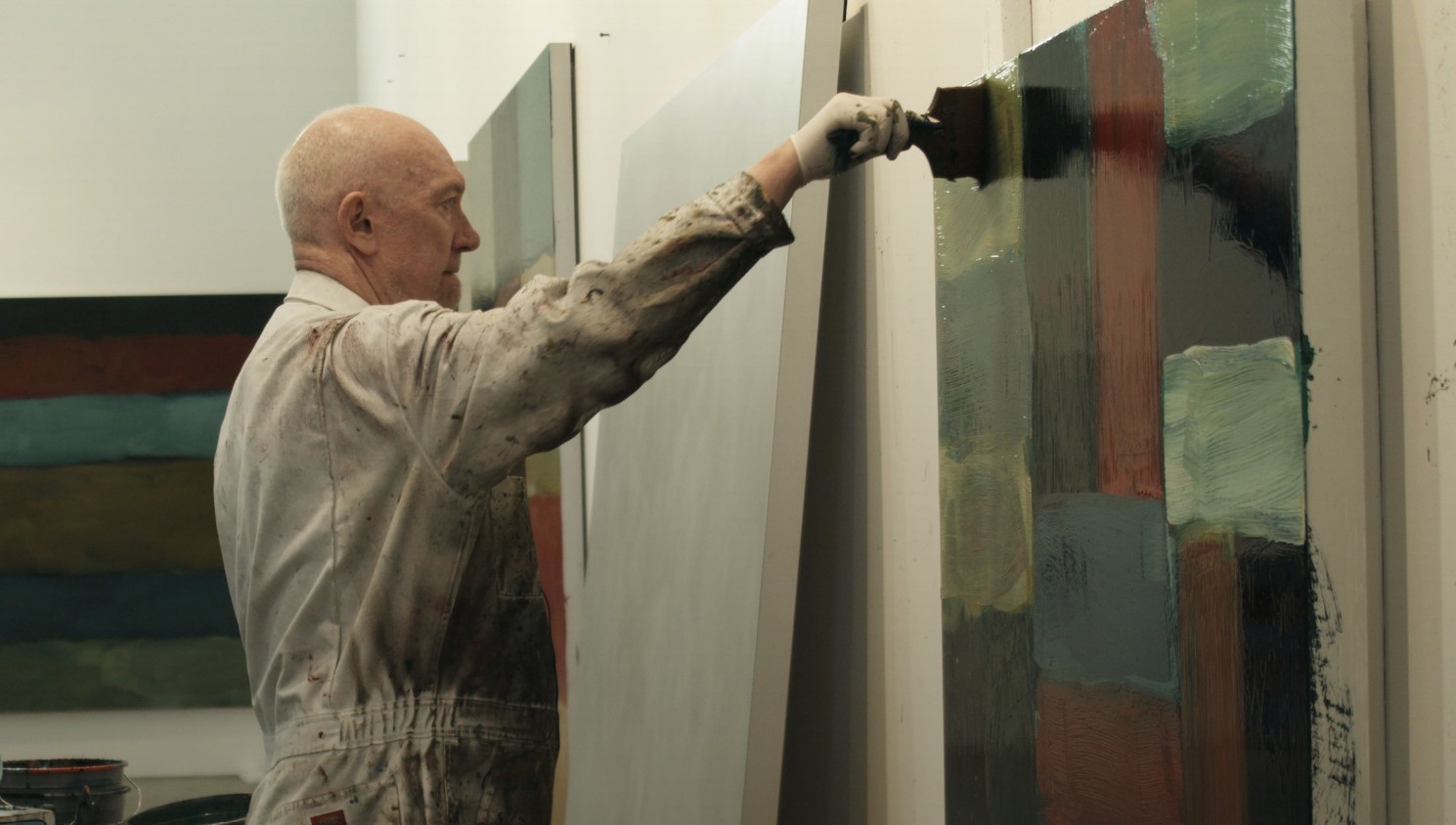
Far from being preparatory, these works stand as fully realized expressions of his artistic vision. They reveal the underlying architecture of his practice while simultaneously introducing a heightened sense of fragility and immediacy.
WORK IN PROGRESS
Introduction
Sean Scully was born in 1945 in Dublin and raised in London before moving to the United States. He emerged in the 1970s and 1980s as a key figure in the revival of abstract painting, developing a distinctive language based on horizontal and vertical bands, blocks, and layered structures.
Although best known for his large-scale oil paintings, Scully has consistently worked on paper throughout his career. His pastels, in particular, have played a crucial role in the evolution of his compositions, allowing for a more immediate and experimental approach to form, color, and rhythm.
Medium and Technique: Pastel as Direct Expression
Scully’s pastel works are characterized by their physicality and immediacy. Unlike oil painting, which involves layering, drying time, and revision, pastel allows for direct application of pigment onto paper. This immediacy aligns closely with the emotional intensity that defines his work.
“Pastel is like putting make up on. There is a dust on the paper, which I rub in. I push it right into the paper with a piece of cloth or paper. Once it’s embedded into the surface, I fix it. And then I work it up, adding a layer, fixing it, adding another layer, fixing it again, and so on until the pastel starts to stand up a little from the paper. At a certain point, if you keep pushing, you start taking it off. So you have to give in.”
The surface of the paper becomes an active field. Scully often uses textured or fibrous paper that grips the pigment, creating a dense, velvety saturation of color. The pastel is applied in strokes that retain the energy of the gesture—edges remain soft, transitions are visible, and the structure appears both constructed and alive.
This medium enables a tension between control and spontaneity. While his compositions are rigorously structured, the execution retains a sense of openness and vulnerability. The hand is always present.
Structure and Formal Language
Scully’s pastel works on paper are rooted in the same formal vocabulary as his paintings: grids, stripes, and blocks arranged in rhythmic configurations. However, on paper, these elements often appear more fluid and less monumental. The boundaries between forms are softer, and the relationships between colors more nuanced. The compositions breathe differently—less architectural, more human.
Recurring formats include: horizontal bands stacked in varying proportions, interlocking rectangular blocks, and variations of the “Wall of Light” concept translated into more intimate scales These structures are not purely geometric. They are imbued with emotional resonance, often described as evoking landscapes, memories, or states of being.
Color and Emotional Register
Color is central to Scully’s work, and his pastels reveal its full expressive potential. The medium allows for subtle gradations and layered chromatic interactions that are less accessible in other techniques.
His palette often includes deep reds, ochres, blues, blacks, and earth tones, arranged in combinations that create both harmony and tension. Colors are not flat; they vibrate, overlap, and shift in intensity depending on pressure and layering. In pastel, color becomes more tactile and immediate. It is less mediated than in oil painting, resulting in a heightened emotional register. The works often feel both grounded and luminous, carrying a quiet intensity.
Relationship to Painting
Scully’s pastel works are closely related to his paintings but should not be understood as secondary or preparatory. Rather, they function as parallel explorations of the same ideas.
In some cases, pastels anticipate developments in his paintings, allowing him to test compositional structures and color relationships. In others, they diverge, embracing a freedom and intimacy that large-scale painting cannot accommodate. The reduced scale and directness of pastel create a different kind of engagement. Where the paintings assert presence, the works on paper invite contemplation.
Wall of Light (on Paper)
The Wall of Light series, one of Scully’s most celebrated bodies of work in painting, finds a powerful counterpart in his pastels. These works translate the idea of light interacting with stone walls into layered bands of color. On paper, the effect becomes more atmospheric and less monumental, emphasizing the shifting relationships between tones.
The pastel medium enhances the sense of luminosity, allowing colors to blend and resonate in subtle ways.
Stripe and Block Compositions
Many of Scully’s pastels explore variations of his signature stripe and block structures. These works often appear more experimental, with looser edges and more visible gesture.
The interplay between vertical and horizontal elements creates a dynamic tension, while the softness of pastel introduces a sense of permeability between forms.
Landline Works (on Paper)
Related to his later Landline paintings, these pastels emphasize horizontal divisions that evoke horizons and landscapes. On paper, these compositions often feel more lyrical and less defined, suggesting shifting atmospheres rather than fixed structures.
Institutional Presence and Exhibitions
Scully’s works on paper, including pastels, are held in major museum collections worldwide, reflecting their importance within his oeuvre.Institutions such as the Metropolitan Museum of Art, the Museum of Modern Art, and the Tate include works on paper in their collections.
Exhibitions dedicated to Scully’s works on paper have highlighted their autonomy and significance, often presenting them alongside paintings to underscore their role within his broader practice.
Through pastel, Scully achieves a form of abstraction that is both rigorous and deeply human. The works retain the architectural logic of his paintings while introducing a vulnerability and immediacy that are uniquely their own. In a broader context, these works reaffirm the continued relevance of abstraction as a language capable of conveying emotion, memory, and experience. They demonstrate that even within a highly disciplined formal system, there remains space for sensitivity, nuance, and poetic expression.
Auction Market Overview
The market for Scully’s works on paper, particularly pastels, has grown steadily as collectors and institutions increasingly recognize their significance.
While his large-scale paintings command the highest prices, pastels offer a more accessible entry point into his work without compromising on quality or importance. Exceptional examples—especially those closely related to major series—are highly sought after. Their appeal lies in their intimacy, material richness, and direct connection to the artist’s process.
2025 Auction Highlights
8 Works on Paper sold at auction in 2025, for a total turnover of USD 792,487, at an average price of USD 99,061. With 2 lots failing to sell, the sell-through rate is 80%. The highest price of 2025 was achieved by Landline 22.1.15, a Work on Paper dated 2015, that sold at Christie’s in London, on 6 March 2025 for GBP 226,800 (USD 292,460).
2025 Top 3 Lots
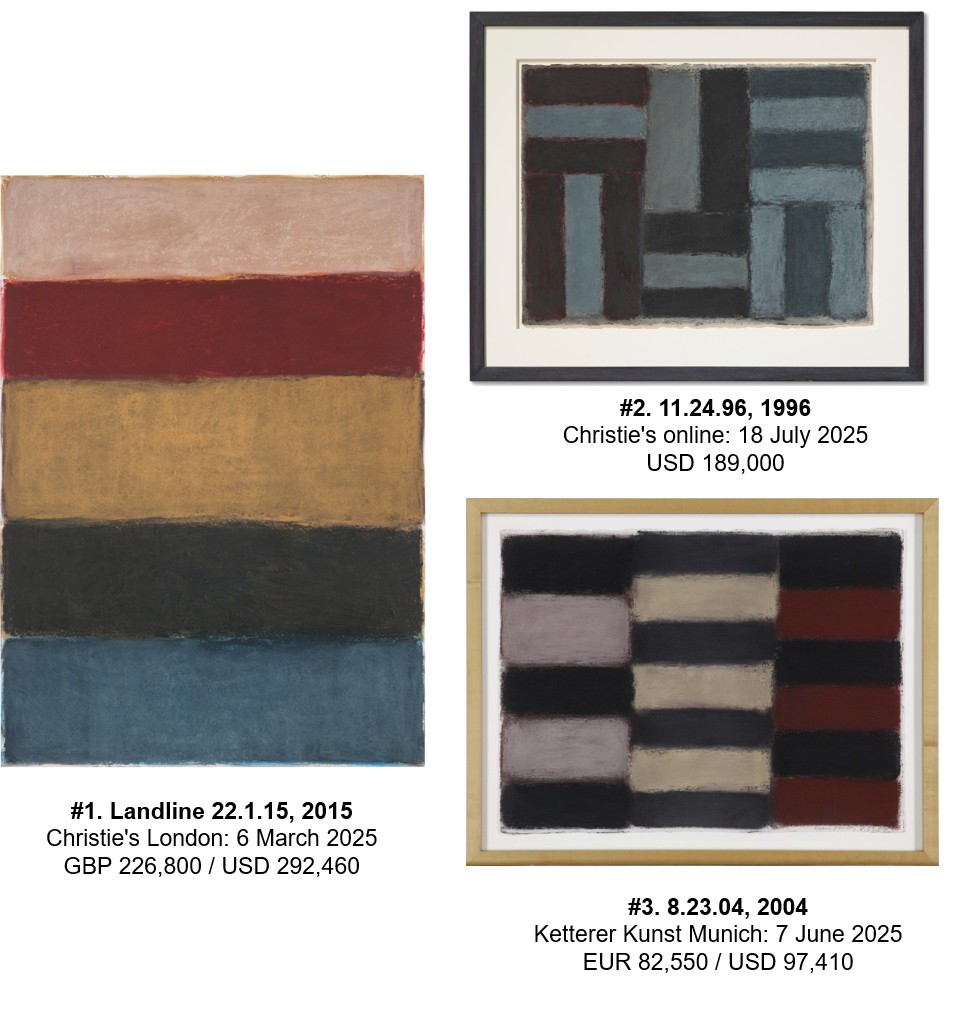
2 lots sold for more than USD 100,000, generating a cumulative turnover of USD 481,460, representing 60.8% of the total turnover for 2025.
2026 Auction Results
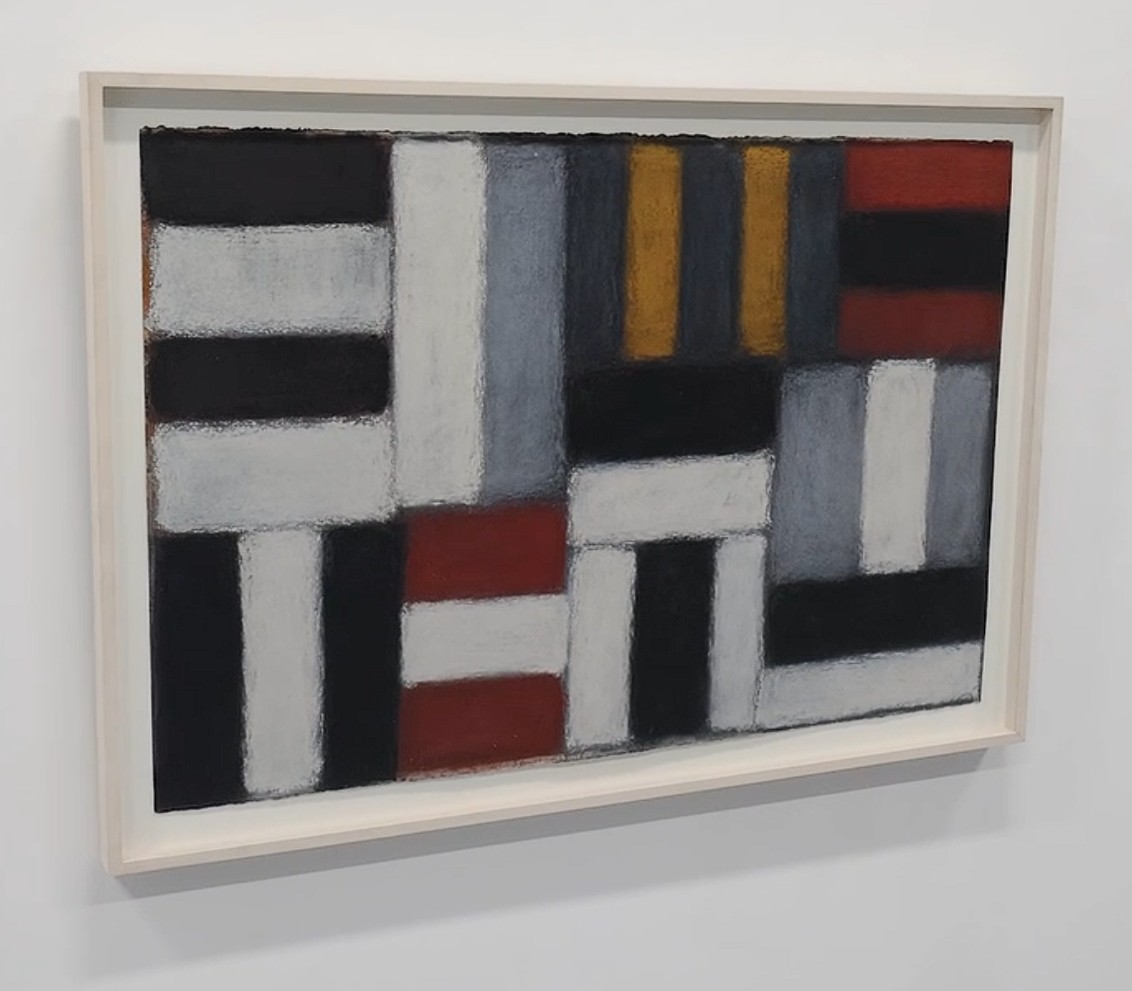
4.22.98, 1998
Phillips New-York: 28 February 2026
Estimated: USD 150,000 – 200,000
USD 335,400
WORK ON PAPER
Sean Scully Modern & Contemporary Art
SEAN SCULLY
4.22.98, 1998
Pastel on paper
40 1/4 x 60 inches (102.2 x 152.4 cm)
Signed and dated “Sean Scully 4.22.98” lower center
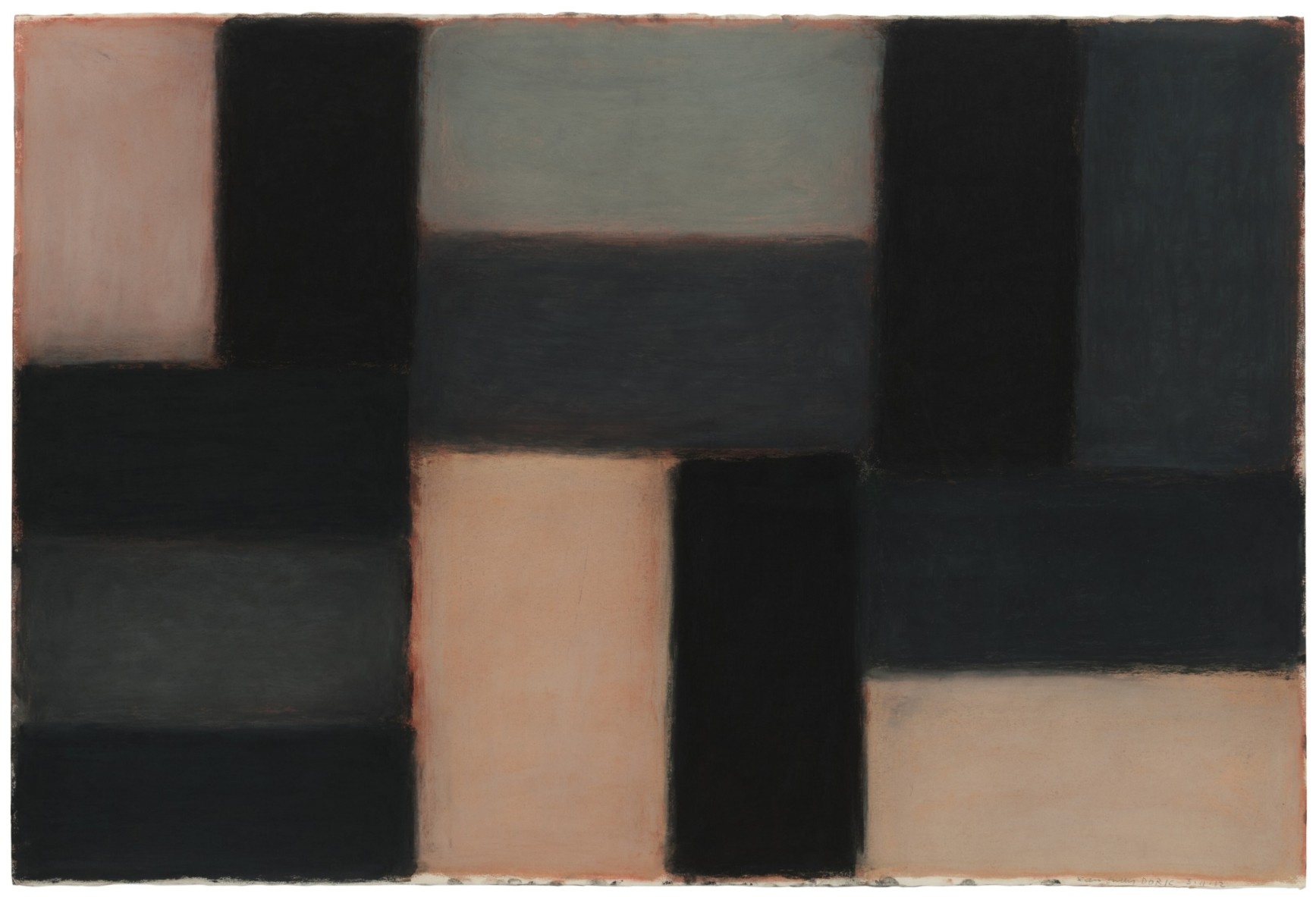
Doric 3.11.12, 2012
Sotheby’s New-York: 25 February 2026
Estimated: USD 120,000 – 180,000
USD 179,200
WORK ON PAPER
Doric 3.11.12 | Contemporary Curated | 2026 | Sotheby’s
SEAN SCULLY (b. 1945)
Doric 3.11.12, 2012
Pastel on paper
40-1/4 x 60 inches (102.2 x 152.4 cm)
Signed, titled and dated 3 · 11 · 12 (lower right)
10.10.98 Barcelona, 1998
Christie’s online: 27 February 2026
Estimated: USD 40,000 – 60,000
USD 76,200
WORK ON PAPER
SEAN SCULLY (B. 1945), 10.10.98 Barcelona | Christie’s
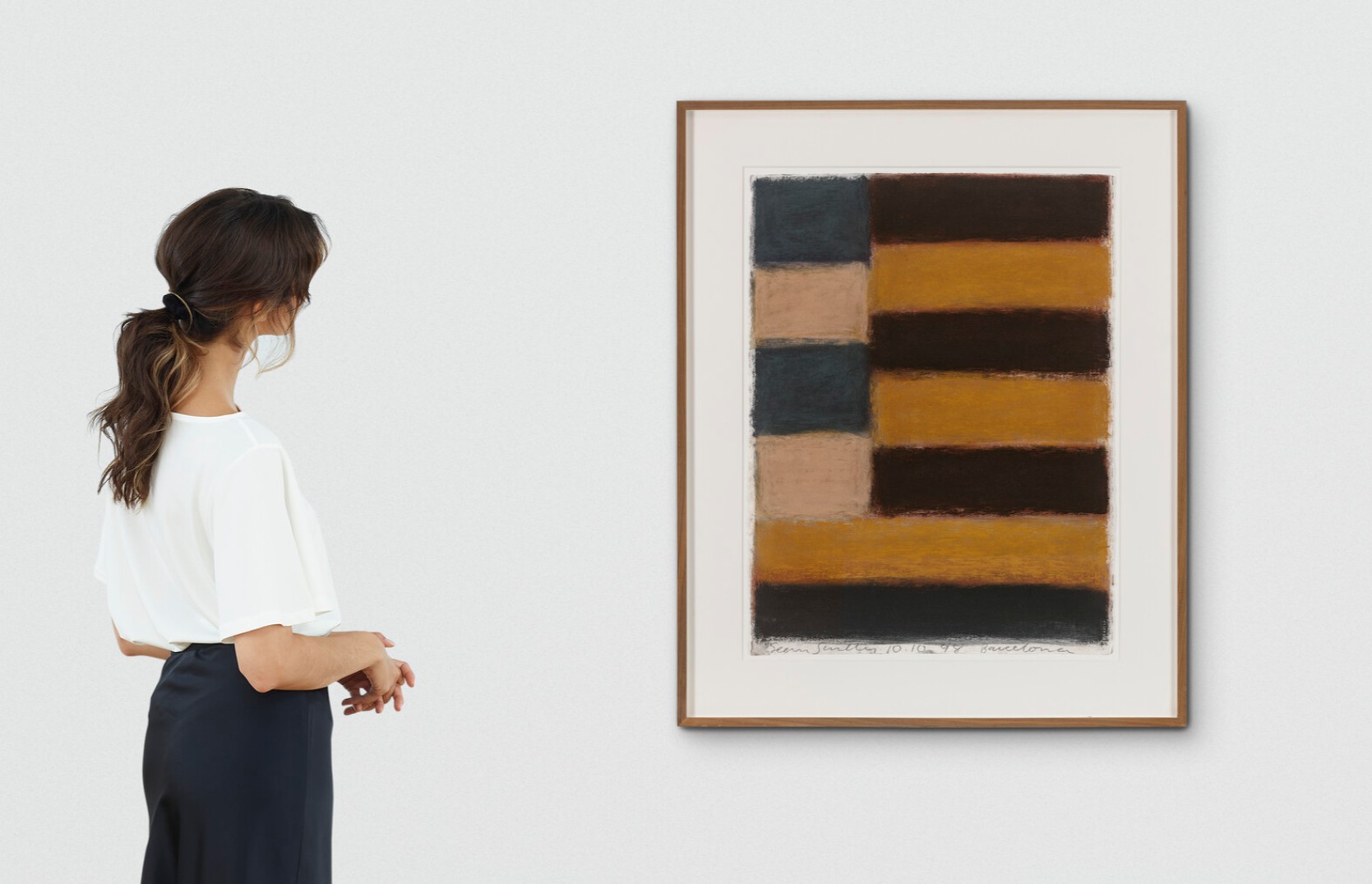
SEAN SCULLY (B. 1945)
10.10.98 Barcelona, 1998
Pastel on paper
30 x 22-1/2 inches (76.2 x 57.2 cm)
Signed and titled ‘Sean Scully 10.10.98 Barcelona’ (lower edge)
12.22.88, 1988
Christie’s New-York: 26 February 2026
Estimated: USD 70,000 – 100,000
USD 63,500
WORK ON PAPER
SEAN SCULLY (B. 1945), 12.22.88 | Christie’s
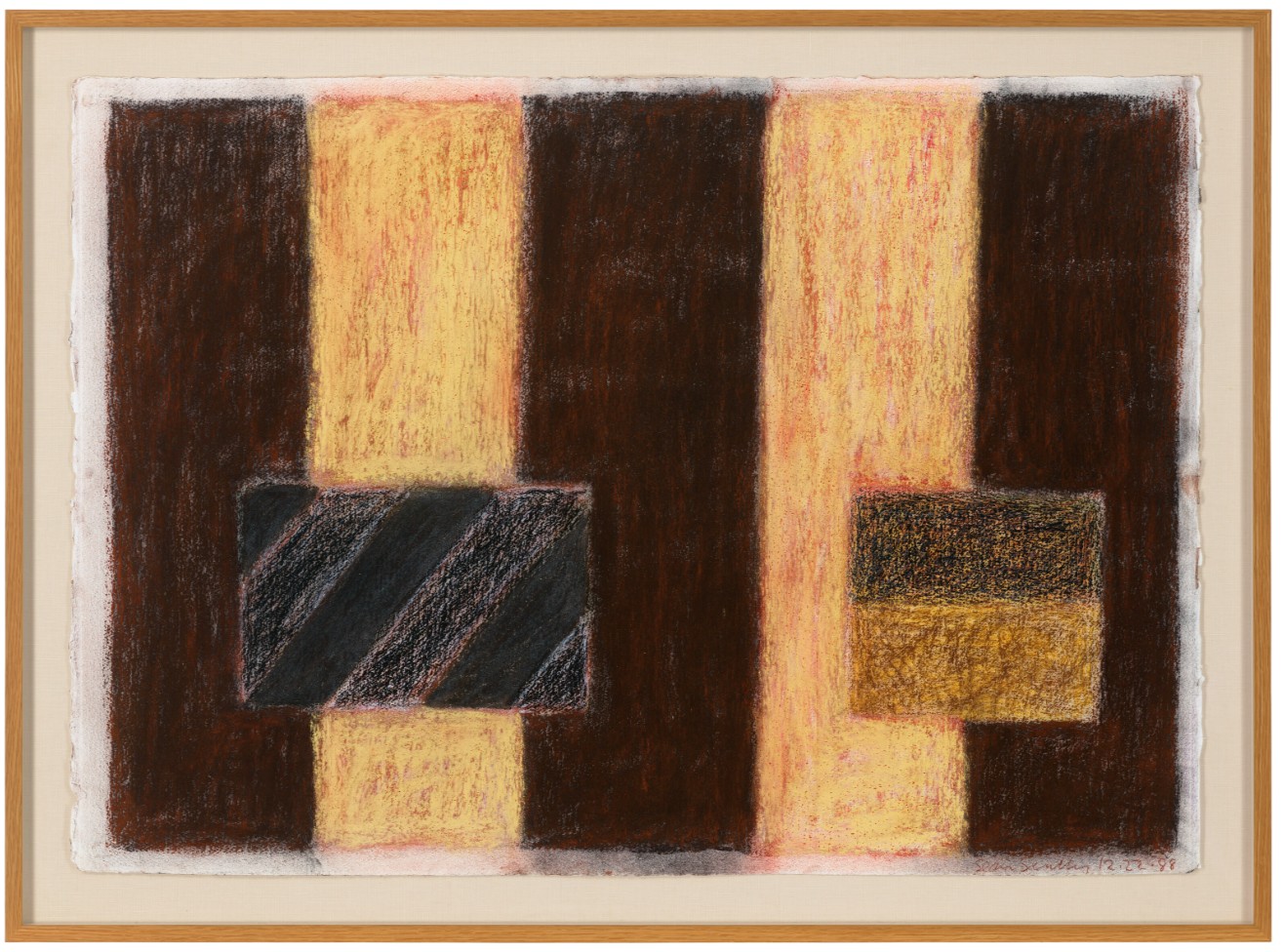
SEAN SCULLY (B. 1945)
12.22.88, 1988
Pastel on paper
29-1/4 x 41-1/8 inches (74.3 x 104.5 cm)
Signed and dated ‘Sean Scully 12.22.88’ (lower right)
2025 Auction Results
8 Works on Paper sold at auction in 2025, for a total turnover of USD 792,487, at an average price of USD 99,061. With 2 lots failing to sell, the sell-through rate is 80%. The highest price of 2025 was achieved by Landline 22.1.15, a Work on Paper dated 2015, that sold at Christie’s in London, on 6 March 2025 for GBP 226,800 (USD 292,460).
2025 Top 3 Lots
2 lots sold for more than USD 100,000, generating a cumulative turnover of USD 481,460, representing 60.8% of the total turnover for 2025.
XXXXXXXXXX
#1. Landline 22.1.15, 2015
Christie’s London: 6 March 2025
Estimated: GBP 200,000 – 300,000
GBP 226,800 / USD 292,460
WORK ON PAPER
SEAN SCULLY (B. 1945), Landline 22.1.15 | Christie’s
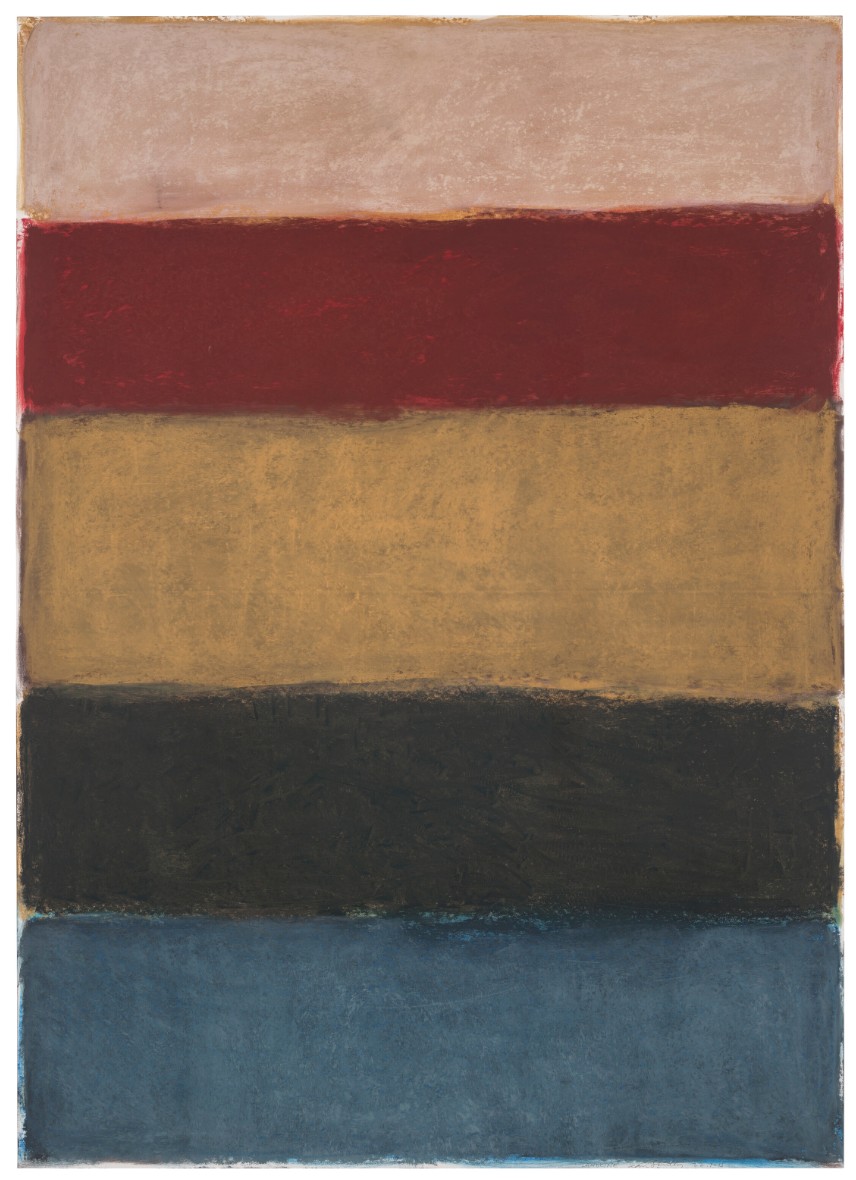
SEAN SCULLY (B. 1945)
Landline 22.1.15, 2015
Pastel on paper
90 7/8 x 65 inches (231.1. x 165.1 cm)
Signed, titled and dated ‘LANDLINE Sean Scully 22.1.15’ (lower right)
#2. 11.24.96, 1996
Christie’s online: 18 July 2025
Estimated: USD 40,000 – 60,000
USD 189,000
WORK ON PAPER
SEAN SCULLY (B. 1945), 11.24.96 | Christie’s
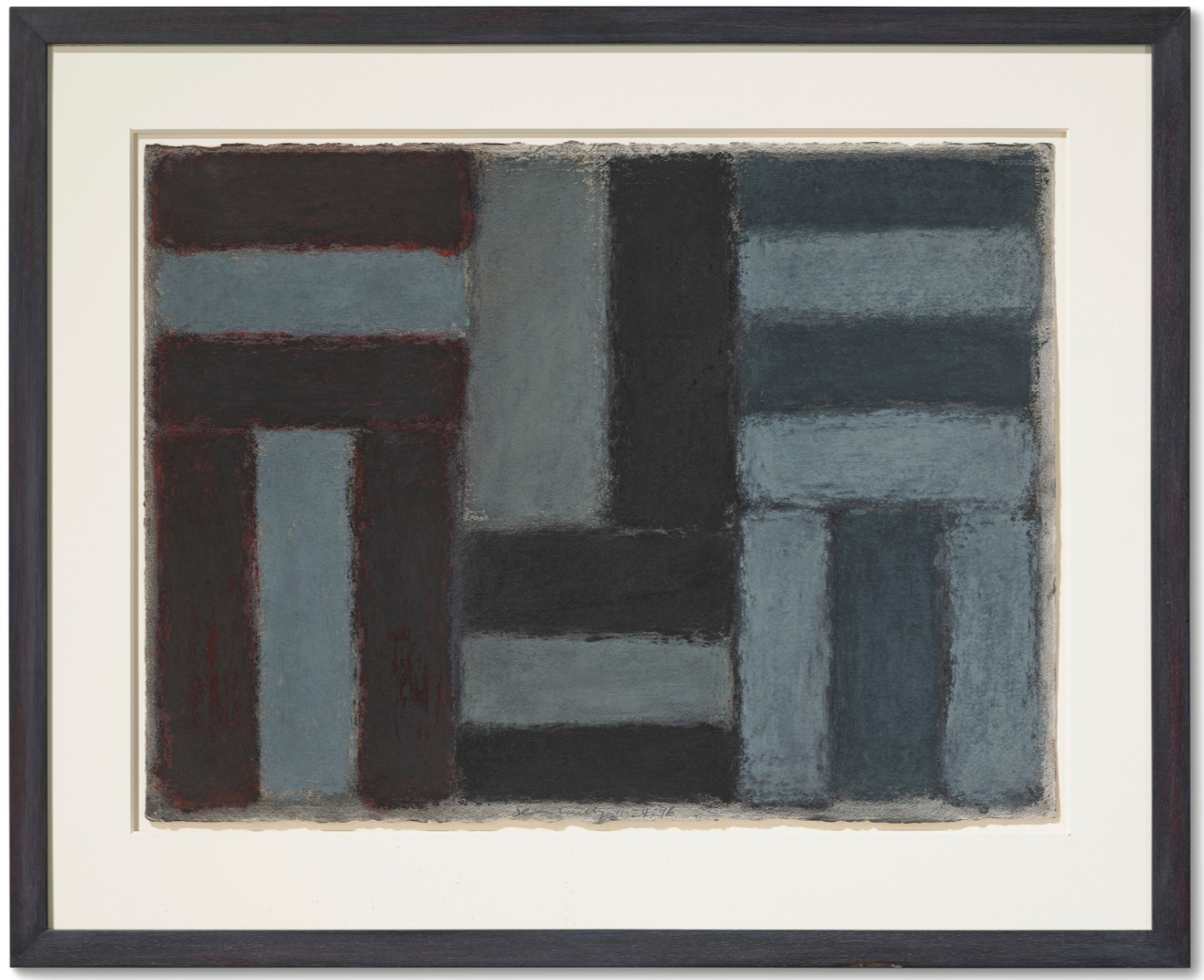
SEAN SCULLY (B. 1945)
11.24.96, 1996
Pastel on paper
22 1/4 x 30 inches (56.5 x 76.2 cm)
Signed and titled twice ‘Sean Scully 11.24.96’ (upper and lower edge)
USD 100,000
#3. 8.23.04, 2004
Ketterer Kunst Munich: 7 June 2025
Estimated: EUR 50,000
EUR 82,550 / USD 97,410
WORK ON PAPER
Ketterer Kunst, Art auctions, Book auctions Munich, Hamburg & Berlin
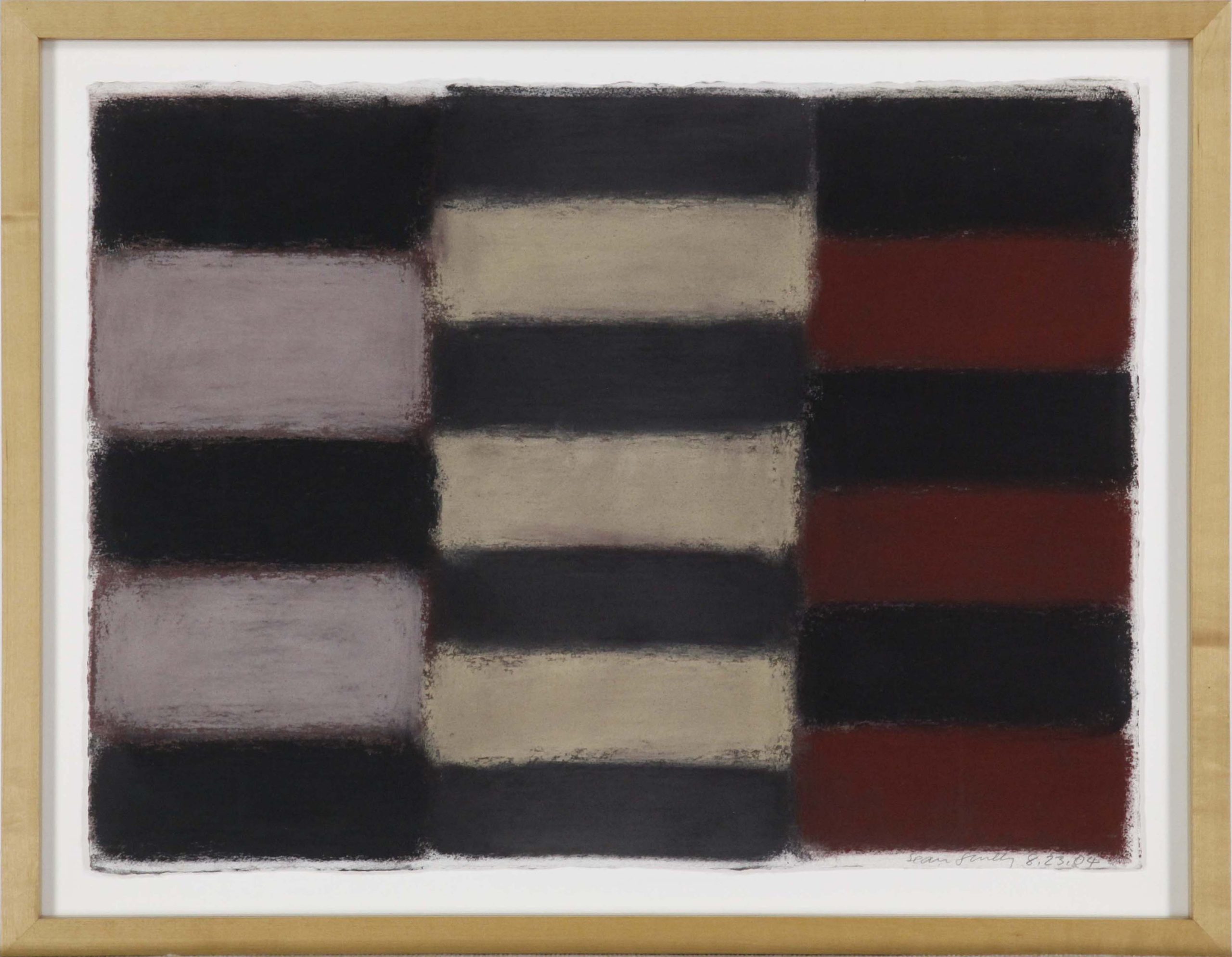
SEAN SCULLY
8.23.04, 2004
Pastel on Arches watercolor paper
22.8 x 30.3 inches (58 x 77.2 cm)
Signed and dated/titled “8.23.04” in the lower right
#4. 5.17.89, 1989
Sotheby’s London: 25 June 2025
Estimated: GBP 40,000 – 60,000
GBP 57,150 / USD 77,855
5.17.89 | Contemporary Day Auction | 2025 | Sotheby’s
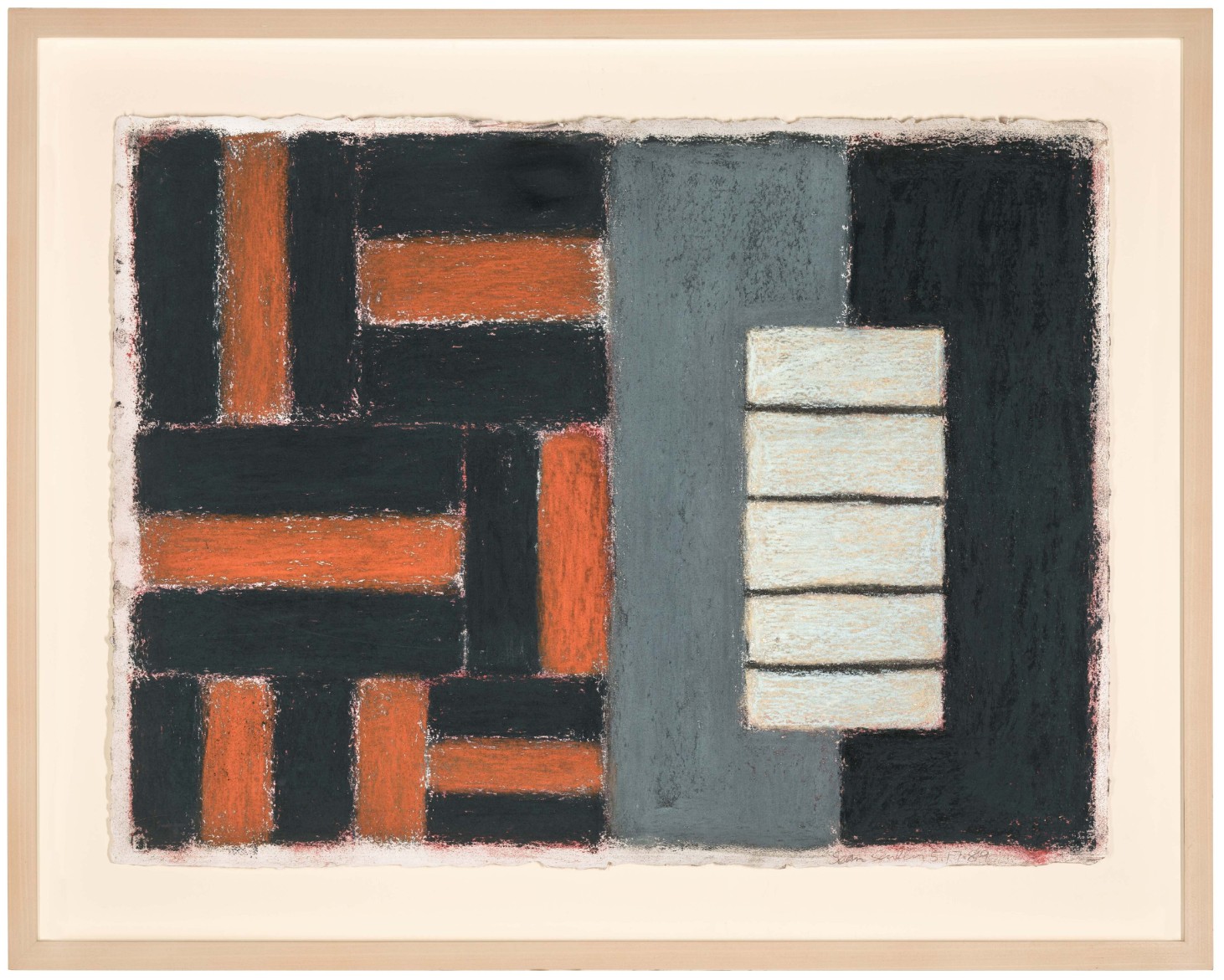
SEAN SCULLY (B. 1945)
5.17.89, 1989
Pastel and charcoal on paper
23×30 inches (58.5 x 76.4 cm)
Signed and dated 5.17.89 (lower right)
#5. Untitled 9.2.83, 1983
Morgan O’Driscoll: 24 November 2025
Estimated: EUR 35,000 – 45,000
EUR 32,000 (Hammer)
EUR 38,400 / USD 44,230
Lot 34 – ‘Untitled 9.2.83 (1983)’ by Sean Scully | Morgan O’Driscoll
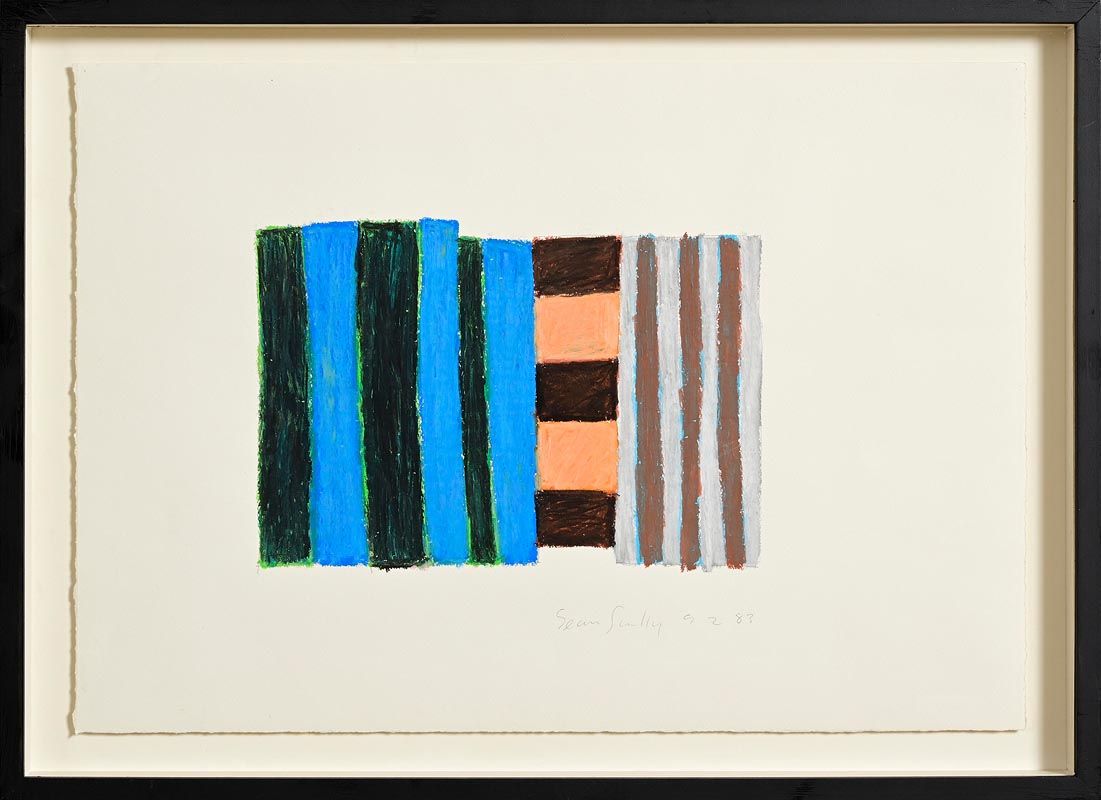
SEAN SCULLY (b.1945)
Untitled 9.2.83, 1983
Oil pastel on paper
15 x 21 1/8 inches (38.2 x 53.5 cm)
Signed and dated ‘Sean Scully 9.2.’83’ lower right
2024 Auction Results
#1. Grey Red, 2009
Christie’s London: 10 October 2024
Estimated: GBP 150,000 – 250,000
GBP 239,400 / USD 312,480
WORK ON PAPER
SEAN SCULLY (B. 1945), Grey Red | Christie’s
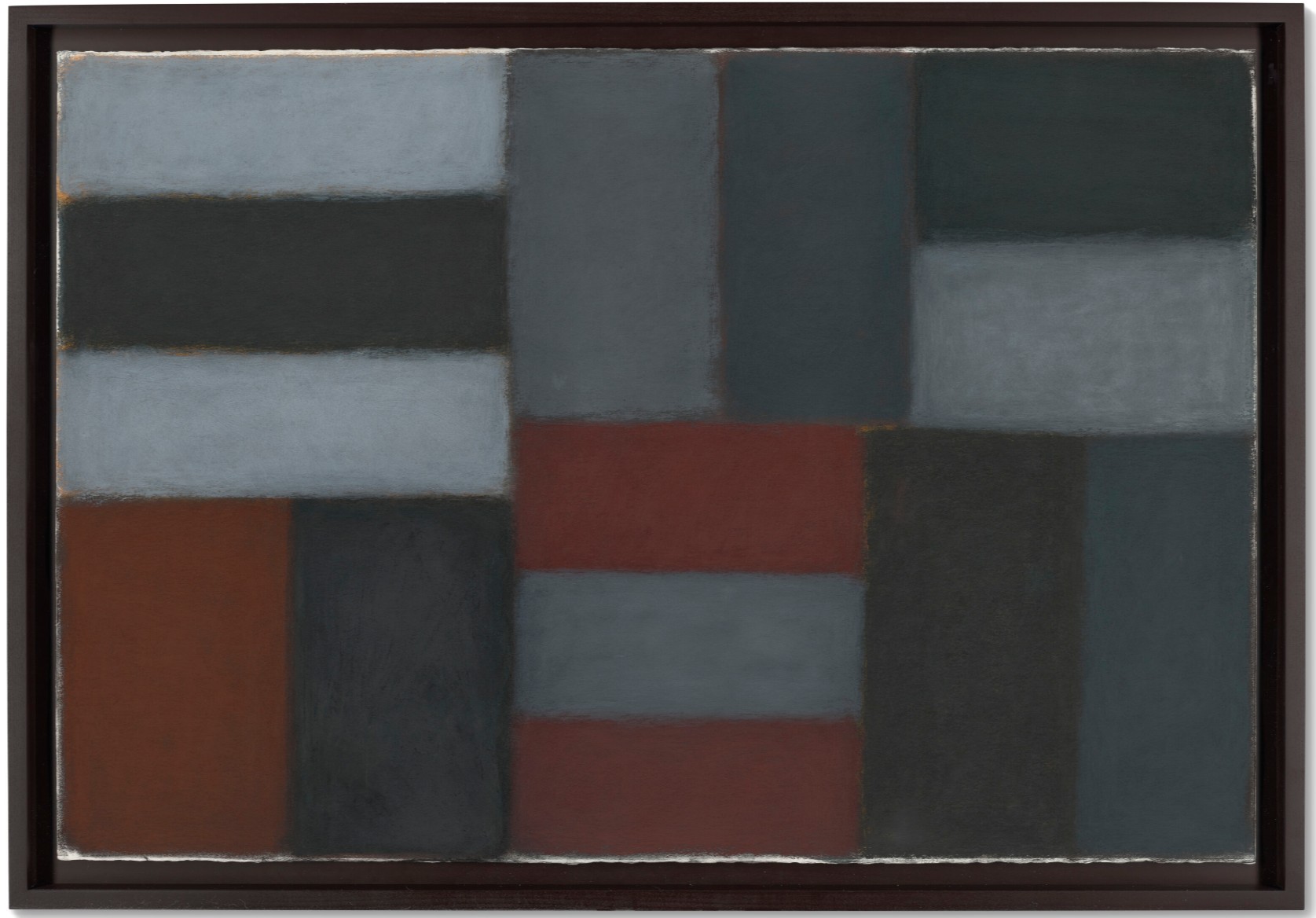
SEAN SCULLY (B. 1945)
Grey Red, 2009
Pastel on paper
40 1/2 x 60 inches (103 x 152.4 cm)
Signed and dated ‘Sean Scully 10.21.09’ (lower right)
#2. Untitled, 1991
Phillips New-York: 25 September 2024
Estimated: USD 200,000 – 300,000
USD 215,900
WORK ON PAPER
Sean Scully New Now: Modern & Contemporary Art
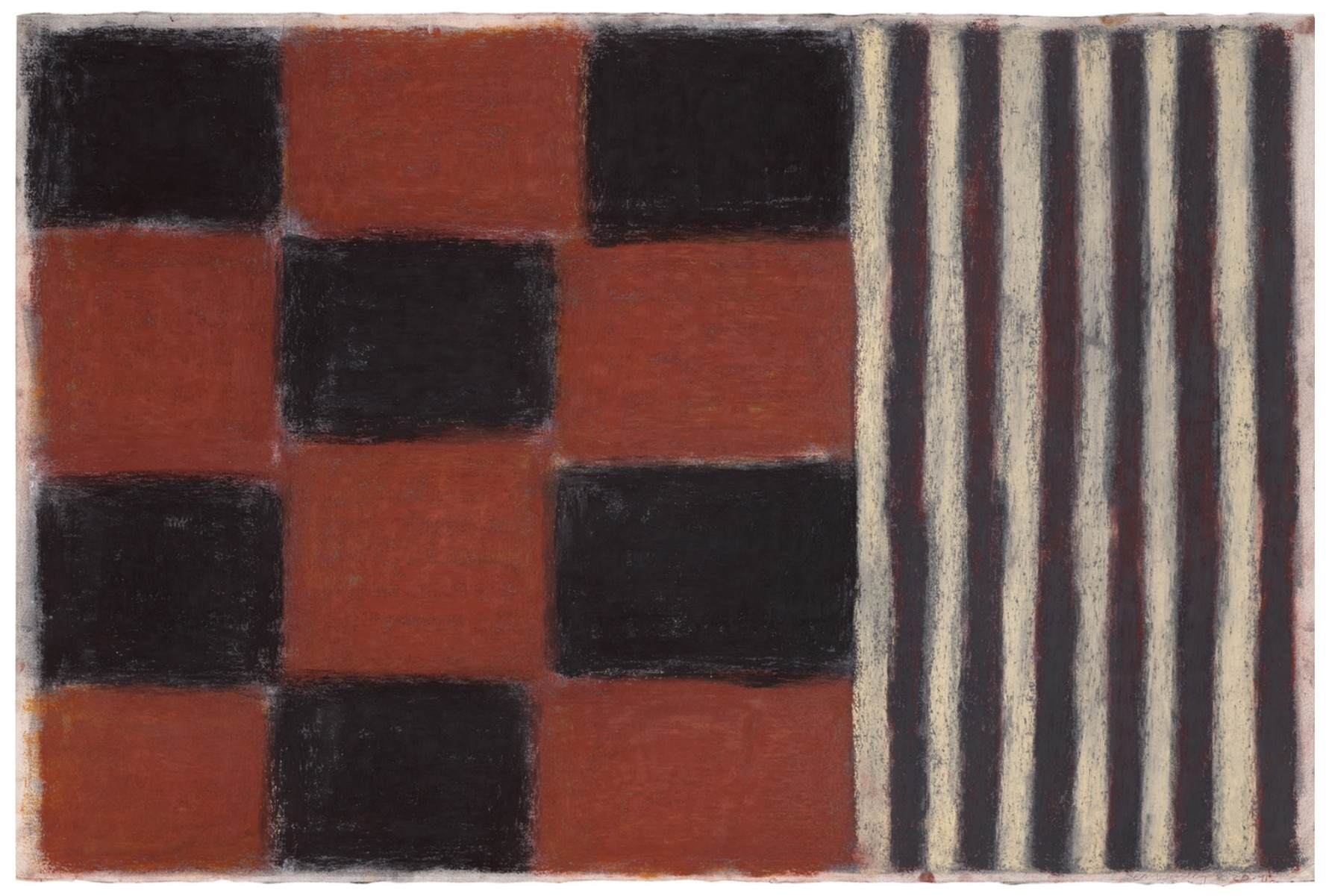
SEAN SCULLY
Untitled, 1991
Pastel on paper
39 1/2 x 59 inches (100.3 x 149.9 cm)
Signed and dated “Sean Scully 8.20.91” lower right
#3. PLACE 3.8.94, 1994
Christie’s London: 19 November 2024
Estimated: GBP 60,000 – 80,000
GBP 100,800 / USD 127,685
WORK ON PAPER
SEAN SCULLY, R.A. (B. 1945), PLACE 3.8.94 | Christie’s
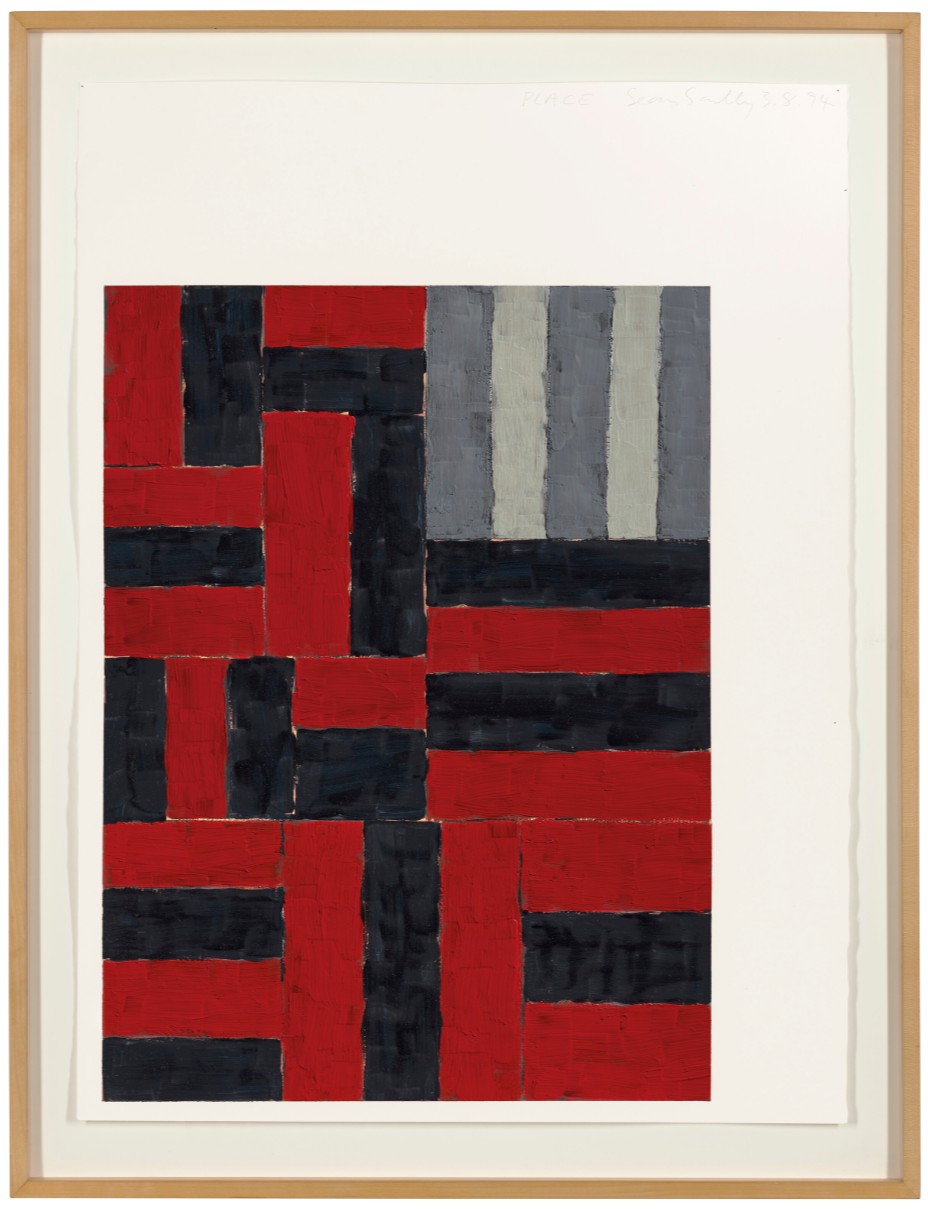
SEAN SCULLY, R.A. (B. 1945)
PLACE 3.8.94, 1994
Oil on paper
30×22 inches (76.2 x 55.9 cm)
Signed, inscribed and dated ‘PLACE Sean Scully 3.8.94’ (upper right)
Christie’s London: 19 November 2024
Estimated: GBP 50,000 – 80,000
GBP 94,500 / USD 127,685
WORK ON PAPER
SEAN SCULLY, R.A. (B. 1945), 9.26.87 | Christie’s
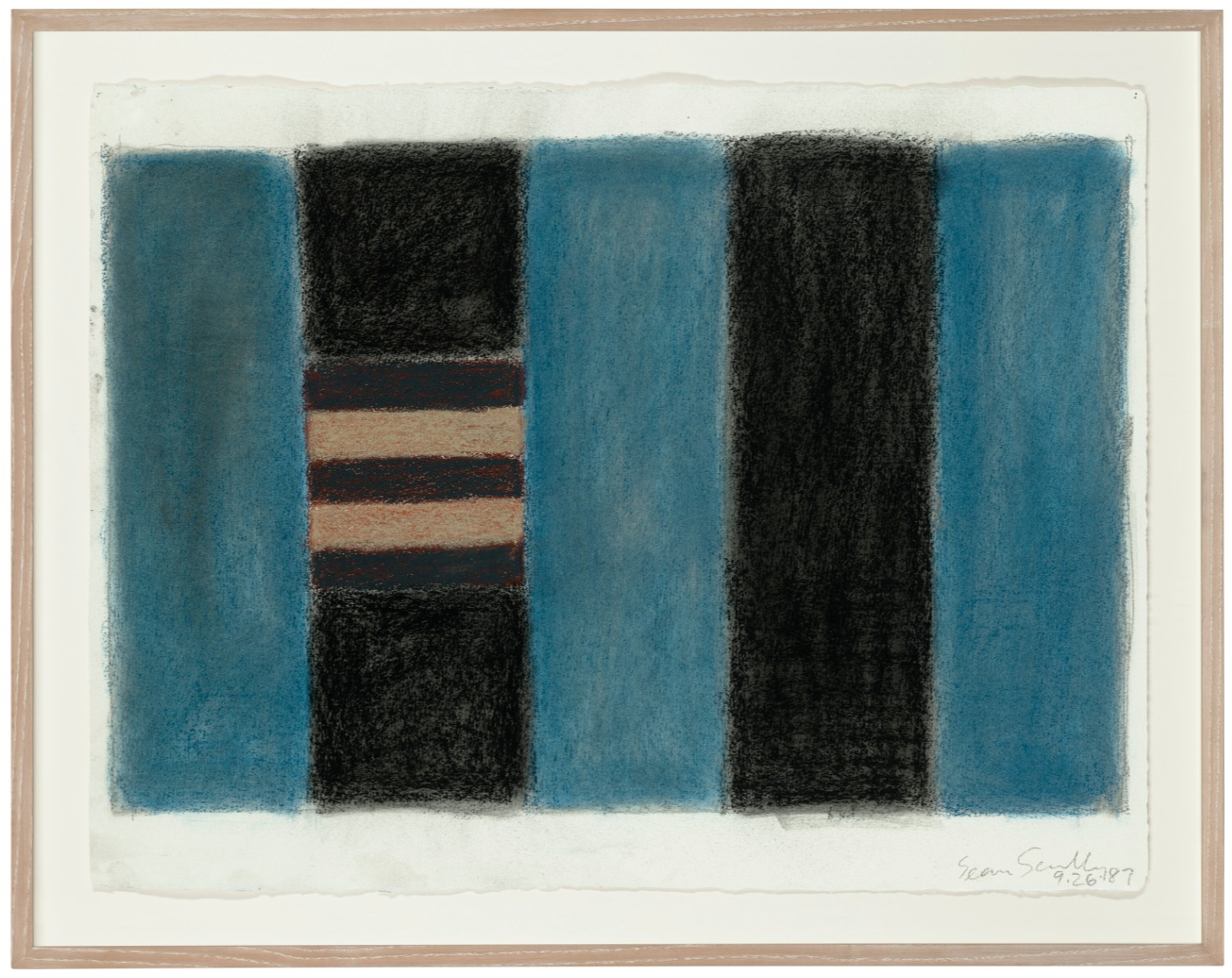
SEAN SCULLY, R.A. (B. 1945)
9.26.87, 1987
Pastel on paper
22-1/2 x 30 inches (57.2 x 76.2 cm)
Signed and dated ‘Sean Scully/ 9.26.87’ (lower right)
2023 Auction Results
#1. Untitled, 1995
Christie’s London: 1 March 2023
GBP 60,000 – 80,000
GBP 81,900 / USD 98,565
WORK ON PAPER
SEAN SCULLY (B. 1945), Untitled | Christie’s
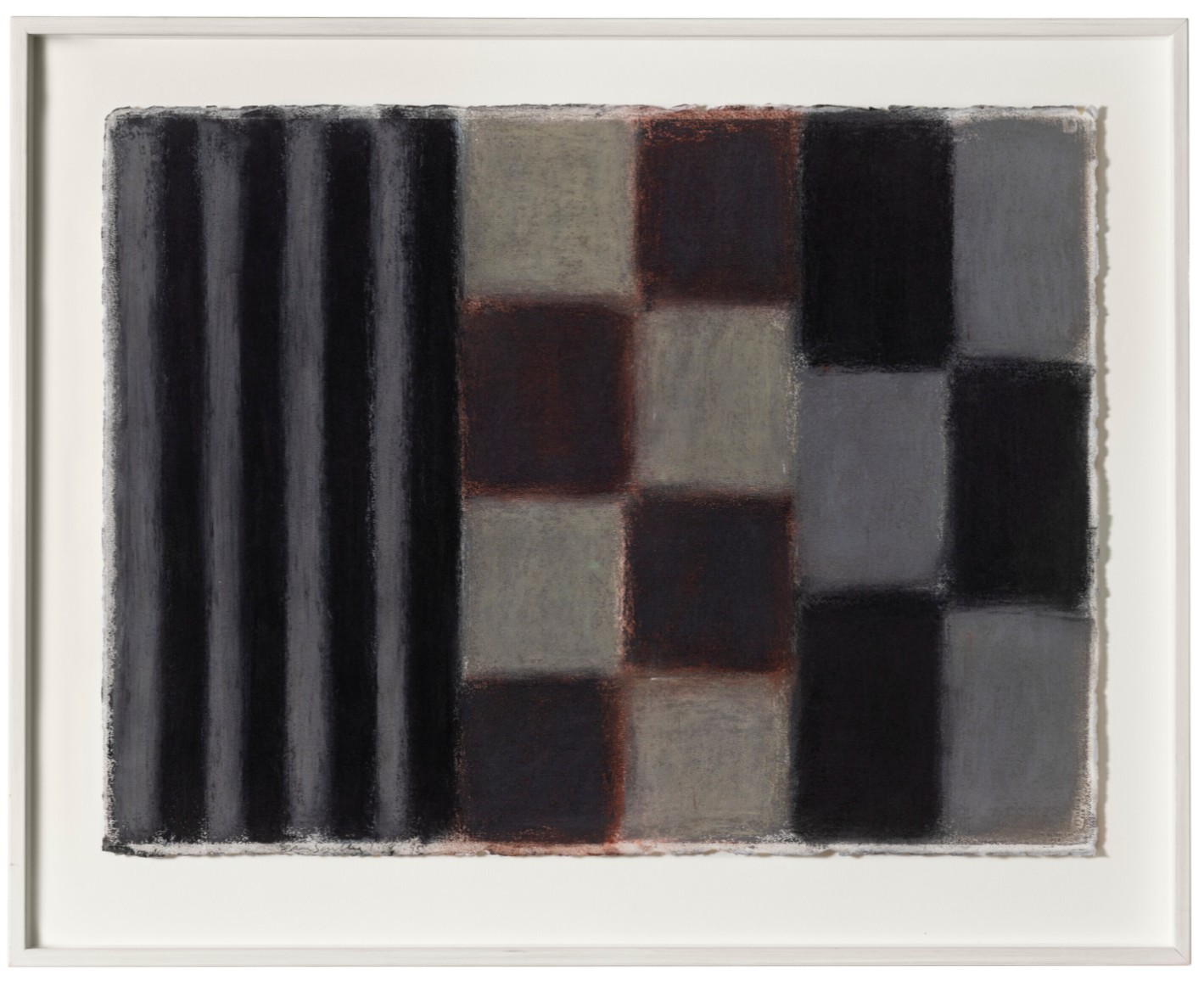
SEAN SCULLY (B. 1945)
Untitled, 1995
Pastel on paper
22-5/8 x 30-1/8 inches (57.5 x 76.5 cm)
Signed and dated ‘Sean Scully 1.8.95’ (lower left)
#2. London 6.9.01, 2001
Bonhams London: 21 June 2023
Estimated: GBP 50,000 – 70,000
GBP 70,250 / USD 89,460
WORK ON PAPER
Bonhams : Sean Scully R.A. (Irish, born 1945)
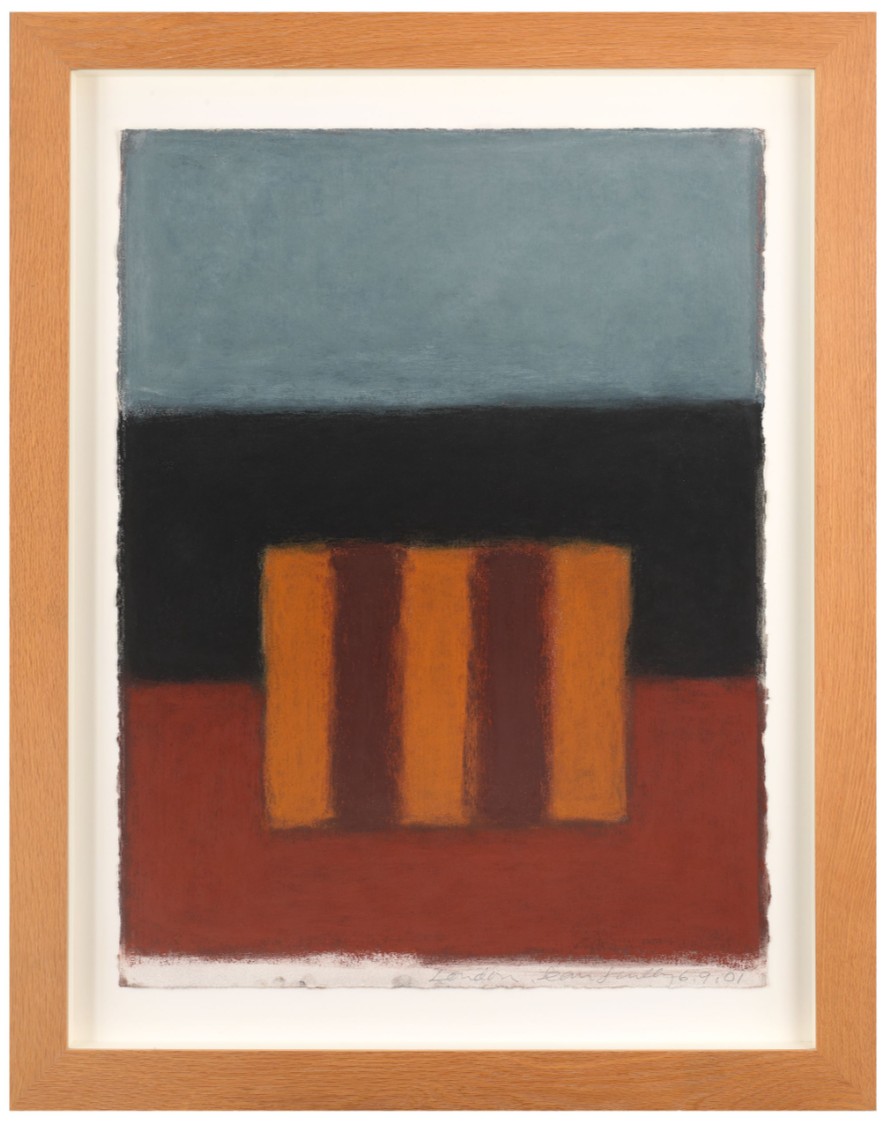
SEAN SCULLY (Irish, born 1945)
London 6.9.01, 2001
Pastel on paper
30 x 22 1/8 inches (76.2 x 55.9 cm)
Signed, titled and dated ‘London. Sean Scully 6.9.01’ (lower right)
#3. Barcelona, 1998
Morgan O’Driscoll: 24 October 2023
Estimated: EUR 50,000 – 70,000
EUR 60,000 (Hammer)
EUR 72,000 / USD 76,645
WORK ON PAPER
Lot 16 – ‘Barcelona (1998)’ by Sean Scully | Morgan O’Driscoll
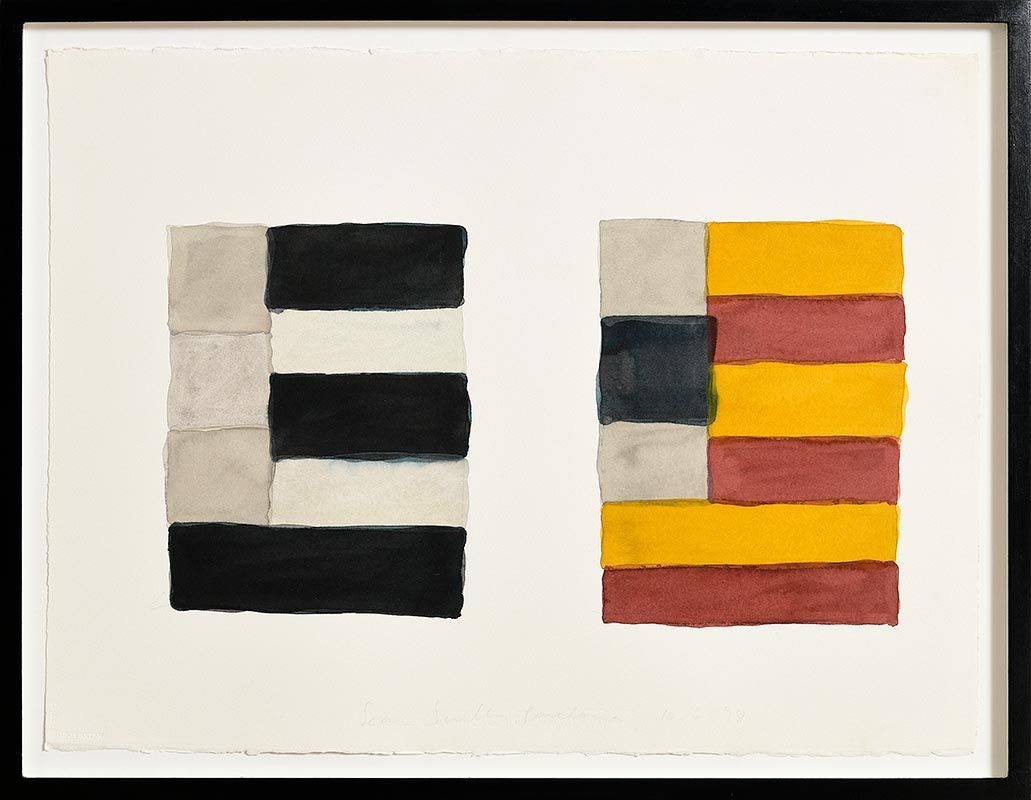
SEAN SCULLY (b.1945)
Barcelona, 1998
Watercolor on paper
22.7 x 30 inches (57.7 x 76.3 cm)
Signed ‘Sean Scully’, titled and dated ’98
#4. “Wall of Light Yellow”, 2008
Karl & Faber Munich: 30 June 2023
Estimated: EUR 40,000 – 60,000
EUR 63,500 / USD 69,330
WORK ON PAPER
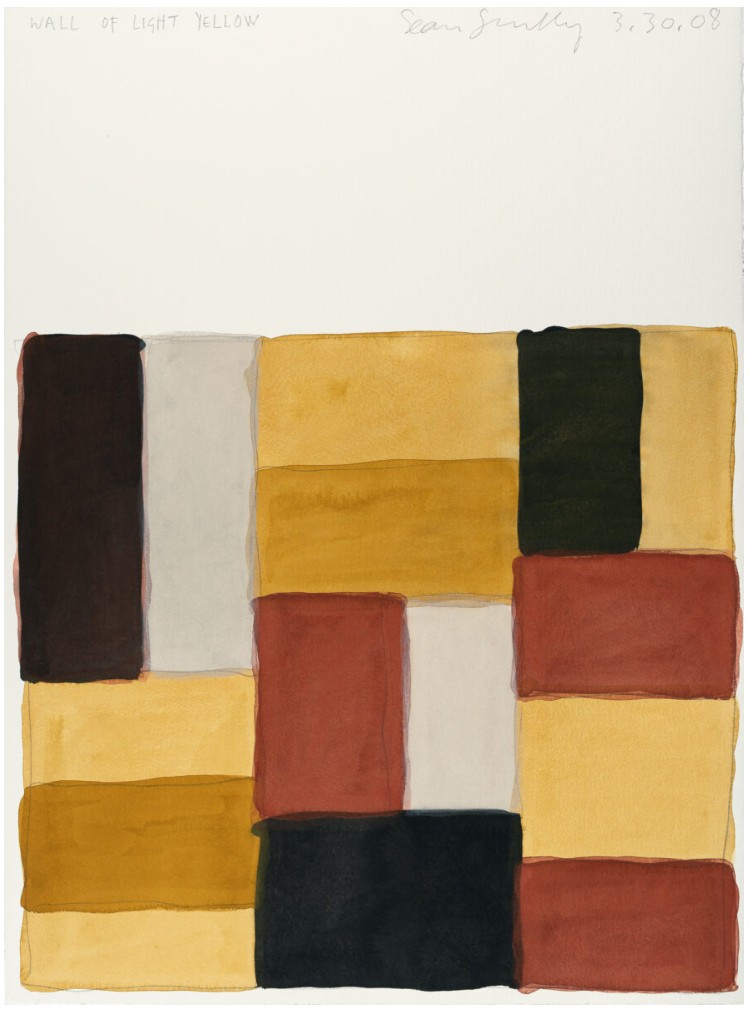
SEAN SCULLY (1945 Dublin)
“Wall of Light Yellow”, 2008
Watercolor and pencil on wove
30 x 22-1/4 inches (76.5 x 56.5 cm)
Signed and dated “3.30.08” upper right and titled upper left
Signed once more “Sean” on the reverse
2022 Auction Results
#1. Doric 1.5.19, 2019
Christie’s New-York: 18 November 2022
Estimated: USD 100,000 – 150,000
USD 352,800
WORK ON PAPER
SEAN SCULLY (B. 1945), Doric 1.5.19 | Christie’s
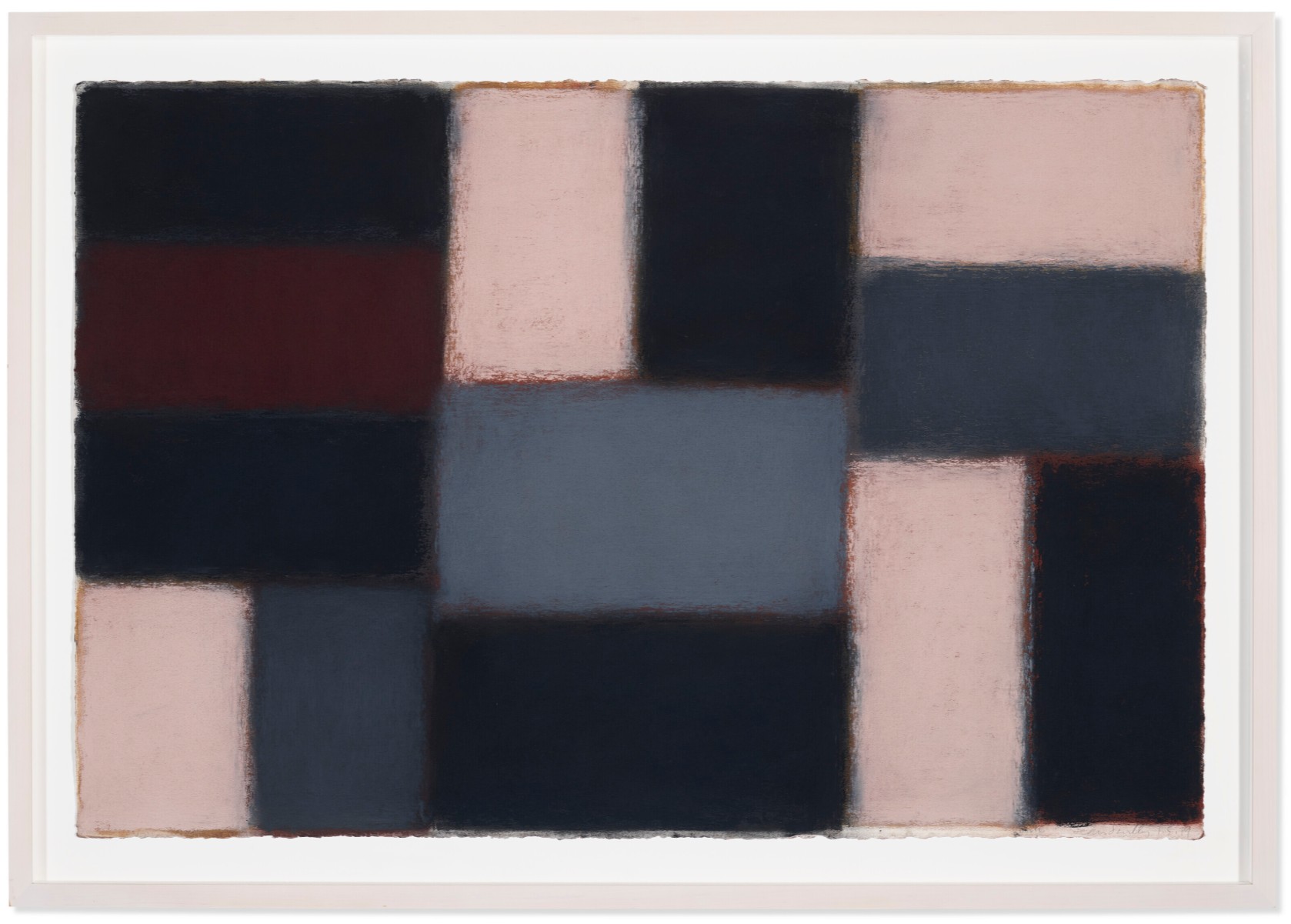
SEAN SCULLY (B. 1945)
Doric 1.5.19, 2019
Pastel on paper
40×60 inches (101.6 x 152.4 cm)
Signed, titled and dated ‘DORIC Sean Scully 1.5.19’ (lower right)
Selected Highlights
London 6.9.01, 2001
Bonhams London: 21 June 2023
Estimated: GBP 50,000 – 70,000
GBP 70,250 / USD 89,460
WORK ON PAPER
Bonhams : Sean Scully R.A. (Irish, born 1945)
SEAN SCULLY (Irish, born 1945)
London 6.9.01, 2001
Pastel on paper
30 x 22 1/8 inches (76.2 x 55.9 cm)
Signed, titled and dated ‘London. Sean Scully 6.9.01’ (lower right)
Though Irish-born, Scully spent the formative years of his career living and working in the London of the present work’s title until he emigrated to the United States in 1975, a place where he felt art was ‘taken seriously’ (Sean Scully, quoted in C. Bray, ‘Sean Scully: In Search of the Light’, in Art World, Issue 7, October/November 2008, p.48). Here, he helped lead the transition from Minimalism to Emotional Abstraction in painting, abandoning the reduced vocabulary of Minimalism in favour of a return to metaphor and spirituality in art. But it was trips to Morocco in the 1960s, and later Mexico in the 1980s, where his imagination was ignited by the sight of strips of dyed wool hanging out to dry, coloured tiles, fading facades and rich kilim carpets that acted as a foundation stone for the artists lifelong obsession with the stripe.
London 6.9.01 is a prime example of the interlocking bands and tonal gradation that is quintessential Scully at the height of his artistic power. In the present work, three dense background bands of blue, black and red cohabit easily but do so without giving up their identities. Layered on top is a picture within a picture, a smaller inset or ‘window’ of five vertical stripes of ochre and russet. The positioning of narrow vertical stripes set into a background of broader horizontal stripes invite the viewer to move forward and backward, introducing a physical and emotional dynamism. Here is an abstraction that encourages dialogue and Scully has regularly cited the ‘spiritual’ aspect of his oeuvre, commenting that he ‘is trying to get at deep emotions through simple forms’ (Irish Arts Review, Spring 2006, p.75).
The present example on paper is executed on a large scale and speaking to the immediacy of the medium.
“Pastel is like putting makeup on. There is a dust on the paper, which I rub in. I push it right into the paper with a piece of cloth or paper. Once it’s embedded into the surface, I fix it. And then I work it up, adding a layer, fixing it, adding another layer, fixing it again, and so on until the pastel starts to stand up a little from the paper. At a certain point, if you keep pushing, you start taking it off. So you have to give in.”
Scully is one of the foremost artists of his generation with art critic Arthur Danto confirming ‘Sean Scully’s name belongs on the shortest of short lists of the major painters of our time’ (Arthur C. Danto, ‘Sean Scully’, Unnatural Wonders: Essays from the Gap Between Art and Life, Columbia University Press, New York, 2005). His work is housed in some of the most prominent public and private collections worldwide including Metropolitan Museum of Art, New York; Guggenheim Museum, New York; Tate Gallery, London; Arts Council of Great Britain, London and Irish Museum of Modern Art, Dublin, among others.