
Born in Omaha in 1937 and raised in Oklahoma City, Ed Ruscha moved to Los Angeles in 1956 to study at the Chouinard Art Institute. From the outset, he positioned himself slightly outside orthodox Pop Art. While associated with the West Coast response to Pop, Ruscha’s work was less about consumer imagery and more about the deadpan poetry of language, landscape, and American vernacular. Works on paper are not ancillary in Ruscha’s practice; they are foundational. They form a parallel laboratory in which words, materials, and atmosphere are tested with surgical precision. For collectors and institutions alike, Ruscha’s drawings are often considered the purest distillation of his conceptual rigor.
Words as Images
Ruscha’s works on paper frequently center on a single word or short phrase, rendered with immaculate control, floating against vast grounds or dissolving into vaporous atmospheres. The typography may appear straightforward, but its staging is never neutral. Words tilt, hover, burn, or evaporate. Meaning is suspended between irony and sincerity. The economy of means is striking: graphite, pastel, ink, watercolor, acrylic washes, yet the emotional register can range from melancholy to sardonic detachment. In these drawings, language is not illustrative; it is sculptural. It occupies space, casts psychological weight, and activates silence.
In works on paper, fragility is part of the statement. The delicacy of pastel, the powdery residue of graphite, the unpredictable diffusion of gunpowder, all reinforce the ephemerality embedded in his phrases. Words may be bold, but their support is vulnerable.
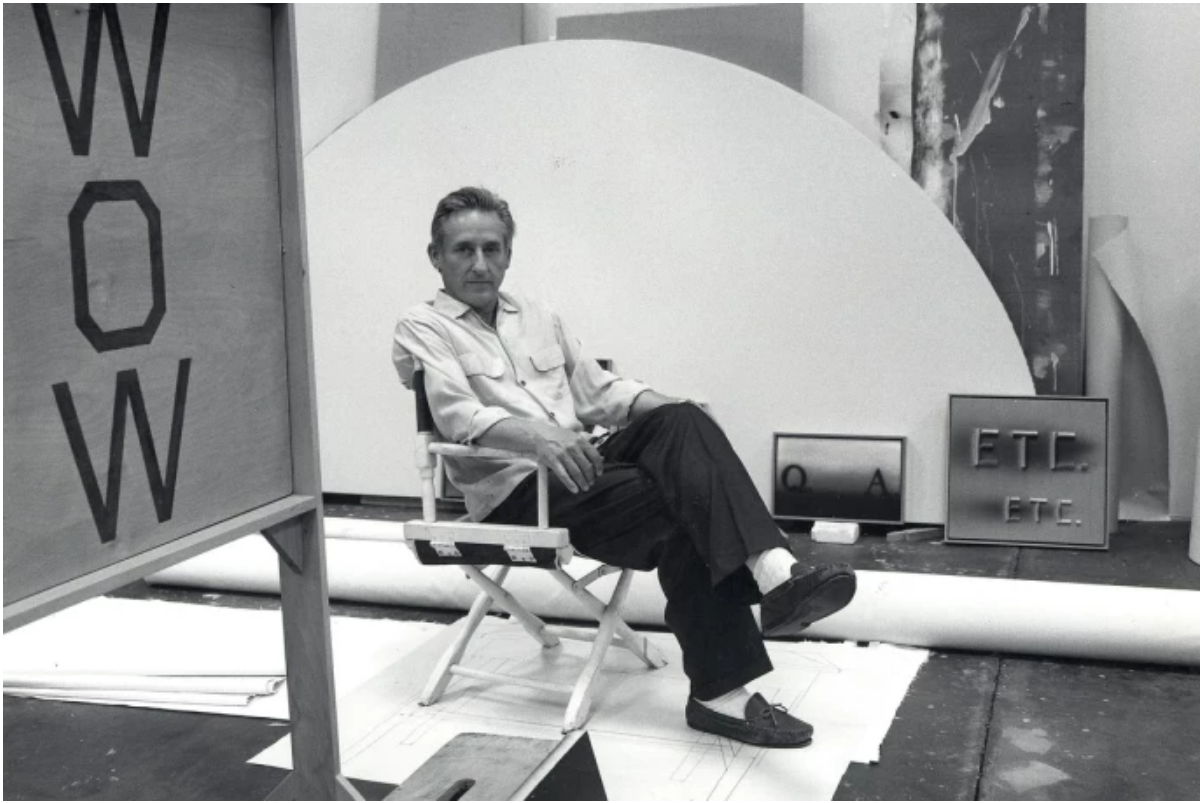
The Gunpowder Drawings
Among Ruscha’s most compelling contributions to works on paper are his gunpowder drawings, initiated in the late 1960s and pursued intermittently thereafter. Here, the material itself becomes meaning.
Gunpowder is applied to paper, sometimes mixed with other media, creating smoky tonal fields, explosive edges, and unpredictable textures. The result is paradoxical: violent material, controlled outcome. The surface appears both volatile and serene. Words emerge from charred atmospheres, as though language itself has survived combustion.
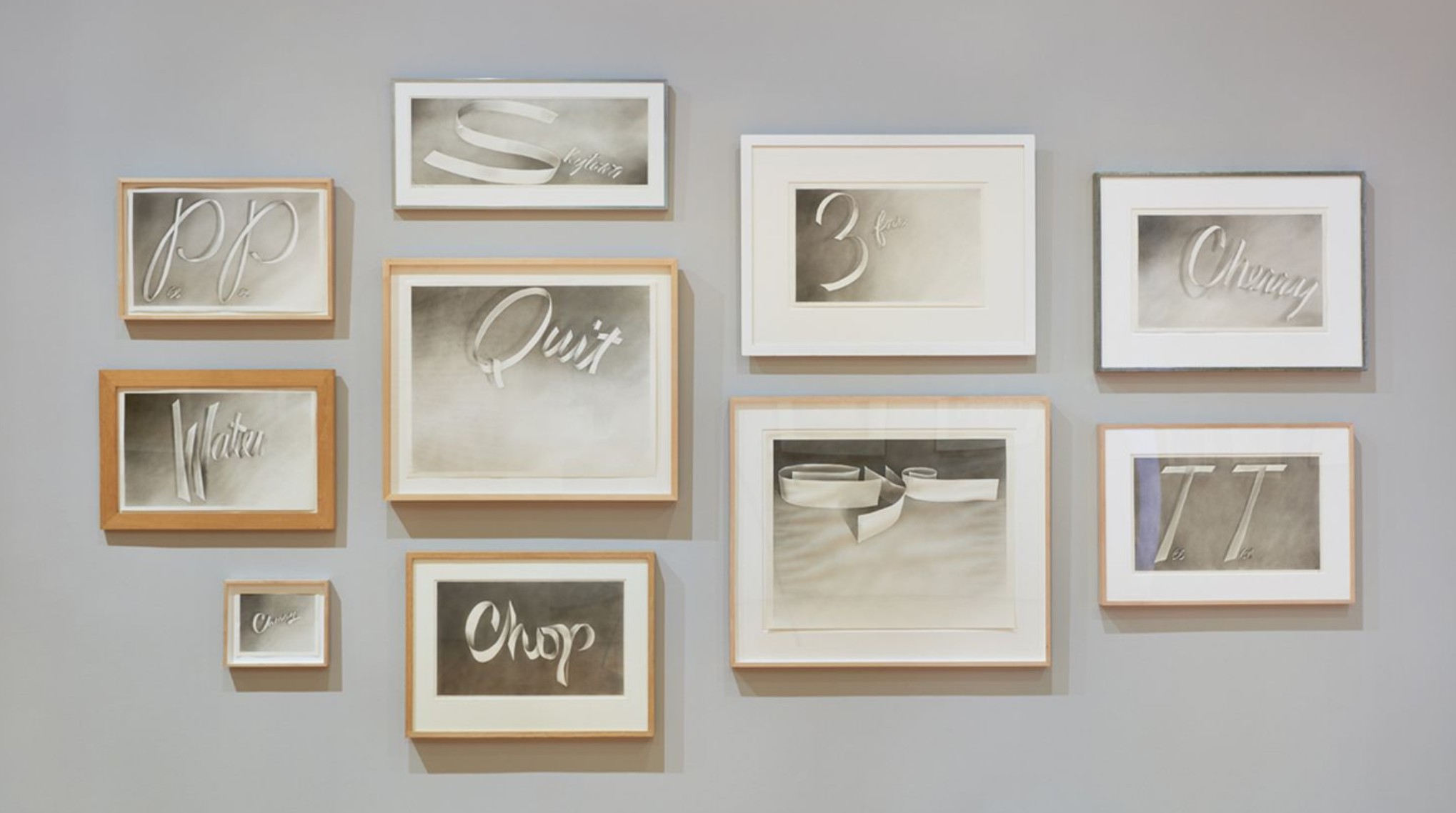
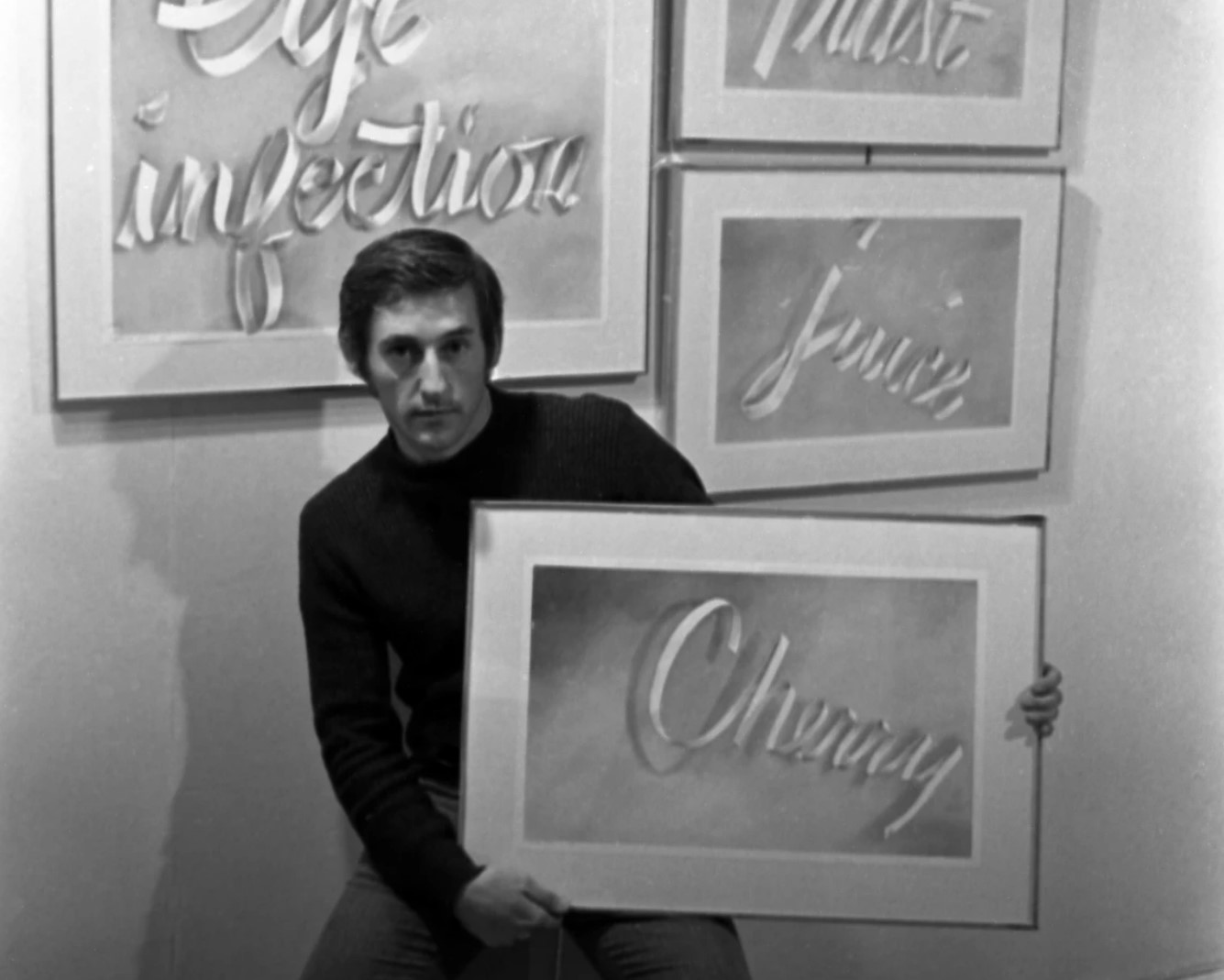
Installation view of Ed Ruscha: Ribbon Words at Edward Tyler Nahem Fine Art, LLC.
Photograph courtesy of Edward Tyler Nahem Fine Art, LLC. © Ed Ruscha
These works extend Ruscha’s lifelong interest in entropy, evaporation, and dissolution. They also align materially with the American landscape he often evokes: dry heat, desert air, latent danger. In the gunpowder drawings, text feels combustible. It hovers between declaration and disappearance. Collectors prize these works not only for their rarity and technical uniqueness but for how completely they encapsulate Ruscha’s conceptual position: cool detachment underwritten by latent intensity.
Exhibitions and Institutional Recognition
Ruscha’s works on paper have been central to major exhibitions across leading institutions. His career has been the subject of substantial retrospectives and thematic exhibitions at institutions such as: The Museum of Modern Art in New-York, , Tate Modern in London, The Los Angeles County Museum of Art, or The Whitney Museum of American Art in New-York. Notably, works on paper frequently anchor these exhibitions, as they reveal the intellectual architecture behind the paintings and artist’s books. Major surveys have consistently emphasized the importance of drawing in his oeuvre rather than treating it as preparatory.
Ruscha’s drawings are held in leading public collections worldwide, including: The Metropolitan Museum of Art in New-York, Centre George Pompidou, in Paris, France, The Art Institute of Chicago, or The San Francisco Museum of Modern Art The institutional depth confirms what the market has long recognized: Ruscha’s works on paper are not secondary objects but primary vehicles of his artistic language.
Why Works on Paper Matter in Ruscha’s Oeuvre
To understand Ruscha through painting alone is to miss the structural clarity of his thought. His drawings strip away spectacle and focus on idea, surface, and silence. They reveal how he manipulates expectation, how a word can feel monumental without scale, how a fragile sheet can hold conceptual weight.
The gunpowder drawings, in particular, stand as a uniquely American synthesis of material, language, and atmosphere. They are austere, poetic, and faintly dangerous: like much of Ruscha’s vision of America itself.
In the hierarchy of post-war conceptual and Pop-inflected practices, Ruscha’s original works on paper occupy a central position. They are rigorous without being cold, ironic without being cynical, and materially inventive without ever feeling decorative.
Auction Market Overview
2025 Auction Highlights
14 lots sold at auction in 2025 for a total turnover of USD 6,161,258. With 4 lots failing to sell, the sell-through rate is 78%. The highest price achieved is 2025 was for Your Comedies, a work on paper dated 1982, that sold at Sotheby’s in New-York, on 19 November 2025, for USD 1,819,000.
2025 Top 3 Lots
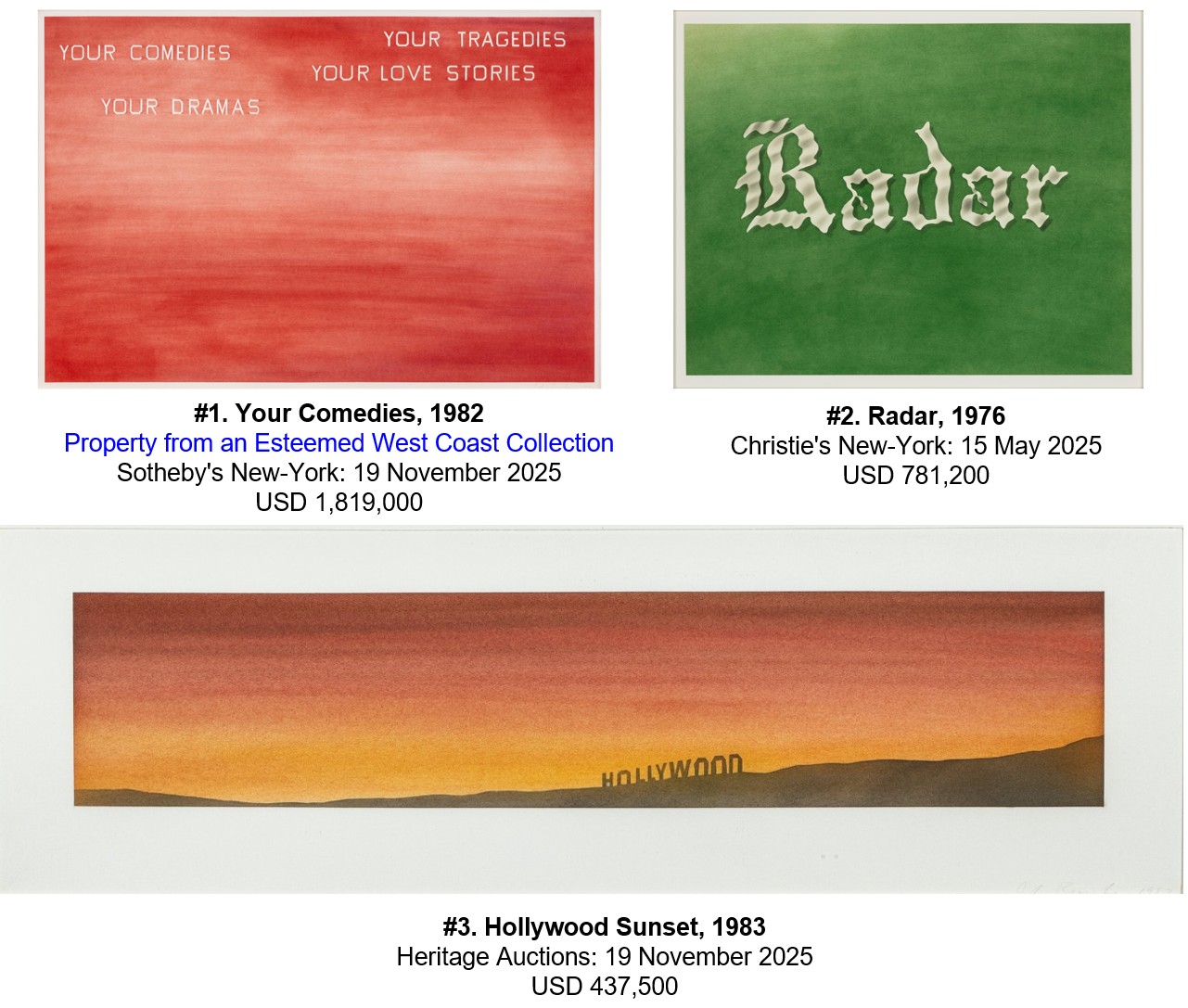
This is the only lot that sold for more than USD 1 million, representing 29.5% of the total turnover of 2025. 2 lots sold for more than USD 500,000, generating a cumulative turnover of USD 2,600,200, representing 42.2% of the total turnover for 2025. All lots except 1 sold for more than USD 100,000.
2024 Auction Highlights
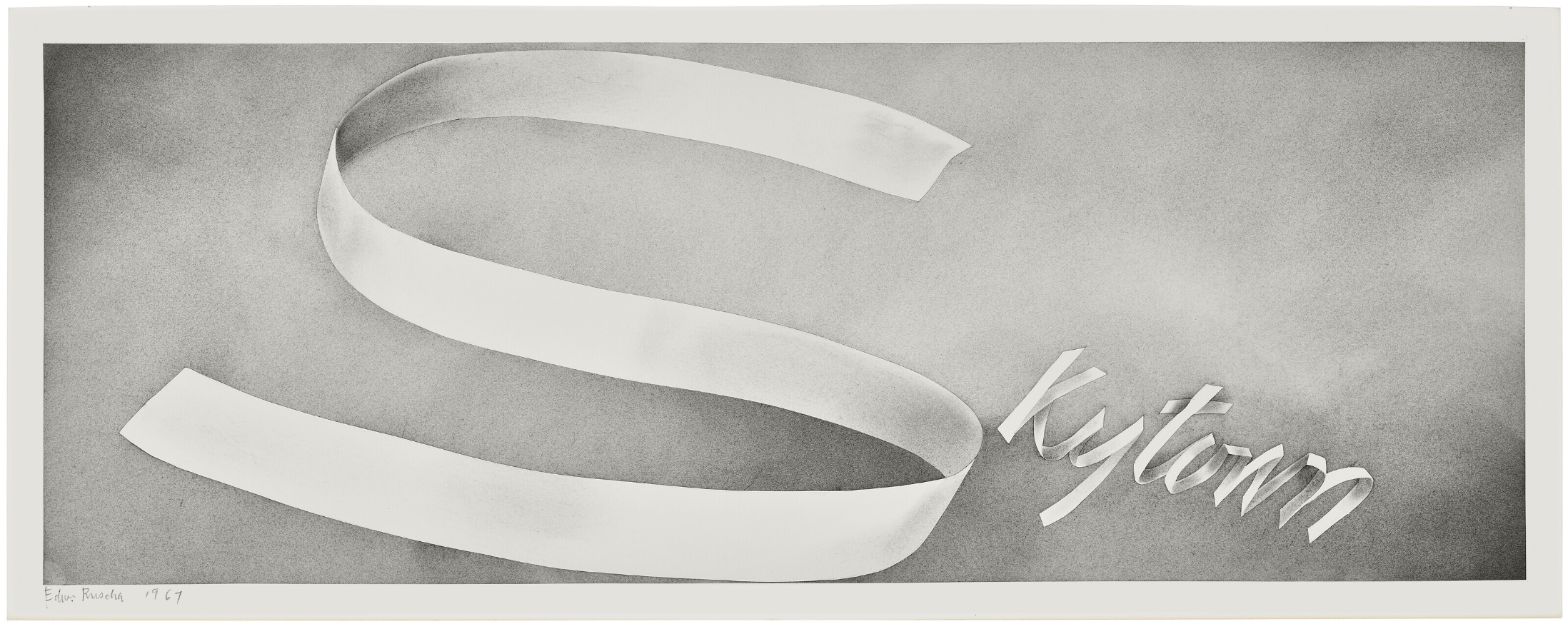
16 lots sold at auction in 2024 for a total turnover of USD 5,201,340. With 2 lots failing to sell, the sell-through rate is 90%. Skytown, a Gunpowder drawing dated 1967, sold at Christie’s in New-York on 1 October 2024 for USD 693,000, the highest price achieved for a Work on Paper in 2024.
2024 Top 3 Lots
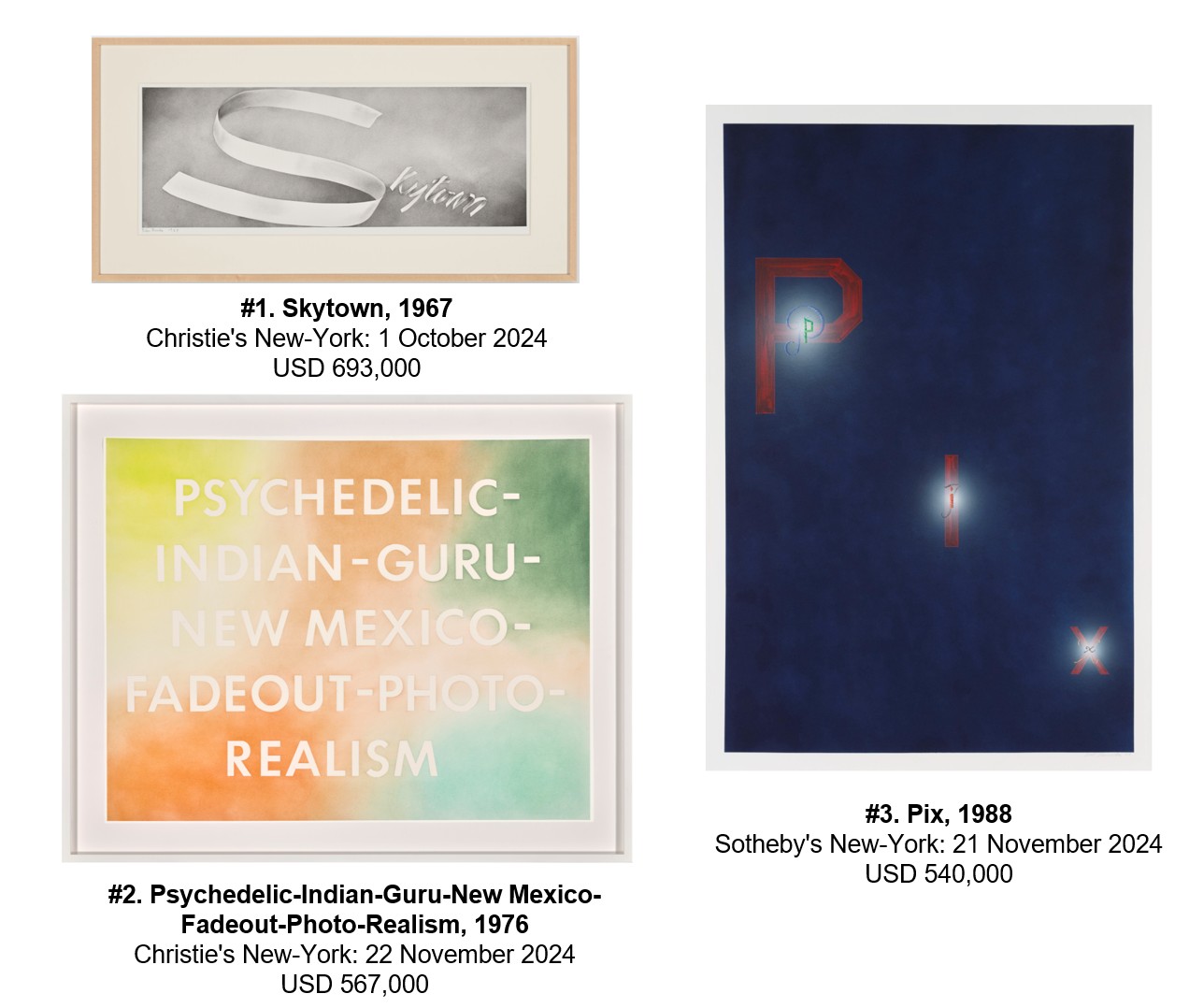
3 lots sold for more than USD 500,000, generating a cumulative turnover of USD 1,800,000, representing 34.6% of the total turnover for 2024. All lots but one sold for more than USD 100,000.
2023 Auction Highlights
22 lots sold at auction in 2023 for a total turnover of USD 8,866,217. With 4 lots failing to sell, the sell-through rate is 85%. The highest price has been achieved by Eye with Fluid, a gunpowder drawing dated 1968 that sold at Sotheby’s in Paris on 15 March 2023 for EUR 1,742,000 (USD 1,843,345).
2023 Top 3 Lots
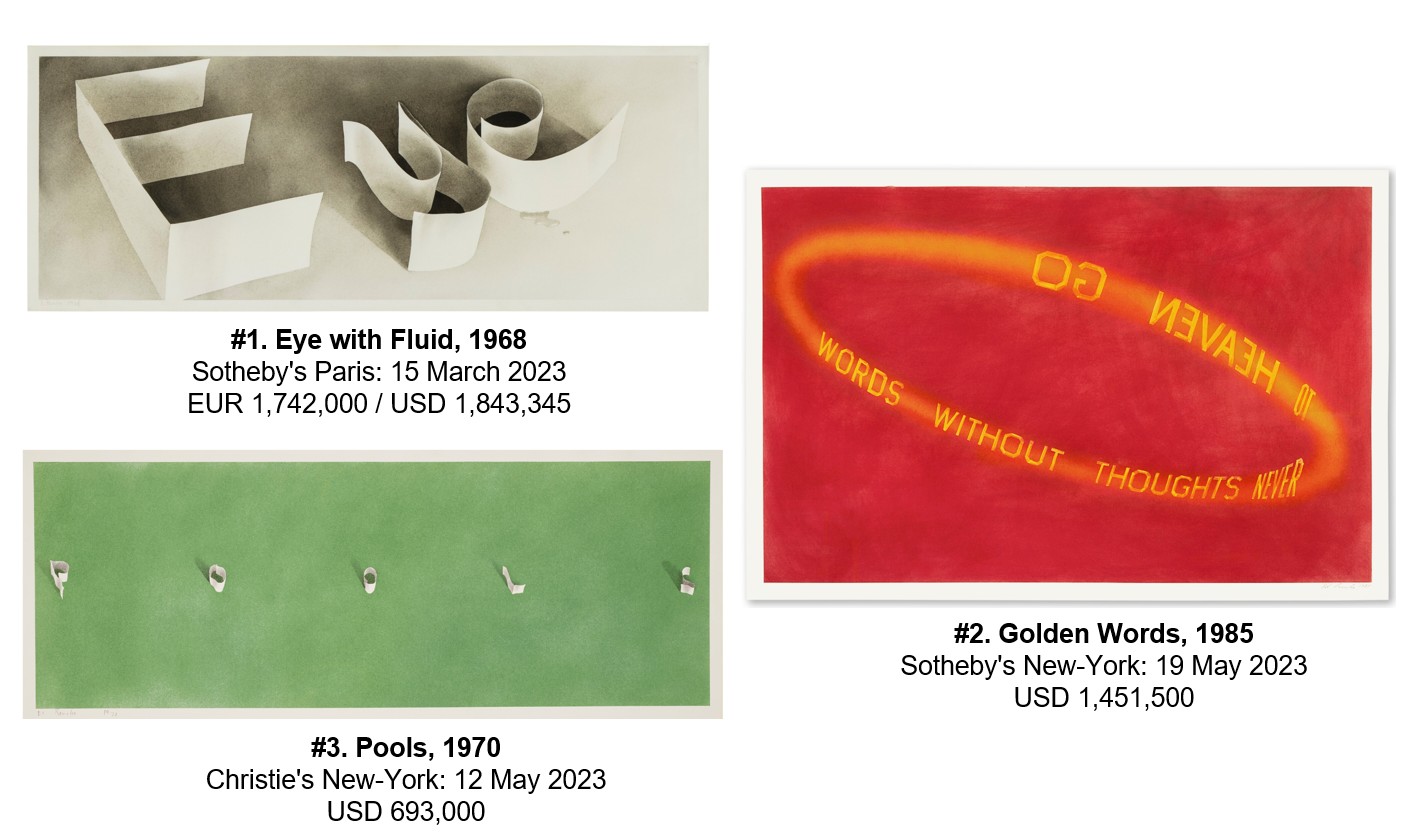
2 lots sold for more than USD 1 million, generating a cumulative turnover of USD 3,294,845, representing 37.2% of the total turnover for 2023. 5 lots sold for more than USD 500,000, generating a cumulative turnover of USD 5,125,845, representing 57.8% of the total turnover for 2023.
2022 Auction Highlights
15 lots sold at auction in 2022 for a total turnover of USD 7,553,270. With 3 lots failing to sell, the sell-through rate is 83%. The highest price was achieved by an exceptional gunpowder drawing, Western with Fly, dated 1967, sold at Christie’s in New-York, on 13 May 2022, for USD 2,460,000. This is the only lot that sold for more than USD 1 million, representing 32.6% of the total turnover of 2022.
2022 Top 3 Lots
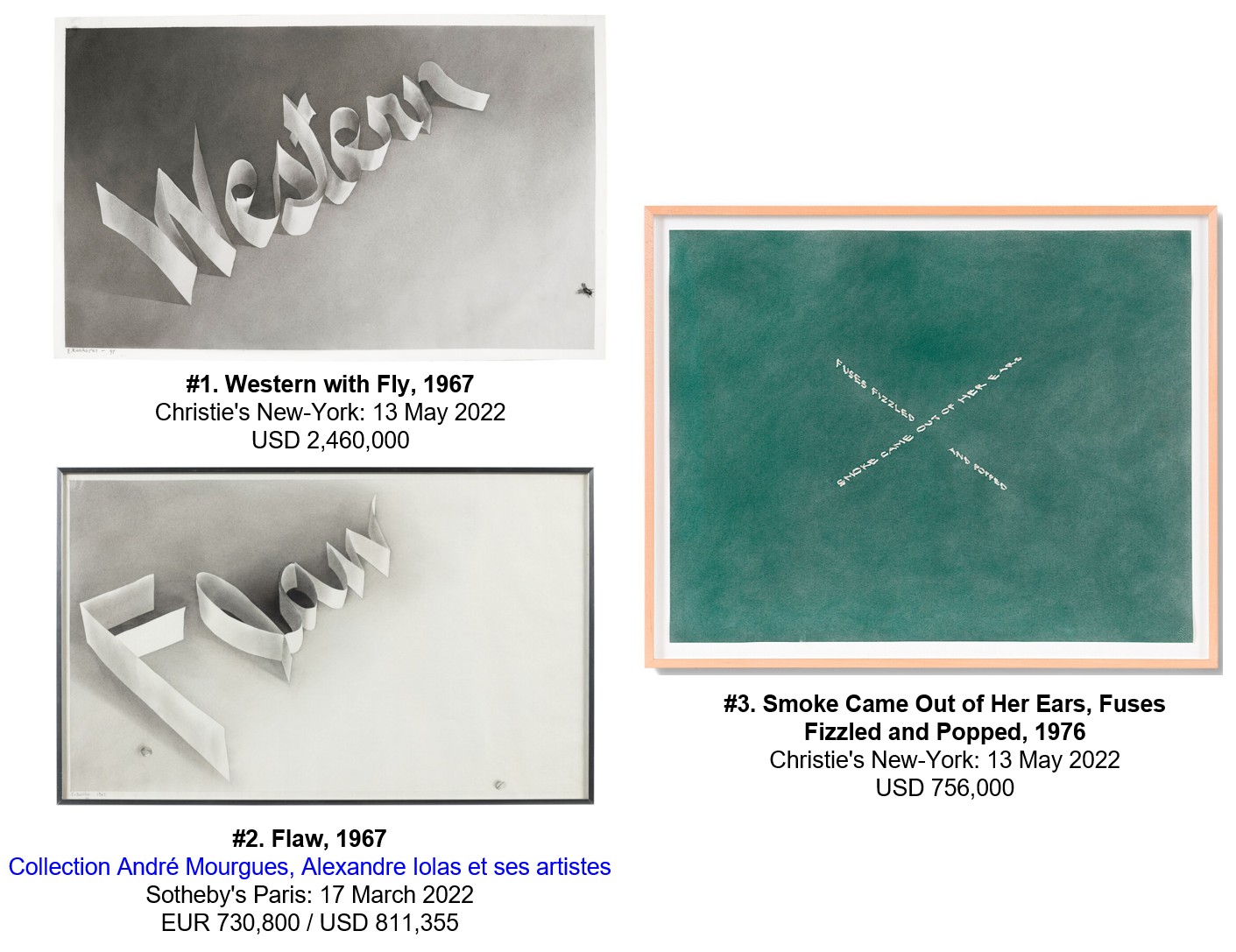
6 lots sold for more than USD 500,000, generating a cumulative turnover of USD 5,917,355, representing 78.3% of the total turnover of 2022. All lots except 2 sold for more than USD 100,000.
2021 Auction Highlights
WORK IN PROGRESS
Top Lots
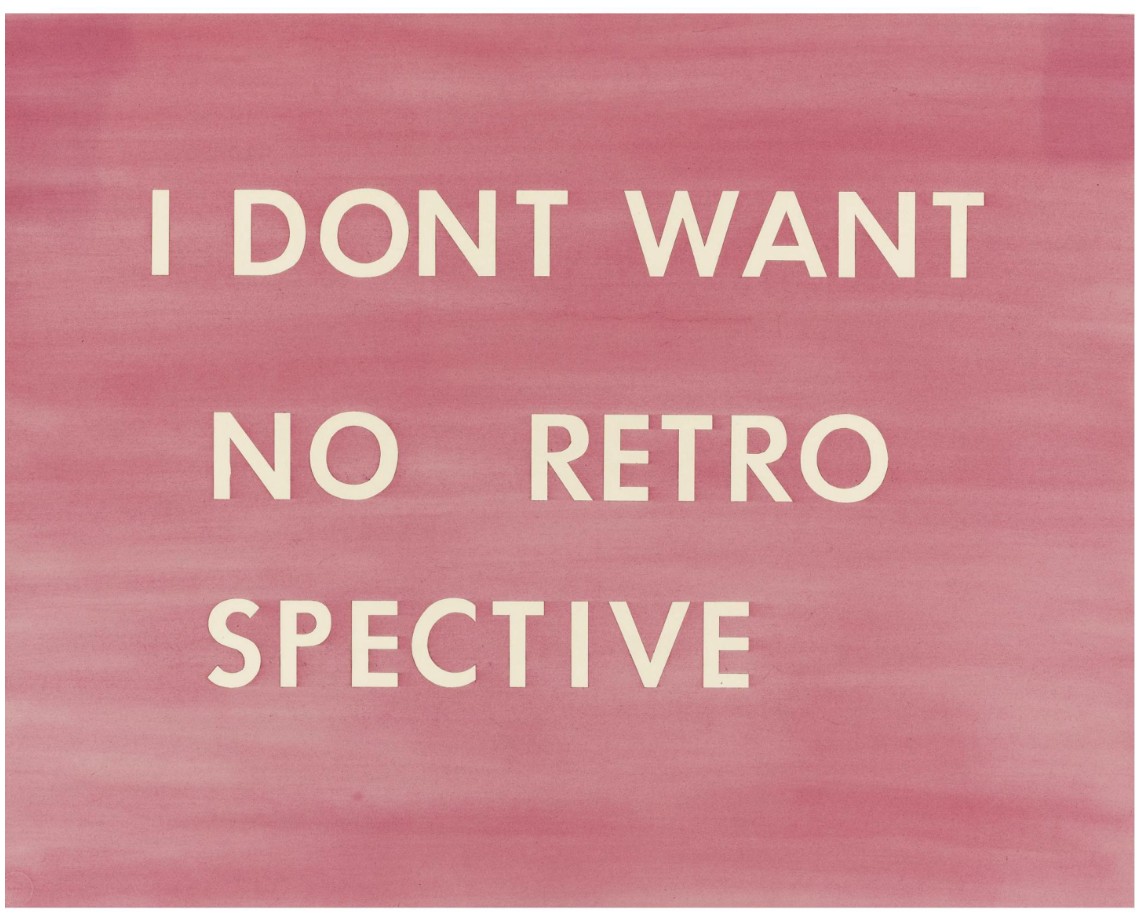
#1. I don’t Want No Retro Spective, 1979
Sotheby’s New-York: 15 May 2008
Estimated: USD 1,000,000 – 1,500,000
USD 3,961,000
ED RUSCHA
I don’t Want No Retro Spective, 1979
Pastel on paper
23×29 inches (58.4 x 73.7 cm)
Signed, dated 1979 and dedicated Bud – Get well
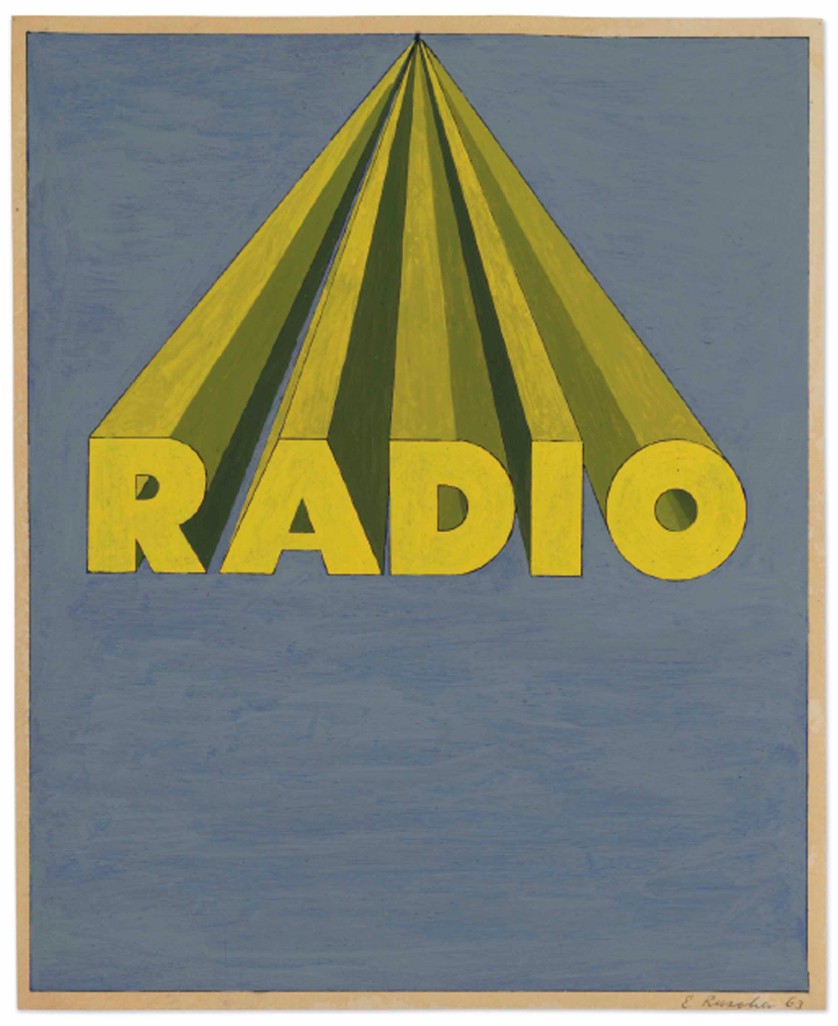
#2. Radio on Royal Blue, 1963
Christie’s New-York: 12 November 2014
Estimated: USD 1,200,000 – 1,800,000
USD 3,301,000
Ed Ruscha (b. 1937), Radio on Royal Blue | Christie’s
ED RUSCHA (b. 1937)
Radio on Royal Blue, 1963
Oil and ink on paper
15×12 inches (38.1 x 30.5 cm)
Signed and dated ‘E Ruscha 63’ (lower right)
#3. Face It, 1967
Sotheby’s New-York: 18 November 2021
Estimated: USD 400,000 – 600,000
USD 3,287,000
Face It | Contemporary Evening Auction | 2021 | Sotheby’s (sothebys.com)
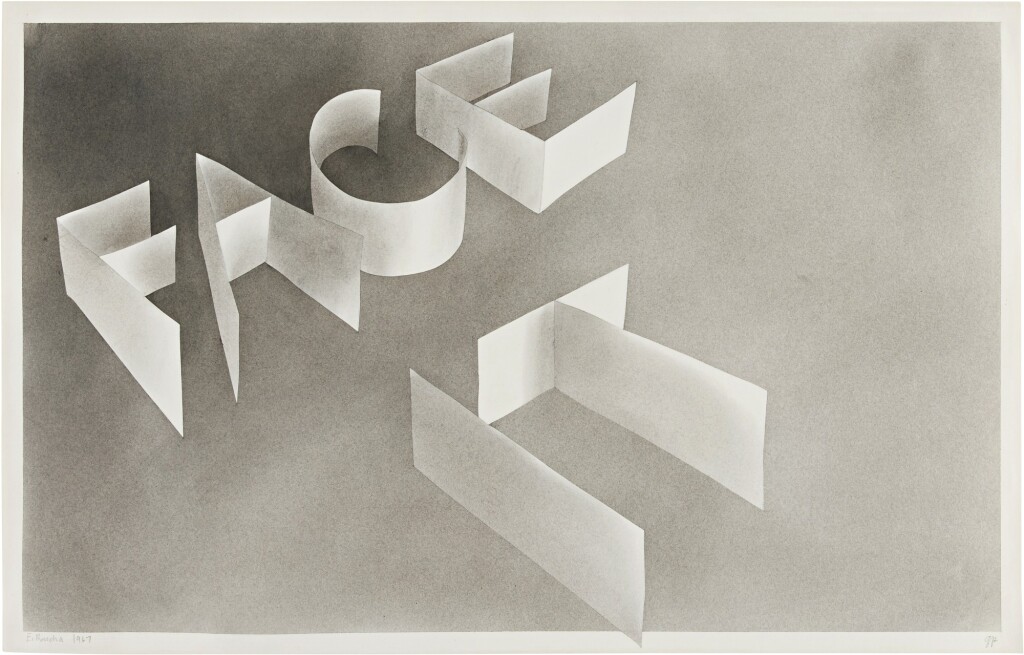
ED RUSCHA (B. 1937)
Face It, 1967
Gunpowder on paper
14 x 22 ¼ inches (35.6 x 56.5 cm)
Signed E. Ruscha and dated 1967 (lower left)
#4. Western with Fly, 1967
Christie’s New-York: 13 May 2022
Estimated: USD 400,000 – 600,000
USD 2,460,000
ED RUSCHA (B. 1937), Western with Fly | Christie’s
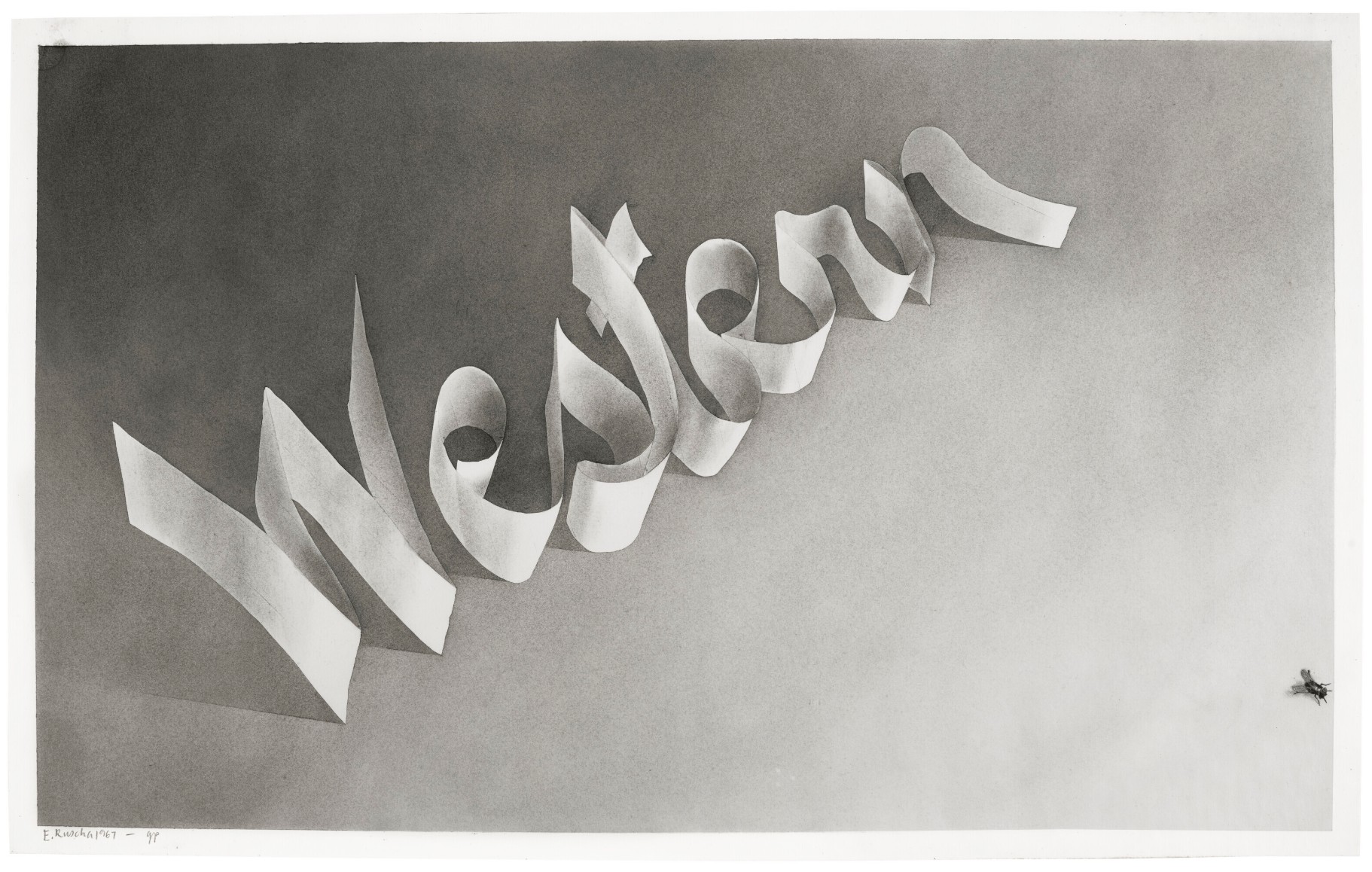
ED RUSCHA (B. 1937)
Western with Fly, 1967
Gunpowder on paper
14 1/8 x 22 7/8 inches (35.9 x 58.1 cm)
Signed, inscribed and dated ‘E. RUSCHA 1967 – gp’ (lower left)
2026 Auction Results
PRELIMINARY AUCTION RESULTS
As of 15 June 2026
#1. Radio in Red, 1963
Property from the Collection of Barbara and Tom Rounds
Christie’s New-York: 21 May 2026
Estimated: USD 500,000 – 700,000
USD 889,000
WORK ON PAPER
ED RUSCHA (B. 1937), Radio in Red | Christie’s
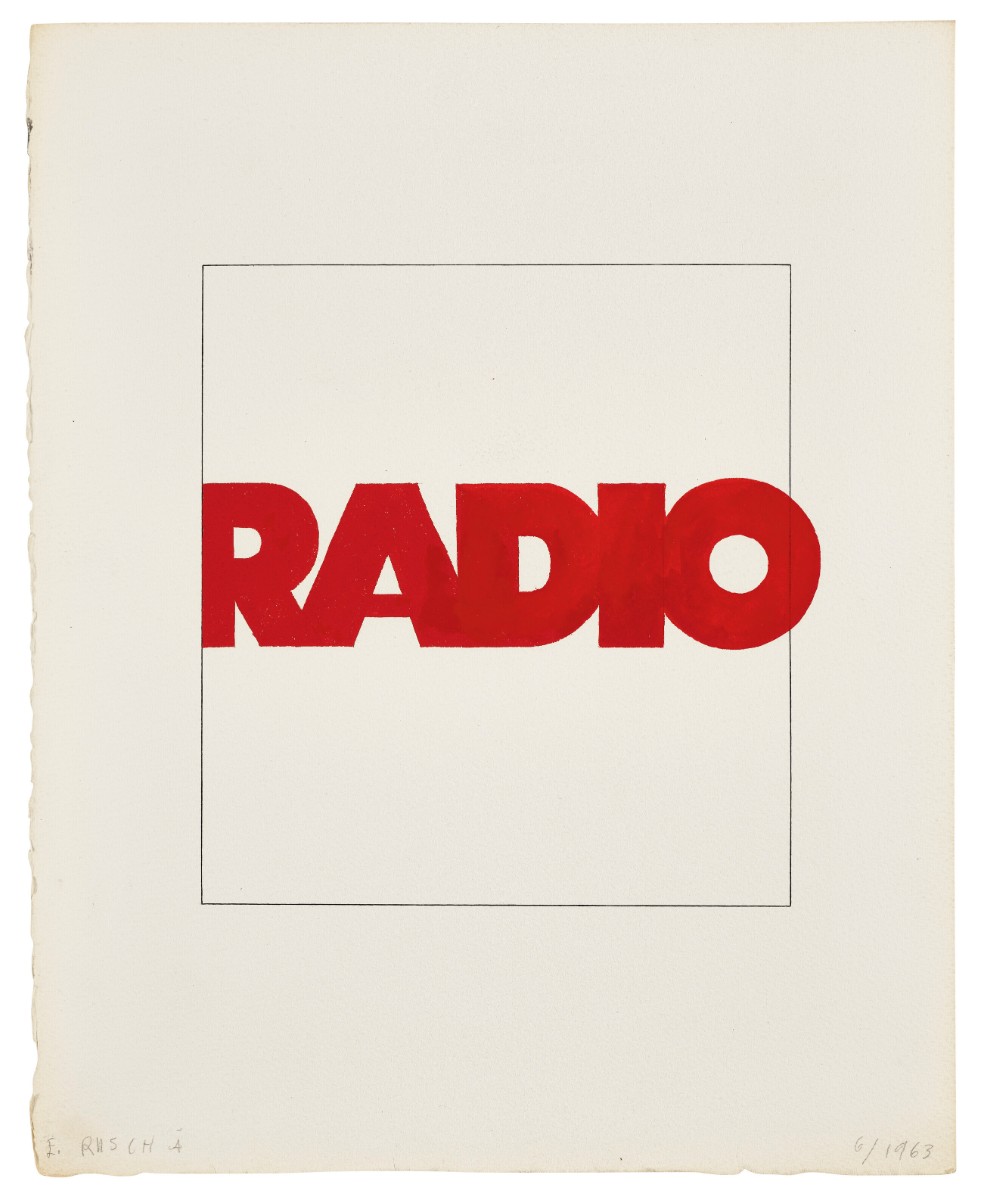
ED RUSCHA (B. 1937)
Radio in Red, 1963
Tempera and ink on paper
14 x 11-1/4 inches (35.6 x 28.6 cm)
Signed ‘E. RUSCHA’ (lower left)
Dated ‘6⁄1963’ (lower right)
#2. Streaks of Oil, 1972
PROPERTY FROM THE ESTATE OF SAMANTHA EGGAR
Bonhams New-York: 20 May 2026
Estimated: USD 300,000 – 500,000
USD 635,500
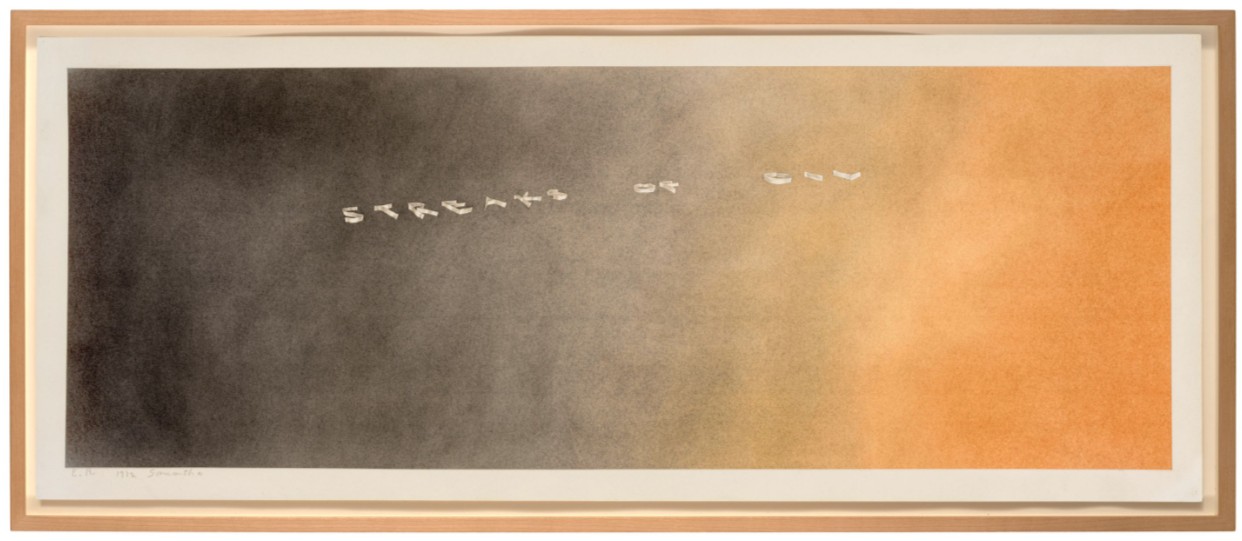
ED RUSCHA (B. 1937)
Streaks of Oil, 1972
Gunpowder and pastel on paper
11-1/2 x 29 inches (29.2 x 73.7 cm)
Signed with the artist’s initials, inscribed and dated ‘E.R. 1972 Samantha’ (lower left)
Inscribed and dedicated (on a label affixed to the reverse of the frame)
#3. Pressures, 1971
Radiant Forms: Works from a Distinguished Private Collection
Sotheby’s New-York: 15 May 2026
Estimated: USD 300,000 – 500,000
USD 576,000
WORK ON PAPER
Ed Ruscha | Pressures | Contemporary Day Auction | 2026 | Sotheby’s
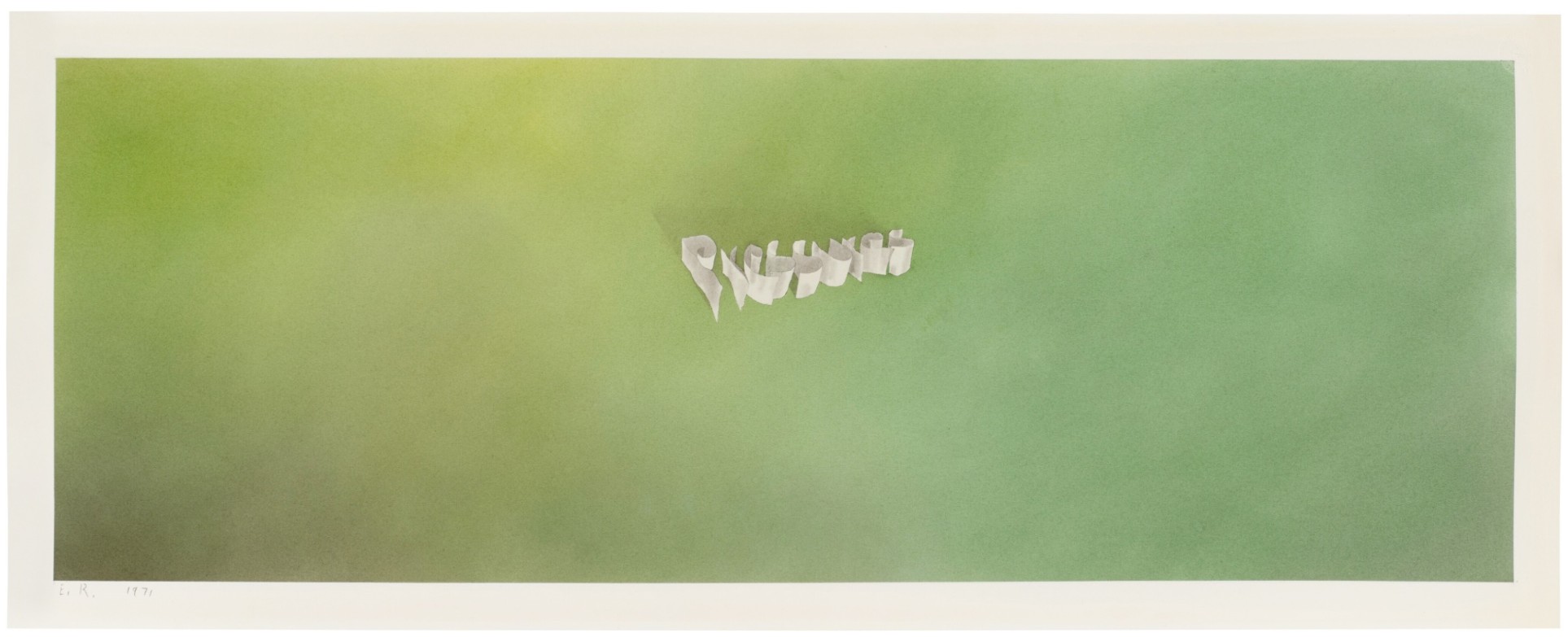
ED RUSCHA (b. 1937)
Pressures, 1971
Gunpowder and pastel on paper
11-1/2 x 29 inches (29.2 x 73.7 cm)
Signed with the artist’s initials and dated 1971 (lower left)
#4. Paradise, 1983
Sotheby’s New-York: 15 May 2026
Estimated: USD 400,000 – 600,000
USD 512,000
WORK ON PAPER
Ed Ruscha | Paradise | Contemporary Day Auction | 2026 | Sotheby’s
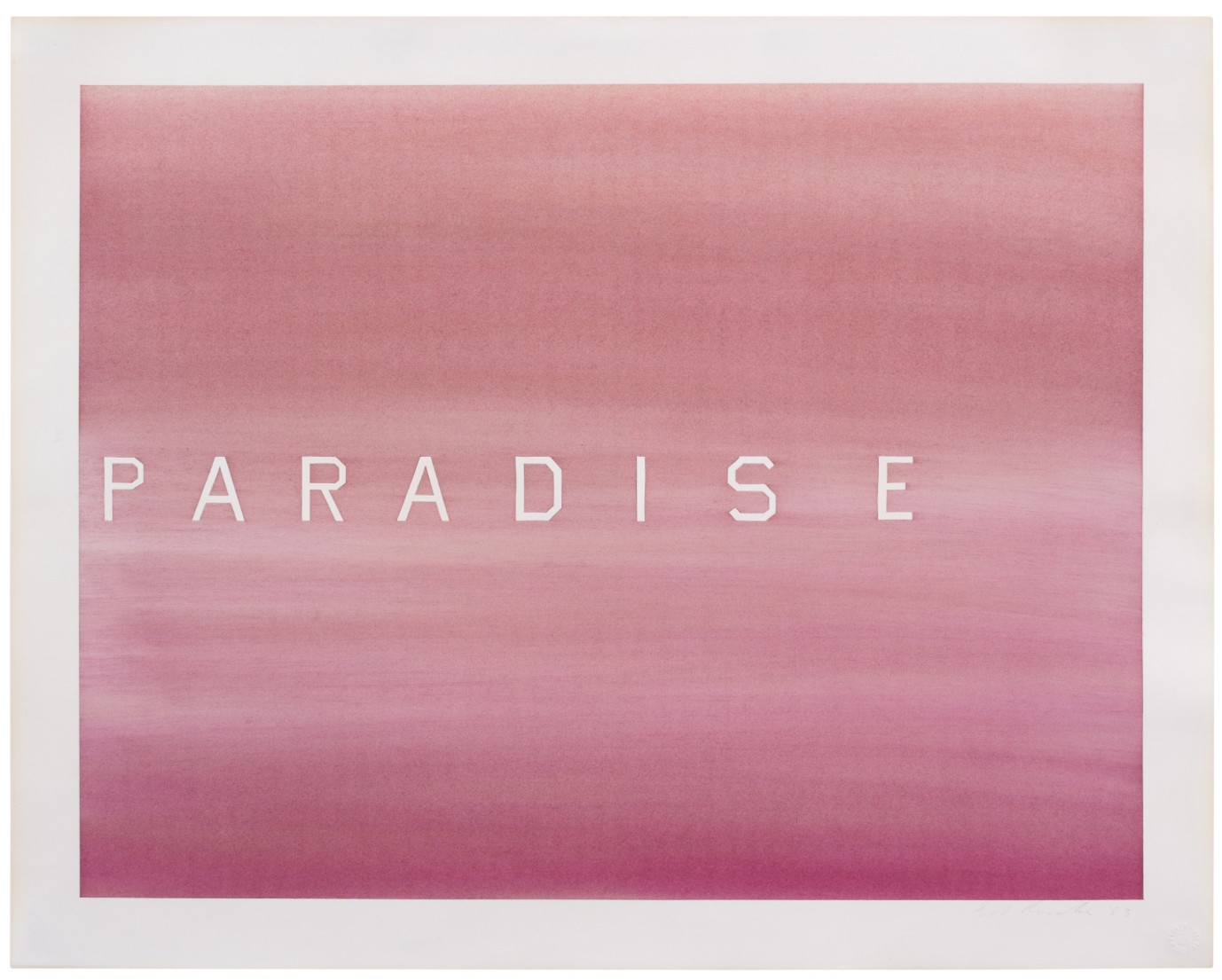
ED RUSCHA (b. 1937)
Paradise, 1983
Dry pigment on paper
Image: 19-3/4 x 23-3/4 inches (50.2 x 60.3 cm)
Sheet: 23-1/8 x 29-1/8 inches (58.7 x 74 cm)
Signed and dated ‘83 (lower right)
USD 500,000
#5. Trademark Study #4, 1962
Christie’s New-York: 21 May 2026
Estimated: USD 100,000 – 150,000
USD 419,100
WORK ON PAPER
ED RUSCHA (B. 1937), Trademark Study #4 | Christie’s
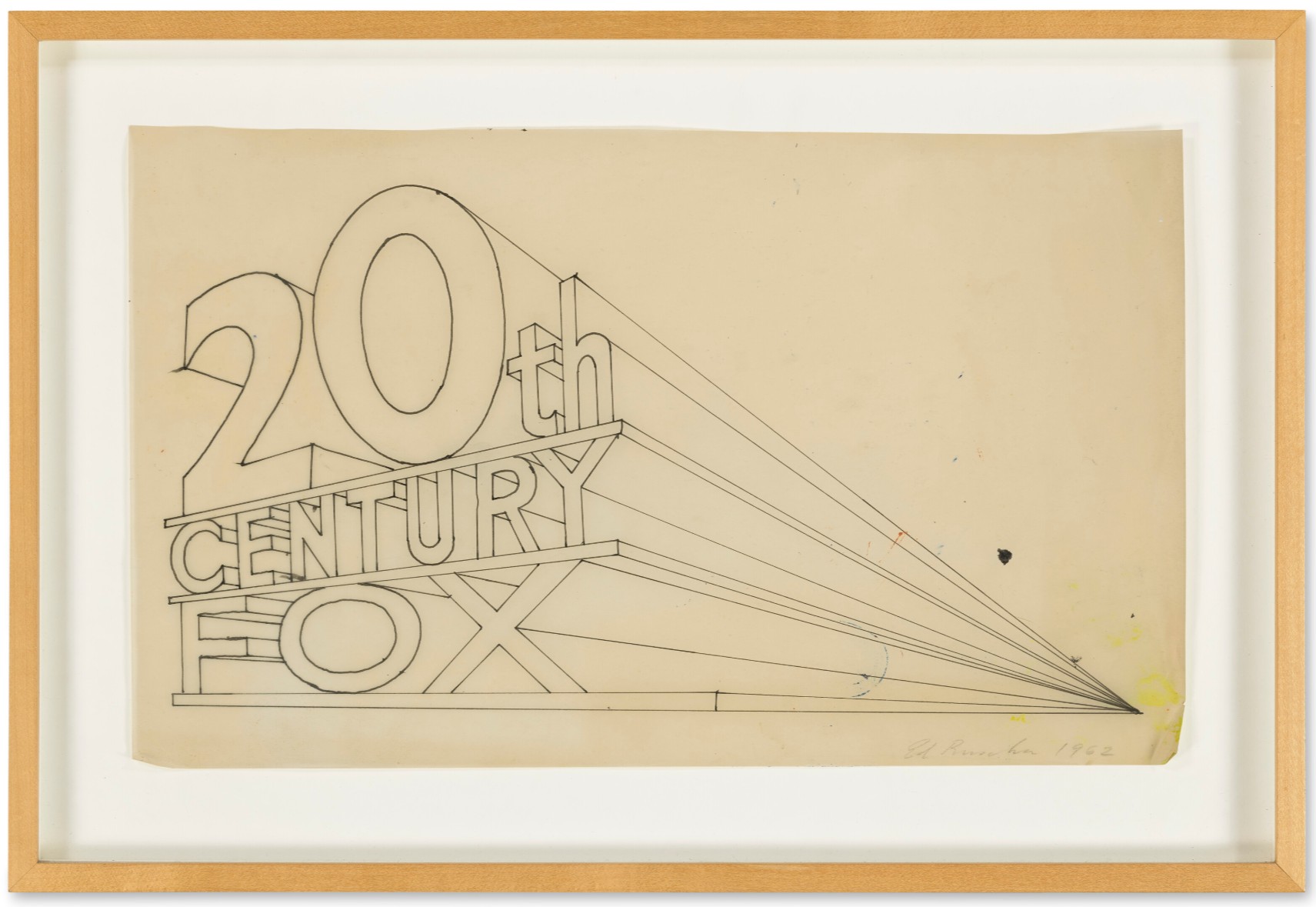
ED RUSCHA (B. 1937)
Trademark Study #4, 1962
Ink on tracing paper
8-1/4 x 13-3/4 inches (20.8 x 34.8 cm)
Signed and dated ‘Ed Ruscha 1962’ (lower right)
#6. Elderly People, 1975
Christie’s New-York: 21 May 2026
Estimated: USD 300,000 – 400,000
USD 304,800
WORK ON PAPER
ED RUSCHA (B. 1937), Elderly People | Christie’s
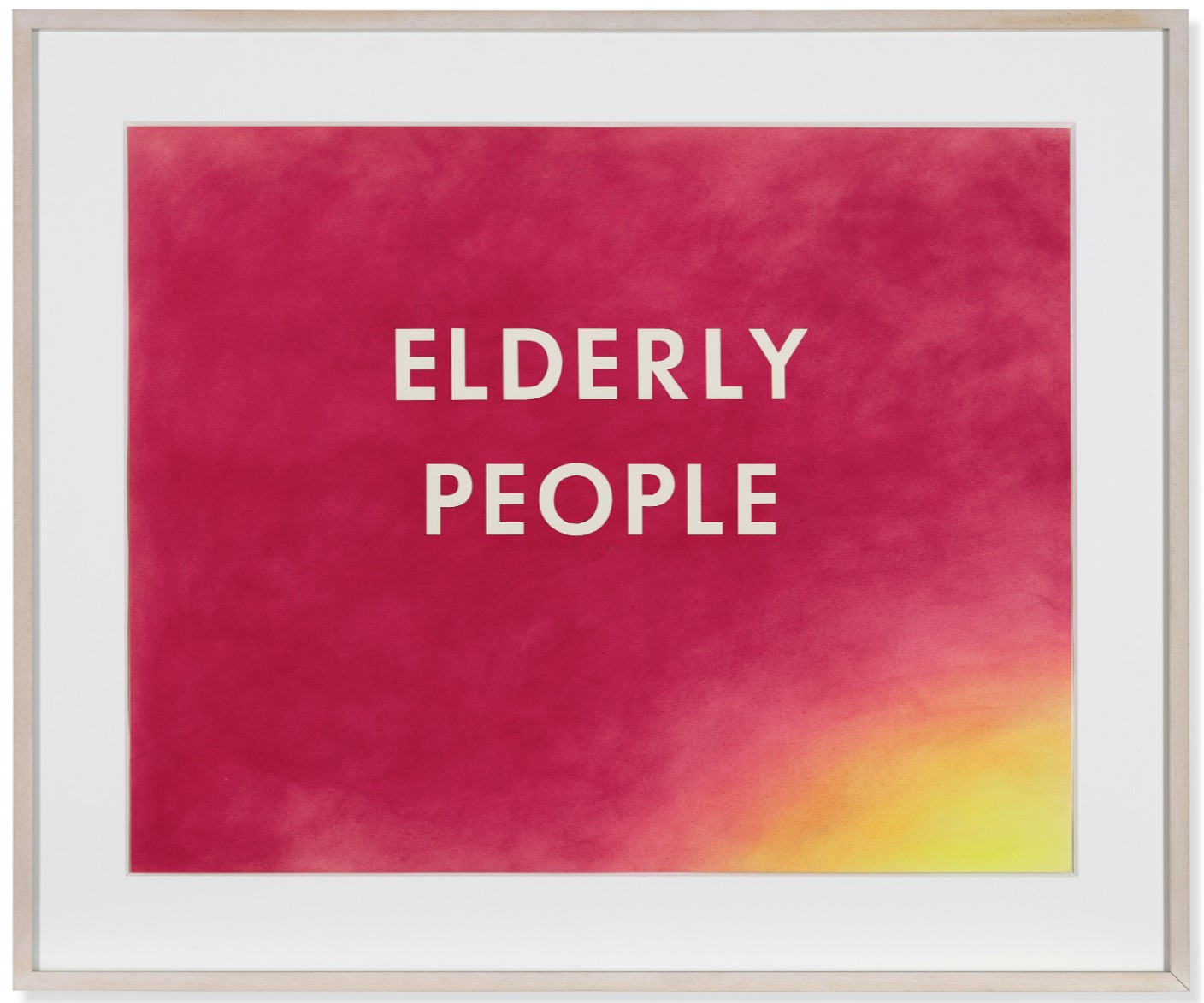
ED RUSCHA (B. 1937)
Elderly People, 1975
Pastel on paper
22-3/4 x 28-1/2 inches (56.6 x 71.4 cm)
Signed and dated ‘Edward Ruscha 1975’ (on the reverse)
#7. Trashy Fish, 1973
Christie’s New-York: 21 May 2026
Estimated: USD 200,000 – 300,000
USD 254,000
WORK ON PAPER
ED RUSCHA (B. 1937), Trashy Fish | Christie’s
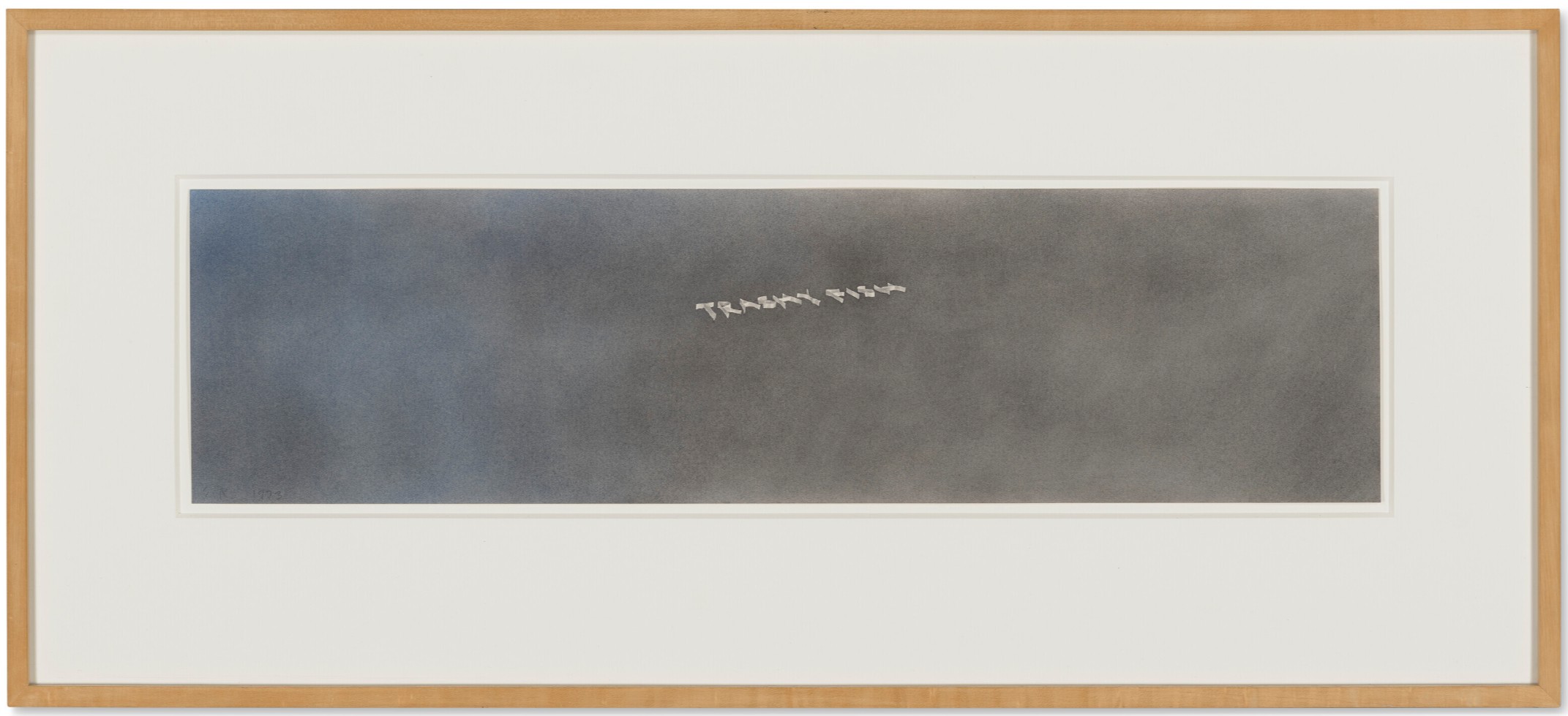
ED RUSCHA (B. 1937)
Trashy Fish, 1973
Gunpowder and pastel on paper
7-1/2 x 28-1/4 inches (17.8 x 71.1 cm)
Signed with the artist’s initials and dated ‘E.R. 1973’ (lower left)
#8. Is it Overcast, Radiation Fog, or Scud?, 1990
Phillips New-York: 21 May 2026
Estimated: USD 150,000 – 250,000
USD 193,500
WORK ON PAPER
Ed Ruscha Modern & Contemporary Art: Morning Session
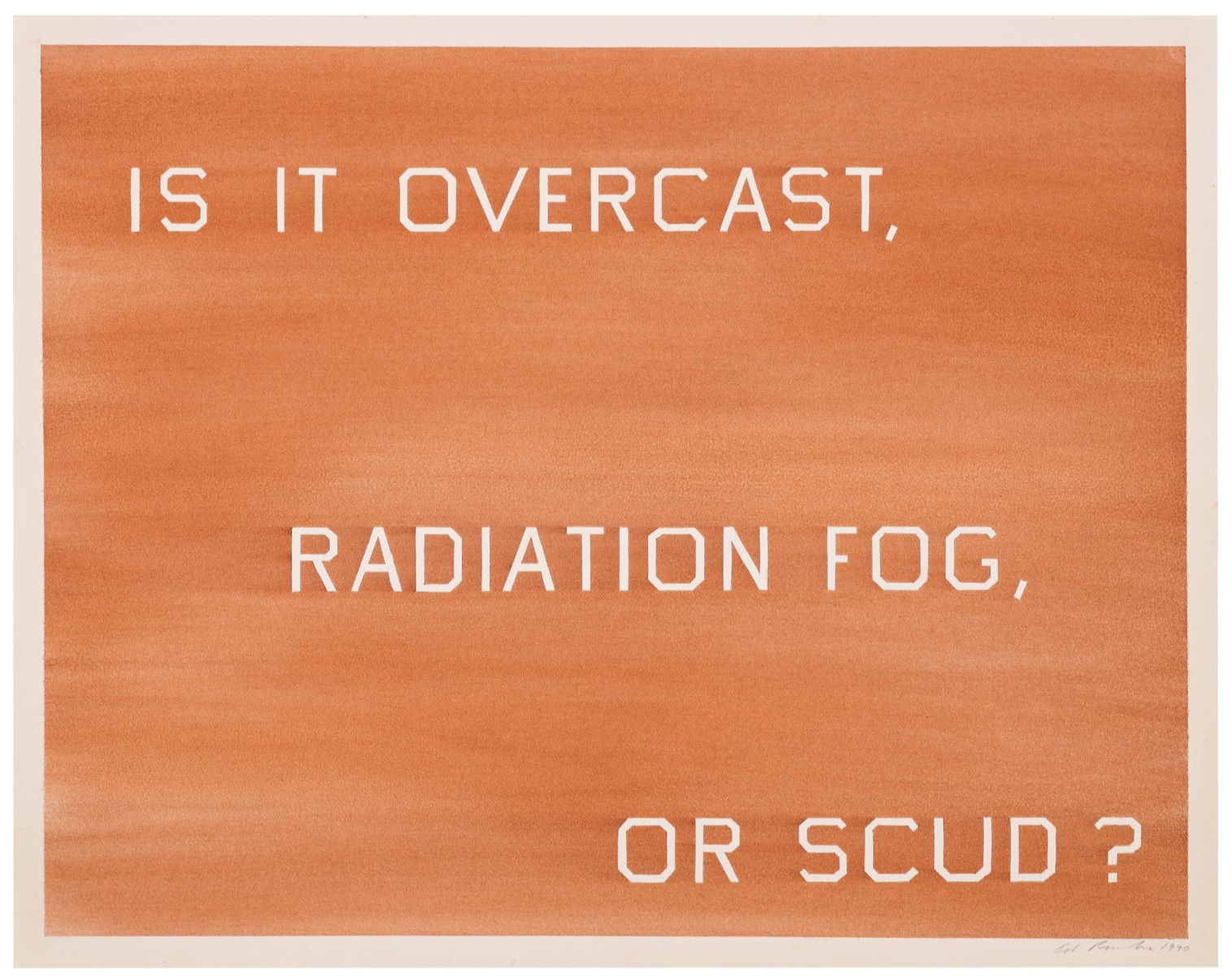
ED RUSCHA
Is it Overcast, Radiation Fog, or Scud?, 1990
Pastel on paper
22-7/8 x 29 inches (58.1 x 73.7 cm)
Signed and dated “Ed Ruscha 1990” lower right
#9. No Go, 2014
Sotheby’s New-York: 15 May 2026
Estimated: USD 70,000 – 100,000
USD 166,400
WORK ON PAPER
Ed Ruscha | No Go | Contemporary Day Auction | 2026 | Sotheby’s
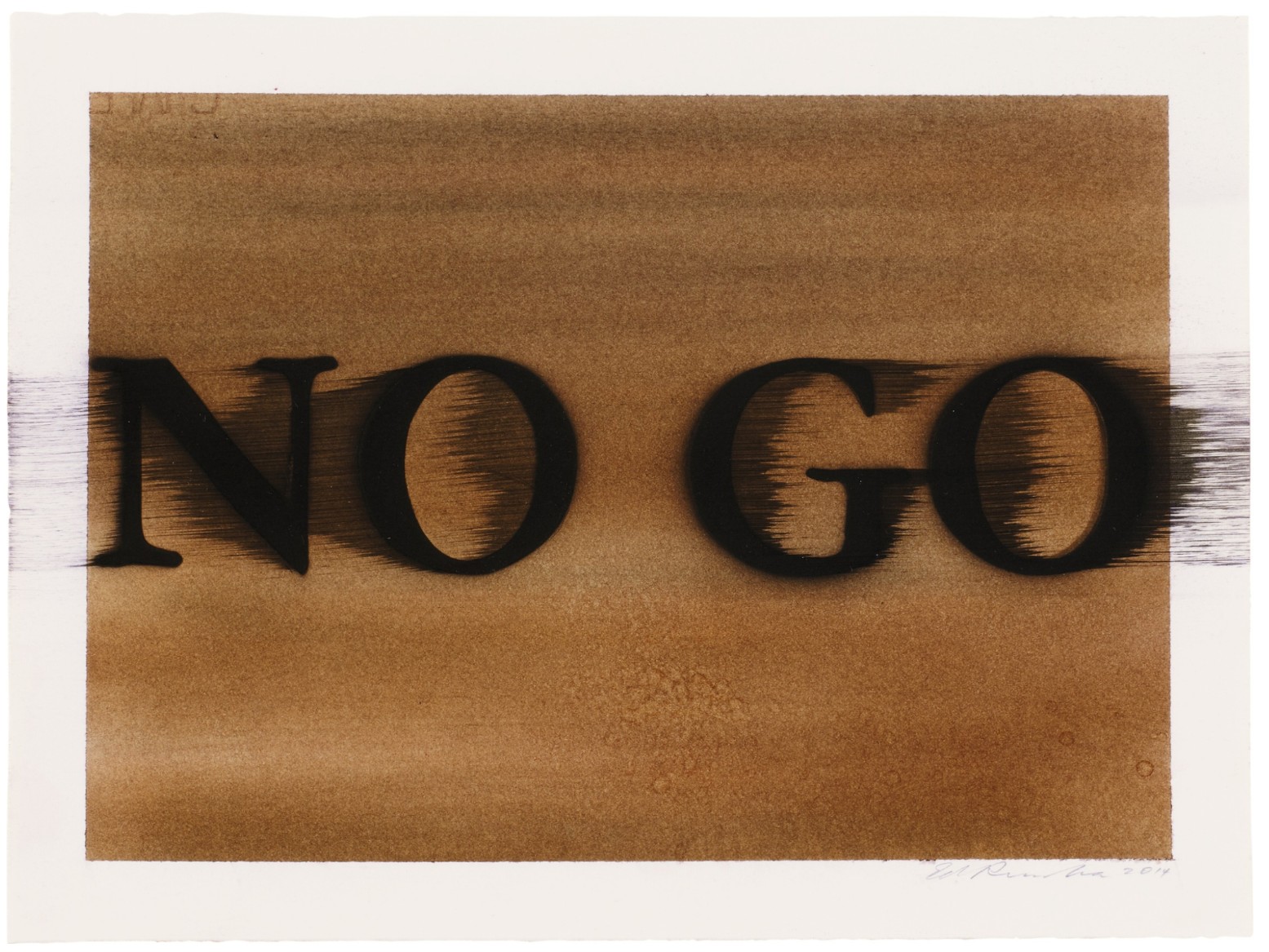
ED RUSCHA (b. 1937)
No Go, 2014
Dry pigment and acrylic on paper
11-1/8 x 15 inches (28.3 x 38.1 cm)
Signed and dated 2014 (lower right)
#10. Europe, 1989
Property from a Distinguished American Collection
Sotheby’s New-York: 25 February 2026
Estimated: USD 100,000 – 150,000
USD 128,000
Europe | Contemporary Curated | 2026 | Sotheby’s
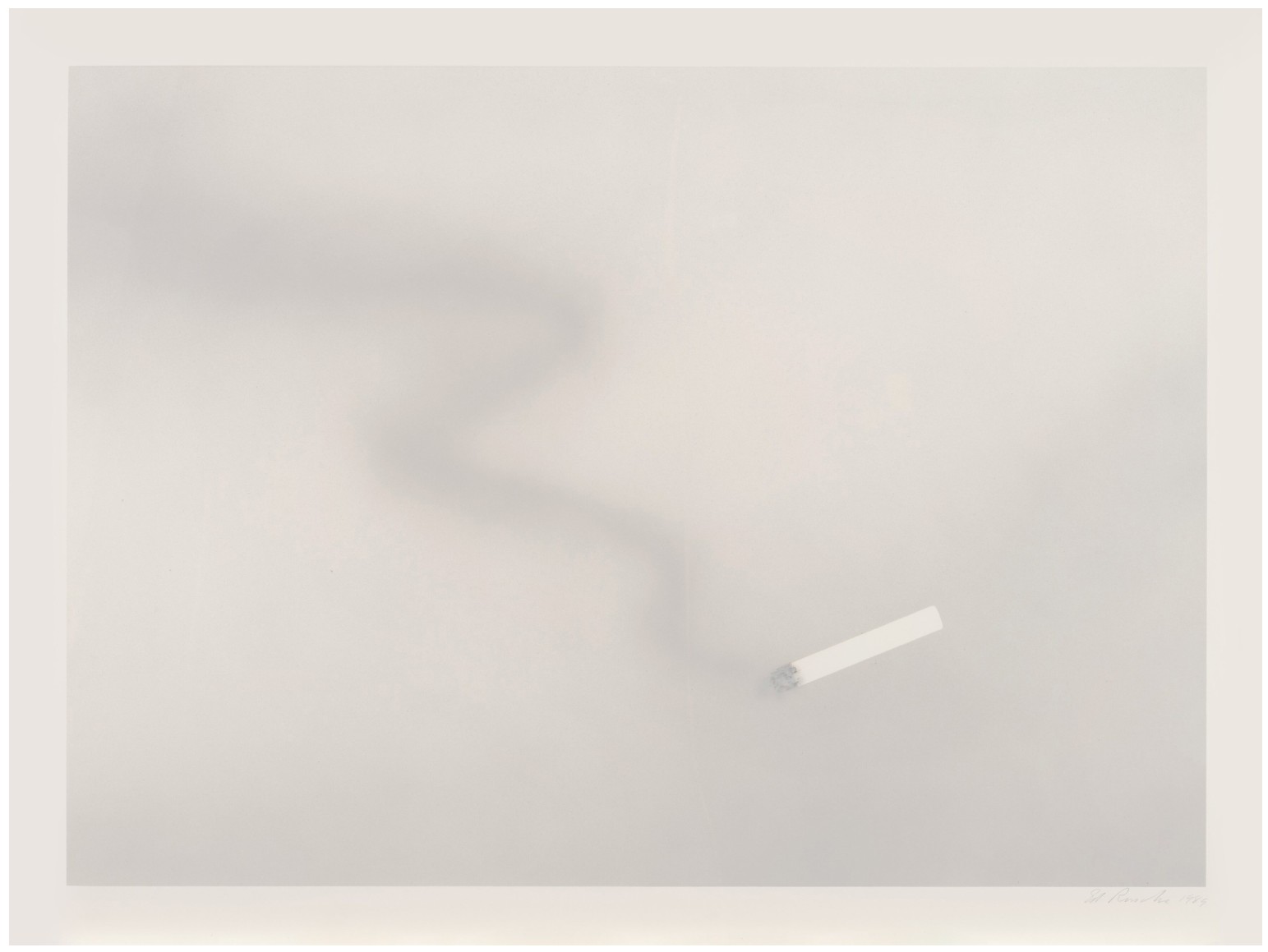
ED RUSCHA (b. 1937)
Europe, 1989
Acrylic and graphite on museum board
30×40 inches (76.2 x 101.6 cm)
Signed and dated 1989 (lower right)
Titled and dated 1989 (on the reverse)
2025 Auction Results
14 lots sold at auction in 2025 for a total turnover of USD 6,161,258. With 4 lots failing to sell, the sell-through rate is 78%. The highest price achieved is 2025 was for Your Comedies, a work on paper dated 1982, that sold at Sotheby’s in New-York, on 19 November 2025, for USD 1,819,000.
2025 Top 3 Lots
This is the only lot that sold for more than USD 1 million, representing 29.5% of the total turnover of 2025. 2 lots sold for more than USD 500,000, generating a cumulative turnover of USD 2,600,200, representing 42.2% of the total turnover for 2025. All lots except 1 sold for more than USD 100,000.
XXXXXXXXXX
#1. Your Comedies, 1982
Property from an Esteemed West Coast Collection
Sotheby’s New-York: 19 November 2025
Estimated: USD 600,000 – 800,000
USD 1,819,000
WORK ON PAPER
Your Comedies | Contemporary Day Auction | 2025 | Sotheby’s
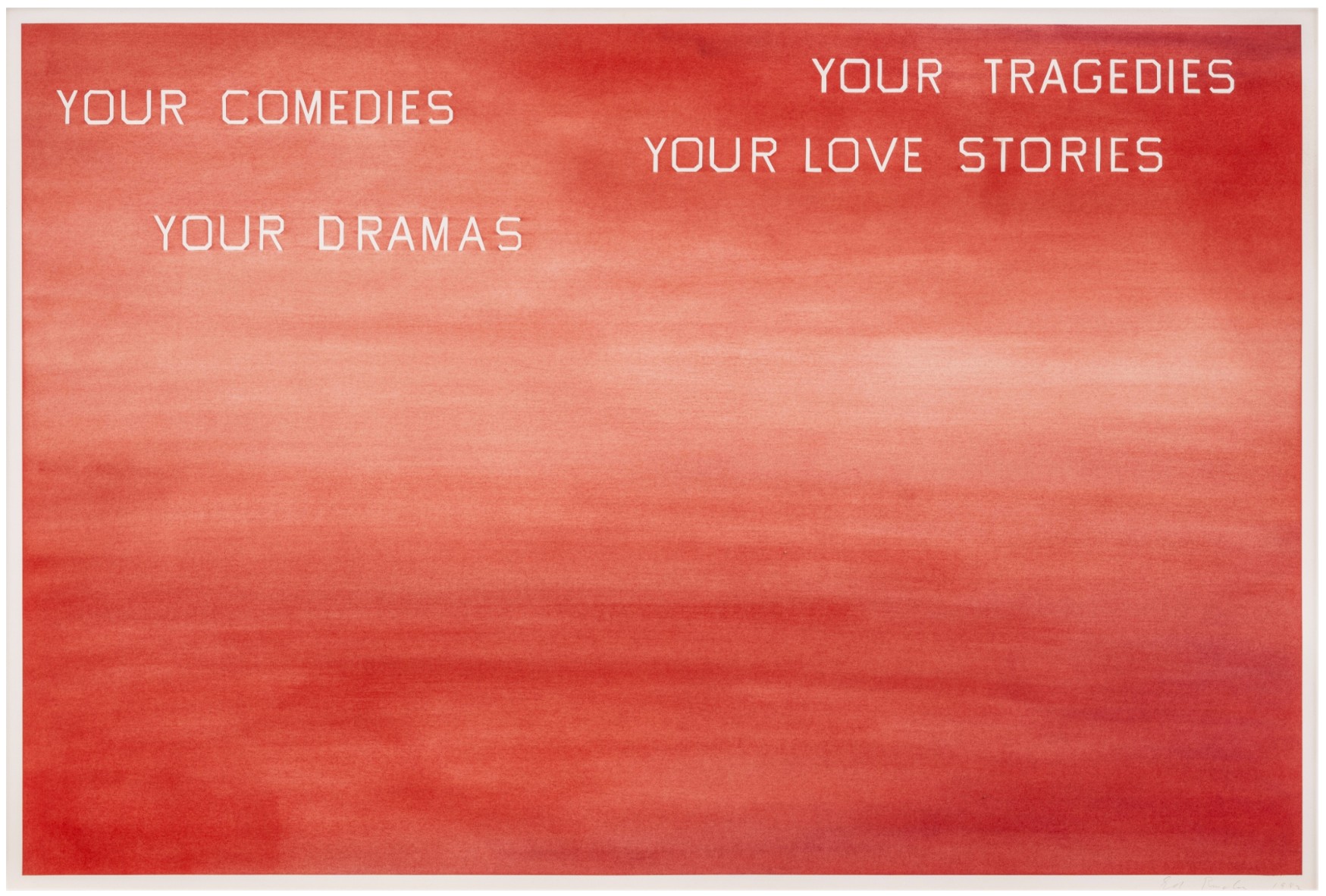
ED RUSCHA (b. 1937)
Your Comedies, 1982
Dry pigment on paper
40×60 inches (101.6 x 152.4 cm)
Signed and dated 1982 (lower right)
USD 1 million
#2. Radar, 1976
Christie’s New-York: 15 May 2025
Estimated: USD 500,000 – 700,000
USD 781,200
WORK ON PAPER
ED RUSCHA (B. 1937), Radar | Christie’s
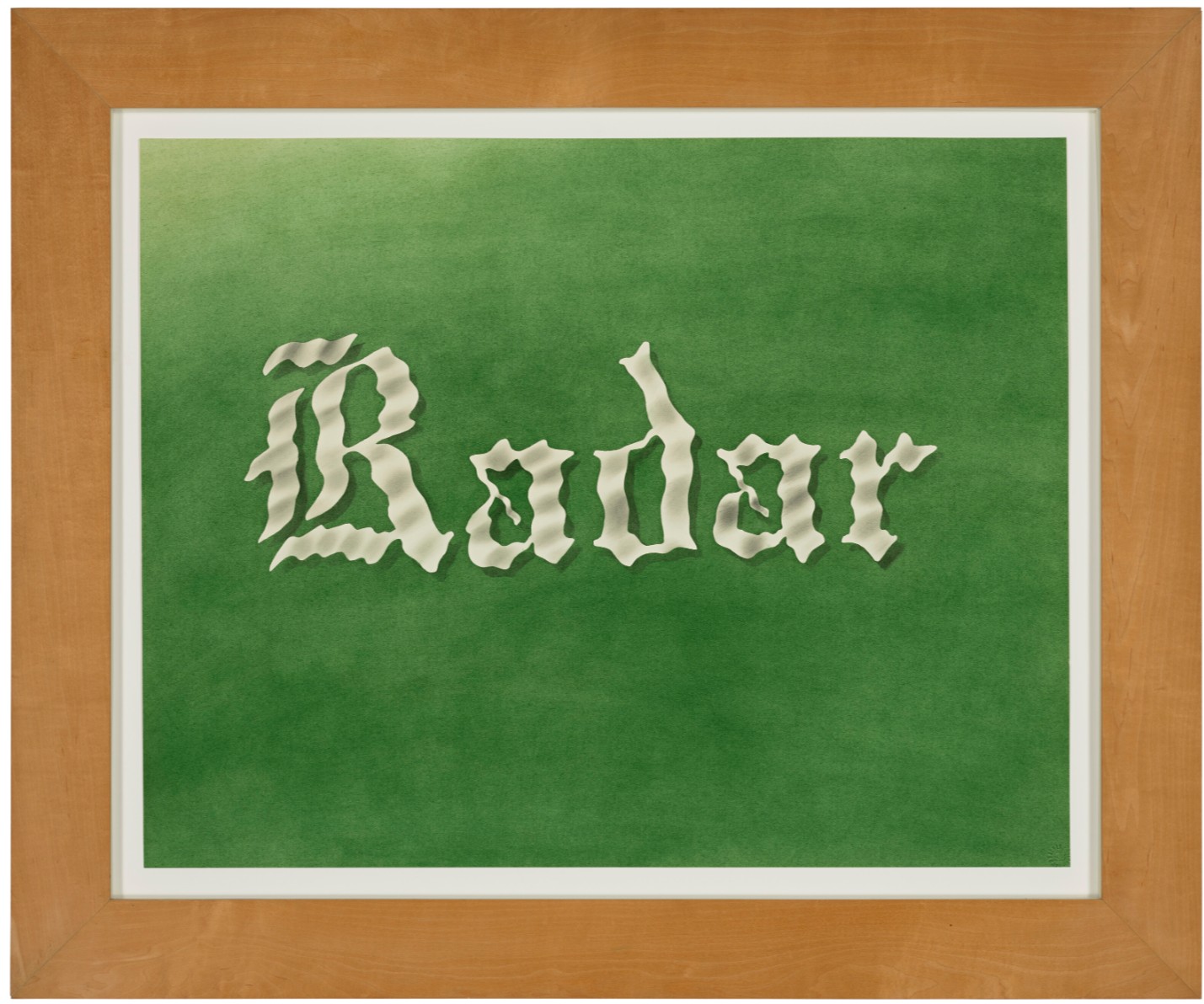
ED RUSCHA (B. 1937)
Radar, 1976
Pastel and graphite on paper
22 1/8 x 28 1/8 inches (56.1 x 71.4 cm)
Signed and dated ‘Edward Ruscha 1976’ (on the reverse)
#3. Hollywood Sunset, 1983
Heritage Auctions: 19 November 2025
Estimated: USD 400,000 – 600,000
USD 437,500
WORK ON PAPER
Ed Ruscha (b. 1937). Hollywood Sunset, 1983. Dry pigment on paper. | Lot #77054 | Heritage Auctions
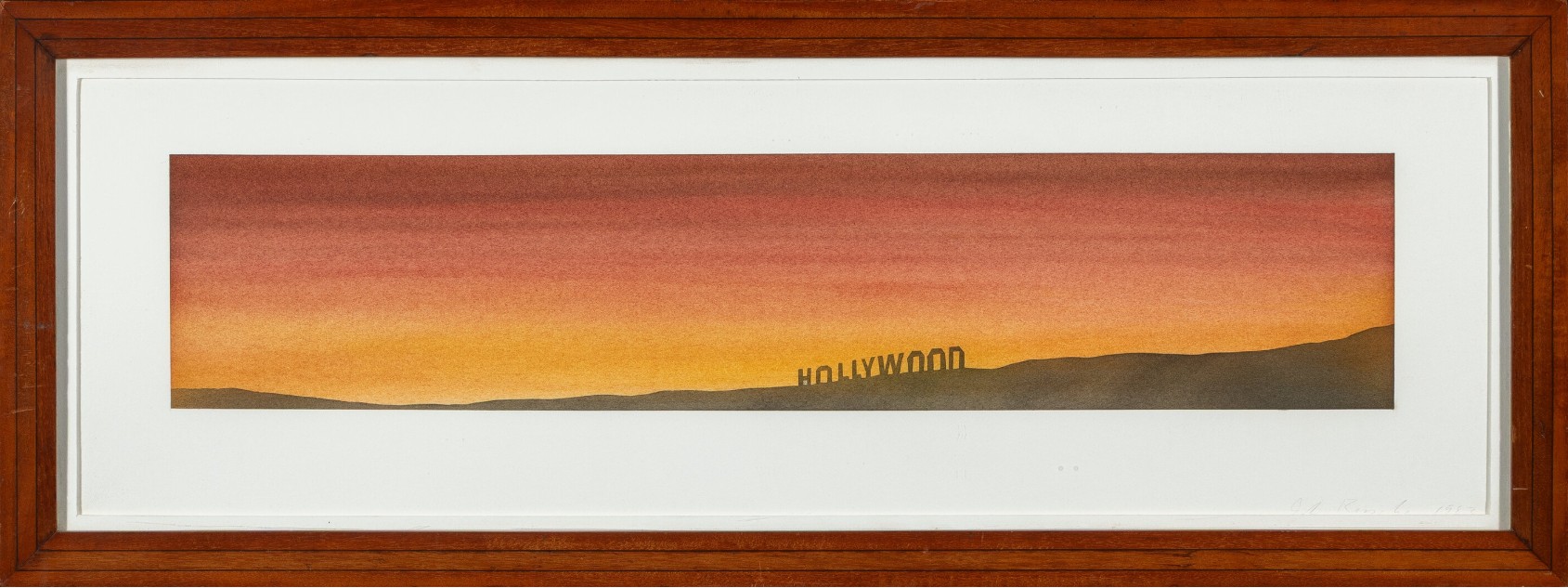
ED RUSCHA (b. 1937)
Hollywood Sunset, 1983
Dry pigment on paper
10 1/2 x 31 1/2 inches (26.7 x 80 cm)
Signed and dated lower right: Ed Ruscha 1983
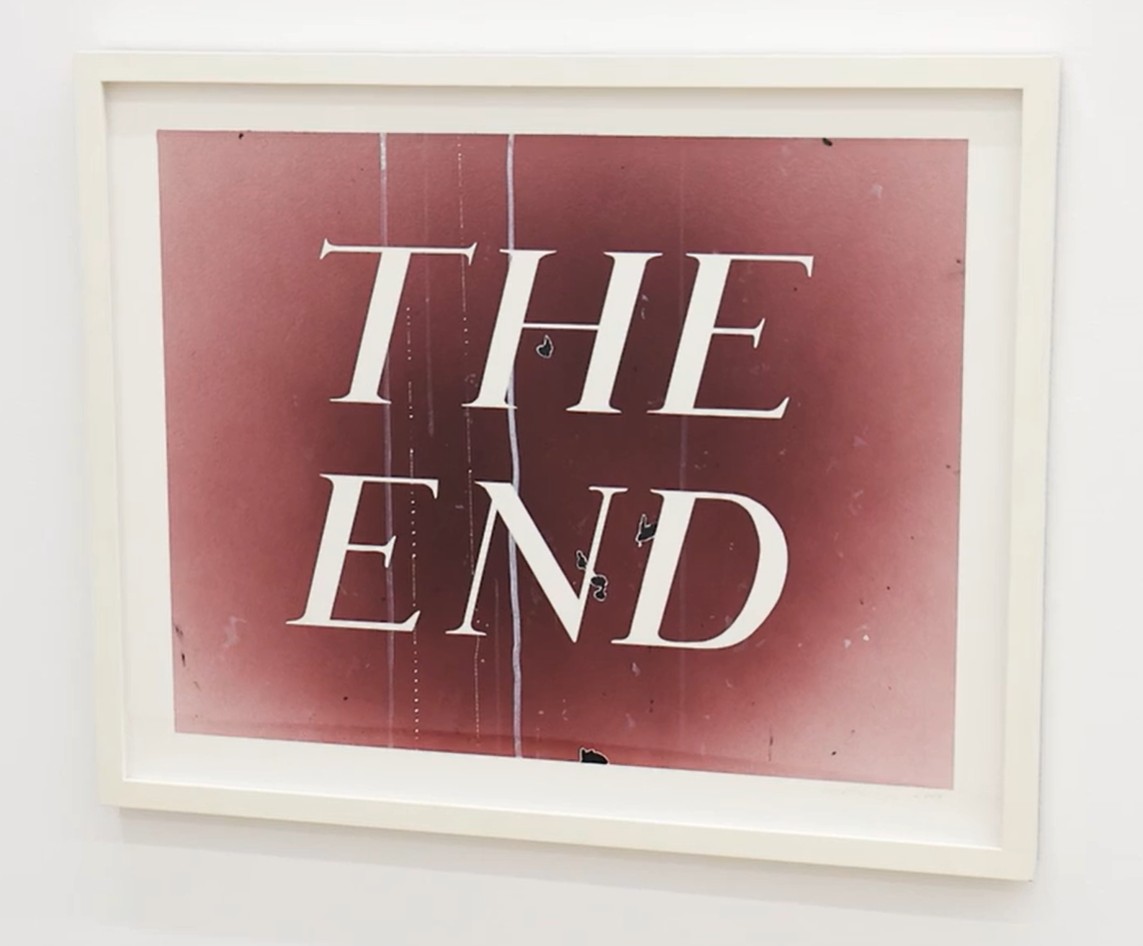
#4. The End #81, 2009
Phillips New-York: 13 May 2025
Estimated: USD 350,000 – 450,000
USD 406,400
WORK ON PAPER
Ed Ruscha Modern & Contemporary Art Evening Sale
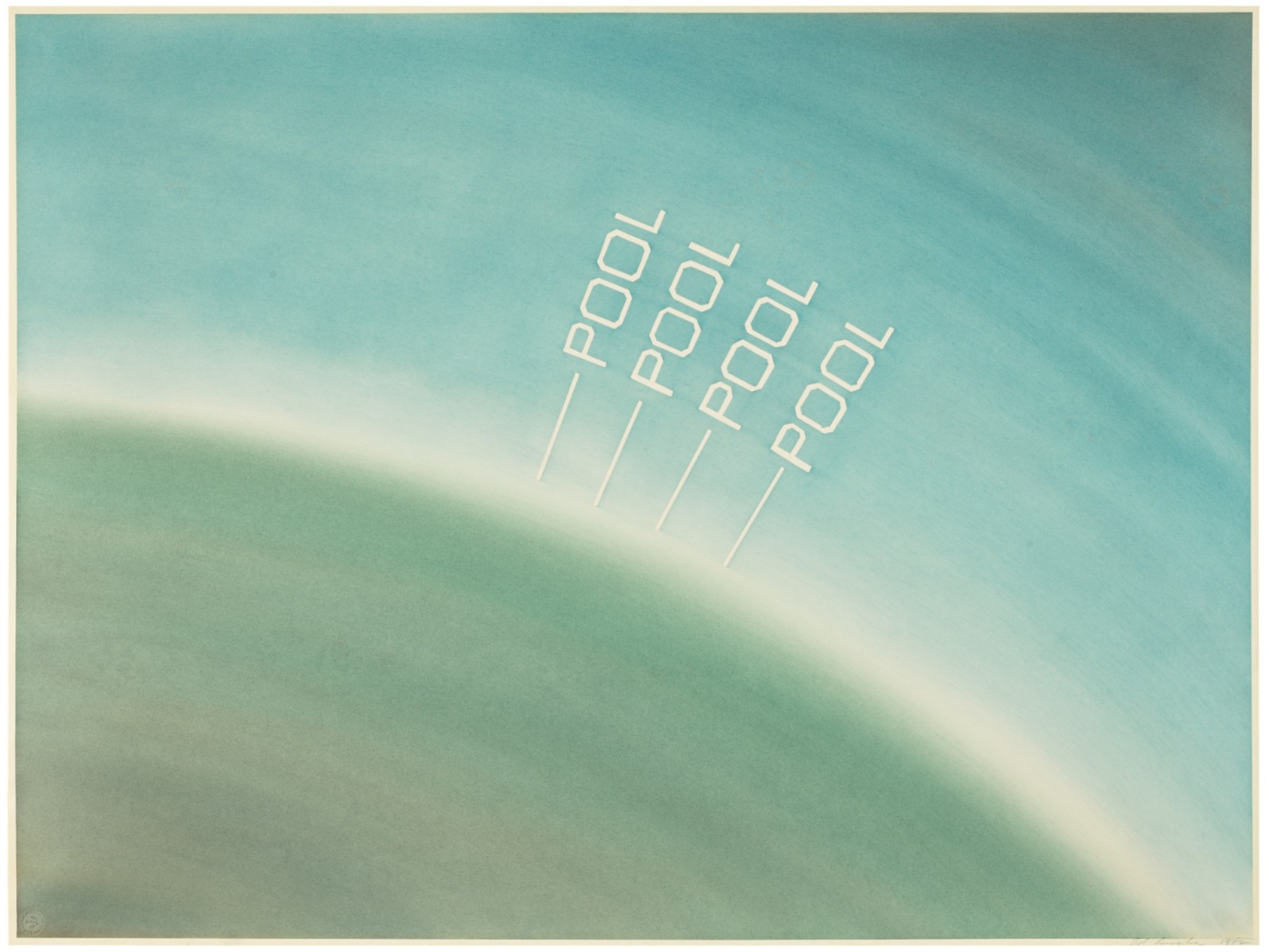
#5. Pool, Pool, Pool, Pool, 1982
LA Standard: Works by Ed Ruscha from a Private West Coast Collection
Phillips New-York: 21 November 2025
Estimated: USD 200,000 – 300,000
USD 387,000
WORK ON PAPER
Ed Ruscha Modern & Contemporary Art Day Sale, Morning Session
ED RUSCHA
Pool, Pool, Pool, Pool, 1982
Pastel on paper
30×40 inches (76.2 x 101.6 cm)
Signed and dated “Ed Ruscha 1982” lower right
“If you isolate a word for just a moment and repeat it ten, fifteen times, you can easily drive the meaning from the word and from the sound of the word, and I do that a lot with the printed word.”
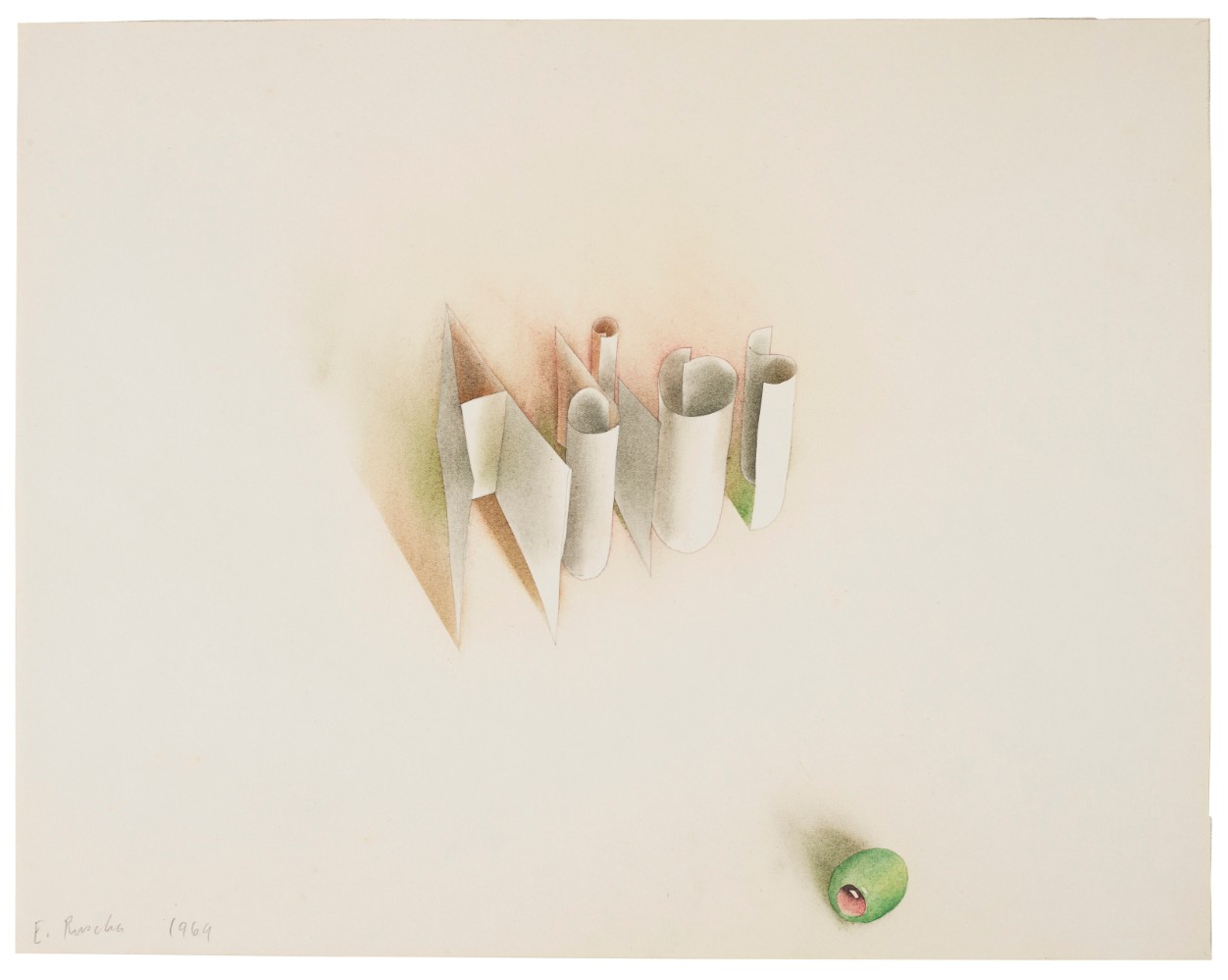
#6. Adios with Olive, 1969
Art from Stone: The Collection of Donald and Maggie Kelley
Christie’s New-York: 20 November 2025
Estimated: USD 250,000 – 350,000
USD 355,600
WORK ON PAPER
ED RUSCHA (B. 1937), Adios with Olive | Christie’s
ED RUSCHA (B. 1937)
Adios with Olive, 1969
Pastel and graphite on paper
11 1/4 x 14 1/2 inches (28.2 x 36.8 cm)
Signed and dated ‘E. Ruscha 1969’ (lower left)
#7. Diminishing Leak, 1989
Sotheby’s New-York: 16 May 2025
Estimated: USD 300,000 – 500,000
USD 317,500
WORK ON PAPER
Diminishing Leak | Contemporary Day Auction | 2025 | Sotheby’s
ED RUSCHA (b. 1937)
Diminishing Leak, 1989
Acrylic on paper
40 1/8 x 30 1/8 inches (101.9 x 76.5 cm)
Signed and dated 1989 (on the verso)
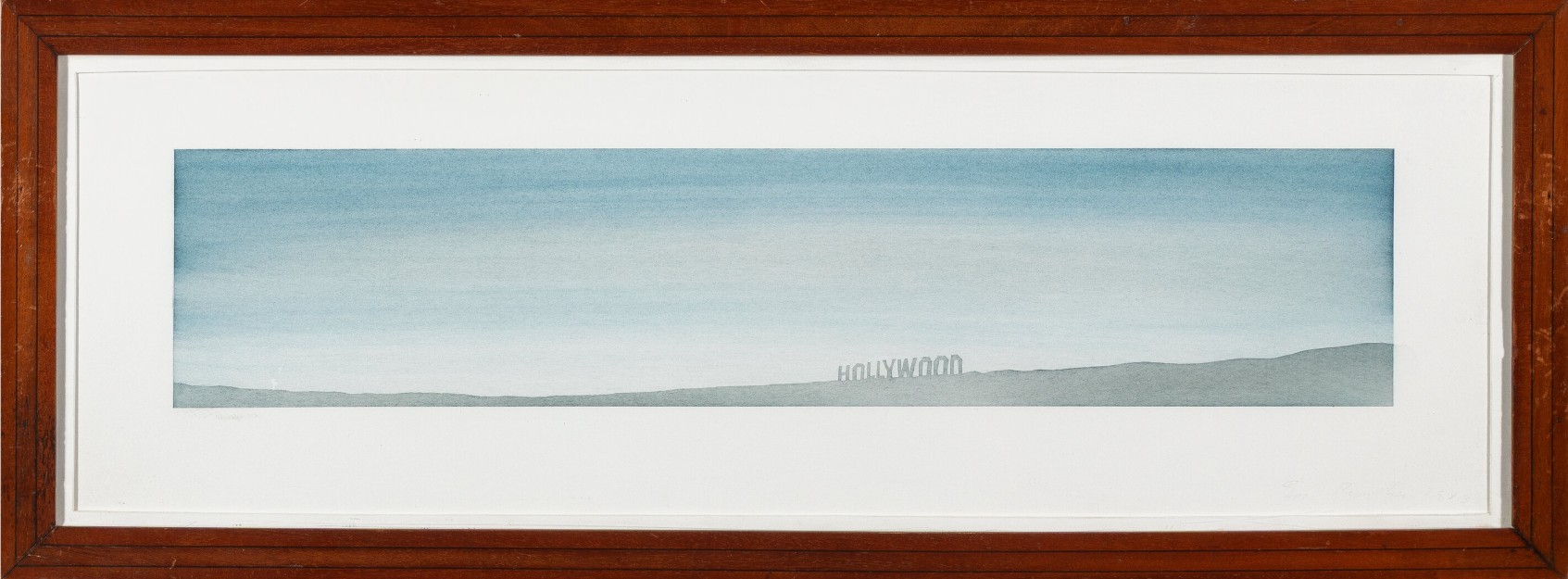
#8. Blue Hollywood, 1983
Heritage Auctions: 19 November 2025
Estimated: USD 300,000 – 500,000
USD 312,500
WORK ON PAPER
Ed Ruscha (b. 1937). Blue Hollywood, 1983. Dry pigment on paper. | Lot #77055 | Heritage Auctions
ED RUSCHA (b. 1937)
Blue Hollywood, 1983
Dry pigment on paper
10 1/2 x 31 1/2 inches (26.7 x 80 cm)
Signed and dated lower right: Ed Ruscha 1983
#9. Waves of Advancing Technology, 1983
Bonhams LA: 23 September 2025
Estimated: USD 300,000 – 400,000
USD 305,300
WORK ON PAPER
Bonhams : ED RUSCHA (B. 1937) Waves of Advancing Technology, 1983
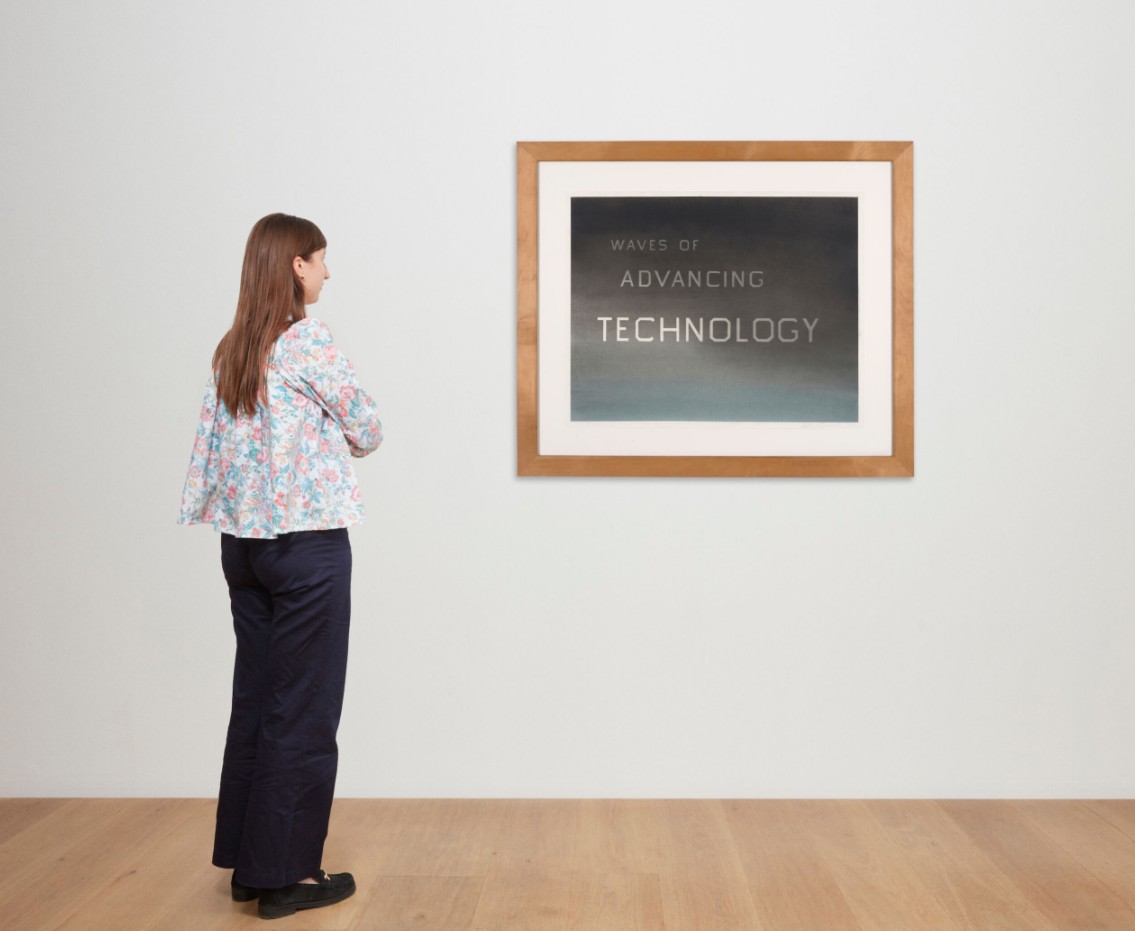
Dry pigment on paper
23×29 inches (58.4 x 73.7 cm)
Signed and dated ‘Ed Ruscha 1983’ (lower right)
#10. Broken Clock, 2008
Sotheby’s New-York: 16 May 2025
Estimated: USD 200,000 – 300,000
USD 304,800
WORK ON PAPER
Broken Clock | Contemporary Day Auction | 2025 | Sotheby’s
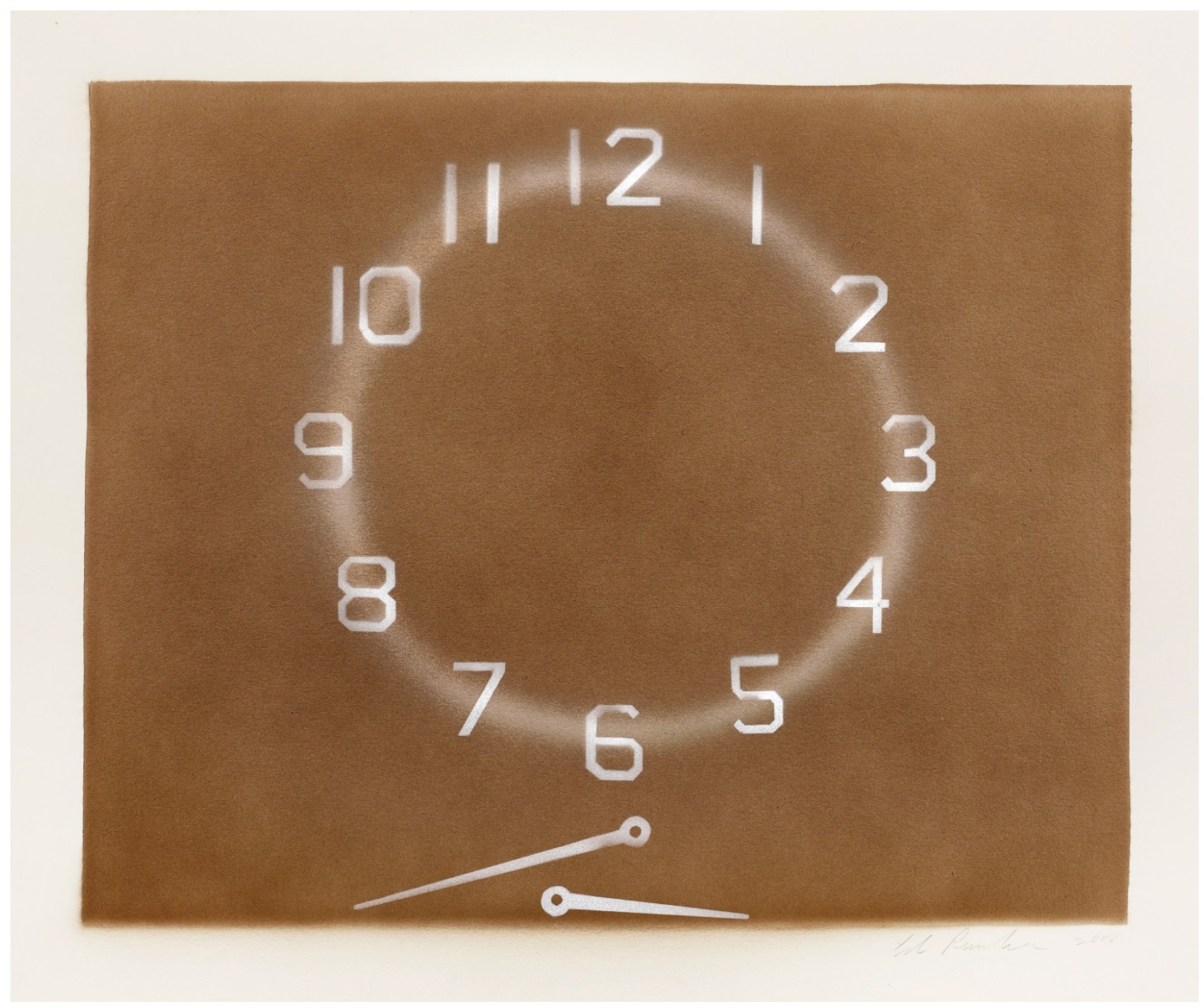
ED RUSCHA (b. 1937)
Broken Clock, 2008
Acrylic on museum board
20×24 inches (50.8 x 61 cm)
Signed and dated 2008 (lower right)
#11. Folded Paper, 1973
Phillips London: 6 March 2025
Estimated: GBP 180,000 – 250,000
GBP 228,600 / USD 292,608
WORK ON PAPER
Ed Ruscha – Modern & Contemporary Art … Lot 31 March 2025 | Phillips
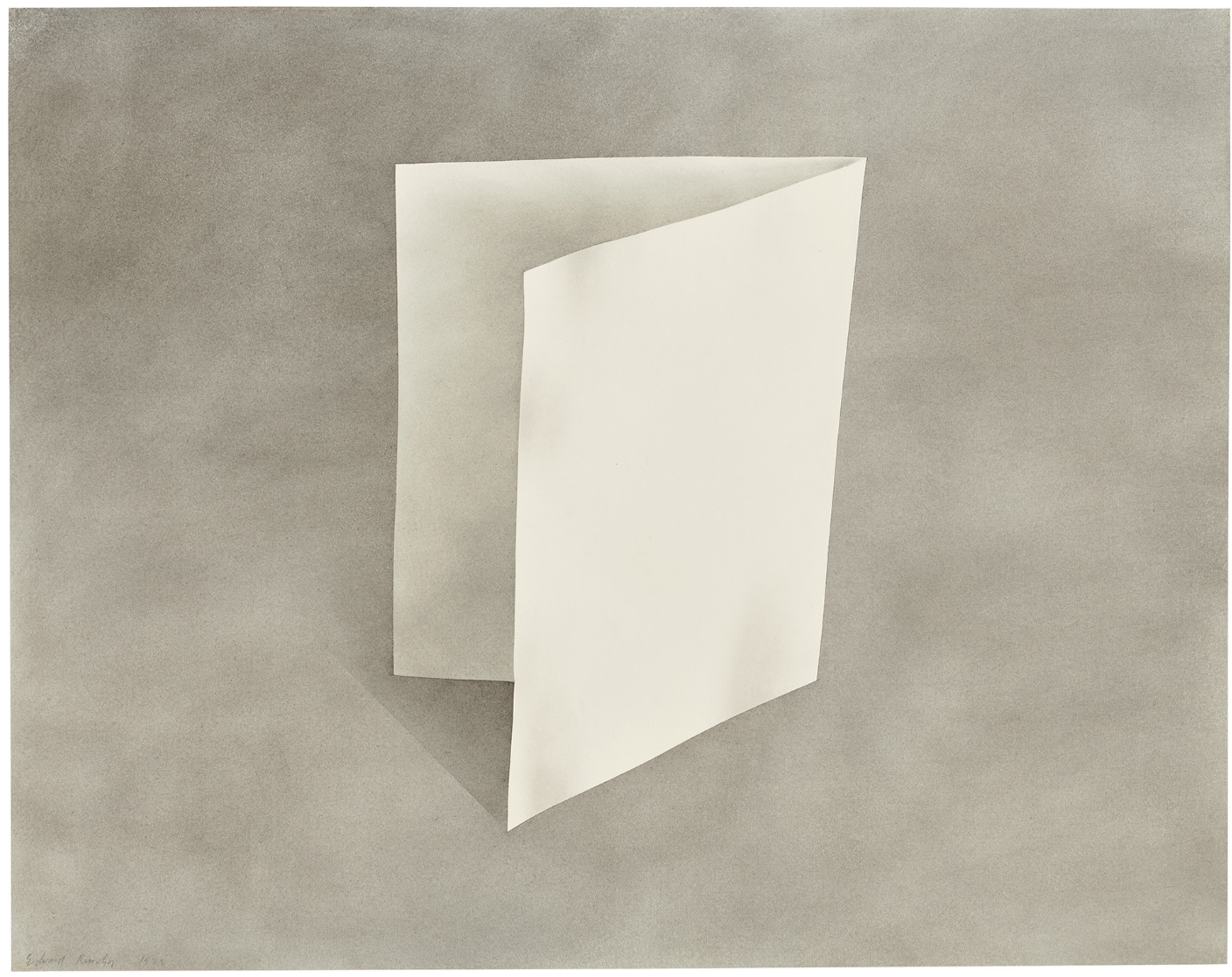
ED RUSCHA
Folded Paper, 1973
Pastel on paper
17 1/4 x 21 3/4 inches (43.8 x 55.2 cm)
Signed and dated ‘Edward Ruscha 1973’ lower left; titled ‘Folded Paper’ on the reverse
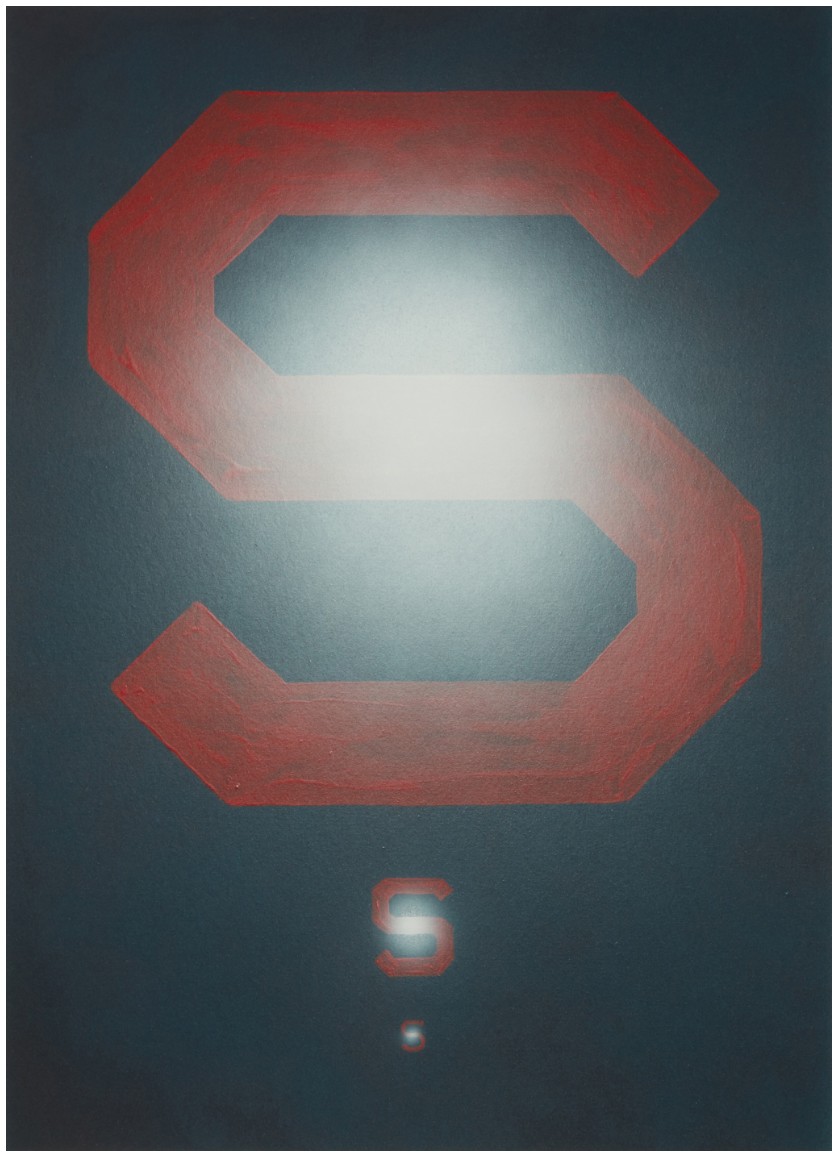
#12. S for Spanish, 1988
LA Standard: Works by Ed Ruscha from a Private West Coast Collection
Phillips New-York: 21 November 2025
Estimated: USD 250,000 – 350,000
USD 283,800
WORK ON PAPER
Ed Ruscha Modern & Contemporary Art Day Sale, Morning Session
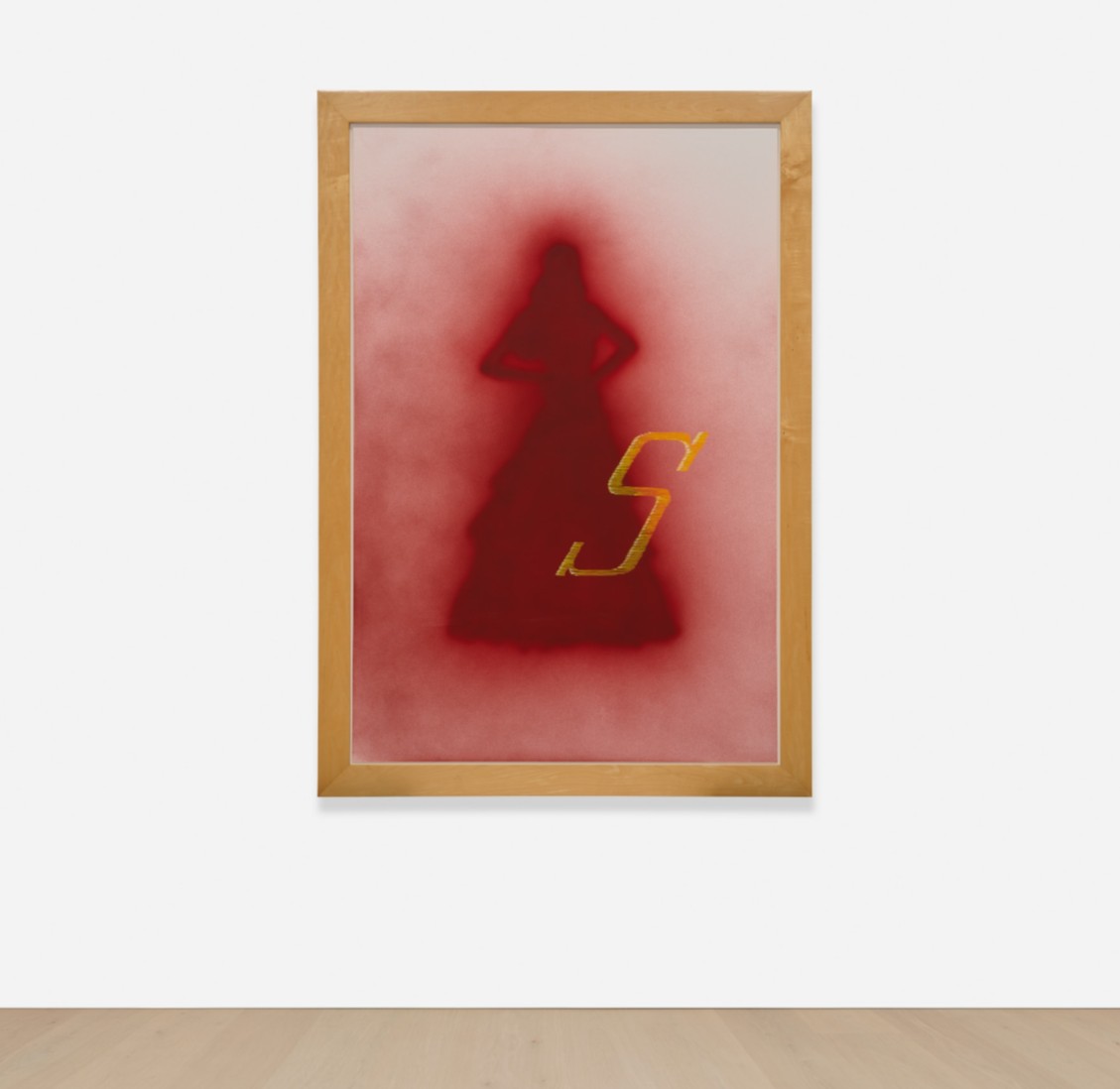
ED RUSCHA
S for Spanish, 1988
Acrylic on paper
60 1/8 x 40 1/4 inches (152.7 x 102.2 cm)
Signed and dated “Ed Ruscha ‘88” lower right
Signed, titled and dated “ED RUSCHA “S FOR SPANISH” 1988″ on the reverse
#13. Hero Study #4, 1995
Christie’s New-York: 15 May 2025
Estimated: USD 100,000 – 150,000
USD 100,800
WORK ON PAPER
ED RUSCHA (B. 1937), Hero Study #4 | Christie’s
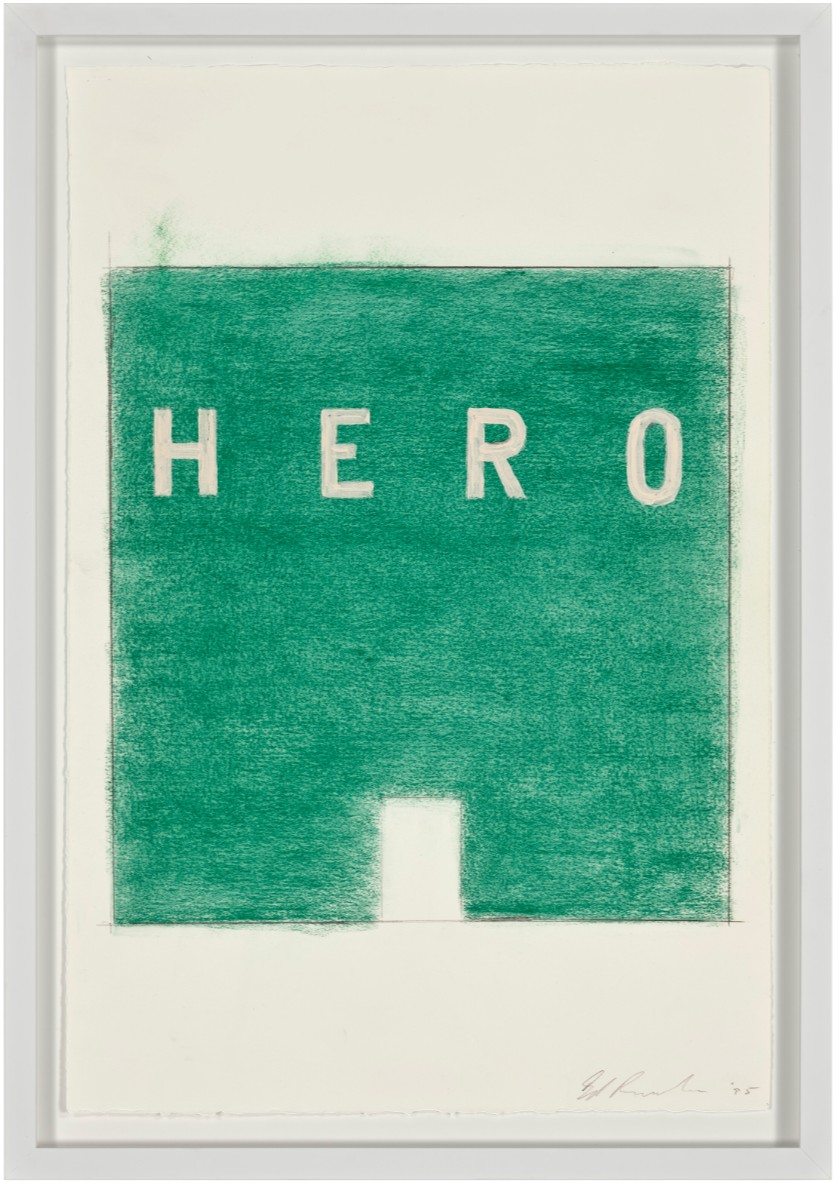
ED RUSCHA (B. 1937)
Hero Study #4, 1995
Acrylic, pastel and graphite on paper
22 1/4 x 15 inches (56.5 x 38.1 cm)
Signed and dated ‘Ed Ruscha ’95’ (lower right)
USD 100,000
#14. Particle Unit, 2017
Phillips New-York: 28 February 2025
Estimated: USD 70,000 – 100,000
USD 57,150
WORK ON PAPER
Ed Ruscha – New Now: Modern & Contemporary Art, New York Friday, February 28, 2025 at EST | Phillips
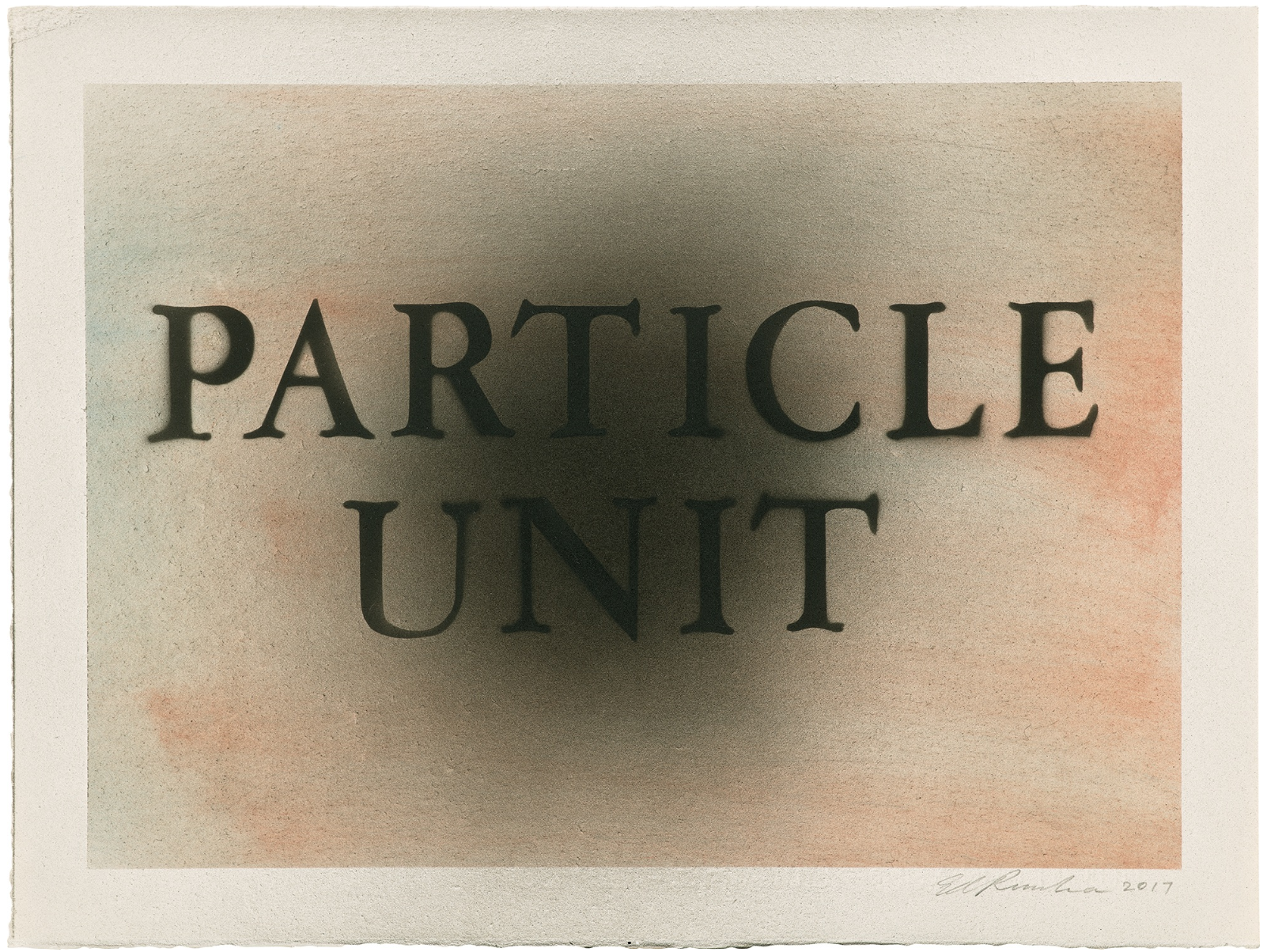
ED RUSCHA
Particle Unit, 2017
Dry pigment and acrylic on paper
11 1/8 x 15 inches (28.3 x 38.1 cm)
Signed and dated “Ed Ruscha 2017” lower right
Lots Passed
Europe, 1989
Property from a Distinguished American Collection
Sotheby’s New-York: 19 November 2025
Estimated: USD 200,000 – 300,000
PASSED
WORK ON PAPER
Europe | Contemporary Day Auction | 2025 | Sotheby’s
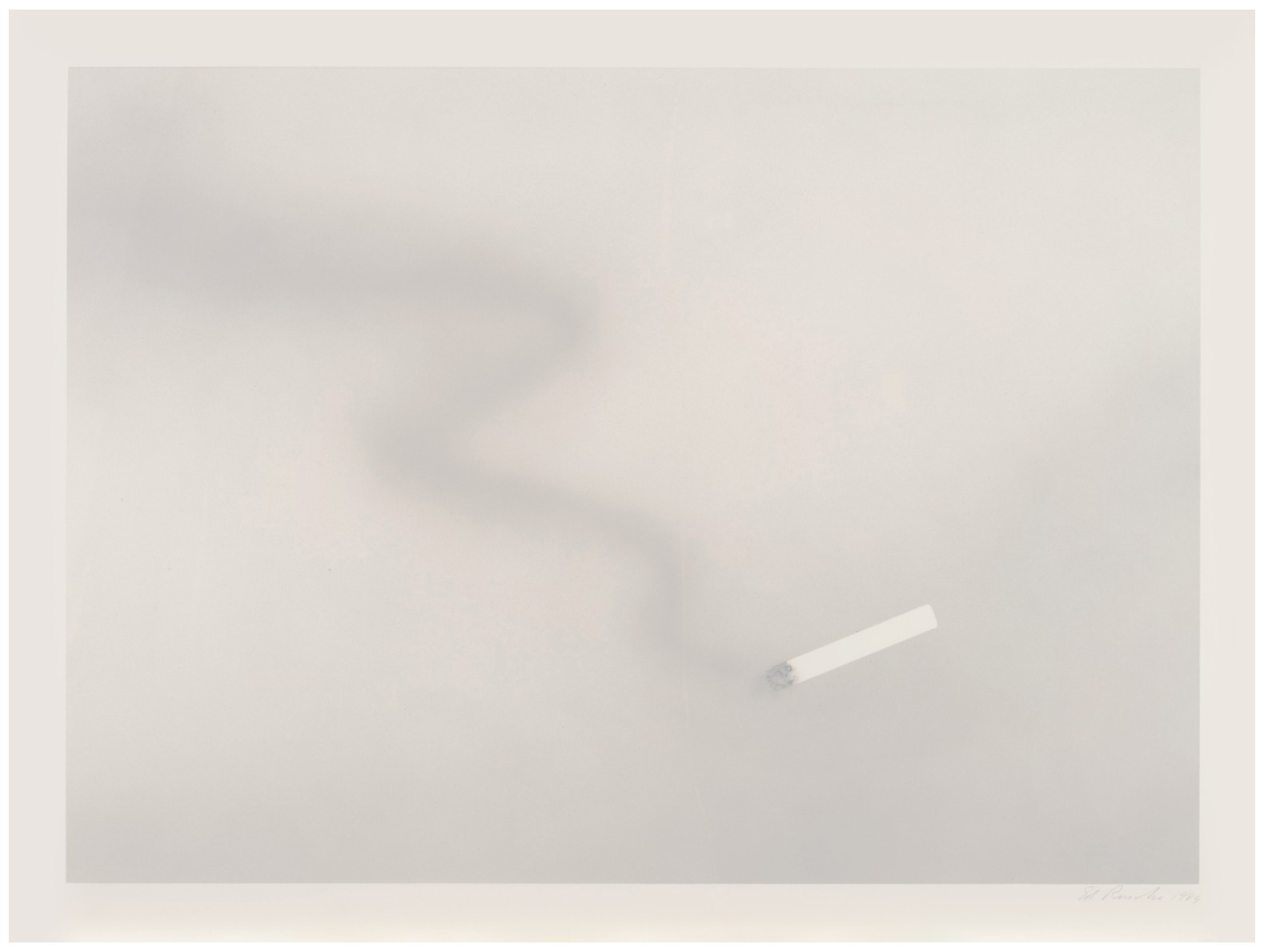
ED RUSCHA (b. 1937)
Europe, 1989
Acrylic and graphite on museum board
30 x 40 1/8 inches (76.2 x 101.9 cm)
Signed and dated 1989 (lower right)
Black Sex #1, 1979
Christie’s New-York: 30 September 2025
Estimated: USD 180,000 – 250,000
WORK ON PAPER
PASSED
ED RUSCHA (B. 1937), Black Sex #1 | Christie’s
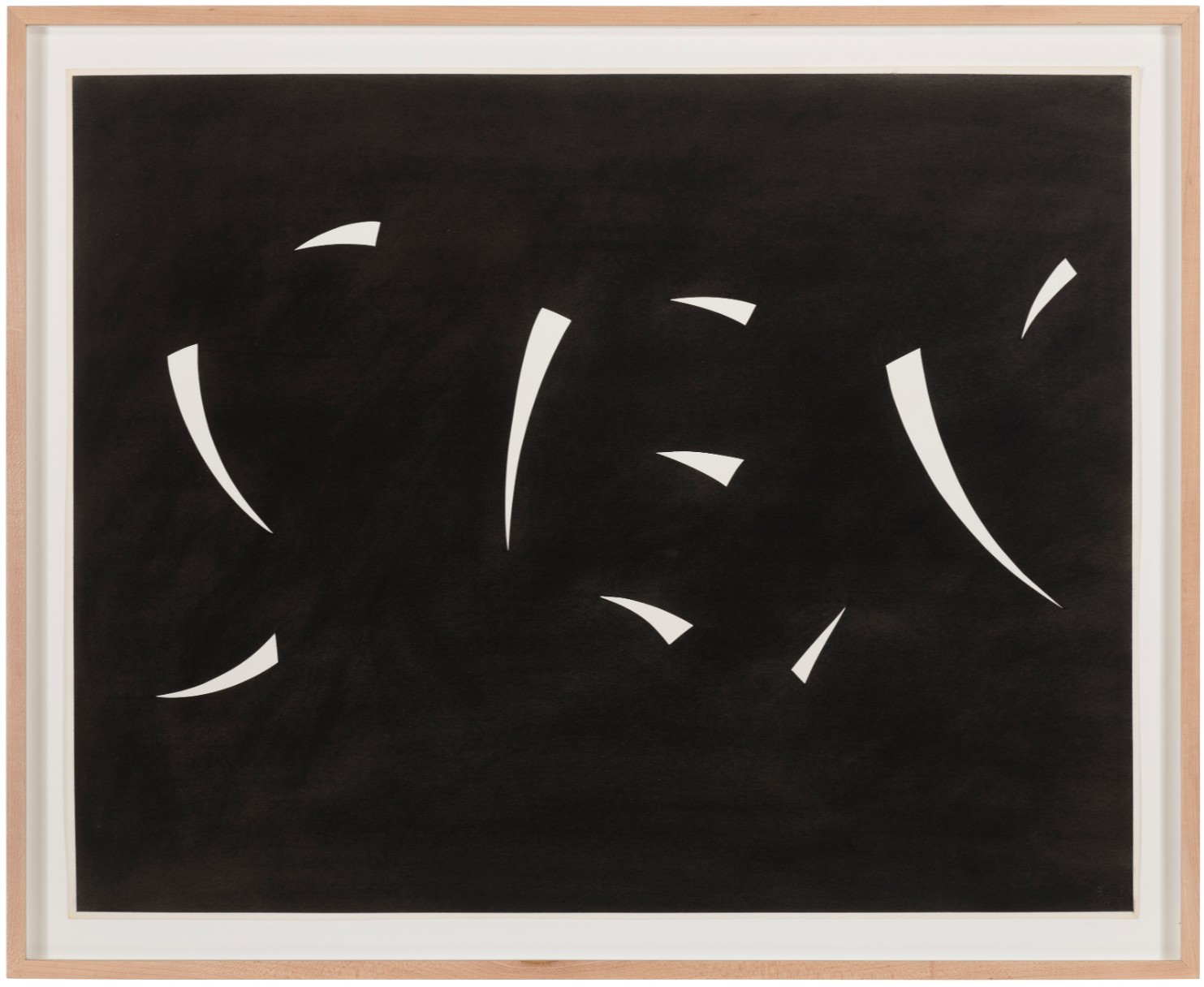
ED RUSCHA (B. 1937)
Black Sex #1, 1979
Pastel on paper
23 1/8 x 29 1/8 inches (58.7 x 74 cm)
Signed, titled and dated ‘”BLACK SEX #1″ Edward Ruscha 1979’ (on the reverse)
Brave Men, 1986
Christie’s New-York: 15 May 2025
Estimated: USD 500,000 – 700,000
PASSED
ED RUSCHA (B. 1937), Brave Men | Christie’s
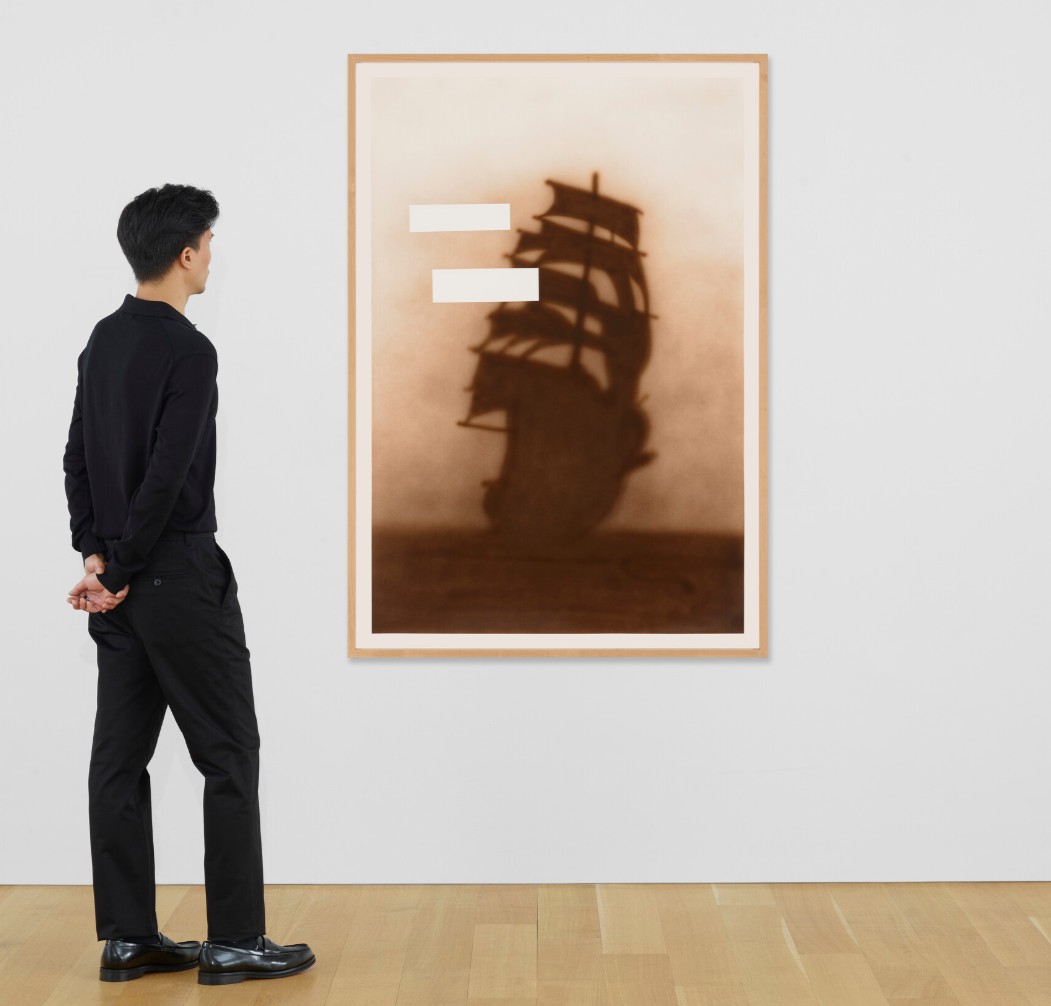
ED RUSCHA (B. 1937)
Brave Men, 1986
Acrylic on paper
60 1/8 x 40 1/4 inches (152.7 x 102.2 cm)
Signed and dated ‘Edw. Ruscha 86’ (lower right)
Is it Overcast, Radiation Fog, or Scud?, 1990
Phillips New-York: 14 May 2025
Estimated: USD 200,000 – 300,000
PASSED
Ed Ruscha Modern & Contemporary Art Day Sale, Morning Session
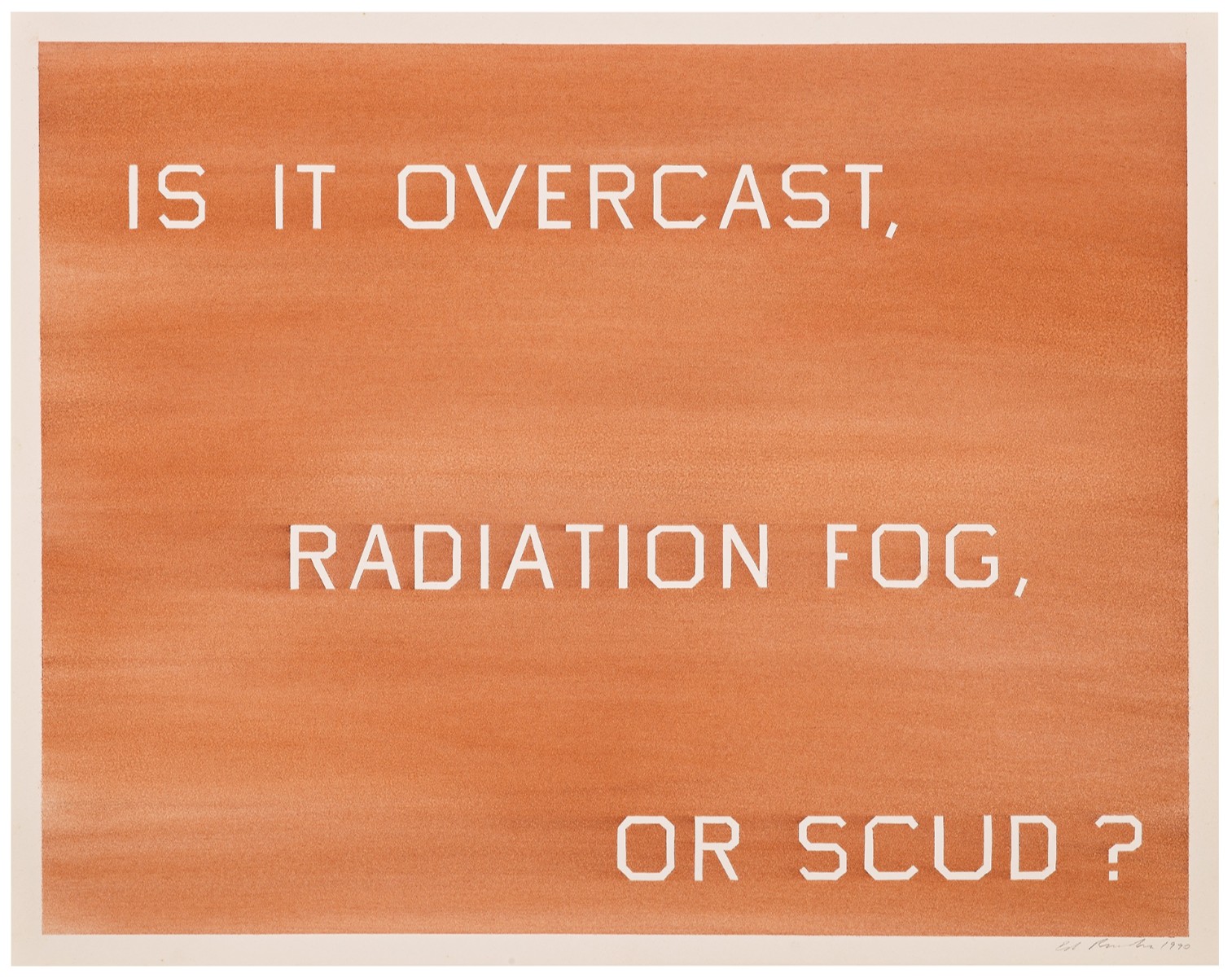
Pastel on paper
22 7/8 x 29 inches (58.1 x 73.7 cm)
Signed and dated “Ed Ruscha 1990” lower right
Lots Withdrawn
Woman from History, 1986
Sotheby’s New-York: 19 November 2025
Estimated: USD 250,000 – 350,000
WORK ON PAPER
WITHDRAWN
Woman From History | Contemporary Day Auction | 2025 | Sotheby’s
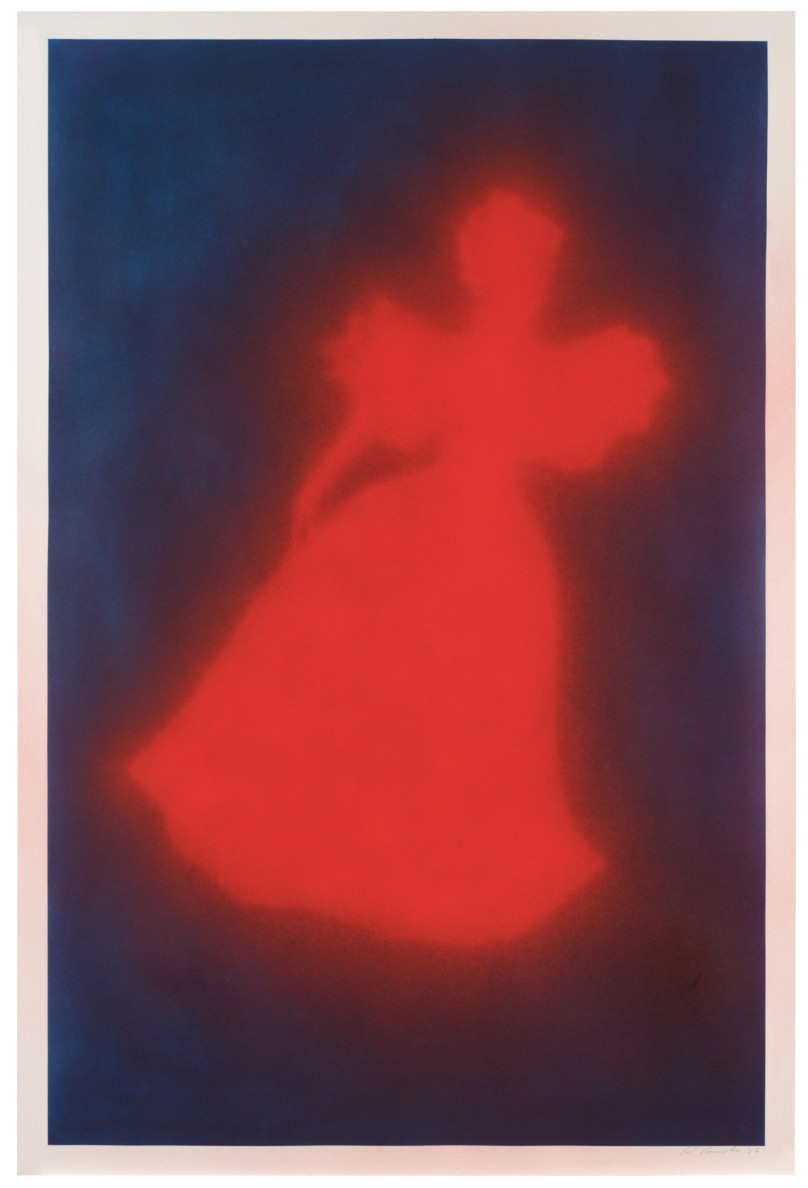
ED RUSCHA (b. 1937)
Woman from History, 1986
Dry pigment and acrylic on paper
60×40 inches (152.4 x 101.6 cm)
Signed and dated ’86 (lower right)
2024 Auction Results
16 lots sold at auction in 2024 for a total turnover of USD 5,201,340. With 2 lots failing to sell, the sell-through rate is 90%. Skytown, a Gunpowder drawing dated 1967, sold at Christie’s in New-York on 1 October 2024 for USD 693,000, the highest price achieved for a Work on Paper in 2024.
2024 Top 3 Lots
3 lots sold for more than USD 500,000, generating a cumulative turnover of USD 1,800,000, representing 34.6% of the total turnover for 2024. All lots but one sold for more than USD 100,000.
XXXXXXXXXX
#1. Skytown, 1967
Christie’s New-York: 1 October 2024
Estimated: USD 300,000 – 500,000
USD 693,000
ED RUSCHA (B. 1937), Skytown | Christie’s
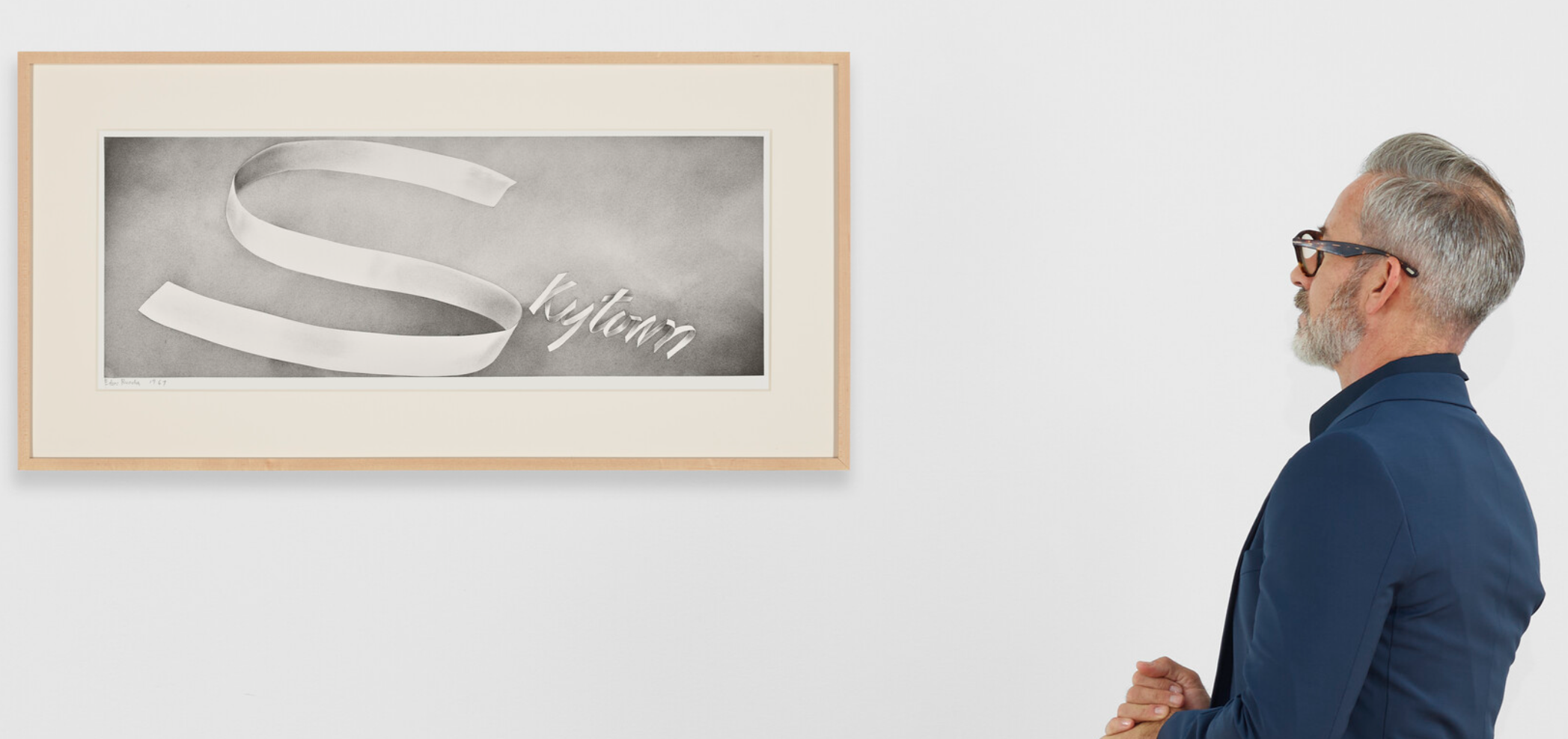
ED RUSCHA (B. 1937)
Skytown, 1967
Gunpowder on paper
11 1/2 x 28 3/4 inches (29.2 x 73 cm)
Signed and dated ‘Edw. Ruscha 1967’ (lower left)
#2. Psychedelic-Indian-Guru-New Mexico-Fadeout-Photo-Realism, 1976
Christie’s New-York: 22 November 2024
Estimated: USD 400,000 – 600,000
USD 567,000
ED RUSCHA (B. 1937), Psychedelic-Indian-Guru-New Mexico-Fadeout-Photo-Realism | Christie’s
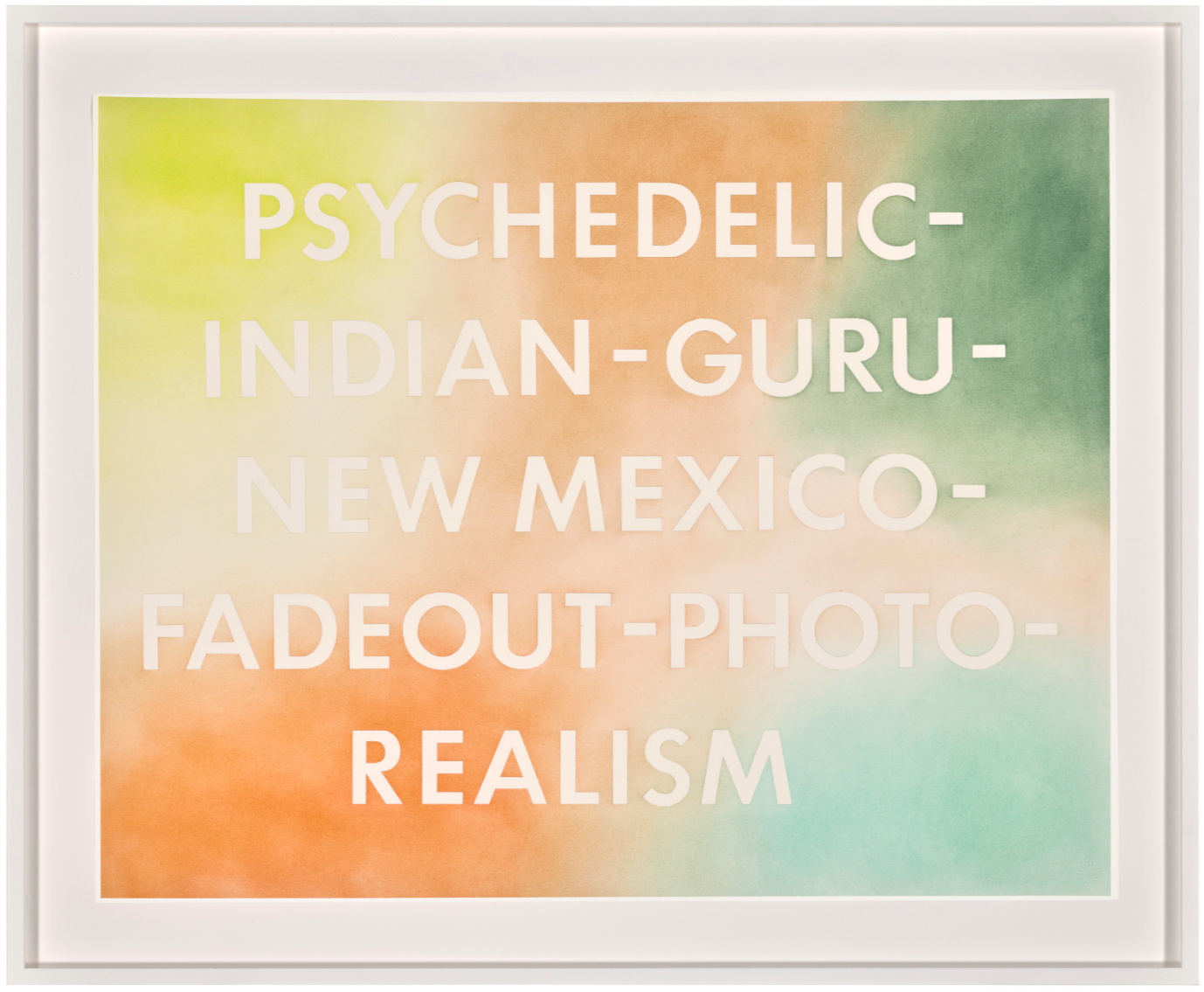
ED RUSCHA (B. 1937)
Psychedelic-Indian-Guru-New Mexico-Fadeout-Photo-Realism, 1976
Pastel on paper
22 7/8 x 29 1/8 inches (57.6 x 73.9 cm)
Signed and dated ‘Edward Ruscha 1976’ (on the reverse)
#3. Pix, 1988
Sotheby’s New-York: 21 November 2024
Estimated: USD 500,000 – 700,000
USD 540,000
Pix | Contemporary Day Auction | 2024 | Sotheby’s
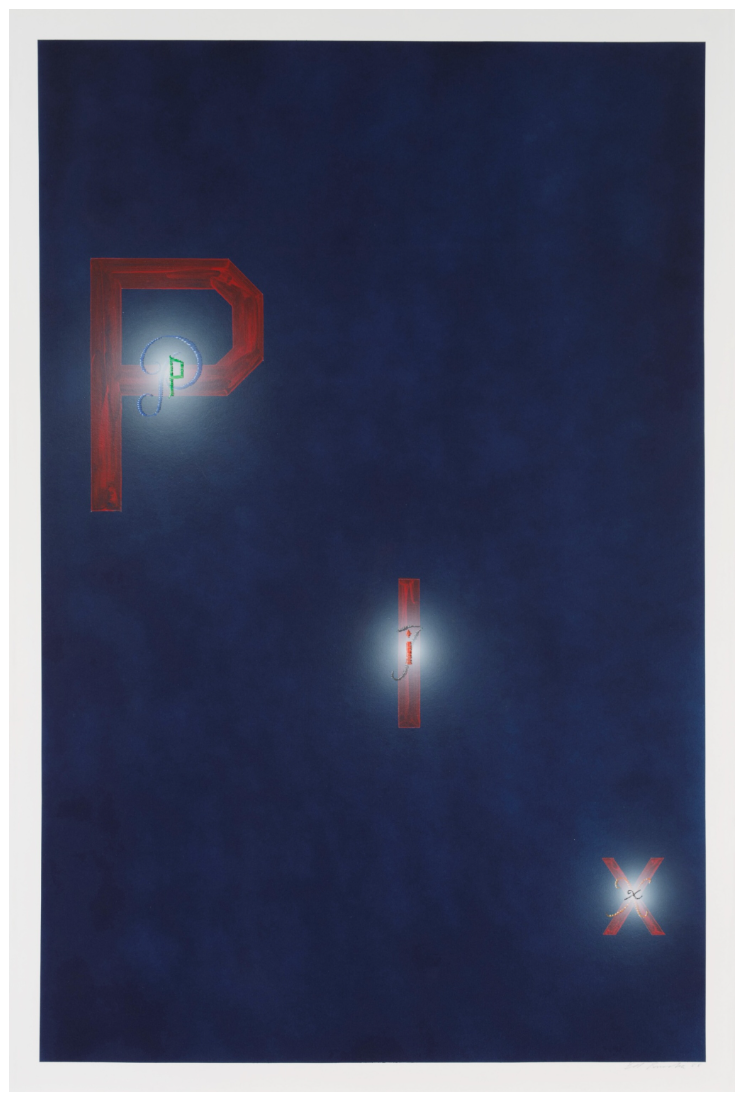
ED RUSCHA (b. 1937)
Pix, 1988
Acrylic on paper
60 1/8 x 40 1/4 inches (152.7 x 101.2 cm)
Signed and dated 88 (lower right)
Signed, titled and dated 1988 (on the verso)
USD 500,000
#4. Music, 1969
Christie’s London: 9 October 2024
Estimated: GBP 250,000 – 350,000
GBP 378,000 / USD 495,180
ED RUSCHA (B. 1937), Music | Christie’s
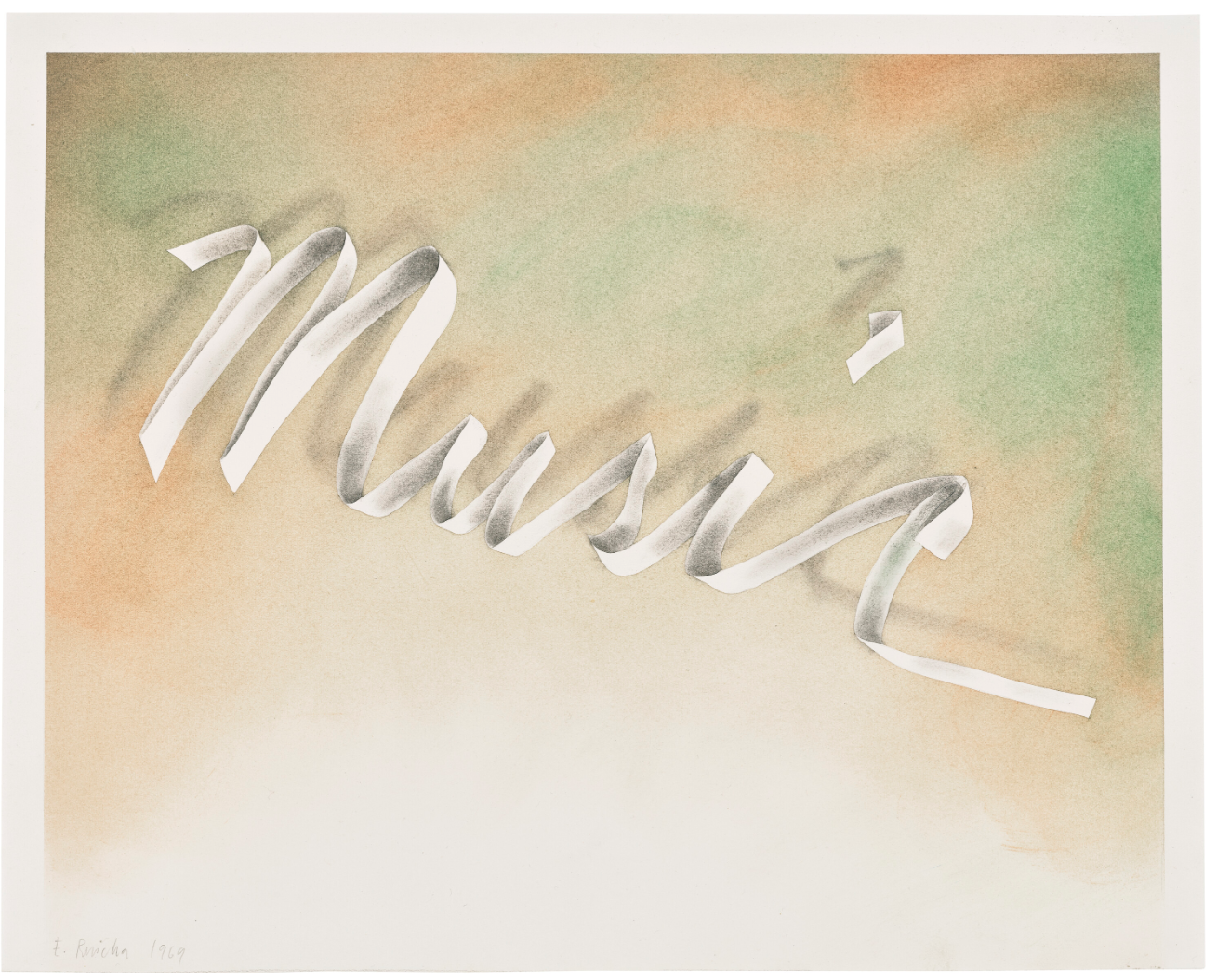
ED RUSCHA (B. 1937)
Music, 1969
Pastel and graphite on paper
11 1/2 x 14 3/8 inches (29.2 x 36.7 cm)
Signed and dated ‘E. Ruscha 1969’ (lower left)
#5. Electrical, 1972
Sotheby’s New-York: 21 November 2024
Estimated: USD 300,000 – 500,000
USD 336,000
Electrical | Contemporary Day Auction | 2024 | Sotheby’s
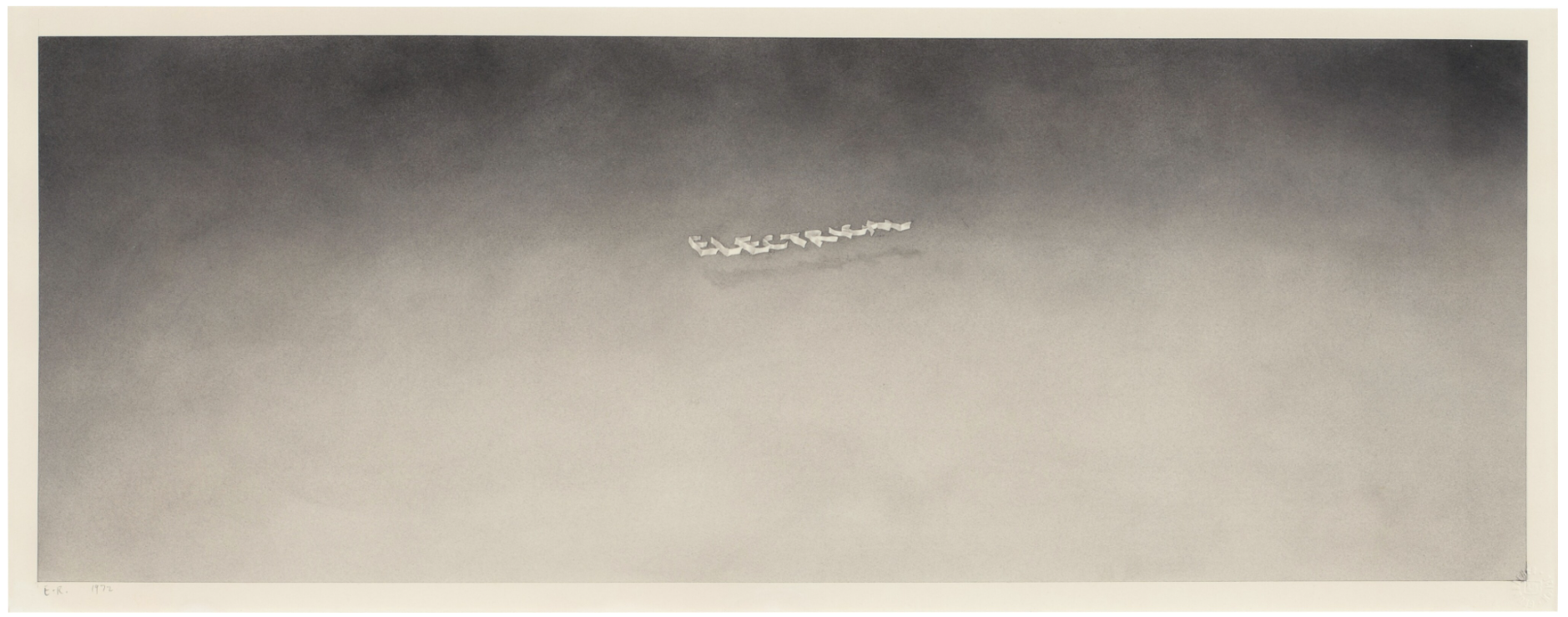
ED RUSCHA (b. 1937)
Electrical, 1972
Gunpowder on paper
11 1/2 x 29 inches (29.2 x 73.7 cm)
Signed with the artist’s initials and dated 1972 (lower left)
#6. Japan Is America, 1982
Sotheby’s New-York: 27 September 2024
Estimated: USD 250,000 – 350,000
USD 288,000
Japan Is America | Contemporary Curated | 2024 | Sotheby’s (sothebys.com)
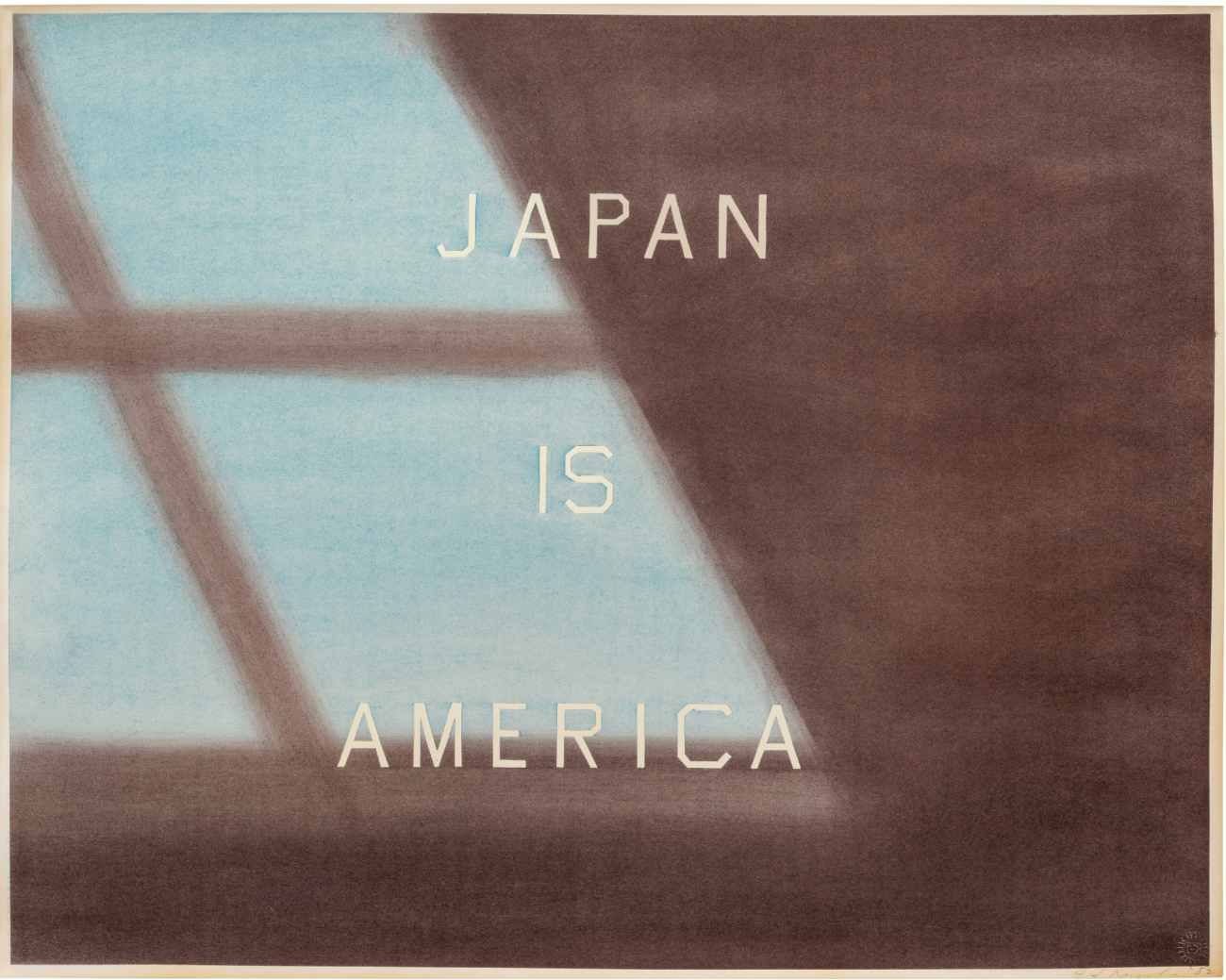
ED RUSCHA (b. 1937)
Japan Is America, 1982
Pastel on paper
23×29 inches (58.4 x 73.7 cm)
Signed and dated ’82 (lower right)
#7. Orange Roller, 1976
Christie’s New-York: 22 November 2024
Estimated: USD 150,000 – 200,000
USD 277,200
ED RUSCHA (B. 1937), Orange Roller | Christie’s
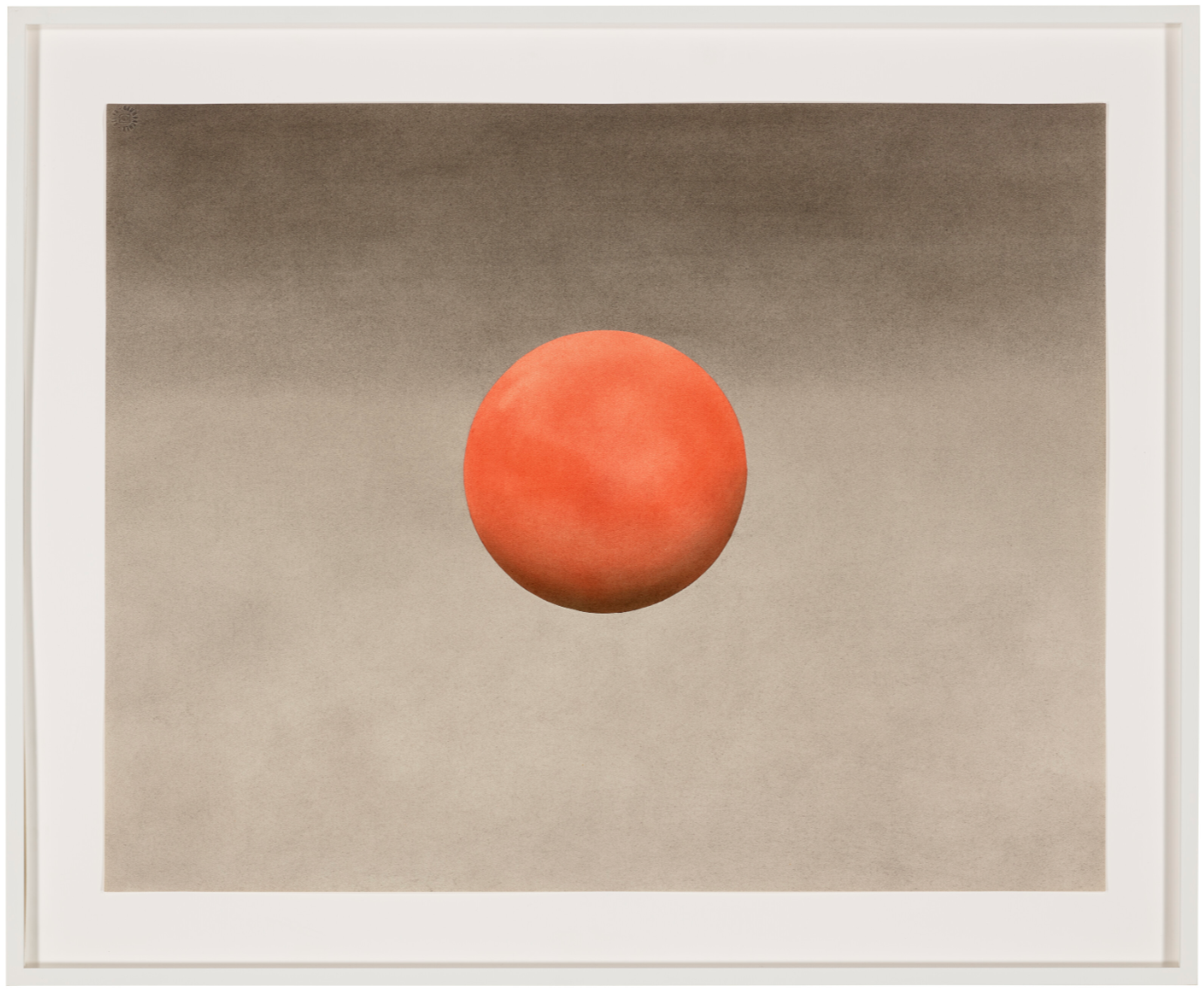
ED RUSCHA (B. 1937)
Orange Roller, 1976
Pastel on paper
22 1/2 x 28 5/8 inches (57.1 x 72.4 cm)
Signed and dated ‘Edward Ruscha 1976’ (on the reverse)
#8. Sickness, 1984
Sotheby’s New-York: 1 March 2024
Estimated: USD 200,000 – 300,000
USD 241,300
Sickness | Contemporary Curated | 2024 | Sotheby’s (sothebys.com)
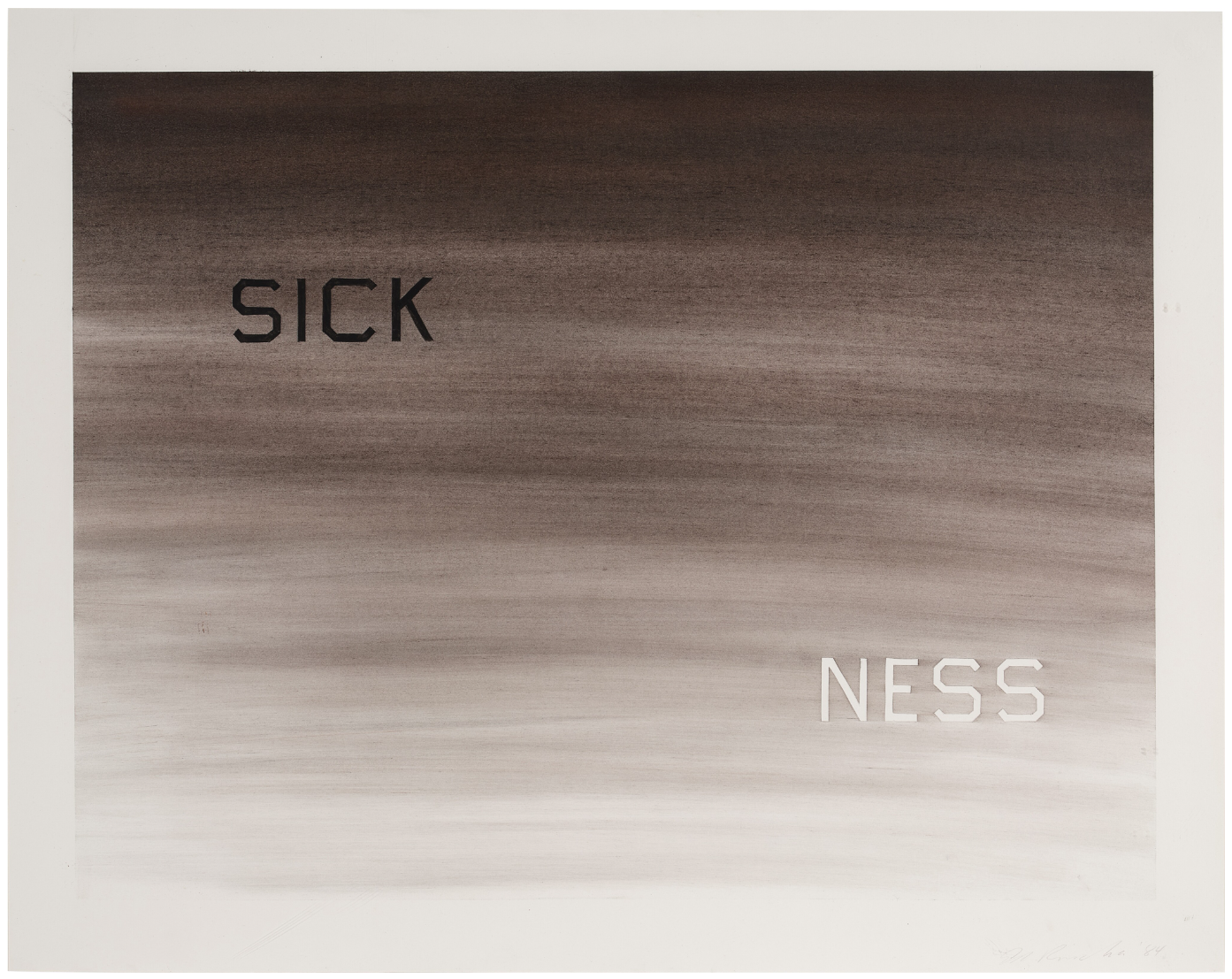
ED RUSCHA (b. 1937)
Sickness, 1984
Dry pigment and ink on paper
23×29 inches (58.4 x 73.7 cm)
Signed and dated ’84 (lower right)
#9. Black Car Parts, 2013
Sotheby’s New-York: 14 May 2024
Estimated: USD 120,000 – 180,000
USD 241,300
Black Car Parts | Contemporary Day Auction | 2024 | Sotheby’s (sothebys.com)
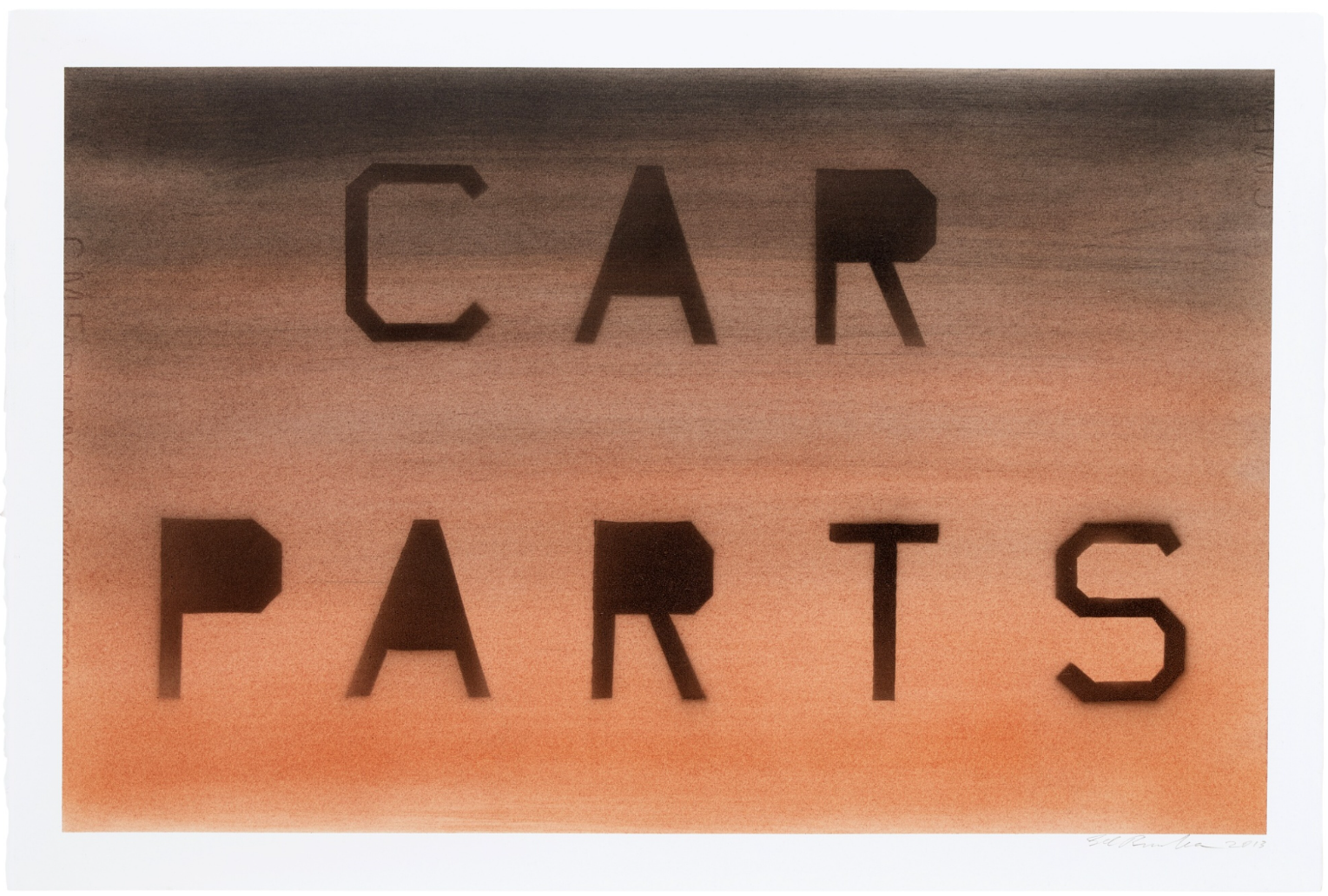
ED RUSCHA (b. 1937)
Black Car Parts, 2013
Dry pigment and acrylic on paper
15 x 22 1/2 inches (38.1 x 57.2 cm)
Signed and dated 2013 (lower right)
#10. Rooster, 2007
Sotheby’s New-York: 21 November 2024
Estimated: USD 100,000 – 150,000
USD 240,000
Rooster | Contemporary Day Auction | 2024 | Sotheby’s
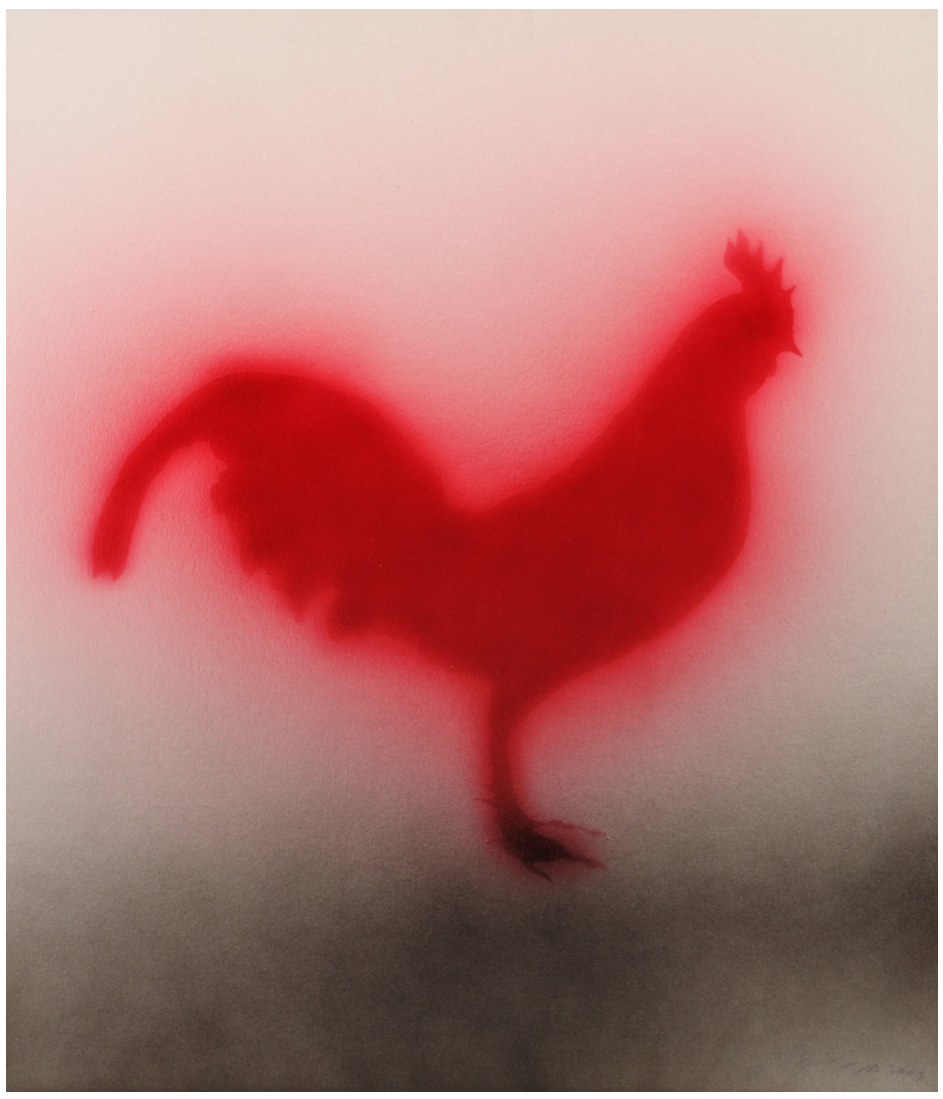
ED RUSCHA (b. 1937)
Rooster, 2007
Acrylic on museum board
28 x 24 1/8 inches (71 x 61.3 cm)
Signed and dated 2007 (lower right); titled (on the verso)
#11. Gray-Black Sex, 1979
Sotheby’s New-York: 14 May 2024
Estimated: USD 2o0,000 – 300,000
USD 228,600
Gray-Black Sex | Contemporary Day Auction | 2024 | Sotheby’s (sothebys.com)
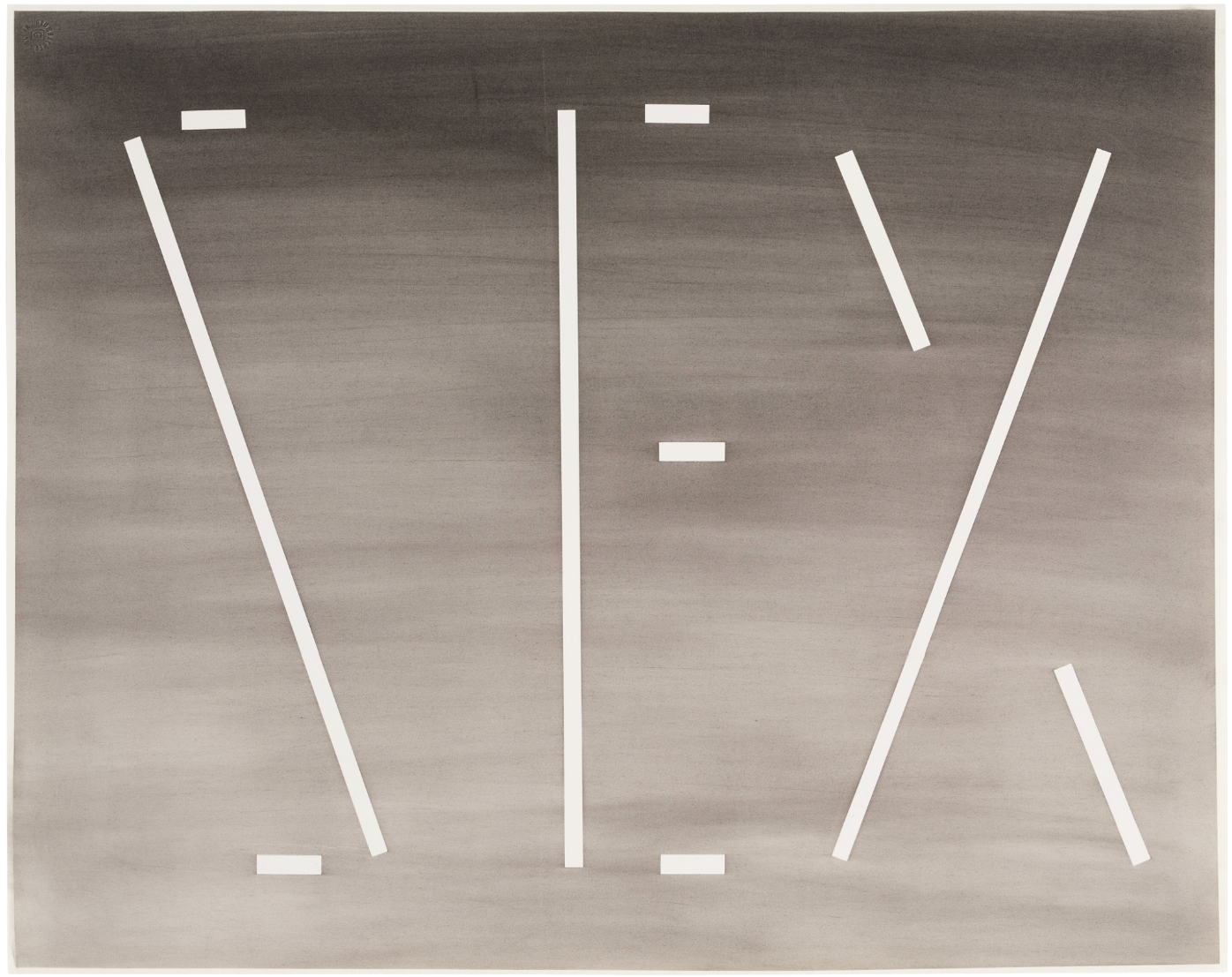
ED RUSCHA (b. 1937)
Gray-Black Sex, 1979
Pastel on paper
23 1/8 x 29 1/8 inches (58.7 x 74 cm)
Signed, titled and dated 1979 (on the verso)
#12. We’re This and We’re That Aren’t We?, 1977
Phillips New-York: 15 May 2024
Estimated: USD 180,000 – 250,000
USD 177,800
Ed Ruscha – Modern & Contemporary Art D… Lot 152 May 2024 | Phillips
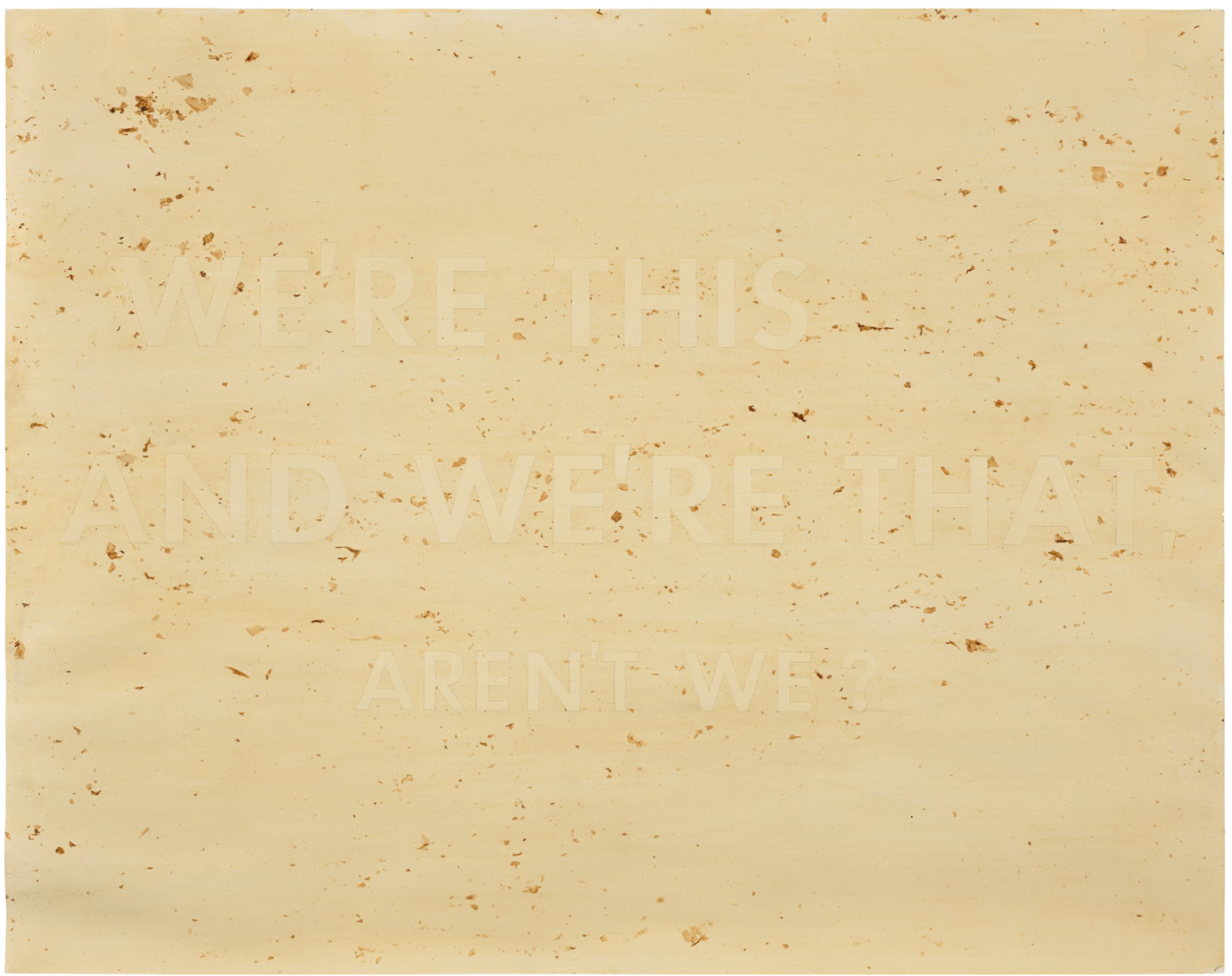
ED RUSCHA
We’re This and We’re That Aren’t We?, 1977
Lettuce stain on paper
22 7/8 x 29 inches (58.1 x 73.7 cm)
Signed and dated “Edward Ruscha 1977” on the reverse
#13. TREMBLING STALKS OF AQUATIC VEGETATION, 1977
Phillips New-York: 15 May 2024
Estimated: USD 150,000 – 200,000
USD 165,100
Ed Ruscha – Modern & Contemporary Art D… Lot 151 May 2024 | Phillips
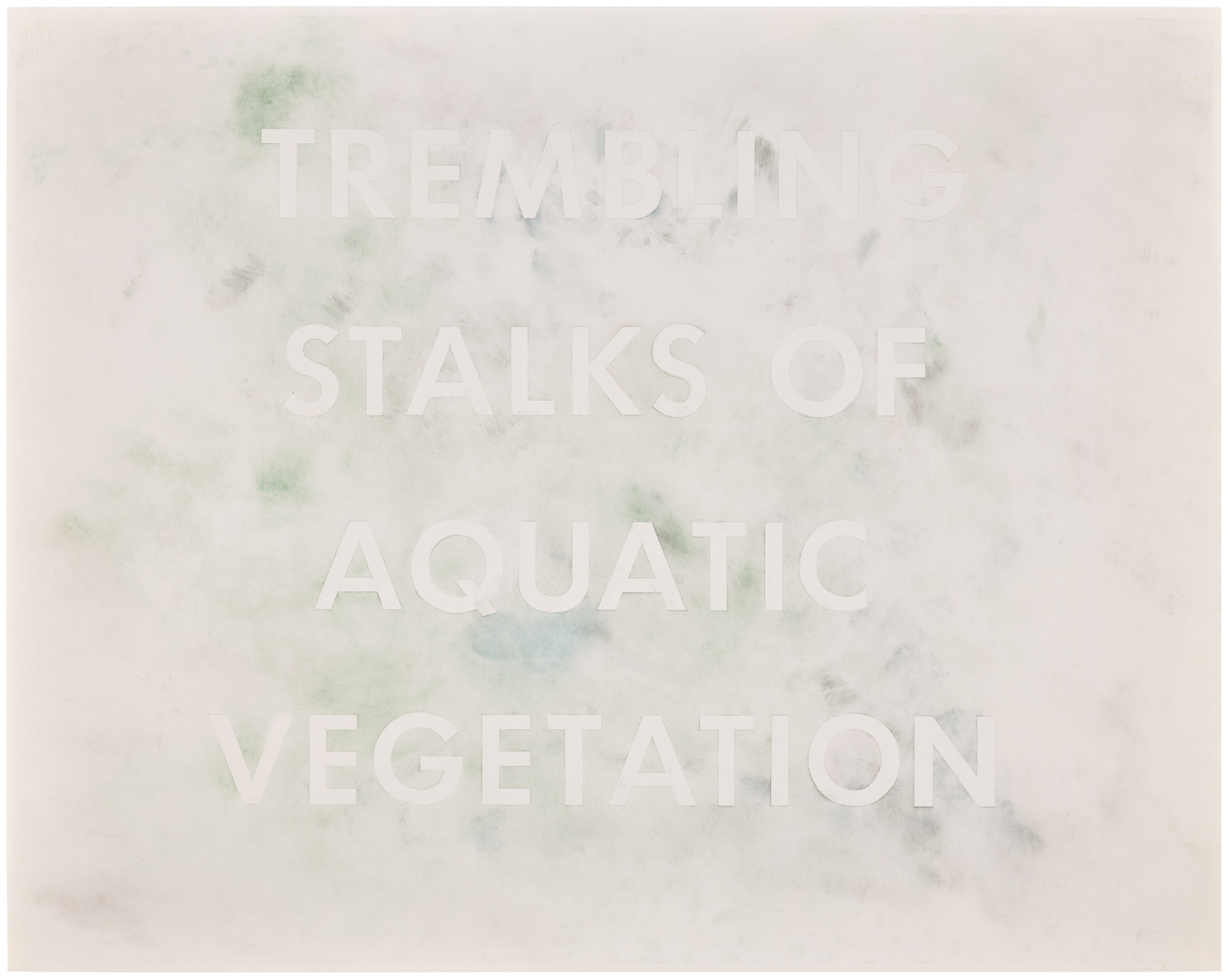
ED RUSCHA
TREMBLING STALKS OF AQUATIC VEGETATION, 1977
Pastel on paper
23 1/8 x 29 1/8 inches (58.7 x 74 cm)
Signed and dated “Edward Ruscha 1977” on the reverse
#14. Hero Study #5, 1995
Christie’s New-York: 17 May 2024
Estimated: USD 120,000 – 180,000
USD 151,200
ED RUSCHA (B. 1937), Hero Study #5 | Christie’s (christies.com)
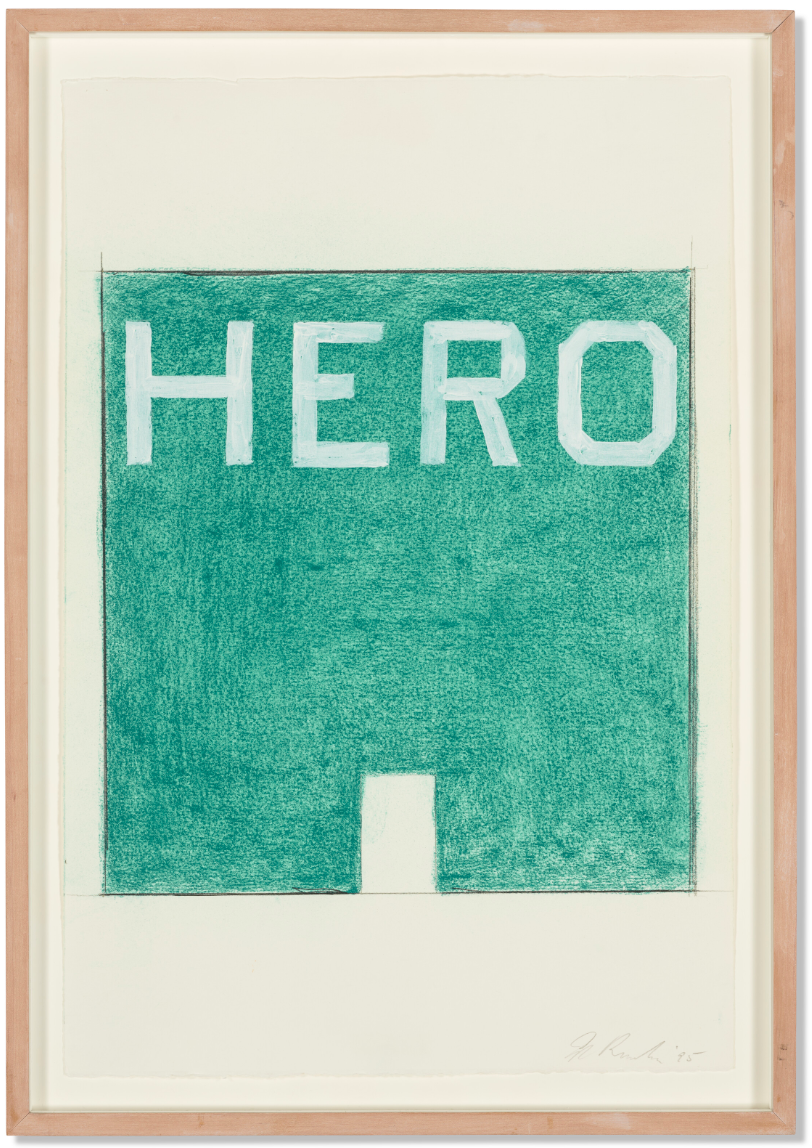
ED RUSCHA (B. 1937)
Hero Study #5, 1995
Pastel, acrylic and graphite on paper
22×15 inches (55.9 x 38.1 cm)
Signed and dated ‘Ed Ruscha ’95’ (lower right)
#15. Burn Begone, 1975
Sotheby’s New-York: 21 November 2024
Estimated: USD 150,000 – 200,000
USD 144,000
Burn Begone | Contemporary Day Auction | 2024 | Sotheby’s
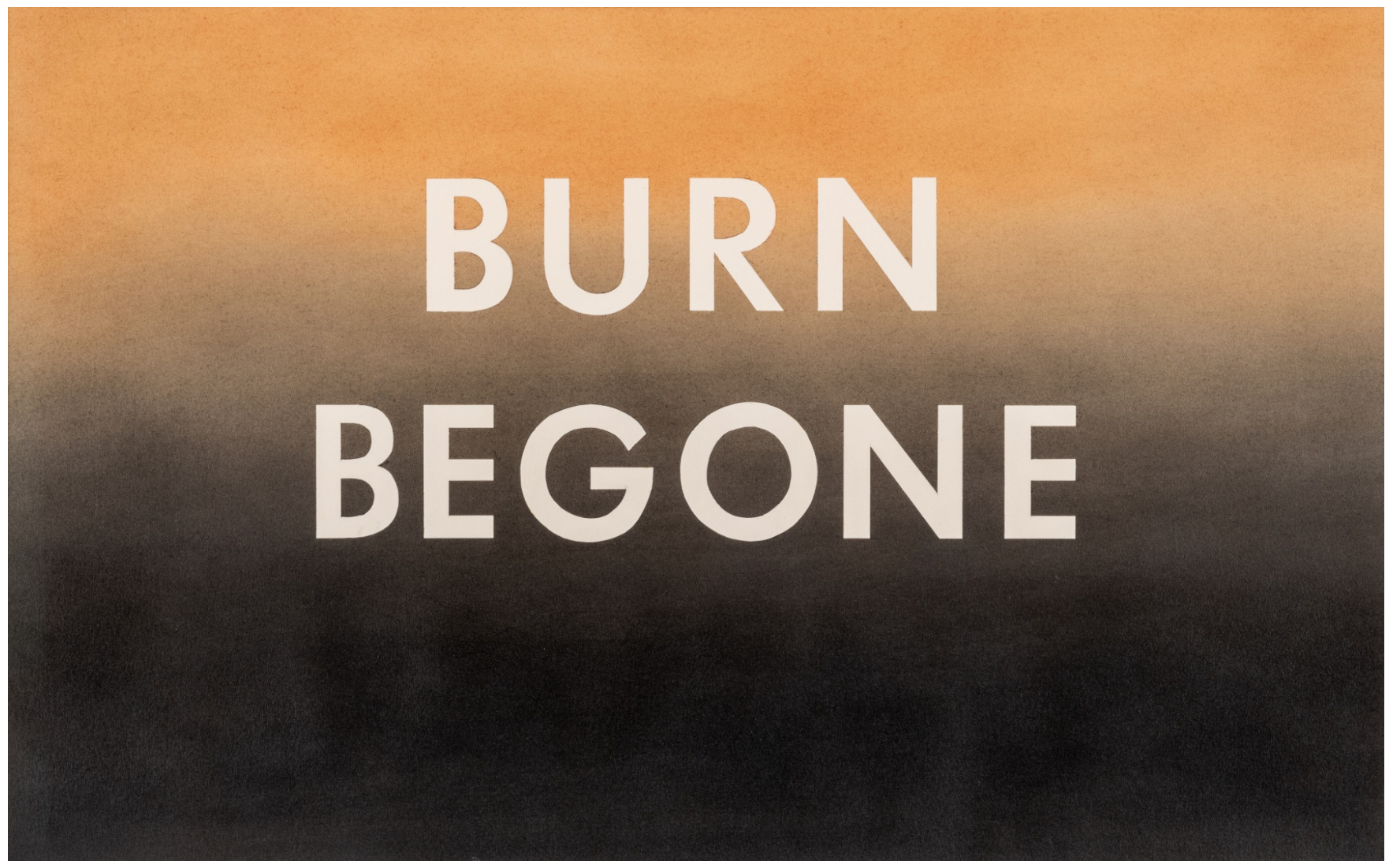
ED RUSCHA (b. 1937)
Burn Begone, 1975
Pastel on paper
14 3/8 x 22 3/4 inches (36.5 x 57.8 cm)
Signed and dated 1975 (on the verso)
Suddenly Spastic, 2015
Phillips New-York: 15 May 2024
Estimated: USD 100,000 – 150,000
USD 114,300
Ed Ruscha – Modern & Contemporary Art D… Lot 150 May 2024 | Phillips
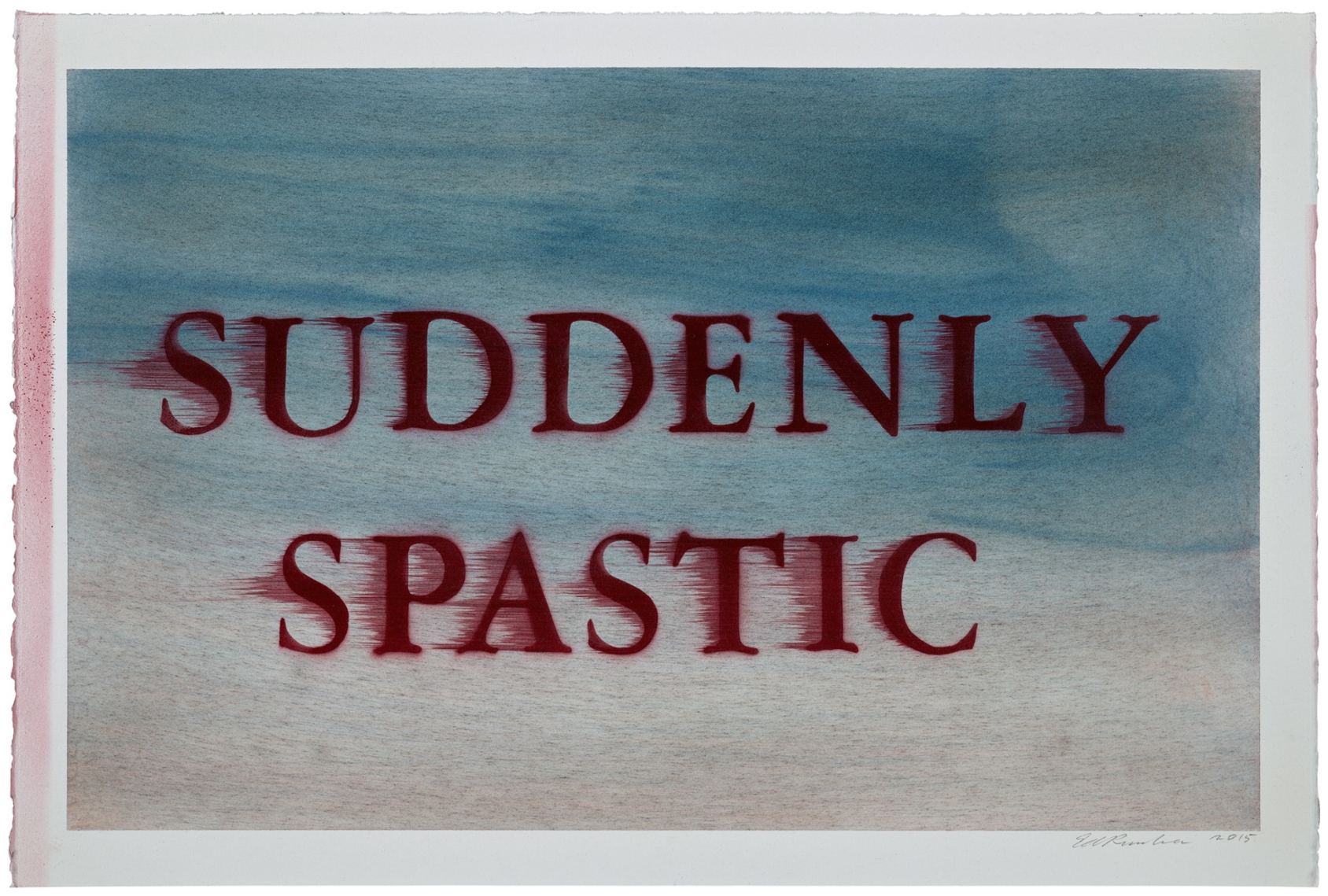
ED RUSCHA
Suddenly Spastic, 2015
Dry pigment and acrylic on paper
15 x 22 3/8 inches (38.1 x 56.8 cm)
Signed and dated “Ed Ruscha 2015” lower right
Gasoline Stations, 1962
Phillips New-York: 4 April 2024
Estimated: USD 100,000 – 150,000
USD 133,350
Ed Ruscha – Photographs from the Marti… Lot 15 April 2024 | Phillips
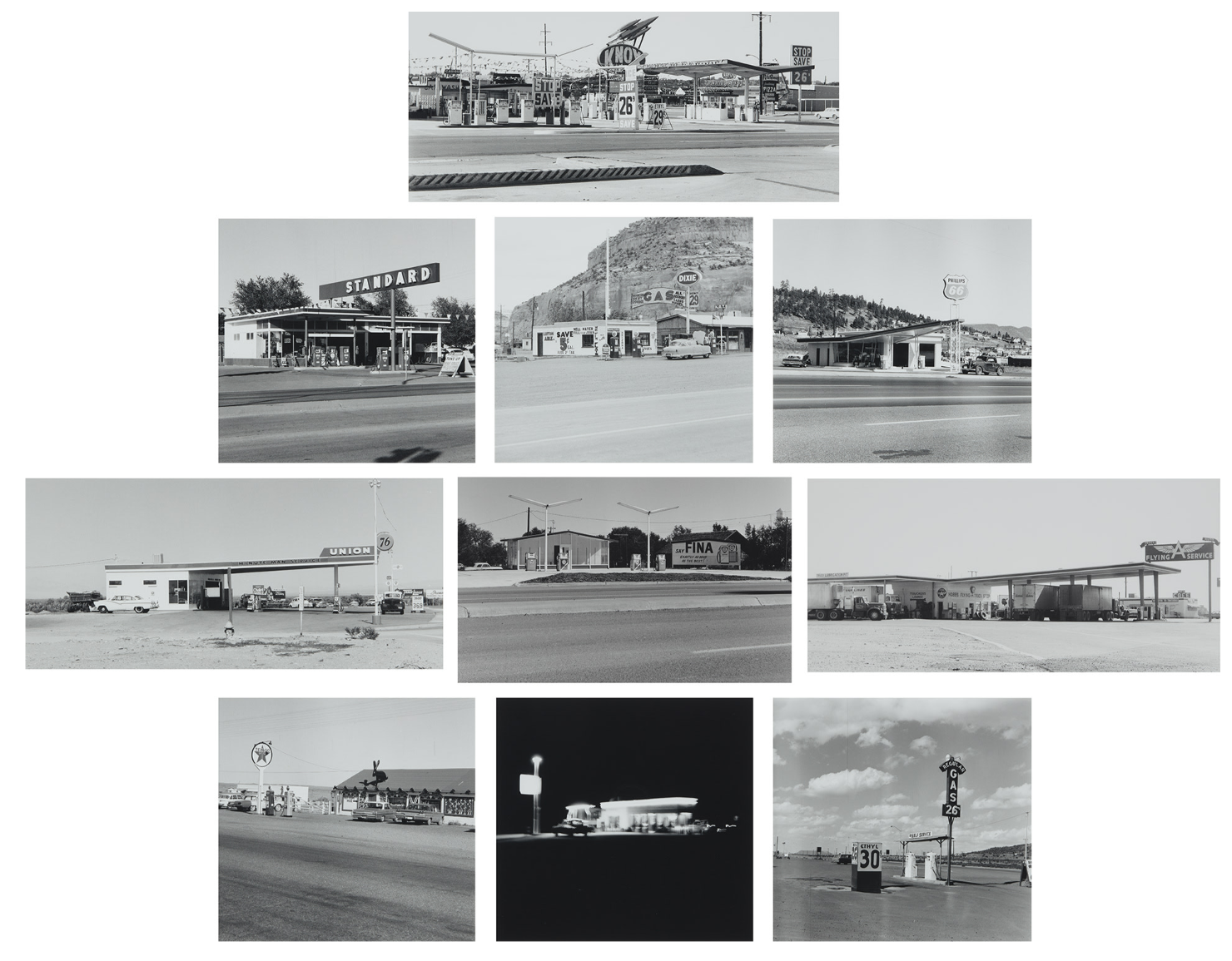
ED RUSCHA
Gasoline Stations, 1962
Ten gelatin silver prints, printed 1989
Varying sizes
Smallest: 8×18 inches (20.3 x 45.7 cm)
Largest: 10 1/8 x 10 3/4 inches (25.7 x 27.3 cm)
Each with title and edition 19/25 stamps on the reverse of the flush-mount
This complete portfolio, printed in 1989, is comprised of 10 of the 26 images included in the book.
2023 Auction Results
22 lots sold at auction in 2023 for a total turnover of USD 8,866,217. With 4 lots failing to sell, the sell-through rate is 85%. The highest price has been achieved by Eye with Fluid, a gunpowder drawing dated 1968 that sold at Sotheby’s in Paris on 15 March 2023 for EUR 1,742,000 (USD 1,843,345).
2023 Top 3 Lots
2 lots sold for more than USD 1 million, generating a cumulative turnover of USD 3,294,845, representing 37.2% of the total turnover for 2023. 5 lots sold for more than USD 500,000, generating a cumulative turnover of USD 5,125,845, representing 57.8% of the total turnover for 2023.
XXXXXXXXXX
#1. Eye with Fluid, 1968
Sotheby’s Paris: 15 March 2023
Estimated: EUR 1,400,000 – 1,800,000
EUR 1,742,000 / USD 1,843,345
Eye with Fluid | Surrealism & Its Legacy | 2023 | Sotheby’s (sothebys.com)
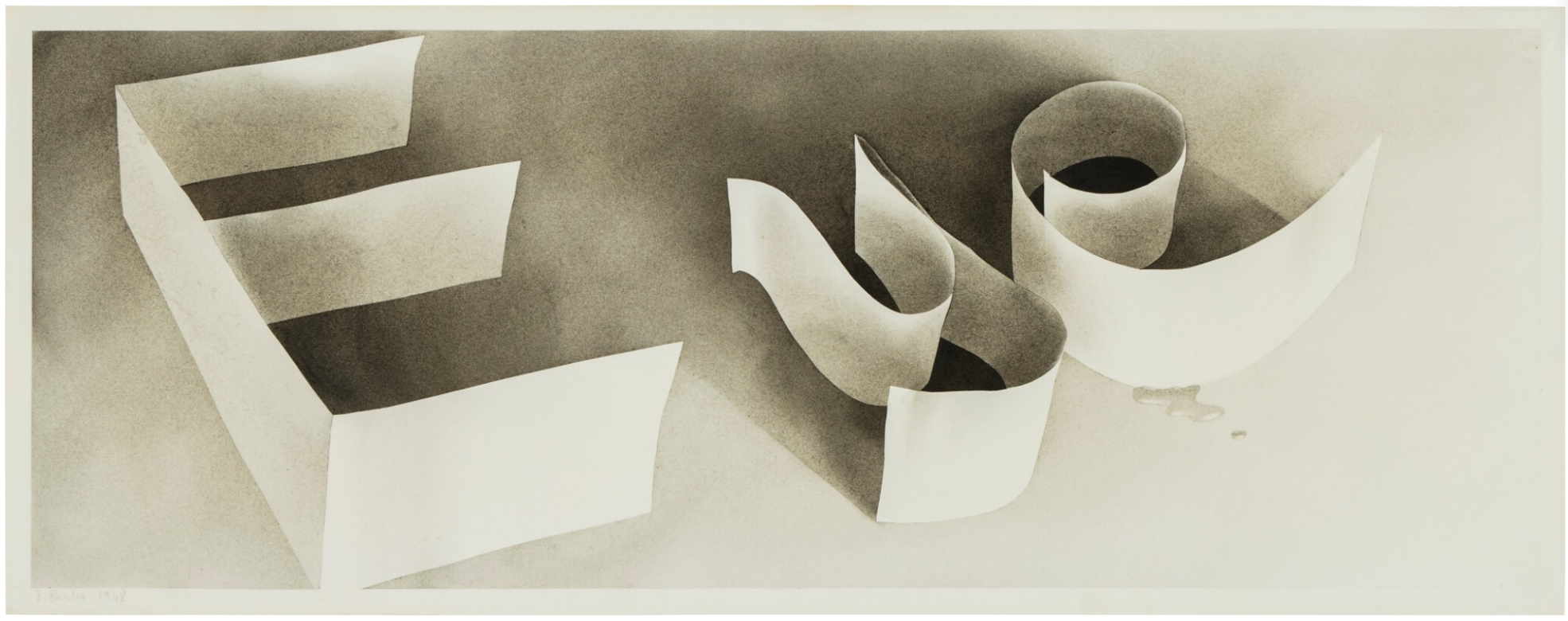
ED RUSCHA (b. 1937)
Eye with Fluid, 1968
Gunpowder on paper
11 1/8 x 28 3/4 inches (28.2 x 73 cm)
Signed and dated 1968
#2. Golden Words, 1985
Sotheby’s New-York: 19 May 2023
Estimated: USD 600,000 – 800,000
USD 1,451,500
Golden Words | Contemporary Day Auction | 2023 | Sotheby’s (sothebys.com)
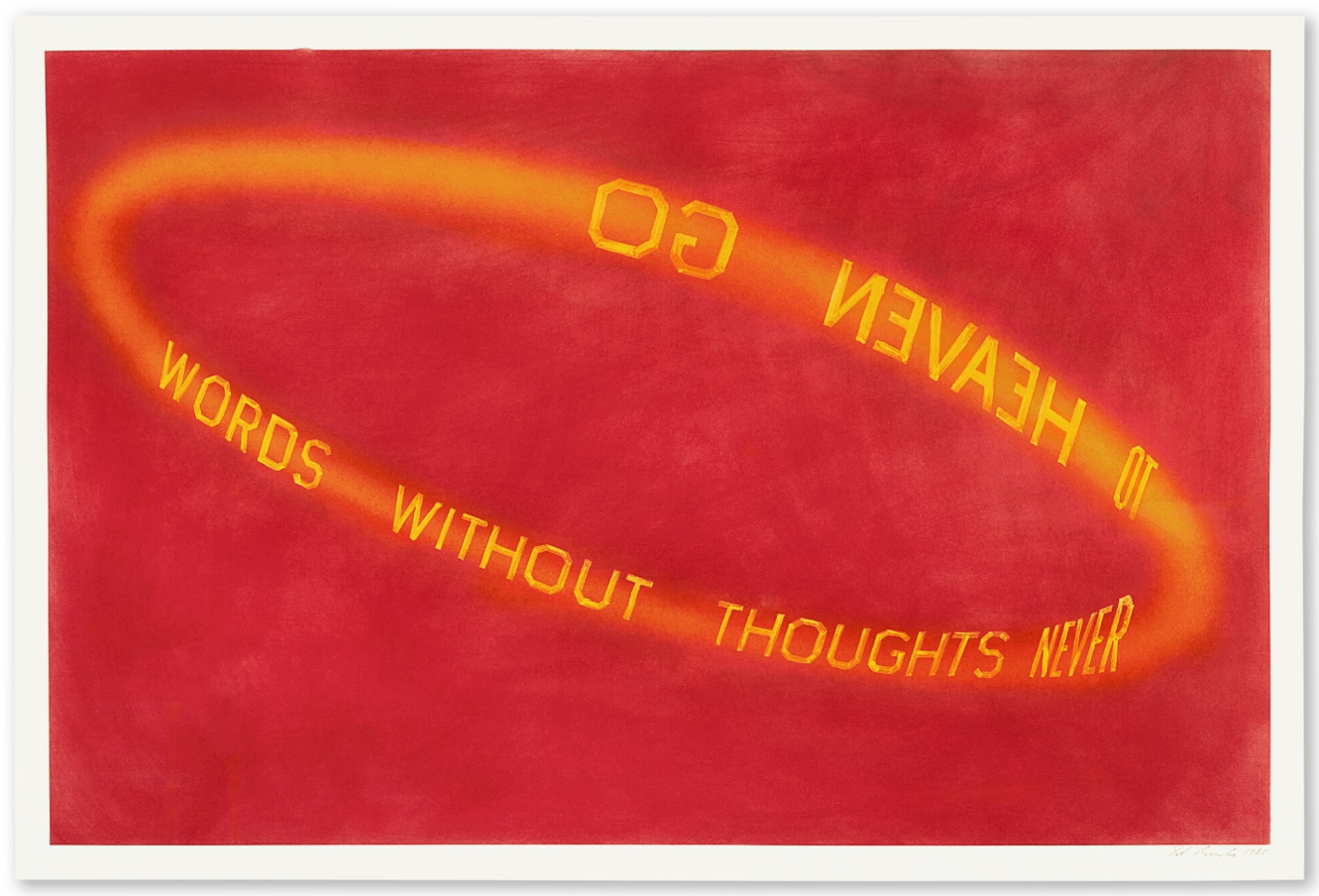
ED RUSCHA (b. 1937)
Golden Words, 1985
Acrylic on paper
40 1/4 x 60 inches (102.2 x 152.4 cm)
Signed and dated 1985 (lower right)
#3. Pools, 1970
Christie’s New-York: 12 May 2023
Estimated: USD 400,000 – 600,000
USD 693,000
ED RUSCHA (B. 1937), Pools | Christie’s (christies.com)
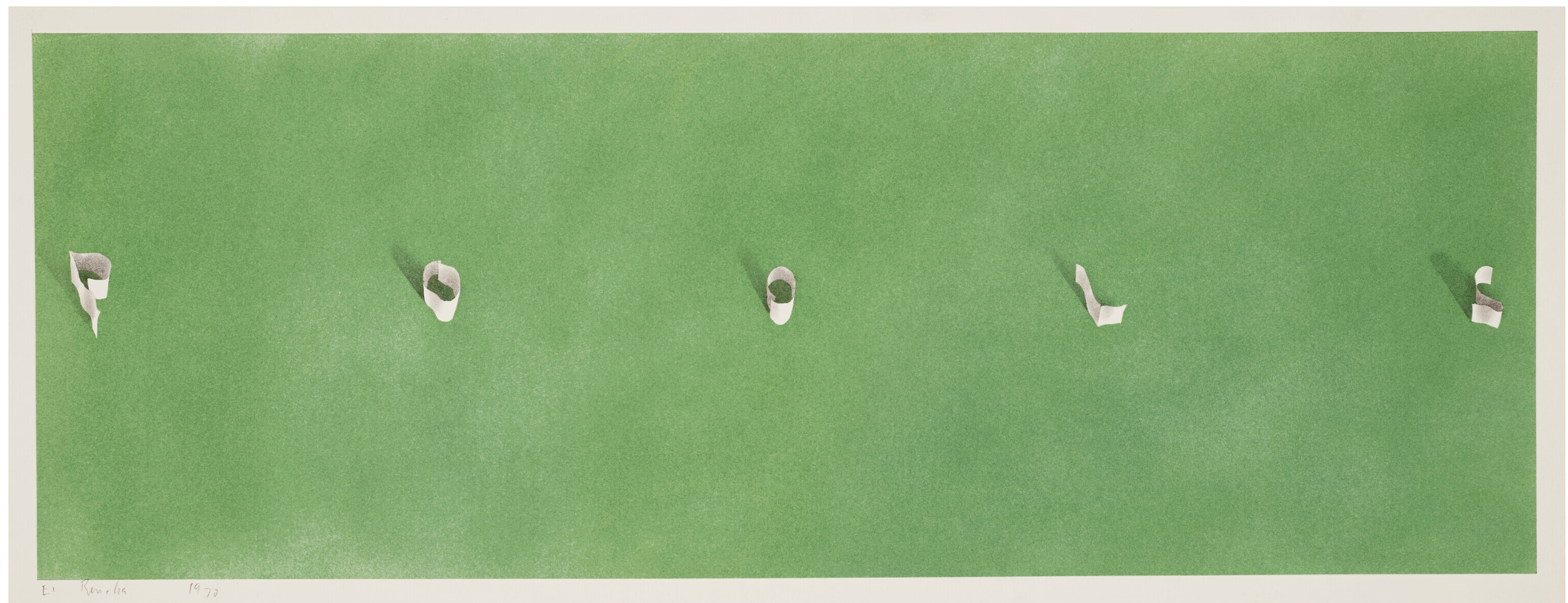
ED RUSCHA (B. 1937)
Pools, 1970
Gunpowder and pastel on paper
11 1/2 x 29 inches (29.2 x 73.7 cm)
Signed and dated ‘E. Ruscha 1970’ (lower left)
#4. Business, 1966
Christie’s New-York: 11 May 2023
Estimated: USD 250,000 – 350,000
USD 630,000
ED RUSCHA (B. 1937), Business | Christie’s (christies.com)
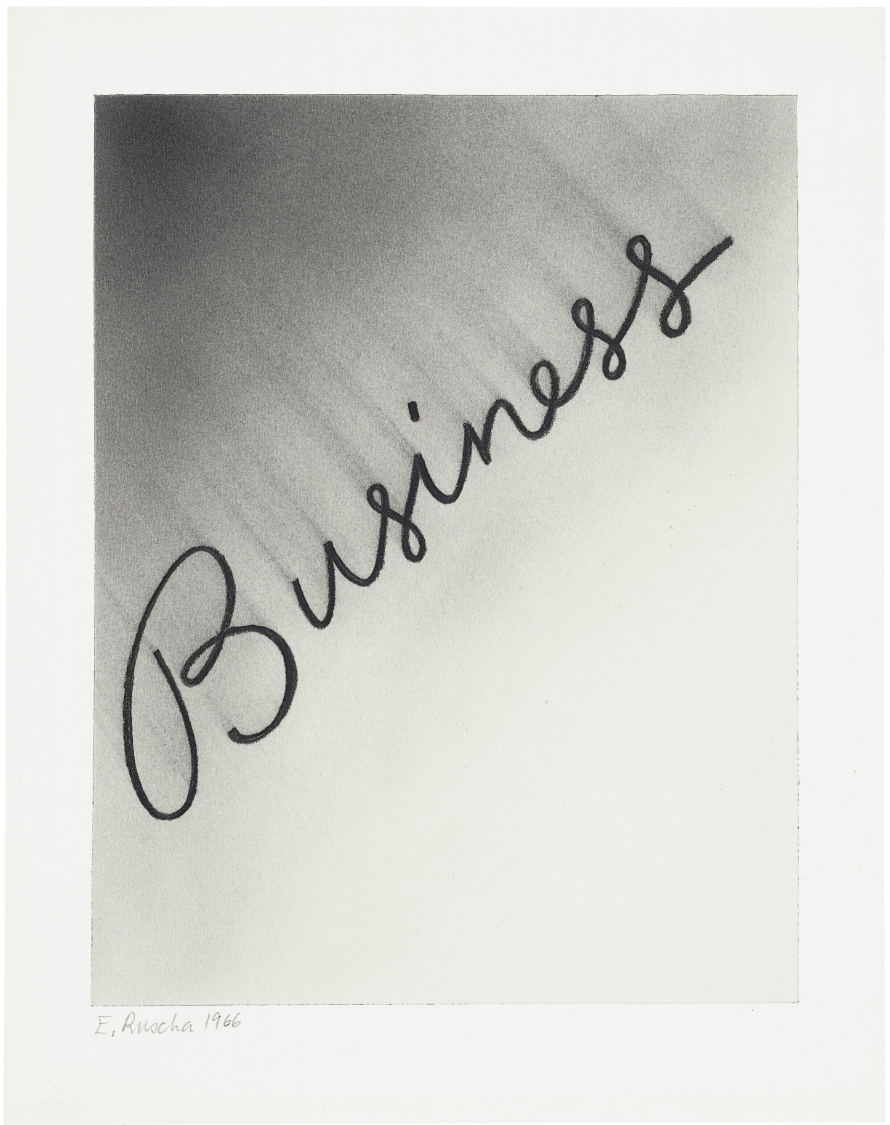
ED RUSCHA (B. 1937)
Business, 1966
Graphite on paper
Image: 7 3/4 x 6 inches (19.7 x 15.2 cm)
Sheet: 9 1/2 x 7 1/2 inches (24.1 x 19.1 cm)
Signed and dated ‘E. Ruscha 1966’ (lower left)
#5. 1984, 1967
Sotheby’s New-York: 9 November 2023
Estimated: USD 300,000 – 400,000
USD 508,000
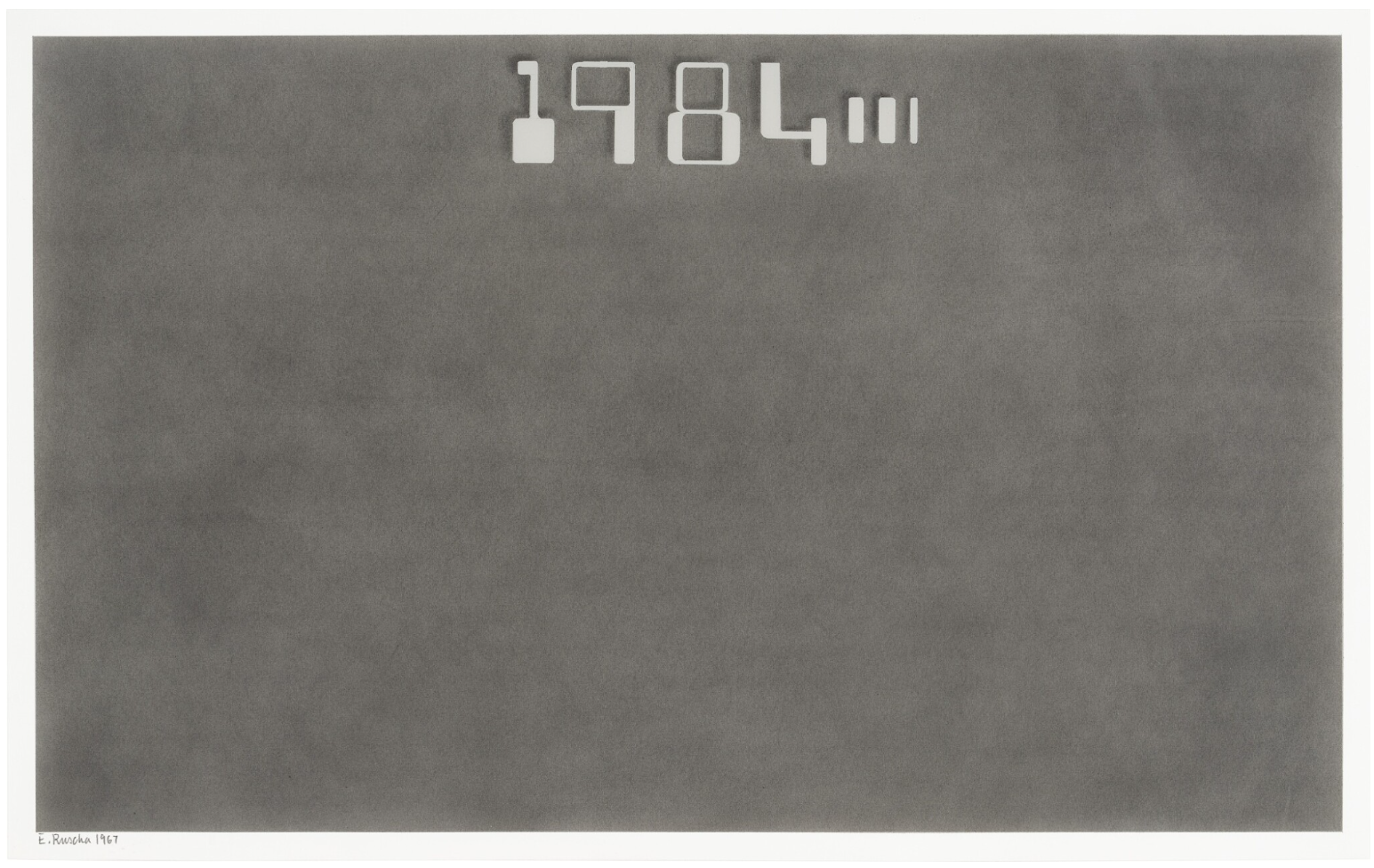
ED RUSCHA (b. 1937)
1984, 1967
Graphite on paper
14 5/8 x 23 inches (36.7 x 58.4 cm)
Signed and dated 1967 (lower left)
#6. Me, 1970
Sotheby’s New-York: 28 September 2023
Estimated: USD 300,000 – 400,000
USD 482,600
Me | Contemporary Curated | 2023 | Sotheby’s (sothebys.com)
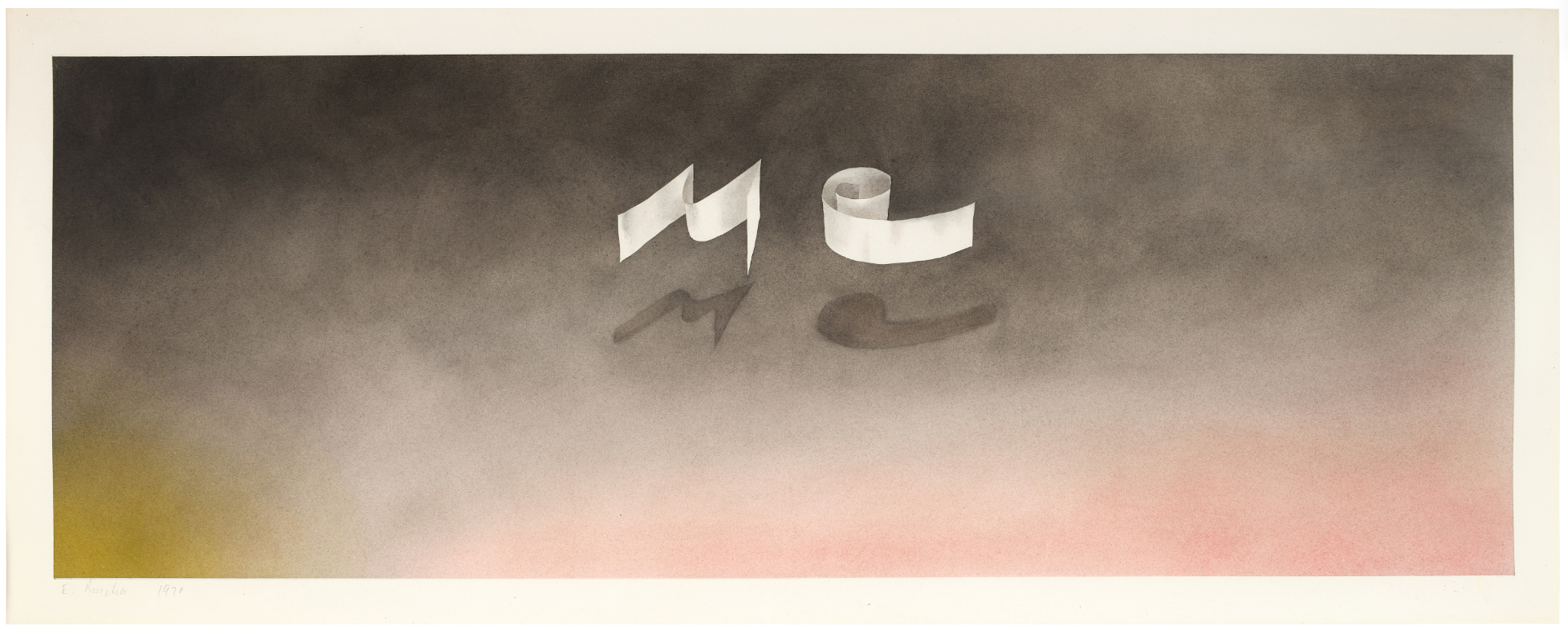
ED RUSCHA (b. 1937)
Me, 1970
Gunpowder and pastel on paper
11 1/2 x 29 inches (29.2 x 73.7 cm)
Signed and dated 1970 (lower left)
#7. Cadillac, 1974
Sotheby’s New-York: 16 November 2023
Estimated: USD 450,000 – 500,000
USD 482,600
Cadillac | Contemporary Day Auction | 2023 | Sotheby’s (sothebys.com)
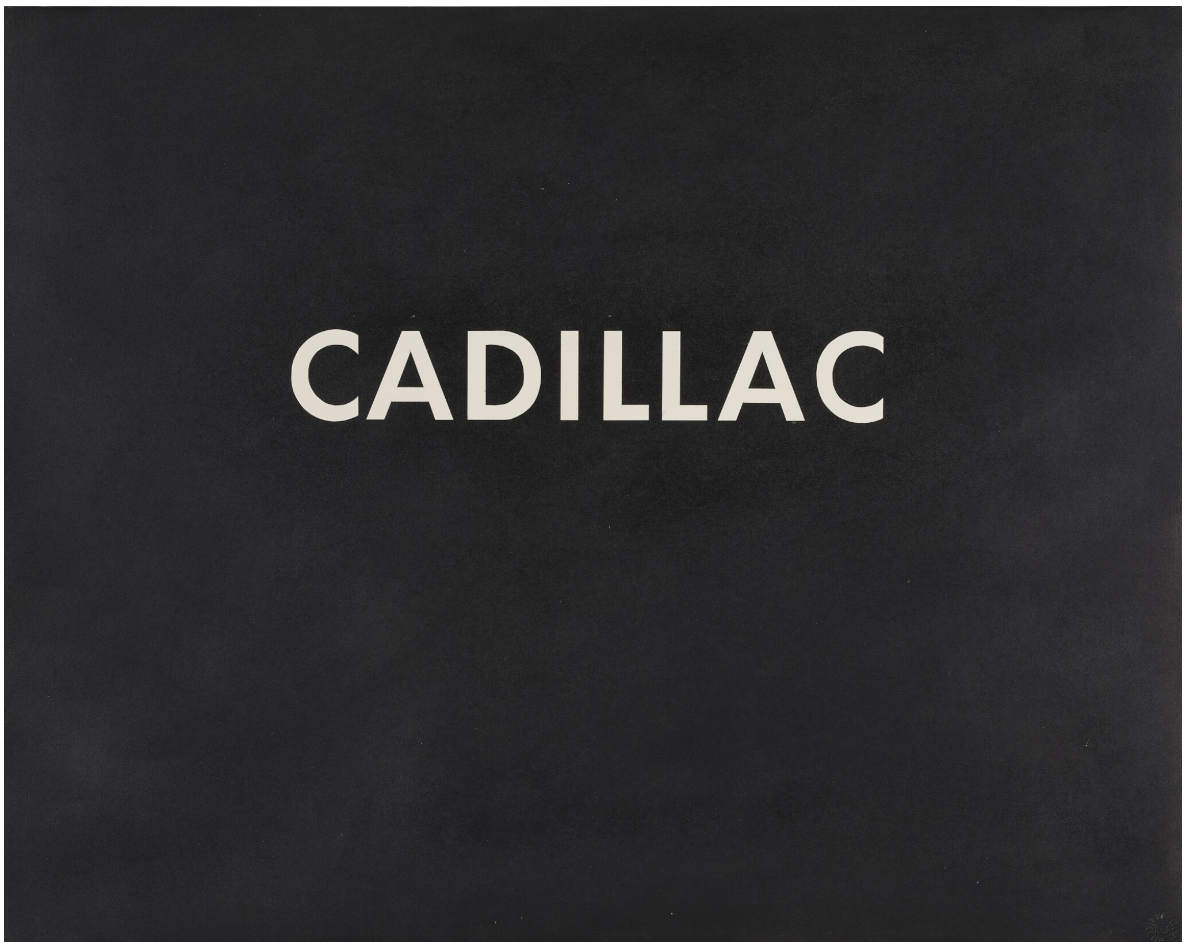
ED RUSCHA (b. 1937)
Cadillac, 1974
Gunpowder on paper
22 3/4 x 28 5/8 inches (57.8 x 72.7 cm)
Signed and dated 1974 (on the verso)
#8. Pussy, 1966
Christie’s New-York: 12 May 2023
Estimated: USD 180,000 – 250,000
USD 441,000
ED RUSCHA (B. 1937), Pussy | Christie’s (christies.com)
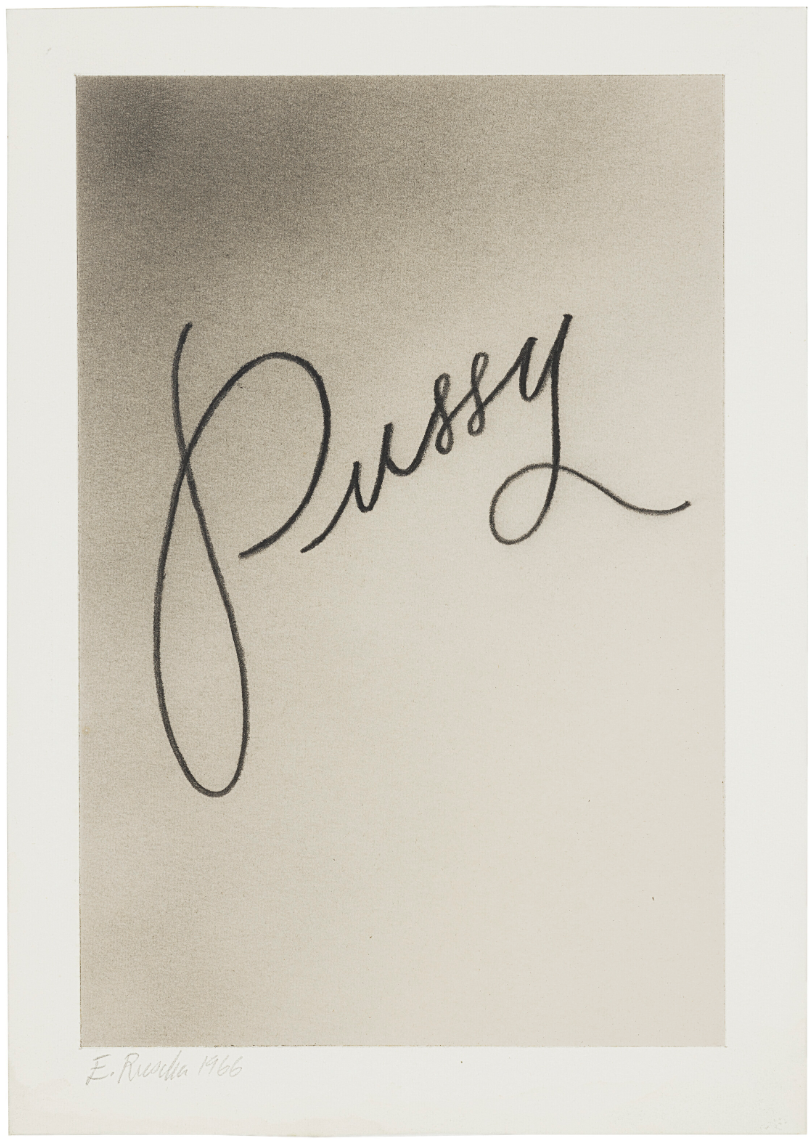
ED RUSCHA (B. 1937)
Pussy, 1966
Graphite on paper
6 7/8 x 4 7/8 inches (17 x 11.9 cm)
Signed and dated ‘E. Ruscha 1966’ (lower left)
#13. Space Study [#1], 1963
Christie’s New-York: 10 November 2023
Estimated: USD 200,000 – 300,000
USD 226,800
ED RUSCHA (b. 1937), Space Study [#1] | Christie’s (christies.com)
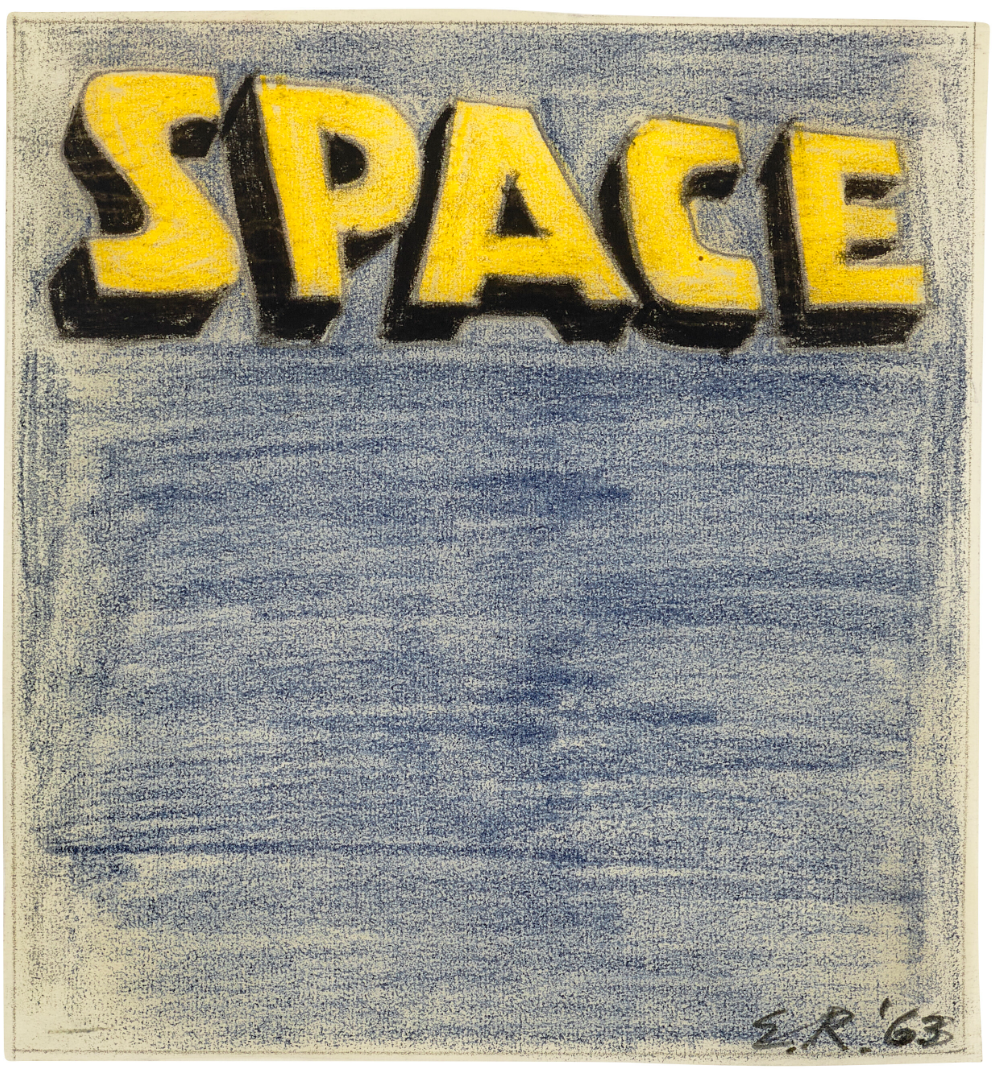
ED RUSCHA (b. 1937)
Space Study [#1], 1963
Colored pencil and graphite on tracing paper
4 5/8 x 4 1/4 inches (11.7 x 10.8 cm)
Signed with the artist’s initials and dated ‘E.R. ’63’ (lower right)
2022 Auction Results
15 lots sold at auction in 2022 for a total turnover of USD 7,553,270. With 3 lots failing to sell, the sell-through rate is 83%. The highest price was achieved by an exceptional gunpowder drawing, Western with Fly, dated 1967, sold at Christie’s in New-York, on 13 May 2022, for USD 2,460,000. This is the only lot that sold for more than USD 1 million, representing 32.6% of the total turnover of 2022.
2022 Top 3 Lots
6 lots sold for more than USD 500,000, generating a cumulative turnover of USD 5,917,355, representing 78.3% of the total turnover of 2022. All lots except 2 sold for more than USD 100,000.
XXXXXXXXXX
#1. Western with Fly, 1967
Christie’s New-York: 13 May 2022
Estimated: USD 400,000 – 600,000
USD 2,460,000
ED RUSCHA (B. 1937), Western with Fly | Christie’s
ED RUSCHA (B. 1937)
Western with Fly, 1967
Gunpowder on paper
14 1/8 x 22 7/8 inches (35.9 x 58.1 cm)
Signed, inscribed and dated ‘E. RUSCHA 1967 – gp’ (lower left)
USD 2,000,000
#2. Flaw, 1967
Collection André Mourgues, Alexandre Iolas et ses artistes
Sotheby’s Paris: 17 March 2022
Estimated: EUR 300,000 – 500,000
EUR 730,800 / USD 811,355
Flaw | Collection André Mourgues, Alexandre Iolas et ses artistes | 2022 | Sotheby’s (sothebys.com)
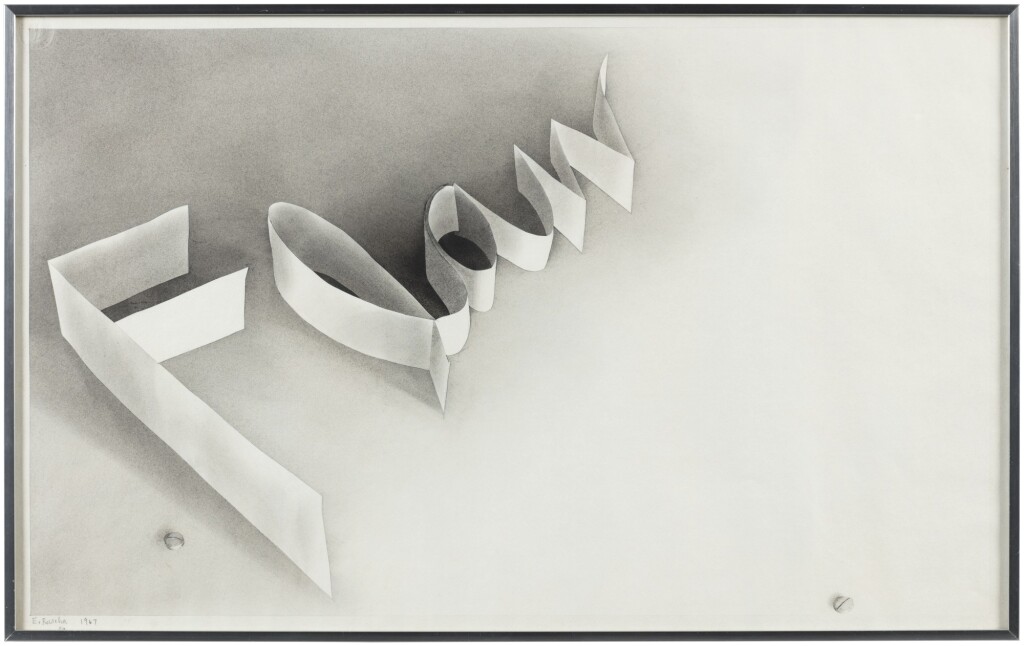
ED RUSCHA (B. 1937)
Flaw, 1967
Gunpowder on paper
14 3/16 x 22 5/8 inches (36 x 57.5 cm)
Signed E. Ruscha and dated 1967 lower left
#3. Smoke Came Out of Her Ears, Fuses Fizzled and Popped, 1976
Christie’s New-York: 13 May 2022
Estimated: USD 300,000 – 500,000
USD 756,000
ED RUSCHA (B. 1937), Smoke Came Out of Her Ears, Fuses Fizzled and Popped | Christie’s
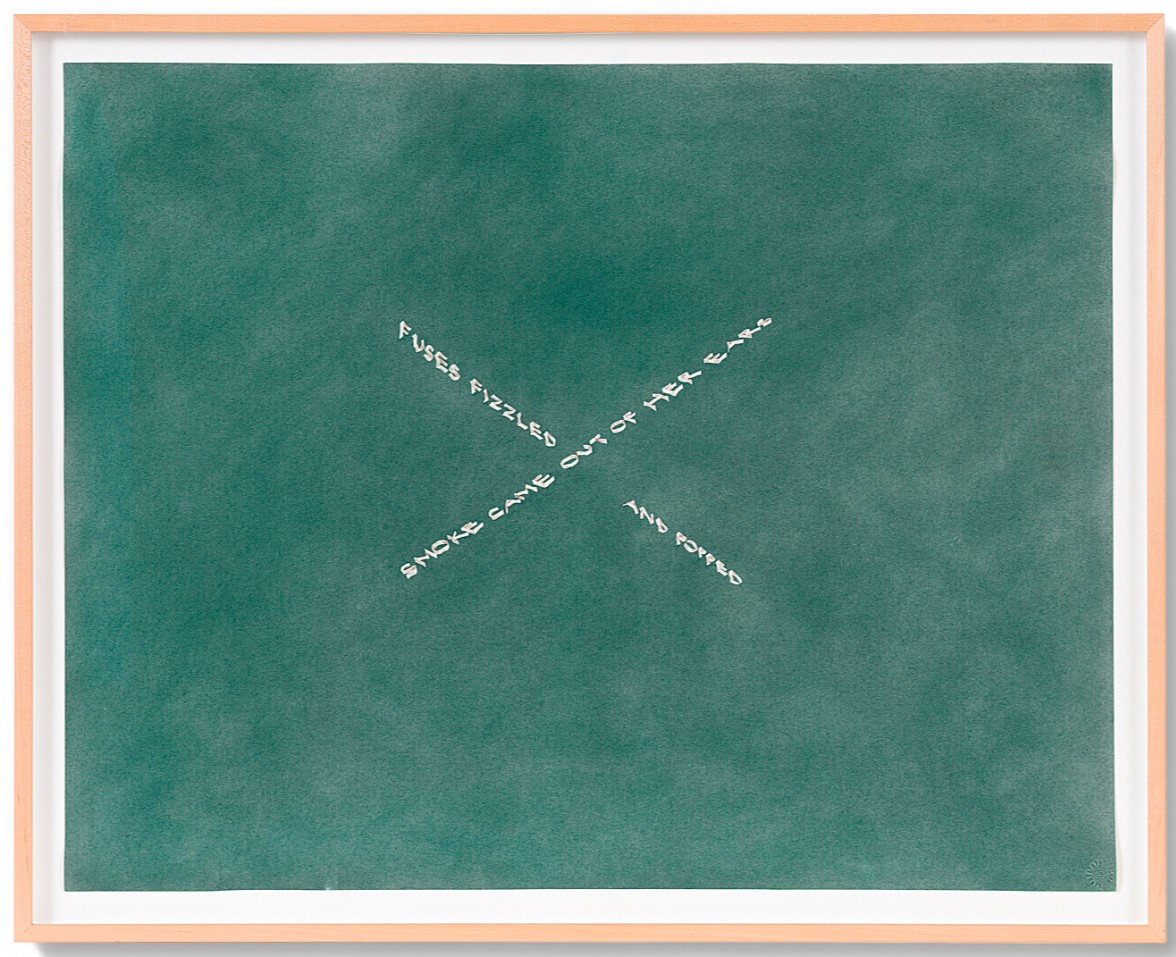
ED RUSCHA (B. 1937)
Smoke Came Out of Her Ears, Fuses Fizzled and Popped, 1976
Pastel on paper
22 1/2 x 28 1/2 inches (57.2 x 72.4 cm)
Signed and dated ‘Edward Ruscha 1976’ (on the reverse)
#4. Vapor, 1970
Sotheby’s New-York: 16 November 2022
Estimated: USD 400,000 – 600,000
USD 730,800
Vapor | Contemporary Day Auction | 2022 | Sotheby’s (sothebys.com)
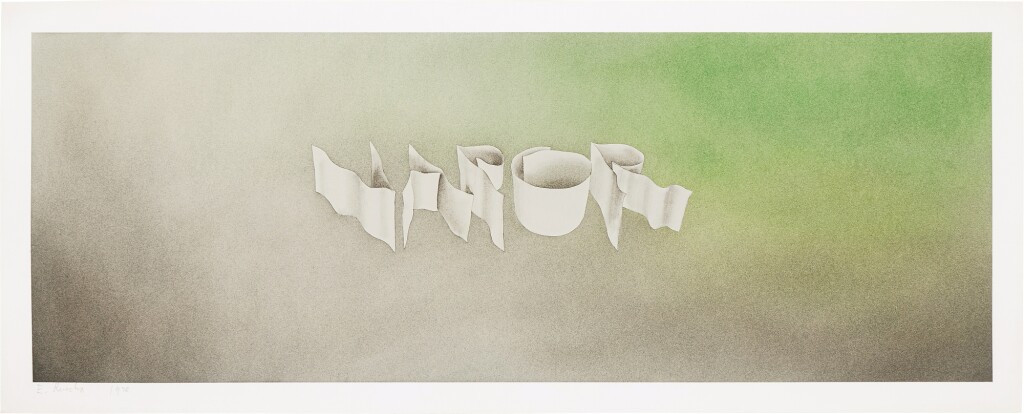
ED RUSCHA (B. 1937)
Vapor, 1970
Gunpowder and pastel on paper
11 5/8 x 29 inches (29.5 x 73.7 cm)
Signed E. Ruscha and dated 1970 (lower left)
#5. Spinning of Z’s, 1985
Visionary: The Paul G. Allen Collection
Christie’s New-York: 10 November 2022
Estimated: USD 250,000 – 350,000
USD 655,200
ED RUSCHA (B. 1937), Spinning of Z’s | Christie’s
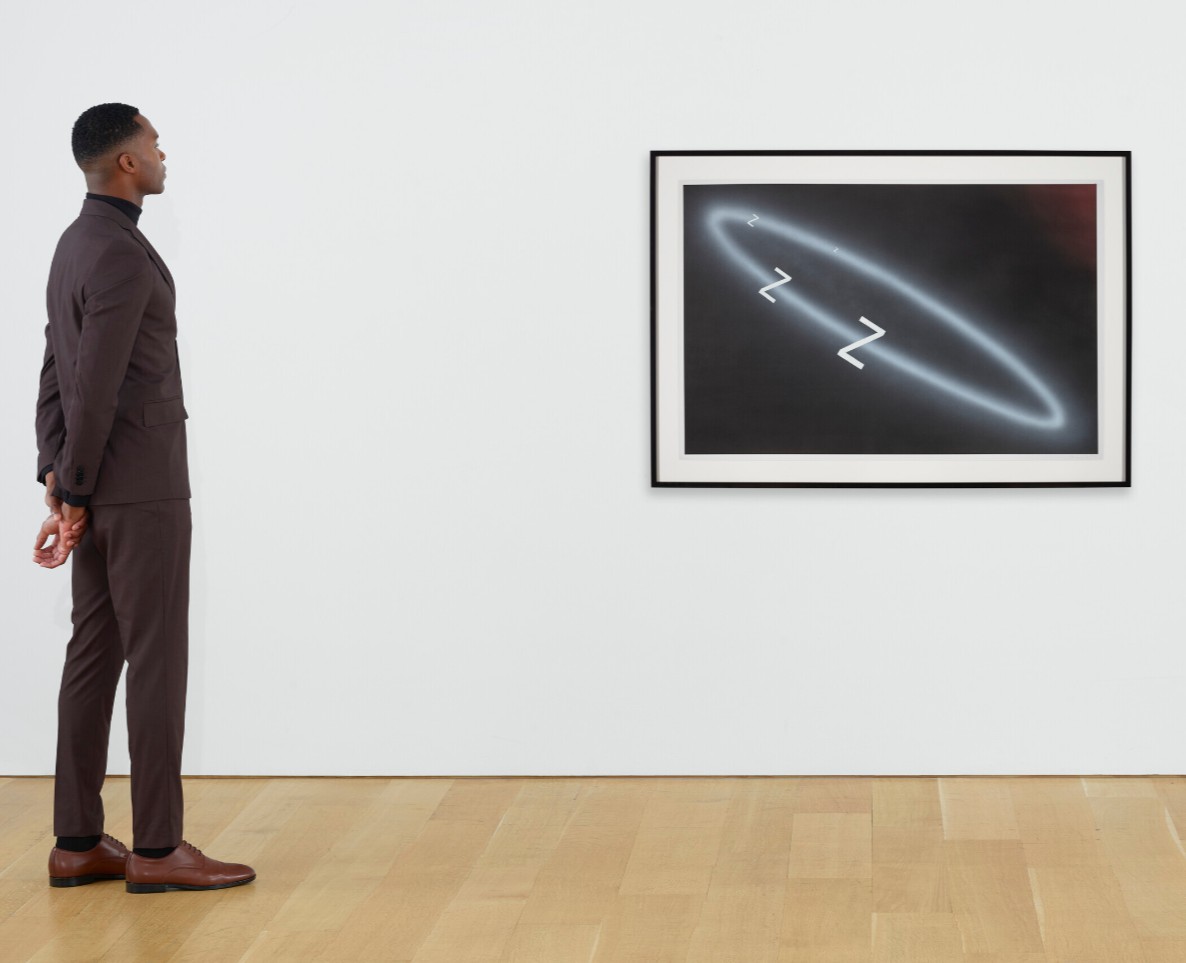
ED RUSCHA (B. 1937)
Spinning of Z’s, 1985
Dry pigment and acrylic on paper
Sheet: 40 1/4 x 60 inches (102.2 x 152.4 cm)
Image: 36 3/4 x 56 inches (93.3 x 142.2 cm)
Signed and dated ‘Ed Ruscha 1985’ (lower right)
#6. Two, 2001
Christie’s New-York: 18 November 2022
Estimated: USD 200,000 – 300,000
USD 504,000
ED RUSCHA (b. 1937), Two | Christie’s
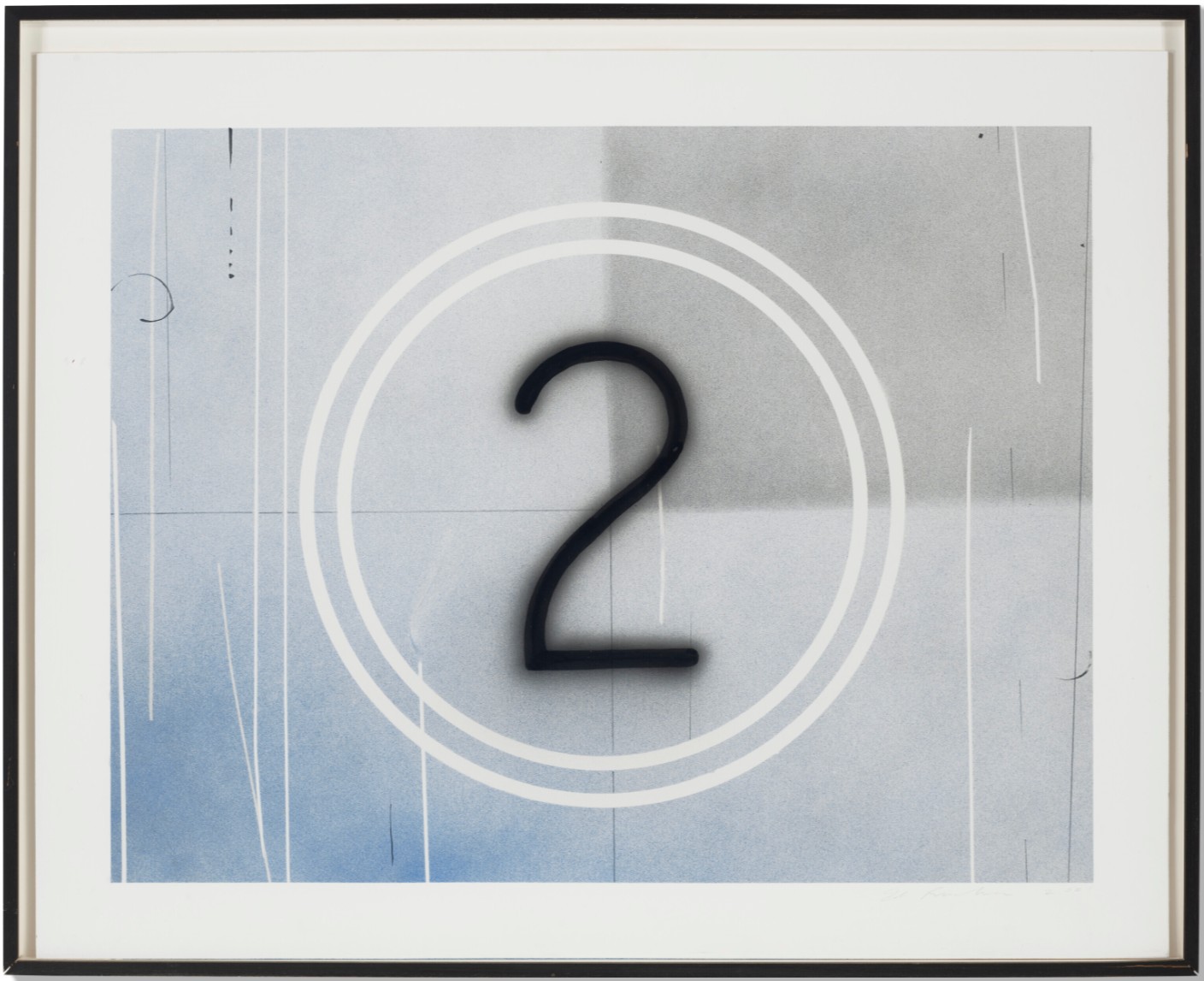
ED RUSCHA (b. 1937)
Two, 2001
Acrylic, ink and graphite on paperboard
24×30 inches (60.9 x 76.2 cm)
Signed and dated ‘Ed Ruscha 2001’ (lower right)
USD 500,000
#7. Fiber-Optic Suburbs, 1989
Visionary: The Paul G. Allen Collection
Christie’s New-York: 10 November 2022
Estimated: USD 180,000 – 250,000
USD 277,200
ED RUSCHA (B. 1937), Fiber-Optic Suburbs | Christie’s
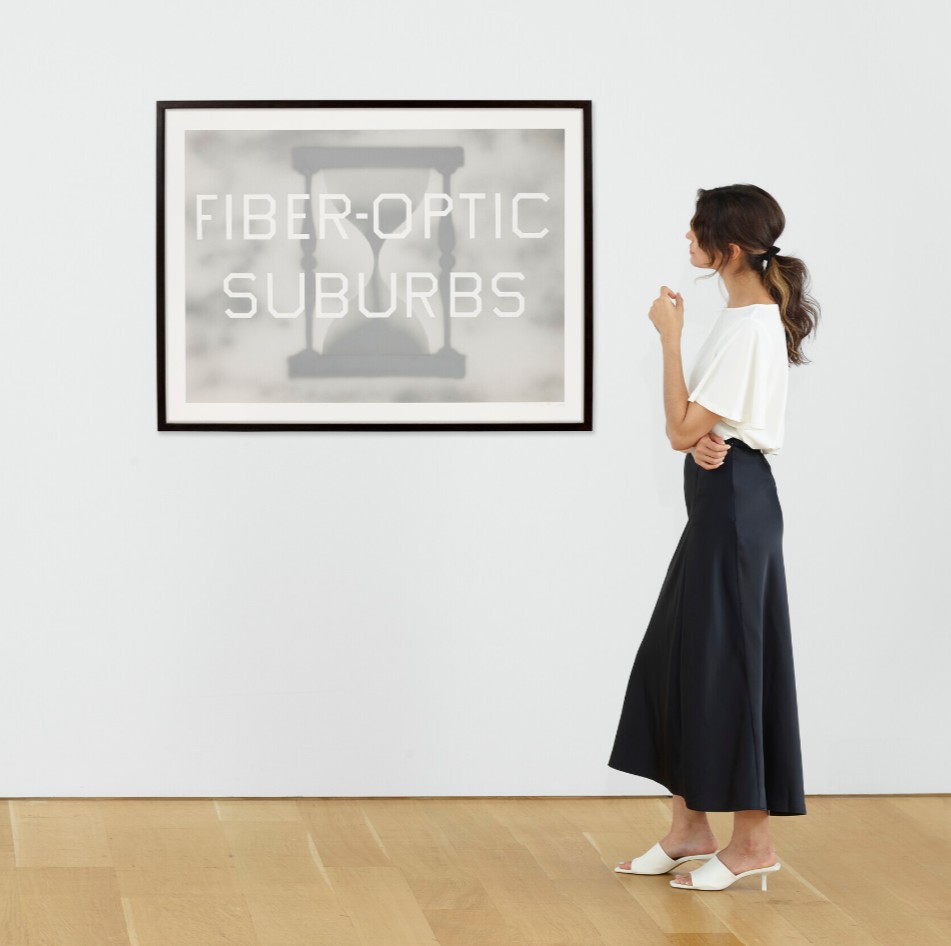
ED RUSCHA (B. 1937)
Fiber-Optic Suburbs, 1989
Acrylic, spray acrylic and graphite on card
Sheet: 30 1/8 x 40 1/8 inches (76.5 x 101.9 cm)
Image: 26 x 36 inches (66 x 91.4 cm)
Signed and dated ‘Ed Ruscha 1989’ (lower right)
#8.Street Greed, 2005
Christie’s New-York: 18 November 2022
Estimated: USD 200,000 – 300,000
USD 252,000
ED RUSCHA (B. 1937), Street Greed | Christie’s
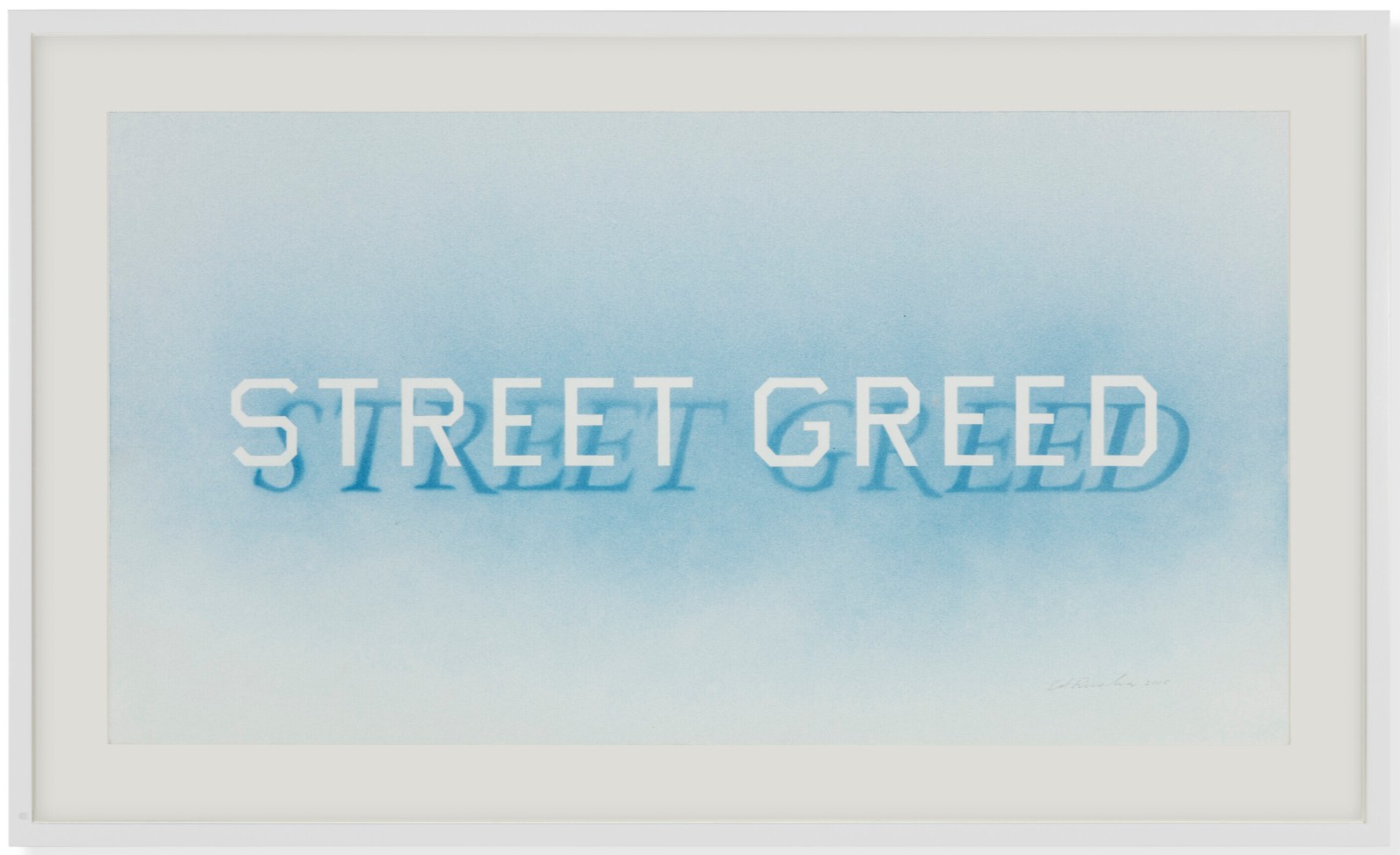
ED RUSCHA (B. 1937)
Street Greed, 2005
Acrylic on paperboard
16 1/8 x 30 inches (41.1 x 76.2 cm)
Signed and dated ‘Ed Ruscha 2005’ (lower right)
#9. Is it Overcast, Radiation Fog, or Scud?, 1990
Sotheby’s New-York: 17 November 2022
Estimated: USD 250,000 – 350,000
USD 252,000
Is it Overcast, Radiation Fog, or Scud? | Contemporary Day Auction | 2022 | Sotheby’s
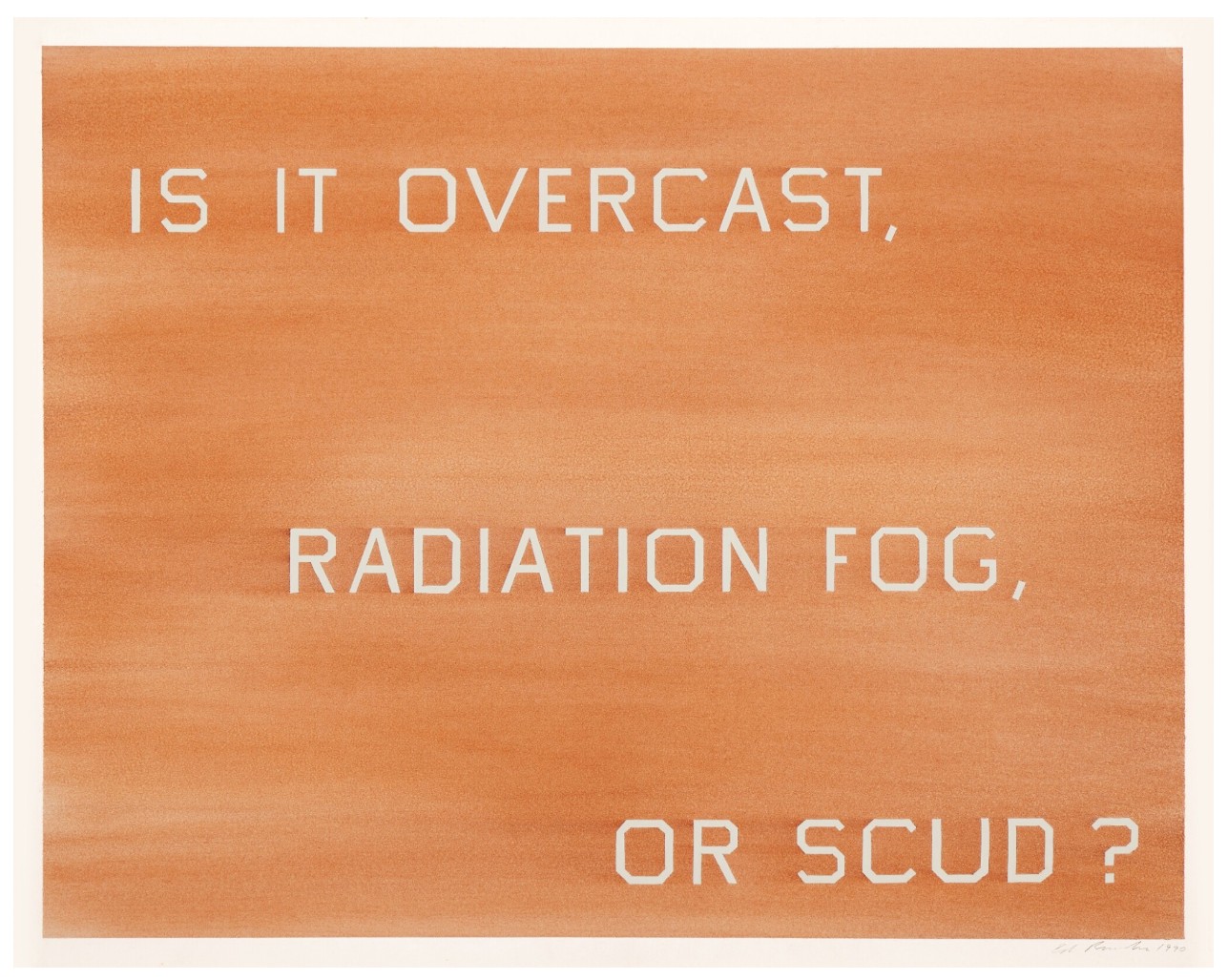
ED RUSCHA (b. 1937)
Is it Overcast, Radiation Fog, or Scud?, 1990
Pastel on paper
23×29 inches (58.4 x 73.7 cm)
Signed Ed Ruscha and dated 1990 (lower right)
#10.Miracle #69, 1975
SBI Art Auction Tokyo: 12 March 2022
Estimated: JPY 20,000,000 – 30,000,000
JPY 27,600,000 / USD 235,155
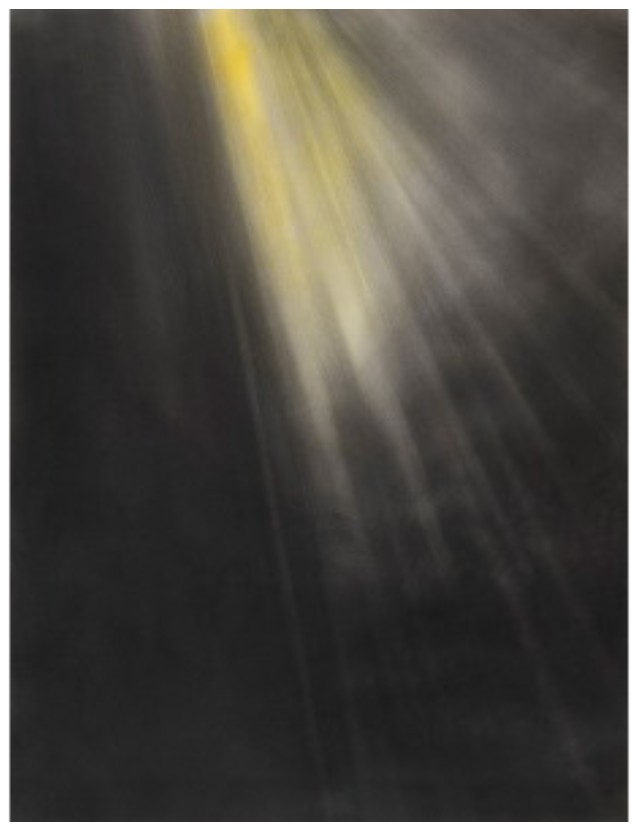
ED RUSCHA
Miracle #69, 1975
Zinc oxide, pastel on paper
38 1/2 x 29 5/8 inches (97.8 x 75.2 cm)
Signed, dated and inscribed “Really Spritual” on the reverse
#11. Colorfast? [#5], 1975
Sotheby’s New-York: 20 May 2022
Estimated: USD 150,000 – 200,000
USD 201,600
Colorfast? [#5] | Contemporary Day Auction | 2022 | Sotheby’s
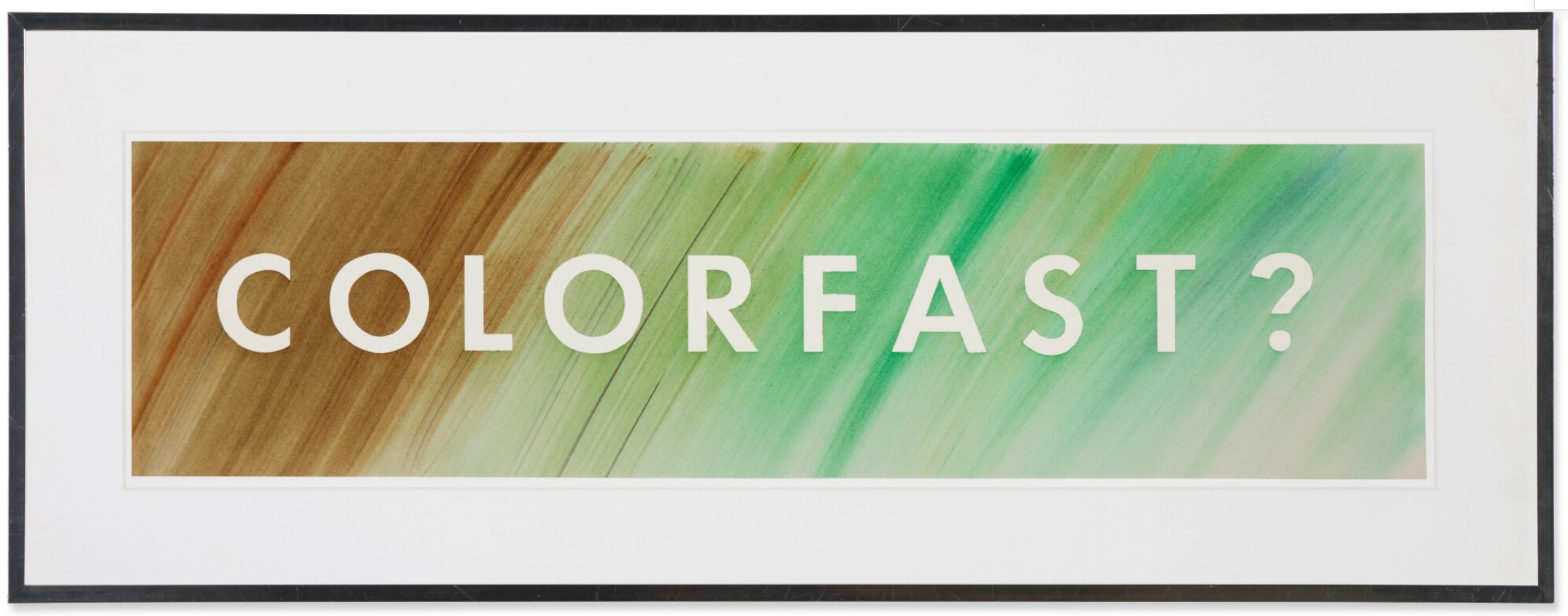
ED RUSCHA (b. 1937)
Colorfast? [#5], 1975
Pastel on paper
7 1/2 x 28 3/4 inches (19.1 x 73 cm)
Signed Edward Ruscha and dated 1975 (on the verso)
#12. Statistical Significance, 1981
Phillips New-York: 19 May 2022
Estimated: USD 150,000 – 200,000
USD 189,000
Ed Ruscha 20th Century & Contemporary Art Day Sale, Morning Session
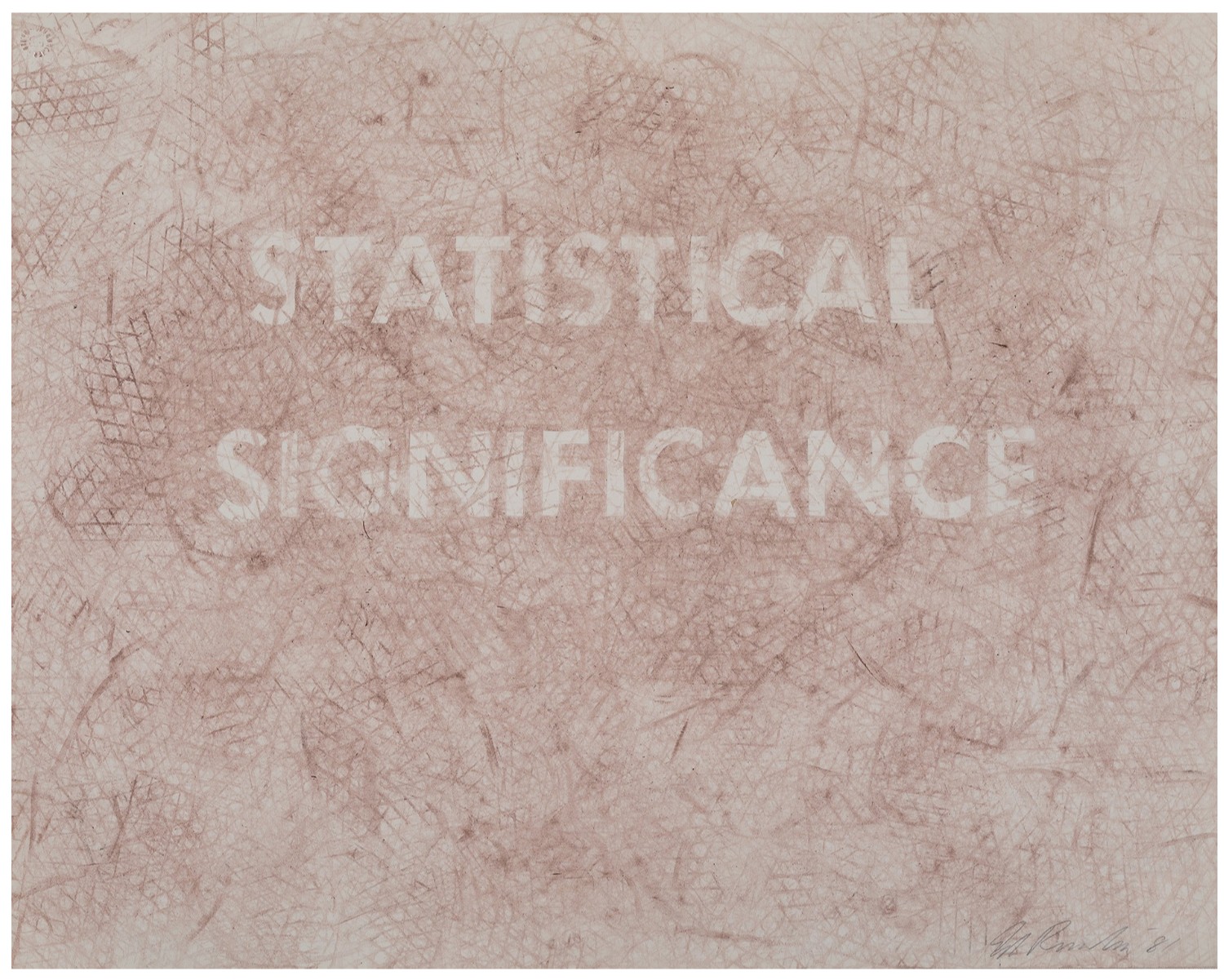
ED RUSCHA
Statistical Significance, 1981
Pastel with footprints on paper
22 7/8 x 29 inches (58.1 x 73.7 cm)
Signed and dated “Ed Ruscha ’81” lower right
#13. Fast Cash, 2021
Sotheby’s Hong-Kong: 15 December 2022
Estimated: HKD 700,000 – 1,200,000
HKD 819,000 / USD 105,325
Fast Cash | Modern and Contemporary Auction | 2022 | Sotheby’s
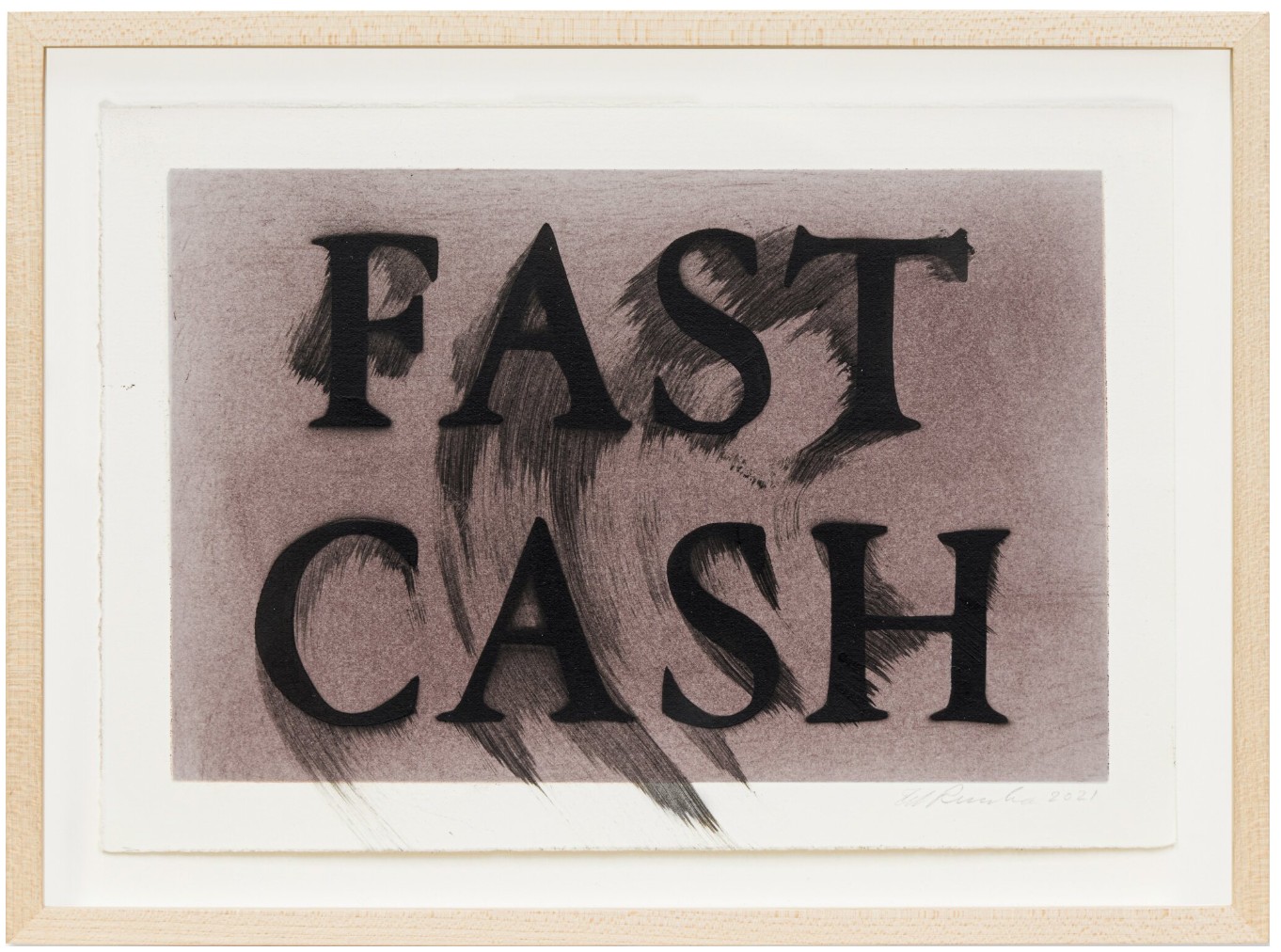
ED RUSCHA (b. 1937)
Fast Cash, 2021
Dry pigment and acrylic on paper
7 1/2 x 11 inches (19 x 27.9 cm)
Signed and dated 2021
USD 100,000
#14. Dot (#4), 2020
Christie’s London: 14 October 2022
Estimated: GBP 60,000 – 80,000
GBP 63,000 / USD 70,625
ED RUSCHA (B. 1937), Dot (#4) | Christie’s
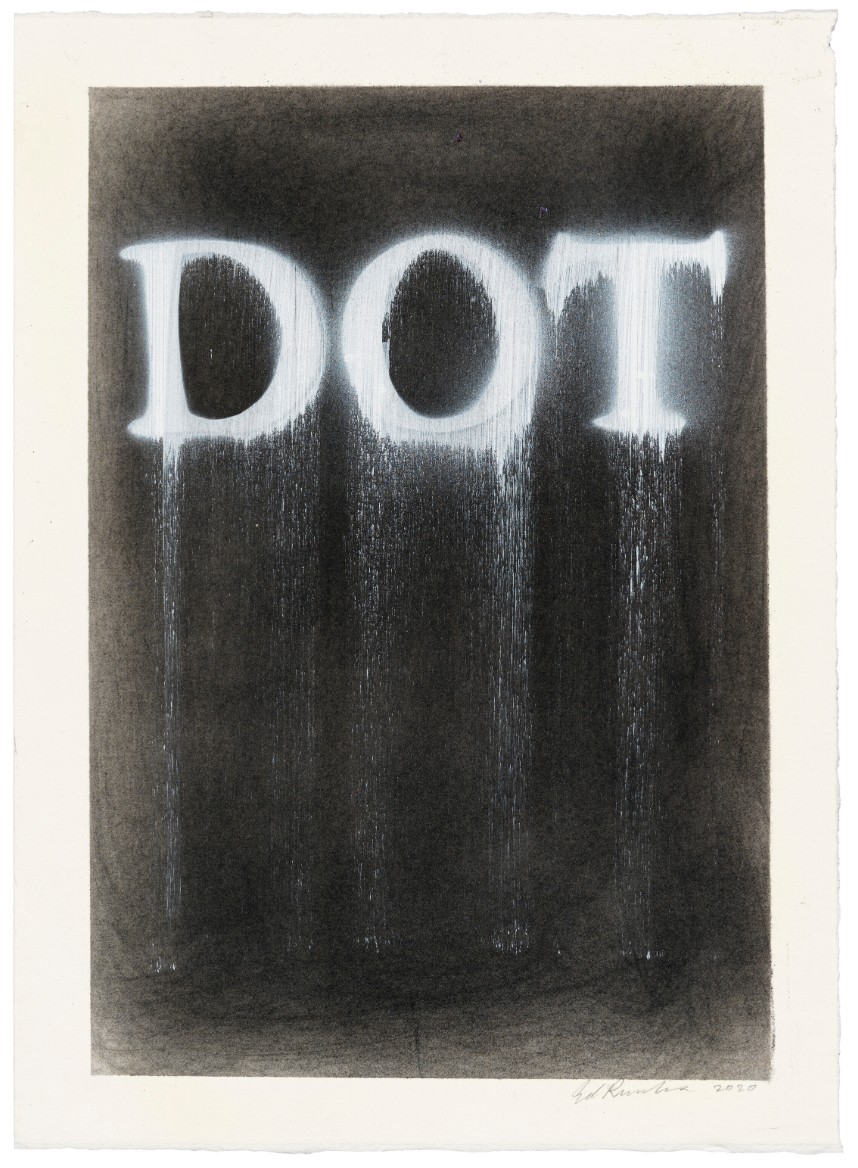
ED RUSCHA (B. 1937)
Dot (#4), 2020
Dry pigment and ink on paper
15 1/8 x 11 inches (38.5 x 28 cm)
Signed and dated ‘Ed Ruscha 2020’ (lower right)
#15. Dead Machinery, 2007
Sotheby’s Zurich: 8 December 2022
Estimated: CHF 40,000 – 50,000
CHF 50,400 / USD 53,010
Dead Machinery, 2007 | Modern & Contemporary Auction | 2022 | Sotheby’s
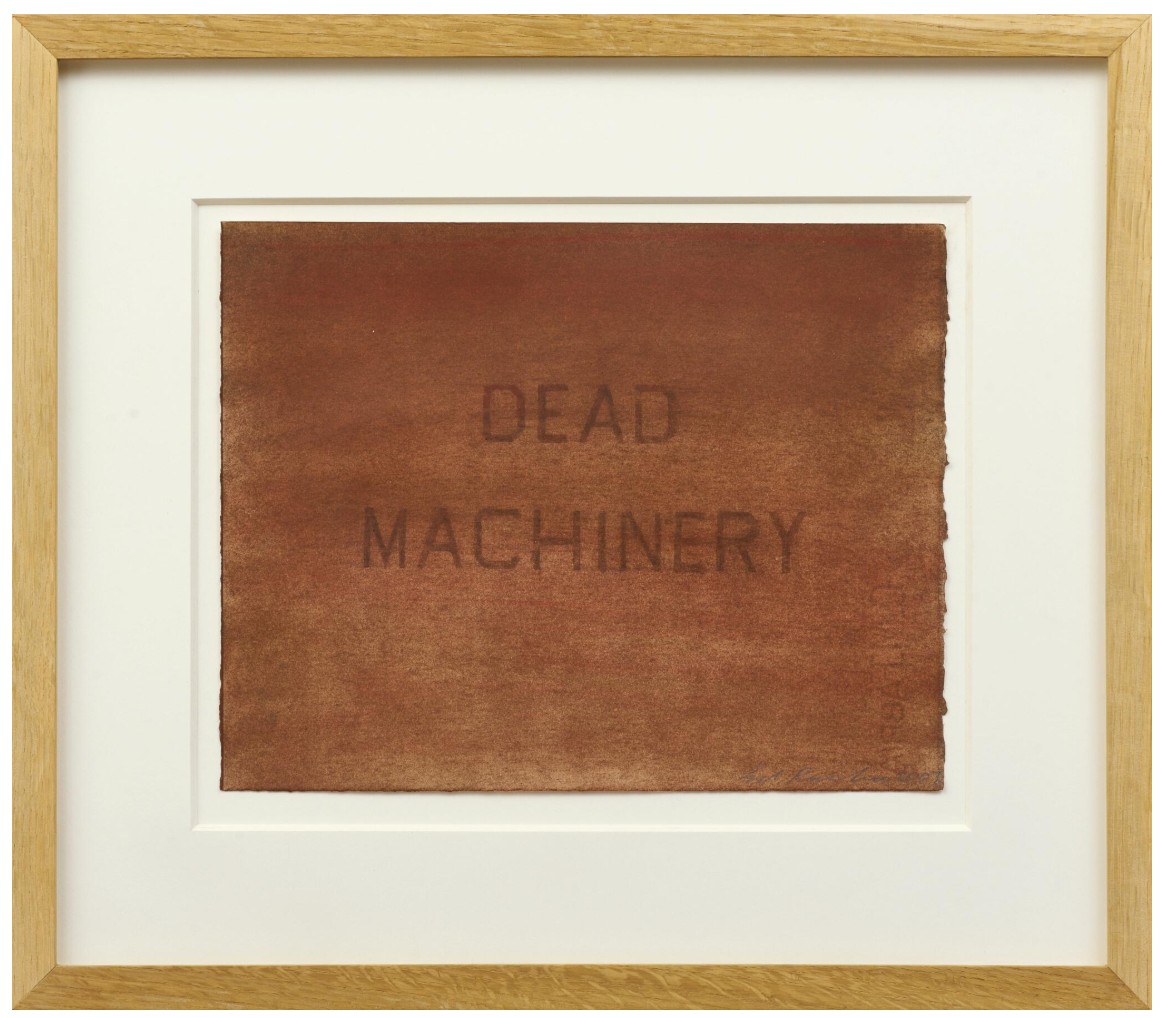
ED RUSCHA (B. 1937)
Dead Machinery, 2007
Dry pigment on paper
9 3/8 x 12 inches (24 x 30.5 cm)
Signed and dated lower right
Lots Passed
He Loafs All Day, 2010
Sotheby’s London: 30 June 2022
Estimated: GBP 160,000 – 250,000
PASSED
He Loafs All Day | Modern & Contemporary Day Auction | 2022 | Sotheby’s
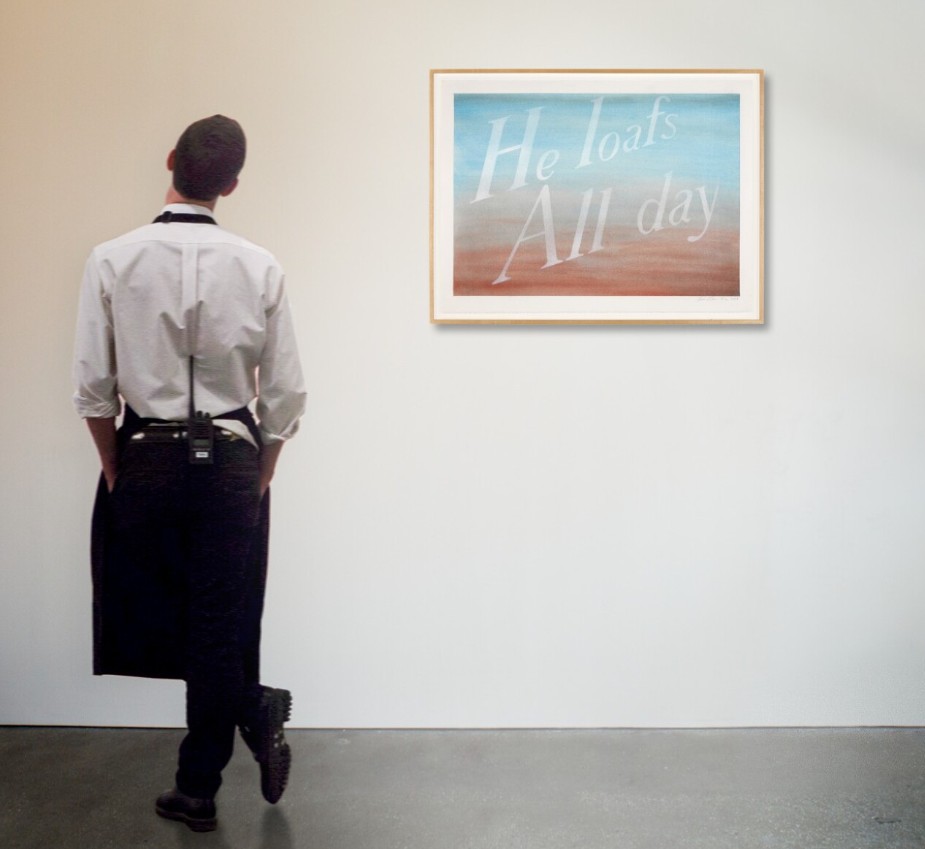
ED RUSCHA (b. 1937)
He Loafs All Day, 2010
Acrylic and dry pigment on paper
22 1/2 x 30 1/8 inches (57 x 76.4 cm)
Signed and dated 2010
Energy Robbing Gears, 1974
Phillips Hong-Kong: 21 June 2022
Estimated: HKD 1,000,000 – 1,500,000
PASSED
Ed Ruscha 20th Century & Contemporary Art & Design Day Sale
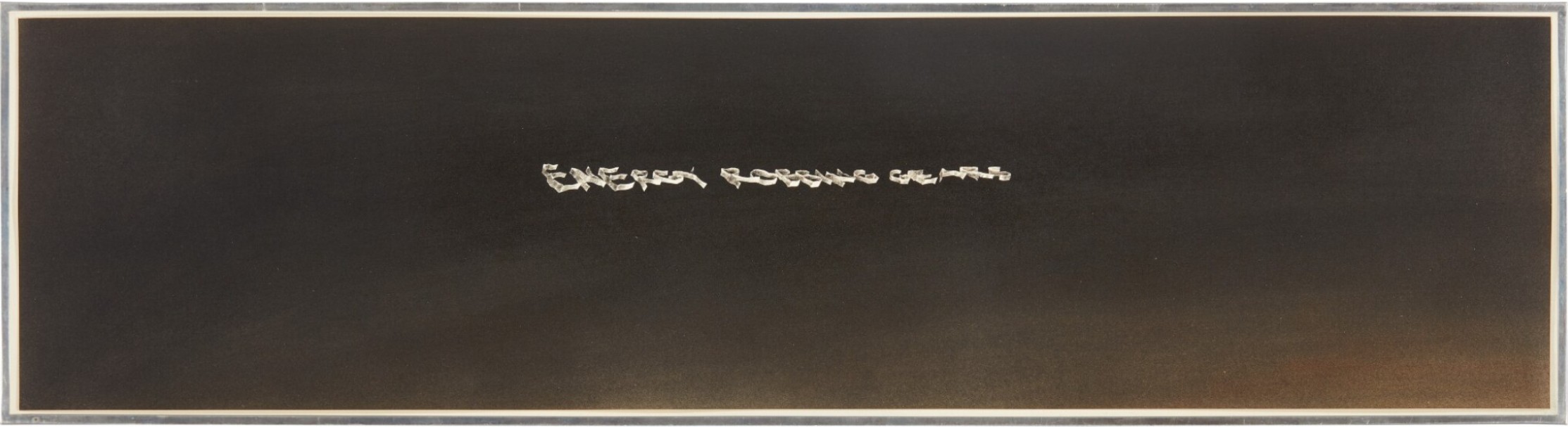
ED RUSCHA (b. 1937)
Energy Robbing Gears, 1974
Gunpowder and pastel on paper
7 3/8 x 28 3/4 inches (18.7 x 73 cm)
Signed and dated 1974 on the reverse
Energy Robbing Gears, 1974
Sotheby’s London: 28 April 2022
Estimated: GBP 120,000 – 180,000
PASSED
Energy Robbing Gears | Contemporary Curated | 2022 | Sotheby’s
ED RUSCHA (b. 1937)
Energy Robbing Gears, 1974
Gunpowder and pastel on paper
7 3/8 x 28 3/4 inches (18.7 x 73 cm)
Signed and dated 1974 on the reverse
2021 Auction Results
WORK IN PROGRESS
#1. Face It, 1967
Sotheby’s New-York: 18 November 2021
Estimated: USD 400,000 – 600,000
USD 3,287,000
Face It | Contemporary Evening Auction | 2021 | Sotheby’s (sothebys.com)
ED RUSCHA (B. 1937)
Face It, 1967
Gunpowder on paper
14 x 22 ¼ inches (35.6 x 56.5 cm)
Signed E. Ruscha and dated 1967 (lower left)
Gunpowder Drawings
A distinguished master of experimental medium, Ed Ruscha is poised as an artist whose investigations into the aesthetical and conceptual properties of materiality foreground his study of the formal qualities of words. Ruscha’s oeuvre is, at its core, unconventional, as he depicts otherwise commonplace words in provocative ways to probe their semantic and visual resonance. Inspired by the repurposing of everyday subject matter in works by Jasper Johns, Ruscha developed a love for playfully manipulating typography. Ruscha’s mediums are as varied as they are salaciously unpredictable, working with caviar, fruit juice, chocolate, and even blood; here, Ruscha employs gunpowder, its suspension in water giving it the formal qualities of a graphite pencil whilst maintaining the emotional weight associated with the material in American culture. Ruscha’s gunpowder drawings have been widely regarded as one of his most important bodies of drawing. Like many artists that came before him, such as René Magritte, Ruscha interrogates the conventions of language and visual representation but in an unparalleled and groundbreaking signature style. Working at the nexus between Pop and Conceptual art, whilst demonstrating an interest in reassessing the relationship between the written word and visual culture.
One of the most striking chapters in Ruscha’s influential career, his ribbon word drawings rank among his most innovative and radical works in his oeuvre. Created between 1966 and 1973 the drawings feature heavily stylized, almost architectural three-dimensional words. Employing a complex trompe l’oeil technique using graphite, and later gunpowder combined with pastels, he constructed idiosyncratic typefaces that burst with texture and materiality. Ruscha discovered the unusual material during a time of intense experimentation, extracting it from gunpowder pellets and finding it to be the perfect material for his drawings. He developed a method of using q-tips or cotton balls to rub the gunpowder into the surface of the sheet, while stencils and tape strips helped delineate his shapes.
Ruscha invented this entirely new medium and way of production for this series. He sourced his gunpowder from the Pachmayer Gun Works in downtown Los Angeles to allow for a consistency across the series. The varying density of gunpowder on the sheet creates a velvety enduring depth, almost impossible to achieve with a work on paper. With his gunpowder series, Ruscha productively laid waste to the entire genre of drawing, altering the received history of draftsmanship and the previous emphasis on disegno, the overt display of the artist’s hand.
Ruscha’s Gunpowder series holds huge art historical importance through their radical challenge in what signifies a finished drawing, the fullest revelation in the artform since Michelangelo’s highly polished presentation drawings first introduced drawing as a fully-realized art in the sixteenth century. The Gunpowder series is the only one Ruscha fully realized on paper without making any painted versions, indicating the artist’s satisfaction with the works’ artistic power on paper.
Streaks of Oil, 1972
PROPERTY FROM THE ESTATE OF SAMANTHA EGGAR
Bonhams New-York: 20 May 2026
Estimated: USD 300,000 – 500,000
USD 635,500
WORK ON PAPER
ED RUSCHA (B. 1937)
Streaks of Oil, 1972
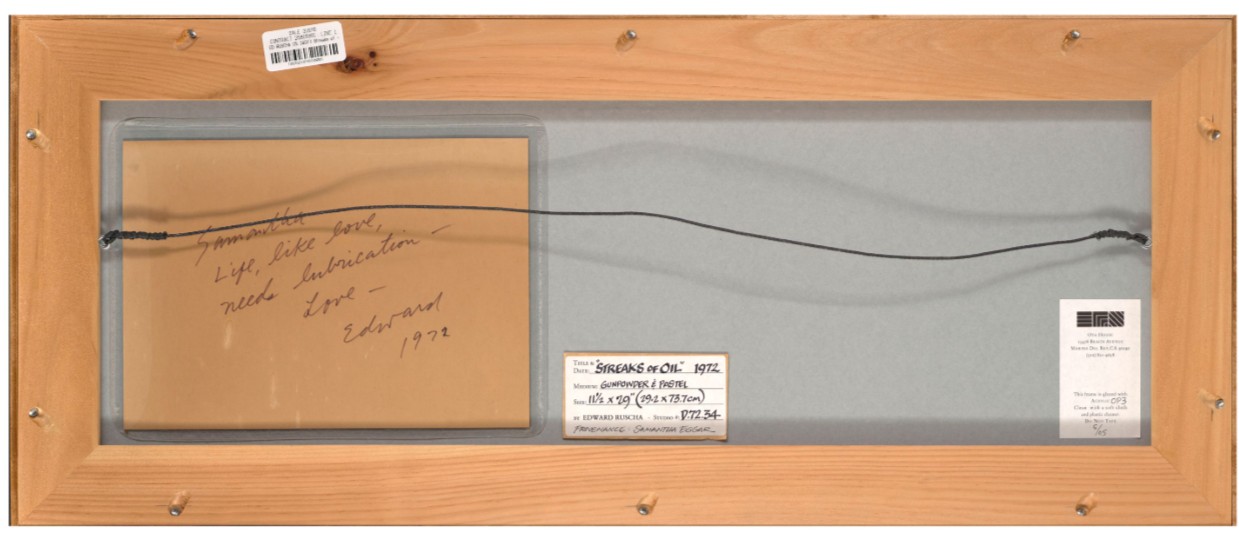
Gunpowder and pastel on paper
11-1/2 x 29 inches (29.2 x 73.7 cm)
Signed with the artist’s initials, inscribed and dated ‘E.R. 1972 Samantha’ (lower left)
Inscribed and dedicated (on a label affixed to the reverse of the frame)
At the start of the 1970s, British actress Samantha Eggar put down roots in Los Angeles to embark on a new chapter in her career, arriving at a moment when the film and television industries were undergoing profound transformation. Hollywood was shifting away from the dominance of the studio system in its Golden Age toward a more experimental director-driven model, a landscape that proved to be fertile for the young ambitious actress. On the heels of an Academy award nomination for her role in William Wyler’s The Collector, she embraced a wide range of opportunities across both film and television. Refusing to be confined to a single genre, she began a prolific television career which offered her steady roles between film productions and ample opportunities to expand her craft with each new character. Trained on the stage in Shakespearean theater, she brought a disciplined and thoughtful approach to every role, displaying a remarkable versatility.
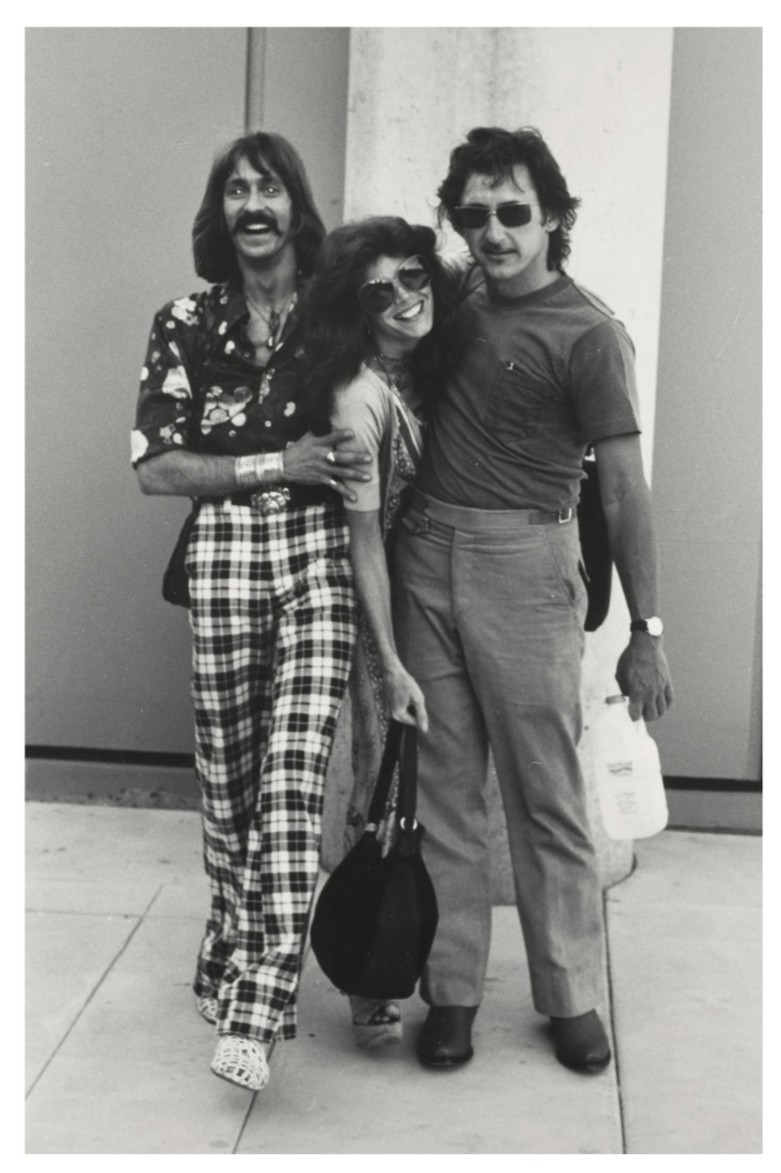
The art scene of Los Angeles in the 1970s was also a new, not yet defined era following the closure of Walter Hopps’ and Irving Blum’s wildly influential Ferus Gallery in 1966. The scene entered a period of reinvention, marked by experimentation with new material and ideas. At a time of unprecedented interdisciplinary exchange in California, artists, actors, and musicians gathered in lively house parties in the Hollywood Hills or Bel Air, where social and creative boundaries dissolved. It was within this milieu that Eggar found not only a new place to call home, but a deeply engaged artistic community. She formed lasting friendships with leading figures of the Los Angeles art world and became an active participant in its ecosystem, attending openings across town and collecting the work of friends Billy Al Bengston, Ken Price, Robert Graham, Larry Bell, and more. Her Beverly Hills home also became a gathering place where she hosted dinner parties that brought together a vibrant cross section of the city’s creative circles.
It was in this context that Eggar met a young painter named Ed Ruscha, who had earned his place among the Ferus Gallery “studs” with his large-scale canvases that transformed words into abstract shapes. With Ferus Gallery’s closure in 1966, Ruscha had his first solo show in New York the following year at Alexander Iolas Gallery where he debuted his groundbreaking gunpowder drawings. Having grown dissatisfied with graphite, charcoal, and other conventional media, Ruscha turned to new materials he could experiment with and manipulate to concoct his own unique pigments. Gunpowder allowed him to achieve a greater range of tonalities and textures while retaining remarkable precision and control over his compositions, creating the impossibly sharp lines and surreal effects typical of the “finish fetish” movement which Ruscha had an important role in establishing.
In the present lot, Ruscha combines gunpowder and pigment to produce a luminous, cinematic horizontal gradient that transitions from a dense velvety darkness at the left edge to a glowing field of amber. These subtle gradations drift across the sheet like a golden sunset emerging from a thick layer of smog, a motif that would recur throughout Ruscha’s most iconic works including his many depictions of the Hollywood sign. Suspended in this atmospheric field, delicate thin ribbons of text resist immediate legibility, beckoning the viewer to step closer into its orbit. This playful treatment of words is central to Ruscha’s practice; language oscillates between its literal meaning and its visual impact on the picture plane. The elongated sheet further reinforces a sense of cinematic framing, recalling both widescreen film and the vast horizon of Venice Beach or the rolling hills of Los Angeles.
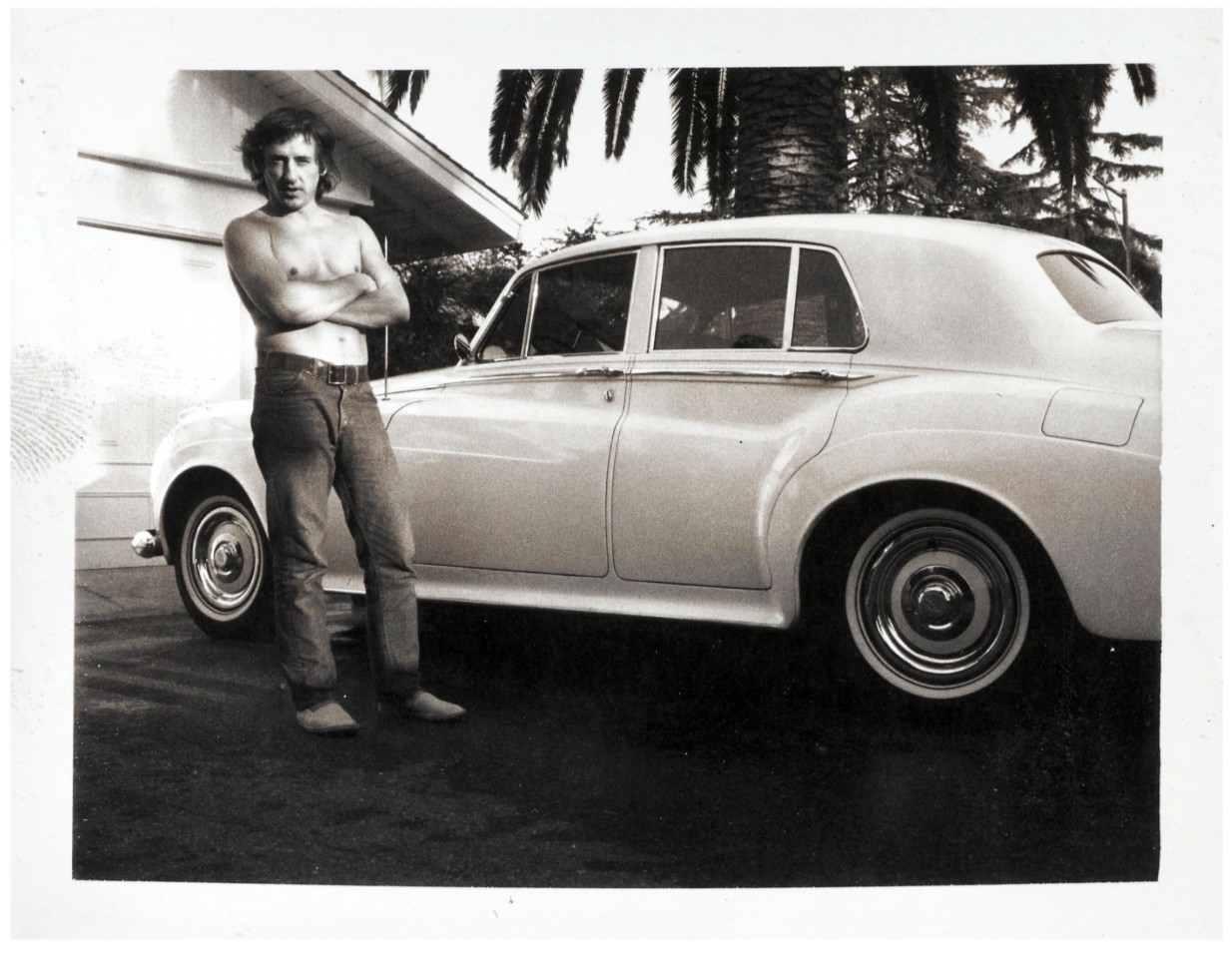
Contemporaneously to the present work’s execution, Ruscha navigated the complex network of Los Angeles streets in an impressive but aging Rolls Royce – a potent symbol of the city’s car culture, the masculinity associated with it, and the broader industrial landscape that permitted the rapid proliferation of the automobile. Central to the identity of Southern California, the automobile shaped generations of artists including not only Ruscha but also his early mentors like Robert Irwin. Luxury vehicles that became widely available to the growing upper middle class required constant care and attention in order to maintain both its essential locomotive function and its shiny appearance. An object that essentially decays and depreciates from the moment of acquisition, Ruscha’s Rolls had its fair share of routine car troubles. As it sat in the driveway of Samantha Eggar’s Beverly Hills home where Ruscha lived during the time of their relationship, it left dark, stubborn oil stains in the pavement, the conceptual basis for Streaks of Oil. Through the execution of this work, Ruscha transforms the pesky residue of everyday life in a modern, industrial world into a poetic meditation on decay and transience, capturing the spirit of Los Angeles at a moment of cultural reinvention.
Pressures, 1971
Radiant Forms: Works from a Distinguished Private Collection
Sotheby’s New-York: 15 May 2026
Estimated: USD 300,000 – 500,000
USD 576,000
Ed Ruscha | Pressures | Contemporary Day Auction | 2026 | Sotheby’s
ED RUSCHA (b. 1937)
Pressures, 1971
Gunpowder and pastel on paper
11-1/2 x 29 inches (29.2 x 73.7 cm)
Signed with the artist’s initials and dated 1971 (lower left)
Executed in 1971, Pressures belongs to the extraordinary sequence of works on paper in which Ed Ruscha brought the word itself to the center of the image, allowing language to assume an atmospheric, pictorial and psychological presence all its own. Rendered in gunpowder and pastel on paper, the present work unfolds across a broad horizontal sheet, where the titular word emerges in pale, softened form against a luminous green ground. Subtly compressed across the page, the word seems almost to register the condition it names, as though held under the very pressure it describes. “Pressures” suggests force, strain and invisible compression, and Ruscha gives those associations an unexpectedly delicate visual form: the letters hover rather than insist, seeming at once tightened and suspended. In that disjunction between semantic weight and visual lightness lies much of the work’s singular force.
“I like the idea of a word becoming a picture, almost leaving its body, then coming back and becoming a word again…I see myself working with two things that don’t even ask to understand each other.”
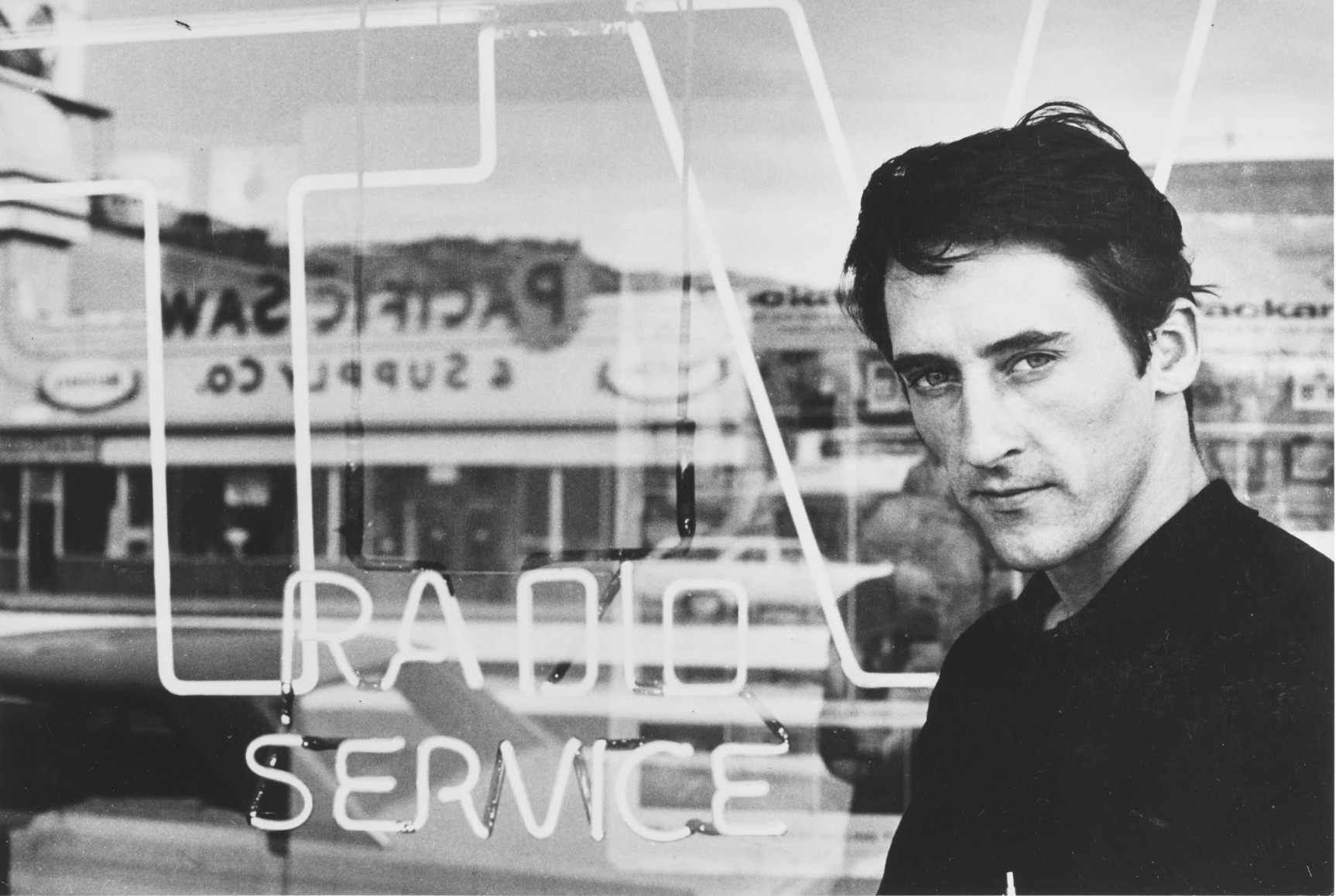
Ed Ruscha, 1964. Photo: © Dennis Hopper, Courtesy of The Hopper Art Trust
By 1971, Ruscha had already established himself as one of the defining artistic voices of postwar America, having transformed the relation between text and image through works that were at once coolly graphic, conceptually exacting and unmistakably shaped by the visual culture of the American West. Born in 1937, raised in Oklahoma City and relocated to Los Angeles in 1956 to attend the Chouinard Art Institute, Ruscha developed an artistic language attuned to typography, commercial design, popular signage and the peculiar spaciousness of the modern American landscape. His most iconic paintings and works on paper feature language itself as subject, drawing on sources as varied as advertising, comic strips and vernacular print culture, while treating the single word or phrase with the gravitas of a painted image. It is precisely within that lineage that the present work finds its place, distilling Ruscha’s singular ability to transform a single word into an image of remarkable spaciousness, precision and psychological charge.
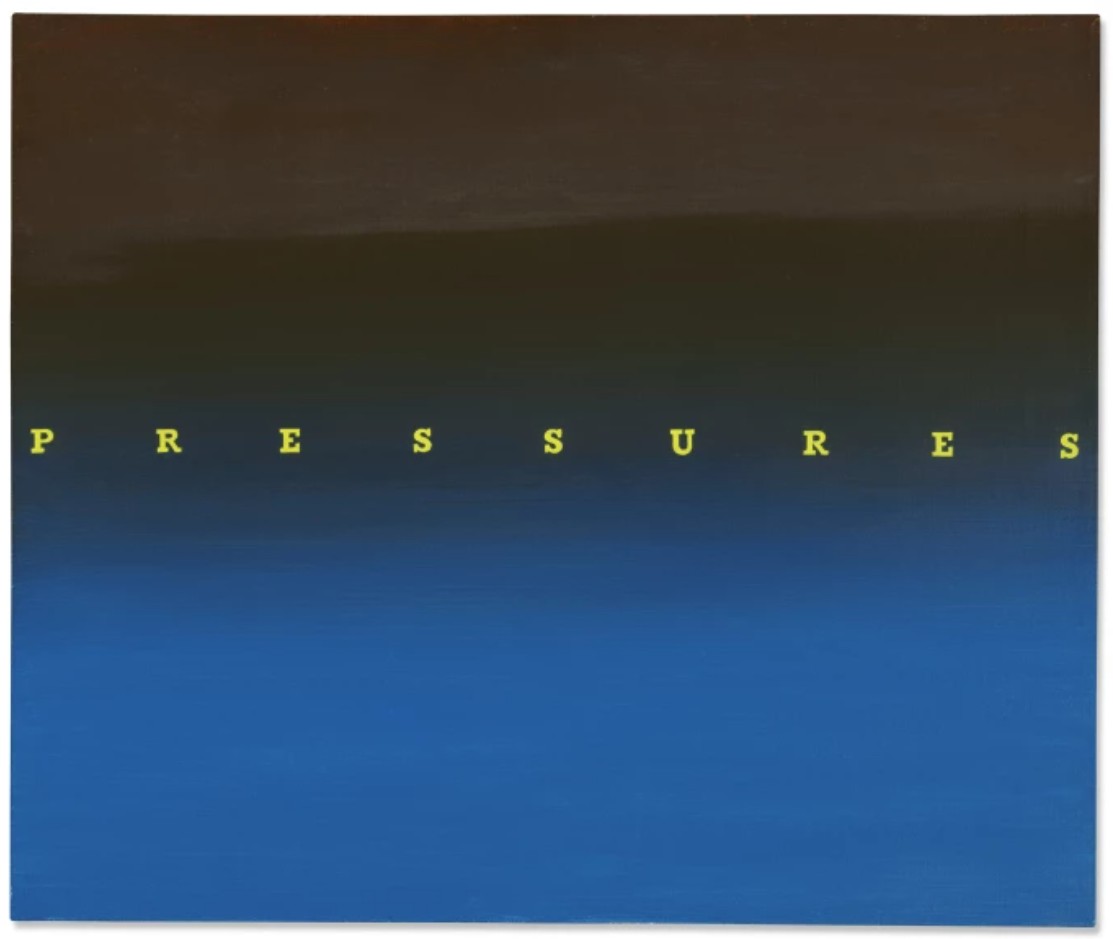
Ed Ruscha, Pressures, 1967, Private Collection. Art © Ed Ruscha Studio. Image by John Schweikert.
In Pressures, the luminous green of the sheet becomes an active atmospheric field, its softly modulated surface holding the word in a state of near-evaporation. Ruscha preferred gunpowder for its pliability and smoky diffusion, and here that medium allows the text to appear with unusual softness, as though it has surfaced from within the paper rather than been placed upon it. The result is both lucid and unstable. Gunpowder, with all its latent volatility, is transformed into something featherlight and restrained, yet the material never entirely relinquishes its charge. That tension gives the work its particular sophistication: danger translated into atmosphere, pressure into suspension, force into a visual condition of exquisite delicacy. Ruscha’s approach is characteristically alchemic, turning an explosive substance into a vehicle for tonal subtlety and conceptual poise.
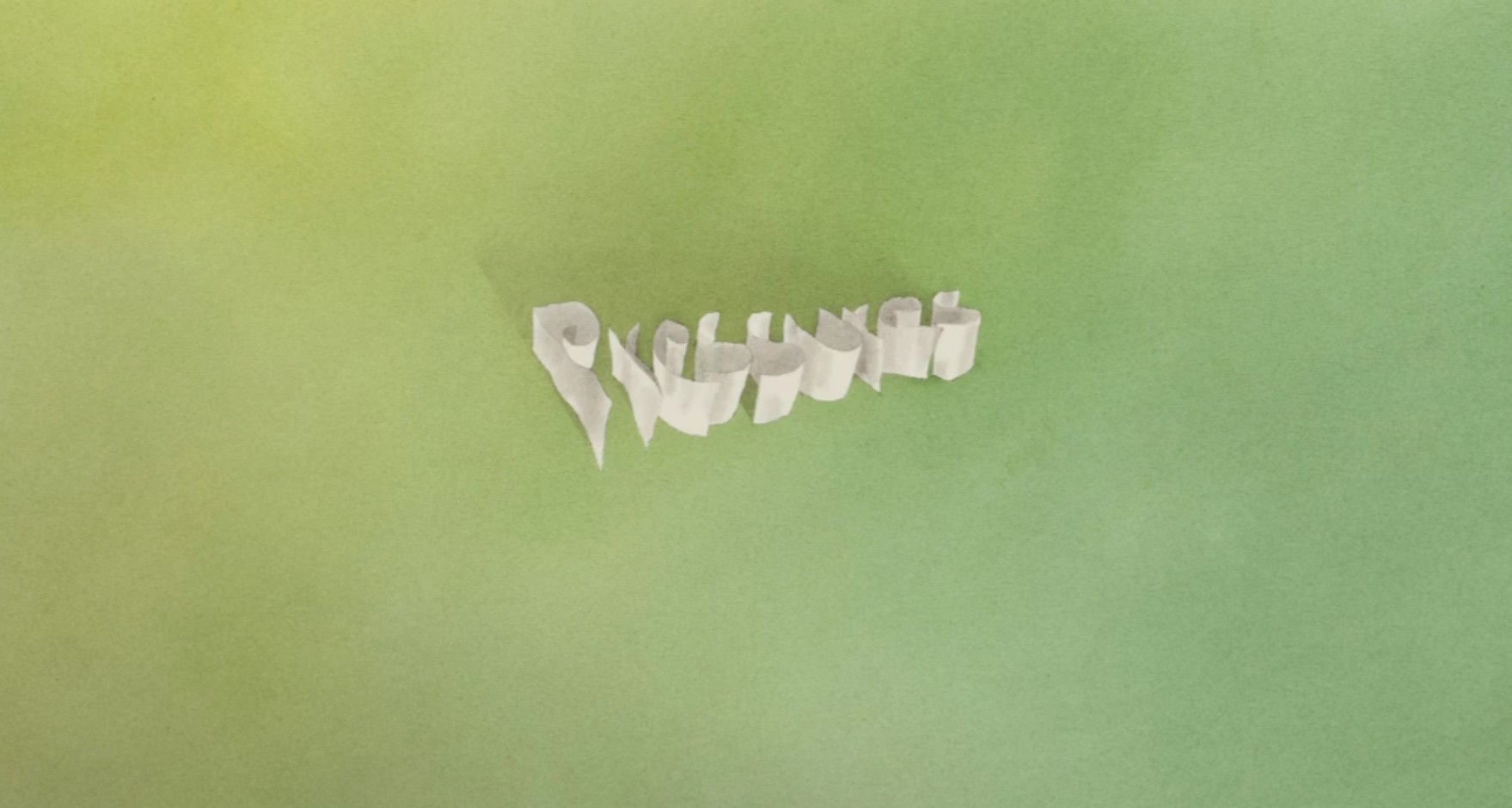
Like many of Ruscha’s finest text works, Pressures occupies the unstable threshold between declaration and introspection. The word does not merely describe a condition; it seems to enter the viewer’s field of thought, attaching itself to the mind with the quiet insistence of something half-recognized and difficult to dispel. Ruscha’s words often function in this way, at once impersonal and oddly intimate, cinematic in their isolation yet deeply psychological in effect. Here, the compressed text and spacious field create a subtle drama between containment and openness, as though the image were staging an internal state rather than simply presenting a word. Luminous, exacting and conceptually taut, Pressures stands as a superb example of Ruscha’s ability to make language itself one of the most evocative mediums of contemporary art.
Electrical, 1972
Sotheby’s New-York: 21 November 2024
Estimated: USD 300,000 – 500,000
USD 336,000
Electrical | Contemporary Day Auction | 2024 | Sotheby’s
ED RUSCHA (b. 1937)
Electrical, 1972
Gunpowder on paper
11 1/2 x 29 inches (29.2 x 73.7 cm)
Signed with the artist’s initials and dated 1972 (lower left)
A singular word dissipates into the soft gradient background of gunpowder residue that diffuses and condenses in undulating, smoky forms in Electric from 1972 by Ed Ruscha. Electric is an outstanding example of Ed Ruscha’s iconic Gunpowder Drawings series. These drawings were created between 1967 and 1970 and have since become an integral part of Ruscha’s oeuvre. Ruscha applies layers of gunpowder with cotton swabs to obtain this soft, swirling, hypnotic effect. This technique gives the work an atmospheric and dreamlike dimension, as if suspended in time, emphasizing the abstract qualities of the typography. Typography is a theme he began exploring in painting in 1959; he reexamines its possibilities in a new medium in this series, pushing the boundaries of the constraints of a word, edging them into a non-representational state. Blurring the boundaries between text and the visual arts, Ruscha evolved the essence of American consumerism and the expansion of mass media into the revolutionary advent of Pop Art. The artist sourced his subject matter from billboards and advertisements seen in his daily life. He became hyper-focused on the development of a sensation behind a certain word, whether that be auditory or tactile.
“Words have temperatures to me. When they reach a certain point and become hot words, then they appeal to me…Sometimes I have a dream that if a word gets too hot and too appealing, it will boil apart, and I won’t be able to read or think of it. Usually I catch them before they get too hot.”
The present work features a charged subject, the singular word Electric, which is also the subject of one of his earlier paintings, emphasizing the importance of this piece within this particular series
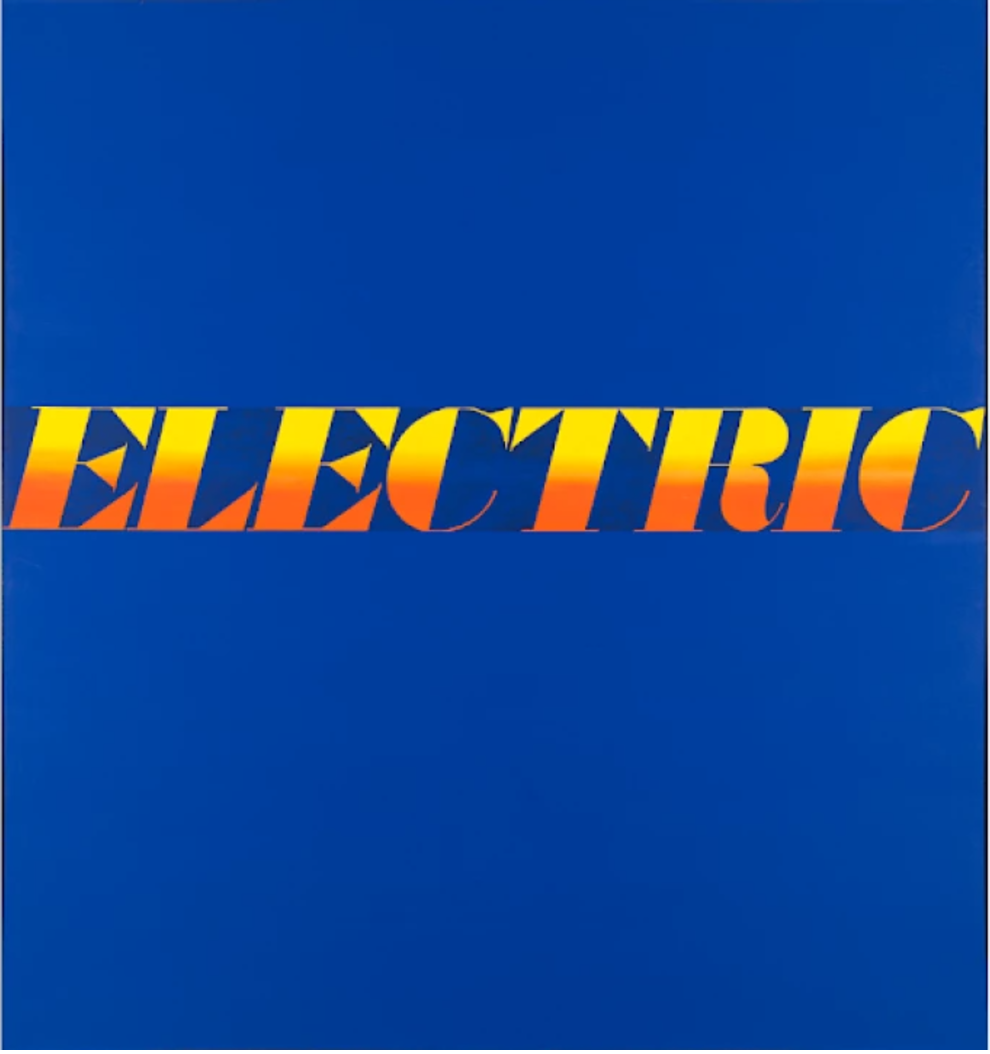
Ed Ruscha, Electric, 1963. Collection Buffalo AKG Art Museum. Art © 2024 Edward Ruscha.
While the present work explores Ruscha’s abstract contemplation of vernacular imagery in a seemingly opposite way to his preceding painting Electric, the two works reflect a tenet of his artistic practice. Enlarged and isolated, words and phrases are stripped of context, imploring the viewer to contemplate the transcendent power of language in various mediums. The present lot is a significant example of his gunpowder series, and reaches to the core of Ruscha’s practice as he strips the words of their meaning as literature, and dissociates them of their true meaning and context.
Skytown, 1967
Christie’s New-York: 1 October 2024
Estimated: USD 300,000 – 500,000
USD 693,000
ED RUSCHA (B. 1937), Skytown | Christie’s
ED RUSCHA (B. 1937)
Skytown, 1967
Gunpowder on paper
11 1/2 x 28 3/4 inches (29.2 x 73 cm)
Signed and dated ‘Edw. Ruscha 1967’ (lower left)
A gracefully unfurling ribbon of paper meanders around the greater part of the sheet, its contours conveyed via the careful contrast of the porcelain white of the rag paper and the faintly undulating textured grisaille coating the sheet’s background. This ribbon slowly coalesces into an S-shape, formulating the first letter of the delicately articulated word Skytown, the title of Ed Ruscha’s masterpiece gunpowder drawing from his first series experimenting with this new medium in 1967. While the S ribbon is presented to the viewer at a yielding perspective, the rest of the word inhabits the converse perspective, appearing perpendicular to the leftward ribbon in two rightly wound bundles mimicking cursive script: “ky” and “town.” Juxtaposing the planar relationship between these two forms, Ruscha postulates the ironic relationship between the seemingly three-dimensional spatiality of the word against the immutable flat and abstract field which his gunpowder pigmentation forms upon the paper. To make Skytown, Ruscha cut an adhesive stencil forming the ribbon shapes with an X-Acto blade then applied the stencil onto rag paper, masking the borders with tape. He then fastidiously added layer after layer of gunpowder, forcing pigment into minute cavities in the paper grain using cotton swabs, small rags, cotton balls, sponges, and wet wipes, building up gradations in tone like an old master glazing using oil paint. Ruscha embeds the rag paper so thoroughly with his gunpowder medium that it penetrates through the work to create a mirrored composition on the verso. The final result is a work so polished that it is nearly impossible to determine how Ruscha made the drawing.
Ruscha’s word drawings function like Duchamp’s ready-mades, rescuing diction from an endless stream of information and removing them from a literary to a purely visual context. Randomly choosing words not meant to convey anything of a deeply personal nature, Ruscha says that “it is important to think that the drawing should not reflect the meaning of the words” (quoted in Ed Ruscha the Drawn Word, Windsor Press, 2003, vi). Ruscha chooses words with a poet’s precision, divorcing them from their literal, metaphorical, or figurative meanings in order to suggest other possibilities disconnected from pure denotation. While Ruscha called Oklahoma City, where he spent his adolescence, “skytown” in reference to the city’s flatness, Skytown is unrelated to this specific context, and the work’s emphasis lies on how the word is made into a object. Skytown is one of the most important examples to come out of this crucially important Gunpowder series. One of sixty-seven works which Ruscha made when he first discovered his gunpowder medium in 1967, Skytown is one of only a few examples where the first letter is capitalized, and is the most prominent example, with the S occupying more than half of the composition. Skytown’s dimensions are even more rare and important: it is only one of two works where Ruscha experiments with the elongated horizontal format, where the height of the paper is around forty percent of the width. Achieving by slicing a standard 23 x 29 inch sheet in half, Ruscha began to favor this format in the next year. By the early 1970s, the artist was almost entirely working in this scale, notably for the famous Hollywood series. Exceptional among all other Gunpowder works, Ruscha places Skytown’s lettering in two contrasting perpendicular perspectives, furthering his intended emphasis on flat space. Skytown represents one of the rarest example, and remains the most influential work on Ruscha’s later oeuvre.
Cadillac, 1974
Sotheby’s New-York: 16 November 2023
Estimated: USD 450,000 – 500,000
USD 482,600
Cadillac | Contemporary Day Auction | 2023 | Sotheby’s (sothebys.com)
ED RUSCHA (b. 1937)
Cadillac, 1974
Gunpowder on paper
22 3/4 x 28 5/8 inches (57.8 x 72.7 cm)
Signed and dated 1974 (on the verso)
“I like a car as a cultural symbol, a cultural implement and yet I’m not glorifying the idea of the car. The car is probably soon to be a dinosaur. Motion is certainly always going to be around. We’d all fizzle up if we had to face life and not move around… I’m more interested in the function of getting around than I am in the stylistic happenings of cars. The styles of car do not represent the kind of people who drive them around and they don’t represent the frustrations that those people have […] You can find a banker who drives the same kind of car a bank robber might drive. The only thing that people do use is possible the success symbolism of an automobile. People who have more money drive Mercedes-Benzes, Cadillacs and all that. That seems to be the only strain of truth behind cars anymore.”
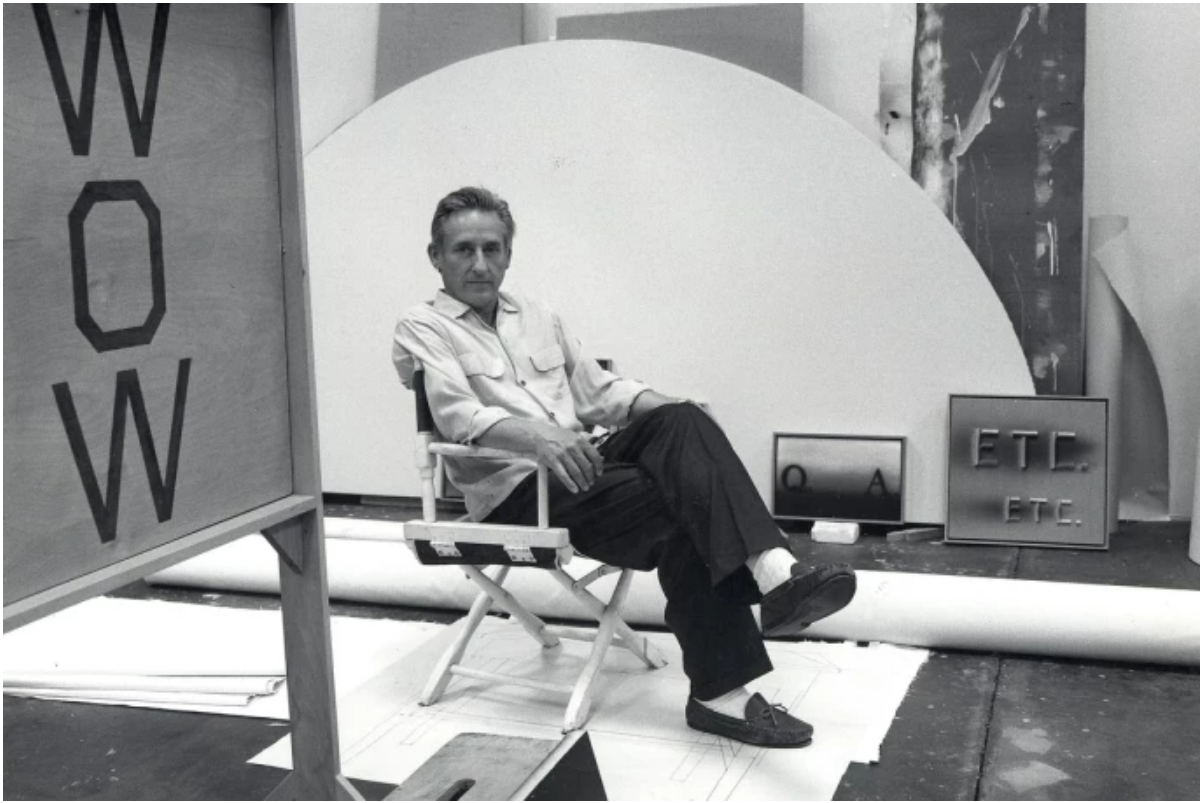
ED RUSCHA PICTURED IN HIS LOS ANGELES STUDIO © 2023 EDWARD RUSCHA.
Me, 1970
Sotheby’s New-York: 28 September 2023
Estimated: USD 300,000 – 400,000
USD 482,600
Me | Contemporary Curated | 2023 | Sotheby’s (sothebys.com)
ED RUSCHA (b. 1937)
Me, 1970
Gunpowder and pastel on paper
11 1/2 x 29 inches (29.2 x 73.7 cm)
Signed and dated 1970 (lower left)
Elevating words and language to fine art, Ed Ruscha’s Me from 1970 is an outstanding example from the artist’s iconic series of gunpowder ribbon drawings. This celebrated series arose from Ruscha’s exploration of atypical mediums, leading to his realization of the forgivingness and graciousness of the mechanism of creation. Consisting of a mixture of sulfur, charcoal, and potassium nitrate, the use of gunpowder applied gently with cotton swabs creates a dreamlike atmosphere surrounding the unfurling ribbon spelling out the work’s title. Among the wide variety of different variants and subsections of Ruscha’s word-based output, the gunpowder ribbon drawings stand out for their unbelievable ingenuity and tactile sensitivity. Among these works, Me excels for its evocative shadows and lightness. The work is further distinguished by its subtle introduction of color emanating from the lower half of the composition, as if in the presence of neon lights. Elegantly blending soft layers of red and yellow pastel with the deep black gunpowder, Me situates itself within a larger Pop Art lineage and references the Hollywood signs, billboards, and film credits that punctuate Los Angeles’ entertainment industry for which Ruscha is best known.
Eye with Fluid, 1968
Sotheby’s Paris: 15 March 2023
Estimated: EUR 1,400,000 – 1,800,000
EUR 1,742,000 / USD 1,843,343
Eye with Fluid | Surrealism & Its Legacy | 2023 | Sotheby’s (sothebys.com)
ED RUSCHA (b. 1937)
Eye with Fluid, 1968
Gunpowder on paper
11 1/8 x 28 3/4 inches (28.2 x 73 cm)
Signed and dated 1968
Eye with Fluid, produced in 1968, is an outstanding example of Ed Ruscha’s iconic Gunpowder Drawings series. These drawings were created between 1967 and 1970 and have since become an integral part of Ruscha’s oeuvre. Situated within a larger Pop Art lineage, Eye with Fluid demonstrates a keen interest in words as well as unusual materials that draw attention to the deterioration of language in today’s consumerist society. This major work was displayed in the landmark exhibition Edward Ruscha: Gunpowder Drawings, which took place in May 1968 at the Rudolf Zwirner Gallery in Cologne. This was the first international exhibition dedicated to the artist, only a few years before he began working with the legendary Leo Castelli in New York.
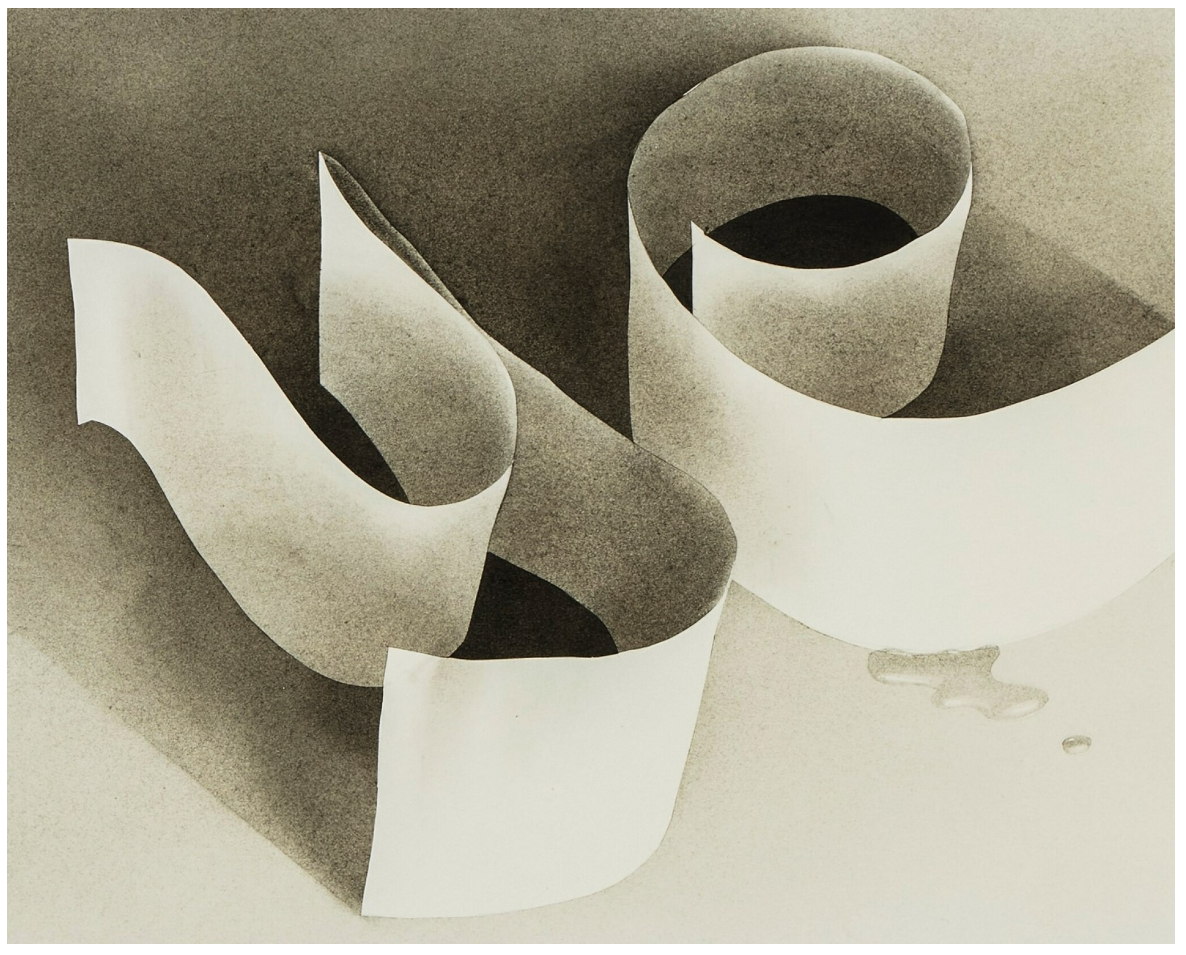
The Gunpowder Drawings are now among the artist’s most sought-after works. Face it, produced a year earlier than our drawing, is another example of the artist’s interest in language and the sfumato technique. However, unlike this work, which revolves around an imperative phrase, Eye with Fluid is centered on a more descriptive and evocative term: the eye. The use of the word “eye”, which is a palindrome, emphasizes the artist’s playful approach to language. Eye with Fluid stands out from the other works in the series by its unusual format. The word Eye is inscribed on an unusually long horizontal plane, its letters filling almost the entire composition. The result is a striking image that never fails to capture the viewer’s attention. Consisting of a mixture of sulfur, charcoal and potassium nitrate, the use of gunpowder applied gently with cotton swabs creates an almost dreamlike atmosphere. The explosive force of the gunpowder confers to the letters a visceral, almost violent quality, suggesting that the act of seeing is not necessarily passive or neutral. The theme of vision is central to many of the Gunpowder Drawings, and the word ‘eye’ is present in 8 drawings belonging to the same series. Ed Ruscha has a strong interest in the nature of perception as a constructed phenomenon. His work deals with the complex interplay between language and visual perception. He uses words as graphic elements, often stripping them of their usual meaning and context to emphasize their visual qualities. Through this technique, the artist focuses on the complex relationship between language and vision, and how our understanding of the world is shaped by these two elements.
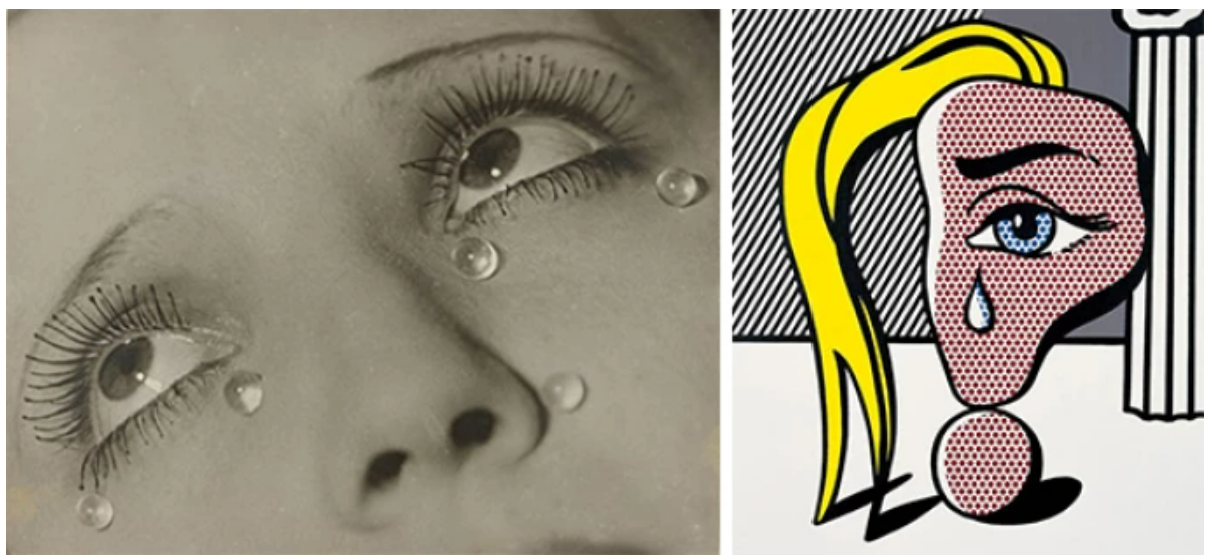
MAN RAY, LARMES, 1932, GELATIN SILVER PRINT / ROY LICHTENSTEIN, GIRL WITH TEAR III, 1977, OIL AND MAGNA ON CANVAS, 117 X 101 CM © ADAGP, PARIS 2023
The eye remains a recurring and significant theme in the Surrealist artworks. The eye as a symbol of vision, perception and consciousness, appears in many literary and artistic works such as Paul Eluard’s Les Yeux Fertiles, Louis Aragon’s Les Yeux d’Elsa, Francis Picabia’s L’Oeil Cacodilate. Another famous example is Un Chien Andalou. The latter presents, in its opening scene, the eye of a man cut by a razor blade. One can also think of Man Ray’s photograph Tears, which depicts distress through glistening tear drops. This tradition, which is based on the representation of the eye, is perpetuated through the Pop Art movement, which revisits the theme of the eye by reducing it to a simple form, a pictorial motif, valued solely for its contours. For example, Girl with Tear III by Roy Lichtenstein has no emotional value. Rather than referring to a surrealist element, it remains the simple representation of a universal reality.
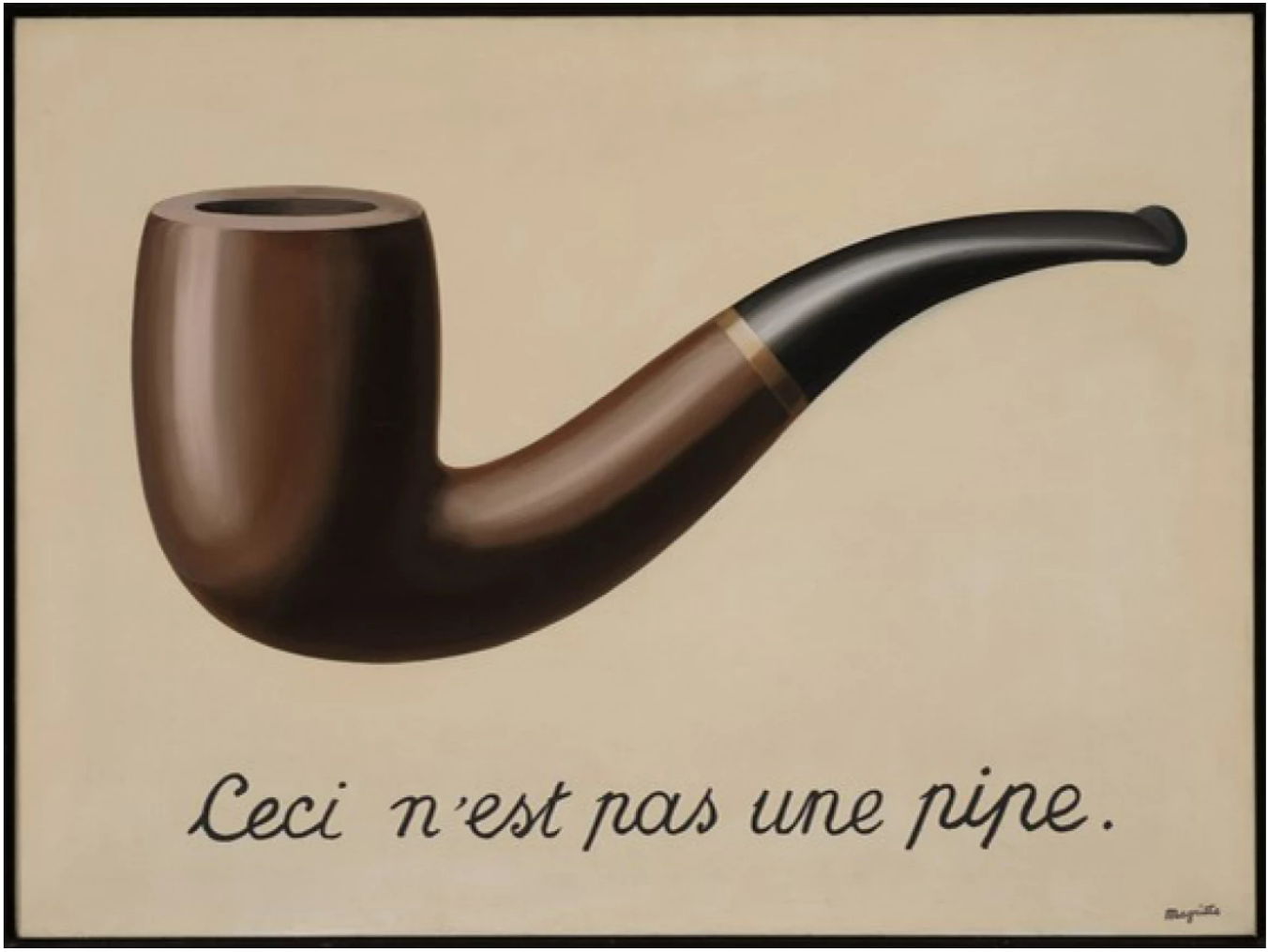
RENÉ MAGRITTE, THE TREACHERY OF IMAGES, 1929, OIL ON CANVAS, 60 X 81 CM © ADAGP, PARIS 2023
In Ruscha’s drawing, the tear gives the written letters the power of a real eye. The artist thus creates a dynamic interplay between the word, its meaning and its representation. This technique is reminiscent of René Magritte’s The Treachery of Images, in which the artist examines the relationship between objects and the names that are assigned to them. Overall, Ruscha’s work is a meeting point between Surrealism and Pop Art. In this sense Eye with Fluid is a landmark work that demonstrates Ruscha’s versatile approach and artistic potential.
Vapor, 1970
Sotheby’s New-York: 16 November 2022
Estimated: USD 400,000 – 600,000
USD 730,800
Vapor | Contemporary Day Auction | 2022 | Sotheby’s (sothebys.com)
ED RUSCHA (B. 1937)
Vapor, 1970
Gunpowder and pastel on paper
11 ⅝ x 29 inches (29.5 x 73.7 cm)
Signed E. Ruscha and dated 1970 (lower left)
Elevating words and language to fine art, Ed Ruscha’s Vapor from 1970, elegantly stylized depictions of letters and phrases catapulted him to the pinnacle of the fine art scene. A quintessential example of Ruscha’s ribbon word drawings, Vapor features a soft gradient background that begins with a dark patch of gunpowder residue on the lower right, becoming gradually more colorful as it diffuses into gentle shades of yellow and green pastels as it approaches the upper left quadrant of the sheet. Depicted prominently in the center, the word “VAPOR” is spelled out in all capital letters. Ruscha heavily modifies the letters into exquisitely controlled flowing shapes that resemble ribbons, breaking down each component into circles, triangles, and polygons. Like many works from this time, Ruscha elects to display the works in a landscape format to widen and stretch the picture plane. Influenced by the Hollywood billboards and film credits that punctuate Los Angeles’ entertainment industry, the exquisite ribbon typeface also resembles the unique shapes and lines of art deco architecture and design that featured in some of his other well-known works, including his art books of gas stations and urban landscape of Los Angeles.
Western with Fly, 1967
Christie’s New-York: 12 May 2022
Estimated: USD 400,000 – 600,000
USD 2,460,000
ED RUSCHA (B. 1937) (christies.com)
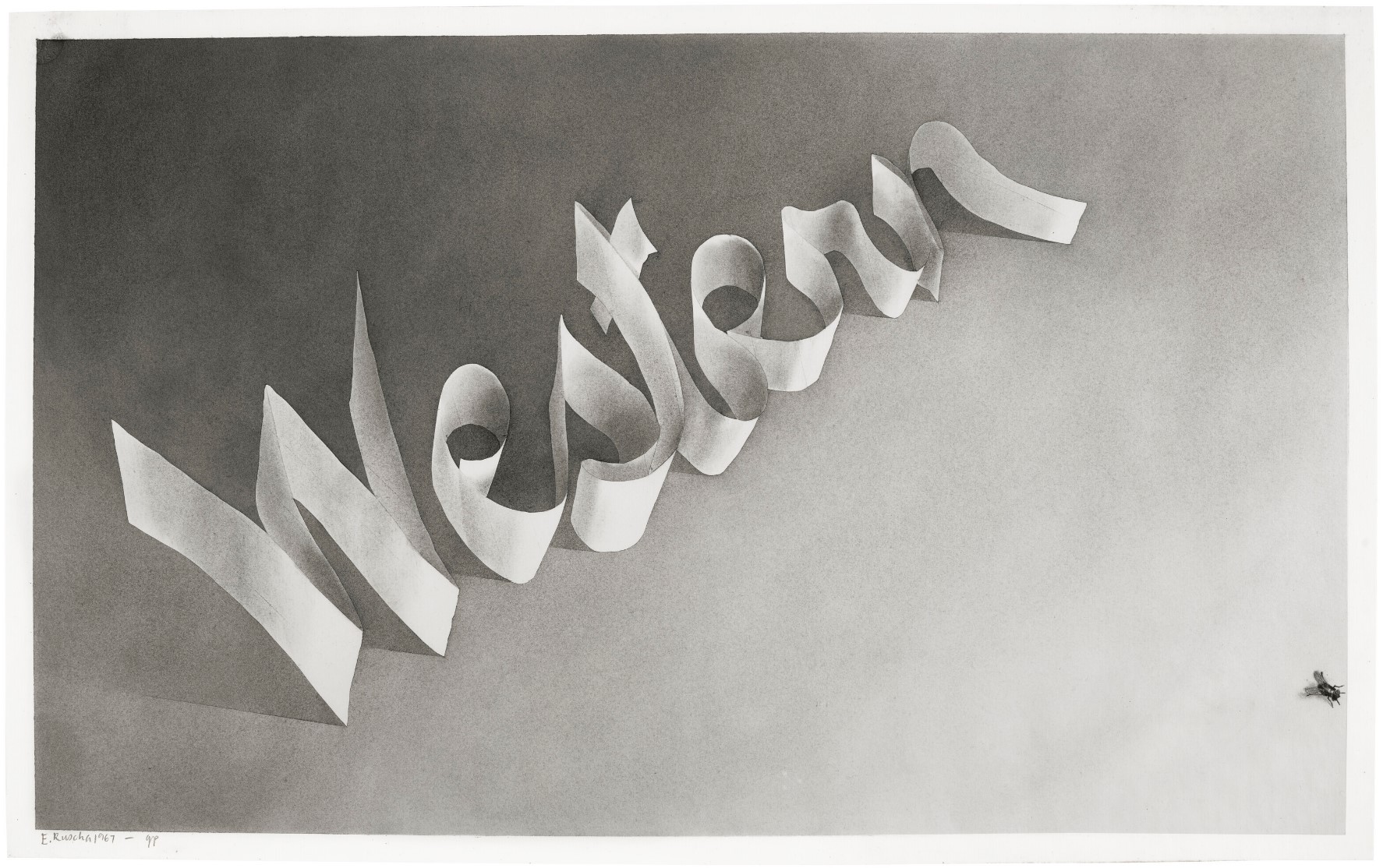
ED RUSCHA (B. 1937)
Western with Fly, 1967
Gunpowder on paper
14 1/8 x 22 7/8 inches (35.9 x 58.1 cm)
Signed, inscribed and dated ‘E. RUSCHA 1967 – gp’ (lower left)
Flaw, 1967
Collection André Mourgues, Alexandre Iolas et ses artistes
Sotheby’s Paris: 17 March 2022
Estimated: EUR 300,000 – 500,000
EUR 730,800 / USD 811,355
Flaw | Collection André Mourgues, Alexandre Iolas et ses artistes | 2022 | Sotheby’s (sothebys.com)
ED RUSCHA (B. 1937)
Flaw, 1967
Gunpowder on paper
14 3/16 x 22 5/8 inches (36 x 57.5 cm)
Signed E. Ruscha and dated 1967 lower left
Ed Ruscha’s “Flaw” is one of the first drawings which the artist made with gunpowder. The “gunpowder drawings” series, which were begun in 1967 and lasted just a few short years, constitutes one of the artist’s most famous bodies of work. A selection of works from the series was first exhibited in a solo show at the Alexander Iolas Gallery in 1967. “Flaw” was gifted by Ed Ruscha directly to André Mourgues and has remained in his collection ever since.
Face It, 1967
Sotheby’s New-York: 18 November 2021
Estimated: USD 400,000 – 600,000
USD 3,287,000
Face It | Contemporary Evening Auction | 2021 | Sotheby’s (sothebys.com)
ED RUSCHA (B. 1937)
Face It, 1967
Gunpowder on paper
14 x 22 ¼ inches (35.6 x 56.5 cm)
Signed E. Ruscha and dated 1967 (lower left)
Meticulously and elegantly rendered, Ed Ruscha’s Face It from 1967 is emblematic of Ruscha’s lexicon of quips, dead-pan expressions and ironic one-liners, as he scales up turns of phrase into blazing logos that overfill the picture plane. Ruscha’s early gunpowder drawings represent one of the artist’s most acclaimed bodies of work, a series that set the stage for the artist’s iconic approach to linguistics and the visual tricks of sfumato. The gunpowder drawings brim with idiomatic expressions and popular vernacular, conjuring familiar phrases while casting these words in ghostly light. Ruscha abstracts and makes strange typography pulled from cinema and advertising, rooting his practice in the space between Pop Art and Conceptualism.
‘FACE IT’ blazes through foggy ground like a luminous searchlight on a grey cloud. The delicacy of the text’s thin-walled armature, backlit by Ruscha’s hazy handling of coal-colored gunpowder, enigmatically constructs the work’s imperative phrase: FACE IT. Ruscha’s three-dimensional rendering of letters float upward like elegant streamers or coils of paper. The drawing’s imposing command projects outward towards the viewer, a phrase that asks unapologetically for an admittance of some sort, or for the viewer to turn their gaze towards the drawing’s striking imago. A razor-sharp subsection of the I in IT intrudes the otherwise pristine white line of the paper’s edge, as if the words could peel off the paper and emerge into the viewer’s space. By breaching the frame, the viewer’s position is compromised and the boundaries between art and life dissolve rapidly. Executed in 1967, Face It bears the mark of time out of which it came, the apex of the American neo-avantgarde.
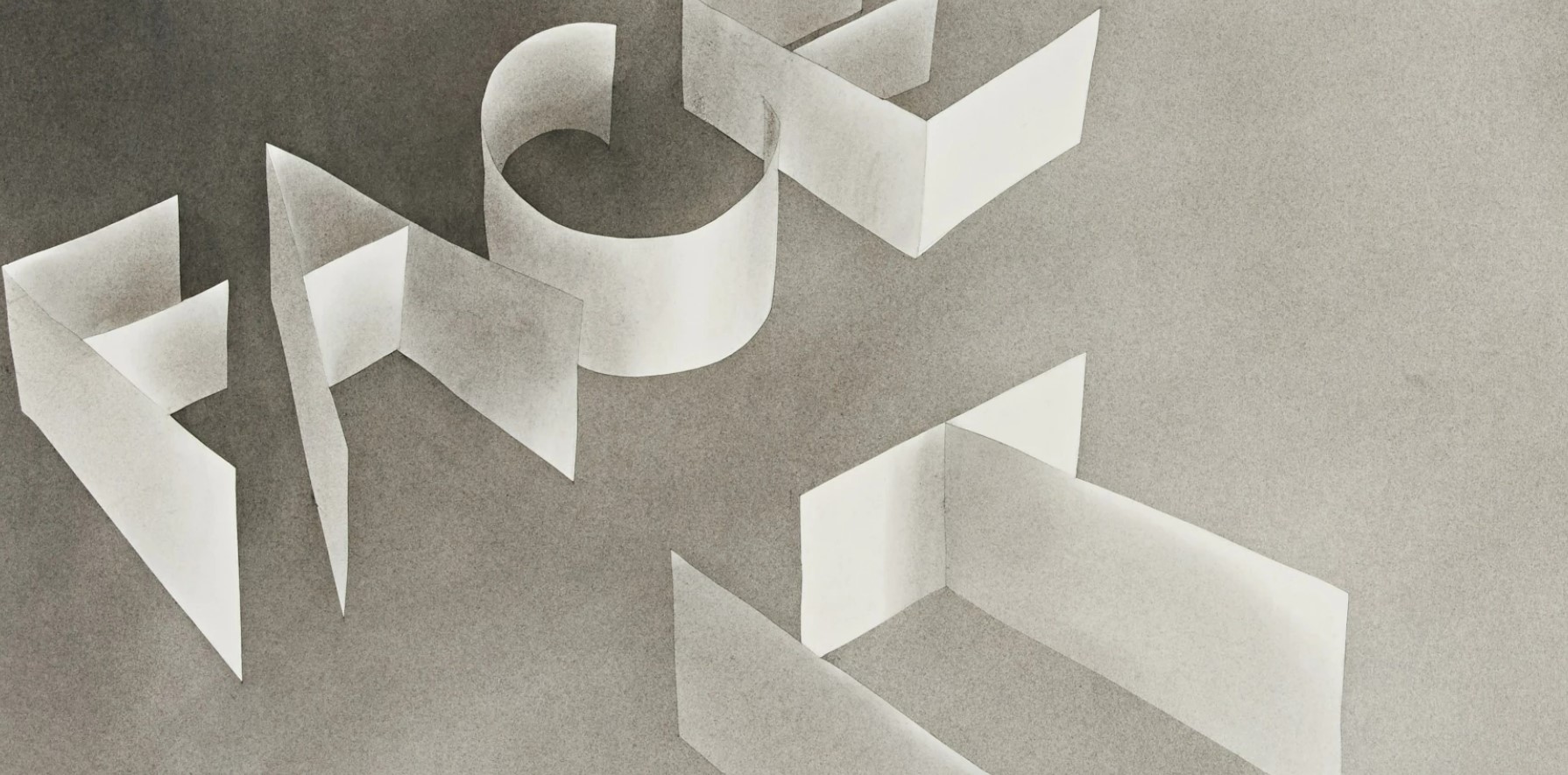
In Face It, the sublime ivory white of the paper’s natural surface shines through the layering of featherlight gunpowder, maximizing the glowing simulation of movement. Ruscha preferred gunpowder over other drawing mediums due to its pliability and smooth, smoky surface. The gunpowder’s warm hues and adjustable weight create subtle shifts in light and shadow, generating mysterious, meteoric skies. Ruscha’s approach to material is alchemic: the literally explosive potential of gunpowder is rendered soft and benign, yet a sense of obscured danger remains. Ruscha’s oeuvre utilizes the theatrical materiality of light, forming shapes, cones, shafts and volumes. While interested in the drama of Hollywood, and the maximal environmental impact of light, Ruscha was equally inspired by the oftentimes banal underpinnings of popular culture. Curious about how patches of light might appear dull or anonymous, Ruscha’s ideas about light are existential. While humorous, challenging and irreverent in message, Face It is atmospheric, lucid and ethereal in medium.
Other Works on Paper
Radio in Red, 1963
Property from the Collection of Barbara and Tom Rounds
Christie’s New-York: 21 May 2026
Estimated: USD 500,000 – 700,000
USD 889,000
WORK ON PAPER
ED RUSCHA (B. 1937), Radio in Red | Christie’s
ED RUSCHA (B. 1937)
Radio in Red, 1963
Tempera and ink on paper
14 x 11-1/4 inches (35.6 x 28.6 cm)
Signed ‘E. RUSCHA’ (lower left)
Dated ‘6⁄1963’ (lower right)
Rendered in cherry red and a bold typeface, Ed Ruscha’s 1963 Radio in Red broadcasts the enduring centrality and importance of radio to global media audiences. Having trained as a commercial illustrator, Ruscha developed an early interest in graphic design, typography, comic books, and serial imagery, foregrounding his persistent artistic engagement with text as subject. Ruscha has used the word “RADIO” many times throughout his oeuvre, including Hurting the Word Radio #2, in which c-clamps squeeze and pull on the letters as if being distorted through poor radio transmission. In the present work, too, Ruscha subtly manipulates the letters. The text slowly expands as the letters progress, until “O” overlaps the planned, graphite pictorial frame. Through the progressive expansion of the forms, Radio in Red symbolically amplifies sound, joyously exalting one of the most beloved and significant technologies of the twentieth century through Ruscha’s iconic text. It is thus fitting that Radio in Red was one of the most treasured pieces in the collection of Tom and Barbara Rounds, whose lifelong devotion to the institution of American radio transformed the lives of countless music fanatics and casual listeners alike.
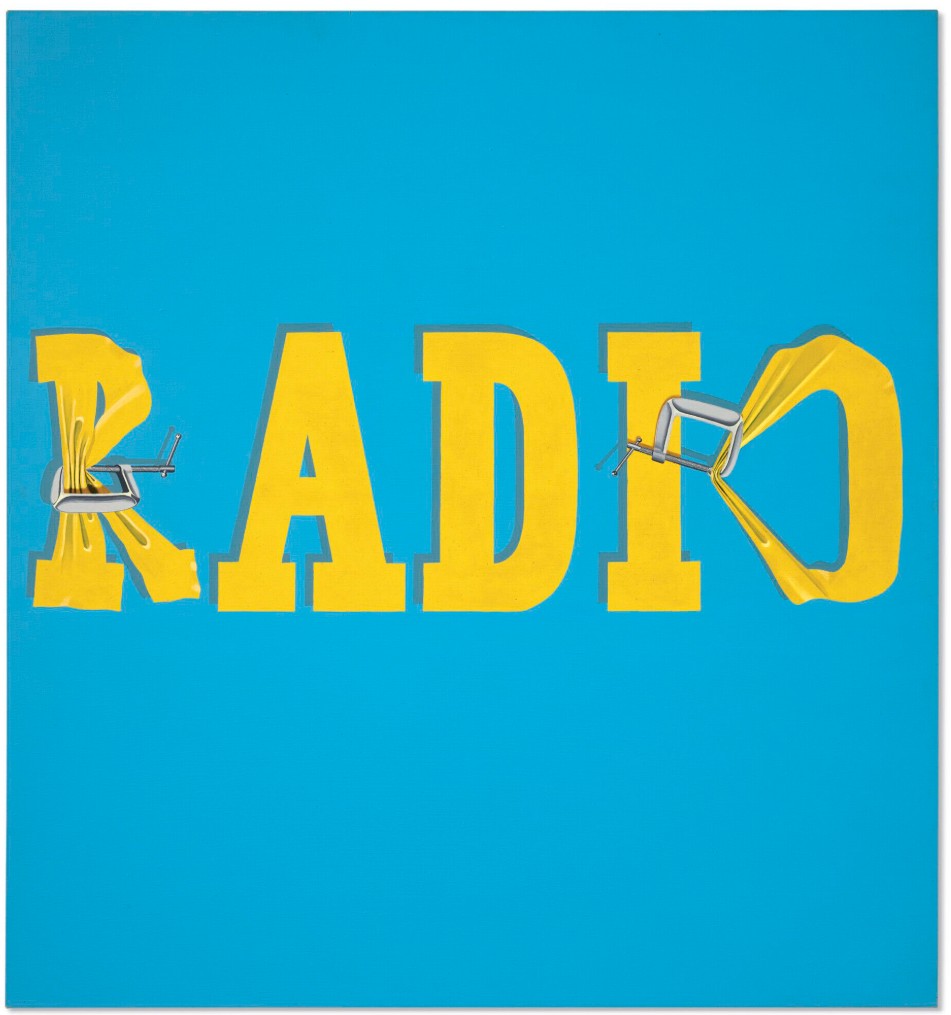 Ed Ruscha, Hurting the Word Radio #2, 1964. Private collection. © Ed Ruscha.
From his early days broadcasting from the Amherst College radio station, to his time producing the first rock festival in America — the KFRC Fantasy Fair & Magic Mountain Music Festival — Tom Rounds understood the magic and necessity of radio as a means of entertainment, disseminating information, and creating community. Rounds was a pioneer of music festivals, organizing the electric Miami Pop Festival in 1968, which counted Joni Mitchell, Fleetwood Mac, and the Grateful Dead among its many acts, and became the first major rock festival on the East Coast. Later, he co-founded the landmark radio production company Watermark, launching American Top 40 in 1970; a program that continues to broadcast today with host Ryan Seacrest. In 2023, Rounds received a Legends Induction into the Radio Hall of Fame for his monumental and innovative accomplishments in global broadcasting (“Tom Rounds,” Radio Hall of Fame, digital). Given to Rounds by his longtime friend, business partner, and fellow music lover Tom Driscoll, Radio in Red lay at the heart of his and Barbara’s collection. The continued resonance of the work not only reflects the enduring acclaim for Ruscha’s singular vision, but also speaks to the profound role radio has played in shaping modern culture — a legacy that Tom and Barbara Rounds likewise celebrated throughout their lives. That Radio in Red now comes to market is an invitation to carry that history forward, and to experience a relic of the frequency that changed the world.
Hollywood Sunset, 1983
Heritage Auctions: 19 November 2025
Estimated: USD 400,000 – 600,000
USD 437,500
Ed Ruscha (b. 1937). Hollywood Sunset, 1983. Dry pigment on paper. | Lot #77054 | Heritage Auctions
ED RUSCHA (b. 1937)
Hollywood Sunset, 1983
Dry pigment on paper
10 1/2 x 31 1/2 inches (26.7 x 80 cm)
Signed and dated lower right: Ed Ruscha 1983
Hollywood, both as a physical location and as a symbol, had a profound influence on Ruscha’s work. Moving to Los Angeles in the 1950s, Ruscha became fascinated by the city’s sprawling urbanism, its signage, and its manufactured glamour. Hollywood represented not just the film industry, but a larger-than-life dreamscape filled with contradictions; beauty and decay, success and illusion. These themes found expression in his consistent use of bold typography and vernacular language, transforming commercial imagery into poetic meditations on American culture. By the 1980s, Ruscha had already established himself as a master of text-based art, and Hollywood Sunset and Blue Hollywood are both an homage and a critique of California’s notable city. They acknowledge the allure of the city, the infamous Hollywood sign that is instantly recognizable and a bucket list checkmark for tourists around the world. The term “Hollywood” operates on multiple levels: it is both a geographic location and a cultural symbol synonymous with glamour, artifice, and mass entertainment. While the typography evokes the cool detachment of commercial signage, the atmospheric backgrounds introduce an unexpected emotional resonance. Ruscha’s deliberate use of a fading light source translates the cultural phenomenon of Hollywood into a visual metaphor for transience, fame, and the instability of the American dream.
Blue Hollywood, 1983
Heritage Auctions: 19 November 2025
Estimated: USD 300,000 – 500,000
USD 312,500
Ed Ruscha (b. 1937). Blue Hollywood, 1983. Dry pigment on paper. | Lot #77055 | Heritage Auctions
ED RUSCHA (b. 1937)
Blue Hollywood, 1983
Dry pigment on paper
10 1/2 x 31 1/2 inches (26.7 x 80 cm)
Signed and dated lower right: Ed Ruscha 1983
Ruscha’s choice of medium is telling. Dry pigment gives the work a powdery, luminous quality. Unlike the sharp edges of his oil canvases, the pigments in Hollywood Sunset diffuse softly across the surface, evoking the hazy glow of dusk. The medium allows for subtle gradations of color, suggesting both the smoggy atmosphere of Los Angeles and the fleeting radiance of a Californian sunset. Ruscha embraces this fragility, allowing the surface to echo the transience of his subject. The letters are bold, monumental, yet they emerge from a backdrop that is fading, smudged, slipping toward night. In this tension, the work captures the essence of Los Angeles itself; grand, iconic, yet perpetually at risk of vanishing into its own myth. Ruscha’s Hollywood Sunset and Blue Hollywood are striking works that encapsulate his fascination with language, landscape, and the cultural mythos of Los Angeles. These works bring together two of Ruscha’s enduring motifs: the monumental use of text and the atmospheric rendering of the Western sky.
Your Comedies, 1982
Property from an Esteemed West Coast Collection
Sotheby’s New-York: 19 November 2025
Estimated: USD 600,000 – 800,000
USD 1,819,000
WORK ON PAPER
Your Comedies | Contemporary Day Auction | 2025 | Sotheby’s
ED RUSCHA (b. 1937)
Your Comedies, 1982
Dry pigment on paper
40×60 inches (101.6 x 152.4 cm)
Signed and dated 1982 (lower right)
Executed in 1982, Ed Ruscha’s Your Comedies is a large-scale work on paper that highlights the artist’s innovative use of language and color. Set against a luminous field of coral and crimson that gradually shifts across the surface, the work transforms words into a meditation on human emotion. The four phrases, Your Comedies, Your Tragedies, Your Dramas, Your Love Stories, appear as fragments of a larger narrative, encouraging the viewer to consider the emotional weight of familiar storytelling genres when isolated from their usual context. By removing the words from literature, cinema, or conversation, Ruscha allows them to function simultaneously as text and image, making the language itself a central element of the composition.
“If I’m influenced by the movies, it’s from way down underneath, not just on the surface. A lot of my paintings are anonymous backdrops for the drama of words.”
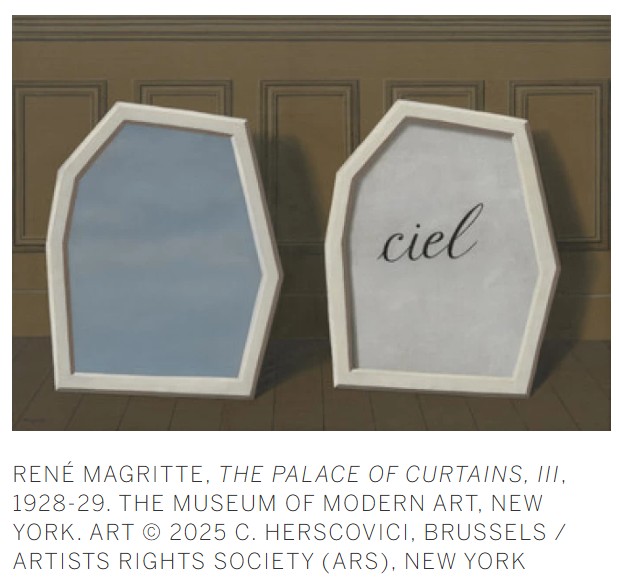
The background’s transition from soft rose to deep crimson establishes a visual rhythm that mirrors the emotional arc of the text. As the eye moves from comedy to tragedy, drama to love, the arrangement prompts reflection on the full spectrum of human experience. Ruscha’s use of color recalls the meditative expanses of Mark Rothko, while his conceptual engagement with language aligns him with René Magritte and Marcel Duchamp, testing the limits of meaning and exploring how words operate in a contemplative space. The repeated use of the word Your directly addresses the viewer, transforming the phrases into a personal reflection and inviting the audience to project their own memories and experiences onto the glowing surface.
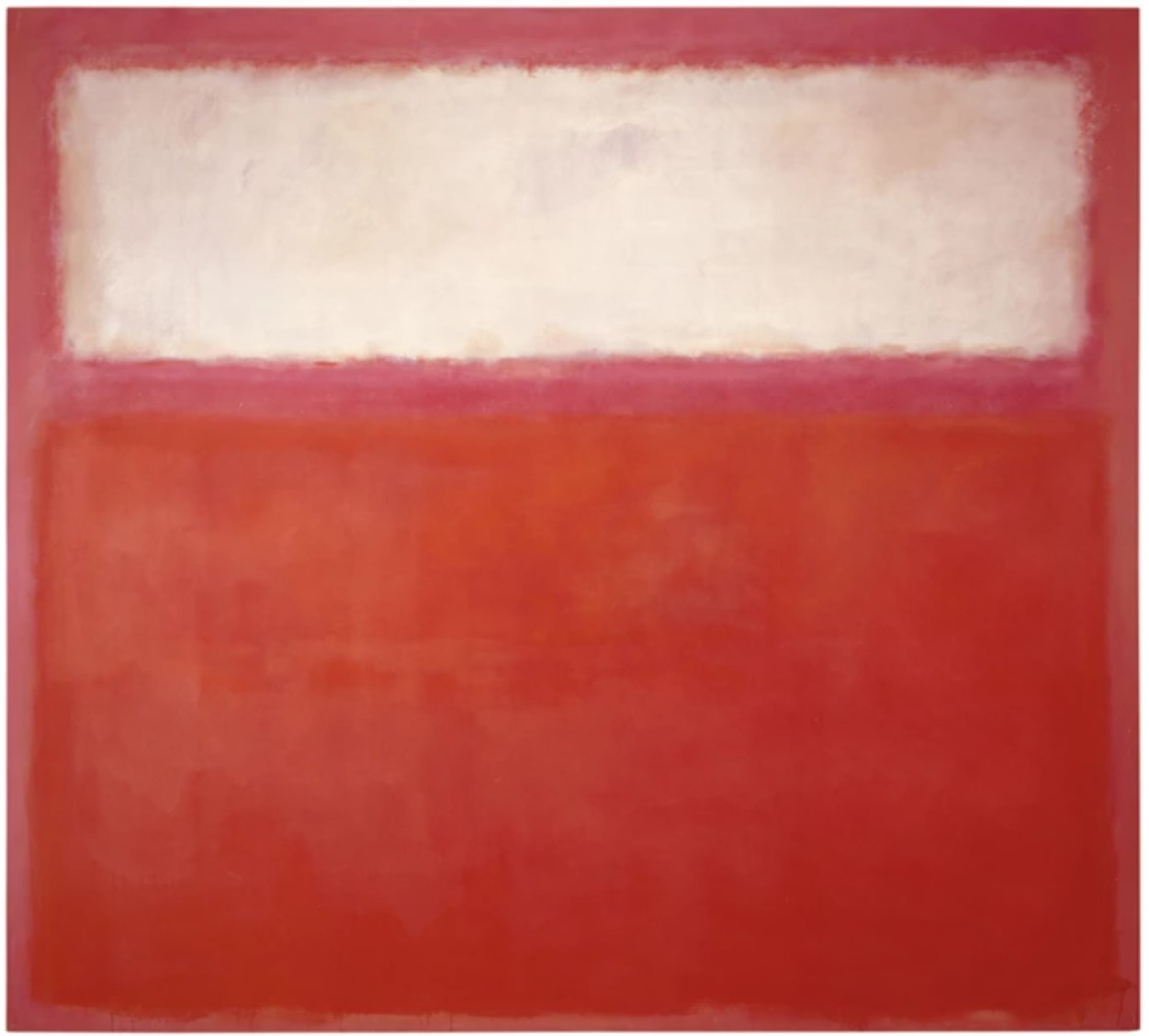
Mark Rothko, Pink and White over Red, 1957. Anderson Collection at Stanford University.
Art © 1998 Kate Rothko Prizel & Christopher Rothko / Artists Rights Society (ARS), New York
The work also reflects Ruscha’s connection to Los Angeles and its visual culture. Its precise typography and cinematic rhythm evoke the city’s billboards and marquees, distilling the essence of Hollywood storytelling into universal reflections on human emotion. At the same time, the work is closely related to Ruscha’s sunset paintings of the 1970s and early 1980s, which evoke the cinematic mythos of the Californian desert with their variegated streaks of color. This piece exemplifies California’s enduring influence on Ruscha’s practice, as well as the impact of his early career as a commercial sign maker, evident in the precision of his text. By pairing a romantic, dreamlike background with intriguing, suggestive language, Ruscha achieves a balance between poeticism and provocation, blending the emotional resonance of landscape with the conceptual force of text.
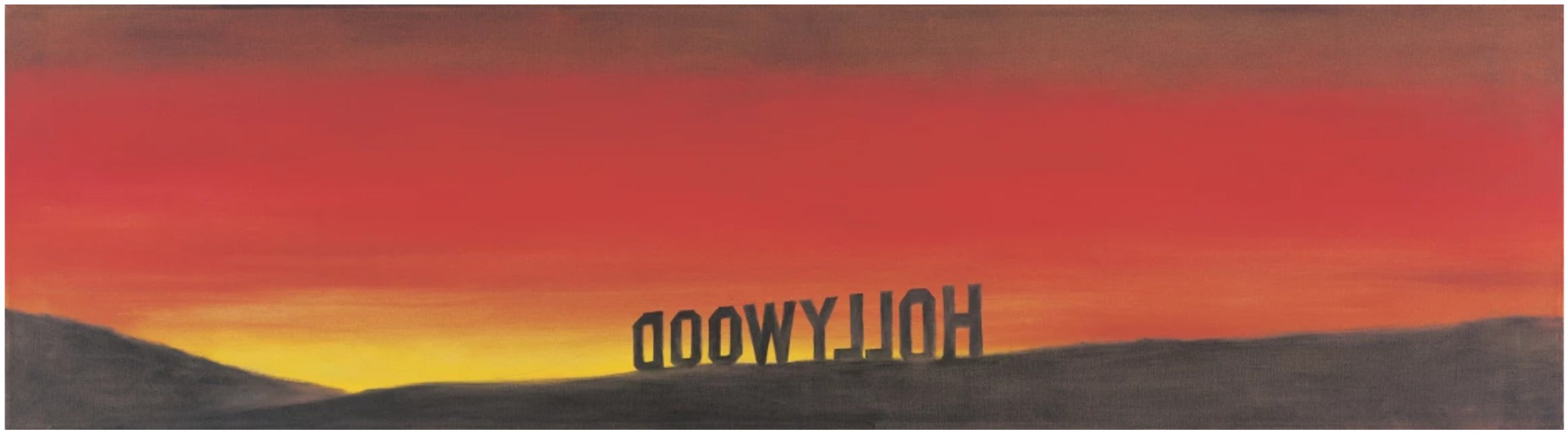
Ed Ruscha, Back of Hollywood, 1977. macLYON, France. Art © 2025 Ed Ruscha
The owners first encountered Your Comedies when it was installed behind the reception desk at Leo Castelli Gallery in New York in 1984. The work’s humor and the irony of the language were inescapable, as were the references to the spectacle of Hollywood and the grandeur of the American landscape. Created during a decade of increasing international recognition, Your Comedies demonstrates the maturity of Ruscha’s practice, showing how a few carefully chosen words can evoke a wide range of human emotion and experience. Ultimately, the work is both a reflection on narrative and a meditation on the personal stories we carry, with the open space between words and color providing its most profound resonance. In this space, Ruscha achieves a visual language that is precise and reflective.
S for Spanish, 1988
LA Standard: Works by Ed Ruscha from a Private West Coast Collection
Phillips New-York: 21 November 2025
Estimated: USD 250,000 – 350,000
USD 283,800
WORK ON PAPER
Ed Ruscha Modern & Contemporary Art Day Sale, Morning Session
ED RUSCHA
S for Spanish, 1988
Acrylic on paper
60 1/8 x 40 1/4 inches (152.7 x 102.2 cm)
Signed and dated “Ed Ruscha ‘88” lower right
Signed, titled and dated “ED RUSCHA “S FOR SPANISH” 1988″ on the reverse
In S for Spanish, 1988, Ed Ruscha uses an airbrush and stencil to apply acrylic paint to paper, producing a diffused, red haze through which the shadowy silhouette of a woman in a dress emerges. The color is most concentrated near her form, appearing to radiate outward from the contours of her body. To the right hovers a large, gold, serifed letter “S.” Soft yet precise, this work is emblematic of Ruscha’s Silhouette drawings which he began in the 1980s, born out of a renewed experimentation with technique and a return to figuration.
“A lot of times the words are unimportant, their definitions are unimportant.
They become almost abstract objects.”
Though Ruscha rose to prominence in the 1960s and 1970s as a leading figure of text-based art, S for Spanish marks a turning point in his practice. In the 1980s, Ruscha reintroduced figuration into his work, often using stencils to replicate stock images. Here, in place of a word or phrase, Ruscha foregrounds a female figure that has appeared in many of his works, including Several Monograms (1986), a drawing held in the collection of the Whitney Museum of American Art. Alongside this shift in subject matter, Ruscha’s airbrush technique granted his work an atmospheric quality that diverged from the crisply outlined typography of preceding drawings.
“I like the idea of a word becoming a picture, almost leaving its body,
then coming back and becoming a word again.”
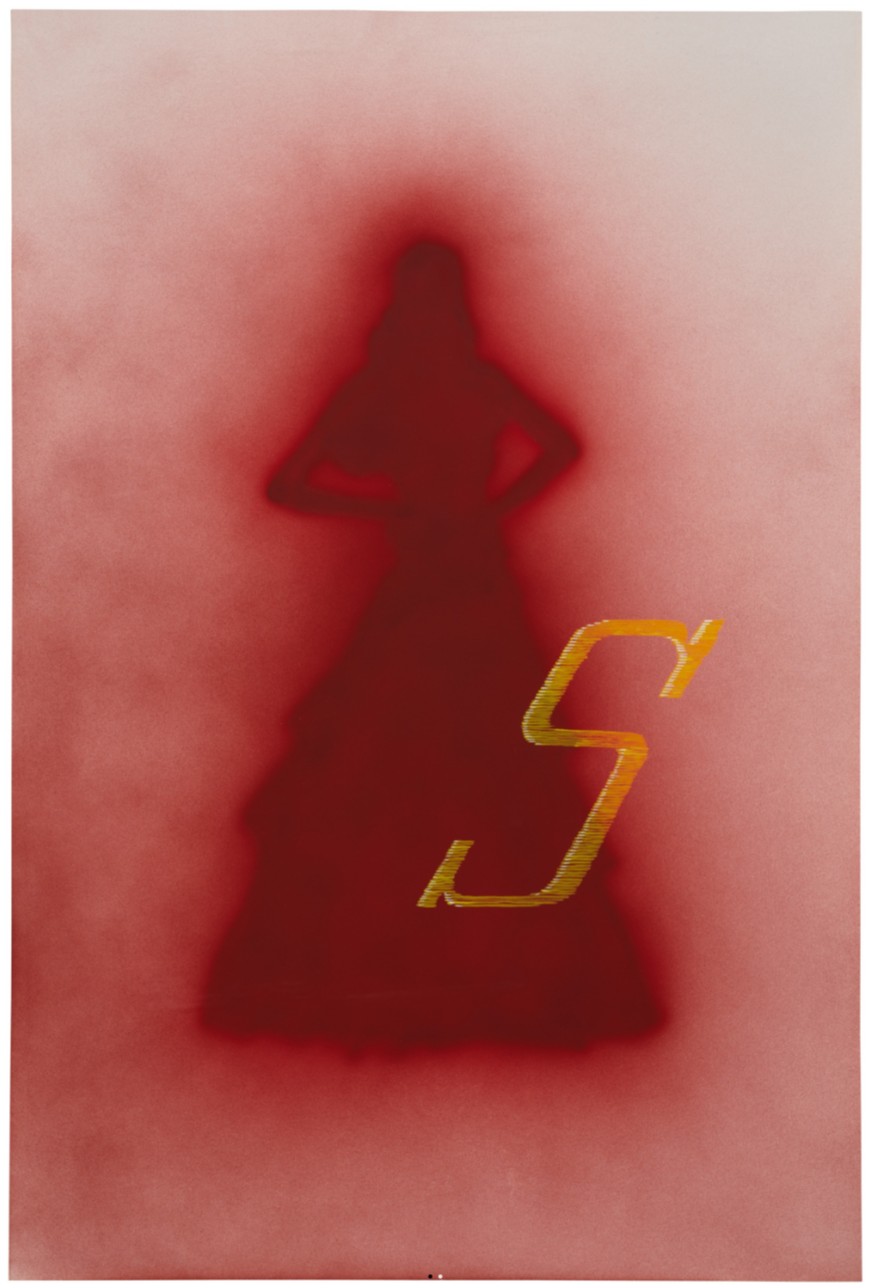
However, Ruscha did not completely abandon text for image. The prominent “S” and the work’s title reflect Ruscha’s sustained interest in the visual and conceptual dimensions of language and phonics. The letter functions dually as a linguistic signifier and a formal element—part symbol, part shape. S for Spanish captures this shifting relationship between word and image, revealing a moment in his career when the boundaries between the two became increasingly fluid.
The End #81, 2009
Phillips New-York: 13 May 2025
Estimated: USD 350,000 – 450,000
USD 406,400
WORK ON PAPER
Ed Ruscha Modern & Contemporary Art Evening Sale
Ed Ruscha’s The End #81, 2009, is a powerful final statement. Stark white capital letters sit against a smoky red background, punctuated by gray smudges and streaky white lines. These imperfections resemble dust particles and scratches on old films, evoking the aesthetics of classical Hollywood cinema, an enduring influence in Ruscha’s work. The titular text seems to almost glow, projecting its ominous message in a nearly three-dimensional manner against the otherwise flat picture plane. The artist first introduced the phrase “The End” into his works in 1982, and has revisited it repeatedly throughout his career, imbuing the phrase with a sense of renewal which is unique to his practice. The End #81 poignantly captures the fading allure of a once-glamorous era, highlighting the fleeting and mesmerizing space where the past and present meet.
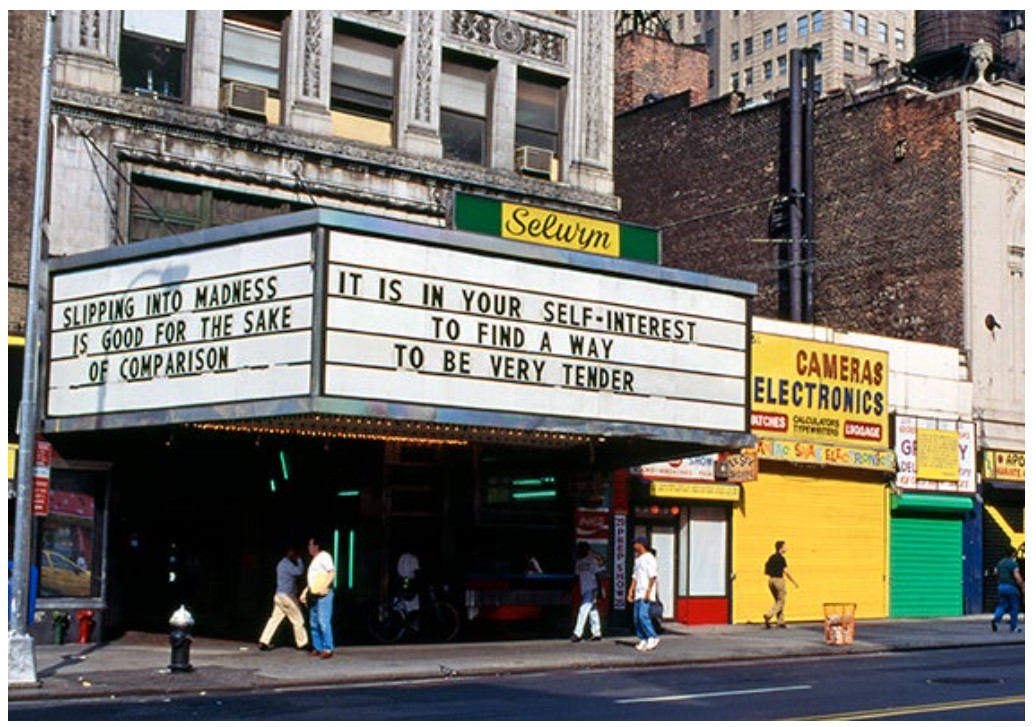
Jenny Holzer, from Truisms, 1977-79; Survival, 1983-85. Theater marquee. Installation: Forty-second Street Art Project, Times Square, New York, 1993. Image: Jenny Holzer / Art Resource, NY, Artwork: © 2025 Jenny Holzer, Artists Rights Society (ARS), New York
Since the 1960s, Ruscha’s works have been informed by his fascination with Old Hollywood storytelling and American consumerism, both of which manifest in the present work. Growing up in Oklahoma watching black and white movies, Ruscha moved to Los Angeles in 1956, drawing inspiration from the city and its place at the center of the booming film industry. Recalling these movies, Ruscha fashioned The End #81 to mimic the final credit projects at the end of a classic movie. “If I’m influenced by the movies,” Ruscha notes, “it’s from way down underneath, not just on the surface. A lot of my paintings are anonymous backdrops for the drama of words… the backgrounds are of no particular character. They’re just meant to support the drama.”
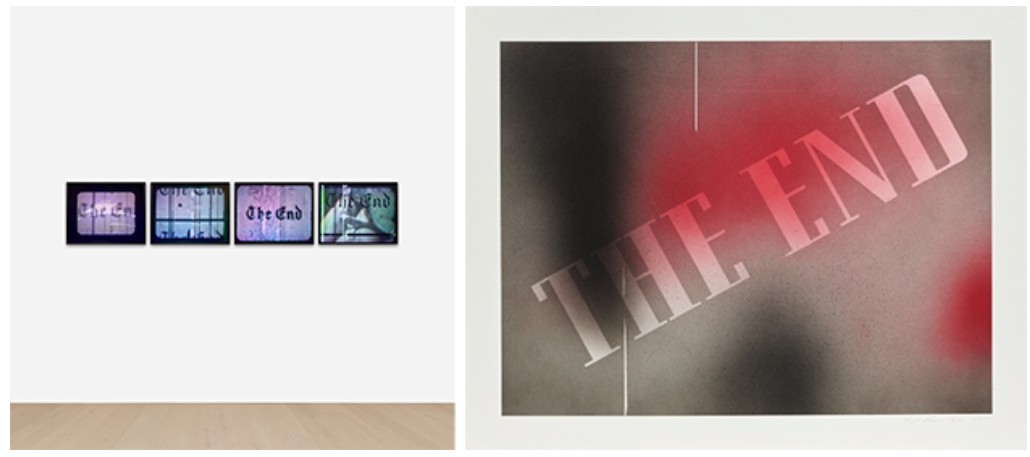
Ed Ruscha, The End, 2016. Artwork: © Ed Ruscha
Ed Ruscha, The End, #45, 2004. Artwork: © Ed Ruscha
Beyond the cinematic references, The End #81 also meditates on the passage and eventual end of time. Projecting a familiar message into the context of the digital age, Ruscha prompts reflection on technological change and the shifting landscape of American culture. As noted by Ana Torok, “Ruscha’s fascination with the materiality of degraded film goes beyond a purely optical preoccupation; it also marks time. When committing this image to canvas, he was struck by the fact that at some point in the future, viewers unfamiliar with the analog medium will no longer comprehend what they are seeing.” Employing once-used visual language, the present work becomes a nostalgic time capsule, preserving the essence of a disappearing era. As Ruscha himself noted on the finality of The End works, “yes, that’s a powerful thing. It’s the end – here it is – the end. It’s a powerful and final kind of thought.”
Folded Paper, 1973
Phillips London: 6 March 2025
Estimated: GBP 180,000 – 250,000
GBP 228,600 / USD 292,608
WORK ON PAPER
Ed Ruscha – Modern & Contemporary Art … Lot 31 March 2025 | Phillips
ED RUSCHA
Folded Paper, 1973
Pastel on paper
17 1/4 x 21 3/4 inches (43.8 x 55.2 cm)
Signed and dated ‘Edward Ruscha 1973’ lower left; titled ‘Folded Paper’ on the reverse
Breathtaking in its elegant simplicity, Folded Paper is an exquisite example of Los Angeles-based artist Ed Rucha’s illusionistic rendering of trompe l’oeil effects. Executed in 1973, the work exemplifies the artist’s extensive focus on paper as a medium and subject matter during this period. The present work is a culmination of this prolific and exceptionally creative outpouring, which began with the inception of the so-called ‘ribbon words’ of the late 1960s. In the context of 1960s Pop and with a background in advertising and commercial art, Ruscha’s initial interest in signage, logos and text evolved into a purist fascination with typeface as subject matter itself. Isolating the words from their inherent meanings and illustrating them as shapes alone.
“I like the idea of a word becoming a picture, almost leaving its body, then coming back and becoming a word again,. Words with meanings as varied as evil, hog, palm, cement and life were suspended across the sheet, twirling like silken ribbon, or more commonly undulating like thin strips of paper.”
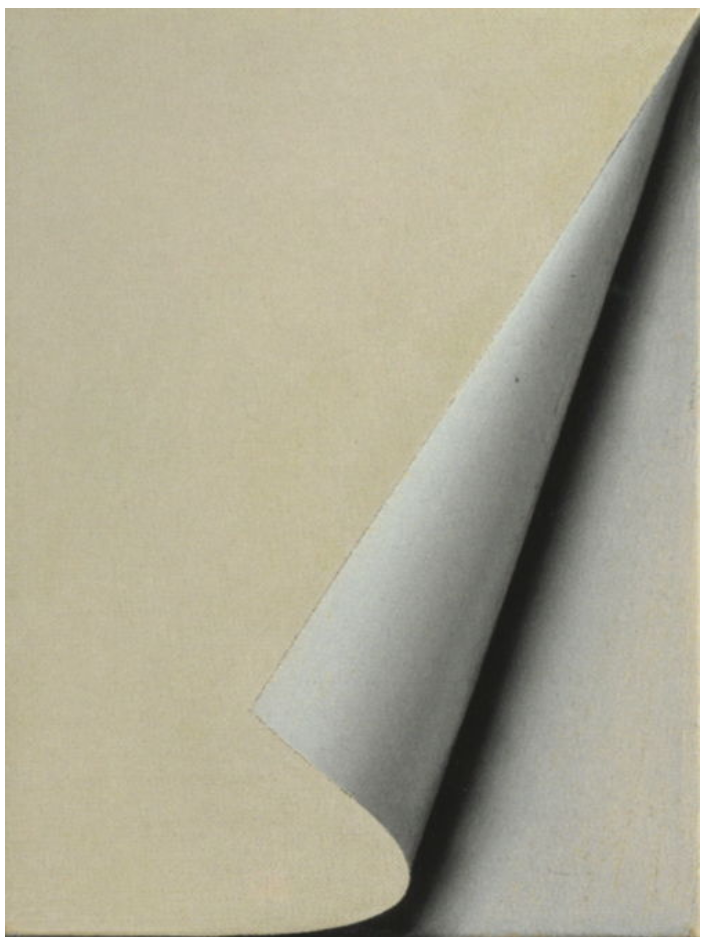
Gerhard Richter, Turned Sheet, 1965, Private Collection. Image/Artwork: © Gerhard Richter 2025 (0023)
By 1971, Ruscha made the step to replace the word with the sheet itself in a new series of works. The first examples depicted sheets suspended and hovering, later zooming across the page, tumbling from the sky and latterly folded and imposing. Two comparable works titled Hot Folded Sheet and Hot Sheets from 1973 denote the importance this subject to Ruscha. The artist ‘used the word “hot” to characterize those projects or themes that most captured his attention, that demanded sustained engagement’. The present work echoes the composition of Hot Folded Sheet, but the paper is mirrored, and it is the first example where Ruscha omits taped margins and fully extends the background, a compositional preference he has favored to the present day. The depiction of a blank folded sheet of paper as the central focus of the composition speaks to the absurdist qualities which can be identified in Ruscha’s practice. Ruscha’s playful presentation of objects, words, and phrases entirely removed from their original context recall’s Dadaist Marcel Duchamp’s approach to his Readymades, such as his early Bicycle Wheel from 1913. Reclaiming and recombining found objects in a set of new, unexpected relationships, Duchamp attached a wheel from a bicycle to the seat of a wooden stool, rendering both unfunctional in their original forms and radically redefining the assumed definitions of art and artmaking.
Marcel Duchamp, Bicycle Wheel, 1963. Image: Cameraphoto Arte Venezia / Bridgeman Images
Artwork: © Association Marcel Duchamp / ADAGP, Paris and DACS, London 2025
Through the works on paper from this period, Ruscha further expanded these parameters. Utilizing, food, chemicals, and – perhaps most famously – gunpowder, Ruscha separated these materials from their original varied uses and distilled them to pure pigment on a page. The similarities between Duchamp and Ruscha’s practice end in their handling of media, and one of Ruscha’s most celebrated skills is his ability to adroitly disguise the process of creation in his works.
Folded Sheet is a masterwork in illusionistic rendering. At this time, Ruscha perfected a technique of taping off the negative space and working around the outline with an X-ACTO knife. The media was worked into the background with such fervor that the paper absorbed the pigment, and each stroke is indistinguishable from another. Magically, ‘the object figured as three-dimensional is actually the flattest and least worked area of the support’ and in the case of the present work, the folded paper protrudes from picture plane and the boundless background extends beyond view. Ruscha’s exceptional handling and obvious enthusiasm for media and subject matter contribute to the extensive appeal of this series of work, of which Folded Sheet is a seminal example.
Psychedelic-Indian-Guru-New Mexico-Fadeout-Photo-Realism, 1976
Christie’s New-York: 22 November 2024
Estimated: USD 400,000 – 600,000
USD 567,000
WORK ON PAPER
ED RUSCHA (B. 1937), Psychedelic-Indian-Guru-New Mexico-Fadeout-Photo-Realism | Christie’s
ED RUSCHA (B. 1937)
Psychedelic-Indian-Guru-New Mexico-Fadeout-Photo-Realism, 1976
Pastel on paper
22 7/8 x 29 1/8 inches (57.6 x 73.9 cm)
Signed and dated ‘Edward Ruscha 1976’ (on the reverse)
“There’s a kind of art that I was peeved with back in the ‘70s, and I came up with this way to describe it. I said to myself,
“Psychedelic Indian Guru New Mexico Fadeout Photo-Realism”
Somehow that little containment of words said everything I wanted to about a style of art that seemed to be going on at the time, so I made a drawing on it.”
Pix, 1988
Sotheby’s New-York: 21 November 2024
Estimated: USD 500,000 – 700,000
USD 540,000
WORK ON PAPER
Pix | Contemporary Day Auction | 2024 | Sotheby’s
ED RUSCHA (b. 1937)
Pix, 1988
Acrylic on paper
60 1/8 x 40 1/4 inches (152.7 x 101.2 cm)
Signed and dated 88 (lower right)
Signed, titled and dated 1988 (on the verso)
Emblematic of Ed Ruscha’s career-long exploration of semiotics and text, Pix from 1988 embodies the conceptual rigor and signature Pop style that have come to define the artist’s highly acclaimed practice. A hallmark of postmodern art, Pix emerges from a collection of works on paper from the late 1980s that feature letters, monograms, and words, meticulously rendered in acrylic to evoke the delicate appearance of embroidery. Further, these works serve as early examples of Ruscha’s signature airbrush technique, a transformative method that would subsequently come to dominate his future output. In this context, Pix not only captures a moment in artistic evolution but also heralds the stylistic innovations that would shape Ruscha’s illustrious career. Testament to the present work’s importance within the artist’s oeuvre, Pix was exhibited alongside similar works in the year of its production at the legendary Leo Castelli Gallery in New York.
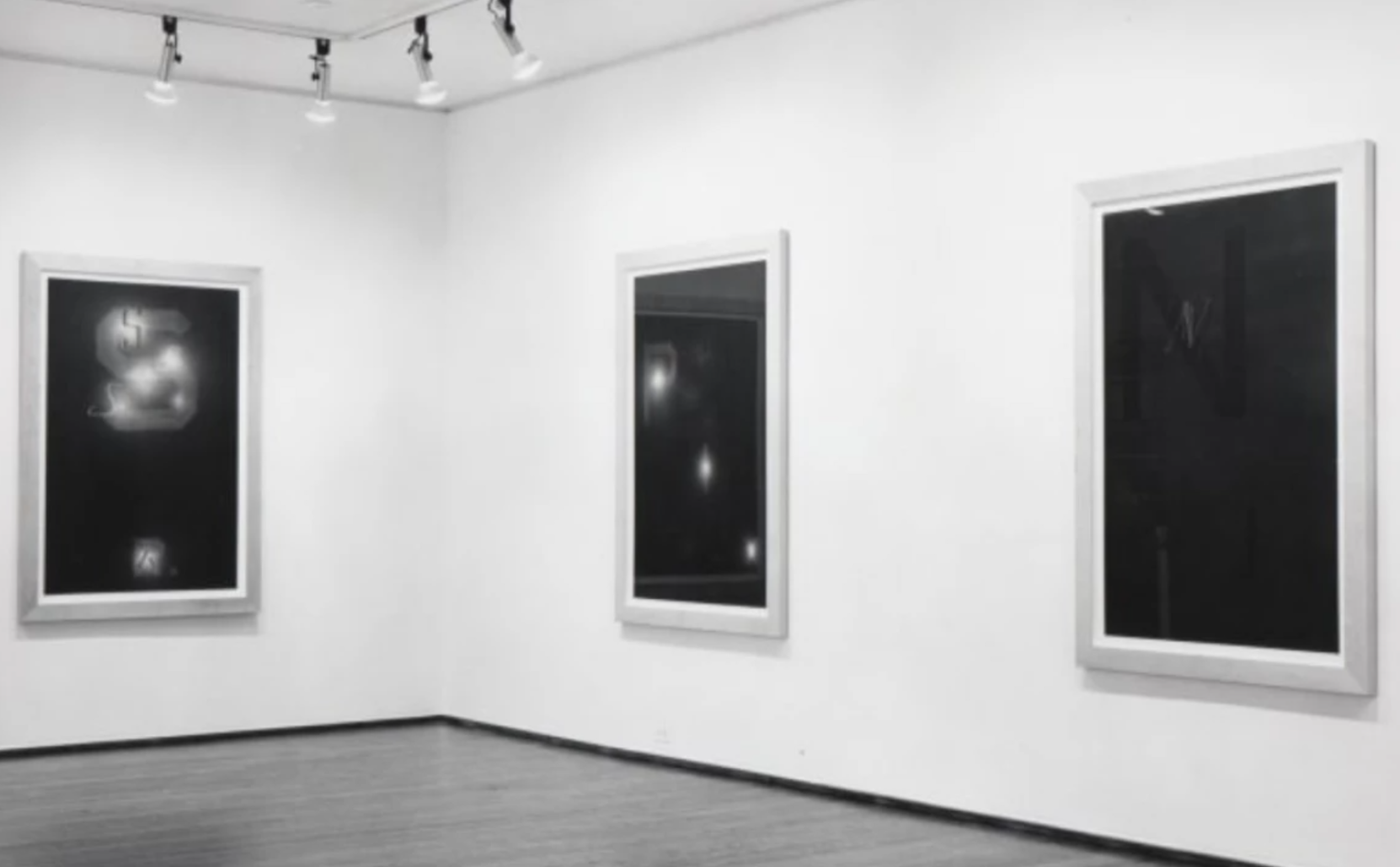
The present work installed in Edward Ruscha: Drawings, May – July 1988 at Leo Castelli Gallery, New York.
Against a dark blue ground reminiscent of a night sky, Ruscha refashions the word “PIX” into a glimmering constellation of text. Here, he renders each letter as a superimposition of three glyphs in different fonts: the base, a crisp block letter painted in a thin red acrylic, then uppercase in cursive, and finally, a lowercase cursive letter to create a trompe l’oeil effect that recalls the Surrealist vision of Rene Magritte. Much like Magritte’s enigmatic compositions, which often juxtaposed the familiar with the unexpected, Ruscha creates a visual paradox that invites viewers to reconsider the relationship between text and image. In order to create the trompe l’oeil effect, Ruscha invokes the appearance of embroidery – painted with machine-like precision in acrylic, the lettering in this series encapsulates several layers of ironic tension quintessential to Ruscha’s oeuvre.
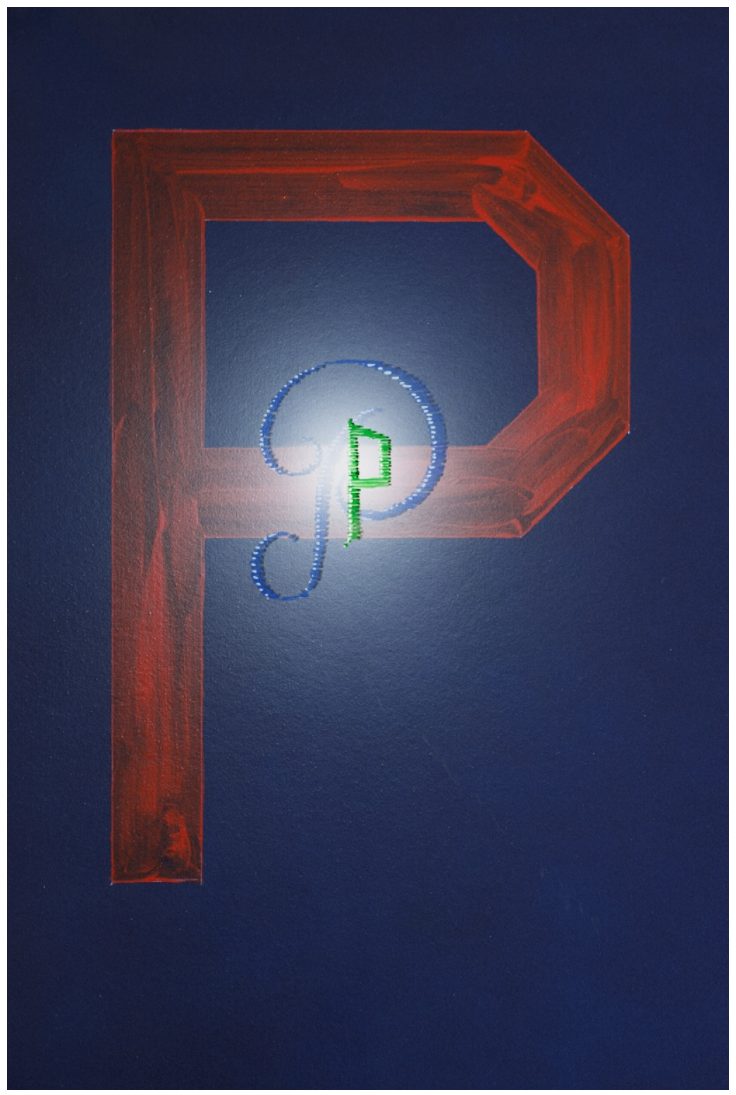
The 1980s saw a surge in text-based art, a movement that Ruscha has no small part in inspiring, with artists like Barbara Kruger, Jenny Holzer, and Christopher Wool exploring the artistic potential of typography in their works. However, for Ruscha, this decade signified a retreat from language, as his focus turned increasingly toward monosyllabic words, among them “Yes,” “Fix,” “Mix,” Nix,” and “Hex,” each rendered in a starkly reduced color palette. Unlike the vibrant chromatic explorations of his 1970s and early 1980s text-based drawings—where soft pastels blended into rainbow-like bands and dry pigments flowed in blue-green gradations—Ruscha’s late 1980s pieces embraced a more restrained palette. From 1985 onward, he favored striking contrasts, employing bright crimson against dark blue or black backgrounds, as seen in the present work, or limited neutral tones that evoked a connection to photography. This connection is further established in the bursts of white spray illuminating each letter, executed in Ruscha’s signature airbrush technique, an approach he began incorporating into his works during this time that would go on to dominate his future creative output. Mimicking the flash of a photographer’s bulb, these revealing and obscuring the words while drawing attention to the surface itself. This dual reduction of language and color continued into his early 1990s drawings, often featuring single words whose striking limited palettes and large sizes stand in stark contrast to their simplicity, conveying a profound yet understated resonance.
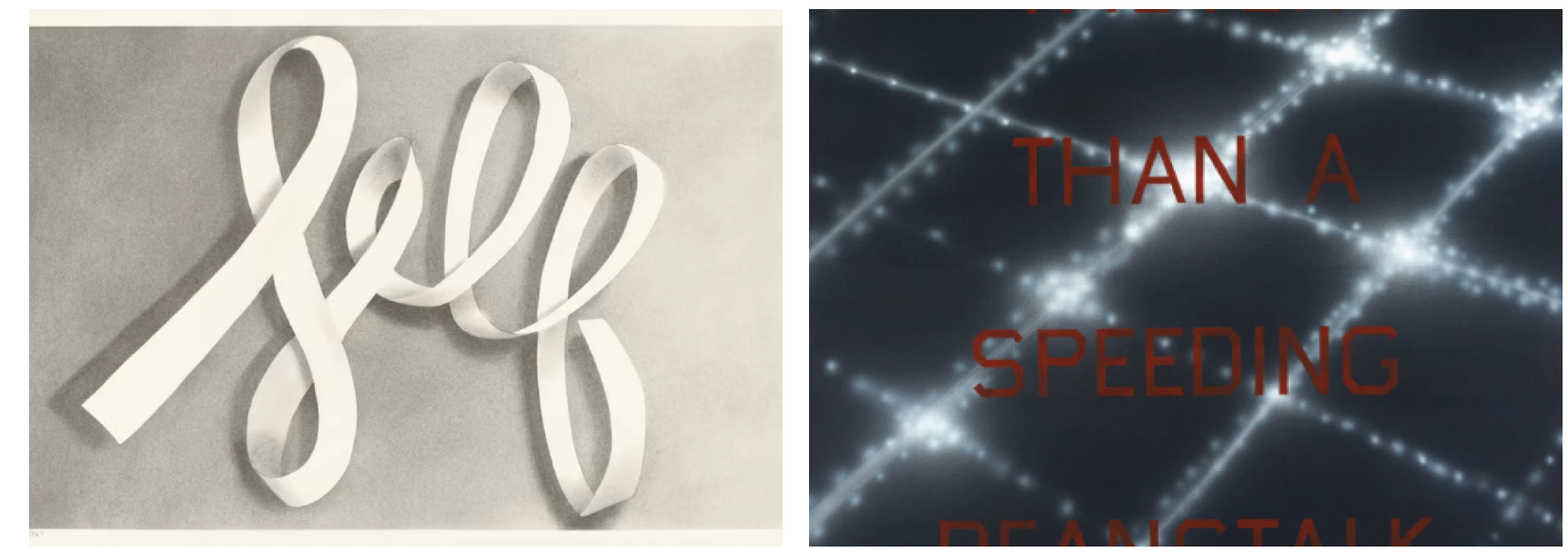
LEFT: Ed Ruscha, Self, 1967. Museum of Modern Art, New York. Art © 2022 Ed Ruscha
RIGHT: Ed Ruscha, Faster Than A Speeding Beanstalk, 1986. Museum of Contemporary Art, Los Angeles. Art © 2022 Ed Ruscha
Ruscha’s practice of creating dramatic textual compositions can be traced back to his first road trip to California in 1956, as he made his way across the country to begin art school at Chouinard Art Institute, now known as the California Institute of the Arts, in Los Angeles from his home in Oklahoma. Ruscha, who worked briefly as a commercial artist, found inspiration in the sudden ubiquity of advertising billboards, which spoke to America’s rising tides of prosperity and consumerism. As befitting Ruscha, a master of wordplay and allusion, the word “pix,” a playful colloquialism of the word “pictures,” is the product of a culture of consumer image-making. The late 1980s were a time of rapid digital revolution, with wider access than ever before to computers, cameras, graphics programs, video games, and instant messaging. Like Warhol, his sources are the ordinary and the everyday, the quaint and ordinary, but unlike his Pop contemporary, Ruscha’s unique combinations of forms reflect a more conceptual approach. Deftly examining the complex relationship between collective culture, text and iconography, Pix boldly embodies the subtle interplay of aesthetic and conceptual concerns that exemplify Ed Ruscha’s most seminal works.
Burn Begone, 1975
Sotheby’s New-York: 21 November 2024
Estimated: USD 150,000 – 200,000
USD 144,000
WORK ON PAPER
Burn Begone | Contemporary Day Auction | 2024 | Sotheby’s
ED RUSCHA (b. 1937)
Burn Begone, 1975
Pastel on paper
14 3/8 x 22 3/4 inches (36.5 x 57.8 cm)
Signed and dated 1975 (on the verso)
Executed in 1975, Burn Begone stands as one of Ed Ruscha’s quintessential text paintings executed throughout the mid-1970s, a series in which Ruscha masterfully transforms a singular word or phrase into a powerful motif with deeper implications and meanings. By infusing his minimal text with an illustrative intrigue, Ruscha deftly brings to the forefront the intricate relationship between language and visual art through his playful and witty manipulation of representation and context. In Burn Begone, the background consists of a striking gradation in color which transforms from a fervent, smoldering orange into a velvety, deep black. The dynamic backdrop provides a visual narrative evocative of fire’s life cycle. Fire itself is especially significant within Ruscha’s oeuvre, serving as a recurring motif in many of his celebrated works, including his dramatic sunsets over Hollywood and his haunting depictions of gas stations engulfed in flames. Throughout these representations, Ruscha harnesses the compelling qualities of fire to capture both the inevitable decay of the flame and the ephemeral beauty that accompanies it. In Burn Begone, the dramatic, atmospheric palette showcases the initial, intense glow of heat, and its gradual fade into black. This visual decline works in tandem with the overlaying text, “BURN BEGONE”, which functions as both a visual and linguistic metaphor for the fire’s inevitable progression towards extinguishment. The emboldened words can be interpreted as either a caption or as a command, rendered in stark contrast to the background and creating a playful and inventive dialogue between word and image, a hallmark of Ruscha’s artistic practice.
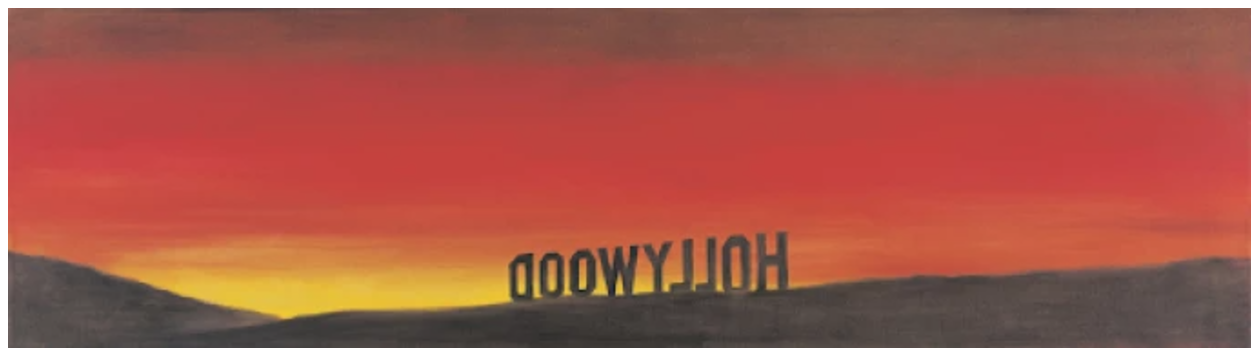
Ed Ruscha, Back of Hollywood, 1977. The Museum of Modern Art, New York. Art © 2024 Ed Ruscha.
Ultimately, this interplay enhances the visual impact of the work while inviting viewers to engage in a deeper examination of the transient nature of both language and fire, prompting reflection on the broader themes of impermanence and transformation that permeate throughout Ruscha’s body of work, spanning multiple decades. In Burn Begone, the intersection of imagery and text transcends mere aesthetic appeal, and asks viewers to confront more profound philosophical questions about cycles of life, ephemerality, and the nature of art itself, solidifying Ed Ruscha’s status as a pioneering visionary in the history of American art.
Japan Is America, 1982
Sotheby’s New-York: 27 September 2024
Estimated: USD 250,000 – 350,000
USD 288,000
WORK ON PAPER
Japan Is America | Contemporary Curated | 2024 | Sotheby’s (sothebys.com)
ED RUSCHA (b. 1937)
Japan Is America, 1982
Pastel on paper
23×29 inches (58.4 x 73.7 cm)
Signed and dated ’82 (lower right)
Encapsulating Ed Ruscha’s career-long exploration of semiotics and text, Japan Is America embodies the conceptual rigor and signature style that have come to define the artist’s highly acclaimed practice. In the work, the eponymous phrase hovers over a diagonal windowpane, its very shape seeming to indicate the passage of time. The rhythm and composition of these three words seem to reinforce this—cinching around the central word ‘IS,’ they take on the form of an hourglass, as if to suggest the increasing reality behind these words with every second that passes. Composed in the early 1980s, the present work reflects on the rapid commercialization of Japan and its globalizing effects as it experienced a meteoric rise in its cultural and economic capital, with an explosion of toys, fashion, and movies reaching the American mainstream. Much like America, in the 20th century the world saw Japan overcome the losses and devastations of World War II to transform into an economic powerhouse and begin to export its cultural influence. Fascinated by how ideas are made manifest and concrete through the act of painting, the present work exemplifies Ruscha’s exceptionally clever ability to make profound cultural observations with an economy of means.
“I like the idea of a word becoming a picture, almost leaving its body, then coming back and becoming a word again…I see myself working with two things that don’t even ask to understand each other.”
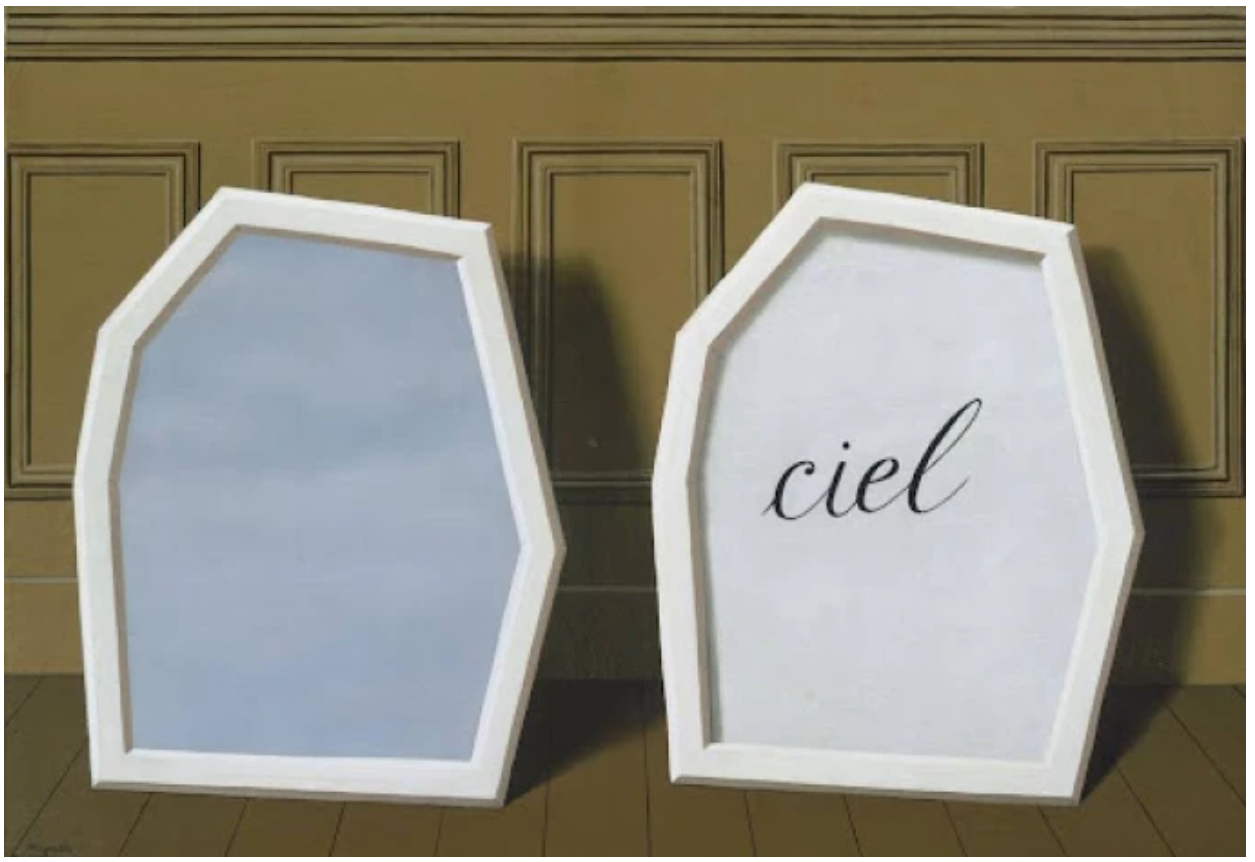
René Magritte, The Palace of Curtains, III, 1928-29. Museum of Modern Art, New York.
Art © 2024 C. Herscovici, Brussels / Artists Rights Society (ARS), New York.
Ruscha’s dramatic and seductive textual compositions trace back to his first road trip to California in 1956, as he made his way across the country to begin art school at Chouinard Art Institute in Los Angeles from his home in Oklahoma. Ruscha, who worked briefly as a commercial artist, found inspiration in the sudden ubiquity of advertising billboards, which spoke to America’s rising tides of prosperity and consumerism. Intrigued by Jasper Johns’ use of readymade images as supports for abstraction, Ruscha began to consider how he could employ graphics in order to expose painting’s dual identity as both object and illusion, using words in his paintings as visual constructs. Japan is America was completed in 1982, just prior to Ruscha’s first foray into the airbrush medium, which helped achieve a “strokeless” quality found in many of the works he would create from the mid 1980s through the 1990s. In the present work, the words ring with perfect visual clarity while the hazy background brings us back to the concept of time as it recalls the artist’s longtime connection to Surrealism. Using his signature hybrid of arch conceptualism and Pop Art aesthetics, Japan is America recognizes a familiar modus operandi of Postwar culture to reveal its increasingly globalized nature.
Sickness, 1984
Sotheby’s New-York: 1 March 2024
Estimated: USD 200,000 – 300,000
USD 241,300
WORK ON PAPER
Sickness | Contemporary Curated | 2024 | Sotheby’s (sothebys.com)
ED RUSCHA (b. 1937)
Sickness, 1984
Dry pigment and ink on paper
23×29 inches (58.4 x 73.7 cm)
Signed and dated ’84 (lower right)
The bisected word “SICK / NESS” appears before an ominously stormy sky in Ed Ruscha’s Sickness of 1984, continuing Ruscha’s lifelong assertion that text can be legible as both a word and an object. The rich color gradation exemplifies Ruscha’s growing interest in Surrealist aesthetics throughout this decade, while his near-mechanical typeface nods to his monumental word paintings of the 1960s. Across his nearly seven decade-long career, Ruscha has remained fascinated with the material and connotative possibilities of words, but his works from the 1980s represent his most foreboding and contemplative to date. As he manipulates the words’ structure, orientation, and even, at times, spelling on the picture plane, Ruscha erodes the boundary between reading and looking.
1984, 1967
Sotheby’s New-York: 9 November 2023
Estimated: USD 300,000 – 400,000
USD 508,000
WORK ON PAPER
ED RUSCHA (b. 1937)
1984, 1967
Graphite on paper
14 5/8 x 23 inches (36.7 x 58.4 cm)
Signed and dated 1967 (lower left)
A prolific painter of words, Ed Ruscha masterfully reflects the contemporary consciousness in abstract terms. Executed in 1967, at the apex of the American neo-avantgarde, 1984 is a profound example of Ruscha’s unequivocal ability to revive “our exhausted linguistic and pictorial clichés into provocatively ambiguous works” (Ralph Rugoff, Chris Dercon, Lars Nittve, “Forward,” in Exh. Cat., London, Hayward Gallery (and traveling), Ed Ruscha: Fifty Years of Painting, 14 October 2009 – 10 January 2010, p. 6). An immediate precursor to the artist’s utilization of gunpowder on paper, Ruscha employs graphite as his medium in the present work. Exceptionally difficult to correct and control, the use of graphite requires fastidious attention to detail in execution. Through the application of successive layers, Ruscha creates a dark, modulated landscape and couples it with pale lettering that appears to emerge from within the page, having been crafted from light itself. Flawlessly executed and visually striking, 1984 stridently illustrates Ruscha’s unique capacity to capture both the underpinnings of American popular culture and his own visual imagination. Serving as testament to the artist’s singular appeal and significance as embodied in the present work, Ed Ruscha is currently the focus of a long-awaited retrospective at the Museum of Modern Art in New York. At once ominous and laconic, 1984 is distinctly set in a surrealist E-13B typeface. When removed from the context of a check’s codeline, 1984 evokes a computerized future on par with that of George Orwell’s dystopian vision. “The letters are illustrated in a predigital typeface that somehow implies time and the future. A direct nod to the eponymous Orwellian tale, 1984 exemplifies Ruscha’s preoccupation with reframing the codes that establish the signs of our times.
Business, 1966
Christie’s New-York: 11 May 2023
Estimated: USD 250,000 – 350,000
USD 630,000
WORK ON PAPER
ED RUSCHA (B. 1937), Business | Christie’s (christies.com)
ED RUSCHA (B. 1937)
Business, 1966
Graphite on paper
Image: 7 3/4 x 6 inches (19.7 x 15.2 cm)
Sheet: 9 1/2 x 7 1/2 inches (24.1 x 19.1 cm)
Signed and dated ‘E. Ruscha 1966’ (lower left)
Infused with a powerful sense of mystery and intrigue, Ed Ruscha’s Business is an intimate yet radical work of 1966. This important and early drawing testifies to the artist’s investigations into different mediums, in this case graphite on paper, in which the single word “Business” is rendered in a florid, cursive script. That same year, Ruscha created a suite of twenty-five such drawings in which a different word was spelled out in looping cursive letters and placed against a softly-modulated background. Words like “Pussy” and “Punk” appeared alongside “Cherish” and “Stardust,” where the words appear to have materialized out of thin air. The hazy, film noir quality of this series relates to Ruscha’s inventive use of graphite, by smearing the material to create a shadowy effect. In many ways, this series prefigures the gunpowder drawings that he would begin the following year, in 1967. “Business” was an important word in the artist’s oeuvre, as he depicted it at least four times between 1964 and 1970. Intimate in scale and yet expansive in feeling, Business is a beautiful, beguiling work that references the artist’s own identity, as he embarked upon a career in the “business” of art-making, which has now taken him into its seventh decade.
In the simple, direct act of putting pencil to paper, Ruscha elicits an entirely new realm of possibilities in Business. In the present work, he uses the graphite in pencil form to delineate the letters of the word, delighting in the looping curves of the capital letter “B” and in the smaller, double-loops of the cursive letter “s”—of which there are not one, but three—and then joining them together into the single word “Business.” He then uses the graphite in its granular form, to softly smear the powder from the letters to create a dark, shadowy background. Ruscha called this a “drag shadow.” The technique is both historical—in the chiaroscuro effects of Leonardo da Vinci’s representational drawings, with their three-dimensionality and naturalistic effects—but also radically new, finding common ground in the pioneering developments happening in California in the 1960s. Other artists engaged in a similar pursuit include Vija Celmins, who used graphite to create her drawings of the ocean, and also Agnes Martin and Eva Hesse. In this way, Ruscha’s innovative use of graphite helped to chart a new path for the genre of graphite on paper.
Ruscha was fairly obsessed with the word “business” in the mid-to-late 1960s, making at least four drawings between 1964 and 1970, and each employing a different font. At this time, he seemed to create artwork that reflexively pointed back to his identity as an artist and the very act of artmaking itself. In his series of naturalistic paintings of the mid-1960s that feature birds and fish, Ruscha often placed a pencil in various forms—broken in half or wriggling like a worm—in these mysterious paintings. He was clearly thinking about the tools of the artist’s trade and the “business” with which the artist made his living. In Business, Ruscha creates a depiction that’s larger than actual size (as it would appear in a diary or hand-written note), and instead creates a vision of the word as it appears in the mind’s eye. His depiction presents us with the idea of the word, which is aided by the hazy, black-and-white realm where the word lives. By placing it along a diagonal axis, he tilts the word out of the ordinary realm and enters it into a dream-world. It exists in an unknowable, anonymous realm, much like the surrealist landscapes of Giorgio de Chirico. In this way, Business exists in many states at once: it is, in fact, a “hand-written” note, but also a drawing of a hand-written note; so, too, is it a dreamlike vision, portraying the word as it exists in the mind’s eye, where it has no size or shape at all.
“Words have temperatures to me. When they reach a certain point and become hot words, then they appeal to me…Sometimes I have a dream that if a word gets too hot and too appealing, it will boil apart, and I won’t be able to read or think of it. Usually I catch them before they get too hot.”
Indeed, in Business, Ruscha manages to catch the word before it boils apart, and has instead rendered it timeless, where it will live forever in the liminal world that he creates. This is all the more fascinating considering the traditional methods he used, as artists have employed graphite since the 16th Century. Somehow, Ruscha has managed to create a world that is both utterly timeless and yet resolutely new. “For Ruscha, the word is a package that will not stay wrapped, a sign always on the verge of exploding (boiling apart) or sublimating…transcending its body…[its] existence is not stable at all” (H. Cooper, “Word Man in No-Man’s Land,” in op. cit., p. 39).
Golden Words, 1985
Sotheby’s New-York: 19 May 2023
Estimated: USD 600,000 – 800,000
USD 1,451,500
WORK ON PAPER
Golden Words | Contemporary Day Auction | 2023 | Sotheby’s (sothebys.com)
ED RUSCHA (b. 1937)
Golden Words, 1985
Acrylic on paper
40 1/4 x 60 inches (102.2 x 152.4 cm)
Signed and dated 1985 (lower right)
Executed in 1985, Golden Words is a quintessential example of Ed Ruscha’s expert use of semantics in his practice to create works that are splendidly spellbinding and deeply captivating. Golden Words is part of a series of works Ruscha embarked on in 1985 after being commissioned to create murals inside the Miami-Dade’s County Public Library. Within the library, designed by Philip Johnson, Ruscha created an impressive circular frieze with the painted phrase, “Words without thought never to heaven go” – a quote from Shakespeare’s Hamlet. In the present work, the phrase “Words without thought never to heaven go” emerges from a golden halo that encircles the composition, standing in contrast to the vibrant and saturated crimson background. Taken from King Claudius’ monologue where he concludes: “My words fly up, my thoughts remain below; words without thought never to heaven go,” uttering these words as he meditates on his sins and comes to realize he has not been praying in earnest when asking God for forgiveness for his brother’s murder. An acknowledgement of the dual power of words, both for damnation and absolution, Ruscha draws on this Shakespearean aphorism, and enacts this significance further by isolating the phrase, employing it within the composition to create a spiritual landscape that conveys an indefinite sensation that is central to the artist’s practice. The letters ebb and flow rhythmically across the sheet, appearing suspended, almost trapped within a golden halo that represents an infinite cycle. Exemplary of Ruscha’s most iconic works on paper in which imagery and semantics coexist in an irresistibly seductive composition, Golden Words, brilliantly engages with and probes the interplay between image, symbol, and text.
Record Breakers
I don’t Want No Retro Spective, 1979
Sotheby’s New-York: 15 May 2008
Estimated: USD 1,000,000 – 1,500,000
USD 3,961,000
ED RUSCHA
I don’t Want No Retro Spective, 1979
Pastel on paper
23×29 inches (58.4 x 73.7 cm)
Signed, dated 1979 and dedicated Bud – Get well
Immortalized the cover for Edward Ruscha’s monumental 1982 retrospective which originated at the San Francisco Museum of Art and later traveled to the Whitney Museum of American Art, New York and the Los Angeles County Museum of Art, I Don’t Want No Retro Spective is an iconic work which recounts a fascinating true-life story.
Created for the American actor, Bud Cort, arguably best known for his iconic role in the 1971 American film classic Harold and Maude oppostie Ruth Gordon. Ruscha presented I Don’t Want No Retro Spective to his friend following Cort’s near-death accident on the Hollywood Freeway in 1979. Ruscha gave the work to the actor on his hospital bed, yet the phrase depicted, ‘I Don’t Want No Retro Spective,’ goes back several years earlier. The pair were having dinner together at a Los Angeles restaurant. As Cort recalls, Ruscha had just returned from a show in Switzerland where he had mentioned that he had come across a theatre that was screening three of Bud’s films: Brewster McCloud, Harold and Maude and Why Shoot the Teacher?, and referred to it as somewhat of a ‘Cort retrospective’. In response, the actorpaused then proclaimed, “I don’t want no retro spective” – Ruscha found this statement so amusing that he decided to memorialize it in one of his works, waiting for the appropriate moment to surprise Mr. Cort.
I Don’t Want No Retro Spective exhibits a bright, powdery surface in bright pink hues recalling a brilliant setting sun over the California landscape or the dawning of a new day. Meticulously executed, the bold, white lettering emerges from the backdrop in capital letters and reveals the sentimental phrase which links Cort to Ruscha in a tribute to their friendship. Ruscha’s fascination for words in his art derived both from formative personal experience and a knowledge of art history. Growing up in Oklahoma, Ruscha saw very little fine art in the flesh and was much more influenced by the immediacy of vernacular imagery: comic strips, typography, book design and vivid commercial advertising. When he first moved to LA in 1956, he worked as a sign painter and graphic designer, as well as hand-setting type and working the presses for art book publishers. Defining the West Coast Pop sensibility, Ruscha was among the stable of the legendary Ferus Gallery, the gallery that staged Warhol’s breakthrough show of Campbell’s Soup Cans in 1962. In this explosive creative environment, Ruscha fashioned an independent voice and line of pictorial enquiry that revolved around text.
Isolating his textual ready-mades against an empty horizon line, Ruscha exposes the strangeness of his words and forces a semantic re-examination of their meaning. It is this spirit of Duchampian intellectual inquiry which is the hallmark of his best work and which distinguishes him from the pop tendencies of his peers. This inquiry is nonetheless embedded in his vernacular culture. The motif of words floating in emptiness is grounded in his personal experience, recalling the road journey west from his home town to LA along Route 66, a trip Ruscha later made frequently in both directions to visit his family. Along that road, the endlessly flat, featureless horizon line, so beautifully evoked in the soft pink hues of the present work, is only occasionally punctuated by the huge billboards which start as specs on the horizon and gradually get bigger until they slide past the window, contemporary signposts of modern America set against the limitless sky and setting sun of the mythical landscape of the Wild West.
Radio on Royal Blue, 1963
Christie’s New-York: 12 November 2014
Estimated: USD 1,200,000 – 1,800,000
USD 3,301,000
Ed Ruscha (b. 1937), Radio on Royal Blue | Christie’s
ED RUSCHA (b. 1937)
Radio on Royal Blue, 1963
Oil and ink on paper
15×12 inches (38.1 x 30.5 cm)
Signed and dated ‘E Ruscha 63’ (lower right)
Boldly delineated in robust block lettering, the word “RADIO” surges forward toward the picture plane and nearly bursts from the panel in Ed Ruscha’s Radio. Immediate and direct, the text is trailed by a stream of precisely outlined rays that both underscore its momentum and mimic the invisible radio waves coursing through the air around us. Isolated against a soft blue background, “RADIO” stands illuminated in golden hues at the center of the panel like an icon, and its warm color and dynamic contours activate the surrounding space. The composition is energized yet balanced in proportion and hue, and the narrow border of panel visible on all sides creates a striking visual play against the goldenrod text.
Dating from a formative period in Ruscha’s career, Radio was painted in 1963, two years after he began making his signature word paintings. The artist’s progression to Radio becomes clear by comparing the present work with his iconic painting of the 20th Century Fox logo, Large Trademark with Eight Spotlights. Painted the year before Radio, Large Trademark with Eight Spotlights features 3-D text and has a sense of motion and rays of electricity that recall both spotlights and the light of a film projector on the screen in a dark cinema. Radio effectively combines these artistic strategies with the power of a single word, indicating the momentous growth of Ruscha’s practice at this time.
In the early ‘60s, as artists sought new forms of expression, Pop and its idolization of everyday objects began to unseat the long-heralded Abstract Expressionists from their art world throne. Like his contemporaries, Andy Warhol, Robert Rauschenberg and Jasper Johns, Ruscha sought to make something radical, something that would distinguish him from what had been done before, and he found inspiration in commonplace objects from mainstream culture. He chose subjects whose ordinariness and familiarity seemed to have rendered them invisible, and strove to imbue them with new life. Ruscha was almost immediately drawn to words as a potent source of creativity, stating that “When I first became attracted to the idea of being an artist, painting was the last method, it was an almost obsolete, archaic form of communication. I felt newspapers, magazines, books, words, to be more meaningful than what some damn oil painter was doing” (E. Ruscha, quoted in N. Benezra, “Ed Ruscha: Painting and Artistic License,” Ed Ruscha, Washington, D.C., 2000, p. 45).
Books in particular appealed to Ruscha’s Pop sensibilities. An avid traveler, Ruscha became enthralled by the bookstalls that dotted the city streets of Europe, and he began incorporating books’ textual content and 3-D form into his art. Discussing a 1962 painting on canvas of the word “RADIO,” Ruscha says, “I even painted on the sides of my canvases for a few years to accentuate the idea that this work was a three-dimensional thing. I would make a painting that said ‘Radio,’ for example, then paint the title on the side. In an odd way, it was like a book, and so my paintings were book covers in a way. That’s it, I do book covers…if you make a book cover and put a word on it, then it’s immediately accepted by people, but if you do so in painting, then it’s sort of disorienting and isn’t disorientation one of the best things about making art?” (B. Blistène quoting E. Ruscha, “Conversation with Edward Ruscha,” Edward Ruscha, Musée National d’Art Moderne, Centre Georges Pompidou, Paris, 1989).
Magically transformed into still lifes or perhaps more appropriately, due to the essentially horizontal nature of words, epic landscapes, Ruscha’s words are invested with a forceful iconic power through their isolation. A mundane word on its own, “RADIO” is here endowed with a new stature of importance. As such, Ruscha described his process in monumentalizing terms: “It’s an artist’s job to (embellish a trivial subject) despite the fact that you have to use tricks and devices in order to put that idea across. I like to give attention to the lonely paintbrush or make a tribute to something that is humble, or something that does not require explanation. There are things that I am constantly looking at that I feel should be elevated to greater status. That’s why taking things out of context is a useful tool to an artist. It’s just the concept of taking something that’s not subject matter, and making it subject matter” (E. Ruscha, quoted in Edward Ruscha: Catalogue Raisonné of the Paintings Volume One 1958–1970, New York, 2003, p. 151).
In addition to books, some of the most profound influences on Ruscha during this time were the road trips he took through the United States and abroad. Making frequent trips from Southern California to Oklahoma City, where he grew up, he became aware of a contemporary landscape of signs in America. This sensitivity reached its apex in the sprawling metropolis of Los Angeles, with its unique blend of blue skies, desert landscapes, billboards, logos and advertising all dominated by the vast iconic image of the Hollywood sign nestled in the nearby hills. Here, in the company of new friends, such as the then-budding photographer and actor Dennis Hopper, Ruscha began to make a practice of observing and documenting fragments of the Los Angeles landscape as it passed by his car window on trips around the city. Single words, images, signs, logos and sayings would flash past, some becoming temporarily lodged in his memory. Driving down the city streets, Ruscha spontaneously registered these usually banal, commonplace and often overlooked images, sometimes jotting them down in a notebook before making a painting.
The importance of car culture in Los Angeles in the early ‘60s was considerable. At this time, the freeways through Los Angeles were still relatively new, and they held a special interest not just for Ruscha but in popular culture as well, as the new roads opened up the country to a more accessible and democratic kind of exploration and encouraged automobile travel both within and around cities. In Ruscha’s text paintings around this time, words related to electricity and car culture are common, and examples including the works Flash, Voltage, Electricity, Honk, Buick, Noise and Smash. The open roads of Los Angeles promised adventure, excitement, fast speeds and independence, thus capturing a fundamental piece of the southern California identity: “Psychologically shocked or no, most Angelino freeway-pilots are neither retching with smog nor stuck in a jam; their white-wall tires are singing over the diamond-cut anti-skid grooves in the concrete road surface, the selector-levers of their automobile gearboxes are firmly in Drive, and the radio is on” (R. Banham, Los Angeles: The Architecture of Four Ecologies, New York, 1971, p. 198).
By the time Ruscha painted Radio, the years of families gathering around the radio to listen to the news were over. However, the radio continued to make its presence felt in every car, becoming a part of the culture of freedom, youth and individualism associated with automobiles. Looking at this significant early word painting, we can imagine the artist driving down Route 66 or over the intersecting freeways of Los Angeles, watching the advertisements and signs pass as a steady stream of rock ‘n’ roll issues from the dashboard, before slipping out the window and into the California sunshine.