
Cecily Brown occupies a pivotal position within contemporary painting. At a time when painting was frequently declared obsolete, she played a crucial role in reasserting its relevance, demonstrating that figuration and abstraction need not be opposed but can coexist within a single, dynamic field. Her work has influenced a generation of painters who similarly explore the boundaries between image and gesture. Yet her contribution remains singular: a painting practice that is at once sensual, intellectual, and deeply rooted in history. By continuously negotiating the tension between appearance and disappearance, Brown has expanded the possibilities of painting, reaffirming its capacity to engage both the eye and the mind in an era saturated with images.
Introduction
Born in Surrey in 1969, Brown knew as a young child she wanted to become an artist. Her father, art critic David Sylvester, was a close friend and early supporter of Francis Bacon, whose raw, abstracted figures are influential in Brown’s work today. She quickly found that her brand of conceptual figuratism was not aligned with the Conceptualism of the Young British Artists and left London for New York City in 1995. There, as with Arshile Gorky before her, the frenzy of life in the city lent its lurid colors and expressionist movement as inspiration for Brown’s work. Her first solo show, in 1997, received wide acclaim for its wild celebration of animalistic passion in oil paint.
Born in London in 1969, Cecily Brown is one of the most significant painters to emerge in the late 20th century revival of figurative painting. Trained at the Slade School of Fine Art in London, she moved to New York in the mid-1990s, where her career rapidly gained momentum within a context still dominated by the legacy of abstraction. Brown’s work quickly distinguished itself by reintroducing figuration into gestural painting, at a moment when such a move felt both provocative and necessary.
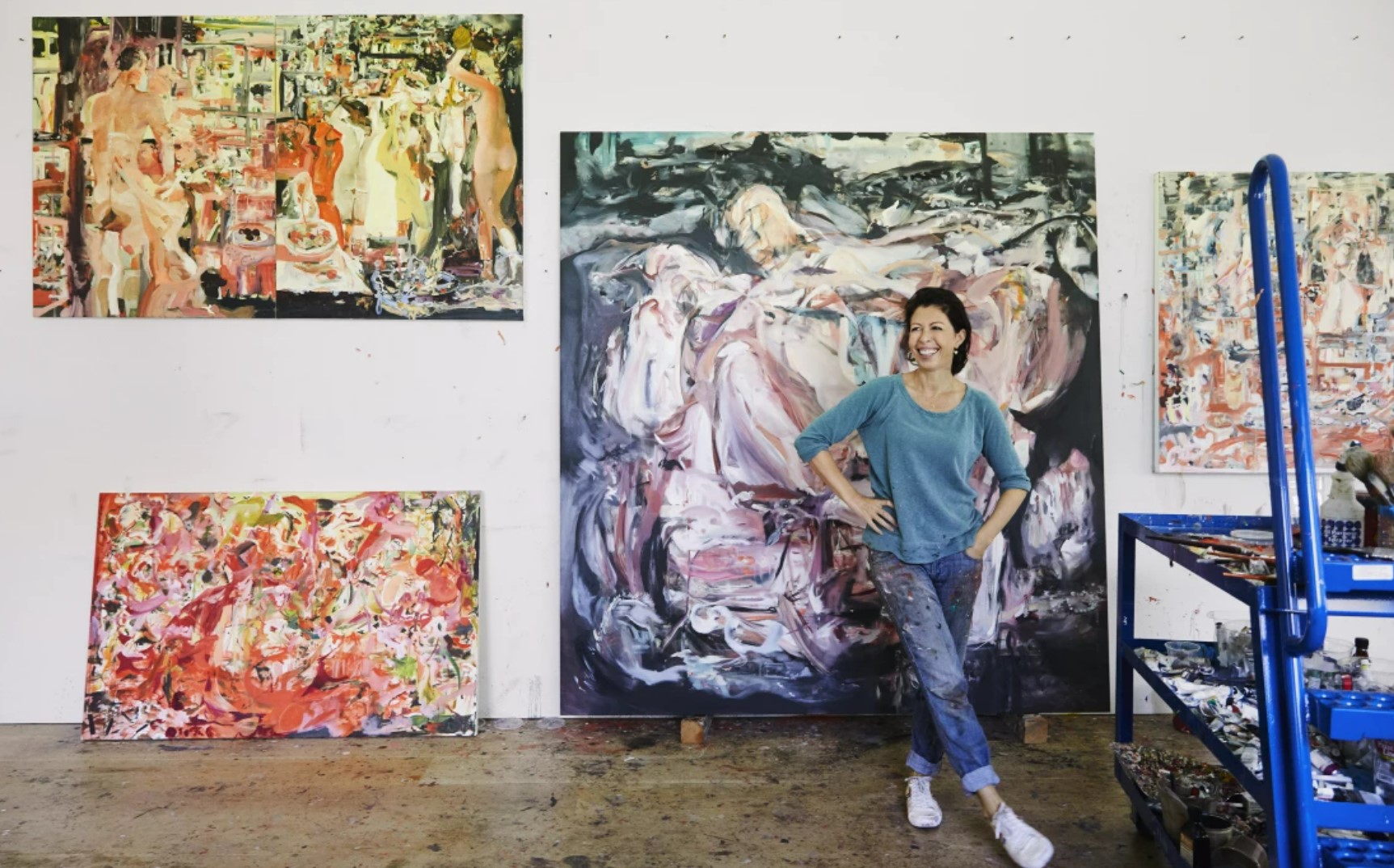
Her practice is deeply informed by a transatlantic dialogue: on one hand, the heritage of European painting—from Rubens to Fragonard—and on the other, the physicality and scale of American Abstract Expressionism. This dual lineage forms the foundation of a painterly language that is both historically grounded and unmistakably contemporary.
Major Series and Pictorial Language
Brown’s work is not organized into rigidly defined series, but several recurring bodies of work and thematic approaches can be identified across her career.
Her early breakthrough paintings are often described as erotic or bacchanalian compositions, where fragments of bodies—limbs, torsos, gestures—emerge and dissolve within dense, swirling brushwork. These works draw heavily on Baroque painting, particularly the dynamism and sensuality of Rubens, yet they are filtered through a contemporary lens that destabilizes narrative and clarity.
Another key development lies in her pastoral and landscape-inflected paintings, where figuration becomes increasingly submerged within gestural abstraction. Scenes suggest hunting parties, rural idylls, or mythological references, yet they remain elusive, oscillating between representation and dissolution.
Brown has also explored vanitas and still-life motifs, revisiting traditional themes such as decay, excess, and mortality. These works often retain her characteristic painterly density while introducing more structured compositional elements.
More recently, her practice has expanded into large-scale, multi-panel compositions, where fragmentation becomes architectural. These works allow her to extend the temporal dimension of painting, creating sequences that unfold across multiple canvases while maintaining a sense of visual continuity.
Across all these bodies of work, Brown’s central concern remains constant: the tension between figuration and abstraction, visibility and disappearance.
Mediums and Technical Approach
Cecily Brown’s practice is fundamentally rooted in oil painting, a medium she exploits with exceptional sensitivity and control. Her surfaces are built through layers of gestural brushwork, where marks accumulate, overlap, and partially erase one another. This process creates a dynamic field in which forms are never fully fixed, constantly shifting between emergence and dissolution.
Her handling of paint is both physical and deliberate. At a distance, her works may appear abstract; upon closer inspection, fragments of bodies or objects begin to coalesce. This oscillation is central to the viewing experience, requiring the eye to move continuously across the surface.
“The boundaries of painting excite me. You’ve got the same old materials—just oils and a canvas—and you’re trying to do something that’s been done for centuries…I have always wanted to make paintings that are impossible to walk past, paintings that grab and hold your attention.”
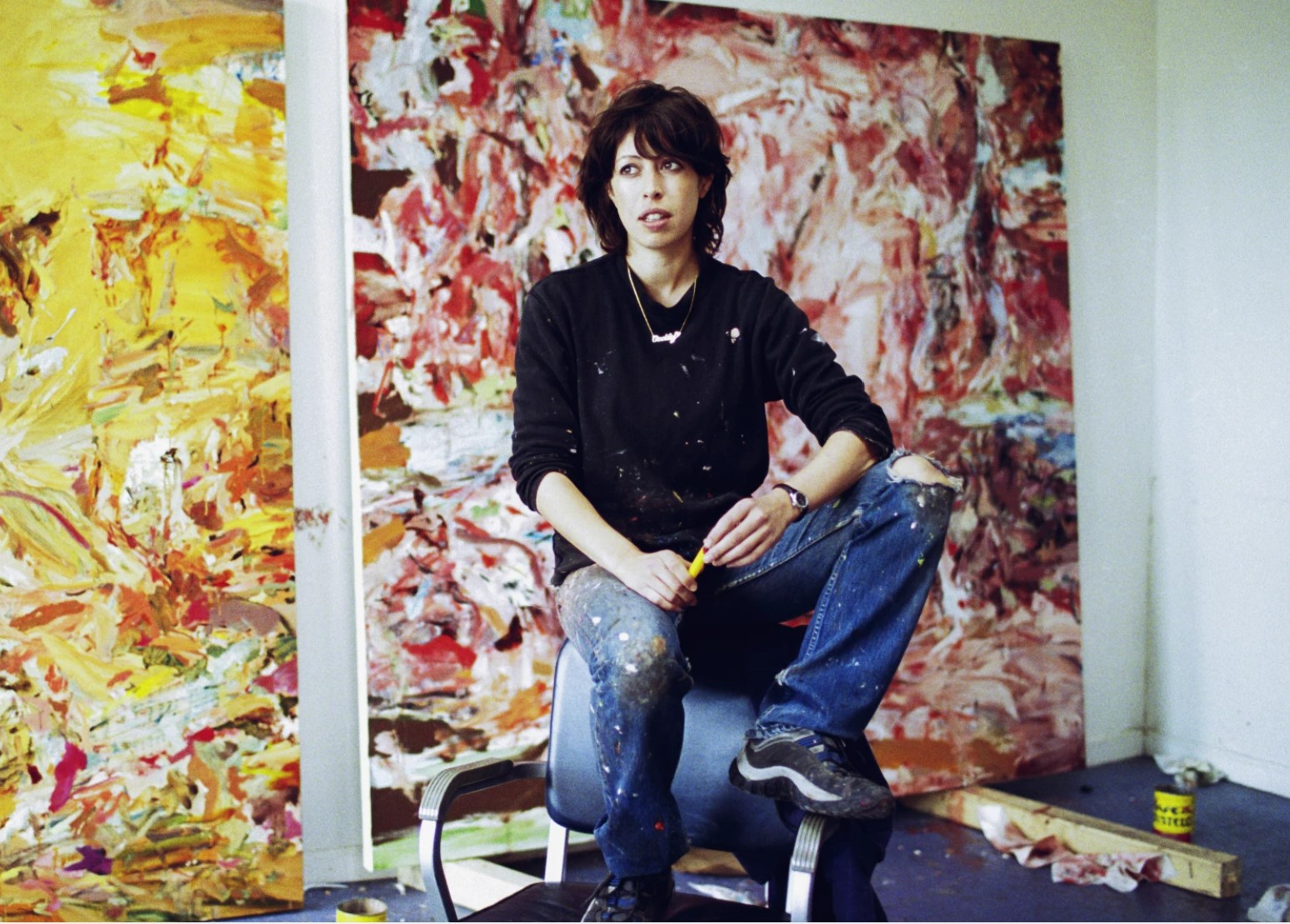
In addition to painting, Brown has produced a significant body of works on paper, including drawings and monotypes. These works often serve as spaces of experimentation, where ideas can be tested with greater immediacy. While more restrained in scale, they retain the same tension between control and spontaneity that defines her paintings. Printmaking also occupies an important place in her practice. Through etchings and other techniques, Brown translates her painterly language into graphic form, exploring how gesture and density can be reinterpreted through line and tonal variation.
Unlike some of her contemporaries, Brown has remained largely committed to two-dimensional media. Sculpture is not central to her work; instead, the materiality of paint itself becomes the primary site of investigation.
Inspirations and Art Historical Dialogue
Cecily Brown’s work is deeply embedded within the history of painting. Her references span from the Baroque exuberance of Rubens and the Rococo sensuality of Fragonard to the gestural intensity of Willem de Kooning.
From Rubens, she inherits a sense of movement, abundance, and corporeality; from Fragonard, a lightness and erotic charge; from de Kooning, the possibility of merging figuration with abstraction. Yet these influences are never simply quoted—they are absorbed and transformed into a language that feels entirely her own.
“The more I look at paintings, the more I want to paint, the more engaged I become and the deeper and richer it gets.”
“I’m interested in the human need or desire to represent itself. I’m fascinated with human narcissism and obsessions with bodies.”
Brown’s engagement with art history is not nostalgic but analytical. She revisits traditional genres—history painting, landscape, still life—not to replicate them, but to test their relevance within a contemporary context. Her work can thus be understood as an ongoing conversation with painting itself, questioning its capacity to represent, seduce, and destabilize.
Exhibition History and Institutional Presence
Cecily Brown has been the subject of numerous major exhibitions in leading institutions worldwide. Her work has been shown at institutions such as the Metropolitan Museum of Art in New York, Tate Modern in London, and the Louisiana Museum of Modern Art in Denmark. Brown has witnessed renewed excitement and interest following the opening of her major career survey Cecily Brown: Death and the Maid at The Metropolitan Museum of Art in New York, which opened in April and will close in December 2023. Marking the first museum show of her work in New York since she moved there from London in the 1990s, the exhibition brings together fifty paintings, drawings, sketchbooks and monotypes to explore themes central to her practice. Testifying to her position as one of the foremost artists of the 21 century Brown has been the subject of solo exhibitions at institutions including the Museum of Fine Arts, Boston; Hirshhorn Museum and Sculpture Garden, Washington, DC; the Museum of Modern Art in Oxford and Museo Nacional Centro de Arte Reina Sofía, Madrid.
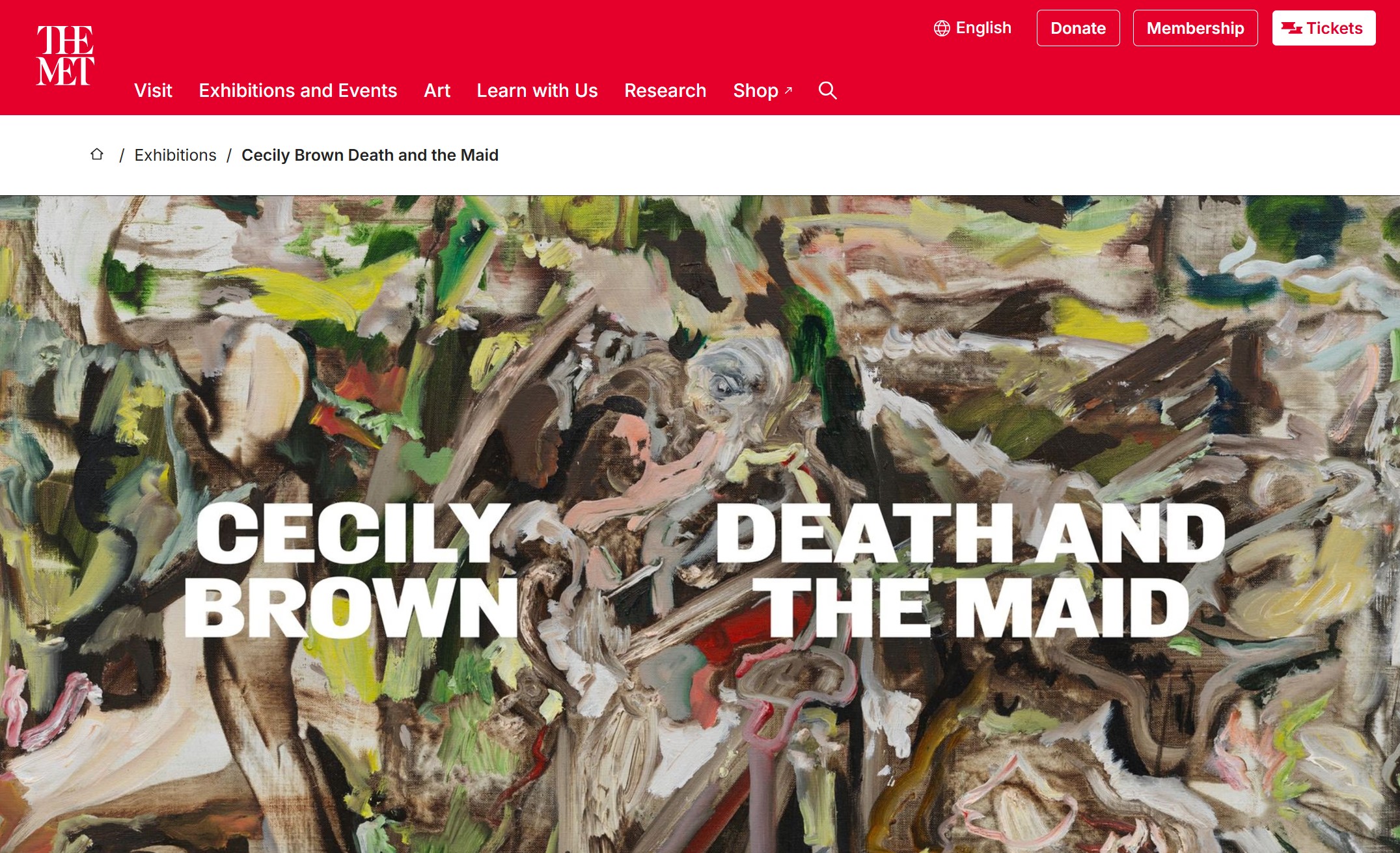
A significant milestone in her career was her inclusion in major museum surveys and her growing presence in permanent collections, including MoMA, the Whitney Museum, and the Centre Pompidou. These institutional endorsements have firmly established her as a central figure in contemporary painting.
Her exhibitions often emphasize the scale and immersive quality of her work, with large canvases enveloping the viewer and reinforcing the physicality of her practice. Brown’s paintings reside in collections at esteemed institutions including the Museum of Modern Art, New York; Museum of Fine Arts, Boston; Whitney Museum, New York; Solomon R. Guggenheim Museum, New York; and the Broad, Los Angeles, amongst others.
Gallery Representation
Cecily Brown is represented by Gagosian, one of the most influential galleries in the global art market. This representation has played a key role in sustaining her visibility across major art capitals, with exhibitions in New York, London, Paris, and beyond.
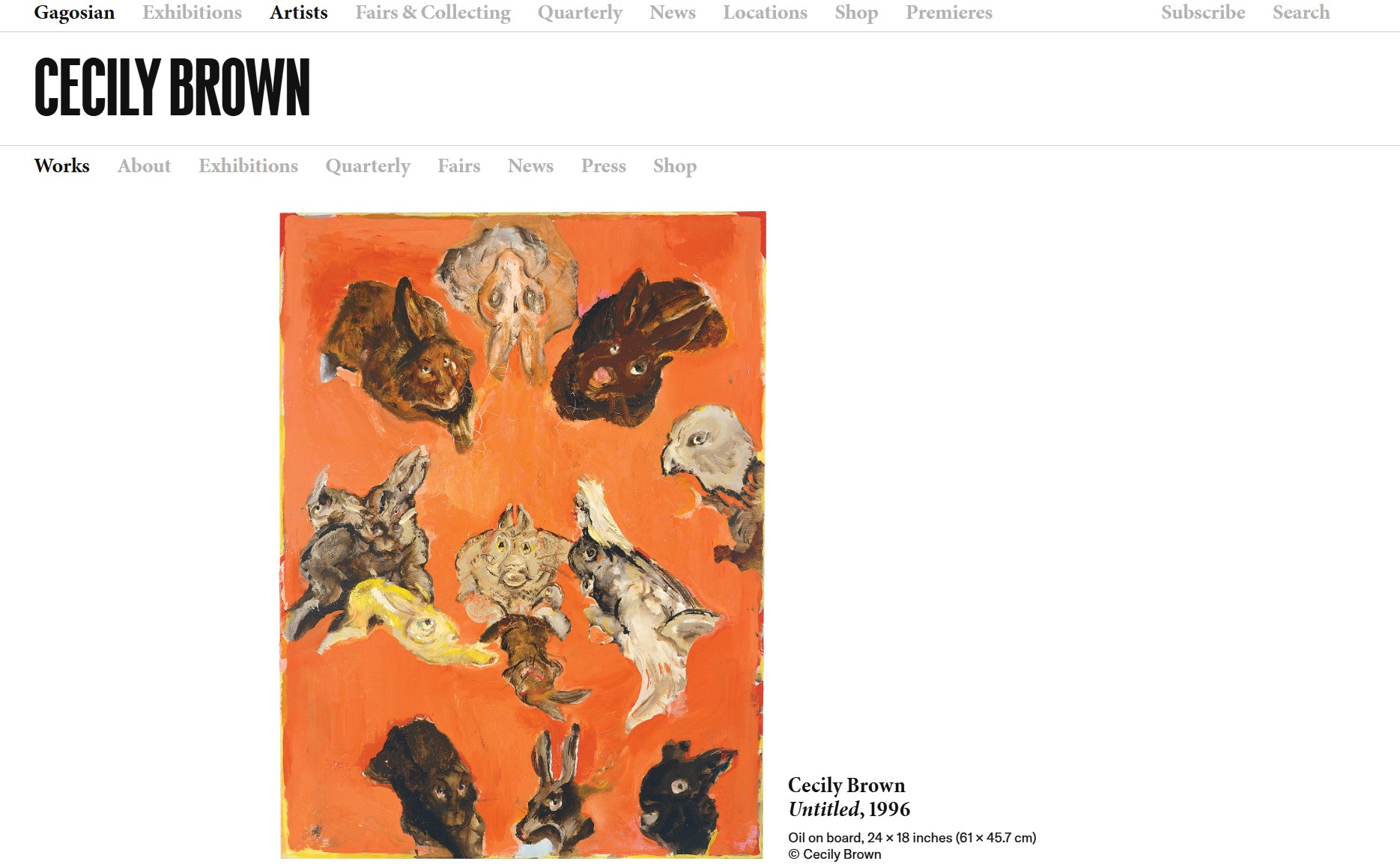
She has also maintained relationships with other important galleries earlier in her career, but her association with Gagosian firmly situates her within the upper tier of the contemporary art market, ensuring access to top collectors and institutional networks.
PART I: SUMMARY
Auction Market Overview
2025 AUCTION STATISTICS
Turnover: USD 17,666,602
-24.2% vs. 2024
# Lots sold: 10
Sell-Through Rate: 83%
MARKET SEGMENTATION
New-York (51%) / London (43%) / Hong-Kong (6%)
(by value in 2024)
Highest Price Achieved at Auction:
High Society, 1997-98
Sotheby’s New-York: 18 November 2025
USD 9,810,000
The market for Cecily Brown has demonstrated strong and consistent growth over the past two decades. Her large-scale paintings, particularly those from her most iconic periods, command significant prices at auction, often reaching into the multi-million-dollar range. Works on paper and prints provide more accessible entry points, yet remain highly sought after due to their direct connection to her practice and their relative scarcity. Brown’s market is distinguished by its stability. Unlike more speculative trends, her trajectory is supported by sustained institutional recognition, critical acclaim, and a mature, evolving body of work. Collectors are drawn not only to the visual power of her paintings but also to their art historical depth.
Auction Summary
2025 Auction Highlights
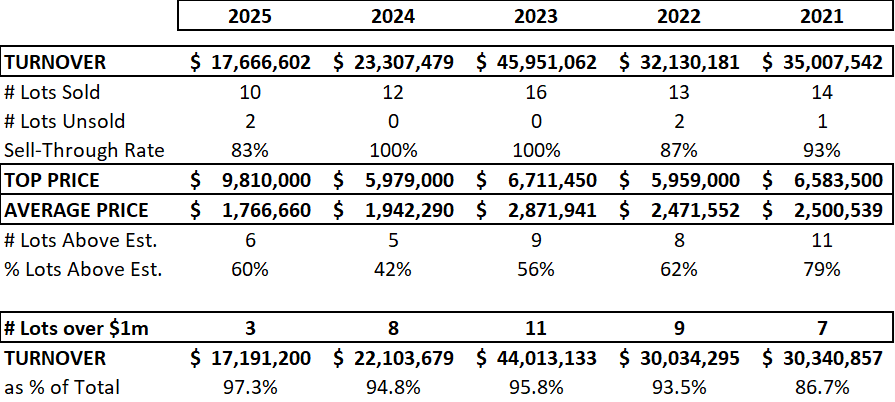
10 lots sold at auction in 2025 for a total turnover of USD 17,666,602. With 2 lots failing to sell, the sell-through rate is 83%. However, on lot was withdrawn at Christie’s in London, on 26 June 2025. The highest price for 2025 was achieved by High Society, a painting dated 1997-98, that sold at Sotheby’s in New-York for USD 9,810,000, setting a new auction record for the artist.
2025 Top 3 Lots
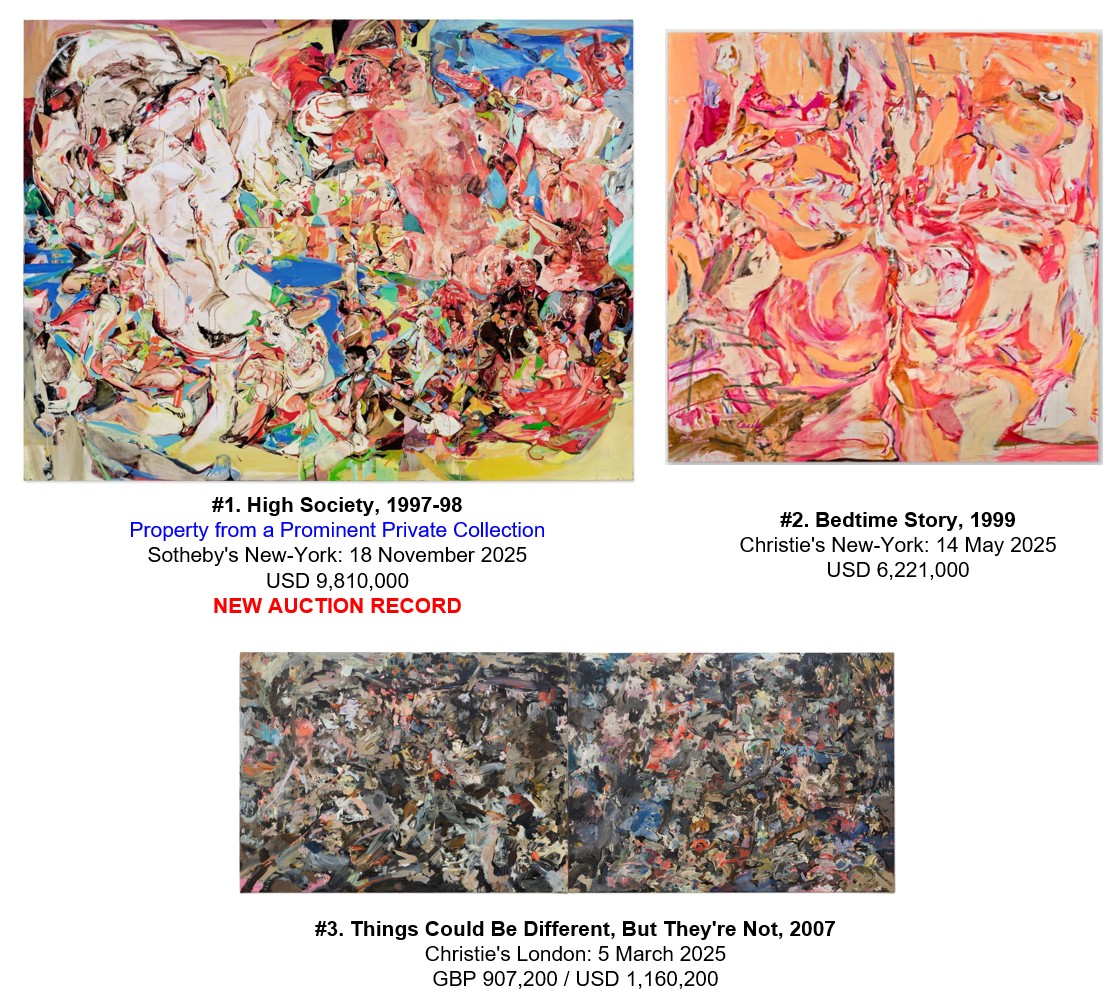
3 lots sold for more than USD 1 million, generating a cumulative turnover of USD 17,191,200, representing 97.3% of the total turnover so far in 2025.
2024 Auction Highlights
12 lots sold at auction in 2024 for a total turnover of USD 23,307,479. With no lot failing to sell, the sell-through rate is 100%. The highest price has been achieved at Christie’s in New-York on 21 November 2024, when The Butcher and the Policeman, a painting dated 2013, sold for USD 5,979,000.
2024 Top 3 Lots
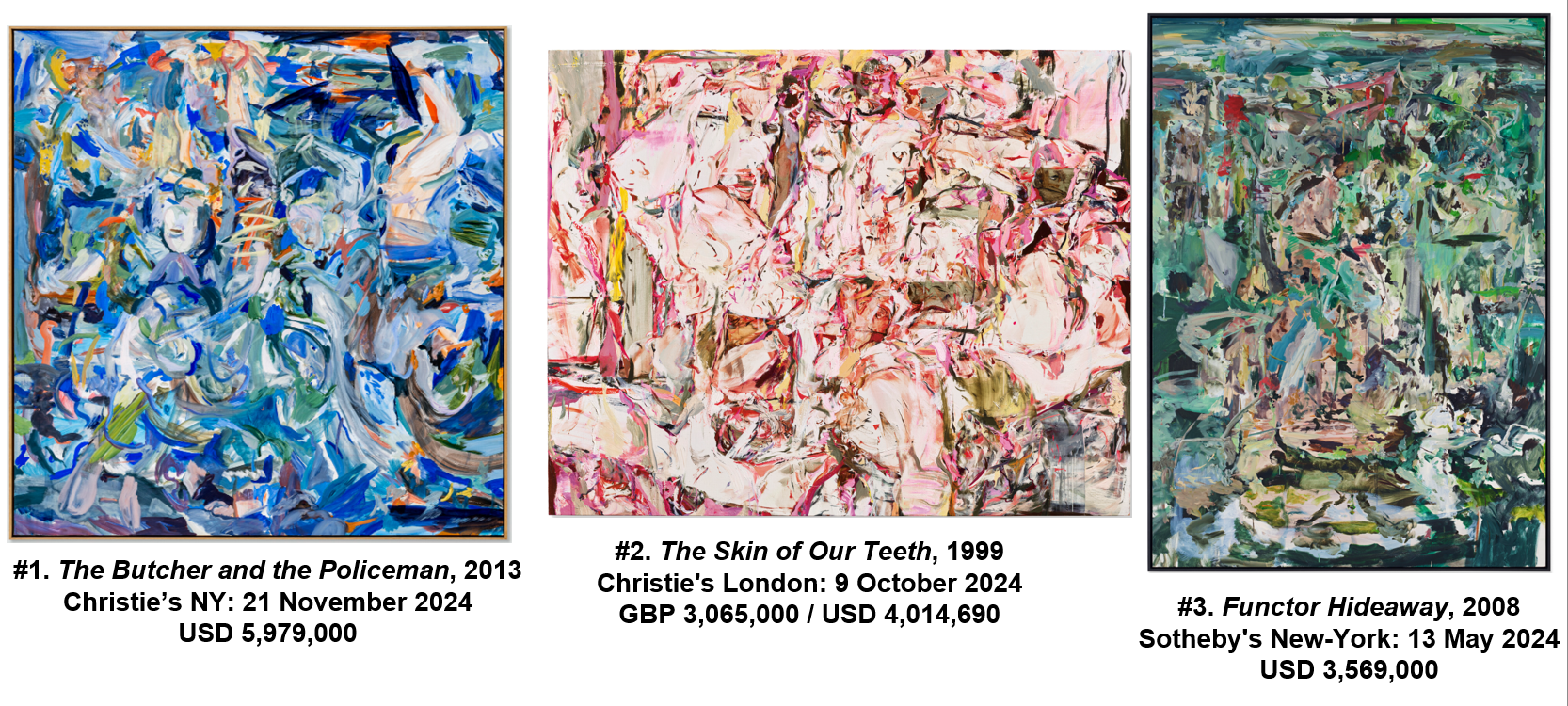
8 lots sold for more than USD 1 million, generating a cumulative turnover of USD 22,103,679, representing 94.8% of the total turnover for 2024.
2023 Auction Highlights
16 lots sold at auction in 2023 for a record turnover of USD 45,951,062 at an average price of USD 2,871,941. The highest price was achieved at Sotheby’s in New-York on 16 May 2023 when Free Games for May, a painting dated 2015 sold for USD 6,711,450.
2023 Top 3 Lots
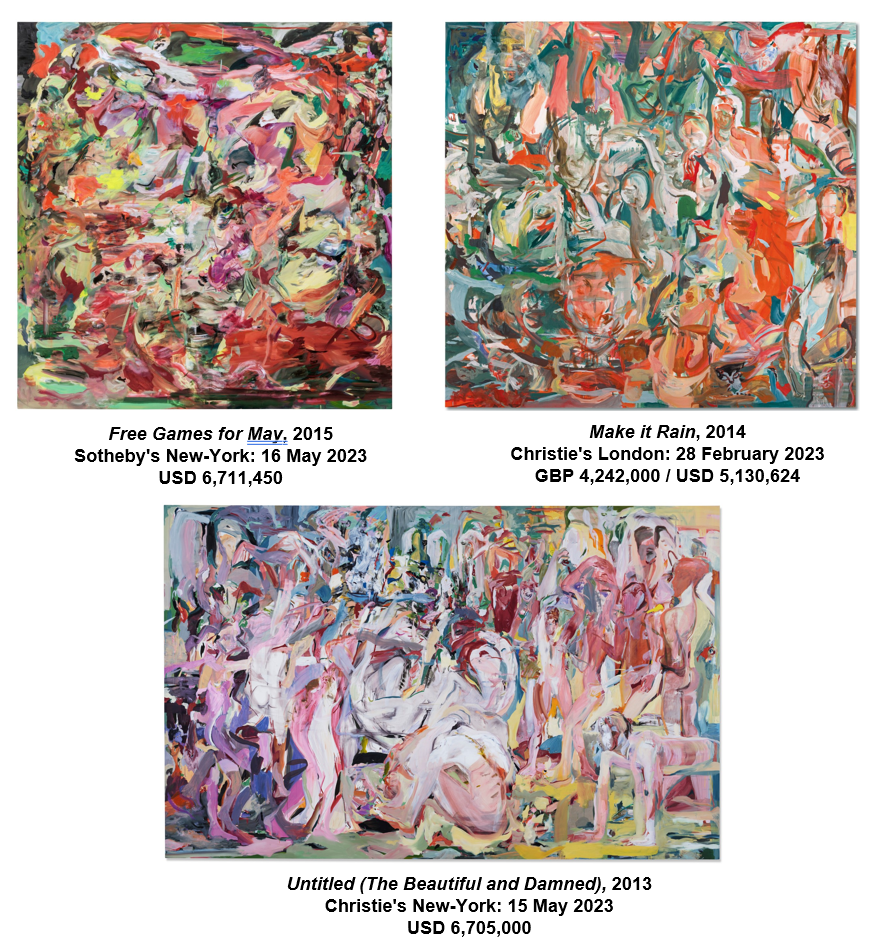
14 lots sold for more than USD 1 million, generating a cumulative turnover of USD 44,013,133, representing 95.8% of the total turnover for 2023.
2022 Auction Highlights
13 lots sold at auction in 2022 for a total turnover of USD 32,130,181 at an average price of USD 2,471,552. With 2 lots failing to sell, the sell-through rate is 87%. The highest price was achieved by Angie (2005) that sold at Phillips in New-York on 18 May 2022 for USD 5,959,000.
2022 Top 3 Lots
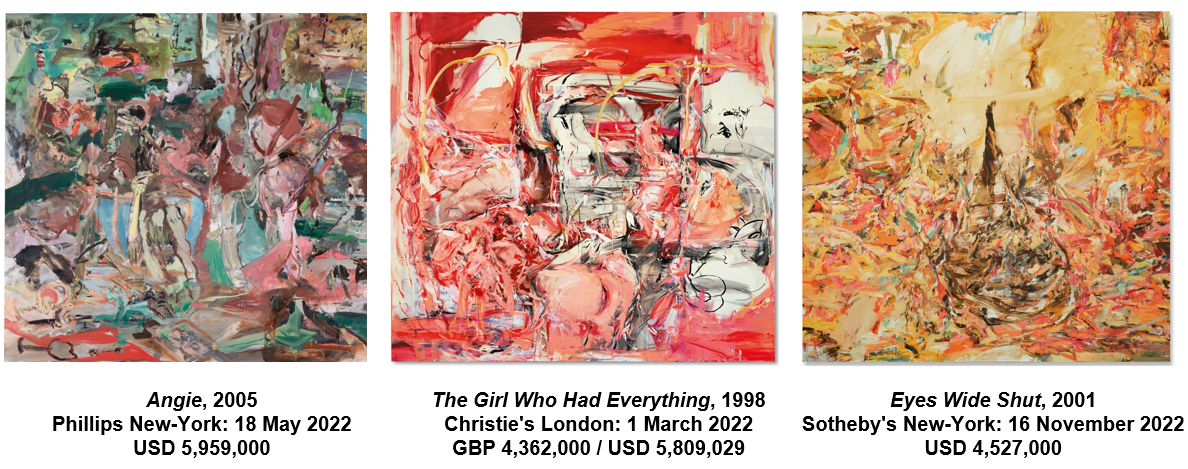
2 lots sold for more than USD 5 million, generating a cumulative turnover of USD 11,768,029, representing 36.6% of the total turnover for 2022. 9 lots sold for more than USD 1 million, generating a cumulative turnover of USD 30,034,295, representing 93.5% of the total turnover for 2022.
2021 Auction Highlights
14 lots sold at auction in 2021 for a total turnover of USD 35,007,542. With only 1 lot failing to sell, the sell-through rate is 93%. The average price is USD 2,500,839. The highest price was achieved at Sotheby’s in New-York on 18 November 2021 when Spree, a painting dated 1999, sold for USD 6,583,500.
2021 Top 3 Lots
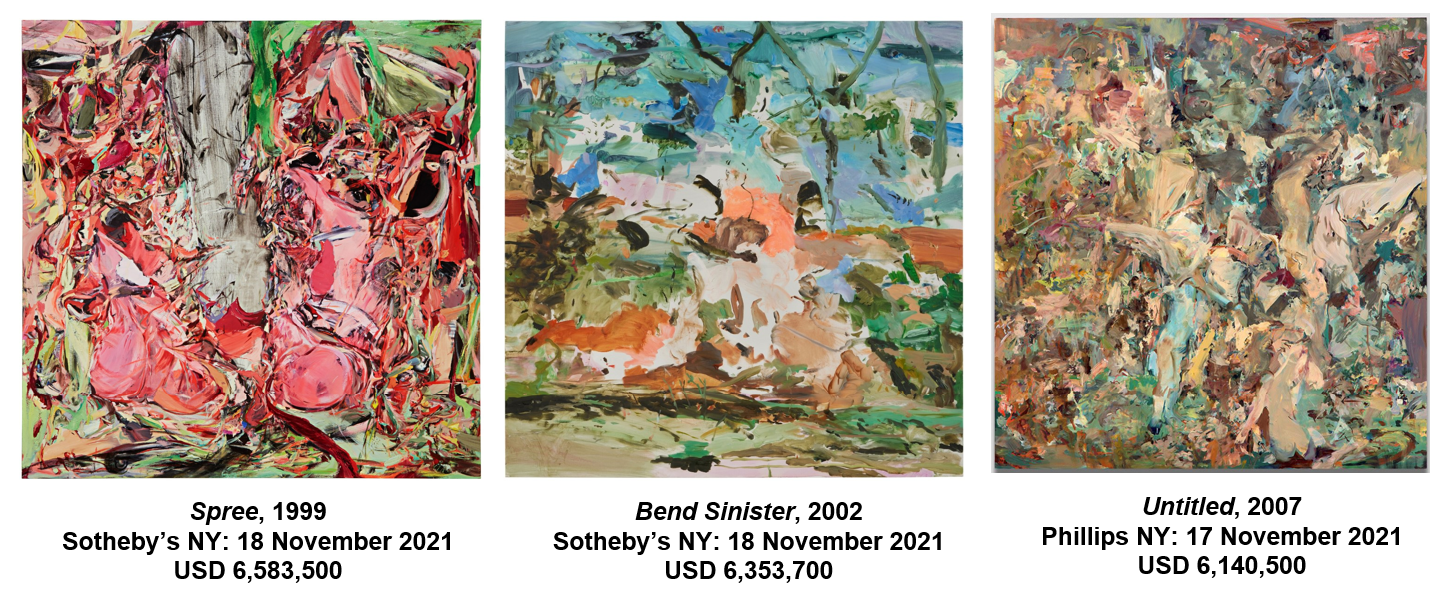
7 lots sold for more than USD 1 million, generating a cumulative turnover of USD 30,340,857, representing 86.7% of the total turnover for 2021.
Top Lots
#1. High Society, 1997-98
Property from a Prominent Private Collection
Sotheby’s New-York: 18 November 2025
Estimated: USD 4,o00,000 – 6,000,000
USD 9,810,000
NEW AUCTION RECORD FOR THE ARTIST
High Society | The Now & Contemporary Evening Auction | 2025 | Sotheby’s
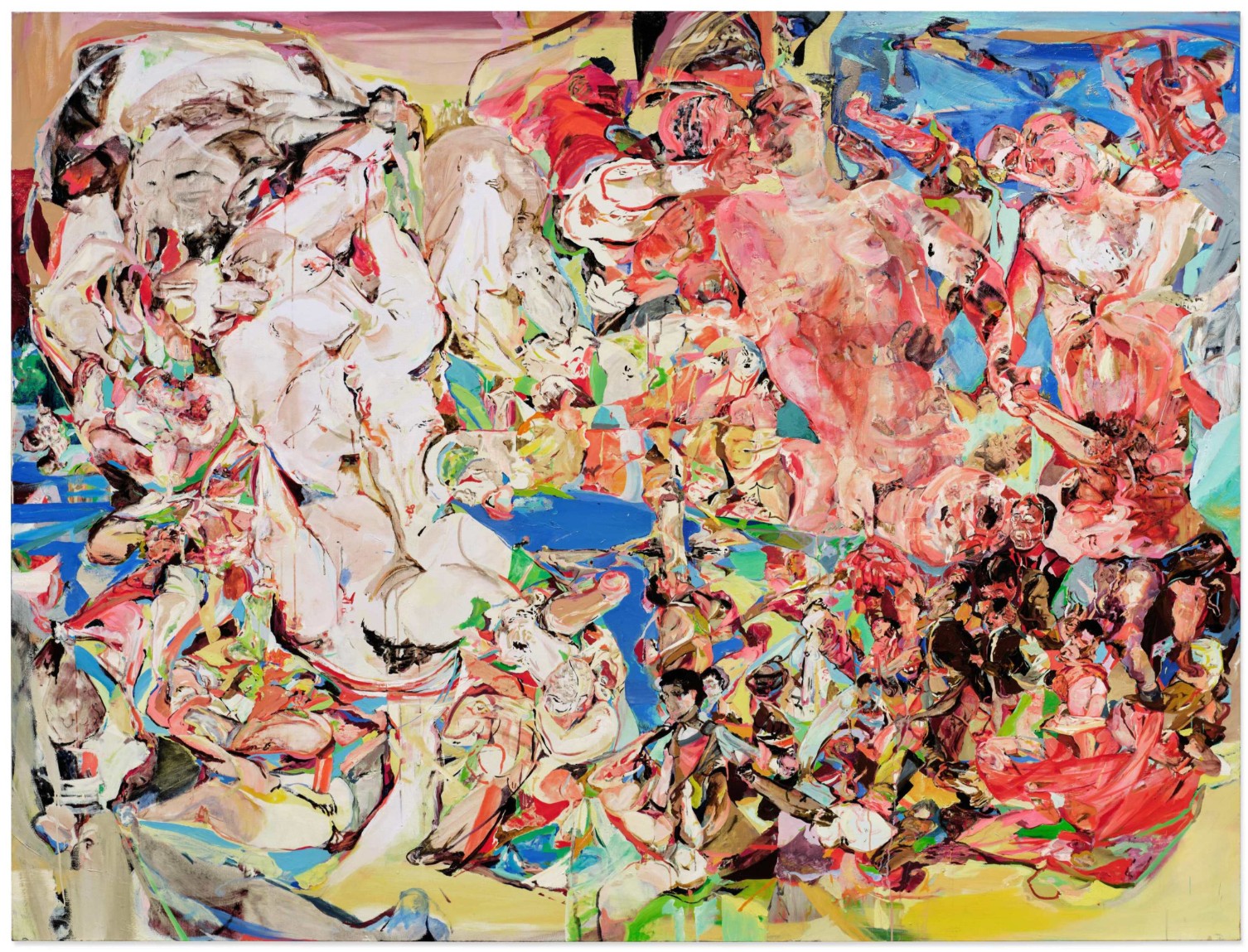
CECILY BROWN (b. 1969)
High Society, 1997-98
Oil on canvas
74 x 98 1/8 inches (188 x 249.2 cm)
Signed, titled and dated 97-98 (on the reverse)
Signed and dated ’97-98 (on the stretcher)
#2. Suddenly Last Summer, 1999
Sotheby’s New-York: 16 May 2018
Estimated: USD 1,800,000 – 2,500,000
USD 6,776,200
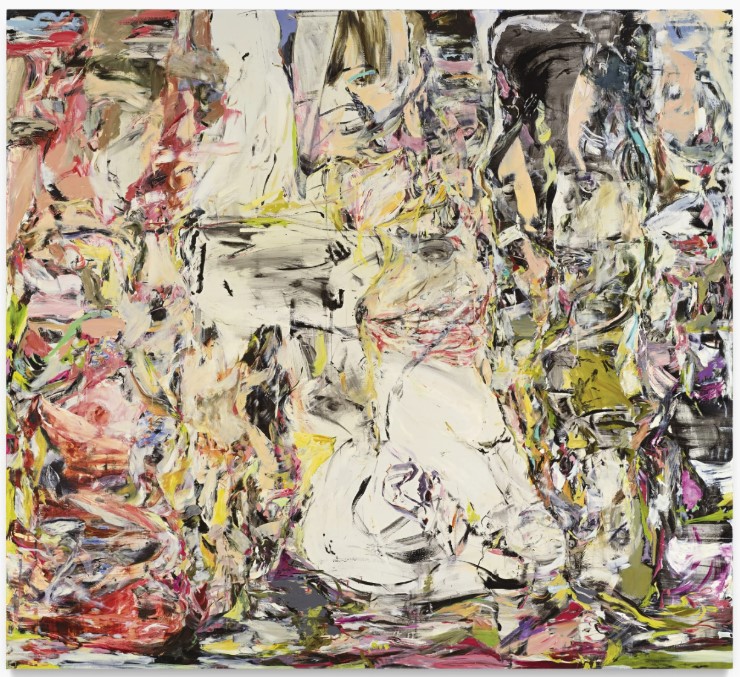
CECILY BROWN
Suddenly Last Summer, 1999
Oil on canvas
100 x 110.2 inches (254×280 cm)
Signed, titled and dated 1999 on the reverse
#3. Free Games for May, 2015
Sotheby’s New-York: 16 May 2023
Estimated: USD 5,000,000 – 7,000,000
USD 6,711,450
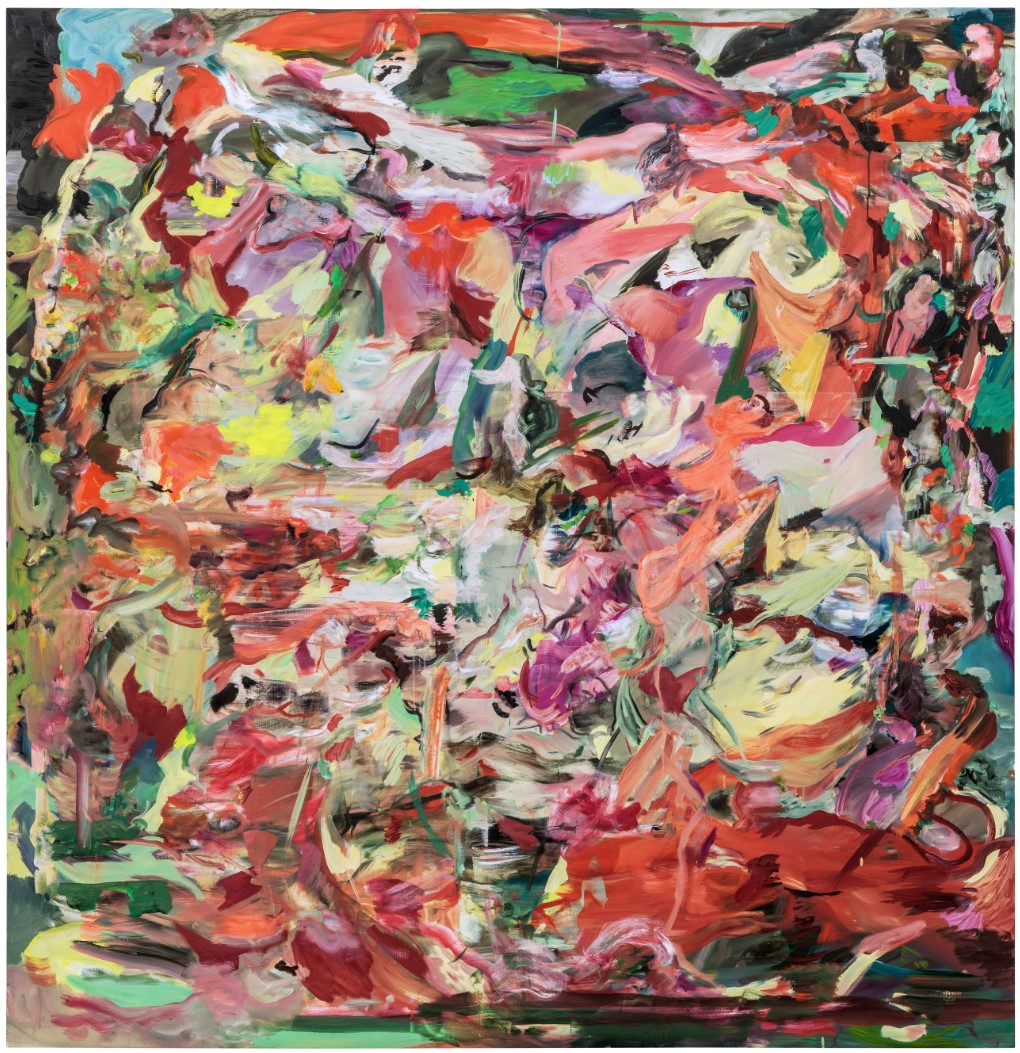
CECILY BROWN (b. 1969)
Free Games for May, 2015
Oil on linen
67×65 inches (170.2 x 165.1 cm)
Signed and dated 2015 (on the reverse)
#4. Untitled (The Beautiful and Damned), 2013
Christie’s New-York: 15 May 2023
Estimated: USD 5,000,000 – 7,000,000
USD 6,705,000
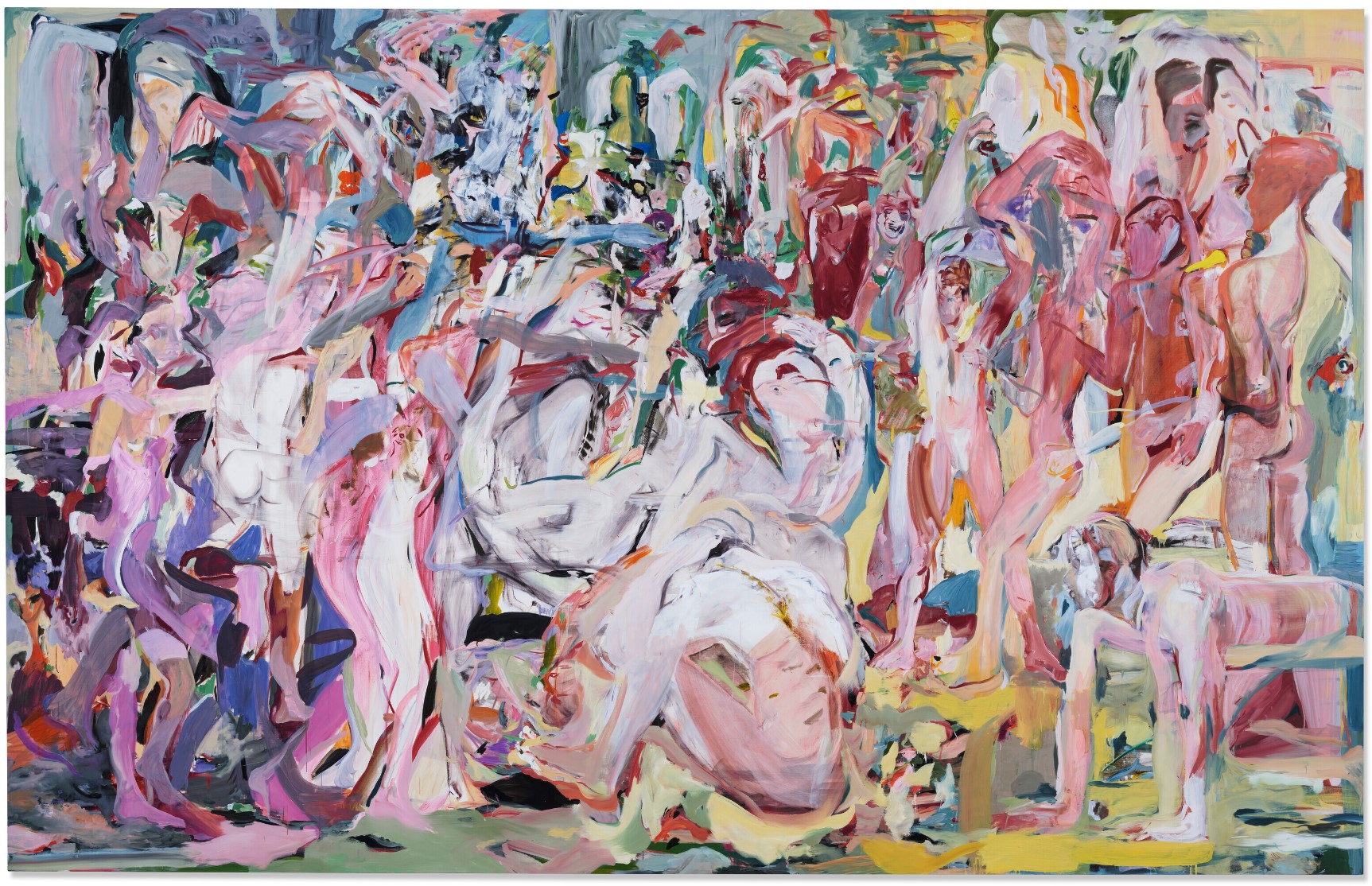
CECILY BROWN (B. 1969)
Untitled (The Beautiful and Damned), 2013
Oil on linen
109×171 inches (276.9 x 434.3 cm)
Signed and dated ‘Cecily Brown 2013’ (on the reverse)
#5. Spree, 1999
Sotheby’s New-York: 18 November 2021
Estimated: USD 3,000,000 – 4,000,000
USD 6,583,500
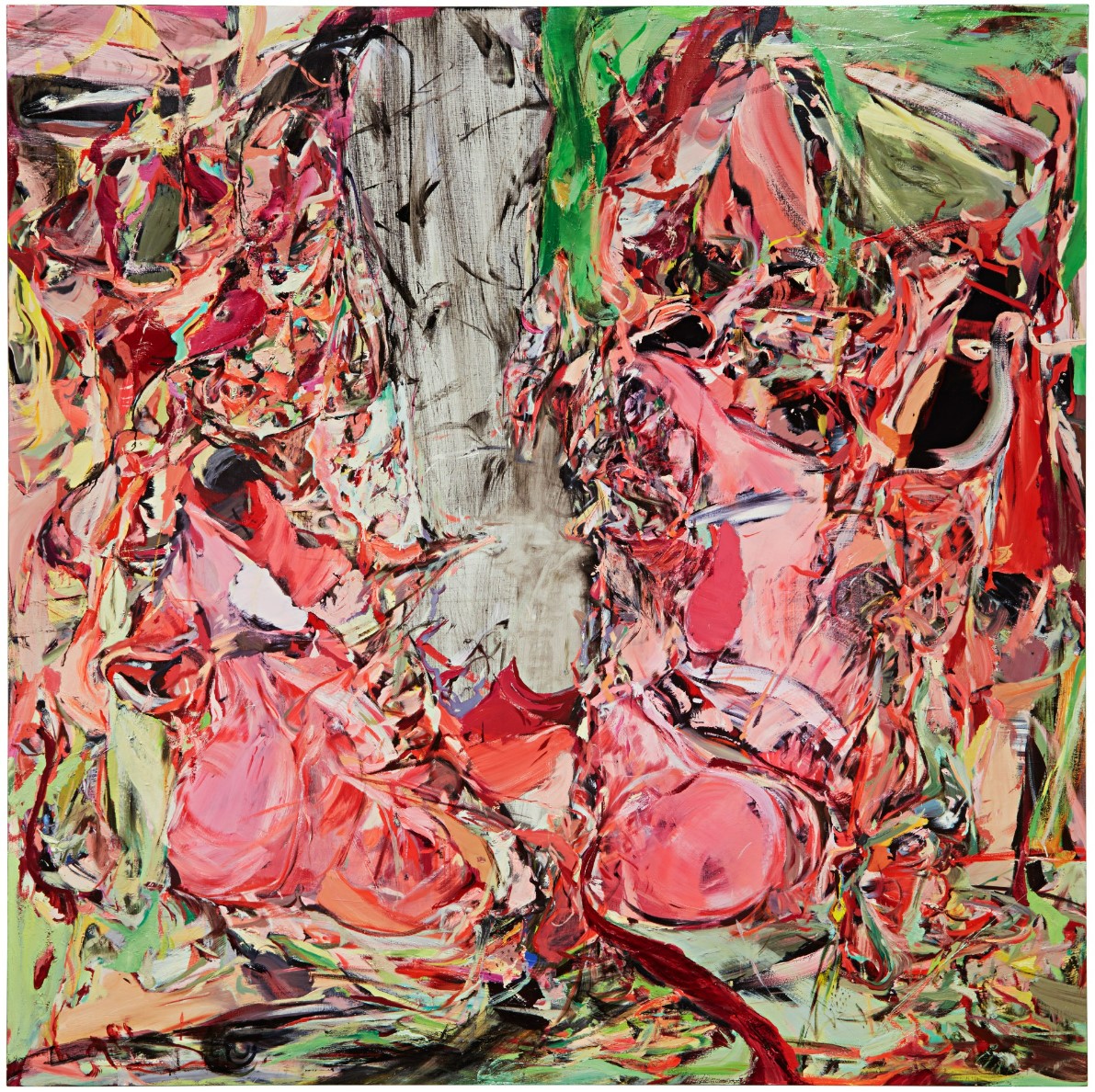
CECILY BROWN
Spree, 1999
Oil on canvas
75×75 inches (190.5 x 190.5 cm)
Signed Cecily Brown, titled and dated 1999 (on the reverse)
#6. Bend Sinister, 2002
Sotheby’s New-York: 18 November 2021
Estimated: USD 800,000 – 1,200,000
USD 6,353,700
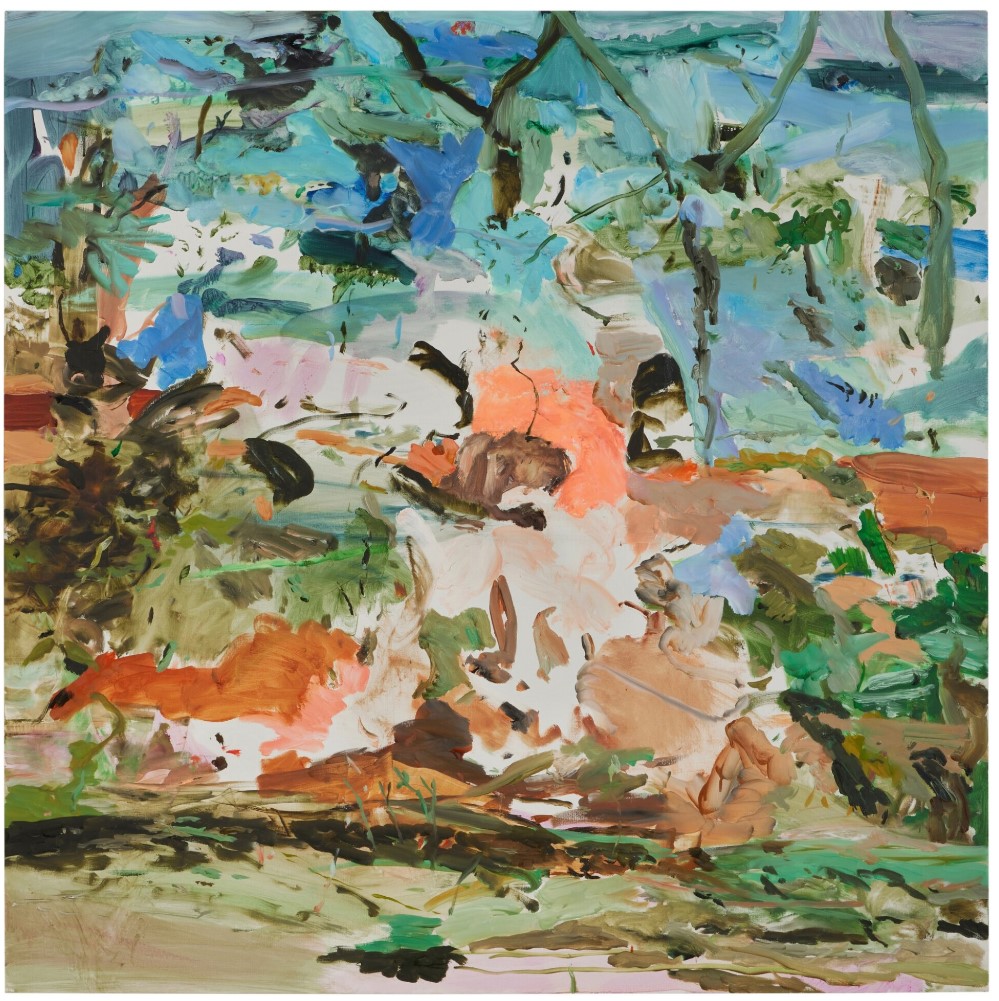
CECILY BROWN (b.1969)
Bend Sinister, 2002
Oil on canvas
48×48 inches (121.9 x 121.9 cm)
Signed Cecily Brown (on the reverse)
Signed Cecily Brown and dated 2002 (on the stretcher)
Bedtime Story, 1999
Christie’s New-York: 14 May 2025
Estimated: USD 4,000,000 – 6,000,000
USD 6,221,000
READ MORE IN FOCUS SECTION
CECILY BROWN (B. 1969), Bedtime Story | Christie’s
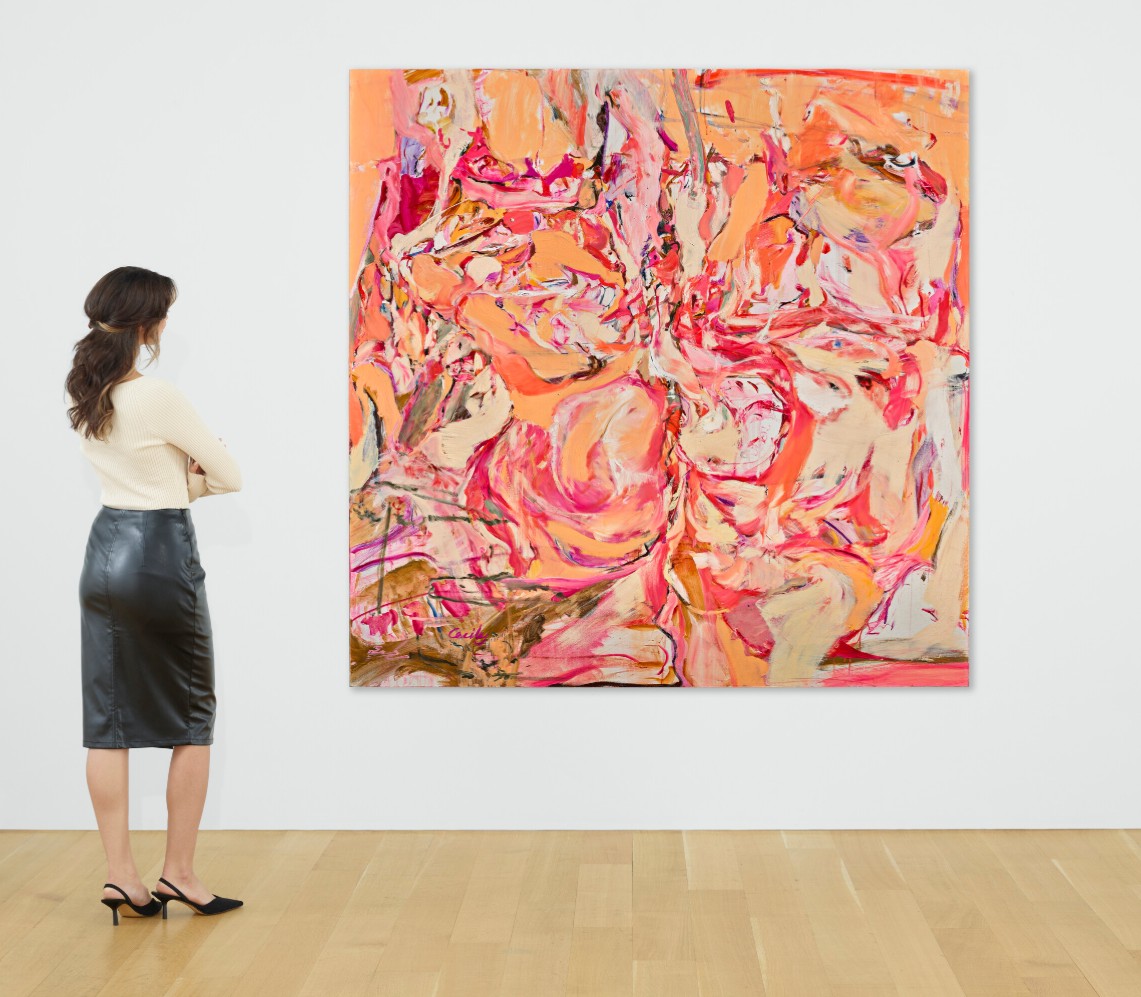
CECILY BROWN (B. 1969)
Bedtime Story, 1999
Oil on linen
75 1/4 x 75 1/4 inches (191.1 x 191.1 cm)
Signed ‘Cecily’ (lower left)
Signed and dated ‘Cecily Brown 1999’ (on the reverse)
PART II: AUCTION RESULTS
2026 Auction Results
PRELIMINARY AUCTION RESULTS
As of 30 June 2026
#1. Bedlam Vacation, 2005
Christie’s New-York: 20 May 2026
Estimated: USD 5,000,000 – 7,000,000
USD 5,931,000
CECILY BROWN (B. 1969), Bedlam Vacation | Christie’s
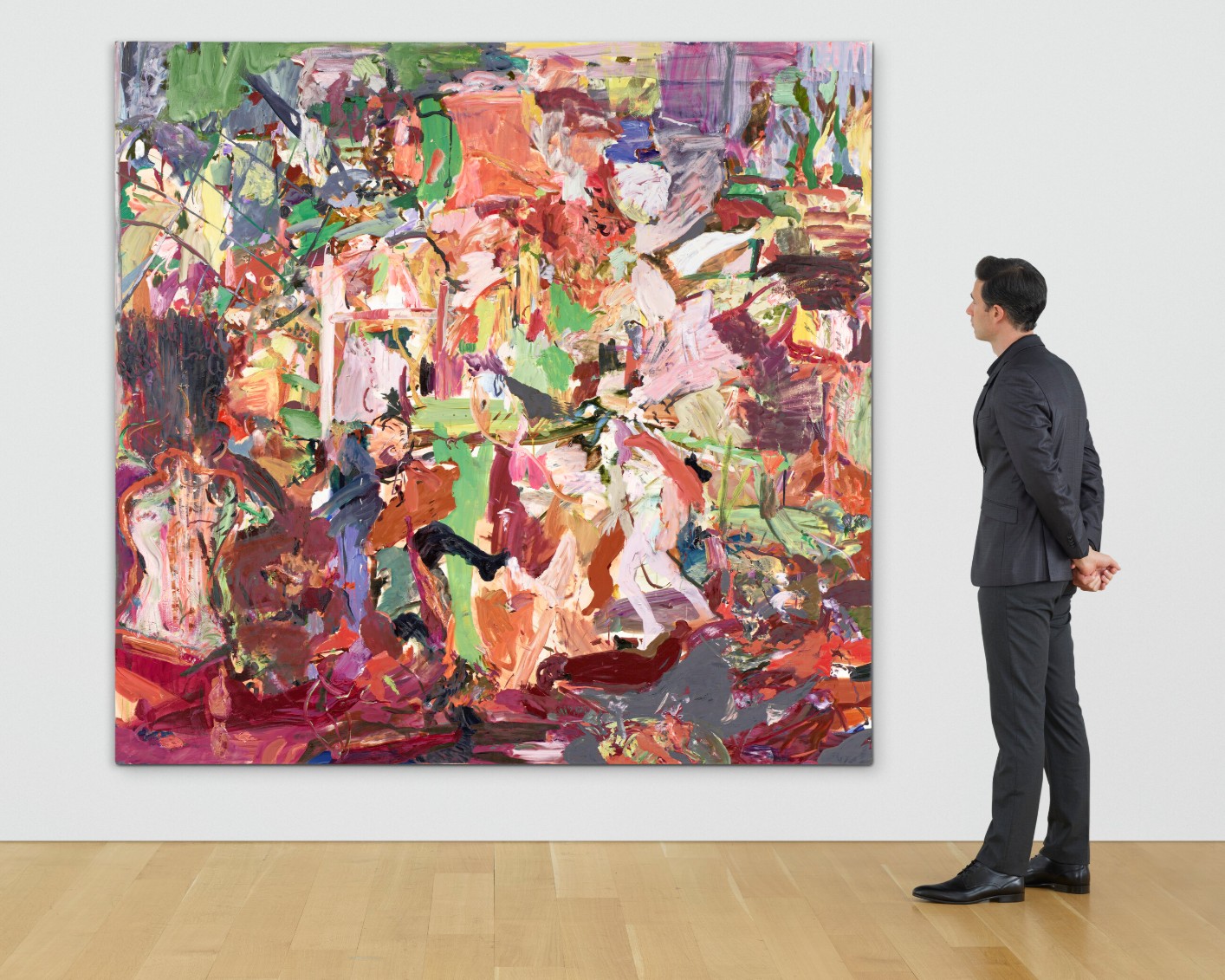
CECILY BROWN (B. 1969)
Bedlam Vacation, 2005
Oil on linen
85×89 inches (215.9 x 226 cm)
Signed and dated ‘Cecily Brown 2005’ (on the reverse)
#2. The Haunter, 2010
Christie’s London: 25 June 2026
Estimated: GBP 2,200,000 – 2,800,000
GBP 2,795,000 / USD 3,693,585
CECILY BROWN (B. 1969), The Haunter | Christie’s
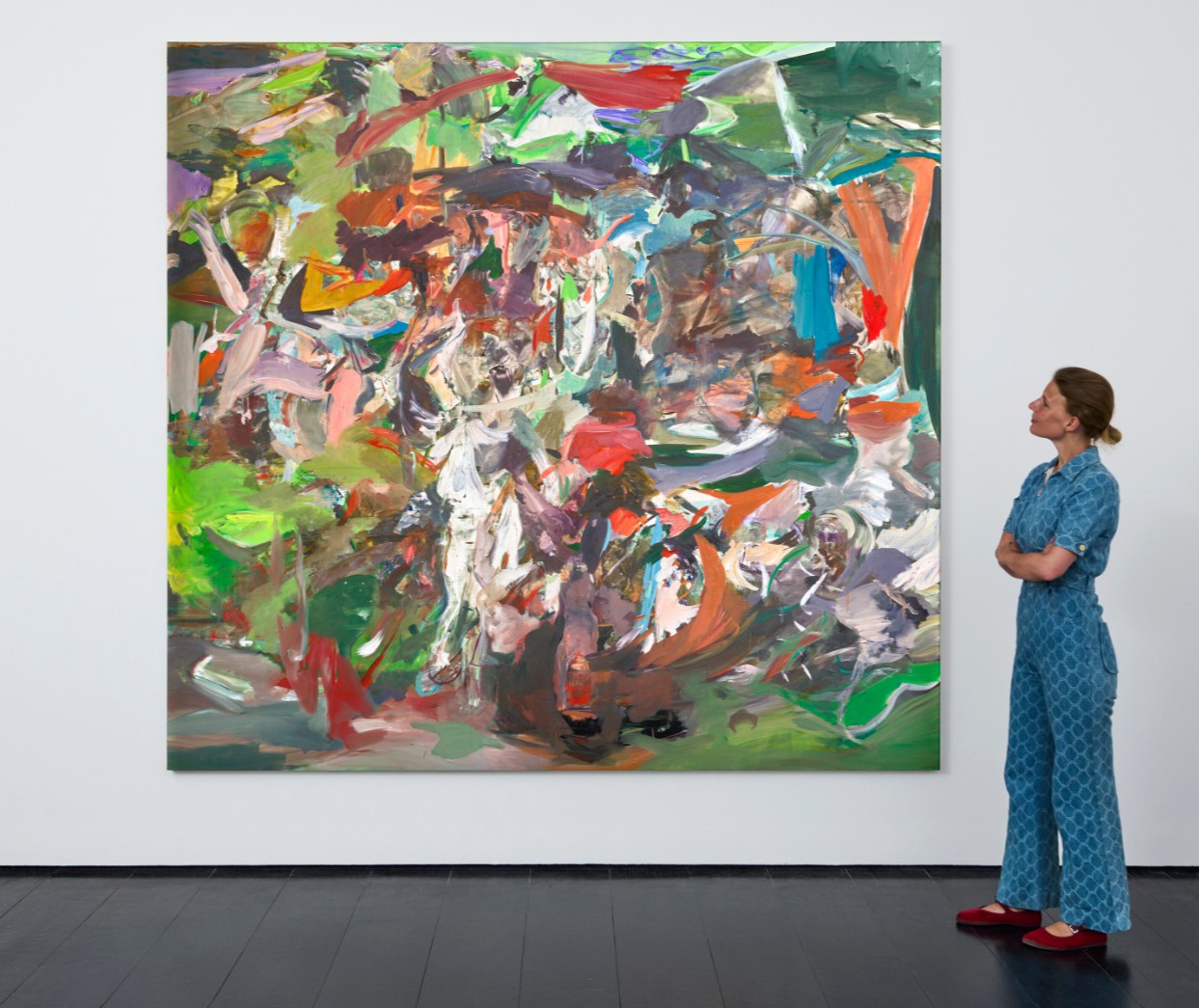
CECILY BROWN (B. 1969)
The Haunter, 2010
Oil on linen
97 x 103-1/8 inches (246.4 x 261.9 cm)
Signed and dated ‘Cecily Brown 2010’ (on the reverse)
#3. Mean Eyed Cat, 2012
PROPERTY FROM AN IMPORTANT PRIVATE EUROPEAN COLLECTION
Christie’s London: 7 March 2026
Estimated: GBP 600,000 – 800,000
GBP 1,016,000 / USD 1,357,275
CECILY BROWN (B. 1969), Mean Eyed Cat | Christie’s
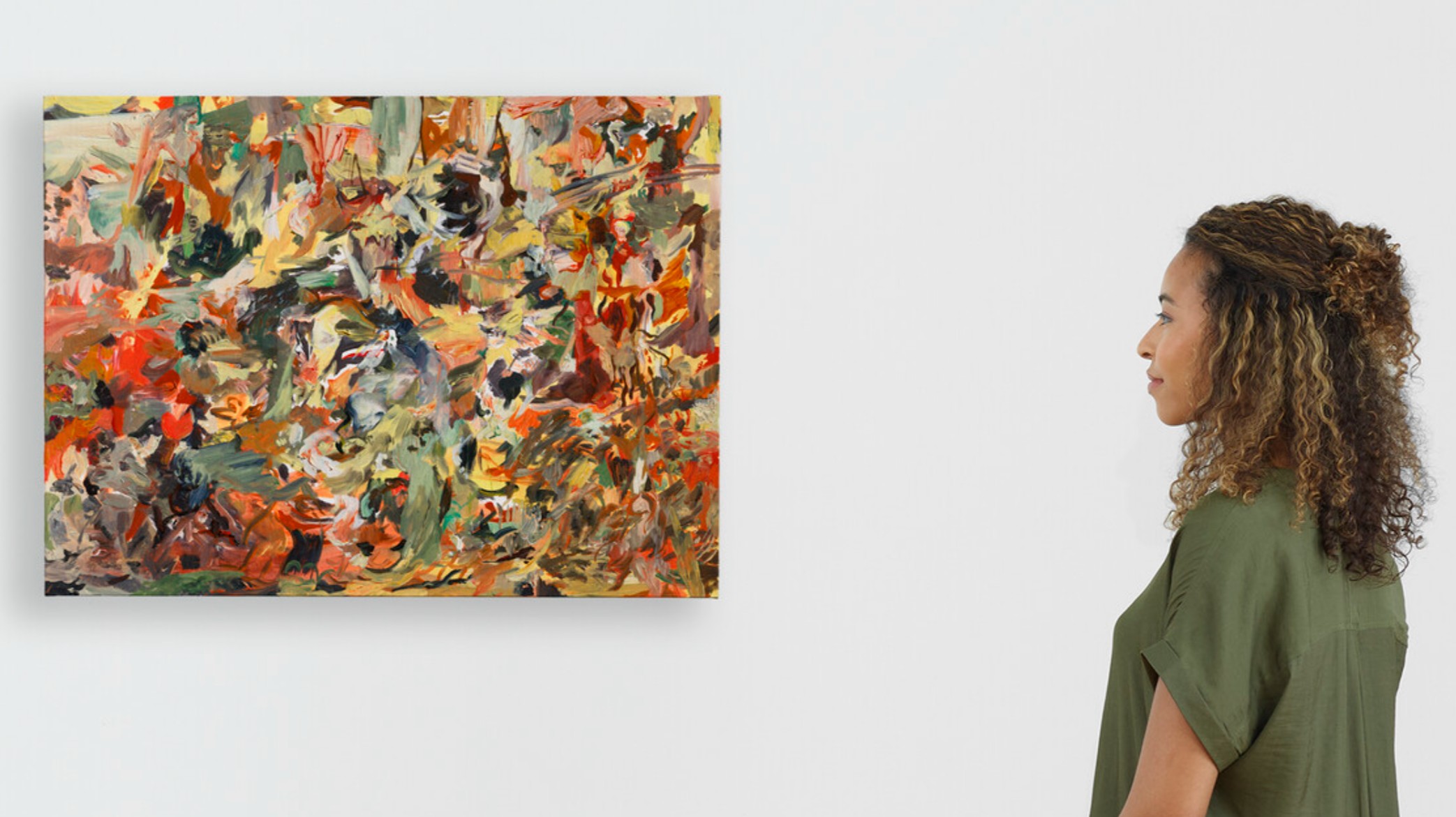
CECILY BROWN (B. 1969)
Mean Eyed Cat, 2012
Oil on linen
22-7/8 x 31-1/8 inches (58×79 cm)
Signed and dated ‘Cecily Brown 2012’ (on the reverse)
USD 1 million
#4. Untitled, 2019
Phillips New-York: 19 May 2026
Estimated: USD 300,000 – 500,000
USD 670,800
WORK ON PAPER
Cecily Brown Modern & Contemporary Art Evening Sale
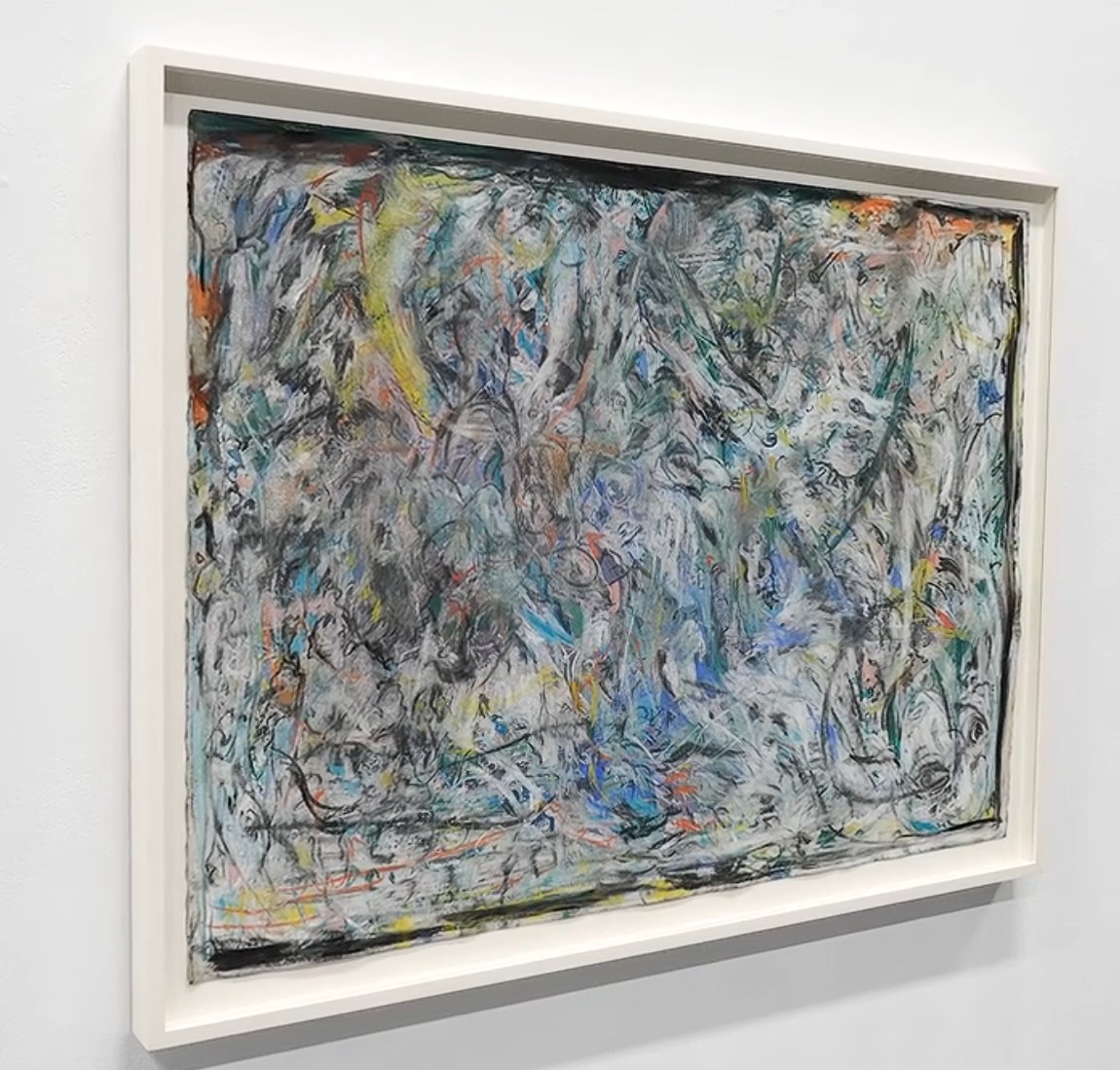
CECILY BROWN
Untitled, 2019
Pastel and ink on paper
34-7/8 x 47 inches (88.6 x 119.4 cm)
Signed and dated “Cecily Brown 2019” on the reverse
Lots Withdrawn
Shadow Burn, 2005-2006
PROPERTY FROM AN IMPORTANT PRIVATE EUROPEAN COLLECTION
Christie’s London: 5 March 2026
Estimated: GBP 3,000,000 – 5,000,000
WITHDRAWN
CECILY BROWN (B. 1969), Shadow Burn | Christie’s
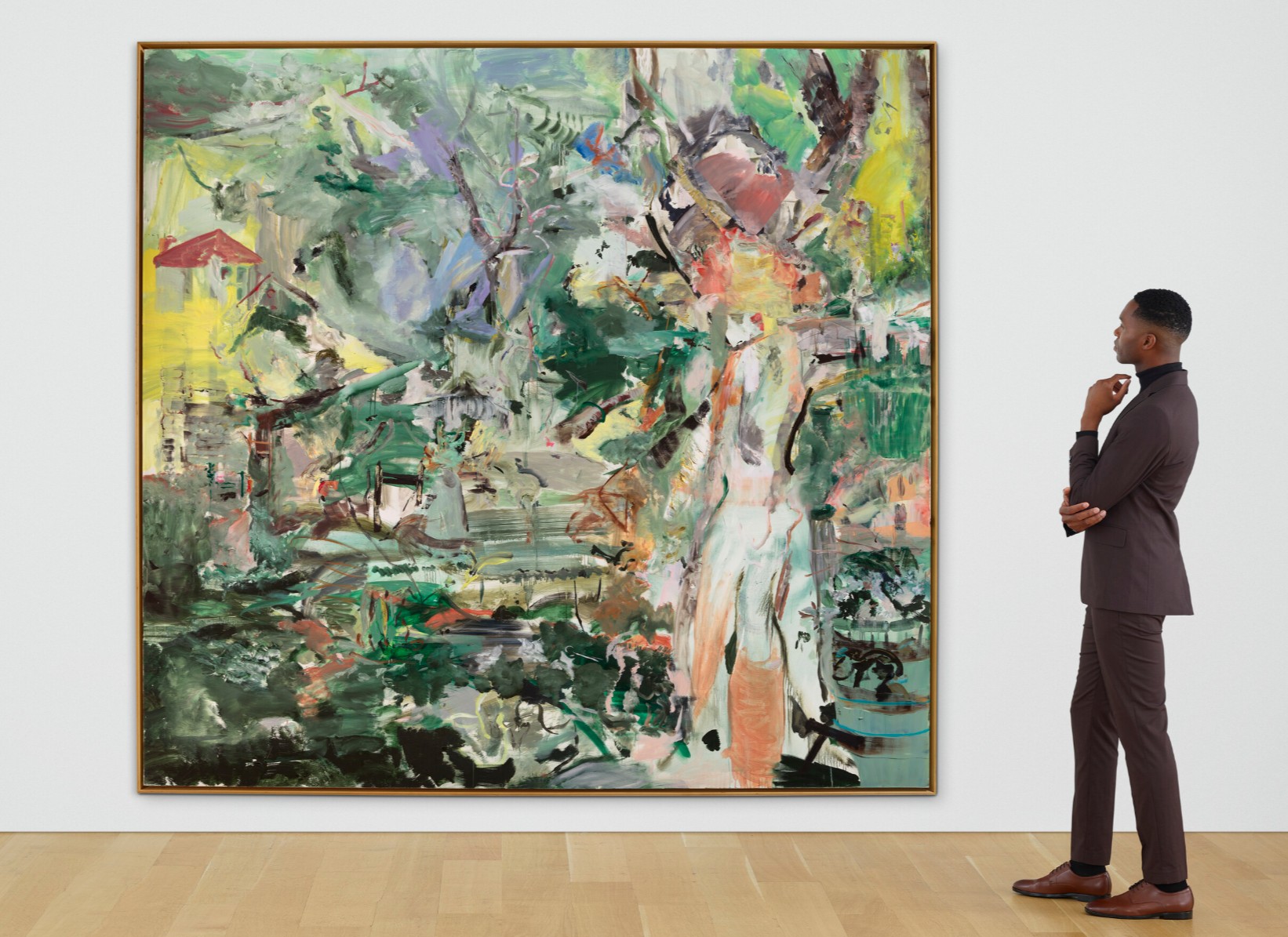
CECILY BROWN (B. 1969)
Shadow Burn, 2005-2006
Oil on linen
97×103 inches (246.2 x 261.7 cm)
Signed twice and dated twice ‘Cecily Brown 2005-2006 Cecily Brown 2005’ (on the reverse)
2025 Auction Results
10 lots sold at auction in 2025 for a total turnover of USD 17,666,602. With 2 lots failing to sell, the sell-through rate is 83%. However, on lot was withdrawn at Christie’s in London, on 26 June 2025. The highest price for 2025 was achieved by High Society, a painting dated 1997-98, that sold at Sotheby’s in New-York for USD 9,810,000, setting a new auction record for the artist.
2025 Top 3 Lots
3 lots sold for more than USD 1 million, generating a cumulative turnover of USD 17,191,200, representing 97.3% of the total turnover so far in 2025.
#1. High Society, 1997-98
Property from a Prominent Private Collection
Sotheby’s New-York: 18 November 2025
Estimated: USD 4,o00,000 – 6,000,000
USD 9,810,000
NEW AUCTION RECORD FOR CECILY BROWN
READ MORE IN FOCUS SECTION
High Society | The Now & Contemporary Evening Auction | 2025 | Sotheby’s
CECILY BROWN (b. 1969)
High Society, 1997-98
Oil on canvas
74 x 98 1/8 inches (188 x 249.2 cm)
Signed, titled and dated 97-98 (on the reverse)
Signed and dated ’97-98 (on the stretcher)
#2. Bedtime Story, 1999
Christie’s New-York: 14 May 2025
Estimated: USD 4,000,000 – 6,000,000
USD 6,221,000
READ MORE IN FOCUS SECTION
CECILY BROWN (B. 1969), Bedtime Story | Christie’s
CECILY BROWN (B. 1969)
Bedtime Story, 1999
Oil on linen
75 1/4 x 75 1/4 inches (191.1 x 191.1 cm)
Signed ‘Cecily’ (lower left)
Signed and dated ‘Cecily Brown 1999’ (on the reverse)
#3. Things Could Be Different, But They’re Not, 2007
Christie’s London: 5 March 2025
Estimated: GBP 750,000 – 1,000,000
GBP 907,200 / USD 1,160,200
CECILY BROWN (B. 1969), Things Could Be Different, But They’re Not | Christie’s
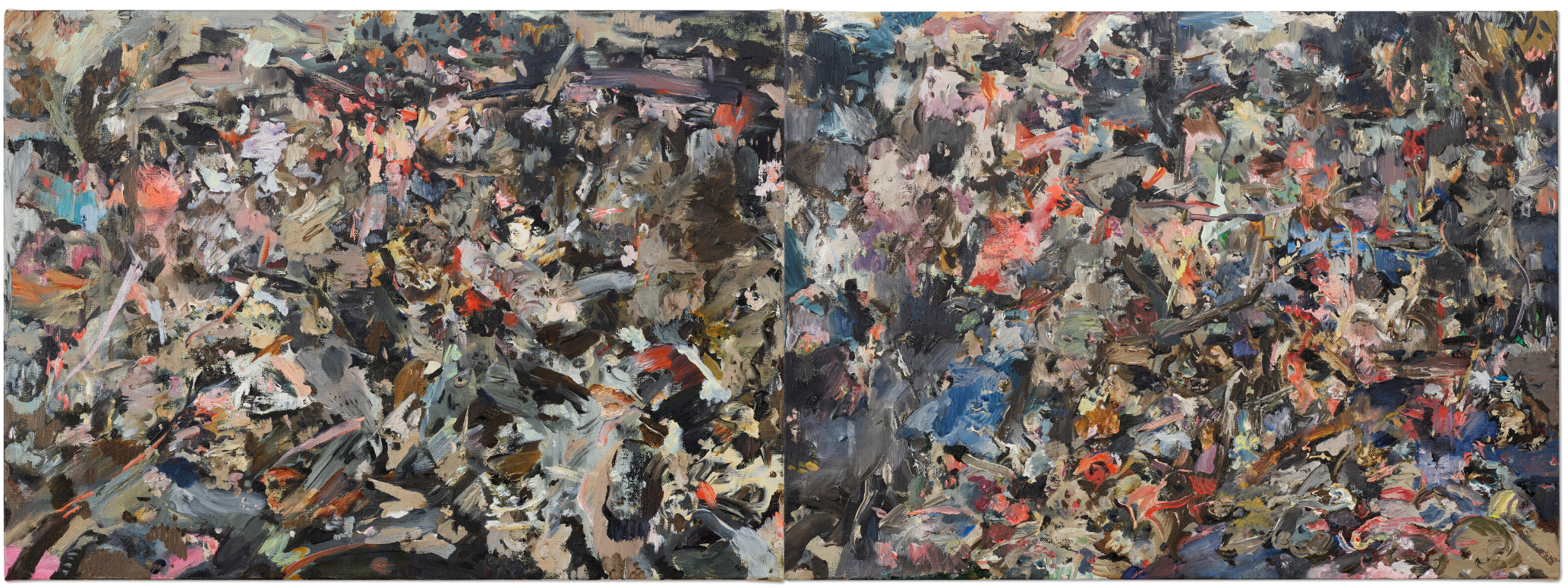
CECILY BROWN (B. 1969)
Things Could Be Different, But They’re Not, 2007
Oil on linen, in two parts
Each: 12 5/8 x 17 inches (32.1 x 43.2 cm)
i) numbered ‘1 of 2’ (on the reverse)
ii) signed, inscribed and dated ‘2 of 2 Cecily Brown 2007’ (on the reverse)
USD 1 million
#4. Two Palms Press, 2002
Phillips London: 7 March 2025
Estimated: GBP 35,000 – 45,000
GBP 120,650 / USD 155,500
WORK ON PAPER
Cecily Brown – Modern & Contemporary … Lot 107 March 2025 | Phillips
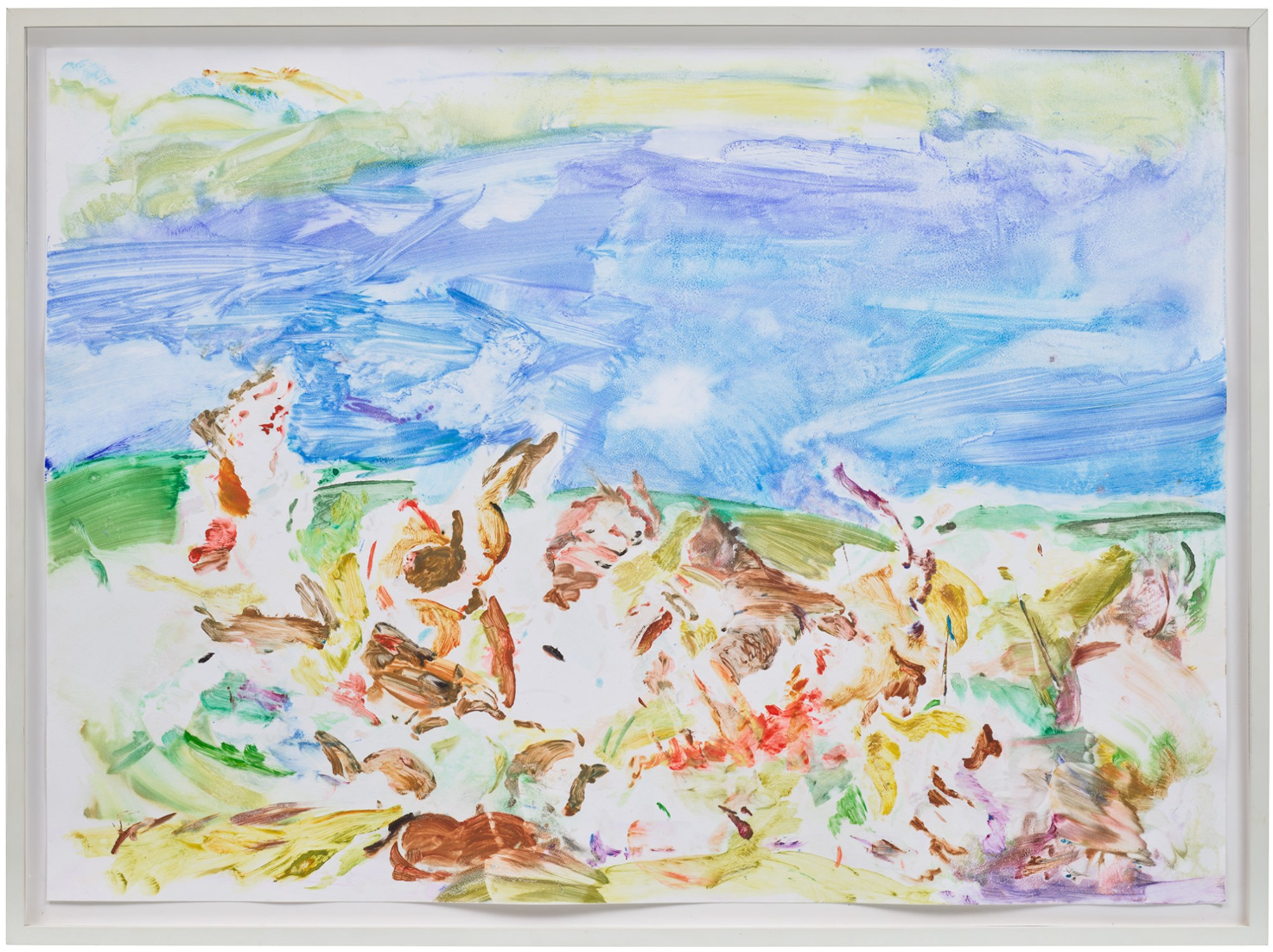
CECILY BROWN
Untitled, 2002
Watercolor and monotype on paper
33 5/8 x 46 1/2 inches (85.5 x 118 cm)
Signed, inscribed and dated ‘Cecily Brown 2002 TWO PALMS PRESS, INC NY NY’ on the reverse
#5. Picture This 3, 2020
Phillips New-York: 14 May 2025
Estimated: USD 100,000 – 150,000
USD 133,350
WORK ON PAPER
Cecily Brown Modern & Contemporary Art Day Sale, Afternoon Session
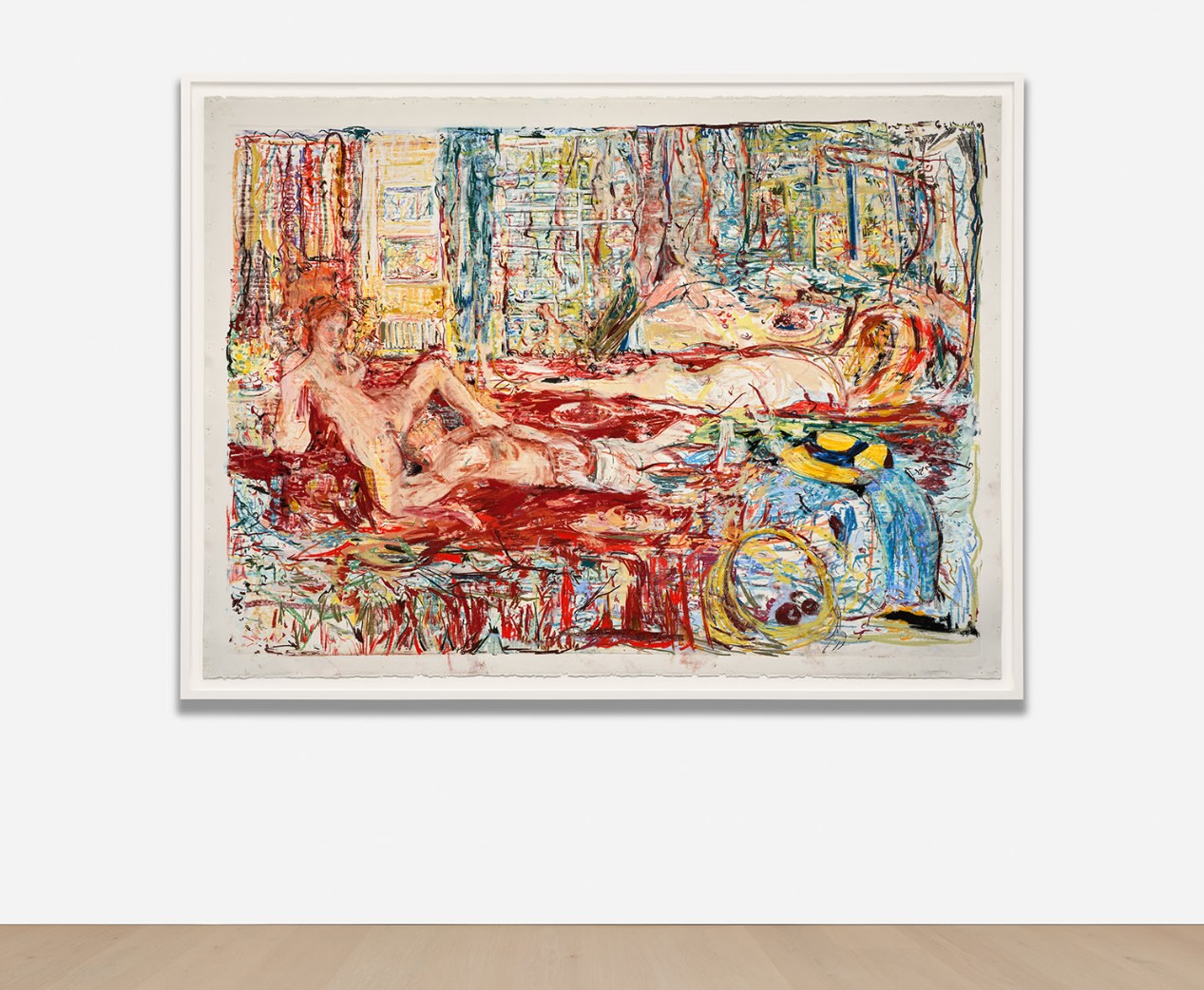
USD 100,000
#6. Untitled, 2004
Christie’s London: 6 March 2025
Estimated: GBP 60,000 – 80,000
GBP 56,700 / USD 72,615
WORK ON PAPER
CECILY BROWN (B. 1969), Untitled | Christie’s
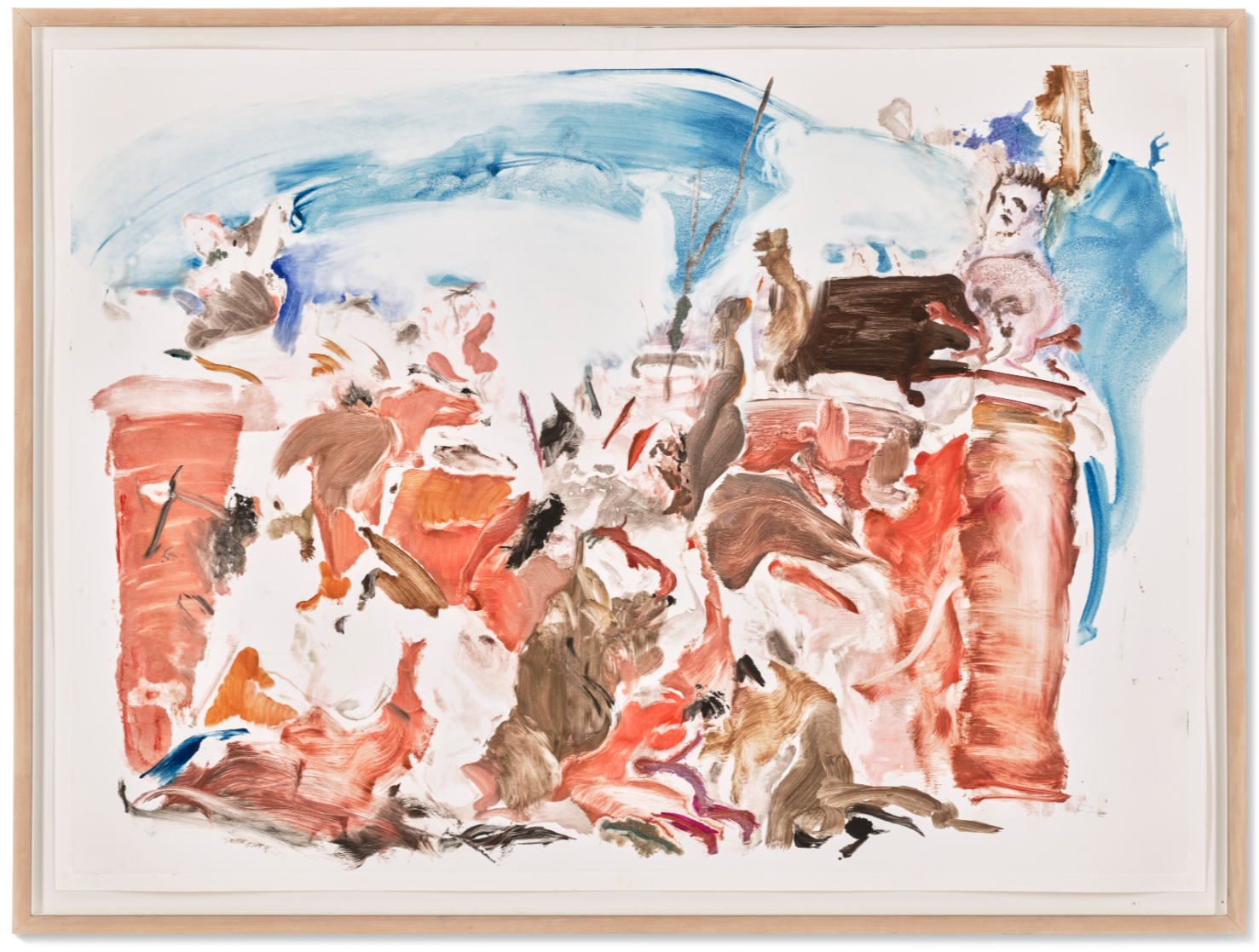
CECILY BROWN (B. 1969)
Untitled, 2004
Monotype on paper
35 1/4 x 48 1/4 inches (89.6 x 122.7 cm)
Signed and dated ‘Cecily Brown 04’ (on the reverse)
#7. Untitled, 2006
Sotheby’s London: 17 October 2025
Estimated: GBP 30,000 – 40,000
GBP 50,800 / USD 68,295
Untitled | Contemporary Day Auction | 2025 | Sotheby’s
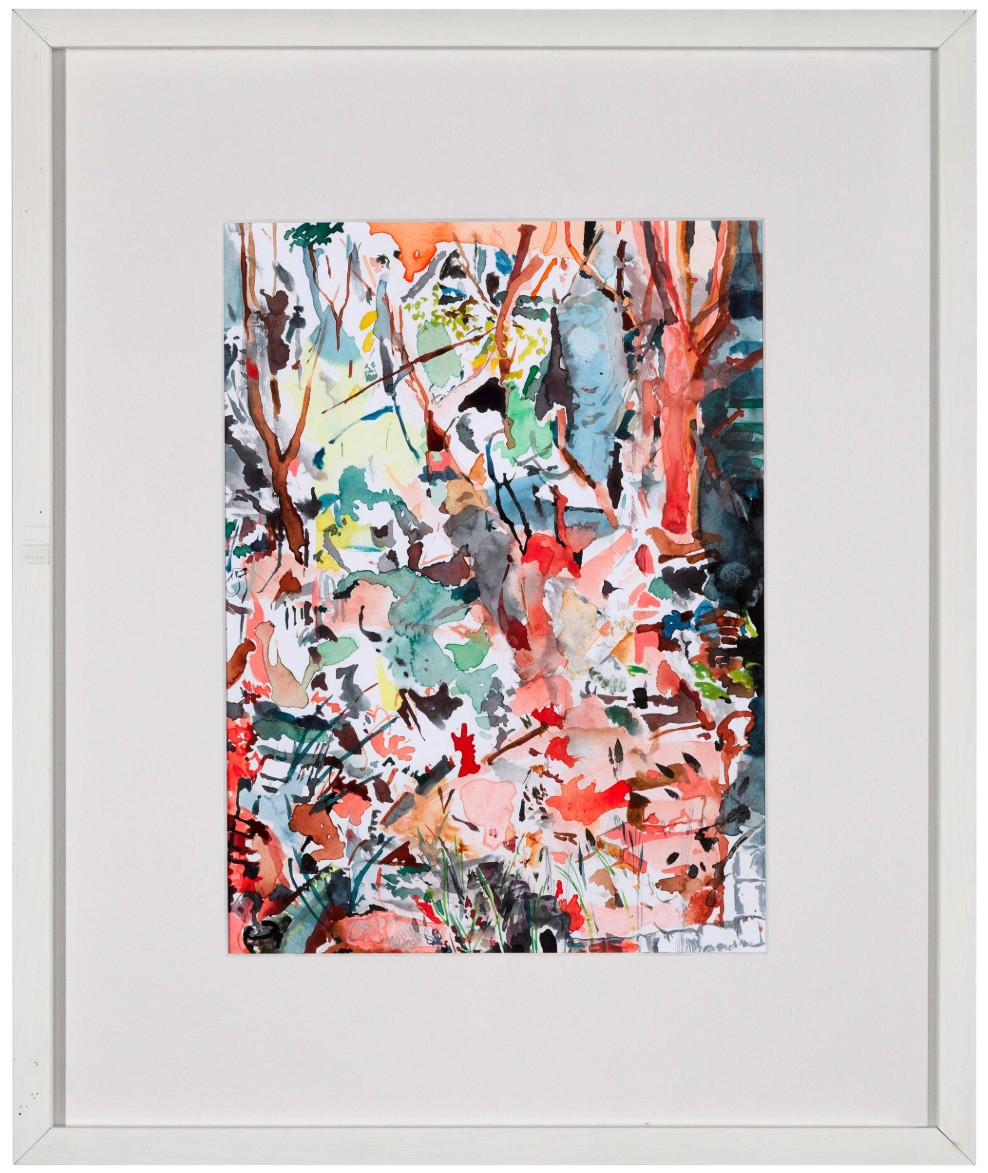
CECILY BROWN (b. 1969)
Untitled, 2006
Watercolor on card
12 1/4 x 9 inches (31×23 cm)
Signed, dated 2006, and dedicated to Michael love + thanks Cecily (on the verso)
#8. Untitled, 1991
Christie’s London: 22 October 2025
Estimated: GBP 12,000 – 18,000
GBP 15,240 / USD 20,370
CECILY BROWN (B. 1969), Untitled | Christie’s
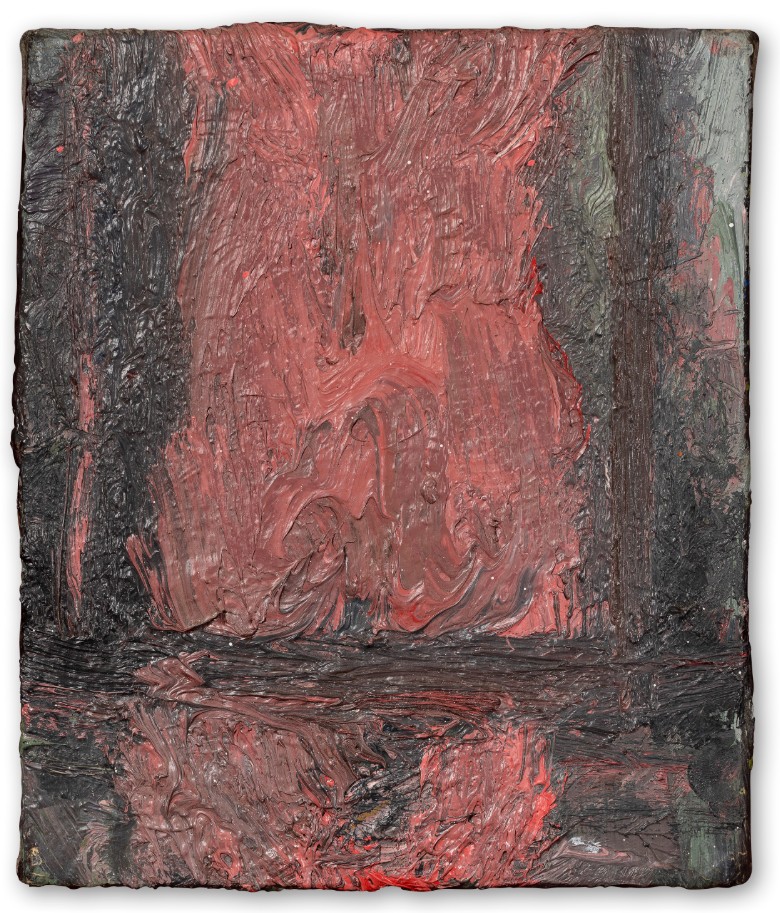
CECILY BROWN (B. 1969)
Untitled, 1991
Oil on canvas
6 7/8 x 5 7/8 inches (17.6 x 15 cm)
Signed and dated ‘Cecily Brown April 91’ (on the reverse)
#9. Untitled #8, 1998
Christie’s London: 22 October 2025
Estimated: GBP 7,000 – 10,000
GBP 15,240 / USD 20,370
CECILY BROWN (B. 1969), Untitled #8 | Christie’s
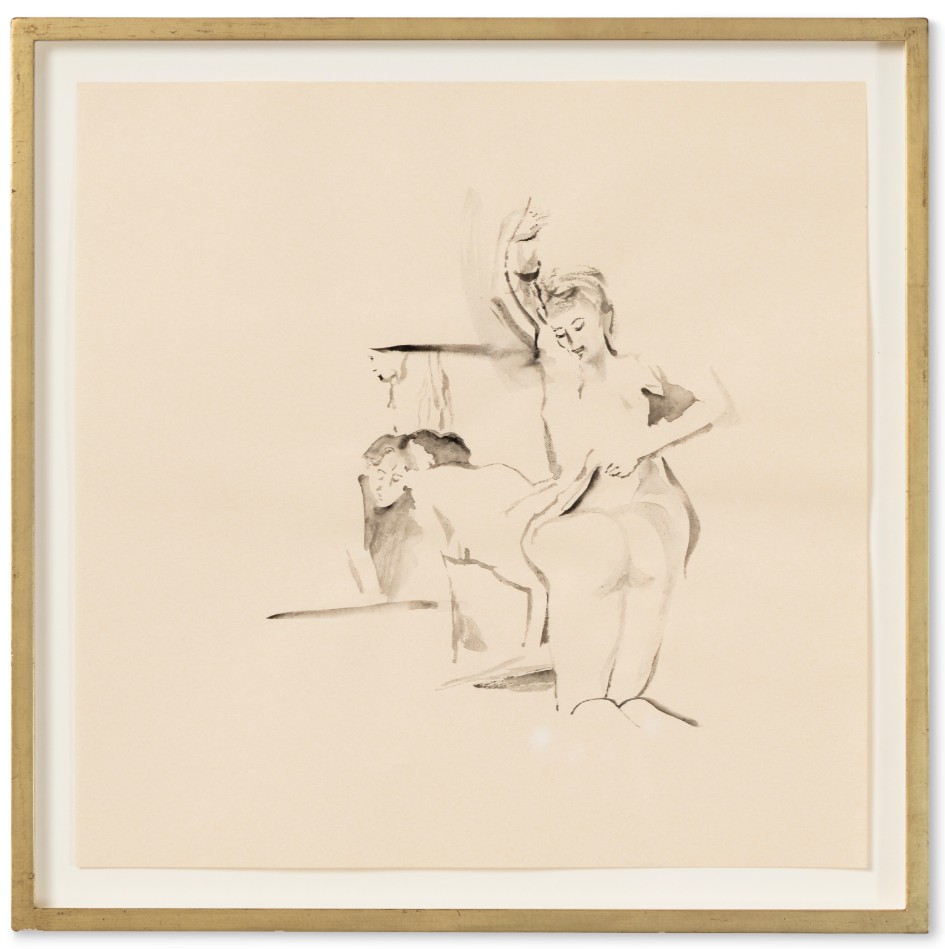
CECILY BROWN (B. 1969)
Untitled #8, 1998
Watercolor on paper
12 1/2 x 12 1/2 inches (31.8 x 31.8 cm)
Signed, numbered and dated ‘Cecily Brown ’98 #8’ (on the reverse)
#10. Film Stills #27, from Cunning Stunts, 1997
Phillips New-York: 22 October 2025
Estimated: USD 2,500 – 3,500
USD 4,902
WORK ON PAPER
Cecily Brown Editions & Works on Paper
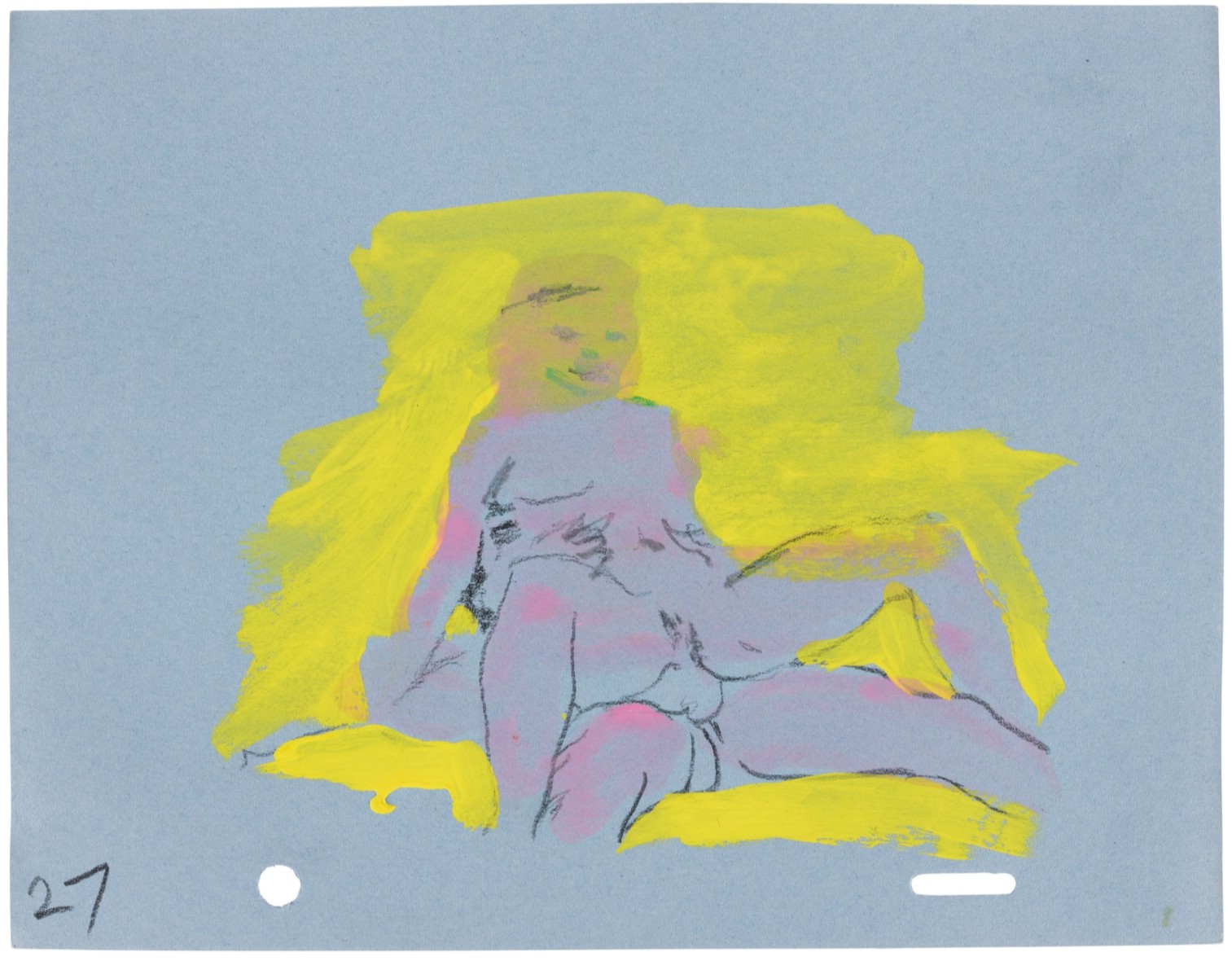
Unique watercolor, crayon and pencil drawing, on blue wove paper with cut-outs
5 1/2 x 7 1/8 inches (14 x 18.1 cm)
Signed with initials and dated in black ink on the reverse
Additionally numbered ’27’ in pencil on the front
Lots Passed
It’s not yesterday anymore, 2022
Property from a Prominent European Collection
Christie’s New-York: 19 November 2025
Estimated: USD 4,000,000 – 6,000,000
PASSED
CECILY BROWN (B. 1969), It’s not yesterday anymore | Christie’s
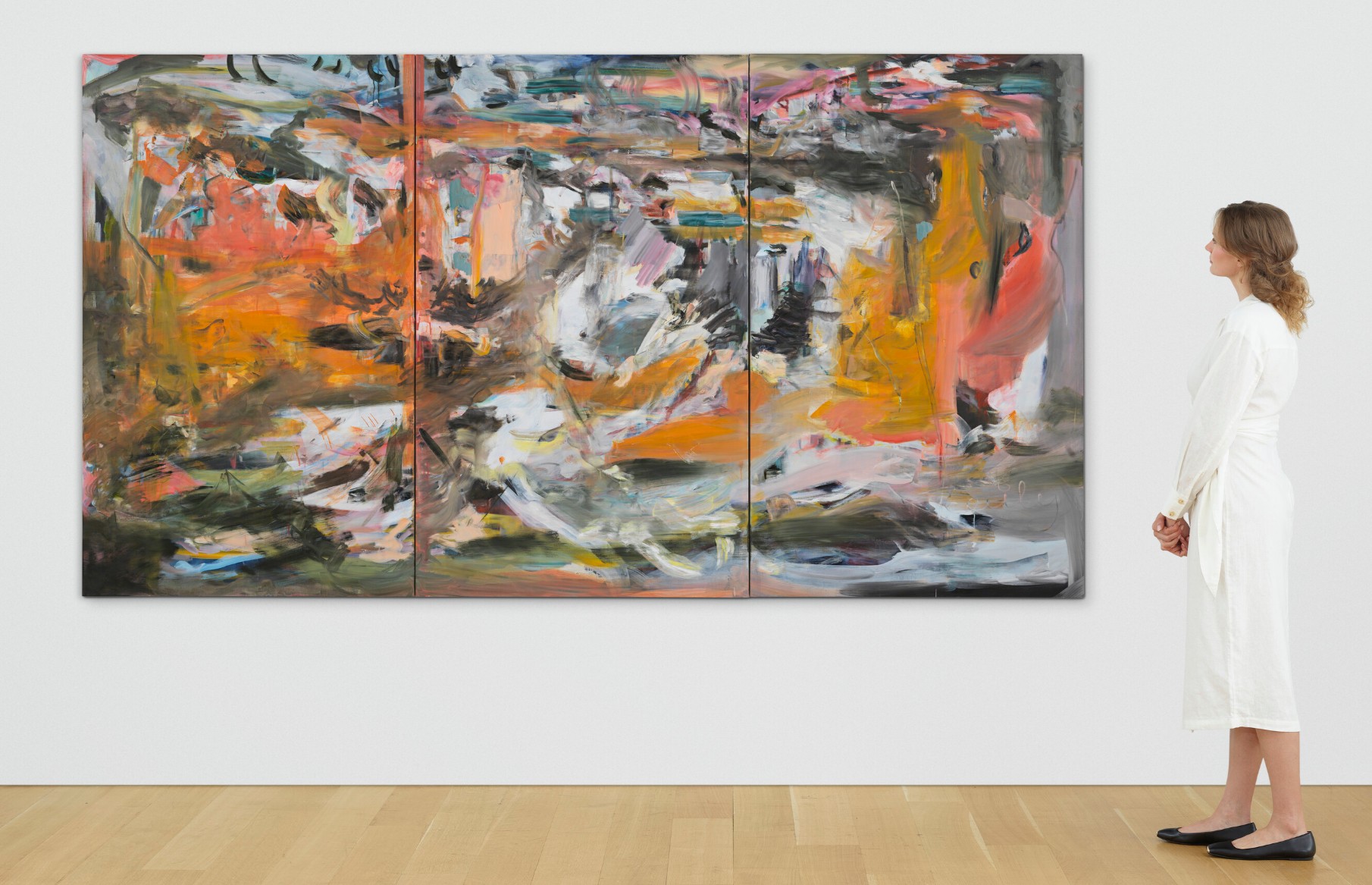
CECILY BROWN (B. 1969)
It’s not yesterday anymore, 2022
Oil on linen, in three parts
Overall: 67×123 inches (170.2 x 312.4 cm)
Signed ‘Cecily’ (lower right)
Signed and dated ‘Cecily Brown 2022’ (on the reverse)
Burkini Kill, 2016
Sotheby’s New-York: 16 May 2025
Estimated: USD 1,800,000 – 2,500,000
PASSED
Burkini Kill | The Now and Contemporary Evening Auction | 2025 | Sotheby’s
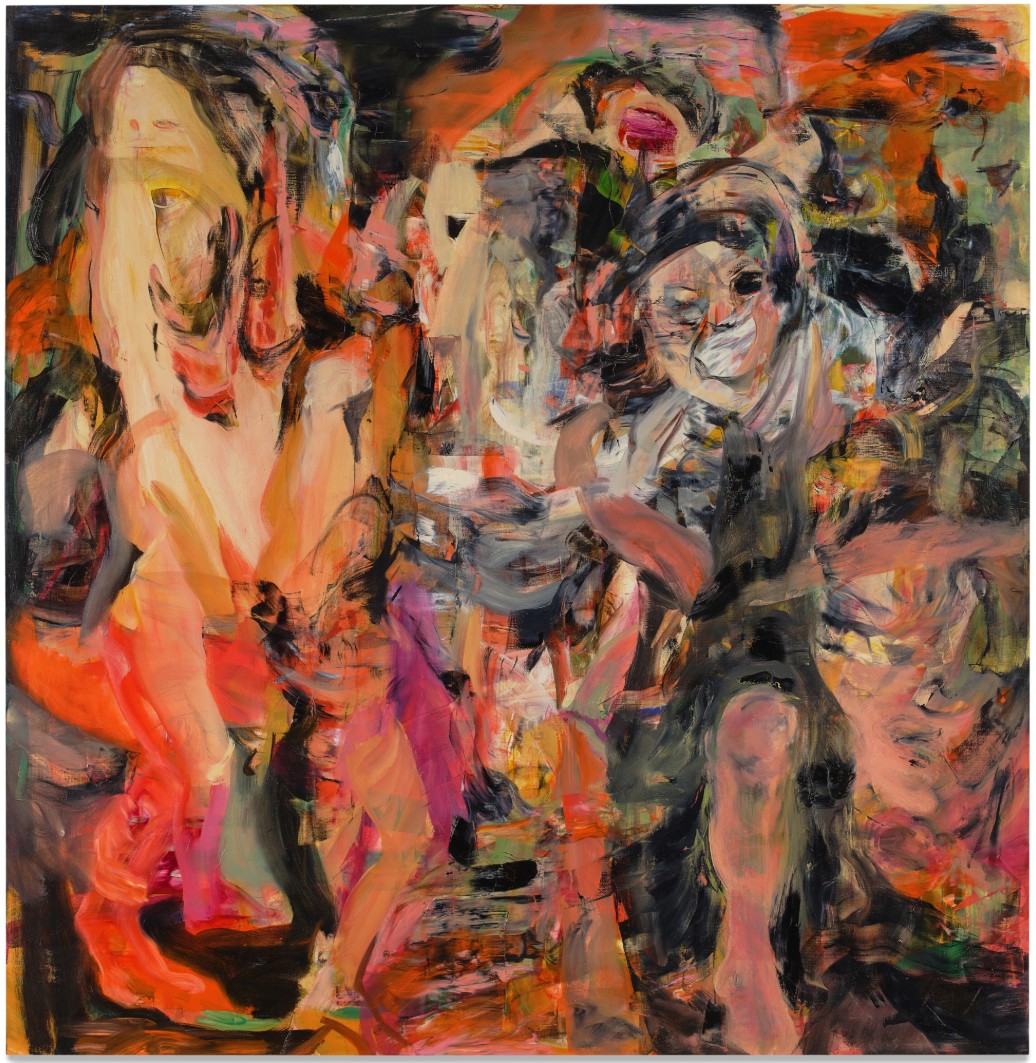
CECILY BROWN (b. 1969)
Burkini Kill, 2016
Oil on canvas
73×71 inches (185.4 x 180.3 cm)
Signed and dated 2016 (on the reverse)
2024 Auction Results
12 lots sold at auction in 2024 for a total turnover of USD 23,307,479. With no lot failing to sell, the sell-through rate is 100%. The highest price has been achieved at Christie’s in New-York on 21 November 2024, when The Butcher and the Policeman, a painting dated 2013, sold for USD 5,979,000. 8 lots sold for more than USD 1 million, generating a cumulative turnover of USD 22,103,679, representing 94.8% of the total turnover for 2024.
2024 Top 3 Lots
#1. The Butcher and the Policeman, 2013
Christie’s New-York: 21 November 2024
Estimated: USD 4,000,000 – 6,000,000
USD 5,979,000
CECILY BROWN (B. 1969), The Butcher and the Policeman | Christie’s
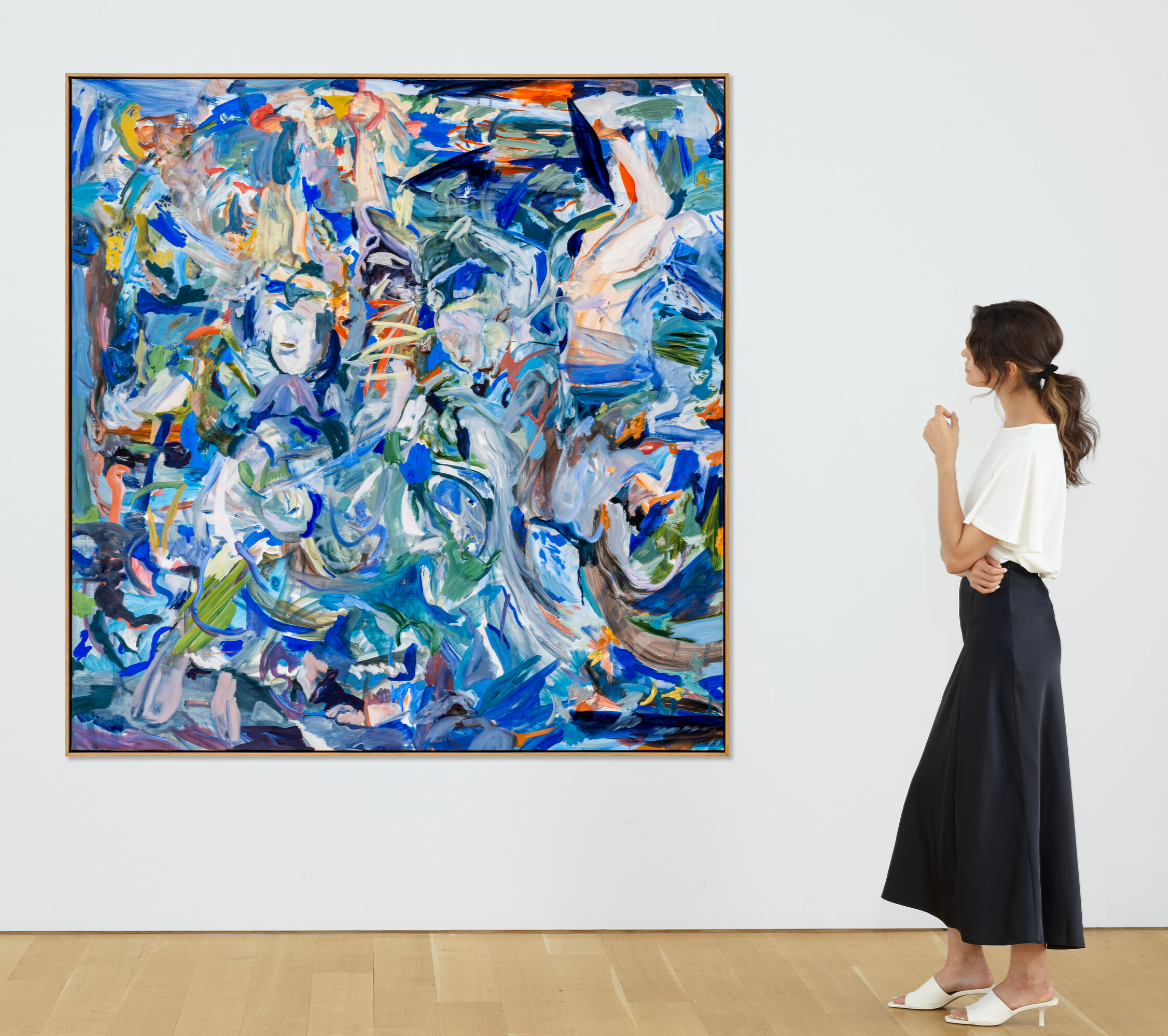
CECILY BROWN (B. 1969)
The Butcher and the Policeman, 2013
Oil on linen
67×65 inches (170.1 x 165.1 cm)
Signed and dated ‘Cecily Brown 2013’ (on the reverse)
USD 5 million
#2. The Skin of Our Teeth, 1999
Christie’s London: 9 October 2024
Estimated: GBP 2,500,000 – 3,500,000
GBP 3,065,000 / USD 4,014,690
CECILY BROWN (B. 1969), The Skin of Our Teeth | Christie’s
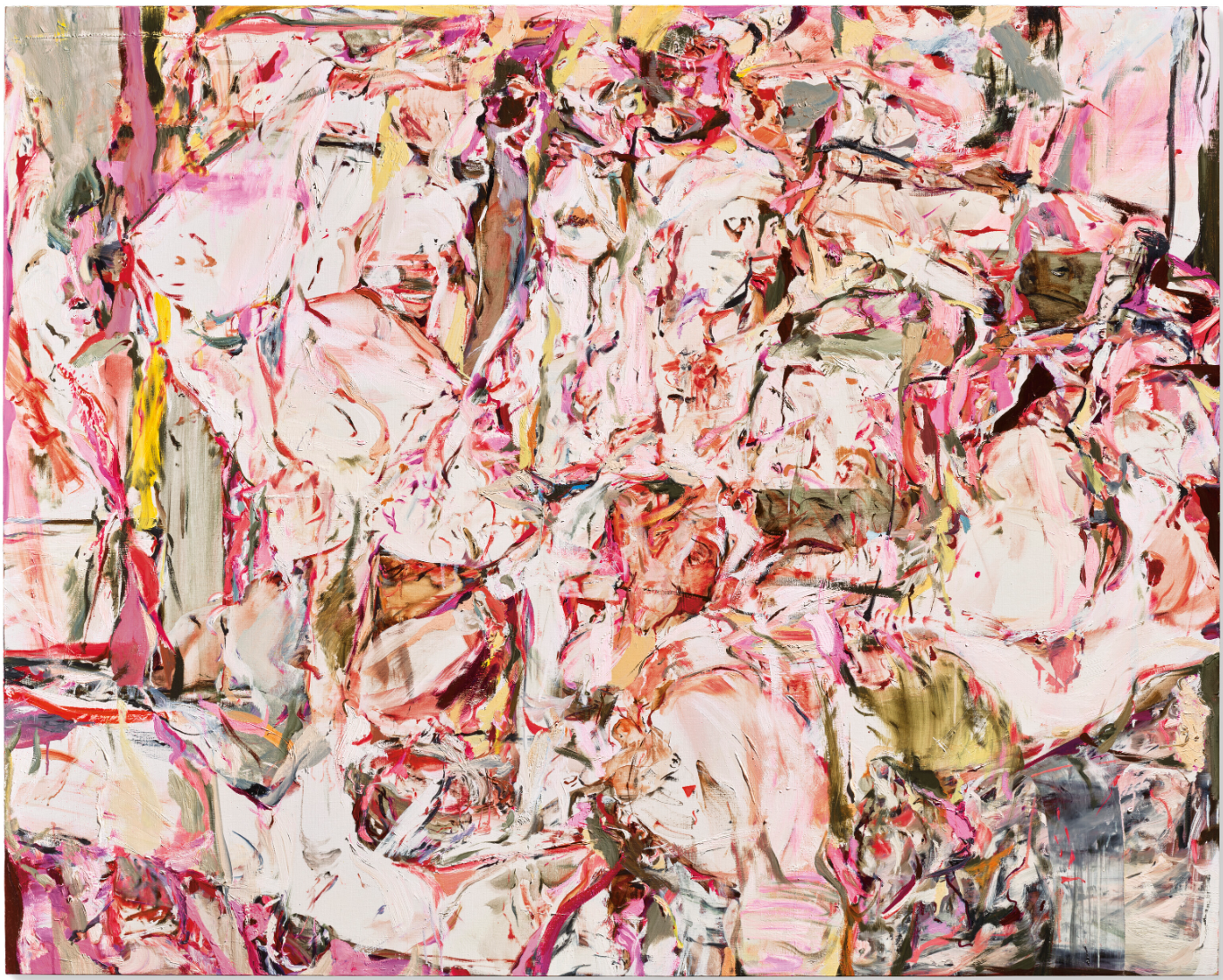
CECILY BROWN (B. 1969)
The Skin of Our Teeth, 1999
Oil on linen
60 1/8 x 75 1/8 inches (152.8 x 190.7 cm)
Signed and dated ‘Cecily Brown 1999’ (on the reverse)
#3. Functor Hideaway, 2008
Sotheby’s New-York: 13 May 2024
Estimated: USD 2,500,000 – 3,500,000
USD 3,569,000
Functor Hideaway | The Now Evening Auction | 2024 | Sotheby’s (sothebys.com)

CECILY BROWN (b. 1969)
Functor Hideaway, 2008
Oil on canvas
77×55 inches (195.6 x 139.7 cm)
Signed and dated 2008 (on the reverse)
#4. Can Can, 1998
Christie’s London: 7 March 2024
Estimated: GBP 1,800,000 – 2,500,000
GBP 2,218,000 / USD 2,812,424
CECILY BROWN (B. 1969), Can Can | Christie’s (christies.com)
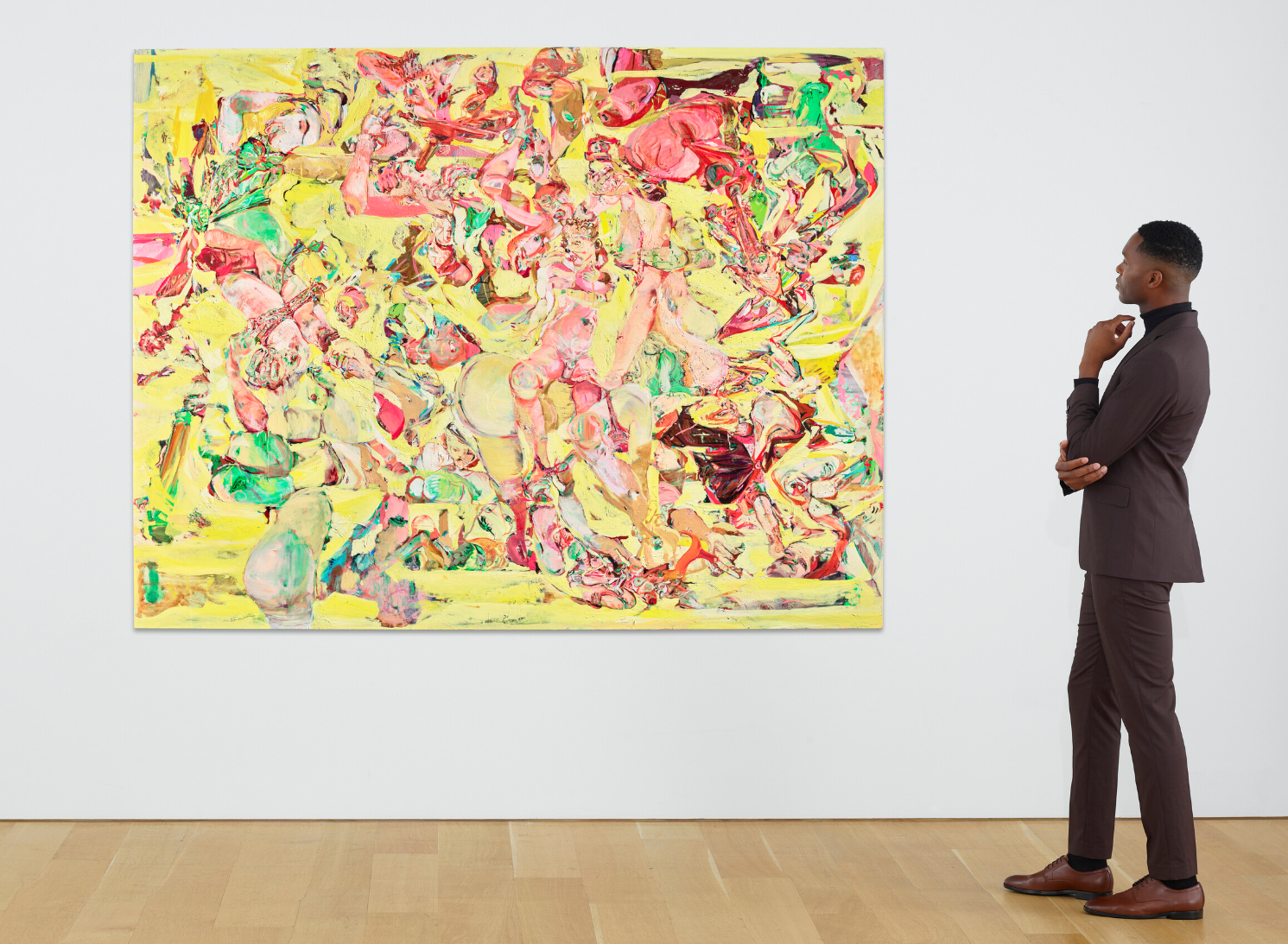
CECILY BROWN (B. 1969)
Can Can, 1998
Oil on canvas
75 7/8 x 98 inches (192.7 x 248.9 cm)
Signed and dated ‘Cecily Brown ’98’ (on the stretcher)
Signed twice, titled and dated twice ‘Cecily Brown 98 Cecily Brown Can Can 1998’ (on the reverse)
#5. Luck Just Kissed You Hello, 2013
Phillips London: 7 March 2024
Estimated: GBP 1,500,000 – 2,000,000
GBP 1,500,000 / USD 1,902,000
Cecily Brown – 20th Century & Contempor… Lot 5 March 2024 | Phillips
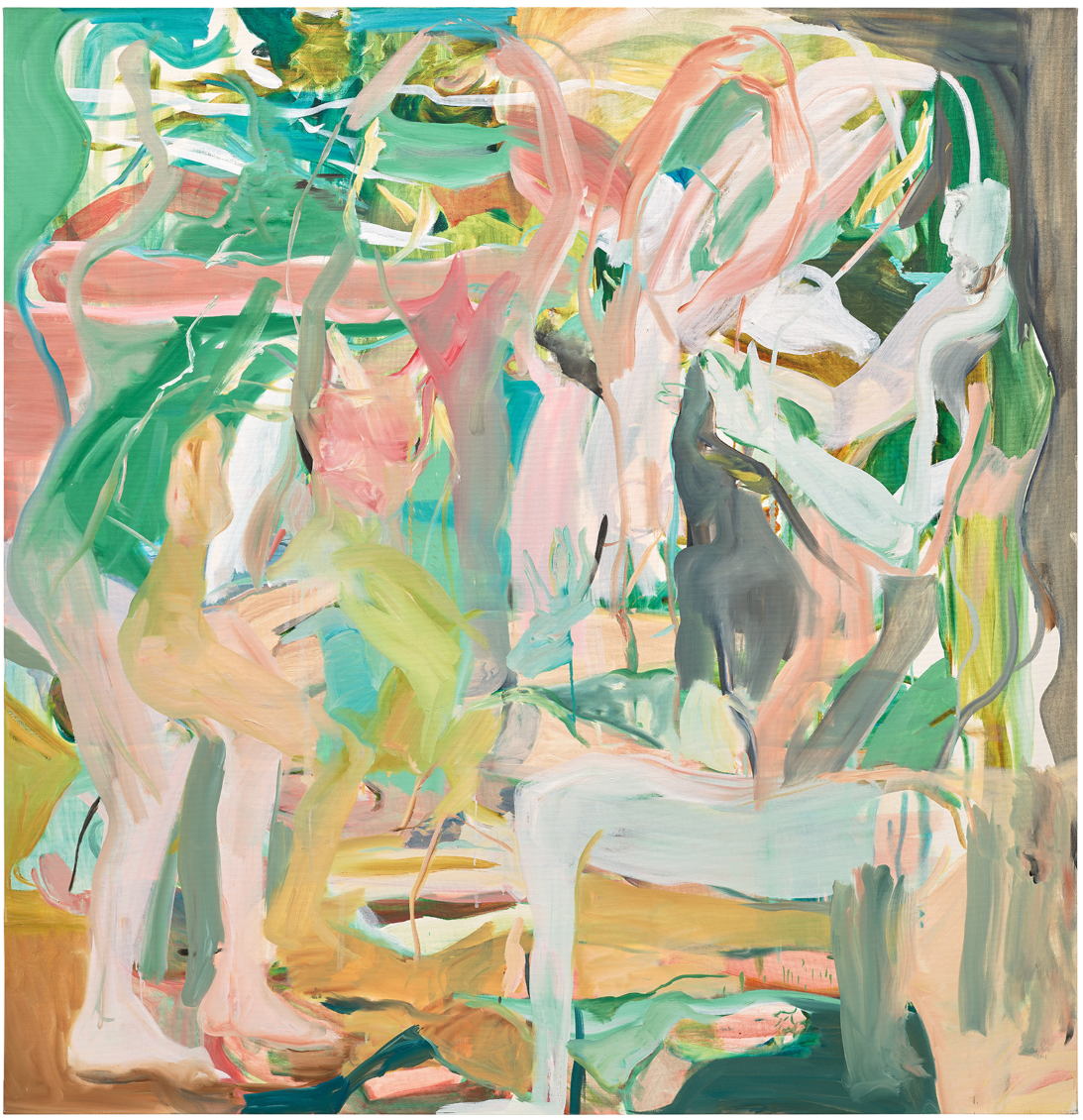
CECILY BROWN
Luck Just Kissed You Hello, 2013
Oil on linen
67 x 65 1/8 inches (170.2 x 165.4 cm)
Signed and dated ‘Cecily Brown 2013’ on the reverse
#6. Red Rum, 2001
Sotheby’s New-York: 27 September 2024
Estimated: USD 1,800,000 – 2,500,000
USD 1,800,000
Red Rum | Contemporary Curated | 2024 | Sotheby’s (sothebys.com)
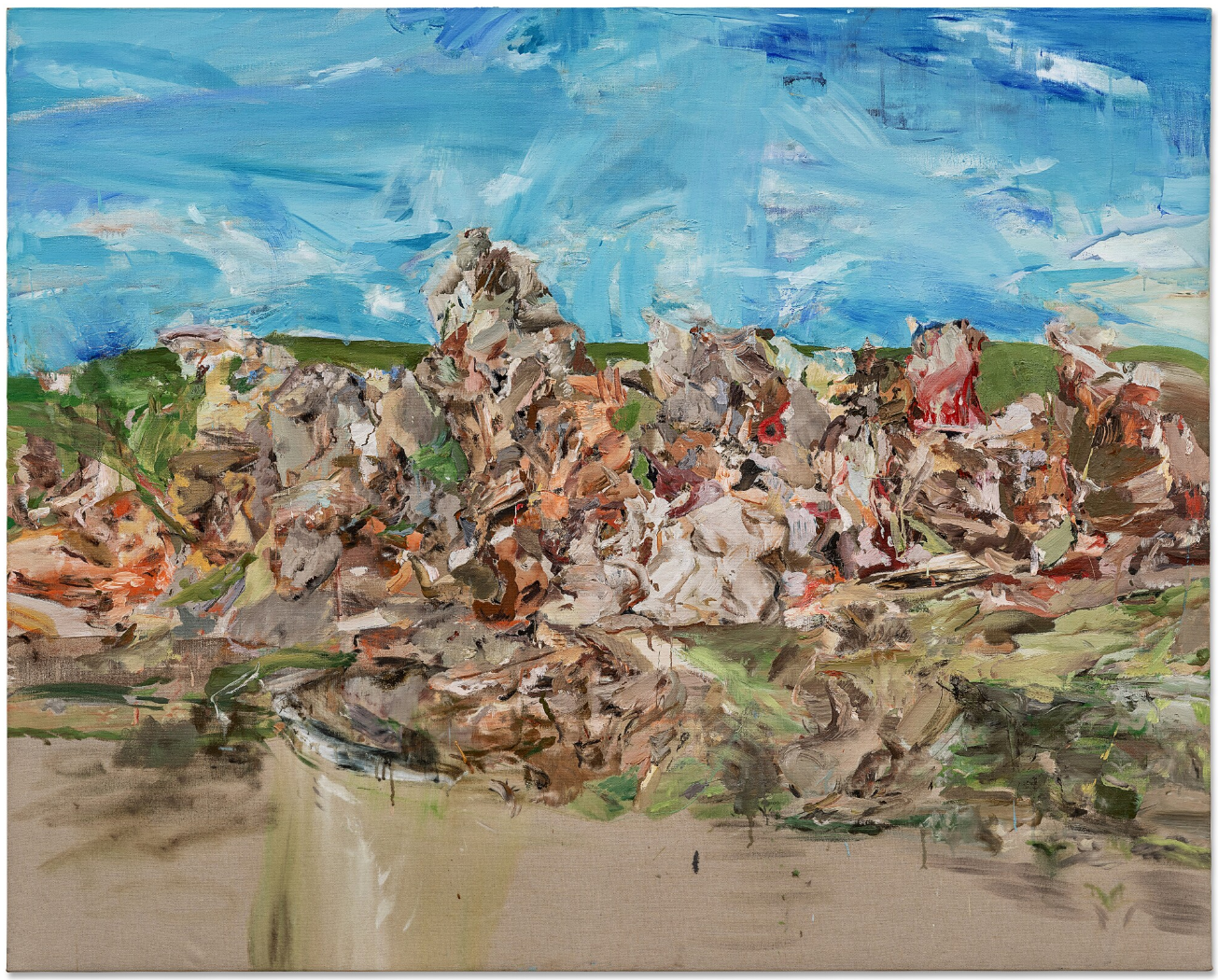
CECILY BROWN (b. 1969)
Red Rum, 2001
Oil on linen
48×60 inches (121.9 x 152.4 cm)
Signed and dated 2001 (on the reverse); signed and dated 2001 (on the stretcher)
#7. The Fox and Geese, 2008-2011
Christie’s New-York: 17 May 2024
Estimated: USD 450,000 – 650,000
USD 1,020,600
CECILY BROWN (B. 1969), The Fox and Geese | Christie’s (christies.com)

CECILY BROWN (B. 1969)
The Fox and Geese, 2008-2011
Oil on canvas
25×22 inches (63.5 x 55.9 cm)
signed and dated ‘Cecily Brown 2008-2011’ (on the reverse)
#8. Satan’s Waitin’, 2008-09
Sotheby’s London: 9 October 2024
Estimated: GBP 600,000 – 800,000
GBP 768,000 / USD 1,005,965
Satan’s Waitin’ | Contemporary Evening Auction | 2024 | Sotheby’s
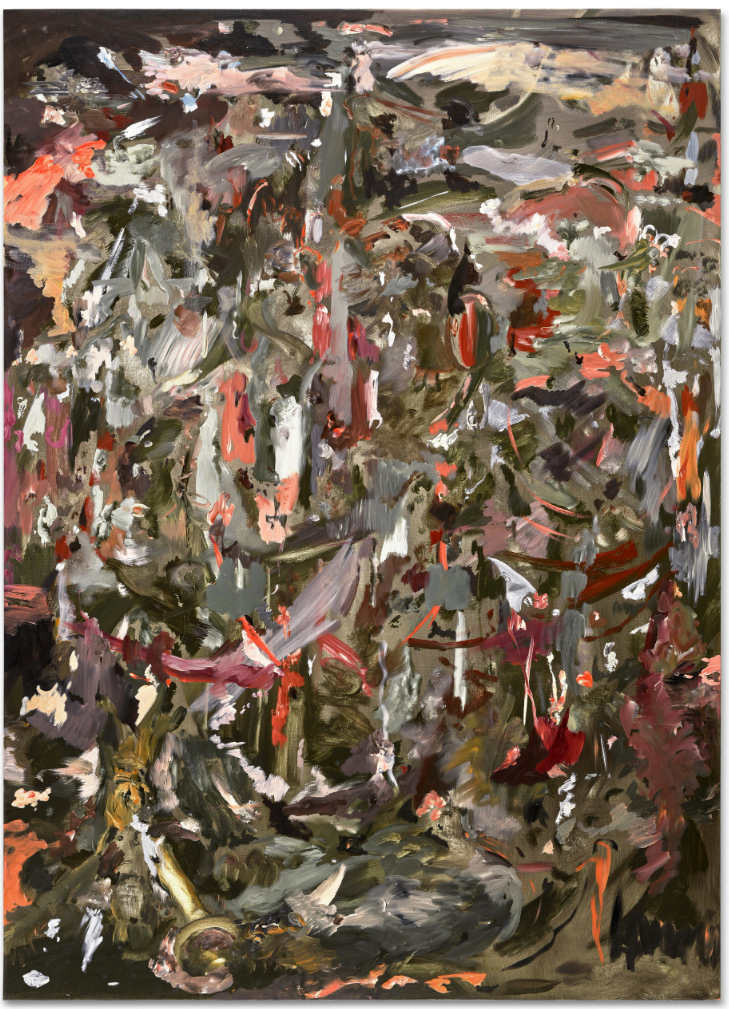
CECILY BROWN (b. 1969)
Satan’s Waitin’, 2008-09
Oil on linen
43 1/8 x 31 inches (109.5 x 78.8 cm)
Signed and dated 2008-09 (on the reverse)
USD 1 million
#9. Untitled, 2006
Sotheby’s New-York: 14 May 2024
Estimated: USD 300,000 – 400,000
USD 571,500
Untitled | Contemporary Day Auction | 2024 | Sotheby’s (sothebys.com)

CECILY BROWN (b. 1969)
Untitled, 2006
Oil on canvas
17 x 12 1/2 inches (43.2 x 31.8 cm)
Signed and dated 05.06 (on the reverse)
#10. Untitled (Young Spartans), 2015
Phillips New-York: 20 November 2024
Estimated: USD 80,000 – 120,000
USD 279,400
WORK ON PAPER
Cecily Brown – Modern & Contempora… Lot 319 November 2024 | Phillips
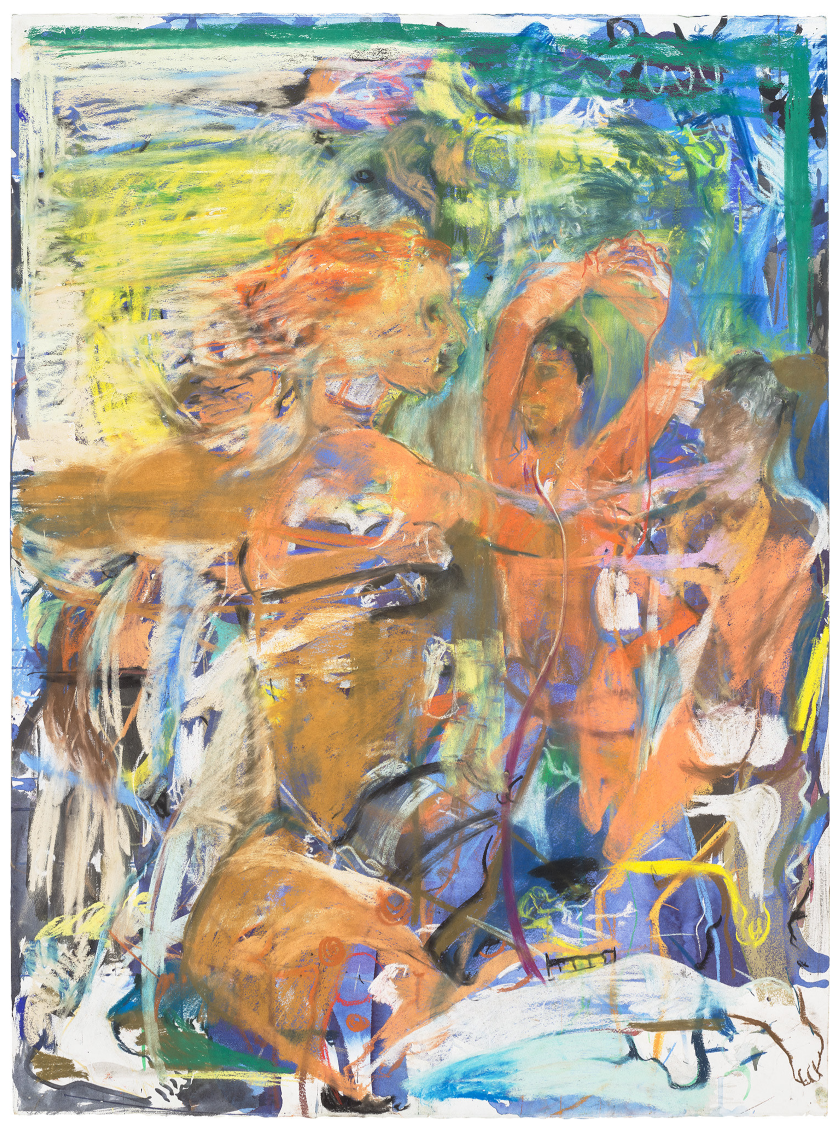
CECILY BROWN
Untitled (Young Spartans), 2015
Pastel and watercolor on paper
47 1/4 x 35 inches (120 x 88.9 cm)
Signed and dated “Cecily Brown 2015” on the reverse
#11. Untitled, 2020
Sotheby’s New-York: 21 November 2024
Estimated: USD 200,000 – 300,000
USD 264,000
WORK ON PAPER
Untitled | Contemporary Day Auction | 2024 | Sotheby’s
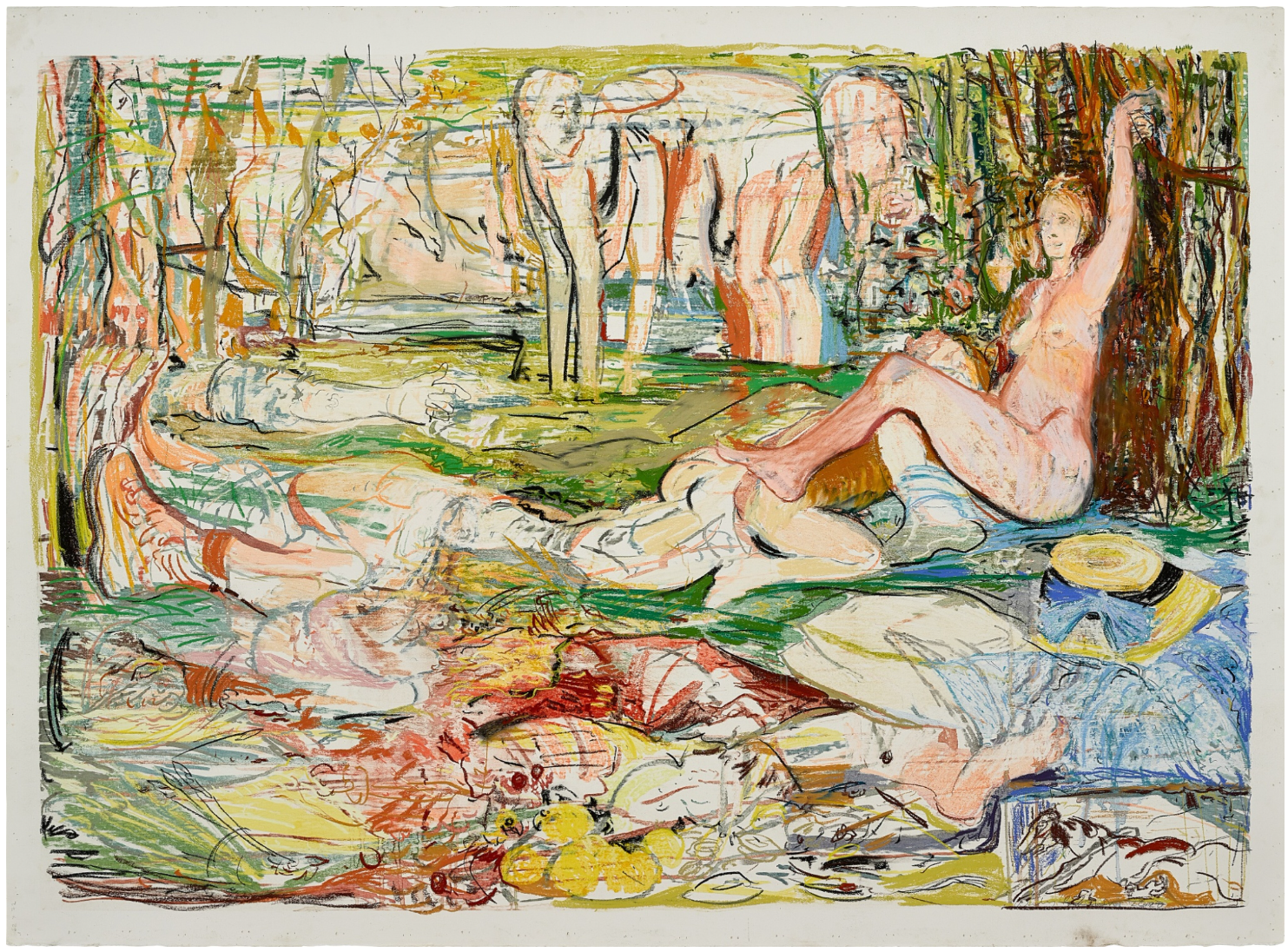
CECILY BROWN (b. 1969)
Untitled, 2020
Monotype with pastel on paper
51 1/4 x 71 1/2 inches (129.5 x 181.6 cm)
Signed and dated 2020 (lower right)
#12. Untitled, 1996
Phillips New-York: 15 May 2024
Estimated: USD 30,000 – 40,000
USD 88,900
Cecily Brown – Modern & Contemporary Ar… Lot 348 May 2024 | Phillips
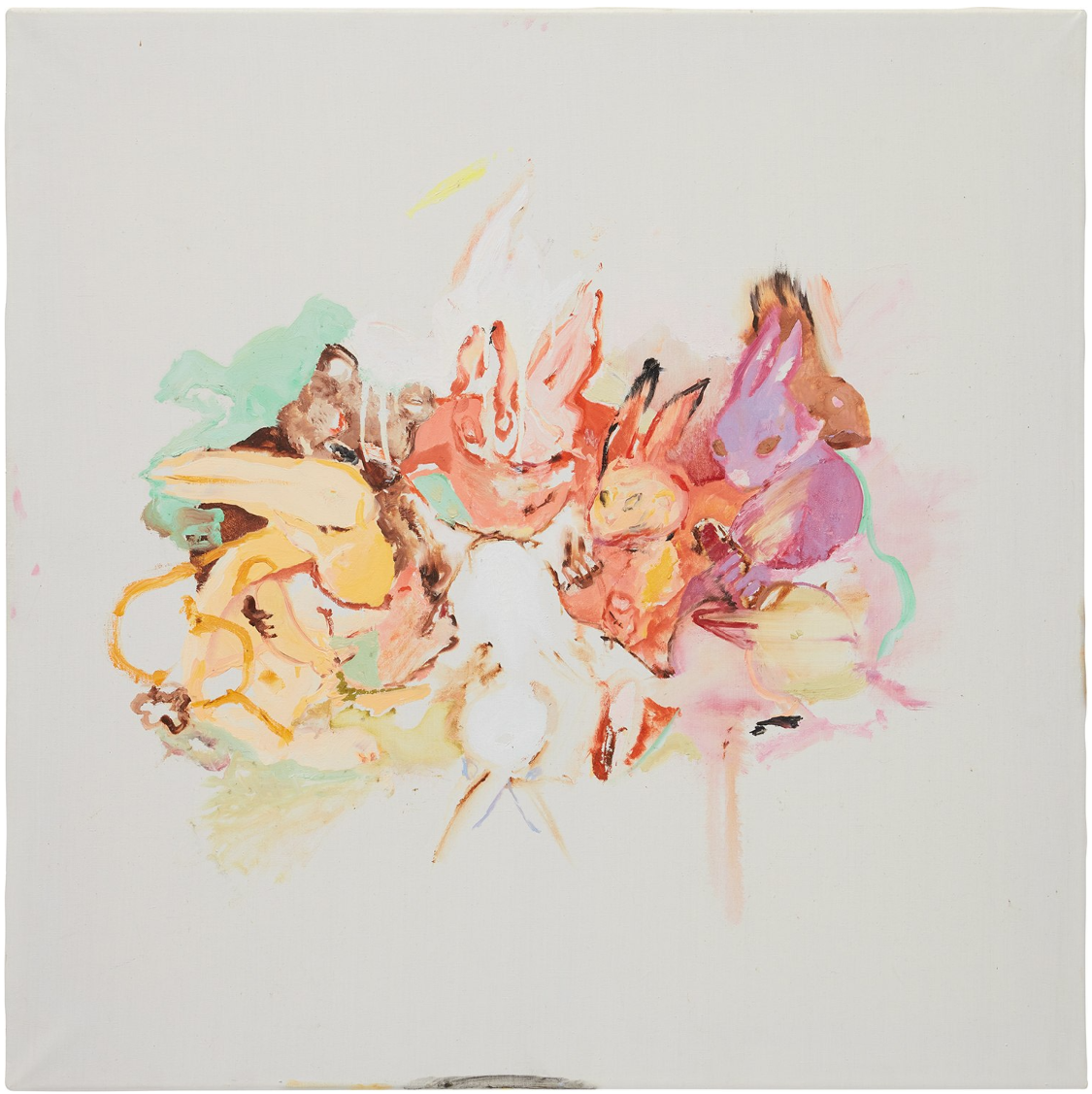
CECILY BROWN
Untitled, 1996
Oil on linen
36×36 inches (91.4 x 91.4 cm)
Signed and dated “Cecily Brown ’96” on the reverse
Signed and dated “Cecily Brown ’96” on the stretcher
2023 Auction Results
16 lots sold at auction in 2023 for a turnover of USD 45,951,062. With no lot failing to sell, the sell-through rate is 100%. The average price is USD 2,871,941. The highest price was achieved at Sotheby’s in New-York on 16 May 2023 when Free Games for May, a painting dated 2015 sold for USD 6,711,450.
2023 Top 3 Lots
14 lots sold for more than USD 1 million, generating a cumulative turnover of USD 44,013,133, representing 95.8% of the total turnover for 2023.
#1. Free Games for May, 2015
Sotheby’s New-York: 16 May 2023
Estimated: USD 5,000,000 – 7,000,000
USD 6,711,450
CECILY BROWN (b. 1969)
Free Games for May, 2015
Oil on linen
67×65 inches (170.2 x 165.1 cm)
Signed and dated 2015 (on the reverse)
#2. Untitled (The Beautiful and Damned), 2013
Christie’s New-York: 15 May 2023
Estimated: USD 5,000,000 – 7,000,000
USD 6,705,000
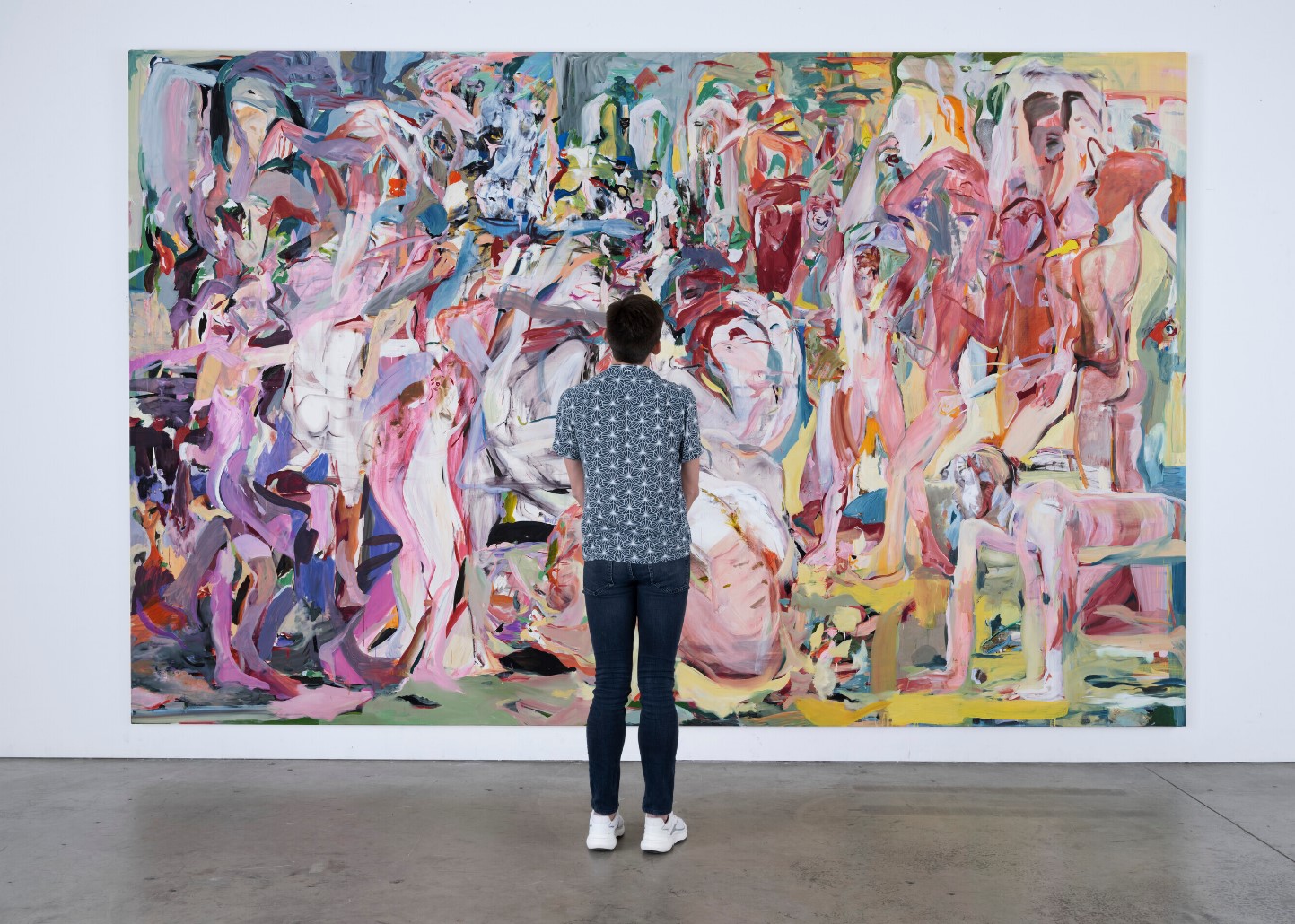
CECILY BROWN (B. 1969)
Untitled (The Beautiful and Damned), 2013
Oil on linen
109×171 inches (276.9 x 434.3 cm)
Signed and dated ‘Cecily Brown 2013’ (on the reverse)
#3. Make it Rain, 2014
Christie’s London: 28 February 2023
Estimated: GBP 3,500,000 – 5,500,000
GBP 4,242,000 / USD 5,130,624
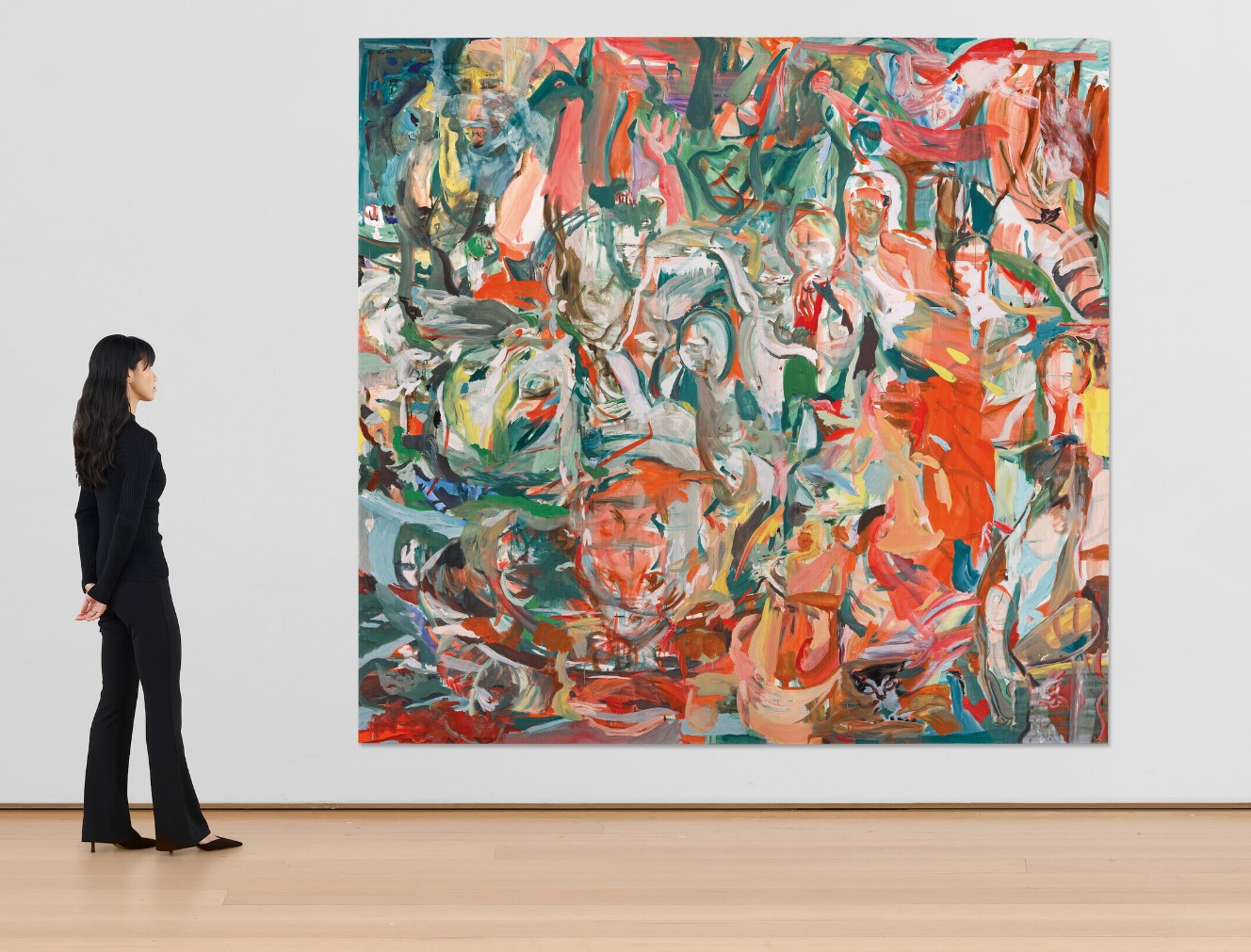
CECILY BROWN (B. 1969)
Make it Rain, 2014
Oil on linen
96 1/8 x 103 inches (246.7 x 261.7 cm)
Signed and dated ‘Cecily Brown 2014’ (on the reverse)
#4. Kiss Me Stupid, 1999
Christie’s London: 28 June 2023
Estimated: GBP 3,000,000 – 5,000,000
GBP 3,549,000 / USD 4,483,891
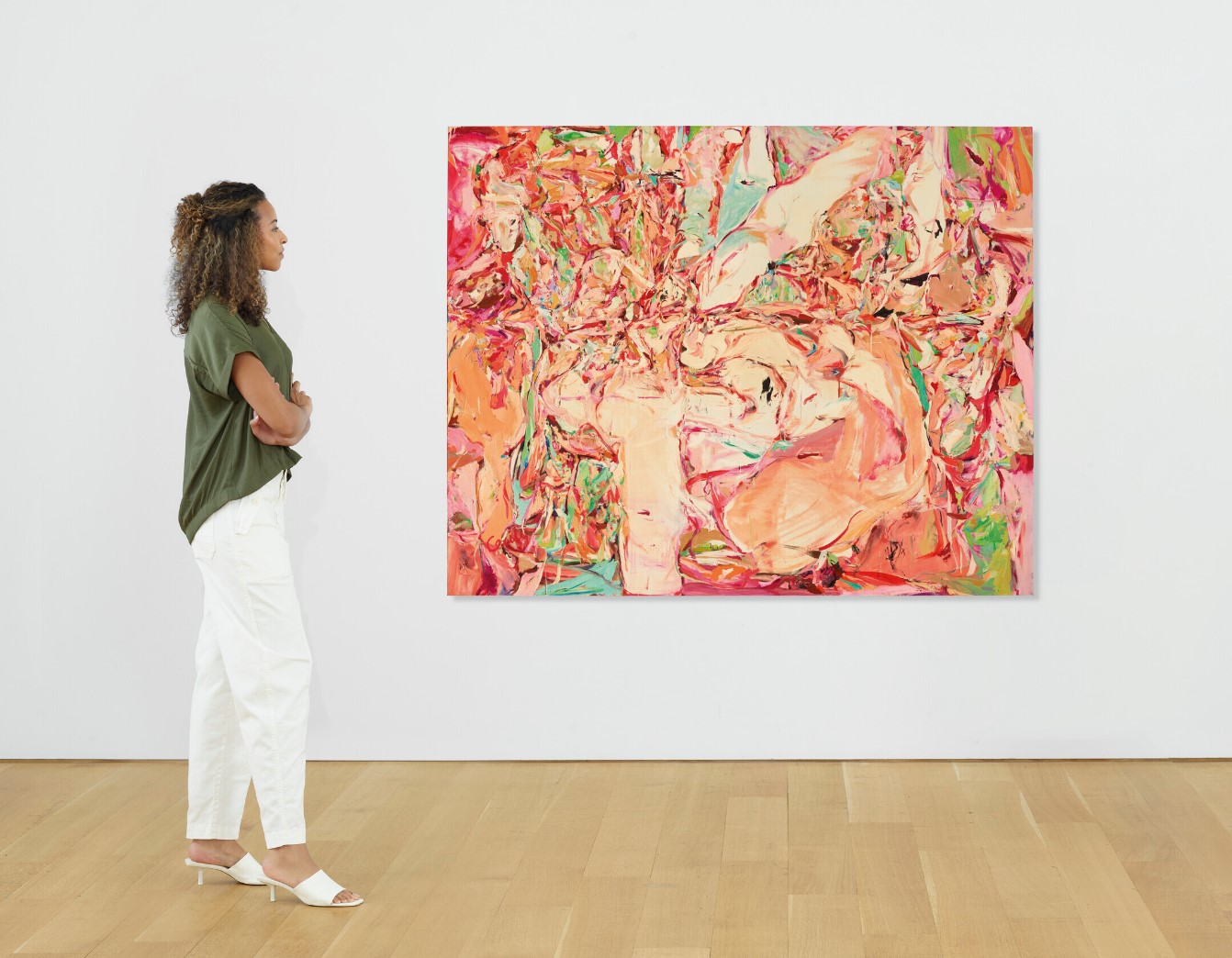
CECILY BROWN (B. 1969)
Kiss Me Stupid, 1999
Oil on linen
60×75 inches (152.4 x 190.5 cm)
Signed ‘Cecily’ (lower left)
Signed and dated ‘Cecily Brown 1999’ (on the stretcher)
Signed and dated ‘Cecily Brown 99’ (on the reverse)
#5. The Nymphs Have Departed, 2014
Sotheby’s London: 1 March 2023
Estimated: GBP 2,500,000 – 3,500,000
GBP 3,436,000 / USD 4,135,275
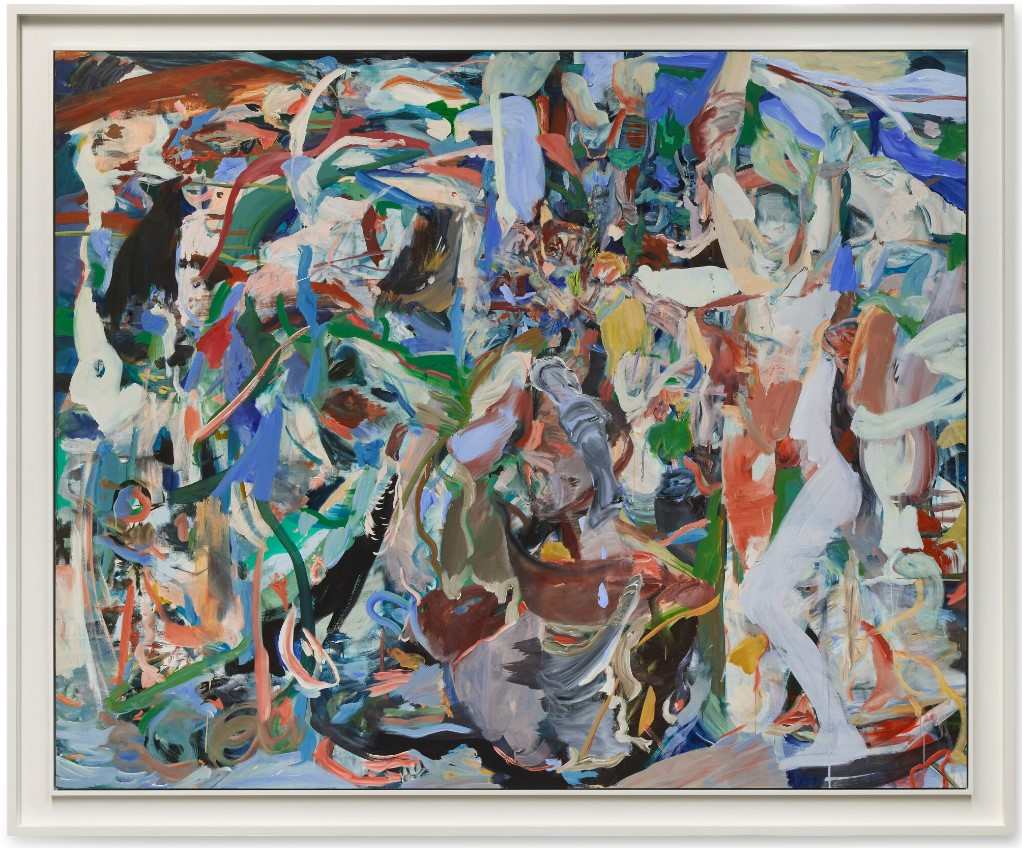
CECILY BROWN (b. 1969)
The Nymphs Have Departed, 2014
Oil on canvas
67×83 inches (170.2 x 210.8 cm)
Signed Cecily Brown and dated 2014 (on the reverse)
#6. Tricky, 2001
Sotheby’s London: 12 October 2023
Estimated: GBP 1,200,000 – 1,800,000
GBP 2,589,000 / USD 3,161,558
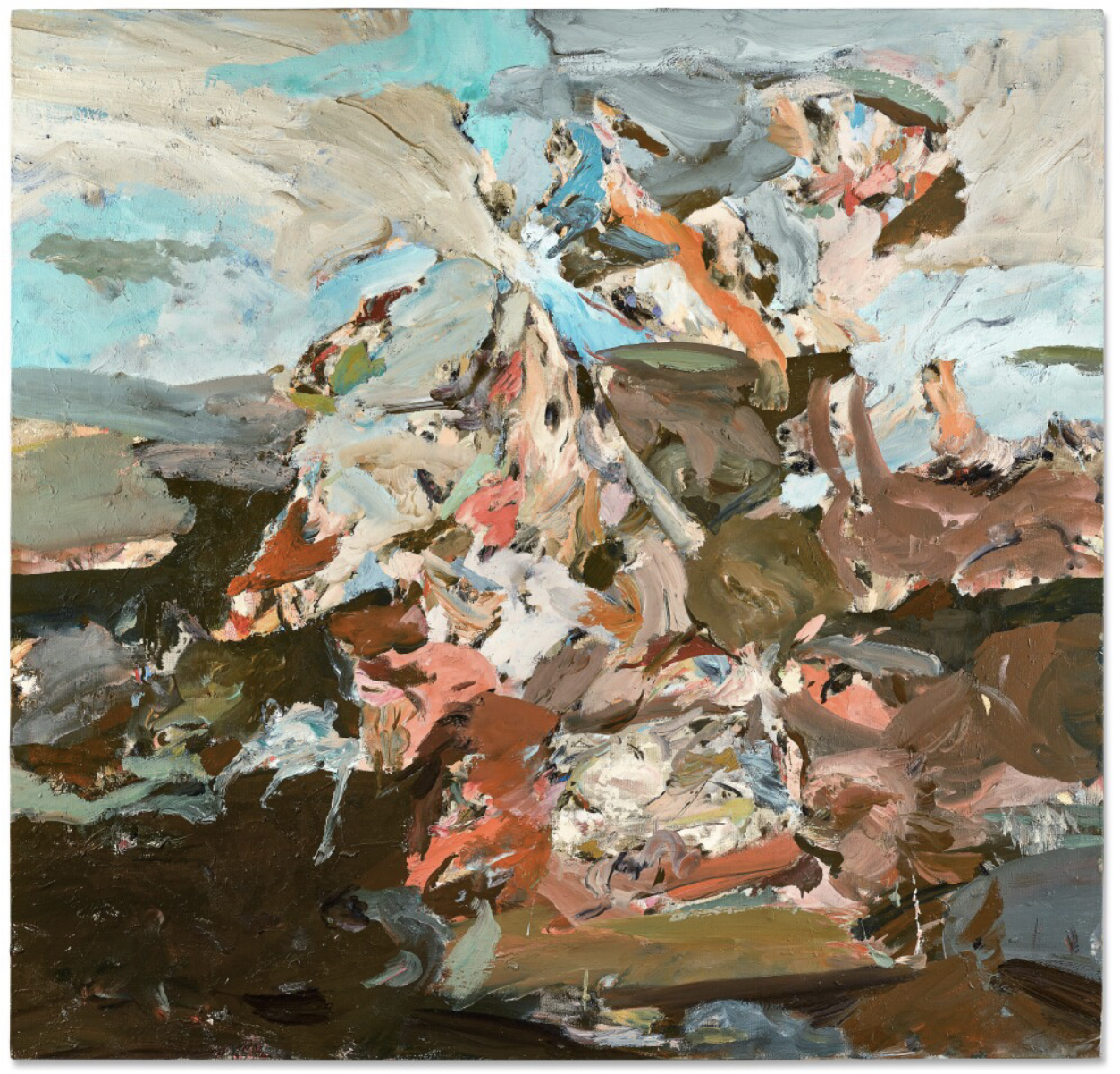
CECILY BROWN (b. 1969)
Tricky, 2001
Oil on linen
48 1/8 x 50 1/4 inches (122.2 x 127.5 cm)
Signed and dated 01 (on the reverse)
#7. One Touch of Venus, 1999
Sotheby’s New-York: 16 November 2023
Estimated: USD 3,000,000 – 4,000,000
USD 2,960,000
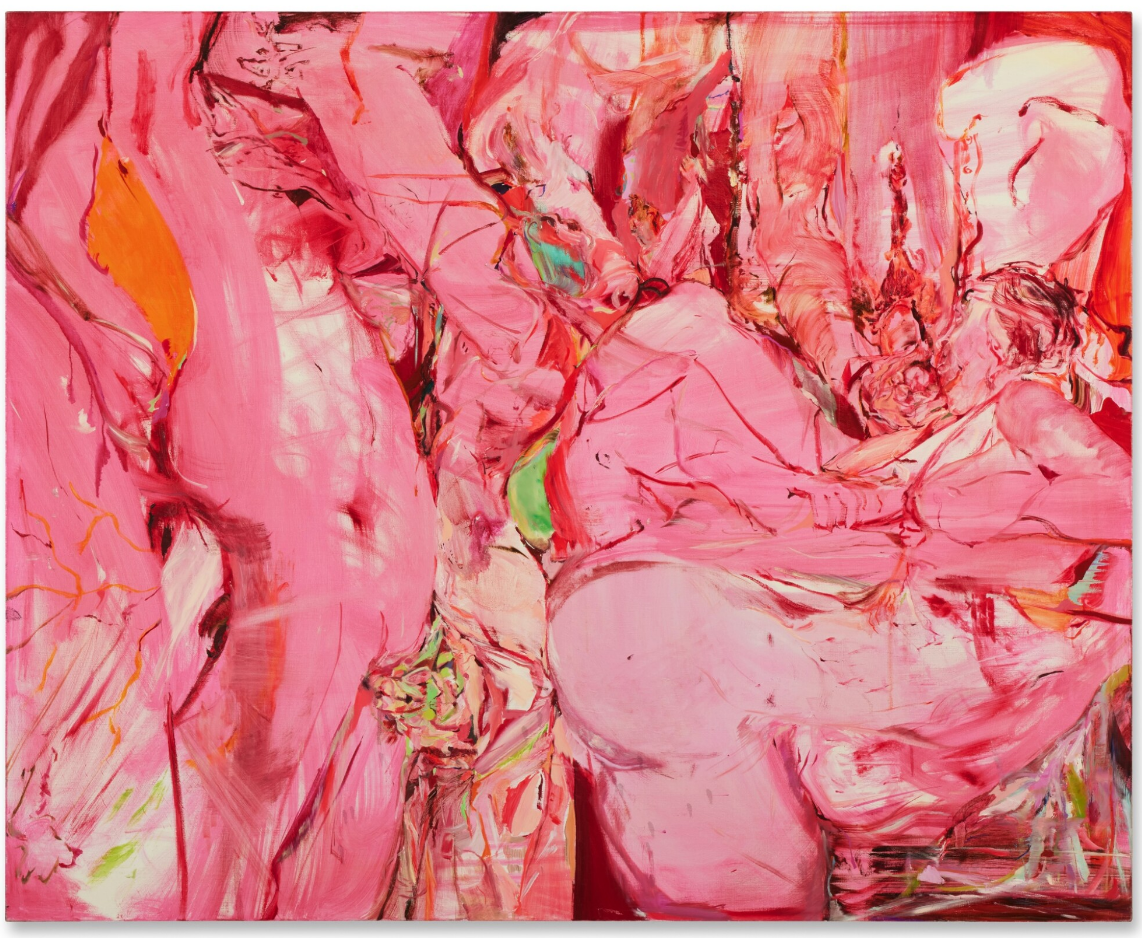
CECILY BROWN (b. 1969)
One Touch of Venus, 1999
Oil on canvas
60 1/4 x 75 inches (153 x 190.5 cm)
Signed and dated 1999 (on the reverse)
#8. Where They Are Now, 2013
Sotheby’s Hong-Kong: 5 April 2023
Estimated: HKD 18,000,000 – 25,000,000
HKD 21,625,000 / USD 2,831,883
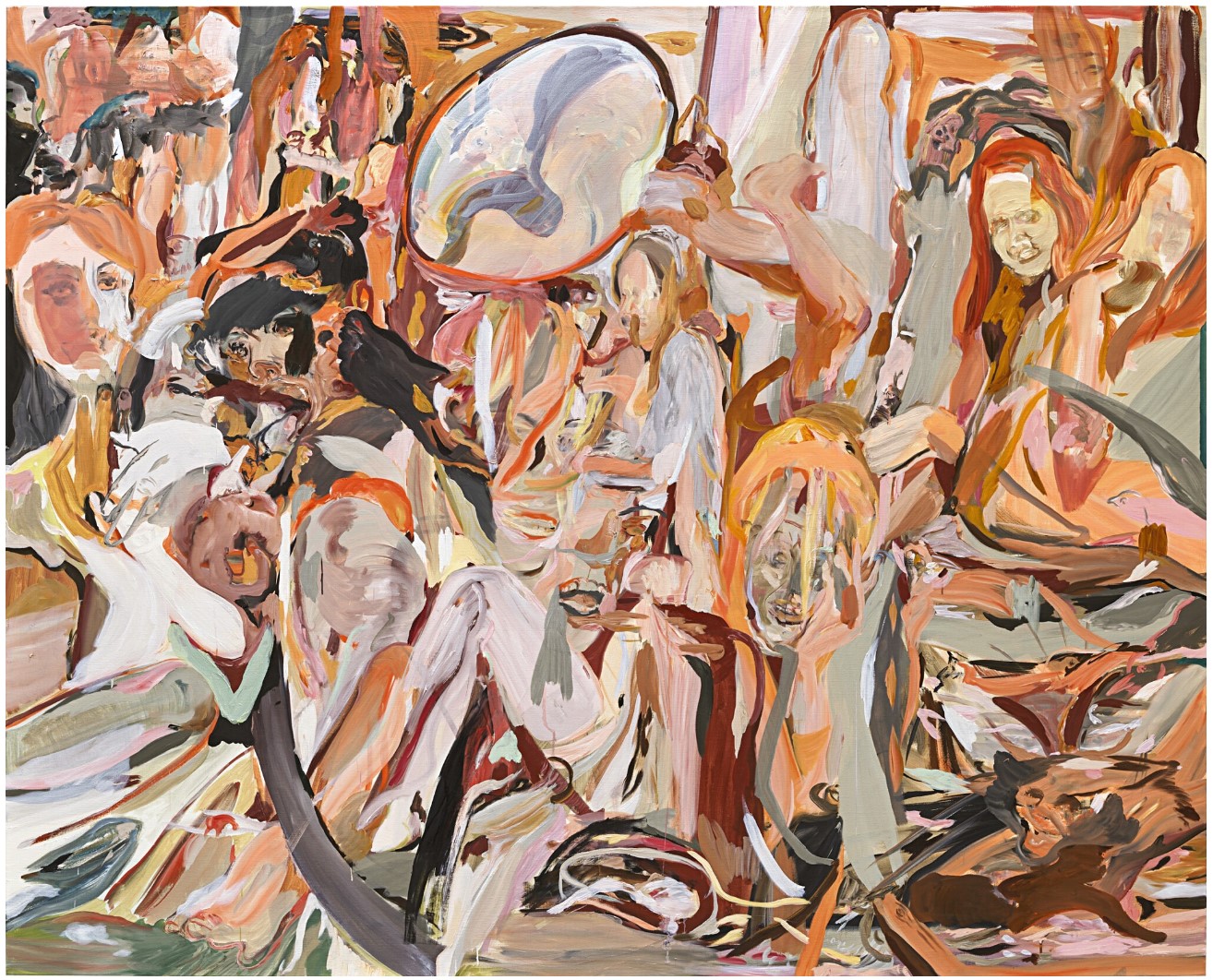
CECILY BROWN (b. 1969)
Where They Are Now, 2013
Oil on linen
67×83 inches (170.2 x 210.8 cm)
Signed and dated 2013 on the reverse
#9. Figures in a Garden, 2003
Christie’s New-York: 7 November 2023
Estimated: USD 2,000,000 – 3,000,000
USD 2,712,000
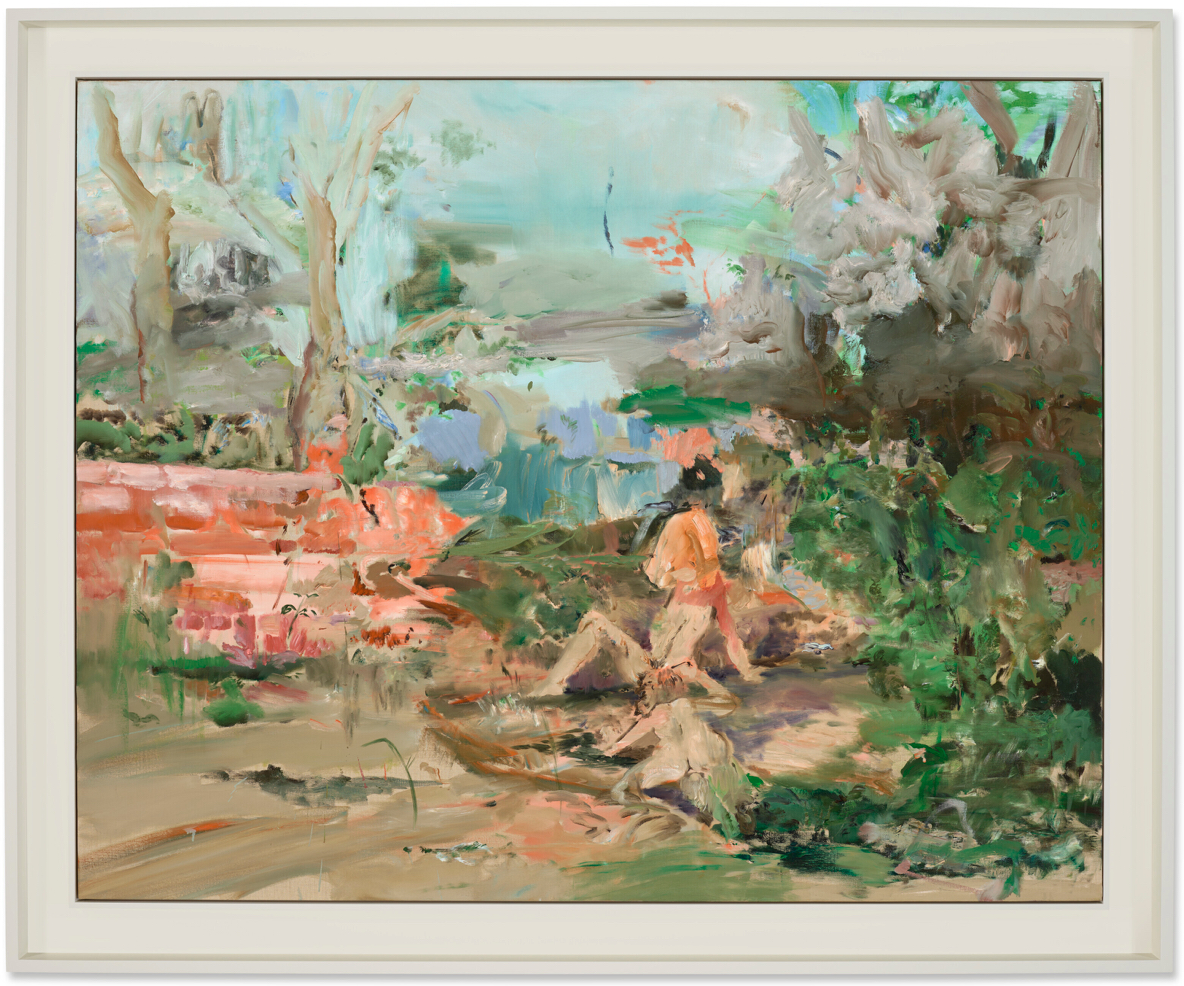
CECILY BROWN (B. 1969)
Figures in a Garden, 2003
Oil on linen
48×60 inches (121.9 x 152.4 cm)
Signed and dated ‘Cecily Brown 03’ (on the reverse)
#10. Skulldiver II, 2006
Phillips London: 2 March 2023
Estimated: GBP 1,000,000 – 1,500,000
GBP 2,226,000 / USD 2,657,593
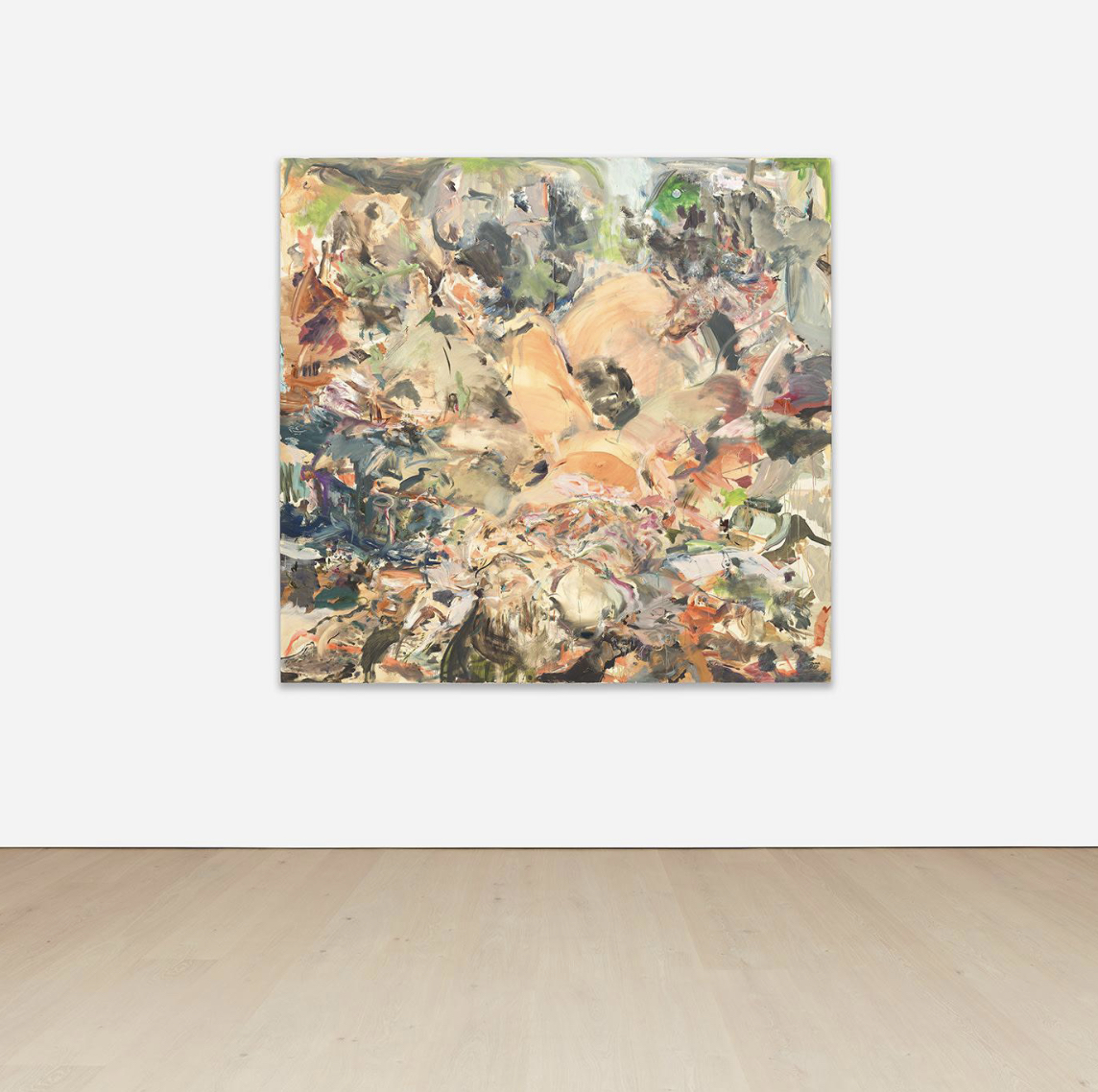
CECILY BROWN
Skulldiver II, 2006
Oil on linen
85×89 inches (215.9 x 226.1 cm)
Signed and dated ‘Cecily Brown 2006’ on the reverse
#11. Running Scared, 2010
Sotheby’s New-York: 9 March 2023
Estimated: USD 600,000 – 800,000
USD 2,601,000
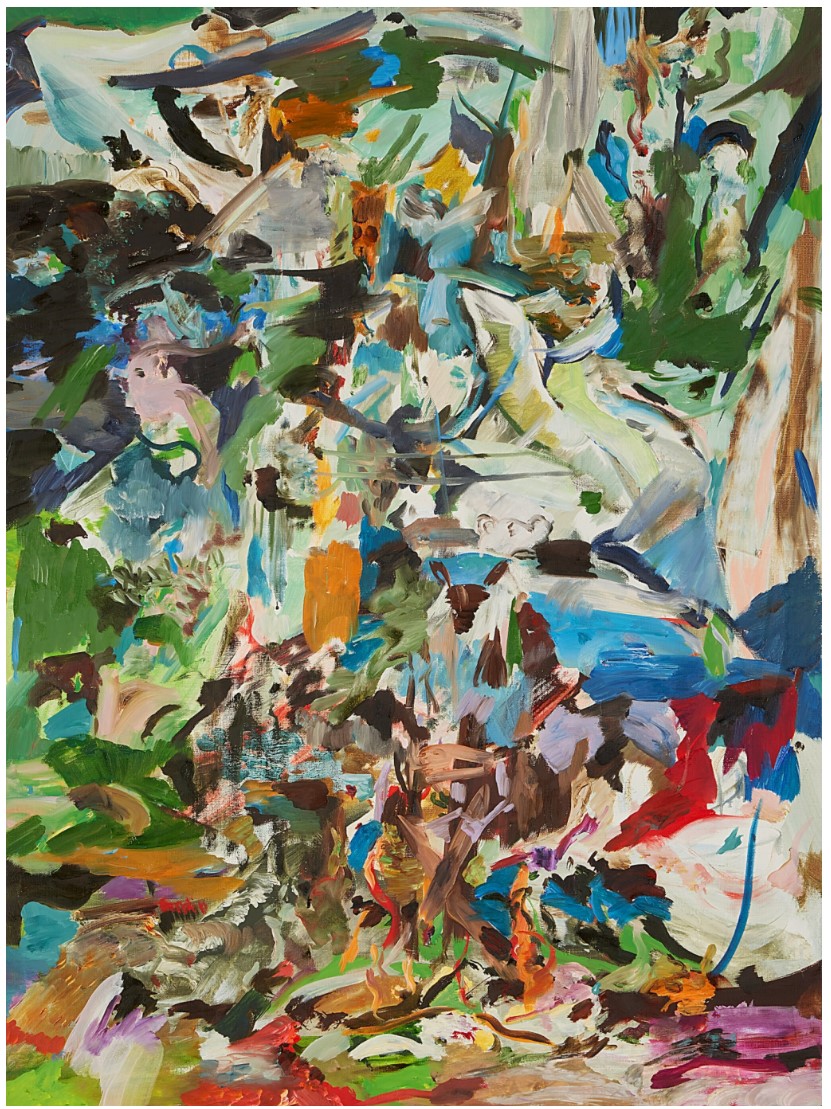
CECILY BROWN (b. 1969)
Running Scared, 2010
Oil on linen
31×23 inches (78.7 x 58.4 cm)
Signed Cecily Brown and dated 2010 (on the reverse)
USD 1 million
#12. Untitled (#45), 2007
Christie’s New-York: 12 May 2023
Estimated: USD 350,000 – 450,000
USD 806,400
CECILY BROWN (B. 1969) (christies.com)
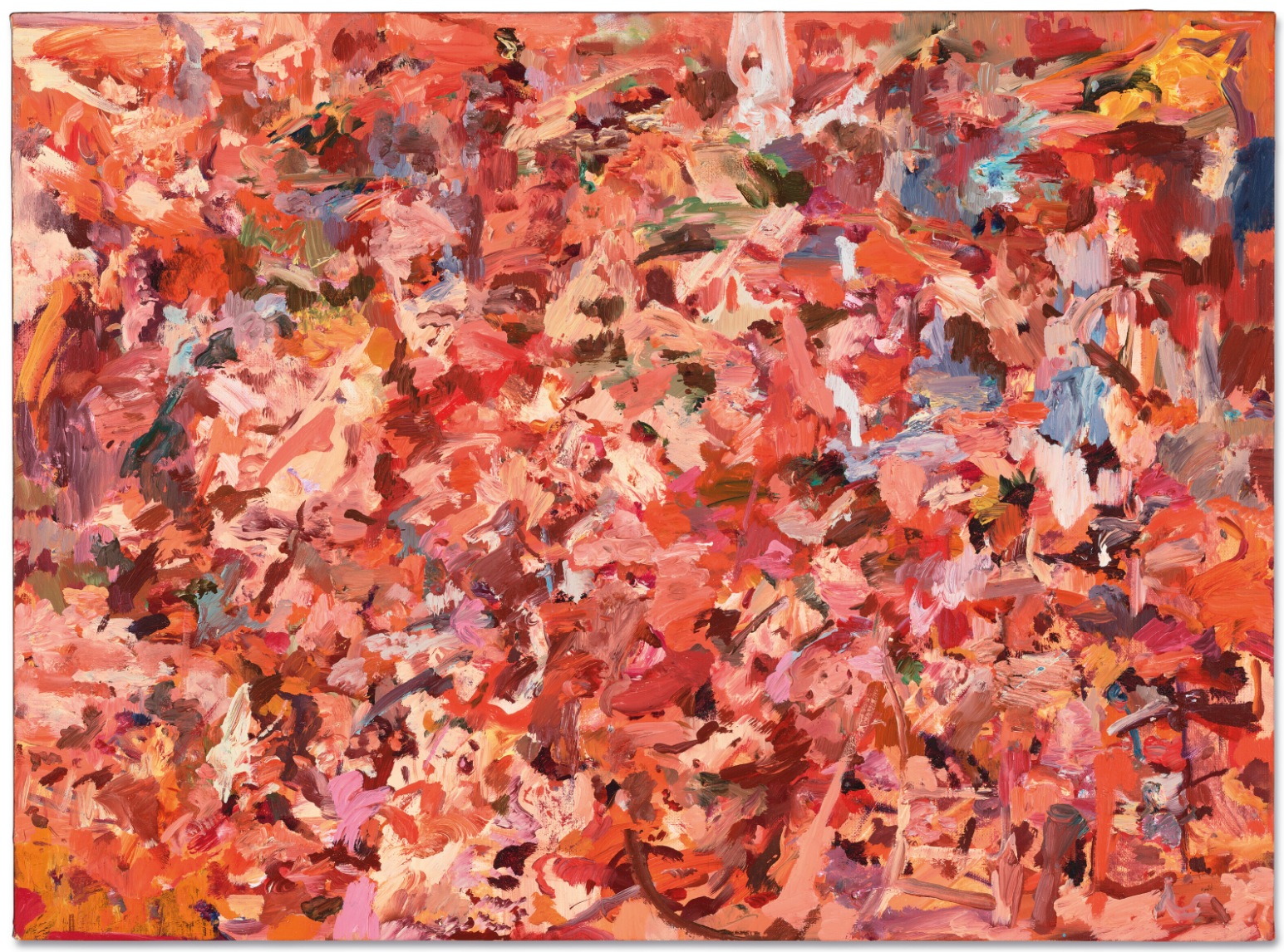
CECILY BROWN (B. 1969)
Untitled (#45), 2007
Oil on canvas
12 1/2 x 17 1/2 inches (31.8 x 44.5 cm)
#13. Untitled, 2006
Christie’s New-York: 12 May 2023
Estimated: USD 250,000 – 350,000
USD 604,800
CECILY BROWN (B. 1969), Untitled | Christie’s (christies.com)
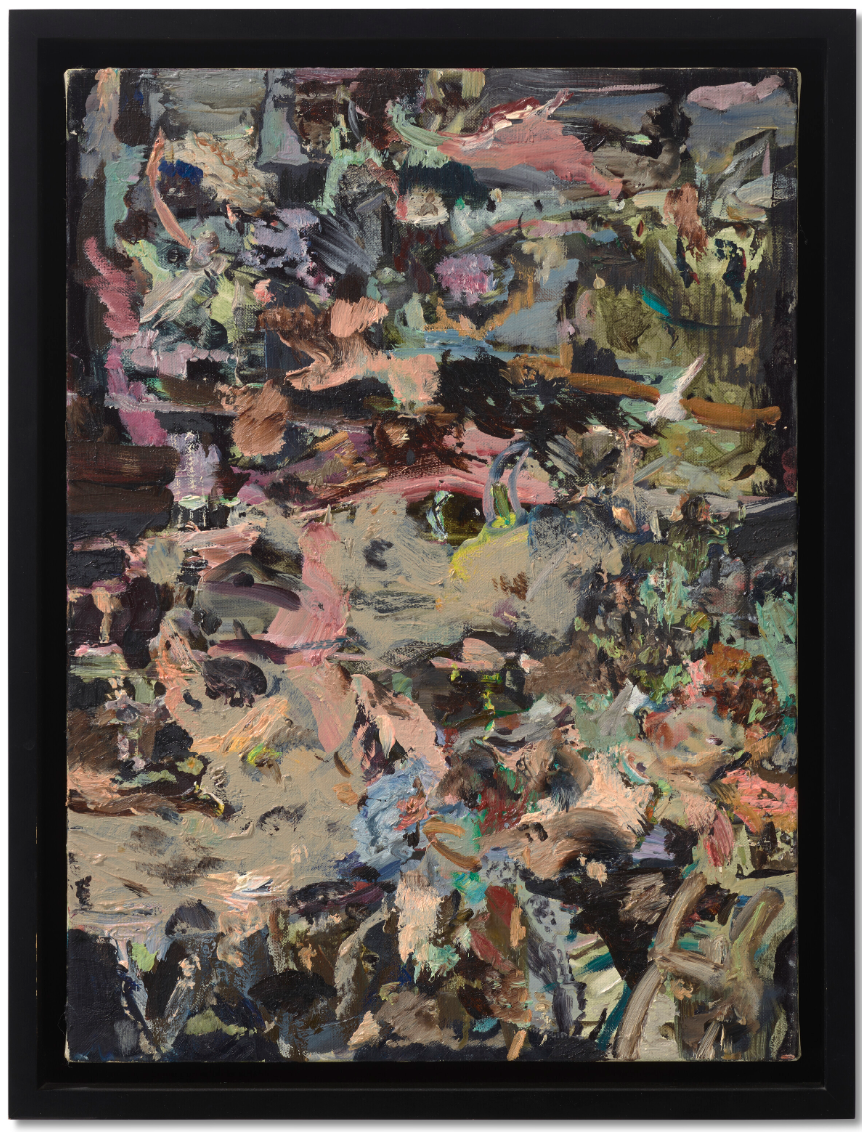
CECILY BROWN (B. 1969)
Untitled, 2006
Oil on canvas
17 x 12 5/8 inches (43.2 x 32 cm)
Signed and dated ‘Cecily Brown 2006’ (on the reverse)
Dedicated ‘To Steve Love Cecily’ (on the overlap)
#14. Long Hot Summer, 2017-2018
Phillips New-York: 16 May 2023
Estimated: USD 300,000 – 400,000
USD 406,400
Cecily Brown – 20th Century & Contempor… Lot 310 May 2023 | Phillips
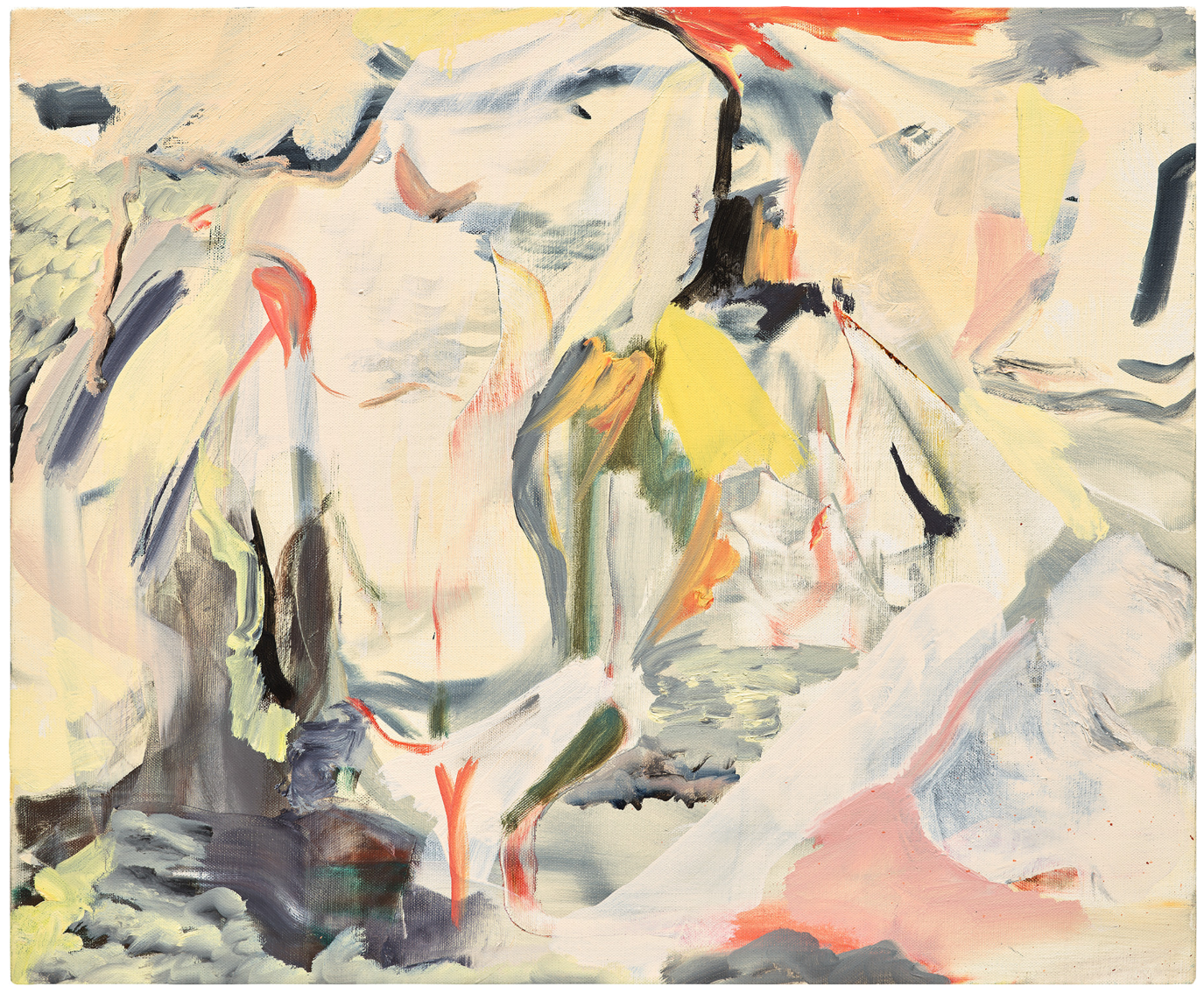
CECILY BROWN
Long Hot Summer, 2017-2018
Oil on linen
19×23 inches (48.3 x 58.4 cm)
Signed and dated “Cecily Brown 2017-18” on the reverse
#15. Untitled, circa 1996
Christie’s New-York: 29 September 2023
Estimated: USD 20,000 – 30,000
USD 81,900
CECILY BROWN (B. 1969) (christies.com)
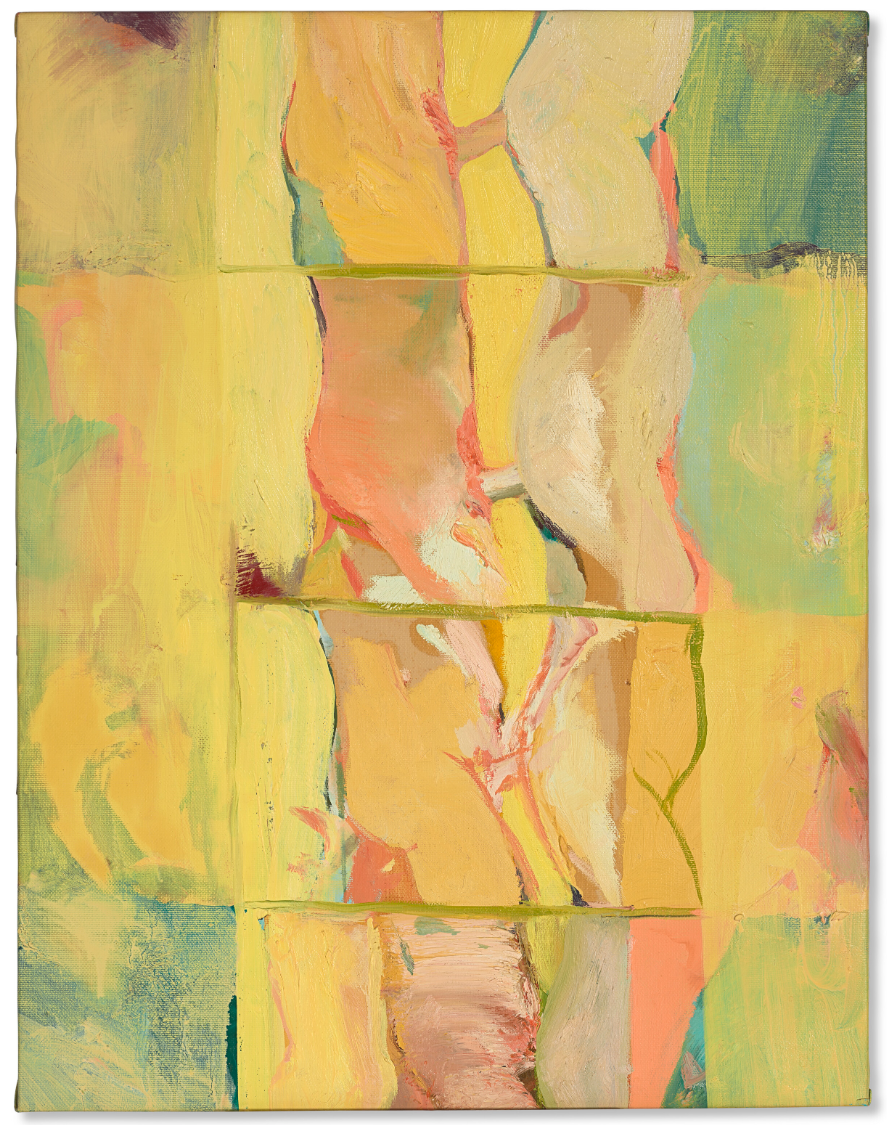
CECILY BROWN (B. 1969)
Untitled, circa 1996
Acrylic on canvas
22×17 inches (55.9 x 43.2 cm)
Signed ‘Cecily Brown’ (on the reverse)
#16. Untitled, 1991
Christie’s online: 5 July 2023
Estimated: GBP 10,000 – 15,000
GBP 30,240 / USD 38,429
CECILY BROWN (B. 1969), Untitled | Christie’s (christies.com)
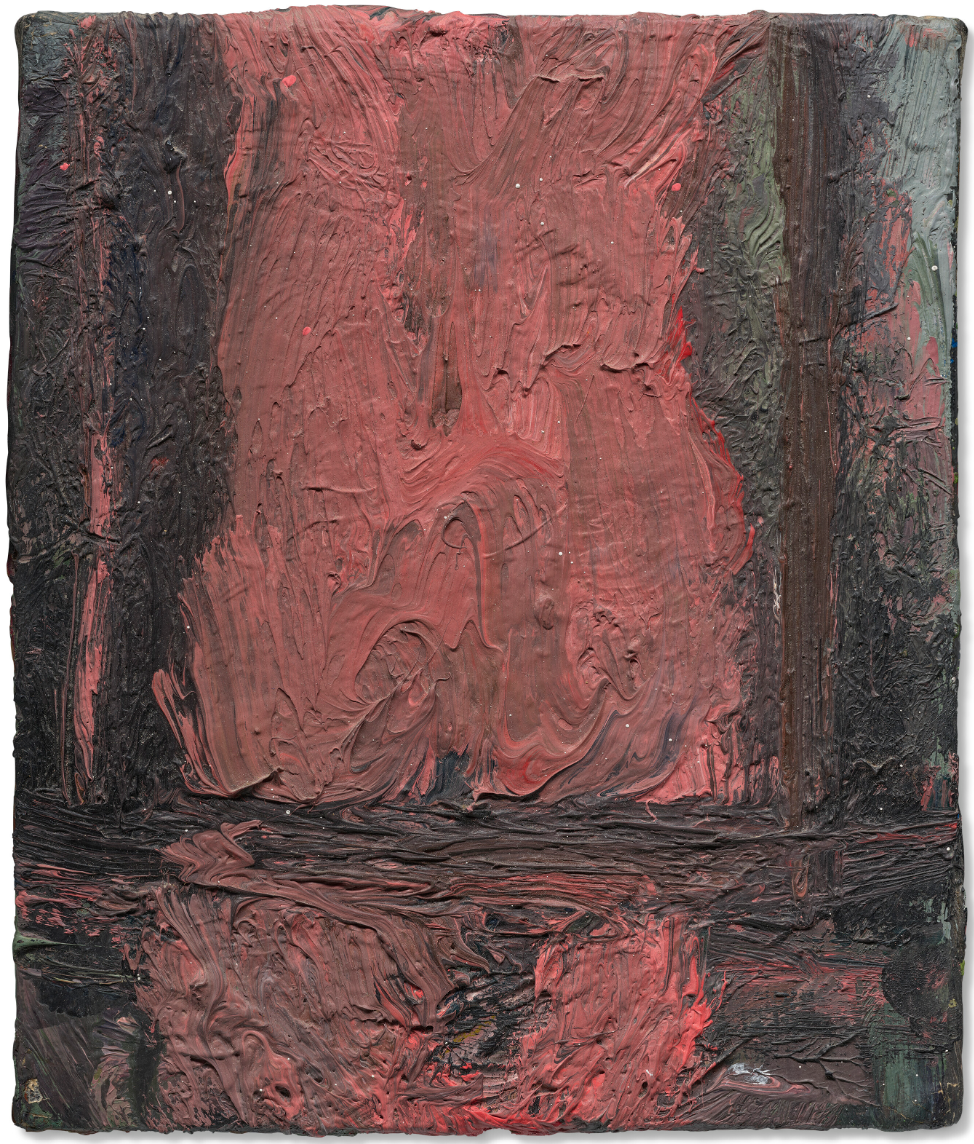
CECILY BROWN (B. 1969)
Untitled, 1991
Oil on canvas
67/8 x 5 7/8 inches (17.6 x 15 cm)
Signed and dated ‘Cecily Brown April 91’ (on the reverse)
2022 Auction Results
13 lots sold at auction in 2022 for a total turnover of USD 32,130,181.
13 lots sold at auction in 2022 for a total turnover of USD 32,130,181 at an average price of USD 2,471,552. With 2 lots failing to sell, the sell-through rate is 87%. The highest price was achieved by Angie (2005) that sold at Phillips in New-York on 18 May 2022 for USD 5,959,000. 2 lots sold above USD 5 million, for a cumulative turnover of USD 11,768,029, representing 36.6% of the total turnover for 2022. 9 lots sold above USD 1 million, generating a cumulative turnover of USD 30,034,295, representing 93.5% of the total turnover for 2022.
2022 Top 3 Lots
#1. Angie, 2005
Phillips New-York: 18 May 2022
Estimated: USD 4,500,000 – 6,500,000
USD 5,959,000
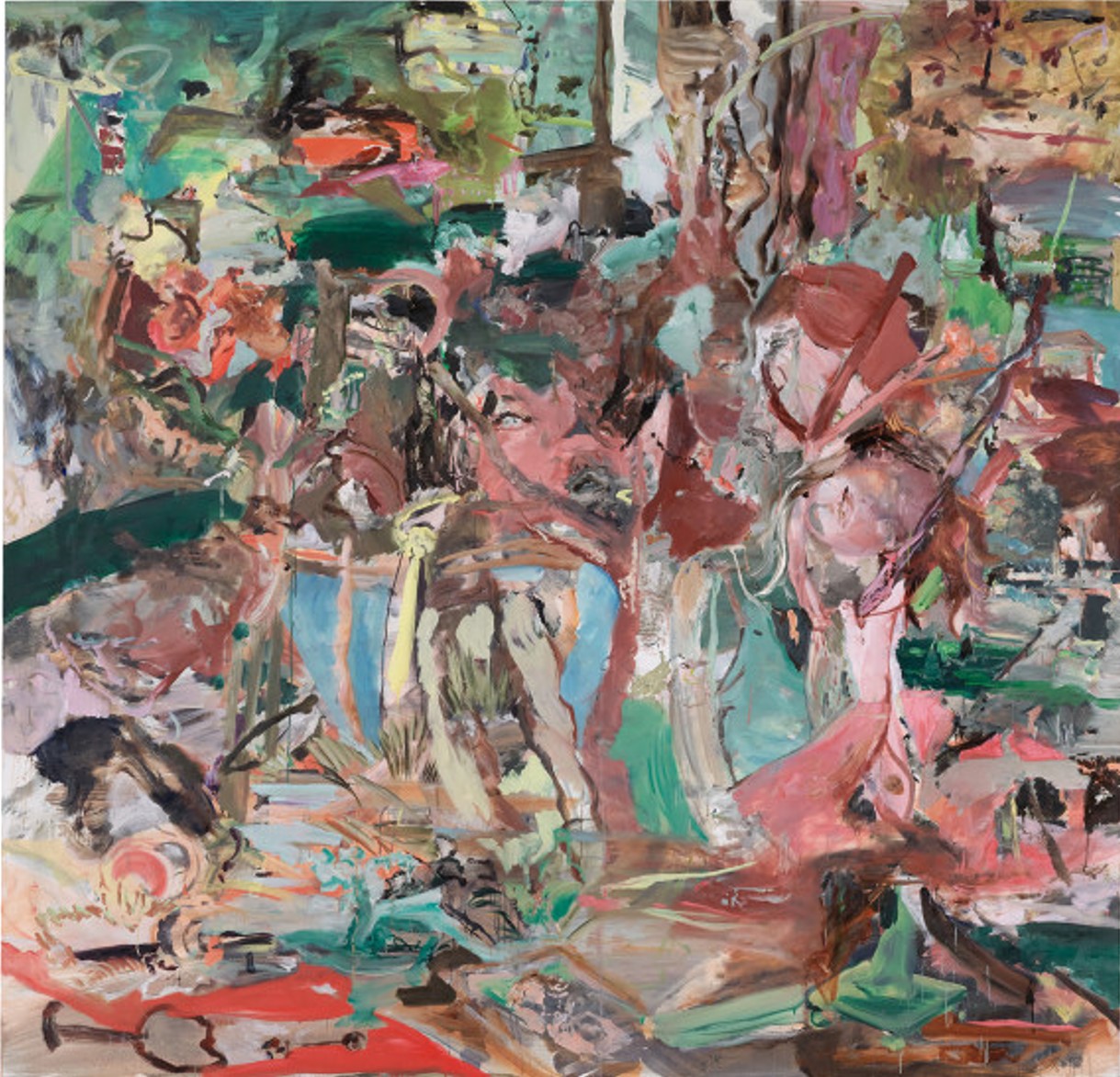
CECILY BROWN
Angie, 2005
Oil on linen
85×89 inches (215.9 x 226.1 cm)
Signed and dated “Cecily Brown 2005” on the reverse
#2. The Girl Who Had Everything, 1998
Christie’s London: 1 March 2022
Estimated: GBP 3,500,000 – 5,500,000
GBP 4,362,000 / USD 5,809,029
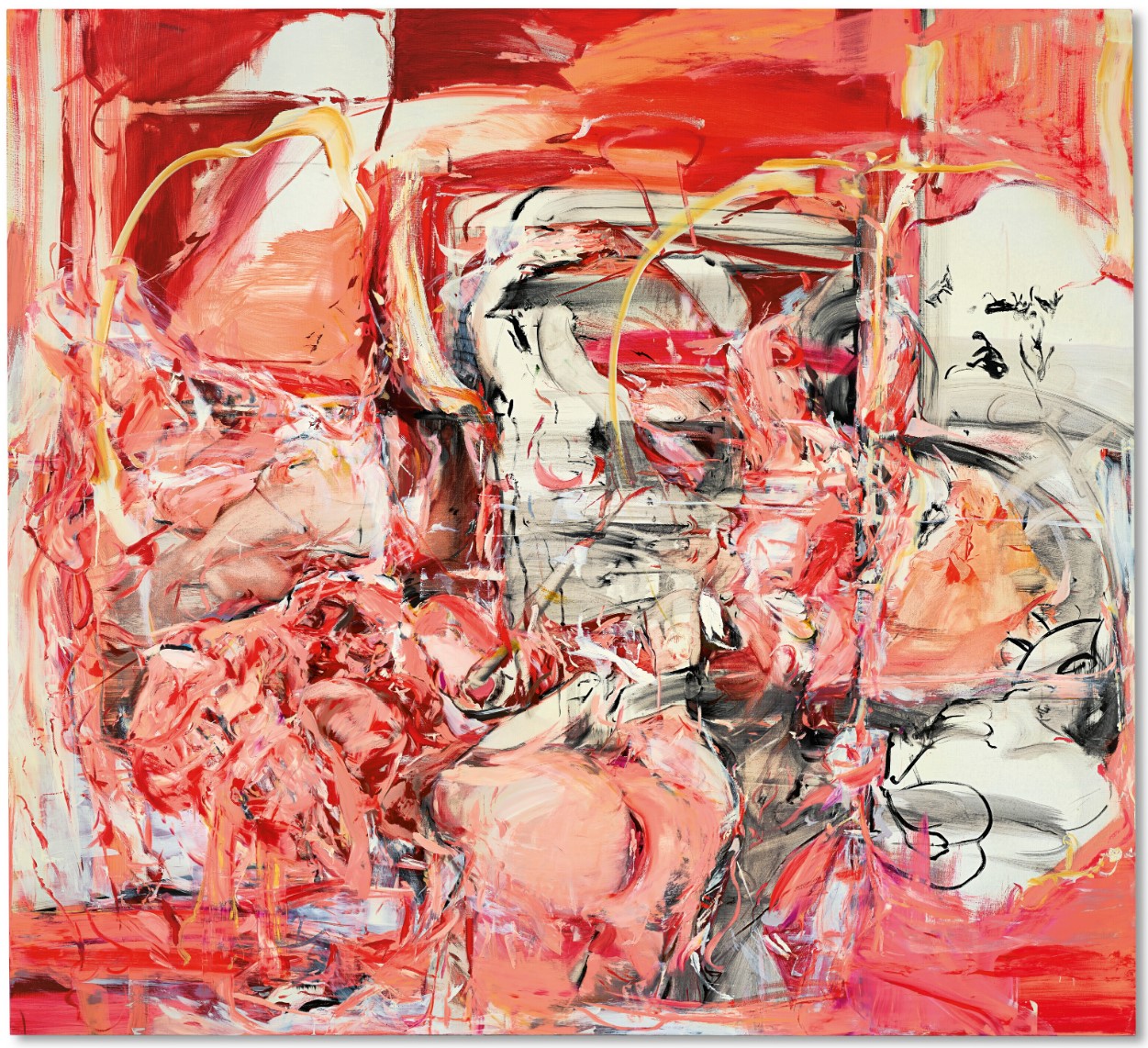
CECILY BROWN (B. 1969)
The Girl Who Had Everything, 1998
Oil on linen
100.1 x 110 inches (254.3 x 279.4 cm)
Signed and dated ‘Cecily Brown 98’ (on the reverse)
Signed and dated ‘Cecily Brown 98’ (on the stretcher)
#3. Eyes Wide Shut, 2001
Sotheby’s New-York: 16 November 2022
Estimated: USD 4,000,000 – 6,000,000
USD 4,527,000
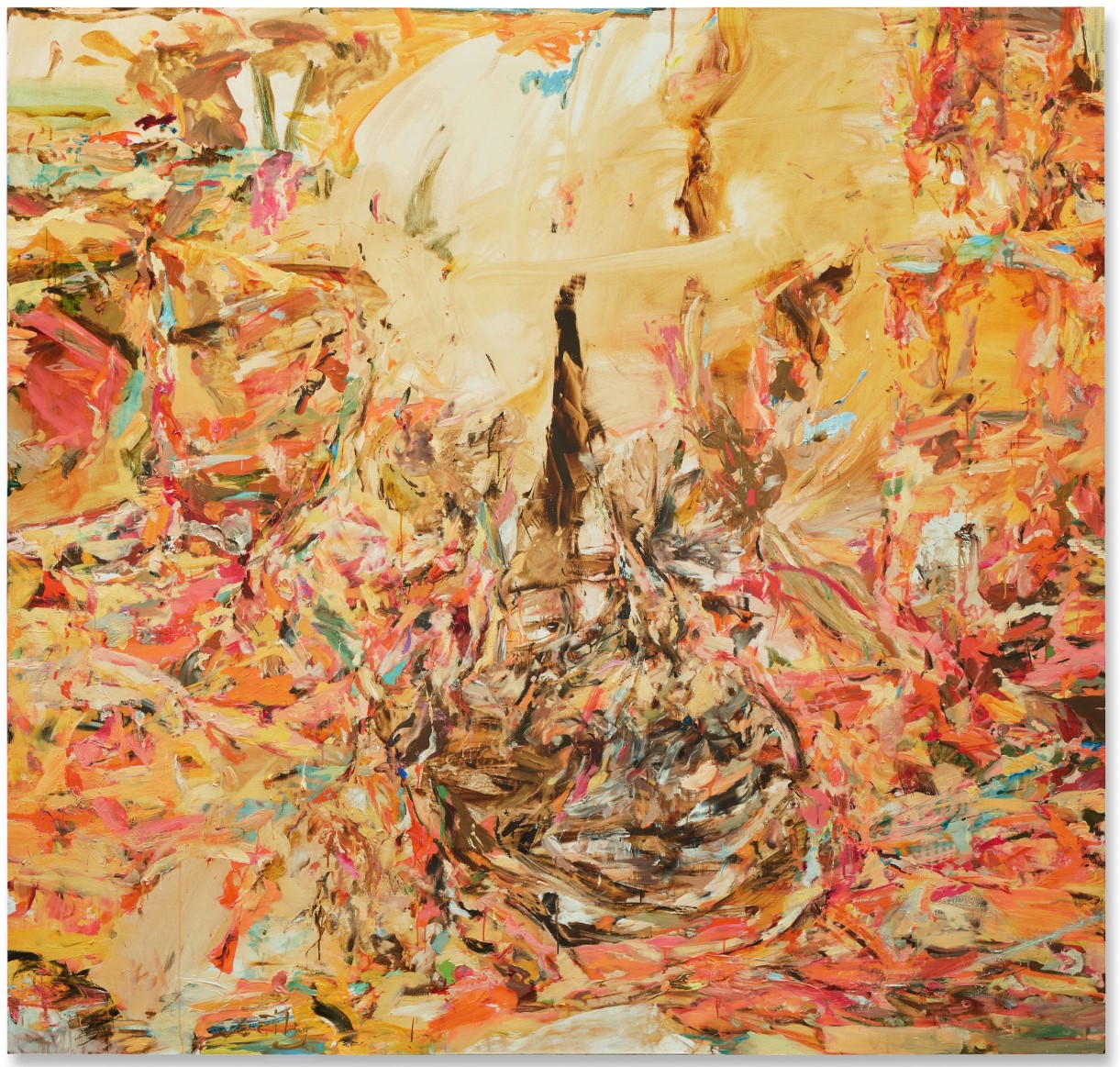
CECILY BROWN (B. 1969)
Eyes Wide Shut, 2001
Oil on canvas
80×84 inches (203.2 x 213.4 cm)
Signed Cecily (lower left)
Signed Cecily Brown and dated 2001 (on the reverse)
Signed CB and dated 2001 (on the stretcher)
#4. When Time Ran Out, 2016
Phillips London: 3 March 2022
Estimated: GBP 2,000,000 – 3,000,000
GBP 3,168,500 / USD 4,220,727
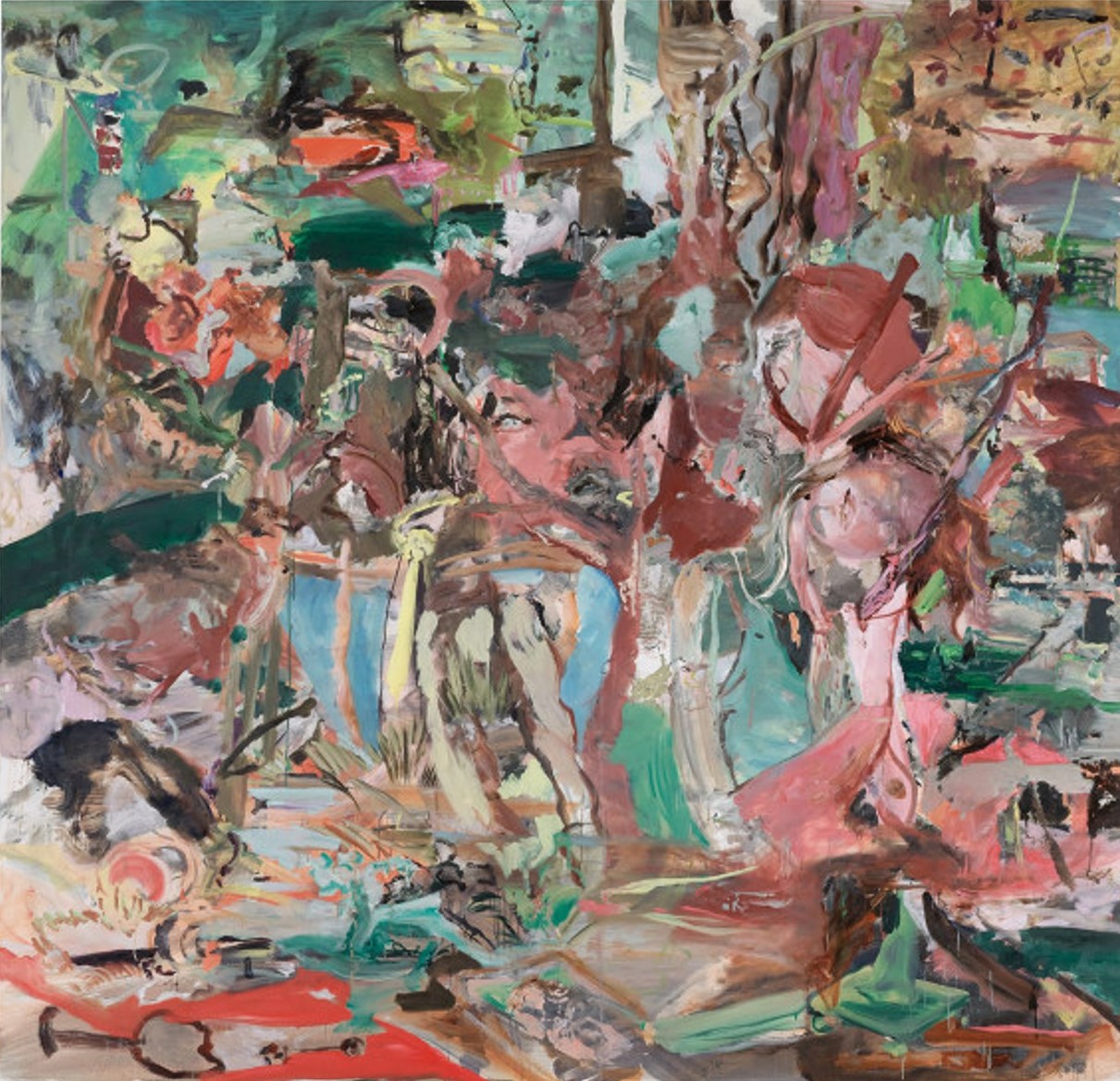
CECILY BROWN
When Time Ran Out, 2016
Oil on linen
77×97 inches (195.6 x 246.4 cm)
Signed and dated ‘Cecily Brown 16’ on the reverse
#5. Faeriefeller, 2019
Sotheby’s London: 2 March 2022
Estimated: GBP 2,200,000 – 2,800,000
GBP 2,919,000 / USD 3,901,884
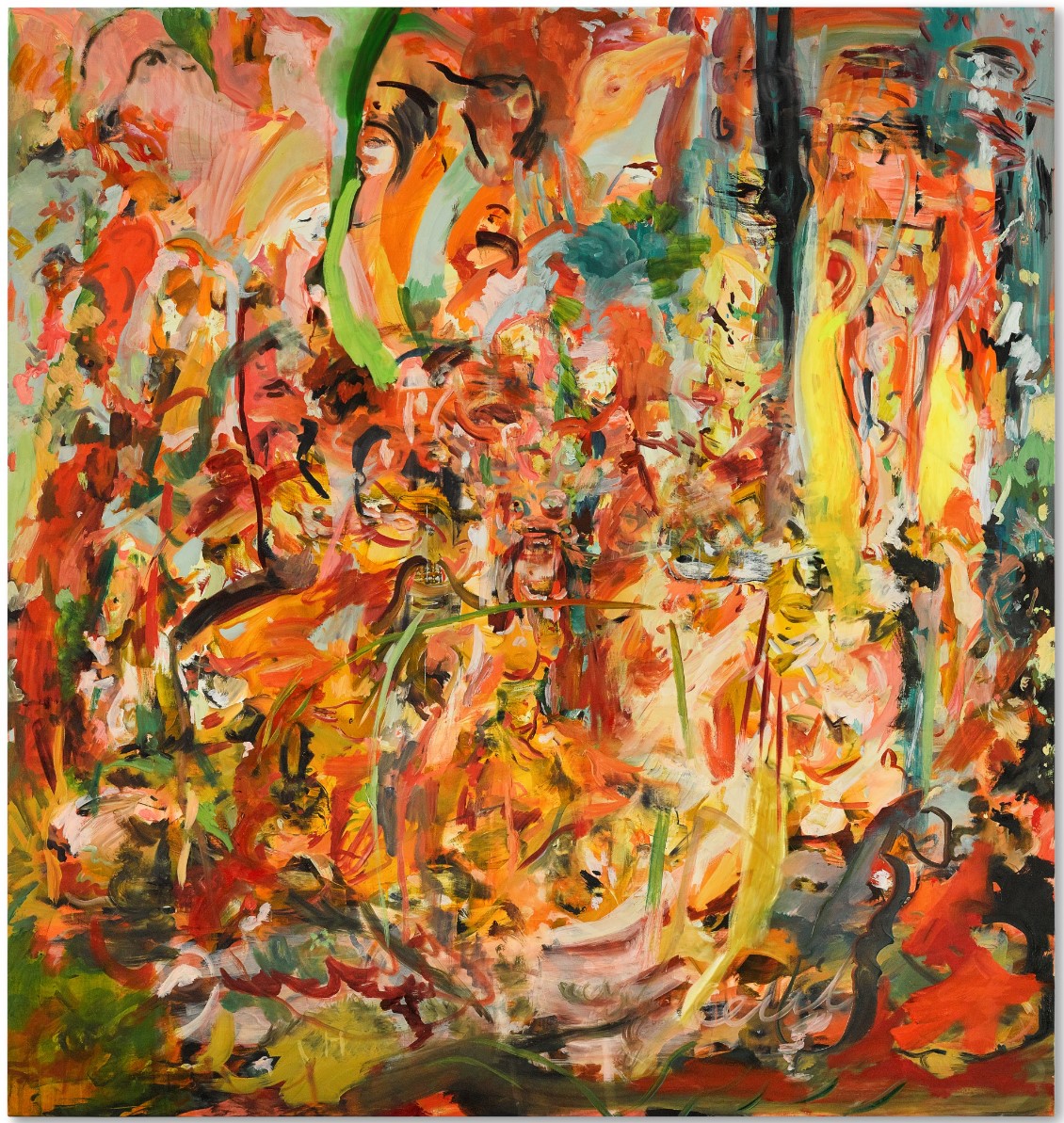
CECILY BROWN (B. 1969)
Faeriefeller, 2019
Oil on linen
71×67 inches (180.3 x 170 cm)
Signed; signed Cecily Brown, titled Faeriefeller and dated 2019 (on the verso)
#6. Untitled, 2007-2008
Christie’s New-York: 17 November 2022
Estimated: USD 400,000 – 600,000
USD 1, 740,000
CECILY BROWN (B. 1969) (christies.com)
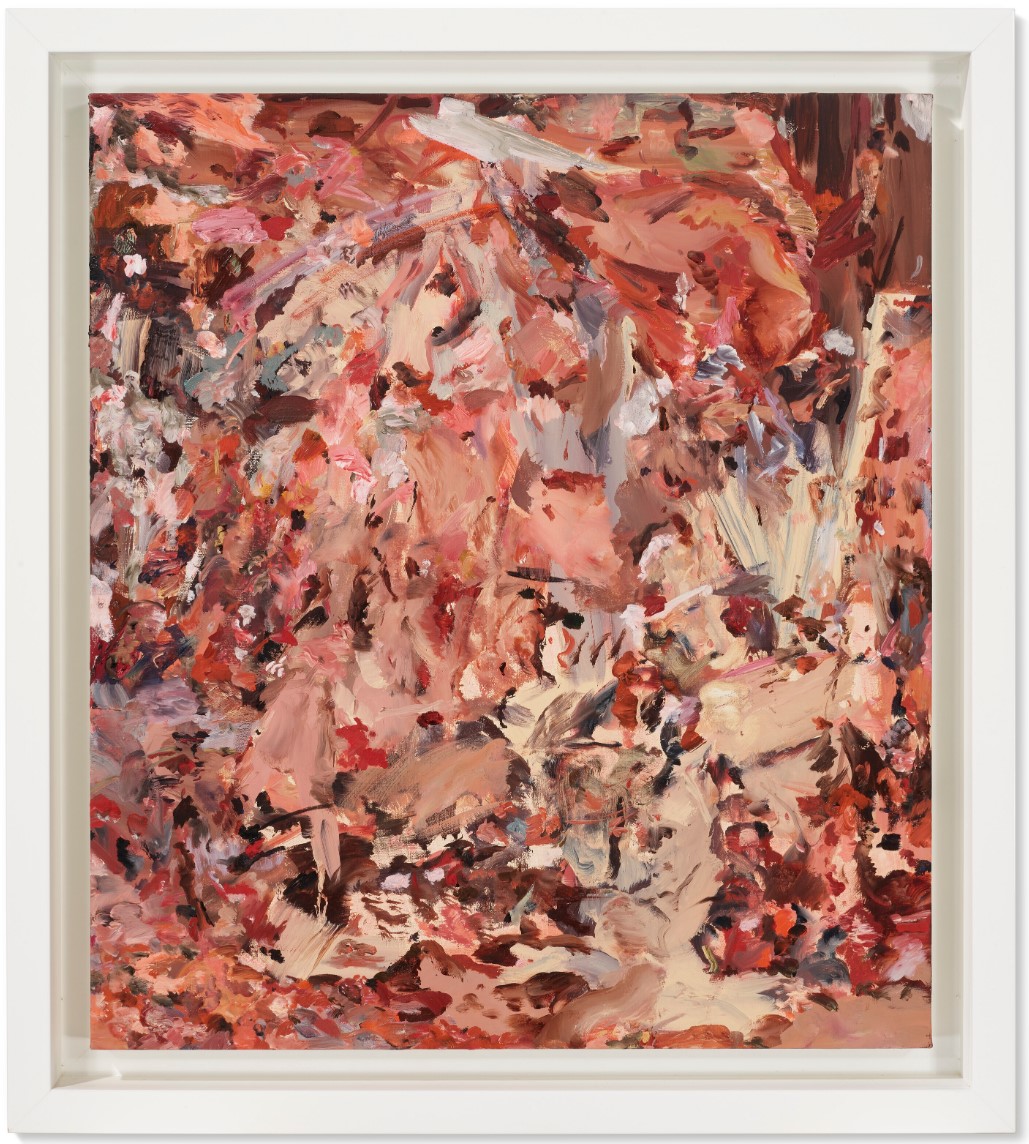
CECILY BROWN (B. 1969)
Untitled, 2007-2008
Oil on canvas
25×22 inches (63.5 x 56 cm)
Signed and dated ‘Cecily Brown 07-08’ (on the reverse)
#7. Beautiful Not Realistic, 2008
Sotheby’s London: 14 October 2022
Estimated: GBP 600,000 – 800,000
GBP 1,487,000 / USD 1,667,040
Beautiful Not Realistic | Contemporary Evening Auction | 2022 | Sotheby’s (sothebys.com)
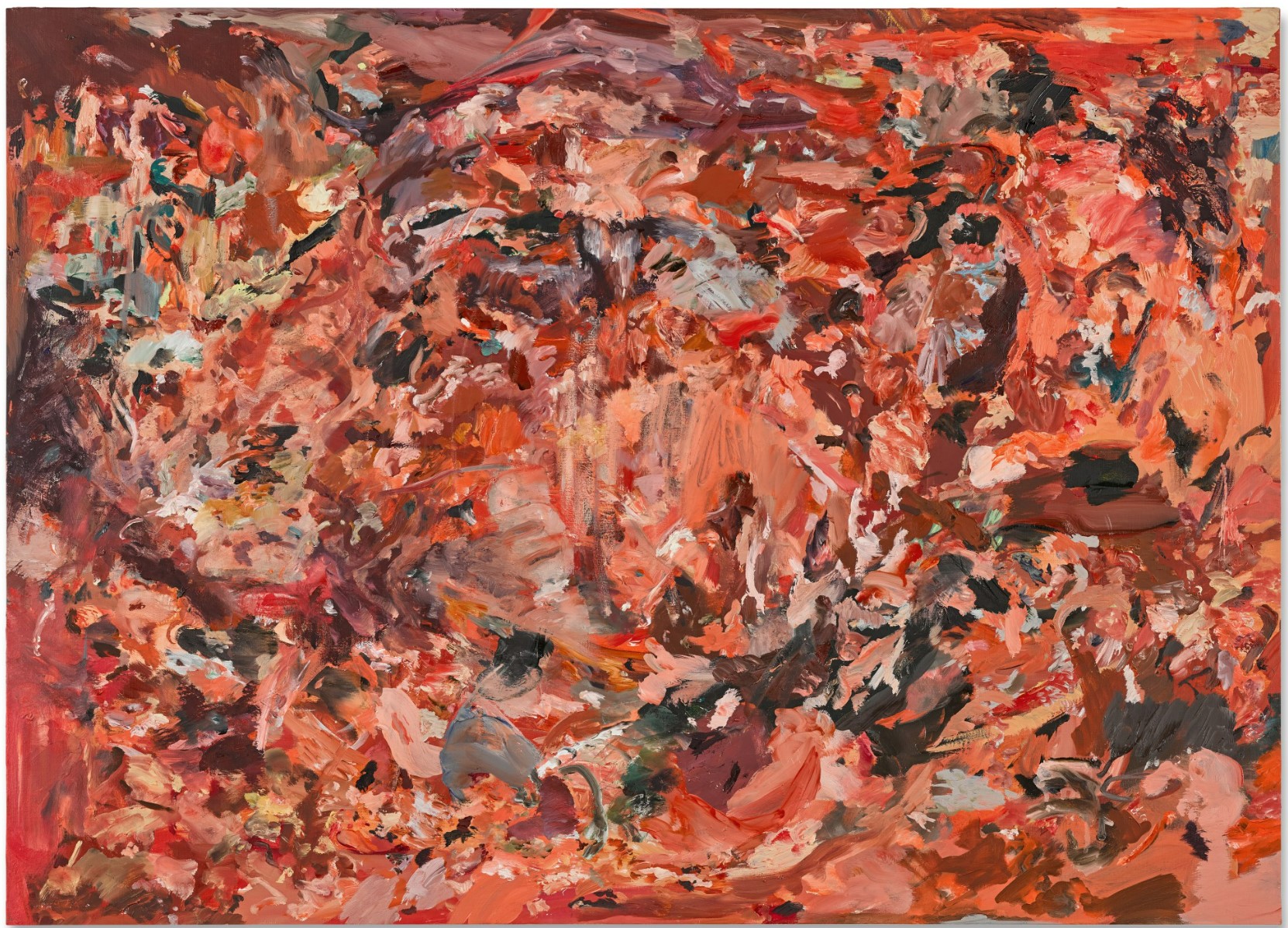
CECILY BROWN (B. 1969)
Beautiful Not Realistic, 2008
Oil on linen
31×43 inches (78.7 x 109.2 cm)
Signed Cecily Brown and dated 2008 (on the reverse)
#8. Blithe Spirit, 1999
Phillips London: 3 March 2022
Estimated: GBP 500,000 – 700,000
GBP 845,300 / USD 1,126,015
Cecily Brown – 20th Century & Contempo… Lot 20 March 2022 | Phillips
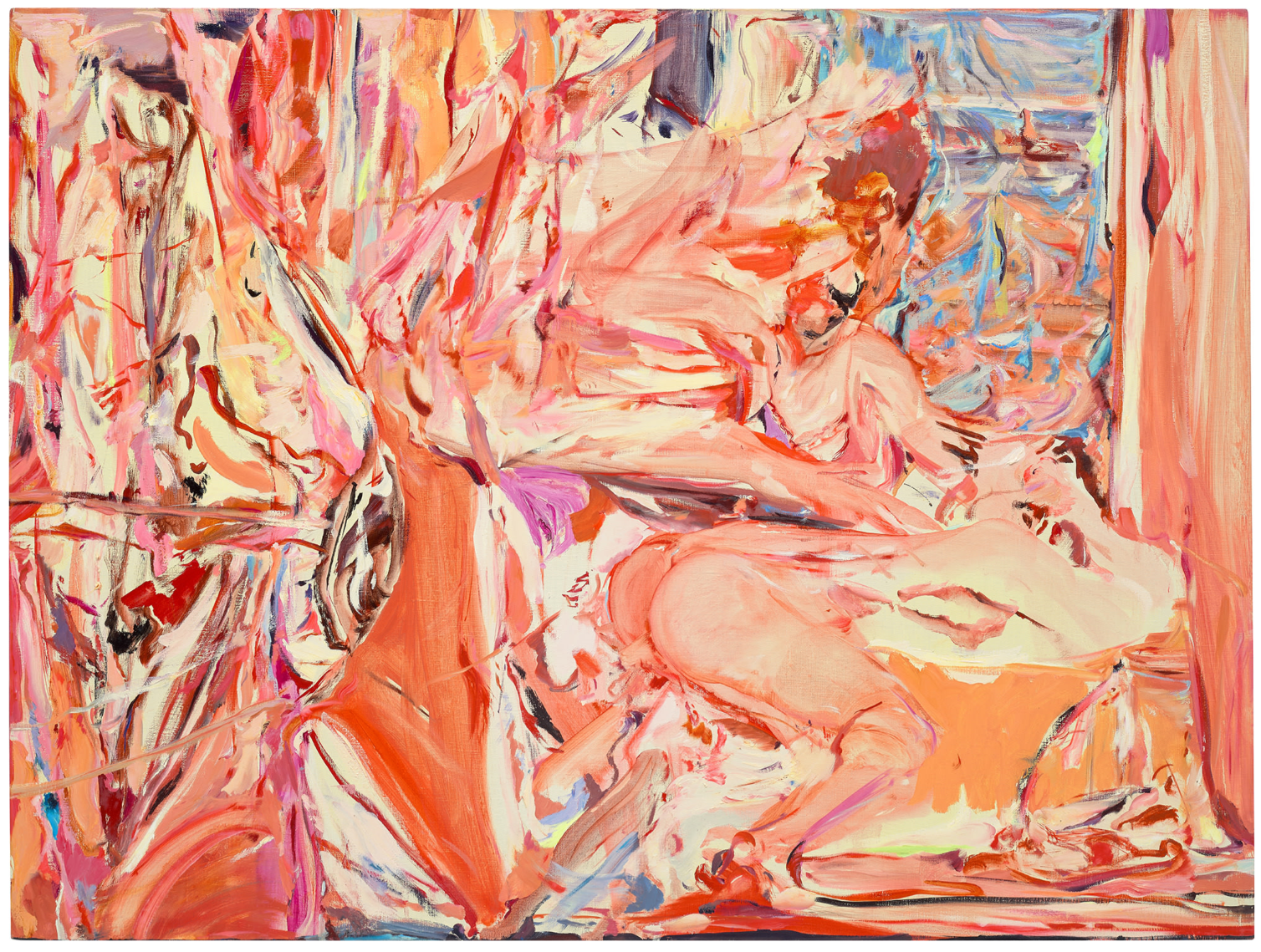
CECILY BROWN
Blithe Spirit, 1999
Oil on canvas
36×48 inches (91.5 x 122 cm)
Signed and dated ‘Cecily Brown 99’ on the reverse
Signed and dated ‘Cecily Brown 99’ on the stretcher
#9. Girder and Joist, 2009
Sotheby’s New-York: 11 March 2022
Estimated: USD 500,000 – 700,000
USD 1,083,600
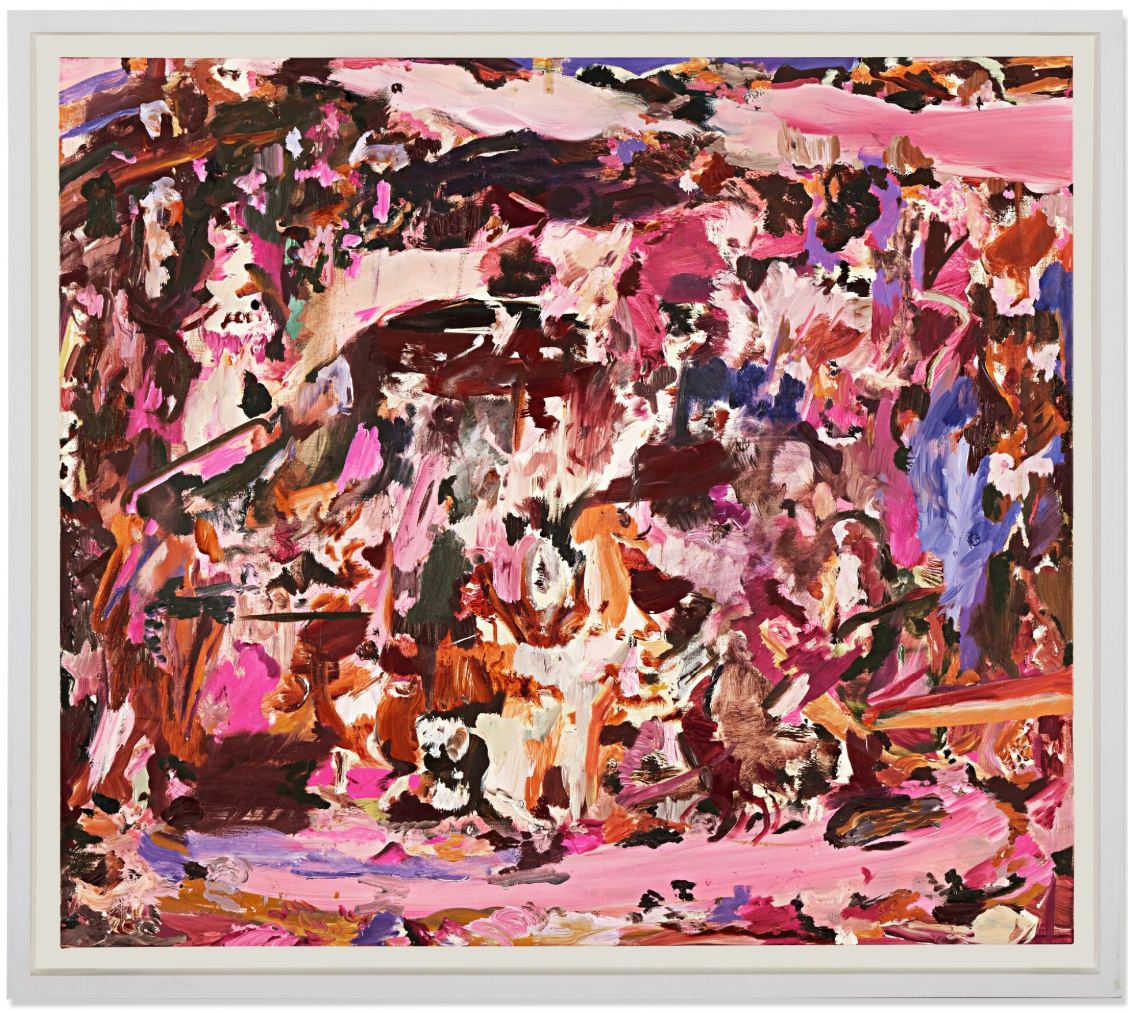
CECILY BROWN (b. 1969)
Girder and Joist, 2009
Oil on linen
22×25 inches (55.9 x 63.5 cm)
Signed Cecily Brown and dated 2009 (on the verso)
USD 1 million
#10. Summer Loving, 1998
Sotheby’s London: 23 March 2022
Estimated: GBP 400,000 – 600,000
GBP 504,000 / USD 665,786
Summer Loving | (Women) Artists | 2022 | Sotheby’s (sothebys.com)
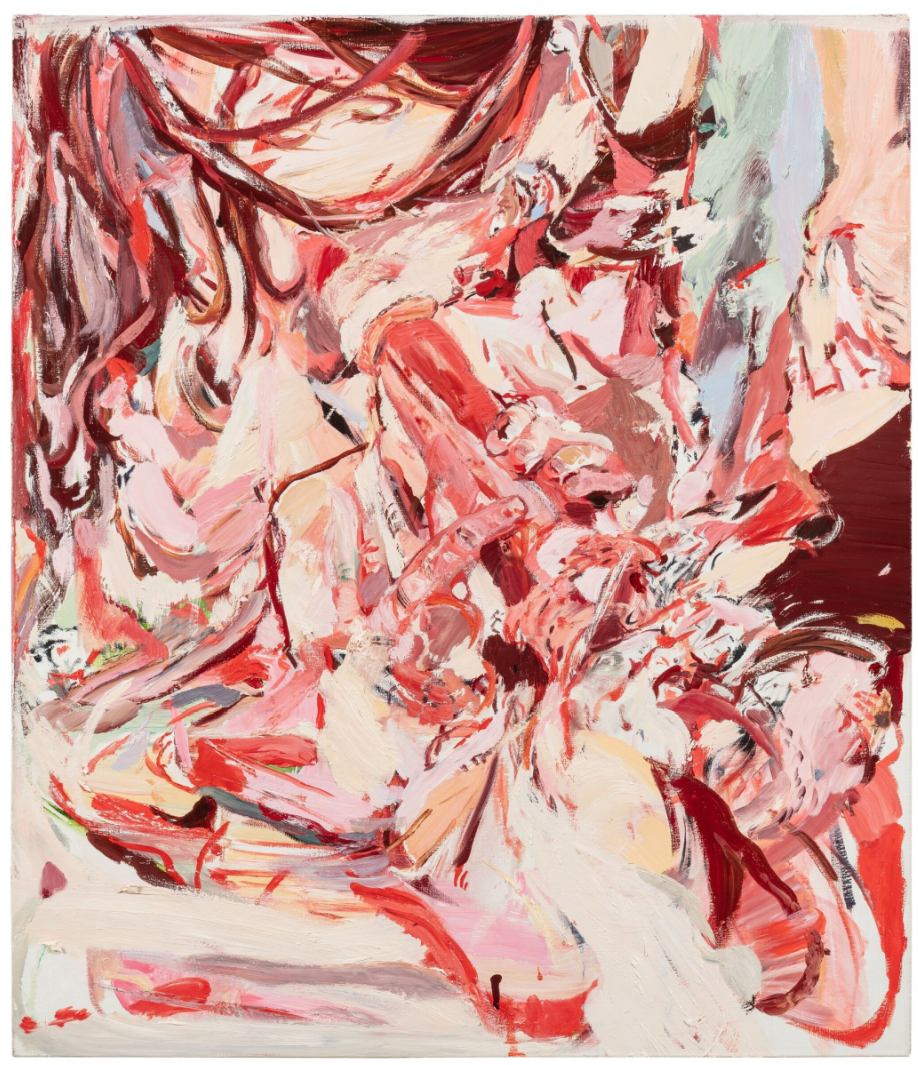
CECILY BROWN (b. 1969)
Summer Loving, 1998
Oil on canvas
28×24 inches (71.1 x 61 cm)
#11. Untitled, 2016-17
Sotheby’s New-York: 17 November 2022
Estimated: USD 350,000 – 450,000
USD 661,500
Untitled | Contemporary Day Auction | 2022 | Sotheby’s (sothebys.com)
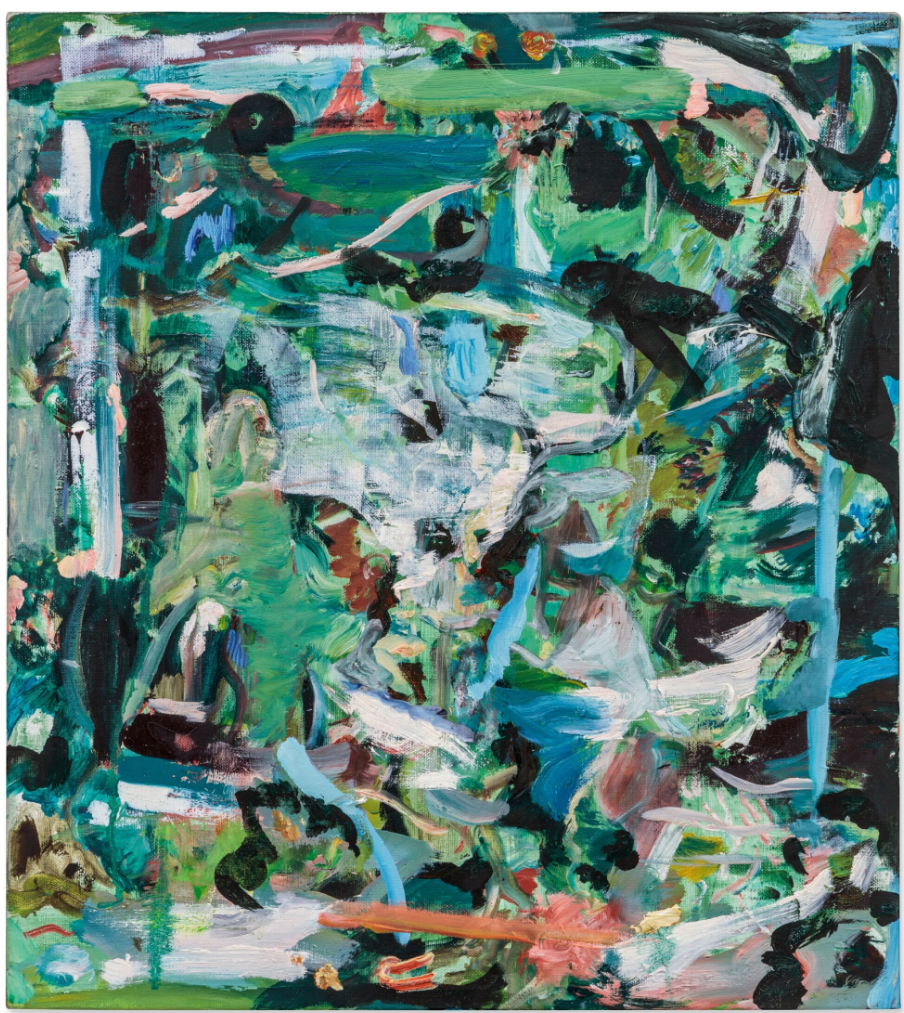
CECILY BROWN (b. 1969)
Untitled, 2016-17
Oil on linen
19×17 inches (48.3 x 43.2 cm)
Signed and dated 2016-17 (on the reverse)
#12. Pauline, 2020-22
Sotheby’s New-York: 17 November 2022
Estimated: USD 150,000 – 200,000
USD 441,000
Pauline | Contemporary Day Auction | 2022 | Sotheby’s (sothebys.com)
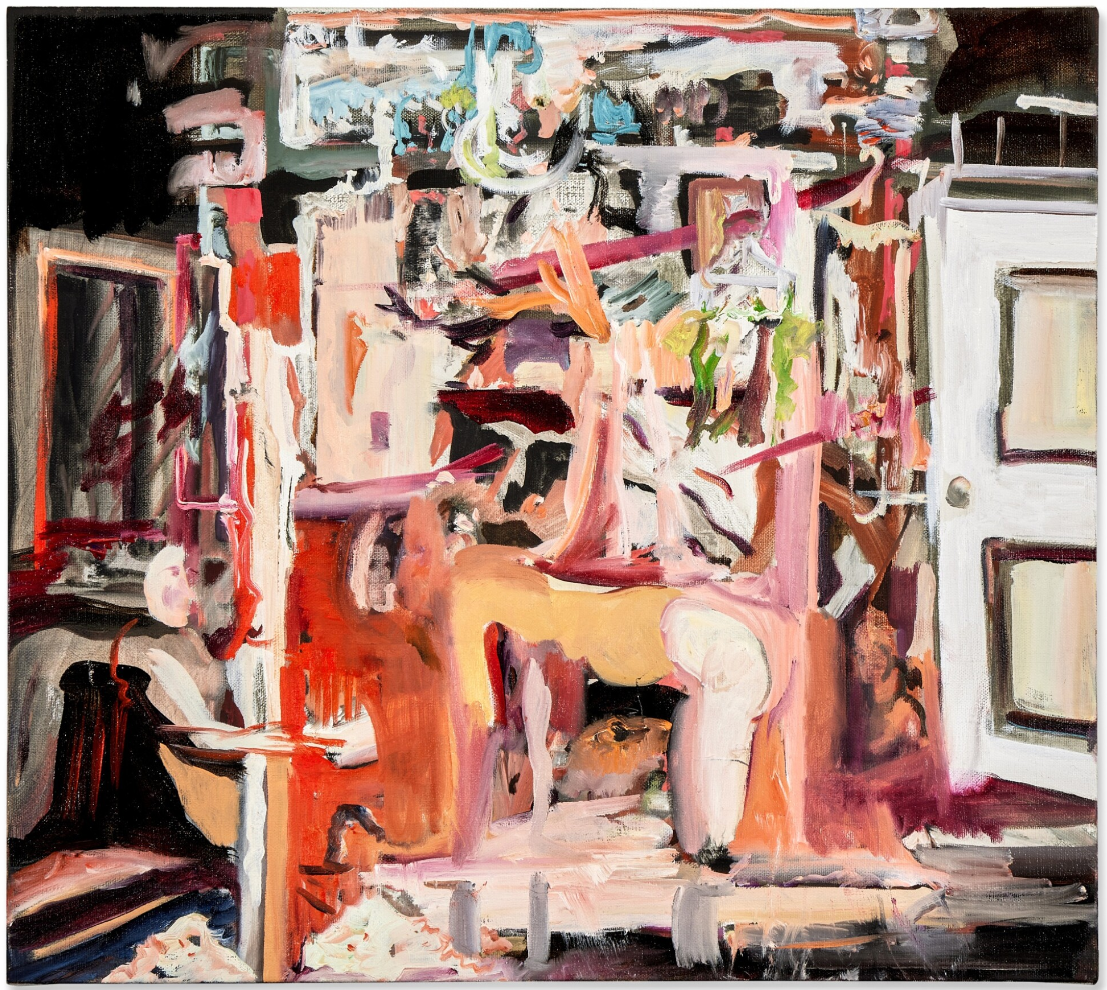
CECILY BROWN (b. 1969)
Pauline, 2020-22
Oil on canvas
17 1/8 x 19 inches (43.5 x 48.3 cm)
Signed cecily brown and dated 2020-22 (on the reverse)
#13. Are You Weary, Are You Languid?, 2010
Sotheby’s New-York: 20 September 2022
Estimated: USD 200,000 – 300,000
USD 327,600
Are You Weary, Are You Languid? | Contemporary Curated | 2022 | Sotheby’s (sothebys.com)
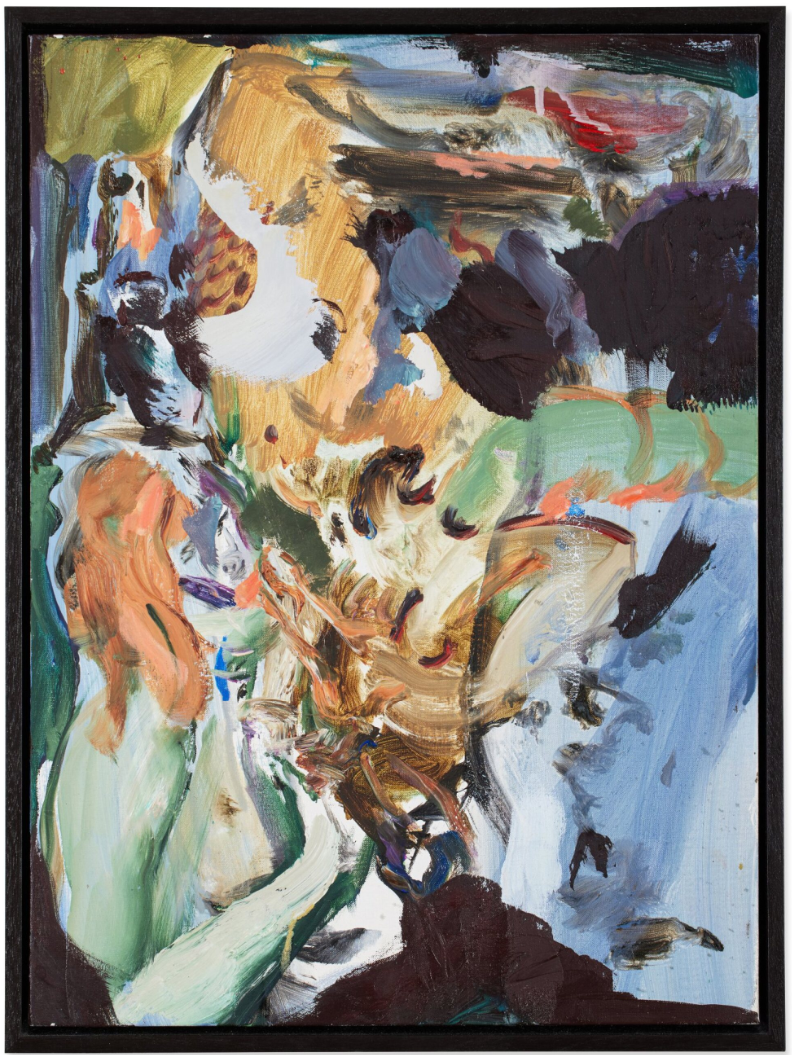
CECILY BROWN (b.1969)
Are You Weary, Are You Languid?, 2010
Oil on linen
17 1/8 x 12 5/8 inches (43.5 x 32.1 cm)
Signed and dated 2010 (on the verso)
2021 Auction Results
14 lots sold at auction in 2021 for a total turnover of USD 35,007,542.
With only 1 lot failing to sell, the sell-through rate is 93%. The average price is USD 2,500,839. The highest price was achieved at Sotheby’s in New-York on 18 November 2021 when Spree, a painting dated 1999, sold for USD 6,583,500. 7 lots sold for more than USD 1 million, generating a cumulative turnover of USD 30,340,857, representing 86.7% of the total turnover for 2021.
2021 Top 3 Lots
#1. Spree, 1999
Sotheby’s New-York: 18 November 2021
Estimated: USD 3,000,000 – 4,000,000
USD 6,583,500
CECILY BROWN
Spree, 1999
Oil on canvas
75×75 inches (190.5 x 190.5 cm)
Signed Cecily Brown, titled and dated 1999 (on the reverse)
#2. Bend Sinister, 2002
Sotheby’s New-York: 18 November 2021
Estimated: USD 800,000 – 1,200,000
USD 6,353,700
CECILY BROWN (b.1969)
Bend Sinister, 2002
Oil on canvas
48×48 inches (121.9 x 121.9 cm)
Signed Cecily Brown (on the reverse)
Signed Cecily Brown and dated 2002 (on the stretcher)
#3. Untitled, 2007
Phillips New-York: 17 November 2021
Estimated: USD 3,500,000 – 4,500,000
USD 6,140,500
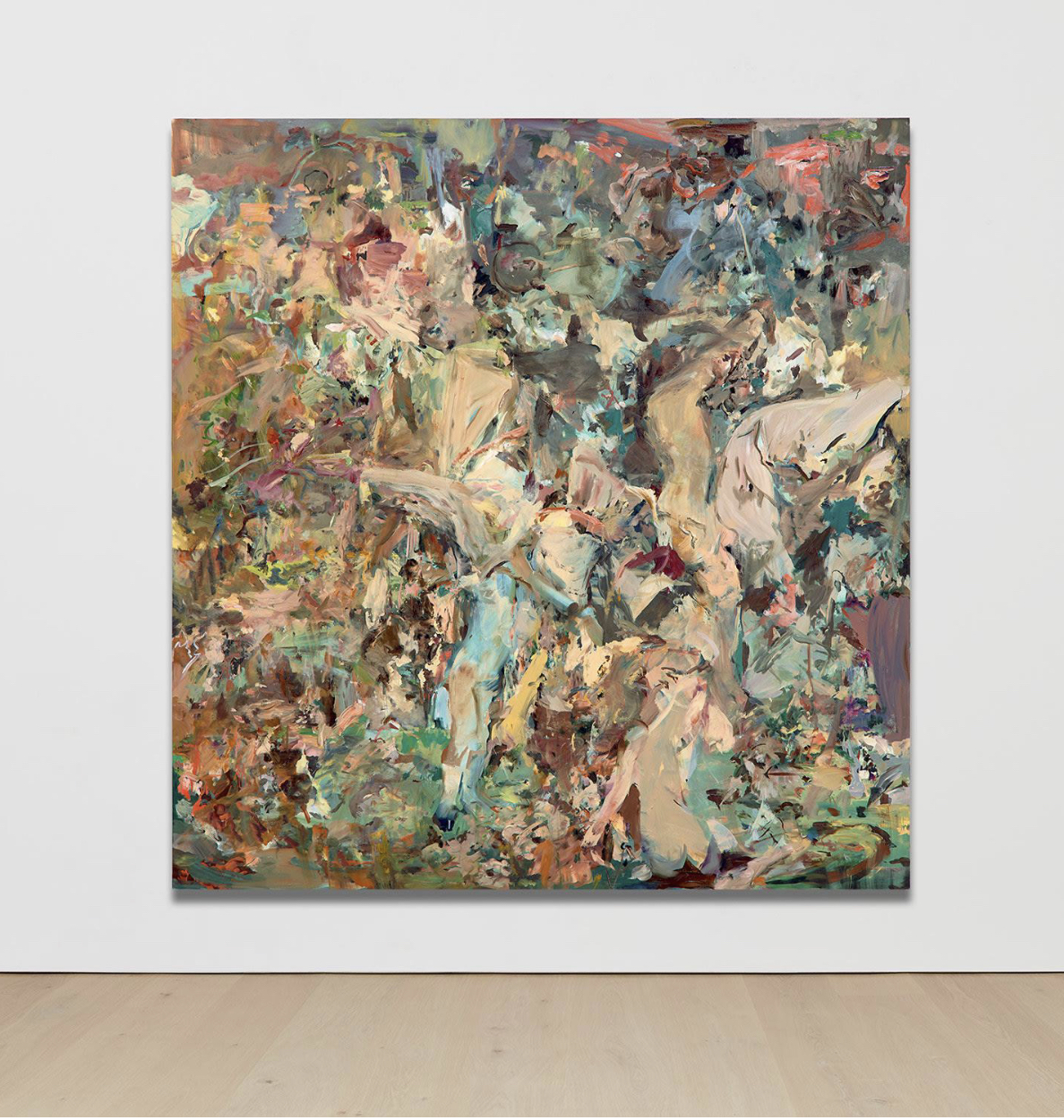
CECILY BROWN
Untitled, 2007
Oil on canvas
89 x 85 1/8 inches (226.1 x 216.2 cm)
Signed and dated “Cecily Brown 2007” on the reverse
#4. There’ll be bluebirds, 2019
Christie’s London: 15 October 2021
Estimated: GBP 500,000 – 700,000
GBP 3,502,500 / USD 4,818,407
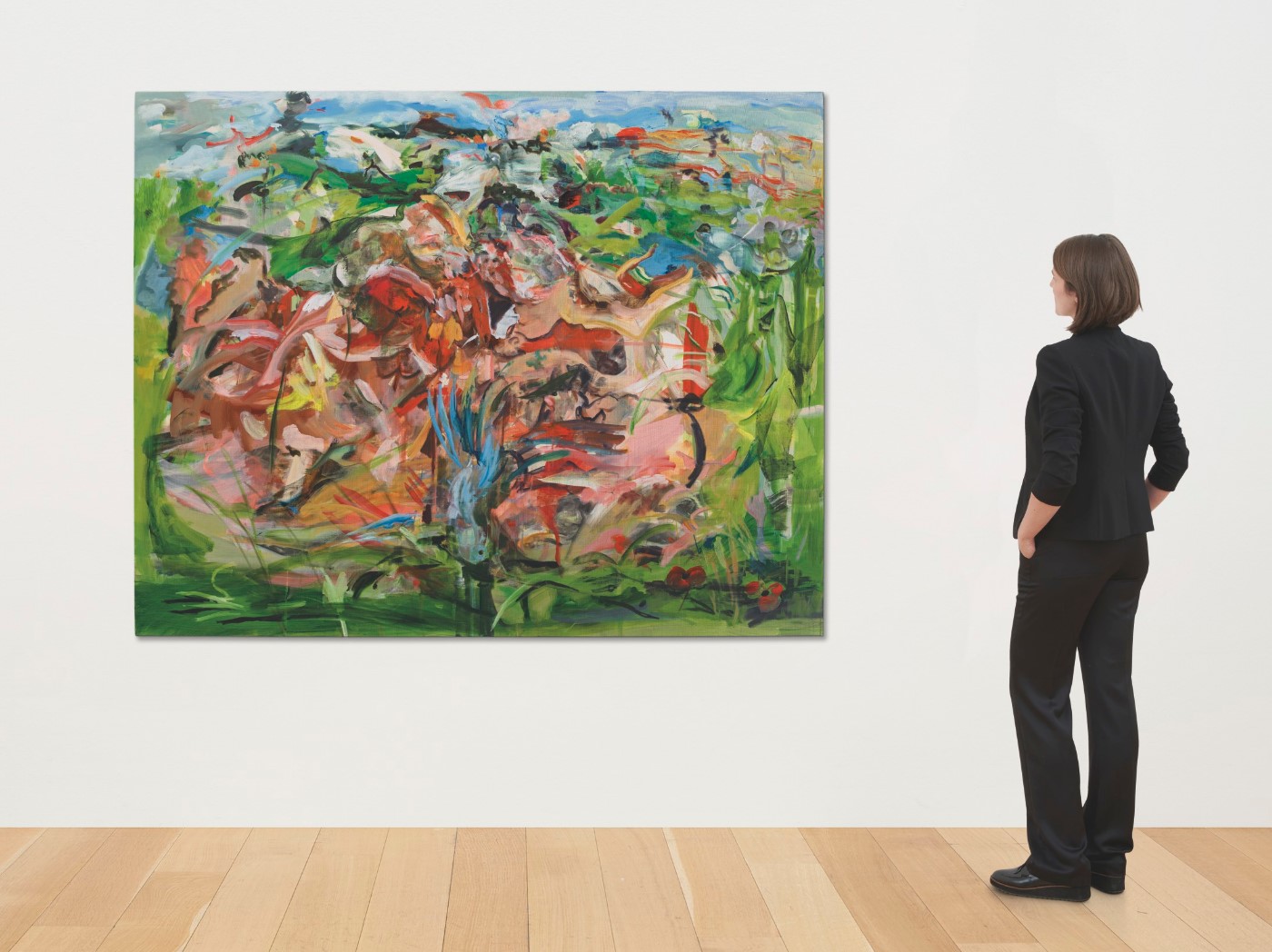
CECILY BROWN (B. 1969)
There’ll be bluebirds, 2019
Oil on UV-curable pigment on linen
53 x 66.7 inches (134.5 x 169.5 cm)
#5. Unfurl the Flag, 2013
Sotheby’s Hong-Kong: 9 October 2021
Estimated: HKD 12,000,000 – 16,000,000
HKD 25,585,000 / USD 3,286,575
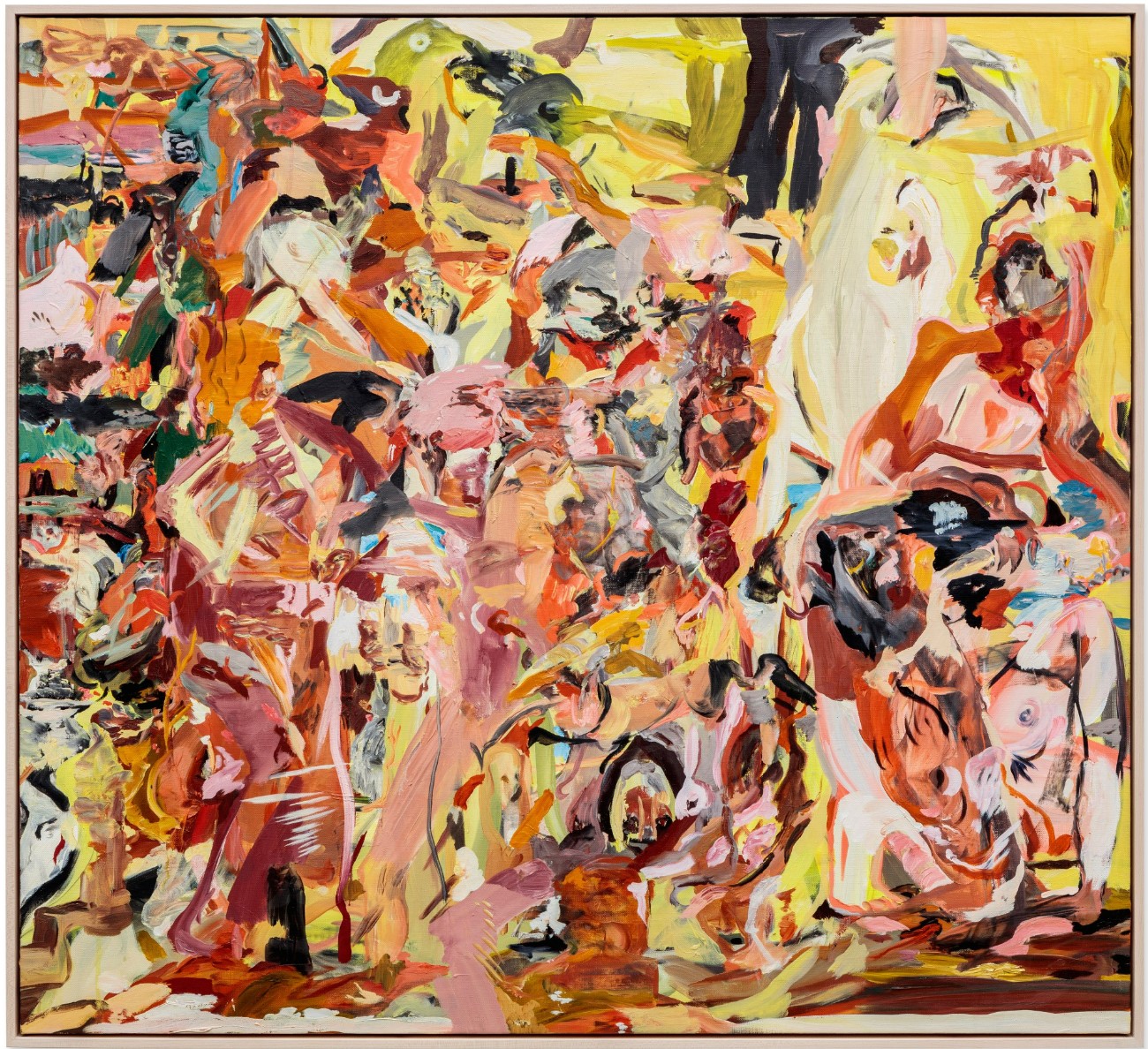
CECILY BROWN (B. 1969)
Unfurl the Flag, 2013
Oil on linen
41×45 inches (104.1 x 114.3 cm)
Signed and dated 2013 on the reverse
#6. Summerstorm, 2000
Sotheby’s Hong-Kong: 19 April 2021
Estimated: HKD 12,500,000 – 14,500,000
HKD 15,905,000 / USD 2,047,977
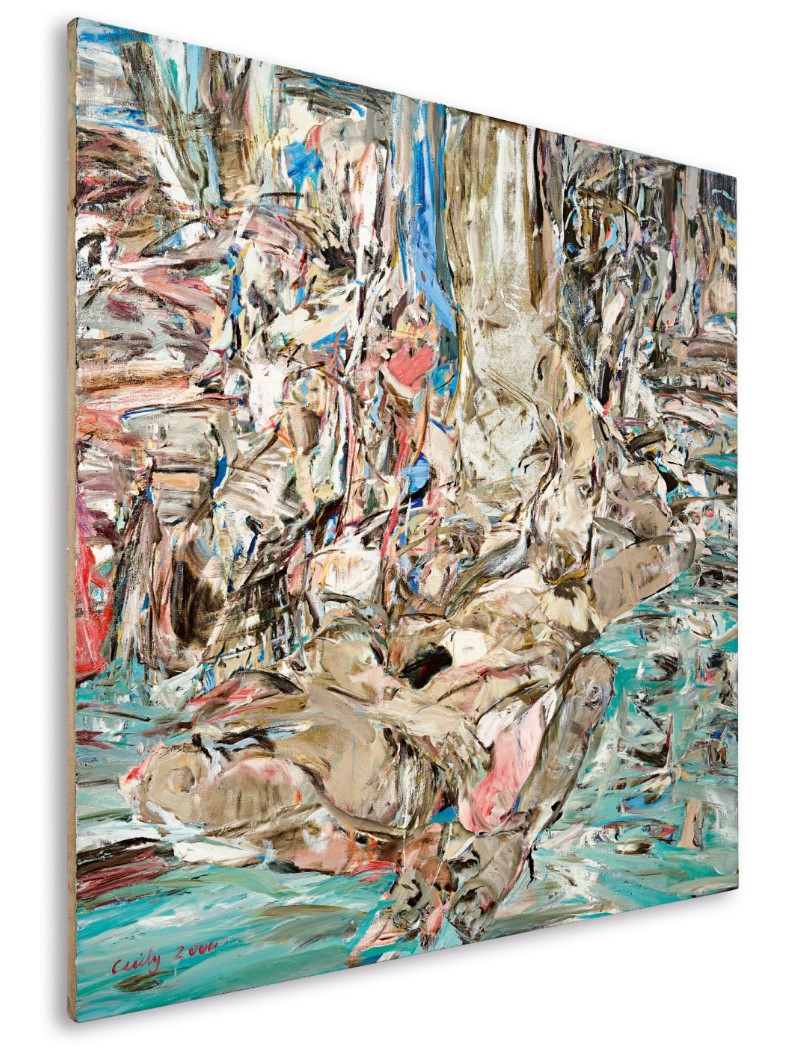
CECILY BROWN (B. 1969)
Summerstorm, 2000
Oil on canvas
60×60 inches (152.5 x 152.5 cm)
Signed and dated 2000
#7. Twenty Million Sweethearts, 1998-1999
Christie’s Hong-Kong: 1 December 2021
Estimated: HKD 7,000,000 – 9,000,000
HKD 8,650,000 / USD 1,110,198
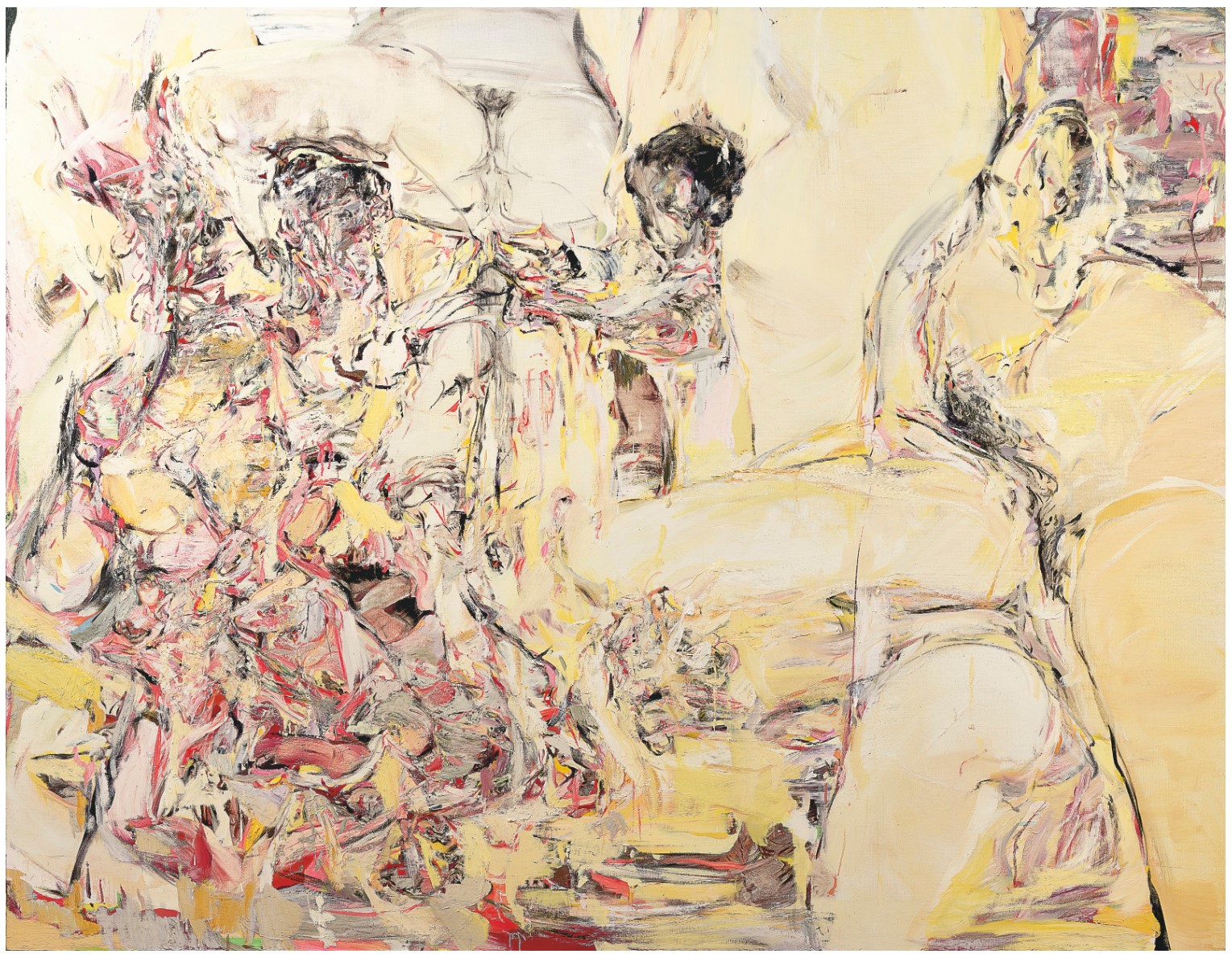
CECILY BROWN (B. 1969)
Twenty Million Sweethearts, 1998-1999
Oil on linen
76×98 inches (193 x 248.9 cm)
Signed and dated ‘Cecily Brown ‘98-99 CB 98-99’ (on the reverse)
USD 1 million
#8. The End, 2006
Phillips Hong-Kong: 8 June 2021
Estimated: HKD 4,500,000 – 6,000,000
HKD 8,559,000 / USD 878,684
Cecily Brown – 20th Century & Contempor… Lot 26 June 2021 | Phillips
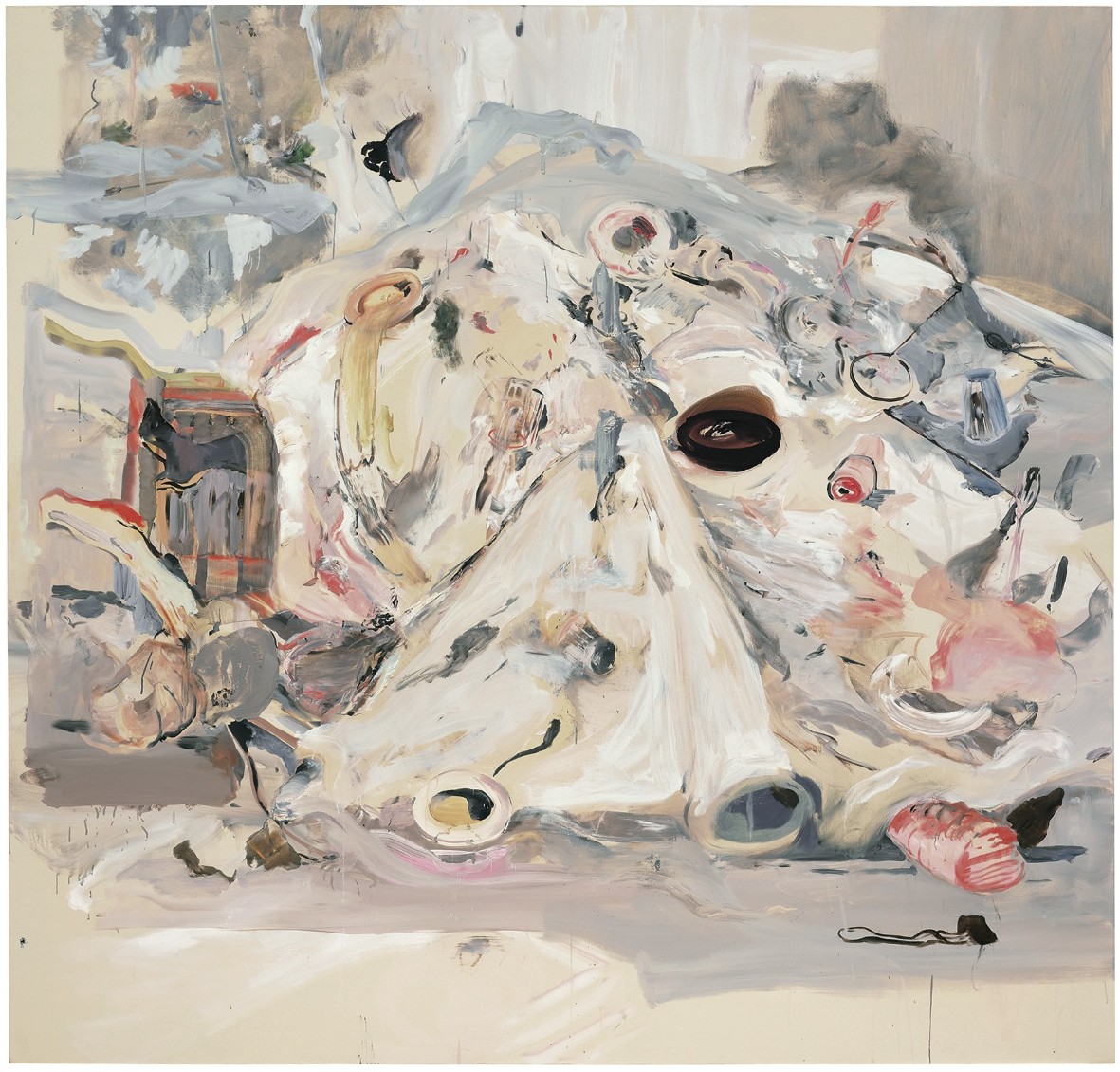
CECILY BROWN
The End, 2006
Oil on linen
85 1/8 x 89 1/8 inches (216.2 x 226.4 cm)
#9. Twice Told Tales II, 1998
Sotheby’s London: 27 May 2021
Estimated: GBP 400,000 – 600,000
GBP 620,000 / USD 878,684
Twice Told Tales II | (Women) Artists | 2021 | Sotheby’s (sothebys.com)
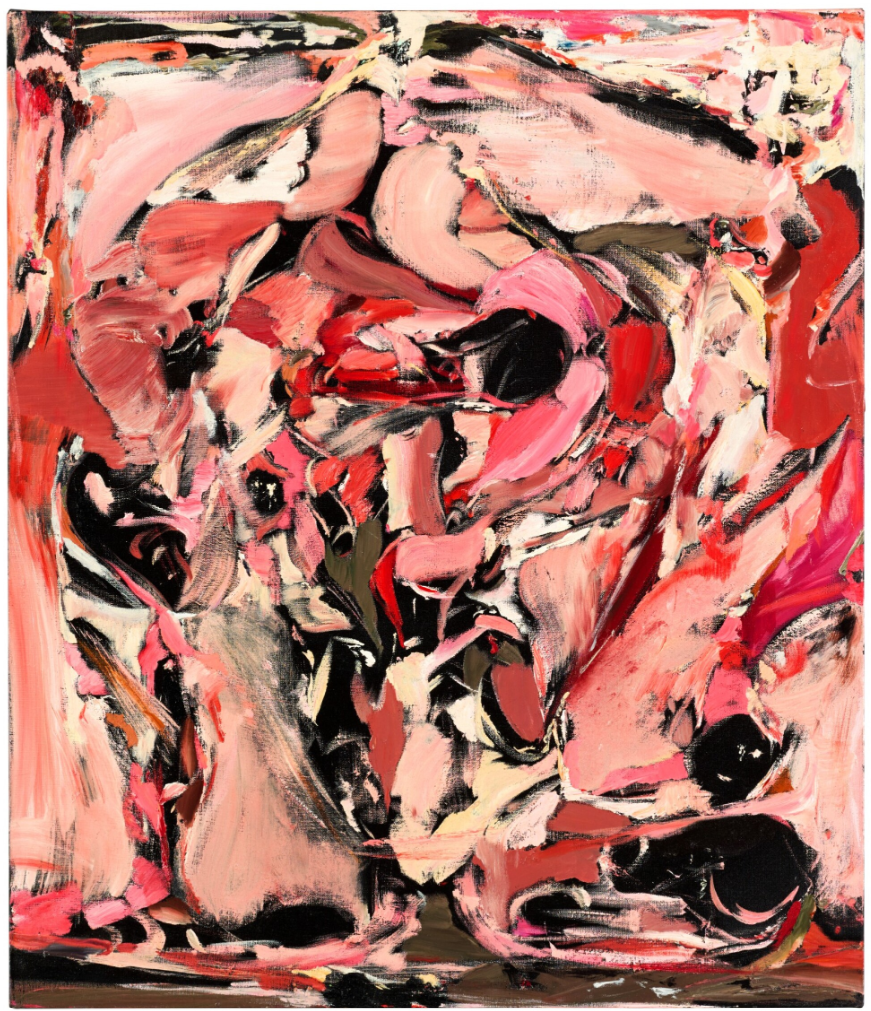
CECILY BROWN (b.1969)
Twice Told Tales II, 1998
Oil on canvas
28 1/8 x 24 inches (71.5 x 61 cm)
Signed and dated 98 on the reverse
#10. Untitled (Trapeze), 1997
Sotheby’s New-York: 18 November 2021
The Collection of Douglas S. Cramer
Estimated: USD 1,500,000 – 2,000,000
USD 806,500
Untitled (Trapeze) | Contemporary Evening Auction | 2021 | Sotheby’s (sothebys.com)
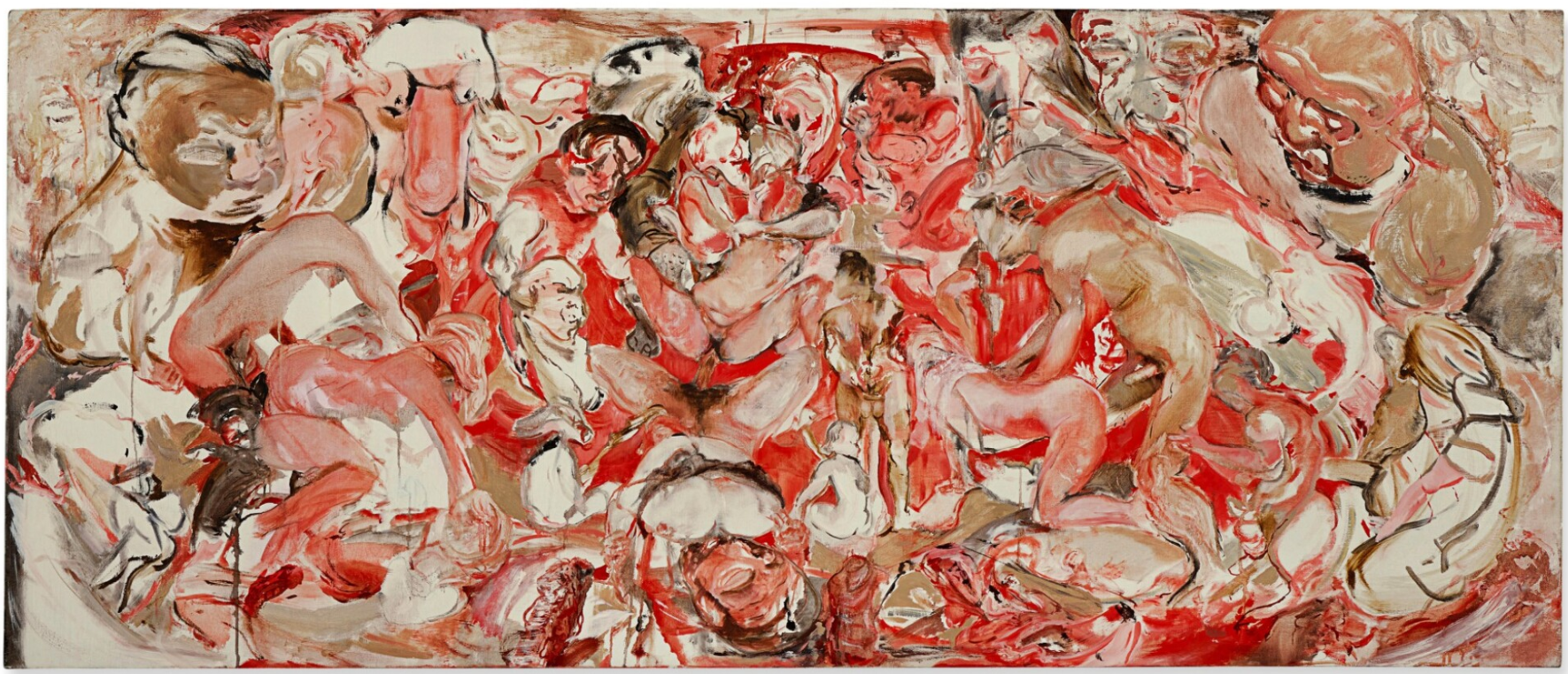
CECILY BROWN (b.1969)
Untitled (Trapeze), 1997
Oil on canvas
30×72 inches (76.2 x 183 cm)
Signed Cecily Brown and dated ’97 (on the reverse)
Signed Cecily Brown and dated ‘97 (on the stretcher)
#11. Hard, Fast and Beautiful, 2000
Sotheby’s London: 15 October 2021
Estimated: GBP 300,000 – 400,000
GBP 499,000 / USD 686,476
Hard, Fast and Beautiful | Contemporary Art Day Auction | 2021 | Sotheby’s (sothebys.com)
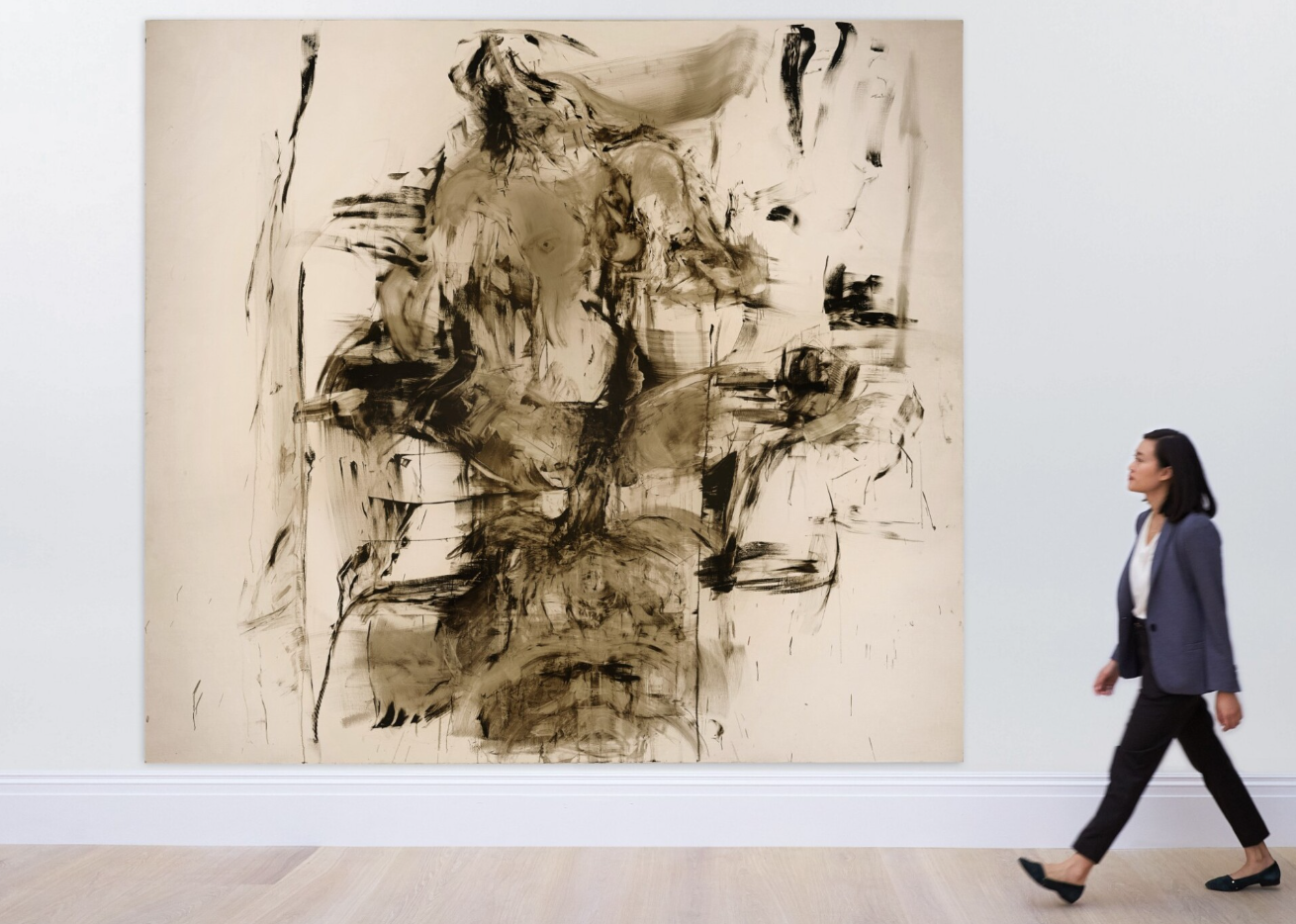
CECILY BROWN (b. 1969)
Hard, Fast and Beautiful, 2000
Oil on canvas
100×110 inches (254 by 279.4 cm)
Signed on the reverse
#12. The Fox and Geese, 2008-2011
Sotheby’s Hong-Kong: 10 October 2021
Estimated: HKD 3,000,000 – 5,000,000
HKD 4,773,000 / USD 613,141
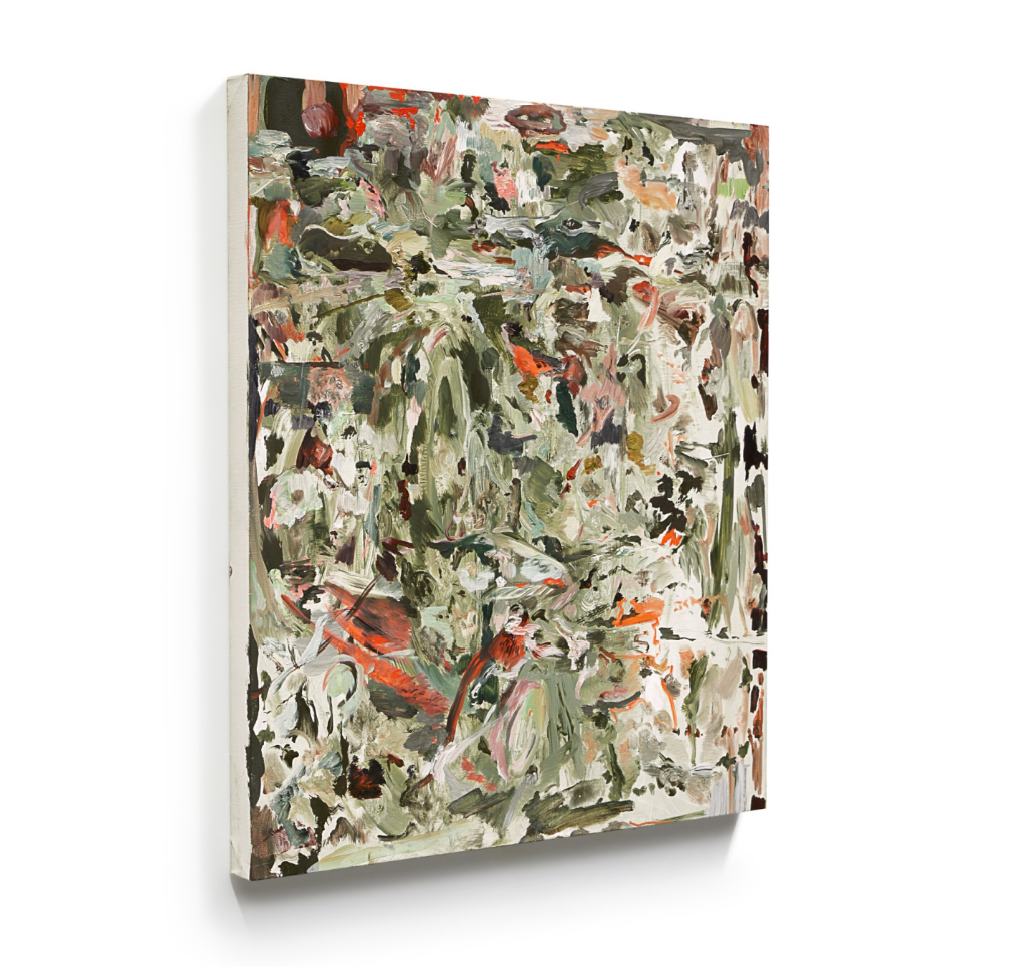
CECILY BROWN (b. 1969)
The Fox and Geese, 2008-2011
Oil on linen
25×22 inches (63.5 x 56 cm)
Signed and dated 2008-2011 on the reverse
#13. Untitled (#84), 2008
Sotheby’s New-York: 18 November 2021
The Collection of Douglas S. Cramer
Estimated: USD 150,000 – 200,000
USD 403,200
Untitled (#84) | Contemporary Day Auction | 2021 | Sotheby’s (sothebys.com)
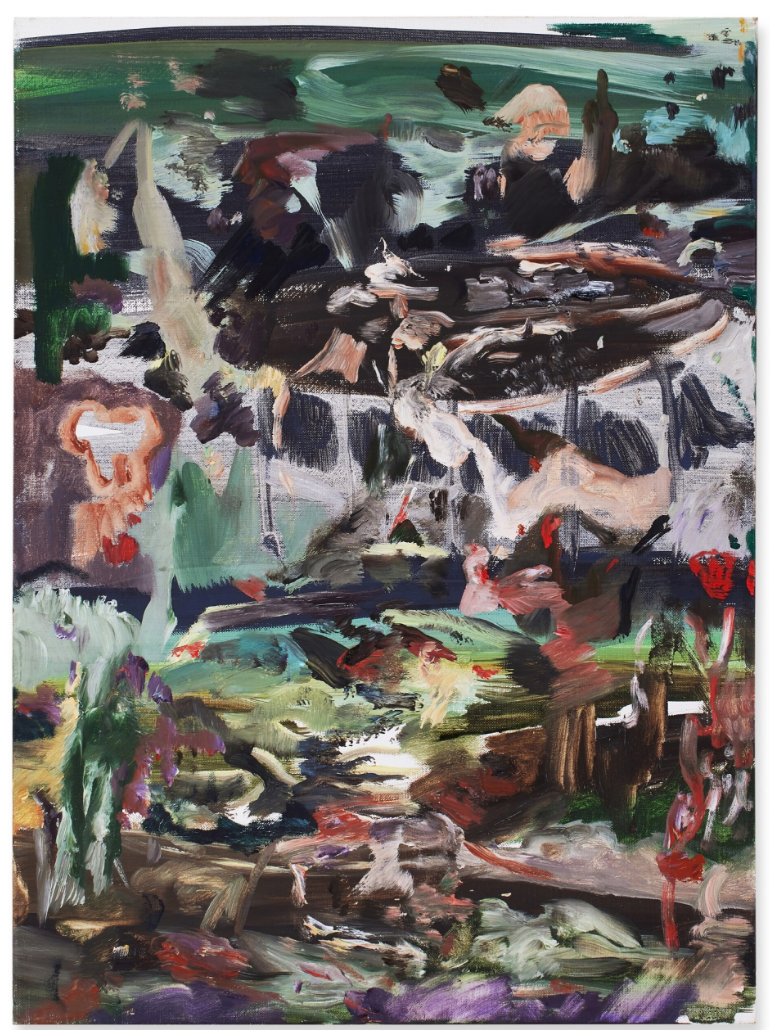
CECILY BROWN (b. 1969)
Untitled (#84), 2008
Oil on linen
17 x 12 5/8 inches (43.2 x 32.1 cm)
Signed Cecily Brown and dated 08 (on the reverse)
#14. As Like As Like Can Be, 2014
Christie’s New-York: 12 November 2021
Estimated: USD 120,000 – 180,000
USD 400,000
CECILY BROWN (B. 1969), As Like As Like Can Be | Christie’s (christies.com)
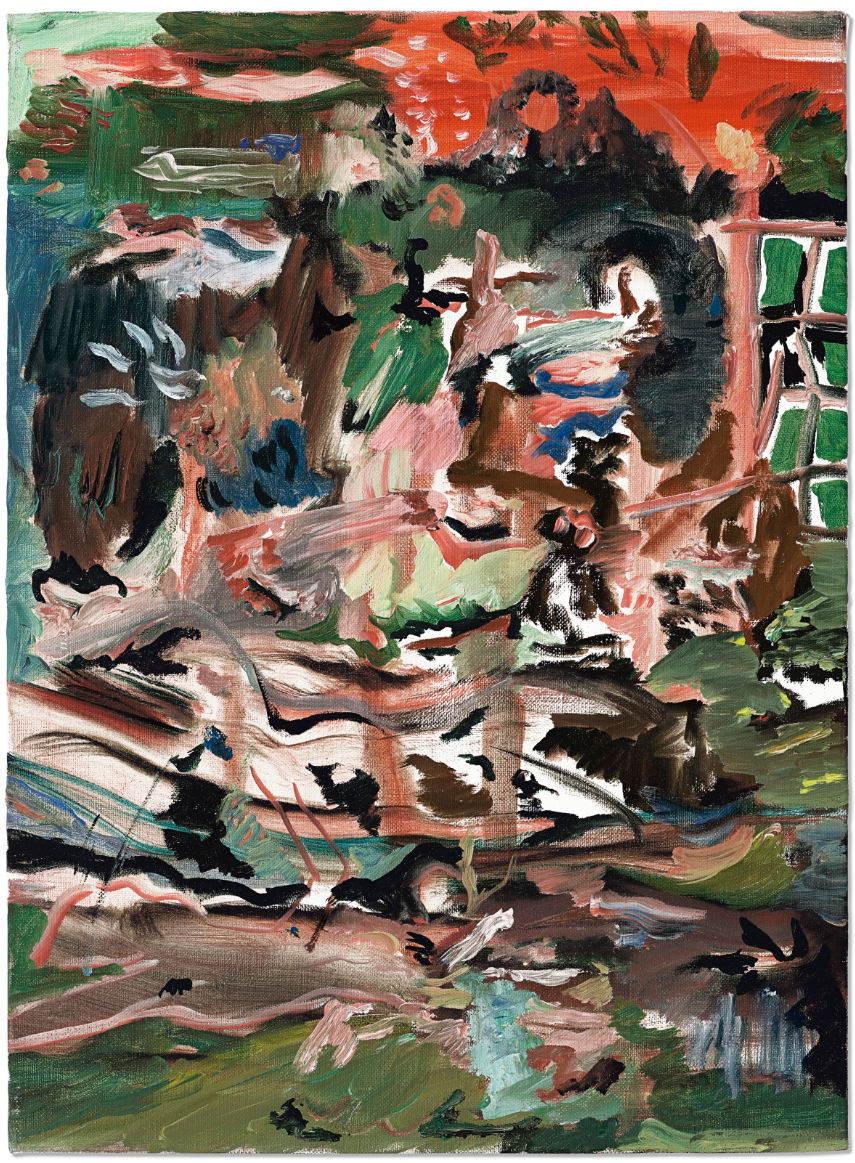
CECILY BROWN (B. 1969)
As Like As Like Can Be, 2014
Oil on canvas
17 1/8 x 12 1/2 inches (43.5 x 31.8 cm)
Signed and dated ‘Cecily Brown 2014’ (on the reverse)
PART III: FOCUS
Record Breakers
High Society, 1997-98
Property from a Prominent Private Collection
Sotheby’s New-York: 18 November 2025
Estimated: USD 4,o00,000 – 6,000,000
USD 9,810,000
NEW AUCTION RECORD FOR THE ARTIST
High Society | The Now & Contemporary Evening Auction | 2025 | Sotheby’s
CECILY BROWN (b. 1969)
High Society, 1997-98
Oil on canvas
74 x 98 1/8 inches (188 x 249.2 cm)
Signed, titled and dated 97-98 (on the reverse)
Signed and dated ’97-98 (on the stretcher)
Executed in 1997-98, High Society is a sensational embodiment of the tantalizing tension between abstract and figurative modes that has distinguished Cecily Brown as among the greatest painters of our generation. Considered one of Cecily Brown’s first masterpieces, the present work was the centerpiece and titular work of her breakthrough exhibition at Deitch Projects in 1998, a presentation that catapulted her to international acclaim and firmly established her among the generation that redefined painting at the turn of the millennium.
“If I had to take an early painting that still has qualities that I’m really interested in, I think High Society would be it. High Society had something going on it that preoccupied me for many years to come.”
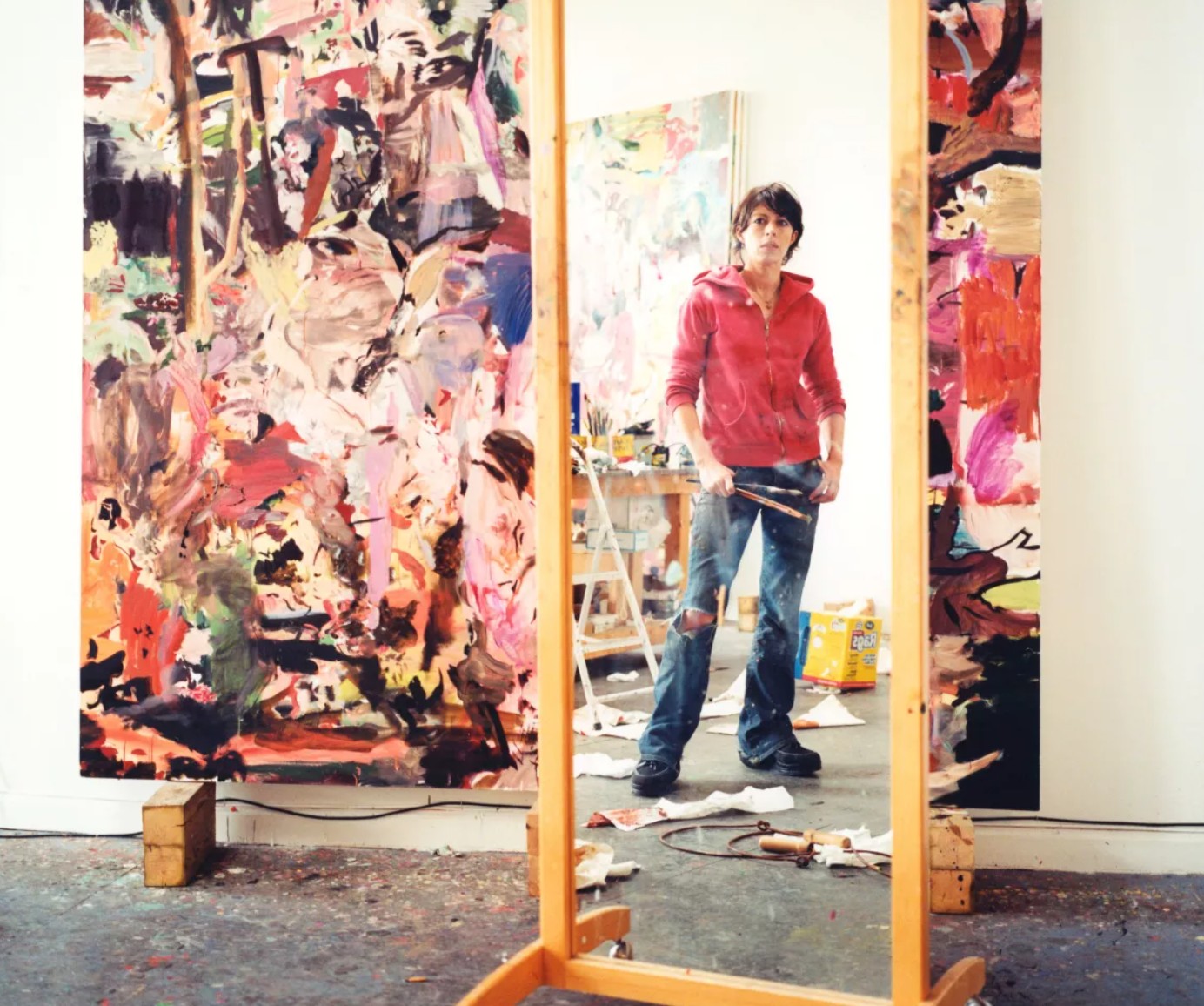
The artist in her studio, 2016. Photo © Kevin Trageser / Redux. Art © 2025 Cecily Brown
Earlier this year, High Society was further distinguished as a highlight of Brown’s major retrospective at the Dallas Museum of Art and Barnes Foundation. Spanning over eight feet, High Society captivates the viewer in its convulsing depths, belonging to the first body of work in which Brown expanded to this ambitious scale—doubling the size of her earlier canvases—and explored the human figure with unprecedented primacy. Resplendent with the familiar Renaissance palette of her early works: shades of cobalt, fleshy pinks, and golden yellows eddy and contort across the vast composition, coalescing into a maelstrom of pigment that exemplifies the artist’s prodigious command of painterly abstraction.
Drawing its title from a popular 1956 Hollywood musical starring Bing Crosby and Grace Kelly, High Society is deeply rooted in contemporary culture while also paying homage to its forbearers in a splendid confluence of art-historical references. High Society dates to the first group of paintings the artist ever titled.
“The very first time I titled paintings was for an exhibition in the late 90s, where I named all the paintings after movie musicals like High Society, The Pyjama Game, and Seven Brides for Seven Brothers. I liked the idea that they were gaudy and bawdy. It was really right for the body of work because they were very bright and chaotic… they had this sense of being too loud, with too much action – too theatrical – all things which I thought belonged in a painting. I liked the idea that a painting could contain all these things at once.”
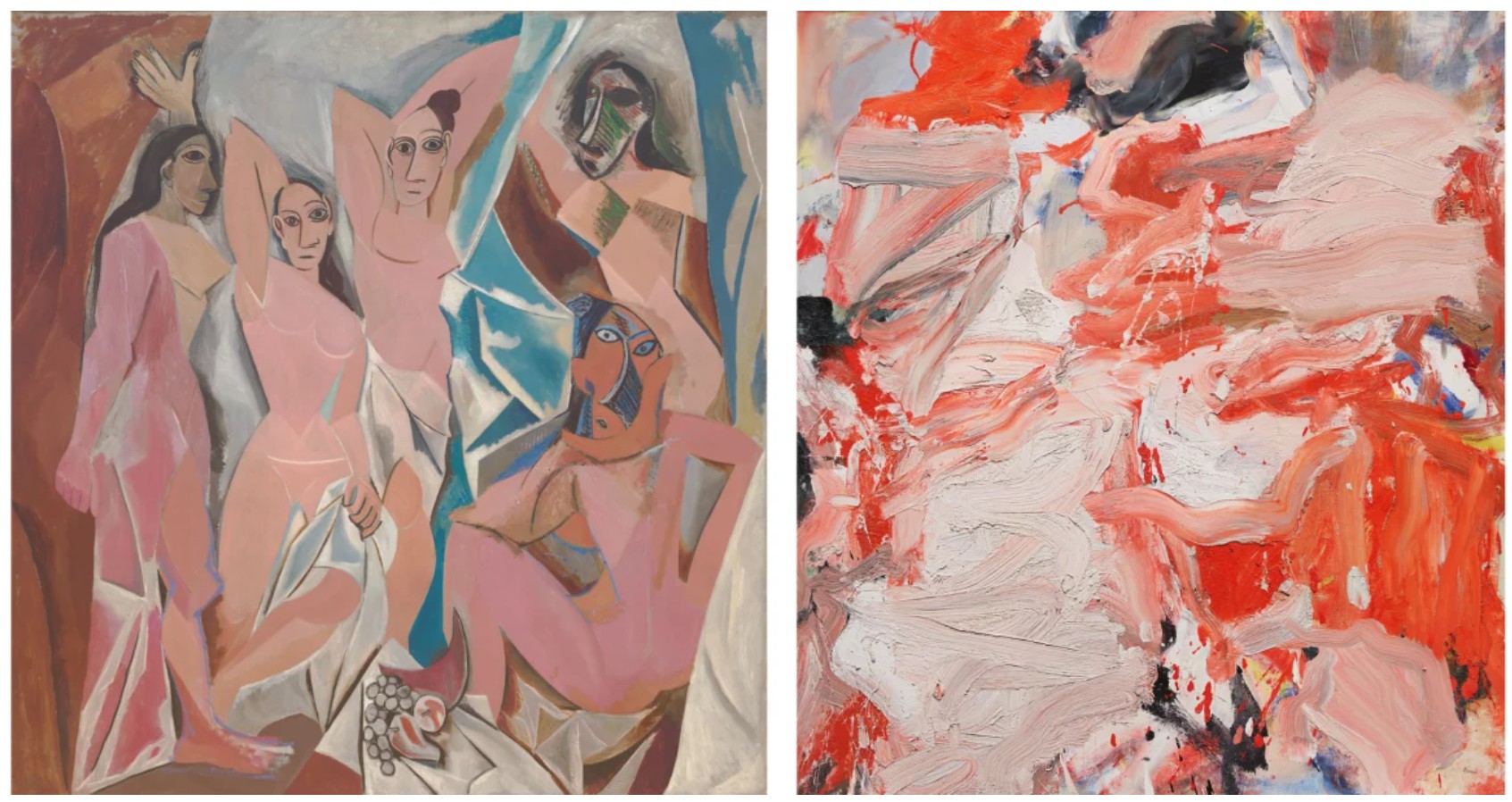
Left: Pablo Picasso, Les Demoiselles d’Avignon, 1907. The Museum of Modern Art, New York. Image © The Museum of Modern Art / Licensed by SCALA / Art Resource, NY. Art © 2025 Estate of Pablo Picasso / Artists Rights Society (ARS), New York.
Right: Willem De Kooning, Untitled XXXIII, 1977. Private Collection. Sold at Sotheby’s New York in November 2021 for $24.4 million. Art © 2025 The Willem de Kooning Foundation / Artists Rights Society (ARS), New York
As she herself describes, this is the genius of Cecily Brown’s paintings: they are never one note. At once drama, comedy, and tragedy, they unfold like a grand theatrical stage upon which the full spectrum of humanity plays out. Here, Brown’s reference to the famous musical is characteristically ironic: drawing upon the opulent artifice of Broadway and Hollywood, where romance and passion are coded and veiled. Brown dismantles those conventions with unflinching physicality. Within the canvas, we see glimpses of men in tails and topcoats—harkening back to a bygone age of feigned innocence that’s incongruent with the decadent sensuality present in this painting.
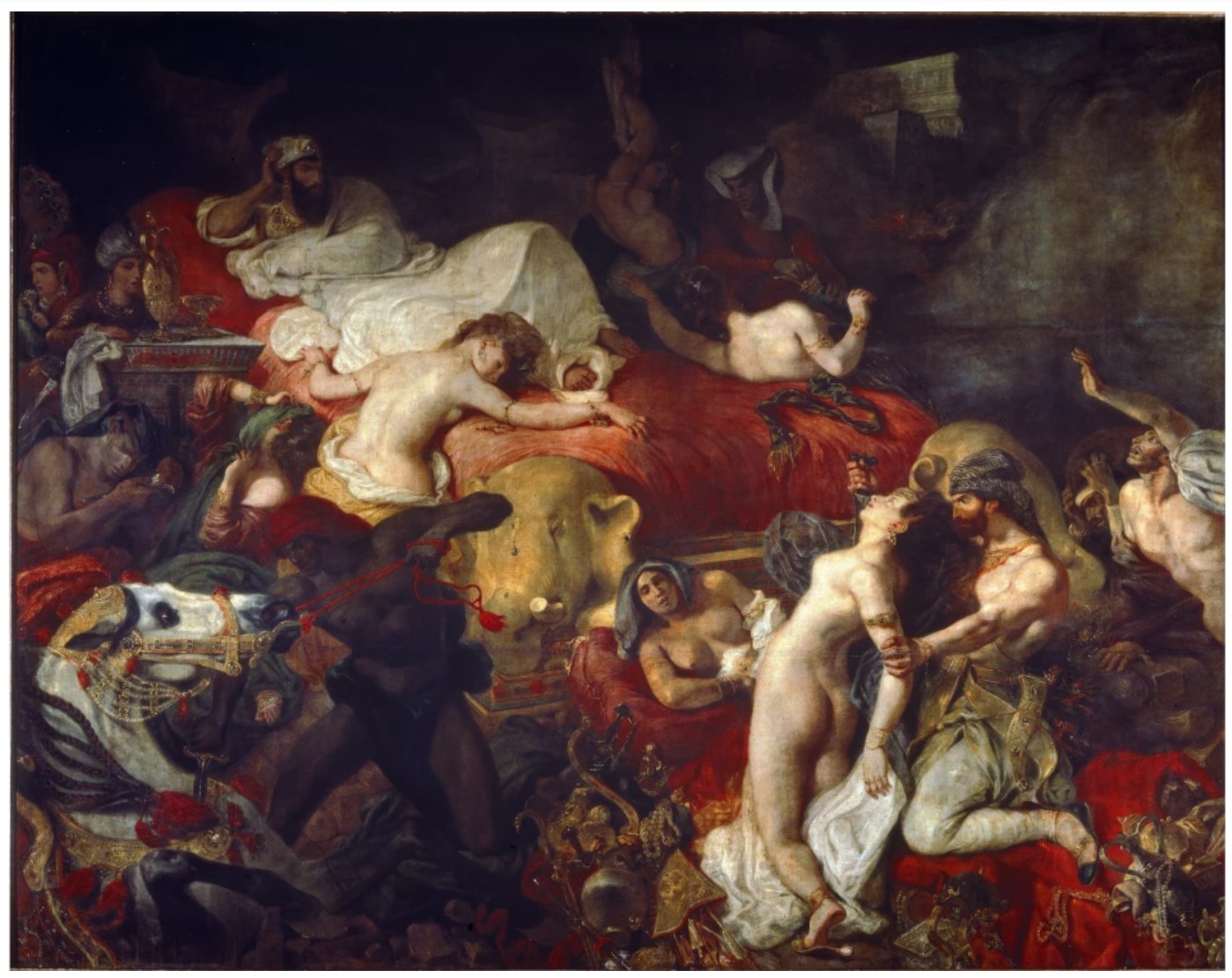
Eugene Delacroix, The Death of Sardanapalus, 1827. Musée du Louvre, Paris. Image © Luisa Ricciarini / Bridgeman Images
Making reference to the titans of Western painting—from Piero della Francesca to Eugene Delacroix and Peter Paul Rubens—Cecily Brown’s references extended equally to literature, culture and society, breaking from the strictures of narrative to achieve an extraordinary aesthetic and thematic fluidity. Testament to Brown’s attestation that High Society has qualities that would preoccupy her for years to come, Brown revisited figures from this painting throughout her oeuvre: “for example, the semi-clad male that Brown places in each panel of Saboteur four times (2019) is derived from one seen removing his shirt in the background of Piero della Francesca’s Baptism of Christ.
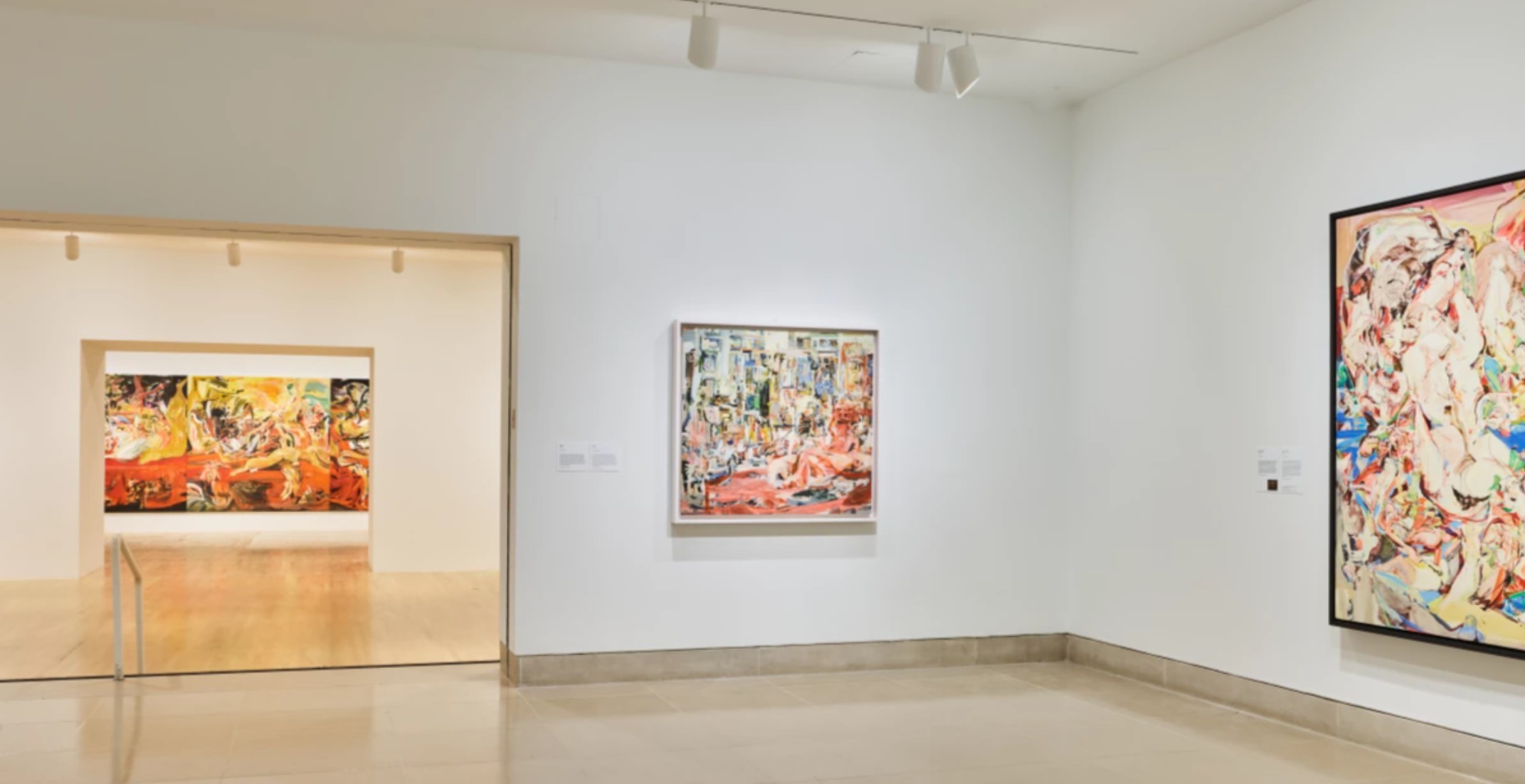
The present work installed in Cecily Brown: Themes and Variations at the Dallas Museum of Art, September 2024 – February 2025. Photo © Brad Flowers, courtesy Dallas Museum of Art. Art © 2025 Cecily Brown
It had already appeared some twenty years earlier in the upper right section of High Society (1998), its erotic imagery conveyed by a maelstrom of intense brushstrokes.” (Brown: Themes and Variations, September 2024 – May 2025, pl. 9, p. 39) Further evoking Paul Rubens’ The Judgement of Paris (c. 1606) and Delacroix’s The Death of Sardanapalus (1984), the present work overwhelms the viewer in a beautifully balanced and rich composition.
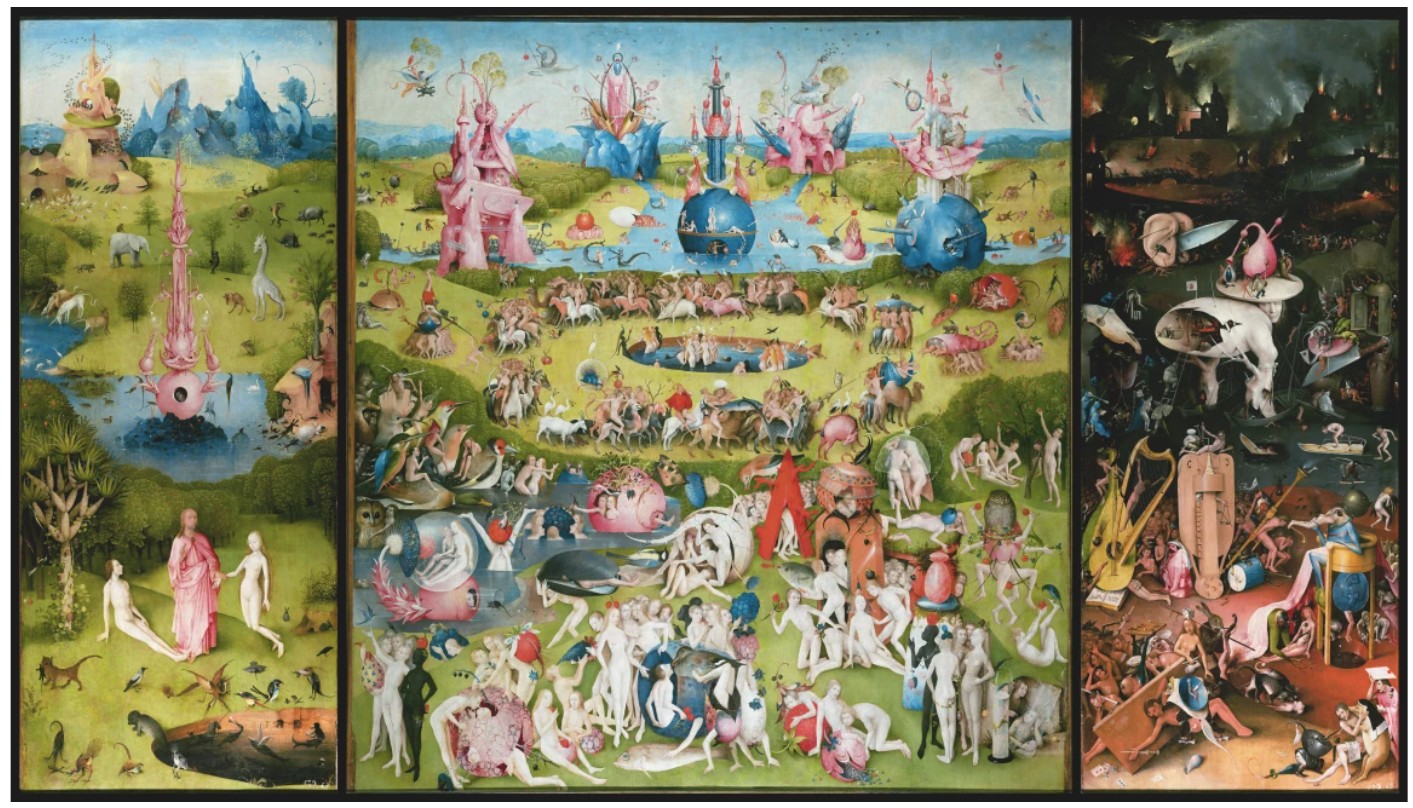
Hieronymus Bosch, The Garden of Earthly Delights, 1490-1500. Museo Nacional del Prado, Madrid. Image © Bridgeman Images
Perhaps most evidently, Brown’s visual language and handling of pigment and paint are informed by the gestural mark-making of American Abstract Expressionists. Indeed, Brown’s tenacious and tantalizing brushwork and sensual pinks are an affirmation of de Kooning’s famous mantra that “flesh was the reason oil paint was invented,” and Brown herself described the medium as “sensual, it moves, it catches the light, it’s great for skin and flesh and heft and meat … I wanted to make something that you couldn’t tear your eyes away from.” (The artist quoted in: Derek Peck, “New York Minute: Cecily Brown,” Another, September 14, 2012) Brown’s lush handling of paint and rich impasto that dominates the left side of the composition calls to mind both the carnal immediacy of Francis Bacon and the visceral quality of Willem de Kooning Woman I (1950-52).
“In a way, High Society is drawn into the center: the painting has a vanishing point, but it’s done with color as opposed to being done with lines and angles.”
Driven by an intense chromatic vibrancy, the kaleidoscopic composition of High Society motivates a sense of action and movement across the canvas: the eye is invited to wander, to read and reread the surface, as flesh becomes paint and paint becomes flesh in an exhilarating play of perception. A dazzling composition, Brown herself likened the piercing shafts of blue in this work to stained glass, lighting the composition from within.
“It’s funny though, how this painting actually does have some light and air… The bright blues make it look flatter and more like a stained-glass window.”
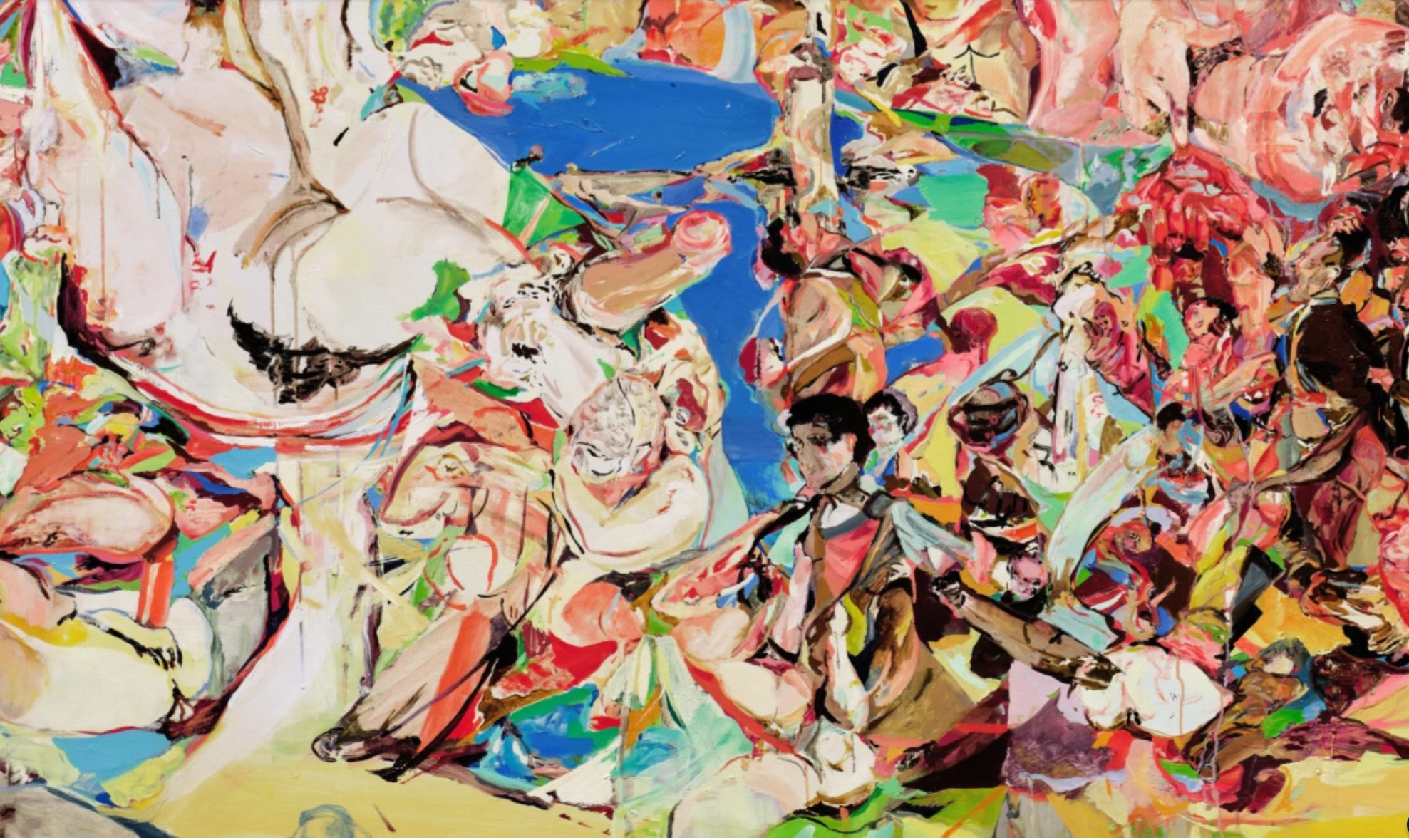
Born in London in 1969, Cecily Brown demonstrated from an early age an unwavering determination to become an artist. Finding her own brand of conceptual figuration at odds with the prevailing Conceptualism of the Young British Artists, Brown relocated from London to New York in 1995 in pursuit of greater artistic freedom. Just a few years later—on the cusp of the international recognition that would soon define her career—she created High Society. A pivotal and exceedingly rare early exemplar, High Society signals the crystallization of Brown’s mature voice. In this work, she playfully blurs the boundaries between abstraction and figuration, revealing the extraordinary capacity of paint to evoke the tangled interplay of perception, emotion, and desire that underpins human experience.
Bedtime Story, 1999
Christie’s New-York: 14 May 2025
Estimated: USD 4,000,000 – 6,000,000
USD 6,221,000
CECILY BROWN (B. 1969), Bedtime Story | Christie’s
CECILY BROWN (B. 1969)
Bedtime Story, 1999
Oil on linen
75 1/4 x 75 1/4 inches (191.1 x 191.1 cm)
Signed ‘Cecily’ (lower left)
Signed and dated ‘Cecily Brown 1999’ (on the reverse)
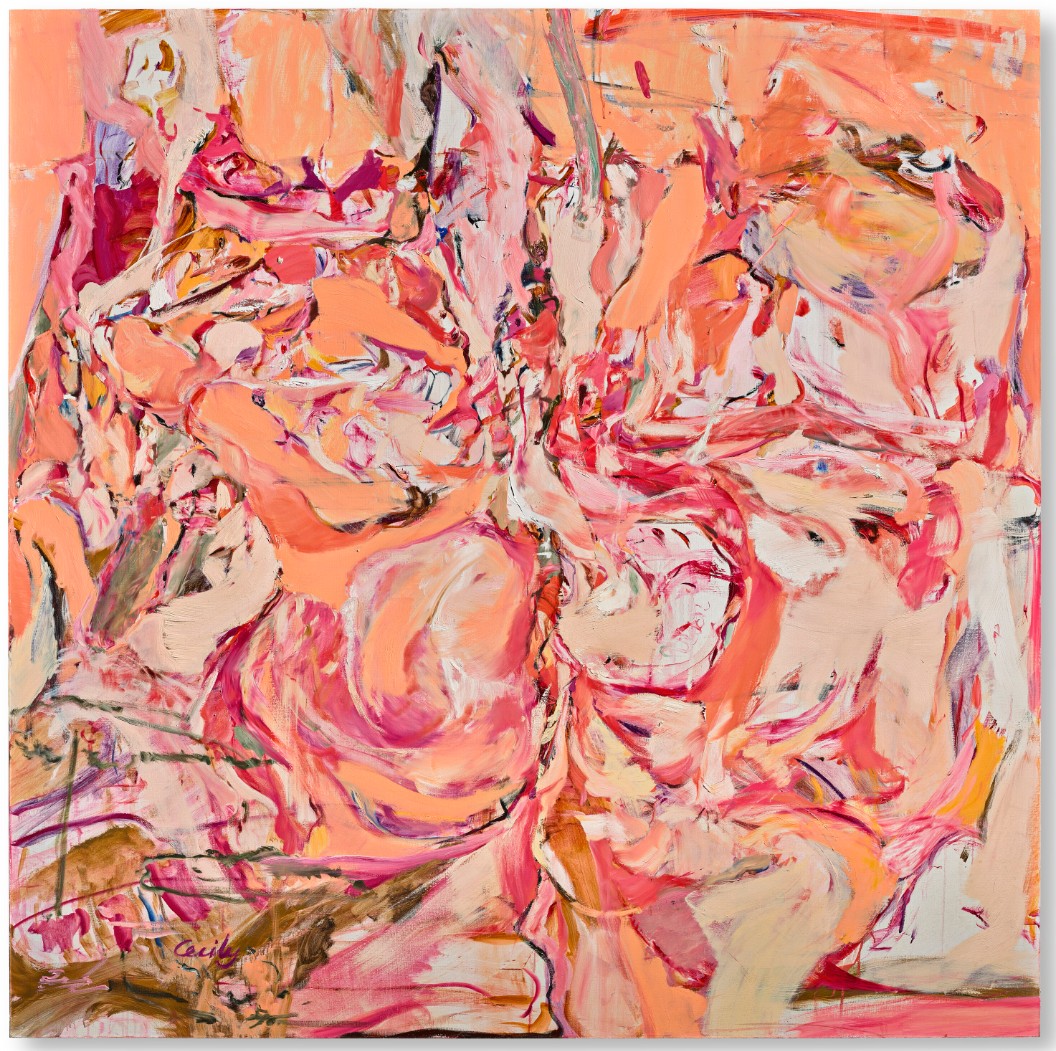
Combining painterly rigor with an intuitive sensuality, Bedtime Story is an important early painting from a significant moment Cecily Brown’s career. Exhibited at her debut solo exhibition at Gagosian Gallery in New York in 2000, it was painted in 1999, when Brown was moving away from the ‘hedonistic bunnies’ imagery that had populated her previous major body of work. Her focus began to shift towards eroticism and the human body, and she began to deepen her exploration of abstraction. This pivotal year in Brown’s artistic development is represented in international public collections including the Tate, the Guggenheim Museum, The Broad and Denver Art Museum.
Painted on a canvas measuring just over six feet square, Bedtime Story arrests the attention of the viewer with its mesmerizing interplay of intense fleshy colors. Rendered in a vivid palette of peaches, fuchsias, burnt umbers and creamy whites, the painting is richly suggestive, calling to mind bodies in motion, or dancing flames. Yet, the picture remains deliberately elusive, entrancing the viewer with its evasive meanings and shifting imagery. Our eye oscillates between surface and depth, figurative shapes and abstract forms. Brown is deeply interested in this ambiguity, for it allows the viewer to become complicit in the creation of the painting. “I prefer a state of flux where the process is still in the process of becoming,” she told an interviewer in 2019. “From the beginning I was very aware that people looked at paintings very quickly…so I had the desire to make people stay and look. I am not into hidden imagery, but I do like the sense that something will benefit from long and close looking, convey a sense of movement and move while you look at it, and reveal itself. The meaning is always shifting, just as the paint is.” (C. Brown, quoted in Alain Elkann Interviews, February 24, 2019).
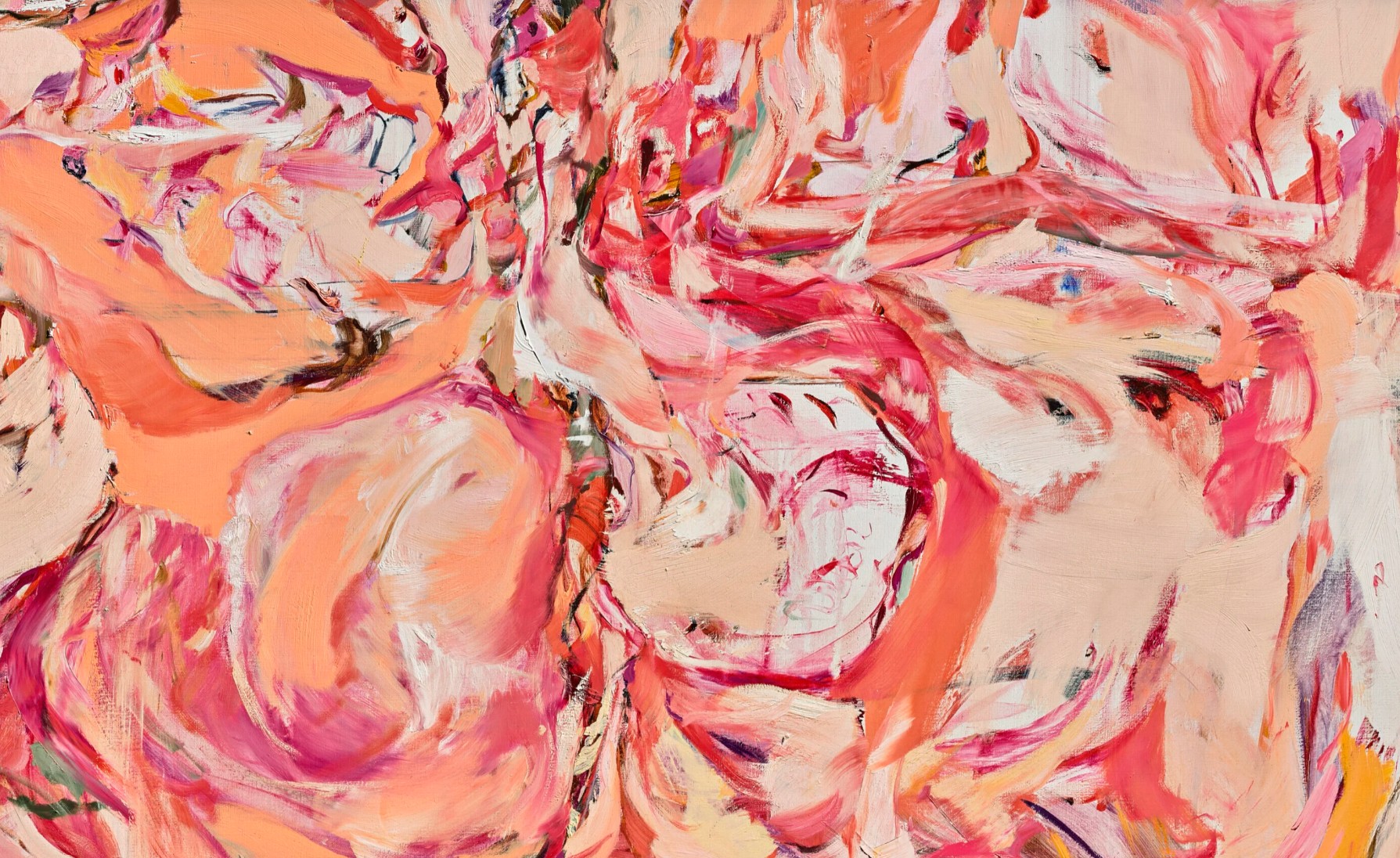
In common with other paintings from the late 1990s, Brown took the title for this work from a Hollywood film—in this instance Bedtime Story, a 1964 film starring Marlon Brando. After moving to New York City from London in 1994, Brown worked briefly in an animation studio and made a short film, which debuted at the Telluride Film Festival in 1995, before shifting her focus back to painting. The reference to cinema in Bedtime Story is not literal, yet the experience of looking at one of Brown’s paintings is not dissimilar to the complex way in which we process moving imagery, bringing our own subjective interpretations to a shape-shifting medley of imaginative visions, fleeting sensations and colored light.
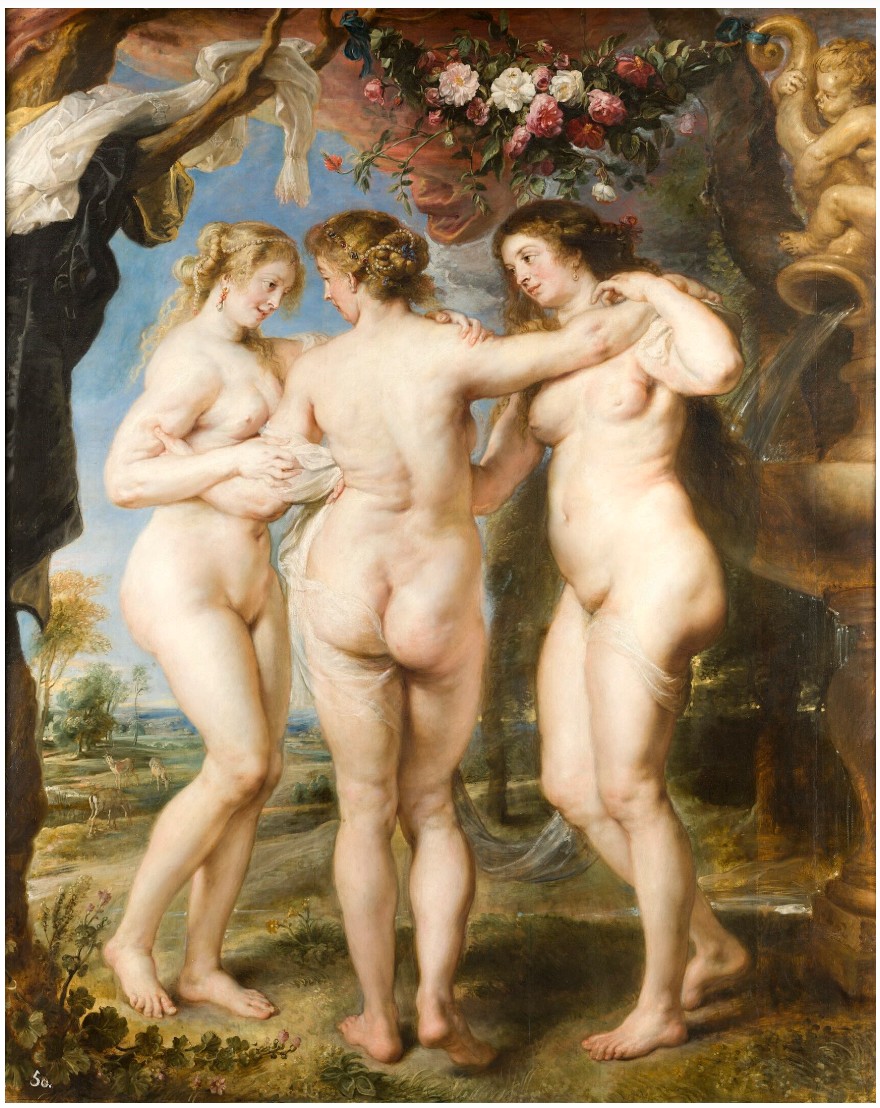
Peter Paul Rubens, The Three Graces, circa 1636. Museo del Prado, Madrid.
Allowing her interest in cinema to influence her painting is characteristic of Brown’s consistent ability to tread the line between contradictory forces, ultimately uniting the strengths of both. Her move to the US in 1994 was in pursuit of a stimulating tension created by being a foreigner in a city she loved; of feeling at home in America while at the same time never quite feeling like she belonged.
“I feel at odds about everything. My natural state is being torn; it would be bad for me if I wasn’t. If I had to narrow the work to one word, it would be ‘conflict’. I don’t like things to go along too happily.”
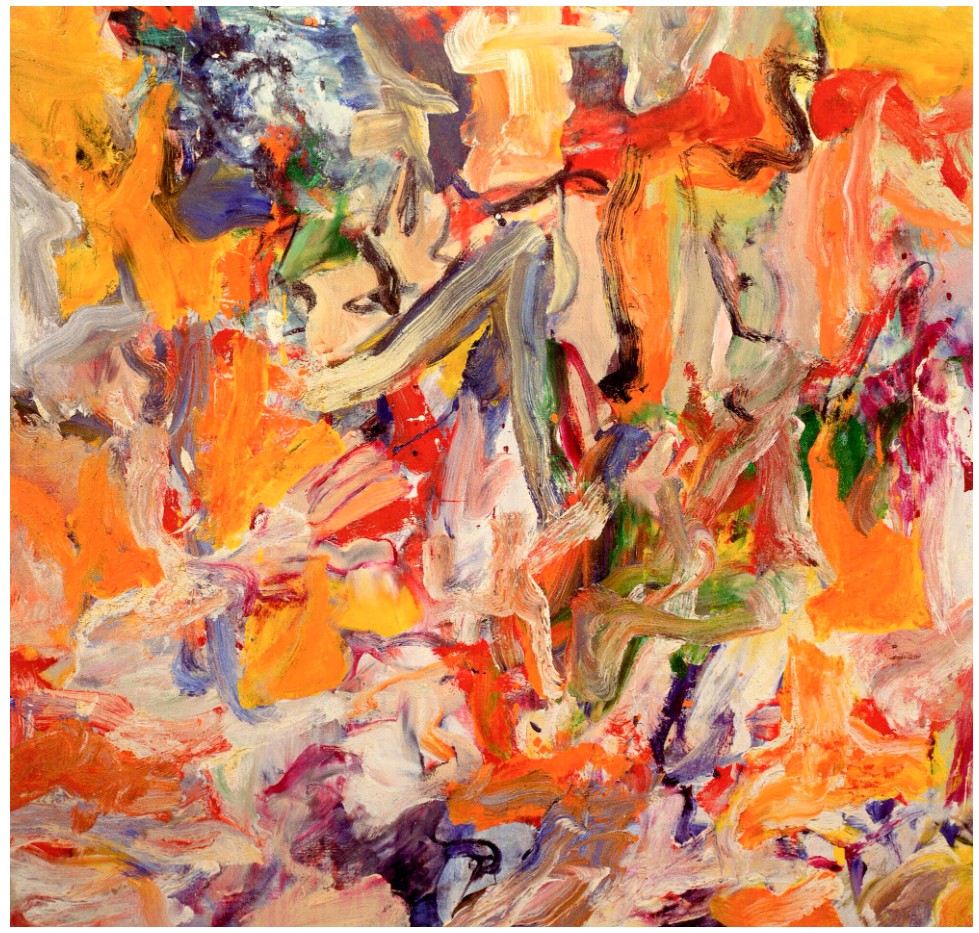
Willem de Kooning, Untitled XIV, 1977. © 2025 The Willem de Kooning Foundation / Artists Rights Society (ARS), New York.
This energizing relationship with conflict is reflected in her work itself. Educated at the Slade School of Art in London in 1990s, her unwavering commitment to painting stood out from many of her contemporaries, some of whom became known as Young British Artists (YBAs). In contrast to their more conceptual and iconoclastic concerns, Brown approached her work with an unquestioning sincerity that was rooted in a profound respect for the history of painting. Citing as influences the European old masters, such as Veronese, Titian, Poussin, Delacroix and Rubens, she has also come to be associated with the American Abstract-Expressionist painters who dominated the art world in the mid-twentieth century. Her paintings carry a kindred sense of vigorous energy and confidence, an enjoyment of the act of painting and its possibilities. Nevertheless, she has maintained that she is not as different from her British peers as might be supposed.
“Subject wise, I’ve always thought I have a lot in common with [the YBAs], I think they’re the children of Gilbert and George and [Francis] Bacon in a way that I feel I am as well. I’ve just got a bit more Turner thrown in.”
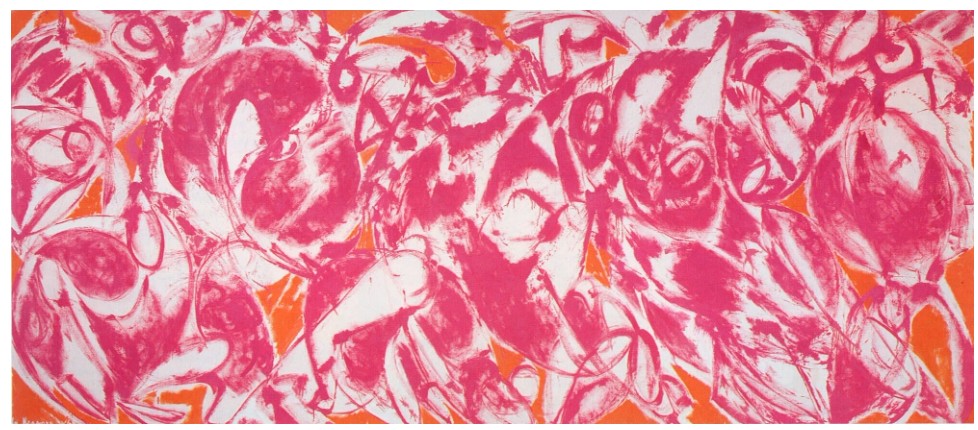
Lee Krasner, Combat, 1965. National Gallery of Victoria, Melbourne.
© 2025 Pollock-Krasner Foundation / Artists Rights Society (ARS), New York.
“I’ve discovered that the more I paint, the more I want to paint. The longer I go on doing it, the more I have to say and do”
Bedtime Story is characteristic of Brown’s bold and uninhibited approach to painting, which unites instinctive talent with an intellectual understanding of her medium. It is an intoxicating combination that continues to motivate Brown to this day.
Free Games for May, 2015
Sotheby’s New-York: 16 May 2023
Estimated: USD 5,000,000 – 7,000,000
USD 6,711,450
Free Games for May | The Mo Ostin Collection Evening Auction | 2023 | Sotheby’s (sothebys.com)
CECILY BROWN (b. 1969)
Free Games for May, 2015
Oil on linen
67×65 inches (170.2 x 165.1 cm)
Signed and dated 2015 (on the reverse)
Lush, vibrant, and richly allusive, Free Games for May is a masterful manipulation of body and landscape that evinces Cecily Brown’s commitment to wrestling her subjects free from their conventional contexts, creating paintings that fluctuate between perceptible and imperceptible form and blurring the boundaries between abstract and figurative painting. Brown cemented herself as part of a group of painters in New York reclaiming the figure within the avant-garde, co-opting and luxuriating in a dialogue with art historical antecedents like Willem de Kooning, Lucian Freud, and Peter Paul Rubens, and ushering in a new era for figurative painting alongside artists like John Currin and Lisa Yuskavage. In Free Games for May, Brown deftly layers sumptuous passages of verdant green and saturated pinks that together crescendo in a burst of painterly energy.
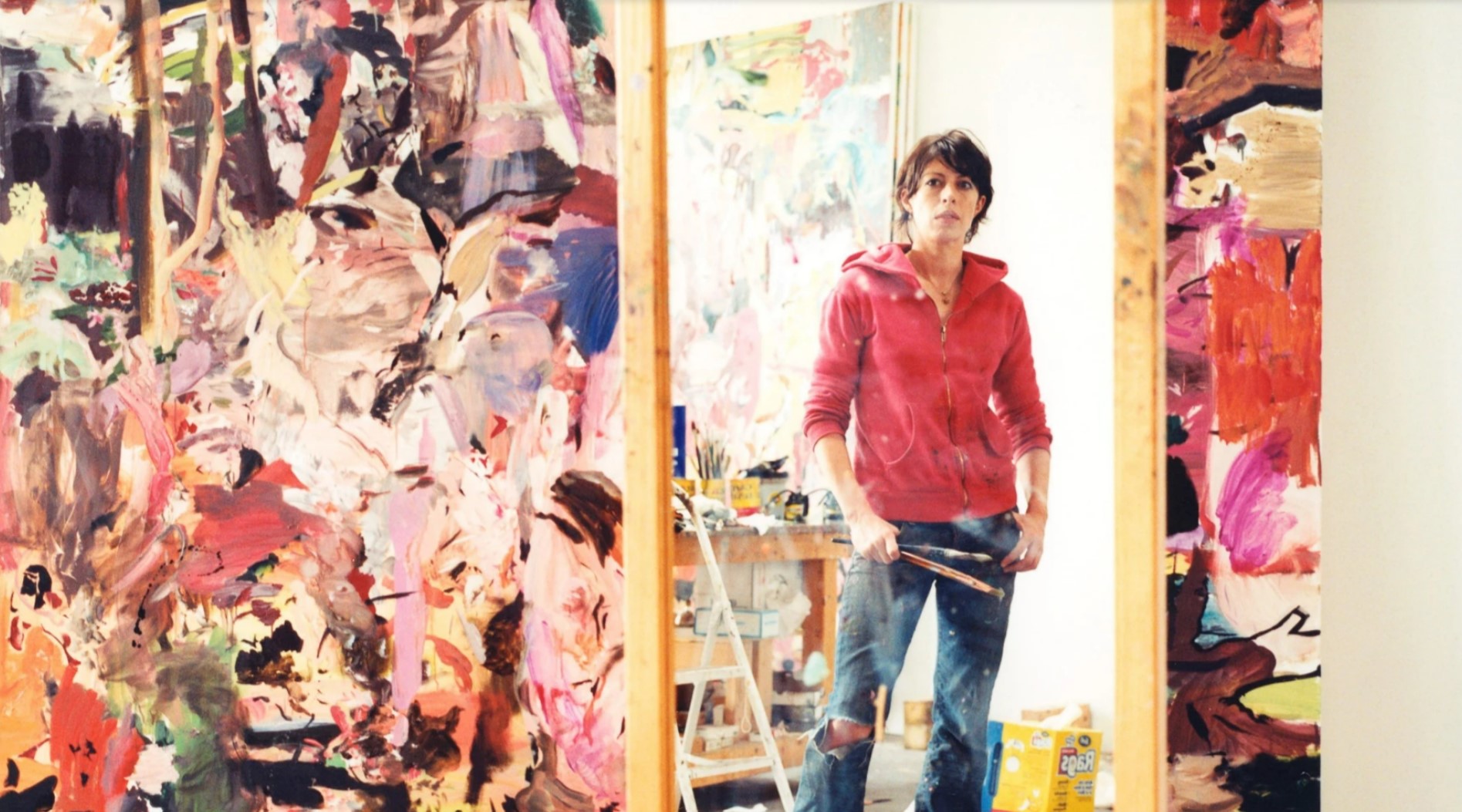
CECILY BROWN, IN HER STUDIO. KEVIN TRAGESER/REDUX. ART © 2023 CECILY BROWN, COURTESY THOMAS DANE GALLERY
Free Games for May envelops the viewer in an all-engulfing textural and chromatic world. In a cacophony of pale fleshy pinks, verdant greens, bright reds, and vivid magenta, Free Games for May capitalizes on the unpredictability of paint, hinting at figuration in unexpected places while ultimately embracing painterly abstraction through swirls, tangles, and marbled blurs of pigment. The slashing and looping marks swirl around the canvas, coalescing into new forms in an endless churning of organic matter. Free Games for May is an alcove for boisterous play, where flashes of form churn through flurries of fragmented scenery, dissolving and cohering from one moment to the next.
Untitled (The Beautiful and Damned), 2013
Christie’s New-York: 15 May 2023
Estimated: USD 5,000,000 – 7,000,000
USD 6,705,000
CECILY BROWN (B. 1969) (christies.com)
CECILY BROWN (B. 1969)
Untitled (The Beautiful and Damned), 2013
Oil on linen
109×171 inches (276.9 x 434.3 cm)
Signed and dated ‘Cecily Brown 2013’ (on the reverse)
Featuring a visual symphony of the artist’s masterful brushwork, Cecily Brown’s monumental Untitled (The Beautiful and Damned) is an exemplary canvas that speaks to the very heart of her interrogation of the great themes of Western art. Brown, who is currently the subject of her first fully-fledged museum retrospective in New York, has been pushing the boundaries of the representation of the human body, and indeed the boundaries of painting, for more than twenty-five years. Nowhere is this bravado more evident than in Untitled (The Beautiful and Damned), a painting filled with motion, rigor, and chromatic intensity.
Its fluxing, admixing bodies are larger than life and inspire us to contemplate how art and identity coalesce in unexpected ways. Untitled (The Beautiful and Damned) could therefore be a portrait of humanity itself in all its unpredictability and fluidity. In this context, there are strong correlations—both compositionally and in its palette—between the present work and Matisse’s The Joy of Life (Bonheur de Vivre). The horizontal composition of both works enables the amalgamation of figure and landscape in a flurry of luxurious brushwork. Due to its impressive, mural-like, scale, Untitled (The Beautiful and Damned) becomes an immersive experience, and it happily finds beauty in its apparent chaos. The assembled figures are loosely divided into a darker left side composed of purples, blues, and pinks, and a lighter right side built up from yellows and greens. The latter section contains more bodies that are identifiable as such as they coalesce from Brown’s skillful brushstrokes.
Suddenly Last Summer, 1999
Sotheby’s New-York: 16 May 2018
Estimated: USD 1,800,000 – 2,500,000
USD 6,776,200
(#43) Cecily Brown (sothebys.com)
CECILY BROWN
Suddenly Last Summer, 1999
Oil on canvas
100 x 110.2 inches (254×280 cm)
Signed, titled and dated 1999 on the reverse
Immersing the viewer in an utterly tantalizing frenzy of enflamed painterly gestures, Suddenly Last Summer is a luscious fusion of painterly abstraction laced with hints at representation. Brown’s feverish brushstrokes, characteristic of her distinct style, engage the vernacular of painting itself, capitalizing on the sensuality of the medium and its ability to playfully manipulate the viewer’s perception through descriptive possibilities. Although abstract, Suddenly Last Summer presents Brown’s supreme mastery of paint in its commanding and elusive power of suggestion. Executed in 1999, Suddenly Last Summer represents one of Brown’s earliest forays into tackling the human figure in her paintings and draws judiciously upon art historical precedent, incorporating influences of Baroque Classicism, Impressionism, Proto-Cubism, and Abstract Expressionism. Taking its title from a popular romance mystery film of the late 1950s, starring Elizabeth Taylor and Katharine Hepburn, Suddenly Last Summer is deeply rooted in contemporary culture while also paying homage to its forbearers in a splendid collusion of art historical references. Evoking Peter Paul Rubens’ The Judgement of Paris (c. 1606), Edouard Manet’s Dejeuner sur l’Herbe (1863), and Paul Cézanne’s Large Bathers (1898), the present work overwhelms the viewer in a beautifully balanced and rich composition.
Spree, 1999
Sotheby’s New-York: 18 November 2021
Estimated: USD 3,000,000 – 4,000,000
USD 6,583,500
Spree | Contemporary Evening Auction | 2021 | Sotheby’s (sothebys.com)
CECILY BROWN
Spree, 1999
Oil on canvas
75×75 inches (190.5 x 190.5 cm)
Signed Cecily Brown, titled and dated 1999 (on the reverse)
Exploding across the canvas in a riot of fleshy pinks, pale yellows, and rich greens, Cecily Brown’s Spree is a sensational exploration into the artist’s supreme mastery of painterly abstraction. Brown’s heated brushstrokes, emblematic of her distinct style, engage the language of painting itself, expressing both the sensuality of the medium and its ability to playfully manipulate the viewer’s perception through its expressive possibilities. Although abstract, Spree presents Brown’s expert handling of paint in its commanding and elusive power of suggestion. Executed in 1999, Spree represents one of Brown’s earliest incursions into the full integration of a balanced and truly sublime intermingling of the anthropomorphic and the abstract. Brown, widely regarded as one of the most skilled and experimental artists of her generation, carries forward the torch of Abstract Expressionism and brandishes it with her own perspective. This searing and unabashed gaze does not objectify the nude but instead revels in its abstraction. Spree, with its joyful curves and dashes, its mysterious dark recesses, exudes powerful sensuality while drawing upon art historical precedent. In Spree, Brown verifies that she is the twenty-first century’s answer to Willem de Kooning and Arshile Gorky.
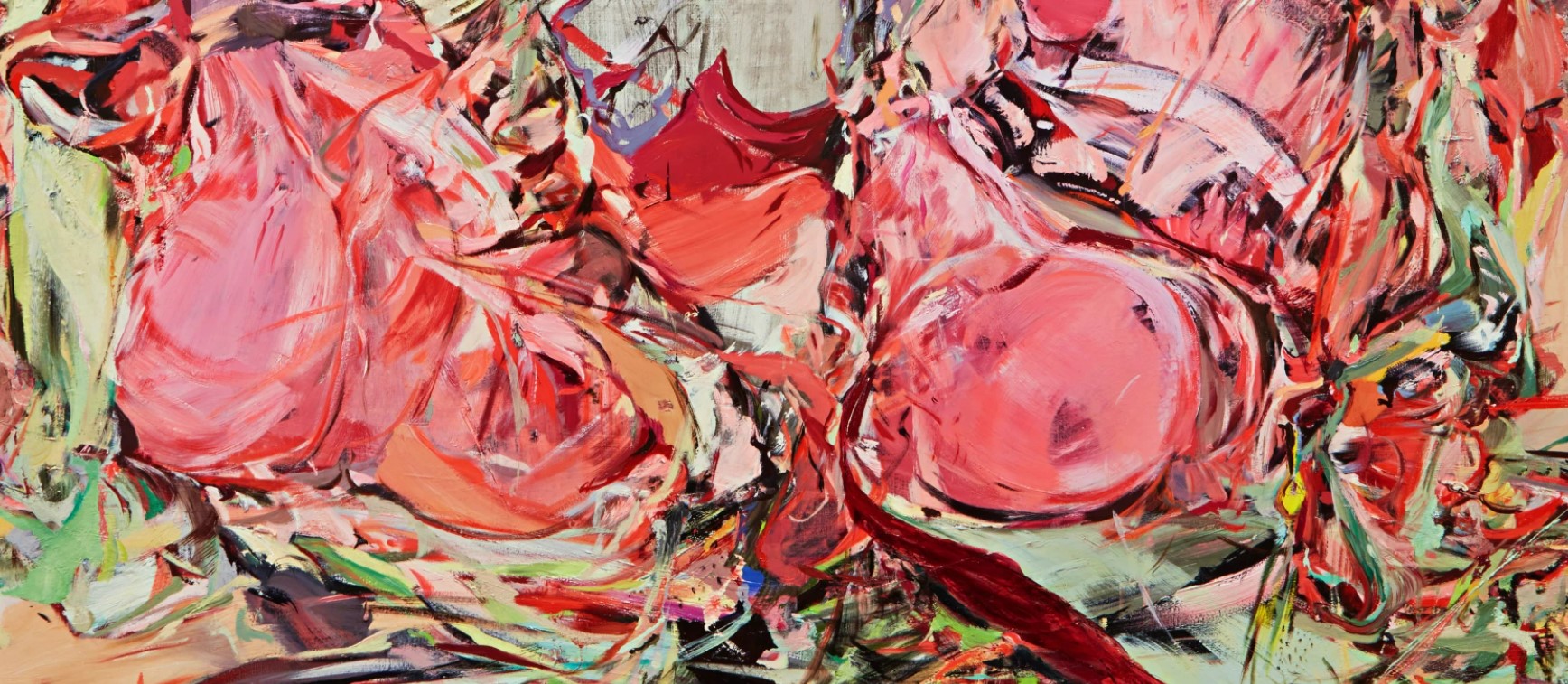
The square canvas presents a perfect vignette of the composition. Spree is not—cannot—be self-contained; its forms spread, throbbing with life, beyond its edges. Pink and red masses float, stand, lounge against the green background. A great grey streak of paint cuts through the center, dividing and centering the painting. This tension between figuration and abstraction is intrinsic to Brown’s work. “When things get too abstract,” the artist once explained, “I definitely feel like I want to bring the figure back. There is a line that I’m always striving for that’s not half-way between figuration and abstraction, it is both. It’s almost like pulling a moment of clarity in the middle of all the chaos.’ (the artist cited in “New York Minute: Cecily Brown”, Another, 14 September 2012).
Bend Sinister, 2002
Sotheby’s New-York: 18 November 2021
Estimated: USD 800,000 – 1,200,000
USD 6,353,700
Bend Sinister | Contemporary Evening Auction | 2021 | Sotheby’s (sothebys.com)
CECILY BROWN (b.1969)
Bend Sinister, 2002
Oil on canvas
48×48 inches (121.9 x 121.9 cm)
Signed Cecily Brown (on the reverse)
Signed Cecily Brown and dated 2002 (on the stretcher)
Delightfully expressive and compellingly bold, Cecily Brown’s Bend Sinister exemplifies the artist’s prodigious synthesis of gestural abstraction with figurative allusion. Executed in 2002, the resplendent painting captures the sensual energy so entrenched in Brown’s highly sought-after early canvases with the undeniable hues of classical landscape painting. Here, the artist deftly layers sumptuous passages of pale blue sky with glimpses of verdant green interwoven with earth tones that together crescendo and manifest in a scene bursting with life. Bend Sinister is undeniably theatrical while simultaneously eliciting a softer romanticism as Brown renders a fertile scene evocative of the energy and exuberance of a fresh springtime afternoon. Freeing subject matter to transcend classical narrative by synthesizing practices from centuries of artistic practice, Brown emerges as an inevitable supposition of Western art history and a unique new voice of aesthetic prowess and wit.
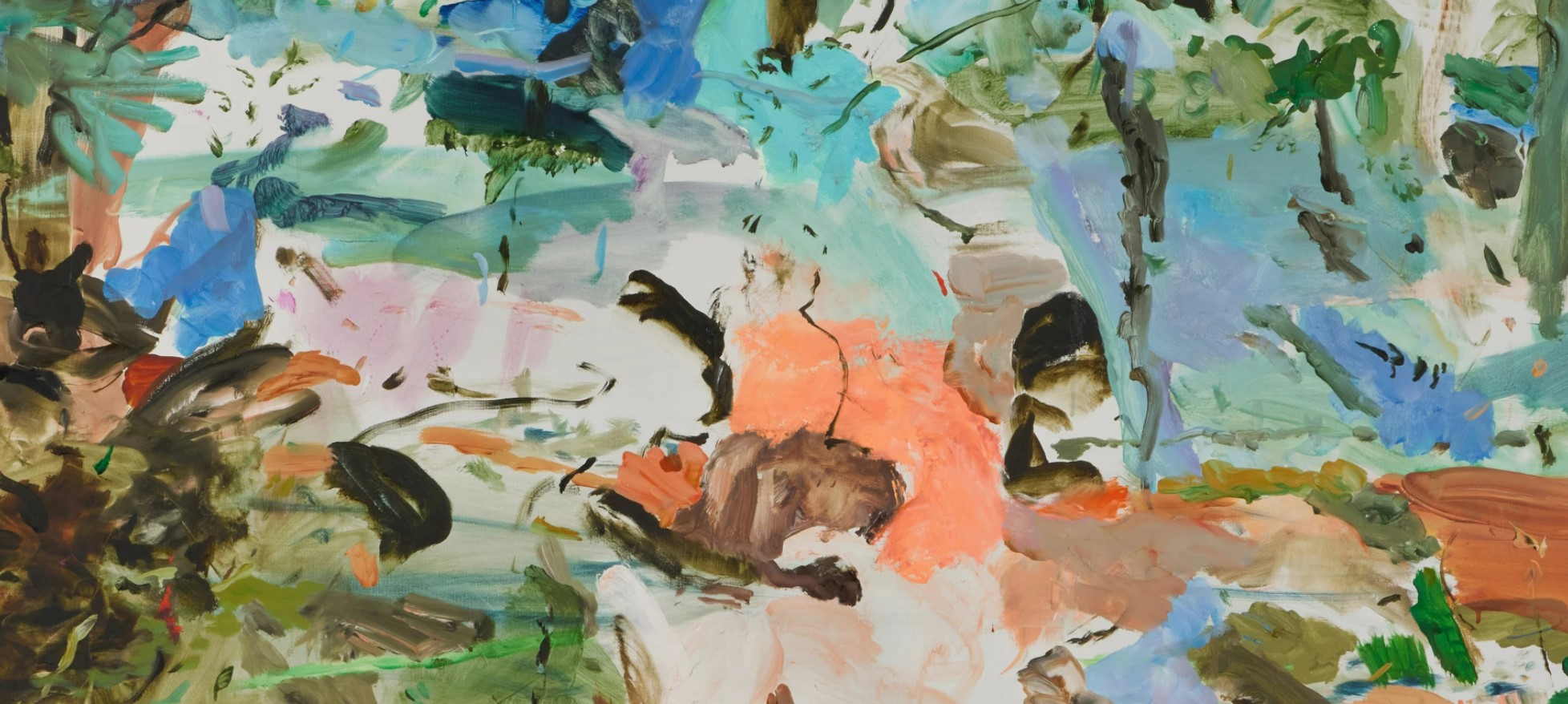
Here, fleshy, amorous nudes lounge indulgently in a woodland while quick, jubilant sketches of hares coalesce in the center of the canvas. Brown’s landscape is an alcove for boisterous play, the threshold of which can be entered at the leisure of the viewer. Readily discernable in the present work is a deep resonance with a seemingly endless array of art historical references. Bend Sinister melts the representational into an abstracted frenzy while simultaneously suggesting Édouard Manet’s luminous rendering of the body and Joan Mitchell’s expressive, colorful brushstrokes.
“I think that painting is a kind of alchemy… the paint is transformed into image, and hopefully paint and image transform themselves into a third and new thing… I want to catch something in the act of becoming something else.”
Brown brings forth the vernacular of legendary painters across the history of art, abstracting her forms while retaining the grand narrative impact of her forebears and in doing so achieves a novel alchemy within her paintings.
Large Paintings
It’s not yesterday anymore, 2022
Property from a Prominent European Collection
Christie’s New-York: 19 November 2025
Estimated: USD 4,000,000 – 6,000,000
PASSED
CECILY BROWN (B. 1969), It’s not yesterday anymore | Christie’s
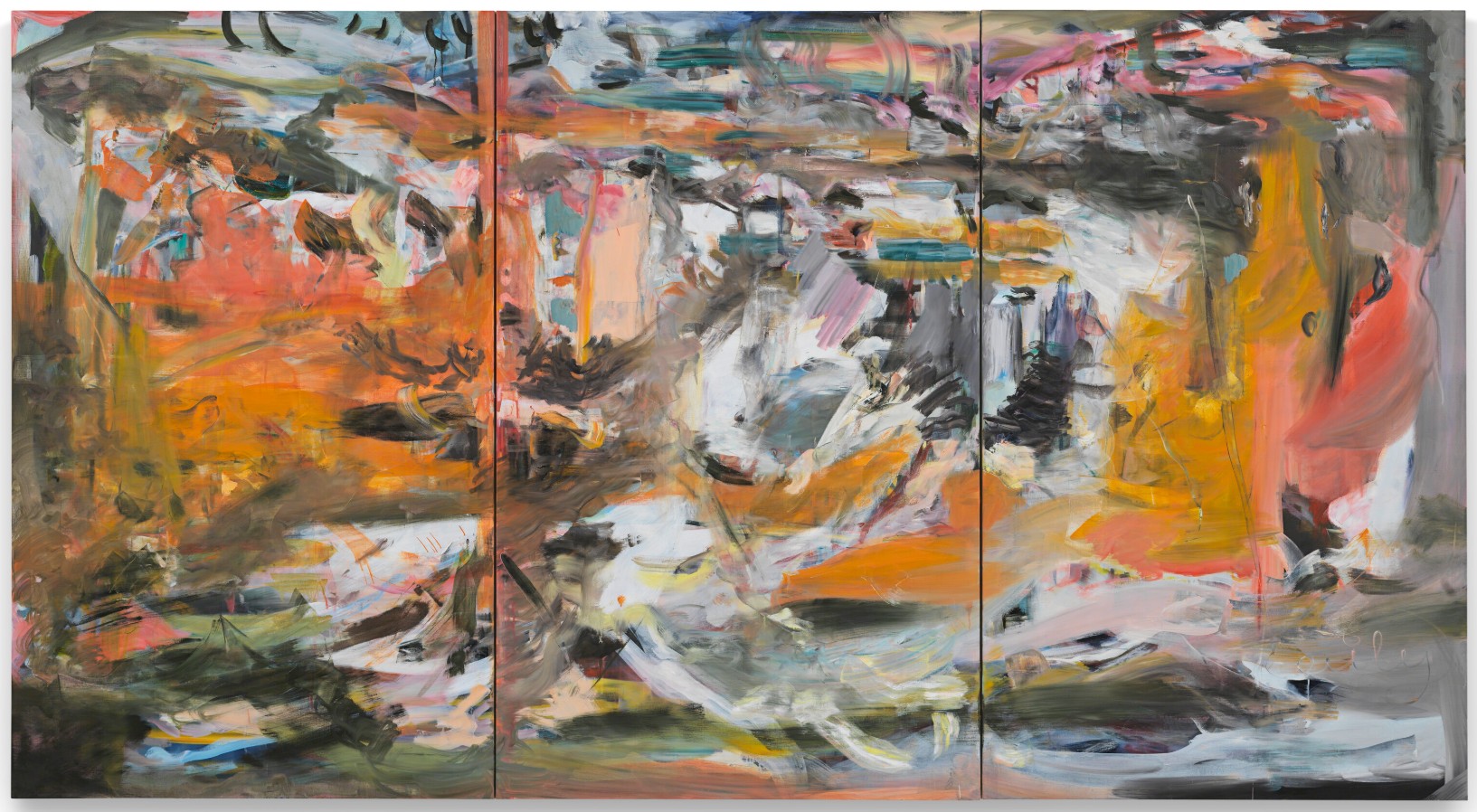
CECILY BROWN (B. 1969)
It’s not yesterday anymore, 2022
Oil on linen, in three parts
Overall: 67×123 inches (170.2 x 312.4 cm)
Signed ‘Cecily’ (lower right)
Signed and dated ‘Cecily Brown 2022’ (on the reverse)
Broad swathes of vibrant, richly hued pigment sweep across the grand expanse of Cecily Brown’s triptych It’s not yesterday anymore. Each stroke articulated with a lyrical bravura, Brown’s tripartite composition becomes a poetic reflection on abstraction, generating an enthralling dynamic energy in a flurry of forms while simultaneously refusing to resolve into figuration. “As is painting so is poetry, (ut pictura poesis)” decrees Horace in Ars Poetica, and writing in the exhibition catalogue for To Bend the Ear of the Outer World, where the present work was first exhibited, Brown concludes that “painting is the closest to poetry of all the arts.” The exhibition, curated by Gary Garrels, sought to explore the open-endedness of contemporary abstraction, reflecting on the many visual codes and interpretations which artists ranging from Mark Bradford, Jadé Fadojutimi, Brice Marden, Julie Mehretu, Laura Owens, Gerhard Richter, and Christopher Wool deploy in their abstract practices. It’s not yesterday anymore is Brown’s triumphant entry into this rich visual symposium, eloquently expressing her desire “to abolish the terms abstract and figurative.” One of her first truly abstract paintings, the present work is a poised meditation on the internalities of her painterly practice, exulting in her learned control of her oil medium, her masterful command over composition, and her expressive use of sumptuous pigment. Prominently positioned at the entry of Garrels’ exhibition, It’s not yesterday anymore has become the standard bearer for the present possibilities of abstraction.
Cecily Brown painted across all three panels of her triptych simultaneously, allowing her unrelenting rain of strokes to cross from one canvas into the next to establish a continuous sense of movement across planes. Highly attuned to tempo, Brown plays with altering themes and variations across the painting, varying the width and length of each brushstroke, ranging from wide swaths to darting, concise interventions, with each panel acting as if a different movement from a Schubert Piano Trio. The chromatic range achieved here is wider than the artist’s typical palette, ranging from the rich tenor of her favored peaches, oranges, and reds, to the soprano of her slate blue and electric pink, which parry her larger forms of warm color. Most exceptional is Brown’s scintillating use of black and white across her panels. The two diametrical oppositions dance across the composition in a pas de deux, each interjection of black given a corresponding riposte in white. Her brilliant incorporation of vibrant and dark colors into a unified tableau with such expressive force identifies Brown as the inheritor of the colorito tradition, passed down from Titian and Rubens through Willem de Kooning and Francis Bacon. It’s not yesterday anymore is a dialectical paragone reestablishing the dominance of color in the contemporary era.
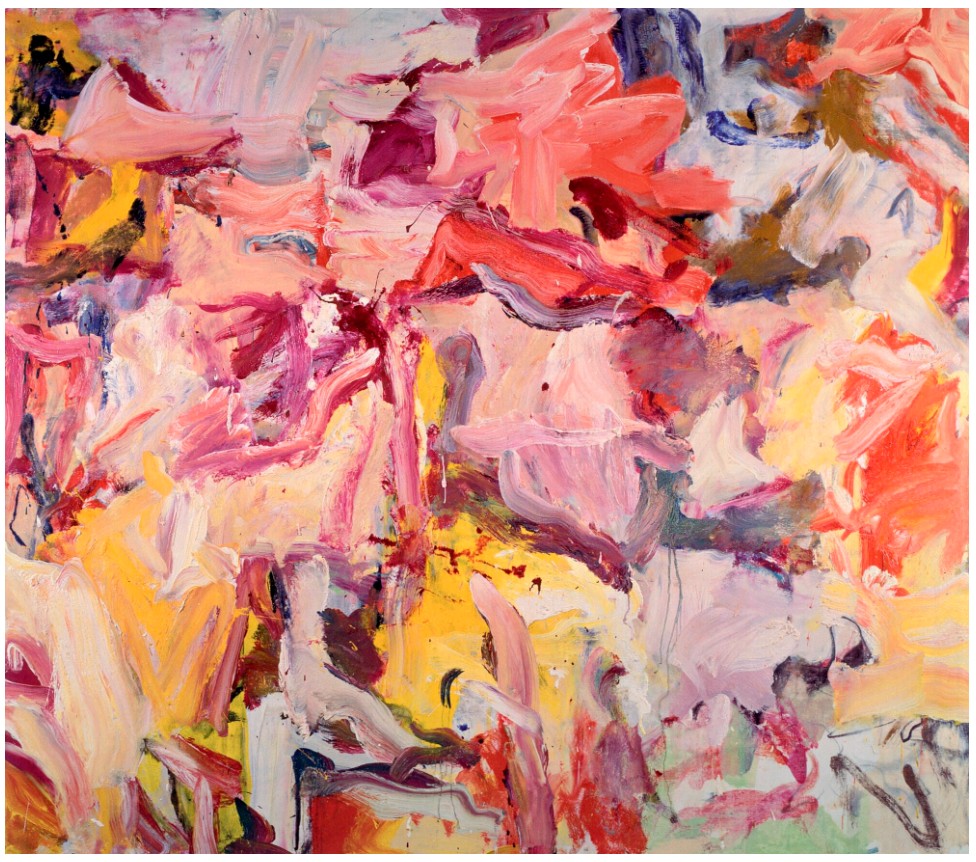
Willem de Kooning, Untitled I, 1977. © 2025 The Willem de Kooning Foundation / Artists Rights Society (ARS), New York.
Brown’s carefully arranged composition is similarly situated in a careful balance across her canvases. The artist inserts a bold jot of pure white at the exact center of her central panel. This insertion grounds the rest of the composition, immediately arresting the viewer’s attention, providing an alluring opening into the rest of the tableau. A similar dynamic is at play in Rosa Bonheur’s The Horse Fair (1852-55, Metropolitan Museum of Art). In an interview conducted the same year the present work was painted, Brown extolls Bonheur’s magnum opus:
“Speaking of openings—doesn’t your eye go immediately to Rosa Bonheur’s white horse, the one looking at you? It really is the eye of the storm… The way it’s put together is so virtuosic. Look at how she used white to tell the story. There’s a rush of movement across the center, and your eye bounces from the horse on the left to the horse in the middle.”
In It’s not yesterday anymore, Brown explores similar strategies, engaging her audience with her central display of white before allowing her rushes of movement to move the gaze across the varied terrains of the work. Brown especially favors her black tones in the periphery of her painting, utilizing the dark washes as a sort of fictive frame which contains her virtuoso strokes.
“I want to threaten to burst through the picture plane but not actually do it.”
Brown pursues a similar framing strategy with black paint in her earlier When this kiss is over from 2020, which reimagines the fleshy tones found in the works of Chaïm Soutine and Philip Guston against a dark, black void. Beyond similar compositional strategies, It’s not yesterday anymore and when this kiss is over share a further connection: both titles quote lyrics from the rock band Talking Heads—the first line of “New Feeling” (1977) for the present work, and the sixth verse in “Heaven” (1979) for the latter work.
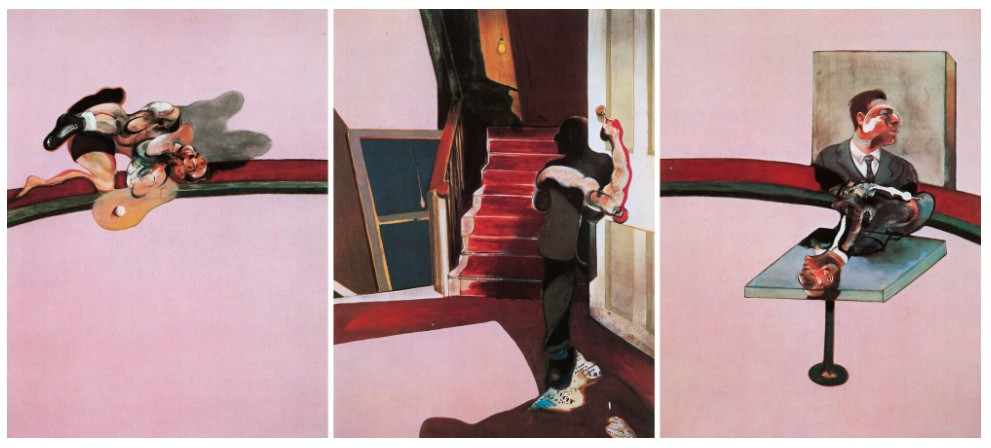
Francis Bacon, In Memory of George Dyer, 1971. Fondation Beyeler, Riehen.
© The Estate of Francis Bacon. All rights reserved / DACS, London / ARS, New York 2025.
The aesthetic hedonism of Cecily Brown’s chromatic choices resounds across the great expanse of her triptych, which itself is a mimesis of the theatrical stage. While embracing the anachronistic triptych format favored by medieval and Renaissance altarpiece painters, Brown similarly embraces the tradition of evoking a stage performance in her painting.
“In recent years, and especially on the larger scale, the canvas has become like a stage for the performance of painting. I like the idea that the stage is almost the same but the performance changes.”
The metaphor as her canvas as stage recalls the great theatrical tableaux of Veronese and Tintoretto, while her notion of painting as performance appropriates the assertive machismo of the Abstract Expressionists.
“With the very large paintings, when I am very physically involved with their making, they do become like a trace of a sort of performance. There are big, looping strokes, you’re going up and down ladders, going back and forth, using the whole surface all the time, really using your body. In the end, what the painting becomes is a record of your movements. It really is very close to dance.”
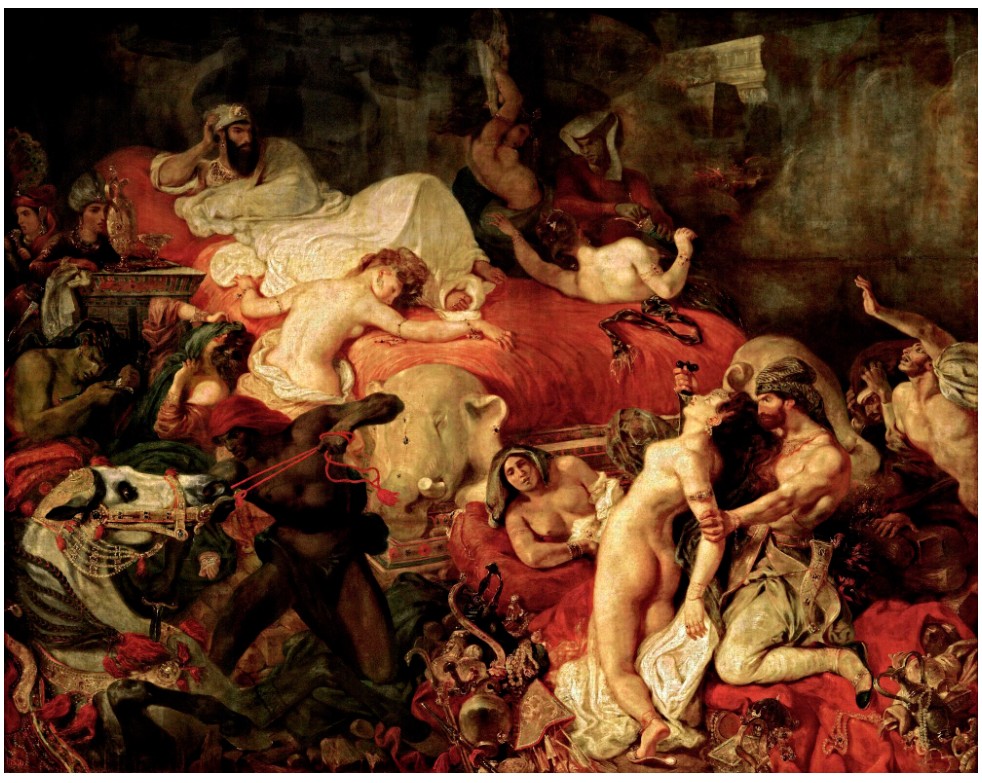
Eugène Delacroix, La Mort de Sardanapale, 1827, The Louvre Museum, Paris.
It’s not yesterday anymore was completed following a series of celebrated large-scale works. Brown’s Triumph of the Vanities I and Triumph of the Vanities II, spanning almost twenty-six feet in length, were commissioned for by the Metropolitan Opera House for their 2018-2019 season. Brown then painted her largest painting, the apocalyptic The Triumph of Death, in 2019. In four conjoined panels, the work was the highlight of exhibitions at Blenheim Palace in the United Kingdom and at the Museo e Real Bosco di Capodimonte. Another large triptych, Unmoored from her reflection (2021), crowns the famous staircase at the summit of the Courtauld Gallery in London. The grand scale of her recent works allows Brown the space to dynamically dance in paint across the tableau, unmoored from the restrictions of conventional dimensions. The lessons learnt across these works are recapitulated in it’s not yesterday anymore. A stage for the careful choreography of pigment and gesture, the triptych captures the full drama of Brown’s evolving practice, where each stroke records the pulse of performance. With its sweeping scale and virtuosic execution, the painting stands as a consummate expression of Brown’s painterly prowess, testifying to the enduring possibilities of abstraction.
The Butcher and the Policeman, 2013
Christie’s New-York: 21 November 2024
Estimated: USD 4,000,000 – 6,000,000
USD 5,979,000
CECILY BROWN (B. 1969), The Butcher and the Policeman | Christie’s
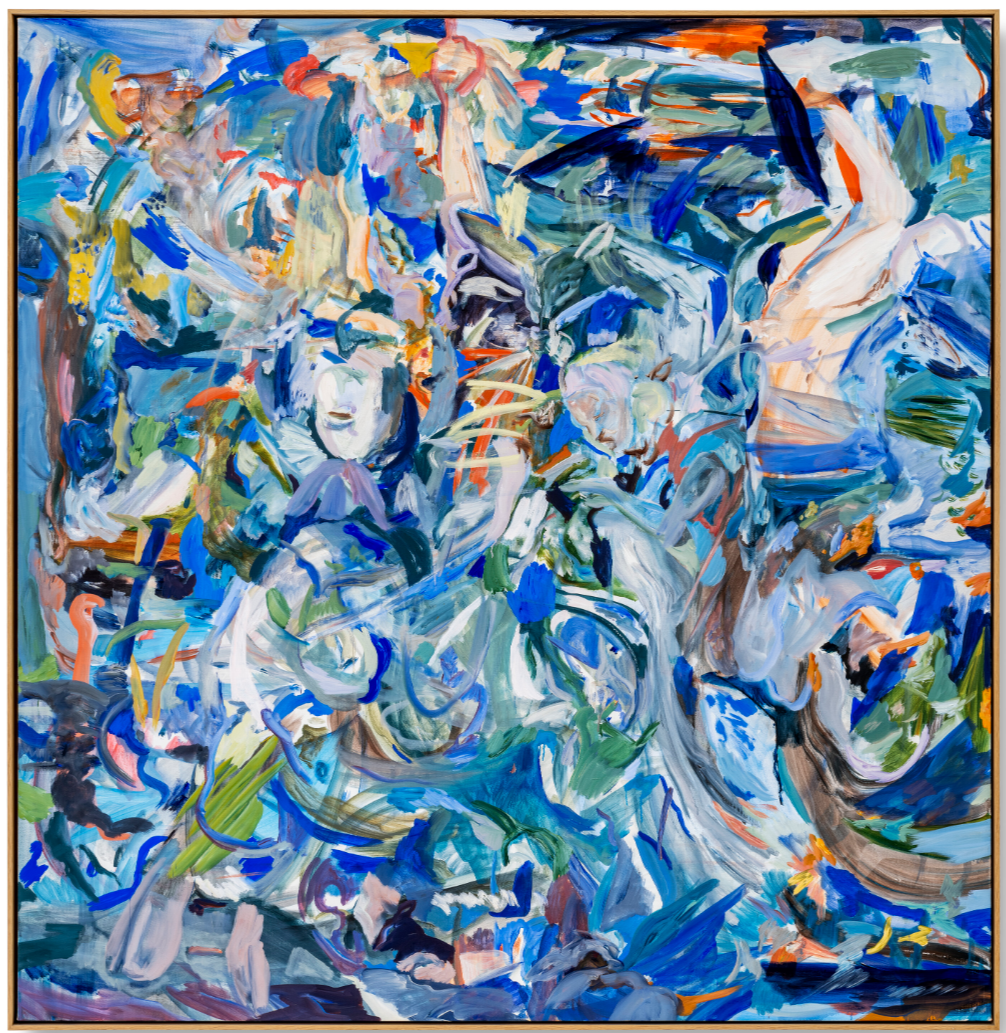
CECILY BROWN (B. 1969)
The Butcher and the Policeman, 2013
Oil on linen
67×65 inches (170.1 x 165.1 cm)
Signed and dated ‘Cecily Brown 2013’ (on the reverse)
An exuberant canvas teeming with deft brushwork, historical allusions and concealed figuration, Cecily Brown’s 2013 painting The Butcher and the Policeman exemplifies the British painter’s unmatched ability to fuse painterly abstraction and figuration. Both volatile and powerfully fluid, the jewel-toned maelstrom invites the eye to swirl around its deluges of blue and ripples of green, ochre, and orange. Punctuated by the artist’s signature flesh-peach hues, the sublime vortex of form and color bursts into life, yielding unending contemplation as forms and figures emerge and recede among the artist’s torrential brushwork.
Last April, New York’s Metropolitan Museum of Art opened its doors to Brown’s highly anticipated mid-career retrospective. For many, the exhibition solidified what was already known: Brown is one of the most formidable painters working today. For others, including the venerated New York Times co-chief art critic, Roberta Smith, heads were turned. “The more I looked at the paintings, the more they calmed down, opened up and differentiated themselves from one another in color and composition,” Smith observed of the works in the exhibition (R. Smith, “I Was Wrong about Cecily Brown,” New York Times, April 13, 2023, online). Indeed, with a new survey recently opened at the Dallas Museum of Art, soon to travel to The Barnes Collection, the world continues to elevate Brown’s status among her peers, allowing her work to beautifully unfold before our eyes.
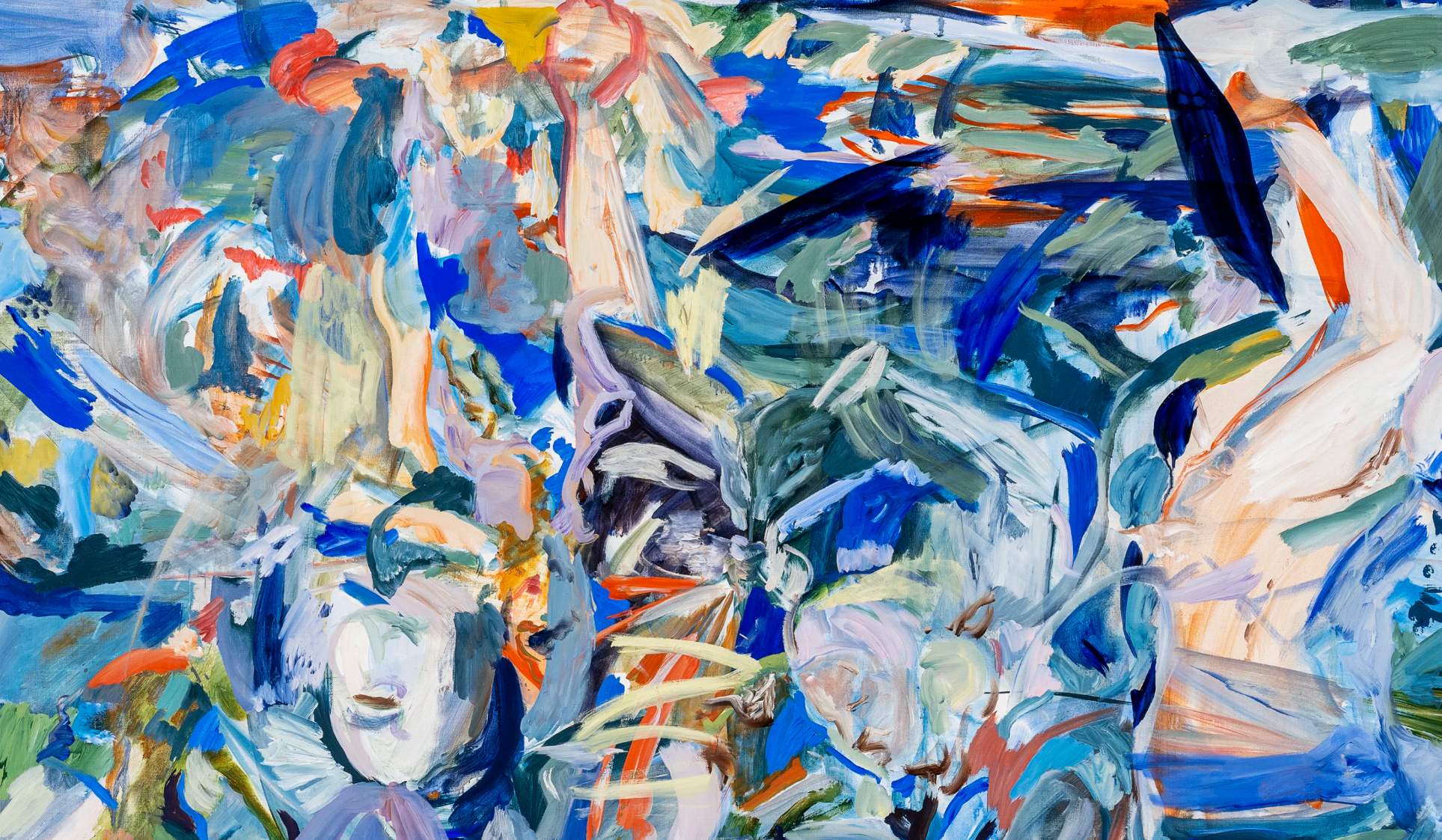
Brown’s dynamic compositions are charged with an outpouring of activity with their tumultuous push and pull between form and abstraction never coming to rest. The artist encourages viewers to take time experiencing the rich complexities of her work. As with one of Brown’s many heroes, Willem de Kooning — whose liquid compositions from the 1970s The Butcher and the Policeman immediately recalls — the first look is only the beginning. Only time will pull back the layers of Brown’s brushwork, unveiling an encyclopedia of images and references hardened in paint, some intentional and some left to the eye of the beholder.
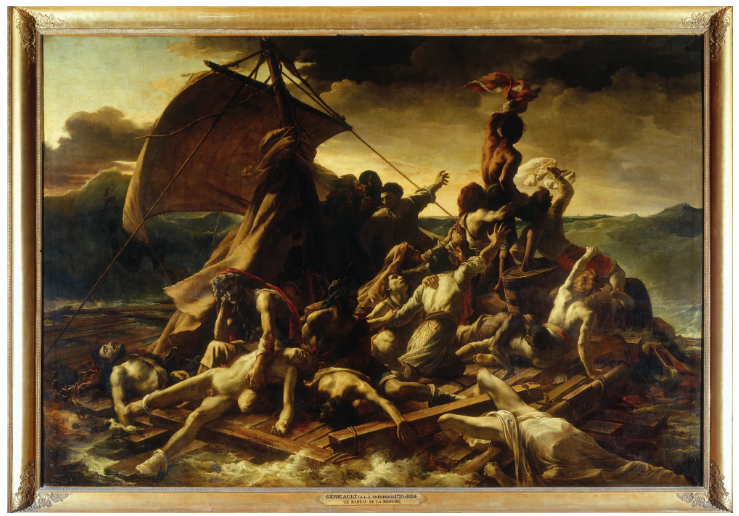
Theodore Gericault, The Raft of the Medusa, 1819. Louvre Museum, Paris. Photo: © RMN-Grand Palais / Louvre Museum, Paris.
While Brown has not explicitly stated her influences for The Butcher and the Policeman, the title suggests an interplay of authority (the policeman) and brutality or raw humanity (the butcher), evoking both a literal and metaphorical tension. To this end, the phrase was famously penned by the Polish-English writer, Joseph Conrad, in his famous novel Heart of Darkness. Writing during the peak of the British Empire, Conrad drew on the national experiences of his native Poland, which had been parceled out among three occupying empires through most of his life.
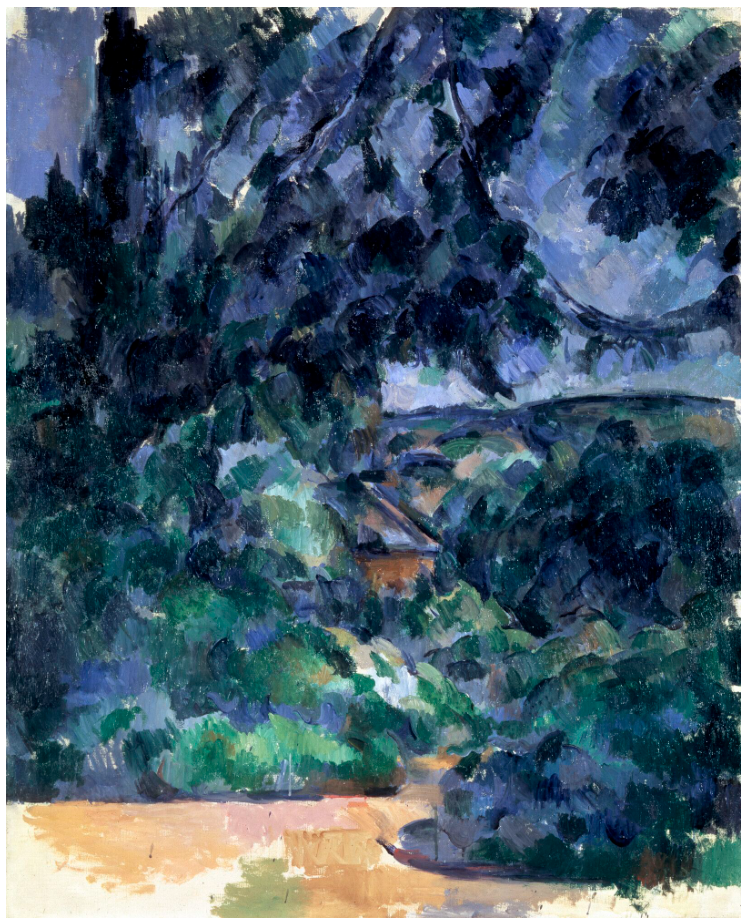
Paul Cezanne, Blue Landscape, circa 1903. State Hermitage Museum, St. Petersburg. Photo: HIP / Art Resource, NY.
Both Brown and Conrad engage with similar existential and moral concerns, looking towards themes of authority, chaos, and the darker sides of human nature. Tangentially, the abstracted figures, verdant colors, psychological conflict between power and brutality recalls Cuban painter, Wifredo Lam’s The Jungle, wherein Lam drew on the horrors of colonization in Cuba.
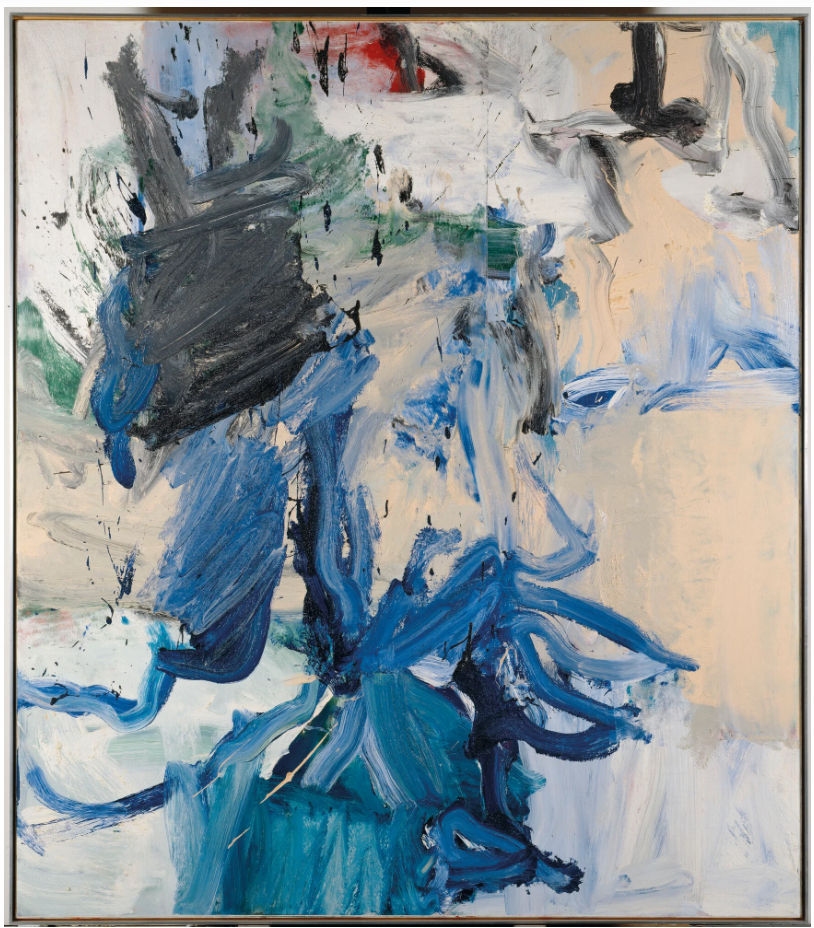
Willem de Kooning, Untitled XX, 1976. Musée National d’Art Moderne, Centre Georges Pompidou, Paris. Artwork: © 2024 The Willem de Kooning Foundation / Artists Rights Society (ARS), New York.
Photo: © CNAC / MNAM / Dist. RMN-Grand Palais / Art Resource, New York.
In recent years, London-born Brown, who relocated to New York shortly after finishing school at Slade School of Fine Art in 1993, has grappled with her own complicated relationship with England’s past. At an early age, Brown was introduced to the likes of Jasper Johns, Richard Serra, and Francis Bacon. While Brown and Sylvester mutually held Bacon at exceptionally high regard — the title of the present work even conjures Bacon’s own Figure with Meat, Brown was eager to forge her own path in a city where her father’s shadow would not loom so large.
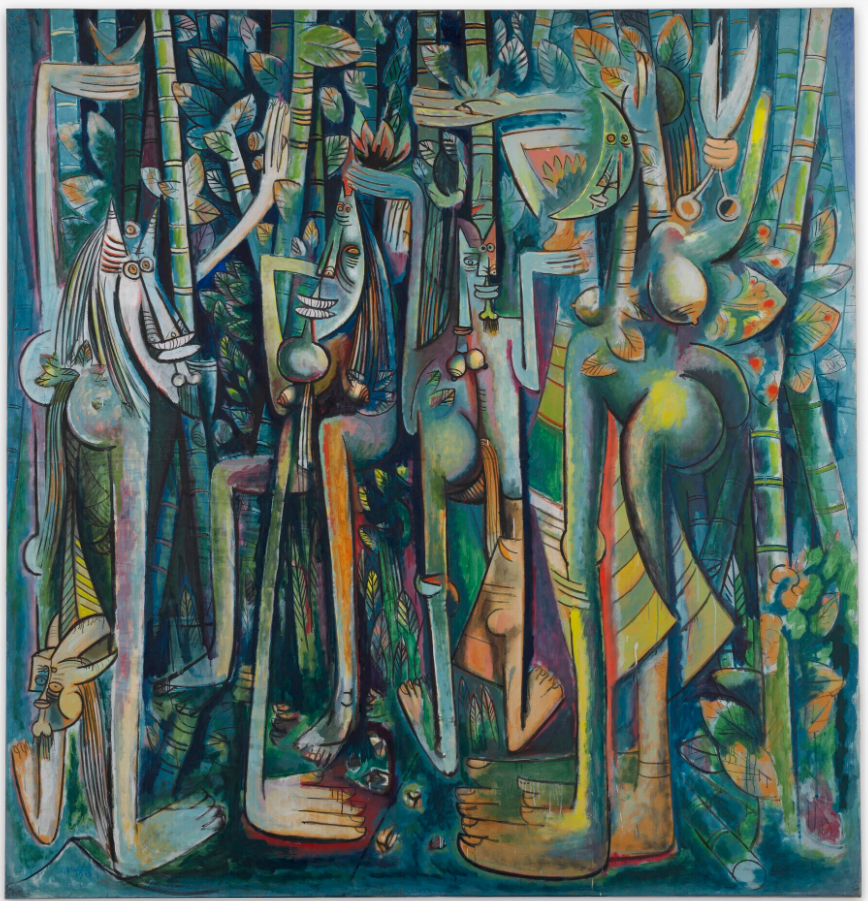
Wifredo Lam, The Jungle, 1943. Museum of Modern Art, New York. © 2024 Artists Rights Society (ARS), New York / ADAGP, Paris. Photo: © The Museum of Modern Art / Licensed by SCALA / Art Resource, New York.
Time and distance, however, has made this relationship even weightier.
“The whole idea of empire, when you’re a little kid, you don’t really get that that actually means colonialism. You grow up singing ‘Rule, Britannia!’ and you learn about the war…. You only learn the good things about Winston Churchill, and you know, when you really look into it, everything’s obviously so much more complicated.”
The abstract, energetic brushwork combined with subtle hints of figuration in The Butcher and the Policeman exemplifies Brown’s interest in evoking emotion and narrative through abstraction, while grounding her work in historical and cultural references.
Red Rum, 2001
Sotheby’s New-York: 27 September 2024
Estimated: USD 1,800,000 – 2,500,000
USD 1,800,000
Red Rum | Contemporary Curated | 2024 | Sotheby’s (sothebys.com)
CECILY BROWN (b. 1969)
Red Rum, 2001
Oil on linen
48×60 inches (121.9 x 152.4 cm)
Signed and dated 2001 (on the reverse); signed and dated 2001 (on the stretcher)
Immersing the viewer in a vibrant tempest of painterly dynamism, Cecily Brown’s Red Rum stands as a vivid testament to the artist’s remarkable ability to merge gestural abstraction with figurative allusion. Executed in 2001, this resplendent painting captures the frenetic energy that defines Brown’s highly sought-after early works, all while resonating with the unmistakable hues of classical landscape painting. Emerging from a limited series of landscape paintings, Red Rum displays Brown’s close connection with the history of art and her particular affinity for Old Master paintings. In these works, throngs of bacchanalian creatures invade pastoral settings, depicted with such vigorous and frenetic brushwork that individual details are almost entirely subjected to a sweeping abstract composition. Here, Brown deftly layers sumptuous passages of pale blue sky with glimpses of verdant green, interwoven with earth tones that together crescendo into a scene bursting with life.
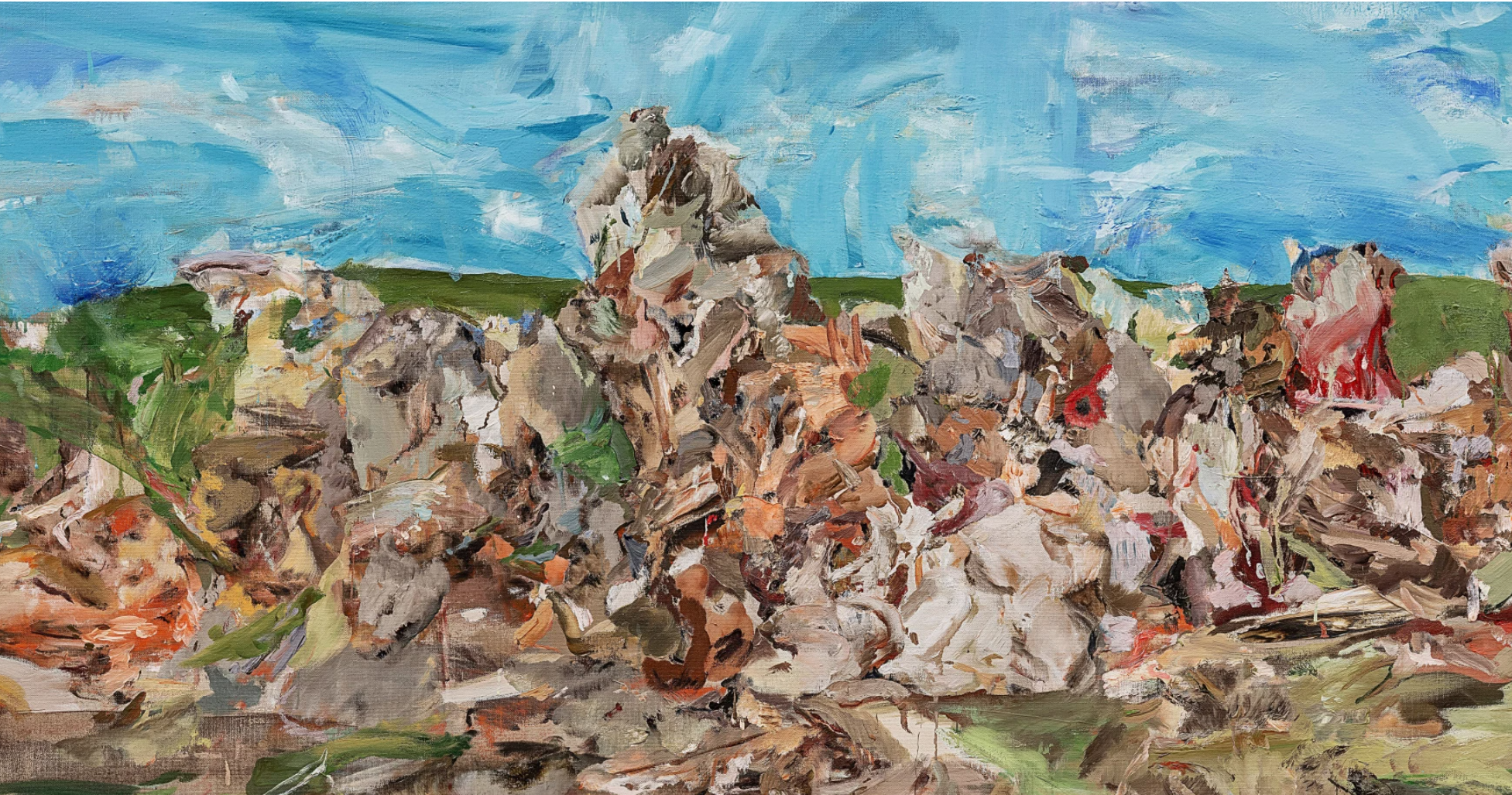
Red Rum unfolds in a visual symphony where chaos and calm coexist in a dynamic balance. Departing from the overtly sensual canvases that sometimes characterizes her work, Red Rum evokes a more tender romanticism—a fertile tableau brimming with the vivacity and exuberance of a springtime afternoon. While the theme may be pastoral, the picture is far from idyllic. Beneath the brilliant blue skies and nestled among the recognizable foliage, lie the swift movements of amorphous matter that may or may not be human. Rendered in thick, heavily worked brushstrokes, these vague forms and barely discernible creatures—ranging from bunnies to horses—appear to emerge from a similarly abstract background. Together these coalesce into a central gravitational core where only vestiges of anatomies remain. Yet, upon closer inspection, these beings, though abstracted, are unmistakably anchored within a recognizably bucolic setting, a definitive pictorial space. This framing marks a significant evolution from Brown’s previous paintings, where subjects often appear suspended in an ambiguous, liminal space. In Red Rum, Brown masterfully crafts an immersive spatial experience that draws the viewers into a scene that is captivatingly suggestive.
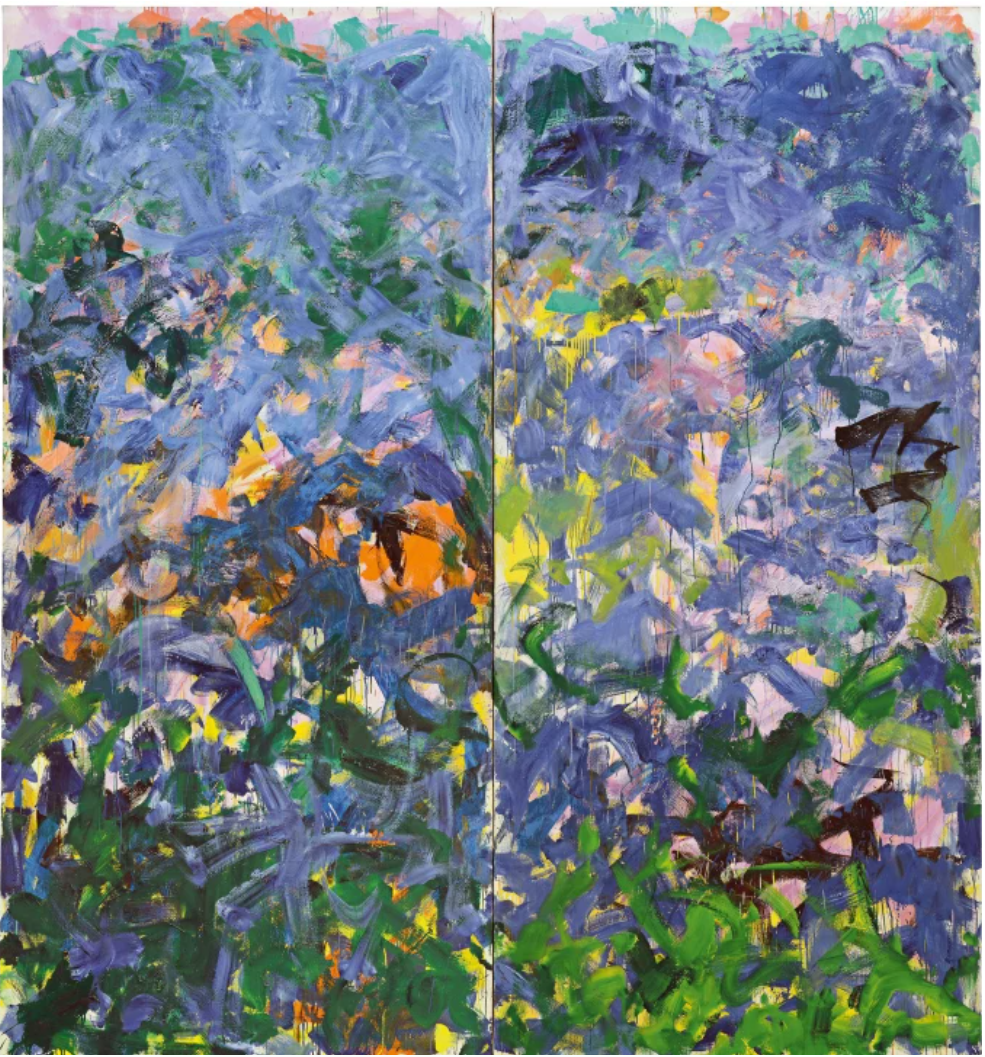
Joan Mitchell, La Grande Vallée XVII, Carl, 1984. Image ©Le Frac Provence-Alpes-Côte d’Azur, Marseille, France / Joan Mitchell Foundation, Art © 2024 Estate of Joan Mitchell
The present work’s title, like many of Brown’s canvases from this period, derives from mass-media, cleverly nodding to two distinct yet culturally iconic references: Stephen King’s The Shining and the legendary British racehorse, Red Rum. In The Shining, “Redrum” is a cryptic, reversed spelling of the word “murder,” adding a layer of sinister ambiguity to the painting’s vibrant chaos. This wordplay equally reflects Brown’s fascination with the duality of meaning and form, beautifully displayed in the metamorphic, alchemic handling of pigment in the composition of Red Rum. Simultaneously, the title evokes the image of the famous racehorse Red Rum, known for his unrelenting spirit and unexpected victories, which parallels the dynamic, almost galloping energy of the brushstrokes and forms within the canvas. Though such references were not intended as visual or narrative hints, according to Brown, they add a layer of interpretive richness, intertwining elements of pop culture and historical narratives. Within the composition, one might even discern a sort of agitated procession of horses along the central register, their forms emerging and dissolving in a blur of motion, echoing the relentless pace and vigor of a race. This layered approach to titling invites viewers to explore the intersections of abstraction and narrative within her dynamic, painterly world.
Effortlessly navigating the delicate balance between abstraction and figuration, the surface of Red Rum pulsates with a rich tapestry of form and color, drawing the viewer into a realm of painterly delight. Brown’s canvas becomes an alcove for boisterous play, a threshold the viewer is invited to cross at their leisure. Her heated brush strokes, emblematic of her distinct style, engage the very language of painting itself, expressing both the sensuality of the medium and its ability to manipulate perception through expressive possibilities. Although the painting flirts with total abstraction, it retains the natural light and compositional harmony reminiscent of Monet’s plein-air paintings. This blend of chaotic energy and serene order creates a compelling tension, as Jonathon Gilmore observes, “It is as if the serene 19th century pictorial models on which these works are based arrest and contain the hyperkinetic brushwork with which they have been figured.” (Jonathon Gilmore, “Cecily Brown at Gagosian,” Art in America, July 2002, p. 92).
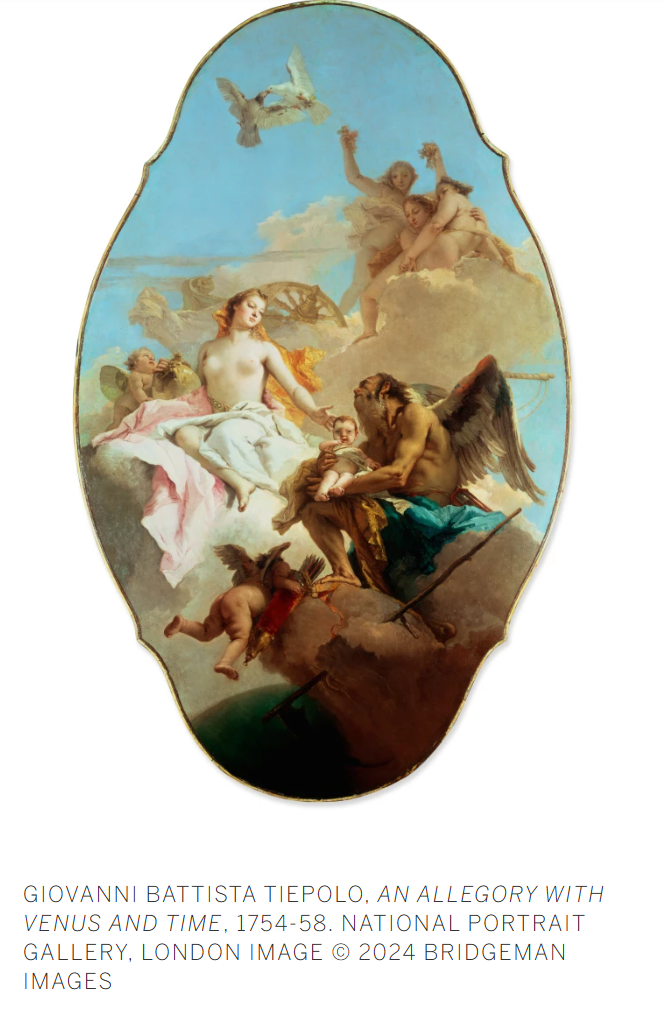
A testament to Brown’s deep engagement with historical painterly traditions, Red Rum simultaneously evokes the sensuous handling of paint and the balanced compositions of Baroque masters, while resonating with the emotional intensity and undeniable physicality of Abstract Expressionism. The painting explodes across the canvas in a riot of vivid blues, verdant greens, and subtle shades of creams and ambers, all laced with traces of earthy tones. Red Rum melts the representational into an abstracted frenzy, suggesting both classical compositions and stylized rendering. On one hand, her expressive, colorful brushwork evokes the highly gestural and emotionally charged abstraction of Willem de Kooning’s Woman series, which equally teeters the line between the abstract and the figurative. At the same time, the dramatic composition and glimpses of flesh recall the bacchanalian scenes of Peter Paul Reubens, while the soft romantic hues of sky blues and pastels recall Giovanni Battista Tiepolo’s angelic scenes.
“I think that painting is a kind of alchemy… the paint is transformed into image, and hopefully paint and image transform themselves into a third and new thing… I want to catch something in the act of becoming something else.”
Through Red Rum, Brown brings forth the vernacular of legendary painters across art history, abstracting her forms while retaining the grand narrative impact of her forebears. Her work is a dynamic fusion of past and present, where the boundaries of figuration and abstraction blur to create something wholly new and compelling. In Red Rum, Brown offers a masterclass in the synthesis of historical influence and contemporary innovation. Freeing subject matter to transcend classical narrative by uniting practices from centuries of artistic practice, Brown emerges as an inevitable supposition of Western art history and a unique new voice of aesthetic prowess and wit. The present work stands as a vivid exploration of the possibilities of the medium, where color, form, and gesture collide to create a work that is both a celebration of painting’s rich traditions and a bold statement of its ongoing evolution.
Functor Hideaway, 2008
Sotheby’s New-York: 13 May 2024
Estimated: USD 2,500,000 – 3,500,000
USD 3,569,000
Functor Hideaway | The Now Evening Auction | 2024 | Sotheby’s (sothebys.com)
CECILY BROWN (b. 1969)
Functor Hideaway, 2008
Oil on canvas
77×55 inches (195.6 x 139.7 cm)
Signed and dated 2008 (on the reverse)
Abounding with vitality and striking color, Functor Hideaway from 2008 exhibits Cecily Brown’s revered synthesis of gestural abstraction and immanent figuration. In the present composition, Cecily Brown prioritizes ambiguity over narrative as bold thrashes of color manipulate seemingly anthropomorphic forms into a subliminal image, challenging the viewer to derive meaning from its frenzied yet meticulously constructed network of painterly swathes. Upon relocating to New York from London, Brown established herself amongst a cadre of New York painters revitalizing the figure in avant-garde art and, engaging in a dialogue with art historical antecedents, Brown helped to usher in a new era for figurative painting alongside artists such as John Currin and Lisa Yuskavage. Acquired shortly after it was executed in August 2008, Functor Hideaway has remained in the same private collection ever since.

LEFT: LUCIAN FREUD, STANDING BY THE RAGS, 1988-89. TATE MODERN, LONDON. IMAGE © THE LUCIAN FREUD ARCHIVE. ALL RIGHTS RESERVED 2024 / BRIDGEMAN IMAGES. ART © 2024 LUCIAN FREUD. RIGHT: JOAN MITCHELL, PAINTING, 1956-1957. MUSÉE NATIONAL D’ART MODERNE, CENTRE GEORGES POMPIDOU, PARIS. IMAGE © CNAC/MNAM, DIST. RMN-GRAND PALAIS / ART RESOURCE, NY. ART © ESTATE OF JOAN MITCHELL
Within the present composition, verdant greens, fleshy pinks, and icy blues oscillate between controlled precision and spontaneous freedom. Bolts of crimson galvanize Brown’s fluxing landscape as expressive marks carve and collide across the canvas. Riotous strokes of green rendered in varying hues suggest a forested landscape; coalescing amongst expressive bursts of fleshy paints, splinters of the human form melt into swirls of color. In an almost generative nature, the painting gives birth to new forms through an endless cycle of evolution. Describing her medium, the artist expounded, “It’s sensual, it moves, it catches the light, it’s great for skin and flesh and heft and meat.” (the artist quoted in: Derek Peck, “New York Minute: Cecily Brown,” Another, 14 September 2012) Indeed, the weather in Brown’s arcadia is equal parts cool and dewy like an early morning, and hot and humid like midsummer noon.

Readily discernable in the present work is a deep resonance with a seemingly endless array of art historical references, suggesting Édouard Manet and Paul Cezanne’s luminous rendering of the body and organization of space. Undoubtedly influenced by the brash mark-making of the Abstract Expressionist movement, her visual language and gestural approach to painting are also indebted to the expressive, abstracted qualities of Joan Mitchell or Willem de Kooning. Looking closely, a small, white skull emerges from the lower right quadrant of the painting, a critical vanitas motif in not only the artist’s oeuvre, but also throughout the lineage of Western art history. Functor Hideaway melts the representational into an abstracted frenzy while simultaneously celebrating the nude form. Indeed, rather than objectifying the nude, the artist’s intense and unapologetic gaze celebrates its abstraction. The artist explains, “You’ve got the same old materials—just oils and a canvas—and you’re trying to do something that’s been done for centuries…I have always wanted to make paintings that are impossible to walk past, paintings that grab and hold your attention.” (Cecily Brown quoted in: ‘Cecily Brown: I take things too far when painting’, The Guardian, 20 September 2009, online)

HIERONYMUS BOSCH, THE GARDEN OF EARTHLY DELIGHTS, 1490-1500. PRADO, MADRID. IMAGE © BRIDGEMAN IMAGES
Recently celebrated with a significant career survey at The Metropolitan Museum of Art in New York, Cecily Brown: Death and the Maid, Cecily Brown is undoubtedly one of the most successful contemporary painters working today. Brown’s inclusion in the following collections, Museum of Modern Art, New York; Museum of Fine Arts, Boston; Whitney Museum, New York; Solomon R. Guggenheim Museum, New York; and the Broad, Los Angeles, further underscores the artist’s influence and importance. As Functor Hideaway navigates between chaos and control, a frenetic energy emerges yet somehow Brown maintains a sense of harmonious composition within the work. The painting stands as a powerful testament to the artist’s mastery, showcasing her ability to provoke deep contemplation and elicit profound emotions from viewers.

Mesmerizing and immersive, Brown’s choreography of painterly gestures in Functor Hideaway engulfs the viewer into a phantasmagorical realm, akin to a woodland pathway through the frenzied woods. Here, we see Brown break free from traditional narrative conventions as she blends centuries of artistic styles and techniques, putting forth a distinctive artistic voice that has emerged as the natural successor in the lineage of Western art history. With the full gravitas of Brown’s accomplished painterly bravado, Functor Hideaway envelops the viewer in an all-engulfing textural and chromatic world, offering, as its title suggests, a retreat into the sensorial and the imaginative.
Sirens and Shipwrecks and Bathers and the Band, 2016
Sotheby’s New-York: 13 May 2024
Estimated: USD 6,000,000 – 8,000,000
WITHDRAWN

CECILY BROWN (b. 1969)
Sirens and Shipwrecks and Bathers and the Band, 2016
Oil on canvas
97 1/8 x 150 3/4 inches (246.7 x 382.9 cm)
Signed and dated 2016 (on the reverse)
Currents of cobalt, cerulean, and lapis blue eddy and whirl across the expansive canvas of Cecily Brown’s Sirens and Shipwrecks and Bathers and the Band, forming a maelstrom of pigment that is emblematic of the artist’s prodigious mastery of painterly abstraction. Executed in 2016, Sirens and Shipwrecks and Bathers and the Band represents Brown’s theatrical rendition of a seascape, recounting an art historically recursive narrative with contemporary resonance. The present work is one in a cycle of five paintings based on 19th century Romantic landscape painting, namely Eugène Delacroix’s The Shipwreck of Don Juan and Théodore Géricault’s The Raft of the Medusa, all of which were unveiled in an exhibition at Paula Cooper Gallery in 2017. Standing at a panoramic scale, Sirens and Shipwrecks and Bathers and the Band submerges the viewer in its oceanic depths, demanding a durational process of looking that rewards the viewer with an intrinsic quietude that belies Brown’s frenetic brushwork. Recently honored with a major career survey Cecily Brown: Death and the Maid at the Metropolitan Museum of Art in New York, Brown’s commitment to wrestling her subjects free from their conventional contexts results in paintings that fluctuate between perceptible and imperceptible form.

Replete with lush impasto and sumptuous chromatic passages, the present work sees Brown’s virtuosic command of paint on full display. Amidst a tidal vortex of rich blues and creamy whites, ribbon-like strokes of green, coral, and eggshell yellow evoke the ripples and refractions of water, while gusts of murkier charcoal frame the composition. The converging momentum and direction of Brown’s brushstrokes bestow Sirens and Shipwrecks and Bathers and the Band with a gravitational centrality. Brown’s loose gestures coalesce into new forms, distorting spatial depth and suggesting fragments of figurative representation in an endless churning of organic matter. “I think that painting is a kind of alchemy,” says Brown, “the paint is transformed into image, and paint and image transform themselves into a third and new thing.” (the artist quoted in: Klaus Kertess, Cecily Brown, New York, 2008, p.16)

LEFT: THÉODORE GÉRICAULT, THE RAFT OF MEDUSA, 1819. LOUVRE, PARIS. IMAGE © BRIDGEMAN IMAGES. RIGHT: FERDINAND VICTOR EUGENE DELACROIX, THE SHIPWRECK OF DON JUAN, 1840. LOUVRE, PARIS. IMAGE © BRIDGEMAN IMAGES
Within the present composition, glimpses of flesh toned paint echo the bathing nudes of classical tradition, a subject that is also alluded to in the present work’s title. Built up with layers of sumptuous oil paint, the surface of Sirens and Shipwrecks and Bathers and the Band is replete with all the sensuality of the human figure, which remains at the core of Brown’s iterative process. Echoing Géricault’s rhythmic system of triangles, Brown’s robust gestures obscure and deconstruct a singular reading as bodies and forms break down into restless, sinuous and elusive activity. In an impossible feat of aesthetic sorcery, Brown manages to retain all the overindulgence of the Rococo style, the grandeur of the Old Masters, and the airy lightness of the Impressionists, while opening new pathways to representation. Unabashedly engaging with the medium’s material presence and the ambiguity of present narrative, Sirens and Shipwrecks and Bathers and the Band appeals directly to the senses, eliciting pleasure and awe in equal measure.

In Sirens and Shipwrecks and Bathers and the Band, Cecily Brown presents an allegorical and turbulent vision that synthesizes all the lush and dramatic suspense of her Romantic source material, while melding the representational into an abstracted plane. Freeing subject matter to transcend classical narrative by synthesizing practices from centuries of artistic practice, Brown’s practice emerges as a triumphant summation of Western art history and a unique new voice of aesthetic prowess and wit. In doing so, Brown achieves a novel alchemy within her paintings that distinguishes her as a contemporary master of the painterly medium.
Can Can, 1998
Christie’s London: 7 March 2024
Estimated: GBP 1,800,000 – 2,500,000
GBP 2,218,000 / USD 2,812,424
CECILY BROWN (B. 1969), Can Can | Christie’s (christies.com)
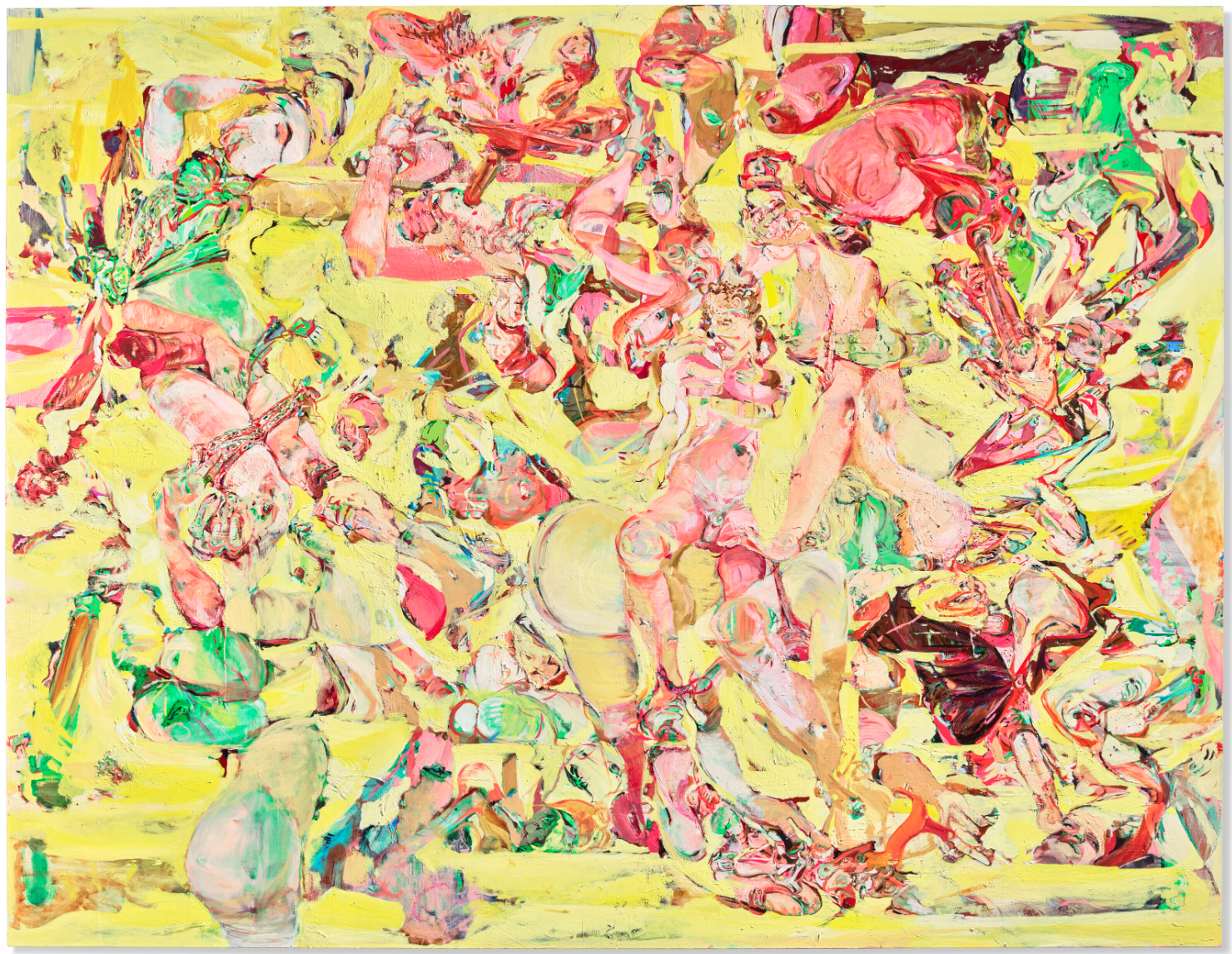
CECILY BROWN (B. 1969)
Can Can, 1998
Oil on canvas
75 7/8 x 98 inches (192.7 x 248.9 cm)
Signed and dated ‘Cecily Brown ’98’ (on the stretcher)
Signed twice, titled and dated twice ‘Cecily Brown 98 Cecily Brown Can Can 1998’ (on the reverse)
Included in the artist’s seminal solo show High Society at Deitch Projects, New York in 1998, Can Can (1998) is a monumental early painting by Cecily Brown. The canvas spans two-and-a-half meters wide, unfurling a panorama of color, movement and form. Grasping hands, entwined limbs and ecstatic mouths can be glimpsed across the scintillating surface, flushed with gleaming coral, magenta and vermillion amid facets of lemon yellow and jade green. Itis an abstracted bacchanal of multisensory delight. Can Can was the first of a number of Brown’s works to be titled after vintage Hollywood movies: in this case a 1960 musical comedy starring Frank Sinatra and Shirley MacLaine. Painted during her first years in New York, where she had moved from London in 1994, it speaks to the joy, success and creative freedom she found in the city. ‘This is an intoxicating time to be painting,’ Brown wrote in 1998, ‘and New York an exhilarating and sympathetic climate. The mood is generous and open and eclectic’ (C. Brown, ‘Painting Epiphany’, Flash Art, no. 200, May-June 1998). In 2023, she was celebrated there with a major survey show, Cecily Brown: Death and the Maid, at the Metropolitan Museum of Art.
When she graduated from London’s Slade School of Art in 1993, Brown’s lavish, expressive paintings stood in contrast to the more conceptual stance of her Young British Artist contemporaries. In New York, where painting was undergoing a revival, she received a warm welcome.
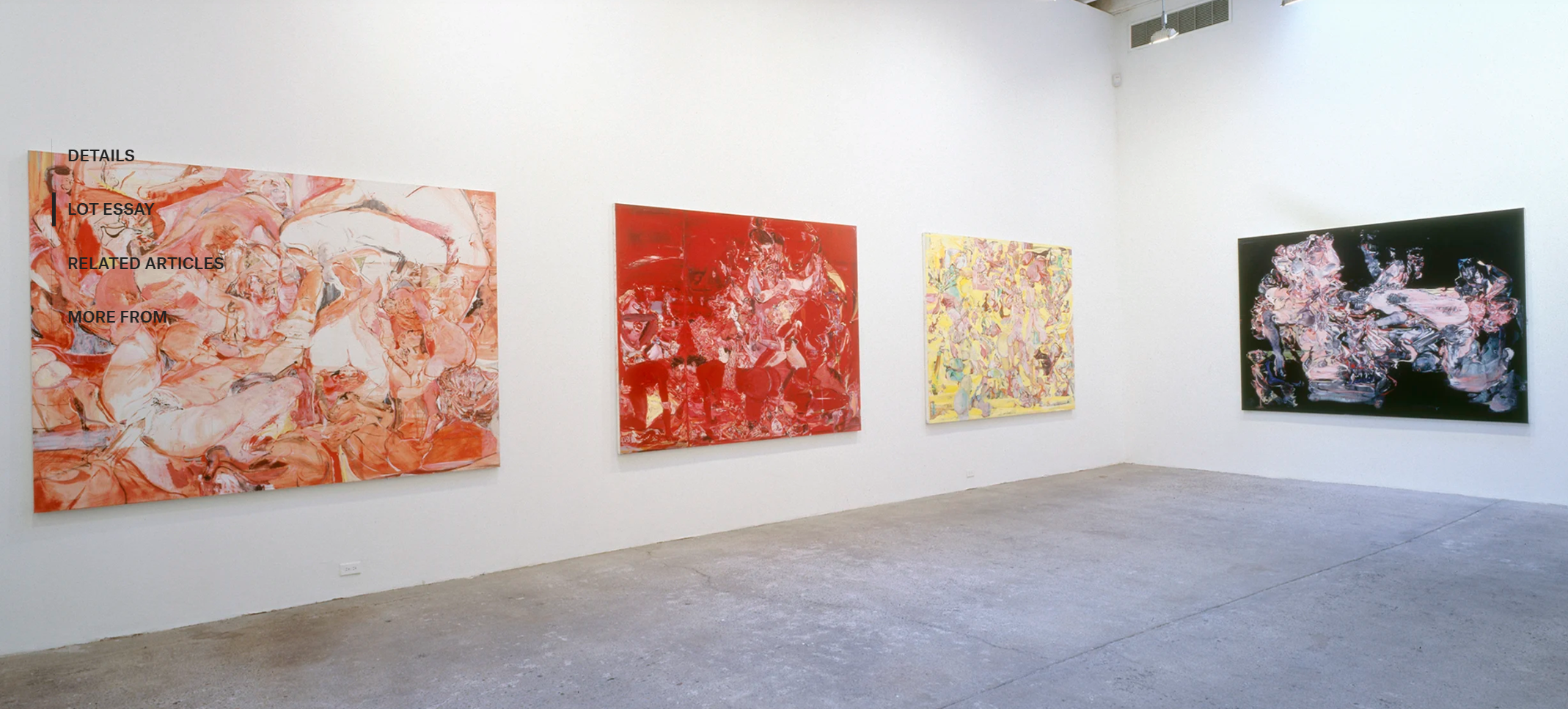
The city was also charged with inspiration for Brown as the birthplace of Abstract Expressionism: Willem de Kooning, who died in 1997, was still living on Long Island when she arrived. Brown’s work reflects a close dialogue with de Kooning, who famously claimed that ‘flesh is the reason oil paint was invented.’ While her later works would become more abstract, Brown’s early figuration dealt with distinctly carnal subject matter, bringing the medium’s power to voluptuous life. The bodily force of Can Can is unmistakable, its slick paint dancing and fluorescing with light and motion.
“I like the idea that they were gaudy and bawdy. It was really right for the body of work because they were very bright and chaotic, very much like a Busby Berkeley song and dance routine, maybe with a hand grenade thrown into it. My paintings were very broken up and fractured but they had this sense of too loud, too much action, too theatrical, which I always thought belonged in a painting … I didn’t want really my peers to know the movie, because I wanted it to be suggestive rather than descriptive … For example the painting titled Can Can, it doesn’t mean that there are girls with their legs in their air. It was more the sensation of a can-can. Of course it was like a can-can as well. So Can Can was the beginning, and it was so freeing.”
Brown’s first New York solo show, Spectacle, had opened at Deitch Projects in 1997 to huge acclaim. The paintings depicted orgiastic gatherings of rabbits, riffing on the packed figural compositions of Goya and Poussin. For High Society, in tune with her Hollywood inspirations, Brown amped up the size and vibrancy of her canvases, with fleshy, interlocking human forms taking center stage. Can Can is a widescreen Technicolor fantasy. The dance’s risqué reputation—a public indecency charge is central to the plot of the movie, which is set in 1890s Paris—adds to the painting’s sense of erotic athleticism.
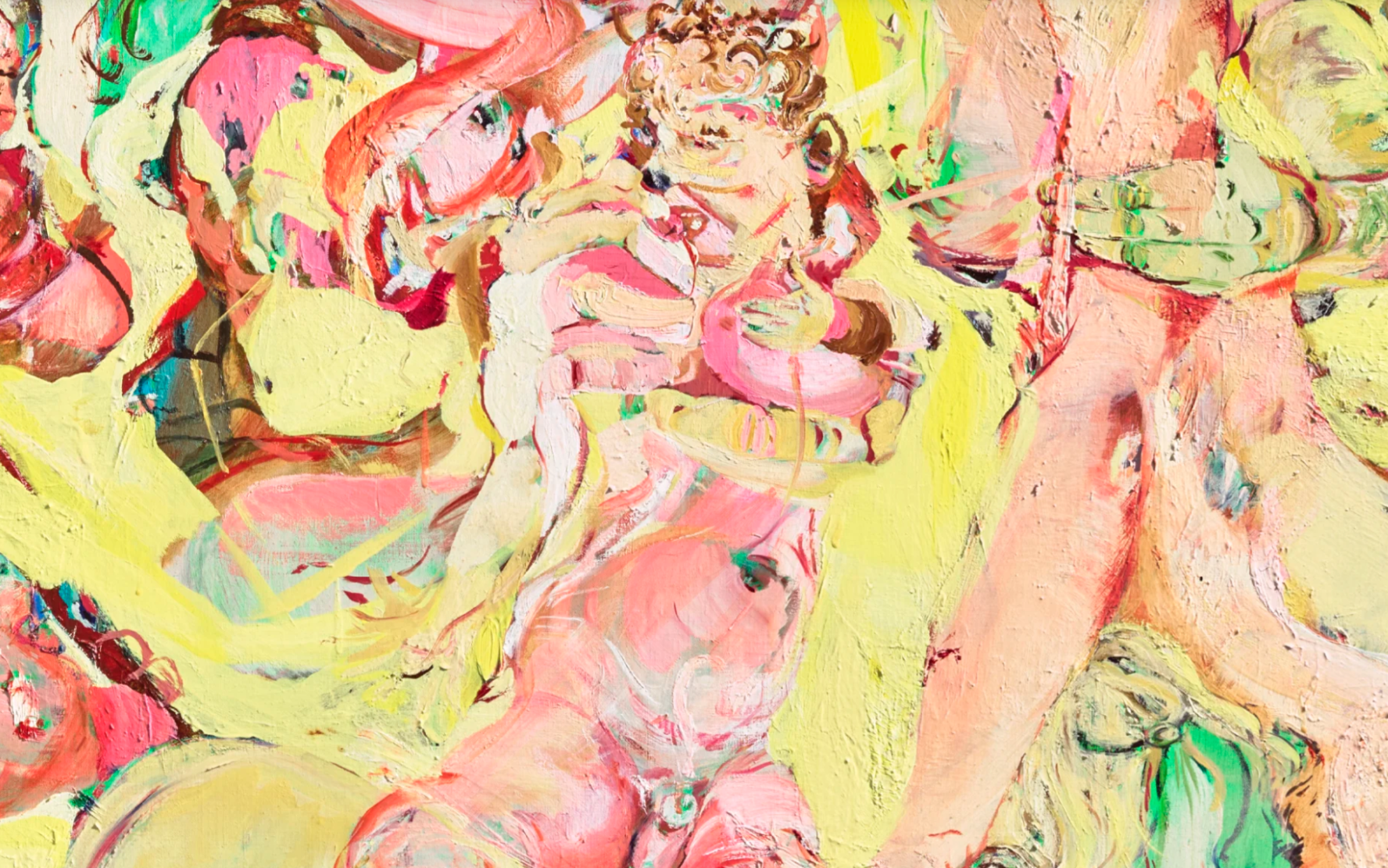
Indeed, Brown’s gestural strokes and visceral color manifest her own pure joy in the act of painting. She absorbs and subverts the work of de Kooning and other Abstract Expressionists, destabilizing their associations of male heroism. Her approach also draws upon the fleshy, bloodshot visions of Francis Bacon and Chaim Soutine, as well as masters of the deeper art-historical past. The Baroque hedonism of Rubens, Fragonard’s Rococo excess, the earthy carnivalesque of Bosch and Bruegel, and the chromatic drama of Delacroix can all be glimpsed in the present work’s spectacular, metamorphic surface. Yet the picture is entirely Brown’s own. She has spoken of ‘slowing down’ the viewer in front of her works, which cannot be apprehended in an instant, but stir, unfold and reveal their riches with extended viewing. Can Can is a virtuoso performance, choreographing a glorious, indulgent chorus of brand-new sensory delight.
Luck Just Kissed You Hello, 2013
Phillips London: 7 March 2024
Estimated: GBP 1,500,000 – 2,000,000
GBP 1,500,000 / USD 1,902,000
Cecily Brown – 20th Century & Contempor… Lot 5 March 2024 | Phillips
CECILY BROWN
Luck Just Kissed You Hello, 2013
Oil on linen
67 x 65 1/8 inches (170.2 x 165.4 cm)
Signed and dated ‘Cecily Brown 2013’ on the reverse
Animated by a frenzied sense of vitality and movement, Cecily Brown’s 2013 Luck Just Kissed You Hello exemplifies the tensions between motion and stasis, figuration and abstraction, representation and sensory experience that lie at the heart of the artist’s practice. Included in Brown’s eponymous 2013 exhibition with Gagosian Gallery in Beverly Hills and coming to auction for the first time, Luck Just Kissed You Hello playfully elides the more overt eroticism of the artist’s earlier work, continuing her formal investigation into art historical tradition and the subject of the nude ensemble in painting to stunning effect. Vibrantly realized in raucous notes of tangerine, turquoise, and warm peach tones, the work seamlessly integrates the bold colors and gestural mark-making of Abstract Expressionist artists such as Willem de Kooning and Joan Mitchell with the fleshy voluptuousness of Old Masters’ canvases by the likes of Titian and Reubens, masterfully harnessing the energy and immediacy of the former to draw out the latent eroticism and sensuality of the latter. Such radical interventions into the histories of painting and of the nude are underpinned by Brown’s energetic brushwork, the entire surface of her composition here activated as bodies emerge and recede, as if the artist is chasing the figures around the canvas, ‘discovering the image, disrupting it, and almost deliberately losing it and pushing it around.’
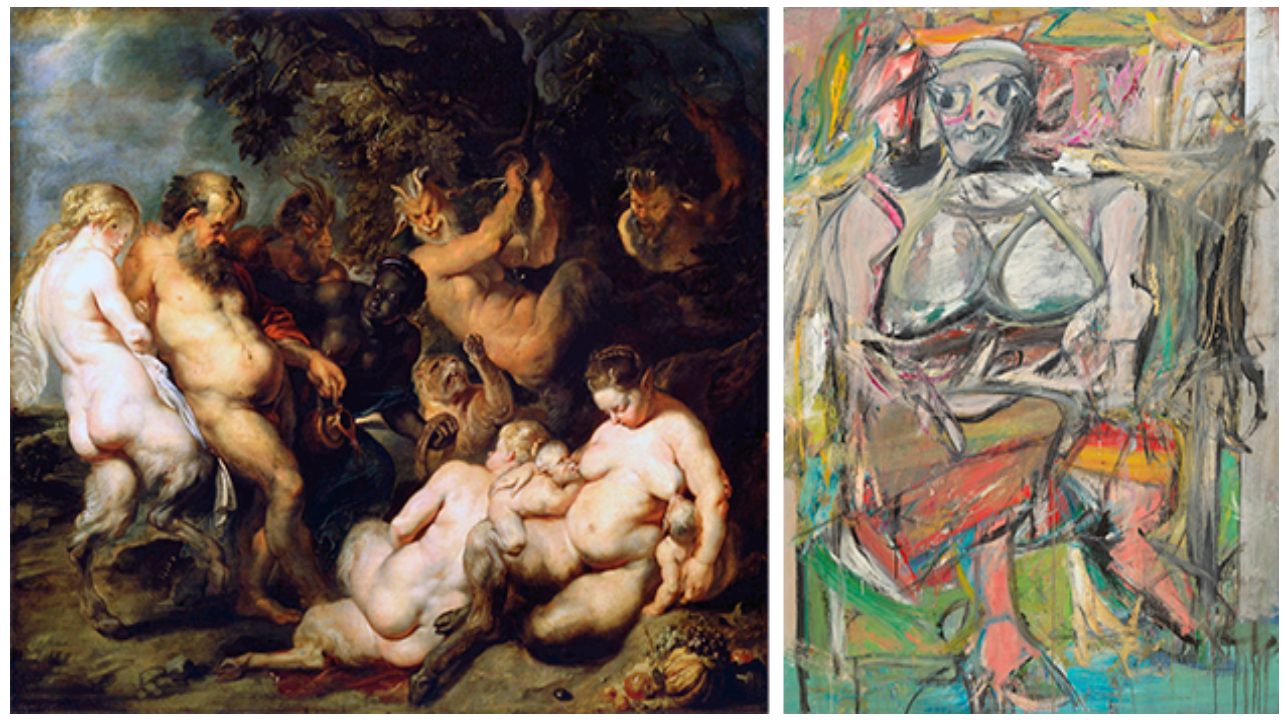
[Left] Peter Paul Rubens, Bacchanalia, circa 1615, Pushkin Museum of Fine Arts, Moscow. Image: Photo Fine Art Images/Heritage Images/Scala, Florence
[Right] Willem de Kooning, Woman I, 1950-52, The Museum of Modern Art, New York. Image: © The Museum of Modern Art, New York/Scala, Florence, Artwork: © The Willem de Kooning Foundation/ARS, NY and DACS, London 2024
Coming to prominence in the 1990s, Brown was somewhat out of step with her British contemporaries and the coolly detached, subversive, and conceptually driven approach to artmaking pioneered by the ‘Young British Artists’ such as Damien Hirst and Sarah Lucas. Committed to paint and the physical pleasure of painting itself, Brown transformed her canvases into restless and shifting surfaces, her fluid treatment of painterly form approximating sensorial experience in deeply affecting ways. Encouraging a very active mode of looking here, snatches of figures standing, bending, and embracing fill the impressively scaled canvas, although these more legible elements quickly dissolve into the space surrounding them, the rapid exchanges between smooth, static form and rippling movement creating a powerfully turbulent and dynamic composition that complicates any one coherent reading. As the artist has explained, ‘The place I’m interested in is where the mind goes when it’s trying to make up for what isn’t there.’
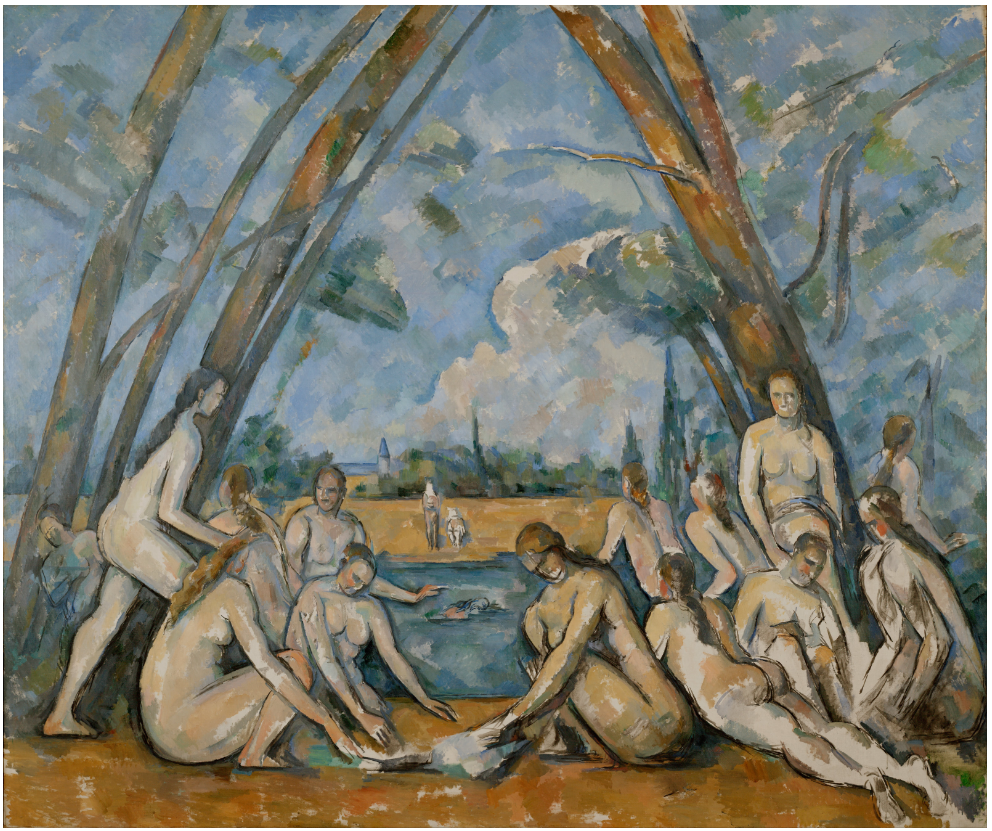
Paul Cézanne, The Large Bathers, 1900-1906, The Philadelphia Museum of Arts. Image: Philadelphia Museum of Art, Purchased with the W. P. Wilstach Fund, 1937, W1937-1-1
While Brown’s interest in the nude ensemble draws on many art historical referents, in its compositional organization and rich palette of verdant greens and earthy ochre tones Luck Just Kissed You Hello seems particularly indebted to ‘the grand tradition of theatrical landscapes filled with figures allegorical, historical, or observed […] a visual play on scenes of Arcadia.’ Here, the darker, vertical forms to the right edge of the canvas especially recalling the tall, slender trunks framing Paul Cézanne’s late groups of bathers, themselves directly informed by the artist’s approach to creating depth and volume within an illusionistic space, and his own deep appreciation for classical and Renaissance art. Brown has also spoken at length about the influence of Edgar Degas on her work, notably his Young Spartans Excercising from 1860 whose groupings of crouched and stretching figures are compellingly reinterpreted in this dynamic scene.
In a playful nod to Brown’s own fluid treatment of paint and the human form here, the title is borrowed from a line from David Bowie’s 1979 song ‘Boys Keep Swinging’. While seemingly a celebration of youthful masculinity and the benefits afforded to young men, Bowie’s more ironic treatment of gender identity and its cultural construction throughout the song is emphasised in the accompanying music video, in which the singer performs both as himself and the three backing dancers dressed in drag. This blend of pop culture with a studied appreciation of art historical tradition is typical of Brown’s work, notably in the contemporaneous series of paintings based on the controversial album cover of Jimi Hendrix’s 1968 Electric Ladyland, examples of which were exhibited alongside the present work in 2013.
One Touch of Venus, 1999
Sotheby’s New-York: 16 November 2023
Estimated: USD 3,000,000 – 4,000,000
USD 2,960,000
One Touch of Venus | Contemporary Day Auction | 2023 | Sotheby’s (sothebys.com)
CECILY BROWN (b. 1969)
One Touch of Venus, 1999
Oil on canvas
60 1/4 x 75 inches (153 x 190.5 cm)
Signed and dated 1999 (on the reverse)
An erotically-charged spectacle spanning over six feet in width, Cecily Brown’s One Touch of Venus is a sensational exploration of the artist’s supreme mastery of gestural abstraction. Executed in 1999 and held in the same private collection since that very same year, the present work is entirely fresh to market. A tour de force of expressive markmaking, One Touch of Venus powerfully embodies the seductive fusion of rich abstraction and figurative allusion that has come to define Brown’s thirty-year long oeuvre. Immersing the viewer in a mesmerizing choreography of bubblegum pinks, fuchsias, and magentas, One Touch of Venus erupts in a cacophony of sumptuous color and movement, offering an enticing glimpse onto an unknown scene before evanescing into sheer painterly energy. The viewer is confronted by colliding pigment, forming a composition that is in a continual state of flux. Glimpses of undulating nude bodies mingle with broken rhythms of smaller brushstrokes, melting and morphing into the topography of Brown’s brushwork before vanishing altogether. Though she obfuscates any semblance of a clear narrative, her tactile handling of paint nevertheless commands the elusive power of suggestion, imbuing the work with a unique ebb and flow of chaotic sexuality.
Figures in a Garden, 2003
Christie’s New-York: 7 November 2023
Estimated: USD 2,000,000 – 3,000,000
USD 2,712,000
CECILY BROWN (B. 1969) (christies.com)
CECILY BROWN (B. 1969)
Figures in a Garden, 2003
Oil on linen
48×60 inches (121.9 x 152.4 cm)
Signed and dated ‘Cecily Brown 03’ (on the reverse)
A sumptuous early painting by Cecily Brown, Figures in Garden is a cornucopia of color that transports us into a fantastical grove. Drenched in light and shadow, a forest of verdant green, warm orange, blue, and flesh tones seems to emerge from the four-by-five-foot canvas itself. The landscape feels mythical, as if it were a utopia outside time and space. Figures in Garden is thus reminiscent of Henri Matisse’s Fauvist masterpiece Luxe, Calme et Volupté (1904, Musée d’Orsay, Paris), whose title is drawn from Charles Baudelaire’s poem. In both paintings, quasi-abstract figures lounge near the water in a state of ecstasy. In the tradition of Matisse, Brown’s unmistakable brushstrokes sweep across the scene like a warm breeze, and from her bold marks she builds a landscape of uncommon beauty.
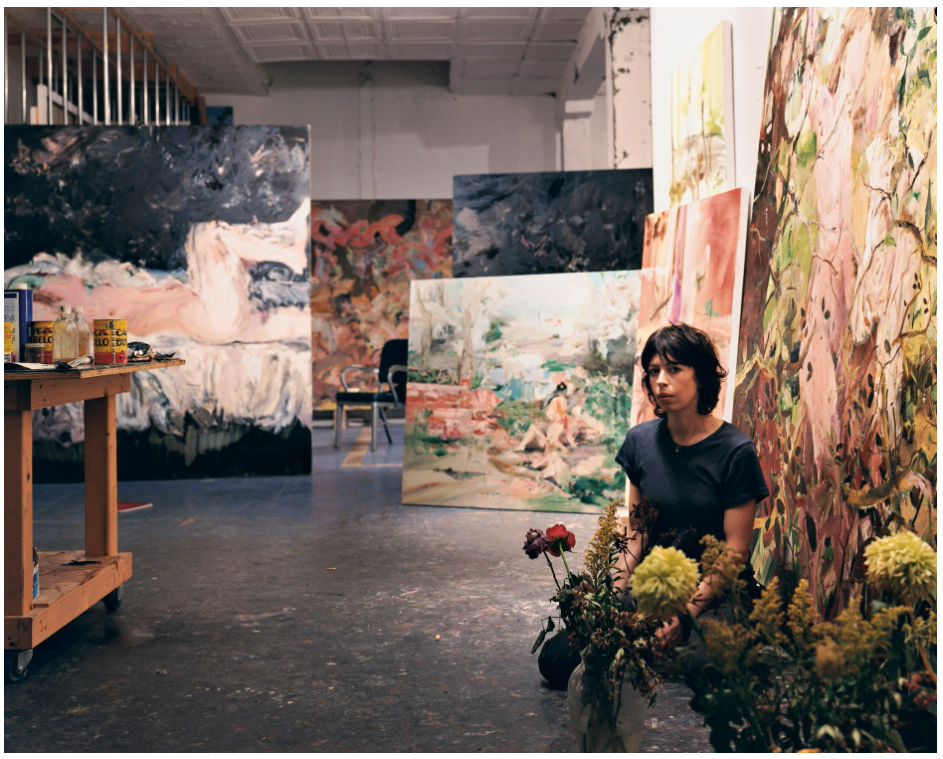
Currently the subject of Cecily Brown: Death and the Maid, her lauded survey at the Metropolitan Museum of Art, New York, Brown’s engagement with vanitas painting and still life has been central to the recent discourse. Yet in Figures in Garden, we can see other art historical traditions that fascinate Brown—the landscape and the fête galante, a Rococo style pioneered by Jean-Antoine Watteau. Fête galante paintings, exemplified by Watteau’s Pleasures of Love (1718-1719, Staatliche Kunstsammlungen Dresden) and The Embarkation for Cythera (1717, Louvre, Paris), depict courtship and leisure in outdoor settings, not unlike a garden party. Art historian Ewa Lajer-Burcharth describes Watteau’s work as a reformulation of time and space, and we could say the same of Brown, “Temporality—of a particular kind—is, in my view, the key aspect, indeed the very logic, of Watteau’s drawing oeuvre. It is not only that he represents time, but that time enters into the ways he uses his tools and materials, altering their customary effects and the effect of drawings produced with them” (E. Lajer-Burcharth, “Drawing Time,” October, Winter 2015, p. 6). This temporality is apparent in Figures in Garden, as we do not know where we are in time, but, more importantly, Brown’s skilled application of paint also evinces time: our time in looking at the image, her time in creating it, and the dilated time of art history. Brown brings the past into the present and reformulates staid traditions of painting into new alchemies of feeling, texture, and vision.
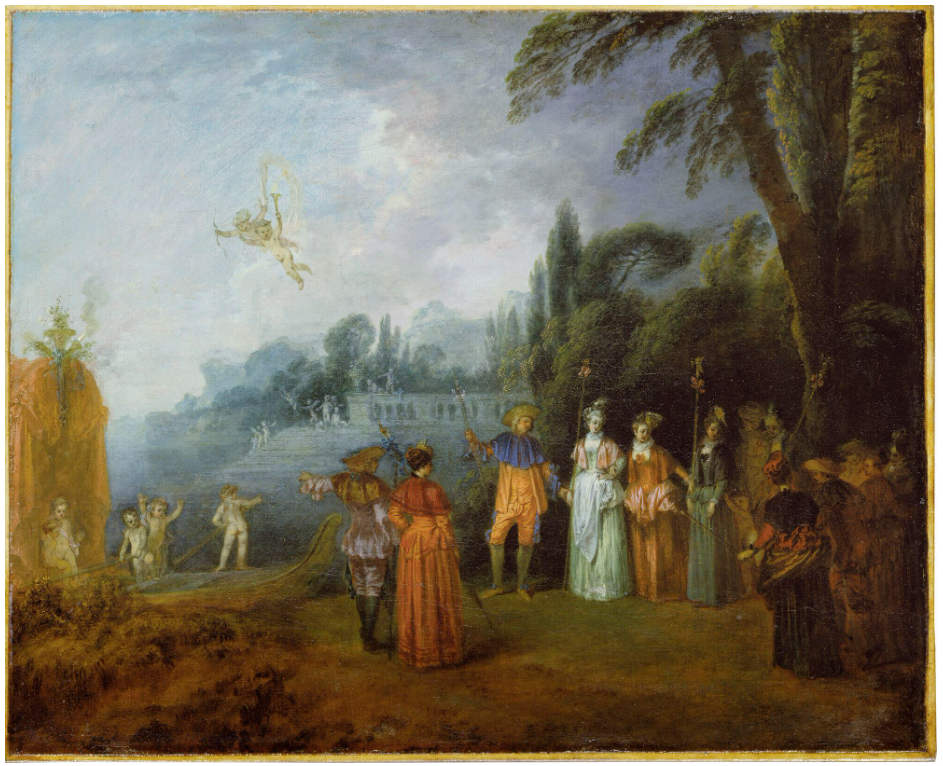
Jean Antoine Watteau, Embarkment for Cythera, circa 1709-1710. Städel Museum, Frankfurt. Photo: bpk Bildagentur / Städel Museum/ Art Resource, NY.
Yet Figures in Garden is purposefully more ambiguous than Watteau’s fêtes galantes. Brown’s landscapes are always obscured by abstract brushstrokes, which create a dreamlike, ethereal, and sensual atmosphere. In this way, she has much in common with the Impressionists, who took the fête galante from the mythical into the modern. Consider Figures in Garden alongside Claude Monet’s Le Parlement, soleil couchant (1900-1903, National Gallery of Art, Washington, D.C.), which is almost gothic in its moodiness and opacity. Brown shares this desire to both reveal and conceal, thereby showcasing the ability of paint to show the world as it is, and as it could be. Also relevant are the post-Impressionist landscapes of Georges Seurat, such as his Paysage et personnages (La jupe rose) (1884), whose figures, like Brown’s, exist in an amorous and abstract relationship.
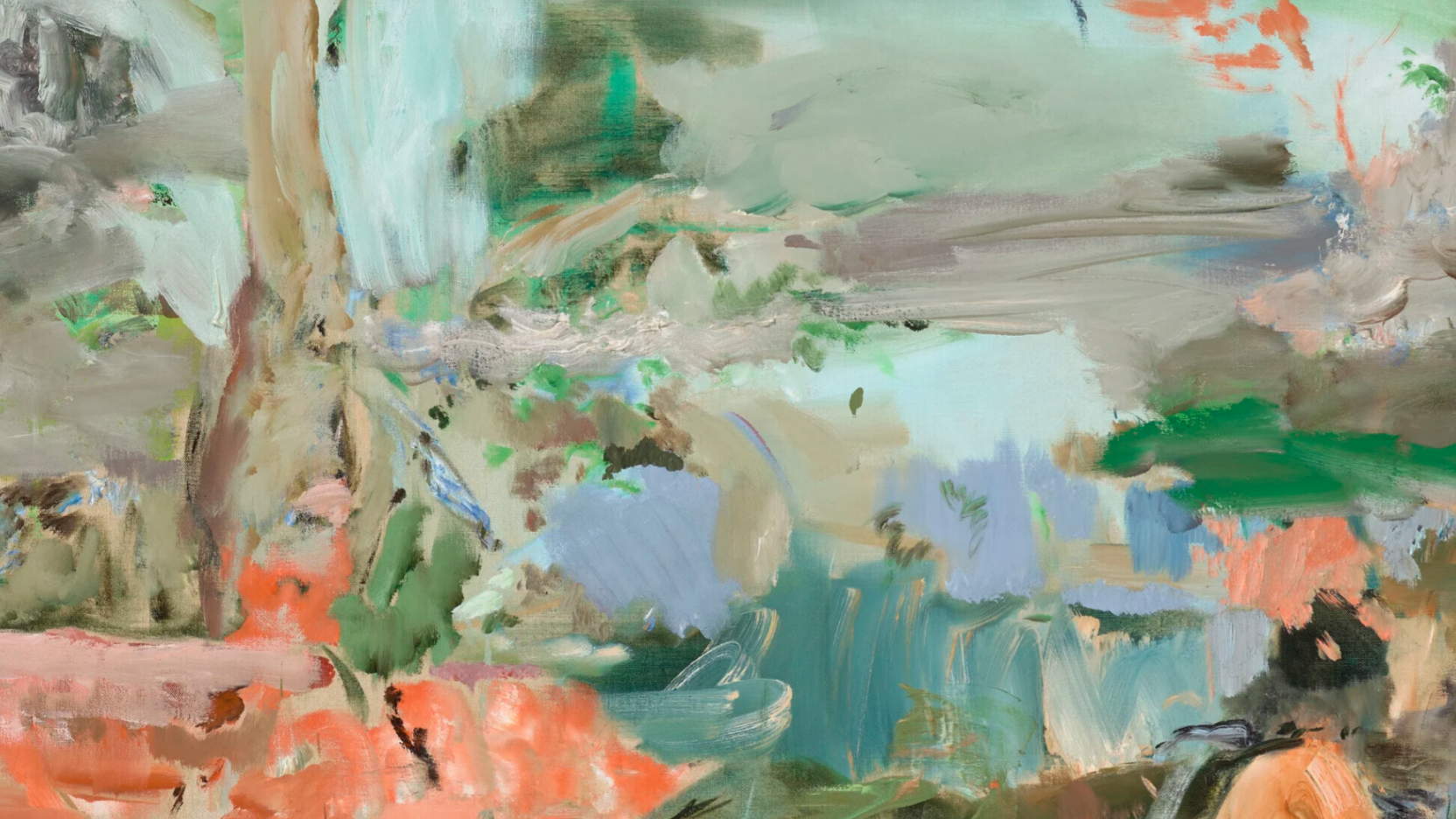
In forging her own path in a loaded medium, Brown has secured her place among modern art history’s most absorbing painters. Brown lays bare her complex relationship with paint so that we can see it as an entity with its own history and agency.
Tricky, 2001
Sotheby’s London: 12 October 2023
Estimated: GBP 1,200,000 – 1,800,000
GBP 2,589,000 / USD 3,161,558
Tricky | The Now Evening Auction | 2023 | Sotheby’s (sothebys.com)
CECILY BROWN (b. 1969)
Tricky, 2001
Oil on linen
48 1/8 x 50 1/4 inches (122.2 x 127.5 cm)
Signed and dated 01 (on the reverse)
Executed in 2001, Tricky exemplifies Cecily Brown’s prodigious synthesis of gestural abstraction and figurative allusion. Sweeping strokes of impasto on the surface of the present work capture the sensual energy entrenched in Brown’s highly sought-after early canvases. Here, the artist deftly layers sumptuous passages of pale blue sky with glimpses of verdant green interwoven with earth tones that together crescendo and manifest in a scene bursting with life.
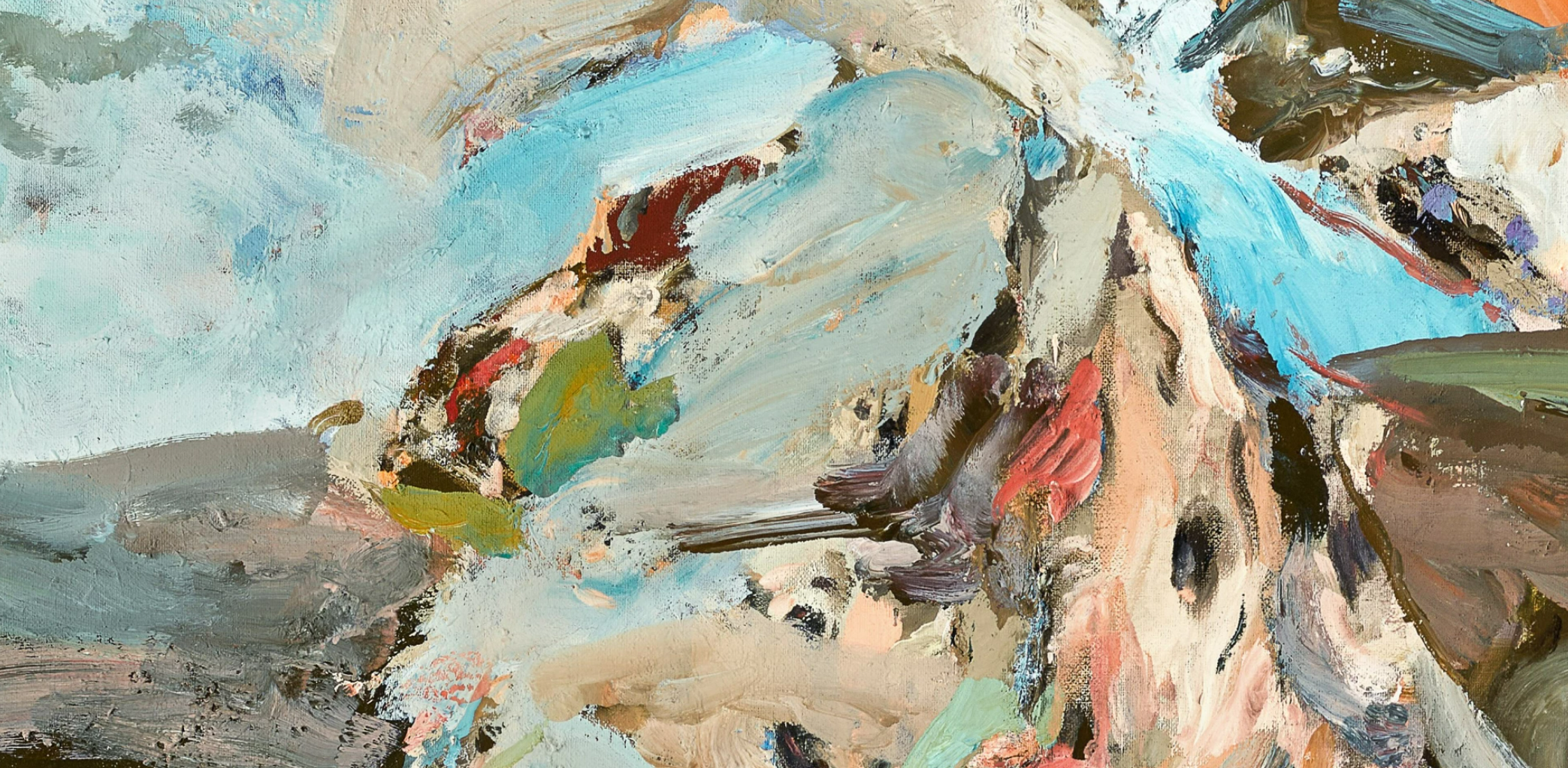
Effortlessly navigating the delicate balance between abstraction and figuration, the surface of Tricky pulsates with a rich tapestry of form and color, drawing the viewer into the painterly delight. Under the clear blue sky, fleshy, amorous forms dissolve into the rich umber tones, capturing indeterminate yet explosive forms. Brown’s canvas is an alcove for boisterous play, the threshold of which can be entered at the leisure of the viewer. Brown’s heated brushstrokes, emblematic of her distinct style, engage the language of painting itself, expressing both the sensuality of the medium and its ability to playfully manipulate the viewer’s perception through its expressive possibilities. Although abstract, Tricky presents Brown’s expert handling of paint in its commanding and elusive power of suggestion.
Kiss Me Stupid, 1999
Christie’s London: 28 June 2023
Estimated: GBP 3,000,000 – 5,000,000
GBP 3,549,000 / USD 4,483,891
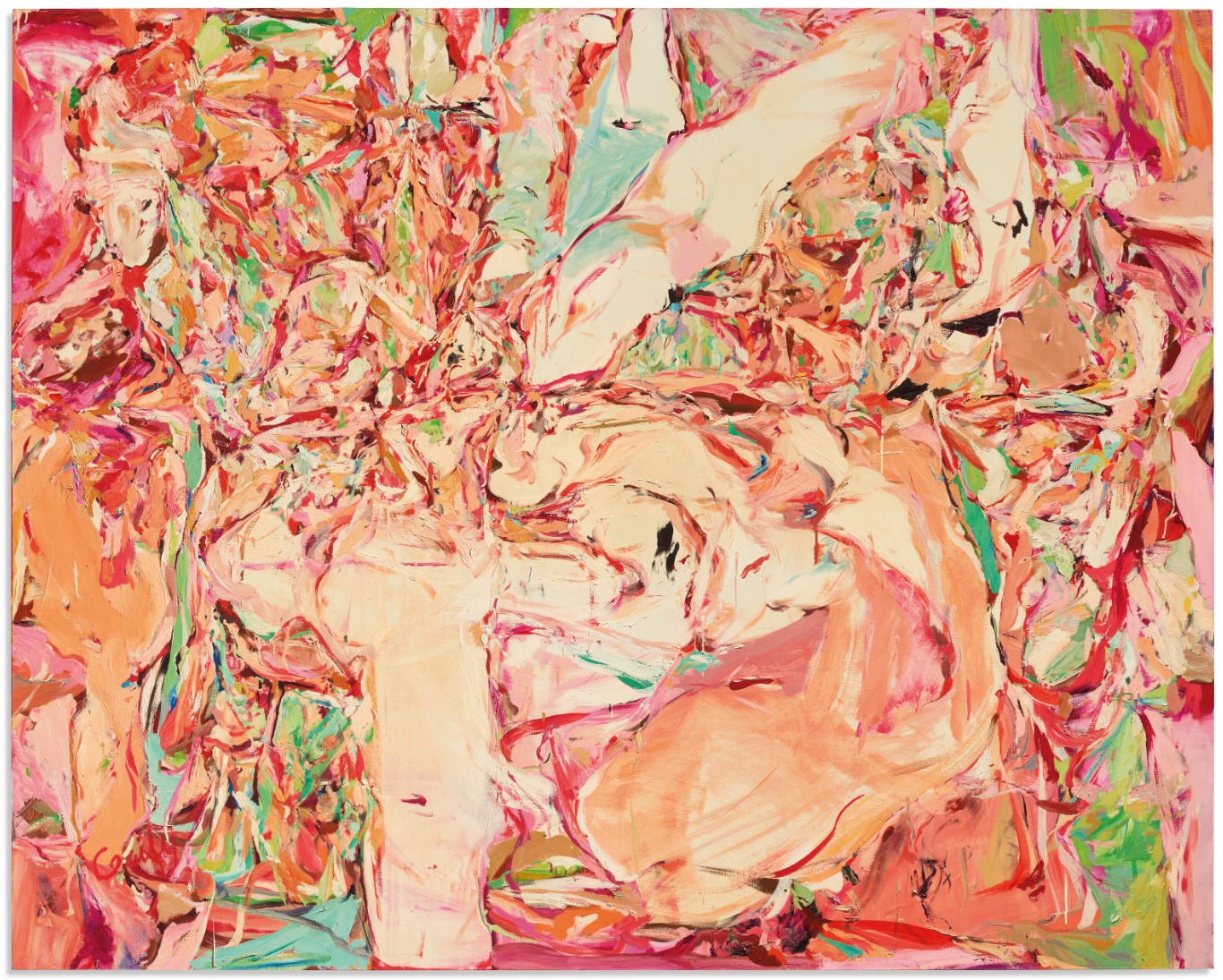
CECILY BROWN (B. 1969)
Kiss Me Stupid, 1999
Oil on linen
60×75 inches (152.4 x 190.5 cm)
Signed ‘Cecily’ (lower left)
Signed and dated ‘Cecily Brown 1999’ (on the stretcher)
Signed and dated ‘Cecily Brown 99’ (on the reverse)
A monumental spectacle spanning almost two meters in width, Kiss Me Stupid is a dazzling large-scale painting by Cecily Brown. Painted in 1999, two years after she made her solo debut in New York, the work captures the flourishing of her exuberant, sensual abstract language at a pivotal moment in her career. Its palette is extraordinary: electric tones of green, pink, red and blue collide in kaleidoscopic formations, scattered across the surface like fireworks. Flesh-toned impasto and sinuous ribbons of color are tangled together in a joyful, bacchanalian dance; echoes of art history flit across their mercurial forms. Brown manipulates her pigment in rich, tactile layers, toying mercilessly with the boundary between abstraction and figuration. Like many of the artist’s canvases from this period, the work is elusively titled after a Hollywood movie: the 1964 comedy Kiss Me, Stupid, starring Dean Martin and Kim Novak. Near-cinematic in scope, it takes its place alongside major canvases from this year, including examples held in the Broad, Los Angeles, Tate, London and the Buffalo AKG Art Museum, New York.
Brown is currently the subject of a major exhibition at the Metropolitan Museum of Art, New York: her first fully-fledged museum survey in the city that she made her home. The paintings on display—among them majestic canvases including Father of the Bride (1999), Carnival and Lent (2006-2008) and The Picnic (2006)—capture the full breadth of the artist’s virtuosic technique. In an interview published in the exhibition catalogue, Brown compares the act of painting to ‘a sort of performance’.
“With the very large paintings… [t]here are big, looping strokes, you’re going up and down ladders, going back and forth, using the whole surface all the time, really using your body. In the end, what the painting becomes is a record of your movements. It really is very close to dance.”
This approach is evident in Kiss Me Stupid, whose wild, ecstatic surface quivers with the trace of the artist’s touch.
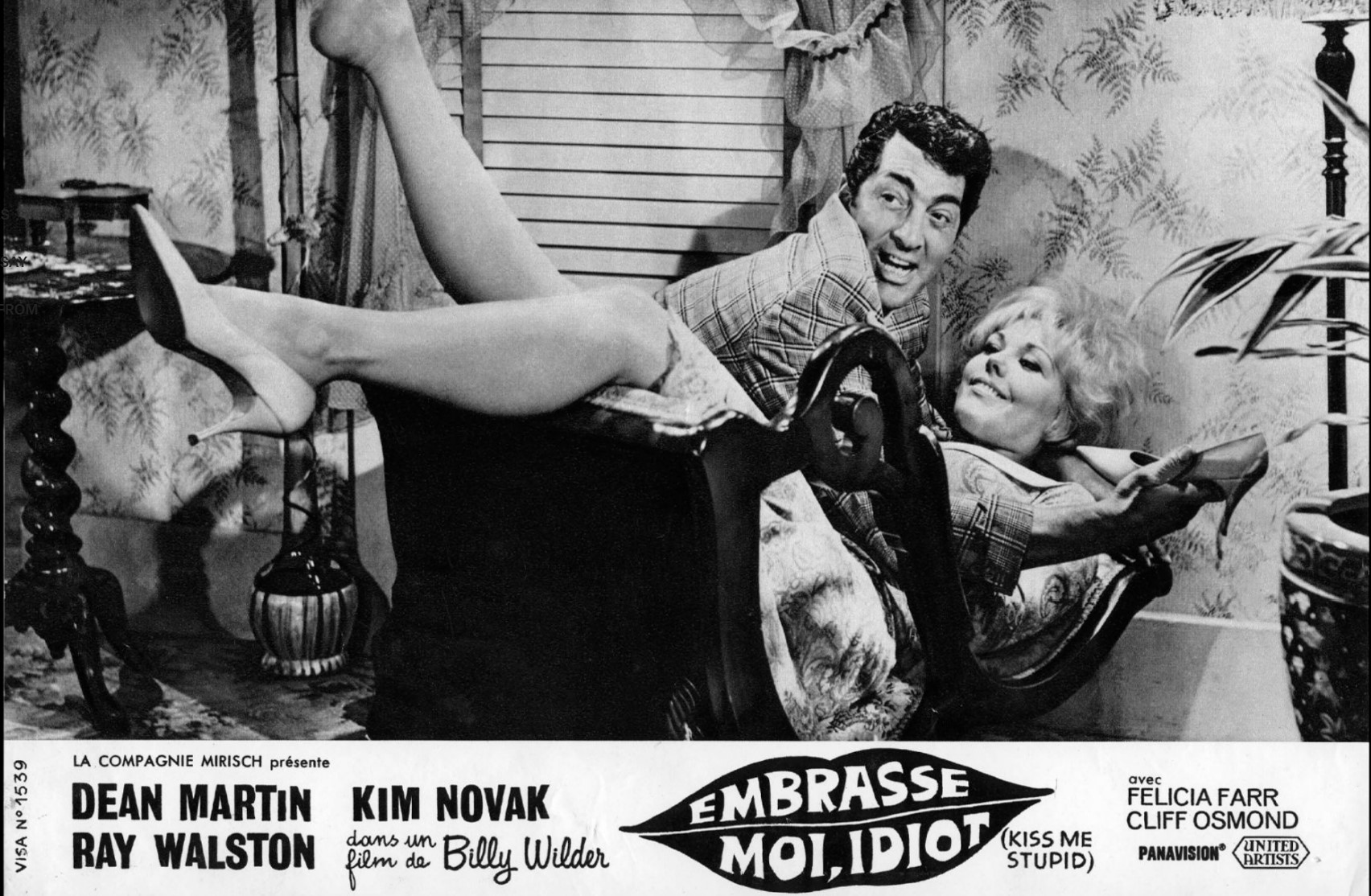
The work also captures Brown’s dialogue with cinema. The films of Hollywood’s Golden Age would lend their titles to a number of canvases during this period: Tender is the Night, Trouble in Paradise, No Room for the Groom and others quiver with strains of romantic nostalgia. Kiss Me, Stupid, a risqué comedy, had originally been written with Marilyn Monroe in mind for the lead role. Any sense of narrative connection to the painting, however, is enigmatic. For Brown, these films were not explicit visual sources: instead, their titles were selected for their poetic resonance, each a kind of hook that prompted chains of visual association. Nonetheless, a sense of cinematic experience pervades the painting, its flickering surface conjuring the illusory dynamism of the silver screen. Forms and colors scramble and merge, as if cut and spliced at speed. Paint takes center stage as the leading lady, alive with thrilling new revelations.
Where They Are Now, 2013
Sotheby’s Hong-Kong: 5 April 2023
Estimated: HKD 18,000,000 – 25,000,000
HKD 21,625,000 / USD 2,831,883
CECILY BROWN (b. 1969)
Where They Are Now, 2013
Oil on linen
67×83 inches (170.2 x 210.8 cm)
Signed and dated 2013 on the reverse
A cacophony of sumptuous color and movement, Where They Are Now (2013) is an exquisite example of Cecily Brown’s celebratory exploration of the possibilities of oil paint in the depiction of the interaction between the human form and its environment. Utterly redolent of the artist’s uniquely tactile oeuvre, Where They Are Now presents a tableau of loose gestural brushwork that coalesces into jostling figures, existing in the tantalizing intersection between abstraction and figuration. Exploring the tradition of the nude ensemble in painting, Where They Are Now dissolves the boundaries between the sensual figures and the physical medium through which these subjects are expressed. Paint is pressed, smudged and squeezed into corporal pigment on the canvas, a physical intimacy that can be felt in every stroke.
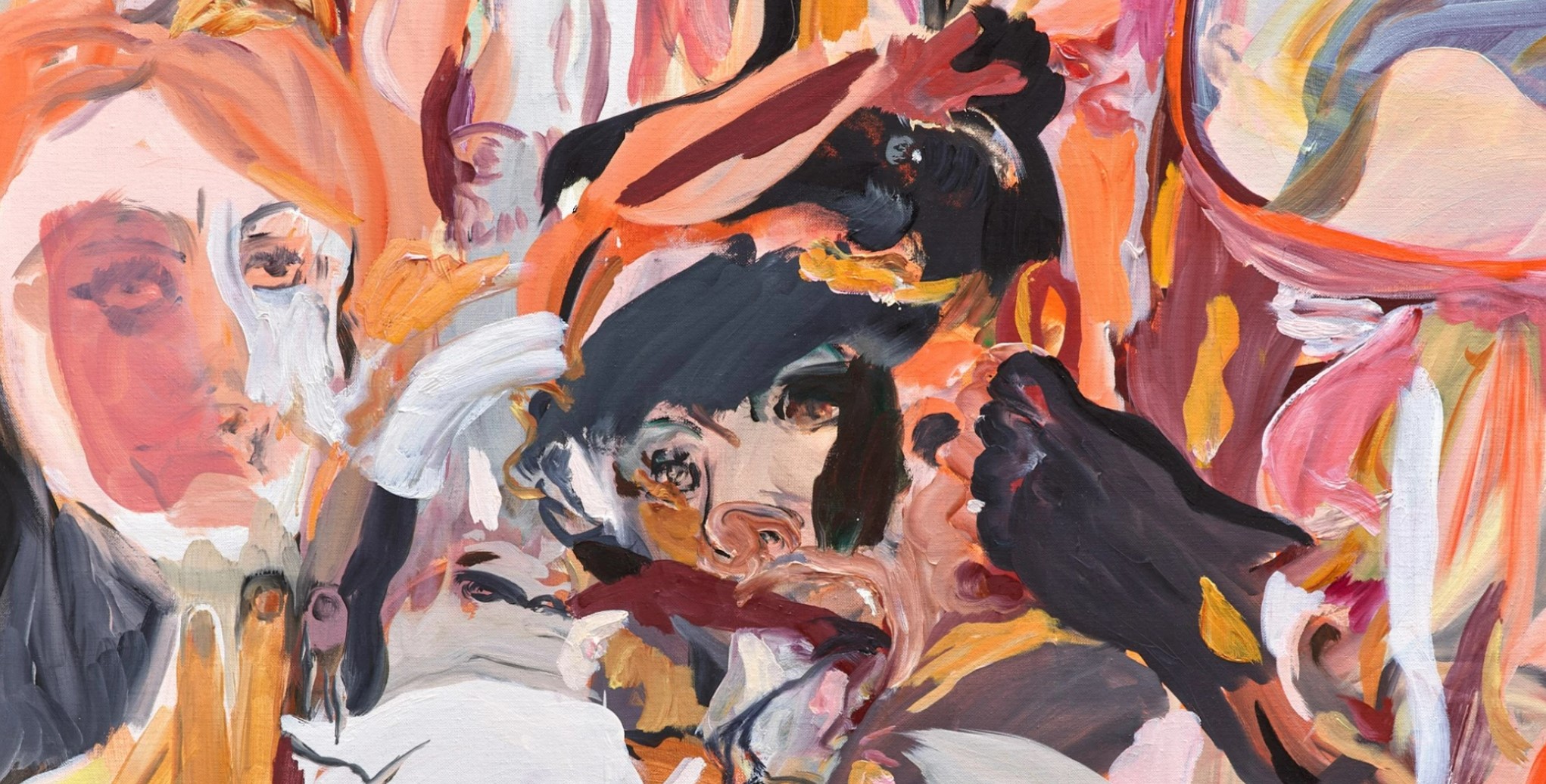
Pop culture plays an important part in the work of Cecily Brown, the artist embarking on an entire series based on the record sleeve of The Jimi Hendrix Experience’s iconic 1968 album, Electric Ladyland. Exhibited at Gagosian Gallery, Los Angeles, in 2013 alongside other works in this series, Where They Are Now is a standout example. At once reminiscent of Jean-Auguste-Dominique Ingres’ Le Bain turc (1862) and Pablo Picasso’s Les Demoiselles d’Avignon (1907), this painting transforms the nude women of David Montgomery’s iconic 1960s photograph into a sea of fleshy painterly marks. Recognizable fragments of art historical references can be felt throughout the present composition; Brown’s palette passes swiftly through the palettes of other artists. Flitting between the Baroque debauchery of Peter Paul Rubens and the fleshy brushstrokes of Willem de Kooning, Brown’s images recall the artist’s famous quip that flesh was the reason oil paint was invented. Situating herself at the center of this canonical conflict, Brown’s painterly language is one of ambiguity.
Skulldiver II, 2006
Phillips London: 2 March 2023
Estimated: GBP 1,000,000 – 1,500,000
GBP 2,226,000 / USD 2,657,593
Cecily Brown – 20th Century & Contempor… Lot 7 March 2023 | Phillips
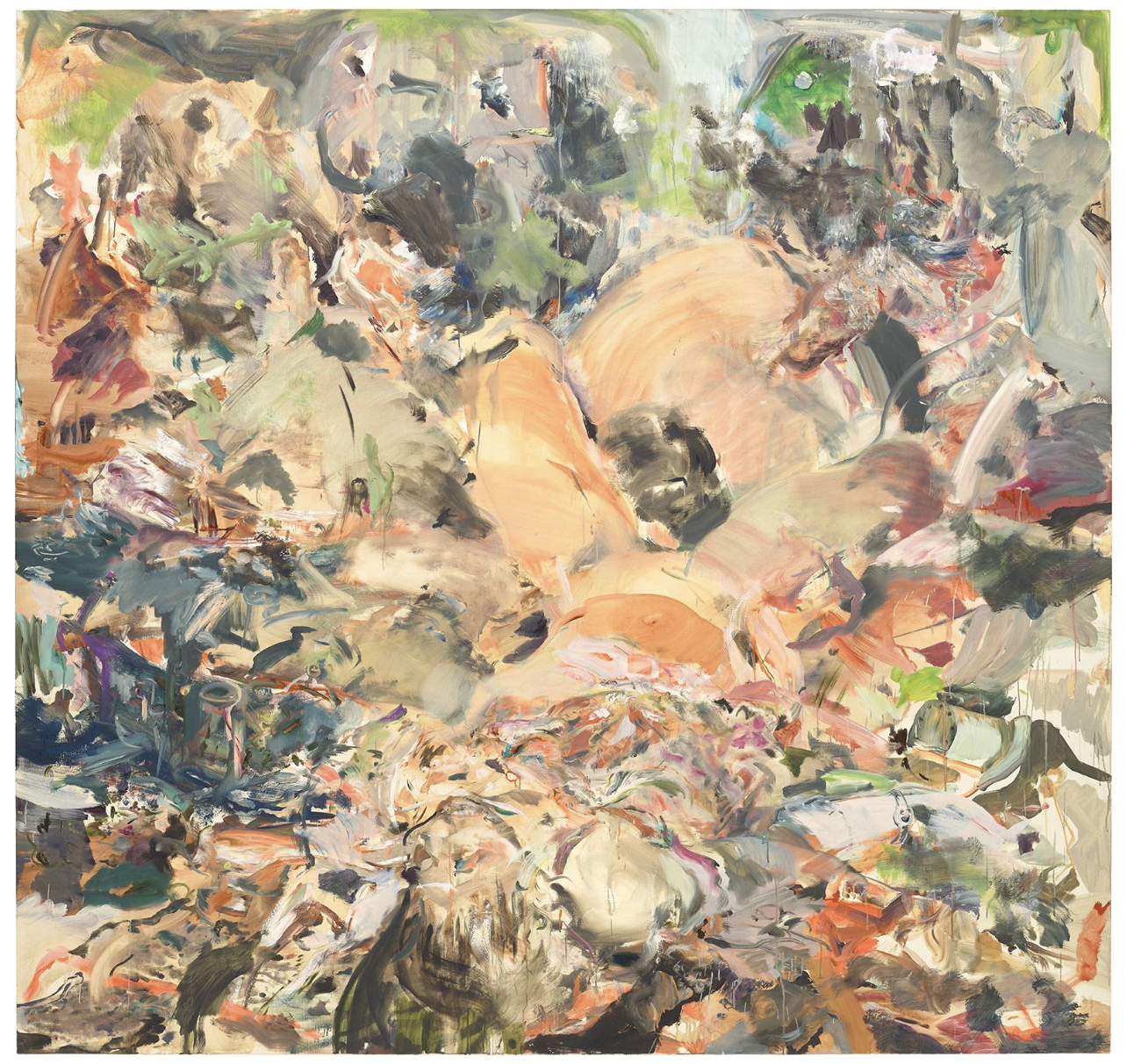
CECILY BROWN
Skulldiver II, 2006
Oil on linen
85×89 inches (215.9 x 226.1 cm)
Signed and dated ‘Cecily Brown 2006’ on the reverse
Immediately arresting in its scale, subject, and stylistic virtuosity, Skulldiver II is a breath-taking 2006 work by acclaimed British artist Cecily Brown. With every corner of the surface activated by writhing, protean brushstrokes, the work’s climactic energy is palpable – an erotic charge passing through the two figures at the centre and electrifying the entire composition. Richly painted in thick, gestural marks of variegated fleshy tones, the present work is one of a suite of four Skulldiver paintings focused on the same explicit theme, and was included in Brown’s 2008 exhibition with Gagosian in New York alongside two other works from the series, one of which is now held in the permanent collection of The Museum of Fine Arts, Boston.
Abandoning themselves to pleasure, the figures at the centre of these paintings appear to dissolve into one another, as overcome by Brown’s sensuous application of paint as by their own carnal desires. Borrowing from pornographic and painterly sources alike, Skulldiver II bluntly emphasizes the centrality of touch and sensation in Brown’s practice, the monumental canvas showcasing the close conceptual connections between oil paint and corporeality that have interested the artist throughout her career. Shifting restlessly between figuration and abstraction, Brown’s paintings are – as feminist art historian Linda Nochlin has noted – intensely embodied, making close and careful reference ‘to the act of painting, painting as process’ within which she positions the sex act itself as ‘both an analogy and a specific referent. Drawing out the latent sensuality of oil paint and its proximity to bodily textures, Brown seems to suggest that sex has as much to say about painting as painting might have to say about sex.
The Nymphs Have Departed, 2014
Sotheby’s London: 1 March 2023
Estimated: GBP 2,500,000 – 3,500,000
GBP 3,436,000 / USD 4,135,275
The Nymphs Have Departed | The Now Evening Auction | | Sotheby’s (sothebys.com)
CECILY BROWN (b. 1969)
The Nymphs Have Departed, 2014
Oil on canvas
67×83 inches (170.2 x 210.8 cm)
Signed Cecily Brown and dated 2014 (on the reverse)
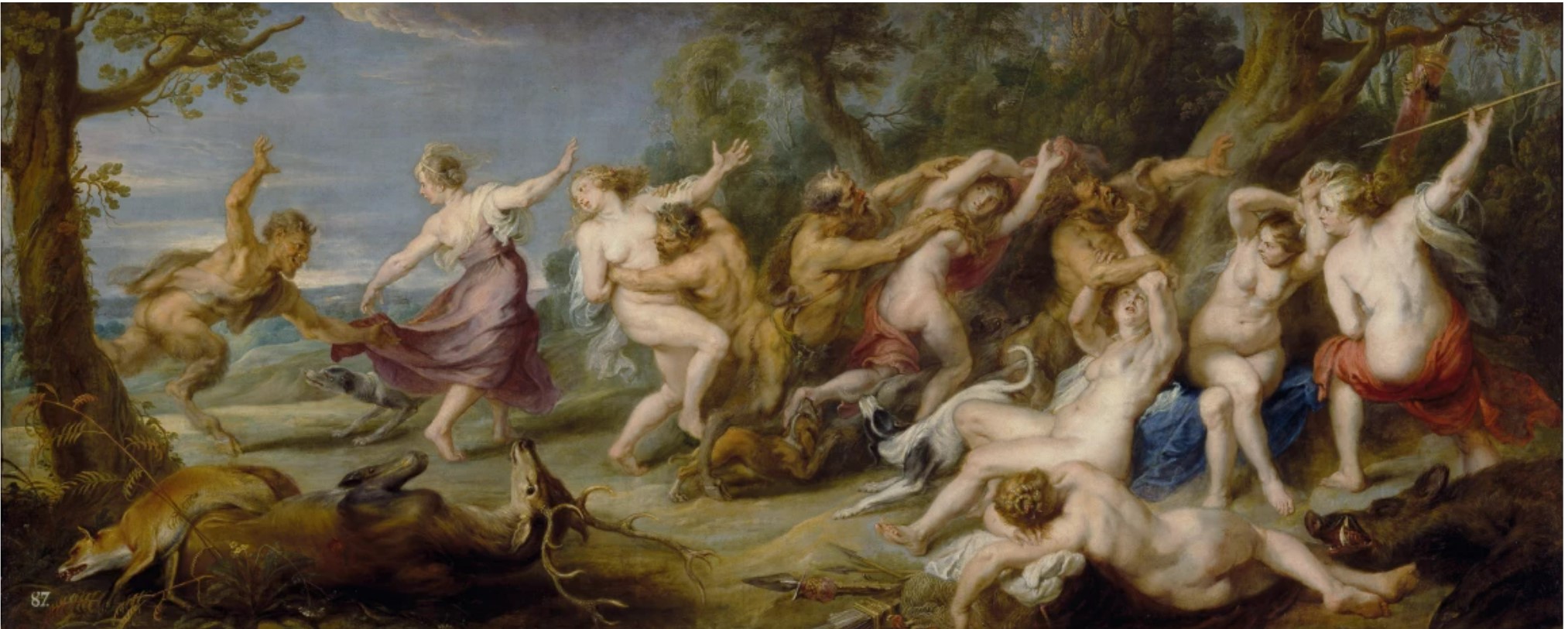
PETER PAUL RUBENS, DIANA AND HER NYMPHS SUPRISED BY SATYRS, 1639-40
MUSEO DEL PRADO, MADRID / IMAGE: © MUSEO DEL PRADO, MADRID/MNP/SCALA, FLORENCE
The composition and title of The Nymphs Have Departed alludes to one of the most celebrated mythological stories in the Western art historical canon: Diana, the roman goddess of virginity, the hunt, and the moon, and her devoted nymphs. Painted across the centuries by artists such as Veronese, Gentileschi, Titian, Rubens, Rembrandt, and Vermeer, Diana is often portrayed nude or scantily dressed, her image erotically charged. Brown’s dynamic composition is particularly reminiscent of Titian’s Diana and Actaeon from 1556-59 and Rubens’ Diana and her Nymphs Surprised by Satyrs from 1639-40. Her vibrant use of sky blue and ultramarine, as well as shades of coral and crimson with accents of white recall the elegant drapery of fabric in these celebrated Old Master works. Even the loosely delineated pose of Brown’s figure to the right of her composition recalls the reaction of surprise in the figure of Diana and a nude nymph in Titian and Rubens’ respective paintings. These figures’ arms appear to be stretched above the head, yet in Brown’s painting they melt and morph into the topography of her quick brushwork, disappearing before the viewer’s eyes. Brown simultaneously transcends this conventional, straight-forward narrative via a rich and vibrant facturing of the figure and the landscape.
Make it Rain, 2014
Christie’s London: 28 February 2023
Estimated: GBP 3,500,000 – 5,500,000
GBP 4,242,000 / USD 5,130,624
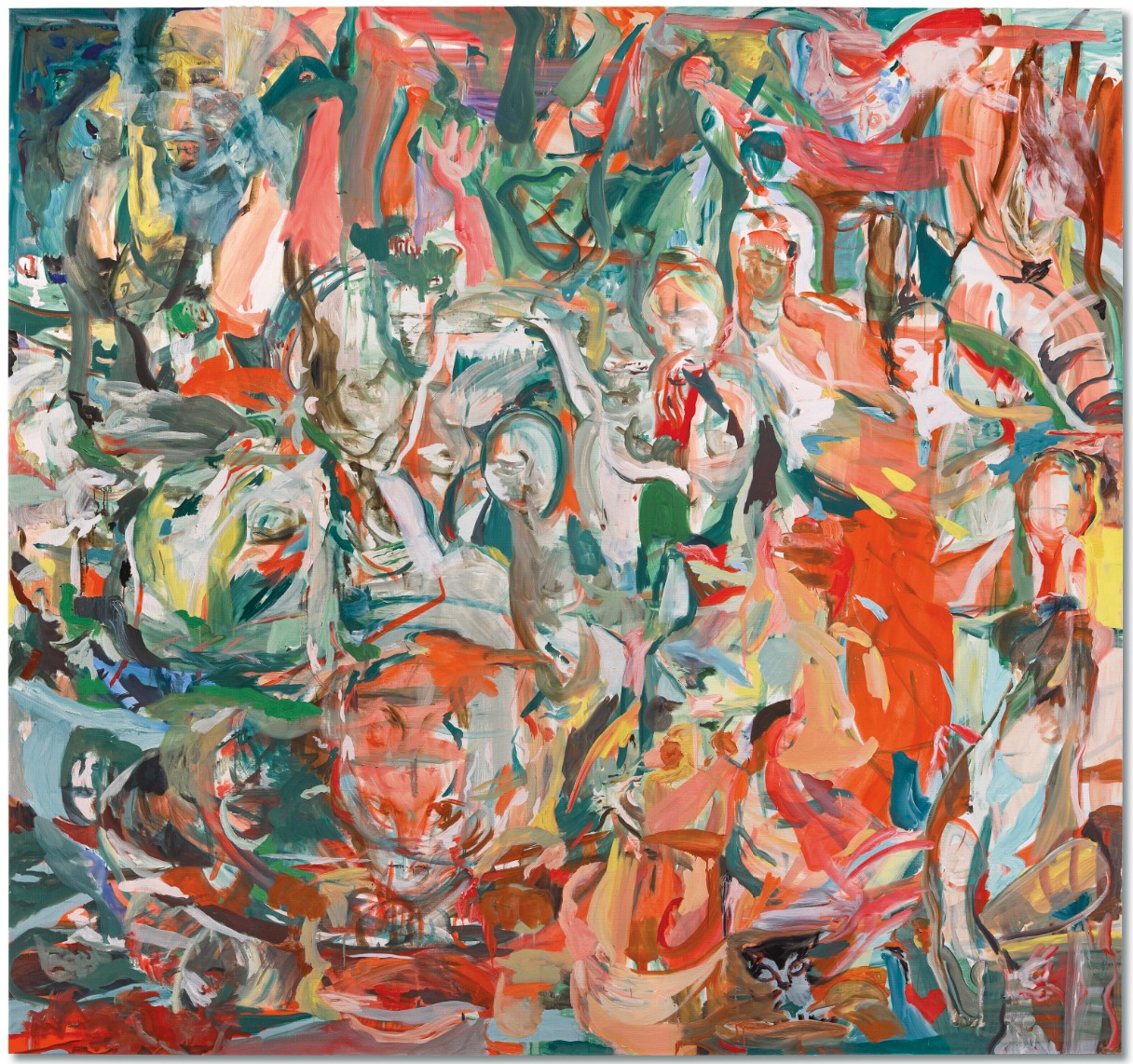
CECILY BROWN (B. 1969)
Make it Rain, 2014
Oil on linen
96 1/8 x 103 inches (246.7 x 261.7 cm)
Signed and dated ‘Cecily Brown 2014’ (on the reverse)
Across the vast canvas of Cecily Brown’s Make it Rain (2014), a glorious monsoon of form and colour bursts into life. Ribbons of pink, vermillion, teal, blue and yellow tangle and explode with vibrant energy. The paint runs from thick daubs of impasto to glistening, marbled licks and humid washes of vapour. Human silhouettes emerge amid the melee, bodies crowding together and limbs thrown out in ecstasy; one figure seems to plunge down from the sky. Feline faces, too, flicker in the lower reaches, bearing hints of blood-splashed maw and paw. The painting courses with torrents of activity, its clamorous battle between form and abstraction never coming to rest. With the title Make it Rain, Brown invokes a sense of the primal, elemental power of her liquid pigment, celebrating its capacity for creation, immersion and thrilling, ceaseless change. First exhibited in Paris in 2014, this masterful work has remained in the same private collection since.
When she emerged as a painter in 1990s London, Brown’s practice stood in lavish contrast to the more conceptual stance of her YBA contemporaries. In 1994 she moved to New York, where she still lives and works today. While charged with a vigor entirely her own, Brown’s brushwork inherits much from the work of American Abstract Expressionists such as Willem de Kooning. In line with de Kooning’s claim that ‘flesh is the reason oil paint was invented’, Brown’s early, more figurative works dealt with distinctly carnal subject matter, complementing the medium’s voluptuous power. She describes oil paint as ‘sensual, it moves, it catches the light, it’s great for skin and flesh and heft and meat’ (C. Brown, quoted in D. Peck, ‘New York Minute: Cecily Brown’, AnOther, 14 September 2012). While her later paintings have become less legibly erotic, their surging streams of color remain charged with physicality, as muscular, raw and atmospheric as the paintings of her male forebears.
Eyes Wide Shut, 2001
Sotheby’s New-York: 16 November 2022
Estimated: USD 4,000,000 – 6,000,000
USD 4,527,000
Eyes Wide Shut | The Now Evening Auction | 2022 | Sotheby’s (sothebys.com)
CECILY BROWN (B. 1969)
Eyes Wide Shut, 2001
Oil on canvas
80×84 inches (203.2 x 213.4 cm)
Signed Cecily (lower left)
Signed Cecily Brown and dated 2001 (on the reverse)
Signed CB and dated 2001 (on the stretcher)
Oscillating between figure, landscape, and abstraction, Eyes Wide Shut evinces Cecily Brown’s unparalleled ability to seemingly transform paint into flesh, seductively embedding the human form within a frenzied fragmented commentary on desire, life, and death. Painted in 2001, Eyes Wide Shut marks a critical breakthrough for Brown, fully articulating the erotically charged figural abstractions that characterize the artist’s work. Brown cemented herself as part of a group of painters in New York reclaiming the figure within the avant-garde, coopting and luxuriating in a dialogue with art historical antecedents that include Willem de Kooning, Lucian Freud, and Peter Paul Rubens, and ushering in a new era for figurative painting alongside artists like John Currin and Lisa Yuskavage. The vigorous treatment of body and landscape in Eyes Wide Shut reveals Brown’s commitment to wrestle her subjects free from their conventional contexts, creating paintings that fluctuate between perceptible and imperceptible form and blurring the boundaries between abstract and figurative painting.
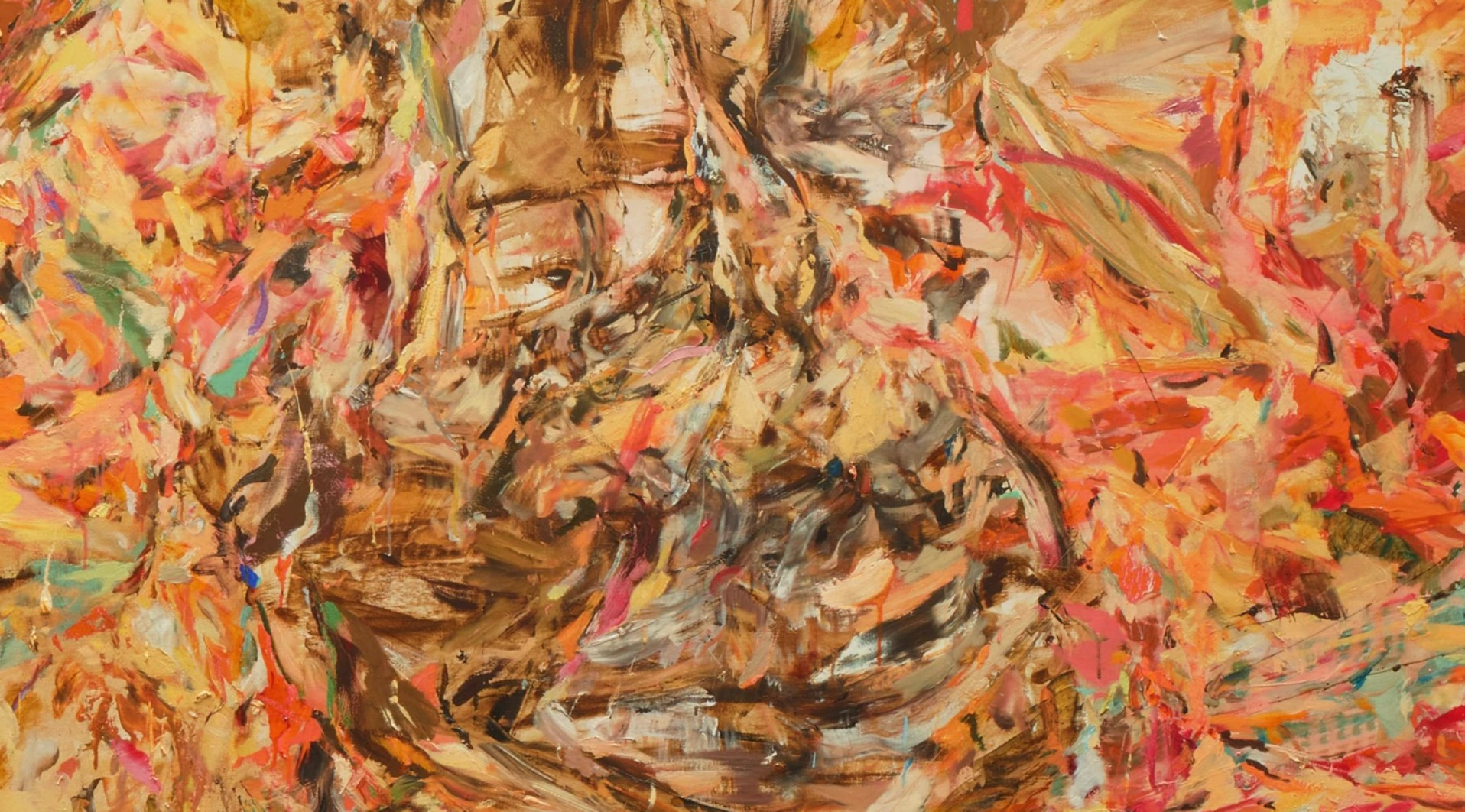
Eyes Wide Shut is a wash of sepia vivified by strikes of crimson, sienna, burnt umber, and blushing pink that transition between liquid and solid, transparent and opaque. The painting’s palette is fleshy and visceral, punctuated with small, glinting flashes of vibrant turquoise. Expressive marks swirl around the canvas, coalescing into forms that shatter into an array of chromatic shrapnel. The painting is generative, birthing new forms in an endless churning of organic matter. “I think that painting is a kind of alchemy,” says Brown, “The paint is transformed into image, and paint and image transform themselves into a third and new thing.” (Cecily Brown quoted in Klaus Kertess, Cecily Brown, Gagosian Gallery and Rizzoli, 2008, P.16) Eyes Wide Shut is a fusion of bodily tones in continual flux, alive with the erotic energy of Brown’s vivid color and carnal application, shifting restlessly between abstract and figurative modes.
Angie, 2005
Phillips New-York: 18 May 2022
Estimated: USD 4,500,000 – 6,500,000
USD 5,959,000
Cecily Brown – 20th Century & Contempora… Lot 27 May 2022 | Phillips
CECILY BROWN
Angie, 2005
Oil on linen
85×89 inches (215.9 x 226.1 cm)
Signed and dated “Cecily Brown 2005” on the reverse
Weaving past and present, abstraction and figuration, Cecily Brown’s Angie immerses the viewer into an extravagant field of fervid brushwork, manifesting the artist’s virtuosity in channeling Old and Modern masters of the art historical canon through her singular painterly sensibility. Here, earthy and fleshy tones, alongside lavish hues of red, blue, and purple, all merge into a bacchanalian riot of tantalizing allusions.
Drawing inspiration from the Renaissance and Baroque to Romanticism and Abstract Expressionism, Brown’s practice coalesces a host of art historical influences that materialize in Angie. In the present work, Brown transforms visions of the past into a contemporary kaleidoscope of painterly revels, conjuring a contemporary fusion of Hieronymus Bosch’s Garden of Earthly Delights and Willem de Kooning’s vigorous brushstrokes, with the lustrous palette and flurried handling of Peter Paul Rubens and Eugène Delacroix.
When Time Ran Out, 2016
Phillips London: 3 March 2022
Estimated: GBP 2,000,000 – 3,000,000
GBP 3,168,500 / USD 4,220,727
Cecily Brown – 20th Century & Contempo… Lot 12 March 2022 | Phillips
CECILY BROWN
When Time Ran Out, 2016
Oil on linen
77×97 inches (195.6 x 246.4 cm)
Signed and dated ‘Cecily Brown 16’ on the reverse
Rich with art historical allusion and painterly exuberance, When Time Ran Out is a masterful example of the visual and referential complexity of British artist Cecily Brown’s most celebrated work. Executed in 2016, the work introduced a new, favorite motif for the painter – the shipwreck – one which allows her to explore her own, strikingly contemporary academism in relation to certain compositional, technical, and thematic elements of Old Master paintings. In its compositional arrangement and dramatic intensity When Time Ran Out draws directly on Jean-Louis Théodore Géricault’s 19th century masterwork, Le Radeau de la Méduse, highlighting Brown’s insatiable absorption of visual culture, and her unique ability to understand and internalize pictorial structure. Replacing the darker palette of Géricault’s iconic painting with bright hues and fleshy tones, Brown radically updates her art-historical reference point, while making a work entirely of her own.
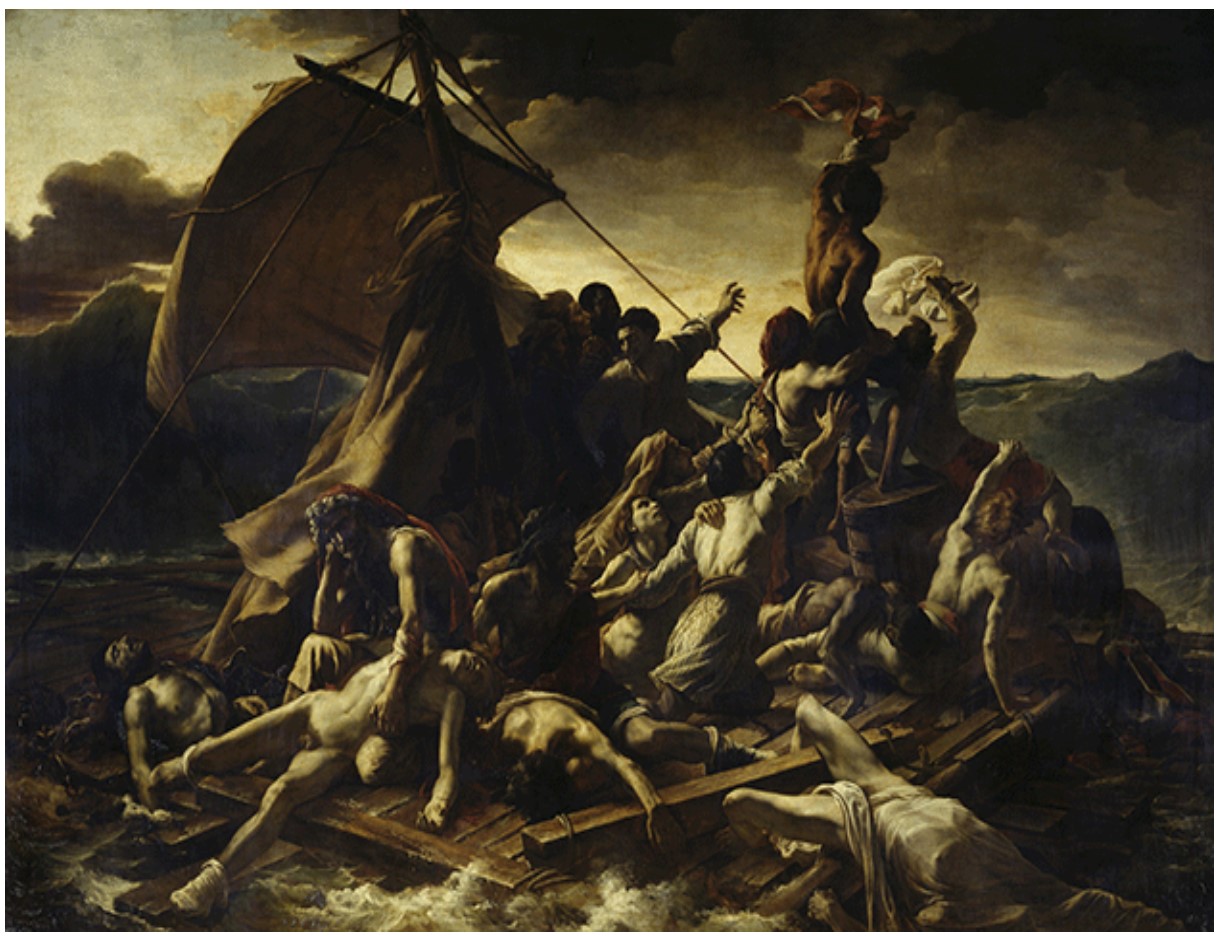
Jean-Louis Théodore Géricault, Le Radeau de la Méduse (Raft of the Medusa), 1818 – 19, Musée du Louvre, Paris. Image: akg-images
These tensions are masterfully amplified by Brown’s tempestuous composition, her vertiginous brushstrokes and singular ability to make paint appear to shift between solid and liquid states the perfect vehicle for the reinterpretation of this dramatic historical scene. Built up in layers of energetic, expressive brushwork, Brown’s exquisite skill in rendering a sense of taut and muscular human form is powerfully demonstrated here, pushing the compositional arrangement of the Old Master composition to its extremes. While Géricault employed a sombre palette accented with high contrast of light and shadow to emphasize the sculptural form of his contorted figures and to intensify the drama of the piece, Brown’s selection of saturated raw flesh tones shot through with energetic bursts of vibrant greens, orange tones, cobalt blues, and brilliant whites shatters the compositional clarity of the original image.
Faeriefeller, 2019
Sotheby’s London: 2 March 2022
Estimated: GBP 2,200,000 – 2,800,000
GBP 2,919,000 / USD 3,901,884
Faeriefeller | The Now Evening Auction | 2022 | Sotheby’s (sothebys.com)
CECILY BROWN (B. 1969)
Faeriefeller, 2019
Oil on linen
71×67 inches (180.3 x 170 cm)
Signed; signed Cecily Brown, titled Faeriefeller and dated 2019 (on the verso)
Curvilinear sweeps of motion in prismatic hues of crimson, moss green, teal and ochre coalesce and unfurl on the surface of Faeriefeller, a recent large-scale example of Cecily Brown’s animated and seductive style of abstraction. The present work is an outstanding iteration from a series of oil paintings begun in 2019 that amalgamate a spectrum of influences, from Victorian fairy painting and Grand Manner portraiture, to the visual languages of Édouard Manet, Arshile Gorky, Willem de Kooning and the lyrics of rock-n-roll legends of the 1960s and ‘70s. The present work takes its title from Richard Dadd’s hallucinatory painting TheFairy Feller’s Master-Stroke (1855-64), a nineteenth-century masterpiece in the collection of Tate Britain. Dadd’s woodland fairies depicted on miniature scale in the Victorian-era work are here abstracted and blown up to immense proportions on the surface of Faeriefeller, as small nymph-like faces appear and disappear within the rich forest of Brown’s pulsating brushwork. Indeed, on the surface of the present work color seems to trigger frenetic action in a bold and densely packed composition. Faeriefeller is testament to the sheer excellence of Brown’s mature practice, in which the tension between abstraction and figuration becomes even more nuanced, and her use of color unparalleled.
The Girl Who Had Everything, 1998
Christie’s London: 1 March 2022
Estimated: GBP 3,500,000 – 5,500,000
GBP 4,362,000 / USD 5,809,029
CECILY BROWN (B. 1969) (christies.com)
CECILY BROWN (B. 1969)
The Girl Who Had Everything, 1998
Oil on linen
100.1 x 110 inches (254.3 x 279.4 cm)
Signed and dated ‘Cecily Brown 98’ (on the reverse)
Signed and dated ‘Cecily Brown 98’ (on the stretcher)
Originally part of the Saatchi Collection, The Girl Who Had Everything is an exhilarating masterwork that stands among Cecily Brown’s finest early canvases. Painted in 1998, the year after her debut solo exhibition in New York propelled her to critical acclaim, it captures the euphoric flourishing of the carnal, gestural abstraction that would come to define her oeuvre. A sensual chorus of pink and red hues explodes across the canvas, oscillating between rich flesh tones and deep, dark crimson. Passages of white flash in and out of focus, illuminating half-sketched limbs and fleeting glimpses of human bodies. Paint accumulates in thick, lustrous layers and dissipates in scant rivulets, alive with its own seductive power. Moving away from her early artistic language, populated by cartoon-like bunnies and other characters, Brown carved out thrilling new territory for abstraction during this period, creating works now held in The Broad, Los Angeles, the Solomon R. Guggenheim Museum, New York and Tate, London. Combining an Old Masterly sensitivity to light and form with electrifying brushwork inspired by Francis Bacon and the Abstract Expressionists, The Girl Who Had Everything sees Brown’s practice take flight in a dazzling blaze of color and texture, tantalizingly suspended between figurative reality and painterly illusion.
Twenty Million Sweethearts, 1998-1999
Christie’s Hong-Kong: 1 December 2021
Estimated: HKD 7,000,000 – 9,000,000
HKD 8,650,000 / USD 1,110,198
CECILY BROWN (B. 1969) (christies.com)
CECILY BROWN (B. 1969)
Twenty Million Sweethearts, 1998-1999
Oil on linen
76×98 inches (193 x 248.9 cm)
Signed and dated ‘Cecily Brown ‘98-99 CB 98-99’ (on the reverse)
Titled after the 1934 Hollywood musical, Cecily Brown’s monumental painting Twenty Million Sweethearts draws on the traditional Broadway genre where illicit romance and repressed passion are indirectly veiled within cultivated codes of social etiquette. Brown has translated the ‘sweethearts’ into a turbulent maelstrom of coital bodies. Twenty Million Sweethearts is an early example of her mature output, and continues this virtuosic practice by creating depth and intrigue within an illusionistic space. In Twenty Million Sweethearts, broad torso-like zones rendered in the fleshiest of yellows and pinks mingle with areas of colliding staccato brushstrokes, infusing the composition with pulsating energy. Brown’s brushwork inherits much from the work of American Abstract Expressionists such as Willem de Kooning. De Kooning once claimed that flesh is the reason oil paint was invented, and Brown readily agrees: early in her career her figuration dealt with distinctly carnal subject matter, complementing the medium’s voluptuous power. Twenty Million Sweethearts is electric with this submerged physicality, its tussling ribbons of sanguine color recalling the raw, muscular anatomies of Chaim Soutine or Francis Bacon.
Untitled (Trapeze), 1997
Sotheby’s New-York: 18 November 2021
The Collection of Douglas S. Cramer
Estimated: USD 1,500,000 – 2,000,000
USD 806,500
Untitled (Trapeze) | Contemporary Evening Auction | 2021 | Sotheby’s (sothebys.com)
CECILY BROWN (b.1969)
Untitled (Trapeze), 1997
Oil on canvas
30×72 inches (76.2 x 183 cm)
Signed Cecily Brown and dated ’97 (on the reverse)
Signed Cecily Brown and dated ‘97 (on the stretcher)
Exuberant and respiring with life, Untitled (Trapeze) from 1997 is a paragon of Cecily Brown’s virtuosic practice. A fervor of swirls, dancing in a singular surreptitious act, arabesque in a harmony of color and motion towards all four corners of the tableau. Executed during the watershed of her prodigious thirty-year career, 1997 set the tone for Brown’s life-long immutable astonishment of nascent aesthetics. By this point, Brown’s ebullient, serpentine compositions had gained traction in the modern art landscape, but her breakthrough assumed form in a solo show that year at Deitch Projects in New York-Jeffrey Deitch’s first exhibition of a painter. Soon after, she cemented herself as a leader within the vein of Modern Expressionism, and a constituent of the enfant terrible cabal. Since this onset of her lush exploration of flesh, Brown has drawn the attention, fascination, and ire of the contemporary art zeitgeist. Unquestionably one of the most innovative and respected artists of the 21st century and trained at the prestigious Slade School of Fine Art in London, Brown acquiesced painterly traditions in pursuit of assimilating Classicism into a revolutionary visual vernacular. In Untitled (Trapeze), her orgiastic composition, rich painterly gestures, and zealous undulations meet in a frenetic consonance, attesting to Brown’s elusive abstraction of the body and sexuality.
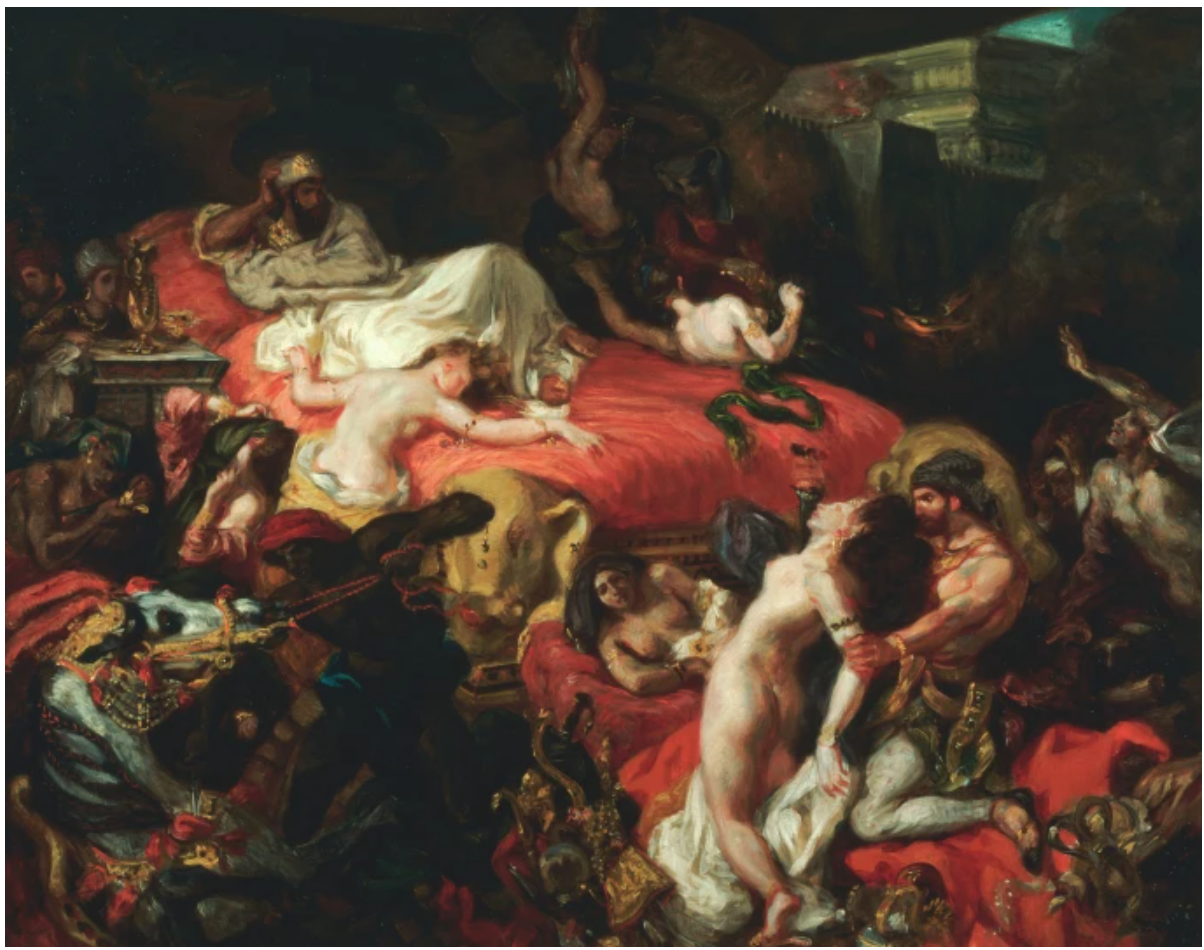
EUGENE DELACROIX, THE DEATH OF SARDANAPALUS, 1827
IMAGE © LOUVRE, PARIS, FRANCE / DE AGOSTINI PICTURE LIBRARY / BRIDGEMAN IMAGES
Unflinching in her frontalism, Brown lays bare carnal desire and the fervor of sex, boldly staking her claim in a psychological space previously unexplored- particularly by women artists. While men and women within the historical art canon have long devoted their works and oeuvre to the pictorial deification of the feminine mystique, seldom has either end of the spectrum sensationalized the tantric male and female form. Irreverent of artistic dialectic, Brown’s work gorges upon its own legacy, trumping the virile narrative behind work of a similar nature- instead evincing Sappho and ultimately displaying a sublime soliloquy.
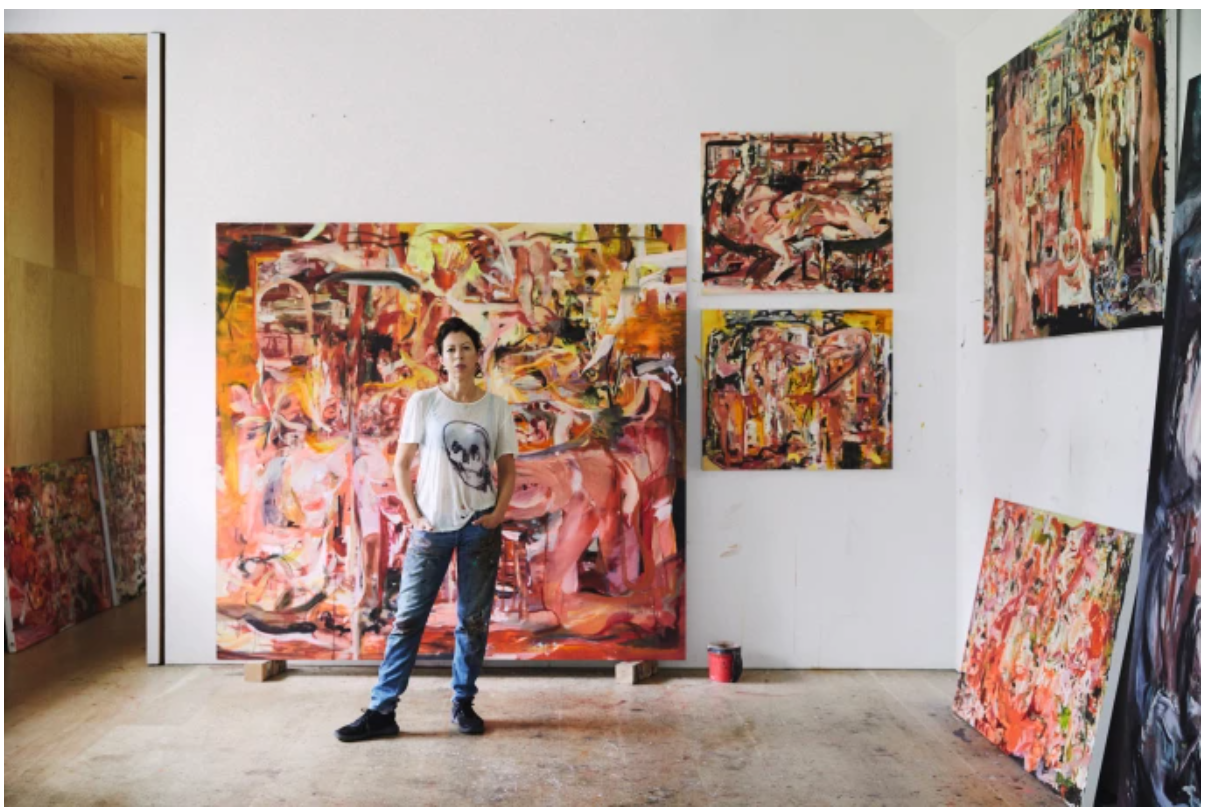
CECILY BROWN IN HER STUDIO, IN NYACK, NY, ON AUGUST 5, 2020. PHOTO © WINNIE AU 2020. ART © 2021 CECILY BROWN.
Standing at odds with the conceptual approach of her constituents known as the Young British Artists, Brown distanced herself from them and opted to render her vision within the traditional vein of painting. Subsequently, a palpably ironic sense of abstinence delineates her medium, but subtending her work is an individualist focus on the materiality of paint to prompt deeper questions pertinent to artistic praxis. Unabashedly evoking the Baroque flamboyance of Peter Paul Rubens, and the gestural Expressionism of de Kooning, Brown radically indulges in libidinous figurations, advancing and receding within a sensuously abstracted stratum of paint and pigment. This maxim attests to the sheer haptics of her cacophonic surfaces. Despite the horror vacui of these works, there is a resolute delicateness and rhythmic fluidity underpinning Untitled (Trapeze) ostensible restlessness. Centered on the ever-shifting dynamics of existence, Brown imbues the present work with titillating and ineffable sensations of a corporeal nature. Flushed and rouge gyrations intertwine, conveying motion, heat and then contact within coalesced layers of paint, obscuring the remnants of human figures underneath a labyrinth of vibrancy. Swathes of milky white, caressed by whispers of sienna and black, meet an abundant range of pink and the shimmering surface, enlivened by Brown’s delicate balance of painterly caesuras and lyrical figurations, envelops the viewer in a promiscuous bacchanal of fragmented bodies, oscillating in begotten space.
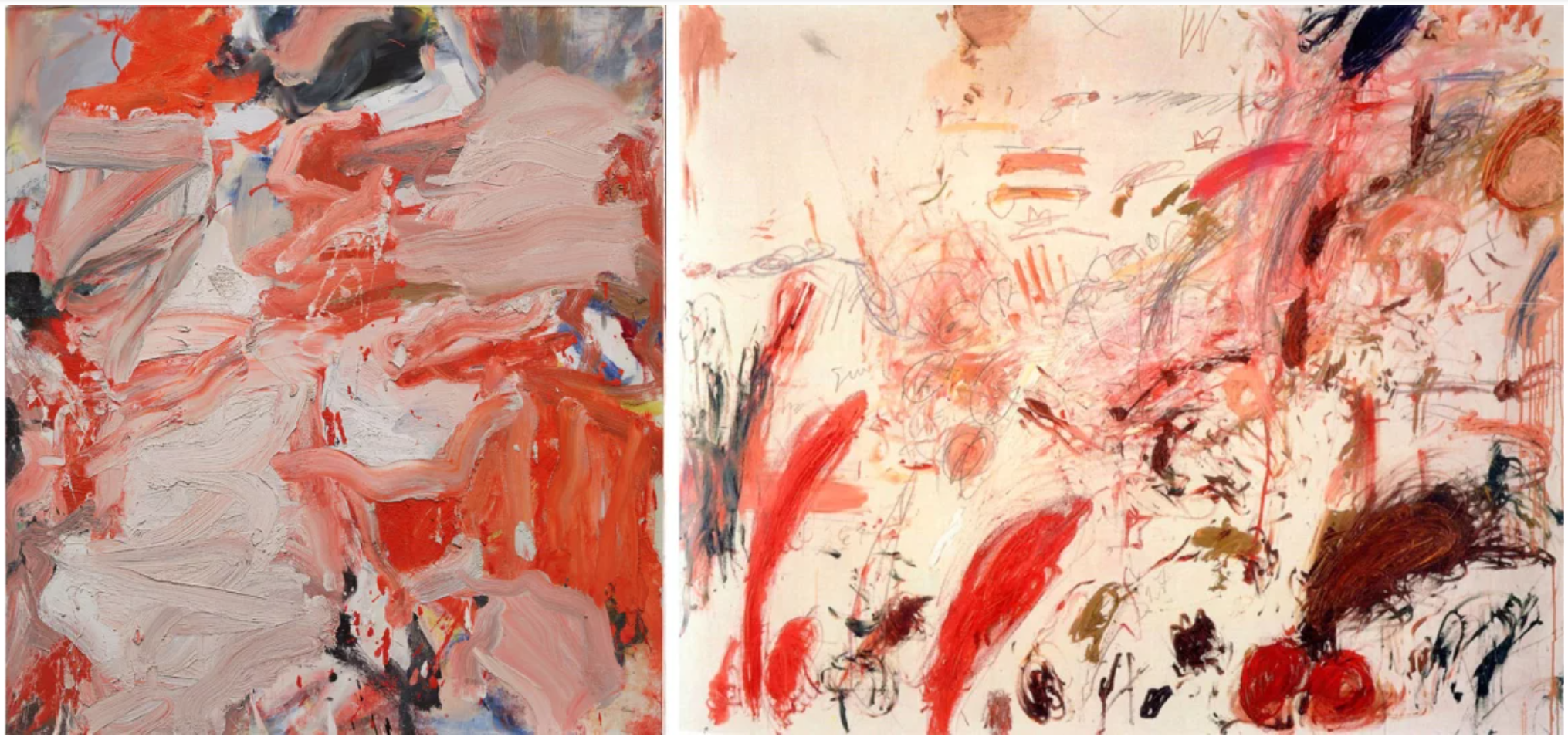
LEFT: WILLEM DE KOONING, UNTITLED XXXIII, 1977 / ART © 2021 THE WILLEM DE KOONING FOUNDATION / ARTISTS RIGHTS SOCIETY (ARS), NEW YORK
RIGHT: CY TWOMBLY, FERRAGOSTO V, 1961 / PRIVATE COLLECTION / ART © CY TWOMBLY FOUNDATION
Within her clandestine figuration is a palpable sense of de Kooning’s influence, coursing through the entropic chaos of the ribald scene. De Kooning’s work left a lasting impression on Brown, ushering her towards the quintessential dimensionality of her resulting oeuvre. Resultantly, Untitled (Trapeze) plane is a biomorphic weave of abstractive gesture and clandestine figuration; Visions of flesh burst forth from paint-saturated inversions of the brush, cloaking limbs and skin stretching out between peaks and valleys of impasto- inviting viewers to an inundating tempest of primal embrace. By shrouding human physicality in its most bare incarnation, Brown draws forth a glimmering and visceral spectrum of sentiment from the deepest recesses of intimacy. Brown has spent her career dismantling the boundaries of her medium from within its very own margins, parallelizing artistic diametric with her innovative approach. Manifested within this conviction, Untitled (Trapeze) exists as a bridge of unutterable breadth between painting and sex—the un-abrasive motion and eroticism is an emulation of tissue, emotional tension, and the heat of ecstasy. Brown is compelled to depict entities in carnal embrace, because, in her words, human sexuality is “universal. It’s not obscure… Sex is such a driving force, a life force- even the simple fact that’s how we’re here.” In the present work, Brown has broken apart the very semantics of painting, metamorphosed the motif of the body and laid conceptual foundations that have heavily influenced the new-age perspective on Abstract Expressionism. Brown’s control over her deviant depictions of skin, sex, and human physicality has established her as one of the most revered female artists working today; Consequently, her work is on display in distinguished institutions around the world, including the Solomon R. Guggenheim Museum, New York; the Whitney Museum of American Art, New York; and Tate, London.
Untitled, 2007
Phillips New-York: 17 November 2021
Estimated: USD 3,500,000 – 4,500,000
USD 6,140,500
Cecily Brown – 20th Century & Conte… Lot 11 November 2021 | Phillips
CECILY BROWN
Untitled, 2007
Oil on canvas
89 x 85 1/8 inches (226.1 x 216.2 cm)
Signed and dated “Cecily Brown 2007” on the reverse
Painted in 2007, Cecily Brown’s Untitled is a striking example of the artist’s highly acclaimed practice that oscillates between abstraction and figuration, past and present, paint and flesh. Engulfing the viewer into a sumptuous field of fervid gestural brushstrokes, the present work expresses Brown’s sensibility of channeling the Old and Modern Masters of the art historical canon under her painterly hand to form a singular visual language that is entirely her own. Here, the lavish hues of blue and purple, the earthy and sensuous fleshy tones, all come together in an orgiastic riot of tantalizing allusions, epitomizing the artist’s words: “The paint is transformed into image, and hopefully paint and image transform themselves into a third and new thing…I want to catch something in the act of becoming something else.”
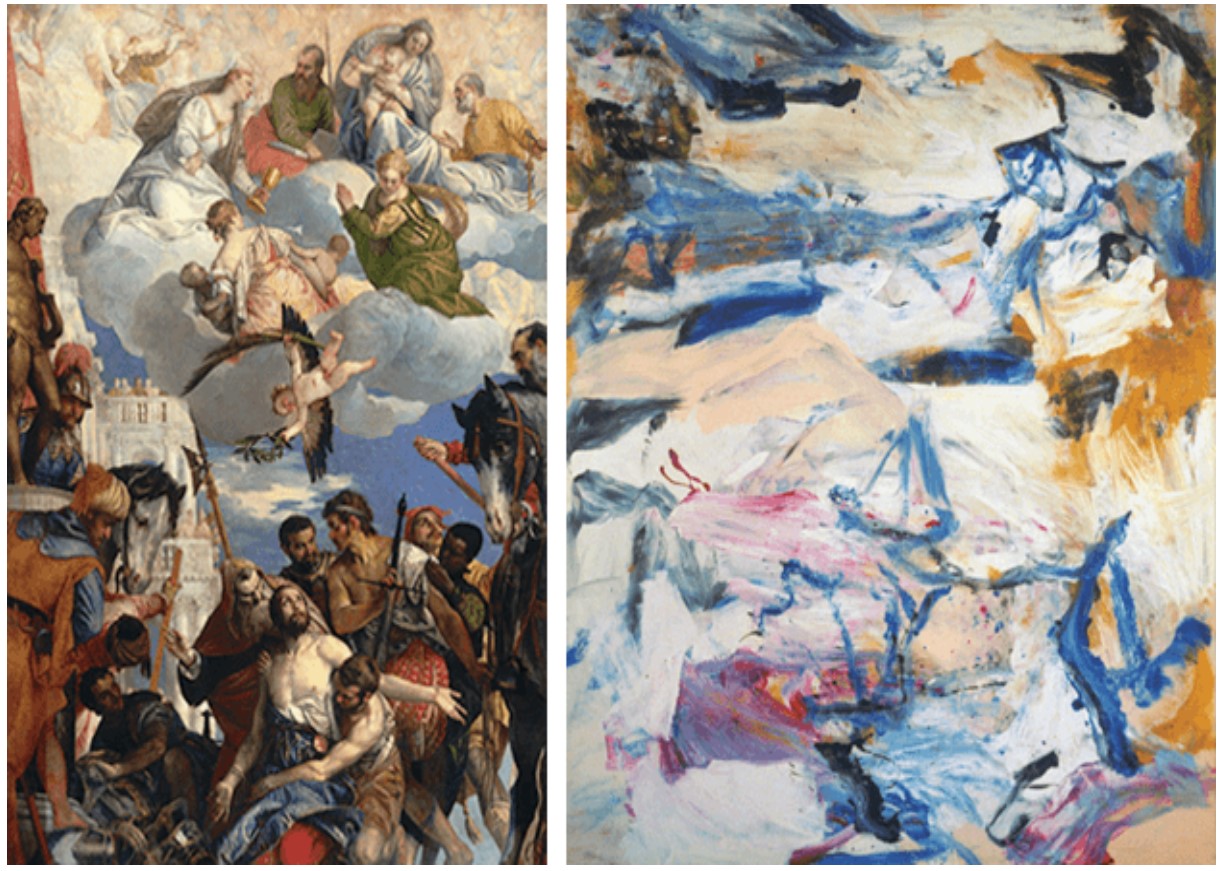
[left] Paolo Veronese, Martyrdom of St. George, 16th century. San Giorgio in Braida, Verona, Image: Scala / Art Resource, NY [right] Willem de Kooning, The North Atlantic Light, 1977. Stedelijk Museum, Amsterdam, Image: Art Resource, NY, Artwork: © 2021 The Willem de Kooning Foundation / Artists Right Society (ARS), New York
Perfectly capturing Willem de Kooning’s mantra that “flesh was the reason oil paint was invented,” Brown’s practice ultimately channels a host of influences, from the Renaissance and Baroque to Impressionism, Proto-Cubism, and Abstract Expressionism. “Brown’s paintings can speak to us because enough of her shorthand is also ours,” James Lawrence observed. “We also get the glimpses of history as they flow in and out, whether through direct recognition of an image or through indistinct echoes of something familiar.”ii In Untitled, Brown conjures among others a kind of modern Garden of Earthly Delights crossed with de Kooning’s vigorous strokes, the lustrous palette of Veronese and Rubens with the charged movement of Delacroix’s Death of Sardanapalus, fragmented hints at the bathers of Degas and Cézanne—transforming visions of the past into a contemporary kaleidoscope of painterly revels.
There’ll be bluebirds, 2019
Christie’s London: 15 October 2021
Estimated: GBP 500,000 – 700,000
GBP 3,502,500 / USD 4,818,407
CECILY BROWN (B. 1969) (christies.com)
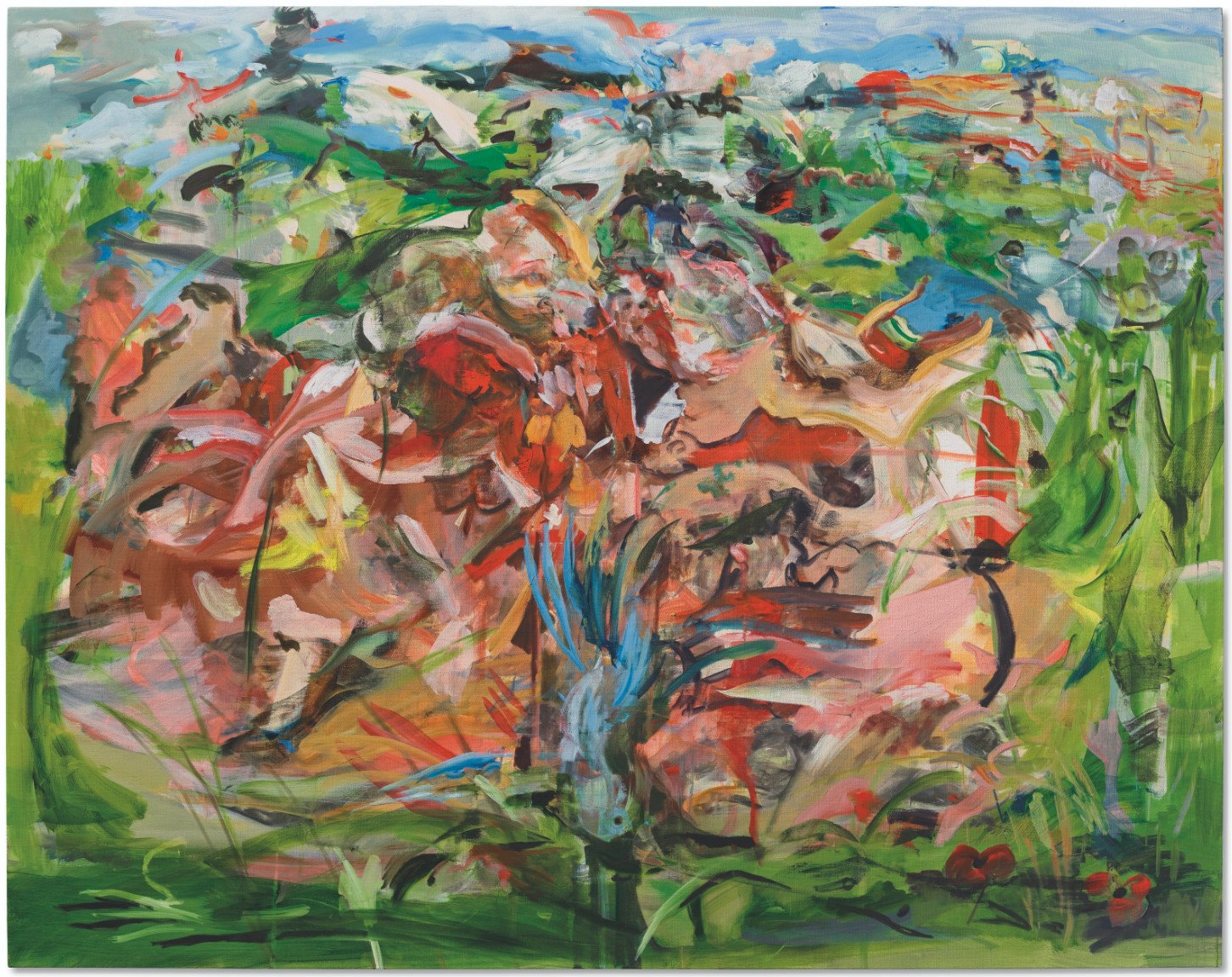
CECILY BROWN (B. 1969)
There’ll be bluebirds, 2019
Oil on UV-curable pigment on linen
53 x 66.7 inches (134.5 x 169.5 cm)
The present lot has been generously donated by Cecily Brown and Thomas Dane Gallery as the first in a series of seven sales for Artists for ClientEarth: a landmark new collaborative initiative designed to propel the art world in the fight against climate change. ClientEarth approach the climate crisis in a systemic and unique way: challenging the worst-offending industries, advising governments on policy, and working globally to safeguard citizens’ access to the laws that defend them. The Gallery Climate Coalition and Christie’s have come together with ClientEarth to raise money, awareness and support from the art world for this essential work through the Artists for ClientEarth initiative. Further works by major international artists including Antony Gormley, Rashid Johnson, Beatriz Milhazes and Xie Nanxing will be placed for auction in Christie’s 20th / 21st Century marquee sales in London, New York and Hong Kong over the next year, generously donated by the artists and their galleries to raise funds directly in support of ClientEarth. A parallel programme of talks and education will provide collectors and art-world professionals access to the vital work that ClientEarth undertakes to create systemic change to protect the planet.
Created for Cecily Brown’s groundbreaking 2020 installation at Blenheim Palace in Woodstock, Oxfordshire, There’ll be bluebirds (2019) is an explosion of bold colour and elusive, unstable form. In the artist’s signature abstract-figurative idiom, aqueous strokes of pastoral green and blue frame a vortex of fierce flesh tones: tangled limbs and clashing bodies can be glimpsed in the chaos, while a pale hound rears up from the left. Down the dead centre of the canvas, what appears to be the titular bluebird plunges to earth like an incendiary missile. Indeed, the work makes for an ironic riposte to the sentimental song ‘(There’ll Be Bluebirds Over) The White Cliffs of Dover’, made famous by Vera Lynn during the Second World War. No chocolate-box English landscape, Brown’s vision is of a country in tumult, and sounds a note of ecological alarm. Reconfiguring the martial and hunting scenes that fill Britain’s most imposing baroque residence, this tempestuous picture dismantles art history in order to question the nostalgia that defines our relationship to the past, and to probe the violence this myth-making might conceal.
Hard, Fast and Beautiful, 2000
Sotheby’s London: 15 October 2021
Estimated: GBP 300,000 – 400,000
GBP 499,000 / USD 686,476
Hard, Fast and Beautiful | Contemporary Art Day Auction | 2021 | Sotheby’s (sothebys.com)
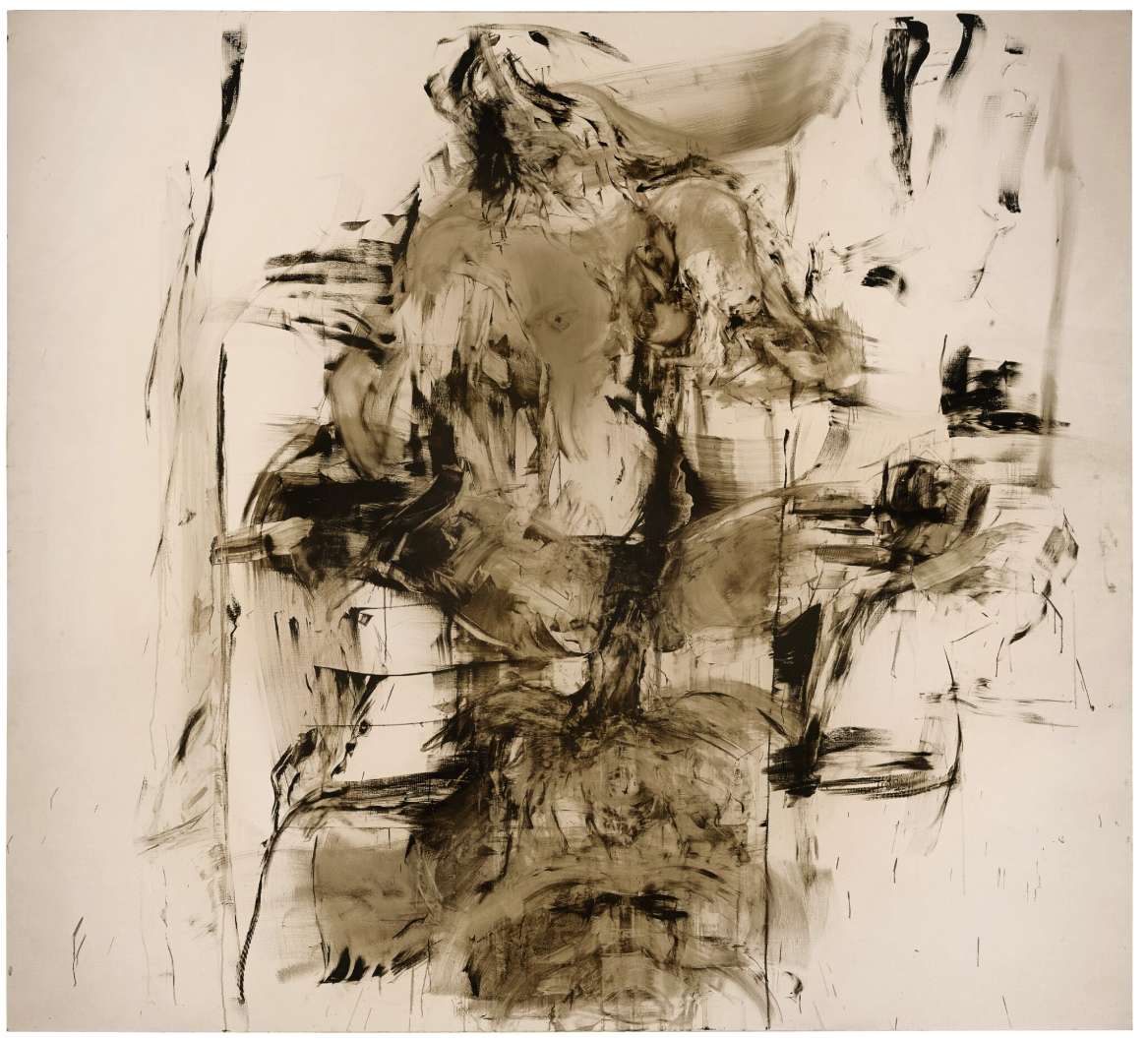
CECILY BROWN (b. 1969)
Hard, Fast and Beautiful, 2000
Oil on canvas
100×110 inches (254 by 279.4 cm)
Signed on the reverse
With its lyrical brushstrokes sweeping across the canvas, rhythmically oscillating between gestural abstraction and tantalizing figuration Hard, Fast and Beautiful bears all the hallmarks of Cecily Brown’s playful and suggestive painting practice. Rendered here in elegant grisaille tones, Brown’s feverish brushstrokes tease the viewer with a flurry of gestural marks that offer glimpses of figurative elements, only to subsume them in a frenzy of abstraction. Laid bare in striking monochromatic palette, Brown’s grasping, sweeping strokes form a grid like composition that conceals the scene at hand. Brown playfully challenges traditionally perceived boundaries of abstraction and figuration, hinting at figuration in unexpected places while ultimately embracing the unpredictability of gesture.
In a masterful manipulation of the viewer’s perception, the act of looking converges with the voyeuristic pleasure elicited by her sexually charged imagery. Brown’s use of paint is highly tactile, spilling and slipping across the canvas in a dreamlike blur, the frenzied strokes and scrapes of Hard, Fast and Beautiful exude a carnal quality, poetically insinuating a physical experience. Brown follows as the natural heir in a historical celebration of the tactile, material quality of paint, calling to mind a rich lineage of artistic forefathers from Peter Paul Ruben’s soft and sensuous nudes to Paul Cézanne’s lounging bathers and Francis Bacon’s writhing twisted figures. Indeed, the present work seems to borrow Willem de Kooning’s Women whose fleshy forms emerge from a cacophony of tumbling, crashing brushstrokes that sprawl outwards towards the viewer.
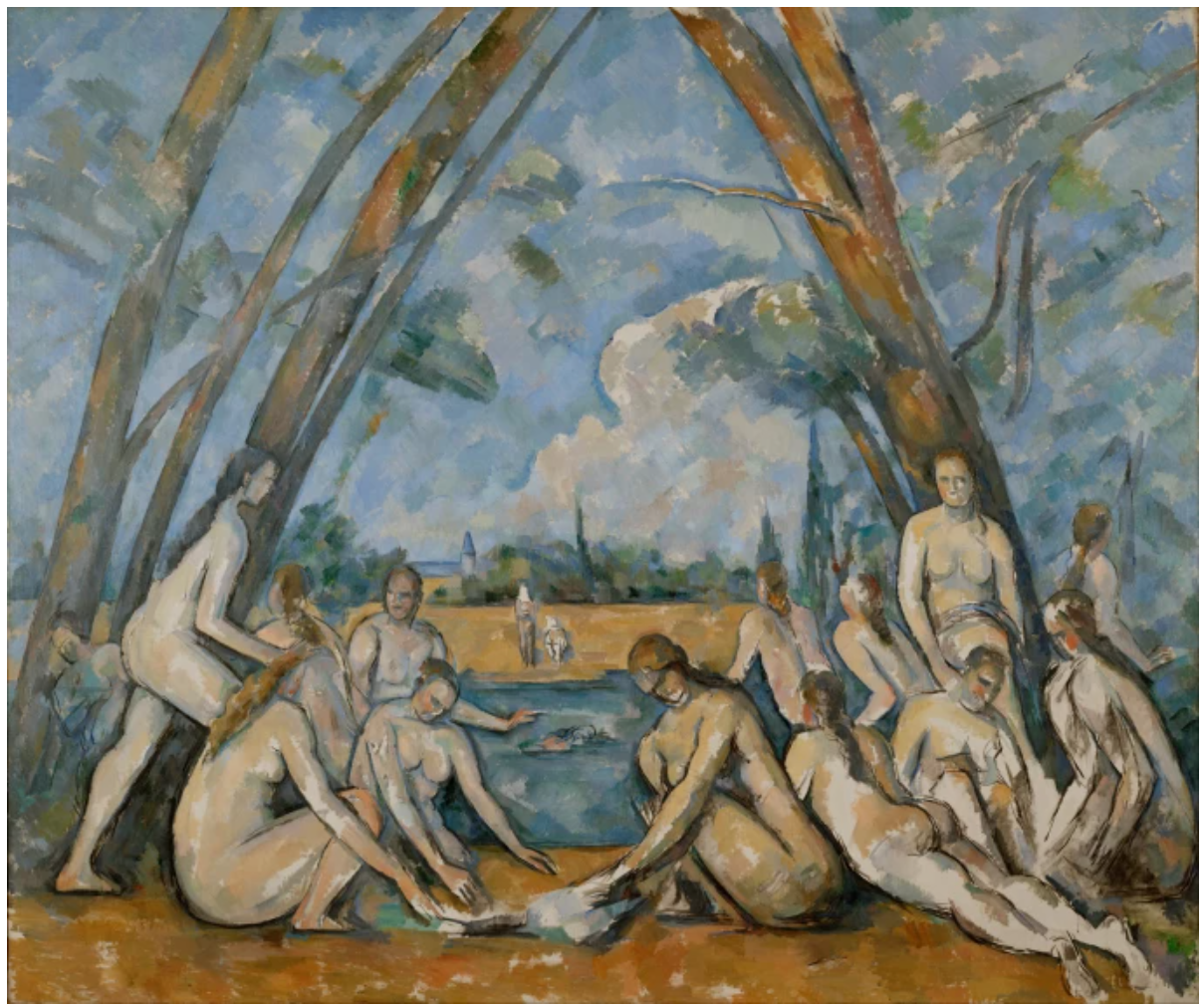
PAUL CÉZANNE, LES GRANDES BAIGNEUSES, 1898-1905, PHILADELPHIA MUSEUM OF ART, PHILADELPHIA
Significantly, Brown subverts this historically male tradition of corporeal painting, describing her practice in her own words: “It is about being a painter, here, now, at this moment when it is ok to paint again, incredibly conscious of the past and then throwing it off…And it is about paint—wet, liquid, spreadable, mutable. It is about paint doing what bodies do during sex, pressing up, greasy, rubbing, penetrating, slipping, saturated. It is hard to know where the figures stop and start, there are extra body parts, free floating appendages, an orgy, magically real…It is about being a girl and painting like a boy. The male gaze repossessed, kidnapped: enough of how you look at us, this is how we see you…a woman painting a man as brazenly, as unforgivingly as men have always painted women… It is cooled down under varnish, fixed behind a veneer that is almost glass, laminated to keep it at a certain distance to protect it or perhaps more to protect you” (A.M. Holmes, ‘Motion Pictures’, Cecily Brown, 2000, pp. 70-71).
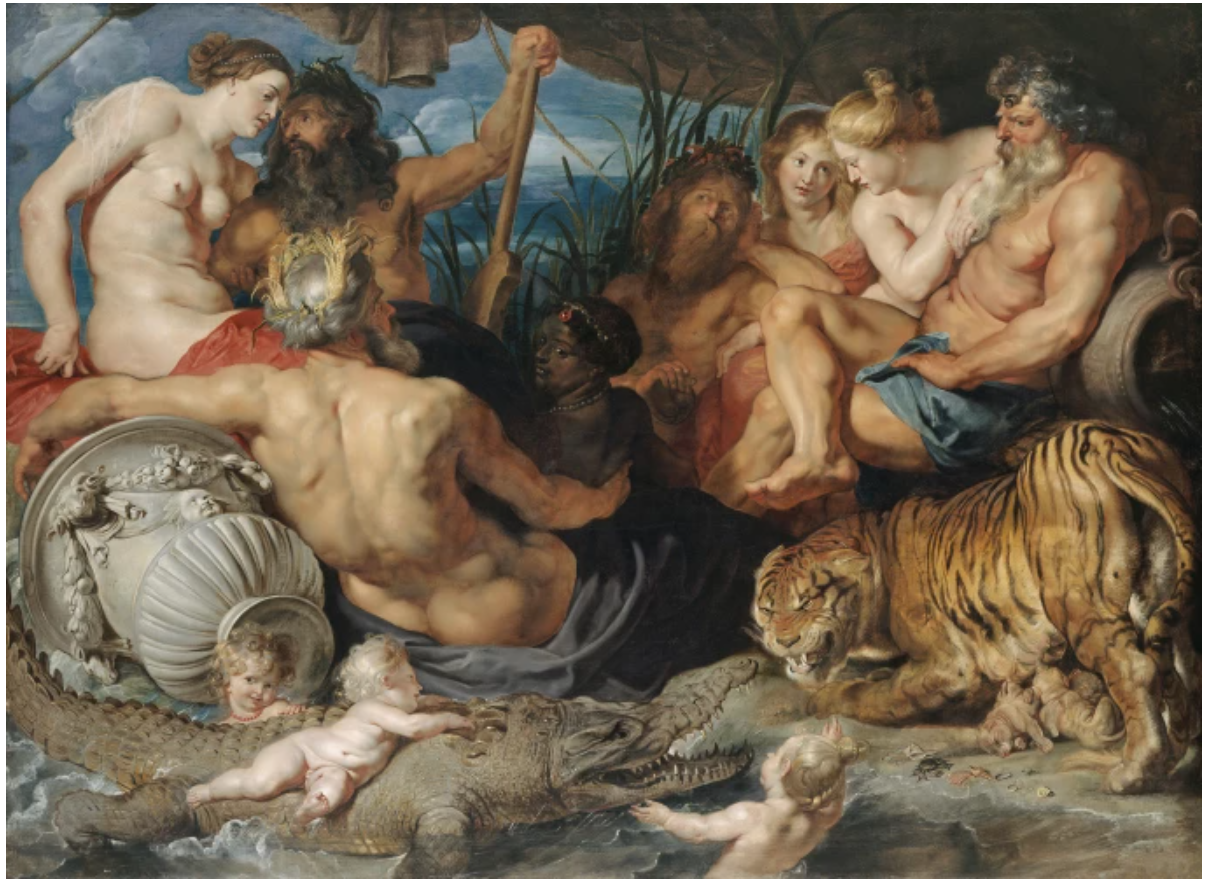
PETER PAUL RUBENS, THE FOUR RIVERS OF PARADISE, CIRCA 1615, KUSNTHISTORISCHES MUSEUM, VIENNA
Beyond the confines of Art History, Brown remains deeply engaged with wider cultural references. Drawing from literature, film, music, magazines and photographic sources, Brown paints a resolutely contemporary corporeal experience. Indeed, she has even completed a series of paintings based on the famous photograph of nude women that graces the front cover of Jimi Hendrix’s classic album Electric Ladyland. It is this combination of reverence for art historical and subversion of artistic tradition that has led to Brown’s position as one of the most important painters of her generation.
The End, 2006
Phillips Hong-Kong: 8 June 2021
Estimated: HKD 4,500,000 – 6,000,000
HKD 8,559,000 / USD 878,684
Cecily Brown – 20th Century & Contempor… Lot 26 June 2021 | Phillips
CECILY BROWN
The End, 2006
Oil on linen
85 1/8 x 89 1/8 inches (216.2 x 226.4 cm)
One of the most important artists of her generation, the British-born Cecily Brown is an art world phenomenon, famous for her dynamic, vividly gestural works that shift between the figurative and the abstract. Declaring herself to be a figurative artist first, Brown’s works nevertheless feature the enigmatic, energetic brushwork typical of abstraction in the creation of her fantastical scenes exploring the themes of desire, life and death. The End is a spectacular work from the artist’s oeuvre, in which forms and figures emerge and evolve in a state of flux, revealing the conclusion of a raucous dinner party, plates and glasses strewn in disarray, the heeled foot of a woman emerging from the billowing table cloth to suggest the presence of figures underneath. The End, grand in scale and teeming with ravishing imagery, was included in the artist’s major solo retrospective at the Museum of Fine Art in Boston in late 2006 just after its creation, testament to the significance of the work. Brown’s visceral, enigmatic images of loosely defined figures and sweeping brushwork have attracted comparisons to the Old Masters, who she often references in her work. Brown has discussed her assimilation of images and ideas of renowned artists from the Western canon of art history, including but not limited to the Old Masters of Rubens, Velázquez, Delacroix, and Degas, and the more contemporary influences of de Kooning and Bacon.
William Hogarth, Marriage à-la-Mode: 2, the tête à tête, circa 1743 / Collection of the National Gallery, London
Her adopted imagery is often explicit, as seen for example in her lusciously chaotic, Hollyhocks that aim too high (2013) in which Brown incorporates the crossing limbs and body language of the figures of Degas’s iconic Young Spartans Exercising (circa 1860), in her unique visual language. Here in The End, we see the sure influence of 18th Century English painter, William Hogarth, made famous for his series of paintings and engravings on ‘modern and moral subjects’, often disseminated through print and read by a wide audience. In particular, we see the reference to Hogarth’s series, Marriage à-la-Mode: 2, the tête à tête (circa 1743), which features the same knocked-over chair, detailed in red, that is depicted in The End. ‘ In Marriage à-la-Mode: 2, the tête à tête, Hogarth delves into the sexual exploits of the aristocracy, depicting the consequences of marrying for money rather than love and exploring wider themes regarding marriage and morals. Brown’s choice of Hogarth, or indeed the subconscious impact of his work on her own, is apt, both artists commenting on life and desire through the medium of oil on canvas. The End and Marriage à-la-Mode: 2, the tête à tête are each imbued with a theatricality and an air of the melodramatic, the tipped chair indicative of chaos and calamity. Contrasting with her slumped husband, the central character of the woman of leisure in Marriage à-la-Mode: 2, the tête à tête appears in a state of animated satisfaction, legs spread wide and gesturing to someone out of view, waving a pocket mirror. This and the chair on the floor suggest her lover has had to make a quick exit, perhaps interrupted in the act of love-making. The chair motif is thus highly suggestive in the work of Brown, urging the viewer to contemplate as to what may be happening under the thick white tablecloth that possibly conceals the forms of lovers.
William Hogarth, The Banquet, 1754-55
Brown’s works are in a constant state of flux, figures and forms appearing and disintegrating as the viewer is sucked deeper into the painting. At first, the viewer is confronted with the image of a table-top in a complete state of disarray—a raucous dinner party has come to its end. Recalling the lavish banquet still-lifes of the 17th and 18th Century, Brown litters her image with discarded forks, knocked over water glasses, dirty plates and the fleshy forms of pink meat. Perhaps an empty can of Coca Cola, as suggested by its crimson exterior, or a small piece of meat on the bone, the allusion to the soft drink brings this painting into the 21st Century, despite the Rococo form of the chair and the style of the shoe jutting out from the table that is evocative of those worn by Hogarth’s female protagonist in Marriage à-la-Mode: 2, the tête à tête.
Intimate Paintings
Mean Eyed Cat, 2012
PROPERTY FROM AN IMPORTANT PRIVATE EUROPEAN COLLECTION
Christie’s London: 7 March 2026
Estimated: GBP 600,000 – 800,000
GBP 1,016,000 / USD 1,357,275
CECILY BROWN (B. 1969), Mean Eyed Cat | Christie’s
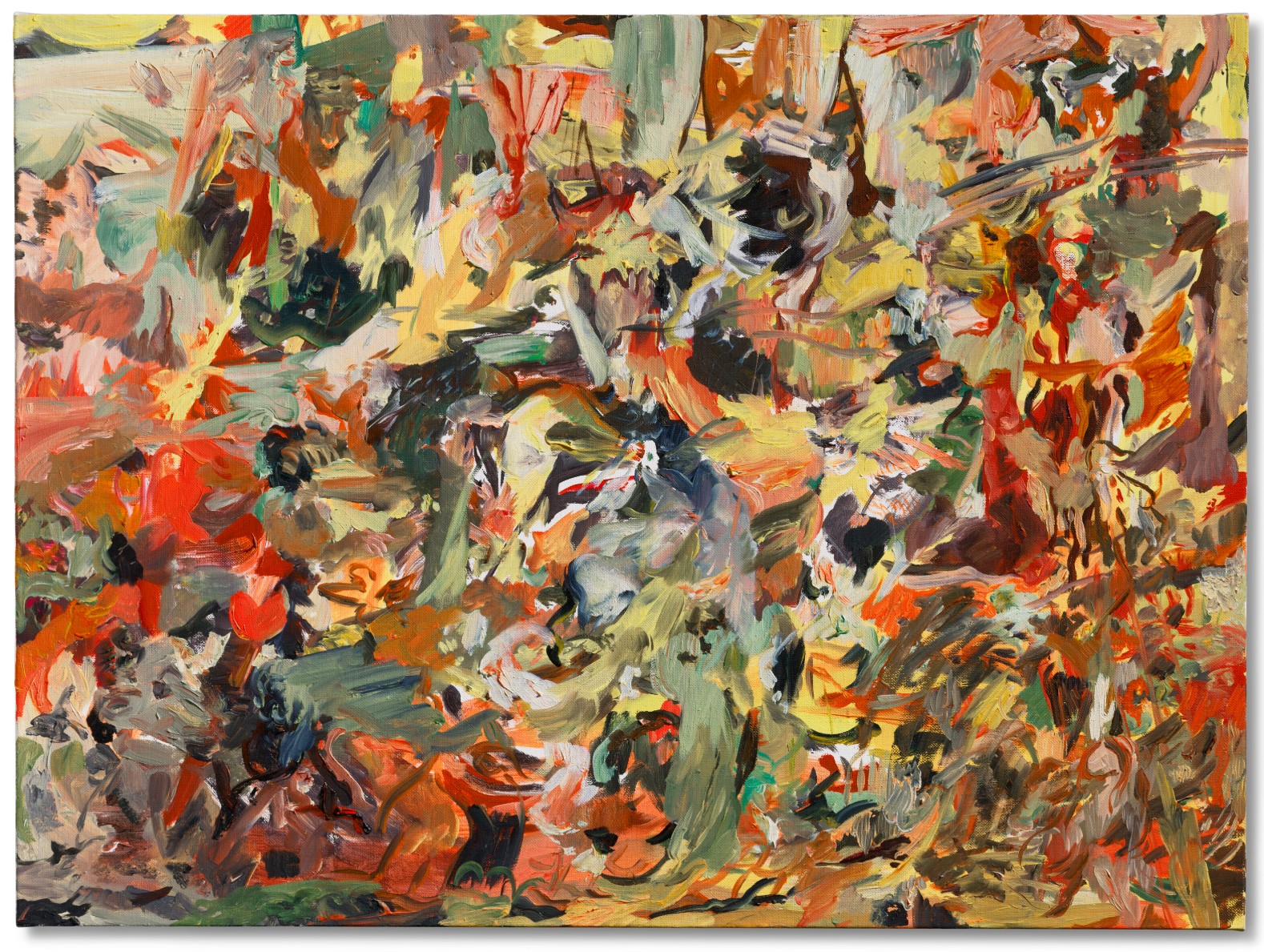
CECILY BROWN (B. 1969)
Mean Eyed Cat, 2012
Oil on linen
22-7/8 x 31-1/8 inches (58×79 cm)
Signed and dated ‘Cecily Brown 2012’ (on the reverse)
Streaks of red, orange, sage green and burnt umber interweave and burst with an explosive force across Cecily Brown’s Mean Eyed Cat. Executed in 2012, and included in the artist’s solo exhibition at the Essl Museum, Vienna that year, the painting teems with energy. Thick impasto converges with diaphanous flashes of pigment. Silhouettes and limbs emerge from this painterly tumult, coalescing then dissolving from one moment to the next. Animated black marks conjure the agile movements of the titular feline: a recurrent motif for the artist.
The subject of major forthcoming exhibition at the Serpentine Gallery, London opening in March 2026, Brown’s art is defined by its exuberant color and texture. Enraptured by paint’s materiality, she aims to incorporate its visceral qualities within the act of image-making itself. At the time she made Mean Eyed Cat, Brown had shifted away from the electric pigments of her earlier work to embrace an earthier, more autumnal palette. Sensual, corporeal and tactile, the work’s voluptuous surface immerses the viewer in the haptic pleasures of paint.
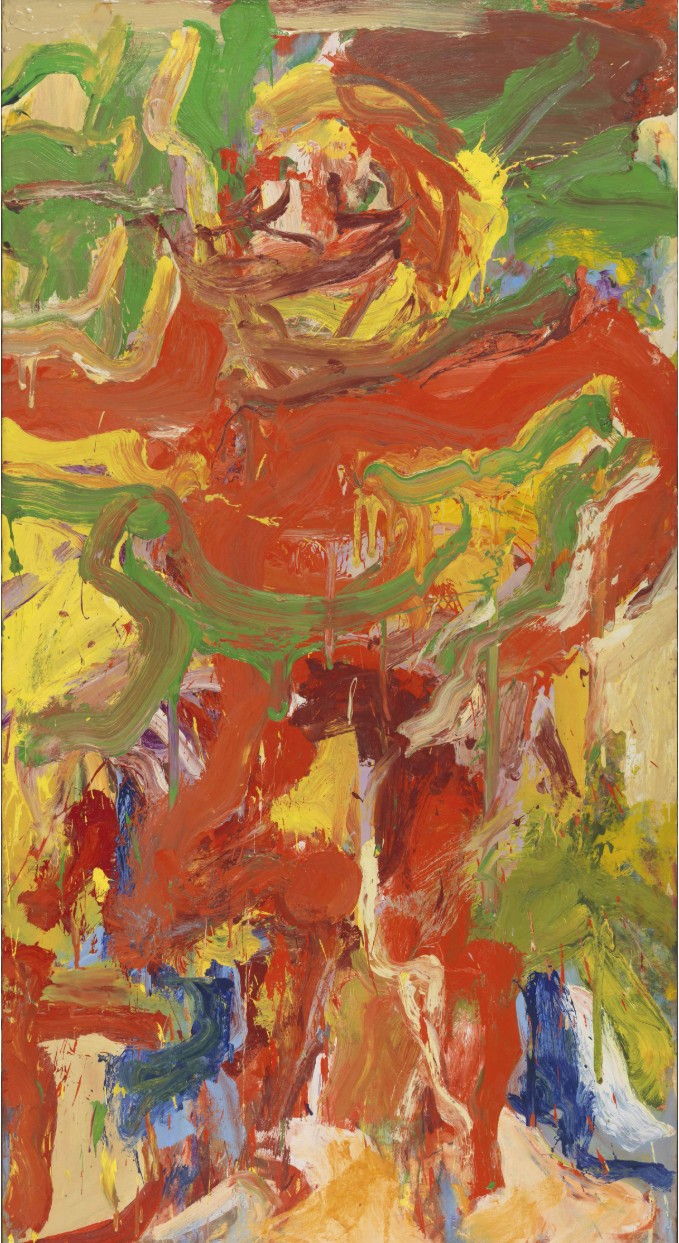
Willem de Kooning, Red Man with Moustache, 1971. Thyssen-Bornemisza National Museum, Madrid. Artwork: © 2026 The Willem de Kooning Foundation / Artists Rights Society (ARS), New York and DACS, London.
Digital image: © Museo Nacional Thyssen-Bornemisza, Madrid / Bridgeman Images.
When Brown came of age as a painter in 1990s London, her practice stood in stark contrast to the more conceptual approaches of her Young British Artist (YBA) contemporaries. She has always viewed painting with a sincerity rooted in profound respect for the medium’s history. Across her oeuvre, Brown draws on a wide range of visual sources, turning to Peter Paul Rubens for a particular flesh tone, or to Francisco Goya for a twist of social satire. Following her education at the Slade School of Art, Brown moved to New York in 1994, and her expanding range of influences—from Eugène Delacroix and Edouard Manet to American Abstract Expressionists such as Willem de Kooning—reveals a transatlantic education.
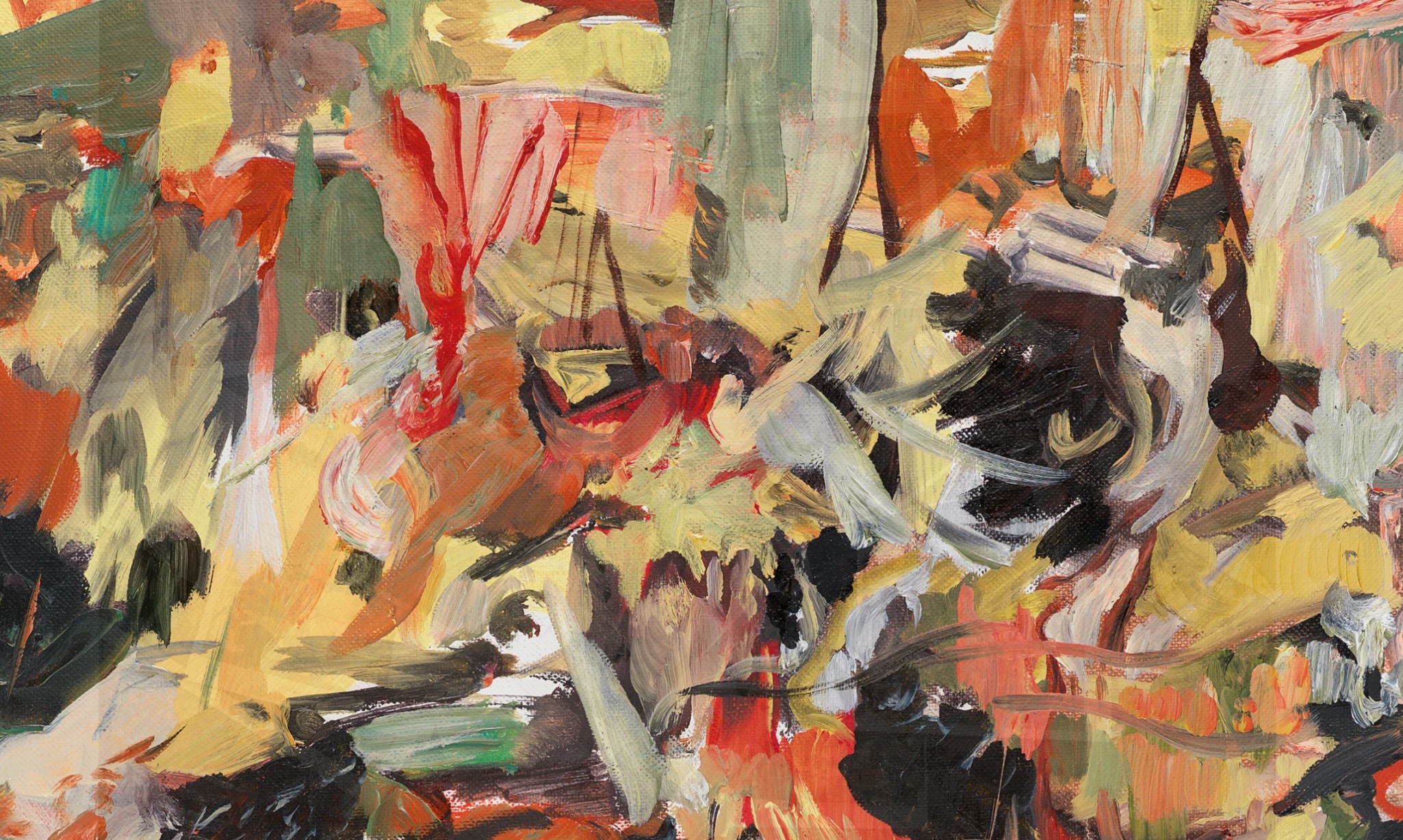
During the period Brown painted Mean Eyed Cat, her muses were as diverse as ever. She has mentioned taking inspiration from, among others, Edgar Degas, Jean-Auguste-Dominique Ingres, pornography, and rock-and-roll album art, particularly Jimi Hendrix’s 1968 Electric Ladyland, whose cover featured a photograph of a harem-like ensemble of naked women. This image brought her back to painting the female nude: ‘Formally I was drawn to it,’ she explained, ‘like a pile of body parts’ (C. Brown, quoted in R. Small, ‘Cecily Brown Shows Her Women Uptown’, Interview, 7 May 2013, online). Insinuations of women’s bodies fill Mean Eyed Cat, all rendered in a variety of poses and configurations. The bending figure apparent in the painting’s foreground, for example, alludes to the traditional motif of the bather as depicted by Degas, Ingres, and Cezanne, among others.
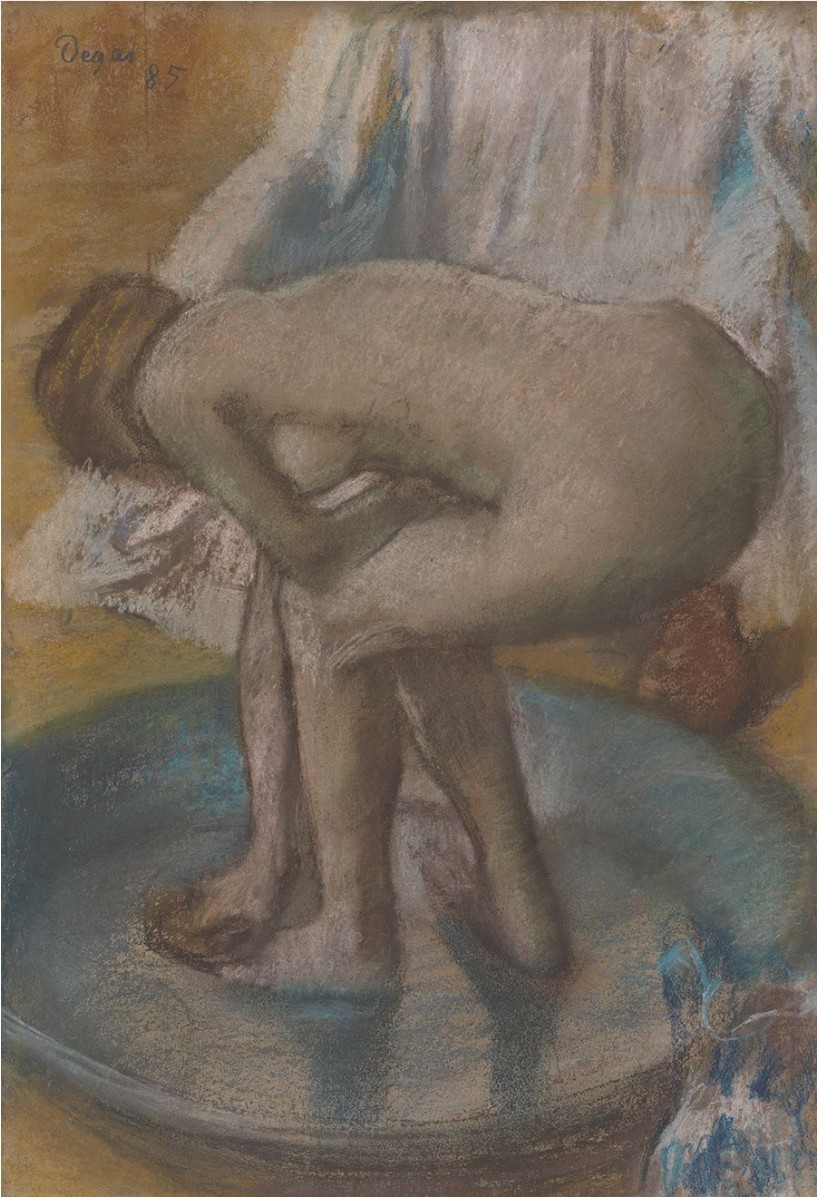
Edgar Degas, Femme se baignant dans une baignoire peu profonde, 1885. The Metropolitan Museum of Art, New York.
Digital image: Courtesy The Metropolitan Museum of Art, New York.
Similarly open-ended are the titles of Brown’s paintings, many of which are taken from lists of catchy phrases culled from perfume bottles, films, pubs, and songs, among countless other sources. Mean Eyed Cat was suggested by the 1955 song written and performed by Johnny Cash. Brown is always seeking multilayered interpretations, and her titles are meant to be suggestive rather than descriptive. This attitude is echoed in her brushwork, which likewise conjures an emotional narrative through indefinable and abstracted means. The artist values the immediacy conjured through her more intimately-scaled works, noting that such works often feel ‘grander’ than larger pictures for their ability to convey an entire ‘sense of a universe’.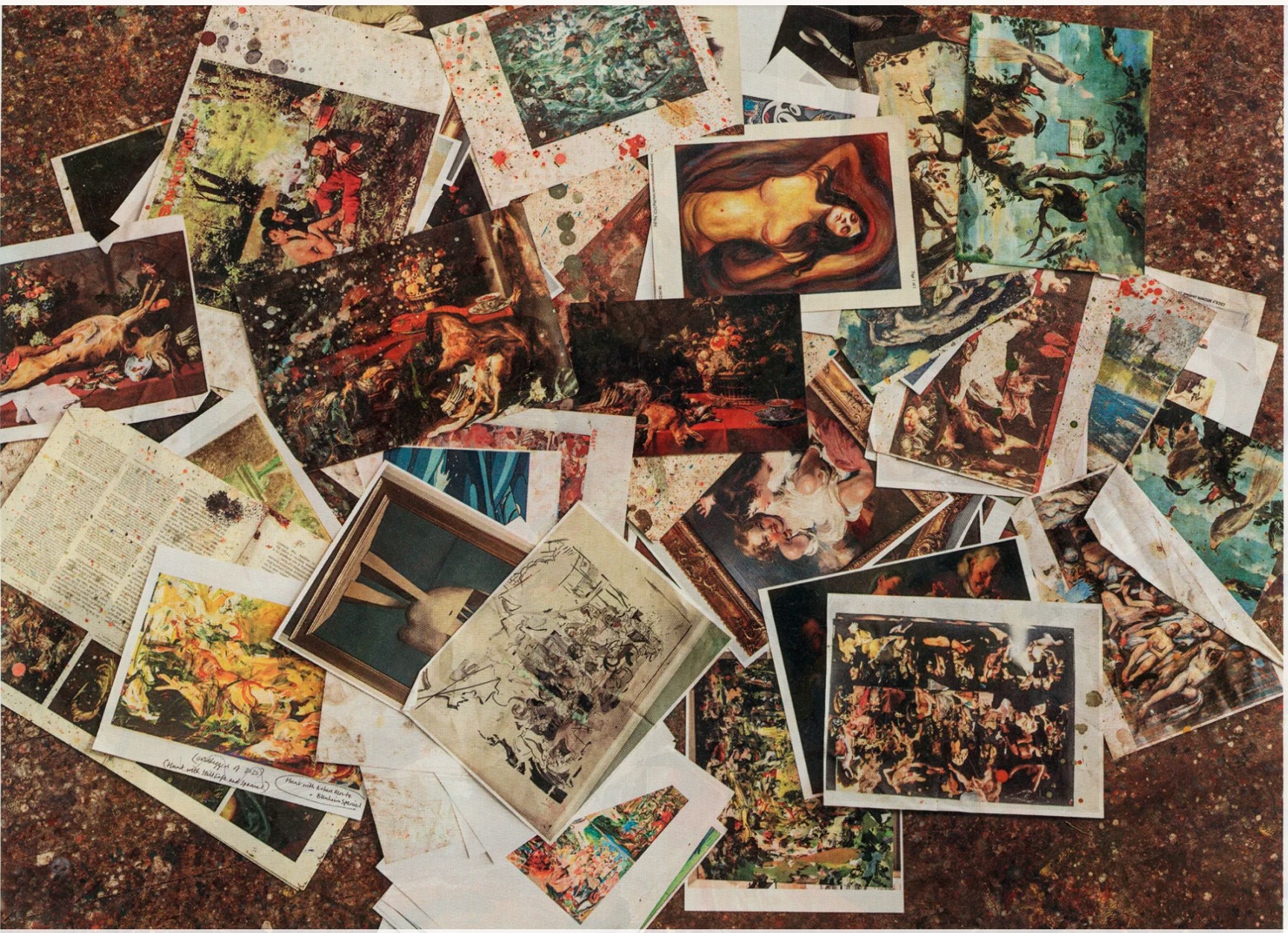
Source materials in Brown’s studio, 2022. Photo: Genevieve Hanson. Artwork: © Cecily Brown
While Brown’s loose, gestural imagery may appear improvised, the paintings are in fact consciously constructed. Each stems from a clear idea that often emerges following an encounter with a distinct piece of visual culture.
“You grope to understand what might be an image, it remains out of reach, you concentrate harder and other readings flood in, something obliterating the first but also enhancing, exaggerating, echoing …’”
Mean Eyed Cat is replete with such layering and a testament to Brown’s uninhibited and generative approach to painting, one that sees the past on equal footing with the present and allows both to produce new meanings.
Things Could Be Different, But They’re Not, 2007
Christie’s London: 5 March 2025
Estimated: GBP 750,000 – 1,000,000
GBP 907,200 / USD 1,160,200
CECILY BROWN (B. 1969), Things Could Be Different, But They’re Not | Christie’s
CECILY BROWN (B. 1969)
Things Could Be Different, But They’re Not, 2007
Oil on linen, in two parts
Each: 12 5/8 x 17 inches (32.1 x 43.2 cm)
i) numbered ‘1 of 2’ (on the reverse)
ii) signed, inscribed and dated ‘2 of 2 Cecily Brown 2007’ (on the reverse)
In Things Could be Different, But They’re Not (2007), Cecily Brown revels in the rich fluidity of paint. Across a mesmerizing diptych, impasto licks and daubs intersect with glorious, gluttonous strokes and delicate ribbons of marbled paint, the trails of a thickly laden brush. The teeming canvases invite slow looking. Elements of figuration—suggestive of limbs and bodies—glint out amid the fray. Each stroke of paint is like a loose thread, tempting the viewer to delve deeper into a chromatic chasm of blues, coral pinks and shadowy hues. Brown is undoubtedly one of the most celebrated artists working today. Marking three decades of restless innovation and insertion into the canon of art history, in recent years she has been the subject of several acclaimed mid-career retrospectives, including Cecily Brown: Death and the Maid at the Metropolitan Museum of Art, New York (2023), and Cecily Brown: Themes and Variations, which will open this March at the Barnes Foundation, Philadelphia, having travelled from the Dallas Museum of Art.
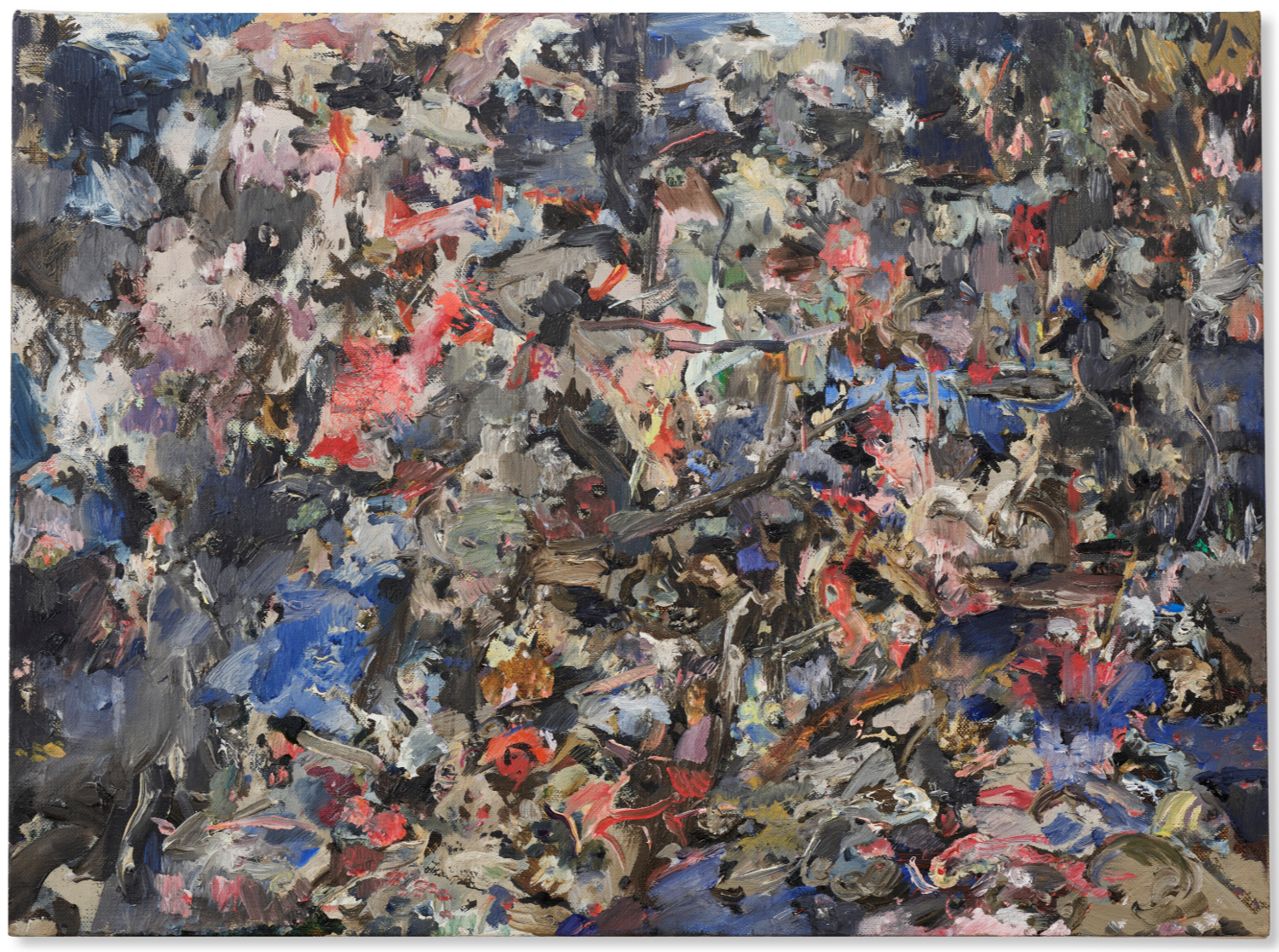
Brown was born in London, and her paintings invoke the city’s tradition of flesh: Lucian Freud’s indulgent impasto and Francis Bacon’s fragmentary bodies. Since 1994, the year she graduated from the Slade School of Fine Art, Brown has been based in New York, and the inheritance of American Abstract Expressionists such as Willem de Kooning and Jackson Pollock can be felt in the flurries of paint which unfold across her canvases. Brown looks also to the Old Masters: her recent retrospective at the Metropolitan Museum of Art considered the vanitas motif within her oeuvre—her paintings are sometimes redolent of opulent tablescapes, heaped with decadent excess. Surpassing both figuration and abstraction, Brown occupies a space in between. The present work recalls Pieter Bruegel the Elder’s Wimmelbilder, or ‘busy pictures,’ swarming compositions which similarly extend the act of looking. Its intimate scale is almost devotional. Across both canvases, heads reminiscent of putti—mediums of love and lust both virtuous and profane—survey the swarming melee.
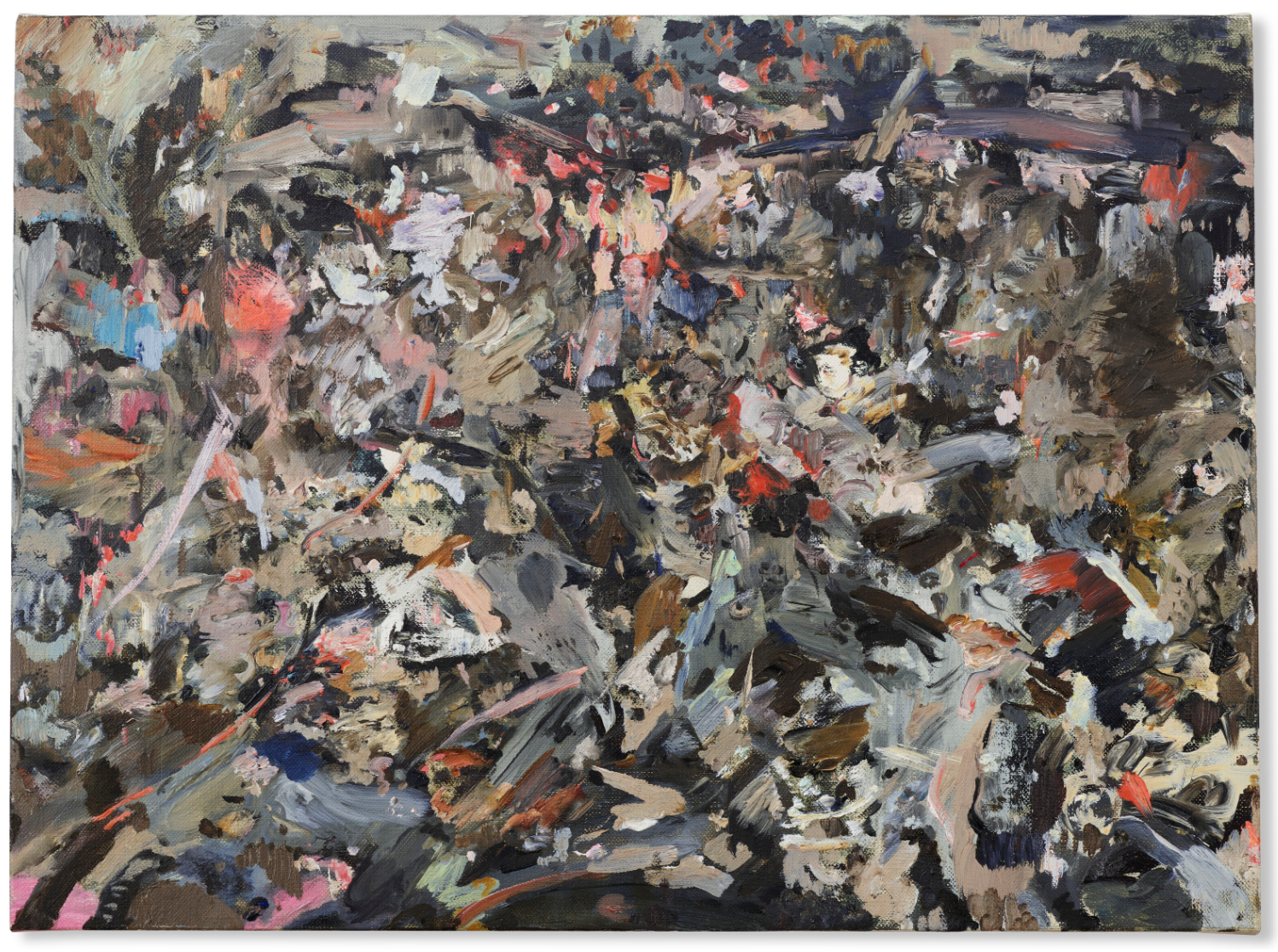
Brown has often lifted her titles from song lyrics and vintage Hollywood movies. The title of Things Could be Different, But They’re Not is a lyric from ‘The Past is a Grotesque Animal’, a rousing psychedelic pop anthem by the American band, of Montreal. The song brims with evocative imagery of torn hearts and bodies, the transportive thrill of a carnal lust which cannot endure in the real world. With the bittersweet clarity of hindsight, it articulates the question of what might have been: ‘We want our film to be beautiful, not realistic. Perceive me in the radiance of terror dreams,’ beckons lead singer Kevin Barnes. With its poignant title and twin canvases, the present work imagines the co-existence of multiple and diverging denouements. Just as each choice in life involves acknowledgment of the path not taken, each stroke of Things Could be Different, But They’re Not leads the viewer towards one interpretation amid many. To return anew to Brown’s rich, metamorphic painting is—with each visit—to reach another.
Satan’s Waitin’, 2008-09
Sotheby’s London: 9 October 2024
Estimated: GBP 600,000 – 800,000
GBP 768,000 / USD 1,005,965
Satan’s Waitin’ | Contemporary Evening Auction | 2024 | Sotheby’s
CECILY BROWN (b. 1969)
Satan’s Waitin’, 2008-09
Oil on linen
43 1/8 x 31 inches (109.5 x 78.8 cm)
Signed and dated 2008-09 (on the reverse)
Exhibiting Cecily Brown’s exceptional dichotomy of the abstract and figurative, Satans’ Waitin’ is an intimately scaled and viscerally subliminal artwork. Reverberating with signature gestural abstraction, the present work displays a symphony of masterful brushwork. In her preferred vertical format of the period, recalling the altarpieces of Hieronymus Bosch, the present work has an explicit religious verve. Executed in 2008-09 for the artist’s exhibition at Contemporary Fine Arts, Berlin, this series leaves much to the eye of the beholder.
“The more you look at them [the paintings], the more satisfying they become for the viewer. The more time you give to the painting, the more you get back.”
In the present work, ambiguity reigns forth as flowing planars of gray are disrupted by staccato thrashes of bloody orange, burgundy, and black, as Brown challenges the viewer to decipher form from the frenzied and meticulously constructed web of painterly marks.
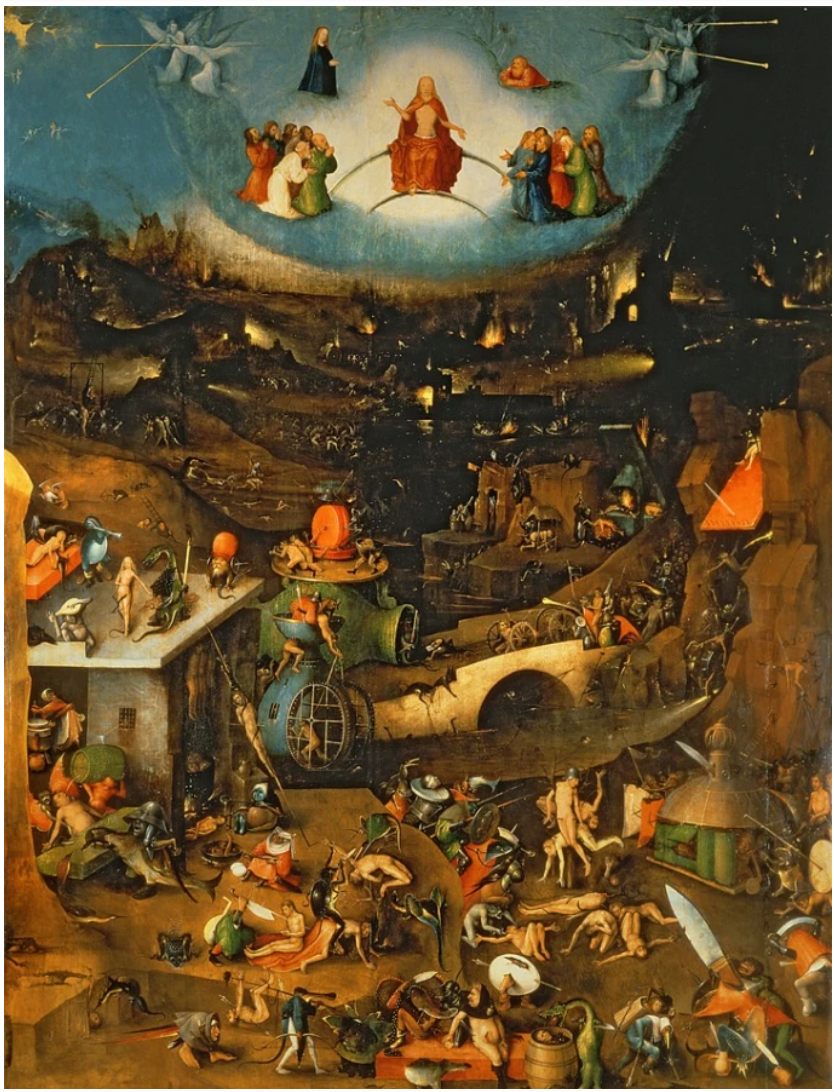
Hieronymus Bosch, The Last Judgement, circa 1504, Akademie der Bildenden Kunste, Vienna, Austria
Image: © Akademie der Bildenden Kunste / Licensed by Bridgeman Images
While the artist does not explicitly state an association between the source of her titles and her composition, one inspiration for the title of the present painting is the iconic 1954 Looney Tunes animated short featuring Sylvester and Tweety, itself perhaps a lighthearted reference to her father, renowned art critic David Sylvester. In another sense, the title is a sinister and menacing omen, almost like an allegorical altarpiece forewarning sinners of what awaits them in hell with the vertical format purporting this. Not only does the wordplay reflect the artist’s devilish sense of humour, it alludes to her fascination with the possibilities of meaning, how it can be stretched, and its inevitable duality. And whilst the artist denies that her titles are intended as visual or narrative cues, they add a rich layer of interpretation in Satan’s Waitin’, intertwining elements of Pop culture and historical narrative in her painterly world. To this end, in this meticulously constructed composition, the whirlwinds of burgundy and slashes of blood red coalesce with ordered grays and blacks.
“There are always fragments of figuration even if it’s not obvious at first sight.”
In this way, these marks become parades of infernal figures, compressed into systematic levels, as if possibly alluding to Dante’s Nine Circles of Hell.
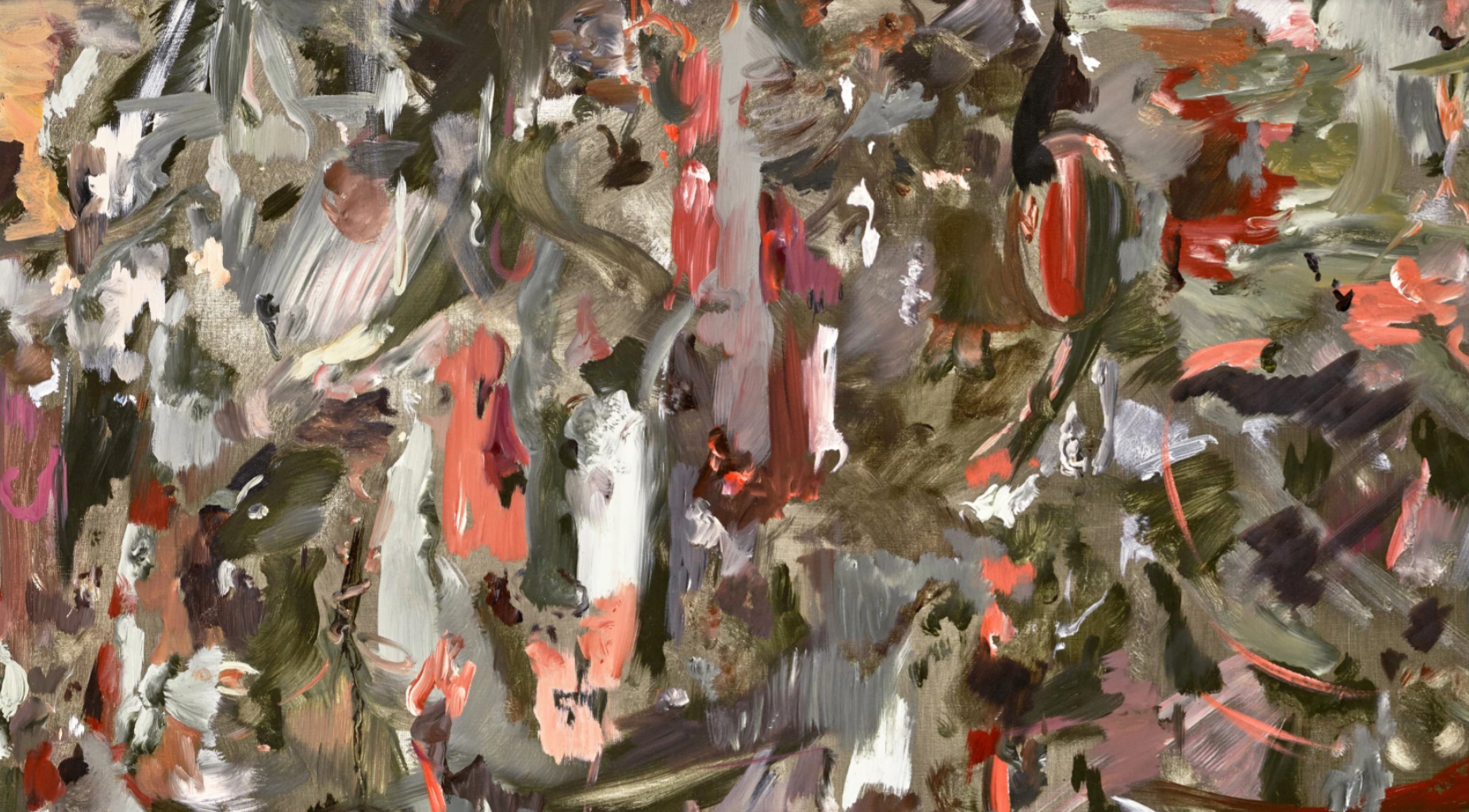
Ferocious in her ability to endlessly assimilate complex art historical references, Brown established herself in New York amongst a cadre of figurative painters whom are revered for revitalizing the figurative in contemporary art. Her painting has a deep resonance with the Abstract Expressionist artists Willem de Kooning and Joan Mitchell. In Satan’s Waitin’, subtle suggestion of form recall the ‘slipping glimpses’ for which de Kooning was celebrated whilst Brown’s brushstrokes evoke the unencumbered gestural dynamism of Joan Mitchell. In another manner, the present work evokes the compositional intricacy and density of imagery in Hieronymus Bosch and Pieter Bruegel the Elder, along with the incredible tonal variety of El Greco.
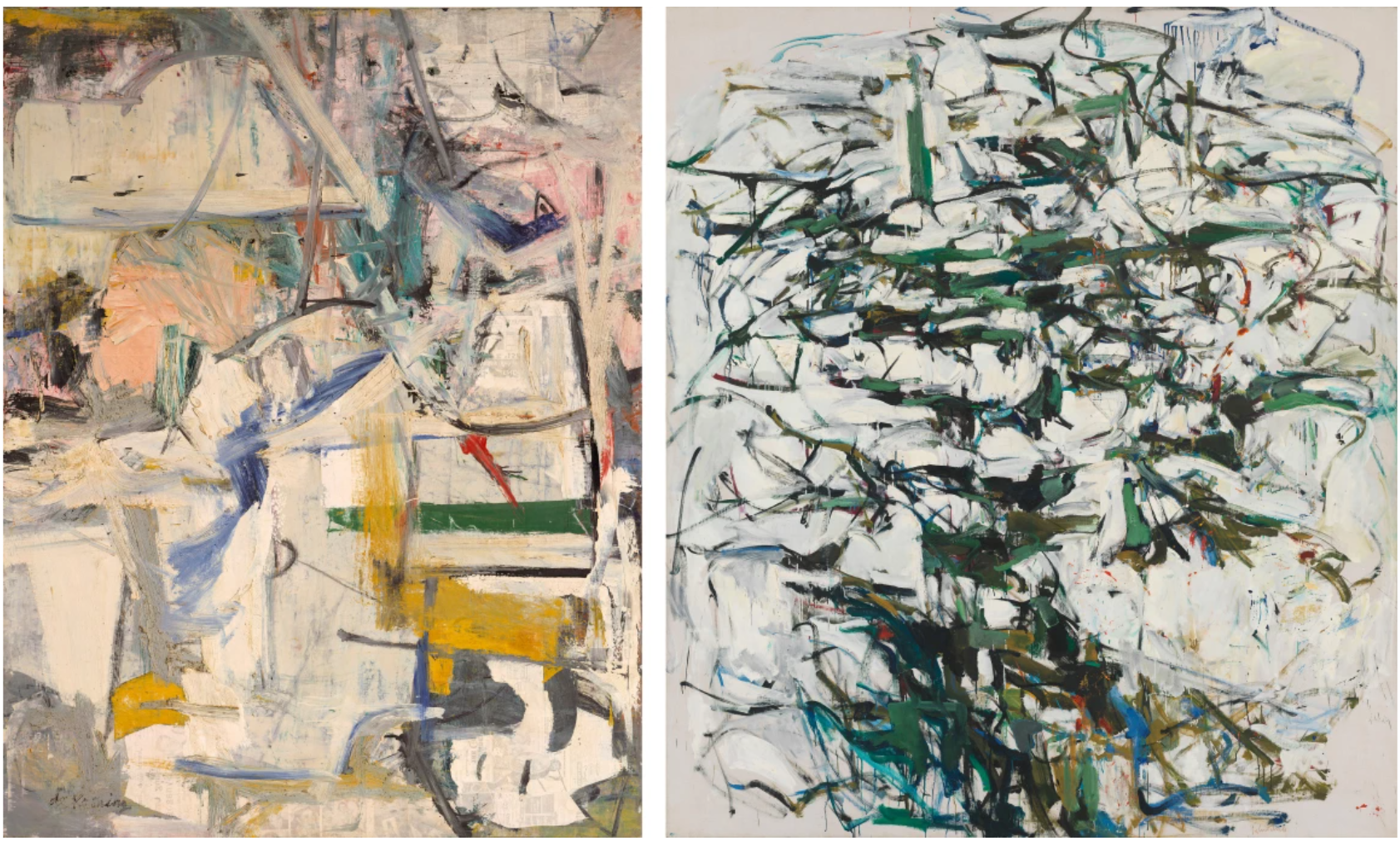
Left: Willem de Kooning, Easter Monday, 1956. Metropolitan Museum of Art, New York. Image: Art Resource/Scala, Florence. Art © The Willem de Kooning Foundation / Artists Rights Society (ARS), New York and DACS, London 2024
Right: Joan Mitchell, Hemlock, 1956. Whitney Museum of American Art, New York. Image: Licensed by Scala. Art © Joan Mitchell Foundation
Recently celebrated with a significant career survey at The Metropolitan Museum of Art in New York, Cecily Brown: Death and the Maid, Cecily Brown is undoubtedly one of the most successful contemporary painters working today. Brown’s inclusion in the following collections, Museum of Modern Art, New York; Museum of Fine Arts, Boston; Whitney Museum, New York; Solomon R. Guggenheim Museum, New York; and the Broad, Los Angeles, further underscores the artist’s influence and importance. As Satan’s Waitin’ navigates between chaos and control, a frenetic energy emerges whilst Brown somehow maintains a sense of harmonious composition within the composition. A cacophony of color and movement, Satan’s Waitin is an exquisite testament to Cecily Brown’s seductive amalgamation of the figural and the abstract as well as her ceaseless appetite to assimilate art historical imagery and references.
Untitled, 2006
Sotheby’s New-York: 14 May 2024
Estimated: USD 300,000 – 400,000
USD 571,500
Untitled | Contemporary Day Auction | 2024 | Sotheby’s (sothebys.com)
CECILY BROWN (b. 1969)
Untitled, 2006
Oil on canvas
17 x 12 1/2 inches (43.2 x 31.8 cm)
Signed and dated 05.06 (on the reverse)
Though incredibly abstract, Cecily Brown’s Untitled is a tantalizing example of her immense capacity to combine materiality with imagination. Brown’s distinctive and hypnotic style, a fluid approach that blurs the definition of figuration, shines through in this 2006 piece. The pops of seafoam green at the center set amongst a cacophony of light blue and salmon-pink brushstrokes leave the viewer in a teeming landscape of rich textures and sensory experiences.
“I’m trying to be in a space between abstraction and figuration… The place I’m interested in is where my mind goes when it’s trying to make up for what isn’t there. When something is just suggested.”
A master of color, Brown herself has affirmed her desire to create works that you “[can’t] tear your eyes away from.” (Cecily Brown, in D. Peck, “New York Minute: Cecily Brown,” Another, September 14, 2012). Not only does her work exist as a decadent example of the richness of oil paint, rather, her oeuvre is a perfectly harmonic blend of bold experimentation and rich art historical precedent. While Brown has certainly referenced both Willem de Kooning’s fleshy paintings of the 1960s and 1970s, as well as Lucian Freud’s melting, carnal forms, Brown’s handling of figuration and abstraction in Untitled cleverly pays homage to the radiating and vibrating still life paintings of Henri Matisse, Paul Cézanne, and Jean Siméon Chardin. By adding her own distinctive mark to art’s love affair with oil paint, Brown forges a line from the past to the present in this powerful work. Swirling and dripping with the past and the present, Untitled is a visceral embodiment of Brown’s capacity to maintain a robust multiplicity of meaning without a single wasted drip of paint.
Untitled, 1996
Phillips New-York: 15 May 2024
Estimated: USD 30,000 – 40,000
USD 88,900
Cecily Brown – Modern & Contemporary Ar… Lot 348 May 2024 | Phillips
CECILY BROWN
Untitled, 1996
Oil on linen
36×36 inches (91.4 x 91.4 cm)
Signed and dated “Cecily Brown ’96” on the reverse
Signed and dated “Cecily Brown ’96” on the stretcher
Cecily Brown first made a name for herself in the New York scene with her 1997 solo show, Spectacle, at Jeffrey Deitch Projects. That same year, her edgy, vivid paintings were also included in important early group exhibitions at P.S.1. Contemporary Art Center and Janice Guy Gallery. Brown’s commitment to furthering contemporary painting led her to move from London, which was then transfixed by the YBAs, to New York City in 1994. Here, she began working on her first major body of work: a series of boisterous, copulating bunnies that includes the present example. An auspicious debut, early bunny paintings were acquired by significant collectors including the likes of Agnes Gund. Untitled, 1995, is amongst these important works that set the foundation for Brown’s celebrated, nearly three decades long practice. Brown’s bunny works depict the animals engaging in rapacious sexual acts rendered in a candy-colored palate incongruous with their Bacchanalian ritual. The bunnies stand in for human actors in an astute commentary on sexuality, violence and the human condition.
“I don’t think the subject has changed much since the very beginning; there are just different ways of getting at it. I sometimes wonder, looking back on the paintings with a lot of sexual content, whether I was setting things up so that later I could be less explicit and the paintings would still be imbued with the idea of this content.”
A brilliant early example, Untitled is imbued with themes that have come to define the artist’s practice: vanitas, eroticism and sexuality, and a macabre sensibility. Brown masterfully draws from a wide variety of art historical references ranging from Willem de Kooning, Arshile Gorky and Francis Bacon to Hieronymus Bosch, Nicolas Poussin, Peter Paul Rubens and William Hogarth, revitalizing classical ideas with her characteristic loose, muscular brushwork, vibrant palette and expressionistic scenes.
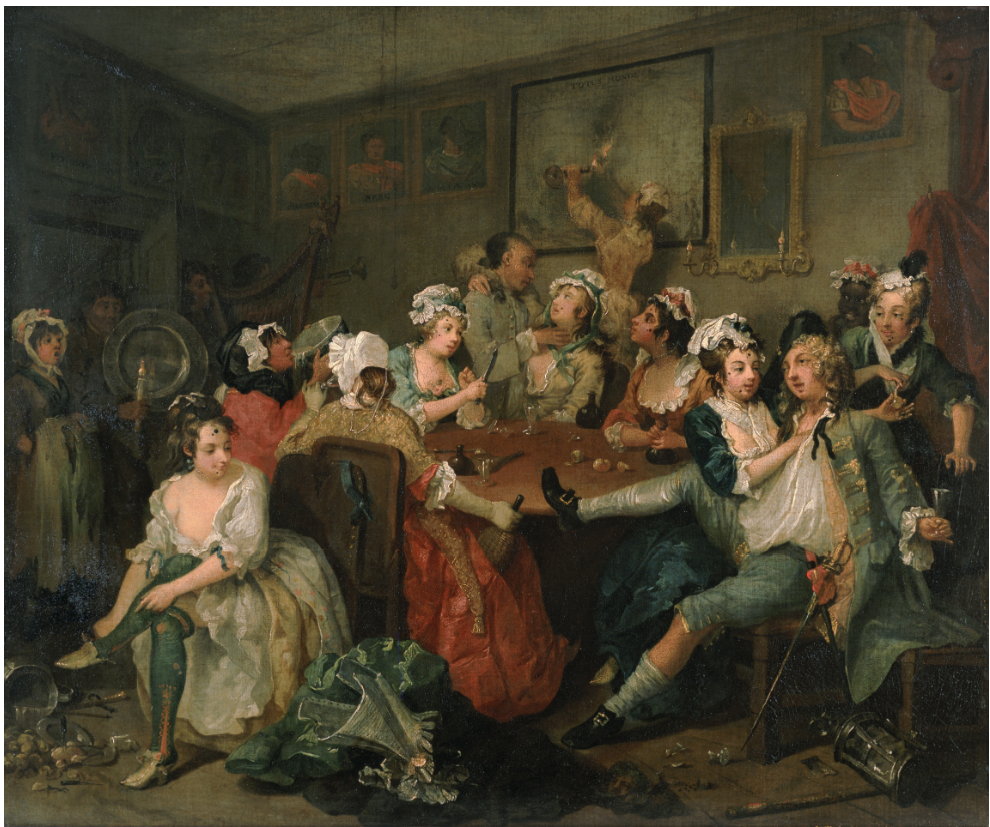
William Hogarth, A Rake’s Progress, 3: The Tavern Scene, 1735, Sir John Soane’s Museum, London. Image: © Sir John Soane’s Museum / Bridgeman Images
While Untitled has an edginess that is distinctly contemporary, Brown draws upon historical examples from artists who confronted societal taboos, such as Hogarth’s A Rake’s Progress, 3: The Tavern Scene, 1735. The work, also known as The Orgy, is a merry company painting set within a brothel that has been often cited by Brown. This work exemplifies Hogarth’s unflinching look at reality, a quality shared with Brown as well as artists like Bacon and Chaïm Soutine who are also important influences. Imbued with carnal tension, these scenes similarly shock in a way that reveals the artistic power of depicting complexities of the human condition. While bunnies are sometimes associated with endearing, childlike qualities of innocence and naïveté, Brown uses the motif to subversively enact scenes of hedonism. The bunny series plays on the polyvalent charge of these animals from across the European artistic tradition. In classical antiquity, rabbits symbolized fertility and sexual desire. In Christian art, rabbits possess twinned connotations: emblems of Christological rebirth and symbols of sinful lust. In the Dutch Golden Age, hunting still lifes often featured rabbits—the supreme prey animal—whose corpses reinforced the vanitas tradition’s endeavors to reveal the fleeting and ephemeral nature of life and pleasure. Untitled draws upon these layered references while also offering a provocatory scene wherein the ostensibly virtuous animals participate in a sinister act.
Running Scared, 2010
Sotheby’s New-York: 9 March 2023
Estimated: USD 600,000 – 800,000
USD 2,601,000
Running Scared | Contemporary Curated | 2023 | Sotheby’s (sothebys.com)
CECILY BROWN (b. 1969)
Running Scared, 2010
Oil on linen
31×23 inches (78.7 x 58.4 cm)
Signed Cecily Brown and dated 2010 (on the reverse)
Immersing the viewer in a mesmerizing choreography of painterly gestures, Cecily Brown’s Running Scared masterfully embodies the seductive fusion of rich abstraction and figurative allusion that defines her oeuvre. Executed in 2010, the present work erupts in a cacophony of sumptuous color and movement, offering an enticing glimpse onto an unknown scene before evanescing into sheer painterly energy. The viewer is confronted by an exquisite network of colliding pigment, forming a composition that is in a continual state of flux. Glimpses of undulating bodies and faces, human and animal alike, mingle with the broken rhythms of smaller brushstrokes at the base of the canvas, melting and morphing into the topography of Brown’s brushwork before disappearing altogether. Omitting any sense of defined space, Brown makes it impossible for the viewer to discern a clear narrative, blurring the line between truth and fiction and inviting the viewer to freely interact with the work.
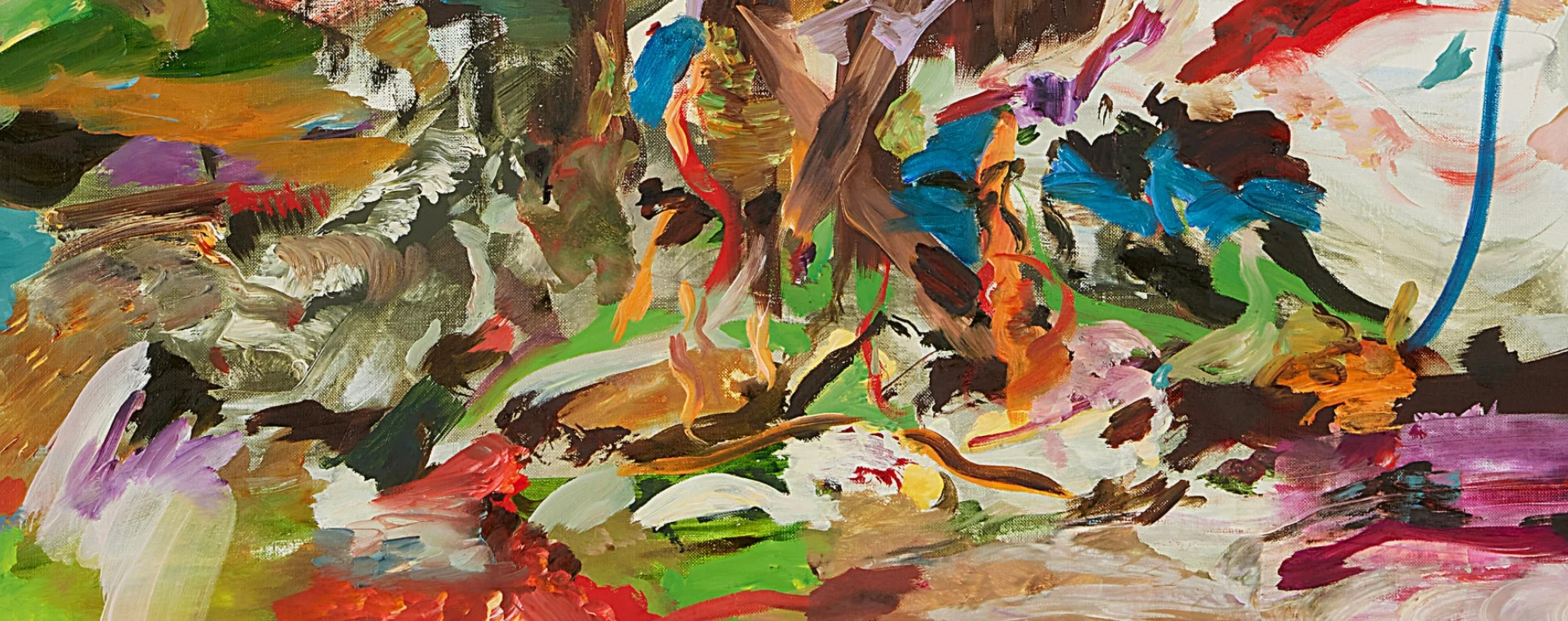
The present work’s title, like many of Brown’s canvases from this period, derives from mass-media, named after the 1962 song “Running Scared” by Roy Orbison. Delivered in trembling tones, Orbison’s song describes the singer’s uneasiness in his pursuit of a woman who is still interested in her past love. Initially bleak, the song concludes happily with the couple coming together. Though such references were not intended as visual or narrative hints, according to Brown, viewers can certainly trace the musical underpinnings which inspired the lyrical composition. Like the song, mystery and ambiguity take precedence over any clear narrative, reveling instead in the unknown and in-between.
Untitled, 2016-17
Sotheby’s New-York: 17 November 2022
Estimated: USD 350,000 – 450,000
USD 661,500
Untitled | Contemporary Day Auction | 2022 | Sotheby’s (sothebys.com)
CECILY BROWN (b. 1969)
Untitled, 2016-17
Oil on linen
19×17 inches (48.3 x 43.2 cm)
Signed and dated 2016-17 (on the reverse)
Lush verdant hues and cobalt-rich strokes imbue the surface of Cecily Brown’s Untitled with a dynamic sensuality, a product of the artist’s prodigious fusion of painterly abstraction and figurative allusion. Over the course of her acclaimed career, Brown has expressed themes deeply rooted in hedonistic human desire, fragmented flora and fauna, and the unexplored faculties of sensory experience. Executed in 2017, the present work unfurls a fertile scene teeming with life and energy. Here, Brown exercises her masterful grasp on the color green, exploring its tonalities in order to generate depth and movement. Vivid blues, deep reds, and ethereal pinks accentuate the work, resulting in a symphonic whirlwind that captures the viewer with its kaleidoscopic alchemy. Brown’s style of resplendent abstraction finds its roots within the canon of art history. Her decadent subject matter takes cues from the Old Masters and the Baroque, while her prismatic experiments in perception echo that of the Impressionists. The immersive coloring and sumptuous brushwork of Untitled certainly evokes the work of Abstract Expressionists such as Joan Mitchell, Lee Krasner, and Willem de Kooning, while transporting the viewer to a wholly original, kaleidoscopic realm of perception. Untitled is a fantastical demonstration of Brown’s inimitable manipulation of oil on canvas – she imbues the medium with the power to entrance and conjure. The work’s swirling streaks of paint bloom into a microcosm of chromatic brilliance that lies in a miraculous space between abstraction and figuration. By inviting viewers to immerse themselves in Untitled’s vibrant forms, Brown commands a dimension charged with vivacity and indulgence, thus encapsulating the ethos of her singular artistic project.
Untitled, 2007-2008
Christie’s New-York: 17 November 2022
Estimated: USD 400,000 – 600,000
USD 1, 740,000
CECILY BROWN (B. 1969) (christies.com)
CECILY BROWN (B. 1969)
Untitled, 2007-2008
Oil on canvas
25×22 inches (63.5 x 56 cm)
Signed and dated ‘Cecily Brown 07-08’ (on the reverse)
A delicious mélange of pinks, roses, peaches and fleshy hues, Untitled from 2007-2008 is one of a cluster of paintings that Dore Ashton calls “her most coherent to date, bespeak[ing] a rapidly maturing painterly mind” (D. Ashton, Cecily Brown, p. 20). Measuring 25 x 22 inches, it triumphs with the same visual power and elegance as her largest-scale works, proving Brown’s prowess in whatever scale she approaches. It is both rhythmic and energetic, fresh and art historical, loosely organic and yet simultaneously entirely abstract. With the interweave of colors and subtle suggestions of representation, it cannily calls to mind the masters to whom Brown admittedly looks: Delacroix’s juxtaposition of colors, Bosch’s density of imagery, El Greco’s exaggerated tendencies. With ingenuity and allure, she positions herself prodigiously in an eminent lineage of art historical greats.
Beautiful Not Realistic, 2008
Sotheby’s London: 14 October 2022
Estimated: GBP 600,000 – 800,000
GBP 1,487,000 / USD 1,667,040
Beautiful Not Realistic | Contemporary Evening Auction | 2022 | Sotheby’s (sothebys.com)
CECILY BROWN (B. 1969)
Beautiful Not Realistic, 2008
Oil on linen
31×43 inches (78.7 x 109.2 cm)
Signed Cecily Brown and dated 2008 (on the reverse)
Suffusing lustful gestures of flesh-toned pigment with mysterious recesses of dark, ambiguous space, Beautiful Not Realistic presents Brown’s expert handling of paint for all its captivating and elusive power. Painting a visceral sense of physical intimacy, Brown’s lush canvases do not portray experience but rather translate it into paint. Executed in 2008, Beautiful Not Realistic dissolves the sensual figures of Brown’s earlier representational schemes into the physical qualities of her chosen medium: paint. Squeezing, smudging, pressing, and smearing viscous gobs of corporeal pigment into the canvas, the vitality and energy of bodily flesh can be felt in every stroke with which Brown has marked the image. For this exceptional work, Brown has not moved away from the figure, but rather into it, using the suggestive power of paint to make viscerally visual those very physical qualities of corporeality.
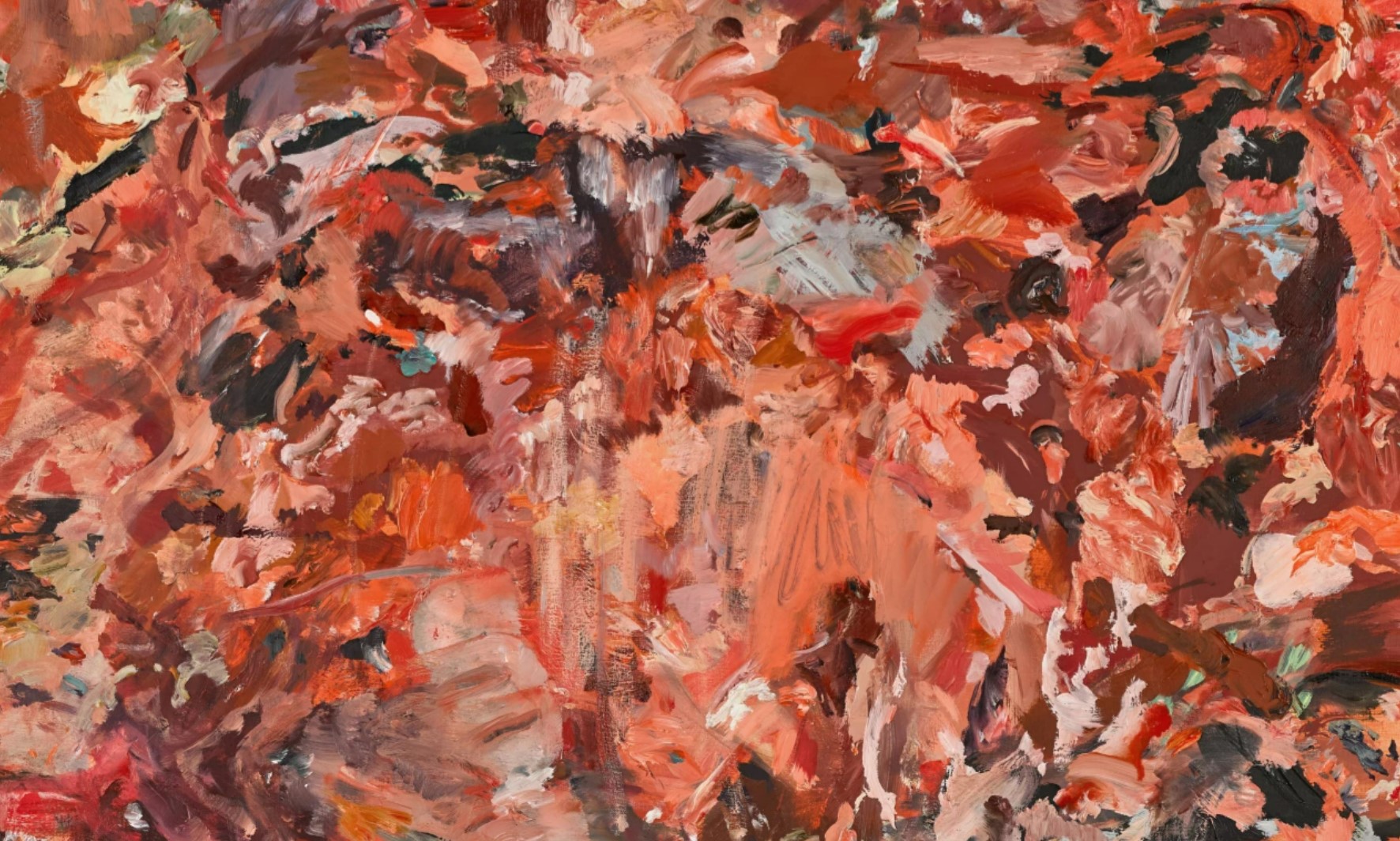
For Beautiful Not Realistic, figuration and abstraction are not opposite poles on one spectrum, but rather indistinguishable facets of one another. While reveling in the suggestive and the allusive, standing before Brown’s canvas we begin to gain an impression of the imagery as in a constant state of becoming, evolution, and devolution. As carnal reds and blushing pinks swirling around the composition with Rubenesque force, Beautiful Not Realistic masterfully fuses color into subtle metaphor. And yet, in that exact moment in which we begin to grasp something of a general narrative, the image turns in on itself, becoming anew again before our eyes. Through her conclusively enigmatic pictures, Brown’s painterly exploration of the ambiguous and the indeterminable ultimately becomes metaphor for life and loss, truth and deception, tangible and intangible, beautiful and unrealistic.
Are You Weary, Are You Languid?, 2010
Sotheby’s New-York: 20 September 2022
Estimated: USD 200,000 – 300,000
USD 327,600
Are You Weary, Are You Languid? | Contemporary Curated | 2022 | Sotheby’s (sothebys.com)
CECILY BROWN (b.1969)
Are You Weary, Are You Languid?, 2010
Oil on linen
17 1/8 x 12 5/8 inches (43.5 x 32.1 cm)
Signed and dated 2010 (on the verso)
The title Are You Weary, Are You Languid? derives its name from a Christian hymn attributed to Saint Stephen of Mar Saba. Brown is known for imbuing her titles with references with popular culture, and thus they often derive from titles of movies, songs, and other works most commonly intended for mass consumption. In Are You Weary, Are You Languid?, painting works like poetry with each stroke of pigment flowing into the next. Rose joins with bright turquoise, forest green and lavender, heather grey and creamy brown, burnt sienna and peachy orange. Brown’s painting engages the viewer in a full body experience, as texture and hue arouse poignant sensorial memories. The weather in Brown’s arcadia is equal parts cool and dewy—like an early morning— and hot and humid—like midsummer noon.
Summer Loving, 1998
Sotheby’s London: 23 March 2022
Estimated: GBP 400,000 – 600,000
GBP 504,000 / USD 665,786
Summer Loving | (Women) Artists | 2022 | Sotheby’s (sothebys.com)
CECILY BROWN (b. 1969)
Summer Loving, 1998
Oil on canvas
28×24 inches (71.1 x 61 cm)
Summer Loving is an exquisite example of Cecily Brown’s distinctive mastery of color and texture. Brown’s feverish brushstrokes engage the vernacular of painting itself, deftly manipulating the sensuality of the medium and its ability to playfully challenge the viewer’s perception through descriptive possibilities. Whilst the work is definitively anchored within the lineage of abstraction, Brown weaves in whispers of figuration, nestled within her confident brushwork. In Summer Loving, as the title suggests, one can make out hints of human forms, fingers grasping at flesh. Brown’s bold and definitive mastery of her brushwork is an affirmation of Willem de Kooning’s famous mantra that “flesh was the reason oil paint was invented.” Out of the sumptuous cacophony of line and lush hues of pinks and reds, a frenetic sexual energy bursts out of the canvas, imbued with carnal power.
Girder and Joist, 2009
Sotheby’s New-York: 11 March 2022
Estimated: USD 500,000 – 700,000
USD 1,083,600
Girder and Joist | Contemporary Curated | 2022 | Sotheby’s (sothebys.com)
CECILY BROWN (b. 1969)
Girder and Joist, 2009
Oil on linen
22×25 inches (55.9 x 63.5 cm)
Signed Cecily Brown and dated 2009 (on the verso)
Richly seductive and fantastically expressive, Cecily Brown’s Girder and Joist exemplifies the artist’s prodigious fusion of rich painterly abstraction with figurative allusion. Through the sensuality of its painted surface, the work exhibits the implied human presence inherent to Brown’s distinctive style, and her thickly layered gestural marks immerse the viewer in a fantasy of layered references. Lush throughout with candy pinks, soft lilacs, and rich fuschias, the present work invites viewers to consume its luscious forms, fulfilling the artist’s desire, viewing her works should be a pleasurable, even a hedonistic experience. Girder and Joist, though seeming referential to two important elements of bridge construction, in fact derives its title from a common joke. The joke is generally told as follows:
An Irishman is out of work and decides to go to a construction site and apply. The foreman is an older English man with a judgemental and stereotyped attitude towards Irishmen. So he decided to poke some fun at him by saying to the Irishman, “I’ll hire you if you can answer some questions.” The Irishman agrees. And so the Englishman says, “Alright, what’s the difference between a Girder and a Joist?” The Irishman thinks for a few seconds and grumbles a bit. He pauses long enough for the Englishman to get a bit of a smirk on his face. Finally, he takes a breath, sucks in his gut, and stands a little straighter to answer: “Well, one wrote Faust, the other wrote Finnegan’s Wake!”
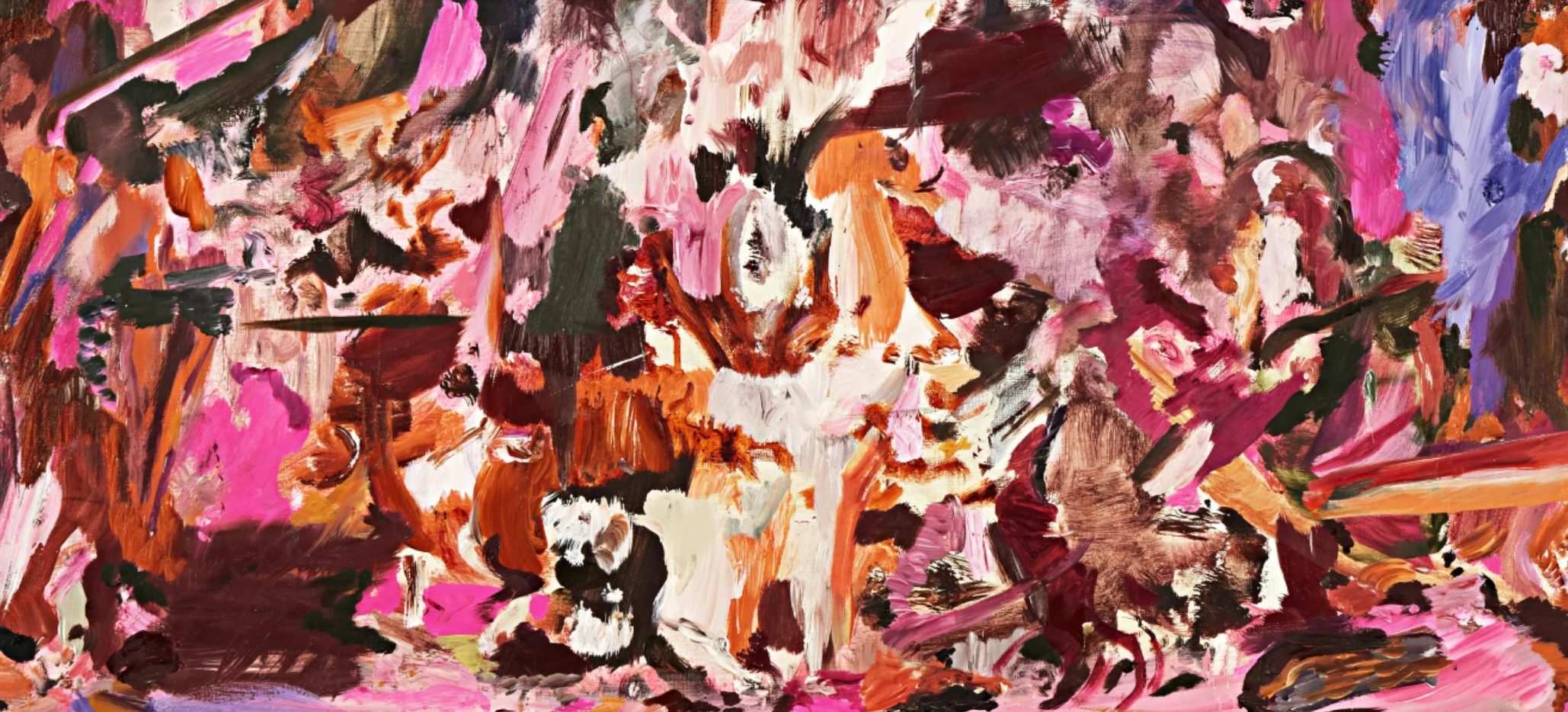
Despite the reference to a popular joke with critical undertones and highbrow literary references, viewers can readily discern the present work’s deep resonance with a multiplicity of art historical references. The composition of the piece seems to recall an old master painting of a rich river scene, whereby a river runs below a bridge and several figures engage and interact within it. At the same time, variations in pink, violet, and ochre hues conjure a Monet landscape of his signature Japanese bridge in Giverny at sunset in the fall. Known for being inspired by and alluding to masterworks of art history, Cecily Brown applies her assertive approach to abstraction to create a commanding narrative, as is visible in Girder and Joist. Girder and Joist thus stands as a visceral and commanding exploration of painting’s elusive power of suggestion, thus encapsulating the ethos of Brown’s singular artistic project. While the figure remains, quasi-paradoxically, an important element of Brown’s work, it is impossible to ignore her firm dedication to abstraction. Brown’s heated brush strokes, emblematic of her distinct style, engage the language of painting itself, expressing both the sensuality of the medium and its ability to playfully manipulate the viewer’s perception through its expressive possibilities.
Unfurl the Flag, 2013
Sotheby’s Hong-Kong: 9 October 2021
Estimated: HKD 12,000,000 – 16,000,000
HKD 25,585,000 / USD 3,286,575
CECILY BROWN (B. 1969)
Unfurl the Flag, 2013
Oil on linen
41×45 inches (104.1 x 114.3 cm)
Signed and dated 2013 on the reverse
Imbued with a carnal energy, Brown is unparalleled in her ability to manipulate paint into resembling flesh, saturating her canvases with fragmented figures and faces that melt into one corporeal, chaotic mass. Unfurl the Flag (2013) is an ebullient example from Brown’s widely acclaimed oeuvre, the typification of her ambiguous imagery which fully immerses the viewer in the sensuous, gestural application of paint that teases at a hidden meaning.
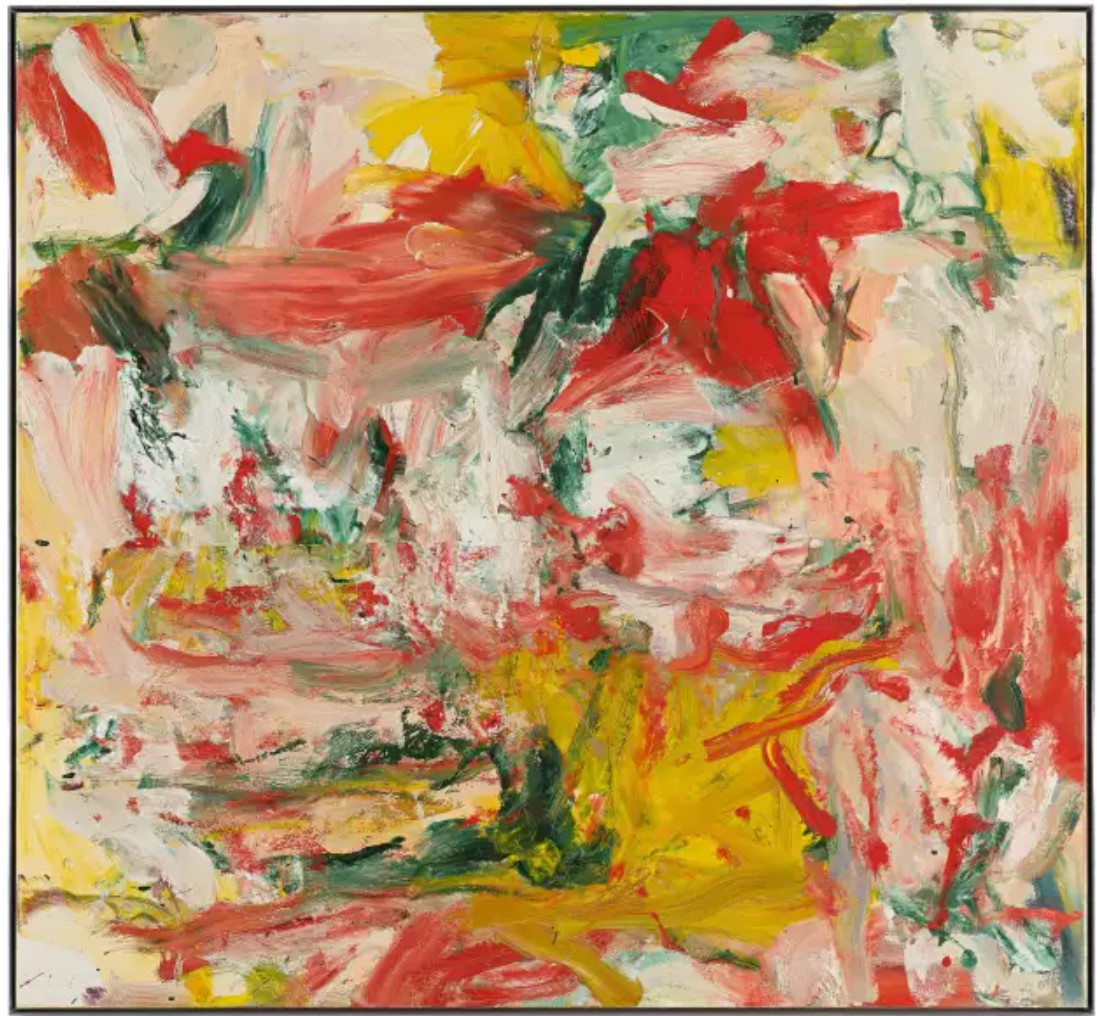
WILLEM DE KOONING, UNTITLED, 1976-77 © 2021 THE WILLEM DE KOONING FOUNDATION / ARTISTS RIGHTS SOCIETY (ARS), NEW YORK,
Brown’s visual language and lavish handling of pigment recalls the gestural mark-making of the abstract expressionists. In particular, Unfurl the Flag evokes Willem de Kooning’s ability to achieve monstrous forms and visions of flesh using oil paint, with the Dutch-American abstract expressionist famously stating, “flesh was the reason oil paint was invented”. In Unfurl the Flag, a tonal range of pinks and browns dance across the canvas, hinting at forms and flesh without making it explicit.
Twice Told Tales II, 1998
Sotheby’s London: 27 May 2021
Estimated: GBP 400,000 – 600,000
GBP 620,000 / USD 878,684
Twice Told Tales II | (Women) Artists | 2021 | Sotheby’s (sothebys.com)
CECILY BROWN (b.1969)
Twice Told Tales II, 1998
Oil on canvas
28 1/8 x 24 inches (71.5 x 61 cm)
Signed and dated 98 on the reverse
A marvelous coalition of sensuality, carnality and sumptuous painterly mark-making; Twice Told Tales II is an exquisite example of Cecily Brown’s celebrated oeuvre and a testament to the artist’s status as one of the leading artists of our generation. Executed in 1998, the present work exudes an unbridled sense of visual pleasure. Swimming precariously between improvisation and conscious control, Brown regularly begins her canvases with spontaneous brushstrokes. As voluptuous marks merge and congregate, figurative motifs occur that allude to the frenzied and writhing movement of bodies, in which lust, love, and violence are indistinguishable. The result is a biomorphic synergy of flesh and form; an intimate image in which truth is simultaneously revealed and hidden, evoking a tantalizing sense of ambiguity and surprise. Masterfully treading the threshold between such beauty and brutality, Twice Told Tales II represents Brown at her very finest.
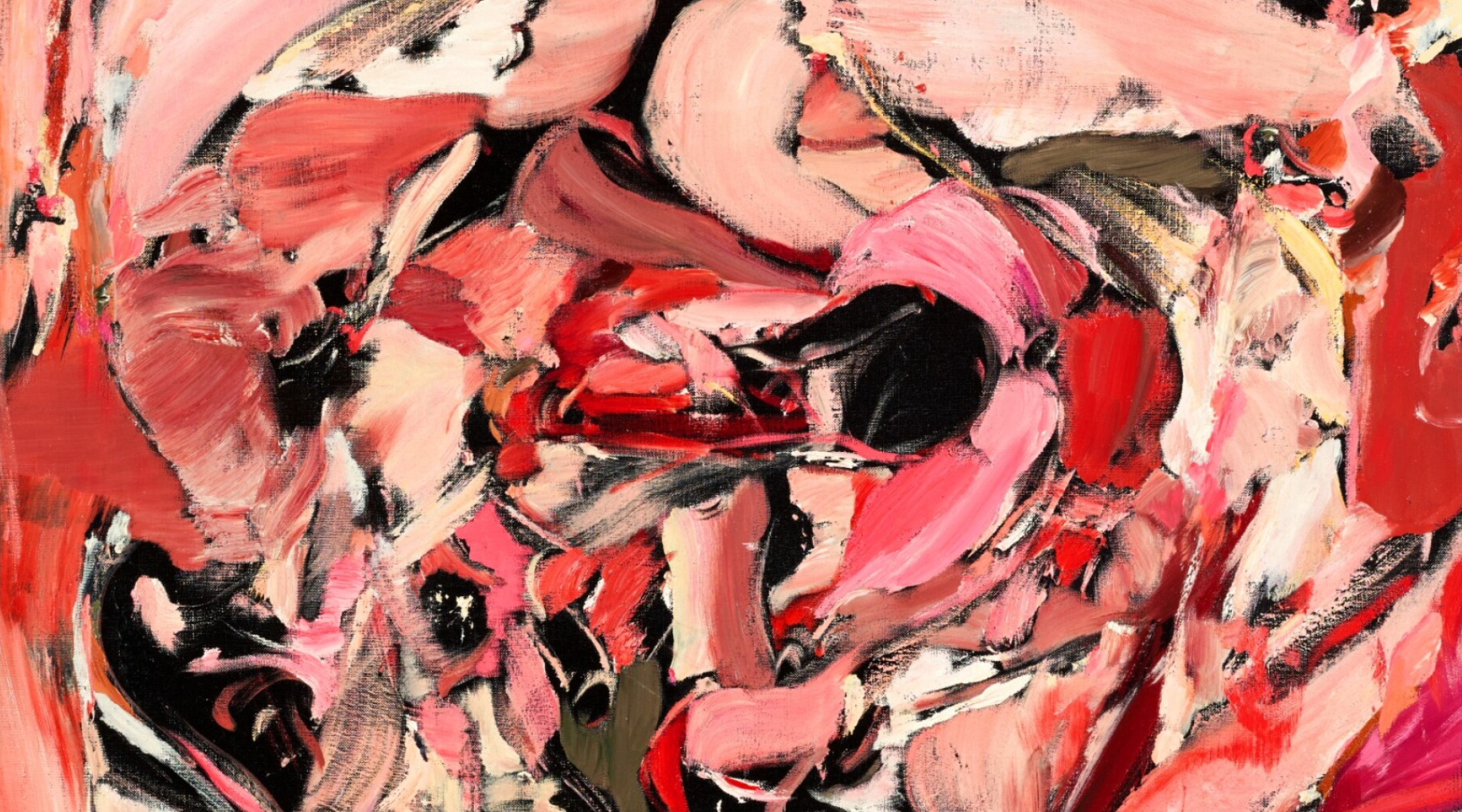
In the present work, fleshy pinks are punctuated with inky pools of black and accents of white and fiery crimson, evoking a rowdy intrusion on the senses. Here, movement is palpable. The canvas presents itself as a vortex; an external force gravitationally drawing the viewer inwards to the centre of the composition, in which a myriad of brushstrokes collide, twist and turn, teetering on the edge of bodily abstraction. The eye is encouraged to dart, search and decipher, hunting for recognition and order amidst a heady concoction of whirling pigment. Indeed, Brown’s tenacious and immersive brushwork is an affirmation of Willem de Kooning’s famous mantra that “flesh was the reason oil paint was invented,” and Brown herself described the medium as “sensual, it moves, it catches the light, it’s great for skin and flesh and heft and meat…I wanted to make something that you couldn’t tear your eyes away from.” (Cecily Brown quoted in Derek Peck, “New York Minute: Cecily Brown,” Another, September 2012). Mining masterpieces of yesteryear, Brown forges a line from the past to the present in a tour de force of painterly delight.
Summerstorm, 2000
Sotheby’s Hong-Kong: 19 April 2021
Estimated: HKD 12,500,000 – 14,500,000
HKD 15,905,000 / USD 2,047,977
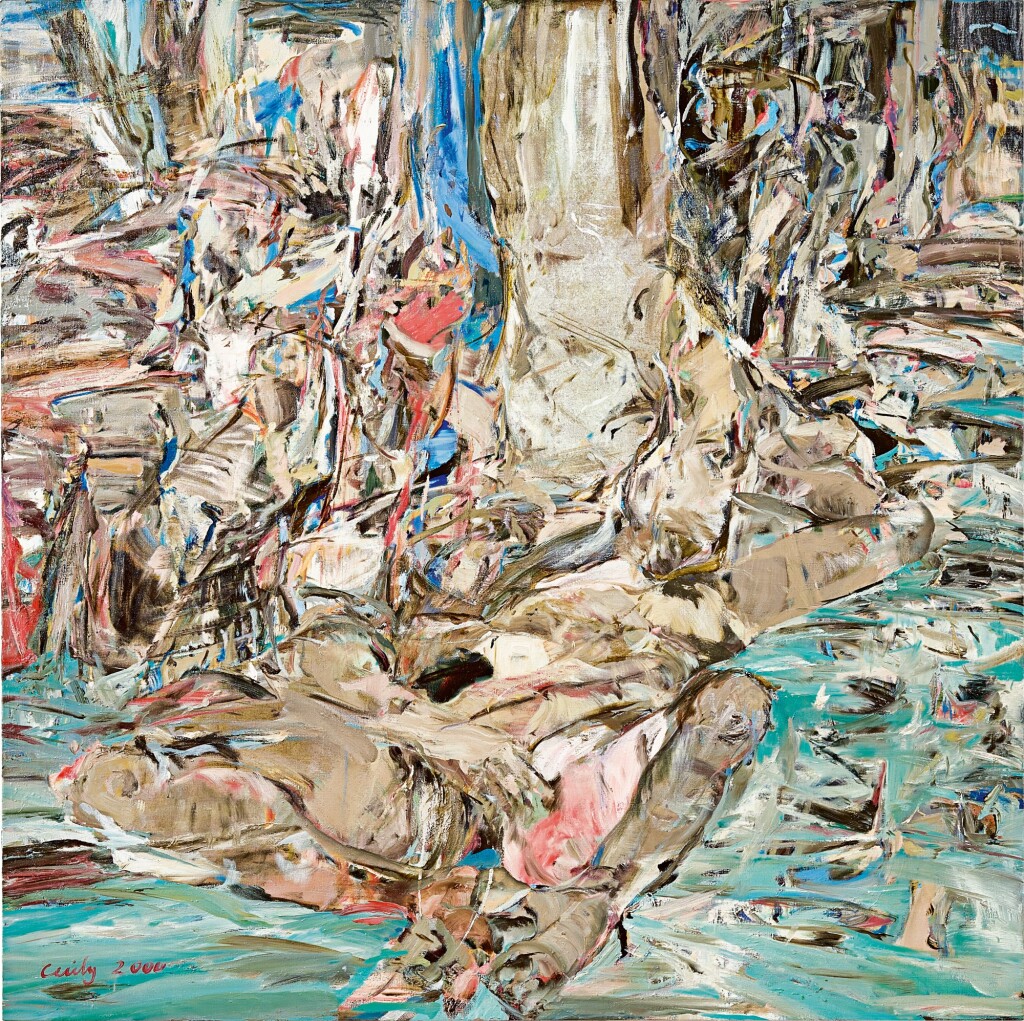
CECILY BROWN (B. 1969)
Summerstorm, 2000
Oil on canvas
60×60 inches (152.5 x 152.5 cm)
Signed and dated 2000
Reverberating with a tantalizing choreography of enflamed painterly gestures, Cecily Brown’s Summerstorm is a masterful work exemplifying the artist’s prodigious fusion of rich gestural abstraction and figurative allusion. With voluptuous swathes of fleshy earth tones laced with azure corals, translucent turquoise and ochre red, Summerstorm shifts deftly between the abstract and the figurative, conjuring elusive forms of body and flesh. Brown’s feverish brushstrokes, executed with a bravura in line with the very best of her distinct style, engage the vernacular of painting itself, capitalizing on the sensuality of the medium and its ability to playfully manipulate the viewer’s perception through descriptive possibilities. As with the very best examples of Brown’s corpus, Summerstorm illuminates the magical potential of paint to unpack the admixture of sensorial faculties that makes up our human experience of seeing.
Through the sensuality of its painted surface, Summerstorm exhibits the implied human presence inherent to Brown’s distinctive style. The painting’s infinite variations in sheen, tone and brushstroke – ranging from quick horizontal streaks, broad flourishes, thick drips, to coiled skeins – bring the eye to wander the canvas’ vast surface. As such, the viewer is “susceptible to the enchantments of the density of paint, of color, as they perform events on the canvas surface” (Ibid., p. 20). Pushing the boundaries of both painterly application and loaded subject matter, Summerstorm is a work of immense complexity and breadth that superbly encapsulates the core essence of Brown’s distinctive painterly style. A visceral and commanding exploration of painting’s elusive power of suggestion, the piece encapsulates the ethos of Brown’s singular artistic project. Its evocation of human flesh through bold gesture and vivid color perfectly illustrates the artist’s reflection that she wants “there to be a human presence without having to depict it in full” (the artist in conversation with Lari Pittman in Dore Ashton, Cecily Brown, New York, 2008, p. 28). Wholly irresistible, Summerstorm engages the medium of painting itself, capitalizing on the sensuality of her materials and ability to playfully manipulate the viewer’s perception through descriptive possibilities.
Works on Paper
Untitled (Young Spartans), 2015
Phillips New-York: 20 November 2024
Estimated: USD 80,000 – 120,000
USD 279,400
Cecily Brown – Modern & Contempora… Lot 319 November 2024 | Phillips
CECILY BROWN
Untitled (Young Spartans), 2015
Pastel and watercolor on paper
47 1/4 x 35 inches (120 x 88.9 cm)
Signed and dated “Cecily Brown 2015” on the reverse
“I’ve been looking at it for over twenty years. One thing that fascinates me about this painting is that Degas kept it all his life… it’s a painting that I’ve always been drawn back to, again and again and found, always find more.”
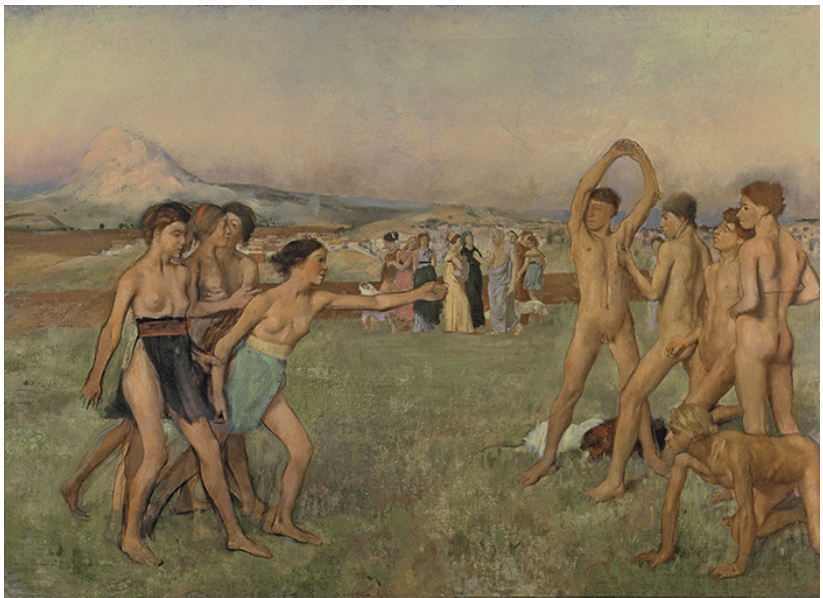
Edgar Degas, Young Spartans Exercising, 1860, National Gallery, London. Image: Bridgeman Images