YAYOI KUSAMA (B. 1929)
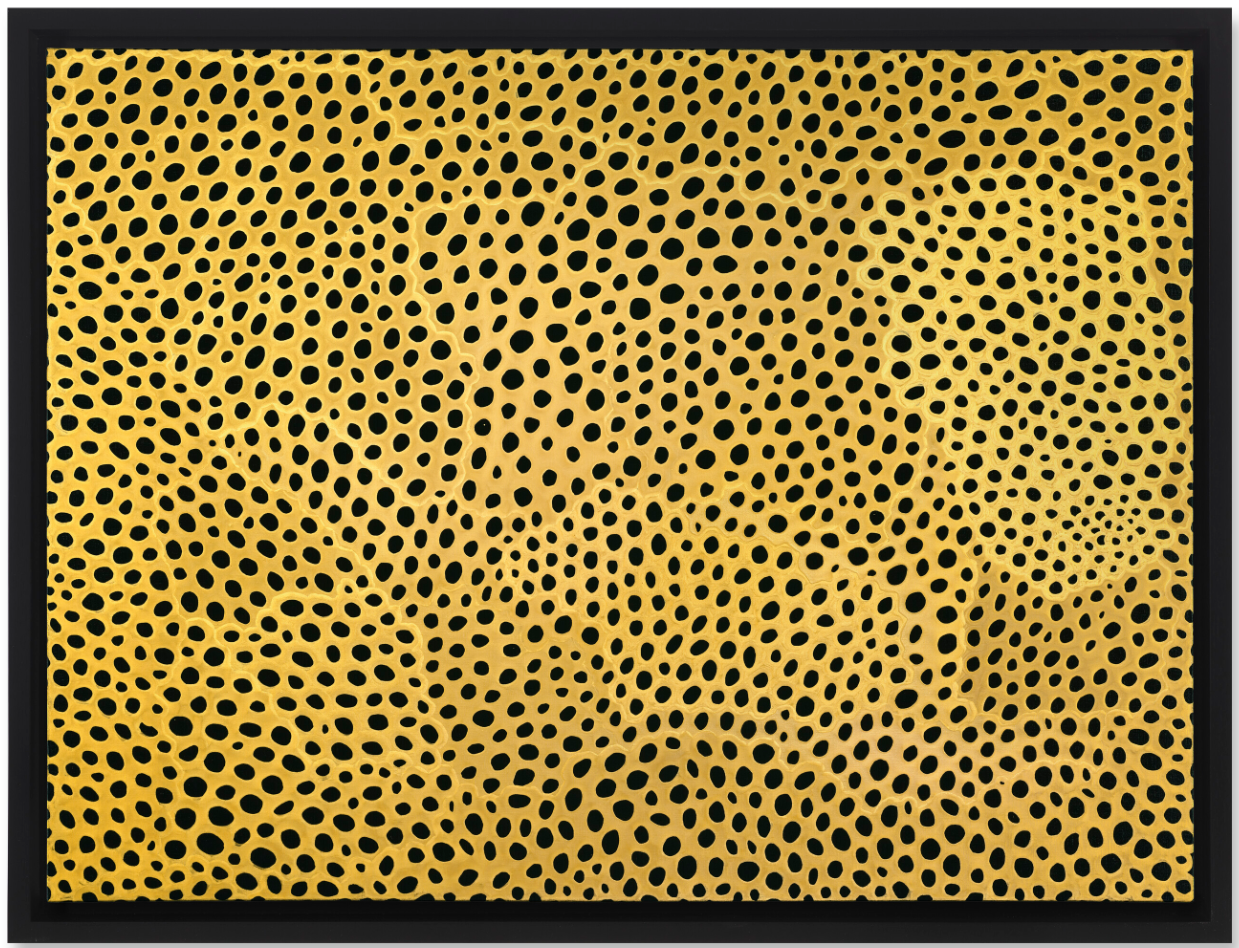
INFINITY-NETS (ORUSB), 2014
Acrylic on canvas
97.2 x 130.5 cm (38 1/4 x 51 3/8 inches)
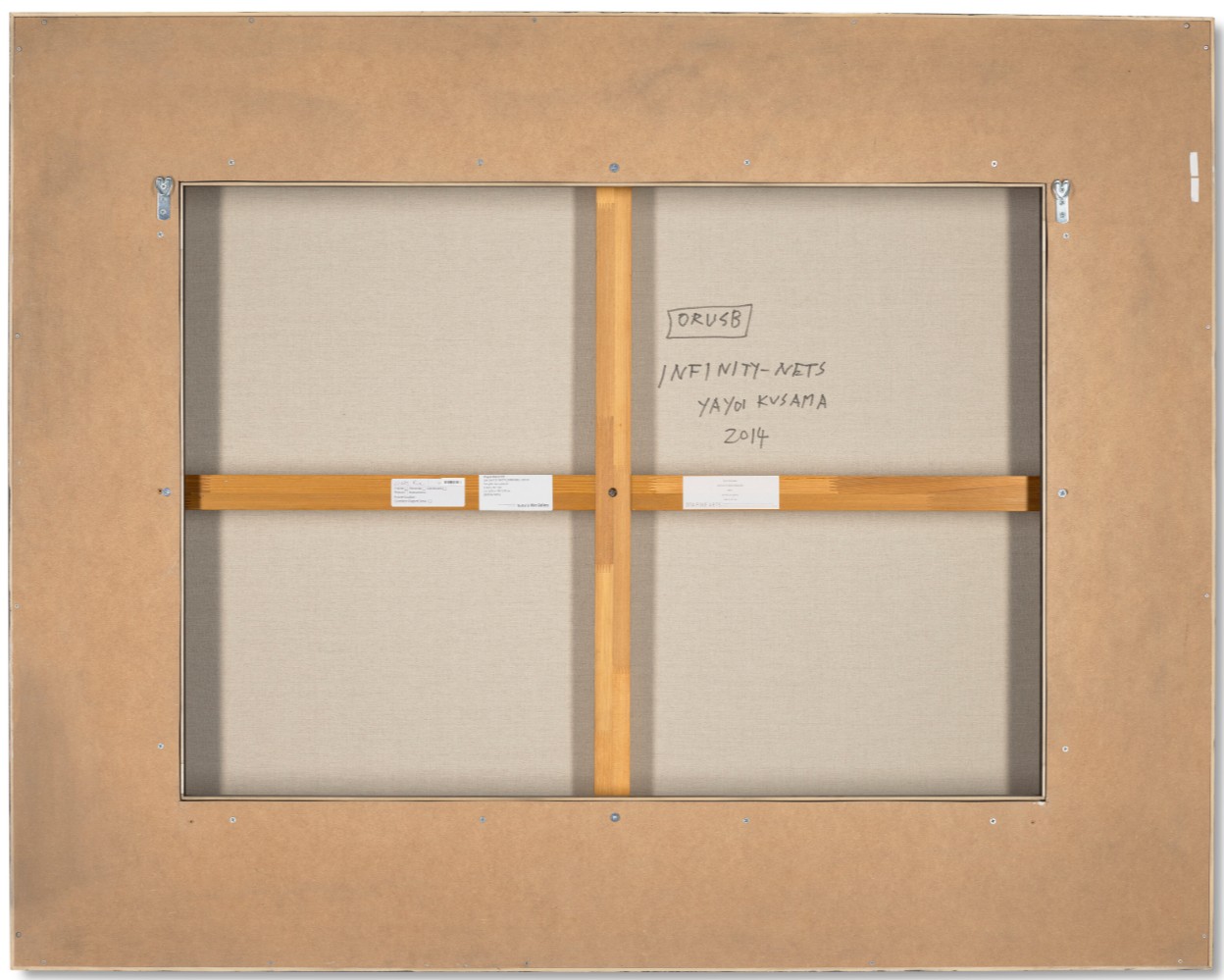
Signed, titled and dated ‘ORUSB INFINITY-NETS YAYOI KUSAMA 2014’ (on the reverse)
Provenance
Ota Fine Arts, Tokyo
Victoria Miro Gallery, London
Private collection, Geneva
Anon. sale; Christie’s, London, 9 October 2024, lot 33
Acquired at the above sale by the present owner
Auction History
Christie’s New-York: 20 November 2025
Estimated: USD 700,000 – 1,000,000
USD 889,000
YAYOI KUSAMA (B. 1929), INFINITY-NETS (ORUSB) | Christie’s
REPEAT SALE
Christie’s London: 9 October 2024
Estimated: GBP 600,000 – 900,000
GBP 781,200 / USD 1,023,372
YAYOI KUSAMA (B. 1929), INFINITY-NETS (ORUSB) | Christie’s (christies.com)
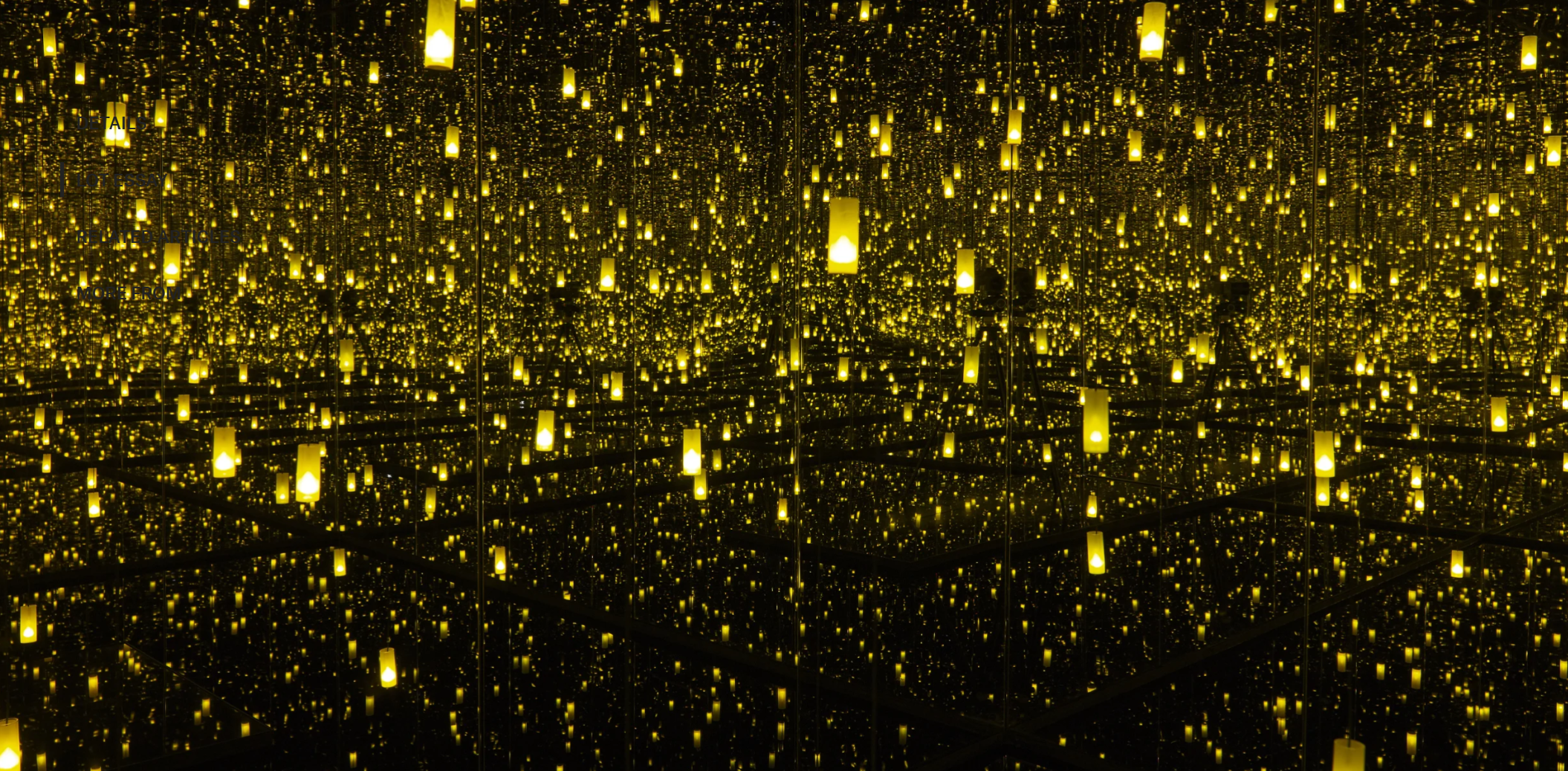
Yayoi Kusama, Aftermath of Obliteration of Eternity, 2009. Museum of Fine Arts, Houston. Artwork: © Yayoi Kusama. Courtesy of David Zwirner, New York; Ota Fine Arts, Tokyo / Singapore / Shanghai; Victoria Miro, London / Venice; YAYOI KUSAMA Inc. Photo: Museum of Fine Arts, Houston / Museum purchase funded by the Caroline Wiess Law Accessions Endowment Fund / Bridgeman Images.
Born in Japan in 1929, Kusama has spent the majority of her career exploring the perceptual possibilities of art. Through her emotionally turbulent childhood, she found relief in the natural world and art-making. Her early years in the rural provincial town of Matsumoto were marked by formative visits to local greenhouses, and the expansive meadows of her grandparents’ plant nursery. The present work, while retaining total abstraction with its vivid spotted pattern, conjures these rich memories and observations. Its many apertures evoke pods, seeds, sunflower heads, and cells, while its strict duo chrome palette of golden yellow and black recalls a protagonist in Kusama’s oeuvre: her beloved polka-dotted pumpkin. The polka dot abounds not only in her paintings, but also her sculptures, mirrored installations, walls, floors, and even the bodies of participants in her iconic ‘happenings’ of the 1960s.
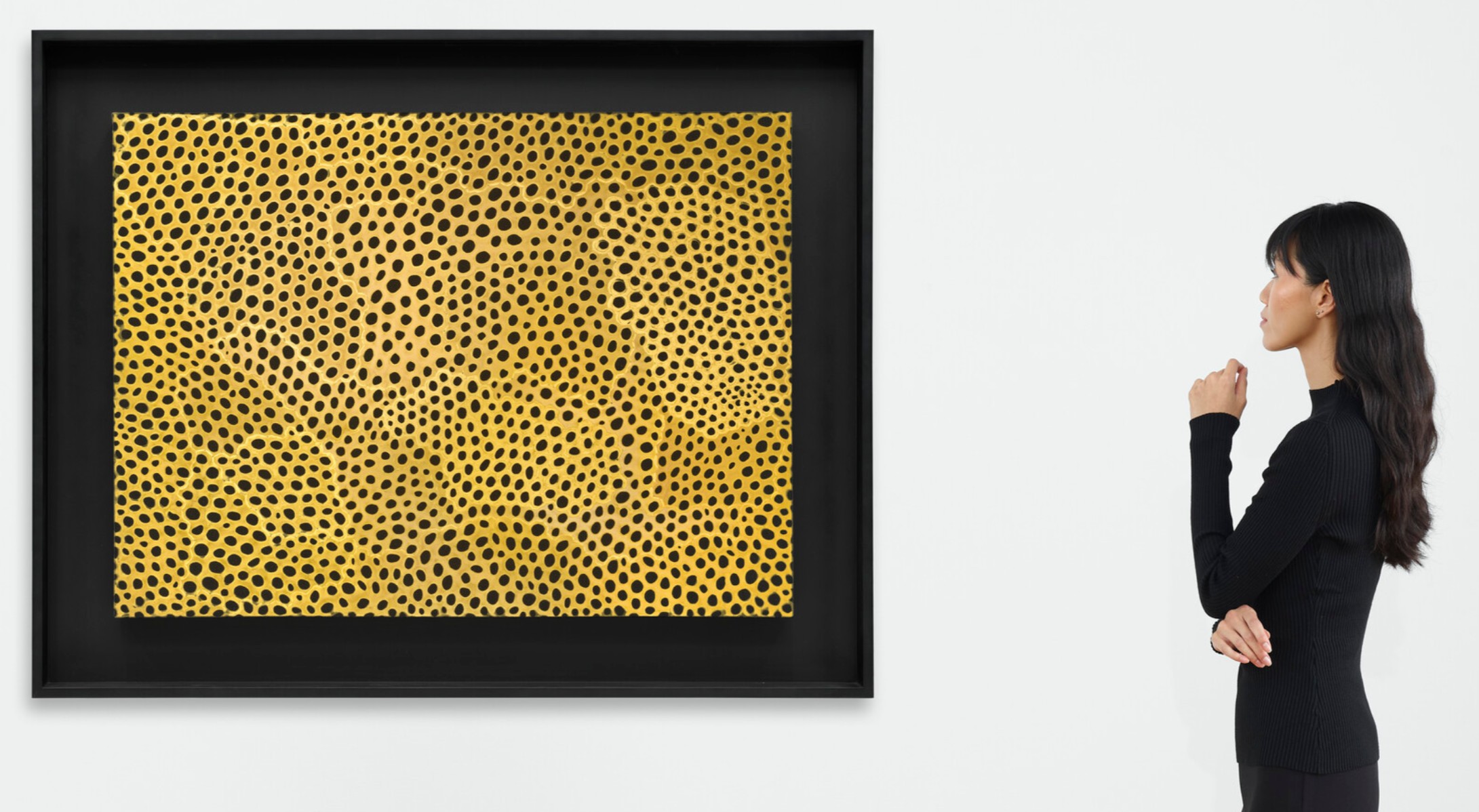
The painting invokes an endless accumulation of form, and is testament to an equally painstaking, repetitious process of production. Kusama began to work on the series obsessively throughout the 1960s, losing herself in their spiraling mirages and often working uninterrupted for up to forty or fifty hours at a time. Though labor-intensive, this facture afforded Kusama temporary respite from her continued psychological torments and the troubles of the physical world. She has continued to create Infinity Nets with relentless vigor across the decades. Painted in 2014 at the age of 86—the year in which her retrospective Infinite Obsession drew record-breaking numbers of visitors across South and Central America—the present work expresses the series’ interminable relevance to the artist.
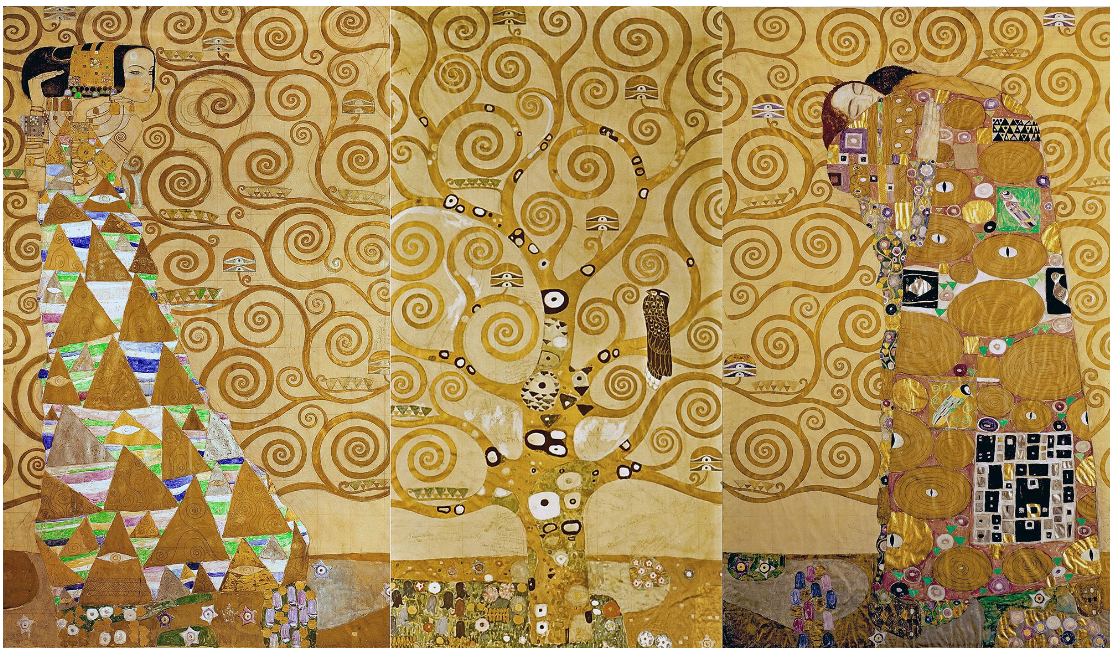
Gustav Klimt, The Stoclet Frieze (detail: Expectation, The Tree of Life, and Fulfilment), circa 1905-1909. Museum für angewandte Kunst (MAK), Vienna. Photo: © Superstock / Bridgeman Images.
When Kusama exhibited her Infinity Nets for the first time at Brata Gallery in 1959, she quickly drew the attention of critics and artists of the New York scene. Donald Judd, who later became a close friend, was among the first to write about them. He admired their systematic, additive concept—it was indeed one that his own burgeoning Minimalism shared—and likened their sublime emotive powers to the all-over paintings of Abstract Expressionists Mark Rothko, Clyfford Still and Barnett Newman. Born from potent forces of meditation and self-transcendence, the hallucinatory fields lay bare the web of Kusama’s inner world. Form dissolves into shimmering, all-consuming sensation, and caught within the net of the present work, the viewer is invited to contemplate a solace of eternity and immateriality.