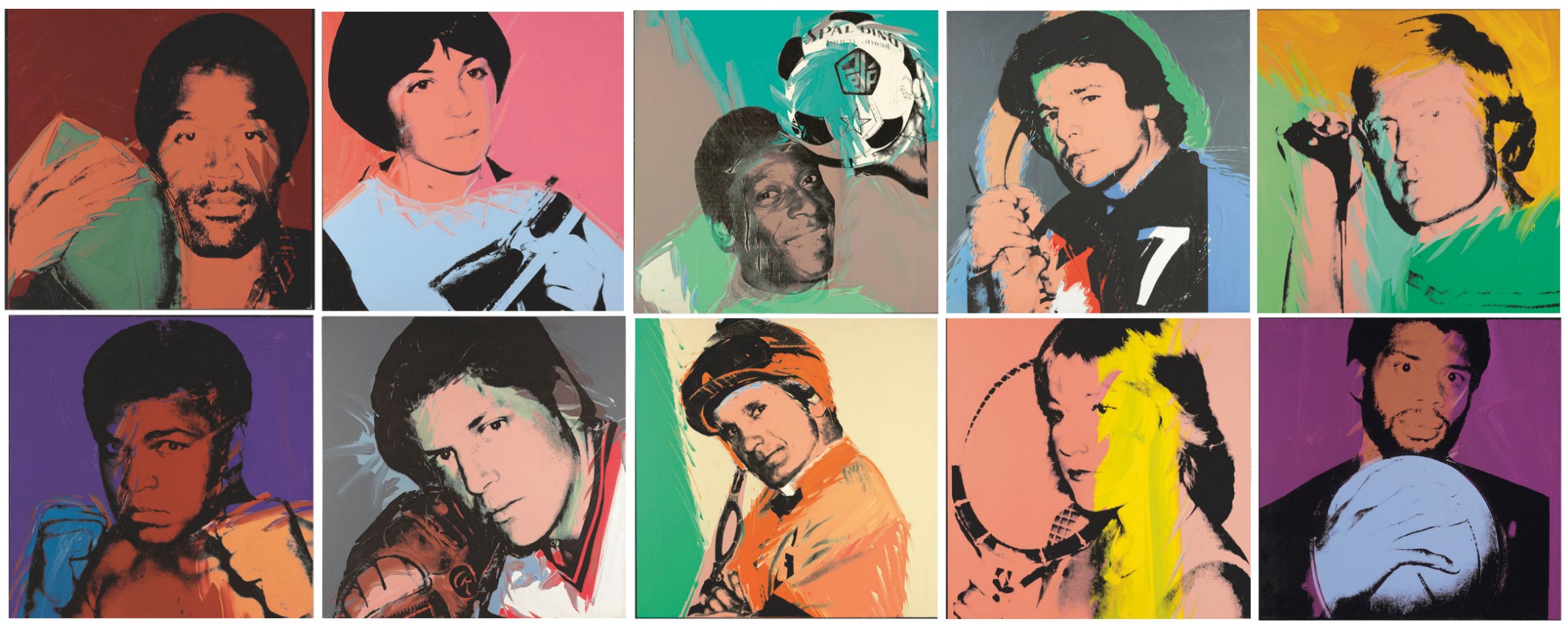
The Athletes Series is a significant series which continues Andy Warhol’s lifelong fascination with celebrity. Commissioned by the collector Richard Weisman in 1977, the work consists of ten 40×40 inch, multi-colored portraits of the most celebrated sport stars of the day. A departure from his usual panoply of movie stars and music celebrities, this series embraces the changing nature of fame in the twentieth century as athletes and sports stars moved up to take center stage in American popular culture. With his usual insightful prophecy, Warhol recognized the growing commercialization of sport and the corresponding increasing influence of the sports stars themselves and committed these new idols to canvas. Ali was one of the greatest sportsmen in the world, as is proven by his continued status as a revered elder statesman of the boxing ring. Warhol himself recognized the status that, in the age of televised sports coverage, these heroes of pitch, field and ring had attained.
“I said that the athletes were better than movie stars and I don’t know what I’m talking about because athletes are the new movie stars”
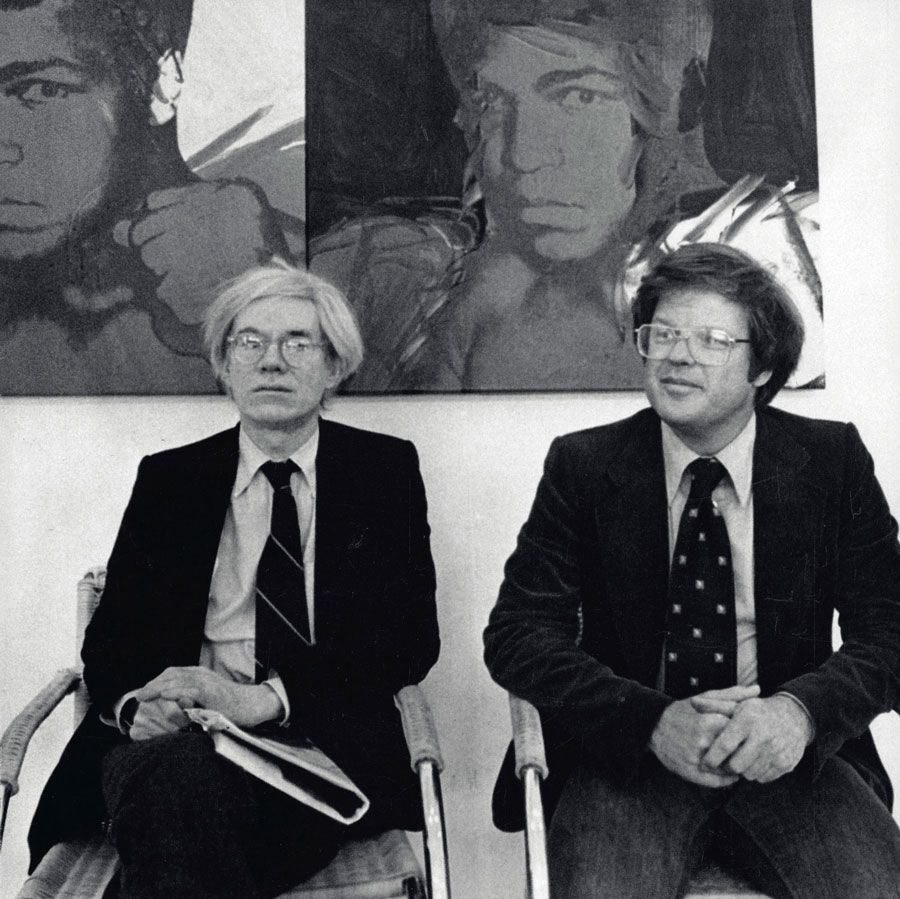
Andy Warhol and Richard Weisman at the unveiling of the Athletes series, Columbus, 1979. Photographer unknown. Artwork: © 2020 The Andy Warhol Foundation for the Visual Arts, Inc. / Licensed by DACS, London
Introduction
Among his many achievements in collecting, it is Richard Weisman’s close relationship with Andy Warhol for which he is best remembered. When Weisman began to consider how to connect his seemingly disparate interest in sports and art: “I wanted to do something that would bring these two worlds together,” he said—the collector came to Warhol with a major commission. The Athletes Series, completed between 1977 and 1979, consisted of dozens of works depicting the major sports stars of the age, from Dorothy Hamill and Muhammed Ali to O.J. Simpson and Jack Nicklaus. “I chose the sports stars,” Weisman noted. “Andy didn’t really know the difference between a football and a golf ball.” The influential group of sports stars were justifiably intrigued by the enigmatic Warhol, and the feeling was mutual.
“Athletes really do have fat in the right places, and they’re young in the right places.”
Weisman, who would gift many of the Athlete Series canvases to institutions, looked back fondly at the entire process. “We had quite an adventure,” he said. “It was fun times.”
ANDY WARHOL
The Complete Athletes Series, 1978
O.J. Simpson, Dorothy Hamill, Pelé, Jack Nicklaus, Rod Gilbert
Muhammad Ali, Tom Seaver, Willie Shoemaker, Chris Evert, Kareem Abdul-Jabbar
Synthetic polymer and silkscreen ink on canvas
Each 40×40 inches (101.6 x 101.6 cm)
The series marked a new terrain for Warhol, who had little familiarity with sports. Nonetheless, he excelled, capturing the unique personalities and public personas of each sports figure. Warhol photographed eleven athletes, although only ten were ultimately depicted in series. The final series depicts O.J. Simpson, Dorothy Hamill, Pelé, Jack Nicklaus, Rod Gilbert, Muhammad Ali, Tom Seaver, Willie Shoemaker, Chris Evert, and Kareem Abdul Jabbar, each an athletic legend in the 1970s. Warhol then applied silkscreen prints of the polaroid photos onto pre-painted canvases. Finally, he left forceful marks of paint, using a palette knife and his own fingers to manipulate the images. The result is a set of remarkably textured, highly stylized and expressive portraits that draw upon Warhol’s longstanding fascination with celebrity.
Andy Warhol’s The Complete Athletes Series demonstrates the changing nature of fame in the 1970s, granting athletes the Pop Art treatment that was previously reserved for movie stars and musicians. Art collector Richard Weisman commissioned the portraits in 1977 with an ambitious goal in mind: he hoped to “inspire people who loved sport to come into galleries, maybe for the first time, and people who liked art would take their first look at a sports superstar” (R. Wiseman quoted in K. Casprowiak, “Warhol’s Athlete Series Celebrity Sport Stars”, Andy Warhol: The Athlete Series, London, 2007, p. 71). The series marked a new terrain for Warhol, who had little familiarity with sports. Nonetheless, he excelled, capturing the unique personalities and public personas of each sports figure. Warhol photographed eleven athletes, although only ten were ultimately depicted in series. The final series depicts O.J. Simpson, Dorothy Hamill, Pelé, Jack Nicklaus, Rod Gilbert, Muhammad Ali, Tom Seaver, Willie Shoemaker, Chris Evert, and Kareem Abdul Jabbar, each an athletic legend in the 1970s. Warhol then applied silkscreen prints of the polaroid photos onto pre-painted canvases. Finally, he left forceful marks of paint, using a palette knife and his own fingers to manipulate the images. The result is a set of remarkably textured, highly-stylized and expressive portraits that draw upon Warhol’s longstanding fascination with celebrity.
Though Warhol had little knowledge of the difference between a golf ball or basketball he was able to generate a series of portraits that manage to project the intensity and competitive nature of his sitters. His portraits of Kareem and Mohammed Ali are particularly successful in articulating the distinct character of a successful sports figure; they appear defiant with personality that treads beyond the court or the ring. These were not anonymous portraits that were getting a glamorous makeover but celebrities that matched Warhol’s fame albeit in a different arena–in this way the artist and his muse were on equal footing. It is often repeated that Warhol’s portraits taken together articulate a vision of his own fictitious and self-styled America. A dream world where everyone is fabulous and glamorous and special, a world with no social ladder, everyone gets in–not a bad idea perhaps and though utopian at heart a world like this would erase the very real and awe inspiring accomplishments of Ali, Kareem and even Warhol himself. In reality we want a hierarchy of fame, an elevated group of artists, sport figures and performers that the rest of us can idolize and discuss each with public and private lives that we can judge and parse. We are a voyeuristic society and Warhol delivers the images that help to satiate those needs.
Despite transitioning from the glamorous circles of movie stars to the sports arena, Warhol showcases how popular athletes performed in the public eye. The Complete Athletes Series depicts its subjects with care, conveying each athlete’s charisma through bright, gestural brushstrokes.
Auction Results
2025 Auction Results
Chris Evert [Sixteen Works], 1977
Sotheby’s New-York: 16 May 2025
Estimated: USD 400,000 – 600,000
USD 355,600
Chris Evert [Sixteen Works] | Contemporary Day Auction | 2025 | Sotheby’s
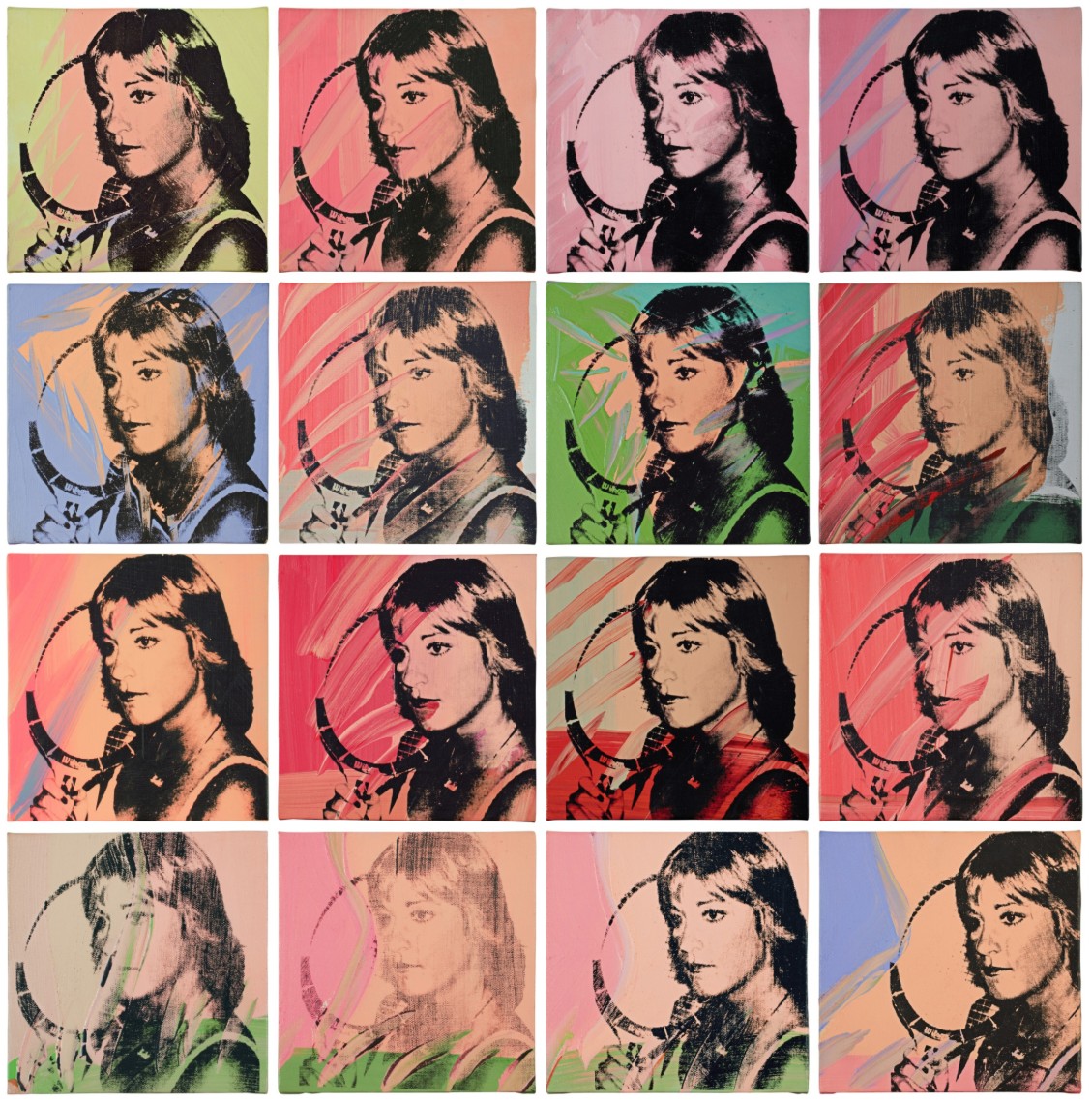
ANDY WARHOL (1928 – 1987)
Chris Evert [Sixteen Works], 1977
Acrylic and silkscreen ink on canvas in 16 parts
Each: 10×10 inches (25.4 x 25.4 cm)
Variously stamped by the Estate of Andy Warhol and the Andy Warhol Authentication Board and variously
Numbered on the reverse
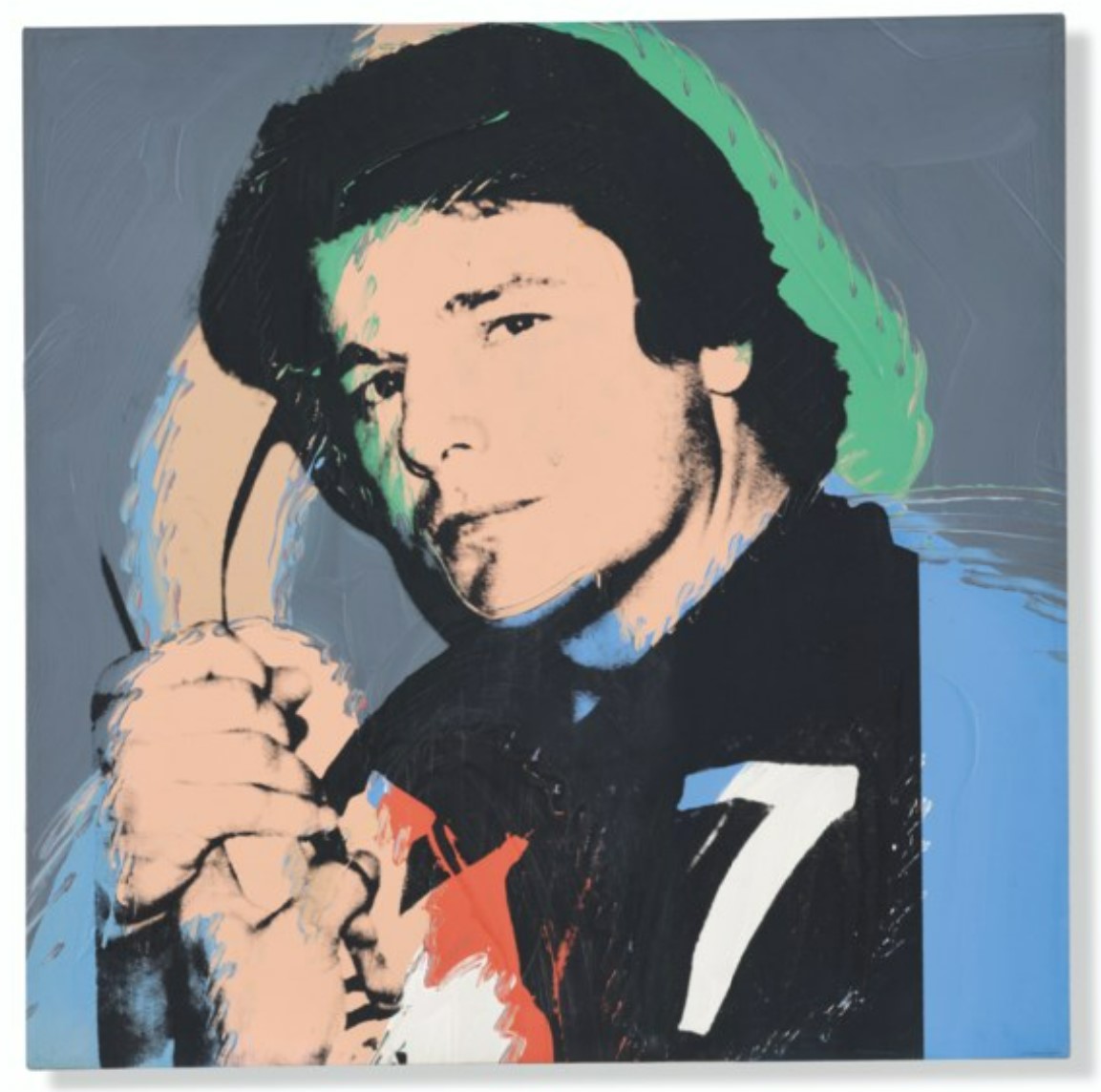
Rod Gilbert, 1977
Christie’s New-York: 15 May 2025
Estimated: USD 200,000 – 300,000
USD 327,600
ANDY WARHOL (1928-1987), Rod Gilbert | Christie’s
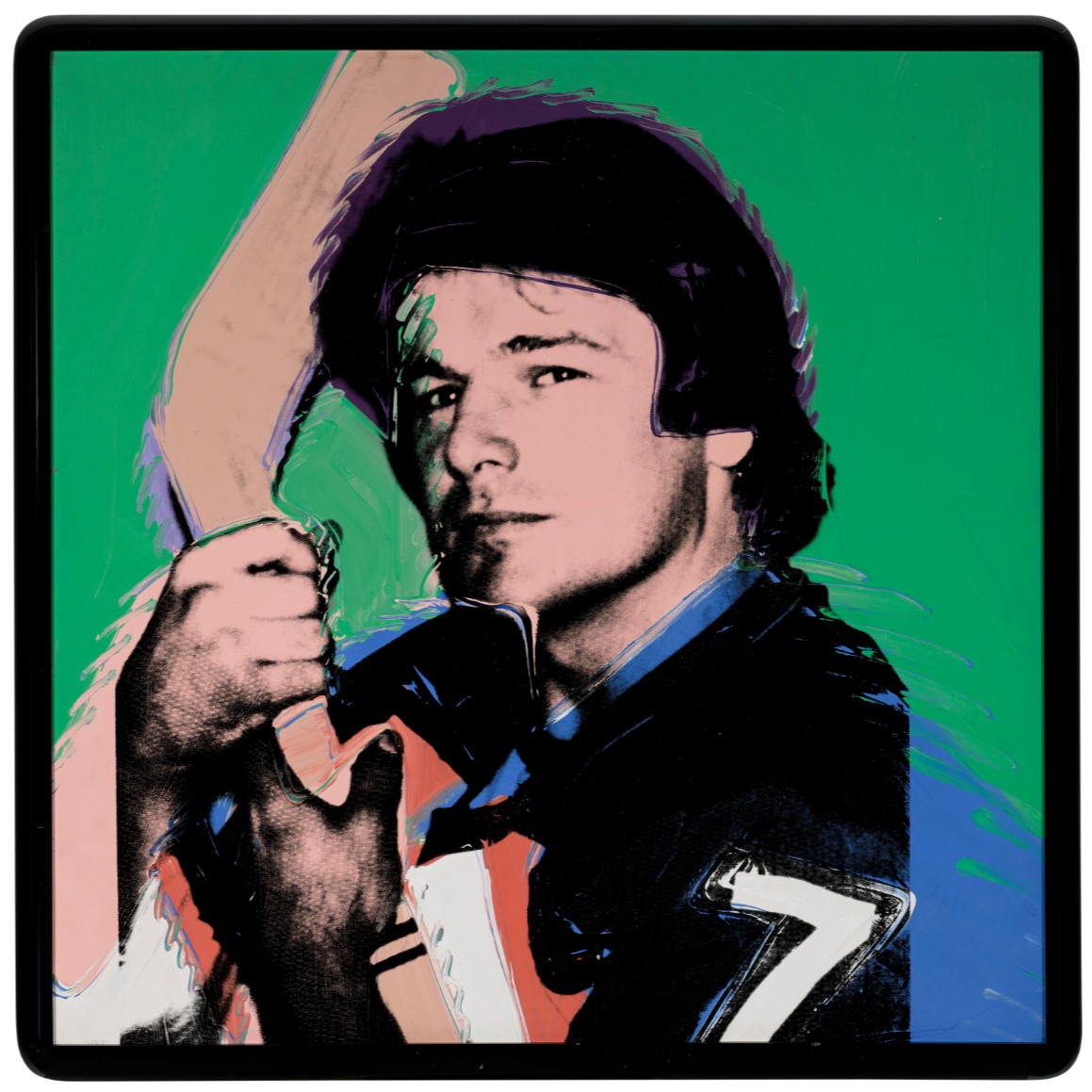
ANDY WARHOL (1928-1987)
Rod Gilbert, 1977
Acrylic and silkscreen ink on canvas
40×40 inches (101.6 x 101.6 cm)
Signed ‘Andy Warhol ©’ (on the overlap)
Signed by Rod Gilbert (on the overlap)
2024 Auction Results
Jack Nicklaus, 1977
Sotheby’s New-York: 17 May 2024
Estimated: USD 200,000 – 300,000
USD 508,000
Jack Nicklaus | Contemporary Day Auction | 2024 | Sotheby’s (sothebys.com)

ANDY WARHOL
Jack Nicklaus, 1977
Acrylic and silkscreen ink on canvas
40×40 inches (101.6 x 101.6 cm)
Signed by Jack Nicklaus (on the overlap)
Stamped by the Andy Warhol Authentication Board, Inc.
Numbered A119.956 on the overlap
2023 Auction Results
O.J. Simpson, 1977
Phillips New-York: 16 May 2023
Estimated: USD 300,000 – 500,000
USD 482,600
Andy Warhol – 20th Century & Contempora… Lot 115 May 2023 | Phillips
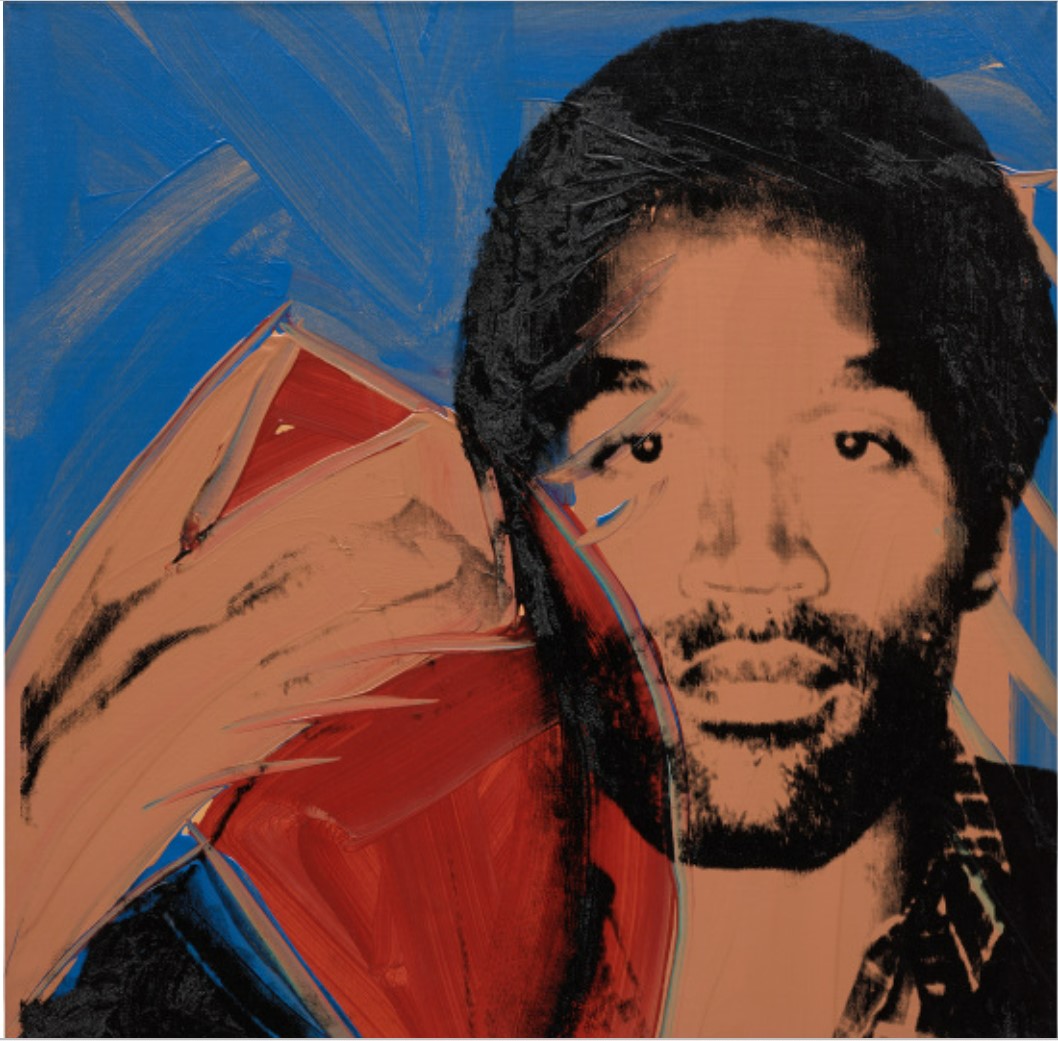
ANDY WARHOL
O.J. Simpson, 1977
Acrylic and silkscreen ink on canvas
40×40 inches (101.6 x 101.6 cm)
Signed “Andy Warhol” on the reverse; further signed by O.J. Simpson on the reverse
Jack Nicklaus, 1977
Sotheby’s New-York: 16 November 2023
Estimated: USD 250,000 – 350,000
USD 317,500
Jack Nicklaus | Contemporary Day Auction | 2023 | Sotheby’s (sothebys.com)
REPEAT SALE
Christie’s London: 12 February 2020
Estimated: GBP 150,000 – 200,000
GBP 323,250 / USD 421,320
Andy Warhol (1928-1987), Jack Nicklaus | Christie’s
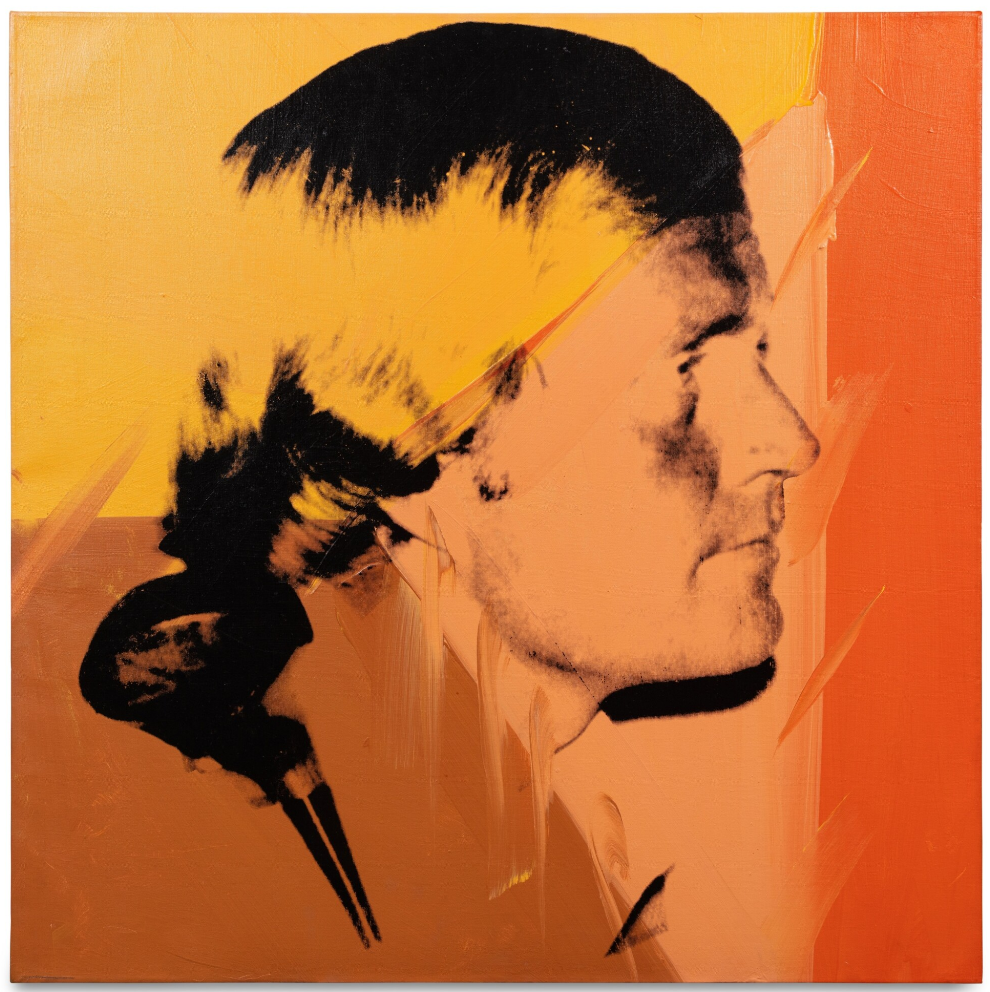
ANDY WARHOL (1928 – 1987)
Jack Nicklaus, 1977
Acrylic and silkscreen ink on canvas
40×40 inches (101.6 x 101.6 cm)
Signed by the artist and Jack Nicklaus (on the overlap)
2021 Auction Results
#1. Muhammad Ali, 1977
Christie’s New-York: 10 November 2021
Estimated: USD 4,500,000 – 6,500,000
USD 18,107,500
ANDY WARHOL (1928-1987) (christies.com)
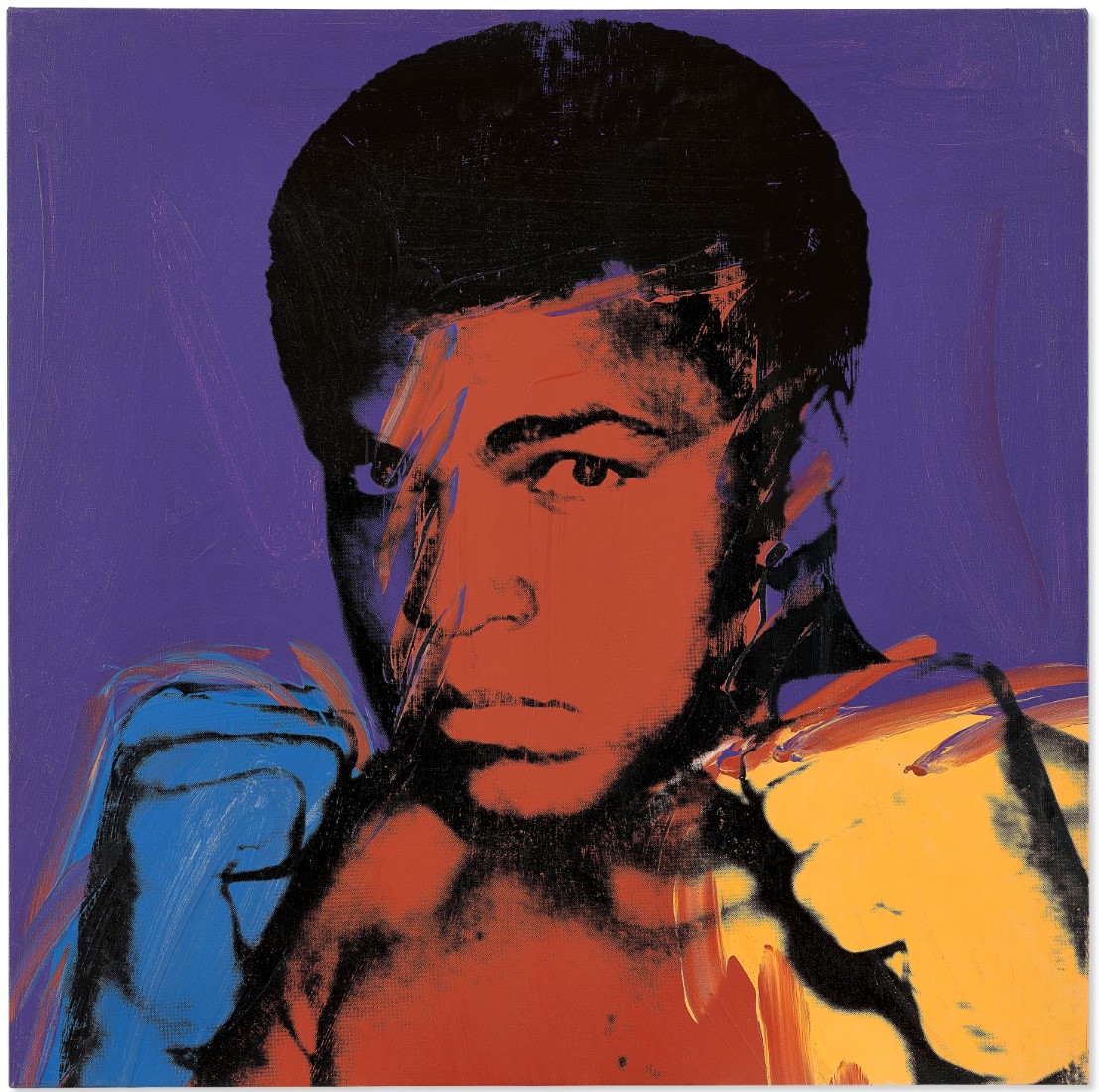
ANDY WARHOL
Muhammad Ali, 1977
Acrylic and silkscreen ink on canvas
40×40 inches (101.6 x 101.6 cm)
Inscribed ‘I certify that this is an orig. painting by Andy Warhol completed by him in 1978 Frederick Hughes’ (on the overlap)
Signed by Muhammad Ali (on the reverse)
#2. Pelé, 1977
Christie’s New-York: 12 November 2021
Estimated: USD 400,000 – 600,000
USD 810,000
ANDY WARHOL (1928-1987) (christies.com)
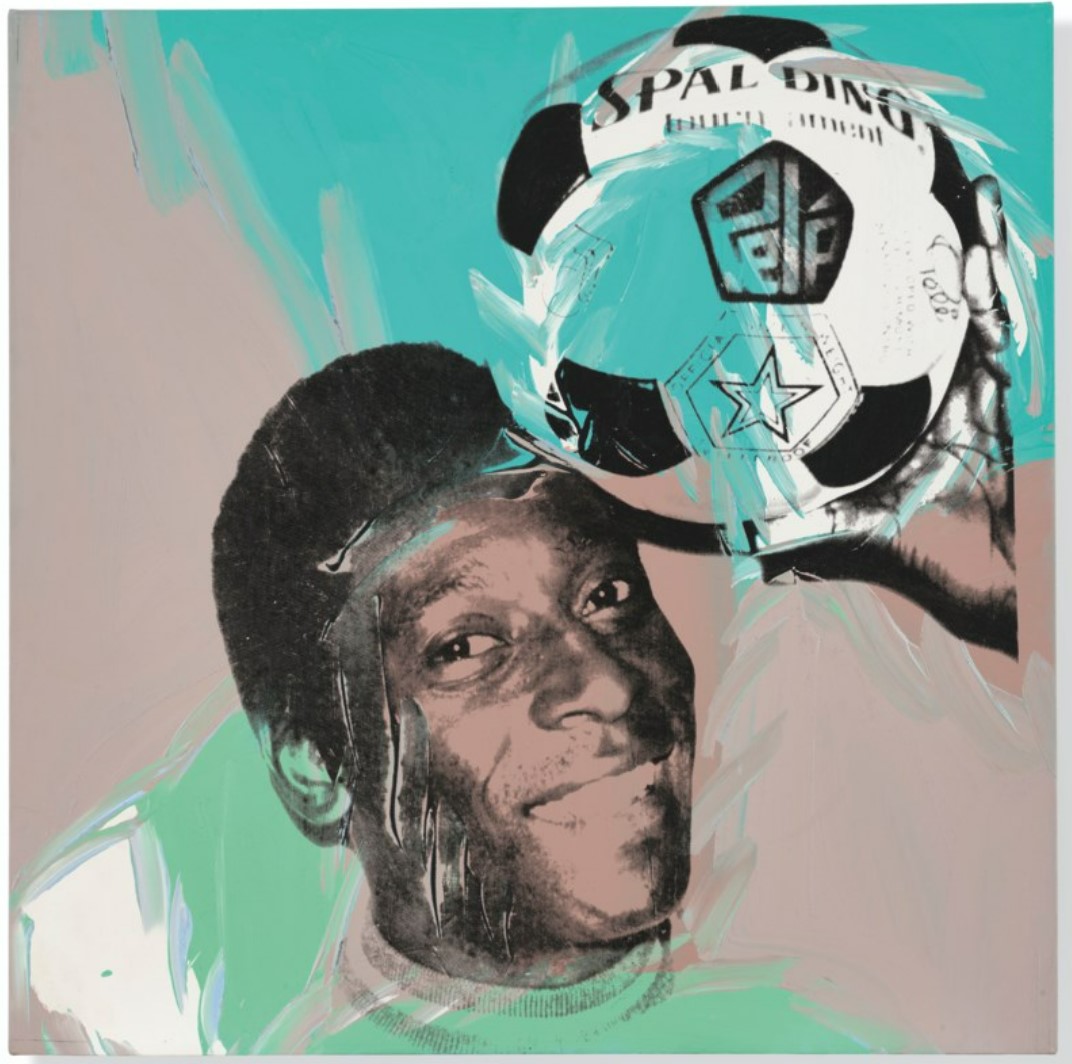
ANDY WARHOL
Pelé, 1977
Acrylic and silkscreen ink on canvas
40×40 inches (101.6 x 101.6 cm)
Stamped with the artist’s signature ‘Andy Warhol’ (on the overlap)
Inscribed ‘I certify that this is an original painting by Andy Warhol completed by him in 1978 Frederick Hughes’
(on the overlap)
#3. O.J. Simpson, 1977
Christie’s New-York: 12 November 2021
Estimated: USD 300,000 – 500,000
USD 500,000
ANDY WARHOL (1928-1987), O.J. Simpson | Christie’s (christies.com)
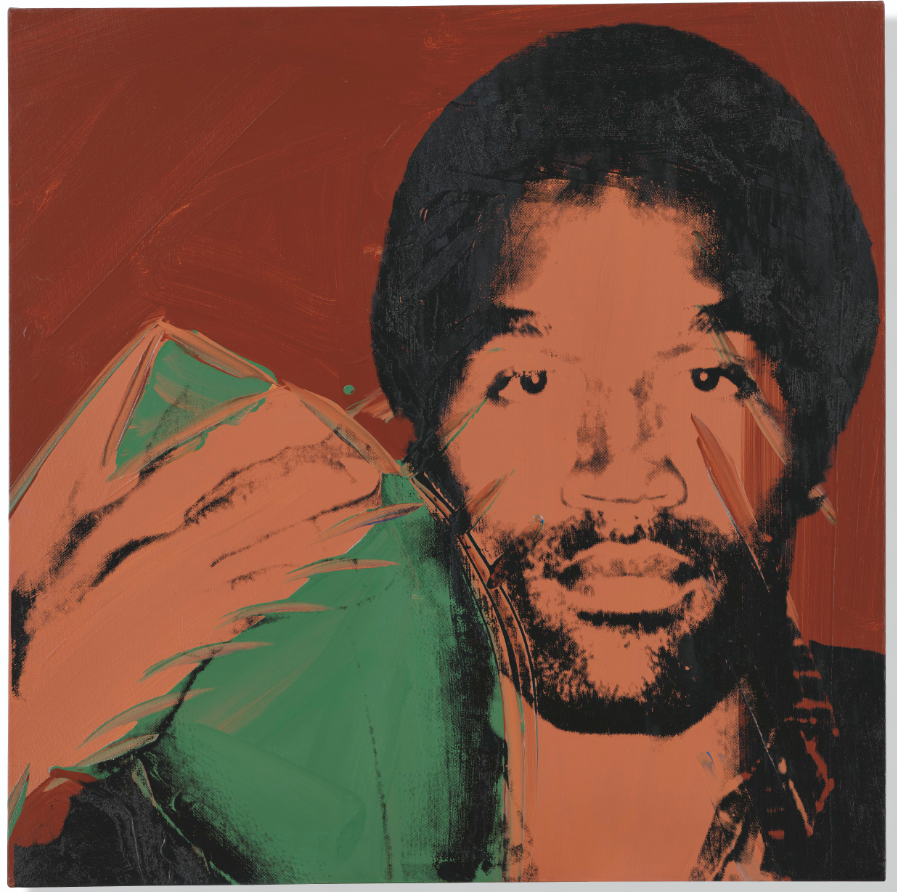
ANDY WARHOL (1928-1987)
O.J. Simpson, 1977
Acrylic and silkscreen ink on canvas
40×40 inches (101.6 x 101.6 cm)
Signed ‘Andy Warhol’ (on the overlap)
Chris Evert, 1977
Christie’s New-York: 11 November 2021
Estimated: USD 220,000 – 280,000
USD 462,500
ANDY WARHOL (1928-1987), Chris Evert | Christie’s (christies.com)
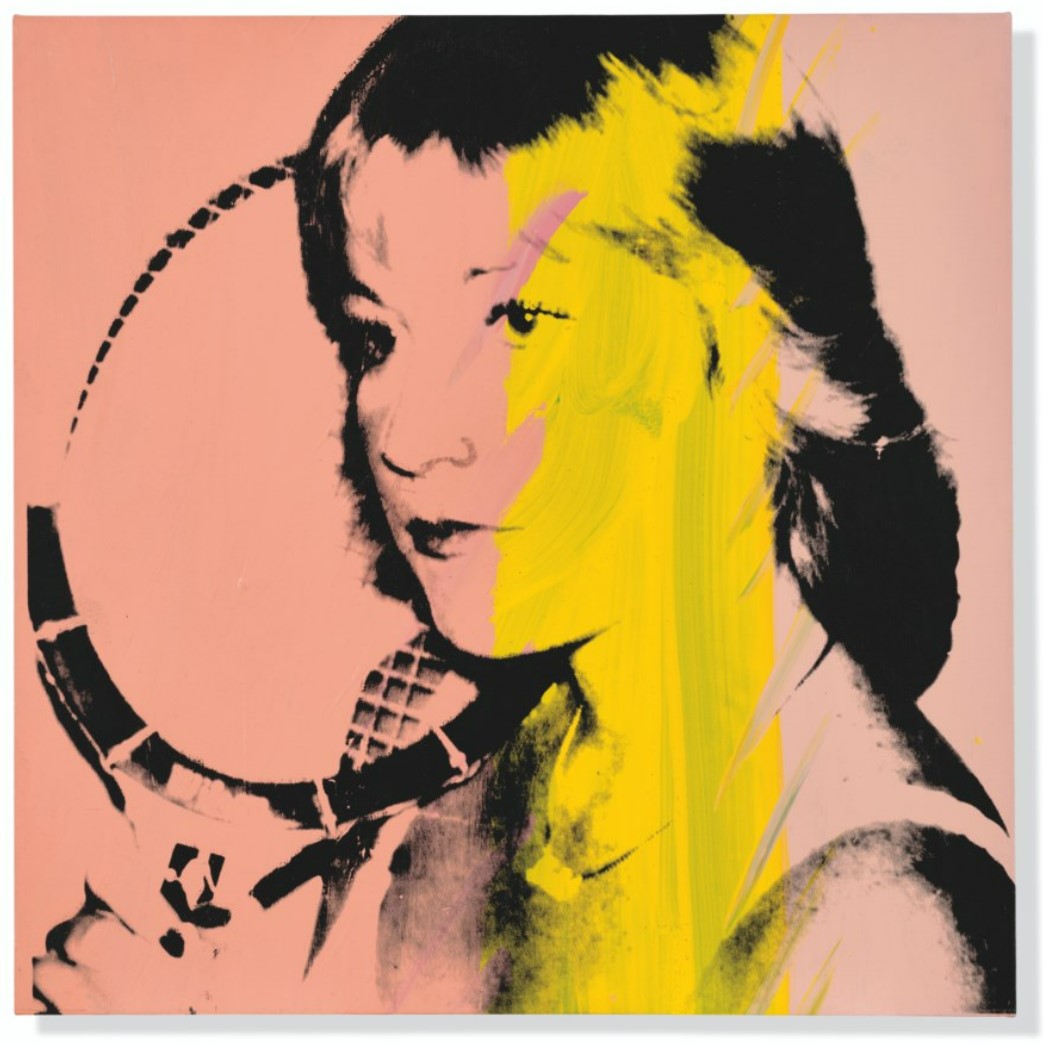
ANDY WARHOL
Chris Evert, 1977
Acrylic and silkscreen ink on canvas
40×40 inches (101.6 x 101.6 cm)
Willie Shoemaker, 1977
Christie’s New-York: 12 November 2021
Estimated: USD 300,000 – 500,000
USD 425,000
ANDY WARHOL (1928-1987), Willie Shoemaker | Christie’s
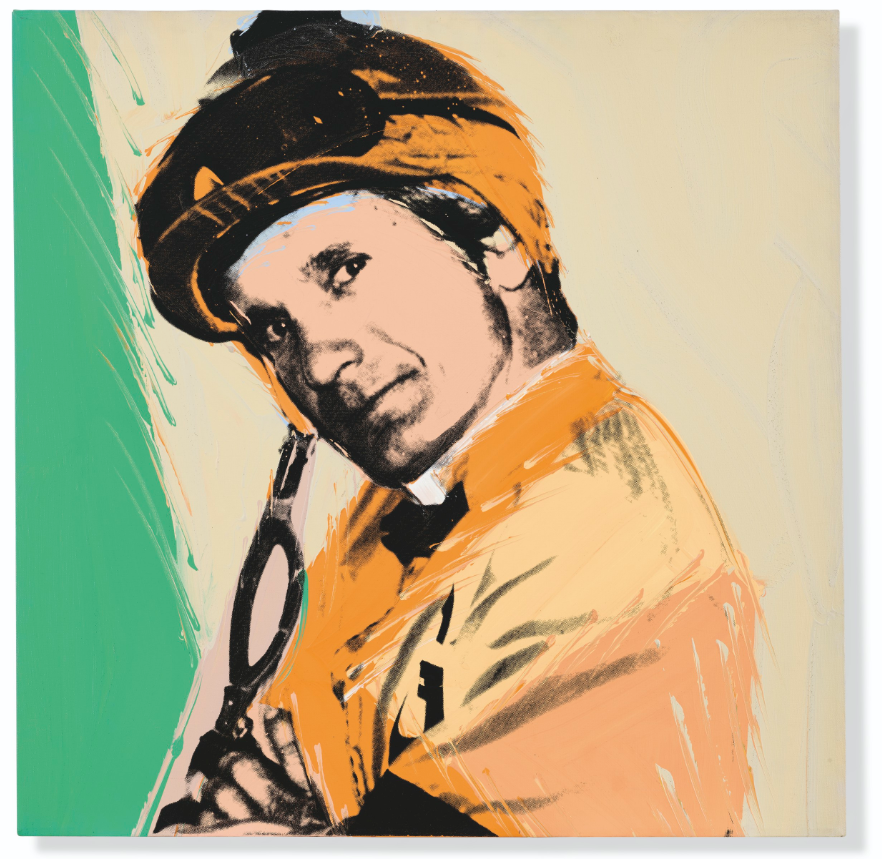
ANDY WARHOL (1928-1987)
Willie Shoemaker, 1977
Acrylic and silkscreen ink on canvas
40×40 inches (101.6 x 101.6 cm)
Stamped with the Estate of Andy Warhol stamp and numbered ‘PO41.010’ (on the overlap)
2020 Auction Results
#1. Muhammad Ali, 1977
Christie’s London: 11 February 2020
Estimated: GBP 3,000,000 – 5,000,000
GBP 4,973,250 / USD 6,482,075
Andy Warhol (1928-1987) (christies.com)
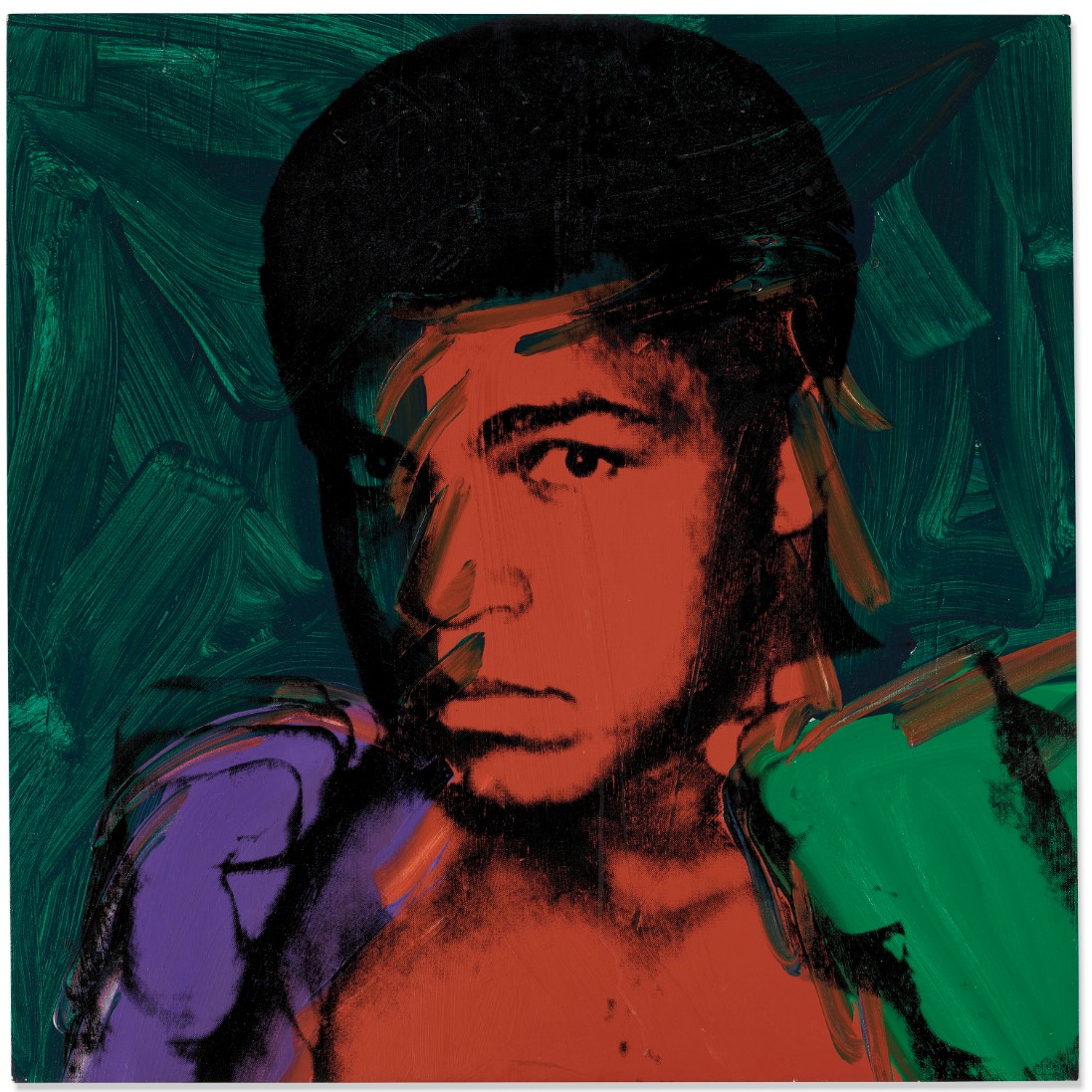
ANDY WARHOL
Muhammad Ali, 1977
Acrylic and silkscreen ink on linen
40×40 inches (101.6 x 101.6 cm)
Inscribed ‘I certify that this is an original painting by Andy Warhol completed by him in 1978 Frederick Hughes’ (on the overlap)
Signed by Muhammed Ali (on the reverse)
#2. Pelé, 1977
Christie’s London: 12 February 2020
Estimated: GBP 300,000 – 500,000
GBP 575,250 / USD 749,775
Andy Warhol (1928-1987), Pelé | Christie’s
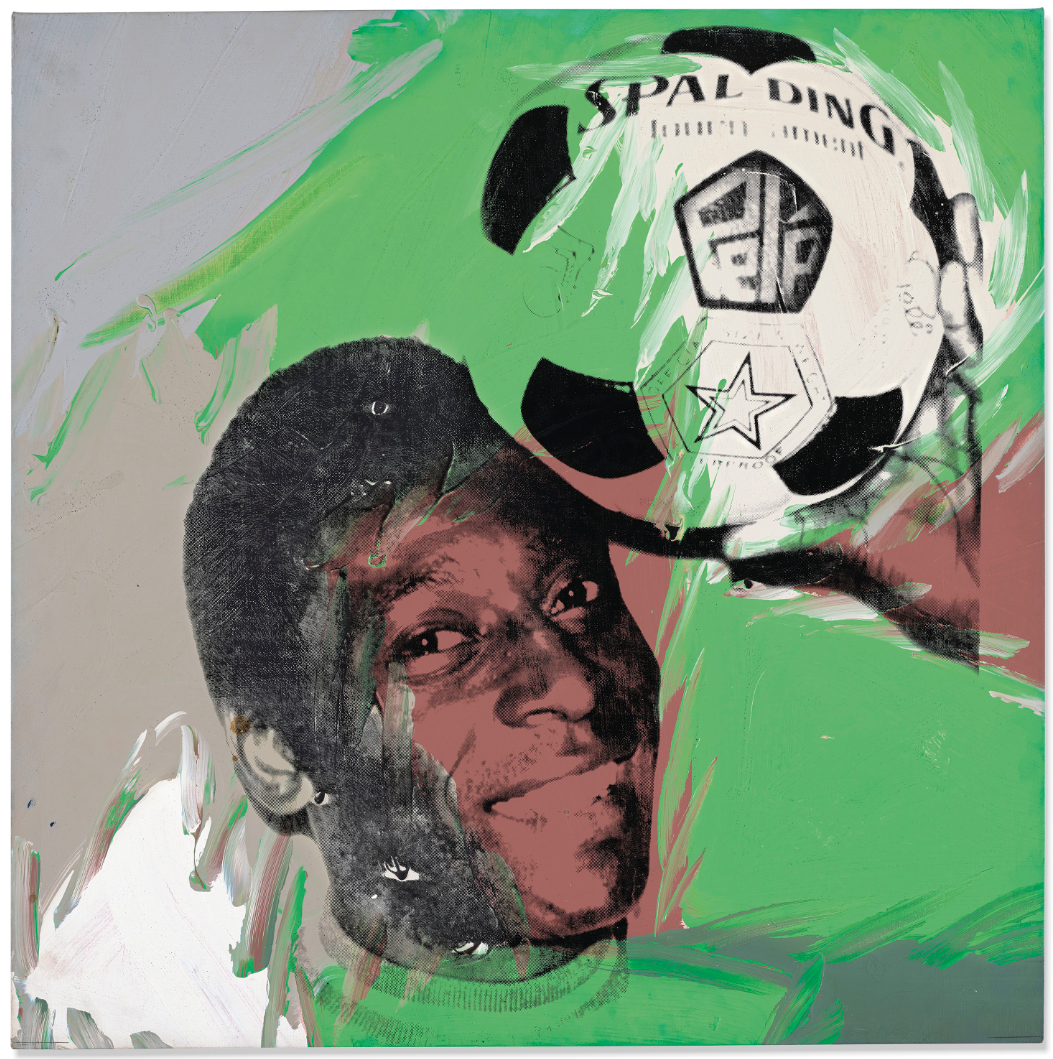
Andy Warhol (1928-1987)
Pelé, 1977
Acrylic and silkscreen ink on linen
40×40 inches (101.6 x 101.6 cm)
Signed ‘Andy Warhol ©’ and signed by Edson Pelé (on the reverse)
#3. Chris Evert [Sixteen Works], 1977
Christie’s New-York: 12 June 2020
Estimated: USD 300,000 – 500,000
USD 735,000
Andy Warhol (1928-1987), Chris Evert [Sixteen Works] | Christie’s
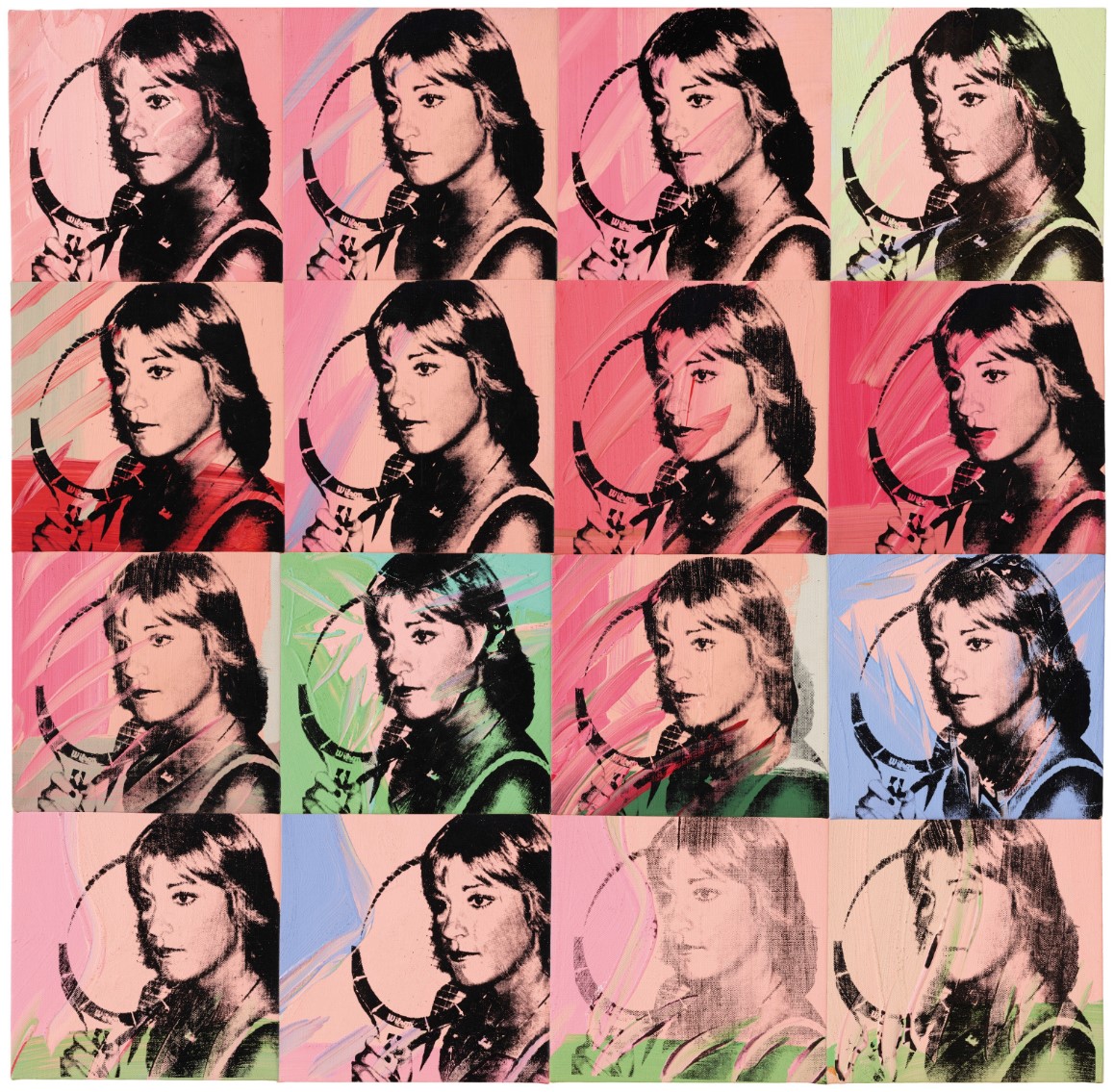
ANDY WARHOL (1928-1987)
Chris Evert [Sixteen Works], 1977
Each: acrylic and silkscreen ink on canvas
Each: 10×10 inches (25.4 x 25.4 cm)
Overall: 40×40 inches (101.6 x 101.6 cm)
Each row (from left to right)
(i.-iv.) Stamped with the Andy Warhol Authentication Board numbered respectively ‘A119.9511, A122.9511, A114.9511, A121.9511’ (on the overlap of each canvas)
(v.-viii.) Stamped with the Andy Warhol Authentication Board numbered respectively ‘A118.9511, A126.9511, A132.9511, A113.9511’ (on the overlap of each canvas)
(ix.-xi.) Stamped with the Andy Warhol Authentication Board numbered respectively ‘A124.9511, A123.9511, A117.9511’ (on the overlap of each canvas)
(xiii.-xvi.) Stamped with the Estate of Andy Warhol stamps and numbered respectively ‘PO41.016, PO41.017, PO41.018, PO41.019’ (on the overlap of each canvas)
#4. Kareem Abdul-Jabbar, 1977
Christie’s London: 12 February 2020
Estimated: GBP 220,000 – 280,000
GBP 491,250 / USD 640,289
Andy Warhol (1928-1987) (christies.com)
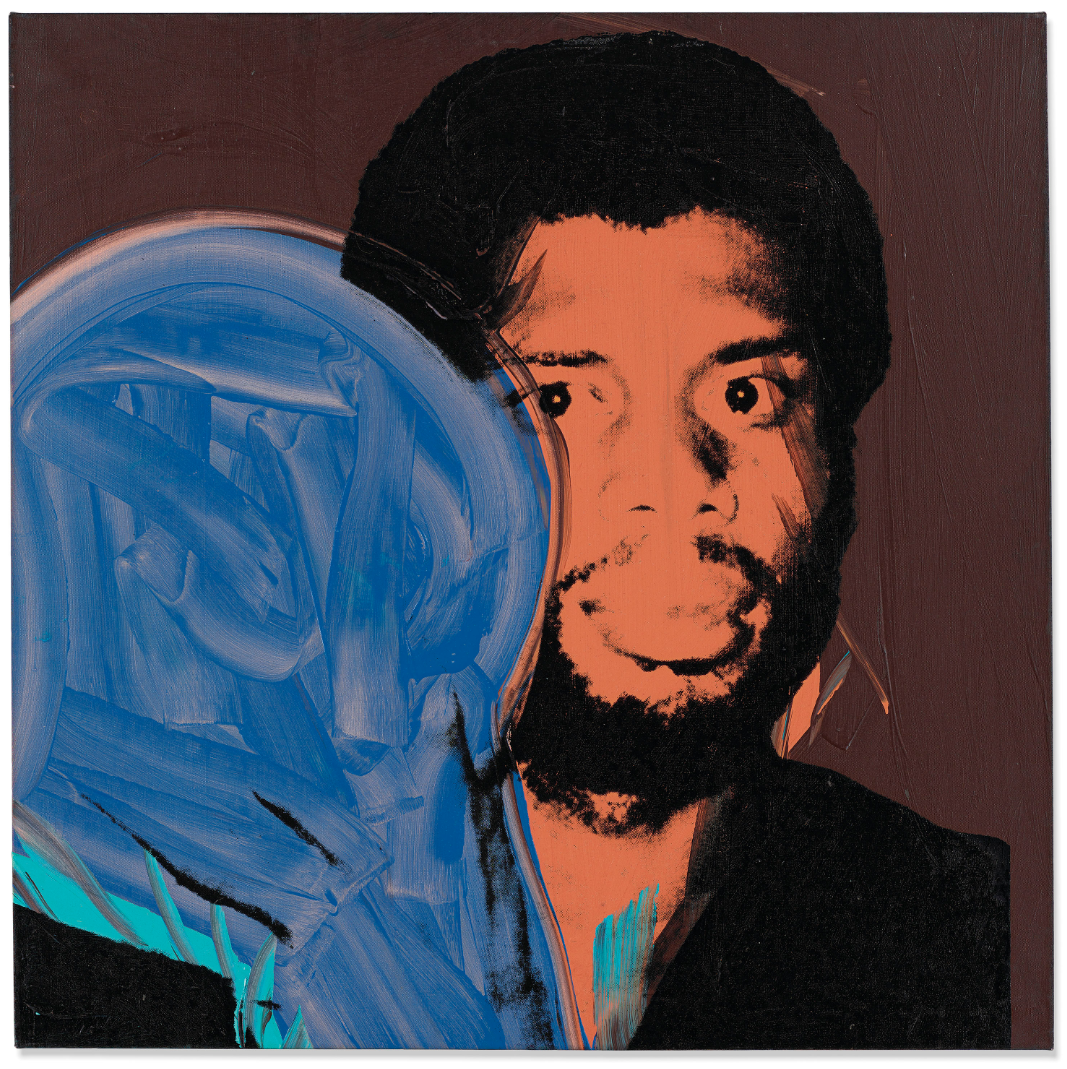
Andy Warhol (1928-1987)
Kareem Abdul-Jabbar, 1977
Acrylic and silkscreen ink on linen
40×40 inches (101.6 x 101.6 cm)
Signed ‘Andy Warhol ©’ and signed by Kareem Abdul-Jabbar (on the overlap)
#5. Willie Shoemaker, 1977
Christie’s London: 12 February 2020
Estimated: GBP 250,000 – 350,000
GBP 431,250 / USD 562,085
Andy Warhol (1928-1987), Willie Shoemaker | Christie’s
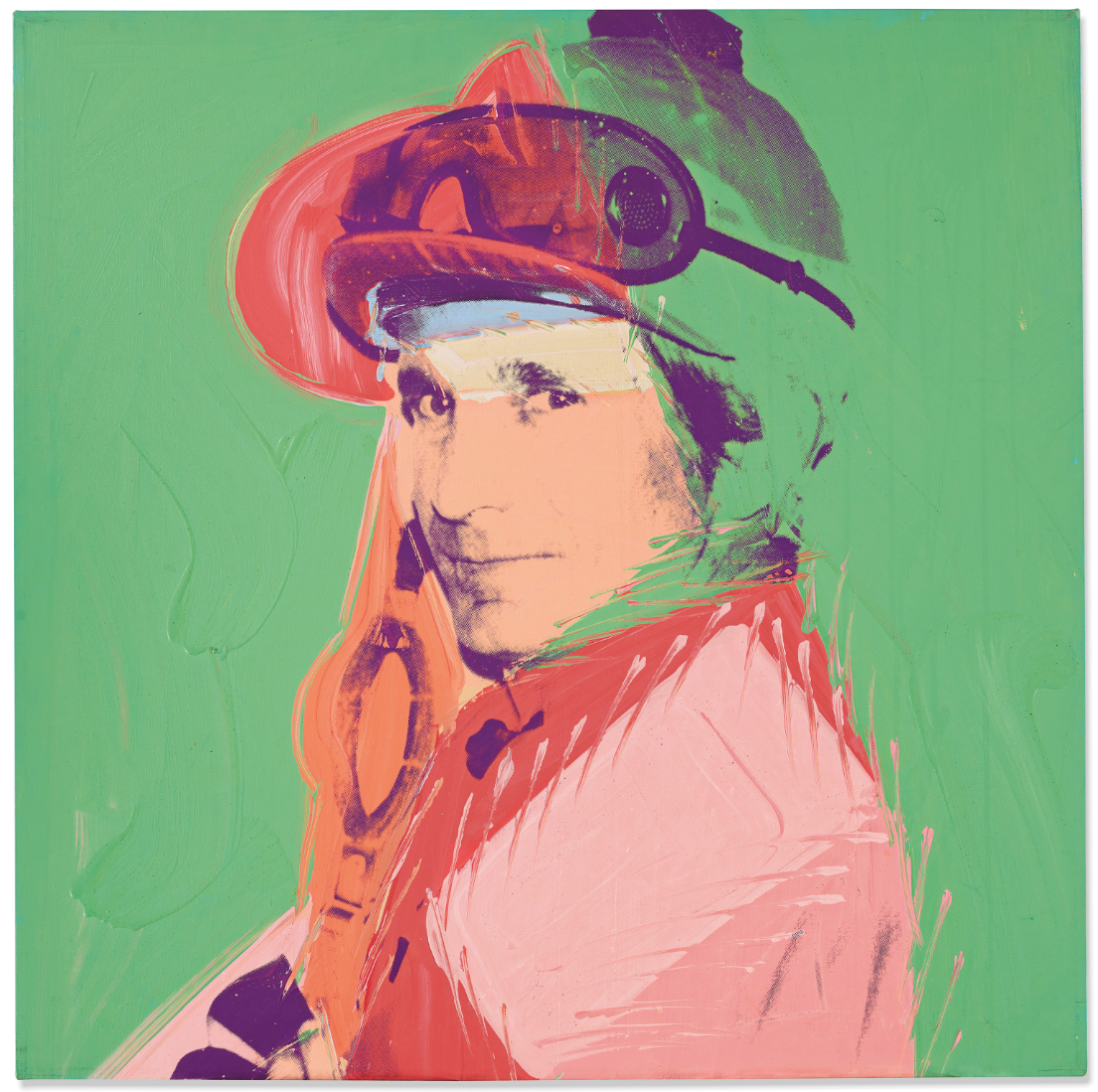
Andy Warhol (1928-1987)
Willie Shoemaker, 1977
Acrylic and silkscreen ink on linen
40×40 inches (101.6 x 101.6 cm)
Signed twice ‘Andy Warhol © Andy Warhol’
Signed by Willie Shoemaker
Inscribed ‘I certify that this is an original painting by Andy Warhol completed by him in 1978 Frederick Hughes’
(on the overlap)
#6. O.J. Simpson, 1977
Christie’s London: 12 February 2020
Estimated: GBP 200,000 – 300,000
GBP 395,250 / USD 515,165
Andy Warhol (1928-1987), O.J. Simpson | Christie’s
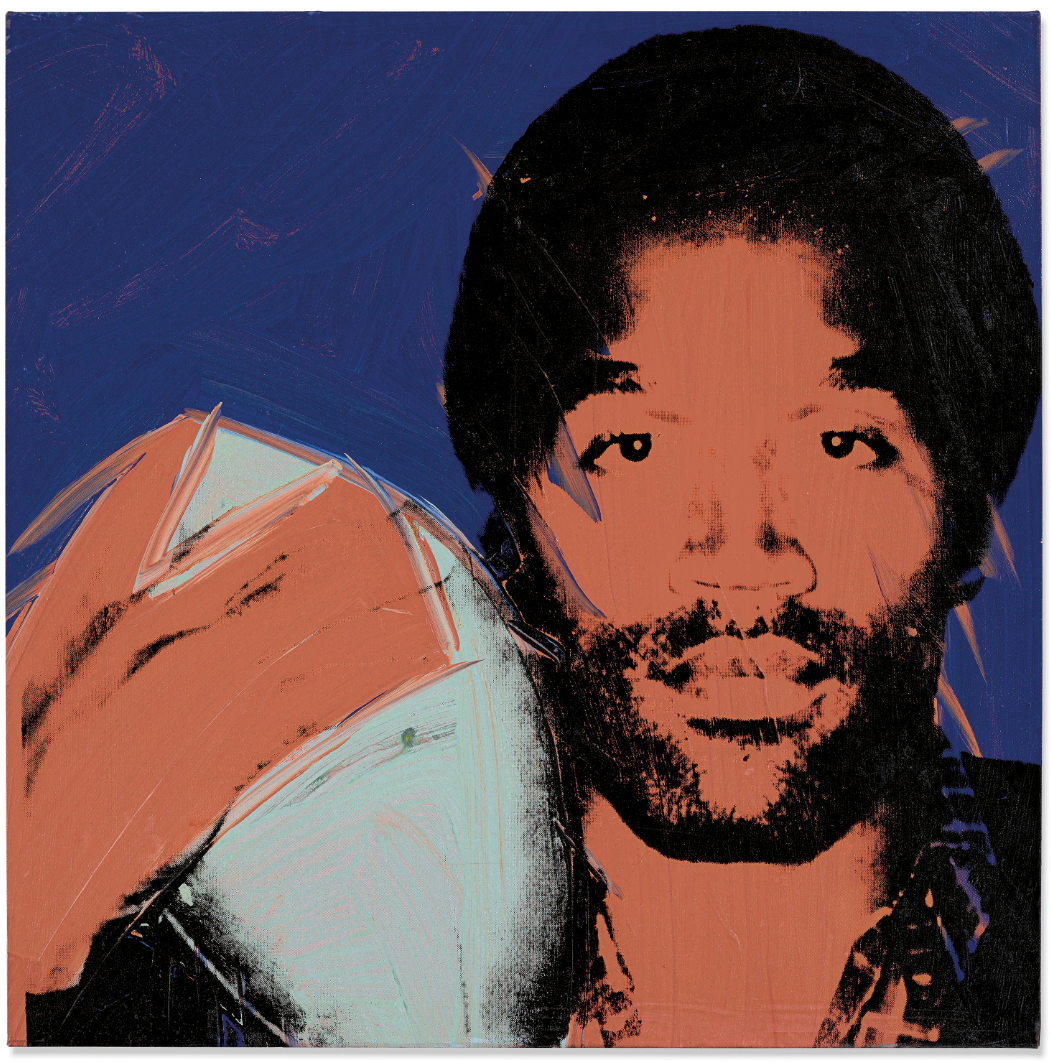
ANDY WARHOL (1928-1987)
O.J. Simpson, 1977
Acrylic and silkscreen ink on linen
40×40 inches (101.6 x 101.6 cm)
Signed ‘Andy Warhol ©’ and signed by O.J. Simpson (on the reverse)
#7. Jack Nicklaus, 1977
Christie’s London: 12 February 2020
Estimated: GBP 150,000 – 200,000
GBP 323,250 / USD 421,320
Andy Warhol (1928-1987), Jack Nicklaus | Christie’s
ANDY WARHOL (1928 – 1987)
Jack Nicklaus, 1977
Acrylic and silkscreen ink on canvas
40×40 inches (101.6 x 101.6 cm)
Signed by the artist and Jack Nicklaus (on the overlap)
#8. Chris Evert, 1977
Christie’s London: 12 February 2020
Estimated: GBP 200,000 – 300,000
GBP 212,500 / USD 276,970
Andy Warhol (1928-1987), Chris Evert | Christie’s
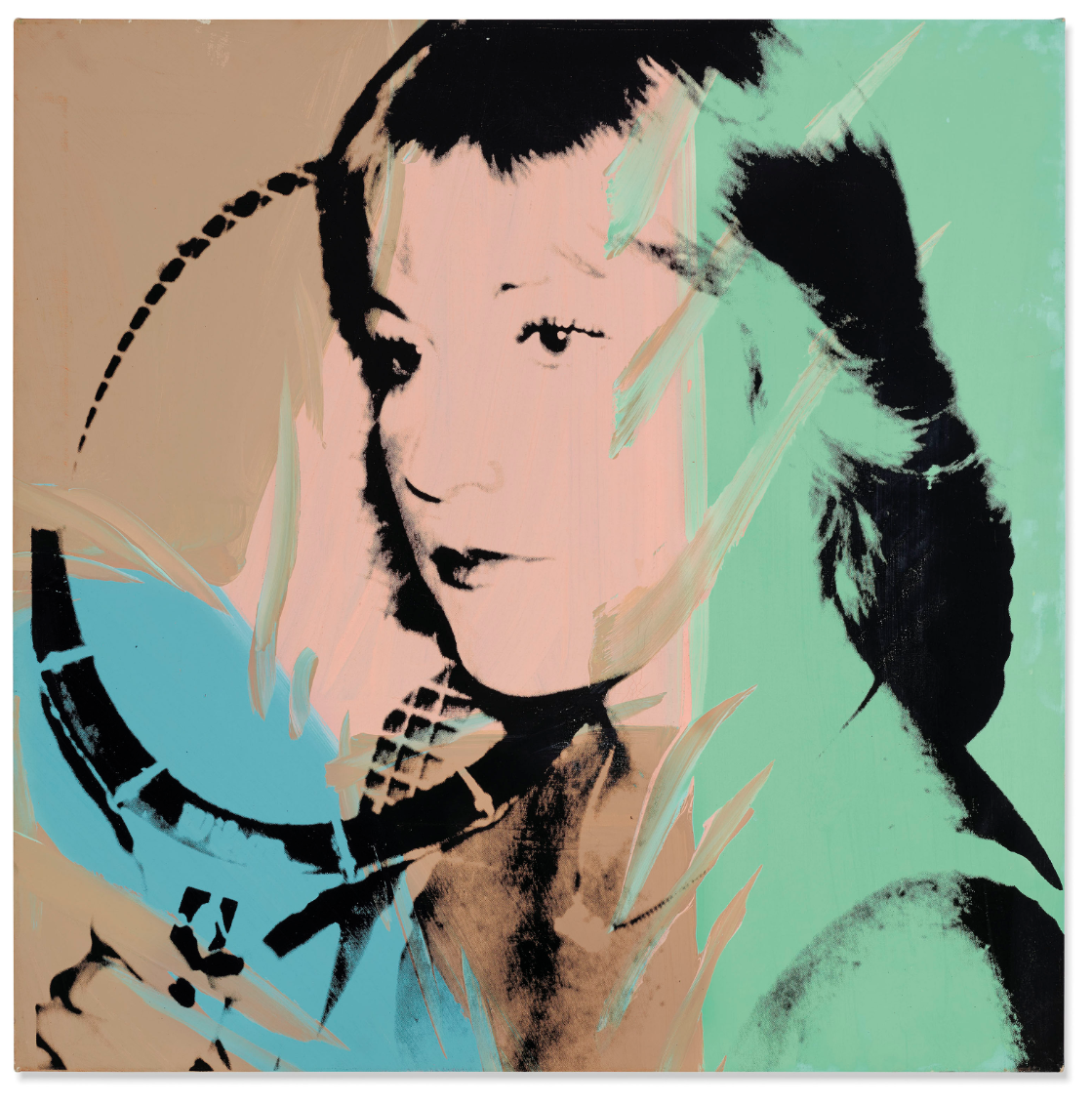
ANDY WARHOL (1928-1987)
Chris Evert, 1977
Acrylic and silkscreen ink on linen
40×40 inches (101.6 x 101.6 cm)
Signed ‘Andy Warhol’ and signed by Chris Evert (on the overlap)
#9. Rod Gilbert, 1977
Christie’s London: 12 February 2020
Estimated: GBP 200,000 – 300,000
GBP 206,250 / USD 268,825
Andy Warhol (1928-1987), Rod Gilbert | Christie’s
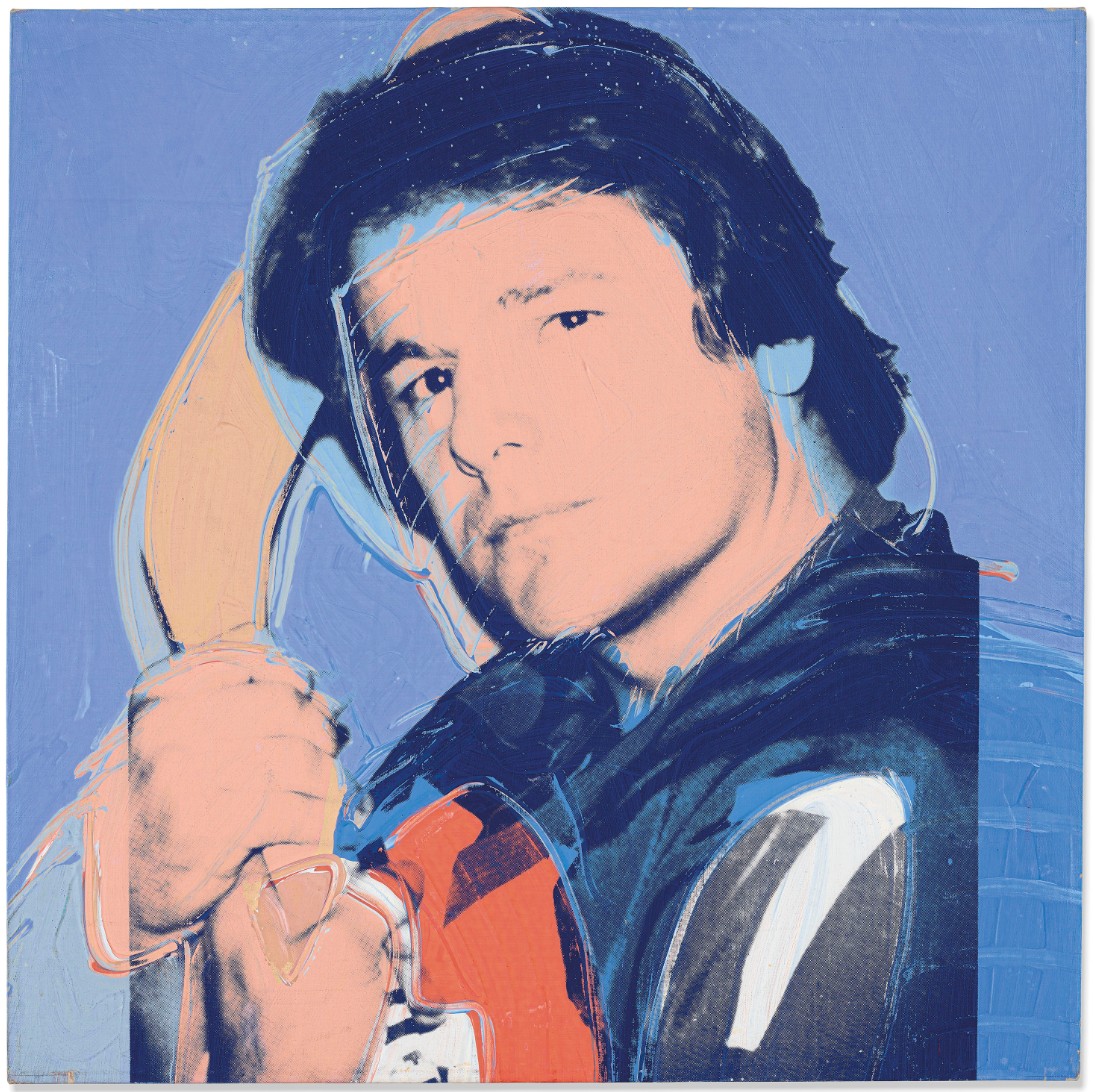
ANDY WARHOL (1928-1987)
Rod Gilbert, 1977
Acrylic and silkscreen ink on linen
40×40 inches (101.6 x 101.6 cm)
Signed ‘Andy Warhol ©’ and signed by Rod Gilbert (on the overlap)
#10. Tom Seaver, 1977
Christie’s London: 12 February 2020
Estimated: GBP 120,000 – 180,000
GBP 187,500 / USD 244,385
Andy Warhol (1928-1987), Tom Seaver | Christie’s
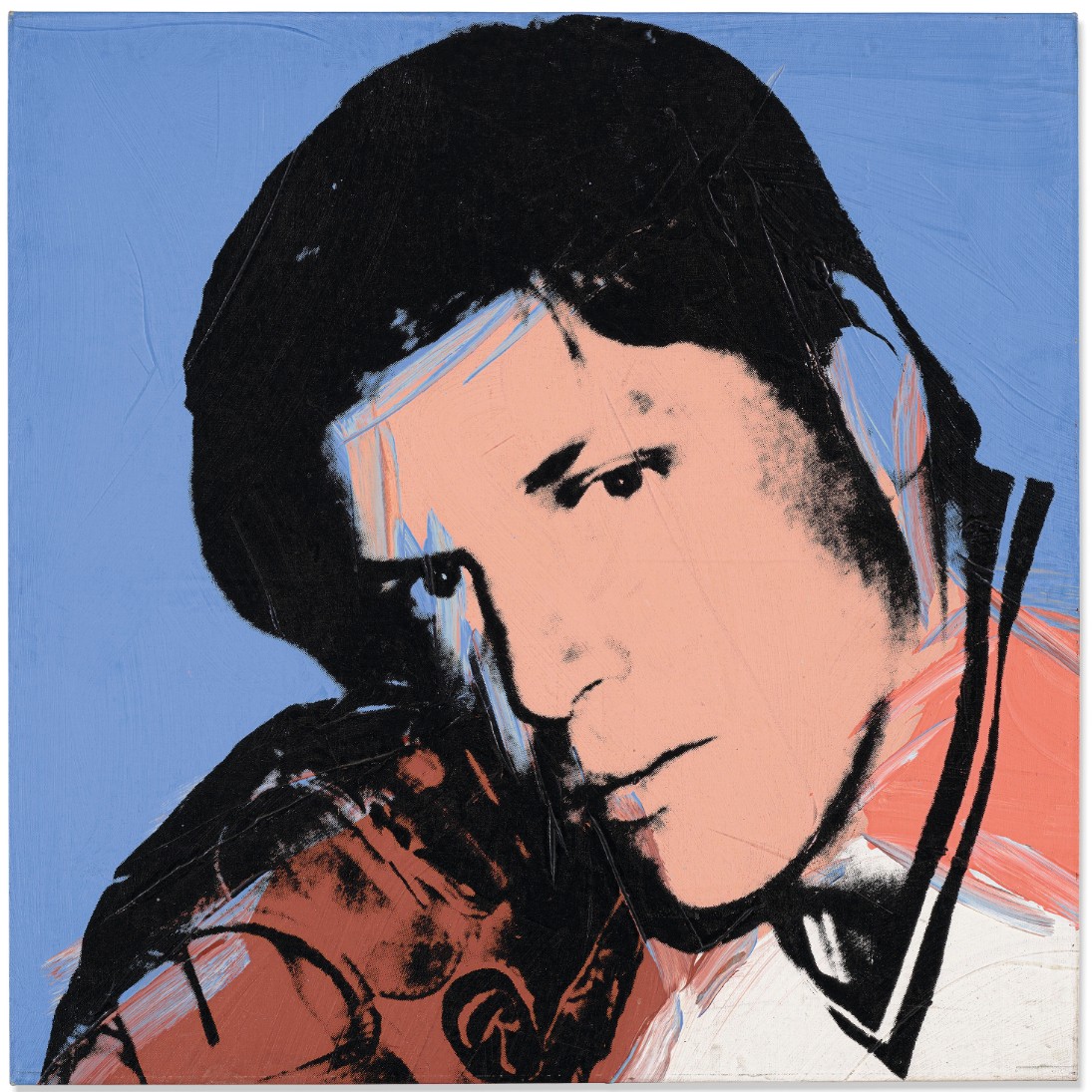
ANDY WARHOL (1928-1987)
Tom Seaver, 1977
Acrylic and silkscreen ink on linen
40×40 inches (101.6 x 101.6 cm)
Signed ‘Andy Warhol ©’, signed by Tom Seaver
Stamped with the Andy Warhol Authentication Board, Inc. stamp and numbered ‘A193.101’ (on the overlap)
2019 Auction Results
#1. Muhammad Ali, 1977
Christie’s New-York: 13 November 2019
Estimated: USD 4,000,000 – 6,000,000
USD 10,036,000
Andy Warhol (1928-1987) (christies.com)
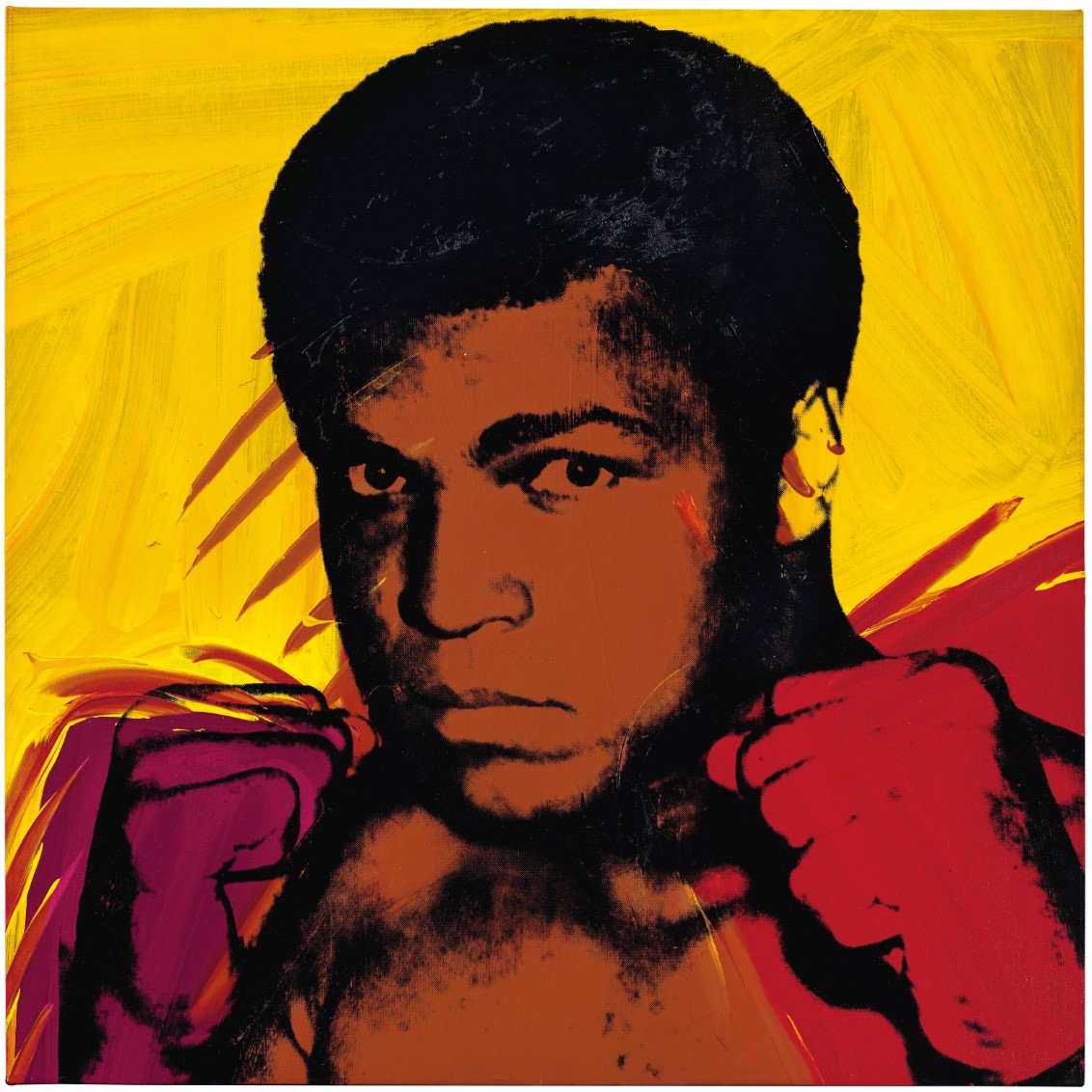
ANDY WARHOL
Muhammad Ali, 1977
Acrylic and silkscreen ink on canvas
40×40 inches (101.6 x 101.6 cm)
Signed and dated ‘Andy Warhol 1977’ (on the overlap)
Signed by Muhammad Ali (on the reverse)
#2. Pelé, 1977
Christie’s New-York: 14 November 2019
Estimated: USD 400,000 – 600,000
USD 855,000
Andy Warhol (1928-1987), Pelé | Christie’s
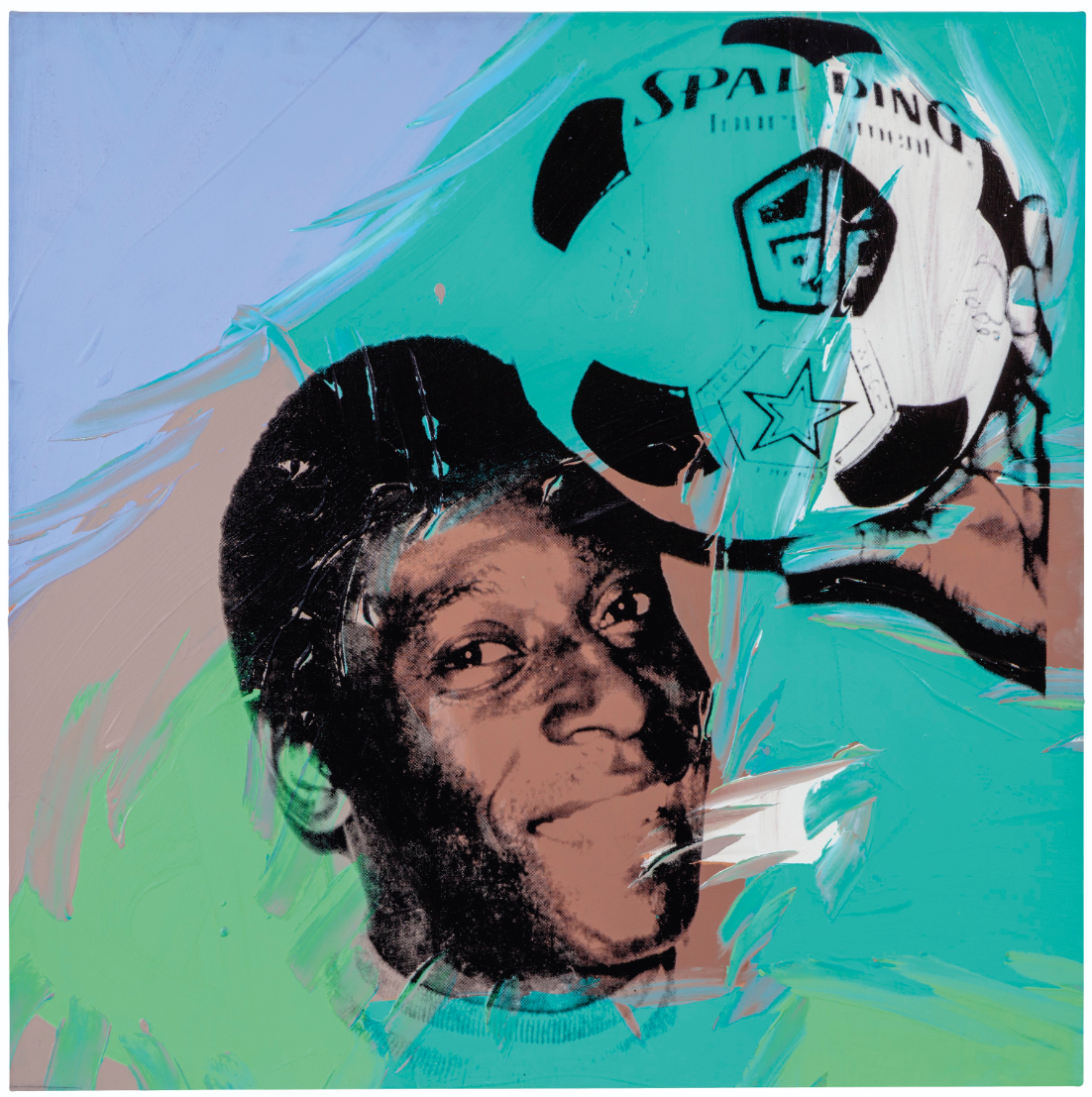
ANDY WARHOL (1928-1987)
Pelé, 1977
Acrylic and silkscreen ink on canvas
40×40 inches (101.6 x 101.6 cm)
Signed ‘Andy Warhol ©’ and signed by Edson Pelé (on the reverse)
#3. Kareem Abdul-Jabbar, 1977
Christie’s New-York: 14 November 2019
Estimated: USD 300,000 – 500,000
USD 795,000
Andy Warhol (1928-1987), Kareem Abdul-Jabbar | Christie’s
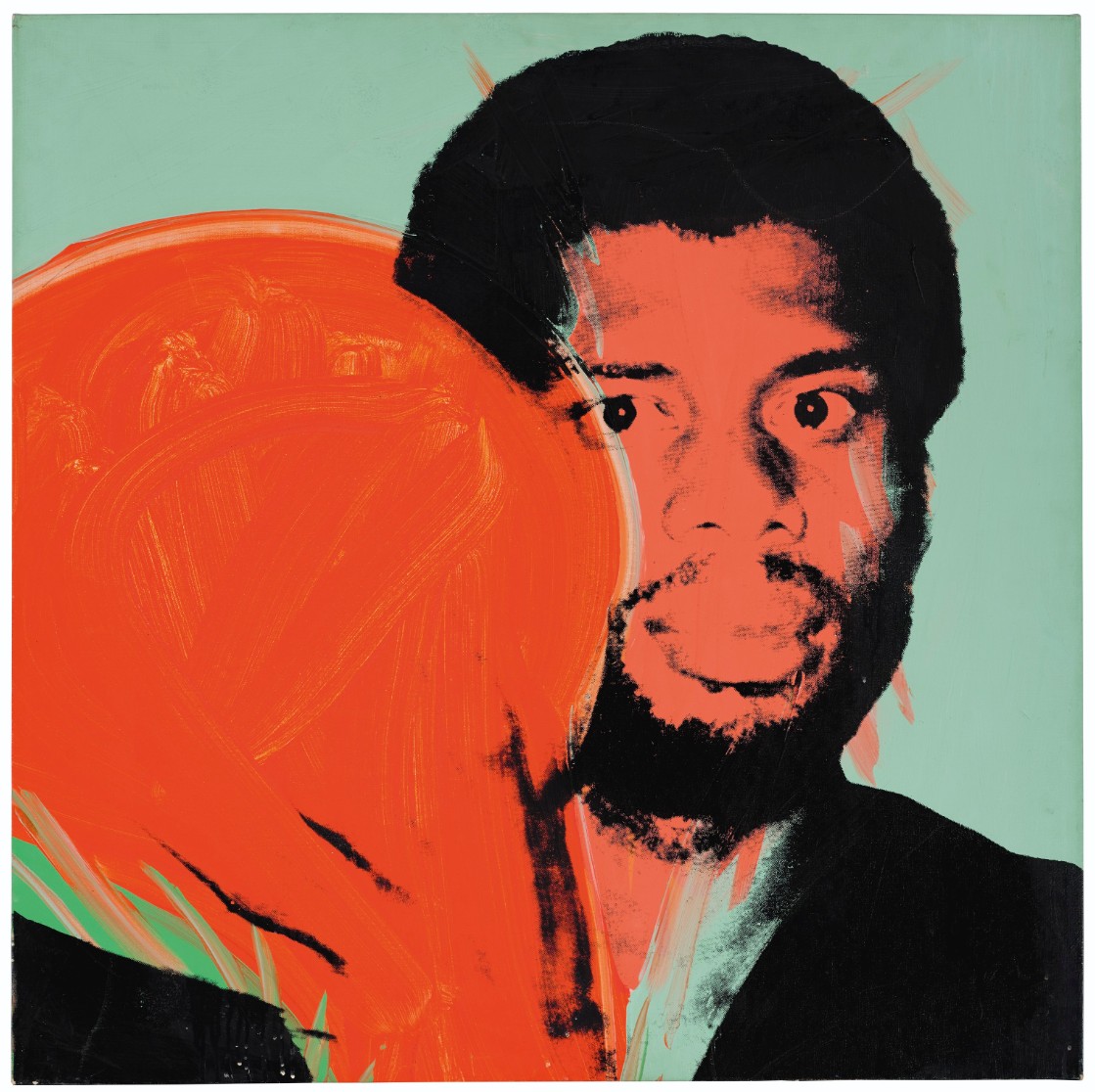
ANDY WARHOL (1928-1987)
Kareem Abdul-Jabbar, 1977
Acrylic and silkscreen ink on canvas
40×40 inches (101.6 x 101.6 cm)
Signed ‘Andy Warhol ©’ and signed by Kareem Abdul-Jabbar (on the overlap)
#4. Willie Shoemaker, 1977
Christie’s New-York: 14 November 2019
Estimated: USD 250,000 – 350,000
USD 759,000
Andy Warhol (1928-1987), Willie Shoemaker | Christie’s
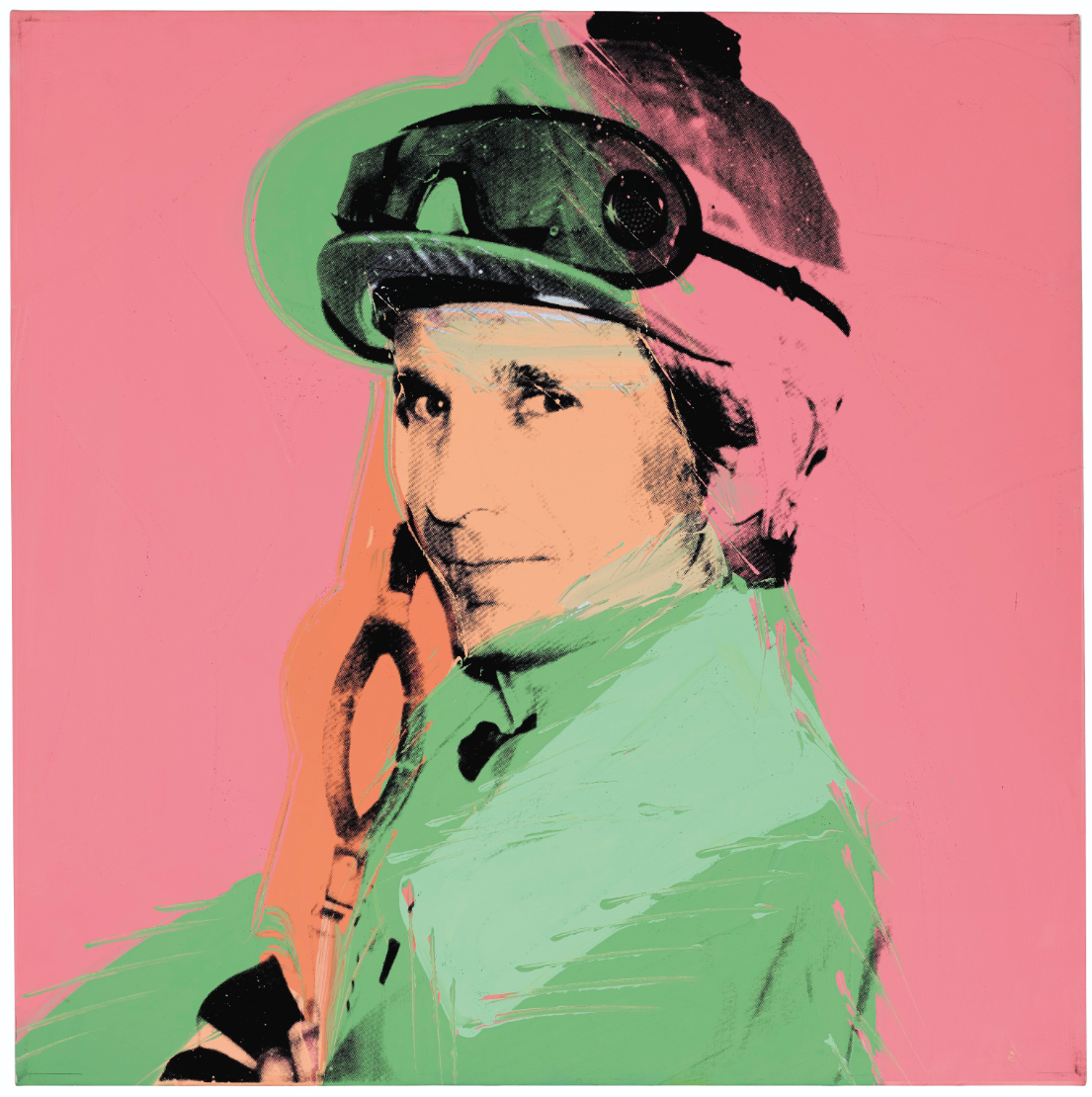
ANDY WARHOL (1928-1987)
Willie Shoemaker, 1977
Acrylic and silkscreen ink on canvas
40×40 inches (101.6 x 101.6 cm)
Signed and numbered ‘Andy Warhol A1290.25’ (on the overlap)
#5. O.J. Simpson, 1977
Christie’s New-York: 14 November 2019
Estimated: USD 250,000 – 350,000
USD 687,000
Andy Warhol (1928-1987), O.J. Simpson | Christie’s
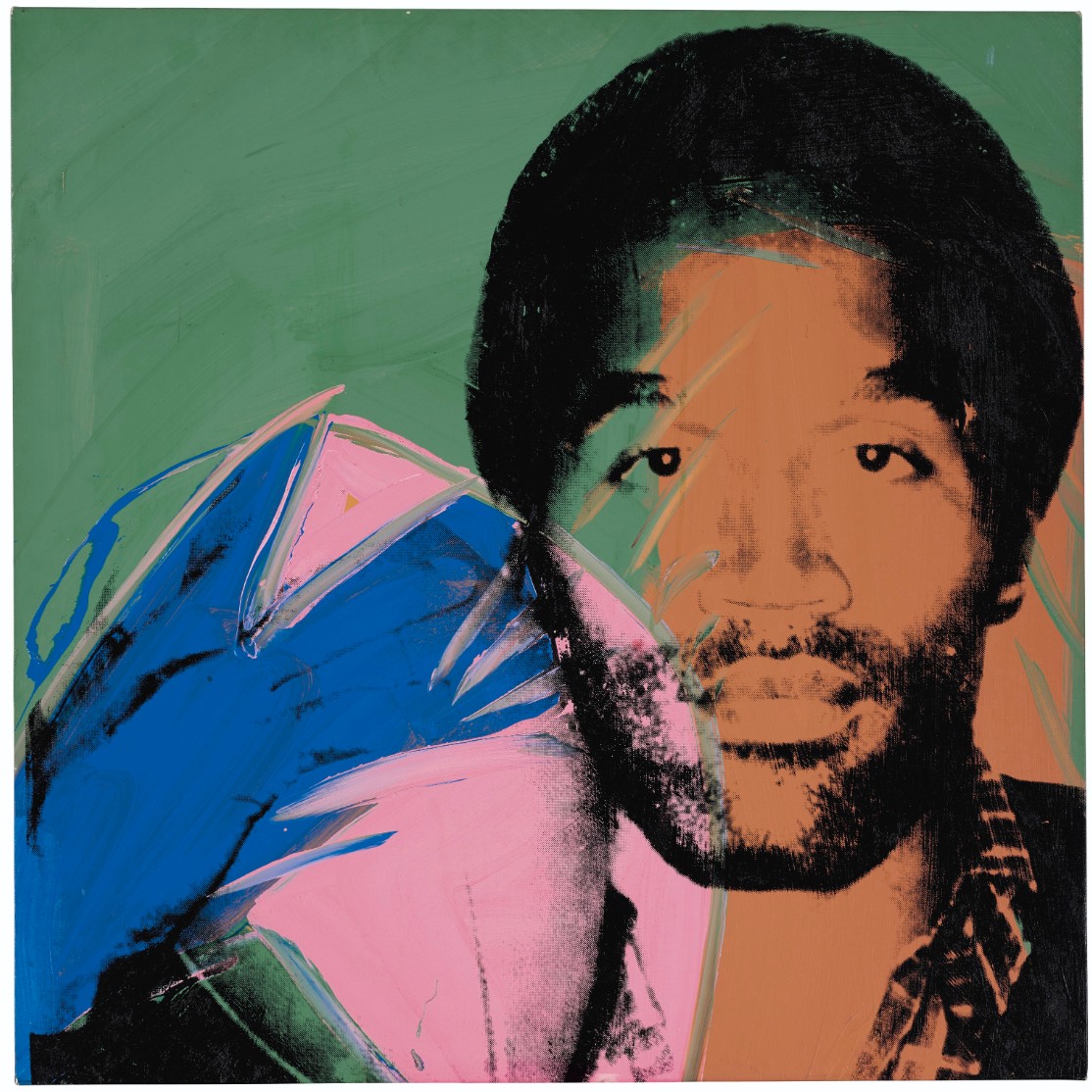
ANDY WARHOL (1928-1987)
O.J. Simpson, 1977
Acrylic and silkscreen ink on canvas
40×40 inches (101.6 x 101.6 cm)
Signed ‘Andy Warhol ©’ and signed by O.J. Simpson (on the overlap)
#6. Chris Evert, 1977
Christie’s New-York: 14 November 2019
Estimated: USD 250,000 – 350,000
USD 495,000
Andy Warhol (1928-1987), Chris Evert | Christie’s
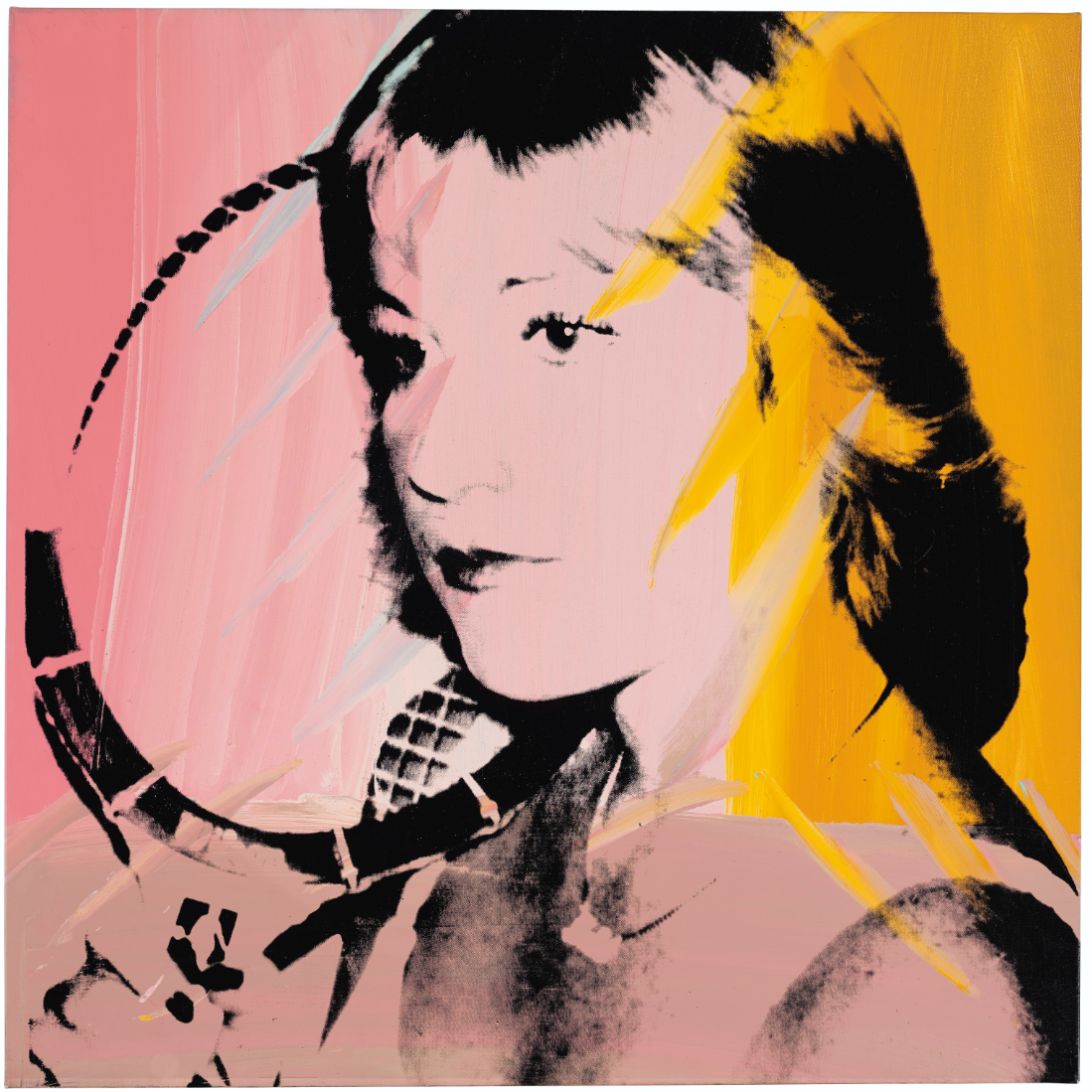
ANDY WARHOL (1928-1987)
Chris Evert, 1977
Acrylic and silkscreen ink on canvas
40×40 inches (101.6 x 101.6 cm)
Signed ‘Andy Warhol’ and signed by Chris Evert (on the overlap)
Muhammad Ali
Executed in 1977, Warhol’s picture of Muhammad Ali shows the boxer at the height of his fame and talents. At that point he was, for the third time, the World Boxing Association Heavyweight Champion. After more than a decade of professional bouts, he remained able to stun his opponents with his agility, winning fight after fight.
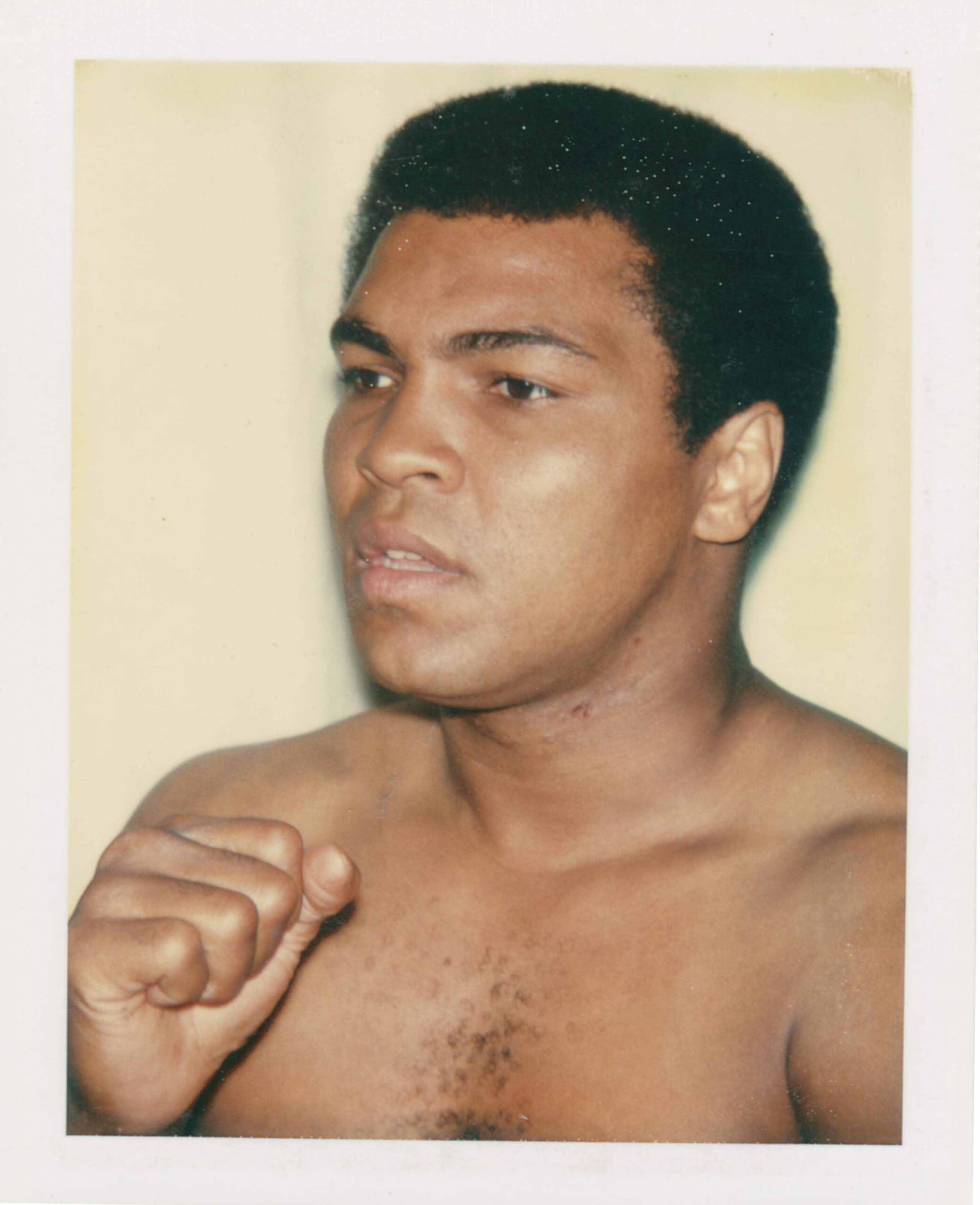
Warhol has chosen to portray this giant of boxing, this sporting hero, in a combative pose; the raised fists are the tools of his trade, the attributes, his only necessary paraphernalia, they are the raw materials with which the boxer made his name and reputation. Muhammad Ali is presented here as a Pop icon, a god of the modern age, a contemporary hero.
“I’m the greatest! I’m a bad man! And I’m pretty!”
And significantly, he is presented as a contemporary black hero, marking Warhol’s detached yet significant participation in the race politics of his day. This is one of the first major celebrations of a black hero in American art, and as such in part prefigures the paintings of Warhol’s protégé, Jean-Michel Basquiat, who would become determined to place black heroes at the center of art, having noticed to what extent they had been neglected or excluded for centuries prior to that. Even the presence of the African American in art thanks to George Bellows had been relatively fleeting and had occurred over half a century earlier.
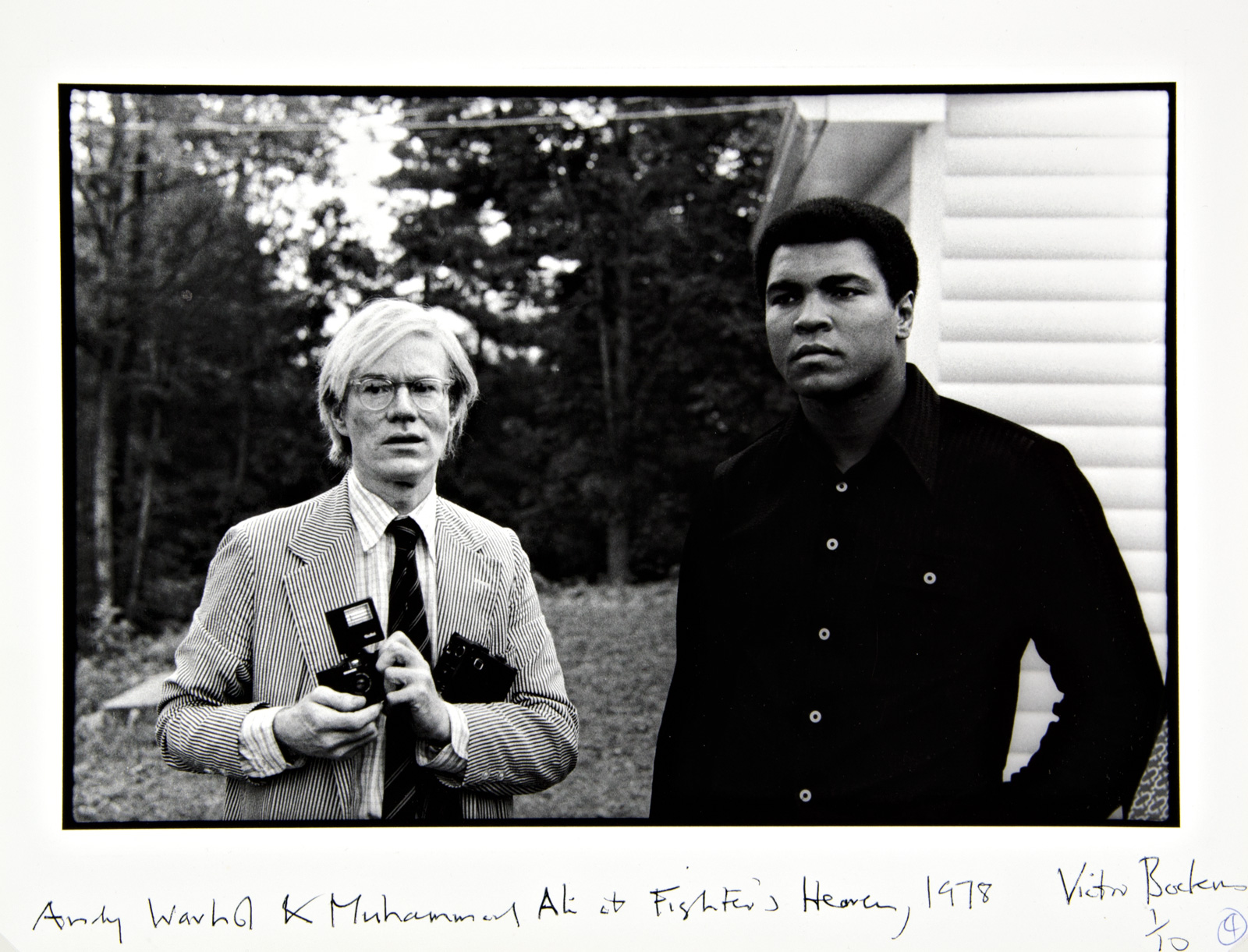
By the time that Warhol met Muhammad Ali in at his training camp in Deer Lakes, Pennsylvania, in August of 1977, Ali was the reigning world heavyweight champion, having defended his title an astonishing nine times. The slender, bespectacled artist and the handsome fighter could not have been more different. Sharply dressed in a black dress shirt and coordinating slacks, Ali was the epitome of cool, having just flown in from London on the Concorde. By contrast, Warhol was approaching fifty years old, looking gaunt in his pair of oversized glasses and rumpled seersucker suit. He was accompanied by a small entourage that included Weisman, Fred Hughes and the author Victor Bockris. As Ali led the group around his compound, showing off his state-of-the-art gymnasium and training facility, Warhol gradually worked up the nerve to ask if he could take pictures of the Champion.
“Could we, uh, do some, uh, pictures where you’re not, uh, talking?”
“I guess I really had told the Champ to shut up…I thought he was going to punch me.”
Gradually Ali began to quietly chuckle to himself, loosening up and going through a series of poses. Putting up his fists, he asked Andy, “Do I look fearless?” To which Warhol replied, “Very fearless. That’s fantastic!”
ANDY WARHOL
Muhammad Ali, 1977
The Athletes series proved to be a timely one, because in the 1970s, massive developments in television sports broadcasting and product sponsorship allowed for a huge fan base to flourish and grow. National and international viewers could now support players and teams from the comfort of their own homes. Warhol was quick to recognize that sports heroes had replaced the religious figures of his childhood. These were the new idols that the population at large had come to worship. Like his early Coca-Cola bottles and Campbell’s Soup Cans, Warhol also came to see the pantheon of sports celebrities as American “commodities,” and he staged them as such. Furthermore, Ali’s status as a beloved sports icon also harmonized with Warhol’s idea of the American dream. Just as “a Coke was a Coke” any person regardless of race, gender, or social stature had the opportunity to rise to the upper echelons of their sport. The boxer’s own realization of the importance of his entry into the Warholian pantheon is reflected by his reaction to learning that Warhol’s pictures were usually sold for $25,000 at that time. Here, Ali’s sense of humor and of irony is evident in this glee at becoming the subject for an establishment luxury object, the ultimate example of the worm that turned.
“Look at me! White people gonna pay twenty-five thousand dollars for my picture! This little negro from Kentucky couldn’t buy a fifteen hundred-dollar motorcycle a few years ago and now they pay twenty-five thousand dollars for my picture!”
It comes as little surprise to find that Warhol was not a sports fan. That said, Muhammad Ali was one sportsman who had long fascinated the artist, partly because of his incredible celebrity status and partly because of the violence of boxing. Violence played an important role both in the life and the art of Warhol, himself the victim of a shooting. In Muhammad Ali, the dynamic fighting style of the boxer and the viciousness of the sport are both captured in the slashes of clashing color, the dominant red and flashes of green, especially around the fists, where they act as substitutes for the boxer’s gloves. The materiality of the paint itself, with its clear traces of gestural application, speaks of a violence against the canvas, of movement and spontaneity, of jabs and strikes with the brush. This adds a dynamism to Muhammad Ali that is wholly suited to the theme of the pugilist.
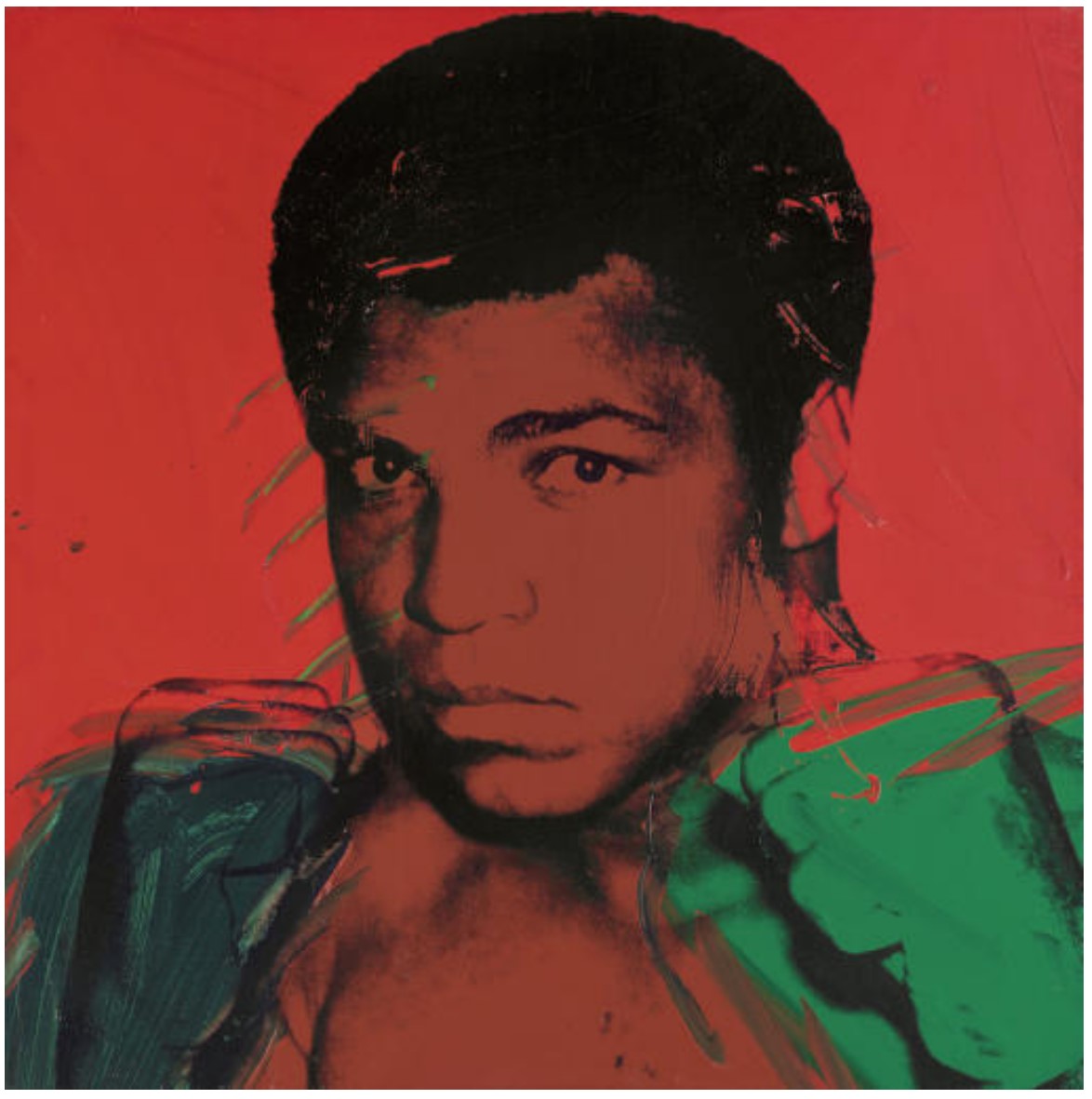
Warhol had long been fascinated by the tension violence invokes, as was clear in his early celebrity pictures of Elvis, which showed the singer aiming a gun at the viewer, and also in his Marlon images, with the Hell’s Angel-style Brando leaning languorously against a motorcycle, amply conveying the threat of the unpredictable bad boy biker. In words, Warhol denied his fascination with violence: “Some people, even intelligent people, say that violence can be beautiful. I can’t understand that, because beautiful is some moments, and for me those moments are never violent” (A. Warhol, quoted in K. Honnef, Andy Warhol 1928-1987 Commerce into Art, Cologne, 2000, p. 58).
However, his own diaries show this not to be the case, as do his pictures, be it in his images of the electric chair, the aggressive stance of cowboy Elvis, James Cagney pointing pistols at an anonymous figure with a Tommy gun, the FBI’s most wanted… Violence was glamorized in myriad ways throughout the media, be it in the graphic headlines which Warhol had appropriated during the early 1960s, the pictures of car crashes, the confected combative stance of actors in Westerns and gangster movies or the controlled chaos of a boxing match. In short, violence was a part of the modern culture, and as such was fertile territory for Warhol, whose objective, distant stance did deliberately little to penetrate its mystique or end its strange fetishization in our consumer culture.
Muhammad Ali, 1977
Christie’s New-York: 10 November 2021
Estimated: USD 4,500,000 – 6,500,000
USD 18,107,500
ANDY WARHOL (1928-1987) (christies.com)
ANDY WARHOL
Muhammad Ali, 1977
Acrylic and silkscreen ink on canvas
40×40 inches (101.6 x 101.6 cm)
Inscribed ‘I certify that this is an orig. painting by Andy Warhol completed by him in 1978 Frederick Hughes’ (on the overlap)
Signed by Muhammad Ali (on the reverse)
With his steely glare, and his fists raised in a typical boxer’s stance, Muhammad Ali’s imposing likeness fills the entire picture plane. The purple ground gives the work a regal quality, accentuating the boxer’s distinctive silhouette, and drawing the eye forward to the boxer’s fists. Unlike Warhol’s earlier celebrity portraits, in Muhammad Ali, Warhol elaborates Ali’s images with a series of discreet expressionistic embellishments, produced by physically manipulating the painted surface directly with his fingers. These streaks and striations also add a distinct sense of dynamism to the composition, recreating the lightning speed of Ali’s fast moving left/right jabs. Muhammad Ali is an important painting in Warhol’s development of his portrait paintings. They are among the artist’s most significant works and chart the success of his career. His early portraiture, featuring the likes of Liz Taylor and Marilyn Monroe, did much to reinvigorate a medium which many had regarded as old-fashioned and obsolete. With his works from the 1960s, he turned pre-existing publicity photographs and other images into the modern day equivalent of religious icons. The present work, and the others in the Athletes series are clearly the direct descendent of these Pop icons of the 1960s, and by using sports stars who harnessed the power of the media to reach the worldwide fame, Warhol brings his examination of contemporary celebrity right up to date.
Muhammad Ali, 1977
Christie’s London: 11 February 2020
Estimated: GBP 3,000,000 – 5,000,000
GBP 4,973,250 / USD 6,482,075
Andy Warhol (1928-1987) (christies.com)
ANDY WARHOL
Muhammad Ali, 1977
Acrylic and silkscreen ink on linen
40×40 inches (101.6 x 101.6 cm)
Inscribed ‘I certify that this is an original painting by Andy Warhol completed by him in 1978 Frederick Hughes’ (on the overlap)
Signed by Muhammed Ali (on the reverse)
Here, the boxer emerges from the shadows, confronting the viewer like a religious icon. His fists are bathed in opulent hues of purple and green, punctuated by streaks of red. Exuding power and humanity in equal measure, it is a fitting tribute to Ali’s timeless maxim: ‘float like a butterfly, sting like a bee.’
Muhammad Ali, 1977
Christie’s New-York: 13 November 2019
Estimated: USD 4,000,000 – 6,000,000
USD 10,036,000
Andy Warhol (1928-1987) (christies.com)
ANDY WARHOL
Muhammad Ali, 1977
Acrylic and silkscreen ink on canvas
40×40 inches (101.6 x 101.6 cm)
Signed and dated ‘Andy Warhol 1977’ (on the overlap)
Signed by Muhammad Ali (on the reverse)
In Muhammad Ali, Warhol captures the champion boxer in his most iconic stance. Fists raised, Ali confronts the viewer as he would an opponent in the ring, bathed in a golden—almost religious—aura. The tools of his trade, his clenched fists, are saturated in a rich, vermillion hue, while slanting red brushstrokes evoke the violence of the ring, like a bloody gash or wound. Above all, Ali’s unwavering stare and his larger-than-life, nearly four-foot portrayal drives home the fighter’s famous taunt—“I’m the greatest! I’m a bad man! And I’m pretty!”
Muhammad Ali, 1978
Christie’s New-York: 12 November 2007
Estimated: USD 2,000,000 – 3,000,000
USD 9,225,000
Andy Warhol (1928-1987) (christies.com)
ANDY WARHOL
Muhammad Ali, 1978
Synthetic polymer and silkscreen inks on canvas
40×40 inches (101.6 x 101.6 cm)
Stamped with the artist’s signature ‘Andy Warhol’ (on the overlap)
O.J. Simpson
Andy Warhol’s O.J. Simpson, 1977, brings together two of the most recognizable names of the 20th century. Part of the artist’s famed Athlete Series, consisting of over 200 portraits made between late March and early November of 1977, the present work reflects the artist’s interest in celebrity and more broadly, his reinvention of traditional portraiture. First debuted in his 1977 exhibition at Coe Kerr Gallery, New York in December of that year, and one of the few portraits signed by both the athlete and artist, O.J. Simpson captures the influence of a notorious figure in pop culture. The present work was previously in the collection of the Pro Football Hall of Fame in Canton, Ohio, and other portraits of the sitter are housed in esteemed university collections such as the University of Maryland Art Gallery, College Park, and the Hammer Museum at the University of California, Los Angeles.
“He had a five-day beard and I thought the pictures would be awful but Fred said no, that they’d be sexy, and he was right, they were. O.J. is so good looking.”
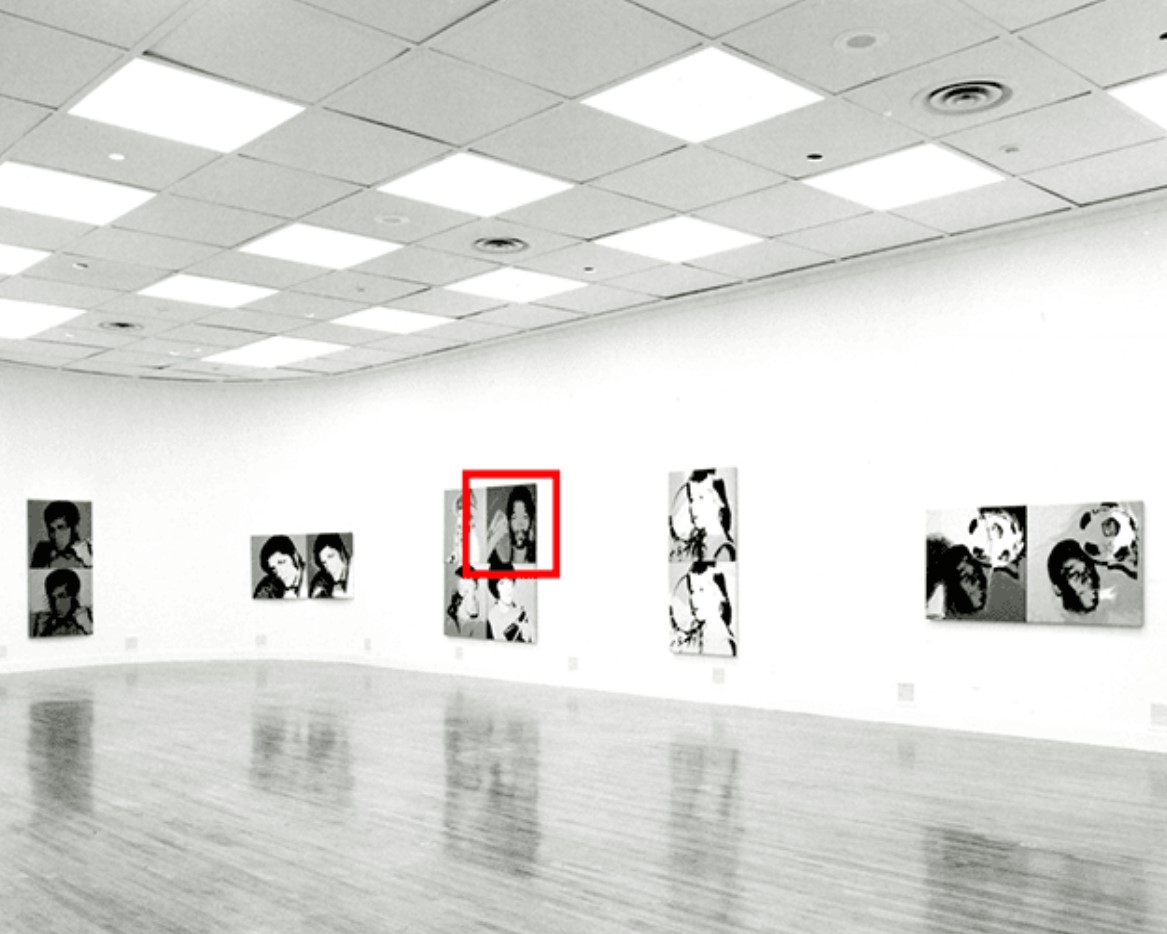
The present work installed at Athletes by Andy Warhol, Virginia Museum of Fine Arts, Richmond, 1978. Artwork: © 2023 The Andy Warhol Foundation for the Visual Arts, Inc. / Licensed by Artists Rights Society (ARS), New York
Commissioned by Warhol’s friend and collector Richard Weisman, the Athletes Series includes over 200 portraits—more than Warhol painted of Mao five years earlier—of famed sports stars like Kareem Abdul-Jabbar, Muhammad Ali and Dorothy Hamil. Occupying the role of both movie star and athlete, Simpson was an ideal candidate for the project. A star running back for the Buffalo Bills and an aspiring actor, he was only 30 years old at the time of his meeting with Warhol. Showing up to their meeting in a Buffalo motel room on October 19, 1977, Simpson forgot both signifiers of his profession – his jersey and a football. Eventually sourcing a ball, Warhol snapped 46 Polaroids of the athlete dressed in a plaid shirt under a blazer, selecting two to use as source images for eleven subsequent portraits.
O.J. Simpson, 1977
Phillips New-York: 16 May 2023
Estimated: USD 300,000 – 500,000
USD 482,600
Andy Warhol – 20th Century & Contempora… Lot 115 May 2023 | Phillips
ANDY WARHOL
O.J. Simpson, 1977
Acrylic and silkscreen ink on canvas
40×40 inches (101.6 x 101.6 cm)
Signed “Andy Warhol” on the reverse; further signed by O.J. Simpson on the reverse
The impermanence of these Polaroids—a medium Warhol used as early as the 1960s when he embarked upon his first commissioned portraits—reinforce the ephemeral nature of fame which Warhol was interrogating in his work. In O.J. Simpson, Warhol composes the portrait so that the ball almost takes up as much space as O.J.’s face. He also takes a more painterly approach to his traditional silkscreen, especially when compared to his 1980s portraits rendered in the same 40 by 40-inch format, using swathes of red and orange pigment to brush gently across the surface of the canvas. When viewing this 1977 depiction, immediately the viewer is reminded of another, less glamorous portrait of Simpson – his mugshot. Unaware of his picture’s impact years later, Warhol acknowledges and highlights the footballer’s budding celebrity.
O.J. Simpson, 1977
Christie’s New-York: 12 November 2021
Estimated: USD 300,000 – 500,000
USD 500,000
ANDY WARHOL (1928-1987), O.J. Simpson | Christie’s (christies.com)
ANDY WARHOL (1928-1987)
O.J. Simpson, 1977
Acrylic and silkscreen ink on canvas
40×40 inches (101.6 x 101.6 cm)
Signed ‘Andy Warhol’ (on the overlap)
O.J. Simpson, 1977
Christie’s London: 12 February 2020
Estimated: GBP 200,000 – 300,000
GBP 395,250 / USD 515,165
Andy Warhol (1928-1987), O.J. Simpson | Christie’s
ANDY WARHOL (1928-1987)
O.J. Simpson, 1977
Acrylic and silkscreen ink on linen
40×40 inches (101.6 x 101.6 cm)
Signed ‘Andy Warhol ©’ and signed by O.J. Simpson (on the reverse)
O.J. Simpson, 1977
Christie’s New-York: 14 November 2019
Estimated: USD 250,000 – 350,000
USD 687,000
Andy Warhol (1928-1987), O.J. Simpson | Christie’s
ANDY WARHOL (1928-1987)
O.J. Simpson, 1977
Acrylic and silkscreen ink on canvas
40×40 inches (101.6 x 101.6 cm)
Signed ‘Andy Warhol ©’ and signed by O.J. Simpson (on the overlap)
Pelé
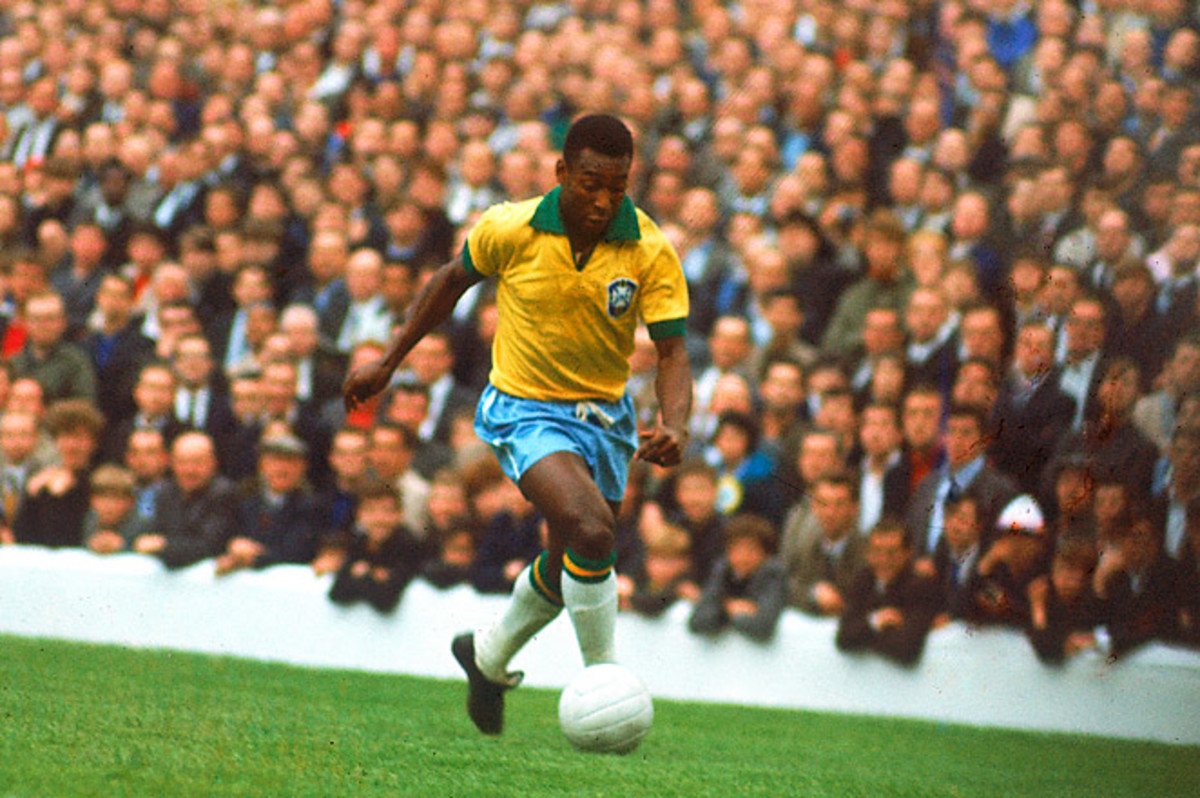
In this portrait of a grinning Pelé, Warhol captures the international soccer star’s easy exuberance, freezing the beloved player’s charm and athleticism in a timeless silkscreen print. The series monumentalizes the athletes who defined a generation, with Pelé’s portrait rightfully cementing his place among the pantheon of not only soccer’s greatest talents but also worldwide celebrities.
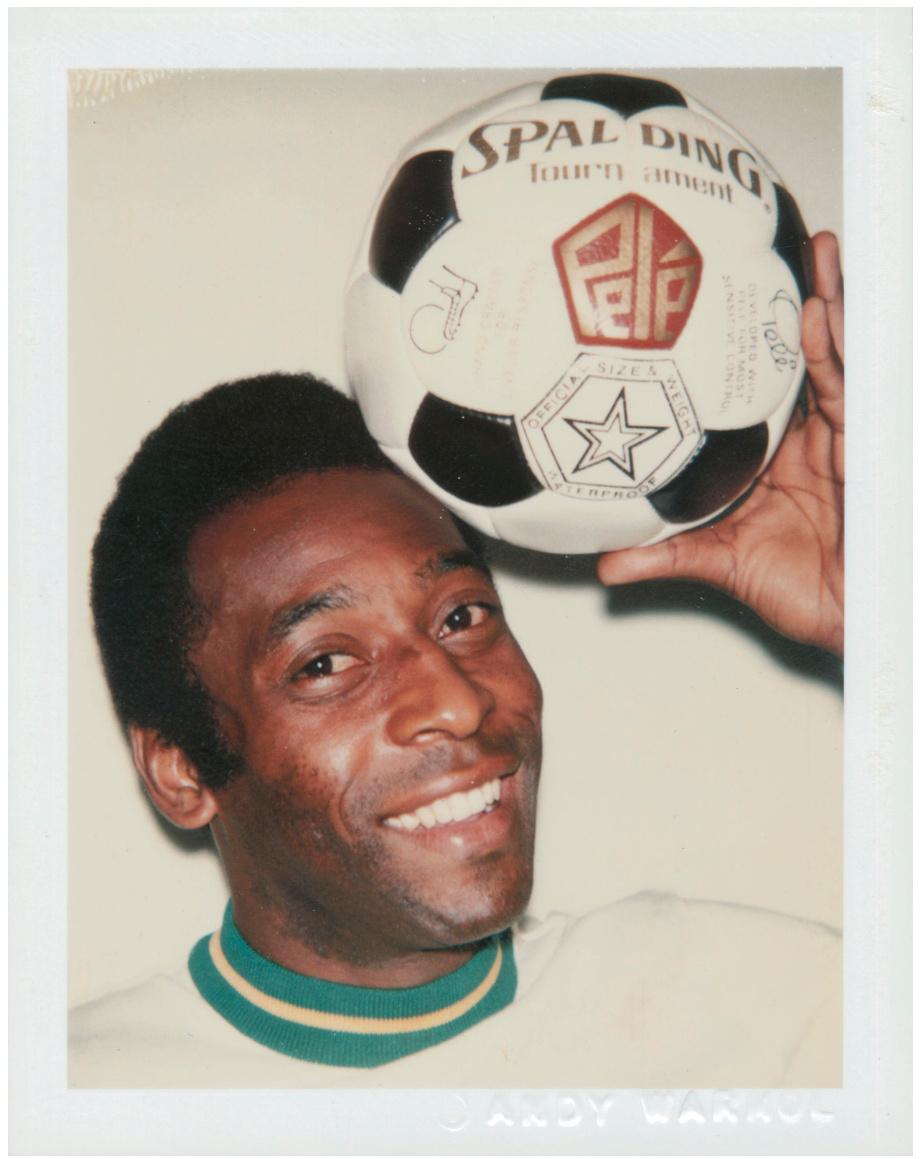
ANDY WARHOL (1928-1987)
Pelé, circa 1977
unique polaroid print
4 1/4 x 3 3/8 inches (10.8 x 8.5 cm)
While Warhol transferred the image of a beaming Pelé triumphantly lifting a soccer ball in ink, the element driving the work’s essential joy remains the vivid strokes of paint. The angled turquoise brushstrokes radiating from the soccer ball are edged in streaks of white, alluding to spin and speed. This overwhelming effect of motion is one of the portrait’s most unique characteristics; the work is a sensual delight, with the eye whizzing through vigorous dashes around the ball, luxuriating in an atmosphere of flight and energy.
Behind the Spalding ball marked with Pelé’s name, an expanse of cyan stretches across the top right half of the canvas, recalling a bright blue sky above a soccer pitch, while a swath of seagrass green fills Pelé’s shirt in the lower left half of the work. The colors of green and aqua are those of the New York Cosmos, a perfect allusion to Pelé’s team at the time of the work’s creation.
Fittingly, the rest of the work was executed in black and white, the colors of Pelé’s first team where he began his meteoric rise, Santos FC. These happy coincidences of color and the encapsulation of speed and warmth the work embodies make Warhol’s portrait of Pelé one of the most visually delightful works in his Athletes series.
Pelé, 1977
Christie’s New-York: 12 November 2021
Estimated: USD 400,000 – 600,000
USD 810,000
ANDY WARHOL (1928-1987) (christies.com)
ANDY WARHOL
Pelé, 1977
Acrylic and silkscreen ink on canvas
40×40 inches (101.6 x 101.6 cm)
Stamped with the artist’s signature ‘Andy Warhol’ (on the overlap)
Inscribed ‘I certify that this is an original painting by Andy Warhol completed by him in 1978 Frederick Hughes’
(on the overlap)
Pelé, 1977
Christie’s London: 12 February 2020
Estimated: GBP 300,000 – 500,000
GBP 575,250 / USD 749,775
Andy Warhol (1928-1987), Pelé | Christie’s
Andy Warhol (1928-1987)
Pelé, 1977
Acrylic and silkscreen ink on linen
40×40 inches (101.6 x 101.6 cm)
Signed ‘Andy Warhol ©’ and signed by Edson Pelé (on the reverse)
Pelé, 1977
Christie’s New-York: 14 November 2019
Estimated: USD 400,000 – 600,000
USD 855,000
Andy Warhol (1928-1987), Pelé | Christie’s
ANDY WARHOL (1928-1987)
Pelé, 1977
Acrylic and silkscreen ink on canvas
40×40 inches (101.6 x 101.6 cm)
Signed ‘Andy Warhol ©’ and signed by Edson Pelé (on the reverse)
Kareem Abdul-Jabbar
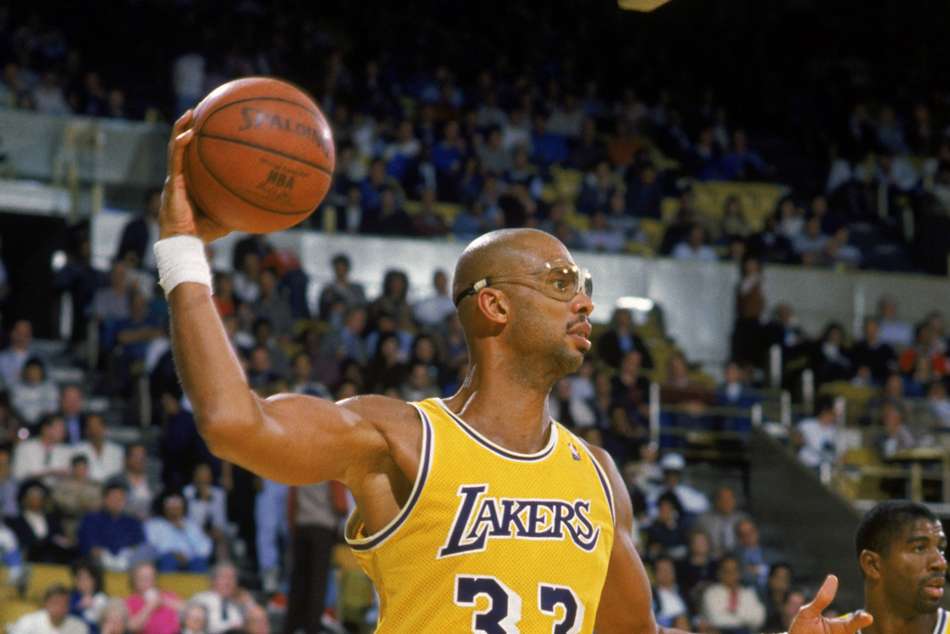
Warhol’s portrait of basketball icon Kareem Abdul Jabbar grabs hold of the athlete’s intensity and magnifies it, his searing gaze fixing the viewer into place. The basketball star stares straight out at the viewer, his pupils wide and discerning, round and all-seeing. His features are slightly faded, with the bridge of his nose and the lines of his lips unintelligible, yet this absence does not detract from the severity of the basketball player’s facial expression. Warhol’s choice of color in this work takes the viewer’s eye on a journey throughout the canvas. Broad strokes of vibrant purple fill the background and form a harsh contrast with the icy blue of Abdul Jabbar’s hand and the basketball he palms, while the muted orange of his face draws the dark ink of his features and broad shoulders into high relief.
“Kareem was so big, I could walk through his legs. He was fun to photograph…”
There is almost a spotlight effect on the basketball, which looks noticeably smaller than usual once clutched by the athlete’s large hand. In this highlighting of the ball and the body part that dominates it, there is a subtle parallel to the obvious marks left by the painter’s hand: two artists and the implements of their crafts. At this point in his career, Abdul Jabbar was a household name. This portrait acknowledges the physical prowess of the player in its use of space, as half of the canvas is taken up by Abdul Jabbar’s hand and the basketball in it. However, the work also honors the athlete as a pensive thinker, his wide set gaze both intense and curious, potent and searching.
When Kareem Abdul-Jabbar left the game of basketball in 1989 at the age of 42, no NBA player had ever scored more points, blocked more shots, won more Most Valuable Player Awards, played in more All-Star games or logged more seasons. His list of personal and team accomplishments are perhaps the most awesome in league history. No player has ever duplicated his trademark “Sky-hook”, a hook shot in which he bent his entire body (rather than just an arm) like a straw in one fluid motion to raise the ball and then release it at the highest point of his arm’s arching motion. The shot became one of the most effective weapons in all of sports, few have blocked his legendary skyhook. Kareem was adept at shooting his trademark shot with either hand which made him even more difficult to defend against.
Kareem Abdul-Jabbar, 1977
Christie’s New-York: 11 November 2021
Estimated: USD 350,000 – 550,000
USD 930,000
ANDY WARHOL (1928-1987) (christies.com)
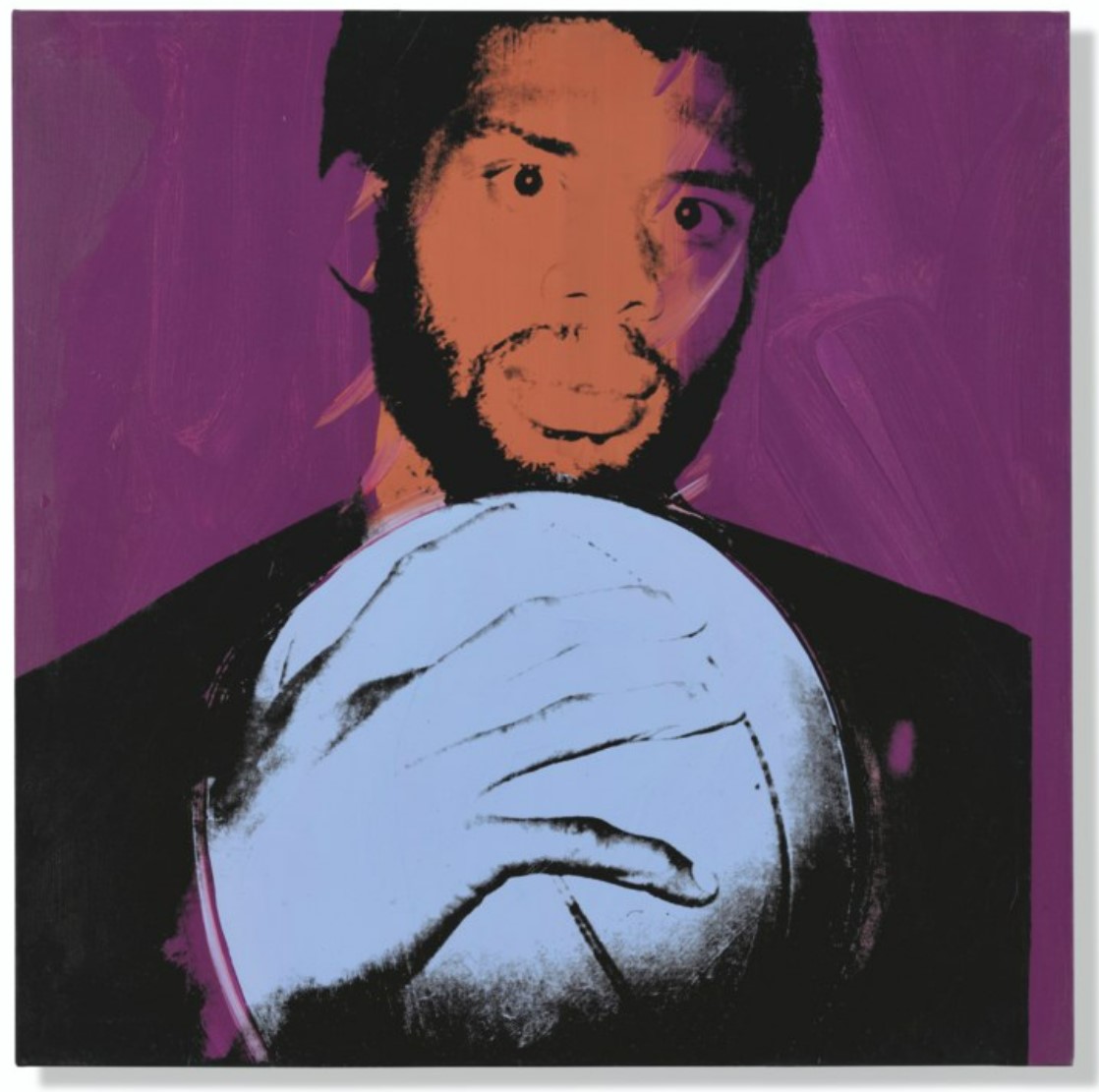
ANDY WARHOL
Kareem Abdul-Jabbar, 1977
Acrylic and silkscreen ink on canvas
40×40 inches (101.6 x 101.6 cm)
Signed ‘Andy Warhol ©’ (on the overlap)
Signed by Abdul-Jabbar (on the overlap)
Warhol’s portrait of basketball icon Kareem Abdul Jabbar grabs hold of the athlete’s intensity and magnifies it, his searing gaze fixing the viewer into place. The basketball star stares straight out at the viewer, his pupils wide and discerning, round and all-seeing. His features are slightly faded, with the bridge of his nose and the lines of his lips unintelligible, yet this absence does not detract from the severity of the basketball player’s facial expression. Warhol’s choice of color in this work takes the viewer’s eye on a journey throughout the canvas. Broad strokes of vibrant purple fill the background and form a harsh contrast with the icy blue of Abdul Jabbar’s hand and the basketball he palms, while the muted orange of his face draws the dark ink of his features and broad shoulders into high relief. There is almost a spotlight effect on the basketball, which looks noticeably smaller than usual once clutched by the athlete’s large hand. In this highlighting of the ball and the body part that dominates it, there is a subtle parallel to the obvious marks left by the painter’s hand: two artists and the implements of their crafts.
Kareem Abdul-Jabbar, 1977
Christie’s London: 12 February 2020
Estimated: GBP 220,000 – 280,000
GBP 491,250 / USD 640,289
Andy Warhol (1928-1987) (christies.com)
Andy Warhol (1928-1987)
Kareem Abdul-Jabbar, 1977
Acrylic and silkscreen ink on linen
40×40 inches (101.6 x 101.6 cm)
Signed ‘Andy Warhol ©’ and signed by Kareem Abdul-Jabbar (on the overlap)
Kareem Abdul-Jabbar, 1977
Christie’s New-York: 14 November 2019
Estimated: USD 300,000 – 500,000
USD 795,000
Andy Warhol (1928-1987), Kareem Abdul-Jabbar | Christie’s
ANDY WARHOL (1928-1987)
Kareem Abdul-Jabbar, 1977
Acrylic and silkscreen ink on canvas
40×40 inches (101.6 x 101.6 cm)
Signed ‘Andy Warhol ©’ and signed by Kareem Abdul-Jabbar (on the overlap)
Kareem Abdul-Jabbar, 1977
Christie’s New-York: 12 May 2011
Estimated: USD 220,000 – 280,000
USD 386,500
Andy Warhol (1928-1987) , Kareem Abdul-Jabbar | Christie’s
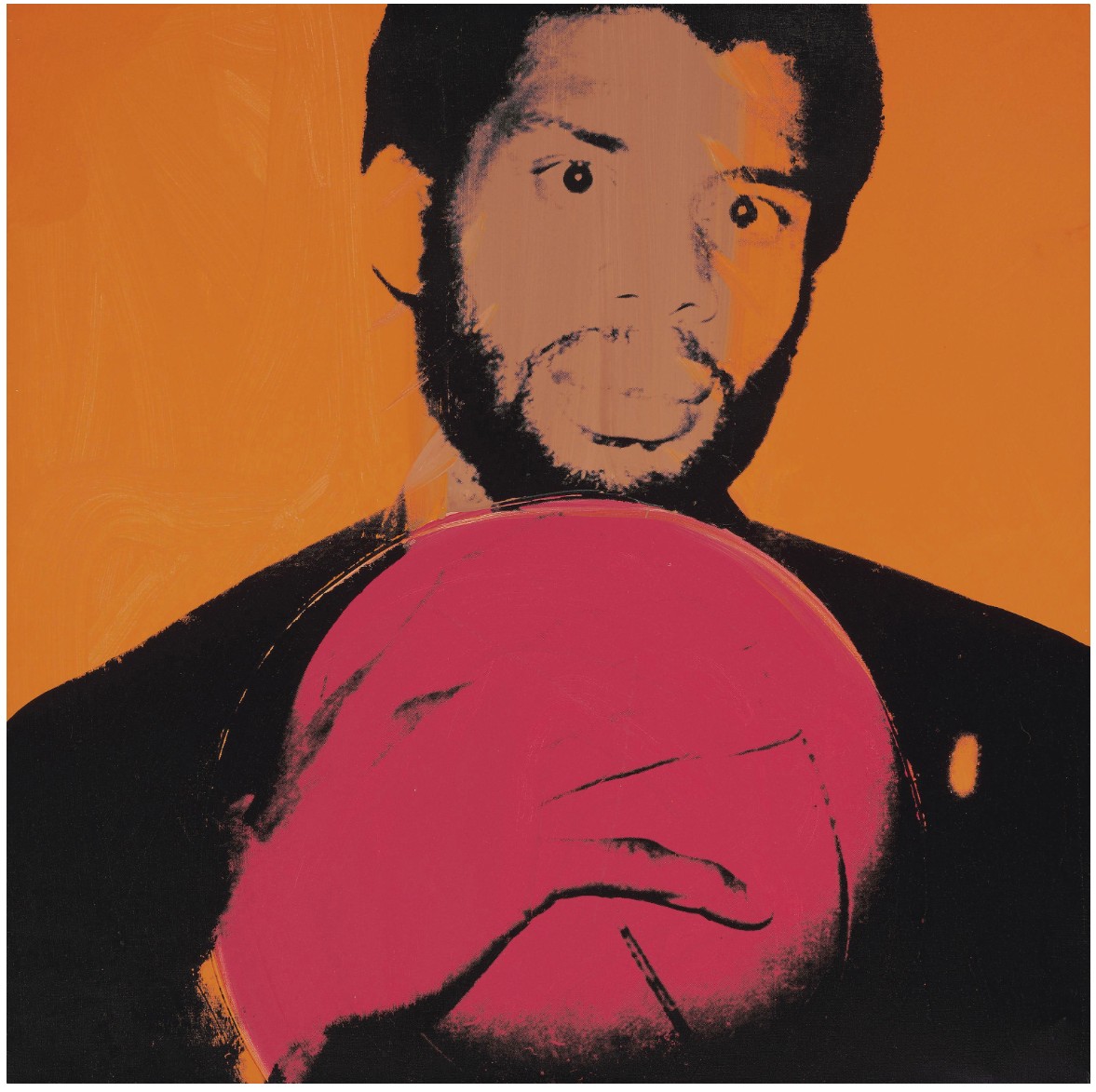
ANDY WARHOL (1928-1987)
Kareem Abdul-Jabbar, 1977
Synthetic polymer and silkscreen ink on canvas
40×40 inches (101.6 x 101.6 cm)
Signed ‘Andy Warhol’ (on the overlap)
Signed with vintage autograph ‘Abdul-Jabbar’ (on the overlap)
Jack Nicklaus
Jack Nicklaus, 1977
Sotheby’s New-York: 17 May 2024
Estimated: USD 200,000 – 300,000
USD 508,000
Jack Nicklaus | Contemporary Day Auction | 2024 | Sotheby’s (sothebys.com)
ANDY WARHOL
Jack Nicklaus, 1977
Acrylic and silkscreen ink on canvas
40×40 inches (101.6 x 101.6 cm)
Signed by Jack Nicklaus (on the overlap)
Stamped by the Andy Warhol Authentication Board, Inc.
Numbered A119.956 on the overlap
Jack Nicklaus, 1977
Sotheby’s New-York: 16 November 2023
Estimated: USD 250,000 – 350,000
USD 317,500
Jack Nicklaus | Contemporary Day Auction | 2023 | Sotheby’s (sothebys.com)
REPEAT SALE
Christie’s London: 12 February 2020
Estimated: GBP 150,000 – 200,000
GBP 323,250 / USD 421,320
Andy Warhol (1928-1987), Jack Nicklaus | Christie’s
ANDY WARHOL (1928 – 1987)
Jack Nicklaus, 1977
Acrylic and silkscreen ink on canvas
40×40 inches (101.6 x 101.6 cm)
Signed by the artist and Jack Nicklaus (on the overlap)
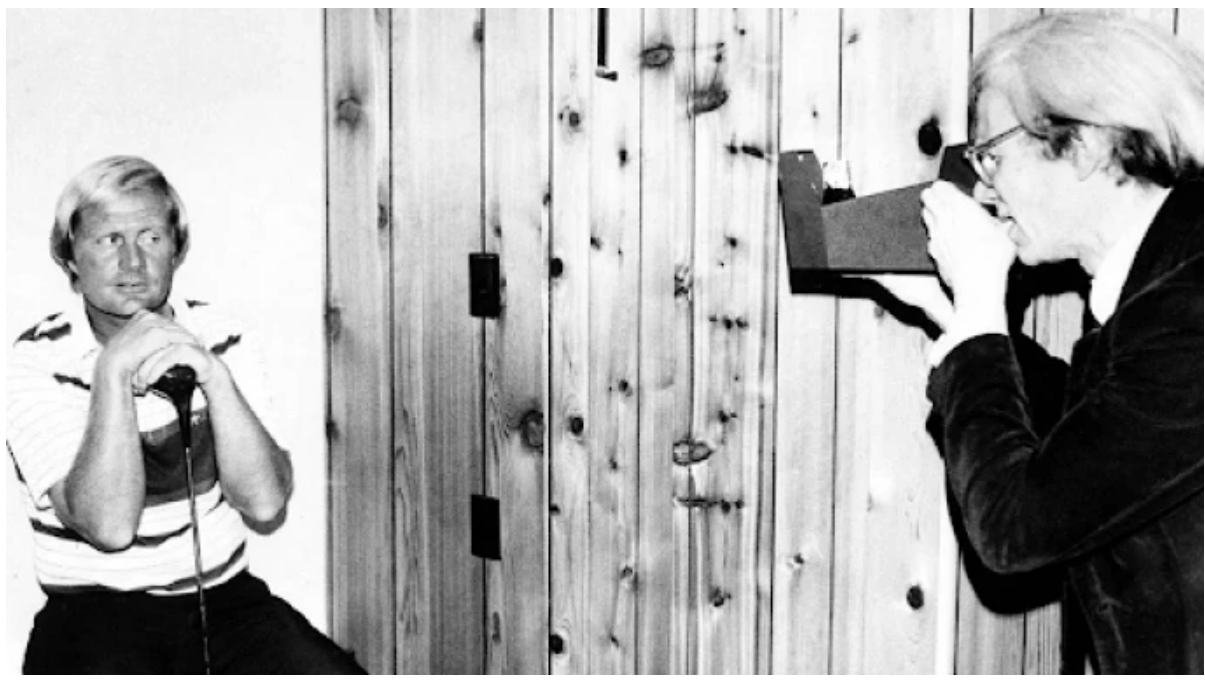
ANDY WARHOL TAKING A POLAROID OF JACK NIKLAUS. 1977. © 2023 ANDY WARHOL FOUNDATION FOR THE VISUAL ARTS / ARTISTS RIGHTS SOCIETY (ARS), NEW YORK
Wednesday, September 21, 1977 – New York – Columbus
On the plane Richard Weisman said that Vitas Gerulaitis had just been to Columbus and staked out the best motel and the best girls to call…As soon as we checked in there, we went to another motel, the one that Jack Nicklaus owned, to meet him. We waited while he talked on the phone. He looked fat, but Richard said that he was once 280 and was now down to 180. He was very suntanned, but his eyes, around them, were white where his sunglasses were, and his hands were tiny and white, he wears gloves on the course. His hair was blond, and he said something about needing a haircut, but I had the feeling that his hair was just the way it always looked, puffed just‑so over the ears, like it was “coifed.” I started taking pictures but none of them were coming out good. It’s so hard taking pictures of suntanned people because they come out so red. He was being friendly and Richard was trying to be friendly but somehow the situation was strained, he didn’t understand what was going on. And I had my tape recorder with me and was taping, but when I sort of realized that he wouldn’t understand that, I just quietly shut it off. Richard’s secretary Claudia showed him pictures I’d done of Tom Seaver, Muhammad Ali, and Pelé, but he still didn’t really understand why we were there taking pictures of him. Richard had sent him a book showing my paintings but he didn’t understand the style. And then he got another phone call, and we were getting nervous and I took some more pictures and he didn’t like any and we didn’t like any. Not getting good pictures made things more and more awkward and finally he said, “Well, you know what you want—you don’t tell me how to tee off on the green,” and I felt more uncomfortable and everyone just wished we could leave. Then finally he liked one but it was just nothing, a front shot, and I didn’t see any difference between the rest of them and that one, but he said he didn’t want to be looking— what’s the word? It’s like cocky, but it’s a short word—he didn’t want to look like that, and he thought this one made him look like a nice person. He talked about his wife and his kids. Forgot to say that when I was taking the pictures, there wasn’t a golf club around, they were all down on the course. He went around to some of the offices asking if anyone had clubs and finally came back with some that he said were just like his, and I didn’t know that golf clubs have hats on them with drawstrings. We ran out and dished the whole thing in the car and that’s when it suddenly occurred to me that he actually had looked like he might be lonely and maybe we should have invited him out with us, but he hadn’t suggested anything himself, and nobody just knew what to do, so nothing happened.
EXCERPT FROM THE ANDY WARHOL DIARIES © THE ANDY WARHOL FOUNDATION. USED WITH PERMISSION. PP. 72-73
Jack Nicklaus, 1977
Christie’s New-York: 31 March 2022
Estimated: USD 180,000 – 250,000
USD 277,200
ANDY WARHOL (1928-1987), Jack Nicklaus | Christie’s (christies.com)
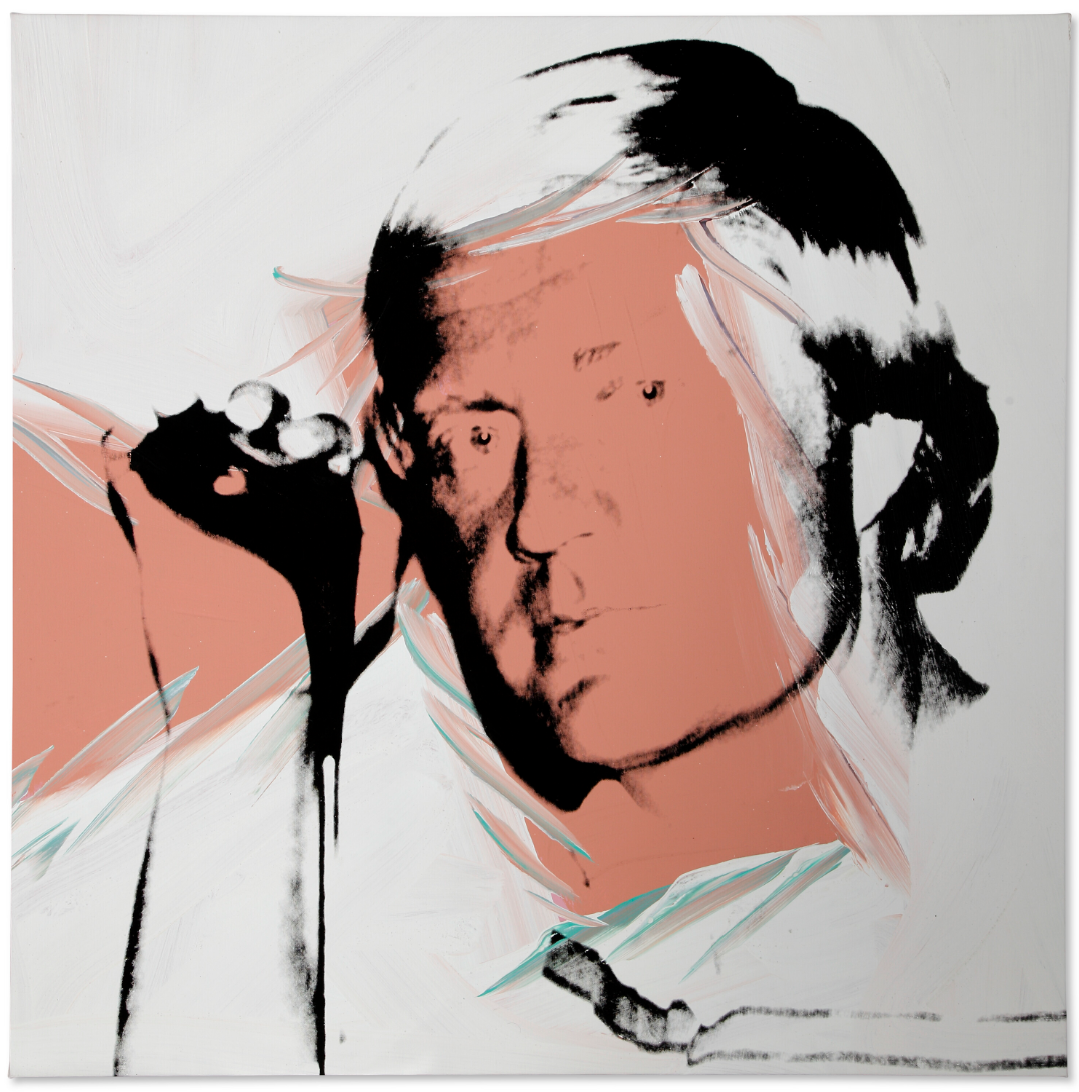
ANDY WARHOL (1928-1987)
Jack Nicklaus, 1977
Acrylic and silkscreen ink on canvas
40×40 inches (101.6 x 101.6 cm)
Stamped twice with the Estate of Andy Warhol and the Andy Warhol Foundation for the Visual Arts, Inc. stamps
Numbered ‘P041.043’ (on the overlap)
Jack Nicklaus, 1977
Christie’s New-York: 11 November 2021
Estimated: USD 250,000 – 350,000
USD 450,000
ANDY WARHOL (1928-1987), Jack Nicklaus | Christie’s (christies.com)
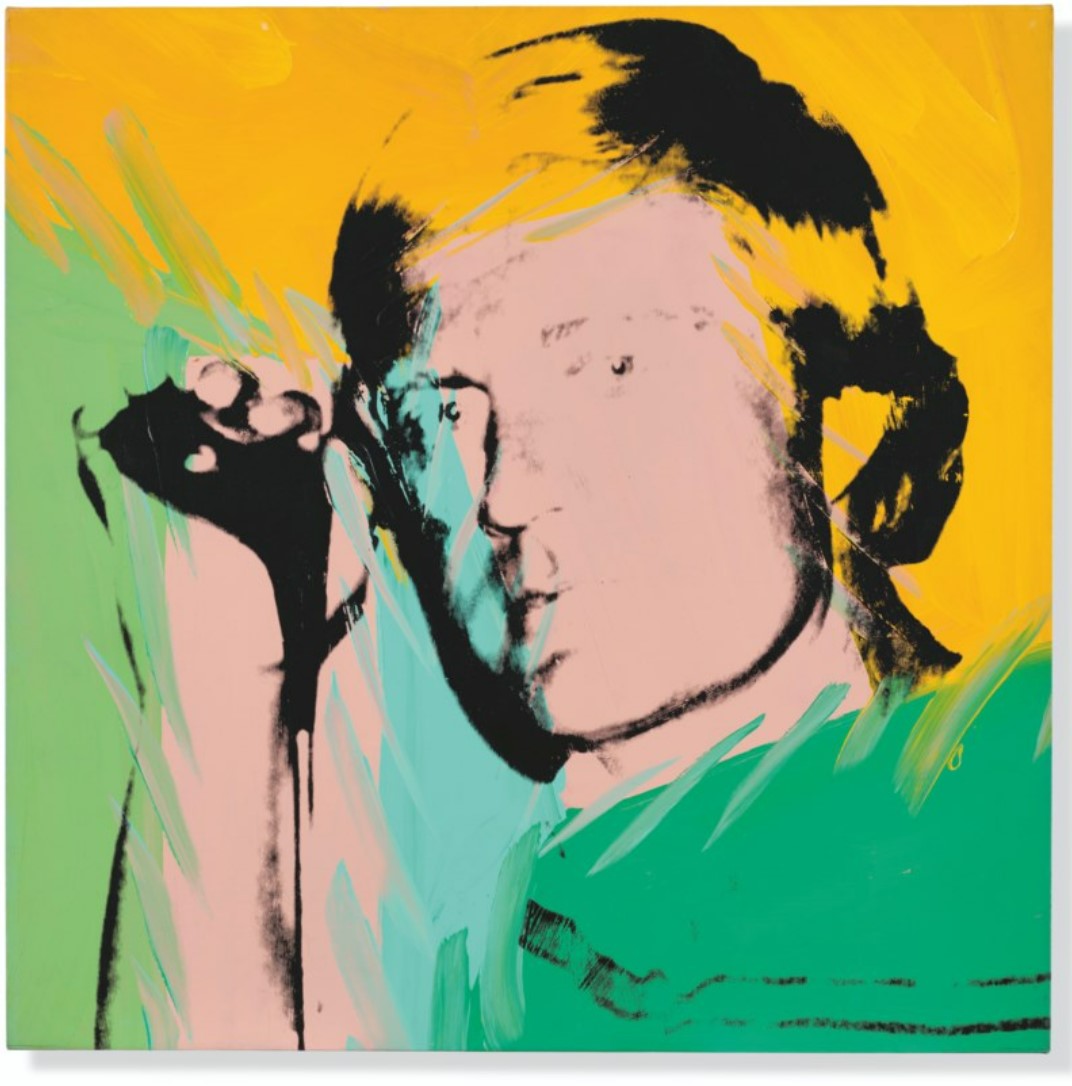
ANDY WARHOL
Jack Nicklaus, 1977
Acrylic and silkscreen ink on canvas
40×40 inches (101.6 x 101.6 cm)
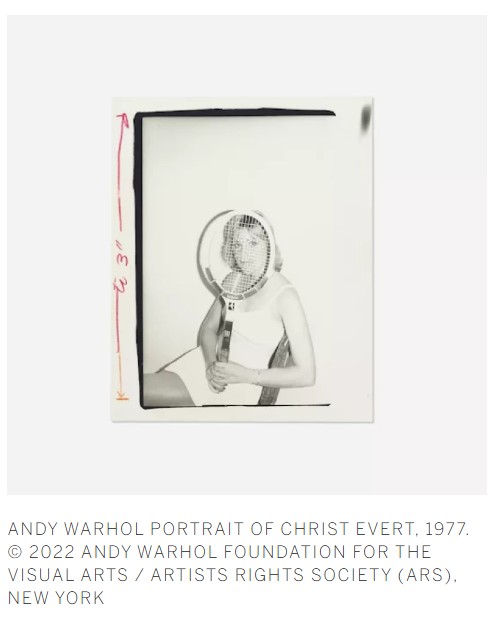
Chris Evert
Chris Evert is one of just two women featured in the series, and the only tennis player. She was the number one ranked women’s player in the world in 1977 when Warhol photographed her.
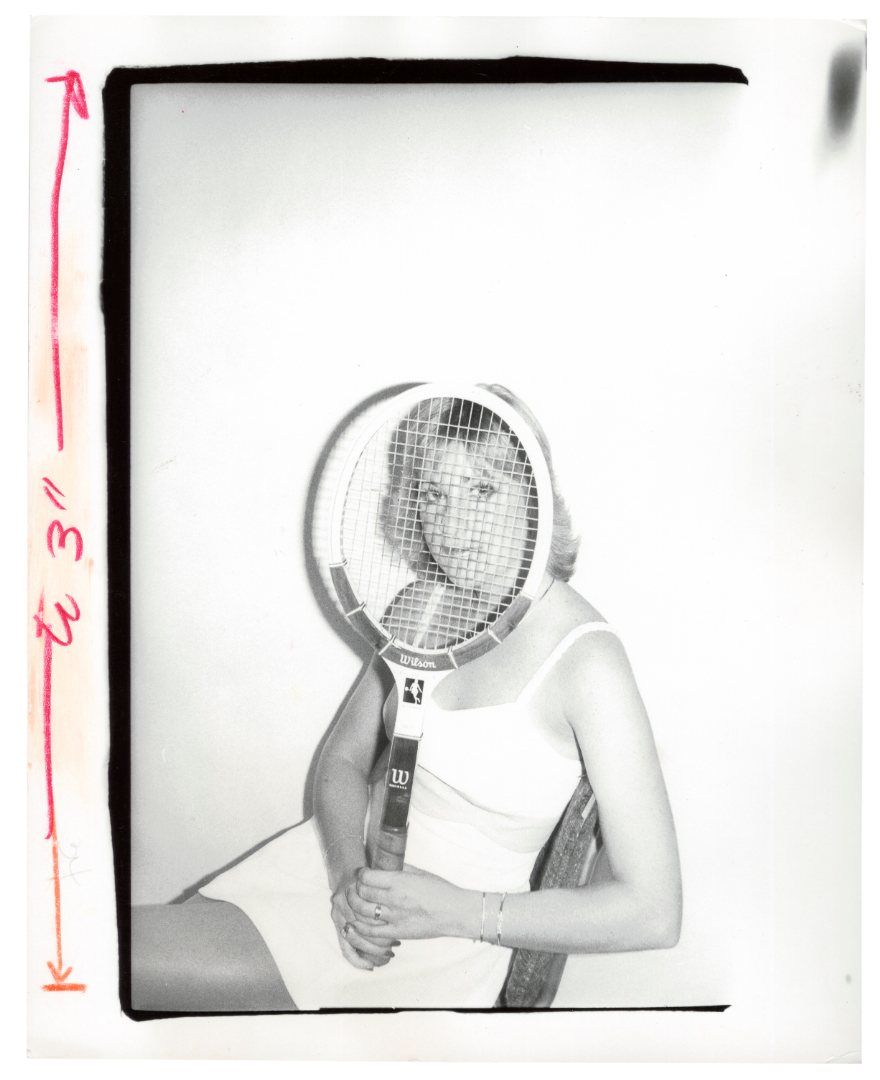
ANDY WARHOL (1928-1987)
Chris Evert, circa 1977
Unique gelatin silver print
10×8 inches (25.4 x 20.3 cm)
Chris Evert [Sixteen Works], 1977
Sotheby’s New-York: 16 May 2025
Estimated: USD 400,000 – 600,000
USD 355,600
Chris Evert [Sixteen Works] | Contemporary Day Auction | 2025 | Sotheby’s
ANDY WARHOL (1928 – 1987)
Chris Evert [Sixteen Works], 1977
Acrylic and silkscreen ink on canvas in 16 parts
Each: 10×10 inches (25.4 x 25.4 cm)
Variously stamped by the Estate of Andy Warhol and the Andy Warhol Authentication Board and variously
Numbered on the reverse
Commissioned by the art collector Richard L. Weisman, Andy Warhol’s athlete series was born out of his benefactor’s desire to unite his seemingly disparate interests of art and sports. Warhol, who saw himself as a chronicler of contemporary culture loved the idea, sensing that athletes were on the verge of becoming a hot new category of celebrity, and believed athletes were “so exciting, so intelligent and so attractive.” (New York Times, December 11, 1977, Page 217)
The resulting series of multi-colored, 40 x 40 in. acrylic and silkscreen ink on canvas paintings encompassed just eight portraits of 10 different athletes that were handpicked by Weisman. The artworks featured sports stars included boxer Muhammad Ali, basketball player Kareem Abdul-Jabbar, golfer jack Nicklaus, tennis ace Chris Evert, and six others. One portrait went to each subject, one portrait of each subject went to Warhol, and the remaining works—60 in total—were put up for sale.
Between March and November 1977, Warhol travelled around the United States with his polaroid camera to photograph each featured athletes. Back in his New York studio, he transferred the photographs to canvas using his signature technique of silkscreen on colorfully painted canvasses.
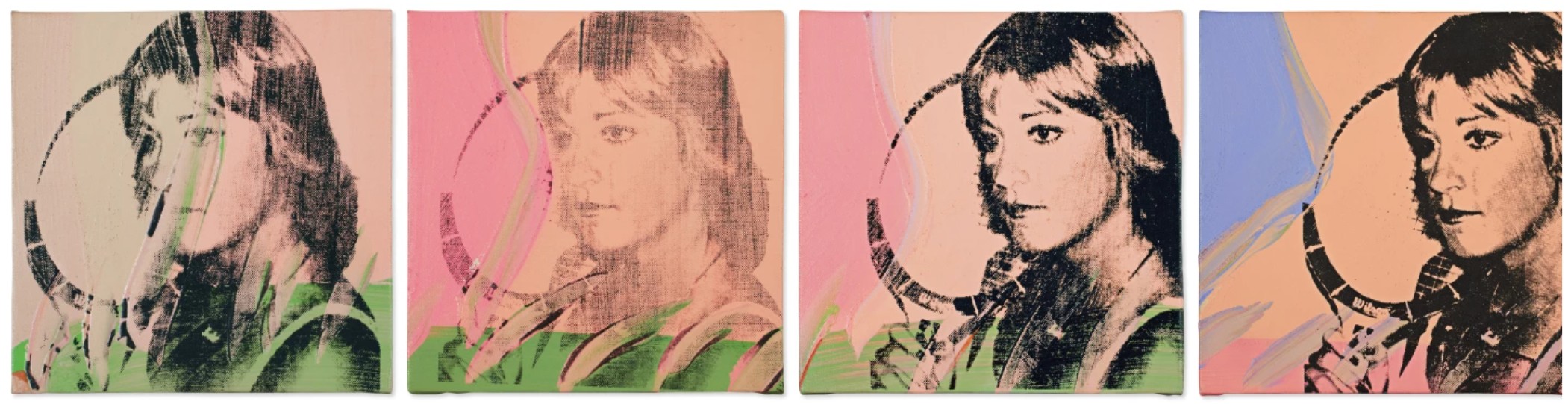
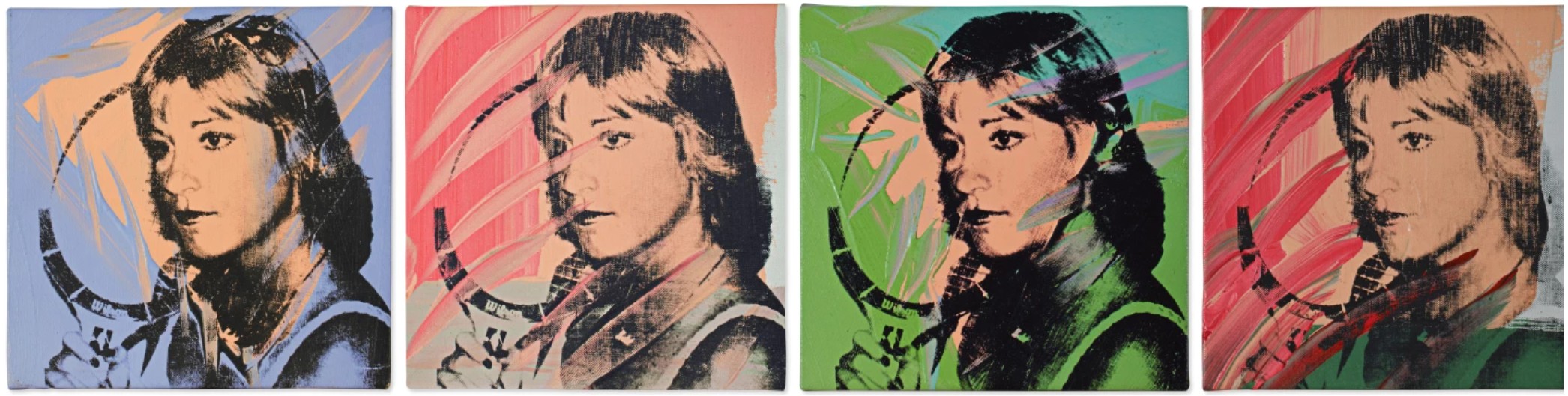
Featuring sixteen small panels painted in colorful peach toned acrylic with red, pink, green, and blue accents, in Chris Evert [Sixteen Works], Warhol depicted the legendary tennis star in black silkscreen ink at a three quarter profile, with her racquet in hand. Evert is one of just two women featured in the series, and the only tennis player. She was the number one ranked women’s player in the world in 1977 when Warhol photographed her.
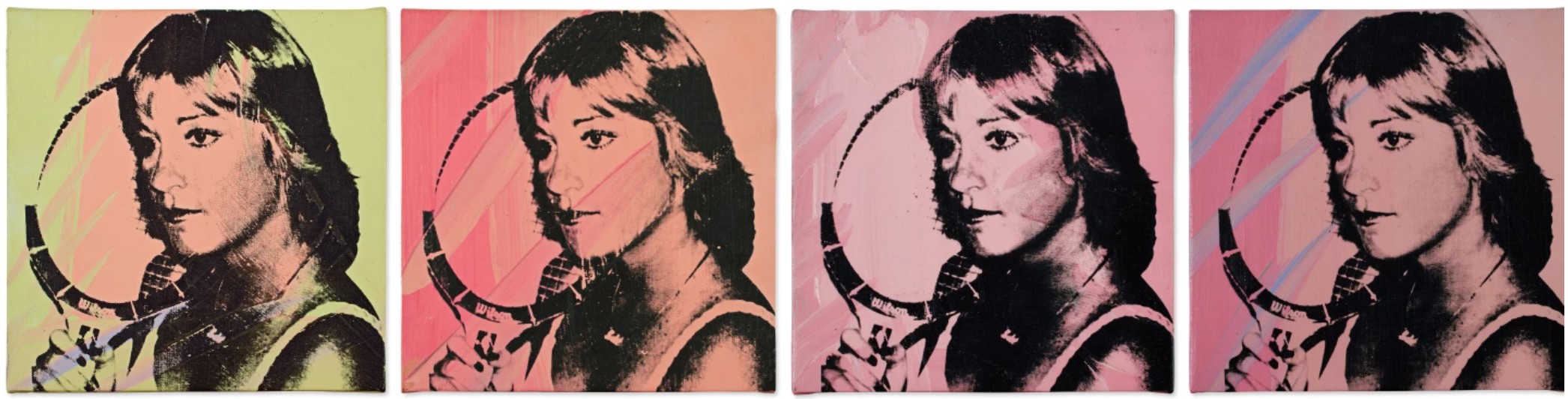
Warhol did the present work in a new style that combines sixteen 10 x 10 in. paintings arranged in a grid format collectively measuring 40 x 40 in. According to a 1977 diary entry, Warhol wrote that Weisman got angry about this new creative direction. “He was in a nervous mood, and when he saw that I was doing a new style of painting, he got upset, he didn’t like that I did the Chrissie Evert in lots of little pictures instead of big ones.” A. Warhol quoted in N. Printz and S. King-Nero, eds., The Andy Warhol Catalogue Raisonne: Paintings 1976-1978, vol. 5A, New York, 2018, p. 405). Warhol ultimately produced just two of these sets of sixteen paintings, one of which includes the present lot.
The paintings from Warhol’s athlete series represent some of his most accomplished works of his later years. Chris Evert [Sixteen Works] is particularly distinguished artwork because it is one of the few paintings from the athletes series in which he explores his preoccupation with seriality, which was a fundamental component of his approach to pop art.
Chris Evert, 1977
Christie’s New-York: 11 November 2021
Estimated: USD 220,000 – 280,000
USD 462,500
ANDY WARHOL (1928-1987), Chris Evert | Christie’s (christies.com)
ANDY WARHOL
Chris Evert, 1977
Acrylic and silkscreen ink on canvas
40×40 inches (101.6 x 101.6 cm)
Chris Evert [Sixteen Works], 1977
Christie’s New-York: 12 June 2020
Estimated: USD 300,000 – 500,000
USD 735,000
Andy Warhol (1928-1987), Chris Evert [Sixteen Works] | Christie’s
ANDY WARHOL (1928-1987)
Chris Evert [Sixteen Works], 1977
Each: acrylic and silkscreen ink on canvas
Each: 10×10 inches (25.4 x 25.4 cm)
Overall: 40×40 inches (101.6 x 101.6 cm)
Each row (from left to right)
(i.-iv.) Stamped with the Andy Warhol Authentication Board numbered respectively ‘A119.9511, A122.9511, A114.9511, A121.9511’ (on the overlap of each canvas)
(v.-viii.) Stamped with the Andy Warhol Authentication Board numbered respectively ‘A118.9511, A126.9511, A132.9511, A113.9511’ (on the overlap of each canvas)
(ix.-xi.) Stamped with the Andy Warhol Authentication Board numbered respectively ‘A124.9511, A123.9511, A117.9511’ (on the overlap of each canvas)
(xiii.-xvi.) Stamped with the Estate of Andy Warhol stamps and numbered respectively ‘PO41.016, PO41.017, PO41.018, PO41.019’ (on the overlap of each canvas)
Featuring sixteen small panels painted in colorful peach toned acrylic with red, pink, green, and blue accents, in Chris Evert [Sixteen Works], Warhol depicted the legendary tennis star in black silkscreen ink at a three quarter profile, with her racquet in hand. Warhol did the present work in a new style that combines sixteen 10×10 inches paintings arranged in a grid format collectively measuring 40×40 inches.
According to a 1977 diary entry, Warhol wrote that Weisman got angry about this new creative direction.
“He was in a nervous mood, and when he saw that I was doing a new style of painting, he got upset, he didn’t like that I did the Chrissie Evert in lots of little pictures instead of big ones.”
Warhol ultimately produced just two of these sets of sixteen paintings, one of which includes the present lot. The paintings from Warhol’s athlete series represent some of his most accomplished works of his later years. Chris Evert [Sixteen Works] is particularly distinguished artwork because it is one of the few paintings from the athletes series in which he explores his preoccupation with seriality, which was a fundamental component of his approach to pop art The result is a superb and rare example of Warhol’s signature Pop style in which he juxtaposes repeating imagery in variously-hued screens. In this case, the striking colorway consists of pinks, oranges, yellows and red, interspersed with passages of blue, mint and teal. Warhol’s choice in hue and compilation exemplifies the artist’s mastery of color and may also be an homage to the feminine prowess, energy and strength of his subject.
Chris Evert, 1977
Christie’s New-York: 15 May 2020
Estimated: USD 30,000 – 50,000
USD 106,250
Andy Warhol (1928-1987), Chris Evert | Christie’s
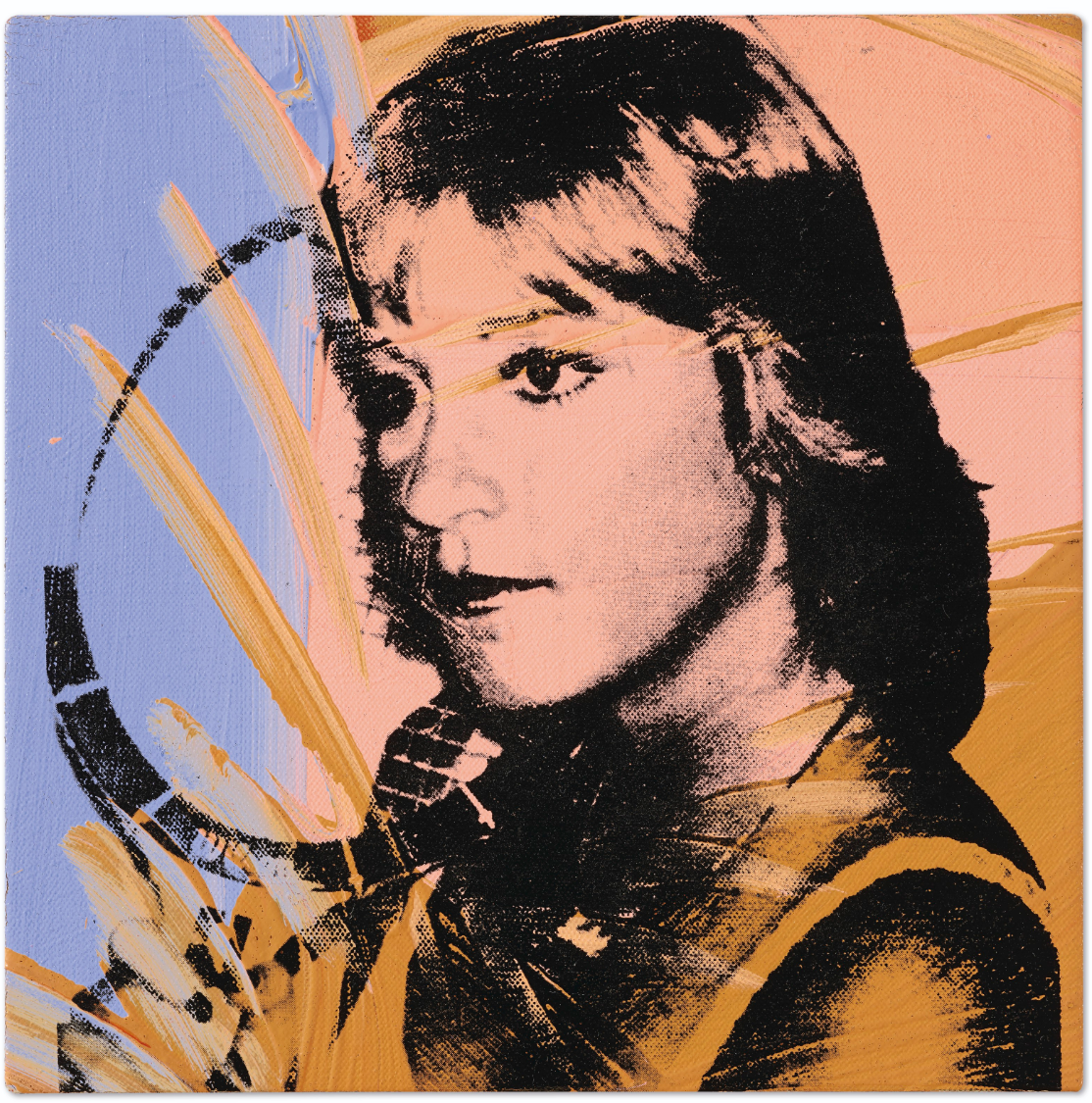
ANDY WARHOL (1928-1987)
Chris Evert, 1977
Acrylic and silkscreen ink on linen
10×10 inches (25.4 x 25.4 cm)
Stamped with the Andy Warhol Authentication Board and the Andy Warhol Estate stamps and numbered ‘A127.9511 PO41.039’ (on the overlap)
Chris Evert, 1977
Christie’s London: 12 February 2020
Estimated: GBP 200,000 – 300,000
GBP 212,500 / USD 276,970
Andy Warhol (1928-1987), Chris Evert | Christie’s
ANDY WARHOL (1928-1987)
Chris Evert, 1977
Acrylic and silkscreen ink on linen
40×40 inches (101.6 x 101.6 cm)
Signed ‘Andy Warhol’ and signed by Chris Evert (on the overlap)
Chris Evert, 1977
Christie’s New-York: 14 November 2019
Estimated: USD 250,000 – 350,000
USD 495,000
Andy Warhol (1928-1987), Chris Evert | Christie’s
ANDY WARHOL (1928-1987)
Chris Evert, 1977
Acrylic and silkscreen ink on canvas
40×40 inches (101.6 x 101.6 cm)
Signed ‘Andy Warhol’ and signed by Chris Evert (on the overlap)
Rod Gilbert
Rodrigue Gabriel Gilbert (1941-2021) was a Canadian professional ice hockey forward player who played his entire career for the New-York Rangers o the National Hockey League (NHL).
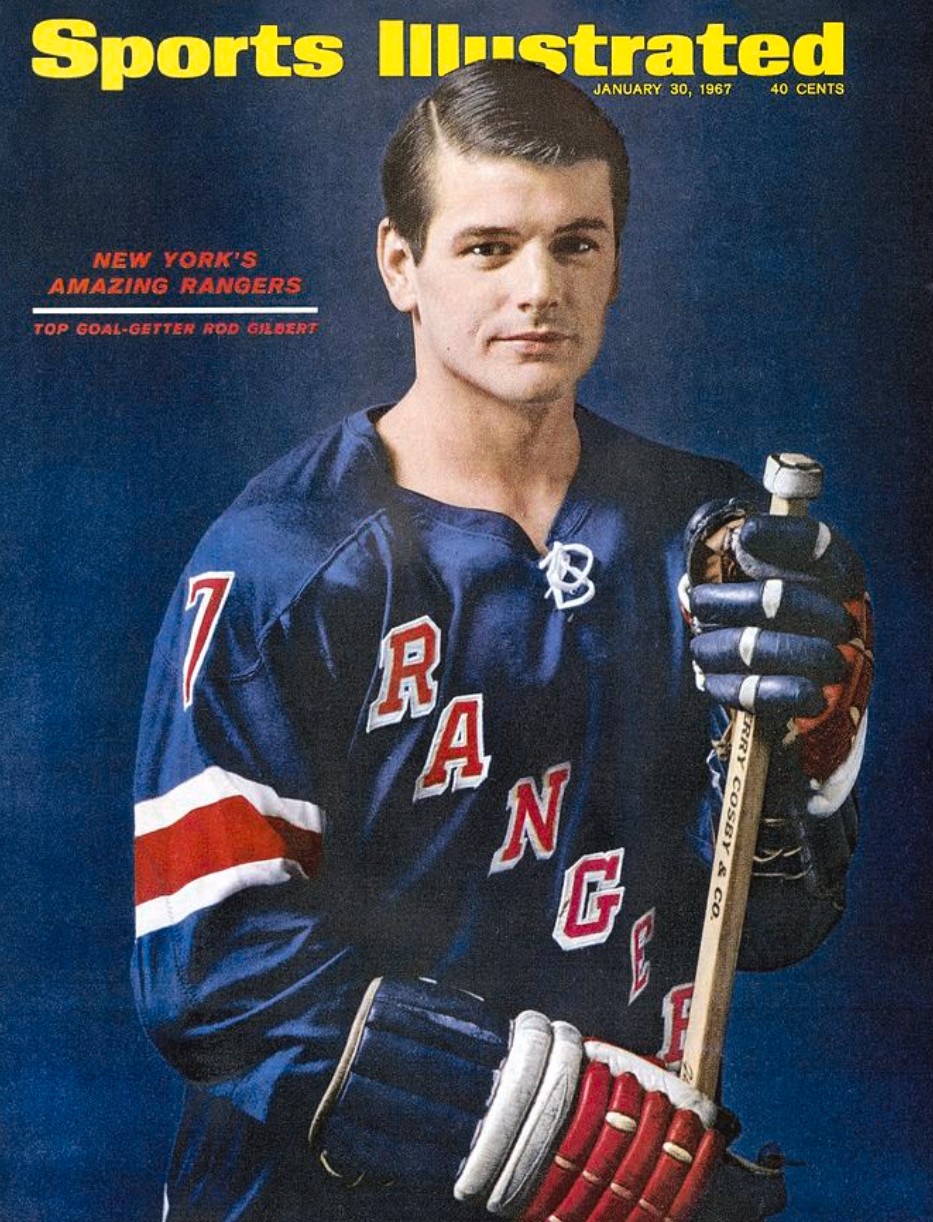
Known as “Mr. Ranger”, he was inducted into the Hockey Hall of Fame in 1982, and was the first player in Rangers history to have his number retired. After his playing career, he became president of the Rangers’ alumni association.
Rod Gilbert, 1977
Christie’s New-York: 11 November 2021
Estimated: USD 200,000 – 300,000
USD 500,000
ANDY WARHOL (1928-1987), Rod Gilbert | Christie’s (christies.com)
ANDY WARHOL
Rod Gilbert, 1977
Acrylic and silkscreen ink on canvas
40×40 inches (101.6 x 101.6 cm)
Rod Gilbert, 1977
Christie’s London: 12 February 2020
Estimated: GBP 200,000 – 300,000
GBP 206,250 / USD 268,825
Andy Warhol (1928-1987), Rod Gilbert | Christie’s
ANDY WARHOL (1928-1987)
Rod Gilbert, 1977
Acrylic and silkscreen ink on linen
40×40 inches (101.6 x 101.6 cm)
Signed ‘Andy Warhol ©’ and signed by Rod Gilbert (on the overlap)
Tom Seaver
George Thomas Seaver (1944-2020), nicknamed “Tom Terrific” and “the Franchise”, was an American professional baseball pitcher who played 20 seasons in Major League Baseball (MLB). He played for the New-York Mets, Cincinnati Reds, Chicago White Sox, and Boston Red Sox from 1967 to 1986.
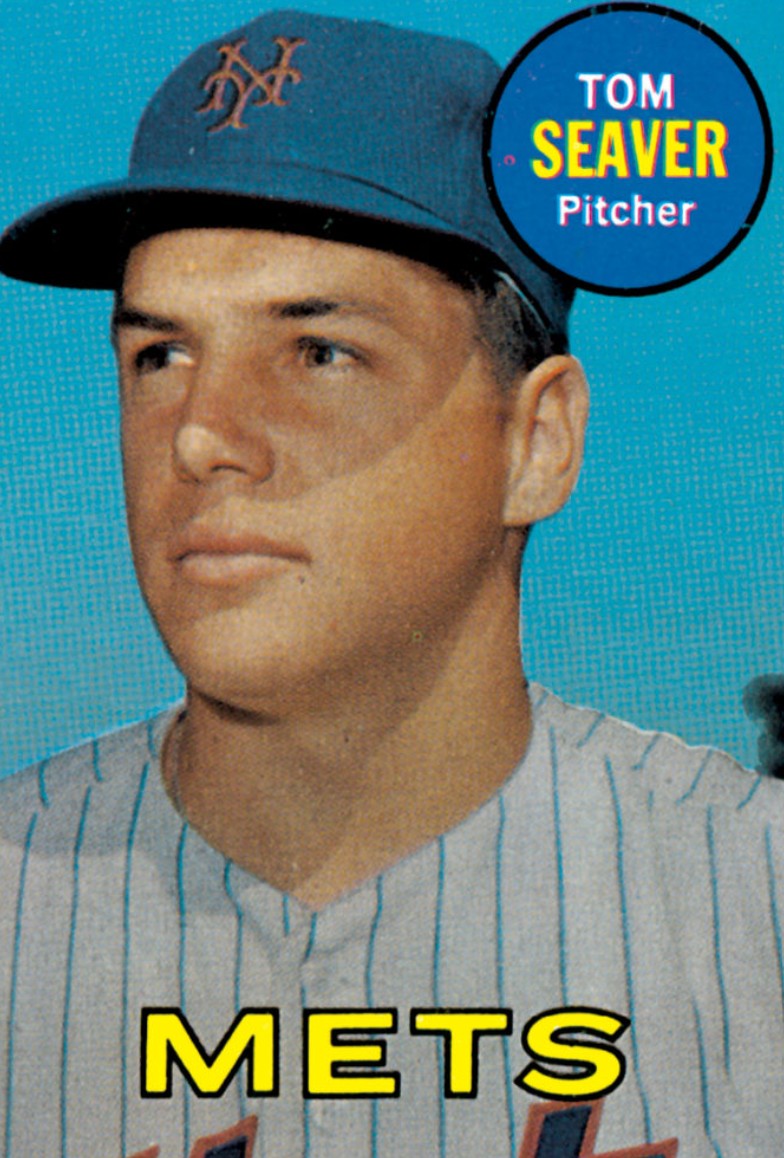
Commonly described as the most iconic player in Mets history, Seaver played a significant role in their victory in the 1969 Wold Series over the Baltimor Orioles.
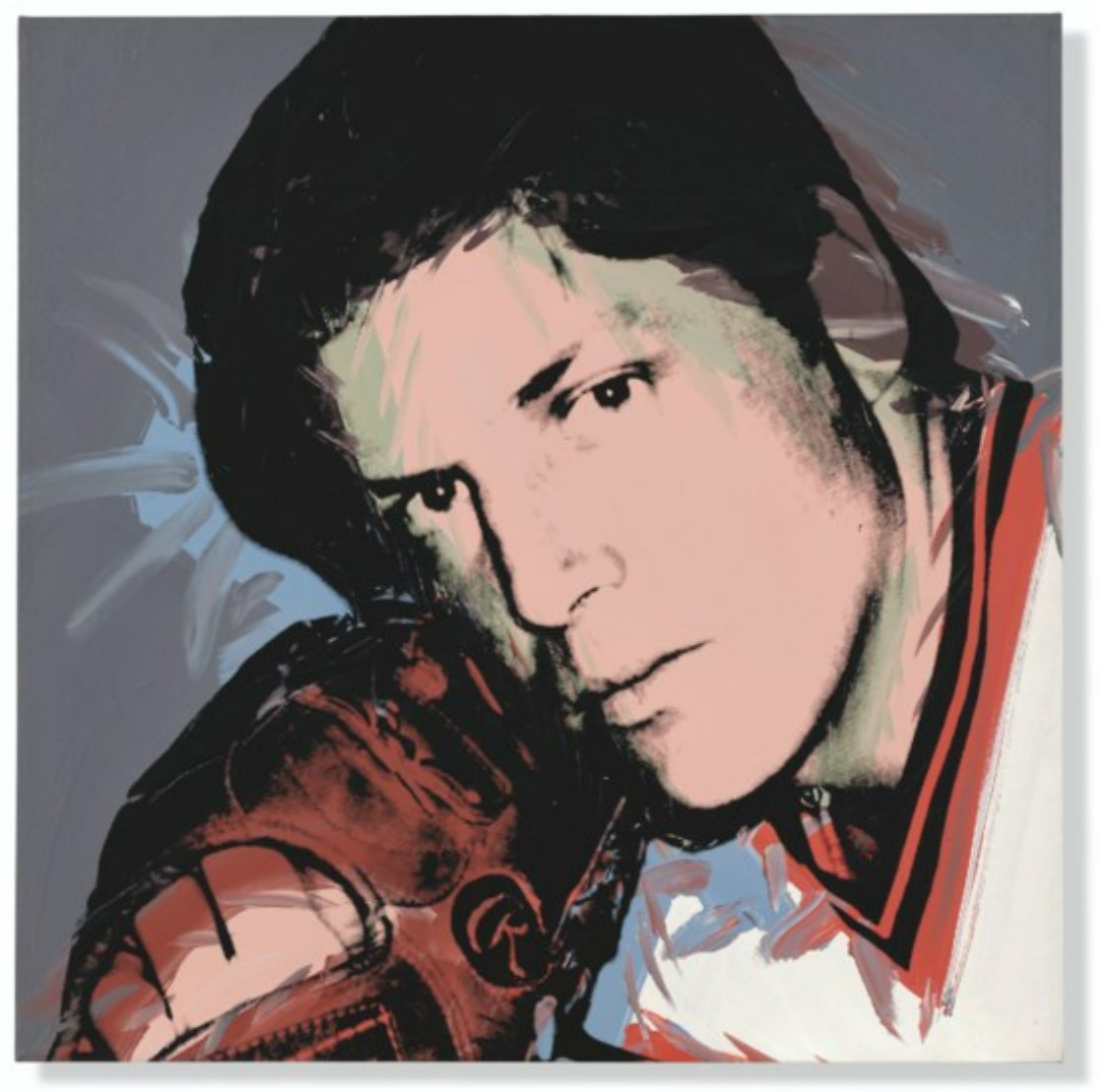
Tom Seaver, 1977
Christie’s New-York: 11 November 2021
Estimated: USD 150,000 – 200,000
USD 500,000
ANDY WARHOL (1928-1987), Tom Seaver | Christie’s (christies.com)
ANDY WARHOL
Tom Seaver, 1977
Acrylic and silkscreen ink on canvas
40×40 inches (101.6 x 101.6 cm)
Tom Seaver, 1977
Christie’s London: 12 February 2020
Estimated: GBP 120,000 – 180,000
GBP 187,500 / USD 244,385
Andy Warhol (1928-1987), Tom Seaver | Christie’s
ANDY WARHOL (1928-1987)
Tom Seaver, 1977
Acrylic and silkscreen ink on linen
40×40 inches (101.6 x 101.6 cm)
Signed ‘Andy Warhol ©’, signed by Tom Seaver
Stamped with the Andy Warhol Authentication Board, Inc. stamp and numbered ‘A193.101’ (on the overlap)
Willie Shoemaker
William Lee Shoemaker (August 19, 1931 – October 12, 2003) was an American jockey, considered one of the greatest. For 29 years he held the world record for the most professional jockey victories. Referred to as “Bill”, “Willie,” and “The Shoe”, William Lee Shoemaker was born Faben, Texas. At 38 ounces (1.1 kg), Shoemaker was so small at birth that he was not expected to survive the night. Put in a shoebox on the oven to stay warm, he survived, but remained small, growing to 4 feet 10 inches (1.47 m) and weighing 91 pounds (41 kg). His diminutive size proved an asset in horse racing, of which he went on to become a giant.
Shoemaker’s career as a jockey began in his teenage years, with his first professional ride on March 19, 1949. The first of his eventual 8,833 career victories came a month later, on April 20, aboard Shafter V, at Golden Gate Fields in Albany, California. At the age of 19, he was making so much money (as much as $2,500 each week), the Los Angeles Superior Court appointed attorney Horace Hahn as his guardian, with the consent of his parents.
Thirty years later, he won the Eclipse Award for Outstanding Jockey in the United States. Shoemaker won eleven Triple Crown races during his career, spanning four different decades, but the Crown itself eluded him.
Willie Shoemaker, 1977
Christie’s New-York: 12 November 2021
Estimated: USD 300,000 – 500,000
USD 425,000
ANDY WARHOL (1928-1987), Willie Shoemaker | Christie’s
ANDY WARHOL (1928-1987)
Willie Shoemaker, 1977
Acrylic and silkscreen ink on canvas
40×40 inches (101.6 x 101.6 cm)
Stamped with the Estate of Andy Warhol stamp and numbered ‘PO41.010’ (on the overlap)
Willie Shoemaker, 1977
Christie’s London: 12 February 2020
Estimated: GBP 250,000 – 350,000
GBP 431,250 / USD 562,085
Andy Warhol (1928-1987), Willie Shoemaker | Christie’s
ANDY WARHOL (1928-1987)
Willie Shoemaker, 1977
Acrylic and silkscreen ink on linen
40×40 inches (101.6 x 101.6 cm)
Signed twice ‘Andy Warhol © Andy Warhol’
Signed by Willie Shoemaker
Inscribed ‘I certify that this is an original painting by Andy Warhol completed by him in 1978 Frederick Hughes’
(on the overlap)
Willie Shoemaker, 1977
Christie’s New-York: 14 November 2019
Estimated: USD 250,000 – 350,000
USD 759,000
Andy Warhol (1928-1987), Willie Shoemaker | Christie’s
ANDY WARHOL (1928-1987)
Willie Shoemaker, 1977
Acrylic and silkscreen ink on canvas
40×40 inches (101.6 x 101.6 cm)
Signed and numbered ‘Andy Warhol A1290.25’ (on the overlap)
Willie Shoemaker, 1978
Christie’s New-York: 13 November 2013
Estimated: USD 200,000 – 300,000
USD 353,000
Andy Warhol (1928-1987), Willie Shoemaker | Christie’s
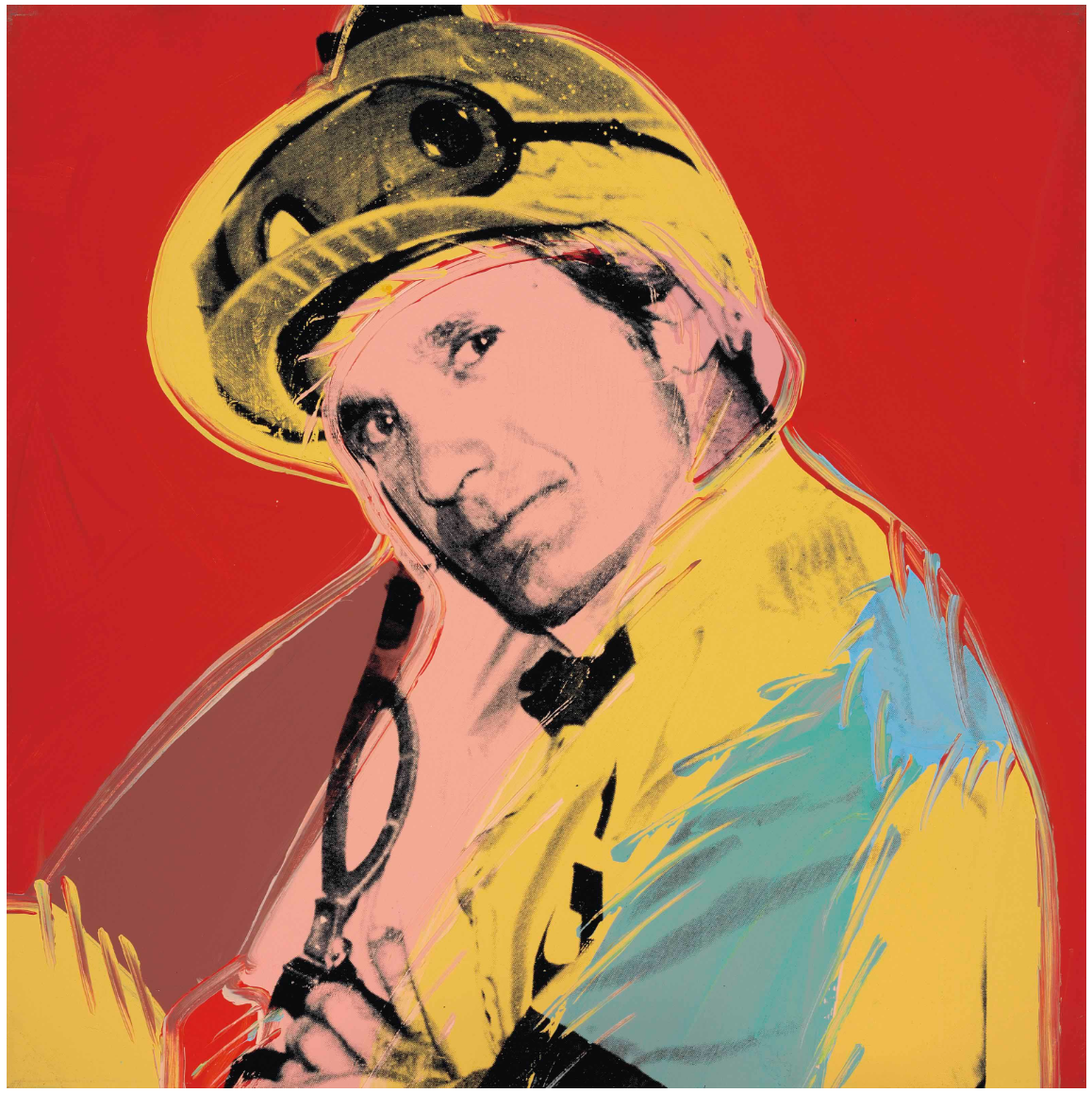
ANDY WARHOL (1928-1987)
Willie Shoemaker, 1978
Synthetic polymer and silkscreen inks on canvas
40×40 inches (101.6 x 101.6 cm)
Stamped with the Estate of Andy Warhol stamp and numbered ‘PO41.008’ (on the overlap)