Yayoi Kusama: A Cosmic Artist
Introduction
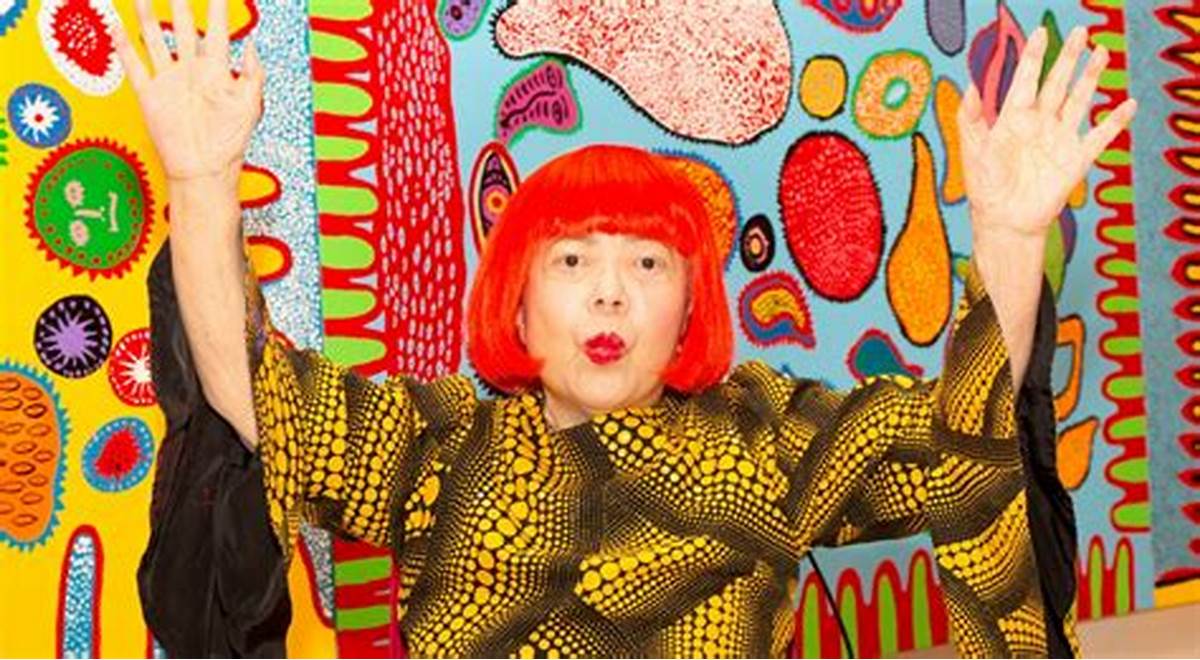
Yayoi Kusama, born in 1929, is a Japanese contemporary multi-disciplinary artist whose work include sculptures, installations, painting, performances, film, fashion, and poetry among other things. She is mostly associated with conceptual art, but also more widely linked to movements such as feminism, surrealism, and pop art. Kusama has been acknowledged as one of the most important living artists to come out of Japan. Born into a family of merchants who owned a plant nursery and a seed farm, Kusama began drawing pictures of pumpkins in elementary school and created artworks she saw from hallucinations, works of which would later define her career. She was trained at the Kyoto City University of Arts in a traditional Japanese painting style called Nihonga. However, Kusama was inspired by Abstract Expressionism and became part of the avant-garde scene when she moved to New-York in 1958.
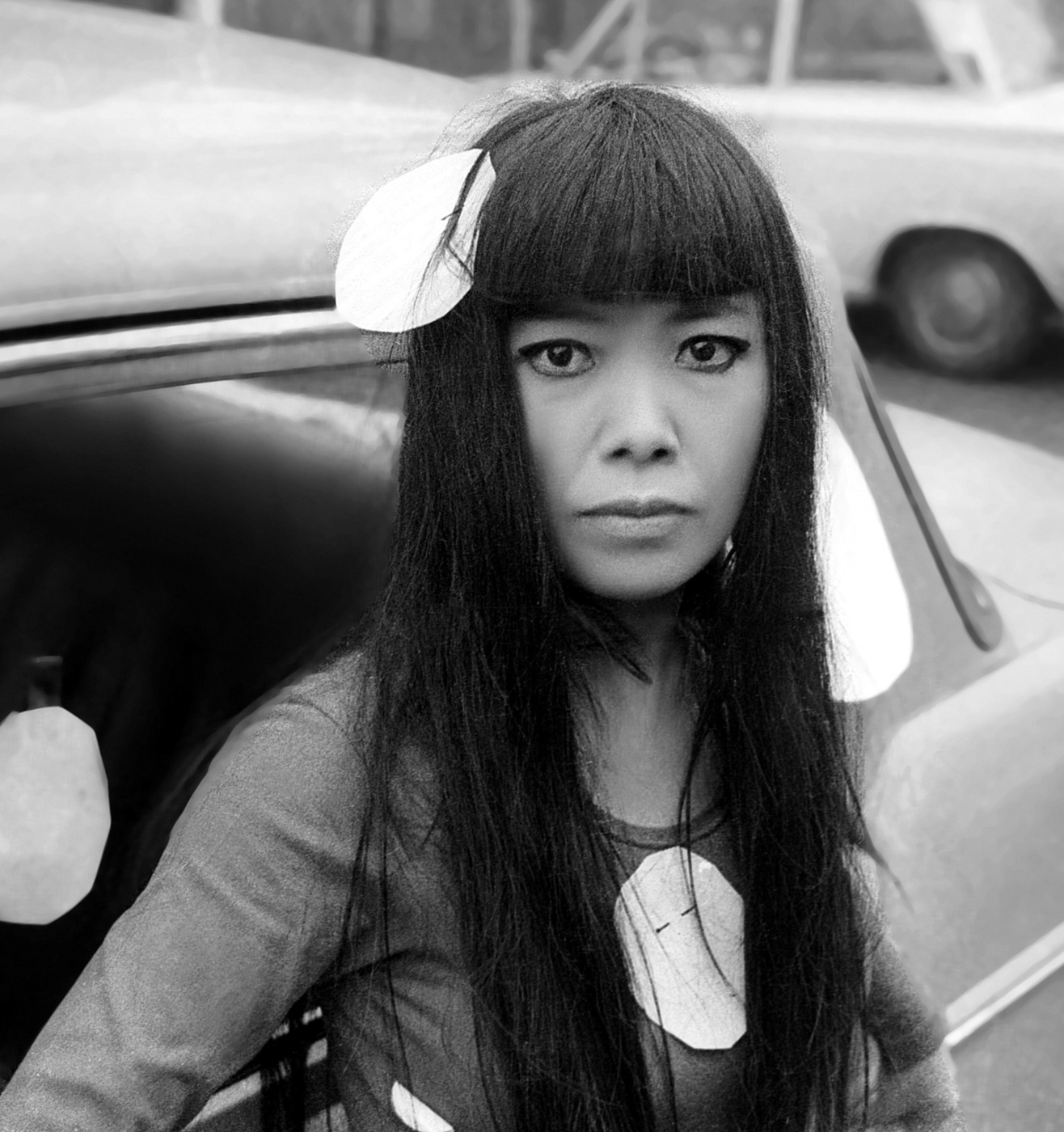
In 1973, Kusama returned in ill health to Japan, and ended up checking herself into a psychiatric hospital, where she eventually took up permanent residence. She has been living at the hospital since, by choice. Her studio, where she has produced most of her works since the mid-1970s, is a short distance from the hospital in Tokyo. Kusama is often quoted as saying: “If it were not for art, I would have killed myself a long time ago.” From this base, the artist has produced artworks in a variety of media, as well as launched a literary career by publishing several novels, a poetry collection, and an autobiography, and became one of the most famous living artists today.
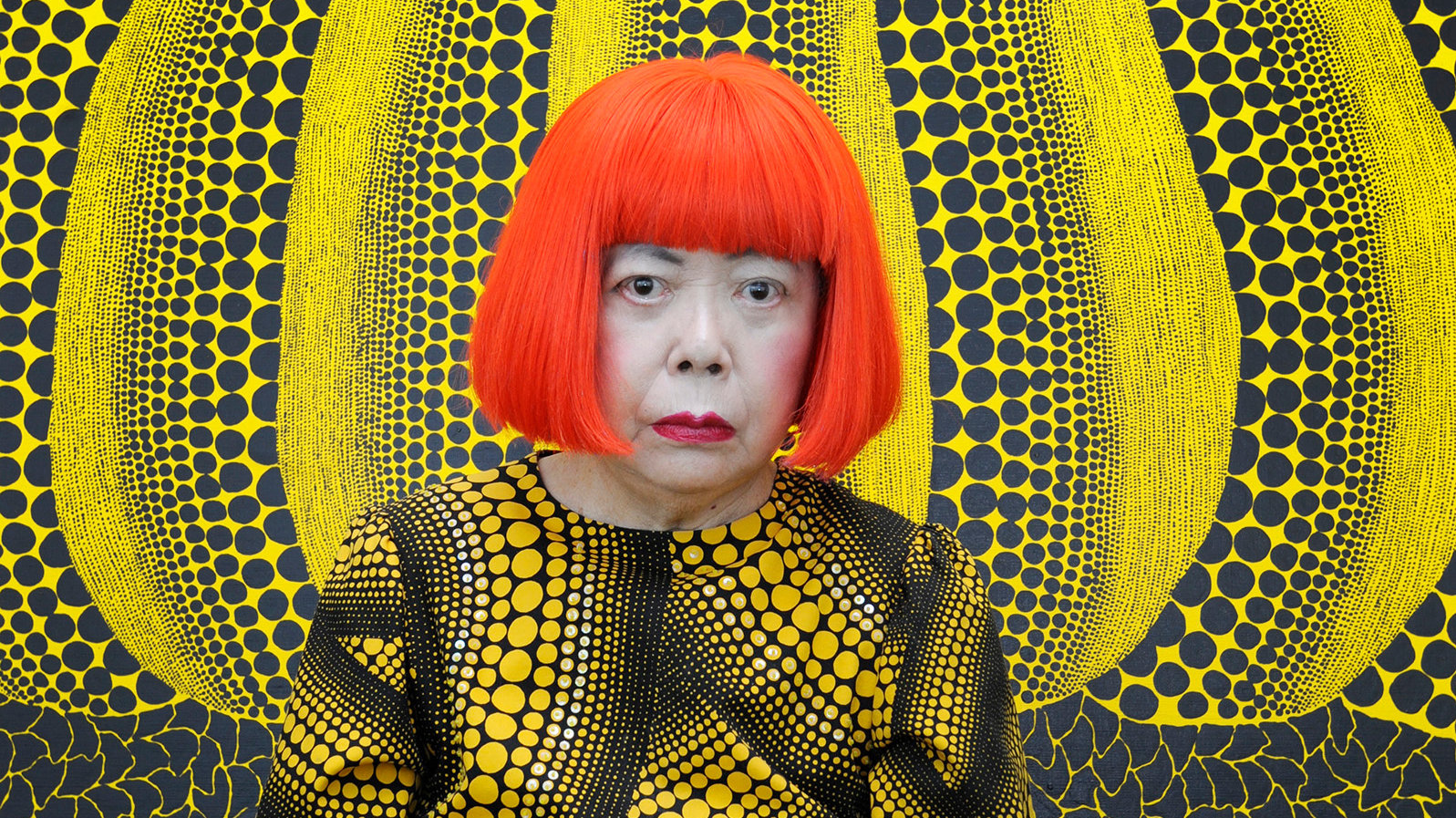
Kusama has always been open about her mental health, explaining art has become her way to express her mental problems.“ I fight pain, anxiety, and fear every day, and the only method I have found that relieved my illness is to keep creating art. I followed the thread of art and somehow discovered a path that would allow me to live.“ Kusama’s installations are meant to immerse the viewer into her obsessions. Those infinite, repetitive works originally meant to eliminate her intrusive thoughts are now some of the most sought-after artworks by international art collectors and museums.
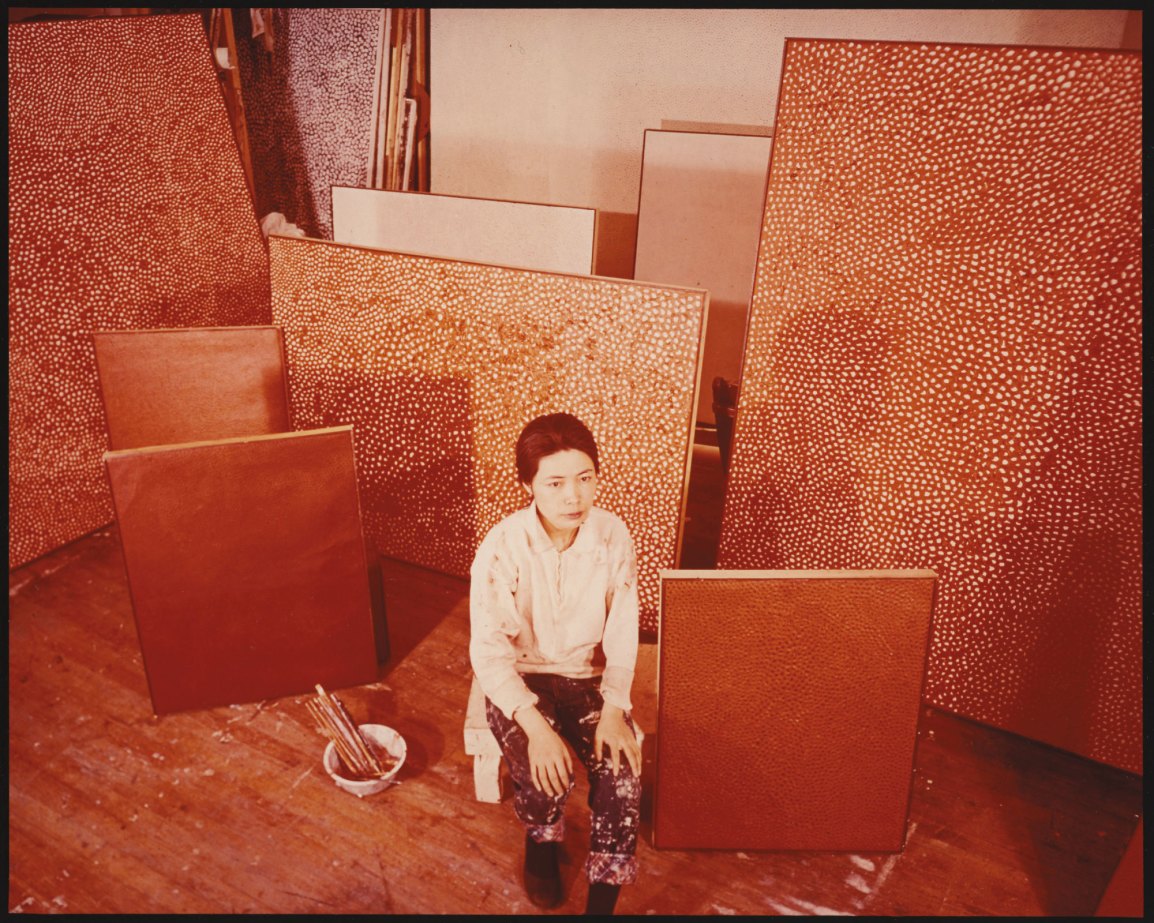
Kusama is often heralded as a harbinger of Minimalism and, in their youth, artists such as Donald Judd and Frank Stella turned towards her for aesthetic guidance. Her influence has also been keenly felt throughout much of Europe and in 1960, Kusama, together with Mark Rothko, was one of only two American-based artists to be included, alongside Lucio Fontana, Yves Klein and Piero Manzoni, in a seminal exhibition of Monochrome paintings at the Städtisches Museum in Leverkusen in Germany. Although central to New York’s post-Abstract Expressionist art discourse of the 1960s, Kusama did not affiliate herself to any art movement. She was, and remains, a resilient nonconformist, one who refused to be labelled and confined to any established movement or ideology and who ultimately forged a career of truly universal, cosmic proportions.
Comforting Pumpkins
“I love pumpkins because of their humorous form, warm feeling, and a human-like quality. My desire to create works of pumpkins never stops.
I have enthusiasm as if I were still a child.”
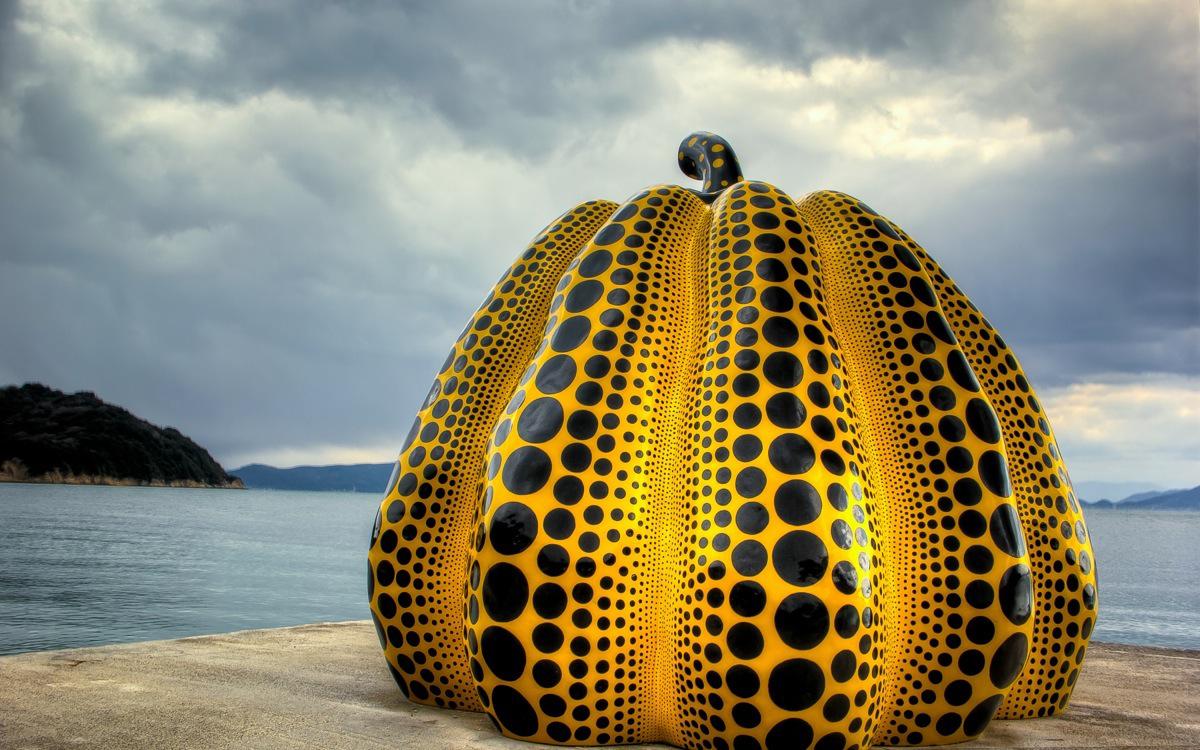
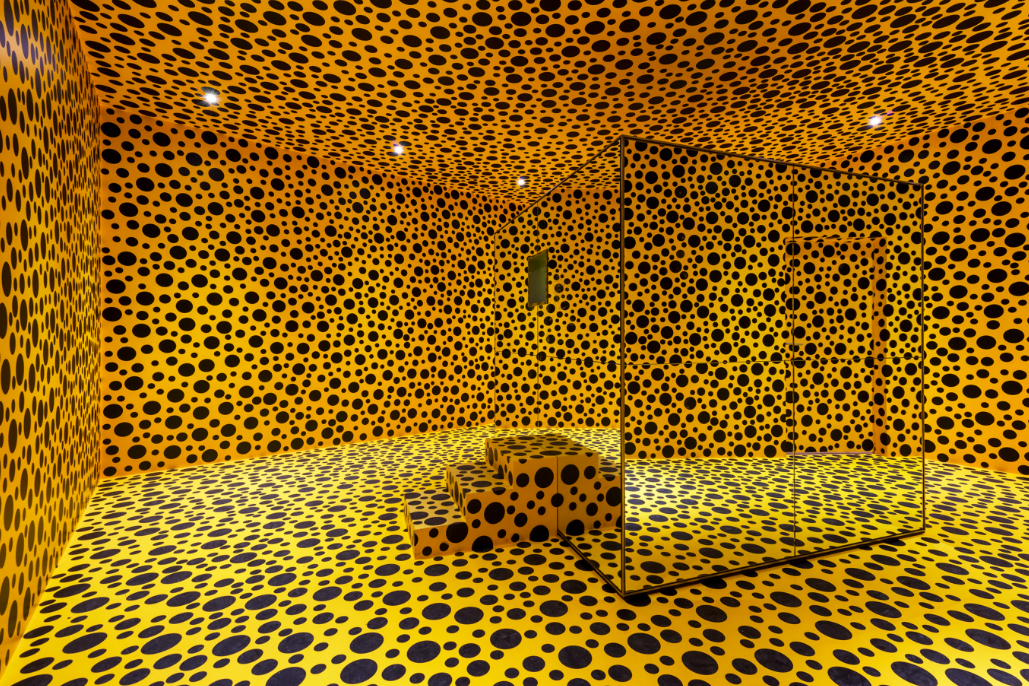
Kusama’s fascination with pumpkins can be traced to her childhood. However, it is only in the 1980’s that she began incorporating them in her dot motif drawings and paintings, as well as in prints and various installations, notably in the Mirror Room exhibited in the Japanese Pavilion at the 1993 Venice Biennale, which is also where Kusama even handed out small pumpkins to visitors.
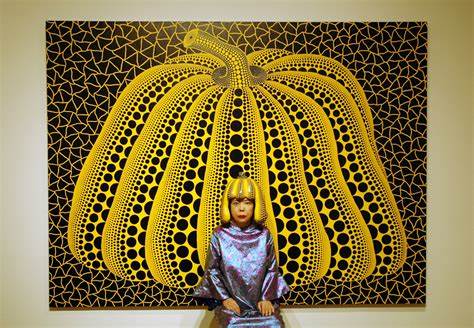
Known in Japan as Kabocha, Pumpkins are positive images to Kusama because they represent some moments of relief from her troubled childhood. As a young girl, Kusama spent hours drawing pumpkins. To her, pumpkins are representative of stability, comfort, and modesty. She “prefers to use pumpkins because not only are they attractive in both color and form, but they are also tender to the touch.”
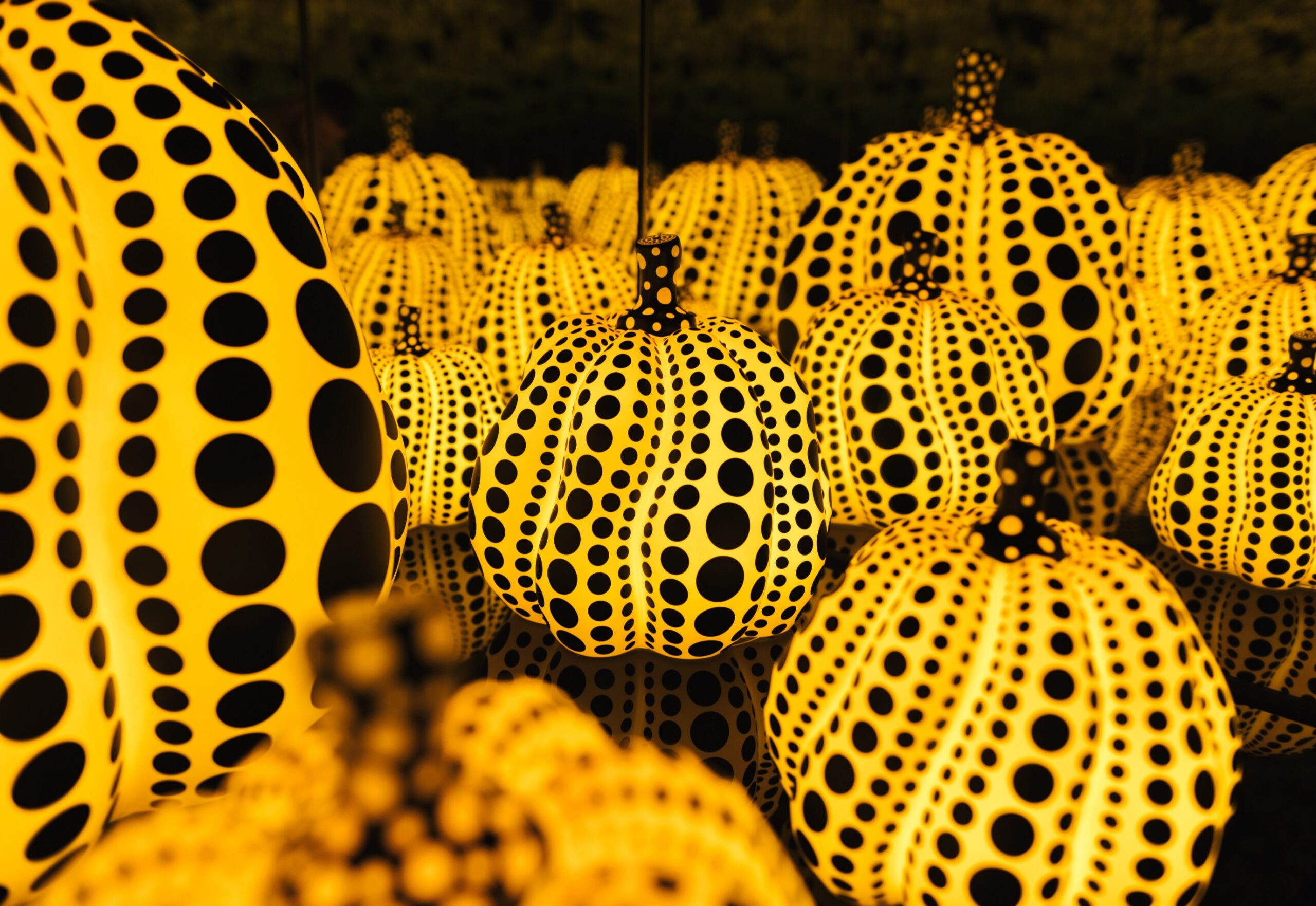
For example, in one of her more current installations, “All the Eternal Love I Have for the Pumpkins”, Kusama featured her signature polka dots on large yellow kobocha sculptures. Inside the enclosed room full of black mirrors and hallucinogenic lighting, the visitor is immediately transported into a world full of imagination and fantasy. Standing among the many pumpkins, one is confronted with infinite energy, comfort, and warmth as that is what the pumpkins symbolize for the artist.
Kusama first began sketching pumpkins when studying at the Kyoto Municipal School of Arts and Crafts in the 1940s. Having gained success when moving to Tokyo and then New York City in 1958, it was not until 1975 that Kusama would decidedly return to the motif, after she retreated to a psychiatric hospital in Japan. Working prodigiously and finding solace in her art, Kusama began to combine the pumpkin motif with the Infinity Net structures and obliterating polka-dots that had already garnered her international notoriety. Kusama’s use of repetition and her tactic of ‘obliteration’ highlights the pumpkin as an important personal symbol of relief from anxiety, obsessive thoughts and frightening hallucinations: ‘I would confront the spirit of the pumpkin, forgetting everything else and concentrating my mind entirely on the form before me’ (Yayoi Kusama, Infinity Net: The Autobiography of Yayoi Kusama, London, 2015, n.p.) During the 1980s Kusama explored vibrantly contrasting colour variations and played with the two-dimensionality of black that punctuates the present work. As the pumpkin became firmly entrenched in her practice, the artist’s defining global moment came in 1993 when she presented Mirror Room (Pumpkin) in the Japanese pavilion at the Venice Biennale. This historic installation combined numerous black-spotted yellow pumpkin sculptures in a mirrored room that gave the impression of an infinite abundant field.
Through ocularly sensational means, Kusama presents a universally familiar form. Her self-proclaimed obsession with the pumpkin is deeply rooted in her own childhood memories of growing up in Japan. Amidst widespread national food shortages during World War II, a storehouse of pumpkins that her family owned provided a crucial life line and sustained much of their home village of Matsumoto. The pumpkin took on even more personal and psychological significance for the artist as she began to suffer from vivid hallucinations during childhood. Seeing pumpkins in their multiplicity provided a rare source of comfort, in contrast to the more menacing associations she held regarding flowers and other plants. As Kusama has recalled of her earliest encounter with these gourds: ‘The first time I ever saw a pumpkin was when I was in elementary school and went with my grandfather to visit a big seed-harvesting ground…and there it was: a pumpkin the size of a man’s head… It immediately began speaking to me in a most animated manner’ (Yayoi Kusama quoted in Infinity Net, Yayoi Kusama, translated by Ralph McCarthy, London, 2011, p. 75.) Utilising a portrait orientation that mirrors the squat shape of the gourds, Kusama’s pumpkins fill the canvases, each boasting individual characteristics that give them a distinctly personified presence.
Known in Japan as Kabocha, Pumpkins are positive images to Kusama because they represent some moments of relief from her troubled childhood. As a young girl, Kusama spent hours drawing pumpkins. To her, pumpkins are representative of stability, comfort, and modesty. She “prefers to use pumpkins because not only are they attractive in both color and form, but they are also tender to the touch.”
For example, in one of her more current installations, “All the Eternal Love I Have for the Pumpkins”, Kusama featured her signature polka dots on large yellow kobocha sculptures. Inside the enclosed room full of black mirrors and hallucinogenic lighting, the visitor is immediately transported into a world full of imagination and fantasy. Standing among the many pumpkins, one is confronted with infinite energy, comfort, and warmth as that is what the pumpkins symbolize for the artist.
Painted in 2002, the present work represents Kusama’s mature style and the technical complexity that is testament to her dedication to the motif. Through a deft and accomplished handling of paint, Kusama combines minutely precise detailing with a rhythmic dotting of the pumpkins’ skins to create an enthralling visual experience. The dots increase in size towards the elevated centre of each lobe of the pumpkin, with the dots decreasing in size and increasing in frequency towards the outer edges and grooves that divide each segment. The resultant advance and recession of form imbues the canvas with a unique visual energy that is almost sculptural. Fastidiously regulated yet highly sensual, using pattern to connote form, Kusama blurs the lines between abstraction and figuration.
Hypnotic Infinity Nets
“I was always standing at the center of the obsession,
over the passionate accretion and repetition inside of me”
Kusama exhibited her first Infinity Net paintings in New York in 1959. Employing the minimal repeated gesture of a single touch of the brush, Kusama’s revolutionary paintings responded critically to the emotionally and semiotically charged brushstrokes of Jackson Pollock and Willem de Kooning. Albeit a relative novice to oil painting at the time, Kusama was able to at once firmly grasp and radically redefine the medium in bold defiance of gestural abstraction, meting out the ecstatic masculine gesture into dainty increments and forging a sophisticated feminine aesthetics of obsession and repetition.
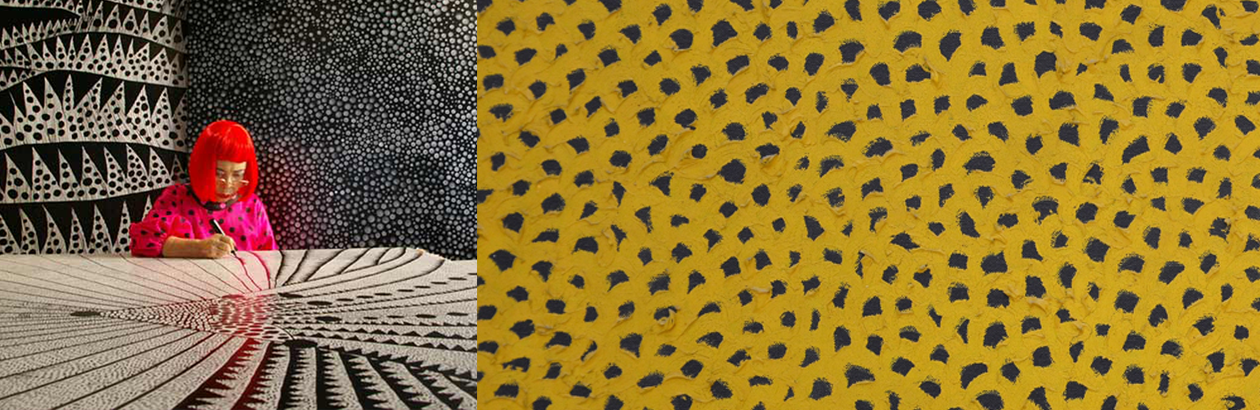
Replacing the expressive gesture with an exhaustive one, Kusama’s meticulous and labor-intensive methods literally pushed painting to its limits. The New York art scene was fascinated, with critics describing her work in oceanic terms: “huge” in scale and composed of “innumerable small arcs”, like waves. Diagnosed with an obsessional neurosis, Kusama used her art to “self-obliterate” hallucinatory visions through the process of compulsive reproduction of dots and arcs. Kusama’s intensive artistic practice became her most effective form of self-therapy, a way of escaping her own mind by transcribing and enacting the infinite repetition which haunts her.
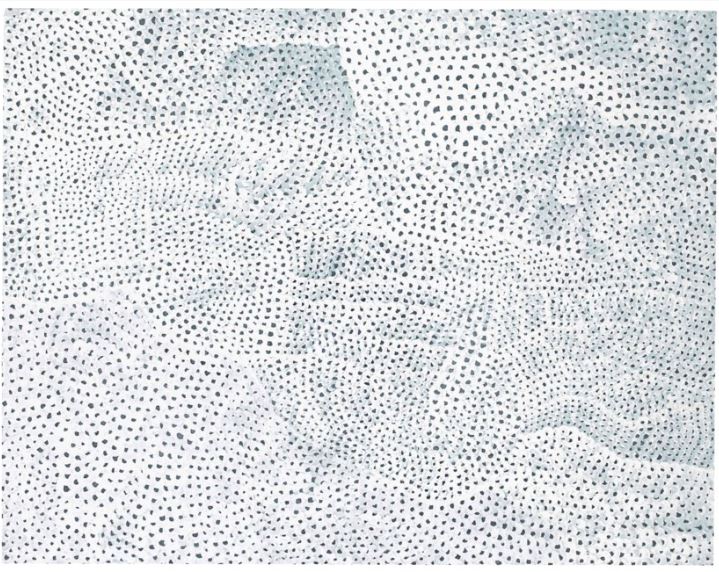
Infinity Nets (TOWZ), 2005
Acrylic on canvas
91.1 x 116.8 cm (35 7/8 x 46 inches)
Infinity-Nets visualizes Kusama’s ardent belief that “everything—myself, others, the universe—would be obliterated by white nets of nothingness connecting astronomical accumulations of dots. White nets enveloping the black dots of silent death against a pitch-dark background of nothingness” (Y. Kusama, Infinity Net: The Autobiography of Yayoi Kusama, London, 2011, p. 23). The looping brushstrokes, an expression of self-obliteration, fuse together to create a continuity of whiteness. When viewed in totality, the overlying segments of netting undulate much like a wave, rhythmically rising, receding, crashing and cresting.
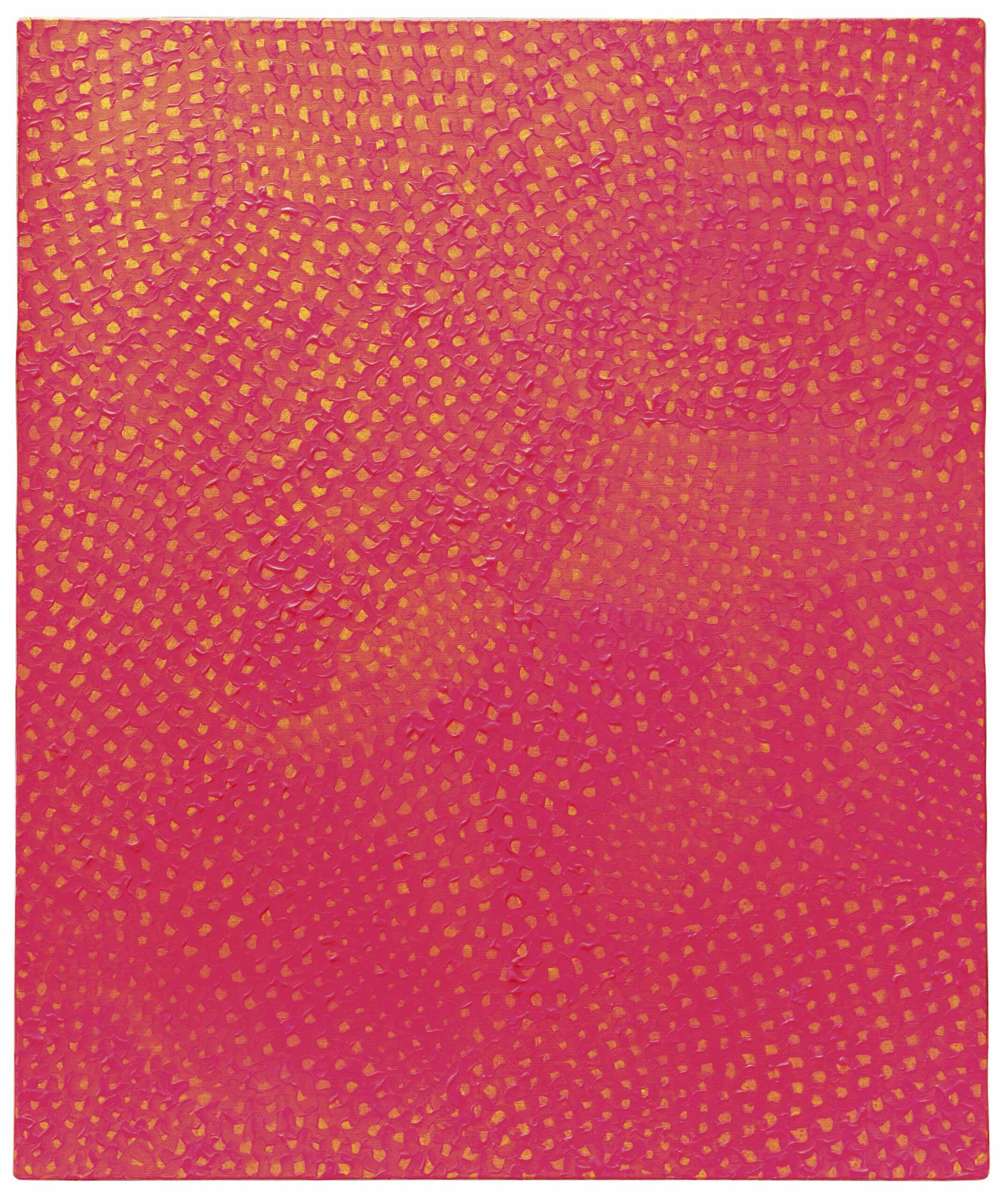
Original Infinity Nets, 2000
Acrylic on canvas
72.7 x 60.4 cm (28 5/8 x 23 7/8 in.
Adopting the gestural process inherent to Abstract Expressionism along with the monochromatic restraint of Minimalism, Yayoi Kusama forms her Infinity Nets. Deliberately painting canvases “without beginning, end, or center,” she occupies the entire picture plane with lush, circular strokes (Y. Kusama, quoted in “In conversation with Gordon Brown,” in L. Hoptman, Yayoi Kusama, London, 2000, p. 103). The artist’s practice is inherently performative; through a flurry of concentrated activity, a material rendering of infinity is fashioned. Reflecting on her creative impulses, Kusama states that “Painting, which is powerful enough to wrap up the whole universe, not to mention the earth, is Kusama’s Infinity Nets. I will probably continue to paint this endless web, which I have worked on for the past 40 years. Yayoi Kusama is unchangeable…I can neither stop my existence nor escape from death. This is my way of living and dying” (Y. Kusama, quoted in Yayoi Kusama: Recent Oil Paintings, exh. cat., Ota Fine Arts, Tokyo, 1998, n.p.).
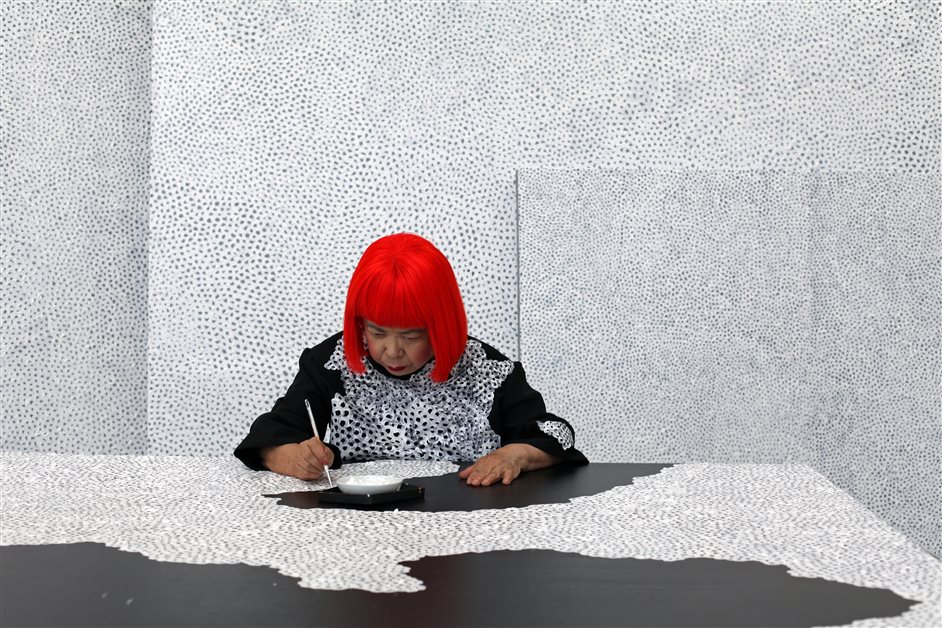
Throughout the past half-century, Yayoi Kusama has self-obliterated her hallucinations though artistic expression, gaining international recognition as a pioneer of contemporary art. The artist’s absorbing, sensual, hypnotic body of work has become a subject of public intrigue with her exhibitions receiving both critical and popular success around the world. Amongst her many contributions to 20th century art—drawings, paintings, immersive installations, site-specific performances, fashion, film and literature— her Infinity Nets have come to define the artist’s provocative identity. Infinity-Nets is an arresting example of the artist’s visually complex and psychologically laden series. Executed at the pinnacle of Yayoi Kusama’s career, this painting illustrates the artist’s tireless quest to express the infinity of the universe while coming to terms with her individual reality. Examples from Kusama’s Infinity Nets are held in renowned museum collections such as the Solomon R. Guggenheim Museum in New York, the Museum of Modern Art, and the Art Institute of Chicago, among other pre-eminent institutions.
Extraordinary Facts about Yayoi Kusama
#1. Painting became an act of rebellion
Born in 1929 in Matsumoto in Japan, Yayoi Kusama was the youngest of four children in a wealthy family. When she was a child, her mother made her spy on her father, who had repeated affairs. Her mother also told her she was not allowed to paint and frequently confiscated her inks and canvases, which might explain her obsessive creative drive.
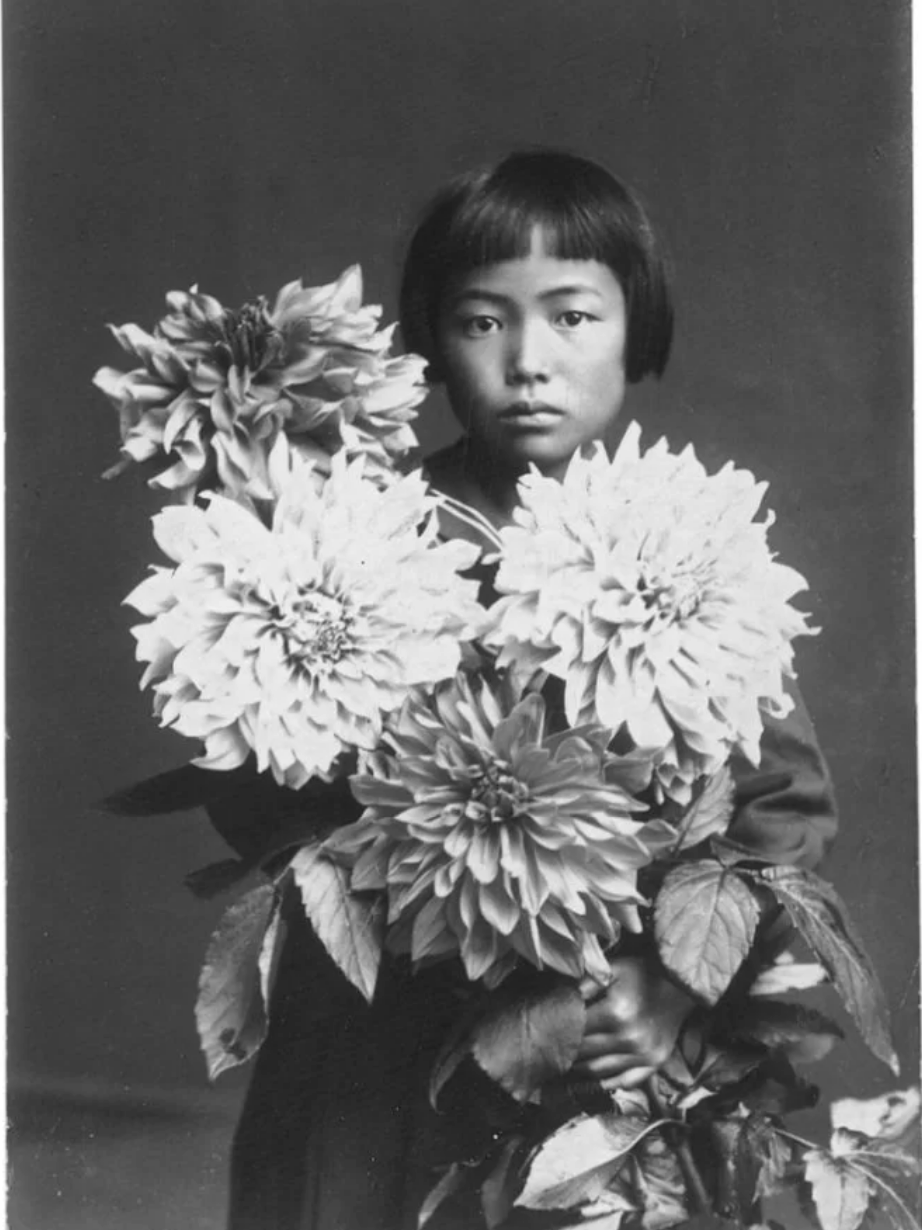
Photograph of Yayoi Kusama at the age of 10
Her family made their living from the cultivation of plant seeds. There is still a plant nursery on the site of Kusama’s childhood home. She had a conventional upbringing, and when Kusama began to express enthusiasm in making art, her family were not wholly supportive. Her mother in particular discouraged her young daughter’s dreams of becoming a professional artist, trying to steer her instead towards the conventional path of a traditional Japanese housewife.
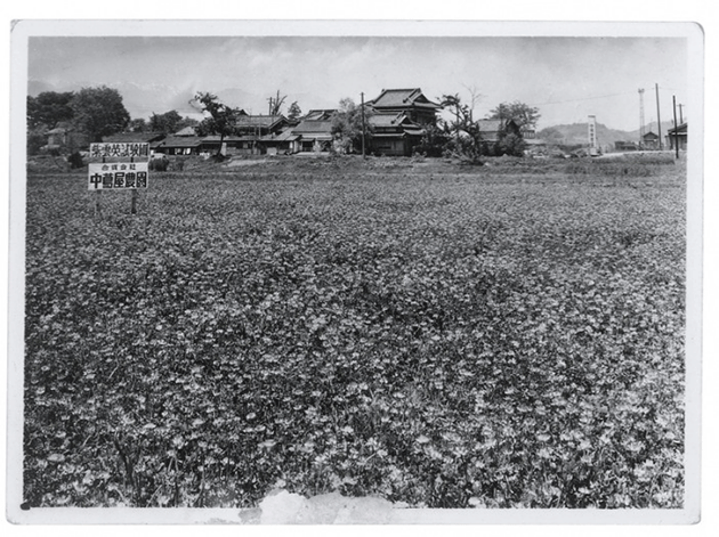
But Kusama’s persistence was strong. When her mother tore her drawings away from her, Kusama made more. When she could not afford to buy art supplies, she used materials she found around the home. After the outbreak of the Second World War, Kusama, like other school-age children in her hometown, was called upon to work for up to twelve hours a day in a parachute factory. Despite this punishing work, she managed to find the time and the resources to continue drawing.
#2. She moved to America following the advice of Georgia O’Keeffe
Far from considering her practice as a hobby, the blossoming Kusama decided she would become an artist. Against her family’s will, she went to an art school in Kyoto to learn painting. She didn’t stay there as the traditional setting of the education didn’t suit her. Kusama had bigger projects. She dreamed of being as famous as the American artists she saw in the books she read. She discovered Georgia O’Keeffe in one of those books. Impressed by O’Keeffe’s paintings as much as her accomplishments as a woman, Kusama decided to write to her.
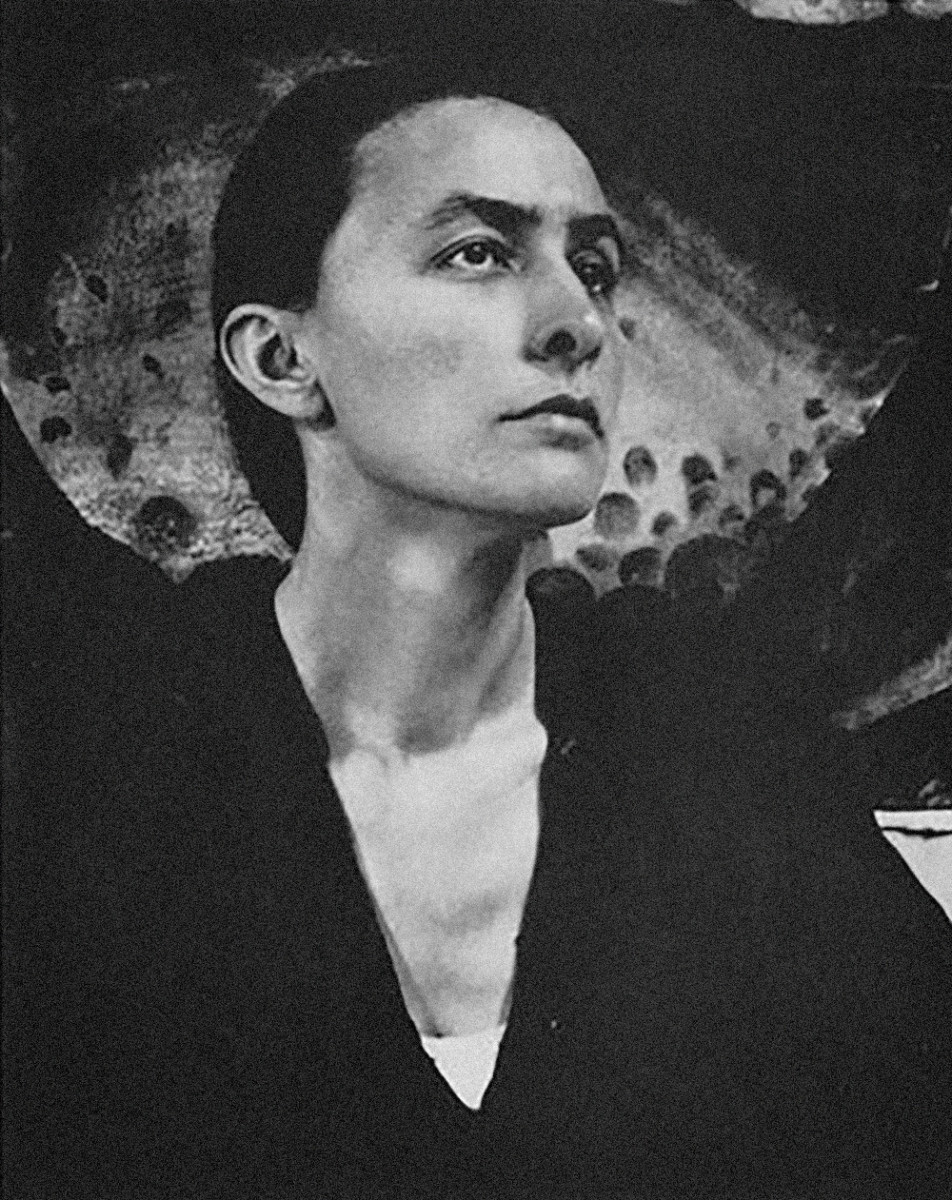
As a young, aspiring artist, Kusama greatly admired Georgia O’Keefe and even wrote to her to ask for advice. ‘I’m only on the first step of the long difficult life of being a painter. Will you kindly show me the way?’ she asked. O’Keeffe wrote back, warning that ‘in this country an artist has a hard time making a living.’ She nevertheless advised Kusama to come to America and show her work to as many people as she could.

In her mid-twenties, Kusama did just that. Reacting against what she regarded as her parents’ old-fashioned customs and morals, she decided to seek freedom and fame abroad. She moved to New York, where she lived between 1958 and 1975. ‘America is really the country that raised me,’ Kusama has said.
#3. She used her art as a self-therapy for her mental health
She describes her work as ‘art medicine’. The ‘Infinity Net’ paintings, which first won her critical acclaim in New York, originate from visual hallucinations that she claims have haunted her since childhood.
She first referenced the hallucinatory episodes as early as 1963, in an interview with the art critic Gordon Brown for WABC radio. ‘My nets grew beyond myself and beyond the canvases I was covering with them,’ she said. ‘They began to cover the walls, the ceiling, and finally the whole universe’. She now lives voluntarily in a psychiatric asylum in Tokyo, which has been her home since 1977.
Donald Judd worked as an art critic before becoming a leading light in the Minimalist movement. ‘The effect is both complex and simple,’ he wrote of Kusama’s paintings in Art News in 1959. The ‘Infinity Net’ paintings would fetch around $200 a piece at that time; now they sell for many millions.
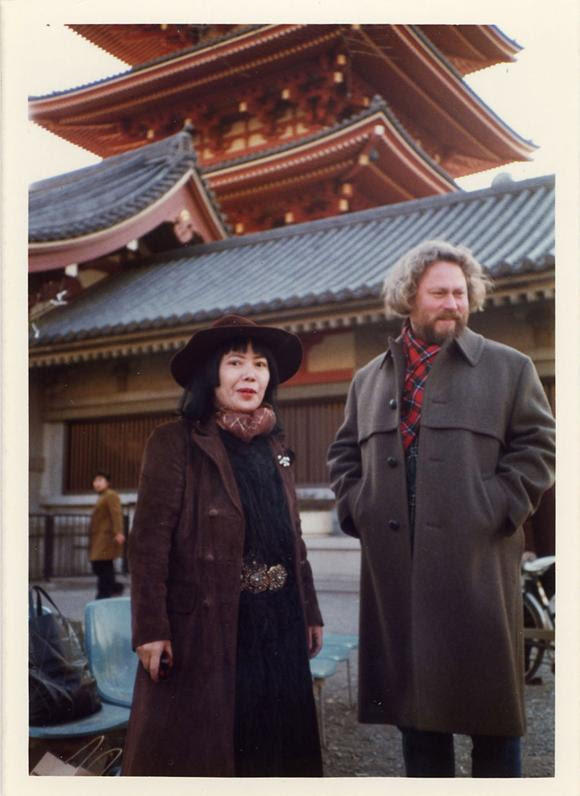
Kusama is now the highest-selling living female artist and the ‘Infinity Net’ paintings are her most sought-after pieces. According to figures, her touring retrospective, Yayoi Kusama: Infinite Obsession, attracted the biggest global audience of 2015.